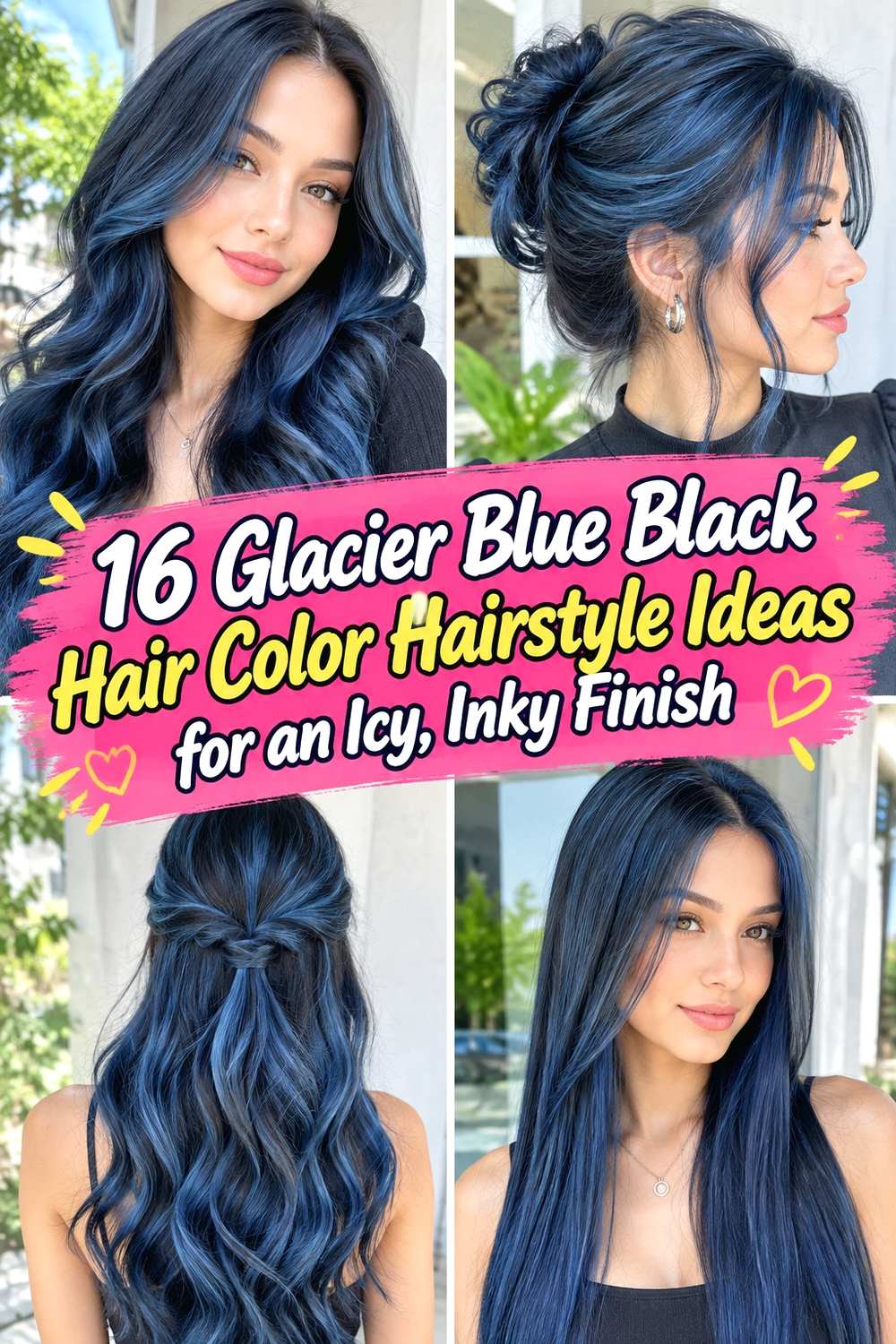
16 Cool Blue Winter Hair Color Ideas
Icy pastels, smoky denim, deep sapphire, and blue-black shine give winter hair a crisp, dramatic color palette with plenty of dimension.
Cool blue hair can range from barely-there frozen tints to saturated jewel tones, which makes it surprisingly versatile for winter. Pale ice blue creates an ethereal finish, smoky shades feel softer and more muted, while sapphire, cobalt, and navy deliver richer contrast. Placement matters just as much as the shade: balayage, money pieces, ribbon highlights, shadow roots, and gradients can completely change how bold the final color feels.
Before choosing a look, consider your starting hair color, desired intensity, maintenance routine, and willingness to lighten the hair. Very pale blues generally require a light, even base, while deeper navy and blue-black shades may be easier to achieve on darker starting colors. Also think about fading—fashion blues can shift over time, so a color-safe routine and realistic refresh schedule help maintain the tone.
Quick List
- Icy Silver Blue Balayage Hairstyle
- Midnight Blue Gloss Hairstyle
- Frosted Denim Blue Hairstyle
- Smoky Steel Blue Ombre Hairstyle
- Arctic Blue Money Piece Hairstyle
- Deep Sapphire Blue Hairstyle
- Pastel Ice Blue Hairstyle
- Blue Black Winter Shine Hairstyle
- Periwinkle Blue Melt Hairstyle
- Glacier Blue Highlight Hairstyle
- Stormy Navy Balayage Hairstyle
- Silver To Blue Gradient Hairstyle
- Frozen Teal Blue Hairstyle
- Cobalt Blue Ribbon Highlight Hairstyle
- Dusty Blue Shadow Root Hairstyle
- Prismatic Winter Blue Hairstyle
1. Icy Silver Blue Balayage Hairstyle
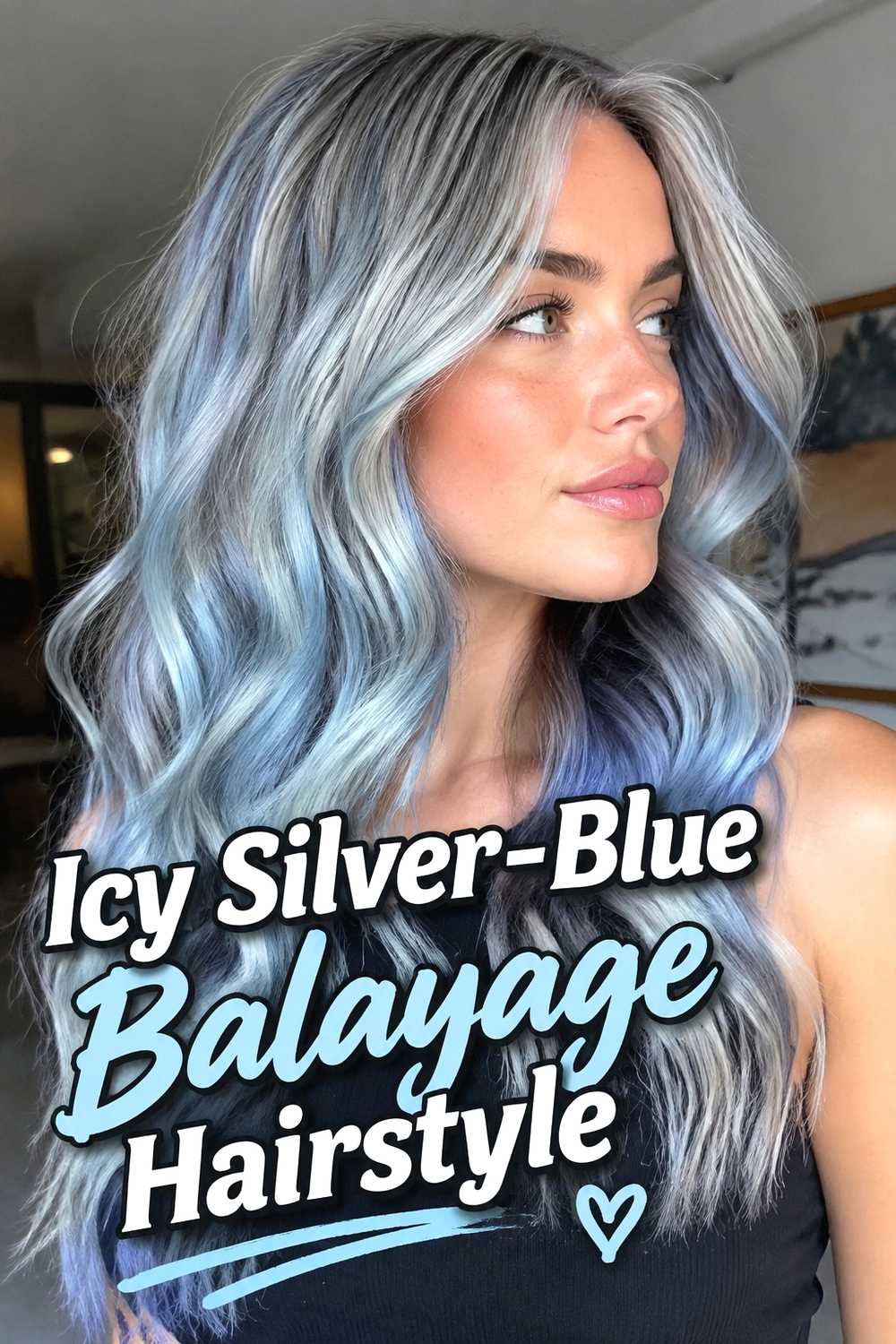
Icy silver-blue balayage blends frosted silver with cool blue ribbons for a dimensional winter finish that looks especially striking on softly waved hair. Instead of covering every strand in the same blue, the color gradually brightens through the mid-lengths and ends, leaving enough variation to show movement. A cool-toned root can make the transition look softer, while brighter icy pieces around the face add contrast. This idea works best when the hair has been lifted light enough for pale blue to appear clean rather than muddy. Because both silver and blue can lose clarity as they fade, this is a higher-maintenance option that benefits from gentle washing and regular toning.
Why It Works
The combination of silver and blue keeps the color from appearing flat. Different levels of brightness make layers, curls, and waves more visible.
2. Midnight Blue Gloss Hairstyle
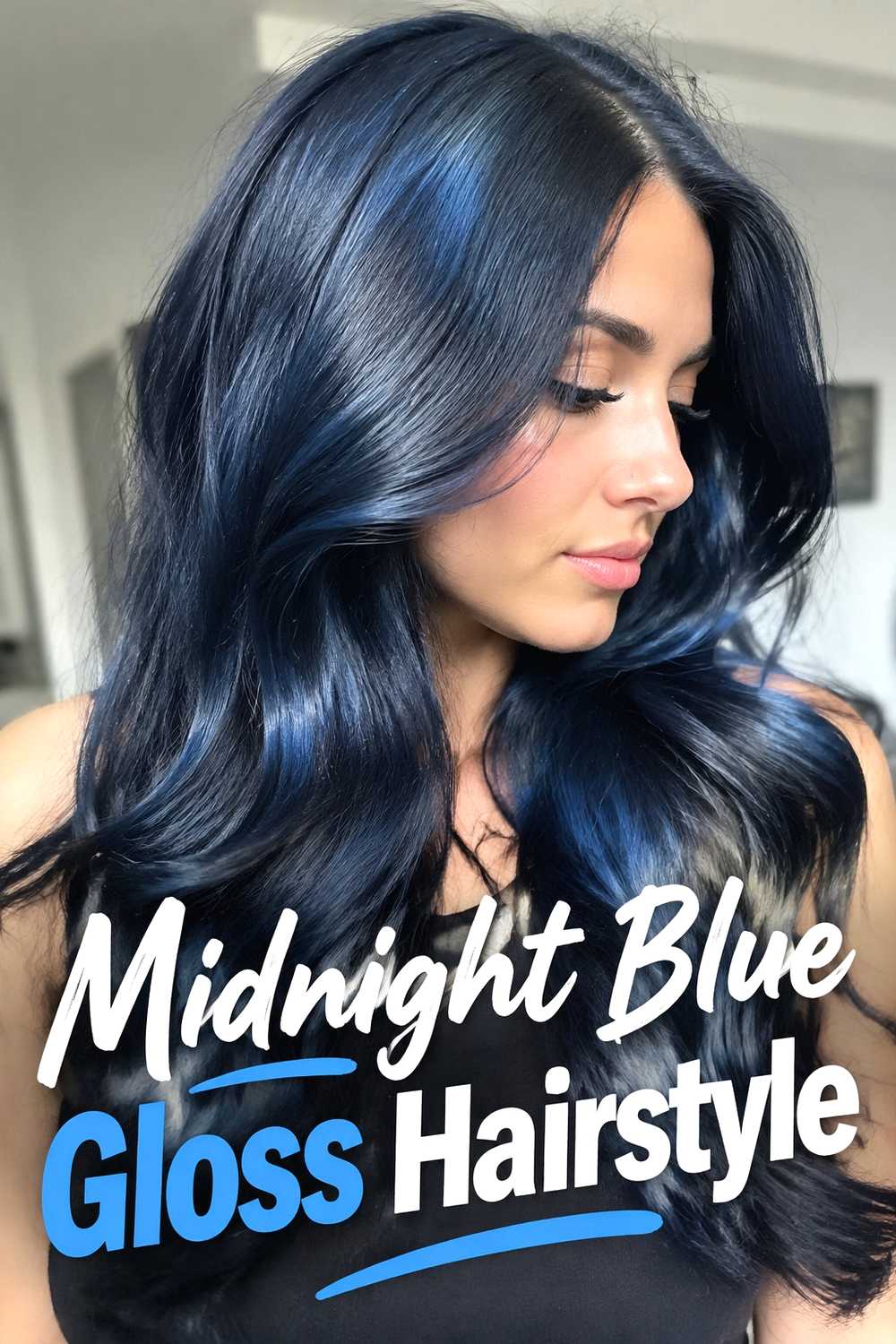
Midnight blue is a sophisticated way to wear vivid color without going pastel or extremely bright. The shade sits close to navy or blue-black indoors, then reveals a cooler blue sheen when the hair catches stronger light. A glossy, nearly uniform application works beautifully on straight hair, polished waves, and blunt cuts because the smooth surface emphasizes the reflective finish. Dark brunettes may also find this direction more approachable than icy blue because the overall depth remains rich. The key is keeping the undertone clearly blue rather than letting the result become ordinary black. As the color fades, refreshing the blue tone can help maintain that unmistakable midnight effect.
Best For
This color is ideal if you want a dramatic winter change while keeping the overall depth dark and polished.
3. Frosted Denim Blue Hairstyle
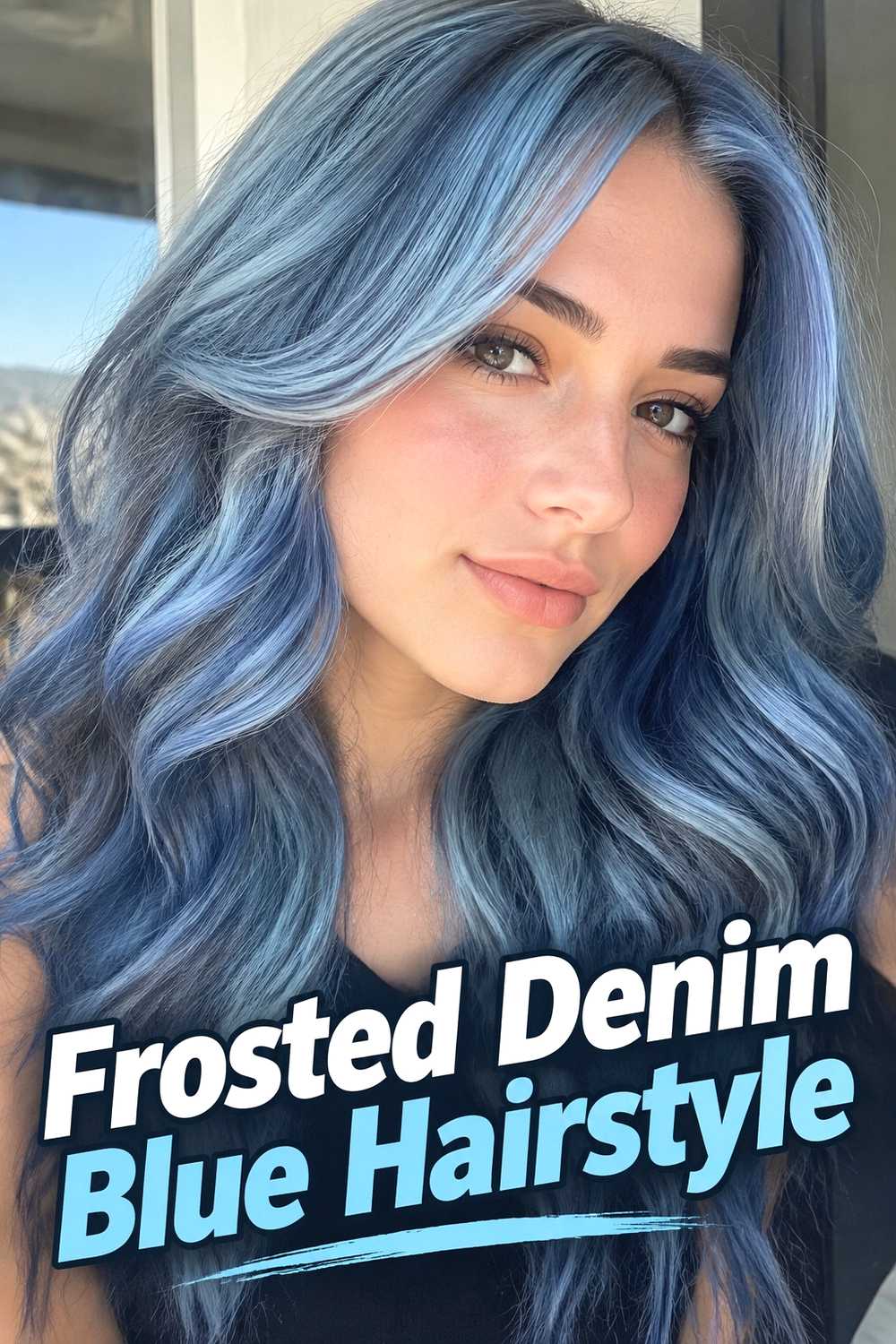
Frosted denim blue combines muted medium blue with smoky gray undertones, creating a softer alternative to electric fashion color. The finish can include slightly lighter and darker blue pieces, much like the natural variation seen in faded denim. Loose waves show this dimension particularly well because every bend reveals another level of color. This shade can be especially appealing if pure bright blue feels too intense but you still want something unmistakably cool-toned. A deliberately shadowed root can make the grow-out look more blended and add extra depth near the scalp. Since denim shades depend on a careful balance of blue and gray, maintaining the muted tone may require periodic color refreshes as the pigment fades.
Hair Type & Length
Medium and long layered hair provide plenty of space for denim variation, although the shade can also look sharp on a shorter textured bob.
4. Smoky Steel Blue Ombre Hairstyle
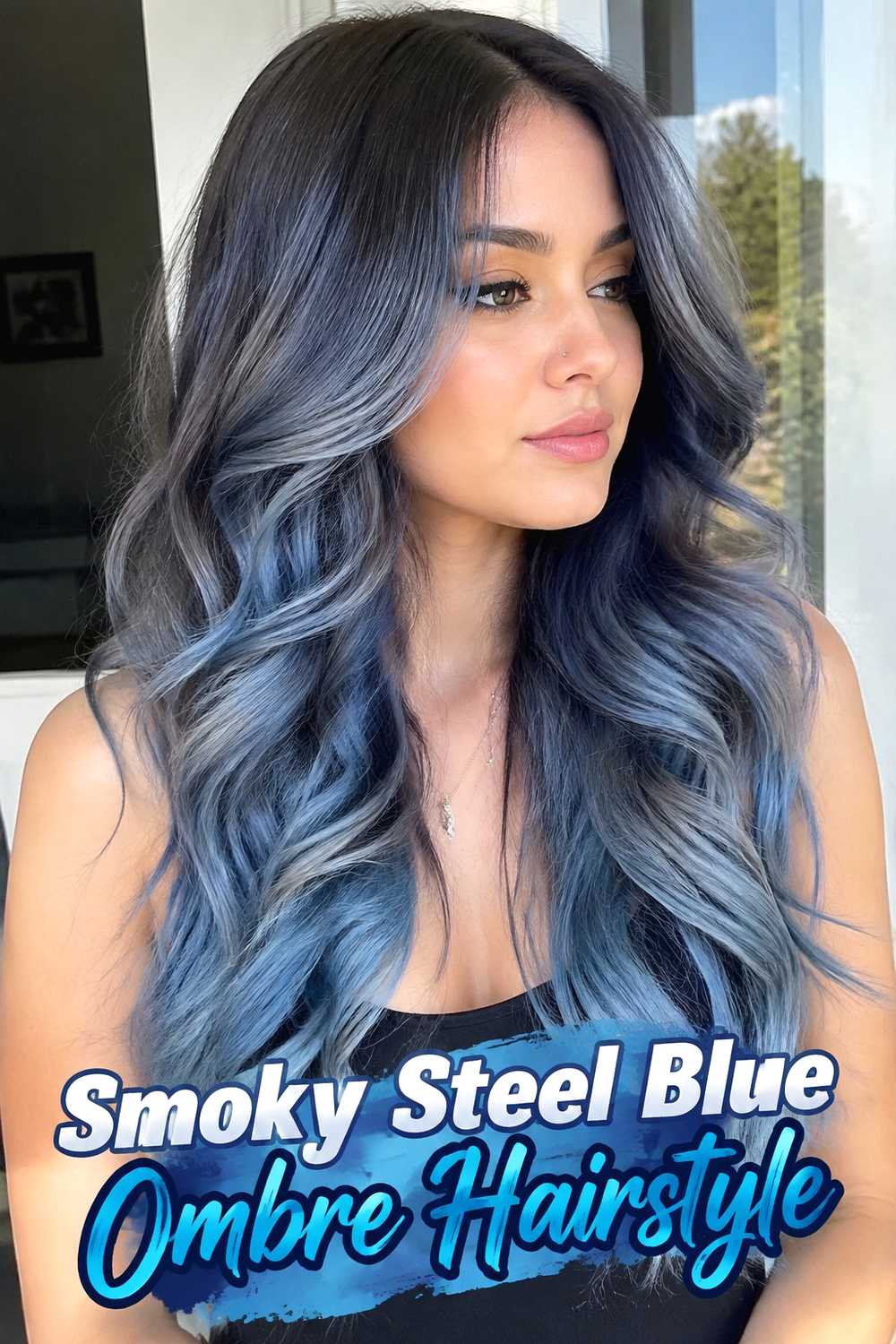
Smoky steel blue ombre moves from a deeper cool root into metallic-looking blue-gray lengths, creating a moody winter gradient without a harsh line of color. The transition should feel gradual, with the most noticeable steel tone appearing through the lower half of the hair. A hint of charcoal near the top can make the brighter ends look even frostier. This approach is useful for anyone who likes cool fantasy color but prefers visible root depth rather than an all-over pastel result. Waves and layered styling help display the progression, while straighter finishes create a sleeker metallic effect. Keeping the steel tone balanced is important because excessive warmth can quickly change the intended icy character.
Wear & Maintenance
Wash less aggressively and avoid unnecessarily hot water if you want the blue-gray pigment to stay visible longer between refreshes.
5. Arctic Blue Money Piece Hairstyle
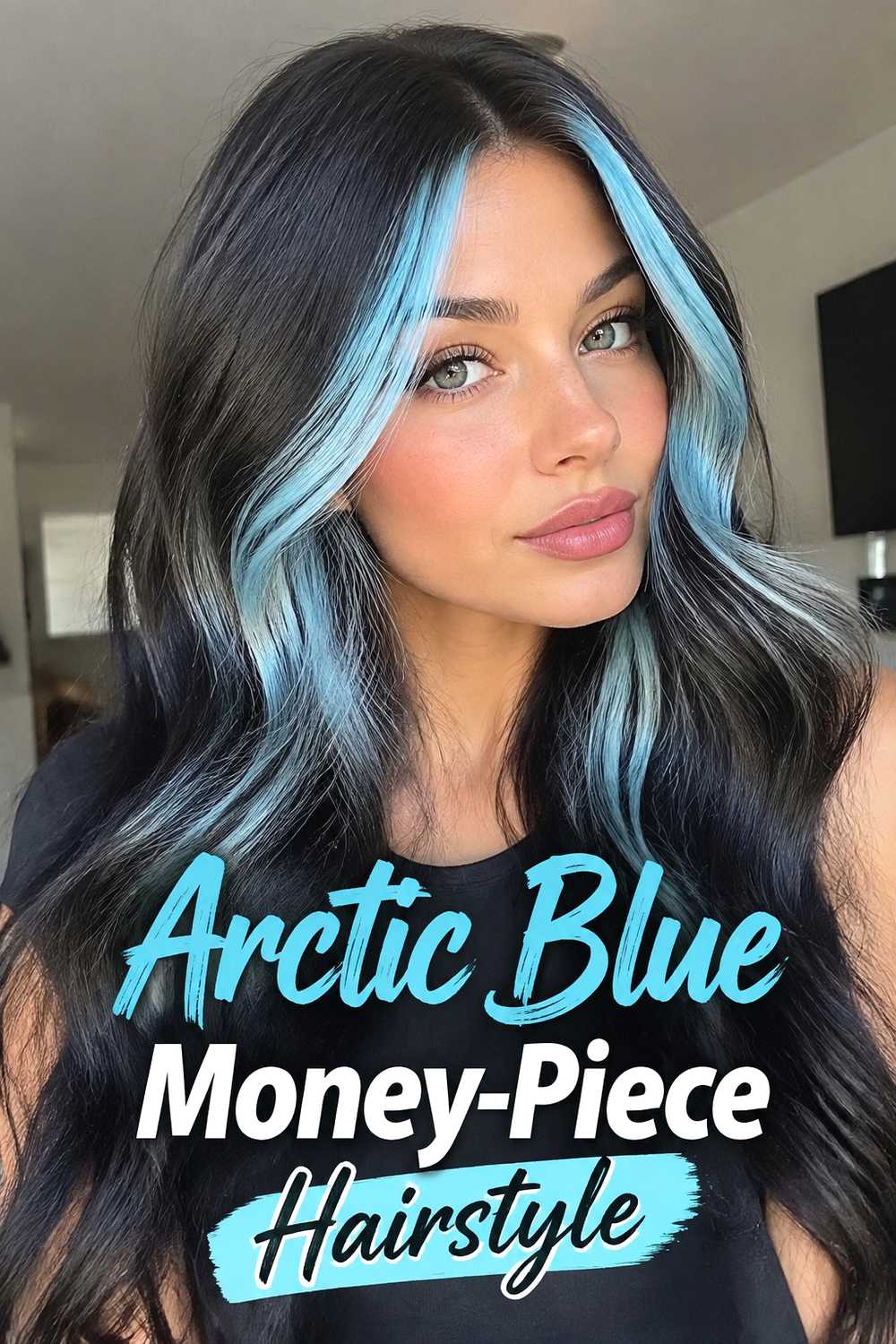
An arctic blue money piece concentrates the brightest winter color around the face while leaving the rest of the hair deeper and more understated. Two bold front sections can be colored pale icy blue, while the background stays brunette, black, silver, or dark blue. The contrast makes this one of the easiest ideas to customize: thin face-framing ribbons feel more subtle, while thick panels create a graphic statement. Because the front pieces are the lightest area, they need an even base for the blue to remain crisp. This placement is particularly effective on layered cuts and curtain-bang shapes, where the color follows the movement around the face and remains visible in both updos and loose hairstyles.
Pro Tip
Decide how wide you want the front panels before lightening. The width changes the entire impact of the look more than a small shift in blue intensity.
6. Deep Sapphire Blue Hairstyle
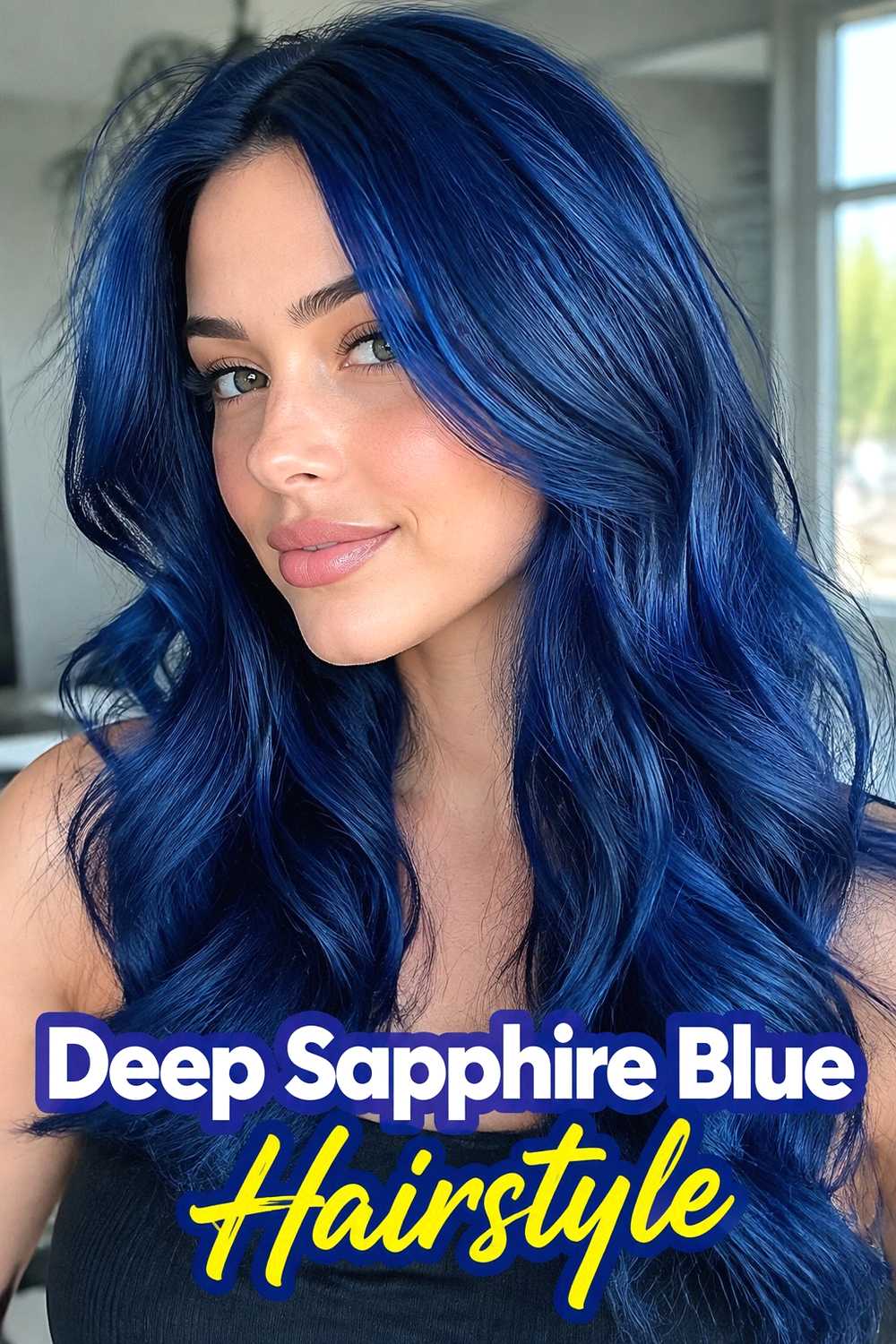
Deep sapphire blue brings jewel-tone richness to winter hair with more brightness than navy but significantly more depth than pastel blue. The color looks especially dimensional on waves and curls because the raised sections catch the light and reveal vivid blue, while recessed areas appear darker. An all-over sapphire finish can be bold, but darker roots or subtle lowlights can give the shade extra structure. This is a strong option for anyone who wants clearly blue hair without the frosted appearance of very light shades. Maintaining shine is important because rich jewel colors look most striking when the hair surface appears smooth and healthy. A gloss-style refresh can help restore intensity after the color begins losing saturation.
Why It Works
Sapphire has enough depth to feel dramatic in winter while still reflecting a recognizable, saturated blue instead of reading as black.
7. Pastel Ice Blue Hairstyle
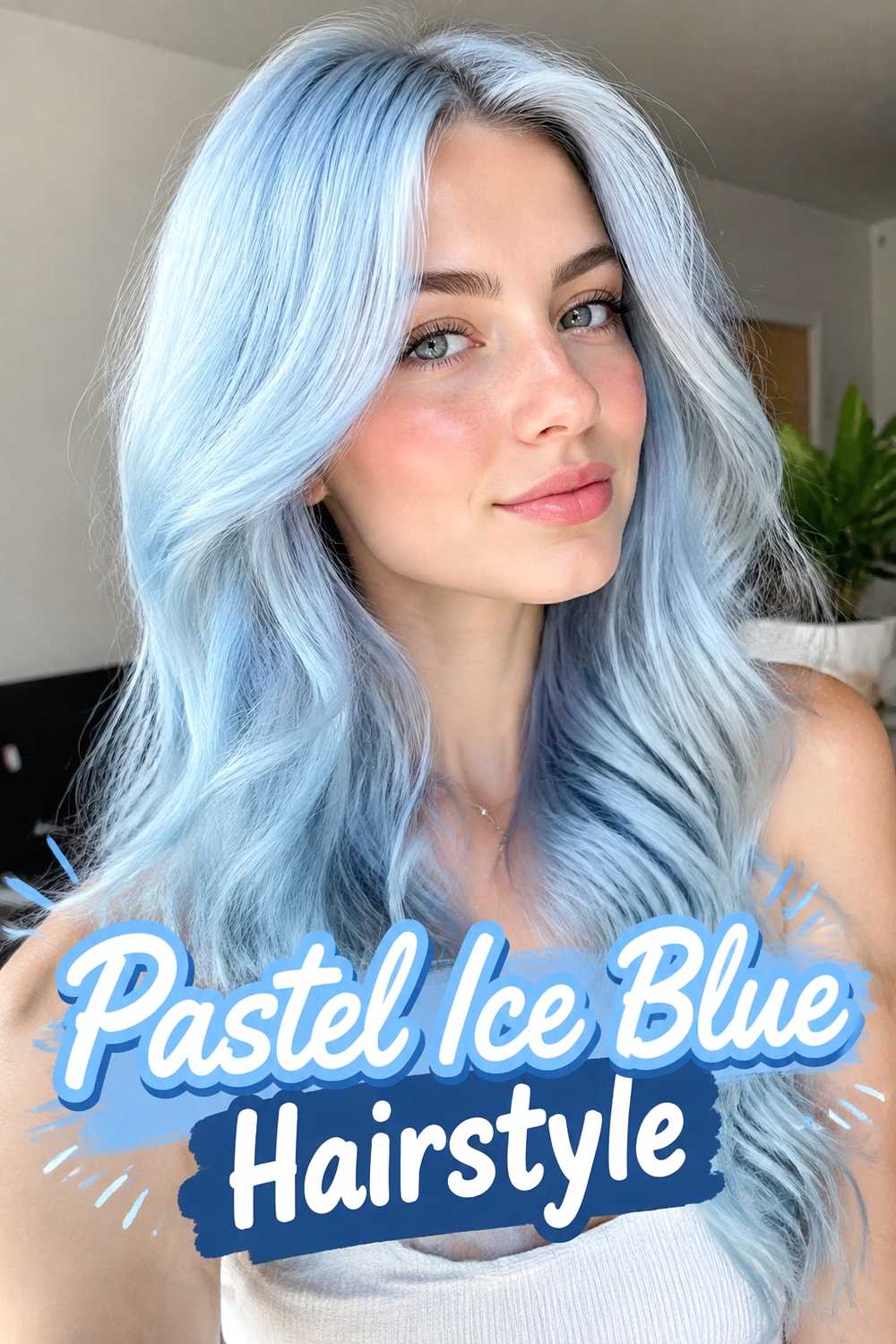
Pastel ice blue creates one of the palest looks in this collection, with a soft frozen tint that can appear almost silvery under bright light. The most successful version starts from a very light, even base, since leftover yellow warmth can alter the clean blue finish. A solid pastel application gives the hair an airy, ethereal quality, while faint silver lowlights can add dimension without making the result much darker. This shade looks beautiful on short bobs, long layers, and softly waved lengths because the delicate color does not compete with the haircut. Pale pigments typically show fading quickly, so this look makes the most sense if you are comfortable with regular upkeep and gradual tonal changes.
Wear & Maintenance
Pastel blue generally needs more frequent refreshing than deeper shades. Gentle cleansing and cooler water can help reduce rapid color loss.
8. Blue Black Winter Shine Hairstyle
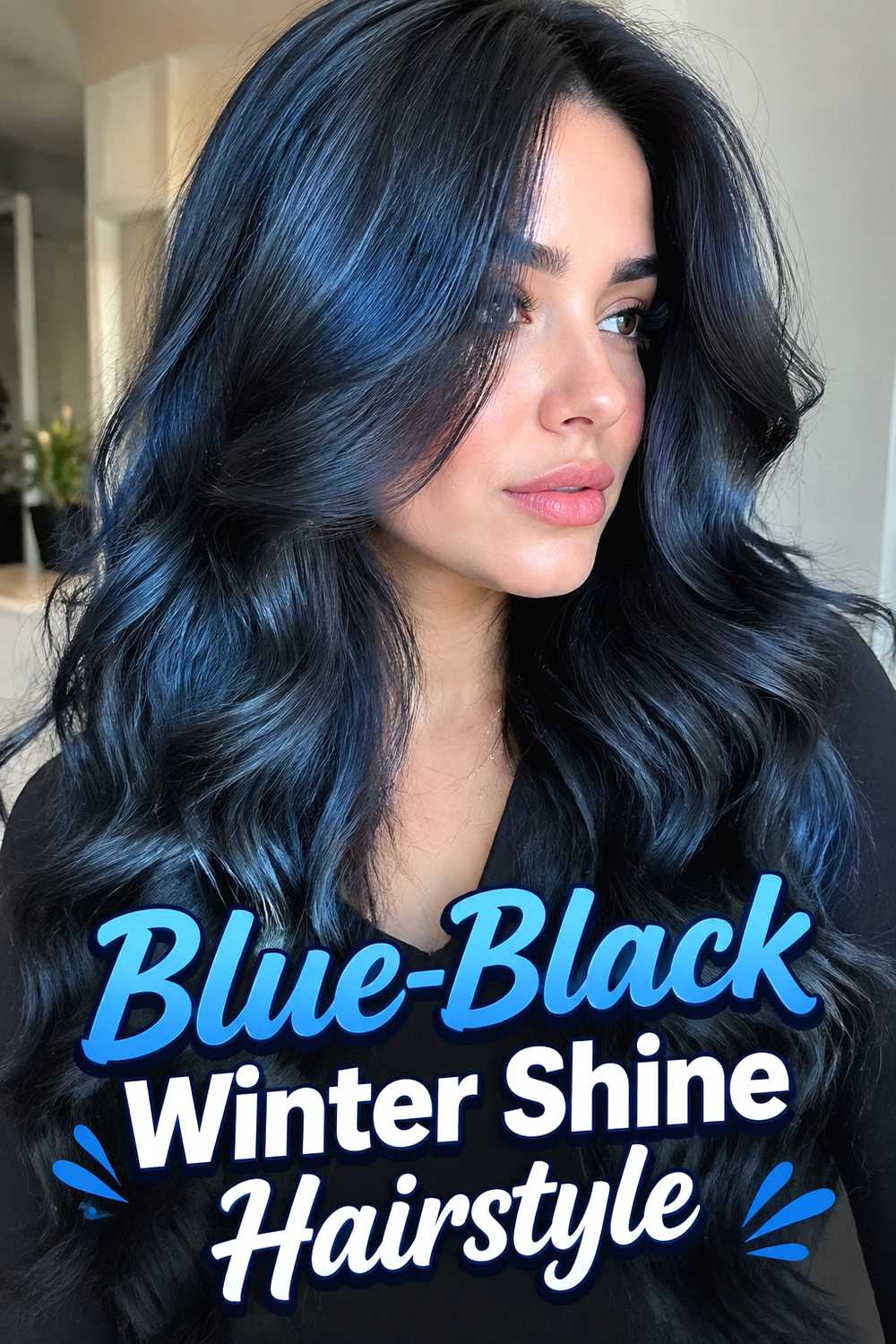
Blue-black is the darkest interpretation of cool winter color, combining an inky black base with blue reflect that becomes more noticeable in daylight. The effect is sleek, dramatic, and particularly striking on smooth hair where uninterrupted shine shows the undertone clearly. Unlike brighter fantasy blues, this shade does not rely on an icy pastel finish to make an impact. It can also be customized with slightly brighter navy pieces around the face or through the ends for added dimension. Because blue-black is deeply pigmented, consider how long you want to stay dark before committing. It works beautifully with blunt bobs, long straight hair, glossy waves, and layered cuts where the reflective tone can shift across different angles.
Best For
Choose this direction if you prefer dark, polished hair but want a cooler and more distinctive finish than neutral black.
9. Periwinkle Blue Melt Hairstyle
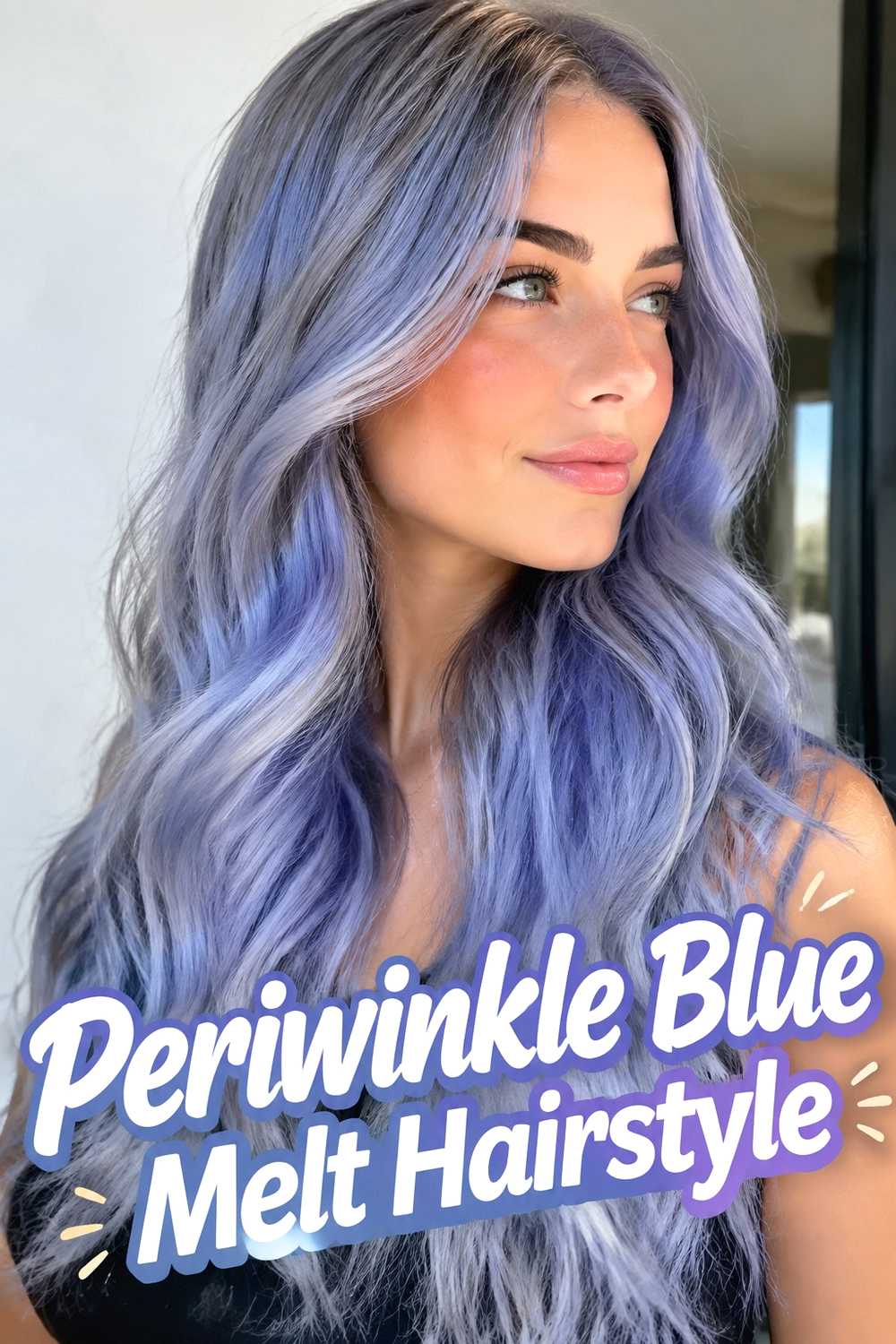
Periwinkle blue sits between soft blue and cool violet, giving winter hair a dreamy pastel finish with more complexity than a single icy shade. A color melt can begin with a slightly deeper blue-violet root and gradually soften into lighter periwinkle through the ends. This creates dimension without relying on traditional highlights and makes the transition feel fluid on long waves or layered cuts. The violet undertone can become more noticeable as lighting changes, which gives the color a multidimensional quality. Like other pale fantasy shades, periwinkle generally requires a light base and consistent maintenance. If you enjoy gradual fading, the shift toward softer lavender-blue tones can also become part of the look.
Styling Notes
Loose waves showcase the melt particularly well because the curved sections reveal the transition between deeper and lighter blue-violet tones.
10. Glacier Blue Highlight Hairstyle
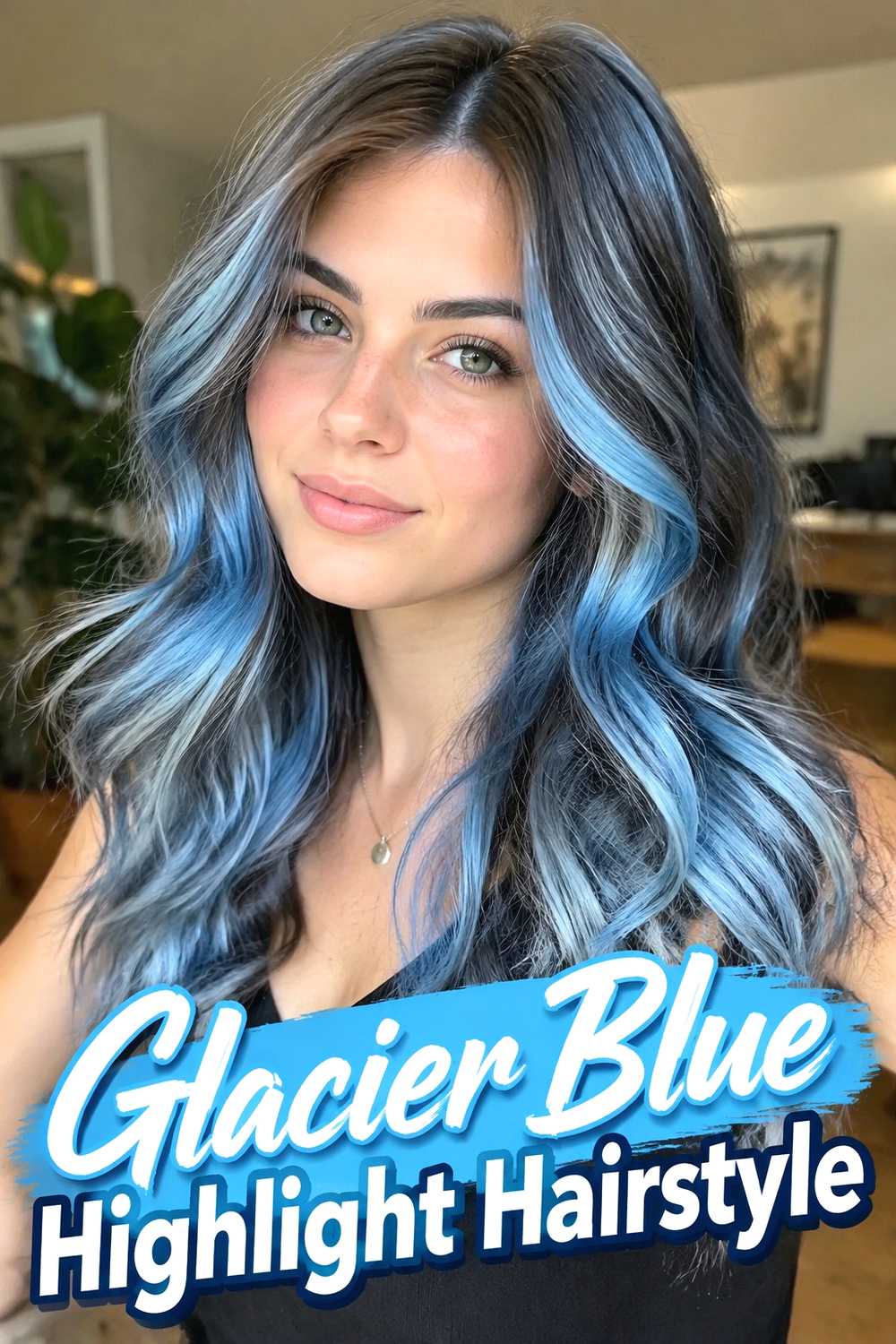
Glacier blue highlights introduce crisp cool ribbons through a silver, blonde, gray, or deep blue base. Rather than creating one solid color, the placement uses contrasting streaks to mimic the layered blue tones seen in ice. Fine highlights produce a softer frosted finish, while thicker sections look more graphic and noticeable. Concentrating brighter pieces around the face and upper layers makes the color visible without requiring every strand to be lightened. This option can work especially well if you enjoy dimensional color and want a winter-inspired update that preserves some of your existing base. The overall effect depends heavily on contrast, so choosing the right highlight width and brightness is just as important as selecting the blue itself.
Pro Tip
Ask for varied highlight widths if you want a less striped finish. A mix of finer and medium pieces creates more natural-looking depth.
11. Stormy Navy Balayage Hairstyle
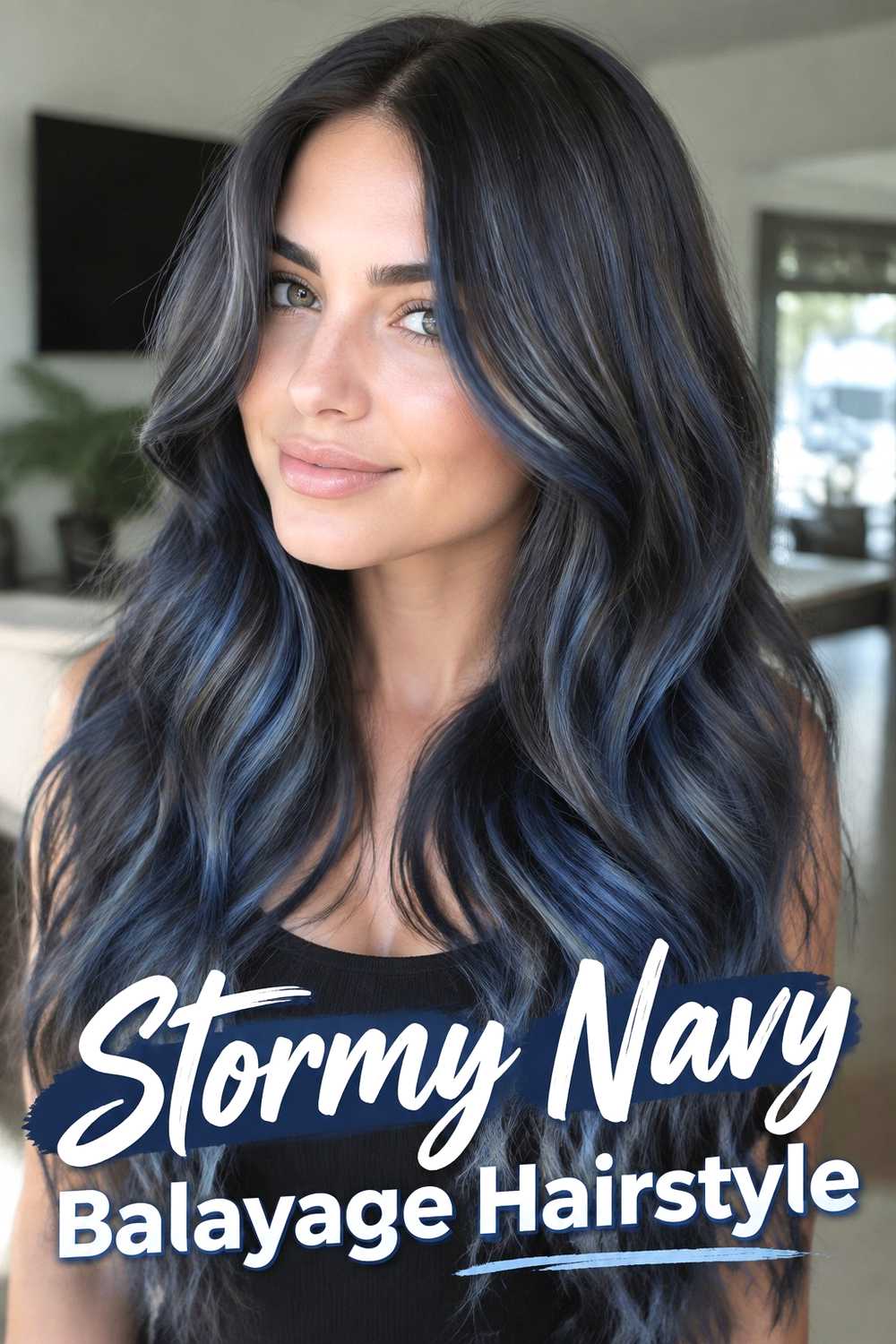
Stormy navy balayage combines deep blue with smoky charcoal undertones for a dark winter look that reveals its dimension gradually. The root stays deeper, while hand-painted navy pieces become more visible through the middle and ends. Instead of using bright cobalt, the palette remains subdued and moody, which makes the blue noticeable without becoming neon. This color works particularly well on brunette or naturally dark-looking bases because the transition can remain intentionally shadowed. Long waves display the navy ribbons beautifully, but shorter layered cuts can also create strong flashes of color. Maintenance may feel more forgiving than with pale blue because the darker root is incorporated into the design rather than treated as unwanted regrowth.
Why It Works
The balayage placement gives a dark blue palette enough variation to show texture, preventing the overall color from appearing like one flat block.
12. Silver To Blue Gradient Hairstyle
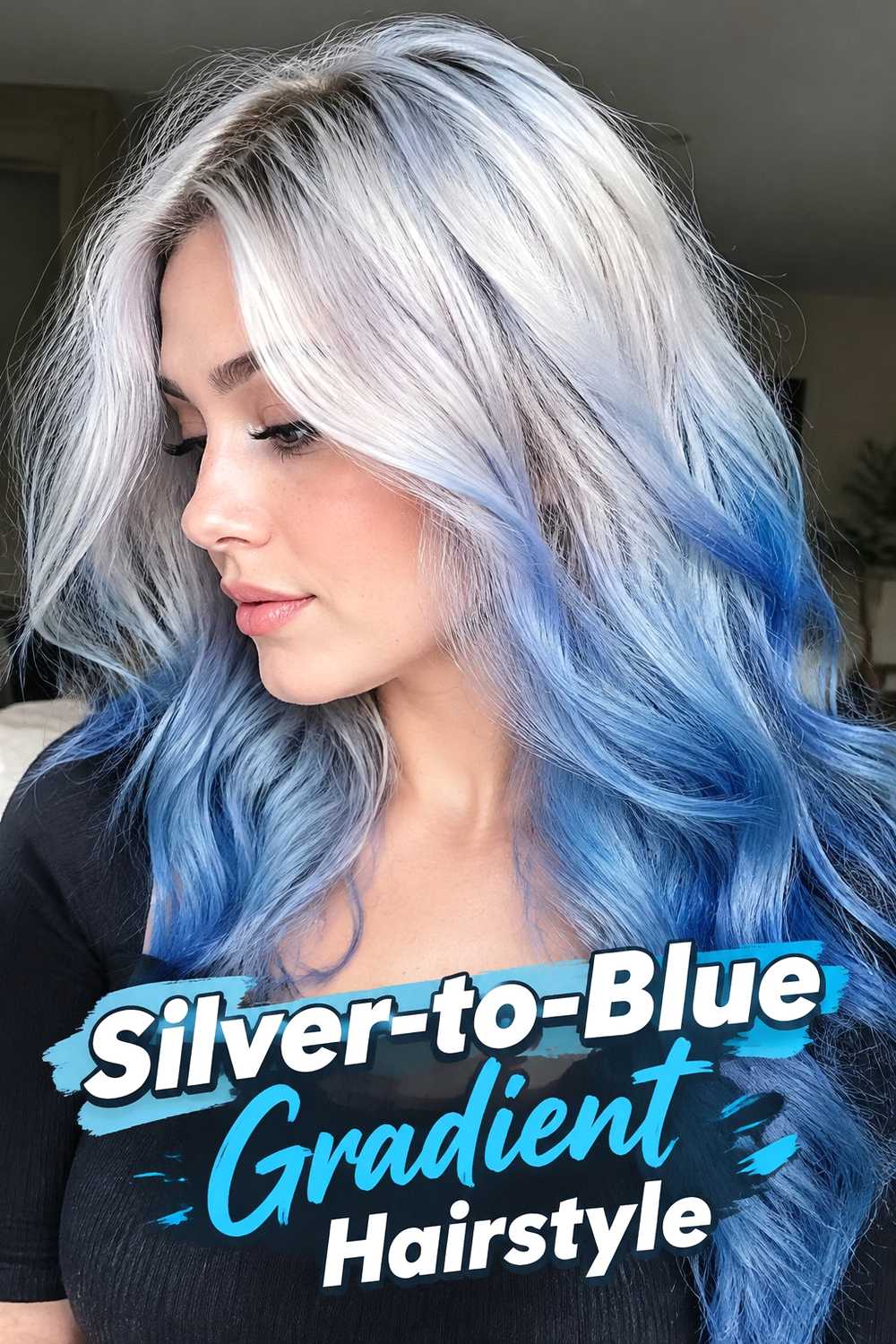
A silver-to-blue gradient begins with cool metallic silver near the upper lengths and slowly develops into clear blue toward the ends. The transition can be soft and icy or more dramatic, depending on how saturated the lower section becomes. This placement looks particularly striking on long hair because there is enough space for the colors to blend gradually rather than changing abruptly. The silver zone requires a very cool base, while the blue ends can range from pale glacier to medium denim. Styling the hair in loose waves emphasizes the transition, but a sleek finish makes the gradient look especially graphic. Both tones require maintenance, so this idea suits someone comfortable caring for lightened, fashion-colored hair.
Hair Type & Length
Long and medium-long hair give the smoothest visual transition, although a shorter lob can use a compressed version with silver roots and blue tips.
13. Frozen Teal Blue Hairstyle
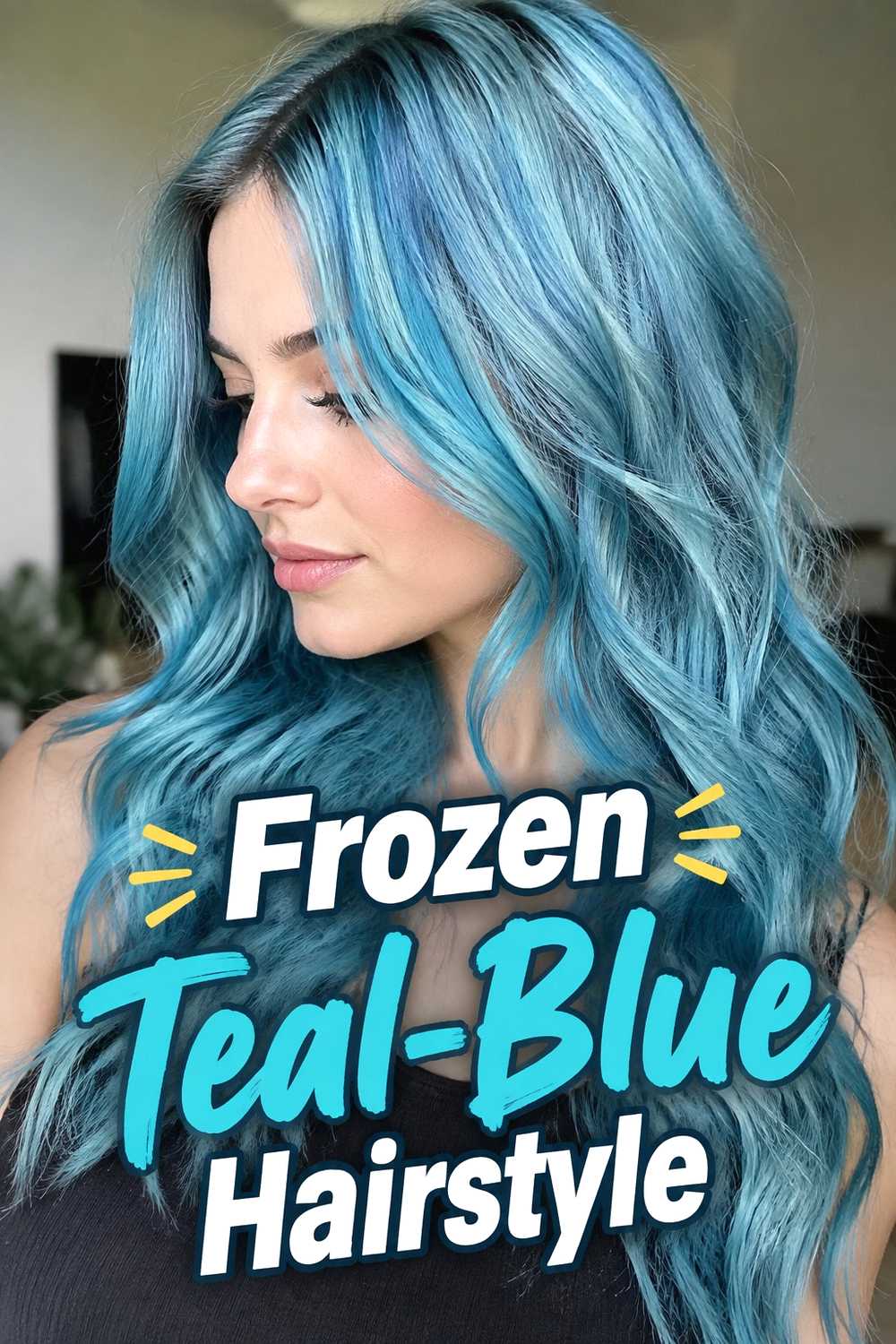
Frozen teal-blue mixes icy blue with a controlled touch of green for a winter color that feels fresh without moving fully into turquoise. The coolest versions keep the green undertone subtle and pair it with pale blue highlights or silvery pieces. This shade becomes especially dimensional on textured waves, where slightly different blue-teal tones can appear throughout the surface. It is a good alternative if pure sapphire feels too dark and pastel ice blue feels too delicate. Because teal can reveal more green as other pigments fade, maintenance should focus on preserving the intended cool balance. A deeper teal-blue root fading into lighter frozen ends can also make the color feel more dimensional and easier to grow out.
Styling Notes
Use larger waves rather than very tight curls when you want the variations between blue, teal, and icy highlights to remain easy to see.
14. Cobalt Blue Ribbon Highlight Hairstyle
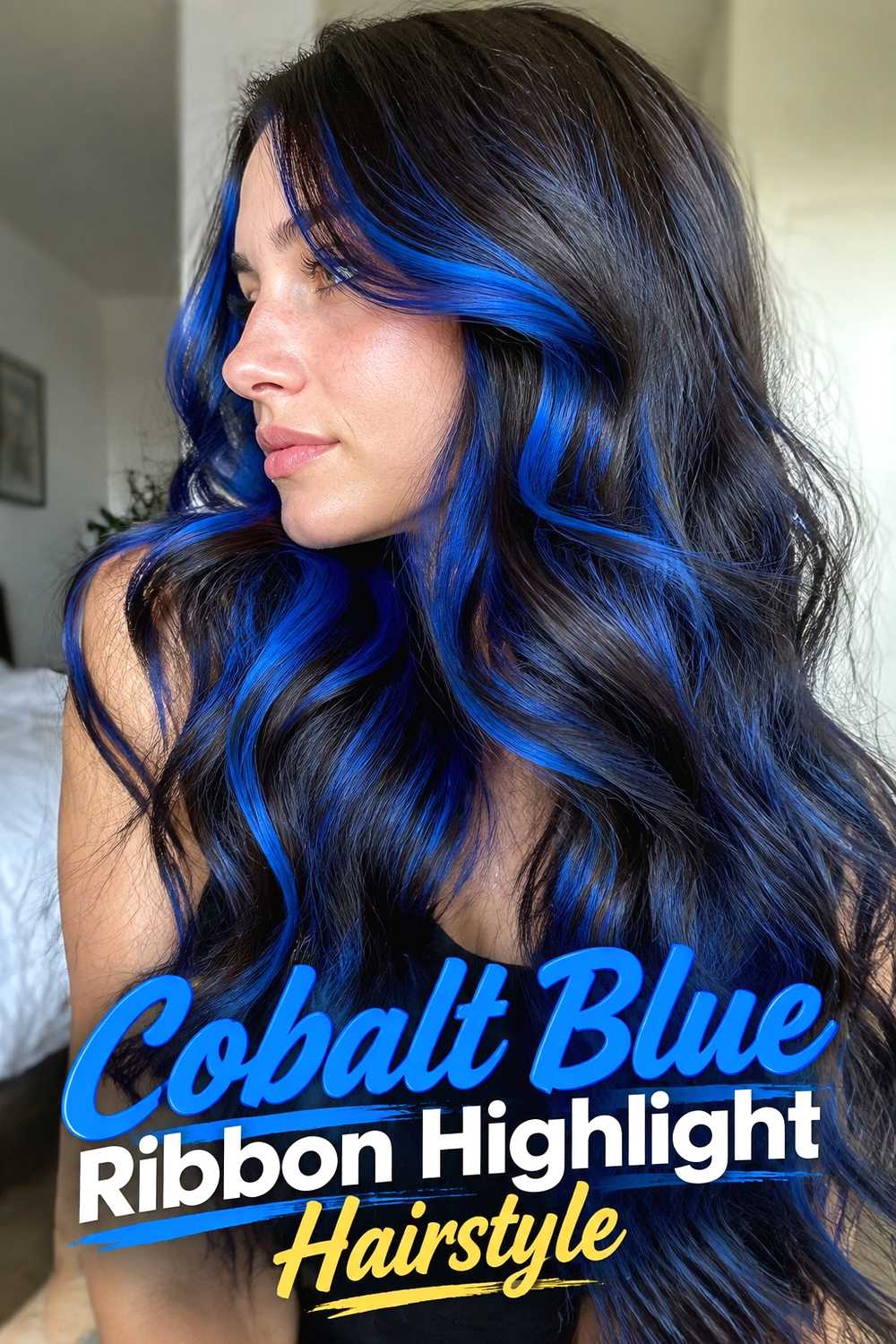
Cobalt ribbon highlights bring bold streaks of saturated blue through a dark base, creating strong contrast with an unmistakably modern winter edge. The highlights are wider than traditional fine foils, so they appear as clear bands of color when the hair moves. Placement around the face, underneath the top layer, or through selected mid-length sections can dramatically change the result. Black and deep brunette bases make cobalt look especially vivid, while a dark navy base creates a more blended finish. This idea works well if you want noticeable blue without coloring every strand. Waves help separate the ribbons visually, but straight hair can create a sharper graphic effect where each bold panel remains easy to identify.
Best For
This look suits anyone who wants high-impact blue placement while preserving a substantial amount of their darker natural-looking base.
15. Dusty Blue Shadow Root Hairstyle
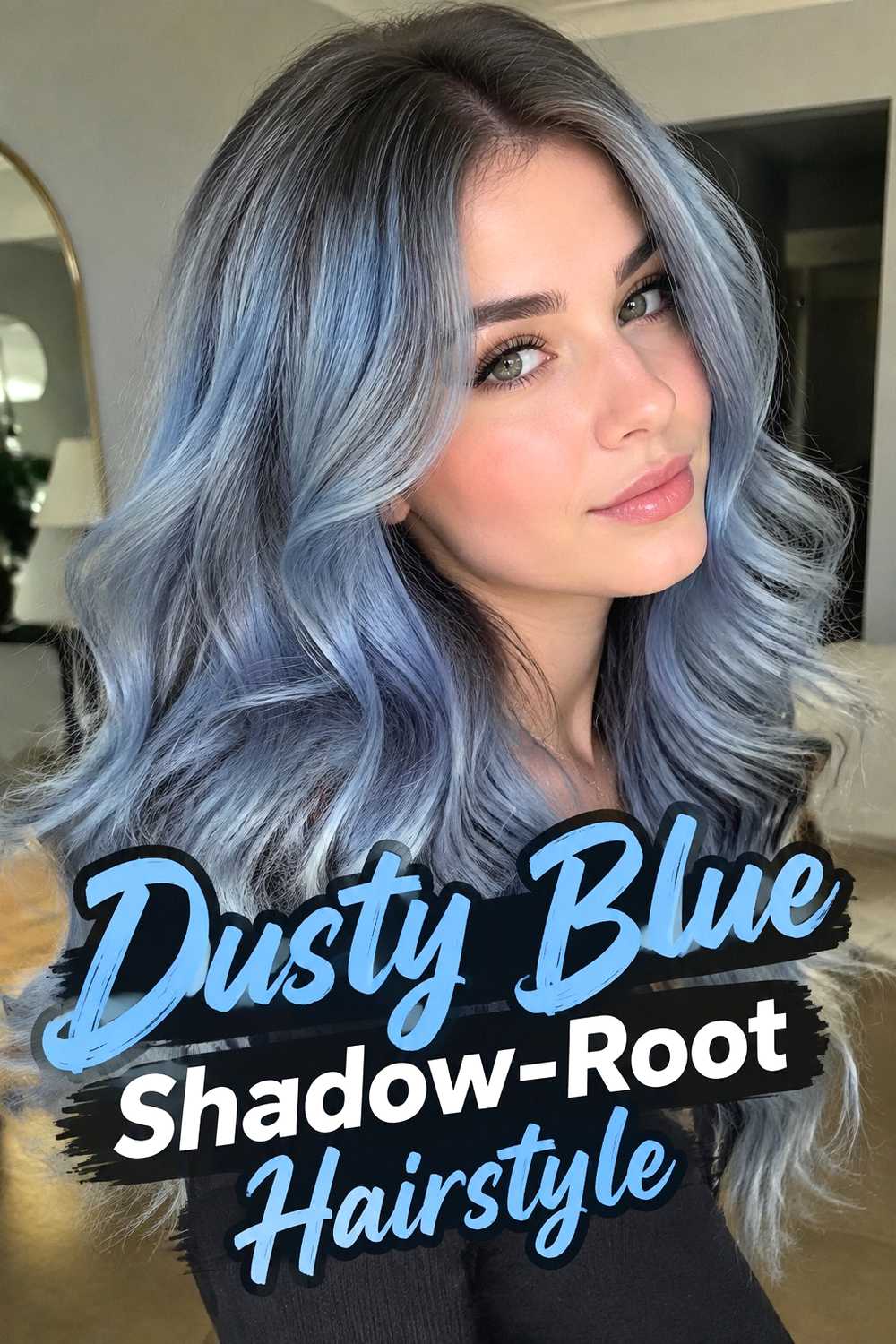
Dusty blue combines muted blue-gray lengths with a deeper shadow root for a softer, lived-in winter color. The root can stay charcoal, navy, or cool brunette before melting into desaturated blue through the middle and ends. Compared with bright pastel blue, the smoky finish feels intentionally subdued and can pair beautifully with tousled layers or relaxed waves. The darker root adds visual depth and means the scalp area does not need to match the palest sections exactly. However, the lighter lengths still need an appropriate base for the dusty tone to stay clear. This look is particularly appealing if you like fantasy color but prefer something hazier and less saturated than cobalt, sapphire, or electric blue.
Wear & Maintenance
A shadow root can soften visible grow-out, but the blue lengths will still need refreshing as the fashion pigment fades and changes tone.
16. Prismatic Winter Blue Hairstyle
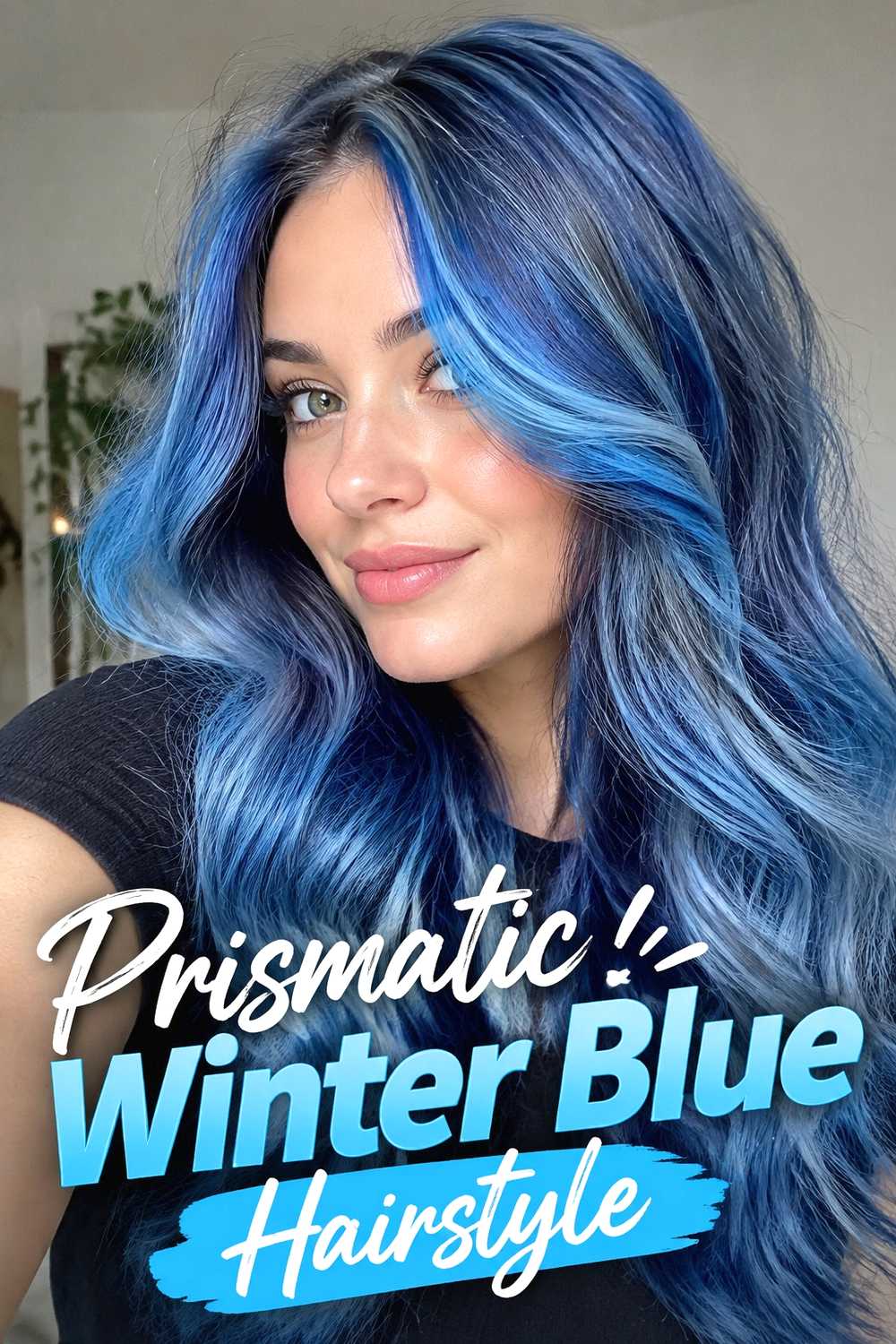
Prismatic winter blue layers several cool shades together—such as ice blue, periwinkle, sapphire, and subtle silver—to create a multidimensional finish that changes with movement. Instead of blending everything into one uniform color, carefully placed panels allow each tone to remain visible while still connecting to the overall palette. Waves and textured styling show the effect most clearly because different sections catch the light from different angles. This is one of the boldest options in the collection and usually involves a more complex coloring process, especially if the starting hair is dark. Keeping the palette entirely cool helps the result feel cohesive even with multiple shades. Plan for maintenance because different pigments may fade at different speeds.
Pro Tip
Limit the palette to a few related cool shades. Too many unrelated colors can muddy the prismatic effect and make the placement look less intentional.
How to Choose the Right Look
Start with your preferred depth. Pastel ice blue, icy silver-blue, and glacier highlights create the frostiest finish, but they generally require a lighter starting base. Sapphire, navy, midnight blue, and blue-black offer more depth and can feel richer during winter, especially if you do not want the entire head to look pale.
Next, choose the amount of commitment. Money pieces and ribbon highlights concentrate blue in selected areas, while balayage and shadow-root designs create softer transitions. All-over pastel, sapphire, or blue-black colors make a stronger statement and usually require more consistent maintenance.
Think about how fading will affect the shade as well. Pale blues may lose intensity quickly, while blue-violet, teal, and smoky denim shades can shift as individual pigments wash out. If low-maintenance grow-out matters, deeper roots and dimensional placement are generally easier to live with than a uniform pale color from roots to ends.
Finally, match the finish to your haircut. Waves emphasize gradients and ribbons, straight hair makes bold panels look graphic, and layered cuts reveal hidden variations as the hair moves.
Final Thoughts
Cool blue winter hair can be icy and delicate, dark and glossy, or boldly saturated. Choose your shade based on your starting color, desired contrast, and realistic maintenance routine. A strategically placed money piece or balayage can provide a smaller change, while sapphire, pastel blue, and prismatic color create a much stronger transformation.
FAQs
1. Which blue hair color feels most winter-inspired?
Icy silver-blue, glacier blue, steel blue, and pale pastel blue create the clearest frosted winter effect. Navy and blue-black offer a darker interpretation of the same cool palette.
2. Do I need to bleach my hair for blue color?
Very pale or bright blue usually needs a sufficiently light, even base to appear clean. Deeper navy, sapphire, and blue-black shades may require less lightening depending on your starting color and desired result.
3. Which cool blue shade is easiest to wear with dark hair?
Midnight blue, navy balayage, blue-black, and cobalt highlights can complement a deep base without requiring an all-over pale transformation.
4. How can I make blue hair look dimensional?
Combine different depths, use shadow roots, add carefully placed highlights, or choose balayage and gradient techniques. Styling with waves can also reveal the color variation more clearly.
5. How do I keep cool blue hair from fading too quickly?
Use a gentle routine designed for color-treated hair, avoid unnecessarily frequent washing and very hot water, and plan periodic color refreshes. Fashion blue pigments naturally change over time, so maintenance is part of the look.
Save your favorite cool blue winter hair color ideas, share the shades you love, and explore more seasonal hair inspiration for your next color change.