12 Loose Wave Placement With Faux-Fur Trimmed Jackets
Loose waves and plush faux-fur trim create a soft winter pairing when the hair is placed carefully around collars, shoulders, scarves, and textured jacket details.
Faux-fur trimmed jackets already add noticeable volume around the neckline, hood, or shoulders. That makes wave placement especially important. Keeping curls away from the bulkiest trim can show off both the hairstyle and jacket, while intentionally bringing a few waves forward creates softness without making the upper silhouette feel crowded.
The best placement depends on your hair length, jacket collar, scarf plans, and preferred amount of volume. Some looks sweep most of the hair to one side, while others tuck sections behind the shoulders, frame only the face, or concentrate movement farther down the lengths. These 12 options keep loose waves wearable, visible, and balanced with winter outerwear.
Quick List
- Deep Side Part Loose Waves Hairstyle
- Center Part Mid Length Waves Hairstyle
- One Shoulder Loose Waves Hairstyle
- Face Framing Loose Waves Hairstyle
- Collarbone Tucked Waves Hairstyle
- Low Volume Crown Waves Hairstyle
- Brushed Out Loose Waves Hairstyle
- Half Up Loose Waves Hairstyle
- Ear Tucked Side Waves Hairstyle
- Long Layered Loose Waves Hairstyle
- Soft S Pattern Waves Hairstyle
- Scarf Friendly Front Waves Hairstyle
1. Deep Side Part Loose Waves Hairstyle
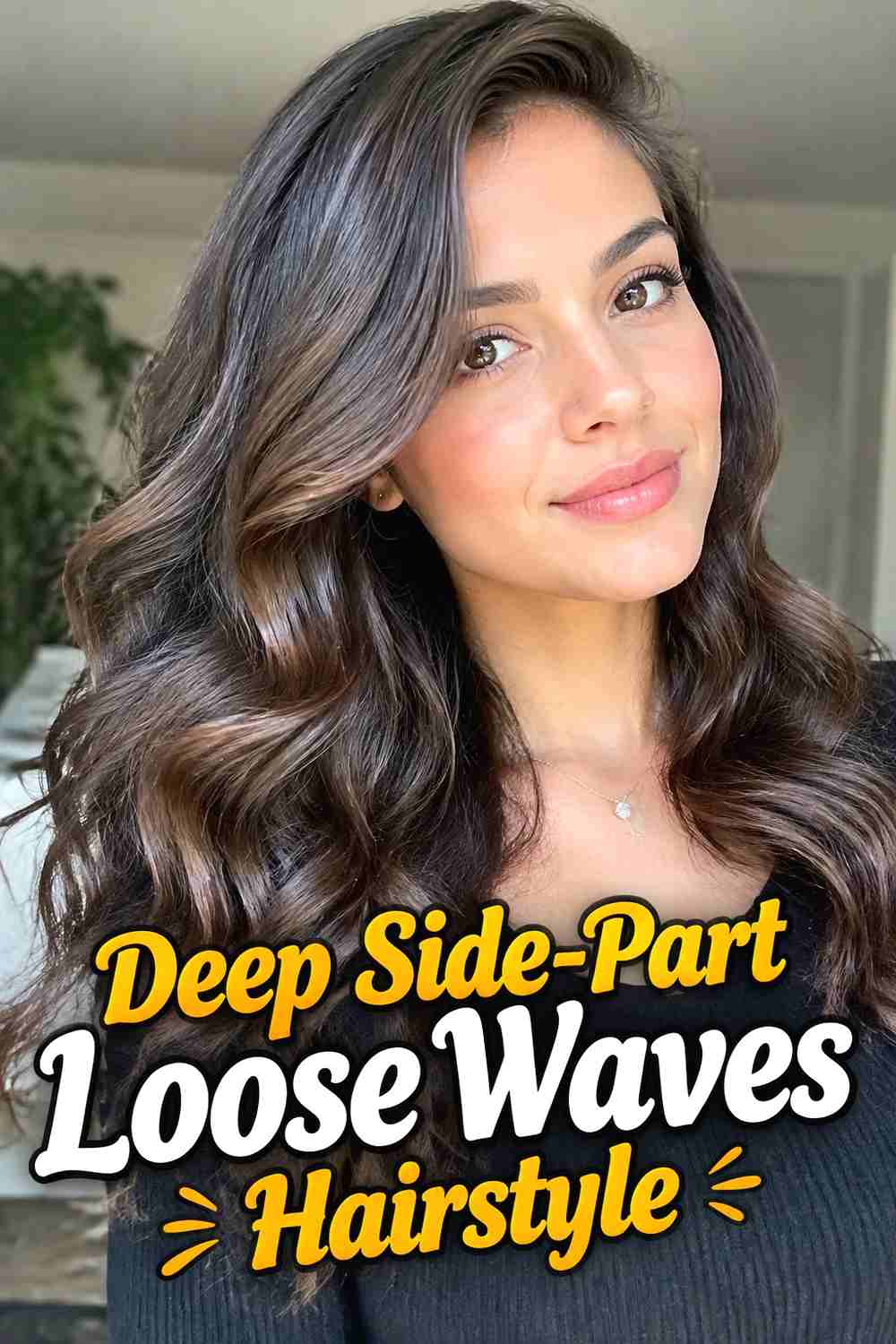
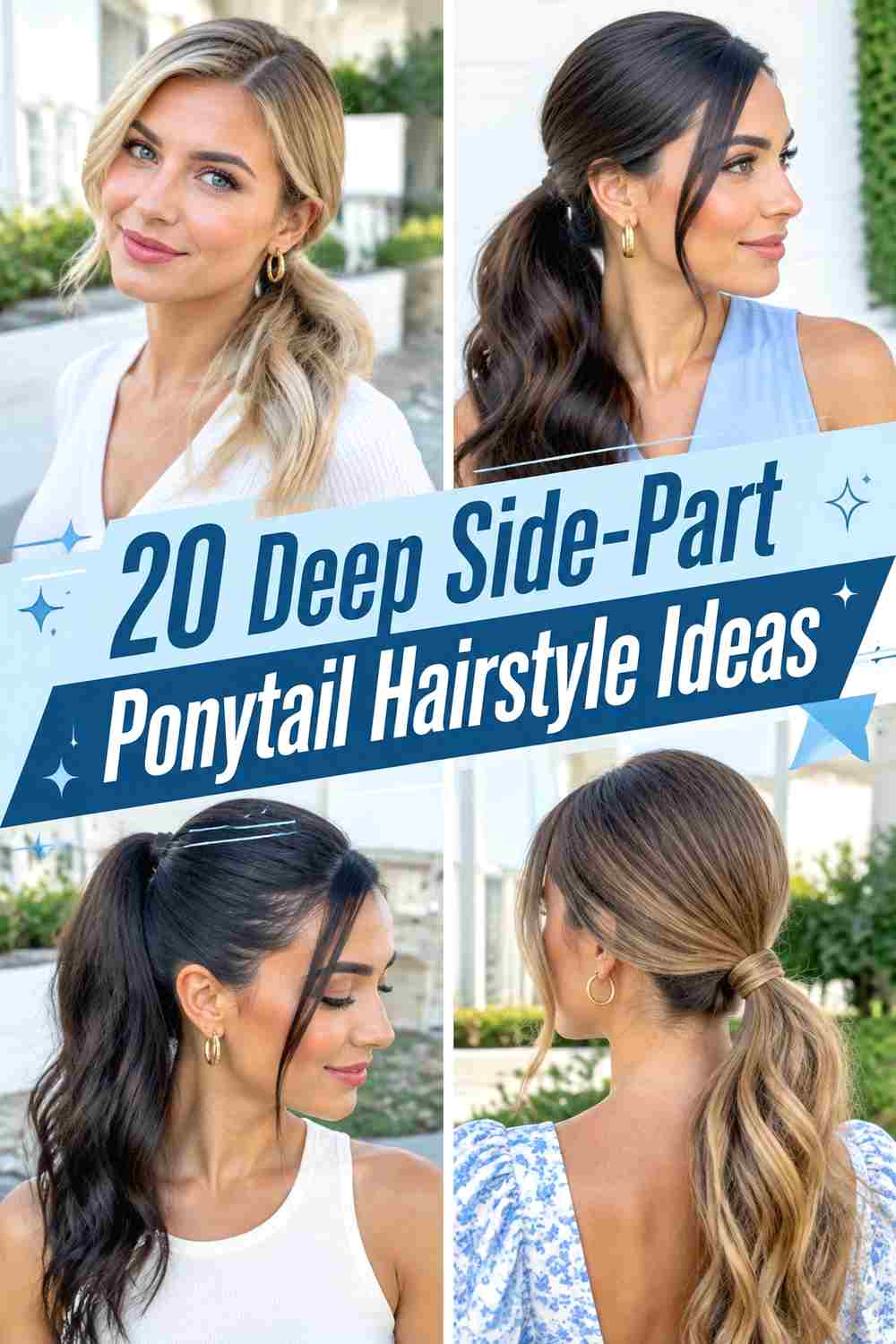
Deep Side-Part Loose Waves Hairstyle shifts most of the visible volume toward one side, creating an easy way to keep the opposite side of a faux-fur collar exposed. The deep part adds lift near the front, while broad bends through the mid-lengths and ends keep the shape soft rather than overly glamorous. Medium to long hair gives the sweep enough weight to stay intentional, especially when the heavier side is worn slightly forward over one shoulder. Keep the root area controlled so the hairstyle does not compete with a fluffy hood or collar. The finished effect is asymmetrical, flattering, and practical for winter outfits with substantial texture around the neckline.
Styling Notes
Create the part before waving the hair so the sections naturally fall in their final direction. Keep the lighter side tucked neatly behind the shoulder or ear.
2. Center Part Mid Length Waves Hairstyle
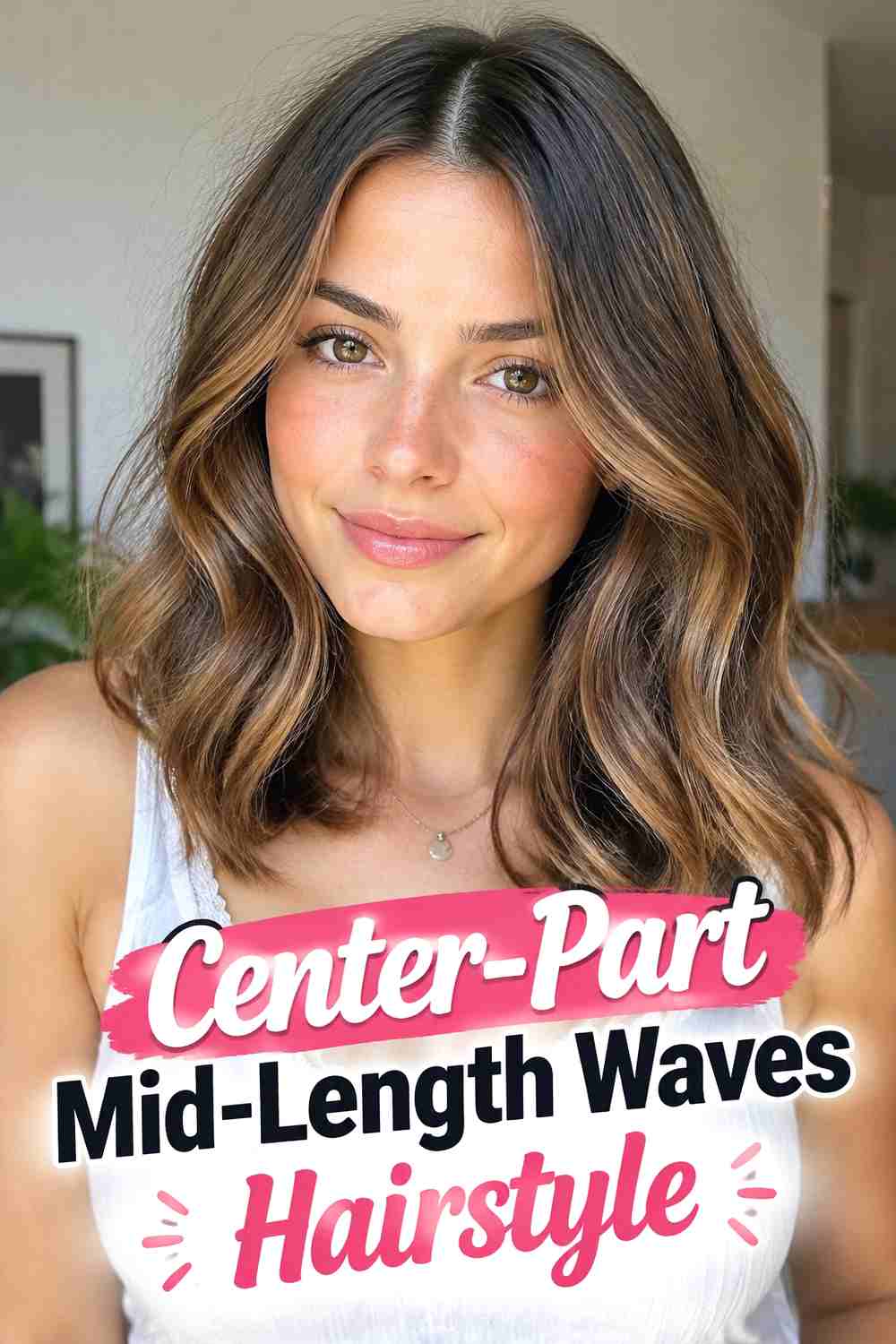
Center-Part Mid-Length Waves Hairstyle keeps the roots comparatively smooth and begins the strongest movement around cheek, jaw, or shoulder level. That placement works particularly well with faux-fur jackets because it prevents extra volume from building directly beside a thick hood or collar. The center part adds symmetry, while the lower bends give medium and long hair enough texture to remain visible against winter outerwear. Rather than curling from the roots, leave several inches relatively straight before introducing loose movement through the middle. This gives the hairstyle a modern, relaxed shape and makes it easier to arrange the lengths forward or behind the shoulders as the jacket is opened or closed.
Why It Works
Keeping volume lower in the hairstyle allows plush trim to remain visible while the waves still create softness and movement through the lengths.
3. One Shoulder Loose Waves Hairstyle
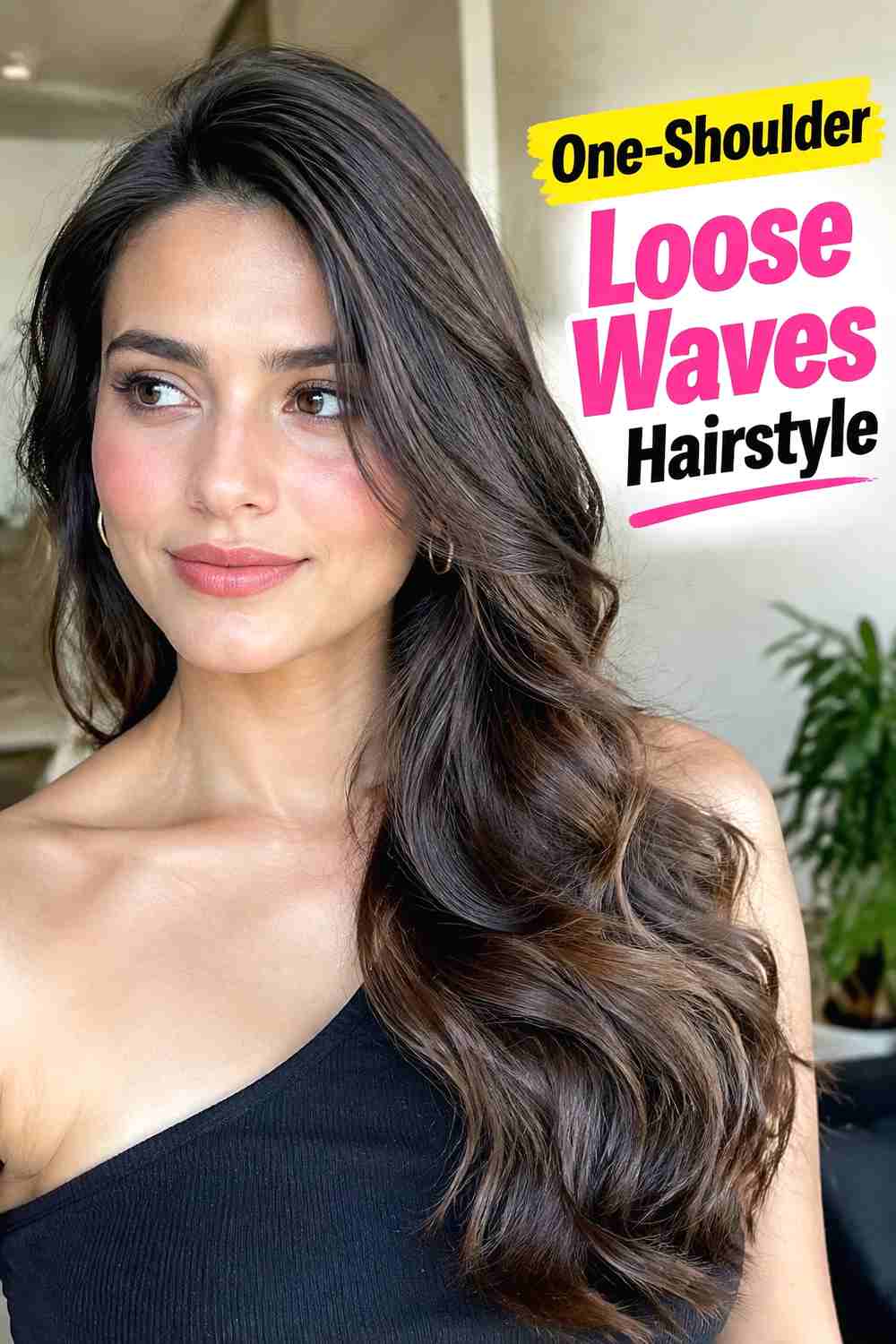
One-Shoulder Loose Waves Hairstyle gathers most of the hair over a single shoulder, leaving the opposite side of the jacket clean and visible. It is a useful placement choice when a faux-fur collar or hood is especially full, since spreading long waves across both shoulders can make the upper silhouette feel crowded. The wave pattern should remain broad and flexible so the hair falls naturally rather than looking pinned into position. Medium-long and long hair work best, particularly when subtle layering helps the lengths settle together. Keep the back relatively smooth and move the hair forward only after the jacket is on so the waves sit above rather than underneath the trim.
Wear & Maintenance
If the hair repeatedly slips backward, use a discreet pin near the nape on the concealed side. This can guide the sweep without making the style look fixed.
4. Face Framing Loose Waves Hairstyle
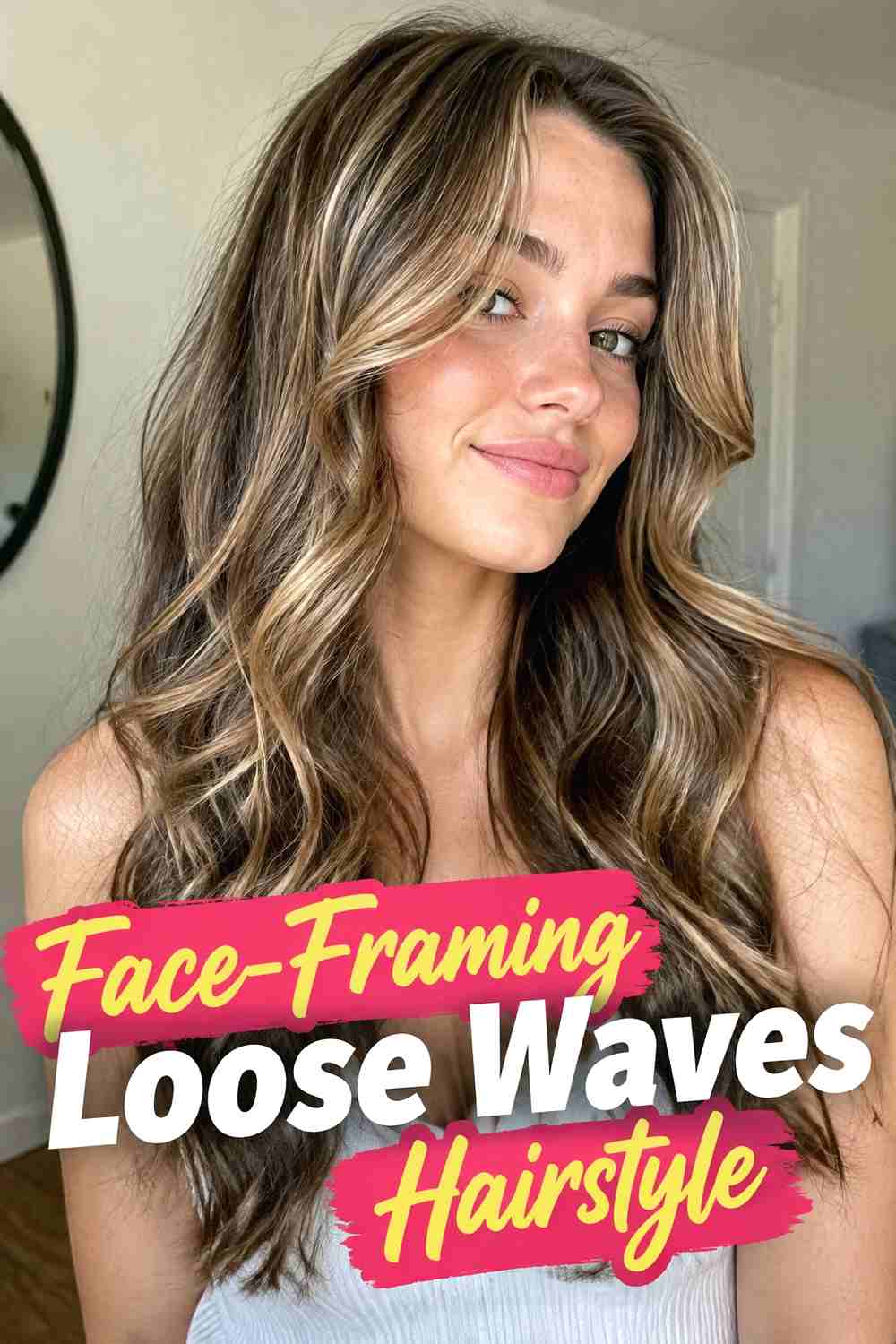
Face-Framing Loose Waves Hairstyle concentrates the most noticeable bends around the cheekbones, jaw, and front layers while leaving the back lengths quieter. This placement keeps the hairstyle visible in photos even when a faux-fur hood or collar covers part of the hair behind the shoulders. The front pieces can curve away from the face for a softer, open effect, then blend gradually into looser movement below. Medium to long layered hair suits the style especially well because different lengths create natural variation around the front. Avoid adding excessive width near the ears if the jacket trim already sits high; keeping the waves elongated will preserve a clean winter silhouette.
Pro Tip
Style the front pieces last so you can adjust their bend according to where the jacket collar sits. Small placement changes can make the whole look feel more balanced.
5. Collarbone Tucked Waves Hairstyle
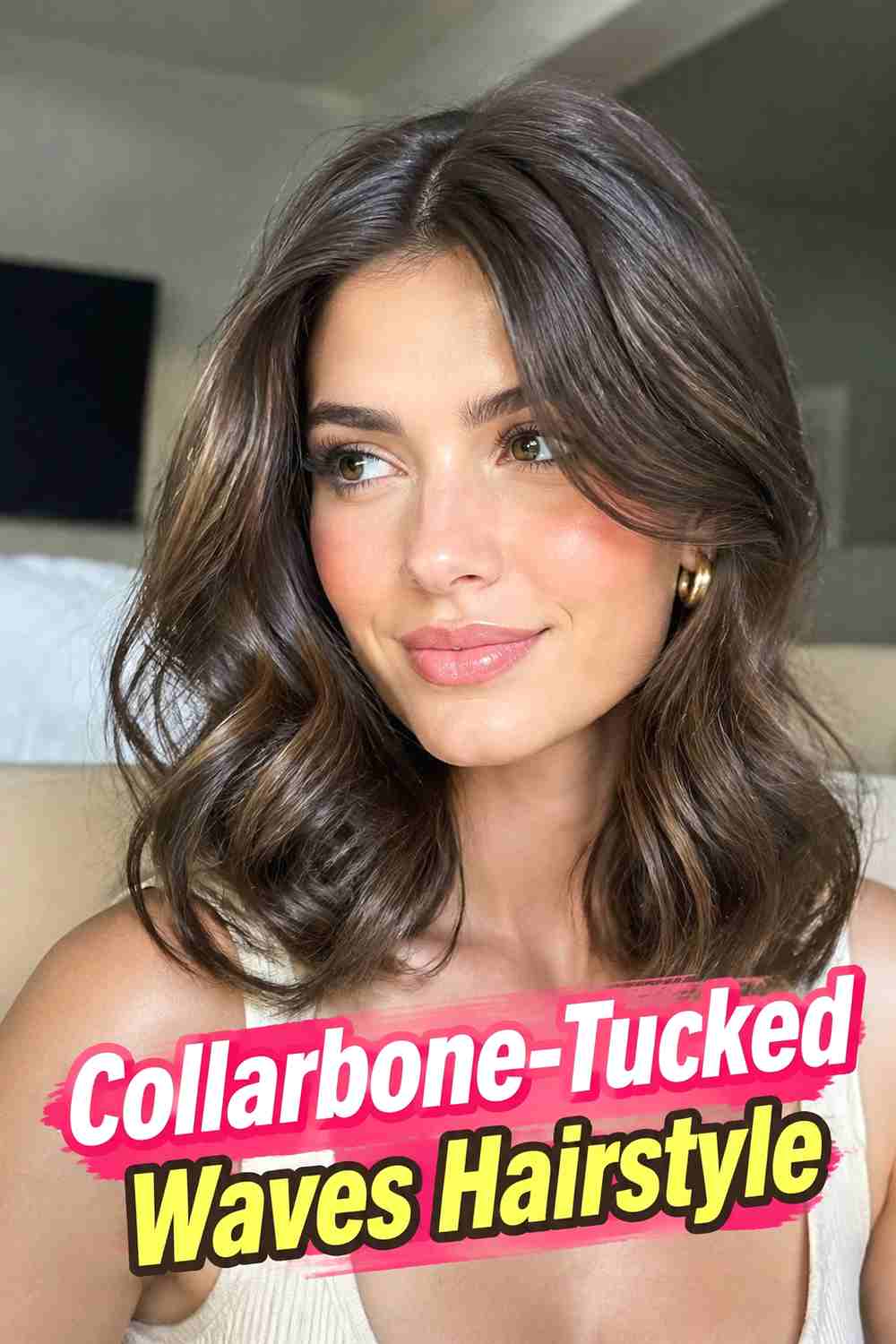
Collarbone-Tucked Waves Hairstyle uses strategic placement rather than more styling. Loose waves are created through the lengths, then selected sections are tucked behind the shoulders so only a controlled amount of hair remains near the collarbone. This works especially well with jackets that have faux-fur lapels or trim across the upper chest because the texture remains visible instead of being hidden beneath long hair. Shoulder-length through long hair can use the technique, though longer lengths offer more flexibility. Keep one or two front sections loose if you want softness around the face. The overall effect should look casually arranged rather than tightly tucked or pinned into a rigid position.
Best For
Choose this look when your jacket trim is an important part of the outfit and you want loose hair without covering most of the neckline detail.
6. Low Volume Crown Waves Hairstyle
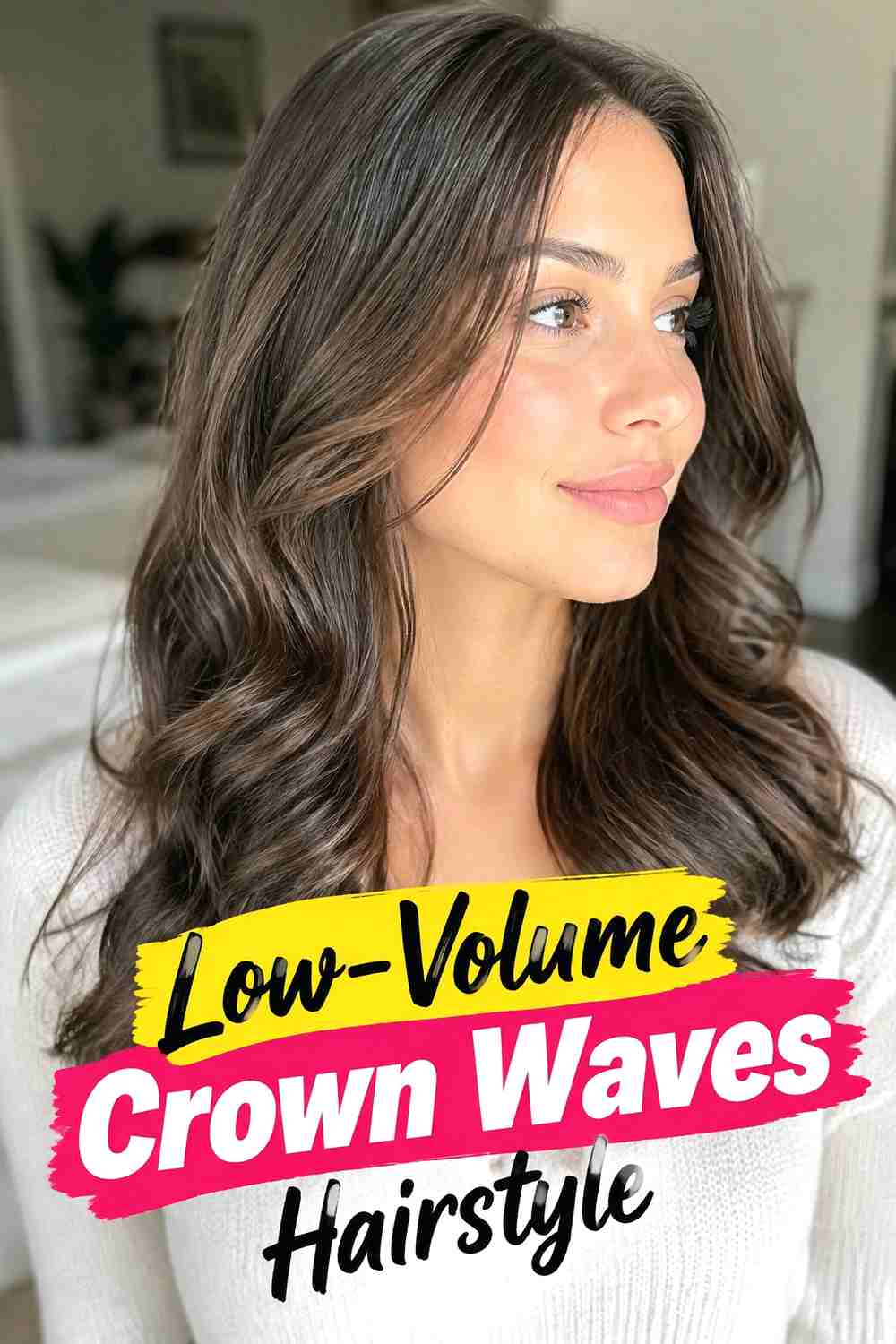
Low-Volume Crown Waves Hairstyle keeps the top of the head smooth and understated while allowing the wave pattern to build farther down. This makes it particularly useful with faux-fur hoods, which can already add substantial visual volume around the head and shoulders. The waves begin around the lower face or upper neck and gradually become fuller toward the ends. Medium and long hair carry this placement naturally, especially when the cut has light layering. The style feels relaxed and polished without the dramatic root lift often associated with more formal curls. Keep the crown touchable rather than pressed flat so the overall silhouette still has natural shape and believable movement.
Styling Notes
Avoid backcombing at the crown. Focus styling on the mid-lengths and ends, then loosen the bends with your fingers for a softer transition from straight roots to waves.
7. Brushed Out Loose Waves Hairstyle
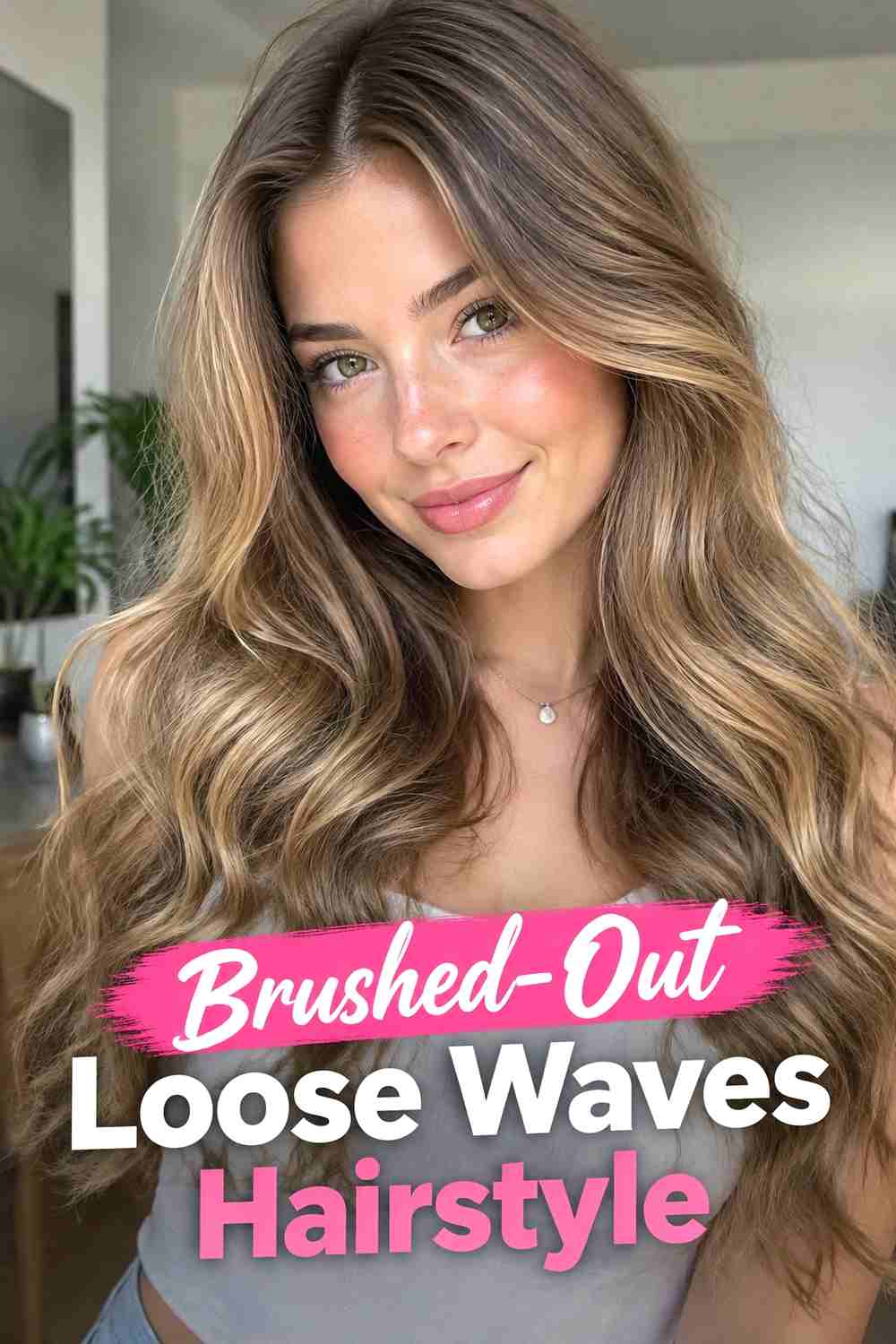
Brushed-Out Loose Waves Hairstyle creates broad connected movement rather than separate curls, giving the hair a smoother surface beside fluffy faux-fur trim. The waves are initially formed with enough structure to hold, then gently brushed or combed together so they merge into larger bends. This makes the hairstyle look full without appearing busy, which is useful when the jacket already contains a strong textural element. Medium to long hair provides enough length for the wave pattern to connect naturally. Keep the ends flexible and allow a few sections to separate slightly for realism. The finished look can be worn evenly over both shoulders or shifted to one side depending on the collar shape.
Wear & Maintenance
Brush gradually and stop once the curls have merged into the amount of movement you want. Excessive brushing can remove too much structure and leave the hair flat.
8. Half Up Loose Waves Hairstyle
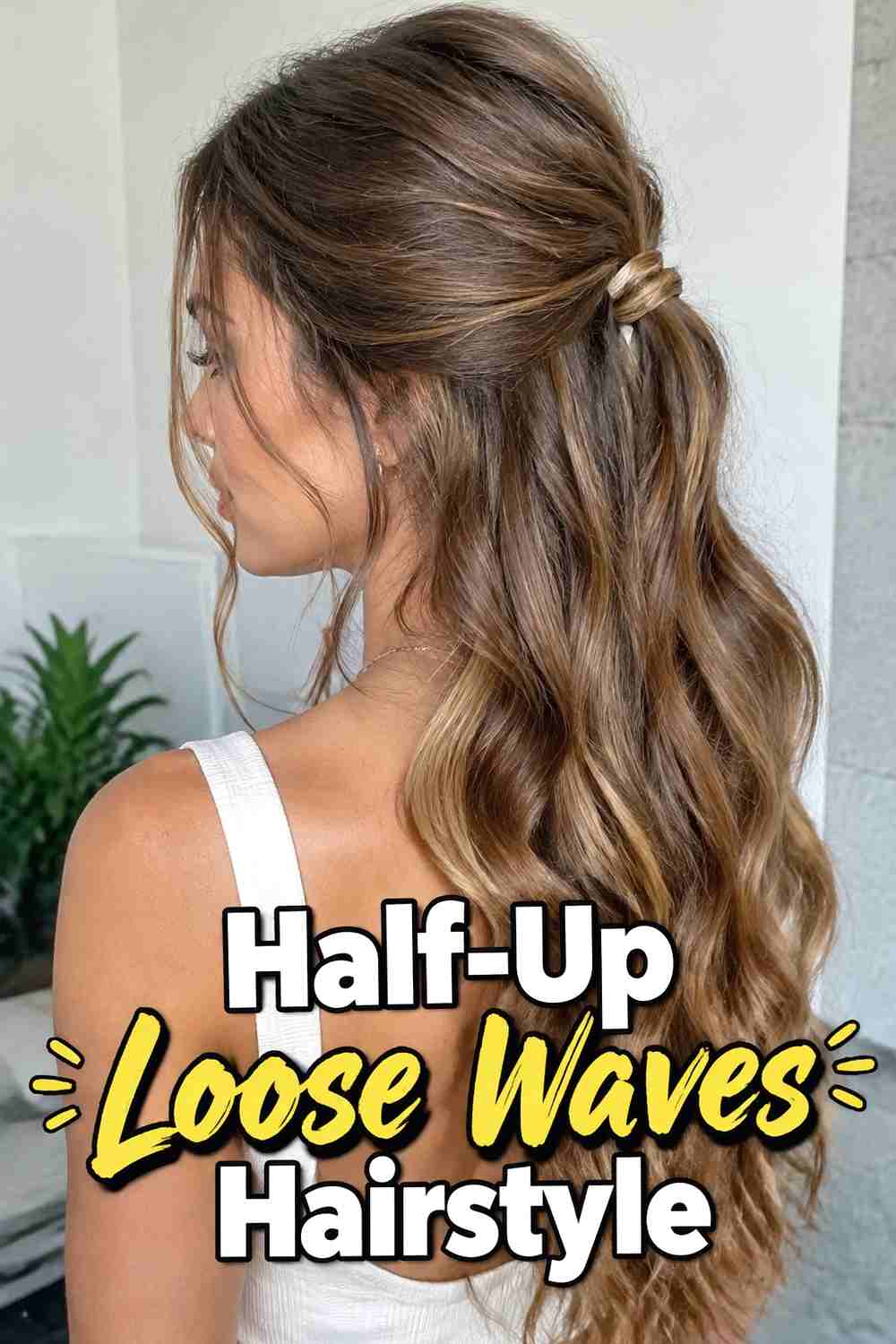
Half-Up Loose Waves Hairstyle lifts the upper sections away from the face and collar while leaving the lower lengths softly waved. This placement creates more open space around a faux-fur neckline and reduces the amount of hair that becomes trapped beneath a hood or high collar. Gather a modest section from the temples and secure it at the back with a small barrette, hidden elastic, or discreet pins. Medium to long hair works best, and the loose lengths can be arranged over the shoulders or behind them depending on the jacket. Keep the gathered section relaxed rather than tightly pulled so the hairstyle preserves softness and blends naturally with the remaining waves.
Why It Works
The half-up shape controls the area most likely to clash with bulky trim while preserving enough loose hair to keep the outfit soft and feminine.
9. Ear Tucked Side Waves Hairstyle
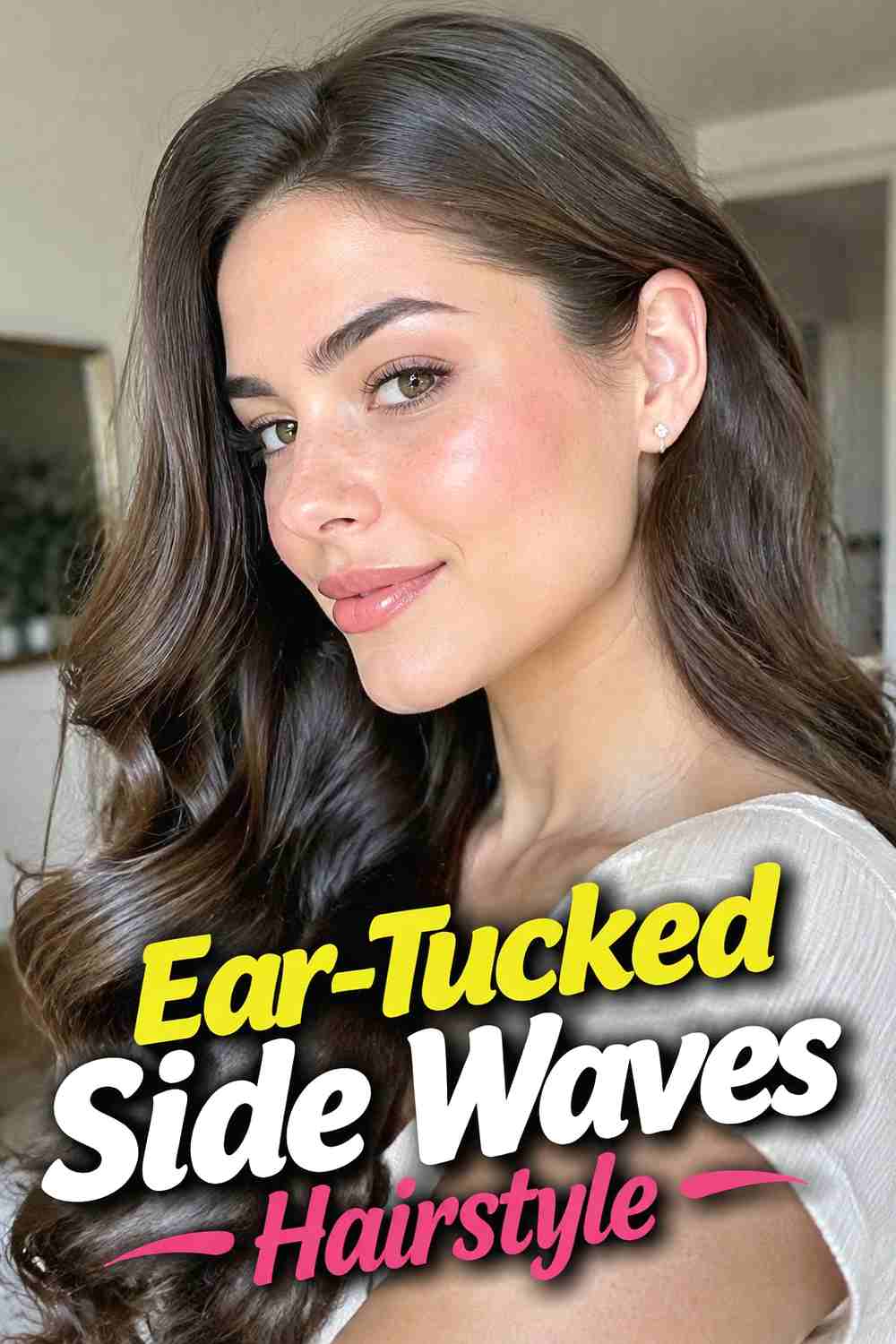
Ear-Tucked Side Waves Hairstyle uses an asymmetrical arrangement with one side placed cleanly behind the ear and the opposite side left fuller. The tucked section exposes part of the faux-fur collar and creates a neat profile, while the loose side provides movement and visible texture. This placement works especially well on lobs, shoulder-length cuts, and medium hair because the shorter length stays manageable around a structured jacket. Longer hair can also use the look if the fuller side is brought forward over one shoulder. Keep the tuck smooth but not excessively slick, allowing realistic strand texture around the temple and hairline so the contrast between sides feels natural.
Pro Tip
A small hidden pin behind the ear can hold thicker hair in place, especially if the jacket collar tends to push the tucked section forward.
10. Long Layered Loose Waves Hairstyle
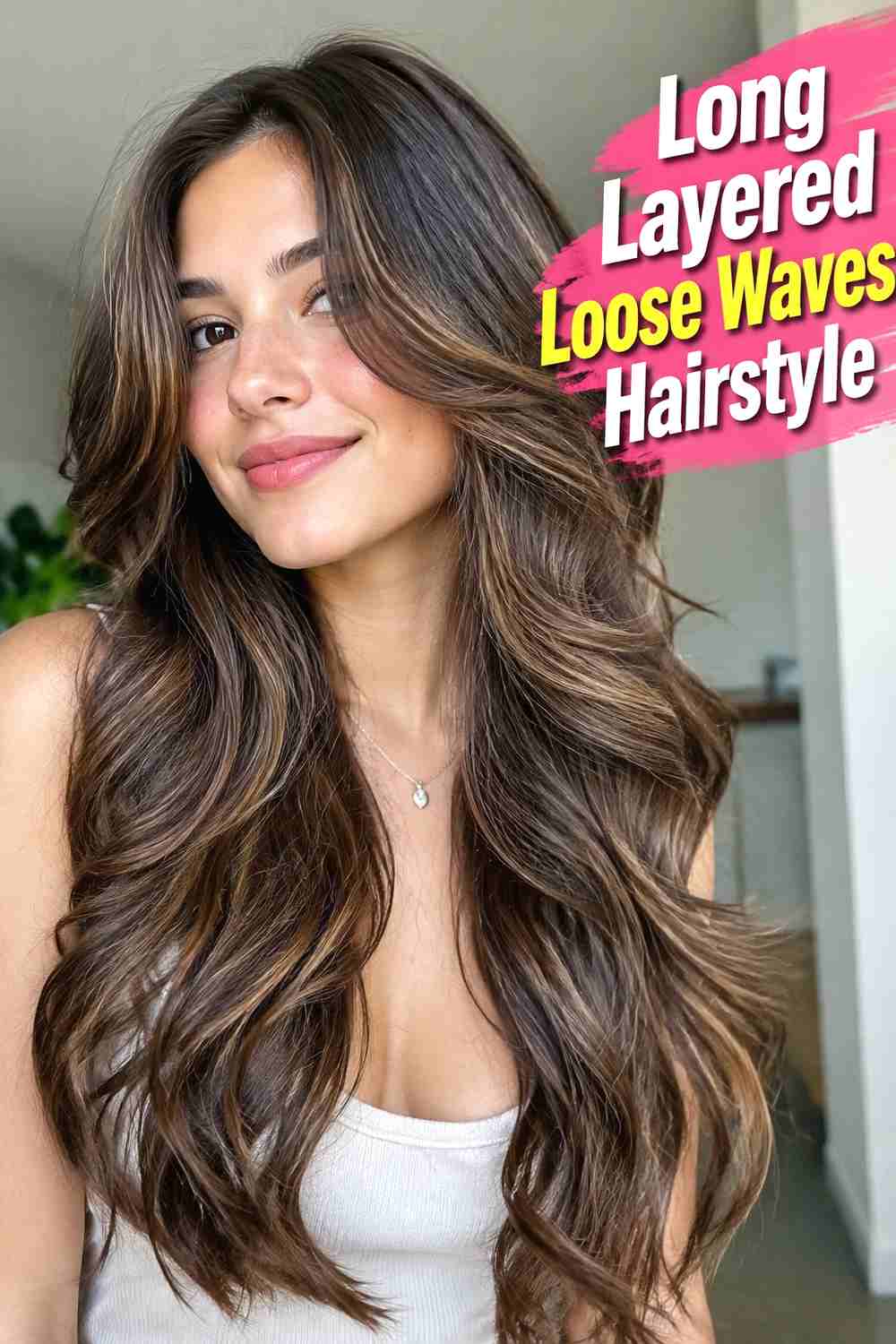
Long Layered Loose Waves Hairstyle distributes movement across multiple lengths, preventing very long hair from forming one heavy curtain over a faux-fur jacket. Shorter layers create lift around the upper lengths, while longer sections maintain flow through the back and ends. The most visible waves should begin below the cheekbones so the upper silhouette remains balanced with the jacket’s trim. This style is especially effective when some layers are brought forward and others remain behind the shoulders, creating controlled separation around the collar. Keep the wave sizes slightly varied for natural movement. The overall result feels full and dimensional without placing all the volume directly beside the jacket’s plushest areas.
Hair Type & Length
Long hair with medium or subtle layering is the easiest fit. Very dense hair may benefit from distributing more of the length behind the shoulders to reduce crowding around the collar.
11. Soft S Pattern Waves Hairstyle
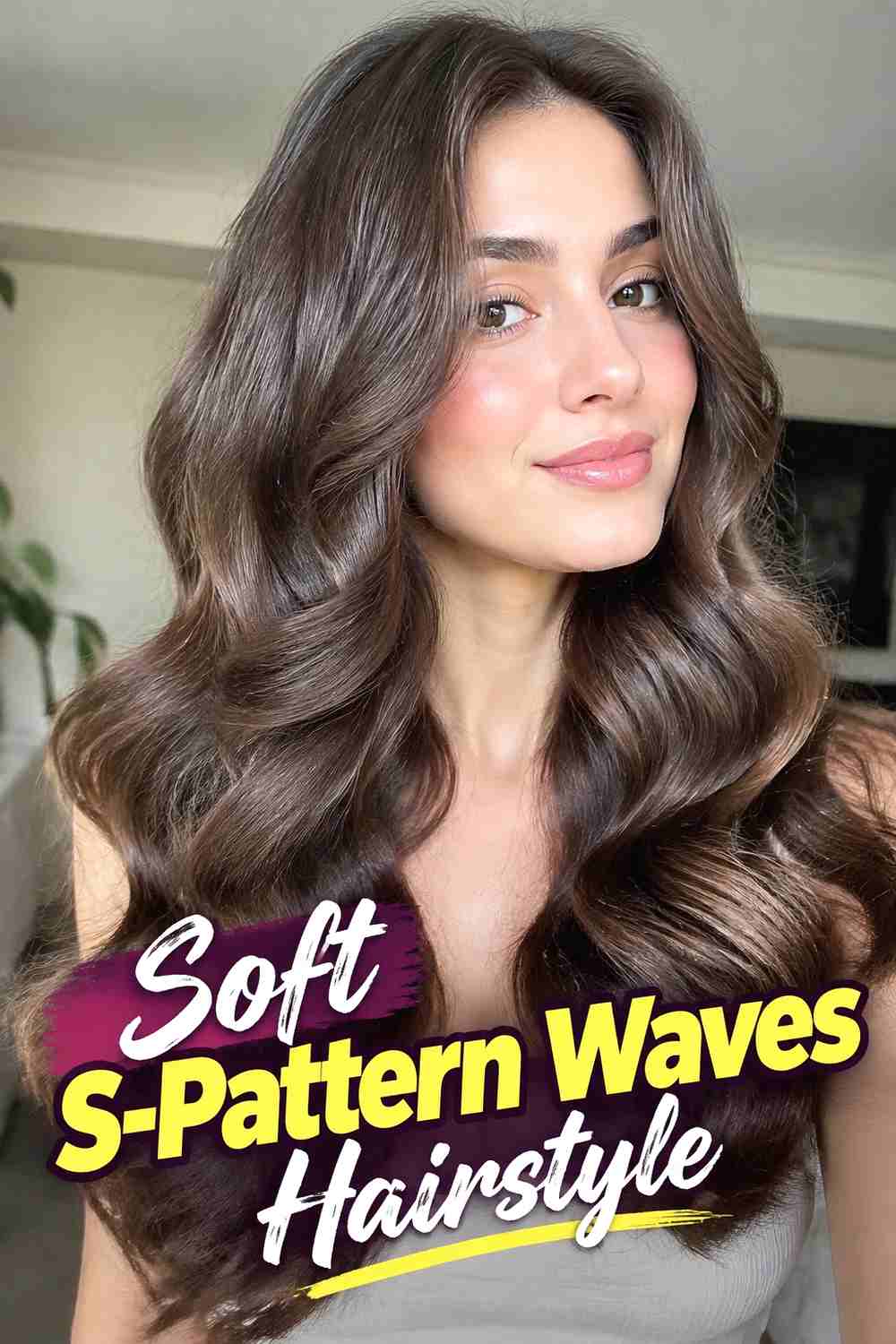
Soft S-Pattern Waves Hairstyle forms elongated curves through the hair rather than rounded curls, creating a flatter and more streamlined wave shape. That makes it a useful option for jackets with thick faux-fur trim because the hair adds movement without creating excessive width around the shoulders. The bends can begin around jaw or neck level and continue through the ends, producing a smooth rhythm across medium-long or long hair. A center or subtle side part both work, depending on how symmetrical you want the finish. Keep the S-pattern relaxed and slightly irregular so the result remains modern rather than overly sculpted or reminiscent of formal vintage waves.
Styling Notes
Use wider sections and gentler bends rather than repeatedly wrapping the hair into full curls. This helps preserve the elongated S-shape and keeps the silhouette narrow.
12. Scarf Friendly Front Waves Hairstyle
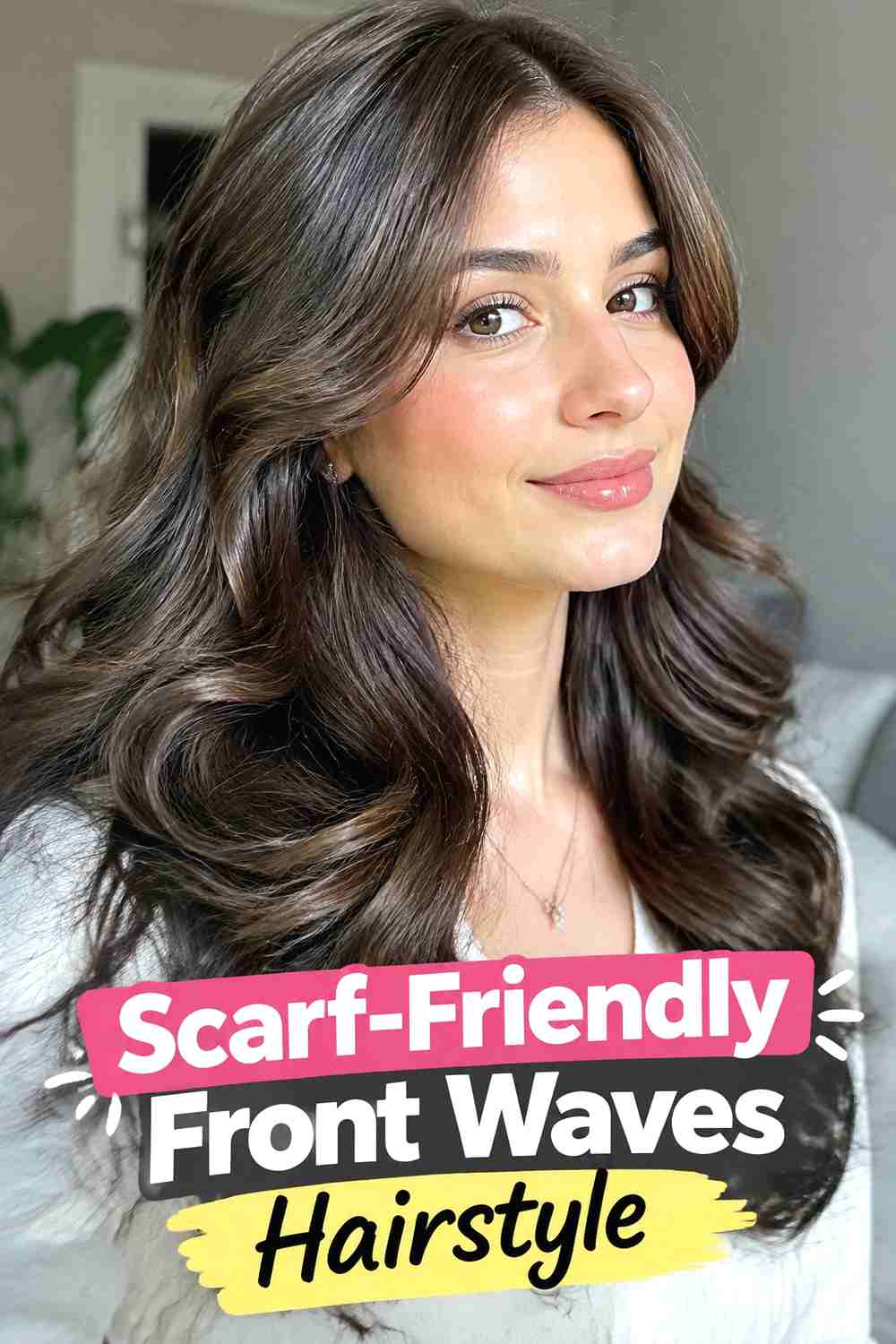
Scarf-Friendly Front Waves Hairstyle keeps most of the hair behind the shoulders while allowing a few softly waved front sections to remain visible. This placement is particularly practical when a faux-fur jacket is worn with a winter scarf, since long loose hair around the entire neckline can quickly become tangled or compressed. The visible front pieces provide enough texture to frame the face, while the bulk of the lengths stays clear of layered fabric. Medium to long hair is easiest to position this way, and subtle front layering makes the style feel intentional. Keep the waves broad and flexible so they can be adjusted easily when the scarf or jacket is removed indoors.
Wear & Maintenance
Put on the scarf and jacket before making your final placement adjustments. Then bring only the sections you want visible forward instead of trapping the full length beneath winter layers.
How to Choose the Right Look
Start with where the faux-fur trim sits. A full hood or high collar pairs well with Low-Volume Crown Waves Hairstyle, Center-Part Mid-Length Waves Hairstyle, or Scarf-Friendly Front Waves Hairstyle because these options reduce bulk near the upper head and neckline. If the trim sits mainly across the lapels or chest, Collarbone-Tucked Waves Hairstyle or One-Shoulder Loose Waves Hairstyle can keep those details visible.
Hair length matters too. Lobs and shoulder-length cuts are easy to manage with ear-tucked or face-framing placement, while long hair benefits from layered waves, one-shoulder sweeps, or deliberate sections worn behind the shoulders.
Also consider wind, scarves, and styling time. Half-up shapes offer more control, brushed-out waves feel softer and more polished, and elongated S-waves create a streamlined finish. Whatever placement you choose, keep enough movement for the hair to look natural rather than rigidly arranged around the jacket.
Final Thoughts
Loose waves can work beautifully with faux-fur trimmed jackets when the placement is as intentional as the curl pattern. Shift hair to one side for openness, keep volume lower when the collar is full, or leave only selected front waves visible with a scarf. Small changes in where the hair falls can make both the hairstyle and outerwear look cleaner and more balanced.
FAQs
1. What loose wave placement works best with a large faux-fur hood?
Lower-volume roots with waves beginning around the mid-lengths usually work well because they avoid adding extra fullness close to an already substantial hood.
2. Should long waves sit over or behind a faux-fur collar?
Either can work, but placing most of the hair behind the shoulders and bringing selected sections forward often keeps the collar visible while preventing tangling.
3. What wave style works well with a winter scarf?
Scarf-Friendly Front Waves Hairstyle is practical because most of the length stays behind the shoulders while a few front sections remain visible.
4. Can shoulder-length hair work with faux-fur trimmed jackets?
Yes. Ear-tucked side waves, face-framing waves, and collarbone-tucked placement are especially useful because shorter lengths can be arranged around the trim without excessive bulk.
5. How can I stop loose waves from competing with fluffy jacket trim?
Reduce volume near the roots, use broader wave shapes, and intentionally place some hair behind the shoulders. This creates separation between the hairstyle and the faux-fur texture.
Save your favorite wave placement, share the collection with a friend, and explore more winter hairstyle ideas designed to work with statement outerwear.