18 Outdoor Portrait Hairstyles With Textured Winter Scarves
These winter portrait hairstyles frame the face beautifully while letting textured scarves add cozy color, depth, and movement to outdoor photos.
Outdoor winter portraits come with a unique styling challenge: the hairstyle needs to remain visible beside a scarf while still looking natural in cold air, wind, and layered clothing. Soft face framing, controlled volume, and deliberate placement can keep the hair from disappearing behind chunky knits or overwhelming the scarf around the neckline.
The right choice depends on scarf thickness, hair length, texture, and how much movement you want in the finished image. Loose waves create softness, braids and gathers provide stronger control, and sleek or tucked styles put more attention on the face. For portraits, it also helps to think about which sections will remain visible from the front and three-quarter angles.
Quick List
- Soft Center Part Winter Waves Hairstyle
- Deep Side Part Blowout Hairstyle
- Face Framing Curtain Layers Hairstyle
- Loose Low Ponytail Hairstyle
- One Shoulder Curl Cascade Hairstyle
- Tucked Behind Ear Soft Waves Hairstyle
- Soft Braided Crown Hairstyle
- Low Textured Bun Hairstyle
- Natural Texture Scarf Frame Hairstyle
- Sleek Straight Side Part Hairstyle
- Half Up Winter Twist Hairstyle
- Loose Side Braid Hairstyle
- Brushed Out Portrait Waves Hairstyle
- Soft High Ponytail Hairstyle
- Feathered Collarbone Layers Hairstyle
- Romantic Low Chignon Hairstyle
- Ribbon Wave Side Drape Hairstyle
- Face Framing Low Gather Hairstyle
1. Soft Center Part Winter Waves Hairstyle
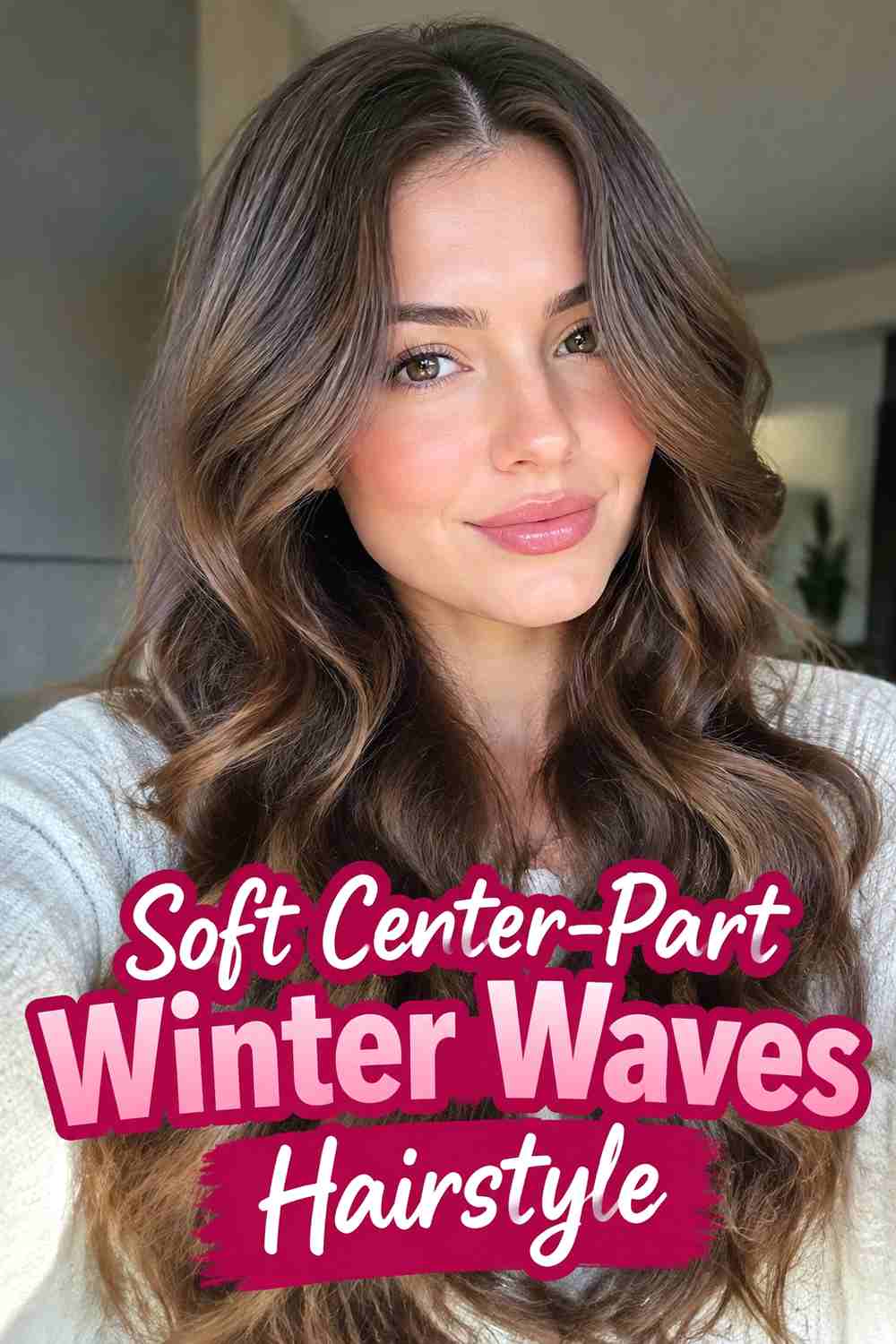
Soft center-part waves create an easy portrait frame by dividing the hair evenly and allowing broad bends to fall beside the cheeks and scarf. Keeping the roots relatively smooth makes the style comfortable around a thick winter accessory, while waves beginning near the jaw create enough movement to show clearly in photos. The symmetrical placement also works well for straight-on portraits because both sides of the hair remain visible. Mid-length and long hair can carry the look, especially when the wave pattern stays loose rather than forming tight curls. If the scarf is particularly bulky, allow the lower sections to sit over its front edges instead of compressing every strand underneath.
Styling Notes
Create broad waves away from the face and let them cool before arranging the scarf. Keep the ends soft for a more natural outdoor finish.
2. Deep Side Part Blowout Hairstyle
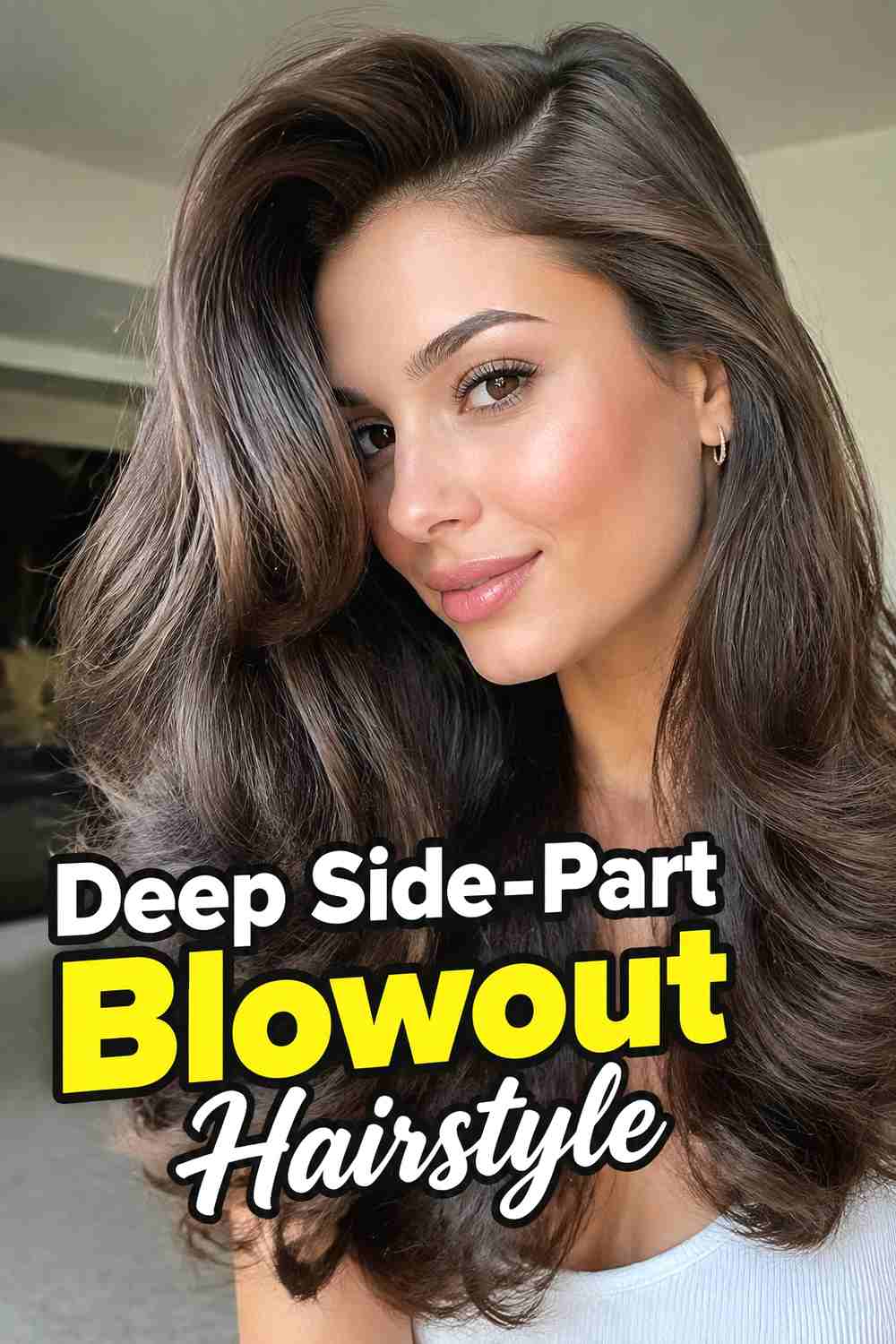
A deep side-part blowout adds lift and direction that photograph beautifully from a slight angle. The fuller side sweeps across the crown before opening into rounded layers, while the lighter side stays closer to the head or tucks behind the ear. This asymmetry can keep a substantial textured scarf from making the portrait feel overly centered or bulky. Long layers work particularly well because they create visible movement around the cheekbones and shoulders without requiring tight curls. The result feels polished but still suitable for winter daylight, especially when the blowout retains natural strand separation and a few subtle flyaways rather than looking perfectly sculpted.
Best For
This style suits medium-to-thick layered hair and portraits where you want more crown movement without covering the entire scarf.
Pro Tip
Direct the front section backward during drying so it stays open around the face instead of falling into the scarf.
3. Face Framing Curtain Layers Hairstyle
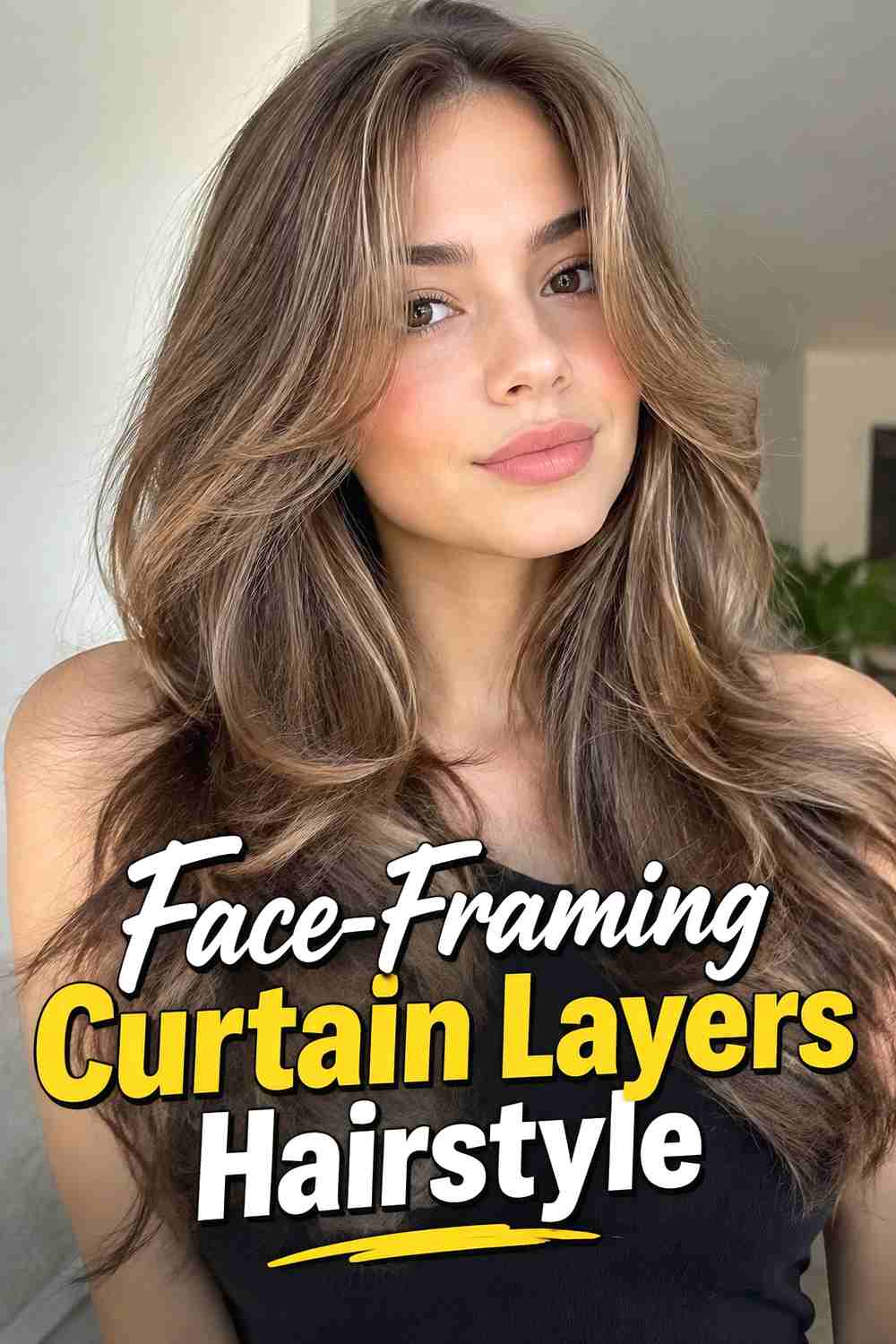
Curtain layers are especially useful for outdoor portraits because the shortest sections remain visible even when much of the longer hair sits behind a scarf. The layers separate around a center or near-center part, then sweep outward across the cheekbones, jaw, and collarbone. This creates visual space between the face and textured knit fabric while still keeping the hairstyle soft. Longer curtain pieces are practical in cold weather because they can be tucked behind the ears between shots if wind becomes distracting. Straight, wavy, and blown-out hair can all support the shape, and a gentle outward bend usually photographs more naturally than a tightly curled front section.
Why It Works
The shorter front pieces keep hair detail visible above the scarf and create a clear frame around the face from several portrait angles.
4. Loose Low Ponytail Hairstyle
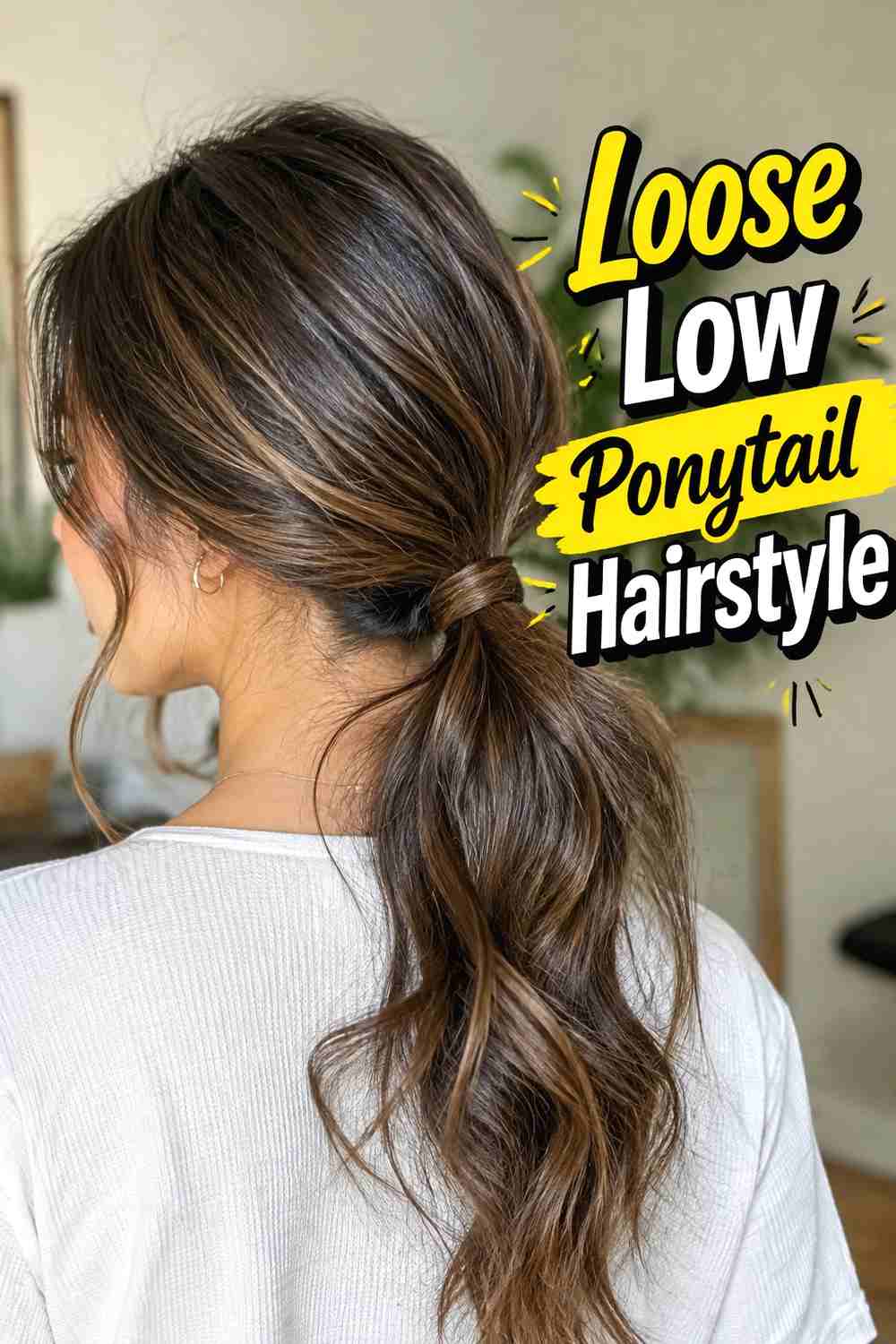
A loose low ponytail gives an outdoor portrait a relaxed, intentional look while keeping most of the hair controlled around a winter scarf. The base sits at the nape with a little softness through the crown, and longer face-framing pieces can remain free around the temples or jaw. A gentle bend through the ponytail adds movement if the length appears in side or three-quarter shots. This style is particularly helpful on windy days because fewer strands are available to blow across the face. Keep the ponytail loose enough to look natural, but secure enough that it does not shift heavily when you turn your head or adjust the scarf.
Wear & Maintenance
Use a reliable elastic and smooth only the sections that need control. A few natural flyaways can help the portrait retain an outdoor, believable feel.
5. One Shoulder Curl Cascade Hairstyle
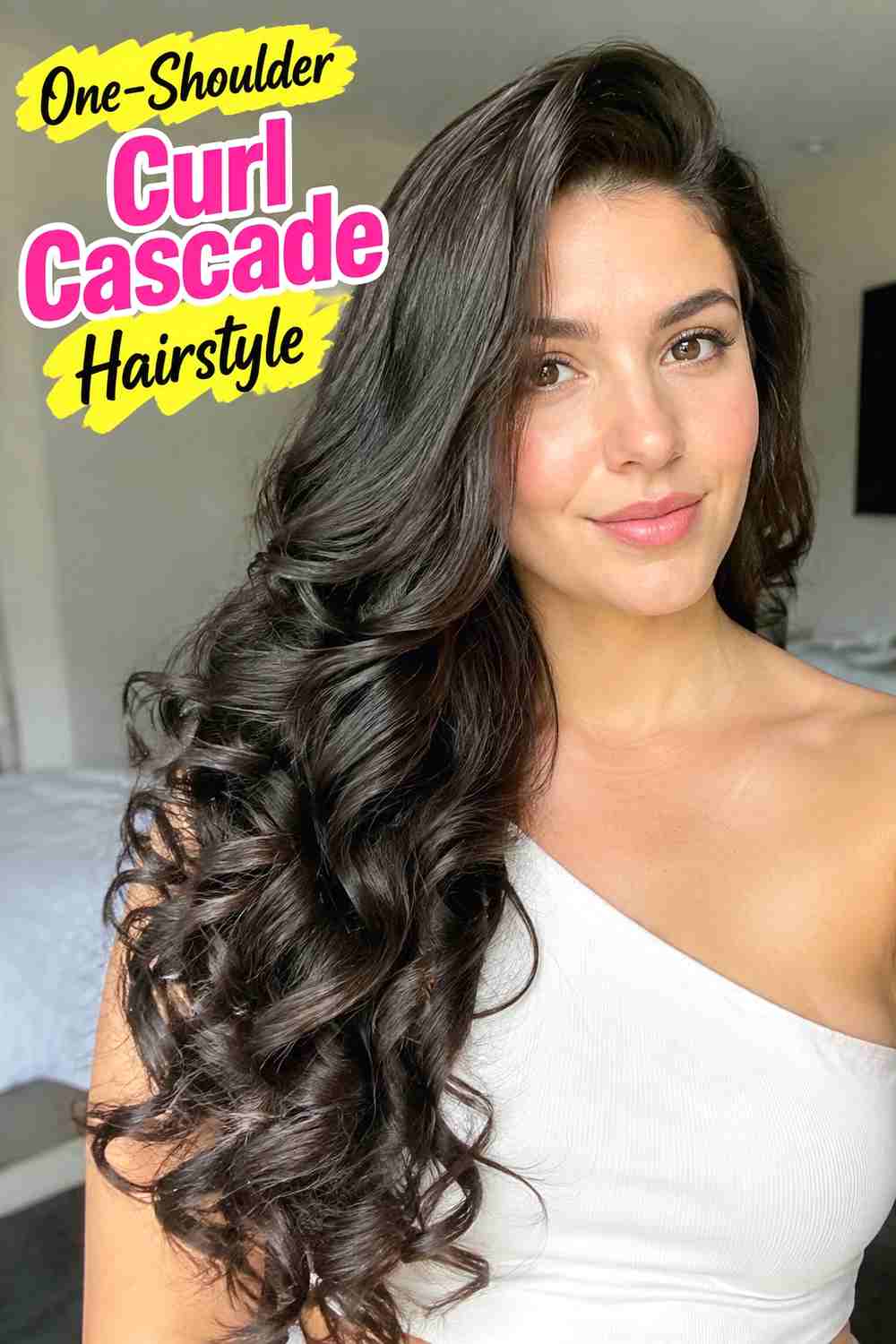
A one-shoulder curl cascade creates a strong directional shape that can balance a thick scarf beautifully. Broad curls or soft spirals fall over one shoulder while the opposite side stays more open, allowing both the scarf and face to remain visible. This placement is especially effective for three-quarter portraits because the exposed side creates a clean line around the cheek and jaw. Long layers prevent the curls from stacking into one dense mass, while varied curl sizes keep the finish realistic. If the scarf has strong texture or pattern, keeping the crown relatively smooth helps the hairstyle complement rather than compete with the accessory.
Styling Notes
Arrange the curls toward their final shoulder after they have cooled, then loosen selected sections with your fingers for softer separation.
Best For
Long medium-to-thick hair can create the fullest cascade, though finer hair can use broader curls for a lighter version.
6. Tucked Behind Ear Soft Waves Hairstyle
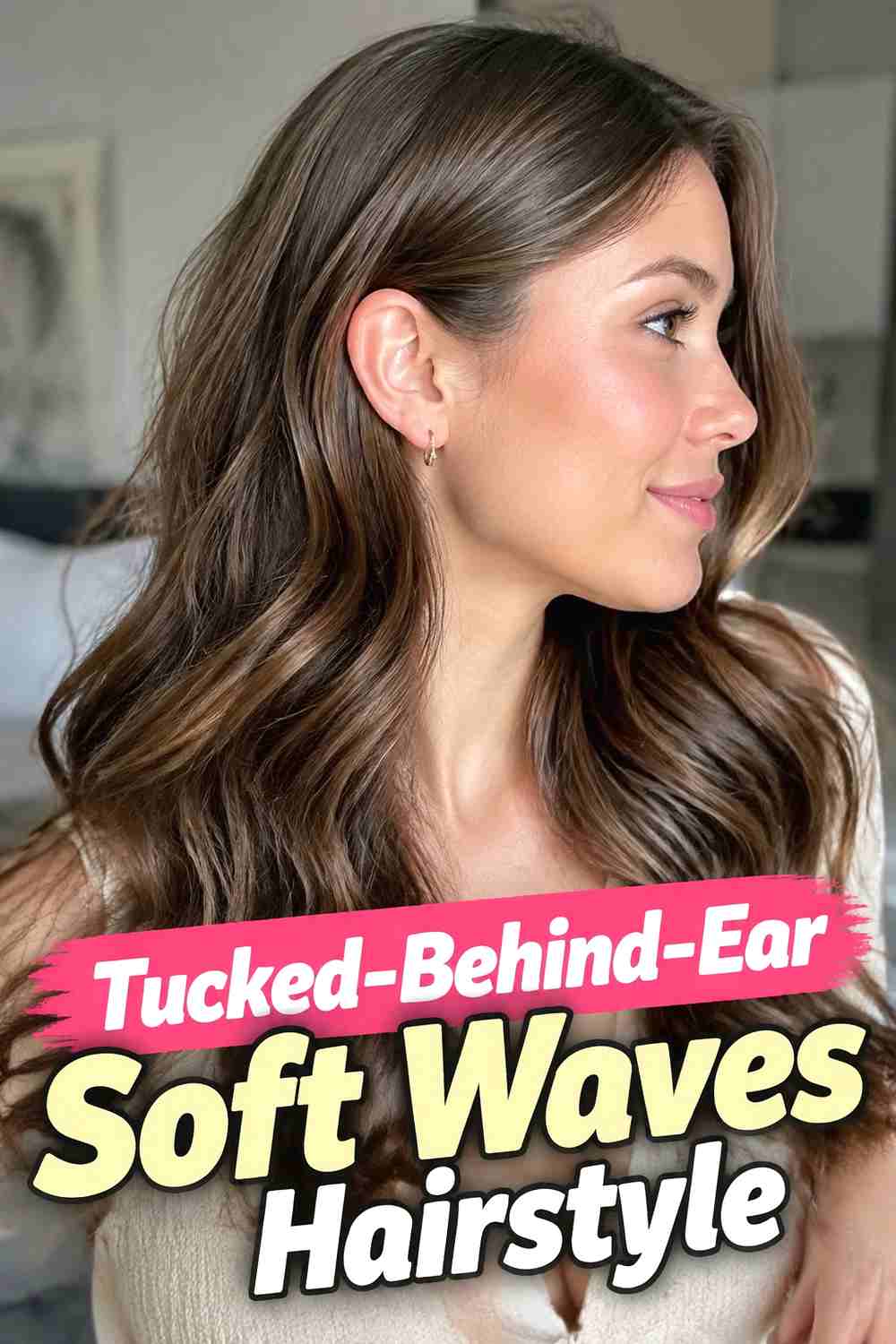
Tucking one side behind the ear creates a clean portrait angle while soft waves remain visible on the opposite side. The exposed ear and jawline prevent a textured scarf from surrounding the entire face, which can make the composition feel lighter. Broad waves through the untucked side add enough movement to contrast with the knit without requiring high volume. This style works well with both center and side parts, depending on which profile you want to emphasize. If the hair is thick, tuck only a manageable front section rather than forcing a large amount behind the ear. The remaining lengths can sit over the scarf or fall behind the shoulder.
Why It Works
The open side gives the portrait visual breathing room while the waved side maintains softness and movement around the winter layers.
7. Soft Braided Crown Hairstyle
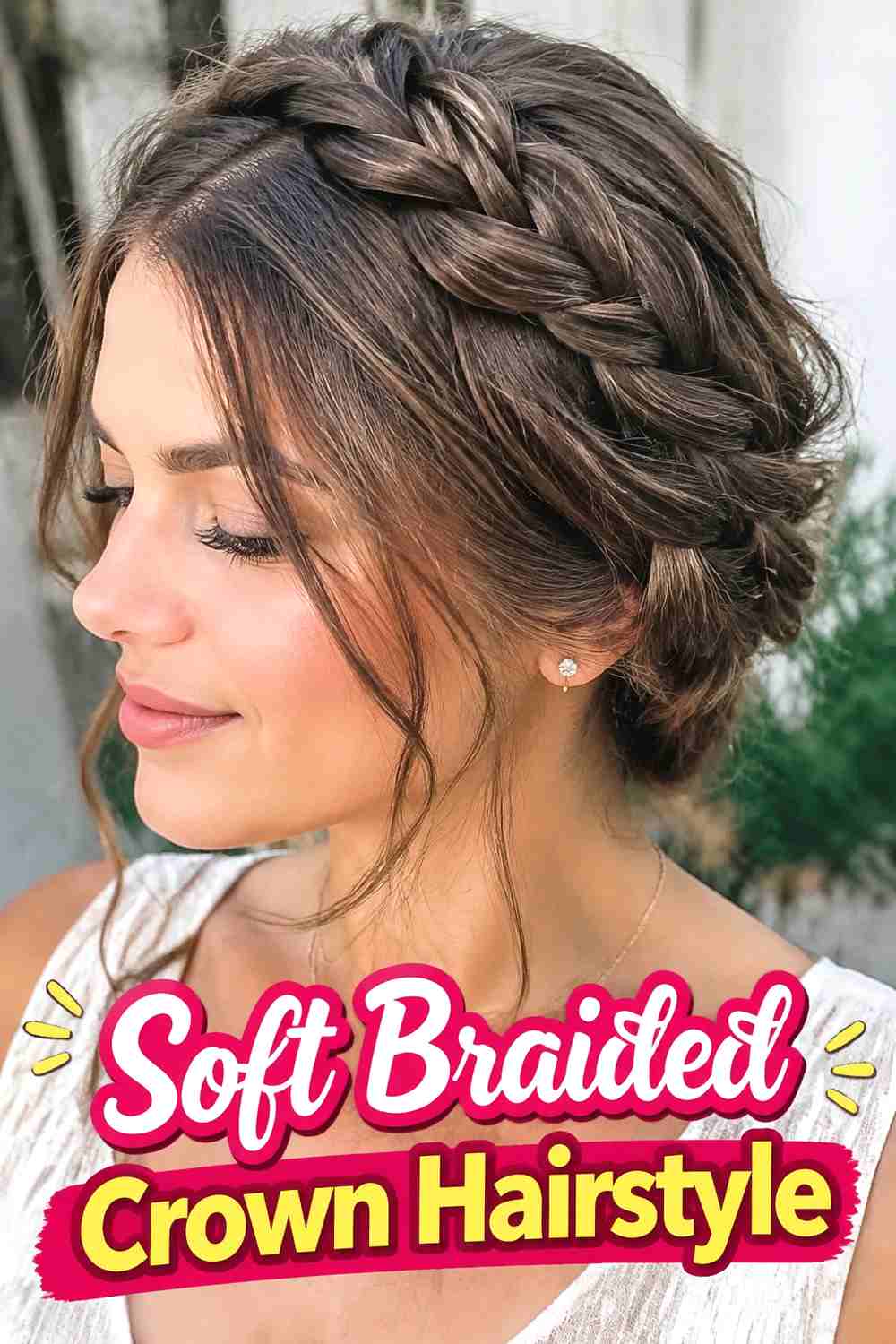
A soft braided crown keeps hair away from a textured scarf while adding visible detail around the upper half of the portrait. The braid should sit slightly behind the hairline and feel relaxed rather than tightly sculpted, with a few fine pieces around the temples for softness. This placement is especially useful with oversized scarves because no loose length competes with the fabric around the neck. The braid also creates interest from front, side, and three-quarter angles, making it a versatile choice for a photo session with varied poses. Medium and long hair can both work, although shorter lengths may need two braids pinned together instead of one continuous wrap.
Wear & Maintenance
Anchor the braid at several points and keep pins hidden beneath overlapping sections. Flexible hold can manage flyaways without flattening the texture.
8. Low Textured Bun Hairstyle
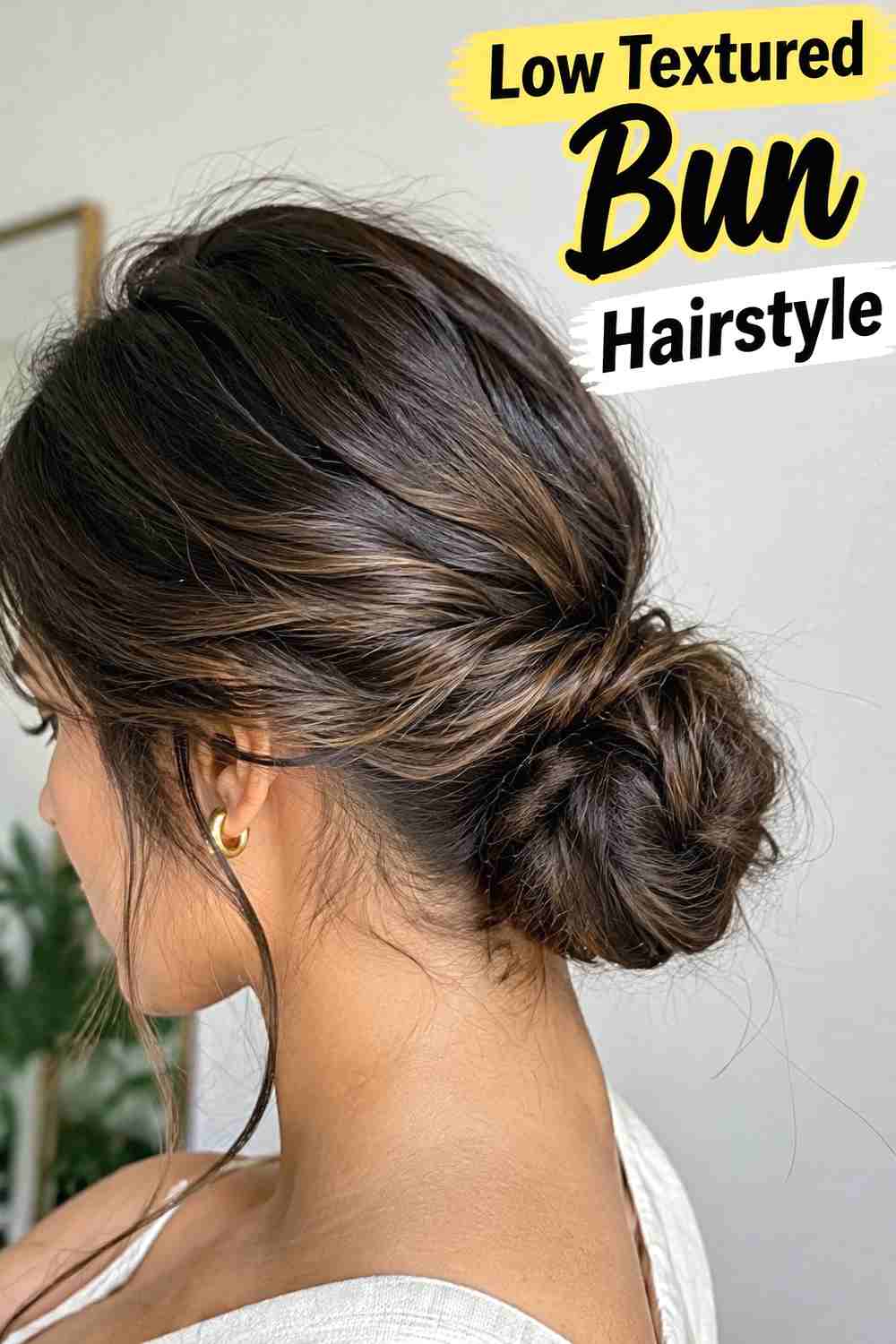
A low textured bun provides a compact silhouette while retaining enough surface detail to look soft in outdoor portraits. The bun sits near the nape with small loops, bends, or twisted sections visible through its shape, while the front remains softly parted or lightly swept back. Because the length is fully contained, a chunky scarf can sit naturally around the neck without trapping loose hair underneath. A few face-framing strands can be left free if the weather is calm, but keeping them longer usually makes wind easier to manage. This style works especially well for portraits where the scarf itself is a major styling feature.
Styling Notes
Build the bun from smaller sections rather than twisting all the hair into one tight coil. This creates texture without excessive bulk.
Best For
Choose this look when you want the scarf and facial features to remain prominent while still showing a styled finish.
9. Natural Texture Scarf Frame Hairstyle
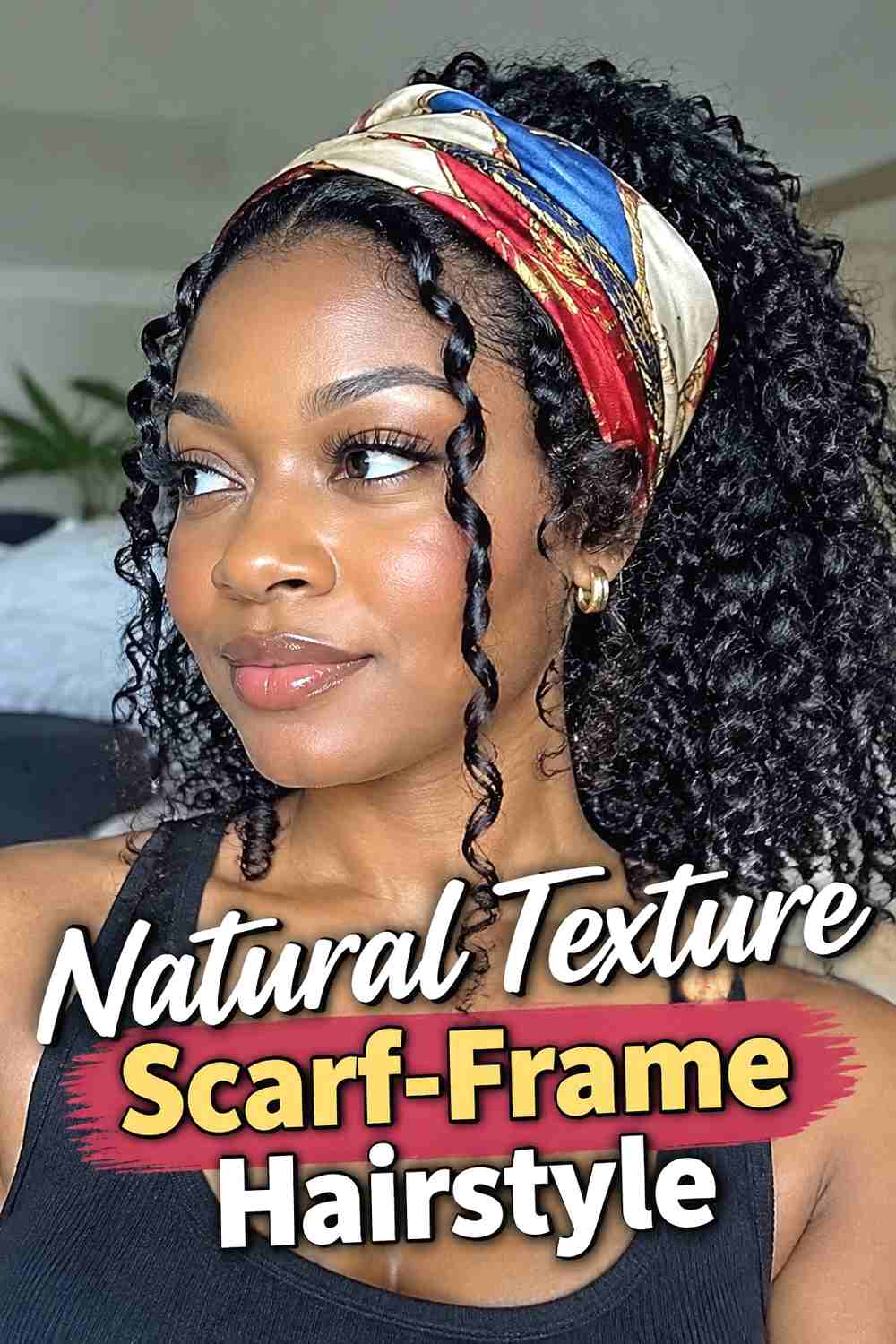
Natural waves, curls, or coils can become part of the portrait frame when they are arranged around rather than flattened beneath the scarf. Allow the texture to retain its normal variation around the face, then guide some lower sections behind the shoulders or scarf so the neckline does not become overcrowded. A center, off-center, or side part can all work depending on natural growth and volume. The most believable finish preserves different curl sizes and a few natural flyaways rather than forcing every section into uniform placement. When the scarf is highly textured, keeping one side slightly more open can help both the hair pattern and fabric remain visually distinct.
Hair Type & Length
This approach works for wavy, curly, and coily hair at medium or long lengths, with placement adjusted to density and shrinkage.
Pro Tip
Arrange the scarf after the natural texture has settled so you can preserve the most defined sections near the face.
10. Sleek Straight Side Part Hairstyle
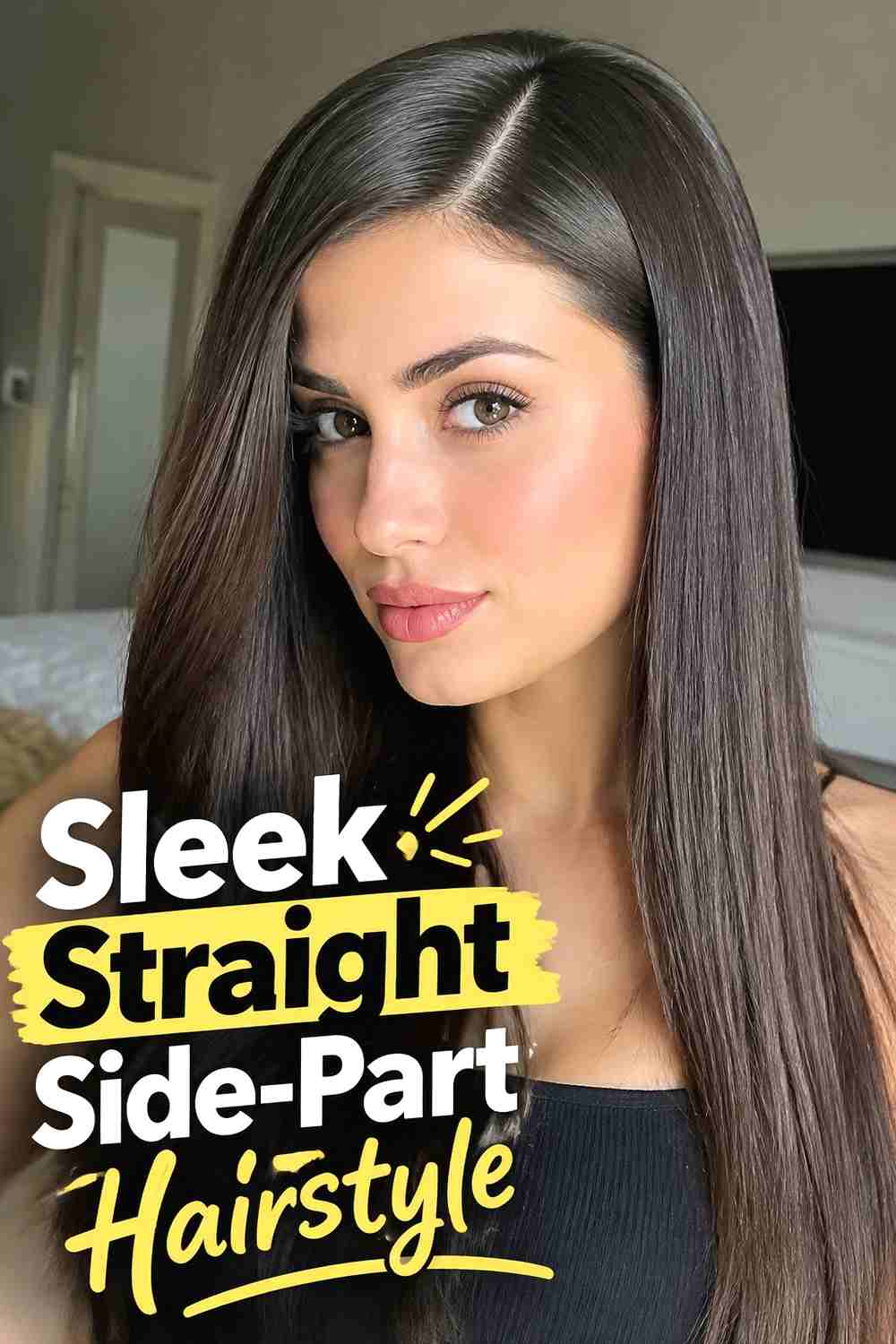
A sleek straight side part creates a refined contrast against chunky or fuzzy winter scarves. The roots and lengths remain smooth, while the side part adds enough direction to prevent the hairstyle from looking flat. One side can sit behind the shoulder or ear, leaving more of the scarf visible, while the heavier side falls forward in a clean section. This look works particularly well when the scarf has a strong woven pattern because the hair provides a calmer visual surface. Natural shine, realistic movement, and softly finished ends are important; an overly rigid or glass-like finish can look artificial in bright outdoor photography.
Hair Type & Length
Straight and gently wavy hair can achieve the look most easily, though other textures can wear it when smoothed.
Why It Works
The clean hair surface separates clearly from tactile knit fabric, giving the portrait a simple but polished contrast.
11. Half Up Winter Twist Hairstyle
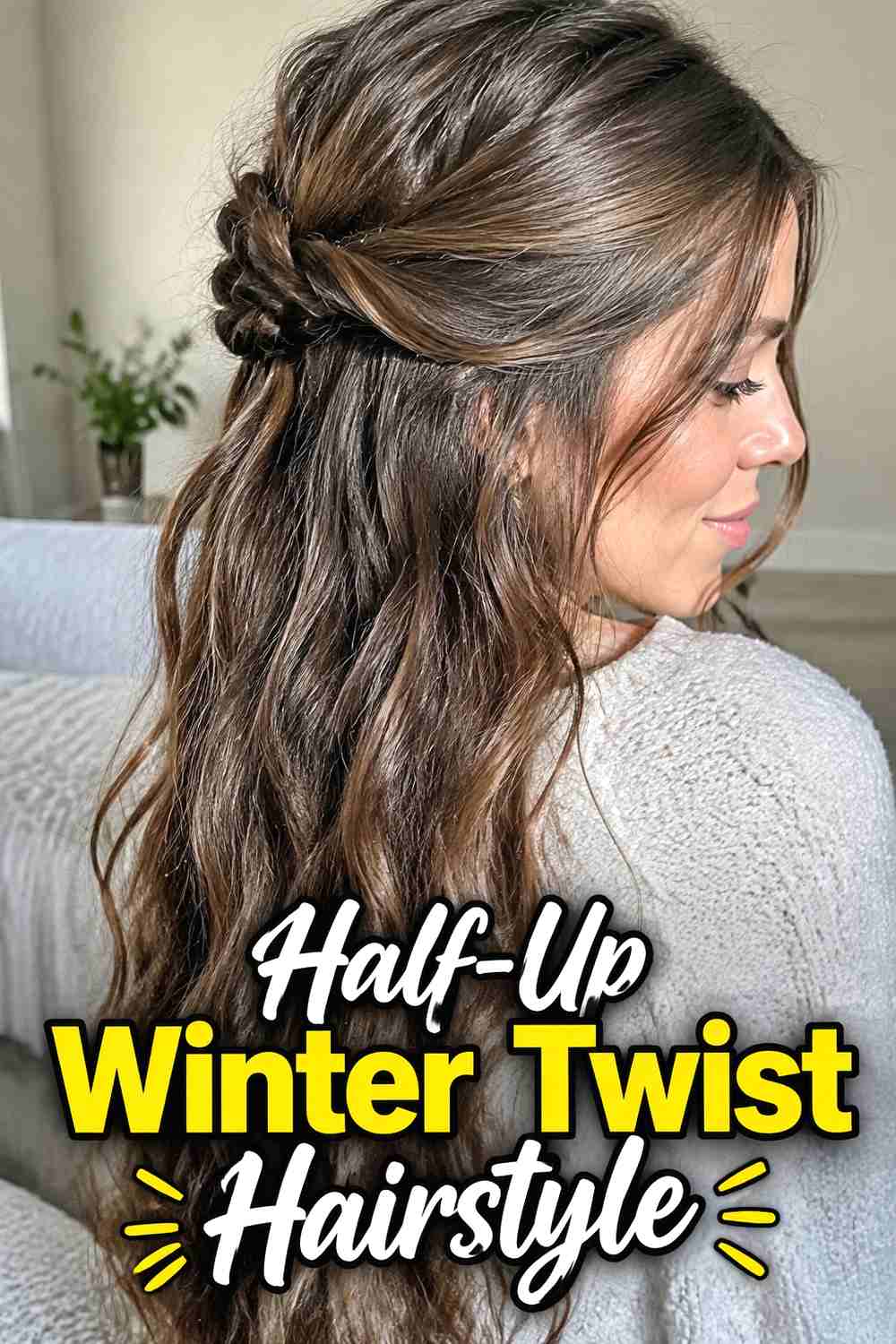
A half-up winter twist keeps the front hair controlled while leaving enough length loose to soften the scarf and shoulders. Side sections are brought toward the back, twisted together, and secured without pulling the crown completely flat. The lower hair can stay straight, waved, or naturally textured, creating flexibility for different portrait moods. This style is useful when you want visible length without having strands continuously fall into the face. It also photographs well from behind because the twist creates a small focal detail above the scarf. Medium and long hair can both support the look, and a little looseness around the crown keeps the finish casual enough for an outdoor setting.
Styling Notes
Secure the twist above the thickest part of the scarf so it remains visible in rear and three-quarter photographs.
Best For
This is a versatile choice when you want a balance between loose hair and a more controlled portrait hairstyle.
12. Loose Side Braid Hairstyle
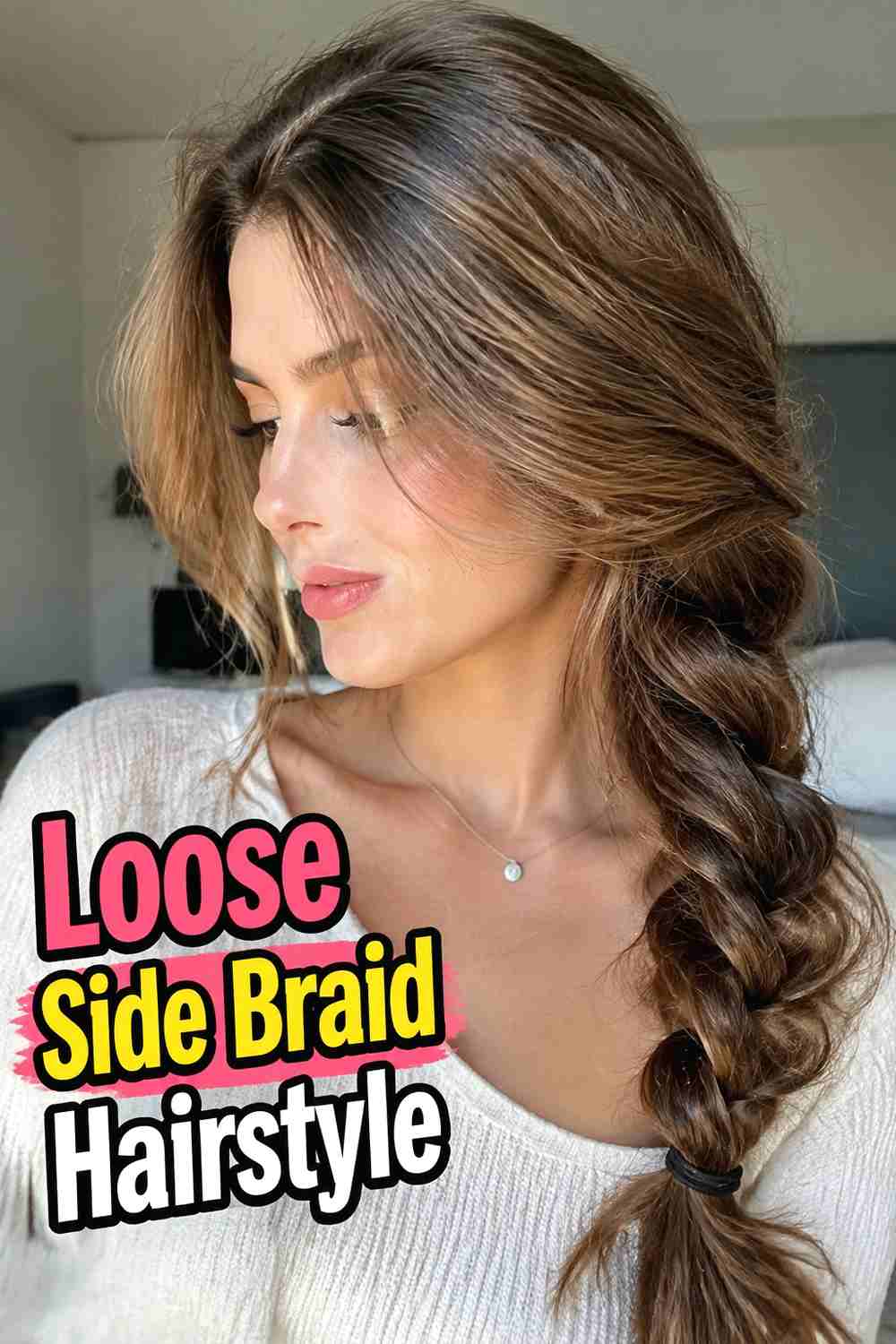
A loose side braid keeps long hair organized while adding texture that complements winter knitwear. The braid falls over one shoulder, making it easy to position beside rather than underneath a substantial scarf. Gentle looseness through the braid gives it a softer portrait feel, while a few face-framing sections can remain free around the cheeks. The style works especially well for outdoor photos with movement because the braid stays recognizable even as you turn or walk. Medium and thick hair naturally create a fuller shape, but fine hair can also look beautiful when the outer braid edges are gently expanded after the end is secured.
Wear & Maintenance
Secure the braid first and loosen it afterward so it remains stable in wind. Avoid pulling every section equally for a more natural finish.
13. Brushed Out Portrait Waves Hairstyle
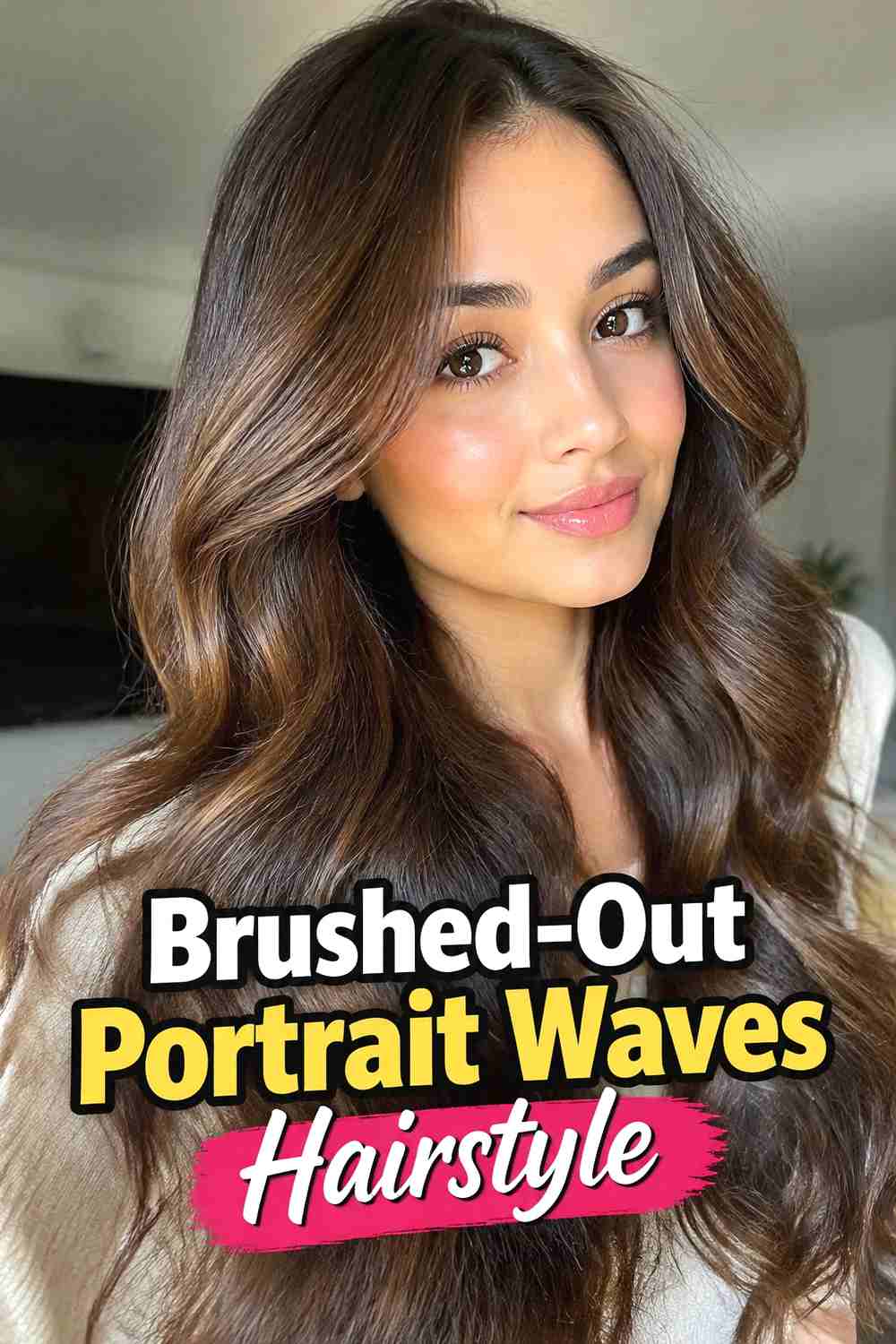
Brushed-out waves create broad, continuous movement that photographs softly against textured scarves. The hair is curled in larger sections, allowed to cool, then gently brushed until the individual curls blend into a flowing wave pattern. Keeping the crown relatively smooth prevents the hairstyle from becoming too full around the scarf, while the lower sections provide enough dimension for front and side portraits. The look can be worn with a center or side part depending on the desired balance. Long layers help the texture fall at different points, which prevents the lower hair from becoming one dense block when it rests over winter clothing.
Styling Notes
Brush from the ends upward after the curls cool, stopping once the waves look blended but still retain visible shape.
Why It Works
The smooth wave pattern creates softness without competing with the strong texture already present in a knitted or woven scarf.
14. Soft High Ponytail Hairstyle
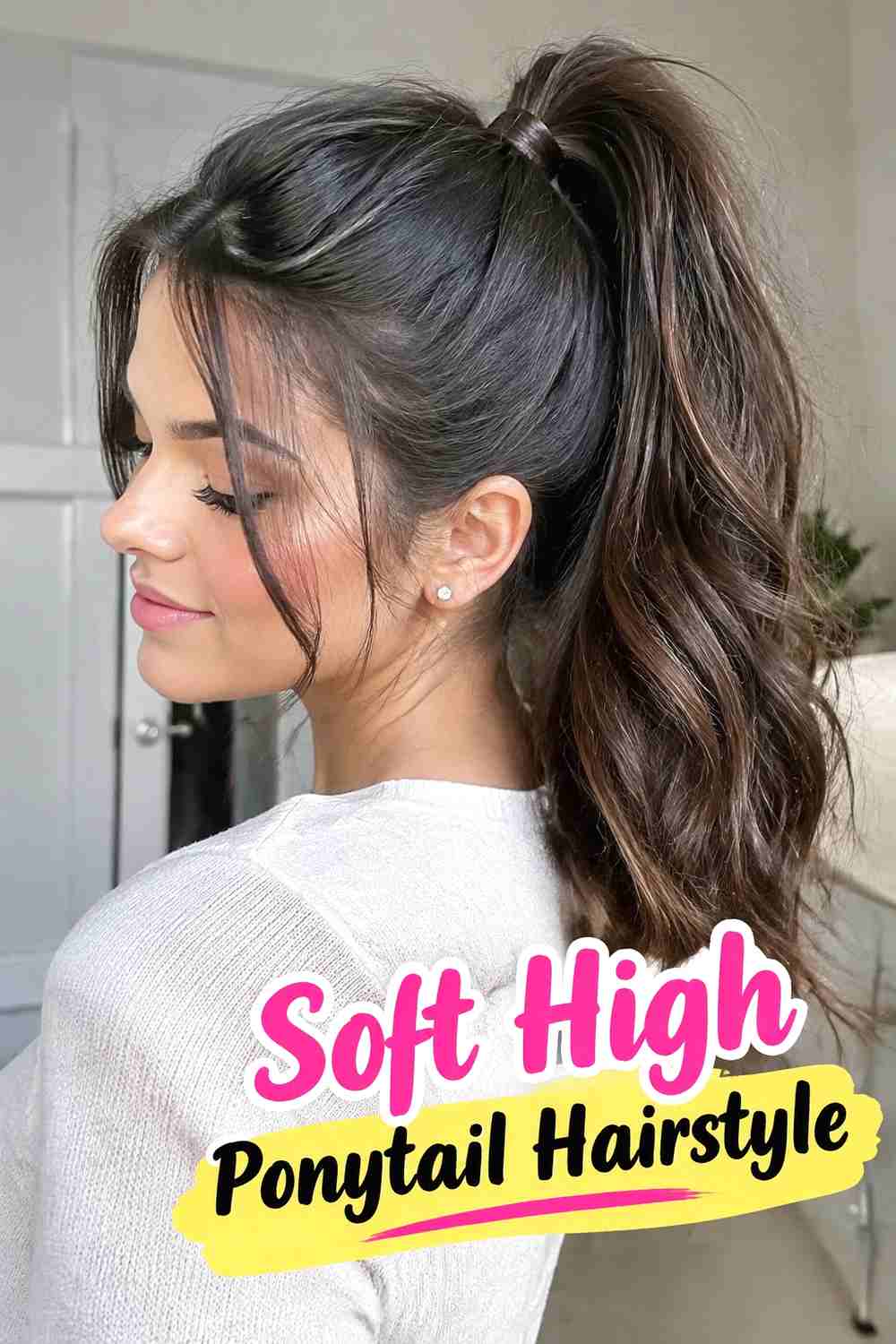
A soft high ponytail lifts the hair away from a bulky scarf and creates a clean, energetic portrait silhouette. The base sits around the crown rather than directly on top of the head, while the ponytail retains bends, waves, or natural movement through its length. A little softness around the hairline prevents the style from looking overly sporty, and longer front pieces can remain free if the wind is mild. This placement works especially well when the scarf wraps high around the neck because no low bun or ponytail presses against it. In motion shots, the elevated length can also provide gentle movement without obscuring the face.
Best For
Medium-to-long hair with enough length to create a visible ponytail works best, particularly when the scarf is thick or wrapped high.
Pro Tip
Wrap a small strand around the base for a polished finish, but keep the ponytail itself flexible rather than stiff.
15. Feathered Collarbone Layers Hairstyle
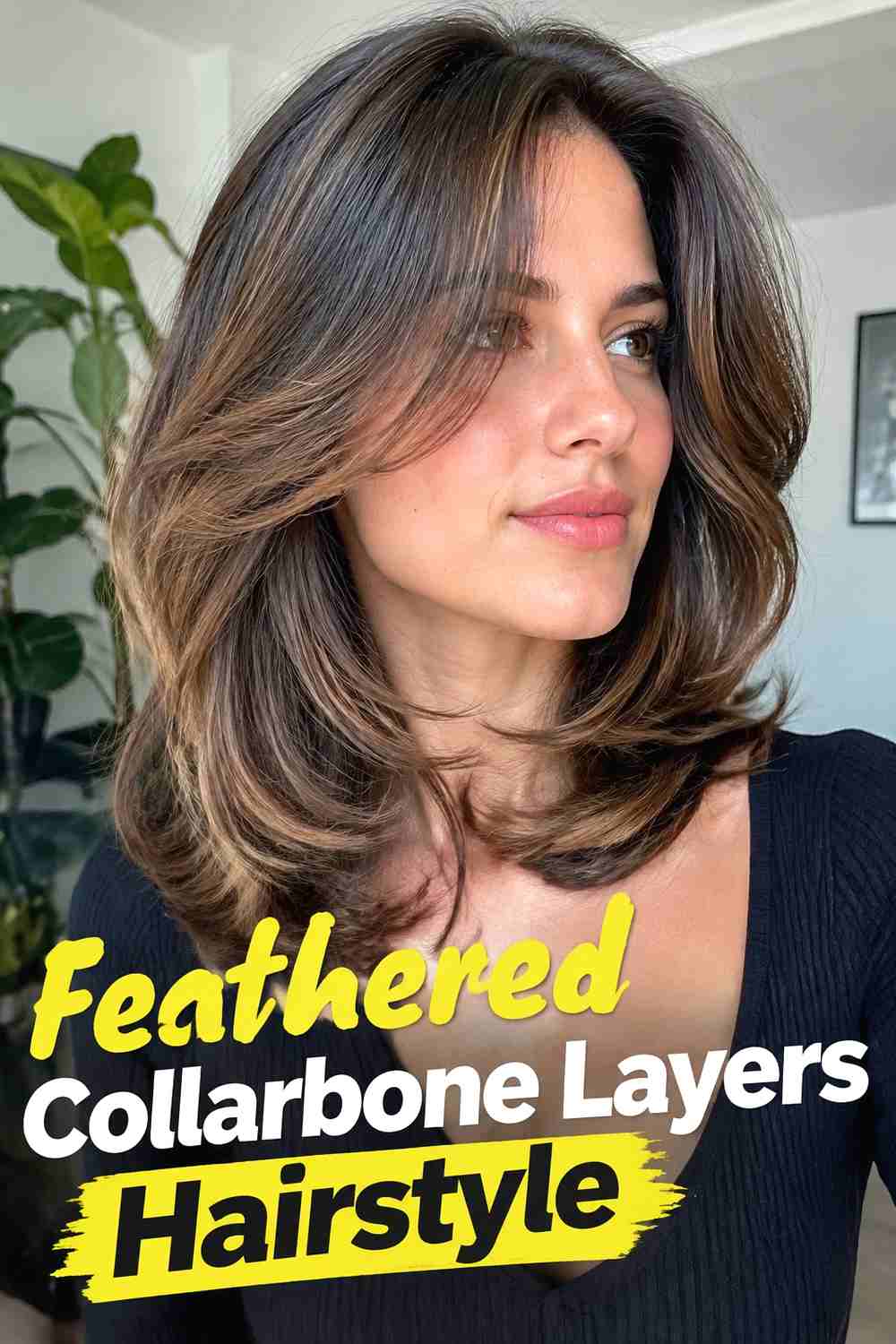
Feathered collarbone layers give outdoor portraits soft movement exactly where the hair meets the scarf. The upper lengths remain relatively smooth, while the front and lower layers begin to turn outward around the jaw, collarbone, and shoulders. This keeps the hairstyle from blending into one heavy shape against winter knitwear. The feathering should be broad and light rather than sharply flipped, with different sections moving at slightly different angles. Medium and long layered hair show the effect clearly, especially when the scarf is worn lower around the neck. Because the style relies more on cut and direction than on defined curls, it can remain wearable even after some movement from wind.
Styling Notes
Use a large round brush on the front and lower layers, directing them outward gently and allowing the sections to cool naturally.
16. Romantic Low Chignon Hairstyle
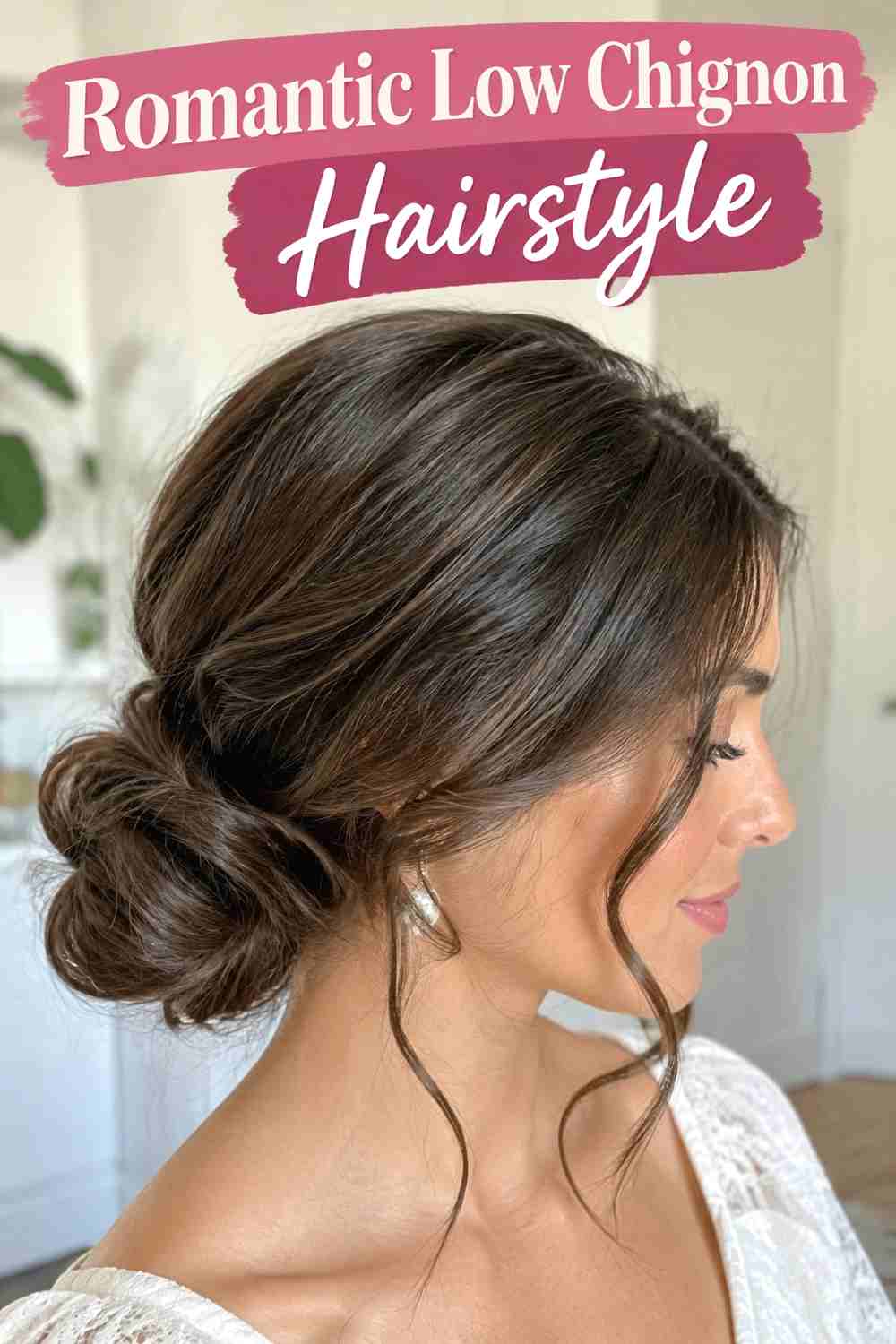
A romantic low chignon keeps the neckline clear while adding a soft, polished element to outdoor portraits. The hair is gathered at the nape and formed into a loose rounded shape, with a little softness through the crown and selected face-framing pieces left free. This works especially well with substantial scarves because the hairstyle remains compact behind the head rather than adding more volume across the shoulders. The chignon can sit slightly off-center for a relaxed effect and photographs nicely from three-quarter angles where both the bun and scarf are visible. Keep the finish secure enough for outdoor conditions without smoothing away every small strand.
Wear & Maintenance
Use multiple pins around the bun rather than relying on one fastening point. Light hold can manage loose pieces while preserving softness.
Best For
This style suits portraits where you want a more romantic, dressed-up finish without hiding the scarf or collar area.
17. Ribbon Wave Side Drape Hairstyle
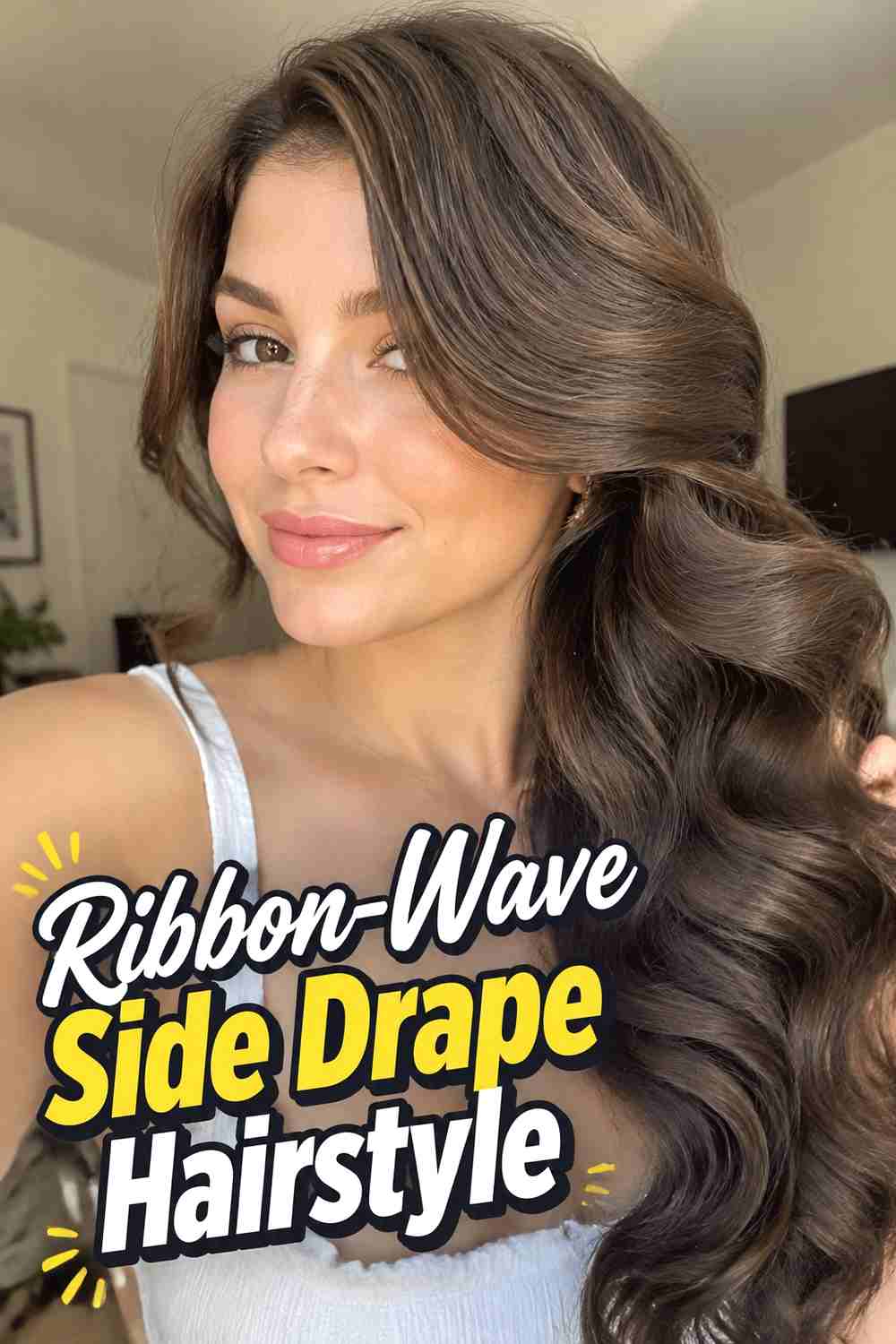
Ribbon waves create long, elongated curves that can be draped over one shoulder beside a textured scarf. Because the waves are stretched rather than tightly curled, the hairstyle maintains visible length and stays relatively narrow around the face. The opposite side can be tucked back to reveal more of the scarf and profile, creating a strong composition for angled outdoor portraits. Long hair gives the wave pattern space to develop, while subtle layers keep the cascade from becoming too dense. Leaving the ends slightly relaxed helps the movement feel natural, especially when the hair shifts lightly in cold air.
Styling Notes
Use a larger barrel and wrap sections loosely, beginning below the roots. Arrange the drape after the hair cools completely.
Why It Works
The one-side placement adds direction while keeping both the scarf texture and the face clearly visible in the frame.
18. Face Framing Low Gather Hairstyle
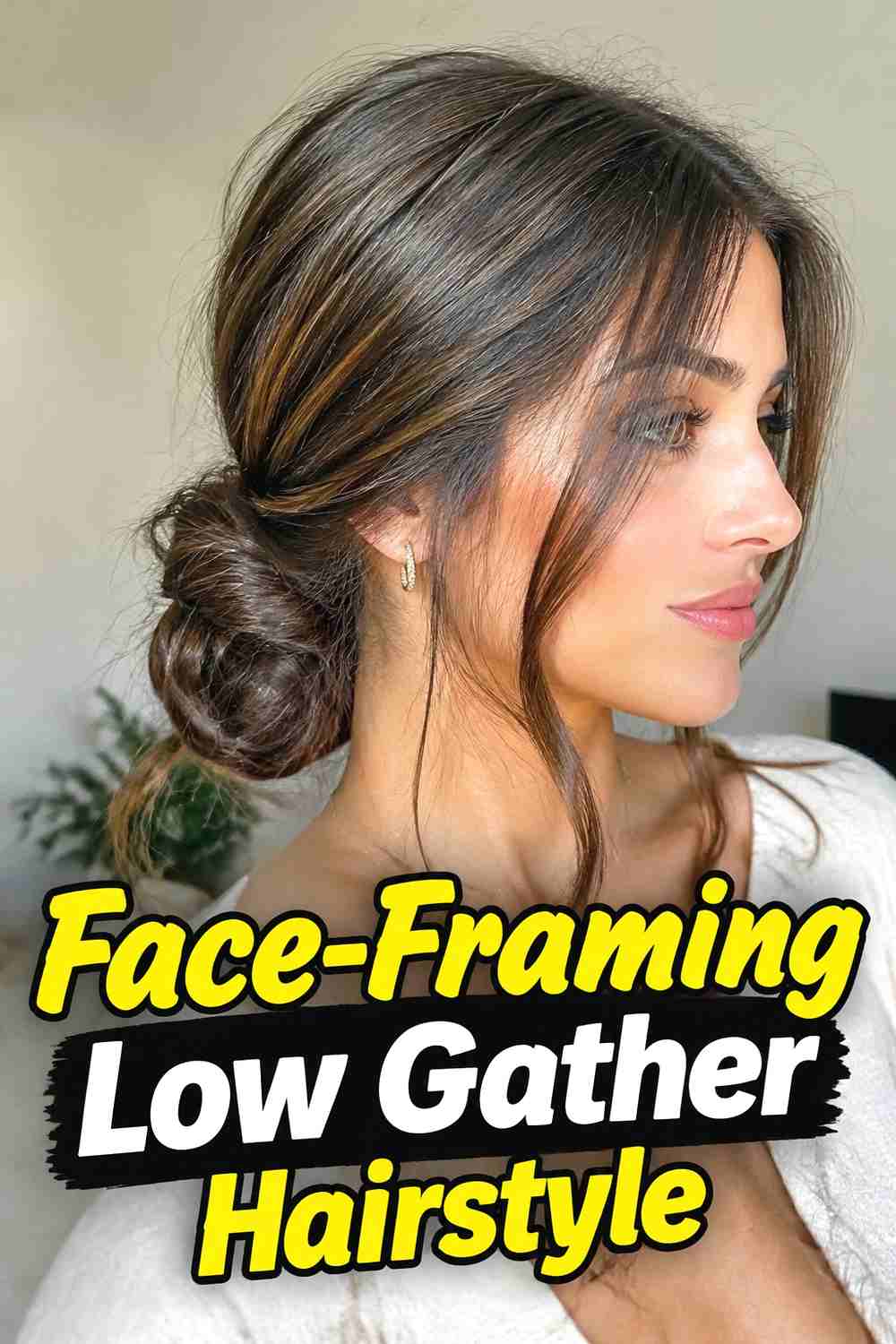
A face-framing low gather combines practical control with enough loose detail to keep outdoor portraits soft. Most of the hair is secured near the nape in a low ponytail, twist, or simple loop, while longer front pieces remain visible around the cheeks and jaw. These sections can carry a slight bend or natural texture so they sit away from the scarf rather than disappearing into it. The style is especially useful in cold weather because the main length stays contained while the front still provides movement. Medium and long layered hair work particularly well, and the exact gather can be adjusted depending on how bulky the scarf feels at the back.
Best For
Choose this look when you want a controlled winter hairstyle that still gives the face a soft, photographic frame.
Pro Tip
Release the front pieces only after securing the main gather so you can control exactly how much hair remains around the face.
How to Choose the Right Look
Start with the scarf itself. Chunky cable knits, boucle textures, and thick blanket scarves already create plenty of volume, so sleek side parts, low buns, ponytails, or braided crowns can keep the portrait balanced. Slimmer ribbed scarves leave more room for blowouts, curl cascades, and fuller waves.
Next, consider which angles you expect to photograph. Center parts and curtain layers work well for straight-on portraits, while side drapes, tucked styles, and deep side parts create strong three-quarter profiles. Updos and braids can also show more scarf texture because less hair covers the neckline.
Weather matters too. On windy days, braids, ponytails, chignons, and half-up styles provide more control. When conditions are calm, brushed waves, feathered layers, and natural texture can create softer movement.
Finally, work with your density and texture. Fine hair may look fuller with broad waves or a soft ponytail, while thick hair can benefit from gathers, braids, or one-side placement. Curly and coily hair often looks best when its natural variation remains visible rather than being forced into uniform sections.
Final Thoughts
Outdoor portrait hairstyles should help the face, hair, and winter scarf read clearly together rather than competing for attention. Soft waves create movement, braids and gathers handle windy conditions, and tucked or sleek styles reveal more scarf texture. Choose a look that suits your natural hair, the scale of the scarf, and the portrait angle you want most, while keeping the finish believable and comfortable for cold-weather wear.
FAQs
1. Which hairstyle photographs best with a chunky winter scarf?
Sleek side parts, low buns, braided crowns, and tucked waves work especially well because they keep extra volume away from an already substantial scarf.
2. What hairstyle is best for windy outdoor portraits?
A loose braid, low ponytail, half-up twist, chignon, or braided crown gives more control than fully loose hair while still looking soft in photos.
3. Should hair sit over or under a textured scarf?
Either can work. Keep some hair over the scarf when you want visible length, or tuck more of it behind or underneath when the scarf itself is an important portrait detail.
4. Can naturally curly or coily hair work with winter portrait styling?
Yes. Preserve the natural curl or coil pattern and control only the overall placement so the face and scarf remain visible without flattening the texture.
5. Which style is best for close-up outdoor portraits?
Curtain layers, tucked-behind-ear waves, soft side parts, and face-framing gathers work particularly well because they keep visible detail close to the face.
Save your favorite winter portrait hairstyle, share these textured-scarf ideas, and explore more cold-weather hair inspiration for your next outdoor photo day.