13 Soft Volume Stretch Headband Hairstyles
Soft volume and comfortable stretch headbands create an effortless balance of airy texture, gentle crown lift, face-framing movement, and polished everyday style.
Stretch headbands work especially well when you want volume without a stiff or heavily teased finish. The fabric creates a clean frame around the hairline, while softness through the crown, sides, and lengths keeps the hairstyle light and wearable. A small amount of strategic lift can make straight, wavy, curly, or layered hair look more dimensional without turning the style into an exaggerated bouffant.
The best option depends on where you want fullness. Some looks concentrate volume immediately behind the band, while others rely on waves, curls, layered ends, or a softly gathered ponytail. Choose enough hold to maintain the shape while preserving natural movement and comfortable tension around the hairline.
Quick List
- Soft Crown Lift Stretch Headband Hairstyle
- Loose Wave Stretch Headband Hairstyle
- Half Up Volume Stretch Headband Hairstyle
- Soft Blowout Stretch Headband Hairstyle
- Low Ponytail Volume Stretch Headband Hairstyle
- Face Framing Volume Stretch Headband Hairstyle
- Soft Curl Stretch Headband Hairstyle
- Side Part Volume Stretch Headband Hairstyle
- Twisted Half Up Stretch Headband Hairstyle
- Voluminous Bob Stretch Headband Hairstyle
- Low Bun Volume Stretch Headband Hairstyle
- Retro Soft Volume Stretch Headband Hairstyle
- Layered Volume Stretch Headband Hairstyle
1. Soft Crown Lift Stretch Headband Hairstyle
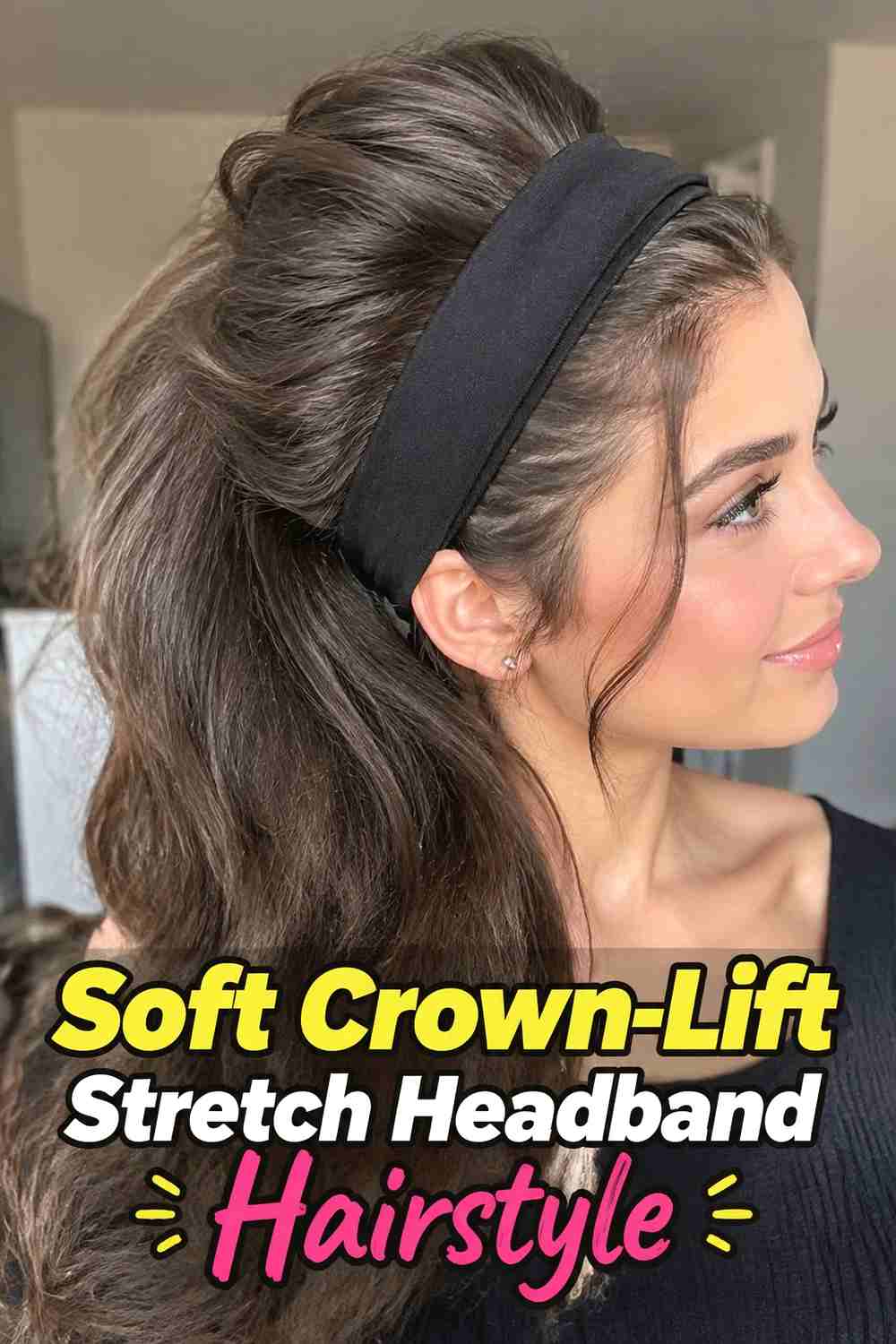
The Soft Crown-Lift Stretch Headband Hairstyle concentrates fullness immediately behind the accessory for an easy, balanced silhouette. Position the stretch band slightly behind the hairline, then gently lift the roots through the crown with your fingertips or a small amount of controlled styling underneath. Keep the surface smooth and natural rather than heavily teased. The lengths can stay straight, softly waved, or naturally textured, allowing the subtle crown height to provide most of the shape. This style works particularly well when hair tends to lie flat on top but still has movement through the ends. A medium-width headband creates enough contrast to make the lifted section noticeable without overwhelming the hairstyle.
Styling Notes
Build volume gradually at the roots rather than backcombing a large section. Moderate lift looks softer and is easier to maintain throughout the day.
Best For
Choose this look for everyday outfits, work, casual dinners, or occasions where you want a little extra shape without curling the entire head.
2. Loose Wave Stretch Headband Hairstyle
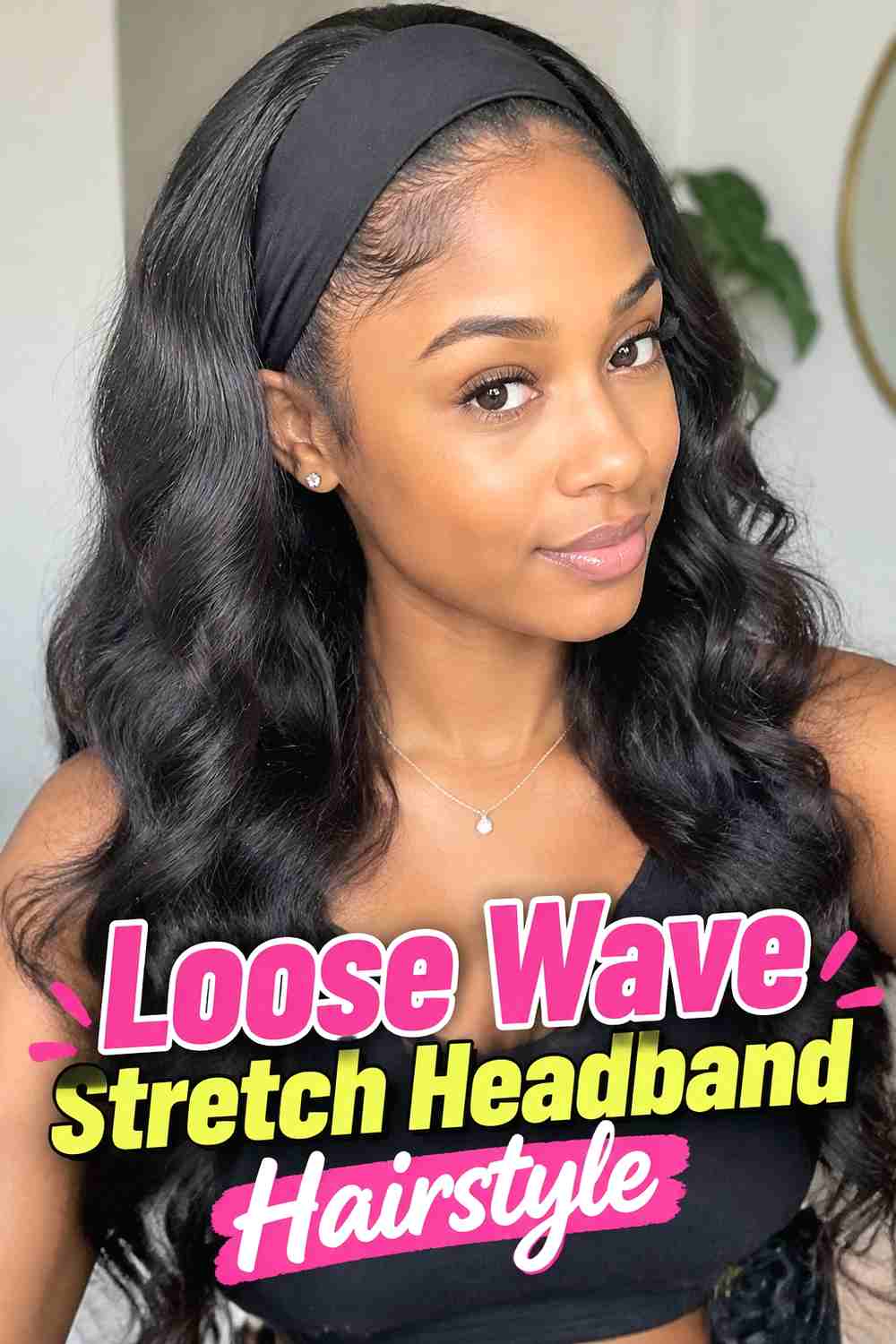
The Loose Wave Stretch Headband Hairstyle uses movement through the lengths to create volume rather than relying entirely on the crown. Form broad, relaxed waves from around ear level downward, alternating some sections so the pattern feels natural. Position the stretch headband behind the hairline and gently arrange the waves around the shoulders. Keep a little lift behind the band so the top transitions smoothly into the fuller lengths. This style works especially well on medium and long hair because the wave pattern has enough space to open up without becoming overly curled. A solid fabric band creates a clean contrast, while a subtle print can add more personality to the otherwise soft silhouette.
Why It Works
The waves create width and movement through the lower hair while the headband gives the crown a defined frame, preventing the overall look from feeling shapeless.
Pro Tip
Separate the waves with your fingers rather than brushing heavily. This preserves airy texture without turning the lengths frizzy or overly fluffy.
3. Half Up Volume Stretch Headband Hairstyle
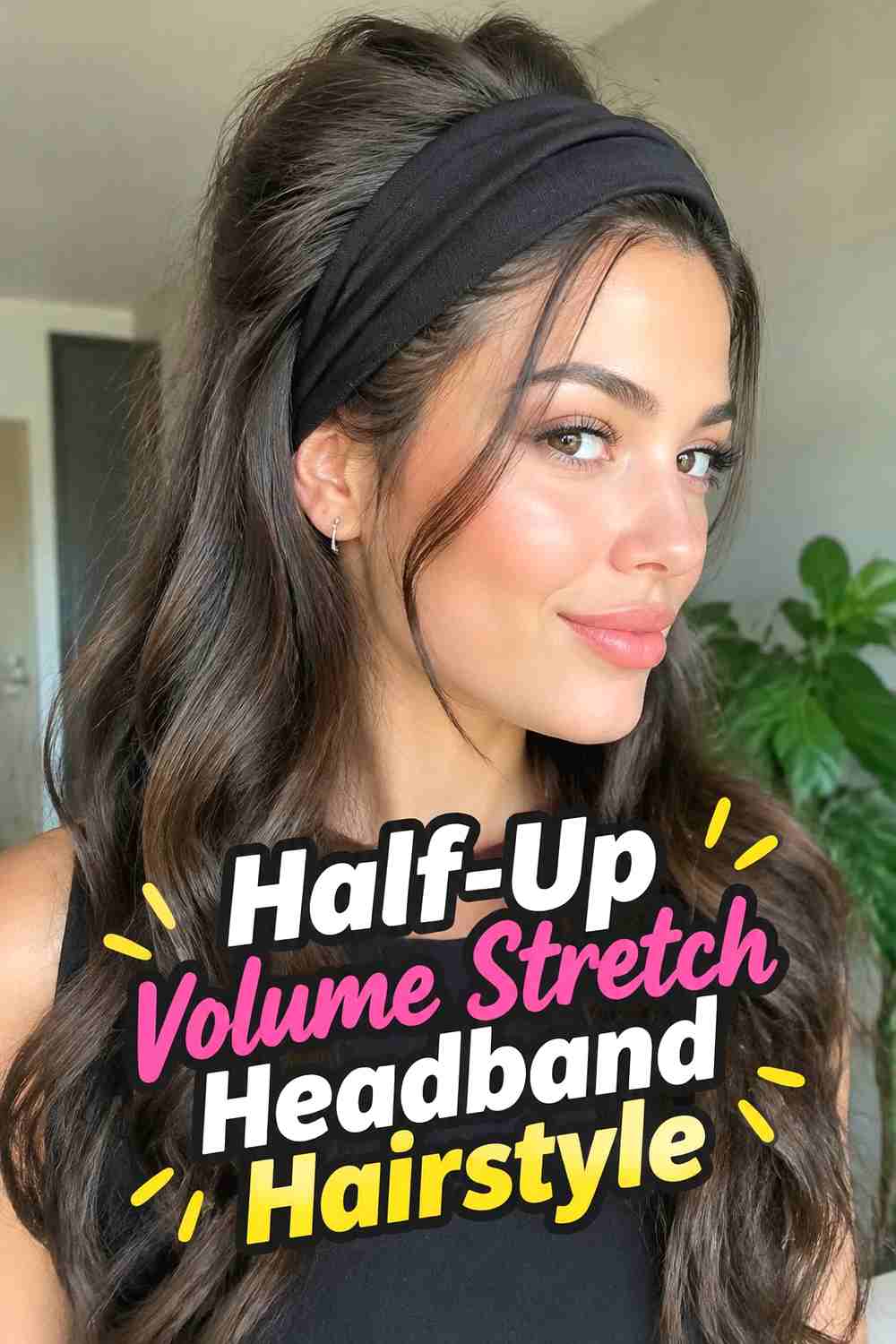
The Half-Up Volume Stretch Headband Hairstyle combines a gently lifted crown with loose length for a feminine, practical finish. Gather a relatively small upper section and secure it at the center back, pushing it forward slightly before pinning if you want extra crown height. Add the stretch headband near the hairline once the half-up section is stable. Leave the lower lengths straight, wavy, curled, or naturally textured depending on your hair type. The key is keeping the gathered portion soft rather than pulling everything tightly backward. This preserves fullness around the sides and allows the headband to frame the hairstyle without making the crown appear flattened or overly controlled.
Styling Notes
Secure the half-up section independently before adding the band. This makes it easier to adjust the accessory without changing the crown height.
Best For
This style suits dates, brunches, parties, casual weddings, and everyday occasions when loose hair needs a little more structure.
4. Soft Blowout Stretch Headband Hairstyle
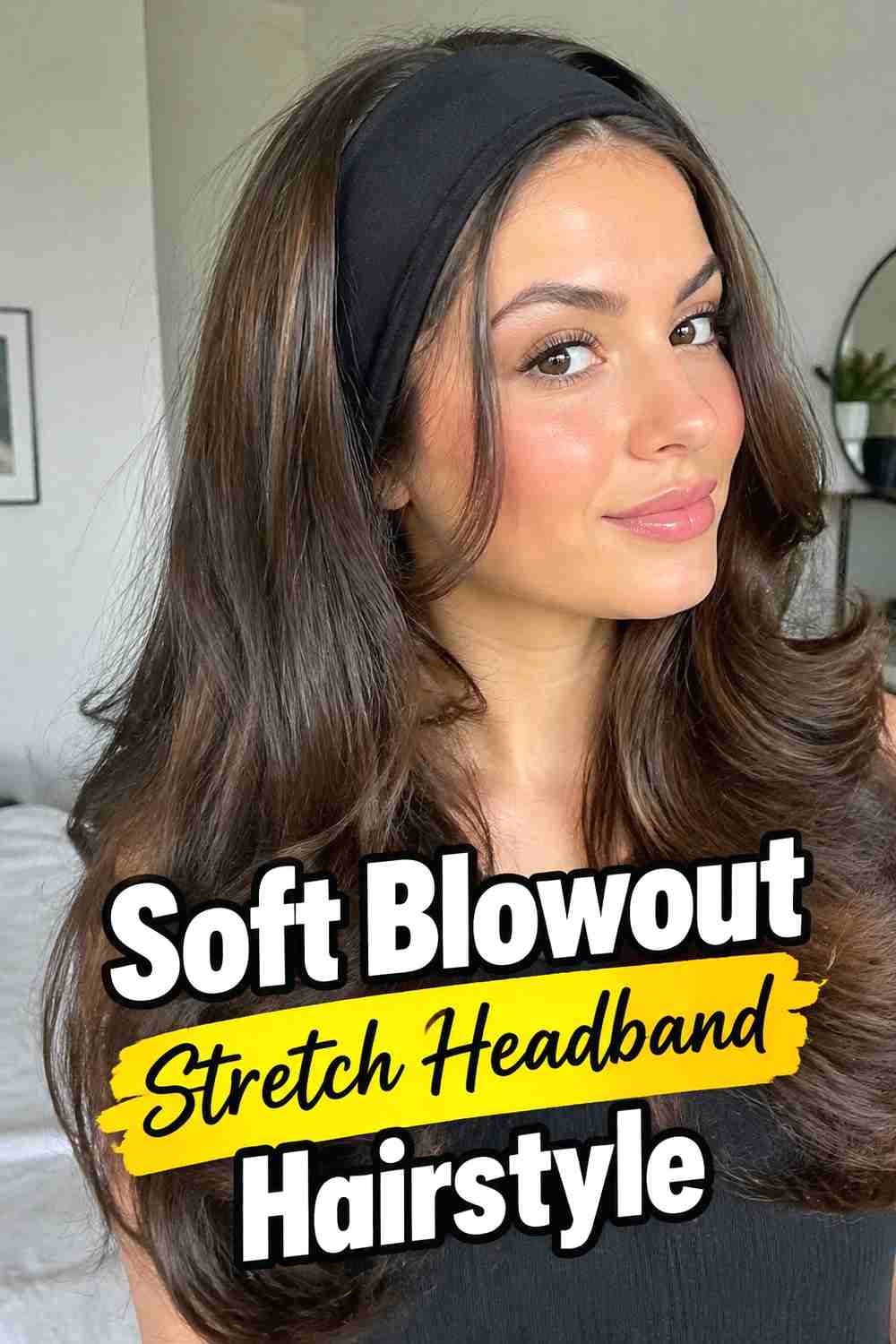
The Soft Blowout Stretch Headband Hairstyle creates volume through smooth root lift and gently curved lengths. Blow-dry the hair with enough elevation at the roots to keep the crown airy, then shape the ends inward or outward depending on your cut. Add a stretch headband slightly behind the hairline once the hair has cooled. The broad fabric provides a clean anchor while the blowout keeps the hairstyle from looking flat around it. Layered medium and long cuts work particularly well because the movement at different lengths creates natural fullness without requiring curls. Keep the finish touchable and avoid heavy hairspray, since softness is what separates this look from a more structured retro blowout.
Wear & Maintenance
Allow the blowout to cool fully before placing the band. Warm hair is more likely to lose its shape when compressed by the accessory.
Why It Works
Smooth volume gives the headband a polished background while the curved ends provide movement and dimension through the lower silhouette.
5. Low Ponytail Volume Stretch Headband Hairstyle
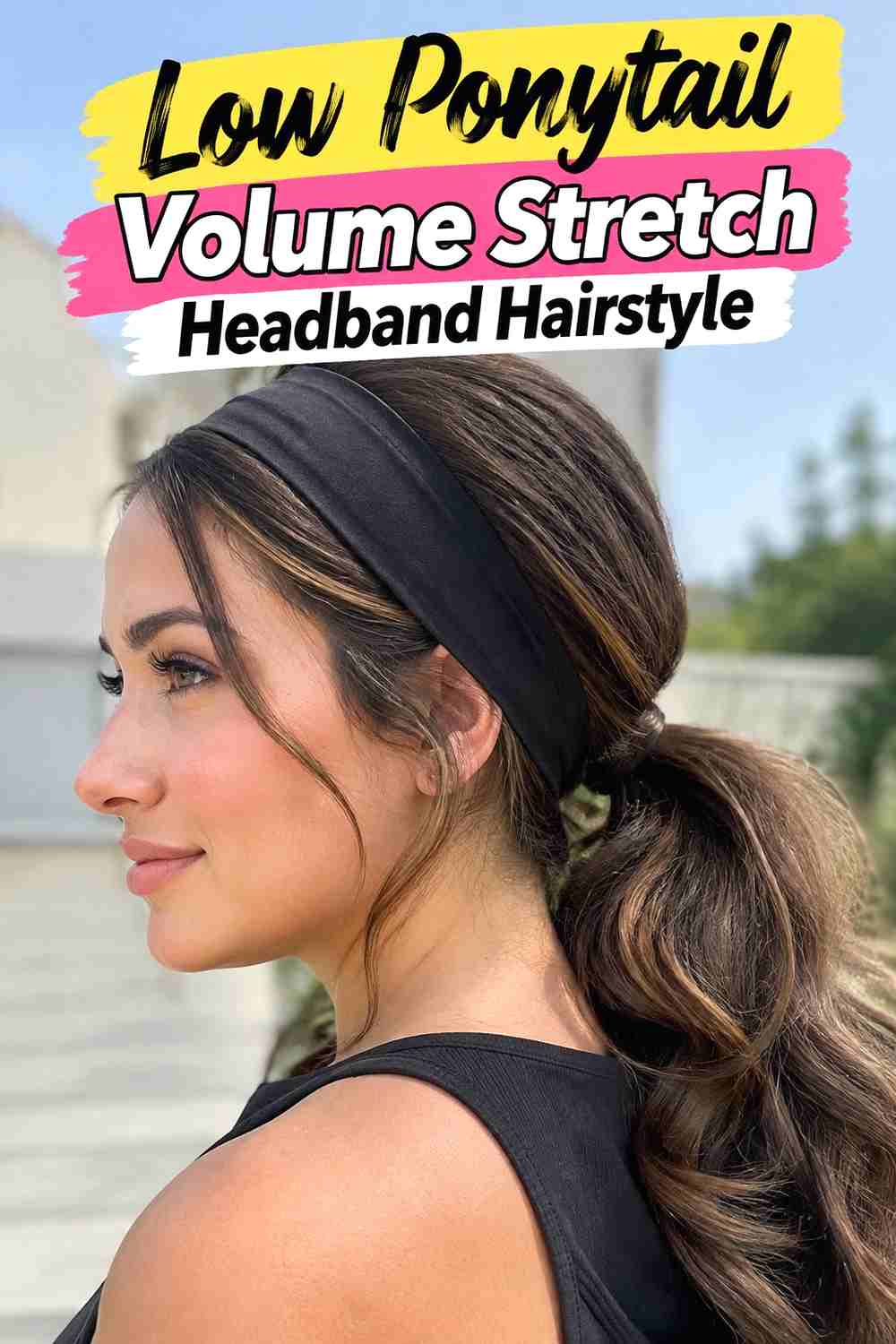
The Low Ponytail Volume Stretch Headband Hairstyle proves that gathered hair can still look soft and dimensional. Add a little lift through the crown, then gather the lengths at the nape without pulling the upper sections tightly against the scalp. Secure the ponytail first and position the stretch headband behind the hairline afterward. The tail can stay straight with gentle body, carry broad waves, or retain natural texture. Leave a small amount of fullness above the ears so the profile looks relaxed rather than slick. This option is especially practical for longer hair because it keeps the length controlled while still showing texture and volume through the ponytail itself.
Styling Notes
Use the headband as a framing accessory rather than tightening it backward to create lift. Crown volume should come from the hairstyle underneath.
Best For
This is useful for work, travel, lunches, casual events, and days when loose hair feels impractical but a tightly pulled ponytail feels too severe.
6. Face Framing Volume Stretch Headband Hairstyle
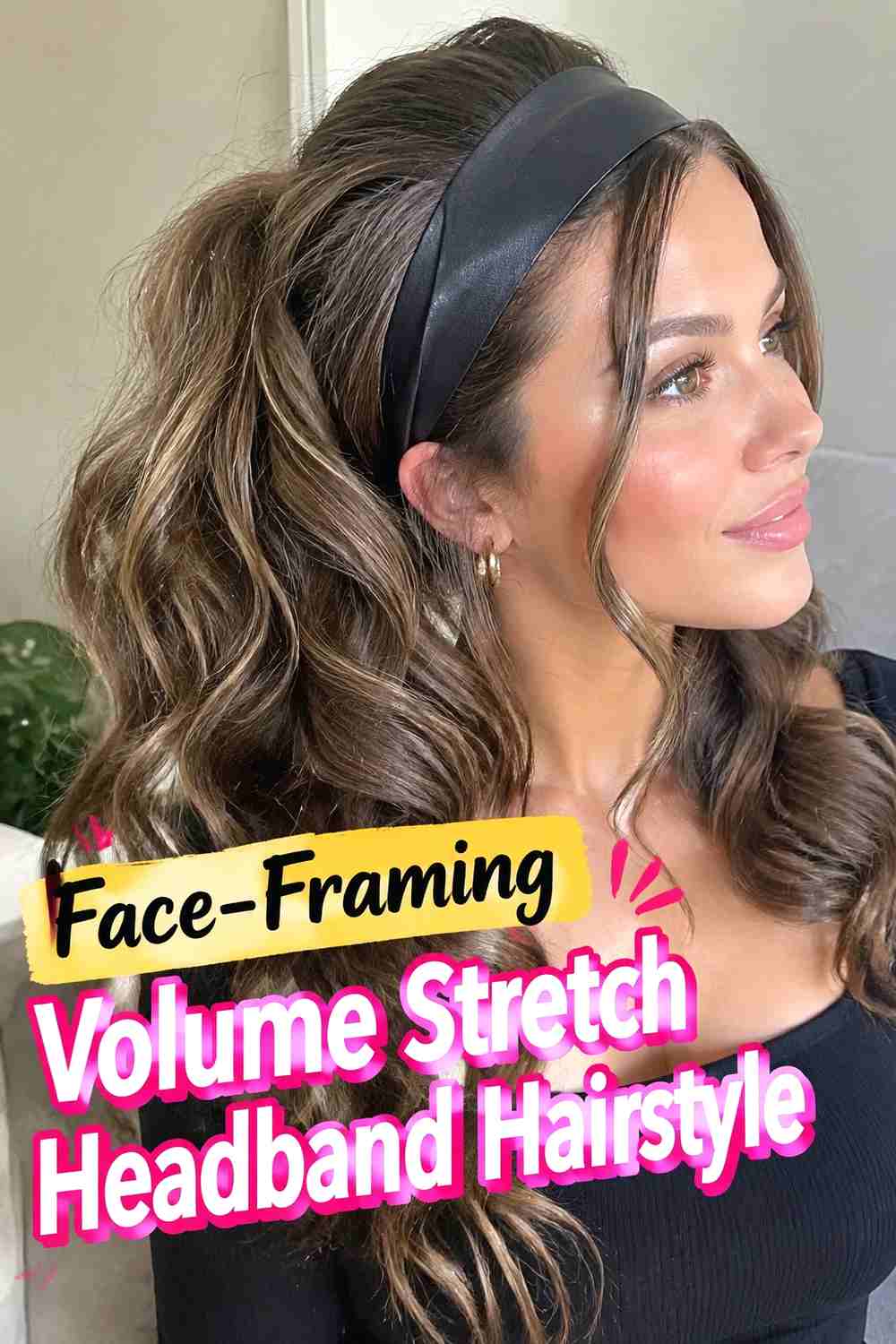
The Face-Framing Volume Stretch Headband Hairstyle keeps softness around the face by leaving selected layers or shorter pieces outside the accessory. Style the hair with gentle root lift and movement through the ends, then separate two or three natural sections around the temples or cheekbones. Position the stretch headband behind those pieces, allowing the rest of the hair to remain full through the crown and sides. This technique works especially well with layered cuts because the shorter sections already have enough movement to sit naturally around the face. Avoid pulling out too much hair, since the goal is a controlled frame rather than a collection of loose strands.
Why It Works
Leaving a few pieces outside the band softens its strong horizontal line while keeping volume visible around the face and upper sides.
Pro Tip
Style the face-framing sections before putting on the headband so they fall naturally without repeated adjustment.
7. Soft Curl Stretch Headband Hairstyle
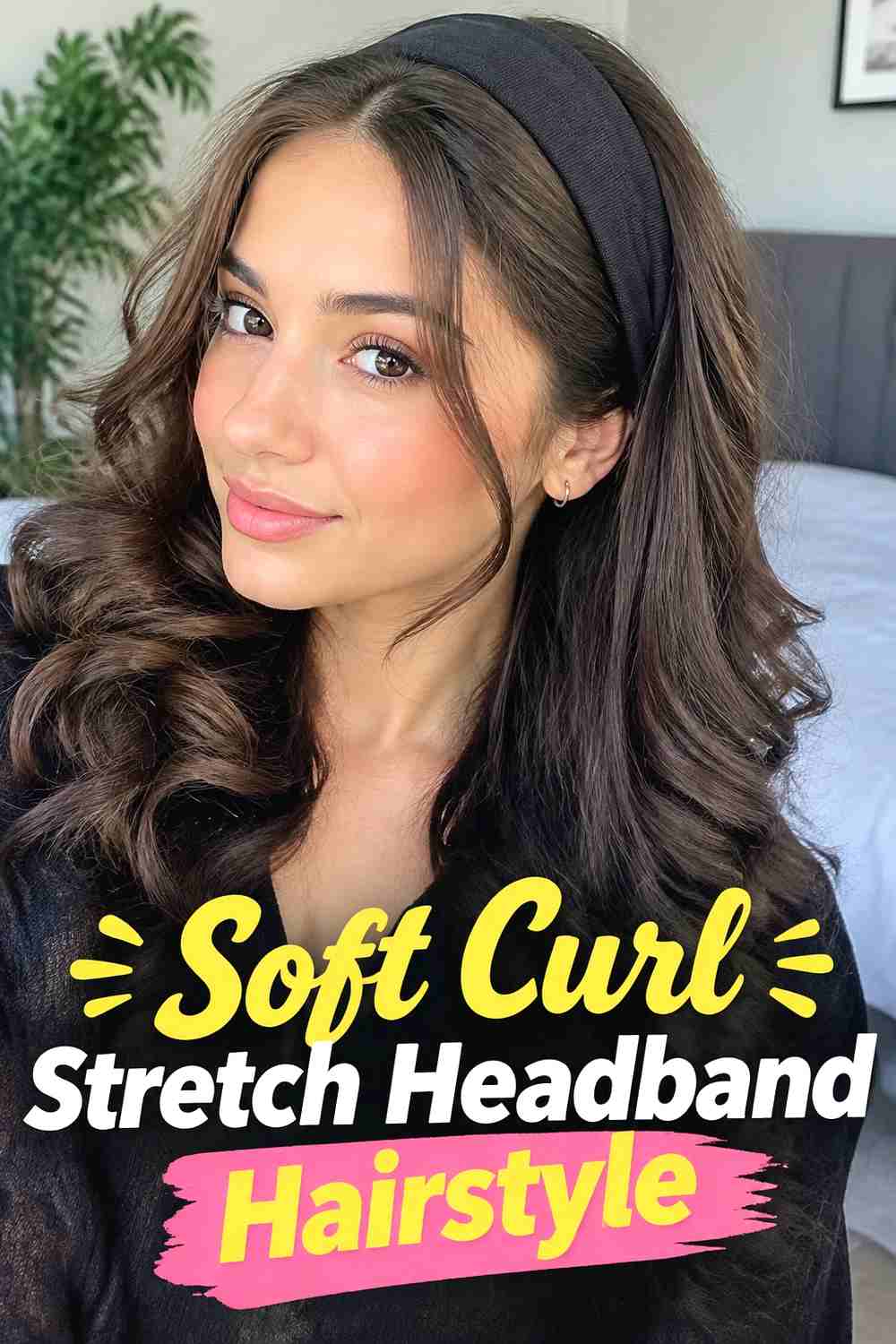
The Soft Curl Stretch Headband Hairstyle uses gentle curls to create rounded volume without making the hairstyle overly formal. Form loose curls through the mid-lengths and ends, then allow them to cool before lightly separating them. Add the stretch headband just behind the hairline and preserve a little natural height at the crown. Avoid arranging every curl identically; slight variation makes the volume look softer and more realistic. Medium and long hair provide the easiest canvas, although shorter curly cuts can create a compact version. Choose a band width that feels proportional to your curl density so the accessory frames the texture rather than visually overpowering it.
Styling Notes
Position the headband after the curls are finished. Sliding the fabric repeatedly through styled sections can disturb definition and increase flyaways.
Best For
This look works for dinners, parties, dates, seasonal events, or days when you want curls to feel polished but not overly structured.
8. Side Part Volume Stretch Headband Hairstyle
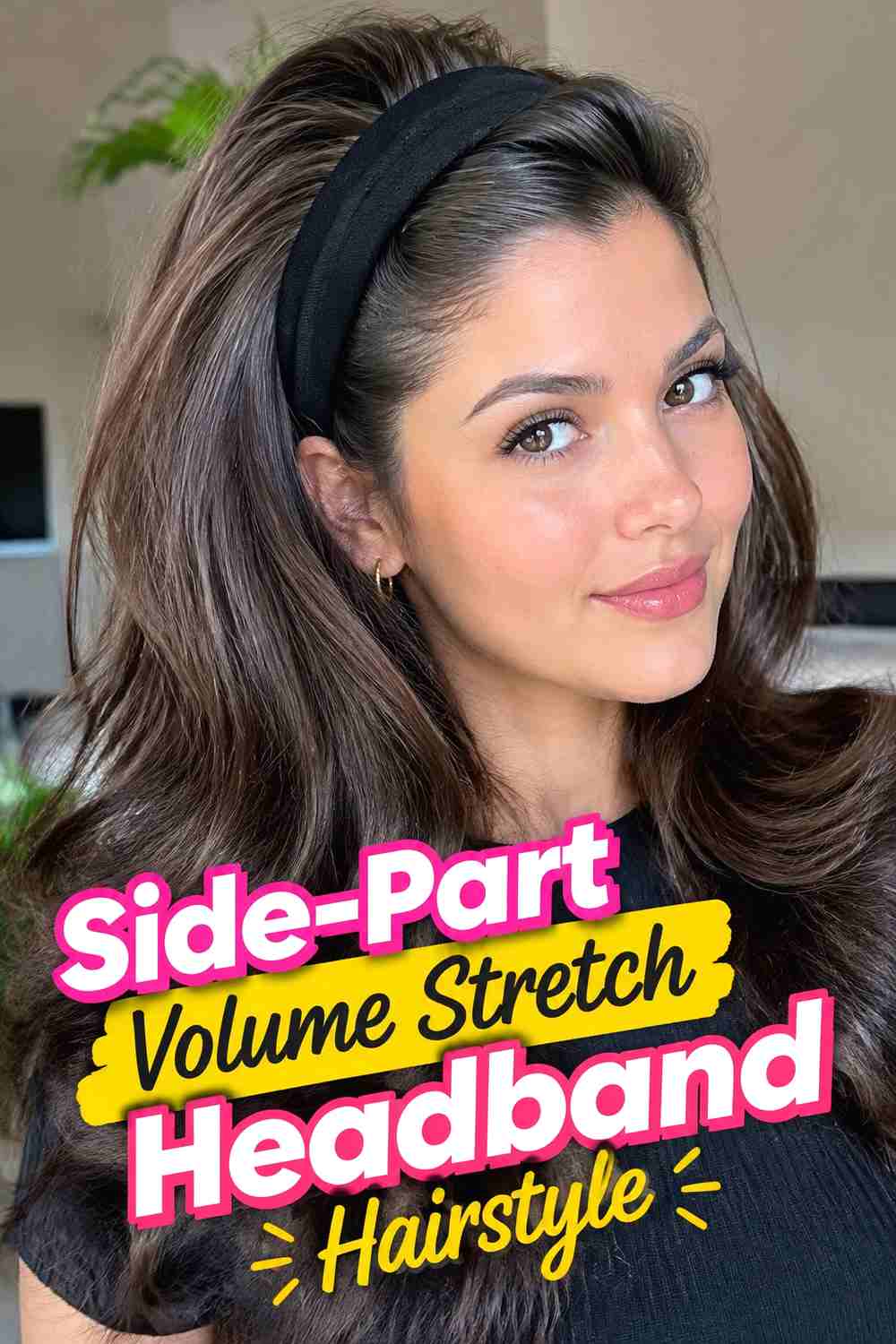
The Side-Part Volume Stretch Headband Hairstyle uses asymmetry to make soft fullness more noticeable. Create a defined side part, then style the heavier side with gentle root lift and movement through the lengths. Position the stretch band behind the front section so the part remains visible instead of being completely covered. Let the fuller side retain more width while the lighter side can be tucked behind the ear or kept closer to the head. This balanced contrast gives the hairstyle shape without relying on extreme crown height. Straight hair with body, soft waves, and naturally textured hair can all work with this approach, making it one of the more adaptable volume-focused options.
Why It Works
The uneven distribution of hair creates natural visual fullness on one side, while the band keeps the overall silhouette controlled and intentional.
Best For
Choose this style for everyday wear, work, dinners, or occasions where you want visible volume with a more polished front.
9. Twisted Half Up Stretch Headband Hairstyle
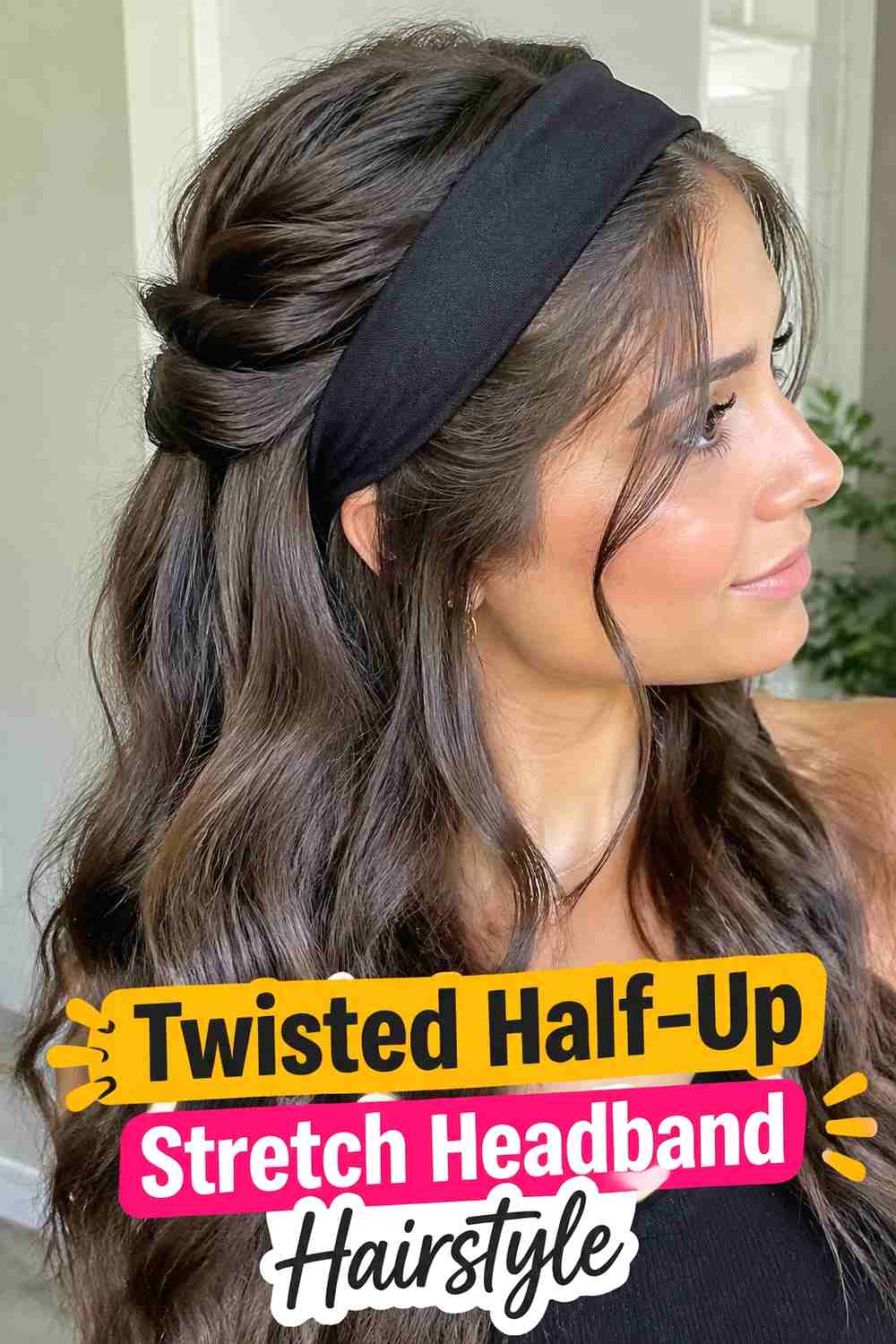
The Twisted Half-Up Stretch Headband Hairstyle adds airy structure through the back while maintaining volume at the crown. Take sections from both temples, twist them loosely away from the face, and secure them together near the center back. Avoid pulling the twists tight; a little width in each section helps preserve softness. Add the stretch headband at the front after the twists are secured, keeping a moderate amount of lift immediately behind it. The lower hair can remain naturally textured, softly waved, or lightly curled. This hairstyle gives you more detail than a basic half-up look but still feels relaxed because the volume comes from gentle placement rather than heavy teasing or rigid pinning.
Styling Notes
Loosen each twist slightly before adding the headband. Once the accessory is in place, avoid pulling strongly on the sections beneath it.
Best For
This style suits romantic dinners, weekend events, casual celebrations, and occasions where you want soft detail from both the front and back.
10. Voluminous Bob Stretch Headband Hairstyle
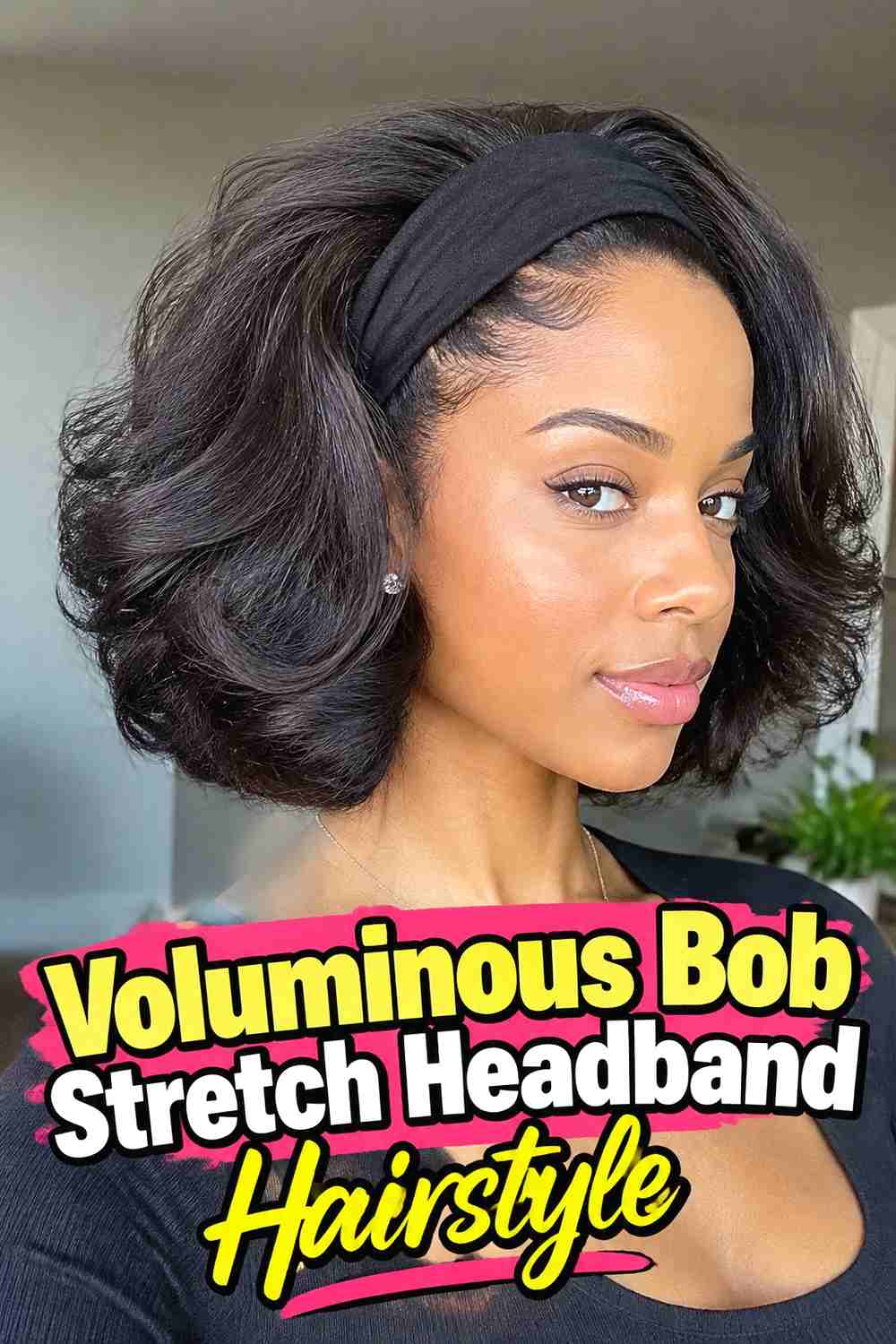
The Voluminous Bob Stretch Headband Hairstyle gives shorter hair a full, rounded silhouette while keeping the accessory proportionate. Style a bob or lob with root lift and softly curved ends, allowing the sides to retain enough width to show the haircut’s shape. Position a moderately wide stretch headband just behind the hairline rather than pushing all the hair tightly backward. A few shorter pieces can remain loose near the temples if they naturally frame the face. The goal is buoyant body rather than exaggerated height. This approach works well with straight, wavy, and softly curled bobs, especially when layering already provides movement through the crown and perimeter.
Hair Type & Length
Chin-length bobs, lobs, and shoulder-skimming cuts with some natural body or layering are especially suited to this style.
Pro Tip
Use a moderate-width band rather than the widest option available. Keeping enough hair visible helps preserve the bob’s rounded silhouette.
11. Low Bun Volume Stretch Headband Hairstyle
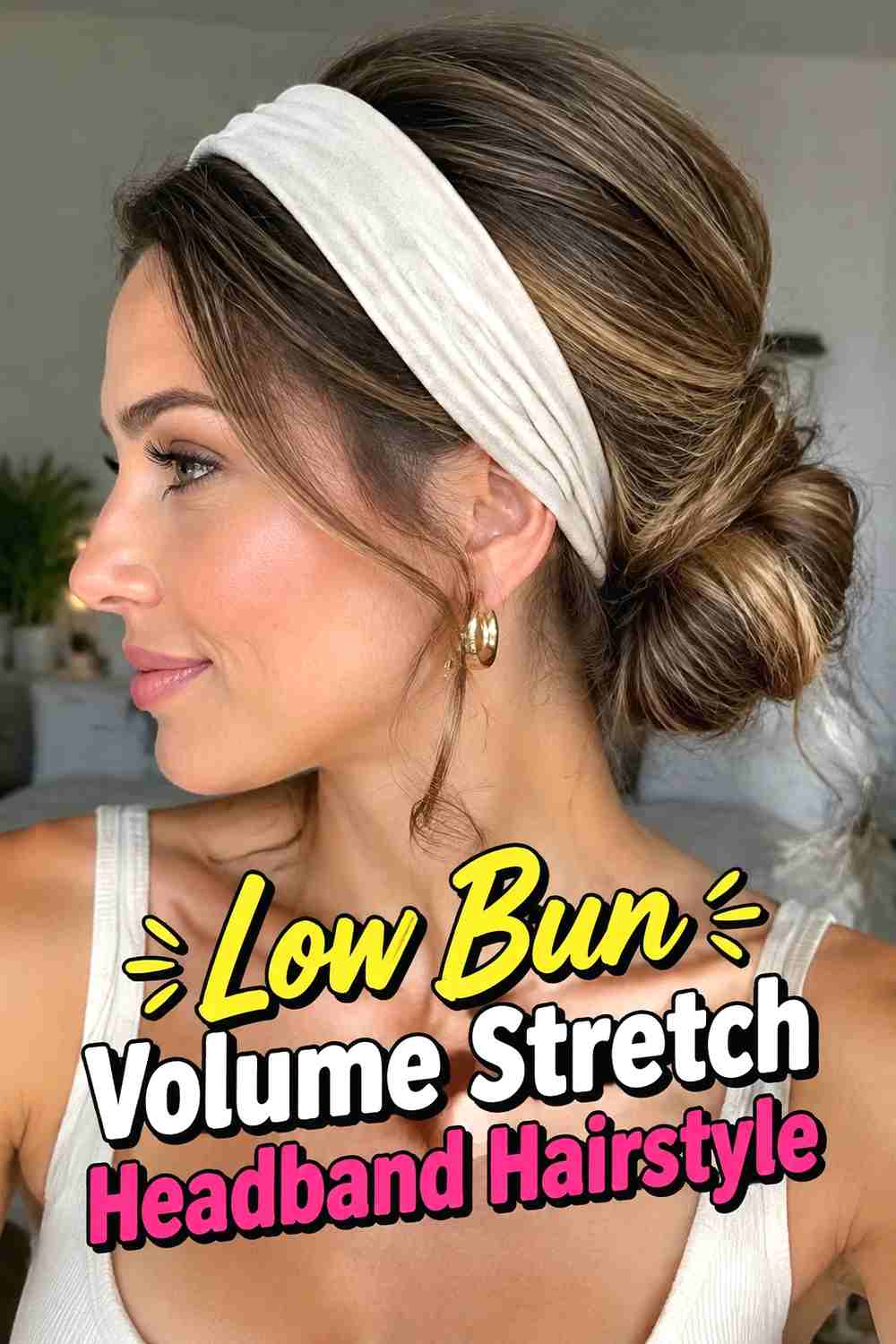
The Low Bun Volume Stretch Headband Hairstyle combines an updo with gentle crown fullness for a comfortable, polished shape. Add a small amount of lift through the top and sides, then gather the hair at the nape and form a loose bun. Keep the surface softly textured rather than pulling every strand completely smooth. Secure the bun with pins or an elastic before positioning the stretch headband near the hairline. Leave one or two face-framing pieces free if you want an even softer result. The contrast between the low gathered bun and lifted crown creates enough dimension to prevent the style from appearing flat, while the fabric band keeps shorter front sections controlled.
Wear & Maintenance
Build the bun and crown volume first. The headband should finish the style rather than provide the tension needed to hold the updo together.
Best For
Try this look for work, travel, dinners, casual events, or long days when you want the hair gathered without a sleek, formal finish.
12. Retro Soft Volume Stretch Headband Hairstyle
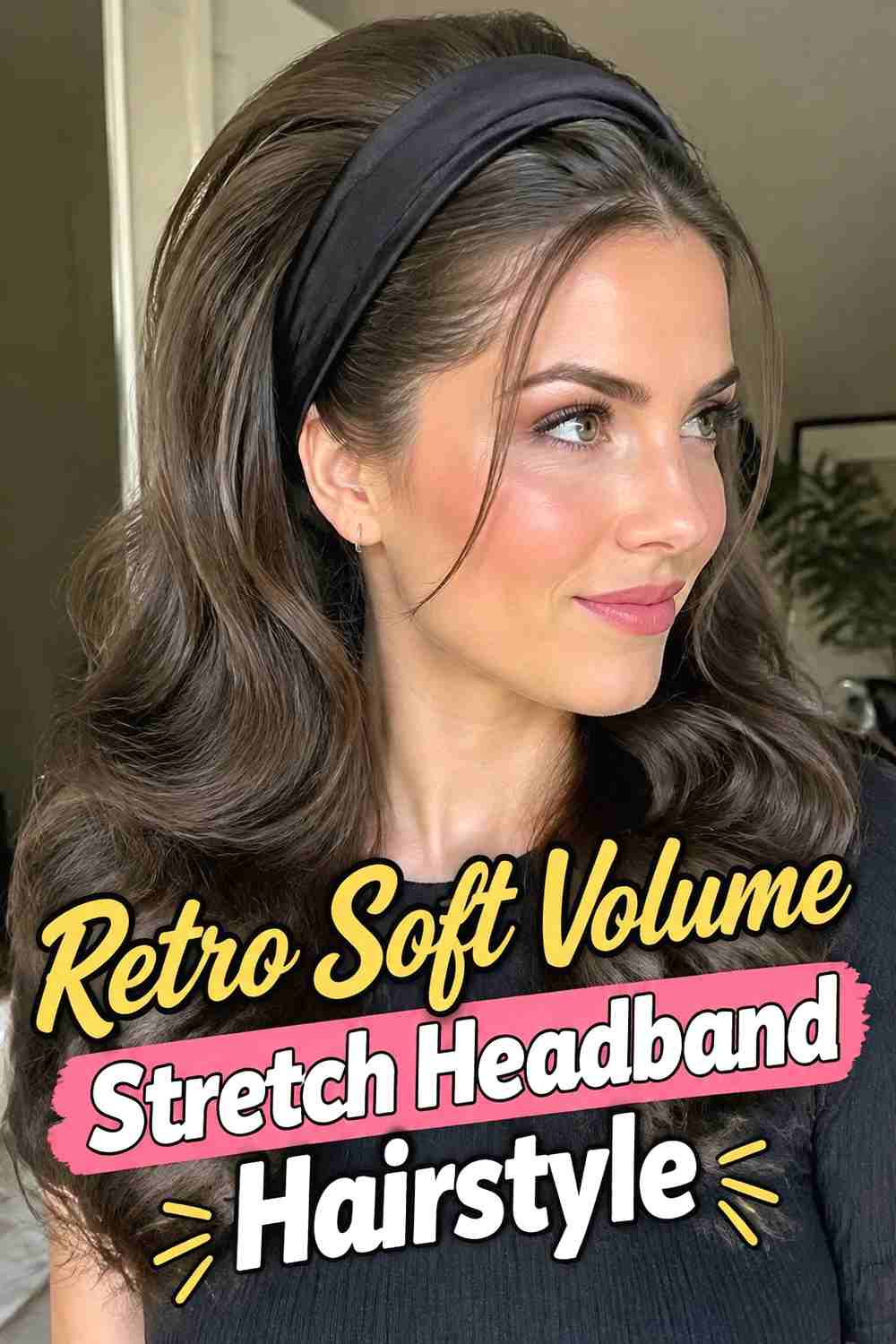
The Retro Soft Volume Stretch Headband Hairstyle takes inspiration from vintage crown lift while keeping the proportions relaxed and wearable. Position a broad stretch band near the front hairline, then create a softly rounded crown immediately behind it. The lengths can remain straight with gently turned ends, fall in broad waves, or carry a light bend through layered sections. Keep the lift moderate rather than building a dramatic bouffant. Black, cream, jewel tones, stripes, or graphic fabric can strengthen the retro mood, but the hairstyle itself should remain touchable and natural. This option is especially flattering when you want a little vintage character without committing to an elaborate period-inspired updo.
Styling Notes
Create lift at the roots and smooth only the visible surface. Heavy teasing and firm hairspray can make the soft-volume effect look too rigid.
Best For
This hairstyle works for retro-inspired outfits, casual parties, photo sessions, dinners, or anyone who enjoys vintage references with a modern finish.
13. Layered Volume Stretch Headband Hairstyle
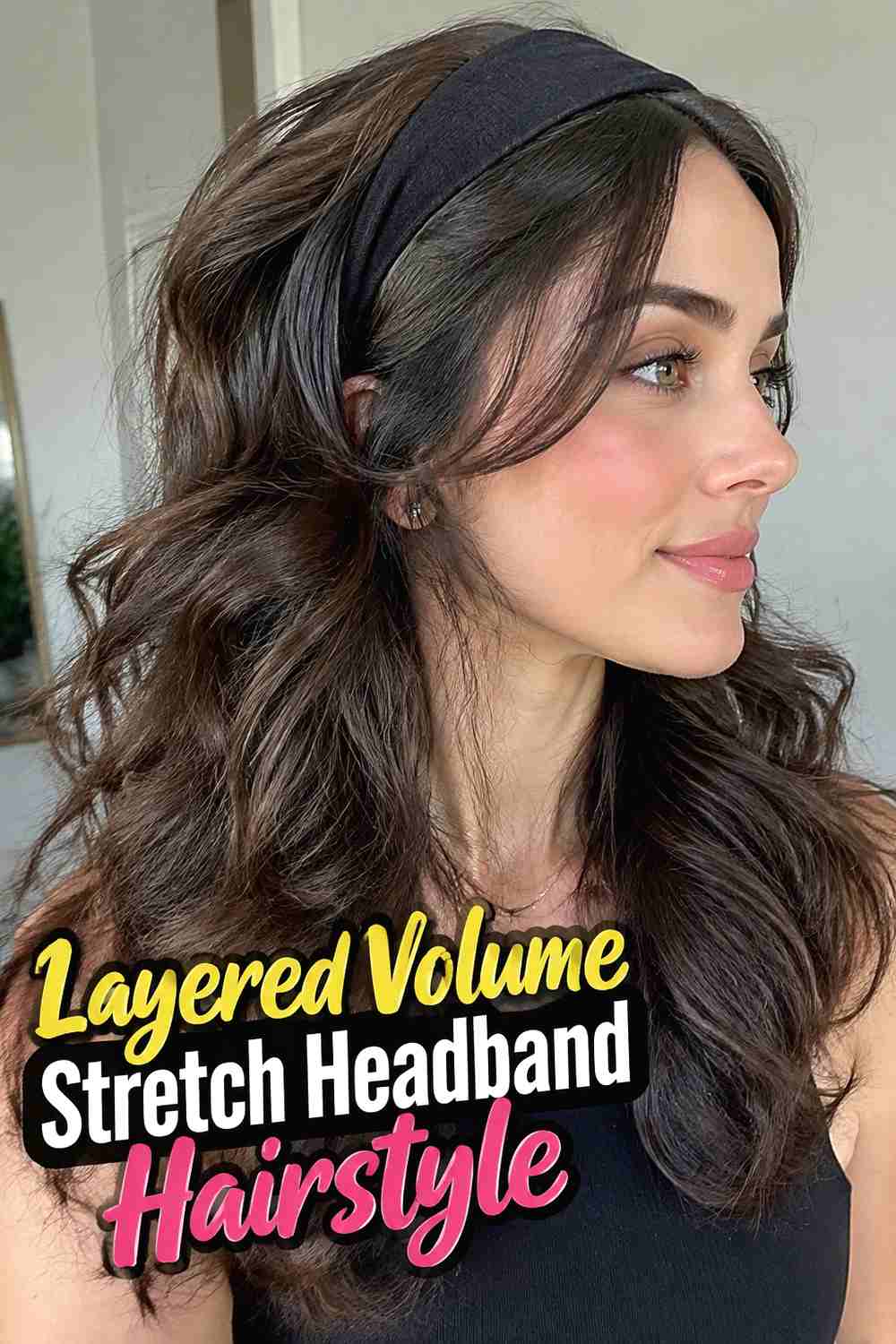
The Layered Volume Stretch Headband Hairstyle uses the haircut itself to create dimension. Style long or medium layers so each section retains light movement through the ends, then add subtle lift at the crown before positioning the stretch band. Leave shorter face-framing layers in front of the accessory if they naturally fall around the cheekbones or jaw, while the longer sections remain behind it. The combination creates volume at several levels rather than concentrating all fullness at the roots. This makes the hairstyle especially effective for hair that can feel heavy when worn at one uniform length. Keep the finish soft and airy so the layers remain visible instead of blending into one dense shape.
Why It Works
Layering distributes volume through the crown, sides, and ends, while the headband creates a clean frame that keeps the overall shape visually organized.
Pro Tip
Use lightweight styling products that preserve movement. Heavy creams or oils can collapse the subtle volume that makes layered hair look dimensional.
How to Choose the Right Look
Start by deciding where you want the volume. Crown-lift and retro styles focus fullness behind the headband, while waves, curls, blowouts, and layered styles distribute it through the lengths. Half-up and twisted looks create structure at the back without sacrificing too much softness.
Hair length and density also matter. Bobs and lobs often need only modest root lift to look full, while long hair may benefit from layering, waves, or a half-up shape to keep the silhouette from feeling heavy. Fine hair usually responds best to lightweight styling, while dense hair may already provide enough natural fullness.
Think about headband width and tension as well. A wide band makes a stronger visual statement, but it should not press the crown flat or feel uncomfortable around the temples. Moderate widths can be easier to balance with finer hair.
Finally, match the style to your schedule. Loose waves and blowouts feel polished, ponytails and buns offer more control, and simple crown-lift styles provide extra shape without requiring a full restyle.
Final Thoughts
Soft volume stretch headband hairstyles work best when fullness looks intentional but still natural. Gentle crown lift can change a simple loose style, while waves, curls, layers, ponytails, and buns offer different ways to distribute volume. Keep the accessory comfortable, avoid excessive tension, and use lightweight styling so the hair retains movement instead of becoming stiff or compressed.
FAQs
1. How do I create soft volume behind a stretch headband?
Add gentle root lift before putting on the headband, then adjust the crown with your fingertips. Light styling products usually work better than heavy teasing for a softer finish.
2. Can stretch headbands work with fine hair?
Yes. Choose a comfortable band that does not flatten the roots and use lightweight texture or root lift to create shape without weighing the hair down.
3. Which hairstyle gives the most volume with a stretch headband?
A crown-lift, soft blowout, curled style, or retro-inspired look can create the strongest fullness. The best choice depends on your hair length and natural density.
4. Can I leave face-framing pieces outside the headband?
Yes. Leaving a few intentional layers or curls loose around the face can soften the band and make the overall hairstyle feel less pulled back.
5. Are stretch headbands suitable for low buns and ponytails?
Yes. Secure the bun or ponytail first, then use the headband to frame the hairline. This keeps the accessory comfortable and avoids relying on it for structural hold.
Save your favorite soft-volume stretch headband hairstyle, share the looks you love, and explore more comfortable ways to add airy shape and movement to your hair.