16 Wavy Mullet Shag Hairstyles for Effortless Texture
Wavy mullet shag hairstyles combine airy crown layers, loose movement, and longer back pieces for a textured look that can feel soft, edgy, or romantic.
The wavy mullet shag works especially well because natural bends emphasize the haircut’s changing lengths. Shorter crown layers create lift, the sides frame the face, and the longer nape gives the silhouette its recognizable mullet influence. Unlike a sharply disconnected mullet, shaggy layering can create smoother transitions and plenty of movement.
When choosing a version, compare fringe shape, overall length, hair density, and how much daily styling you want. Natural waves may only need definition and light hold, while straighter hair often needs a few styled bends to recreate the effect. Keeping realistic texture, density, and movement is especially important for making layered cuts look believable and balanced.
Quick List
- Soft Wavy Mullet Shag With Curtain Fringe Hairstyle
- Tousled Wavy Mullet Shag Hairstyle
- Long Wavy Mullet Shag With Wispy Bangs Hairstyle
- Short Wavy Mullet Shag With Piecey Fringe Hairstyle
- Voluminous Wavy Mullet Shag Hairstyle
- Razor Cut Wavy Mullet Shag Hairstyle
- Wavy Mullet Shag With Bottleneck Bangs Hairstyle
- Beachy Wavy Mullet Shag Hairstyle
- Wavy Mullet Shag With Micro Fringe Hairstyle
- Feathered Wavy Mullet Shag Hairstyle
- Wavy Mullet Shag With Face Framing Layers Hairstyle
- Messy Wavy Mullet Shag With Choppy Bangs Hairstyle
- Polished Wavy Mullet Shag With Side Swept Fringe Hairstyle
- Shoulder Length Wavy Mullet Shag Hairstyle
- Soft Blonde Wavy Mullet Shag Hairstyle
- Romantic Wavy Mullet Shag With Bardot Bangs Hairstyle
1. Soft Wavy Mullet Shag With Curtain Fringe Hairstyle
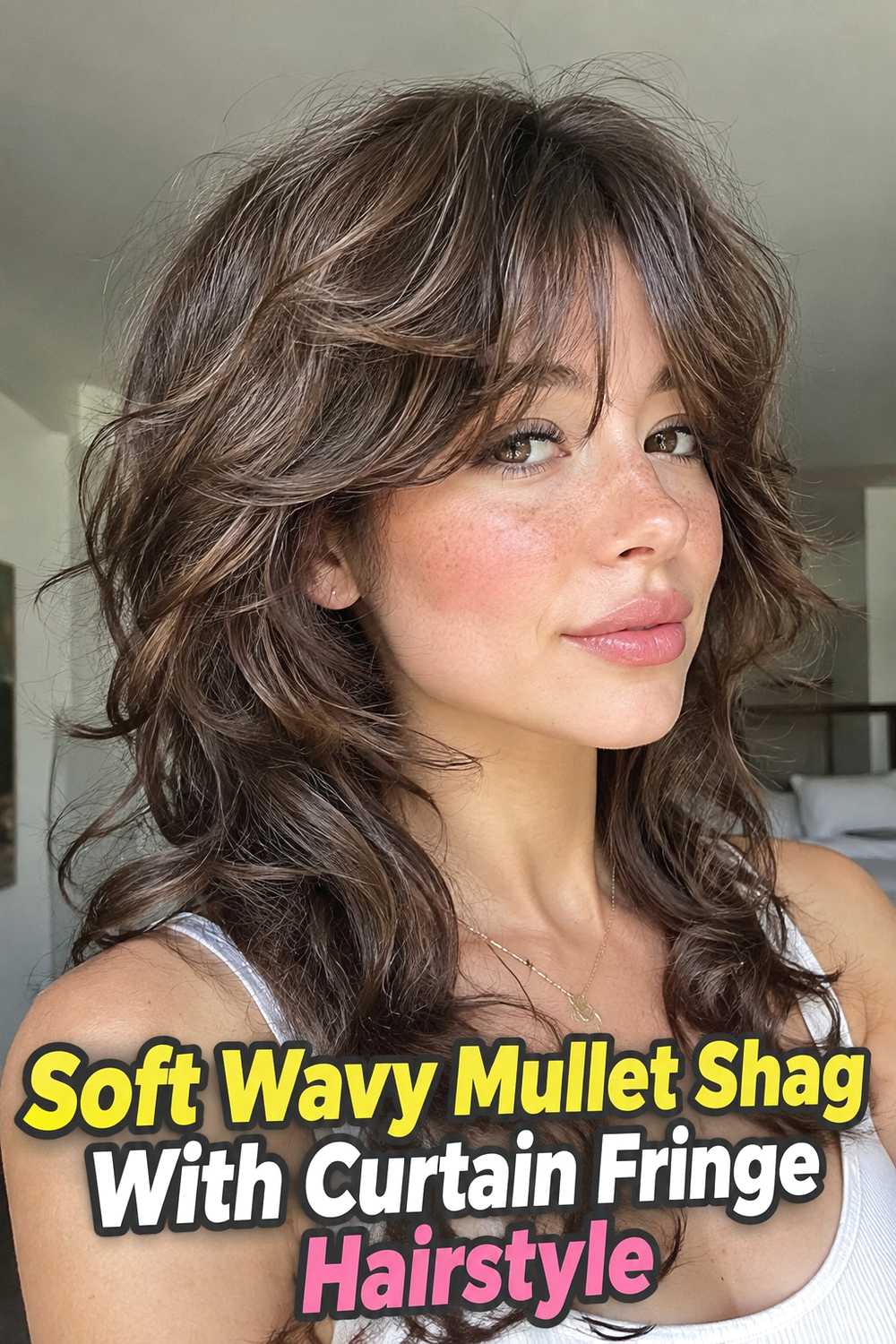
Soft waves and curtain fringe create one of the most approachable interpretations of the mullet shag. The crown is layered enough to build gentle lift, while longer pieces around the ears and nape keep the silhouette relaxed rather than sharply disconnected. Curtain fringe opens through the center and gradually blends into cheekbone-length sections, giving the front a flowing shape that echoes the natural wave pattern. This version works particularly well on hair with loose bends because the texture helps connect the shorter and longer layers. Air-drying can produce a casual finish, while a soft blowout makes the layers look more polished. Keep styling products lightweight so the crown remains airy and the fringe moves naturally.
Styling Notes
Direct the curtain fringe away from the center, then scrunch the remaining lengths with a light mousse or wave cream. Avoid making every bend identical.
2. Tousled Wavy Mullet Shag Hairstyle
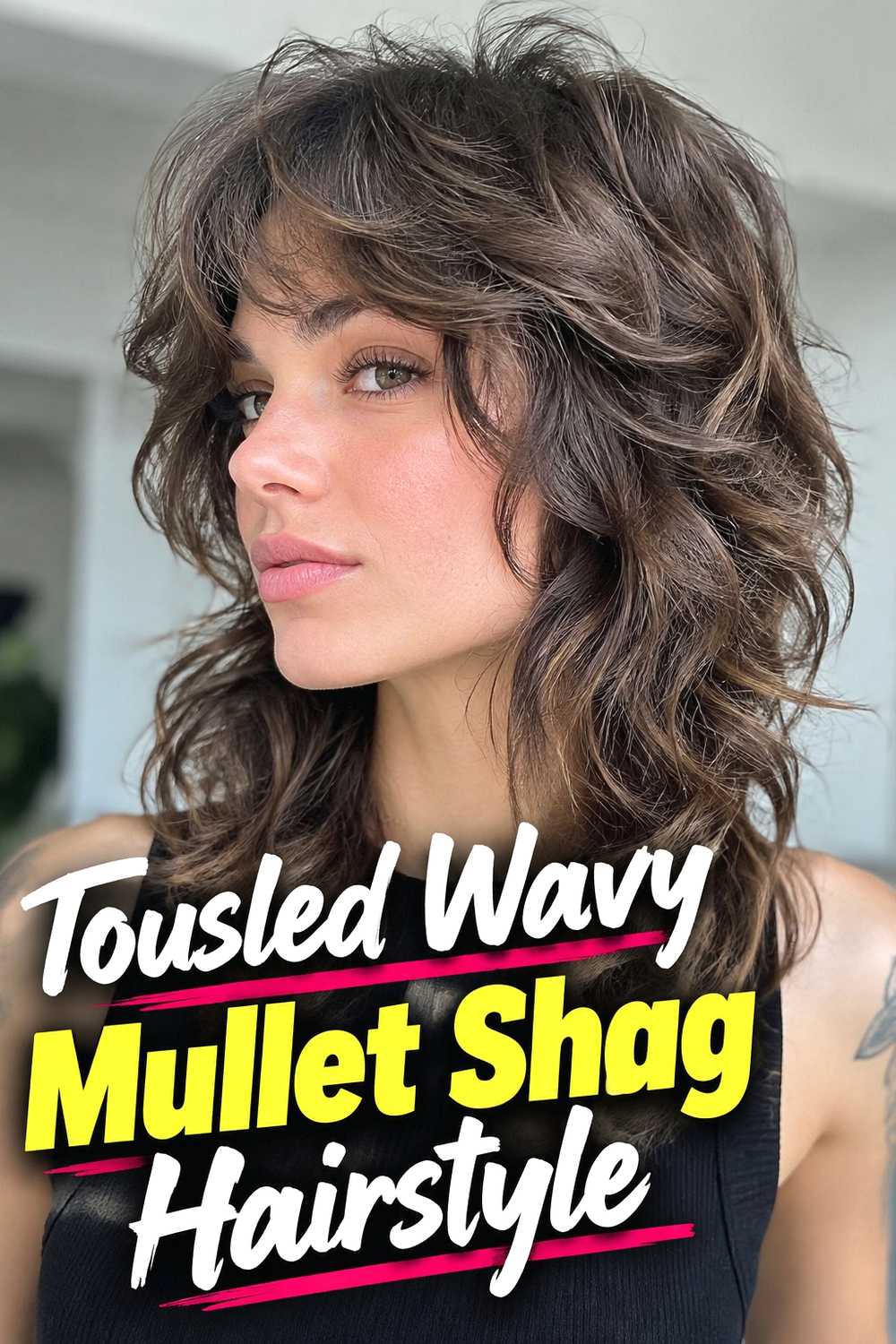
The tousled wavy mullet shag is built around imperfect movement. Short crown layers add lift, while longer side and back sections fall into loose bends that point in slightly different directions. That irregularity gives the hairstyle its relaxed character and keeps the mullet shape from looking too rigid. Naturally wavy hair is particularly suited to this version because a little definition can bring out the haircut without requiring precise styling. The nape should still have enough density to look deliberate rather than thin, especially when the upper layers are heavily textured. A flexible styling product can add grip without taking away movement. The finished result should feel casual and airy, with visible separation between layers instead of one smooth surface.
Why It Works
Waves naturally exaggerate the different layer lengths, allowing the shag structure to remain visible even when the styling is deliberately loose and slightly messy.
3. Long Wavy Mullet Shag With Wispy Bangs Hairstyle
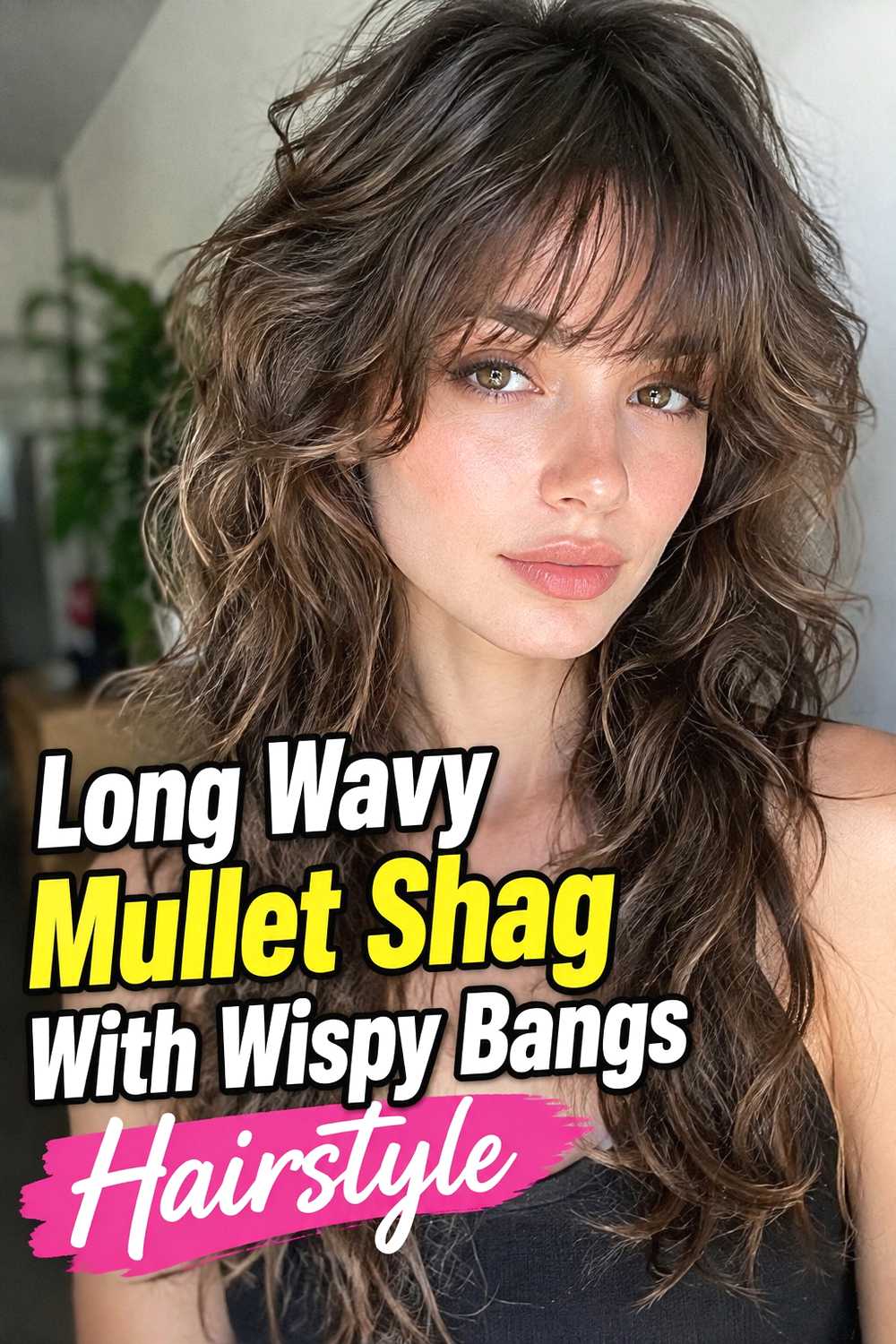
A long wavy mullet shag keeps plenty of length through the back while creating noticeable movement around the crown and face. Wispy bangs bring softness to the front without competing with the longer silhouette, and their light texture blends easily into shorter cheek-framing layers. The back can extend beyond the shoulders, making this a practical choice for anyone who wants a mullet-inspired shape without giving up long hair. Natural waves help break up the length so the haircut does not appear bottom-heavy. Medium to thick density often supports the extensive layering well, although fine hair can wear a lighter version. Concentrate texture around the crown and mid-lengths while keeping enough fullness at the ends to maintain balance.
Hair Type & Length
This style works best when there is enough length to show a clear difference between the short crown and elongated back, particularly on naturally wavy or bendable hair.
4. Short Wavy Mullet Shag With Piecey Fringe Hairstyle
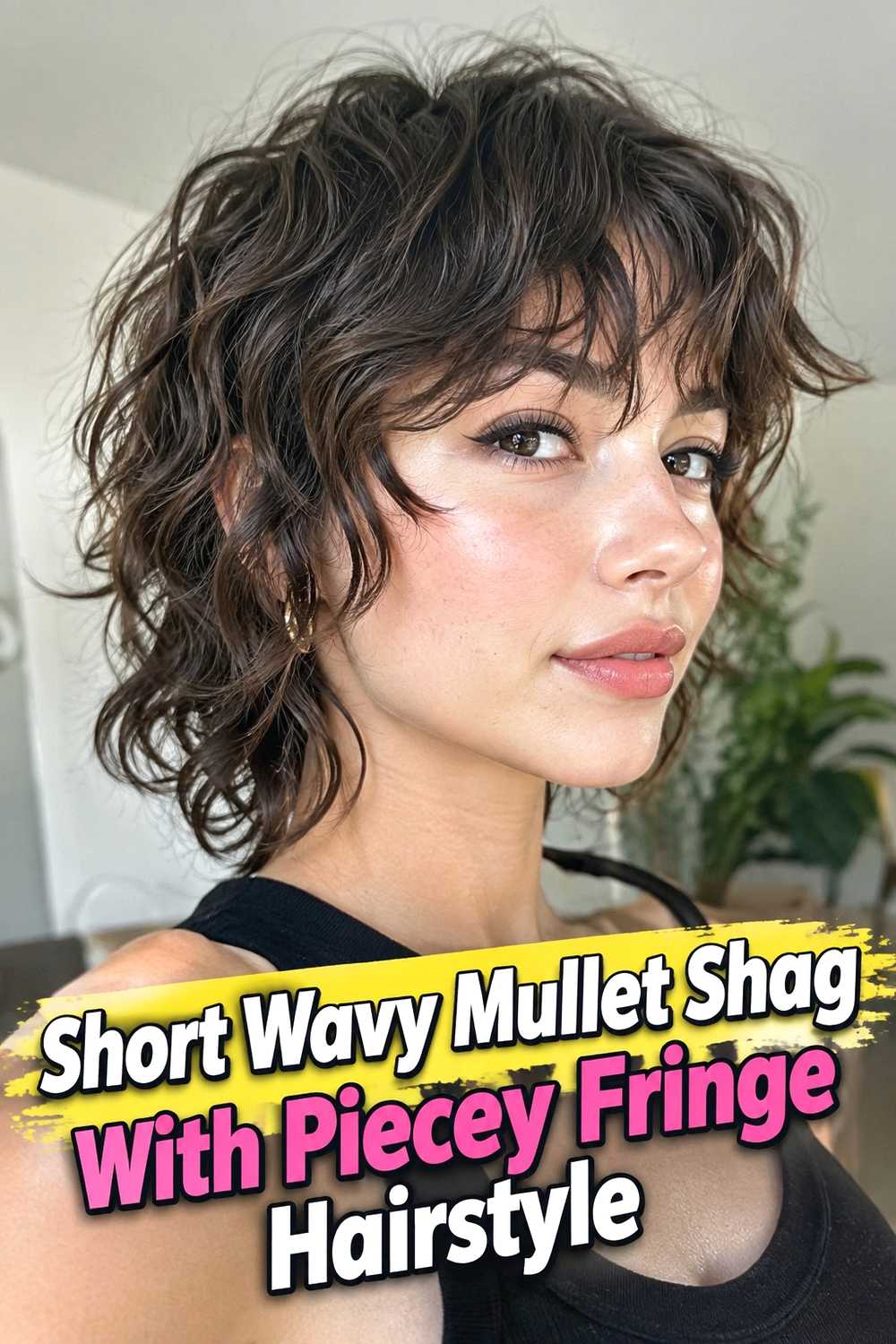
A short wavy mullet shag has the energetic feel of a cropped cut while preserving a little extra length around the nape. The crown is cut into small, movable layers that encourage natural bends, and the sides can sit close around the ears for stronger contrast. Piecey fringe complements that texture with narrow sections that fall across the forehead instead of creating one dense bang line. This cut can be especially convenient for naturally wavy hair because the texture adds interest without requiring much length. Styling is usually quick: a small amount of lightweight cream or paste can define individual pieces. Keep the product mostly on the ends so the roots stay lifted and the waves do not become weighed down.
Best For
This variation suits anyone who wants a compact, expressive haircut with visible texture and a more manageable nape than a long mullet shag.
5. Voluminous Wavy Mullet Shag Hairstyle
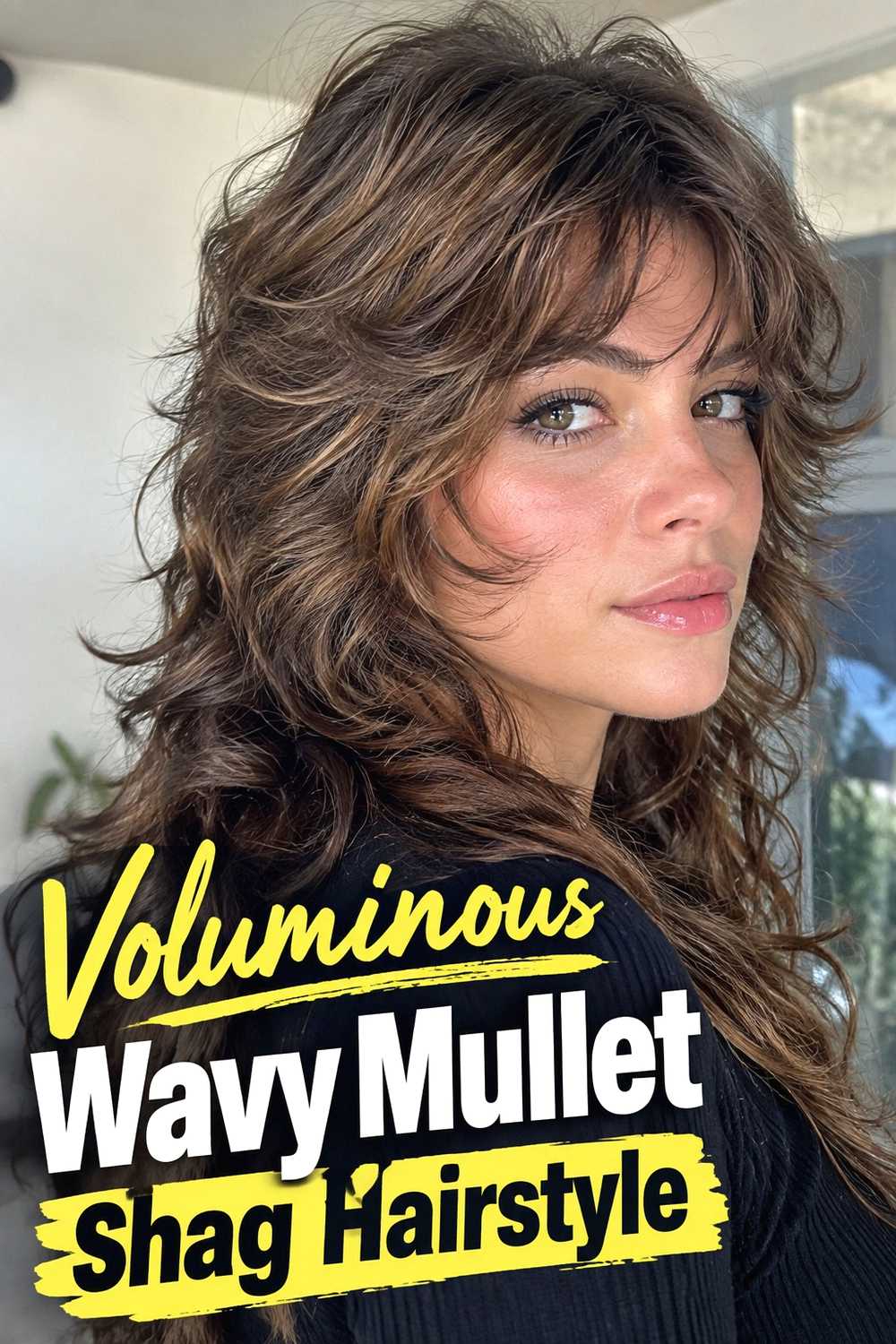
Volume makes the wavy mullet shag feel fuller and more dramatic, especially when the lift is concentrated through the crown and upper sides. The waves create width and movement, while the longer back keeps the silhouette elongated enough to remain recognizably mullet-inspired. Medium to thick hair can support this shape naturally, although careful layering is important to prevent excessive bulk around the sides. Finer textures may need more root lift but should retain enough density through the ends. A diffuser can enhance natural waves while preserving fullness, and a light mousse can provide flexible support. The goal is not maximum expansion everywhere; keeping the lower sides and nape slightly more controlled helps the crown volume stand out.
Styling Notes
Lift the roots while diffusing or blow-drying, then separate the waves once dry. Concentrated crown volume creates a stronger shag silhouette than uniform fullness from roots to ends.
6. Razor Cut Wavy Mullet Shag Hairstyle
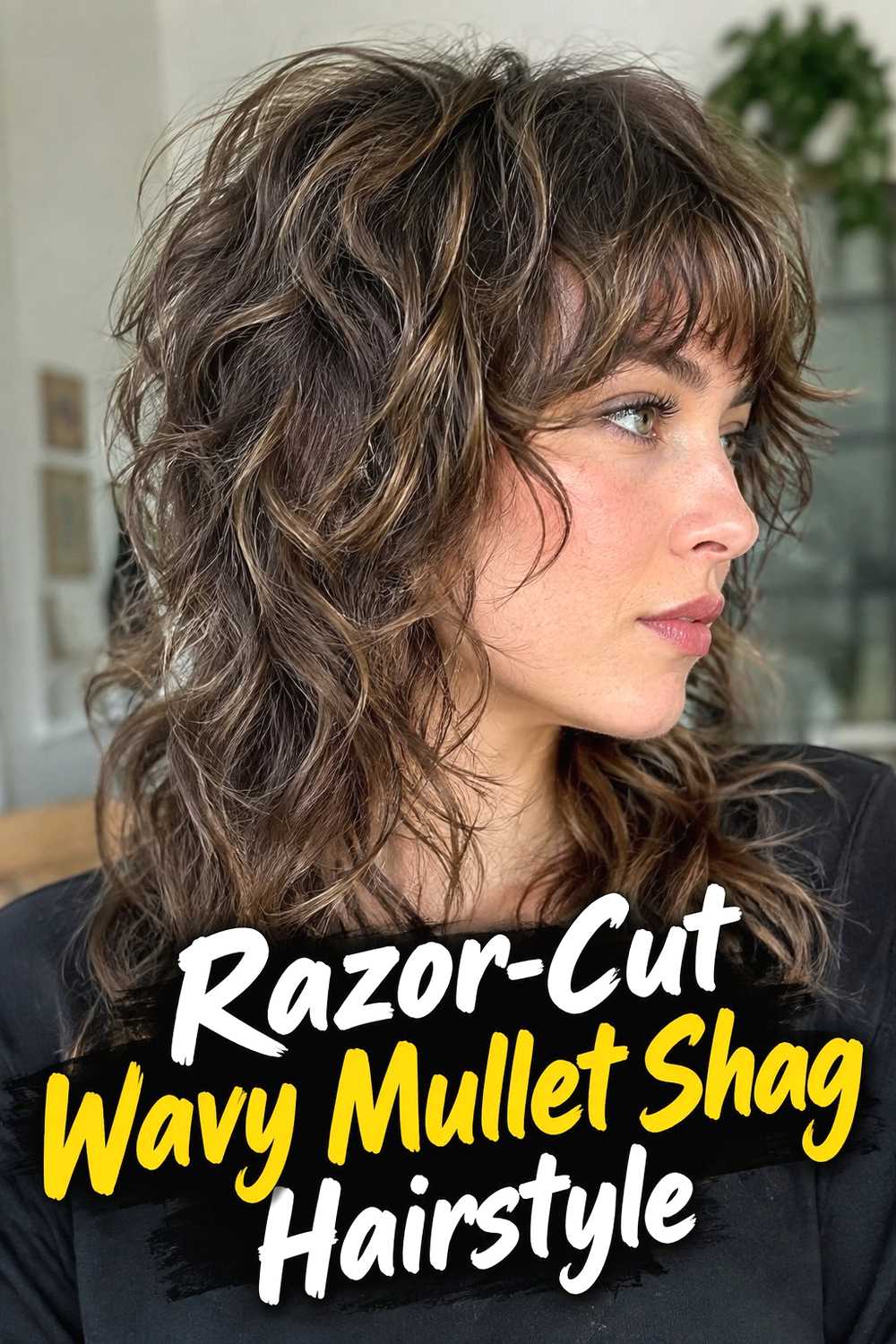
Razor cutting can give a wavy mullet shag a light, fluttery finish by tapering selected ends and encouraging visible separation. The crown remains layered for lift, while longer sections through the sides and nape move freely instead of forming a thick perimeter. On gently wavy hair, the narrow ends can bend in different directions and make the haircut feel especially dynamic. This approach is best adjusted to the individual hair texture and density because removing too much weight may leave fine or fragile ends looking sparse. A small amount of styling cream can emphasize the movement without smoothing away the razor-cut detail. The most successful version balances airy texture at the top with enough substance through the longer back.
Wear & Maintenance
Periodic reshaping helps preserve the tapered effect as the layers grow. Avoid overloading the ends with heavy oils or waxes that can collapse their movement.
7. Wavy Mullet Shag With Bottleneck Bangs Hairstyle
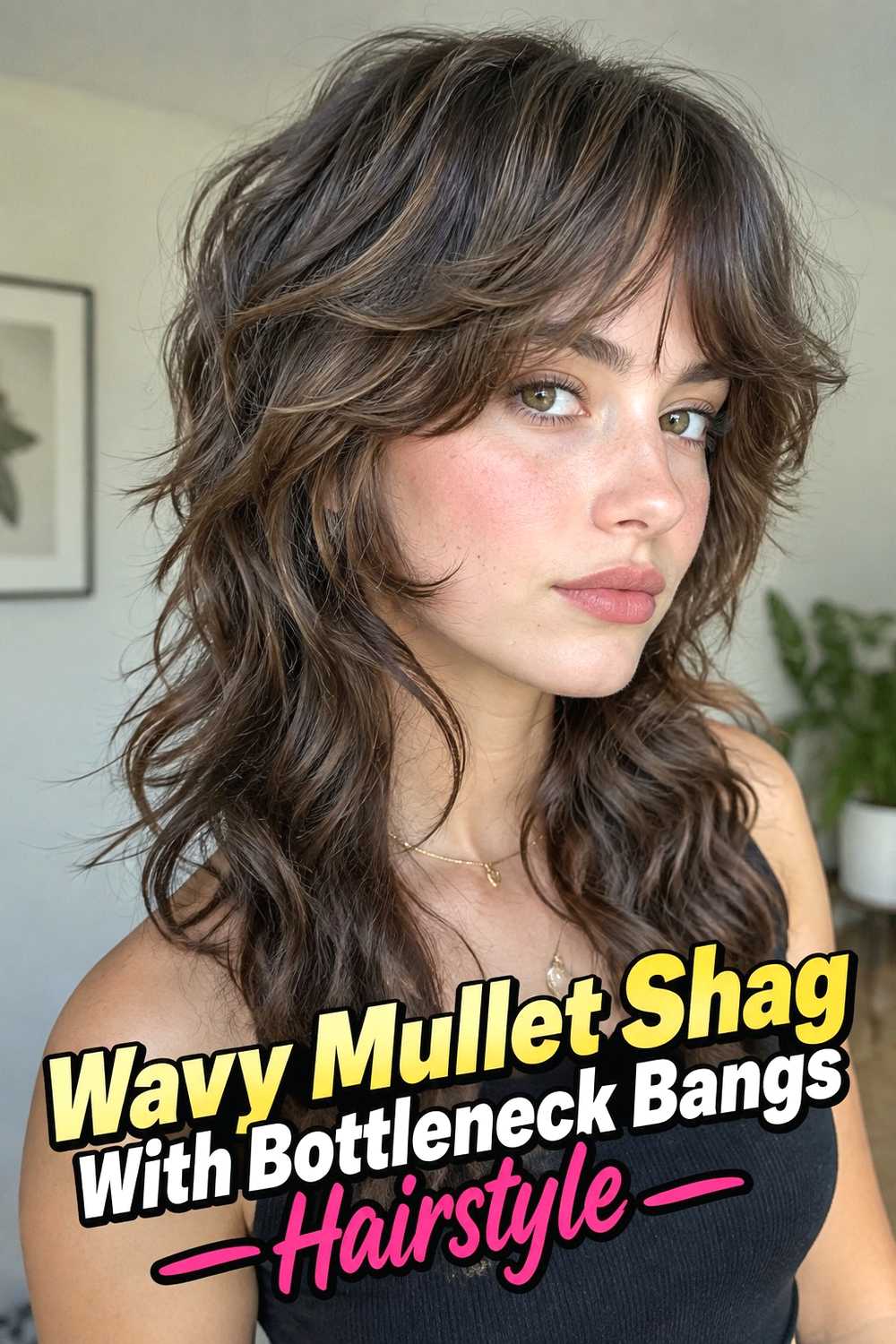
Bottleneck bangs give a wavy mullet shag a curved, face-framing front that feels softer than short blunt fringe. The bangs begin relatively narrow and shorter near the center, then gradually lengthen toward the temples, where they connect with the shag layers. Natural waves make this transition especially fluid because the fringe and side pieces share similar movement. The crown can stay textured and lifted, while a longer nape creates the defining contrast at the back. This option is versatile enough to wear air-dried or styled with a little more polish. When drying the bangs, guide the outer pieces away from the face but avoid making them too symmetrical. Slight irregularity helps them blend naturally with the rest of the shag.
Why It Works
The curved fringe follows the movement of wavy hair and creates a gradual transition into the side layers instead of visually separating the bangs from the haircut.
8. Beachy Wavy Mullet Shag Hairstyle
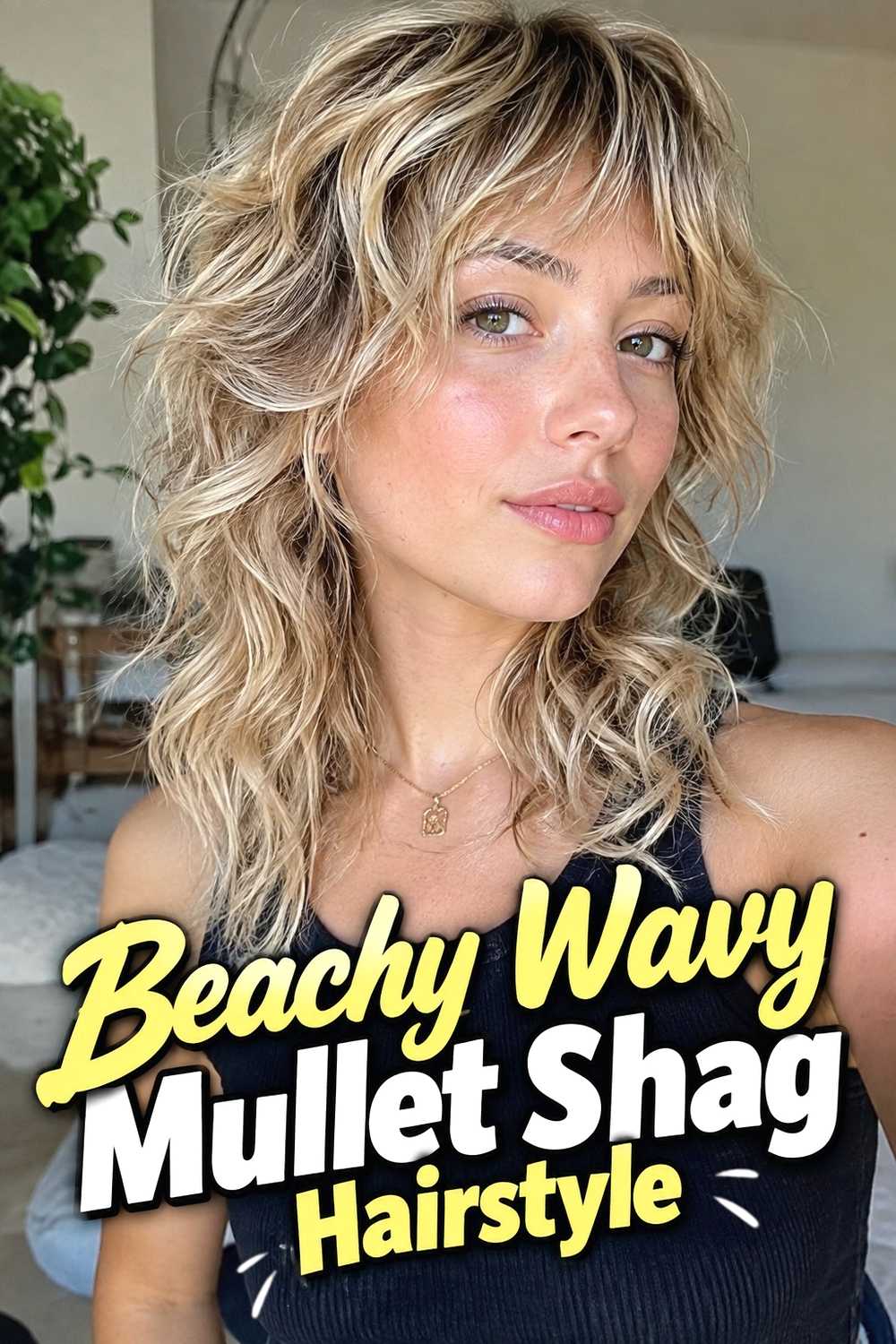
A beachy wavy mullet shag uses loose, stretched-out bends rather than tight curls or carefully sculpted waves. The crown layers create texture and lift, while longer lengths toward the nape make the haircut feel relaxed and slightly undone. This style works particularly well when the natural wave pattern varies from section to section because the inconsistent bends reinforce the shaggy finish. The ends can remain a little straighter to keep the look modern rather than overly curled. Lightweight salt-free texture sprays, mousses, or creams can add definition depending on hair needs, but the surface should still feel touchable. Instead of chasing perfect symmetry, let the layers move in different directions so the haircut maintains its carefree character.
Pro Tip
If you use a styling tool, bend only selected sections and alternate directions. Leaving some strands nearly straight creates a more believable beachy texture.
9. Wavy Mullet Shag With Micro Fringe Hairstyle
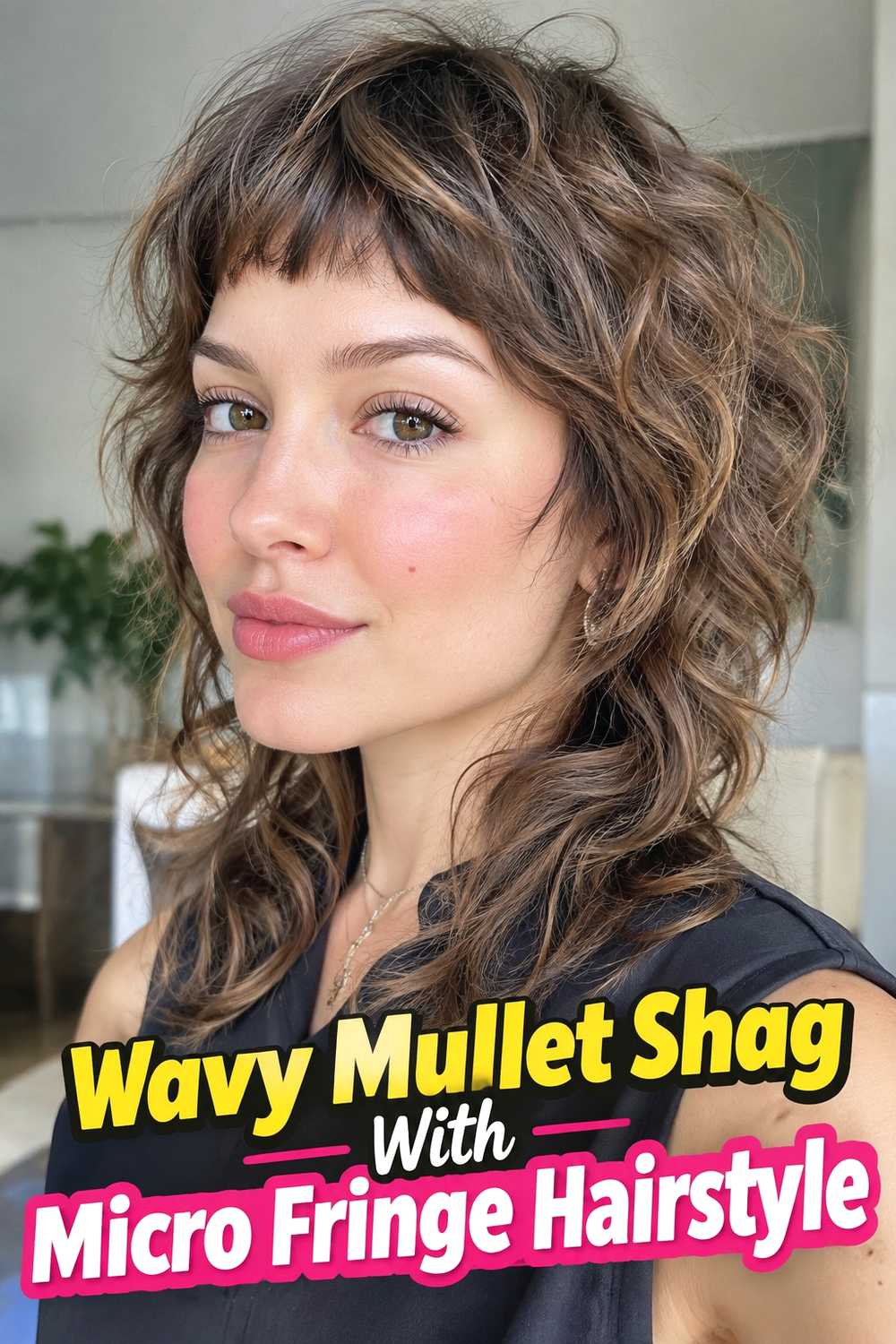
Micro fringe creates a bold focal point against the loose texture of a wavy mullet shag. Sitting clearly above the brows, the short bangs contrast with the longer nape and make the difference between the front and back feel more intentional. Through the crown, layered waves add softness so the overall haircut does not become too severe. This style can work on natural waves or straighter textures that hold bends well, but the fringe itself may require more regular attention because small amounts of growth quickly change its proportions. Keeping the bangs slightly textured rather than perfectly solid can help them connect with the shag. The rest of the hair can stay relaxed, allowing the strong fringe line to remain the main graphic detail.
Wear & Maintenance
Micro fringe generally needs more frequent reshaping than longer bangs. The shaggy lengths can be left looser between appointments, making the maintenance mostly front-focused.
10. Feathered Wavy Mullet Shag Hairstyle
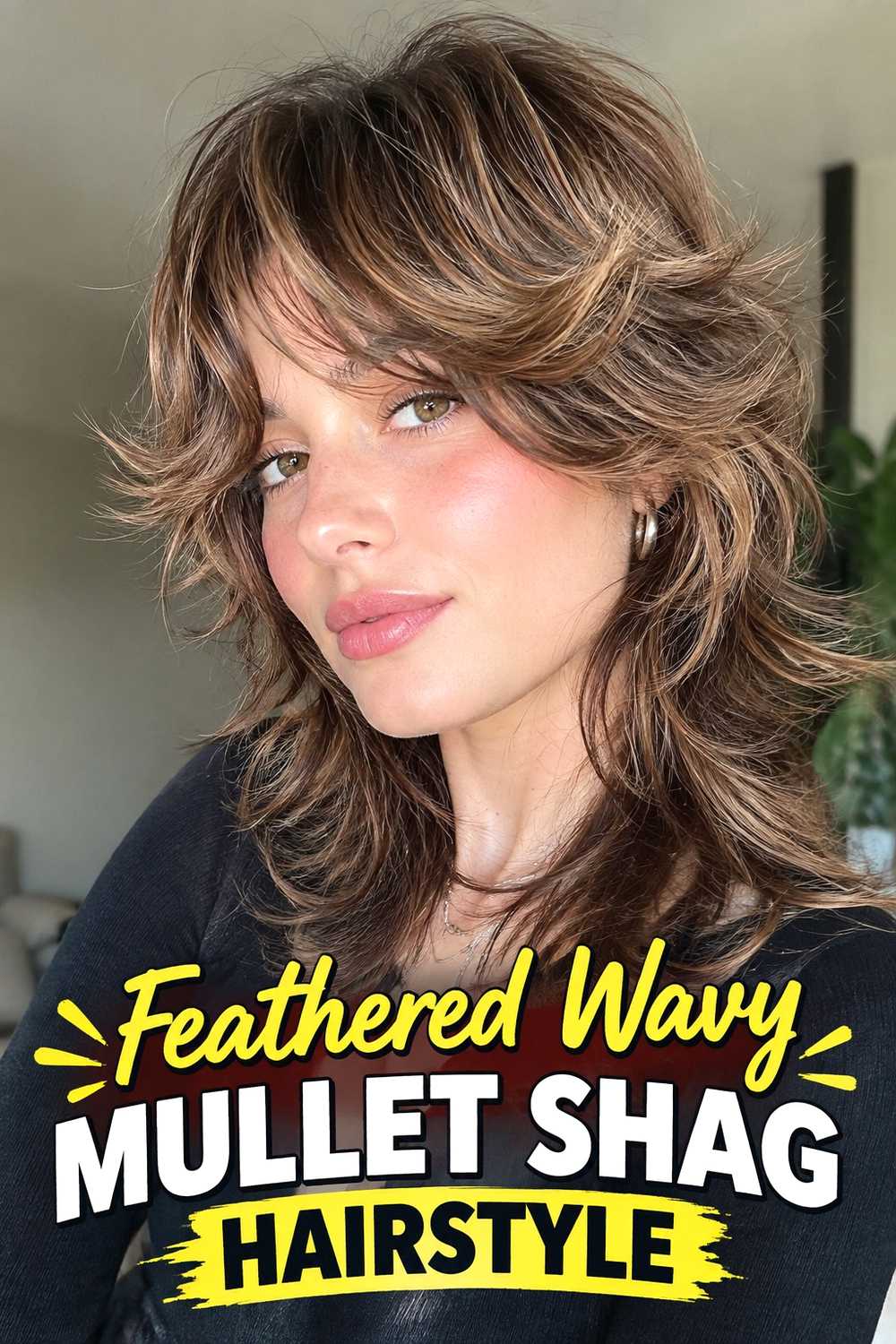
A feathered wavy mullet shag replaces heavily choppy ends with lighter layers that sweep and flick away from the face. The crown remains short enough to create lift, while the sides gradually open outward before blending into the longer back. Natural waves soften the feathering and keep the haircut from looking overly styled or retro. This version can be especially attractive on medium-density hair because there is enough fullness to support movement without creating excessive bulk. A round brush can encourage the side pieces outward, but finger styling also works when the hair already has natural bends. Keep the ends flexible and slightly separated rather than smoothing everything into a uniform shape, which would hide the layered detail.
Best For
Choose this version if you prefer a softer, flowing interpretation of the mullet shag with more sweep and less visibly chopped texture.
11. Wavy Mullet Shag With Face Framing Layers Hairstyle
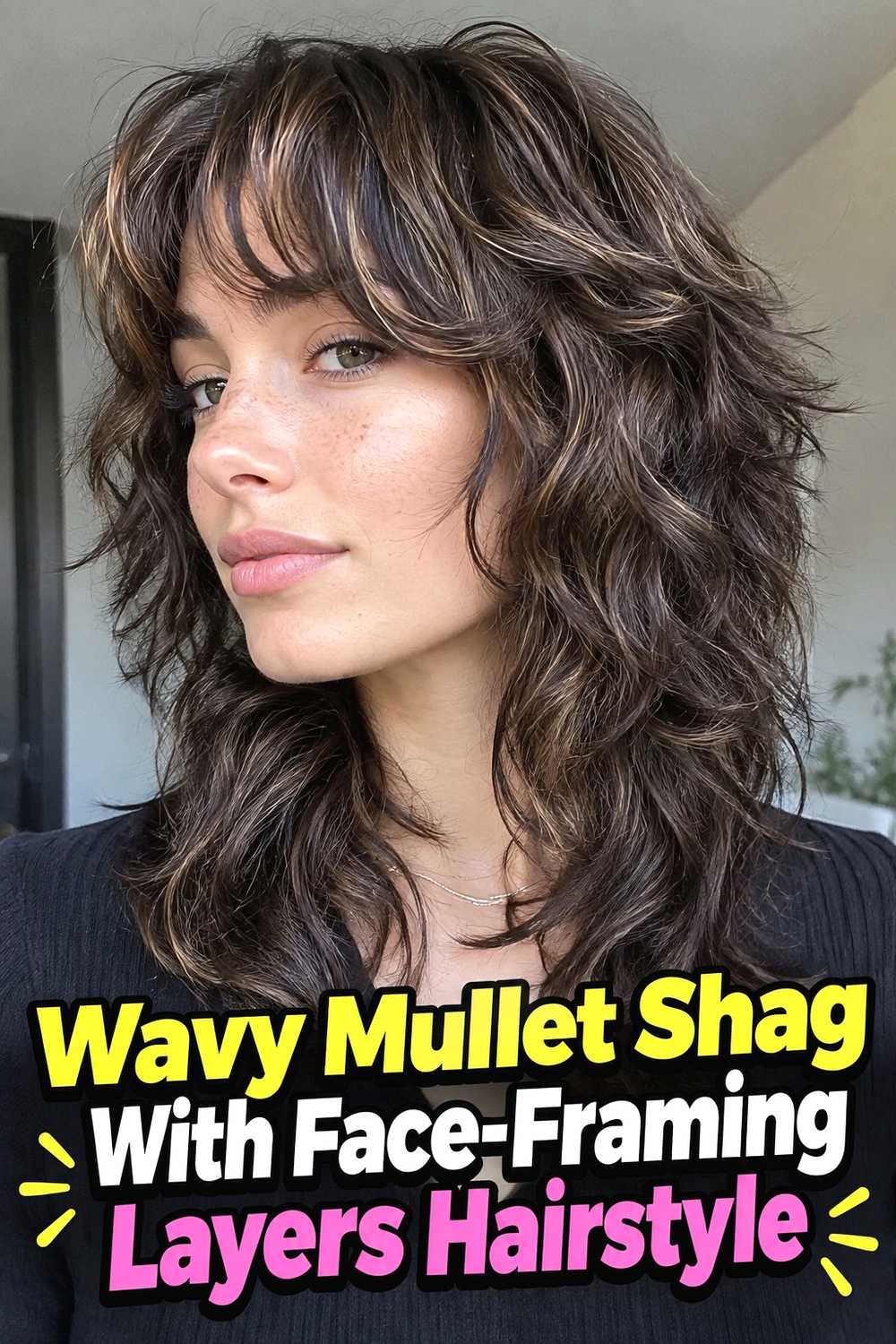
Face-framing layers make a wavy mullet shag feel connected from front to back. Shorter pieces around the cheekbones and jaw gradually lead into the longer sides and nape, reducing the abruptness that can sometimes come with mullet-inspired cuts. The crown still carries enough shorter layering to produce lift, but the front feels soft and fluid. Natural waves add dimension to the framing pieces because each layer bends slightly differently around the face. This variation can work at several overall lengths, making it easy to customize without losing the shag silhouette. For styling, encourage the front sections away from the face while leaving some lower pieces turned inward or straight. Mixed movement creates a more natural finish.
Why It Works
Graduated face-framing sections visually connect the crown to the longer perimeter, making the haircut feel balanced while still preserving the mullet’s contrasting lengths.
12. Messy Wavy Mullet Shag With Choppy Bangs Hairstyle
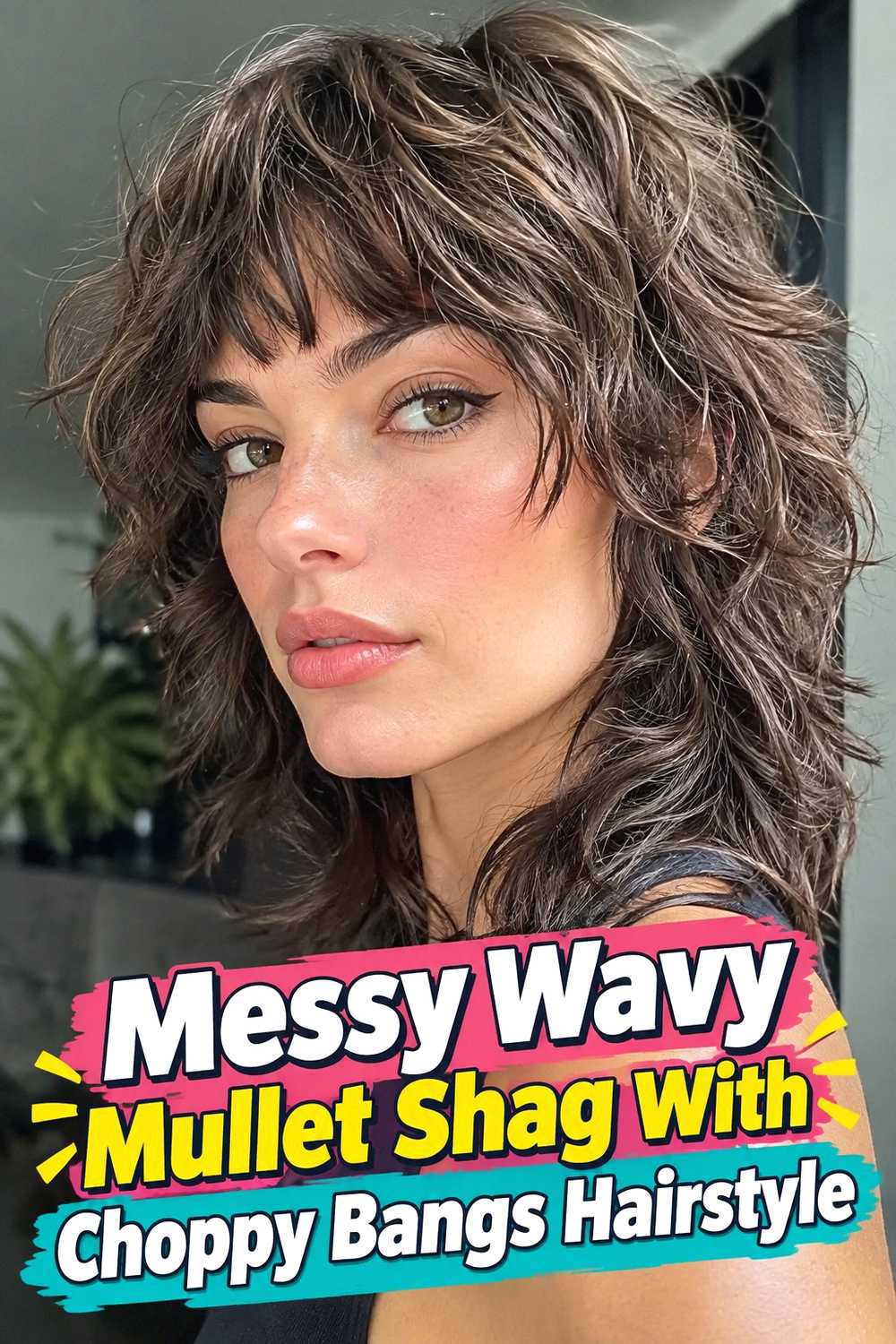
Choppy bangs and messy waves give this mullet shag a deliberately rebellious finish. The fringe uses uneven texture and visible separation rather than a smooth line, while short crown layers build height and movement above the longer back. The sides can flick outward, bend forward, or sit close to the face, which adds to the intentionally irregular appearance. Naturally wavy hair makes the style easier to achieve because the haircut can work with existing movement instead of requiring polished curls. Although the look is messy, the underlying cut still needs clear proportions so it does not lose its shape. A flexible paste or texture cream can define selected ends, but use it sparingly to keep the waves soft and mobile.
Styling Notes
Style with your fingers instead of trying to brush every section into place. Emphasize a few pieces around the fringe and crown, then leave the rest more relaxed.
13. Polished Wavy Mullet Shag With Side Swept Fringe Hairstyle
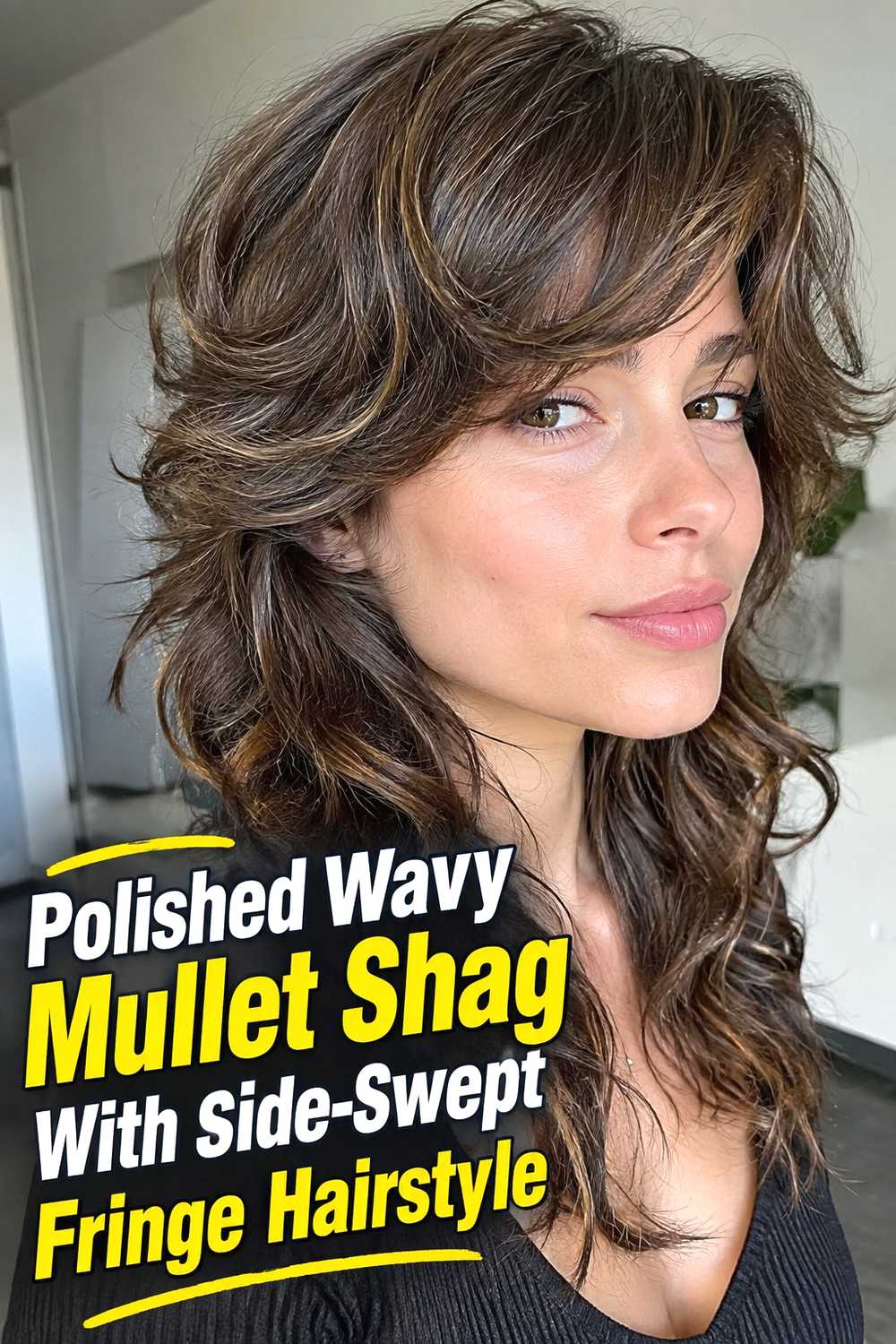
A polished finish offers a refined take on the wavy mullet shag without removing its layered character. The waves are smoother and more controlled, the surface has a little shine, and the crown carries moderate lift rather than exaggerated volume. A side-swept fringe travels diagonally across the forehead and blends into the longer temple pieces, creating a softer front before the haircut extends into its longer nape. This style suits naturally loose waves or hair that can hold a gentle blow-dried bend. Avoid flattening the layers completely, since the shag depends on visible movement. A light smoothing cream can control flyaways, while a round brush or large styling tool can produce broad bends instead of tight curls.
Best For
This version works well for anyone who likes the shape of a mullet shag but wants a cleaner finish that can transition easily into dressier settings.
14. Shoulder Length Wavy Mullet Shag Hairstyle
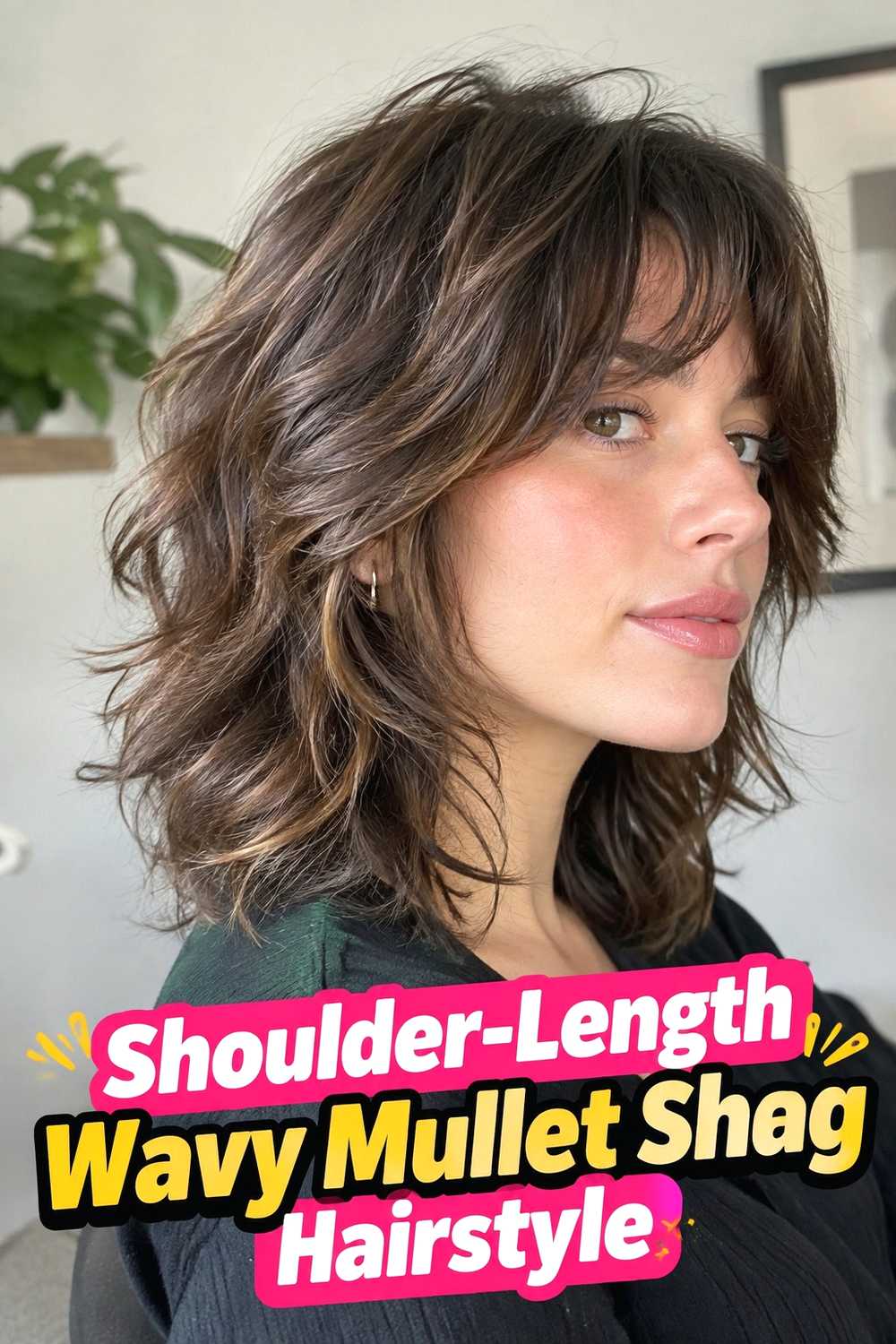
A shoulder-length wavy mullet shag offers enough length to display the extended back while remaining lighter than a truly long version. Short layers through the crown create lift and texture, then gradually stretch into medium-length pieces that skim the shoulders. This proportion works well for waves because the hair has enough room to bend without the overall shape becoming too heavy. The sides can be tucked behind the ears for a stronger mullet effect or left loose for a softer shag silhouette. Medium-density hair often adapts particularly well, although the layers can be modified for finer or thicker textures. Air-drying with a lightweight defining product can highlight the natural wave pattern while keeping the shoulder-length ends flexible.
Hair Type & Length
This option is especially practical for medium-length hair that already has a loose wave pattern and enough density to support layered movement through the back.
15. Soft Blonde Wavy Mullet Shag Hairstyle
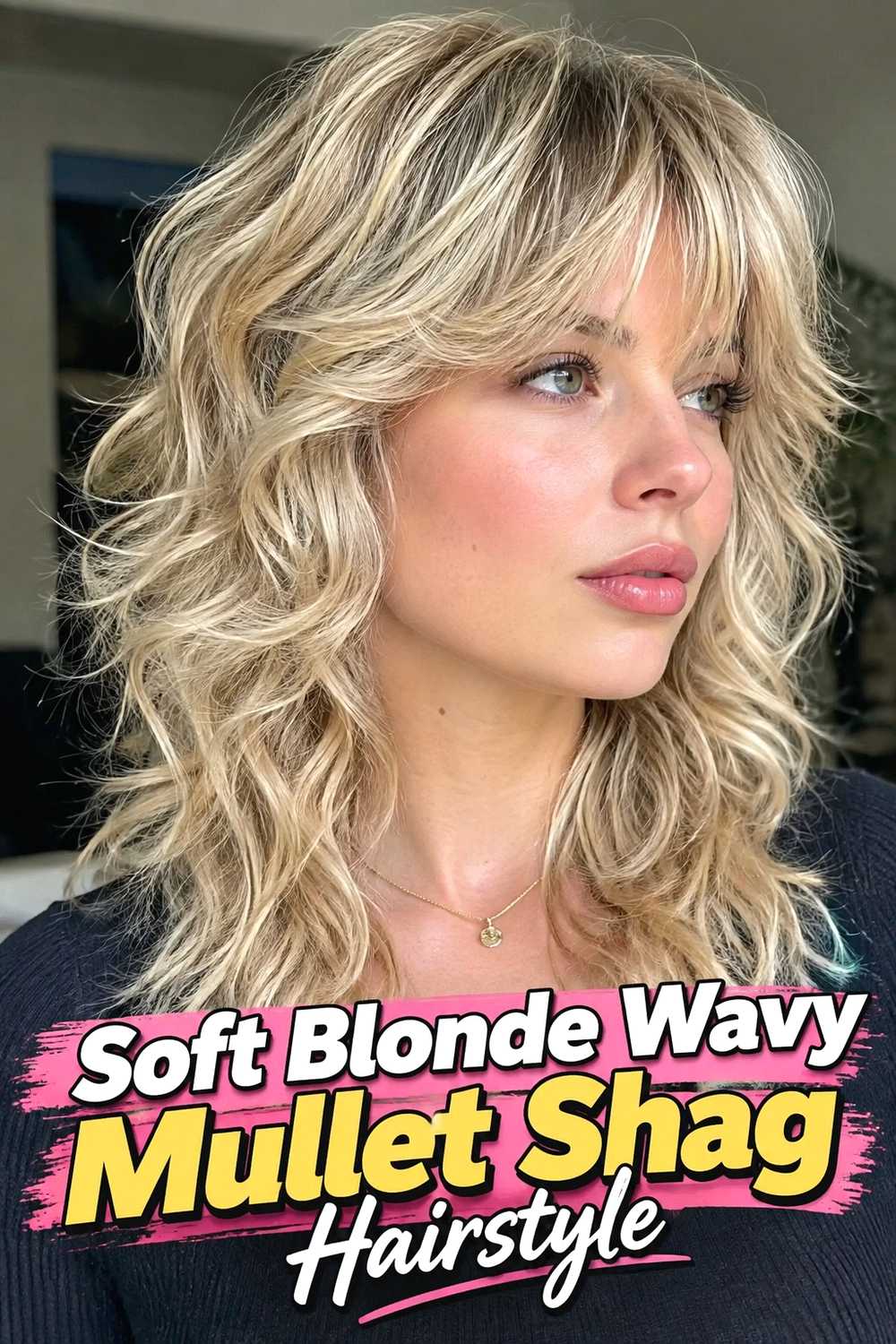
Soft blonde color can highlight the movement of a wavy mullet shag because lighter and darker strands create visible dimension across the layers. The haircut itself can stay airy through the crown, softly textured around the face, and longer at the back for a clear but wearable mullet profile. Loose waves help reveal tonal variation without requiring a highly polished finish. Dimensional blonde rather than one flat shade can make the layered structure even easier to see, although color choice and upkeep should match individual preferences and hair condition. When styling, broad bends and soft separation usually complement the color better than rigid curls. Preserving enough fullness through the ends also keeps the lightened lengths from appearing overly thin.
Wear & Maintenance
The haircut benefits from periodic reshaping, while blonde maintenance varies with the coloring technique. Hydrated, flexible-looking ends help the textured layers appear polished rather than dry.
16. Romantic Wavy Mullet Shag With Bardot Bangs Hairstyle
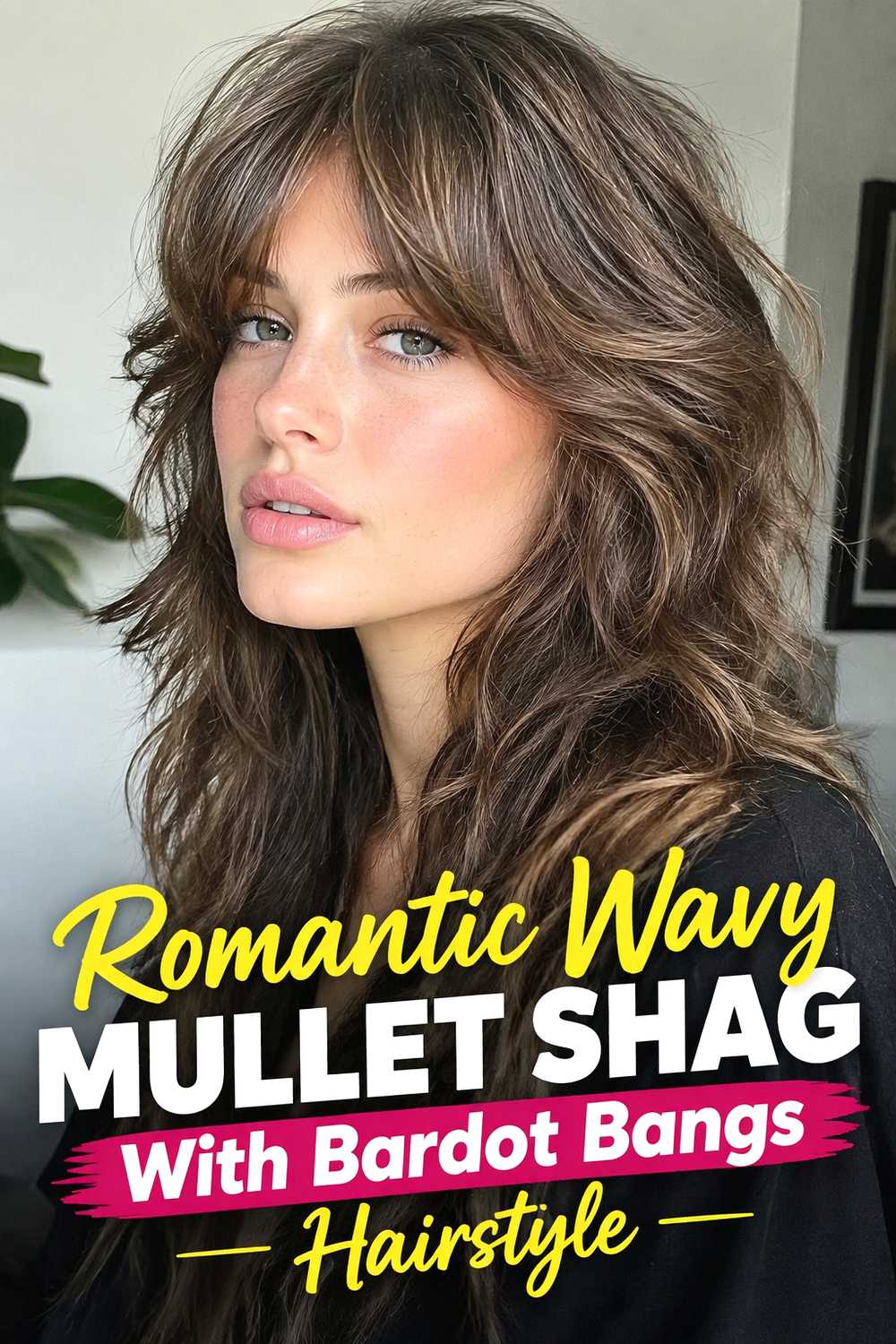
Bardot-inspired bangs give the wavy mullet shag a softer, romantic mood while maintaining plenty of textured contrast. The fringe is fuller near the center and gradually sweeps outward around the temples, creating an open shape that blends into layered waves along the sides. Shorter crown pieces provide lift, and the elongated nape keeps the cut recognizably mullet-inspired. Loose waves enhance the romantic effect by softening the transitions between different lengths. This version works particularly well at medium or longer lengths because there is enough hair to balance the fuller fringe. Style the bangs away from the center with gentle lift at the roots, then keep the remaining waves loose and slightly irregular rather than forming identical curls.
Styling Notes
Give the fringe a broad outward sweep and keep the crown airy. The combination looks more modern when the waves remain loose instead of becoming highly polished ringlets.
How to Choose the Right Look
Start with your natural wave pattern. Loose waves often suit feathered, beachy, or polished versions, while stronger waves can support more dramatic crown layering and tousled texture. If your hair is mostly straight, choose a shape you are comfortable styling with bends rather than depending on natural movement every day.
Length changes the overall effect considerably. Short mullet shags create stronger contrast around the ears and nape, while shoulder-length and long versions provide softer transitions and more styling flexibility. Longer hair also needs enough density through the back so heavy layering does not make the ends appear sparse.
Fringe is another major decision. Curtain, bottleneck, Bardot, and side-swept fringe generally create softer framing, while micro or choppy bangs make the style more graphic. Wispy and piecey options sit somewhere between the two.
Think about volume as well. Fine hair may benefit from strategic crown layers without excessive thinning, while thicker hair can often handle more internal weight removal. If you prefer minimal styling, choose a version that follows your natural wave. For a polished or high-volume finish, expect to spend more time blow-drying, diffusing, or shaping individual sections.
Final Thoughts
Wavy mullet shag hairstyles can range from soft and romantic to messy, cropped, dramatic, or polished. The most wearable version is usually one that uses your existing wave pattern instead of fighting it. Choose the fringe, crown volume, and back length according to the amount of contrast you want, then preserve enough density for the waves to remain full and defined.
FAQs
1. Is a mullet shag good for naturally wavy hair?
Yes. Natural waves can emphasize the changing layer lengths and add movement throughout the crown, sides, and nape without requiring uniform curls.
2. What is the easiest fringe to wear with a wavy mullet shag?
Curtain, bottleneck, side-swept, and longer wispy fringe are flexible options because they can blend into the side layers as they grow.
3. Can fine wavy hair wear a mullet shag?
Yes, but the haircut should preserve enough density through the ends. Strategic crown layering can create movement without excessively thinning the longer nape.
4. How do I style a wavy mullet shag without making it look too curly?
Use light products and emphasize broad, irregular bends instead of curling every section. Leaving a few ends straighter creates a more relaxed shag finish.
5. Does a wavy mullet shag need frequent trims?
It depends on the version. Short fringe and tightly shaped areas may need more frequent attention, while longer, tousled shags can usually tolerate a softer grow-out.
Save your favorite wavy mullet shag hairstyles, share the looks that inspire you, and explore more layered haircut ideas for your next style update.