20 Ghost Layer Haircuts
Ghost layers create subtle movement beneath the surface, making hair feel lighter and more dimensional without the obvious look of heavily stacked layers.
Unlike dramatic layered cuts where every level is easy to see, ghost layering focuses on discreet shaping within the hair. Carefully placed shorter sections sit beneath or blend into longer surface pieces, allowing the cut to move more freely while the overall perimeter can still appear relatively full and seamless.
The amount of hidden layering should depend on length, density, texture, and styling habits. Fine hair often benefits from very restrained shaping, while thicker hair may support more internal weight removal. Waves and curls can reveal ghost layers through natural separation, whereas straight hair tends to show them through swing, softness, and subtle changes in volume.
Quick List
- Soft Ghost Layer Hairstyle
- Long Ghost Layer Hairstyle
- Face Framing Ghost Layer Hairstyle
- Ghost Layer Lob Hairstyle
- Fine Hair Ghost Layer Hairstyle
- Thick Hair Ghost Layer Hairstyle
- Wavy Ghost Layer Hairstyle
- Curly Ghost Layer Hairstyle
- Sleek Straight Ghost Layer Hairstyle
- Ghost Layer Hairstyle With Curtain Bangs
- Ghost Layer Hairstyle With Wispy Bangs
- Center Parted Ghost Layer Hairstyle
- Side Parted Ghost Layer Hairstyle
- Butterfly Inspired Ghost Layer Hairstyle
- Rounded Blowout Ghost Layer Hairstyle
- Air Dried Ghost Layer Hairstyle
- Shoulder Length Ghost Layer Hairstyle
- U Shaped Ghost Layer Hairstyle
- Voluminous Ghost Layer Hairstyle
- Minimal Ghost Layer Hairstyle
1. Soft Ghost Layer Hairstyle
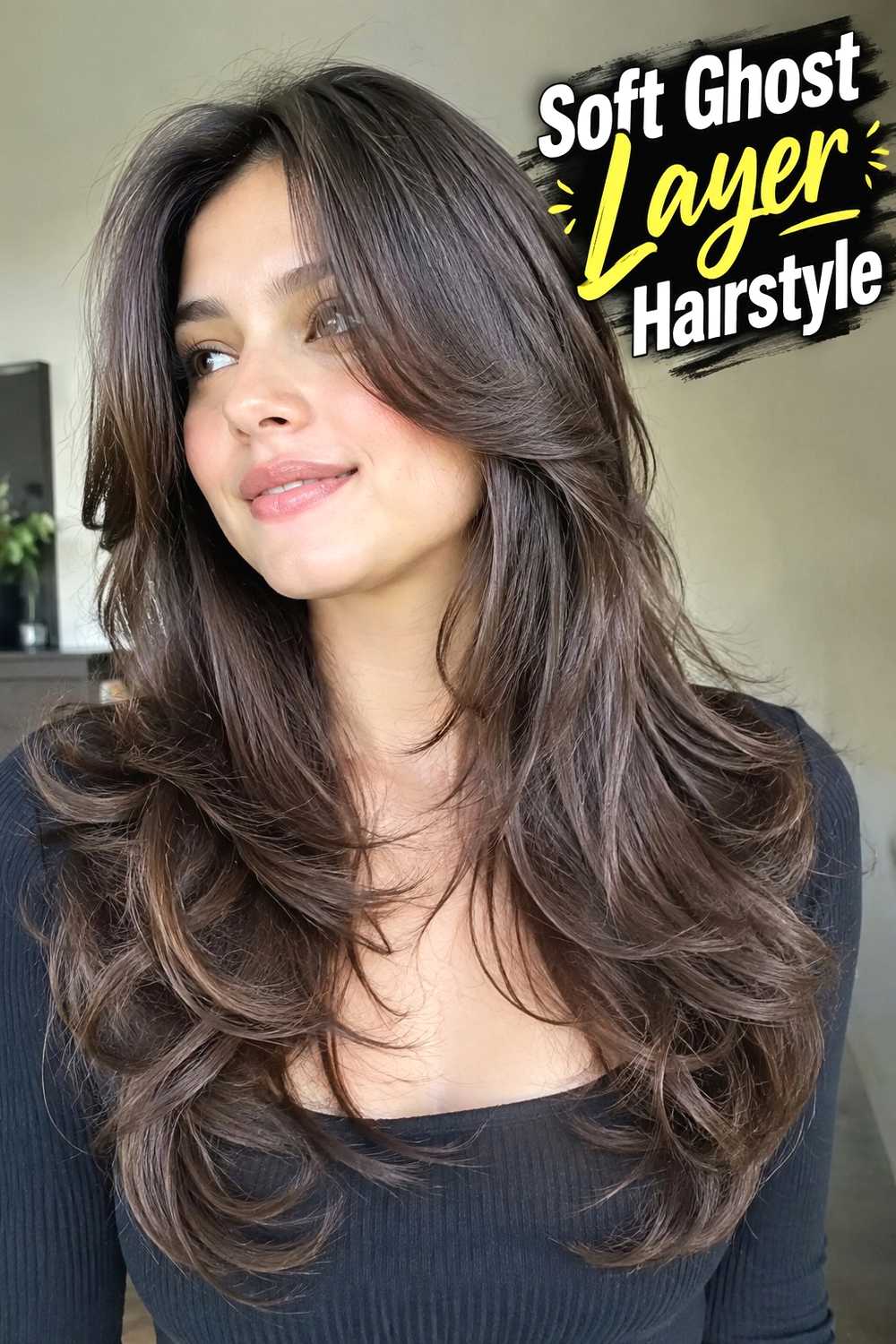
The soft ghost layer haircut is designed for barely visible movement rather than an obviously layered silhouette. Most of the surface remains long and smooth, while discreet shorter pieces underneath help the hair fall with more flexibility. Around the front, a few subtle sections can soften the transition from the cheek or jaw into the longer lengths without creating a dramatic face frame. The effect becomes most noticeable when the hair moves, revealing small differences in length rather than distinct stacked layers. This version works beautifully with a smooth blowout or gentle bends and is a practical starting point if you want to experiment with layering while keeping the overall outline polished and full.
Best For
This softer approach suits straight to lightly wavy hair and works well when you want movement without a major visible change to the haircut.
Styling Notes
Use a large round brush or paddle brush to smooth the surface while allowing the internal layers to move naturally underneath.
2. Long Ghost Layer Hairstyle
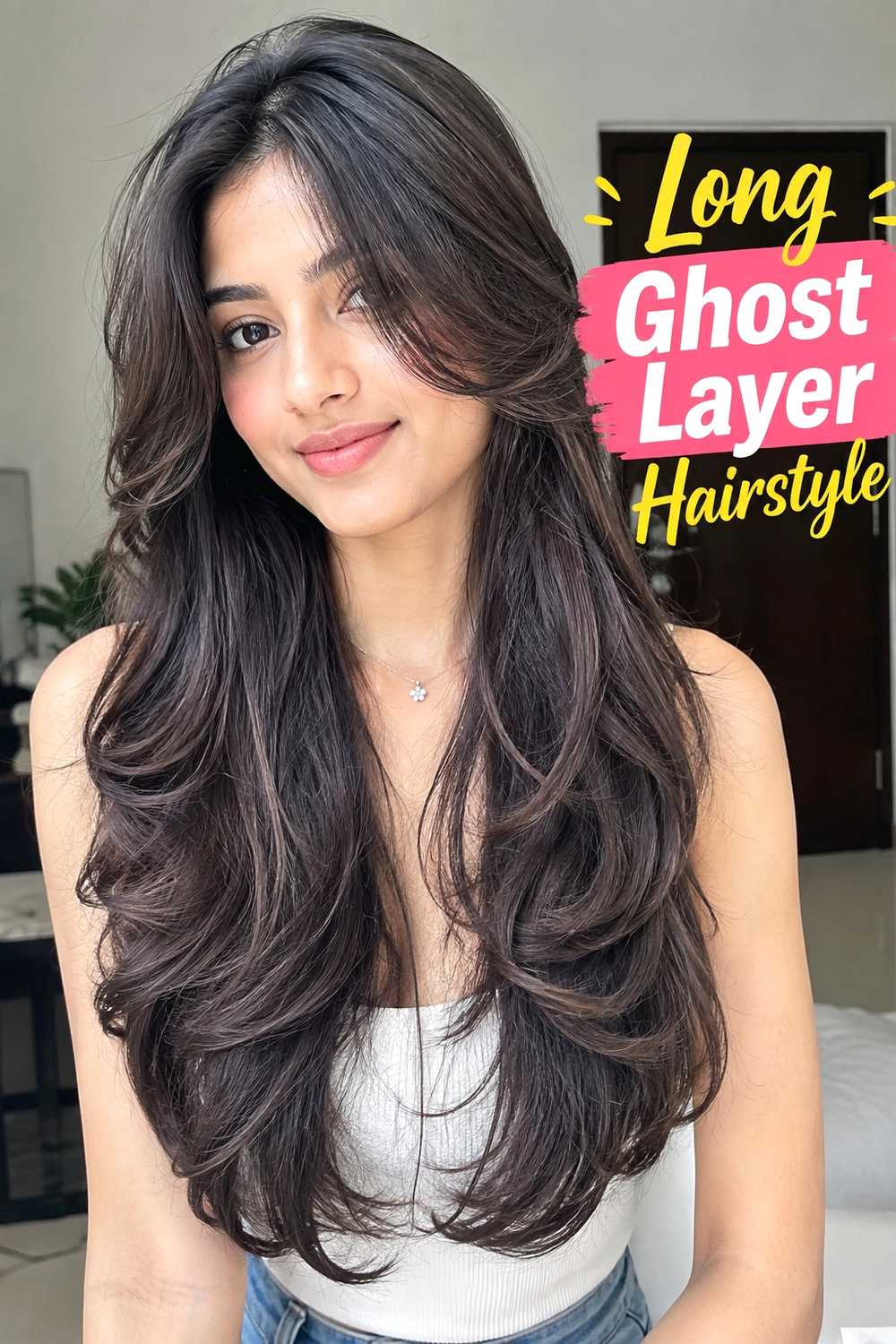
Long ghost layers add dimension to lengthy hair without creating obvious tiers through the back. Most of the exterior can remain close to one flowing length, while internal sections are shortened strategically to reduce heaviness and encourage movement. This makes the haircut feel lighter without sacrificing the visual impact of long hair. A few longer face-framing pieces can connect the front to the hidden layering while still preserving enough length for ponytails, braids, and updos. When styled with soft waves, the internal movement becomes easier to see, but the haircut can look equally refined worn straight. The goal is subtle separation that appears naturally when the hair swings rather than a clearly graduated layered pattern.
Hair Type & Length
Long medium-to-dense hair can benefit from hidden shaping when the lengths feel heavy but maintaining a full perimeter remains important.
Wear & Maintenance
Because the surface length stays relatively intact, the shape can grow out more subtly than a haircut built around many short visible layers.
3. Face Framing Ghost Layer Hairstyle
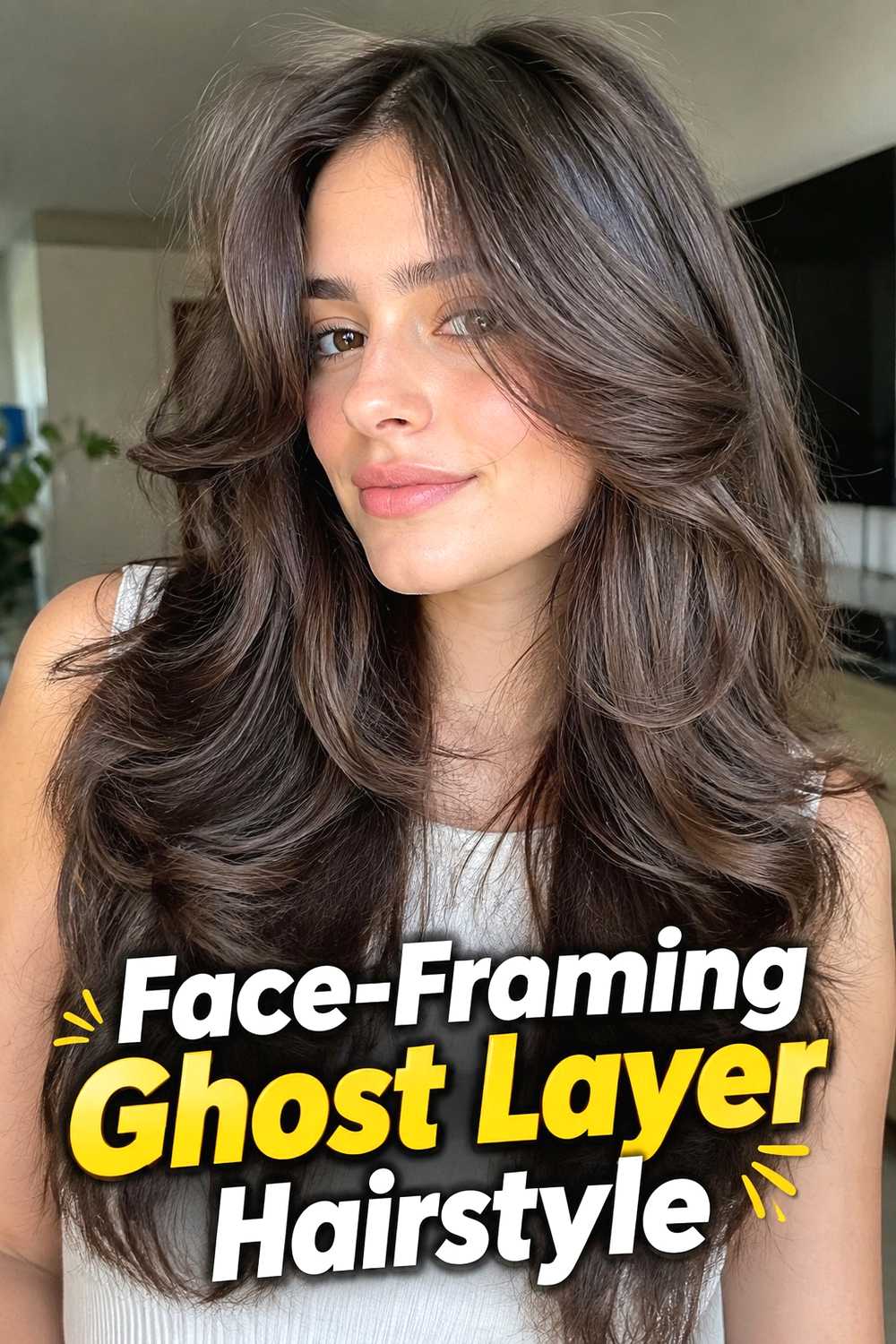
Face-framing ghost layers combine visible softness around the front with much more discreet layering through the rest of the haircut. The shortest pieces may begin around the cheekbones or jaw, but instead of continuing into obvious tiers, they blend gradually into longer lengths while hidden sections underneath create additional movement. This gives the front enough shape to feel intentional without making the entire haircut look heavily layered. A blowout can sweep the face-framing sections outward, while natural waves give them a softer finish. The result works well for someone who wants noticeable detail around the face but prefers the sides and back to maintain a smooth, substantial silhouette with minimal visible graduation.
Styling Notes
Direct the front sections away from the face and keep the back more relaxed so the framing remains the main visible feature.
Why It Works
The haircut concentrates obvious movement near the face while using less noticeable internal layering to keep the longer sections fluid.
4. Ghost Layer Lob Hairstyle
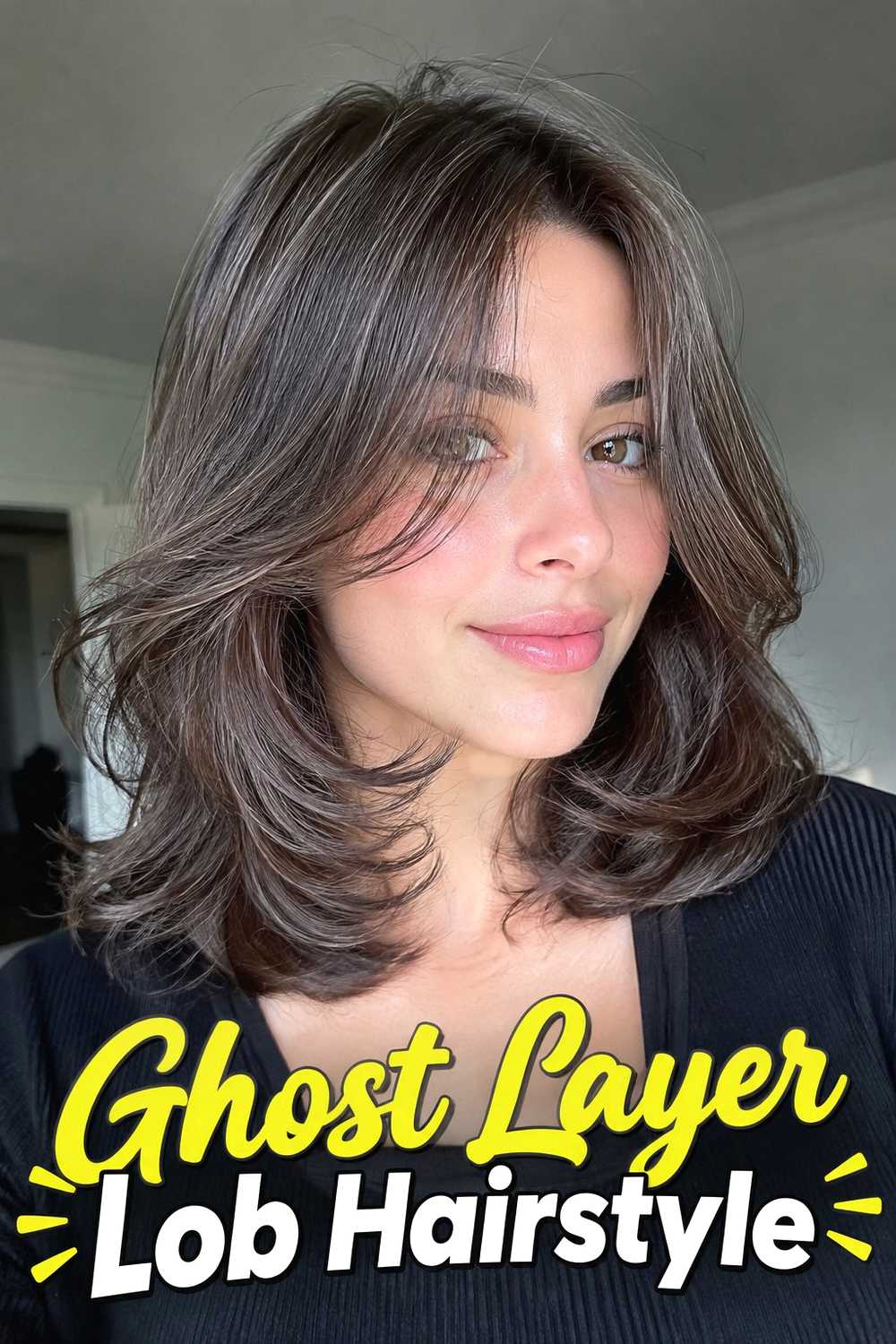
A lob gains extra movement from ghost layers without losing the strong outline that makes shoulder and collarbone lengths feel modern. The perimeter can remain relatively solid while small internal sections remove just enough weight to let the cut swing more freely. Instead of visible stacked layers around the sides, the hidden shaping creates subtle lift and separation underneath the surface. This makes the style useful for hair that feels bulky at lob length but would look too thin with aggressive layering. Soft waves emphasize the movement, while a straight finish keeps the silhouette clean and understated. A few gentle front pieces can also be added without changing the compact, versatile character of the lob.
Best For
Medium to thick hair at shoulder or collarbone length can benefit when a one-length lob feels too dense or heavy.
Pro Tip
Keep the perimeter substantial and place most of the weight removal internally so the lob still looks full at the ends.
5. Fine Hair Ghost Layer Hairstyle
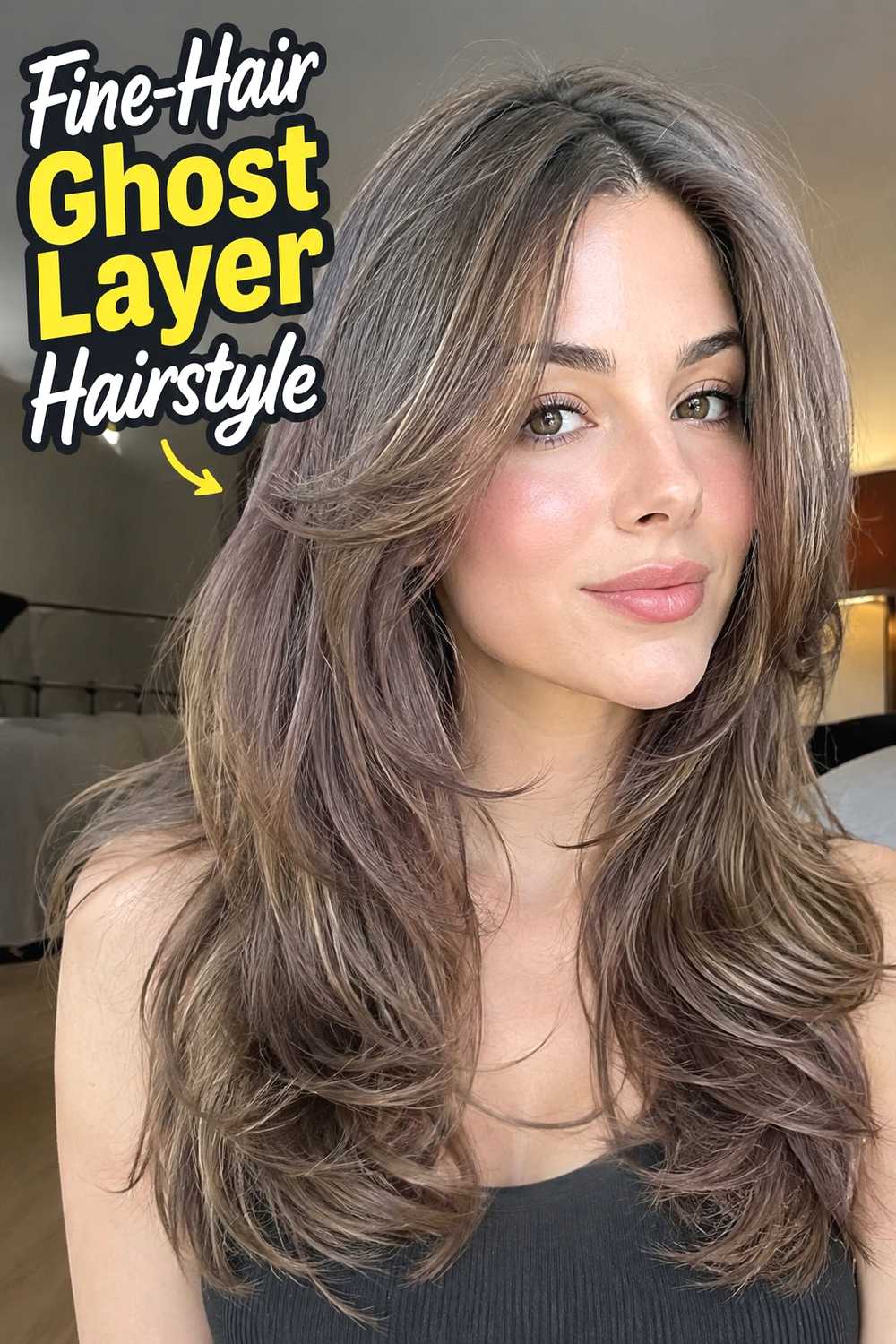
Fine hair needs a restrained approach to ghost layering so movement is added without making the perimeter look sparse. Rather than cutting many internal sections, the haircut can use only a few carefully positioned pieces beneath the surface or around the front. The exterior remains largely intact, helping the ends retain a fuller appearance. Gentle root lift or a soft bend can reveal the subtle shape without requiring heavy styling. This version is less about removing bulk and more about preventing fine hair from hanging completely flat. Because the layering is minimal, the finished look still feels smooth and cohesive. Lightweight products are important so the movement created by the cut is not weighed down.
Why It Works
The haircut preserves most of the visible density while introducing just enough hidden variation to keep the lengths from appearing completely flat.
Styling Notes
Choose light mousse, foam, or volumizing spray and avoid applying rich product heavily through the ends.
6. Thick Hair Ghost Layer Hairstyle
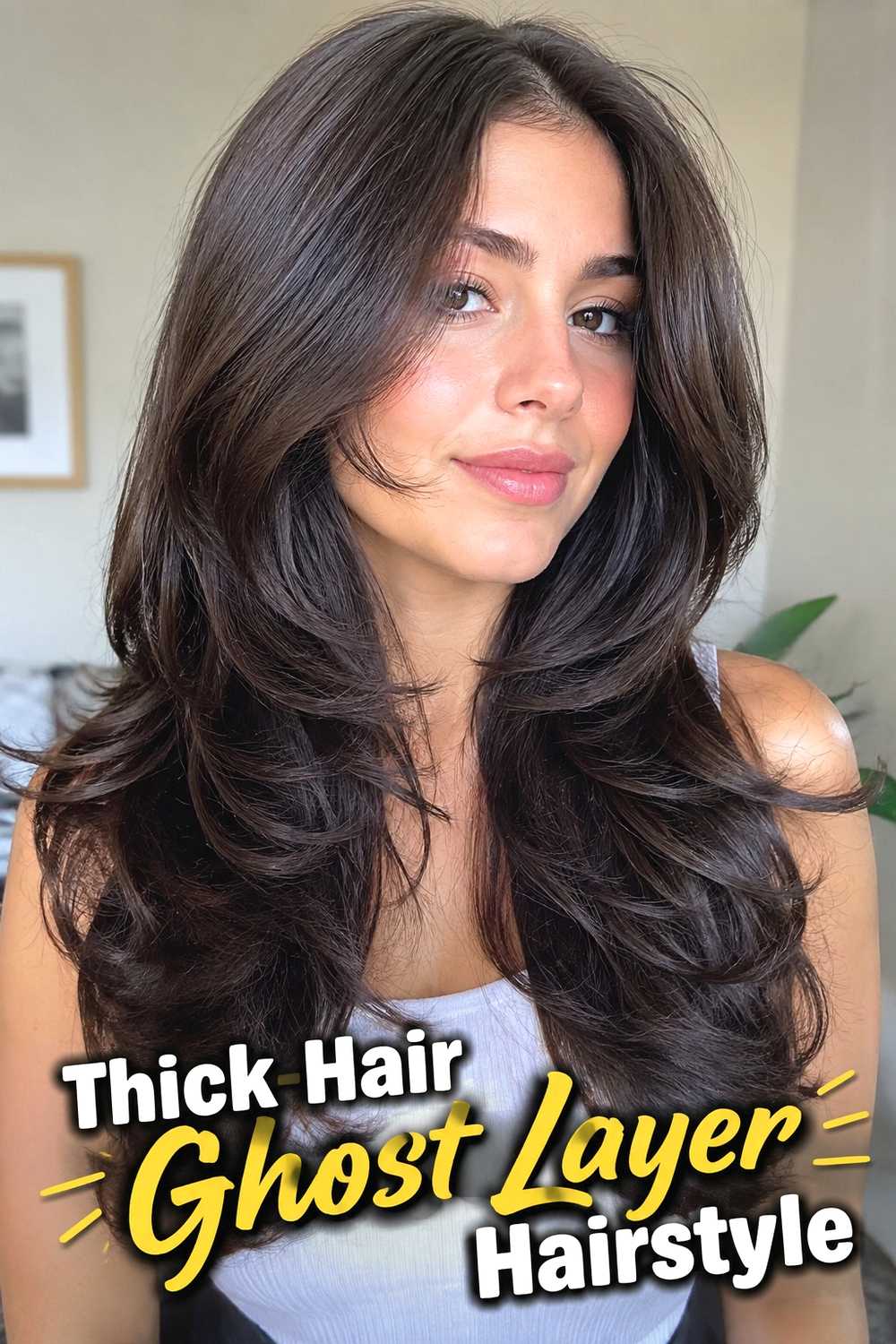
Thick hair can make particularly good use of ghost layering because internal shaping creates movement without removing the rich appearance of the surface. Strategically shortened sections underneath can release weight through the mid-lengths, allowing the top layers to settle more naturally instead of forming a dense block. The perimeter can remain full, while subtle face framing prevents the front from feeling bulky. This version is ideal when traditional visible layers feel too dramatic but one-length hair feels too heavy. The finished cut can be worn smooth, waved, or blown out because the hidden structure supports movement across different finishes. Careful placement matters more than aggressive thinning, which can create uneven short pieces.
Hair Type & Length
Medium to long dense hair can benefit especially well when bulk collects through the sides and lower lengths.
Wear & Maintenance
Internal weight removal should remain controlled so the haircut grows evenly and does not develop unwanted puffiness from overly short hidden sections.
7. Wavy Ghost Layer Hairstyle
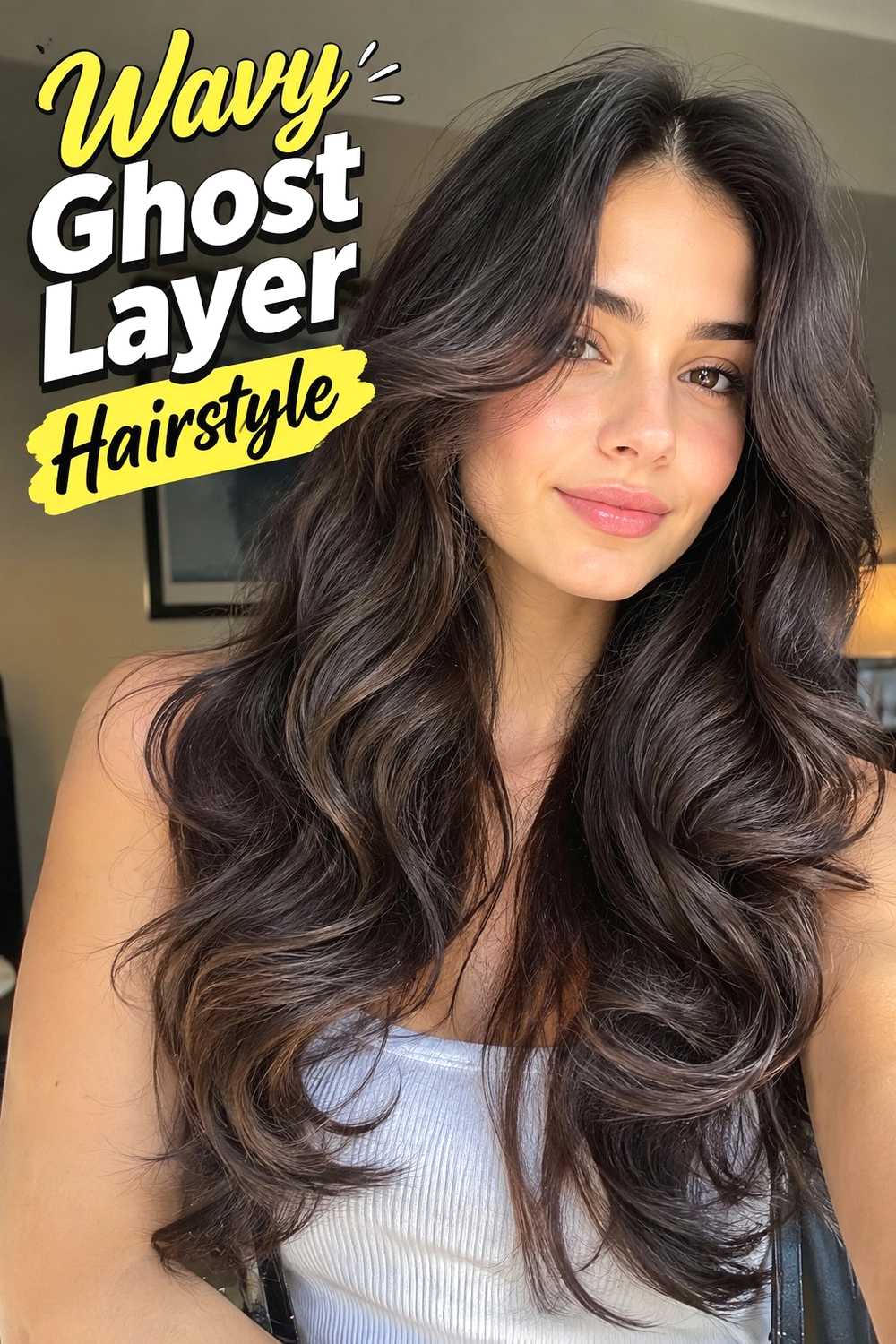
Wavy hair naturally reveals ghost layers through movement, making the technique look especially effortless. Hidden sections beneath the surface allow waves to separate instead of stacking into one heavy pattern, while longer exterior pieces preserve a cohesive silhouette. The layers can be concentrated through the mid-lengths and front, depending on where the hair tends to feel bulky. When air-dried, some waves may appear stronger while others remain relaxed, which helps the internal shaping look natural rather than engineered. This version does not need a highly polished finish to work; in fact, slight irregularity can make the haircut more believable. The key is keeping enough weight at the ends so the overall shape still feels substantial.
Styling Notes
Scrunch in a light wave product and let natural bends form instead of curling every section in exactly the same direction.
Best For
Medium-density wavy hair is particularly suited to this approach because natural separation makes subtle internal layers easier to see.
8. Curly Ghost Layer Hairstyle
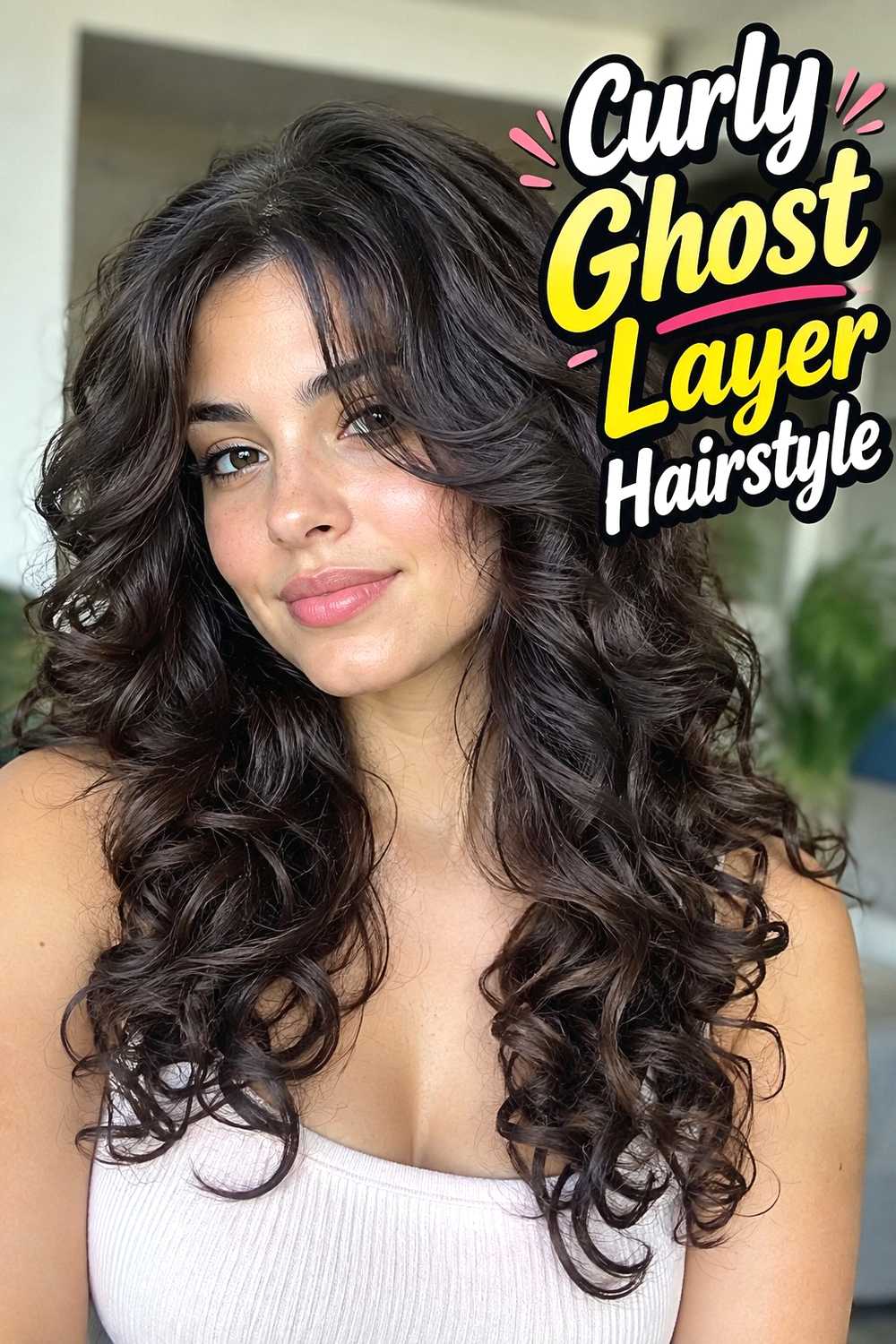
Curly ghost layers use discreet shaping inside the haircut to distribute volume without turning the surface into a visibly tiered cut. Some curls underneath may be shortened to create space and movement, while the outer curls remain long enough to preserve the overall silhouette. Because curl shrinkage can make hidden layers spring much higher than expected, the cut should account for how each section behaves when completely dry. Done carefully, the technique can reduce heaviness around the lower lengths and allow more lift through the middle of the shape. The finished result should still show varied, natural curl sizes and directions rather than perfectly uniform ringlets, giving the hairstyle realistic depth and movement.
Hair Type & Length
Wavy-curly, spiral, and mixed curl patterns can wear this look when density and dry shrinkage are carefully considered.
Pro Tip
Evaluate the hidden sections in their natural dry state before removing additional length, especially in areas with tighter curl patterns.
9. Sleek Straight Ghost Layer Hairstyle
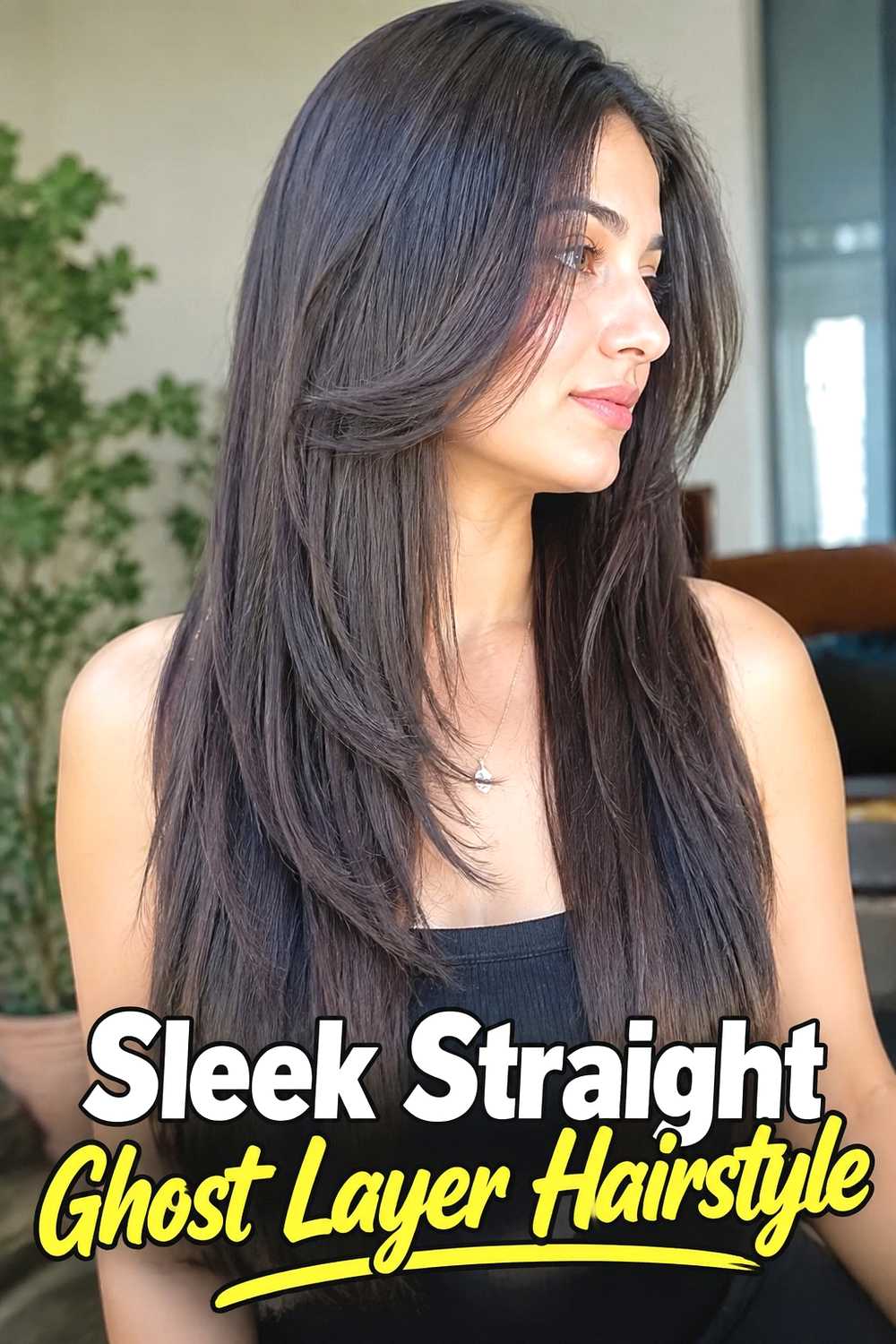
Straight hair shows the subtlety of ghost layers particularly well because the surface can remain sleek even while the internal shape creates extra movement. The haircut may look almost one length when standing still, but the hidden sections reveal themselves when the hair swings or curves around the shoulders. Long, clean exterior pieces preserve shine and a polished perimeter, while gentle internal graduation prevents the style from feeling overly heavy. This version works well if you enjoy minimal, refined hair but want more flexibility than a completely blunt cut offers. A slight bend through the ends can help the layers move without turning the look into a full blowout or visibly feathered style.
Styling Notes
Keep the surface smooth with a paddle brush or straightener, then curve the ends lightly so the internal movement remains visible.
Wear & Maintenance
Straight finishes expose dry or uneven ends readily, so occasional perimeter trims help maintain the clean outline.
10. Ghost Layer Hairstyle With Curtain Bangs
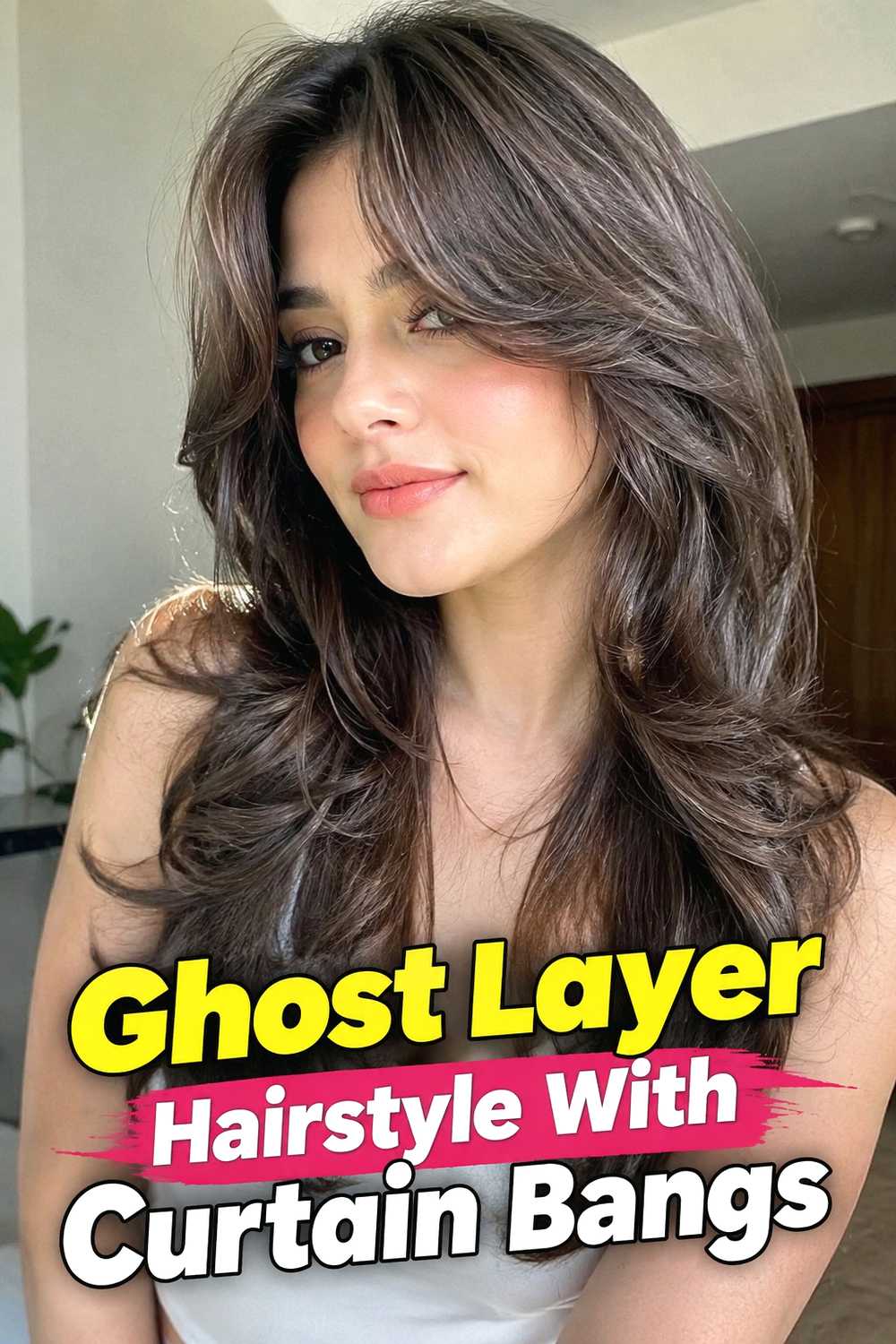
Curtain bangs add an obvious framing element to a haircut that otherwise relies on subtle hidden layers. The fringe can open through the center and lengthen toward the temples, blending into cheekbone- or jaw-level pieces before meeting the longer surface hair. Beneath those visible sections, ghost layers create movement through the interior without adding obvious tiers. This balance works well if you want the front of the haircut to feel expressive while keeping the back more understated. A rounded blowout highlights the curtain shape, but the longer lengths can remain smooth or softly waved. Keeping the outer bang pieces long enough to connect with the hidden structure helps the entire cut feel cohesive rather than separated.
Styling Notes
Dry the curtain bangs away from the center and keep the longer hair softer so the fringe remains the main visible layered detail.
Best For
This version suits anyone who wants obvious face framing but prefers subtle movement rather than heavy layering throughout the whole haircut.
11. Ghost Layer Hairstyle With Wispy Bangs
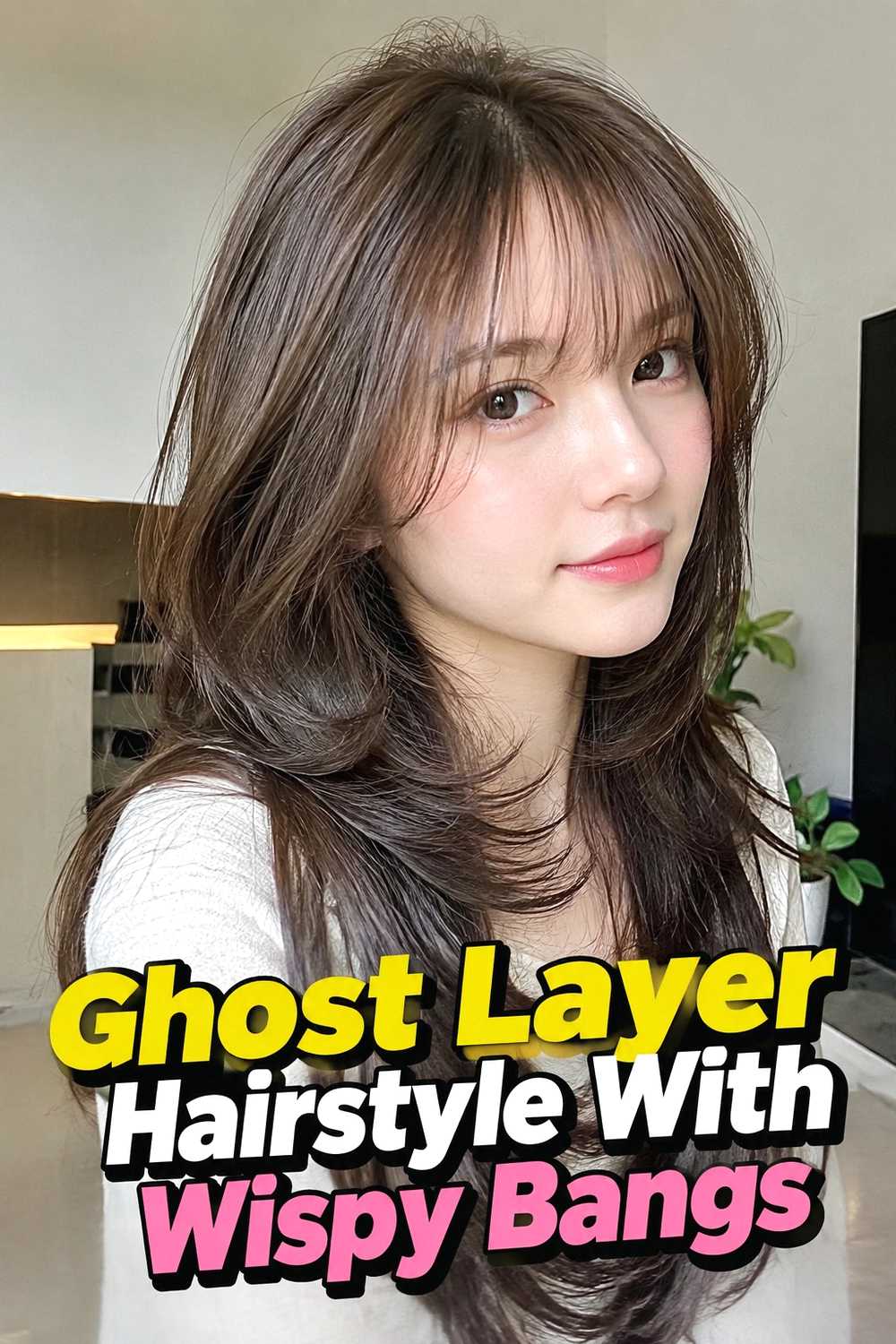
Wispy bangs create a delicate surface detail that pairs naturally with understated ghost layering. A light section of fringe falls across the forehead, while longer pieces near the temples connect it to the surrounding hair. Most of the length remains visually smooth, but small hidden layers underneath provide extra movement through the sides and ends. The contrast between a soft fringe and a fuller perimeter makes the haircut feel detailed without becoming busy. Straight and softly wavy textures show this combination especially clearly because the bangs remain light while the internal shaping stays discreet. Keeping the fringe narrow also prevents too much density from being removed from the front of the haircut.
Pro Tip
Begin with a smaller bang section and preserve longer temple pieces so the fringe can blend naturally into the surrounding length.
Wear & Maintenance
Wispy bangs may need quick root refreshing, but their lighter structure can make them easier to sweep aside as they grow.
12. Center Parted Ghost Layer Hairstyle
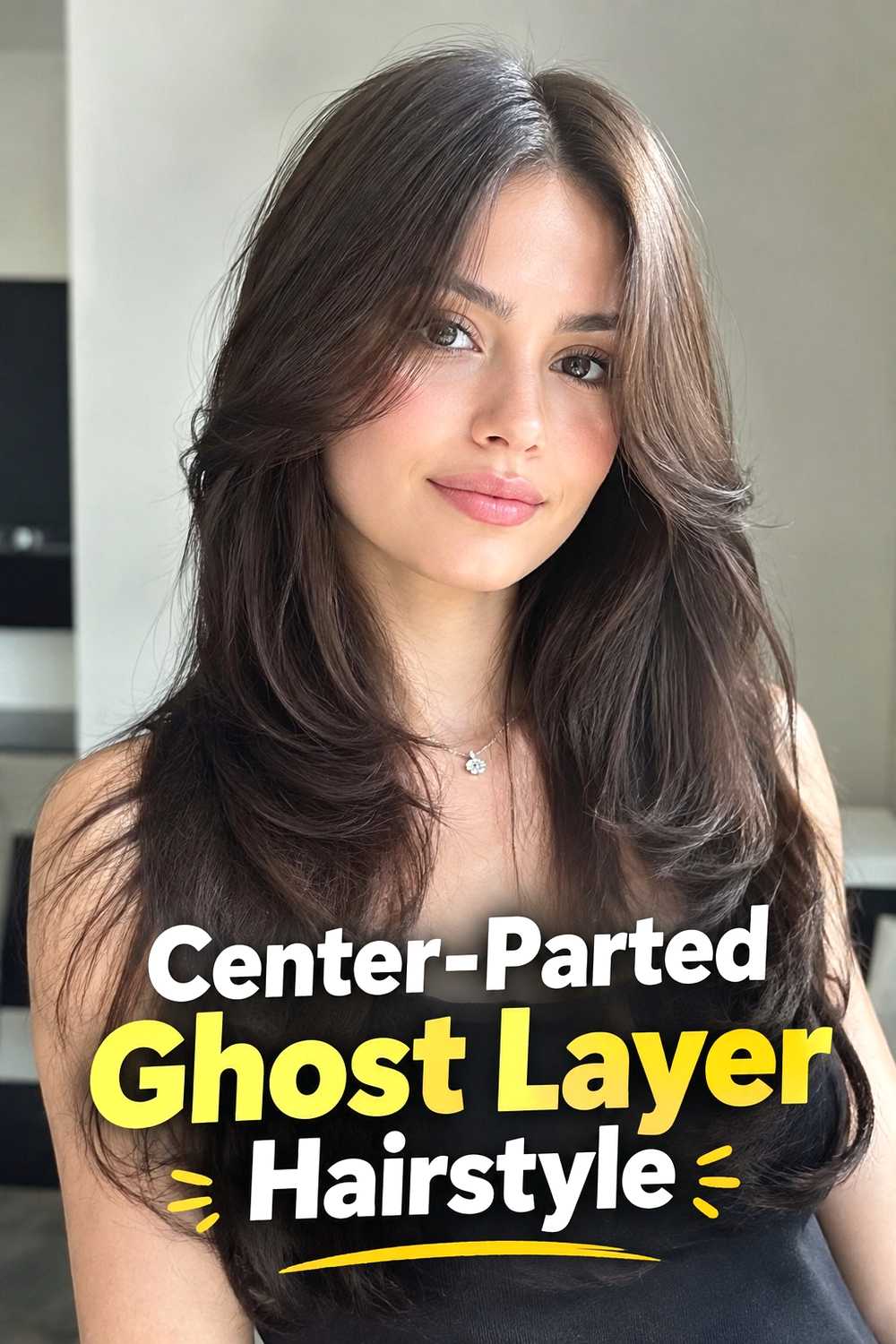
A center part gives ghost layers a balanced framework, allowing subtle movement to appear evenly on both sides of the face. The exterior can stay long and polished, with internal sections positioned beneath the cheek, jaw, or shoulder area to prevent the hair from looking completely flat. Because the part is symmetrical, the smallest differences in movement become easy to notice without making the haircut look aggressively layered. This version works especially well with a smooth blowout or soft bend through the lower half. Longer front pieces can frame both sides evenly while remaining easy to tuck back. The finished effect feels controlled, modern, and understated, with most of the cutting detail hidden beneath the surface.
Best For
This approach works well if you enjoy symmetrical styling and want gentle movement without bangs or obvious short layers.
Styling Notes
Style both sides away from the center with broad movement, then loosen the ends so the finish remains soft rather than overly matched.
13. Side Parted Ghost Layer Hairstyle
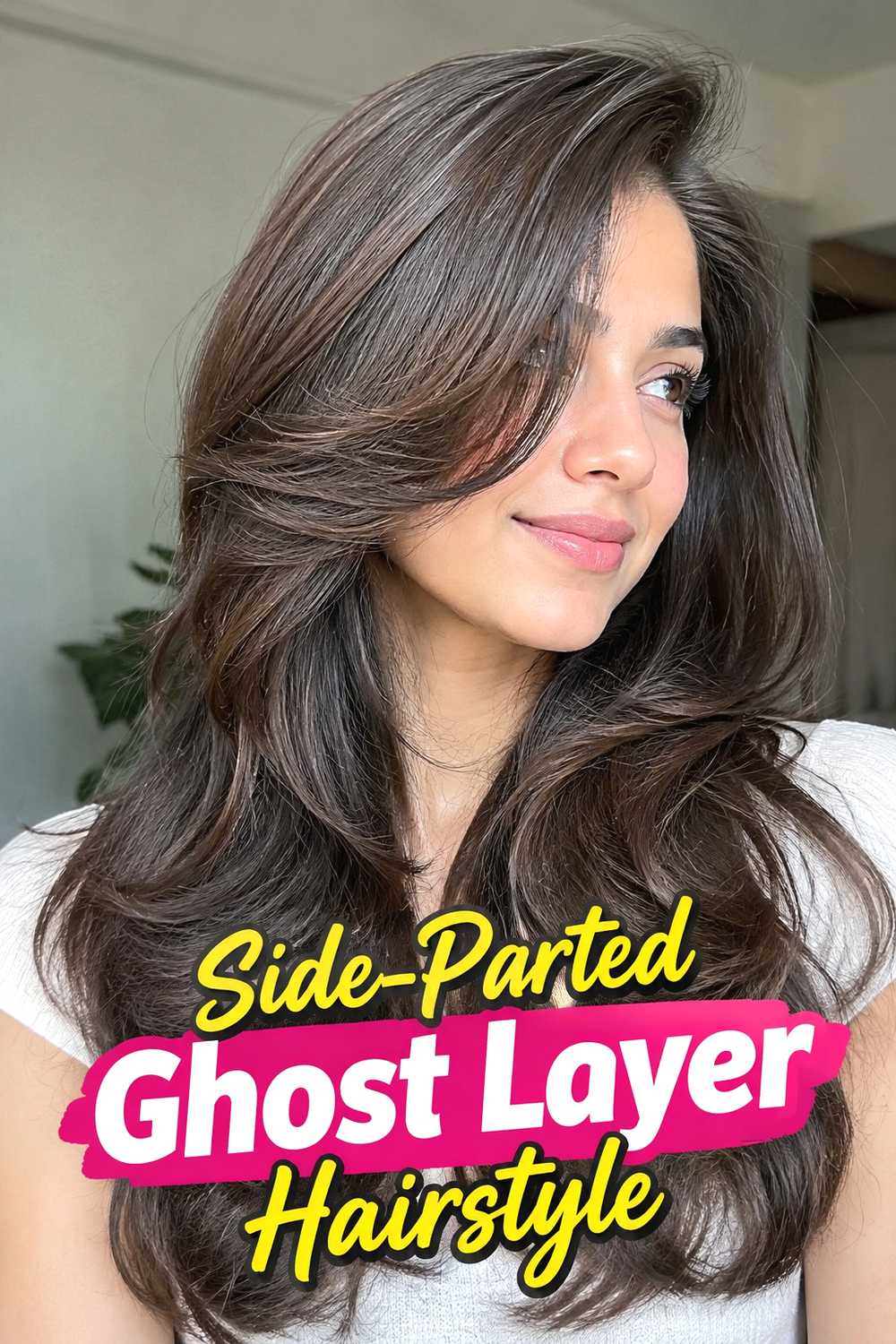
A side part brings asymmetry to ghost layers and can create the impression of more movement without dramatically changing the cut. The fuller side gains natural root lift, while discreet internal shaping prevents the longer lengths from becoming heavy. A sweeping front section can blend into hidden layers near the cheek and jaw, giving one side more visible motion while the opposite side remains simpler. The surface still looks polished and relatively long, making this a good choice if you prefer subtle structure. Smooth blowouts, natural waves, and softly curled ends can all work because the internal layers support movement rather than dictating one specific styling finish.
Why It Works
Changing the part alters where the hair naturally lifts and falls, making understated internal layers feel more noticeable without adding extra short pieces.
Styling Notes
Set the side part while the roots are damp and keep product light near the front so the sweeping section remains flexible.
14. Butterfly Inspired Ghost Layer Hairstyle
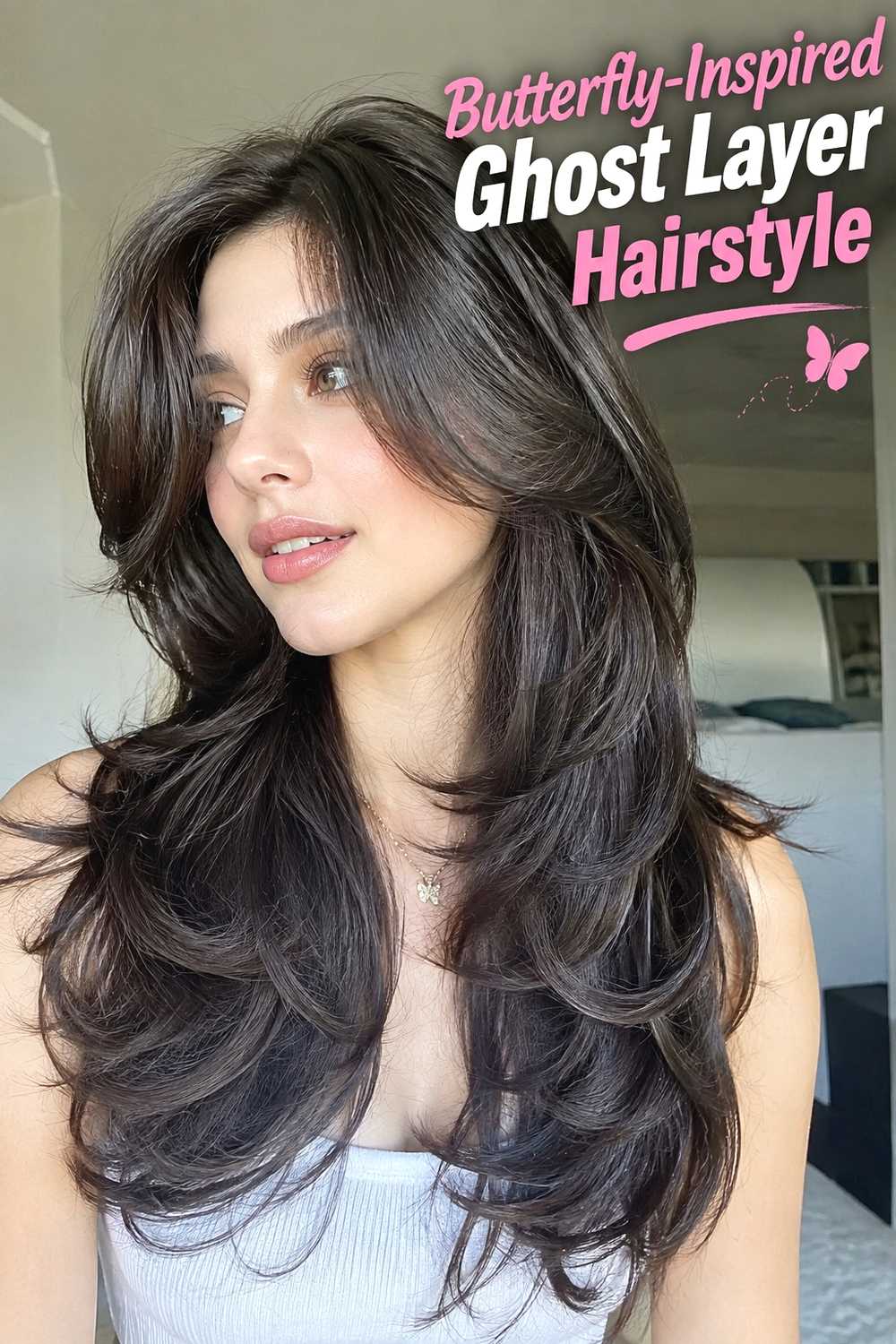
This version borrows the airy front movement of a butterfly cut while keeping much of the internal structure discreet. Visible face-framing pieces can begin around the cheekbones and shoulders, while subtler ghost layers beneath the surface help the longer lengths move without creating multiple obvious tiers. The result feels fuller and more dynamic around the front but smoother through the back than a traditional heavily layered butterfly style. A voluminous blowout brings out the sweeping shape beautifully, especially when the shorter front pieces lift away from the face. Because the longest hair remains substantial, the cut keeps a sense of length even though there is noticeable motion through the upper sections.
Best For
Medium to thick hair can support this blended approach particularly well because there is enough density to balance visible face framing with hidden movement.
Pro Tip
Keep the back layers longer and more discreet if you want the butterfly influence without a strongly feathered appearance.
15. Rounded Blowout Ghost Layer Hairstyle
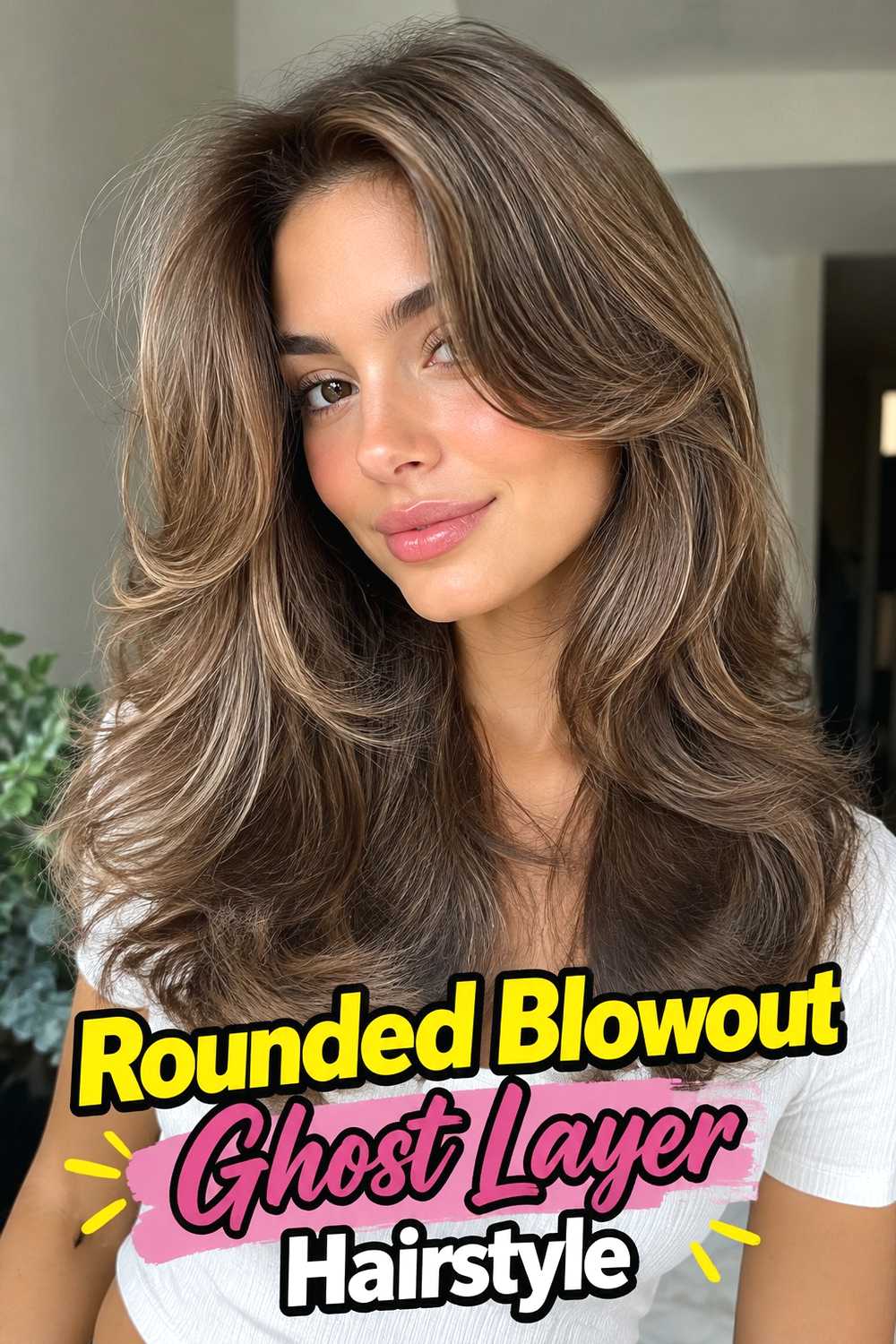
A rounded blowout makes ghost layers easier to see by giving the hidden sections enough lift to separate from the surface hair. The main haircut can remain long and relatively smooth, while carefully positioned internal pieces create broad movement through the mid-lengths and ends. A large round brush encourages the hair to curve gently rather than forming tight curls, so the result stays polished and modern. The crown can receive moderate volume while the perimeter remains substantial. Once the hair is loosened, the ghost layers should create subtle depth that appears naturally as the style moves. This version is ideal when you want a salon-finished look without the obvious feathering of traditional layered blowouts.
Styling Notes
Let round-brushed sections cool before gently separating them with your fingers so the hidden movement lasts without becoming stiff.
Why It Works
The rounded styling reveals differences in internal length while keeping the exterior smooth enough for the ghost-layer effect to remain subtle.
16. Air Dried Ghost Layer Hairstyle
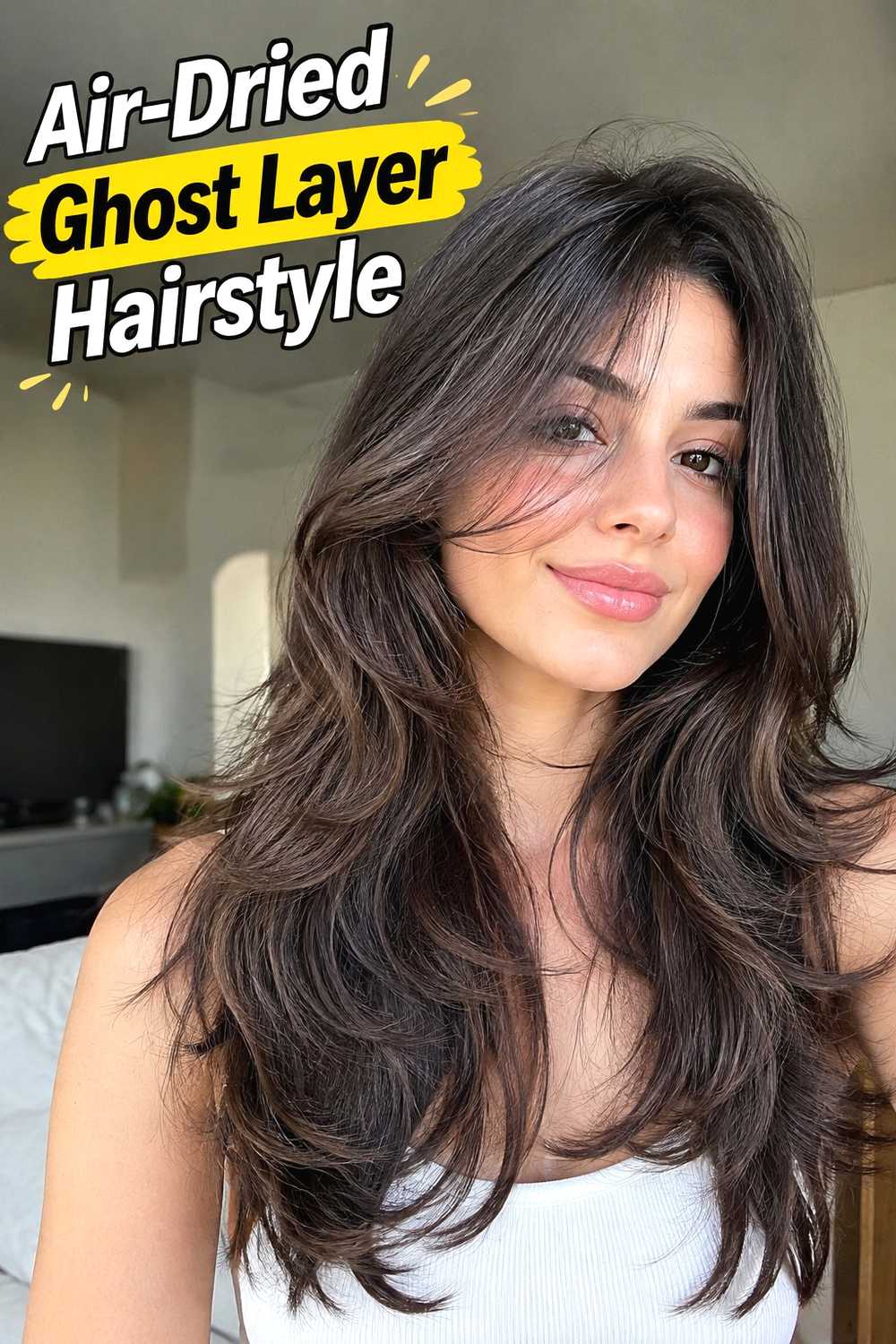
An air-dried ghost layer haircut depends on natural texture to reveal discreet movement rather than relying on heat styling. Hidden sections are positioned where the hair tends to feel heavy, while the surface remains long enough to preserve a cohesive silhouette. As the hair dries, natural bends and waves expose slight differences in length, giving the cut dimension without visible stacked layers. This approach works best when the layer placement respects the hair’s normal drying pattern, since overly short internal pieces may puff or separate unpredictably. Slight frizz and variation can suit the relaxed finish, especially when the perimeter stays balanced. Lightweight styling helps encourage movement without forcing the hair into an artificial pattern.
Wear & Maintenance
Apply product while damp, establish the preferred part, and allow the hair to dry with minimal handling for a softer natural finish.
Best For
Naturally wavy or gently textured hair can make this lower-effort version particularly easy to recreate.
17. Shoulder Length Ghost Layer Hairstyle
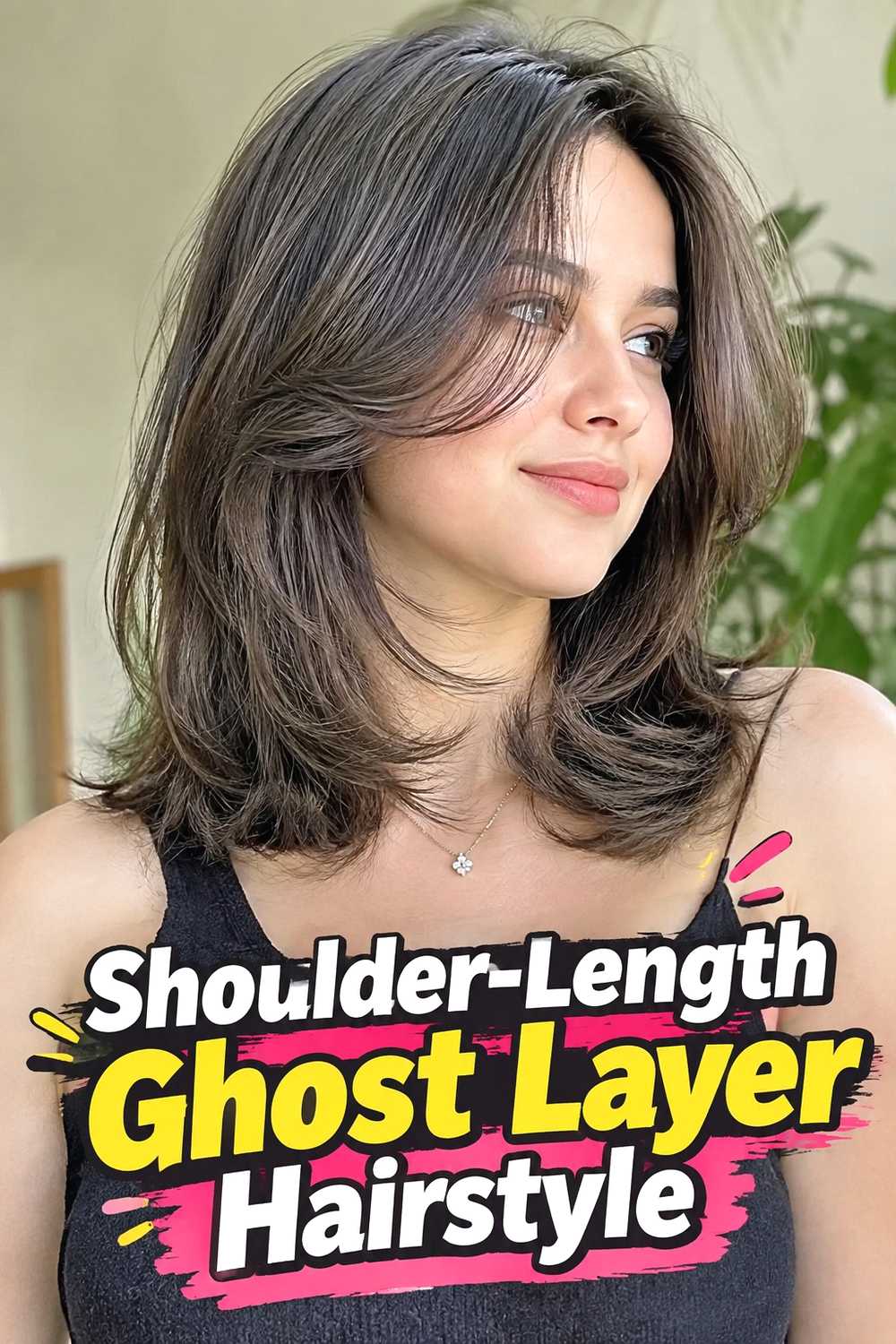
At shoulder length, ghost layers can prevent the hair from feeling bulky where the ends meet the neck and shoulders. The outer perimeter remains substantial, while hidden sections inside the cut release enough weight for the hair to swing rather than sitting as one solid block. A few soft front pieces can add movement around the jaw without turning the haircut into a visibly layered shag or lob. This length is practical because it still allows many simple updos while remaining short enough to show the movement created by internal shaping. Straight styling highlights the smooth silhouette, while loose waves reveal more of the hidden texture. The overall result is clean, wearable, and adaptable.
Hair Type & Length
Medium to thick straight or wavy hair at true shoulder length can benefit when the perimeter feels dense but visible layering is not desired.
Pro Tip
Keep the shortest hidden pieces long enough to avoid creating unwanted width directly at the shoulders.
18. U Shaped Ghost Layer Hairstyle
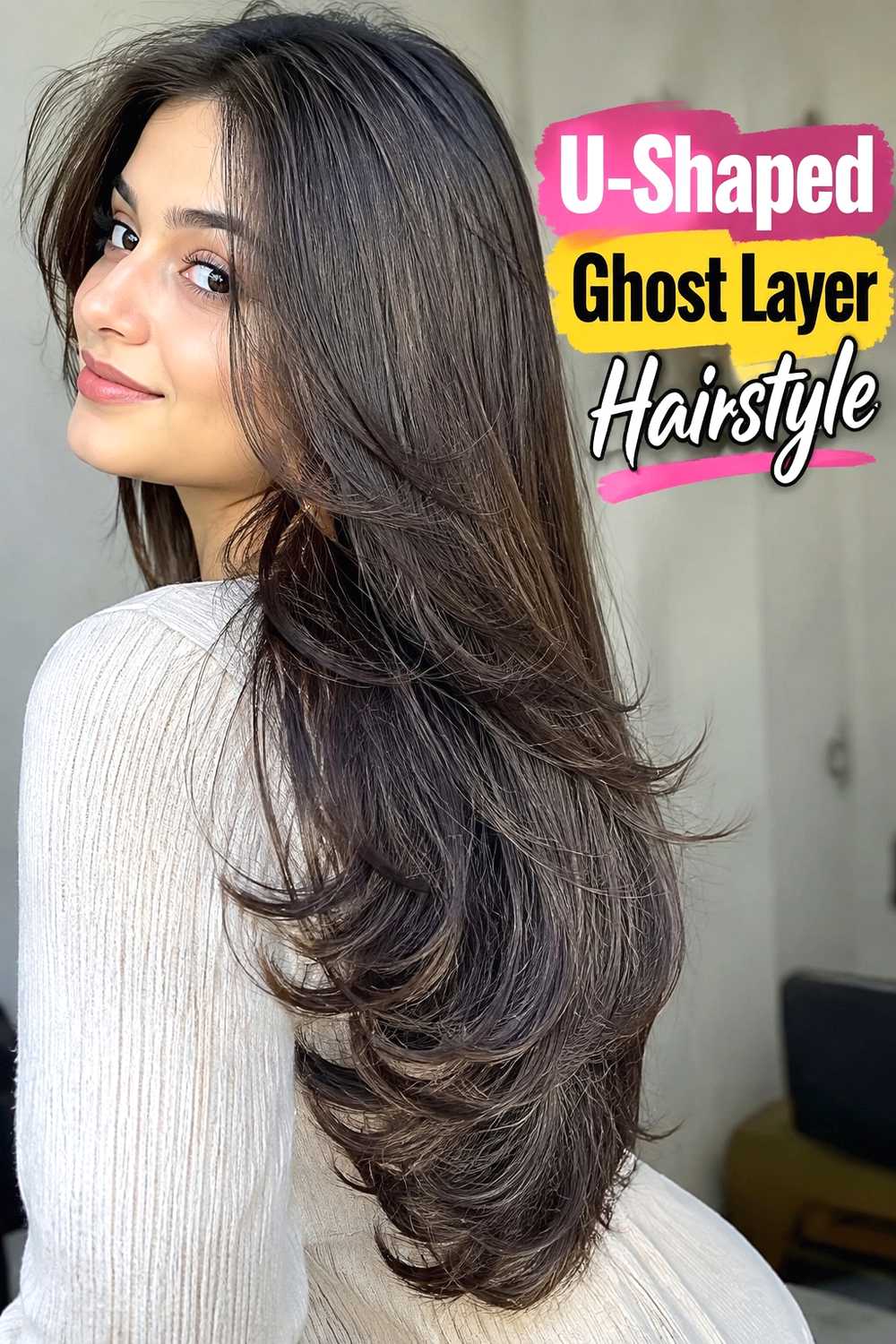
A U-shaped perimeter gives ghost layers a flowing foundation by keeping the back slightly longer while the sides curve gradually upward. Hidden layers inside this shape add movement without interrupting the smooth outer line. The combination works especially well on medium to long hair because the U silhouette preserves a sense of length while the internal shaping prevents the hair from looking heavy. Face-framing pieces can remain subtle or be omitted entirely if the goal is a cleaner front. Styled with broad waves, the haircut gains visible depth; worn straight, the ghost layers appear mainly through swing and softness. The curved baseline helps everything feel connected even when internal lengths vary.
Why It Works
The rounded perimeter keeps the outline cohesive while hidden layers add movement without producing visible steps through the back.
Styling Notes
Use gentle bends or a soft blowout rather than tight curls so the U-shaped baseline remains easy to see.
19. Voluminous Ghost Layer Hairstyle
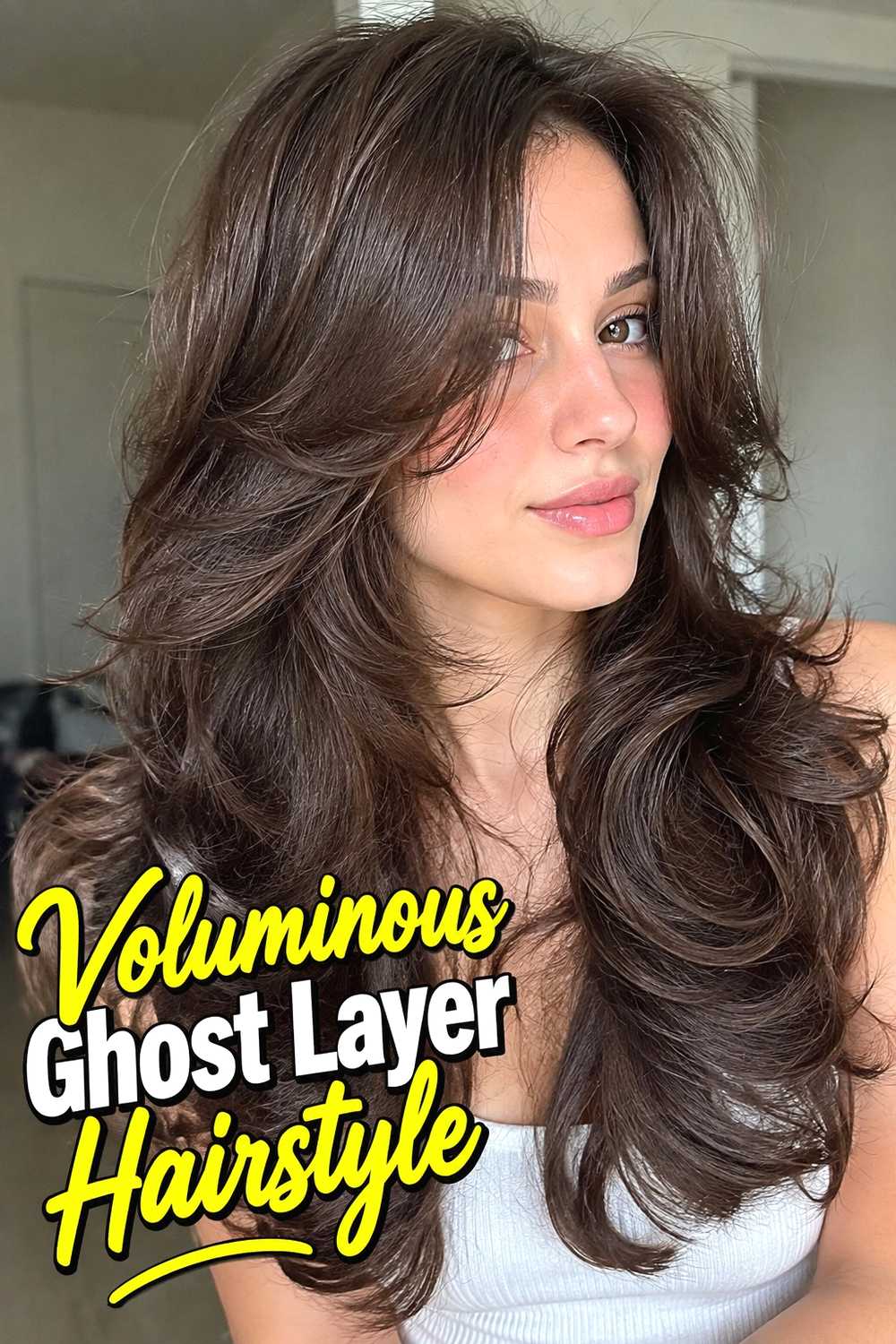
Voluminous ghost layers create lift without relying on a large number of obvious short sections at the surface. Internal layers can be placed around the crown, upper sides, and mid-lengths so the exterior hair gains support and movement from underneath. The finished shape looks fuller and more buoyant, but the perimeter remains substantial enough to avoid a heavily feathered effect. A blowout emphasizes the design, especially when the roots receive controlled lift and the mid-lengths curve away from the face. This version works best when the hair has enough density to support hidden layering. The goal is airy volume that moves naturally rather than an exaggerated, rigid shape with every layer visibly separated.
Best For
Medium to thick hair with natural body can support this higher-volume interpretation while maintaining fullness through the ends.
Pro Tip
Concentrate lift near the crown and upper lengths while keeping the lower perimeter smoother to prevent the haircut from becoming excessively wide.
20. Minimal Ghost Layer Hairstyle
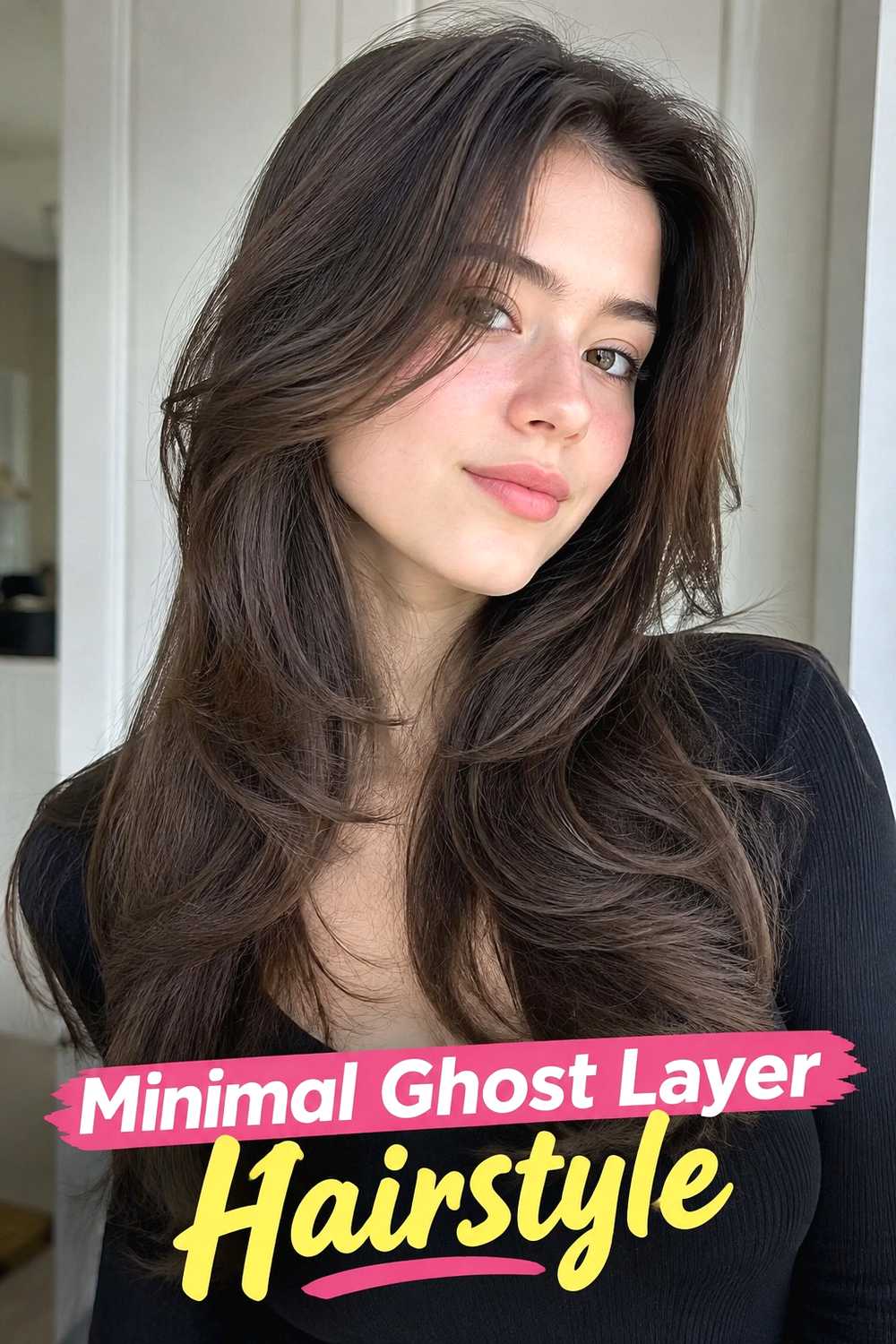
The minimal ghost layer haircut is the most understated option, using only a small amount of internal shaping to improve movement while preserving an almost one-length appearance. A few discreet sections may be shortened beneath the surface in areas where the hair feels especially dense or flat, but the exterior remains smooth and consistent. This makes the cut a good choice if you want a subtle refresh without a visibly layered transformation. It can be worn straight, softly waved, or naturally textured because the hidden work simply helps the hair respond more freely. The finished result should look polished and substantial, with the ghost layering becoming noticeable mainly through movement rather than obvious differences in length.
Best For
This option suits anyone who prefers a classic perimeter but wants slightly more flexibility and softness through the interior.
Wear & Maintenance
Minimal layering tends to grow out quietly, making it practical if you prefer a lower-maintenance haircut with fewer dramatic shape changes.
How to Choose the Right Look
Start with density. Fine hair generally needs the most conservative approach because removing too much internal weight can leave the perimeter looking thin. Minimal, soft, or fine-hair ghost layers preserve more fullness while still giving the cut subtle movement.
Thick hair can usually support more hidden shaping. If your lengths feel heavy, internal ghost layers can release weight while keeping the surface smooth. A lob or shoulder-length cut may benefit especially from this technique because hair can otherwise collect densely around the neck and shoulders.
Texture also changes the result. Straight hair shows ghost layers through swing and subtle shifts in volume, while waves and curls reveal more visible separation. Curly hair needs careful attention to shrinkage so hidden sections do not spring much shorter than intended.
Finally, consider how much visible layering you actually want. Curtain bangs, butterfly-inspired framing, and voluminous blowouts make the layered effect easier to see. Minimal, sleek, U-shaped, and long ghost-layer versions keep the technique much more discreet.
Final Thoughts
Ghost layers are a useful option when you want movement without the appearance of a heavily layered haircut. Subtle internal shaping can make long hair feel lighter, give lobs more swing, or help dense textures move more freely while preserving a fuller surface. Choose restrained layering for fine hair, more internal shaping for thick hair, and always consider how your natural texture behaves when dry.
FAQs
1. What are ghost layers?
Ghost layers are discreet internal layers placed beneath or blended into longer surface hair. They add movement and can remove some weight without creating strongly visible stacked layers.
2. Are ghost layers good for fine hair?
They can be when used sparingly. Fine hair usually benefits from keeping the perimeter strong and limiting the amount of internal hair removed.
3. Can ghost layers work on thick hair?
Yes. Thick hair can often support more internal shaping, which may help reduce heaviness while preserving a smooth, full-looking surface.
4. Can curly hair have ghost layers?
Yes, but the cut should account for curl shrinkage and density. Hidden layers may spring much shorter when dry, so careful placement is important.
5. Are ghost layers the same as regular layers?
Not exactly. Traditional layers are often more visible through the surface of the haircut, while ghost layers are designed to create subtler internal movement with fewer obvious changes in length.
Save your favorite ghost layer haircut ideas, share the looks you love, and explore more layered hairstyle inspiration for your next cut.