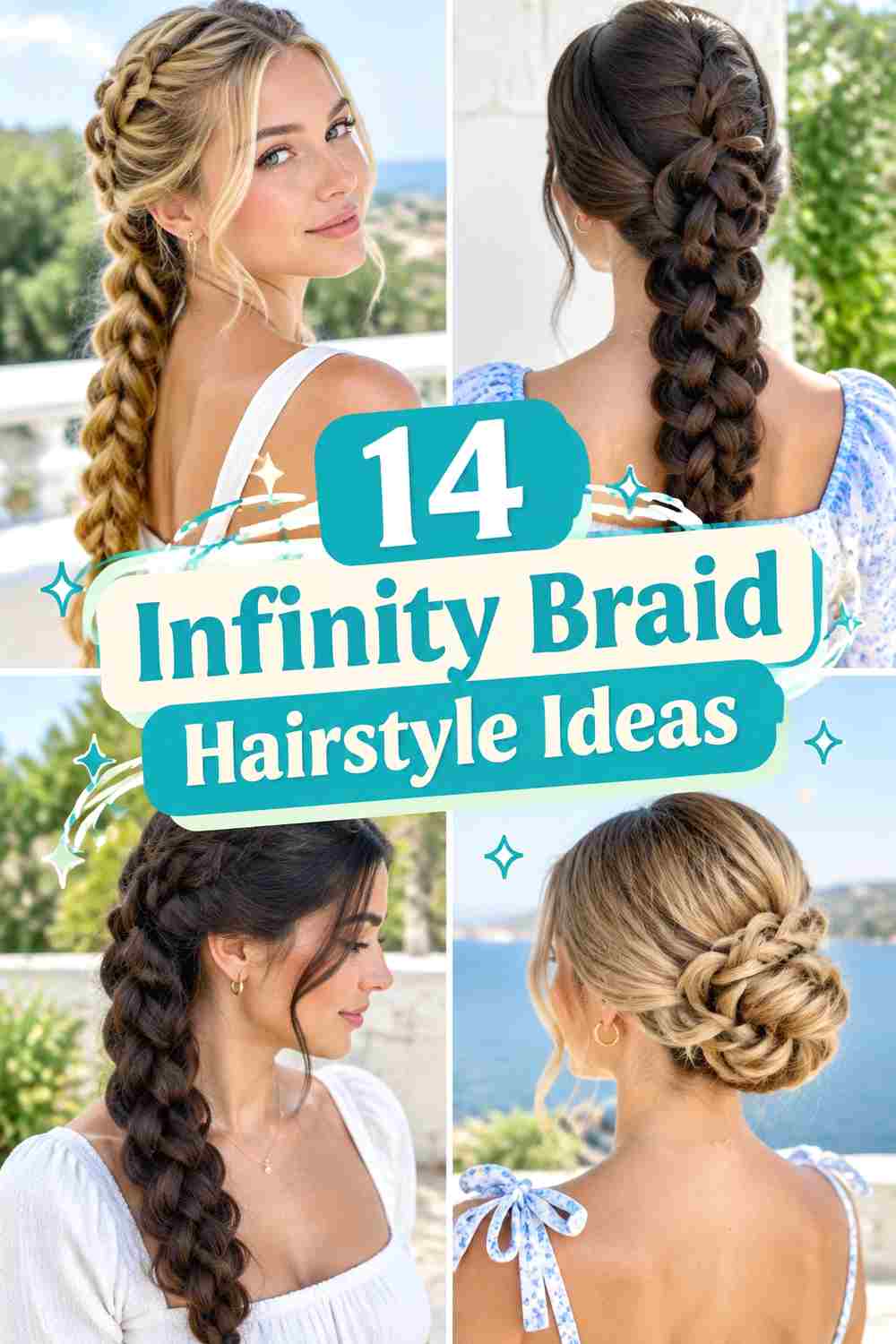
14 Lived-In Waves Hairstyle Ideas
Loose, touchable, and intentionally imperfect, these lived-in waves bring natural movement and relaxed polish to everyday hair without looking overly styled. Lived-in waves are all about creating movement that feels believable rather than perfectly uniform. Instead of tightly defined curls, the hair has stretched bends, softer ends, subtle separation, and enough irregularity to suggest the style has naturally settled over time. The right version depends on your length, layers, density, part, and preferred finish. Some looks emphasize airy texture and undone separation, while others keep the surface smoother and glossier. The common thread is softness: the waves should move naturally, blend with the haircut, and remain relaxed rather than stiff or overly sculpted.
Quick List
- Tousled Lived In Waves Hairstyle
- Center Part Lived In Waves Hairstyle
- Deep Side Part Lived In Waves Hairstyle
- Long Layered Lived In Waves Hairstyle
- Shoulder Length Lived In Waves Hairstyle
- Lived In Waves With Curtain Bangs Hairstyle
- Lived In Waves With Face Framing Layers Hairstyle
- Beachy Lived In Waves Hairstyle
- Soft S Bend Lived In Waves Hairstyle
- Textured Lob Lived In Waves Hairstyle
- Voluminous Root Lift Lived In Waves Hairstyle
- Glossy Lived In Waves Hairstyle
- Piecey Lived In Waves Hairstyle
- Romantic Lived In Waves Hairstyle
1. Tousled Lived In Waves Hairstyle
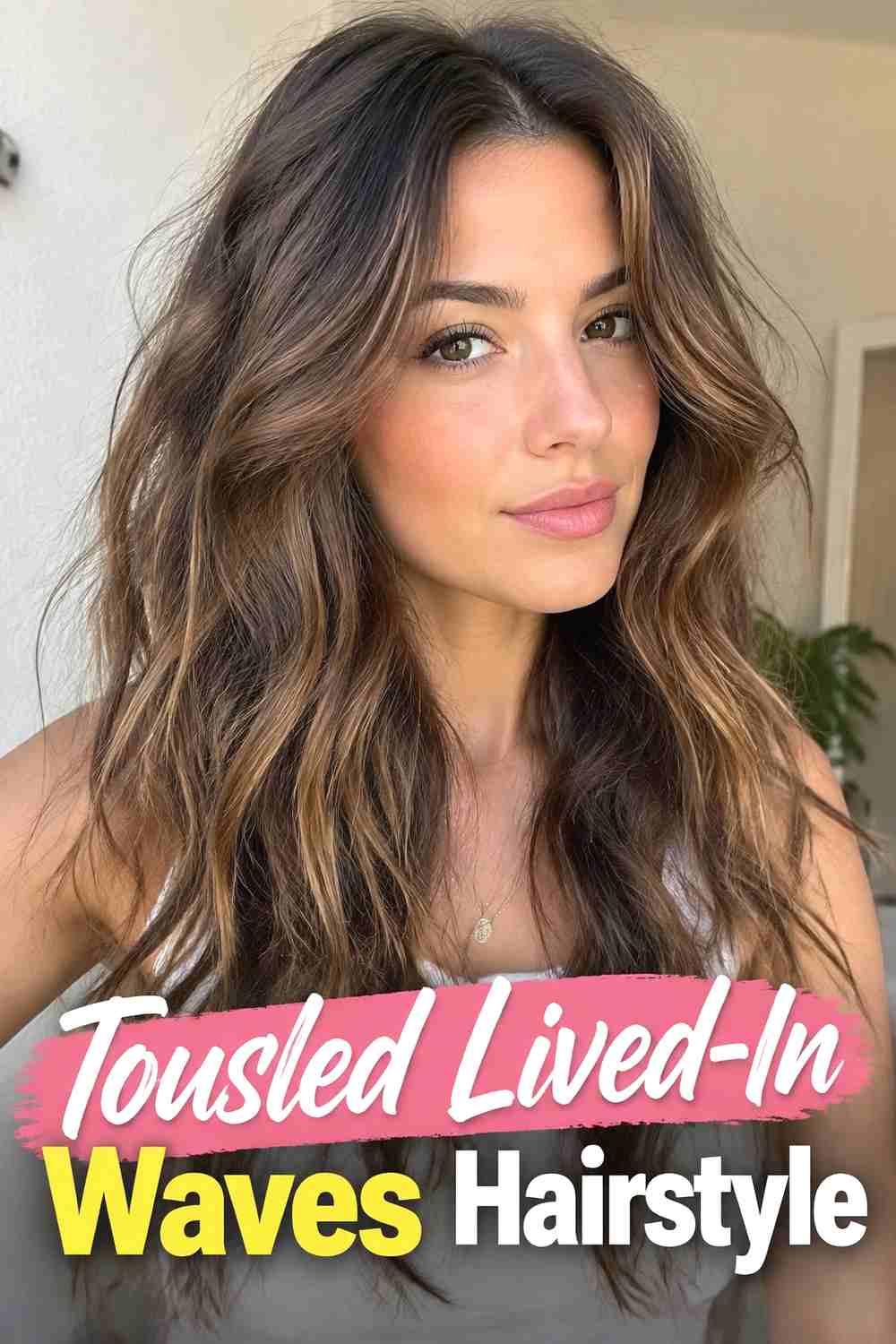
Tousled lived-in waves create an intentionally relaxed finish with uneven bends, loose separation, and soft movement through the ends. The style looks best when the waves vary slightly in shape instead of repeating the same curl from root to tip. Medium and long hair give the texture enough space to develop, although subtle layers can make the result even lighter. Curl scattered sections away from the face, leave some ends straighter, and gently loosen everything with your fingers once the hair cools. A small amount of dry texture spray can add grip without turning the style crunchy. The finished look should feel touchable, airy, and casually polished rather than freshly curled.
Styling Notes
Work with alternating section sizes instead of making every piece identical. That controlled irregularity creates the natural, settled texture that defines lived-in waves.
Best For
This version suits anyone who prefers visible movement without the polished symmetry of classic curls or glamour waves.
2. Center Part Lived In Waves Hairstyle
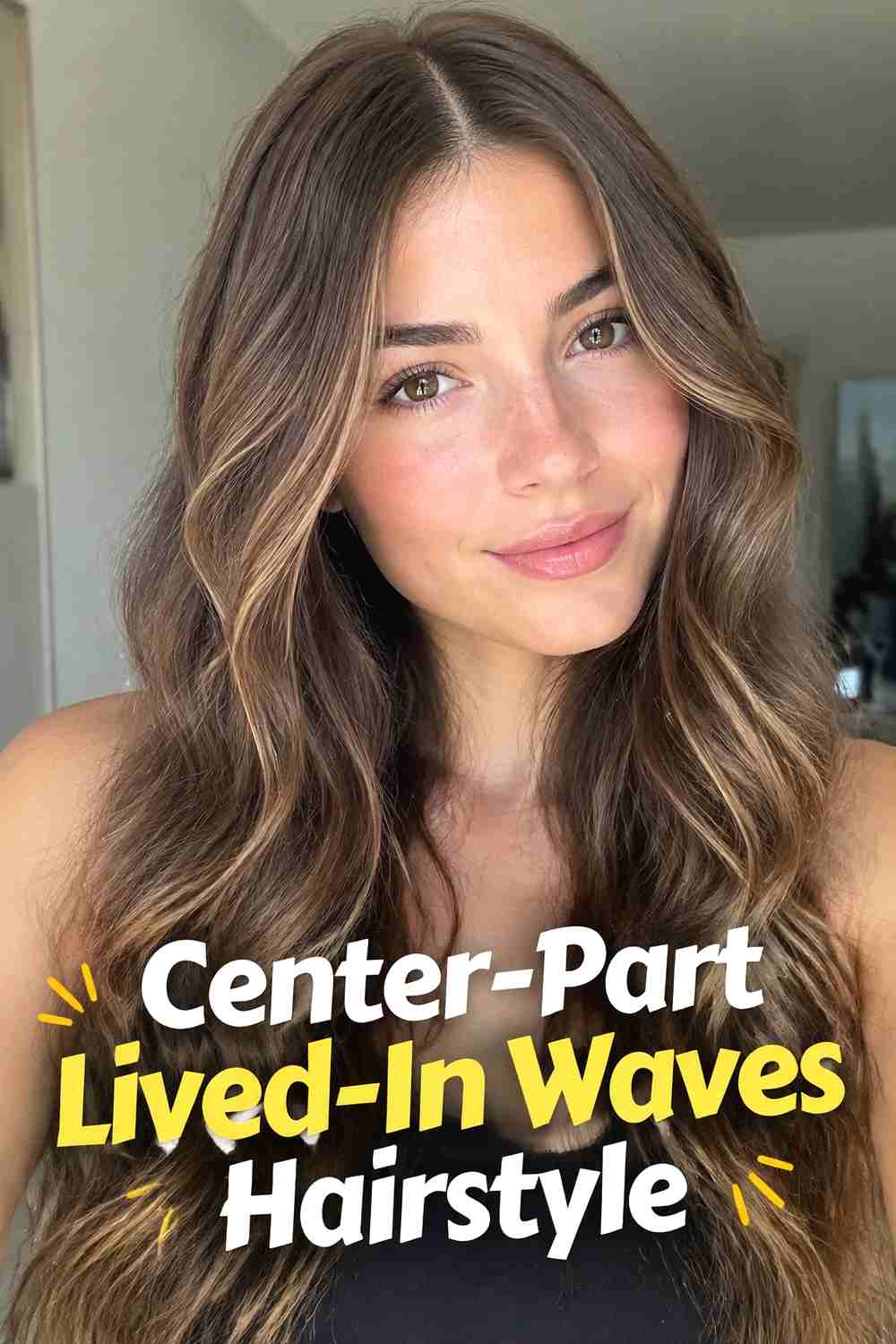
Center-part lived-in waves combine a clean, balanced part with relaxed texture through the lengths. Keeping the roots smoother makes the loose bends below feel intentional rather than messy, while slightly straighter ends give the hairstyle a modern finish. This approach works especially well on medium to long hair because the center part creates symmetry without requiring identical waves on both sides. Start the first bend around cheek or jaw level instead of curling directly from the roots. Once everything cools, separate the waves lightly with your fingers or a wide-tooth comb. Avoid brushing them into one uniform pattern; a little inconsistency keeps the style soft, natural, and genuinely lived-in.
Why It Works
The precise center part creates structure, while the looser lengths prevent the overall hairstyle from feeling too formal or carefully arranged.
Hair Type & Length
Medium and long hair are especially suitable, and layered cuts can add extra movement around the front without disrupting the balanced shape.
3. Deep Side Part Lived In Waves Hairstyle
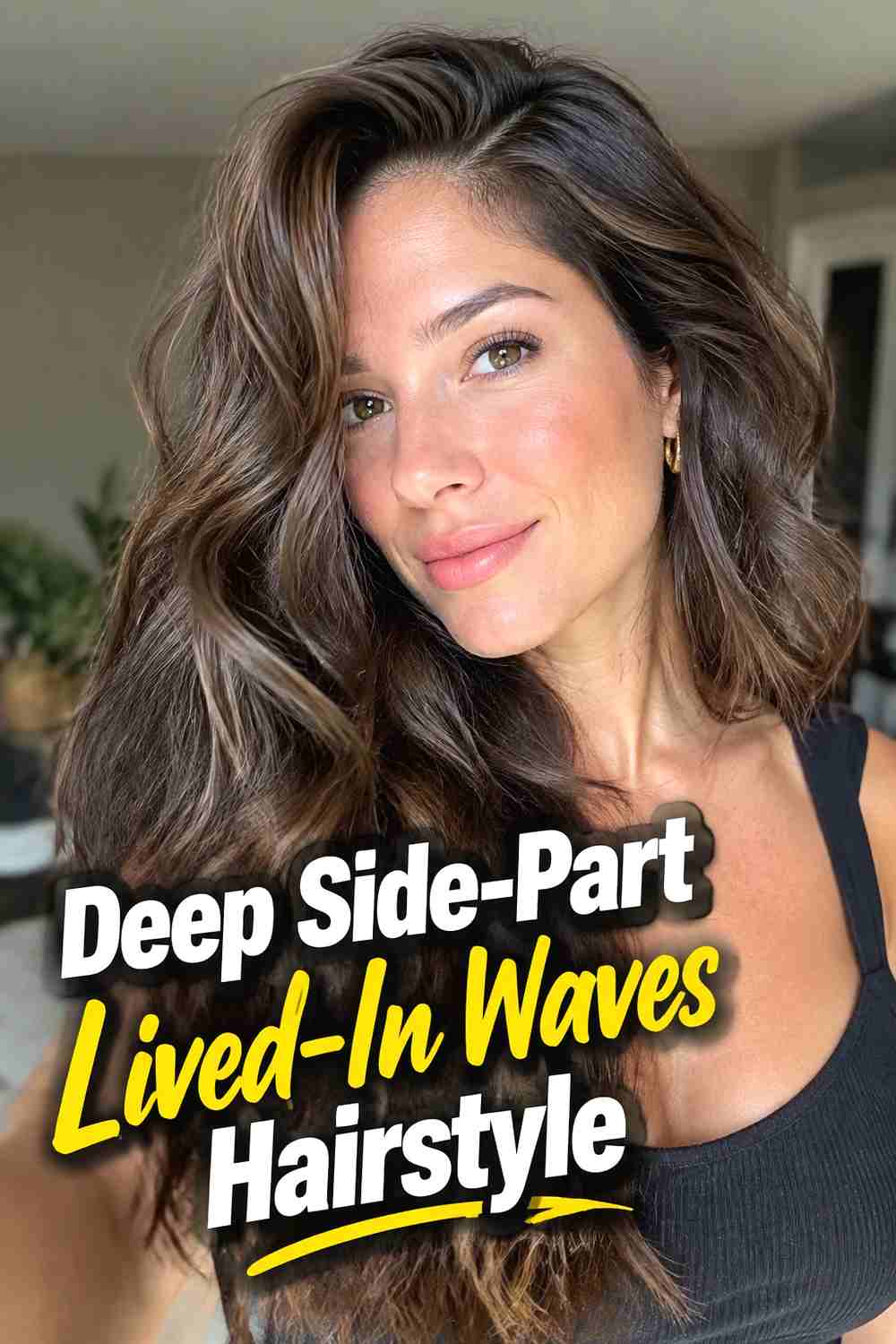
A deep side part gives lived-in waves more lift and asymmetry without turning them into formal glamour waves. Most of the volume sits on one side, creating a naturally sweeping shape, while the opposite side can stay softer and closer to the head. The waves themselves should remain loose, varied, and lightly separated. This style is particularly effective on medium or long hair that tends to fall flat around the crown. Begin by setting the part during blow-drying, then create broad bends through the mid-lengths rather than tight curls from the roots. Break up the finished texture with your fingers and allow a few pieces to fall slightly differently for a relaxed result.
Styling Notes
Direct the roots away from the deep part while drying to create lift before you reach for a curling tool. This reduces the need for heavy teasing.
Wear & Maintenance
A flexible spray near the roots can support the part, while the lengths are best left softer so the waves keep their easy movement.
4. Long Layered Lived In Waves Hairstyle
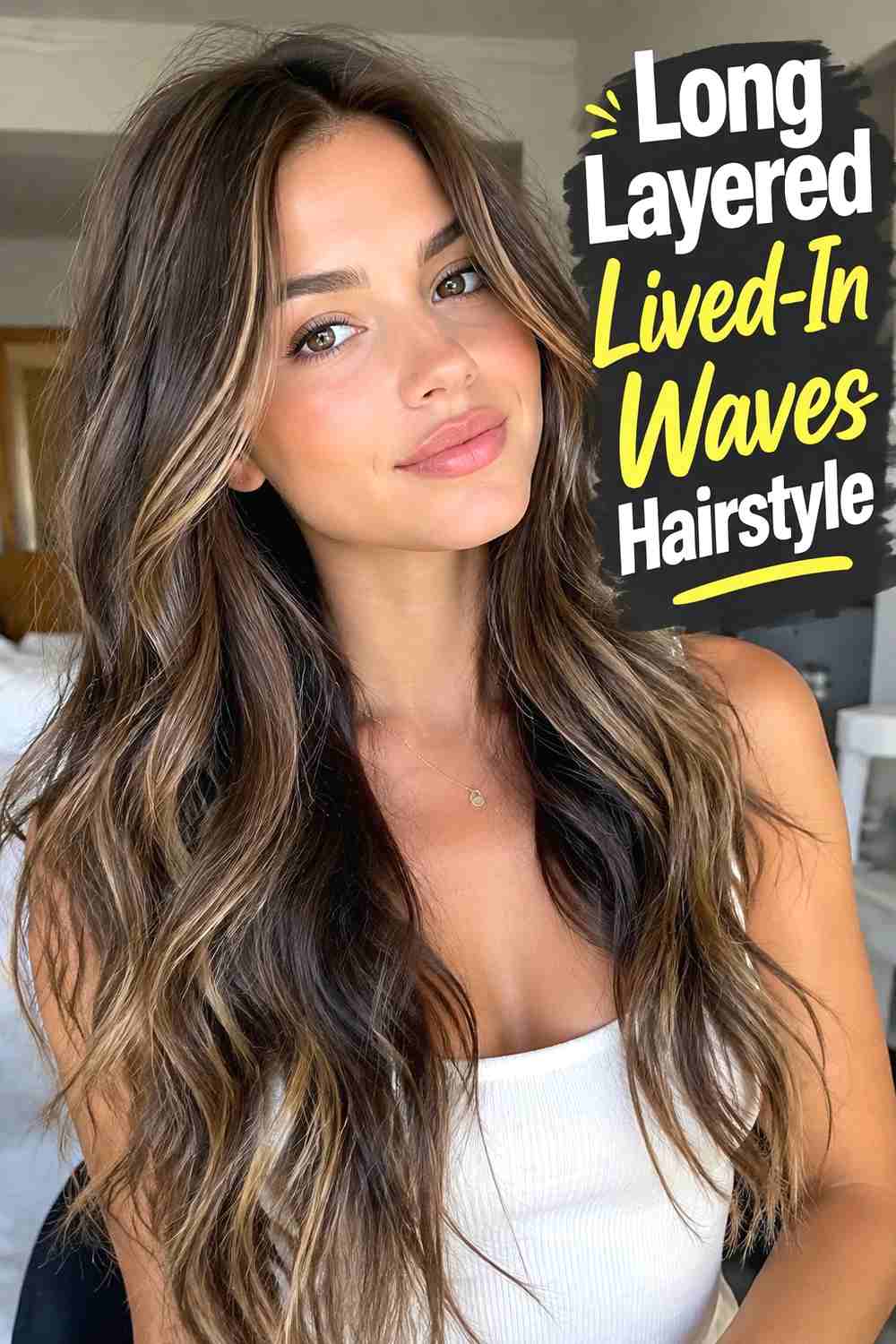
Long layers and lived-in waves naturally complement each other because the different lengths prevent the hair from falling into one heavy shape. The shorter layers can curve softly around the face and upper lengths, while the longest pieces carry looser bends toward the ends. Rather than curling every section from the same starting point, vary the placement so some waves begin higher and others lower. This gives long hair depth without creating excessive volume. After curling, loosen the pattern with your hands and smooth only the surface if needed. A lightweight styling cream on the ends can reduce frizz while preserving separation, especially when the cut contains plenty of movement.
Why It Works
Layering distributes volume through the haircut, allowing the waves to look dimensional instead of collecting all the fullness at the bottom.
Pro Tip
Style the shortest layers with less heat and fewer turns around the barrel so they blend softly rather than springing away from the longer hair.
5. Shoulder Length Lived In Waves Hairstyle
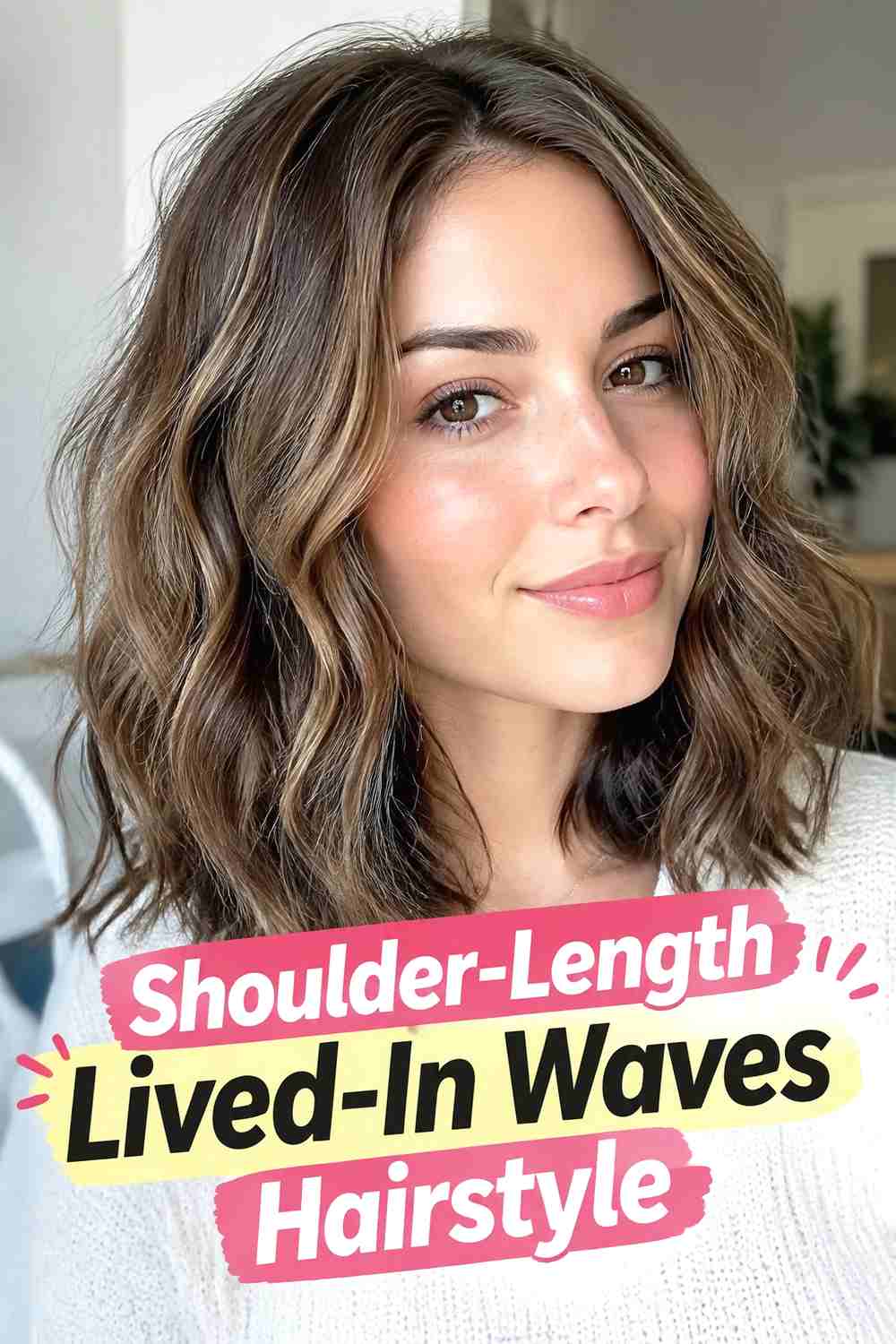
Shoulder-length lived-in waves give medium hair a relaxed, bouncy shape without requiring dramatic curls. Because the ends sit near the shoulders, the most flattering texture usually comes from shallow bends rather than full spirals that can shorten the silhouette. Leave the final inch or two relatively straight, and alternate the height of each wave for a more natural finish. A lob or softly layered shoulder-length cut can gain noticeable dimension from this technique, especially through the mid-lengths. After styling, shake the hair gently at the roots and separate only the pieces that look too uniform. The goal is movement with a slightly undone edge, not perfectly matched curls.
Hair Type & Length
This look is designed for shoulder-skimming cuts, longer bobs, and medium-length hair that needs texture without losing too much visible length.
Pro Tip
Keep the curling tool away from the very ends. Straighter tips help the waves look stretched, modern, and less traditionally curled.
6. Lived In Waves With Curtain Bangs Hairstyle
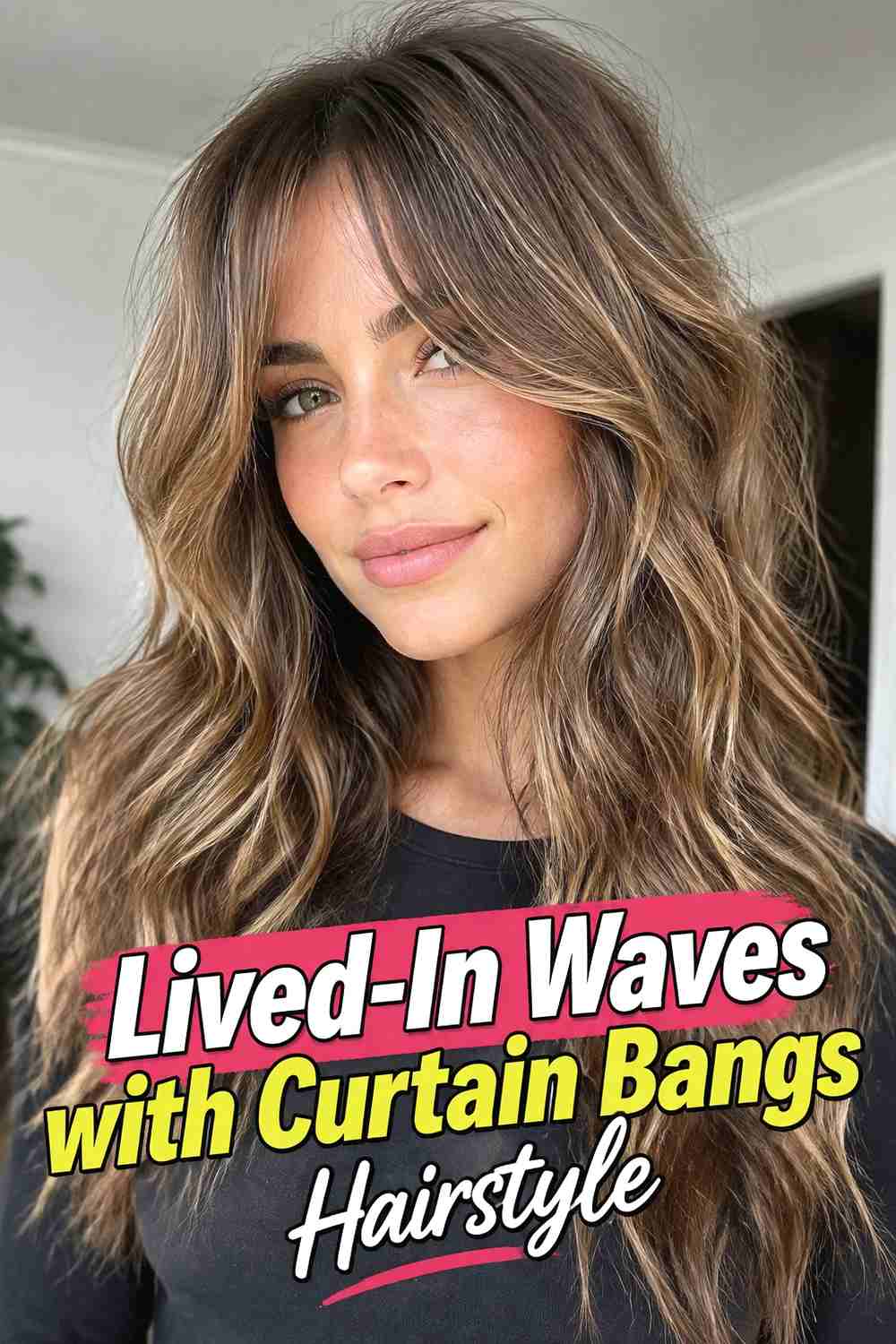
Curtain bangs bring extra movement to lived-in waves by creating a soft transition from the fringe into the longer lengths. The bangs should sweep away from the face with an airy bend rather than a tight curl, then blend into loose texture around the cheekbones and jaw. This style works especially well when the curtain fringe is already connected to longer front layers. Blow-dry the bangs first so their direction is established, then create irregular waves through the rest of the hair. Once everything cools, loosen the front pieces gently rather than brushing them flat. Keeping product light around the fringe helps maintain the soft, natural separation that makes the look feel effortless.
Styling Notes
Use a round brush or large roller on the bangs and a curling tool on the longer sections. Treating them differently creates a more believable blend.
Best For
This version is particularly flattering on layered medium and long cuts with a curtain fringe that reaches the cheekbones or longer.
7. Lived In Waves With Face Framing Layers Hairstyle
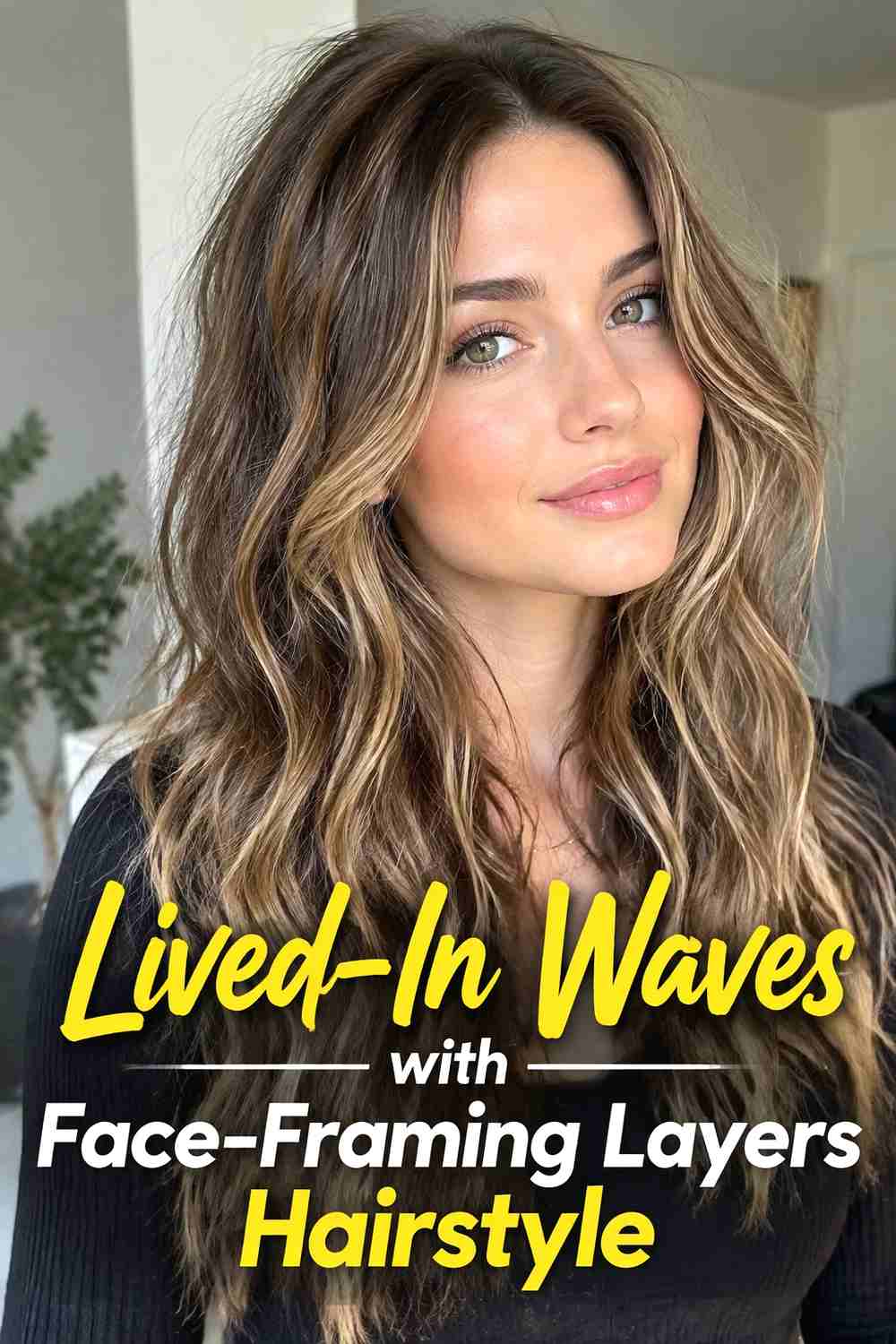
Face-framing layers make lived-in waves more dimensional by introducing shorter pieces that move independently around the front. Instead of curling every layer into one uniform pattern, use subtle bends that follow the graduated shape of the haircut. The shortest pieces can sweep away from the face, while longer sections fall into loose waves through the shoulders and ends. This keeps the hairstyle light without sacrificing overall fullness. The technique works especially well on medium to long layered hair because the movement highlights the cut itself. Finish by separating a few front pieces with your fingers and applying only enough lightweight product to control flyaways without making the layers stick together.
Why It Works
The shorter front sections break up the outline of the hairstyle, creating softness and movement where a one-length cut might appear heavier.
Styling Notes
Change the angle of the curling tool as you move through the layers so the bends follow the haircut rather than fighting its shape.
8. Beachy Lived In Waves Hairstyle
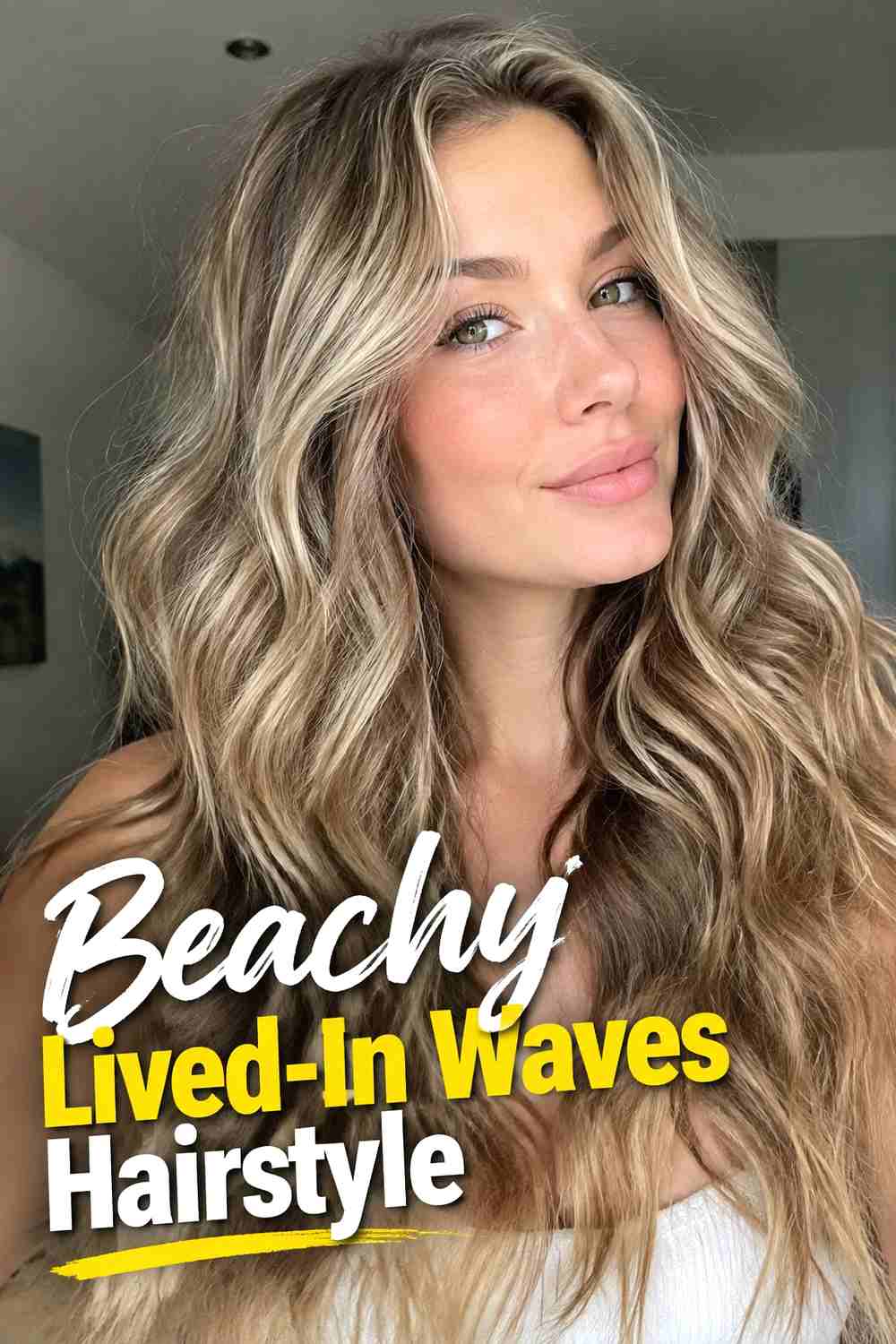
Beachy lived-in waves lean into airy texture, loose bends, and slightly straighter ends for an easygoing finish. Unlike traditional beach curls that can become highly defined, this version looks more stretched and settled, as if the texture has softened naturally throughout the day. Alternating curl direction through the middle sections helps prevent the waves from merging into one polished pattern. Use a light texture spray for grip, then gently rake through the lengths with your fingers. Avoid applying too much product near the crown, where natural movement usually looks better than stiff volume. The final result should have enough separation to feel casual while still looking intentionally styled and clean.
Best For
This style suits medium to long hair when you want relaxed texture that works for everyday outfits, vacations, weekends, or casual events.
Wear & Maintenance
The slightly undone finish makes small changes throughout the day less noticeable, so there is usually no need to keep reshaping every wave.
9. Soft S Bend Lived In Waves Hairstyle
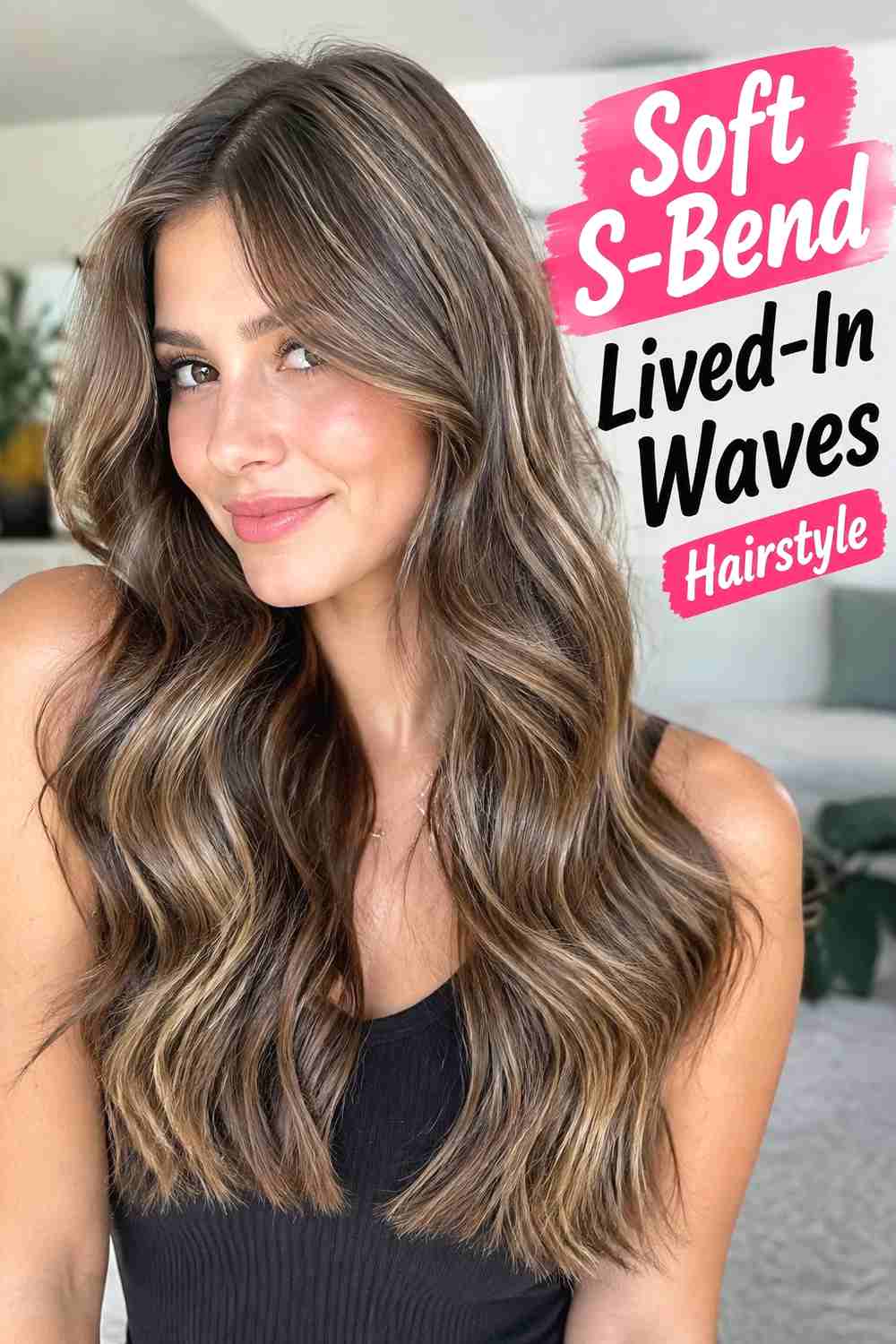
Soft S-bend lived-in waves create gentle directional changes through the hair without forming full curls. Each section moves slightly inward and outward, producing a flattened wave pattern that looks modern and relaxed. The technique can be created with a flat iron, waver, or curling iron used with minimal rotation. It works particularly well on medium and long hair when you want texture that preserves visible length. Keep the roots mostly smooth and allow the bends to become looser toward the ends. Once the hair is cool, separate only the sections that look too defined. A lightweight finishing cream can soften the surface while keeping the characteristic S-shaped movement easy to see.
Styling Notes
Avoid wrapping the hair fully around the tool. Small directional bends are enough to create the stretched S pattern without turning it into a conventional curl.
Hair Type & Length
Medium and longer lengths show this subtle shape most clearly, although a long bob can also carry soft S-bends through the mid-lengths.
10. Textured Lob Lived In Waves Hairstyle
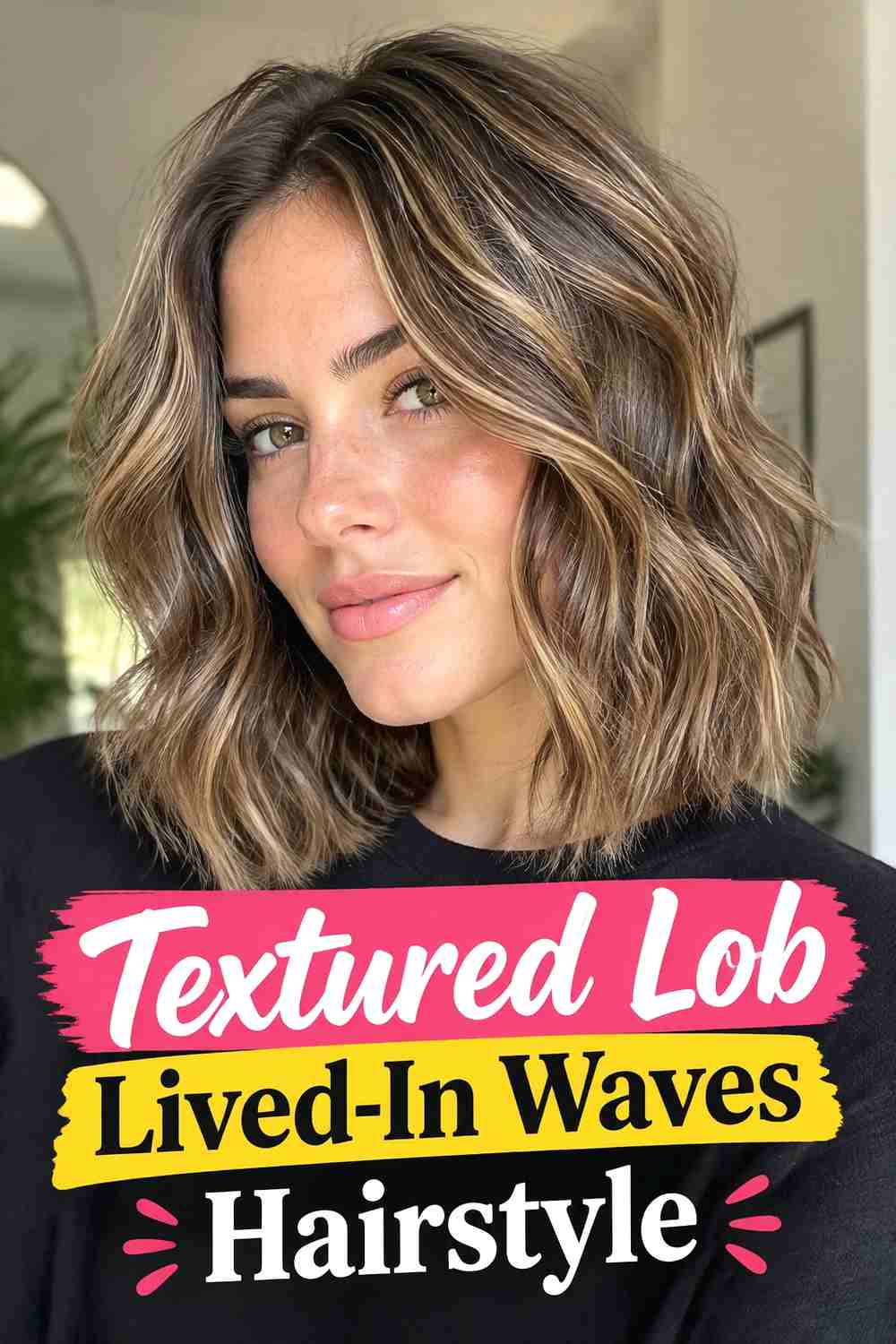
A textured lob gains extra dimension from lived-in waves because the bends break up the blunt or softly layered perimeter without disguising the haircut. Keep the texture concentrated through the middle of the hair and leave the ends straighter so the lob retains its clean length. Alternating the direction of selected pieces creates separation, while a few smoother sections prevent the finish from becoming overly busy. This style can work especially well for hair that needs movement but does not have enough length for large flowing waves. Once curled, loosen the shape at the roots with your fingertips and use a small amount of dry texture spray underneath rather than coating the entire surface.
Why It Works
The combination of a defined lob shape and irregular waves creates contrast: the haircut remains visible while the surface gains movement and softness.
Pro Tip
Avoid curling every section from the same height. Starting some bends near the cheek and others lower gives the lob a more natural lived-in appearance.
11. Voluminous Root Lift Lived In Waves Hairstyle
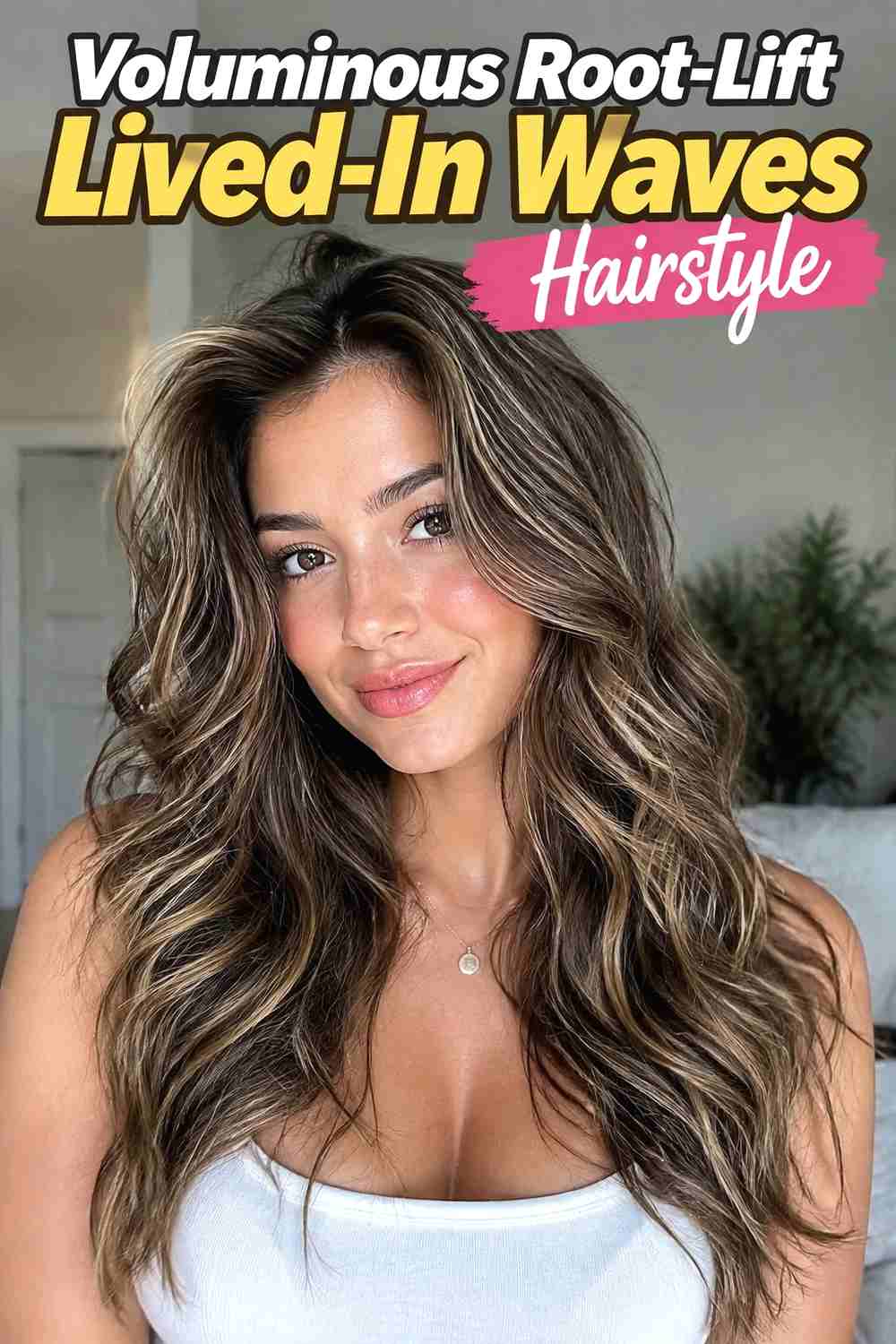
Voluminous root-lift lived-in waves add height near the crown while keeping the rest of the hair loose and relaxed. The key is separating root volume from curl definition: the crown can be lifted with a blow-dry, rollers, or lightweight mousse, while the lengths receive broad, irregular bends. This creates fullness without making the entire hairstyle look heavily styled. Medium and long hair can both benefit, especially when the natural root area tends to fall flat. Keep the ends softer and slightly straighter so the extra volume at the top feels balanced. After styling, gently break apart the waves and avoid compressing the crown with heavy oils or dense finishing products.
Styling Notes
Build volume before creating the waves. Lifting the roots afterward can disturb the bends and introduce unwanted frizz through the upper sections.
Best For
This approach works well when you want a fuller silhouette but still prefer the casual finish associated with lived-in texture.
12. Glossy Lived In Waves Hairstyle
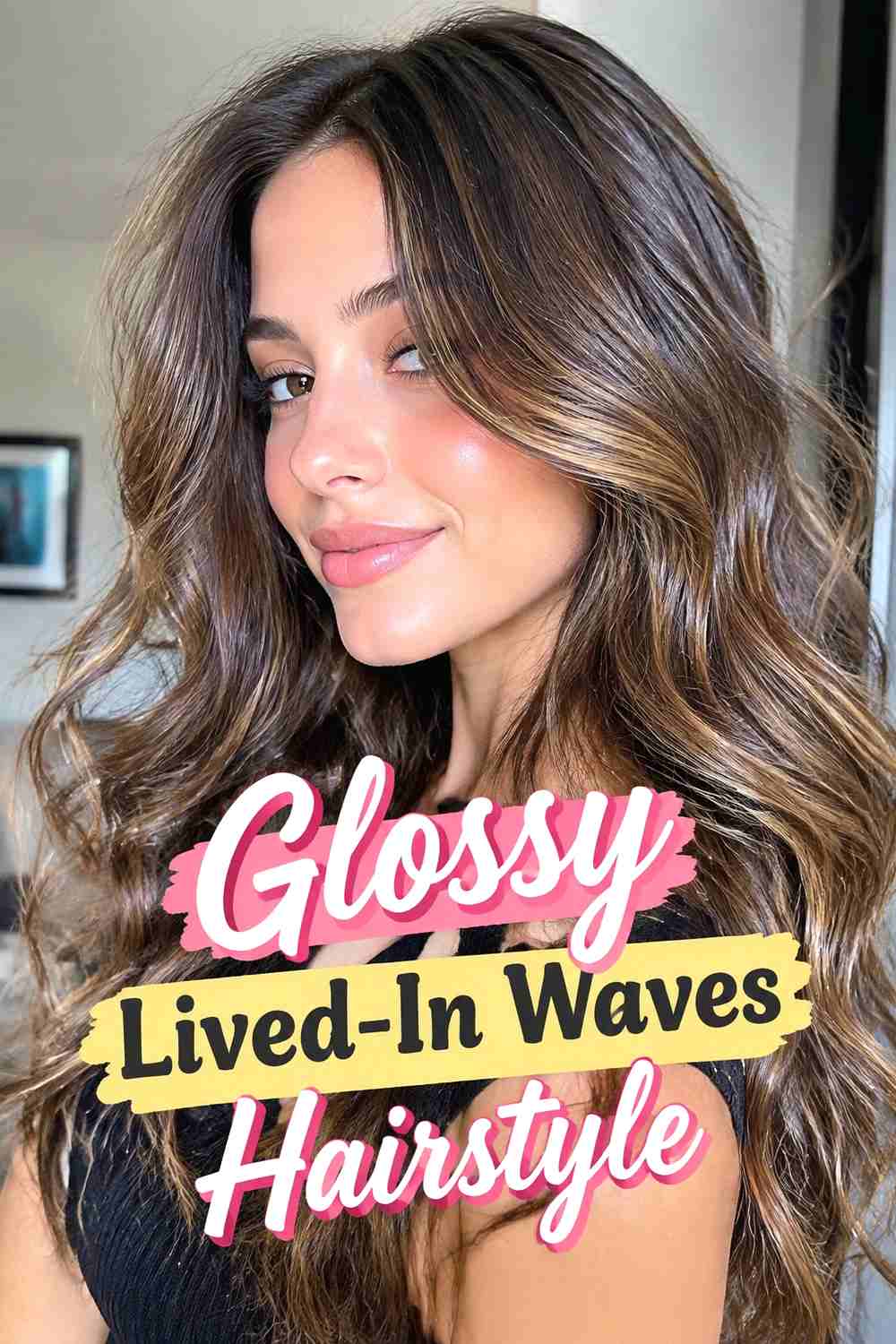
Glossy lived-in waves prove that relaxed texture does not have to look dry or overly matte. The movement remains loose and irregular, but the surface is smoother, with controlled flyaways and a soft reflective finish. Start with well-dried hair and use consistent heat through each section so the bends remain polished. After the waves cool, separate them carefully with your fingers rather than using a brush that might make the texture too uniform. A tiny amount of lightweight serum through the mid-lengths and ends can enhance shine without collapsing the shape. Keep the roots relatively product-free so the hair still has enough lift and movement to look natural instead of overly slick.
Wear & Maintenance
Carry the shine through the lengths rather than concentrating it at the scalp. This keeps the style fresh and prevents the crown from appearing heavy.
Pro Tip
Warm a very small amount of serum between your palms before touching the hair. It is easier to add more than to remove excess product.
13. Piecey Lived In Waves Hairstyle
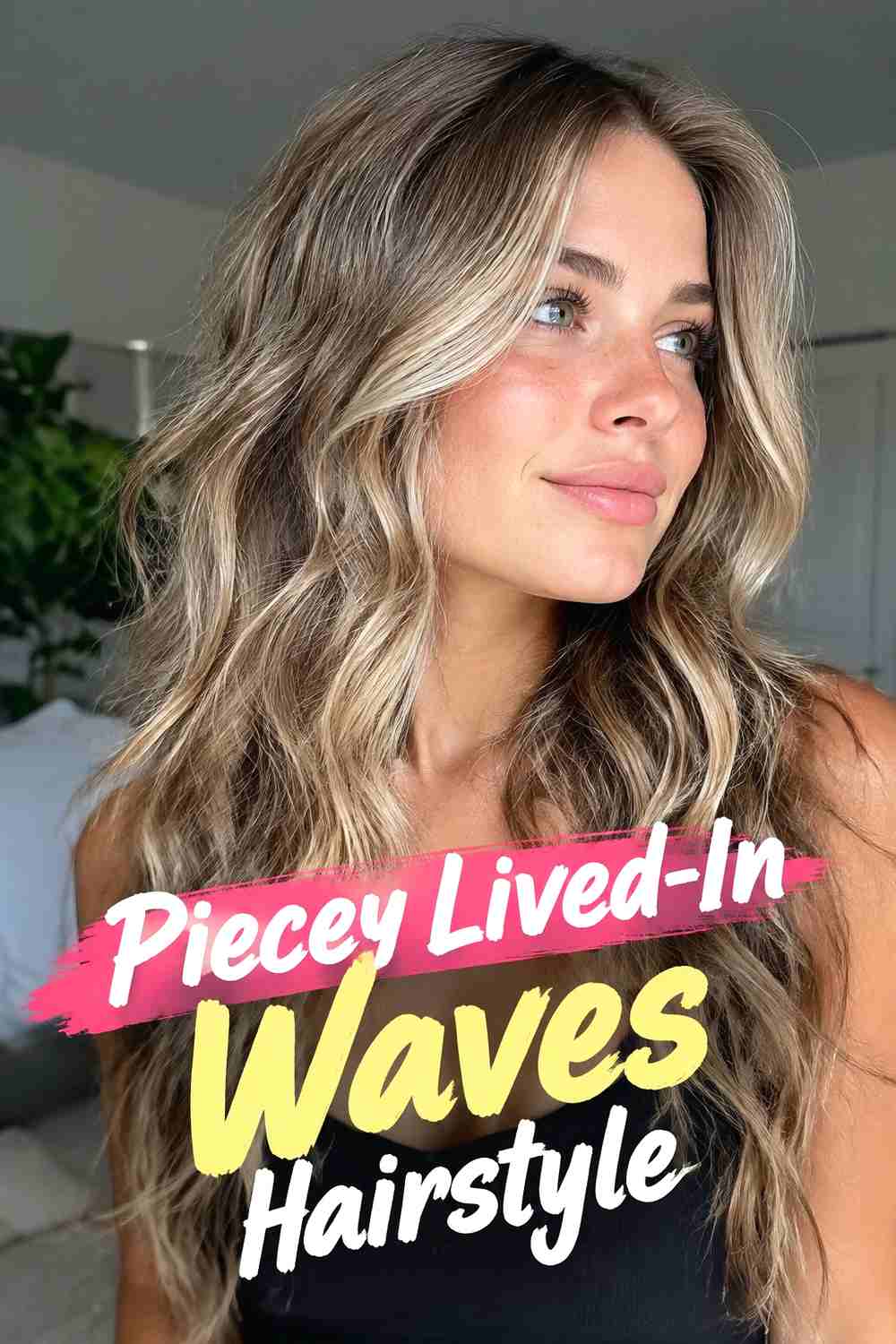
Piecey lived-in waves emphasize visible separation between selected sections, giving the hairstyle definition without turning each strand into a polished curl. The texture works best when the waves themselves remain broad and relaxed, while a small amount of styling product helps certain pieces stand apart. This can be especially useful on layered hair, where separation makes the different lengths easier to see. Begin with loose bends, then pinch or twist a few cooled sections with a tiny amount of texture cream or dry styling paste. Do not define every piece equally; the contrast between softer areas and more separated sections creates the lived-in effect. Keep the ends flexible rather than stiff.
Styling Notes
Focus definition around the front and upper layers, where individual pieces are most visible. Too much separation throughout the entire head can make the style look stringy.
Best For
Layered medium and long hair usually carries this finish well because the haircut already provides natural points of separation.
14. Romantic Lived In Waves Hairstyle
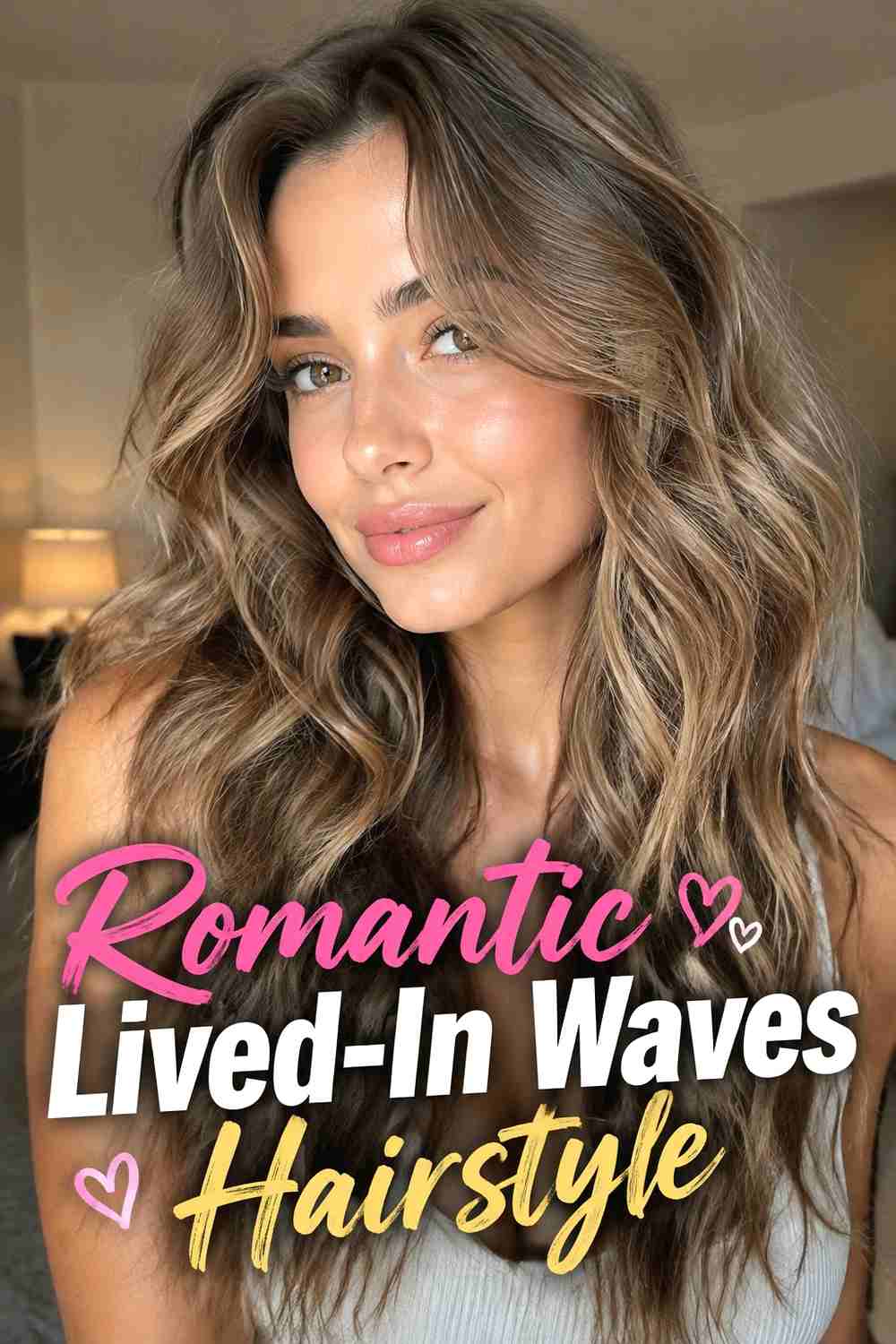
Romantic lived-in waves combine soft fullness with loose, touchable texture for a finish that feels elegant without becoming formal. The waves are broader and smoother than beachy versions, but they still include enough irregularity to avoid a perfectly set curl pattern. A soft side or center part can work, depending on how much symmetry you prefer. Curl larger sections through the mid-lengths, keep the ends relaxed, and loosen everything carefully once the hair has cooled. Face-framing pieces can be directed away from the face for a gentle opening effect. Finish with flexible hold rather than firm hairspray so the hair continues to move naturally during dinners, celebrations, weddings, or date nights.
Why It Works
The combination of polished surface texture and softened wave definition creates a look that feels special while retaining the relaxed character of lived-in styling.
Wear & Maintenance
Use enough hold to support the larger bends, but avoid over-spraying. Natural movement is an important part of the romantic finish.
How to Choose the Right Look
Start with your haircut. Long layers naturally suit Long Layered Lived-In Waves and Face-Framing Layers because the wave placement can follow the graduation of the cut. Shoulder-length hair and lobs usually look best with shallower bends and straighter ends, which help preserve visible length. Next, decide how undone you want the finish to feel. Tousled, Beachy, and Piecey Lived-In Waves have more separation and texture, while Glossy and Romantic versions create a smoother surface. Soft S-Bends are a good middle ground when you want movement without obvious curls. Your preferred volume matters too. A center part keeps the shape balanced and relatively sleek, while a deep side part or root-lift style creates more fullness near the crown. Curtain bangs and face-framing layers add extra movement near the front without requiring more volume everywhere else. Finally, consider maintenance and styling time. Highly textured looks are forgiving because small changes can blend into the finish. Glossier versions usually require more careful smoothing, while layered or fringe-focused styles need attention around the front. Whatever you choose, leave some variation between sections so the waves maintain their relaxed, believable character.
Final Thoughts
Lived-in waves are most convincing when they look slightly imperfect on purpose. Choose broader bends for softness, straighter ends for a modern finish, or extra separation when you want more texture. Working with your existing length, layers, and natural volume will usually produce a more wearable result than forcing every section into an identical wave.
FAQs
1. What are lived-in waves?
Lived-in waves are loose, relaxed bends with softer definition, natural separation, and less uniformity than traditional curls. They are designed to look settled and touchable rather than freshly set.
2. How are lived-in waves different from beach waves?
Beach waves often emphasize textured, summery movement, while lived-in waves describe the softer, slightly undone finish itself. Lived-in waves can be beachy, glossy, romantic, or more polished.
3. Should the ends be curled for lived-in waves?
Usually only lightly. Leaving the last inch or two straighter often creates the stretched, modern appearance associated with lived-in texture.
4. Can lived-in waves work on a lob?
Yes. A lob can carry shallow bends beautifully, especially when the texture is focused through the mid-lengths and the ends remain relatively straight.
5. How do I keep lived-in waves from looking too perfect?
Vary your section sizes, start bends at slightly different heights, avoid curling every piece in exactly the same way, and loosen the finished texture with your fingers. Save your favorite lived-in waves hairstyle ideas for your next styling day, and share the collection with anyone who loves relaxed, touchable texture.