12 Winter Farmer’s Market Hairstyles With Utility Jackets
Practical meets polished with these cozy hairstyles designed for chilly market mornings, layered utility jackets, scarves, beanies, and relaxed weekend browsing.
A winter farmer’s market calls for hair that can handle cool air, jacket collars, scarves, and plenty of movement while still looking intentional. Utility jackets already bring a relaxed, functional feel to an outfit, so hairstyles with soft texture, controlled placement, and slightly undone finishes tend to complement them naturally.
The best choice depends on your hair length, natural texture, weather, and accessories. Low braids and ponytails stay controlled during windy walks, while waves and blowouts add softness around structured jacket collars. If you plan to wear a scarf or beanie, choosing a style that can recover easily after compression will make the entire look more practical.
Quick List
- Soft Low Ponytail Hairstyle
- Loose Side Braid Hairstyle
- Center Part Beanie Waves Hairstyle
- Half Up Claw Clip Hairstyle
- Low Braided Bun Hairstyle
- Natural Texture Tuck Back Hairstyle
- Soft Scarf Tucked Waves Hairstyle
- Deep Side Part Blowout Hairstyle
- Twin Face Framing Braids Hairstyle
- Low Bubble Ponytail Hairstyle
- Collarbone Length Loose Waves Hairstyle
- Sleek Low Knot Hairstyle
1. Soft Low Ponytail Hairstyle
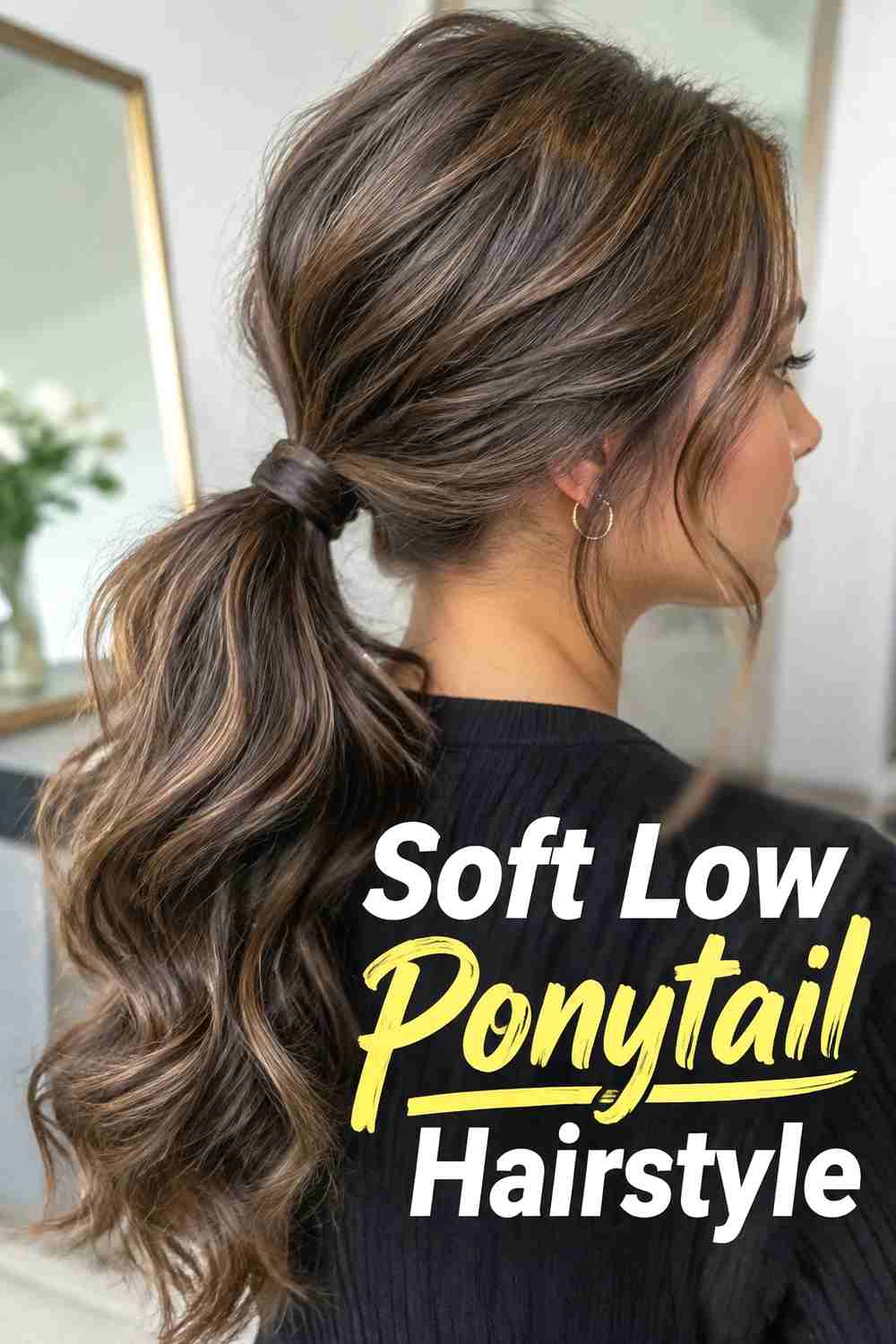
A soft low ponytail is an easy match for winter market mornings because it keeps most of the hair controlled while still looking relaxed beside a utility jacket. Gather the hair near the nape rather than pulling it high, then allow a little softness through the crown and around the face. Gentle bends through the ponytail can add movement without requiring a full curled style. This placement also works comfortably with jacket collars because the ponytail falls below rather than directly across them. A few cheekbone or jaw-length pieces can remain loose for a softer frame, but keeping the overall shape secure is useful when the weather turns breezy.
Styling Notes
Use a snag-free elastic and keep the base comfortably firm. Wrap a small strand around the elastic if you want the finish to look a little more polished.
Best For
This style works across straight, wavy, and softly curly textures and is especially practical when you want hair off the shoulders without committing to an updo.
2. Loose Side Braid Hairstyle
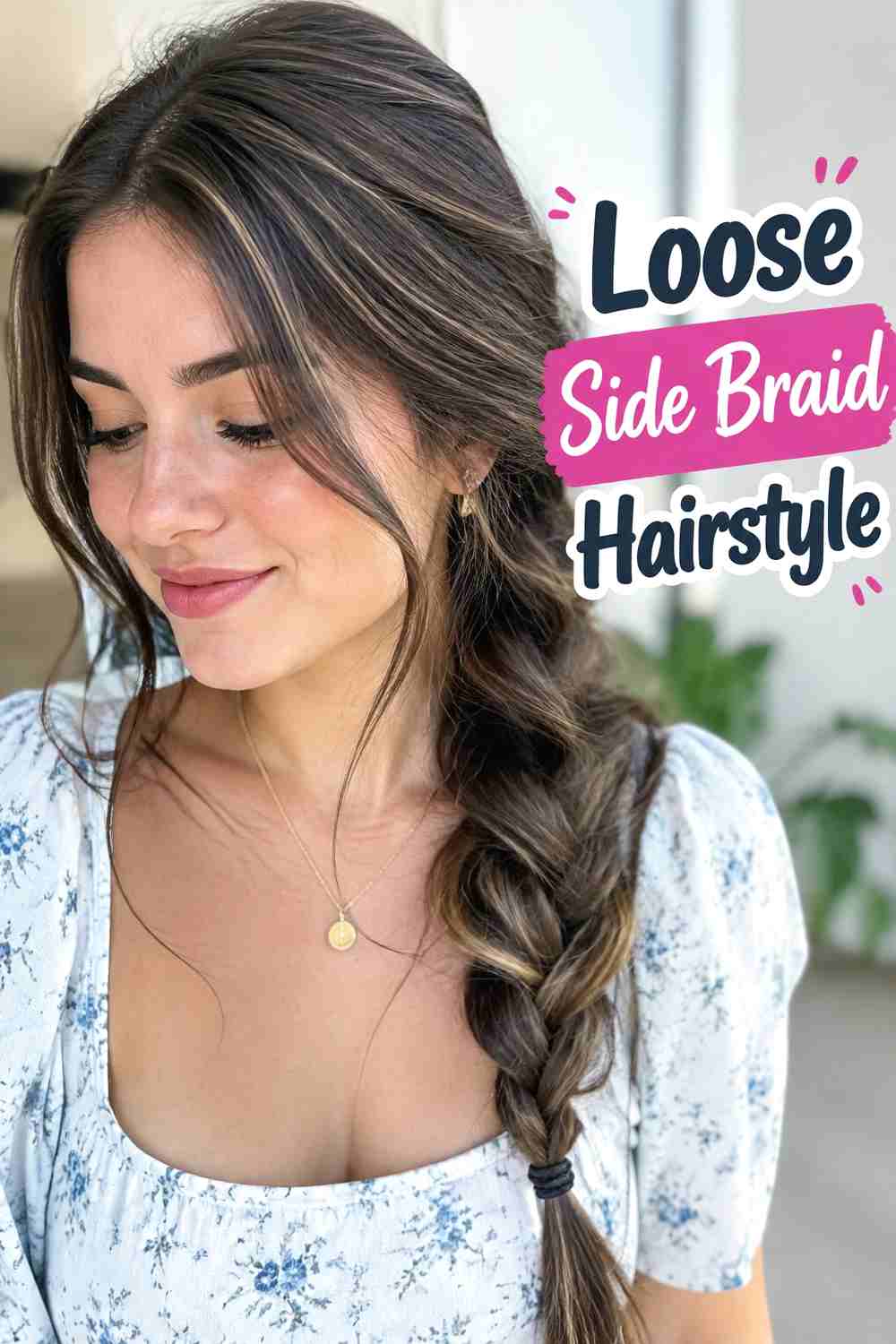
A loose side braid combines practicality with the slightly romantic texture that suits a casual farmer’s market outfit. The braid begins low and falls over one shoulder, leaving the opposite side relatively clear around the utility jacket collar. It can be worn with a center or side part, and a few face-framing strands can stay free as long as they do not become distracting in windy weather. Medium and thick hair naturally create a substantial braid, while finer hair can be gently widened after securing the end. The key is avoiding an overly perfect finish; small variations in tension and texture help the braid feel relaxed enough for an outdoor weekend setting.
Wear & Maintenance
Braid with moderate tension so the style stays secure while walking. Loosen only the outer edges after tying the end rather than making the entire braid floppy.
3. Center Part Beanie Waves Hairstyle
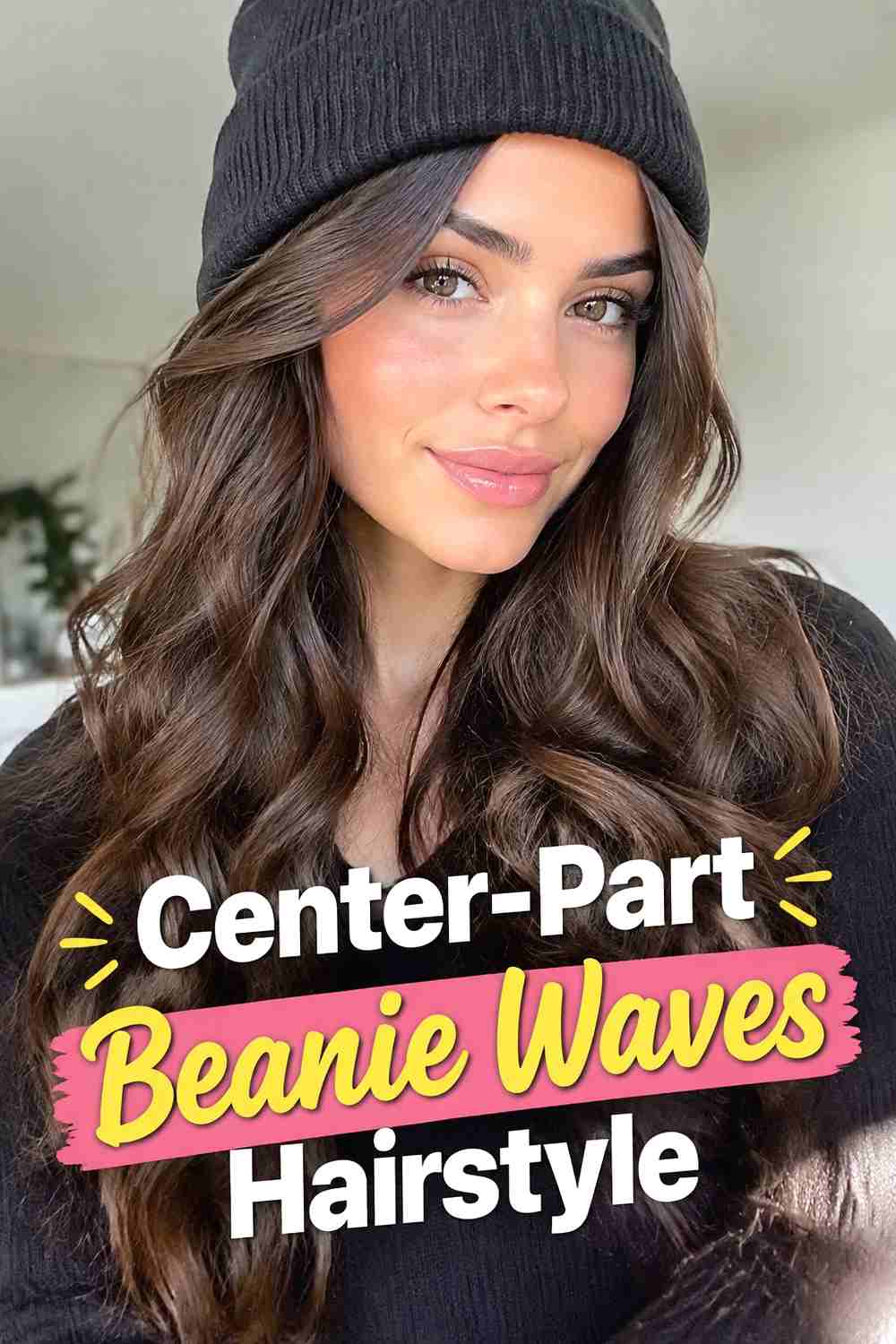
Soft center-part waves are particularly useful when a beanie is part of the winter market outfit. Keeping the roots relatively smooth allows the hat to sit comfortably, while loose waves beginning around the jaw or shoulders remain visible below it. The center part creates balance and makes it easier to reposition the hair once the beanie comes off. A utility jacket provides structure around the shoulders, so broad, relaxed waves add enough softness without making the overall silhouette overly bulky. This style works best when the waves are intentionally imperfect, since hat wear will naturally compress some sections. A little texture through the lengths can actually make that shift look more effortless.
Styling Notes
Start waves lower rather than curling close to the roots. Let them cool completely before putting on the beanie so they hold their shape better.
Pro Tip
After removing the hat, massage the roots lightly with your fingertips instead of brushing through the entire hairstyle.
4. Half Up Claw Clip Hairstyle
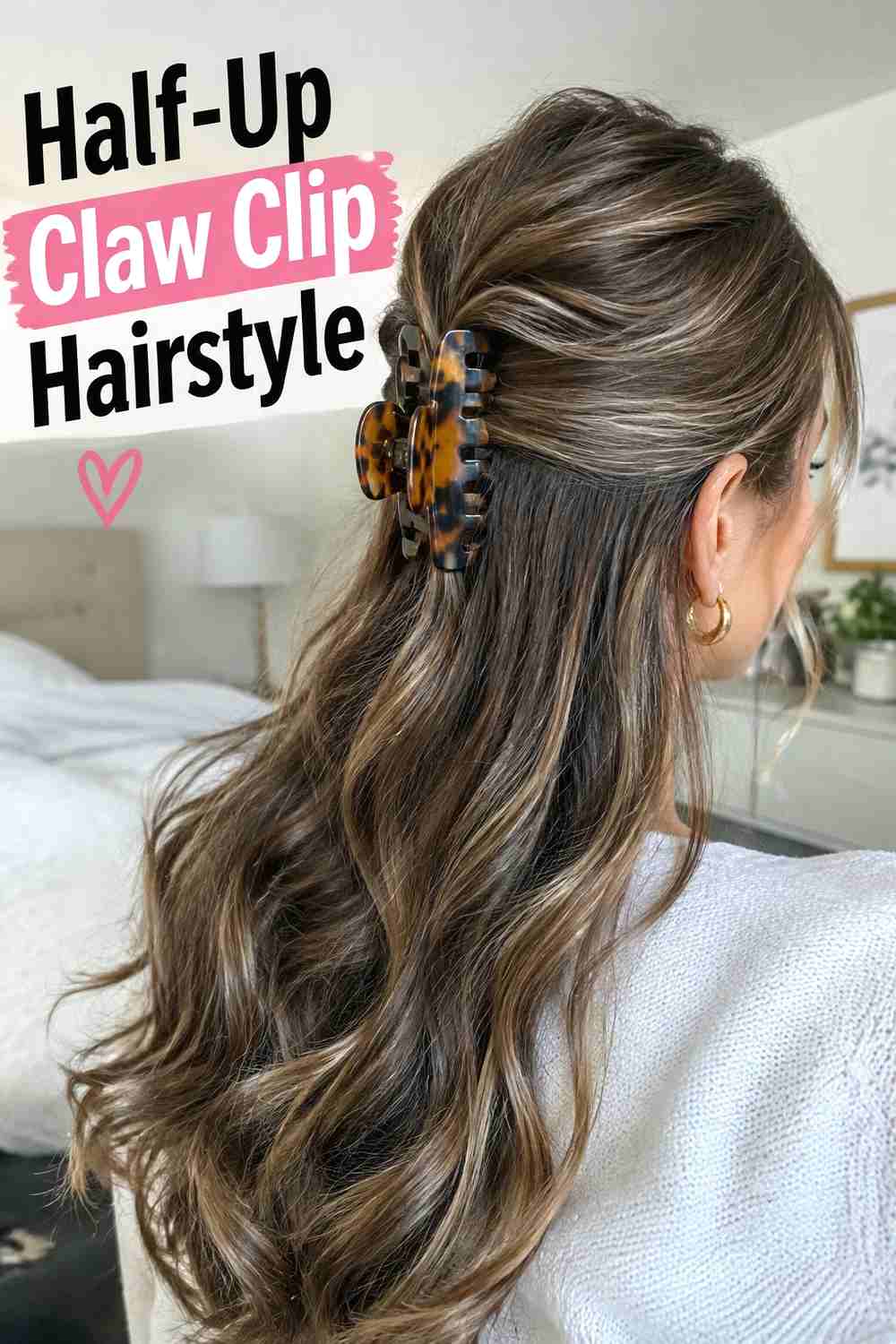
A half-up claw clip keeps the front and crown sections away from the face while leaving enough hair down to soften a utility jacket. Twist the upper section loosely and secure it at the back with a medium-sized clip, allowing the lower lengths to remain straight, wavy, or naturally textured. The look feels practical for carrying totes, examining produce, and moving between indoor and outdoor stalls because the front hair stays controlled. Avoid creating an oversized twist if the jacket has a tall collar or hood, since too much volume at the back can feel uncomfortable. A few wispy pieces near the temples can keep the finish casual.
Best For
This style works especially well on medium-to-long hair with enough density for the clipped section to hold without taking all the fullness from the lower lengths.
Wear & Maintenance
Choose a clip that grips your density securely. If you will be wearing a hood, position it slightly higher so the jacket does not push against it.
5. Low Braided Bun Hairstyle
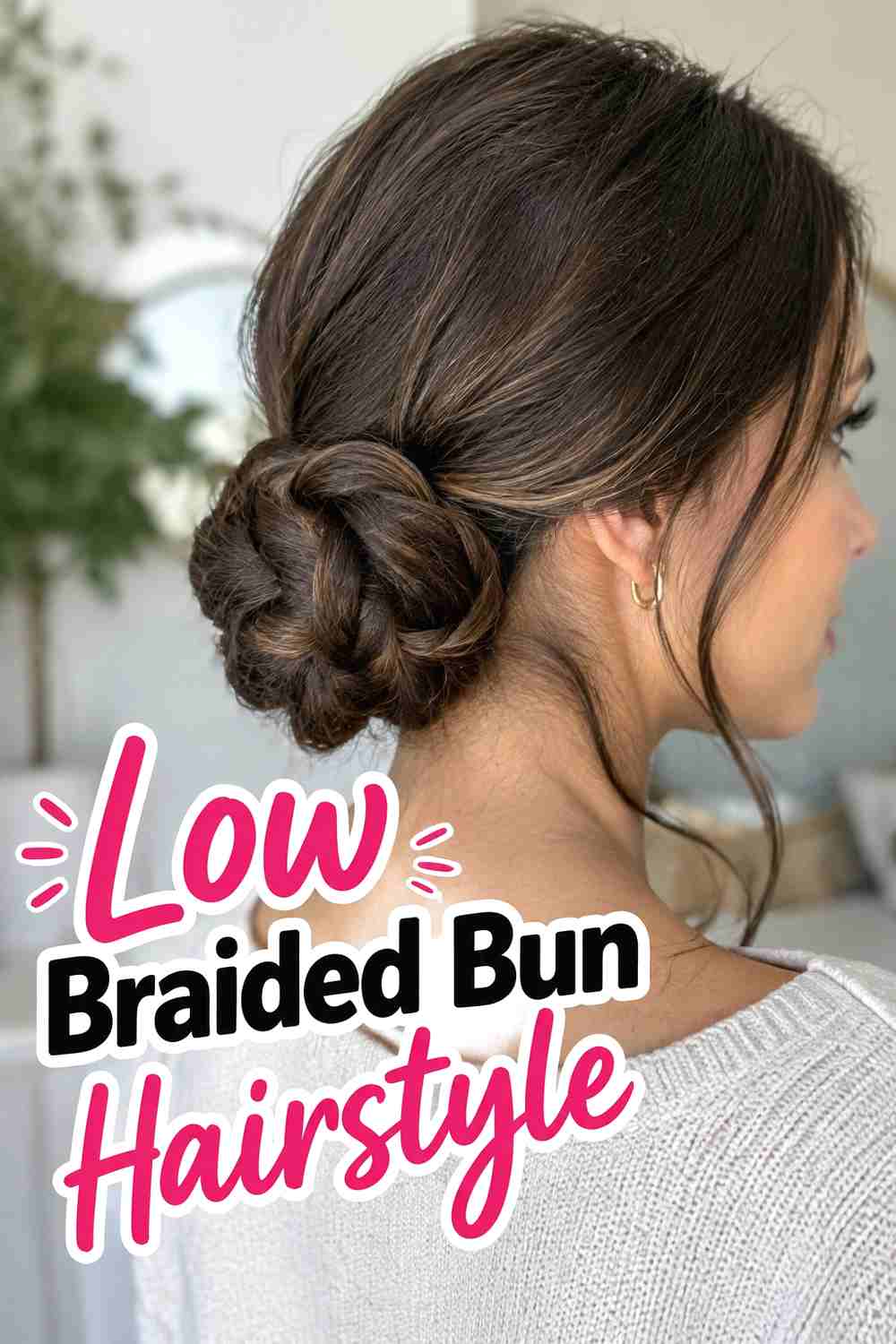
A low braided bun is a strong option when you want your hair fully contained for a chilly or windy morning. The hair is first gathered at the nape, braided, and then wrapped into a compact bun. This gives the shape more visible texture than a simple knot while keeping loose lengths away from scarves, jacket collars, and shopping bags. The bun should sit low enough to feel relaxed but not directly where a stiff utility-jacket collar presses against the head. Leaving one or two soft front pieces can prevent the style from appearing too formal. Medium and long hair can both work, although thicker hair may need several discreet pins for support.
Styling Notes
Secure the braid before wrapping it into the bun, then pin around the perimeter rather than relying on one central pin.
Why It Works
The style keeps the neckline clear while the woven texture adds softness beside rugged or structured utility fabrics.
6. Natural Texture Tuck Back Hairstyle
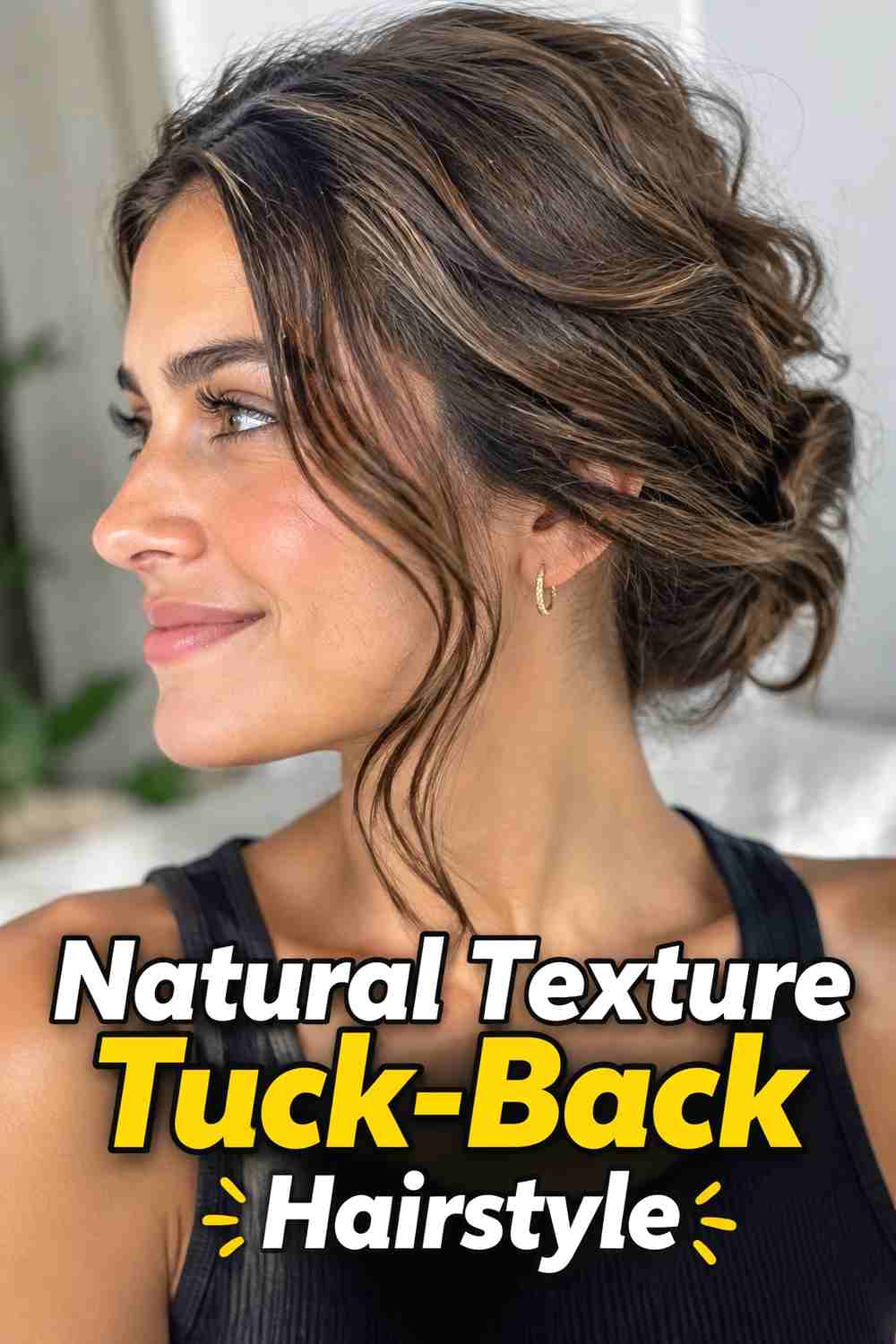
A natural texture tuck-back keeps waves, curls, or coils visible while moving the front sections away from the face. Instead of smoothing the hair into a different pattern, tuck or pin the temple areas lightly behind the ears and allow the remaining texture to fall naturally around the shoulders. This creates enough control for outdoor browsing without sacrificing the movement that makes textured hair distinctive. With a utility jacket, the open front keeps the collar from feeling crowded, especially if the jacket is layered over a sweater. The exact amount of hair moved back should depend on density and shrinkage rather than trying to force both sides into perfect symmetry.
Hair Type & Length
This approach works across wavy, curly, and coily textures at medium or longer lengths.
Pro Tip
Arrange the tuck after the texture has settled so you can preserve the most defined sections around the face.
7. Soft Scarf Tucked Waves Hairstyle
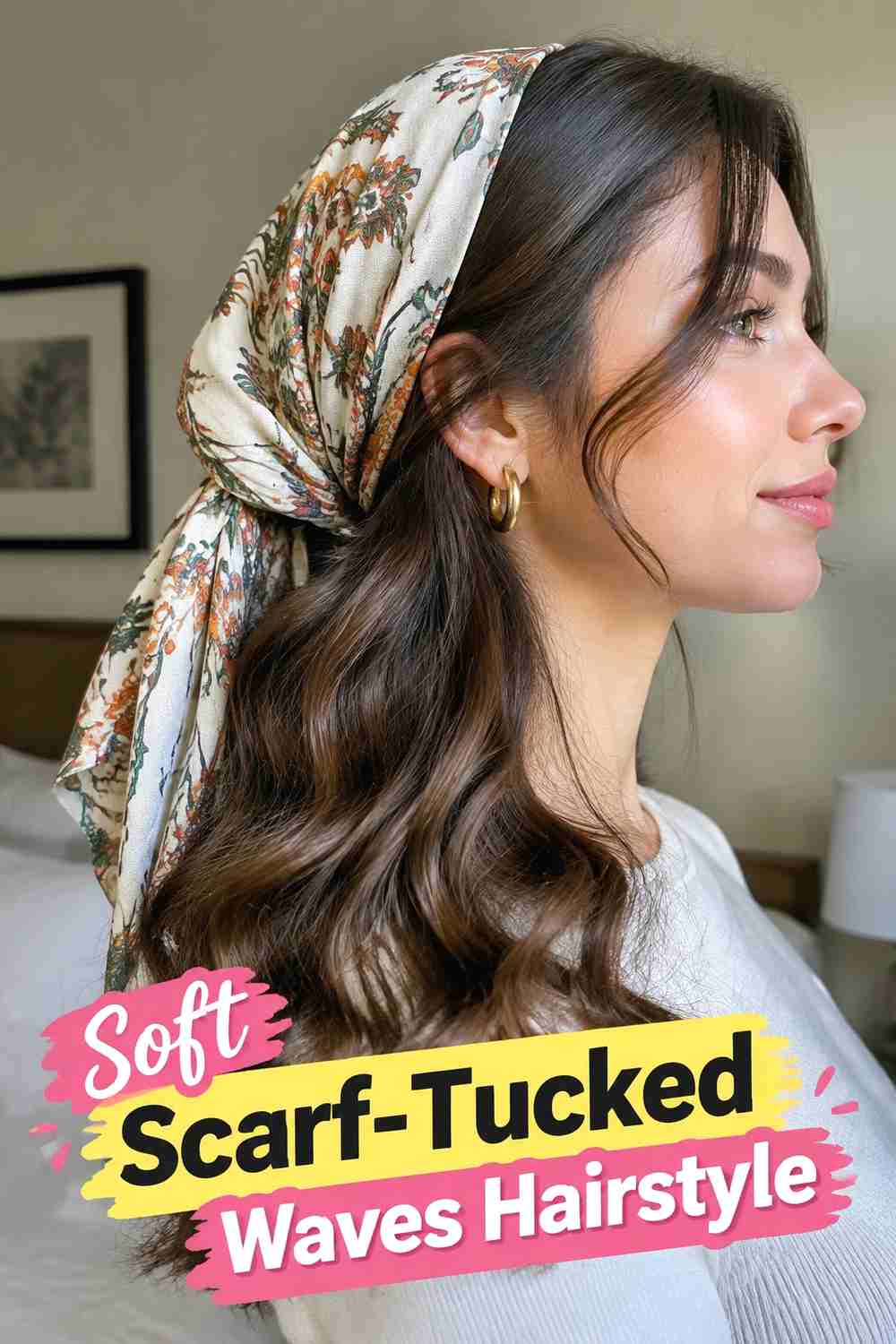
Soft scarf-tucked waves use a winter accessory as part of the hairstyle rather than treating it as an obstacle. The hair remains smooth near the crown and develops relaxed waves through the mid-lengths, while part of the lower section sits loosely beneath the scarf. A few front waves can remain free so the texture stays visible. This arrangement works particularly well with utility jackets because it reduces bulk where the scarf and collar overlap. The tuck should stay loose enough that the hair can shift naturally as you walk. Medium-density hair usually feels comfortable in a partial tuck, while very thick hair may be better with only the back section beneath the scarf.
Styling Notes
Let the waves cool before adding the scarf, then position the fabric without pressing the hair tightly against the neck.
Wear & Maintenance
After removing the scarf, separate compressed sections gently with your fingers rather than immediately brushing them out.
8. Deep Side Part Blowout Hairstyle
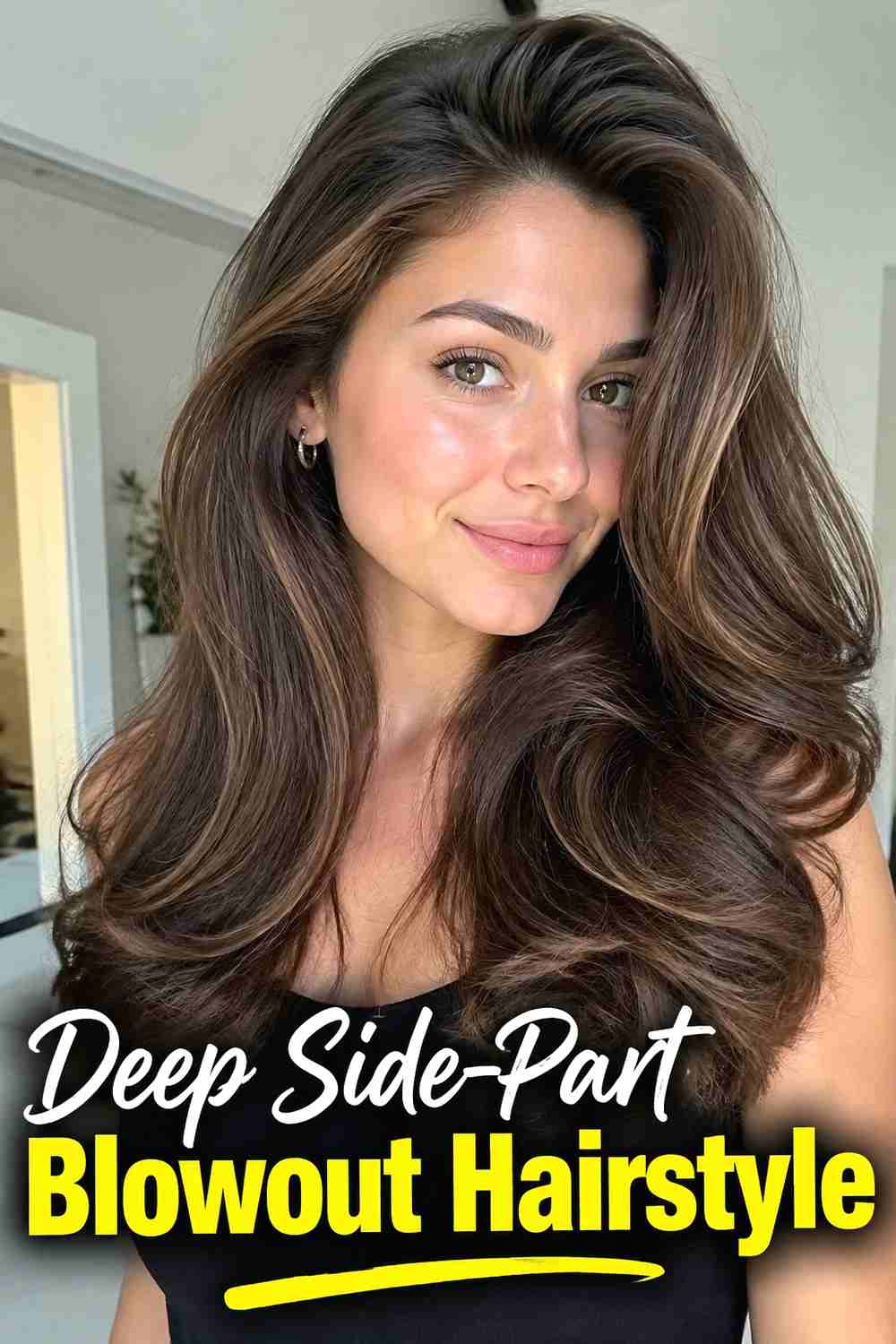
A deep side-part blowout adds movement and lift to a utility-jacket outfit without becoming overly formal. The heavier side gains natural volume from the part, while broad rounded bends travel through the mid-lengths and ends. The lighter side can sit behind the ear or shoulder, keeping more of the jacket collar visible. This is a good choice for a farmer’s market date or weekend outing when you want something more polished than a braid but still relaxed enough for daytime. Long layers help the blowout feel airy rather than bulky. Keep the root lift soft and flexible so the hairstyle can tolerate scarves, wind, and occasional adjustments throughout the morning.
Styling Notes
Use a round brush to direct the front section away from the face and create broad bends rather than tight curls.
Best For
Medium and thick layered hair tends to hold this shape especially well, though fine hair can use lighter products and larger sections.
9. Twin Face Framing Braids Hairstyle
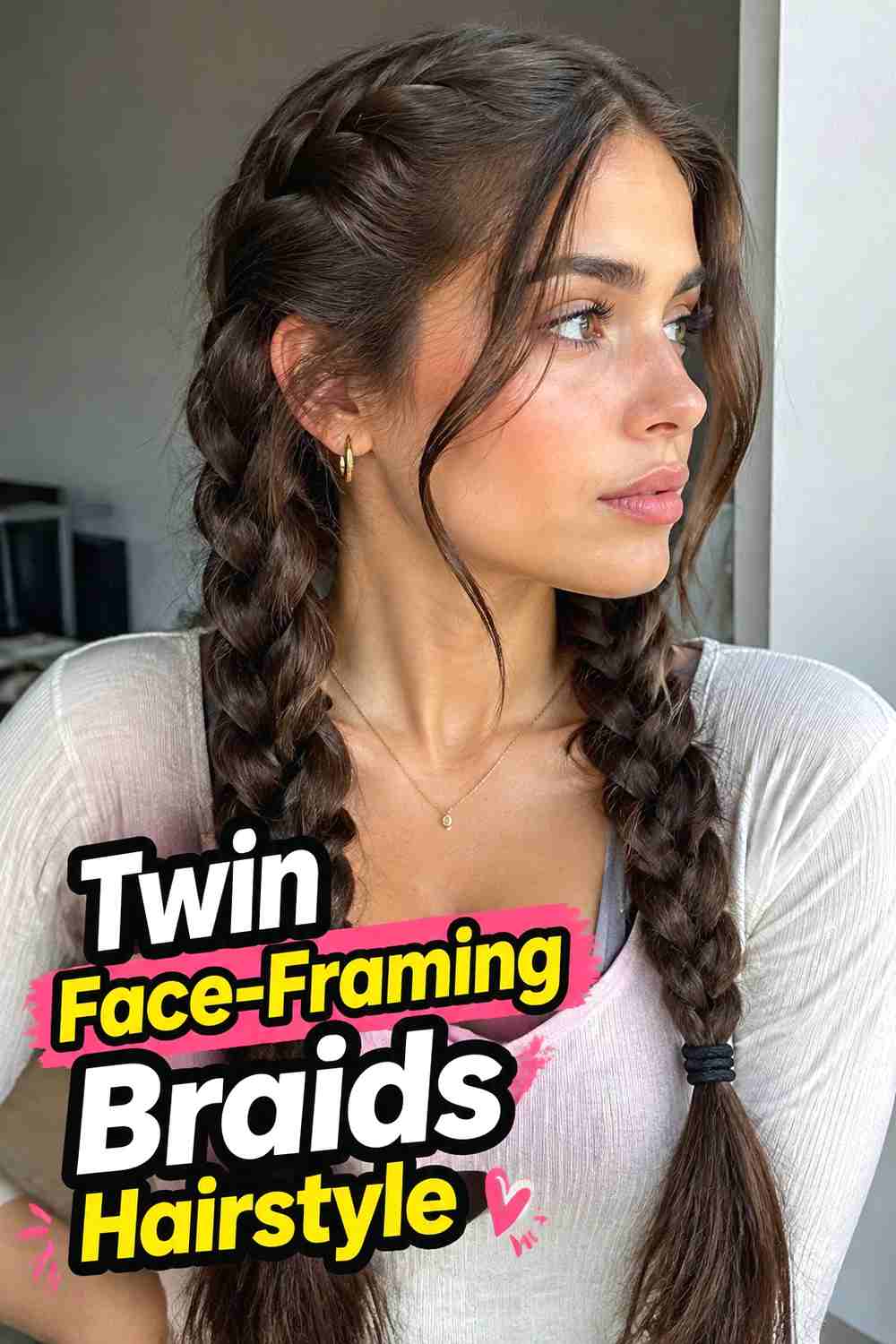
Twin face-framing braids add a small, practical detail while leaving most of the hair loose. Two narrow braids start near a center or slightly off-center part and fall beside the face, controlling short front sections that might otherwise blow around outdoors. The remaining hair can stay straight, waved, or naturally textured, making the look adaptable to different lengths and densities. With a utility jacket, the mini braids add visual interest without competing with pockets, hardware, or a layered collar. They also work well beneath a beanie because the crown remains relatively flat. Keeping the braids slim helps the hairstyle feel casual rather than overly decorative.
Styling Notes
Braid with enough tension to keep the small sections secure, but avoid pulling tightly at the hairline.
Why It Works
The two braids contain front pieces while preserving the loose, relaxed shape of the rest of the hair.
10. Low Bubble Ponytail Hairstyle
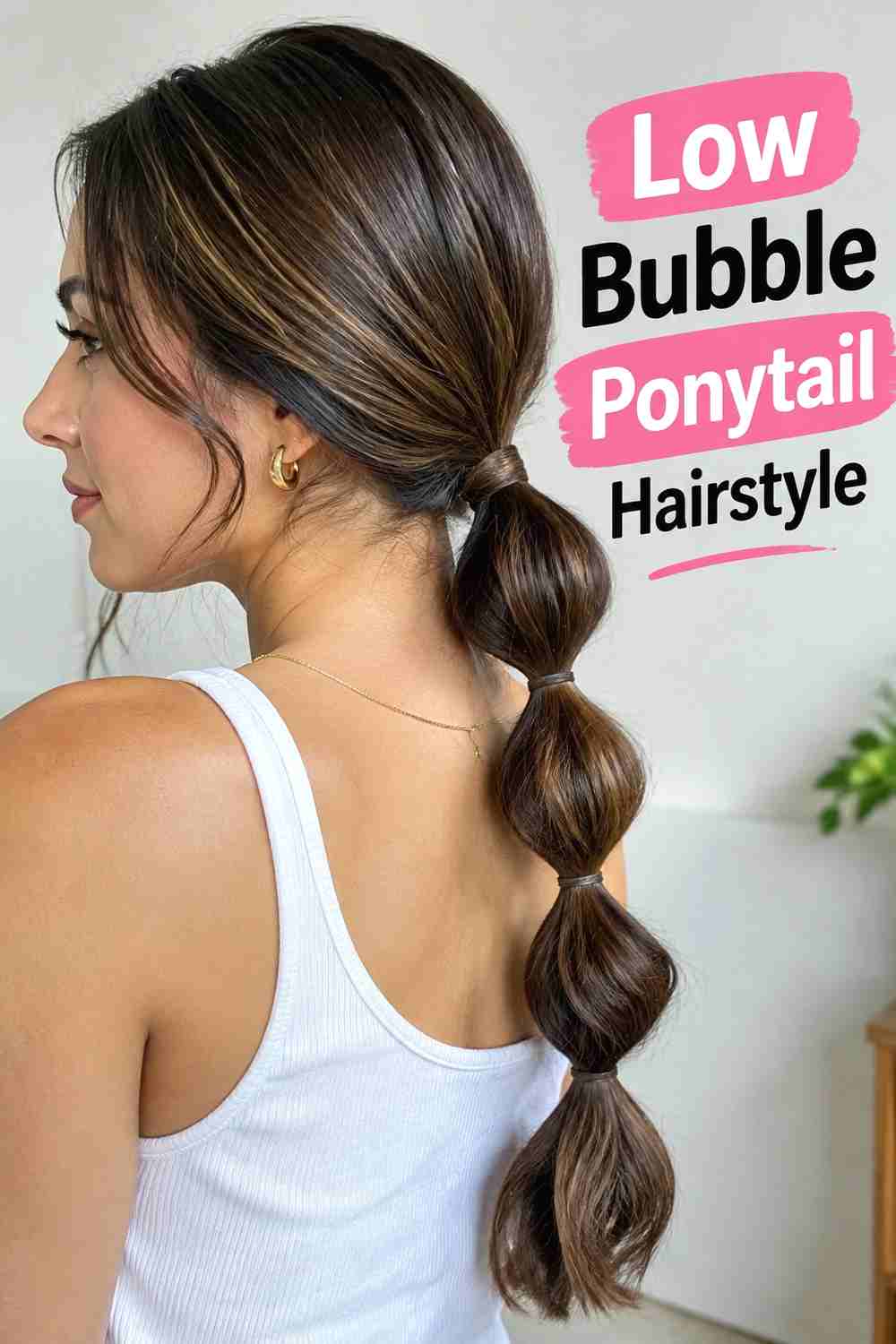
A low bubble ponytail offers a slightly more playful alternative to a standard ponytail while remaining practical for outdoor wear. Gather the hair at the nape, then add small elastics down the length at even intervals. Gently expand each section to create rounded bubbles without making them excessively large. The lower placement keeps the crown clean and works comfortably beside most utility-jacket collars. This style is especially effective on long hair because several sections can be created without shortening the overall silhouette too much. A smooth or lightly textured crown both work, and a few face-framing pieces can soften the look if the weather is calm.
Best For
Long medium-to-thick hair creates the clearest bubble pattern, although finer hair can use smaller sections for a more streamlined finish.
Wear & Maintenance
Use soft elastics and expand the sections only after the full ponytail is secured.
11. Collarbone Length Loose Waves Hairstyle
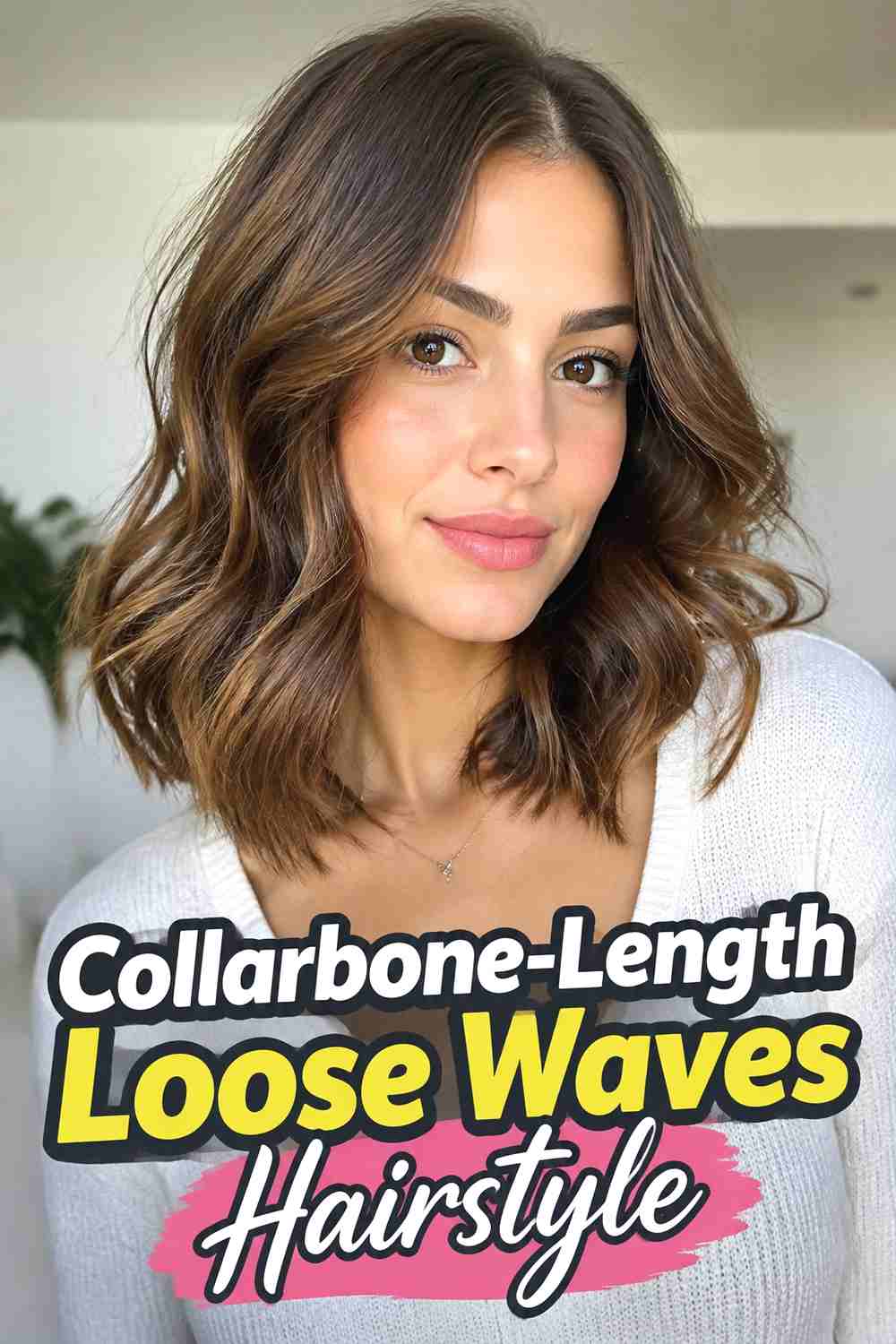
Collarbone-length loose waves offer an easy balance between movement and practicality. The length sits close enough to the shoulders that it does not become heavily tangled in a utility jacket, while broad waves prevent the cut from looking flat against winter layers. A center, off-center, or soft side part can all work depending on natural growth. The waves should remain slightly irregular, with some pieces bending more strongly than others for a relaxed daytime effect. This hairstyle is especially useful when you want your hair fully down but do not want the extra maintenance of long curls. It also adapts easily if you add a scarf or beanie later.
Styling Notes
Use a medium or large barrel and alternate a few directions through the mid-lengths. Keep the ends softer and less curled.
Best For
This look works well on straight and wavy hair, particularly at shoulder-to-collarbone lengths that naturally sit above a jacket’s bulkier sections.
12. Sleek Low Knot Hairstyle
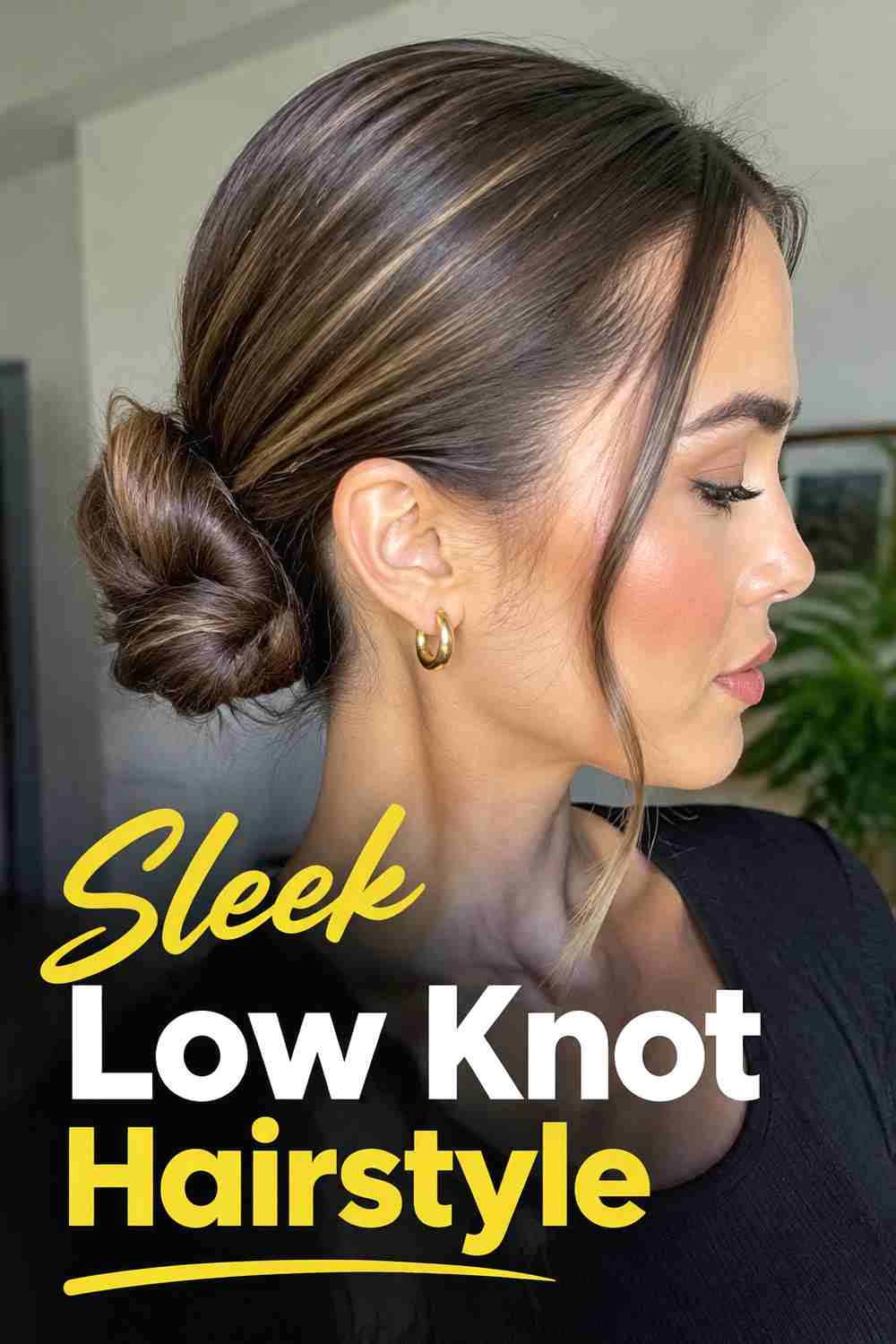
A sleek low knot gives a winter farmer’s market outfit a clean, understated finish while keeping the hair completely away from outerwear. The hair is gathered at the nape, twisted into a compact knot, and secured without excessive height or decorative volume. A center or soft side part can both work, and the surface should look controlled while still showing natural strand detail. This is especially useful with hooded or heavily layered utility jackets because there are no loose lengths competing with the collar. The look can feel polished without becoming formal if the knot is kept simple and a few tiny flyaways are allowed around the hairline.
Styling Notes
Smooth the hair toward the nape with light tension, then secure the knot firmly enough for walking and outdoor movement without pulling uncomfortably.
Why It Works
The compact shape keeps the utility jacket, scarf, and other winter layers visually uncluttered while still giving the hair an intentional finish.
How to Choose the Right Look
Start with the weather and how long you expect to be outdoors. On breezy mornings, low ponytails, braids, bubble ponytails, and knots provide more control than loose waves. If conditions are calmer, a blowout or collarbone-length waves can add softness without becoming difficult to manage.
Next, consider your utility jacket. High collars and hoods usually work best with hairstyles that keep bulk away from the nape, while simpler collars leave more room for half-up clips and loose texture. If you are also wearing a scarf, partial tucks and face-framing waves can prevent too much hair from collecting around the neck.
Your natural texture matters as well. Waves and curls can often be organized with simple tuck-backs rather than completely restyled. Straight hair adapts easily to ponytails, braids, knots, or low waves. Fine hair may benefit from softer, smaller sections, while thick hair can use braids and low updos to manage volume.
Finally, think about what happens when accessories come off. Beanie waves, natural texture, loose braids, and soft ponytails tend to recover easily after compression. A practical market hairstyle should still look good after adjusting a hat, scarf, tote, or jacket collar several times.
Final Thoughts
Winter farmer’s market hairstyles work best when they balance comfort, movement, and enough polish to make a casual utility-jacket outfit feel intentional. Braids and low ponytails offer control, waves soften structured outerwear, and buns or knots keep bulky collars completely clear. Choose a style that suits your natural texture, expected weather, and winter accessories rather than forcing a high-maintenance finish into an active outdoor morning.
FAQs
1. What hairstyle is easiest for a windy winter farmer’s market?
A low braid, low ponytail, braided bun, or sleek knot is practical because most of the hair stays contained rather than blowing across the face.
2. Which hairstyles work best with a utility jacket hood?
Low styles with minimal bulk at the back are usually easiest. A soft ponytail, side braid, or compact low knot can sit below the hood more comfortably.
3. Can I wear loose waves with a scarf?
Yes. Keep some waves outside the scarf and tuck only part of the lower hair loosely beneath it so the texture remains visible.
4. What hairstyle works well under a beanie?
Center-part waves, small face-framing braids, and low ponytails are practical choices because they do not rely on significant crown volume.
5. How can I keep my hairstyle looking good after removing winter accessories?
Choose flexible styles, avoid overly stiff hold, and use your fingers to restore root lift or wave separation after removing a scarf or beanie.
Save your favorite winter market hairstyle, share these utility-jacket ideas, and explore more cold-weather hair inspiration for relaxed weekend outfits.