19 Cold-Weather Hairline-Safe Styles With Ear-Covering Layers
Soft layers around the ears, relaxed fastening points, and low-tension shapes can make winter hairstyling feel comfortable without sacrificing a polished finish. Cold-weather styling often involves hats, hoods, scarves, and high collars, so pulling every strand tightly away from the face is not always the most comfortable approach. Styles that leave soft ear-covering layers in place can create warmth and visual softness while reducing the need for severe-looking tension around the temples. These 19 ideas emphasize relaxed placement rather than tight pulling. They range from completely loose layered looks to low braids, ponytails, twists, and compact updos. Hair density, texture, length, accessory choice, and your winter outerwear all influence how comfortable a style feels, so treat “hairline-safe” as a styling direction toward gentler tension rather than a guarantee against hair or scalp concerns.
Quick List
- Loose Center Part Ear Covering Hairstyle
- Soft Side Part Layered Hairstyle
- Low Tension Half Up Hairstyle
- Loose Nape Ponytail Hairstyle
- Ear Covering Curtain Layer Hairstyle
- Soft Low Braid Hairstyle
- Low Side Ponytail Hairstyle
- Gentle Twisted Back Hairstyle
- Loose Half Up Clip Hairstyle
- Ear Covering Wavy Lob Hairstyle
- Low Double Braid Hairstyle
- Soft Nape Bun Hairstyle
- Side Swept Layered Hairstyle
- Low Rope Braid Hairstyle
- Loose Crown Free Half Up Hairstyle
- Ear Covering Curly Layer Hairstyle
- Low Side Braid Hairstyle
- Relaxed Tucked Behind Layers Hairstyle
- Soft Low Chignon Hairstyle
1. Loose Center Part Ear Covering Hairstyle
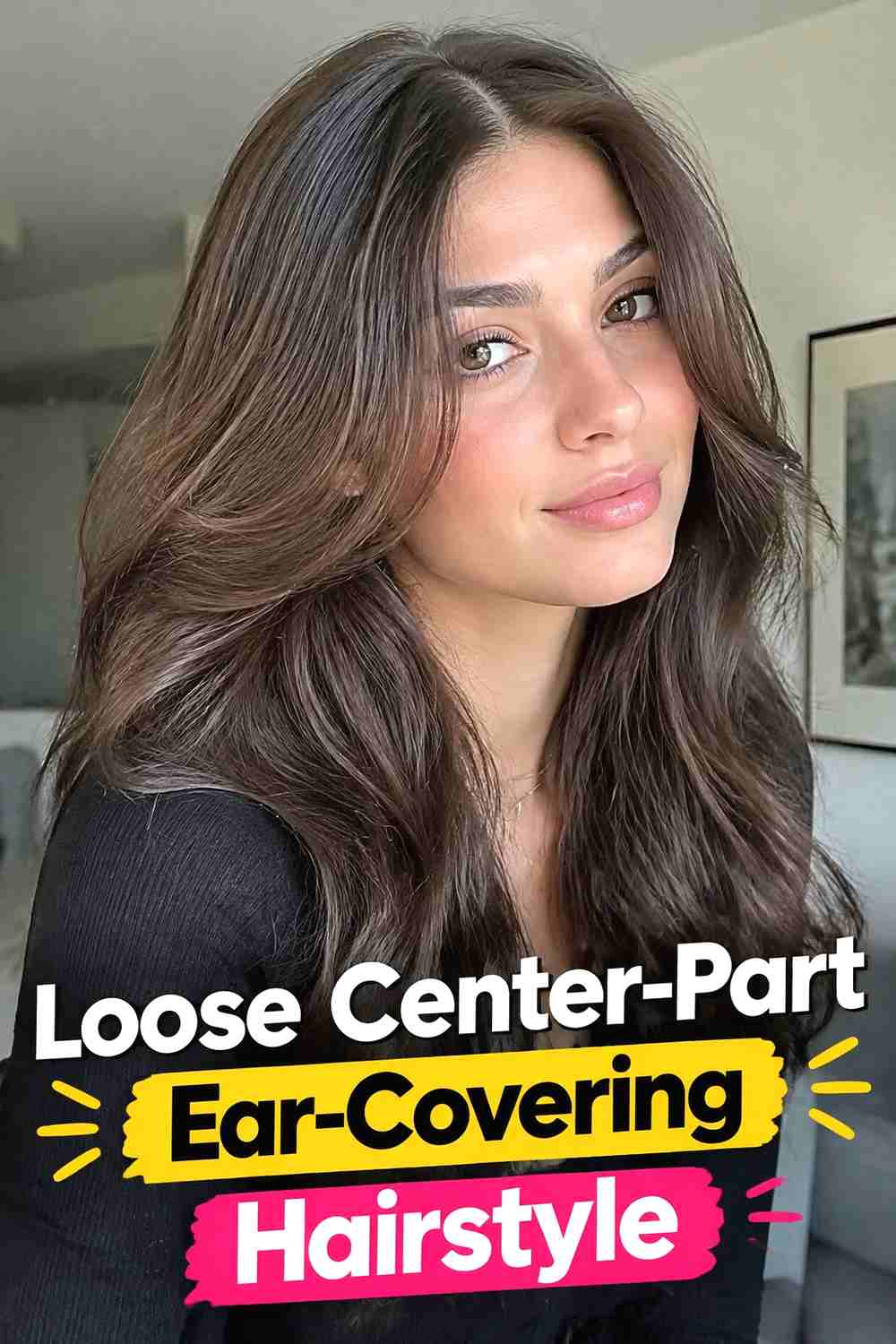
The Loose Center-Part Ear-Covering Hairstyle keeps styling exceptionally simple by letting face-framing layers fall naturally over the upper ears. A soft middle part creates balance without requiring the hair to be pulled firmly away from the temples. Let the front pieces curve around the cheekbones while the longer lengths stay straight, softly waved, or naturally textured. This works especially well with winter coats because the loose sides visually connect the hairstyle to scarves and high collars without introducing bulky clips. If static develops, smooth the surface gently with your hands rather than repeatedly brushing. The key is maintaining natural movement and enough separation that the front layers look intentional instead of flattened against the face.
Best For
This option suits bob through long lengths and works particularly well when comfort and minimal styling time are priorities.
2. Soft Side Part Layered Hairstyle
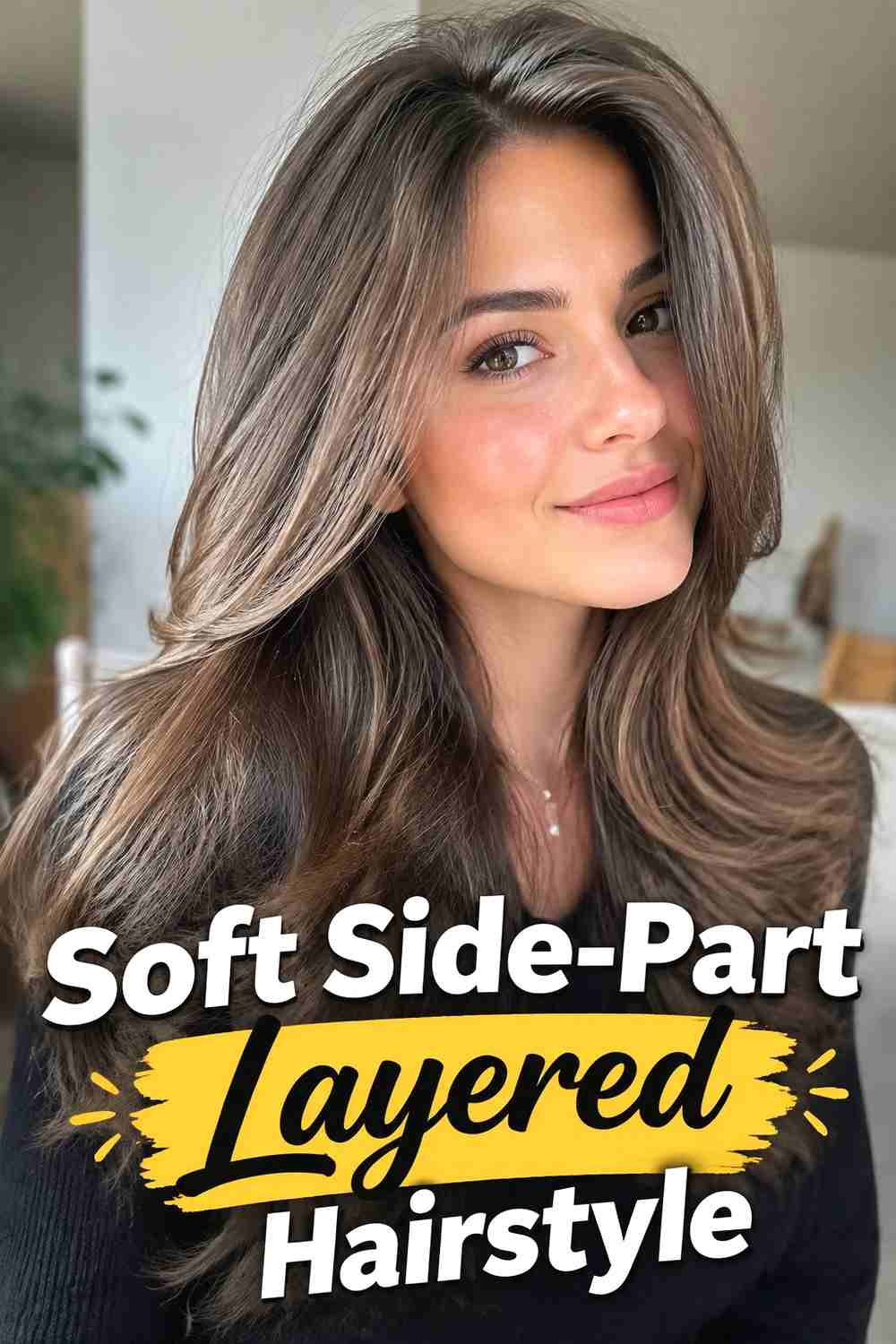
The Soft Side-Part Layered Hairstyle creates subtle asymmetry without pulling the lighter side tightly backward. Shift the part slightly off center and let layered pieces fall over both ear areas, with a little more volume on the heavier side. The result frames the face while leaving the hairline relaxed and visually soft. This is an easy winter choice for medium and long layered cuts because no elastic or rigid accessory is required. Straight textures can emphasize the feathered shape, while waves and curls create additional movement. If your coat collar pushes the ends forward, guide them with your fingers instead of continuously tucking them behind the ears. A flexible finish helps the layers settle naturally after scarves or hoods are removed.
Styling Notes
Keep the roots close to their natural direction instead of forcing a dramatic sweep that requires extra tension or heavy product.
3. Low Tension Half Up Hairstyle
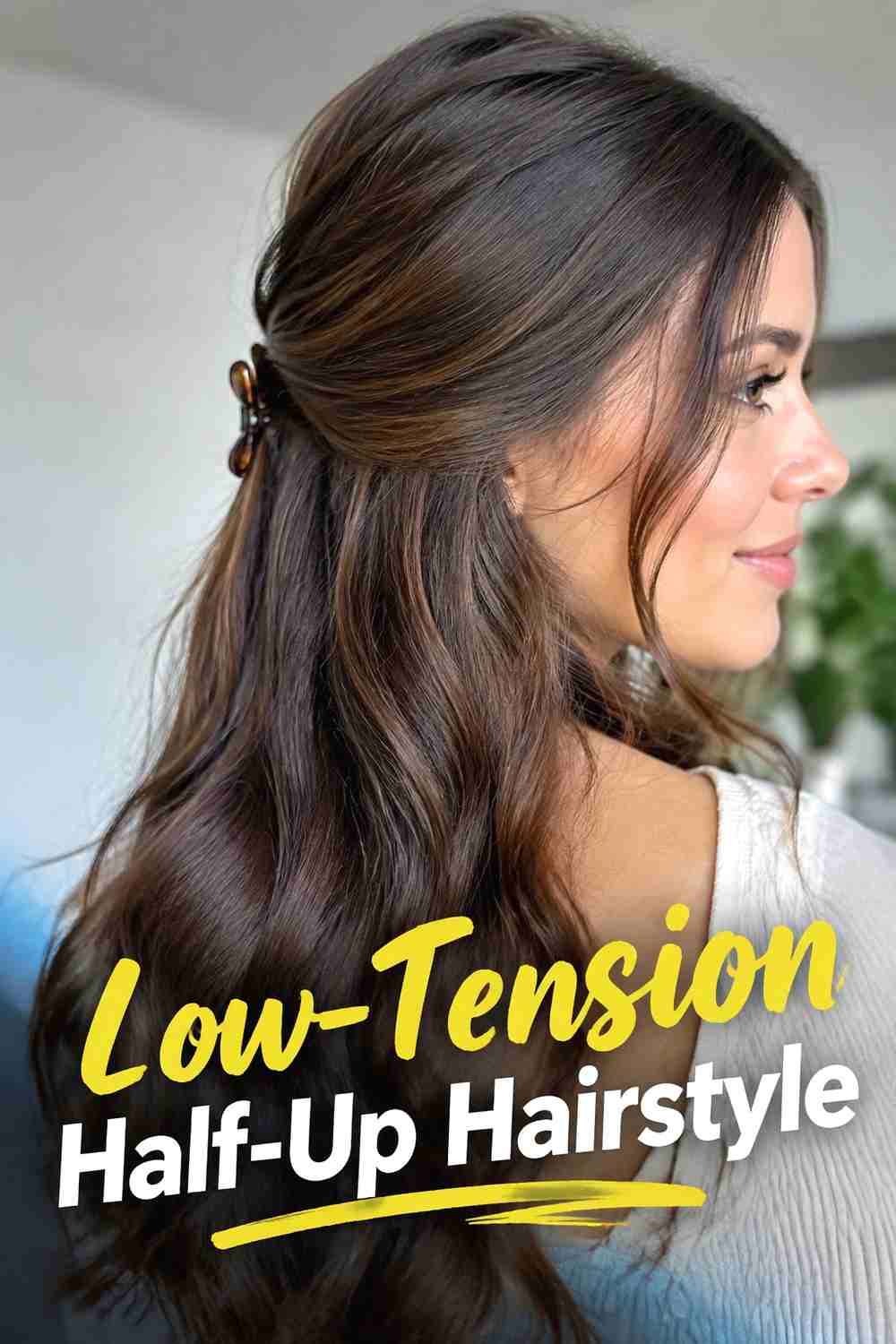
The Low-Tension Half-Up Hairstyle gathers only a small amount of hair from the sides, leaving soft pieces around the ears rather than pulling every front strand backward. Bring the sections together around the lower crown and secure them gently with a small elastic or flat fastener. The loose side layers preserve softness while the half-up section adds enough control for windy sidewalks and bulky winter clothing. This works particularly well on medium to long hair because the remaining length can stay loose over the shoulders. Avoid stretching the front pieces tightly just to create a smoother surface. A slightly relaxed crown and a few natural flyaways make the finished style feel modern while keeping pressure points to a minimum.
Wear & Maintenance
If the fastening point feels tight, loosen the gathered section slightly rather than pulling more hair into it.
4. Loose Nape Ponytail Hairstyle
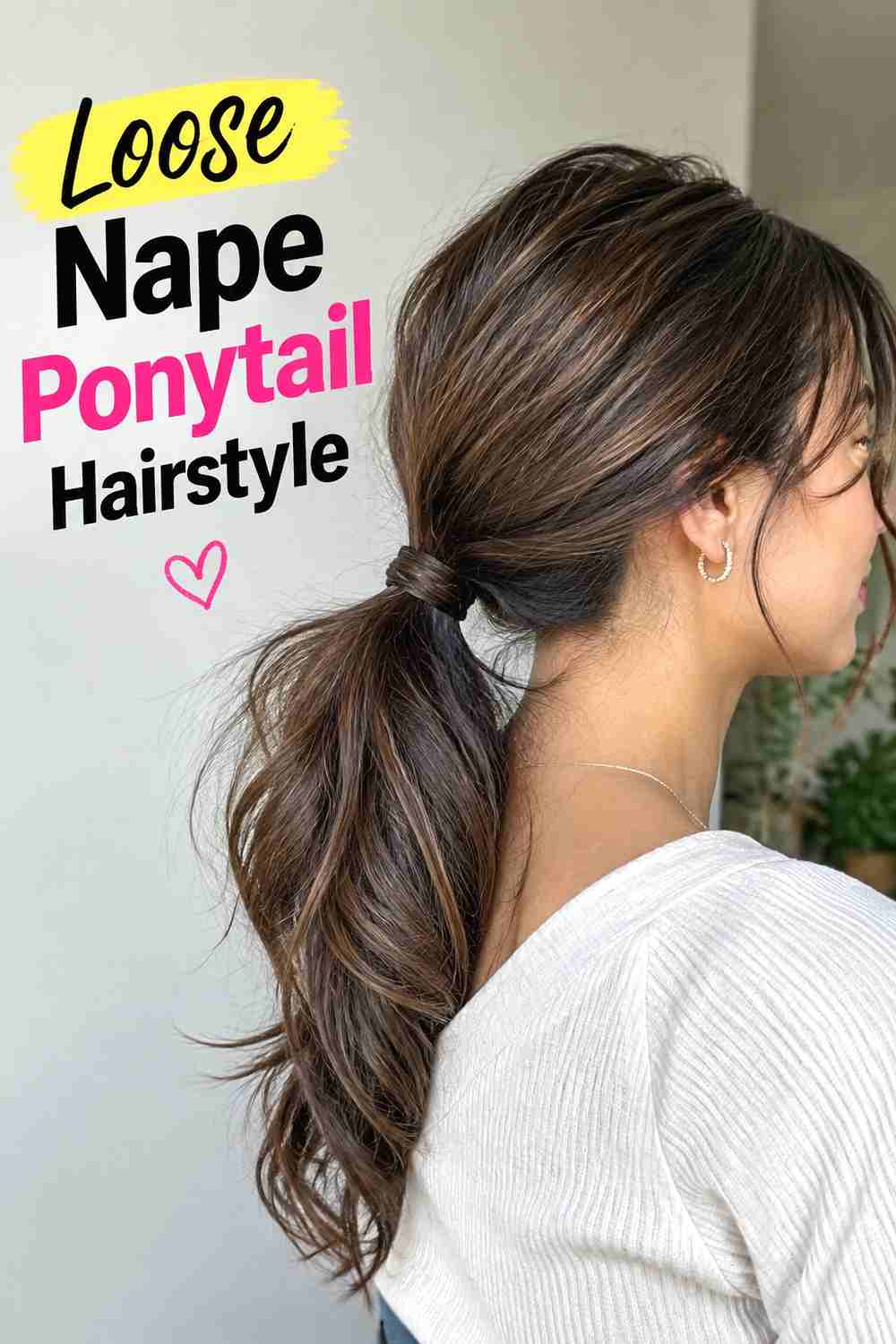
The Loose Nape Ponytail Hairstyle shifts the fastening point down to the base of the neck and leaves a few soft layers free around the ears. Gather the lengths without aggressively smoothing the temples, then secure them with a fabric-covered elastic. The low placement works naturally with winter hats and many coat hoods because there is little structure at the crown. Straight, wavy, curly, and coily textures can all use the same silhouette, with the ponytail retaining the hair’s natural finish. This style is especially useful when scarves make fully loose hair difficult to manage. Keep the base comfortably secure rather than tight; the goal is dependable control while preserving a softer appearance around the hairline.
Best For
Choose this for medium to long hair when you want an everyday winter style that is quick to redo.
Pro Tip
Leave the short ear-area layers free before tying the ponytail instead of pulling them out afterward.
5. Ear Covering Curtain Layer Hairstyle
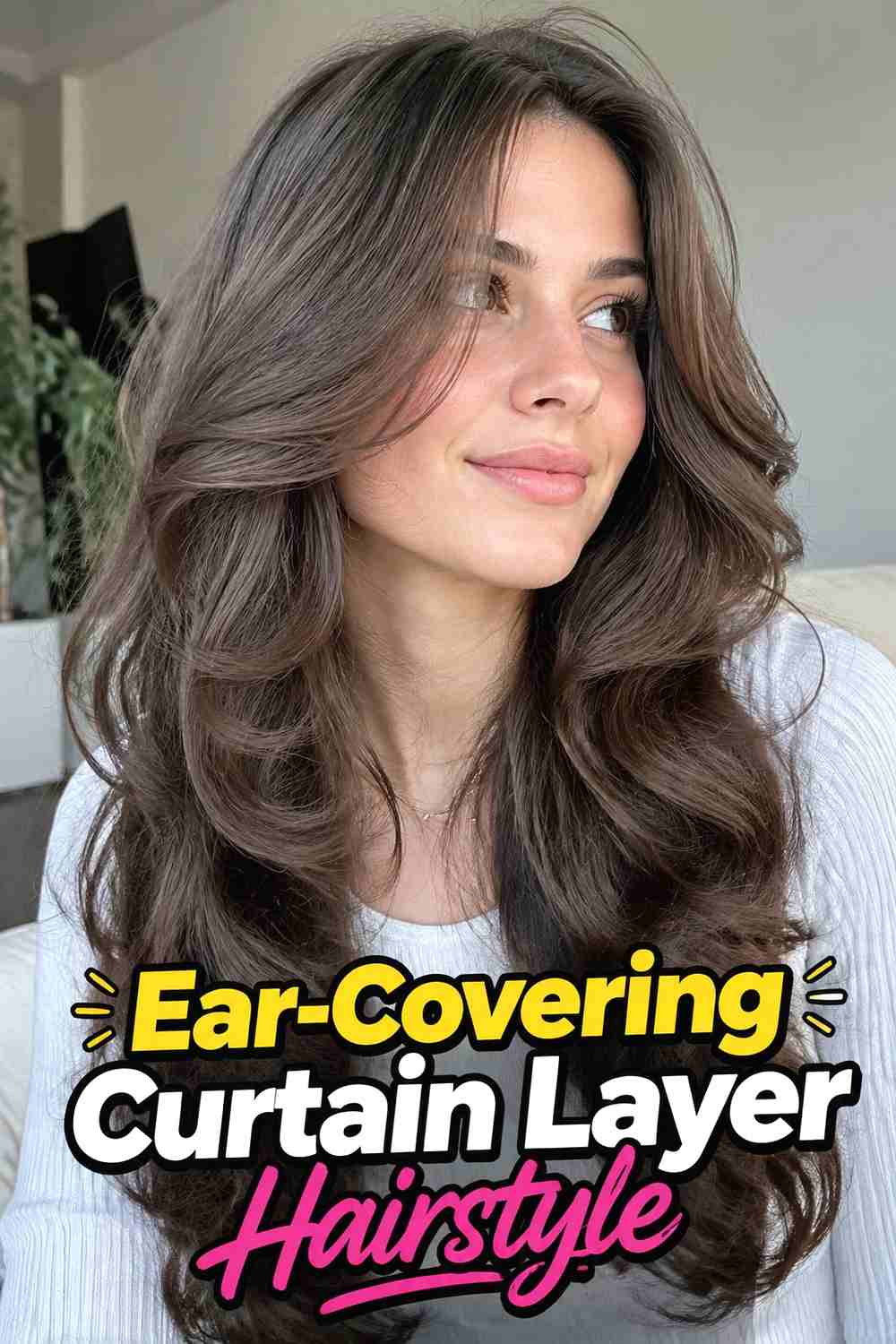
The Ear-Covering Curtain Layer Hairstyle uses longer front sections to create a soft drape around the sides of the face. Part the hair near the center and direct the curtain layers outward so they skim the cheeks and partially cover the ears. Unlike a fully tucked-back style, this approach does not depend on tight side tension for its shape. It works beautifully on shoulder-length through long layered cuts and can be paired with straight lengths, blowout movement, or loose waves. In cold weather, the front layers also sit naturally beside scarves and raised coat collars. Keep the shaping flexible so the pieces can move when a hood or hat is added instead of becoming stiff or awkwardly separated.
Styling Notes
Use a broad bend through the curtain pieces rather than curling them tightly. The softer curve blends more naturally into the ear-covering layers.
6. Soft Low Braid Hairstyle
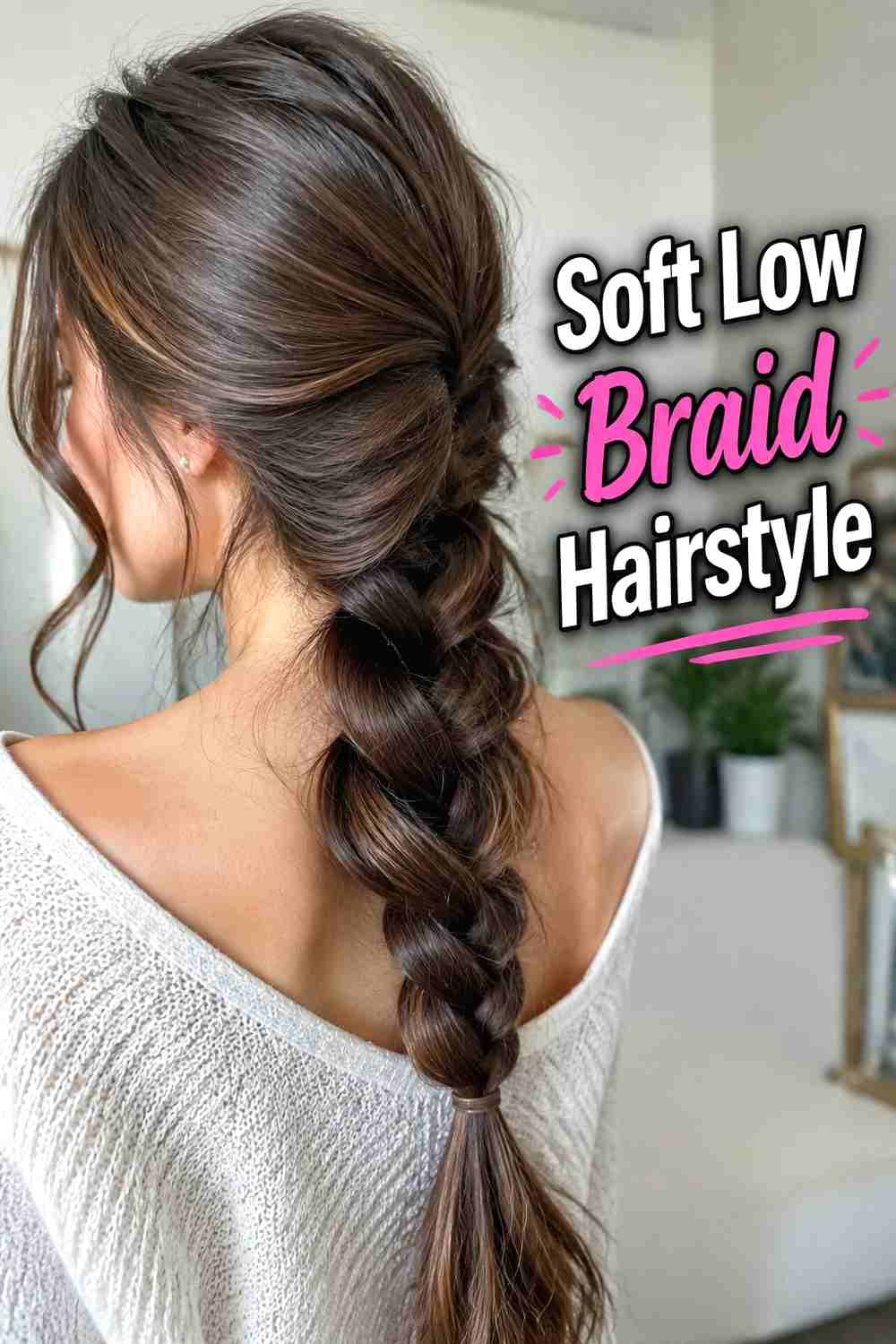
The Soft Low Braid Hairstyle keeps long hair organized while leaving the temples and ear area relatively relaxed. Gather the hair near the nape and make a simple three-strand braid without pulling the root area tightly first. Shorter side layers can remain loose around the ears, while the braid keeps longer sections from tangling against wool scarves and padded collars. The slightly relaxed structure looks especially attractive on wavy, textured, or highlighted hair because natural variation remains visible throughout the plait. Avoid dramatically tightening each crossover just to make the braid last longer. A small elastic at the end provides enough structure for many everyday situations, and the style is easy to redo after removing a winter hat or hood.
Why It Works
Most of the control happens through the lengths rather than through strong pulling around the front hairline.
7. Low Side Ponytail Hairstyle
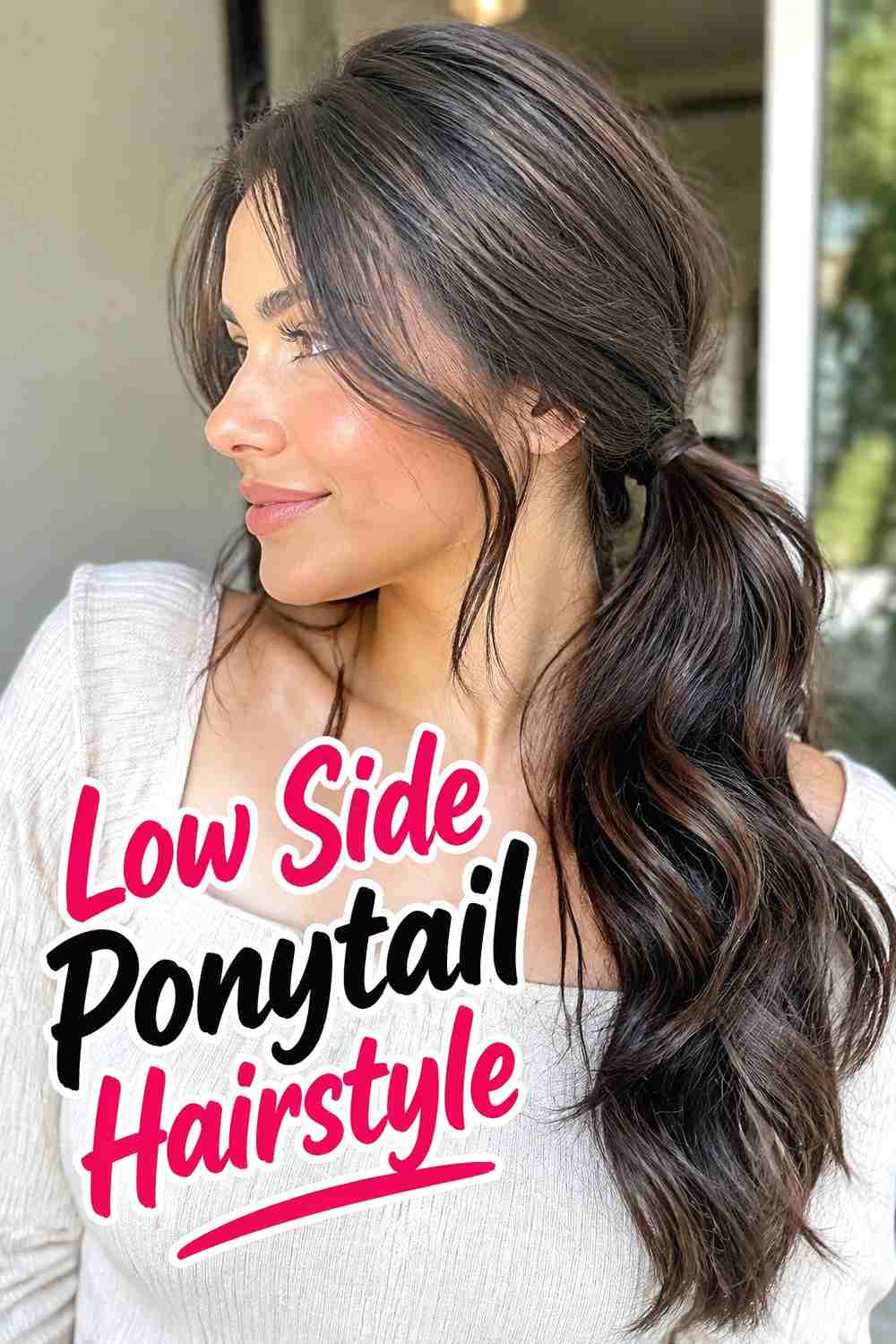
The Low Side Ponytail Hairstyle places the gathered length near one shoulder while allowing soft layers on the opposite side to frame the ear. Start with a natural side or center part, guide the longer hair toward the lower side of the neck, and secure it with a gentle elastic. The asymmetric shape works well with oversized scarves because the ponytail can be kept forward instead of trapped underneath the collar. Wavy and curly textures create extra dimension, while straight hair gives the style a cleaner silhouette. Keep the temple area relaxed and resist over-smoothing every short piece into the ponytail. A little softness helps the look feel intentional and reduces the need for constant retightening.
Best For
This style is especially useful for medium-long and long hair when a centered ponytail clashes with a thick coat collar.
8. Gentle Twisted Back Hairstyle
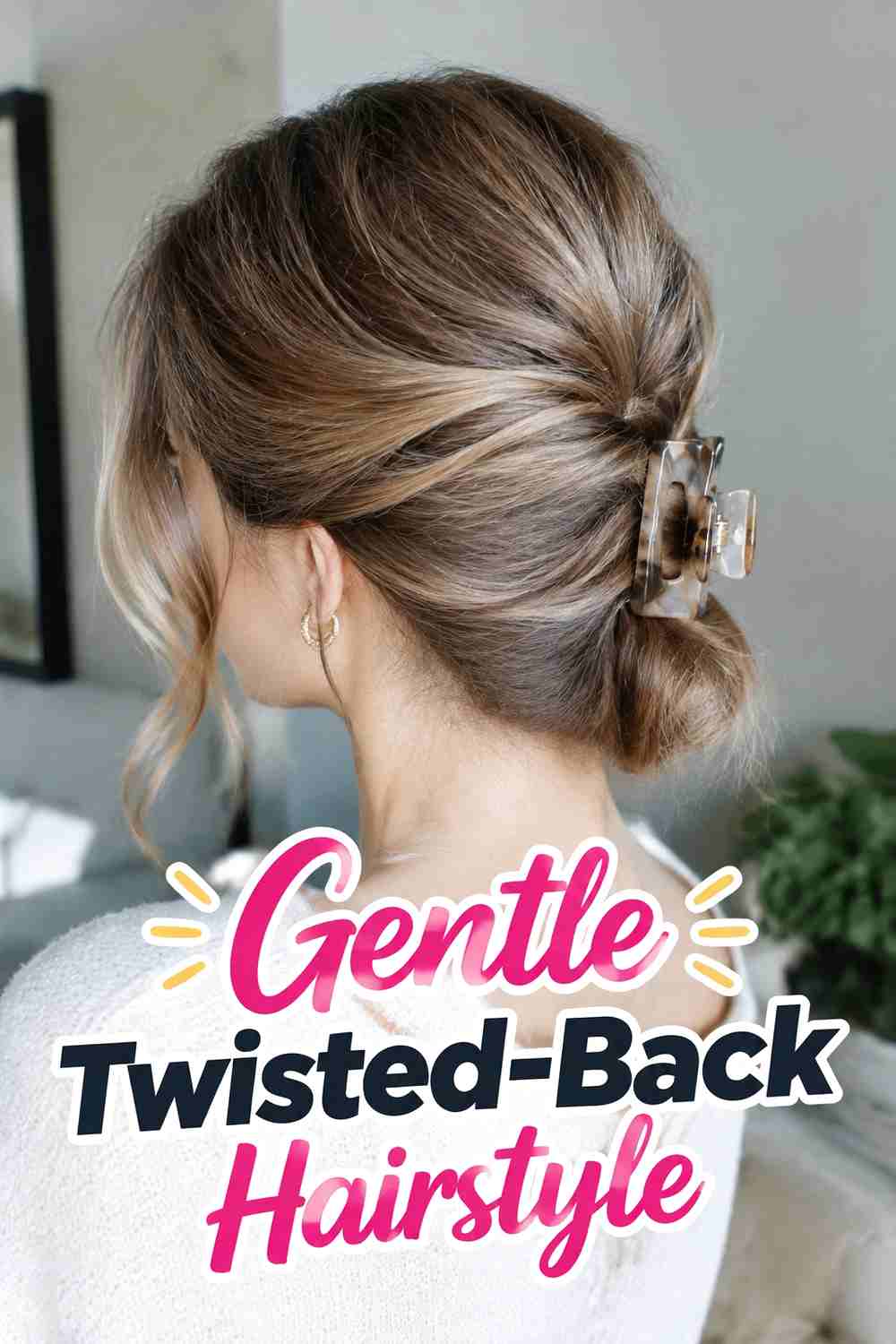
The Gentle Twisted-Back Hairstyle uses small side sections rather than sweeping the entire front hairline backward. Take a piece from just above each ear, twist it loosely toward the back, and secure the two sections around the lower crown. Leave the shortest face-framing layers free so they continue to cover or skim the ear area. The twists add visual detail without requiring high crown volume or firm tension at the temples. This style works on straight, wavy, and curly hair, although naturally textured strands often give the twists more visible dimension. If your hair is slippery, use discreet pins at the joining point instead of twisting more tightly. The final shape should feel secure but still softly movable.
Pro Tip
Start the twists slightly behind the hairline so the delicate front pieces do not need to carry the tension of the style.
9. Loose Half Up Clip Hairstyle
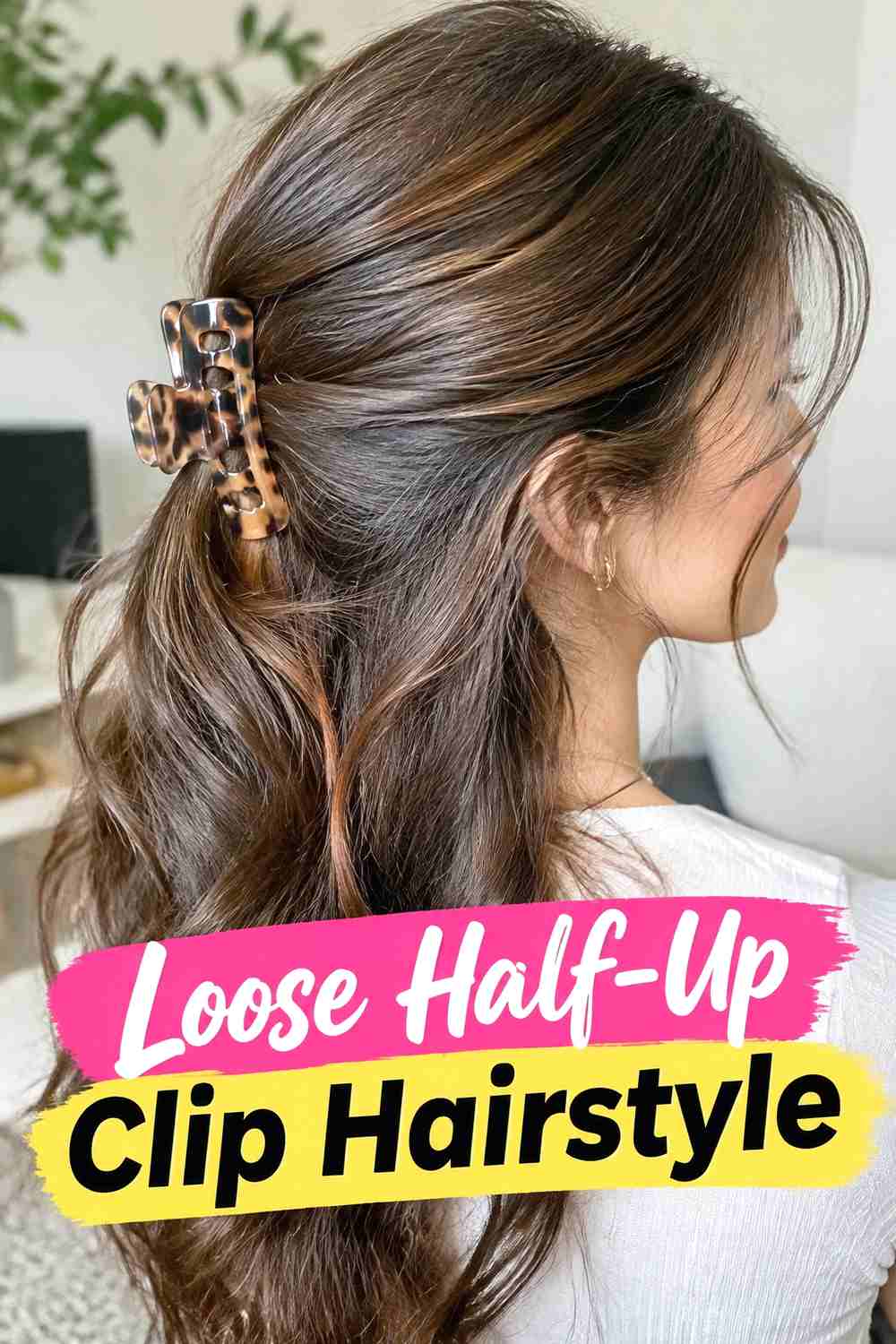
The Loose Half-Up Clip Hairstyle offers quick control without gathering every side section. Scoop a modest amount of hair from the upper back of the head and secure it low with a lightweight clip, leaving ear-covering layers untouched. This keeps the face framed while moving enough hair away from bulky collars to make winter layering easier. A compact clip is preferable to an oversized claw if you expect to add a hood, since less hardware means fewer pressure points. The loose lower section can stay straight, wavy, curly, or coily. Rather than smoothing the crown tightly into the clip, preserve a little natural lift and movement so the style does not depend on firm pulling to look finished.
Wear & Maintenance
Choose a clip that holds the selected section without needing to clamp an excessive amount of hair.
10. Ear Covering Wavy Lob Hairstyle
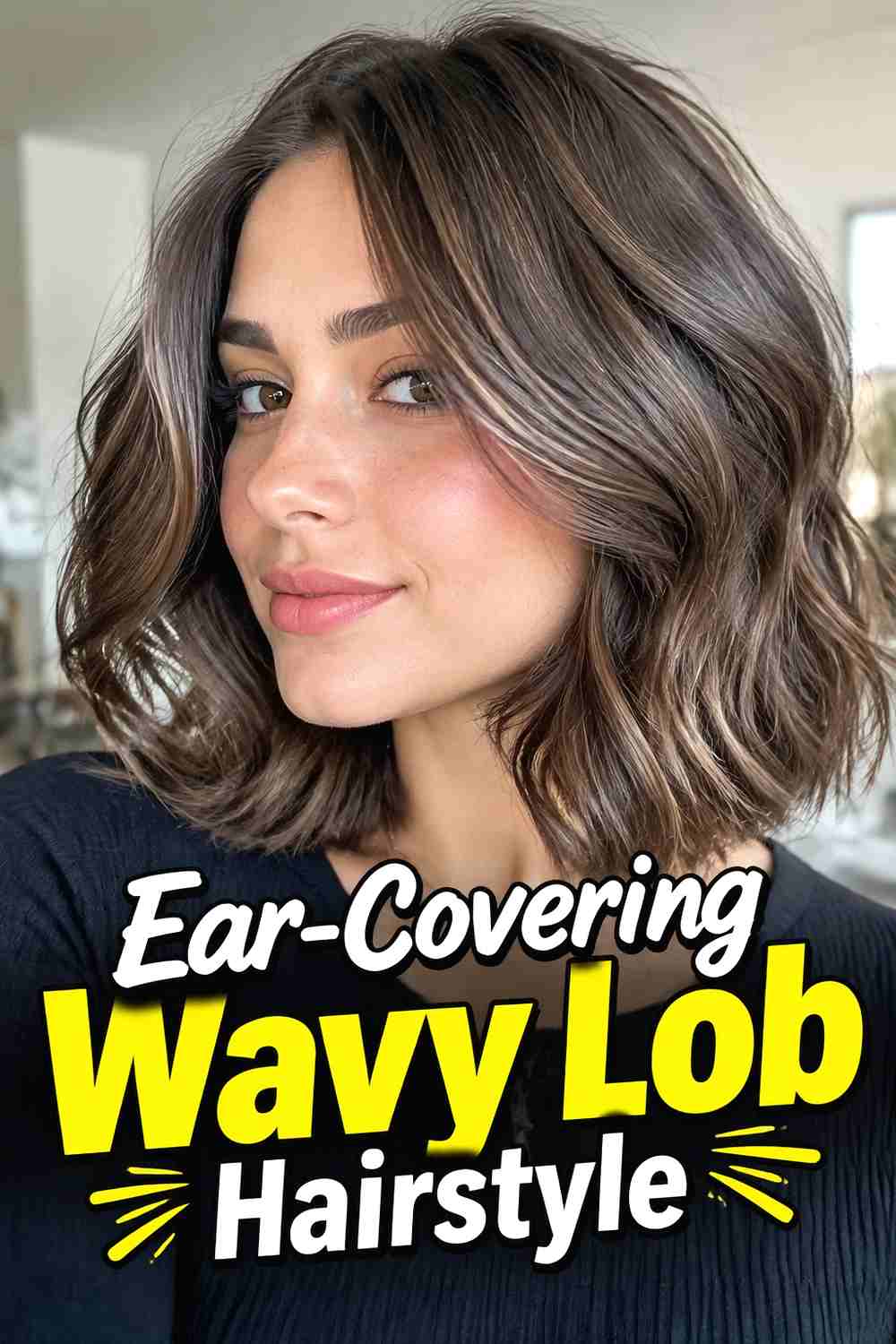
The Ear-Covering Wavy Lob Hairstyle relies on the haircut itself rather than an updo or accessory. Shape a collarbone or shoulder-length lob into loose bends, allowing the front sections to fall naturally over the ears. The wave pattern gives the sides enough body to stay visually intentional even after contact with a scarf or coat collar. A center part creates a balanced effect, while a slight side part adds softer asymmetry. Because the hair remains loose, there is no concentrated fastening point around the temples or crown. If winter air creates static, separate the waves gently with your fingers instead of brushing repeatedly. Let the ends move naturally so the lob keeps its relaxed, touchable appearance.
Best For
This style suits short-to-medium lengths when you want full ear coverage without braids, elastics, or clips.
11. Low Double Braid Hairstyle
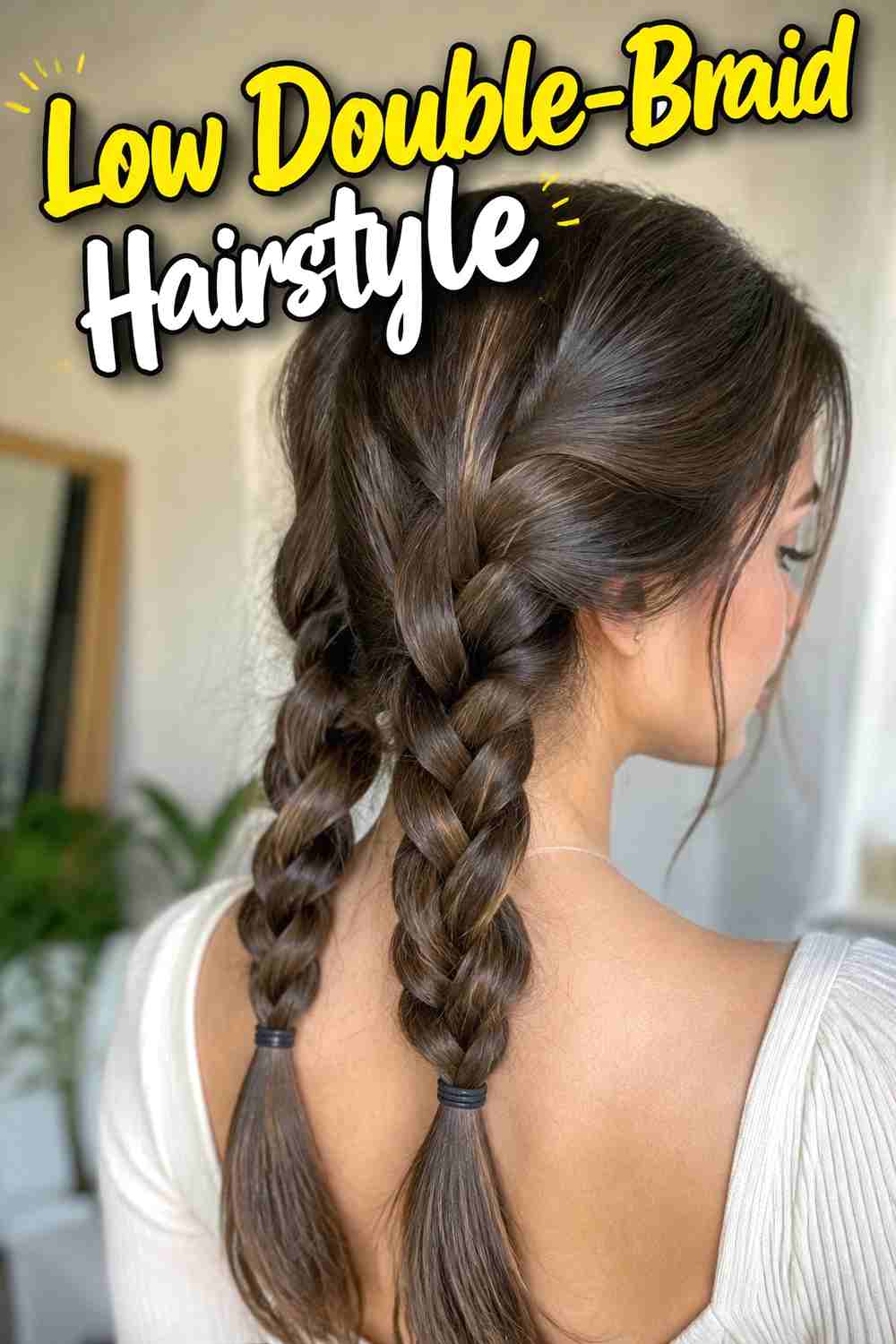
The Low Double-Braid Hairstyle divides the hair into two sections and starts each braid below the ears. Keeping the braiding point low means the roots can remain relatively relaxed, while soft side pieces continue to frame the face. The two braids sit conveniently in front of the shoulders, which helps prevent long hair from becoming trapped behind a heavy scarf or coat collar. Keep each braid moderately loose rather than aggressively tightening the sections near the scalp. The style works especially well on long hair and can highlight natural texture or dimensional color. Small elastics at the ends are usually enough to maintain the shape, and the braids can be quickly redone if winter layers disturb them.
Why It Works
The braids organize the lengths while leaving the crown and temple areas largely free from concentrated tension.
12. Soft Nape Bun Hairstyle
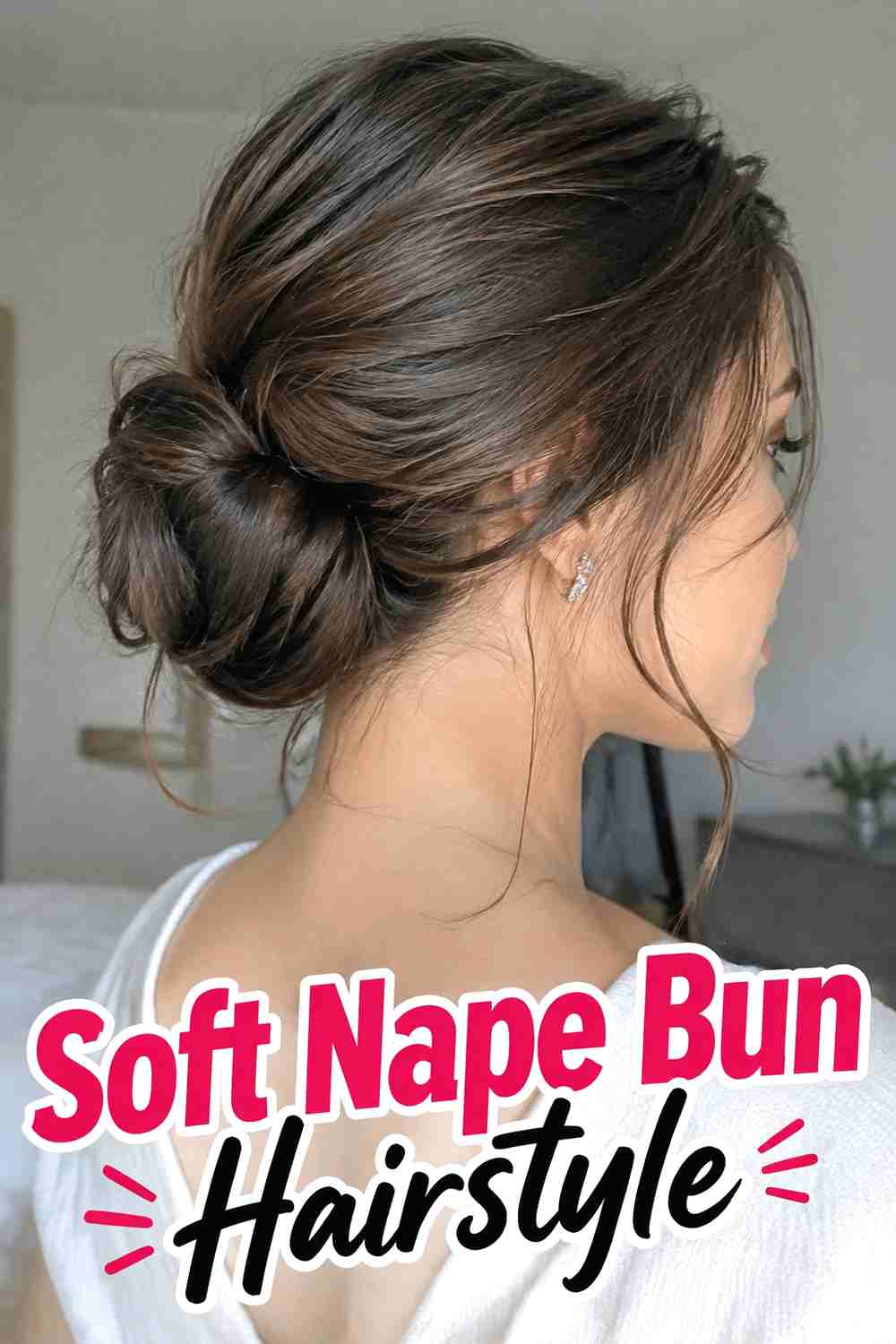
The Soft Nape Bun Hairstyle gathers the lengths low without demanding a tightly slicked hairline. Start with a relaxed nape ponytail, leaving short layers around the ears free, then loosely wrap the length into a compact bun. Secure the shape with an elastic or a few carefully placed pins rather than repeatedly tightening the base. The low position fits naturally beneath many winter hats and keeps the crown free of bulky structure. Medium to long hair works best, although very dense hair may require a slightly wider bun. A soft finish pairs well with tailored coats and scarves while remaining practical for everyday wear. Small flyaways can stay visible instead of being forced into a rigid, highly polished surface.
Wear & Maintenance
If the bun begins pulling during the day, redo it lower and looser rather than adding more pins and tension.
13. Side Swept Layered Hairstyle
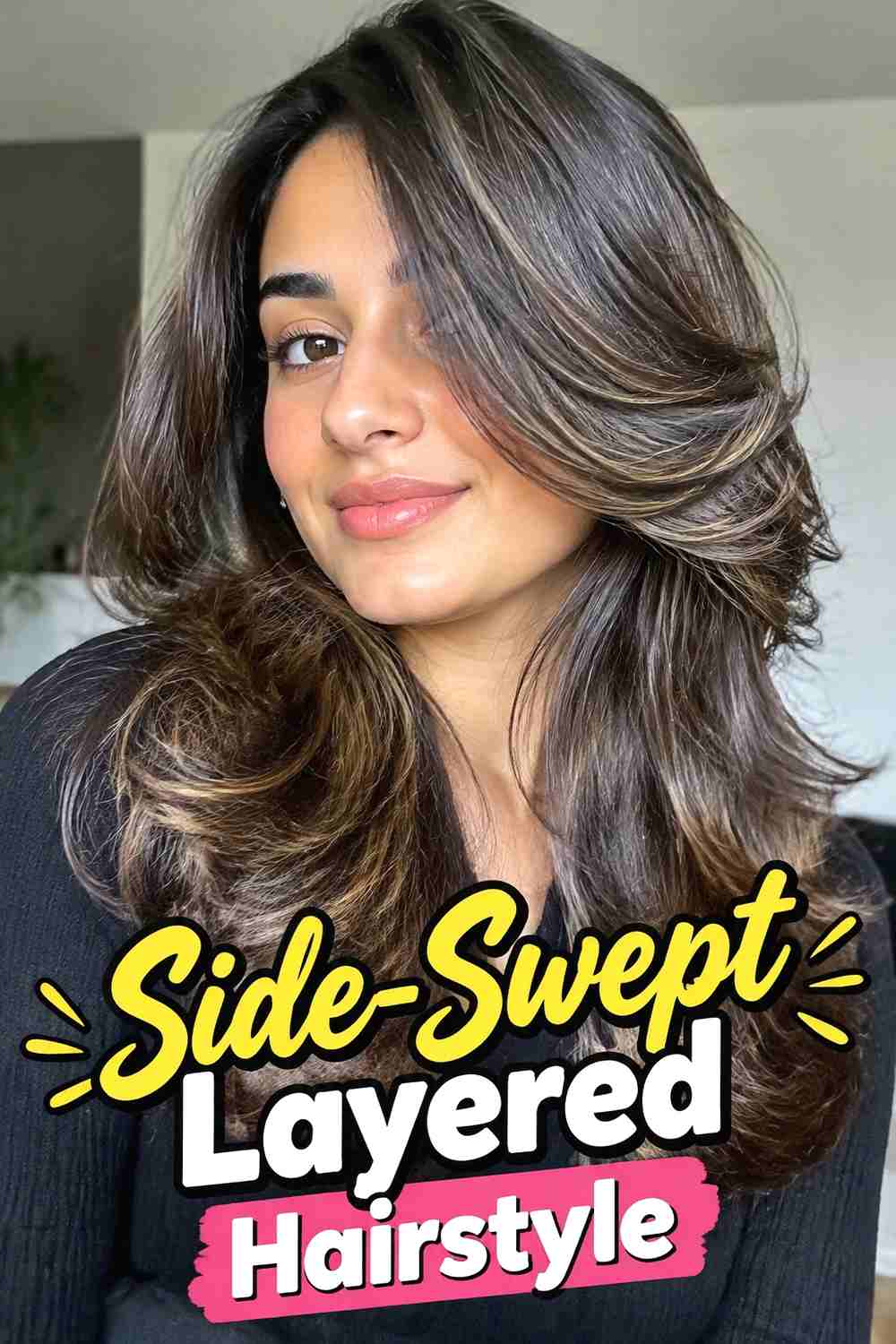
The Side-Swept Layered Hairstyle moves most of the hair in one direction while still allowing soft pieces to cover the ears. Create a gentle side part and guide the longer layers across the shoulders, letting shorter sections remain around the face. The look has movement and shape without requiring a tight tuck behind either ear. It works particularly well on layered medium and long hair because each length contributes to the cascading effect. Loose waves enhance the movement, while straighter textures create a more streamlined result. When wearing a scarf, position most of the hair over one shoulder so fewer ends become trapped behind the neck. Keep the sweep relaxed rather than securing it tightly against the scalp.
Styling Notes
A flexible part and natural root direction make this style easier to reset after removing a hat or hood.
14. Low Rope Braid Hairstyle
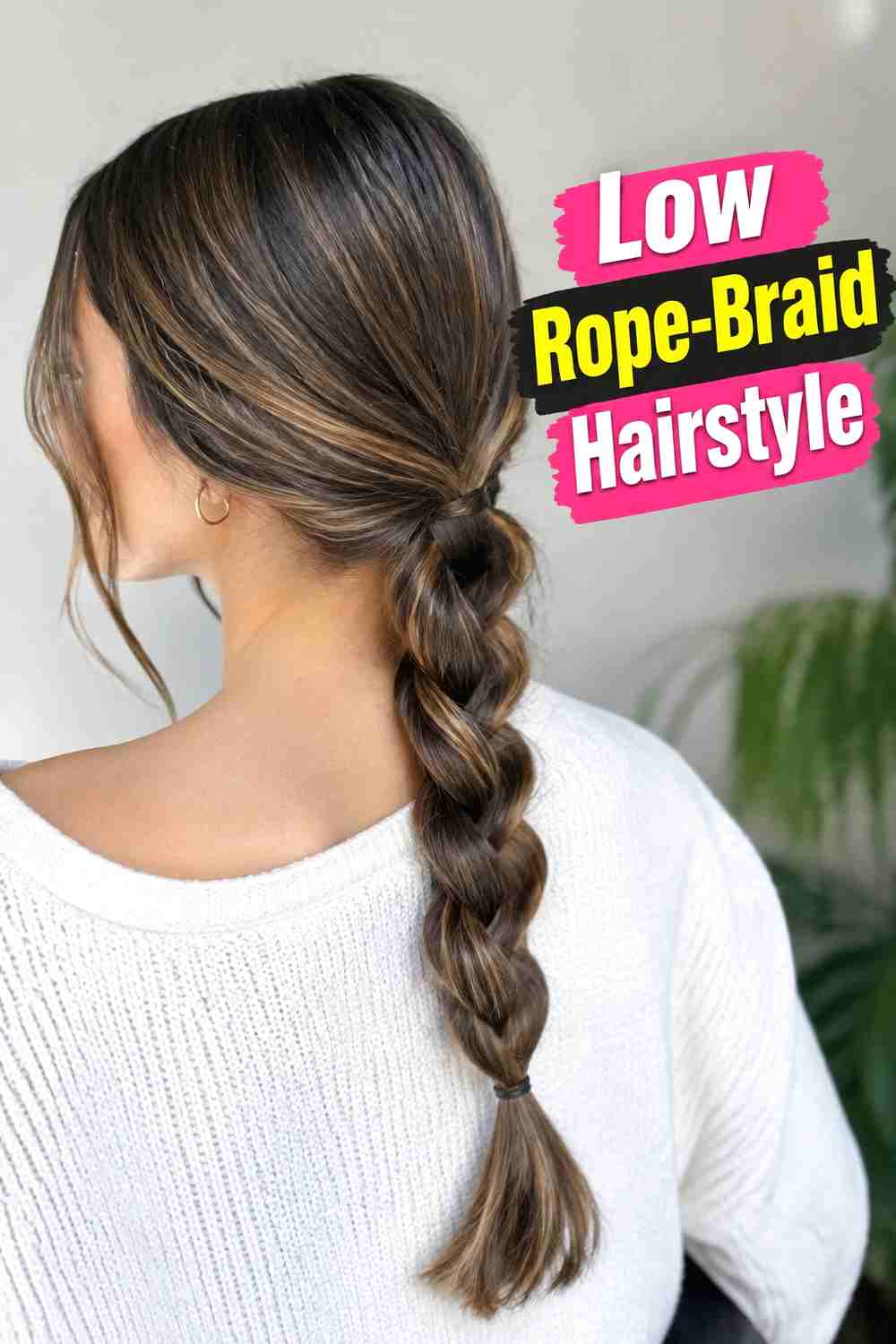
The Low Rope-Braid Hairstyle keeps its decorative detail below the sensitive temple and crown areas. Gather the hair loosely near the nape, divide the ponytail into two sections, twist each one, and wrap them around each other to form a rope. Short ear-covering layers can remain outside the gathered section, maintaining softness at the sides. The narrow braid helps control long hair around scarves and winter coat collars without needing a high fastening point. This style shows especially well on highlighted hair because different tones travel through the twist. Keep the ponytail base comfortably secure, and do not rely on excessive root tension to stop the rope from loosening. A small elastic at the end finishes the shape.
Best For
Medium-long and long hair benefit most from this practical combination of low placement and contained lengths.
15. Loose Crown Free Half Up Hairstyle
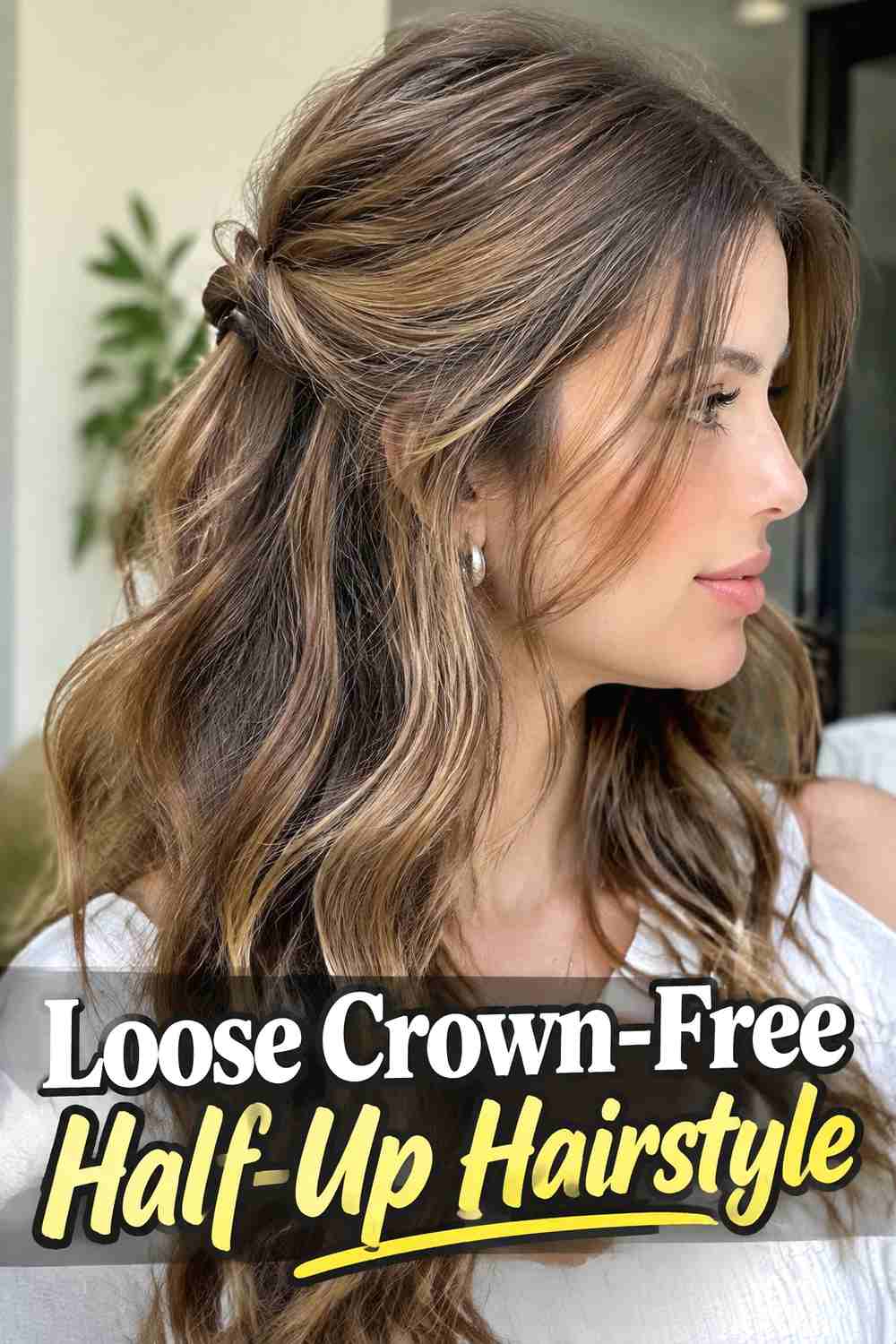
The Loose Crown-Free Half-Up Hairstyle intentionally avoids pulling hair from the highest part of the head. Instead, gather two modest sections from behind the ears and connect them low at the back, leaving the crown and front layers largely untouched. This creates the visual effect of a half-up style while allowing ear-covering pieces to remain soft and natural. The approach is useful with winter hoods because there is less hardware and volume where the hood typically rests. Waves and curls add fullness to the loose lengths, while straight hair creates a clean, minimal finish. Keep the joining point relaxed and choose a small elastic or slim barrette that holds without forcing the side sections backward too tightly.
Why It Works
The structure begins farther back on the head, so the front hairline does not need to be pulled firmly into the style.
16. Ear Covering Curly Layer Hairstyle
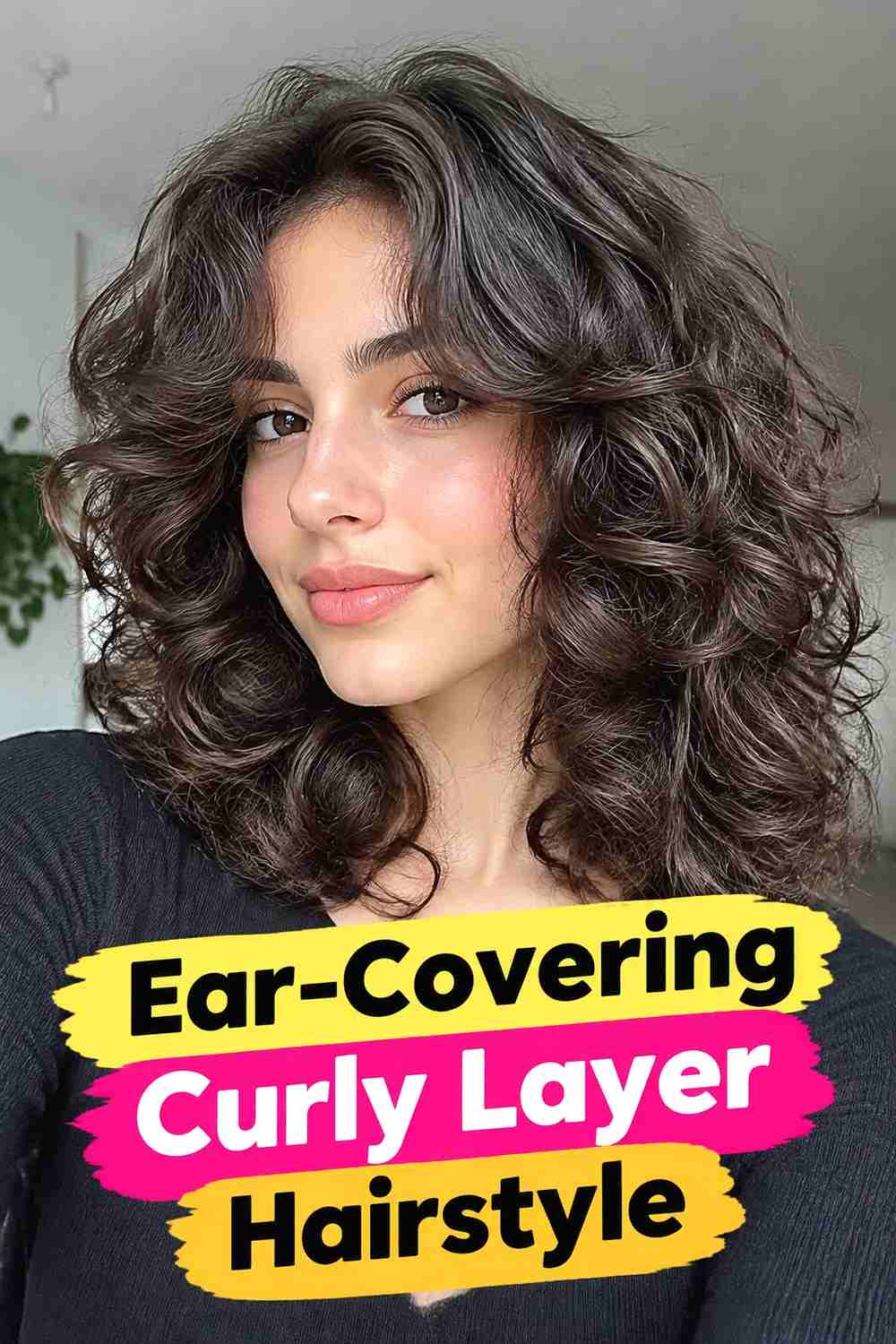
The Ear-Covering Curly Layer Hairstyle keeps natural curls or coils loose around the temples and sides instead of stretching them tightly backward. Shape the hair using its existing pattern, allowing shorter layers to fall around and partly over the ears while longer curls create volume through the lower silhouette. This approach pairs naturally with winter outerwear because the soft side texture balances broad coat collars and scarves. Depending on length, the back can remain completely loose or be gathered very lightly at the nape. Avoid forcing curls into a uniformly smooth hairline just for a neater appearance. Preserving the natural pattern around the face creates definition while reducing the need for rigid accessories or tight fastening points.
Hair Type & Length
This works across loose curls, spirals, and tighter coils, especially when the cut includes intentional face-framing layers.
17. Low Side Braid Hairstyle
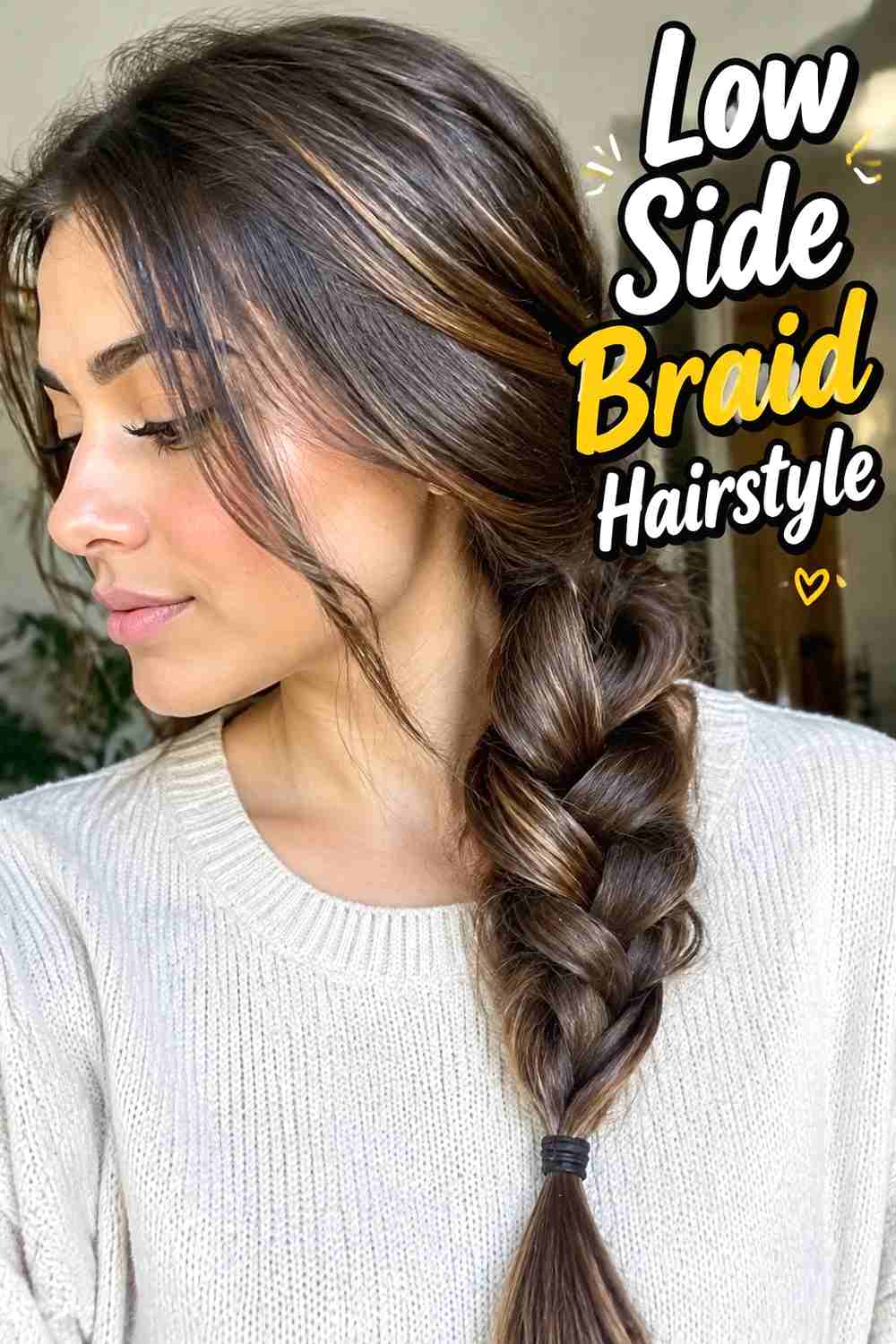
The Low Side Braid Hairstyle brings the majority of the hair over one shoulder and begins the braid well below the ear. This low starting position allows the crown and temple area to remain relaxed, while shorter layers can continue to soften the sides of the face. A classic three-strand braid keeps longer hair from tangling inside scarves or rubbing repeatedly against a wool coat. The look can be tidy or slightly undone depending on your texture and outfit. Avoid pulling every front piece into the braid if doing so creates noticeable tightness. Instead, let natural layers remain free and use the braid mainly to control the length. It is also easy to loosen or redo throughout the day.
Wear & Maintenance
Use a soft elastic at the end and gently reshape the braid after removing heavy outerwear rather than tightening it from the root.
18. Relaxed Tucked Behind Layers Hairstyle
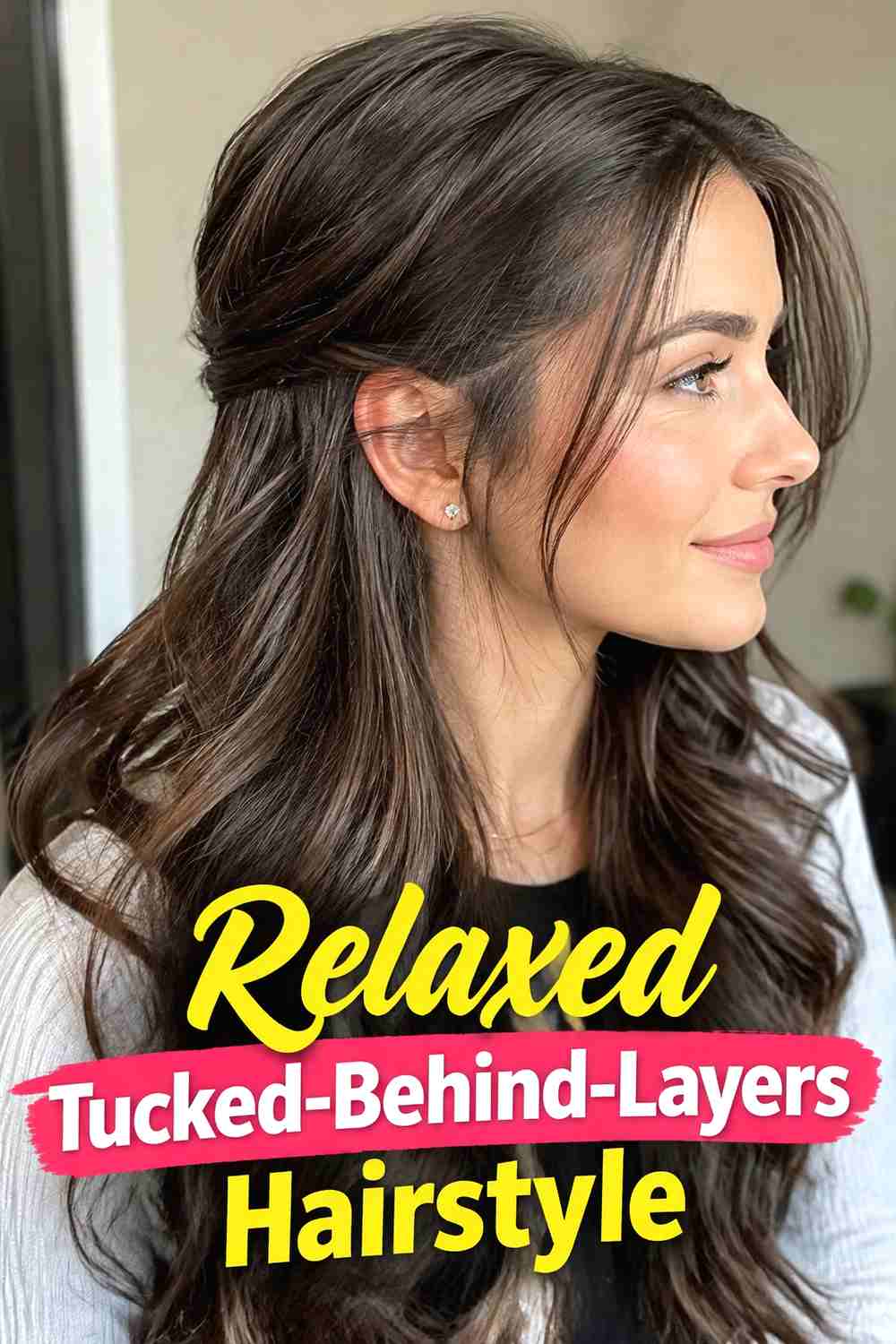
The Relaxed Tucked-Behind-Layers Hairstyle gives you a subtle ear tuck without exposing the entire side of the head. Take only the innermost temple section and place it loosely behind the ear, then let a longer face-framing layer fall over the top. The result keeps some hair controlled while preserving visible ear coverage and softness around the hairline. This works especially well on lobs, layered shoulder-length cuts, and long hair with curtain-style pieces. Straight hair creates a clean layered effect, while waves give the overlapping sections more texture. If the hidden section keeps slipping forward, use a tiny pin behind the ear rather than repeatedly pulling the surface layer tighter.
Styling Notes
The visible outer layer should remain loose enough to move naturally instead of being molded firmly against the side of the face.
19. Soft Low Chignon Hairstyle
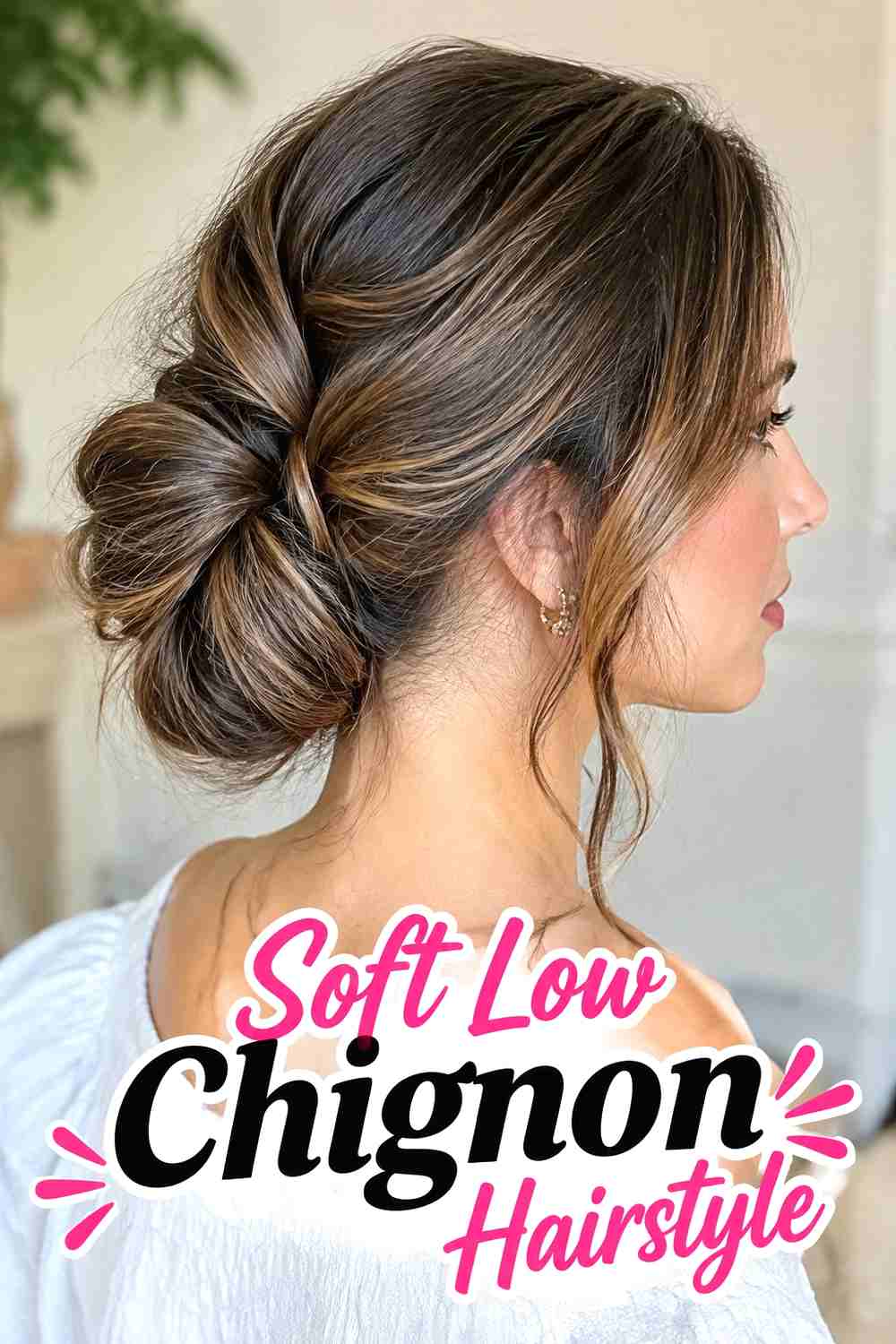
The Soft Low Chignon Hairstyle offers a polished cold-weather option without requiring a severely slicked-back finish. Gather the hair loosely at the nape while leaving selected layers around the ears and temples free. Twist or fold the gathered length into a compact chignon and secure it with a few pins placed close to the bun. The relaxed sides soften the formal shape and make the hairstyle easier to pair with high collars or structured coats. Medium to long hair provides the easiest length for folding, while dense hair may need a slightly wider chignon. Keep the root area natural rather than tightening the style repeatedly; the low placement and contained ends should provide most of the visual structure.
Best For
Choose this look for work, dinners, or winter events when you want polish without a tightly pulled front hairline.
Pro Tip
Build the chignon from a comfortable low base first, then refine the shape with pins instead of tightening the entire hairstyle.
How to Choose the Right Look
Start with how much tension feels comfortable around your temples, part, and ears. If you prefer almost no fastening, the Loose Center-Part Ear-Covering Hairstyle, Ear-Covering Wavy Lob Hairstyle, or Ear-Covering Curly Layer Hairstyle lets the haircut and texture provide most of the shape. For more control, choose a low ponytail, braid, half-up style, or chignon that secures the lengths without requiring every front piece to be stretched backward. Leaving intentional ear-covering layers outside the gathered section often creates a softer appearance and gives short pieces somewhere natural to sit. Texture and density matter too. Slippery straight hair may need a small pin or gentle elastic for hold, while waves, curls, and coils can have more natural grip. With hats and hoods, low fastening points are usually easier to accommodate than high buns or raised clips. If any style feels uncomfortably tight, causes persistent pulling, or requires constant retightening, adjust the placement or choose a looser option rather than forcing the look.
Final Thoughts
Cold-weather hair can be polished without relying on tightly pulled styles. Soft ear-covering layers, low fastening points, loose braids, and relaxed updos give you plenty of winter-friendly options while keeping the overall silhouette comfortable and natural. Choose the idea that suits your length and texture, then adjust the tension until the style feels easy to wear.
FAQs
1. What makes a hairstyle more hairline-friendly in cold weather?
Lower tension, gentler fastening, and avoiding unnecessary pulling around the temples can make a style feel more comfortable. No hairstyle can guarantee protection from hair or scalp problems.
2. Can I leave layers over my ears with a ponytail?
Yes. Tie the ponytail first while intentionally leaving shorter face-framing pieces outside, rather than pulling everything back and loosening strands afterward.
3. Which styles work well under winter hats?
Loose hair, low braids, nape ponytails, and compact low buns usually create less bulk at the crown than high ponytails or top knots.
4. Are braids suitable if I want less tension around my hairline?
They can be when the braid begins low and the roots are not pulled firmly. A loose nape or side braid places most of the structure through the lengths.
5. How can I keep ear-covering layers controlled in windy weather?
Use their natural texture, a small amount of flexible styling product, or discreet pins placed behind the visible outer layer rather than pulling the sections tightly backward. Save your favorite gentle winter hairstyles, share the collection, and explore more cold-weather ideas built around soft layers, comfortable placement, and natural texture.