11 Travel-Day Smooth Braids With Long Puffer Jackets
Smooth braids and long puffers make an easy travel-day pairing, keeping hair controlled while still giving bulky winter layers a polished finish.
Cold-weather travel often means high collars, scarves, hoods, backpacks, and hours spent moving between terminals, cars, trains, or city streets. A smooth braid can keep hair contained without competing with those layers, especially when the braid sits low or follows the shape of the head.
The best option depends on more than appearance. Think about where the braid rests against your jacket, how tightly you want the roots controlled, whether you will wear a hood, and how much refreshing you want to do after several hours of travel. These 11 styles range from simple low braids to structured braided looks with a cleaner, more intentional finish.
Quick List
- Sleek Center Part Twin Braids Hairstyle
- Smooth Low Ponytail Braid Hairstyle
- Polished Side Braid Hairstyle
- Smooth Dutch Twin Braids Hairstyle
- Sleek French Braid Hairstyle
- Low Fishtail Braid Hairstyle
- Smooth Rope Braid Ponytail Hairstyle
- Wrapped Base Braided Ponytail Hairstyle
- Sleek Half Up Braid Hairstyle
- Low Double Braids Hairstyle
- Smooth Crown To Back Braid Hairstyle
1. Sleek Center Part Twin Braids Hairstyle

A crisp center part and two smooth braids create one of the most practical combinations for a long travel day. The hair stays divided evenly, with the roots lying close to the head and the braids falling forward or behind the shoulders as needed. That low-profile shape works particularly well with tall puffer collars because there is no bulky ponytail base pressing into the jacket. The style can look polished on straight, wavy, curly, or stretched textured hair, although the exact surface finish will vary naturally. Keeping the braids moderately firm rather than extremely tight can also make the look more comfortable during long stretches of sitting.
Wear & Maintenance
Secure each braid with a small snag-free elastic and keep a few pins available for short layers near the ears. If your jacket has a large hood, bringing the braids forward over the shoulders can reduce friction.
2. Smooth Low Ponytail Braid Hairstyle
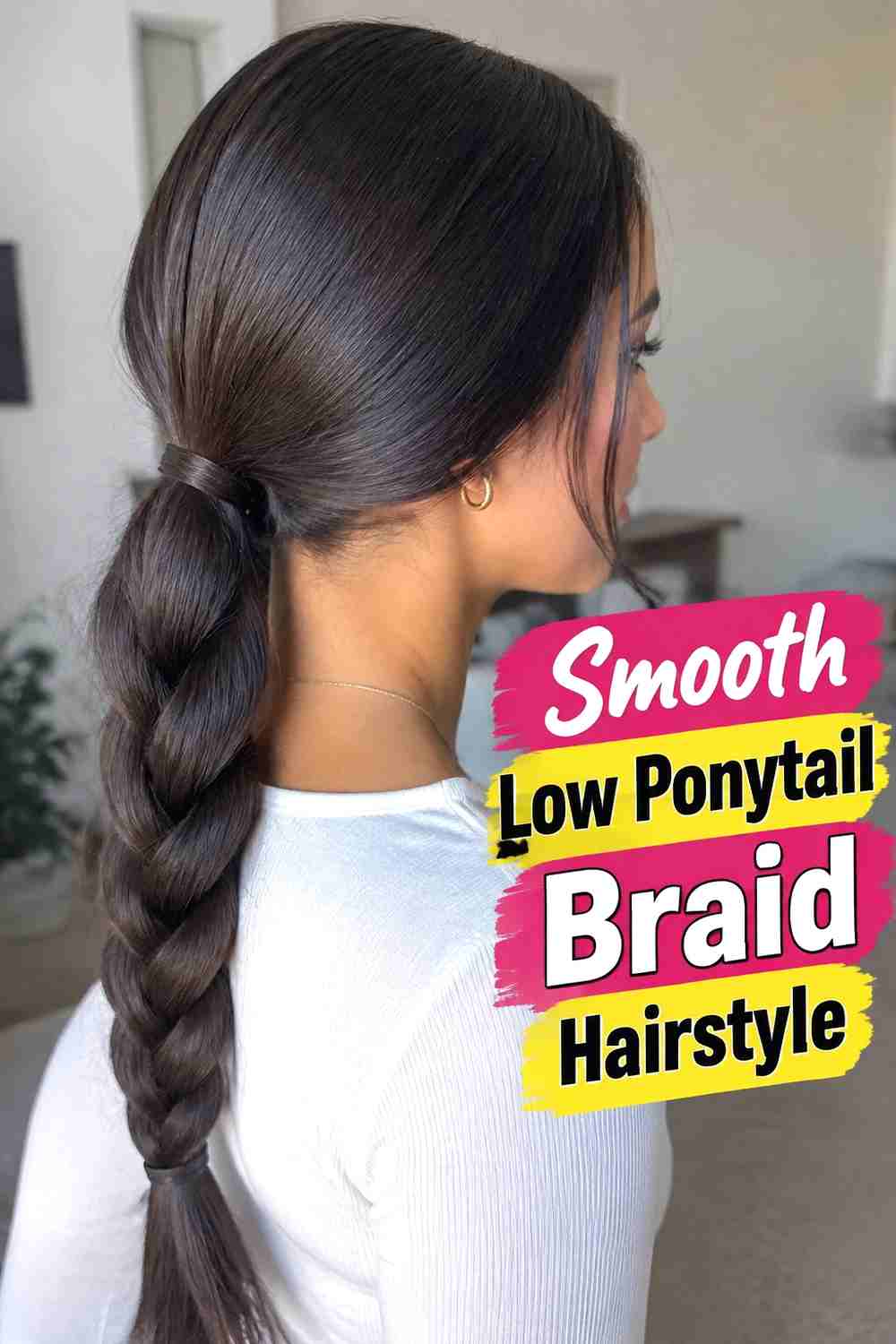
This style begins with a sleek ponytail placed near the nape before the loose length is braided into a simple three-strand finish. The defined base gives it a clean silhouette while keeping most of the hair controlled in one narrow section. It pairs naturally with a long puffer because the braid can be brought over one shoulder whenever a hood, headrest, or backpack makes the back of the neck feel crowded. Medium to long hair gives the clearest braided shape, while thicker hair creates a fuller finish. For travel, avoid positioning the elastic directly where a stiff jacket collar presses against the neck, since a slightly lower placement usually feels easier.
Styling Notes
Smooth the crown before forming the ponytail, then braid only after the base feels comfortable. A fabric-covered elastic can provide dependable hold without adding a hard or bulky fastening point.
3. Polished Side Braid Hairstyle
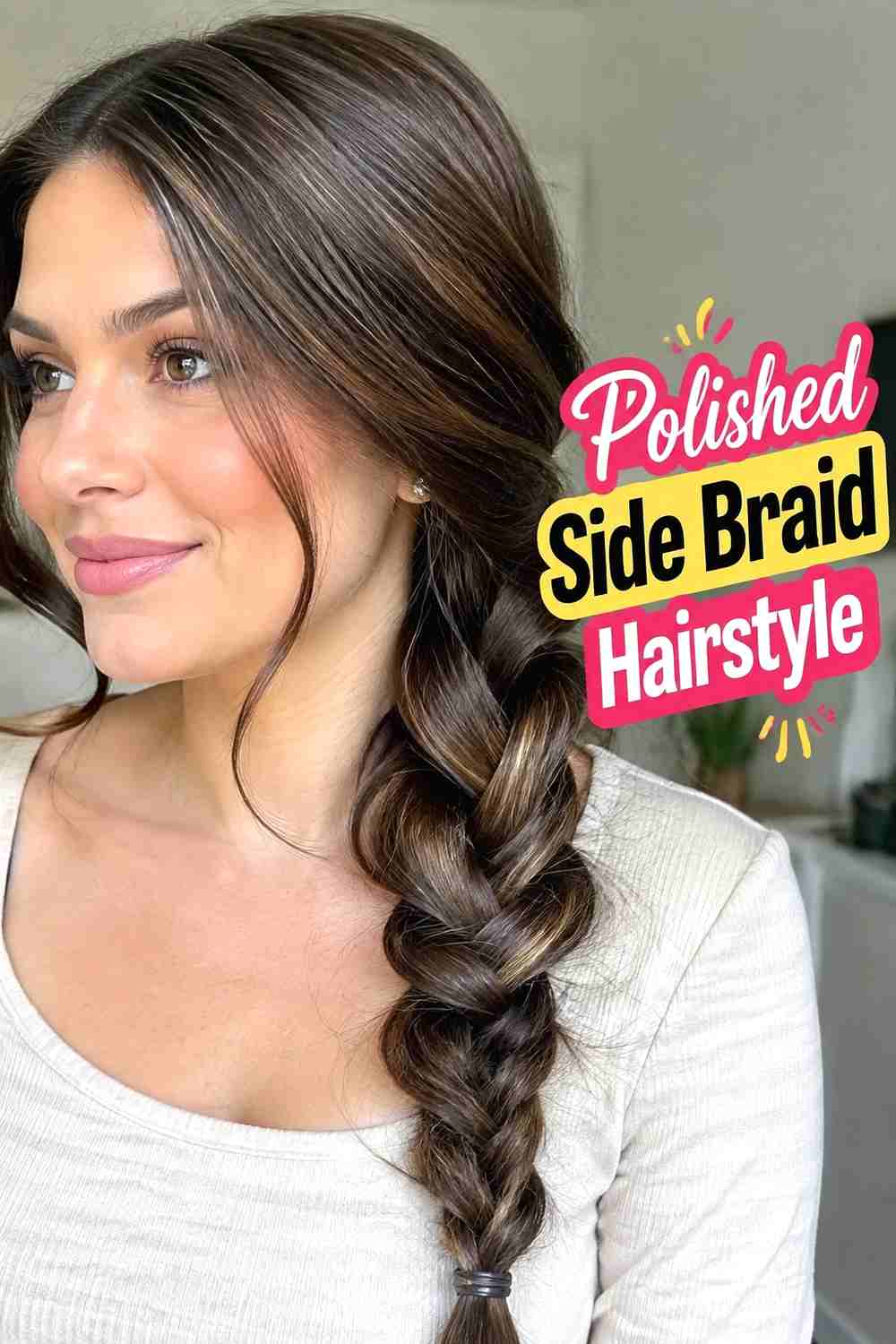
A polished side braid keeps the hairstyle visible while moving most of the bulk away from the back of a long puffer jacket. Start with smooth roots and direct the hair toward one shoulder before creating a neat three-strand braid. The slight asymmetry makes the look feel softer than a centered back braid, yet the controlled finish still works well with streamlined travel outfits. It is especially useful when you expect to spend time against an airplane or train seat because the braid does not sit directly behind the head. Longer layers are easiest to contain, while shorter front pieces can remain softly tucked or lightly pinned without making the style look rigid.
Best For
Choose this option if comfort against a seatback matters as much as appearance. It also works nicely when your puffer has an oversized hood that makes centered styles feel crowded.
4. Smooth Dutch Twin Braids Hairstyle
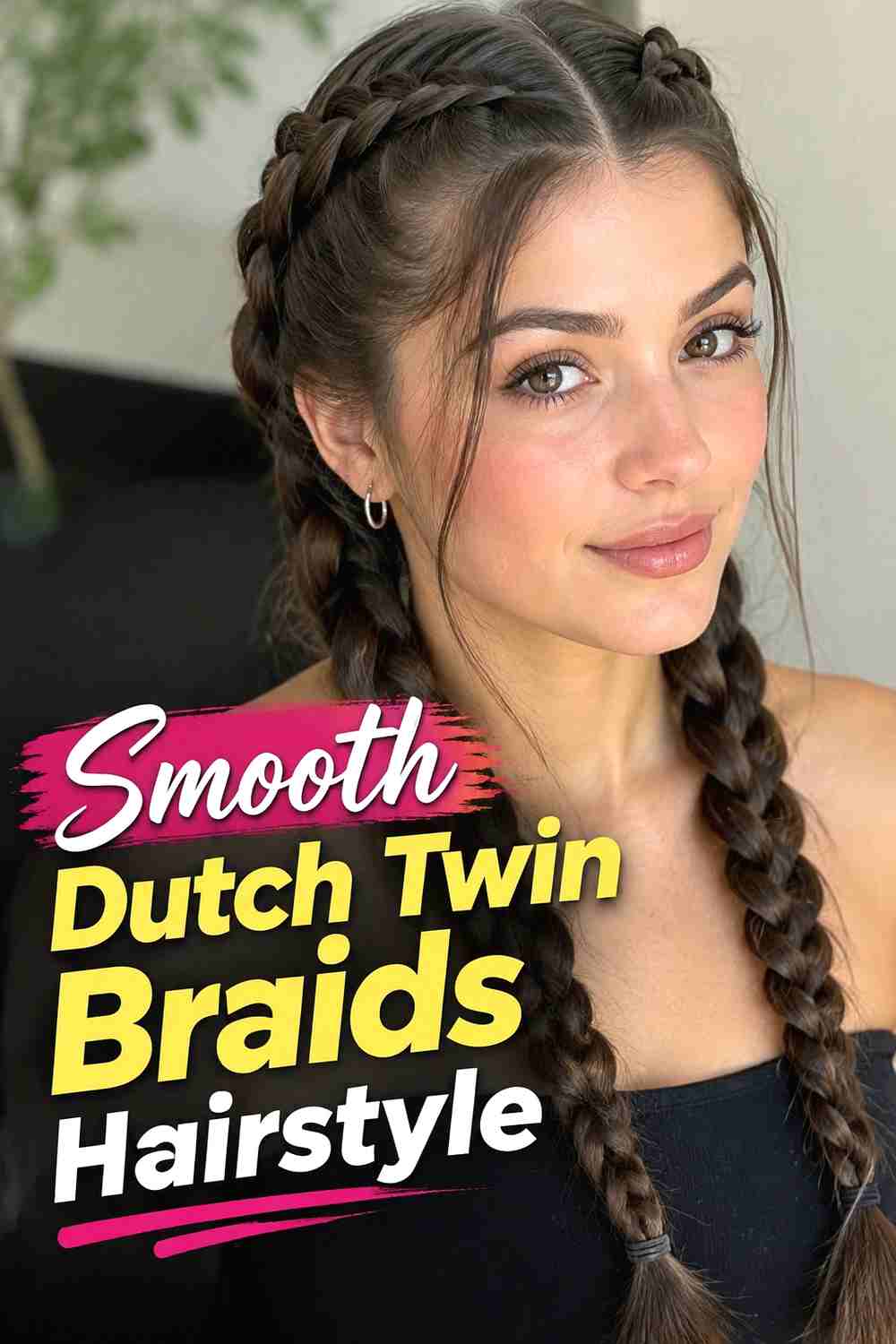
Smooth Dutch twin braids add more definition along the scalp than basic low braids while still keeping the overall profile compact. Each section is braided from the hairline toward the nape, so loose lengths and shorter layers are gathered gradually rather than relying on a single elastic at the back. The raised braid pattern adds texture that remains visible above a long puffer collar, making the hairstyle feel intentional even with simple winter layers. This style can work across several textures, though very curly or coily hair may show more natural volume around the braid pattern. Consistent section size is more important than pulling every strand extremely tight.
Pro Tip
Keep the tension even from the forehead through the nape. Braids that begin too tightly can become uncomfortable after several hours, particularly when combined with hats, headphones, or a hood.
5. Sleek French Braid Hairstyle
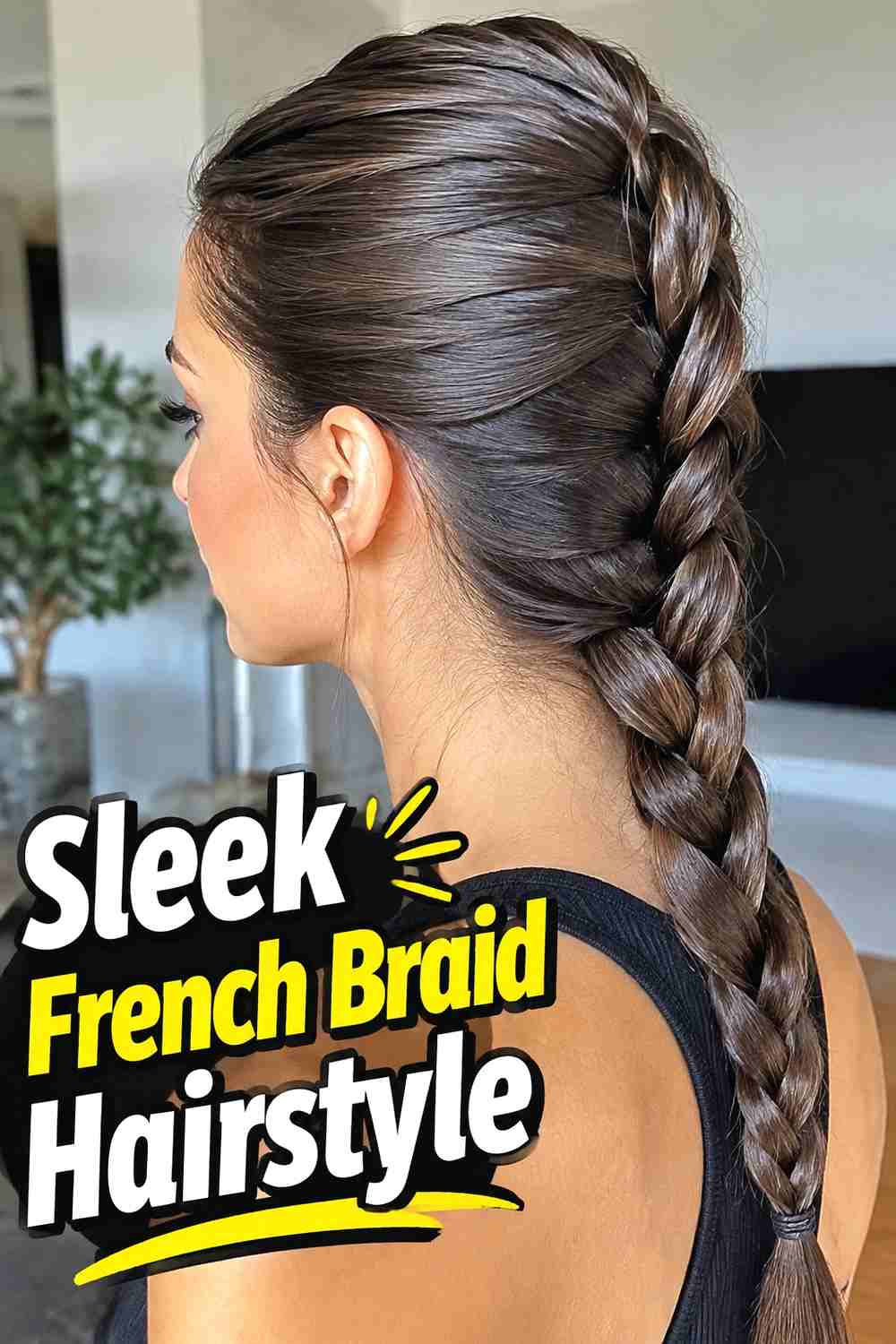
A single French braid creates a smooth, continuous line from the crown down through the length, making it an efficient choice when you want one secure hairstyle with minimal loose hair. Because the braid follows the head before extending below the nape, it stays relatively flat beneath a hood and does not require a high ponytail base. The style looks especially polished when the front and sides are gently smoothed while a little natural texture remains through the braid itself. It can handle a long travel schedule well, although very layered cuts may need a few discreet pins near the nape. Position the finishing elastic low enough that it does not rub against the puffer collar.
Hair Type & Length
Medium to long hair gives the braid enough length to develop clearly. Dense hair creates a fuller plait, while finer hair can be braided with slightly larger sections for more visible shape.
6. Low Fishtail Braid Hairstyle

A low fishtail braid brings a more detailed finish to travel hair without requiring extra height at the crown. Gathering the hair gently at the nape keeps the silhouette smooth, while the narrow woven pattern adds visual interest below the collar of a long puffer jacket. A slightly relaxed fishtail often feels more wearable than an extremely tight version because it allows natural movement and avoids making the ends look stiff. The style is easiest on medium to long hair with enough length to show the crossing pattern. Since a fishtail can loosen more quickly than a traditional three-strand braid, a secure finishing elastic is particularly useful for long days in transit.
Wear & Maintenance
Keep the top smooth but avoid excessively loosening the woven sections if you will be wearing a backpack or repeatedly pulling your coat on and off. Less expansion usually means fewer snagged strands.
7. Smooth Rope Braid Ponytail Hairstyle
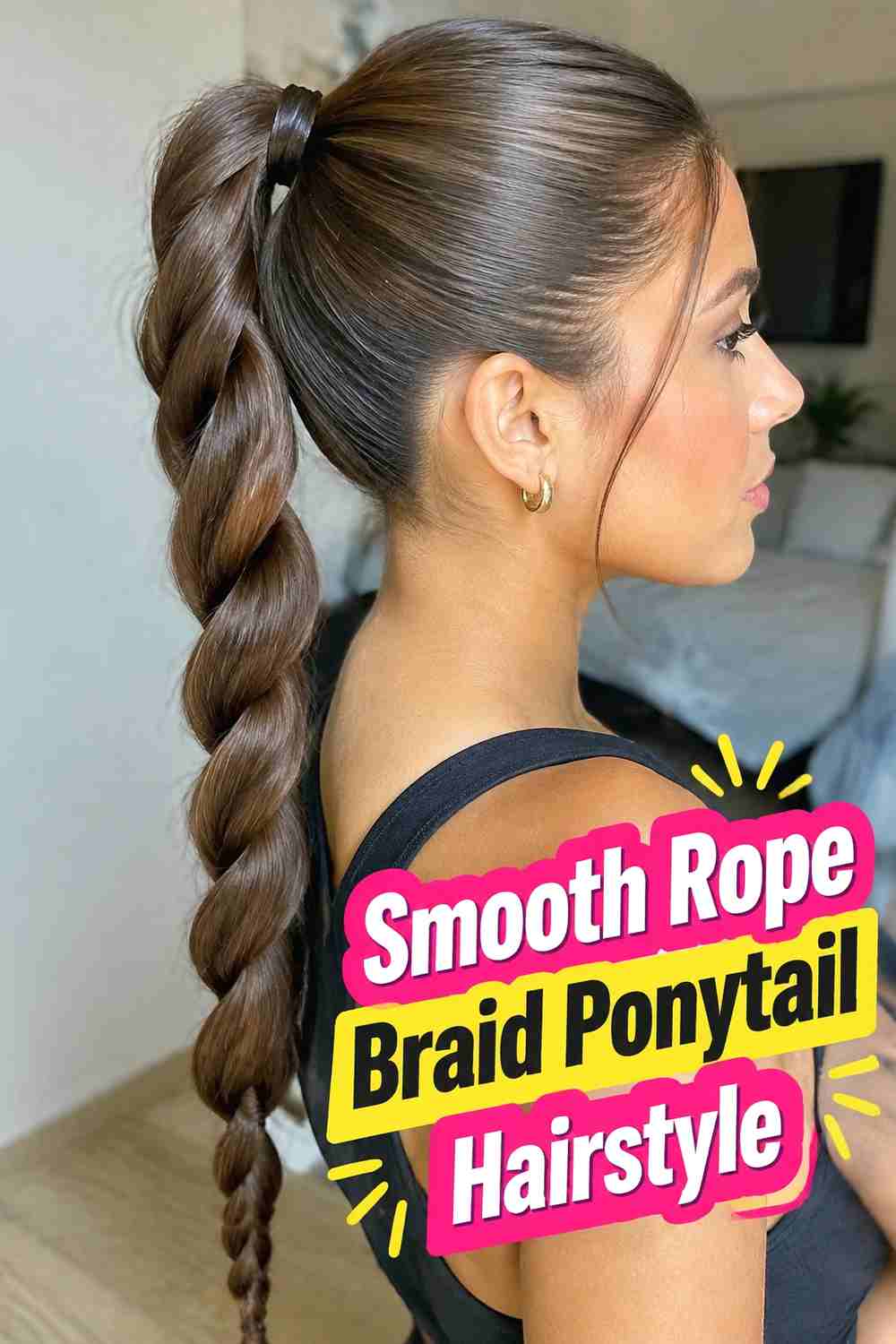
A rope braid ponytail has a clean, streamlined shape that complements the long vertical lines of a puffer coat. Hair is first secured into a low ponytail, divided into two sections, twisted, and then wrapped together to create the rope effect. The result looks polished without the intricate sectioning required for French or Dutch braiding. It works best when the two sections maintain consistent tension, since uneven twisting can cause the rope pattern to unravel. The style is especially attractive on hair with enough length to show several rotations below the elastic. Keeping the base near the nape also helps the hairstyle sit comfortably beneath travel hoods and winter accessories.
Styling Notes
Twist the two sections individually in one direction, then wrap them together in the opposite direction. That opposing motion helps the finished rope hold its recognizable shape.
8. Wrapped Base Braided Ponytail Hairstyle
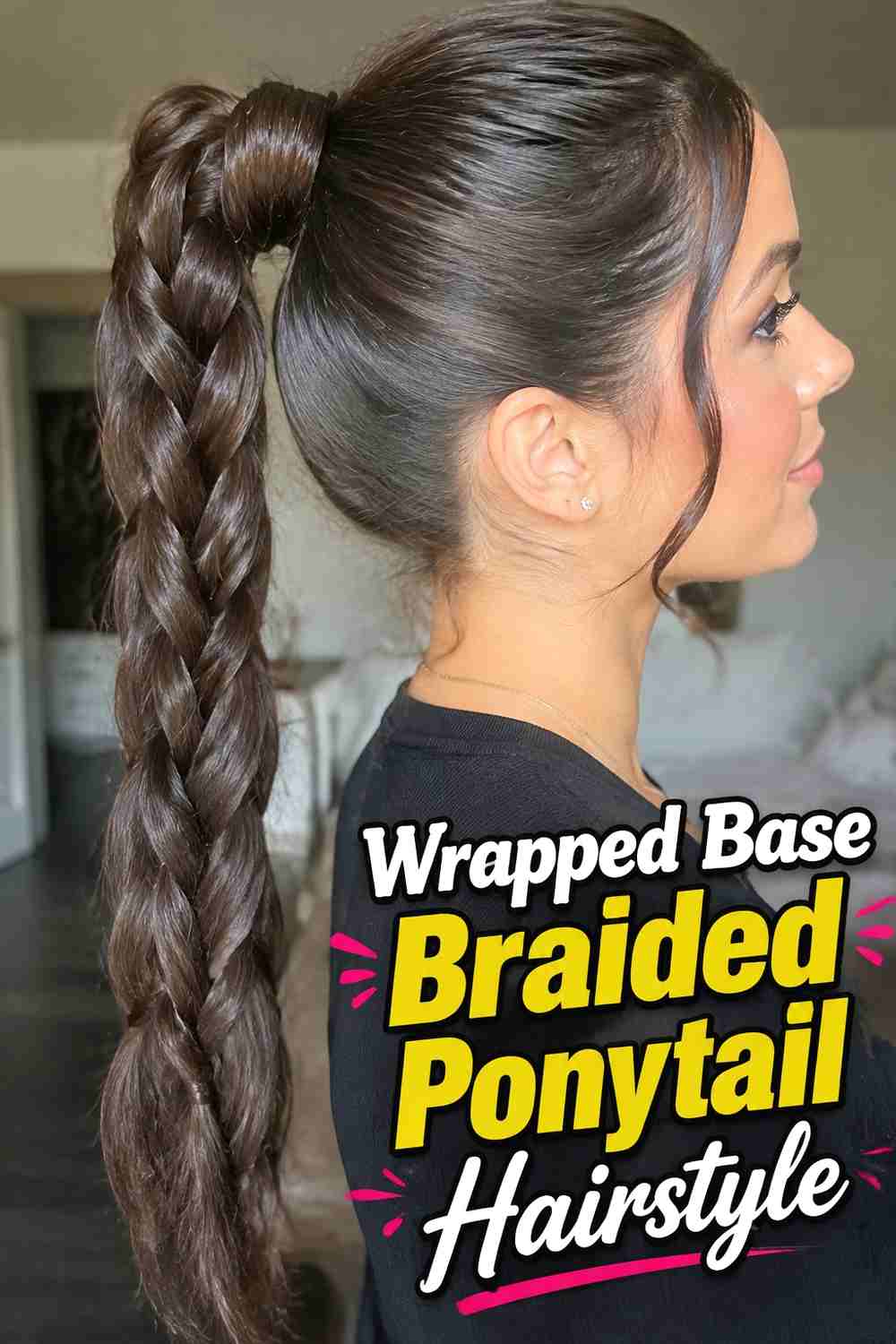
A wrapped base gives a standard braided ponytail a more finished look while preserving the practicality needed for travel. Begin with a smooth low ponytail, reserve a narrow strand, and use it to cover the elastic before braiding the remaining length. The wrapped detail hides the fastening point and creates a cleaner transition from sleek roots to textured braid. Because everything sits low, the hairstyle pairs easily with a long puffer and can be moved over the shoulder when sitting against a headrest. Medium and thick hair usually provides enough material for both the wrap and braid, although finer hair can use a smaller wrapping section to preserve fullness through the length.
Why It Works
The style looks intentionally polished without adding decorative accessories that might catch on scarves or jacket collars. It is a useful middle ground between a simple travel braid and a more formal braided ponytail.
9. Sleek Half Up Braid Hairstyle
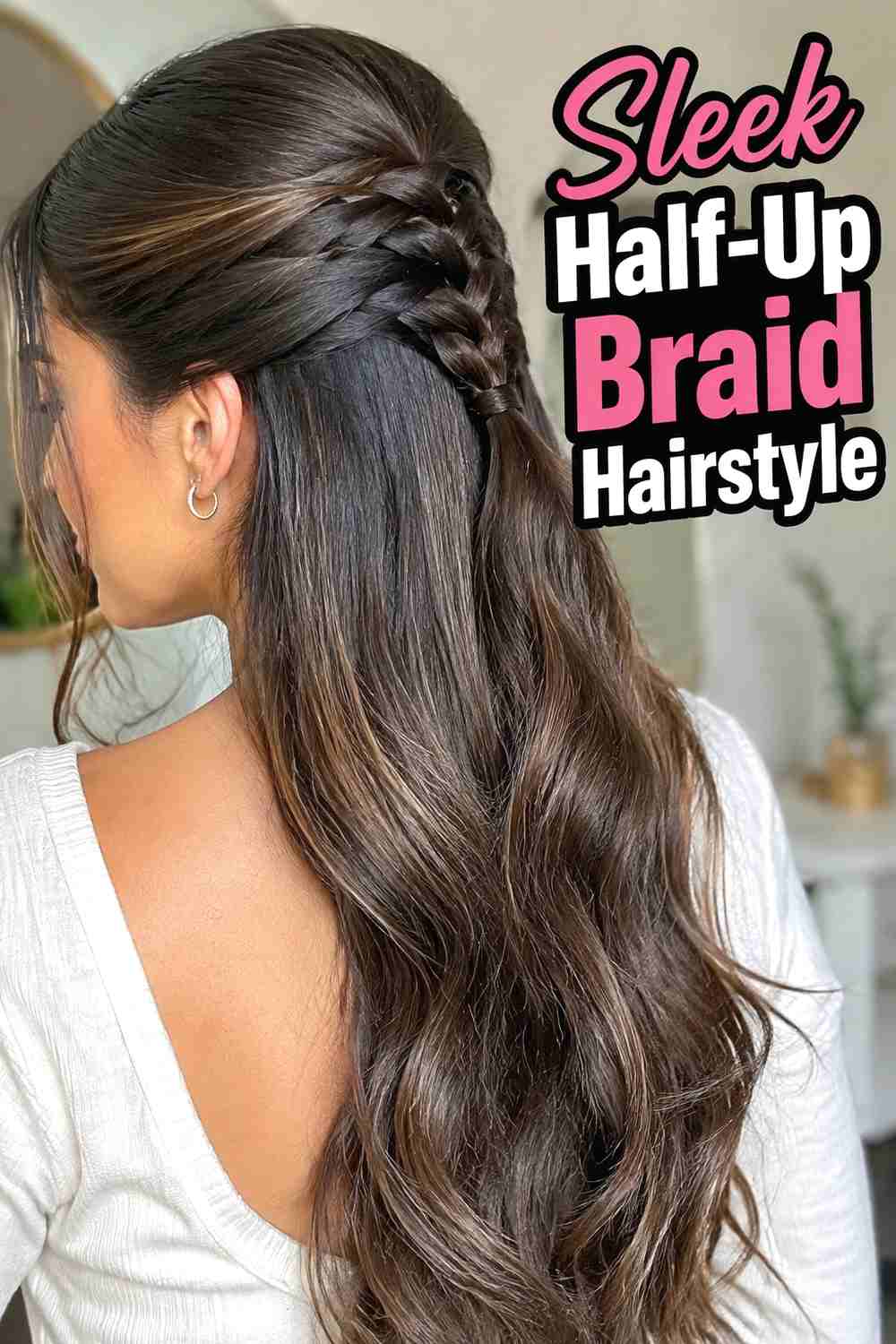
A sleek half-up braid is a good option when you want some hair controlled but still prefer visible length around the shoulders. The upper section is smoothed away from the face and braided down the center, while the lower hair remains loose with its natural straight, wavy, curly, or coiled texture. This creates a balanced look that feels less restrictive than a full braid, yet it still prevents the crown from becoming messy beneath a hood. With a long puffer, keep the loose lengths mostly outside the collar to reduce tangling. The style works particularly well for shorter long hair or medium lengths that may not produce a substantial full braid.
Best For
Choose this look for shorter trips, airport outfits, or travel days when you want a softer finish. It requires a little more attention than a fully braided style because the loose sections can rub against outerwear.
10. Low Double Braids Hairstyle
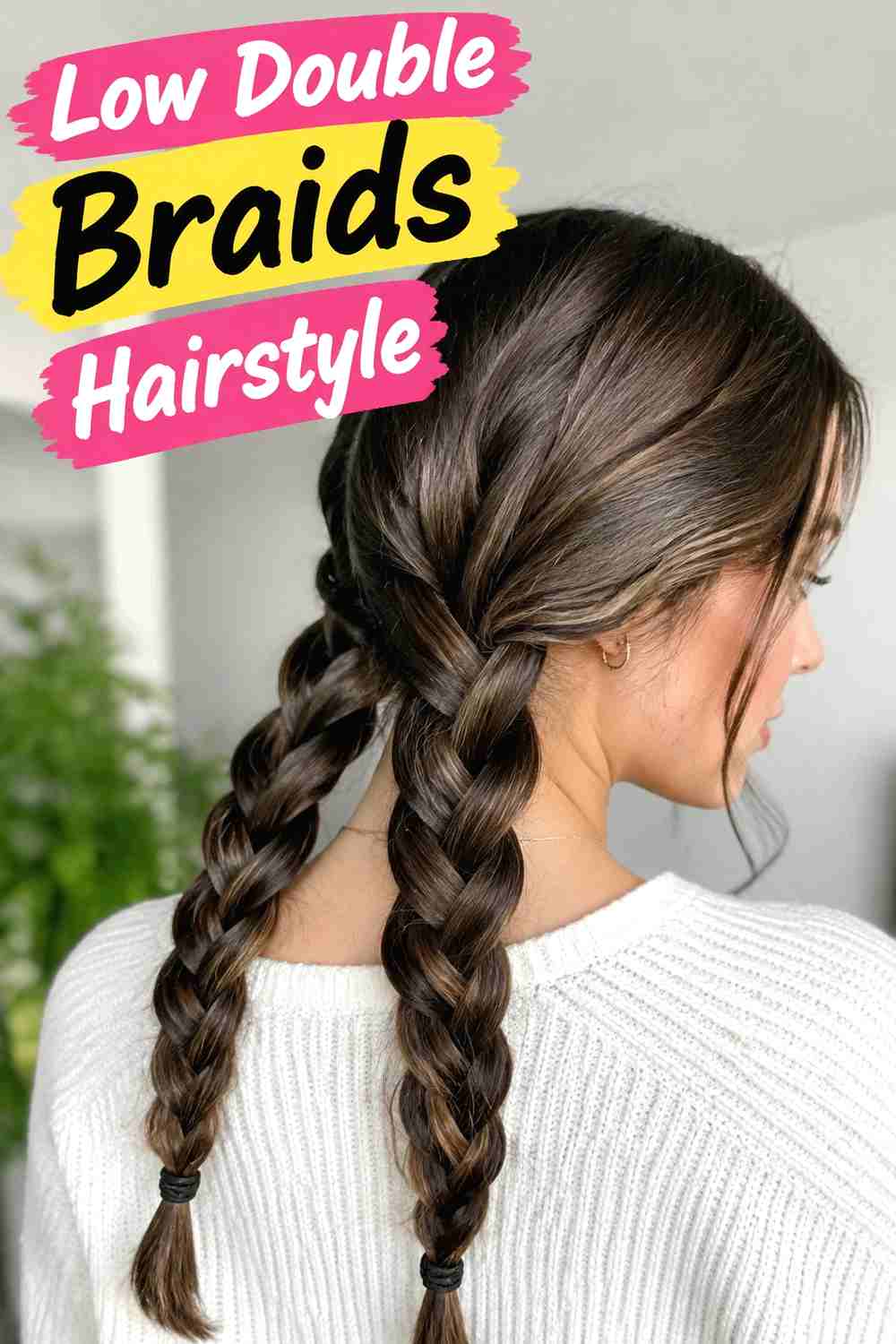
Low double braids offer a softer alternative to tightly braided-from-the-scalp styles. The hair is divided into two sections, secured or gathered near the nape, and braided from that low point downward. The roots can remain smoothly brushed while retaining a touch of natural volume, which keeps the finish from feeling overly severe. Because the braid bases sit beneath the ears rather than high on the head, they usually work comfortably with a long puffer, winter hat, or roomy hood. The two braids can rest in front of the shoulders during seated travel, keeping them away from backpack straps and seatbacks. This style is straightforward to redo if one section loosens during the day.
Pro Tip
Match the starting height and approximate thickness of both braids before you begin. Even placement gives the finished style a deliberate, balanced appearance without requiring perfectly identical strands.
11. Smooth Crown To Back Braid Hairstyle
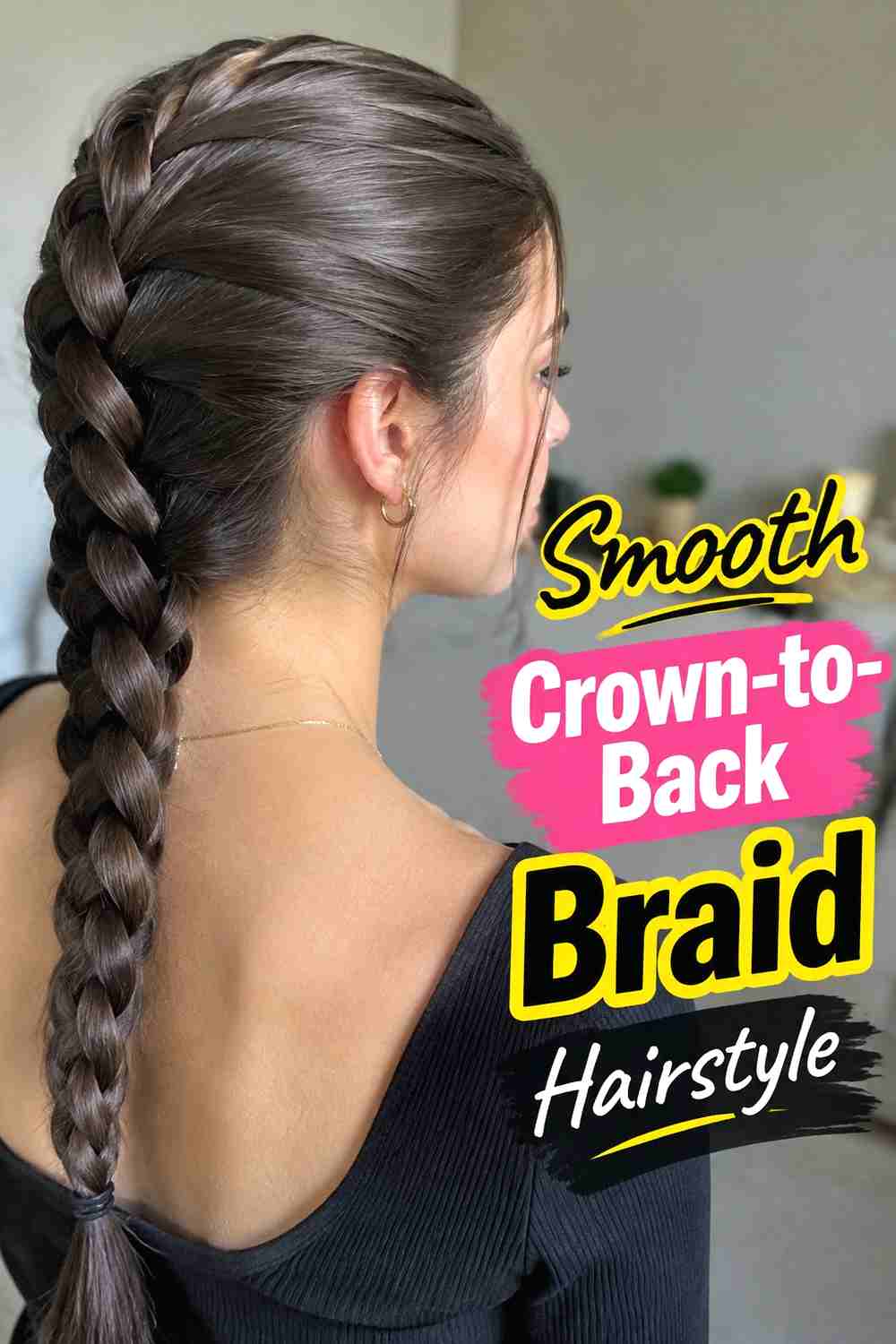
A smooth crown-to-back braid keeps the front and sides controlled before flowing into one centered braid behind the head. The shape gives the polished effect of a scalp braid while allowing the lower section to remain substantial and visible. It is a strong option for travelers who prefer one braid but want more structure at the crown than a basic ponytail braid provides. Keep the braid relatively flat through the upper head so a hood can slide over it without creating a pressure point. Once the braid reaches below the puffer collar, a slightly softer finish through the tail can add movement and prevent the style from appearing overly tight or formal.
Wear & Maintenance
Check where the braid changes from scalp sectioning to free-hanging length before leaving. Ideally, that transition should sit above or below the stiffest part of your jacket collar rather than directly against it.
How to Choose the Right Look
Start with the way you expect to travel. If you will spend hours against a seatback, twin braids, a side braid, or any style that can be pulled forward may feel more comfortable than a thick braid centered at the nape. For frequent hood use, French, Dutch, and crown-following braids offer a flatter shape across the head.
Hair length and density matter too. Medium lengths may be easier to manage in twin braids or a half-up braid, while long hair gives fishtail, rope, and wrapped ponytail braids more room to show their pattern. If your hair has many short layers, scalp-based braiding can help contain them gradually.
Finally, consider styling time and maintenance. A simple low braid is quick to redo during a trip, while Dutch and fishtail styles take more initial effort. Whatever you choose, prioritize comfortable tension, a fastening point that does not press into your coat collar, and a finish that can tolerate scarves, hoods, and repeated jacket changes.
Final Thoughts
Smooth travel-day braids work especially well with long puffer jackets because they keep hair organized without adding unnecessary bulk around winter layers. Choose the placement that best suits your hood, collar, hair length, and travel routine, then adjust the tension and finish to keep the style comfortable for the full day.
FAQs
1. What braid is most comfortable with a long puffer jacket?
Twin braids or a side braid are often convenient because they can be brought forward over the shoulders instead of sitting between your neck and the jacket collar.
2. Are low braids better than high ponytails for travel?
They can be more comfortable when you are using headrests, hoods, or high collars. A low braid also reduces the bulky fastening point created by a high ponytail.
3. How can I keep a smooth braid neat during a long trip?
Start with clean, controlled sections, use secure snag-free elastics, and carry a few pins for shorter pieces. Avoid constantly pulling the braid through tight scarves or backpack straps.
4. Can these travel braids work on curly or textured hair?
Yes. The finished surface and braid volume will naturally reflect your texture, and you do not need perfectly straight hair to create a polished travel braid.
5. Which style is easiest to redo while traveling?
A smooth low ponytail braid or low double braids are among the simplest because they use basic sectioning and can usually be reconstructed without complicated scalp braiding.
CTA
Save your favorite braid for your next cold-weather travel day, share the ideas with a friend, and explore more practical hairstyle inspiration for layered winter outfits.