16 Air-Dried Wavy Wolf Cut Hairstyles
Air-dried waves and a soft wolf cut are a natural match, creating effortless texture, movement, and volume without requiring a perfectly polished finish.
The key is cutting the layers so they cooperate with your natural wave pattern instead of depending on heat styling to create shape. Softer crown layers can encourage lift, while face-framing pieces and tapered ends give the haircut movement without removing too much weight from the lower lengths.
Different wave patterns need different levels of layering. Loose waves often suit longer transitions, while stronger waves can support more separation around the crown and face. Think about density, shrinkage, frizz, drying time, and how much styling product you actually enjoy using before choosing your version.
Quick List
- Classic Air Dried Wavy Wolf Cut Hairstyle
- Soft Fringe Air Dried Wolf Cut Hairstyle
- Collarbone Wavy Wolf Cut Hairstyle
- Long Air Dried Wolf Cut Hairstyle
- Choppy Wavy Wolf Cut Hairstyle
- Soft Shag Wolf Cut Hairstyle
- Center Part Wavy Wolf Cut Hairstyle
- Side Part Air Dried Wolf Cut Hairstyle
- Face Framing Wavy Wolf Cut Hairstyle
- Airy Crown Wolf Cut Hairstyle
- Tapered End Wavy Wolf Cut Hairstyle
- Curtain Bangs Wolf Cut Hairstyle
- Piecey Air Dried Wolf Cut Hairstyle
- Rounded Wavy Wolf Cut Hairstyle
- Tousled Midi Wolf Cut Hairstyle
- Low Maintenance Wavy Wolf Cut Hairstyle
1. Classic Air Dried Wavy Wolf Cut Hairstyle
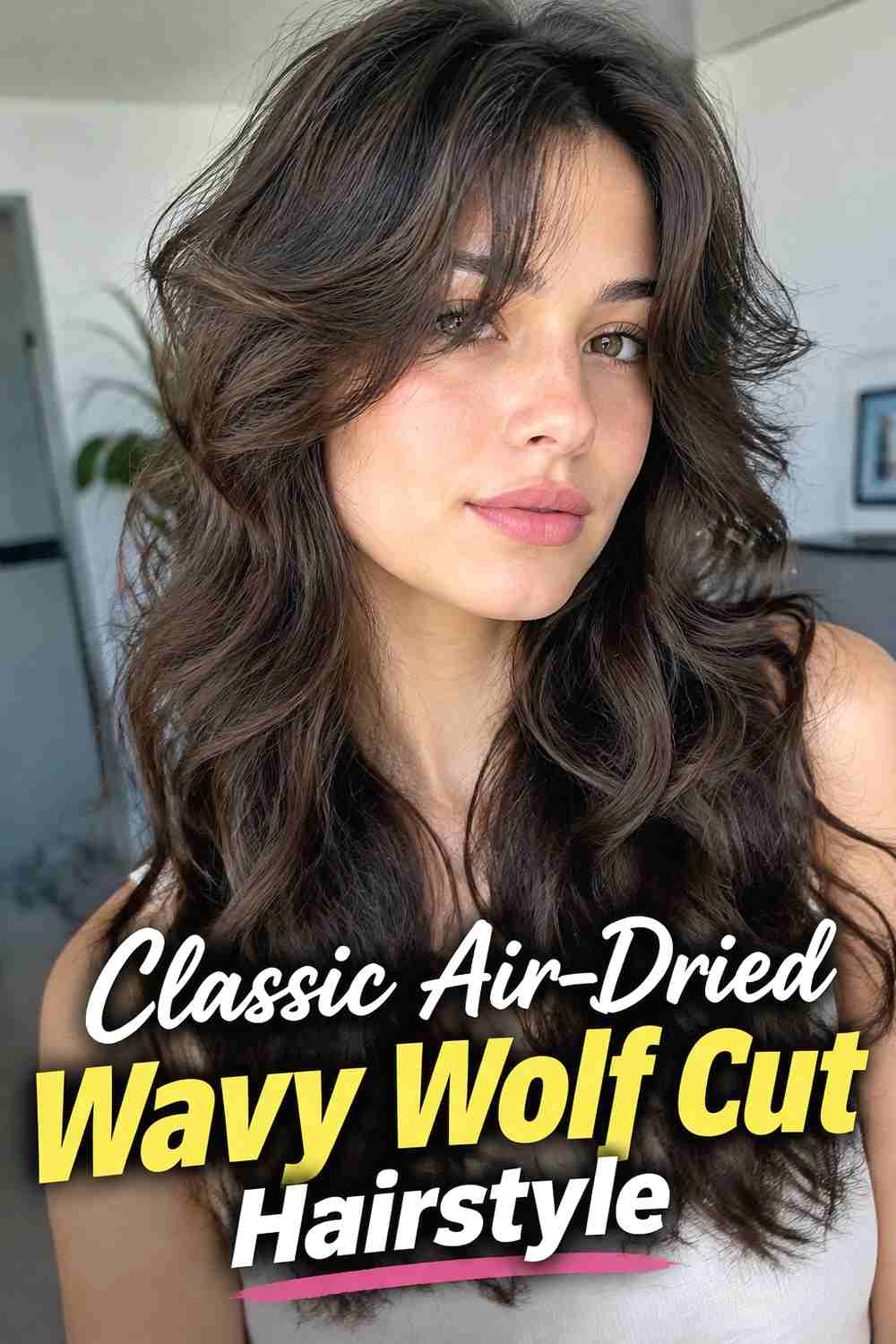
The classic air-dried wolf cut uses shorter crown layers, gradual face framing, and longer lower sections to create natural movement without forcing the hair into a highly styled finish. On wavy hair, those different lengths encourage the pattern to lift and bend in several directions, which gives the silhouette its relaxed texture. Keeping enough weight through the ends prevents the cut from becoming too fluffy or thin. The strongest version follows the natural wave formation rather than cutting every layer to a rigid formula. Once dry, the hair should show soft separation, believable volume, and slightly imperfect bends that make the wolf shape feel intentional rather than overworked.
Styling Notes
Apply a lightweight wave product to damp hair, encourage the natural pattern with gentle scrunching, and avoid repeatedly touching the hair as it dries.
2. Soft Fringe Air Dried Wolf Cut Hairstyle
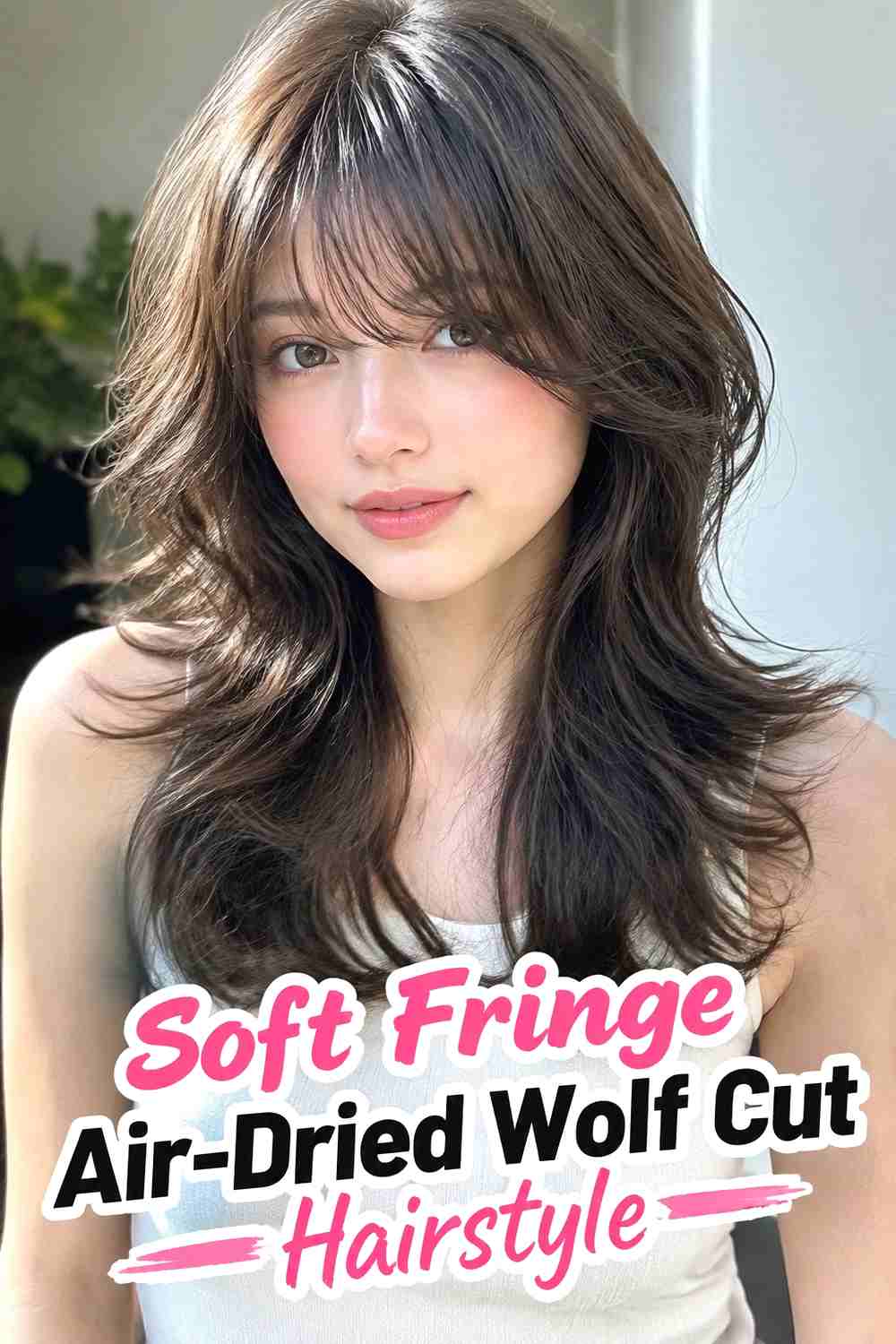
A soft fringe gives an air-dried wolf cut extra detail around the forehead without requiring a thick, high-maintenance bang. The fringe can be light and slightly separated, gradually blending into cheekbone and jaw-length pieces that connect with the rest of the haircut. Through the crown, moderate layering creates lift while the lower lengths stay full enough to support the natural waves. This works especially well when the hair already bends around the hairline, because the fringe can dry with a relaxed shape instead of needing perfect round-brush styling. Small irregularities in the wave pattern make the overall cut feel natural and complement the softer, less structured fringe.
Best For
This variation is useful if you want some forehead coverage but prefer a fringe that can work with natural movement rather than daily precision styling.
3. Collarbone Wavy Wolf Cut Hairstyle
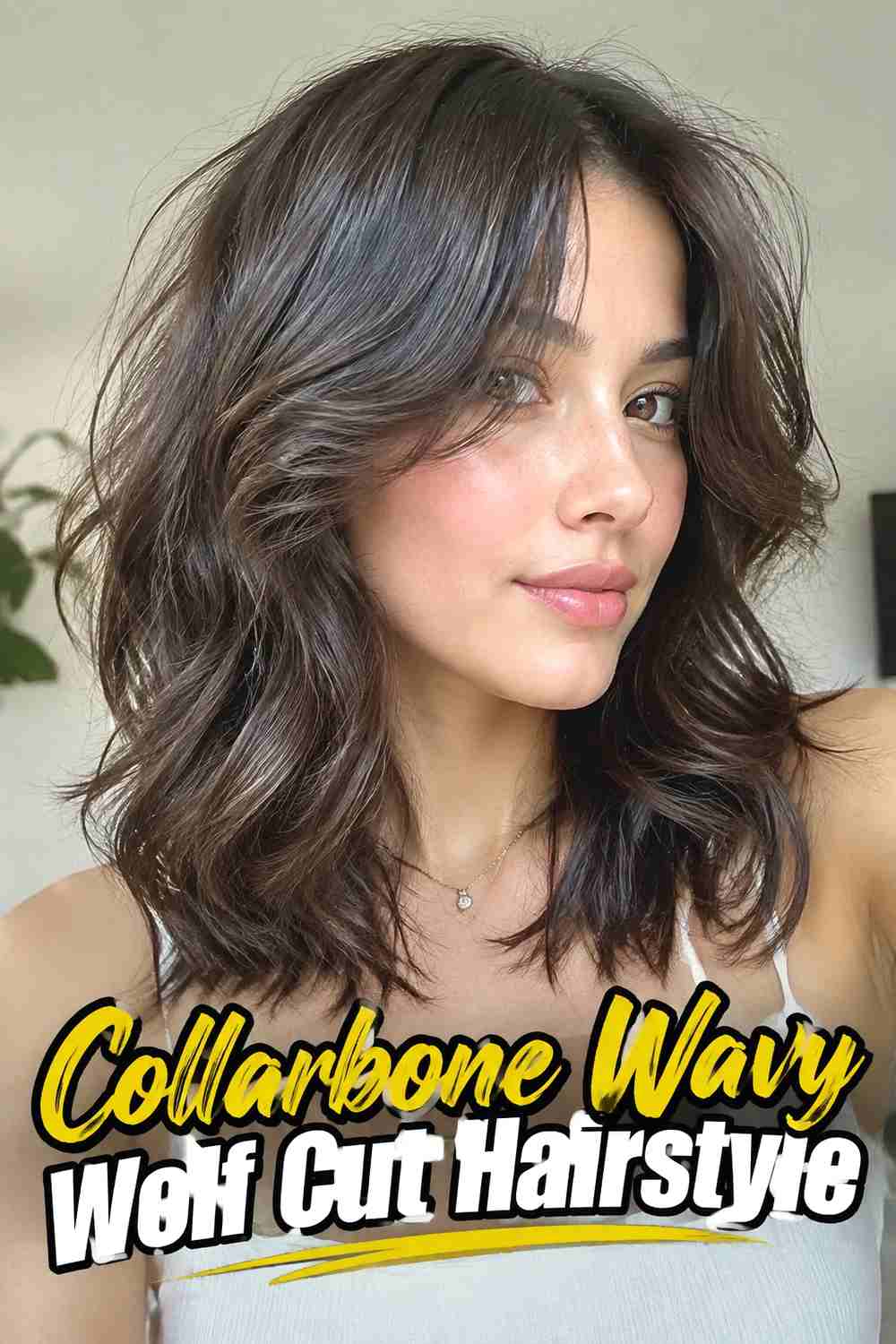
A collarbone-length wolf cut keeps the shape compact while still leaving enough hair for waves to form through several layers. Shorter sections around the crown and face can create lift, while the longest pieces sit near the shoulders or collarbones for a balanced perimeter. Because the length is relatively short, removing too much weight can make the ends appear sparse, so the layering should remain controlled. Air drying allows the natural wave pattern to create most of the texture, making this a practical alternative to heavily blown-out layered cuts. The finished silhouette should feel light through the upper sections but still substantial around the lower edge.
Hair Type & Length
Loose to medium waves can work particularly well at collarbone length when the haircut preserves enough density through the perimeter.
4. Long Air Dried Wolf Cut Hairstyle
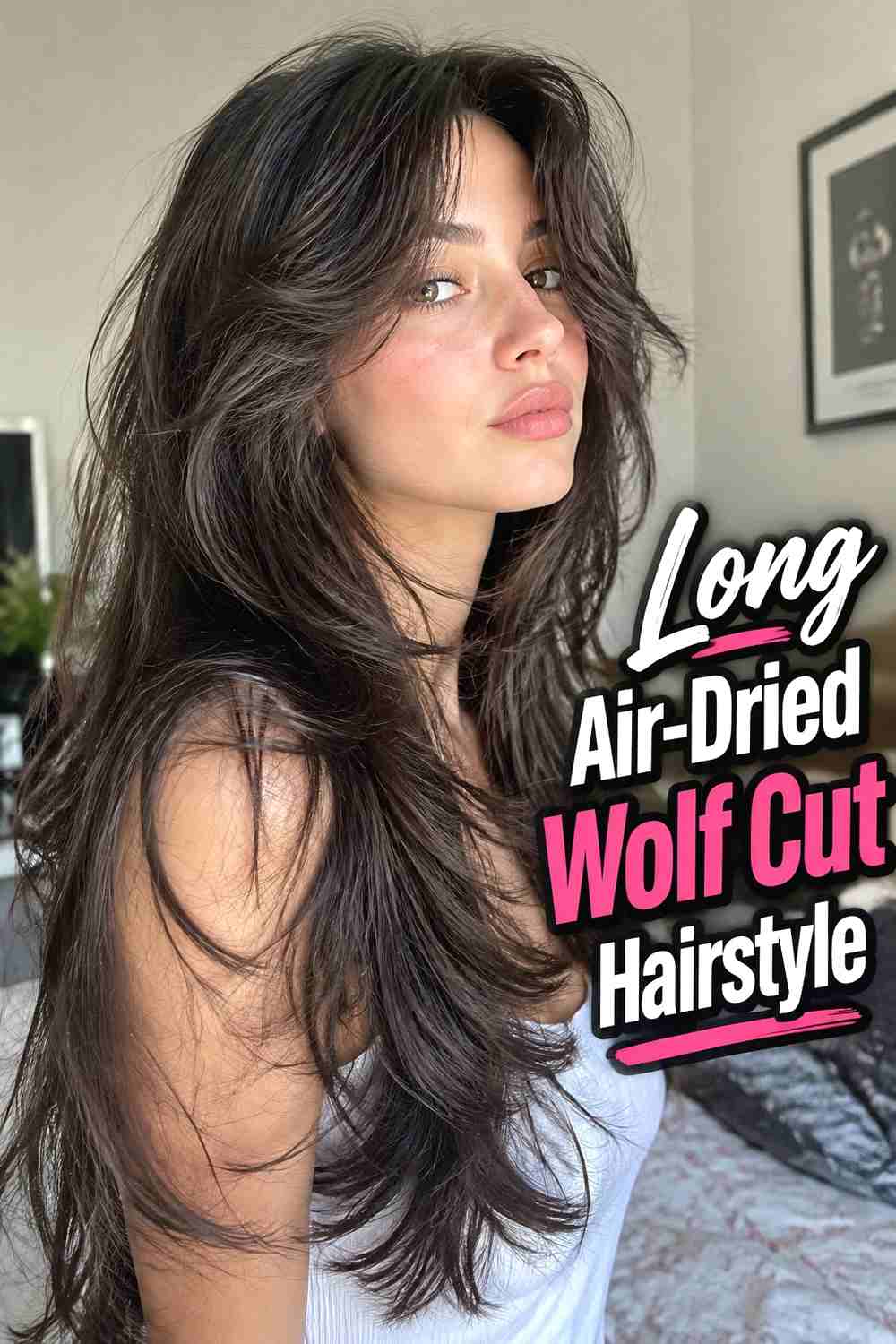
A long air-dried wolf cut preserves substantial length while using shorter upper layers to keep wavy hair from hanging completely flat. Face-framing pieces can begin around the cheekbones or jaw, then flow into longer layers through the chest and back. The extra length gives natural waves room to stretch and vary, creating a softer interpretation of the wolf cut than a highly cropped or shaggy version. Keeping some weight through the longest sections also helps control excessive expansion. This style is especially appealing if you want a layered shape but still like the flexibility of long hair for braids, ponytails, and updos between wash days.
Why It Works
The shorter upper layers add movement where long waves can become weighed down, while the lower lengths maintain fullness and versatility.
5. Choppy Wavy Wolf Cut Hairstyle
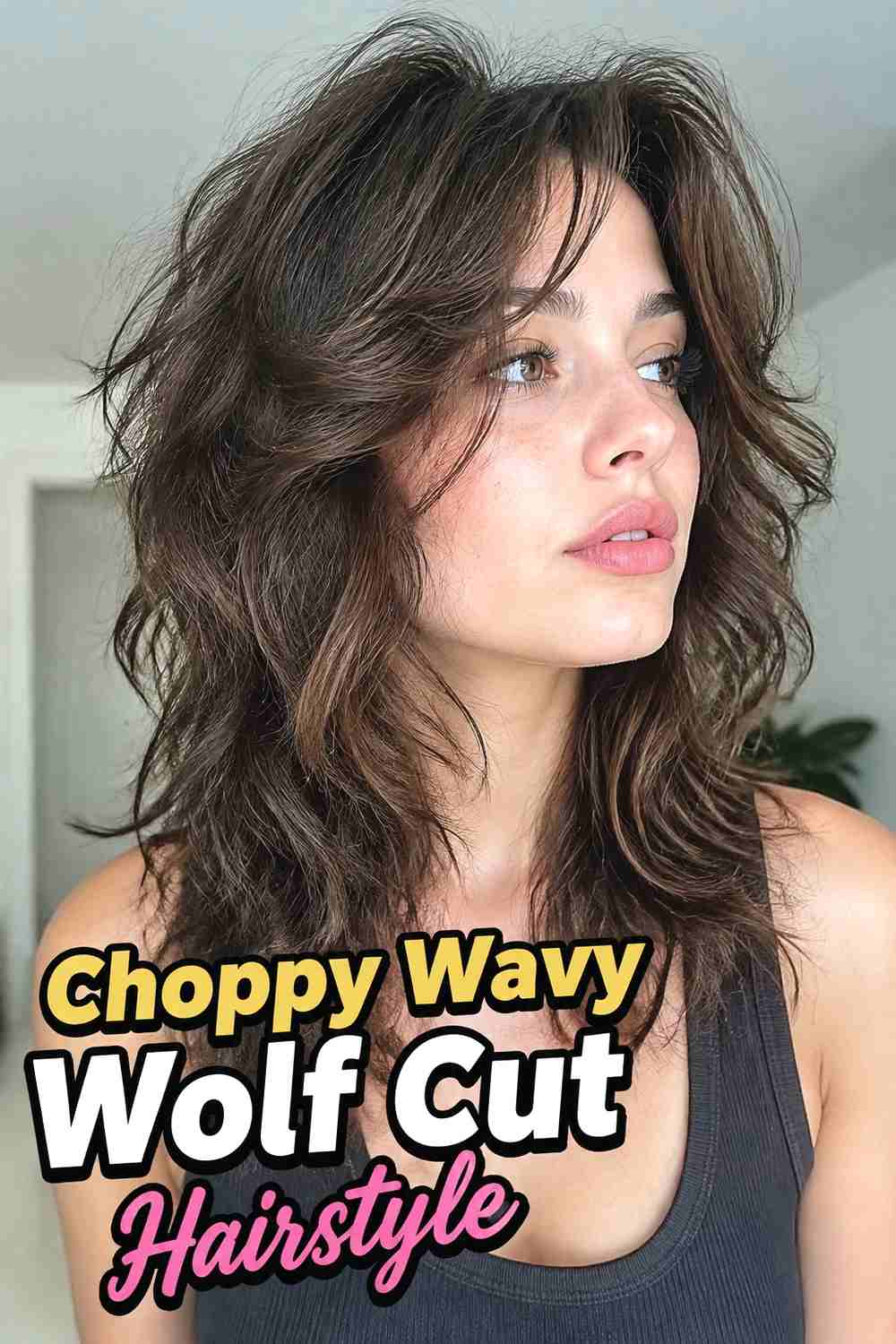
A choppy wavy wolf cut creates more obvious separation between layers, giving natural texture an edgier, less polished finish. The shorter sections around the crown and face can be cut with slightly more distinction, while the lower layers remain long enough to prevent the haircut from turning into a highly tapered shag. Air-dried waves help blend the choppiness naturally because each bend falls in a slightly different direction. This version works best when the texture already has enough movement to keep the layer transitions from appearing rigid. The overall shape should feel intentionally broken up, with individual sections visible without making the ends excessively thin.
Styling Notes
Use a small amount of texture-enhancing product and let the waves form naturally instead of trying to define every piece into the same pattern.
6. Soft Shag Wolf Cut Hairstyle
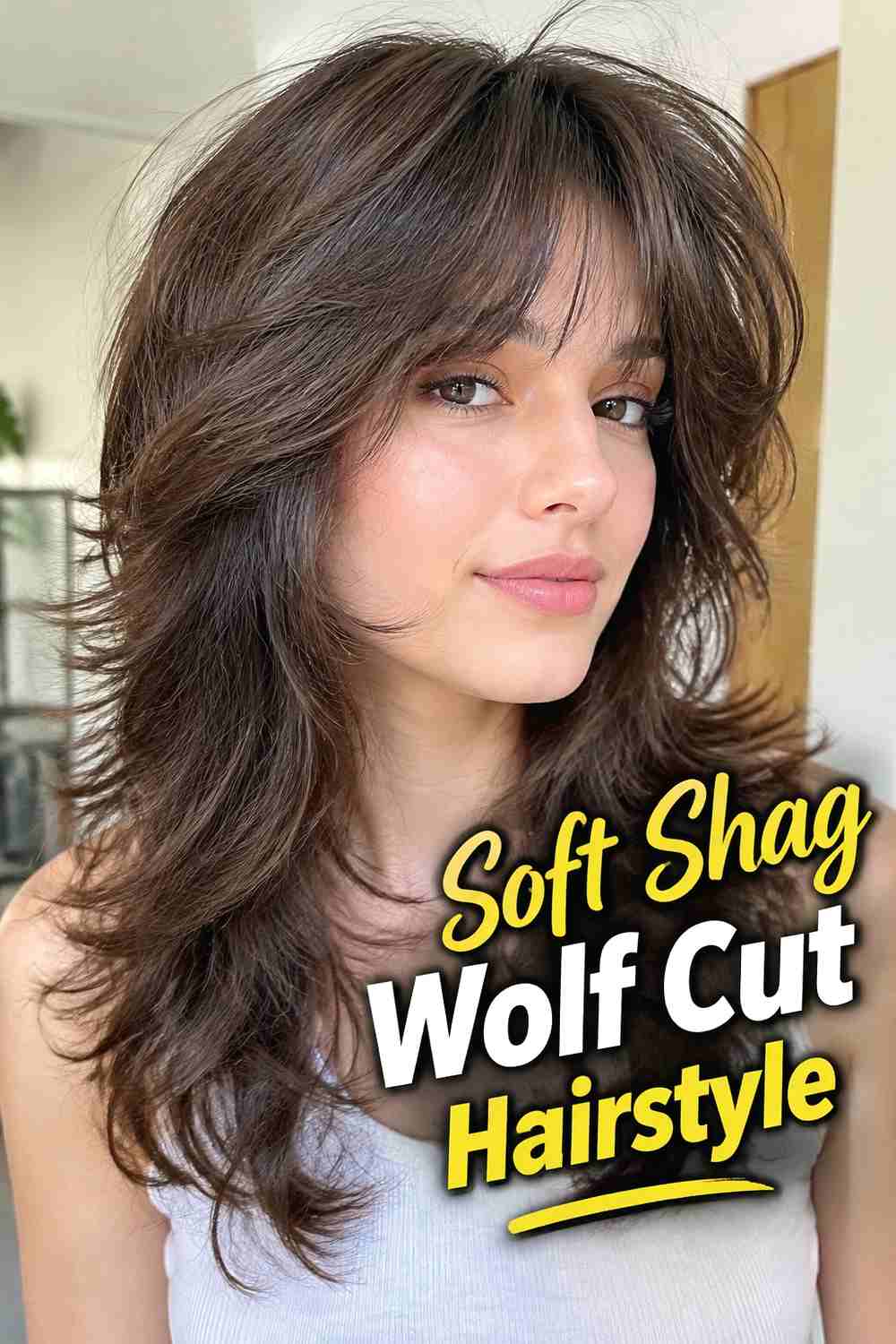
The soft shag version leans into crown texture and face-framing movement while keeping the transitions gentler than a traditional heavily layered shag. Natural waves bring the short and long sections together, creating a relaxed silhouette that can work well with minimal styling. A little extra layering around the upper sides prevents the shape from becoming bottom-heavy, while a fuller perimeter keeps the haircut wearable between trims. Air drying suits this look because some irregularity is part of its appeal; the layers should not all fall into identical curves. The result feels textured and casual but still controlled enough to maintain a recognizable wolf-cut shape from the front and profile.
Best For
This cut suits anyone who likes shaggy movement but wants to avoid an extremely thin or aggressively feathered perimeter.
7. Center Part Wavy Wolf Cut Hairstyle
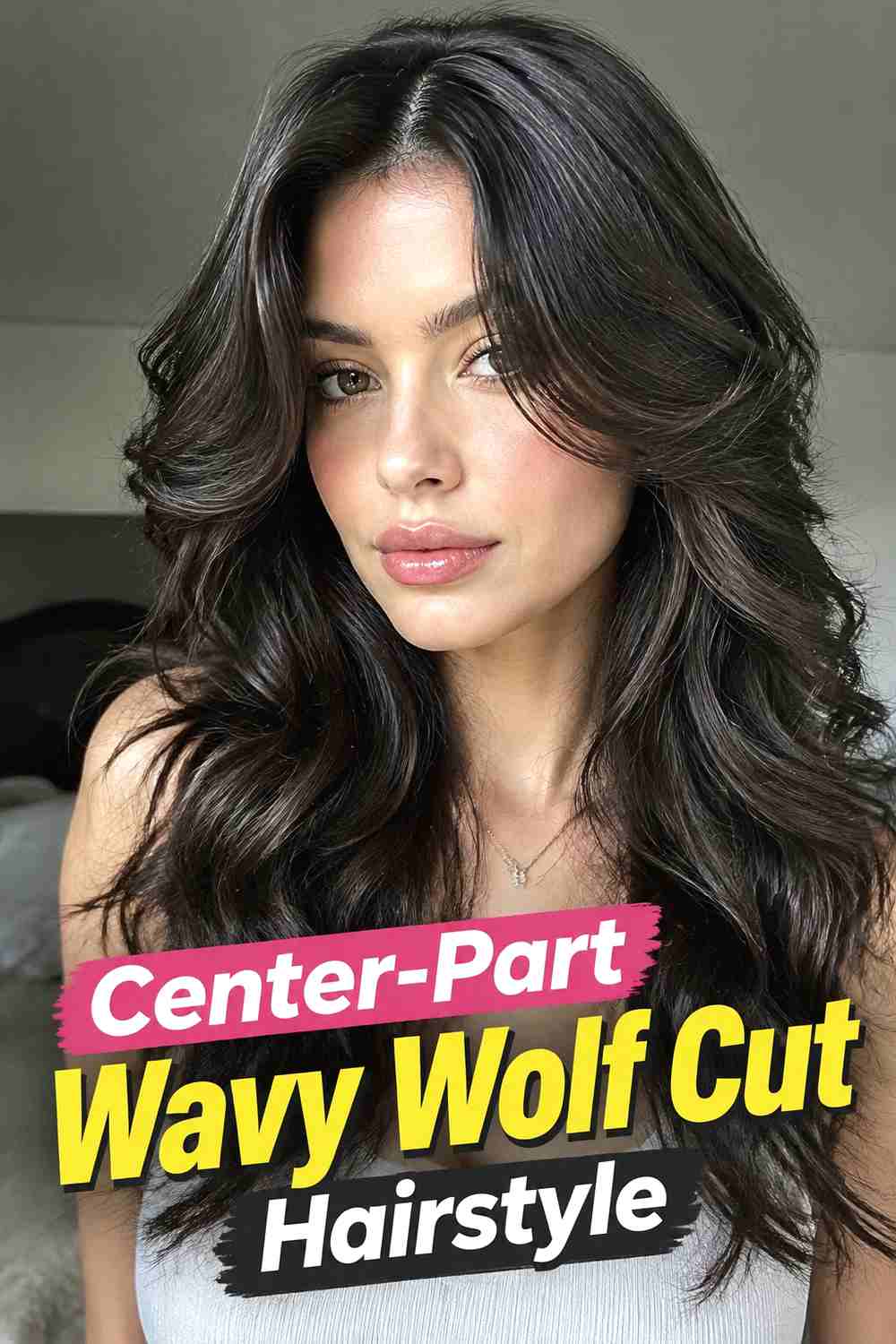
A center part gives an air-dried wolf cut a balanced frame, especially when face-framing layers begin at similar points on both sides. The front pieces can bend naturally away from or toward the face depending on the wave pattern, while shorter crown sections provide soft lift behind the part. The center line makes the haircut look more symmetrical, but the waves keep the overall finish from feeling rigid. Keeping the lower layers fuller helps balance any extra separation through the top. This version can be particularly attractive when you prefer a clean front profile but still want the relaxed texture and movement associated with a wolf cut.
Styling Notes
Set the center part while the hair is damp and allow the face-framing sections to dry in their natural direction rather than forcing them into matching curves.
8. Side Part Air Dried Wolf Cut Hairstyle
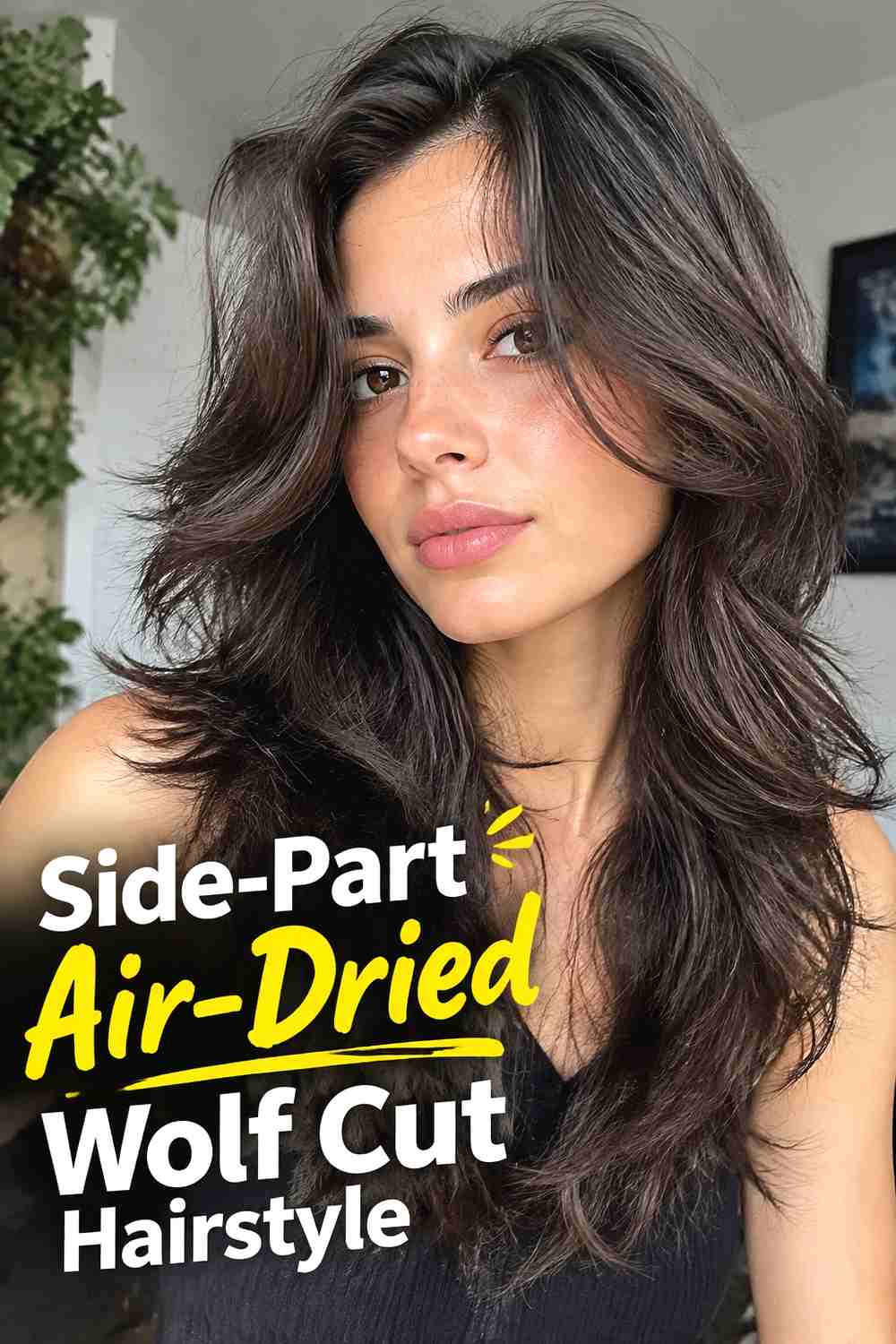
A side part creates instant asymmetry and can increase natural lift on one side of a wavy wolf cut. The heavier section gains more volume around the front and crown, while the lighter side may sit closer to the cheek or tuck easily behind the ear. The cut should account for that uneven distribution so the fuller side does not become bulky. Soft crown layers and graduated face framing keep the waves moving without needing a blowout. This version works especially well when your hair naturally falls to one side or when the wave pattern is stronger around one temple. The air-dried result feels loose, dimensional, and intentionally imperfect.
Why It Works
The side part uses natural weight distribution to create extra front volume without requiring more aggressive crown layering.
9. Face Framing Wavy Wolf Cut Hairstyle
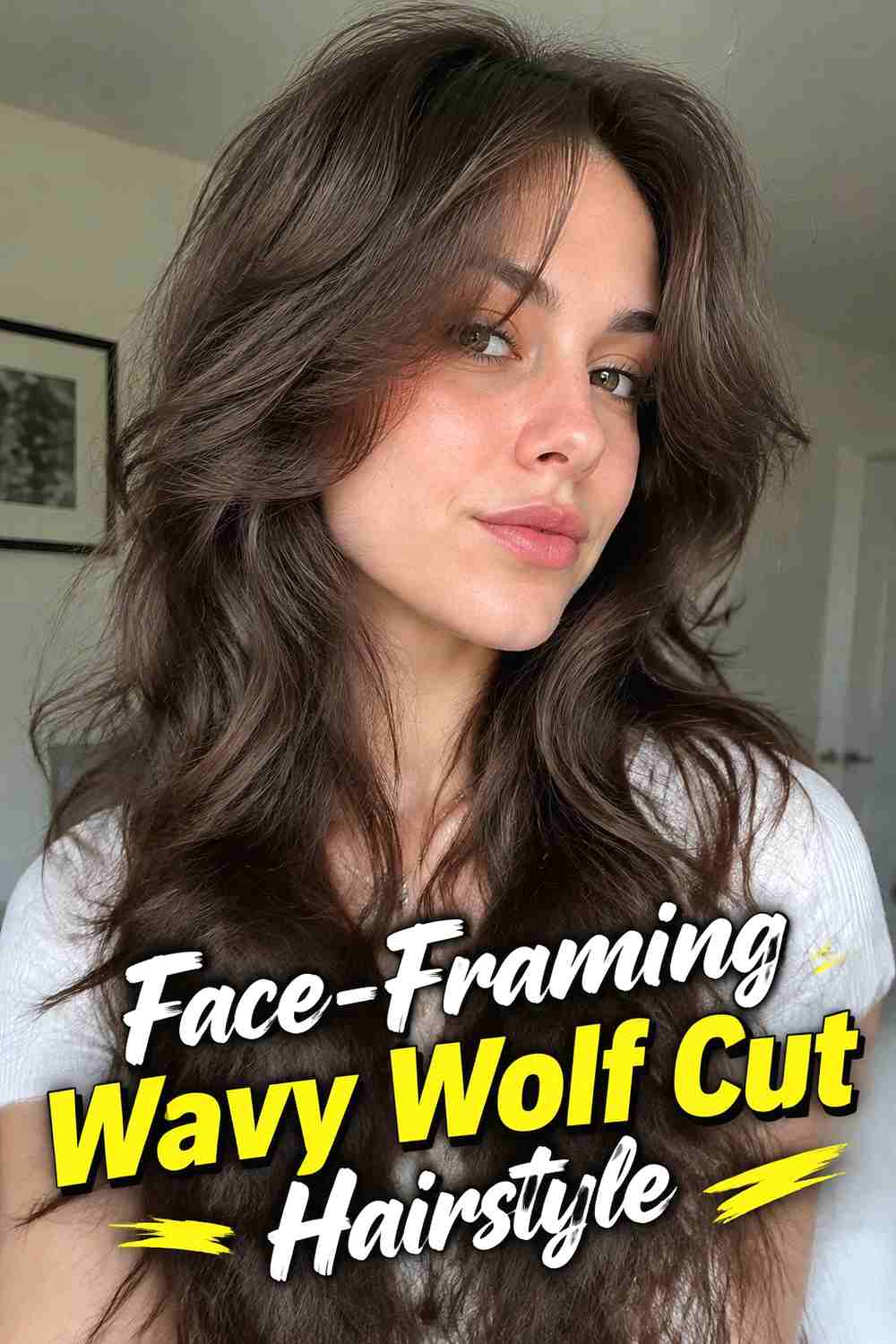
Face-framing layers make an air-dried wolf cut feel more defined around the front while letting the back remain comparatively long and full. Shorter pieces can begin near the cheekbones, then progress toward the jaw, shoulders, and lower lengths. Natural waves help these different sections overlap softly, reducing the risk of obvious steps between the layers. This is a useful approach if you want the wolf-cut effect to be most visible from the front rather than throughout the entire head. The back can keep enough weight for easy ponytails and low-maintenance styling, while the front develops movement as it dries without needing a curling iron or round brush.
Pro Tip
Ask for the shortest front layers to work with where your natural waves actually bend, rather than choosing their length only from a straight-hair reference.
10. Airy Crown Wolf Cut Hairstyle
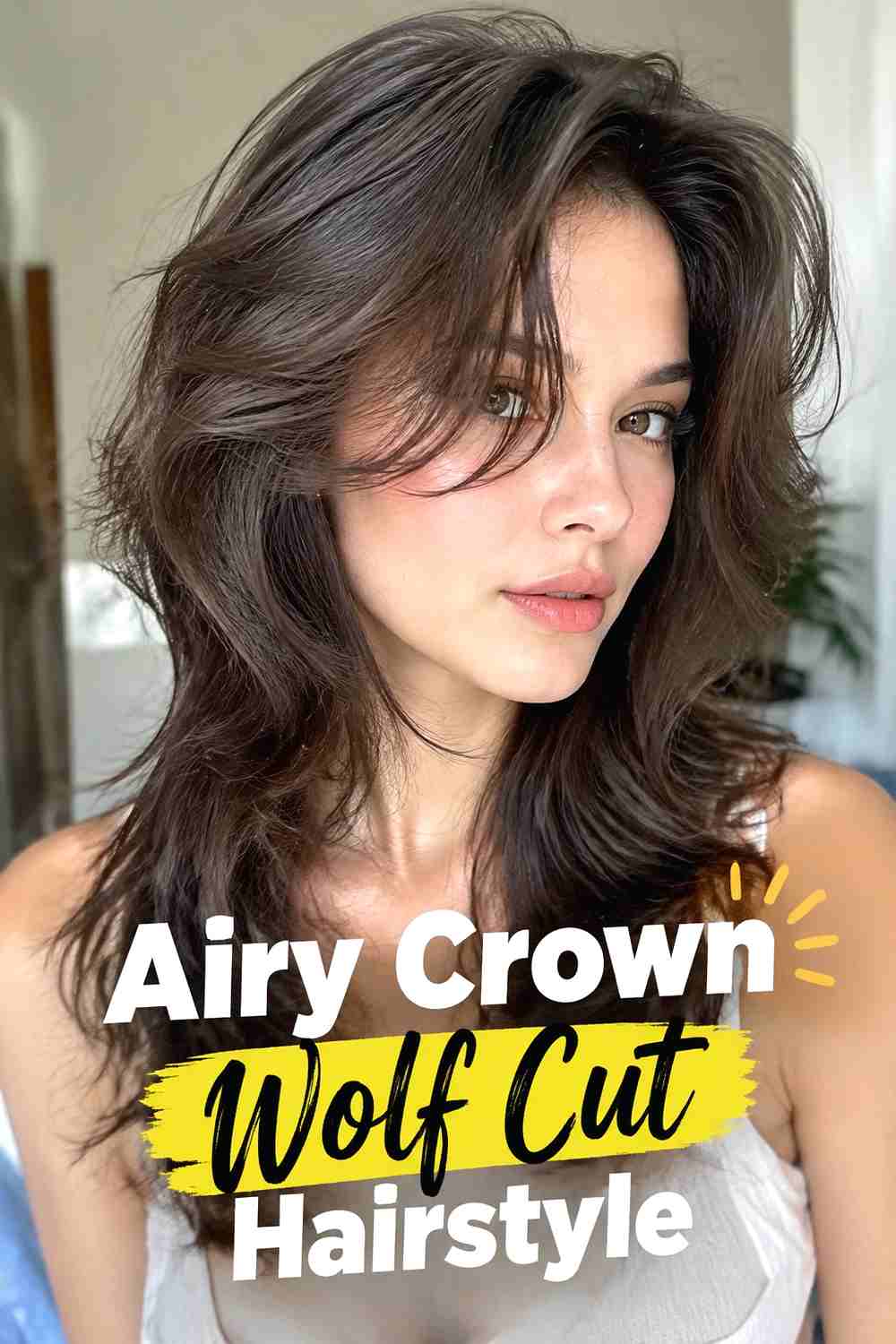
An airy crown wolf cut concentrates shorter layers near the upper back and top of the head to encourage natural lift. This is particularly useful for wavy hair that has good movement through the ends but tends to lie flatter near the roots. The layers should be long enough to blend with the sides so the crown does not appear disconnected or excessively shaggy. Air drying allows the upper waves to expand naturally while the lower lengths provide enough weight to anchor the shape. A few face-framing pieces can echo the crown movement and keep the silhouette balanced from the front.
Best For
This version works well if your main goal is more natural root and crown lift without creating a very short overall haircut.
11. Tapered End Wavy Wolf Cut Hairstyle
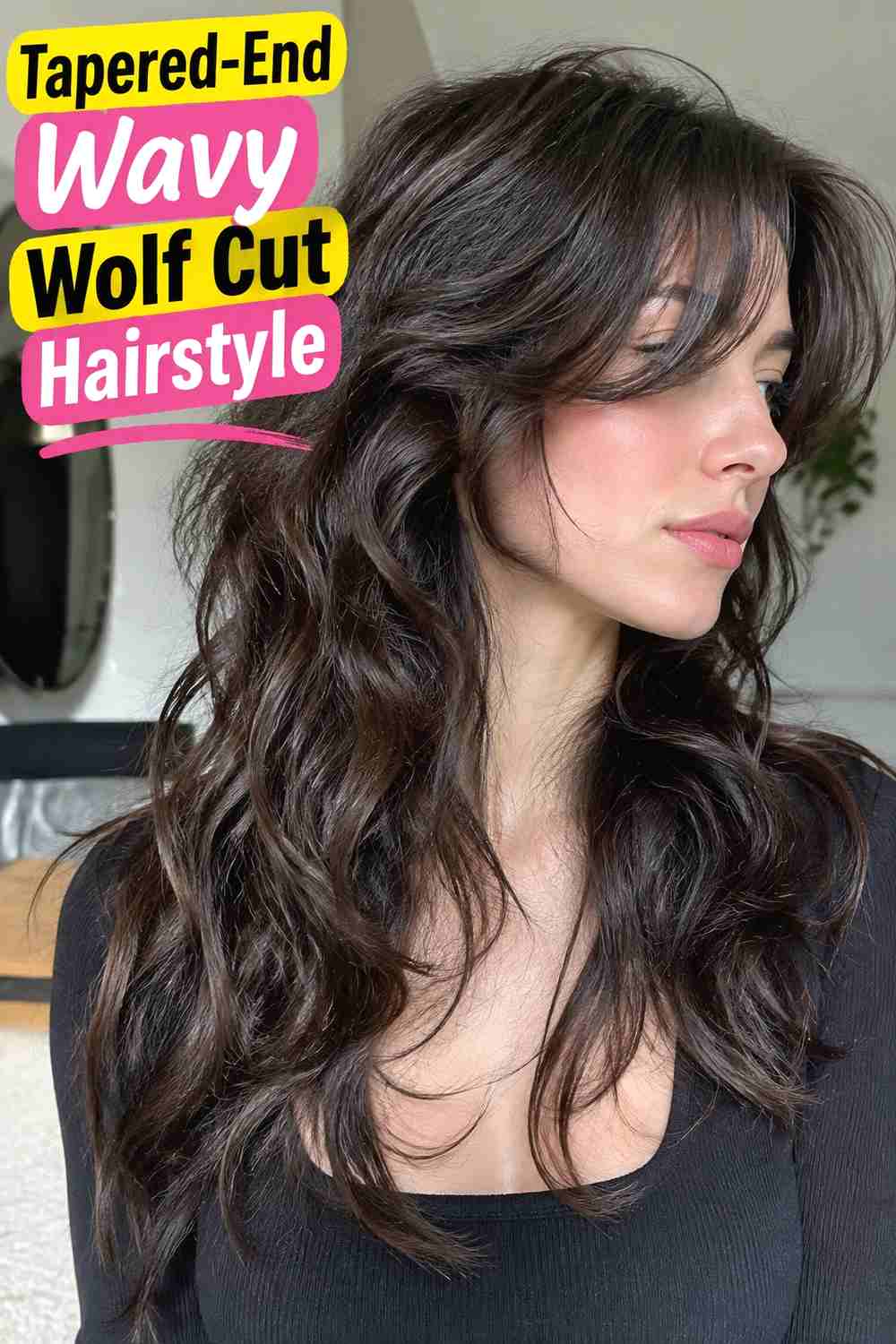
Tapered ends make a wavy wolf cut feel lighter through the lower lengths while allowing the crown and face-framing layers to remain soft. Instead of maintaining one heavy perimeter, the bottom gradually loses some weight so individual waves can separate and move more freely. The taper needs to stay controlled, especially on medium-density or finer hair, because excessive thinning can leave air-dried ends looking stringy. When balanced correctly, the style gains movement without losing its overall shape. Natural waves create variation through the taper, making the transition feel softer than it might on pin-straight hair.
Hair Type & Length
Medium to long wavy hair with enough density through the ends can usually support a moderate taper while keeping the silhouette full.
12. Curtain Bangs Wolf Cut Hairstyle
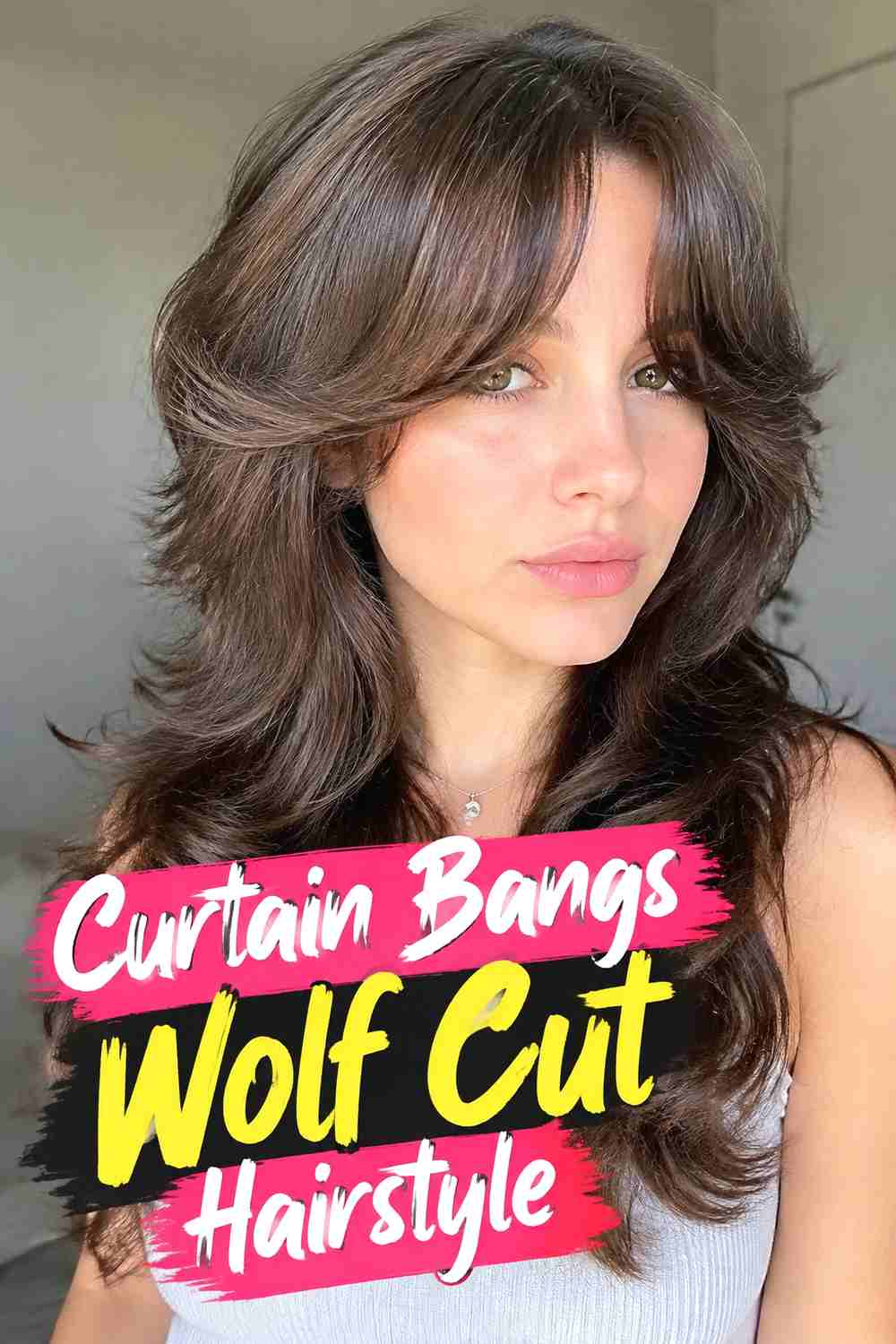
Curtain bangs blend naturally into an air-dried wolf cut because their split shape connects easily with longer face-framing layers. The fringe can open around the center or slightly off center, then sweep toward the cheekbones and jaw as the layers lengthen. On wavy hair, the curtain pieces may dry with slightly different bends from side to side, which can enhance the relaxed look instead of needing correction. The crown should stay softly layered so the bangs feel integrated rather than added onto a heavy one-length cut. Preserving fullness through the back also keeps the hairstyle balanced when the front has several shorter sections.
Wear & Maintenance
Curtain bangs can grow into longer face-framing pieces gracefully, but occasional shaping helps maintain their intended opening and length.
13. Piecey Air Dried Wolf Cut Hairstyle

A piecey wolf cut emphasizes visible separation between natural wave sections without depending on heavy styling. The haircut uses controlled layering through the crown, sides, and ends so individual pieces can dry into distinct bends rather than merging into one bulky mass. This works particularly well for medium-density hair that has enough texture to show separation naturally. The ends should retain some weight so the piecey effect feels deliberate rather than thin. A small amount of lightweight styling product can enhance definition, but the goal is to preserve the irregular character of the waves. Slight frizz or flyaways can even complement the undone finish.
Styling Notes
Apply product in sections, then avoid over-scrunching once the waves begin to set so the natural groupings remain visible.
14. Rounded Wavy Wolf Cut Hairstyle
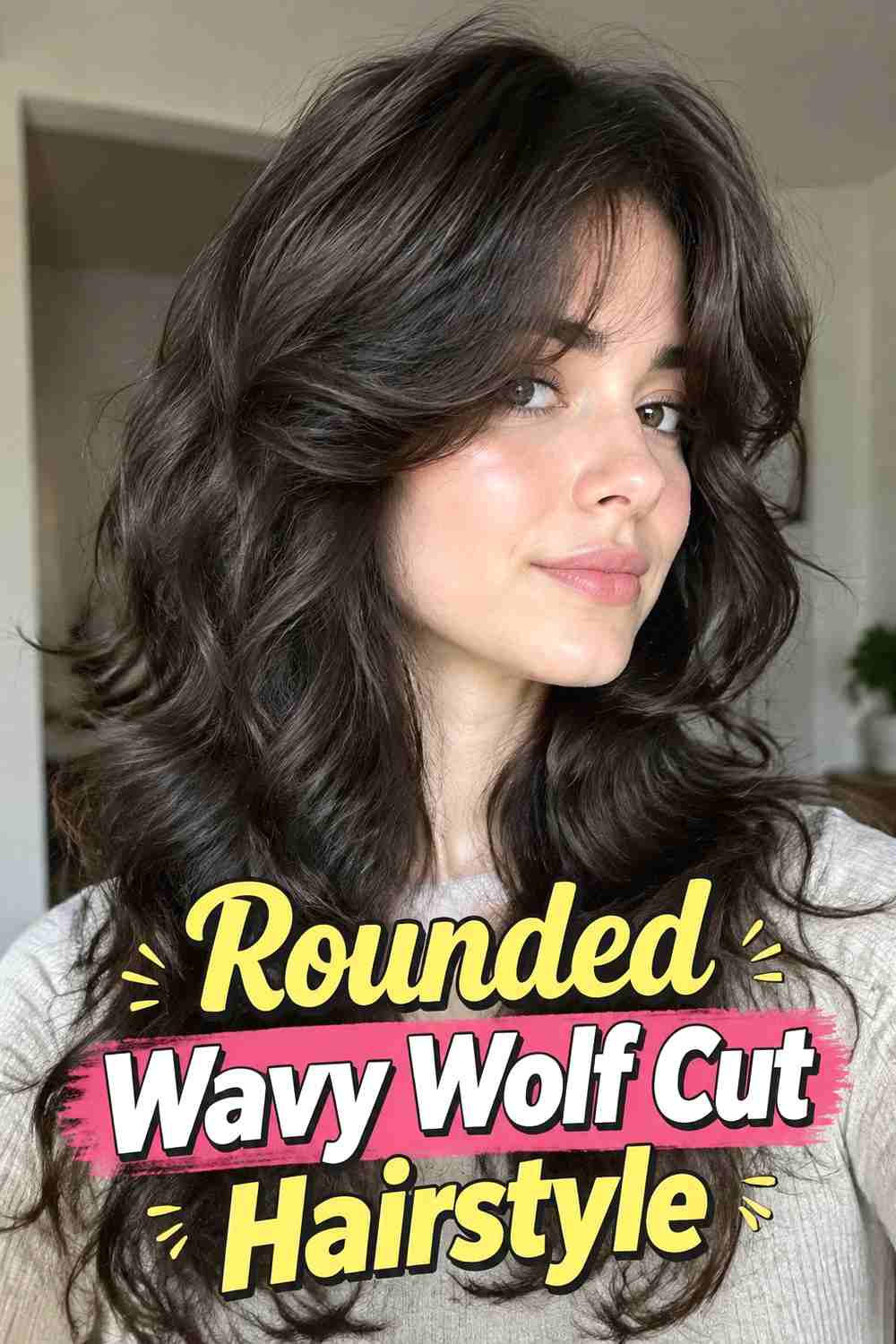
A rounded wavy wolf cut softens the shaggy silhouette by using broader, more connected layers through the sides and back. The crown still has lift, but the transitions flow into a gently curved outline rather than creating sharply separated pieces. Natural waves reinforce that shape by filling in the spaces between layers and adding soft movement around the perimeter. This is a good choice if you like the volume of a wolf cut but prefer a more polished overall outline. Keeping the ends relatively full helps the rounded shape stay cohesive as the hair air-dries and prevents the lower section from becoming overly tapered.
Why It Works
The broader layer transitions maintain movement while keeping the silhouette smoother and fuller than a highly choppy wolf cut.
15. Tousled Midi Wolf Cut Hairstyle
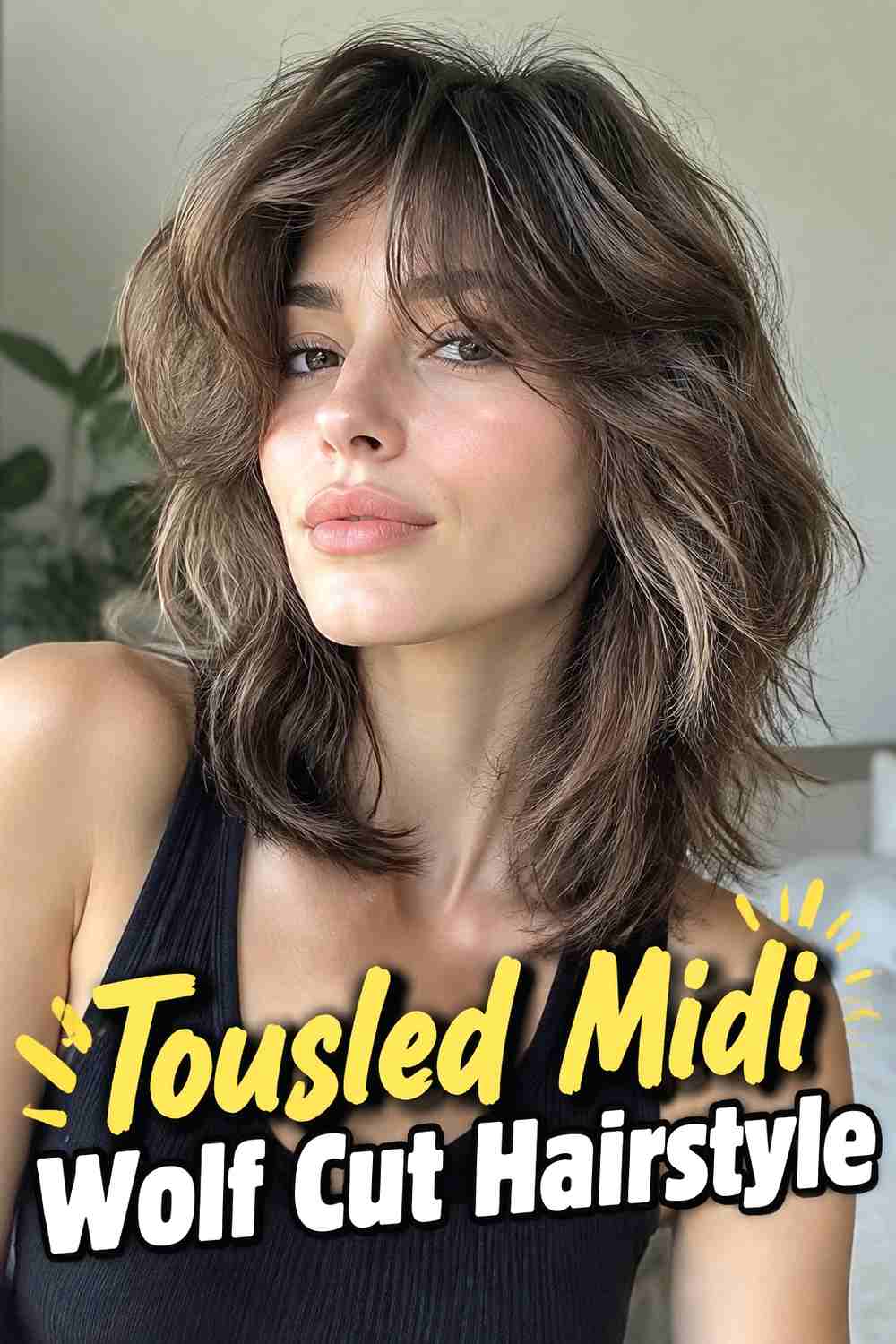
A midi wolf cut falls between the collarbones and chest, offering enough length for natural waves to develop while remaining lighter than a long cut. The crown and face-framing sections can be moderately layered, giving the hair movement without removing too much density. Air drying suits this length particularly well because the waves have enough room to bend while still benefiting from the lift created by shorter upper sections. The finished texture can be loose and slightly tousled, with a mixture of defined bends, softer sections, and natural flyaways. This makes the cut versatile for anyone who likes a deliberately relaxed finish rather than a polished blowout.
Best For
This length suits wavy hair that needs movement but still benefits from enough weight to control excess expansion.
16. Low Maintenance Wavy Wolf Cut Hairstyle
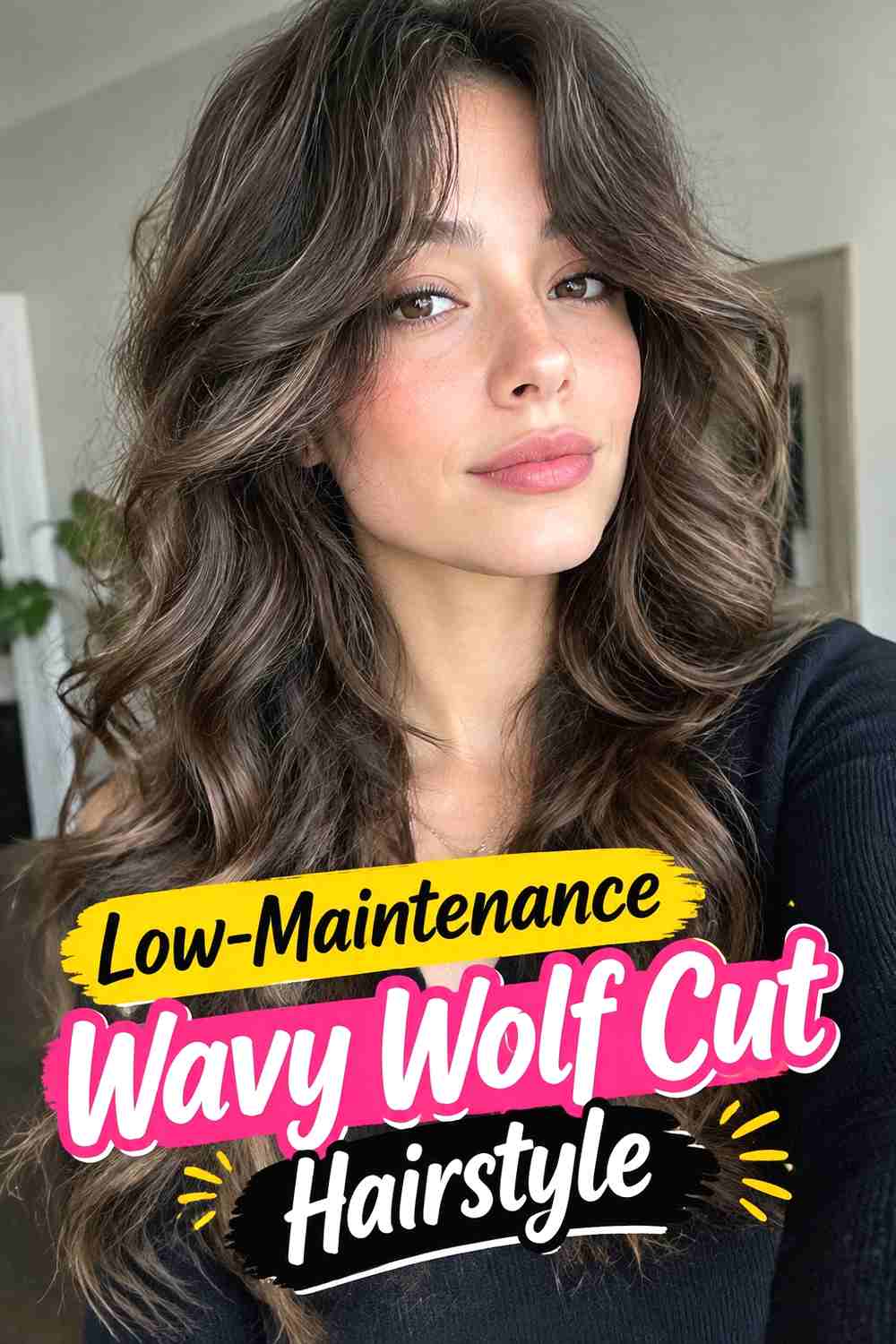
A low-maintenance wolf cut uses restrained layering designed around how the hair naturally dries on an ordinary day. Instead of relying on very short crown pieces or a precise fringe, the cut keeps the shortest layers long enough to settle comfortably with the wave pattern. Face framing remains soft, and the perimeter retains enough weight to prevent the ends from looking sparse. This version is especially practical if you prefer simple wash-day styling and do not want the haircut to depend on diffusing, rollers, or heat tools. The natural wave pattern does most of the visual work, while the layers simply encourage better distribution of volume and movement.
Pro Tip
Bring photos of your hair air-dried naturally to your appointment so the layer placement can reflect your everyday texture rather than a heat-styled version.
How to Choose the Right Look
Start with your natural wave strength. Loose waves often benefit from longer layers that preserve enough weight for the pattern to hold together, while stronger waves can usually support more crown movement and visible separation. If your hair tends to expand easily, avoid removing too much weight from the lower lengths.
Consider how your hair behaves when it dries naturally. If the crown goes flat, an airy-crown version may help. If the ends become bulky, a controlled taper can create movement. Face-framing or curtain-bang variations work well when you want more definition around the front.
Your routine matters too. If you rarely use a diffuser or styling tools, choose softer, longer layers that still look balanced without manipulation. The best air-dried wolf cut should cooperate with your real texture, not require you to recreate a salon finish every morning.
Final Thoughts
An air-dried wavy wolf cut works best when the layers support the texture your hair already has. Soft crown lift, thoughtful face framing, and enough weight through the ends can create a relaxed shape that looks intentional without a complicated routine. Choose the version that matches your natural wave pattern, density, and preferred level of daily styling.
FAQs
1. Is a wolf cut good for naturally wavy hair?
Yes. Natural waves can help reveal the layered movement of a wolf cut without requiring curls or a full blowout.
2. Can a wolf cut look good when air-dried?
Yes, provided the layer lengths are chosen around the natural wave pattern and the cut keeps enough weight where the hair needs it.
3. What type of wolf cut is lowest maintenance?
Softer versions with longer crown layers, restrained face framing, and no precise short fringe are usually easier to wear with minimal styling.
4. Will a wolf cut make wavy hair frizzier?
The haircut itself does not guarantee more frizz, but very short or excessively thinned layers can make some textures expand more. Layer placement should suit your density and wave pattern.
5. Should wavy wolf cuts have tapered ends?
They can, but the taper should match the hair’s density. Keeping more fullness through the ends is often helpful for finer or medium-density hair.
Save your favorite air-dried wolf cut, share these wavy hairstyle ideas, and explore more low-effort layered looks before your next haircut.