15 Flixie Haircut Ideas for Fall 2026
Short, flicky layers, airy movement, and polished fall color make the flixie a playful way to refresh cropped hair this season.
The flixie is emerging as a notable Fall 2026 short-hair direction, combining the freedom of a longer pixie with softly flicked-out ends and a distinctly ’90s mood. Current beauty coverage describes it as longer and softer than a traditional pixie, with graduated layers that encourage movement and can help fine hair appear fuller.
The best version depends less on copying one exact silhouette and more on adjusting the fringe, crown volume, nape length, texture, and finish to your own hair. Compare how much styling time you want, whether you prefer airy or controlled movement, and how closely cropped you want the sides. The ideas below keep believable hair density, strand movement, weight, and texture in mind rather than assuming every hair type responds identically to the same cut.
Quick List
- Soft Feathered Flixie Hairstyle
- Side-Swept Flixie Hairstyle
- Wispy Bangs Flixie Hairstyle
- Curly Flixie Hairstyle
- Tousled Wavy Flixie Hairstyle
- Sleek Side-Parted Flixie Hairstyle
- Textured Crown Flixie Hairstyle
- Micro Fringe Flixie Hairstyle
- Ear-Tucked Flixie Hairstyle
- Shaggy Flixie Hairstyle
- Piecey Nape Flixie Hairstyle
- Voluminous Blowout Flixie Hairstyle
- Airy Fine-Hair Flixie Hairstyle
- Copper Flixie Hairstyle
- Espresso Brunette Flixie Hairstyle
1. Soft Feathered Flixie Hairstyle
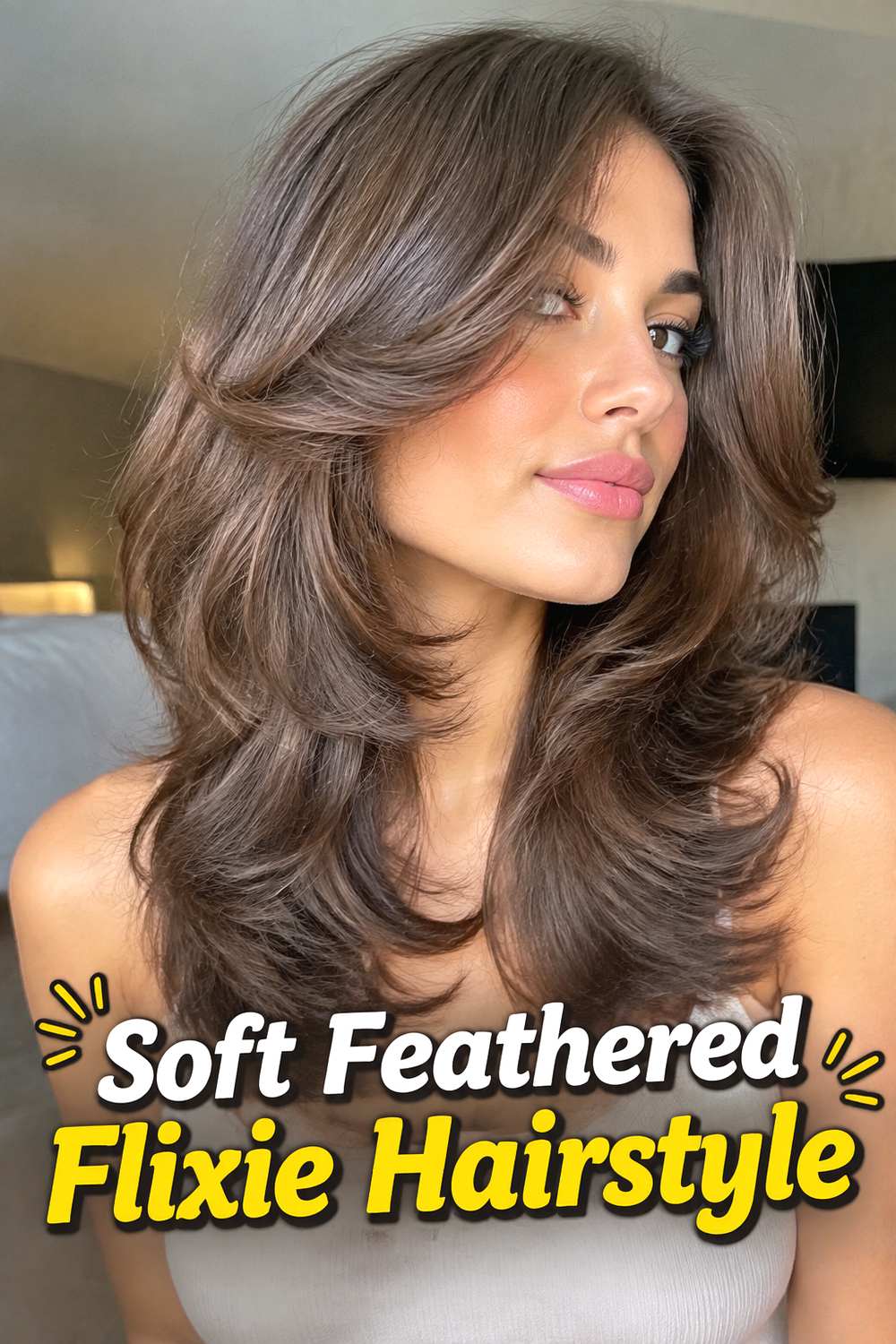
The Soft Feathered Flixie Hairstyle keeps the recognizable cropped shape gentle rather than sharply piecey. Light layers sweep away from the face, while slightly longer sections near the ears and nape create the little outward flips that give the cut its personality. This version works especially well if you like short hair but want softness around the forehead and cheekbones instead of a severe outline. The feathering can make straight or softly wavy hair feel lighter and more mobile without stripping away all its density. For everyday styling, aim for separation rather than stiffness so the ends can move naturally when you turn your head.
Styling Notes
Dry the roots in different directions for lift, then guide only the outermost ends away from the face with a small round brush or flat iron. A tiny amount of lightweight styling cream can define the feathering without flattening it.
Best For
This variation is useful for anyone wanting an approachable transition from a longer bob or bixie into shorter territory. It also suits people who prefer movement over a highly sculpted finish.
2. Side Swept Flixie Hairstyle
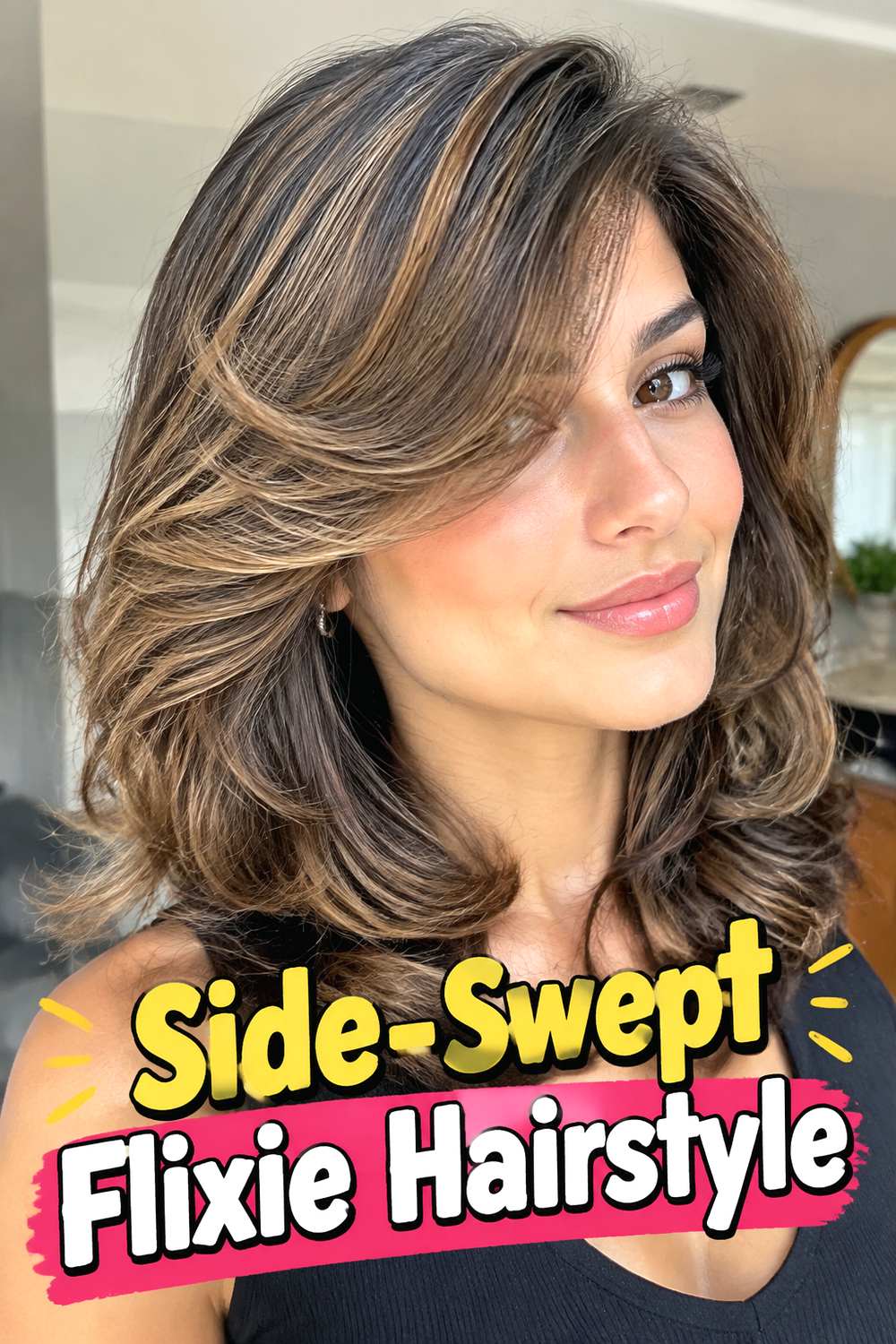
A Side-Swept Flixie Hairstyle builds its shape around a longer front section that travels diagonally across the forehead before melting into shorter sides. That asymmetry immediately gives the cut more direction, while the flicked nape keeps it playful rather than formal. The longer fringe can soften the transition into a short haircut and offers enough length to rest forward, sweep back, or tuck partly behind an ear. It is particularly appealing when you want the flixie silhouette without exposing the entire forehead. Keep the crown lightly layered so the side sweep has support; too much weight on top can make the front section collapse instead of flowing smoothly.
Hair Type & Length
Straight, slightly wavy, and finer textures can show the directional layers especially clearly. Ask to preserve enough front length to sweep comfortably without constantly falling into the eyes.
Wear & Maintenance
The fringe may need a quick reset after sleeping. Drying it from side to side before placing the part can prevent it from separating into a rigid line.
3. Wispy Bangs Flixie Hairstyle
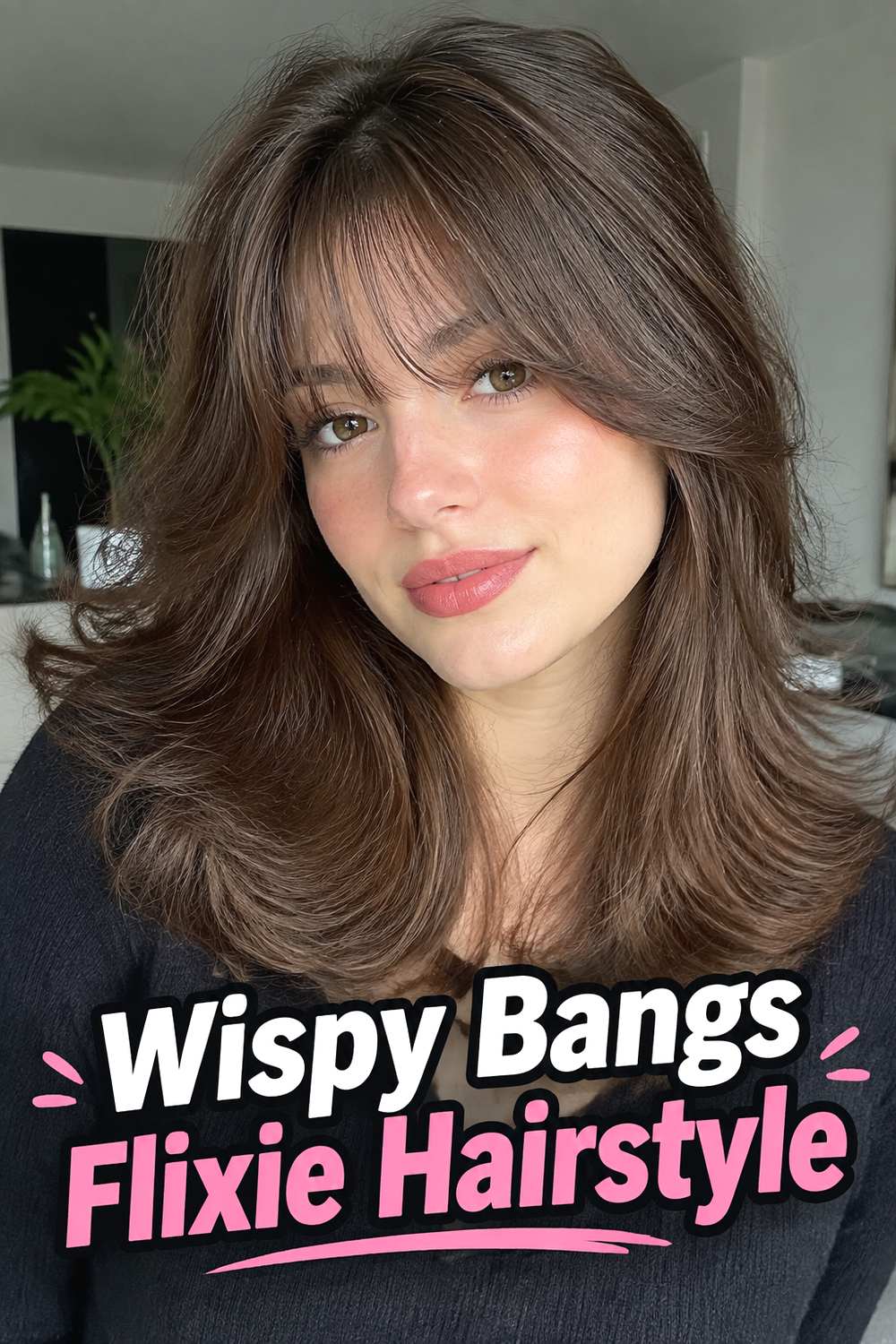
The Wispy Bangs Flixie Hairstyle pairs soft, separated fringe with short graduated layers and a subtly kicked-out perimeter. Instead of creating a thick horizontal bang, the front is broken into fine pieces that reveal a little forehead and connect naturally to the temples. That airy detail complements the flixie because both elements depend on movement rather than perfect geometry. Fall 2026 beauty coverage is also highlighting wispy bangs as part of the season’s preference for softer, touchable hair. The result can feel romantic, modern, and relaxed, especially with a lightly tousled finish rather than a heavily sprayed shape.
Pro Tip
Style the fringe first while it is still damp. A small brush and low-to-medium airflow are usually enough; too much wax or oil can make wispy sections clump together.
Wear & Maintenance
Because the bangs sit against the forehead, they may need more frequent refreshing than the rest of the haircut. Dry shampoo used sparingly at the roots can help between washes.
4. Curly Flixie Hairstyle
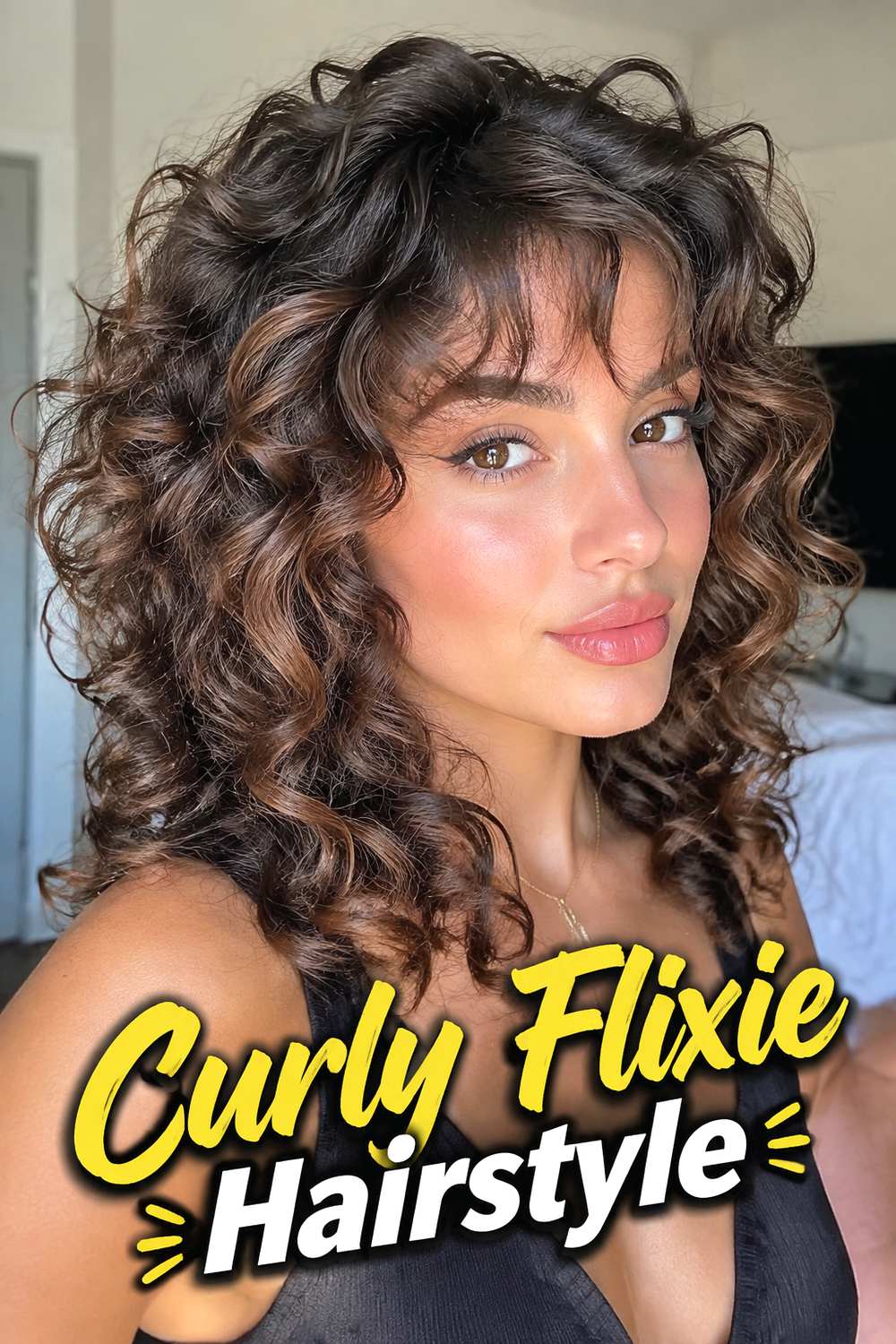
A Curly Flixie Hairstyle lets natural bend and coil formation create the haircut’s volume instead of forcing every section into the same outward flip. The crown can stay rounded and springy, while shorter layers around the ears keep the silhouette compact and slightly longer curls at the back create the characteristic flixie movement. This version looks strongest when the layers respect the curl pattern, shrinkage, and density rather than copying a straight-hair cutting map. Defined curls can frame the face beautifully, but a softer diffused finish works equally well if you prefer more volume. The key is keeping enough internal shape that the haircut still reads clearly once the curls contract.
Hair Type & Length
Wavy, curly, and some coily textures can adapt well to this shape, but the finished length should be planned with shrinkage in mind. Bringing reference photos that match your curl pattern can help communicate the desired proportions.
Styling Notes
Apply curl cream or light gel on damp hair, then diffuse with minimal handling. Once dry, separate only a few curls around the crown or nape if additional volume is needed.
5. Tousled Wavy Flixie Hairstyle
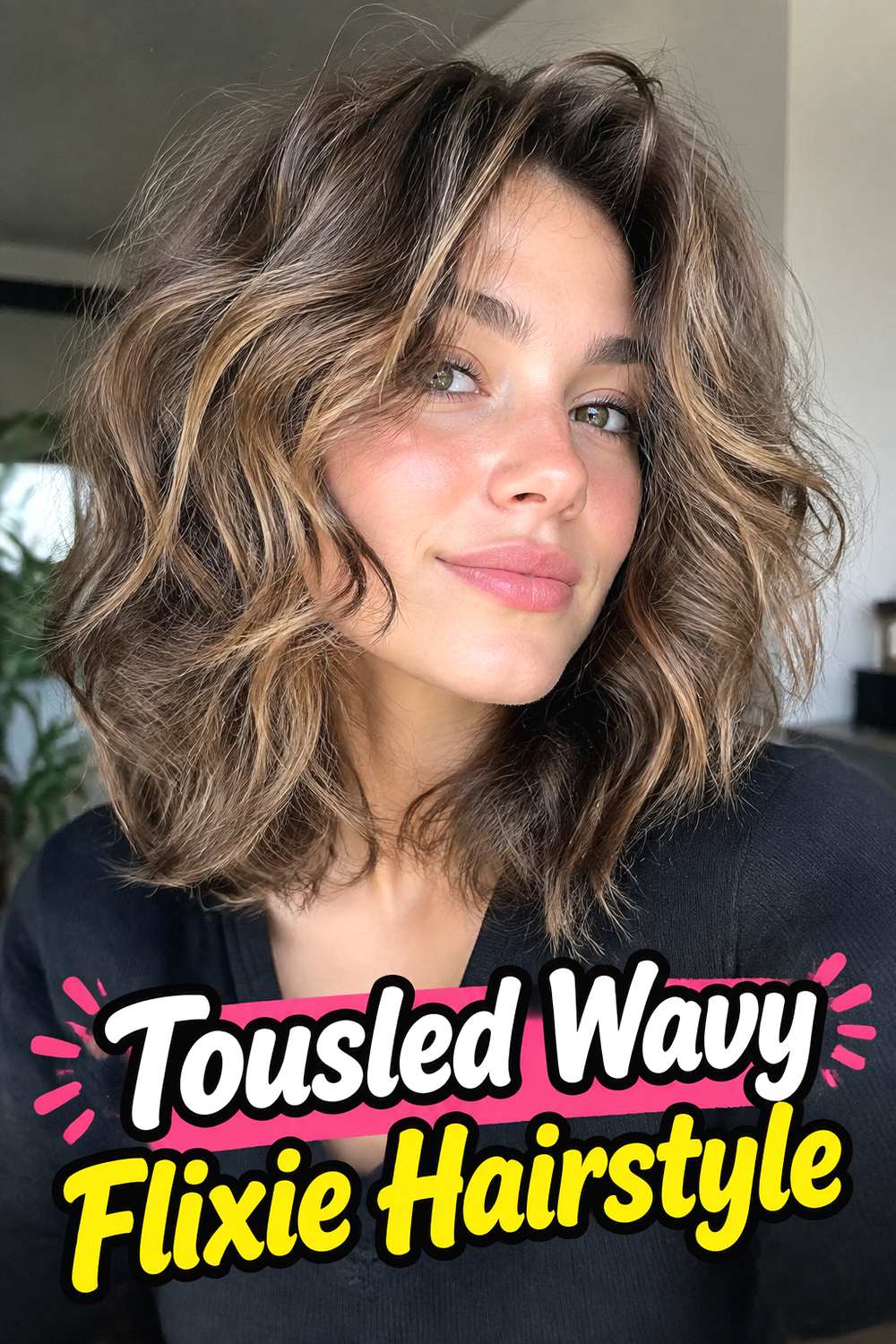
The Tousled Wavy Flixie Hairstyle is intentionally relaxed, using soft bends through the crown and irregular flicks around the perimeter to create a lived-in finish. Nothing needs to curve in precisely the same direction; that slight inconsistency is what gives the cut energy. A little extra length over the ears and at the nape helps waves form naturally, while shorter interior layers stop the silhouette from feeling heavy. This can be a practical choice for naturally wavy hair because the haircut works with imperfect texture instead of requiring every strand to be polished straight. For Fall 2026, it also fits the broader preference for touchable, less overworked finishes.
Why It Works
The mix of cropped structure and loose movement keeps the style recognizable even when the wave pattern changes from day to day. That makes it especially adaptable for air-drying.
Pro Tip
Twist or scrunch a few damp sections rather than curling the whole head. Once dry, break up the bends with your fingers for a softer, more believable finish.
6. Sleek Side Parted Flixie Hairstyle
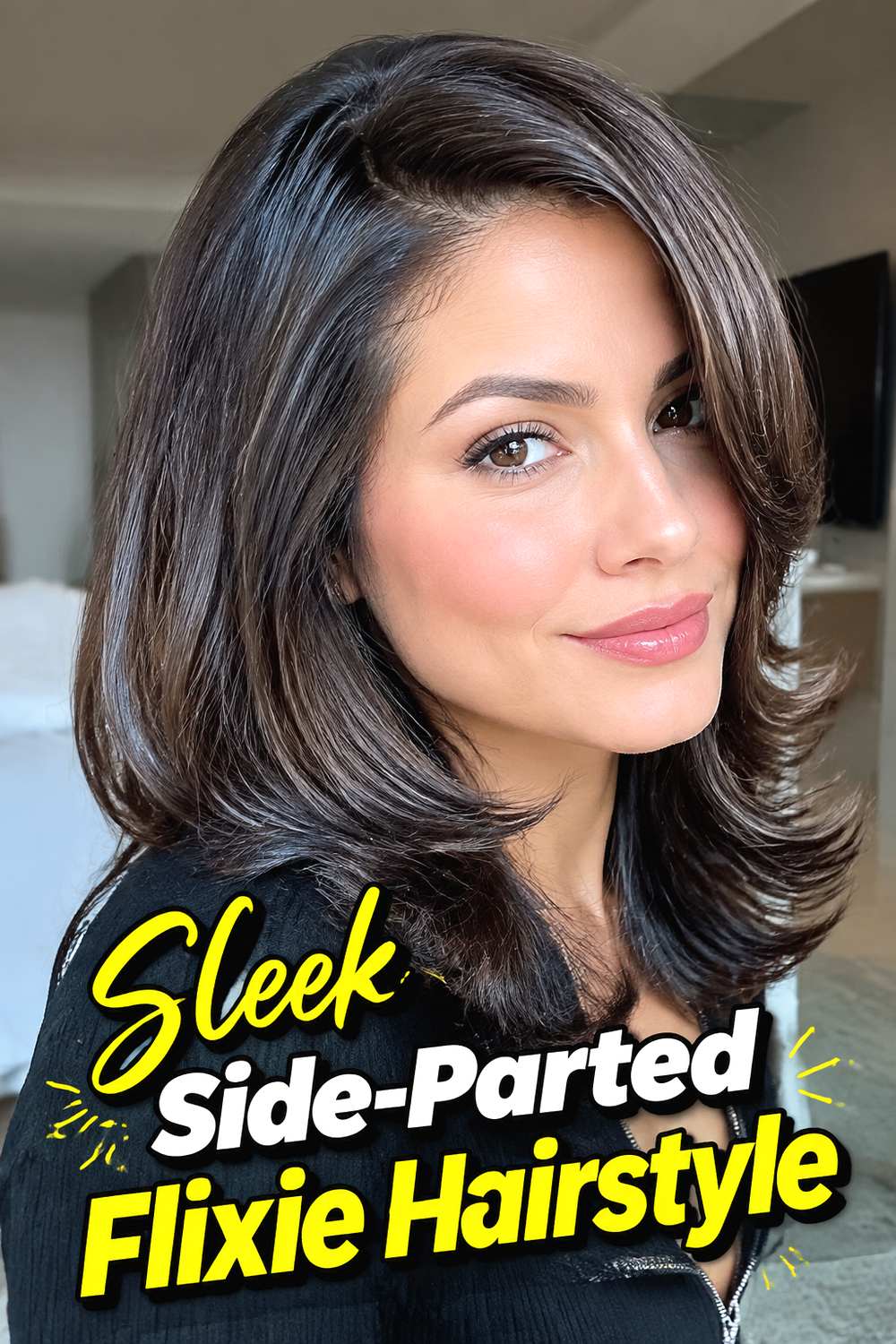
The Sleek Side-Parted Flixie Hairstyle shows how polished this haircut can look when the layers are controlled instead of tousled. A defined side part creates direction across the crown, while the sides lie closer to the head and the nape retains just enough length for a subtle outward kick. The cleaner finish makes the graduation more visible and can give the haircut a sophisticated feel for work, dinners, or dressier fall outfits. It works particularly well when you enjoy shine and precision but still want more personality than a uniformly cropped pixie. Avoid pressing every section completely flat, however; a little root lift keeps the flixie from losing its distinctive dimension.
Styling Notes
Use a nozzle attachment while blow-drying in the direction of the part, then smooth only the surface with a flat iron if needed. Finish with a small amount of serum concentrated on the ends rather than the roots.
Best For
This version suits people who enjoy a refined finish and do not mind a few extra minutes of styling to control flyaways and maintain the side part.
7. Textured Crown Flixie Hairstyle
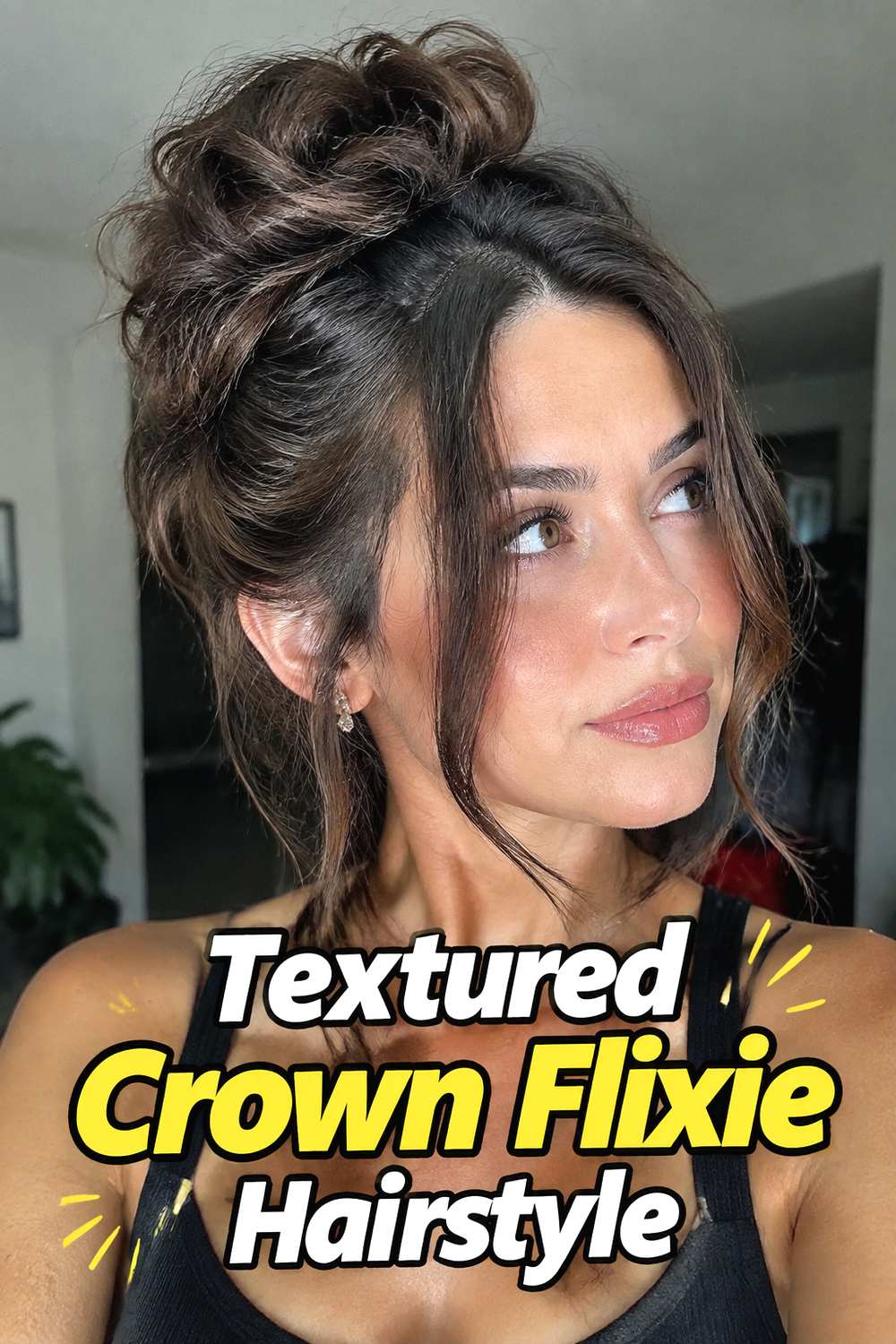
The Textured Crown Flixie Hairstyle concentrates its visual interest on top, where short-to-medium layers create height, separation, and an airy sense of fullness. The sides remain neater so the crown does not become bulky, while the back graduates into slightly longer flicked pieces. It is a useful approach when you want short hair to look energetic without relying on a dramatic fringe or strong color change. Fine to medium-density hair can benefit from the layered crown because strategic lift keeps the shape from appearing flat. The most modern finish is touchable rather than spiky, with strands moving in several directions but still following the haircut’s overall silhouette.
Styling Notes
Work a lightweight foam or root-lifting product through damp hair, then lift the crown with your fingers while drying. Add texture paste only to selected ends once the hair is completely dry.
Wear & Maintenance
The crown shape will usually soften as the cut grows, so regular reshaping can preserve the balance between top volume and the longer nape.
8. Micro Fringe Flixie Hairstyle
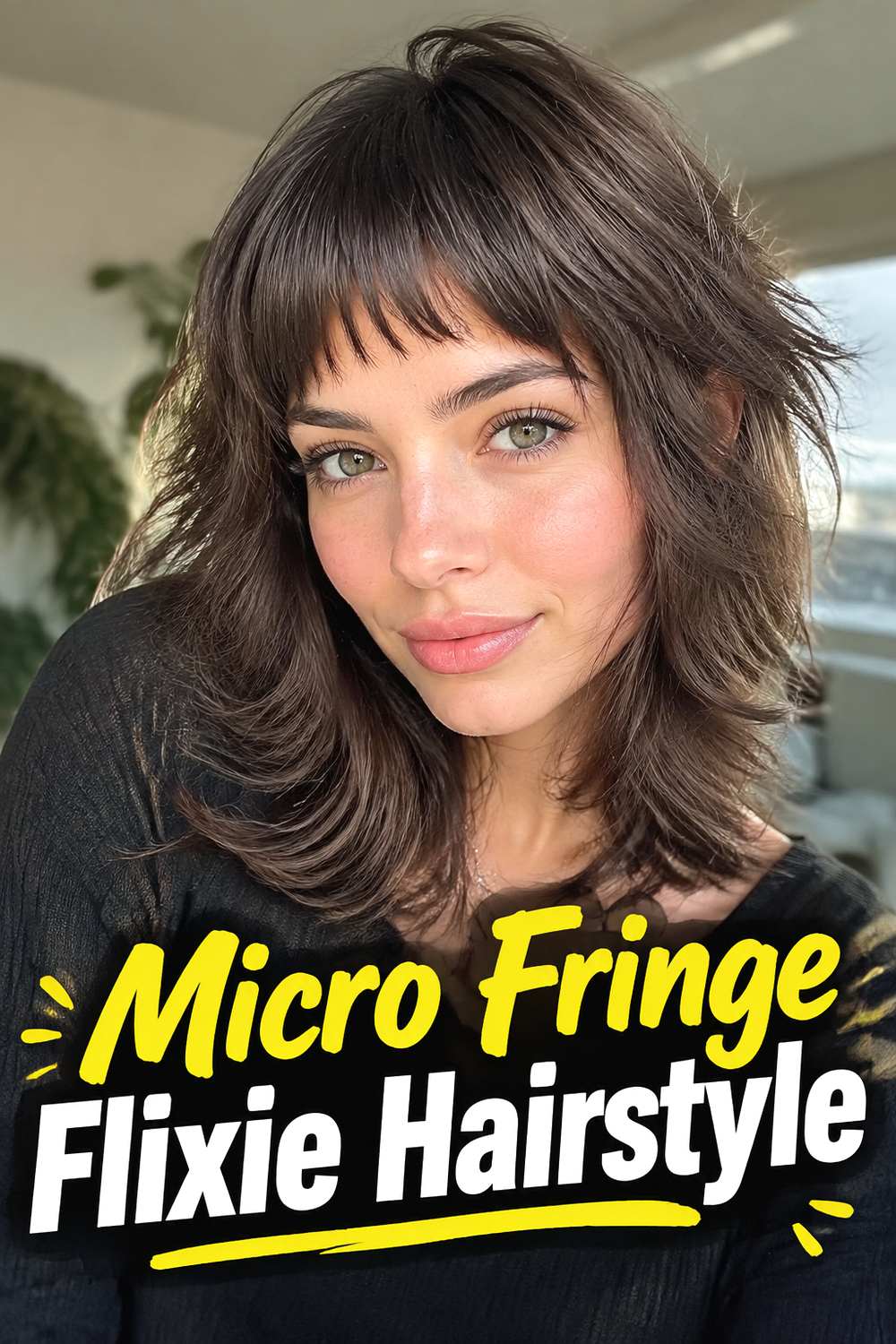
A Micro Fringe Flixie Hairstyle turns the already playful cut in a more graphic direction. Short bangs sit clearly above the brows, creating an open forehead and a stronger contrast with the longer, flicked layers around the sides and back. Fall 2026 coverage has highlighted baby or micro bangs as one of the season’s more directional fringe choices, but the look requires more upkeep than softer grown-out bangs. On a flixie, that sharp front edge can look especially interesting when the rest of the haircut remains textured rather than equally precise. The combination gives the face a clear frame while preserving movement through the crown and nape.
Best For
Choose this version if you enjoy a deliberately noticeable fringe and are comfortable exposing the eyebrows and upper forehead. It is a stronger commitment than wispy bangs.
Wear & Maintenance
Micro fringe grows out visibly, so expect more frequent bang trims if you want to maintain the short proportion. Cowlicks may also require quick morning restyling.
9. Ear Tucked Flixie Hairstyle
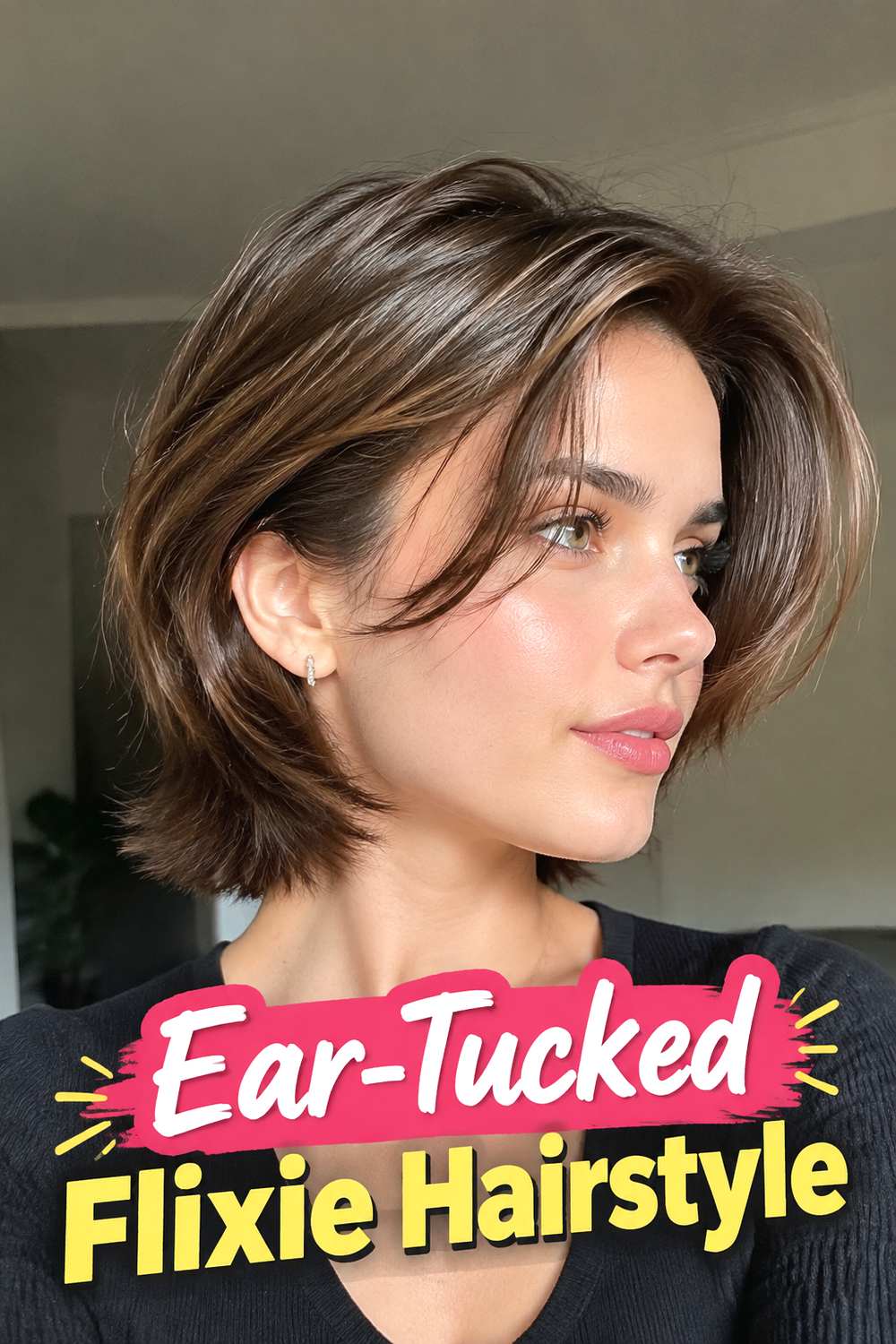
The Ear-Tucked Flixie Hairstyle uses one simple styling move to change the entire silhouette. Keeping enough length around the temples lets the front sections sweep back and tuck neatly behind one or both ears, while the crown and nape remain softly layered. The result feels clean and face-opening without losing the movement that distinguishes a flixie from a classic close crop. It is especially useful when you want one haircut that can alternate between loose and polished looks throughout the week. A few free pieces near the sideburns or fringe keep the tuck from feeling overly controlled, while the flicked back provides an attractive contrast to the neater sides.
Why It Works
The tucked sections visually narrow the side profile and make earrings or a strong neckline more noticeable, while the longer nape prevents the overall style from looking too strict.
Pro Tip
If your hair slips forward easily, use a tiny amount of flexible cream behind the ear instead of heavy hairspray. It provides grip while keeping the surface natural.
10. Shaggy Flixie Hairstyle
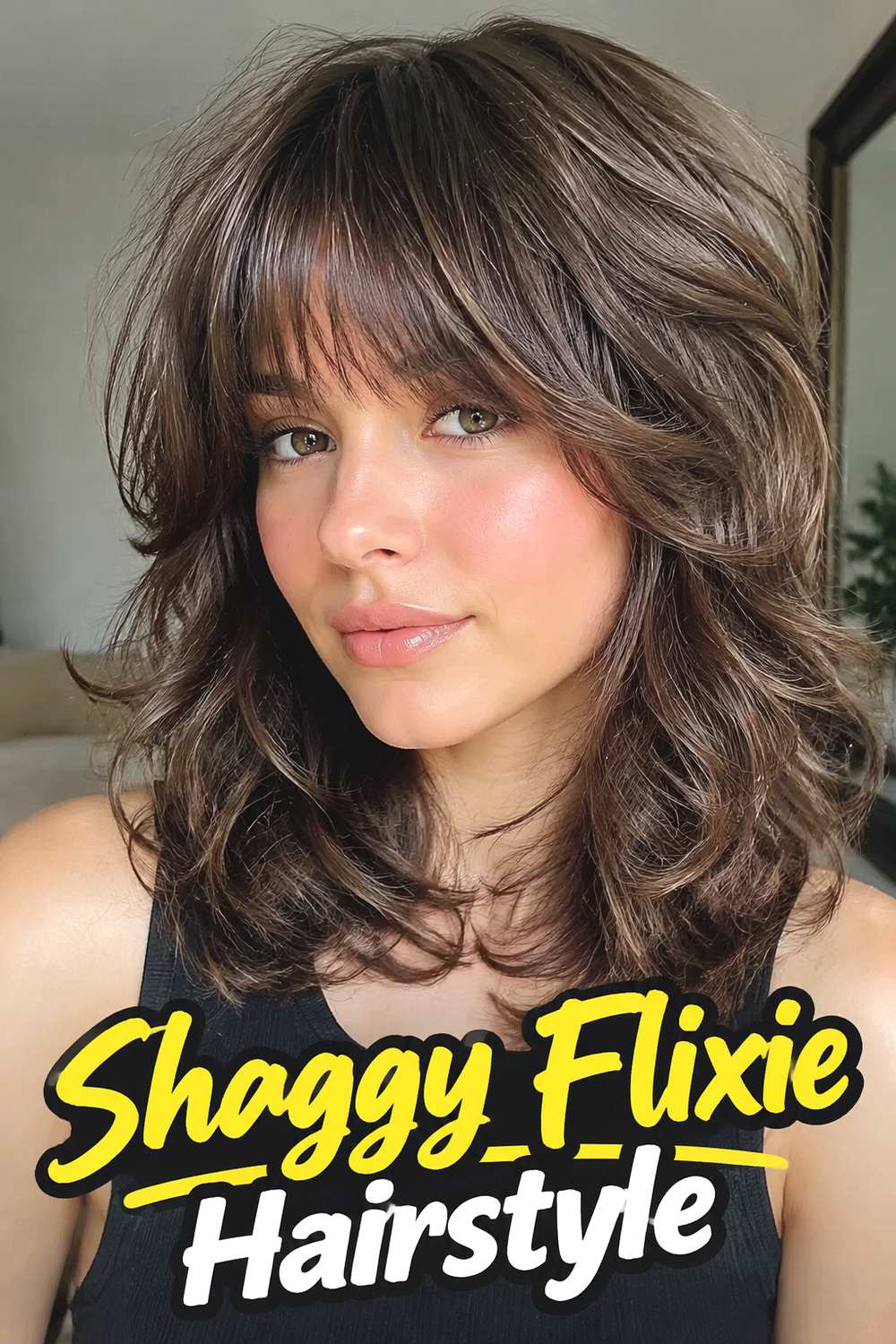
The Shaggy Flixie Hairstyle adds extra layering and deliberate irregularity for a slightly rebellious finish. Shorter pieces lift through the crown, face-framing sections fall around the cheekbones, and the nape is left loose enough to flick outward rather than hugging the neck. Compared with a polished flixie, this variation embraces visible separation and uneven movement, making it a strong option for people who like mini shags but want a more compact shape. Natural waves can enhance the effect, while straight hair can achieve it with strategic cutting and texture product. The goal is controlled looseness: enough disconnection to feel cool and effortless, but enough shape to avoid looking simply overgrown.
Hair Type & Length
Medium-density straight or wavy hair can show off the layers particularly well. Very thick hair may benefit from thoughtful internal weight removal rather than excessive surface chopping.
Styling Notes
Rough-dry with your hands and direct the ends in alternating directions. Pinch a few sections with dry texture paste, concentrating on the crown and nape instead of coating every strand.
11. Piecey Nape Flixie Hairstyle
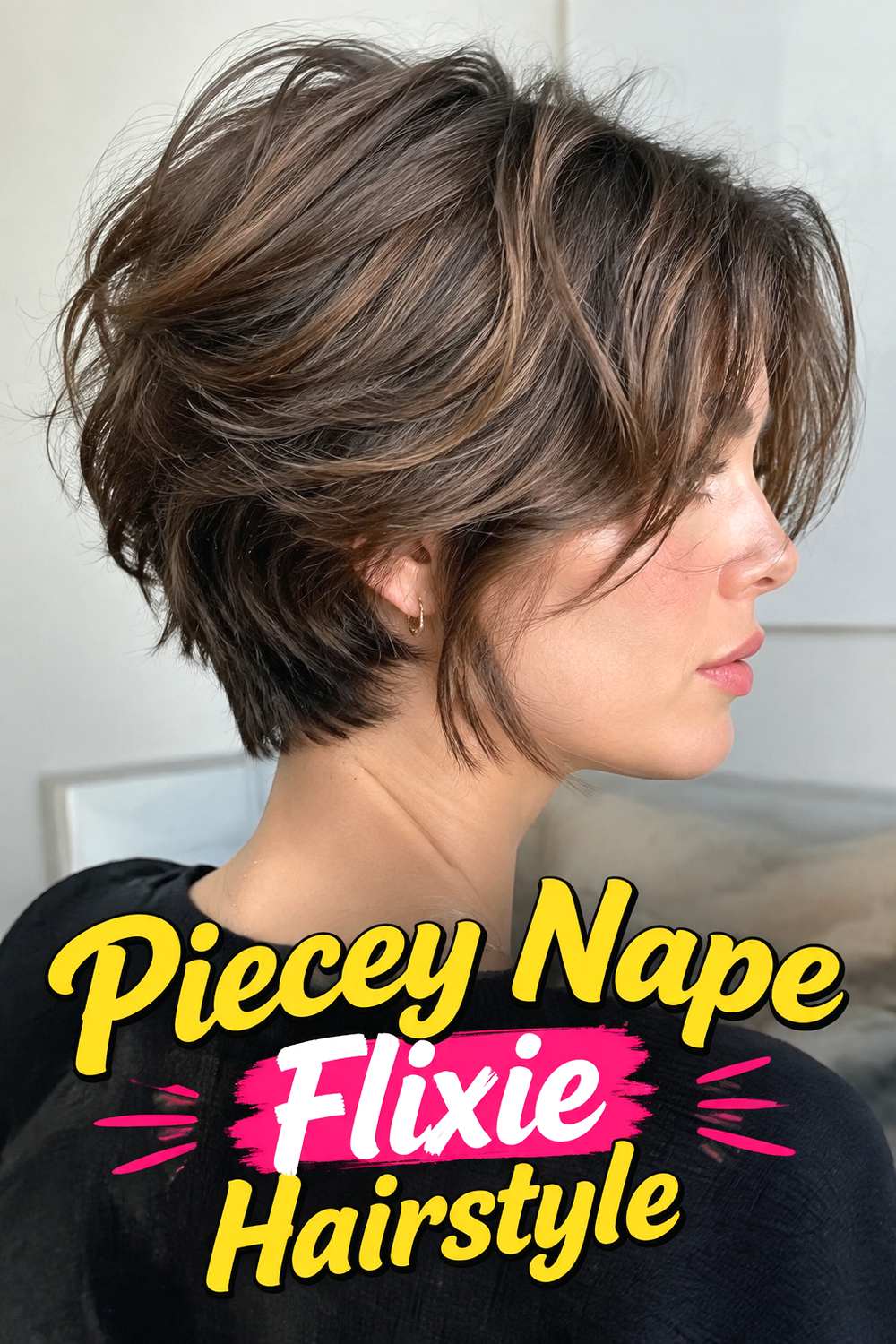
The Piecey Nape Flixie Hairstyle makes the back of the haircut its defining detail. While the crown stays softly graduated and the sides remain compact, the neckline is finished with narrow, separated sections that flick away from the neck. Those extra pieces reference the flixie’s ’90s character without turning the shape into a full mullet. From the front, the haircut can remain surprisingly understated; from the side and back, the longer nape gives it movement and attitude. This is a smart choice if you are growing out a traditional pixie because some existing back length can be incorporated into the design rather than immediately cut away.
Wear & Maintenance
As the nape grows, the ends may begin to lose their intentional shape. Small perimeter trims can tidy the neckline while allowing the overall haircut to continue gaining length.
Pro Tip
Use a narrow flat iron or small brush only on the last inch of the nape pieces. Over-curling them can make the flick look stiff rather than naturally kicked out.
12. Voluminous Blowout Flixie Hairstyle
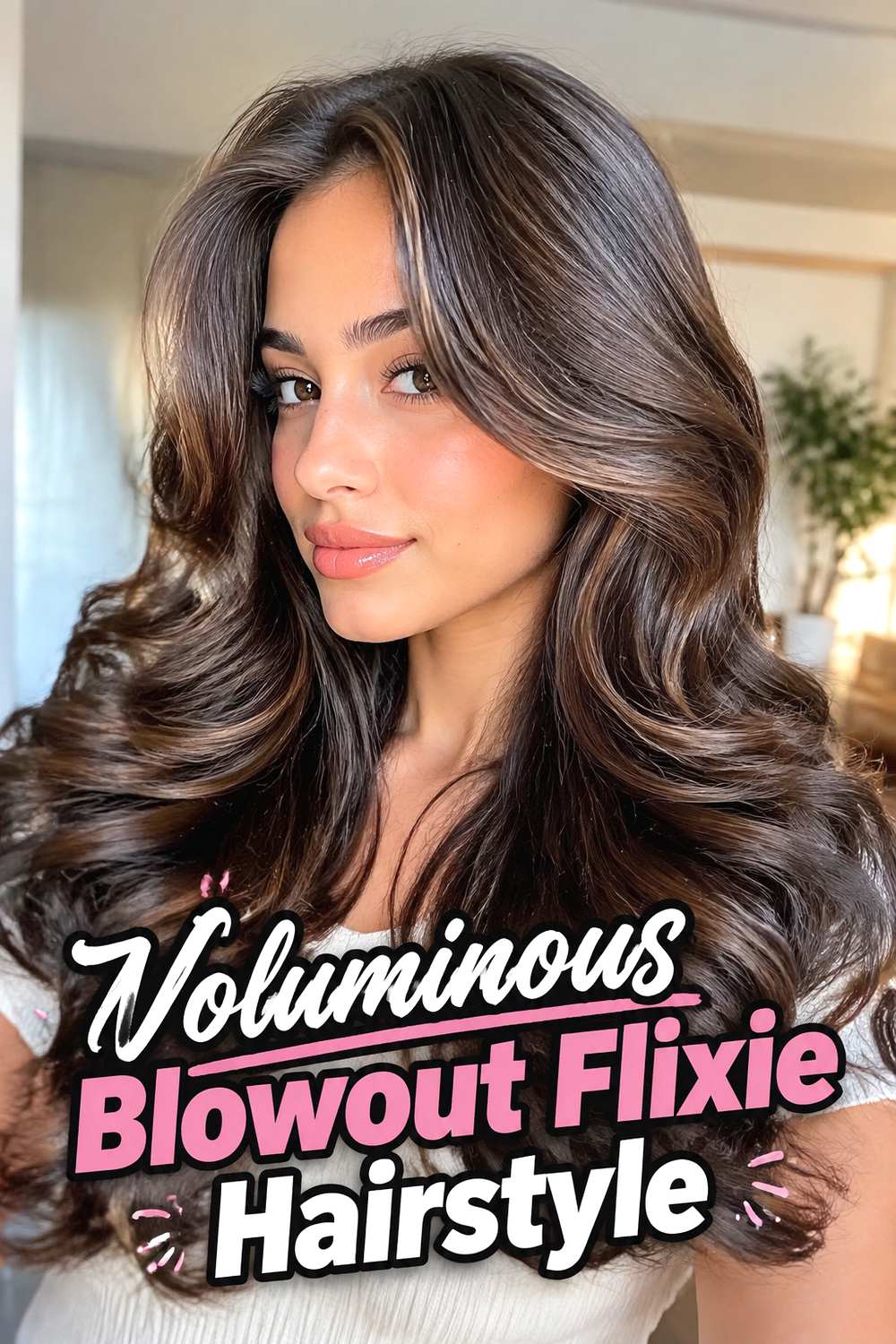
The Voluminous Blowout Flixie Hairstyle gives the short cut a fuller, more polished silhouette through root lift and softly curved layers. Instead of emphasizing separated pieces, this version blends the top into a smooth, airy shape with enough lift at the crown to feel glamorous. The ends can turn outward around the sides and nape, preserving the flixie identity while the surface remains glossy and controlled. It is a useful styling option for dinners, parties, or days when you want your short haircut to look more finished. The trick is creating volume without making the crown overly round, so keep the lift concentrated at the roots and allow the ends to stay light.
Styling Notes
Blow-dry small sections with a compact round brush, lifting upward at the crown and directing the perimeter outward. Let each section cool briefly before disturbing it so the shape lasts longer.
Hair Type & Length
Fine to medium-density hair can gain visible body from this technique. Thick hair may need less root lift and more smoothing through the mid-lengths to maintain balance.
13. Airy Fine Hair Flixie Hairstyle
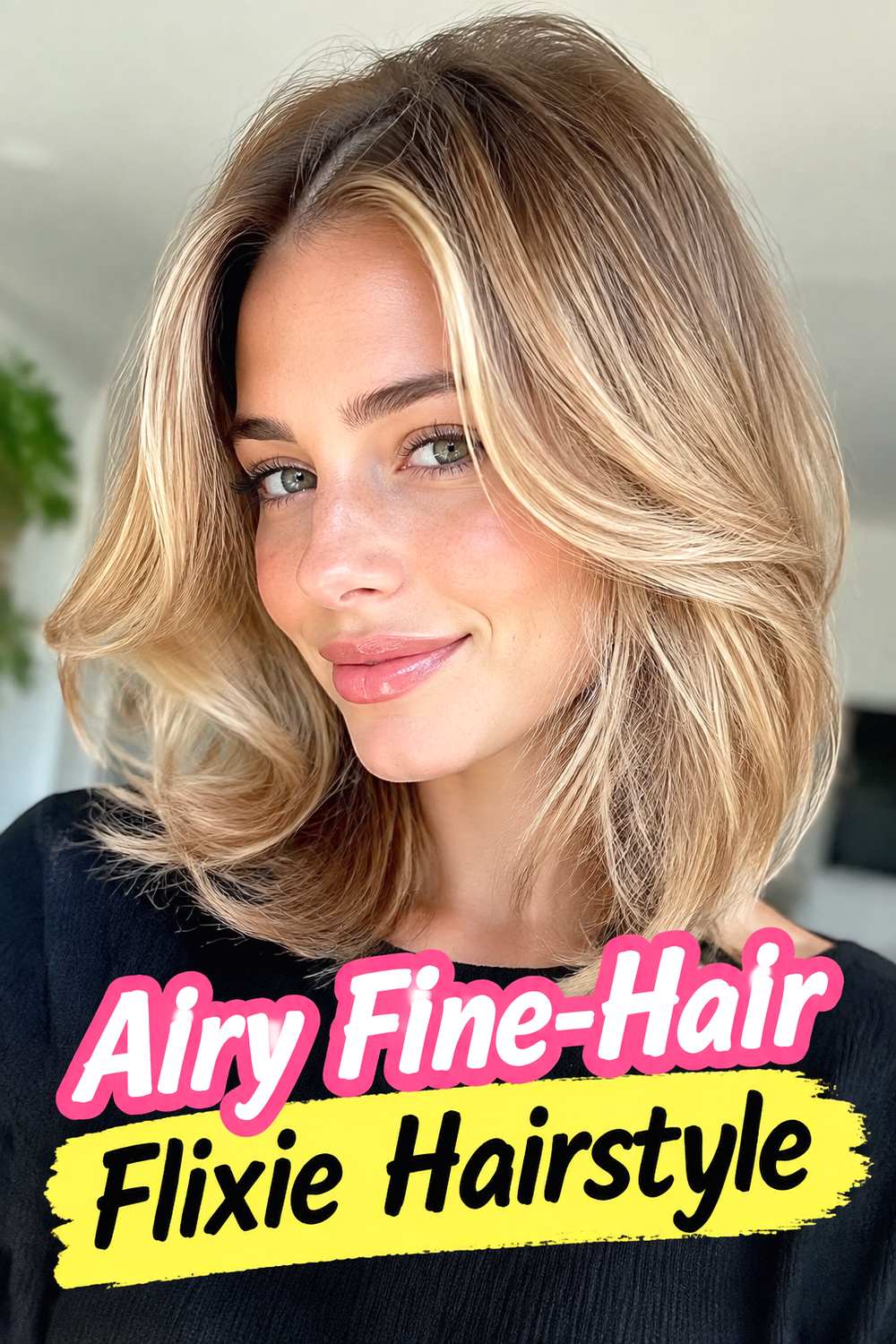
The Airy Fine-Hair Flixie Hairstyle uses careful graduation rather than heavy layering to create the impression of movement while preserving as much density as possible. The crown is light enough to lift, the fringe remains soft, and the perimeter keeps slightly longer pieces that can flick outward without looking sparse. This matters for fine hair because removing too much weight can leave the ends see-through instead of full. The flixie has been specifically highlighted in recent coverage as an appealing option for finer hair, where its graduated shape can help create visual volume. A softly textured finish also keeps the style from looking flat or overly perfect.
Why It Works
Shorter overall length reduces the weight pulling at the roots, while strategically placed layers can encourage lift. Maintaining some fullness around the perimeter keeps the haircut looking substantial.
Pro Tip
Choose lightweight mousse, root spray, or dry texture products over rich creams. Apply only enough to create grip; overloading fine strands can quickly cancel out the volume.
14. Copper Flixie Hairstyle
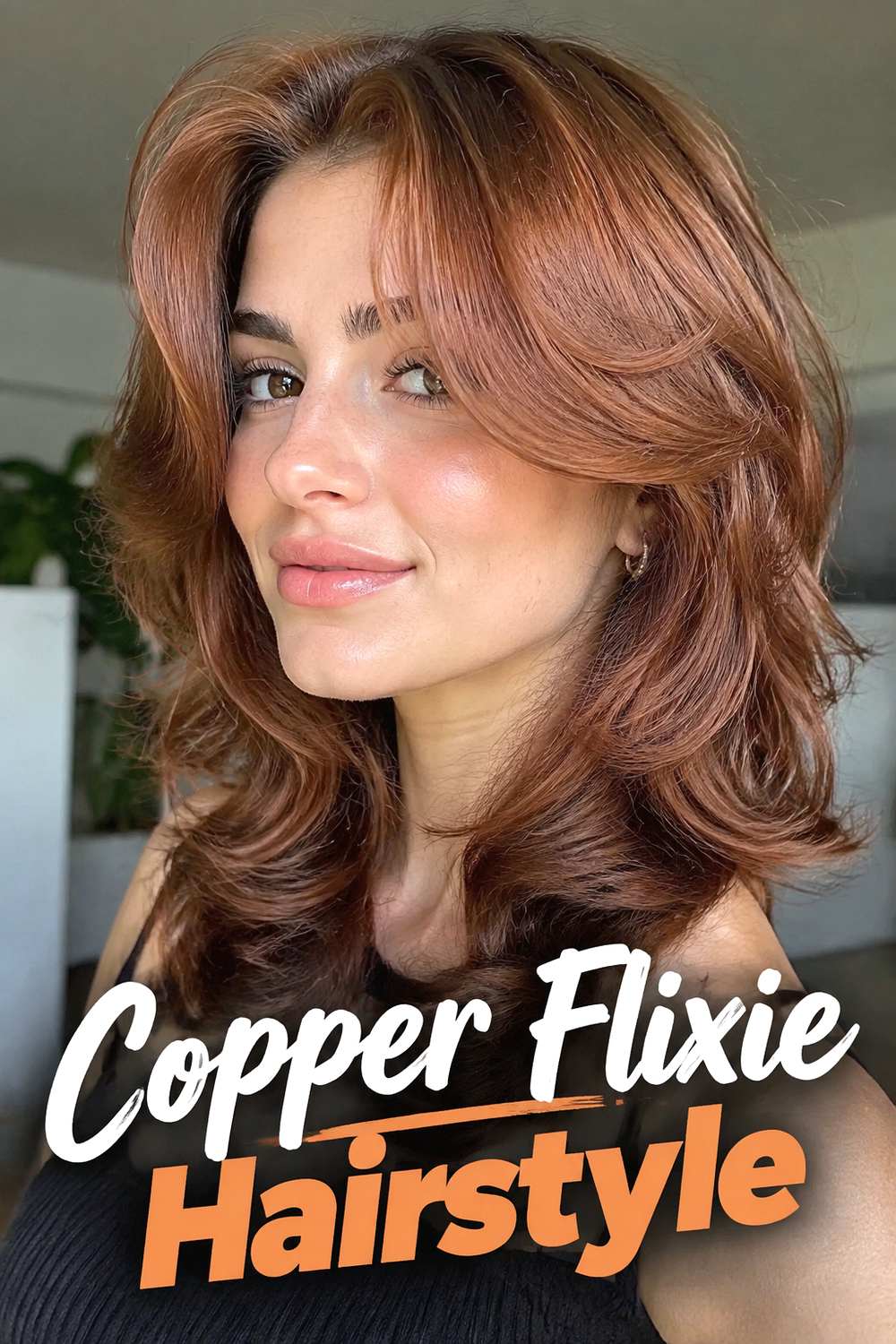
A Copper Flixie Hairstyle pairs the haircut’s flicked layers with a warm color that makes every turn and feathered end easier to see. Depending on your preference, the shade can range from muted cinnamon to deeper auburn-copper, but the most dimensional versions usually avoid looking like one flat block of orange. On a short layered cut, even subtle differences in tone can emphasize crown texture, fringe movement, and the small sections around the nape. The combination feels especially fitting for fall because the color visually complements earthy seasonal palettes. Since short hair exposes the roots quickly, consider how frequently you are willing to maintain the color before committing to a dramatic change.
Wear & Maintenance
Color-preserving shampoo, moderate water temperature, and reduced unnecessary heat can help slow fading. Your ideal refresh schedule will depend on the formula, starting shade, and desired brightness.
Styling Notes
A smooth or softly feathered finish shows off copper dimension particularly well. Use heat protection whenever hot tools are involved, since excessive heat can leave colored hair looking duller.
15. Espresso Brunette Flixie Hairstyle
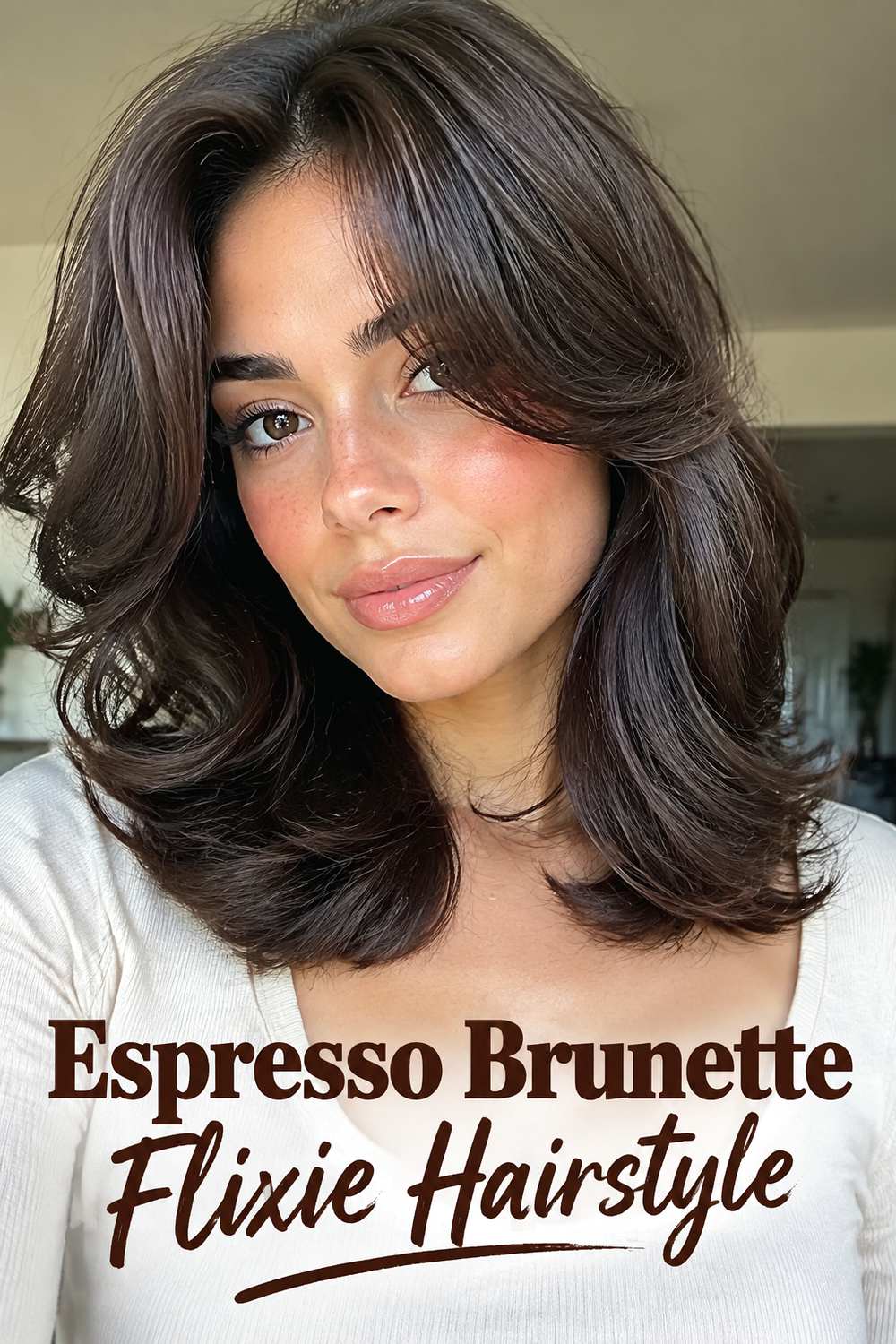
The Espresso Brunette Flixie Hairstyle takes a deeper, quieter approach to fall color. Rich dark brown gives the short silhouette a glossy, defined appearance, allowing the shape of the crown, fringe, and flicked nape to provide the visual interest. Instead of relying on dramatic highlights, this version looks strongest when the hair has visible movement and reflective shine so the layers do not merge into one dark mass. A few softer face-framing pieces can keep the color from feeling heavy, especially with a side-swept or airy fringe. It is a polished choice for anyone drawn to deeper seasonal shades but still wanting a playful haircut rather than a conventional sleek bob.
Why It Works
Dark brunette color can make the haircut’s outline look especially crisp, while strategic layering prevents that strong outline from becoming too solid. Shine adds dimension without requiring obvious contrast.
Pro Tip
Ask your colorist about a brunette tone that works with your starting color and preferred maintenance level. For styling, keep heavy oils away from the roots and concentrate shine products on the surface and ends.
How to Choose the Right Look
Start with the amount of length you are comfortable losing. If you are moving gradually from a bob or longer bixie, the Soft Feathered, Side-Swept, Ear-Tucked, or Piecey Nape versions preserve enough length to make the transition feel less abrupt. For a stronger cropped statement, the Micro Fringe or Textured Crown options put more attention on the short silhouette.
Texture should guide the cutting plan rather than being treated as an afterthought. Natural curls need room for shrinkage and spring, waves can carry a tousled or shaggy finish with minimal manipulation, and very fine hair usually benefits from preserving perimeter density instead of adding layers everywhere. Thick hair may require internal weight management so the crown does not become bulky.
Also consider styling time and hold. A tousled or curly flixie can work with natural movement, while a sleek side part, precise micro fringe, or rounded blowout usually asks for more deliberate styling. If comfort matters, check where the hair sits around your ears and neckline; longer nape pieces may brush collars, scarves, and high-neck fall clothing.
Finally, separate your haircut decision from your color decision. Copper and espresso can transform the mood of a flixie, but color introduces its own maintenance schedule. If you want the easiest seasonal change, begin with the cut and experiment with your preferred texture and finish before adding a major color service.
Final Thoughts
The best Fall 2026 flixie is the version that preserves the cut’s signature lightness and flicked movement while fitting your real texture and routine. Choose airy layers for softness, stronger fringe for definition, natural waves or curls for texture, or a polished finish when you prefer more control. Taking a few reference images that match your hair density and texture can also help your stylist adjust the proportions realistically.
FAQs
What is a flixie haircut?
A flixie is a short haircut that combines pixie-like proportions with extra length and flicked-out movement. Current 2026 descriptions emphasize a softly graduated shape that is longer and less severe than a traditional pixie.
Is a flixie haircut good for fine hair?
It can be. Careful graduation and reduced overall length can help fine hair look lighter and fuller, but excessive thinning can have the opposite effect. Ask to maintain enough density through the perimeter.
Can curly hair wear a flixie?
Yes. The layers and finished length should be adapted to the curl pattern, density, and shrinkage. A curly flixie does not need perfectly flicked ends; natural spring and movement can create its own version of the shape.
How often does a flixie need trimming?
That depends on how precise you want the silhouette to remain and how quickly your hair grows. A tightly shaped fringe or nape generally needs attention sooner, while a softer, shaggier flixie can tolerate more grow-out.
What should I ask my stylist for when getting a flixie?
Describe the amount of length you want around the ears and nape, your preferred fringe, and whether you want a sleek, feathery, shaggy, curly, or voluminous finish. Reference photos showing a similar hair texture are especially useful.
CTA
Save your favorite flixie ideas for your next salon visit, and share the collection with anyone considering a fresh short haircut for fall.