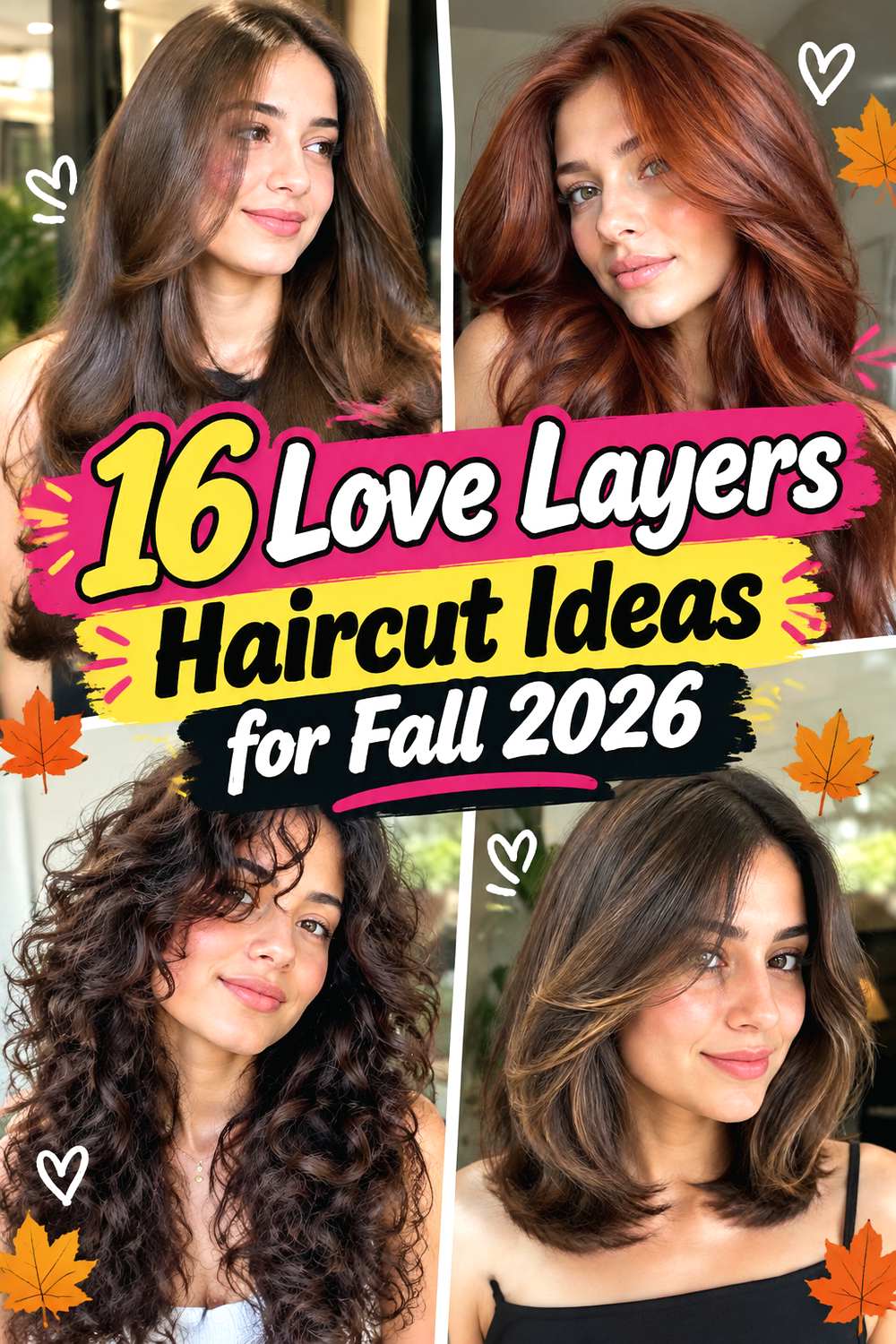
15 Airy Face-Framing Layer Haircuts for Soft, Flattering Movement
Soft, airy face-framing layers bring movement around the cheeks and jaw while keeping your overall haircut light, polished, and easy to personalize.
Face-framing layers can completely change the feel of a haircut without requiring a dramatic loss of length. A few carefully placed shorter pieces can soften the front, create visible movement, add lift near the cheekbones, or help long hair feel less heavy. The best versions look blended rather than choppy, with enough separation for the layers to move naturally.
When comparing these ideas, pay attention to where the shortest layer begins, how much contrast exists between the front and back lengths, and how the cut works with your natural texture. Some options look especially polished with a round-brush blowout, while others are designed to air-dry into waves or curls. Styling time, density, and how often you want trims are just as important as the finished shape.
Quick List
- Soft Airy Butterfly Layer Hairstyle
- Wispy Cheekbone-Framing Layer Hairstyle
- Long Feathered Face-Framing Layer Hairstyle
- Curtain-Bang Face-Framing Layer Hairstyle
- Collarbone Airy Layer Hairstyle
- Soft Shag Face-Framing Layer Hairstyle
- Rounded U-Shape Face-Framing Layer Hairstyle
- Bouncy Blowout Face-Framing Layer Hairstyle
- Fine-Hair Airy Face-Framing Layer Hairstyle
- Wavy Face-Framing Layer Hairstyle
- Curly Face-Framing Layer Hairstyle
- Sleek Straight Face-Framing Layer Hairstyle
- Chin-Grazing Front Layer Hairstyle
- Side-Part Airy Face-Framing Layer Hairstyle
- Low-Maintenance Blended Face-Framing Layer Hairstyle
1. Soft Airy Butterfly Layer Hairstyle
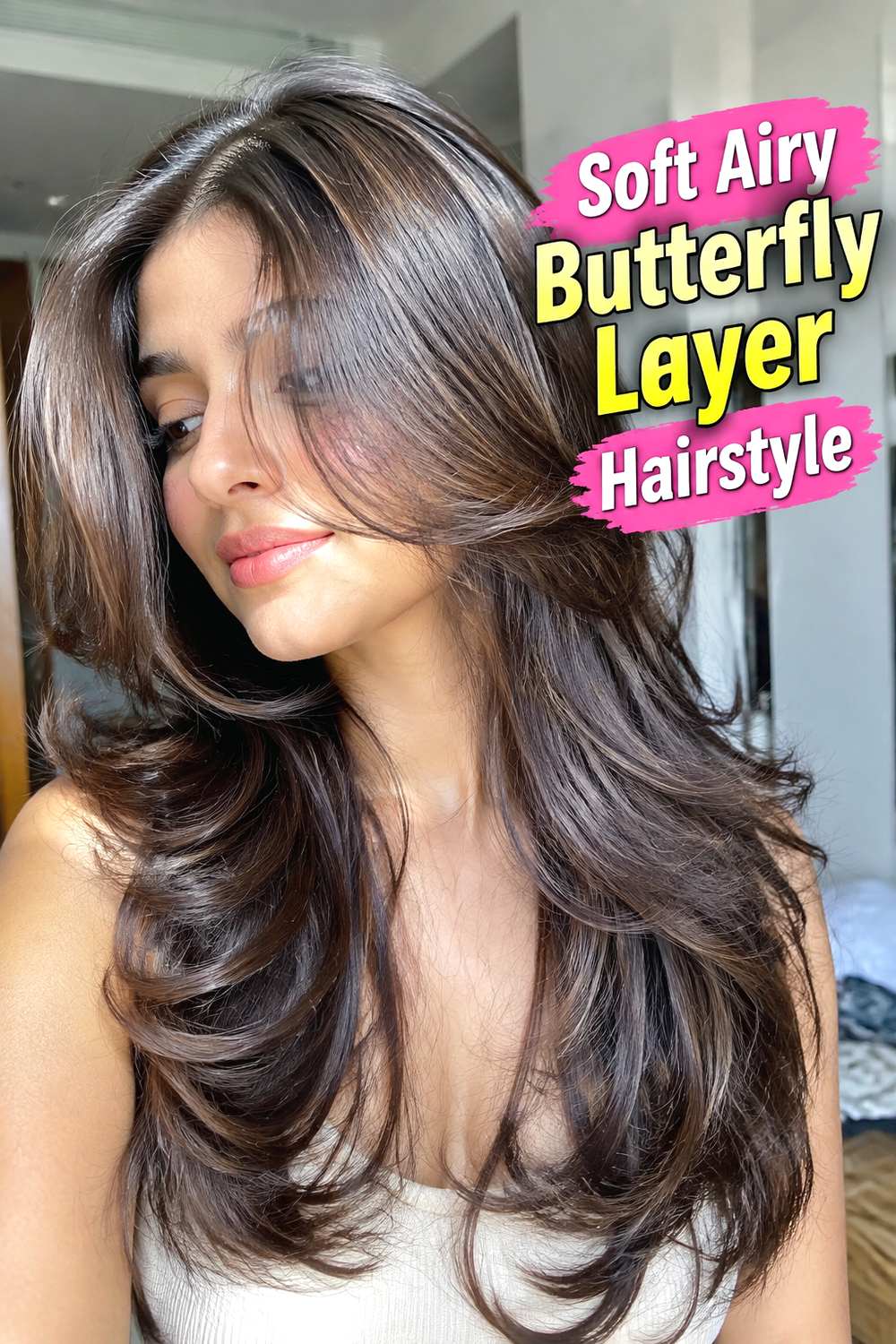
The Soft Airy Butterfly Layer Hairstyle combines longer lengths with sweeping front sections that open away from the face. The upper layers create visible lift around the cheekbones and temples, while longer pieces maintain fullness through the lower half of the hair. It is especially appealing when you want noticeable movement without converting long hair into a heavily layered cut. A loose blowout emphasizes the butterfly effect, but the shape can still look relaxed when worn with natural bends. Ask for gradual transitions between the shortest face-framing pieces and the rest of the length so the haircut looks fluid from every angle instead of forming obvious steps.
Styling Notes
Use a medium or large round brush to direct the front layers away from the face. A lightweight styling foam can provide lift without making the airy sections feel stiff or overloaded.
2. Wispy Cheekbone Framing Layer Hairstyle
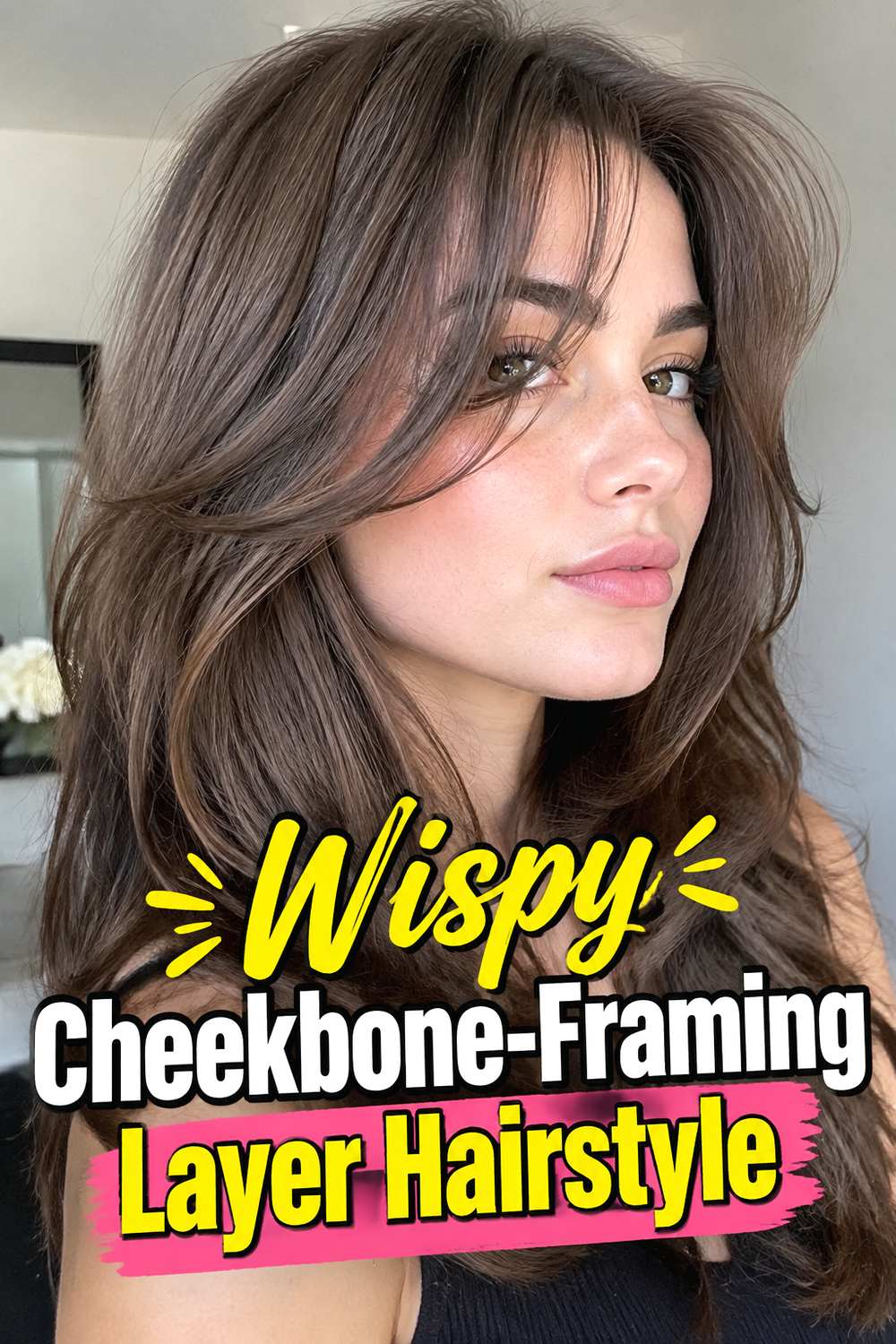
The Wispy Cheekbone-Framing Layer Hairstyle places its lightest pieces around the cheekbones, creating definition without the commitment of full bangs. Fine, tapered ends keep the front soft, so the layers appear to float into the longer hair instead of sitting heavily against the face. This placement can be particularly useful for someone who wants a subtle visual change while preserving most of their existing length. The wispy finish works beautifully with straight hair, relaxed waves, or a soft blow-dry. Because the shortest strands are delicate, avoid removing too much density around the temples. Keeping enough hair behind them helps the finished haircut look intentional and full rather than overly thinned.
Best For
This version suits medium to long hair when you want visible framing near the eyes and cheekbones but still prefer enough length to tuck the front pieces behind your ears.
3. Long Feathered Face Framing Layer Hairstyle
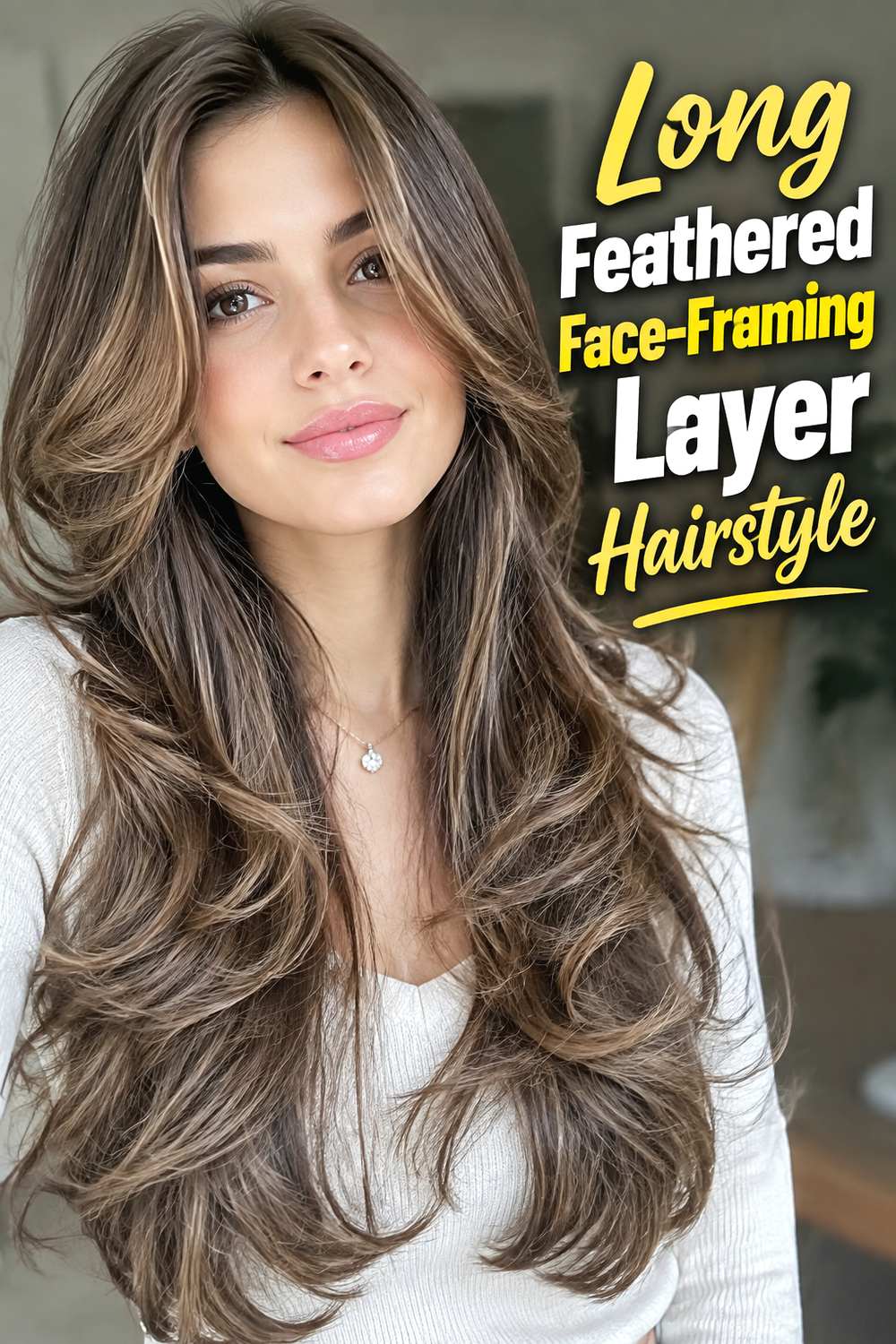
The Long Feathered Face-Framing Layer Hairstyle delivers movement through softly graduated pieces that begin around the lower cheek or jaw and flow into the remaining length. Instead of sharp layer lines, the ends are feathered so they separate naturally and move easily when the hair turns or falls over the shoulders. It works especially well for longer hair that feels visually heavy around the front but does not need aggressive layering throughout the back. A smooth blow-dry gives this cut a polished finish, while subtle waves emphasize the separation between layers. For a modern result, keep the feathering soft and controlled rather than creating an overly flipped, retro silhouette.
Hair Type & Length
Medium-density and thicker long hair can benefit from the weight removal this shape provides. Fine hair can also wear it, but fewer, longer layers usually preserve a fuller-looking perimeter.
4. Curtain Bang Face Framing Layer Hairstyle
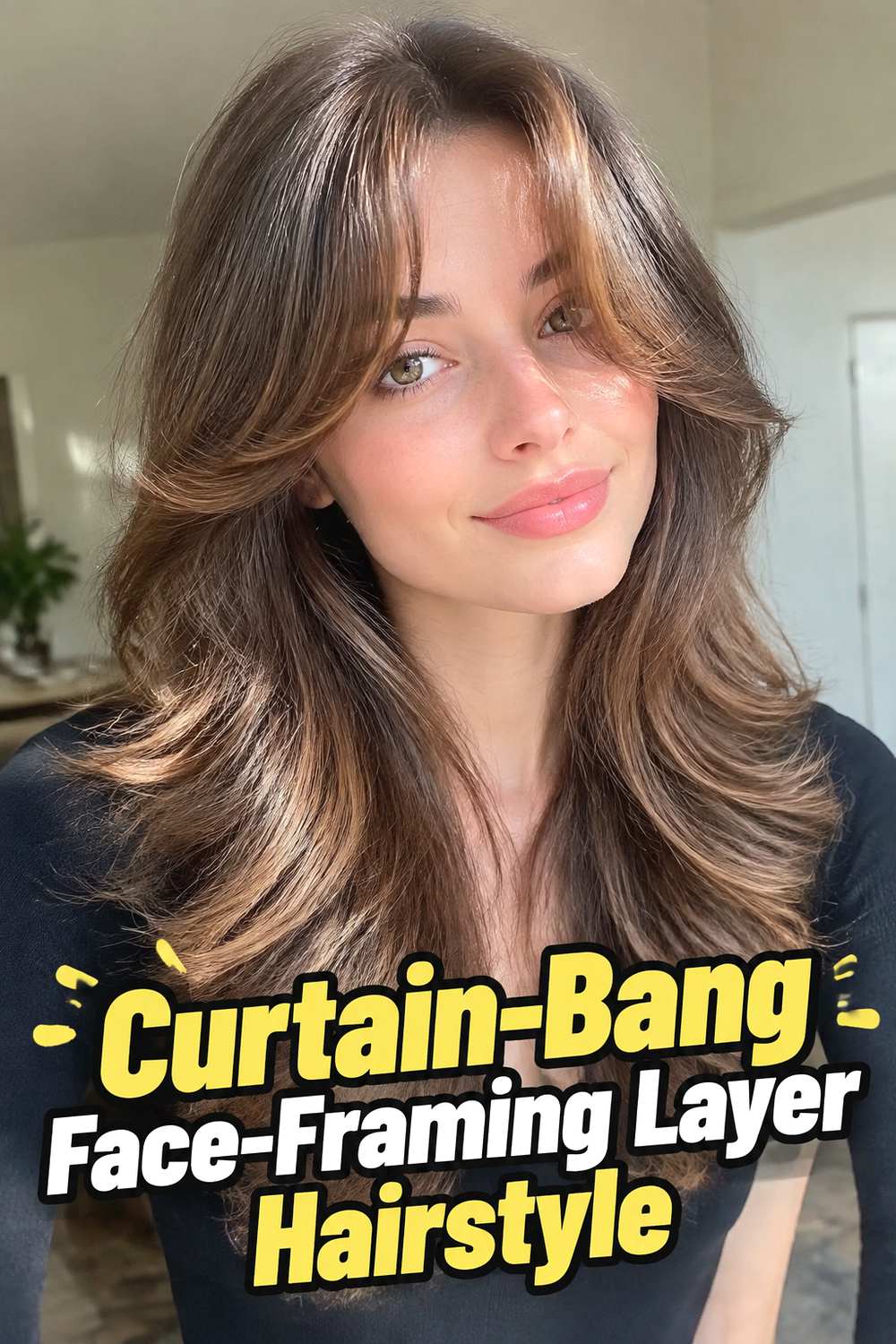
The Curtain-Bang Face-Framing Layer Hairstyle blends a center-splitting fringe into progressively longer front layers. The shortest pieces typically sit around the brow, upper cheek, or cheekbone before opening outward and connecting with the sides. This creates a gentle frame while maintaining an airy feel across the forehead. The transition is what makes the haircut versatile: when the fringe grows, it can gradually behave like another face-framing layer rather than looking disconnected. Style the front pieces forward first, then sweep them away from the face for a balanced curve. If your hair tends to fall flat, a little root lift at the fringe can make the shape look more intentional without adding excessive volume.
Wear & Maintenance
Curtain bangs generally need more frequent reshaping than longer face-framing pieces. If you prefer extra time between trims, ask for a slightly longer starting point that will grow out gracefully.
5. Collarbone Airy Layer Hairstyle
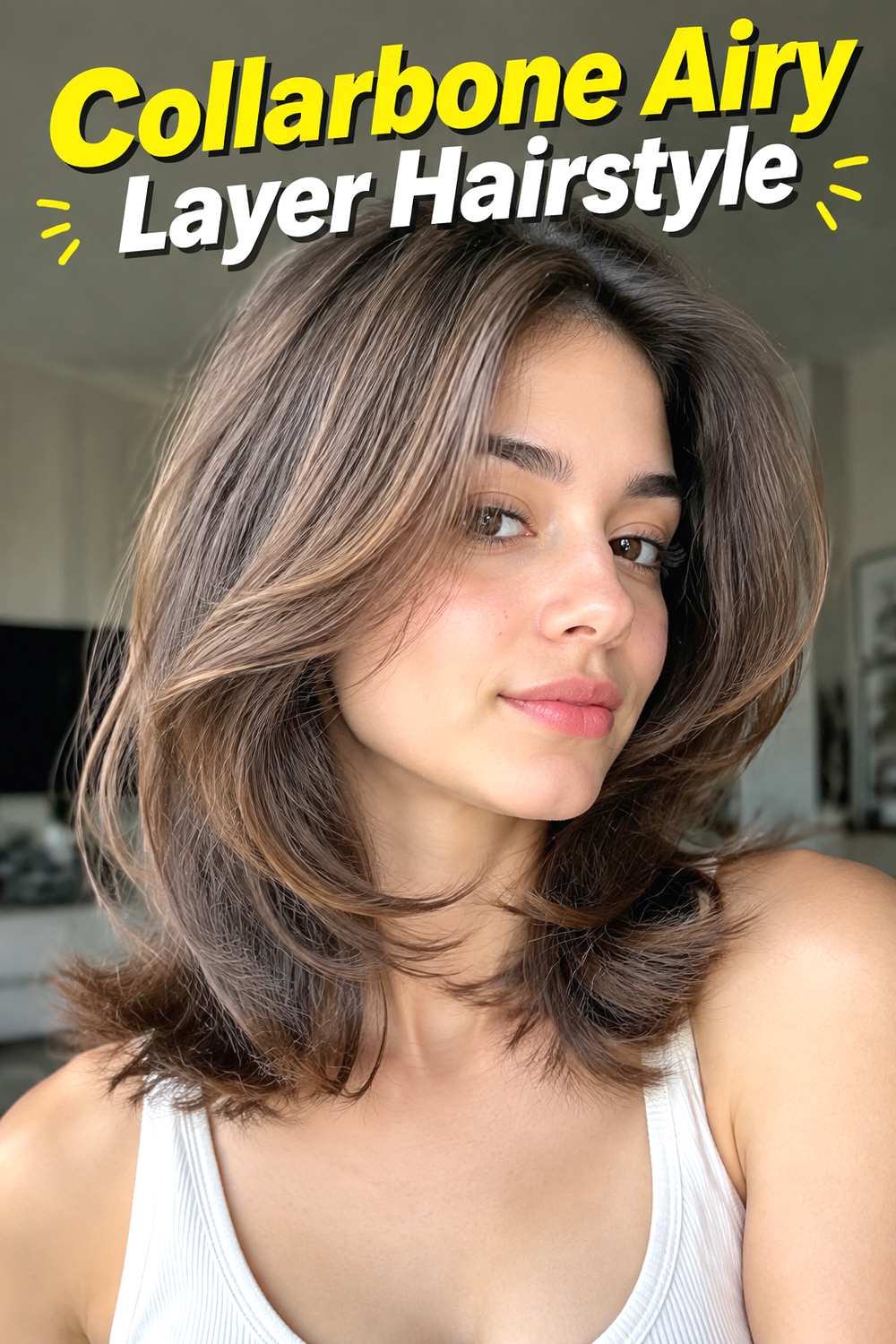
The Collarbone Airy Layer Hairstyle brings face-framing movement to a medium-length cut that sits close to the shoulders or collarbone. Shorter sections around the front keep the silhouette from feeling blocky, while the main perimeter retains enough weight to look healthy and substantial. This is a practical middle ground for anyone who wants the movement of longer layers in a more compact haircut. A slight bend through the front pieces creates softness around the jaw, and the rest can be worn smooth, wavy, or casually tousled. Because shoulder-length hair can flip where it meets clothing, strategic internal layering can help the ends settle with a more relaxed shape.
Why It Works
The collarbone length provides enough hair for flowing layers while remaining easier to wash, dry, and style than very long cuts. The front movement also prevents the medium-length perimeter from looking too blunt.
6. Soft Shag Face Framing Layer Hairstyle
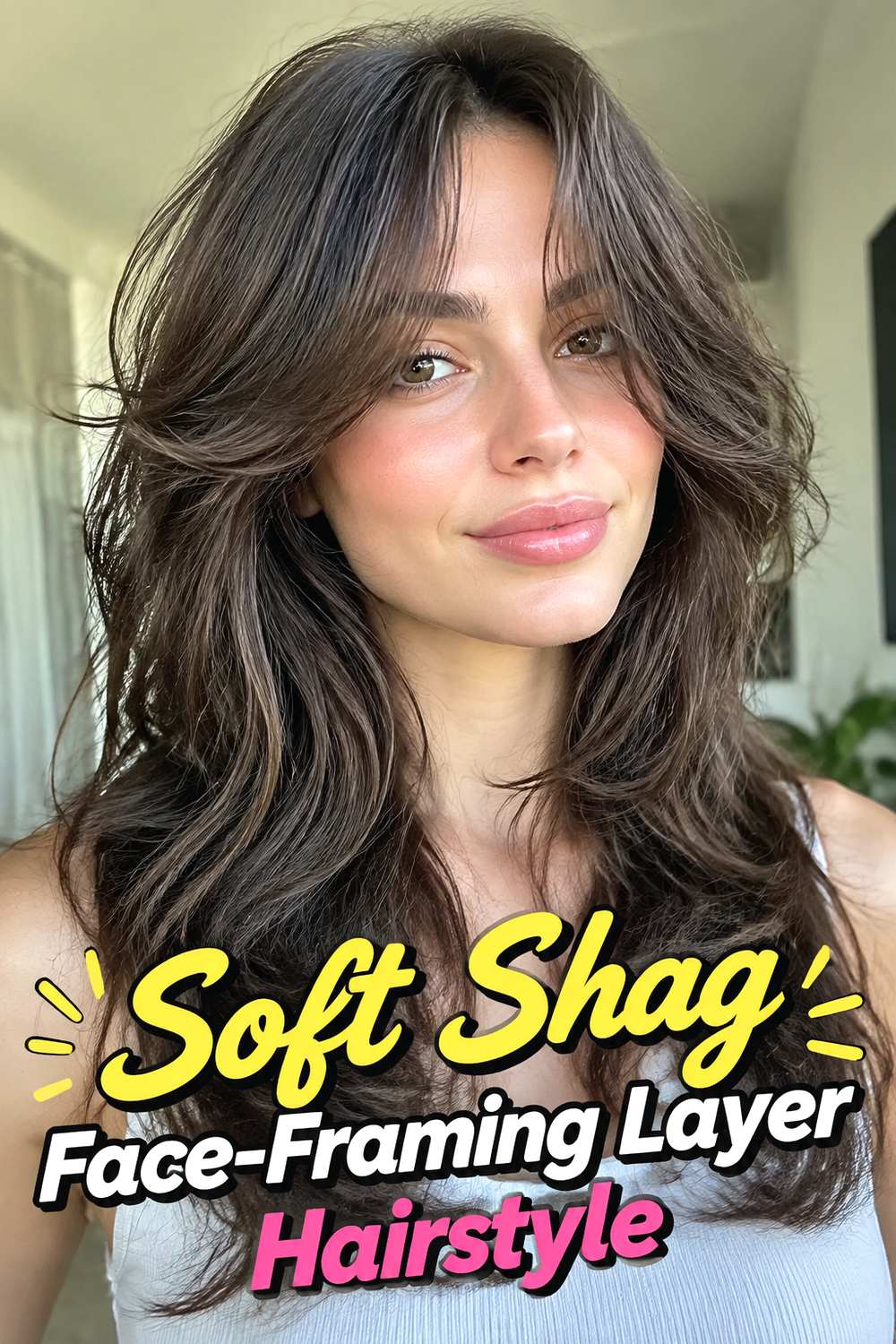
The Soft Shag Face-Framing Layer Hairstyle offers more texture than a classic layered cut but keeps the finish wearable and airy. Layers begin higher around the face and continue through the sides, creating separation and natural volume without the extreme disconnection of a dramatic shag. The result can look especially lively on hair with a natural wave because different sections lift and bend on their own. Straight textures can achieve the same piecey movement with a loose styling cream or a quick bend from a flat iron. To keep the cut soft, the ends should retain enough density to avoid appearing stringy. This makes the shape textured without sacrificing the overall sense of fullness.
Pro Tip
Let some front sections dry in their natural direction before refining them. Overstyling every layer into the same curve can remove the casual movement that makes a soft shag appealing.
7. Rounded U Shape Face Framing Layer Hairstyle
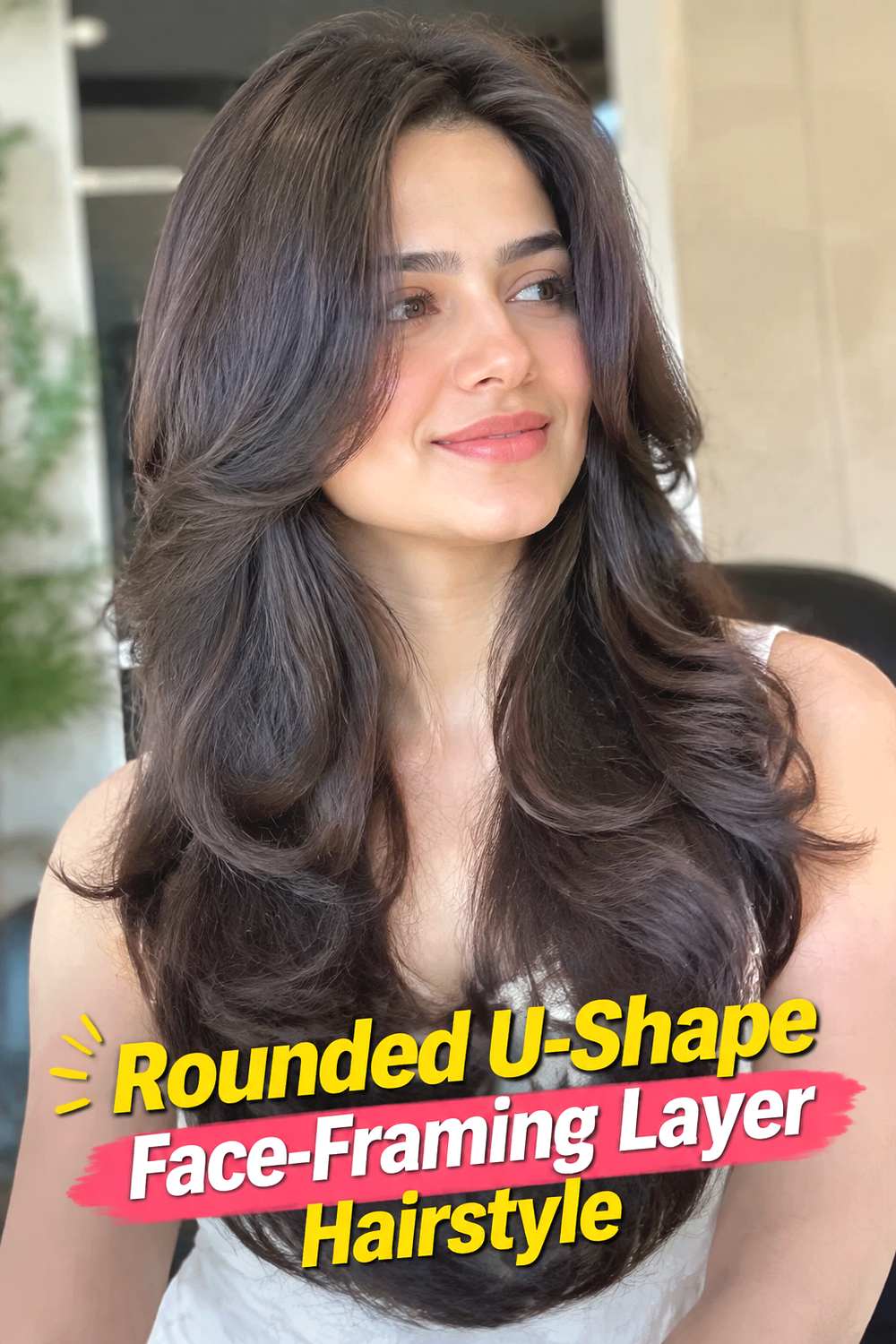
The Rounded U-Shape Face-Framing Layer Hairstyle combines a softly curved back perimeter with graduated layers around the front. From behind, the length forms a gentle U rather than a straight line, allowing the sides to connect naturally with the shorter framing pieces. This produces movement without making the haircut feel heavily layered from root to end. It is a strong choice for long hair when you want to keep a substantial amount of length while introducing a more refined silhouette. The face-framing sections can start at the cheek or jaw depending on how much change you want. When styled with loose bends, the rounded perimeter and front layers create a flowing shape that feels balanced instead of bottom-heavy.
Best For
This shape is especially useful for medium to thick long hair that needs some softness around the face while keeping a dense, polished-looking finish through the ends.
8. Bouncy Blowout Face Framing Layer Hairstyle
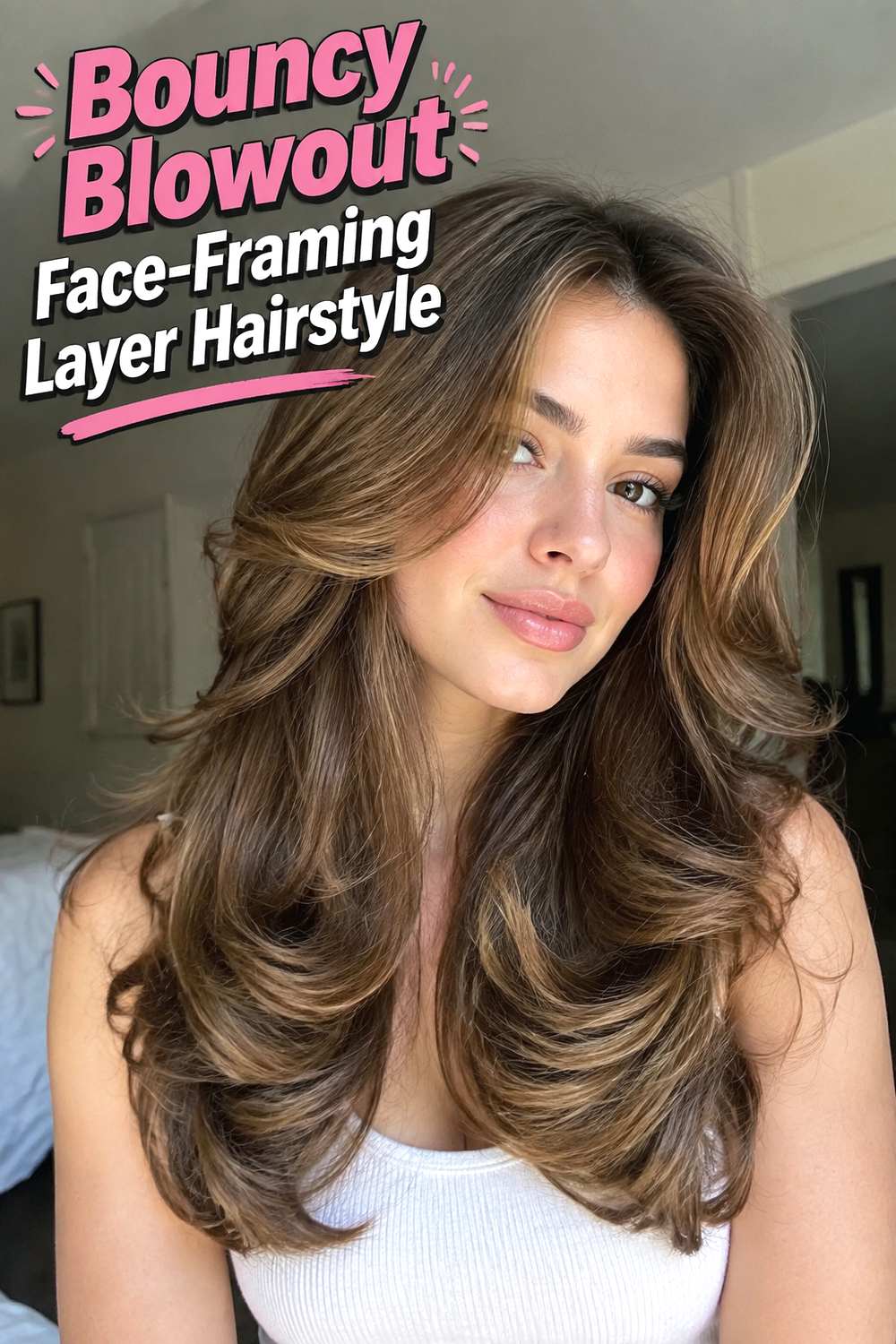
The Bouncy Blowout Face-Framing Layer Hairstyle is designed to showcase curved layers, visible lift, and a polished salon-style finish. The front pieces graduate away from the face, while longer layers support volume through the mid-lengths instead of leaving all the weight at the bottom. When blow-dried with a round brush, each section can sweep outward and settle into a soft, buoyant shape. The haircut still needs to work when it is not freshly styled, so the layers should blend cleanly into the base length rather than depending entirely on a blowout for definition. Keeping the ends softly textured also helps the hair move instead of forming one dense, rigid line.
Styling Notes
Work in manageable sections and lift the roots before curving the mid-lengths. Allow each front section to cool in its rounded shape before brushing it out for softer, longer-lasting movement
9. Fine Hair Airy Face Framing Layer Hairstyle
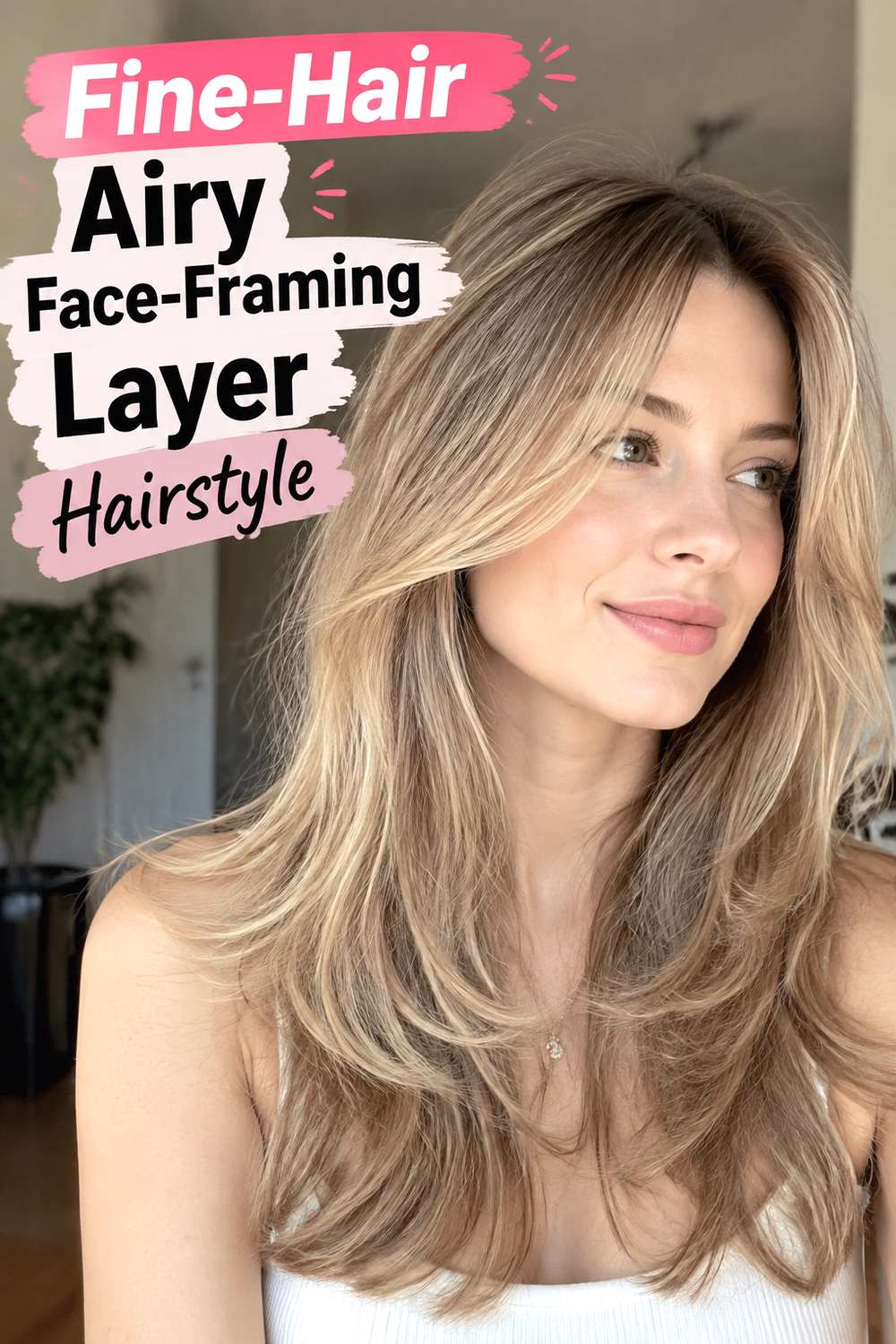
The Fine-Hair Airy Face-Framing Layer Hairstyle creates softness around the face while protecting fullness through the ends. Instead of adding many short layers throughout the haircut, the main movement is concentrated near the front, with subtle blending into the longer sections. This approach can make fine hair look more dimensional without removing the density that gives the perimeter its strongest appearance. A cheekbone- or jaw-length starting point usually offers enough visual contrast without creating overly thin pieces. The finished look can be worn smooth or with gentle bends for added texture. Lightweight products are important because heavy creams, oils, or thick styling formulas can quickly collapse the lift that gives these delicate layers their airy effect.
Hair Type & Length
Fine hair often benefits from fewer layers placed with intention. Keeping the back relatively full while introducing controlled front pieces can provide movement without sacrificing the appearance of density.
10. Wavy Face Framing Layer Hairstyle
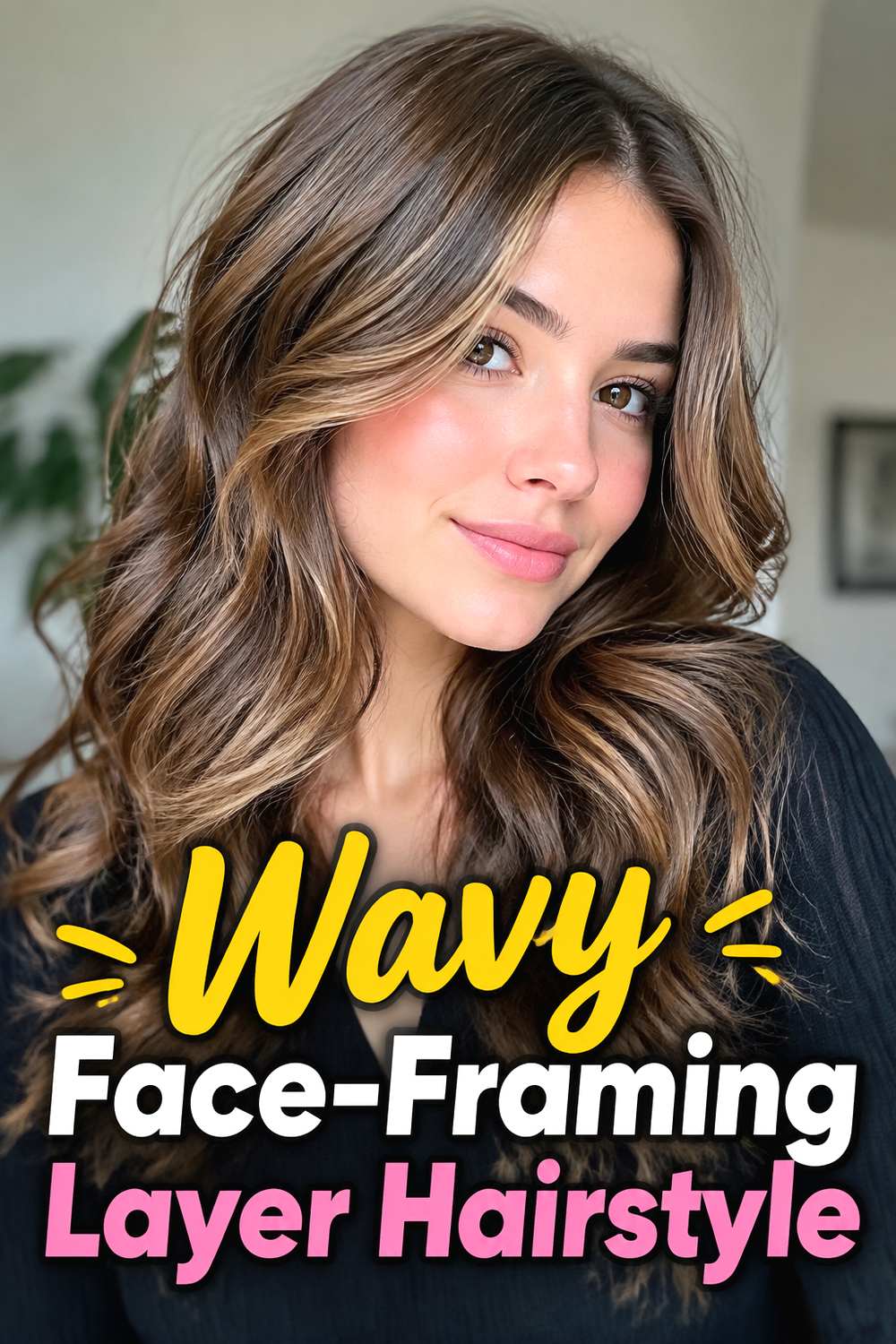
The Wavy Face-Framing Layer Hairstyle follows the natural rise and fall of waves instead of forcing every section into an identical shape. Shorter pieces near the cheeks encourage movement around the front, while longer graduated sections give the wave pattern space to expand through the sides. The result feels soft and dimensional, particularly when the layers are cut with the hair’s natural behavior in mind. Because wavy hair can shrink slightly as it dries, the placement of the shortest pieces should account for how much the pattern springs upward. A light leave-in product and gentle scrunching can emphasize definition, while excessive brushing after drying may separate the waves too much and reduce their natural texture.
Wear & Maintenance
For easier everyday styling, ask for layers that look balanced when air-dried. This reduces the need to heat-style the front pieces every time you wash your hair.
11. Curly Face Framing Layer Hairstyle
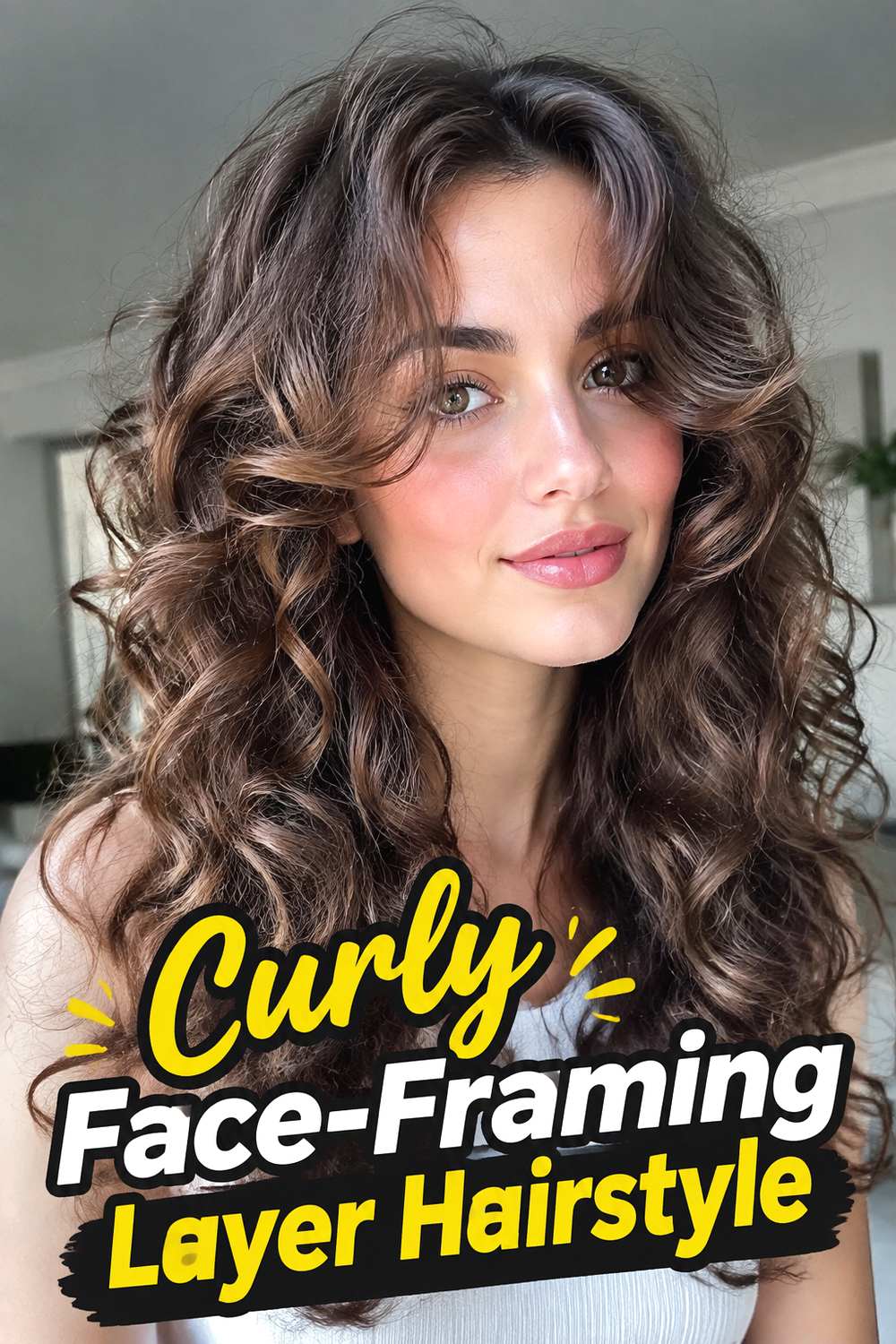
The Curly Face-Framing Layer Hairstyle uses graduated curls around the face to create shape, lift, and definition while respecting natural shrinkage. Shorter curls can highlight the cheekbones or jaw, while longer sections connect them to the rest of the haircut and prevent an abrupt shelf effect. Because individual curl patterns behave differently, the cut works best when the placement reflects how each section naturally coils and falls. The goal is not to make every curl identical but to create a balanced outline with enough room for movement. Styling with moisture and controlled definition can help the layers remain visible, while overly heavy products may stretch the front curls and reduce the airy volume that gives this haircut its character.
Pro Tip
Discuss shrinkage before choosing the shortest front layer. A curl that appears chin-length when stretched may sit significantly higher once fully dry, depending on the texture and pattern.
12. Sleek Straight Face Framing Layer Hairstyle
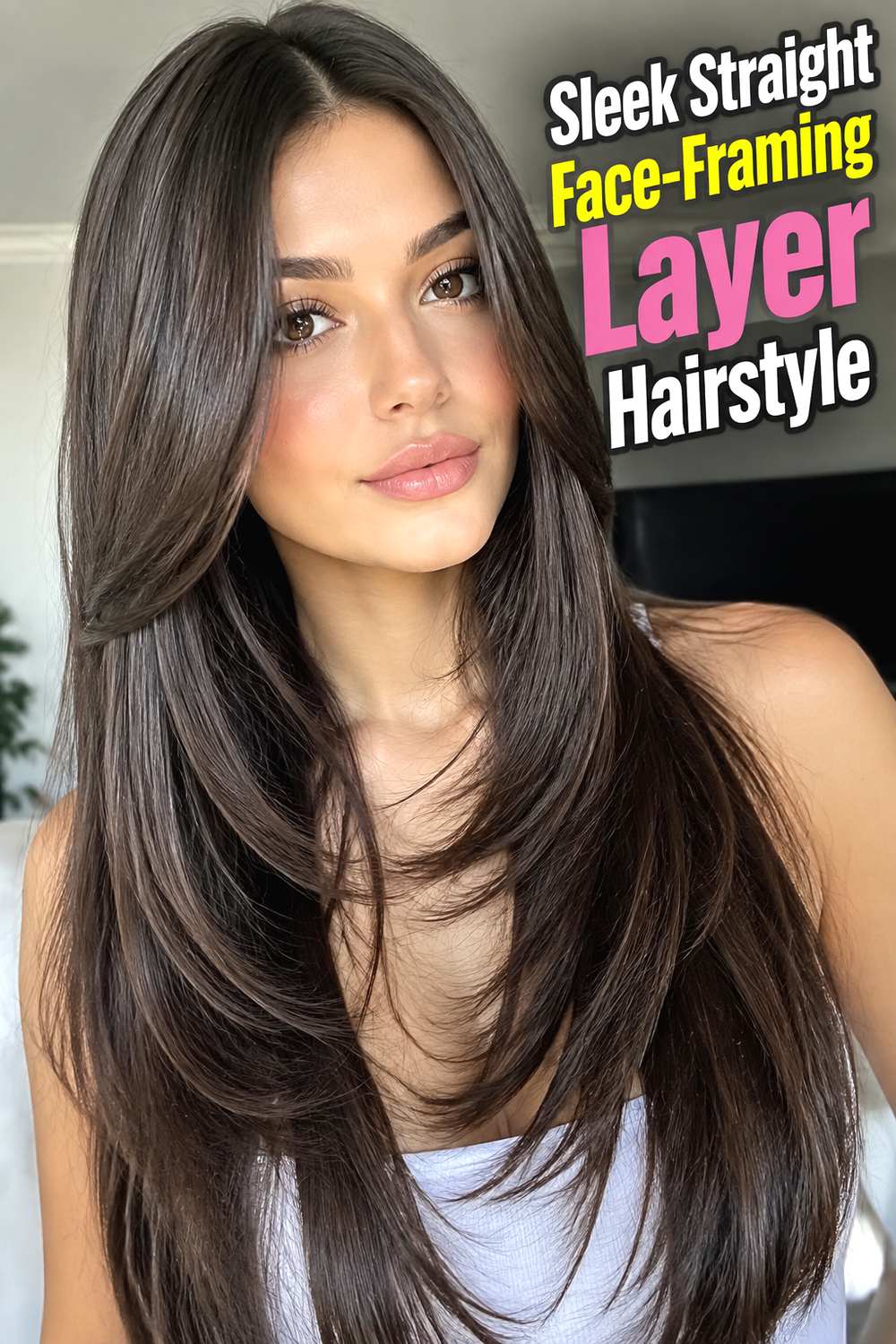
The Sleek Straight Face-Framing Layer Hairstyle proves that airy layering does not have to rely on curls or a voluminous blowout. Smooth lengths make the graduated front pieces especially visible, creating clean lines that move from the cheek or jaw into the main perimeter. The cut should feel precise without becoming severe, so soft point-cutting or gentle texturing at the ends can help each layer blend naturally. Straight hair also reveals uneven transitions more easily, making careful placement important. A smooth finish with subtle root lift keeps the haircut polished while preserving movement. For extra softness, curve only the front ends slightly inward or outward instead of adding a full curl through the entire length.
Why It Works
The streamlined texture makes the face-framing architecture easy to see. Even a modest difference in length can create noticeable shape without requiring high-volume styling.
13. Chin Grazing Front Layer Hairstyle
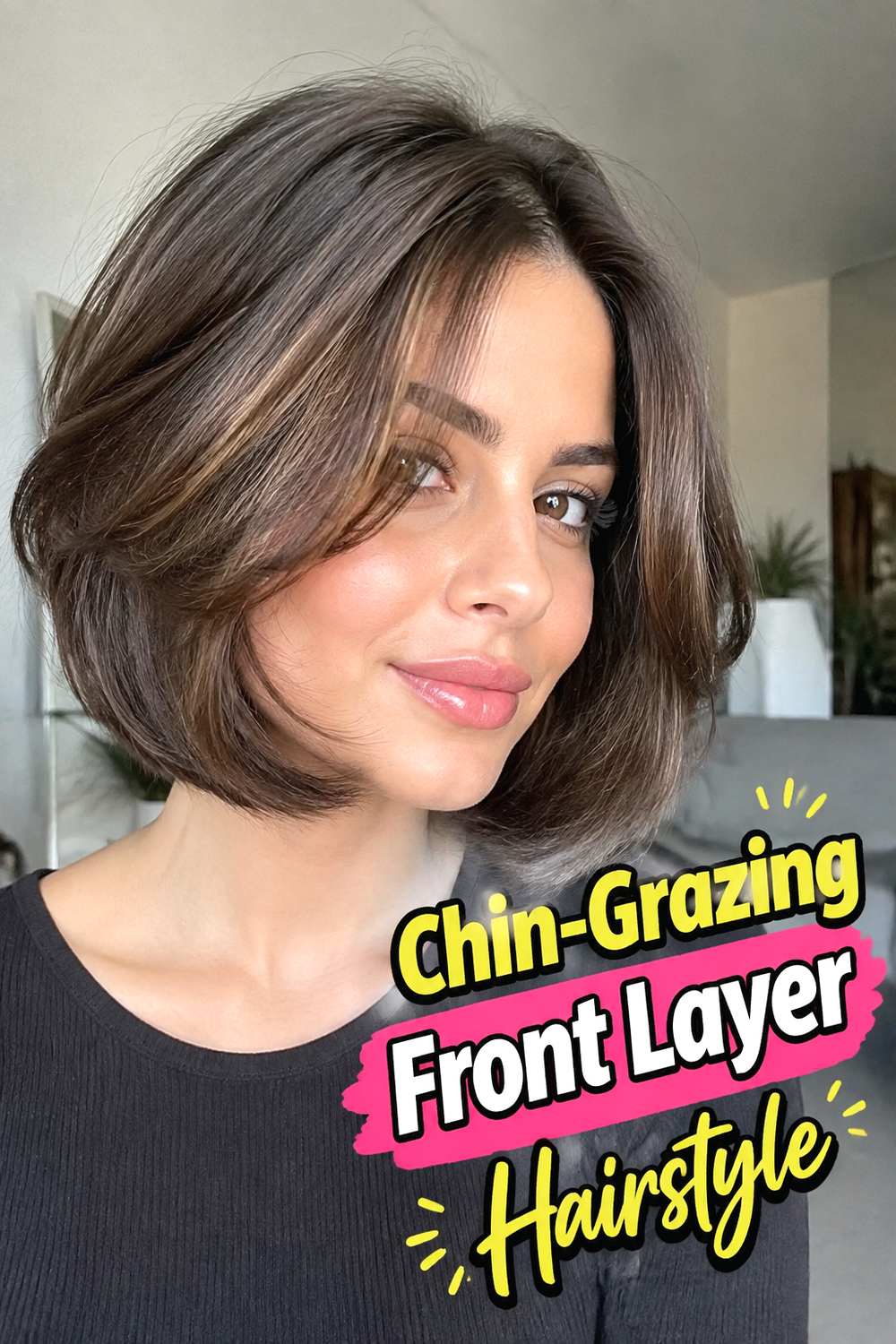
The Chin-Grazing Front Layer Hairstyle creates a clear focal point around the jawline while keeping the rest of the haircut longer and more understated. The shortest front pieces land near the chin, then blend gradually downward into the sides. This placement provides visible definition without creating a true fringe, making it a flexible choice for anyone who enjoys tying their hair back while leaving a few intentional pieces loose. The shape can be worn with a soft inward bend for a rounded finish or directed away from the face for more openness. Because chin-length pieces sit near a high-movement area, smooth blending is especially important so the front does not look disconnected from the longer hair behind it.
Best For
This placement works well for medium and long cuts when you want obvious face framing but still prefer front pieces that are long enough to tuck, pin, or incorporate into an updo.
14. Side Part Airy Face Framing Layer Hairstyle
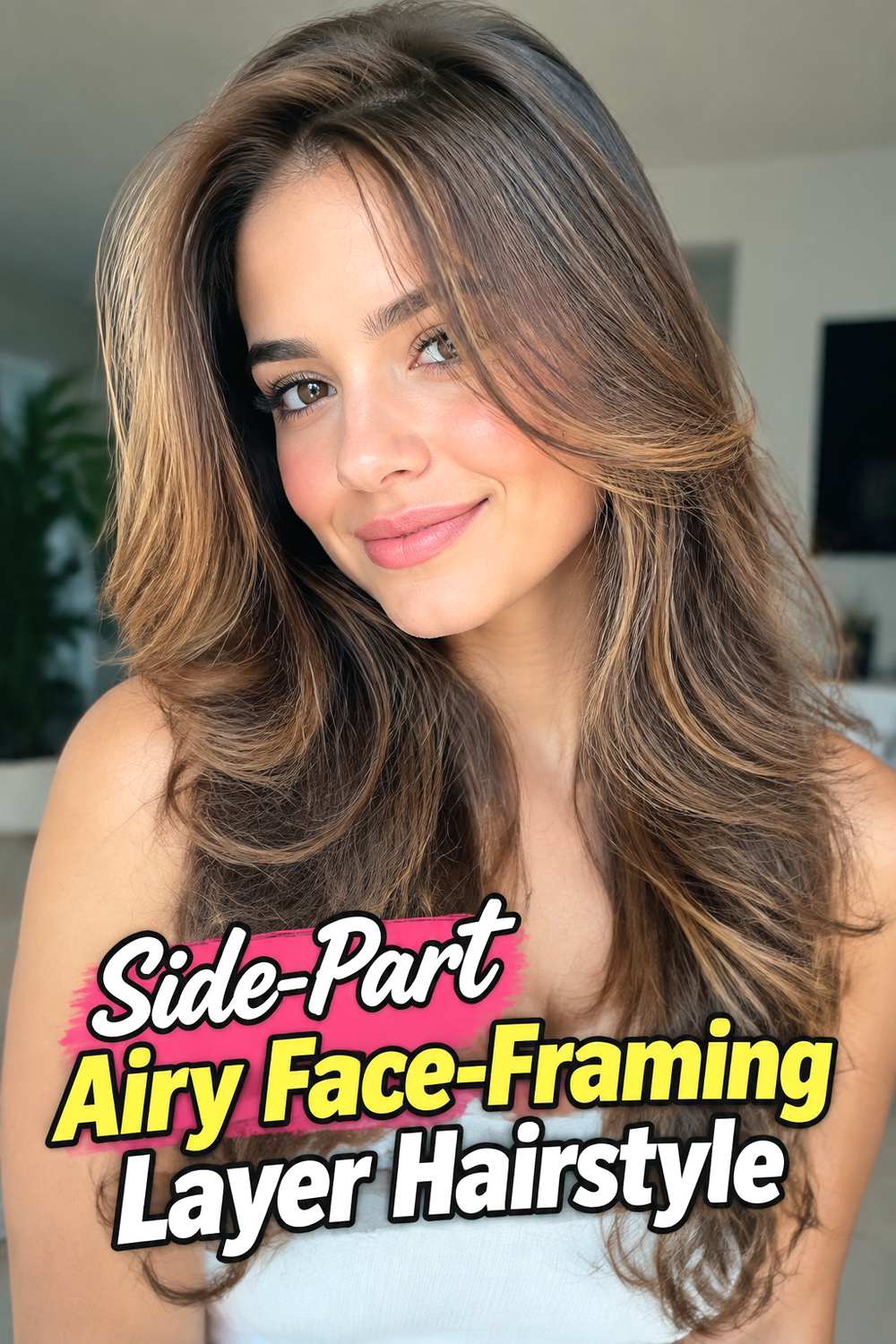
The Side-Part Airy Face-Framing Layer Hairstyle uses an off-center part to create natural lift on one side and a sweeping frame across the front. Instead of placing identical layers on both sides, the haircut can be adjusted to work with the way the hair naturally falls from the chosen part. The fuller side gains volume and movement, while the lighter side can tuck neatly behind the ear or blend into longer lengths. This subtle asymmetry gives the haircut personality without requiring an uneven perimeter. A round brush or large roller can emphasize the front sweep, but even a relaxed air-dried finish can look polished when the layers are cut to follow the natural direction of the hair.
Styling Notes
Set your part before styling the front sections. Changing the part afterward can shift the layer placement and make the intended face-framing shape less visible.
15. Low Maintenance Blended Face Framing Layer Hairstyle
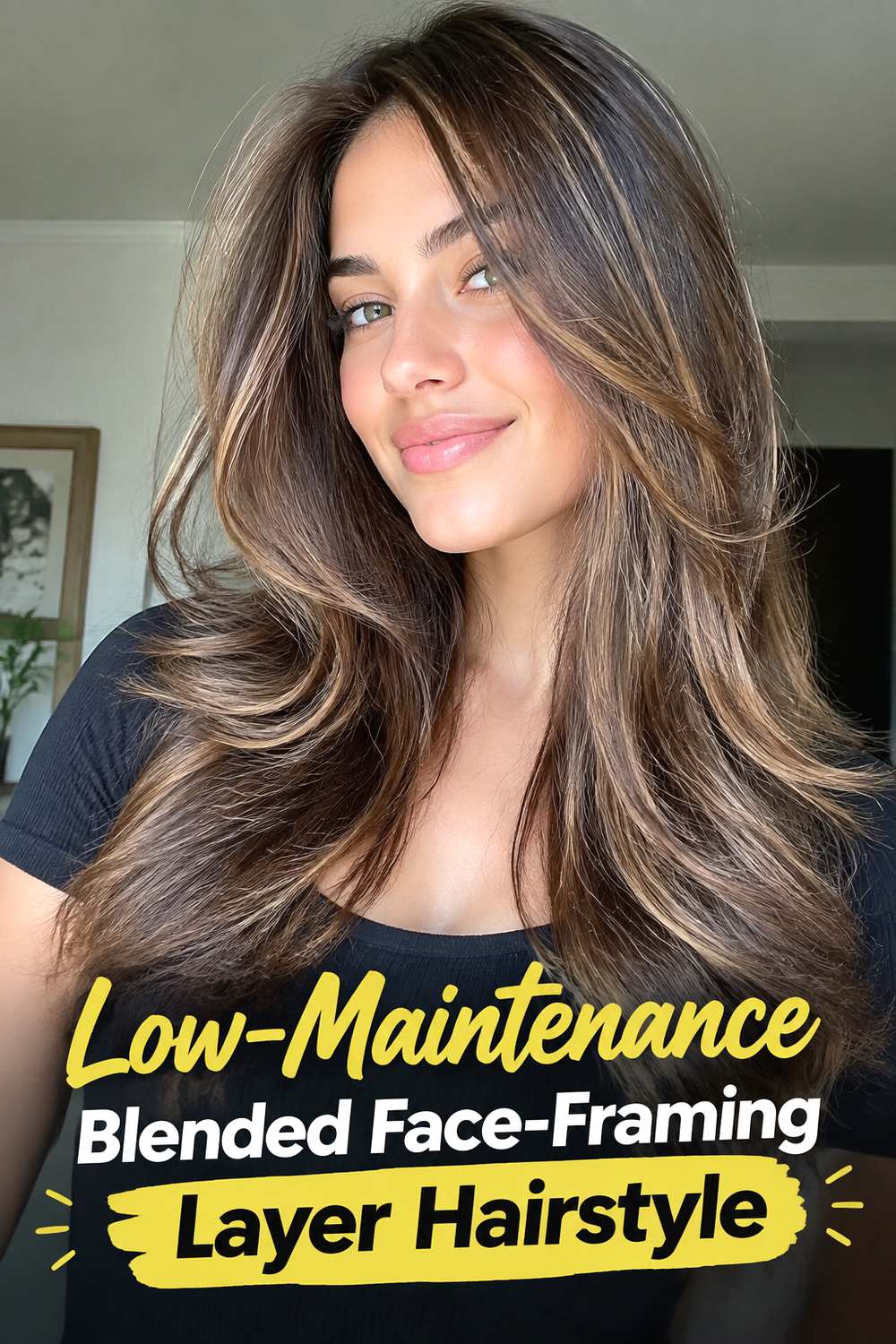
The Low-Maintenance Blended Face-Framing Layer Hairstyle keeps the shortest pieces relatively long and connects them gradually into the overall haircut. Rather than creating dramatic contrast, the layers introduce subtle movement around the face while maintaining a smooth, cohesive silhouette. This makes the cut easier to grow out and less dependent on frequent styling or fringe trims. It can work across straight, wavy, and softly curly textures because the transition between lengths is intentionally gentle. Starting the framing around the jaw or below gives the front enough movement to be noticeable while still allowing most pieces to tuck behind the ears. A simple blow-dry or natural air-dried finish is often enough to reveal the shape.
Wear & Maintenance
Ask for soft graduation and avoid taking the shortest pieces too high if extending time between salon visits matters to you. Longer front layers generally blend more naturally as they grow.
How to Choose the Right Look
Start with your current length and decide how much contrast you want around the face. Cheekbone-level layers and curtain bangs create the strongest visible change, while jaw-length or chin-length pieces offer softer definition. If you want to preserve long hair, butterfly, feathered, or U-shaped layering can add movement while keeping most of the overall length intact.
Texture should influence the placement as well. Straight hair shows layer lines clearly, so seamless blending matters. Wavy and curly hair needs enough room for natural bends, coils, and shrinkage. Fine hair usually benefits from fewer strategically placed layers, while dense hair can often support more graduation and internal weight removal.
Also consider styling time. A bouncy blowout or sweeping butterfly cut becomes more dramatic with round-brush styling, while soft shag, wavy, curly, and longer blended layers can be easier to wear with natural texture. If comfort and easy maintenance are priorities, choose front pieces long enough to tuck behind your ears or pull into a ponytail.
For maximum volume, look for lifted layers around the cheekbones and crown. For a sleeker finish, keep the framing longer and the transitions subtle. The best choice is the one that works with your normal routine rather than requiring a completely different styling process every morning.
Final Thoughts
Airy face-framing layers can range from barely noticeable jaw-length pieces to dramatic butterfly layers and soft curtain bangs. The most flattering option is usually the one that balances your desired amount of movement with your natural texture, density, length, and willingness to style.
If you want a subtle update, begin with longer blended or chin-grazing layers. For stronger movement and volume, consider butterfly, feathered, shag-inspired, or blowout-focused shapes. A few thoughtful adjustments to the starting point and density of the layers can make any of these ideas feel more personal and practical.
FAQs
1. What are airy face-framing layers?
Airy face-framing layers are lighter, graduated pieces cut around the front of the hair to create movement without making the overall haircut feel heavy or sharply layered. They often begin near the cheekbones, chin, or jaw and blend into longer lengths.
2. Are face-framing layers good for fine hair?
Yes, when they are used selectively. Fine hair generally looks fuller when the main perimeter remains relatively dense, so concentrating a small amount of layering around the face can add movement without removing too much weight.
3. Where should face-framing layers start?
That depends on the effect you want. Cheekbone-level layers make a more noticeable statement, chin- and jaw-length pieces provide moderate framing, and layers beginning below the jaw create a softer, lower-maintenance result.
4. Do face-framing layers require daily styling?
Not necessarily. Longer, blended layers can work well with minimal styling, especially on naturally wavy or curly hair. Shorter curtain pieces and highly polished butterfly layers may need more blow-drying or reshaping to maintain their intended finish.
5. How often should face-framing layers be trimmed?
Shorter pieces usually need attention sooner because their shape changes more noticeably as they grow. Longer blended layers can often remain wearable for a longer period, so your ideal schedule will depend on the starting length, texture, and how precise you want the framing to remain.
CTA
Save your favorite airy face-framing layer hairstyles for your next haircut, share the ideas you love, and explore more inspiration to find a look that fits your texture and routine.