19 Airy Hair-Down Styles With Heavy Knit Blanket Scarves
Airy movement, light layers, and touchable texture keep hair looking balanced and visible beside oversized blanket scarves and substantial winter knits.
Heavy knit blanket scarves create warmth and volume around the neck and shoulders, so wearing your hair down can require a little more thought. The most flattering combinations usually keep the hair visually light through soft layers, separated curls, airy bends, or shorter lengths that do not disappear beneath bulky fabric.
The goal is not to flatten the hair or make every strand perfectly smooth. Instead, look for movement around the face, enough root lift to prevent the scarf from overwhelming the hairstyle, and ends that can sit naturally outside the knit. Hair length, texture, scarf thickness, weather, and maintenance all influence which of these looks will feel easiest.
Quick List
- Airy Brushed Waves Hairstyle
- Soft Curtain Layers Hairstyle
- Feathered Collarbone Lob Hairstyle
- Soft Side Part Waves Hairstyle
- Air Dried Bend Hairstyle
- Rounded Long Layers Hairstyle
- Soft Natural Curls Hairstyle
- Textured French Bob Hairstyle
- Wispy Fringe Waves Hairstyle
- Soft S Wave Lob Hairstyle
- Center Part Blowout Hairstyle
- Soft Shag Layers Hairstyle
- Loose Spiral Curls Hairstyle
- Blunt Bob With Soft Ends Hairstyle
- Face Framing Bend Hairstyle
- Diffused Coily Volume Hairstyle
- Long Feathered Ends Hairstyle
- Relaxed Deep Wave Hairstyle
- Tucked Behind Ear Layers Hairstyle
1. Airy Brushed Waves Hairstyle
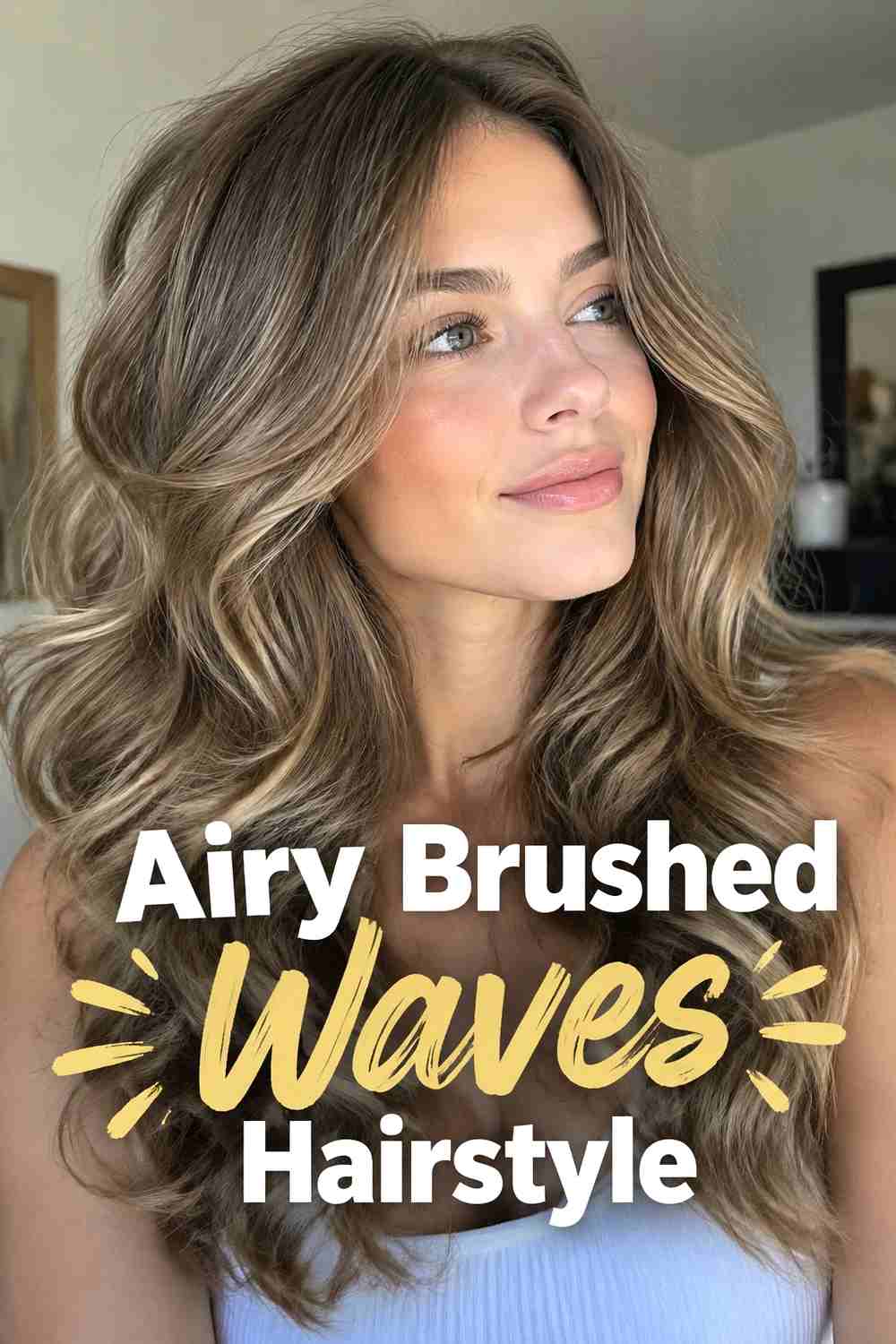
Airy brushed waves give long or medium hair enough movement to stand out beside a thick blanket scarf without adding more heaviness around the shoulders. Start with broad curls or bends, let them cool, and brush through until the pattern becomes soft and blended. The roots should retain a little lift while the ends remain separated and flexible. Bringing some of the hair forward over the scarf can help preserve the shape and keep it visible. This style works especially well when the knit is chunky or oversized because the waves introduce movement without creating a dense block of volume. Keep the finish touchable rather than highly sprayed.
Styling Notes
Use large sections when curling and brush them out thoroughly. Smaller, tighter curls can look too busy beside a substantial scarf.
Wear & Maintenance
Lift the hair fully outside the scarf after wrapping it so the lower waves do not become crushed underneath.
2. Soft Curtain Layers Hairstyle
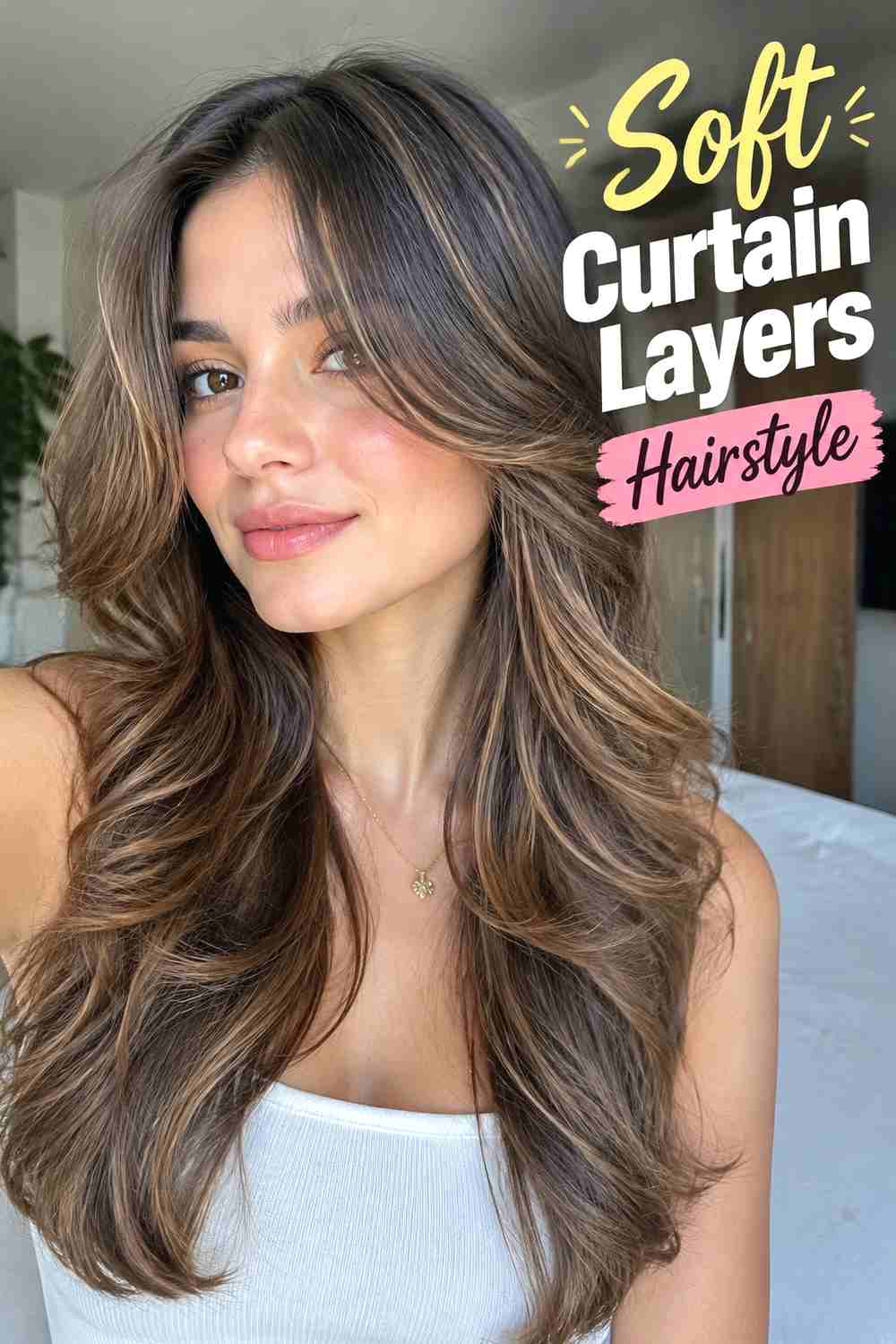
Soft curtain layers create space around the face while allowing the rest of the hair to remain loose and easy. The shortest pieces should part naturally near the center and sweep away from the cheekbones, blending gradually into longer lengths. This opening around the face is particularly useful with a blanket scarf because it prevents both the hair and knit from crowding the jawline. Keep the lower sections softly bent rather than tightly curled, and allow a little natural variation through the ends. The result feels light even when the scarf is thick. It is also a versatile option because the layers can work with straight, wavy, or lightly textured hair.
Styling Notes
Focus your round-brush work on the front sections and let the rest of the hair keep a more relaxed finish.
Why It Works
The face-framing separation creates visual breathing room between the hair and the scarf’s substantial texture.
3. Feathered Collarbone Lob Hairstyle
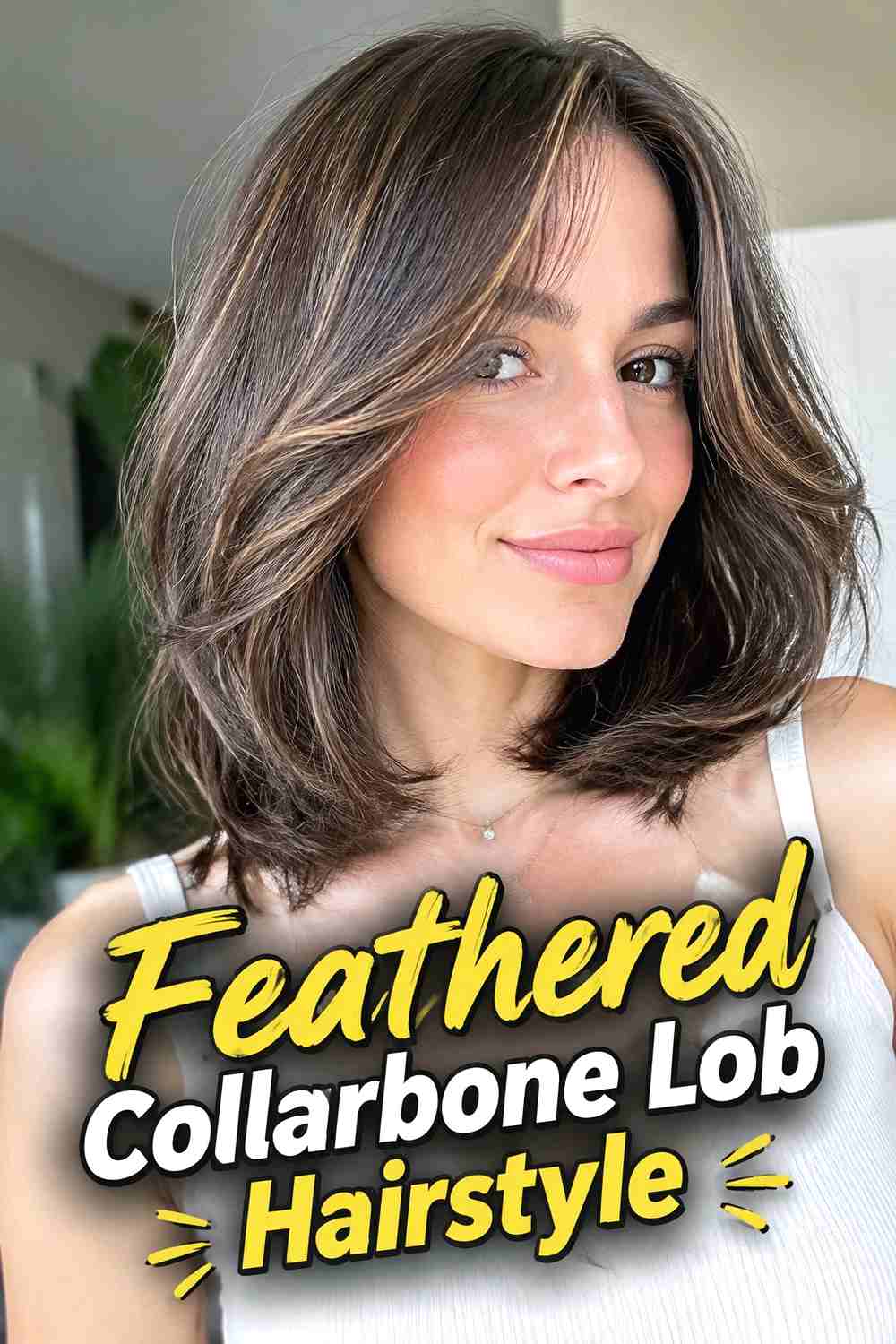
A feathered collarbone lob sits at a useful length for heavy scarves because it is long enough to move but short enough to avoid excessive bunching. Light layers through the perimeter can flick slightly inward and outward, preventing the ends from forming one dense line against the knit. Keep the crown smooth with modest root lift and let the feathered pieces create most of the shape. When the scarf is wrapped high, pull the hair completely outside it rather than allowing half the length to remain trapped. This hairstyle looks especially polished with structured winter coats because the light ends soften both the outerwear and the substantial scarf without requiring elaborate styling.
Hair Type & Length
Straight and wavy hair often show the feathered ends most clearly at collarbone length.
Pro Tip
Use a round brush only on the final few inches to preserve lightness through the rest of the cut.
4. Soft Side Part Waves Hairstyle
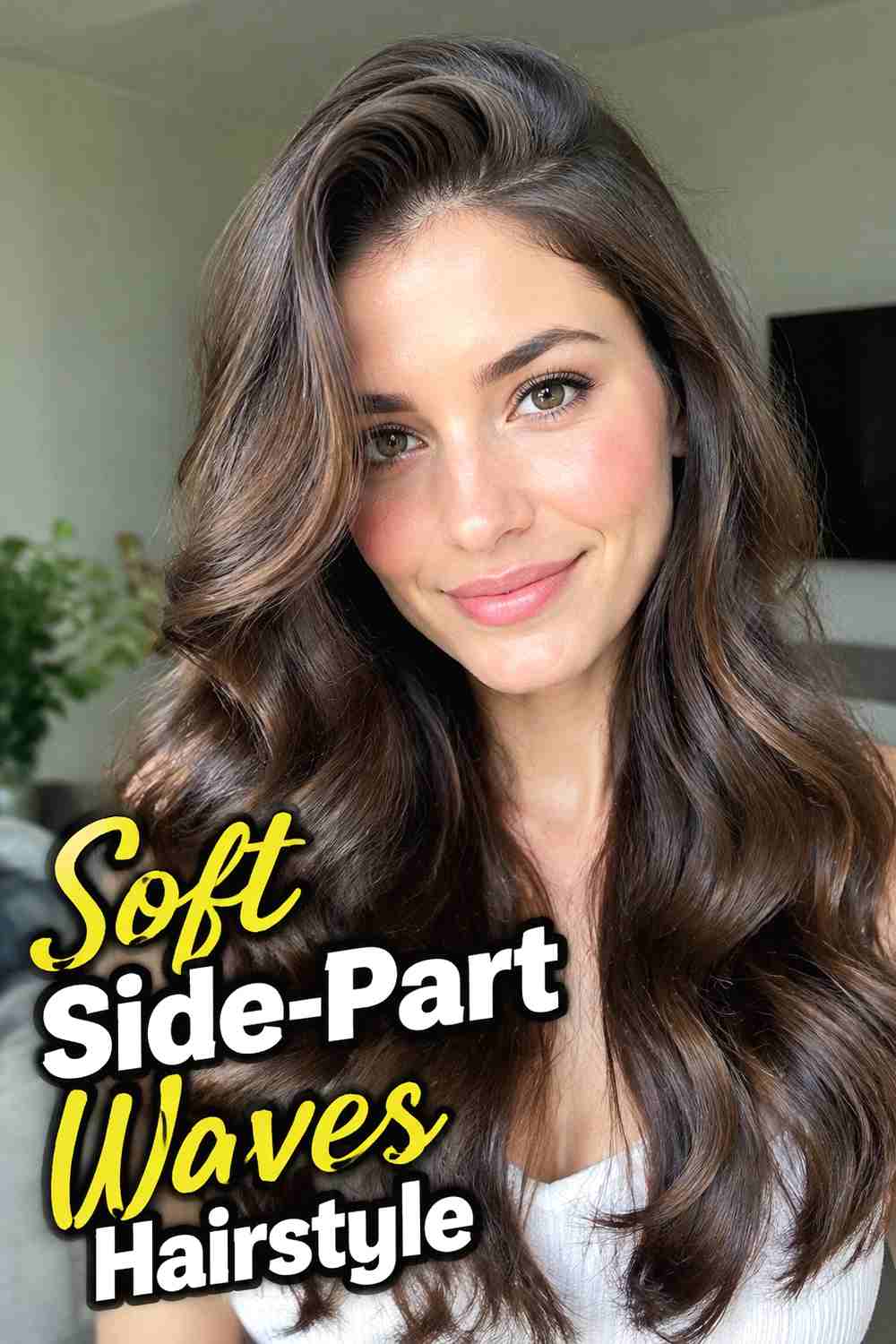
Soft side-part waves create asymmetry that helps loose hair feel less crowded around a bulky scarf. Shift the part slightly deeper than usual, allowing one side to carry more volume while the opposite side sits closer to the head. Keep the waves broad and loose so the heavier side still feels airy rather than dense. You can bring the fuller section forward over one shoulder and leave the other side behind or lightly tucked. This creates a clear line around the face even when the scarf is oversized. The look works beautifully on shoulder-length and longer hair and can be adjusted from casual to polished simply by changing how smooth the crown appears.
Styling Notes
Curl away from the face on the heavier side, then loosen the pattern with your fingers or a wide-tooth comb.
Best For
Medium to long hair with enough length to display the uneven distribution of volume works especially well.
5. Air Dried Bend Hairstyle
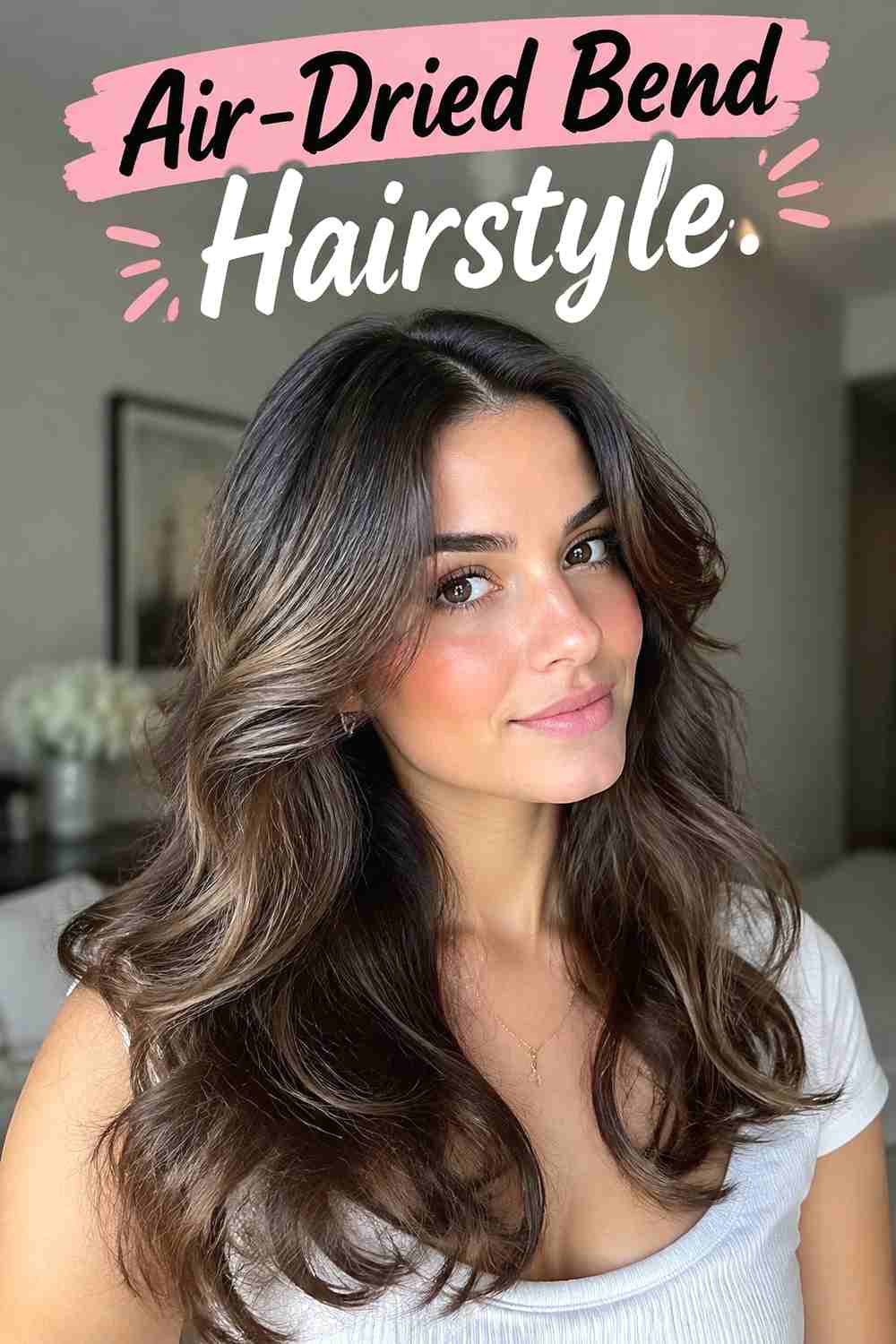
An air-dried bend hairstyle keeps the hair looking natural and light, making it an easy match for thick knitted accessories. Encourage subtle movement while the hair is damp by tucking sections behind the ears, loosely twisting a few pieces, or simply allowing your natural texture to develop. Once dry, separate the lengths with your fingers and avoid over-brushing. The irregular bends prevent the hair from forming a heavy curtain around the scarf. This approach is especially attractive with relaxed winter outfits because it looks effortless without appearing unfinished. Keep the ends outside the knit and preserve a little texture around the face so the hairstyle remains visible even with a high wrap.
Hair Type & Length
Straight-to-wavy textures usually adapt most easily to this low-manipulation style.
Wear & Maintenance
If the scarf creates static, lightly smooth the surface with your hands instead of repeatedly brushing out the natural bends.
6. Rounded Long Layers Hairstyle
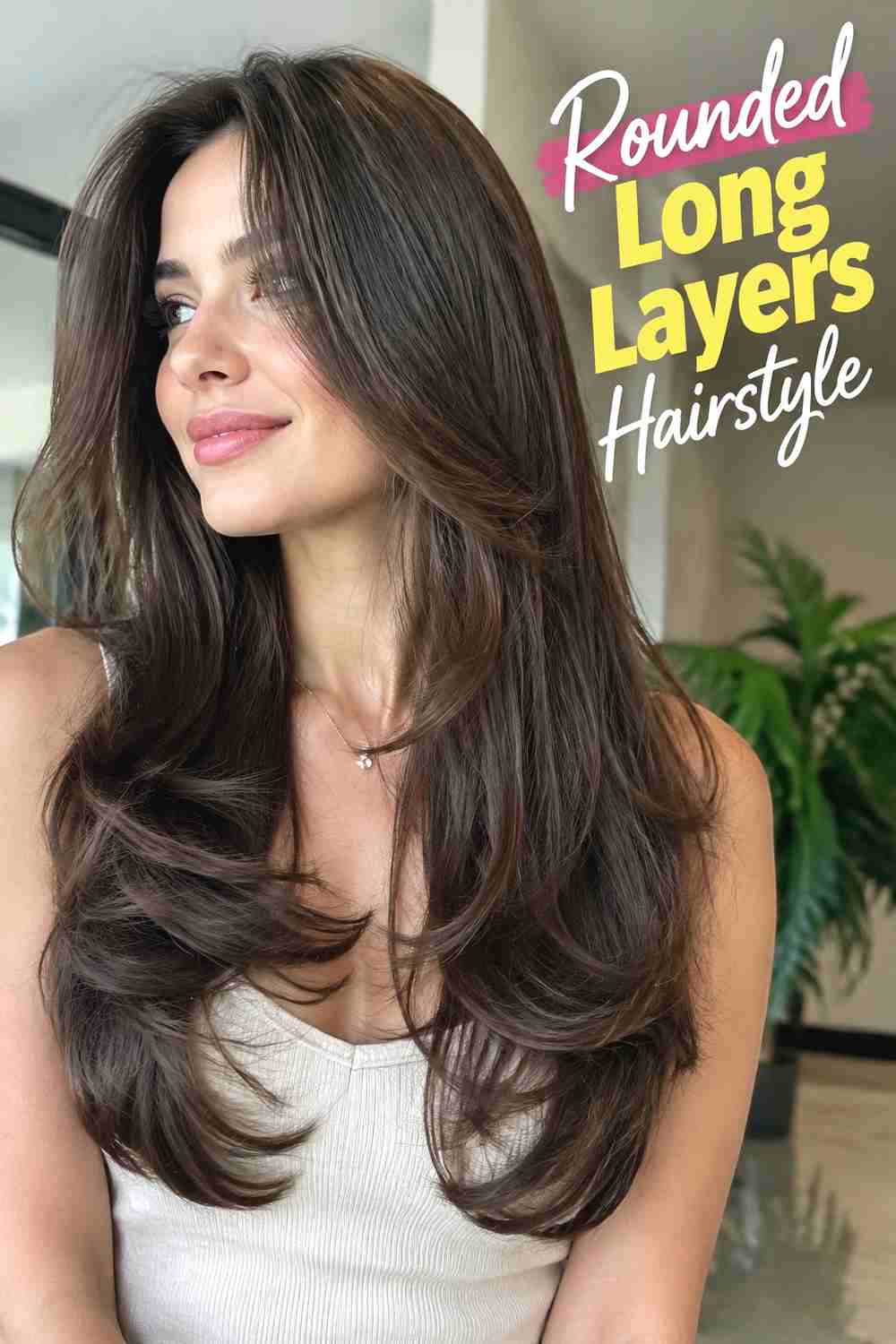
Rounded long layers give substantial hair a softer outline while reducing some of the visual weight around a heavy scarf. The layers should blend gradually from the face through the lower lengths, creating movement rather than obvious steps. A broad inward bend at the ends can help the hair fall in a controlled shape over the scarf and coat. Keep the crown light and avoid excessive volume directly beside the scarf, since the lower layers already provide enough movement. This style is especially useful for thick hair that can otherwise appear bulky when worn down with winter accessories. The rounded silhouette feels polished but still soft enough for everyday cold-weather outfits.
Styling Notes
Use larger sections with a round brush so the ends form broad curves instead of tight rolls.
Why It Works
Gradual layering removes some visual heaviness while preserving the fullness and length of the hair.
7. Soft Natural Curls Hairstyle
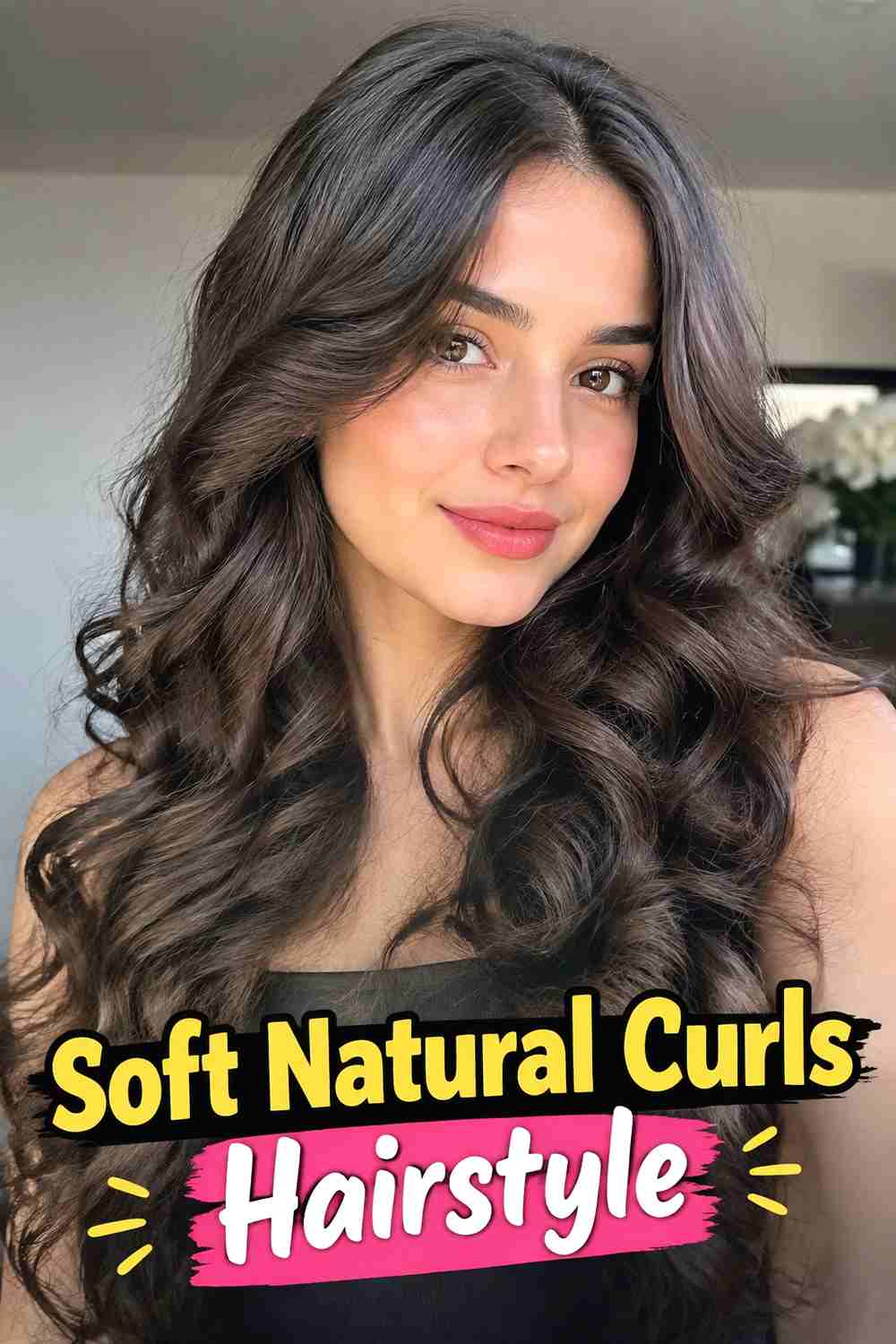
Soft natural curls bring beautiful dimension to a blanket-scarf outfit when the curl pattern remains flexible and well separated. Rather than compressing the curls beneath the scarf, arrange the knit first and then lift the hair fully outside it. Let the curls fall naturally around the shoulders, keeping enough height through the upper sections to balance the scarf’s width. If needed, lightly shift a few curls away from the face so the neckline does not feel crowded. The goal is not to reduce natural volume but to position it intentionally. A little asymmetry can be especially flattering, with slightly more curl volume on one side and a cleaner line on the other.
Styling Notes
Use your usual curl-defining routine and prioritize flexibility over a stiff cast once the hair is dry.
Wear & Maintenance
Refresh flattened sections with your fingers rather than pulling all the curls apart after removing the scarf.
8. Textured French Bob Hairstyle
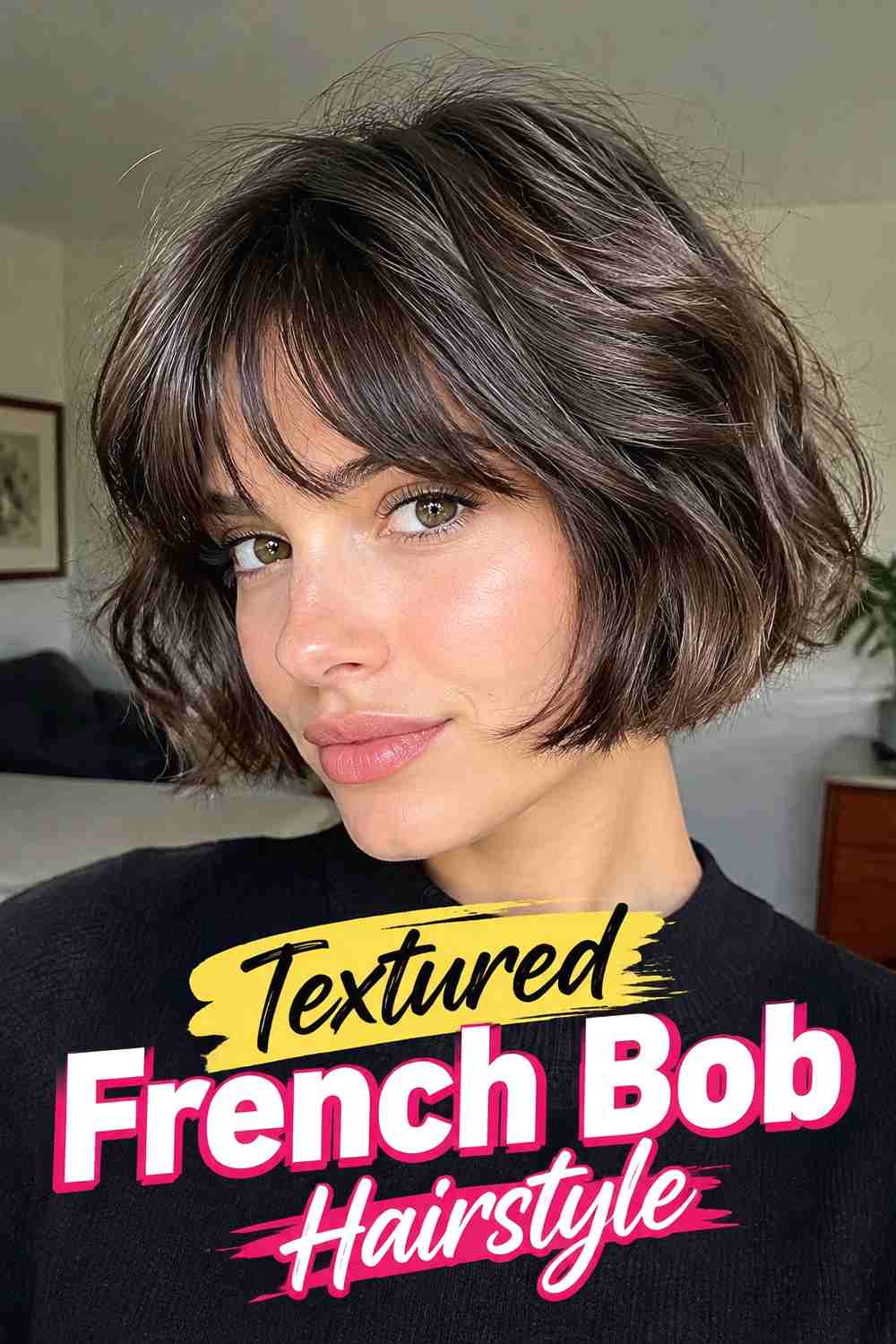
A textured French bob is one of the simplest hair-down options for an oversized blanket scarf because most of the cut stays well above the fabric. Keep the length around the jaw or just below, with subtle bends and lightly separated ends adding movement. A soft fringe can make the cut feel romantic, while a side or center part creates a cleaner silhouette. Since the hair does not compete with the scarf around the shoulders, both elements remain visible. Avoid making the bob too round or stiff; a few natural flyaways and uneven bends give it a more current finish. This style also works particularly well with high-neck coats and thick winter knits.
Styling Notes
Use a small amount of texture cream through the ends and create only a few strategic bends rather than curling every section.
Best For
Straight, wavy, and lightly textured short hair can all adapt well to this compact shape.
9. Wispy Fringe Waves Hairstyle
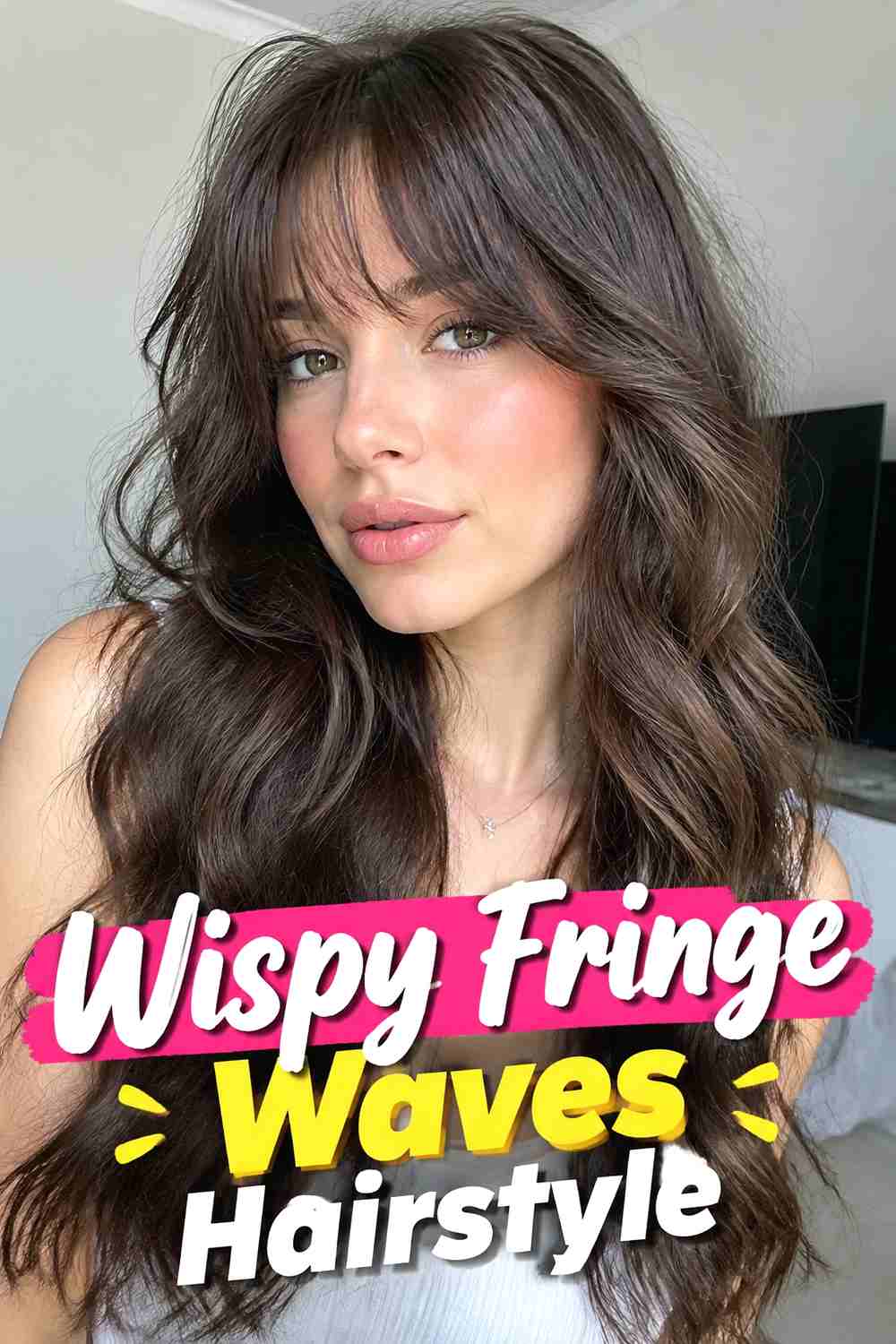
Wispy fringe waves keep attention around the face even when a thick scarf covers much of the neckline. The fringe should remain light and slightly separated, allowing glimpses of the forehead rather than forming a dense horizontal line. Pair it with broad, relaxed waves through the rest of the hair so the entire style feels airy. The contrast between the fine fringe and substantial knit can be especially flattering with oversized scarves. Keep the side sections moving away from the cheeks so the scarf, hair, and fringe do not all crowd the same area. A flexible finish helps the front pieces recover easily after wind, hats, or repeated scarf adjustments.
Styling Notes
Use minimal product on the fringe to prevent it from becoming heavy or oily during the day.
Pro Tip
Style the fringe first, then wrap the scarf and arrange the longer waves around it afterward.
10. Soft S Wave Lob Hairstyle
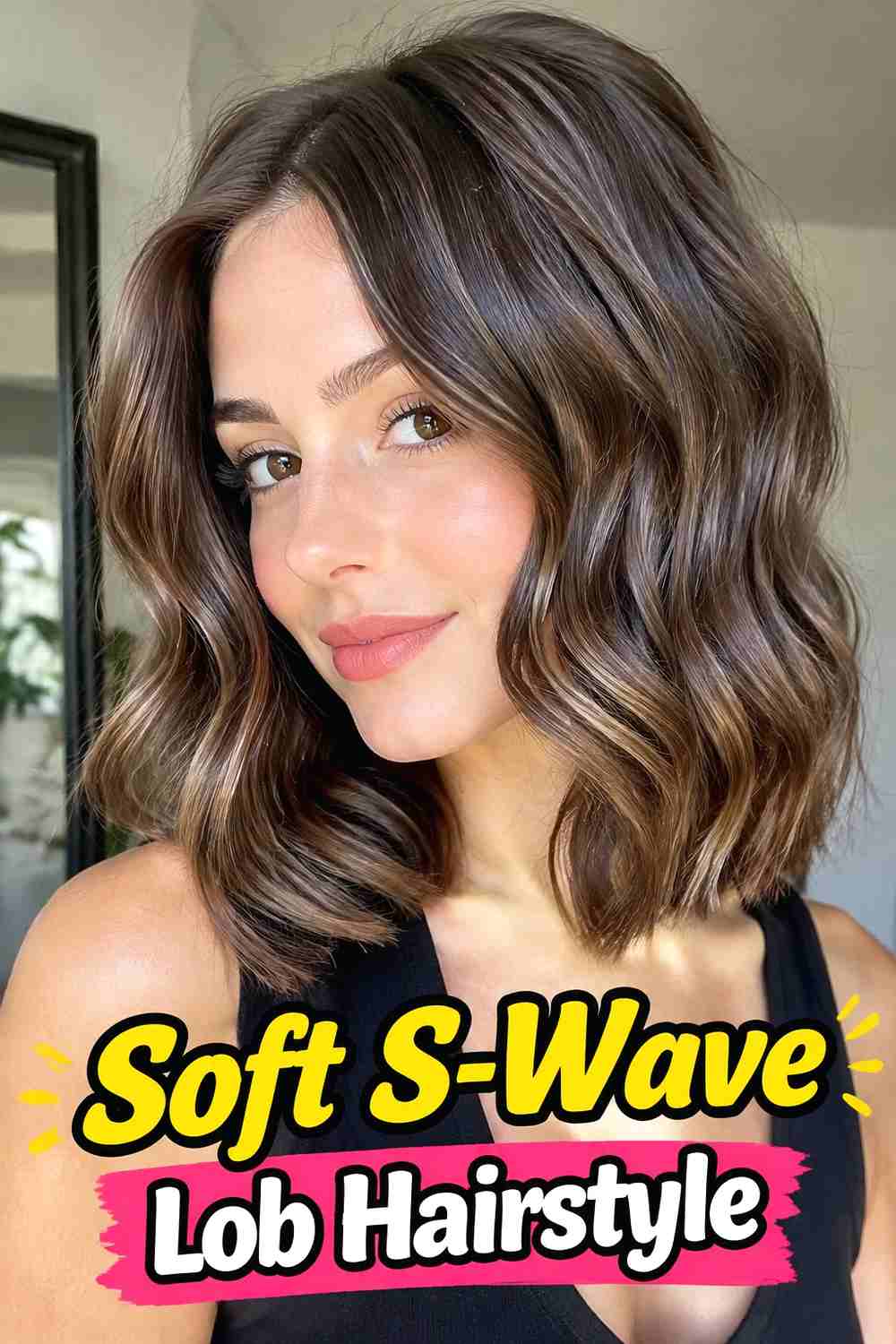
A soft S-wave lob adds visible pattern without creating the bulk of tighter curls. The wave should move gently in alternating directions, forming elongated S-shapes through the mid-lengths and ends. Around a thick blanket scarf, this gives the hair enough definition to remain noticeable while still keeping the silhouette light. Shoulder-to-collarbone length is especially practical because the ends can rest just outside the scarf instead of disappearing underneath it. Keep the roots relatively smooth and allow the wave to become looser toward the bottom. This creates a balanced shape that complements chunky knit texture without making the overall look feel overly styled.
Styling Notes
Create broad alternating bends with a flat iron or curling tool, then separate them gently rather than brushing them completely smooth.
Hair Type & Length
Medium-length hair provides enough space for the S pattern while remaining manageable around heavy scarves.
11. Center Part Blowout Hairstyle
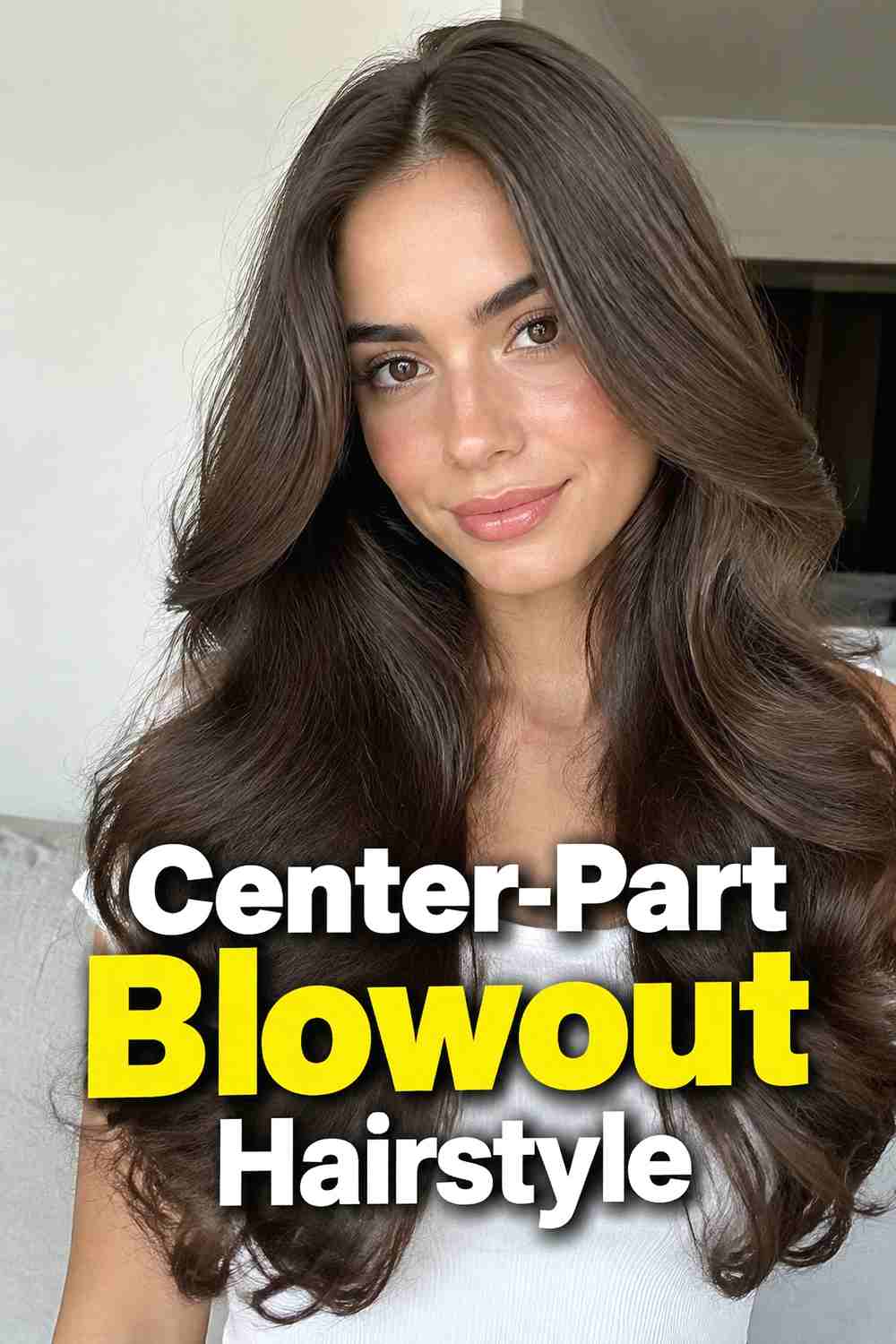
A center-part blowout brings smooth lift around the face and enough movement through the ends to balance a wide scarf. Keep the roots softly raised rather than heavily teased, then direct the front sections away from the face so they sit over the outside edges of the knit. The lower lengths can curve inward or outward in broad sections, depending on where they meet the scarf. This look is polished without needing elaborate curls and works particularly well for straight or lightly wavy hair. The symmetry of the center part also pairs nicely with loosely wrapped blanket scarves, creating a clean vertical line through the middle of a layered winter outfit.
Styling Notes
Use a large round brush for broad movement and cool the front sections away from the face before releasing them.
Wear & Maintenance
After wrapping the scarf, lift the lengths out and reset the front pieces with your fingers to preserve volume.
12. Soft Shag Layers Hairstyle
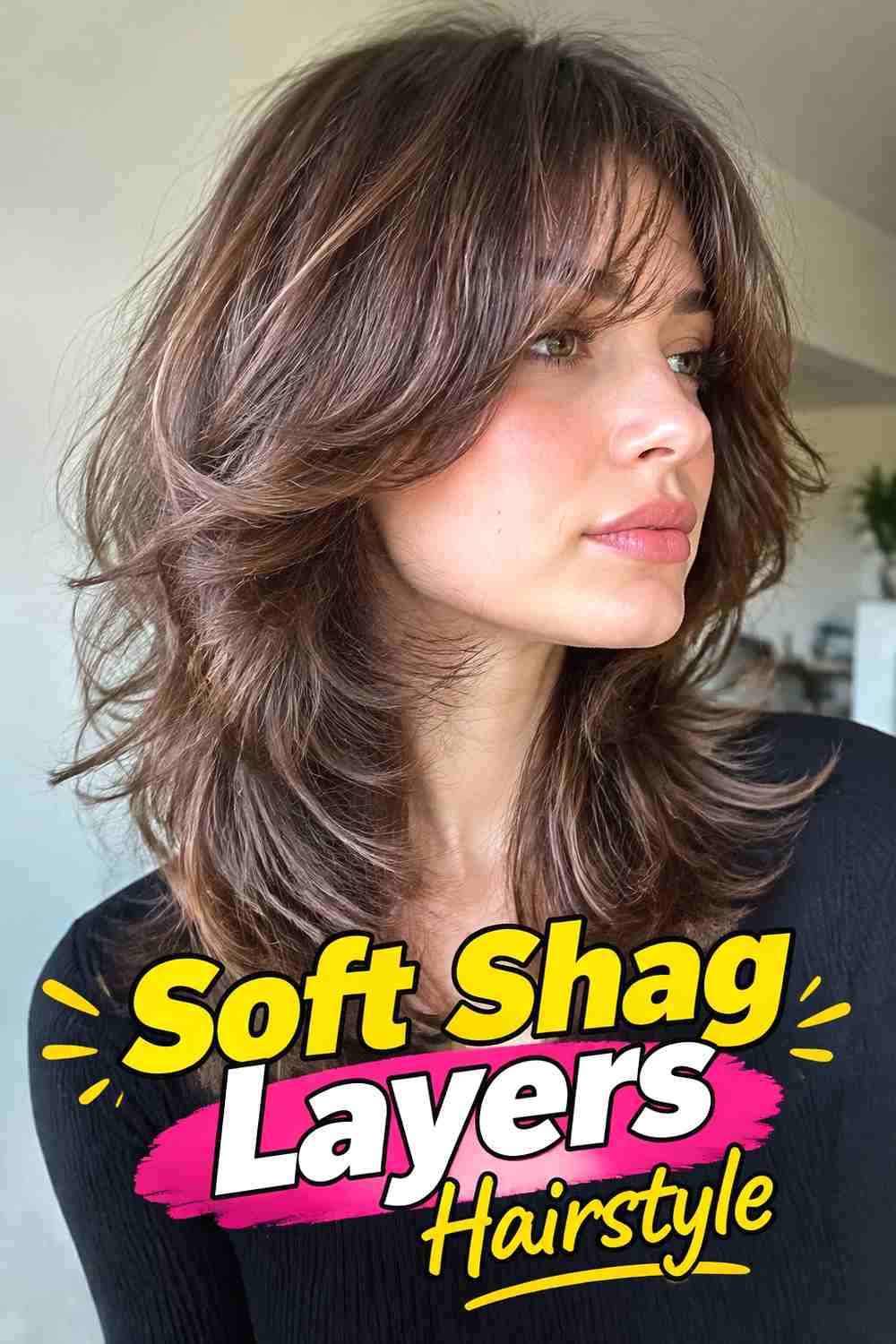
Soft shag layers create natural-looking separation that prevents hair from feeling too dense beside a heavy knit scarf. The crown can have light movement, while shorter face-framing pieces and longer ends fall in different directions. This broken-up silhouette gives the style an airy feel even when the hair itself is thick. Rather than making every layer flip dramatically, let the cut’s natural movement do most of the work. A wispy or curtain-style fringe can add softness around the forehead while keeping the scarf area visually open. This style pairs especially well with casual oversized outerwear because both the hair and outfit share a relaxed, tactile quality without looking overly coordinated.
Hair Type & Length
Wavy and naturally textured hair often brings out the layered movement most easily, though straighter hair can achieve it with light styling.
Why It Works
The varied lengths stop the hair from forming one heavy block around the scarf and shoulders.
13. Loose Spiral Curls Hairstyle
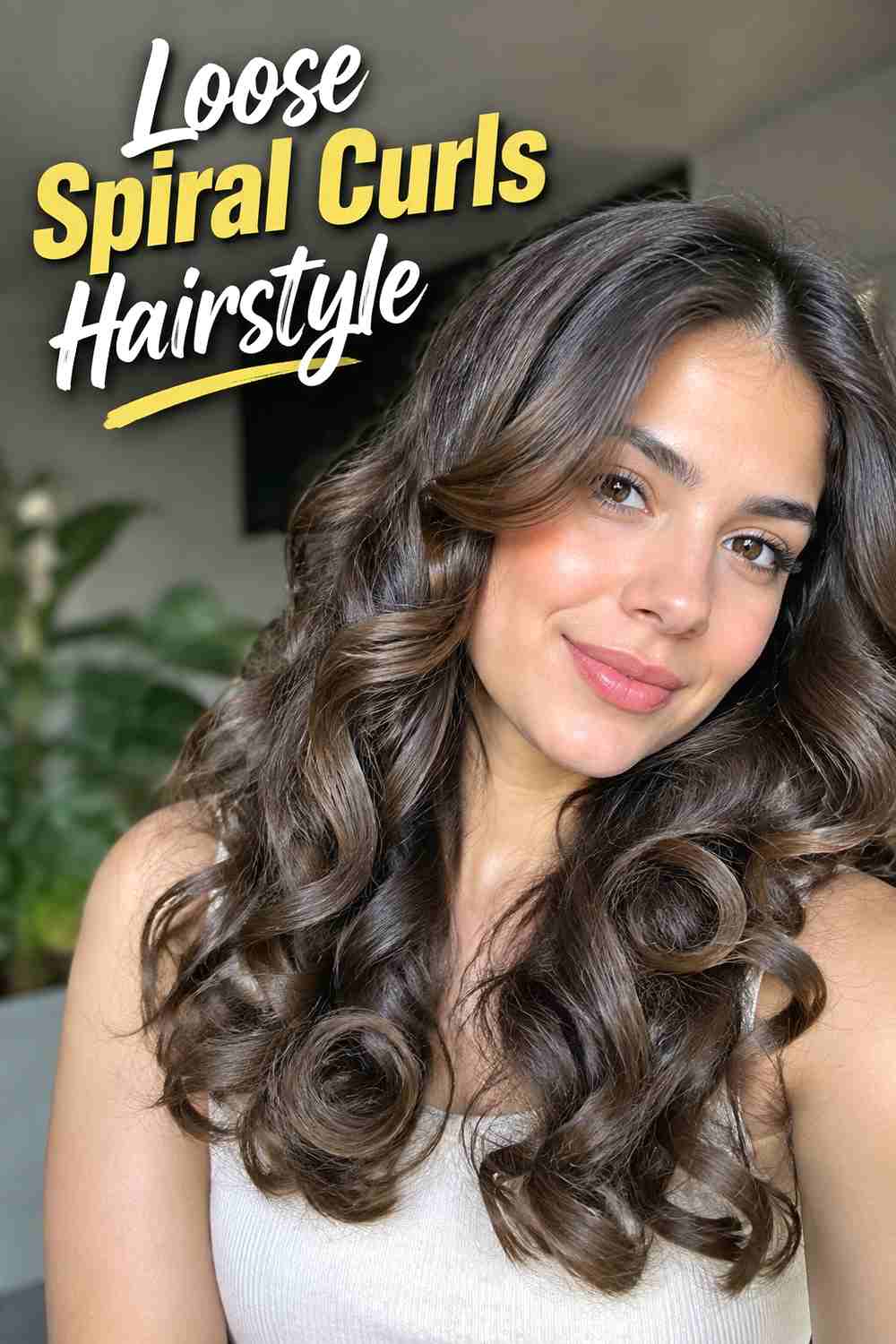
Loose spiral curls create defined movement while still allowing plenty of space between individual sections. Choose wider spirals rather than tight ringlets if you want the overall silhouette to stay airy beside a thick blanket scarf. Once the curls cool or set, gently separate them with your fingers so they fall naturally over the shoulders instead of forming a single dense mass. Keep the roots soft and let some curls sit forward while others stay behind the shoulders. This arrangement helps the hairstyle remain visible from different angles and prevents the scarf from swallowing the lower lengths. The look can be romantic without feeling formal when the curl pattern remains flexible.
Styling Notes
Work with larger sections and alternate the curl direction slightly for a more natural result.
Best For
Medium to long hair offers enough length for loose spirals to open up and move around the scarf.
14. Blunt Bob With Soft Ends Hairstyle
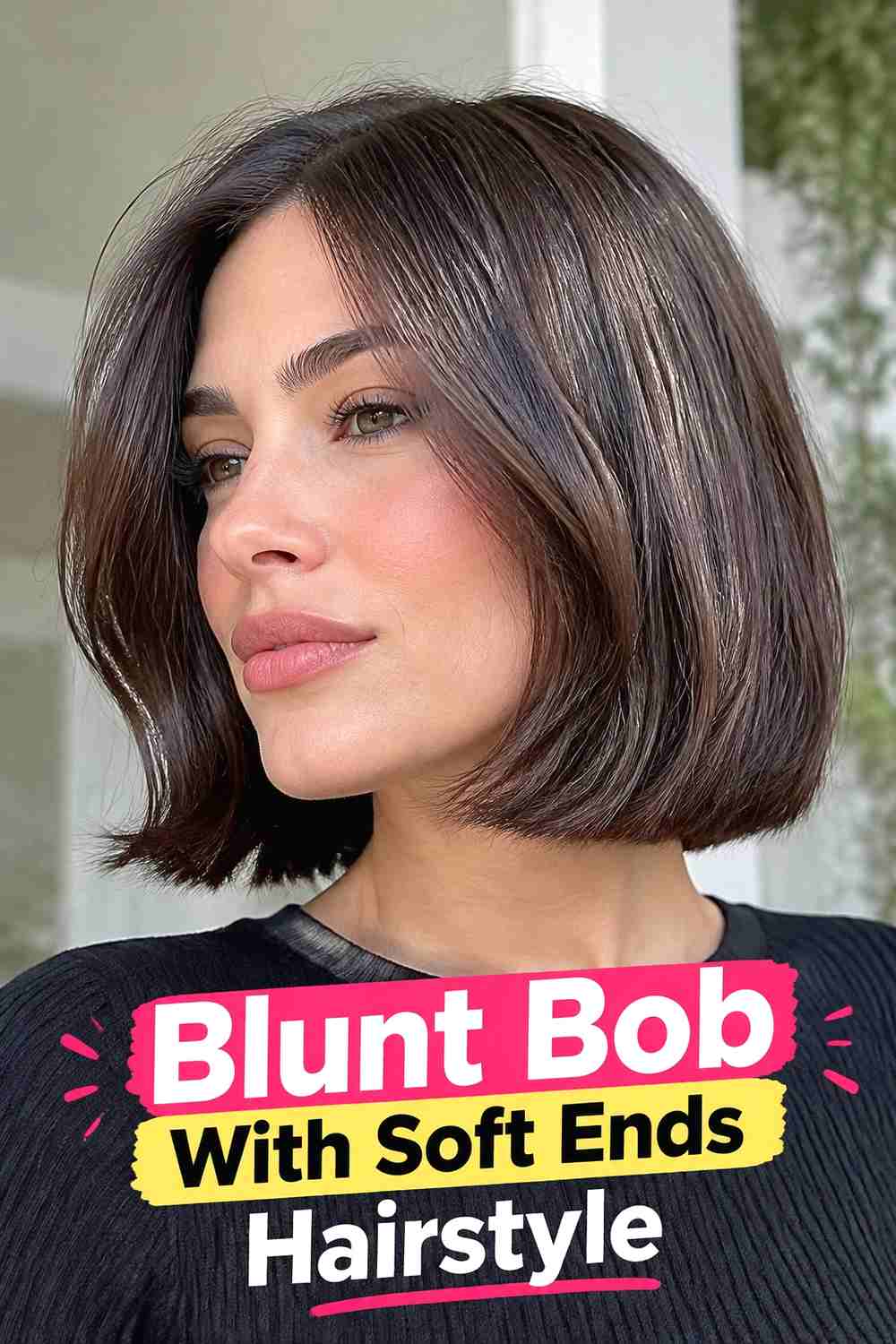
A blunt bob with softened ends offers structure without creating visual heaviness around the neck. Keep the perimeter strong enough to show the haircut’s clean line, then bend the final inch slightly inward or outward so the edge does not look rigid. Because the bob sits above most blanket scarves, it avoids the friction and flattening that longer hair can experience. A center part creates a crisp, modern effect, while a soft side part adds movement. This is an especially useful choice if your scarf is extremely oversized or wrapped high, since the short length keeps the hairstyle distinct instead of letting it merge with the knit around the shoulders.
Styling Notes
Keep heat styling concentrated at the ends and leave the upper sections naturally smooth rather than overly polished.
Why It Works
The compact length creates clear separation between the hair and scarf while the softened ends prevent the silhouette from feeling severe.
15. Face Framing Bend Hairstyle
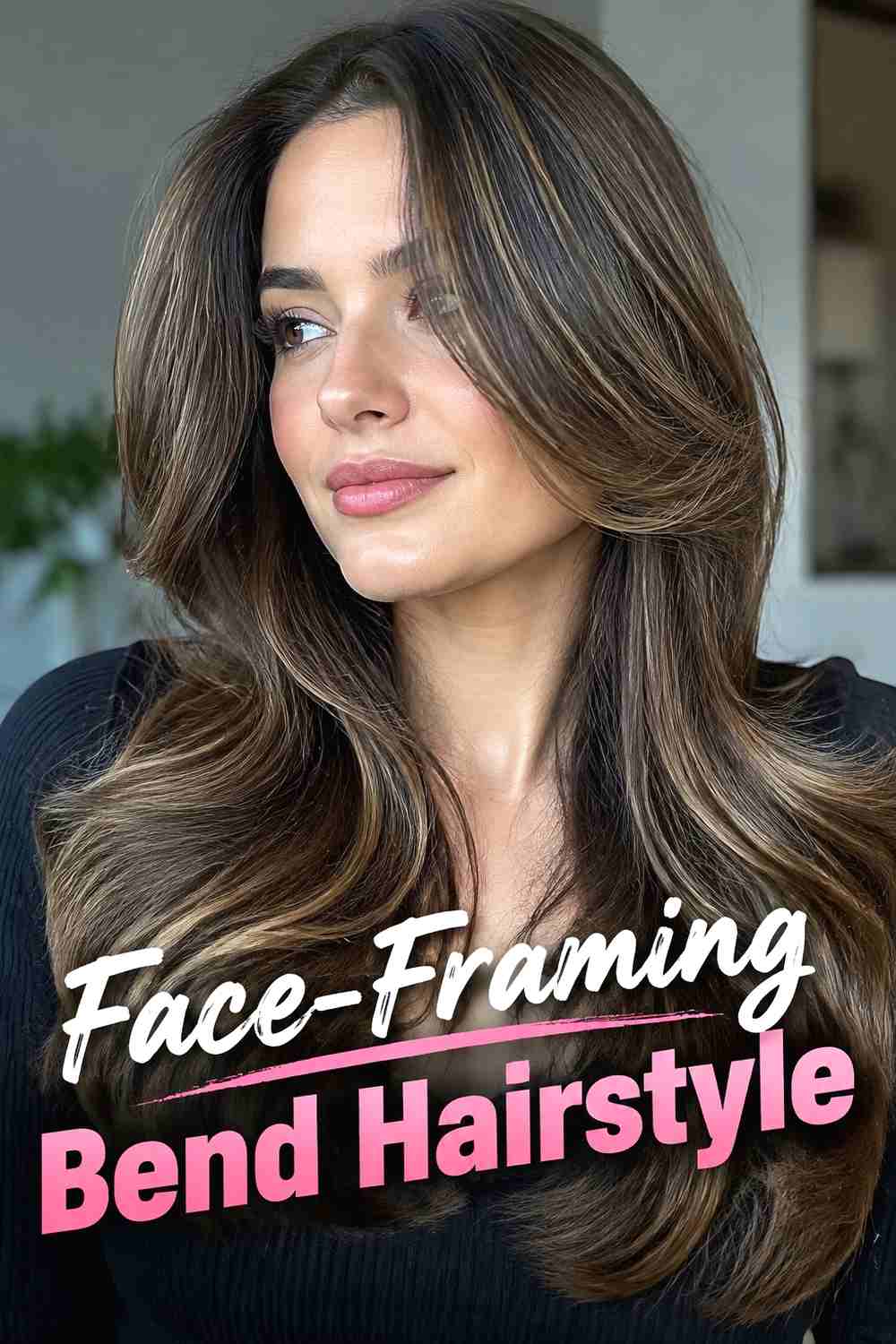
A face-framing bend hairstyle keeps most of the hair relatively simple while using a few carefully shaped sections to create movement around the scarf. The shortest front layers can curve away from the cheekbones, while longer pieces bend gently around the jaw and shoulders. Leave the remaining lengths straight, softly waved, or naturally textured so the style does not become overly full. This targeted approach is especially effective with heavy blanket scarves because it opens the face without requiring all the hair to be styled. The bends also create enough definition to remain visible against textured knitwear. Keep the pieces flexible so they can be reset easily after adjusting the scarf.
Styling Notes
Style only the face-framing sections with a round brush or iron, then blend them into the untouched lengths with your fingers.
Pro Tip
Direct the front pieces away from the scarf rather than curling them tightly toward the neck.
16. Diffused Coily Volume Hairstyle
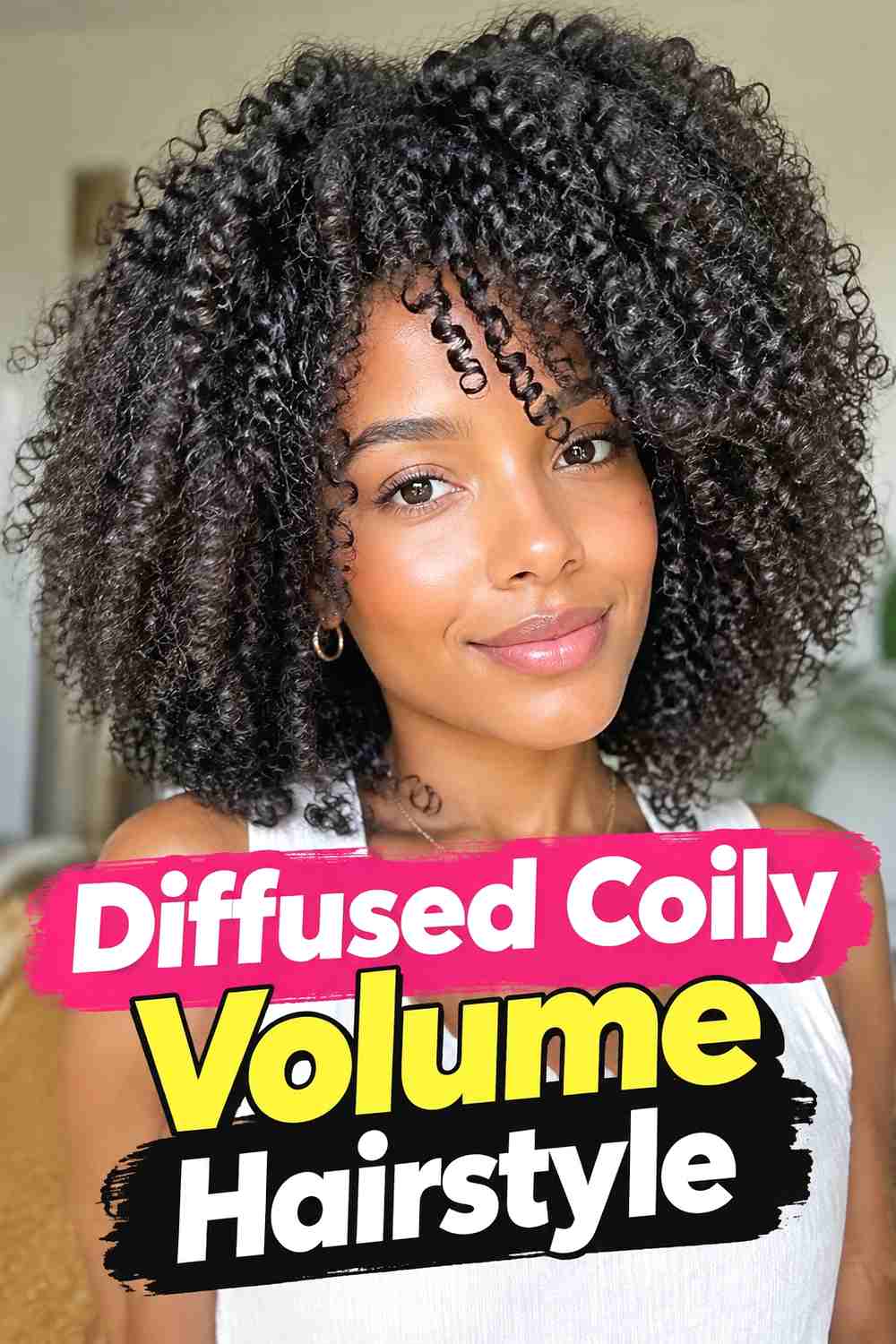
Diffused coily volume creates an expressive hair-down silhouette that can beautifully balance the substantial width of a blanket scarf. Preserve the natural coil pattern while encouraging enough lift through the upper sections that the hair remains visible above the knit. Rather than forcing all the hair forward, arrange some sections over the shoulders and let others sit behind them for a more dimensional shape. The scarf should support the hairstyle visually, not compress it. Depending on density, a slightly off-center shape can create extra breathing room around the face. Keep the coils flexible and hydrated, since airy volume comes from separation and positioning rather than making the hair dry or stiff.
Hair Type & Length
This approach works across a range of coily textures, with the final silhouette adjusted to natural shrinkage, density, and length.
Wear & Maintenance
Wrap the scarf first whenever possible, then arrange the coils around it to minimize unnecessary friction and flattening.
17. Long Feathered Ends Hairstyle
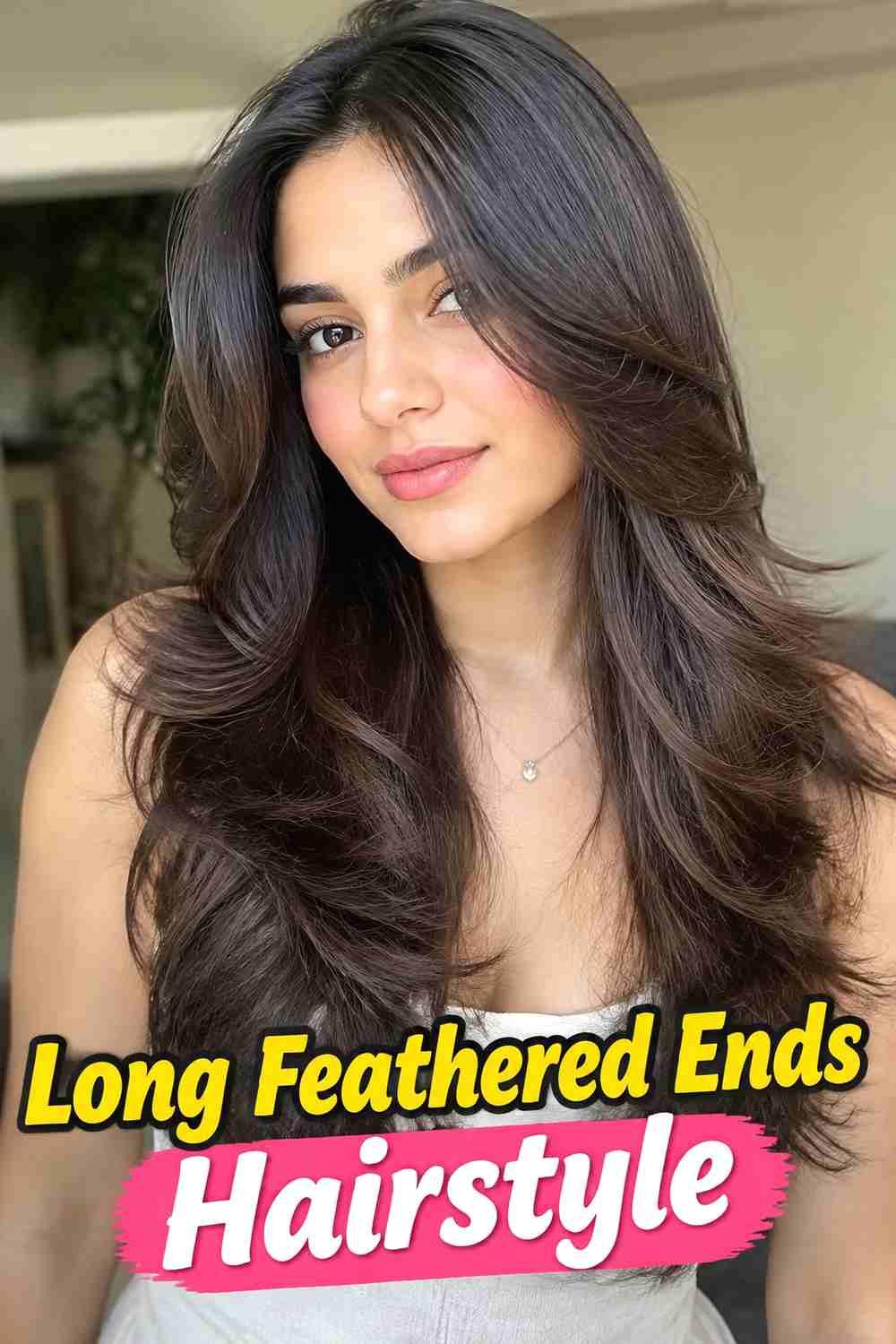
Long feathered ends add lightness to hair that might otherwise look heavy beside a substantial scarf. Keep the upper lengths smooth and relatively simple, then create soft, separated movement through the final several inches. Some sections can turn inward while others flick gently outward, giving the perimeter a lighter appearance. This works especially well for thick or dense long hair because the feathering prevents the bottom from forming a single solid line over the knit. Face-framing pieces can echo the same movement for continuity. The finished style should look flowing rather than overly layered, with enough separation to show individual strands while still maintaining a full overall shape.
Styling Notes
Use a round brush on the lower lengths and vary the direction slightly from section to section.
Best For
Medium-density to thick long hair often displays feathered ends most clearly without losing too much fullness.
18. Relaxed Deep Wave Hairstyle
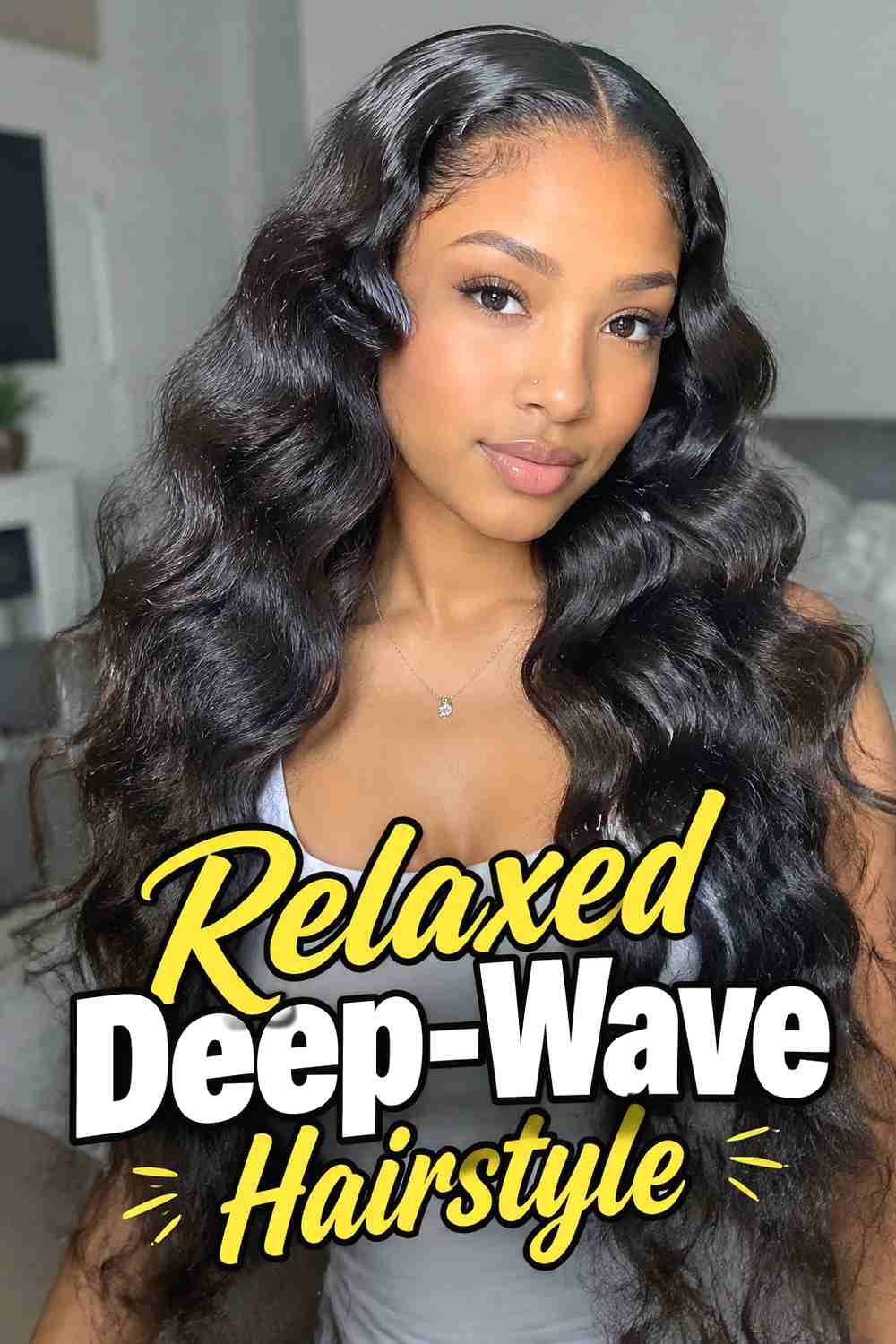
A relaxed deep-wave hairstyle brings broad, visible movement that can stand up visually to an oversized blanket scarf. The wave pattern should be deeper than a slight bend but looser than traditional curls, creating long curves through the mid-lengths and ends. Keep the roots soft and avoid pushing too much volume directly around the ears, where the scarf already adds width. Bringing the lower lengths forward over the scarf allows the pattern to stay visible and reduces flattening. This hairstyle works particularly well with long hair because the larger wave shape has enough room to develop. A touchable finish keeps it casual enough for everyday winter layering.
Styling Notes
Use large sections and maintain consistent broad bends, then gently loosen the wave without brushing away all definition.
Why It Works
The larger pattern remains visible against chunky knit texture without adding the density of small curls.
19. Tucked Behind Ear Layers Hairstyle
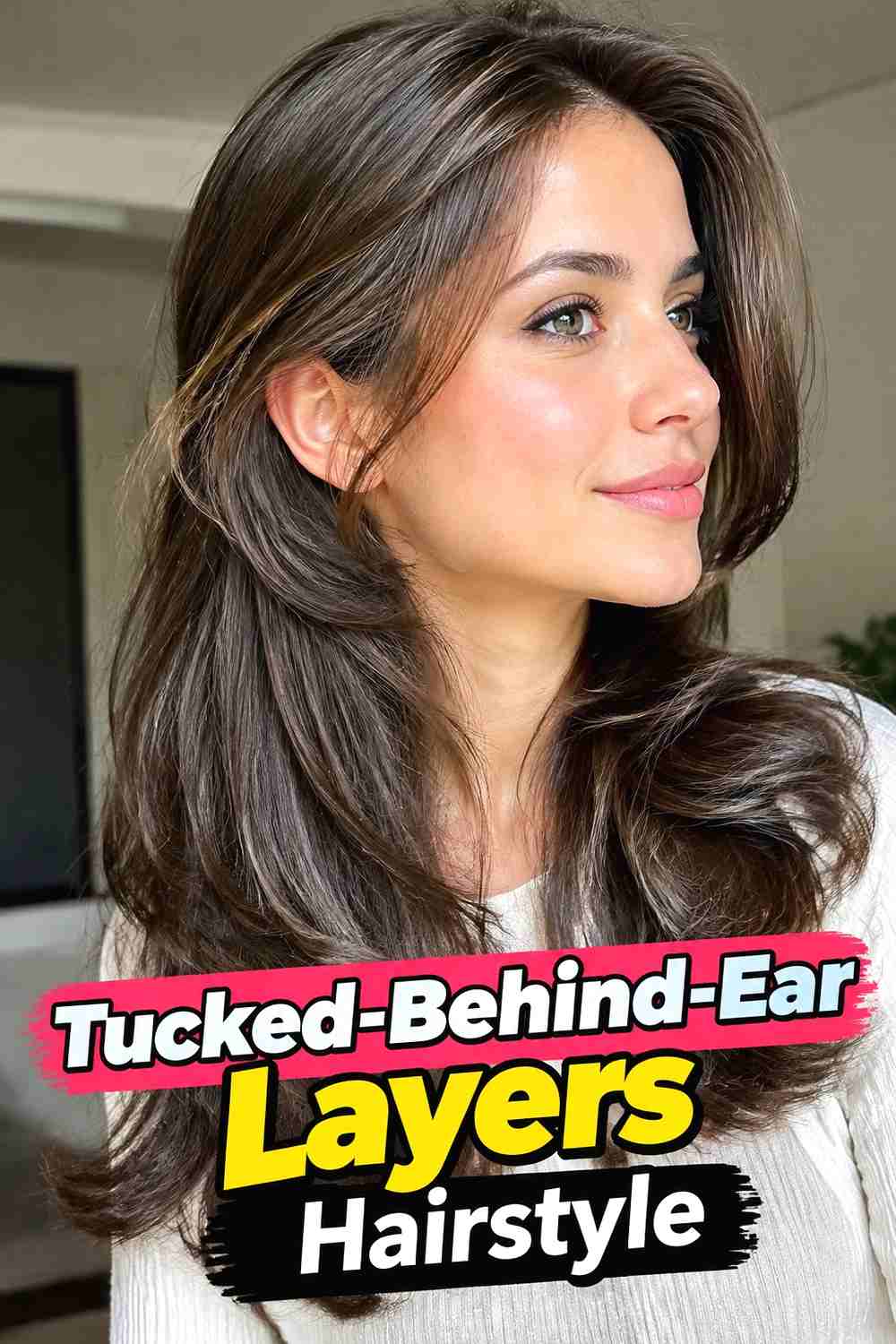
Tucked-behind-ear layers offer a simple way to create space around the face while still wearing the hair completely down. Keep the layers soft through the front and ends, then tuck one side behind the ear while leaving the opposite side loose. This slight asymmetry reduces crowding around a high blanket scarf and lets earrings or coat details remain visible. The loose side can stay straight, softly waved, or naturally textured depending on your hair. For better hold, choose the side that naturally falls flatter for the tuck and allow the fuller side to carry the movement. The effect feels easy and polished without requiring pins, clips, or an updo.
Styling Notes
Shape the face-framing layers before tucking so they blend naturally into the longer sections instead of sticking outward.
Wear & Maintenance
Reset the tuck after adjusting the scarf, since thick knit fabric can easily push shorter pieces forward.
How to Choose the Right Look
Start with the scarf itself. Very thick or highly wrapped blanket scarves already create considerable volume around the neck and shoulders, so shorter cuts, feathered ends, separated waves, and open face-framing layers usually keep the overall silhouette balanced. If the scarf is draped more loosely, longer curls and fuller waves have more room.
Hair density matters too. Thick hair may benefit from layered or feathered shapes that reduce visual weight, while finer hair can use broad waves, a blowout, or light root lift to remain visible beside substantial knitwear. Natural curls and coils do not need to be reduced; instead, arrange them around the scarf so the texture is not compressed.
Consider maintenance and weather as well. Air-dried bends and natural textures are often easier to reset after scarf adjustments, while blowouts or defined waves may need a little more attention. Whatever style you choose, wrap the scarf first when practical, then lift and arrange the hair outside it so the finished texture stays airy and visible.
Final Thoughts
Heavy blanket scarves and hair-down styles can work beautifully together when the hair has enough movement and separation. Soft layers, broad waves, natural curls, shorter bobs, and feathered ends all prevent the hairstyle from disappearing into bulky knitwear. Choose a look that respects your natural texture and keeps the area around the face comfortable rather than forcing extra volume where the scarf already provides plenty.
FAQs
1. What hair-down style works best with a very thick blanket scarf?
Short bobs, collarbone lobs, feathered layers, and broad waves are especially practical because they remain visible without creating excessive bulk around the neck.
2. How do I stop my hair from flattening under a blanket scarf?
Wrap the scarf first, then lift your hair completely outside it. Avoid leaving sections trapped beneath the knit for long periods.
3. Are curls too bulky with oversized scarves?
Not necessarily. Natural curls can balance a large scarf beautifully when they are positioned around it instead of compressed beneath it.
4. How can I reduce static when wearing my hair down with knit scarves?
Keep the hair conditioned and avoid excessive brushing after removing the scarf. Gently smooth or reshape sections with your hands when static appears.
5. Should I wear my hair in front of or behind a blanket scarf?
Either can work, but bringing at least some of the length forward usually keeps the hairstyle more visible. Asymmetrical placement can also reduce crowding around the neckline.
Save your favorite airy hair-down look, share these scarf-friendly ideas with a friend, and explore more hairstyle inspiration for cozy layered outfits.