15 Defined Curl Hairstyles After Taking Off a Heavy Winter Hood
Keep defined curls looking soft and intentional after a bulky winter hood with shapes designed for easy root lifting, reshaping, and quick refreshing.
A heavy winter hood can flatten the crown, shift a part, stretch individual curls, and create friction around the sides and back. That does not mean your curl definition has to disappear for the rest of the day. Styles with strong curl clumps, adaptable volume, and strategic placement are much easier to revive once the hood comes off.
The best option depends on your length, shrinkage, root volume, hood fit, and how much refreshing you want to do. Some looks are designed to bounce back after a quick root fluff, while others use clips, ponytails, or intentional parting to make post-hood reshaping faster and more predictable.
Quick List
- Root Lifted Defined Curl Hairstyle
- Deep Side Part Defined Curl Hairstyle
- Rounded Wash And Go Curl Hairstyle
- Half Up Defined Curl Hairstyle
- Face Framing Defined Curl Hairstyle
- High Crown Defined Curl Hairstyle
- Middle Part Sculpted Curl Hairstyle
- Curly Bob Definition Hairstyle
- Soft Clipped Back Curl Hairstyle
- Defined Curl Shag Hairstyle
- Off Center Voluminous Curl Hairstyle
- Defined Curl Ponytail Hairstyle
- Pinned Side Defined Curl Hairstyle
- Layered Long Curl Hairstyle
- Fluffed Crown Defined Curl Hairstyle
1. Root Lifted Defined Curl Hairstyle
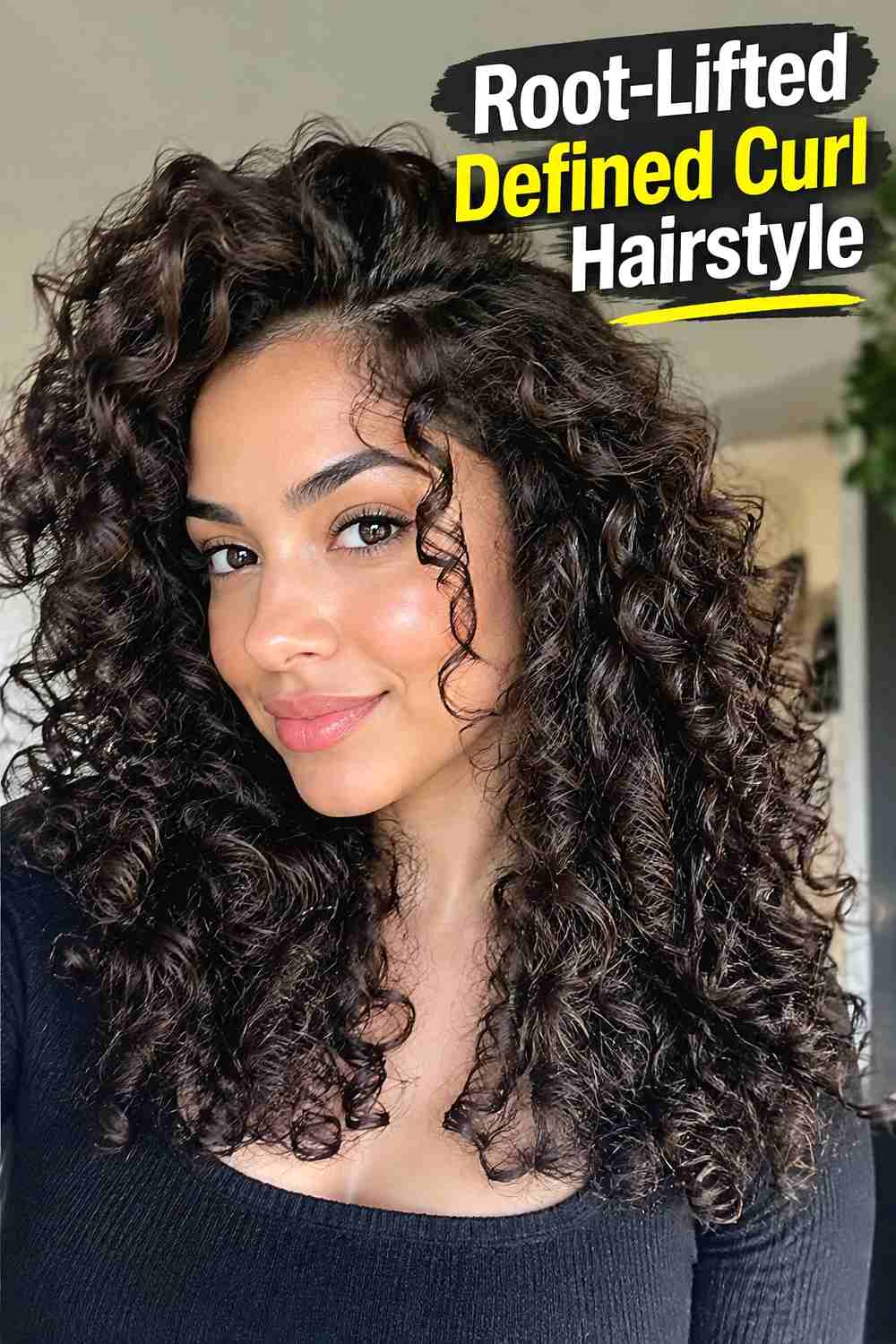
A root-lifted curl shape is one of the easiest looks to revive after removing a heavy hood because its finish already depends on soft, movable volume rather than a perfectly fixed crown. Define the lengths in clear curl clumps, then encourage gentle lift near the roots without over-separating the ends. After the hood comes off, slide clean fingertips underneath the hair and lift from the scalp instead of raking through the curls. This restores height while protecting the definition you created earlier. The style works particularly well when your hood tends to flatten only the top layer. Keep the overall silhouette rounded and natural so a small amount of post-hood movement looks intentional rather than disruptive.
Styling Notes
Dry the roots thoroughly before putting on your hood. Damp roots are more likely to dry in a flattened position while compressed.
Pro Tip
Lift from underneath and release. Avoid dragging fingers through the curl lengths, which can separate clumps and create unnecessary frizz.
2. Deep Side Part Defined Curl Hairstyle
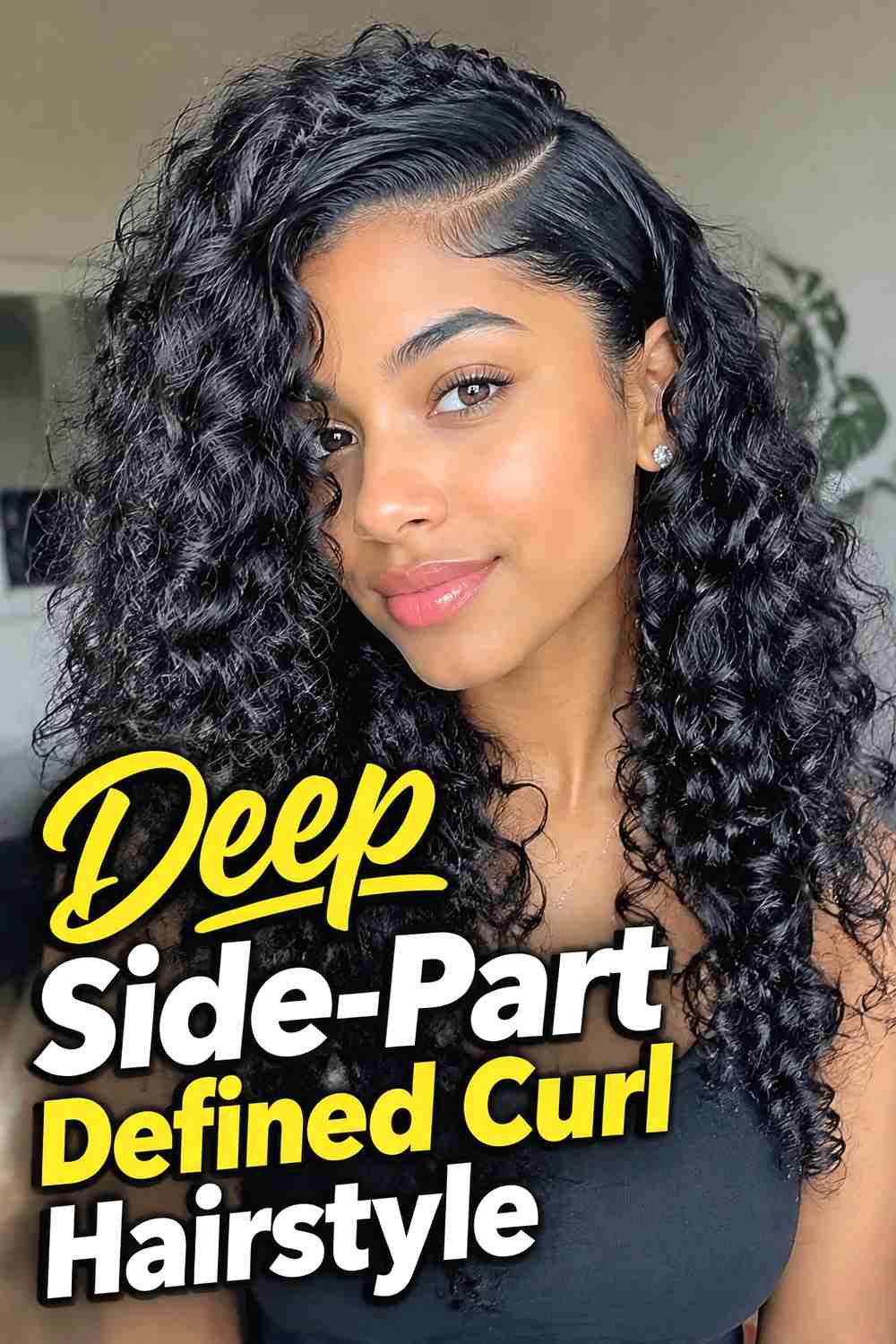
A deep side part builds asymmetry into the hairstyle, which makes it surprisingly forgiving after a hood shifts the crown. The fuller side carries most of the visual volume, while the opposite side can remain closer to the head without making the style look accidentally flattened. Define curls in the direction you want them to fall and give the front section enough hold to keep its shape. Once indoors, reposition the part with your fingertips and gently shake the fuller side at the roots. You do not need to recreate perfect volume everywhere. The intentional imbalance does most of the work, making this a smart option for curls that tend to lose height underneath structured winter outerwear.
Best For
This look suits short, medium, and long curls when the hair naturally responds well to directional parting and side volume.
3. Rounded Wash And Go Curl Hairstyle
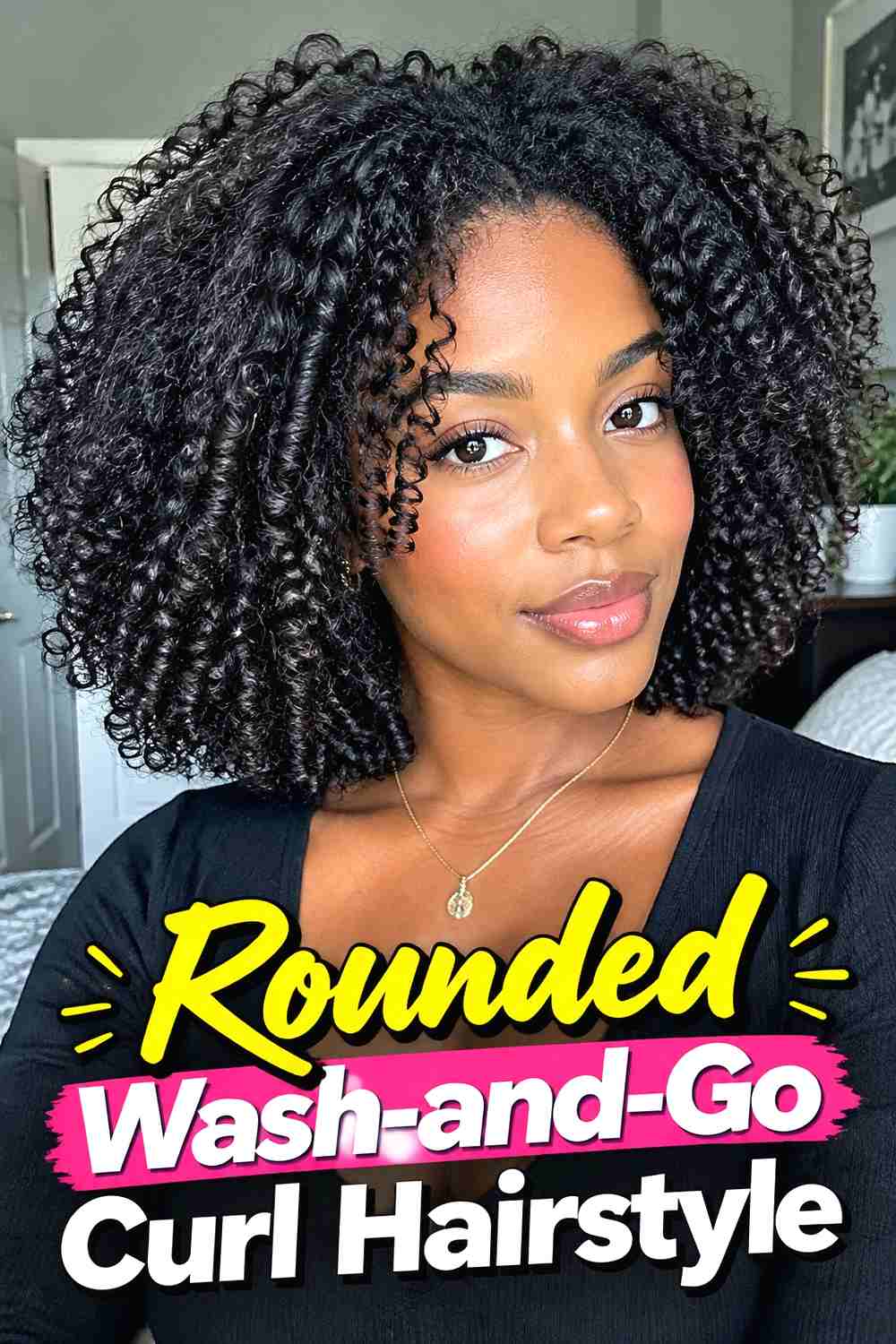
A rounded wash-and-go focuses on balanced curl definition through the entire silhouette, giving you multiple places to restore volume after a hood compresses the surface. The curls should remain separated into natural clumps with enough hold to resist excessive stretching, but the finish should still feel flexible. After taking off the hood, gently tilt your head and loosen the roots with your fingertips, paying extra attention to the crown and back. Because the shape is intentionally rounded, you can redistribute volume rather than trying to return every strand to its original position. This style works particularly well for curls and coils with natural spring. Fully dry hair before heading outside so the hood does not reshape damp sections.
Wear & Maintenance
Focus refreshing on visibly flattened areas instead of misting the whole head. Too much moisture can make an otherwise intact wash-and-go take longer to recover.
4. Half Up Defined Curl Hairstyle
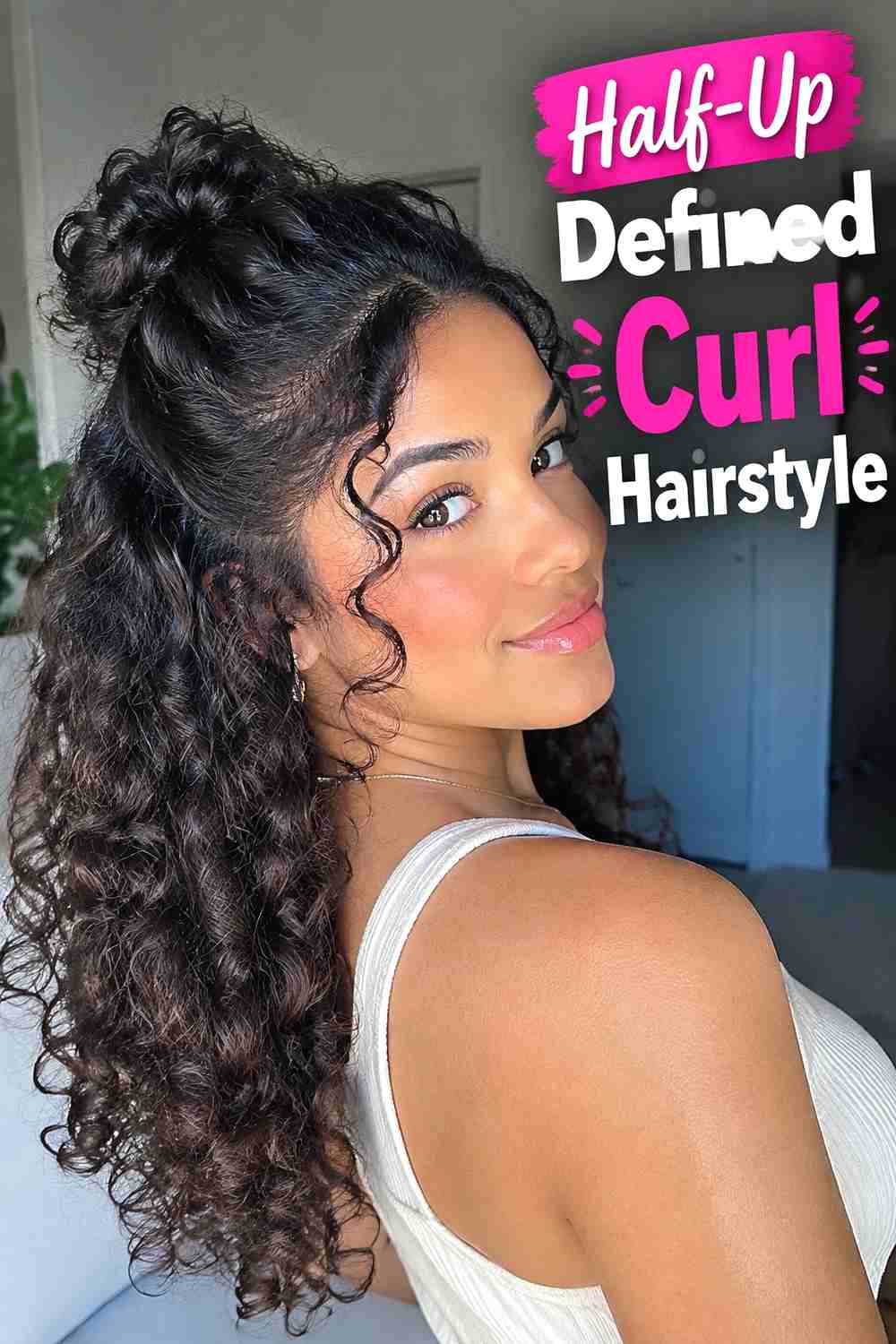
The half-up curl style keeps the upper section controlled while leaving the lower curls free, reducing the amount of crown reshaping needed after wearing a heavy hood. Secure the top section loosely enough that it maintains natural volume instead of being pulled flat against the scalp. The lower curls can remain fully defined, giving the hairstyle movement even if the hood compresses the upper layers slightly. When you come indoors, remove or adjust the fastening if necessary, lift the surrounding roots, and reshape only the curls that were directly pressed. The look is useful when you want more security than loose hair but still want most of your curl pattern visible. It also keeps front pieces away from hood edges and coat fasteners.
Hair Type & Length
Medium to long curls are easiest to gather into this shape, although shorter layered curls can work with small clips instead of an elastic.
Pro Tip
Place the fastening where your hood has the most interior room. A slightly lower or higher position can make a noticeable difference in comfort.
5. Face Framing Defined Curl Hairstyle
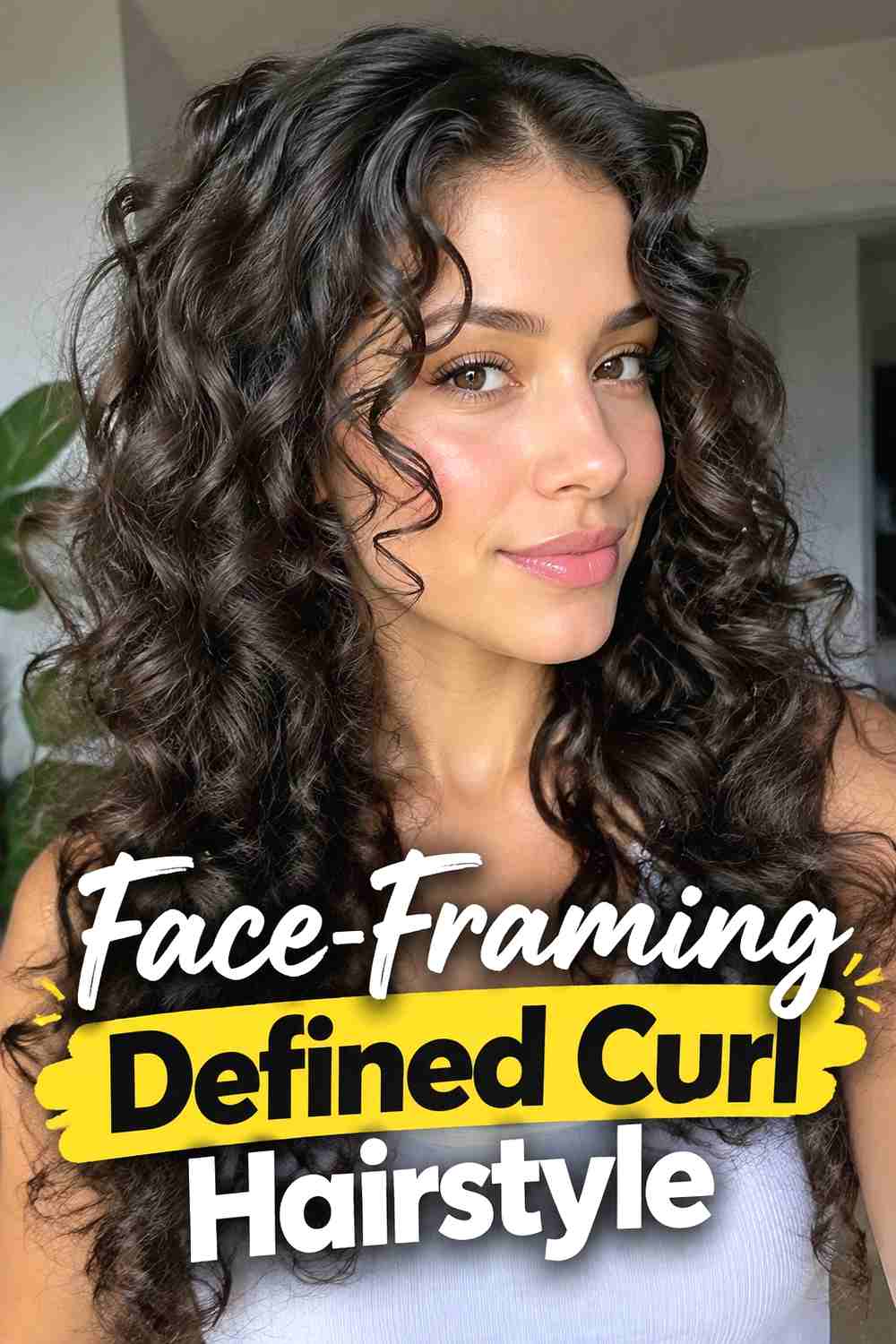
This look puts extra attention on the curls around the cheeks, temples, and forehead so the hairstyle still feels polished even if the crown temporarily loses volume under a hood. Define a few front sections individually and allow them to curve naturally around the face while the remaining hair stays soft and full. After removing your hood, restore the crown with a gentle lift and then check the face-framing pieces rather than disturbing the entire style. If one curl has stretched, lightly dampen only that section and reshape it around a finger. The result is especially useful for layered cuts, where the front curls create intentional movement. Keep them away from zippers and rough coat collars whenever possible to reduce friction.
Why It Works
The eye is drawn toward the structured front pieces, so slight changes in crown volume are less obvious while you refresh the rest of the hair.
6. High Crown Defined Curl Hairstyle
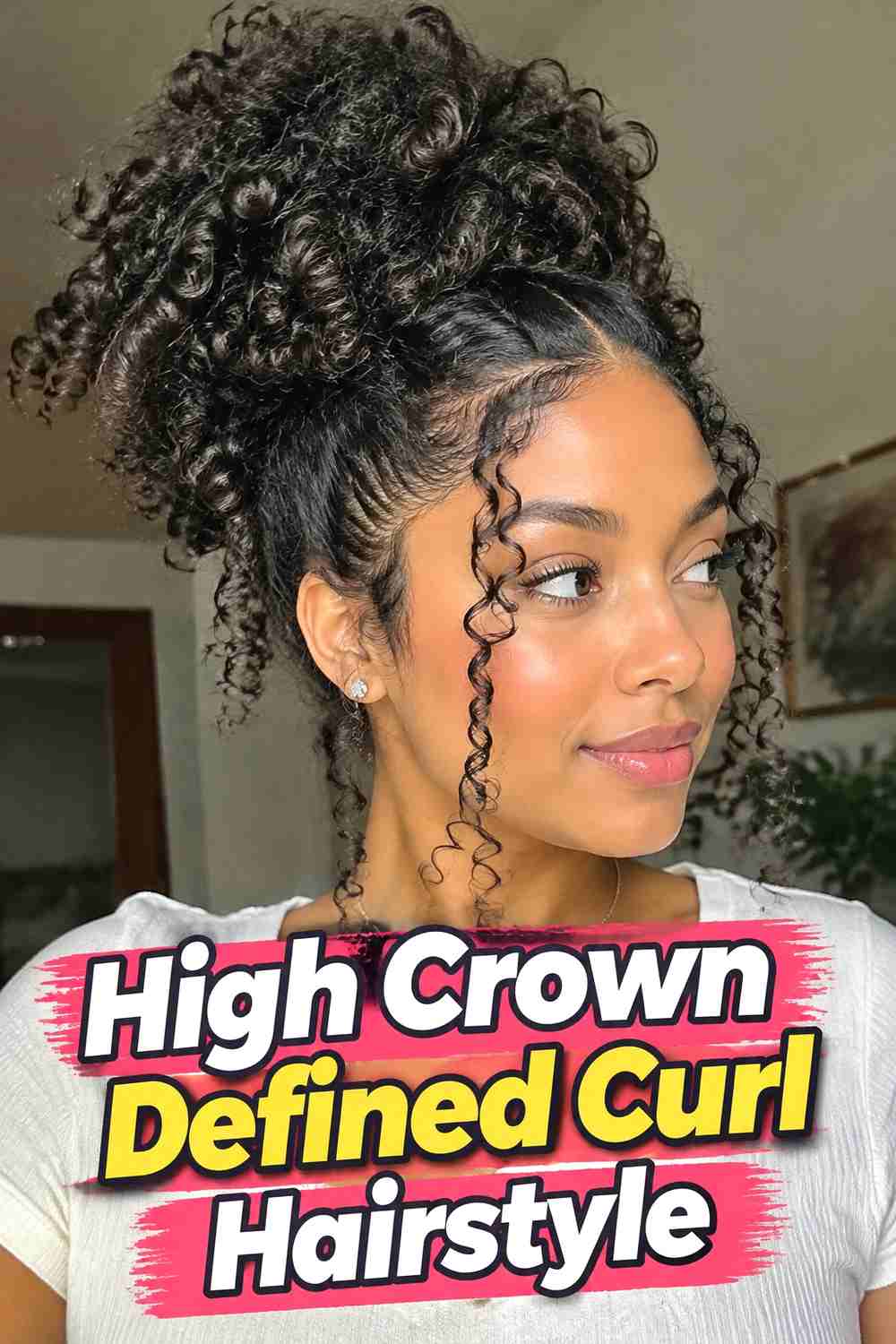
A high-crown curl shape concentrates volume toward the upper back of the head while keeping the sides more controlled. Although a heavy hood may press against that area, the style can recover well when the roots have been dried with lift and the curls retain flexible hold. Once the hood comes off, bend forward slightly and massage only the root area with fingertips, then return upright and arrange the upper curls without pulling them apart. A little height restored at the crown can quickly bring the whole silhouette back into balance. This look is especially attractive on layered curls because shorter upper sections naturally contribute to lift. Avoid extremely bulky styling at the start if your hood fits closely.
Styling Notes
Use root clips during drying if needed, but remove them only after the hair is completely dry. The goal is natural elevation, not a rigid teased effect.
7. Middle Part Sculpted Curl Hairstyle
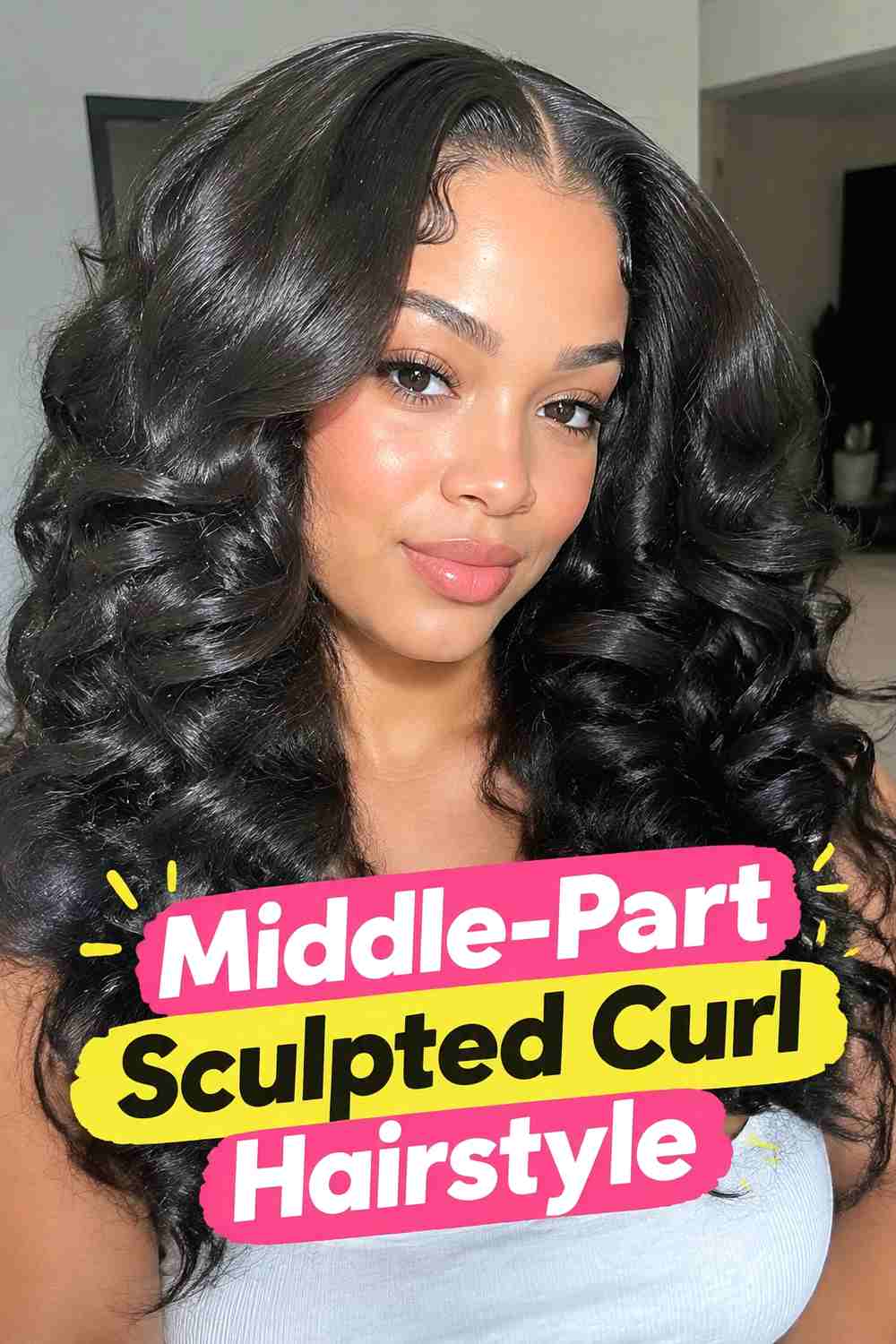
A middle part creates a clear structure that can make post-hood restyling straightforward. Instead of trying to recover random volume, you have a defined center line to reestablish first, followed by balanced curls on both sides. Encourage the front sections to fall away from the part and keep the curl clumps smooth enough to retain their shape under light pressure. After removing the hood, trace the center part gently with a fingertip, lift the roots on each side, and allow the curls to settle naturally. If one side looks flatter, concentrate the refresh there rather than overworking both. The symmetrical finish works particularly well when you prefer a clean, polished curl shape that still feels soft and wearable.
Best For
This style is useful for curls with enough length around the front to fall naturally to either side without constantly crossing back over the part.
8. Curly Bob Definition Hairstyle
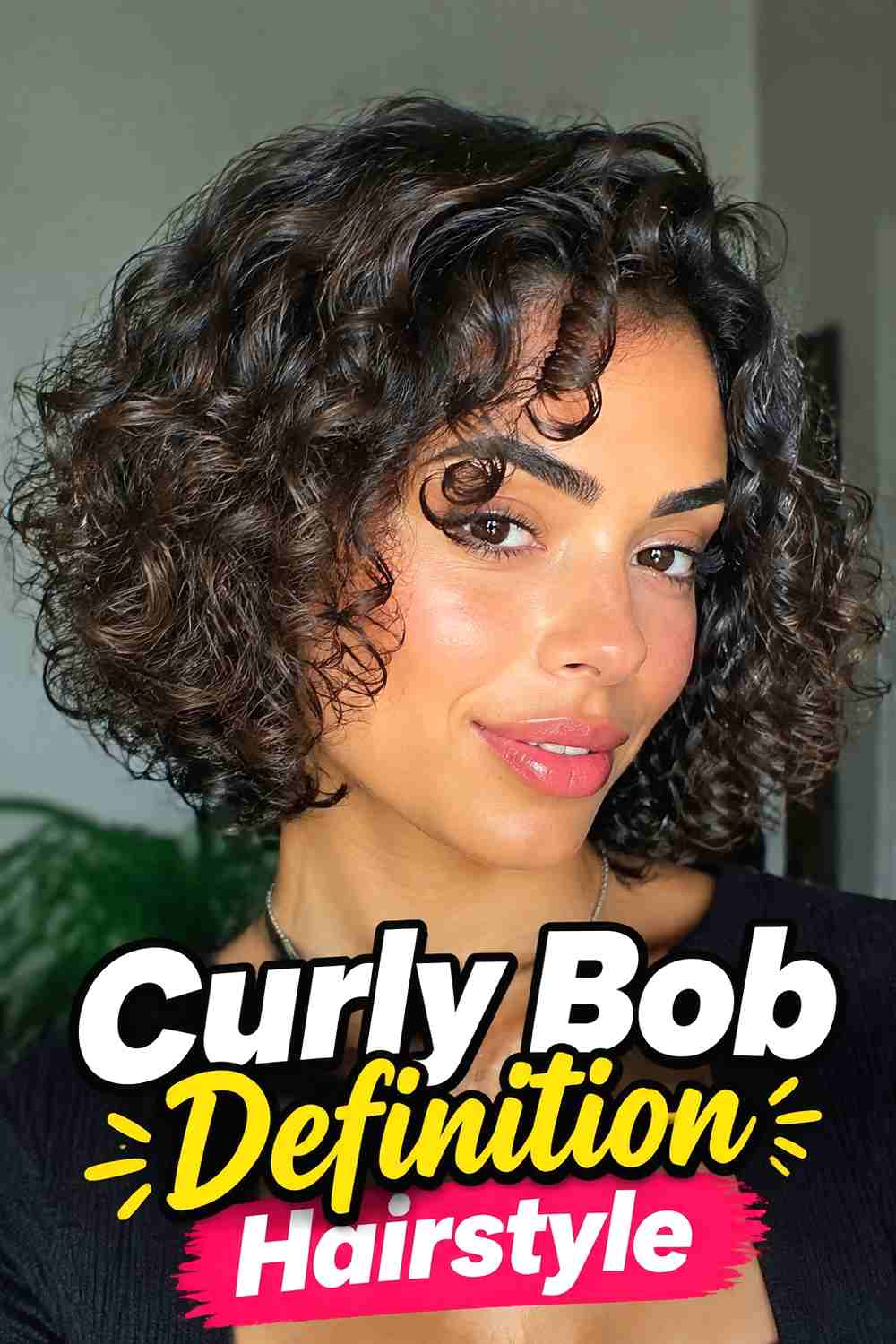
A defined curly bob is naturally practical with winter hoods because its shorter lengths do not have as much hair trapped between outerwear and the back of the head. The strongest shape has clear curl separation, balanced width, and enough layering to keep the perimeter from feeling heavy. A hood may still flatten the crown or press the sides inward, but the compact silhouette is usually quick to revive. After taking the hood off, lift the roots around the top and gently encourage the side curls outward with your hands. Avoid excessive shaking if the curl clumps are already intact. Shorter curls often need only a few targeted adjustments to regain their rounded shape and natural bounce.
Hair Type & Length
Chin- to shoulder-length curls work particularly well. Layering can help maintain shape when the hair springs back after being compressed.
Wear & Maintenance
Carry a small clip if you need to hold one side away from your face temporarily while flattened curls settle back into place.
9. Soft Clipped Back Curl Hairstyle
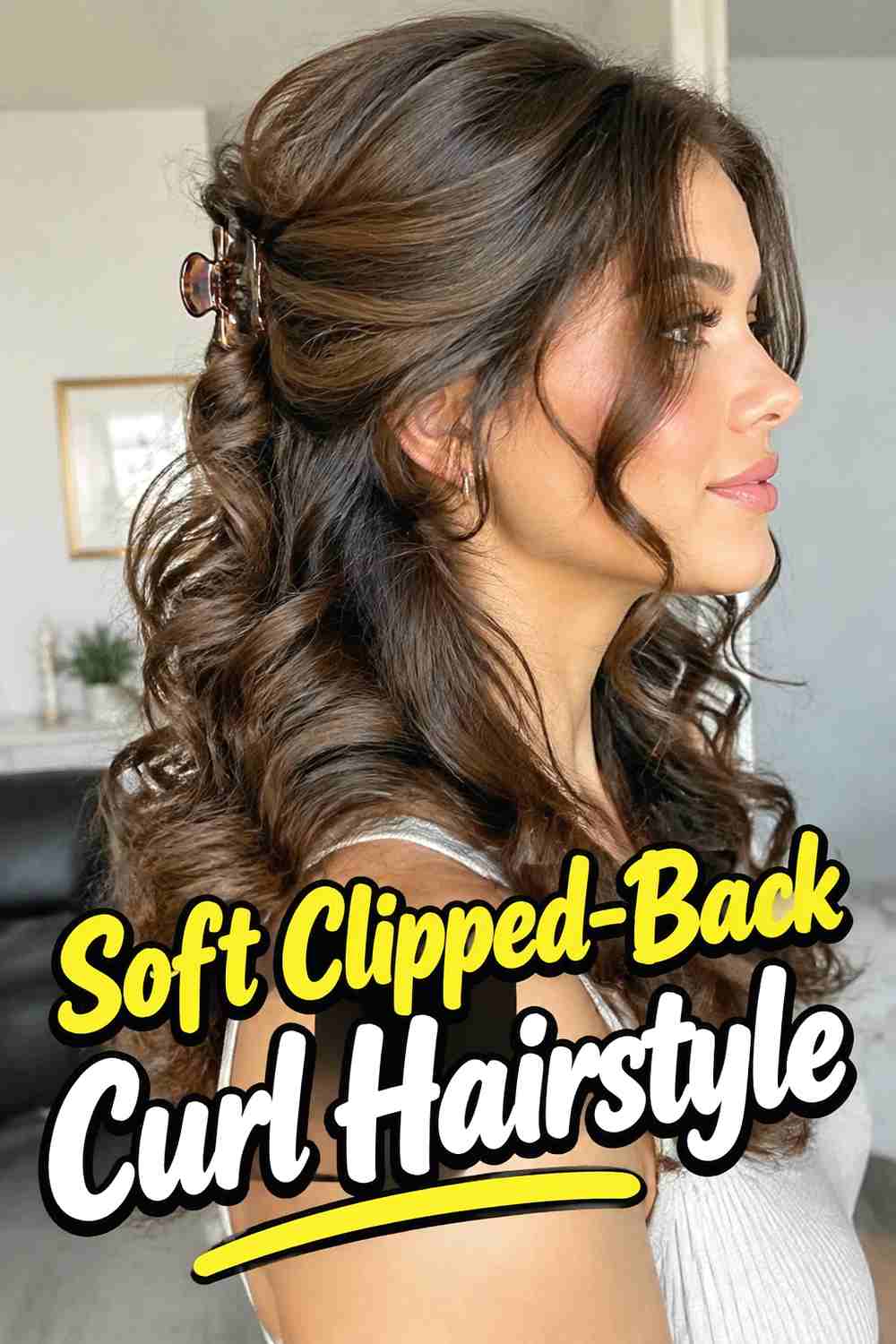
A soft clipped-back style gives you an easy solution when a hood disrupts the front or side curls more than expected. Rather than repeatedly refreshing those areas, gather a small section from each temple and secure it loosely toward the back while leaving the rest of the curls down. This turns slightly compressed front pieces into part of the hairstyle instead of treating them as a problem. Keep the clips subtle and position them so the crown retains some softness. The loose curls through the back and ends should remain defined and natural. This style is particularly useful after commuting because it can be created in minutes without water, a brush, or a complete curl reset.
Why It Works
It converts the sections most likely to be disturbed by a hood into a controlled design detail while preserving visible curl texture everywhere else.
10. Defined Curl Shag Hairstyle
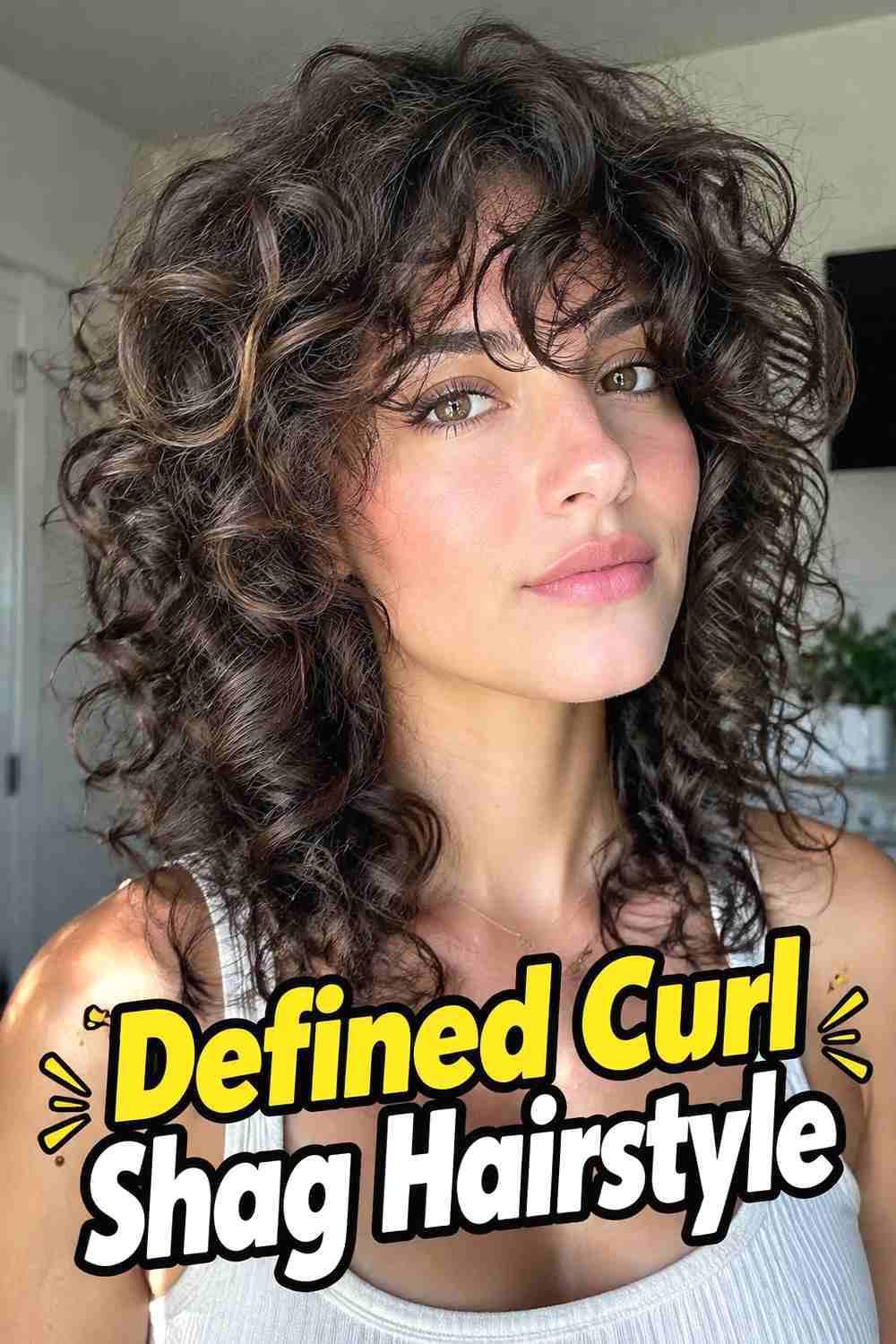
A curly shag is naturally forgiving because its layered shape is built around movement, separation, and uneven lengths rather than perfectly uniform volume. Shorter crown layers can be lifted quickly after a hood comes off, while longer curls maintain shape through the sides and back. Define each layer enough to show its curl pattern, but avoid making the finish too rigid. Once indoors, fluff underneath the short crown sections and shake them gently into place. A few slightly displaced curls usually blend into the cut instead of looking obviously flattened. This makes the shag a strong choice for people who regularly wear substantial winter hoods. The layered silhouette also means you can refresh one zone without disturbing the rest.
Pro Tip
Concentrate hold on shorter crown curls because they influence the overall shape most strongly after the hair has been compressed.
11. Off Center Voluminous Curl Hairstyle
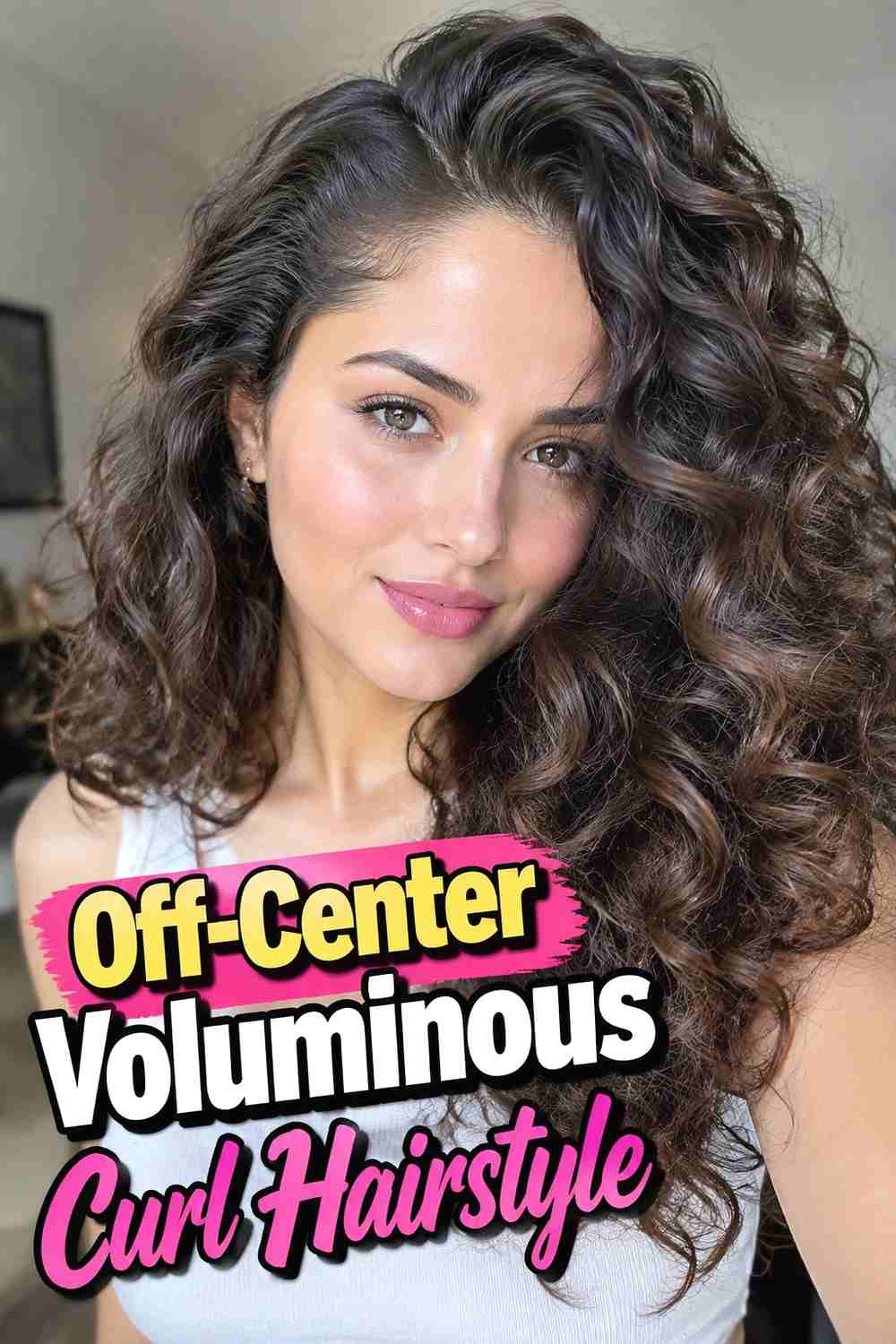
An off-center part creates a relaxed, adaptable shape that is easy to reestablish after removing winter outerwear. It provides some of the drama of a deep side part without placing all the volume on one side. Define the curls with moderate hold, then direct the front sections slightly away from the face so they have space to settle naturally beneath a hood. Once the hood comes off, reset the part first and lift underneath the fuller side with your fingertips. If the opposite side stays slightly flatter, it can still look intentional because the hairstyle is designed with asymmetry. This is a practical choice for medium and long curls that tend to shift naturally during the day rather than remaining in one rigid arrangement.
Styling Notes
Avoid over-perfecting the part. A slightly organic line makes small shifts caused by a hood much less noticeable.
12. Defined Curl Ponytail Hairstyle
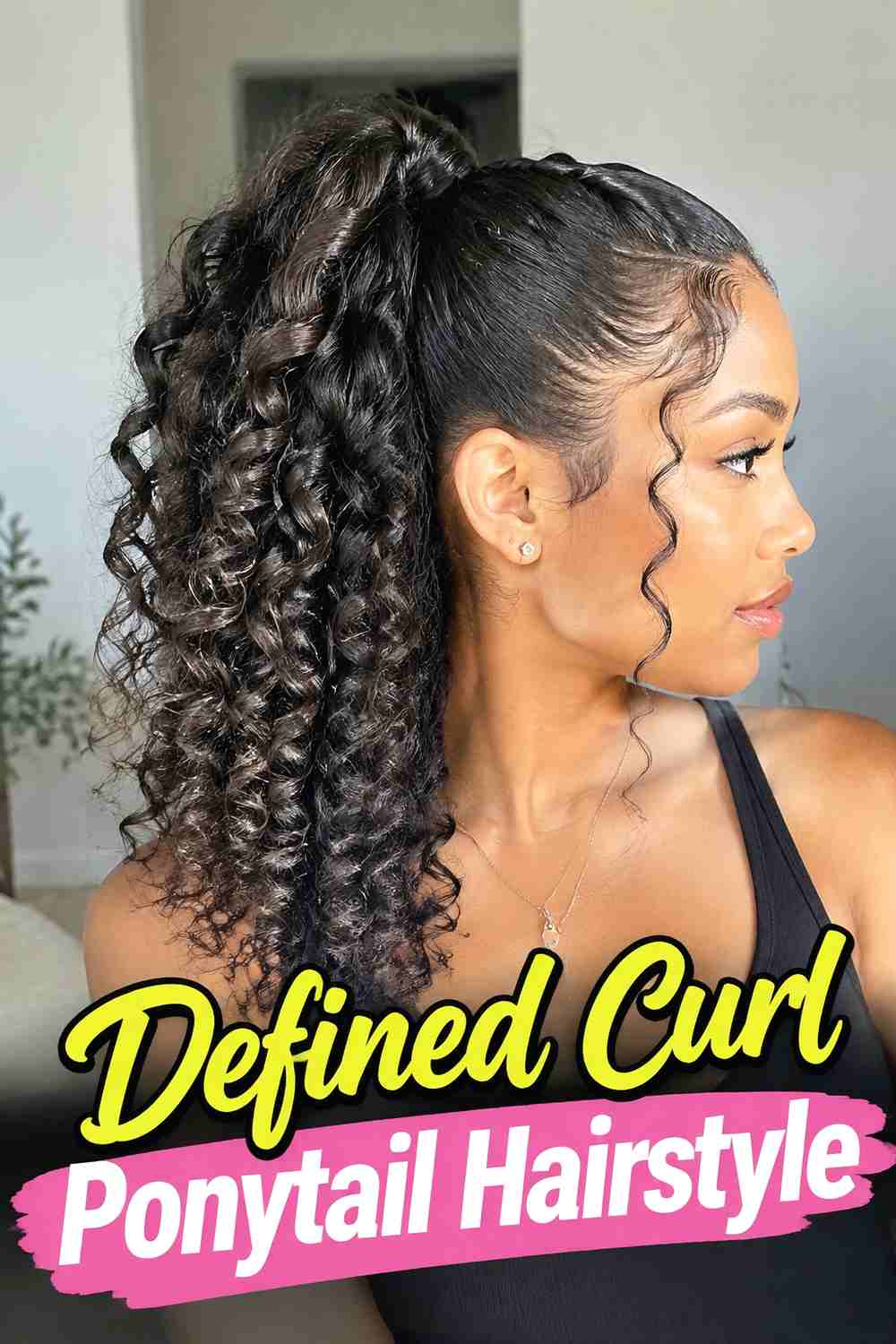
A defined curl ponytail is a useful backup when a hood has flattened the roots but the curl pattern through the lengths remains intact. Gather the hair into a mid or low ponytail and let the defined curls form a full, textured tail. Keep the root area smooth enough to look deliberate while preserving a little natural volume around the crown. Because the ends are already curled and separated, the finished result still showcases definition even though the hair is secured. This style also works well when you move between outdoor weather and heated indoor spaces several times during the day. Check that the ponytail placement does not sit directly against the hood seam or a thick coat collar.
Wear & Maintenance
Refresh only the ponytail curls that need it. Lightly reshape individual sections rather than soaking the entire tail and waiting for it to dry again.
13. Pinned Side Defined Curl Hairstyle
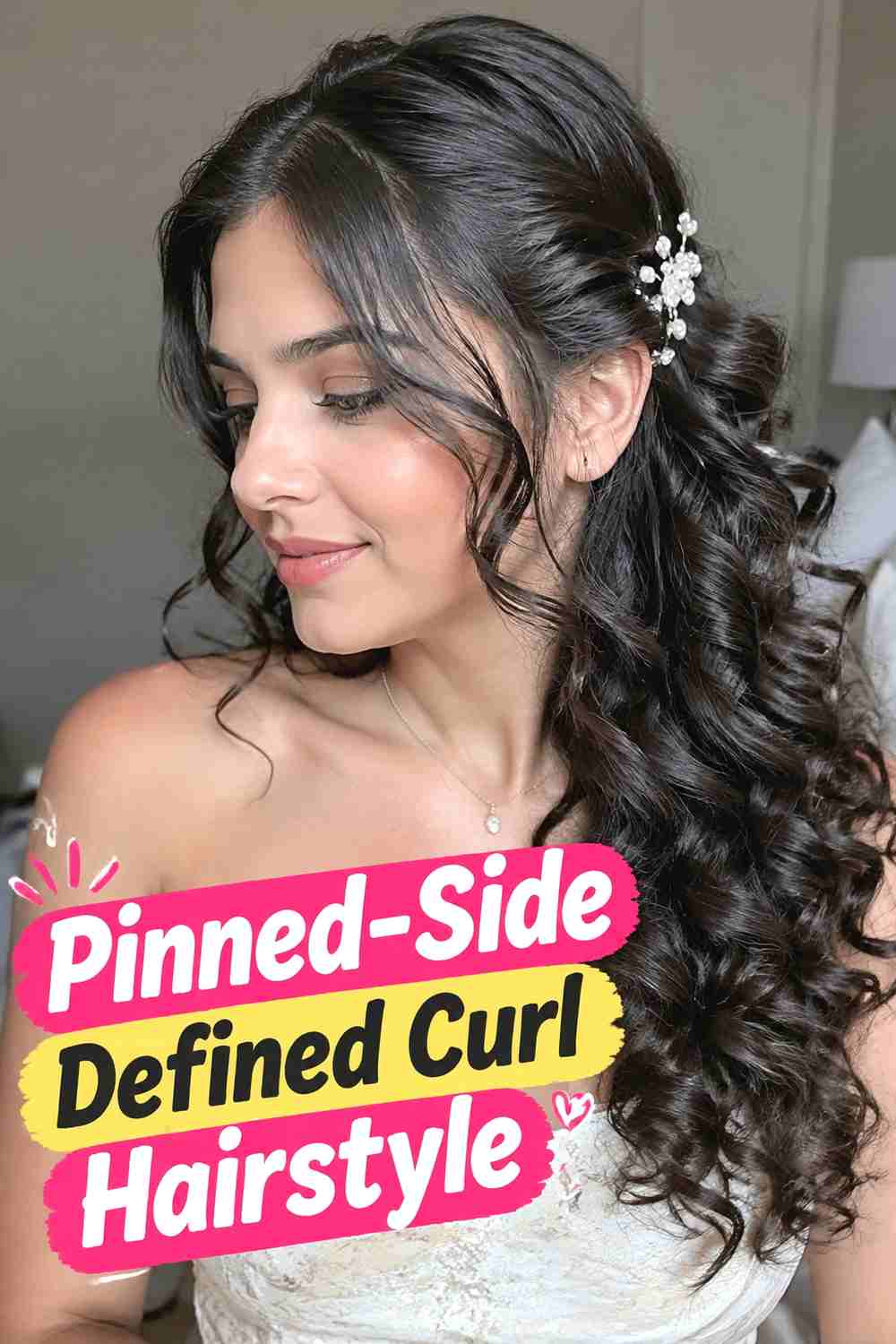
A pinned-side curl look uses one controlled section to create intentional asymmetry after a heavy hood comes off. Choose the side that appears flatter or more compressed, smooth it gently toward the back, and secure it with discreet pins or a small clip. Leave the opposite side full and defined so the contrast becomes part of the design. This approach is especially helpful when the hood has pressed one side more than the other and you do not have time for a complete refresh. Keep the pinned section soft rather than tightly slicked, allowing a little natural texture near the roots. The loose side should maintain clear curl separation and enough volume to balance the more compact section.
Best For
This technique works across many curl lengths, particularly when one side can be tucked or pinned comfortably without pulling on shorter layers.
14. Layered Long Curl Hairstyle
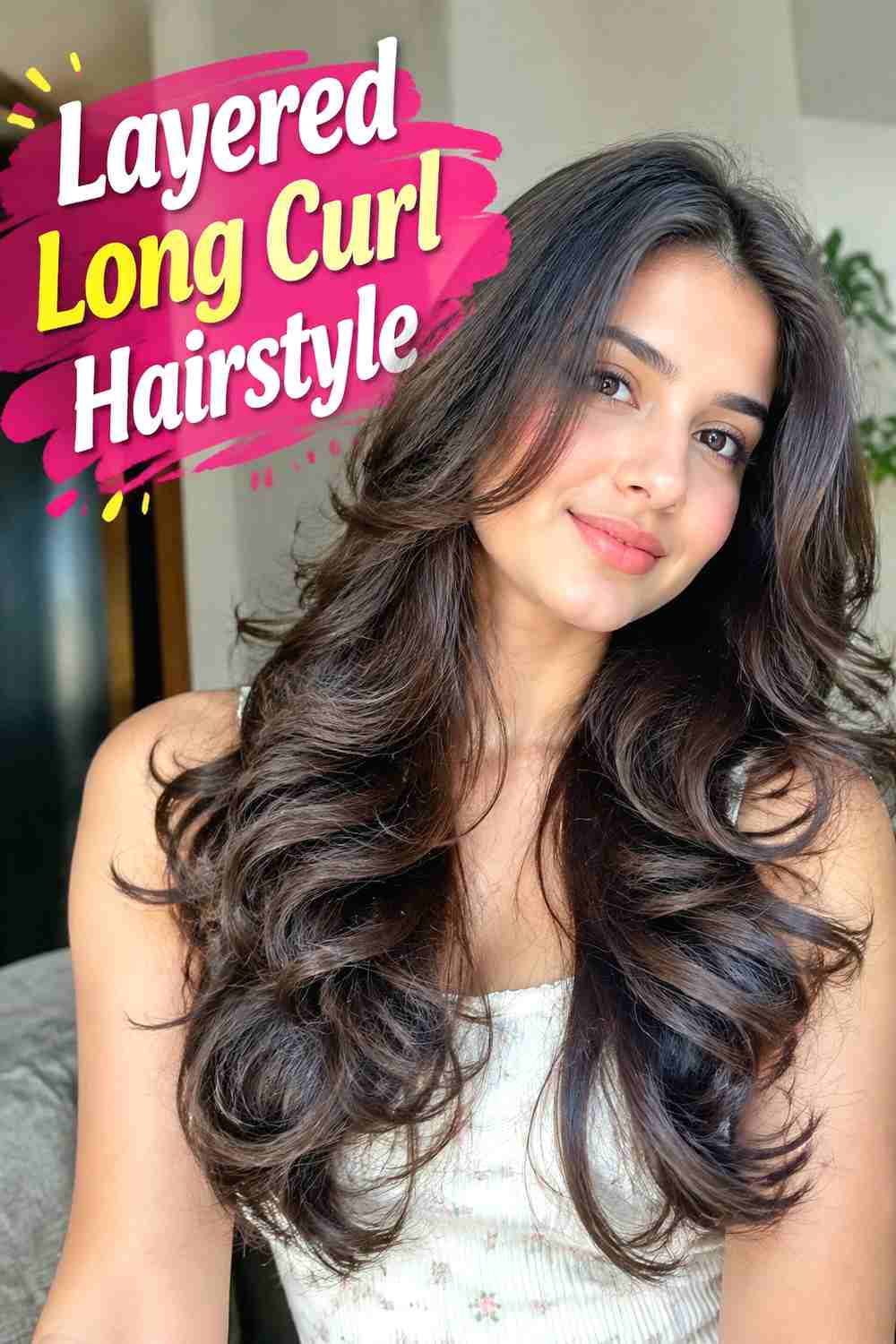
Long layered curls can recover beautifully after a hood because the varying lengths help distribute volume instead of concentrating all the weight at the bottom. The key is maintaining definition through the mid-lengths and ends while keeping the crown light enough to lift after compression. When the hood comes off, separate the hair into broad sections with your hands, lift the roots, and allow the longer curls to fall back into place naturally. Avoid running fingers through the full length because that can turn intact curl clumps into frizz. Strategic layers around the face and upper back also help create movement even when the top has been temporarily flattened. This style works best when the hair is completely dry before outdoor wear.
Hair Type & Length
Long curls with medium or high density often benefit most from layers because they reduce visual heaviness while maintaining an abundant silhouette.
Pro Tip
Refresh the shortest upper layers first. Once they regain lift, the entire hairstyle often looks more balanced without extensive restyling.
15. Fluffed Crown Defined Curl Hairstyle
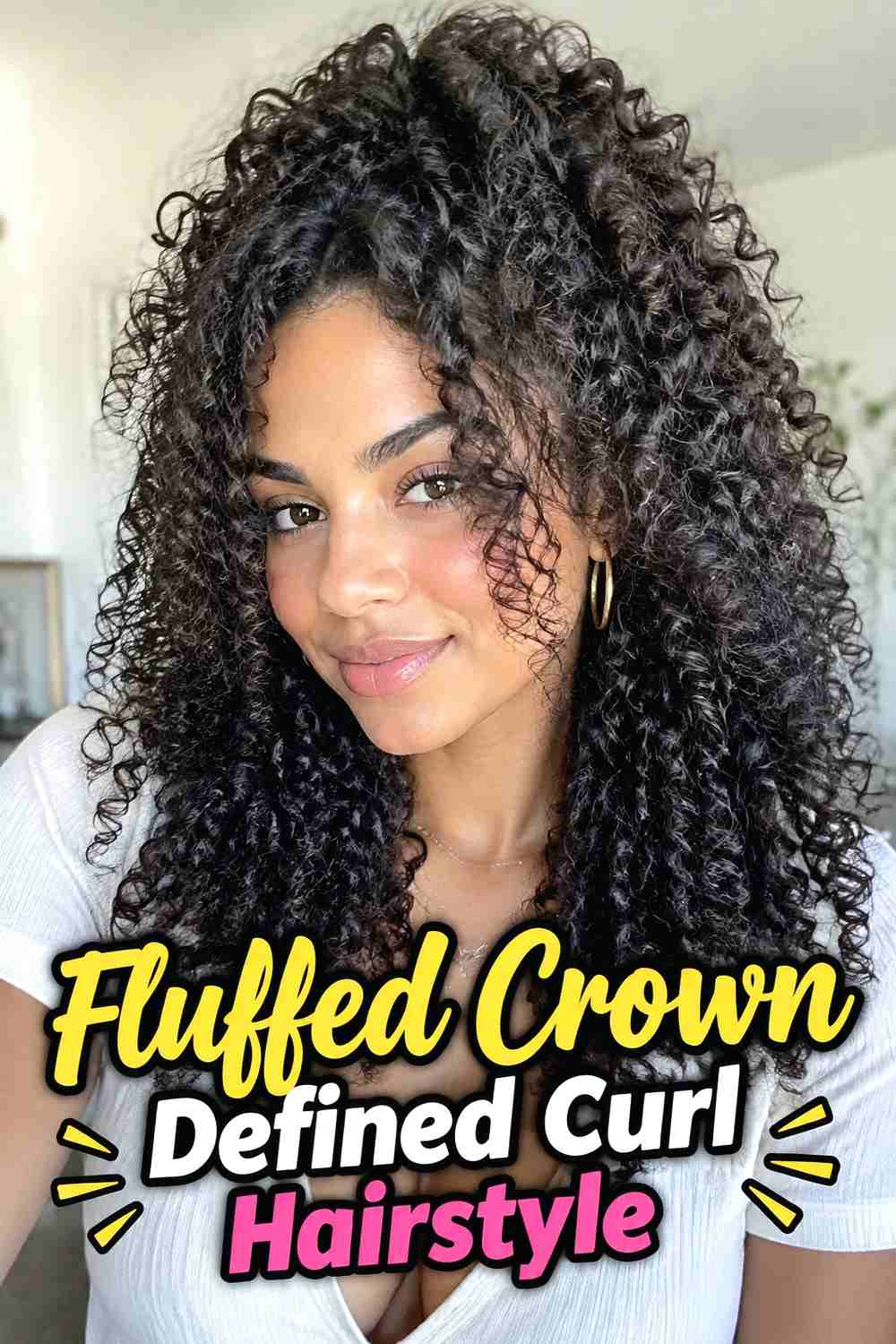
A fluffed crown style is designed around quick volume recovery, making it ideal for the moment you remove a substantial winter hood. Keep the lengths well defined and relatively undisturbed while allowing the roots around the crown to remain soft and movable. After coming indoors, place your fingertips underneath the top sections and make small lifting motions at the scalp. Then gently shake the crown into position without combing through the curl clumps. The contrast between airy roots and defined lengths creates a full, natural-looking silhouette that does not depend on every curl sitting exactly where it started. This option is especially practical for people who want to wear their curls completely down but still need a realistic way to handle temporary hood flattening.
Why It Works
The hairstyle expects movement at the roots, so restoring volume feels like part of the styling process rather than a repair job.
How to Choose the Right Look
Start by considering exactly what your winter hood does to your hair. If it mainly flattens the crown, root-lifted, high-crown, shag, and fluffed-crown styles are easy to revive with gentle lifting. If your hood shifts your part or presses one side more heavily, side-parted, off-center, or pinned-side looks can turn that unevenness into an intentional shape.
Length matters too. Short curly bobs often recover quickly because less hair is compressed against clothing, while longer curls may benefit from layers, half-up styling, or a ponytail option. Texture and shrinkage determine how much spring returns naturally once pressure is removed.
Also think about your available refresh time. Some styles need only a quick root fluff, while others may benefit from reshaping one or two stretched curls with a little water or styling product. Whatever you choose, let the hair dry fully before wearing a hood whenever possible and avoid repeatedly separating curls that still have good definition.
Final Thoughts
A heavy winter hood may temporarily change your curl shape, but it does not have to ruin the entire style. The most practical looks use flexible definition, adaptable parts, strategic layers, and root volume that can be restored with minimal handling. Choose a hairstyle that matches your curl pattern and hood fit, then focus your refresh only where compression is actually visible.
FAQs
1. How do I restore curls after taking off a heavy winter hood?
Start by lifting the roots gently with your fingertips. Reshape only flattened or stretched curls with a small amount of water or styling product instead of disturbing the entire hairstyle.
2. Should my curls be completely dry before I put on a winter hood?
Yes, whenever practical. A hood can press damp curls into a flatter position while they dry, making their original shape harder to restore afterward.
3. Which hairstyle recovers fastest after hood flattening?
Root-lifted curls, curly shags, rounded bobs, and fluffed-crown styles tend to be easy to revive because their silhouettes already allow natural movement and adjustable volume.
4. How can I avoid frizz when fluffing curls after removing a hood?
Work mainly at the roots and underneath the hair. Avoid pulling your fingers through defined curl clumps, since excessive separation can create more frizz.
5. What if only one side of my curls gets flattened?
You can refresh that side individually, reset your part, or use a pinned-side hairstyle. There is usually no need to rewet or restyle every curl when most of the definition is still intact.
CTA
Save your favorite defined curl looks and share this guide for easy winter hairstyle inspiration whenever a heavy hood leaves your curls needing a quick reset.