14 January Snow-Walk Hairstyles With Long Quilted Coats
Snowy January walks call for hairstyles that stay comfortable around hoods, scarves, and long quilted coats while still looking soft, polished, and winter-ready.
A long quilted coat brings warmth, volume, and a strong vertical silhouette, so the hairstyle needs to work around more than just the weather. High collars, hoods, scarves, hats, and winter wind can all affect how hair sits during a walk, making secure placement and flexible texture especially useful.
The most practical January looks balance hold with softness. Braids and low ponytails help control long hair, while bobs and pixies avoid collar friction altogether. Natural curls, half-up styles, and loose waves can also work beautifully when the hair is positioned carefully around hats and outerwear. Choose according to your length, texture, coat neckline, and how much maintenance you want while outdoors.
Quick List
- Soft Low Ponytail Hairstyle
- Textured Winter Bob Hairstyle
- Loose Low Bun Hairstyle
- Soft Beanie Waves Hairstyle
- Braided Low Ponytail Hairstyle
- Claw Clip Winter Twist Hairstyle
- Natural Curls With Side Pins Hairstyle
- Half Up Snow Day Twist Hairstyle
- Tousled Pixie Hairstyle
- Low Rope Braid Hairstyle
- Soft Curtain Bang Layers Hairstyle
- Tucked Behind Ear Lob Hairstyle
- Soft Coily Puff Hairstyle
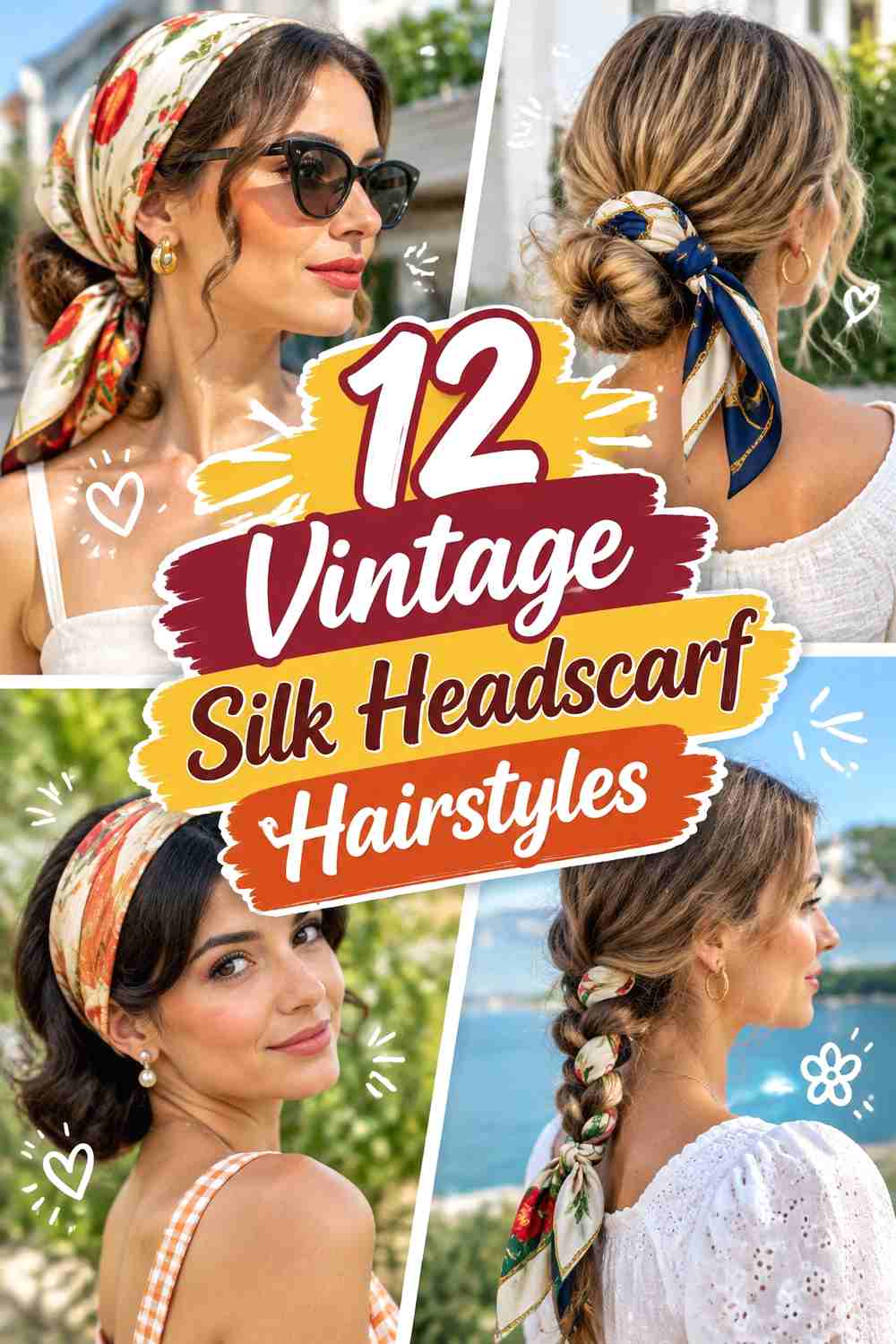
- Loose Scarf Tie Braid Hairstyle
1. Soft Low Ponytail Hairstyle
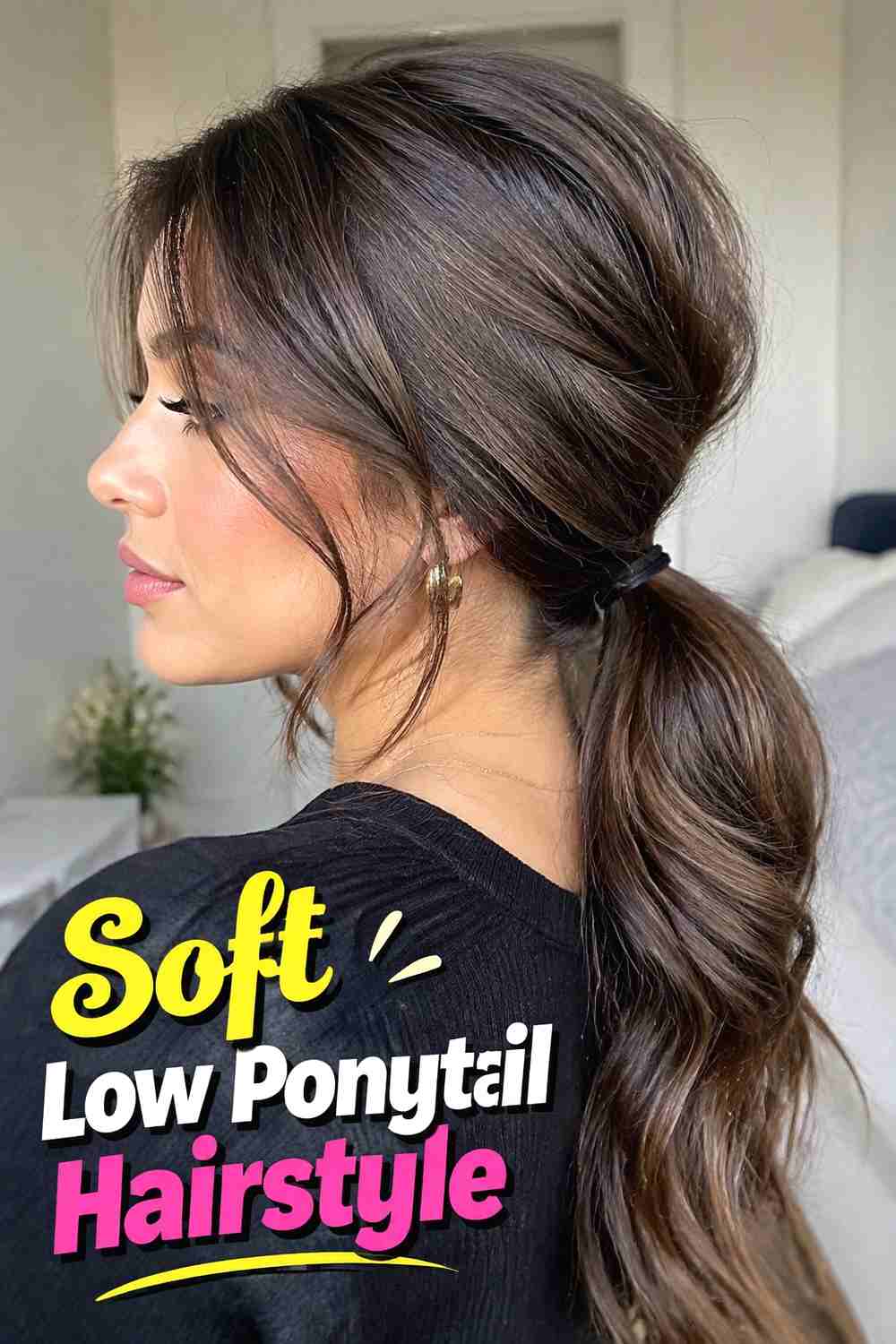
A soft low ponytail is one of the easiest styles to wear with a long quilted coat because it keeps the main length controlled without creating bulk near the crown. Position the ponytail close to the nape and leave the top gently smooth rather than severely slick. The tail can stay straight, softly waved, or naturally textured depending on your hair. If the coat has a thick hood, keep the tie low enough that it does not press awkwardly against the hood seam. A few light pieces around the face can soften the look, but avoid leaving too many loose strands if the weather is windy or snowy.
Styling Notes
Use a secure elastic and smooth the surface with a small amount of flexible styling cream rather than heavy gel.
Wear & Maintenance
Keep a spare elastic in a coat pocket in case snow, wind, or scarf adjustments loosen the original tie.
2. Textured Winter Bob Hairstyle
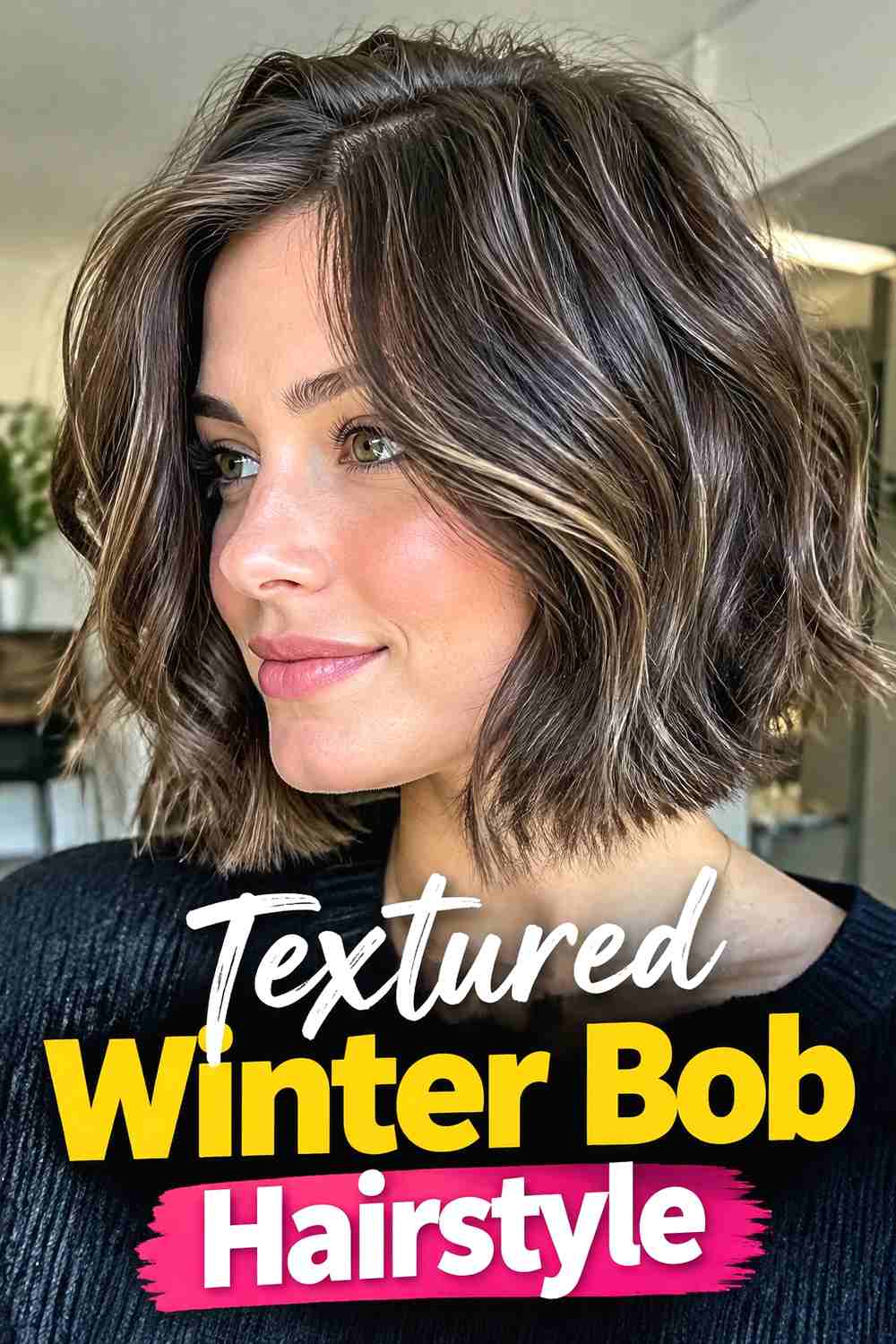
A textured winter bob keeps the hair clear of thick quilted collars while still bringing visible movement around the face. Jaw-length to slightly longer bobs work especially well because they remain above most coat necklines and do not become trapped beneath scarves. Create a few irregular bends rather than perfectly uniform waves, letting the ends sit softly around the jaw. A center part feels clean and modern, while an off-center part can add more movement under a winter hat. Because the cut is compact, it is easy to reshape with your fingers after pulling off a hood or beanie. Keep the finish touchable instead of overly sprayed.
Best For
Straight, wavy, and lightly textured short hair can all adapt easily to this practical winter silhouette.
Pro Tip
Apply texture mostly through the ends so the roots remain flexible enough to recover after wearing a hat.
3. Loose Low Bun Hairstyle
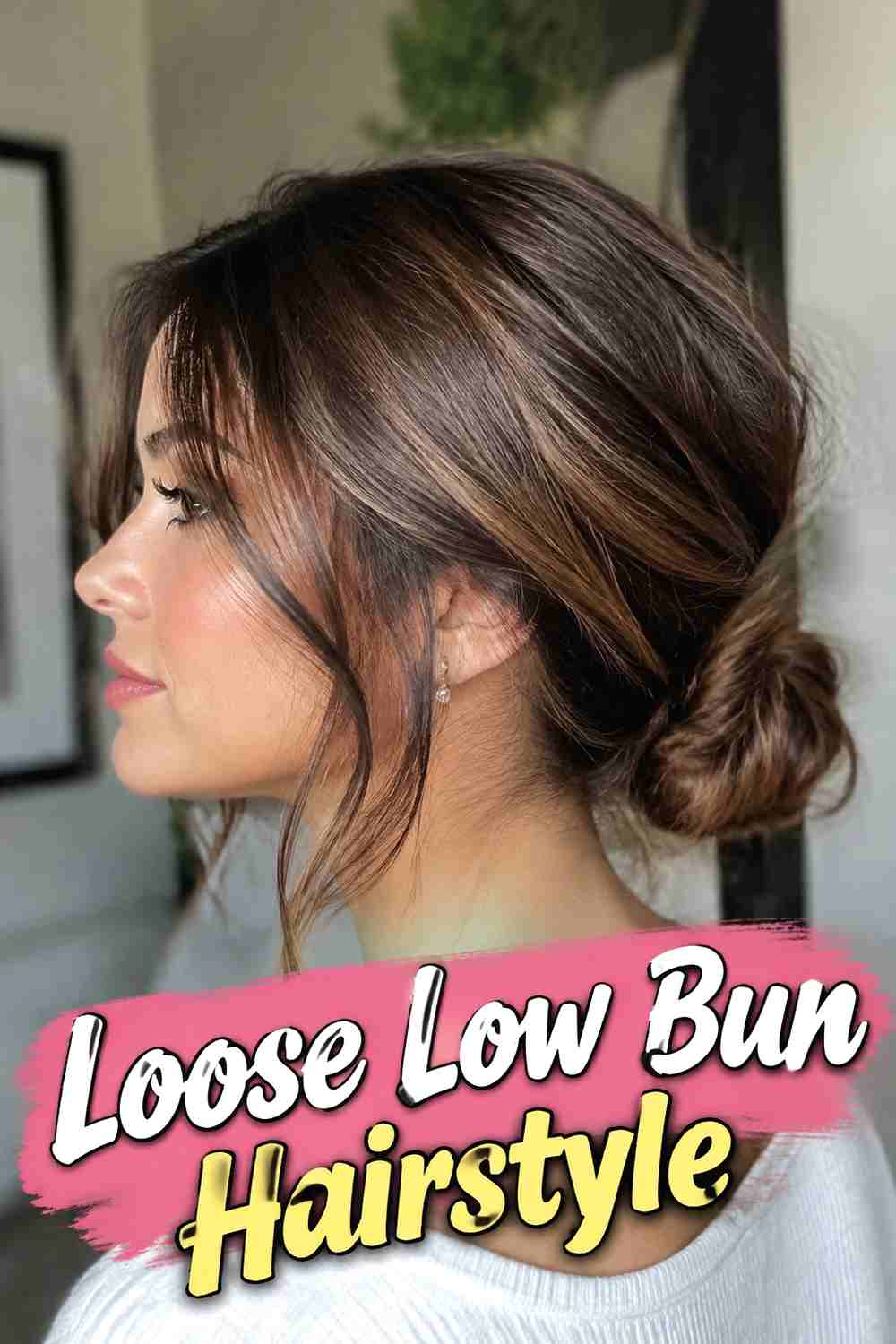
A loose low bun offers neat control for snowy walks while keeping long hair away from scarves, zippers, and coat fronts. Gather the hair at the nape and form a compact bun with enough softness at the crown to avoid a severe finish. Placement matters with a long quilted coat: the bun should sit either just above or clearly below the thickest part of the collar so it does not rub continuously as you walk. A few short face-framing pieces can remain loose if the weather is calm. On windy days, keeping those pieces tucked or lightly pinned usually makes the hairstyle easier to maintain.
Styling Notes
Build the bun over a secure low ponytail so pins are supporting the shape rather than holding all the tension.
Why It Works
The contained silhouette reduces tangling while keeping the hairstyle polished beside oversized winter outerwear.
4. Soft Beanie Waves Hairstyle
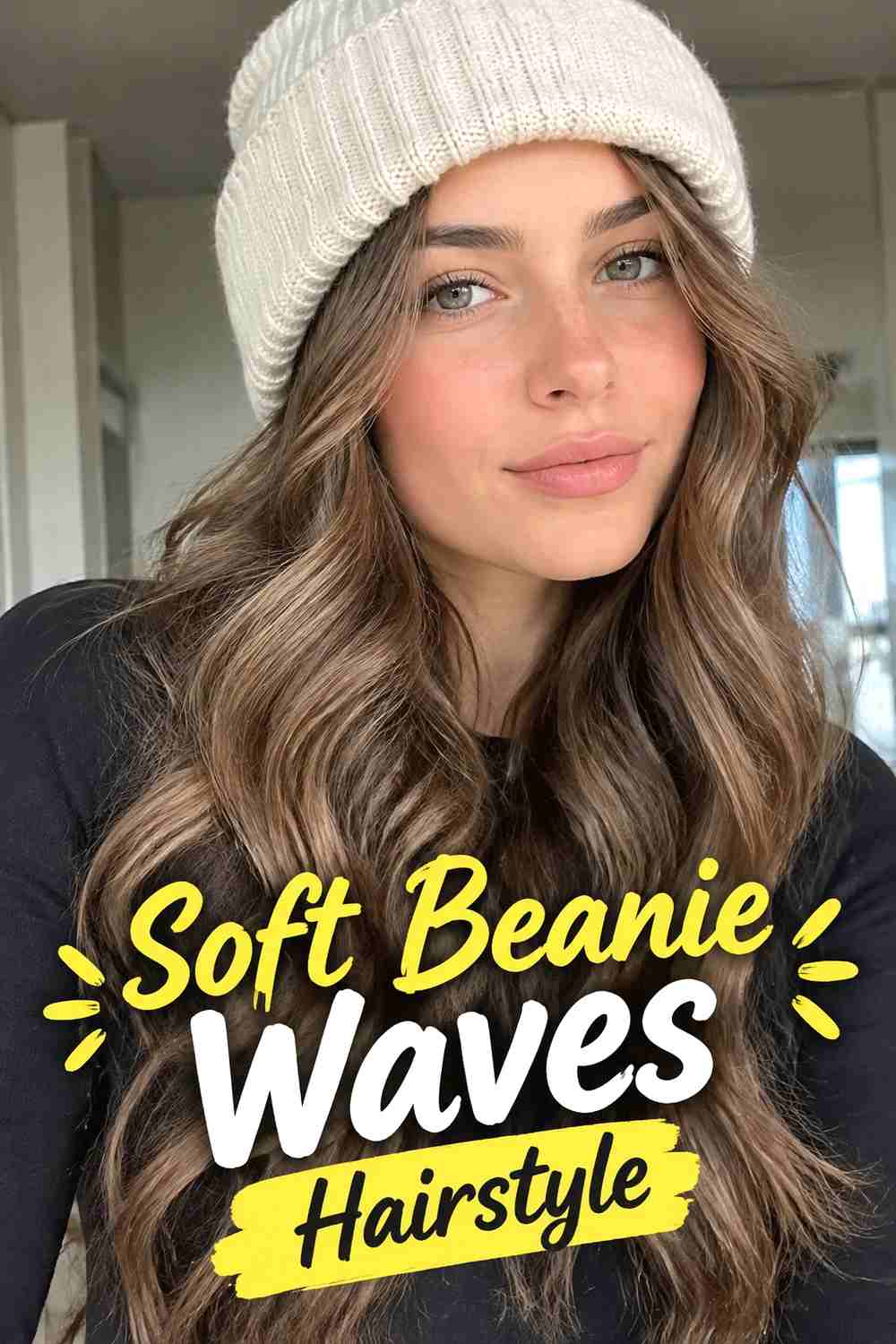
Soft beanie waves are designed to look relaxed even after wearing a winter hat. Keep the roots relatively natural and concentrate broad movement through the mid-lengths and ends, where a beanie is less likely to flatten the pattern. Once the hat comes off, lightly lift the roots with your fingers instead of brushing through the whole style. Longer waves can be brought forward over the quilted coat so they remain visible and do not become trapped between your back and the hood. The result should feel easy rather than perfectly sculpted, making slight changes in texture throughout the walk part of the look instead of a problem.
Hair Type & Length
Medium to long hair gives the wave pattern enough space to remain visible below the edge of a beanie.
Wear & Maintenance
Avoid heavy root products that can become sticky or flattened beneath a close-fitting hat.
5. Braided Low Ponytail Hairstyle
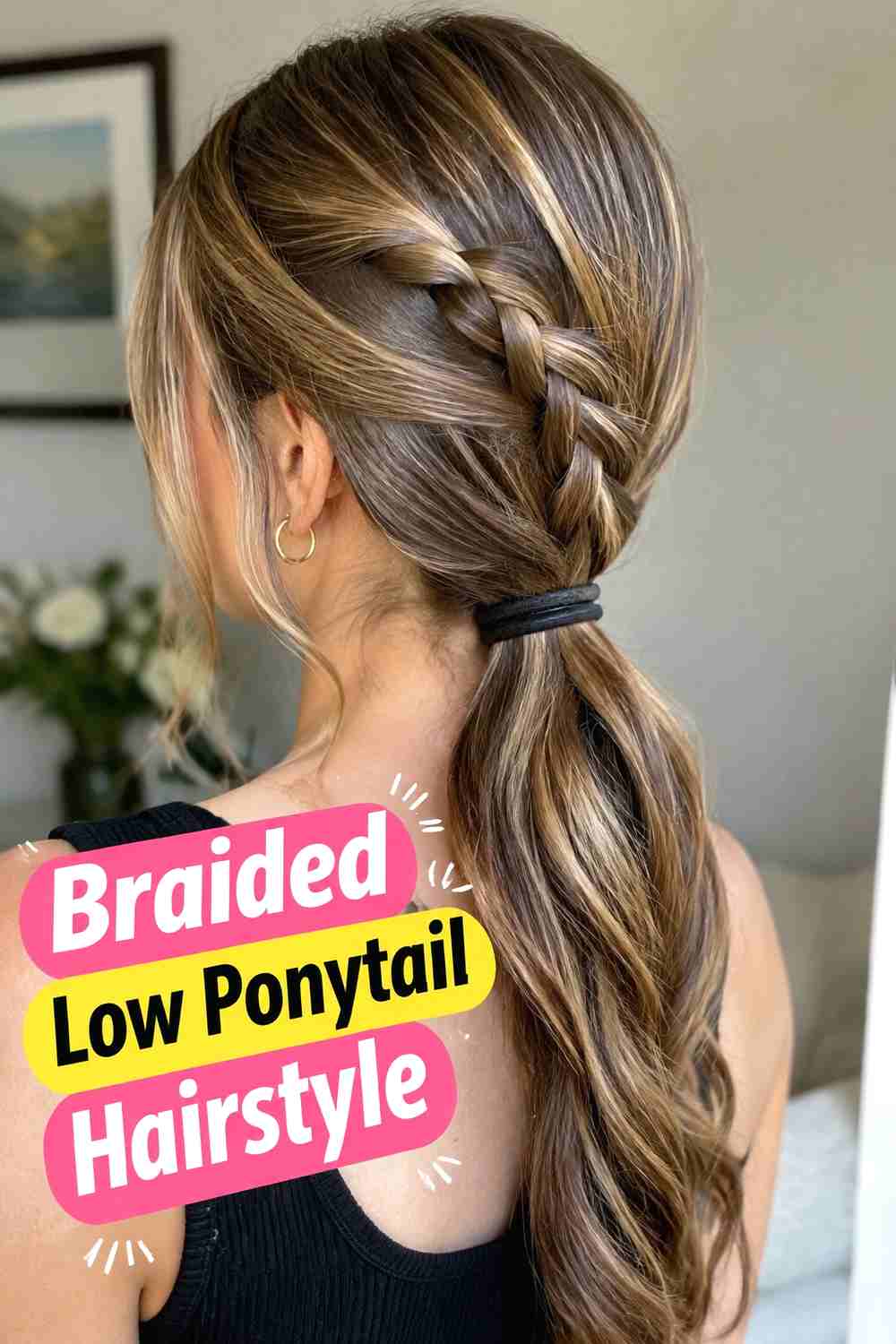
A braided low ponytail offers excellent control for long winter walks because it keeps the hair gathered while reducing tangling from wind, coat fabric, and scarves. Secure the ponytail near the nape first, then braid the tail loosely enough to retain some dimension. A classic three-strand braid works well, but the main goal is a stable shape that does not swing excessively against the back of the coat. Keep the crown softly smooth, and wrap a small strand around the elastic if you want a more polished finish. This style is especially useful for longer hair that tends to catch beneath backpack straps, hoods, or crossbody bags.
Styling Notes
Add a little grip through very smooth lengths before braiding so the sections remain secure without excessive tension.
Wear & Maintenance
Use a small elastic at the braid end and check that it is secure before heading into windy conditions.
6. Claw Clip Winter Twist Hairstyle
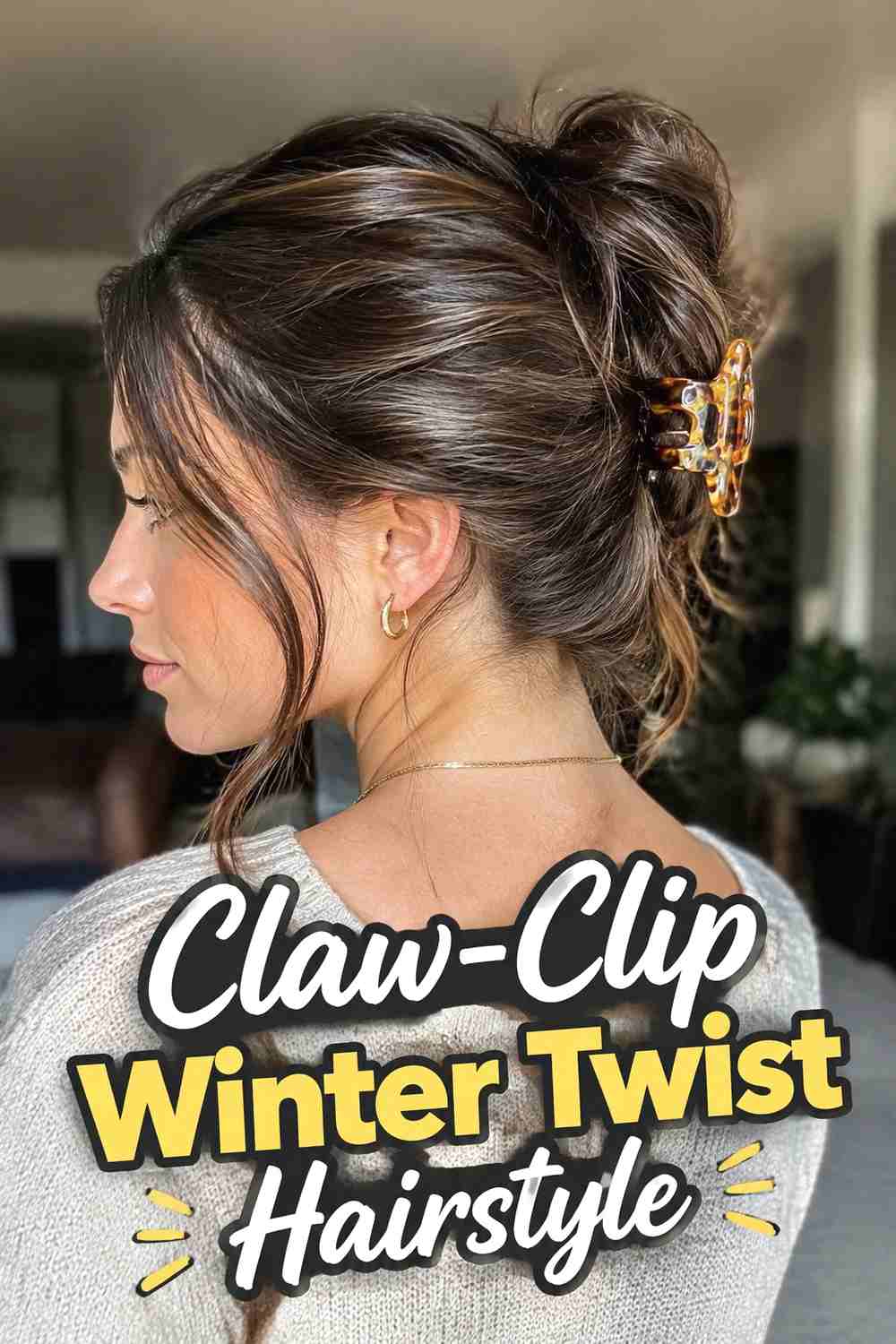
A claw-clip winter twist is convenient when you want hair off the shoulders but still prefer something softer than a traditional bun. Twist the lengths upward at the back and secure them with a sturdy clip, allowing the ends to remain softly visible. For a quilted coat, place the clip high enough that it does not press directly into the hood or collar when you move your head. A matte tortoiseshell, brown, black, or neutral clip works naturally with winter layers. The style is easy to release and redo indoors, making it particularly useful for walks that include café stops, shopping, or other changes between cold outdoor air and warm interiors.
Best For
Medium to long hair with enough length to twist vertically works most easily with this style.
Pro Tip
Choose a strong clip sized to your hair density; small decorative clips may loosen quickly beneath winter layers.
7. Natural Curls With Side Pins Hairstyle
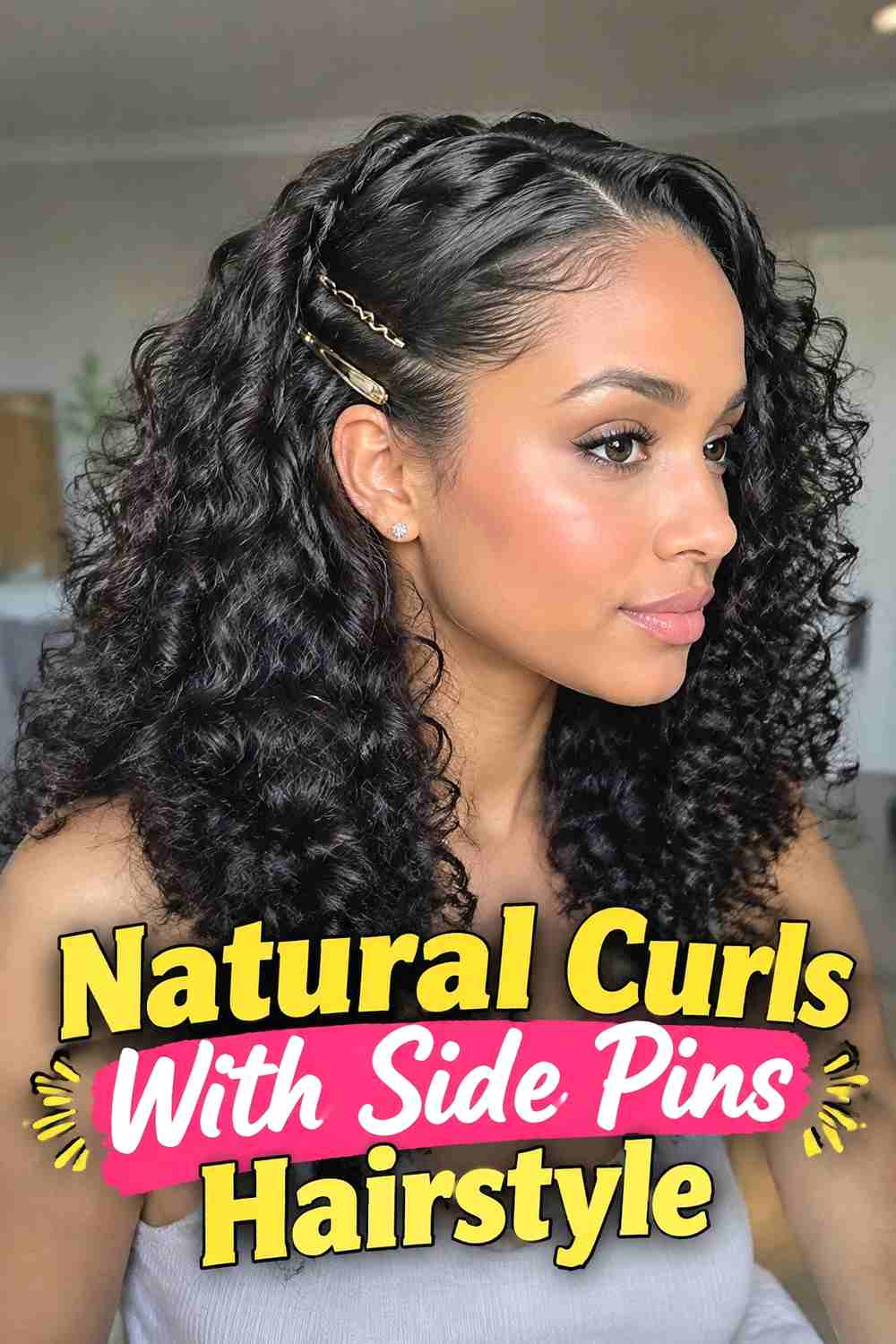
Natural curls with side pins keep the texture visible while creating a little more control around the face. Leave most of the curl pattern loose, then secure one side above the ear with two or three simple pins. This asymmetrical placement helps keep hair away from a scarf and reduces the amount of texture competing with a high quilted collar. Let the remaining curls retain their natural volume rather than compressing them into a narrow shape. If you plan to wear a hood, position the pins where they will not press against the fabric. Flexible definition is more useful than a stiff finish because curls may need reshaping after exposure to wind or moisture.
Styling Notes
Use pins with enough grip for your density and slide them in gently without stretching the surrounding curl pattern.
Wear & Maintenance
After removing a hood, reshape only the sections that were compressed rather than disturbing the entire hairstyle.
8. Half Up Snow Day Twist Hairstyle
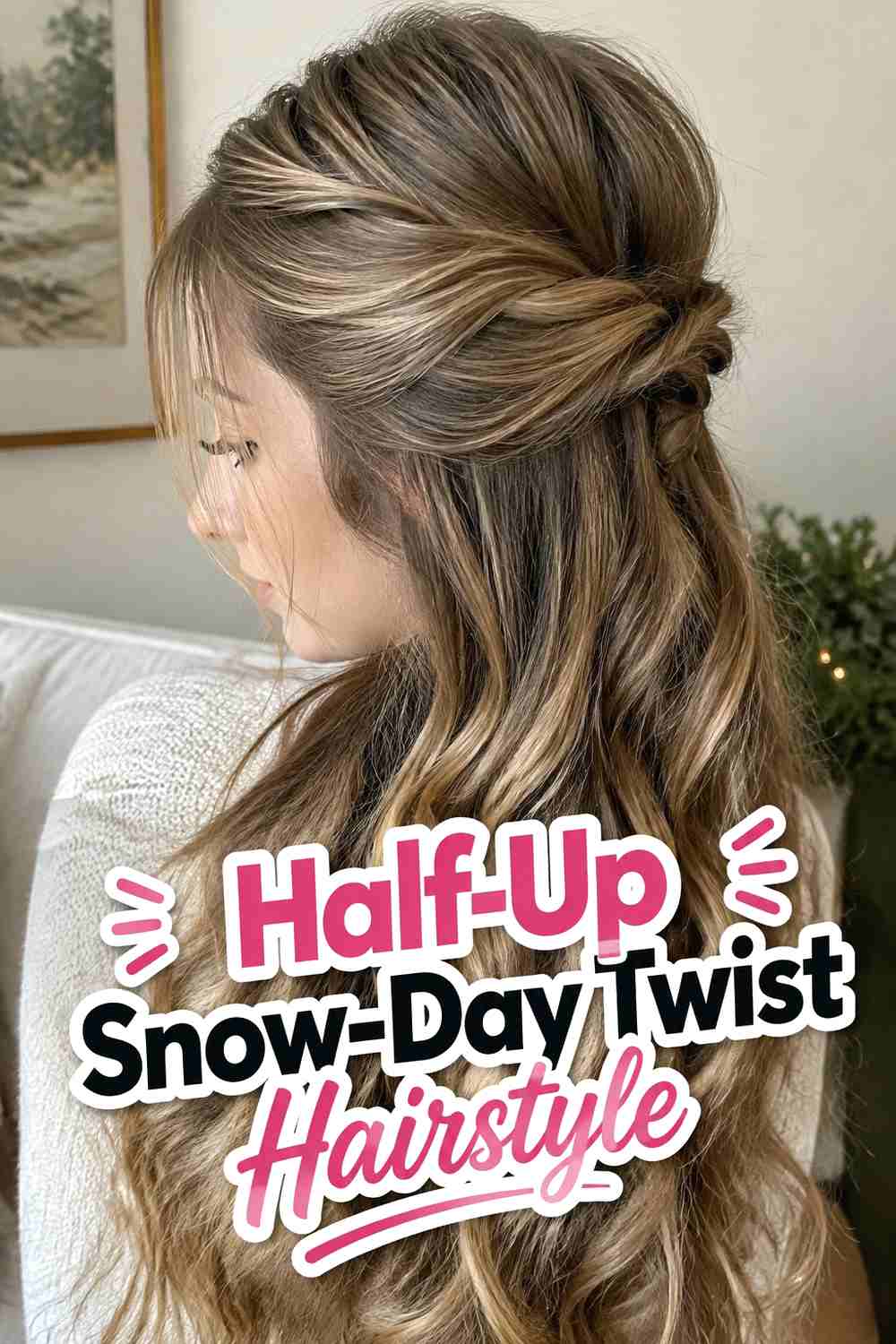
A half-up snow-day twist keeps the front of the hair controlled while leaving the lower lengths free to move over a long quilted coat. Take sections from around the temples, twist them toward the back, and secure them with a small elastic, pins, or a compact clip. The lower hair can remain straight, softly waved, or naturally textured. This arrangement is useful on breezy walks because it prevents the front pieces from repeatedly blowing across the face without creating the tight feeling of a full updo. Keep the fastening relatively flat if your coat has a large hood so the style remains comfortable when the hood is raised.
Styling Notes
Secure the twist below the crown rather than too high, especially if you expect to wear a beanie or hood.
Why It Works
The upper section stays practical while the loose lower lengths preserve softness and movement against the long coat.
9. Tousled Pixie Hairstyle
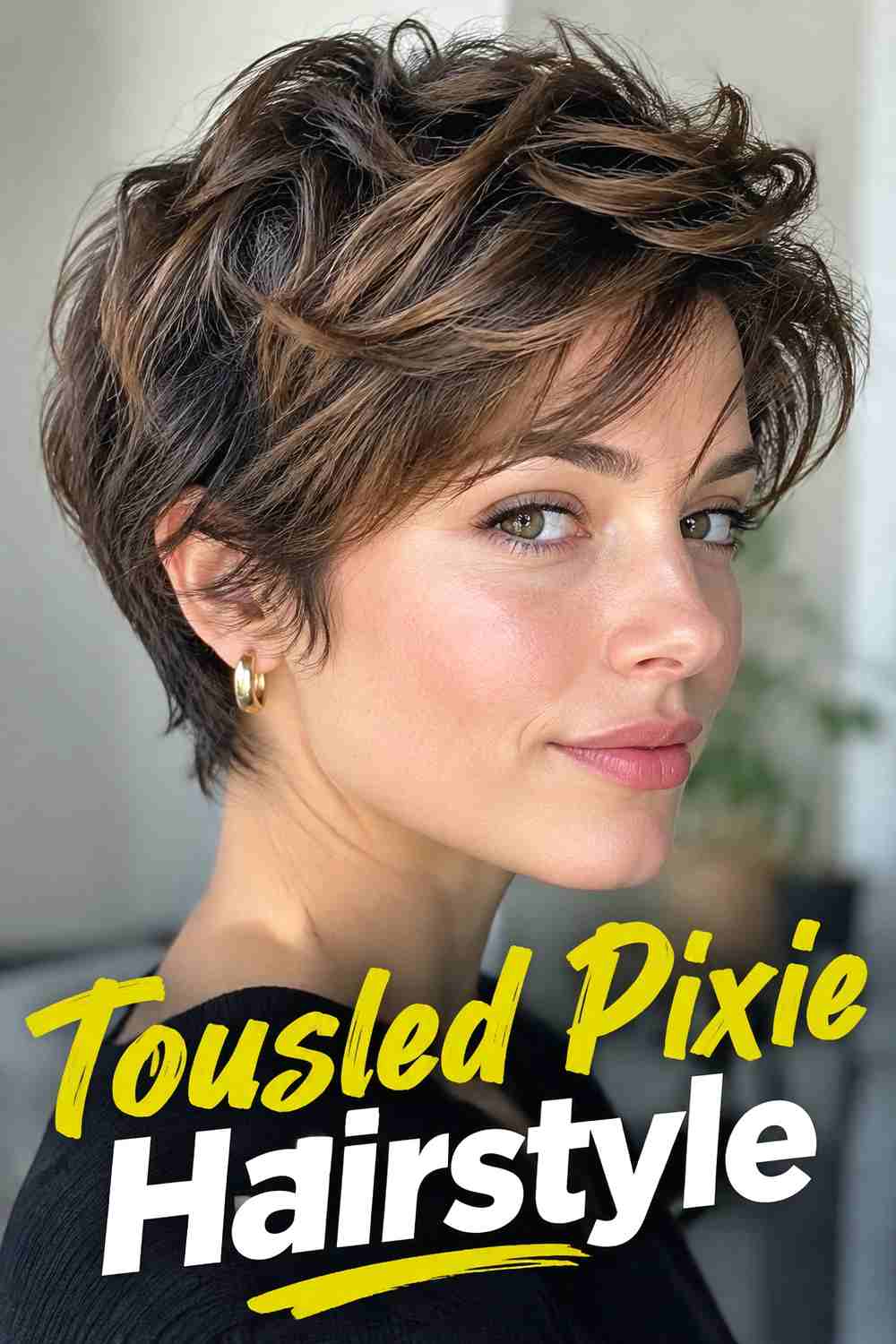
A tousled pixie is exceptionally practical for a January snow walk because there is no long hair to catch beneath a scarf, hood, or quilted collar. Keep the sides tidy while allowing the top and fringe to retain soft, separated texture. Instead of sculpting each piece into place, use the natural growth direction and create just enough lift to prevent the cut from looking flat. A beanie can temporarily compress the crown, but a quick finger reset usually restores the shape once you are indoors. The cropped silhouette also allows high coat collars, statement scarves, and winter earrings to remain fully visible without visual competition from longer lengths.
Styling Notes
Use a small amount of flexible paste or cream through selected ends, concentrating on movement rather than stiffness.
Wear & Maintenance
Carry a tiny comb only if needed; finger styling is often sufficient after removing a winter hat.
10. Low Rope Braid Hairstyle
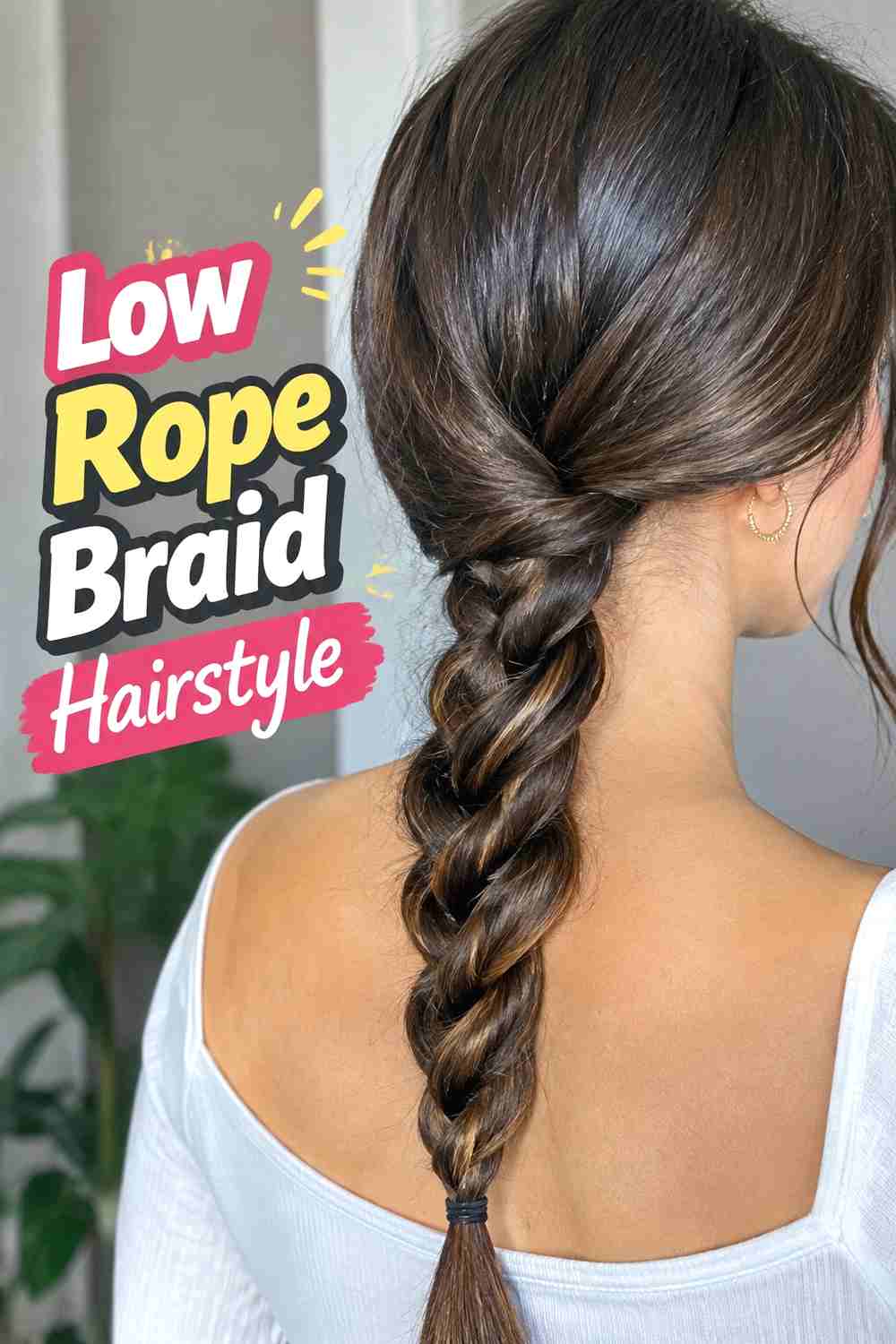
A low rope braid creates a streamlined shape that sits neatly over a long quilted coat. Divide a low ponytail into two sections, twist each section in one direction, then wrap them together in the opposite direction to create the rope effect. Keep the braid moderately firm so it does not unravel while walking, but avoid excessive tension at the scalp. The narrow silhouette works particularly well with scarves because it limits bulk around the neckline. It is also quicker to create than many more complex braids, making it useful for early January mornings when you want secure hair without spending a long time styling.
Hair Type & Length
Longer medium-length and long hair gives the rope structure enough length to remain distinct.
Pro Tip
Add a little styling cream to flyaway-prone lengths before twisting so the braid stays tidy without looking overly slick.
11. Soft Curtain Bang Layers Hairstyle
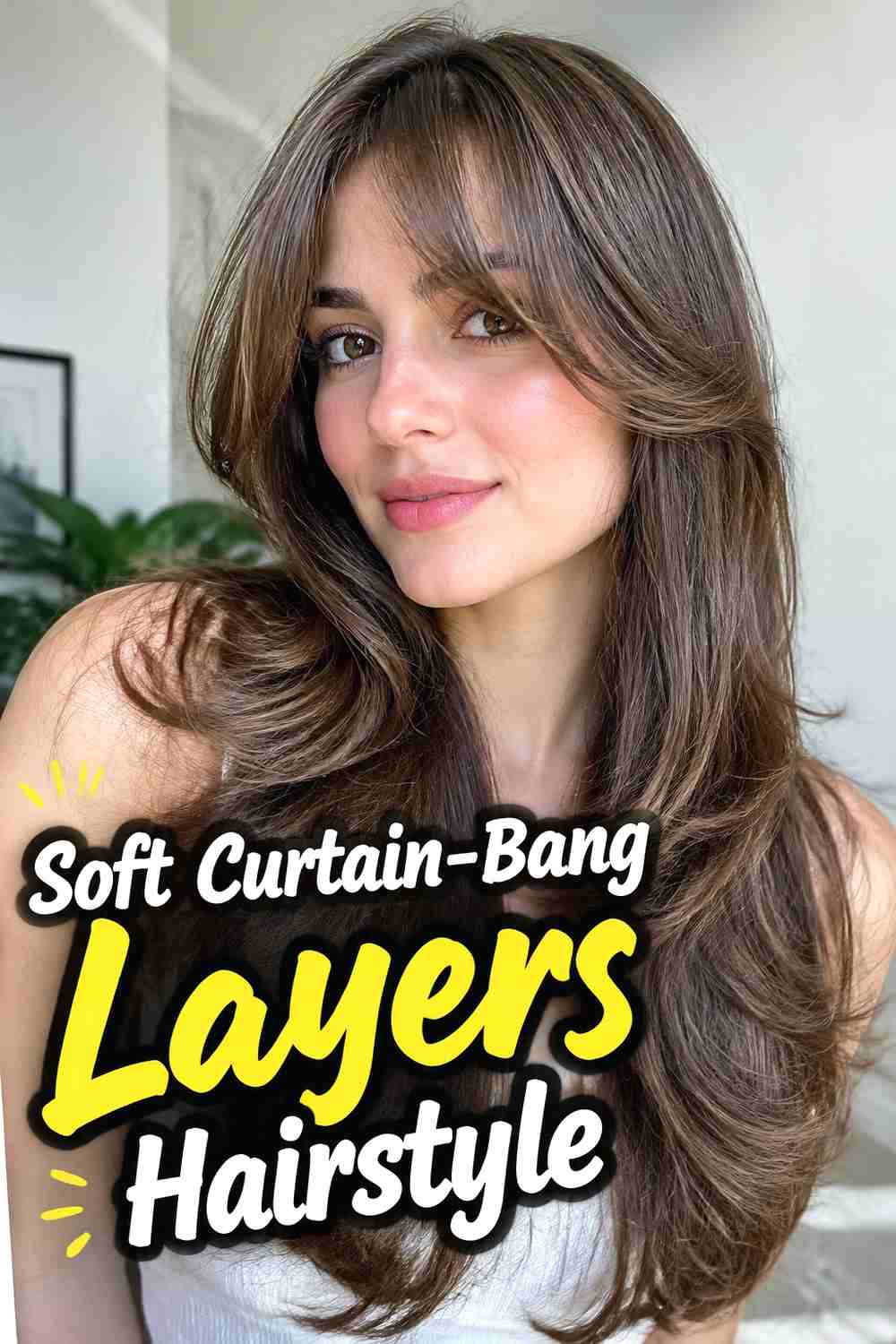
Soft curtain-bang layers can work beautifully for a snow walk when the front pieces remain flexible and the longer hair is arranged outside the coat. Let the fringe separate near the center and sweep away from the cheekbones, then blend it into lightly curved face-framing layers. Keep the rest of the hair relatively simple so the front remains the focal point. If you wear a beanie, position it slightly behind the fringe rather than crushing the entire front section underneath. Longer layers can be brought forward over the shoulders, reducing friction against the back of the quilted coat and keeping the shape visible.
Styling Notes
Use a round brush to direct the curtain pieces away from the face and avoid heavy products that can make them separate awkwardly in cold weather.
Best For
Medium and long layered hair gives the curtain shape enough room to blend naturally.
12. Tucked Behind Ear Lob Hairstyle
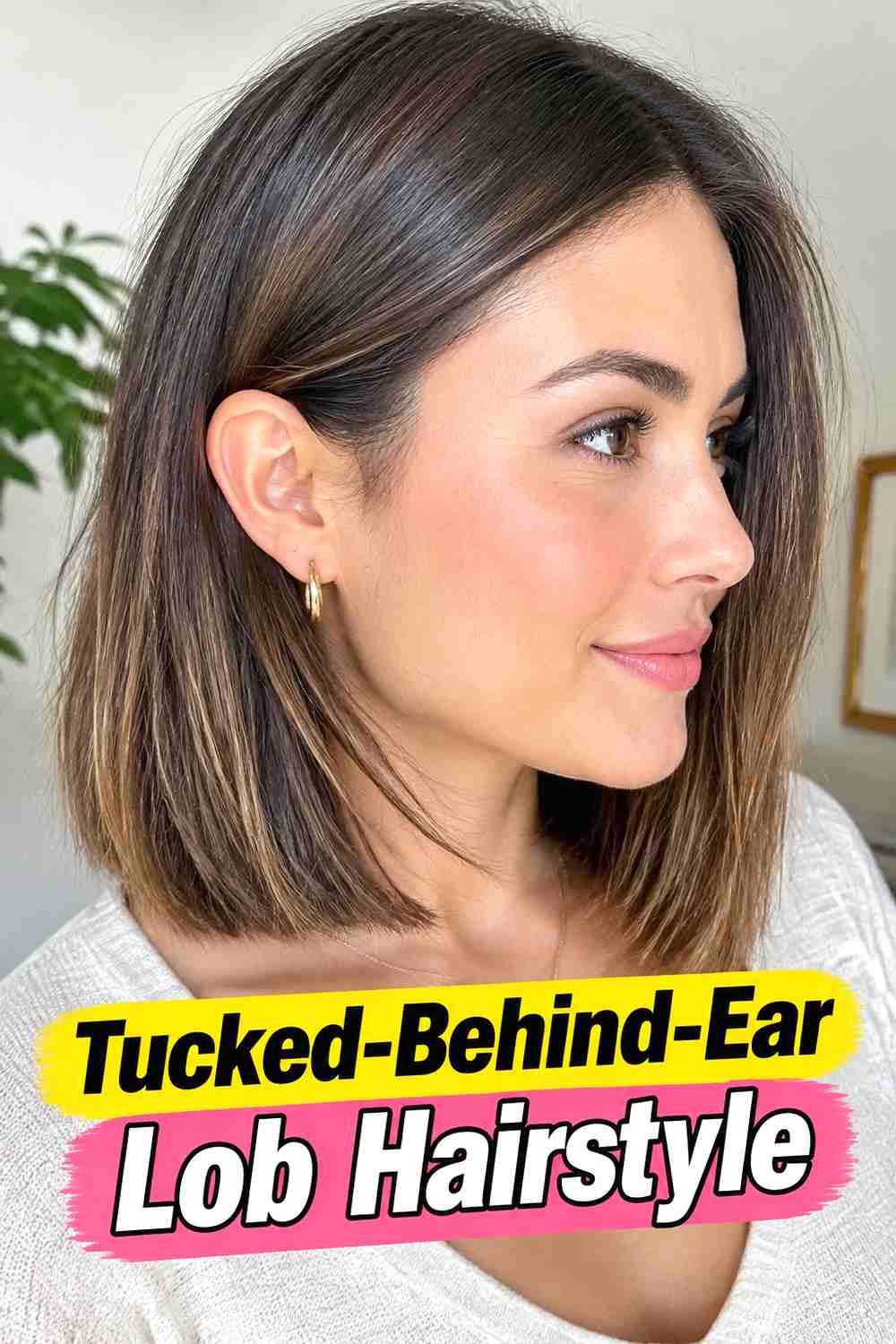
A tucked-behind-ear lob creates a simple, streamlined look that remains easy to manage around quilted collars and scarves. Keep the length between the jaw and collarbone, then tuck one side behind the ear while leaving the opposite side slightly fuller. This asymmetry opens the face and prevents the hairstyle from feeling crowded when winter layers are already substantial. The loose side can stay straight, softly bent, or naturally wavy. Because the style does not rely on high volume, it also transitions well under hoods and hats. If wind makes the tuck unstable, a discreet pin behind the ear can hold it in place without changing the overall appearance.
Styling Notes
Shape the ends before making the tuck so both sides keep a deliberate, balanced finish.
Why It Works
The compact length minimizes collar friction while the exposed ear creates visual space beside bulky winter layers.
13. Soft Coily Puff Hairstyle
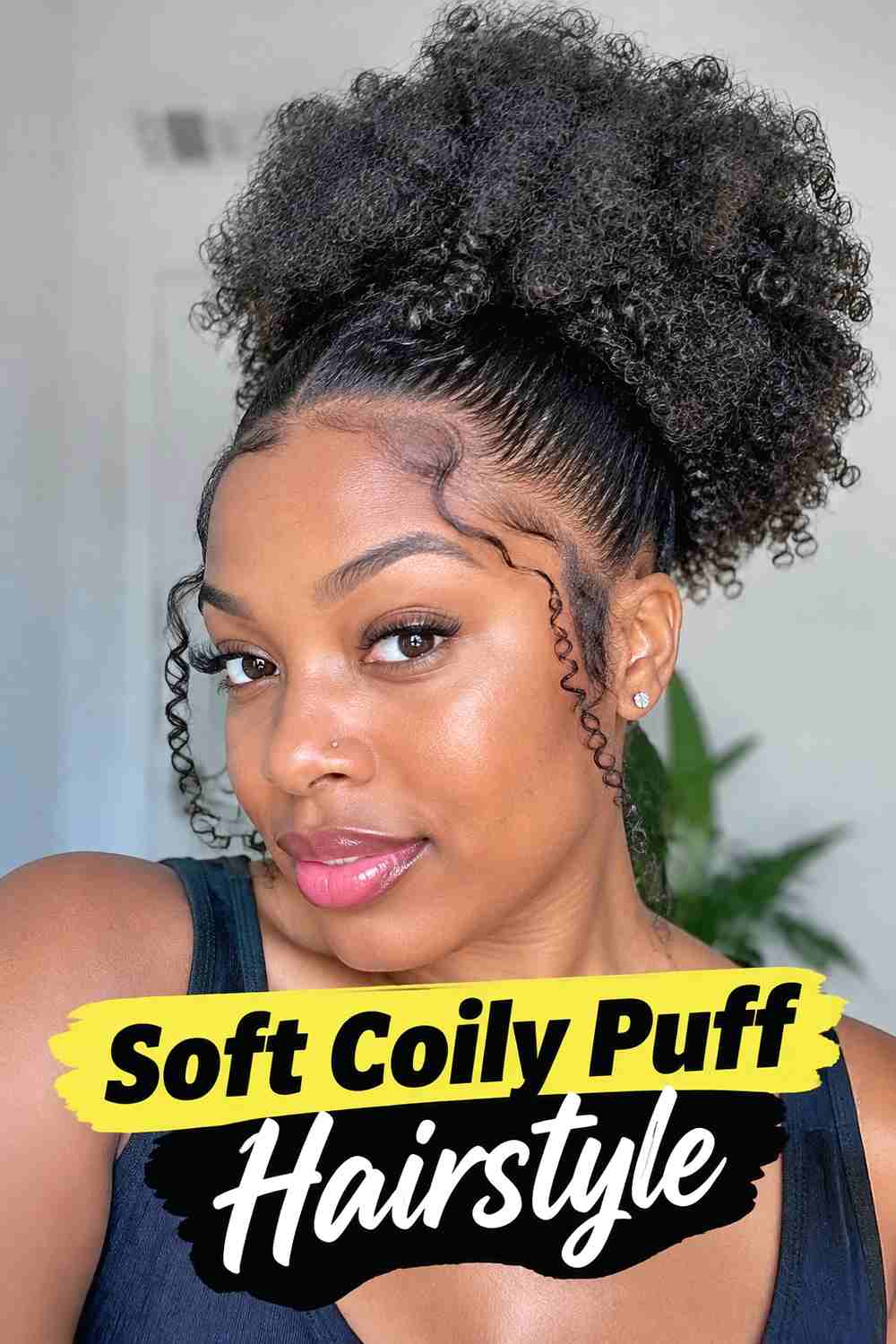
A soft coily puff lifts natural texture away from the coat collar while keeping the coils visible and expressive. Gather the hair toward the crown or upper back of the head using comfortable tension, then shape the puff gently with your fingers. Placement is important when wearing a quilted hood: keep the puff far enough forward or high enough that the hood can sit behind it without compressing the entire shape. Preserve natural variation through the coils instead of forcing a perfectly round silhouette. This style works especially well with high collars and oversized scarves because it moves the majority of the hair upward, giving both the texture and winter outerwear enough visual space.
Wear & Maintenance
Use a secure but comfortable base and avoid creating unnecessary tension simply to keep the puff extremely tight.
Pro Tip
If a hood is essential, test its fit before leaving so you can adjust the puff placement rather than reshaping it outdoors.
14. Loose Scarf Tie Braid Hairstyle
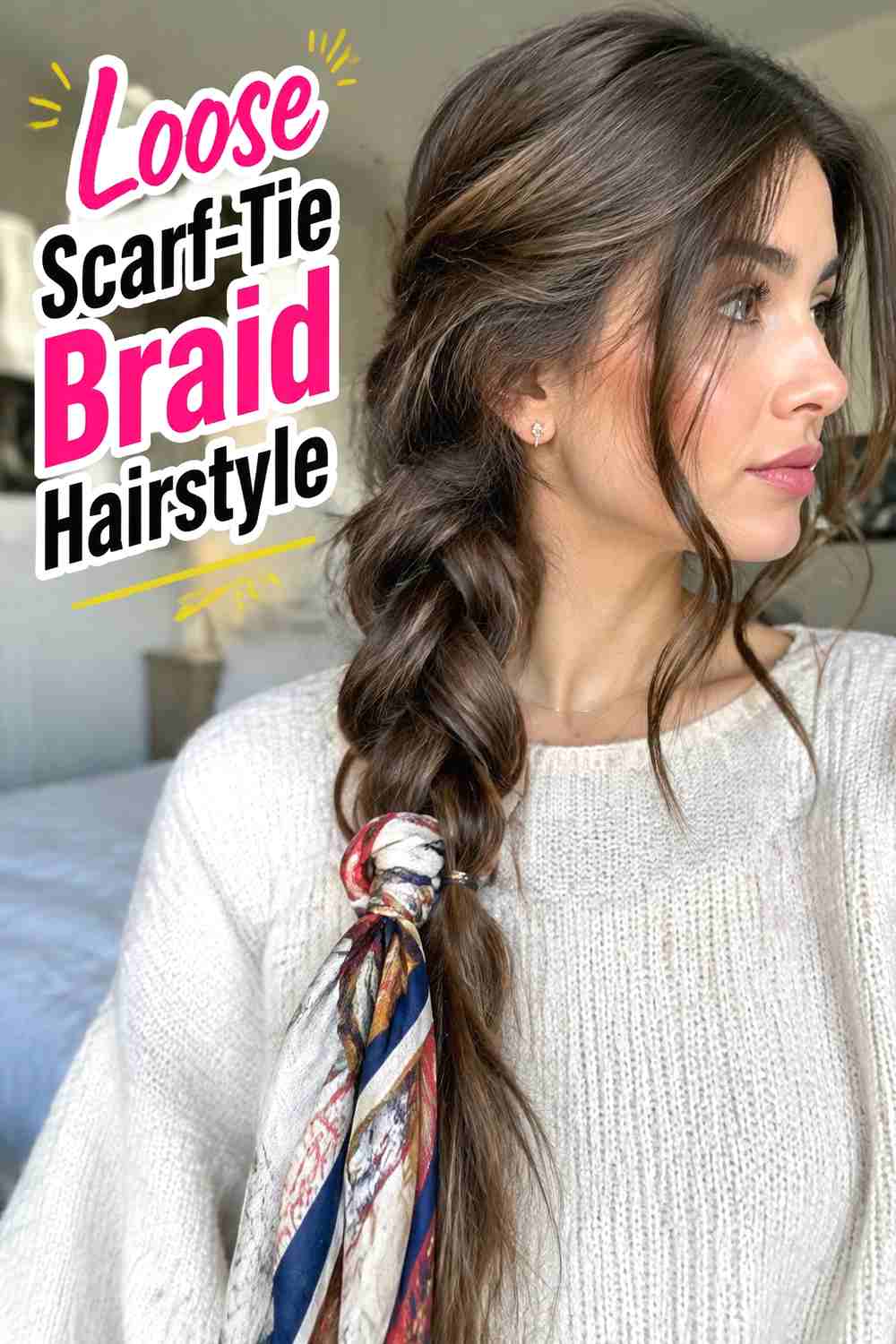
A loose scarf-tie braid brings a subtle accessory detail to a practical winter hairstyle. Start with a low braid that can fall over one shoulder or down the back of a quilted coat, then finish it with a narrow fabric scarf tied around the base or lower elastic. Keep the scarf lightweight so it does not become bulky beside a winter neck scarf or thick hood. The braid should be secure enough for walking but slightly loosened through the outer edges for a softer finish. This option works particularly well when you want a little color or pattern in an otherwise neutral January outfit while still keeping long hair controlled.
Styling Notes
Secure the braid with an elastic first and treat the scarf as decoration rather than relying on it to hold the hair.
Best For
Medium-long and long hair provides enough length for both the braid pattern and scarf detail to remain visible.
How to Choose the Right Look
Choose your snow-walk hairstyle around the coat collar, hood, and any hat or scarf you plan to wear. A thick hood often works best with low ponytails, braids, short cuts, or flat half-up styles that do not create pressure at the back of the head. High collars are easier with bobs, pixies, puffs, and contained updos that keep loose lengths from bunching around the neck.
Your natural texture should guide the finish. Curls and coils can remain full and expressive when positioned around winter layers, while straight or wavy hair may benefit from braiding, loose bends, or strategic tucking for better control. Think about wind, moisture, and how long you will be outdoors as well. Secure braids generally need fewer adjustments, while loose waves and bangs may require more reshaping.
Comfort matters most. Avoid excessive tension, place clips or buns where they will not press into a hood, and choose flexible hold so the style can recover naturally after hats and scarves come off.
Final Thoughts
January snow-walk hairstyles need to work with winter layers rather than fight them. Low ponytails, braids, compact bobs, soft curls, and practical updos can all pair beautifully with long quilted coats when placement and comfort come first. Choose a style that suits your natural texture and the way you actually wear your hood, scarf, or beanie, then keep the finish soft enough to adjust throughout the day.
FAQs
1. What hairstyle works best with a long quilted coat and hood?
Low ponytails, braids, bobs, pixies, and flat half-up styles are especially practical because they create less pressure against the hood.
2. How should I wear long hair during a snowy walk?
A low braid or ponytail offers the most control. If you prefer wearing it down, bring the lengths outside the coat rather than leaving them trapped beneath the collar.
3. Can I wear a bun with a quilted hood?
Yes. Keep the bun low or position it where the hood does not press directly against it. Testing the hood before leaving can help you find the most comfortable placement.
4. How can I keep my hairstyle from flattening under a beanie?
Avoid excessive root product, keep most styling through the mid-lengths and ends, and gently lift the roots with your fingers after removing the hat.
5. Are natural curls and coils practical for snowy weather?
Yes. Keep the texture flexible, position it carefully around hoods and collars, and reshape only compressed areas after removing winter accessories.
Save your favorite January snow-walk hairstyle, share these winter-ready ideas with a friend, and explore more practical hair inspiration for cozy cold-weather outfits.