16 Low-Tension Twist Hairstyles for Winter Commuter Suits
Soft twists keep winter work hair polished without relying on tight tension, making them comfortable companions for tailored suits, scarves, and daily commutes.
Winter commuter outfits create unique styling challenges. Suit collars, wool coats, scarves, and repeated transitions between indoor and outdoor spaces can disturb hair around the nape, while tightly pulled styles may become uncomfortable during a long office day. Low-tension twists offer a practical middle ground by creating structure without requiring every strand to be pulled firmly against the scalp.
The right variation depends on your length, texture, hair density, commute, and office dress code. Raised twists provide more collar clearance, side twists keep pressure away from the center back, and half-up versions preserve movement. Look for a style that feels secure through normal movement while retaining enough softness to stay comfortable for hours.
Quick List
- Soft Low French Twist Hairstyle
- Loose Side Twist Hairstyle
- Low Rope Twist Ponytail Hairstyle
- Soft Crown Twist Hairstyle
- Double Side Twist Hairstyle
- Relaxed Twisted Chignon Hairstyle
- Half Up Commuter Twist Hairstyle
- Low Bulk Back Twist Hairstyle
- Face Framing Soft Twist Hairstyle
- Twisted Low Bun Hairstyle
- Side Part Tucked Twist Hairstyle
- Soft Twisted Claw Clip Hairstyle
- Loose Halo Twist Hairstyle
- Textured Nape Twist Hairstyle
- Scarf Friendly Raised Twist Hairstyle
- Winter Secure Gentle Twist Hairstyle
1. Soft Low French Twist Hairstyle
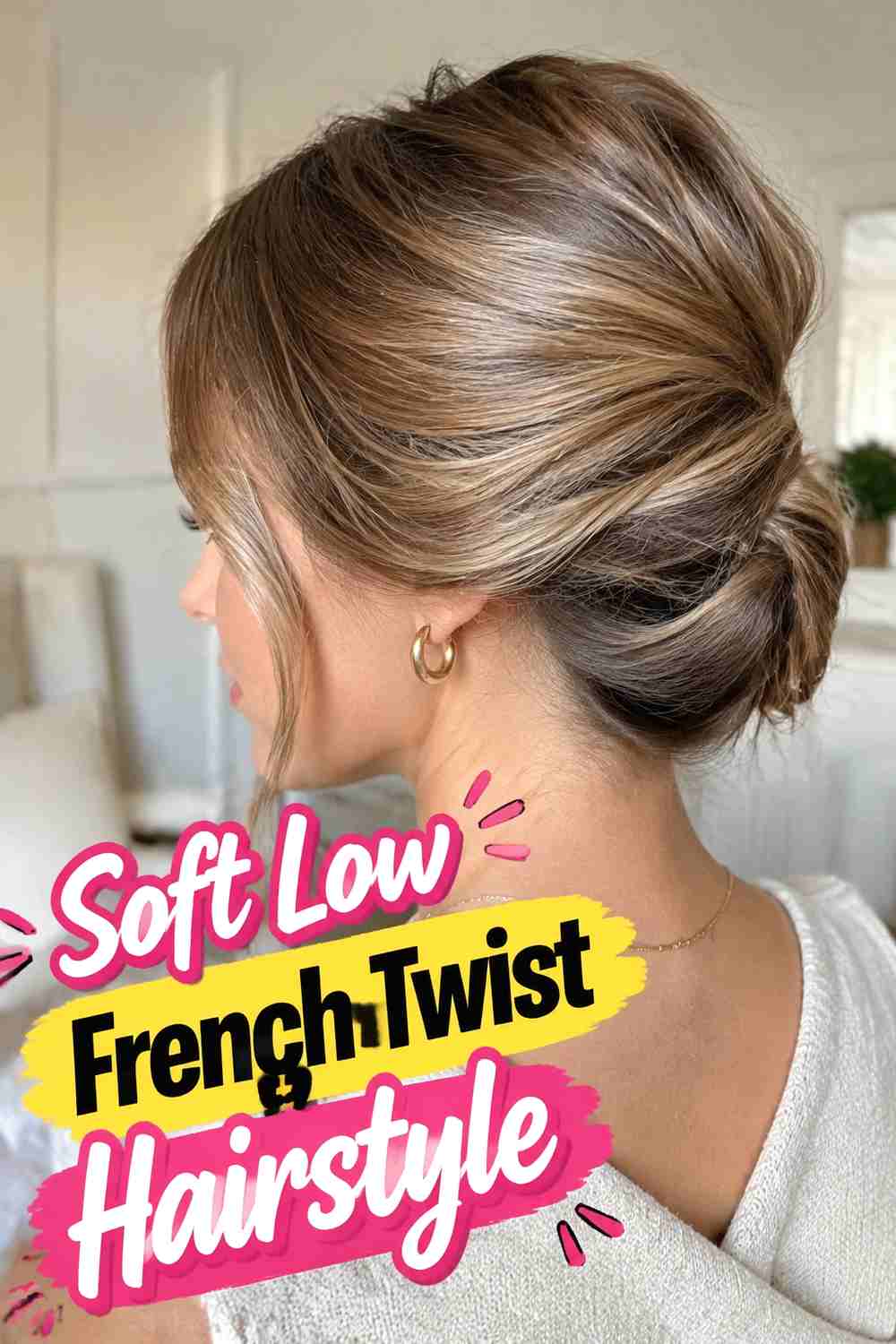
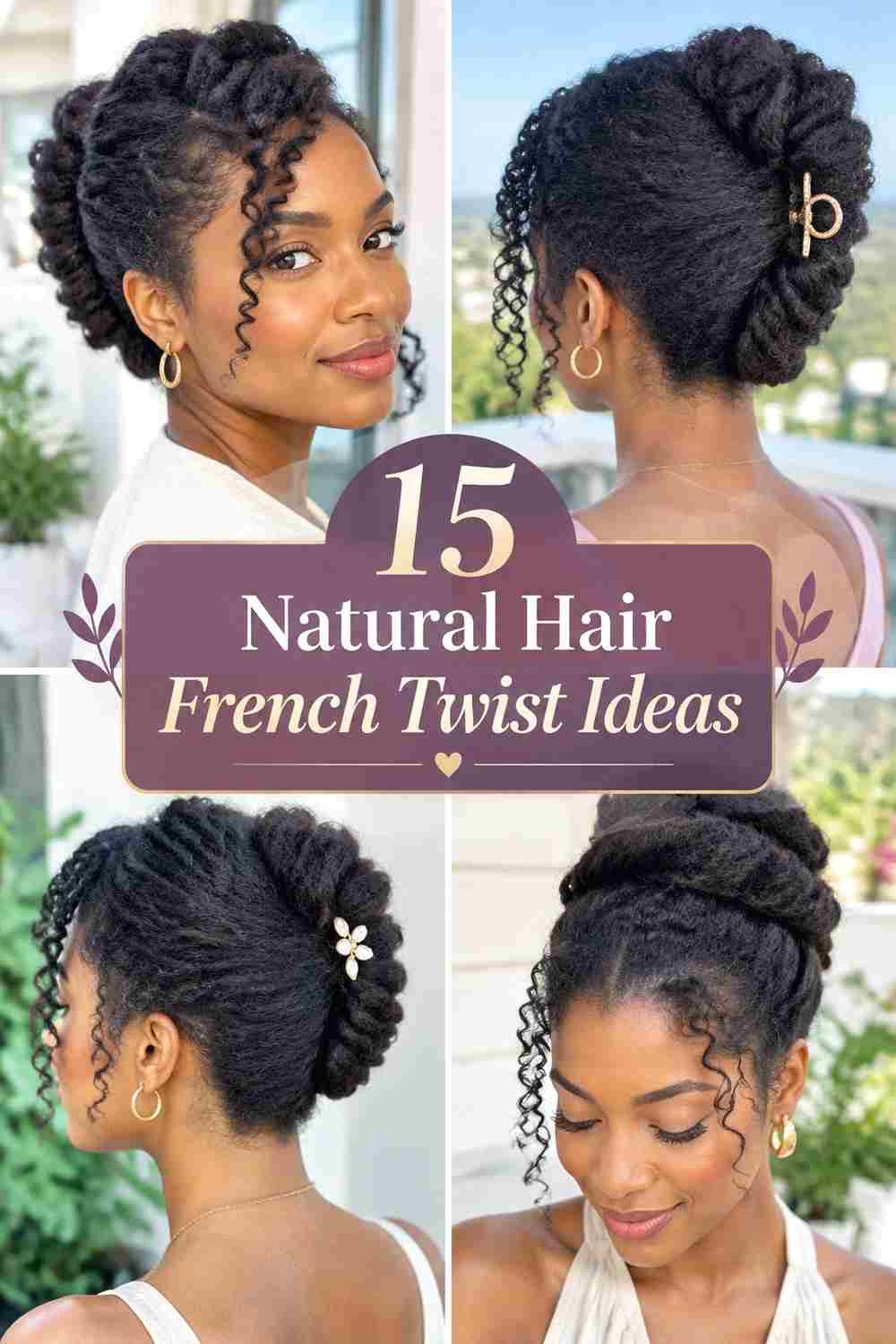
A soft low French twist keeps the recognizable rolled silhouette of a classic twist while using gentler tension through the sides and crown. Sweep the hair backward without pulling it completely flat, create a hidden pin anchor, and fold the lengths inward so the roll stays close to the head. For commuter suits, position the lowest edge slightly above the point where your blazer or coat collar rests. That prevents the twist from being pushed upward during travel. A few natural surface strands help the style look modern and make small shifts less obvious after removing outerwear. Medium-long hair is especially easy to tuck without creating unnecessary bulk.
Styling Notes
Secure the center structure firmly, but keep the outer hair softly directed rather than tightly stretched against the scalp.
Best For
This works well for tailored suits, client meetings, presentations, and office days when you want understated polish.
2. Loose Side Twist Hairstyle
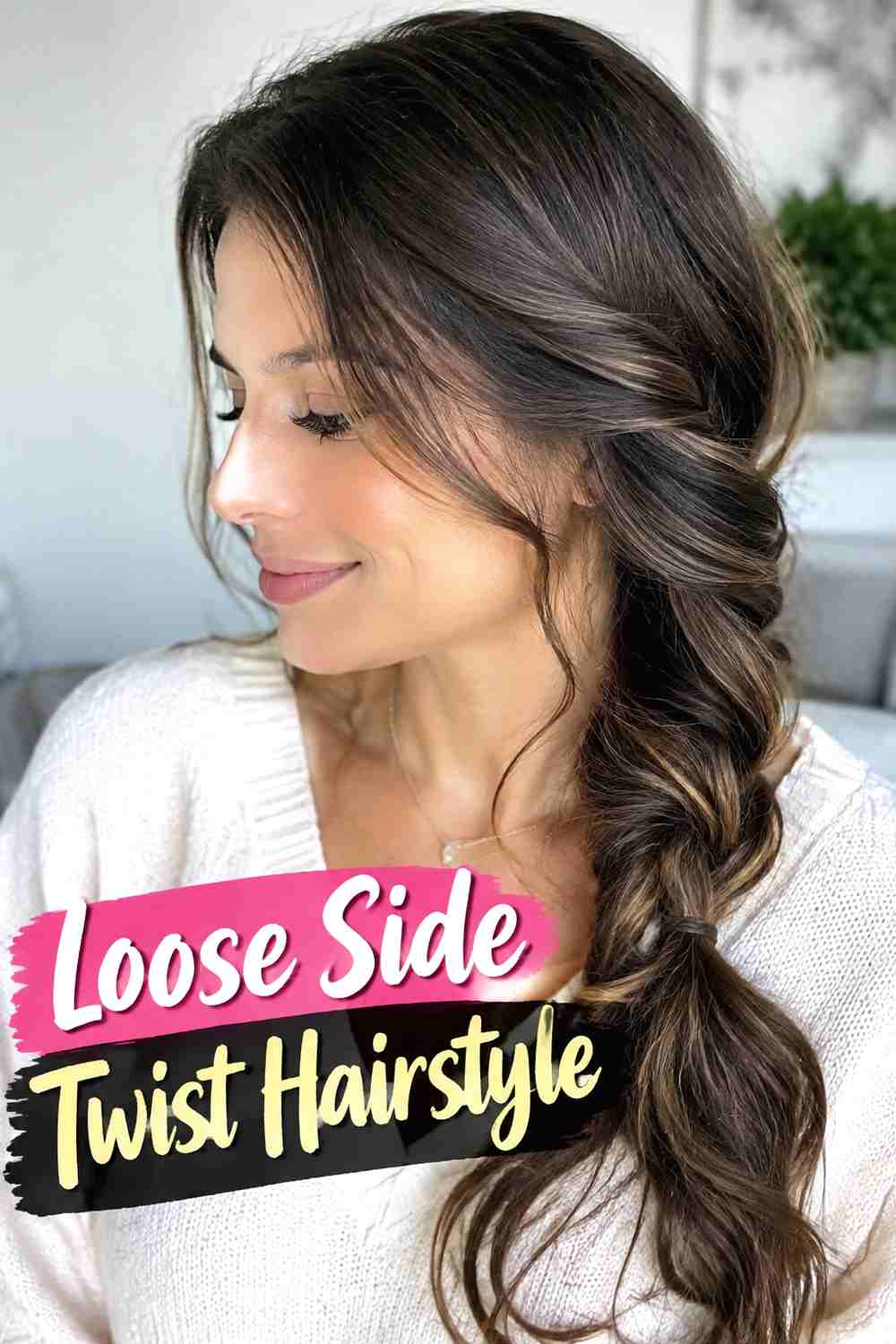
A loose side twist redirects the hair diagonally toward one side, reducing pressure at the center back of the head while creating an elegant asymmetrical finish. Begin with a soft side part or natural separation, move the lengths toward one shoulder, and twist them lightly before securing the hidden underside. The twist can finish as a short roll or transition into loose ends depending on your length. This approach pairs nicely with commuter suits because the hairstyle remains controlled without feeling rigid. Keep the base above the coat collar and avoid tightening the twist after pinning; the slight looseness is what gives the style its comfortable, wearable character.
Why It Works
Shifting the twist sideways reduces bulk at the nape and makes the style easier to position around structured outerwear.
Pro Tip
Use one hidden pin to establish the direction before forming the twist so you do not need excessive tension to keep it in place.
3. Low Rope Twist Ponytail Hairstyle
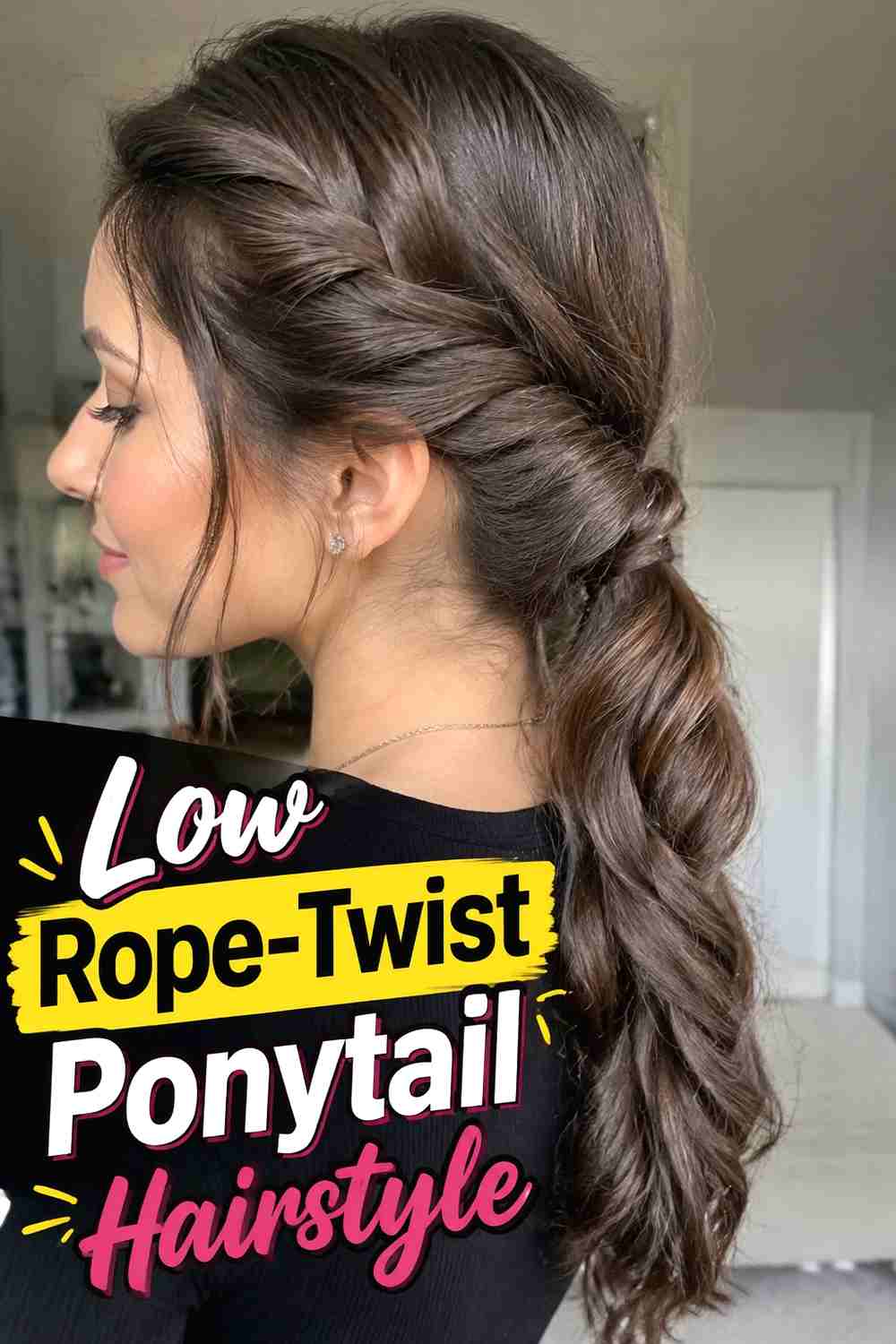
A low rope-twist ponytail combines the ease of a ponytail with the structure of a two-strand twist. Gather the hair softly at the lower back or slightly to one side, secure it without pulling the crown flat, then divide the ponytail into two sections and twist them into a rope. The compact length is easy to manage with suits and coats because it stays contained instead of spreading across jacket collars. For especially thick winter outerwear, move the braid-like rope over one shoulder during the commute. Straight and wavy hair show the pattern clearly, while curly textures create a softer, fuller version.
Hair Type & Length
Medium-long and long hair are easiest to twist, especially when there is enough length for a visible spiral below the elastic.
Wear & Maintenance
Retwist only the lower portion if it relaxes during the day rather than tightening the ponytail base.
4. Soft Crown Twist Hairstyle
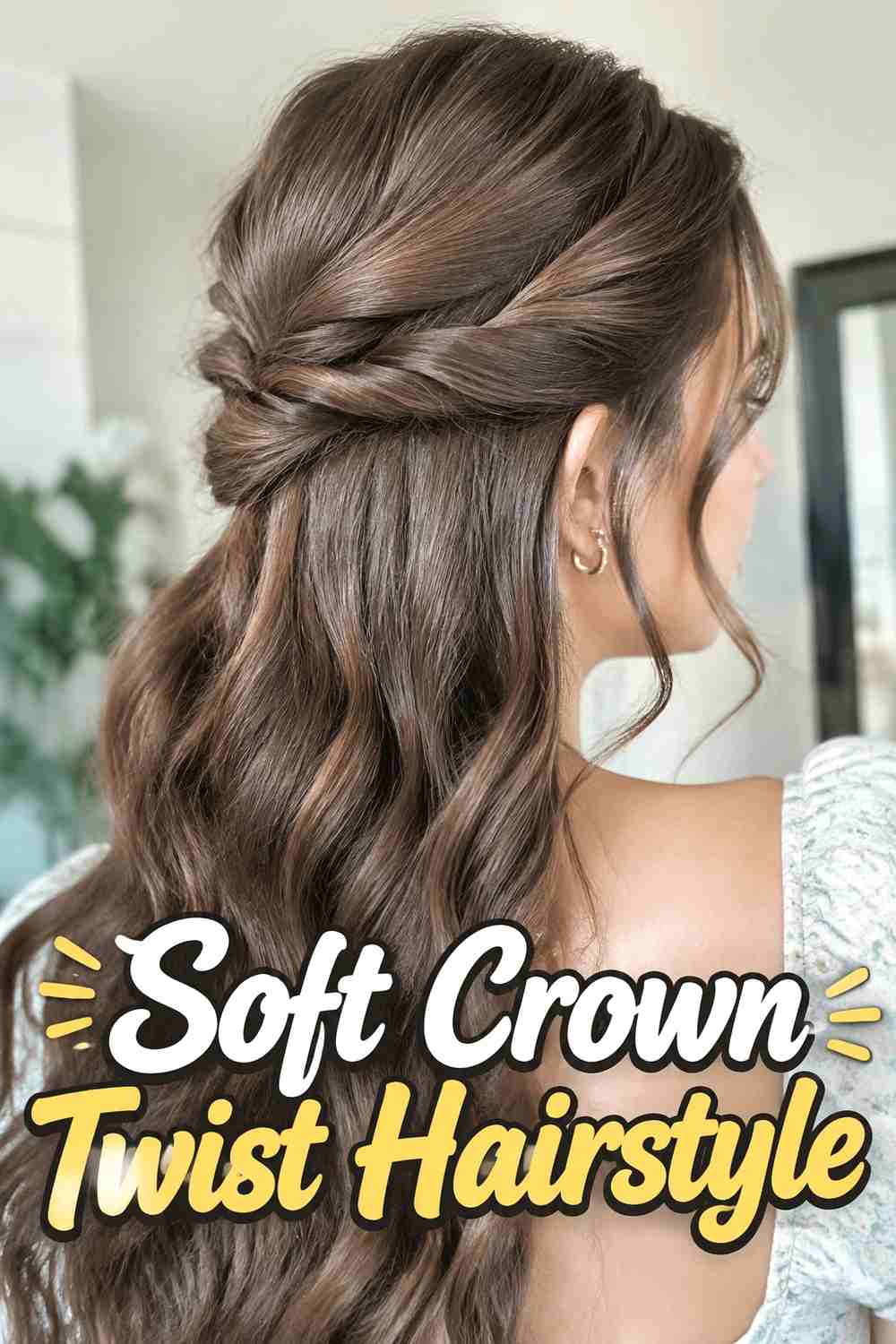
A soft crown twist uses gentle lift through the upper back of the head while keeping the sides relaxed and comfortable. Take sections from each temple or side, direct them backward, and twist them together just below the crown. The lower hair can remain loose or be lightly tucked depending on your commute and collar height. Because the style does not require a tight ponytail or firm scalp tension, it works well for longer office days. With winter commuter suits, the raised fastening point also keeps most of the structure above blazer and coat collars. Allow subtle movement at the crown so the finished shape feels soft rather than fixed.
Styling Notes
Leave a little slack in each side section before pinning so the twist follows the head naturally.
Best For
Choose this for business-casual offices, lighter commuting days, and suits with open or lower jacket collars.
5. Double Side Twist Hairstyle
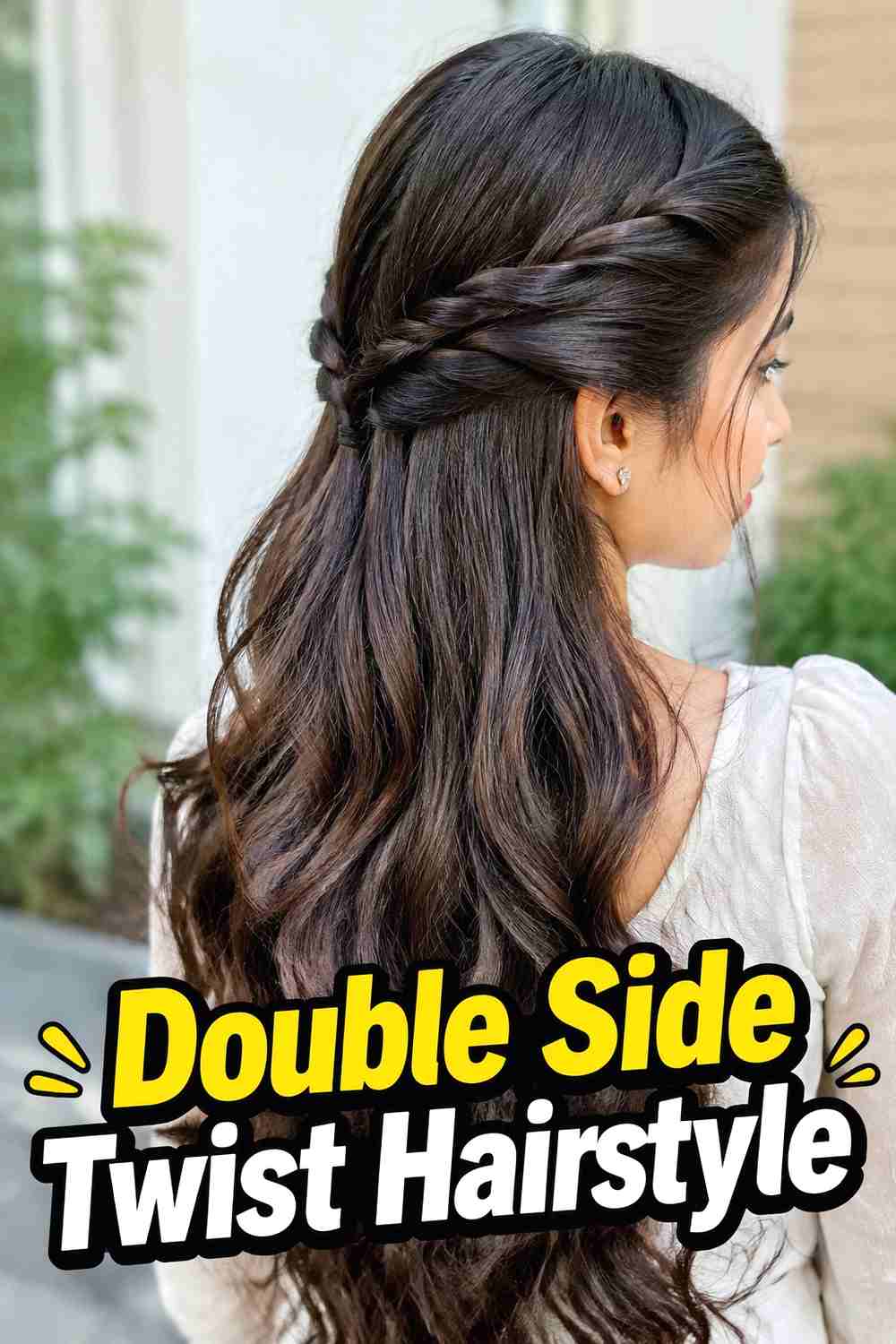
A double side twist divides the hair into two sections, allowing each side to be directed backward with less pulling than a single tight gathering point. Twist each side gently from the temple toward the back, then overlap or connect them above the nape. The remaining ends can be tucked, pinned, or left in a short ponytail. This construction is useful for medium to thick hair because it distributes the weight across multiple anchor points. The visible twists add enough detail to complement simple commuter suits without looking overly decorative. Keep the lower fastening point away from the collar so winter outerwear does not press against the pins.
Why It Works
Dividing the hair reduces the amount of tension needed from any one section while still creating a controlled office-ready shape.
Pro Tip
Secure each twist independently before connecting them so one loose side does not destabilize the entire style.
6. Relaxed Twisted Chignon Hairstyle
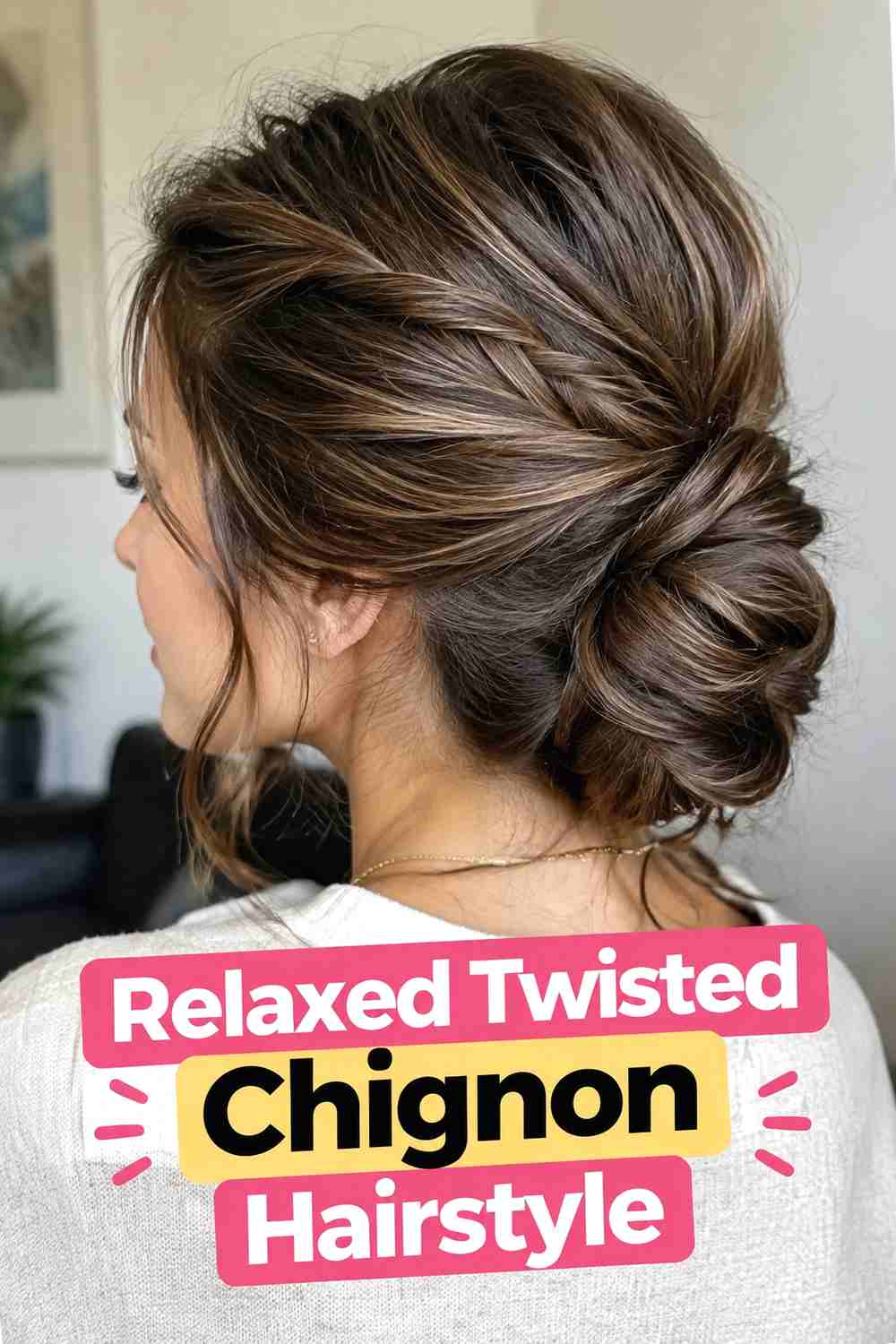
A relaxed twisted chignon creates a compact office updo without the tightly wrapped finish of a traditional bun. Gather the hair above the nape with moderate rather than firm tension, split the lengths into a few sections, and twist them loosely into overlapping loops. The result stays close to the head while retaining visible texture and softness. This makes it especially practical with commuter suits because the chignon can clear blazer collars without creating a large knot beneath winter outerwear. Medium-long hair gives enough length for several loops, while very dense hair benefits from sectioning because the weight is spread more evenly.
Styling Notes
Pin each loop separately and allow the outer surface to remain slightly rounded rather than compressing everything into one coil.
Wear & Maintenance
If one section loosens, reinforce only that loop instead of tightening the full updo.
7. Half Up Commuter Twist Hairstyle
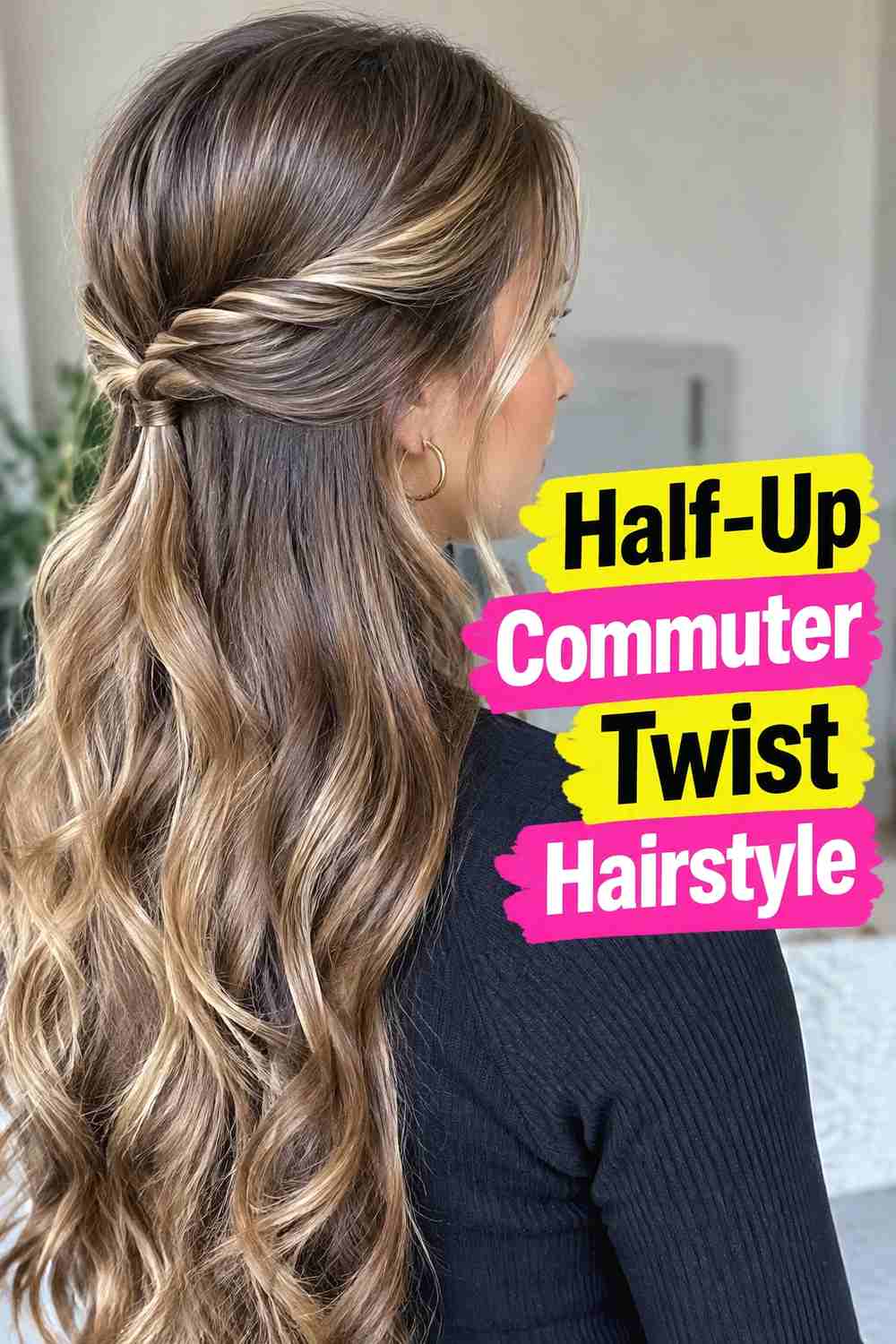
A half-up commuter twist keeps the front sections controlled while allowing the lower lengths to remain natural and flexible. Bring two small sections from the sides toward the back, twist them gently, and secure them at upper-back-of-head level. The crown should retain a little movement, while the loose lengths can be straight, wavy, or softly curled. This style is helpful when a full updo feels unnecessary but you still want hair away from the face during a busy commute. With winter suits, bring the lower lengths forward over the shoulders if a coat collar tends to push them outward.
Best For
This works well for medium-length hair, business-casual settings, and days when you want a softer alternative to a full twist.
Pro Tip
Use smaller side sections to keep the style light and avoid unnecessary pulling around the temples.
8. Low Bulk Back Twist Hairstyle
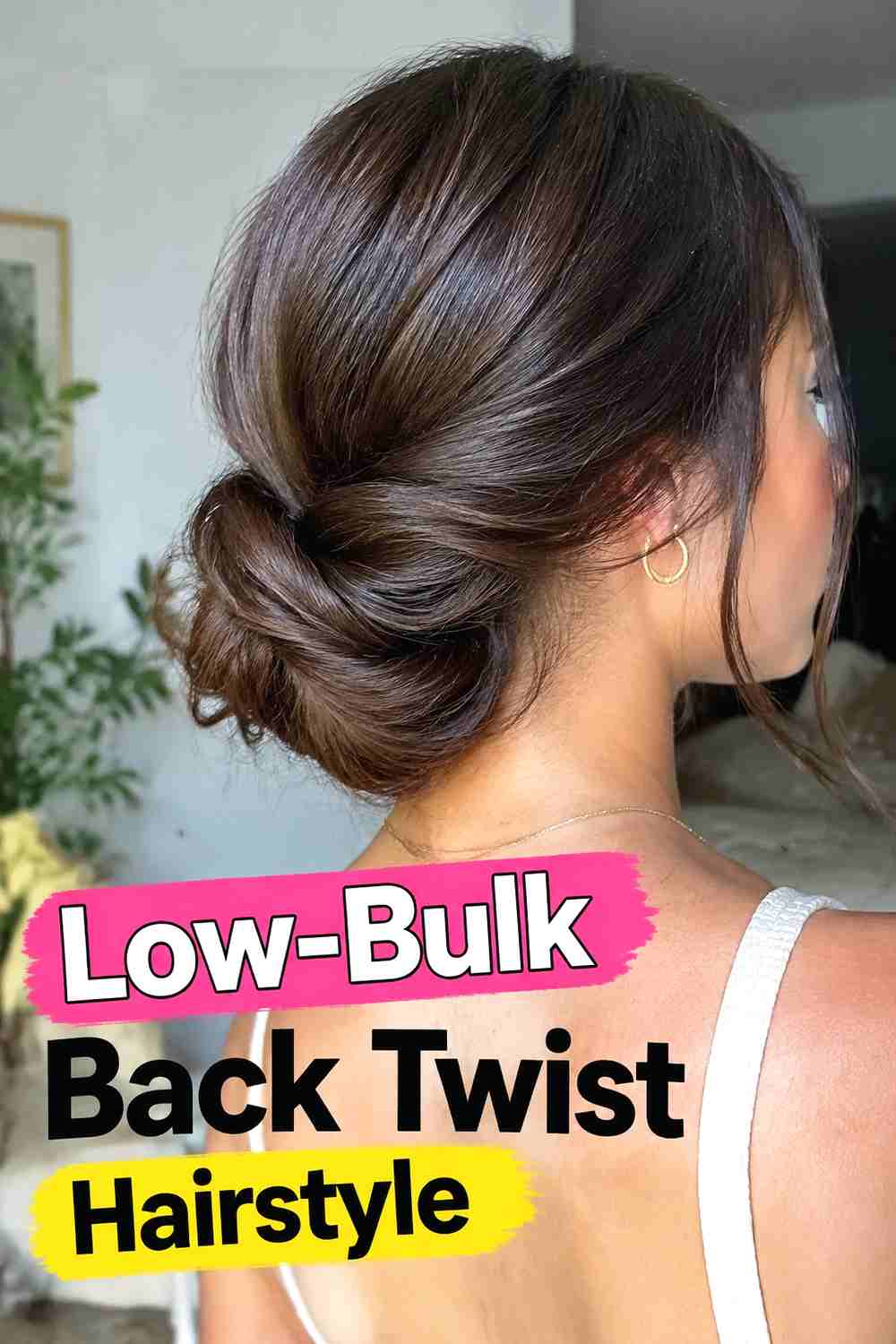
A low-bulk back twist keeps the hair close to the head and avoids a large roll or bun where a commuter coat collar may press. Direct the sides backward, twist the lower lengths inward, and pin them flat against the center back. The shape should be narrow and compact rather than dramatically voluminous. This is especially useful for thick hair that tends to feel heavy in traditional updos. By dividing the hidden interior into smaller sections, you can create hold without relying on tight scalp tension. Keep the base slightly raised so the lowest pins remain clear of wool collars and structured suit jackets.
Why It Works
The flatter silhouette reduces bulk behind the head while still keeping the length contained for the commute.
Hair Type & Length
Medium to thick medium-long hair benefits most from the compact, sectioned construction.
9. Face Framing Soft Twist Hairstyle
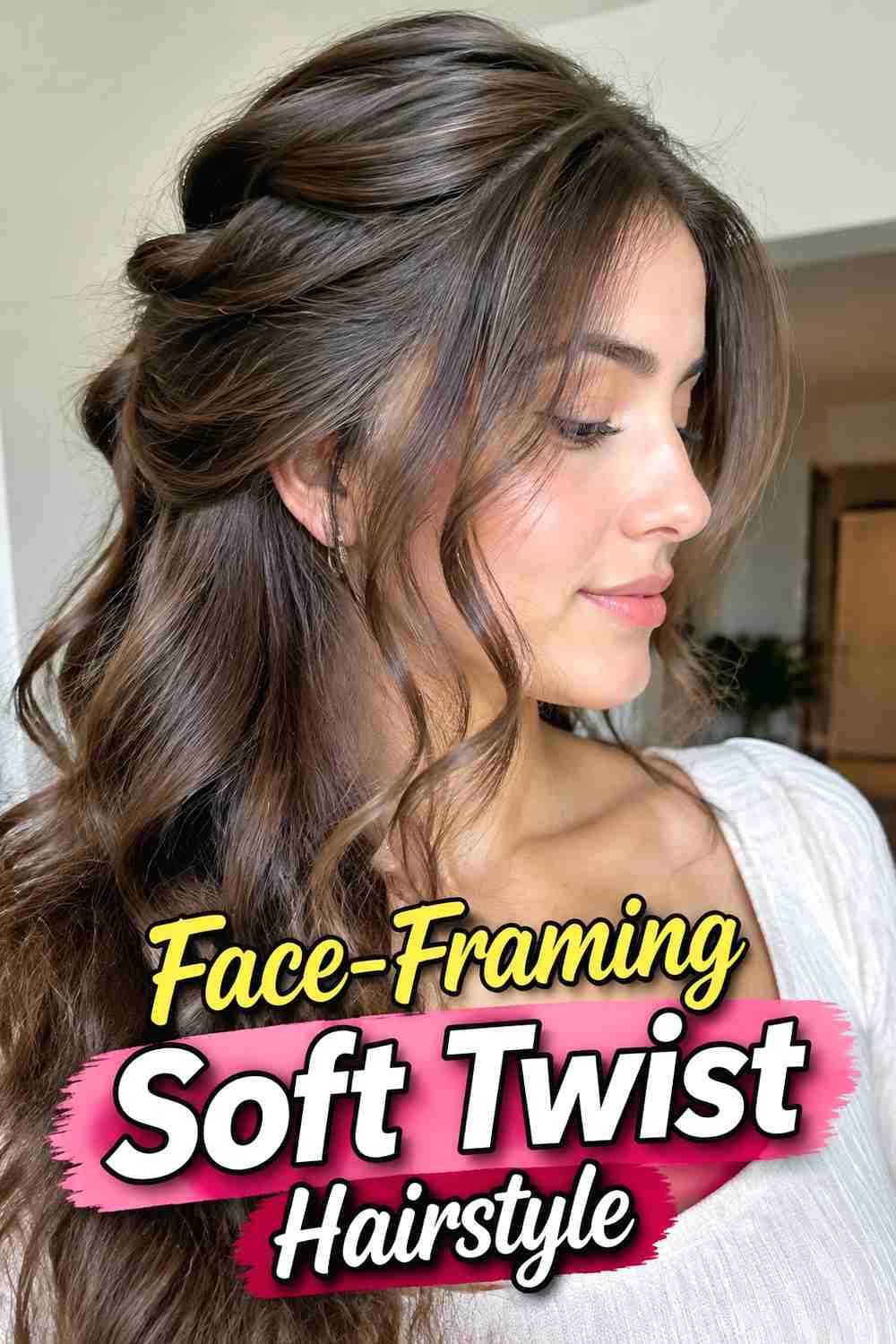
A face-framing soft twist keeps the main hairstyle controlled while leaving a few short, deliberate pieces around the temples or cheeks. Twist the bulk of the hair gently toward the back and secure it above the collar line, then leave the front pieces untouched or add a subtle bend. The result feels more relaxed than a fully swept-back office updo but still pairs easily with tailored suits. Keep the loose sections short enough that they do not become trapped in scarves or coat lapels. The back twist can remain softly textured, which helps disguise pins and makes minor shifts during commuting less obvious.
Styling Notes
Separate the face-framing sections before forming the twist so you do not have to pull them free from a secured style.
Best For
This is useful when you want professional structure with a softer front around the face.
10. Twisted Low Bun Hairstyle
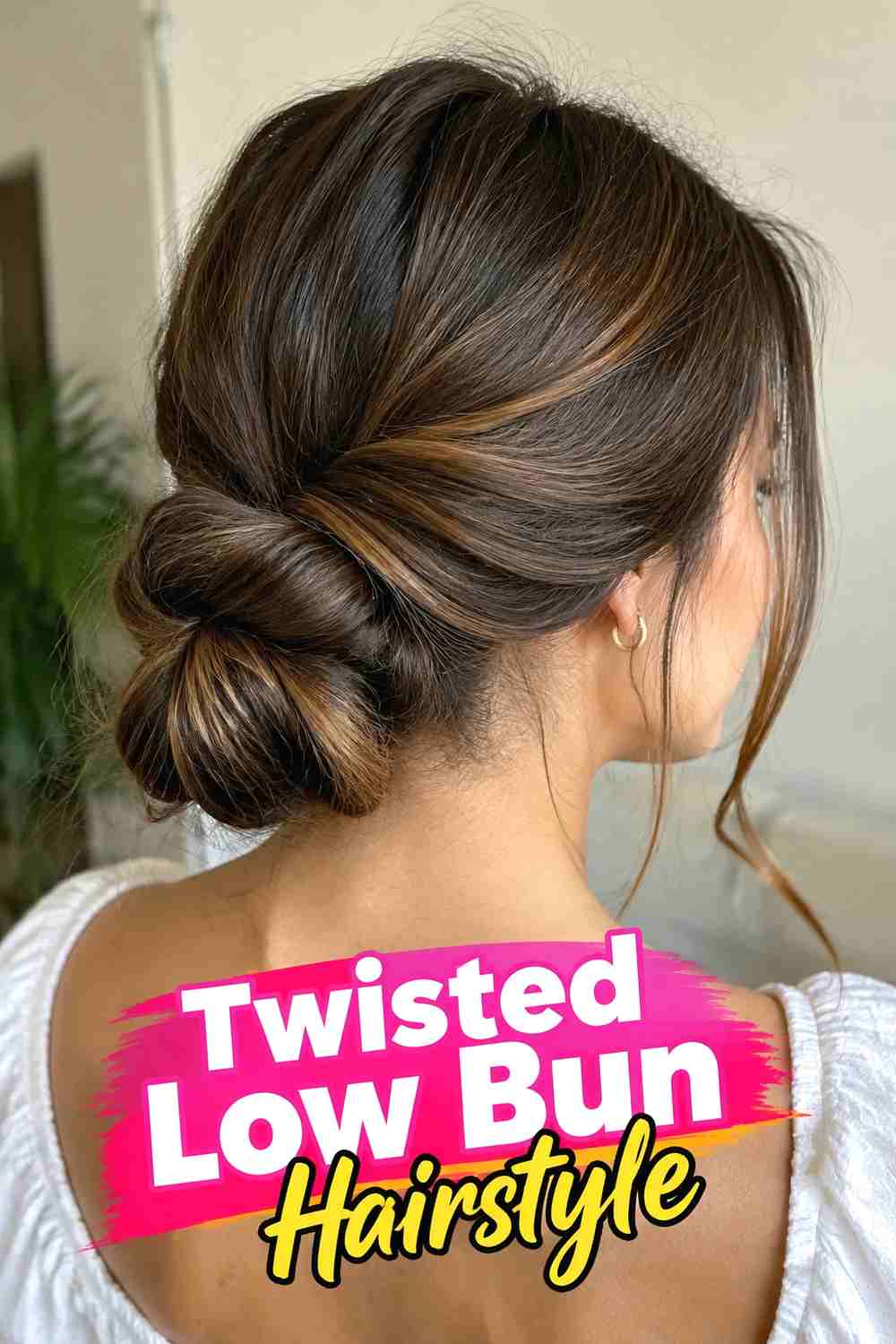
A twisted low bun offers a classic office shape with less tension when the hair is wrapped in sections instead of pulled tightly into one knot. Gather the hair gently above the nape, divide the ponytail into two or three pieces, and twist each before pinning them around the base. This creates a controlled bun with visible movement and reduces the need to tighten the initial elastic. For commuter suits, position the bun high enough that it does not rest directly on a blazer or coat collar. Keep the crown softly smooth rather than flat, and allow a little natural texture through the bun’s surface.
Why It Works
Sectioning the bun distributes the weight and can make the style feel more comfortable over a full workday.
Wear & Maintenance
Check the bun with your winter coat on and raise it slightly if the collar touches its lower edge.
11. Side Part Tucked Twist Hairstyle
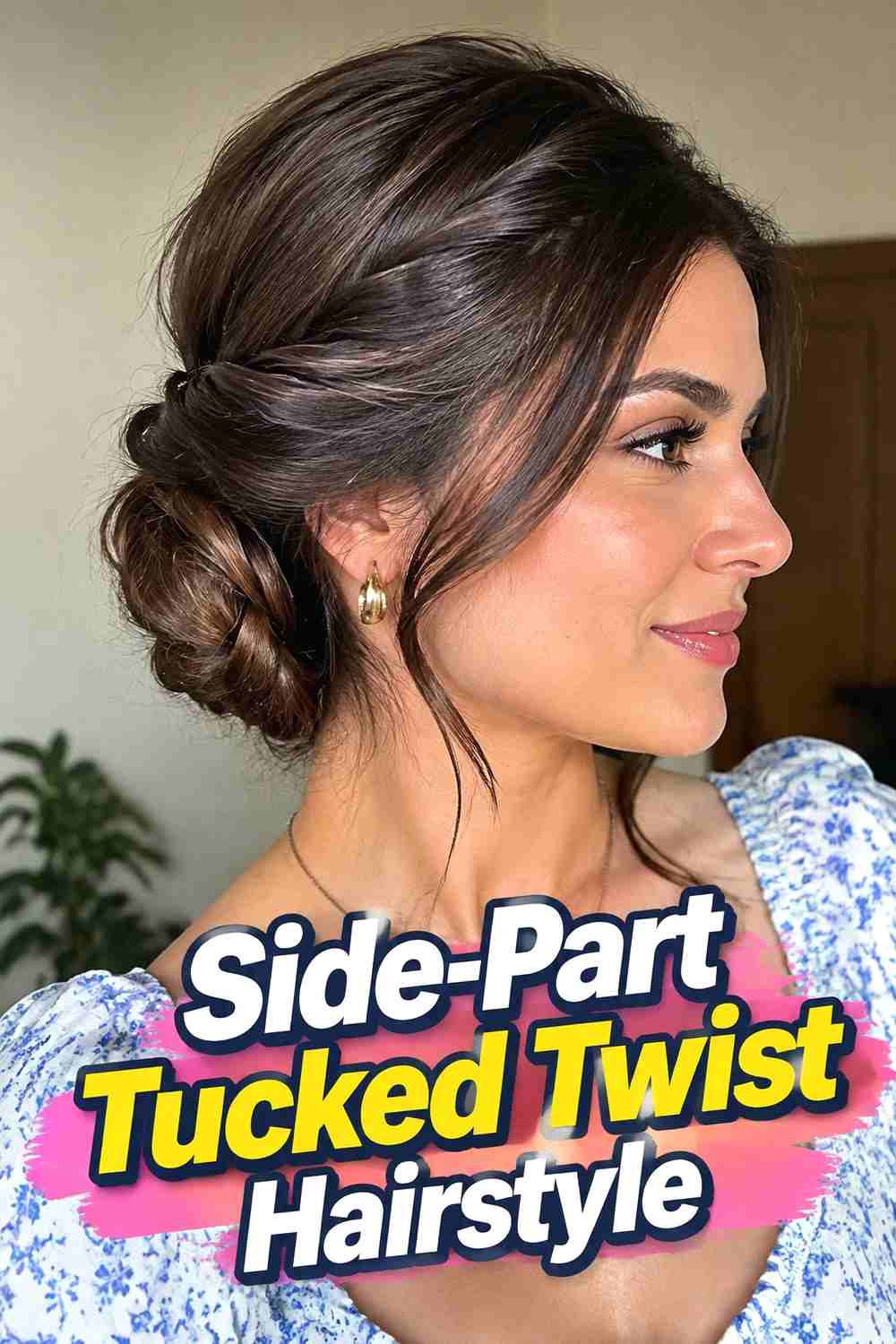
A side-part tucked twist combines a clean front with a soft folded shape at the back. Establish a natural side part, guide the hair backward with moderate tension, and tuck the ends into an inward twist rather than pulling everything into a tight ponytail first. The asymmetrical front adds polish to tailored commuter suits, while the tucked construction keeps the nape relatively flat. This approach works particularly well on medium-length hair because the ends are easier to hide without creating a bulky roll. Use flexible product only where needed so the style can move slightly as you add and remove winter outerwear.
Styling Notes
Build the tuck with hidden pins rather than relying on a tight elastic at the base.
Best For
This understated style suits formal offices, suit separates, structured coats, and minimalist workwear.
12. Soft Twisted Claw Clip Hairstyle
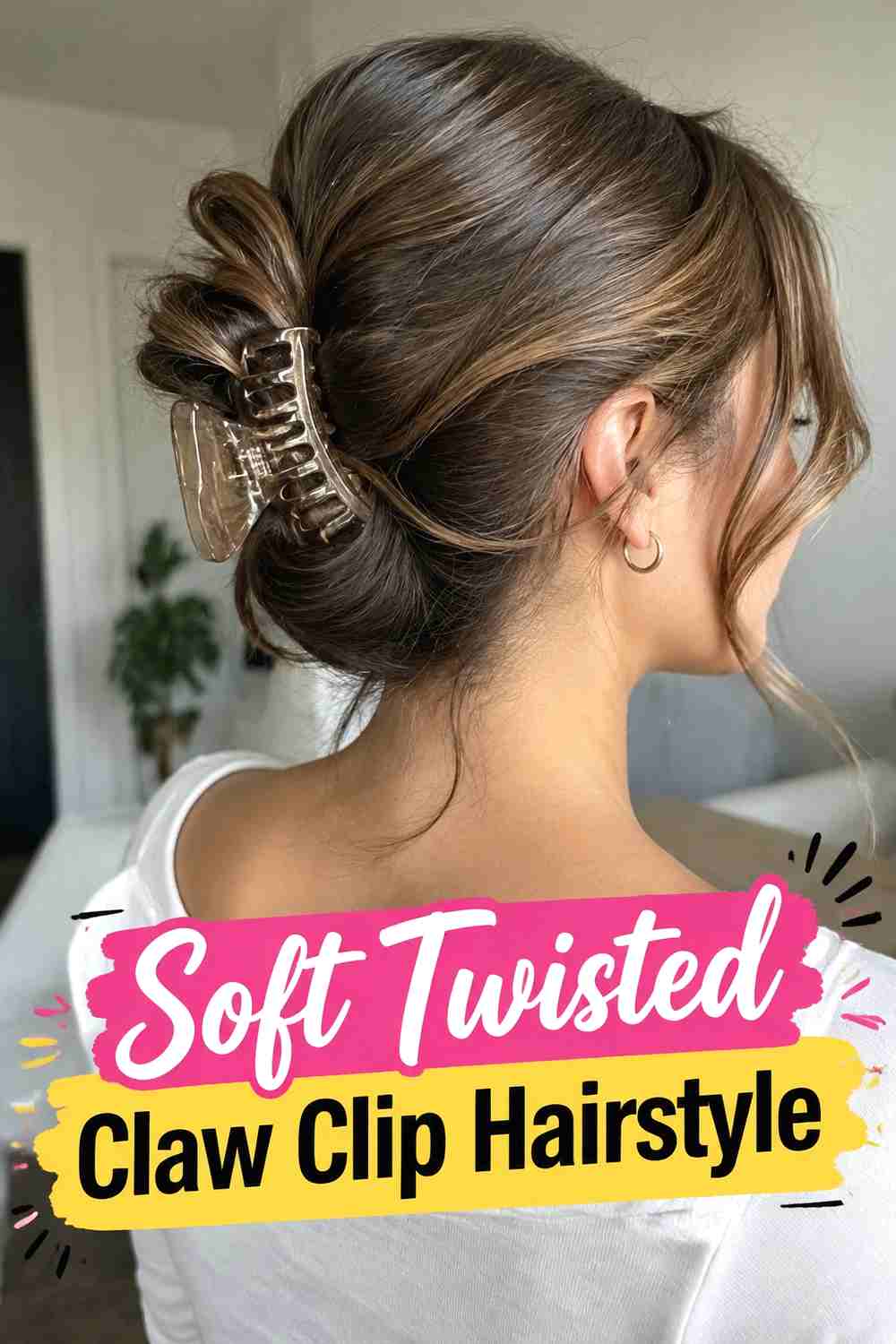
A soft twisted claw clip style is useful when you need a fast office hairstyle that does not require strong tension. Gather the hair upward, twist it gently once or twice, and secure it with a streamlined clip positioned above your suit or coat collar. Medium-length ends can fan softly over the top, while longer hair can be folded inward before clipping. The key is choosing a clip with enough grip so you do not need to twist the hair excessively tightly. Keep the crown lightly lifted and the sides comfortable. A simple neutral clip helps the hairstyle remain polished enough for many business-casual workplaces.
Wear & Maintenance
Test the clip with your commuting coat to make sure the collar does not push against the accessory.
Pro Tip
If the style slips, use a stronger clip rather than increasing the twist tension around the scalp.
13. Loose Halo Twist Hairstyle
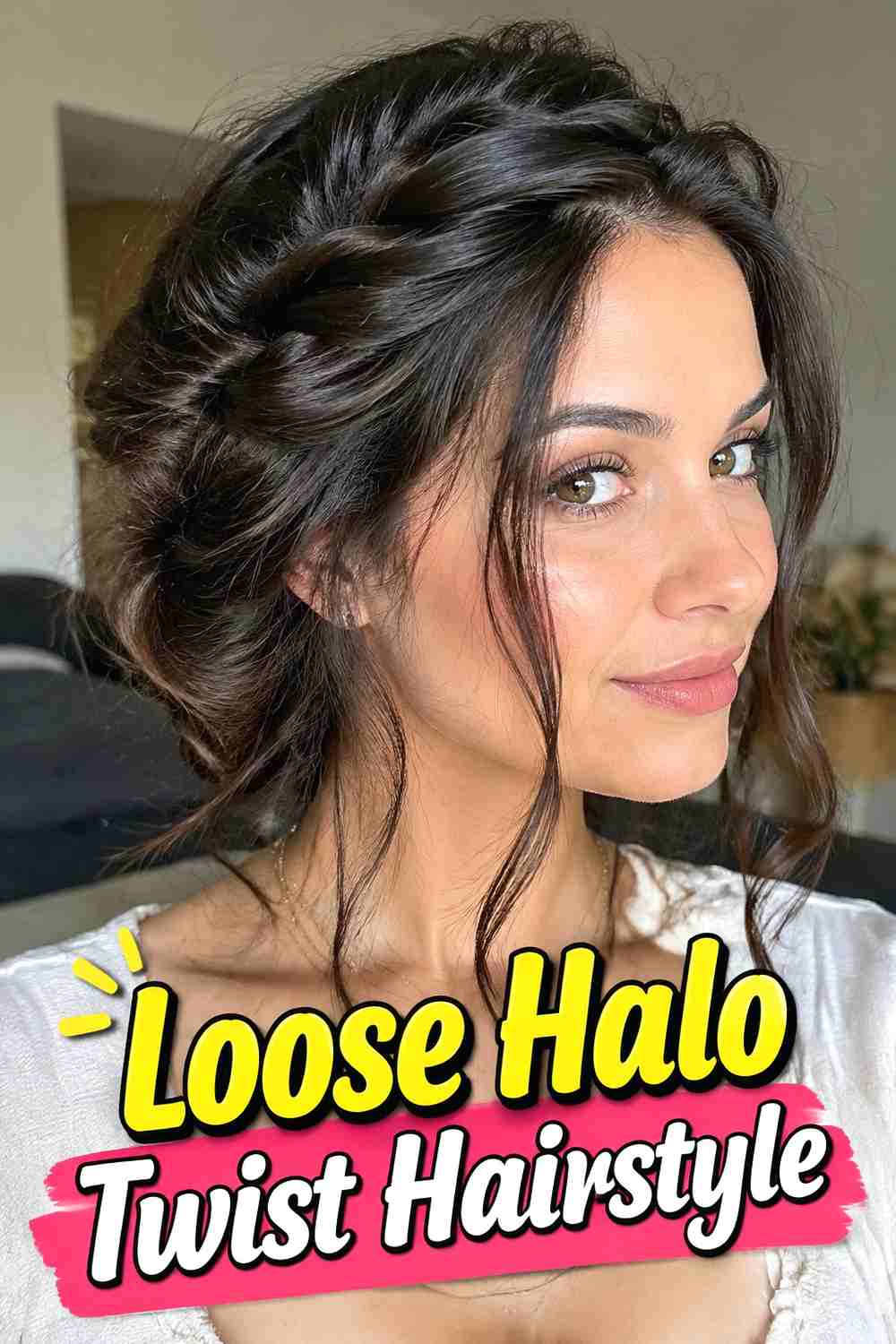
A loose halo twist distributes the hair around the upper sides and back of the head instead of concentrating it in one tight anchor point. Twist sections from each side toward the back and pin them in overlapping arcs, creating a soft halo-like shape that leaves the nape relatively clear. This construction can feel comfortable for medium-long hair because the weight is spread across several pins. It also pairs well with winter suits by keeping the neckline open while adding subtle detail above a jacket collar. Keep the twists relaxed on the surface but secure internally so they stay in place through commuting and office movement.
Why It Works
Multiple anchor points provide support without requiring one tightly pulled ponytail or bun base.
Hair Type & Length
Wavy, textured, and medium-density hair naturally creates a soft halo shape, though straight hair can also be twisted successfully.
14. Textured Nape Twist Hairstyle
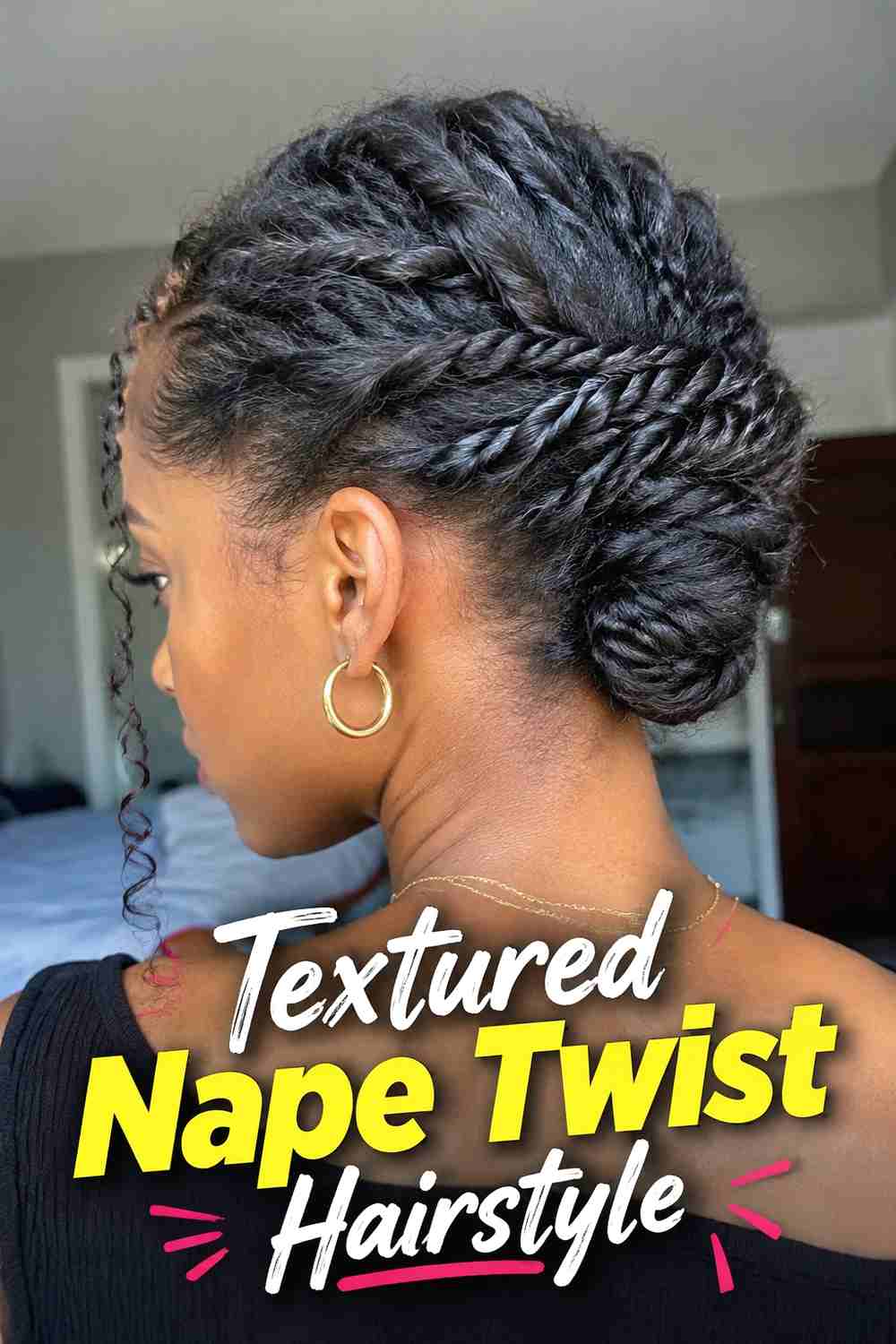
A textured nape twist sits low but avoids a tightly polished finish by preserving natural bends, waves, or curls through the surface. Gather the hair loosely toward the center back, twist it inward, and pin the ends inside the roll. If your commuter coat has a high collar, raise the twist slightly so the base remains clear of fabric. The visible texture makes this style forgiving because minor movement does not immediately look like the updo has fallen apart. Keep the sides smooth enough for the office but not stretched flat. A flexible hold product can help shorter pieces stay integrated without making the entire twist rigid.
Styling Notes
Use your natural texture as grip rather than brushing it completely smooth before forming the twist.
Best For
This works particularly well for wavy or curly hair and business-casual winter offices.
15. Scarf Friendly Raised Twist Hairstyle
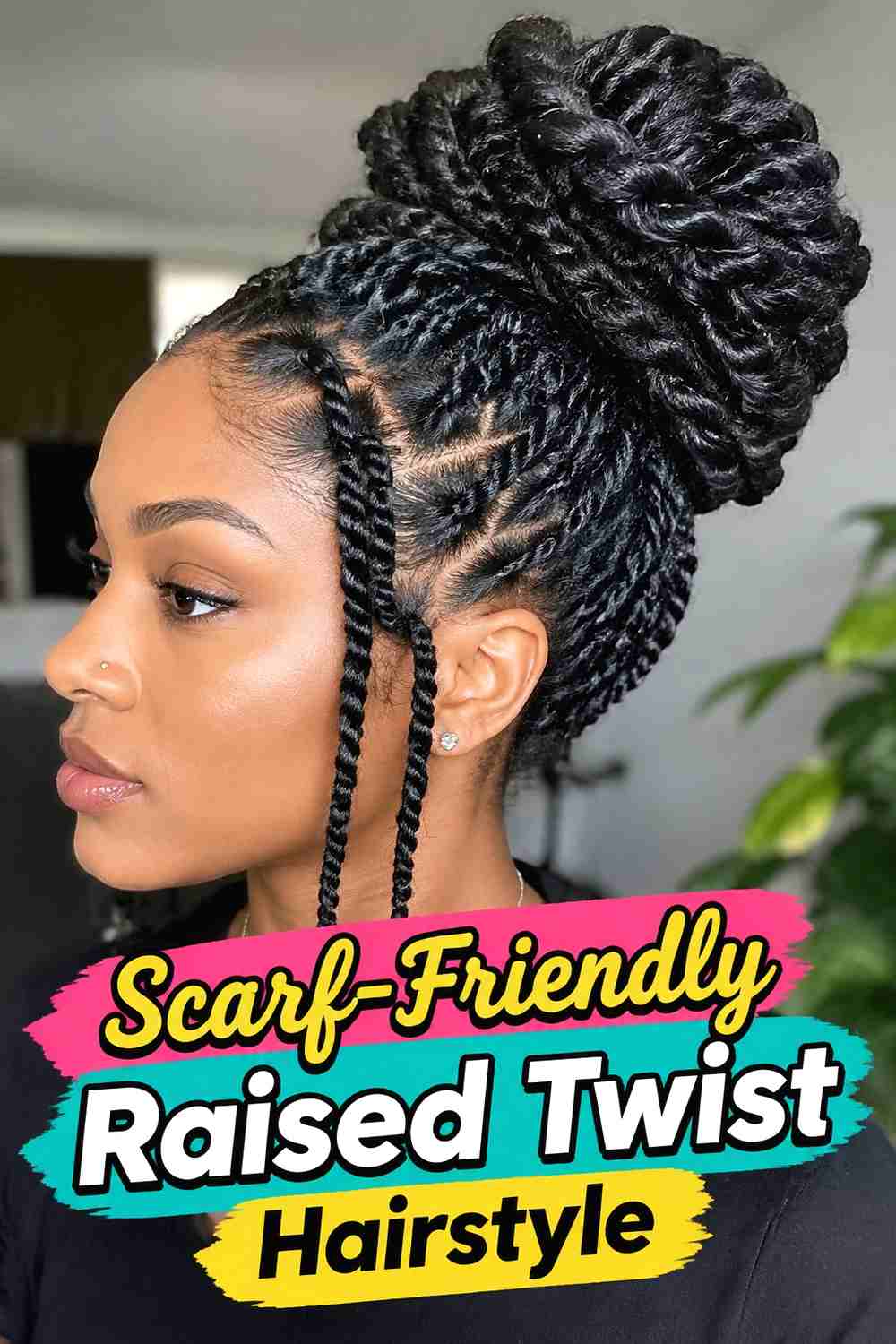
A scarf-friendly raised twist positions the entire structure above the nape so thick scarves can wrap around the neck without pressing on the hairstyle. Sweep the hair upward gently, fold the length into a compact vertical or diagonal twist, and secure it with hidden pins on the upper back of the head. The sides should stay comfortable rather than tightly slicked. This style is particularly practical for commuters who move between cold outdoor weather and heated offices throughout the day. Keep any face-framing pieces short so they do not become trapped beneath the scarf, and avoid placing decorative accessories near the lower edge.
Why It Works
Raising the twist creates clear physical space for scarves, coat collars, and suit jackets while keeping the hair fully contained.
Wear & Maintenance
Put on your scarf once before leaving to confirm that it does not touch the lowest pinning point.
16. Winter Secure Gentle Twist Hairstyle
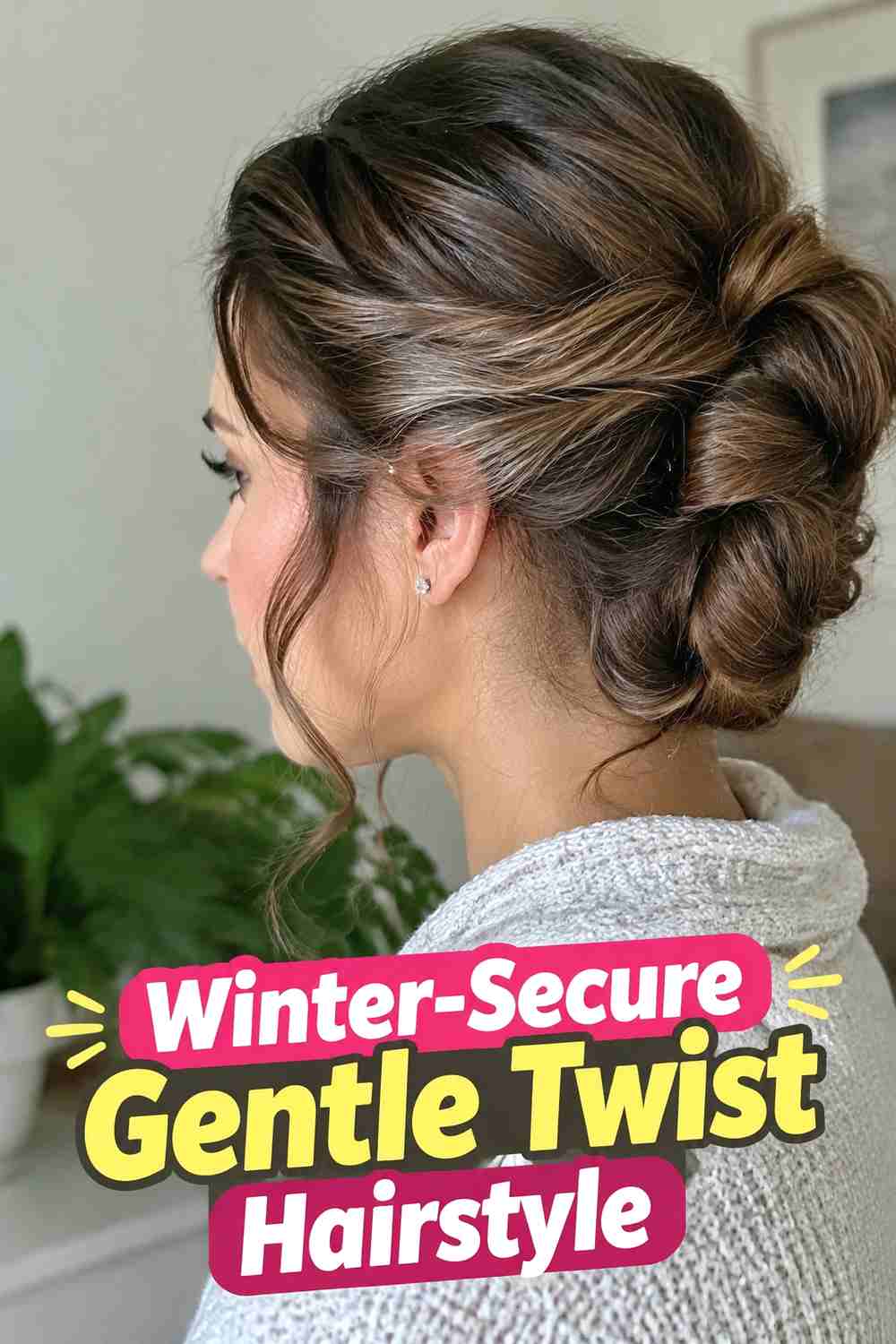
A winter-secure gentle twist combines soft tension with distributed pinning so the hairstyle can stay reliable during commuting without feeling tightly pulled. Divide the hair into several sections, guide each toward the upper back of the head, and overlap the twists into one compact shape. The structure should feel supported from multiple points rather than hanging from a single elastic or pin. Leave the crown softly contoured and keep the nape clear for suit collars, scarves, and outer coats. Flexible hold works better than an extremely stiff finish because the style can shift slightly during the day without looking immediately disturbed.
Wear & Maintenance
Carry two or three spare bobby pins for quick reinforcement if one section loosens after removing outerwear.
Pro Tip
Add support where the twist moves instead of tightening the entire hairstyle and increasing tension unnecessarily.
How to Choose the Right Look
Start with your commute. If you regularly wear a high coat collar or thick scarf, prioritize raised twists, compact back twists, halo styles, and other options that keep the nape clear. For lighter outerwear, a low French twist or twisted bun can work comfortably.
Hair length and density matter as well. Medium-length hair is easy to tuck into side twists and low-bulk rolls, while longer hair may feel better when divided into several sections. Thick hair often benefits from multiple anchor points because the weight is not concentrated at one tight base.
Your natural texture can help provide grip. Waves and curls often hold relaxed twists well, while straight or very silky hair may need light texture preparation and carefully crossed pins.
Finally, consider your office setting. Sleeker twists pair well with formal tailoring, while softer half-up and textured versions fit business-casual workplaces. The best style should remain secure without requiring uncomfortable scalp tension.
Final Thoughts
Low-tension twists are a practical match for winter commuter suits because they offer structure without relying on a severely pulled-back finish. Choose a raised twist for scarf-heavy commutes, a half-up version for flexibility, or a softly twisted bun for classic office polish. Good placement and distributed pinning usually matter more than tightening the hairstyle.
FAQs
1. What makes a twist hairstyle low-tension?
A low-tension twist uses gentler pulling at the roots and relies more on sectioning, pins, and placement to create hold rather than tightly stretching the hair.
2. Which twist works best with a high winter coat collar?
A scarf-friendly raised twist, halo twist, or compact upper-back twist creates the most clearance around the nape.
3. Can thick hair wear a low-tension twist securely?
Yes. Divide thick hair into several sections and secure each section independently so the weight is distributed across multiple anchor points.
4. How do I keep a soft twist professional for the office?
Keep the silhouette controlled, limit loose strands around the nape, and use discreet pins or accessories that coordinate with your workwear.
5. How can I refresh a twist after commuting?
Smooth the visible surface lightly and reinforce any loose internal section with an extra pin instead of tightening or rebuilding the entire style.
Save your favorite low-tension twist, share these ideas with someone refining winter workwear, and explore more comfortable hairstyle inspiration for commuter dressing.