18 Razored Bob Ideas for Thick Wavy Hair
Razored bobs can give thick wavy hair lighter movement, softer edges, and visible texture without stripping away the fullness that makes natural waves look beautiful.
Thick wavy hair brings plenty of body to a bob, but too much weight around the ends can make a shorter cut feel bulky or triangular. Thoughtful razor work can soften selected sections, encourage separation, and help waves move more freely while keeping enough density for a healthy-looking perimeter.
The right technique depends on your wave pattern, hair density, desired length, and how much volume you enjoy. Some styles use only light razor detailing at the ends, while shaggy or deeply textured versions remove more interior weight. The goal is not simply to thin thick hair, but to place softness where it helps the haircut fall naturally.
Quick List
- Soft Razored Bob For Thick Waves Hairstyle
- Jaw Length Razored Wavy Bob Hairstyle
- Collarbone Razored Lob For Thick Hair Hairstyle
- Shaggy Razored Bob With Wavy Layers Hairstyle
- French Razored Bob For Thick Wavy Hair Hairstyle
- Blunt Edge Razored Wavy Bob Hairstyle
- Rounded Razored Bob With Soft Waves Hairstyle
- Asymmetrical Razored Wavy Bob Hairstyle
- Side Part Razored Bob With Airy Layers Hairstyle
- Face Framing Razored Bob For Thick Waves Hairstyle
- Tousled Razored Bob With Broken Ends Hairstyle
- Defined Wave Razored Bob With Internal Layers Hairstyle
- Chin Length Razored Bob With Thick Waves Hairstyle
- Shoulder Grazing Razored Wavy Bob Hairstyle
- Voluminous Razored Bob With Crown Layers Hairstyle
- Low Maintenance Razored Bob For Thick Waves Hairstyle
- Feathered Razored Bob With Soft Texture Hairstyle
- Deep Texture Razored Bob With Wavy Ends Hairstyle
1. Soft Razored Bob For Thick Waves Hairstyle
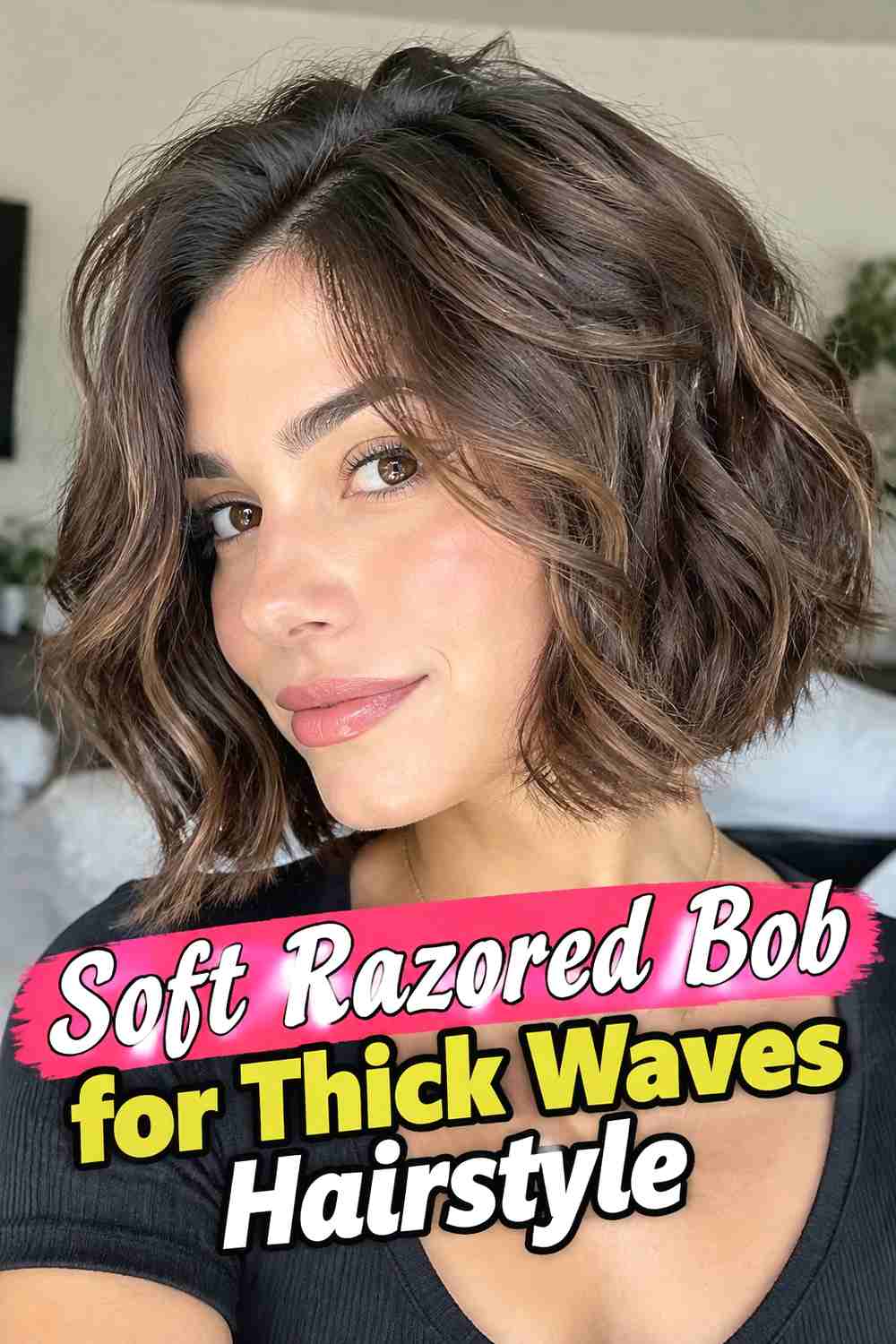
This soft razored bob removes just enough weight to help thick waves settle into a lighter, more flexible silhouette. Instead of creating dramatic short layers, the razor work is concentrated through selected mids and ends, allowing individual waves to separate without making the perimeter look thin. A length between the jaw and shoulders gives the texture enough room to bend naturally while keeping the haircut unmistakably bob-shaped. Face-framing pieces can be subtly tapered so the front moves away from the cheeks rather than forming a dense block. This approach is especially useful if you like the fullness of thick hair but want the overall shape to feel less heavy and easier to air-dry.
Styling Notes
Scrunch in a lightweight wave cream while damp and avoid brushing once the wave pattern begins to form.
2. Jaw Length Razored Wavy Bob Hairstyle
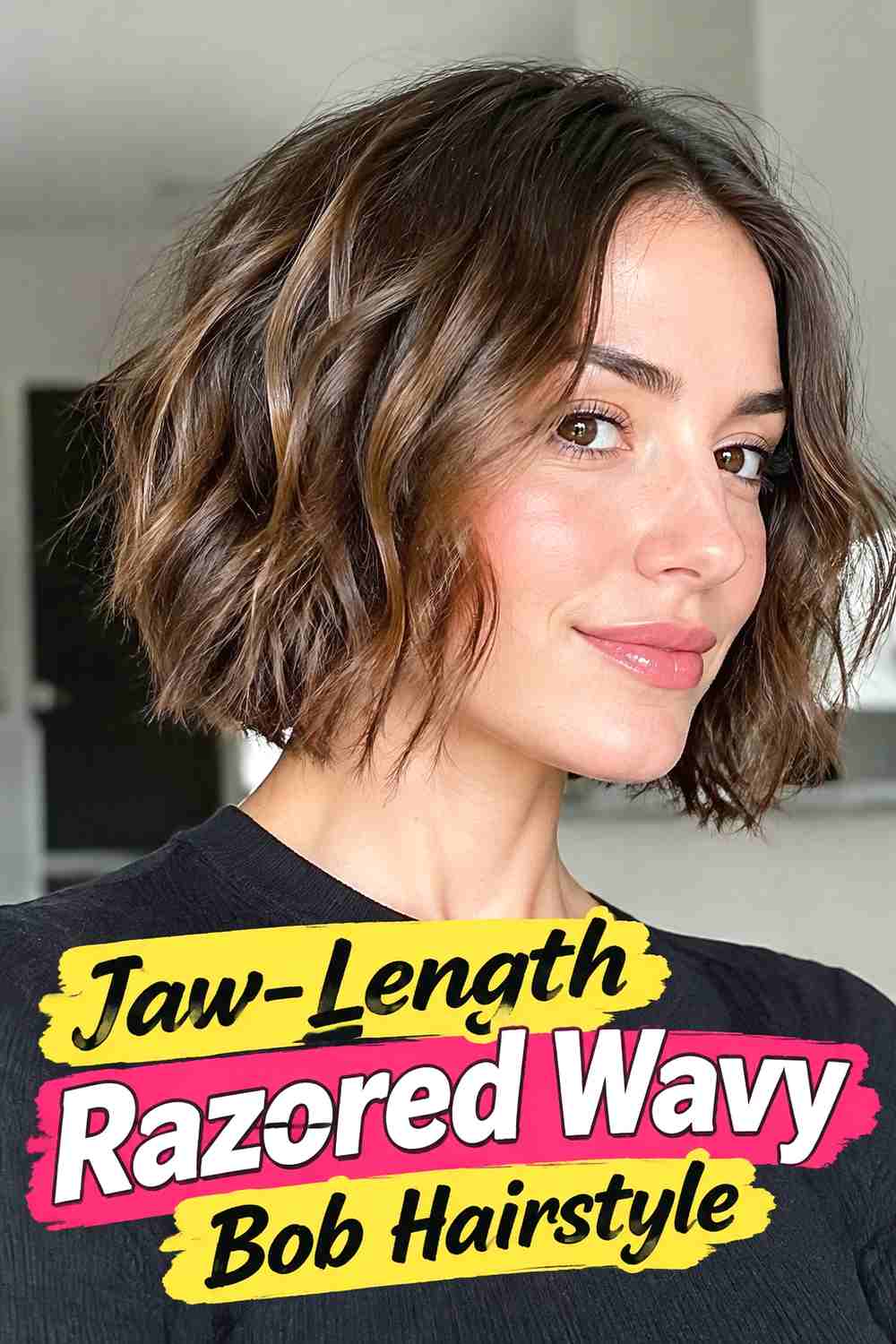
A jaw-length bob makes thick waves look compact and lively, while strategic razor detailing keeps the lower edge from expanding too widely. The cut can retain fullness near the jaw but use softly tapered sections around the sides to encourage the waves to sit closer to the head. Because this length exposes the neckline and places the perimeter near the face, controlling bulk is more important than removing large amounts of density. Slight irregularity through the ends creates a relaxed finish that works well with natural movement. This version can feel bold without becoming severely geometric, especially when one or two longer front sections are left to soften the jaw-length baseline.
Best For
Choose this length if you enjoy a clearly short bob and your waves hold shape without needing significant length to form.
3. Collarbone Razored Lob For Thick Hair Hairstyle
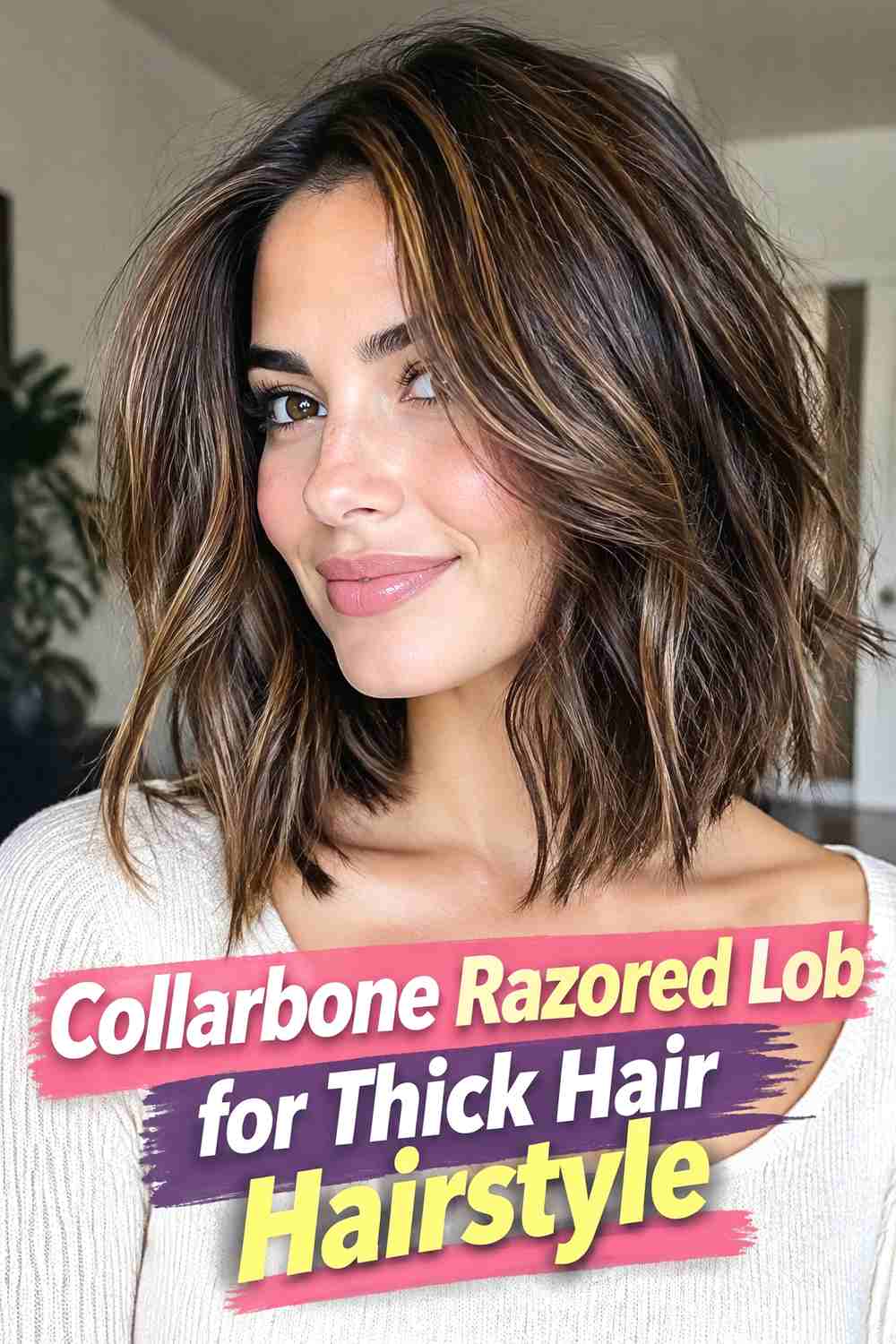
A collarbone-length razored lob offers more room for thick waves to stretch and settle, making it a practical option when shorter bobs become too wide. Long internal layers can release weight through the mids, while razor-softened ends create movement without making the lower edge look sparse. The extra length also makes the haircut easy to tuck, clip, or pull into a small ponytail. Natural waves can form freely through the shoulders, giving the style a relaxed texture even without heat. Keeping the shortest layers relatively long is important if low-maintenance styling is the goal. The finished look should feel lighter than one-length thick hair but still substantial enough to show off natural density.
Wear & Maintenance
Longer layers generally grow out smoothly, making this one of the more forgiving razored shapes between salon visits.
4. Shaggy Razored Bob With Wavy Layers Hairstyle
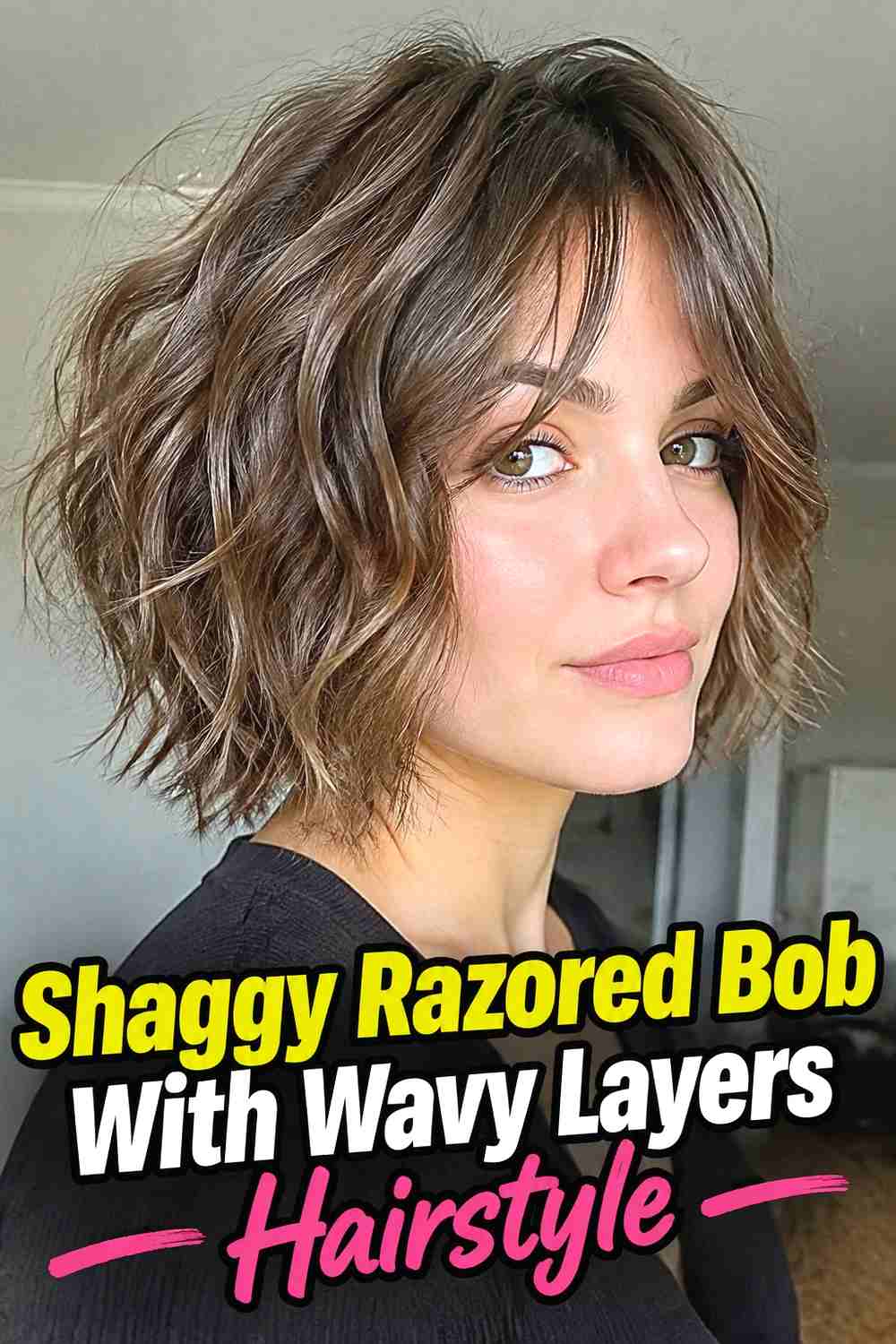
A shaggy razored bob uses more noticeable layering to break up dense wavy hair and create movement from crown to ends. Shorter pieces through the upper sections add lift, while longer layers maintain enough weight around the perimeter for the bob to keep its shape. Razor work through the ends gives the layers a soft, lived-in quality rather than a chunky or stacked appearance. This cut suits waves that respond well to scrunching because the different lengths can form separate bends instead of falling into one heavy mass. Keeping the front slightly longer or adding loose face-framing pieces helps balance the crown texture and prevents the shape from becoming too round.
Styling Notes
Use mousse or light curl cream at the roots and mids, then let the haircut’s layers create most of the separation naturally.
5. French Razored Bob For Thick Wavy Hair Hairstyle
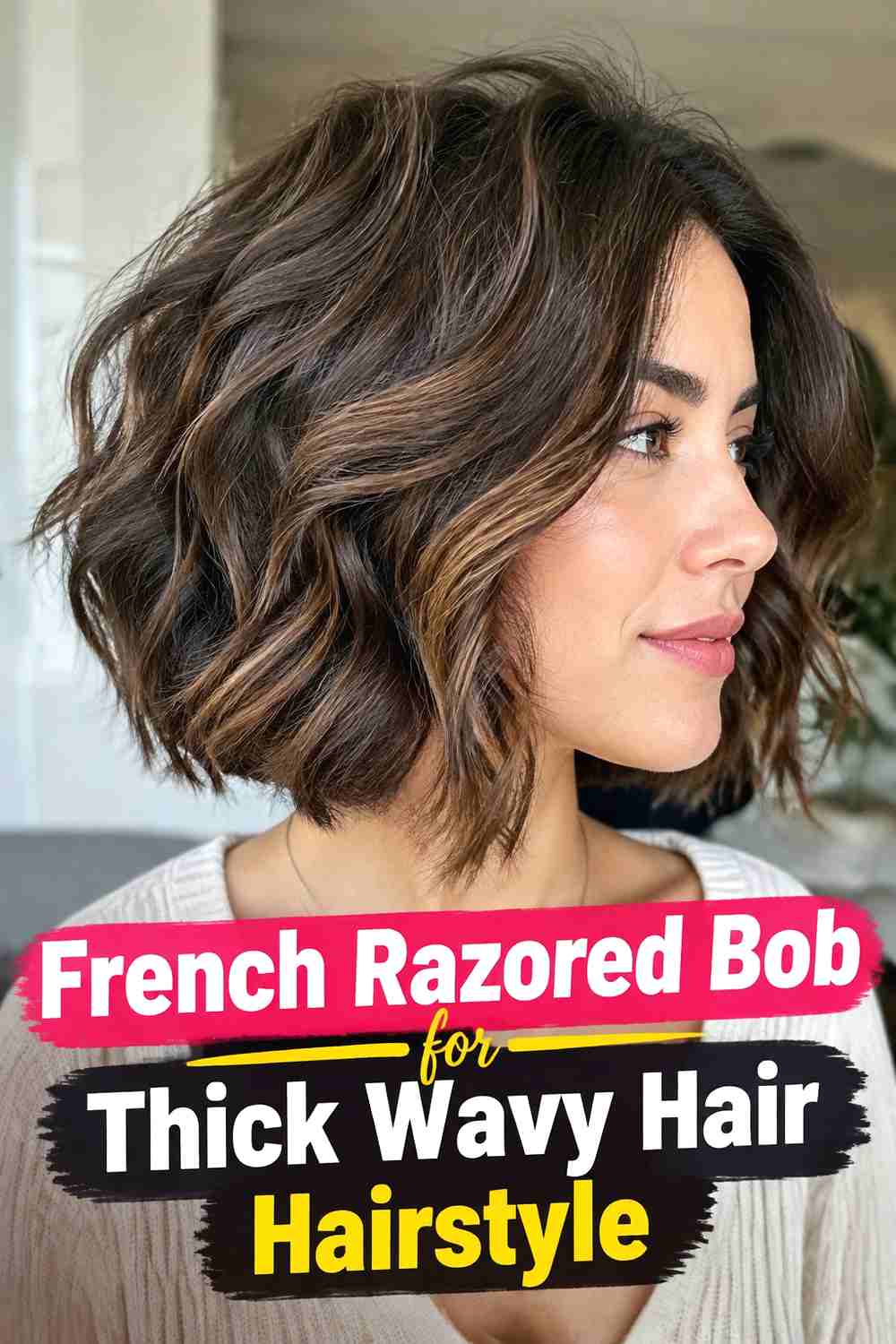
A French-inspired razored bob keeps the overall shape simple while allowing the natural wave pattern to look slightly imperfect. The perimeter usually sits between the jaw and lower cheek area, with subtle razor work softening the ends instead of creating a perfectly blunt edge. For thick hair, a small amount of internal weight removal can prevent the cut from becoming overly wide without sacrificing its characteristic fullness. The style looks best when waves are allowed to fall differently from section to section, giving the bob an effortless quality. A center or relaxed side part both work well, and the front can be tucked casually behind one ear for an even lighter silhouette.
Why It Works
The compact length provides structure, while the softened edges keep dense waves from looking rigid or overly sculpted.
6. Blunt Edge Razored Wavy Bob Hairstyle
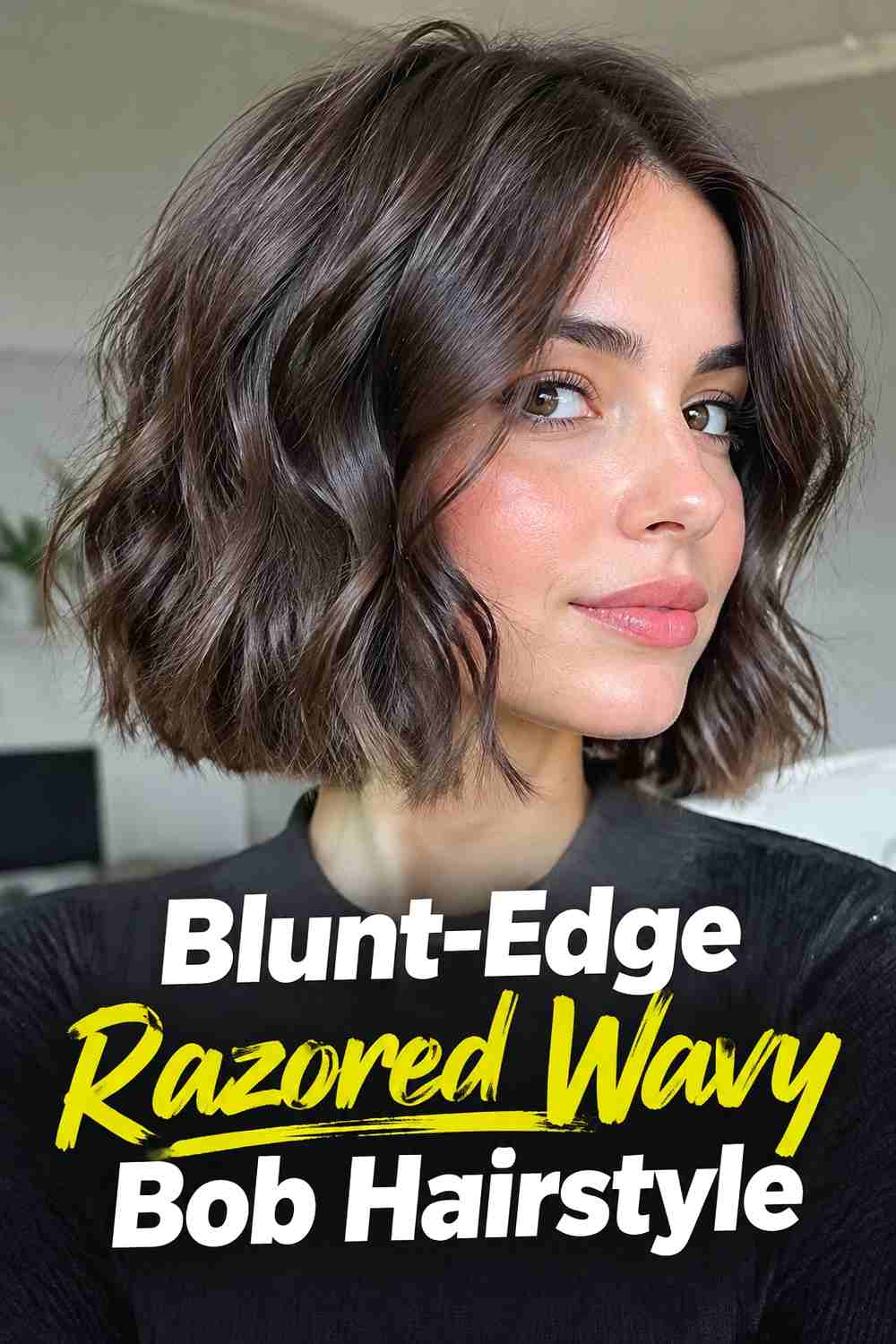
This style combines the visual strength of a blunt bob with subtle razor work hidden through the interior and very ends. The baseline remains full and defined, which is useful for thick hair that looks best with a substantial perimeter, while internal texturing allows the waves to move without stacking heavily on top of one another. The contrast makes the haircut feel polished from a distance but softer and more dimensional up close. A length just below the jaw or near the neck works particularly well because there is enough room for the wave pattern to show. Avoid excessive thinning around the lower edge, since the strong perimeter is what gives this bob its distinctive structure.
Pro Tip
Ask to preserve the outline while removing selective interior weight rather than razoring every section from roots to ends.
7. Rounded Razored Bob With Soft Waves Hairstyle
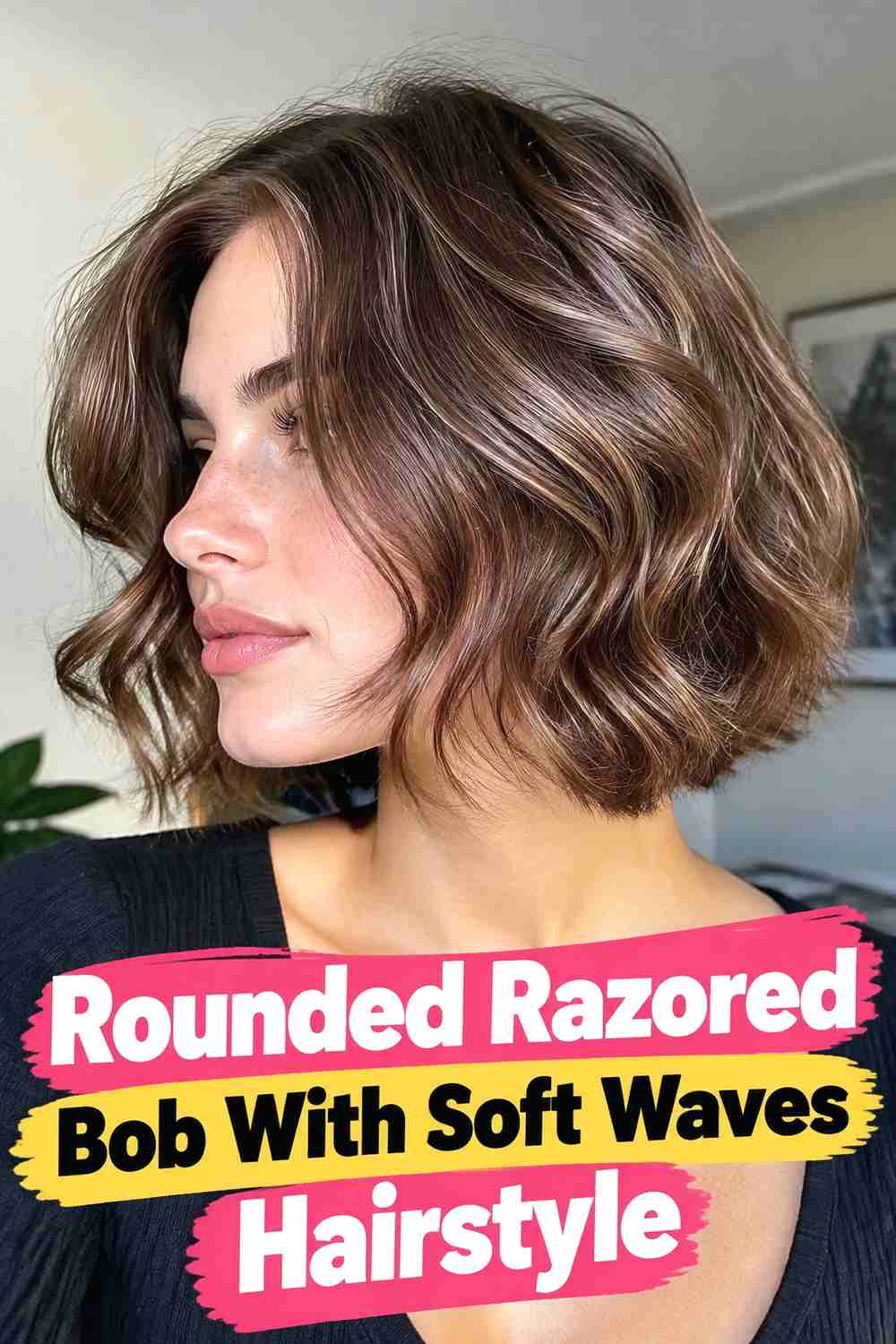
A rounded bob gives thick wavy hair a controlled silhouette without forcing it into a flat or overly sleek shape. Subtle graduation and internal razor work help the hair curve gently around the head, while softened ends prevent the outline from becoming too solid. The waves should remain visible through the surface, adding texture to the rounded foundation instead of being smoothed away. This approach works especially well when density is concentrated around the sides and back, since careful weight removal can make the shape feel more balanced. Face-framing sections can be slightly elongated to keep the bob modern and avoid an overly spherical effect. The finished look is full, soft, and intentionally shaped.
Best For
This style suits thick hair that naturally expands outward and benefits from a more controlled, curved silhouette.
8. Asymmetrical Razored Wavy Bob Hairstyle
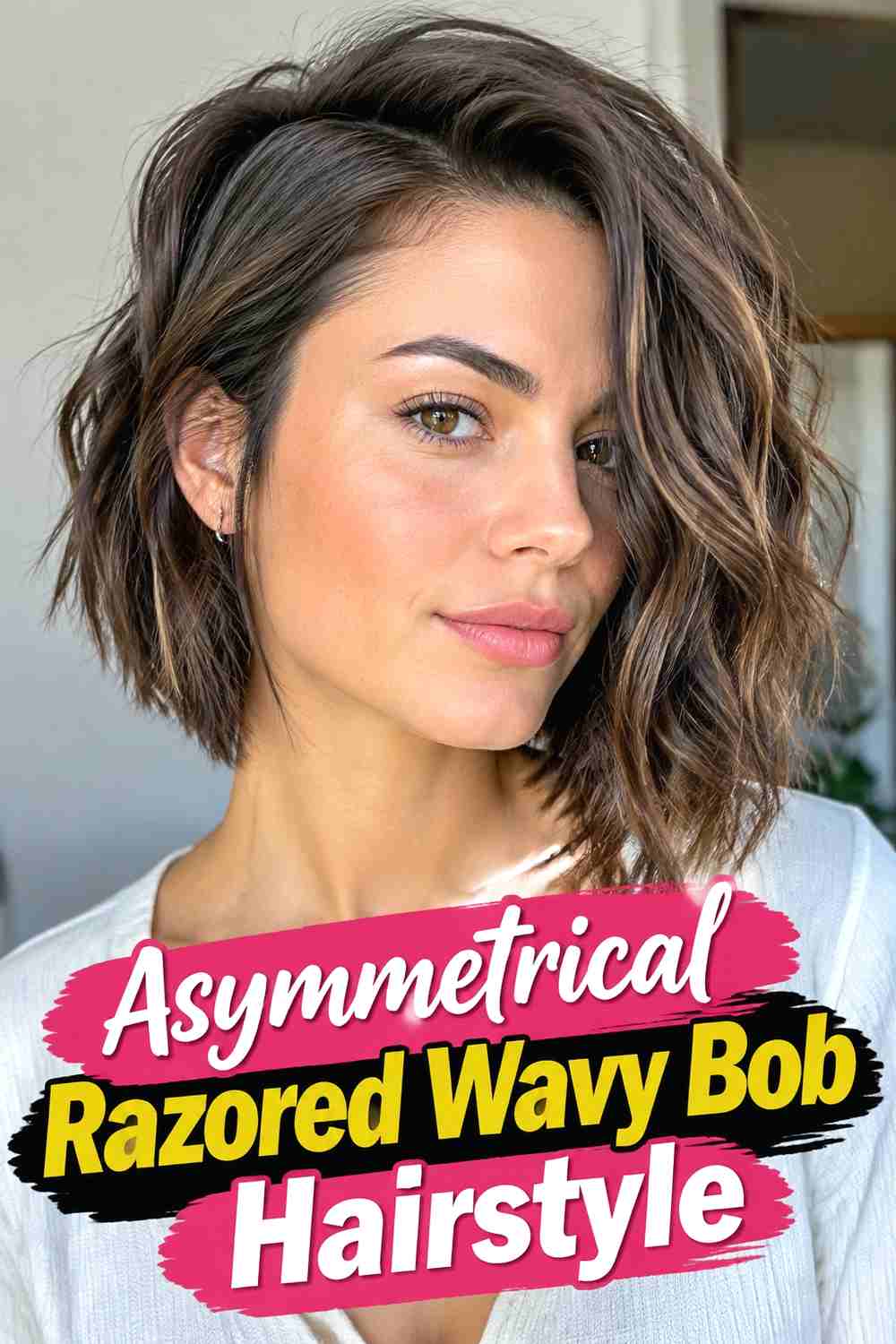
An asymmetrical razored bob introduces movement through both length and texture. One side can sit slightly longer than the other, creating a diagonal line that becomes softer once the natural waves settle into place. Razor work helps the transition feel fluid rather than sharply geometric, especially through the longer front section. Thick hair benefits from selective internal weight removal, which prevents the heavier side from looking bulky. The difference in length does not need to be extreme; even a subtle variation can make the haircut feel dynamic. A side part usually emphasizes the asymmetry most clearly, while natural wave separation keeps the shape casual enough for everyday wear.
Styling Notes
Let the longer side fall naturally rather than forcing both sides into matching waves. The slight imbalance is part of the design.
9. Side Part Razored Bob With Airy Layers Hairstyle
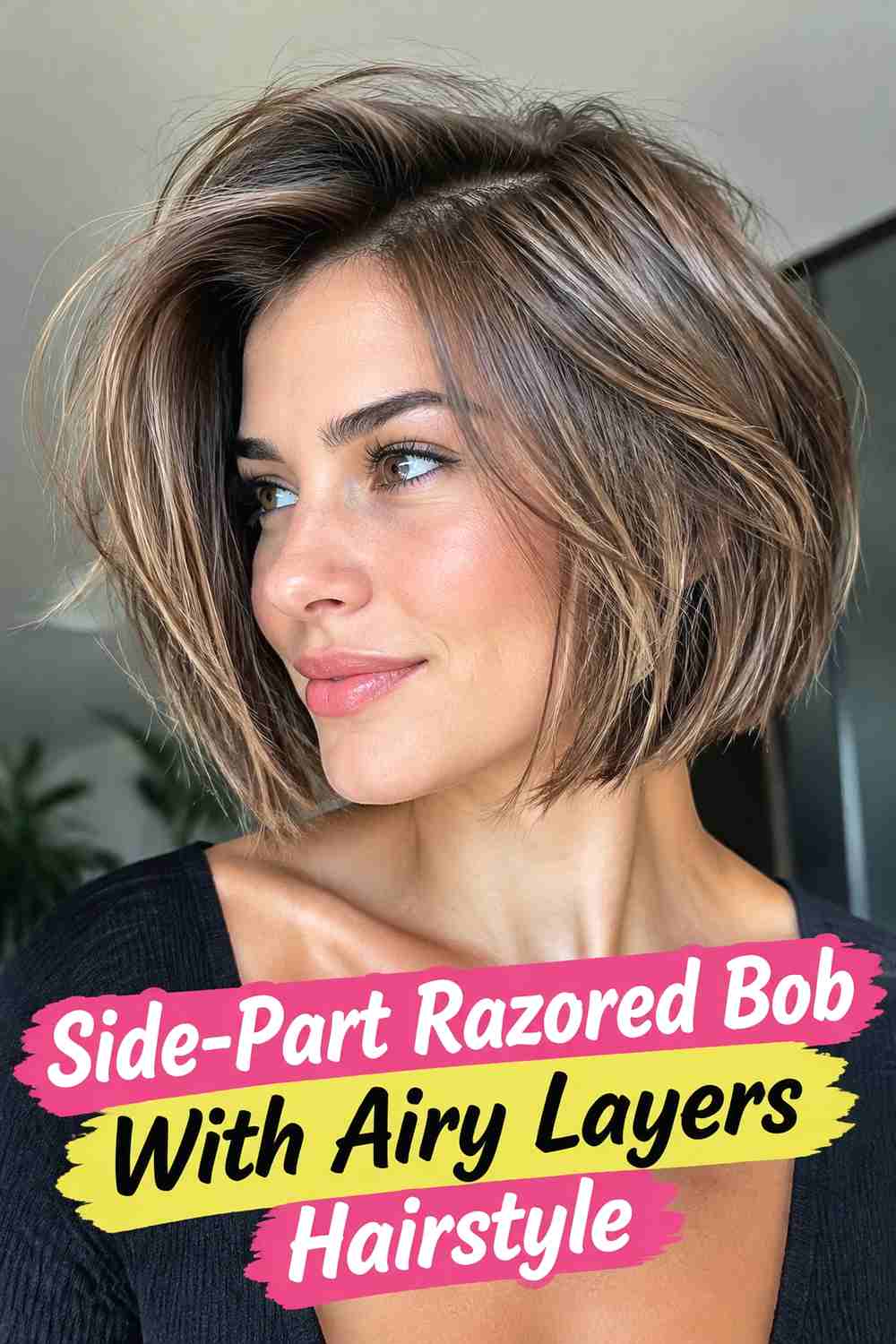
A deep or moderate side part adds instant lift to thick wavy hair, and airy razor layers prevent that volume from becoming too dense. The heavier side can carry longer waves across the forehead and temple, while the opposite side sits closer to the head or tucks easily behind the ear. Through the mids and ends, connected layers release excess weight and encourage movement without creating very short pieces. This cut works particularly well when the natural wave pattern is stronger on some sections than others because the side part embraces slight asymmetry. Keeping the perimeter soft but substantial ensures the bob still feels full while the layered interior adds lightness.
Why It Works
The part creates natural elevation, while the razor work keeps the extra volume from collecting heavily around the lower sides.
10. Face Framing Razored Bob For Thick Waves Hairstyle
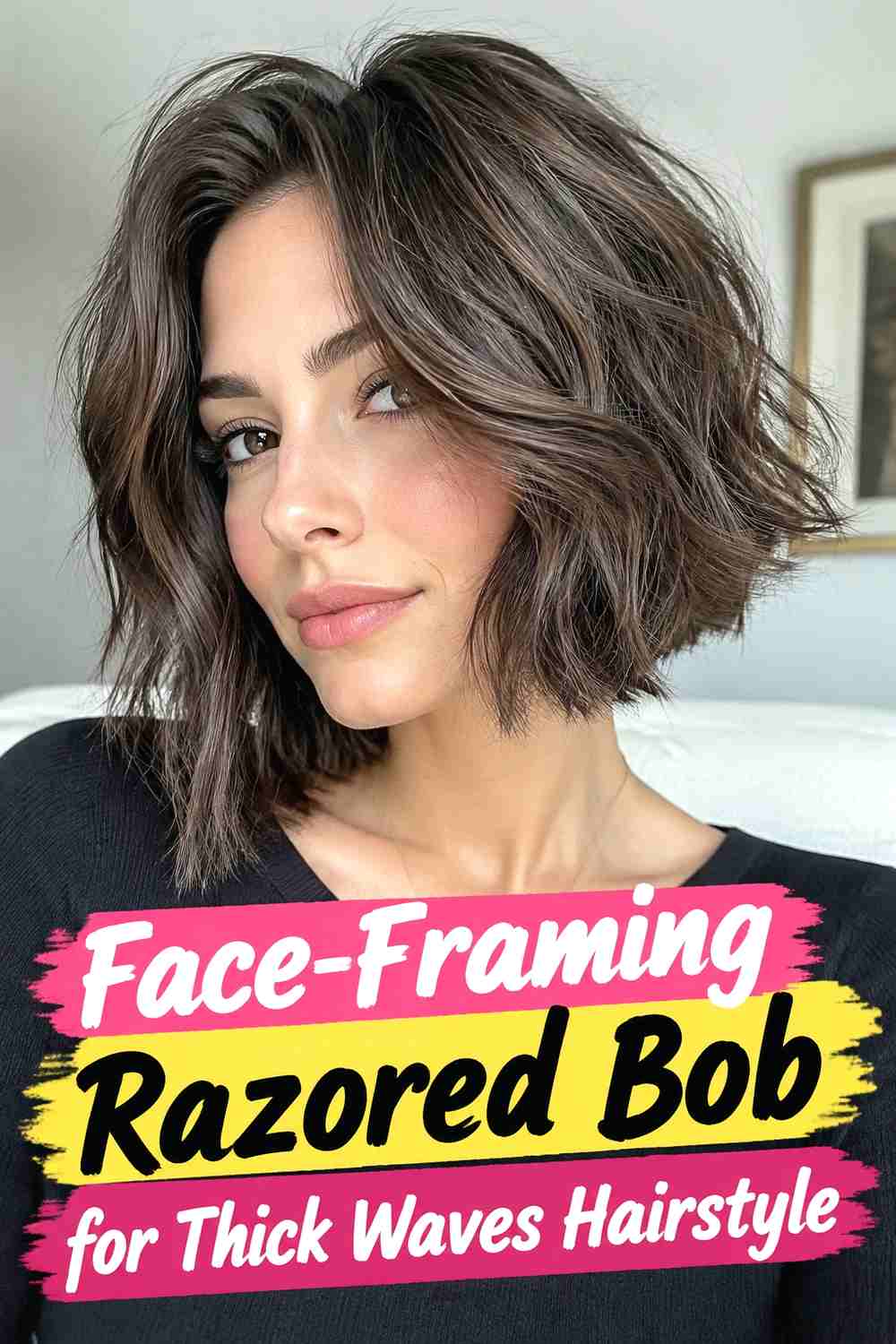
Face-framing razor layers can transform a thick wavy bob without changing the entire haircut. Shorter front pieces may begin around the cheekbones or jaw and gradually flow into the main bob length, creating movement where it is most visible. The back can remain relatively simple and full, which helps maintain density while the front looks lighter. Natural waves make the gradual length changes especially attractive because each section bends at a slightly different point. This approach is useful if you want a noticeable update but prefer not to add many short crown layers. Keeping the razor work soft and connected prevents the front pieces from looking thin or disconnected from the heavier perimeter.
Pro Tip
Choose a face-framing starting point that still works when your waves shrink or spring higher after drying.
11. Tousled Razored Bob With Broken Ends Hairstyle
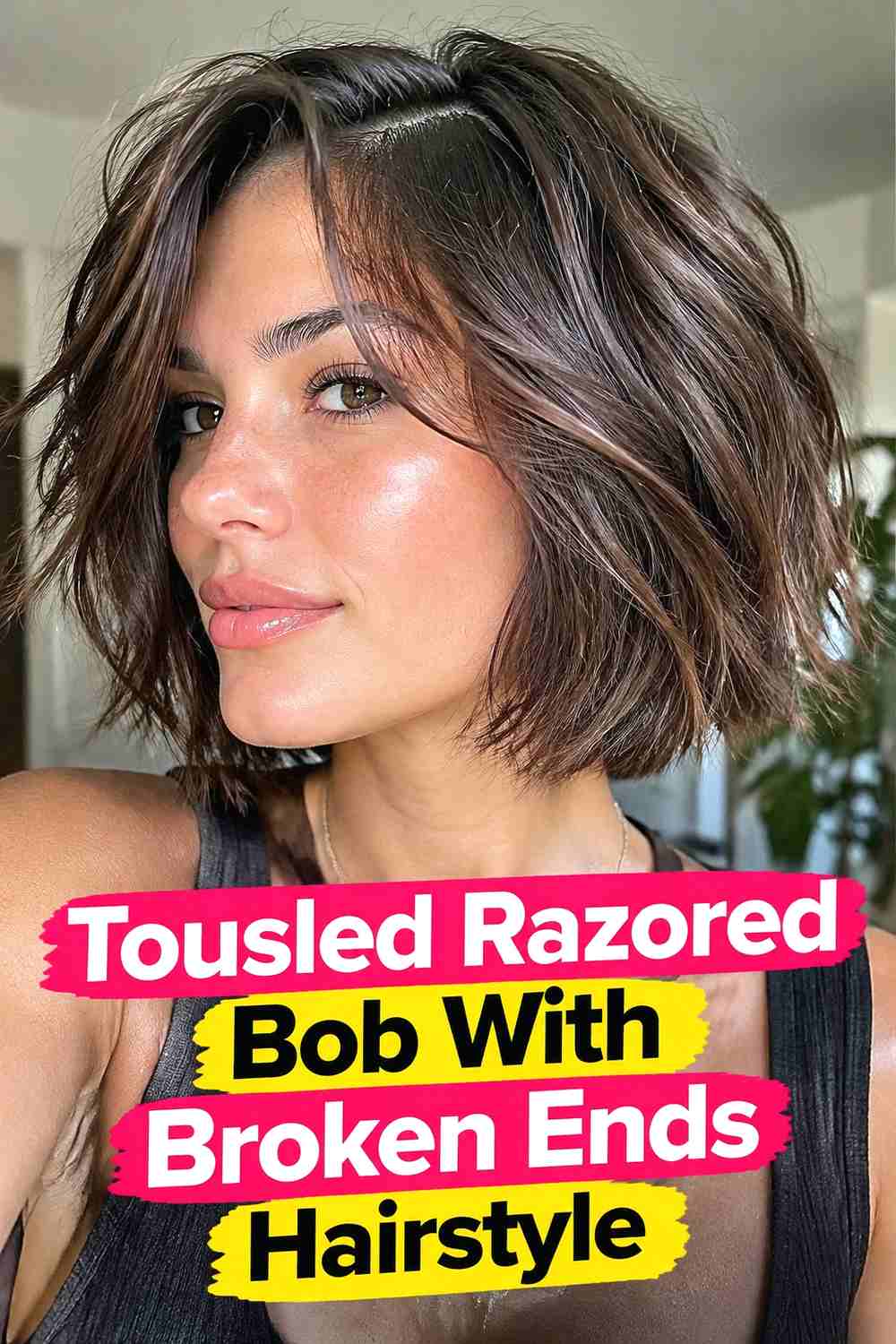
A tousled razored bob relies on slightly irregular ends to make thick waves feel loose and spontaneous. Rather than cutting a perfectly even perimeter, the ends are softened into subtle variations that let individual wave sections move independently. Interior texture can reduce excess weight through the densest areas while preserving enough body for the haircut to look substantial. This style is especially effective when the hair already dries with an uneven wave pattern, since the haircut works with that variation instead of trying to standardize it. A little natural frizz can even complement the finish. The bob should still maintain a clear overall length so the texture appears intentionally broken up rather than simply unstructured.
Styling Notes
Rough-dry or diffuse gently, then separate a few ends with your fingers. Avoid making every section equally defined.
12. Defined Wave Razored Bob With Internal Layers Hairstyle
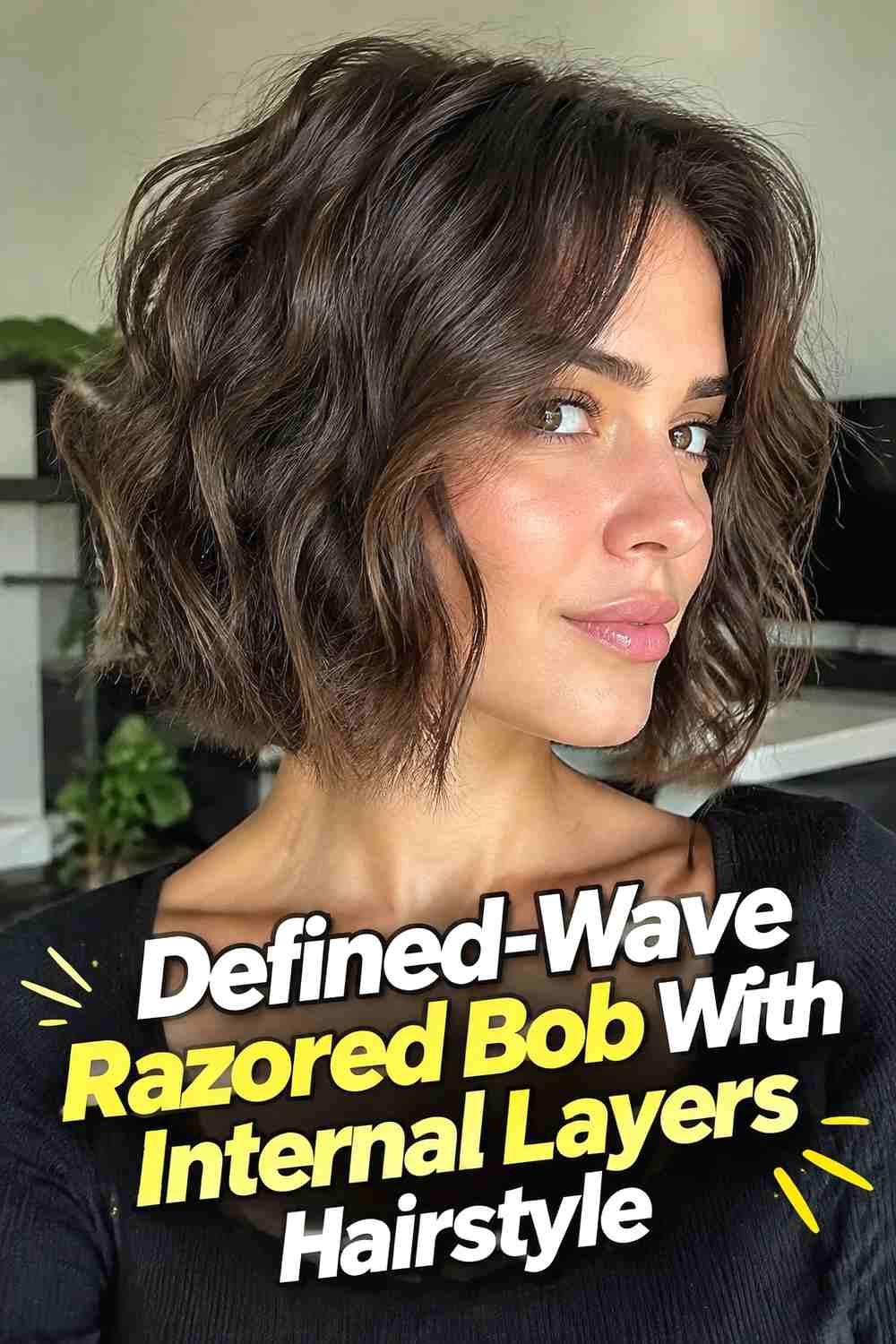
This version focuses on encouraging individual wave clumps while reducing hidden bulk underneath. Internal razor layers can remove weight where thick hair feels most dense, allowing the outer surface to retain a smooth, full appearance. The bob can sit just below the jaw or near the shoulders, depending on how much length your wave pattern needs to form. With less interior density competing for space, the waves may sit more distinctly instead of merging into a wide triangular silhouette. The surface should not be over-layered, since too many short pieces can disrupt strong wave definition. The result balances a substantial outer shape with freer movement inside the haircut.
Hair Type & Length
This approach works particularly well for dense hair with a consistent wave pattern that benefits from controlled interior weight removal.
13. Chin Length Razored Bob With Thick Waves Hairstyle
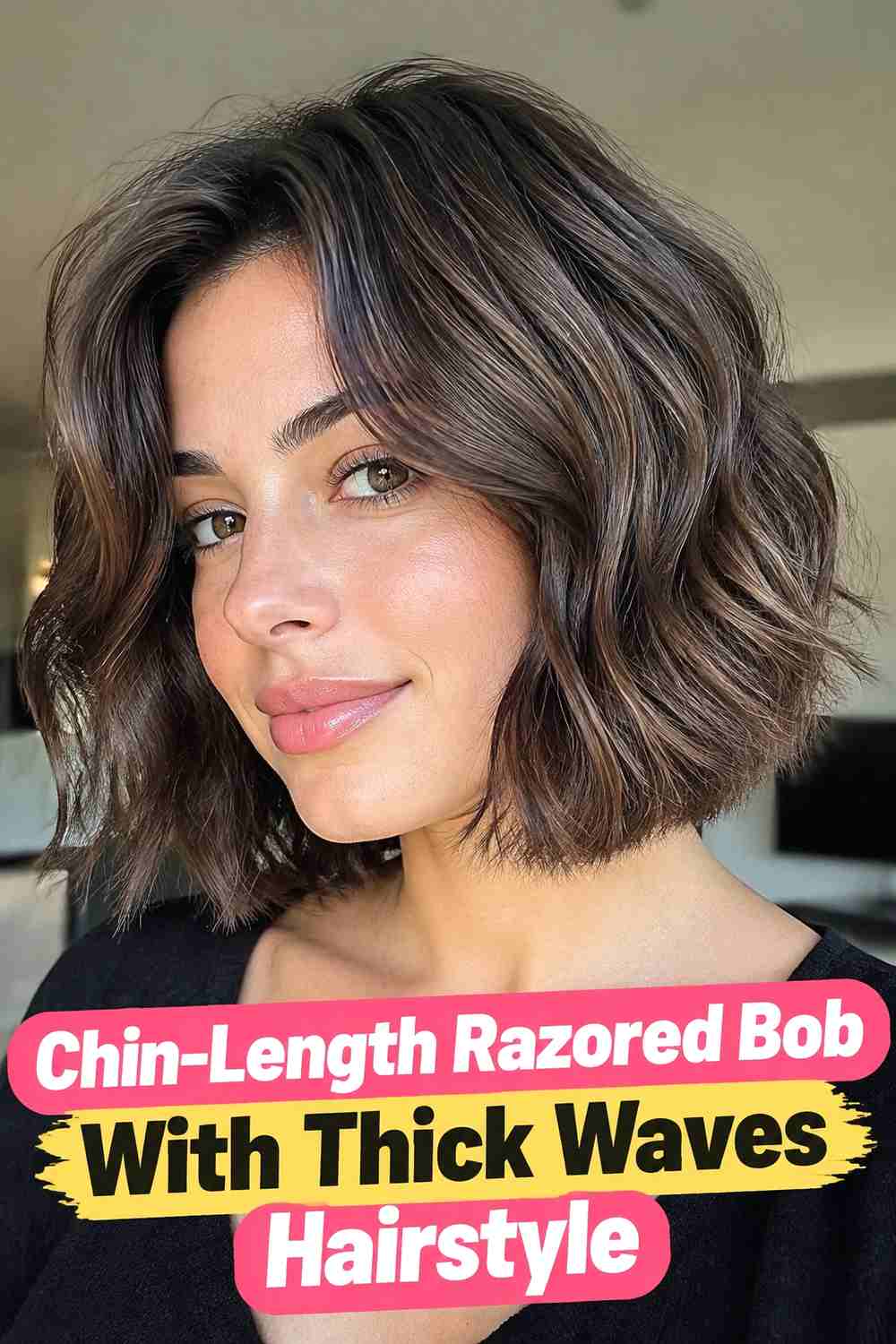
A chin-length razored bob gives thick waves a strong, compact shape while keeping enough texture to prevent the cut from looking severe. The ends can be tapered selectively so the perimeter moves rather than sitting as one dense horizontal band. Around the sides, light internal layering helps control width, which is especially important at chin level where thick hair may naturally expand. Slightly longer pieces near the front can soften the shape and give the waves more room to curve. This length makes a statement and exposes the jaw and neck, so it suits anyone comfortable with a distinctly short silhouette. Natural texture should remain visible rather than being straightened into a rigid bob.
Wear & Maintenance
Because the length is short and noticeable, regular reshaping may be helpful if you want the chin-level perimeter to remain consistent.
14. Shoulder Grazing Razored Wavy Bob Hairstyle
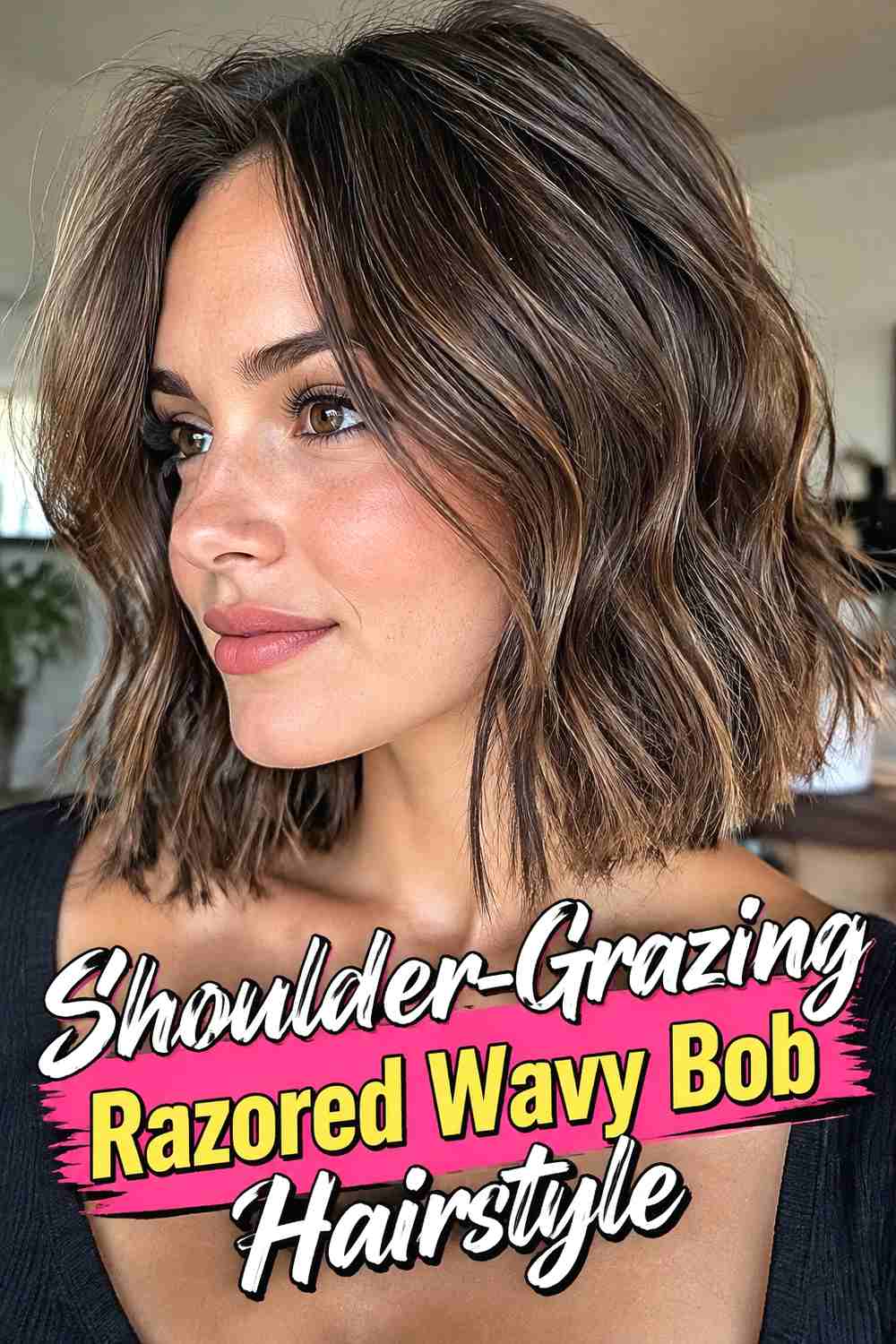
A shoulder-grazing bob gives thick waves maximum flexibility while still removing the visual weight of long hair. Razor-softened layers can begin through the lower mids, allowing the upper portion to retain fullness while the ends move more freely. At this length, the natural wave pattern has room to stretch, often producing a relaxed S-shape rather than a compact bend. The haircut can be worn down, clipped back, or tied loosely, making it practical for varied routines. Keeping the layer pattern long also helps reduce unwanted puffiness. The result feels lighter than a one-length cut but not dramatically shaggy, making it a good choice for someone who wants a gradual transition into shorter hair.
Best For
This length suits thick waves that become overly wide when cut above the shoulders or need extra length to form smoothly.
15. Voluminous Razored Bob With Crown Layers Hairstyle
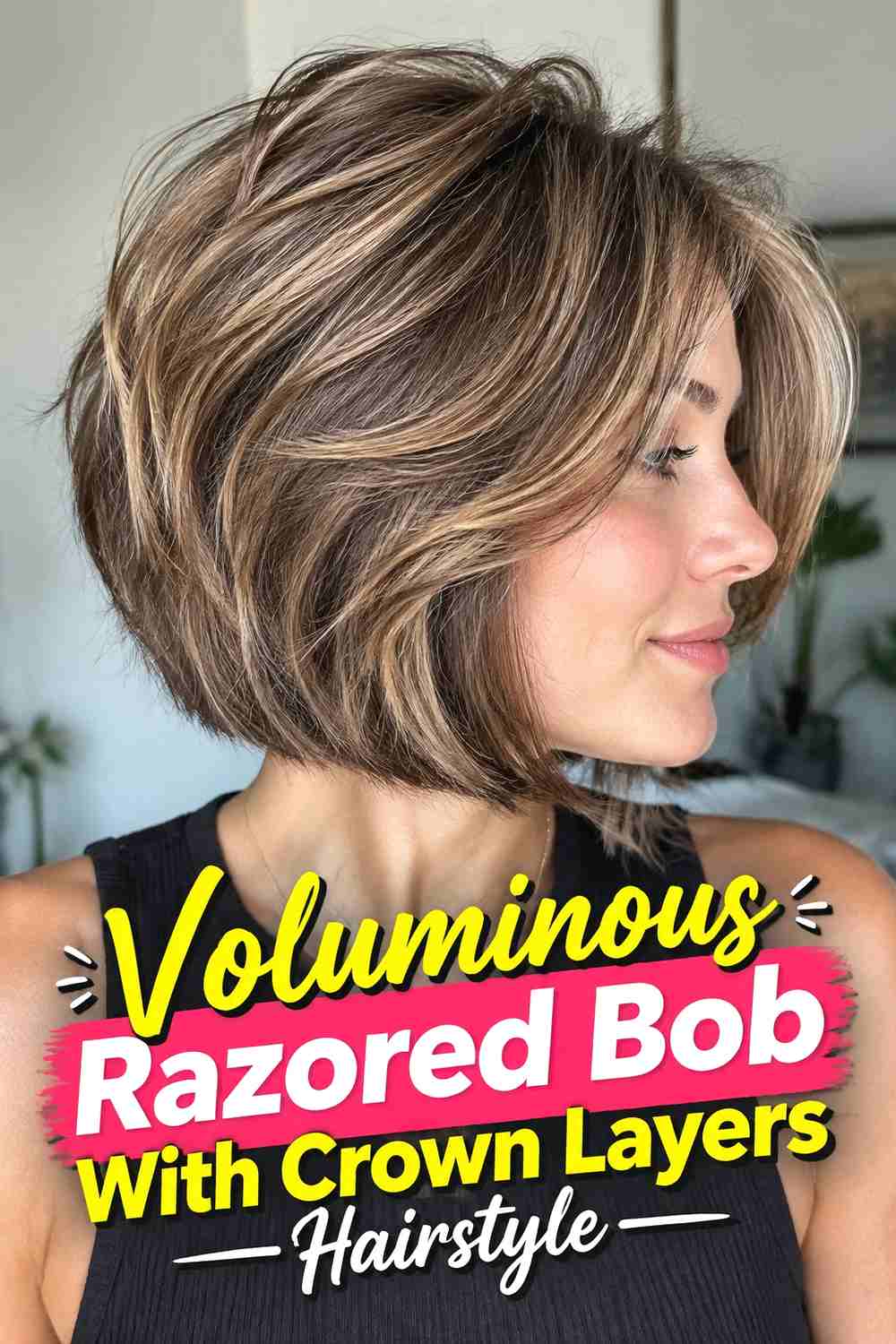
A voluminous razored bob embraces thick hair rather than trying to flatten it, using crown layers to direct fullness upward instead of outward. The upper sections are shortened enough to create lift, while longer side layers maintain balance and keep the silhouette from becoming too round. Razor detailing helps the crown pieces blend softly into the rest of the bob, avoiding chunky steps between lengths. This style works well for waves that naturally hold body at the roots. The perimeter can remain relatively full so the shape has a grounded base beneath the volume. The key is controlled layering: too many short sections can create excessive expansion, while a few strategic layers make the fullness feel purposeful.
Styling Notes
Diffuse with gentle root lift and avoid heavy creams near the crown, which can collapse the intended volume.
16. Low Maintenance Razored Bob For Thick Waves Hairstyle
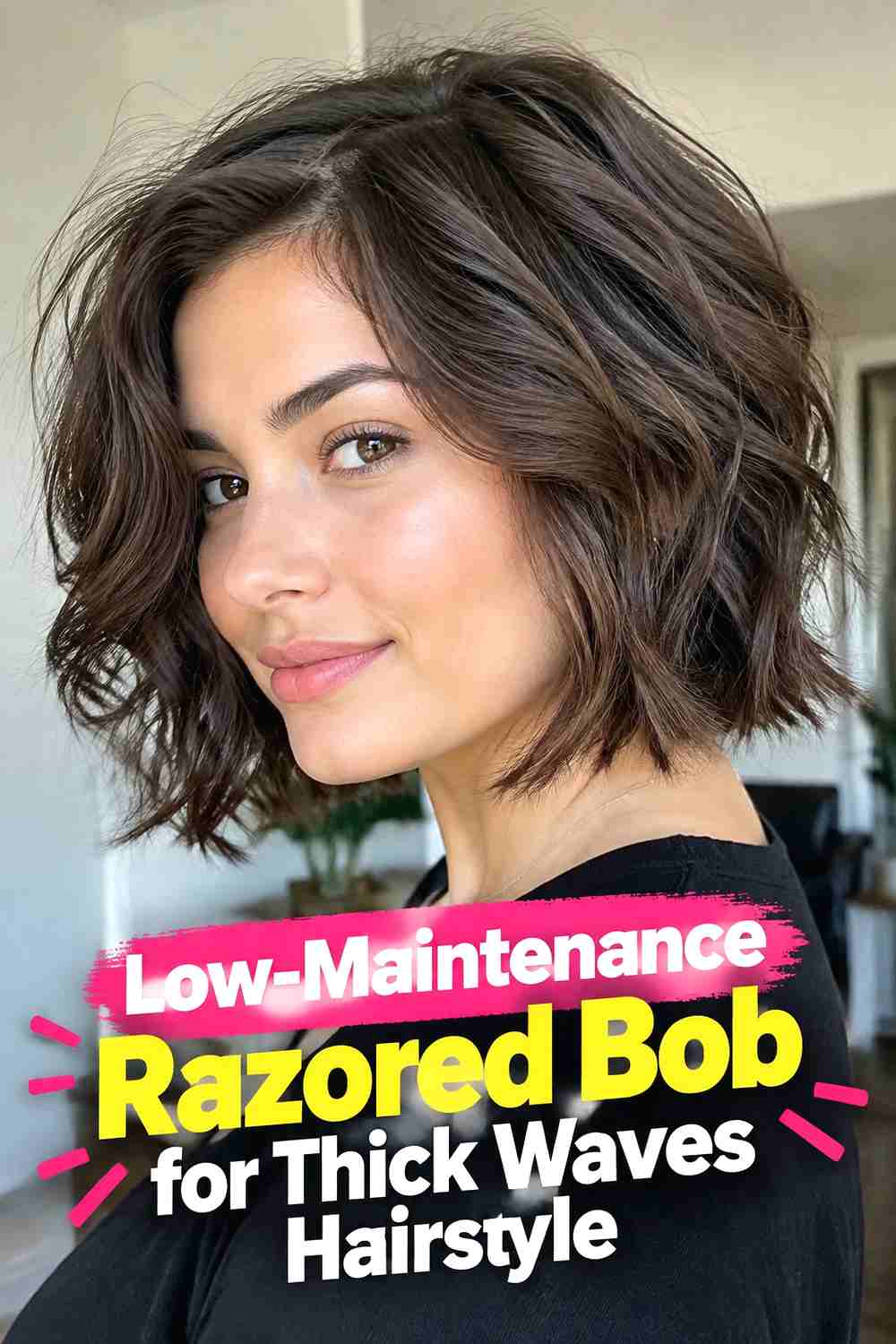
A low-maintenance razored bob keeps the layer pattern long and connected so the haircut can air-dry well and grow out without quickly losing its shape. The main length can sit between the jaw and shoulders, while subtle internal weight removal reduces heaviness in the densest areas. Instead of relying on short crown layers, the razor work focuses on softening the mids and perimeter enough for natural waves to separate. Face-framing pieces should also remain relatively long so they do not require daily styling. This approach works best when the cut is tailored to the existing wave pattern, allowing the hair to fall naturally rather than expecting heat tools to create the final silhouette.
Wear & Maintenance
Longer layers and selective texturizing generally provide a more forgiving grow-out than heavily razored or extremely short layered shapes.
17. Feathered Razored Bob With Soft Texture Hairstyle
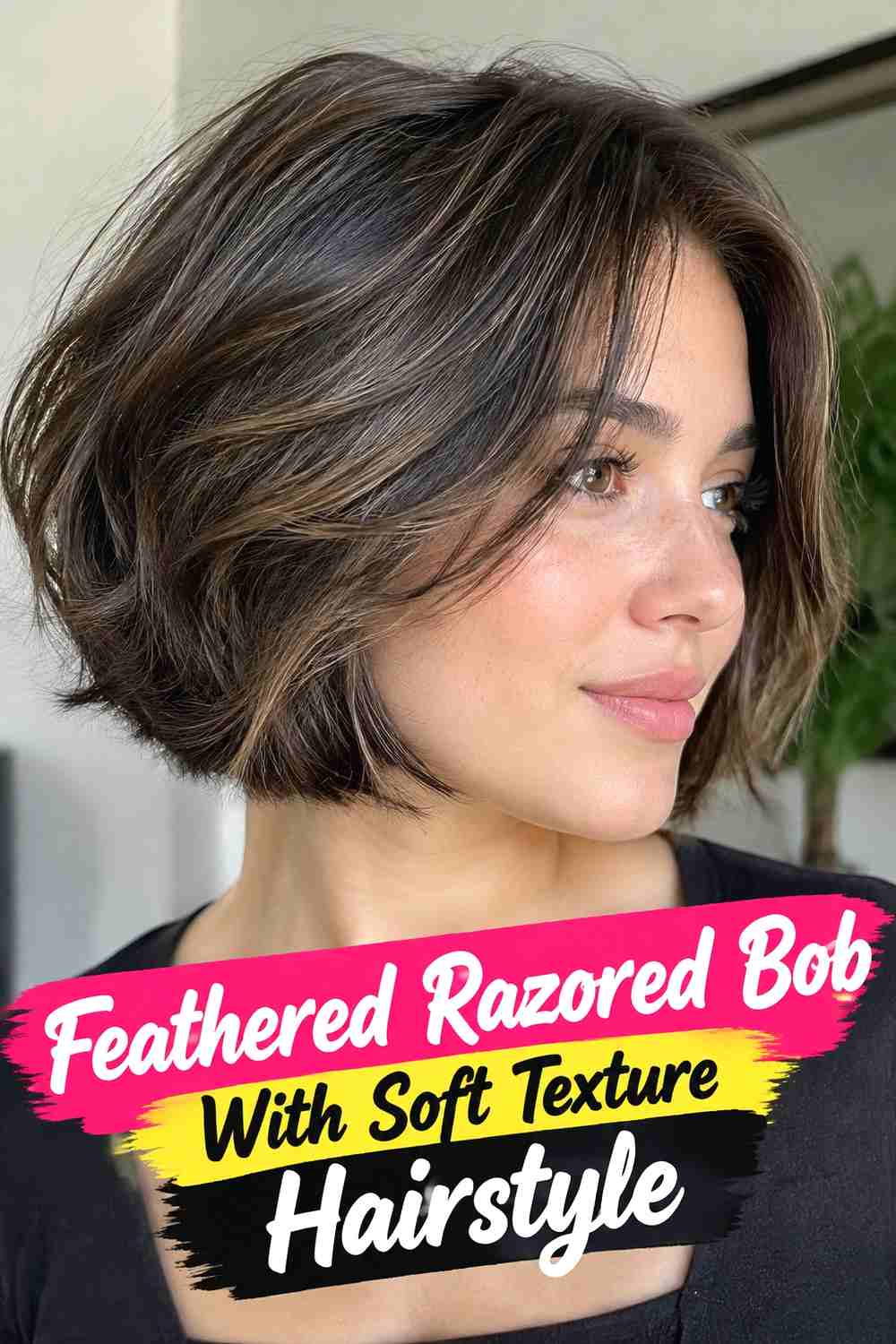
Feathered razor work gives thick wavy hair a lighter directional flow without turning the bob into a dramatic shag. The outer layers are softly tapered so they move away from the face and overlap rather than sitting in heavy blocks. Through the ends, the razor creates gentle separation that helps natural waves remain visible. The bob can sit around the lower jaw or neck, with enough density maintained underneath to prevent the feathered sections from looking thin. This style looks especially attractive with broad, soft waves rather than tight uniform curls. A light blow-dry can emphasize the directional movement, but the haircut should retain a relaxed shape when allowed to dry naturally.
Why It Works
Soft feathering reduces visual heaviness while preserving the fullness and movement that make thick wavy hair distinctive.
18. Deep Texture Razored Bob With Wavy Ends Hairstyle
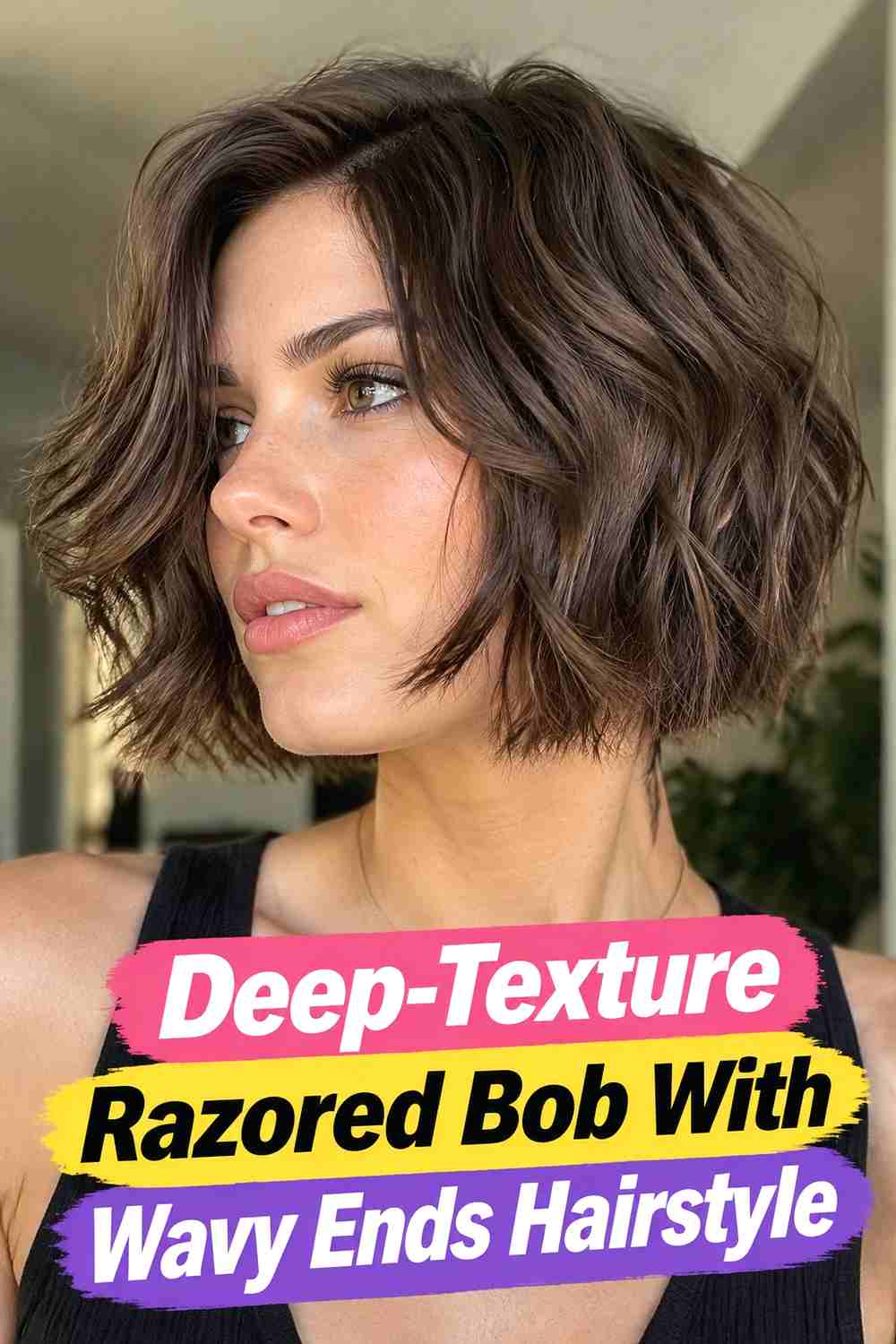
This deeply textured bob uses more substantial razor work for thick hair that carries significant weight through the mids and ends. Interior sections are strategically lightened so the waves can expand and contract without forming a dense lower block. The outer perimeter remains controlled, but individual ends appear separated and slightly tapered, creating a strong textured finish. This version is best suited to hair with enough density to support more weight removal without becoming wispy. Natural waves give the cut its character, especially when some sections bend more strongly than others. The goal is not an ultra-thin perimeter but a visibly lighter structure that allows the existing texture to move with less resistance.
Best For
Consider this option when your hair is very dense and lighter razor detailing does not remove enough bulk to create comfortable movement.
How to Choose the Right Look
Start by considering how your thick waves behave at different lengths. If your hair expands dramatically when cut short, a collarbone or shoulder-grazing bob may provide enough weight to keep the silhouette balanced. If your waves remain controlled at shorter lengths, chin- and jaw-length bobs can create a bolder shape.
Next, decide where you actually need weight removed. Hair that feels bulky underneath may benefit from internal layers, while a heavy perimeter may need soft razor detailing through the ends. Thick hair does not automatically need aggressive thinning everywhere; removing too much density can cause shorter pieces to puff or create weak-looking ends.
Your wave pattern matters too. Strong, defined waves may benefit from longer surface layers, while looser texture can handle shaggy, feathered, or more obviously broken-up shapes.
Finally, consider maintenance and styling. Long, connected layers tend to air-dry and grow out more predictably. Short crown layers, asymmetrical shapes, and chin-length silhouettes may require more frequent reshaping to maintain their intended proportions.
Final Thoughts
A razored bob can make thick wavy hair feel lighter and more mobile without sacrificing its natural fullness. The best versions use the razor strategically—softening ends, releasing interior weight, or shaping face-framing layers instead of simply thinning everything. Choose a length and layer pattern that supports your natural waves, and keep enough density in the right places for the bob to maintain a strong, healthy-looking silhouette.
FAQs
1. Is a razored bob good for thick wavy hair?
It can be an excellent option when the razor technique is adapted to the hair’s density and wave pattern. Strategic texturizing can reduce bulk and improve movement without removing too much fullness.
2. Can razor cutting make thick wavy hair look frizzy?
Over-texturizing can make some hair types feel less controlled, so technique matters. Keeping enough weight through the perimeter and avoiding excessive thinning can help preserve smoother wave definition.
3. What length is best for a razored bob on thick waves?
Jaw, chin, collarbone, and shoulder-grazing lengths can all work. Hair that expands strongly often benefits from a little extra length, while more controlled waves may suit shorter bobs.
4. Should thick wavy hair have internal layers?
Internal layers can be useful when bulk is concentrated beneath the surface. They remove weight without requiring the outside of the haircut to look heavily layered.
5. Is a razored wavy bob high maintenance?
Not necessarily. Longer, connected layers and a shape designed for natural texture can be relatively easy to maintain, while very short, asymmetrical, or heavily layered versions may require more frequent reshaping.
Save your favorite razored bob idea, share it with your stylist, and explore more thick wavy haircut inspiration for your next salon visit.