15 Smooth Crown Hairstyles for Stand-Collar Jackets
A smooth crown paired with a structured stand collar creates a sharp, elegant silhouette that keeps winter outfits polished without crowding the neckline.
Stand-collar jackets bring structure close to the jaw and neck, so hairstyles with controlled crown volume can create a cleaner balance. Instead of adding fullness directly above an already substantial collar, these looks keep the upper shape streamlined while allowing the ponytail, bun, braid, knot, or loose length to provide interest lower down.
The right choice depends on hair length, density, texture, hold, and how much contact the style will have with the jacket collar. Some options are compact enough for high collars, while others place the decorative detail farther down the back. Each look keeps realistic strand texture, natural shine, believable tension, and practical outerwear wearability in mind.
Quick List
- Sleek Low Ponytail Crown Hairstyle
- Smooth Center Part Low Bun Hairstyle
- Glossy Side Part Low Knot Hairstyle
- Polished Tucked Back Lob Hairstyle
- Slicked Back Braided Ponytail Hairstyle
- Smooth Low Twist Hairstyle
- Sleek Straight Back Bun Hairstyle
- Smooth Side Sweep Ponytail Hairstyle
- Polished Wrapped Ponytail Hairstyle
- Glassy Ear Tucked Straight Hairstyle
- Smooth Low Braided Bun Hairstyle
- Minimal Center Part Chignon Hairstyle
- Satin Finish Low Ponytail Hairstyle
- Smooth Crown Bubble Ponytail Hairstyle
- Softly Smoothed Nape Bun Hairstyle
1. Sleek Low Ponytail Crown Hairstyle
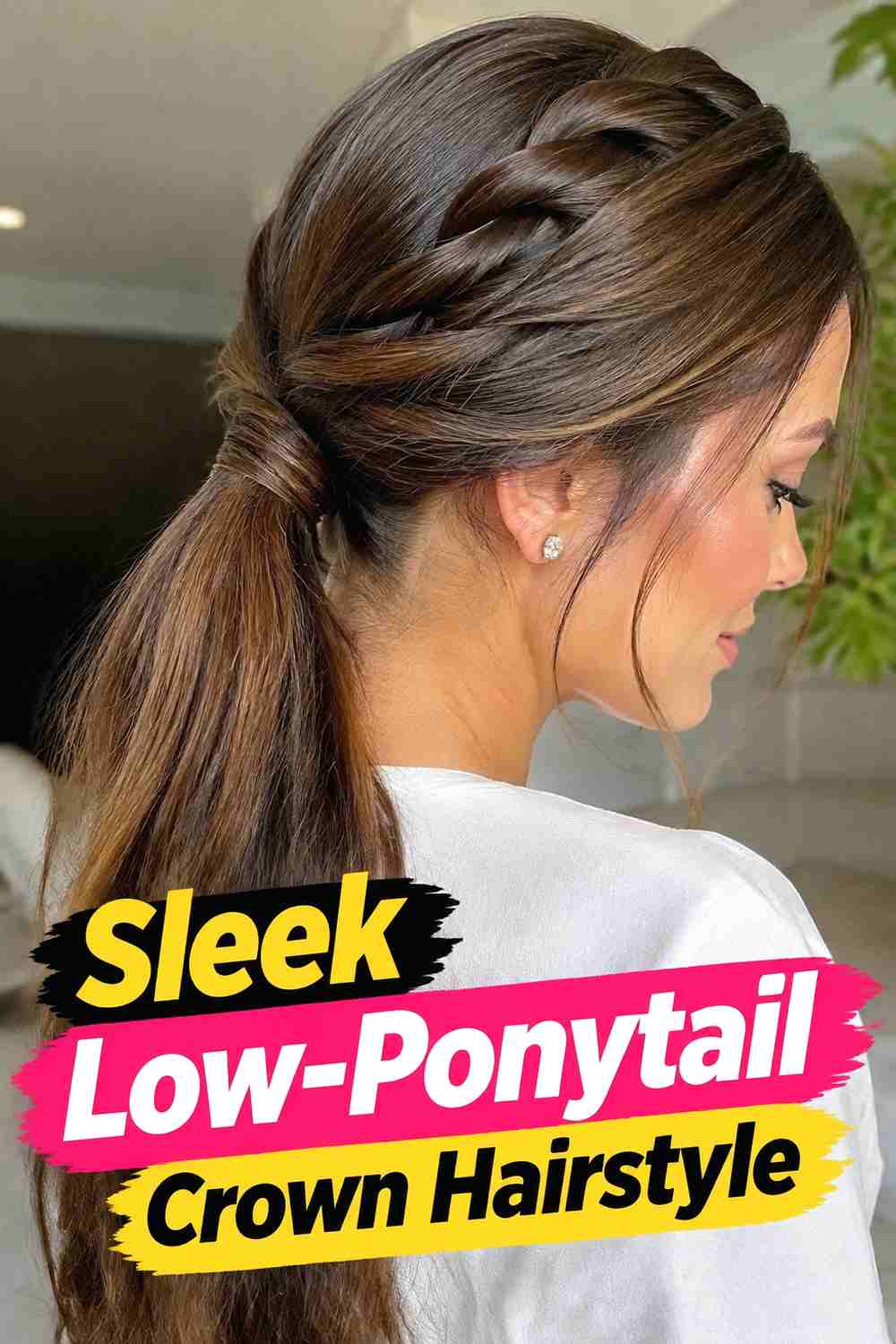
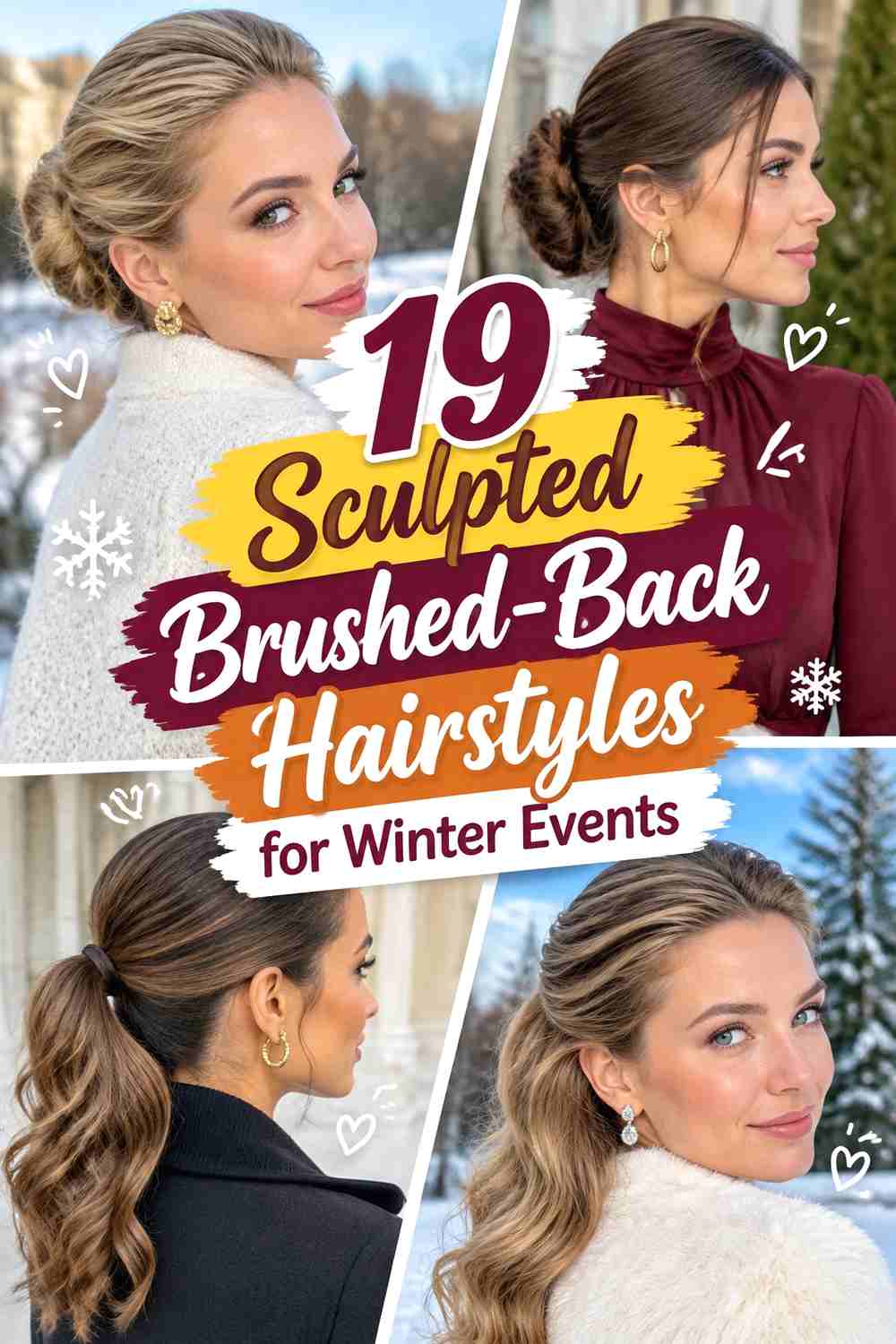
A sleek low ponytail keeps the crown close and controlled while shifting the movement below the jacket collar. Hair is smoothed from the hairline toward a secure tie near the nape, creating a clean upper silhouette that complements the vertical structure of a stand collar. The ponytail itself can remain naturally straight, softly wavy, or gently textured rather than being pressed into an unnaturally perfect finish. This style is especially practical for medium to long hair because it keeps loose lengths together without adding bulk around the neck. Avoid pulling the crown excessively tight; a smooth surface with believable tension is enough. Position the tie so it sits just above or below the collar edge rather than directly against it.
Styling Notes
Use a brush for the main shape, then refine only the visible surface with a lightweight smoothing product. Keeping the ponytail flexible helps it move naturally against heavier jacket fabrics.
2. Smooth Center Part Low Bun Hairstyle
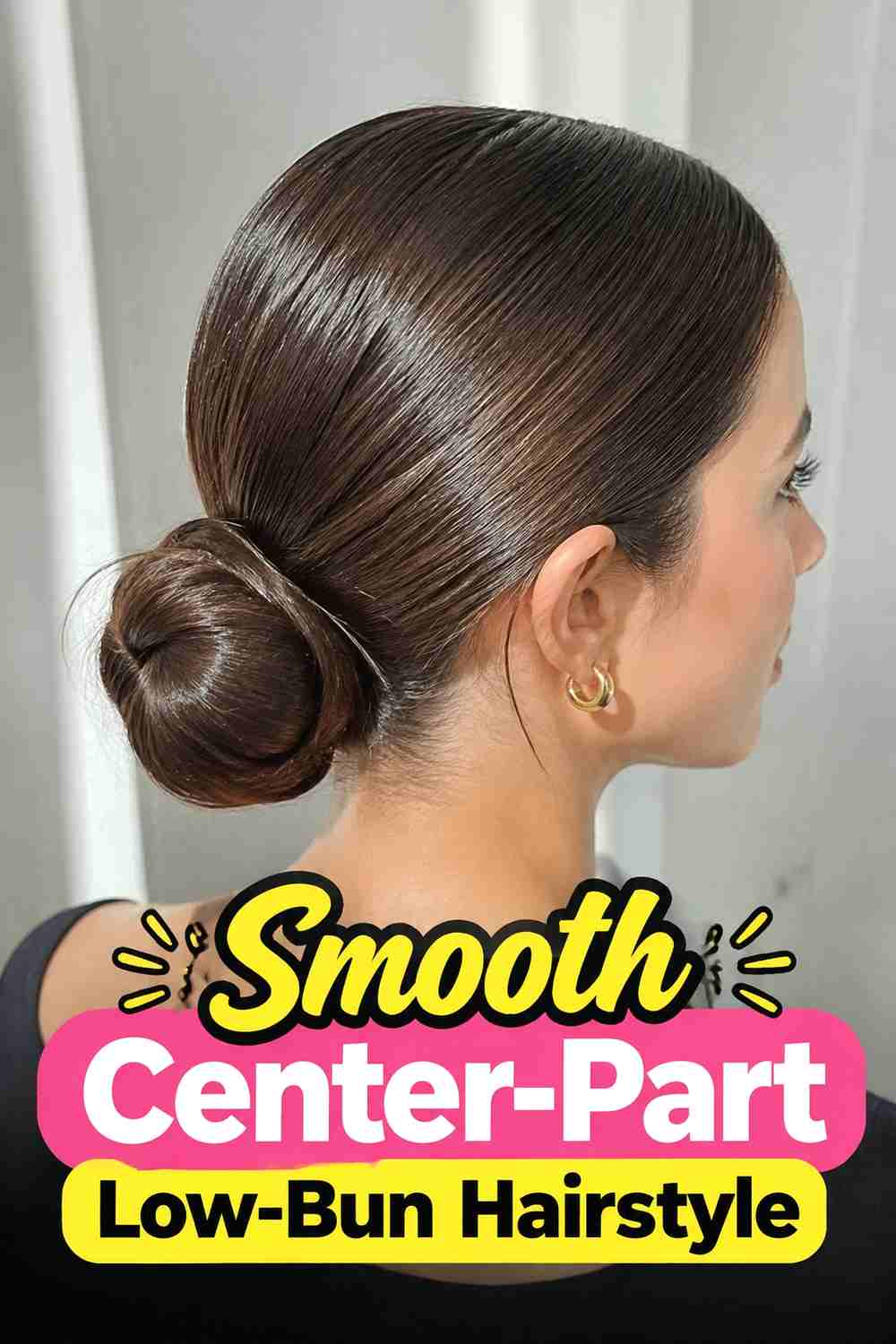
A precise center part gives this low bun a balanced, minimal look that works particularly well with the symmetry of a stand-collar jacket. The hair lies smoothly over the crown before gathering into a compact bun at the nape, keeping attention away from excessive height and toward the overall silhouette. The bun should remain proportionate to the head so it does not press awkwardly against the collar. This style adapts well to straight, wavy, and denser textures when the surface is smoothed in sections rather than heavily coated with product. A little natural variation around the hairline keeps the finish believable. For all-day wear, secure the base before shaping the bun so the hairstyle does not rely on uncomfortable tension.
Best For
Choose this look when you want a refined, symmetrical hairstyle that leaves the stand collar fully visible and works easily with tailored, minimalist, or formal jackets.
3. Glossy Side Part Low Knot Hairstyle
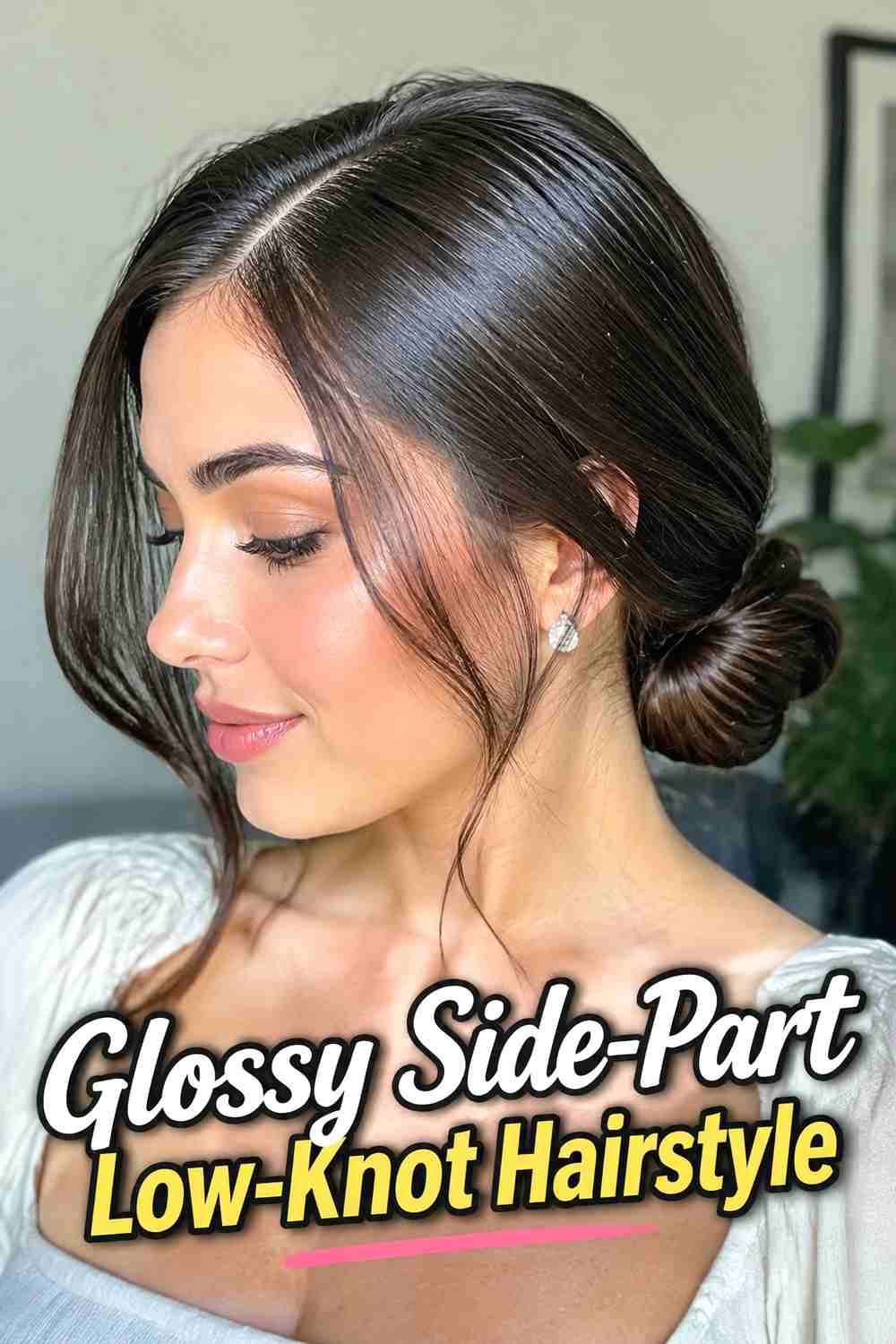
A glossy side-part low knot softens the strict lines of a stand collar by introducing subtle asymmetry through the front. Hair sweeps smoothly away from the deeper side of the part before gathering into a compact knot near the nape. The crown remains controlled, but a small amount of natural lift prevents the style from looking flattened against the scalp. The knot works best when its shape is simple and clean rather than oversized, especially if the jacket collar reaches high behind the neck. A healthy-looking shine can emphasize the smooth crown, though the finish should still show individual strands and realistic texture. Medium to long hair usually provides enough length to form the knot securely without excessive pinning.
Wear & Maintenance
Check the knot after putting on the jacket. If the collar touches it directly, shift the knot slightly higher so repeated friction does not loosen the structure.
4. Polished Tucked Back Lob Hairstyle
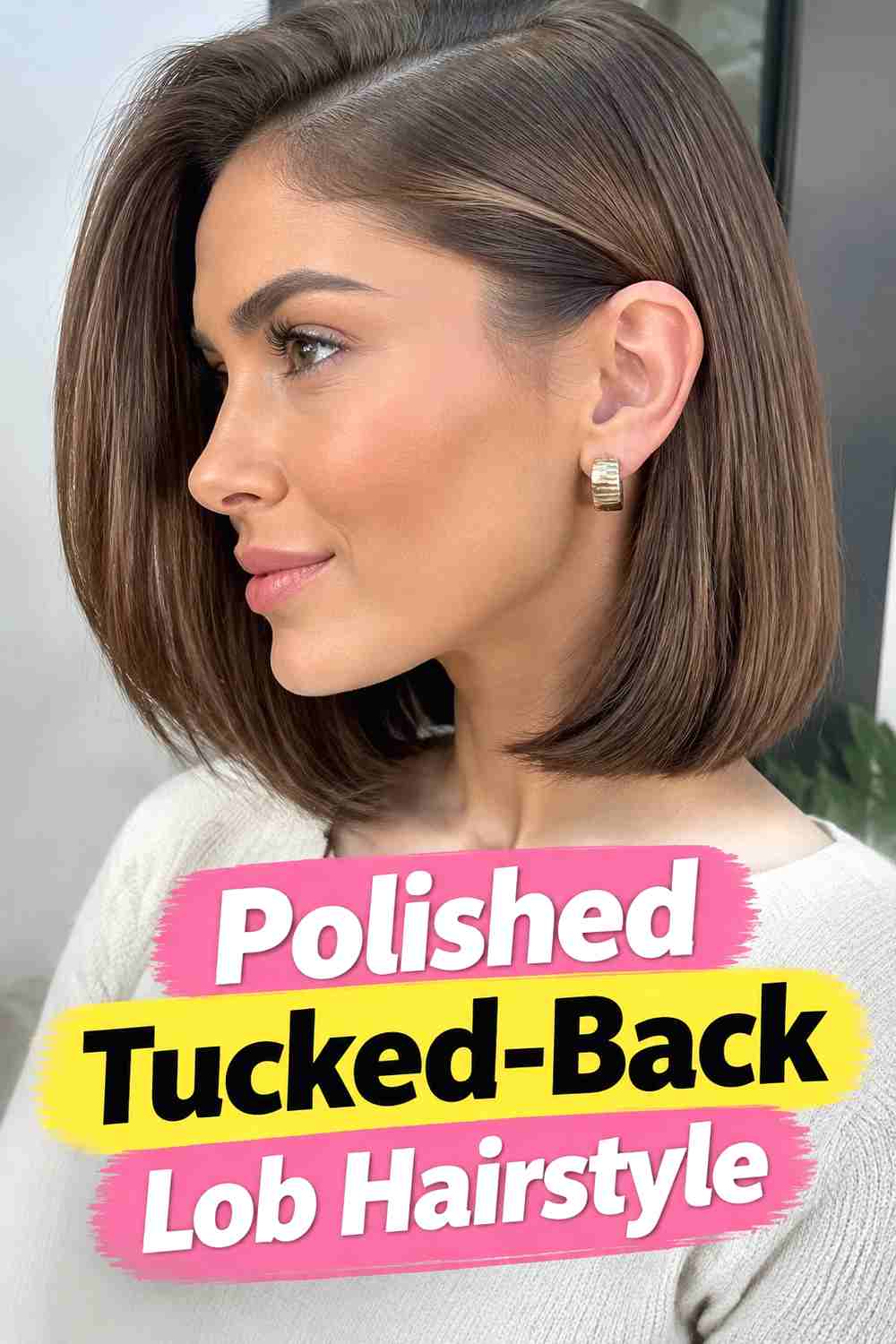
A polished tucked-back lob offers a smooth-crown option without putting the hair fully up. The crown stays sleek while the front sections are directed behind the ears, leaving the face and jacket collar clearly visible. Shoulder-skimming ends can fall outside the stand collar or sit just above it, depending on the jacket height. This style works especially well when the haircut has a clean perimeter because the smooth crown transitions naturally into structured lower lengths. Straight and softly wavy hair can both suit the look; the goal is controlled movement rather than rigid flatness. If the collar tends to push the ends outward, a slight inward bend or softly weighted finish can help the lob settle back into shape once the jacket is removed.
Pro Tip
Direct the front sections backward while drying so they naturally sit behind the ears. This reduces the amount of product or pinning needed to maintain the tucked shape.
5. Slicked Back Braided Ponytail Hairstyle
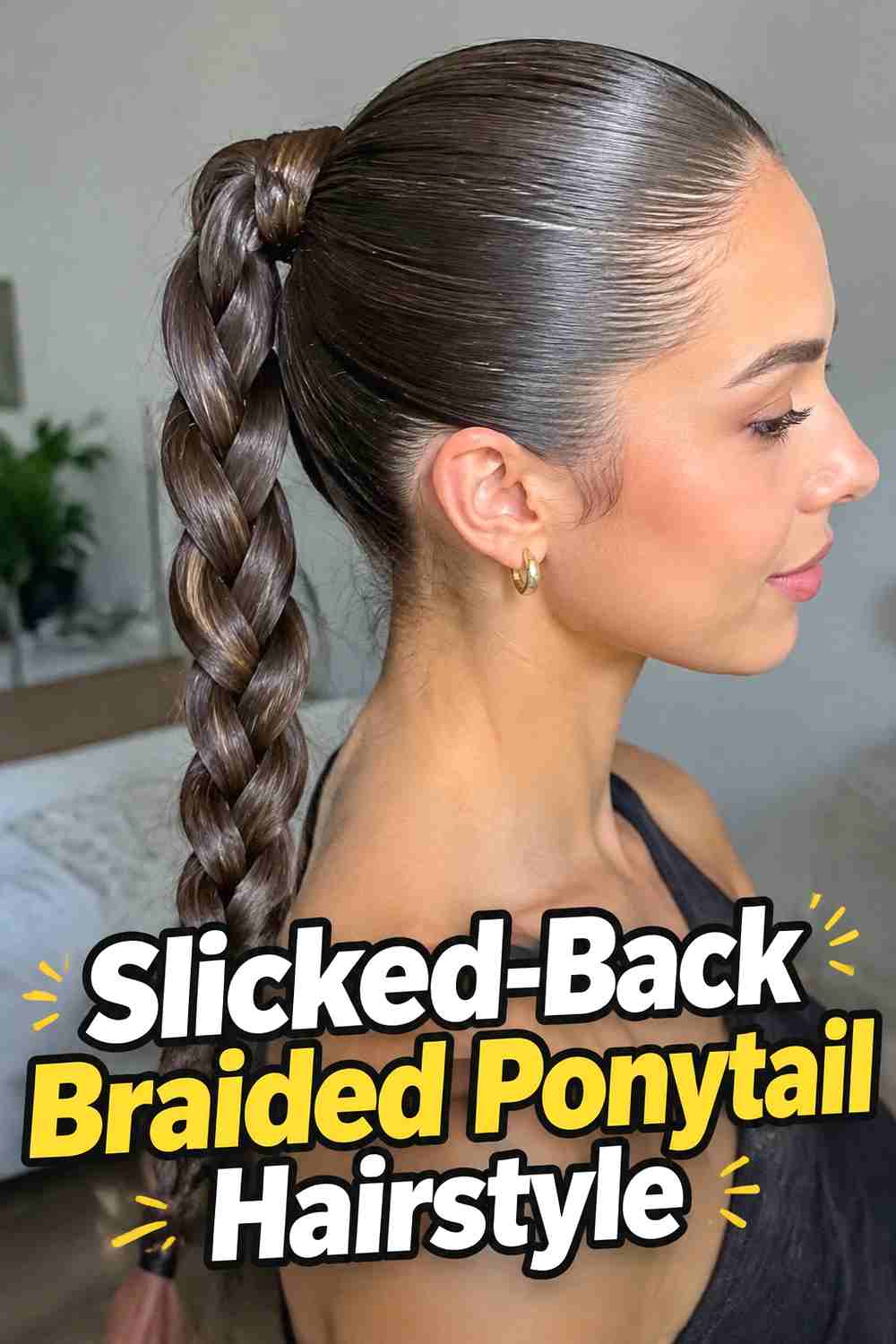
This hairstyle combines a tightly controlled crown with the texture of a braid placed lower down. The hair is directed straight back without a visible part, gathered into a low or mid-low ponytail, and braided through the length. That separation of textures works well with a stand-collar jacket: the smooth crown keeps the neckline clean, while the braid adds definition below it. The braid should begin at a believable tie point and maintain natural density as it tapers toward the ends. This is particularly useful for long hair that might otherwise become trapped inside the jacket. Keep the front polished but not excessively wet-looking, and avoid pulling so tightly that the hairline or scalp appears strained.
Hair Type & Length
Long hair provides the most visible braid length. Straight, wavy, curly, or coily textures can all work when the crown is smoothed in a way that respects the hair’s natural density.
6. Smooth Low Twist Hairstyle
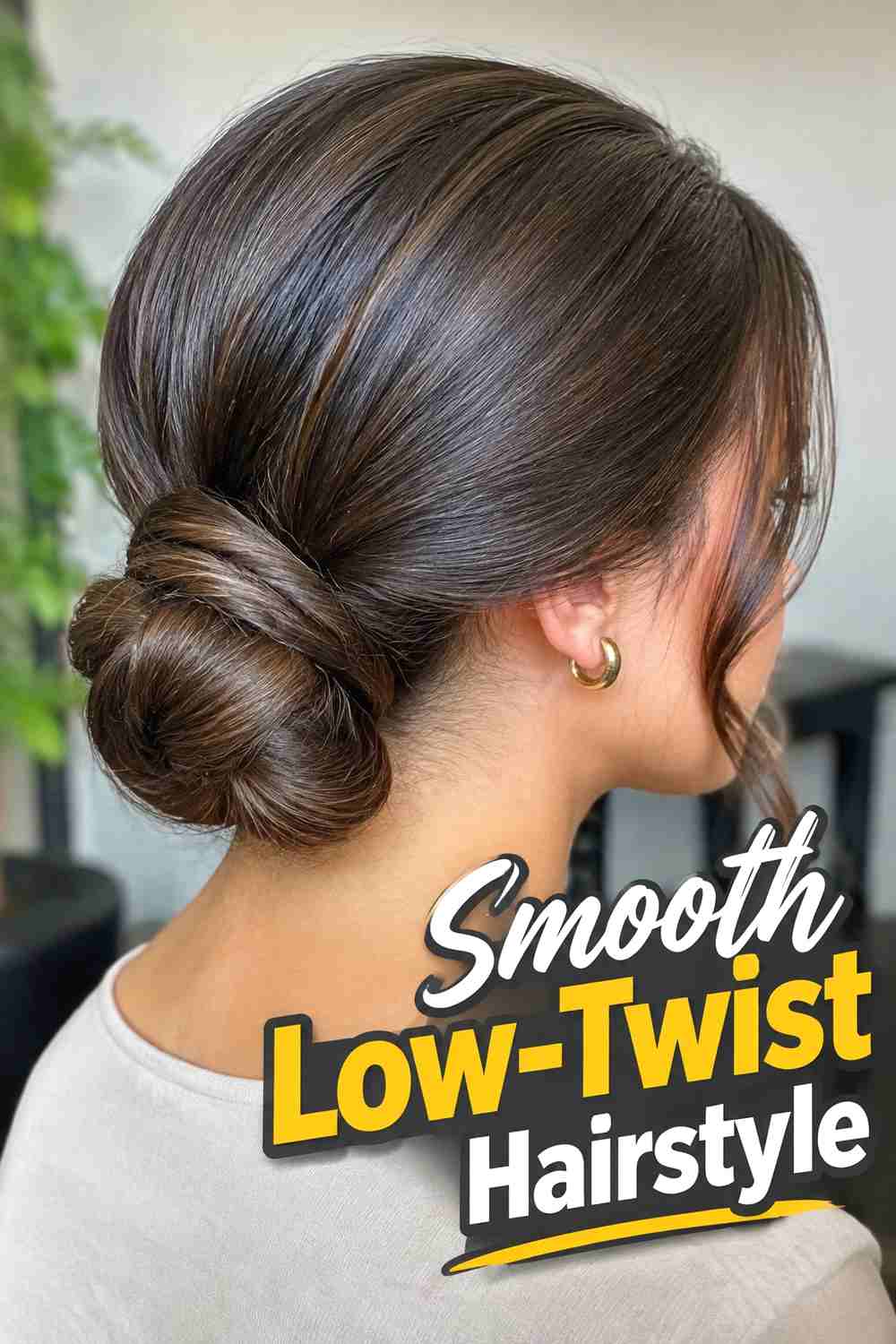
A smooth low twist keeps the crown streamlined while introducing a softly folded shape at the nape. Rather than creating a round bun, the gathered lengths are twisted and tucked vertically or diagonally, producing a narrow profile that can sit comfortably above a structured collar. The style feels polished without requiring every strand to disappear, so slight texture within the twist can actually make the result look more natural. This option is useful for medium to long hair and can be adjusted according to thickness; dense hair may need to be divided before twisting to prevent the shape from becoming bulky. Keep the crown controlled with moderate tension and allow just enough softness around the hairline to avoid an overly severe finish.
Why It Works
The narrow twist adds visual detail without creating a wide mass at the back of the neck, making it particularly compatible with jackets that have tall, close-fitting collars.
7. Sleek Straight Back Bun Hairstyle
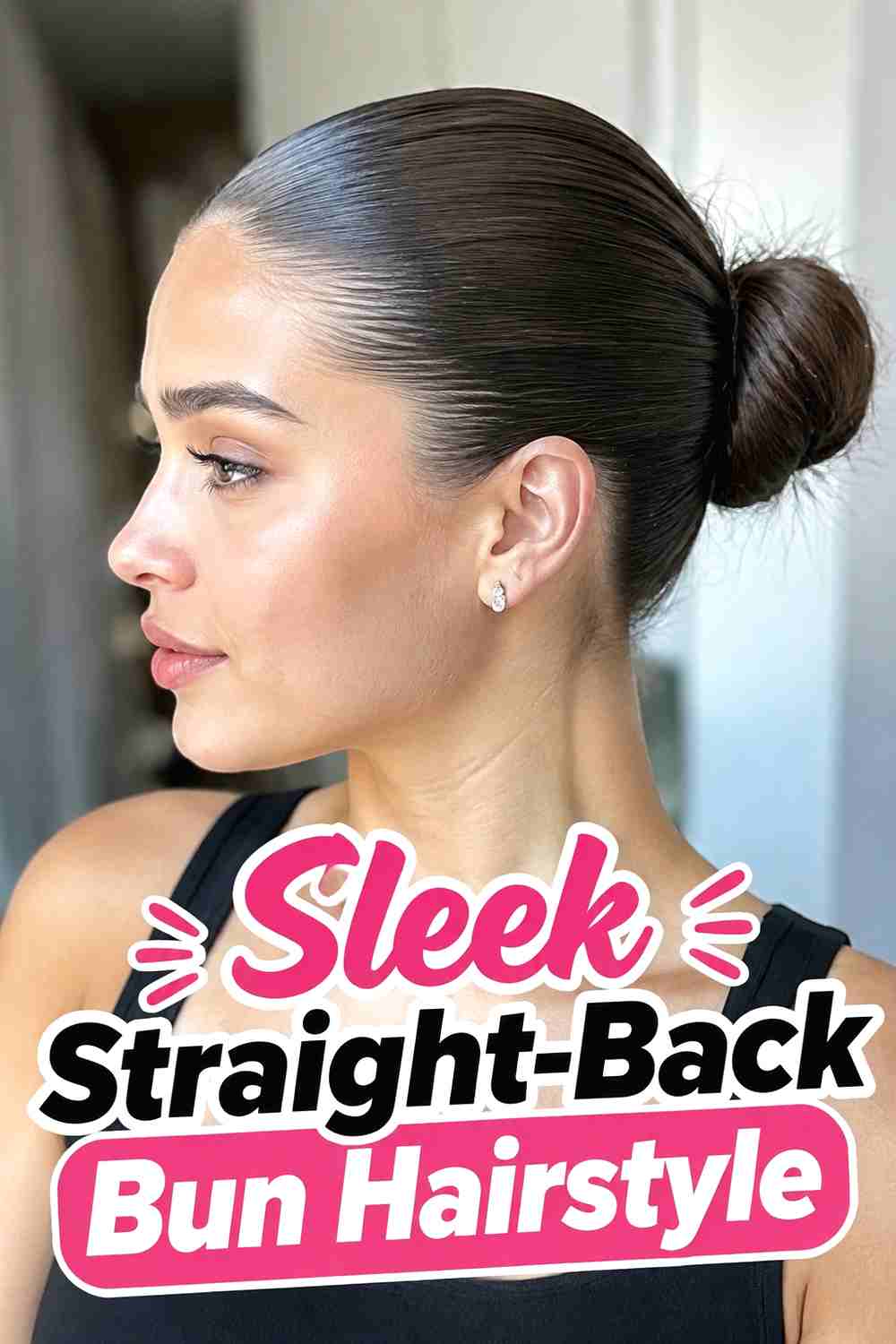
A sleek straight-back bun eliminates the visible part and creates a clean uninterrupted line from the forehead to the bun. With a stand-collar jacket, this simplicity can look especially modern because the hairstyle does not compete with the collar’s strong construction. Positioning the bun low keeps the overall profile streamlined, while a slightly higher placement may work better when the collar rises sharply at the back. The crown should appear smooth with realistic shine and natural strand direction rather than looking painted into place. This style can accommodate different hair densities, but thick hair may need sectioning to create a compact bun. Use flexible control around the hairline so the style remains polished while still allowing normal facial movement.
Wear & Maintenance
Secure the bun independently from the crown whenever possible. A stable base lets you maintain the sleek surface without relying on excessive tension throughout the entire hairstyle.
8. Smooth Side Sweep Ponytail Hairstyle
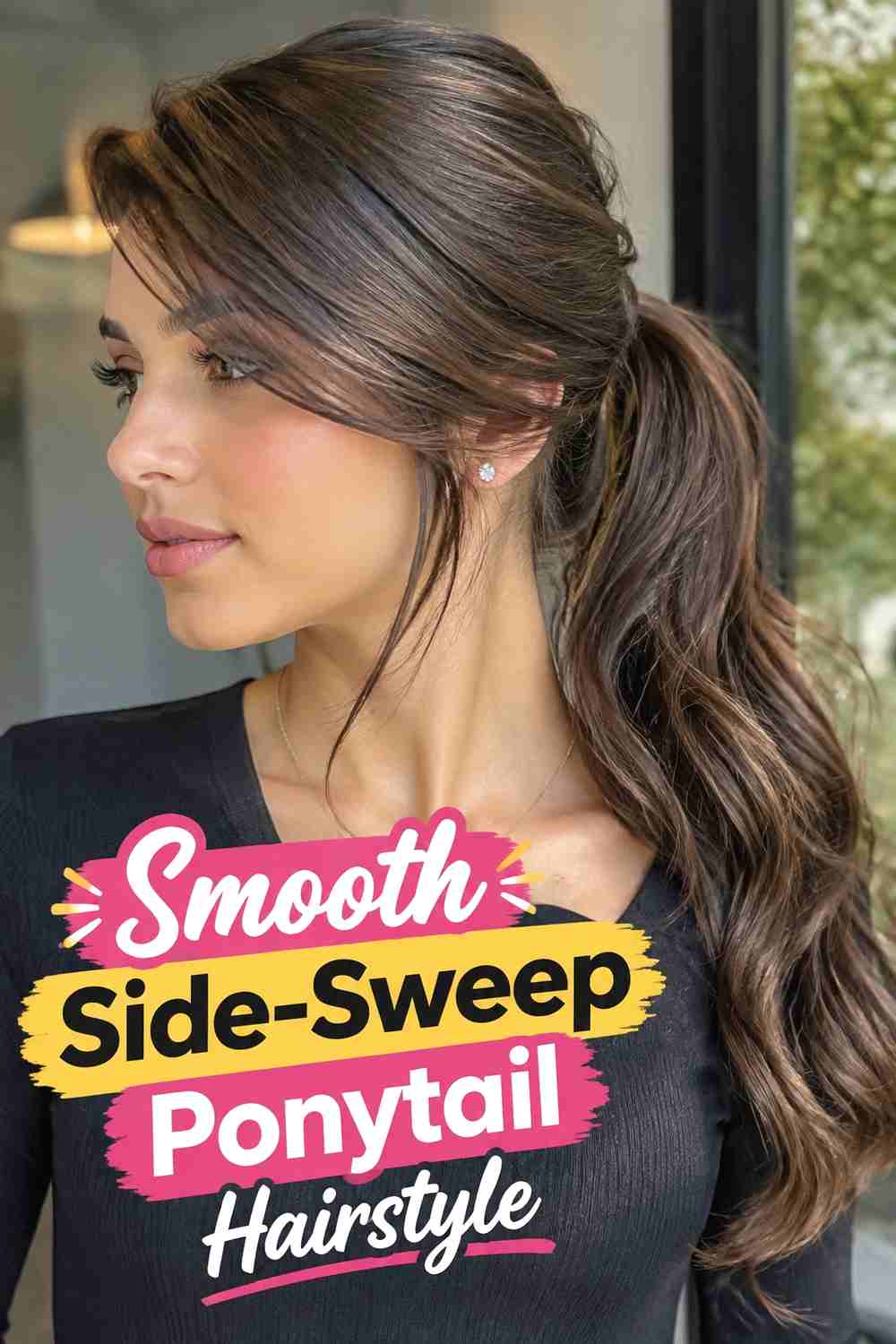
The smooth side-sweep ponytail gives the crown a directional finish while keeping the length contained behind the jacket. A side part guides the hair diagonally across the crown before it meets a low ponytail, creating movement without extra volume. This can be especially flattering beside a rigid stand collar because the asymmetry softens the jacket’s straight vertical lines. Keep the sweep close to the head but allow slight root lift around the deeper part so it retains natural dimension. The ponytail can stay straight or carry a gentle bend depending on the hair texture. For comfort, avoid placing the elastic exactly where the collar edge rests, since constant pressure can loosen the base or make the hairstyle uncomfortable over several hours.
Styling Notes
Establish the side sweep before securing the ponytail. Once the front direction is correct, gather the lengths carefully so the finished surface remains smooth and undisturbed.
9. Polished Wrapped Ponytail Hairstyle
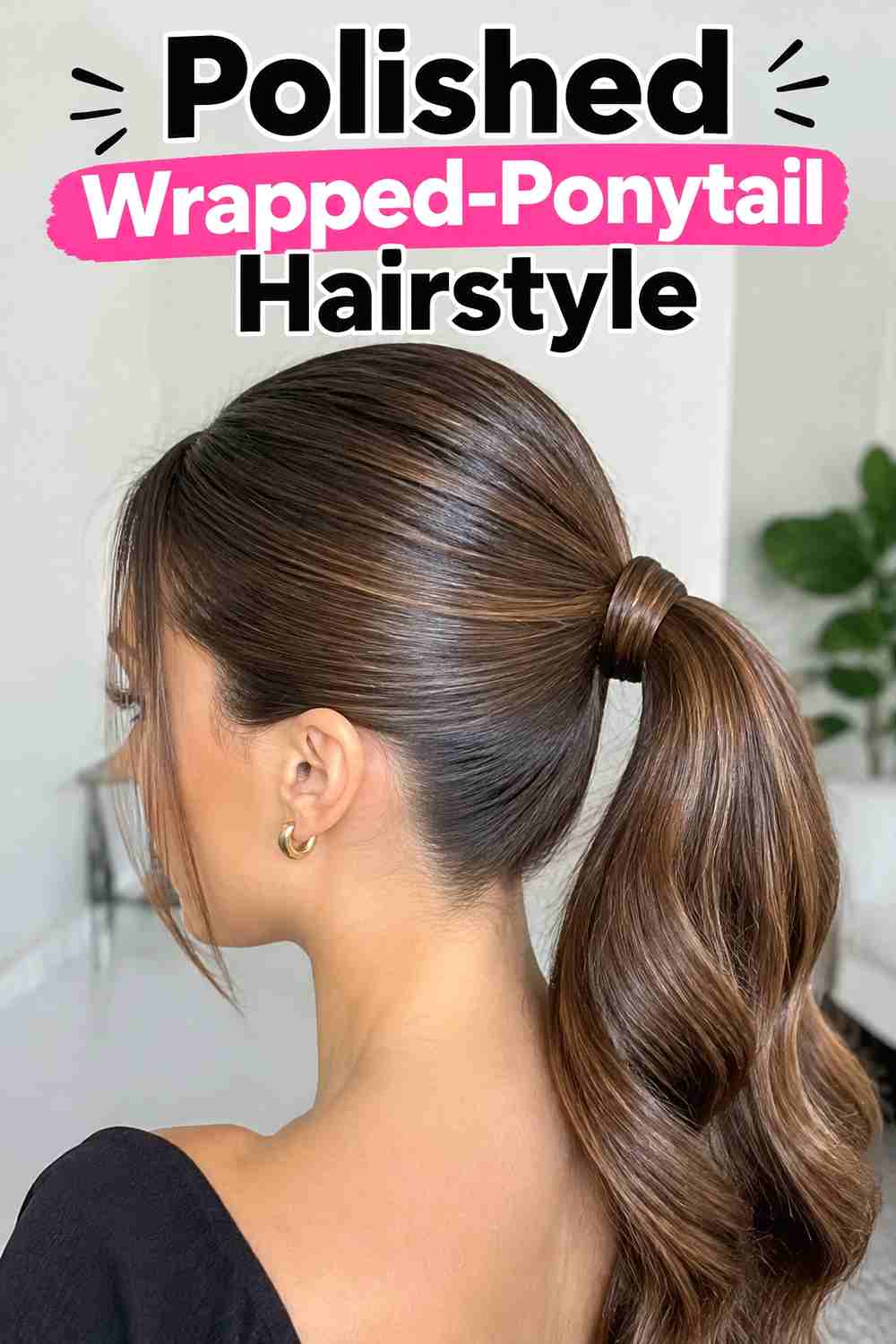
A wrapped ponytail elevates a simple smooth-crown style by using a small section of hair to conceal the elastic. The crown remains streamlined and controlled, while the wrapped base creates a cleaner transition into the ponytail. This detail works especially well with polished stand-collar jackets because there are no visible bands or unnecessary accessories competing with the structured neckline. The ponytail itself can fall straight or carry slight natural movement, but the wrapped section should stay secure and believable rather than appearing overly thick. Medium to long hair generally provides enough length to create the effect. If your collar reaches the ponytail base, position the tie a little higher so the wrapped section remains visible and does not rub continuously against the fabric.
Best For
This style is ideal when you want a simple everyday ponytail to feel more finished without adding decorative clips, bows, or extra volume near the crown.
10. Glassy Ear Tucked Straight Hairstyle
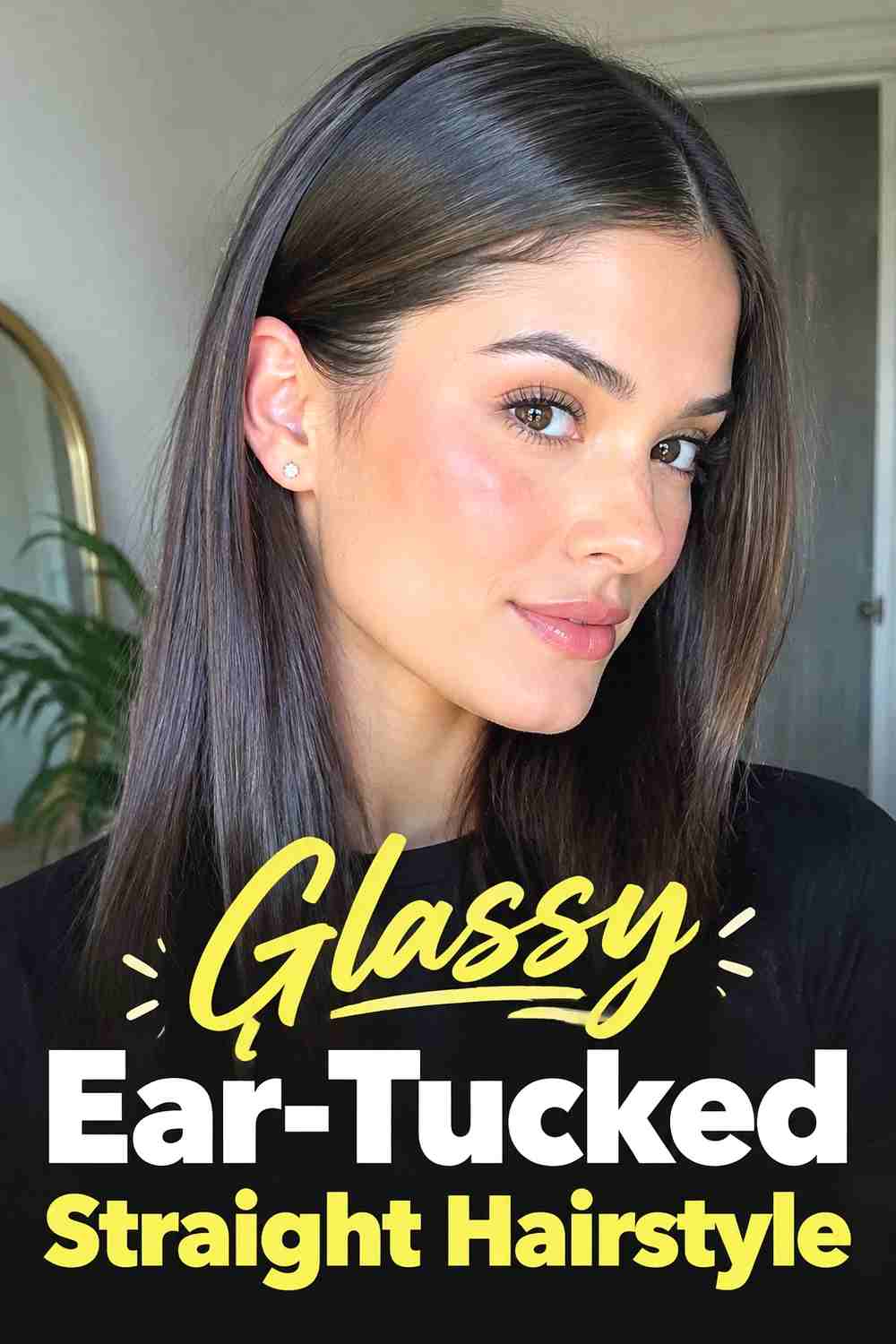
Glassy straight hair with both sides tucked behind the ears creates an exceptionally clean crown without requiring an updo. The upper section stays smooth and close to the head, leaving the stand collar exposed, while the lengths fall in a controlled line behind or outside the shoulders. A center part gives the look sharper symmetry, while a subtle off-center part can soften it. The key is maintaining realistic shine rather than an artificial mirror finish, with visible individual strands and enough movement through the ends to keep the hair natural. This approach suits straight and gently wavy hair particularly well. If the jacket collar is very high, slightly shorter shoulder or collarbone lengths may be easier to manage than hair that repeatedly catches inside the neckline.
Wear & Maintenance
Use only enough finishing product to control surface frizz. Heavy oils near the crown can remove dimension and make smooth hair appear greasy rather than polished.
11. Smooth Low Braided Bun Hairstyle
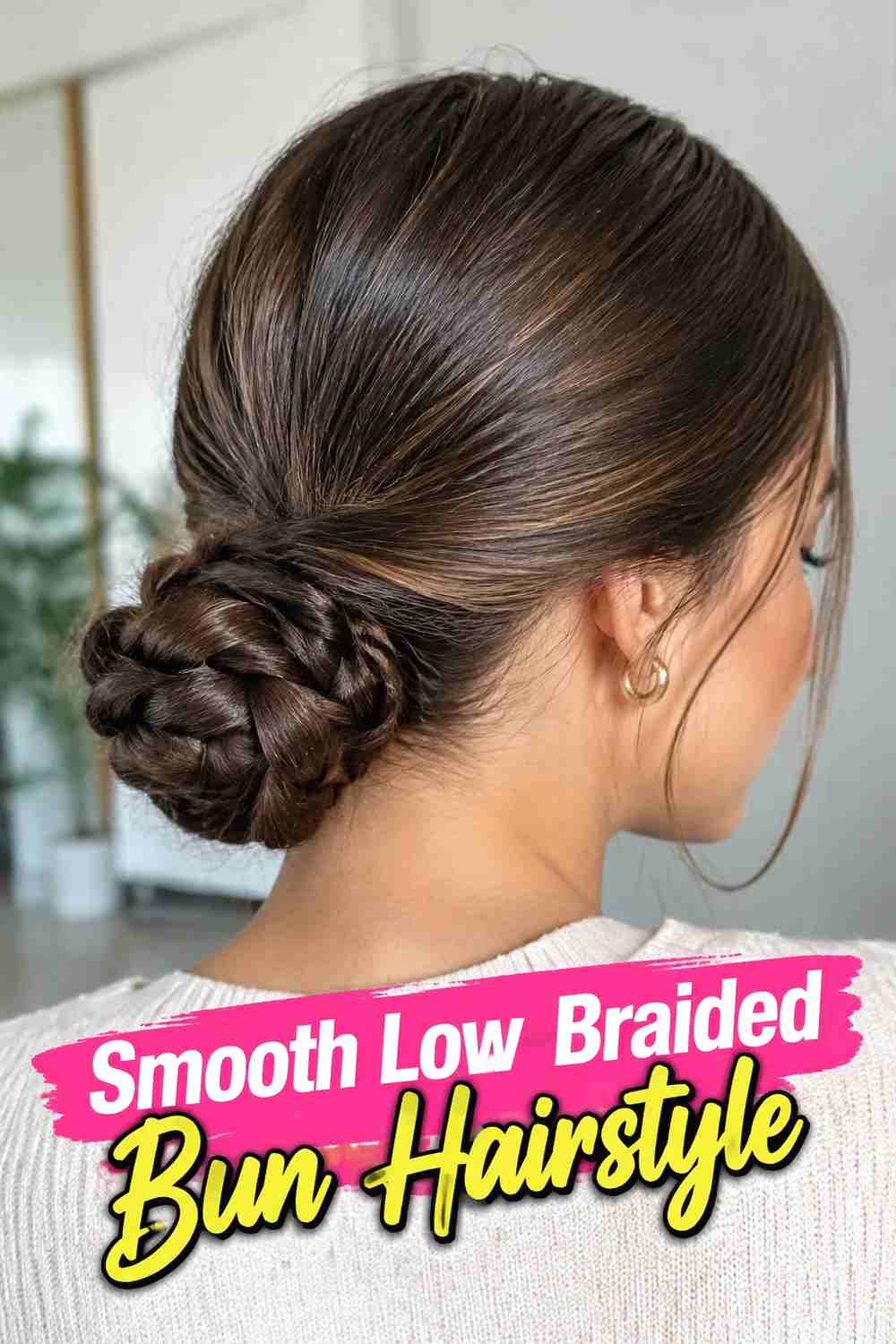
A smooth low-braided bun combines a clean crown with controlled texture at the nape. The hair is first gathered securely, braided, and then wrapped into a compact bun, creating visible structure without allowing loose lengths to interfere with the jacket collar. Because the braid helps organize the hair before wrapping, this style can be especially useful for long or thick hair that feels bulky in a simple twisted bun. The crown can be center-parted, side-parted, or brushed straight back depending on preference, but it should remain visually quiet so the braid detail has room to stand out. Pins should follow the bun’s natural shape and stay hidden rather than creating obvious tension points around the perimeter.
Why It Works
Braiding before wrapping helps contain the length and creates a more defined bun shape, while the smooth crown maintains the crisp profile that complements a stand collar.
12. Minimal Center Part Chignon Hairstyle
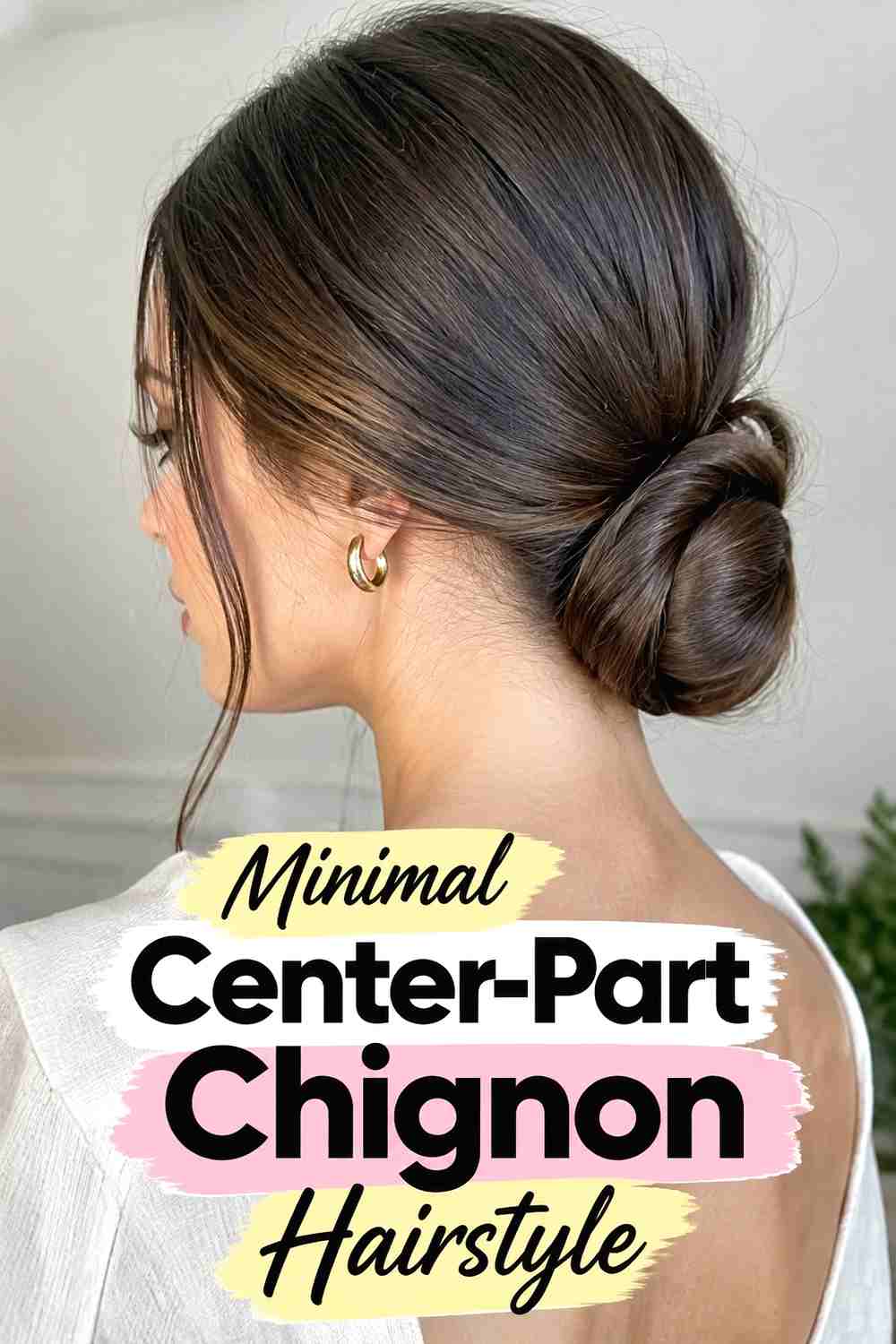
A minimal center-part chignon offers a refined alternative to a round low bun. The crown is smoothed into two balanced sections divided by a clean middle part, then the lengths are gathered into a softly folded chignon near the nape. The shape should remain low-profile so it does not compete with or press against the jacket collar. This style works particularly well for polished outfits because both the parting and the chignon have an understated, intentional quality. Fine hair can create a smaller delicate fold, while thicker hair may need internal pinning to keep the shape compact. Avoid over-smoothing every small strand; a little natural texture at the chignon helps distinguish the hair’s structure and keeps the finish from appearing synthetic.
Pro Tip
Secure the ponytail base first, then form the chignon. Building from a stable anchor makes it easier to shape the fold without disturbing the smooth crown.
13. Satin Finish Low Ponytail Hairstyle
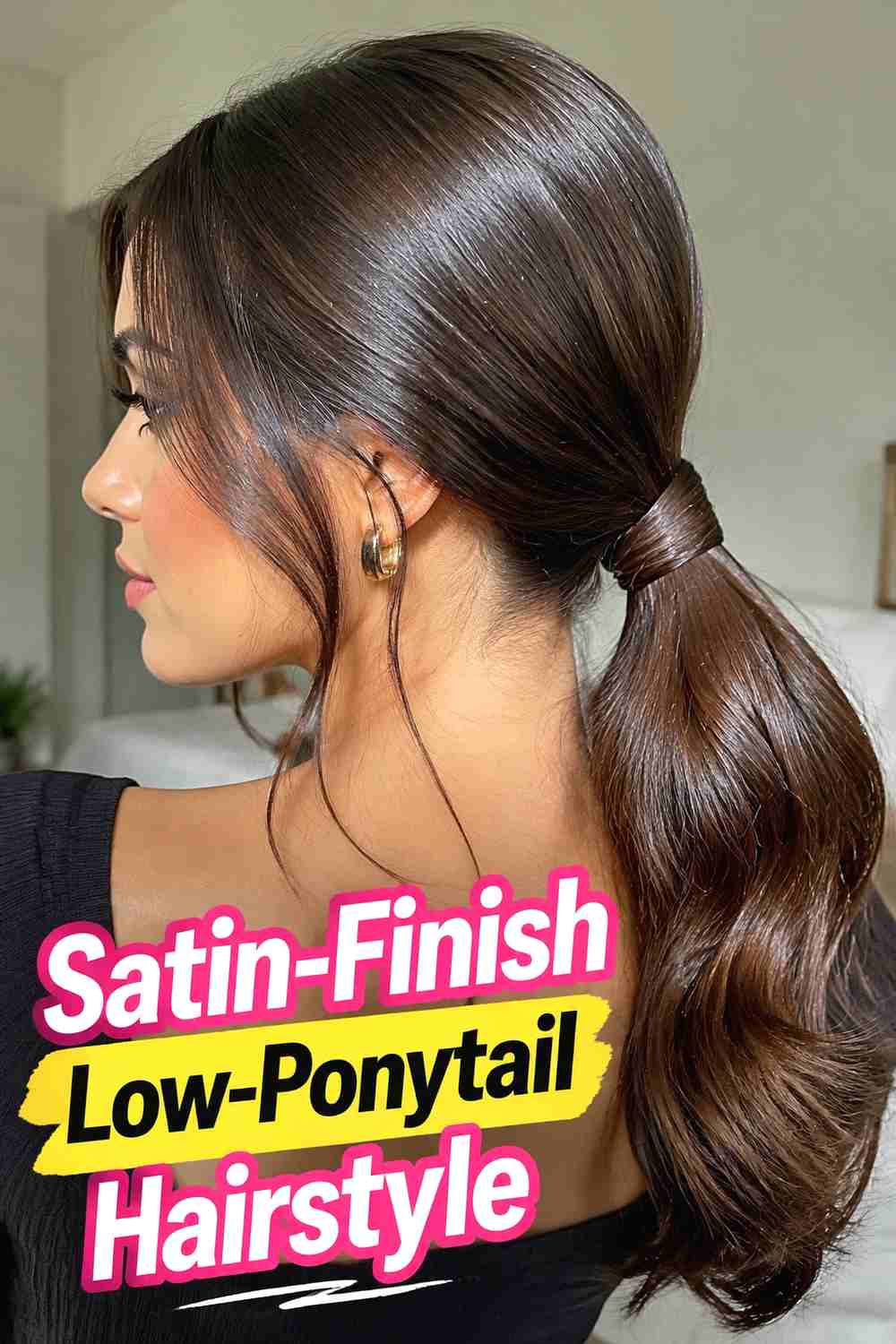
The satin-finish low ponytail is softer than a glassy or heavily slicked style but still keeps the crown neat enough for a structured stand collar. Hair reflects light gently across the surface while retaining visible strand texture, natural density, and subtle movement. This creates a polished effect that pairs particularly well with matte wool, suede, or softly textured jacket fabrics. A center or slight side part can both work, and the ponytail may remain straight or softly curved through the ends. The most important detail is keeping the base clean without making it excessively tight. If your hair is fine, moderate crown control can preserve some visual fullness; if it is thick, sectioning before smoothing may produce a more even finish.
Styling Notes
Focus on smooth preparation instead of layering multiple shine products. A small amount of lightweight serum through the outer lengths is usually enough to create a satin effect.
14. Smooth Crown Bubble Ponytail Hairstyle
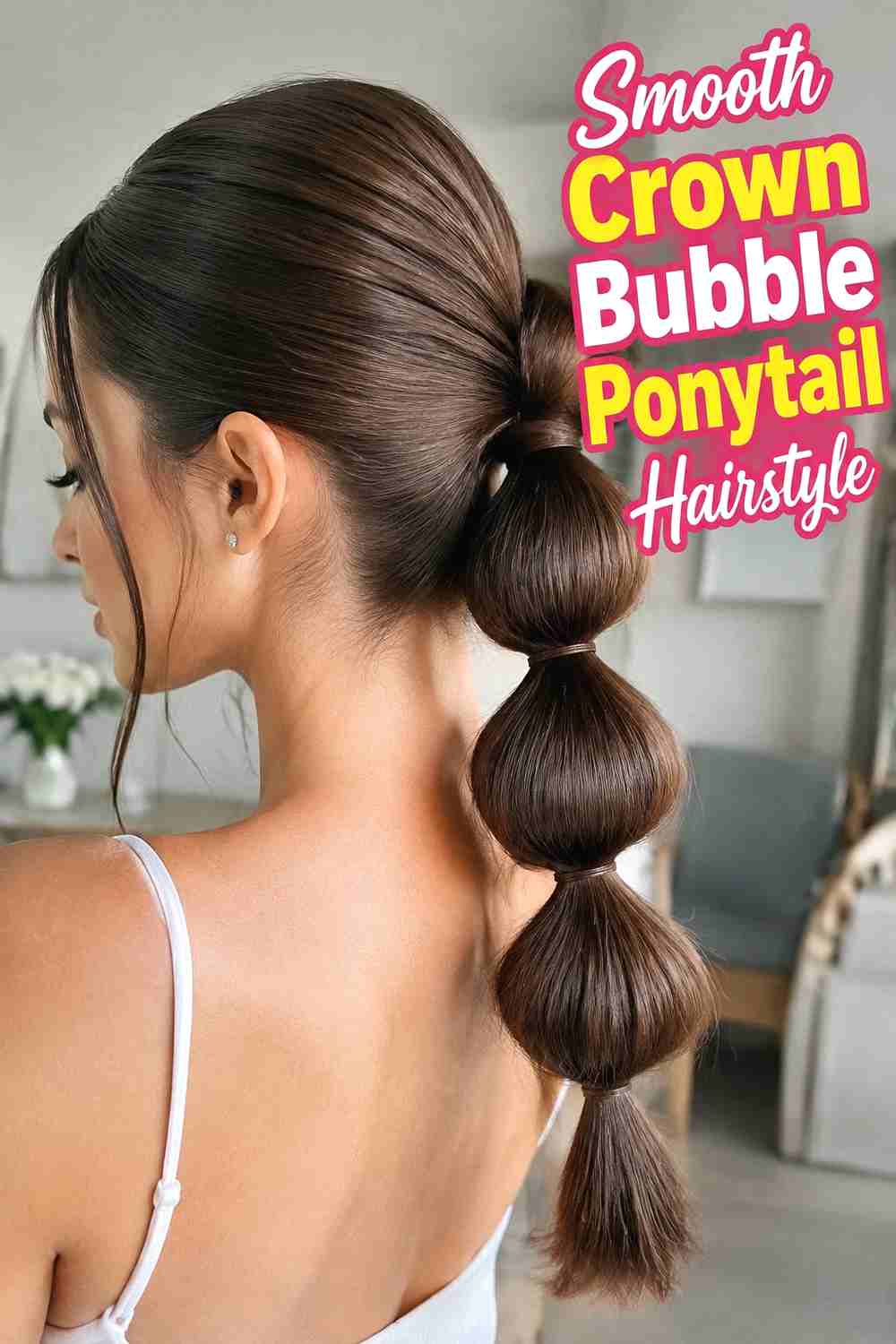
A bubble ponytail gives a smooth crown a more playful lower section while keeping the neckline clean. Hair is secured into a low or mid-low ponytail, then additional elastics divide the length into softly rounded sections. The bubbles should follow the natural density of the hair and gradually reduce in size rather than appearing identical or artificially inflated. Because all the decorative volume sits below the crown, the style can still work with a stand-collar jacket without overwhelming the neckline. Long hair provides the clearest effect, while medium-length hair may support fewer sections. Keep each elastic reasonably secure but avoid pulling the bubbles too wide, since oversized shapes can become awkward against the back of a structured jacket.
Best For
Choose this look when you want a smooth, polished front with more visual interest through the length, especially for casual or fashion-forward outerwear styling.
15. Softly Smoothed Nape Bun Hairstyle
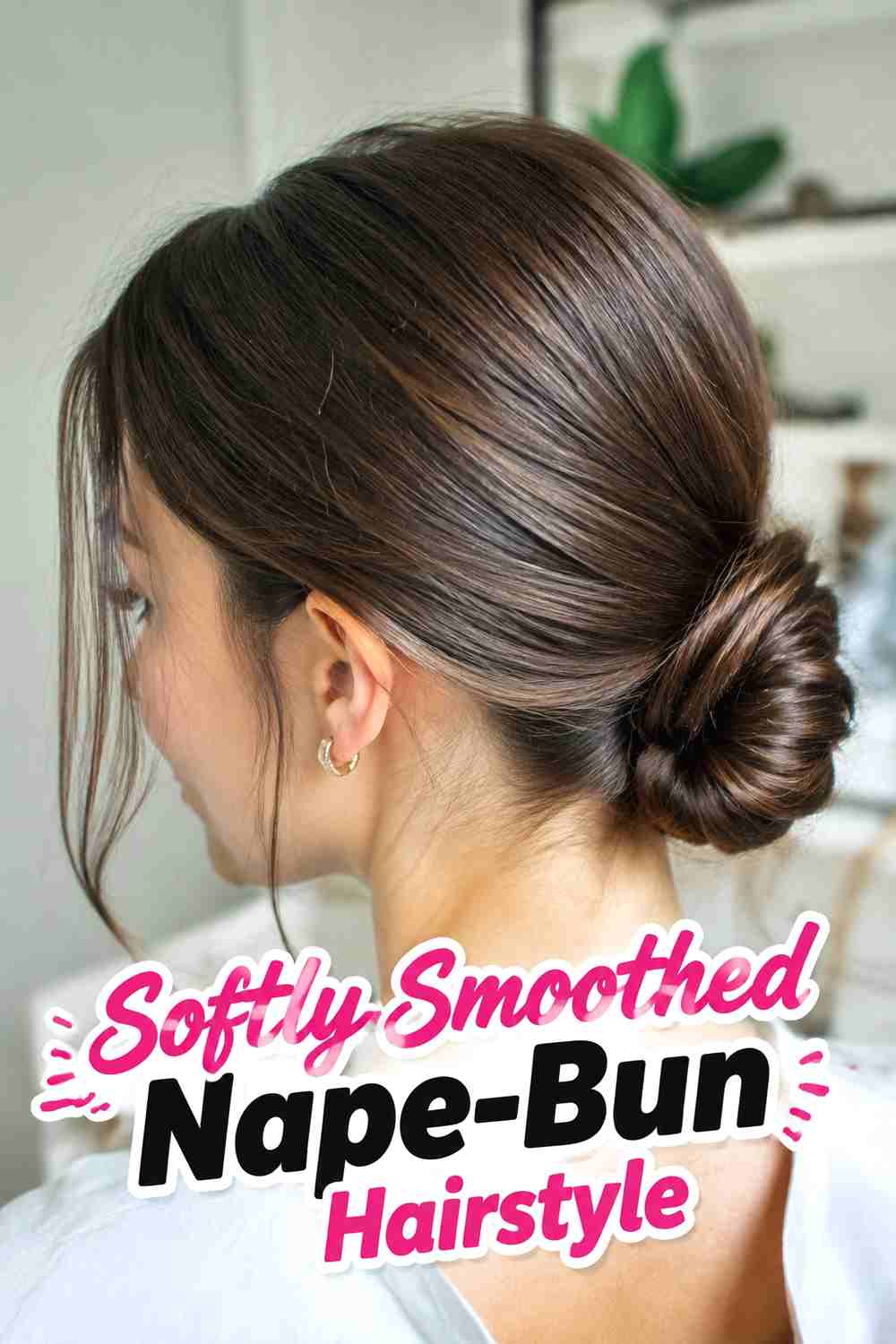
A softly smoothed nape bun offers a less severe interpretation of the smooth-crown trend. The upper hair is controlled and tidy, but it retains a little natural texture and gentle movement rather than being flattened completely. The bun sits close to the nape in a compact shape, making it easy to pair with a stand collar as long as the placement clears the top edge. A few fine flyaways can remain around the hairline or nape without making the hairstyle look unfinished. This makes the look especially approachable for wavy or textured hair that naturally resists an ultra-slick surface. The result feels polished enough for tailored jackets while remaining comfortable and realistic for everyday wear, commuting, or longer periods outdoors.
Wear & Maintenance
Use flexible pins and moderate tension so the bun can remain secure without feeling rigid. Minor movement during the day generally suits the softer finish rather than detracting from it.
How to Choose the Right Look
Begin with the height and fit of your stand collar. A collar that rises high at the back usually works best with a ponytail, narrow twist, or bun positioned clearly above or below its edge. If the collar ends lower on the neck, compact chignons and nape buns become easier to wear without constant friction.
Next, consider your natural texture and density. Straight or easily smoothed hair can emphasize glassy tucks, wrapped ponytails, and crisp parts. Wavy, curly, or thicker hair may feel more natural in softly smoothed buns, braided styles, or twists that use texture rather than trying to erase it completely.
Styling time matters too. Ear-tucked lengths and basic low ponytails are relatively simple, while braided buns, chignons, and bubble ponytails involve more steps. For all-day comfort, avoid excessive tension around the crown and position elastics or pins where the jacket collar will not press directly against them.
Finally, match the finish to the outfit. Satin surfaces feel softer beside textured jackets, while sleek straight-back styles create a sharper fashion-forward effect. The most successful choice will keep the crown controlled, the collar visible, and the lower hairstyle secure without sacrificing natural movement.
Final Thoughts
Smooth crown hairstyles are a strong match for stand-collar jackets because they keep visual bulk away from an already structured neckline. A sleek ponytail or straight-back bun creates the sharpest effect, while braids, twists, chignons, and softly smoothed finishes introduce more texture. Choose a placement that clears the collar and a level of polish that works naturally with your hair rather than forcing it into an uncomfortable finish.
FAQs
1. Why do smooth crown hairstyles work well with stand-collar jackets?
They reduce extra volume around the upper head and neckline, allowing the structured collar to remain visible while creating a cleaner overall silhouette.
2. Where should a ponytail sit with a high stand collar?
Place the base clearly above or below the collar edge rather than directly against it. This reduces friction and can make the hairstyle more comfortable.
3. Can curly or textured hair wear a smooth crown hairstyle?
Yes. The crown can be gently controlled without removing all natural texture. Braided buns, twists, and softly smoothed styles are particularly adaptable.
4. How can I keep the crown smooth without making it look flat?
Use moderate tension, smooth only the outer surface, and preserve a small amount of natural root dimension instead of pressing the hair tightly against the scalp.
5. Are buns or ponytails better with stand-collar jackets?
Both work. Ponytails keep the shape narrow and flexible, while compact buns contain the hair completely. The best option depends on collar height, hair length, and comfort.
CTA
Save your favorite smooth crown hairstyle and share these ideas when you need polished inspiration for styling structured stand-collar jackets.