14 Spiral Twist Ponytail Hairstyle Ideas for a Polished Look
Spiral twist ponytails bring sculpted texture and movement to a classic ponytail, creating everything from sleek everyday styles to dramatic statement looks.
The defining feature of a spiral twist ponytail is the visible twisting pattern through the ponytail length. Some versions use two sections wrapped into a rope-like spiral, while others combine twists with braids, curls, bubble details, accessories, or extra volume. Changing the ponytail height and root finish can completely shift the mood.
Before choosing a version, consider how much length and density you have, whether you prefer a sleek or soft base, and how securely your hair holds a twist. Longer hair creates a more noticeable spiral, while shorter or layered hair may benefit from styling product, smaller sections, or extensions when appropriate.
Quick List
- Classic High Spiral Twist Ponytail Hairstyle
- Sleek Low Spiral Twist Ponytail Hairstyle
- Side Part Spiral Twist Ponytail Hairstyle
- Bubble Accent Spiral Twist Ponytail Hairstyle
- Wrapped Base Spiral Twist Ponytail Hairstyle
- Curly End Spiral Twist Ponytail Hairstyle
- Double Rope Spiral Twist Ponytail Hairstyle
- Half Up Spiral Twist Ponytail Hairstyle
- Braided Base Spiral Twist Ponytail Hairstyle
- Voluminous Spiral Twist Ponytail Hairstyle
- Side Swept Spiral Twist Ponytail Hairstyle
- Scarf Wrapped Spiral Twist Ponytail Hairstyle
- Mini Twist Spiral Ponytail Hairstyle
- Extra Long Spiral Twist Ponytail Hairstyle
1. Classic High Spiral Twist Ponytail Hairstyle
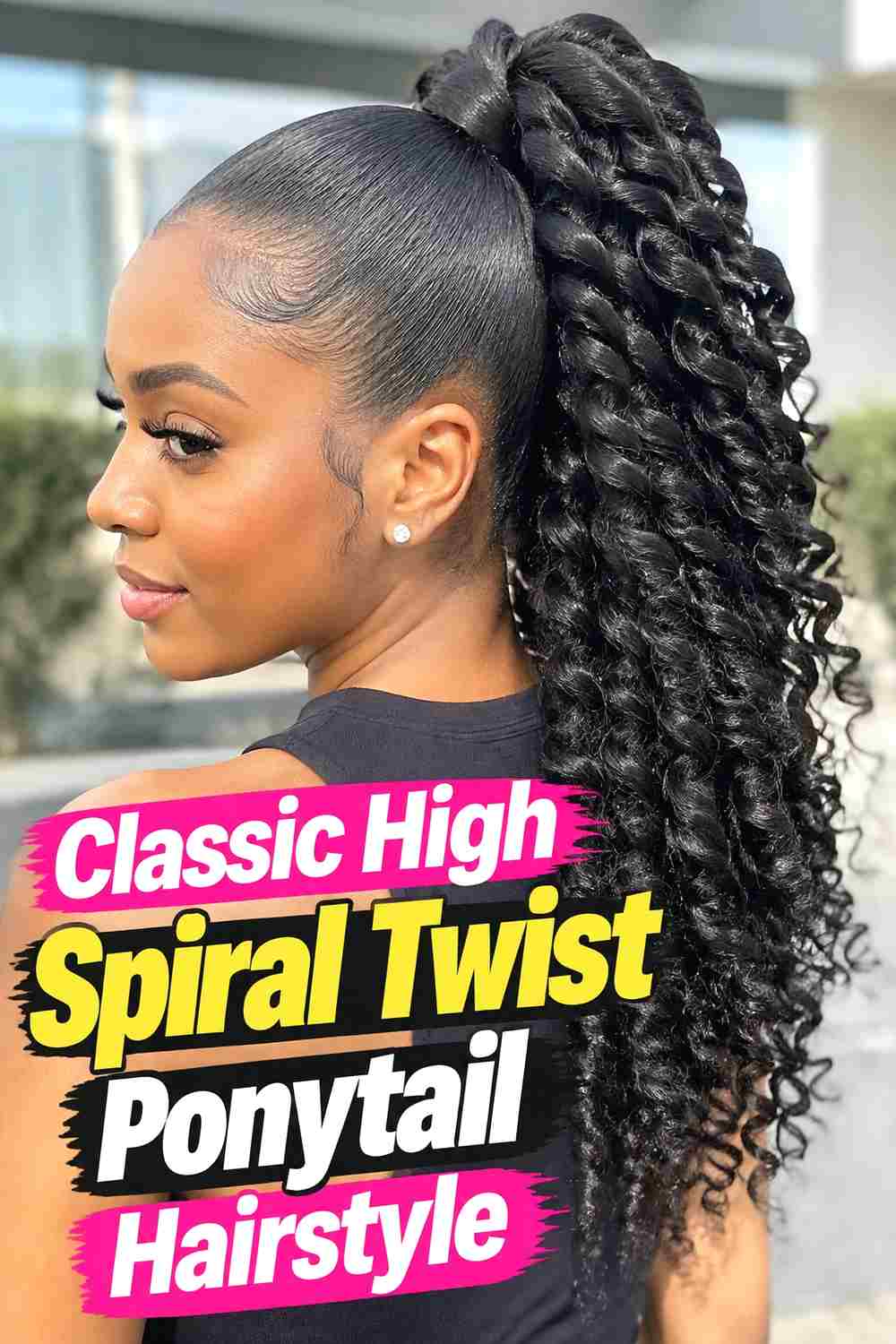
A high ponytail gives a spiral twist plenty of room to fall and makes the twisted pattern easy to see from the side and back. Gather the hair near the crown, secure it firmly, then divide the ponytail into two sections. Twist each section in the same direction before wrapping them around each other in the opposite direction to create a stable rope-like spiral. The height gives the style a lifted, energetic silhouette without requiring elaborate detailing around the scalp. Keeping the roots smooth makes the twist the main attraction, while a slightly softened hairline can make the finish feel less severe for everyday wear.
Styling Notes
Secure the ponytail before creating the twist so the spiral starts from one clear point. A small amount of smoothing cream can help keep layered ends incorporated.
Best For
Medium-long to long hair shows the spiral most clearly and provides enough length for several visible rotations.
2. Sleek Low Spiral Twist Ponytail Hairstyle
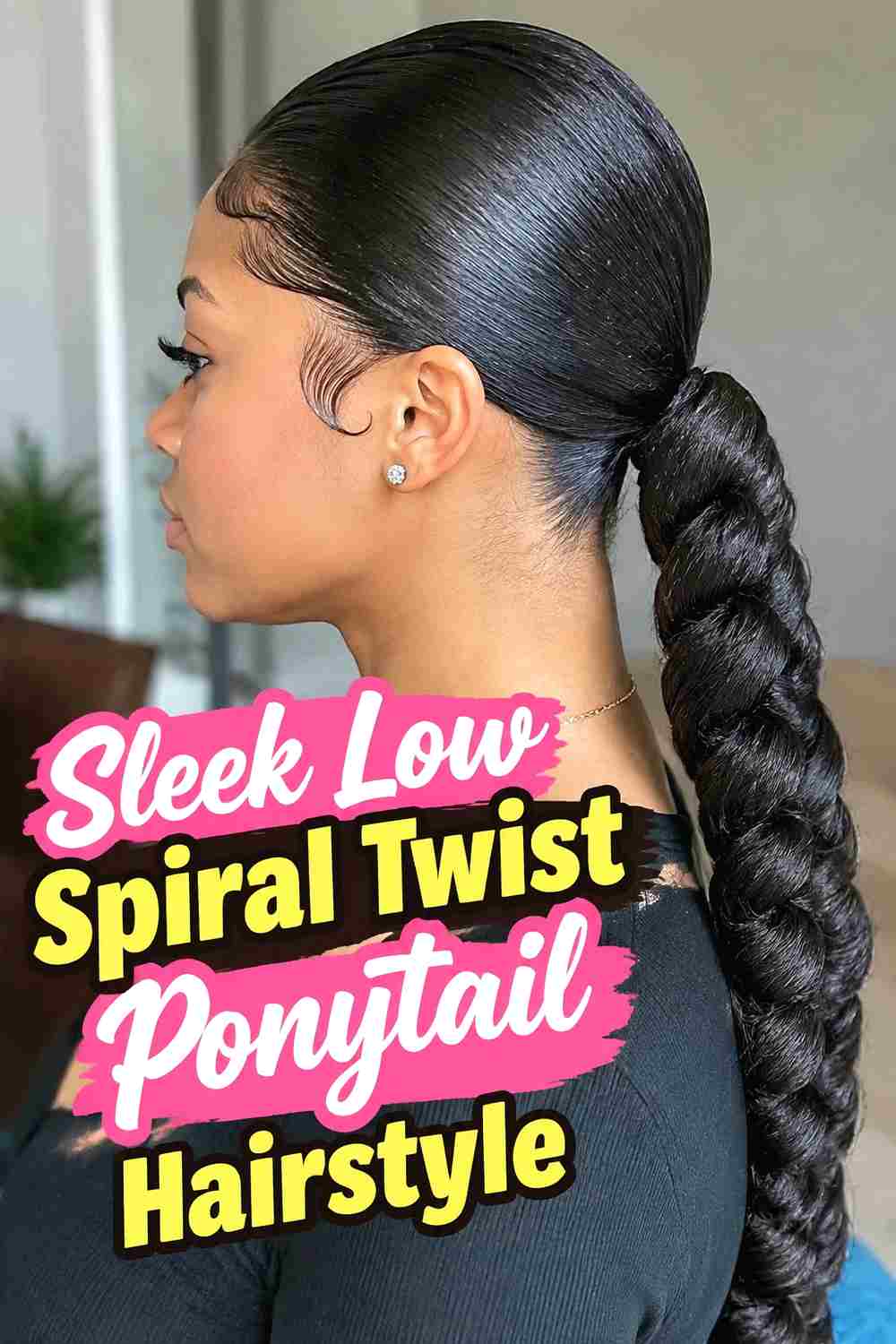
This low variation trades height for a clean, understated shape. The hair is smoothed toward the nape and secured into a compact ponytail before being twisted into a neat spiral. Because the ponytail begins lower on the head, the style feels controlled and elegant without becoming overly formal. A sharp middle part can make the finish more graphic, while a softer part gives it a relaxed edge. The low placement also keeps the twist close to the back, which can be comfortable for daily wear. The key is keeping the ponytail base secure enough that the spiral does not loosen as the hair moves.
Why It Works
The smooth base contrasts beautifully with the textured ponytail, making even a simple two-section twist look deliberate and polished.
Wear & Maintenance
Keep the final elastic secure at the bottom of the twist and check that the ponytail base is comfortable rather than excessively tight.
3. Side Part Spiral Twist Ponytail Hairstyle
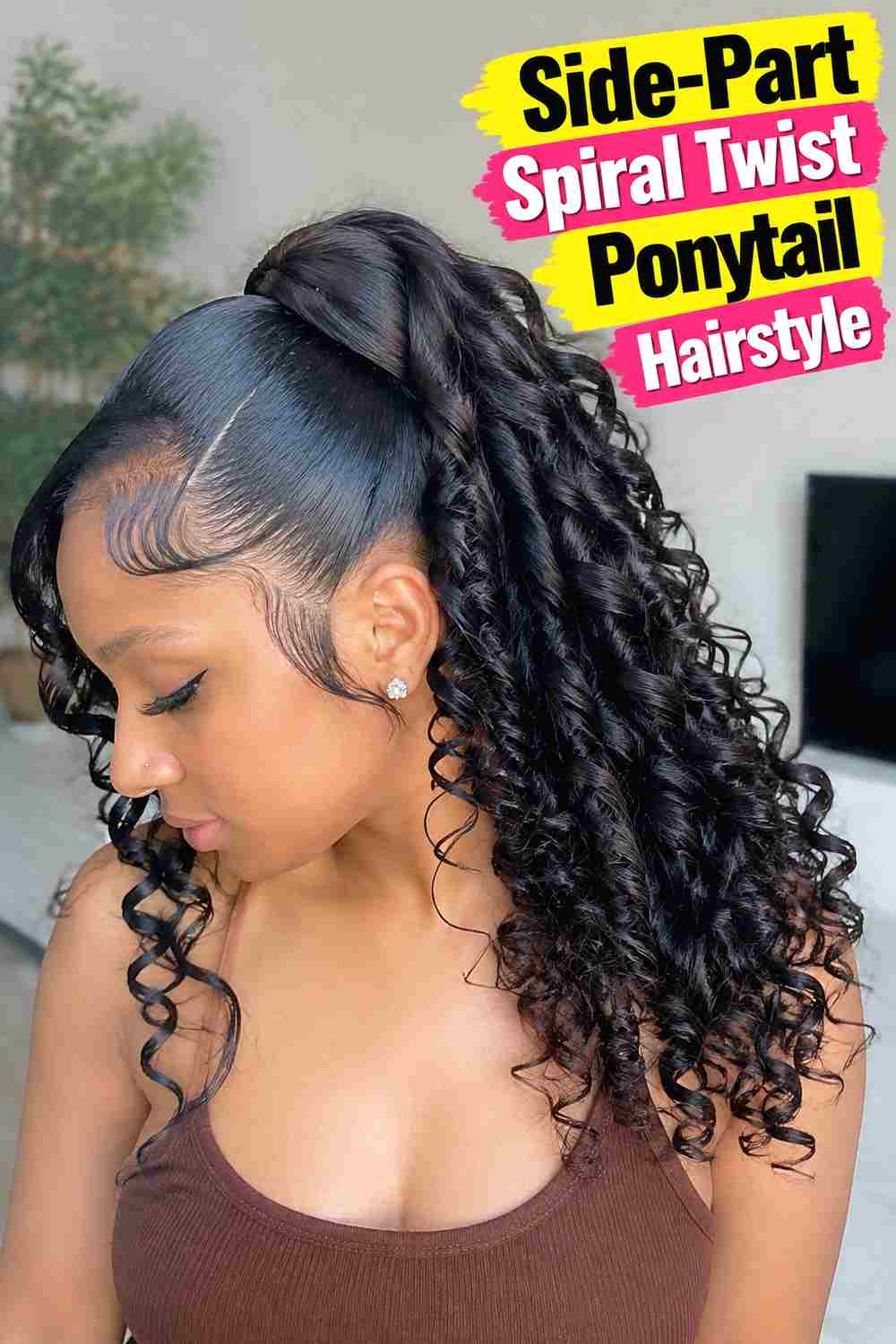
A defined side part changes the balance of a spiral twist ponytail before the twisting even begins. Sweep the hair smoothly from the part toward a mid-height or low ponytail, allowing one side to show more surface detail than the other. Once secured, create a two-strand spiral through the length and keep the twist neat enough to preserve its rope-like shape. The side part makes the hairstyle especially attractive from the front and three-quarter angles, so it works well when you want the ponytail to look styled rather than simply pulled back. A polished hairline can emphasize the asymmetry without distracting from the twist.
Best For
This style suits anyone who likes a clean ponytail but prefers the softer balance of an off-center part rather than a fully centered look.
Pro Tip
Choose the ponytail position after creating the part so the sweep of the hair naturally leads toward the tie point.
4. Bubble Accent Spiral Twist Ponytail Hairstyle
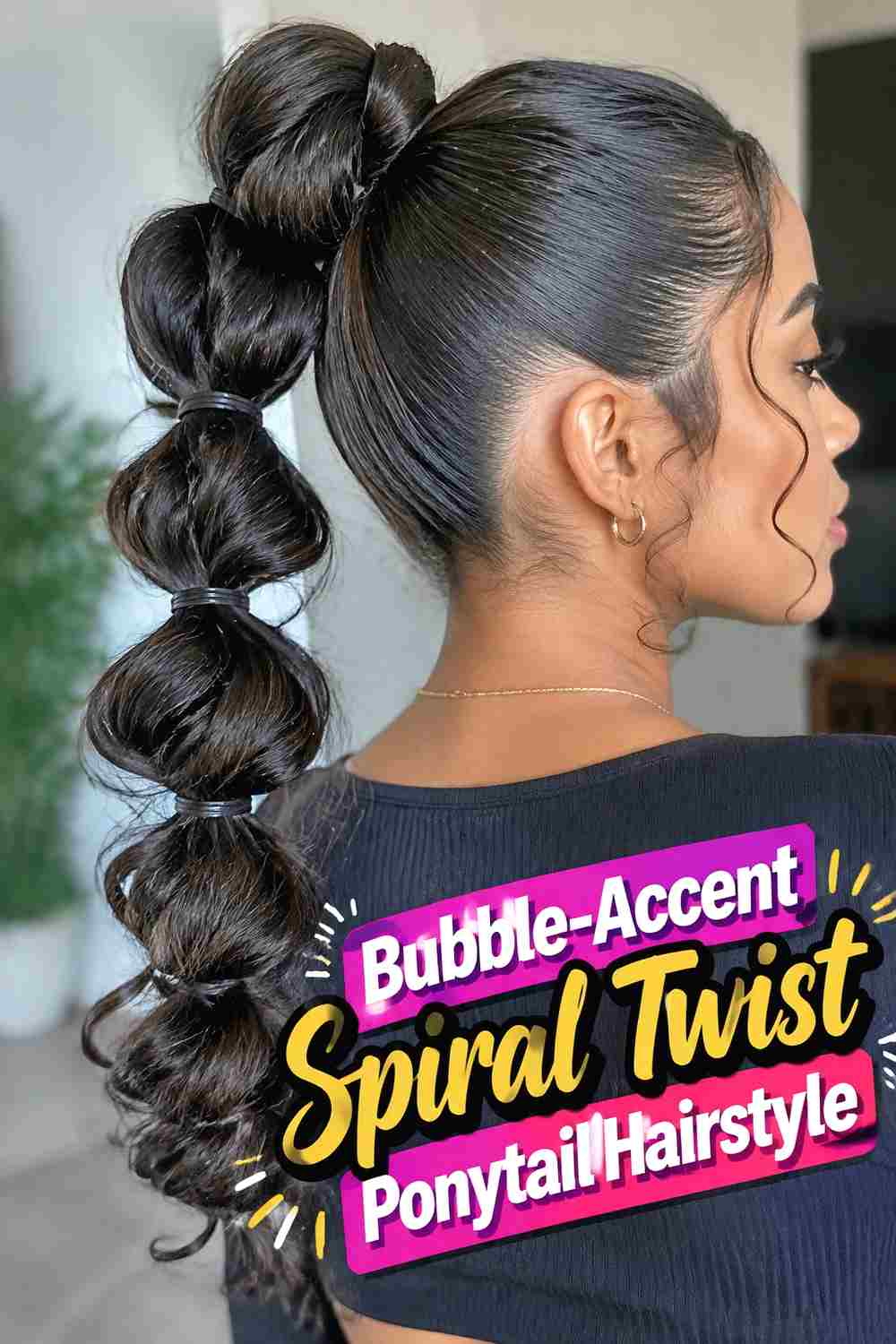
This variation combines the rope-like texture of a spiral twist with a few strategically placed bubble sections. Begin with a secure ponytail and form a short spiral near the top, then add a small elastic to create a defined break before continuing the twist below it. Repeating the detail once or twice creates a segmented ponytail without losing the spiral theme. The result feels playful and dimensional, especially when the bubbles are gently expanded while the twisted sections remain compact. Keeping the scalp area simple helps prevent the style from becoming visually busy, allowing the contrast between rounded bubbles and tight spirals to remain the focus.
Styling Notes
Use small elastics that blend with the hair so the transition points look intentional. Expand each bubble gradually instead of pulling aggressively on one section.
Hair Type & Length
Longer hair is particularly useful because the extra length leaves enough room to alternate between twisted and rounded sections.
5. Wrapped Base Spiral Twist Ponytail Hairstyle
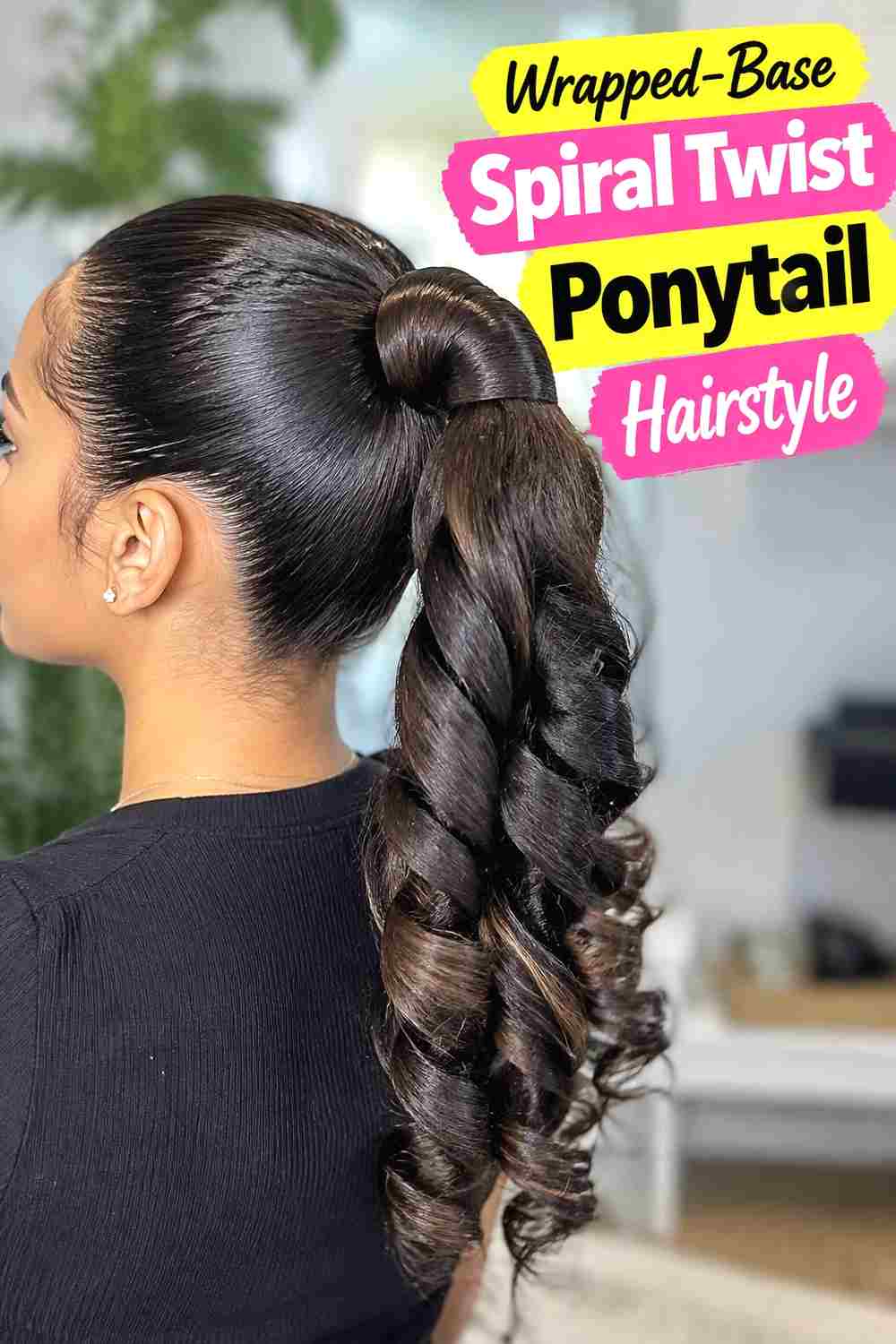
A wrapped base gives a spiral ponytail a polished finishing detail before the twist begins. After securing the ponytail, separate a small strand from underneath and wrap it neatly around the elastic, pinning the end discreetly below the base. The remaining hair can then be divided into two sections and twisted into a long spiral. Covering the elastic makes the ponytail appear more seamless and directs attention toward the twist itself. This works especially well for medium-high ponytails, where the wrapped base remains visible from several angles. The finished style feels refined without requiring additional accessories or complicated braid work.
Why It Works
The concealed elastic creates a cleaner transition between the head and ponytail, giving the spiral a more finished, intentional appearance.
Pro Tip
Leave out the wrapping strand before twisting the ponytail so you do not have to disturb the completed spiral later.
6. Curly End Spiral Twist Ponytail Hairstyle
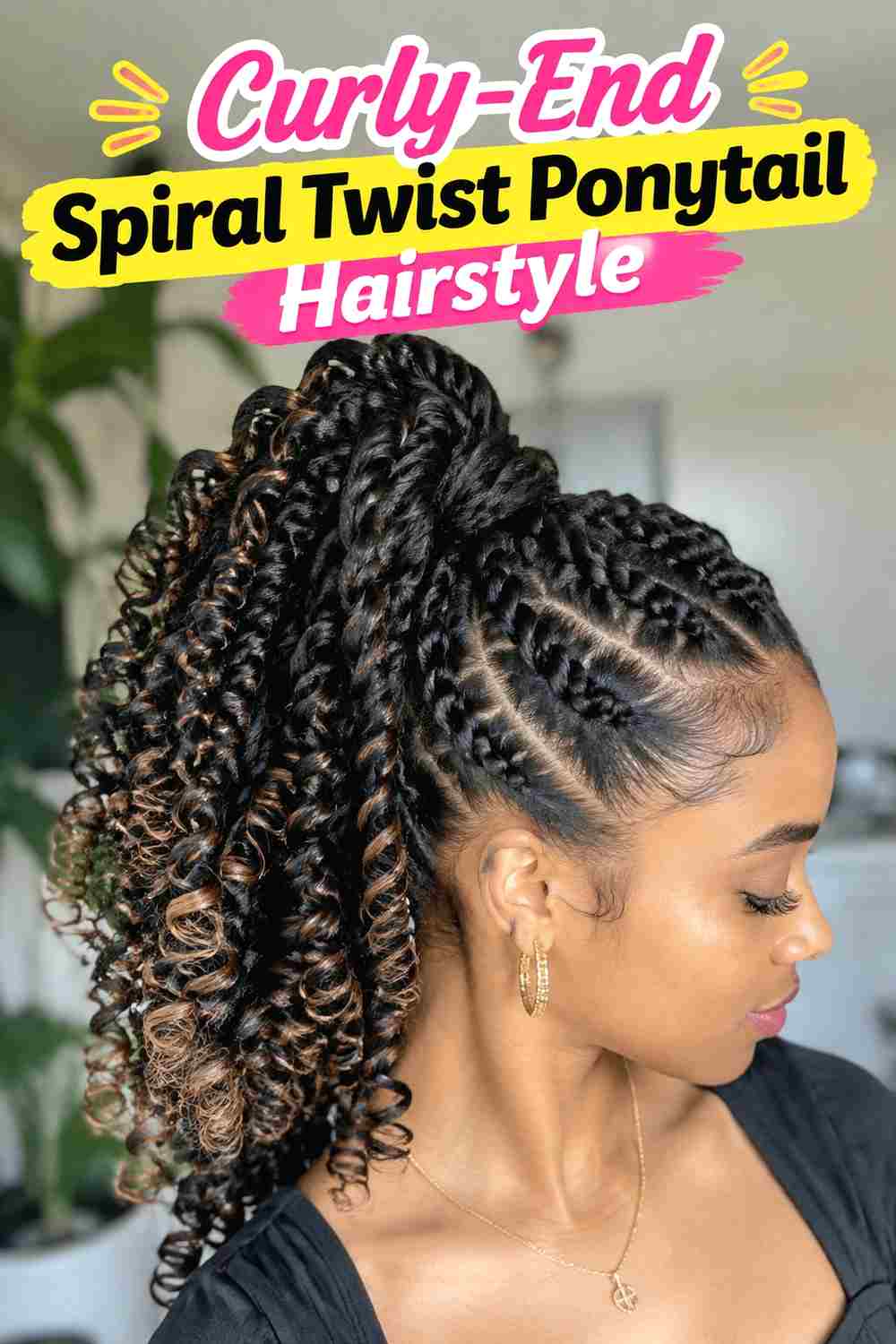
A curly-end spiral ponytail keeps the upper portion tightly twisted while allowing the lower section to open into curls. Start the ponytail as a traditional two-strand rope twist, then stop several inches before the ends and secure the twisted section discreetly. The remaining length can keep its natural curl pattern or be styled into soft curls for a fuller finish. This creates an appealing shift from structured texture to loose movement. It is particularly effective when the curl at the ends has enough volume to contrast with the narrow spiral above. The result can feel romantic, playful, and polished at the same time.
Hair Type & Length
Wavy, curly, and coily textures can make the loose ends especially expressive, while straighter hair can be curled after the twist is secured.
Styling Notes
Avoid twisting all the way to the ends if you want the curly section to look substantial rather than like a small decorative finish.
7. Double Rope Spiral Twist Ponytail Hairstyle
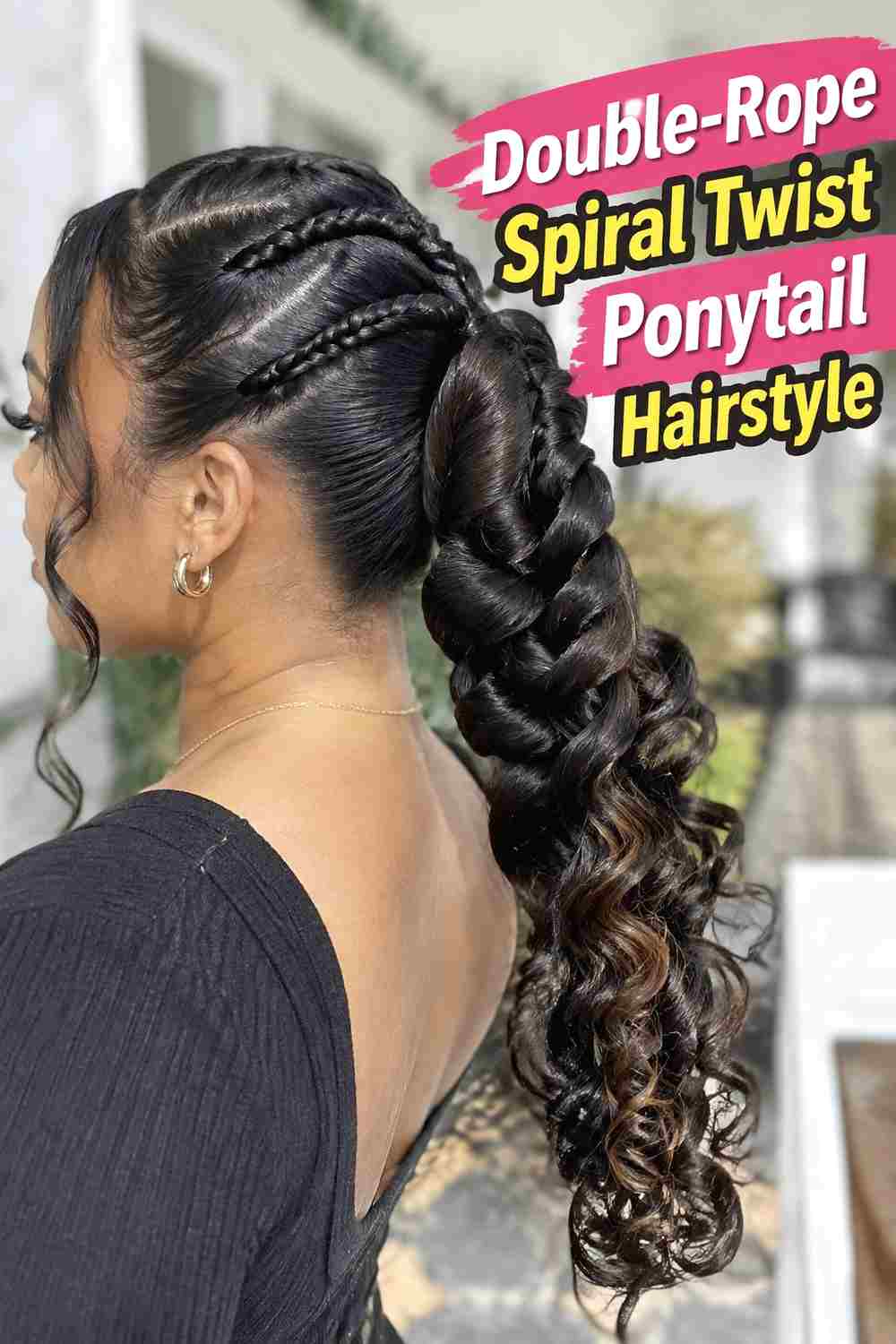
Instead of creating one large twist, this style divides the ponytail into two separate rope twists and then combines them into a fuller spiral effect. Begin with four sections, use two sections for each rope twist, and secure both temporarily before wrapping them together. The layered construction gives the ponytail more dimension and creates a thicker, more intricate appearance than a standard two-section twist. It is a useful choice for dense hair or for anyone who wants a stronger visual pattern through the length. Keeping the base smooth prevents the multiple twists from making the overall silhouette feel too heavy.
Best For
Dense, medium-long, or long hair provides enough substance to create two distinct twists without making either one appear too thin.
Wear & Maintenance
Secure each rope twist well before combining them so the smaller spirals do not unravel while you build the final shape.
8. Half Up Spiral Twist Ponytail Hairstyle
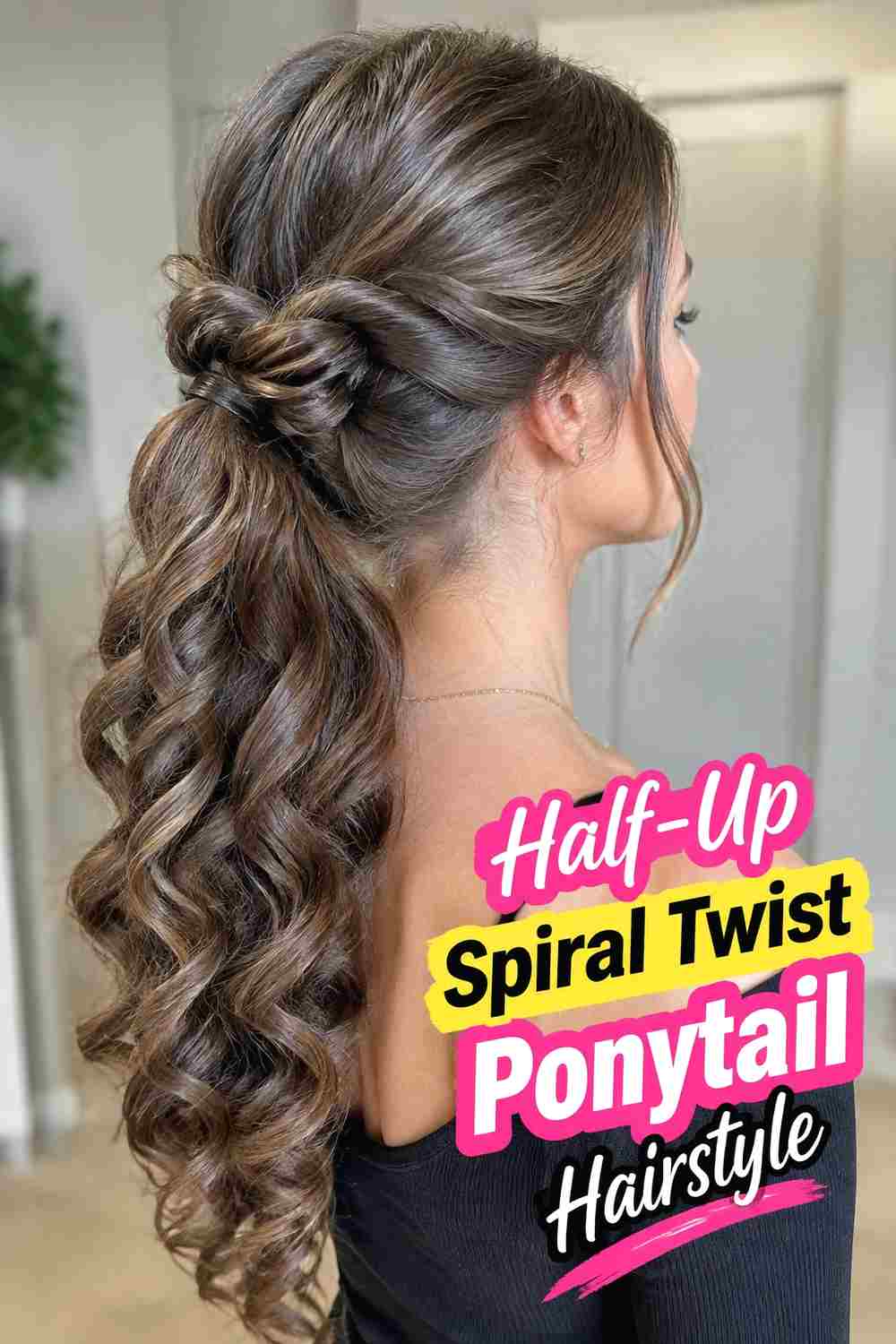
A half-up spiral ponytail offers a softer alternative to pulling all of the hair away from the face. Gather only the upper section into a ponytail at the crown or back of the head, then twist that smaller ponytail into a defined spiral. Leave the lower layers loose in their natural texture or add soft waves for more movement. Because the twist uses less hair, its rope pattern can look delicate and detailed rather than heavy. The loose hair underneath also adds volume around the shoulders, making this style especially appealing when you want a noticeable ponytail detail without committing to a full upstyle.
Why It Works
The spiral adds structure through the upper section while the loose lengths keep the hairstyle soft, flowing, and casual.
Best For
Medium and long hair work particularly well because the lower layers remain substantial after the half-up section is removed.
9. Braided Base Spiral Twist Ponytail Hairstyle
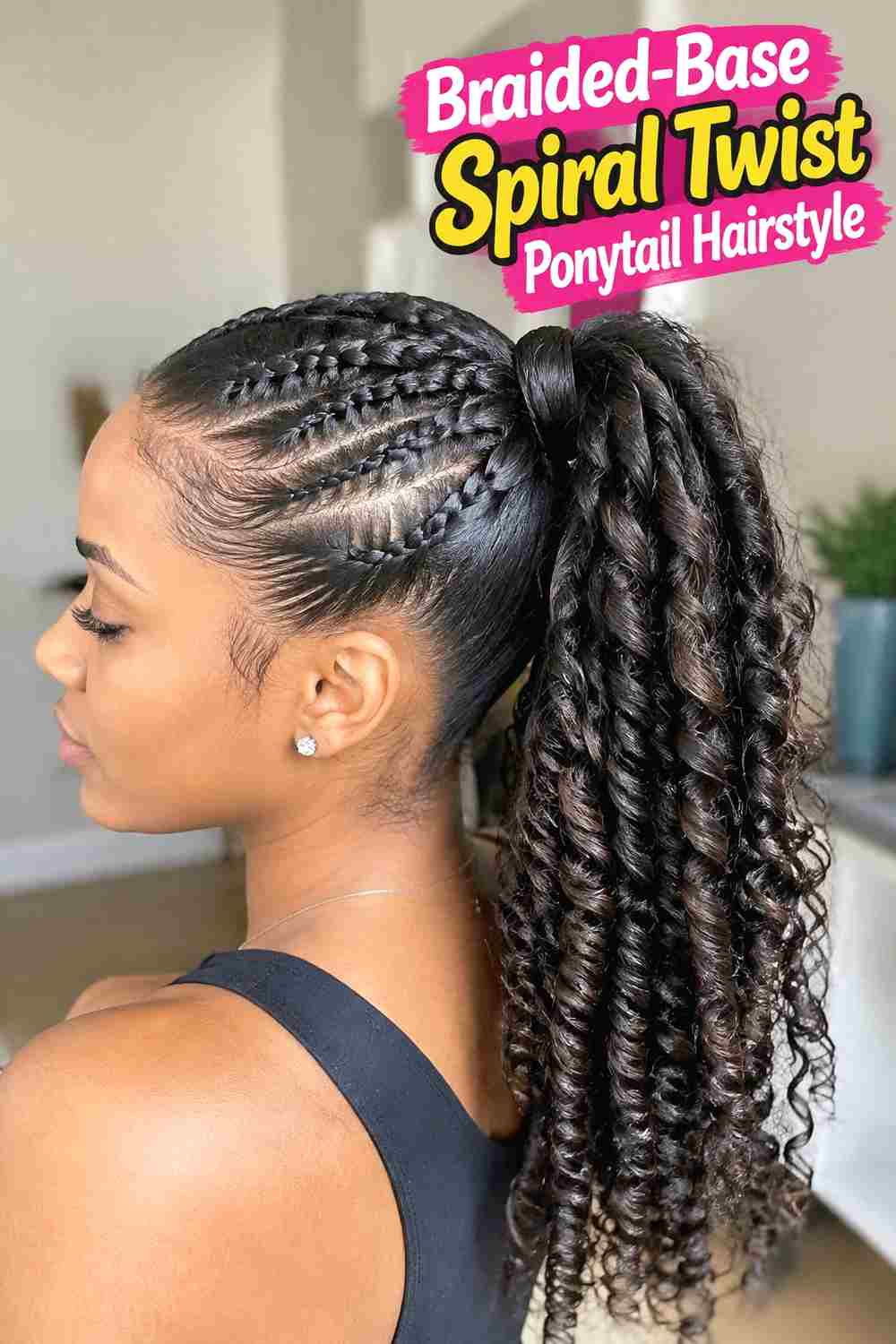
A braided base gives the ponytail extra detail before the spiral begins. Add a narrow French or Dutch braid from the front or side of the head and direct it toward the intended ponytail position. Gather the braid with the remaining hair, secure everything together, and twist the ponytail length into a clean rope spiral. The braid creates texture close to the scalp while the twist carries that movement down through the ponytail. Keeping the braid relatively narrow prevents it from competing with the main spiral. This combination is ideal when you want the hairstyle to look interesting from both the front and back.
Styling Notes
Direct the braid toward the exact ponytail base so the transition feels continuous rather than attached as an afterthought.
Pro Tip
Keep the scalp braid slightly tighter than the ponytail twist to create a clear difference in texture and scale.
10. Voluminous Spiral Twist Ponytail Hairstyle
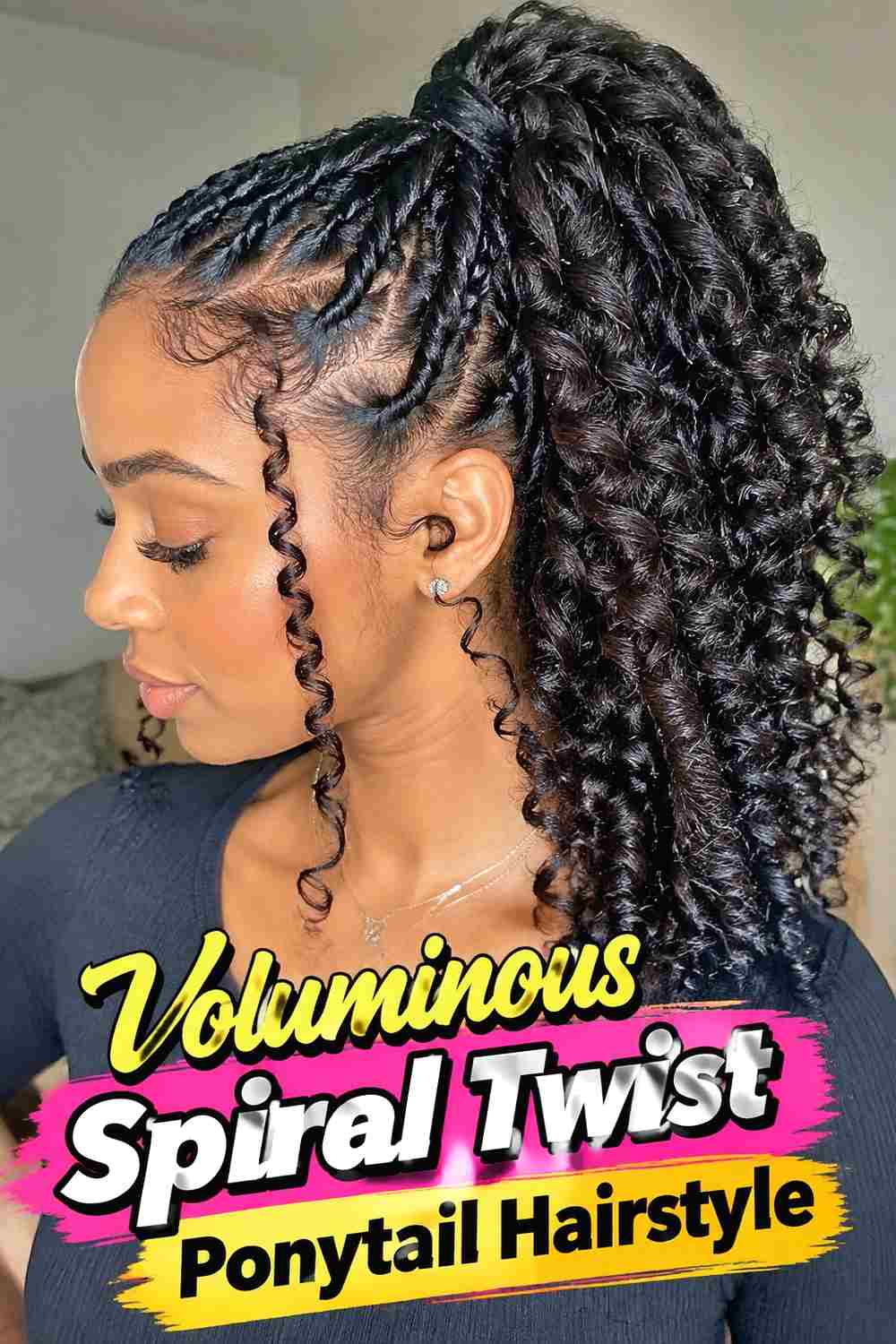
This version emphasizes width and softness rather than creating the tightest possible rope twist. Start with a fuller ponytail and form a two-section spiral, then carefully loosen the outer curves of the twist to give it more body. The result should still maintain a recognizable spiral shape, but with softer edges and a thicker silhouette. Gentle crown volume can balance the fuller ponytail, especially when the style is worn high or at mid-height. This look is useful for occasions when a slim twist feels too understated and you want the ponytail to occupy more visual space without adding complicated decorative elements.
Hair Type & Length
Dense hair naturally creates the strongest effect, while fine hair may benefit from light texturizing product or carefully matched added length where desired.
Wear & Maintenance
Loosen the twist only after securing the end. Pulling sections apart too early can cause the entire spiral to unravel.
11. Side Swept Spiral Twist Ponytail Hairstyle
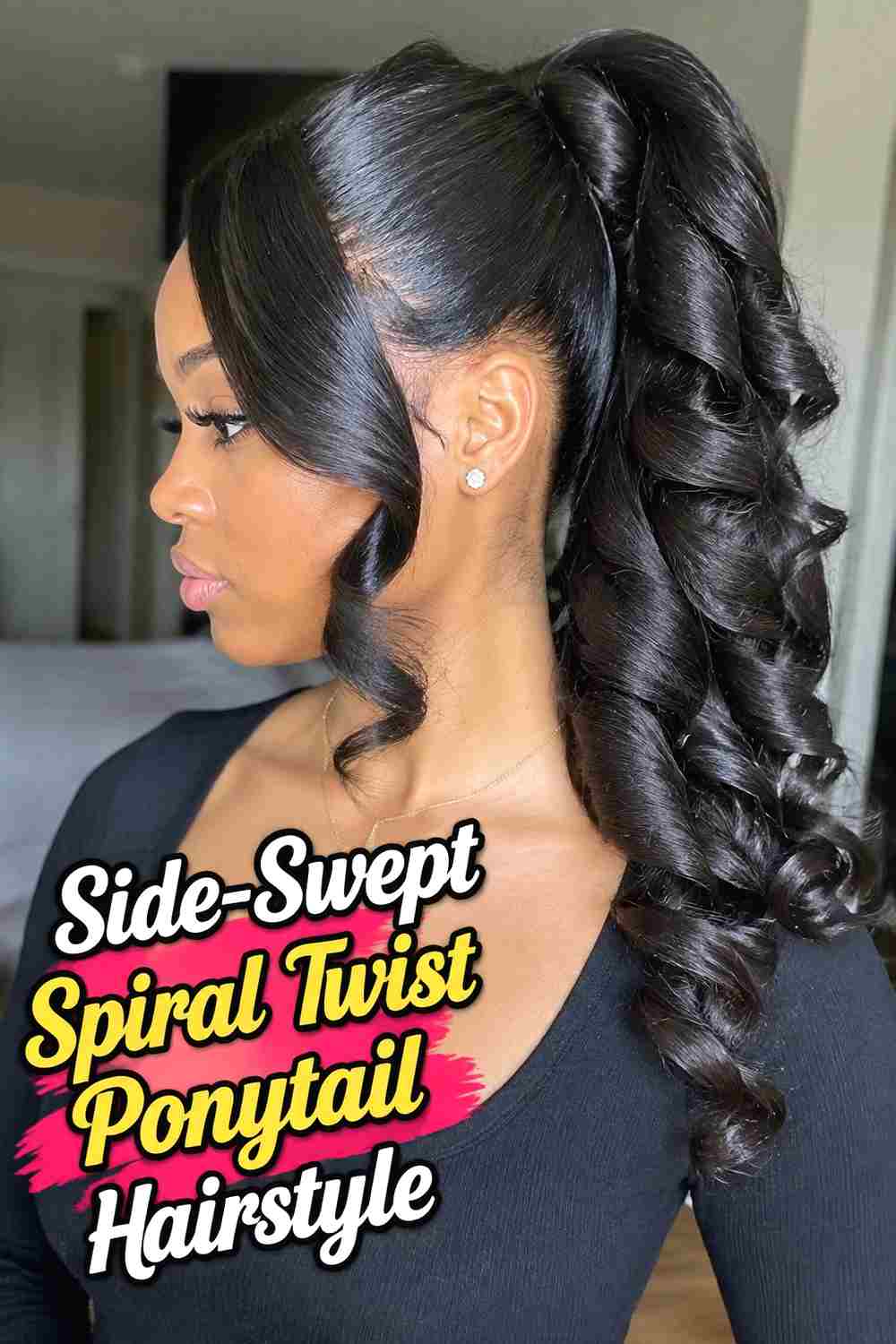
A side-swept spiral ponytail positions the twist over one shoulder rather than letting it fall straight down the back. Gather the hair into a low ponytail behind one ear, then form a defined rope twist through the length. This placement keeps the spiral visible from the front and makes the texture part of the overall face-framing silhouette. A soft side part or a few controlled front pieces can complement the off-center ponytail without making it look overly loose. Because the twist rests against the shoulder, the style works especially well when the ponytail has enough length to show several spiral rotations.
Why It Works
Moving the ponytail to one side makes the spiral immediately visible and creates a more decorative front-facing hairstyle without adding extra accessories.
Styling Notes
Place the elastic slightly behind the ear rather than directly underneath it to keep the ponytail comfortable and naturally angled.
12. Scarf Wrapped Spiral Twist Ponytail Hairstyle
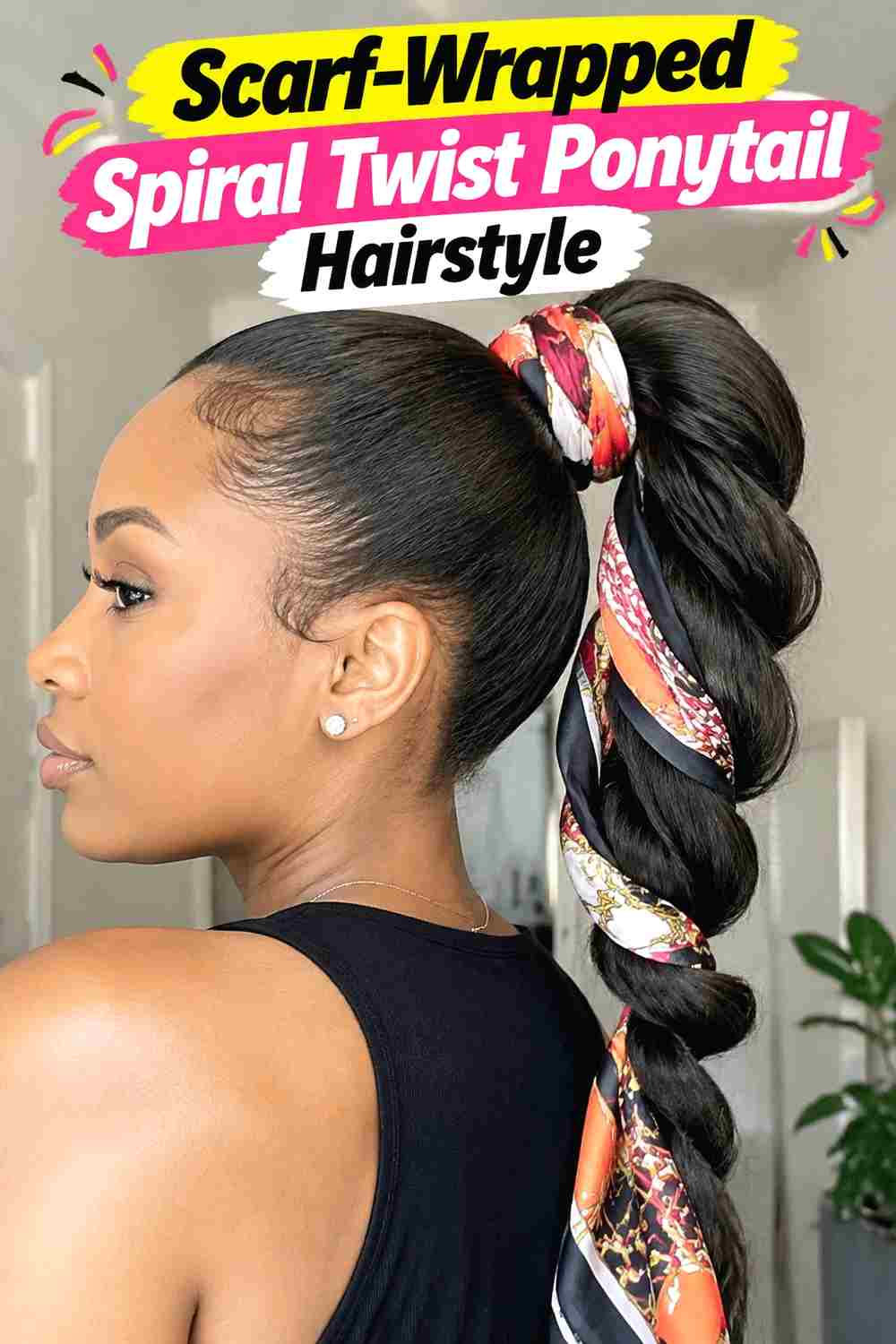
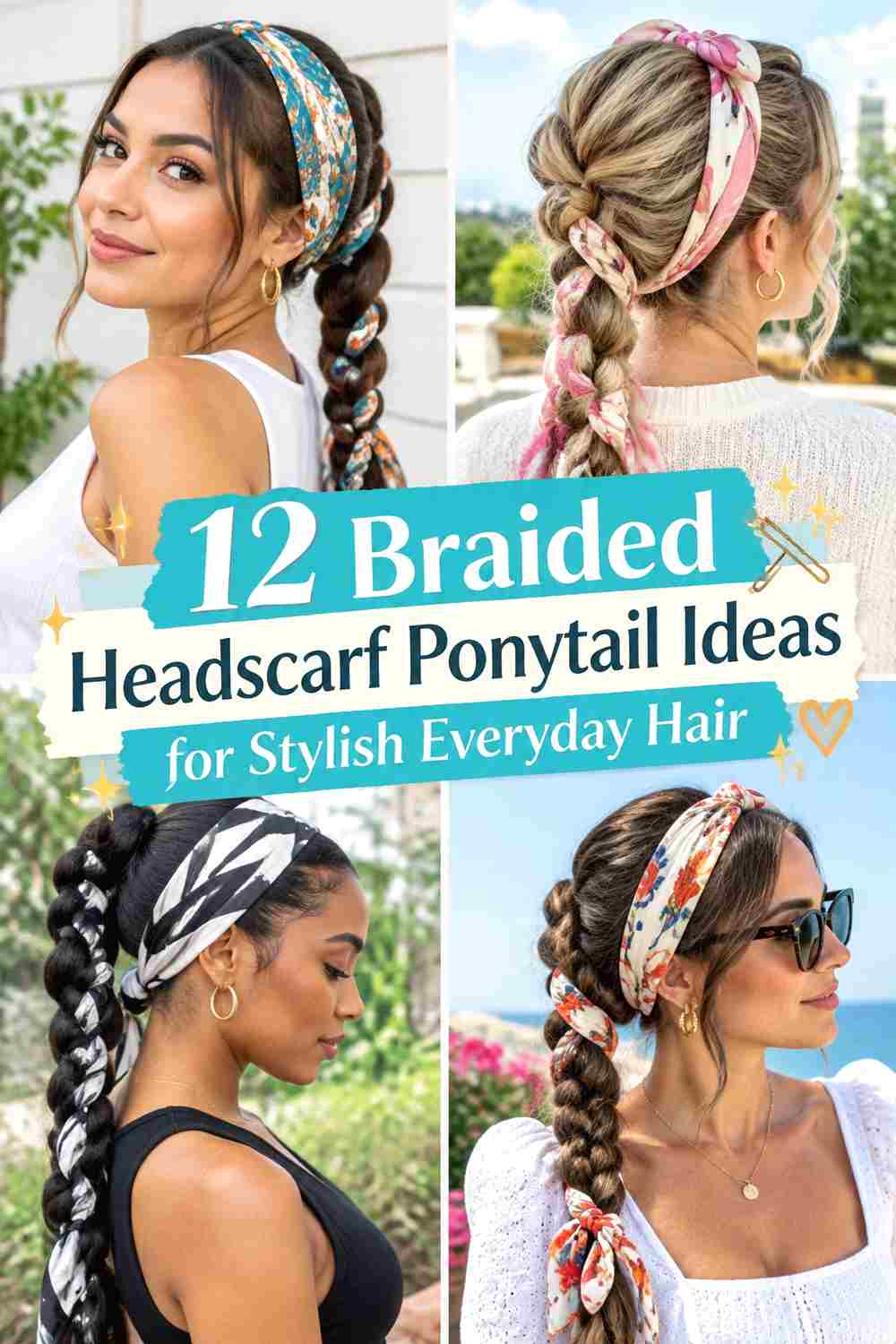
A scarf brings color and pattern to the spiral without changing the basic construction. Create a secure ponytail, form the twist through the length, then tie a narrow scarf around the ponytail base so its ends fall beside the spiral. For a stronger accessory effect, one scarf end can be lightly wrapped around part of the twist while leaving enough of the hair visible to preserve the spiral pattern. Lightweight fabric works best because it moves with the ponytail rather than weighing it down. This version can easily shift from casual to dressy depending on the scarf color, print, and how neatly the roots are styled.
Best For
This look is useful when you want to coordinate your hairstyle with an outfit or introduce color without using permanent accessories.
Pro Tip
Choose a scarf that contrasts with the hair so both the fabric and spiral texture remain visible from a distance.
13. Mini Twist Spiral Ponytail Hairstyle
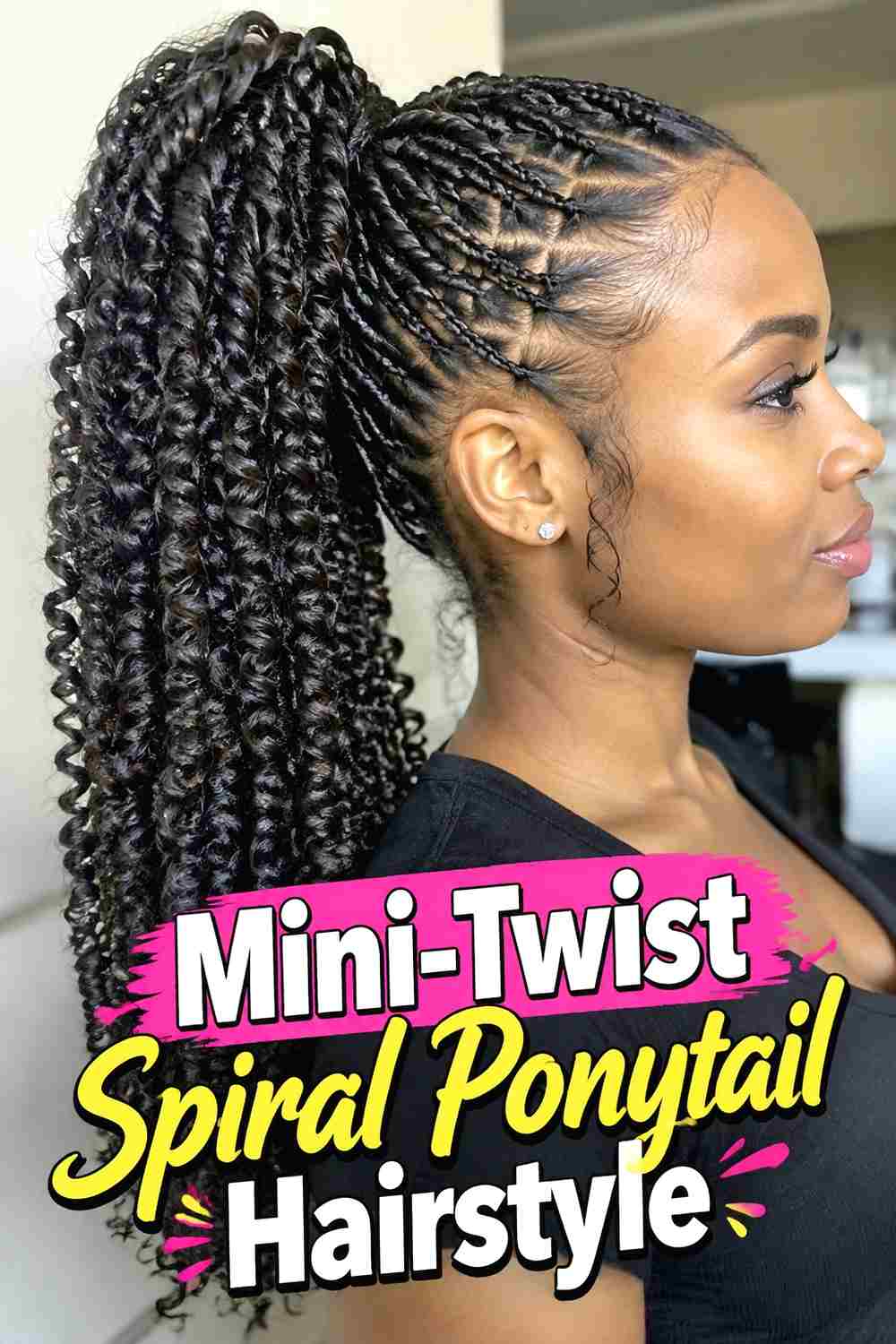
This style adds several small twists around the scalp or upper ponytail before they merge into one larger spiral. Create two to four mini twists near the temples, crown, or sides, directing each one toward the ponytail base. Gather them with the remaining hair and finish the ponytail as a larger rope twist. The repeated twisting motif gives the hairstyle a cohesive look while providing more detail than a plain base. Small twists can also help control shorter front sections without requiring a full braid. Keeping the number of mini twists limited prevents the design from becoming crowded and ensures the long spiral remains the main feature.
Styling Notes
Use clean, deliberate sections for the smaller twists so they look decorative rather than like loose strands that were simply tucked back.
Why It Works
Repeating the twist texture at different scales creates visual continuity from the hairline all the way to the ponytail ends.
14. Extra Long Spiral Twist Ponytail Hairstyle
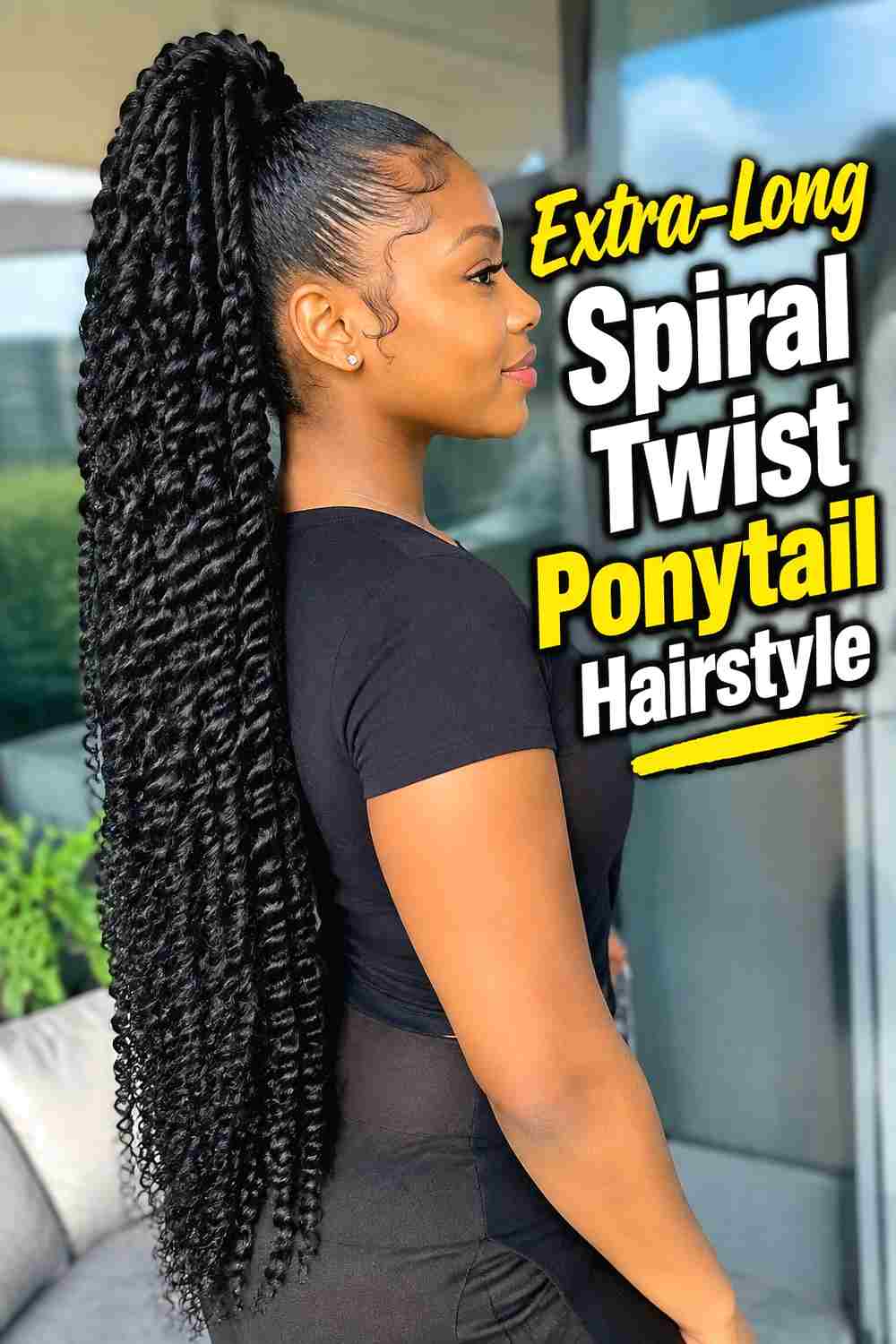
An extra-long spiral ponytail turns the twist itself into the main statement. The ponytail may extend well beyond the shoulders, giving the rope pattern enough length to repeat many times and create dramatic movement. Start with a strong, comfortable base, then maintain even tension as the two sections are twisted and wrapped together. Longer lengths make inconsistencies more noticeable, so keeping the sections similar in thickness helps the spiral stay balanced. This version can look sleek and minimal at the scalp or more voluminous through the crown, depending on the desired finish. The most important factor is keeping the added length or natural hair proportionate and securely anchored.
Wear & Maintenance
Long ponytails can become heavy, so prioritize a stable base and comfortable tension rather than pulling the roots excessively tight.
Pro Tip
Work down the ponytail in stages, smoothing each section before twisting further to maintain a cleaner, more consistent spiral.
How to Choose the Right Look
Begin with ponytail placement. High spiral twists create lift and make the ponytail feel energetic, while low twists produce a sleeker and more understated silhouette. A side-swept version is useful when you want the texture visible from the front, and a half-up option keeps more hair loose around the shoulders.
Hair length also changes what will work best. Classic, low, and wrapped-base twists can suit many medium-long lengths, while bubble-accent, double-rope, and extra-long styles benefit from additional length. If your hair has many short layers, smaller twists, light styling product, or discreet pins can help keep the spiral intact.
Think about texture and density next. Dense hair naturally creates thicker twists, while fine hair may produce a slimmer, more delicate spiral. Curly-end variations highlight natural movement, whereas sleek styles create stronger contrast between smooth roots and the rope-textured ponytail.
Finally, consider styling time and comfort. A classic two-strand twist is relatively quick, while braided bases, mini twists, and double-rope constructions take more sectioning. Whatever style you choose, the ponytail should feel secure without uncomfortable tension, and the final elastic should prevent the twist from gradually unraveling.
Final Thoughts
Spiral twist ponytails can look sleek, soft, playful, or dramatic depending on placement, volume, texture, and added details. Start with a simple two-section twist if you want an easy everyday option, then experiment with braids, curls, scarves, bubbles, or extra length when you want a more distinctive finish.
FAQs
1. How do you make a spiral twist ponytail stay twisted?
Twist both individual sections in one direction, then wrap them around each other in the opposite direction. Finish with a secure elastic so the rope shape does not unwind.
2. What hair length is best for a spiral twist ponytail?
Medium-long and long hair usually show the spiral most clearly because there is enough length for several visible rotations. Shorter ponytails can still create a smaller twist.
3. Can spiral twist ponytails work on curly hair?
Yes. Curly and coily textures can be twisted into a full spiral or left curly at the ends for a mixed-texture finish.
4. How can I make a spiral ponytail look fuller?
Use slightly larger sections, gently loosen the outer curves after securing the twist, or add crown volume. Avoid over-pulling, which can cause the spiral to lose its structure.
5. Is a spiral twist ponytail suitable for everyday wear?
Yes, especially simpler high, low, wrapped-base, or half-up versions. Keep the ponytail tension comfortable and choose a secure finish that fits your hair texture and daily routine.
Save your favorite spiral twist ponytail ideas and explore more hairstyle inspiration for fresh ways to style your next ponytail.