14 Stretched Natural Hairstyles With Long Duster Cardigans
Stretched natural hair brings soft length, airy texture, and beautiful movement to long duster cardigans without losing the character of your natural pattern.
Long cardigans create vertical lines and plenty of fabric movement, so stretched natural hair can complement them particularly well. The extra visible length from stretching gives you room to experiment with parts, puffs, pinned sections, and softly shaped silhouettes while still keeping natural texture apparent. Because the hair may rest against the shoulders and back of a duster, placement can matter as much as volume.
These ideas range from loose stretched styles to contained puffs and tucked finishes. The goal is not to make natural hair perfectly straight, but to elongate the texture while preserving believable density, strand variation, softness, and movement. Consider shrinkage, hair length, density, styling time, cardigan fabric, and how much friction the ends will encounter when choosing your look.
Quick List
- Center Part Stretched Natural Hairstyle
- Deep Side Part Stretched Natural Hairstyle
- Soft Blown Out Natural Hairstyle
- Banded Stretch Natural Hairstyle
- Side Pinned Stretched Natural Hairstyle
- Half Up Stretched Natural Hairstyle
- Low Stretched Puff Hairstyle
- High Stretched Puff Hairstyle
- Flat Twist Crown Stretched Hairstyle
- Shoulder Swept Stretched Natural Hairstyle
- Headband Stretched Natural Hairstyle
- Tapered Stretched Natural Hairstyle
- Low Tucked Stretched Natural Hairstyle
- Face Framing Stretched Natural Hairstyle
1. Center Part Stretched Natural Hairstyle
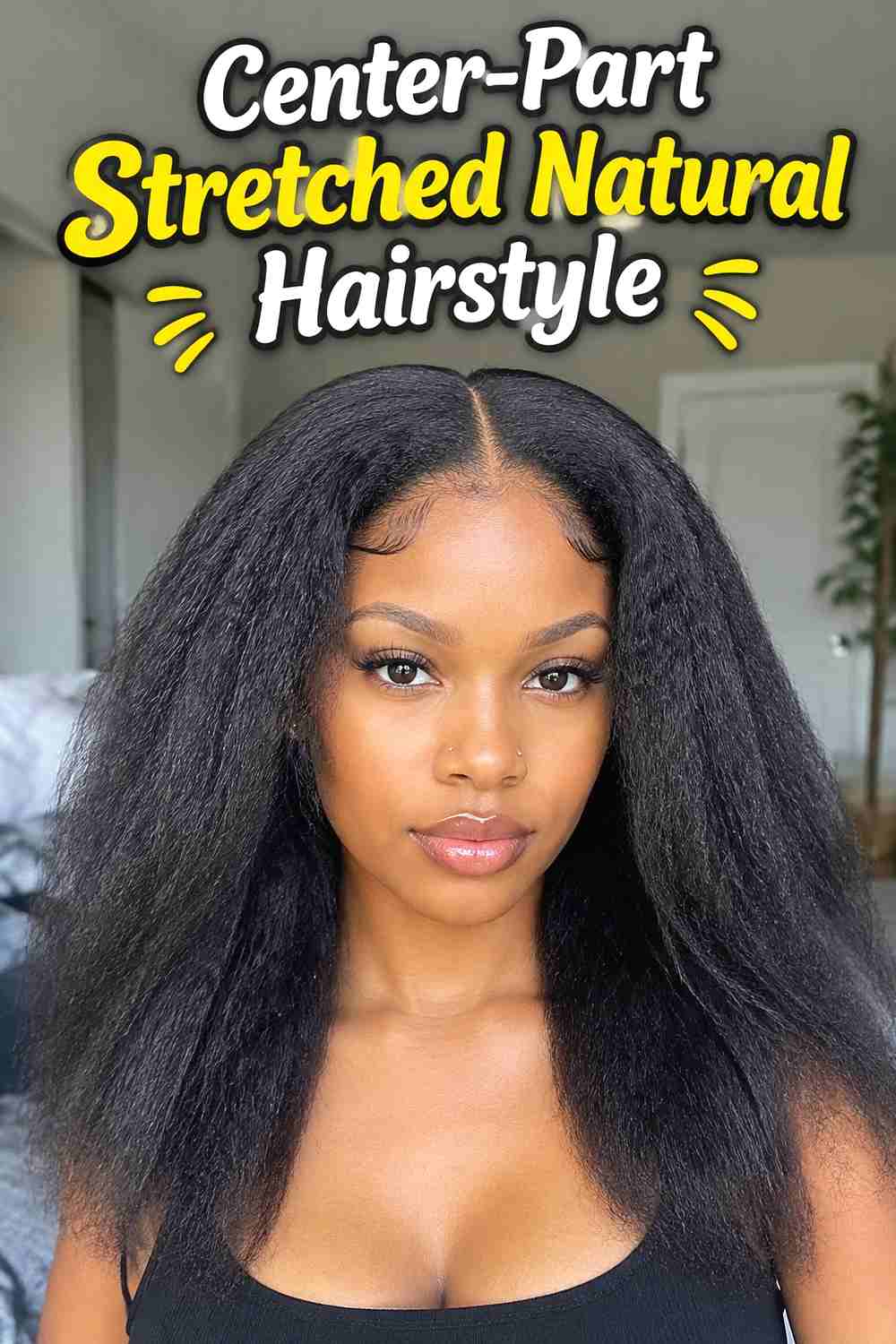
A center-part stretched style creates an even, balanced silhouette that works beautifully with the long vertical lines of a duster cardigan. The hair falls on both sides with enough elongation to show length while still retaining natural fullness, texture, and soft movement. Keep the roots gently lifted rather than pressed completely flat, then allow the shape to widen slightly toward the ends. This version is especially effective when the cardigan is worn open because the part and front sections frame the outfit cleanly. If your hair brushes the shoulders, bring some of the lengths forward to reduce constant contact with the cardigan and make the stretched texture more visible.
Styling Notes
Set the center part before shaping the lengths so you do not repeatedly disturb the roots after the style is finished.
Best For
This look suits medium to long natural hair when you want a symmetrical, easy-to-wear shape with visible stretched length.
2. Deep Side Part Stretched Natural Hairstyle
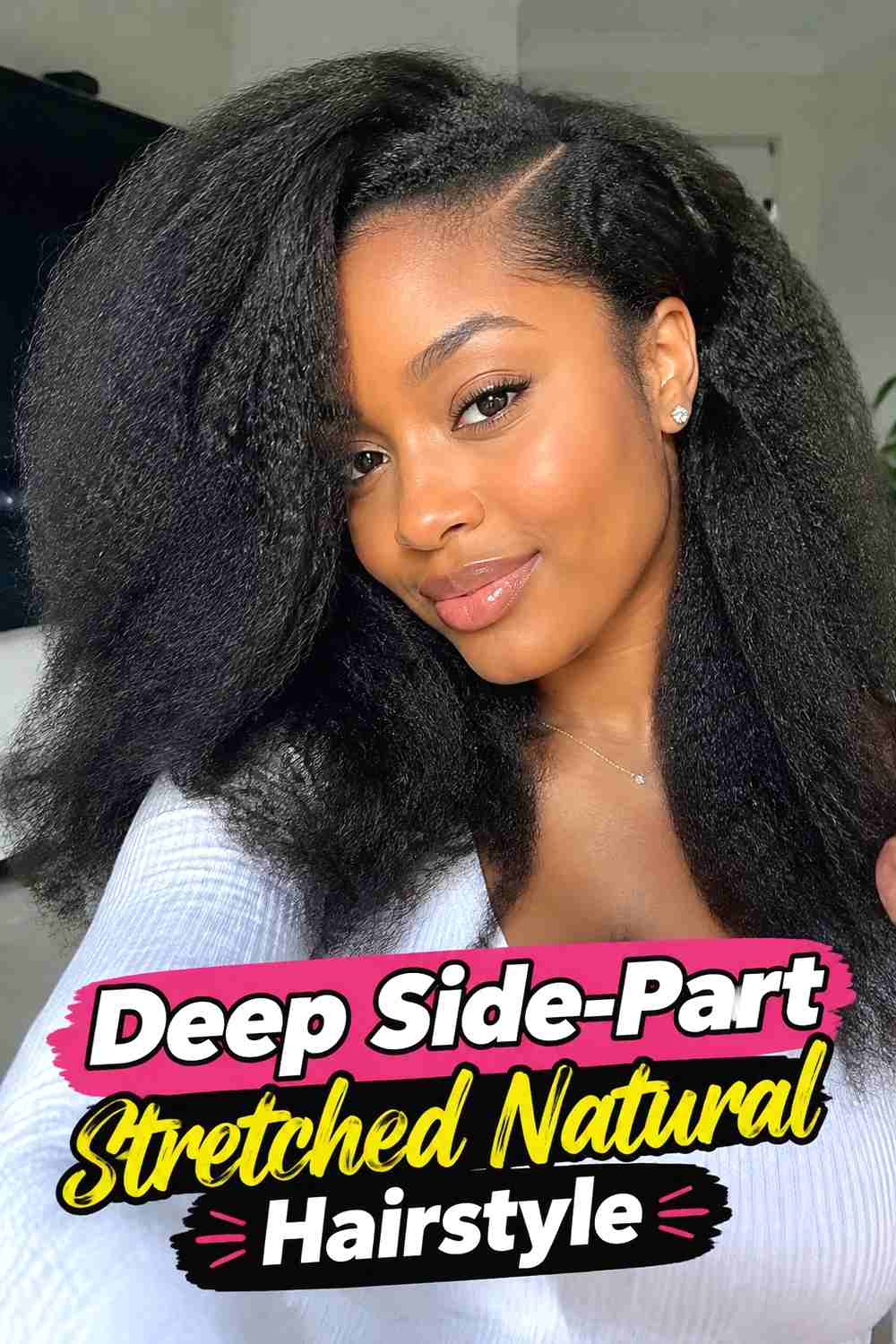
A deep side part gives stretched natural hair more direction and creates a fuller sweep on one side. The heavier section can fall across the forehead or lift gently away from the roots, while the smaller side remains closer to the head. That asymmetry contrasts nicely with a long duster cardigan, especially when the cardigan itself has a simple, streamlined shape. Keep the lengths airy but controlled so the style looks intentional instead of overly expanded. If your hair is dense, allow the fuller side to carry most of the visual volume while keeping the opposite side tucked or softly shaped. The result feels polished without requiring a tightly controlled finish.
Why It Works
The directional volume adds movement around the face while the long cardigan provides a straight, elongated backdrop.
Pro Tip
Follow your natural growth pattern when choosing the deeper side so the roots settle comfortably rather than fighting against their usual direction.
3. Soft Blown Out Natural Hairstyle
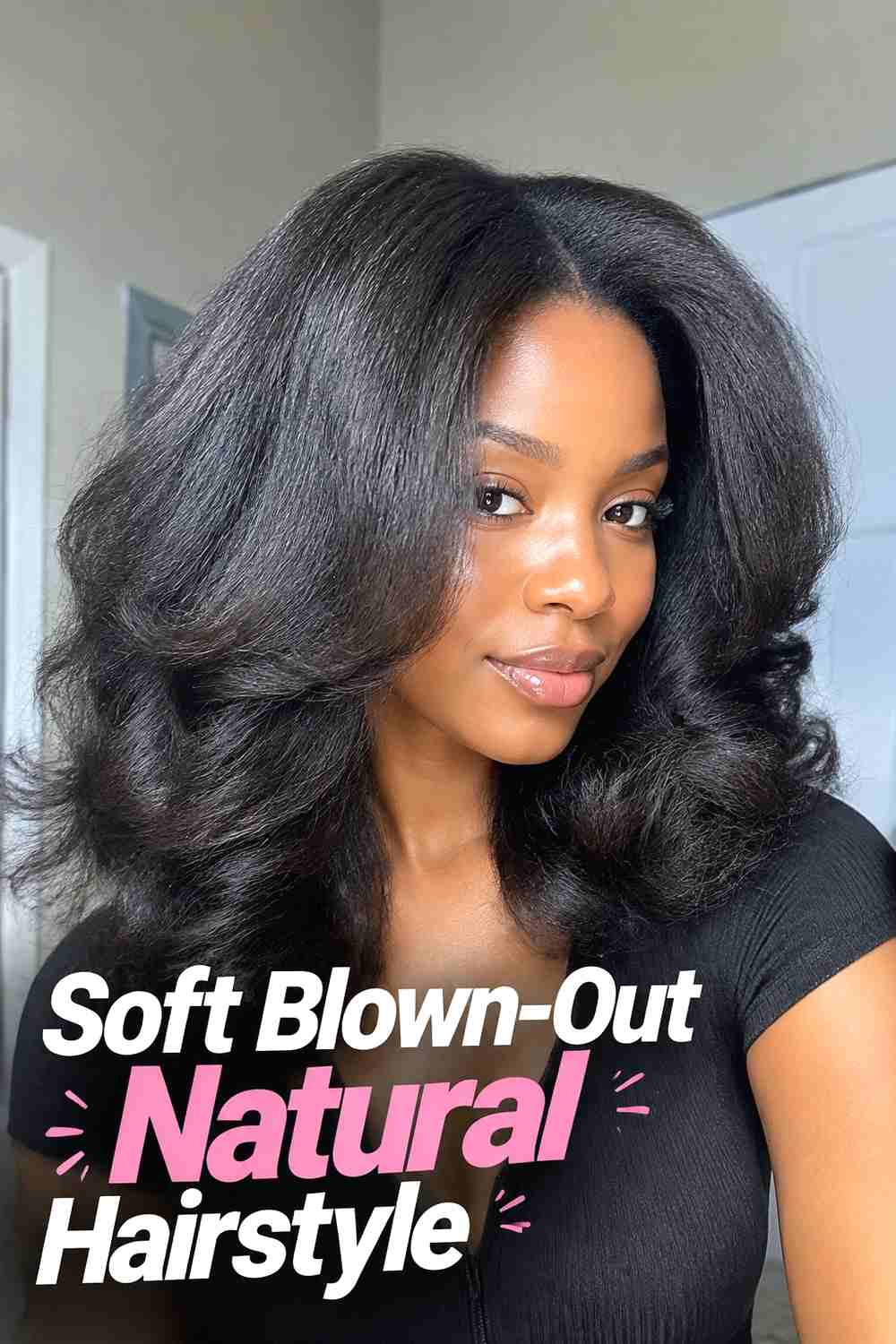
A soft blown-out natural style emphasizes stretched length and fluffy movement without requiring a bone-straight finish. The goal is an elongated silhouette with visible body, natural density, and soft texture through the ends. A gentle rounded shape works especially well with a long cardigan because it keeps the hair visually distinct from the garment’s flowing lines. The style can be center-parted, side-parted, or worn with no sharp part at all. Keep the roots lifted enough for shape, but avoid exaggerating the volume so much that the ends continuously rub across the shoulders. This option is especially versatile when you want your stretched texture to remain the main feature.
Styling Notes
Work in sections when stretching the hair so the finished shape stays even without repeatedly passing through the same areas.
Wear & Maintenance
Bring the ends forward over the shoulders if a textured cardigan fabric creates noticeable friction along the back.
4. Banded Stretch Natural Hairstyle
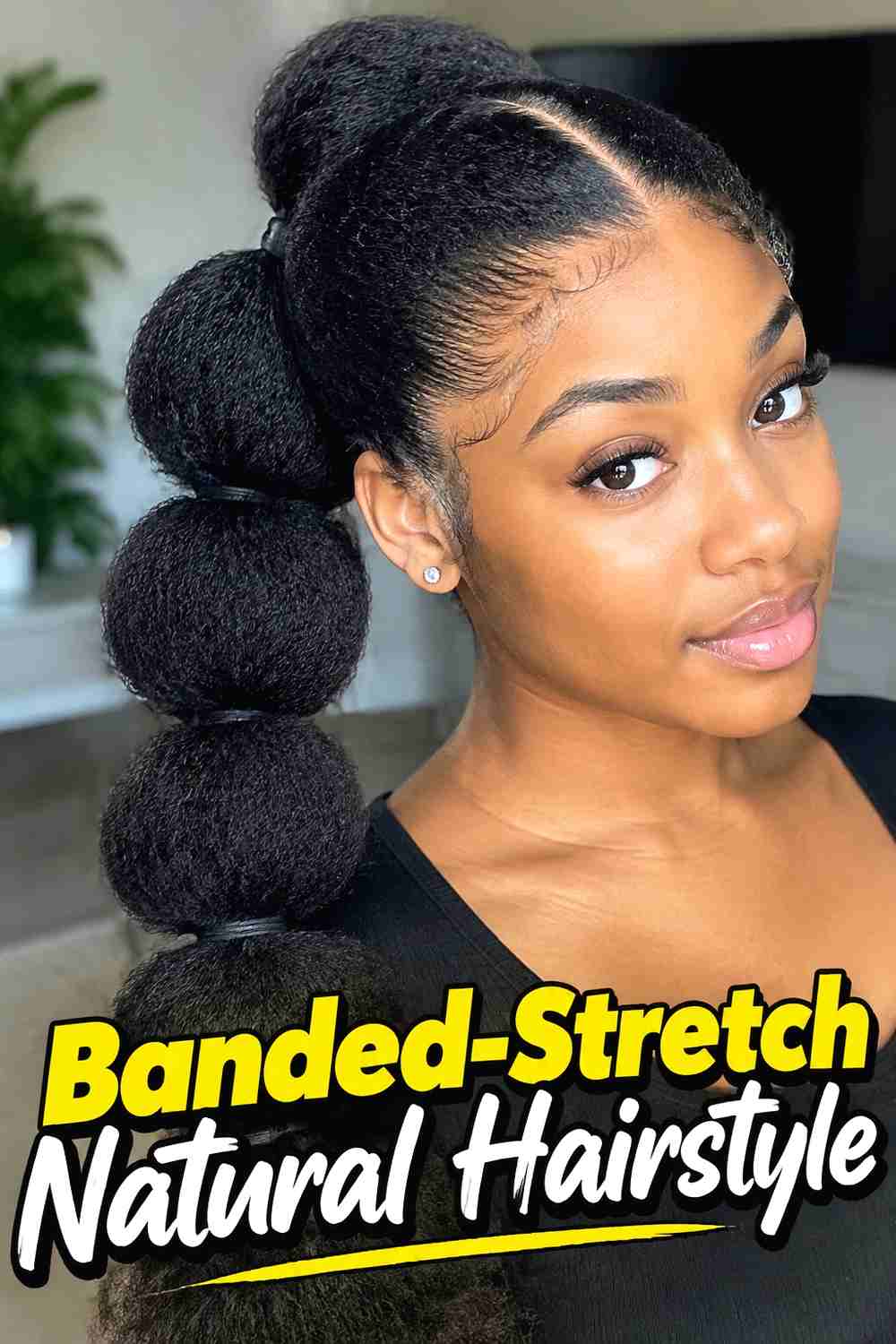
A banded-stretch finish creates elongation without requiring the hair to look sleek or heavily blown out. Hair is divided into sections and gently banded down the length, then released once fully set to reveal a stretched shape with soft texture and visible fullness. The result often has a natural, slightly cloud-like body that looks relaxed beside a long duster cardigan. A center or soft side part can give the style more structure, while finger shaping helps distribute the volume after the bands come off. Keep the ends defined enough to avoid an overly fuzzy outline, especially if the cardigan reaches well below the knees and already adds plenty of visual movement.
Why It Works
The elongated texture creates visible length while preserving the fullness and character of natural hair.
Pro Tip
Space the bands evenly and avoid fastening them so tightly that they leave harsh indentations or create unnecessary tension.
5. Side Pinned Stretched Natural Hairstyle
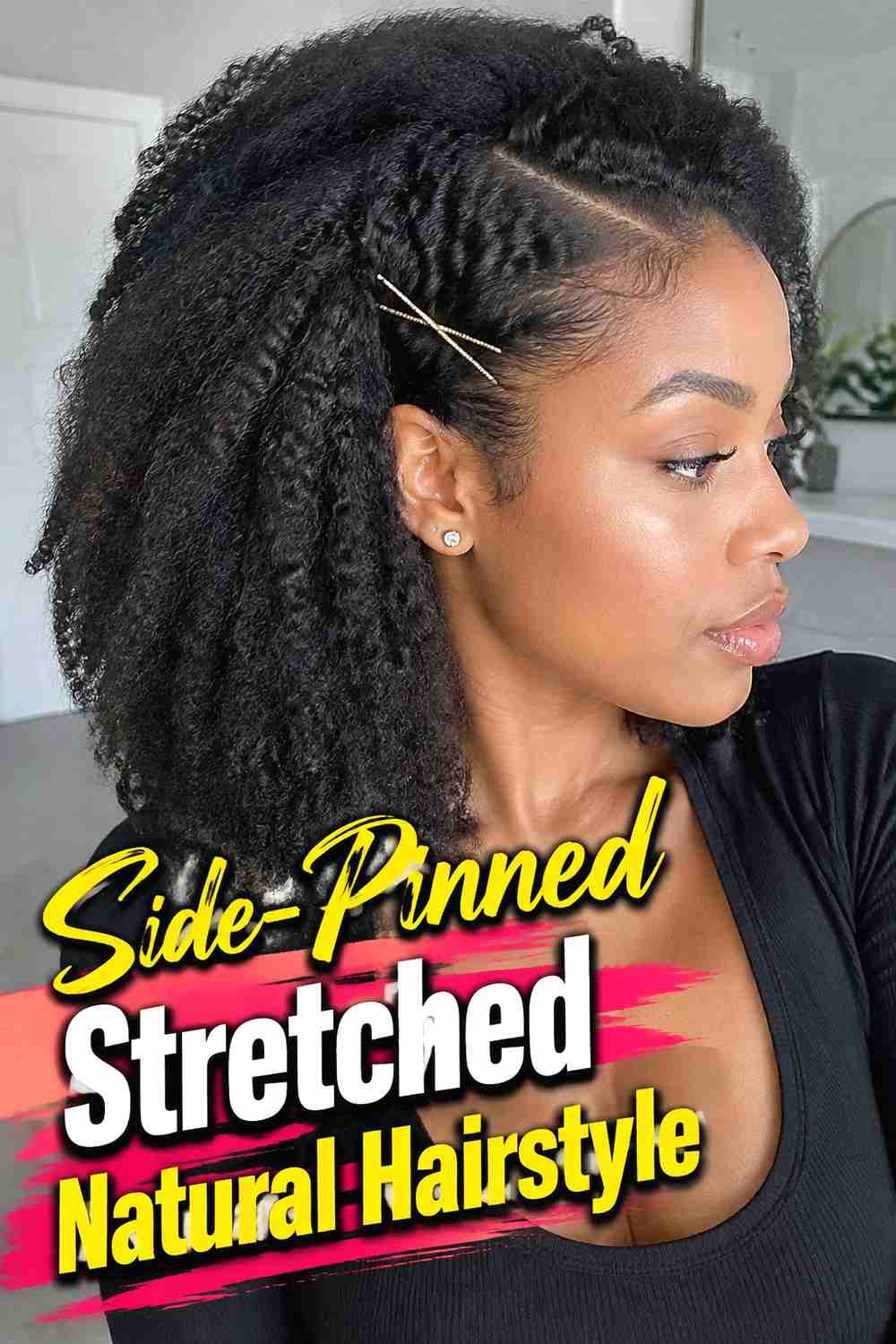
Side pinning gives stretched natural hair a clean, asymmetrical shape while keeping one side away from the cardigan collar. Sweep a modest section above one ear and secure it with a slim pin or flat barrette, allowing the opposite side to remain loose and full. This opens the neckline and lets the cardigan’s upper edge, lapel, or shoulder seam show more clearly. Keep the pinned side softly textured rather than brushing it completely flat, so the finish stays connected to the rest of the hairstyle. This look is particularly useful when you enjoy wearing stretched hair down but want less bulk around one shoulder or need an easy way to control front sections.
Styling Notes
Pin only the amount of hair needed to create the shape. Pulling back too much can make the loose side feel disproportionately heavy.
Best For
Medium and long stretched natural hair works especially well because the free side has enough length to create a strong contrast.
6. Half Up Stretched Natural Hairstyle
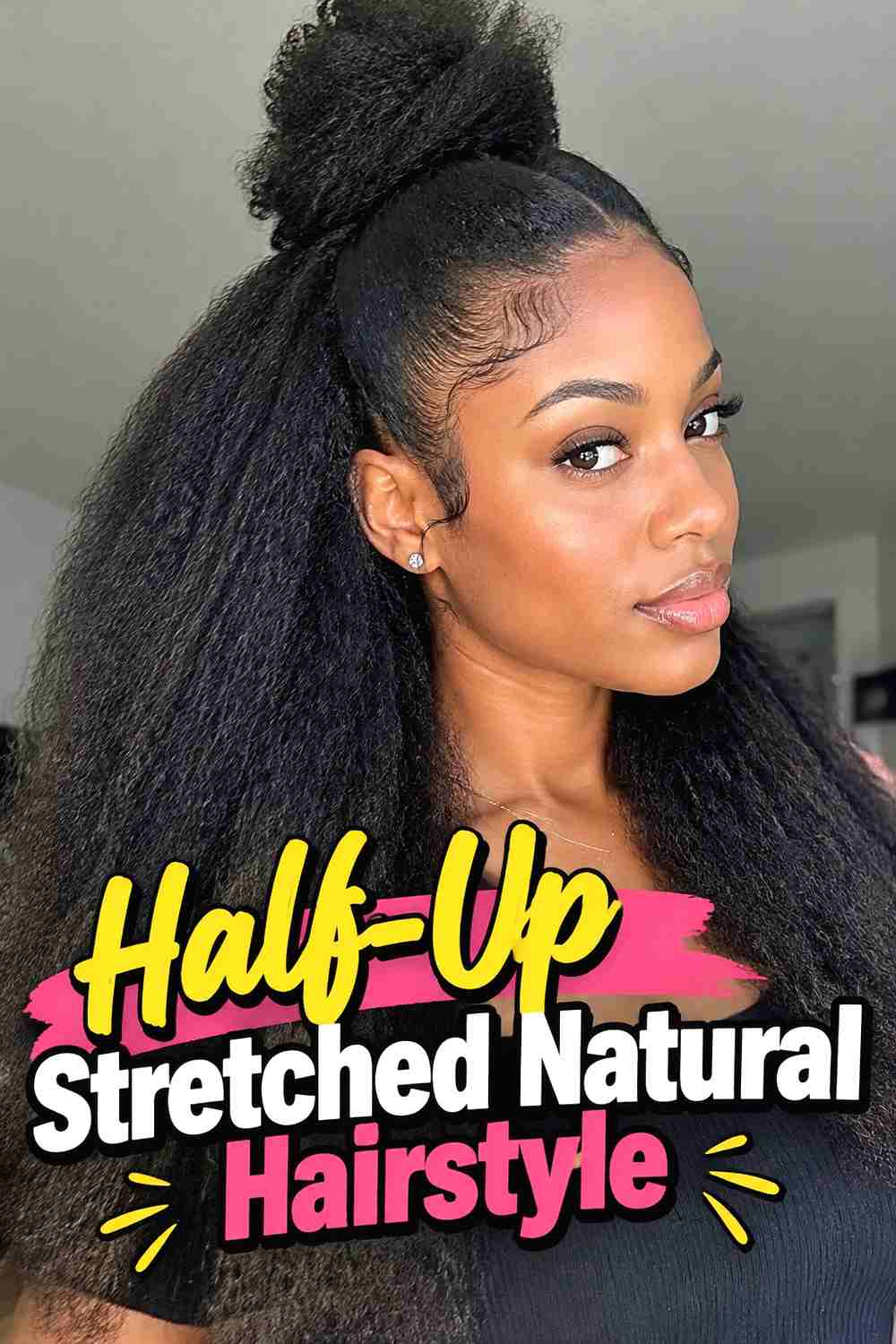
A half-up stretched style gathers the crown and upper sides while leaving the lower lengths loose. The lifted top section exposes the face and upper cardigan neckline, while the remaining hair still shows plenty of elongation and texture. Keep the gathering point soft rather than pulling the roots tightly, and use a small elastic or discreet pins to maintain the shape. The lower section can fall down the back or be divided over both shoulders depending on how much contact you want with the duster. This hairstyle is useful when fully loose stretched hair feels too expansive but you still want the length to remain visible and movement to stay part of the overall look.
Why It Works
The upper section adds structure while the lower hair maintains the relaxed, elongated texture that makes stretched natural hair visually distinctive.
Pro Tip
Gather the crown with your fingers instead of brushing through it heavily so you preserve softness and root volume.
7. Low Stretched Puff Hairstyle
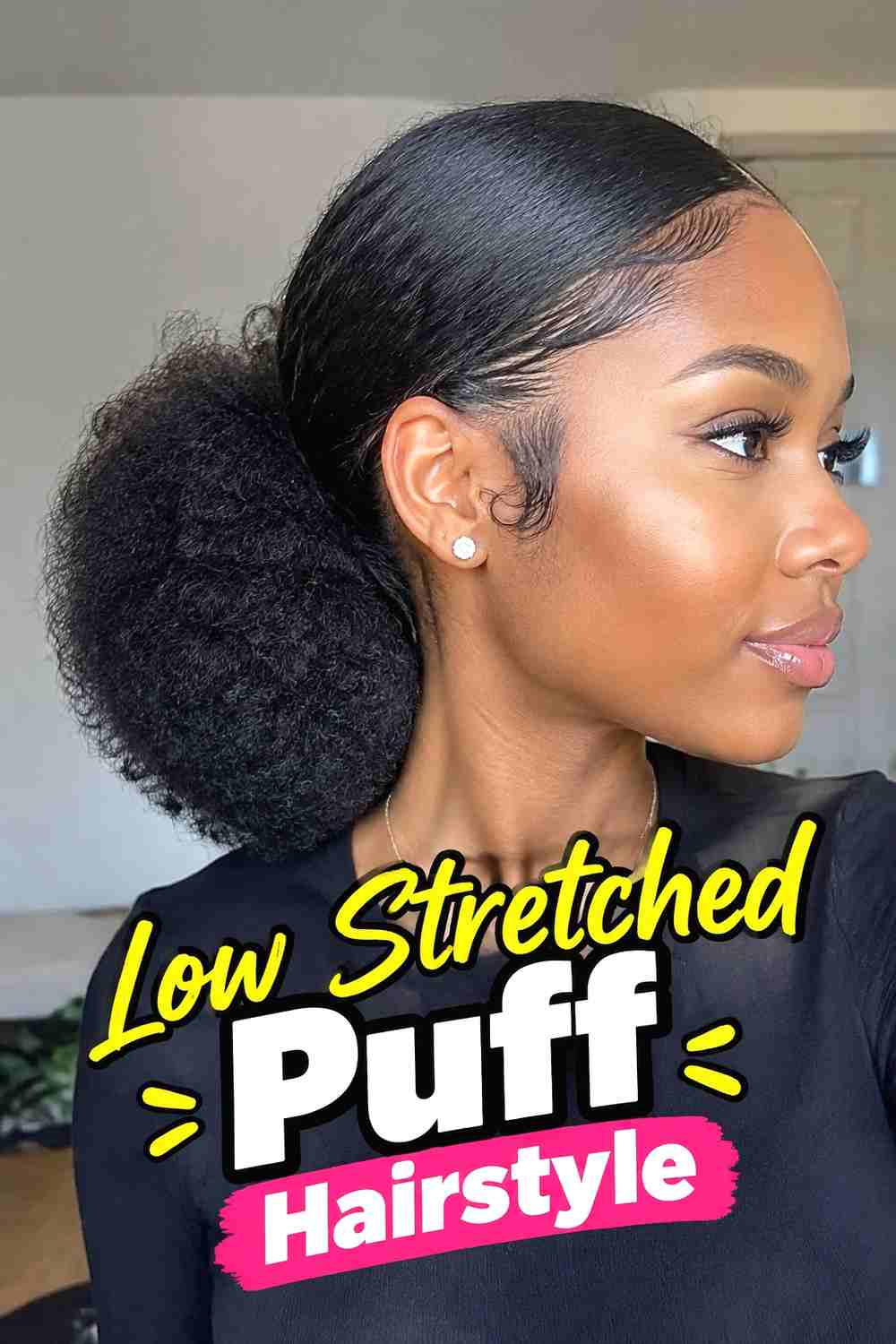
A low stretched puff gathers the hair near the nape while allowing the puff itself to remain full, textured, and elongated. The front and sides can be smoothed lightly or left with a little natural volume depending on the finish you prefer. With a long duster cardigan, the key is placing the puff above the upper back of the garment rather than allowing it to become trapped beneath the collar. This style clears most of the loose lengths from the shoulders while still showcasing density and natural texture. It works particularly well when you want a contained hairstyle for work, errands, or layered winter outfits without hiding your stretched hair inside a bun.
Styling Notes
Put on the cardigan first and check where the collar sits before choosing the exact height of the puff.
Wear & Maintenance
Keep the fastening comfortable and avoid cinching the hair more tightly than needed to maintain the shape.
8. High Stretched Puff Hairstyle
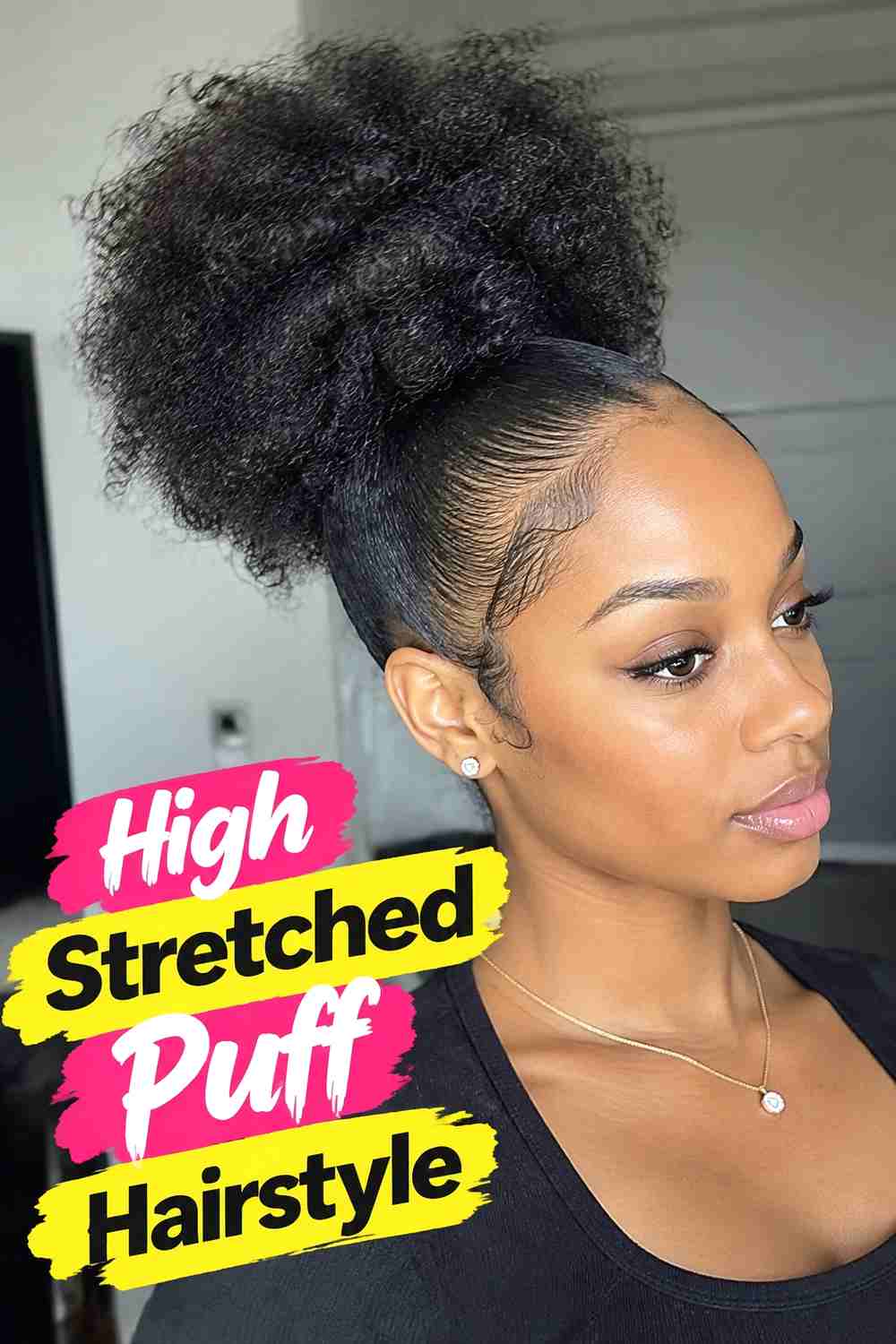
A high stretched puff lifts all the length away from the cardigan, creating maximum separation between the hairstyle and long winter layers. Gather the hair toward the crown with comfortable tension and allow the puff to expand naturally rather than shaping it into a perfectly uniform ball. Stretched hair gives the puff extra length and movement, so you can arrange the ends forward, upward, or slightly to one side. This option is particularly effective with a long open duster because the raised hairstyle balances the cardigan’s downward visual line. Keep the base secure enough for the puff to hold, but maintain softness at the hairline so the finished look remains comfortable for extended wear.
Best For
This style is useful when you want the hair completely off the shoulders and back while keeping natural volume highly visible.
Pro Tip
Use your hands to shape the puff rather than repeatedly combing through the stretched ends, which can make the finish less defined.
9. Flat Twist Crown Stretched Hairstyle
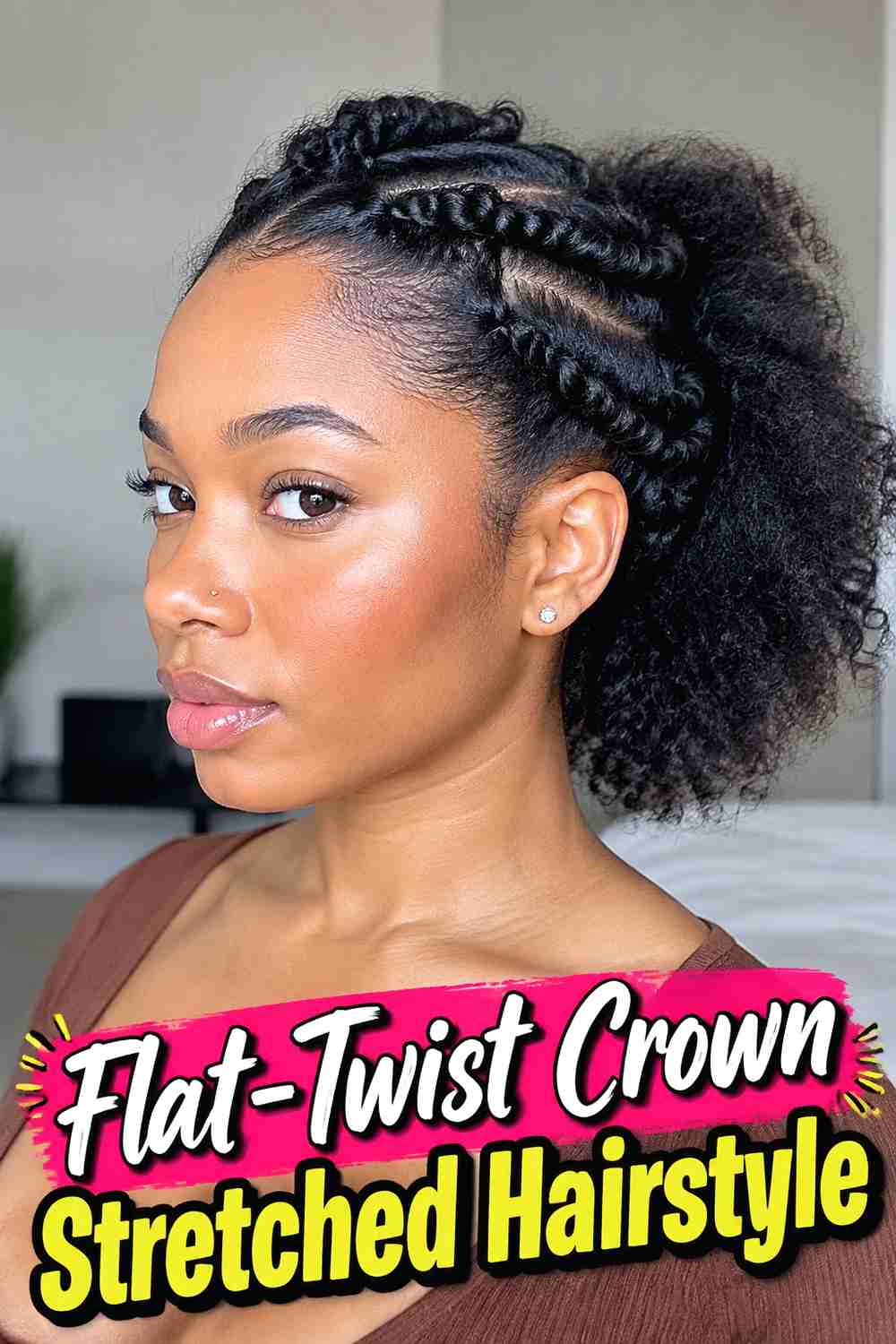
A flat-twist crown detail controls the front and upper sections while leaving the stretched lengths loose. Create one or two soft flat twists near the hairline or along the sides, directing them toward the back and securing the ends discreetly. The remaining hair can fall down the back, over the shoulders, or slightly to one side. This creates a polished contrast between the structured crown and the airy stretched texture. With a long duster cardigan, the style helps keep shorter front sections away from the collar while preserving most of the visible length. Keep the twists comfortably secure rather than excessively tight, since the decorative detail should shape the hair without dominating the entire look.
Styling Notes
Use medium sections for the flat twists so the crown detail remains visible without removing too much fullness from the loose hair.
Why It Works
The controlled top adds definition while the stretched lower lengths maintain softness, movement, and visual balance with the cardigan.
10. Shoulder Swept Stretched Natural Hairstyle
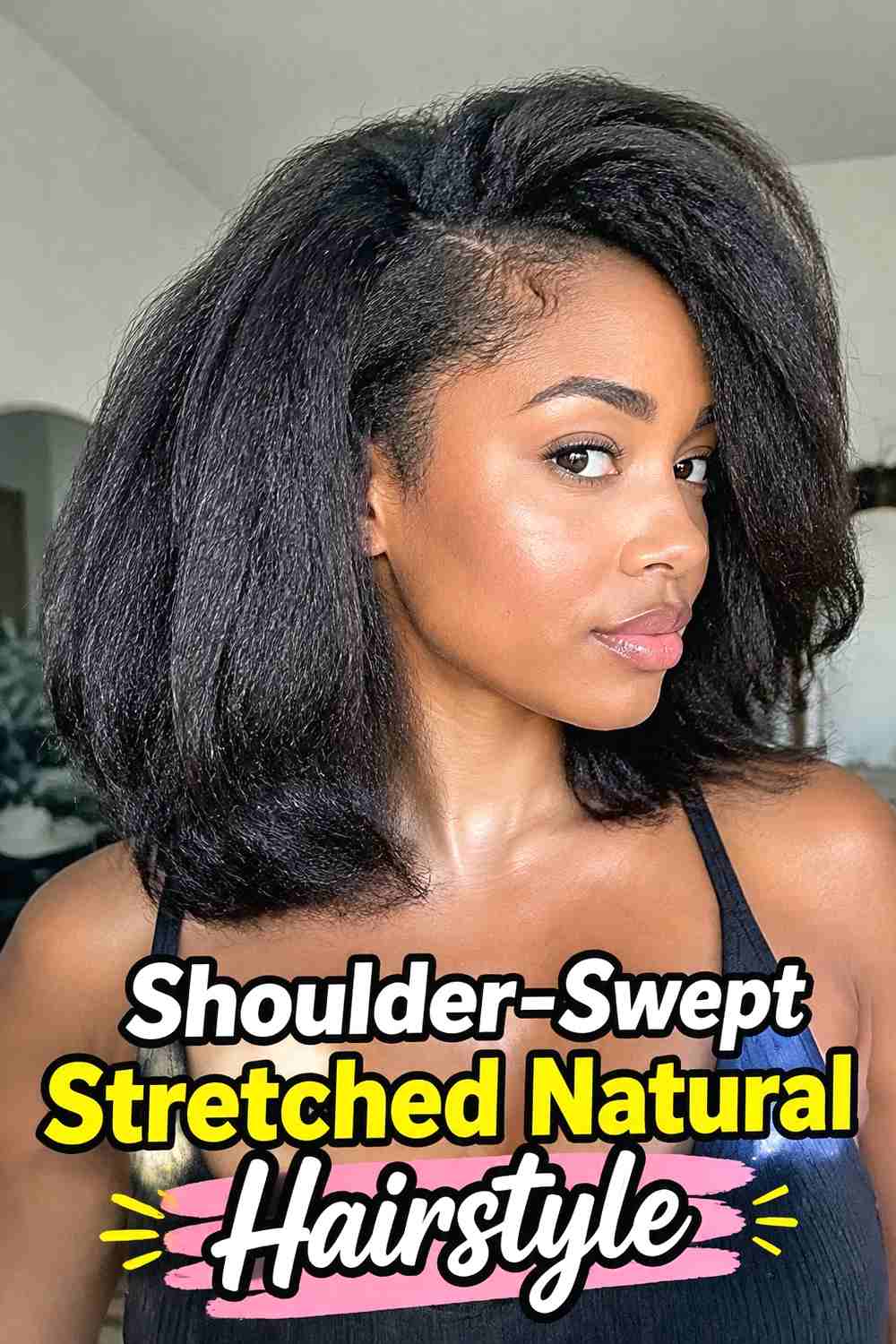
A shoulder-swept stretched style moves the majority of the hair to one side, creating an elegant directional shape that pairs naturally with a flowing duster. The opposite side can stay softly tucked behind the ear or pinned discreetly, while the fuller side falls forward over the shoulder. This placement keeps much of the length visible instead of allowing it to disappear against the back of a long cardigan. It also reduces friction on one side of the garment. Keep the roots relaxed and the lower hair gently separated so the style retains natural fullness. A subtle side part can reinforce the direction without turning the look into a sharply sculpted sweep.
Best For
This option works well for medium-long and long stretched hair when you want a dramatic shape without gathering the hair into a puff or ponytail.
Wear & Maintenance
Switch shoulders occasionally if a handbag strap or coat layer repeatedly presses against the fuller side.
11. Headband Stretched Natural Hairstyle
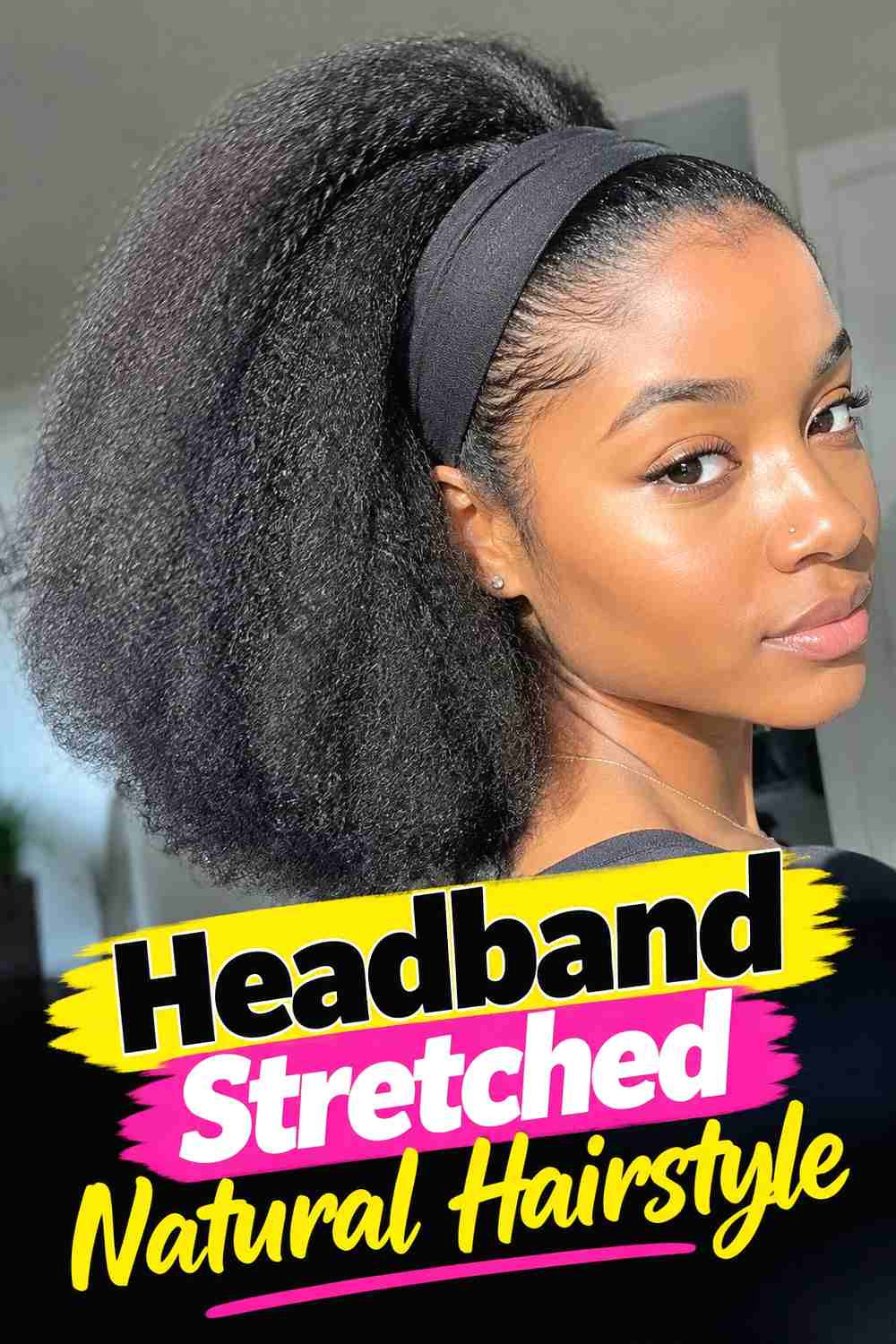
A slim headband creates a clean front edge while leaving the stretched lengths full and loose behind it. Position the band slightly back from the hairline so the front remains soft, then shape the crown and sides around the natural density of your hair. This is an easy way to control shorter pieces without pinning or gathering the entire style. The long, flowing silhouette looks especially cohesive with an open duster cardigan, while the headband adds a small structured detail near the face. Choose a smooth band that is comfortable for extended wear and avoid pushing it too far back, which can flatten more of the crown than intended.
Styling Notes
Shape the hair first and add the headband last so you can decide exactly how much front volume you want to keep.
Best For
This is a practical option when front sections need control but you want the rest of the stretched hair fully visible.
12. Tapered Stretched Natural Hairstyle
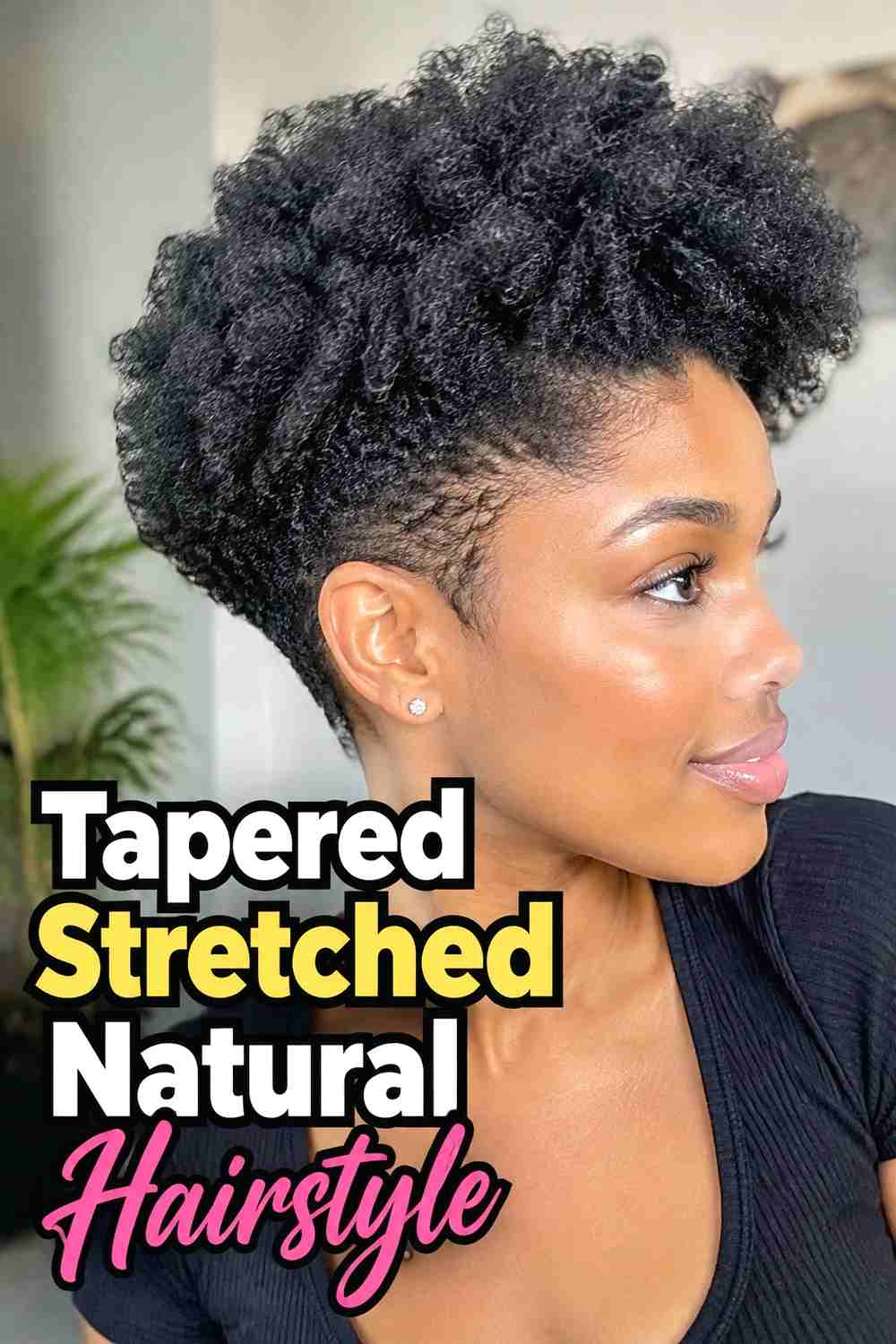
A tapered stretched style keeps the sides and back relatively compact while emphasizing length and volume through the top. The shape is particularly effective with long duster cardigans because the hairstyle stays clear of the shoulders and lets the garment’s neckline remain visible. Stretched texture through the crown can be directed upward, forward, or slightly to one side depending on the haircut. Keep the individual strands soft and varied rather than forcing the top into a rigid shape. This version works best on naturally tapered cuts or shorter hair with additional length through the crown, where stretching reveals more of the haircut’s structure without eliminating the texture that makes the style distinctive.
Hair Type & Length
Short to medium natural hair with a tapered shape works best, especially when there is enough crown length to create visible elongation.
Pro Tip
Concentrate most of the lift through the top while leaving the shorter sides gently shaped close to the head.
13. Low Tucked Stretched Natural Hairstyle
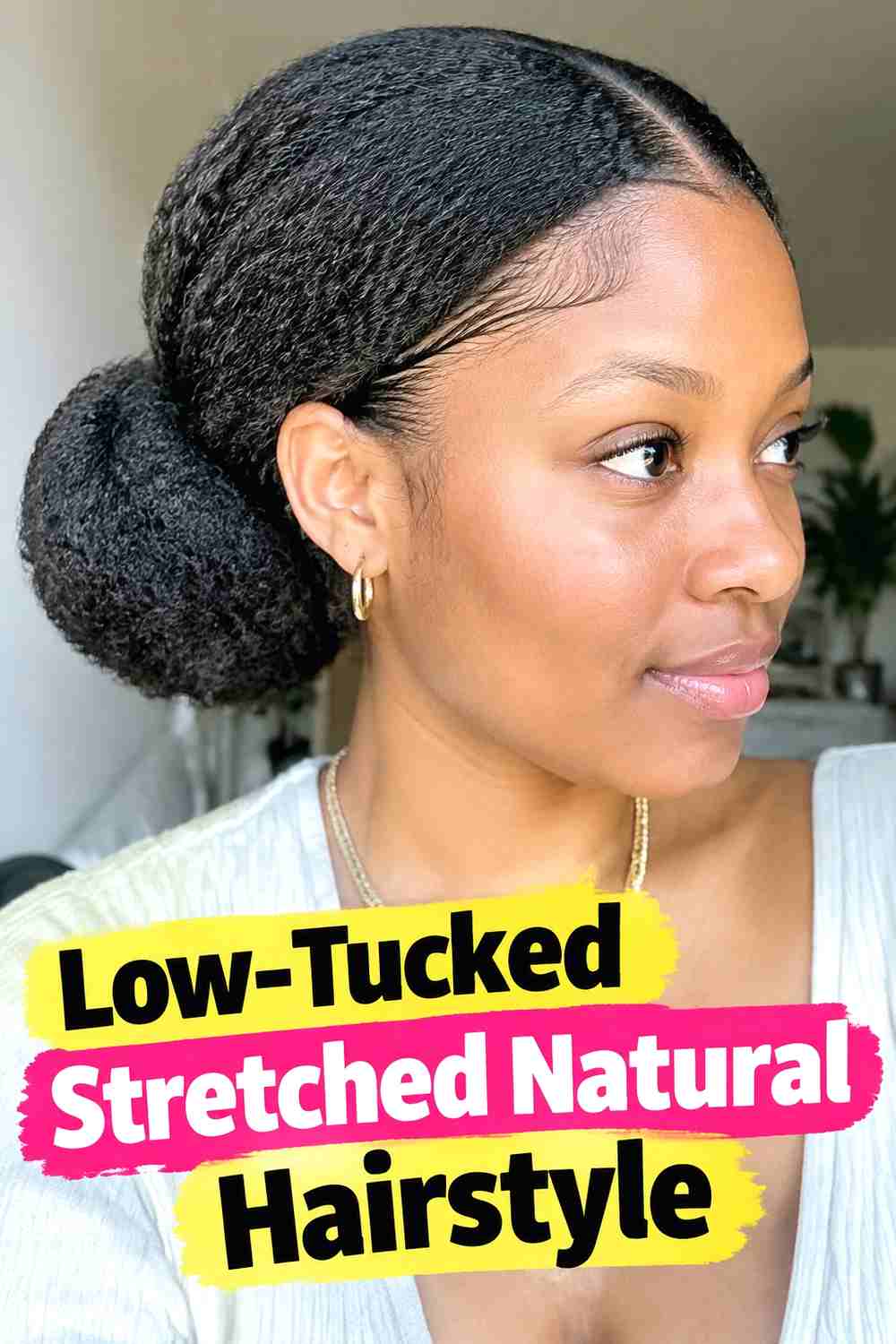
A low-tucked style gathers stretched natural hair into a soft roll or folded shape near the nape, reducing the amount of loose length resting against the duster cardigan. The front can remain center-parted, side-parted, or lightly swept back depending on how polished you want the finish. Keep the tucked section broad and natural rather than compressing it into a tiny, tight knot. Flat pins can support the shape while staying discreet beneath winter layers. This style is useful when you want to show the elongated texture around the crown and sides but prefer a more contained finish through the lower hair. Make sure the tuck sits above the cardigan collar instead of directly inside it.
Wear & Maintenance
Check the back of the hairstyle after putting on coats or scarves so the tucked section has not been pushed upward or loosened.
Why It Works
Containing the lower length limits cardigan friction while preserving softness and visible stretched texture around the head.
14. Face Framing Stretched Natural Hairstyle
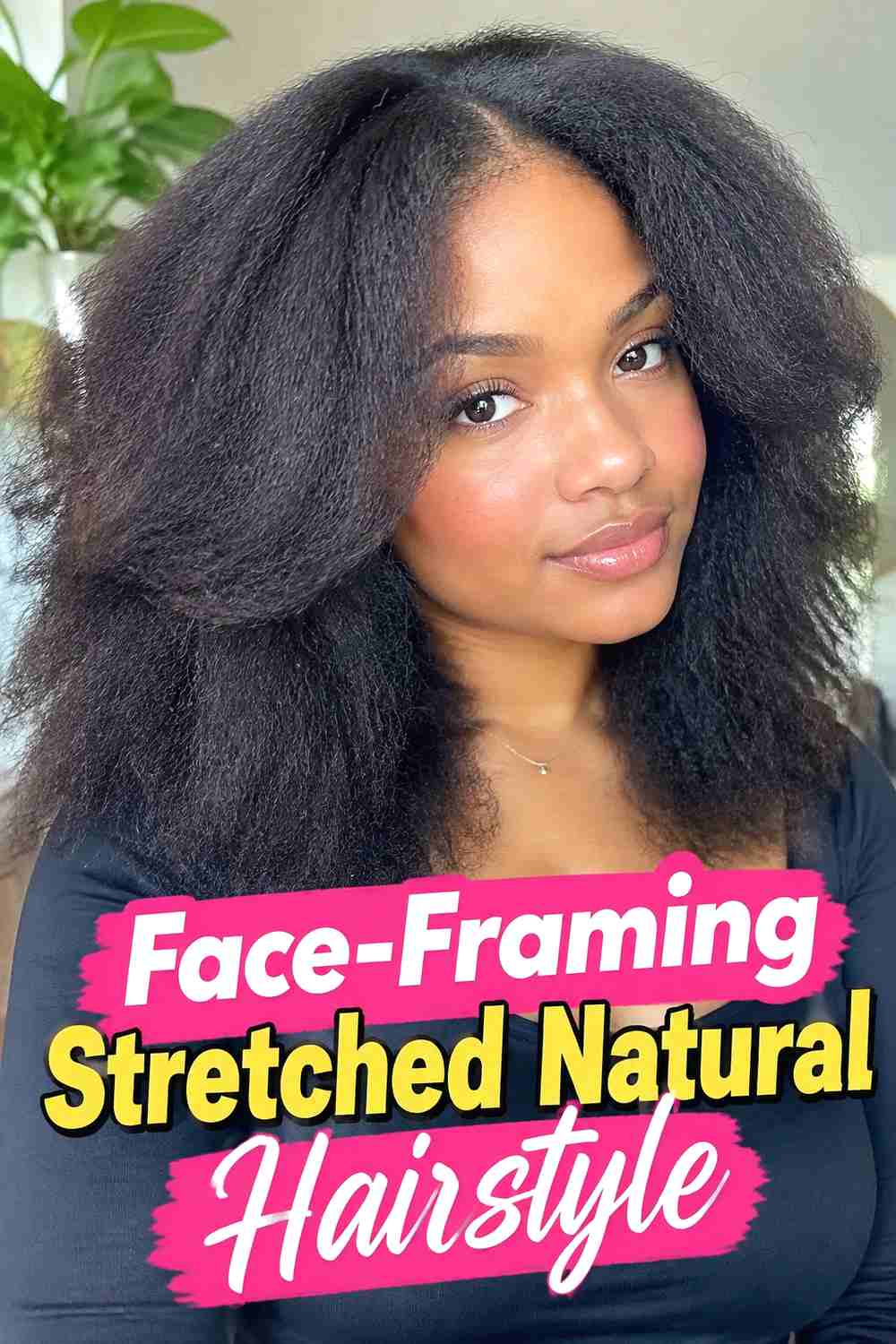
A face-framing stretched style uses shorter front sections or subtle layers to create movement around the cheeks while the remaining length stays full and elongated. A center or soft side part can guide the front pieces, which should blend naturally into the rest of the hairstyle rather than looking disconnected. This look pairs especially well with long duster cardigans worn open because the hair frames the face while the cardigan creates a long vertical frame around the body. Keep the front sections light enough that they do not constantly fall into the eyes. The lower lengths can remain loose, softly shoulder-swept, or brought forward to reduce rubbing against the back of the cardigan.
Why It Works
The front layers provide detail near the face while the longer stretched sections maintain softness, length, and balance with the duster’s silhouette.
Pro Tip
Separate the face-framing sections last so you can judge how much fullness is already present through the rest of the hairstyle.
How to Choose the Right Look
Start with how much of your stretched length you want to display. Center parts, soft blowouts, banded stretches, and shoulder-swept styles showcase the most loose length, while high puffs, low puffs, and tucked finishes keep more hair away from the cardigan.
Next, consider fabric friction. Smooth knit dusters may be easier on loose ends than highly textured wool or brushed fabrics. If your hair frequently rubs across the shoulders and back, try a half-up style, side pin, puff, or low tuck to reduce contact.
Density and shrinkage also influence the final shape. Fuller hair may need less root lifting, while finer stretched hair can benefit from strategic parting and moderate volume. Think about styling time, comfortable hold, cardigan collar height, scarves, and additional coats. The best option should maintain natural texture, allow realistic movement, and feel comfortable throughout the day without requiring constant reshaping.
Final Thoughts
Stretched natural hair and long duster cardigans work well together because both create movement and length. A loose blowout emphasizes softness, a side part adds direction, and puffs or tucked styles provide more containment when clothing friction becomes an issue. Choose a silhouette that respects your natural density and texture, then place the volume where it complements your cardigan rather than competing with it.
FAQs
1. What does stretched natural hair mean?
Stretched natural hair is natural textured hair styled to show more length and reduce some shrinkage while still retaining its natural character, density, and texture.
2. Which stretched hairstyle works best with a long cardigan?
Loose center-part styles, shoulder-swept looks, half-up styles, and high puffs all pair well. The best choice depends on how much contact your hair has with the cardigan.
3. How can I reduce friction between stretched hair and a duster cardigan?
Bring the lengths forward, pin one side, choose a puff, or use a tucked style so fewer ends continuously rub against the cardigan fabric.
4. Can short natural hair be worn stretched with a duster cardigan?
Yes. Tapered stretched styles can create visible length and texture through the crown while leaving the neckline and shoulders clear.
5. Does stretched natural hair have to look straight?
No. A stretched style can still show texture, fullness, bends, and natural variation. The goal is elongation, not necessarily a straight finish.
Save your favorite stretched natural hairstyle and pair it with a long duster cardigan for an easy layered look that keeps texture and movement visible.