
What is a Shag Haircut – Everything You Need to Know
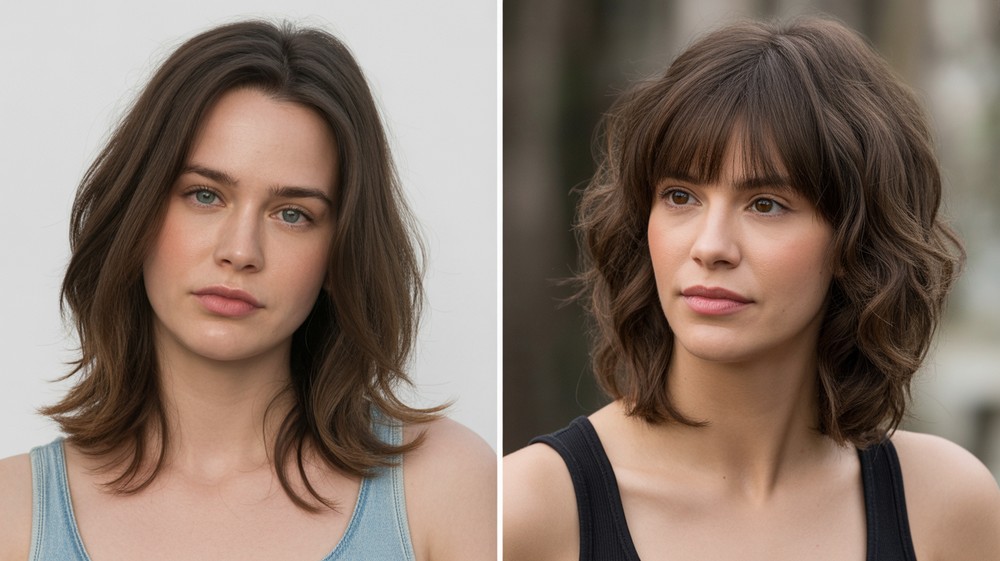
A shag haircut is a layered cut that gives hair movement, lift, and a relaxed, “I woke up like this” feel. It first took off in the 1970s, but today’s shag is softer and easier to wear. The idea is simple: shorter pieces near the top for volume, gentle face-framing around the front, and light, feathered ends so nothing looks heavy. It works on many hair types—straight, wavy, or curly—and at almost any length.
You can wear it with bangs or without. You can style it smooth or let it air-dry and show its natural bend. If you like hair that looks cool without a lot of effort, a shag is worth a look. In this guide, you’ll learn what defines a shag, who it suits, popular versions, how to style it at home, what to ask your stylist, care and upkeep, common mistakes to avoid, and a handy FAQ at the end.

Quick Definition
A shag is a layered haircut with:
- Shorter layers at the crown for lift and movement
- Face-framing layers (often with soft or curtain bangs)
- Light, airy ends so the hair doesn’t look blunt or blocky
What Makes a Shag Different From “just layers”?
Plenty of haircuts have layers. A shag uses more layering up top and weight removal through the mid-lengths and ends. That’s why the top looks bouncy and the ends look light. A regular layered cut often keeps more weight on the bottom and fewer short pieces near the crown.

Who it Suits (Face Shapes, Hair Types, and Lifestyle)
Face shapes
- Round: The lift at the crown helps add height. Face-framing pieces can slim the sides.
- Square: Soft layers blur strong angles at the jaw.
- Heart: Curtain bangs balance a wider forehead.
- Oval: Very versatile—most shag versions work.
Hair types
- Fine/straight: Ask for soft layers and keep the ends from getting too thin. The goal is airy, not wispy.
- Medium/wavy: Shags love a natural wave—easy win.
- Thick/straight or wavy: The cut removes bulk so hair feels lighter and swings.
- Curly: A curly shag is beautiful when shaped to your curl pattern. Many stylists cut curls partially dry to see the true spring.

Popular Shag Styles (so you can point and pick)
- Short shag: Around the ears to the jaw; lots of crown lift; playful and light.
- Shaggy bob (sometimes called “shab”): A bob base with shag layers and soft ends.
- Medium/classic shag: Shoulder to collarbone; the safest, most versatile pick.
- Long shag: Keeps length, removes weight, gives beachy movement.
- Curly shag: Tailored to each curl; usually a soft fringe and rounder shape.
- ’70s-soft shag: Feathered fringe, rounded flow, romantic and soft.
- Modern soft shag: Extra-blended layers, less choppy, very office-friendly.
- Wolf-leaning shag: A bit more contrast (fuller top, lighter ends) without going full mullet.
How the Cut Usually Happens (plain talk)
Your stylist sections the hair and starts at the crown to set the shortest layers. Then they shape the face frame so the pieces fall nicely around your brows, cheekbones, or jaw (you decide the length). Through the mid-lengths and ends, they soften and lighten with point-cutting, slide-cutting, or a razor (used carefully). Bangs—if you want them—are cut last so they match your part and natural fall.
Everyday Styling (fast, low-stress)
Straight or fine hair
- Towel-blot.
- Work a light volumizing mousse at the roots; a small bit of texture spray through the middle.
- Rough-dry with your head flipped over for lift.
- Smooth the front pieces with a brush.
- Finish with a quick mist of dry texture spray for movement.
Wavy hair
- Apply curl or wave cream/foam on damp hair.
- Scrunch and diffuse on low heat to about 80% dry.
- Pinch the ends with a pea-size cream for definition.
Curly hair
- Use a leave-in conditioner plus your favorite curl cream or gel.
- Finger-coil a few face-framing curls if you want extra definition.
- Diffuse on low.
- If you used gel, scrunch out the cast with a drop of lightweight oil.
Color ideas That Flatter Shags
- Balayage/foilayage to show off the layers
- A light face-frame “money piece” to brighten the front
- Soft caramel, copper, or bronde for warmth
- Ashy browns or deep espresso for modern contrast
Maintenance and Grow-out
- Trims: every 8–12 weeks to keep the shape fresh
- Bangs: every 4–6 weeks if you wear them
- At home: Avoid cutting your own layers; if you dust bangs, go slow and dry-cut only a tiny bit
- Grow-out: Shags usually grow into soft layers rather than a hard line, so the in-between phase is kind
How to Talk to Your Stylist (words that help)
- “I want a soft, modern shag with volume at the crown and light, airy ends.”
- “Please include face-framing layers and (curtain bangs / no bangs) that sit around my (brows/cheekbones/jaw).”
- “My hair is (fine/thick/wavy/curly)—please keep it (full/debulked) so it doesn’t get too thin on the ends.”
- “I mostly (air-dry/blow-dry/diffuse) and want low maintenance.”
- “Can we agree on the shortest crown layer before cutting?”
Pros and Cons (quick and honest)
Pros
- Natural movement and easy volume
- Works with your hair’s own texture
- Grows out softly
- Face-framing suits many face shapes
Cons
- Over-texturizing can make ends too thin
- Fine hair needs careful layering
- Bangs need small, regular tune-ups
- Not for those who want razor-sharp, blunt lines
Common Mistakes to Avoid
- Too many short layers on fine hair (can go flyaway)
- Not enough weight removal on very thick hair (can look puffy)
- Forgetting your part when planning the fringe
- Overusing salt spray (crunchy feel on dry hair)
- Razor only on fragile hair (can frizz)—mixed techniques are safer
FAQs
1) Is a shag the same as a mullet or wolf cut?
No. A mullet is shorter in front and long in back. A wolf cut is a mix—more contrast between full top and light ends. A shag is softer and more blended.
2) Will a shag work on fine hair?
Yes—just keep the layering soft, not too short at the crown, and avoid over-thinning the ends. Use a light volumizer and go easy on heavy creams.
3) Is it good for thick hair?
Definitely. It removes bulk, adds swing, and feels lighter day to day. Ask for debulking through the middle and ends.
4) Do I have to get bangs?
No. Many people wear a shag with no fringe—just longer face-framing pieces.
5) How often do I need trims?
Plan on every 8–12 weeks for the overall shape, and 4–6 weeks for bangs if you have them.
6) Can I style it in under 10 minutes?
Yes. Rough-dry for lift, smooth the front pieces, add a touch of texture spray, and you’re done.
7) Will layers make my hair look thinner?
Only if the ends are over-thinned. A good shag keeps lift at the crown and movement through the middle without making the bottom look stringy.
8) Is a shag office-appropriate?
Yes. Choose a softer, blended version and style it smooth when you want a polished look.
9) Can I tie it up?
Sure. Medium and long shags make great messy buns and half-ups because the layers add interest.
10) What products do I actually need?
Keep it simple: heat protectant, a volumizer or curl cream (based on hair type), and a dry texture spray. Add a light oil only if your ends feel dry.
11) How do I keep frizz down on a curly shag?
Moisture first: a leave-in and a curl cream or gel. Diffuse on low and avoid touching until set. Break the cast with a drop of oil.
12) I’m growing my hair—will a shag slow me down?
Not really. Shags grow out softly. You’ll still need trims to keep ends healthy, but you won’t hit that awkward “triangle” stage as often.
13) Can color help the layers pop?
Yes. Soft highlights or a brighter face-frame bring the texture to life.
14) What should I tell my stylist to avoid?
Ask them to avoid over-thinning the ends and to show you how short the top layers will be before they cut.
15) What length is the safest to try first?
A medium shag (around the shoulders) is an easy starting point—long enough to tie back, short enough to show movement.
Conclusion
A shag is about airy movement, easy styling, and face-flattering shape. You can keep it soft and subtle for work or lean into texture and volume for a weekend vibe. It suits many face shapes and hair types, grows out kindly, and doesn’t demand a long morning routine. If you’re ready for hair that feels lighter, looks modern, and moves with you, a shag is a smart choice. Bring a couple of photos, agree on the shortest layer, and you’ll walk out with a cut that looks great on day one and still feels good weeks later.


