19 Winter Wheat Blonde Hair Color Ideas for Soft Seasonal Dimension
Winter wheat blonde blends creamy beige, muted golden-neutral, and cool frosted tones for a soft dimensional blonde that feels polished and especially fitting for winter.
Rather than leaning strongly icy or deeply golden, winter wheat blonde sits in a balanced neutral space. Think pale wheat, soft beige, muted cream, and restrained cool brightness combined in one dimensional palette. The result can look cozy and natural while still offering enough lightness to brighten the overall hairstyle.
The best version depends on how much root depth, contrast, warmth, and brightness you prefer. Balayage and rooted styles create softer transitions, while pearl accents, babylights, and brighter face-framing pieces produce a lighter finish. Haircut and texture matter too, since waves and layers reveal tonal variation differently from smooth, straight styles.
Quick List
- Winter Wheat Blonde Balayage Hairstyle
- Winter Wheat Blonde Bob Hairstyle
- Winter Wheat Blonde Root Melt Hairstyle
- Winter Wheat Blonde Waves Hairstyle
- Winter Wheat Blonde Money Piece Hairstyle
- Winter Wheat Blonde Layered Lob Hairstyle
- Winter Wheat Blonde Shadow Root Hairstyle
- Winter Wheat Blonde Long Layers Hairstyle
- Winter Wheat Blonde Curly Hairstyle
- Winter Wheat Blonde Face Framing Hairstyle
- Winter Wheat Blonde Pixie Hairstyle
- Pearl Winter Wheat Blonde Hairstyle
- Mushroom Winter Wheat Blonde Hairstyle
- Winter Wheat Blonde Babylights Hairstyle
- Winter Wheat Blonde Soft Highlights Hairstyle
- Winter Wheat Blonde Sleek Straight Hairstyle
- Winter Wheat Blonde Textured Shag Hairstyle
- Winter Wheat Blonde Dimensional Bronde Hairstyle
- Winter Wheat Blonde Creamy Ends Hairstyle
1. Winter Wheat Blonde Balayage Hairstyle
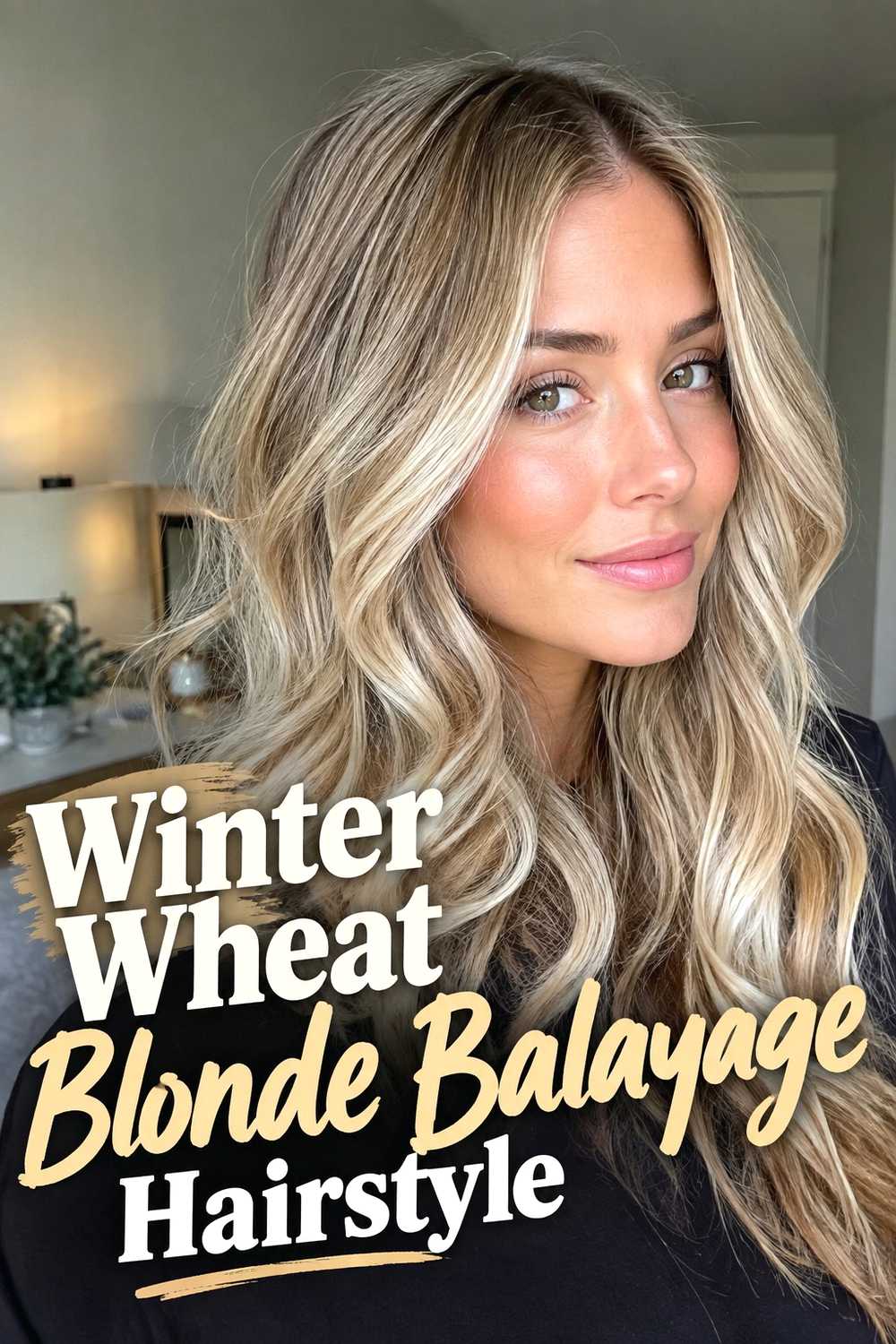
Winter wheat blonde balayage combines a softly rooted base with hand-painted ribbons of beige, creamy blonde, and muted wheat tones through the mid-lengths and ends. The placement leaves enough depth between lighter sections to keep the color dimensional rather than uniformly pale. On medium or long hair, loose waves make the tonal shifts especially visible as brighter strands move across deeper pieces. The overall finish feels softer than platinum and more neutral than strongly golden blonde, making it useful for anyone who wants lightness without an overly cool or warm result. A gradual transition near the roots can also make the color feel more relaxed and visually blended as the hair grows.
Why It Works
Hand-painted lightness creates movement while the neutral wheat base prevents the color from looking flat or overly bright.
Wear & Maintenance
A rooted balayage can create a softer grow-out, though the lighter lengths may still need occasional tonal refreshing.
2. Winter Wheat Blonde Bob Hairstyle
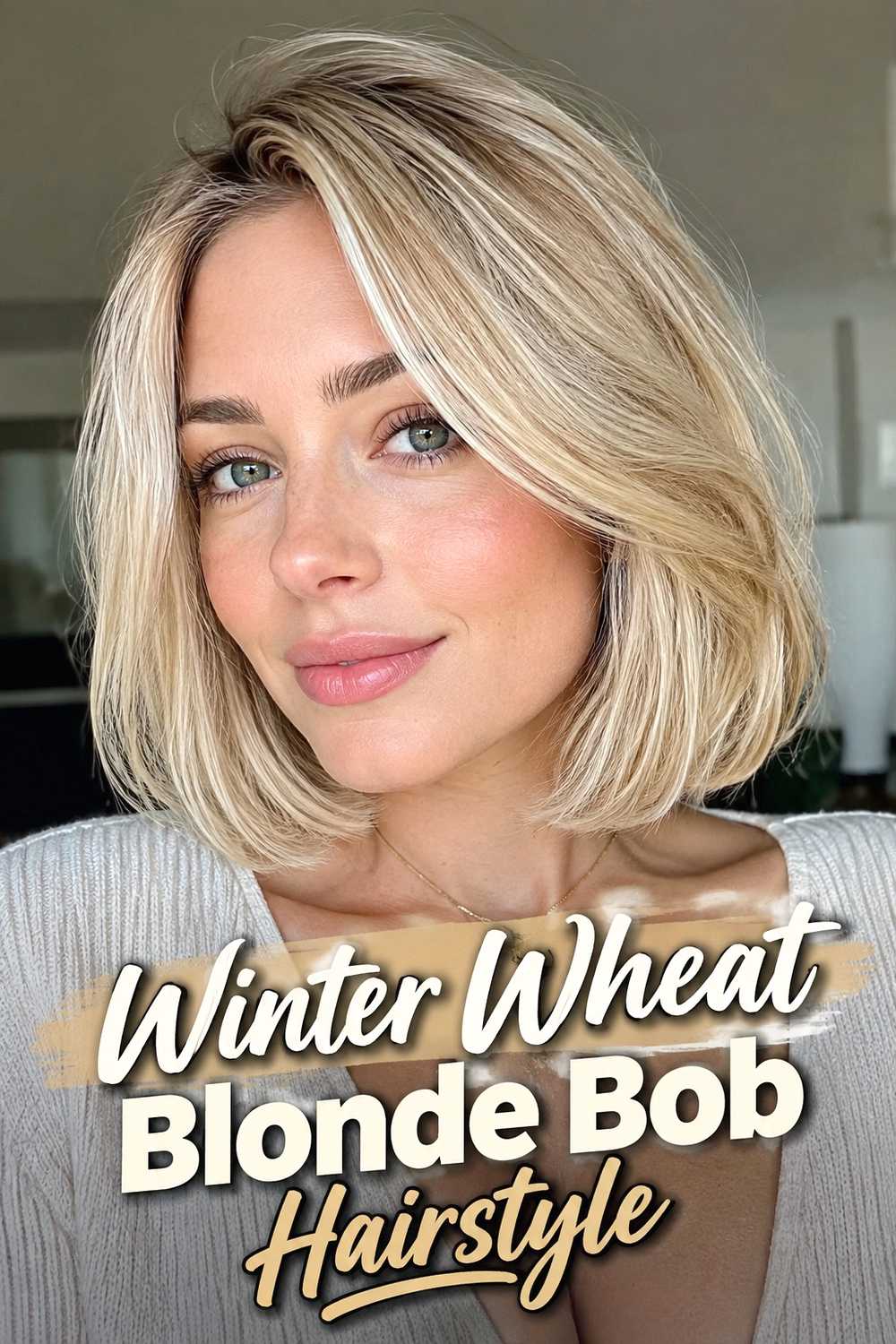
A winter wheat blonde bob pairs a clean, structured haircut with a soft beige-neutral blonde palette. Because the hair is shorter, the root, mid-length, and ends sit close together, making thoughtful blending important. A softly deeper root can flow into creamy wheat-blonde lengths, while subtle lighter pieces around the front add dimension without overpowering the shape. Worn straight, the bob emphasizes smooth tonal transitions and shine; styled with a gentle bend, it reveals more contrast between individual sections. The shade works particularly well when it retains a touch of muted warmth rather than becoming too icy, helping the short cut feel polished, soft, and wearable throughout the colder season.
Styling Notes
Keep styling products lightweight so the ends retain movement and the dimensional color remains visible.
Best For
This look works well from chin length to shoulder-skimming bobs, especially with blunt or softly textured ends.
3. Winter Wheat Blonde Root Melt Hairstyle
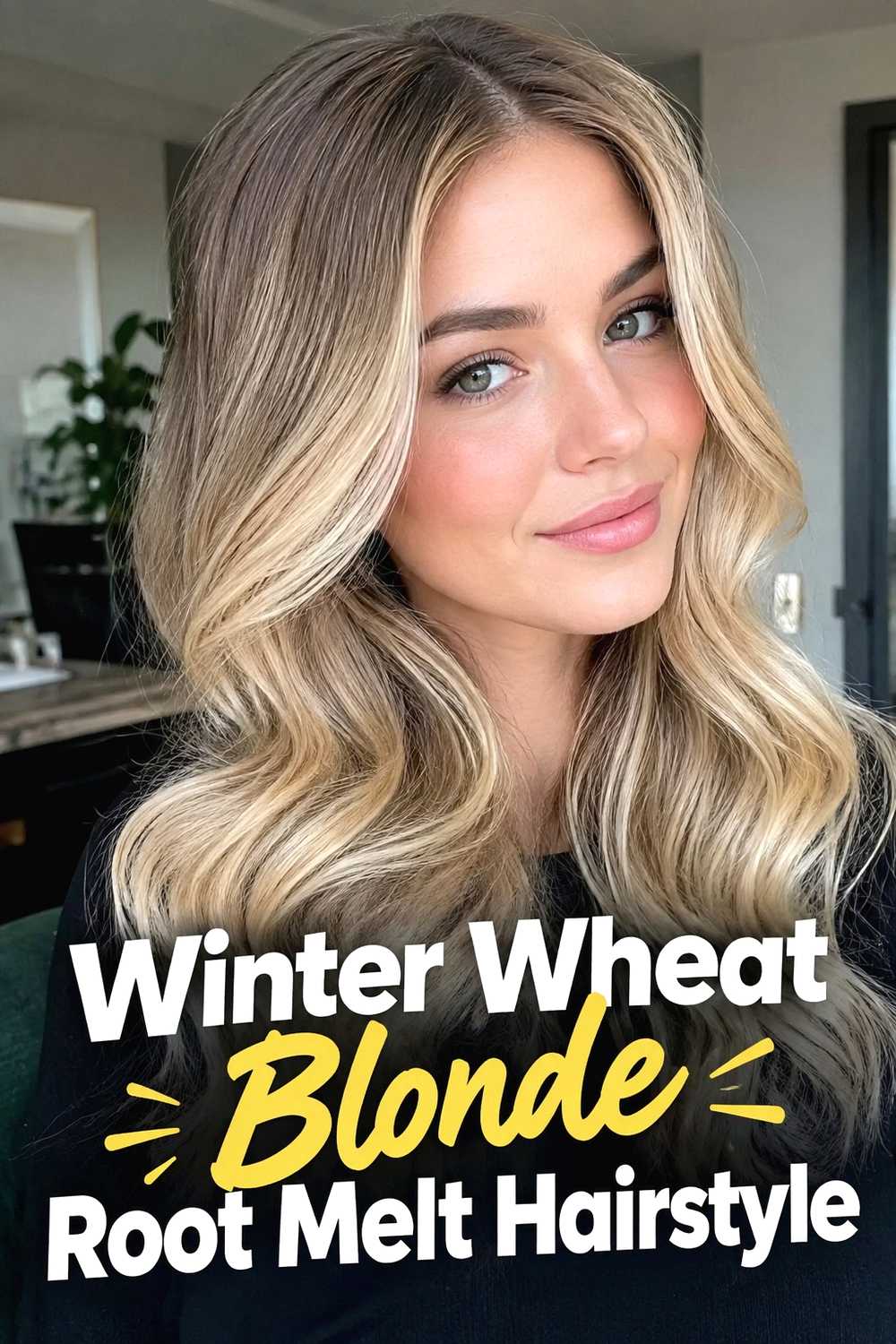
A winter wheat blonde root melt creates a seamless progression from deeper neutral roots into creamy beige and pale wheat-blonde lengths. Instead of leaving a sharp line between the natural base and lighter color, the root area is diffused so the tones merge gradually. This gives the hairstyle more depth near the scalp while preserving plenty of brightness through the middle and ends. Medium and long hair offer the most room for a smooth transition, but the technique can also soften a lob. The finished look feels refined without becoming too polished, especially when paired with relaxed waves. It is a strong option for anyone who enjoys blonde but prefers visible dimension near the roots.
Why It Works
The blended root prevents pale blonde from looking one-dimensional and creates a softer connection to the natural base.
Wear & Maintenance
The root transition may make regrowth appear less abrupt, while the lighter sections can be refreshed as their tone changes.
4. Winter Wheat Blonde Waves Hairstyle
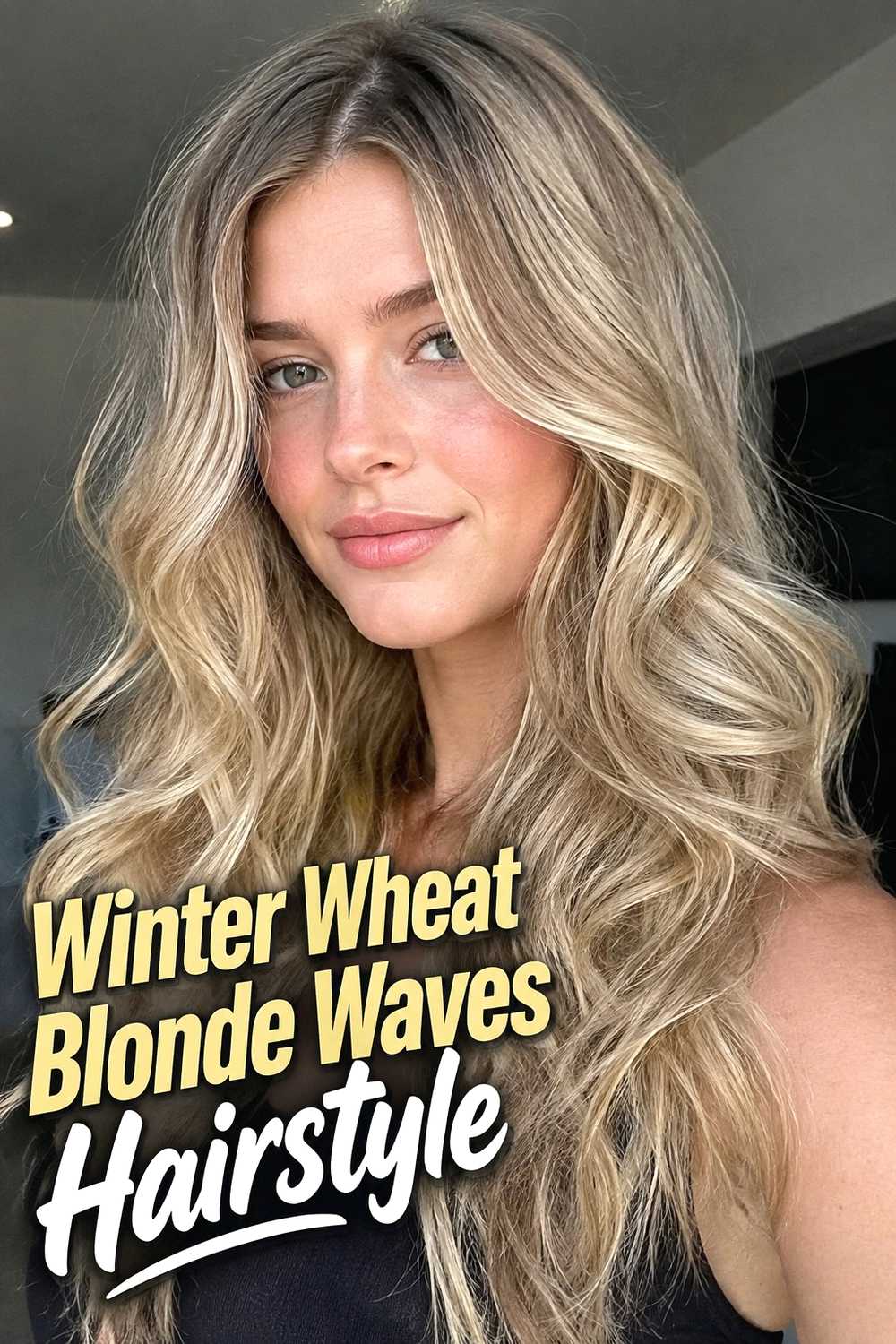
Winter wheat blonde waves bring out the softer, more dimensional side of this color. Each bend separates the hair into visible ribbons, allowing creamy beige, pale wheat, and slightly cooler blonde tones to catch light differently. Rather than appearing as one uninterrupted shade, the blonde gains natural movement and depth. Medium and long lengths provide plenty of space for the color to shift gradually, while a wavy lob offers a more compact version of the same effect. Keep the wave pattern relaxed and slightly varied so the style feels natural rather than overly uniform. A touch of root depth can make the brightest sections appear even lighter through contrast.
Styling Notes
Alternate loose bends and leave some ends straighter to keep the finish soft and modern.
Pro Tip
Avoid heavy oils that flatten the waves and reduce separation between highlighted sections.
5. Winter Wheat Blonde Money Piece Hairstyle
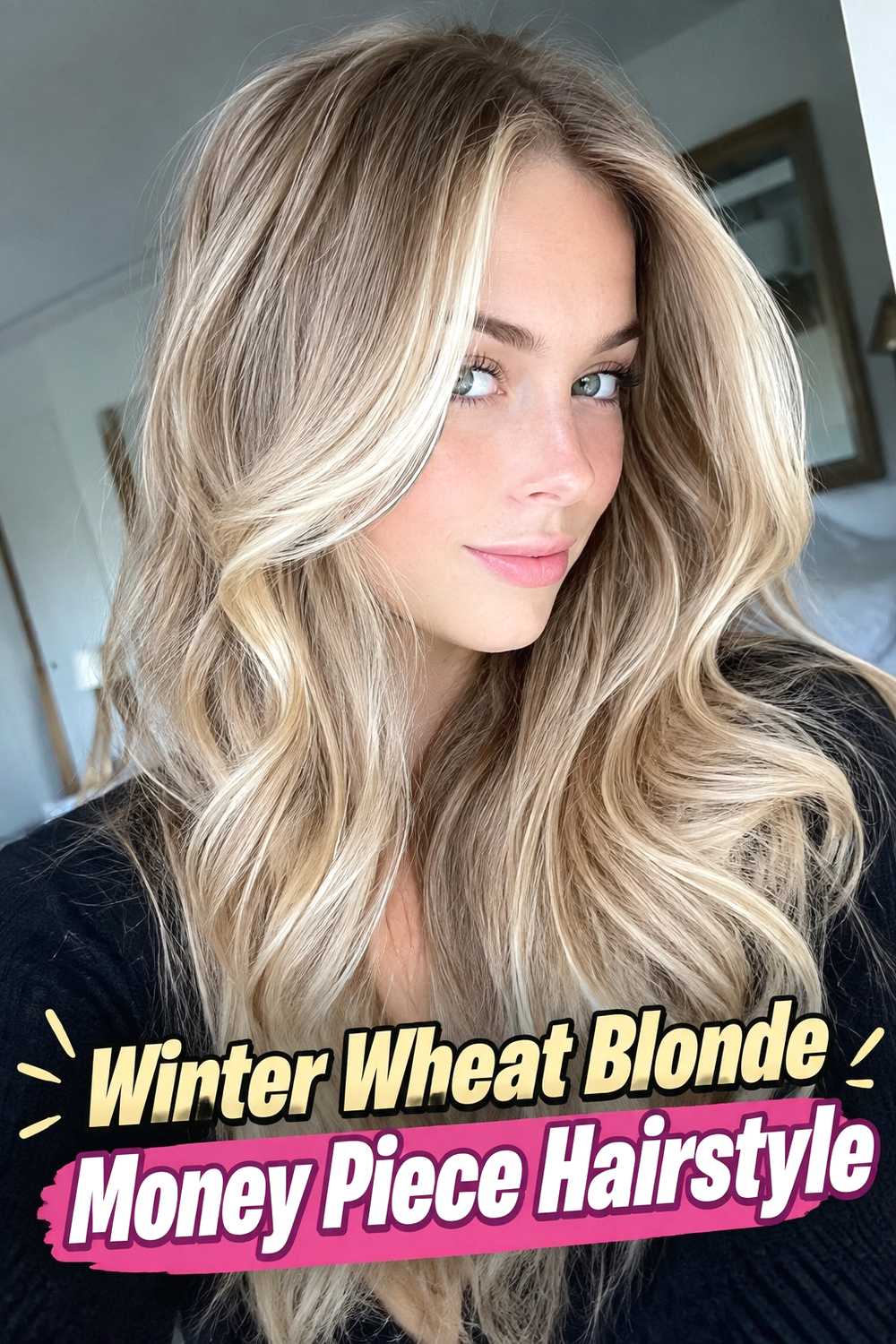
A winter wheat blonde money piece brings concentrated brightness to the front of the hairstyle while preserving softer wheat and beige tones through the rest of the hair. The light front sections can be bold for noticeable contrast or finely blended for a more understated result. Keeping surrounding hair slightly deeper allows the brighter pieces to stand out without requiring every strand to reach the same level of lightness. This placement looks especially effective with center parts, loose waves, ponytails, and face-framing layers because the front color remains visible from several angles. It is a practical way to introduce brighter blonde while maintaining a dimensional, neutral base throughout most of the hairstyle.
Best For
Choose this option when you want the strongest brightness around the face rather than evenly distributed through the entire head.
Styling Notes
A gentle outward bend through the front sections can make the lighter pieces easier to see.
6. Winter Wheat Blonde Layered Lob Hairstyle
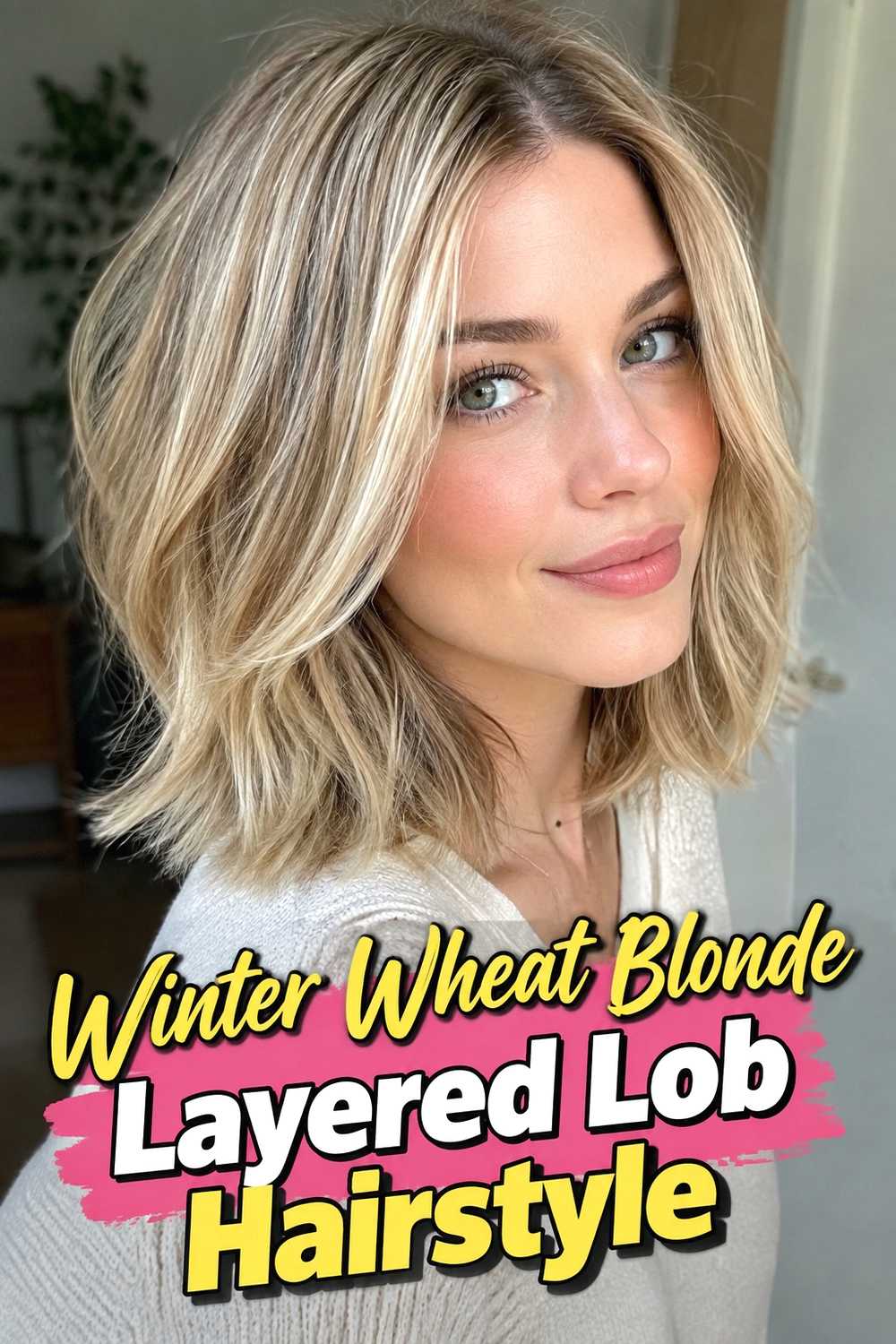
The winter wheat blonde layered lob combines shoulder-grazing movement with a balanced mix of creamy beige, pale neutral blonde, and subtle deeper tones. Layers expose different surfaces of the hair, making the color appear more dimensional without relying on dramatic contrast. A softly rooted crown can transition into lighter mid-lengths and ends, while brighter front pieces help frame the face. The lob can be worn smooth for a polished gradient or styled with loose bends to separate the different tones. This cut works especially well for someone who wants enough length to display dimensional color but prefers a manageable shape that does not require the styling time of very long hair.
Hair Type & Length
This look suits shoulder to collarbone lengths, with layering adjusted according to density and natural texture.
Why It Works
The layers reveal both lighter and deeper sections, helping the neutral blonde palette appear more varied.
7. Winter Wheat Blonde Shadow Root Hairstyle
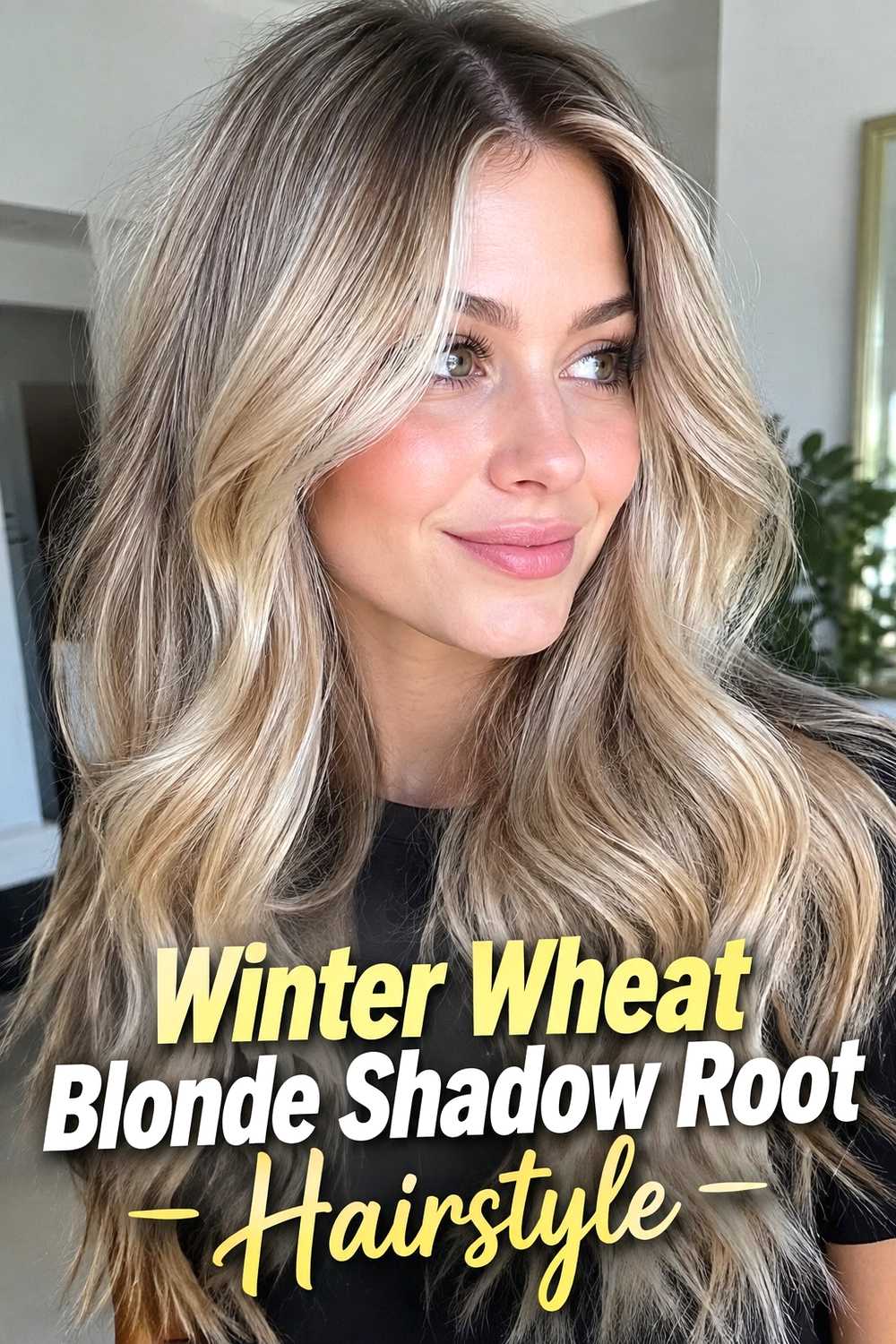
A winter wheat blonde shadow root deliberately keeps more depth around the scalp before transitioning into lighter wheat-blonde lengths. The root can lean neutral beige, taupe, or dark blonde, creating contrast without introducing strong warmth. Unlike a very soft root melt, a shadow root can remain more visibly defined, giving the finished color a lived-in quality. Waves and layered cuts make the darker foundation especially useful because deeper sections show beneath brighter surface pieces. The overall effect feels dimensional and relaxed while still maintaining plenty of lightness through the lengths. The amount of root contrast can be adjusted depending on whether you prefer a subtle or more noticeable transition.
Best For
This idea works well for anyone who prefers visible root depth and a less uniform blonde finish.
Wear & Maintenance
The deeper base can soften the appearance of new growth, while lighter lengths may still need tonal care.
8. Winter Wheat Blonde Long Layers Hairstyle
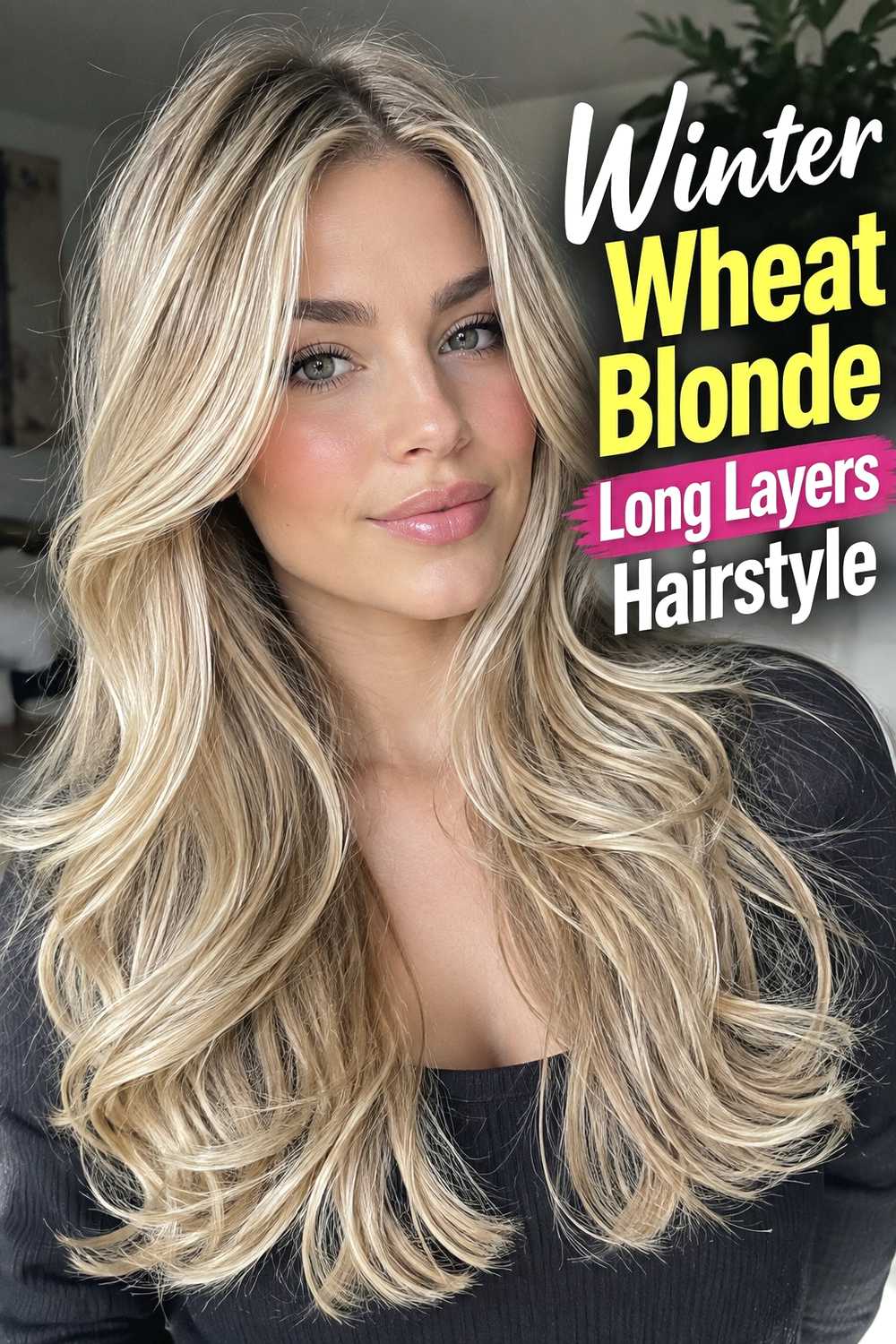
Long layers give winter wheat blonde enough space to transition gradually through several neutral tones. The crown can remain slightly deeper, while creamy wheat and beige-blonde ribbons become lighter through the mid-lengths and ends. Because the haircut contains multiple lengths, highlights naturally fall at different points and create movement even when the hair is styled fairly straight. A soft blowout makes the colors overlap smoothly, while loose waves create more separation between brighter and deeper sections. This combination is especially effective on medium-density or thick hair, where layers prevent a large amount of blonde from looking heavy. The result feels fluid, soft, and dimensional rather than solidly pale.
Why It Works
The varied layer lengths create multiple surfaces for highlights to catch the light and reveal subtle color shifts.
Pro Tip
Place extra brightness where the layers naturally sweep forward or outward to emphasize their movement.
9. Winter Wheat Blonde Curly Hairstyle
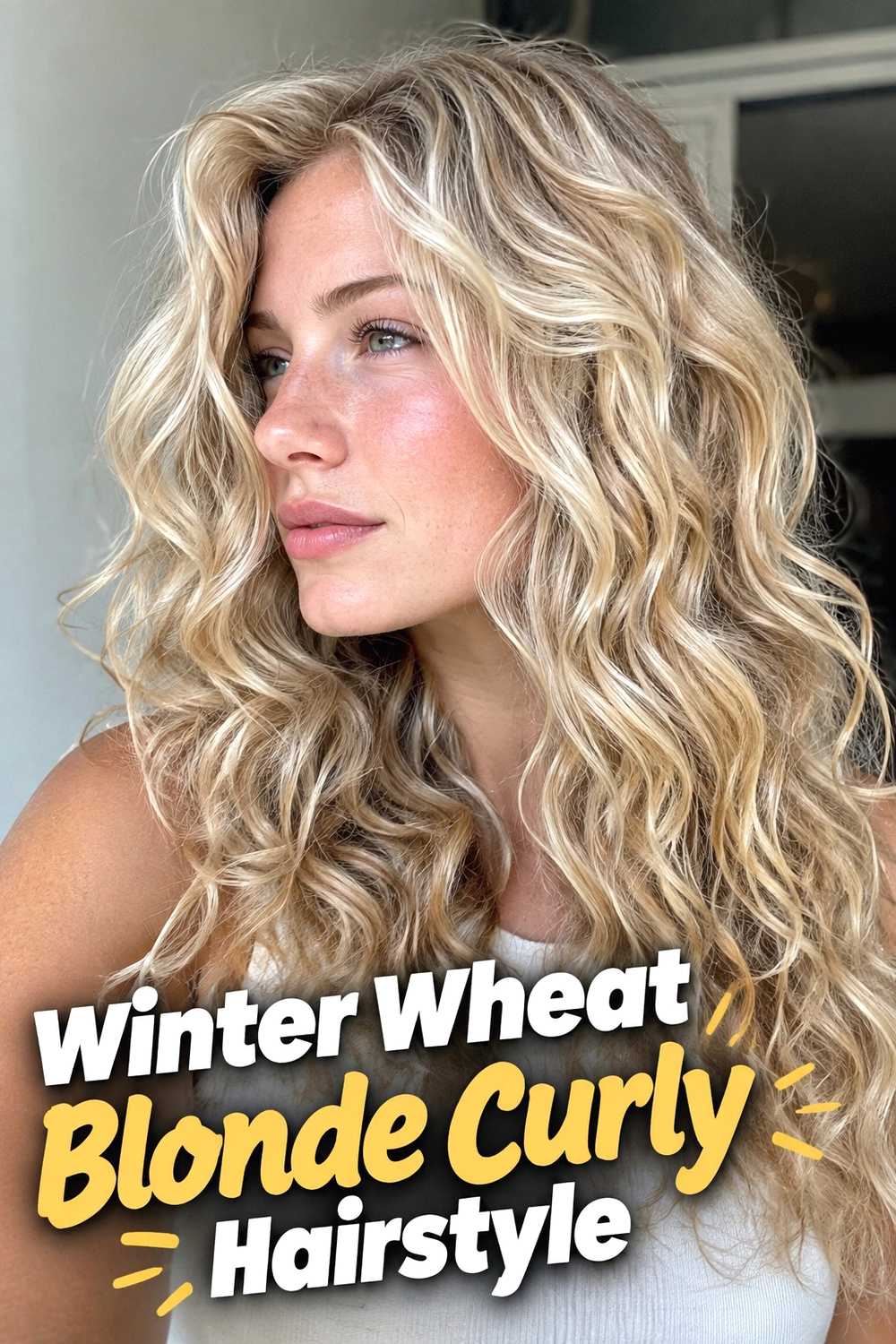
Winter wheat blonde can look especially dimensional on curly hair because every curl reveals a different mixture of depth and brightness. Rather than lightening every section evenly, creamy wheat-blonde highlights can sit across the surface while deeper beige or neutral strands remain underneath. This preserves visual separation between curls and helps the color feel naturally varied. Brighter face-framing curls can add extra light around the front, while interior sections keep enough depth to support the overall shape. The exact highlight size should be adapted to curl pattern, density, and shrinkage so the placement remains visible when dry. The finished result feels luminous without sacrificing the texture’s natural movement.
Hair Type & Length
This idea can be adapted across loose curls, tighter curls, and coily textures with customized section size and placement.
Wear & Maintenance
Use gentle, moisture-focused styling and avoid overly heavy products that can reduce curl definition.
10. Winter Wheat Blonde Face Framing Hairstyle
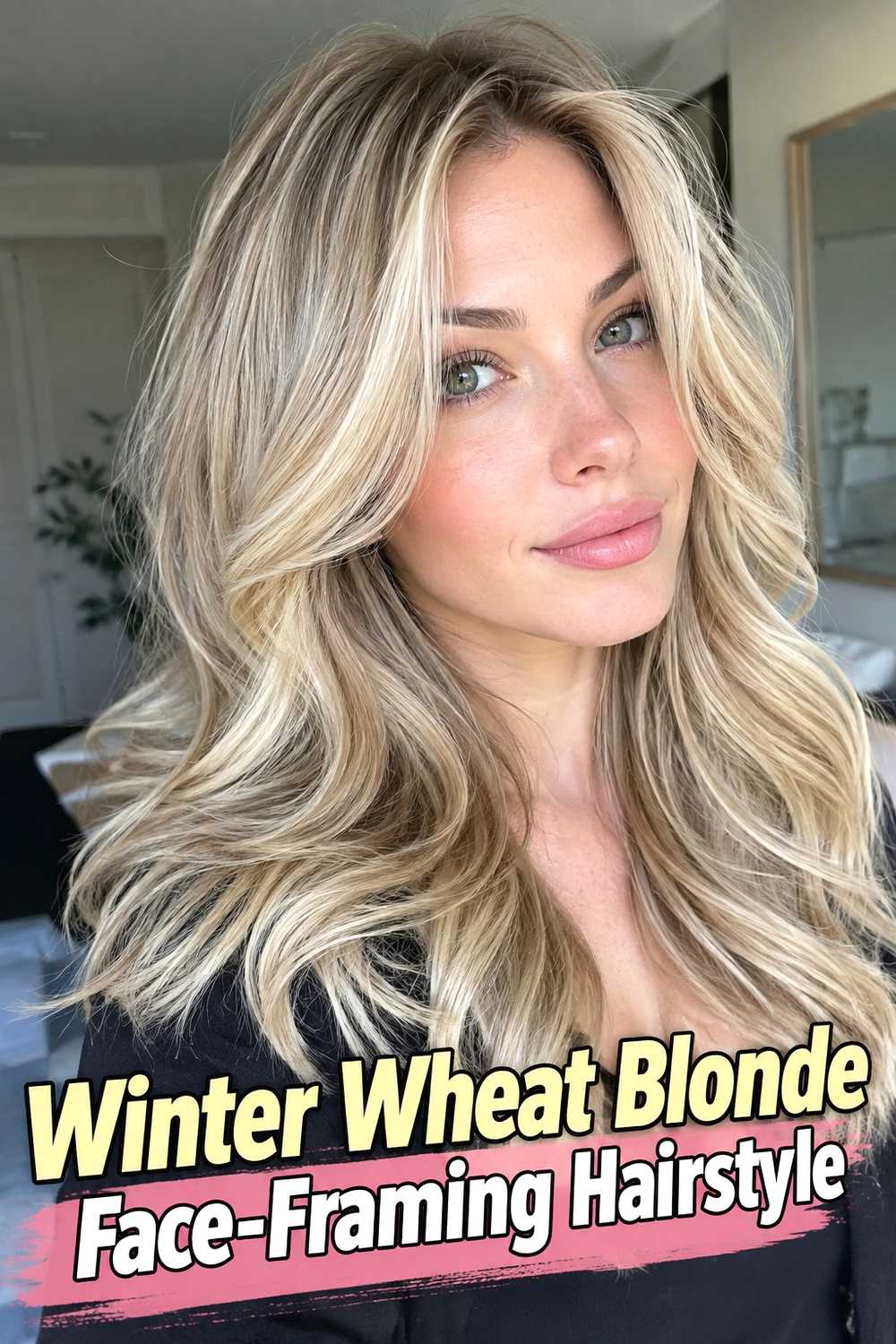
Winter wheat blonde face-framing highlights brighten the front of the hairstyle with several softly blended pieces rather than one strong contrasting stripe. Pale wheat, beige, and creamy blonde tones can follow curtain bangs or long front layers, creating brightness that moves naturally with the haircut. The rest of the hair can remain slightly deeper, which gives the face-framing sections enough contrast to remain visible without looking disconnected. A smooth blowout produces a softer finish, while waves make the brighter pieces stand apart more clearly. This technique is useful for someone who wants noticeable front-focused lightness while preserving a more neutral, dimensional result throughout the sides and back.
Styling Notes
Shape the front layers away from the face so the lighter color catches light and remains visible.
Best For
This option suits anyone who wants softer front brightness than a bold money piece.
11. Winter Wheat Blonde Pixie Hairstyle
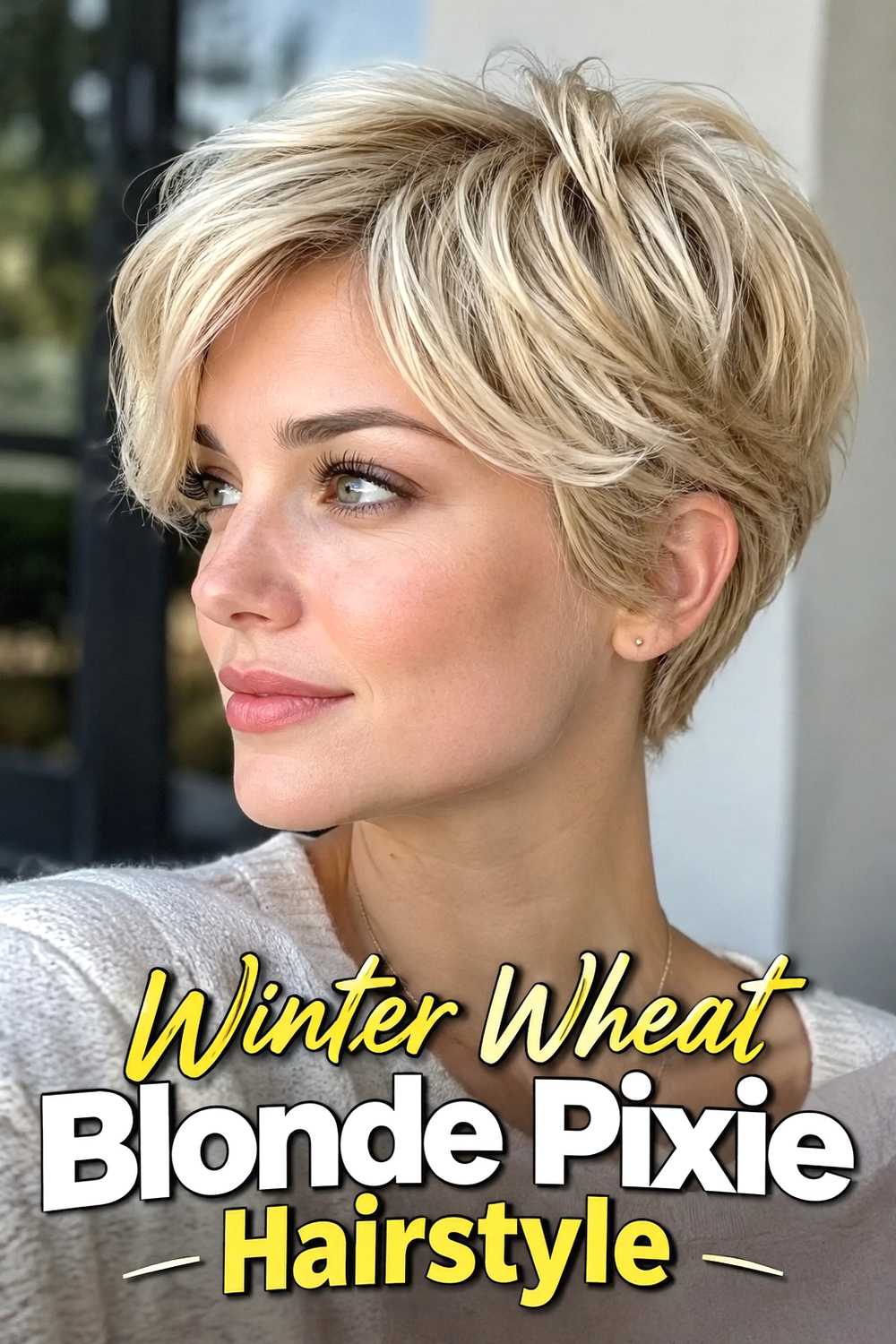
A winter wheat blonde pixie combines a short, defined silhouette with subtle tonal variation. Because the hair sits close to the scalp, the relationship between root depth and lighter surface pieces becomes especially important. Slightly deeper neutral roots can provide structure, while creamy wheat-blonde highlights through the top and fringe add brightness. A longer textured top offers the most room to display several shades, but even a closely cropped pixie can benefit from delicate variation rather than one flat tone. The haircut can be styled smooth and side-swept for polish or softly piecey for a relaxed effect. The overall look feels fresh while remaining softer than very icy platinum.
Styling Notes
Use a small amount of lightweight texture product to separate the top without making the short hair appear stiff.
Why It Works
Strategic root depth gives the pixie definition and makes the lightest sections stand out more clearly.
12. Pearl Winter Wheat Blonde Hairstyle
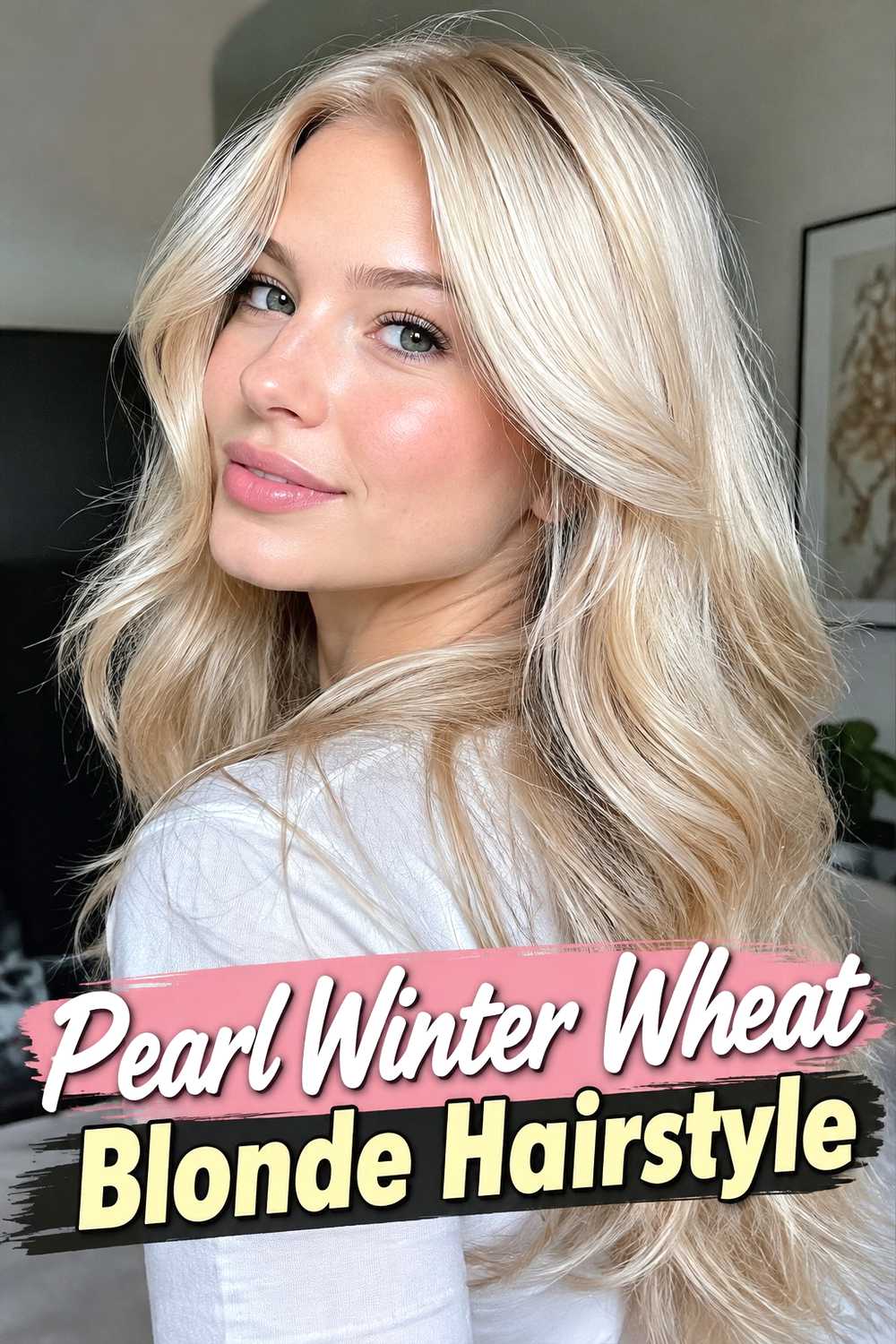
Pearl winter wheat blonde adds a luminous, reflective finish to the neutral wheat palette. Fine pearl-toned highlights can sit over a creamy beige base, creating a brighter appearance without turning the entire color silver. This balance works particularly well on smooth long layers and softly waved hair because the reflective strands catch natural light beautifully. A slightly deeper root or underlayer helps preserve dimension, while pale front sections can provide extra brightness near the face. The key is retaining enough soft beige warmth that the color still reads as wheat blonde rather than shifting completely into icy platinum. The finished effect is polished, soft, and subtly luminous.
Best For
This version works well for anyone who wants a brighter, more pearlescent interpretation of winter wheat blonde.
Wear & Maintenance
Paler pearl tones may show tonal changes more quickly, so occasional refreshing can help preserve their intended finish.
13. Mushroom Winter Wheat Blonde Hairstyle
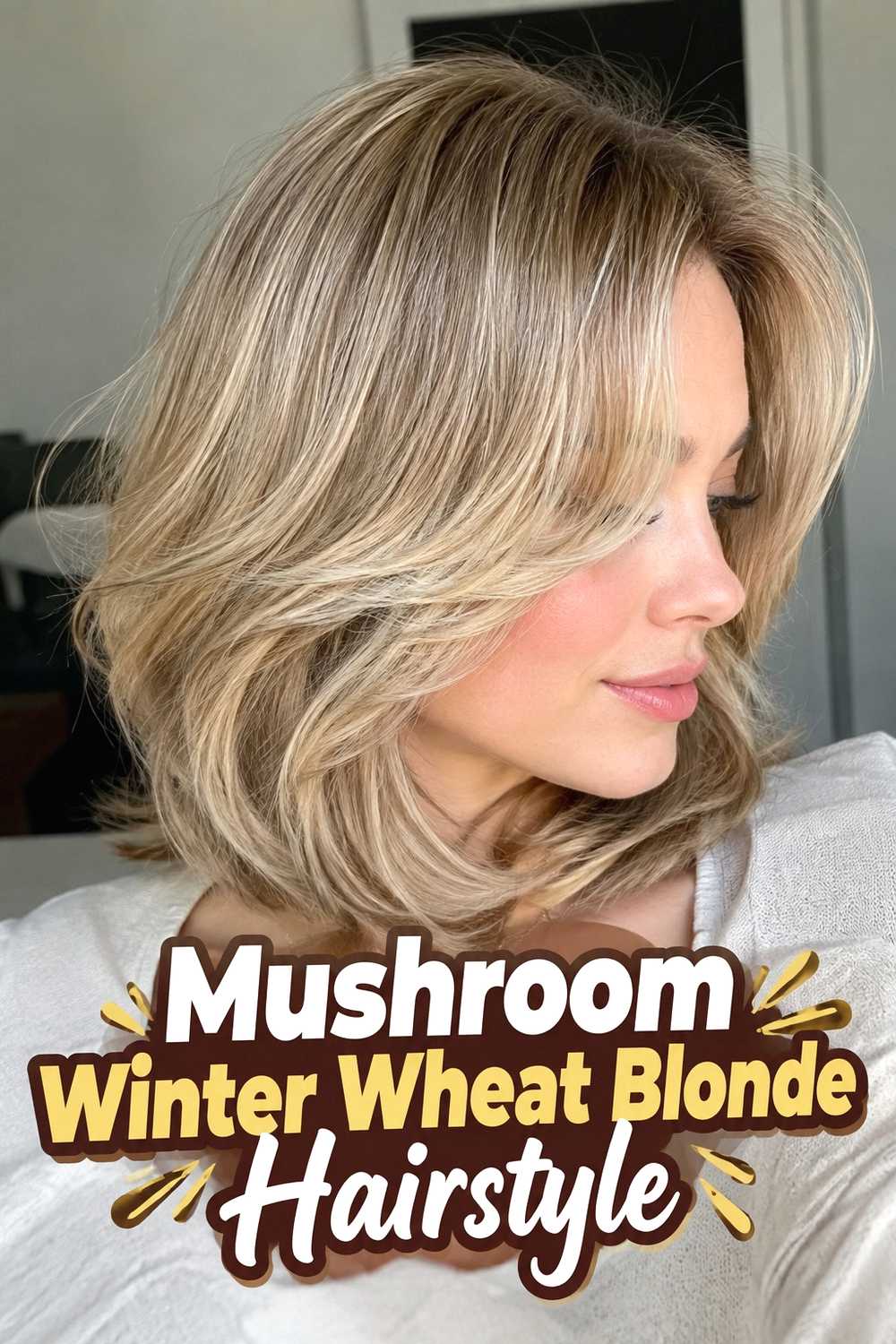
Mushroom winter wheat blonde introduces muted taupe and beige depth into the color, creating a softer blonde-bronde effect. Instead of emphasizing maximum brightness, this variation combines subdued mushroom tones with lighter wheat and creamy blonde ribbons. The contrast is subtle, making the result feel understated and dimensional rather than strongly highlighted. Waves and layers reveal the darker interior pieces particularly well, while straight styling produces a smoother smoky gradient. This is a useful direction for naturally dark blonde or light brown hair when the goal is to move lighter without losing depth. The cooler mushroom influence also keeps the wheat blonde from becoming overly golden.
Why It Works
Muted taupe depth gives the lighter wheat-blonde pieces more contrast while keeping the overall palette soft.
Best For
Choose this option when you prefer a deeper, more restrained blonde rather than an ultra-bright finish.
14. Winter Wheat Blonde Babylights Hairstyle
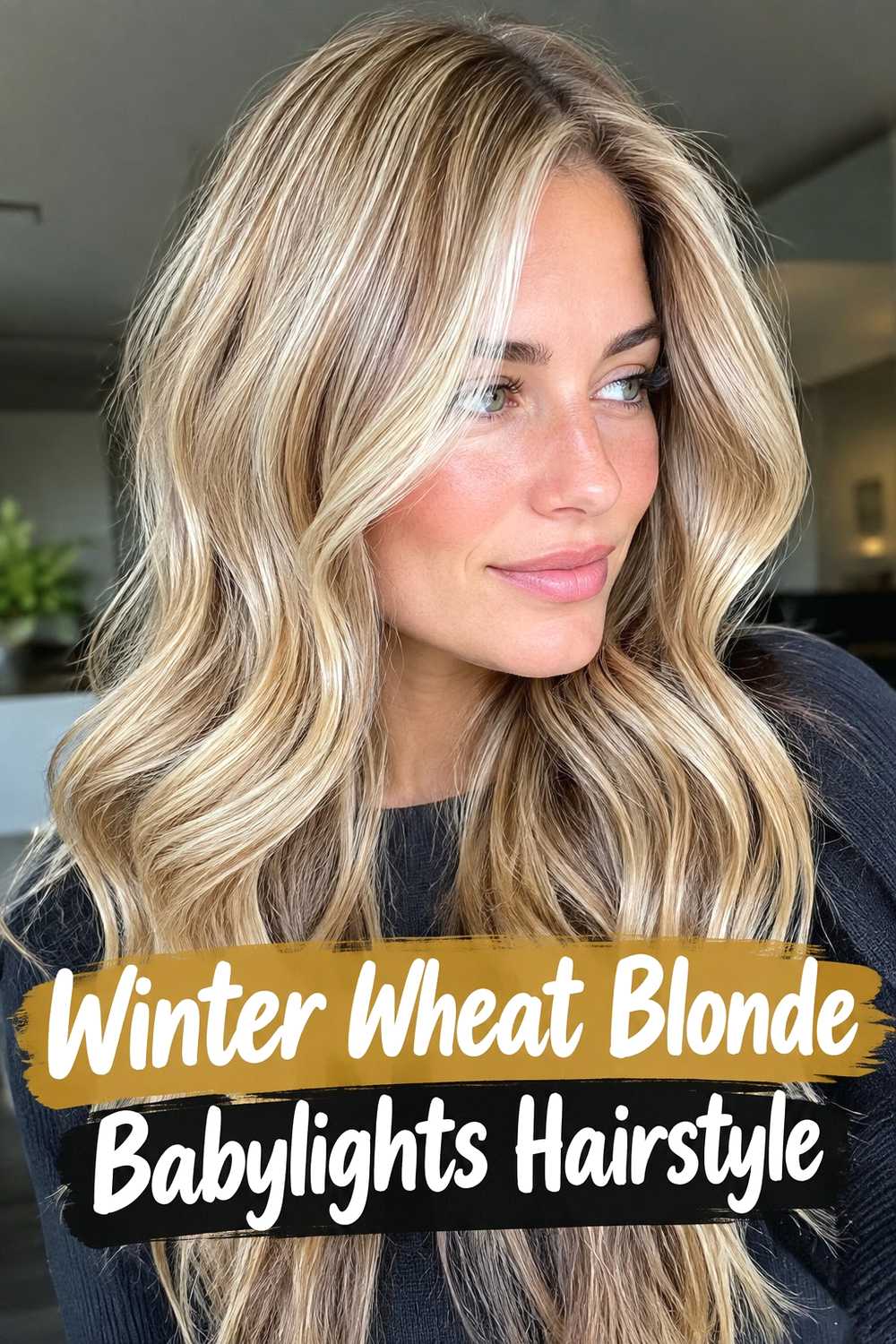
Winter wheat blonde babylights create gradual brightness using very fine highlighted sections instead of bold ribbons. The tiny pieces can be concentrated around the hairline, part, and crown, then blended through the lengths for an airy, finely detailed effect. A slightly deeper wheat or beige base remains visible between the highlights, preventing the finished color from looking completely uniform. This technique works across bobs, lobs, and long hair, though the amount of brightness depends on highlight density. Smooth styling reveals the delicate pattern clearly, while waves combine the tiny strands into a more luminous overall blend. The result is polished and subtle without sacrificing dimension.
Styling Notes
A soft blowout can make the fine highlight pattern visible while keeping the finish natural.
Wear & Maintenance
Because the pieces are finely blended, the transition at the roots can appear softer as the hair grows.
15. Winter Wheat Blonde Soft Highlights Hairstyle
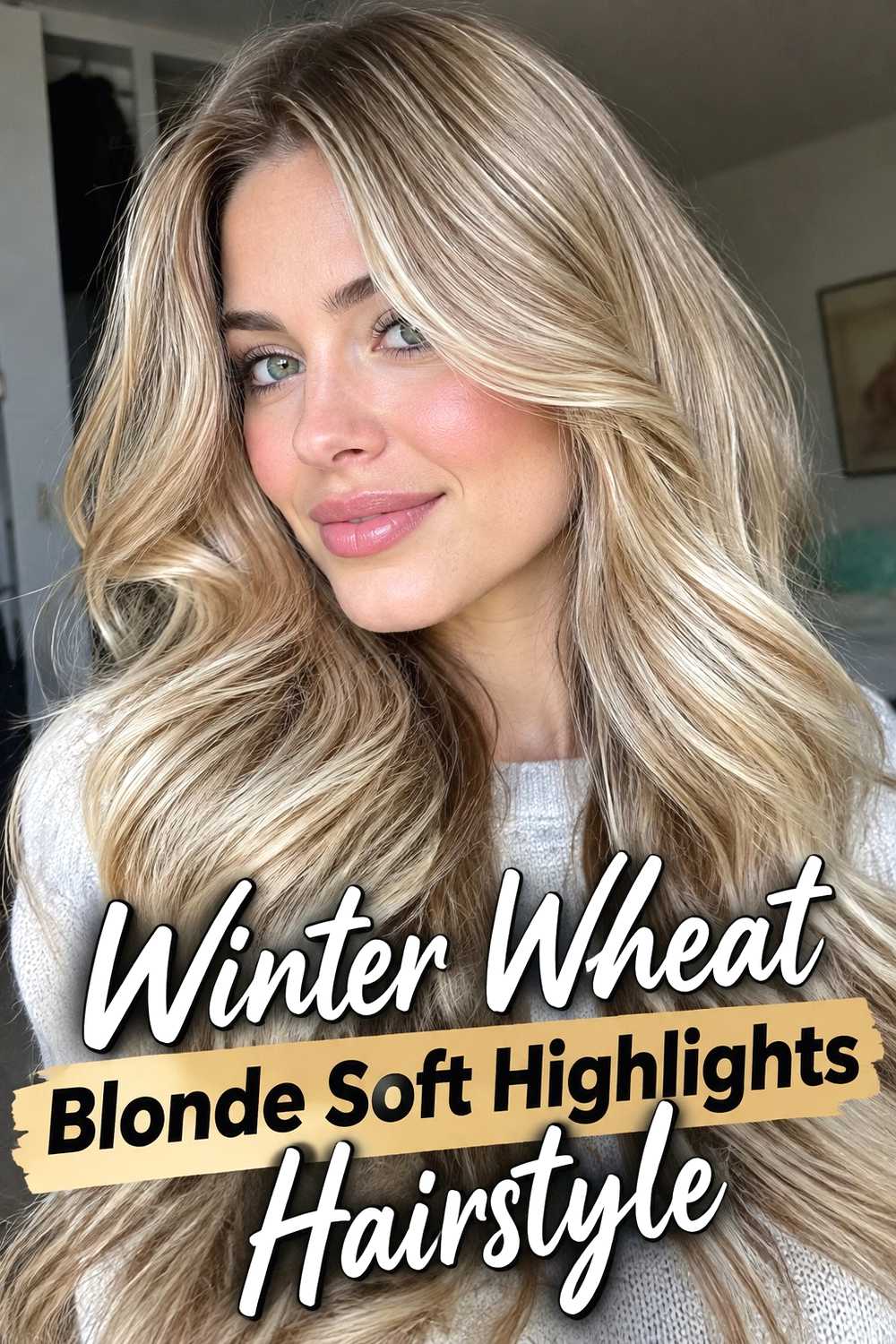
Winter wheat blonde soft highlights offer more visibility than babylights while remaining gentler than bold dimensional ribbons. Medium-fine pieces can be placed around the crown, face, and lower lengths to brighten a neutral wheat base without overwhelming it. The color works particularly well when some deeper beige blonde remains visible underneath, giving the highlights enough contrast to look intentional. On straight hair, the result appears smoothly blended; on waves, each lightened section becomes more distinct. This approach can be useful for someone who already has a dark blonde or beige base and wants a moderate increase in brightness rather than a dramatic transformation. The finish stays creamy, neutral, and wearable.
Best For
This option suits anyone wanting noticeable dimension without the strong contrast of a money piece or chunky highlight.
Pro Tip
Vary the highlight width slightly so the color looks naturally dimensional rather than mechanically uniform.
16. Winter Wheat Blonde Sleek Straight Hairstyle
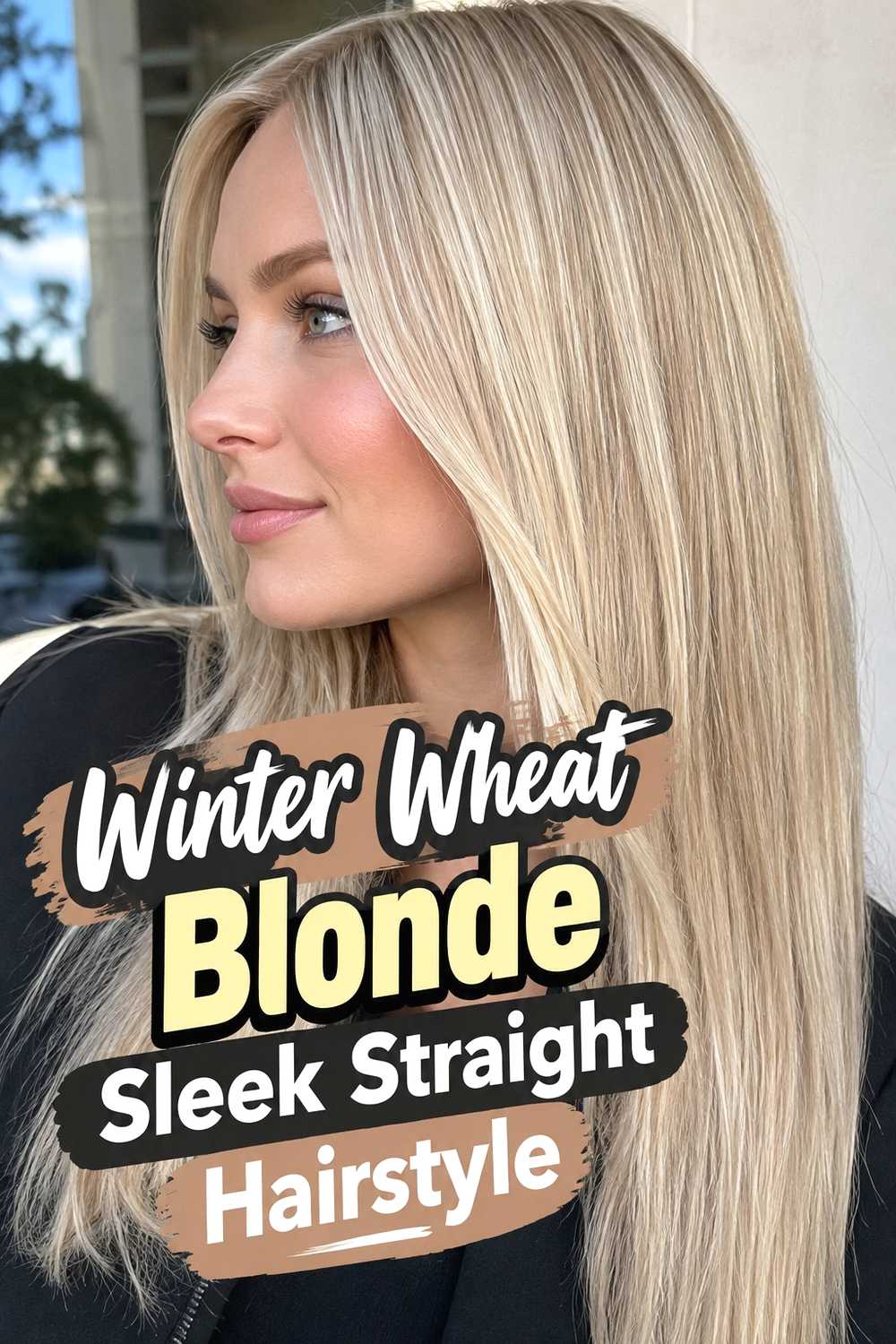
Sleek straight hair highlights the precision of winter wheat blonde because every tonal transition remains visible across the smooth surface. Slightly deeper roots can flow into soft beige mid-lengths and creamy wheat-blonde ends, creating a polished gradient without curls interrupting the blend. Fine surface highlights add brightness while deeper sections underneath preserve depth. This version works particularly well on lobs and longer cuts, where the uninterrupted length makes the color progression easy to appreciate. Because straight styling exposes any harsh bands, careful blending is especially important. The finished look should remain soft and naturally reflective rather than overly glassy, stiff, or uniformly pale.
Styling Notes
Use controlled heat and lightweight smoothing products to reduce flyaways while preserving natural movement.
Why It Works
Straight styling provides a clean canvas that makes subtle differences between beige, wheat, and brighter blonde tones easy to see.
17. Winter Wheat Blonde Textured Shag Hairstyle
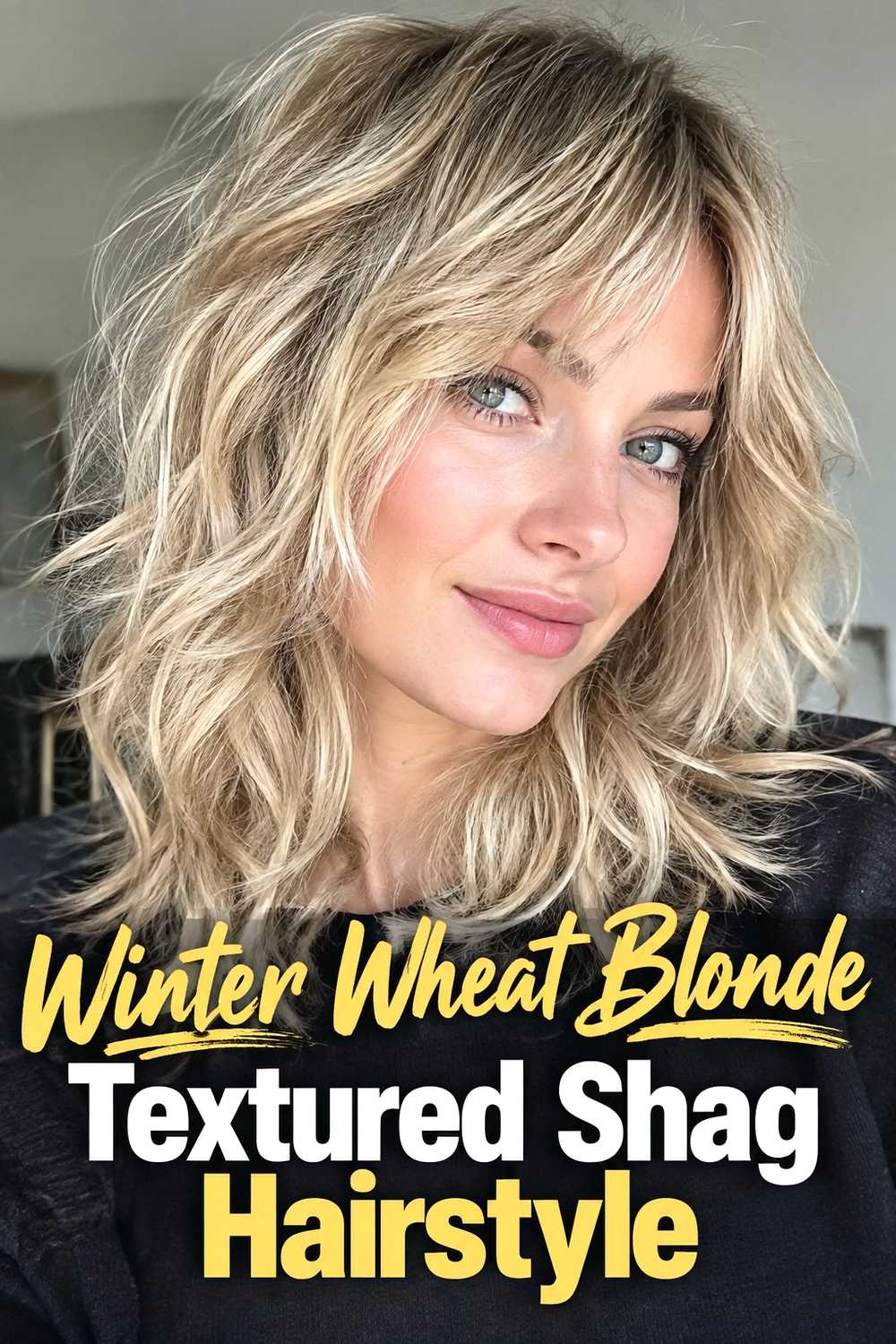
A winter wheat blonde textured shag pairs a soft neutral blonde palette with a deliberately layered, airy silhouette. Shorter crown layers, face-framing pieces, and longer ends expose different sections of color, allowing deeper wheat tones and brighter creamy highlights to appear throughout the haircut. The movement keeps pale blonde from feeling overly polished or uniform and gives the color a relaxed winter-ready character. Lighter pieces around a curtain fringe can emphasize the face, while deeper interior sections help define the layers. The style works best when natural separation and texture remain visible rather than forcing every section into a perfect wave or smooth blowout.
Styling Notes
Use a light texture product and encourage piecey movement through the layers rather than heavily smoothing the haircut.
Best For
This look suits anyone who prefers a relaxed, layered haircut with visible dimensional color.
18. Winter Wheat Blonde Dimensional Bronde Hairstyle
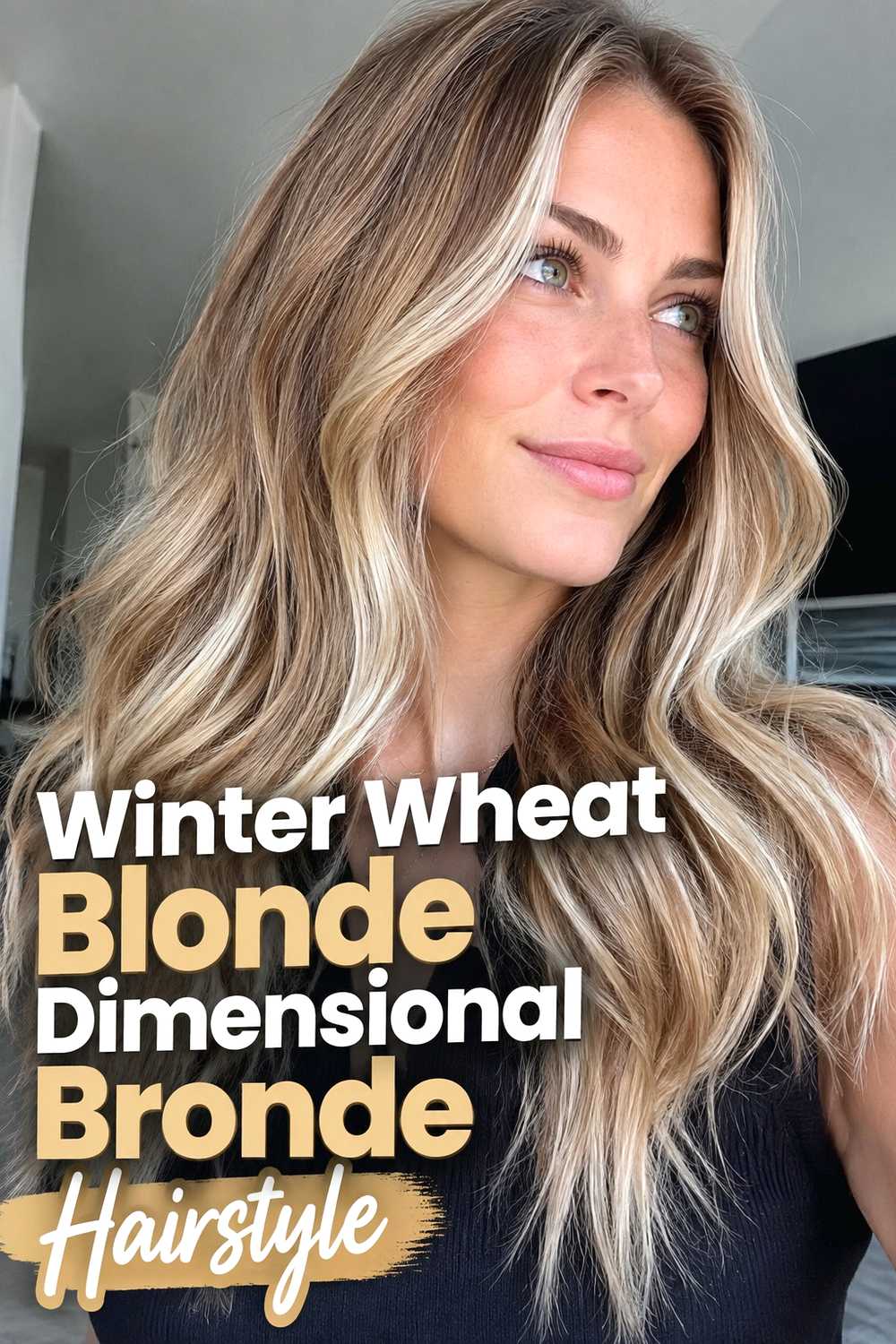
Winter wheat blonde dimensional bronde keeps more depth than the palest options by blending beige blonde with soft light-brown or dark-blonde sections. The result sits between blonde and brunette, with wheat-toned highlights adding brightness without erasing the deeper base. This approach works beautifully on medium and long hair, especially when waves expose the alternating light and dark pieces. Face-framing highlights can be slightly brighter, while the interior retains enough depth to create a naturally layered effect. It is a strong choice for someone who wants to explore winter wheat tones without committing to an all-over light blonde. The contrast can also make the color feel richer and more textured.
Why It Works
Deeper bronde sections create a strong foundation that makes creamy wheat highlights appear brighter and more dimensional.
Wear & Maintenance
The retained depth can make growth feel less obvious than a uniformly light blonde, though tonal care may still be useful.
19. Winter Wheat Blonde Creamy Ends Hairstyle
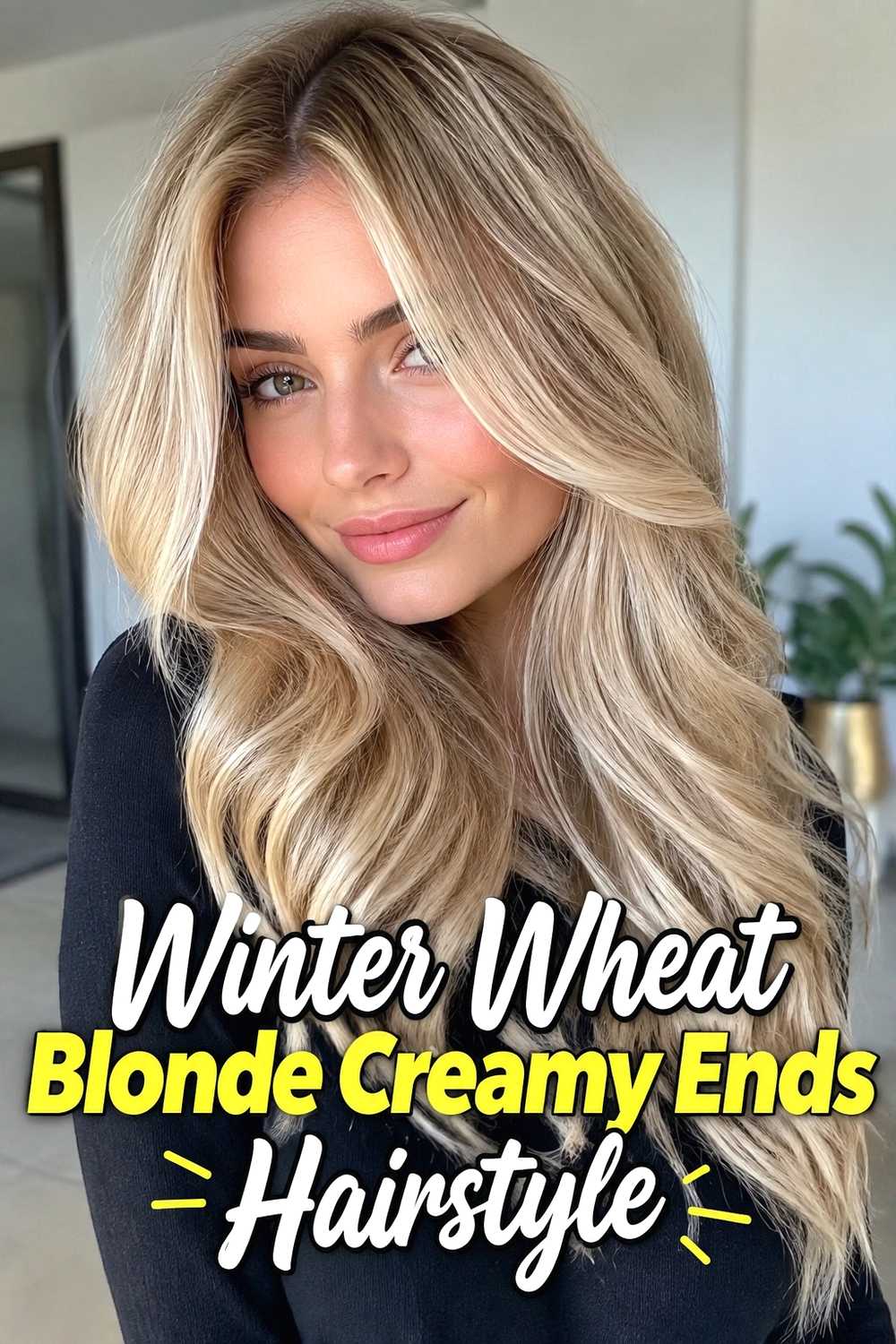
Winter wheat blonde creamy ends focus the strongest brightness toward the lower lengths while keeping the roots and mid-sections more dimensional. The color can begin with neutral beige or darker wheat blonde before gradually becoming softer and creamier toward the tips. This creates a natural progression that works especially well on medium and long hair. Loose waves emphasize the transition by separating the lighter ends from deeper sections above, while straight styling creates a smooth gradient. The idea is especially attractive for someone who wants visible blonde brightness without placing the palest tone directly at the scalp. Keeping the ends softly creamy rather than stark white preserves the warmth and character of the wheat-blonde palette.
Best For
Choose this option when you prefer brighter ends with more natural-looking depth through the upper lengths.
Pro Tip
Ask for a gradual transition so the creamy ends feel connected to the mid-lengths rather than appearing abruptly lighter.
How to Choose the Right Look
Start by deciding how light you want your winter wheat blonde to appear. Pearl Winter Wheat Blonde Hairstyle and Winter Wheat Blonde Creamy Ends Hairstyle create brighter finishes, while Mushroom Winter Wheat Blonde Hairstyle and Winter Wheat Blonde Dimensional Bronde Hairstyle keep noticeably more depth.
Next, compare root options. Winter Wheat Blonde Root Melt Hairstyle offers a very soft transition, while Winter Wheat Blonde Shadow Root Hairstyle keeps a more visible darker foundation. Balayage and babylights can also preserve natural-looking depth near the scalp.
Hair texture influences how the color appears. Waves, curls, shags, and layers naturally reveal contrasting ribbons, while straight hair makes smooth blending more important. Short cuts like bobs and pixies show tonal transitions in a compact area, while long layers allow for more gradual shifts.
Finally, consider styling time and maintenance. If you prefer an easy lived-in effect, rooted techniques and dimensional bronde may feel more practical. If you enjoy brighter, polished blonde, pearl highlights and lighter face-framing sections may suit your preferred finish better.
Final Thoughts
Winter wheat blonde is appealing because it balances creamy softness, beige neutrality, and subtle brightness without leaning too strongly warm or cool. That makes it easy to adapt across rooted balayage, bobs, waves, curls, layers, and more polished finishes.
Choose the version that fits your natural base, preferred contrast, haircut, and maintenance routine. Keeping some variation between lighter and deeper sections usually creates the most dimensional and believable result.
FAQs
1. What color is winter wheat blonde?
Winter wheat blonde is a neutral blonde direction that blends soft beige, creamy blonde, muted wheat, and sometimes cooler pearl or taupe tones.
2. Is winter wheat blonde warm or cool?
It usually sits between warm and cool. Beige and wheat tones add softness, while pearl, taupe, or frosted accents can make the overall result more neutral or slightly cool.
3. Can winter wheat blonde have dark roots?
Yes. Root melts, shadow roots, balayage, and bronde variations can all preserve deeper color at the scalp while keeping the lengths lighter.
4. Does winter wheat blonde work on curly hair?
Yes. Highlight placement can be customized around the curl pattern so lighter wheat-blonde pieces enhance texture while deeper sections maintain dimension.
5. Which winter wheat blonde style has the softest grow-out?
Balayage, root melts, shadow roots, babylights, and dimensional bronde styles can all create softer-looking transitions because they preserve more depth around the roots.
Save your favorite winter wheat blonde hairstyle ideas, share them for inspiration, and explore more dimensional blonde colors for your next seasonal look.