14 Nape-Grazing Textured Bob Haircuts for Effortless Movement
Short enough to frame the neckline yet textured enough to feel relaxed, these nape-grazing bobs balance movement, shape, and modern everyday style.
A nape-grazing bob sits in that versatile zone between a classic short bob and a slightly longer, neck-skimming cut. Adding texture keeps the silhouette from looking overly rigid, whether that texture comes from natural waves, soft layering, razored ends, curls, or deliberately piecey styling.
The best version depends on more than length alone. Compare how much volume you want around the crown, whether you prefer blunt or feathered ends, how your natural texture behaves when air-dried, and how much daily styling you realistically want to do. The ideas below follow a realistic, wearable approach to texture and short-hair shape.
Quick List
- Soft Choppy Nape Grazing Bob Hairstyle
- French Inspired Textured Bob Hairstyle
- Air Dried Wavy Nape Bob Hairstyle
- Razor Cut Piecey Bob Hairstyle
- Curly Nape Grazing Bob Hairstyle
- Tousled Bob With Curtain Bangs Hairstyle
- Blunt Ended Textured Bob Hairstyle
- Stacked Nape Grazing Bob Hairstyle
- Side Parted Undone Bob Hairstyle
- Shaggy Nape Length Bob Hairstyle
- Textured Bob With Wispy Bangs Hairstyle
- Softly Inverted Nape Bob Hairstyle
- Thick Hair Debulked Bob Hairstyle
- Fine Hair Volumized Nape Bob Hairstyle
1. Soft Choppy Nape Grazing Bob Hairstyle
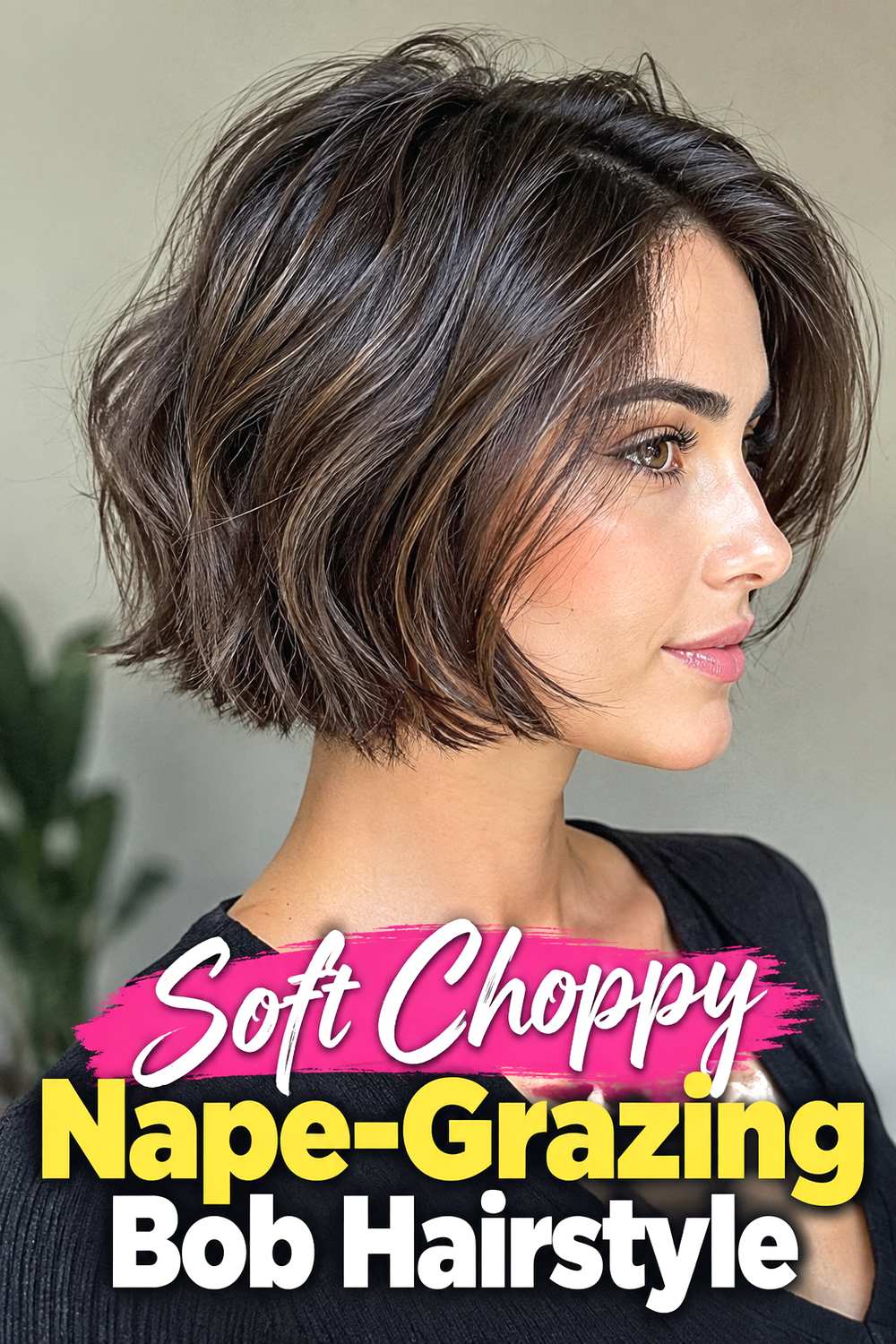
A soft choppy bob brings easy movement to a compact nape-grazing shape without making the haircut look aggressively layered. The perimeter stays recognizable as a bob, while lightly staggered ends create separation and prevent the bottom from forming one heavy line. A little bend through the mid-lengths makes those pieces more visible and gives the haircut an airy, lived-in finish. This version is especially appealing if you like short hair that looks polished enough for everyday wear but does not need to appear perfectly smooth. The shorter neckline also keeps the silhouette crisp from the side and back. For styling, use only enough texture product to define the ends so the layers remain touchable rather than stiff.
Styling Notes
Work a small amount of lightweight cream or texture spray through the ends, then twist a few random sections away from the face. Avoid coating every strand, which can flatten the choppy detail.
Best For
This shape works well when you want visible texture with a fairly classic bob outline. It can be adapted for straight, slightly wavy, or moderately dense hair by adjusting how heavily the ends are layered.
2. French Inspired Textured Bob Hairstyle
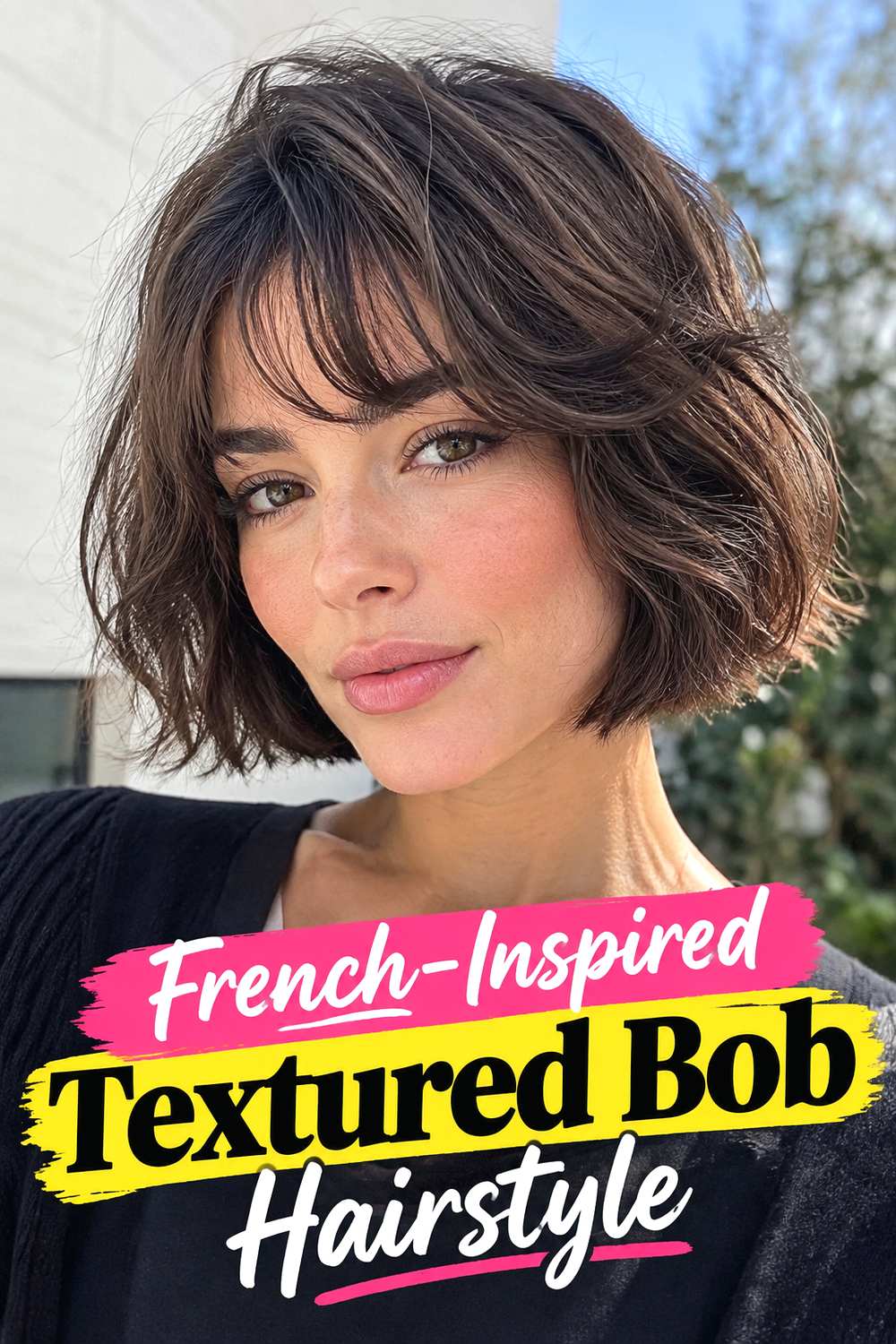
The French-inspired textured bob feels intentionally imperfect, with a compact neckline, softly broken ends, and an easy silhouette that does not depend on symmetrical styling. Rather than creating dramatic layers, the cut uses subtle interior movement so the hair can fall naturally around the cheeks and jaw. A slight bend or natural wave gives it the relaxed quality associated with undone short cuts, while the nape-grazing length keeps the result neat instead of overly shaggy. This style looks especially good when the front pieces are allowed to move freely rather than being tucked or curled into an identical shape. Keep the finish soft and matte-to-natural, with enough definition to show texture but enough flexibility for the hair to shift throughout the day.
Why It Works
The charm comes from combining a clean short length with deliberately relaxed styling. That contrast keeps the haircut refined while preventing it from looking too formal.
Wear & Maintenance
Plan on regular reshaping if you want the neckline to remain compact. Between trims, the cut can still look attractive as it grows because the softly textured perimeter is forgiving.
3. Air Dried Wavy Nape Bob Hairstyle
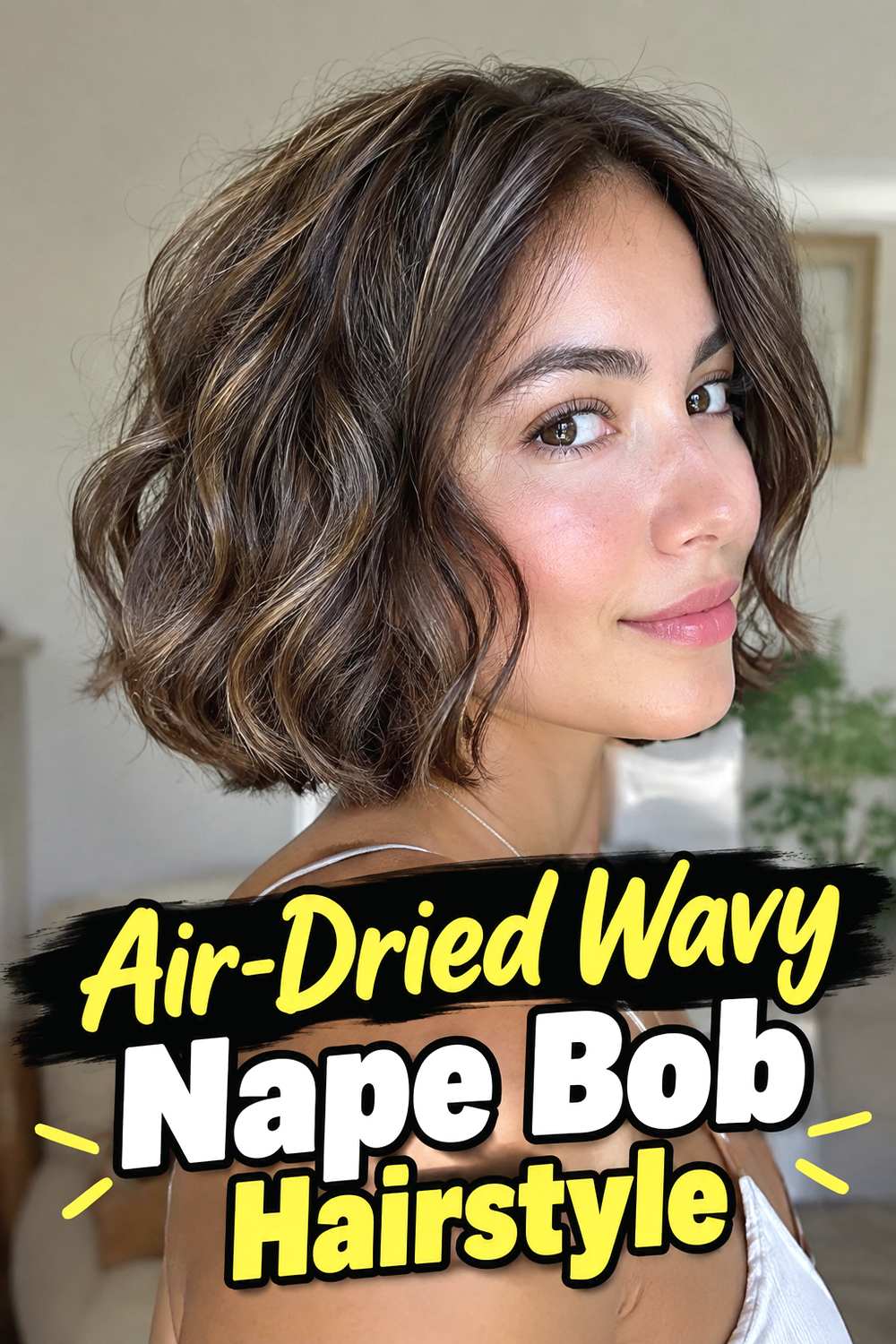
An air-dried wavy bob makes natural movement the main feature rather than something to straighten away. The length falls close to the nape, while subtle layering gives waves enough space to form without creating a triangular or overly rounded shape. Individual bends can travel in slightly different directions, which helps the haircut feel natural and dimensional. This is a strong option for anyone who prefers a low-manipulation finish and likes seeing real texture rather than a uniform curling-iron pattern. The cut should account for how much the hair springs up once dry, particularly around the back. Apply a light wave-enhancing product to damp hair, distribute it evenly, and avoid excessive touching while drying so the natural pattern stays defined instead of turning fluffy.
Hair Type & Length
Loose waves and softly textured hair are especially suited to this version. The stylist should assess the hair in its natural state because the finished dry length may sit noticeably higher than the wet length.
Pro Tip
Scrunch upward gently while the hair is damp, then let the waves settle. Once completely dry, separate only the sections that need more softness or volume.
4. Razor Cut Piecey Bob Hairstyle
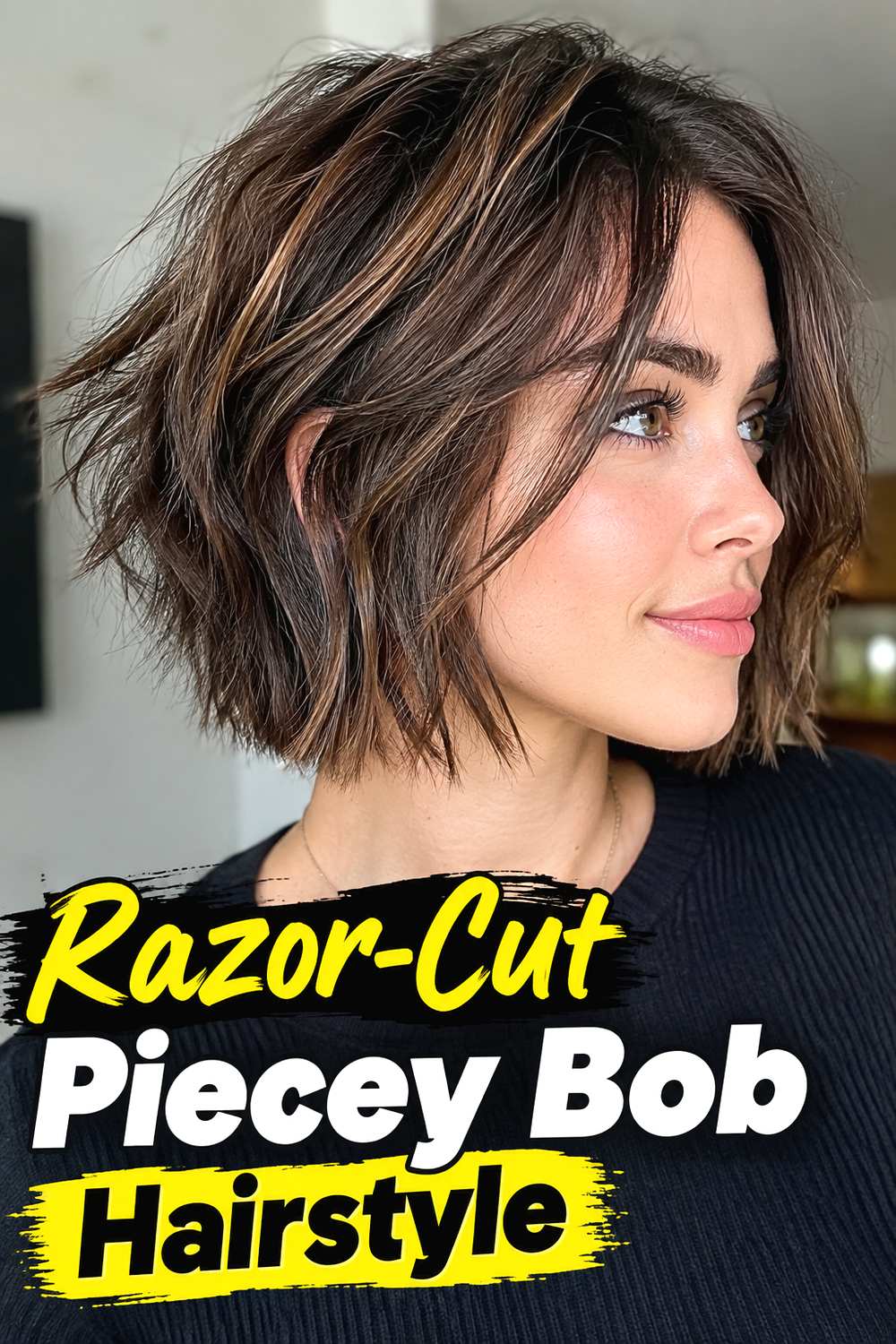
A razor-cut piecey bob emphasizes feathered separation and a slightly sharper, more directional texture. Instead of a dense blunt edge, the ends taper into finer points that move independently, making the nape-grazing shape feel lighter. The effect can be especially striking on straight or gently wavy hair, where each little section is easy to see. Around the face, longer pieces can soften the transition into the short back and create a flattering sense of movement without turning the haircut into a full shag. Because razor work removes weight differently from standard shears, the technique should suit the hair’s condition and texture. Finish with a small amount of pliable styling paste on selected ends rather than rubbing product throughout the entire haircut.
Best For
This approach suits hair that benefits from visible separation and a less solid perimeter. Very fragile or highly frizz-prone hair may need a gentler cutting technique to maintain a healthy-looking finish.
Styling Notes
Pinch a few ends between your fingertips after drying. Defining selected pieces gives a more natural result than separating every section evenly.
5. Curly Nape Grazing Bob Hairstyle
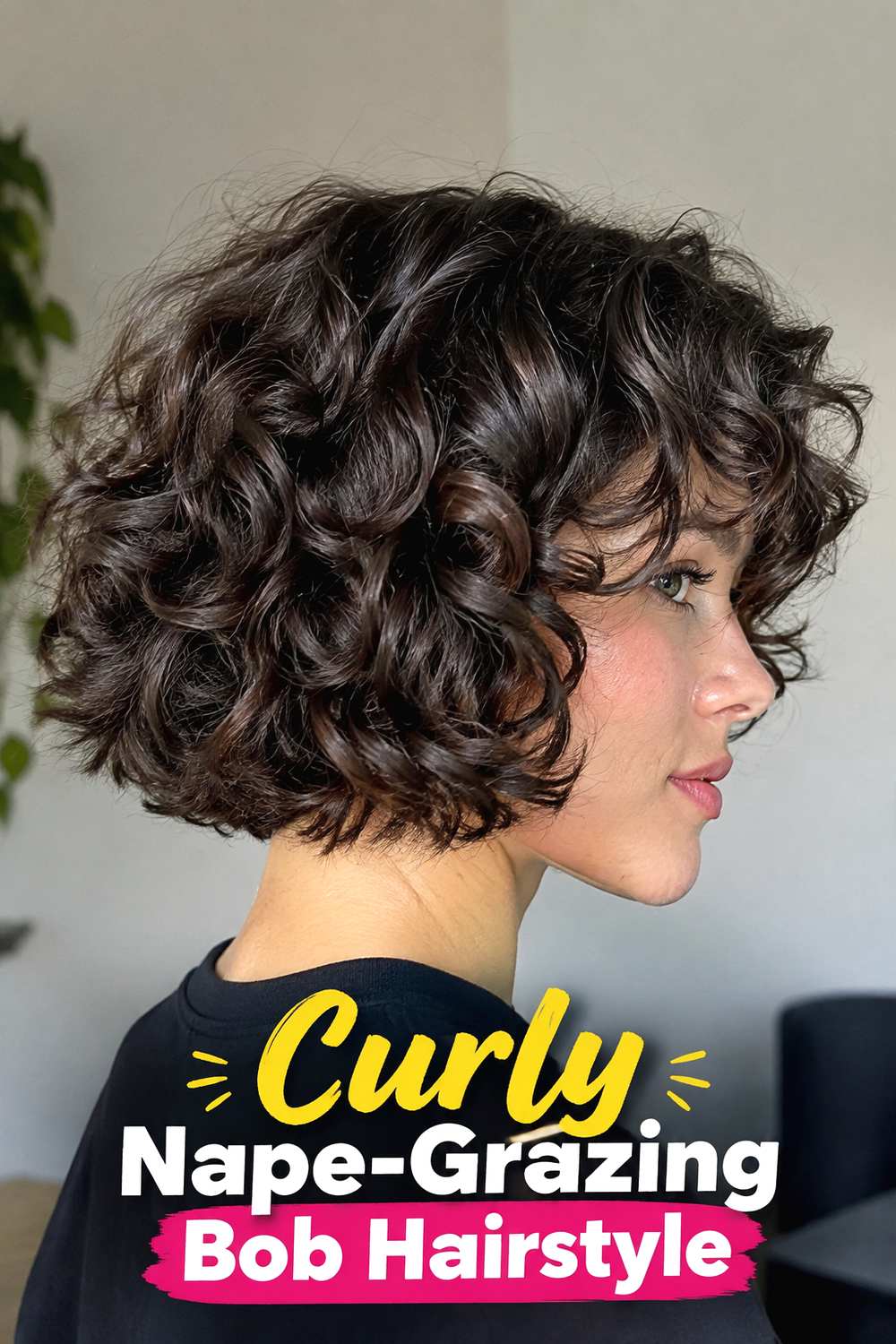
A curly nape-grazing bob creates a rounded yet controlled short silhouette, with curls providing the texture instead of artificial waves or heavy layering. The key is balancing the perimeter so the back sits close to the neckline while the sides retain enough length for the curl pattern to form naturally. Strategic internal shaping can prevent excess bulk without thinning the curls into wispy ends. Because curls shrink as they dry, the intended nape length should be planned according to the hair’s actual spring factor rather than how it looks when stretched or wet. For daily styling, distribute curl cream or gel through damp hair and allow individual curl families to stay intact. The finished shape should feel buoyant and dimensional without looking overly sculpted.
Hair Type & Length
This cut can work across a range of curl patterns, but the amount of graduation and layering should be customized. Tighter curls generally require more attention to shrinkage and overall balance.
Wear & Maintenance
Refresh isolated curls rather than soaking the whole head every morning. A little water and product applied only where needed can help maintain shape without unnecessary buildup.
6. Tousled Bob With Curtain Bangs Hairstyle
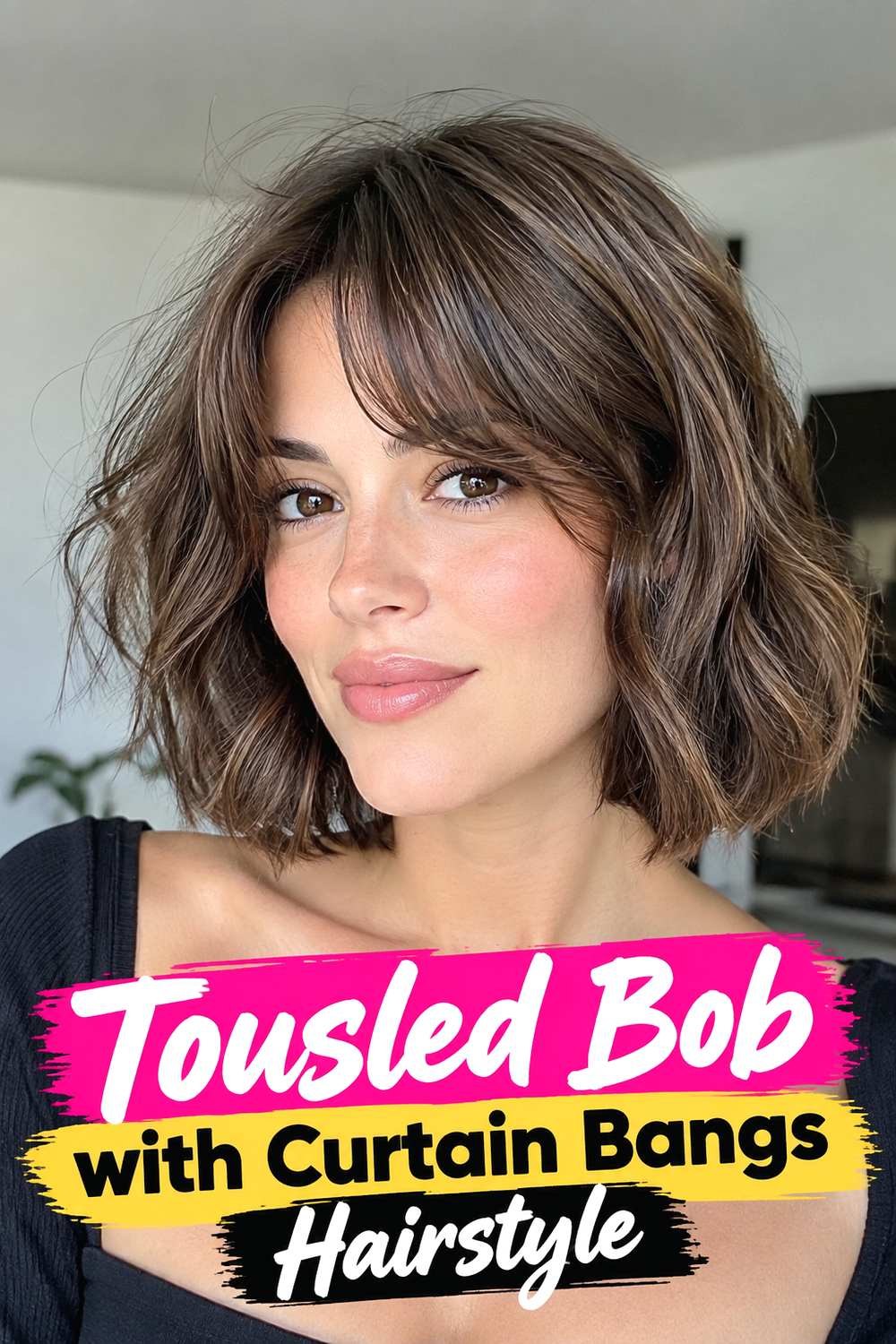
A tousled bob with curtain bangs adds softness around the face while keeping the back short enough to graze the nape. The bangs part naturally through the center or slightly off-center, then blend into textured side pieces that connect with the bob. This creates movement around the cheekbones without sacrificing the compact silhouette at the back. Loose bends through the lengths make the haircut feel relaxed, while the fringe gives it more personality than a simple one-length bob. It is particularly useful if you want to experiment with bangs without committing to a dense straight-across fringe. Style the curtain section first while it is still damp, then add texture to the rest so the front retains an intentional shape instead of blending into uncontrolled volume.
Styling Notes
Direct the fringe away from the face with a round brush, flat brush, or your fingers. Once dry, separate the ends instead of creating a stiff, rounded bang.
Why It Works
The shorter back keeps the haircut fresh, while the longer curtain pieces visually connect the bob to the face and soften the transition around the temples and cheeks.
7. Blunt Ended Textured Bob Hairstyle
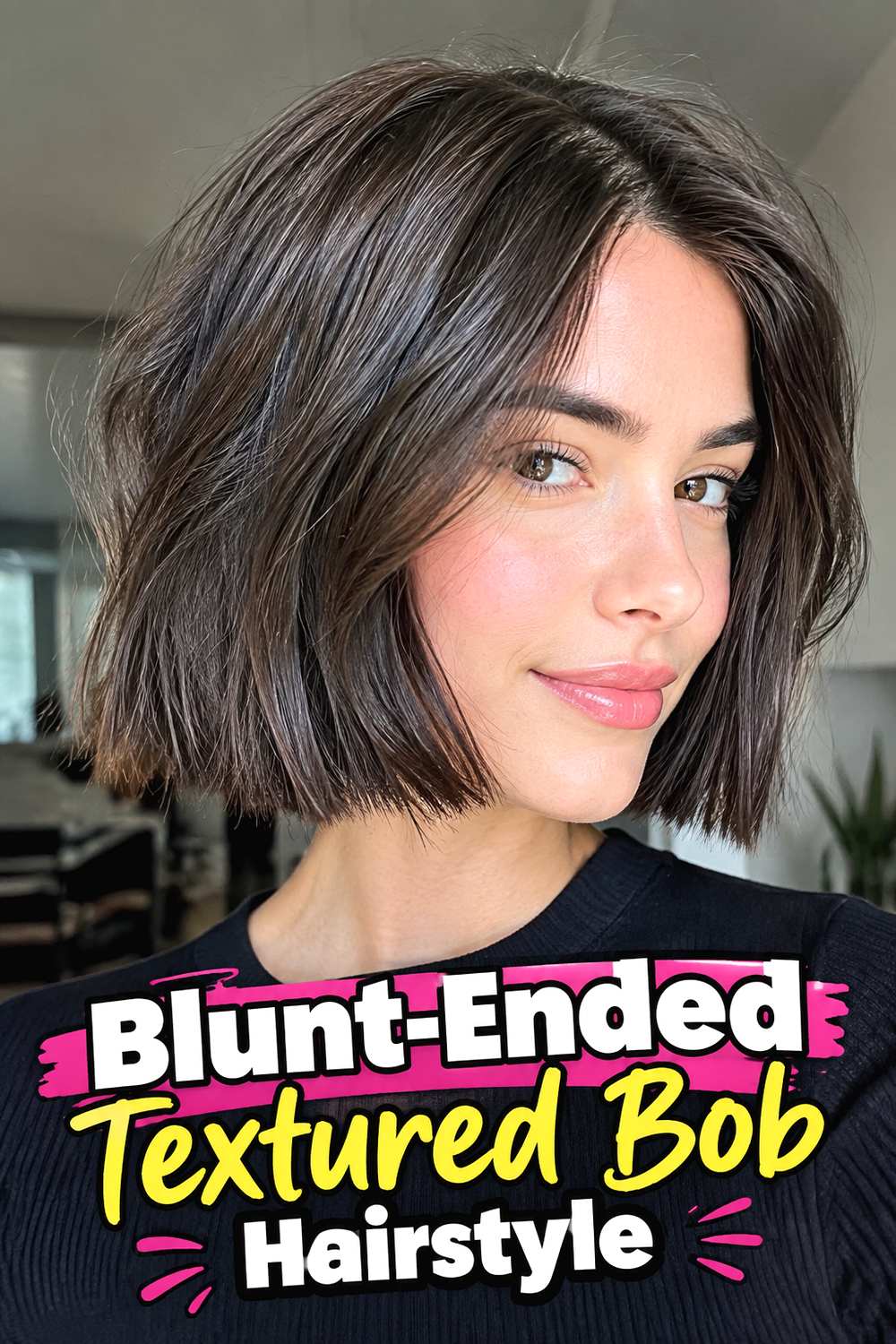
This bob combines a strong, blunt-looking perimeter with softer movement through the interior, giving you the visual density of a one-length cut without a completely rigid finish. The nape-grazing bottom line creates a crisp shape from behind, while subtle bends and discreet internal texture stop the style from appearing flat. It is an especially useful direction for hair that looks fuller when the ends remain substantial. Unlike heavily choppy versions, the texture here should come primarily from styling and carefully placed internal weight removal rather than obviously feathered tips. A quick pass with a flat iron or curling tool can add gentle bends through alternating sections. Keep the very ends comparatively straight so the bold outline remains visible.
Best For
Fine-to-medium hair can benefit from the fuller-looking edge, although the exact amount of internal texturing should depend on density. The goal is movement without sacrificing the strength of the perimeter.
Pro Tip
When adding waves, leave the final inch or so less curled. Straighter ends help preserve the blunt bob effect and keep the finish contemporary.
8. Stacked Nape Grazing Bob Hairstyle
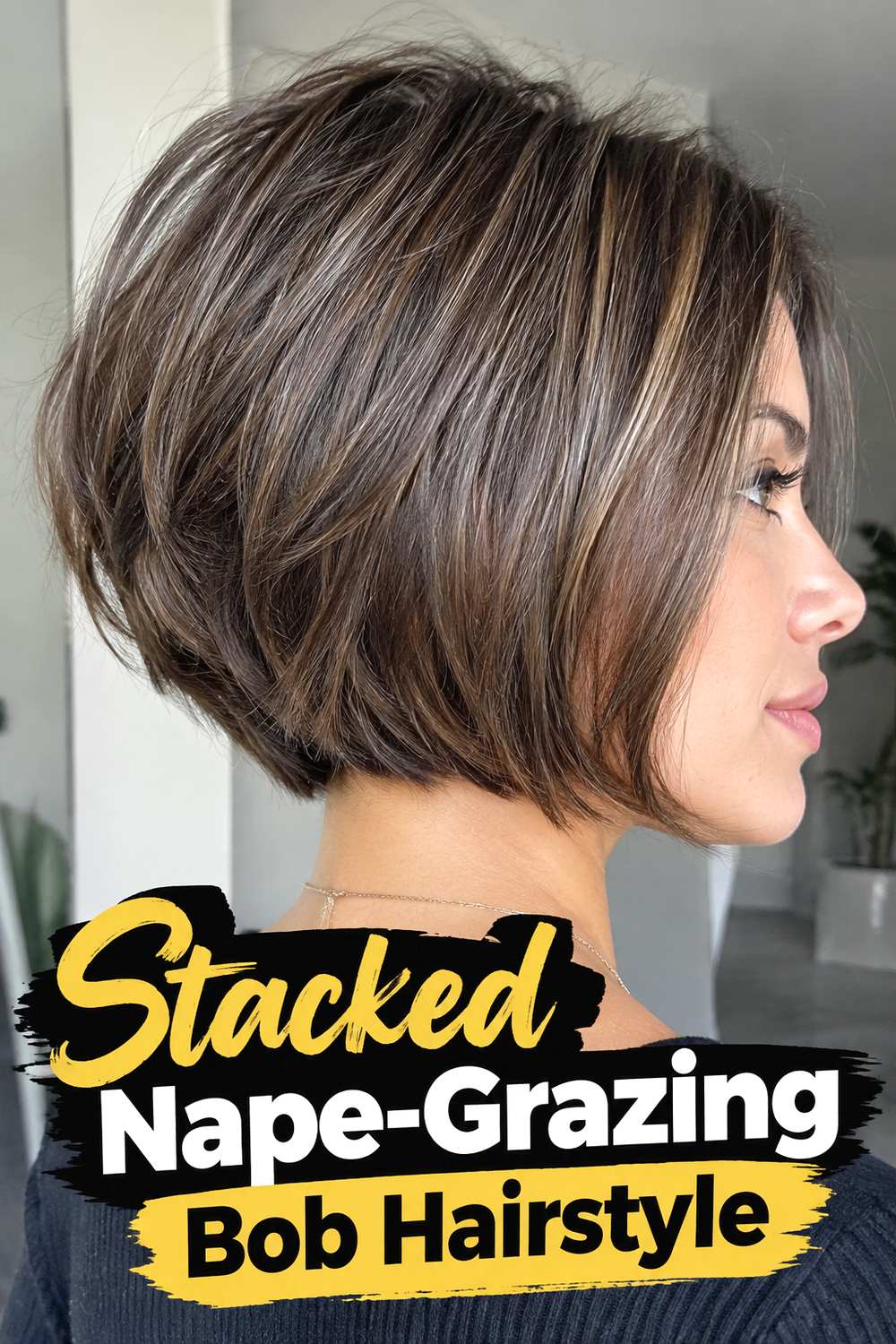
A stacked nape-grazing bob builds controlled fullness at the back through graduated layers that become progressively longer toward the crown and sides. This construction creates a rounded silhouette without requiring excessive teasing or heavy styling products. The nape stays neat and close to the neck, while the upper layers gain enough lift to keep the cut from looking flat in profile. Adding light texture through the surface prevents the graduation from appearing too precise or helmet-like. The result can look polished when smooth or more casual when styled with soft bends. Because the stacked shape depends on careful proportions, the transition from the shortest back section into the sides should remain blended and balanced rather than visibly stepped.
Wear & Maintenance
This shape benefits from consistent trims because the stacked back can lose definition as the shortest layers grow. The exact schedule depends on growth rate and how crisp you like the neckline.
Styling Notes
Lift the roots at the crown while drying, but avoid aggressively backcombing the stacked area. The cut itself should create most of the volume.
9. Side Parted Undone Bob Hairstyle
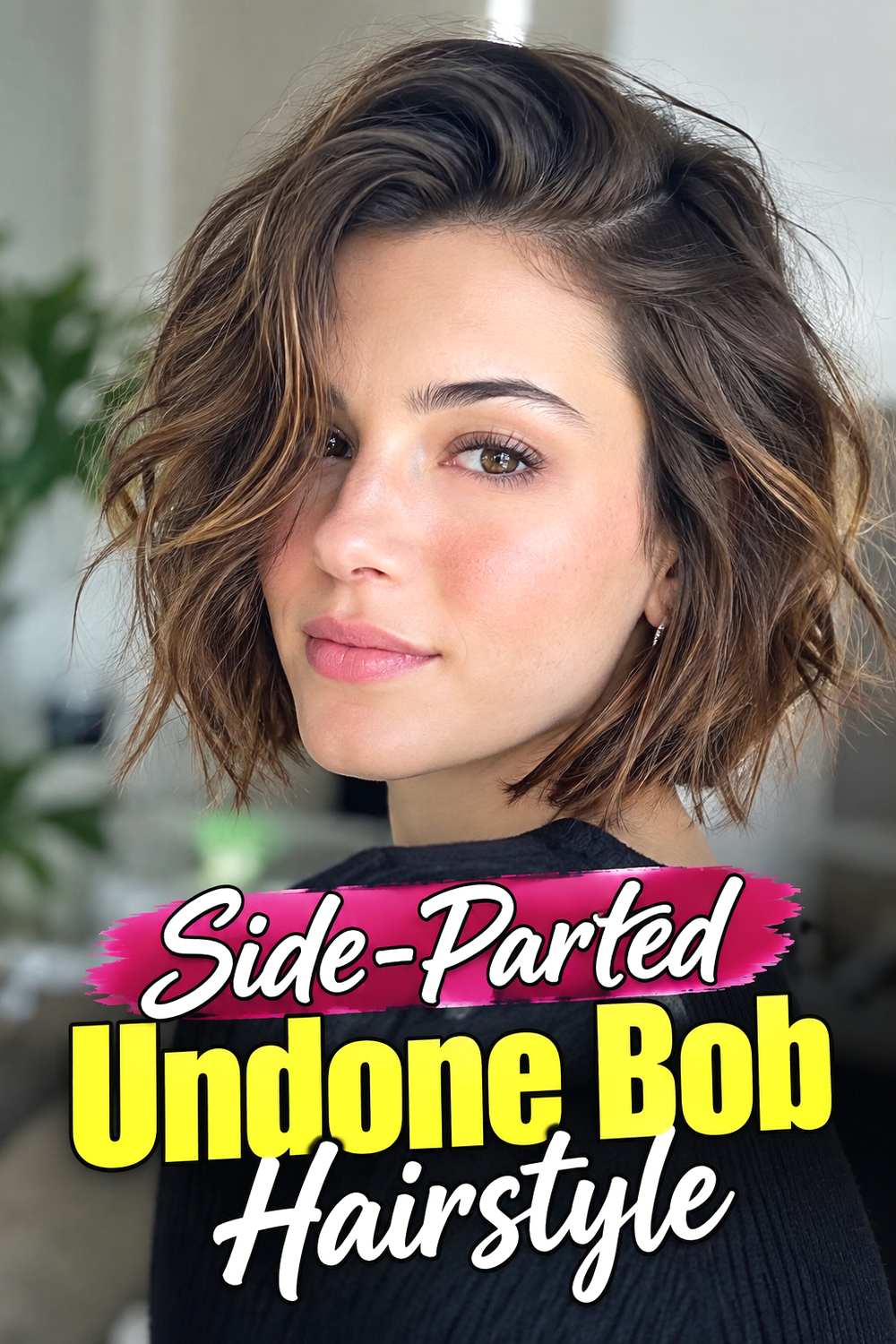
A deep or softly off-center part can completely change the character of a nape-grazing bob by creating asymmetrical volume and a more relaxed, swept-over finish. In this version, textured layers allow the heavier side to fall with natural movement while the lighter side sits closer to the head. The silhouette remains short and tidy at the back, but the side part introduces enough variation to make the cut feel less structured. Soft bends around the face can be changed from day to day, making this a flexible choice for anyone who likes styling options without extra length. Instead of aiming for perfectly arranged waves, let a few strands fall differently each time. That slight irregularity is what gives the haircut its effortless appearance.
Why It Works
Changing the part creates instant lift without requiring shorter crown layers. It also lets the same haircut shift between sleek, voluminous, and casually tousled finishes.
Pro Tip
Dry the roots briefly in the opposite direction of your final part, then flip the hair back. This can create softer root lift without heavy product.
10. Shaggy Nape Length Bob Hairstyle
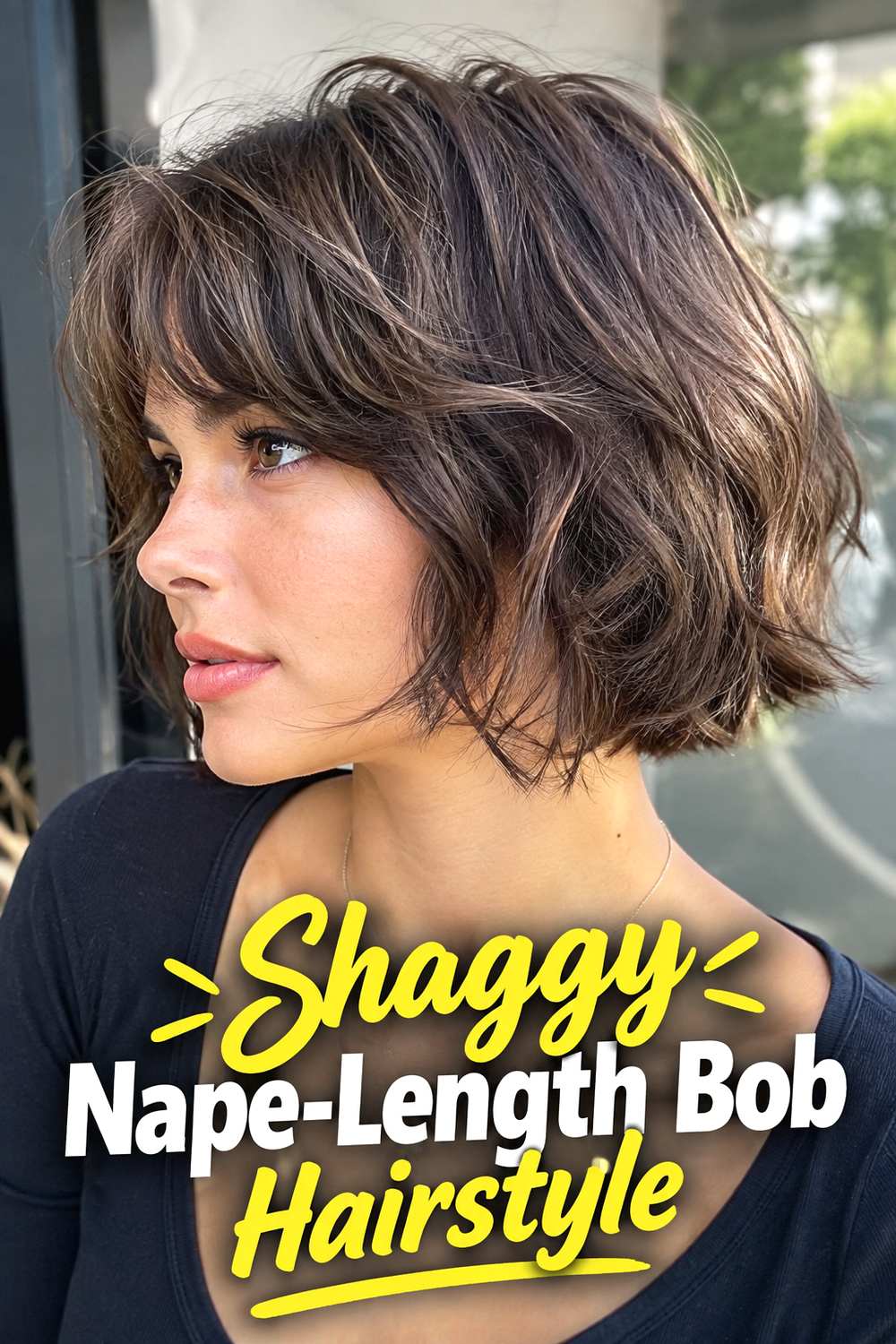
The shaggy nape-length bob introduces more obvious layering, with shorter pieces through the crown and broken movement around the perimeter. It feels less geometric than a traditional bob and works particularly well when you want texture to be noticeable from every angle. The ends can flick inward, outward, or remain slightly irregular, giving the haircut a casual quality that does not require perfect styling. Even with the shag influence, the overall length stays near the nape so the cut remains compact rather than drifting toward a longer layered shape. The most wearable versions keep enough density at the bottom to avoid looking overly wispy. Use a lightweight mousse or texture spray and encourage the layers to move naturally instead of forcing them into matching curls.
Hair Type & Length
Straight, wavy, and softly textured hair can all work with this shape. The amount of crown layering should be adjusted carefully on very fine hair so the lower perimeter does not become too sparse.
Wear & Maintenance
The intentionally broken outline can grow out gracefully, but the crown layers may eventually lose their relationship to the nape length. Occasional reshaping keeps the shaggy balance intact.
11. Textured Bob With Wispy Bangs Hairstyle
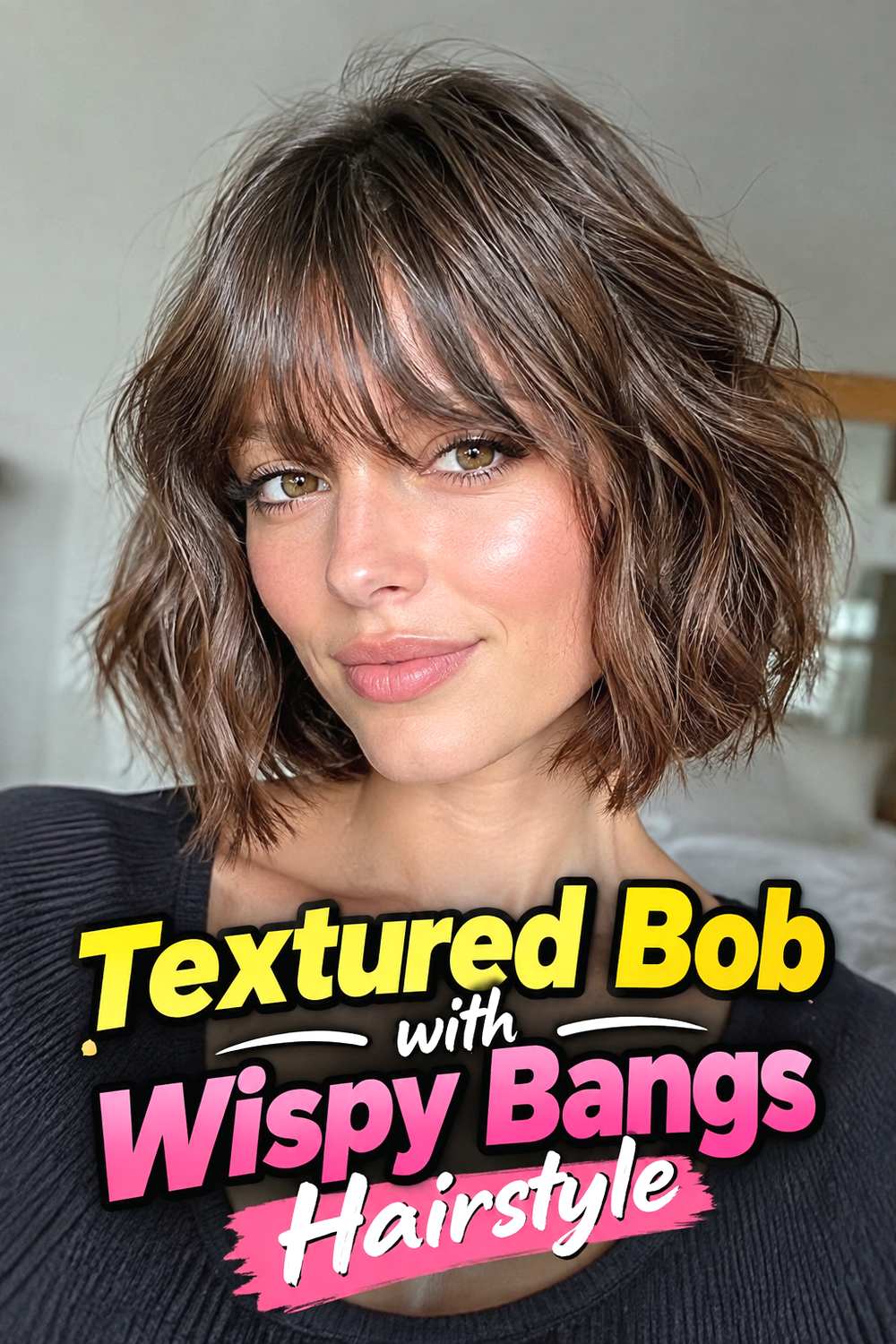
Wispy bangs give a nape-grazing textured bob a light, face-framing element without creating the visual weight of a full fringe. The bangs are cut with enough separation for small gaps to appear naturally, allowing the forehead to remain partially visible. They connect into the sides through soft, slightly longer pieces, while the rest of the bob maintains an airy, tousled finish. This combination feels particularly fresh when the main haircut has modest layering rather than an extremely shaggy structure. The fringe can be worn straighter than the lengths or given a subtle bend for continuity. Keep styling products minimal near the roots and forehead, since heavy creams or oils can make fine fringe sections collapse and separate more than intended.
Styling Notes
Dry the bangs early, moving them gently from side to side before settling them into place. This helps reduce stubborn splits and keeps the fringe soft rather than overly rounded.
Best For
This option is useful for someone who wants a visible fringe but prefers less coverage and an easier grow-out than a dense, blunt bang.
12. Softly Inverted Nape Bob Hairstyle
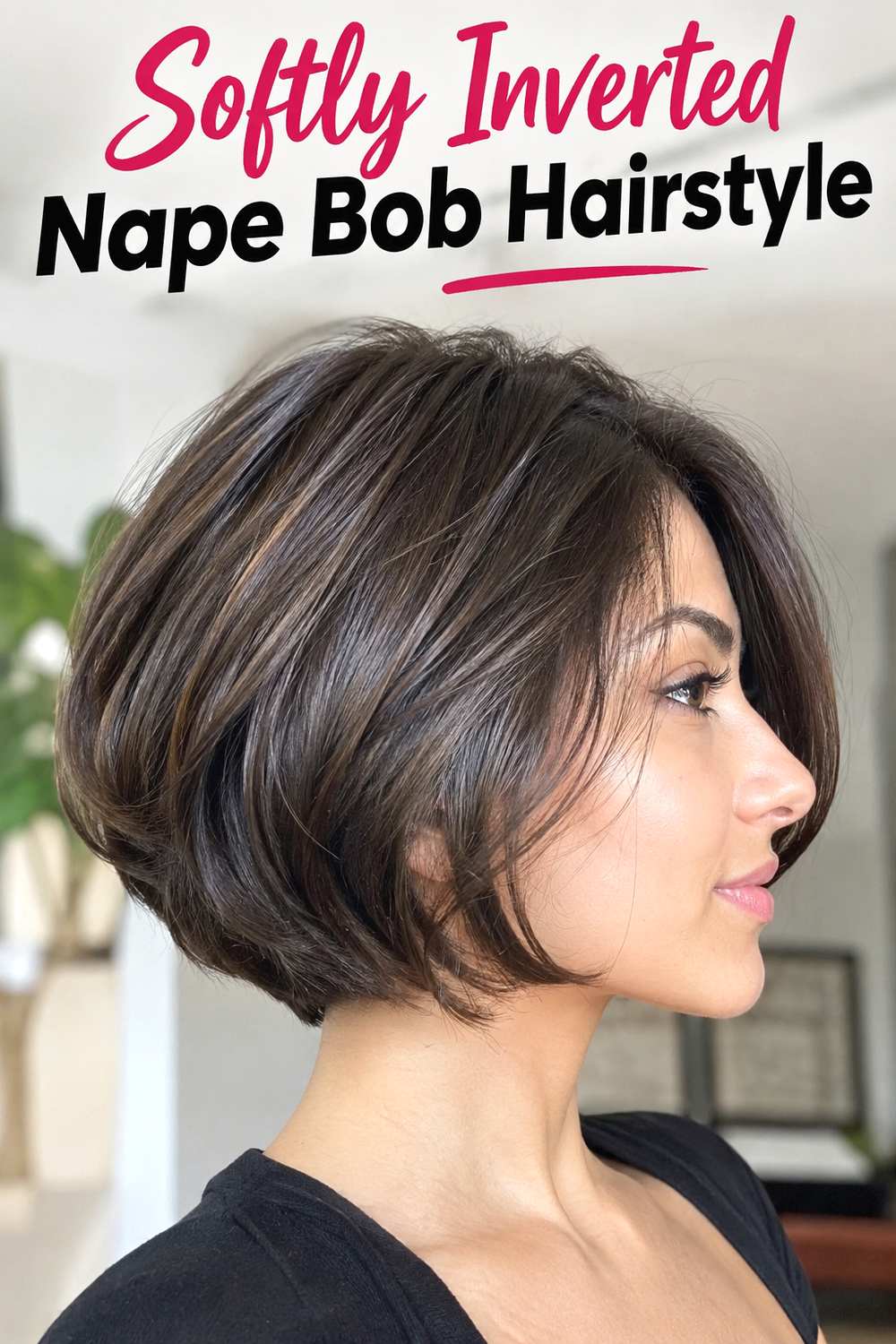
A softly inverted bob keeps the back slightly shorter while allowing the front to extend a little farther toward the jaw, creating gentle forward movement without the dramatic angle of a sharply graduated cut. At the nape, the hair sits close and neat; toward the face, the extra length gives the silhouette a graceful, elongated line. Subtle texture prevents the shape from looking overly architectural and allows the front pieces to bend or tuck naturally. This is an appealing choice if you like the structure of an angled bob but want something softer for everyday styling. The difference between front and back should remain moderate so the haircut still reads as balanced from every angle rather than noticeably disconnected.
Why It Works
The slightly longer front creates visual movement while preserving the convenience of a short neckline. Soft texturing keeps the angle understated and wearable.
Wear & Maintenance
As the haircut grows, the back usually loses its compact shape before the front becomes problematic. Regular perimeter cleanups can help maintain the intended angle.
13. Thick Hair Debulked Bob Hairstyle
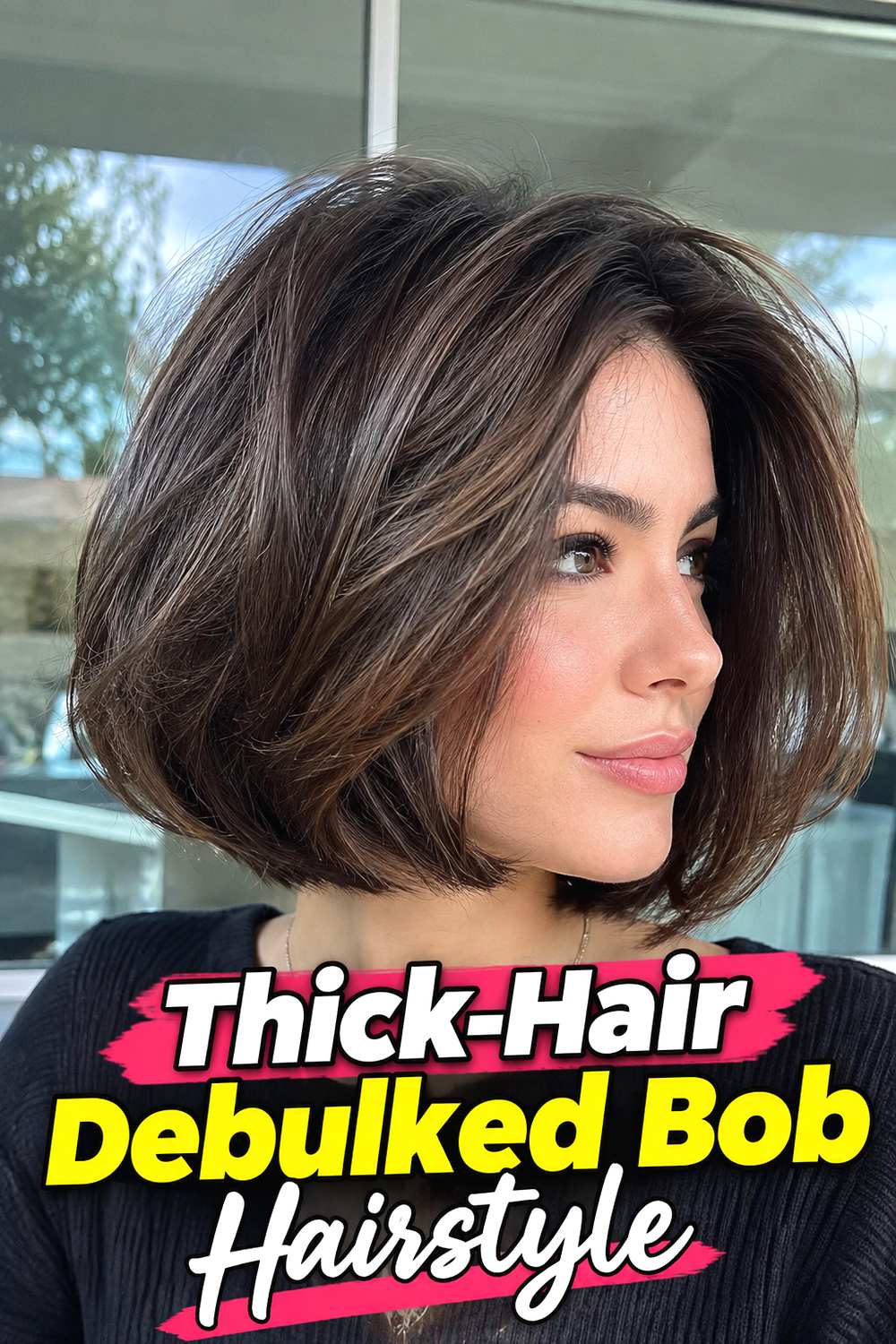
A nape-grazing bob on thick hair can look sleek and mobile when excess interior weight is removed strategically rather than simply thinning the ends. This version maintains enough density around the perimeter for a recognizable bob shape while reducing bulk through carefully chosen internal sections. The result is a haircut that moves more freely and sits closer to the head without becoming flat. Soft surface texture can add further dimension, especially if the hair naturally has a slight wave or bend. The goal is not to make thick hair look fine, but to distribute its volume more evenly so the silhouette feels balanced from crown to nape. Styling is often easiest with smoothing cream followed by light separation through the ends.
Hair Type & Length
This approach is designed for dense hair that tends to expand or form excessive bulk at short lengths. The exact weight-removal technique should reflect whether the strands are straight, wavy, coarse, or fine in diameter.
Pro Tip
Avoid excessive thinning directly at the perimeter. Keeping some substance at the ends helps the bob hold its shape instead of becoming fuzzy or see-through.
14. Fine Hair Volumized Nape Bob Hairstyle
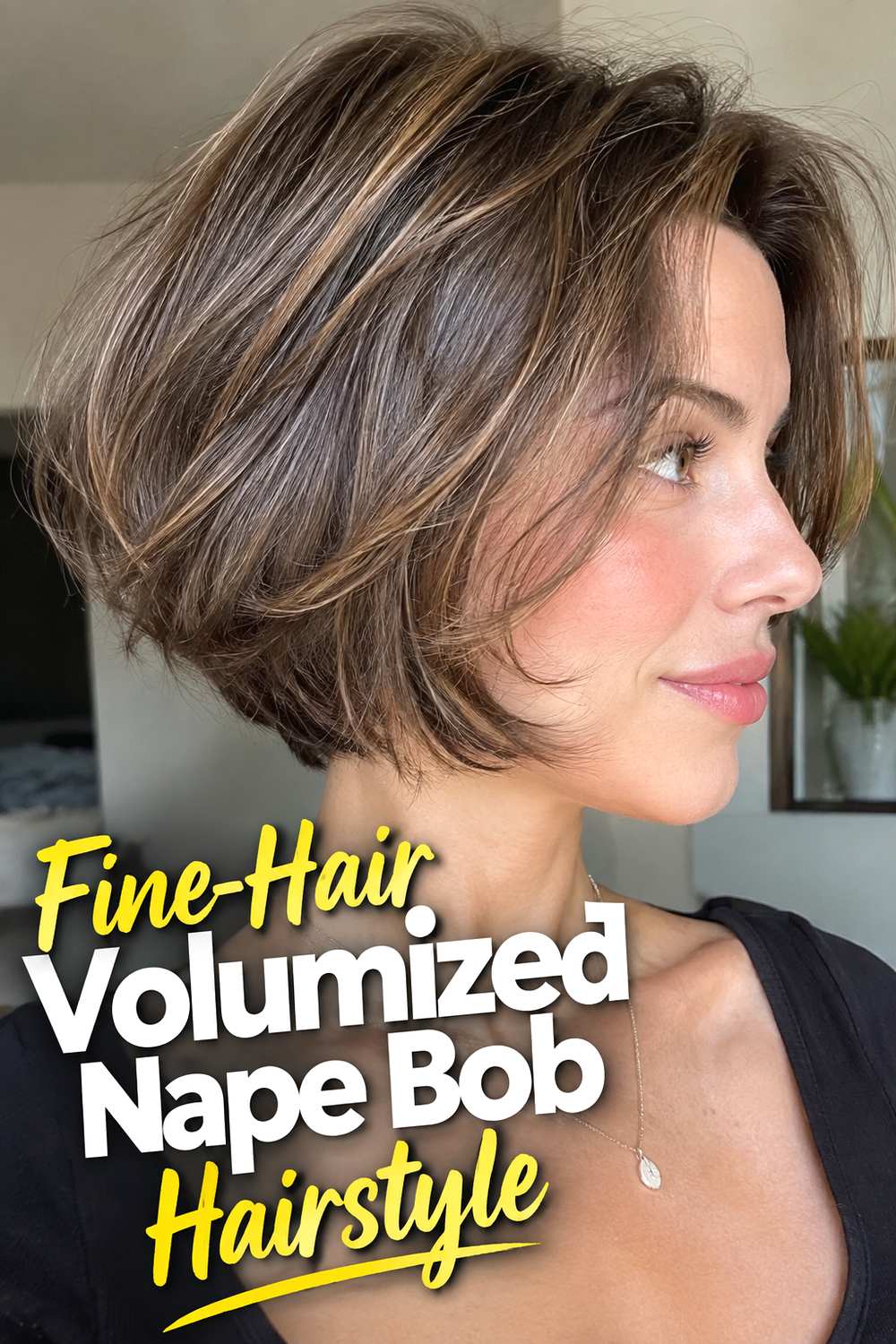
For fine hair, a nape-grazing bob can create the appearance of a fuller perimeter because the shorter length reduces the weight that often pulls longer strands flat. This version keeps layering controlled, concentrating on subtle movement rather than removing large amounts of density. Gentle root lift and a few soft bends through the surface give the haircut dimension without making the ends look thin. A slightly irregular texture can also make individual sections appear more distinct, helping the overall style feel less flat. The strongest shape usually comes from preserving a reasonably solid bottom line while adding only the amount of internal movement the hair can support. Use lightweight volumizing products sparingly so the strands stay airy and touchable.
Best For
This version suits fine or lower-density hair when maintaining visual fullness is a priority. Minimal layering generally preserves more strength through the ends.
Styling Notes
Concentrate volumizing mousse or root spray near the crown rather than saturating the lengths. Use gentle directional drying to build lift, then loosen the finished shape with your fingertips.
How to Choose the Right Look
Start with your natural texture. Straight hair can showcase blunt perimeters, razor-cut separation, stacked shapes, and finely controlled layering particularly clearly. Wavy hair often works beautifully with air-dried, French-inspired, or shaggy versions because the natural bends supply much of the movement. Curly hair needs a shape that respects shrinkage and lets the curl pattern determine where the finished length actually sits.
Next, think about density and volume. Fine hair usually benefits from stronger ends and restrained layering, while thick hair may need thoughtful interior weight removal. If you want extra crown lift, a stacked or shaggy bob creates more built-in structure. If you prefer a flatter, sleeker profile, choose a blunt-ended or softly inverted variation.
Styling time matters too. Air-dried waves and natural curls can be relatively simple when the cut works with your texture, but bangs may require a few extra minutes each morning. Razored or highly piecey styles usually look best with some deliberate product placement, while a blunt textured bob can remain attractive with a smoother finish.
Consider comfort and maintenance at the neckline as well. A true nape-grazing bob feels light and exposes more of the neck, but its shape can change noticeably as it grows. Crisp stacked and inverted versions generally show growth sooner than shaggy or choppy cuts. Finally, decide whether you prefer an undone, airy finish or a polished outline with texture layered on top; that distinction can narrow the list quickly.
Final Thoughts
Nape-grazing textured bobs can range from softly French-inspired and air-dried to blunt, stacked, curly, or deliberately shaggy. The most flattering choice is usually the one that works with your natural density, texture, preferred styling routine, and tolerance for regular trimming.
If you want minimal effort, start with a shape that follows your natural wave or curl. For stronger structure, consider a blunt, stacked, or softly inverted version. If movement is the priority, choppy, razor-cut, shaggy, or fringe-accented options offer more visible separation.
FAQs
1. What is a nape-grazing bob?
A nape-grazing bob is a short bob cut so the back sits around the nape of the neck. The sides may be similar in length or slightly longer depending on whether the shape is blunt, graduated, or inverted.
2. Do textured bobs work on straight hair?
Yes. Straight hair can show choppy ends, razor-cut pieces, internal layering, and blunt perimeters very clearly. Texture can also be added with soft bends, lightweight styling products, or directional drying.
3. Can thick hair wear a nape-length bob without becoming bulky?
Yes, but the weight distribution matters. Strategic interior debulking and carefully planned layering can reduce excessive fullness while preserving enough density at the ends for a clean bob shape.
4. Are nape-grazing bobs suitable for curly hair?
They can be. Curly versions need to account for shrinkage, curl pattern, and where volume naturally develops. Cutting the shape with the finished dry length in mind helps prevent the bob from becoming shorter than intended.
5. How often does a nape-grazing bob need trimming?
It depends on your growth rate and how precise you want the silhouette to remain. Structured stacked or inverted bobs usually show growth sooner, while choppy, shaggy, and softly textured versions may remain visually balanced for longer.
CTA
Save your favorite nape-grazing textured bob ideas and use them as inspiration when planning your next short, movement-filled haircut.