20 Long Blowout-End Hairstyles Above Shawl-Collar Knitwear
Long blowout ends styled above a shawl collar create soft movement and polished separation while keeping plush winter knitwear visible around the neckline.
Shawl-collar sweaters and cardigans add substantial volume around the neck and upper chest, so long hair can easily disappear into the fabric or lose its shape. Styling the blowout ends above or outside the collar keeps the lower movement visible and prevents the hair from becoming compressed beneath thick knitwear. Rounded curves, airy flips, and layered ends all work especially well.
The best balance comes from controlling where the volume sits. Root lift can add height above the collar, while smooth mid-lengths prevent the style from becoming too wide. The ends can turn inward, outward, or in mixed directions depending on the haircut, density, and overall finish you prefer.
Quick List
- Center Part Lifted Blowout End Hairstyle
- Side Part Swept Blowout End Hairstyle
- Feathered Above Collar Blowout Hairstyle
- Soft Rounded End Blowout Hairstyle
- Airy Root Lift Blowout Hairstyle
- Face Framing Blowout Layer Hairstyle
- Glossy Curved End Blowout Hairstyle
- Brushed Out Volume Blowout Hairstyle
- Off Center Soft Flip Blowout Hairstyle
- Tucked Side Blowout End Hairstyle
- Long Curtain Layer Blowout Hairstyle
- Low Volume Polished Blowout Hairstyle
- Piecey Layered Blowout End Hairstyle
- Natural Movement Blowout Hairstyle
- Deep Side Sweep Blowout Hairstyle
- Soft Under Curve Blowout Hairstyle
- Outward Flip Long Blowout Hairstyle
- Back Draped Blowout Layer Hairstyle
- Shoulder Split Blowout End Hairstyle
- Minimal Long Blowout End Hairstyle
1. Center Part Lifted Blowout End Hairstyle
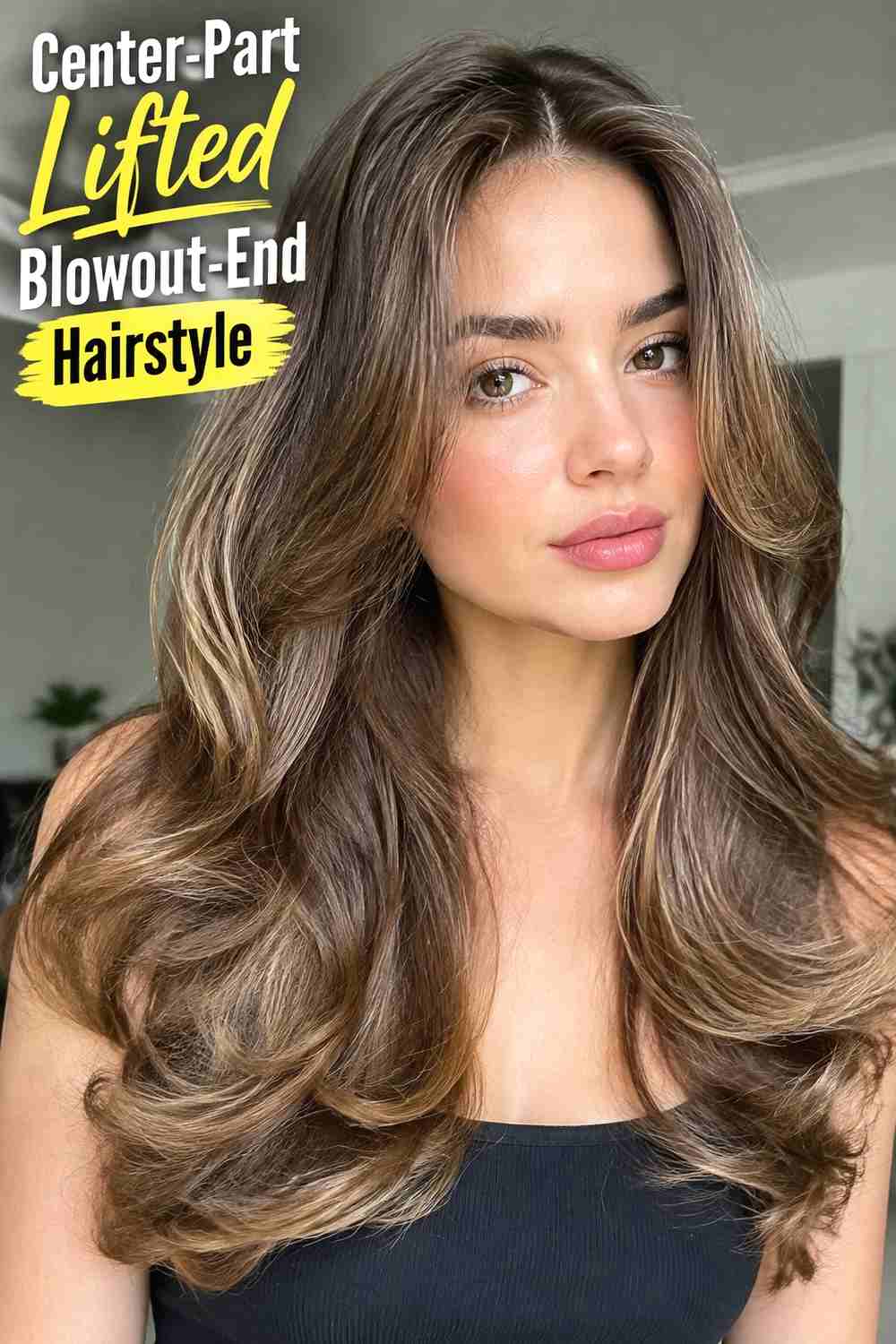
A center part gives a long blowout clean symmetry while softly lifted roots keep the upper shape from being flattened by a shawl collar. The mid-lengths stay smooth and controlled, then transition into broad rounded ends that sit outside the knitwear rather than disappearing beneath it. Bring a narrow section forward on each side so the curved finish remains visible without covering the collar completely. The rest can fall behind the shoulders. This arrangement works particularly well with thick ribbed cardigans or sweater coats because the sleek upper lengths contrast with the textured knit. Keep the ends flexible and slightly varied so the blowout maintains realistic movement rather than looking overly set.
Styling Notes
Create the root lift first, then concentrate the strongest curve through the final few inches.
Best For
Long straight or softly wavy hair with medium density holds this balanced shape particularly well.
2. Side Part Swept Blowout End Hairstyle
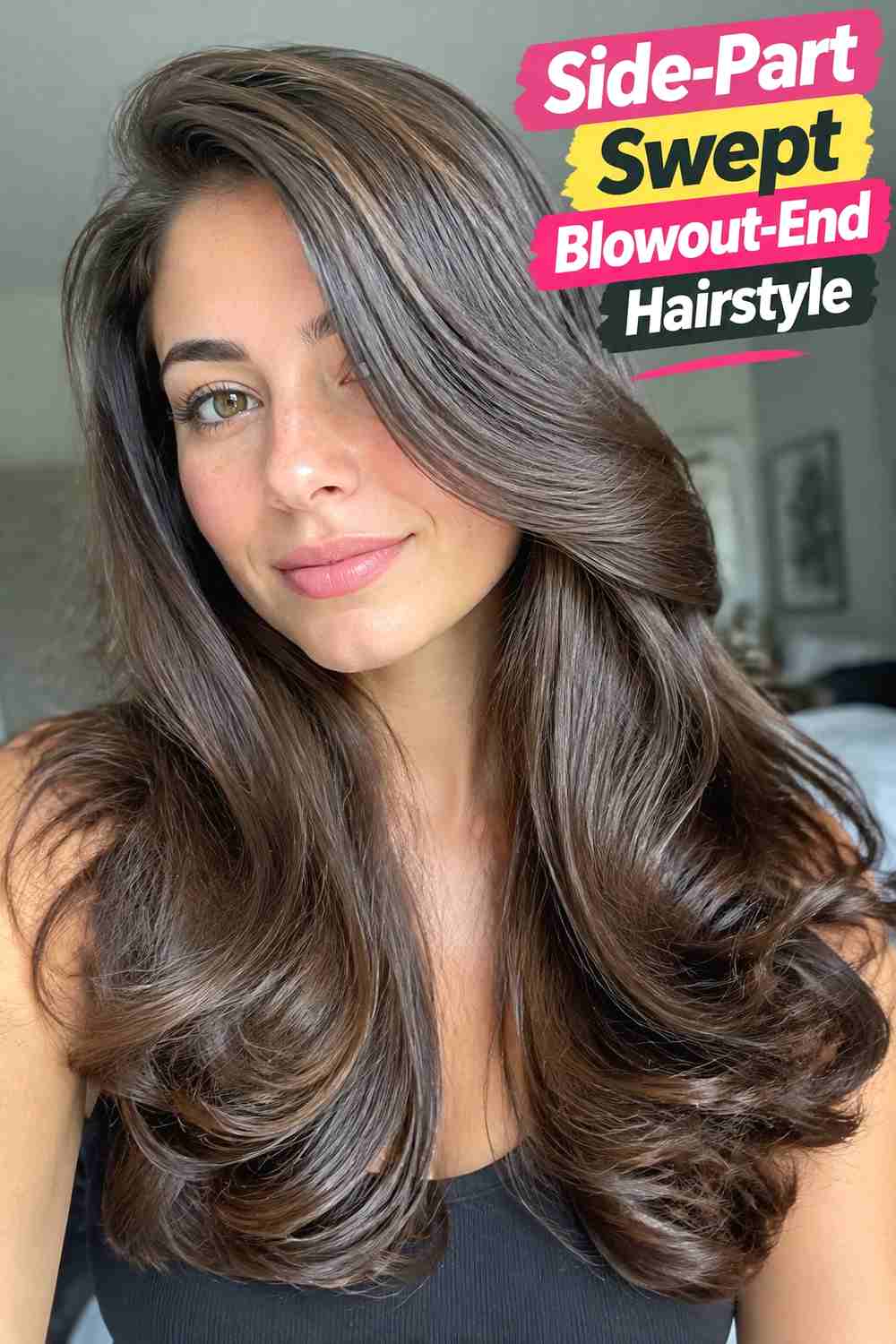
A soft side part creates natural height and lets the blowout move more strongly toward one side. The heavier section can sweep over one shoulder with its ends sitting clearly above the shawl collar, while the lighter side stays behind the ear or shoulder. This asymmetry reduces crowding around the neckline and keeps more of the knitwear visible. Use broad bends through the ends rather than tight curls so the hair retains its long silhouette. A little lift at the heavier root section adds polish without requiring exaggerated crown volume. The final shape feels elegant but still relaxed enough for everyday winter layers, especially when paired with a simple monochrome sweater or belted knit cardigan.
Why It Works
The uneven distribution keeps both the hairstyle and bulky collar from competing for the same space.
Pro Tip
Let the heavier side follow its natural fall rather than forcing the sweep with excessive product.
3. Feathered Above Collar Blowout Hairstyle
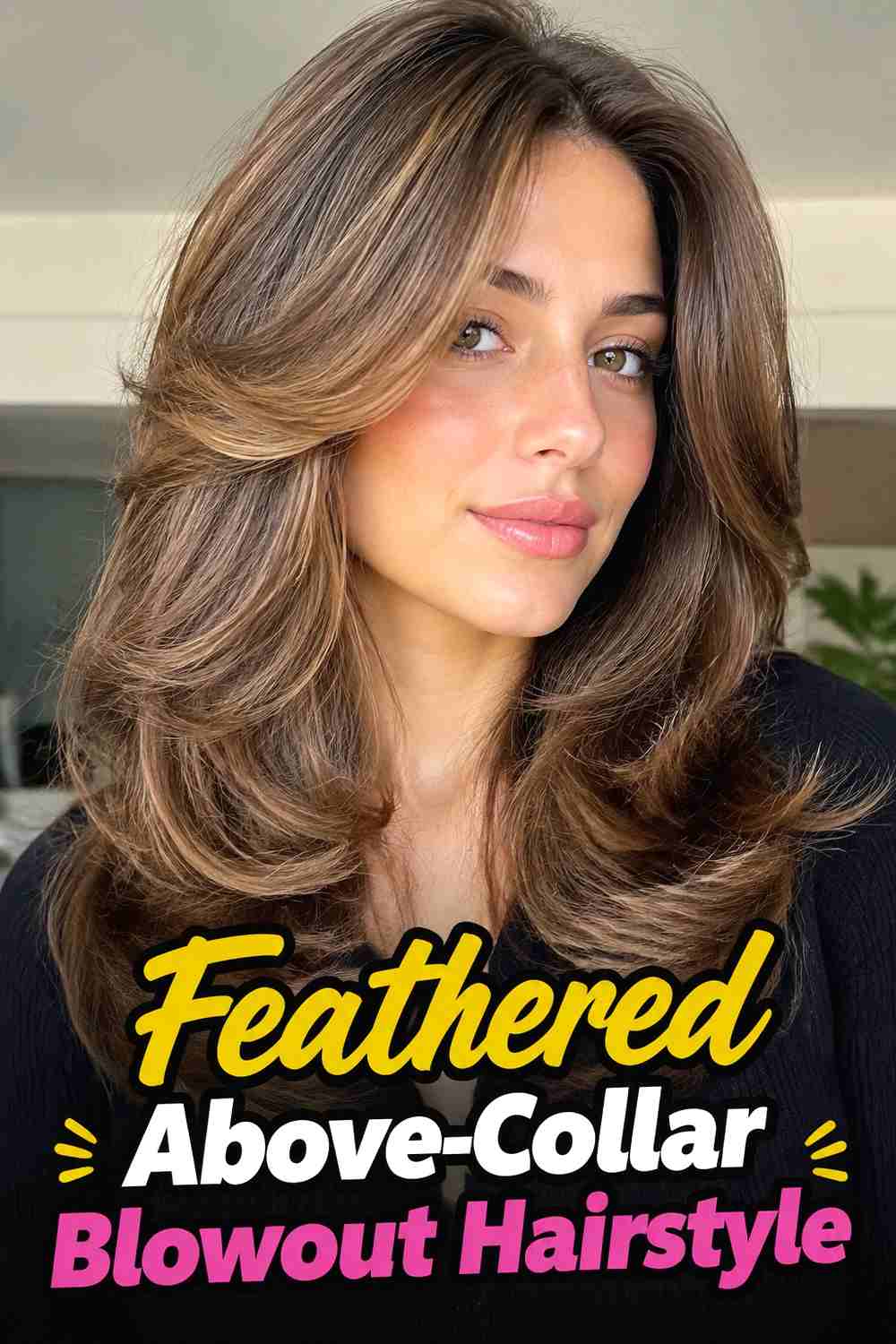
Feathered ends make a long blowout feel lighter around substantial winter knitwear. Instead of curling the entire length, keep the roots and mid-sections smooth before directing selected layers outward near the shoulders and upper chest. The feathered pieces should sit above or just outside the shawl collar so their movement remains visible. Longer sections can fall straighter behind them, creating depth without adding too much width. This styling is especially effective when the haircut already includes long face-framing layers. The contrast between soft outward movement and a thick knitted collar gives the outfit a polished but approachable feel, while the varied end direction prevents the hairstyle from looking too uniform.
Styling Notes
Turn only selected layers outward rather than flipping every section identically.
Wear & Maintenance
Reshape the front feathers with your fingers if they settle into the collar during the day.
4. Soft Rounded End Blowout Hairstyle
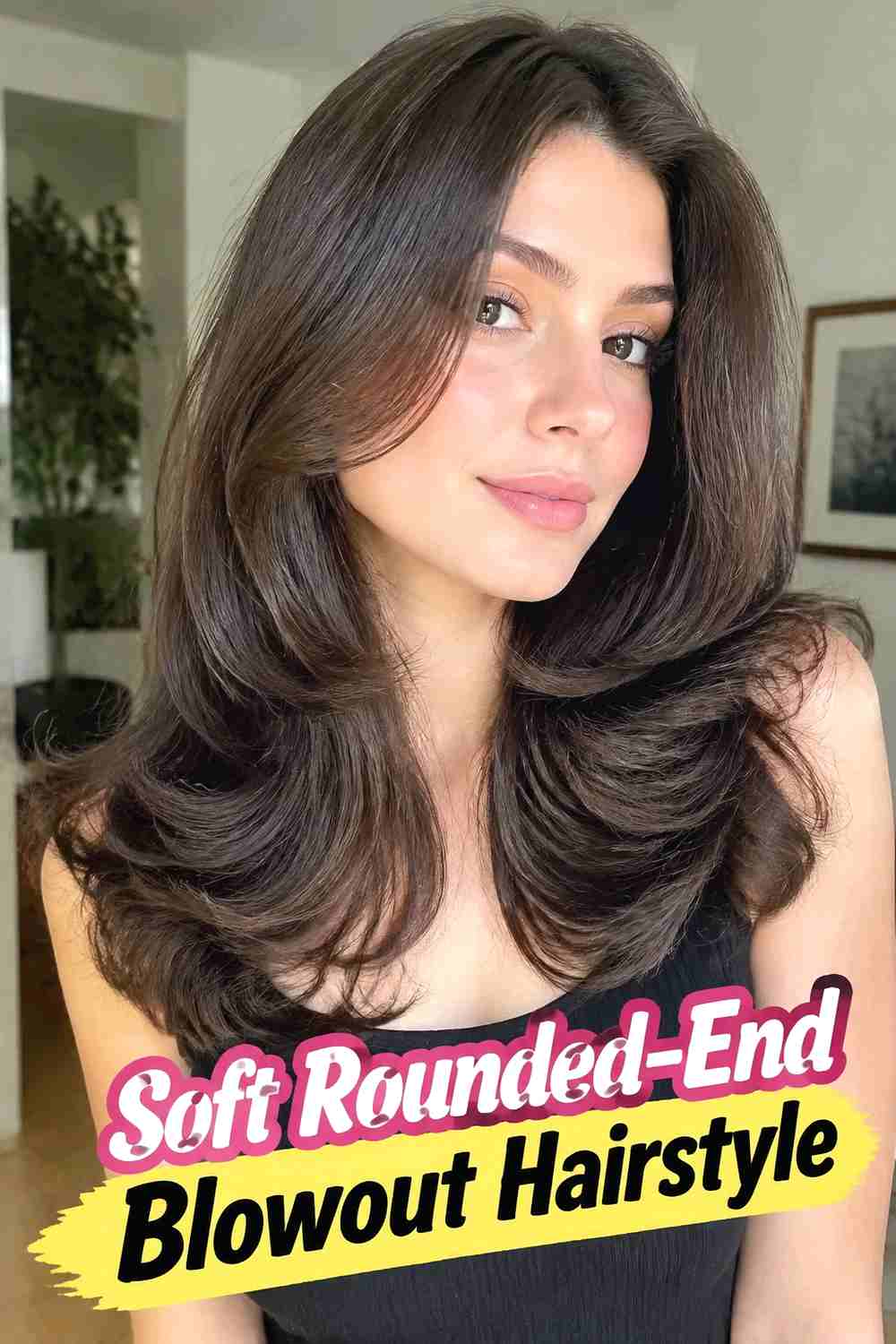
Soft rounded ends give long hair a smooth, classic blowout shape without requiring dramatic volume. The upper lengths remain polished and close to the head, while the bottom sections curve gently inward or under as they approach the shawl collar. Position the ends above the thickest section of knitwear so the rounded perimeter stays visible and does not flatten. This approach is especially flattering with long, lightly layered hair because the curves appear at staggered points instead of forming one heavy line. The result feels refined and comfortable, making it useful for workdays, winter lunches, or dressier knitwear when a full curled style would feel unnecessarily elaborate.
Why It Works
The rounded perimeter adds softness while keeping the sides narrow enough for a substantial collar.
Best For
Straight to gently wavy hair that holds broad bends rather than tight curls suits this shape well.
5. Airy Root Lift Blowout Hairstyle
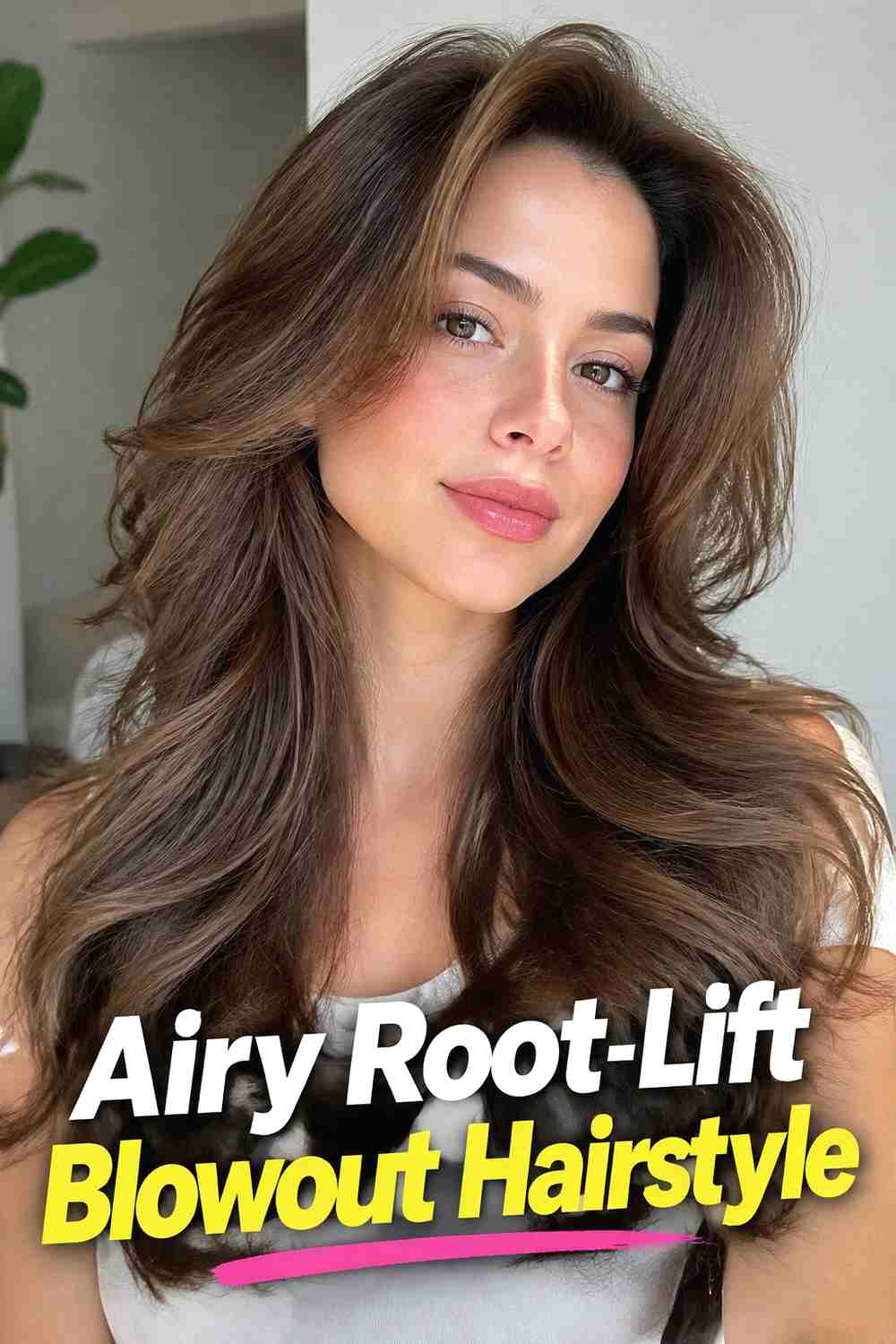
Airy root lift adds height where a shawl collar cannot compress it, making this a smart approach for long hair that tends to look flat in winter layers. Keep the crown softly elevated, then smooth the mid-lengths before creating lightweight bends at the ends. The lower movement should sit outside the collar, with just enough curve to show the blowout shape. Avoid building too much fullness beside the neck, since the knitwear already provides volume there. This style works particularly well with long layers because the lifted top and staggered ends create dimension from root to tip. The finished effect is buoyant, polished, and noticeably fuller without looking teased or stiff.
Styling Notes
Direct root sections upward while drying, then change direction as you smooth the lengths downward.
Pro Tip
Keep oils and heavier finishing products away from the root area to preserve lift.
6. Face Framing Blowout Layer Hairstyle
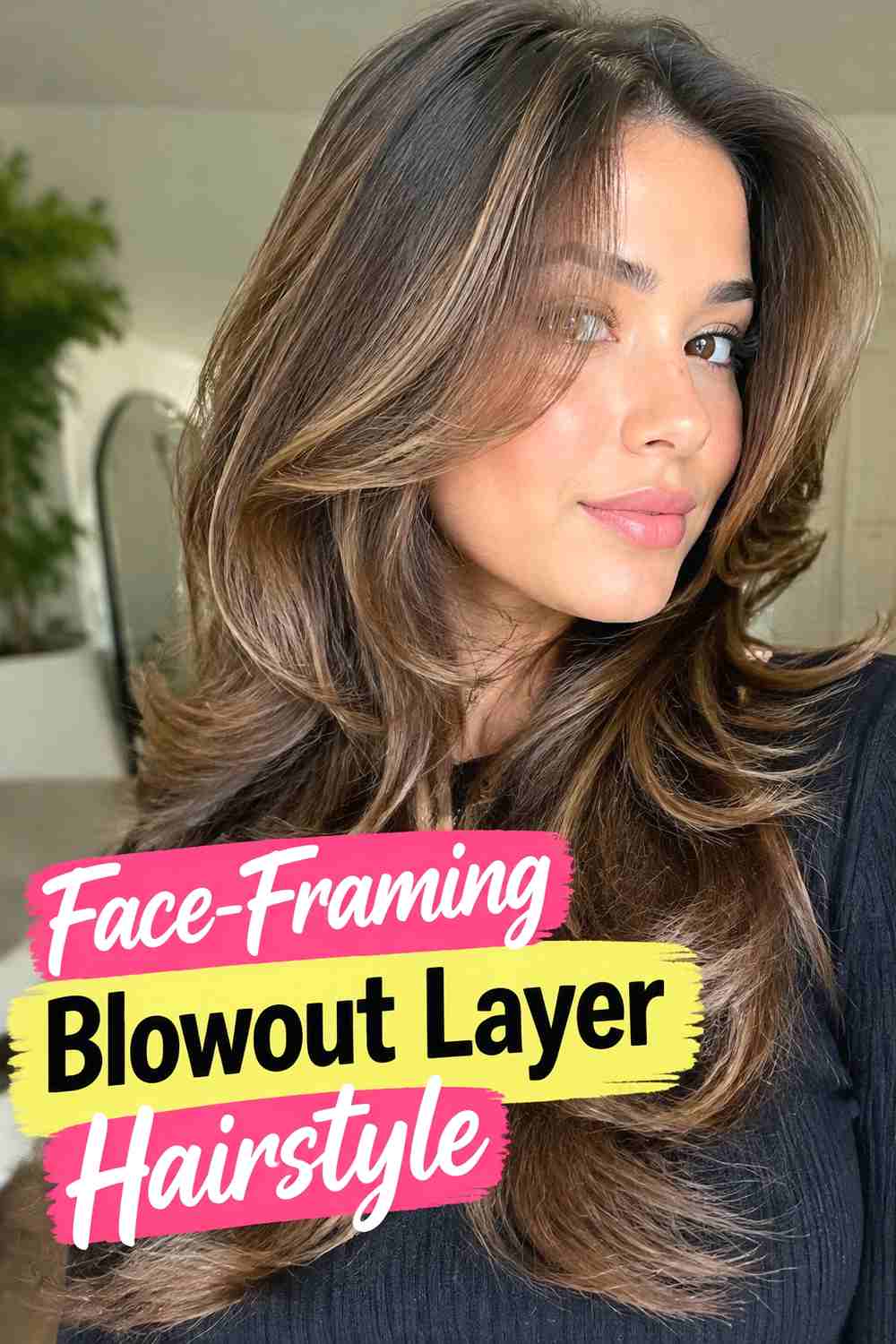
Face-framing layers make a blowout especially effective above shawl-collar knitwear because the shorter sections remain visible even when the longest lengths move behind the shoulders. Begin with pieces around the cheekbones, jaw, or collarbone and give them a soft outward curve. Longer layers can stay smoother before turning gently at the ends. This creates a gradual frame that opens around the collar instead of collapsing onto it. The result looks dimensional from the front while leaving enough of the knitwear visible to maintain its cozy structure. Keep the curves broad and blended so the front sections connect naturally to the rest of the haircut rather than appearing like separate curled pieces.
Hair Type & Length
Long medium-density or thick hair with existing front layers works especially well.
Styling Notes
Shape the shorter pieces separately so their direction remains clear above the collar.
7. Glossy Curved End Blowout Hairstyle
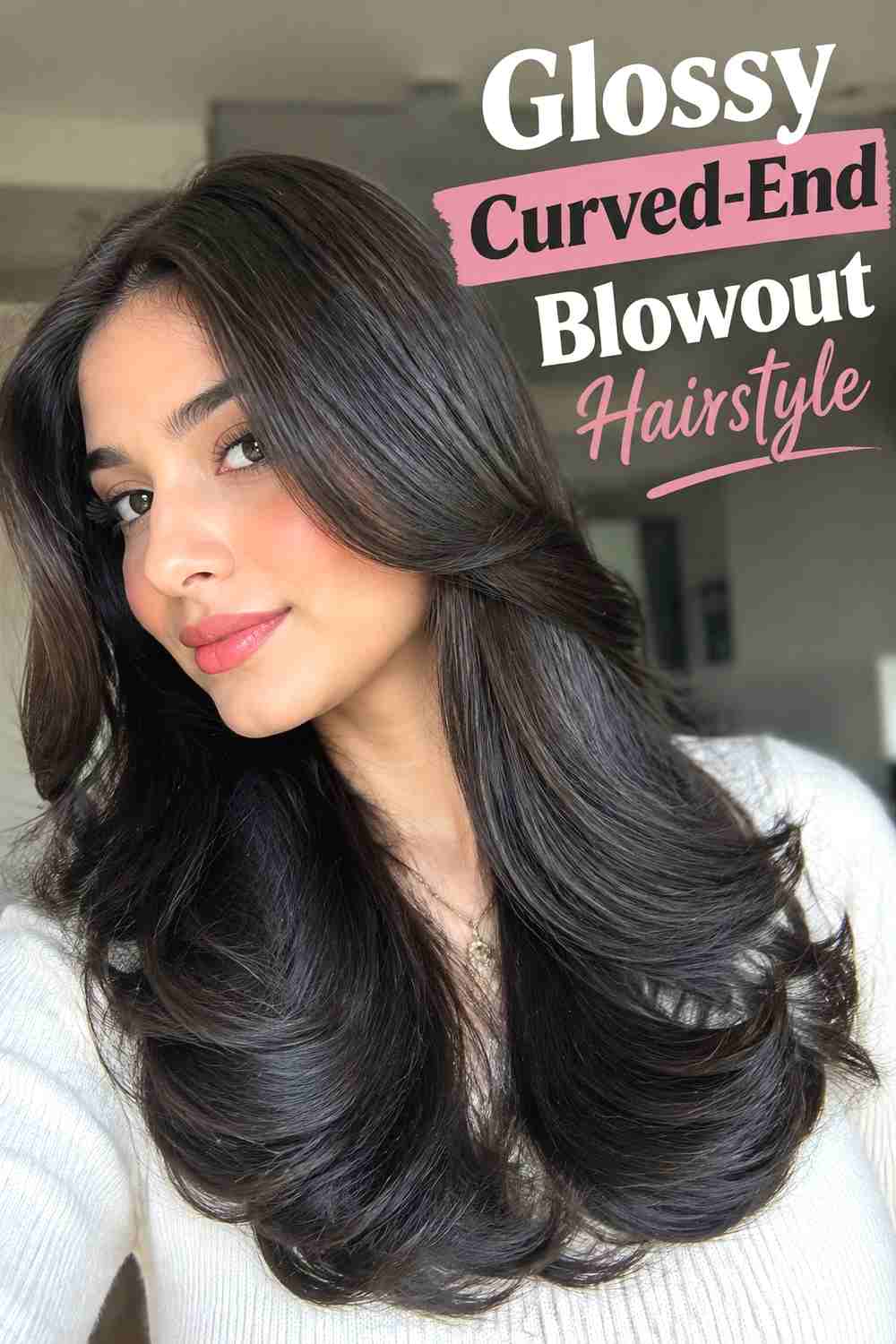
A glossy blowout with curved ends gives long hair a polished finish that contrasts beautifully with matte or textured knitwear. Keep the roots smooth, the mid-lengths straight and reflective, and the final sections softly bent. The ends can turn under or slightly outward, but they should sit above the shawl collar instead of being pressed into it. Use shine sparingly so the hair still shows natural strands rather than appearing coated. This style is ideal when the knitwear has a simple shape and the hairstyle is meant to provide the refined element. The long smooth surface also makes the curved ends stand out more clearly, giving the blowout a clean and deliberate finish.
Why It Works
The contrast between sleek lengths and curved ends creates dimension without adding excessive volume.
Wear & Maintenance
Lightly smooth the lower sections if friction from the knit begins to separate the glossy surface.
8. Brushed Out Volume Blowout Hairstyle
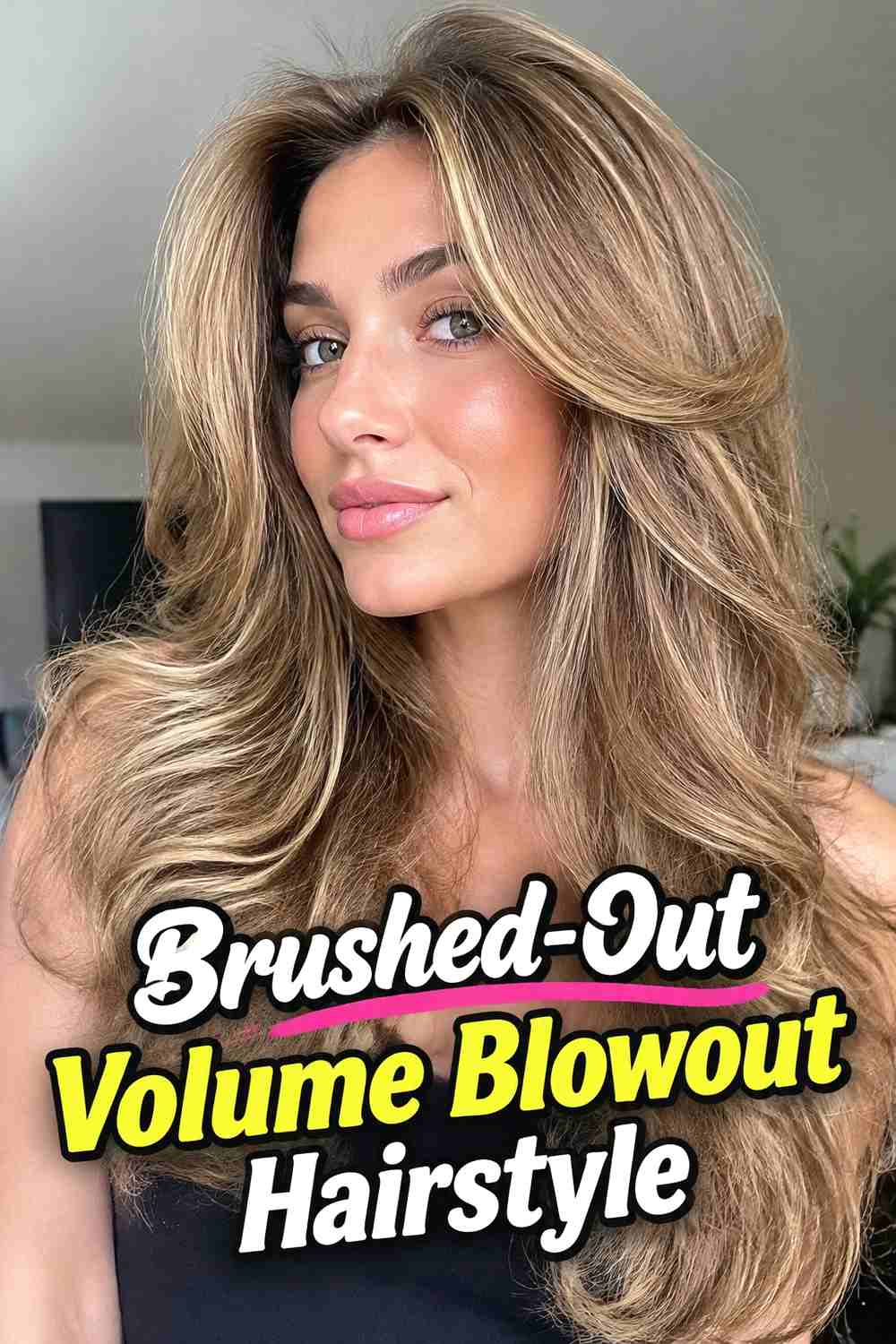
Brushed-out volume creates a softer, fuller blowout that still works with a shawl collar when the bulk stays above the neckline. Begin with large bends or curls, let them cool, then brush gently until the shape becomes broad and flowing. The roots can remain moderately lifted, while the ends separate into wide curves that sit over the shoulders rather than inside the collar. Keep the sides controlled enough that the hair does not create the same width as the knitwear. This style feels especially polished with structured sweater coats or heavier cardigans because its soft movement provides contrast. A few naturally separated sections keep the finish from looking overly formal or perfectly uniform.
Styling Notes
Brush gradually and stop once the bends merge into broad, soft movement.
Best For
Medium to thick long hair usually holds this plush finish most effectively.
9. Off Center Soft Flip Blowout Hairstyle
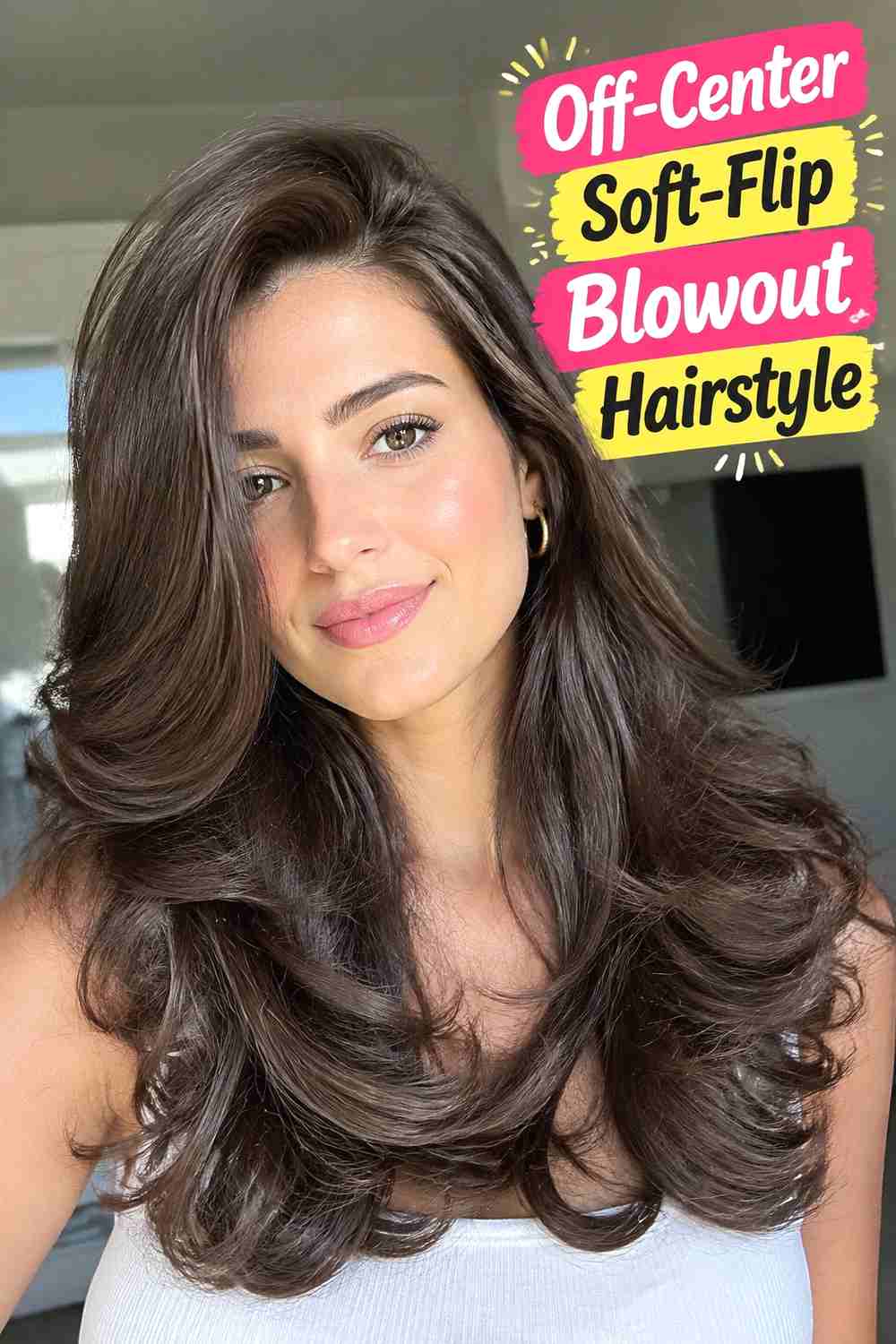
An off-center part gives the blowout subtle asymmetry, while gentle flips at the ends introduce movement above the shawl collar. The heavier side can carry slightly more volume and a broader outward bend, while the lighter side remains smoother. Keep the flips soft and elongated rather than sharply turned, especially if the knitwear has a large folded collar. The different directions create visual separation and prevent the lower hair from forming one solid line against the sweater. This approach feels modern and wearable because the blowout has shape without looking heavily curled. It also adapts well to long layers, where different sections naturally flip at slightly different heights.
Why It Works
The slight asymmetry keeps the hairstyle lively while the controlled ends avoid overwhelming bulky knitwear.
Pro Tip
Shift the part only slightly from center so both sides retain enough density.
10. Tucked Side Blowout End Hairstyle
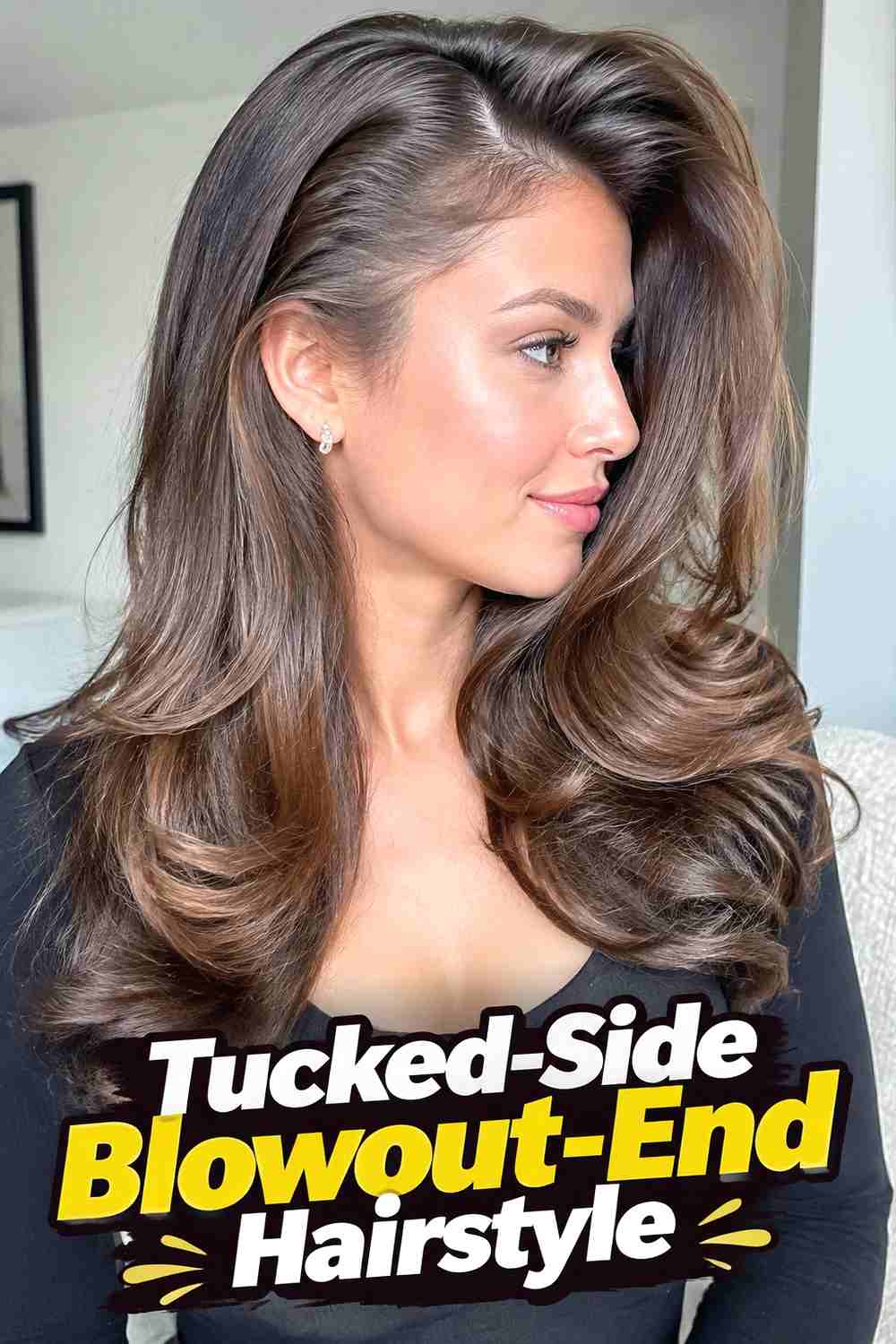
Tucking one side behind the ear or shoulder creates instant space around a thick shawl collar while letting the opposite side display the full blowout shape. The tucked side can remain sleek, while the visible side has softly rounded or flipped ends above the knitwear. This contrast looks especially good with long hair because it prevents both sides from competing with the collar at once. A little root lift on the fuller side can enhance the asymmetry without making the hairstyle too dramatic. The lower curve should remain broad and touchable so it moves naturally over the shoulder. This is also a practical option when winter layers repeatedly push the hair forward.
Best For
Medium to thick hair benefits from this placement because it reduces bulk around the neckline.
Wear & Maintenance
Retuck only the small front section instead of repeatedly handling the entire side.
11. Long Curtain Layer Blowout Hairstyle
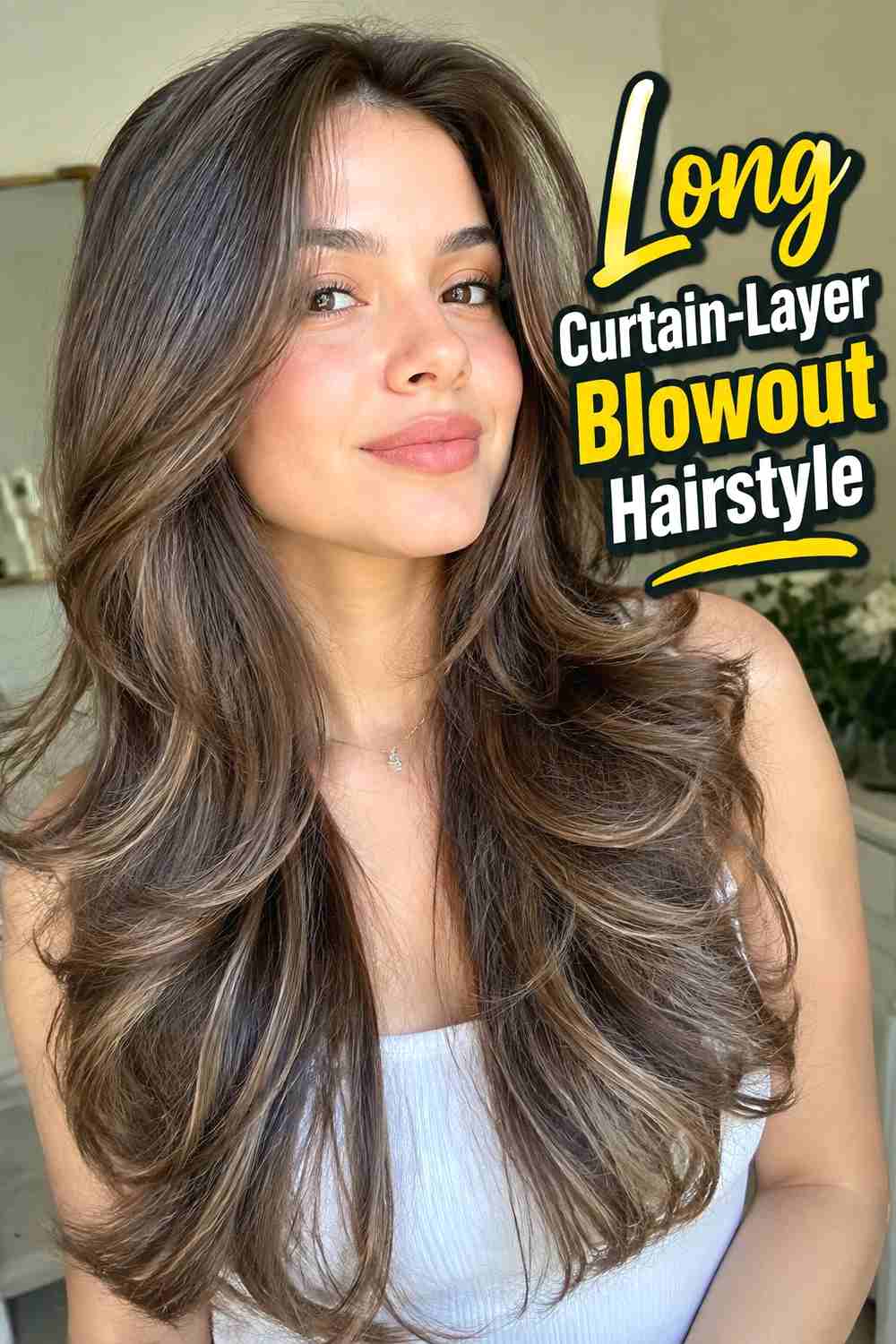
Long curtain layers create a soft opening around the face that works particularly well above a shawl collar. The front pieces can part near the center and sweep outward around the cheekbones before blending into longer sections around the collarbone and chest. Give the ends a broad blowout curve so they remain visible over the top edge of the knitwear. Keep the longest lengths smoother and slightly heavier to preserve the overall long silhouette. The result frames both the face and collar without creating excessive fullness beside the neck. This style feels polished but not rigid, making it especially suitable for layered winter outfits that combine softness, structure, and relaxed tailoring.
Styling Notes
Direct the curtain layers away from the face while warm, then let them settle naturally.
Why It Works
The open front shape prevents long hair from collapsing inward toward the thick collar.
12. Low Volume Polished Blowout Hairstyle
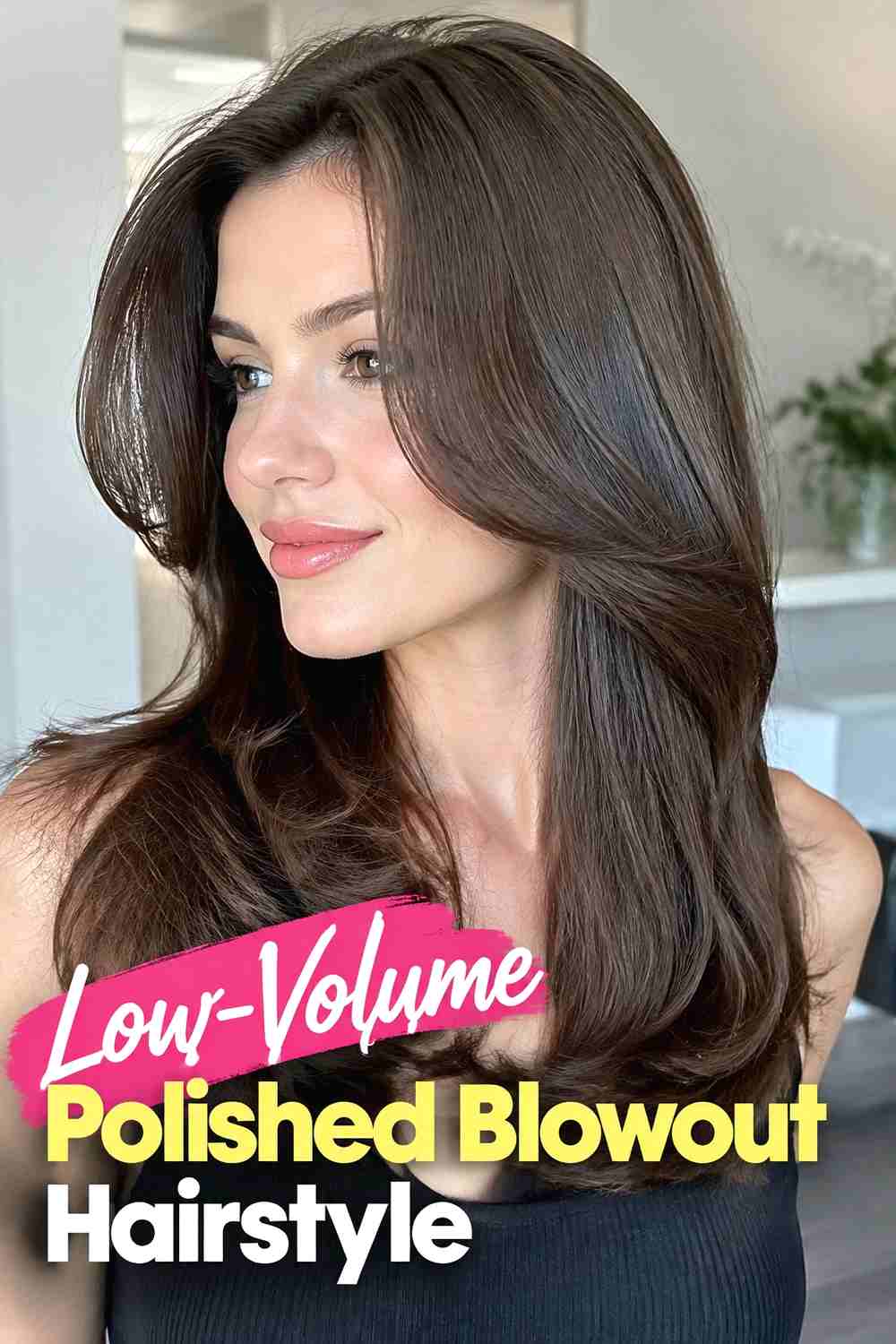
A low-volume blowout is ideal when the shawl collar itself is already substantial. Keep the roots smooth, the sides close to the head, and the mid-lengths polished. The blowout effect appears mainly at the ends, where broad curves add movement without increasing the overall width of the hairstyle. Position those bends above the collar so they stay visible rather than being compressed into the knit. A center or slight off-center part can both work, depending on natural growth. This restrained styling pairs particularly well with oversized cardigans and sweater coats because it keeps the upper silhouette clean. The result feels refined, understated, and easy to wear through a full winter day.
Why It Works
Concentrating movement at the ends keeps the hairstyle balanced beside voluminous knitwear.
Pro Tip
Skip heavy root products and focus your styling effort on the lower lengths.
13. Piecey Layered Blowout End Hairstyle
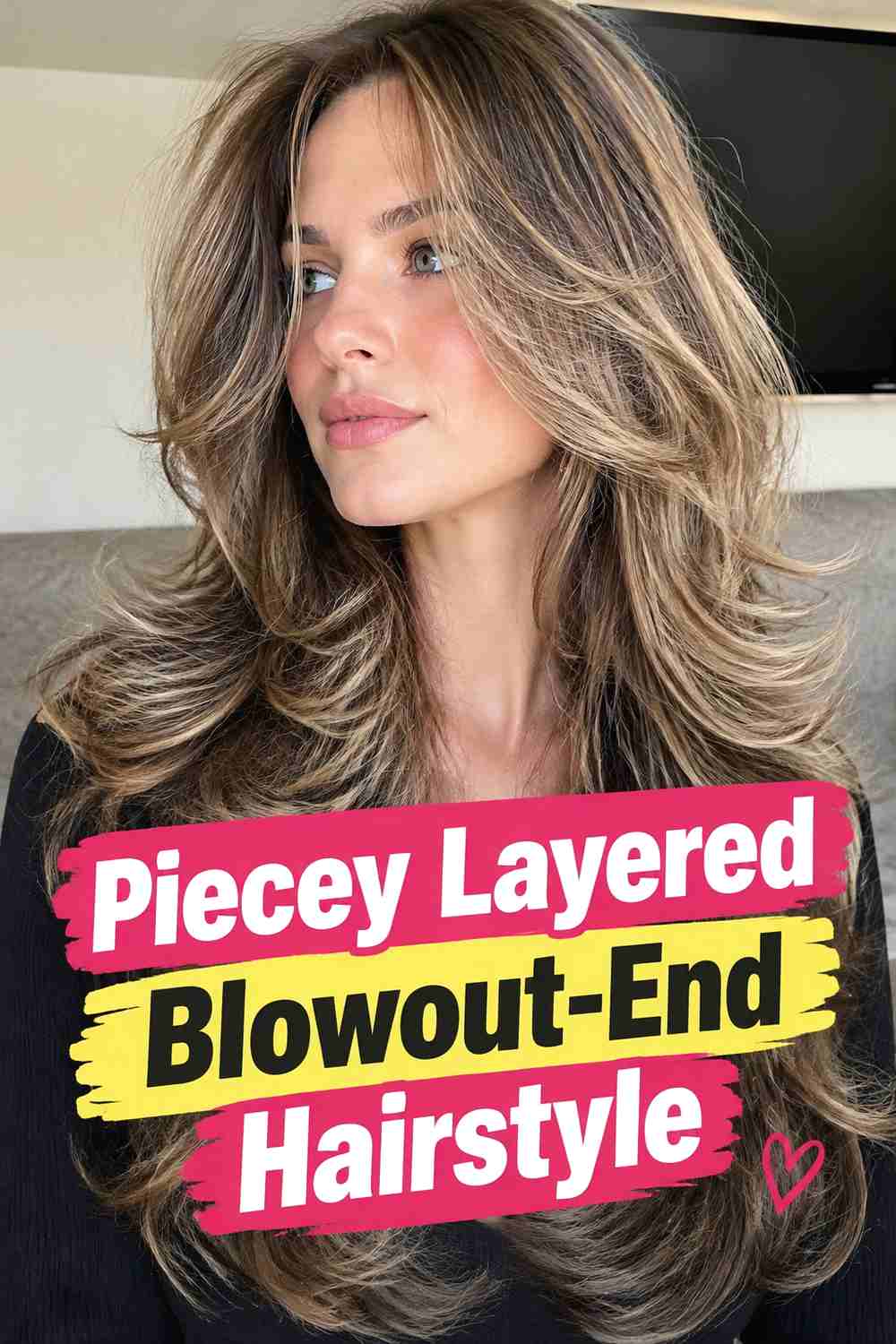
Piecey layers give blowout ends more visible separation, which helps long hair remain dimensional against textured knitwear. Keep the roots simple and smooth, then shape individual layers through the lower half with slightly different curves. Some pieces can turn inward, others outward, and a few can remain nearly straight. This varied direction creates realistic movement and prevents the ends from forming one thick, uniform roll above the shawl collar. The style works particularly well when the haircut has long internal or face-framing layers. Avoid applying too much smoothing product, since the effect relies on visible separation between sections rather than a perfectly blended surface.
Styling Notes
Use your fingertips to define individual ends after the main blowout is complete.
Best For
Layered medium-density and thick hair usually shows the piecey finish most clearly.
14. Natural Movement Blowout Hairstyle
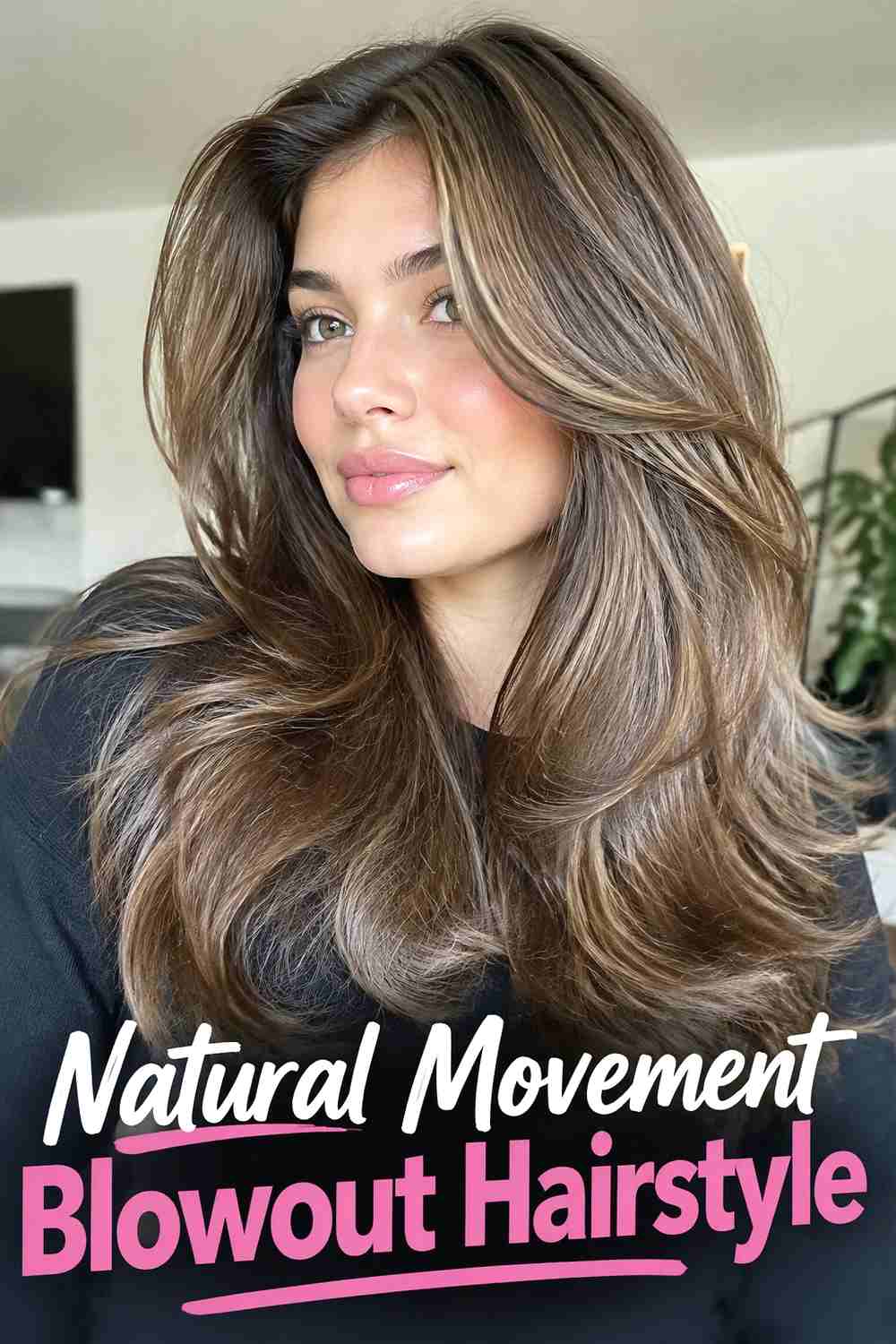
This blowout keeps some of the hair’s natural movement instead of smoothing every section into the same curve. The roots can have gentle lift, while the mid-lengths stay polished enough to look intentional. At the ends, allow slight differences in bend, with some sections curving under and others drifting outward. Keeping these movements above the shawl collar lets them remain visible and stops the knitwear from flattening the lower shape. The overall effect feels relaxed and believable, making it especially useful for casual sweater outfits. Natural flyaways and slight irregularity also prevent the hairstyle from appearing too formal for soft, cozy winter clothing.
Why It Works
Variation through the ends creates movement without needing a heavily styled curl pattern.
Wear & Maintenance
Refresh only the sections that flatten rather than reworking the entire blowout.
15. Deep Side Sweep Blowout Hairstyle
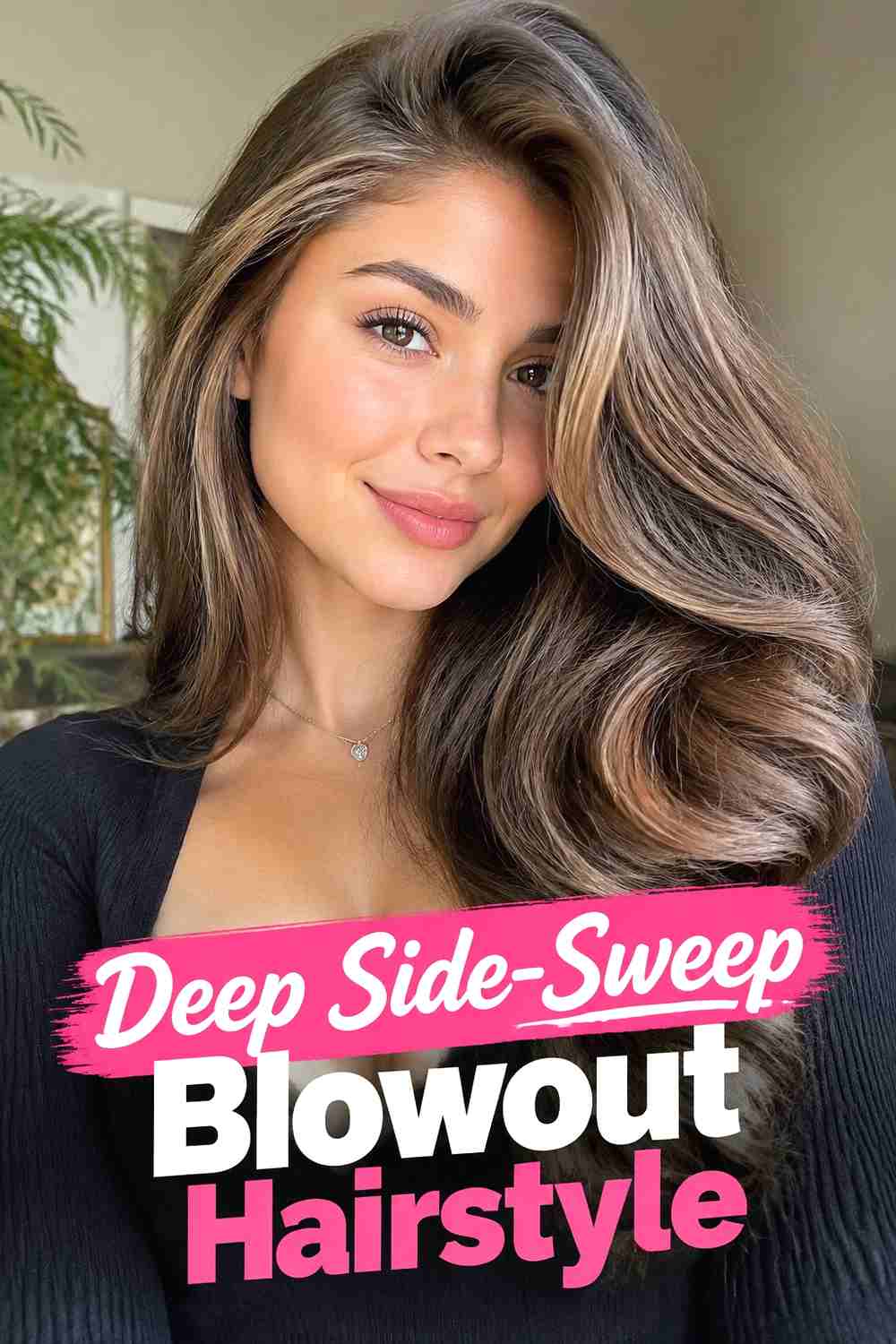
A deep side sweep creates dramatic direction while also clearing one side of the shawl collar. The heavier section can carry soft root lift and broad curved ends over one shoulder, while the opposite side stays tucked or falls behind the back. This arrangement keeps the hairstyle from crowding both sides of the neckline simultaneously. The ends should remain large and soft rather than tightly curled, preserving the length and natural weight of the hair. With thick knitwear, the asymmetry looks especially polished because it introduces a clear focal direction. The style works well for dressier winter outfits when you want more presence than a simple center-part blowout provides.
Best For
Medium to thick hair that naturally favors a side part makes this sweep easier to maintain.
Pro Tip
Keep the lighter side sleek to emphasize the fuller movement on the opposite side.
16. Soft Under Curve Blowout Hairstyle
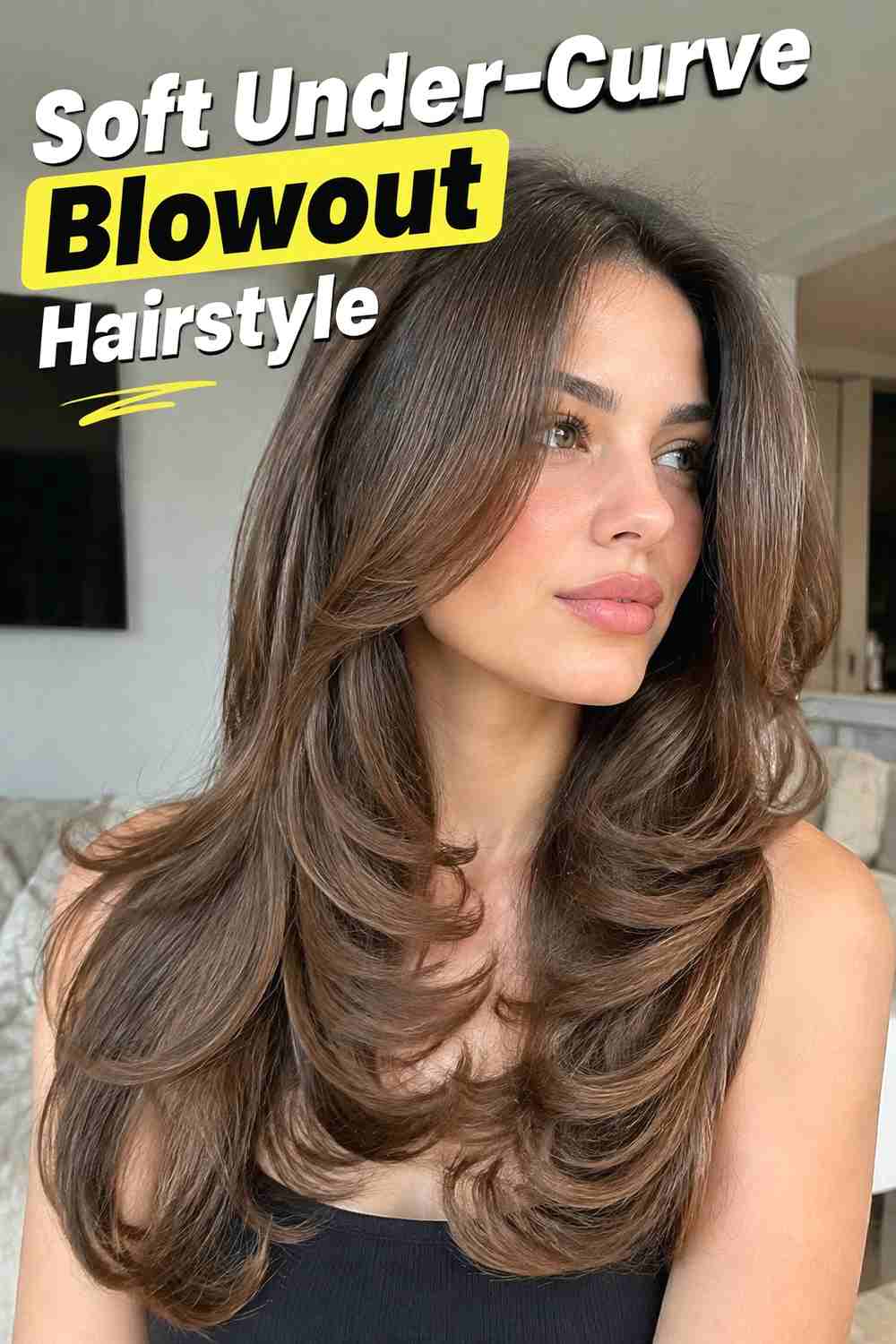
Soft under-curves create a classic long blowout shape while keeping the overall silhouette narrow. The upper lengths remain smooth, then the final few inches bend gently toward the body. Position the curved sections over the shoulders and above the shawl collar so the movement is not hidden by the knitwear. Long layers make the effect especially attractive because each section curves at a slightly different height, creating depth without increasing side volume. This style pairs well with thick cable knits, cardigan coats, or soft belted sweaters because its polished finish contrasts with textured fabric. The under-curve should remain broad enough to move naturally instead of looking tightly rolled.
Styling Notes
Shape only the lower portion strongly so the long silhouette remains intact.
Why It Works
The inward bend adds polish while preventing the hairstyle from spreading too widely beside the collar.
17. Outward Flip Long Blowout Hairstyle
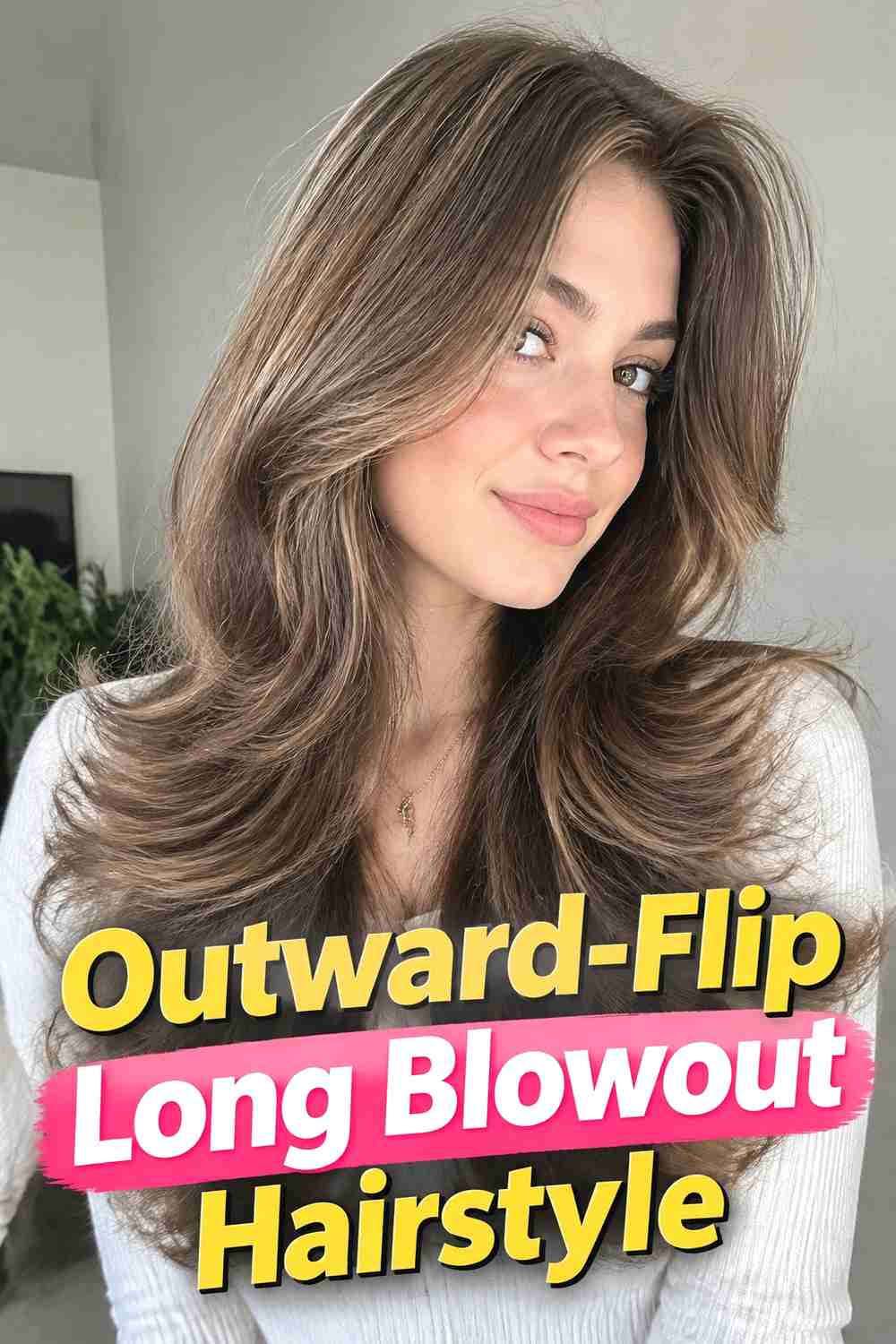
Outward flips create lively movement that sits clearly above a shawl collar and prevents long hair from blending into heavy knitwear. Keep the roots and upper lengths smooth, then direct selected lower layers away from the body. The strongest flips can appear around the shoulders and chest, while the longest sections remain slightly more controlled. Varying the direction and strength keeps the style modern rather than overly retro. This approach works especially well with long layered cuts, where different lengths naturally create staggered movement. Pair it with simpler shawl-collar sweaters so the hairstyle can provide the main sense of motion without making the overall look visually busy.
Styling Notes
Flip selected layers rather than every end to keep the movement light and believable.
Best For
Long layered hair with enough density to support visible outward bends works best.
18. Back Draped Blowout Layer Hairstyle
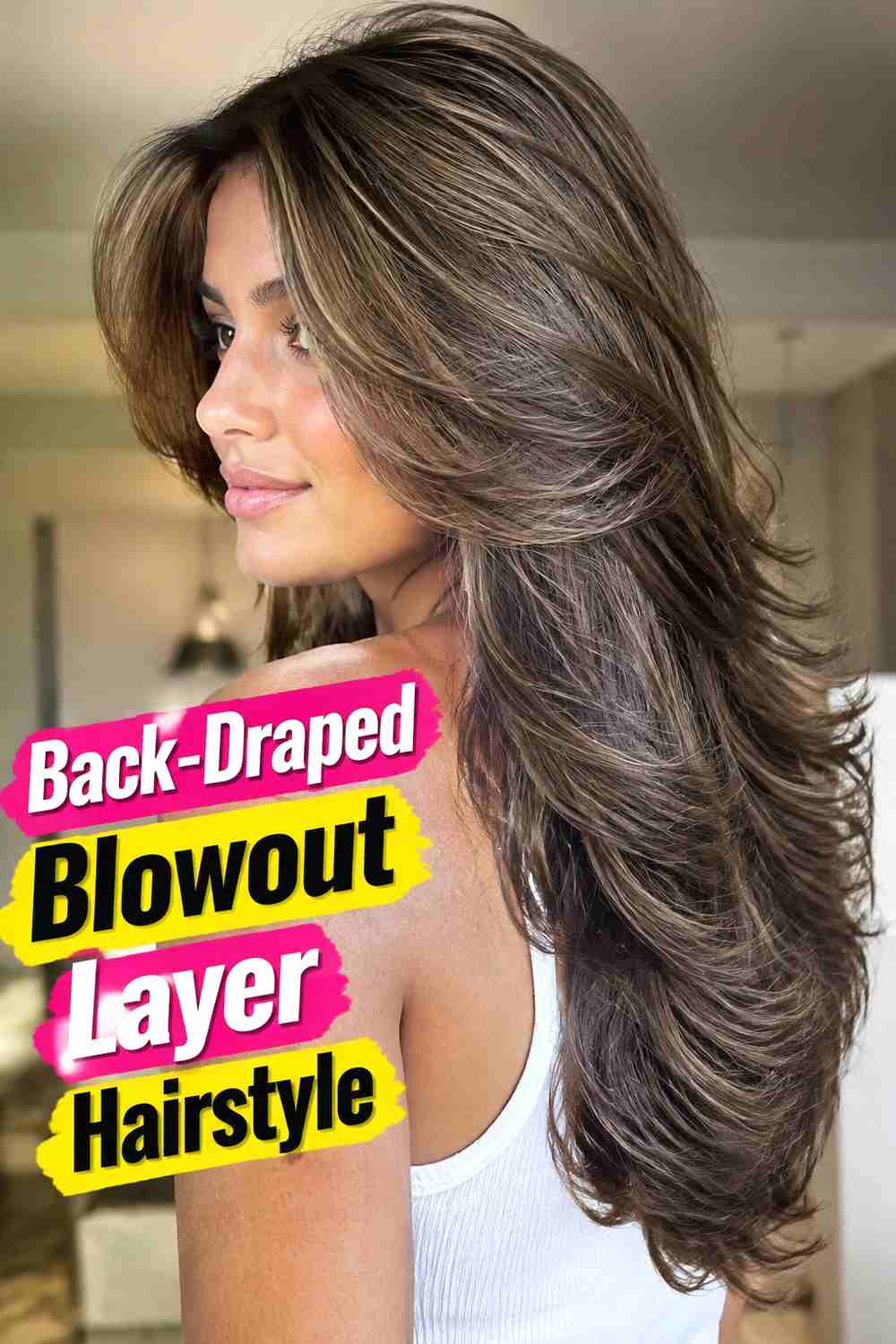
A back-draped blowout leaves the shawl collar completely visible from the front while still showcasing curved layered ends from the sides and back. Keep the crown softly lifted and sweep most of the length behind the shoulders. Shorter face-framing pieces can remain forward, but the bulk of the hair should sit outside the back edge of the collar rather than becoming trapped beneath it. The lower layers can curve inward or outward depending on the haircut. This placement is especially useful with statement knitwear, textured collars, or decorative buttons because the hairstyle does not obscure them. The long back view also makes layered blowout movement particularly noticeable.
Best For
Very long or thick hair benefits from this placement because it reduces front-facing bulk.
Wear & Maintenance
Reposition the hair after sitting if the lower lengths become compressed between the body and knitwear.
19. Shoulder Split Blowout End Hairstyle
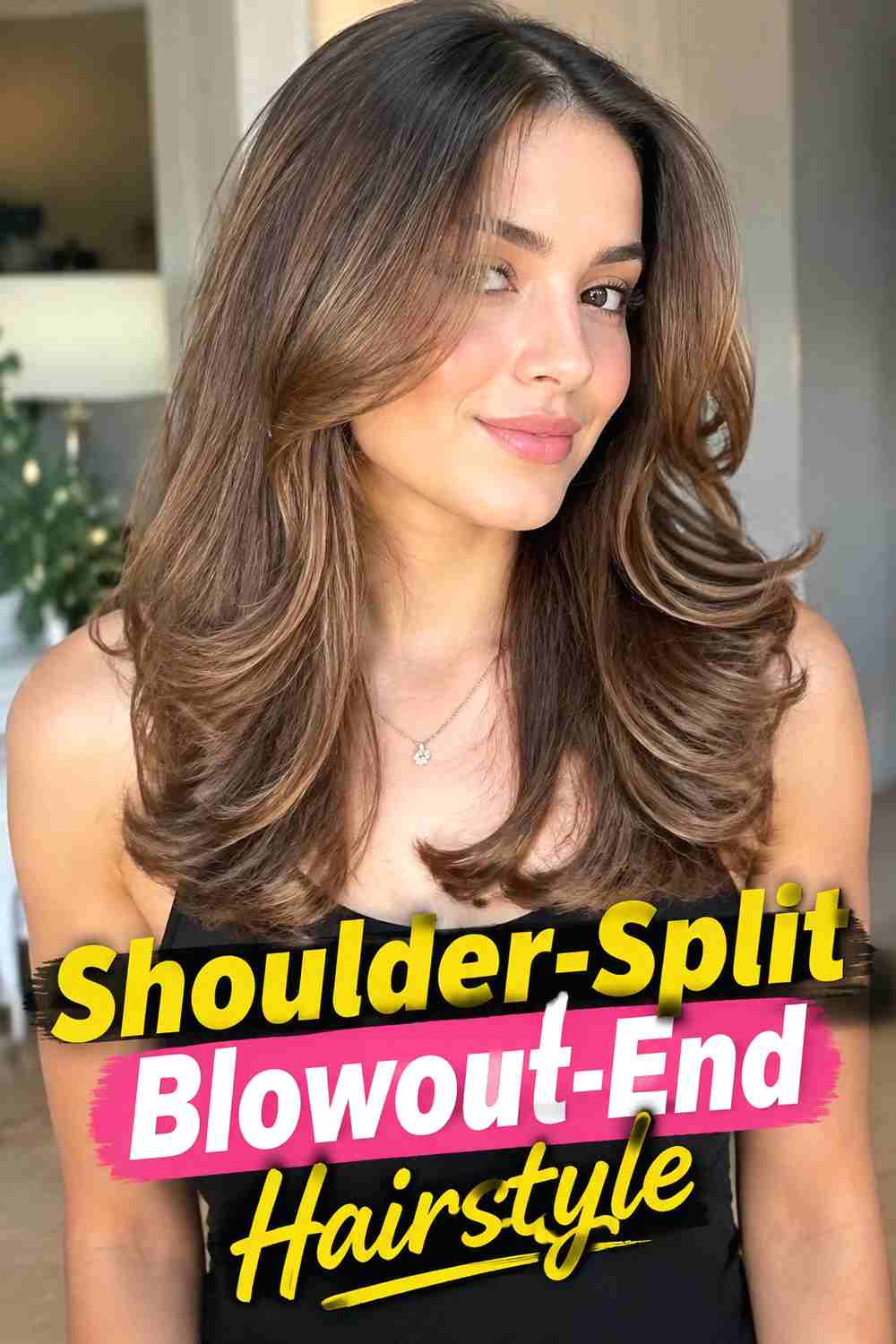
Splitting the blowout over both shoulders creates a balanced front-facing style while keeping a clear opening through the center of the shawl collar. Each side can carry smooth mid-lengths and broad curved ends, with the strongest movement sitting above the knitwear. Keep the sections relatively narrow so the collar still frames the neckline rather than disappearing beneath hair. A center part reinforces symmetry, though a slight off-center part can make one side marginally fuller. This arrangement works especially well for photos because the blowout ends, collar, and front of the knitwear remain visible together. Natural differences between the two sides prevent the symmetry from feeling overly rigid.
Styling Notes
Put on the knitwear first, then bring controlled sections forward over each shoulder.
Why It Works
The split displays the hair while preserving the distinctive shape of the shawl collar.
20. Minimal Long Blowout End Hairstyle
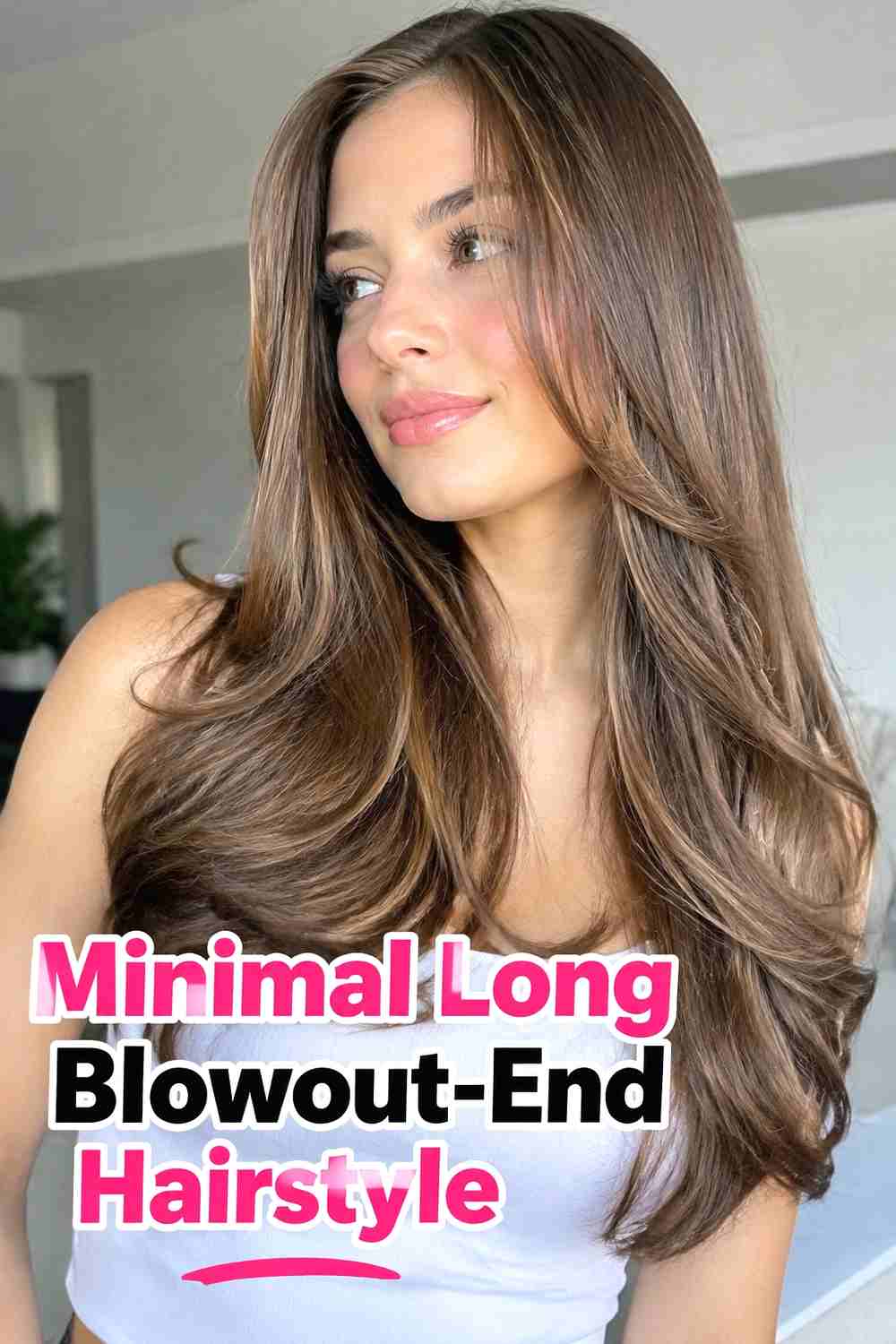
A minimal blowout uses just enough end shaping to make long hair look polished above shawl-collar knitwear. Keep the roots close to their natural position, smooth the mid-lengths lightly, and create only a few broad curves through the final inches. Some sections can remain nearly straight so the finish looks relaxed rather than heavily styled. Arrange the ends outside the collar, with a portion of the length behind the shoulders to reduce bulk. This understated approach is practical for everyday winter wear because small changes in the shape do not make the hairstyle look undone. Natural shine, soft strand separation, and gentle movement provide most of the visual appeal.
Best For
Straight to softly wavy long hair and low-maintenance routines suit this simple blowout finish.
Pro Tip
Shape only the most visible front and side ends instead of styling every section identically.
How to Choose the Right Look
Start with the size and thickness of your shawl collar. Large folded collars usually pair best with low-volume, tucked, back-draped, or shoulder-split blowouts that keep the neckline from becoming crowded. Slimmer shawl collars leave more room for feathered ends, brushed-out volume, or outward flips.
Hair density matters too. Thick hair may feel more balanced when some of the length stays behind the shoulders, while fine or medium hair can benefit from airy root lift and broader end curves. Layered cuts naturally support piecey, feathered, and staggered blowout shapes, while more uniform lengths often look especially polished with rounded or under-curved ends.
Consider styling time and hold as well. Flexible curves and natural movement are easier to refresh than highly sculpted ends. Whatever you choose, keep the lower shape outside or above the thickest part of the collar so the blowout remains visible.
Final Thoughts
Long blowout ends pair beautifully with shawl-collar knitwear when the movement stays above the neckline rather than disappearing into it. Choose rounded or under-curved ends for polish, feathered or outward flips for more movement, and low-volume or back-draped shapes when the knitwear is especially bulky. The strongest look keeps both the hair and collar visible without forcing either one to dominate.
FAQs
1. Should long blowout ends sit inside or outside a shawl collar?
Outside or above the collar usually works better because the curved ends remain visible and are less likely to be flattened by thick knitwear.
2. Which blowout shape works best with an oversized shawl collar?
Low-volume polished, back-draped, tucked-side, and shoulder-split styles tend to keep an oversized collar looking clean.
3. Are outward flips practical with thick winter knitwear?
Yes, as long as the flips begin above the thickest part of the collar and stay broad rather than tightly curled.
4. How can I keep blowout ends from flattening against a sweater?
Arrange the hair after dressing, keep the strongest curves outside the collar, and avoid repeatedly tucking the ends beneath heavy fabric.
5. Which style is easiest for everyday wear?
A minimal blowout, soft under-curve, or low-volume polished style usually requires less maintenance than fuller brushed-out or strongly feathered shapes.
Save your favorite blowout-end look, share these winter knitwear ideas, and explore more long-hair inspiration for polished cold-weather outfits.