19 Tangle-Resistant Hairstyles for Long Scarves and Wind
Long scarves, gusty weather, and loose hair can be a messy combination, so these controlled styles keep lengths organized without sacrificing movement or texture.
Wind encourages long strands to cross, twist, and wrap around clothing, while scarves add friction at the neck and shoulders. No hairstyle can guarantee completely tangle-free hair, but thoughtful placement can reduce how much loose length is exposed to both problems. Braids, compact ponytails, and buns are especially useful because they gather hair into predictable sections rather than allowing it to move independently.
The best choice depends on where your scarf sits, whether you wear a hood, your hair length and density, and how much styling time you want to spend. These ideas emphasize believable construction, secure ends, comfortable tension, and practical positioning around winter layers while preserving realistic texture and movement.
Quick List
- High Braided Ponytail Hairstyle
- Low Side Braid Hairstyle
- Twin Dutch Braid Hairstyle
- Sleek Low Ponytail Hairstyle
- Bubble Ponytail Hairstyle
- Rope Braid Ponytail Hairstyle
- Crown To Nape French Braid Hairstyle
- Low Fishtail Braid Hairstyle
- Scarf Clear High Bun Hairstyle
- Tucked Low Bun Hairstyle
- Double Low Braid Hairstyle
- Claw Free Twisted Ponytail Hairstyle
- Half Up Braided Ponytail Hairstyle
- Wrapped Low Ponytail Hairstyle
- Side Rope Braid Hairstyle
- Compact Braided Bun Hairstyle
- Elastic Sectioned Ponytail Hairstyle
- Hood Friendly Twin Rope Braid Hairstyle
- Front Controlled Long Braid Hairstyle
1. High Braided Ponytail Hairstyle
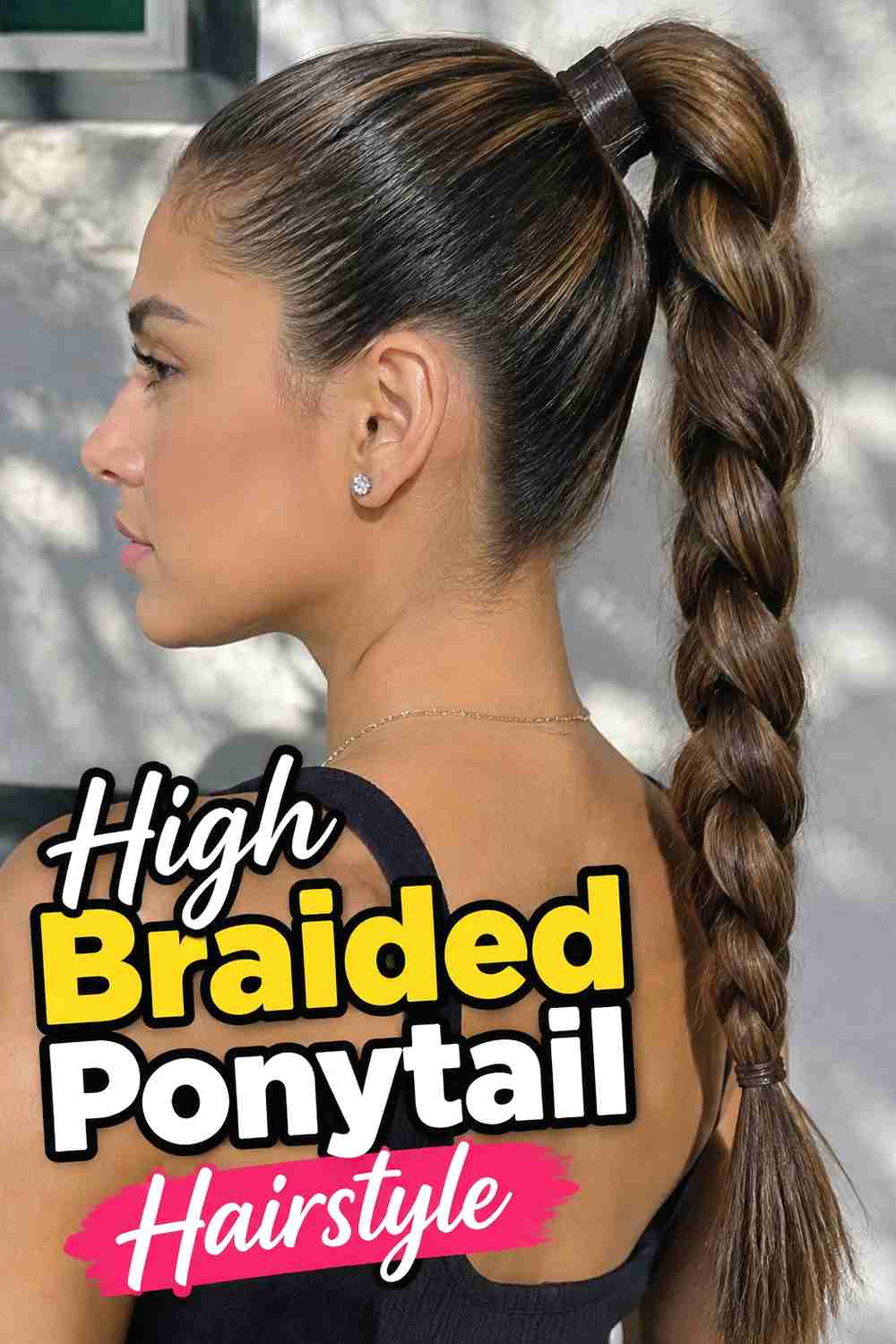
A high braided ponytail lifts the hair away from the neck first, then controls the remaining length with a braid. That combination works especially well when a long scarf wraps several times around the collar area, where loose hair would otherwise become trapped between layers of fabric. Gather the ponytail high enough to clear the scarf, but keep the base comfortably secure rather than excessively tight. Braid the tail into a classic three-strand plait and finish with a small elastic. The braid can move with the wind without separating into dozens of loose strands, and its raised base prevents most of the length from rubbing continuously against the scarf.
Best For
This style works particularly well on medium-long to very long hair and with scarves that create significant bulk around the neck.
Pro Tip
Keep the lowest loose ends below the braid short so they are less likely to whip around in strong wind.
2. Low Side Braid Hairstyle
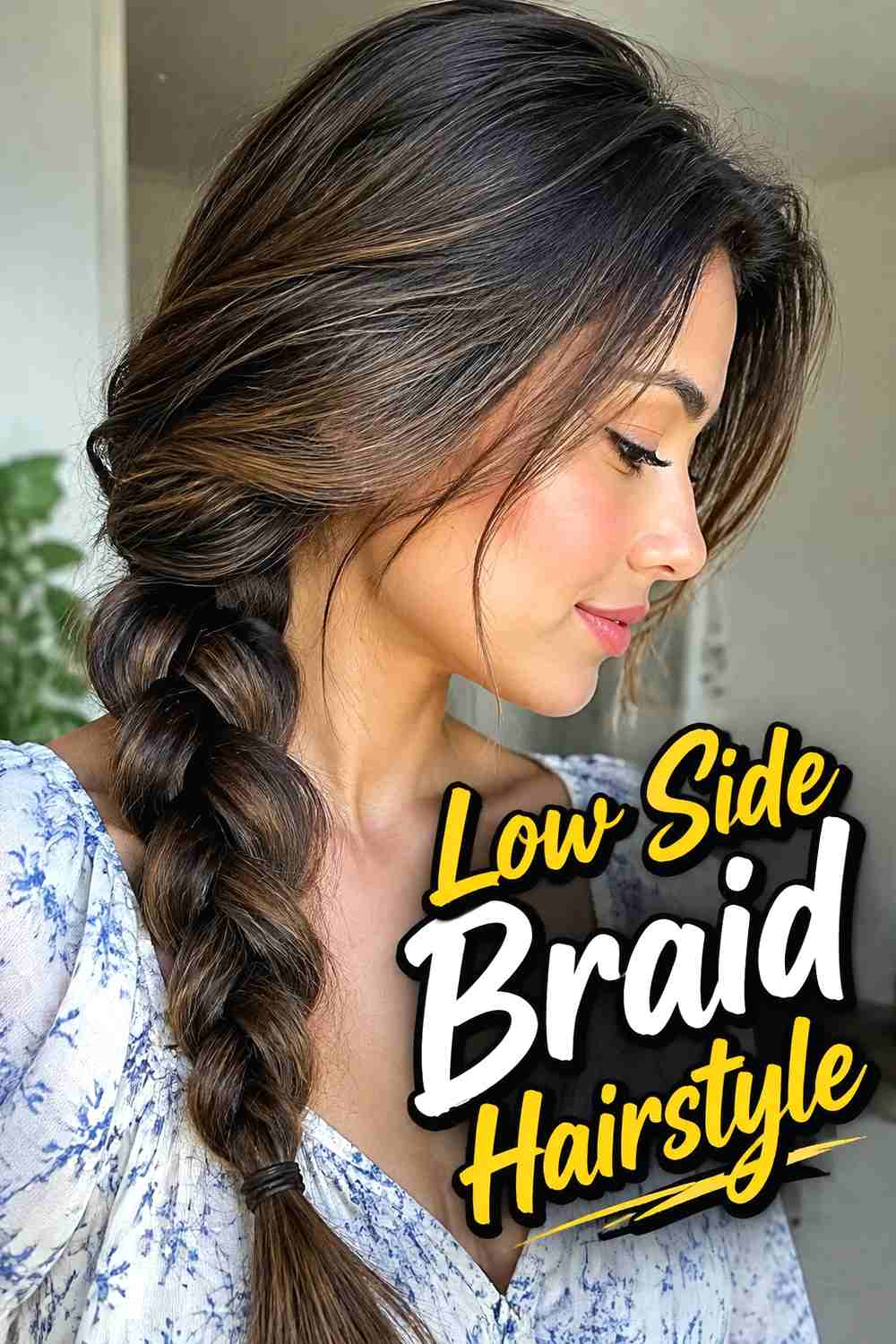
A low side braid moves the entire length of the hair to one controlled position instead of letting it spread across both shoulders and the back. Sweep the hair gently over one shoulder, then begin a three-strand braid around collarbone level. This keeps the roots comfortable while containing most of the length below the scarf line. The side placement also makes it easy to see whether the braid has become trapped beneath a scarf, coat strap, or zipper. Keep the braid moderately compact in very windy conditions, but allow a little softness through the crown so the overall look stays relaxed. Choose the side with the least friction from bags or other accessories.
Wear & Maintenance
Place the braid completely outside your scarf before wrapping the scarf around your neck.
Why It Works
The style limits free-moving strands while keeping the entire braid accessible for quick adjustments during the day.
3. Twin Dutch Braid Hairstyle
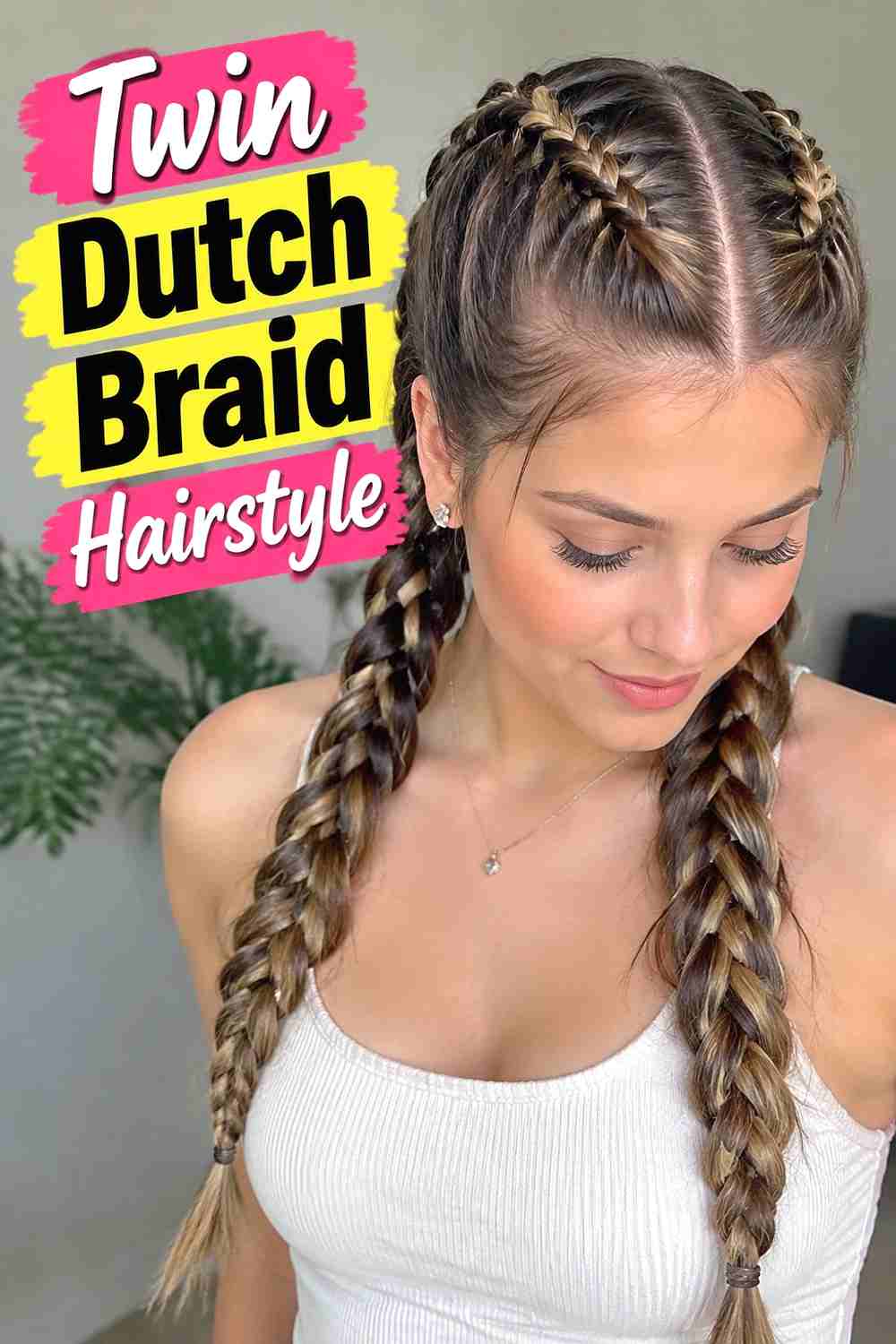
Twin Dutch braids divide the hair into two secure sections and capture shorter layers that might escape from a simple low braid. Each braid begins near the top of the head and gradually incorporates hair down the sides, creating a structured pattern that can handle movement better than loose lengths. For winter wear, avoid pulling the braid additions painfully tight; secure construction matters more than extreme tension. Once the braids reach below the ears, keep the lower sections neat and compact. They can be worn forward over the shoulders so a scarf does not repeatedly rub against them at the back of the neck. The twin arrangement also distributes thick or heavy hair more evenly.
Best For
This option suits layered, dense, or very long hair that tends to escape from simpler low styles.
Styling Notes
Bring both finished braids forward before putting on a long scarf so the scarf does not pin them against your coat.
4. Sleek Low Ponytail Hairstyle
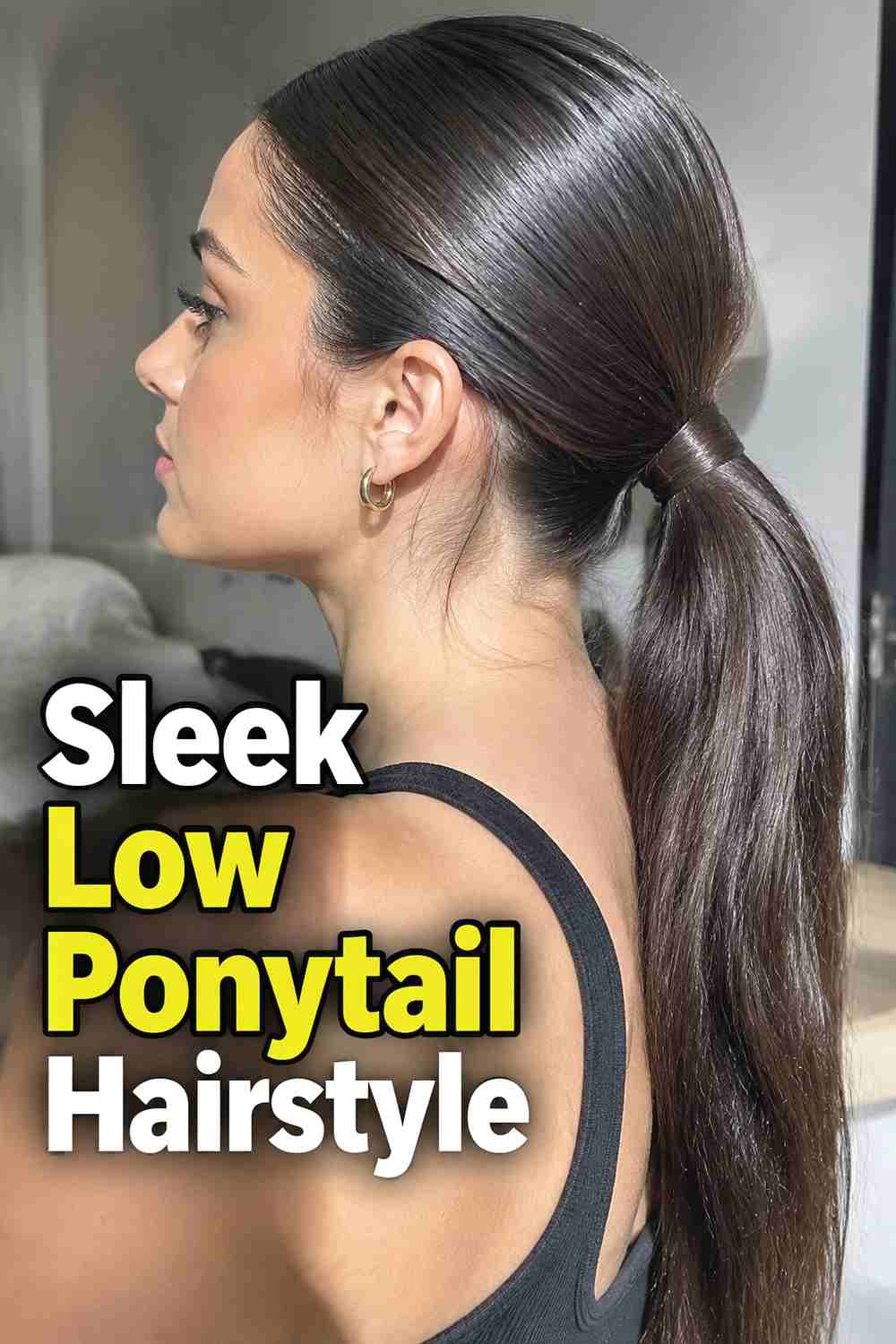
A sleek low ponytail is simple, but positioning determines whether it works well with a long scarf. Gather the hair smoothly at the nape, then make sure the base sits either clearly above or clearly below the scarf edge rather than directly underneath it. The tail can be brought forward over one shoulder once the scarf is wrapped. This keeps the bulk of the hair together while preserving a clean, understated silhouette. Straight and lightly wavy hair are especially easy to manage this way, although thicker textures can also work with a strong elastic. Keep the surface polished enough to reduce flyaways, but avoid overloading the hair with product just to create an unnaturally rigid finish.
Wear & Maintenance
Reposition the tail before tightening or loosening your scarf so hair is never trapped inside a knot or wrapped layer.
Pro Tip
Use a smooth elastic without exposed metal parts to reduce unnecessary catching at the base.
5. Bubble Ponytail Hairstyle
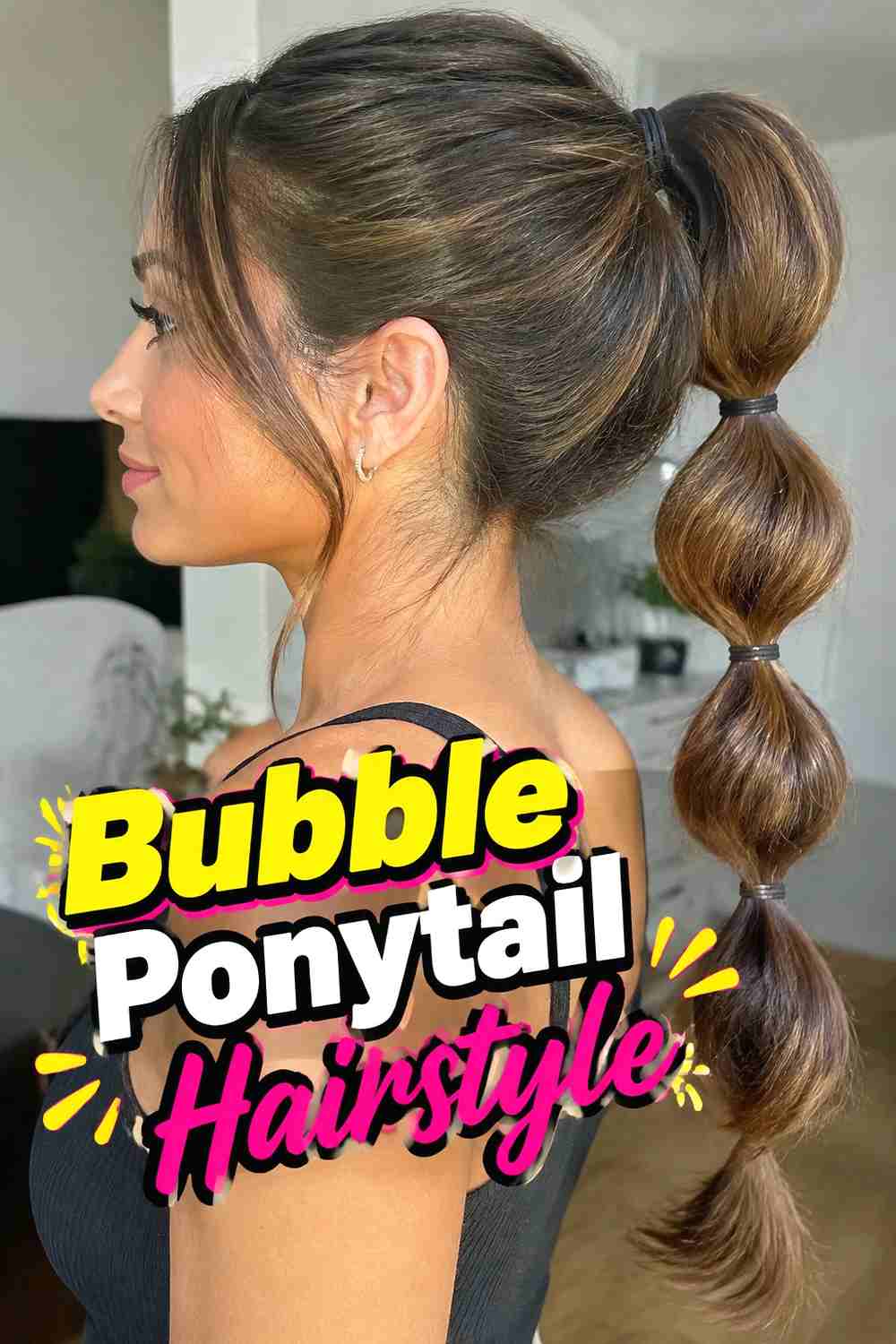
A bubble ponytail contains long hair in several connected sections, making it useful when wind tends to spread a regular ponytail into separate strands. Start with a secure mid-high or high ponytail so the base clears the thickest part of your scarf. Add small elastics at intervals down the length, then gently expand each section to form rounded bubbles. Keep the bubbles closer and more compact on especially windy days, since oversized sections can still rub against outerwear. The segmented structure limits how much of the hair can twist around itself while preserving visible fullness. This look is particularly practical for very long hair because it controls the length without requiring a complex braid pattern.
Hair Type & Length
Medium-long to very long hair works best because several bubble sections can be created without crowding the ends.
Wear & Maintenance
Check the lowest elastics occasionally, especially if the ponytail repeatedly brushes against a coat or backpack.
6. Rope Braid Ponytail Hairstyle
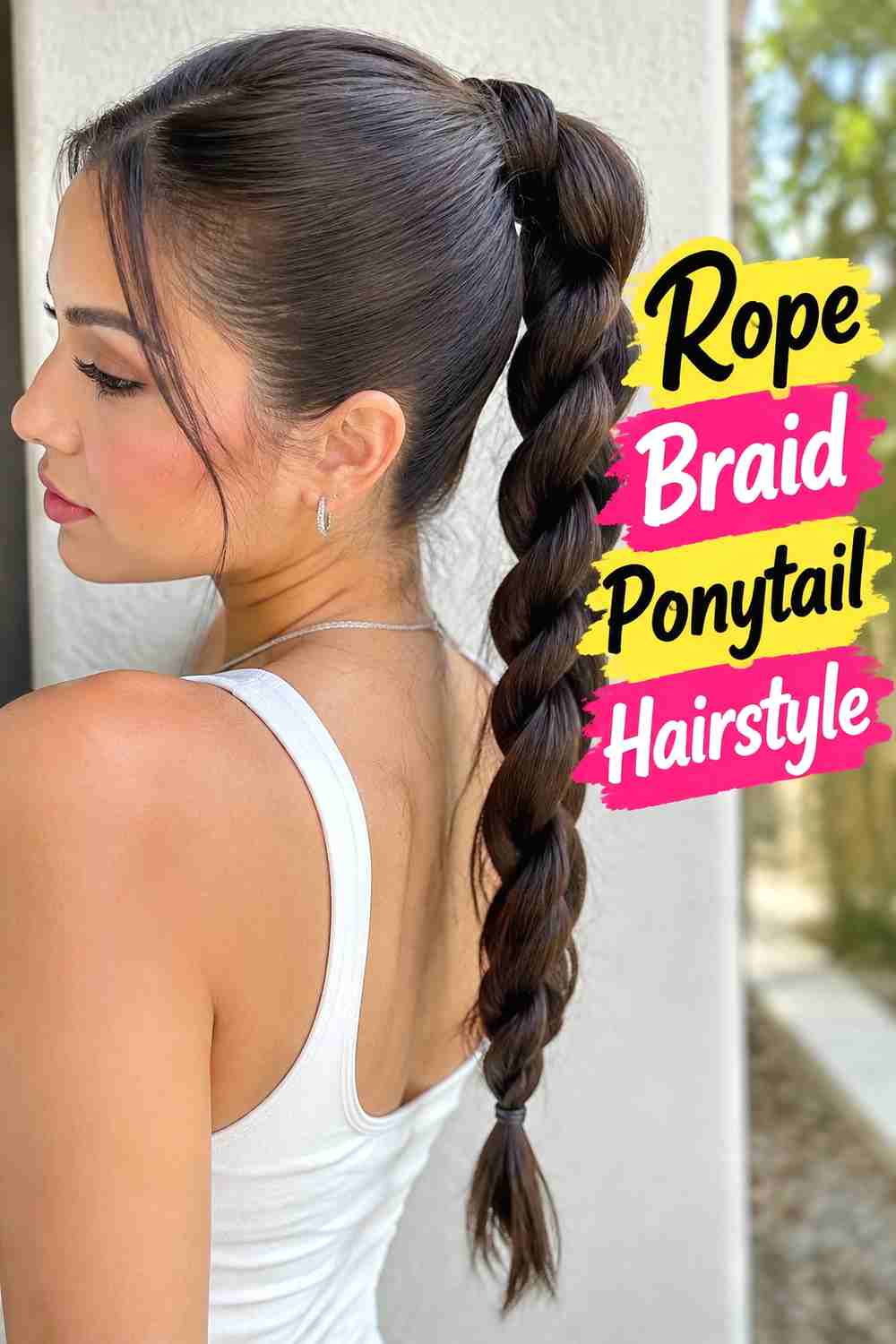
A rope braid ponytail combines a clean anchored base with a simple two-strand twist through the length. Gather the hair above the scarf line, divide the ponytail into two sections, twist each section in one direction, and then wrap them together in the opposite direction. This opposing motion helps the rope hold as a compact unit instead of immediately unwinding. The finished braid has a smooth, dimensional shape that exposes fewer individual strands to wind than a loose ponytail. It is also relatively quick to create, making it practical for busy winter mornings. Keep the base comfortably firm and make the twist consistent without pulling the scalp tighter as you work.
Styling Notes
Secure the base before creating the rope so the twisting action does not gradually tighten the ponytail against the scalp.
Why It Works
The spiral construction keeps the length bundled while still allowing natural movement behind or over the shoulder.
7. Crown To Nape French Braid Hairstyle
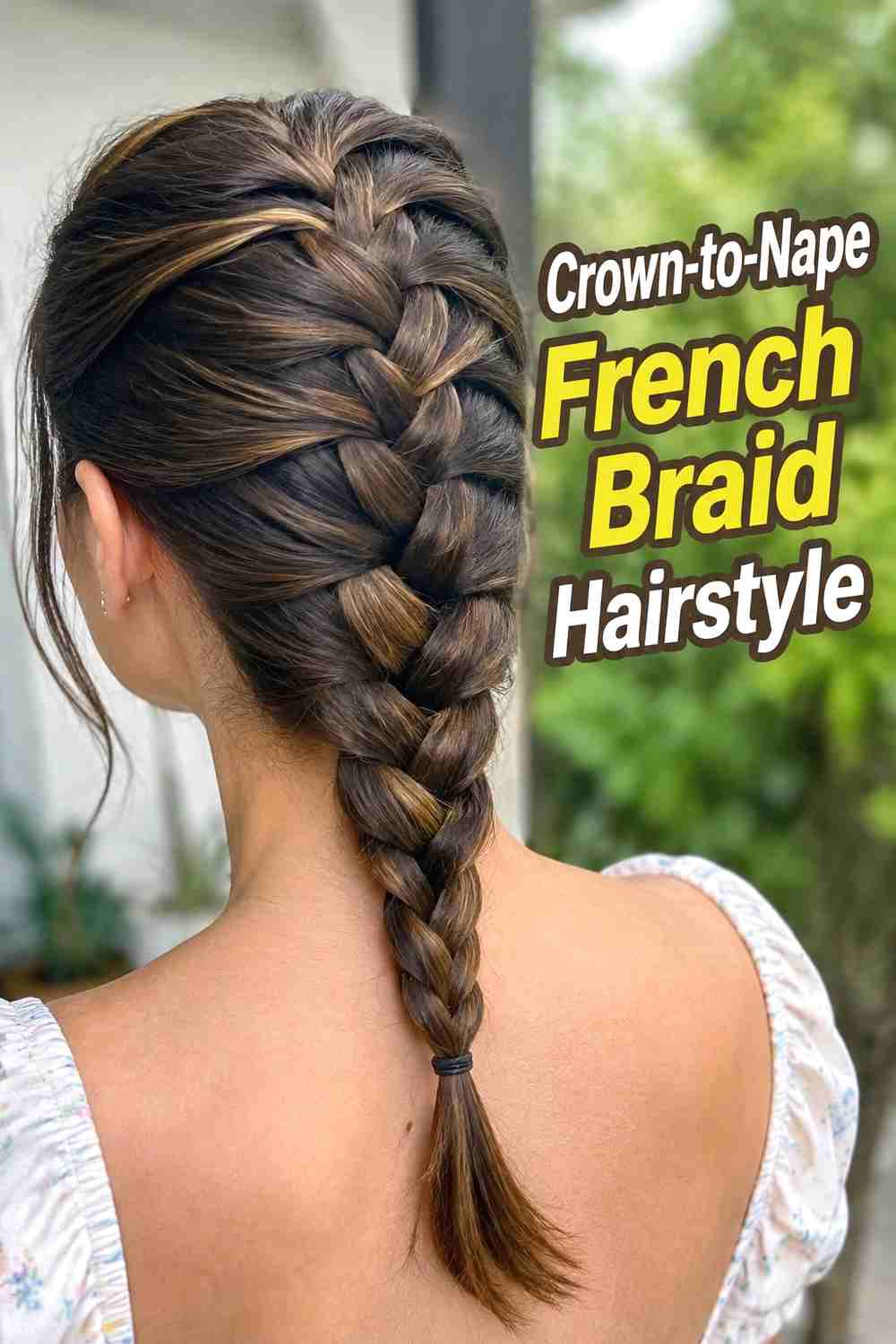
A crown-to-nape French braid gathers hair progressively from the top of the head down toward the neck, reducing the amount of loose hair available for wind to lift. The upper section should follow the scalp securely but comfortably, with broad additions that keep the braid substantial rather than overly tight. Once you reach the nape, continue into a standard braid through the remaining length. This creates one continuous structure that can be moved forward after a scarf is added. It is especially helpful for layered hair because shorter sections become part of the braid earlier instead of escaping around the temples and sides. A little natural softness near the hairline keeps the result wearable.
Best For
This style is useful for long layered hair and windy commutes where small loose sections quickly become distracting.
Pro Tip
Finish the braid before putting on your scarf, then bring the lower length forward so the scarf does not compress the nape section.
8. Low Fishtail Braid Hairstyle
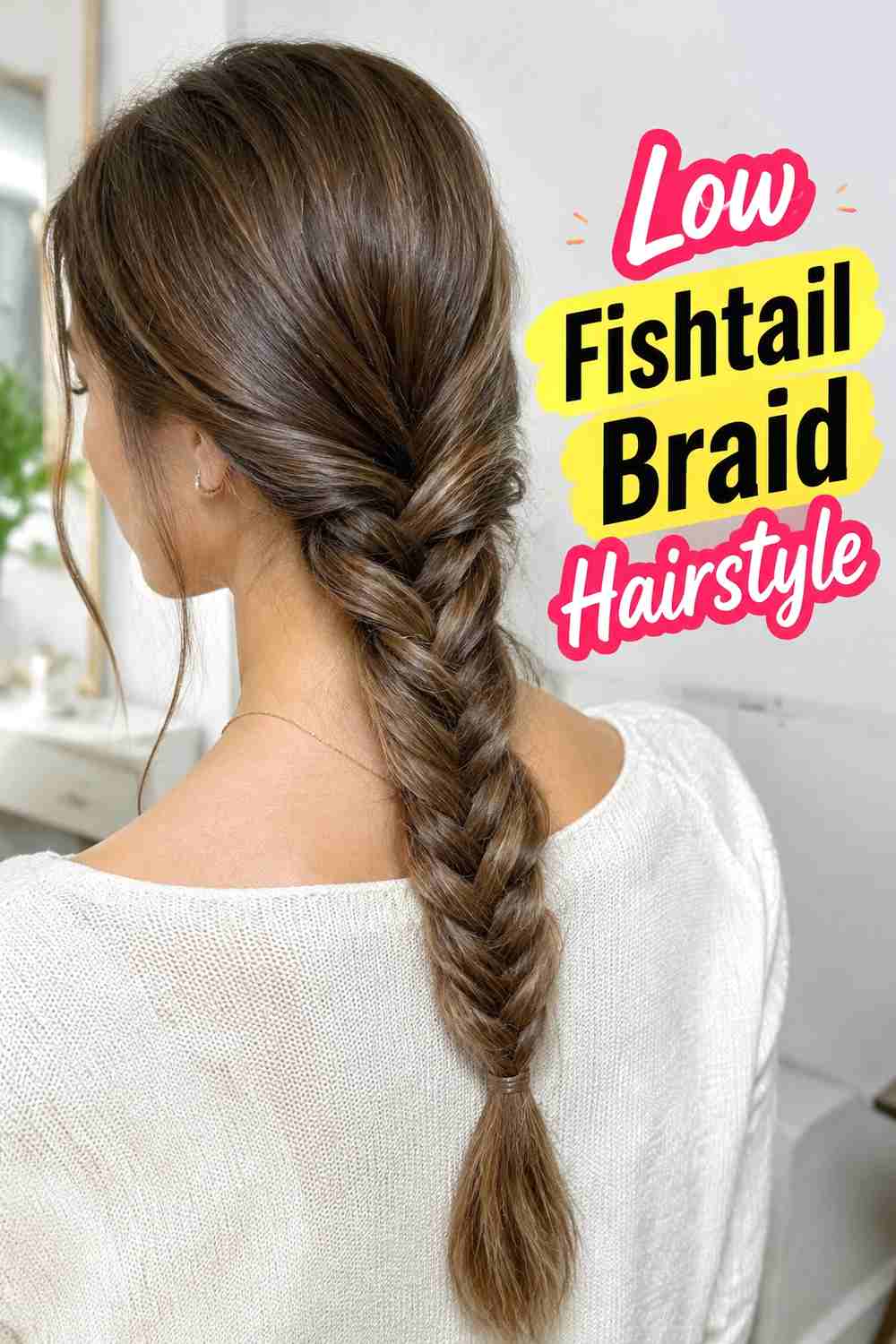
A low fishtail braid offers detailed texture while keeping the upper hair relatively relaxed. Gather the lengths near the nape or over one shoulder, divide them into two main sections, and cross small outer pieces toward the center until the braid reaches the ends. In windy weather, keep the fishtail more compact than an intentionally oversized boho version. Slight widening can still add softness, but excessive pancaking creates more exposed edges that may catch against scarf fibers. The low position makes this style comfortable for extended wear, and the intricate weave keeps long hair together without needing multiple accessories. It looks particularly effective when brought fully forward over a coat.
Styling Notes
Create most of the looseness below shoulder level and keep the section nearest the scarf relatively compact.
Best For
Long and very long hair show the fishtail pattern most clearly and provide enough length for a secure finish.
9. Scarf Clear High Bun Hairstyle
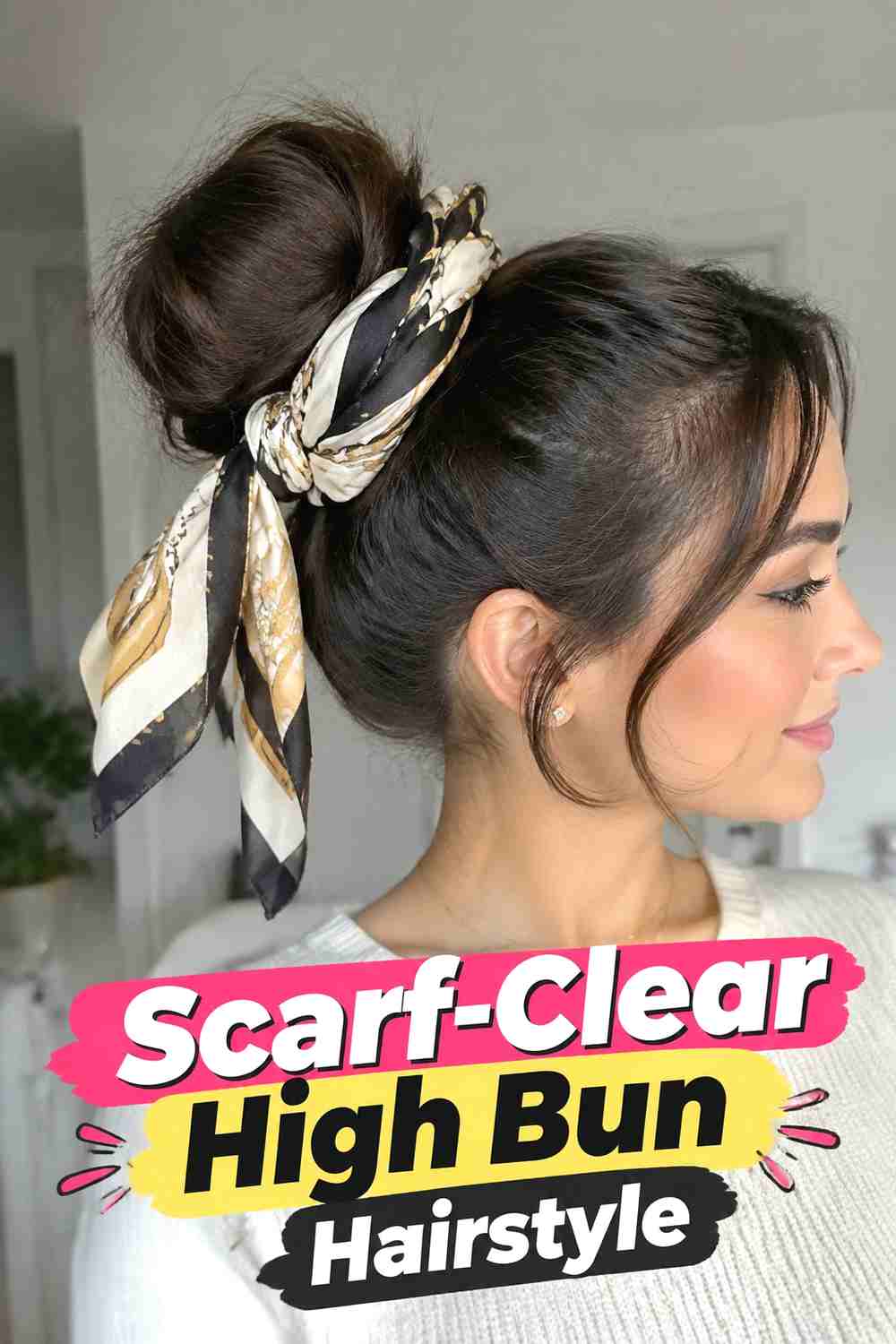
A high bun removes almost all loose length from the scarf and shoulder area, which makes it one of the most practical choices for strong wind. Gather the hair high on the crown, twist or wrap the lengths into a compact bun, and secure it with elastics or discreet pins. Position it high enough that a wrapped scarf and raised coat collar do not press against the base. The silhouette can be smooth or slightly textured, but keep the outer edges controlled so short sections do not escape immediately in gusty weather. This style also keeps long hair away from zippers, backpack straps, and damp outerwear. Check hood clearance if you plan to wear one.
Wear & Maintenance
If you use a hood, make sure it is roomy enough to fit around the bun without forcing the hairstyle forward.
Why It Works
Containing the entire length eliminates most of the scarf friction that causes tangling around the neck.
10. Tucked Low Bun Hairstyle
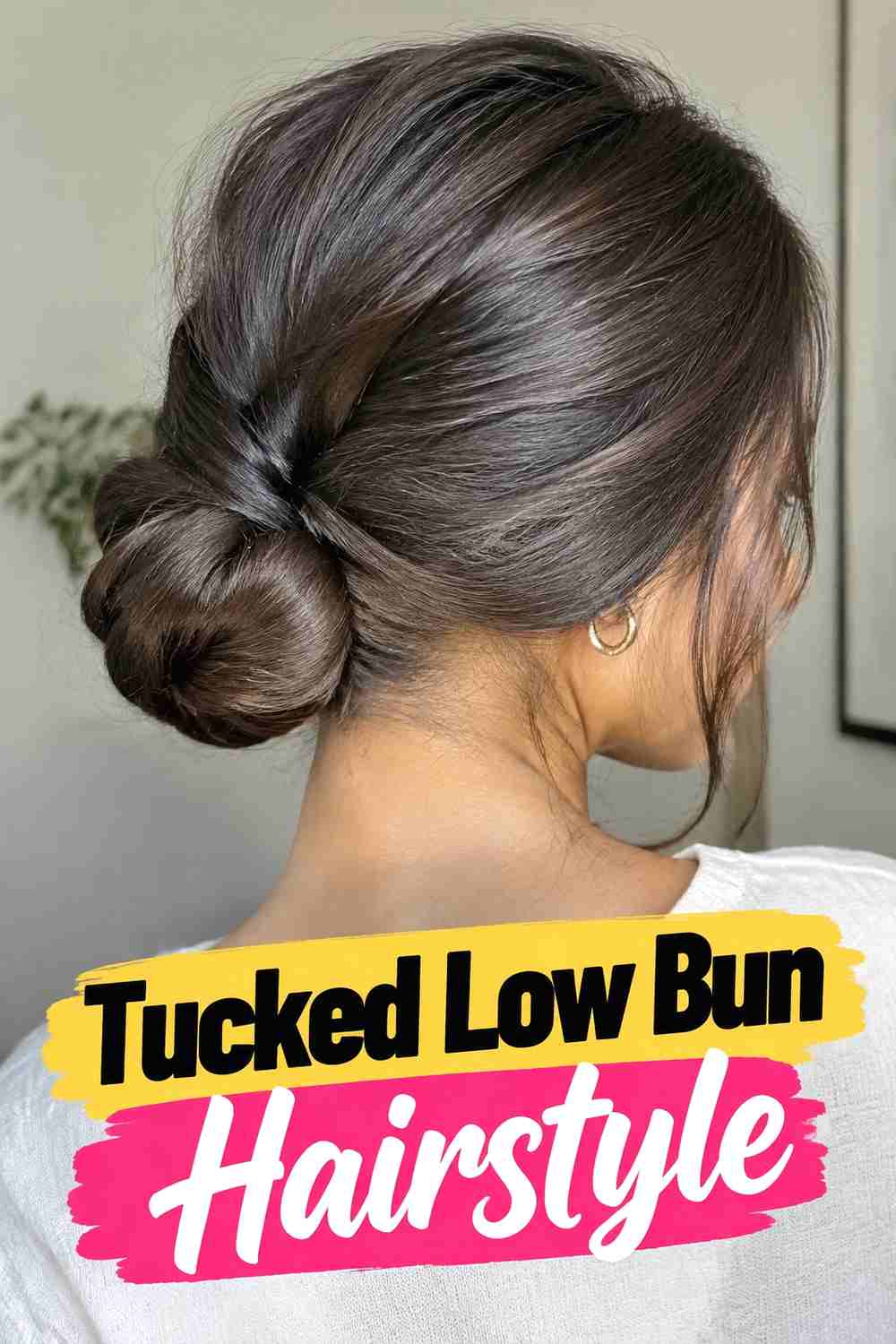
A tucked low bun offers full containment with a more understated placement than a high bun. Gather the hair at the nape, fold or roll the lengths inward, and secure them into a compact shape that sits close to the head. The important winter detail is scarf placement: the bun should sit clearly above the scarf edge or in a space where fabric is not pressing directly against it. A smooth, tucked finish reduces dangling ends that wind can catch, while the low silhouette works well with minimalist coats and structured outerwear. Avoid making the bun too bulky, since a large knot at the nape can become uncomfortable beneath thick scarf layers.
Styling Notes
Put on your coat first and note where the collar ends before choosing the final height of the bun.
Pro Tip
Use flat pins rather than bulky accessories if the scarf wraps high around the back of the neck.
11. Double Low Braid Hairstyle
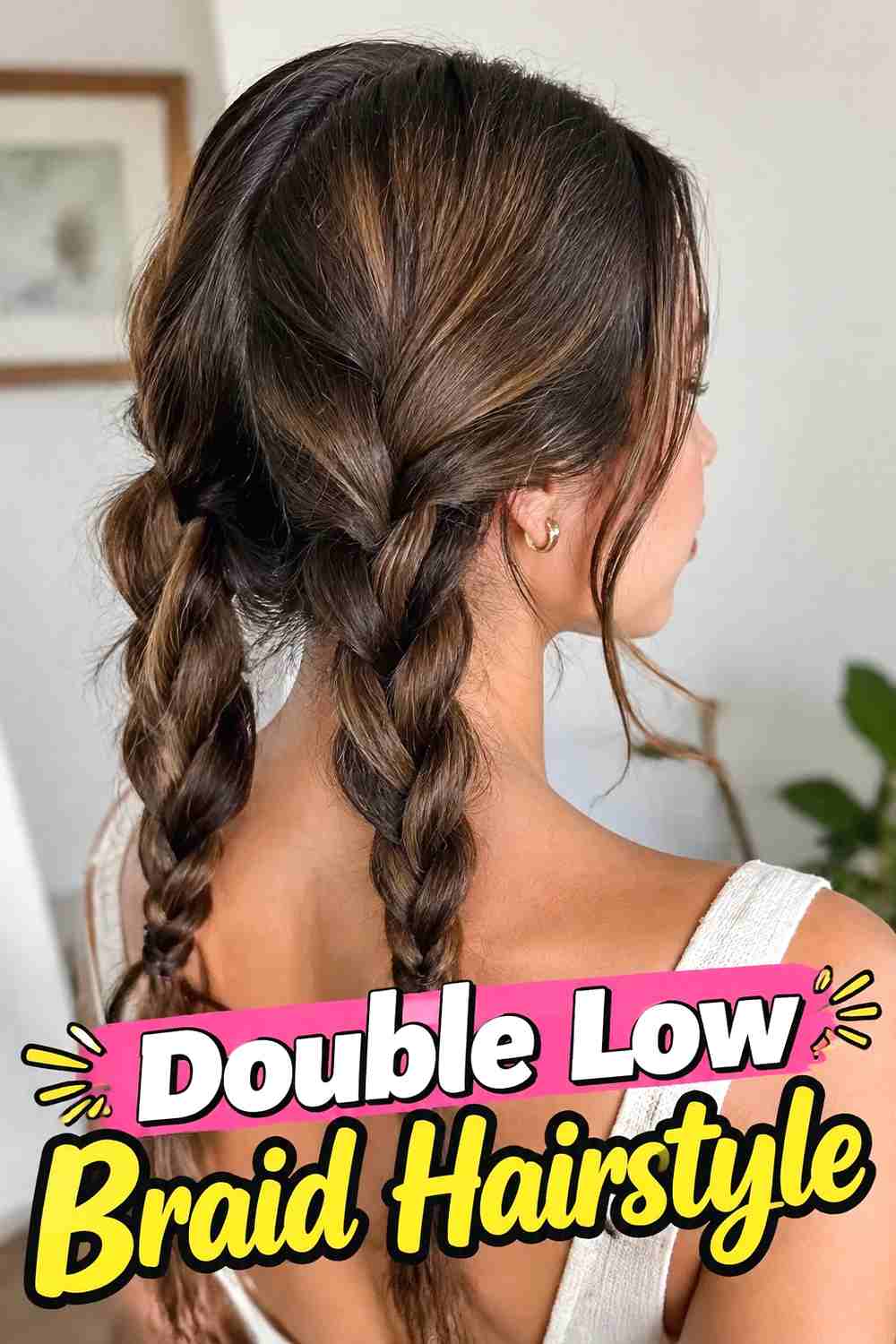
Double low braids split long hair into two manageable sections and keep both lengths accessible at the front of the body. Create a center or soft side part, allow the roots to remain naturally smooth, and begin each braid below the ears. Because the braid bases sit low, the style can remain comfortable for long winter wear while still controlling most of the hair. Bring both braids forward before arranging your scarf so they remain outside the wrapped fabric. This is especially useful for thick hair, since dividing the density prevents one heavy braid from pulling backward. Keep the braid edges moderately compact in strong wind rather than widening them dramatically.
Best For
This style is practical for dense, heavy, or very long hair that becomes cumbersome in one large braid.
Wear & Maintenance
Rest both braids over the front of your coat to reduce friction against the scarf and back of the jacket.
12. Claw Free Twisted Ponytail Hairstyle
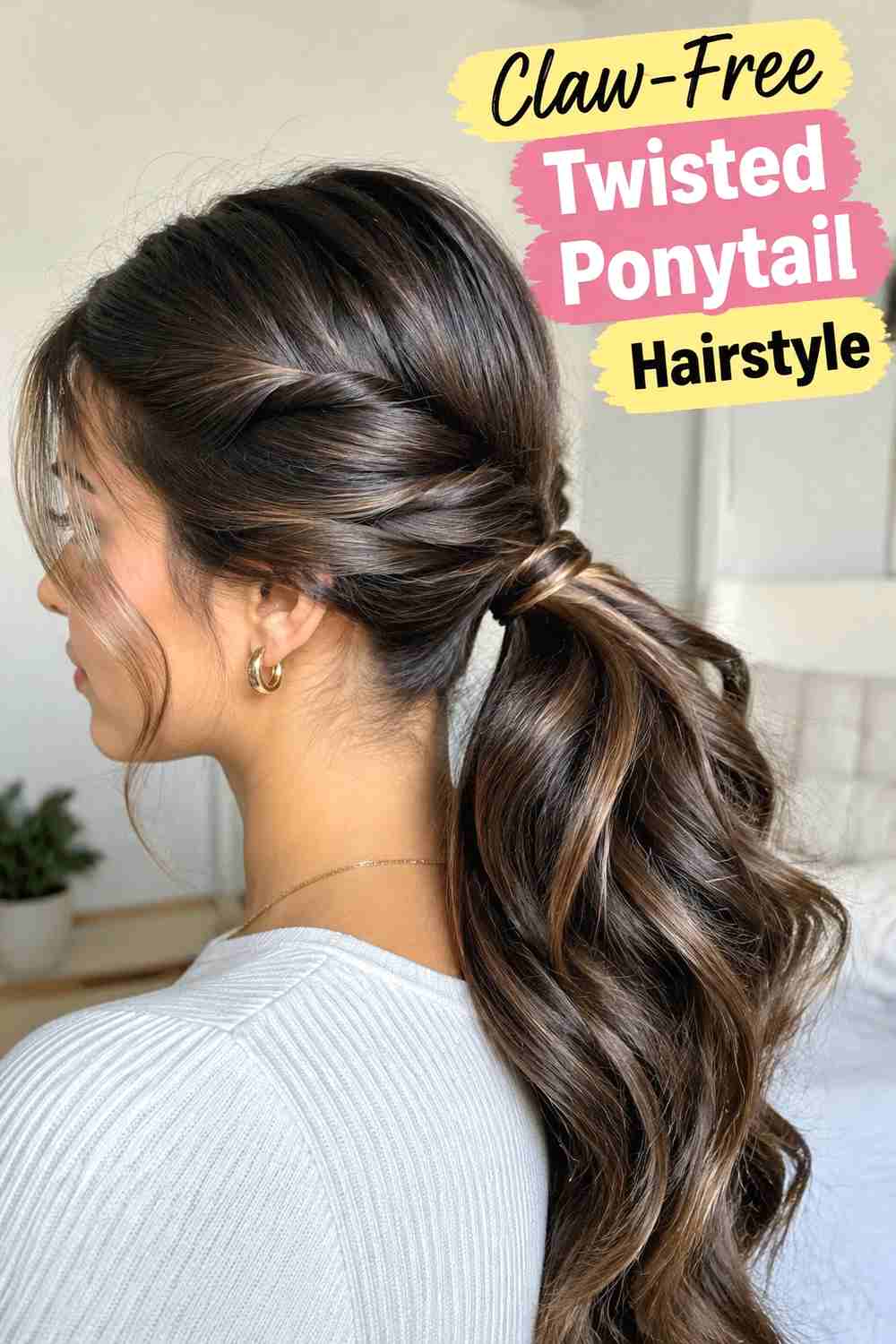
A claw-free twisted ponytail gives the back of the head a decorative detail without using a large clip that might catch on a scarf or interfere with a hood. Take two side sections, twist them gently backward, and join them into a ponytail with the remaining hair. Position the final elastic above the heaviest scarf contact point. The twists help control shorter front and side layers, while the ponytail keeps the long lengths together. For stronger wind, the loose tail can be braided after the twists are secured. This adaptable construction works well when you want something more detailed than a plain ponytail but still need winter layers to slide over the hairstyle comfortably.
Styling Notes
Keep the twists close to the head and secure their ends beneath the main elastic rather than with raised accessories.
Pro Tip
Turn the ponytail into a quick braid if wind becomes stronger than expected during the day.
13. Half Up Braided Ponytail Hairstyle
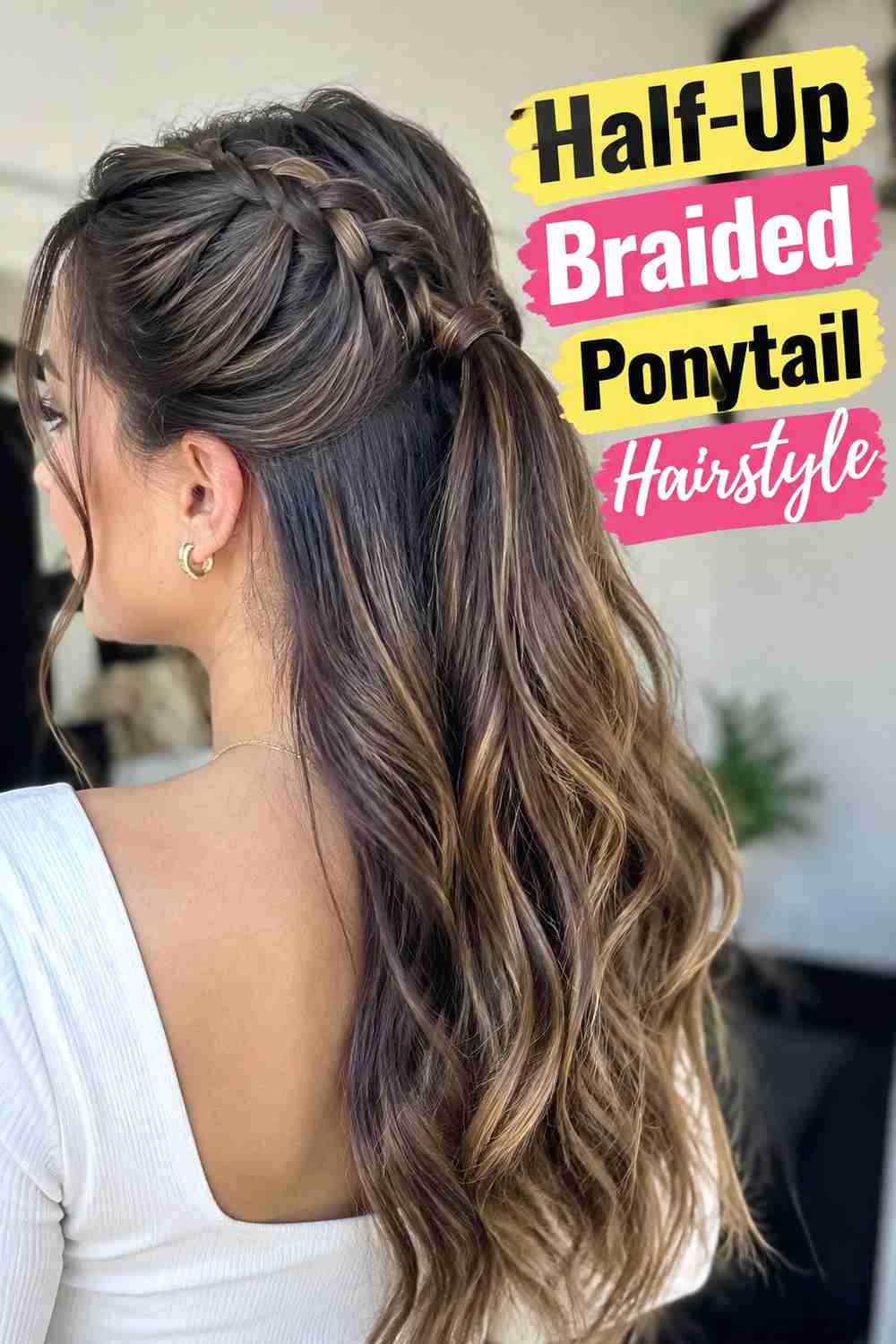
A half-up braided ponytail controls the upper layers while preserving some loose length and natural movement. Gather the top and side sections into a small ponytail, braid that portion, and allow the lower hair to remain free. This is not the most contained option for severe wind, but it can be useful on breezier days when tangling tends to start around the face and upper back. The braid keeps shorter layers from sweeping into the scarf while the longer underside stays soft. For extra control, bring all remaining loose hair over one shoulder after wrapping your scarf. The style works particularly well when you want a practical compromise between fully loose hair and a complete braid.
Best For
This approach suits medium-long hair and moderate wind, especially when front layers are the main source of tangling.
Wear & Maintenance
Keep the loose lower section outside the scarf rather than allowing it to become trapped between wrapped layers.
14. Wrapped Low Ponytail Hairstyle
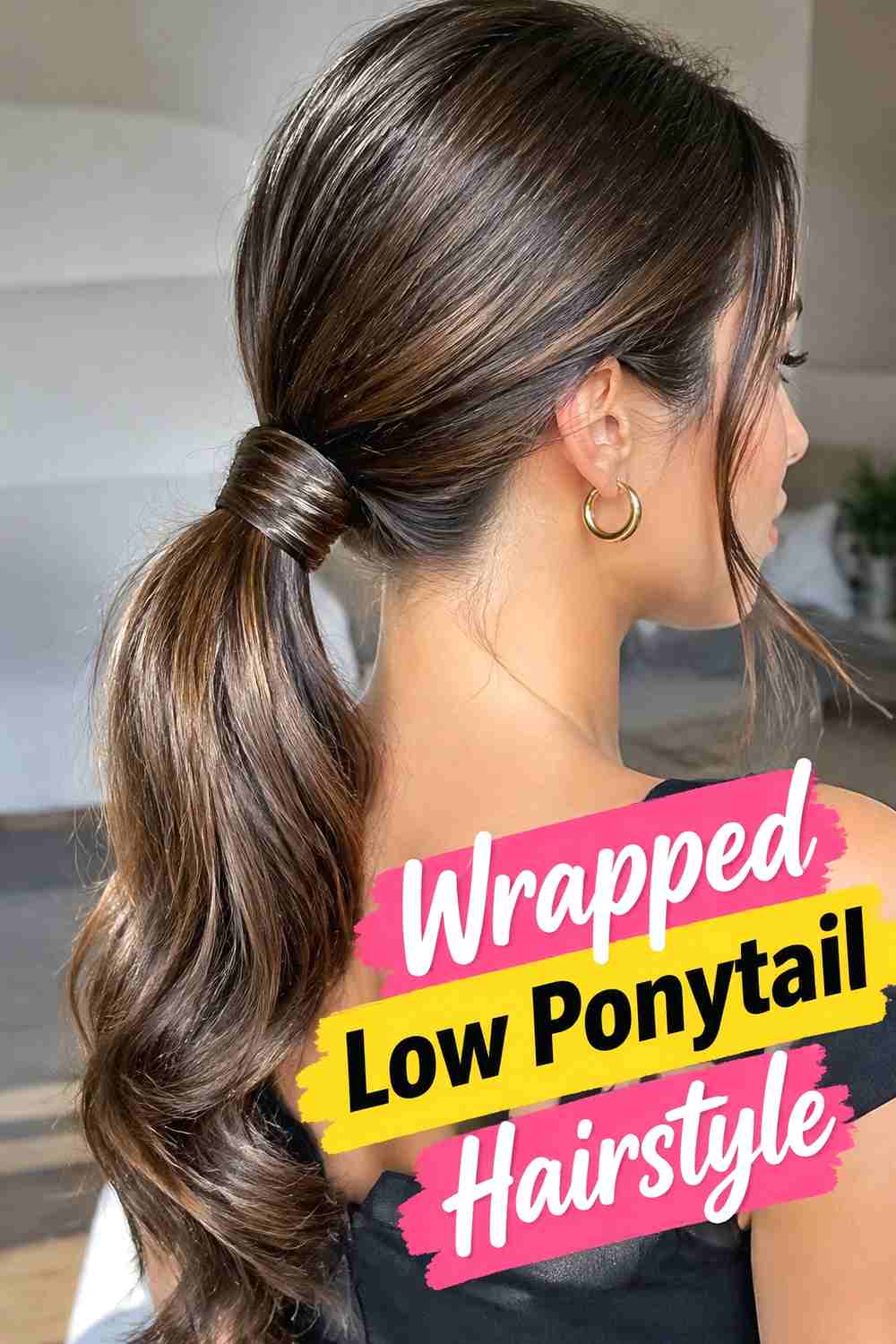
A wrapped low ponytail creates a polished base while keeping accessories minimal. Gather the hair low, secure it with an elastic, then take a narrow strand from the ponytail and wrap it around the fastening. Pin the strand underneath so no loose end sits against the scarf. The ponytail can then be worn fully over one shoulder, keeping the hair away from the center of the neck and reducing repeated fabric contact. This works especially well for straight, wavy, or smoothed textured hair. If the wind becomes stronger, braid the ponytail length while leaving the wrapped base intact. The result remains refined but adapts easily to changing winter conditions.
Why It Works
The concealed elastic creates a streamlined anchor without decorative hardware that might catch on scarf fibers.
Pro Tip
Place the wrapped base slightly above the scarf edge rather than directly underneath it.
15. Side Rope Braid Hairstyle
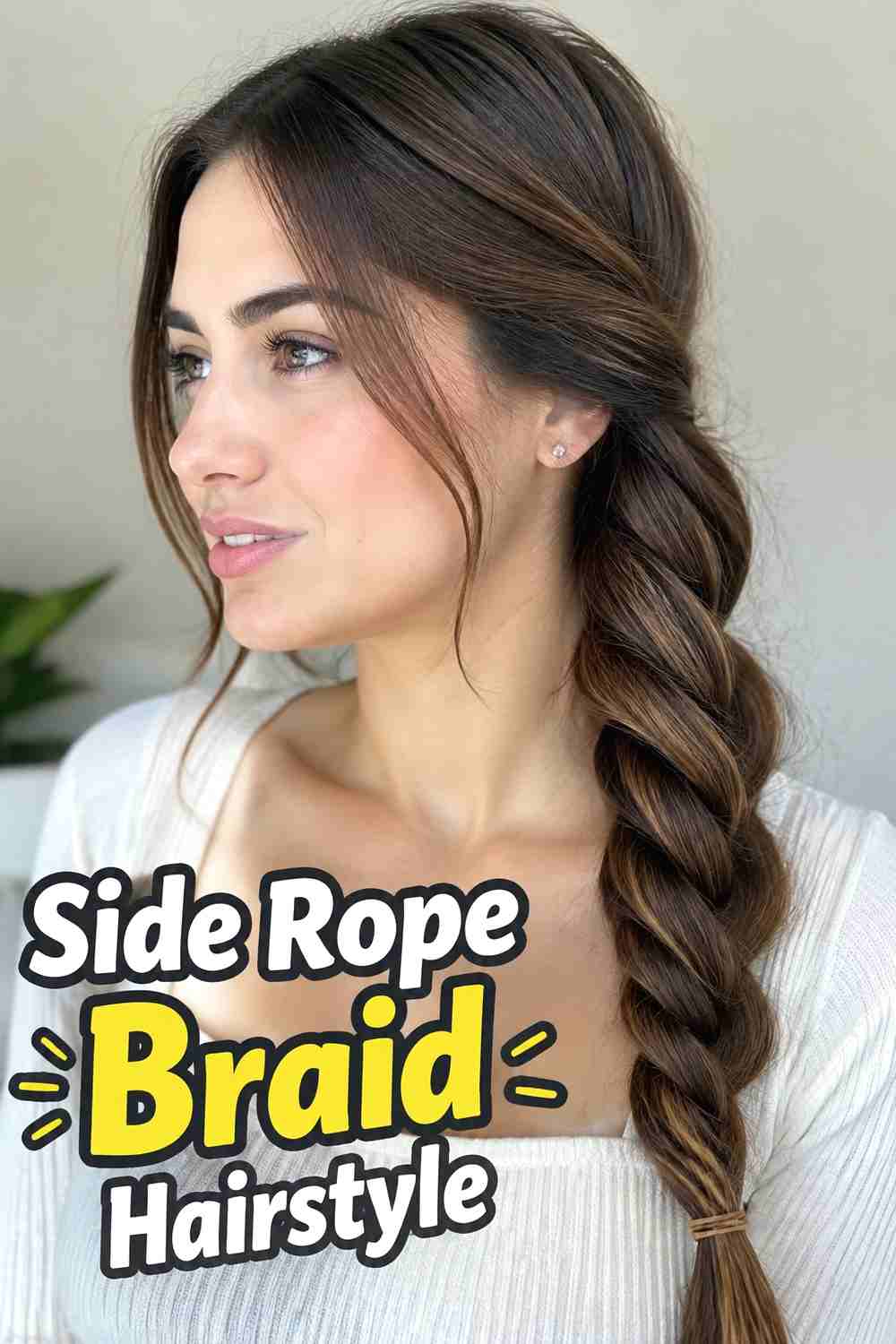
A side rope braid channels all the hair toward one shoulder, then twists the length into a compact spiral. Gather the hair gently to one side without pulling tightly across the opposite temple, divide it into two sections, and create the opposing twist pattern that forms a rope. Compared with loose hair, the finished braid presents one controlled shape to the wind instead of many independent strands. The side placement also makes it easy to keep the braid outside a long scarf. This style looks especially attractive on long hair with natural shine because the spiral reflects light across the twisted surface. Keep the lower elastic secure and the ends short.
Styling Notes
Begin the actual rope construction around the collarbone so the roots stay comfortable and the braid remains easy to reposition.
Best For
This is a quick option for long hair when you want more containment than a ponytail without a complicated woven braid.
16. Compact Braided Bun Hairstyle
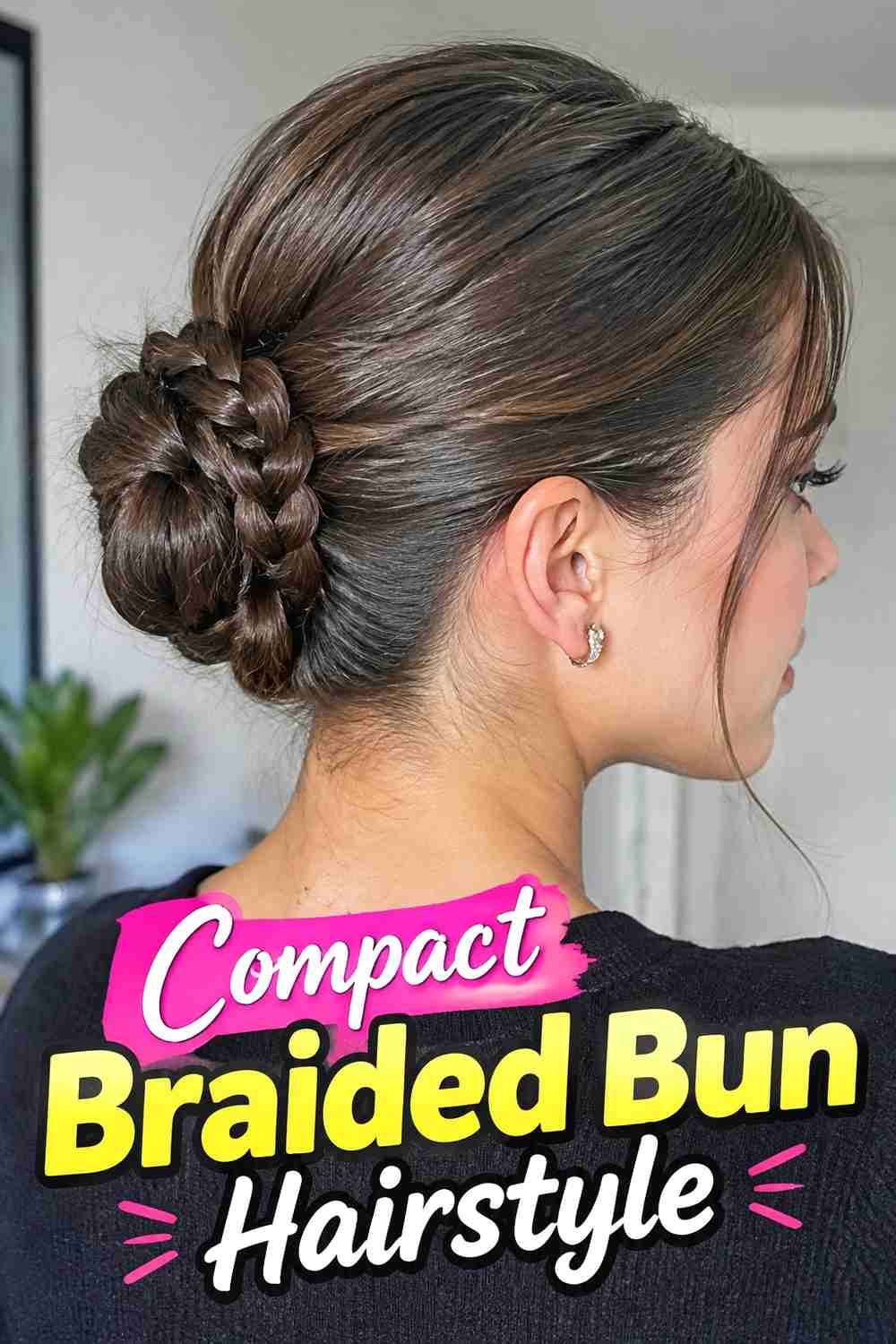
A compact braided bun combines two levels of containment: first the hair is braided, then the braid is wrapped into a bun. Start with a ponytail positioned where it will clear your scarf, create a firm but comfortable three-strand braid, and coil it around the base. Secure the bun with flat pins or an elastic so the outer edges stay close to the head. This construction is especially effective in windy weather because very little length remains exposed. It also gives thick hair a stable structure without needing an oversized claw clip. The bun can sit mid-high or high depending on your coat collar, scarf thickness, and whether you plan to add a hood.
Why It Works
Braiding before wrapping keeps the bun organized and reduces the number of loose ends that can escape into wind or scarf fabric.
Wear & Maintenance
Check the pins before leaving home and avoid placing them where a hood seam presses directly against the scalp.
17. Elastic Sectioned Ponytail Hairstyle
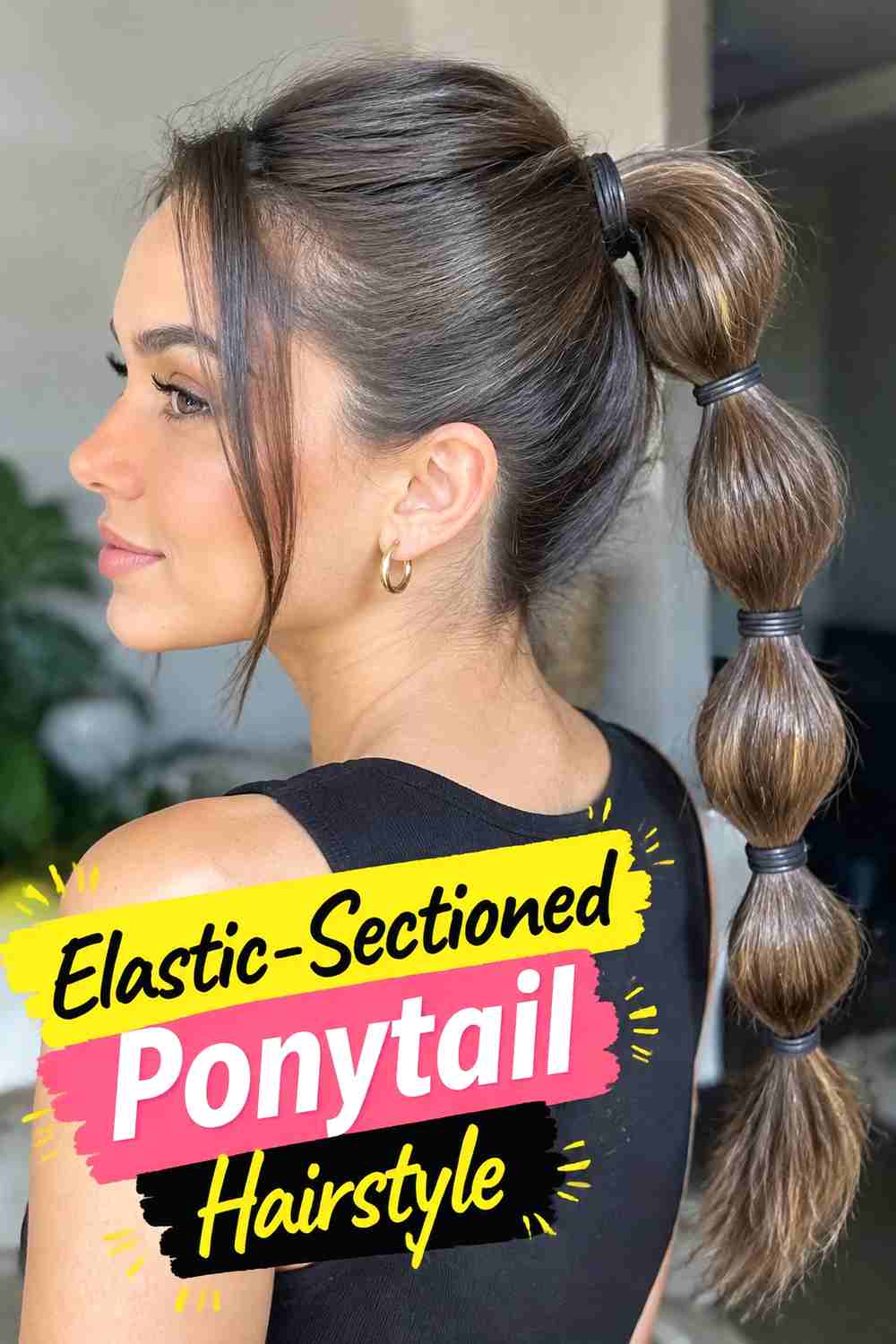
An elastic-sectioned ponytail is similar to a bubble ponytail but keeps each segment narrower and more controlled. Begin with a ponytail above the scarf line, then add smooth elastics every few inches down the length without dramatically expanding the sections between them. This creates a streamlined, segmented tail that resists spreading in gusty conditions while remaining easier to construct than a detailed braid. The technique is particularly useful for very long, straight, or slippery hair that tends to escape from loose styles. Keep the elastics comfortably secure and evenly spaced. The narrow silhouette works well with puffer jackets, scarves, and backpacks because it does not create excessive width around the shoulders.
Hair Type & Length
Long to very long hair benefits most because several sections can be added while leaving a neat finish at the ends.
Pro Tip
Choose smooth elastics and remove them individually rather than dragging them down through the hair.
18. Hood Friendly Twin Rope Braid Hairstyle
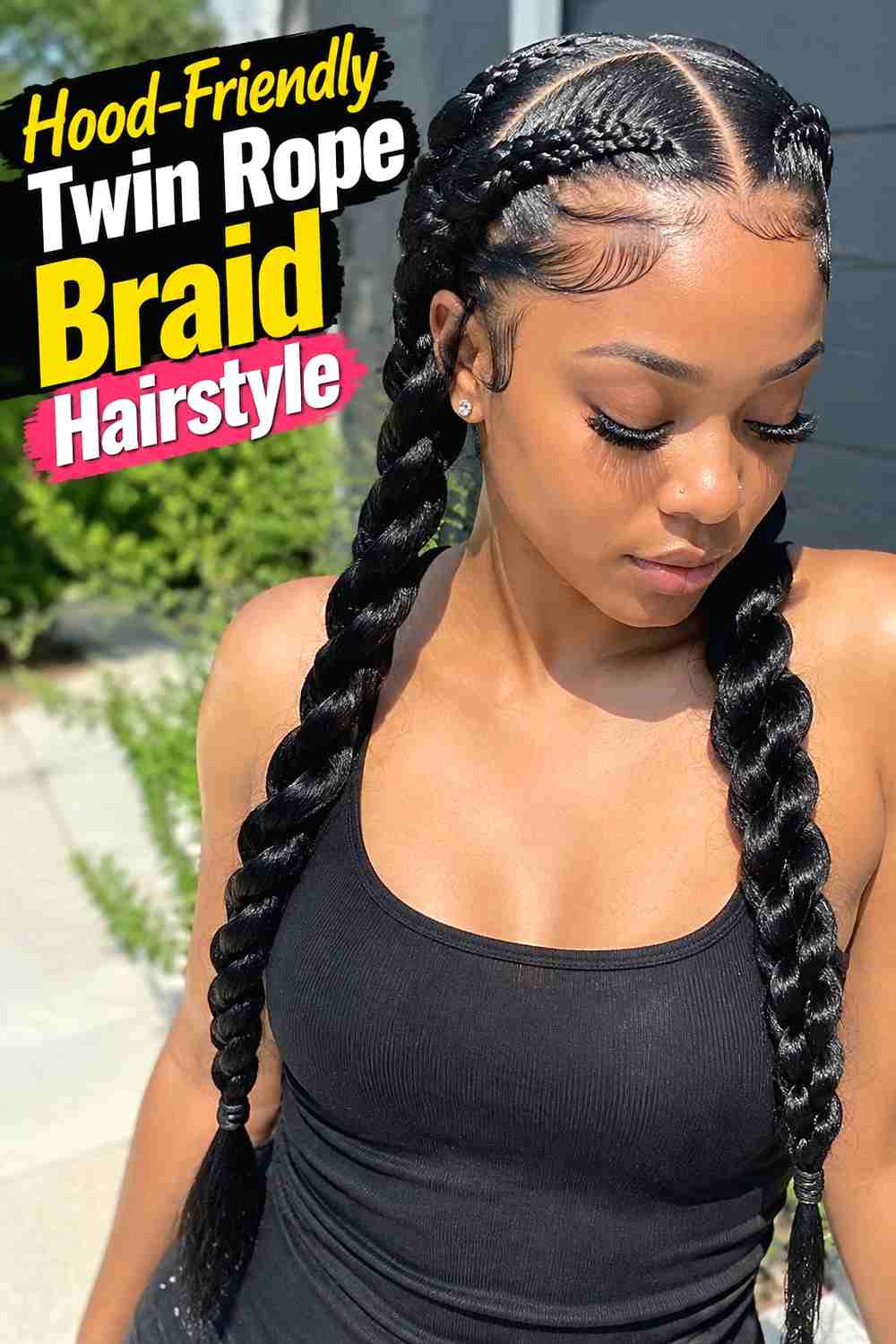
Hood-friendly twin rope braids keep the crown relatively flat while controlling both lengths below the ears. Divide the hair in two, keep the roots softly settled, and begin each rope braid low enough that a hood can lie over the upper head without pressing on thick braid bases. Bring the finished ropes forward before wrapping your scarf. This prevents the braids from being trapped between the scarf, hood, and back of your coat. The two-strand construction is fast, and splitting the hair distributes weight more evenly than a single heavy braid. Keep both ropes compact during windy conditions and avoid pulling out large sections for decorative volume.
Best For
This style is especially practical when your winter outfit combines a long scarf with a frequently raised hood.
Wear & Maintenance
Lower the hood gently so it slides over the crown rather than dragging against the braid bases.
19. Front Controlled Long Braid Hairstyle
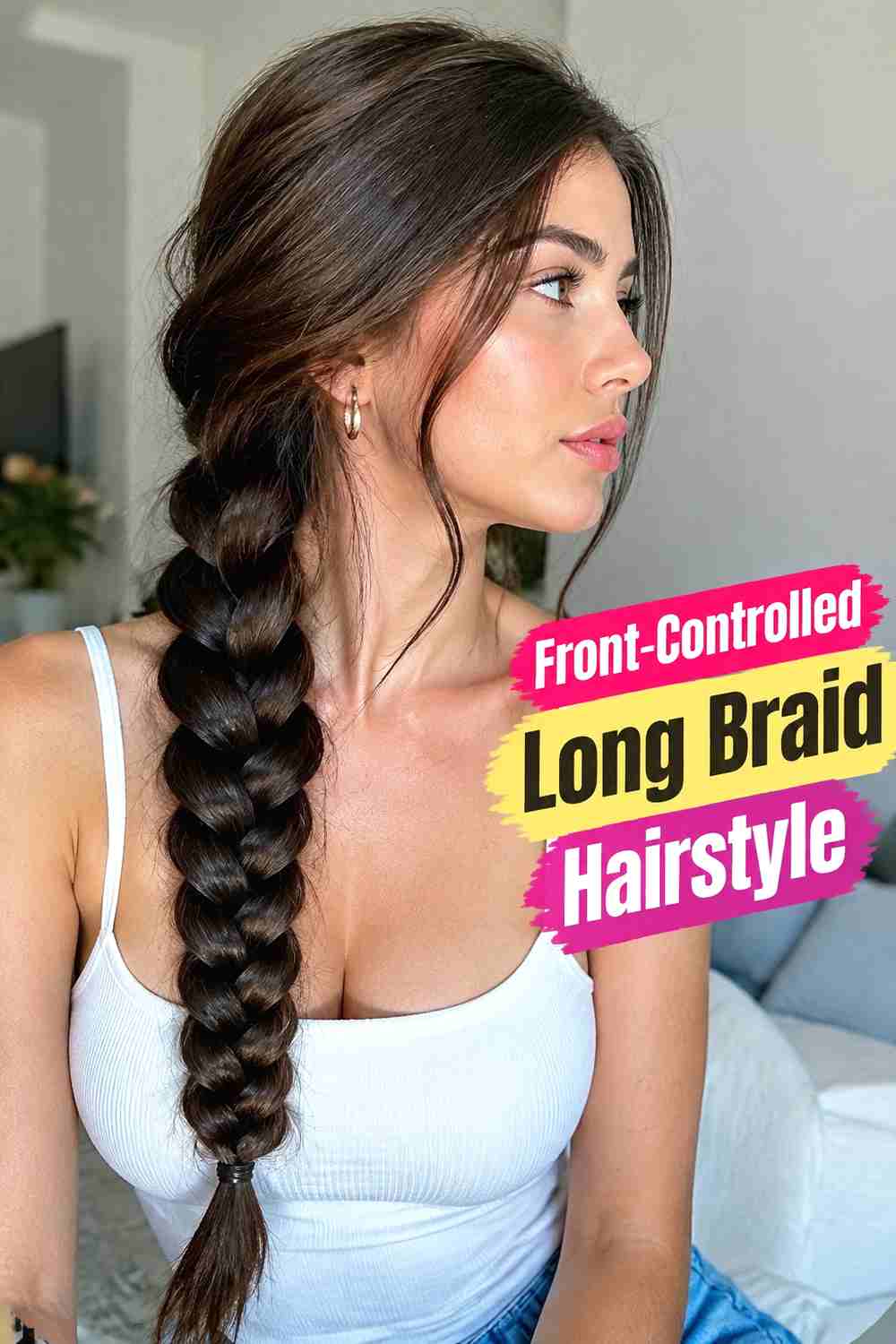
A front-controlled long braid is designed around simple placement: all the hair is gathered, braided, and kept deliberately in front of one shoulder. Start with a low, comfortable base and incorporate shorter sections smoothly before braiding the full length. Keeping the braid in sight makes it easy to prevent it from slipping beneath a scarf, backpack strap, or coat zipper. The structure can be a classic three-strand braid with moderate tension, making it quick enough for everyday windy-weather styling. A compact upper section limits flyaways around the neck, while a slightly softer lower braid preserves natural dimension. For very long hair, finish close to the ends so only a short tail remains loose.
Why It Works
The braid stays contained and visible, making accidental scarf entanglement easier to avoid than with hair hanging down the back.
Styling Notes
Arrange the braid first, then wrap the scarf around your neck while keeping the entire braid outside the fabric.
How to Choose the Right Look
Start with the amount of wind and scarf coverage you expect. For strong gusts or a thick scarf wrapped several times around the neck, fully contained styles such as a Scarf-Clear High Bun Hairstyle, Compact Braided Bun Hairstyle, Twin Dutch Braid Hairstyle, or Crown-to-Nape French Braid Hairstyle provide the most control.
If you prefer softer styling, side braids and low ponytails can work well as long as the hair is deliberately positioned outside the scarf. Very long hair often benefits from extra segmentation through braids, bubbles, or evenly spaced elastics because these structures limit how freely individual strands can move.
Also consider hoods, coat collars, bags, and comfort. Flat braid bases work better under hoods, while high buns need enough hood space. Avoid placing elastics, pins, or bulky anchors directly where your scarf presses against the head or neck. The most practical style is one that keeps hair controlled while remaining comfortable through normal movement.
Final Thoughts
Wind and long scarves make loose hair harder to manage, but a thoughtful hairstyle can reduce the amount of friction, whipping, and crossing that leads to knots. Braids offer flexible containment, ponytails make repositioning easy, and buns remove most of the length from the scarf area entirely. Match the style to your hair density, scarf placement, outerwear, and weather rather than relying on extreme tightness.
FAQs
1. Which hairstyle is best for strong wind and a long scarf?
A compact braided bun, high bun, twin Dutch braids, or fully braided ponytail provides strong containment because most or all of the loose length is secured.
2. Can a low ponytail work with a long scarf?
Yes. Keep the ponytail base away from the scarf edge and bring the tail completely over one shoulder before wrapping the scarf.
3. Are braids less likely to tangle than loose hair in wind?
Braids contain individual strands within a larger structure, which can reduce free movement and crossing. They cannot guarantee completely tangle-free hair.
4. What should I do with very long hair in windy weather?
Consider braiding, sectioning with elastics, or wrapping the hair into a bun. These options reduce how much length can move independently around clothing.
5. Which style works best if I also wear a hood?
Twin rope braids, low braids, and other flatter crown styles are generally easier to fit beneath a hood than bulky high buns.
Save your favorite tangle-resistant hairstyle and test it with your usual scarf and coat before the next windy day.