16 Side-Parted Braid-Out Hairstyles With Plaid Winter Coats
Soft braid-out texture, directional side parts, and structured plaid coats create a winter combination with plenty of movement, definition, and visual contrast.
A braid-out already brings natural-looking bends, waves, curls, or coils through the lengths, while a side part gives the finished shape a clear direction. That combination works especially well with plaid outerwear, where the hairstyle can soften the coat’s crisp checks and heavier winter structure without disappearing into the neckline.
These looks vary the silhouette rather than simply changing the part. Some emphasize crown lift, others keep the perimeter compact, and several use stretched length or fuller ends. Before choosing, consider your shrinkage, density, finished braid-out length, coat collar height, and how much separation or volume you prefer.
Quick List
- Deep Side Part Full Braid Out Hairstyle
- Side Part Crown Lift Braid Out Hairstyle
- Side Part Shoulder Skimming Braid Out Hairstyle
- Side Part Tapered Braid Out Hairstyle
- Side Part Rounded Braid Out Hairstyle
- Side Part Elongated Braid Out Hairstyle
- Side Part Face Framing Braid Out Hairstyle
- Side Part Fluffy Braid Out Bob Hairstyle
- Side Part Defined Braid Out Lob Hairstyle
- Side Part Soft Sweep Braid Out Hairstyle
- Side Part Voluminous Ends Braid Out Hairstyle
- Side Part Pinned Back Braid Out Hairstyle
- Side Part High Volume Braid Out Hairstyle
- Side Part Stretched Braid Out Hairstyle
- Side Part Layered Braid Out Hairstyle
- Side Part Asymmetrical Braid Out Hairstyle
1. Deep Side Part Full Braid Out Hairstyle
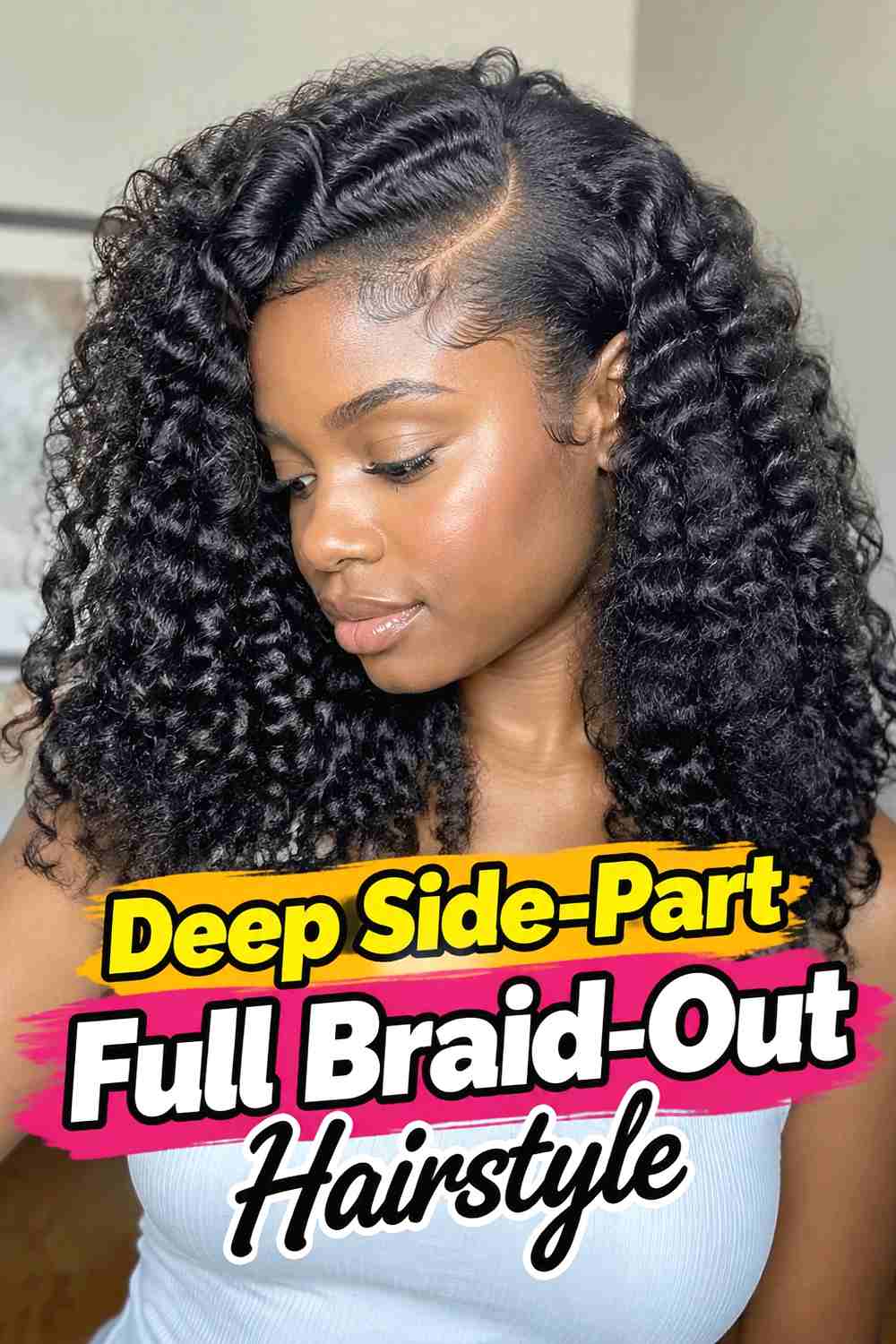
A deep side part gives a full braid-out an immediate sense of direction, letting the heavier side sweep across the forehead before opening into textured volume. The style works especially well above a plaid winter coat because the soft, expanded hair contrasts with the coat’s strong checked pattern. Separate the braid-out only as much as needed to reach your preferred fullness, preserving visible texture through the ends. Keep the smaller side slightly closer to the head so the part remains clear rather than disappearing into overall volume. This shape can work on medium to long hair and across several natural textures, with the final amount of shrinkage and expansion depending on your braid size and drying routine.
Styling Notes
Set the side part before braiding whenever possible so the finished texture naturally falls in the intended direction instead of being forced across afterward.
2. Side Part Crown Lift Braid Out Hairstyle
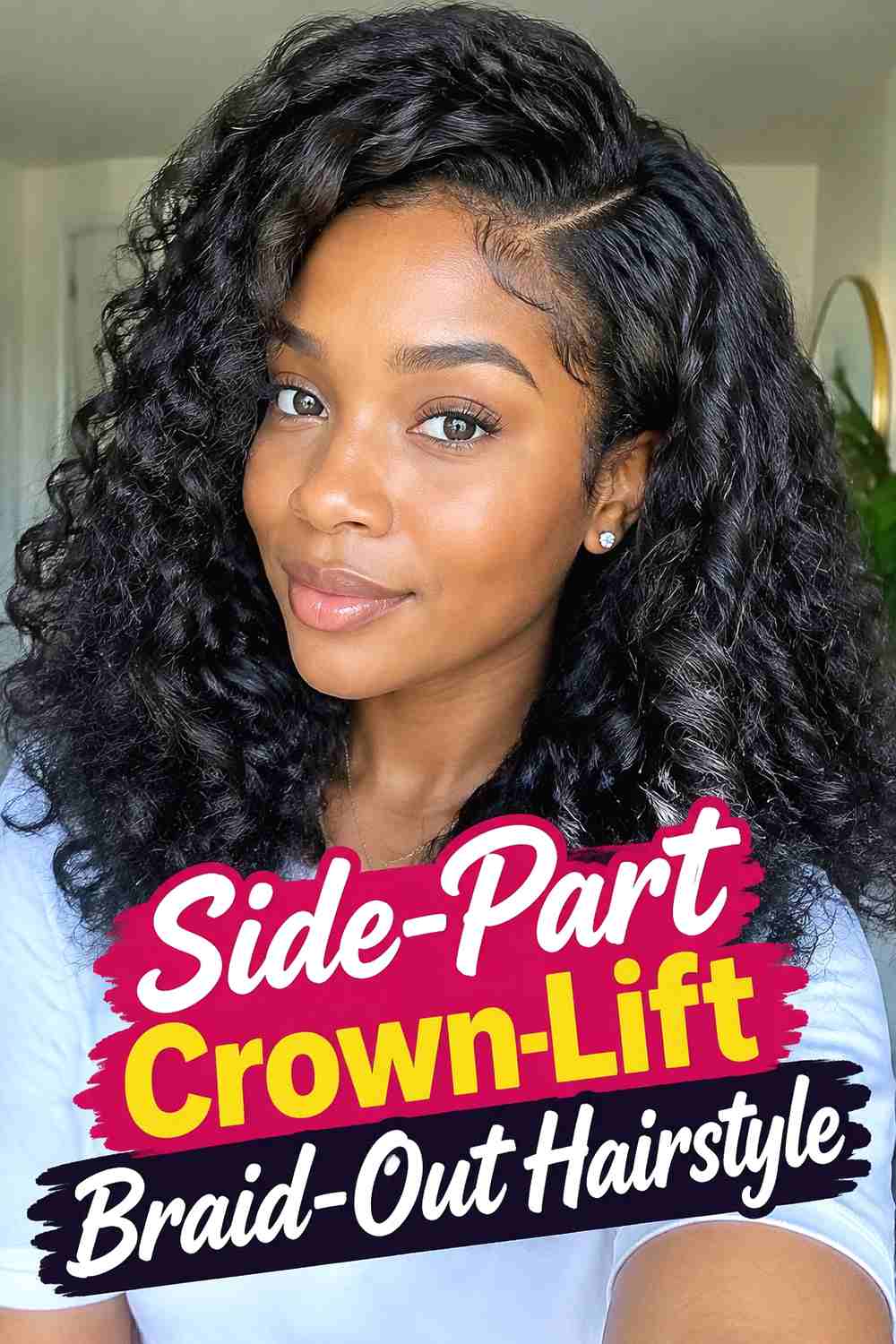
This braid-out concentrates lift around the crown while the side part creates an off-center front shape. The elevated top keeps the hairstyle visually distinct from a thick winter coat, particularly if the coat has a structured collar or wide lapels. After unraveling the braids, separate the lengths carefully and wait until the pattern is fully set before lifting at the roots. Focus your volume on the crown rather than pulling apart every section from root to end. The result should show a clear braid-out pattern through the mid-lengths with soft height above it. Medium and longer hair can wear this shape particularly well when the natural density supports some upward expansion without excessive teasing.
Why It Works
Crown lift moves visual weight away from the shoulders, which helps the hairstyle stay noticeable above a bold plaid coat.
Pro Tip
Use fingers or a pick only at the roots and stop before the ends begin losing their braid-out definition.
3. Side Part Shoulder Skimming Braid Out Hairstyle
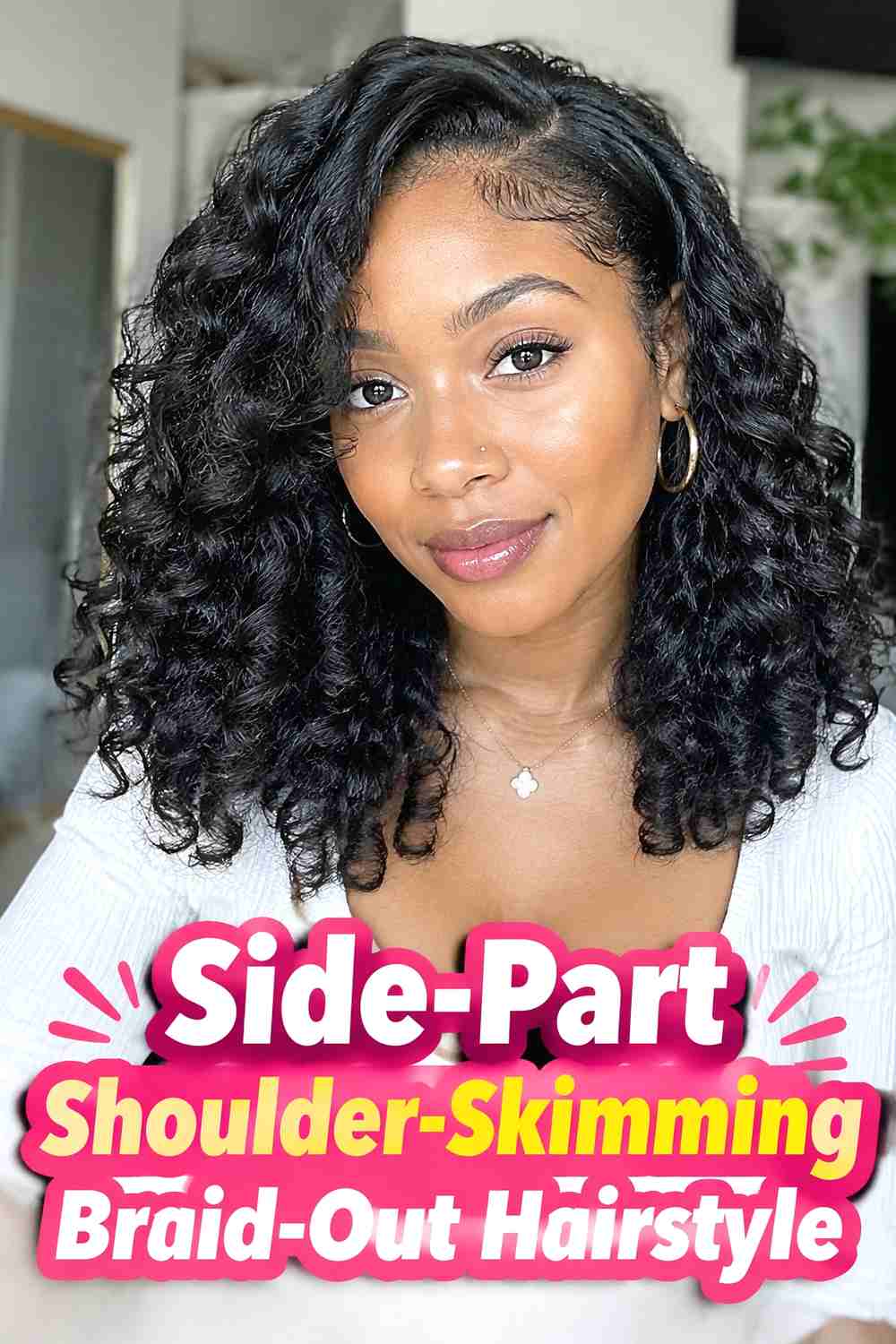
A shoulder-skimming braid-out balances visible length with controlled volume, making it a practical option for winter coats that already add bulk around the upper body. The side part creates a fuller sweep on one side while the textured ends settle near the shoulders. For the cleanest shape, keep the lower sections outside the coat rather than repeatedly trapping them beneath a collar. Medium-length hair with moderate shrinkage can achieve this silhouette naturally, while longer hair may need a more elongated braid-out set. The goal is movement rather than rigid definition, so allow the pattern to vary slightly from section to section. A little root lift can keep the crown from looking compressed beside heavy outerwear.
Wear & Maintenance
Arrange the ends after putting on the coat so they sit naturally over or outside the collar instead of becoming flattened underneath it.
Hair Type & Length
This works best when the finished braid-out lands around shoulder or collarbone level.
4. Side Part Tapered Braid Out Hairstyle
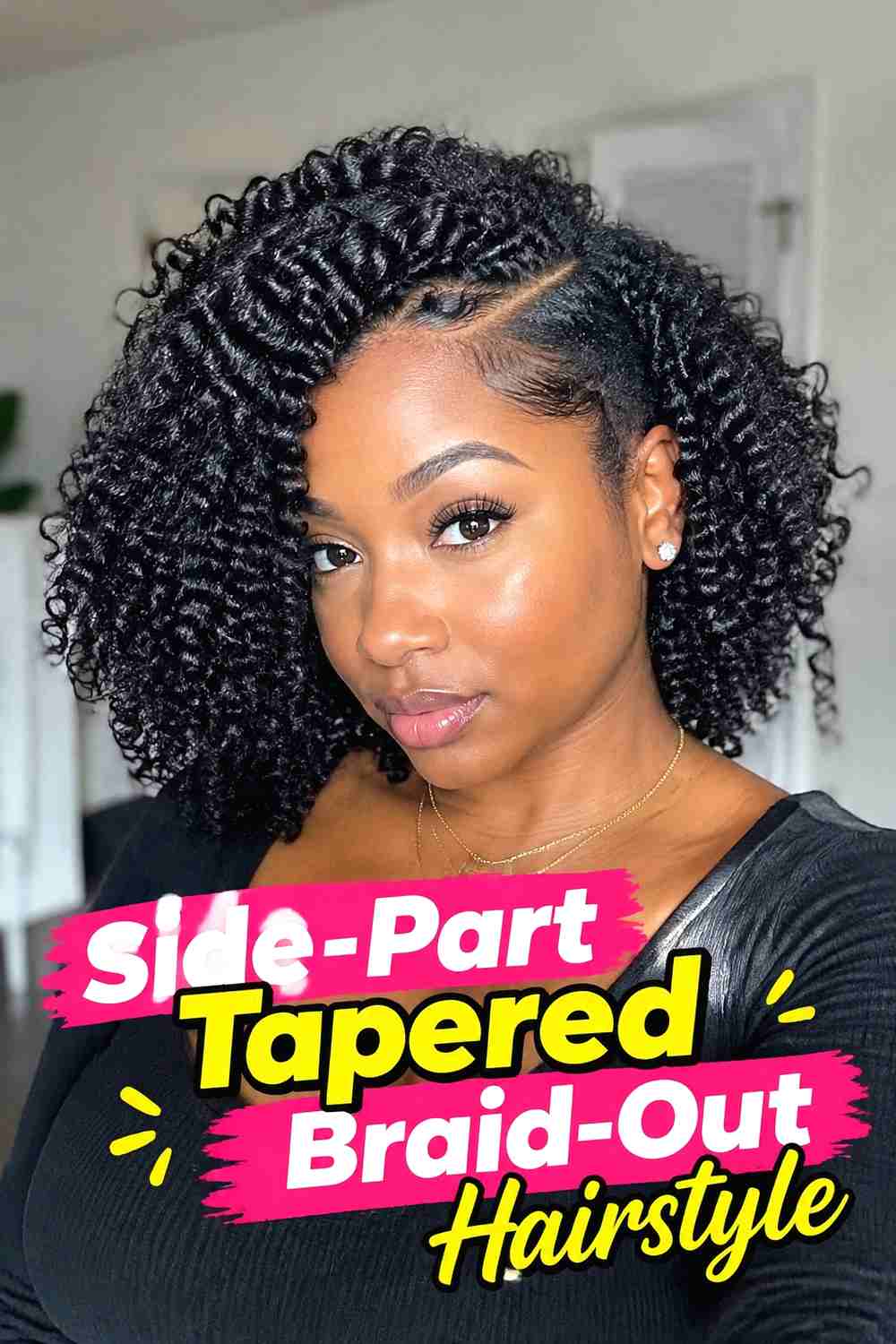
A tapered braid-out keeps the sides and lower perimeter comparatively compact while allowing more width and height through the top. Paired with a side part, the shape feels sculpted without losing the softness that makes braid-outs appealing. This silhouette is especially useful with plaid coats that have high collars because there is less bulk around the nape and lower sides. The taper can come from the haircut itself, layered length distribution, or simply from how the braid-out is shaped after unraveling. Preserve definition through the top and front while keeping the shorter lower sections neat. Avoid aggressively stretching the sides just to make them match the fuller crown.
Best For
Short to medium natural hair with genuine length variation usually creates the most believable tapered braid-out.
5. Side Part Rounded Braid Out Hairstyle
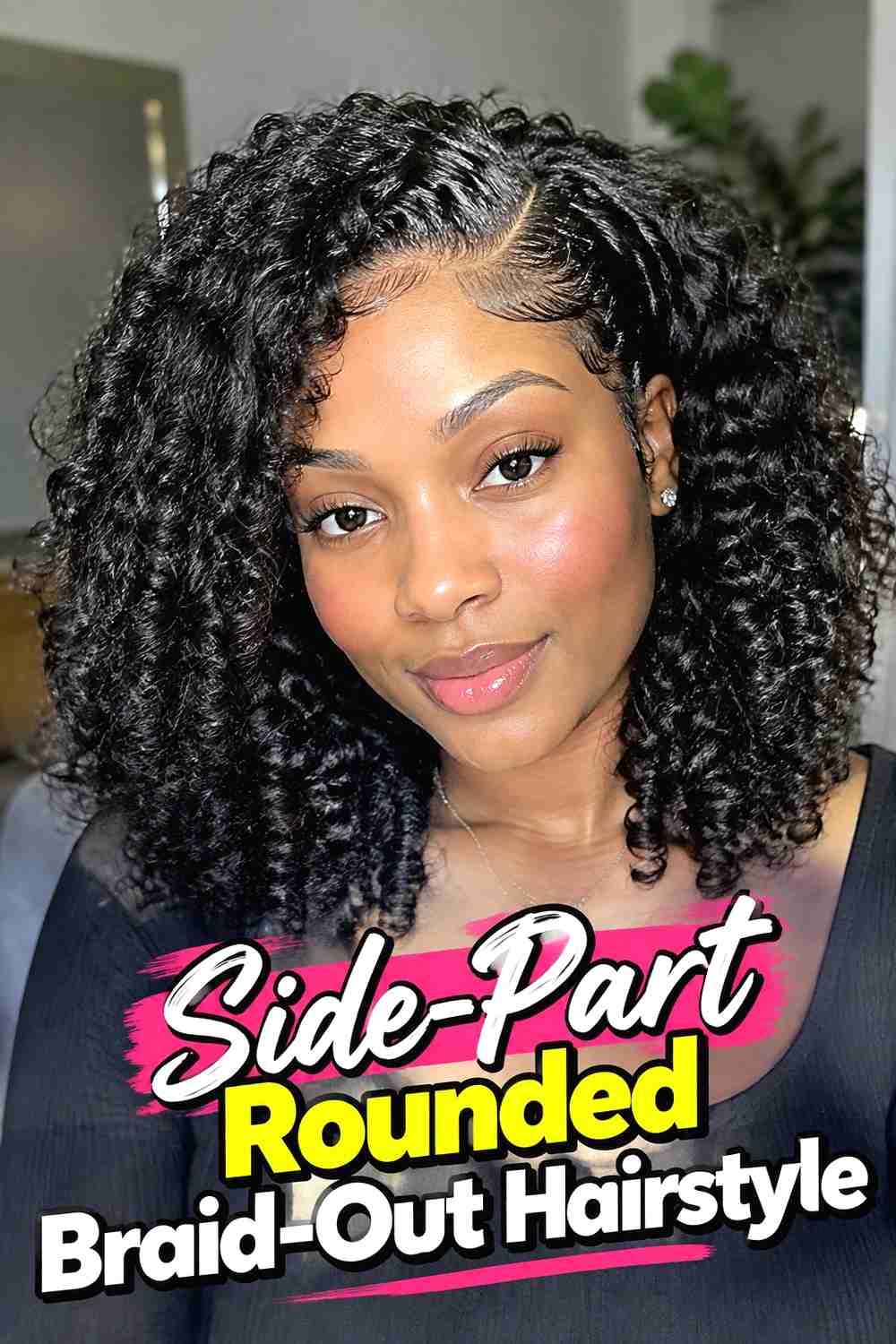
A rounded braid-out distributes volume around the head while the side part keeps the front from feeling overly symmetrical. The result is soft, balanced, and full, making a beautiful counterpoint to the straight lines and repeated checks of a plaid winter coat. Keep the perimeter rounded through gentle separation rather than trying to make every section identical. The fuller side of the part can rise slightly before curving into the overall shape, while the opposite side remains more controlled near the temple. This version works especially well on dense hair that naturally expands after braid separation. The finished texture should show individual bends and coils rather than blending into one uniform fluffy surface.
Styling Notes
Shape the perimeter after the braid-out has fully settled. Early over-separation can make the outline harder to control.
Why It Works
The rounded silhouette softens structured outerwear while the side part adds enough direction to keep the style visually interesting.
6. Side Part Elongated Braid Out Hairstyle
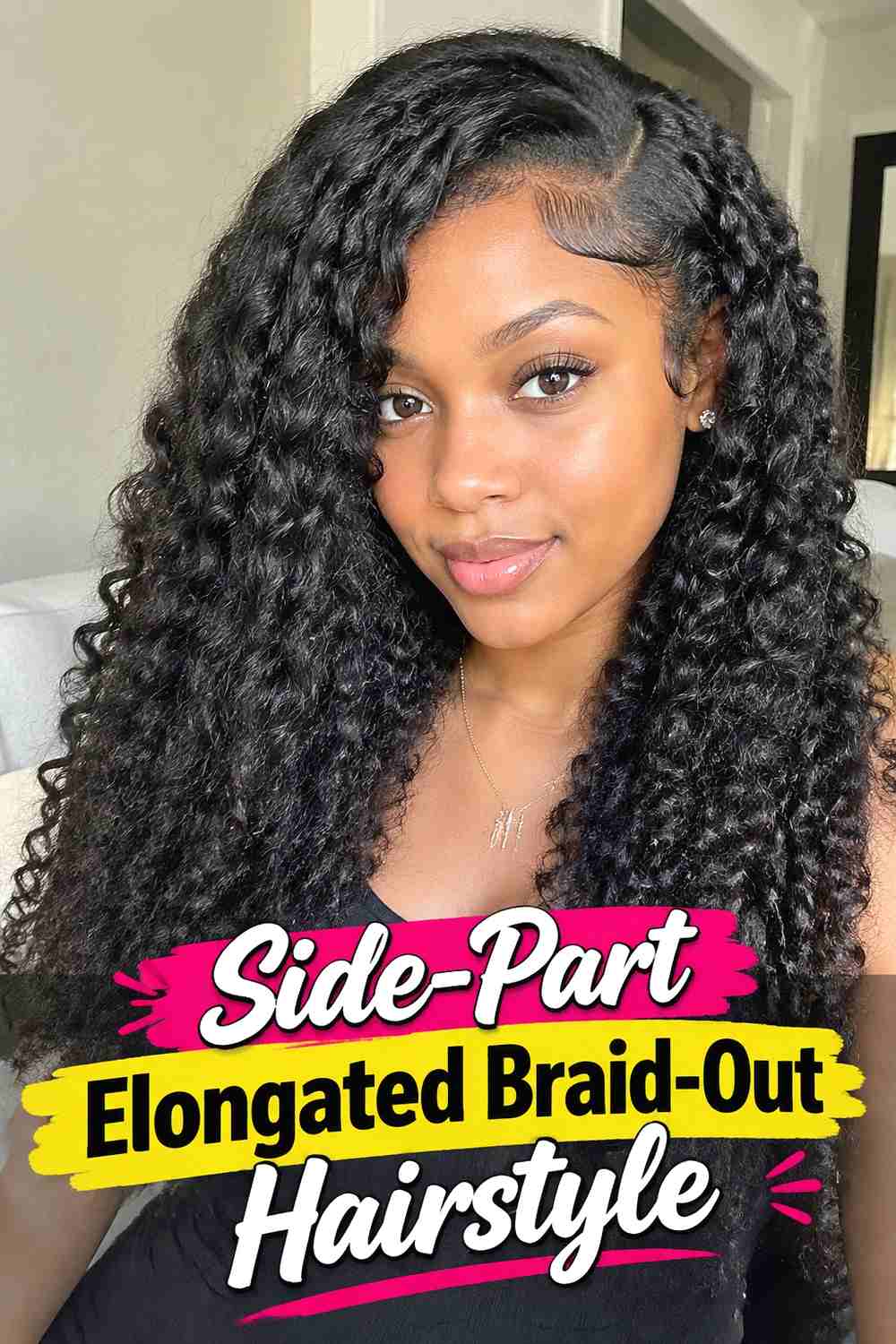
An elongated braid-out emphasizes downward movement and visible length instead of maximum width. The side part introduces a soft sweep at the front, while the braid-out pattern continues through the longer mid-lengths and ends. This look pairs well with plaid coats when you want texture without adding much extra volume beside a broad collar or oversized shoulders. Elongation may come naturally from hair length, larger braid sections, gentle stretching after the set, or a drying method that reduces shrinkage. Keep the finished texture intact instead of stretching until it becomes indistinct. Longer hair can be arranged outside the coat so the ends stay visible and avoid repeated compression.
Best For
Medium to long hair that can retain a clear braid-out pattern while showing some length works especially well.
Pro Tip
Stretch evenly across sections so one side does not appear noticeably longer simply because it was manipulated more.
7. Side Part Face Framing Braid Out Hairstyle
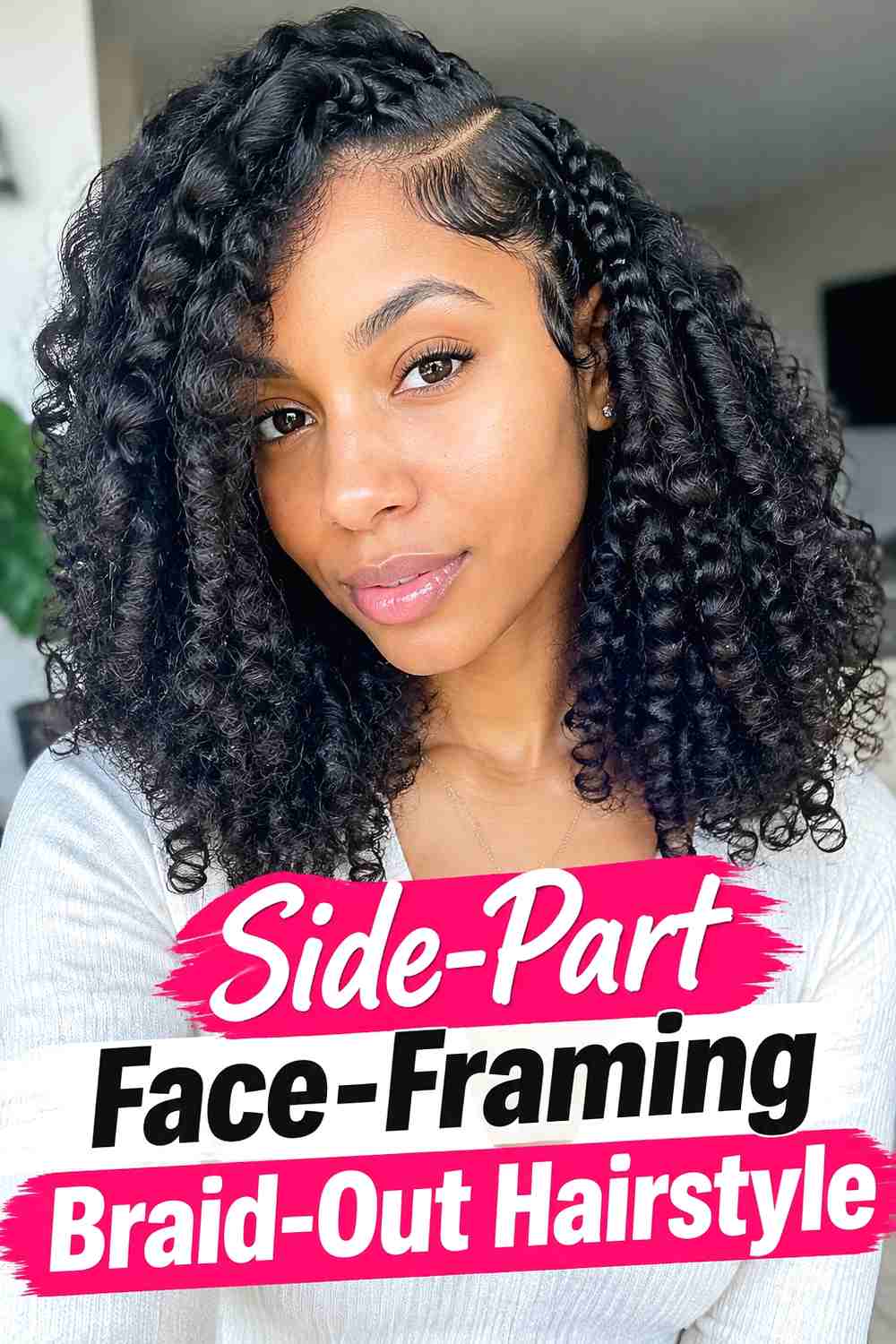
A face-framing braid-out places shorter textured sections around the cheeks, temples, or jaw while maintaining more length through the rest of the style. The side part gives those front sections a natural direction, creating a soft sweep rather than a centered curtain effect. This shape looks especially polished above a plaid coat because the eye stays focused around the face even when the outerwear has a bold pattern. Genuine layers or natural shrinkage differences usually create the most believable framing. Define the front braids carefully during the set, then separate them minimally so they keep a clear pattern. Let the back remain fuller for contrast rather than trying to make every section equally light.
Styling Notes
Set the shortest face-framing sections separately so their final texture does not get lost inside larger braids.
Why It Works
The shorter front pieces create definition near the face while the rest of the braid-out provides softness around structured winter clothing.
8. Side Part Fluffy Braid Out Bob Hairstyle
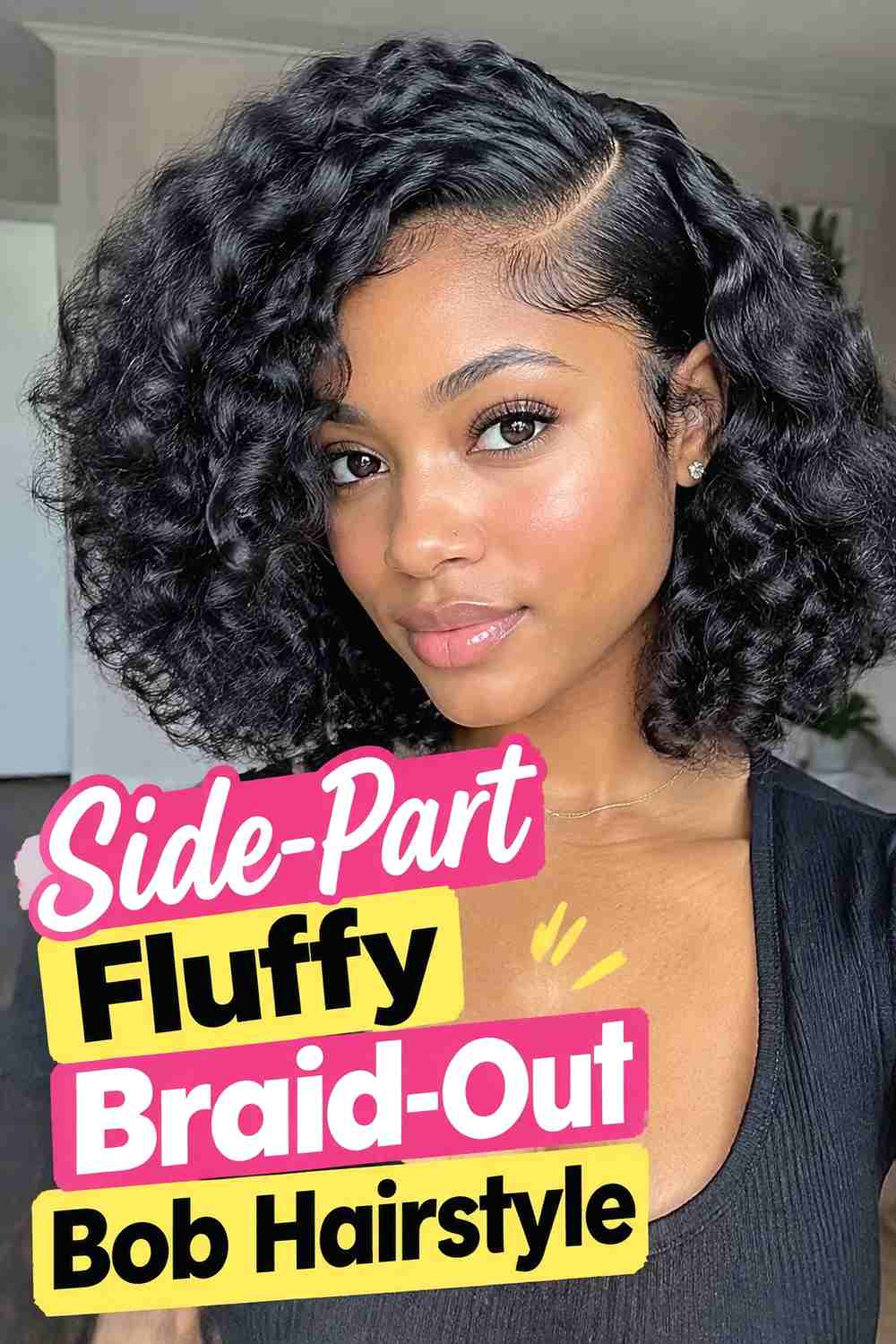
A fluffy braid-out bob combines a compact length with airy textured volume, making it ideal for winter coats with substantial collars. The side part gives one half of the bob extra lift and movement, while the opposite side can stay slightly tucked or closer to the cheek. Rather than chasing perfect definition, this version benefits from moderate separation so the braid pattern softens into a fuller shape. Keep enough texture visible at the ends to maintain the braid-out character. Chin-to-shoulder length works best, especially when the haircut already has a rounded or subtly layered outline. Because the hair sits above much of the coat, the style remains visible even with scarves or raised lapels.
Hair Type & Length
Short to medium natural hair that finishes between the chin and shoulders is the easiest fit for this shape.
Pro Tip
Fluff mostly at the roots and inner sections, leaving the outer ends more defined for a controlled silhouette.
9. Side Part Defined Braid Out Lob Hairstyle
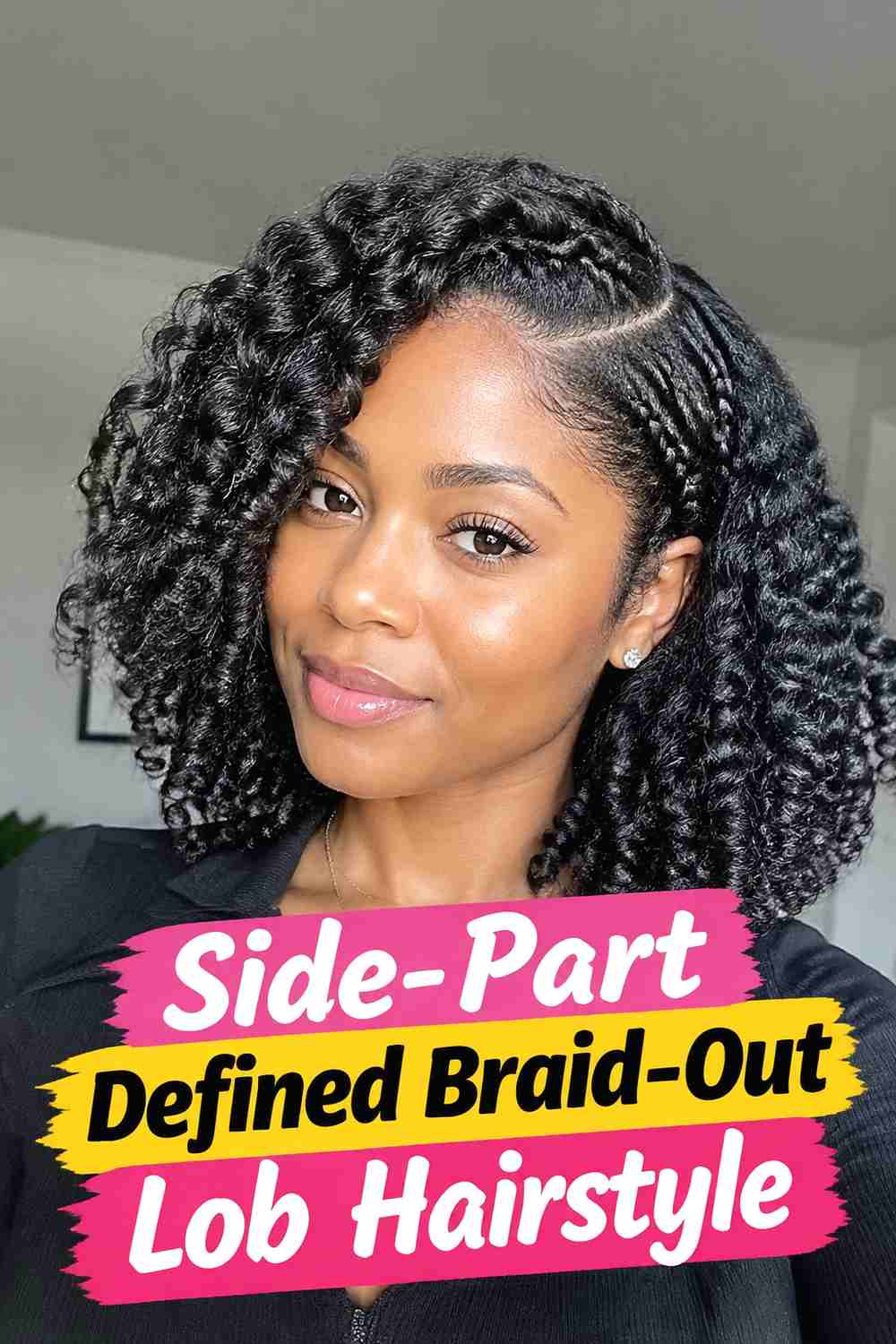
A defined braid-out lob keeps the pattern crisp through a longer bob shape, giving the style more structure than a heavily fluffed braid-out. A deep or moderate side part adds movement at the front without disrupting the clean perimeter. This works especially well with tailored plaid coats because both the haircut and the outerwear have intentional shapes, while the textured pattern prevents the pairing from feeling too rigid. Use consistent braid sizes during the set and unravel only after the hair is fully dry. Separate each section sparingly so definition remains visible. A collarbone-length finish can sit neatly outside the coat, though the exact length will depend on shrinkage and the original cut.
Wear & Maintenance
Keep the lob outside the coat collar whenever possible so the ends remain defined instead of being repeatedly compressed.
Best For
Choose this if you prefer visible braid pattern over maximum fluff and already have a bob or lob-length cut.
10. Side Part Soft Sweep Braid Out Hairstyle
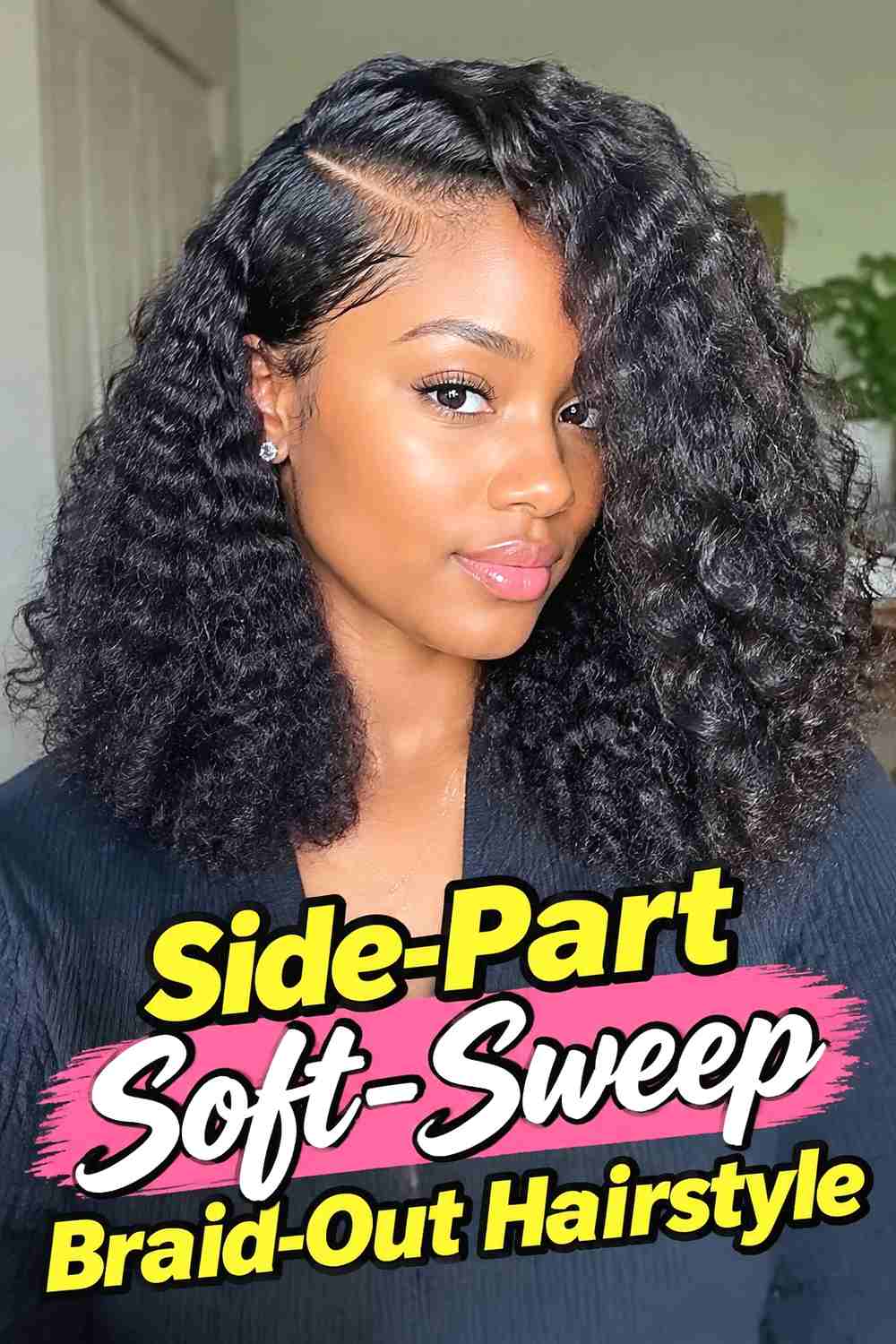
A soft-sweep braid-out uses the side part to direct the front section gently across the forehead without creating an extremely deep or dramatic divide. The rest of the texture falls naturally around the head, giving the hairstyle a relaxed winter feel that works beautifully with casual plaid coats. This is a good option if you want movement but do not like the height of a crown-lifted style or the width of a full rounded silhouette. Keep the front section soft by avoiding heavy product near the roots, and let the braid-out pattern loosen gradually toward the ends. Natural irregularity makes the style feel wearable, especially when the coat itself already brings strong visual detail.
Best For
This versatile shape suits medium lengths and anyone who prefers a gentle directional front rather than a sharply defined part.
11. Side Part Voluminous Ends Braid Out Hairstyle
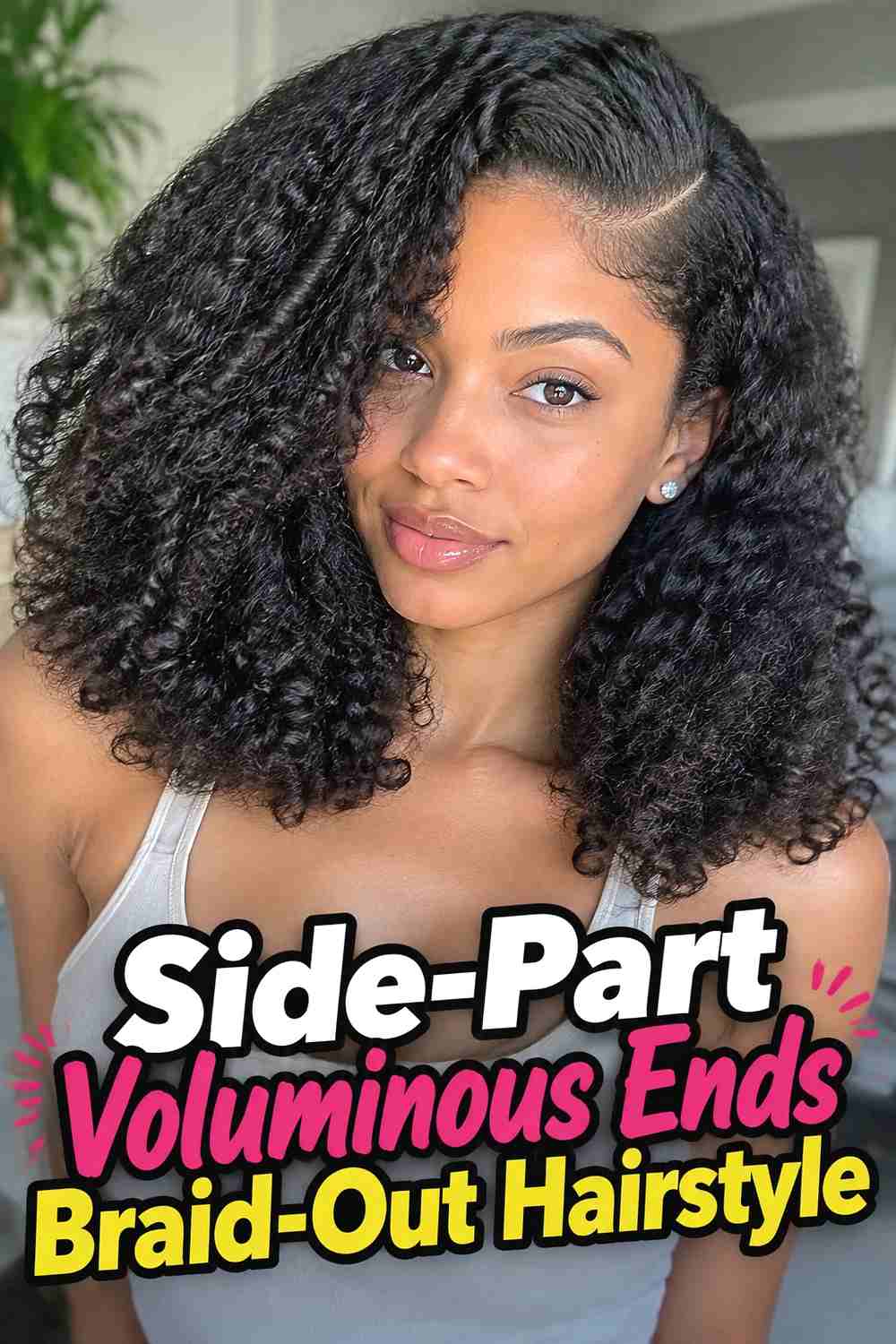
This silhouette keeps the roots and upper sections relatively controlled while allowing the braid-out to expand toward the ends. The side part still shapes the front, but most of the visual fullness sits lower, creating a soft bell-like outline around the shoulders. The look can balance a plaid coat with narrow lapels or a simpler neckline, especially when the lower texture remains outside the outerwear. Larger braid sections or selective separation toward the ends can help create the fuller perimeter. Keep the root area defined enough that the side part remains visible. The finished shape should transition gradually from smoother upper sections into broader textured ends rather than appearing abruptly widened.
Styling Notes
Separate more through the lower lengths than at the roots, preserving the controlled upper silhouette.
Hair Type & Length
Medium to long hair usually provides enough length for the volume shift to be clearly visible.
12. Side Part Pinned Back Braid Out Hairstyle
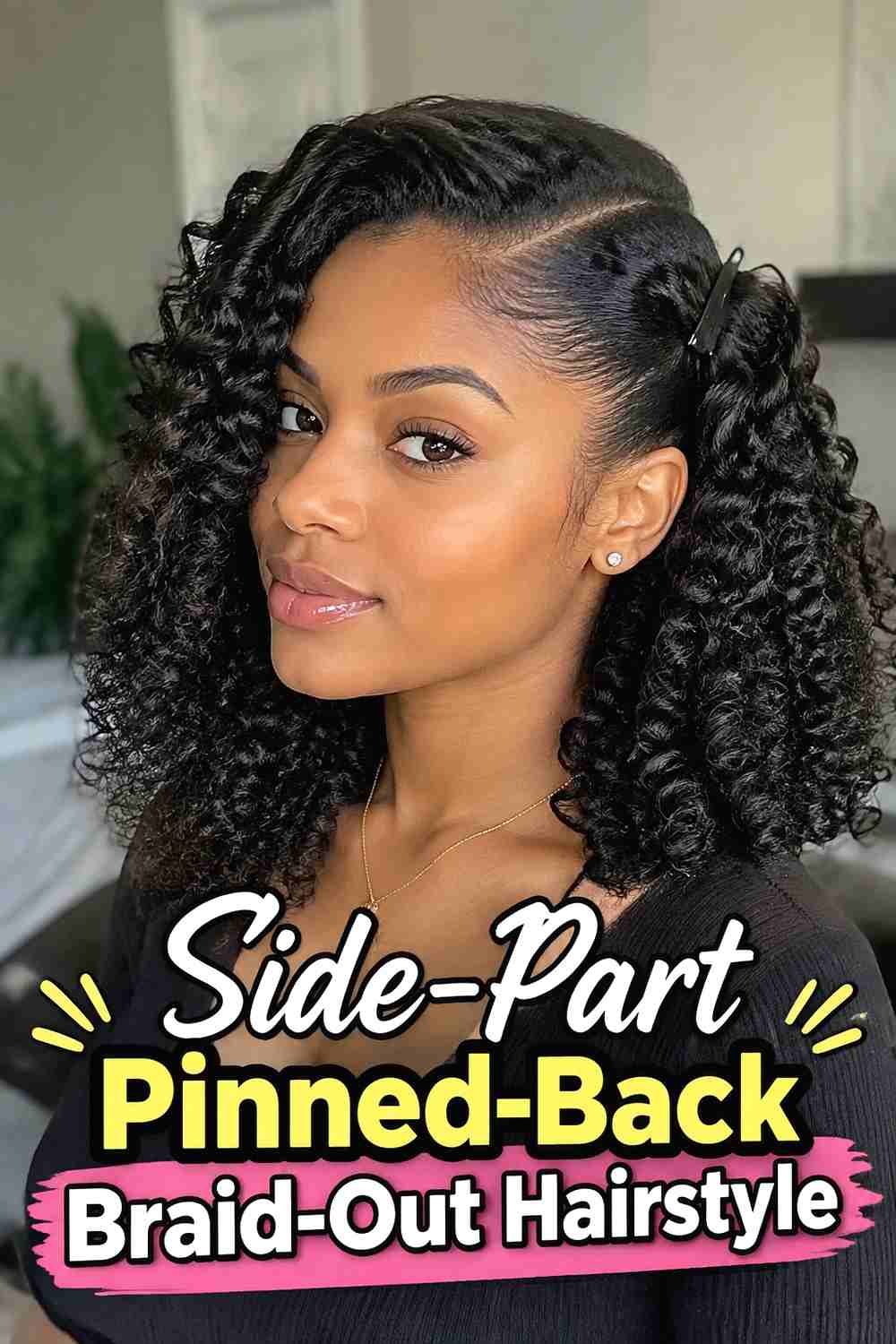
A pinned-back braid-out keeps the fuller side loose while securing the smaller side behind the ear or slightly above it. The asymmetry makes the side part more noticeable and prevents textured hair from crowding both sides of a plaid coat collar. Use one or two discreet pins on the lighter side, leaving enough softness at the hairline that the style does not feel overly slick. The opposite side can stay full and defined, creating a strong contrast in volume. This look works particularly well when the braid-out has medium fullness and clear texture. Choose flat pins or a small barrette that sits securely without competing with the plaid pattern of the coat.
Why It Works
Moving one side away from the face opens the silhouette and leaves more visual space around a structured winter collar.
Pro Tip
Pin the hair after the braid-out has been shaped so you can judge exactly how much volume should remain on the fuller side.
13. Side Part High Volume Braid Out Hairstyle
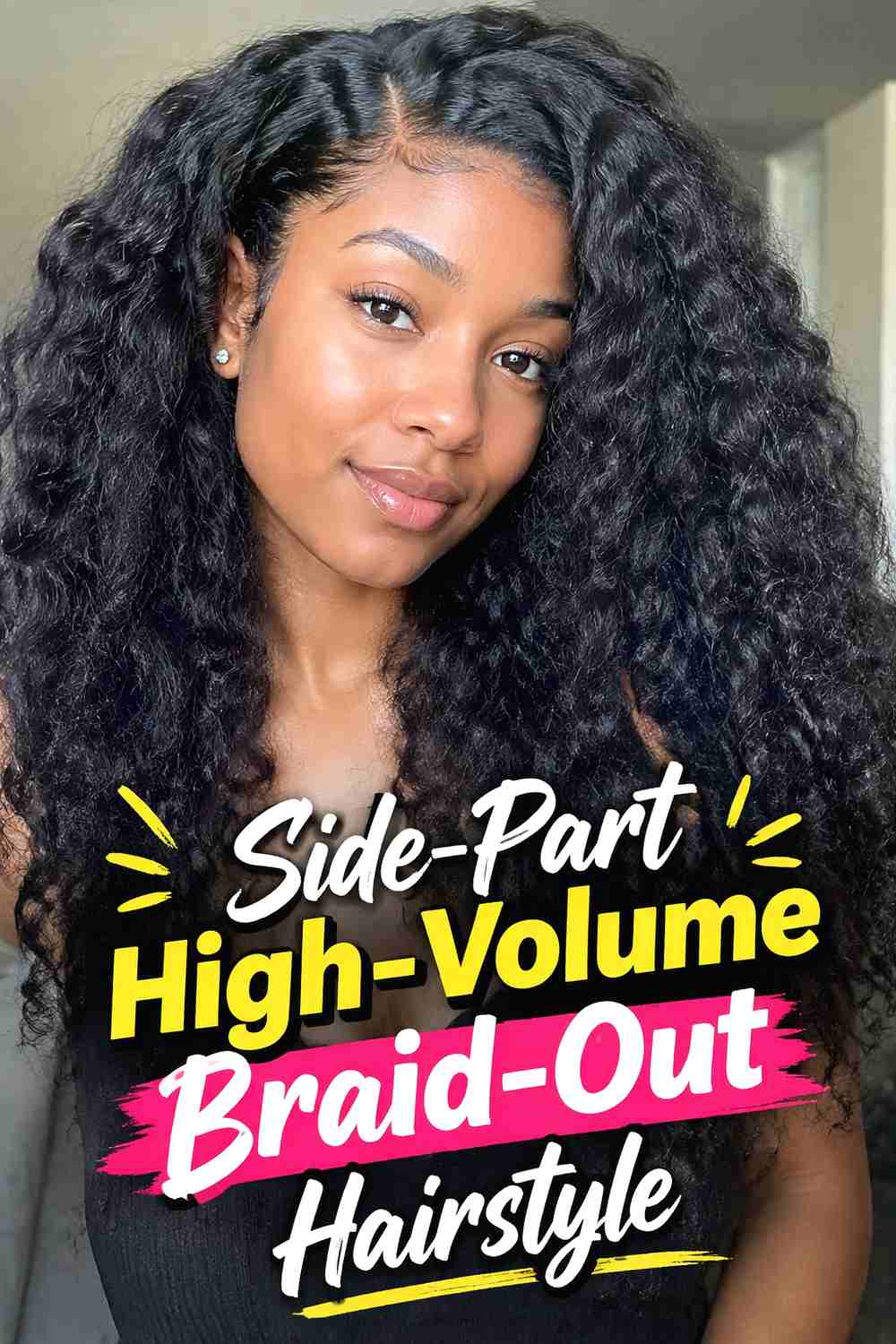
A high-volume braid-out takes advantage of natural density by expanding the set through careful separation and root lifting. The side part keeps that fullness directional, with one side rising more prominently before blending into the overall shape. This version can look especially striking with a simple plaid coat because the textured hair becomes a strong visual element above the garment. Build volume gradually so the braid pattern remains visible in selected areas rather than disappearing completely into fluff. Dense medium-to-long hair generally supports this style best. Keep the nape from becoming overly expanded if the coat has a high collar, directing more of the fullness toward the crown and upper sides.
Best For
This works particularly well on dense hair that naturally grows outward after braids are separated.
Styling Notes
Increase volume in stages. Separate first, assess the shape, then lift selected roots rather than fluffing everything at once.
14. Side Part Stretched Braid Out Hairstyle
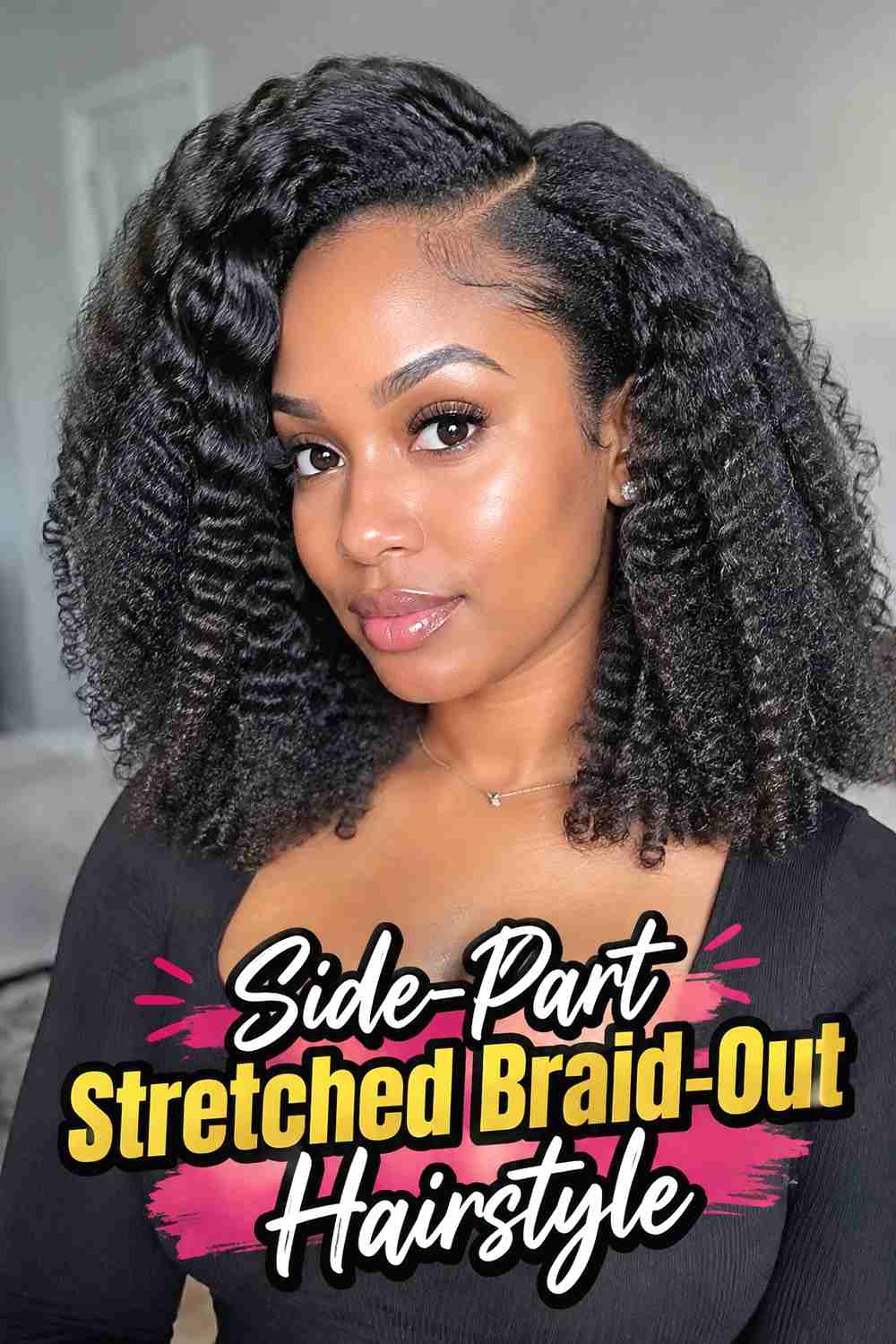
A stretched braid-out creates a longer, slightly looser interpretation of braid-set texture while maintaining the side part as the main directional feature. The finish is useful when you want less shrinkage and a narrower silhouette beside a bulky plaid winter coat. Depending on your hair, the stretched effect can come from larger braids, tension during the set, controlled drying, or gentle post-set elongation. Keep enough bend and pattern through the lengths so the style still reads clearly as a braid-out. The roots can remain softly lifted, but avoid over-expanding the sides. Long and medium hair can both wear this shape, provided the final length sits comfortably around the coat neckline.
Wear & Maintenance
Arrange the stretched lengths outside the coat so the lower pattern stays visible and is not repeatedly folded beneath a collar.
15. Side Part Layered Braid Out Hairstyle
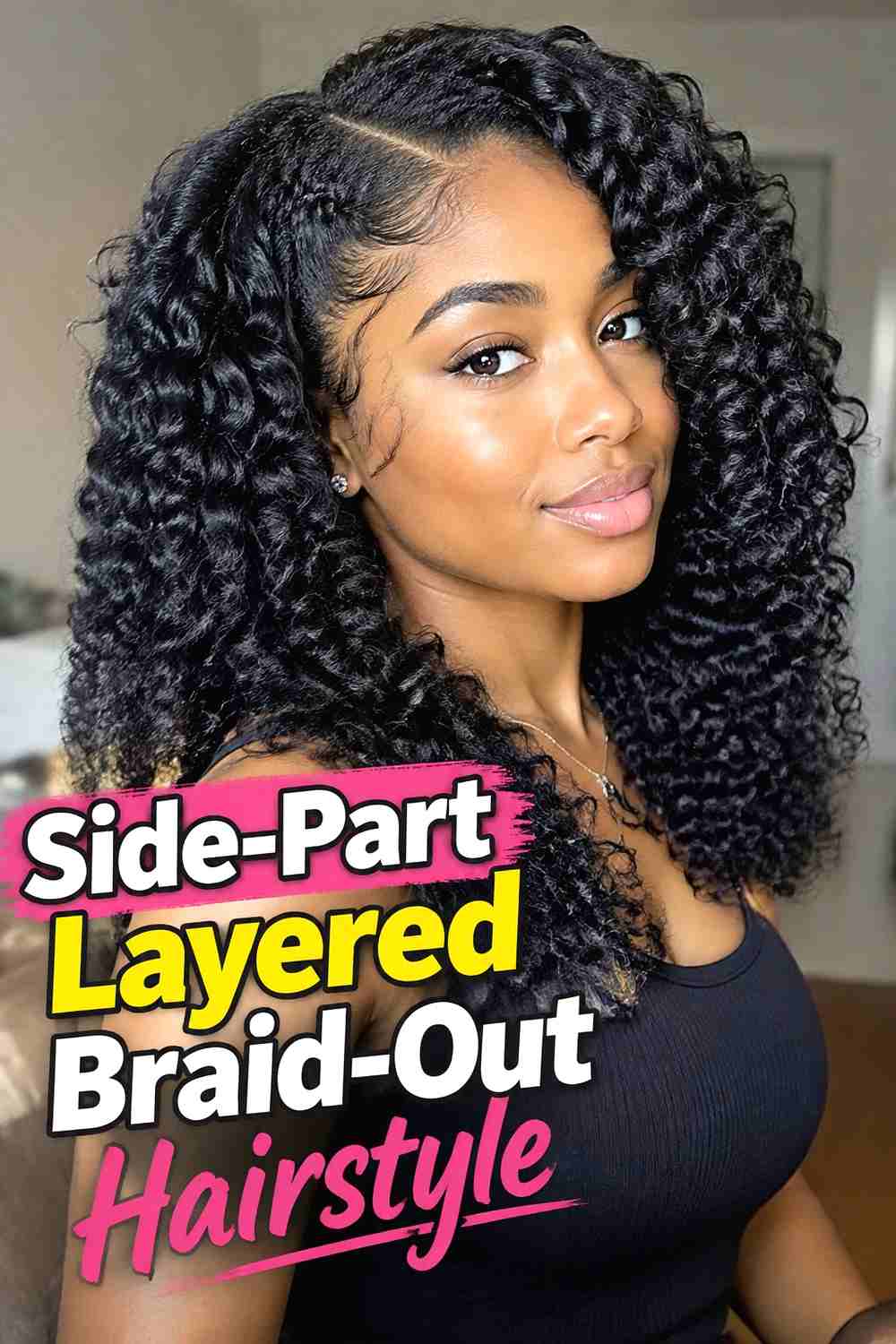
A layered braid-out uses different hair lengths to distribute texture from crown to ends, creating a naturally dimensional silhouette around a side part. Shorter sections can add lift near the upper sides, while longer pieces maintain movement below. This makes the shape especially compatible with plaid coats because the hairstyle has enough structure to remain visible without requiring extreme volume. Genuine haircut layers produce the most convincing effect, although natural shrinkage variation can add similar dimension. Keep braid sizes suited to each section rather than forcing very short and very long pieces into the same set. Once unraveled, separate selectively so each layer remains distinct while still blending into the overall hairstyle.
Why It Works
Layering prevents all the volume from collecting at one level, creating a balanced textured outline above winter outerwear.
Best For
Medium to long layered hair or textures with noticeable shrinkage variation can show this shape most clearly.
16. Side Part Asymmetrical Braid Out Hairstyle
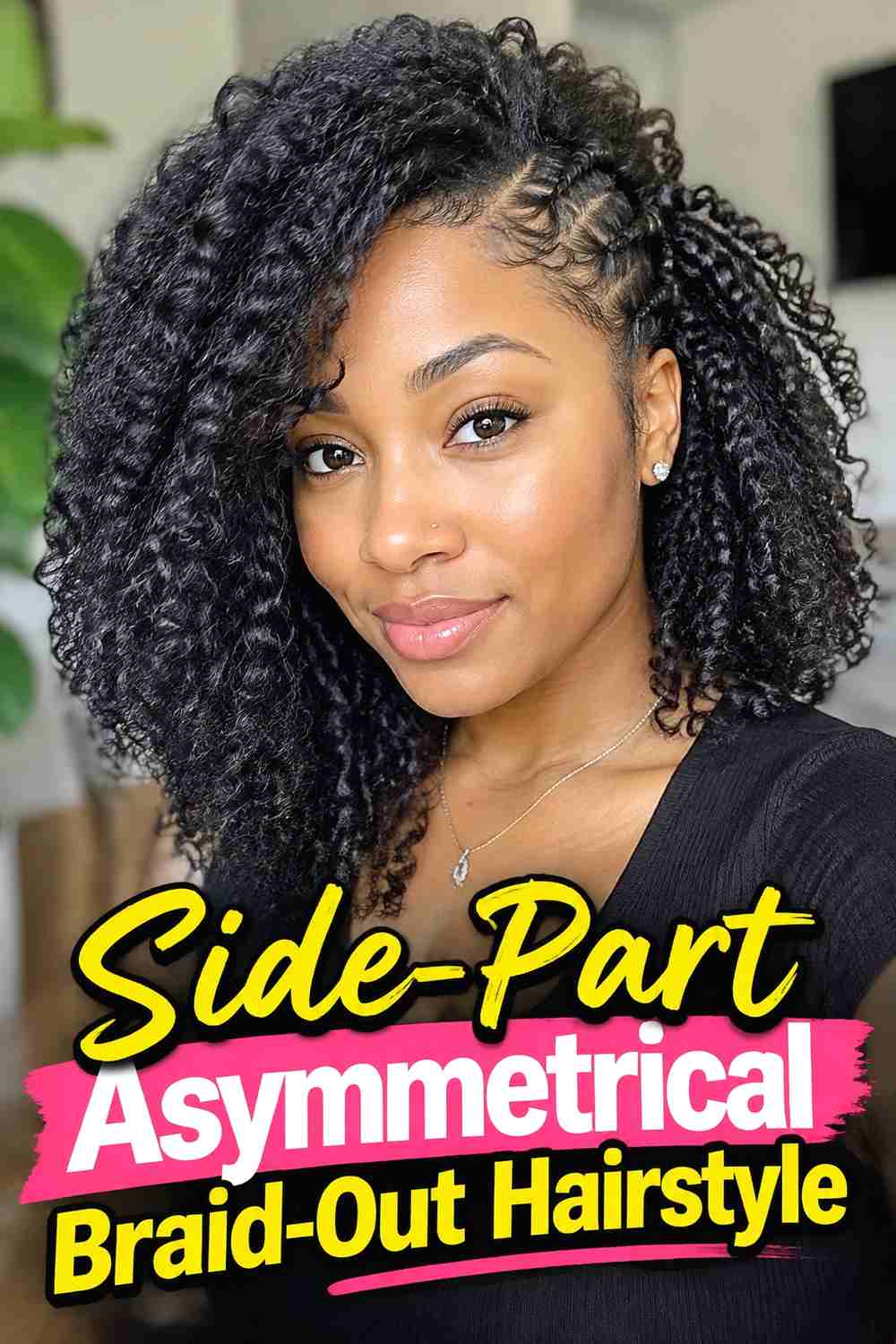
An asymmetrical braid-out intentionally carries more width, height, or length on one side, making the side part feel integral to the overall silhouette. Instead of trying to make both halves match, let the fuller side expand naturally while keeping the smaller side more contained. This can come from a directional haircut, natural density differences, a deep part, or selective root lifting after the braid-out is complete. Against the repeating geometry of a plaid coat, the uneven hair shape creates an interesting contrast. Keep the asymmetry believable rather than exaggerated, with clear braid texture visible across both sides. The result should feel expressive while still reflecting how the hair naturally falls.
Styling Notes
Work with whichever side naturally holds more height or density instead of forcing the hair against its preferred direction.
Pro Tip
Shape the smaller side first, then add volume gradually to the fuller side until the imbalance looks intentional.
How to Choose the Right Look
Start with your finished braid-out length rather than your stretched hair length. Shrinkage determines whether the style will sit above a plaid coat collar, skim the shoulders, or fall across the lapels. Shorter braid-outs can carry rounded or tapered volume easily, while longer sets may work better stretched, elongated, layered, or arranged outside the coat.
Next, decide how much definition you want. A braid-out lob or elongated style can preserve clearer texture, while fluffy bobs and high-volume shapes rely on more separation. If your hair loses definition easily, start with a more controlled shape and add fullness only where needed.
Part depth matters too. A deep side part creates stronger asymmetry, while a softer side part gives gentle movement without shifting as much volume.
Finally, consider coat structure. High collars usually pair better with volume directed upward or away from the nape. Wide lapels can handle fuller ends, while bold plaid patterns often look balanced beside braid-outs with a clear, intentional silhouette.
Final Thoughts
Side-parted braid-outs offer far more variety than one loose textured shape. Crown lift, tapered sides, stretched length, soft layers, defined ends, and asymmetrical volume can all change how the hairstyle works with a plaid winter coat.
The strongest result comes from respecting your actual density, shrinkage, length, and braid-set pattern. Shape the finished hair strategically, but keep visible texture variation, believable movement, and comfortable volume rather than forcing every section into an identical curl.
FAQs
1. How do I keep a side part visible in a braid-out?
Create the part before setting the braids and direct the nearby sections away from that line. Once dry, avoid excessive root fluffing directly along the part.
2. Which braid-out shape works best with a high coat collar?
Tapered, crown-lifted, shorter bob, and higher-volume crown shapes can reduce excess hair around the nape while keeping the texture visible above the coat.
3. Should braid-out hair sit inside or outside a winter coat?
Keeping the textured lengths outside the collar is generally more practical when you want to preserve the finished pattern and avoid unnecessary compression.
4. How can I make a braid-out fuller without losing all the definition?
Separate gradually and add root lift only after the set is fully dry. Leave some larger textured sections intact so the braid pattern remains visible.
5. Can a braid-out be elongated without removing its texture?
Yes. Larger braid sections, controlled setting tension, or gentle stretching can create more length while preserving bends, waves, curls, or coils through the hair.
Save your favorite side-parted braid-out and pair it with a plaid winter coat for an easy mix of textured softness and cold-weather structure.