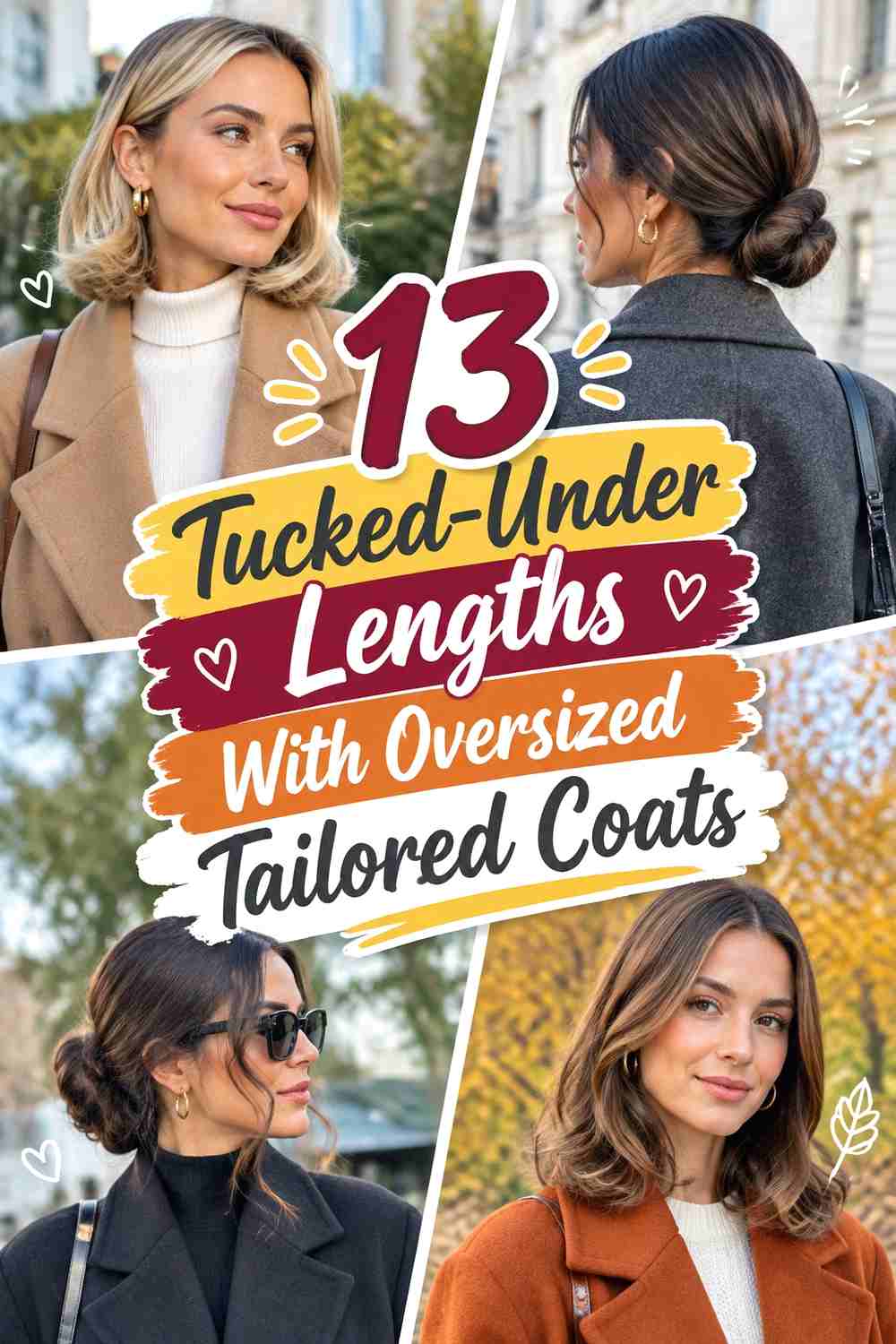
20 Medium-Length Hair Tucks With Thick Wool Ponchos
These medium-length hair tucks keep ends controlled around thick wool ponchos while preserving soft shape, movement, and a clean winter neckline.
Medium-length hair often lands exactly where a poncho collar, folded neckline, or heavy wool edge sits. That can push the ends outward, flatten texture, or make the back of the hairstyle feel bulky. Tucking selected sections upward or inward is a simple way to keep the silhouette intentional without committing to a full updo.
The best tuck depends on your exact length, texture, density, and poncho neckline. Smooth hair can create crisp folds and faux-bob shapes, while waves and curls look natural in softer rolls and hidden-pin tucks. The goal is to keep the thickest part of the hairstyle away from heavy wool while maintaining enough movement for a believable, wearable finish.
Quick List
- Soft Nape Tuck Hairstyle
- Side Swept Tucked Bob Hairstyle
- Rolled Under Bob Hairstyle
- Hidden Pin Back Tuck Hairstyle
- Soft French Roll Tuck Hairstyle
- Ear Tucked Wavy Lob Hairstyle
- Folded Low Tuck Hairstyle
- Twisted Side Tuck Hairstyle
- Curled Inward Lob Hairstyle
- Compact Claw Clip Tuck Hairstyle
- Braided Back Tuck Hairstyle
- Soft Faux Bob Tuck Hairstyle
- Curly Under Tuck Hairstyle
- Center Part Smooth Tuck Hairstyle
- Face Framing Back Tuck Hairstyle
- Textured Crown Tuck Hairstyle
- Double Twist Tucked Hairstyle
- Minimal Rolled Tuck Hairstyle
- Poncho Friendly Side Tuck Hairstyle
- Winter Secure Hair Tuck Hairstyle
1. Soft Nape Tuck Hairstyle
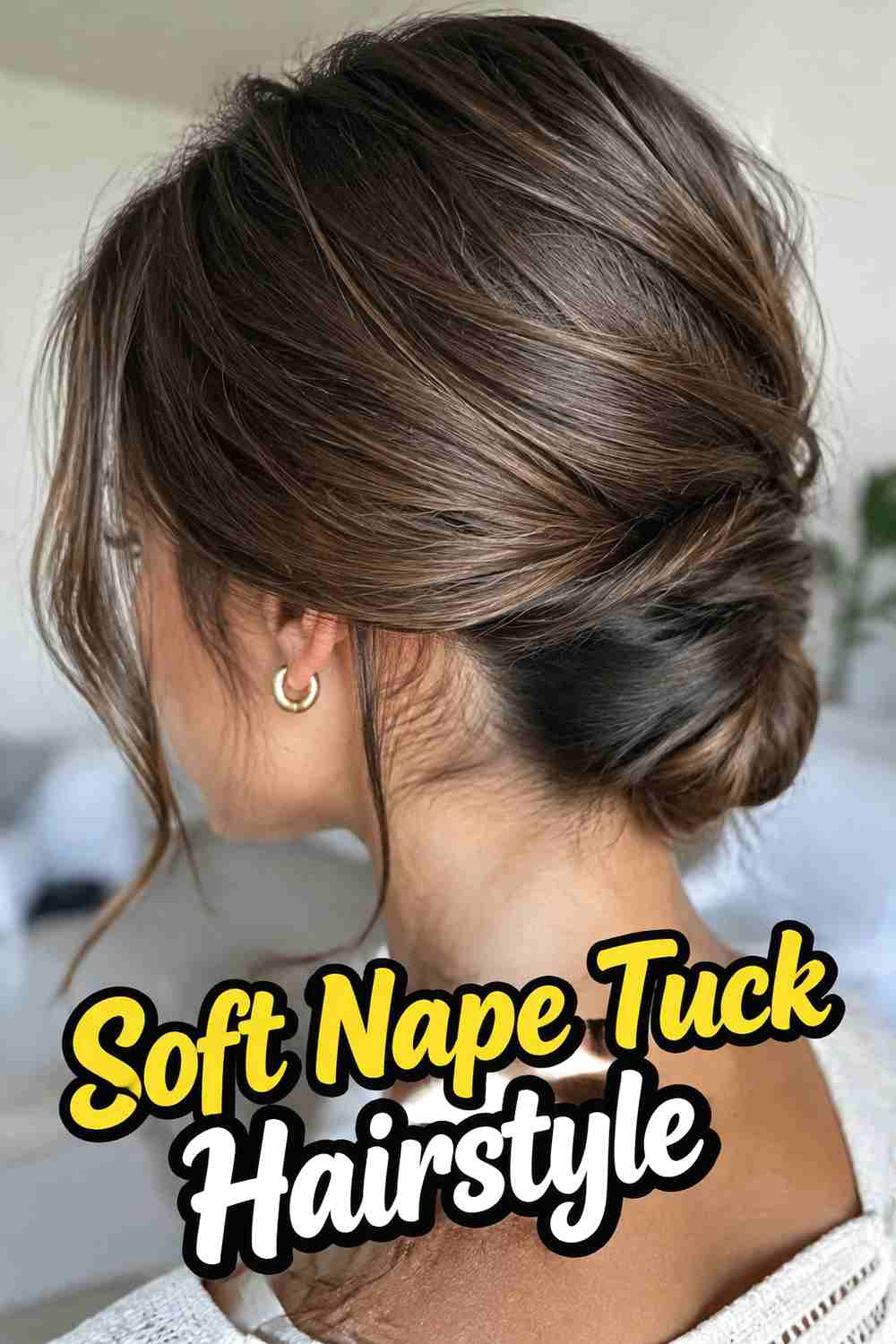
A soft nape tuck turns medium-length ends inward so they sit above a thick wool poncho instead of spreading across the collar area. Gather the lowest sections loosely, roll them under, and secure the fold with hidden pins while keeping the crown relaxed. The finished silhouette should resemble a softly shortened bob rather than a tight updo. This works especially well on straight, wavy, or lightly layered hair that has enough length to fold without creating excessive bulk. Keep the tuck slightly above the point where the poncho touches the neck, since even a small gap helps prevent friction from disturbing the shape.
Styling Notes
Work in several small sections rather than one large roll so the lower edge stays soft and balanced.
Best For
This is a versatile option for everyday ponchos, casual winter dressing, and medium-length hair that repeatedly flips against heavy wool.
2. Side Swept Tucked Bob Hairstyle
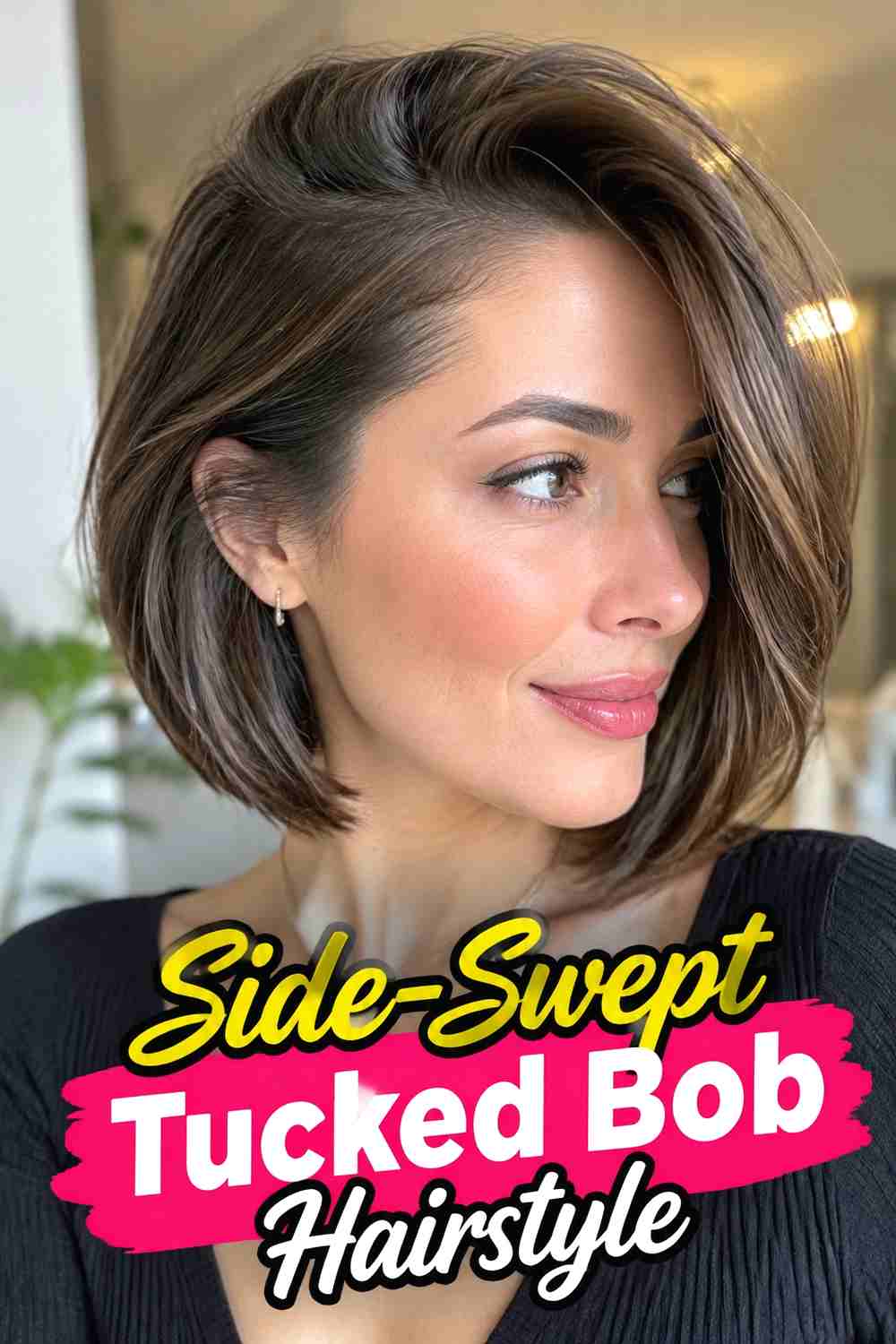
A side-swept tucked bob combines an off-center shape with neatly folded ends, making medium-length hair easier to wear around a substantial poncho neckline. Direct most of the hair toward one side, secure the hidden underside, then tuck the ends inward so they finish above the collar. The asymmetry adds movement from the front while keeping the back relatively compact. Soft waves make the fold especially forgiving because they disguise pinning points and prevent the shape from looking too rigid. Keep the heavier side slightly forward over the shoulder rather than directly against the wool, especially if the poncho has a tall collar.
Why It Works
The side direction moves visible volume away from the center back while the tucked ends stop medium lengths from catching on the poncho.
Pro Tip
Pin the hidden side first so the sweep remains stable while you shape the tucked edge.
3. Rolled Under Bob Hairstyle
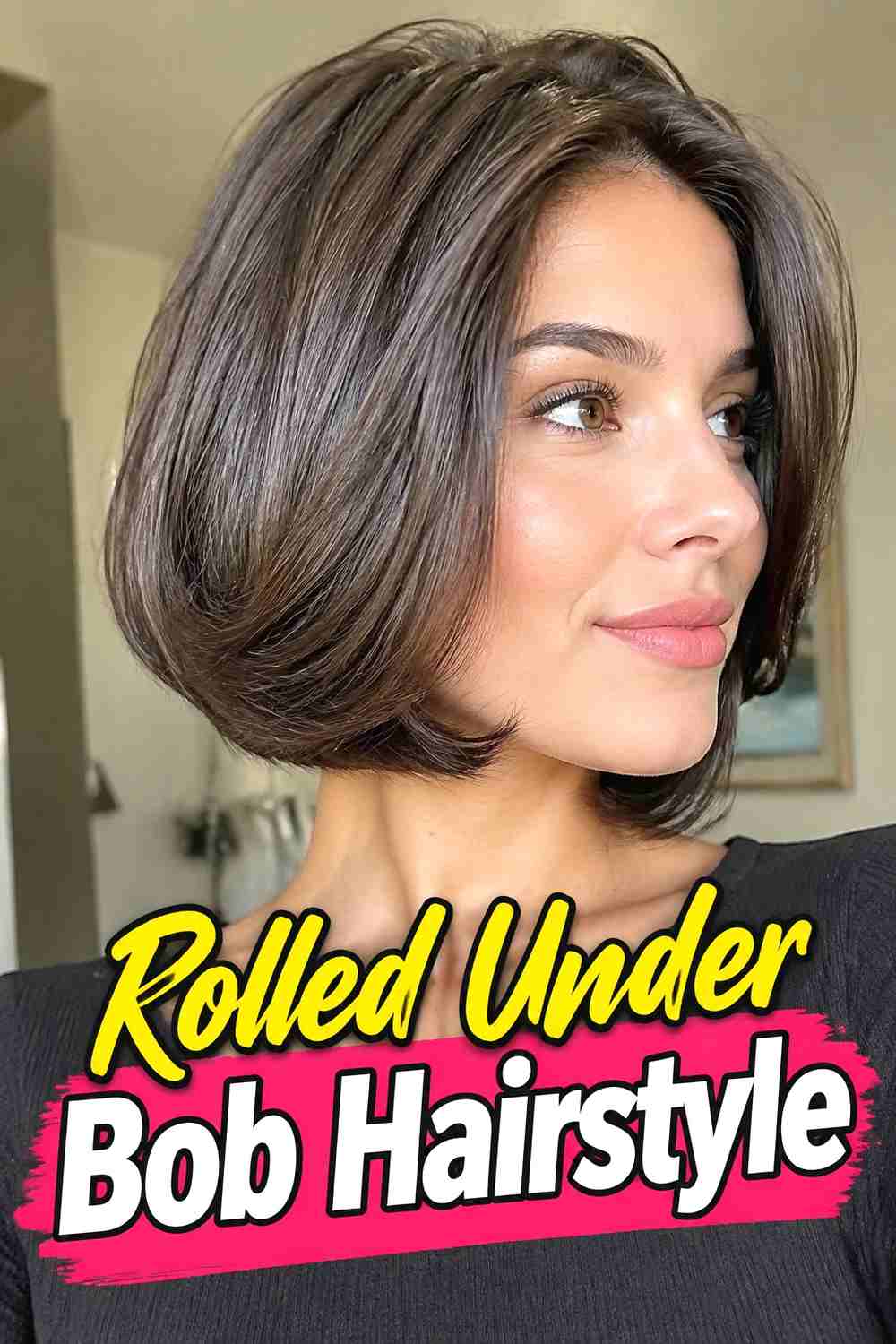
A rolled under bob uses a smooth inward fold to shorten the appearance of medium-length hair and create a clean rounded silhouette. The ends are directed under rather than outward, helping the hairstyle sit above thick wool instead of bouncing against the poncho edge. Straight and softly waved hair show the curved shape most clearly. Create the roll in sections, pin underneath, and keep enough looseness that the surface still has natural movement. A subtle crown lift can balance the rounded bottom without making the hairstyle too voluminous. If the poncho neckline is especially thick, position the rolled edge slightly higher than you normally would.
Hair Type & Length
Straight to wavy medium-length hair is easiest to shape, particularly when the cut has a relatively even perimeter.
Styling Notes
Use broad bends rather than tight curls so the roll reads as one soft shape instead of multiple small loops.
4. Hidden Pin Back Tuck Hairstyle
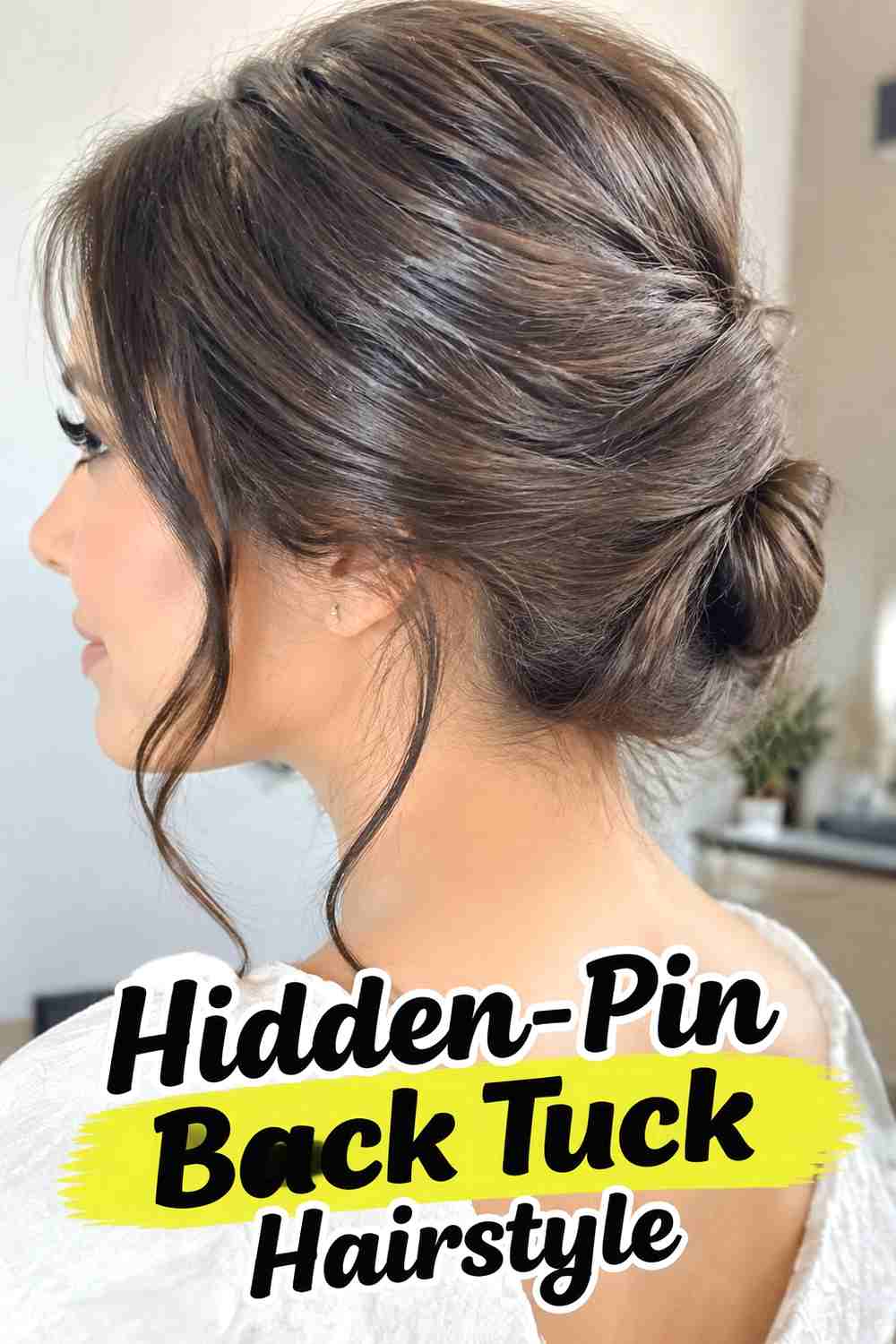
A hidden-pin back tuck keeps the hairstyle simple by moving only the lower back sections away from the poncho. The sides and crown remain mostly natural, while the hair at the center back is folded upward and secured beneath its own surface. This is practical when you want the appearance of wearing your hair down but need to stop the ends from being pushed outward by thick wool. Medium-density hair works particularly well because the tuck can stay flat without requiring excessive pins. Maintain a little looseness at the surface so the back does not look compressed against the head.
Why It Works
Only the problem area is tucked, so you preserve the movement of a down style while removing direct contact at the collar.
Wear & Maintenance
Check the pins after removing outerwear, since heavy poncho fabric can loosen low anchor points if they sit too close to the neckline.
5. Soft French Roll Tuck Hairstyle
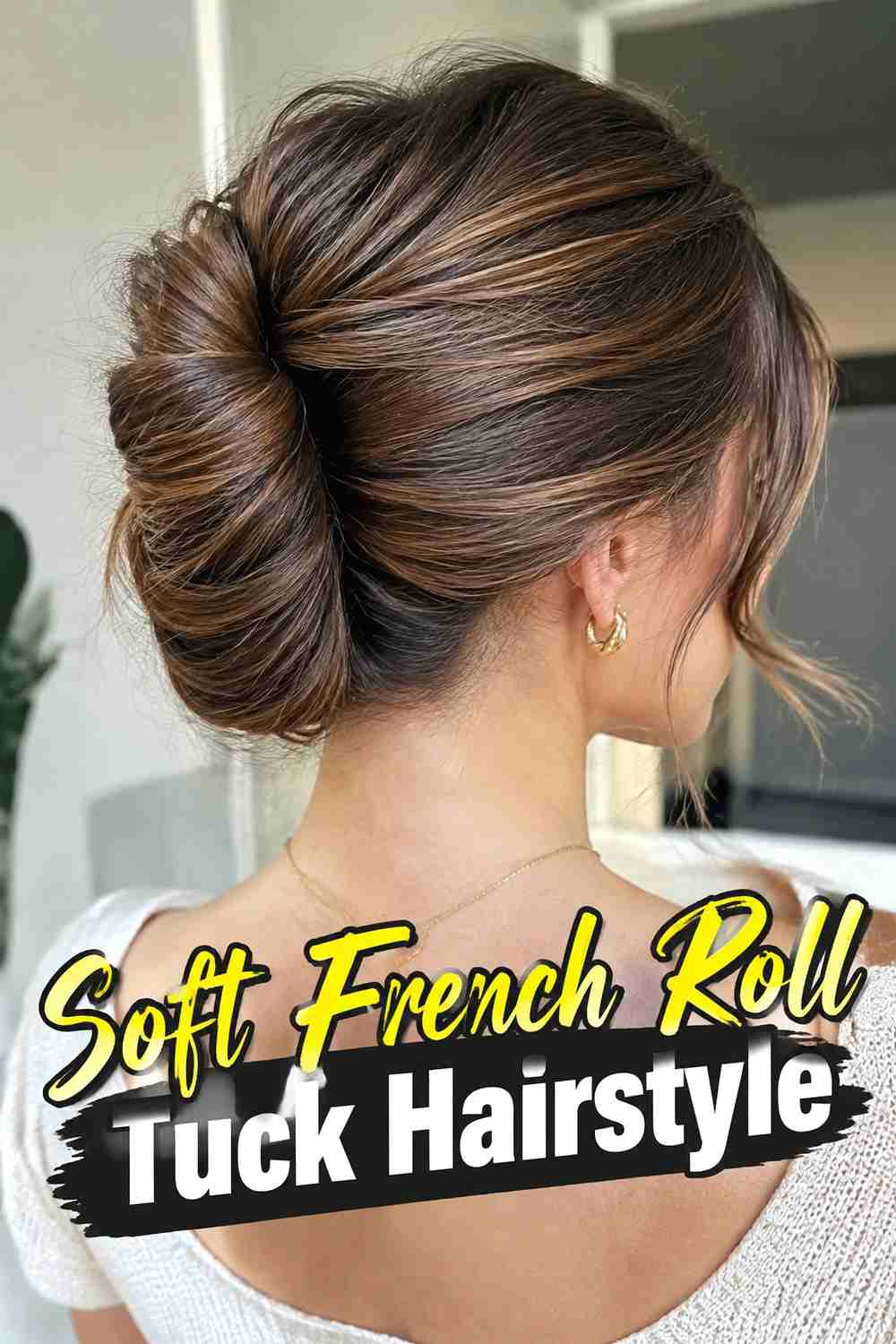
A soft French roll tuck brings the lower lengths upward into a short vertical roll without creating the formality of a full French twist. Medium-length hair is especially well suited because the ends can disappear inside the fold without producing a large roll. Keep the sides softly directed backward and allow subtle texture over the surface. The base should sit above the thickest portion of the poncho collar so the wool cannot press against the pins. This style gives more structure than a simple nape tuck while still feeling relaxed enough for daytime winter outfits and casual layering.
Styling Notes
Create a short internal pin line at the center back, then fold the hair over it rather than twisting everything tightly.
Best For
Choose this when you want a tidy winter hairstyle with more shape than a basic tuck but less formality than a classic updo.
6. Ear Tucked Wavy Lob Hairstyle
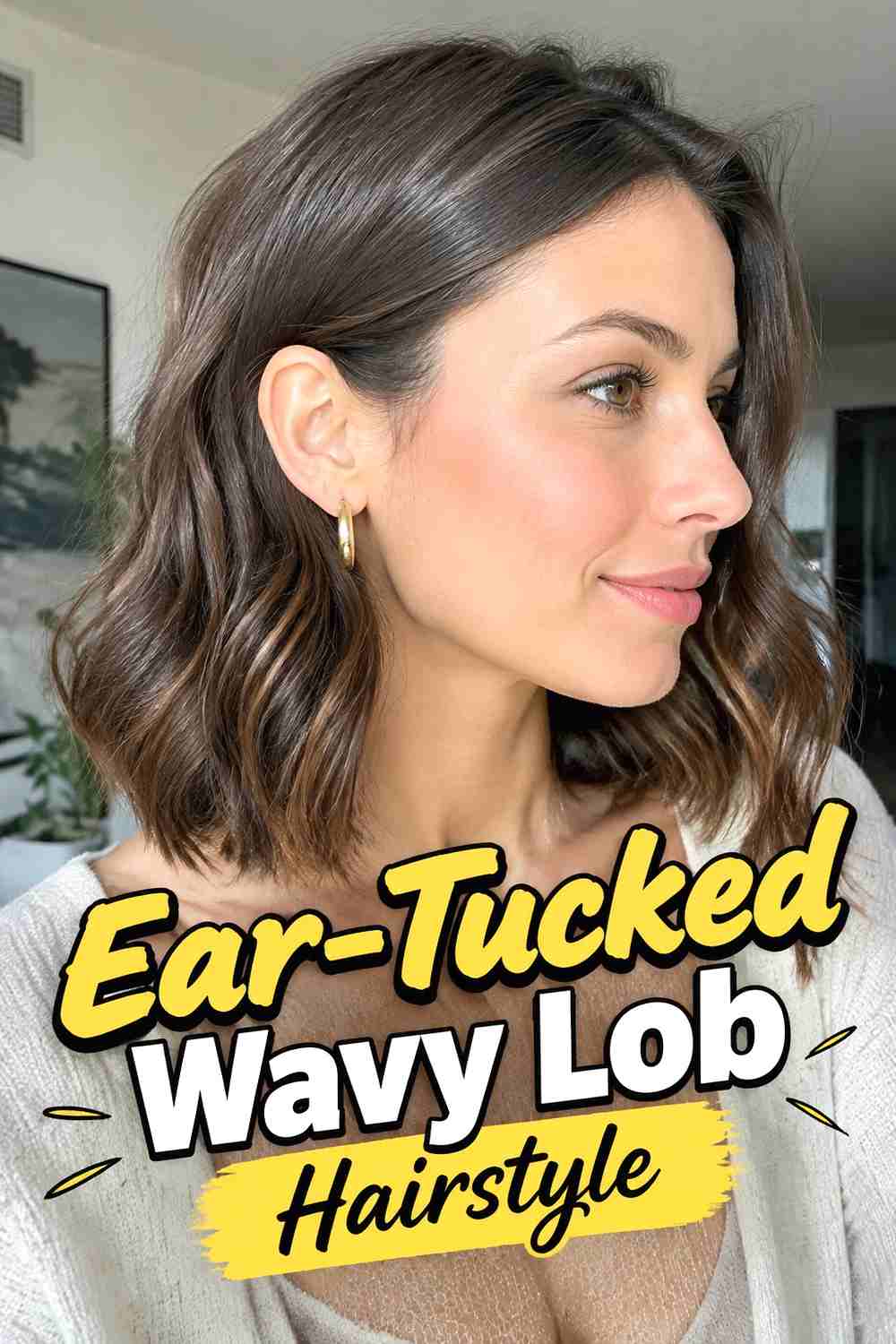
An ear-tucked wavy lob leaves most medium-length hair loose while moving the sides away from the face and neckline. Tucking behind both ears narrows the shape near the poncho collar, while loose waves through the lower lengths keep the style soft and natural. If the ends still meet the wool, direct them slightly forward over the shoulders rather than letting them sit across the back. This styling approach works best with ponchos that have open or lower necklines, since the hair remains largely down. Keep the waves broad and separated so they move easily without creating excessive width.
Best For
This look suits lighter ponchos, open-neck designs, and days when you want visible length without a full pinned style.
Pro Tip
Set the ear tuck while drying so the sides stay in place more naturally and require less product.
7. Folded Low Tuck Hairstyle
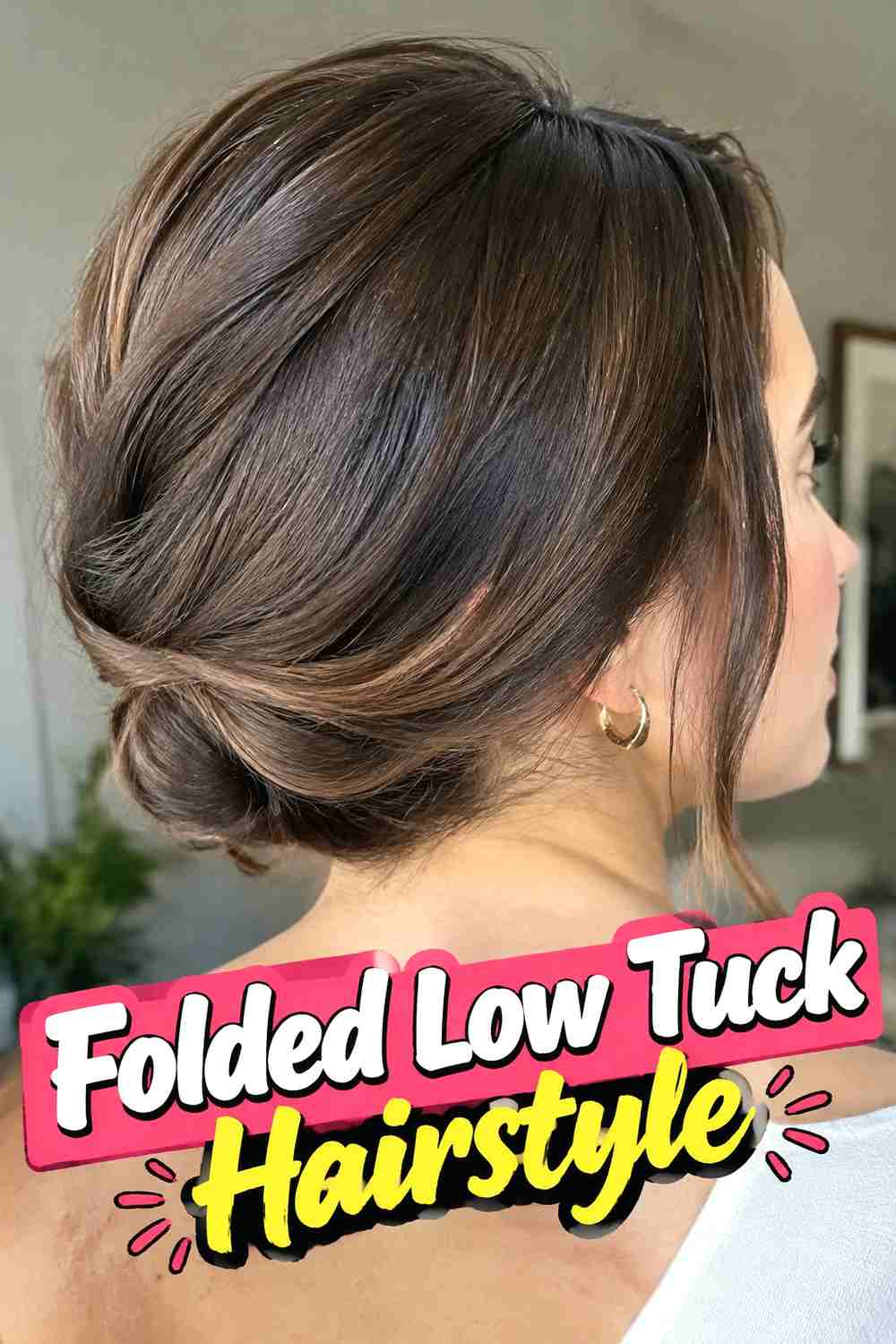
A folded low tuck gathers the ends inward in one compact horizontal shape positioned just above the poncho neckline. Unlike a bun, the hair is folded rather than wrapped, producing a flatter silhouette that works well when thick wool already creates volume around the shoulders. Medium-length hair usually needs only one fold, which keeps the construction simple and comfortable. Leave the crown softly lifted and avoid pulling the sides too tightly. The finished tuck should feel contained but not rigid, with enough surface texture to remain believable. Raising the fold slightly can make a major difference when the poncho has a high collar.
Why It Works
The flatter construction creates less bulk behind the head than a traditional low bun.
Wear & Maintenance
Use crossed bobby pins inside the fold so the support remains hidden and secure.
8. Twisted Side Tuck Hairstyle
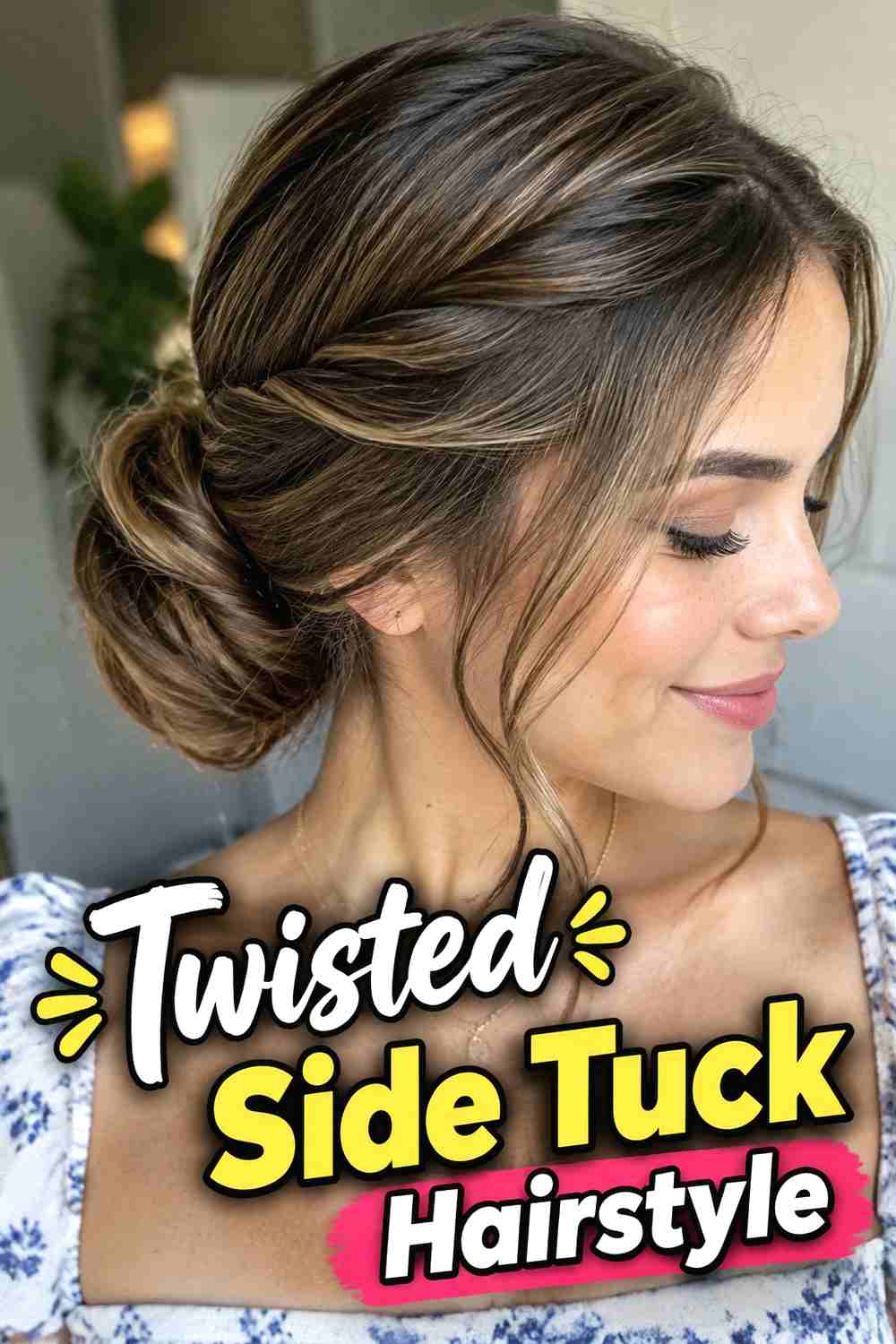
A twisted side tuck shifts the ends toward one side before folding them upward, creating an asymmetrical shape that stays clear of the center back. Begin by directing the hair diagonally, twist the lower section lightly, and secure the ends beneath the twist. This works well with medium-length hair because the available length is enough to form a clear tuck without leaving a long tail. The side placement can also keep the hairstyle visible from the front, especially with wide poncho necklines. Maintain softness at the crown and temples so the finished look does not feel overly formal.
Styling Notes
Keep the twist loose at the surface but secure through the hidden center where the pins provide support.
Best For
This option works well for dinners, winter outings, and ponchos with large open necklines or decorative collars.
9. Curled Inward Lob Hairstyle
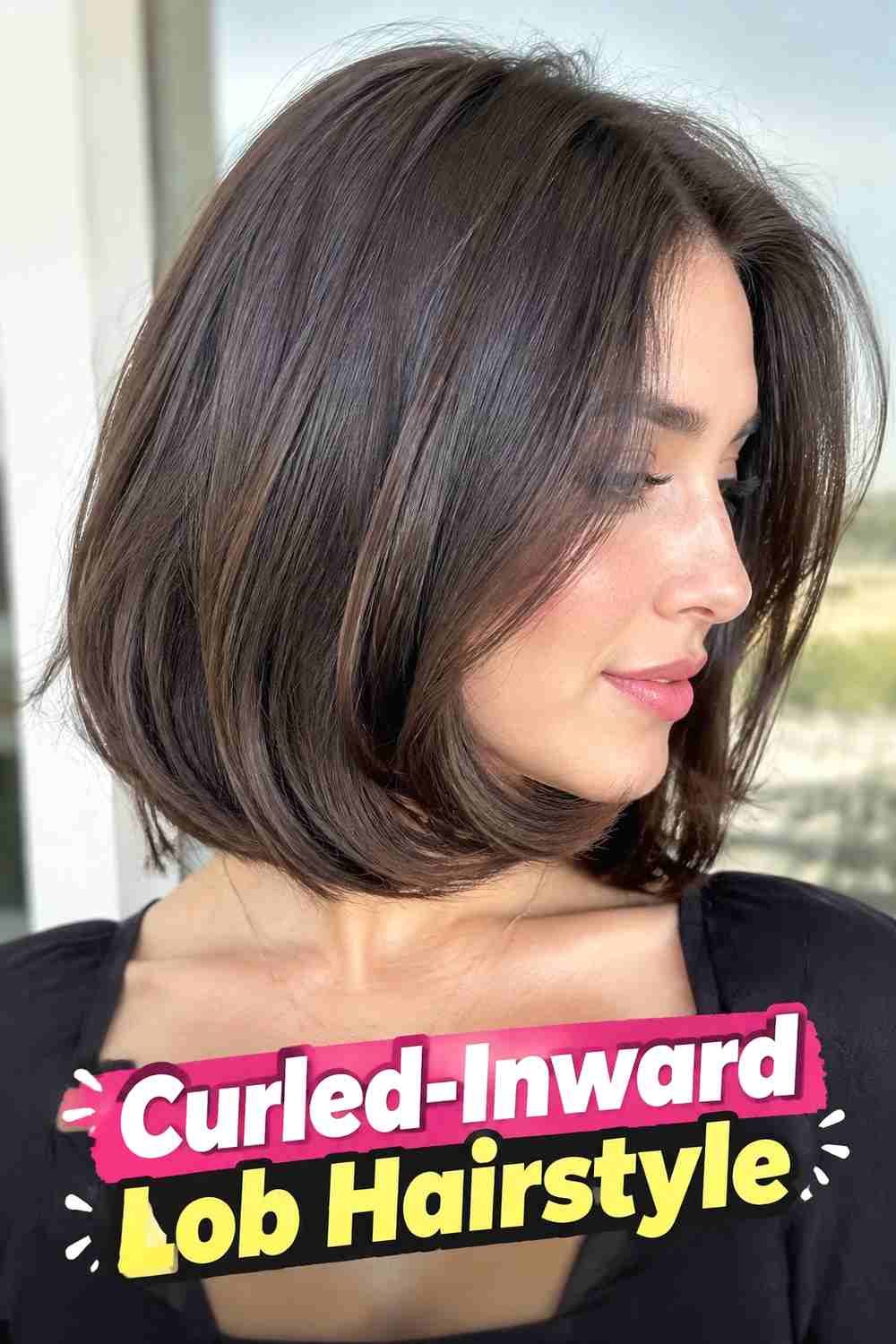
A curled-inward lob keeps medium-length hair down but turns the ends gently toward the neck instead of allowing them to flip outward over thick wool. The result is a smooth, rounded finish that stays more controlled around the poncho edge. Use a large round brush or soft bend through only the lower portion of the hair, keeping the mids relatively straight or softly waved. This is most comfortable with ponchos whose collars sit slightly lower, since the hair still remains loose. The inward curve should be broad and flexible rather than tightly curled, helping the lob maintain natural movement.
Hair Type & Length
Straight and lightly wavy medium-length hair respond especially well to a soft inward bend.
Pro Tip
Focus heat only on the ends so the hairstyle keeps a natural, airy shape through the mid-lengths.
10. Compact Claw Clip Tuck Hairstyle
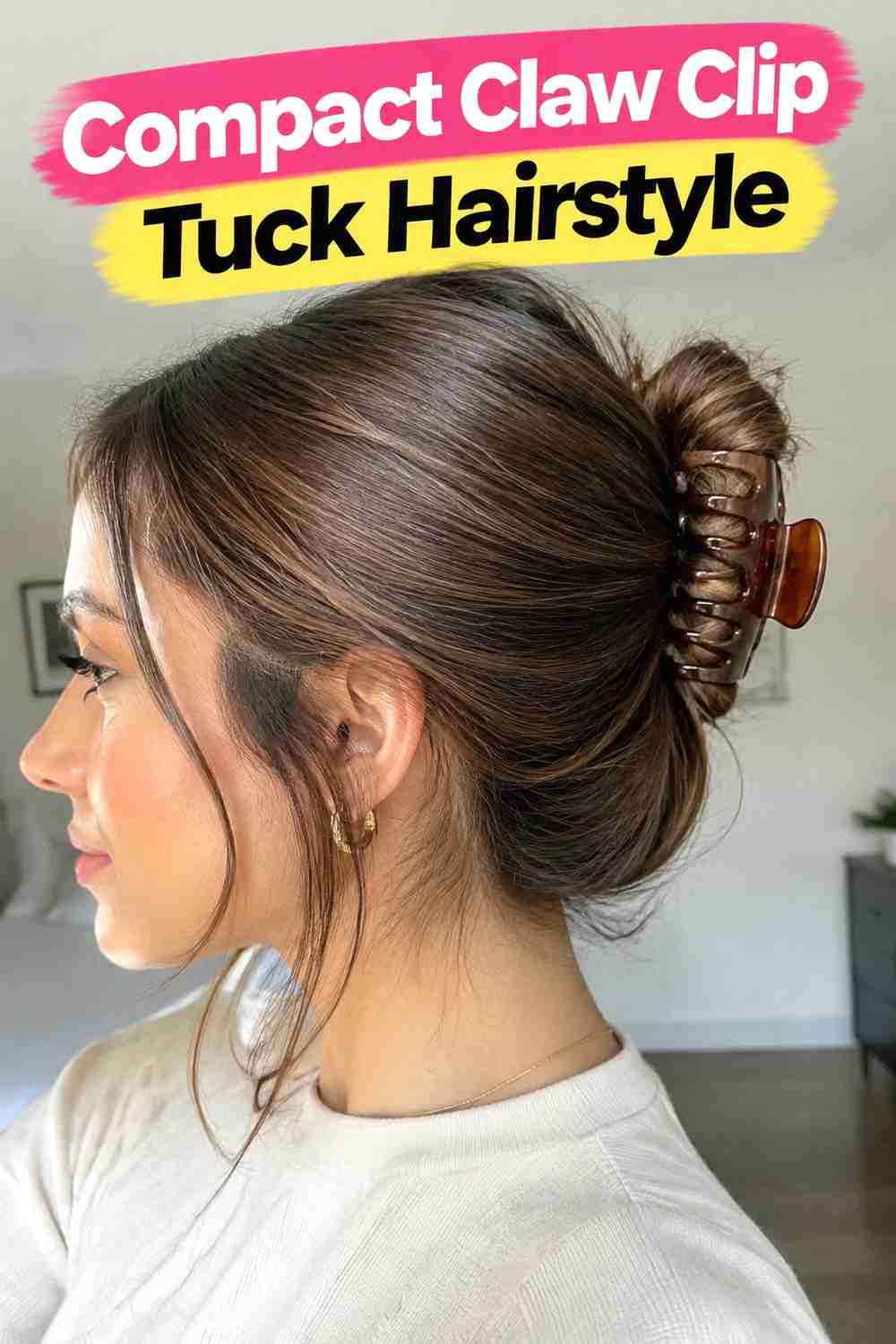
A compact claw clip tuck lifts medium-length hair upward and contains the ends in a small fold, making it useful with bulky poncho necklines. Gather the hair at the back, twist once, fold the remaining length inward, and secure the shape with a clip positioned above the collar. The hairstyle should stay close to the head instead of fanning widely. Choose a clip strong enough for your hair density but small enough not to press against heavy wool. A little texture through the crown can keep the style soft and modern rather than overly utilitarian.
Wear & Maintenance
Try on the poncho after clipping the hair to make sure the collar does not push against the accessory.
Why It Works
The clip contains medium lengths quickly while lifting both the ends and fastening point away from thick fabric.
11. Braided Back Tuck Hairstyle
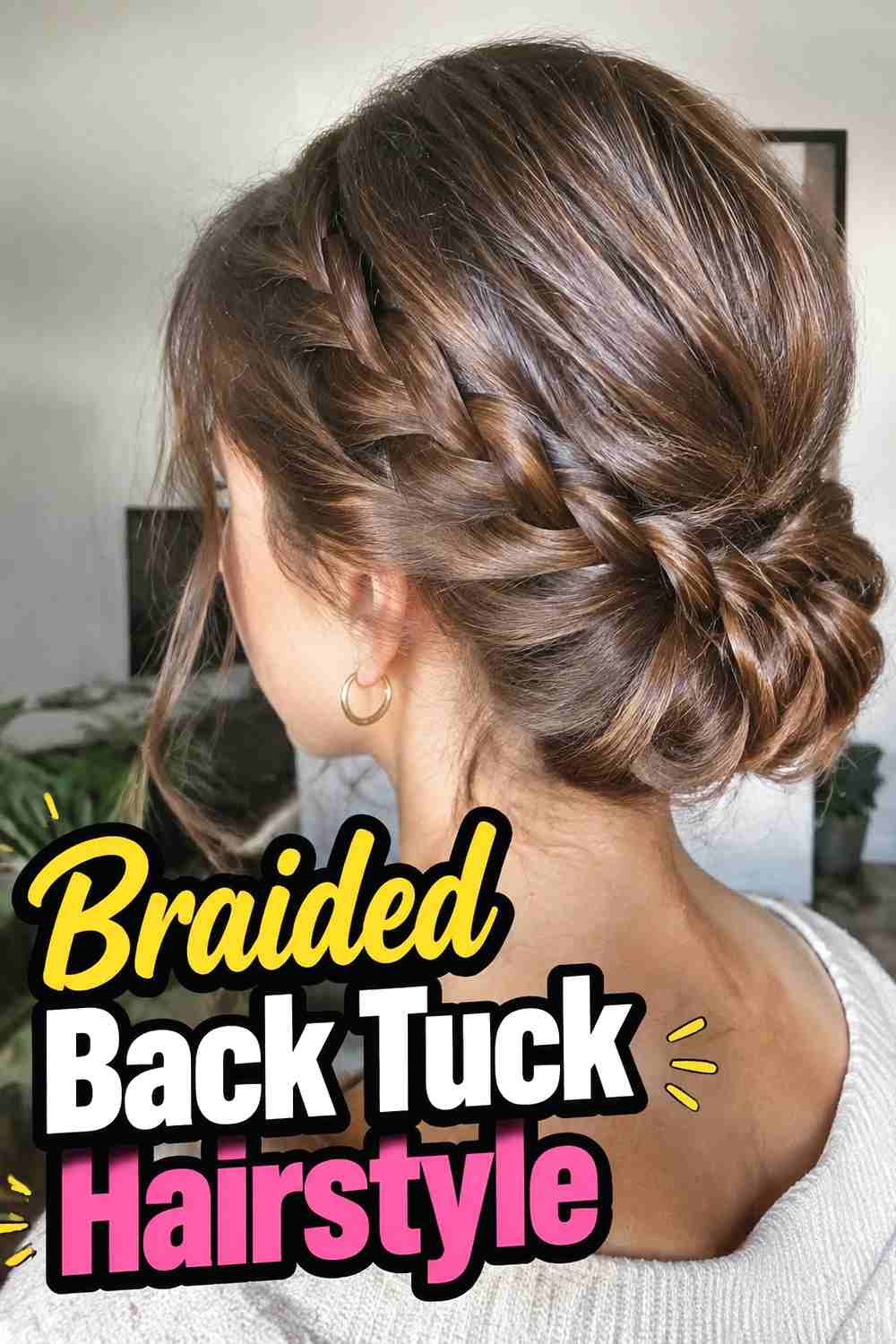
A braided back tuck uses a short braid to contain the ends before folding them upward. Start with a low braid, keep the plait relatively compact, then tuck the braided section under itself and pin it above the poncho collar. Braiding compresses medium-length hair, making the final shape smaller than a loose roll and helping layers stay together. This is particularly practical for thick hair or busy winter days when you want the tuck to remain stable. Keep the crown natural and soften the braid slightly only after the tuck is secure.
Why It Works
The braid prevents shorter layers and ends from escaping individually while keeping the tucked shape compact.
Pro Tip
Pin through the braid rather than only around its edges so the folded section stays firmly anchored.
12. Soft Faux Bob Tuck Hairstyle
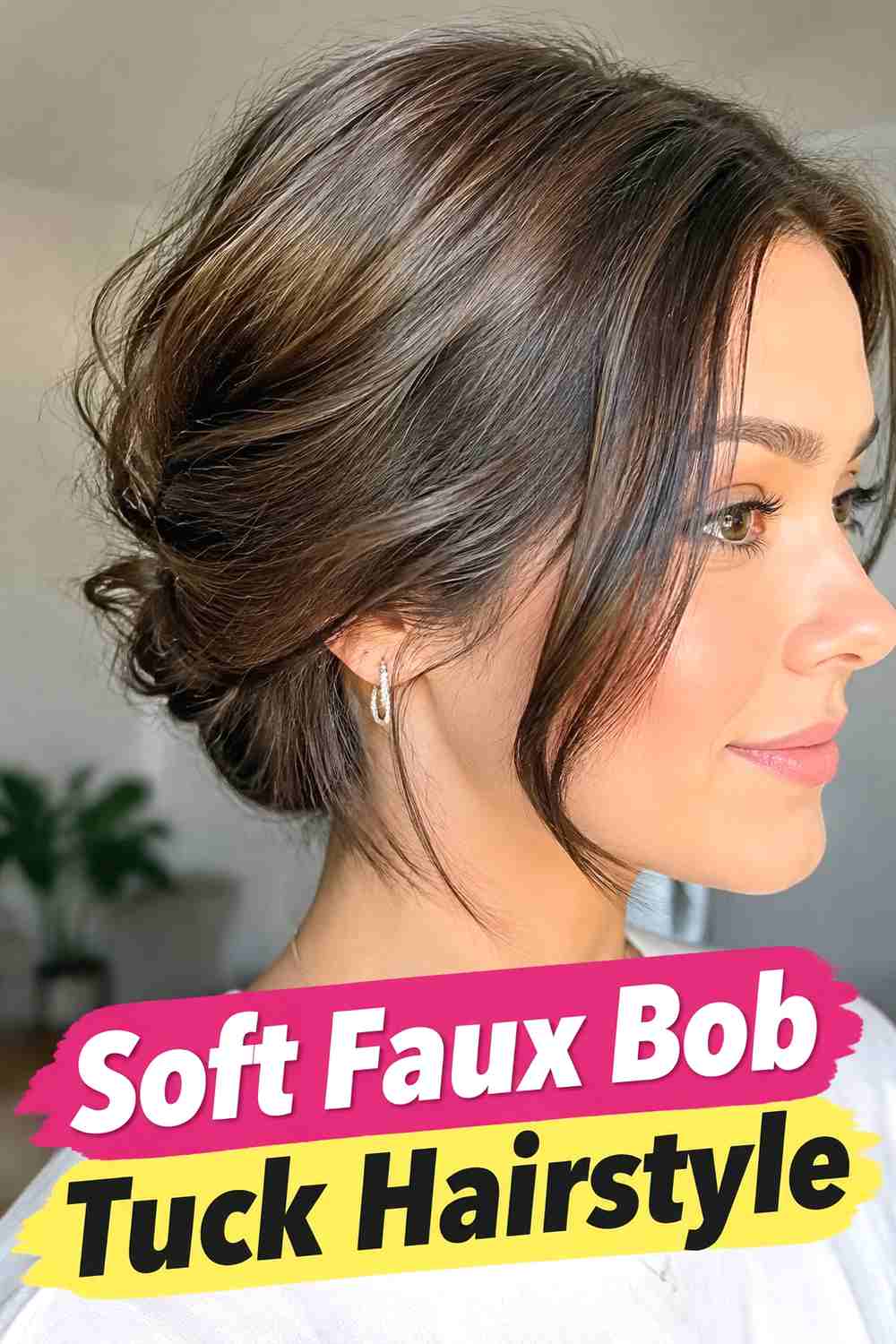
A soft faux bob tuck creates the illusion of shorter hair by folding medium lengths underneath and shaping a rounded edge around the jaw or upper neck. The style is especially useful with thick wool ponchos because it visually shortens the hair and removes loose ends from the collar area. Waves or soft bends help disguise the tucked construction, making the faux bob look more believable. Divide the lower hair into several sections, roll each one inward, and pin beneath the surface. Keep the perimeter slightly irregular so the shape does not appear too stiff or perfectly sculpted.
Hair Type & Length
Medium-length hair with natural wave or added bend creates the most forgiving faux-bob shape.
Styling Notes
Set the desired bob length before pinning and keep the lowest edge above the poncho collar.
13. Curly Under Tuck Hairstyle
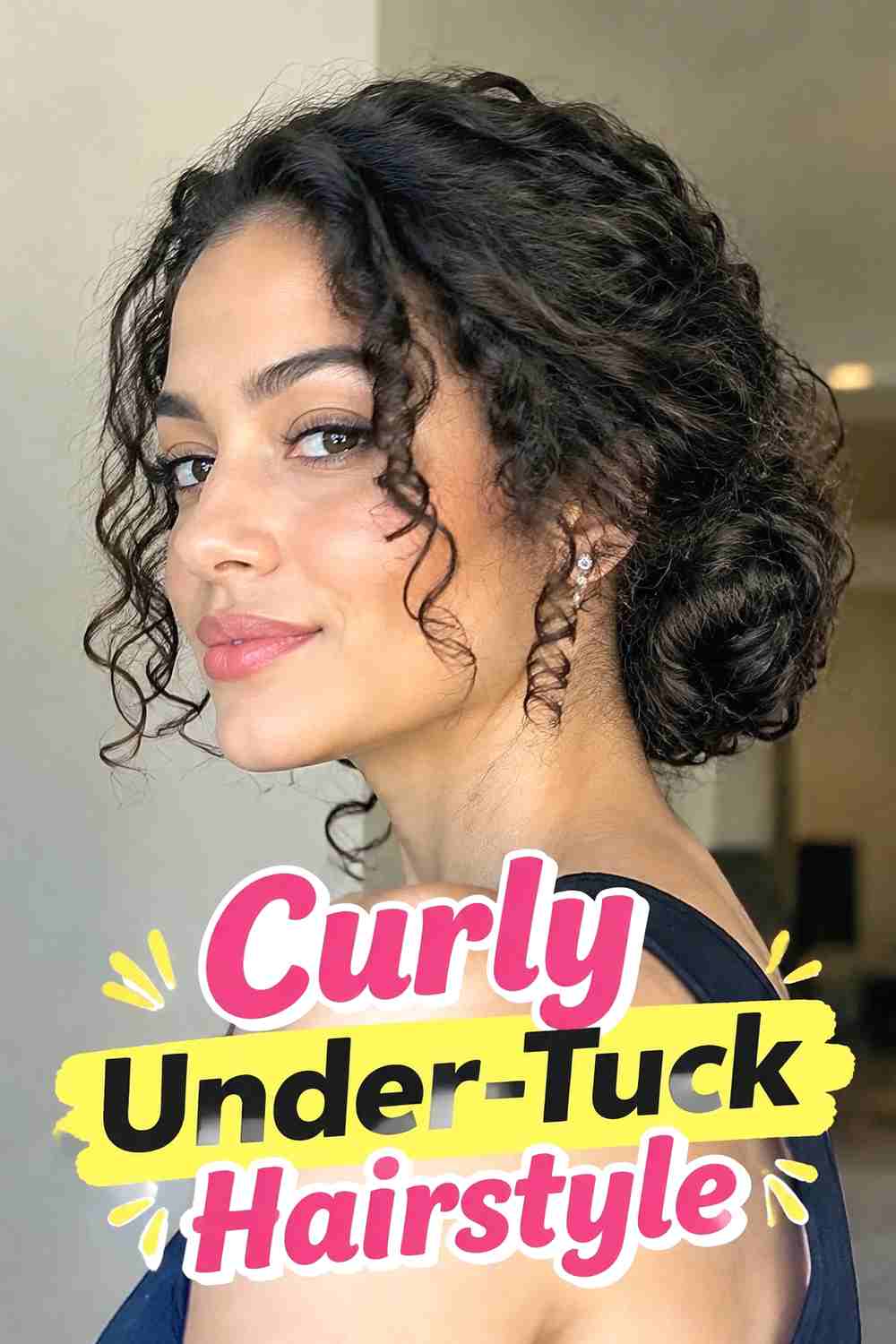
A curly under-tuck preserves visible curl texture while moving the lower lengths away from thick wool. Rather than smoothing the curls into one roll, gather small curl clusters and pin them inward beneath the back section. This creates a soft, rounded shape with natural variation through the surface. Medium-length curls work especially well because the shorter length is easy to contain without creating a heavy updo. Leave the crown and sides softly defined, and keep the lowest curls above the collar so they do not become trapped in the poncho fibers.
Hair Type & Length
Curly and coily medium-length hair can create this style with minimal straightening or reshaping.
Pro Tip
Pin curl clusters individually so you can preserve definition instead of compressing everything into one dense tuck.
14. Center Part Smooth Tuck Hairstyle
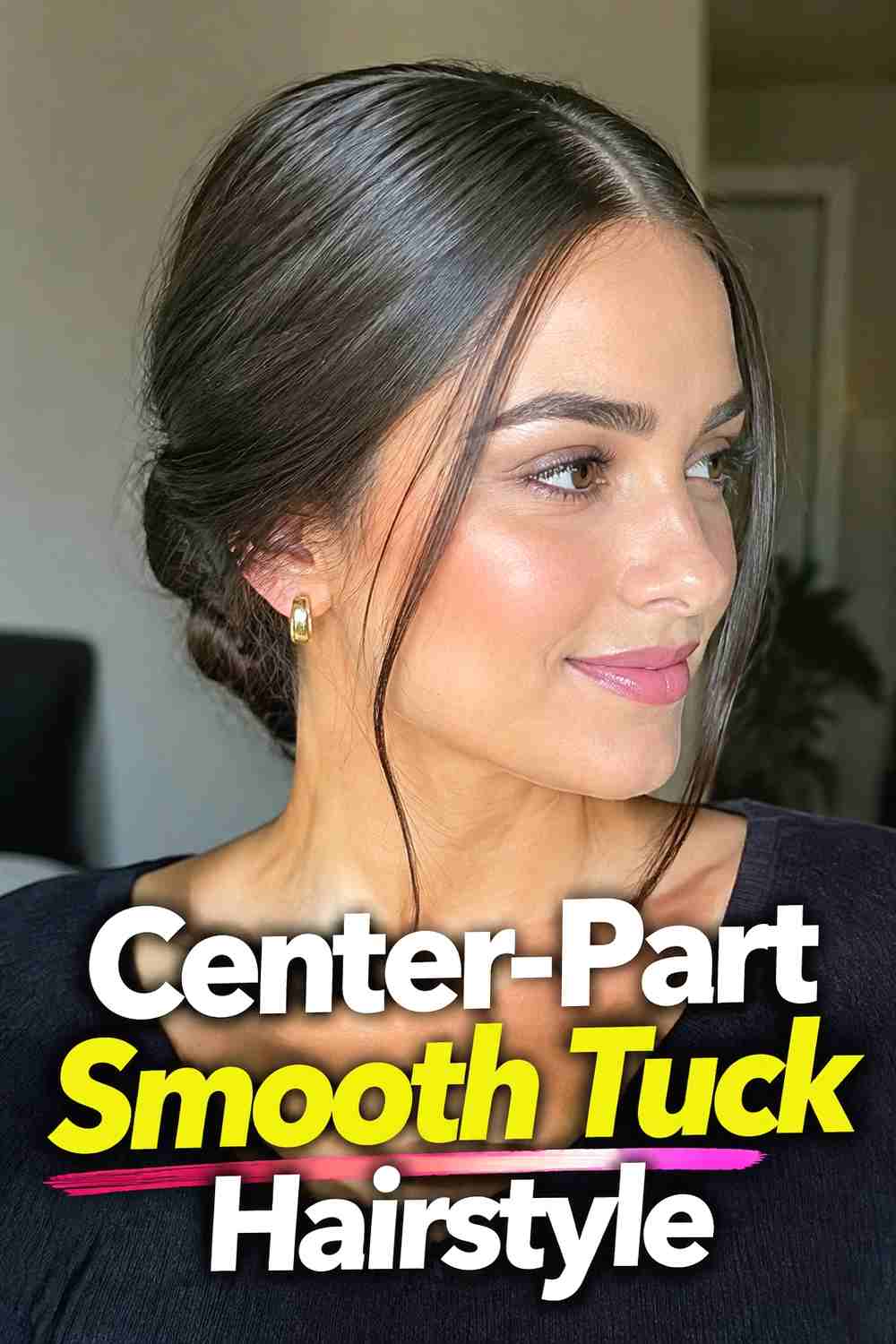
A center-part smooth tuck combines a clean front with a compact folded back. The precise middle part gives the style symmetry, while the lower hair is tucked under and secured above the poncho neckline. This works beautifully with smooth medium-length hair because the surface stays simple and graphic against textured wool. Avoid pulling the sides excessively tight; a little natural contour around the head keeps the result wearable. The tucked edge can be softly rounded or nearly flat depending on hair density. A small amount of smoothing cream helps keep flyaways controlled without making the style rigid.
Best For
This polished look suits minimalist ponchos, monochrome outfits, office dressing, and simple winter accessories.
Wear & Maintenance
Refresh the center part and front sections first if outerwear disturbs the style, since those details define the polished finish.
15. Face Framing Back Tuck Hairstyle
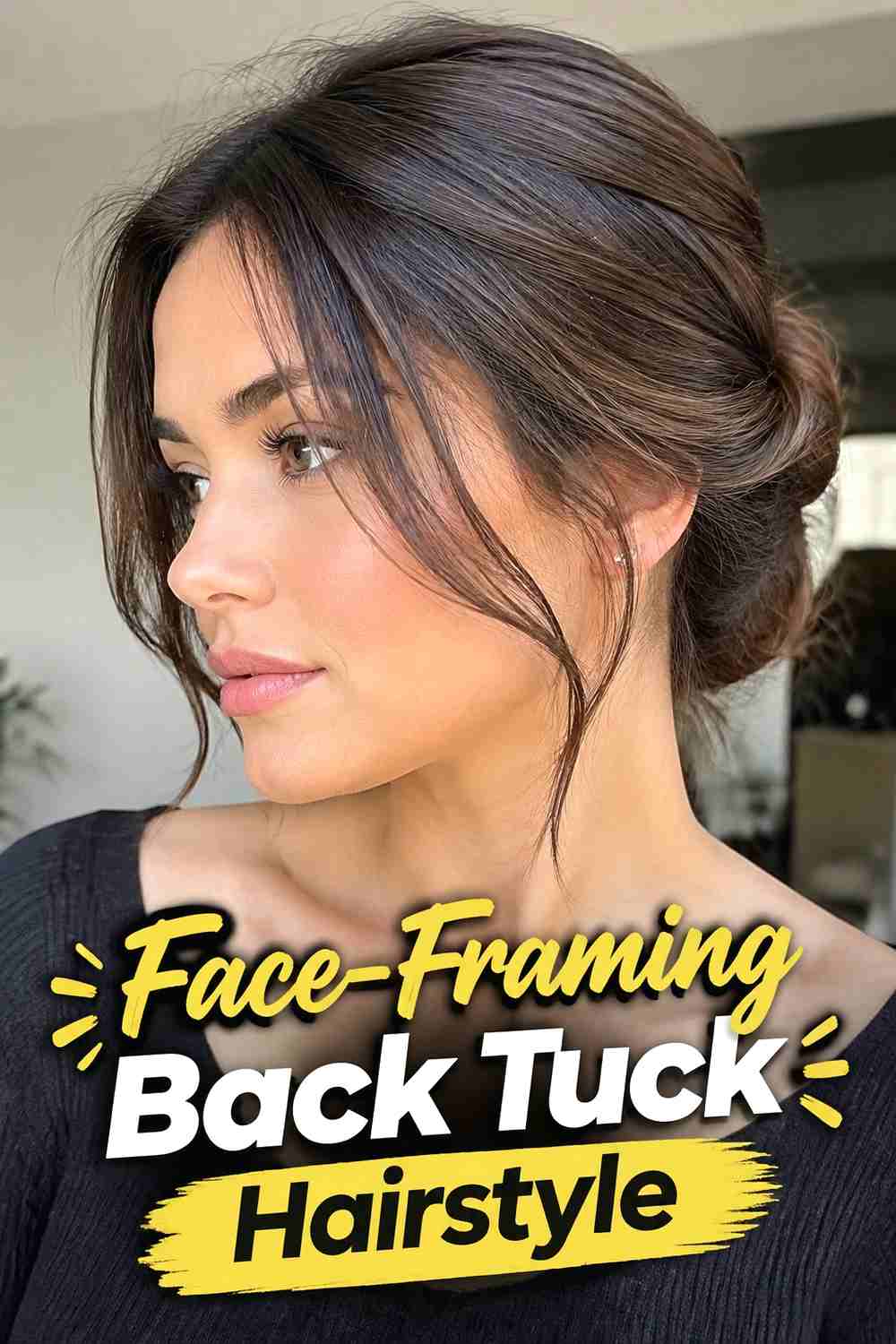
A face-framing back tuck keeps the lower hair contained while leaving a few intentional front pieces free. Fold the back sections inward above the poncho collar, then allow shorter layers around the temples or cheeks to remain loose. This prevents the hairstyle from feeling too severe while still removing the bulk that would otherwise sit against thick wool. The loose pieces should stay relatively short so they do not become trapped inside the poncho neckline. Soft bends through the front can make the style feel cohesive with the tucked shape at the back.
Styling Notes
Separate the face-framing pieces before tucking the rest of the hair so you do not loosen the finished back section.
Best For
This is a good choice when you want practical collar clearance without pulling every strand away from the face.
16. Textured Crown Tuck Hairstyle
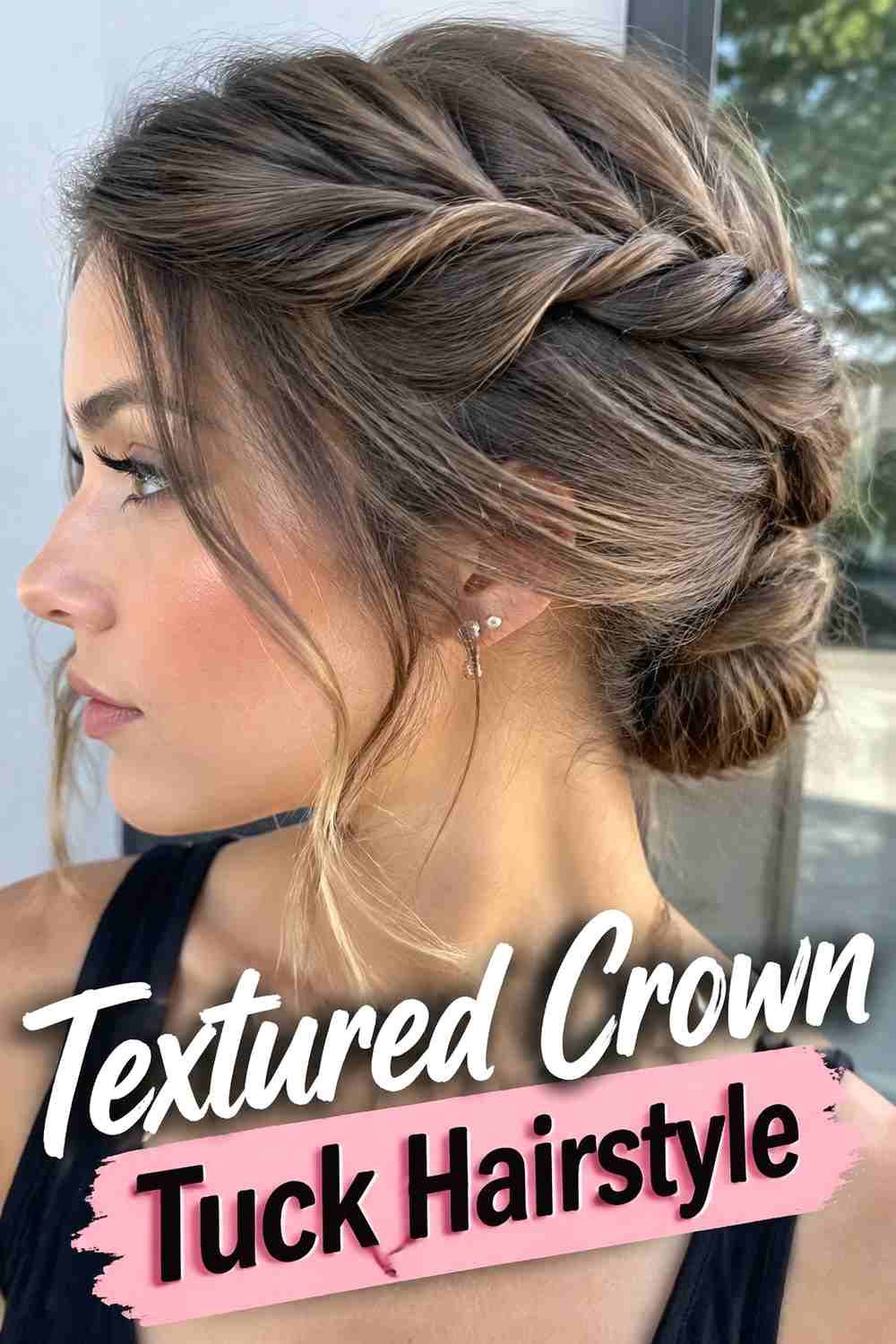
A textured crown tuck adds gentle lift through the upper head while keeping the lower lengths folded inward. The crown volume prevents the tucked shape from looking flat, especially with broad wool ponchos that already add visual width around the shoulders. Create soft texture first, then secure the lower sections above the neckline and lightly loosen the crown. Wavy hair naturally supports this balance, while straight hair may need subtle root lift. Keep the tuck compact so the volume stays concentrated higher on the head rather than spreading into the poncho collar.
Why It Works
Raising visual volume toward the crown balances a wide poncho while keeping the actual ends away from thick fabric.
Pro Tip
Secure the tuck before adjusting the crown so the lower anchor remains stable.
17. Double Twist Tucked Hairstyle
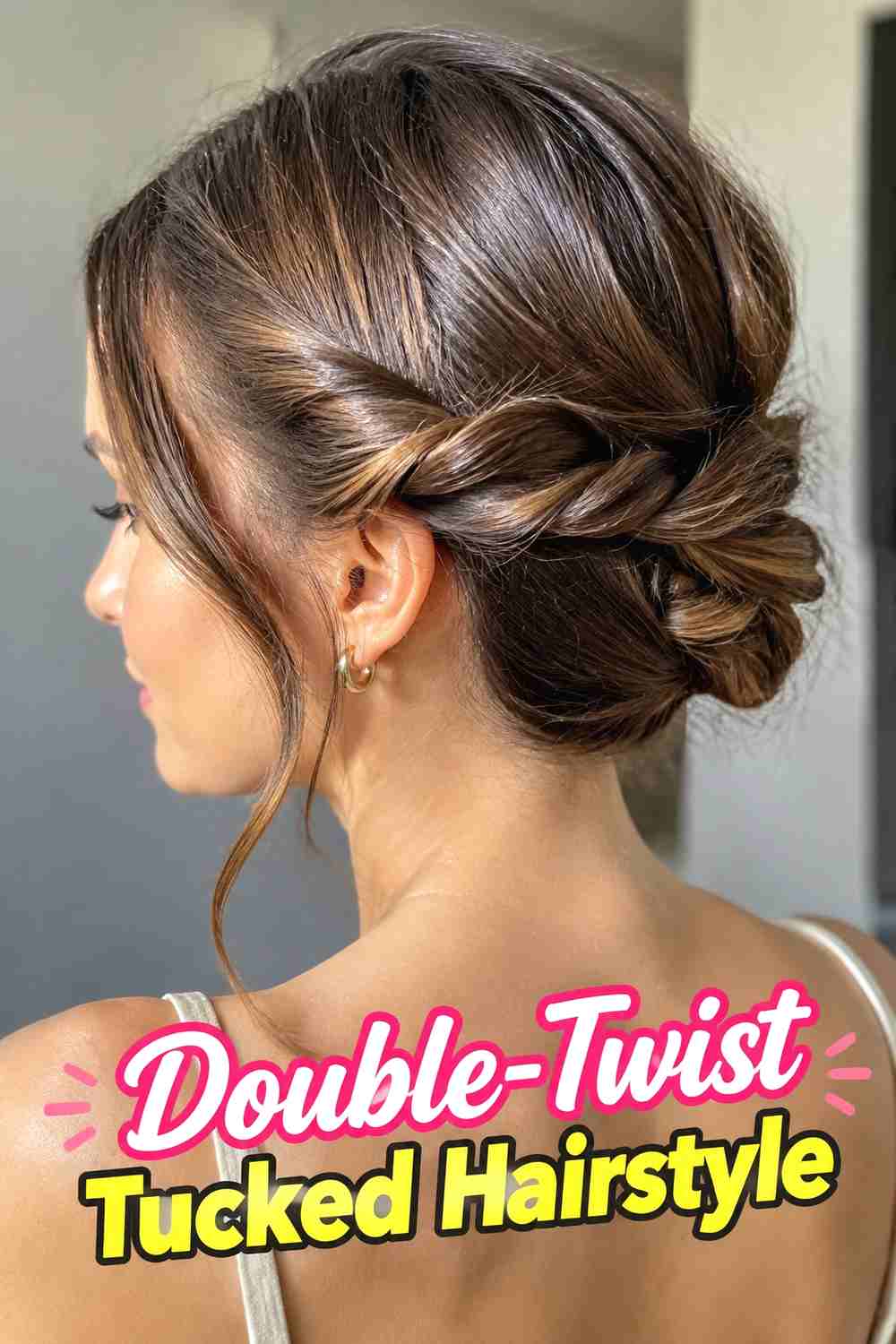
A double-twist tuck divides medium-length hair into two sections, making it easier to manage density and shorter layers. Twist each side toward the center back, overlap the ends, and tuck them beneath one another above the poncho neckline. The construction spreads the hair across two anchor points instead of one, which can feel more comfortable for thick hair. The visible twists add detail without creating a large bun. Keep the crown soft and allow the outer edges of each twist to remain slightly relaxed for a more natural winter finish.
Hair Type & Length
Medium-length hair with moderate to high density benefits most from the divided construction.
Wear & Maintenance
Use several small pins along each twist rather than relying on one central pin to hold the full weight.
18. Minimal Rolled Tuck Hairstyle
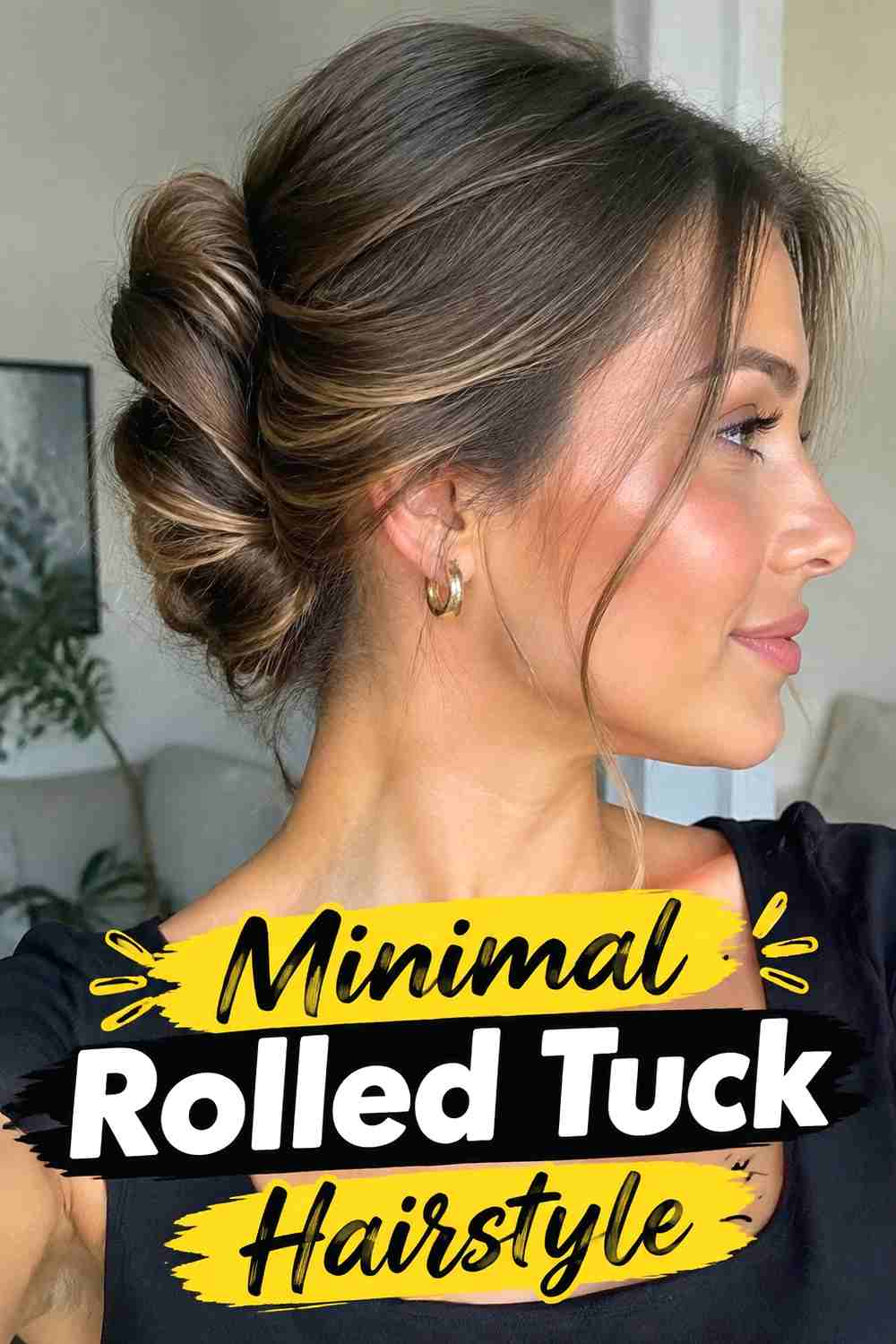
A minimal rolled tuck keeps the silhouette simple by forming one narrow inward roll across the back of the head. There is no added braid, visible accessory, or excessive volume, making it a strong match for textured wool ponchos that already provide plenty of visual interest. Smooth the outer surface lightly, roll the ends under, and secure the shape above the neckline. Medium-length straight or softly wavy hair is especially easy to control. The roll should sit close to the head and remain flexible enough that normal movement does not make the style look cracked or overly stiff.
Why It Works
The understated shape prevents the hairstyle from competing with the heavy texture and drape of the poncho.
Best For
Choose it for minimalist outfits, neutral wool layers, workdays, or polished everyday winter dressing.
19. Poncho Friendly Side Tuck Hairstyle
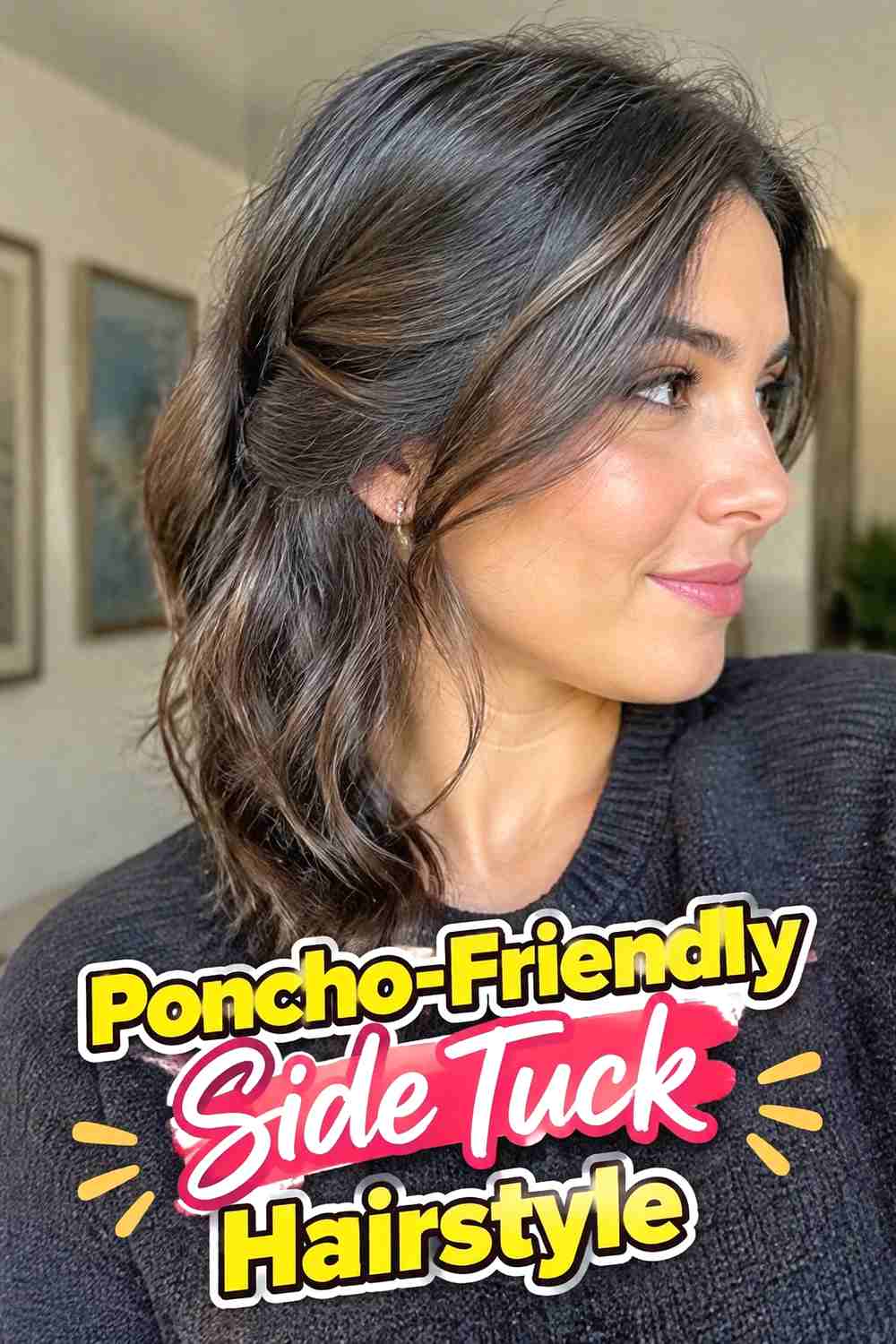
A poncho-friendly side tuck moves the lowest lengths away from the center back and secures them slightly behind one ear or shoulder. This placement reduces rubbing against heavy wool while preserving more visible movement than a full updo. Start by directing the hair diagonally, then tuck and pin the ends beneath the side section. Waves can soften the look, while straight hair creates a cleaner finish. Keep the heavier portion outside the poncho rather than trapped beneath it. The style works particularly well with wide-neck or asymmetric ponchos where one side has more open space.
Styling Notes
Set the direction before pinning so the side tuck feels intentional rather than like hair that has simply been pushed aside.
Pro Tip
Use hidden pins that match the hair color so the side remains clean and uncluttered.
20. Winter Secure Hair Tuck Hairstyle
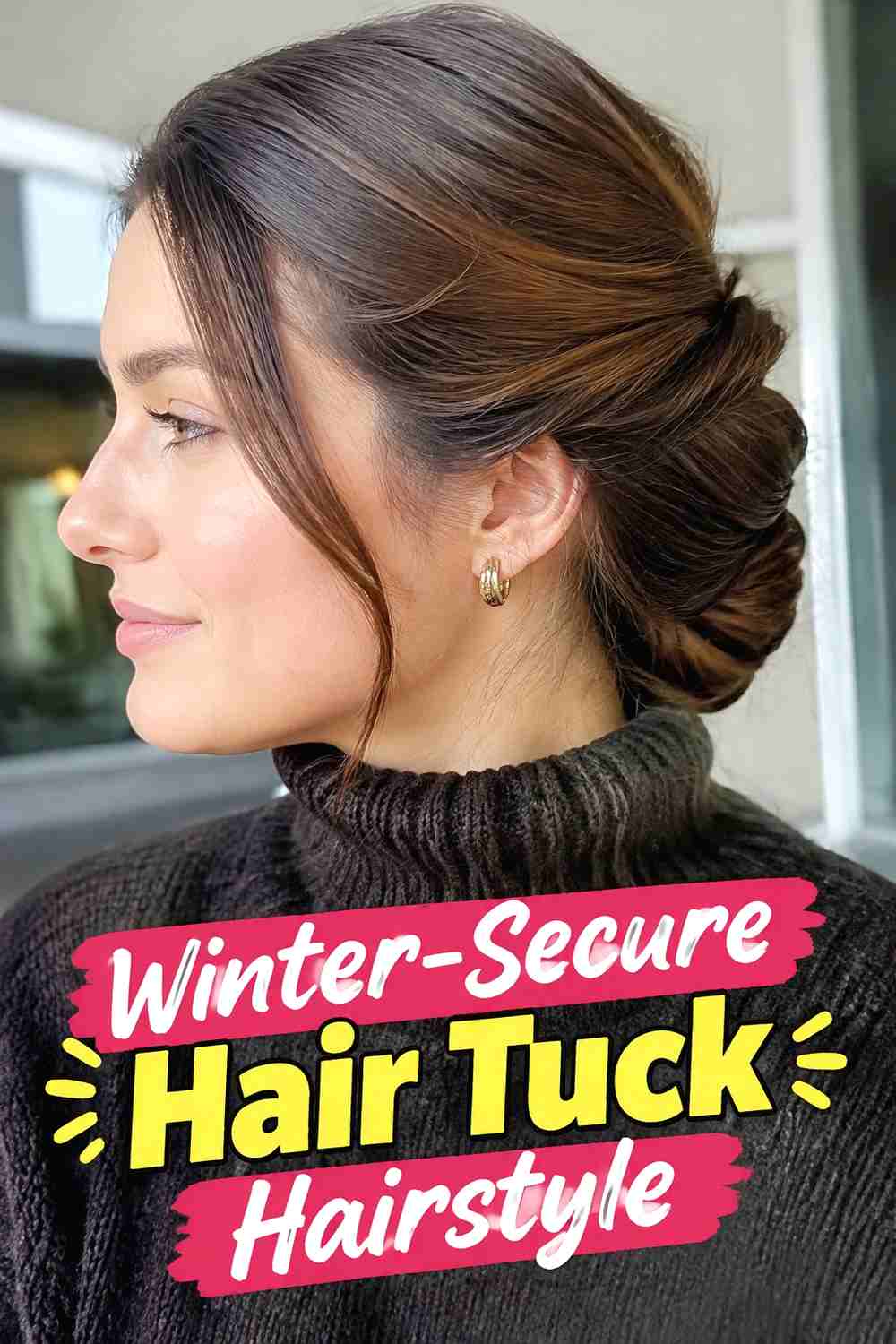
A winter-secure hair tuck is designed for repeated layering, movement, and thick wool outerwear. Divide medium-length hair into several sections, fold each one upward, and secure the anchors slightly above the poncho collar. This distributed construction helps prevent the entire tuck from loosening if one pin shifts. Keep the surface softly textured rather than extremely sleek, since small changes are less obvious in a natural finish. The nape should stay clear, and the pins should sit flat against the head. Test the hairstyle with your poncho before leaving so you can adjust any section that touches or catches on the wool.
Wear & Maintenance
Carry a few spare pins for quick reinforcement instead of rebuilding the whole hairstyle during the day.
Pro Tip
Raise any lower anchor point that rubs against the poncho, even if the rest of the tuck feels secure.
How to Choose the Right Look
Start with the poncho neckline. A high, thick collar works best with raised folds, French-roll tucks, braided tucks, and compact claw-clip styles that create more space around the neck. Open-neck ponchos allow looser options such as ear-tucked lobs, inward-curved lengths, and side tucks.
Next, consider texture. Straight hair shows clean rolls and smooth folds clearly, while waves make faux bobs and soft tucks look naturally blended. Curly and coily hair often works best when sections are pinned individually so the texture remains visible instead of being compressed.
Density also matters. Thick hair may feel more comfortable in double twists, braids, or multi-section folds, while finer hair can create a flatter, sleeker tuck with fewer pins.
Finally, match the hold to your day. For quick styling, use a claw clip or simple side tuck. For commuting, wind, and repeated layering, choose a braided, folded, or winter-secure construction.
Final Thoughts
Medium-length hair tucks are a practical way to keep thick wool ponchos from pushing, flipping, or flattening your ends. Smooth rolls create polish, side tucks preserve movement, and braided or pinned folds offer stronger control. Choose a shape that matches your texture and neckline, then keep the lowest edge clearly above the poncho for the most comfortable result.
FAQs
1. Why does medium-length hair flip out with a thick poncho?
The ends often land directly on the poncho neckline, so pressure from the wool pushes them outward. Tucking or folding the ends removes that contact point.
2. What tuck works best for thick medium-length hair?
A double-twist, braided back tuck, or multi-section fold can distribute density more evenly than one tight roll.
3. Can curly hair be tucked without straightening it first?
Yes. Pinning curl clusters individually allows you to keep the natural pattern while moving the lower lengths away from the poncho.
4. Are claw clips practical with wool ponchos?
They can be, as long as the clip sits high enough that the poncho collar does not press against it.
5. How do I keep a hair tuck from slipping during the day?
Use several crossed pins at the internal anchor points and position the tuck above the area where the poncho repeatedly moves against the neck.
Save your favorite medium-length tuck, share these ideas with someone styling thick winter ponchos, and explore more practical cold-weather hairstyle inspiration.