19 Neat Side-Part Hairstyles for Structured Military Coats
A neat side part brings polished asymmetry to structured military coats, balancing sharp collars, defined shoulders, and tailored details with controlled, elegant hair.
Military-inspired coats already make a strong visual statement through upright collars, rows of buttons, epaulets, belts, and defined shoulder lines. A neat side-part hairstyle complements that structure by introducing directional movement without adding unnecessary disorder around the neckline. The effect can be sleek and minimal or softened with waves, curves, and controlled texture.
When choosing a look, consider where the coat collar meets your hair, how much volume sits near the shoulders, and how securely you need the style to hold. Short cuts can emphasize precision, while low ponytails, buns, twists, and braids contain longer lengths. The best finish should look polished while preserving realistic strand movement, comfortable tension, and enough flexibility for everyday wear.
Quick List
- Sleek Deep Side Part Bob Hairstyle
- Polished Side Part Low Ponytail Hairstyle
- Glossy Side Part Lob Hairstyle
- Smooth Side Part Low Bun Hairstyle
- Tucked Side Part Straight Hairstyle
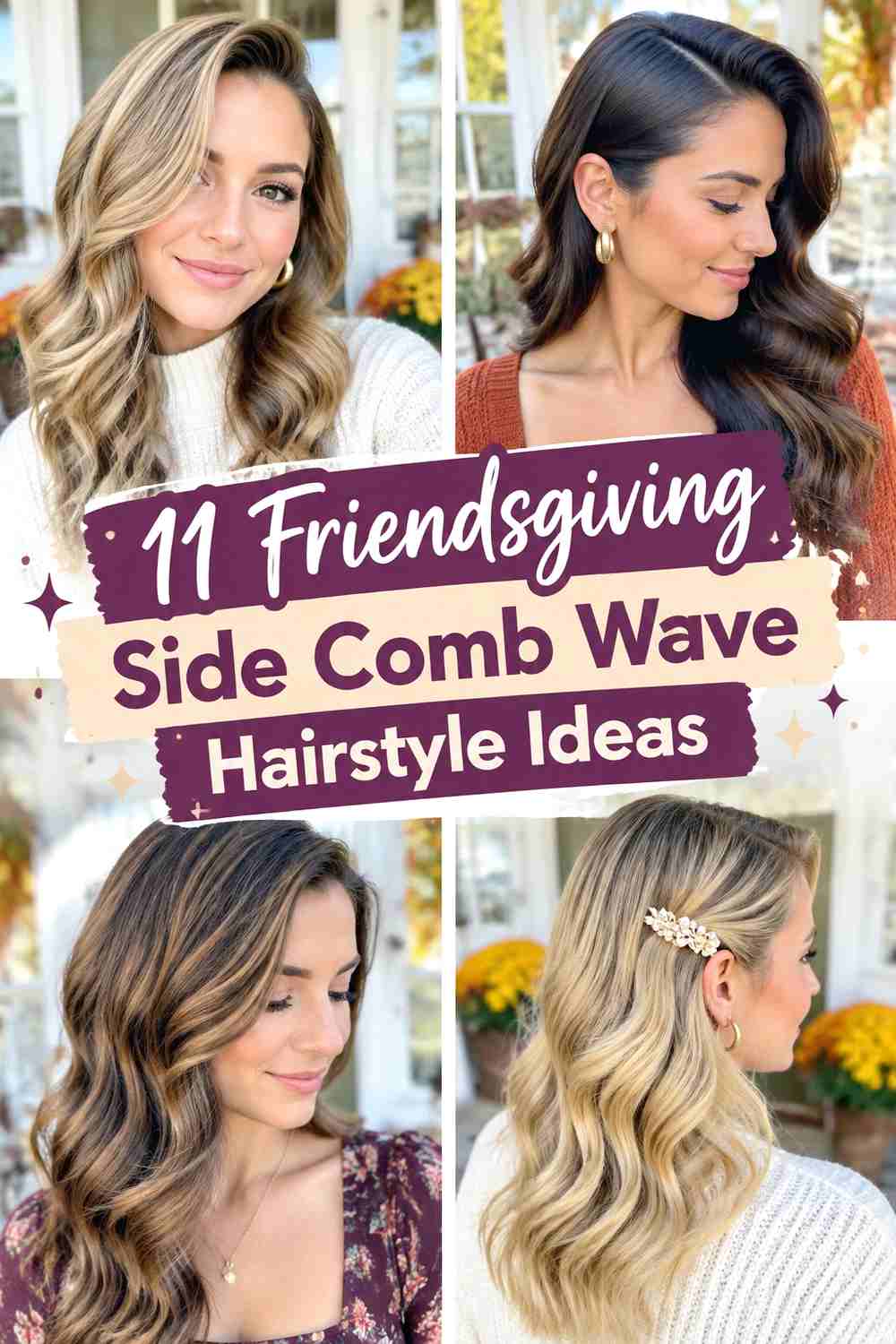
- Sculpted Side Part Waves Hairstyle
- Neat Side Part Chignon Hairstyle
- Side Part Wrapped Ponytail Hairstyle
- Satin Side Part Shoulder Length Hairstyle
- Side Part Twisted Low Knot Hairstyle
- Smooth Side Part Braided Ponytail Hairstyle
- Side Part Nape Bun Hairstyle
- Polished Side Part French Twist Hairstyle
- Side Part Ear Tucked Bob Hairstyle
- Low Side Part Braid Hairstyle
- Smooth Side Part Bubble Ponytail Hairstyle
- Sleek Side Part Low Twist Hairstyle
- Soft Side Part Curved Bob Hairstyle
- Minimal Side Part Knot Hairstyle
1. Sleek Deep Side Part Bob Hairstyle
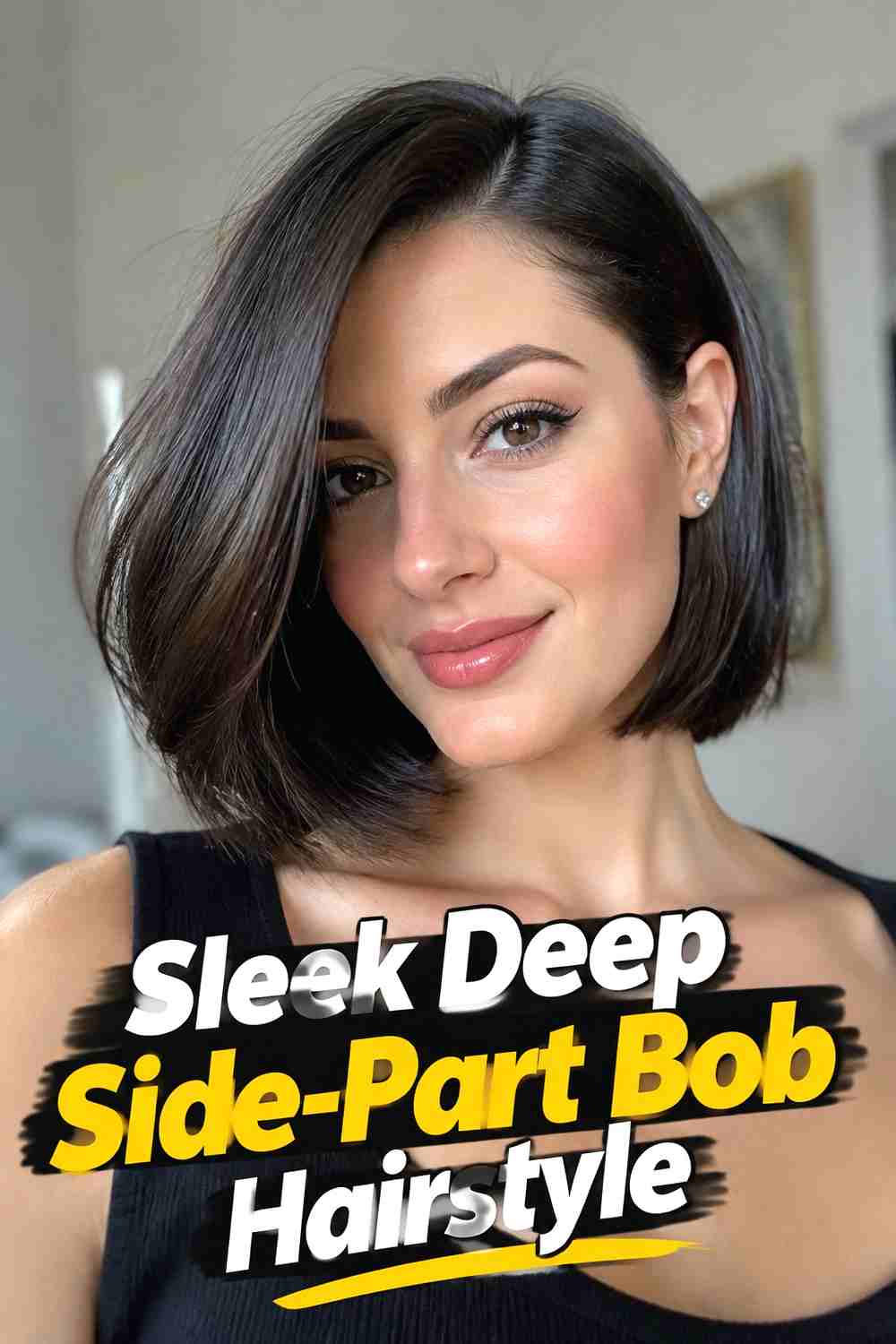
A sleek deep side-part bob creates a crisp silhouette that echoes the disciplined lines of a structured military coat. The deeper part introduces controlled asymmetry while the short perimeter keeps the neckline clear, allowing a high collar, lapels, or decorative buttons to remain visible. Hair can sit close to the head on the smaller side and carry a little more natural lift on the fuller side, preventing the shape from appearing flat. A jaw-length or slightly longer bob works particularly well because it remains distinct from the coat’s shoulder structure. Keep the ends smooth but not rigid, with visible strand separation and a light bend that gives the haircut realistic movement rather than an overly sculpted finish.
Styling Notes
Define the part first, then smooth each side independently. A light finishing serum can enhance shine while keeping the bob flexible enough to move naturally.
2. Polished Side Part Low Ponytail Hairstyle
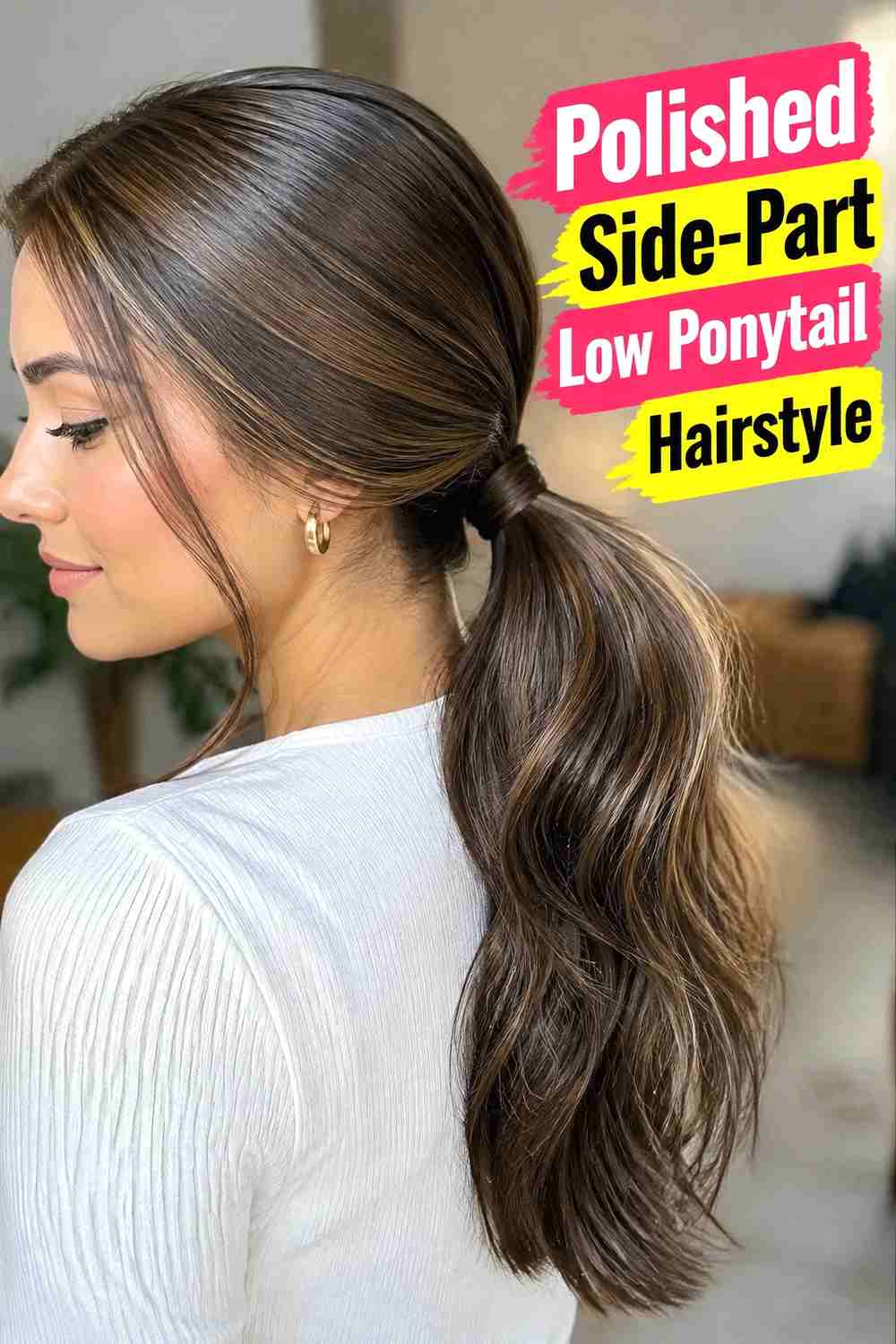
The polished side-part low ponytail combines neat crown control with a practical way to manage longer hair around a structured coat. A defined side part directs the front smoothly toward the nape, where the hair is secured into a compact ponytail. This keeps most of the length away from epaulets, raised collars, and double-breasted fronts while preserving an elegant profile. The ponytail itself can remain straight or carry a subtle bend depending on natural texture. Avoid excessive tension through the crown, since the style should look orderly without appearing strained. Position the base slightly above or below the highest point of the collar so the elastic does not rub continuously against the coat during movement.
Best For
This style suits medium to long hair and works especially well when you want a practical daytime look that still complements formal or sharply tailored outerwear.
3. Glossy Side Part Lob Hairstyle
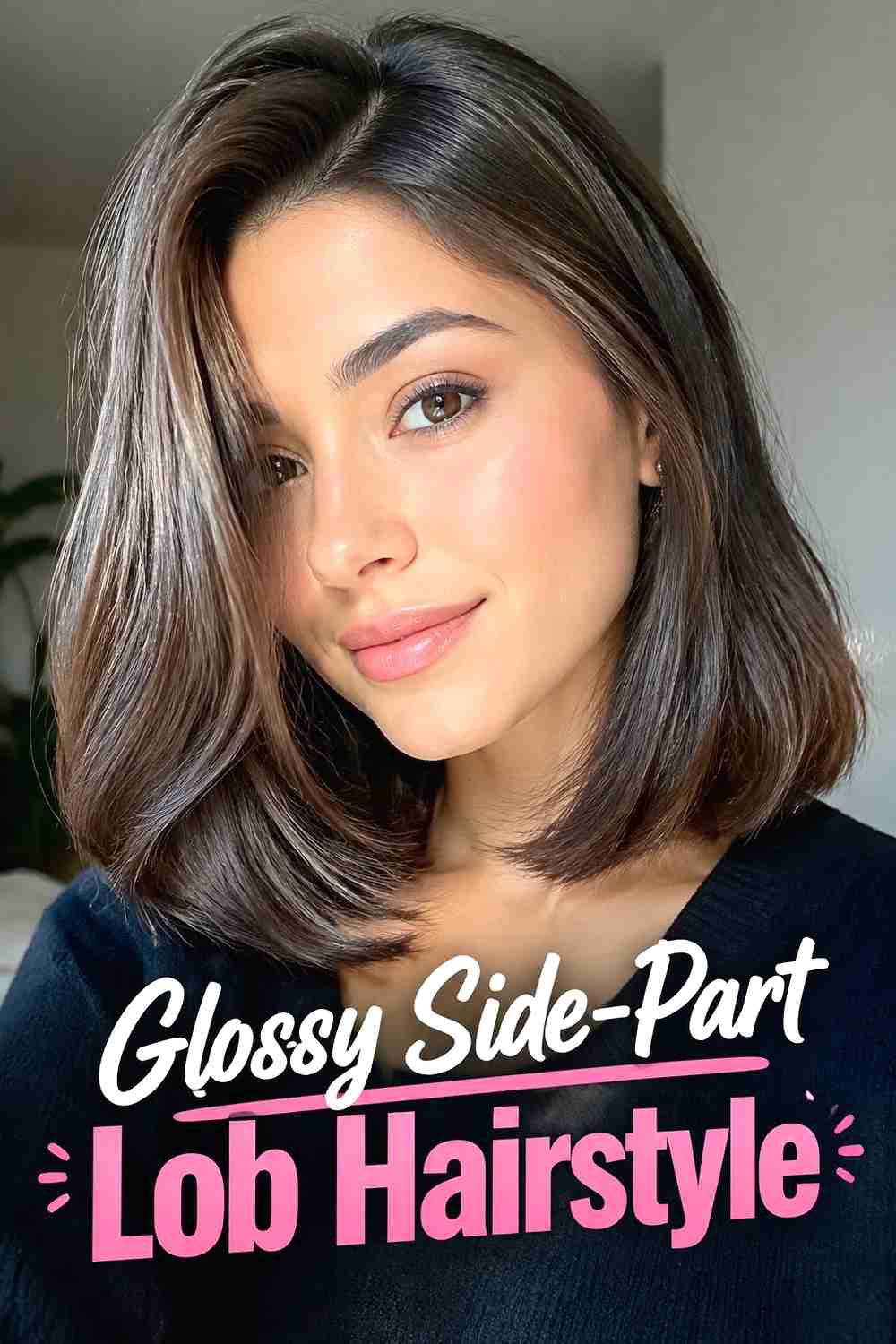
A glossy side-part lob feels modern beside the strong geometry of a military coat. The length usually falls between the jaw and shoulders, giving the hairstyle enough presence to soften structured tailoring without overwhelming the collar. A clean side part creates direction through the crown, while the lengths stay smooth and lightly weighted toward the ends. The shine should look healthy and natural rather than mirror-like, with individual strands still visible under bright light. This cut is particularly effective when the coat has pronounced shoulders because the lob adds movement close to the face instead of extra width across the upper body. If the ends brush the collar, a subtle inward or neutral finish can help them settle neatly.
Wear & Maintenance
Keep smoothing products concentrated through the mid-lengths and ends. Too much product near the roots can remove the natural lift that makes a side part look balanced.
4. Smooth Side Part Low Bun Hairstyle
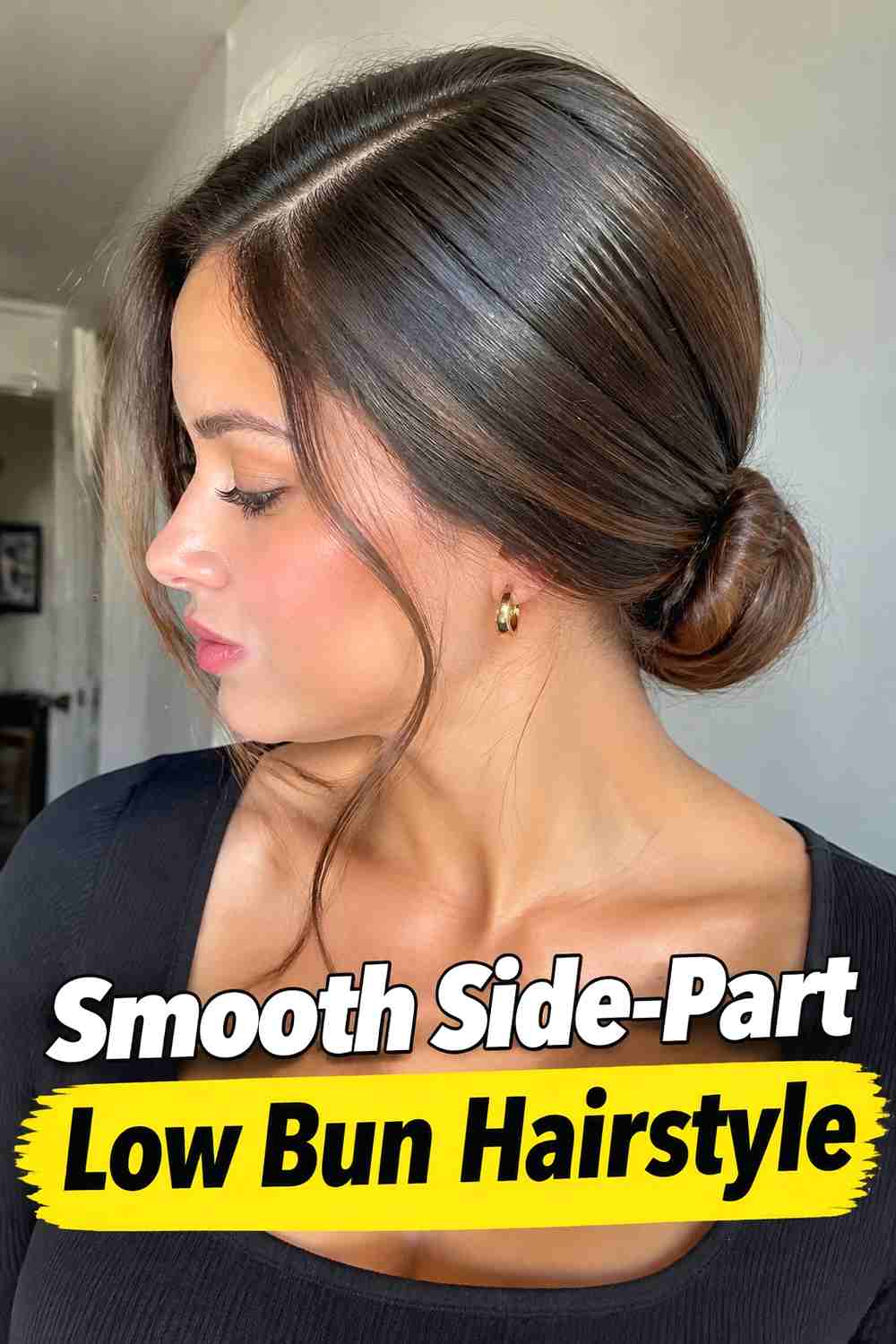
A smooth side-part low bun creates a restrained, elegant shape that pairs naturally with military-inspired tailoring. The side part adds enough asymmetry to soften the front, while the hair is guided neatly toward a compact bun at the nape. Keeping the bun small helps prevent it from competing with a tall collar or pressing against the coat when you move your head. This style can work with straight, wavy, or textured hair as long as the surface is controlled without being overcoated. A few natural strands near the hairline are acceptable, but the main shape should remain clean. Building the bun from a secure base can also reduce the need for excessive tension across the crown.
Pro Tip
Put the coat on before final pinning so you can check whether the bun clears the collar comfortably and adjust the placement if necessary.
5. Tucked Side Part Straight Hairstyle
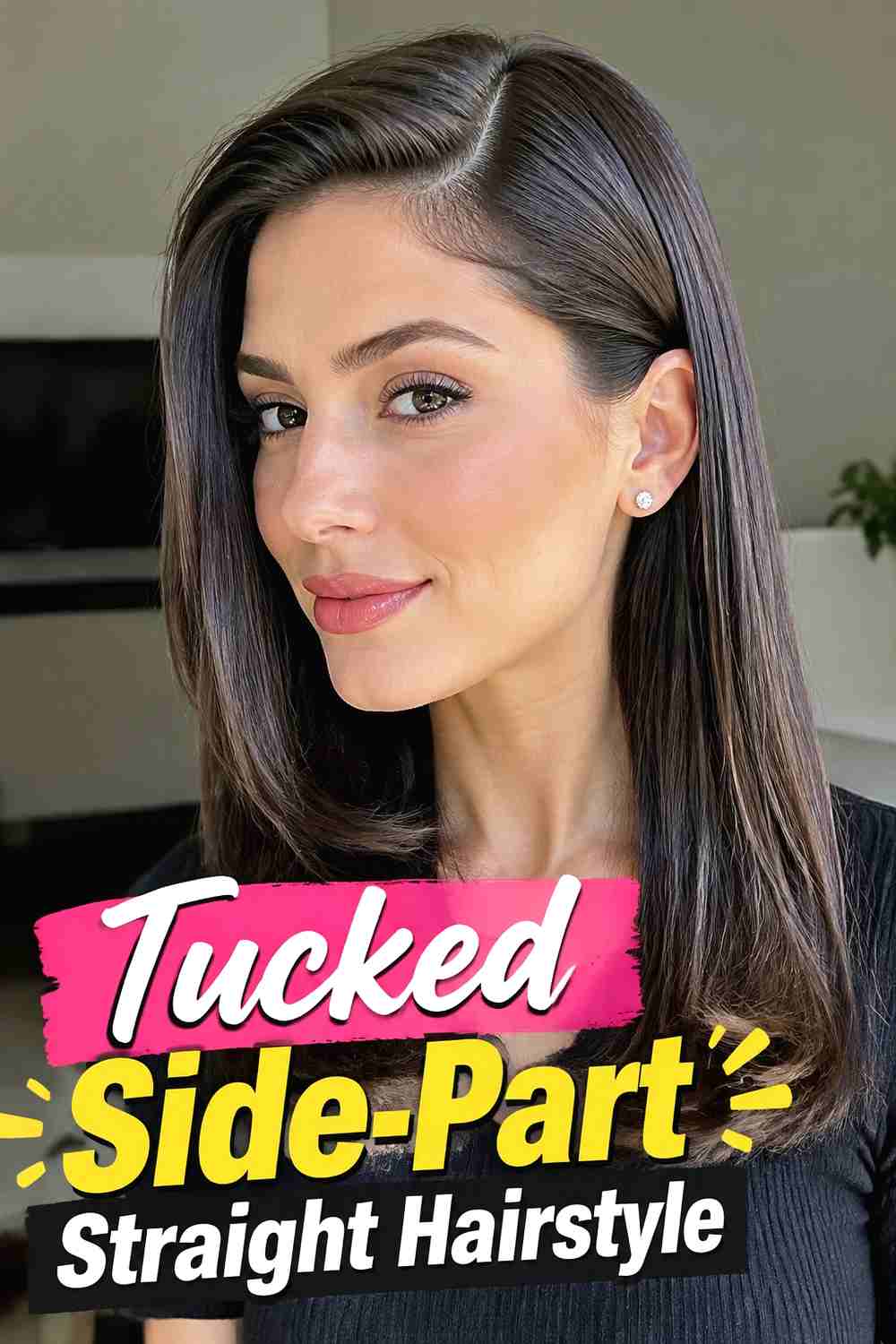
Tucked side-part straight hair keeps the disciplined feel of the side part while leaving the lengths loose. The smaller side is tucked behind the ear, opening the face and revealing the coat collar, while the fuller side falls smoothly beside the cheek and shoulder. This controlled asymmetry works especially well with decorative military details because the hair does not conceal the entire front of the coat. Medium to long straight hair creates the cleanest line, though gently wavy hair can be smoothed without removing all natural movement. Keep the lower lengths flexible and slightly separated rather than pressing them into one solid sheet. If the coat collar is high, directing the majority of the hair forward can reduce friction at the back.
Why It Works
The tuck creates a clear side without requiring a full updo, allowing structured collar details and earrings to remain visible while the longer side adds softness.
6. Sculpted Side Part Waves Hairstyle
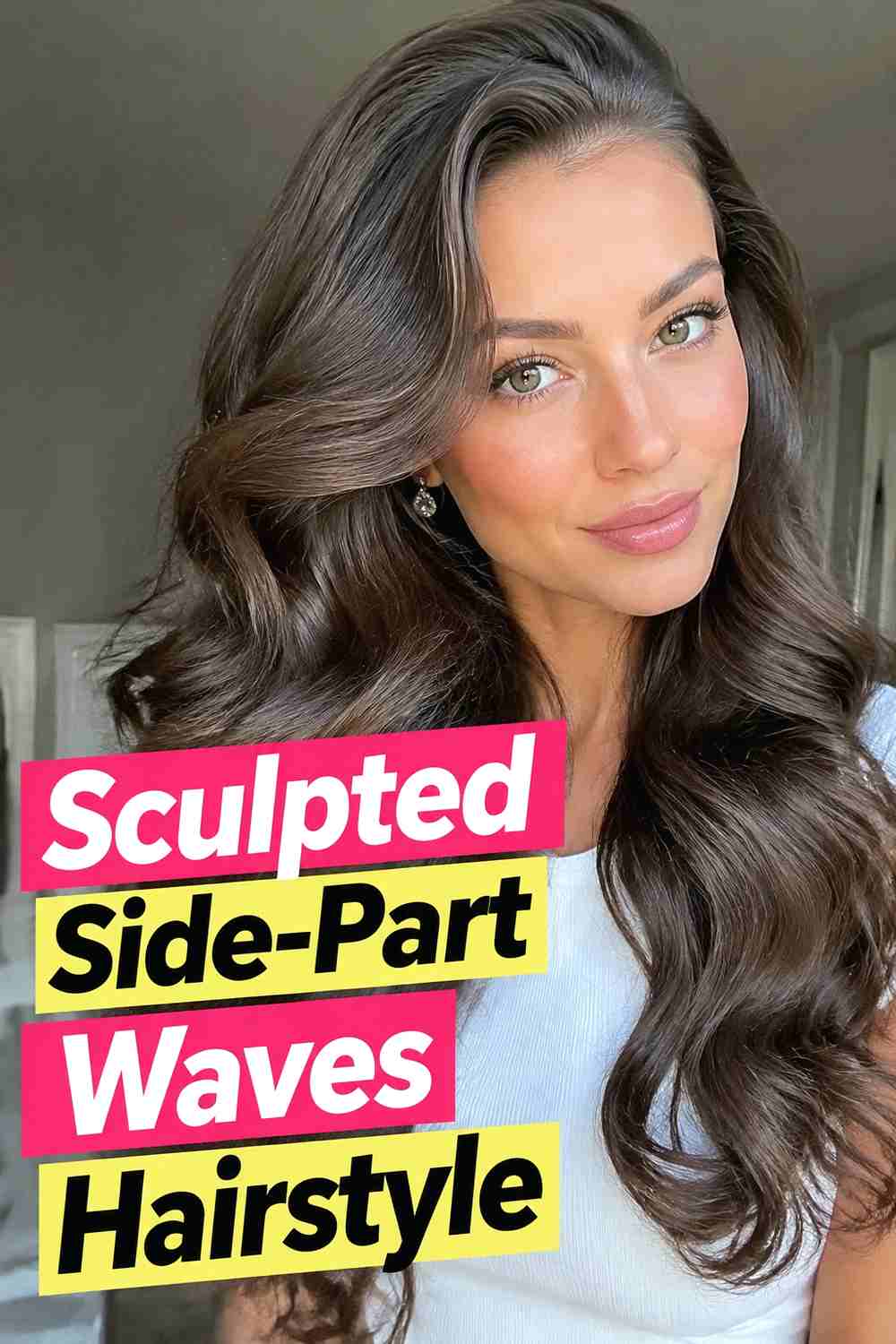
Sculpted side-part waves bring controlled softness to the sharp construction of a military coat. A defined side part establishes the polished front, while broad waves develop through the mid-lengths and ends rather than adding excessive crown volume. This keeps the upper silhouette neat while giving the hairstyle enough movement to contrast with straight seams, rows of buttons, and firm shoulders. Medium-long to long hair provides the clearest wave pattern, but shoulder-length cuts can create a more compact version. The waves should connect naturally while still showing slight variation in individual strands. Avoid building too much width at shoulder level if the coat has pronounced epaulets, since concentrated volume can make the overall silhouette feel overly broad.
Styling Notes
Keep the crown smooth and place most of the bend below the cheekbones. Light brushing can connect the wave pattern without removing its definition.
7. Neat Side Part Chignon Hairstyle
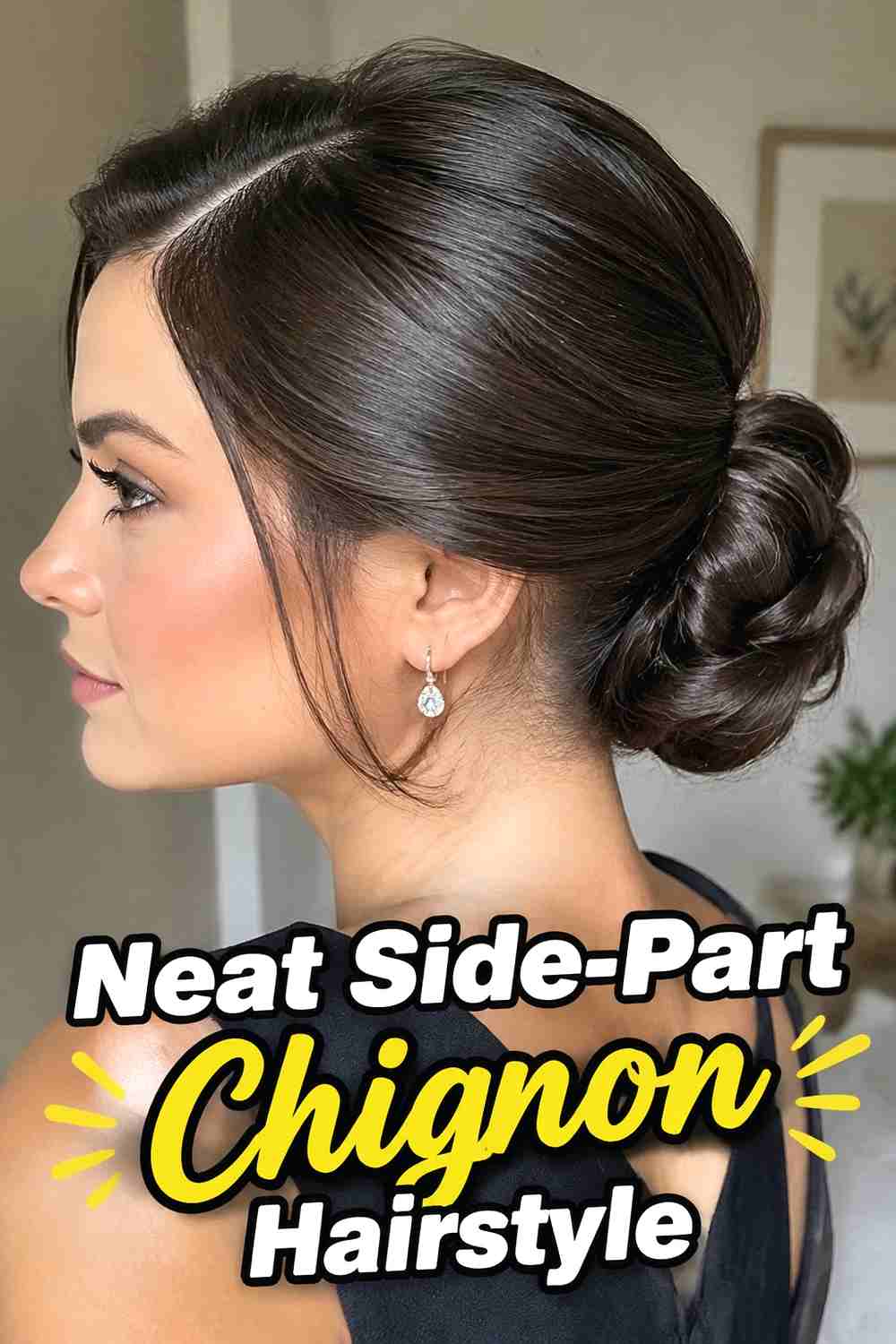
A neat side-part chignon offers classic polish with a narrower profile than many traditional buns. Hair is directed from the side part toward the nape, then folded into a low, compact shape that sits close to the head. This makes the hairstyle particularly compatible with structured military coats, where bulky hair at the back can interfere with a raised collar. The chignon can be smooth without appearing overly rigid; small variations in the fold help the hair retain a believable texture. Medium to long hair usually provides enough length to create the shape securely. Keep the crown controlled and slightly dimensional so the deeper side of the part retains natural lift rather than being flattened completely against the scalp.
Best For
Choose this look for formal daytime dressing, evening coats, or tailored outfits where you want the hair fully contained without creating a severe slicked-back finish.
8. Side Part Wrapped Ponytail Hairstyle
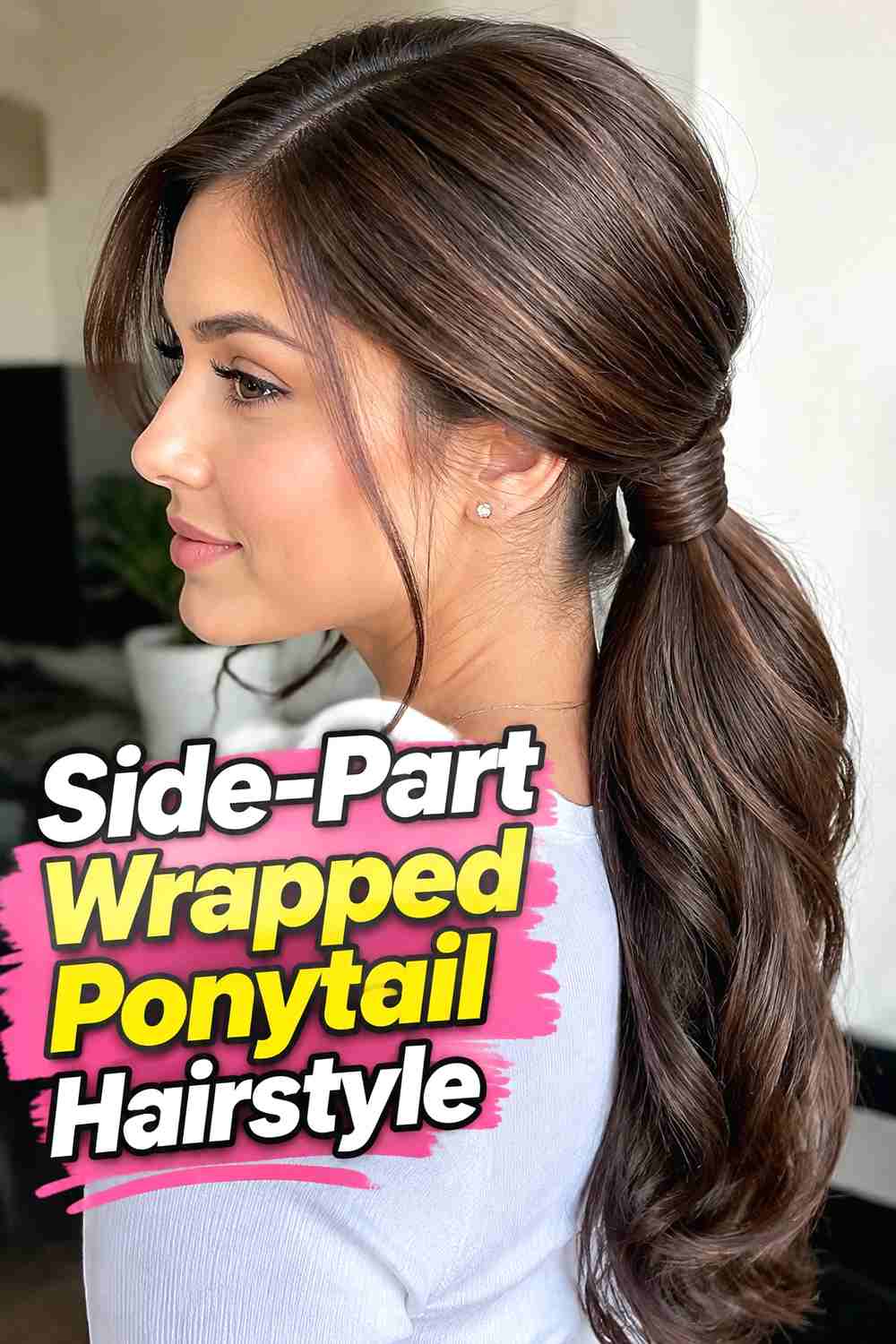
The side-part wrapped ponytail refines a simple low ponytail by concealing the elastic with a section of hair. The defined part keeps the crown orderly, while the wrapped base creates a seamless transition into the length. This small detail pairs especially well with military coats because it maintains the same polished attention to structure seen in the garment. The ponytail can be straight, softly curved, or naturally textured, but keeping the base compact prevents unnecessary bulk near the collar. Hair should be long enough to leave a small wrapping section without weakening the ponytail itself. Use discreet pins beneath the base so the wrap stays secure and does not become visible when the ponytail moves.
Pro Tip
Take the wrapping strand from underneath the ponytail. This makes the concealed finish easier to pin and preserves a smooth surface from the side.
9. Satin Side Part Shoulder Length Hairstyle
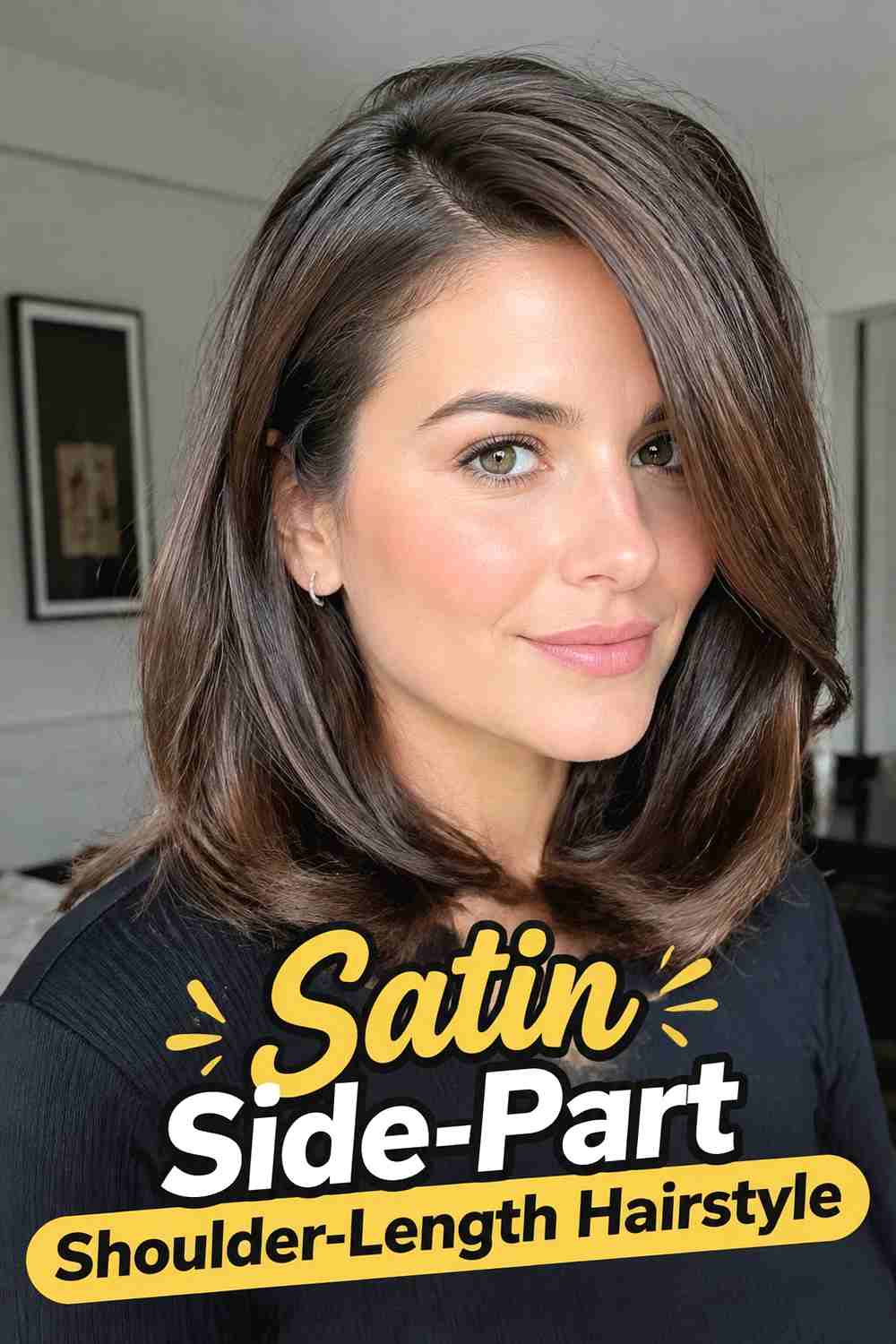
A satin side-part shoulder-length hairstyle offers polish without the high shine of an ultra-glossy finish. The side part gives the crown definition, while the lengths fall in a smooth, softly reflective line toward the shoulders. This restrained surface looks particularly elegant beside dense wool, brushed fabric, or matte military-inspired outerwear because the difference in texture adds depth to the overall look. Shoulder-length hair can be worn almost straight or with a subtle bend through the ends, depending on the natural texture. Keep the silhouette narrow enough that it does not compete with structured shoulder detailing. A few fine flyaways can remain visible, helping the style look realistic rather than excessively perfected.
Hair Type & Length
Straight, gently wavy, and smoothed textured hair can all suit this look. The shoulder-length perimeter keeps the finish practical without sacrificing movement.
10. Side Part Twisted Low Knot Hairstyle
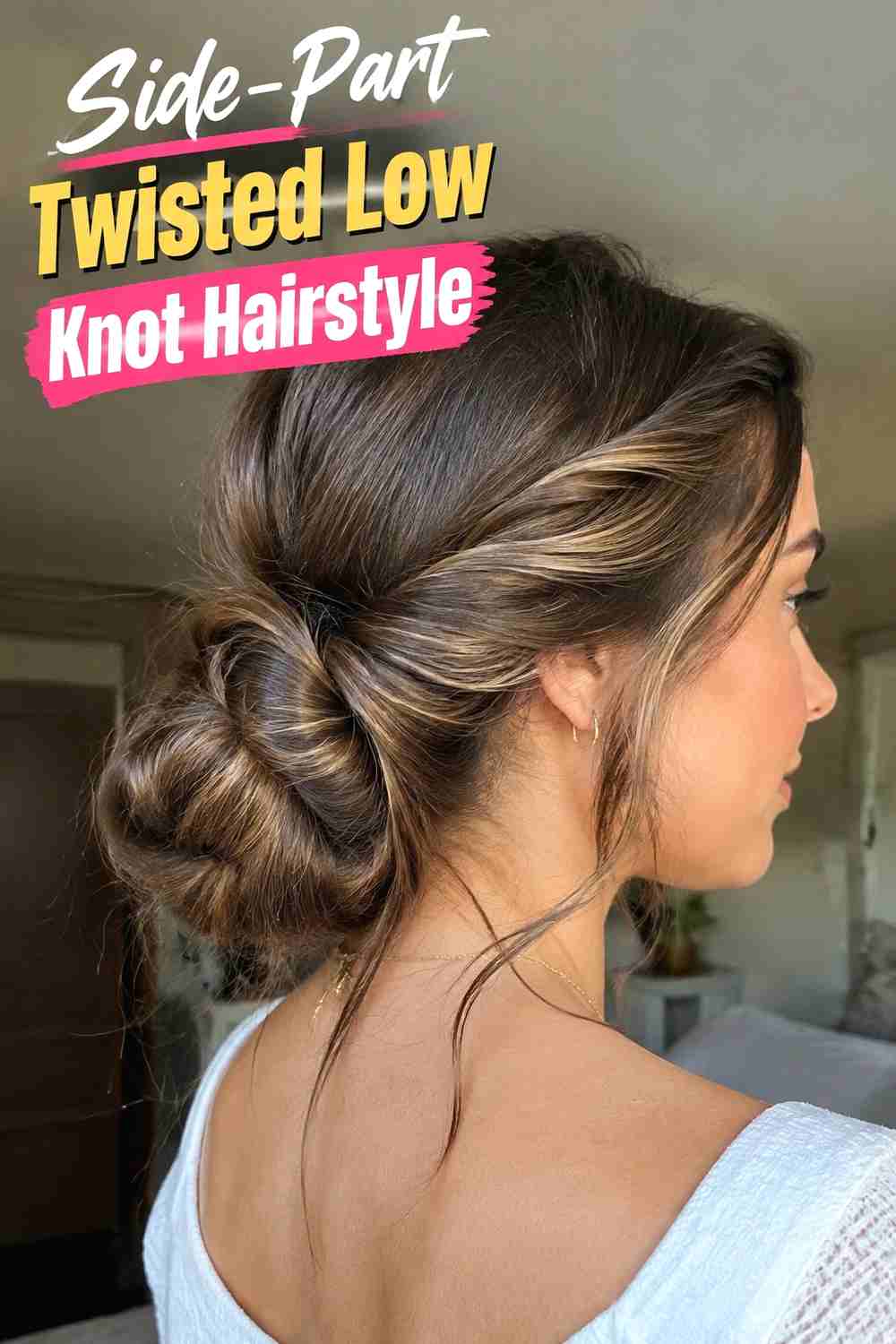
A side-part twisted low knot combines a tidy crown with discreet texture at the nape. After defining the part, the lengths are gathered low, twisted with controlled tension, and wrapped into a compact knot. The twisted construction adds more dimension than a completely smooth bun while still maintaining the orderly appearance that complements a military coat. This style works especially well when the jacket has decorative shoulders or a high collar because the hair remains contained instead of spreading across those details. Medium to long hair usually provides enough length for a secure twist. Keep the knot proportionate and close to the head, and allow slight natural strand variation so the finish does not appear molded or unnaturally perfect.
Wear & Maintenance
Secure the knot with pins that follow its curve. Avoid placing bulky pins where the back of the coat collar may press against the head.
11. Smooth Side Part Braided Ponytail Hairstyle
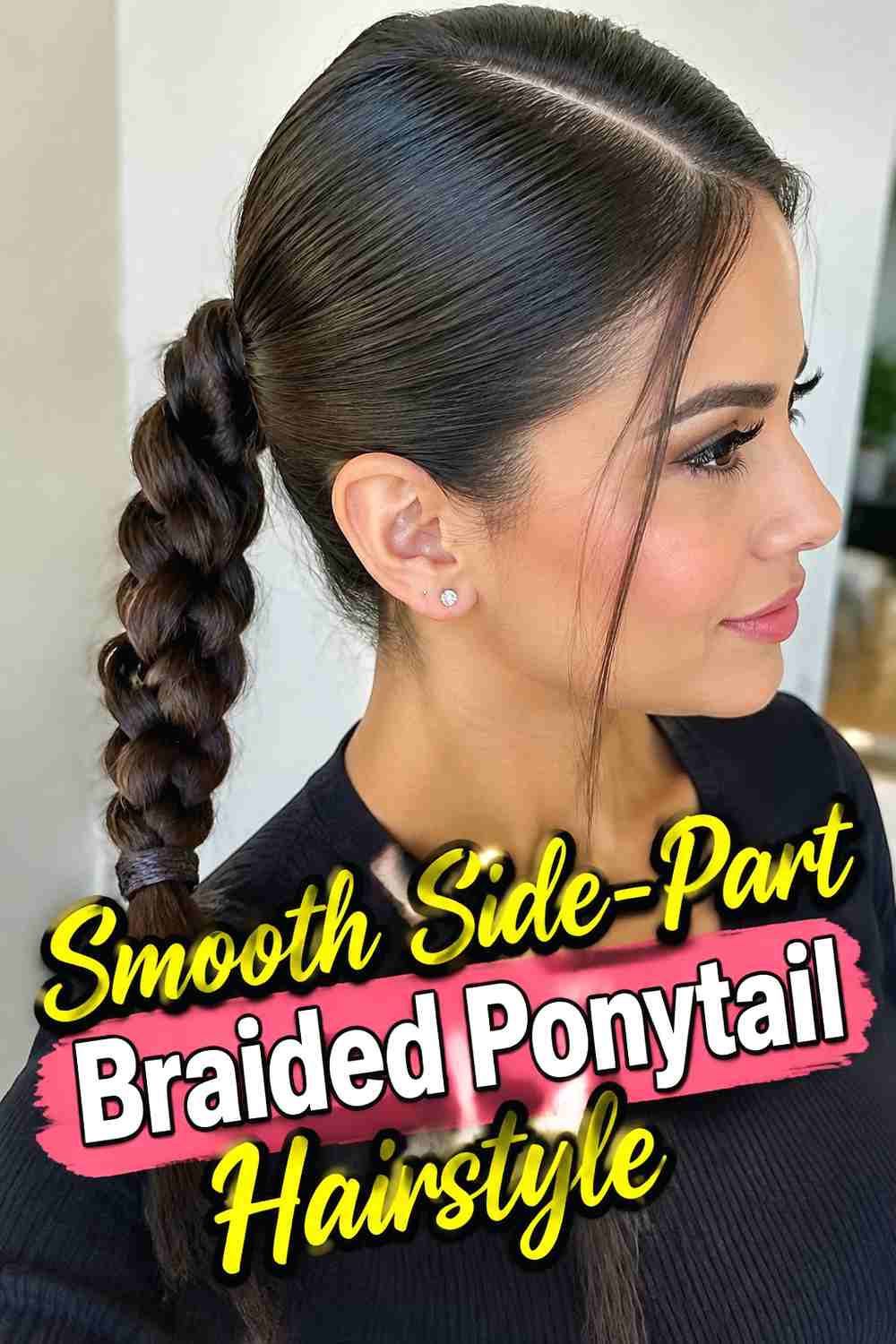
The smooth side-part braided ponytail introduces texture below a disciplined crown. Hair is parted neatly to one side and gathered into a low ponytail before the length is braided into a clean, tapered plait. This keeps long hair organized and prevents loose sections from becoming tangled around buttons, belts, or coat collars. The braid can be firm enough for security while still showing natural variation in strand placement and thickness. Because the decorative texture sits below the nape, the structured upper half of the military coat remains visible. Long hair creates the most noticeable effect, though medium-long lengths can support a shorter braid. Keep the crown flexible enough that the style remains comfortable throughout extended wear.
Why It Works
The smooth upper section reflects the coat’s precision, while the braid adds controlled texture without introducing loose volume around the shoulders.
12. Side Part Nape Bun Hairstyle
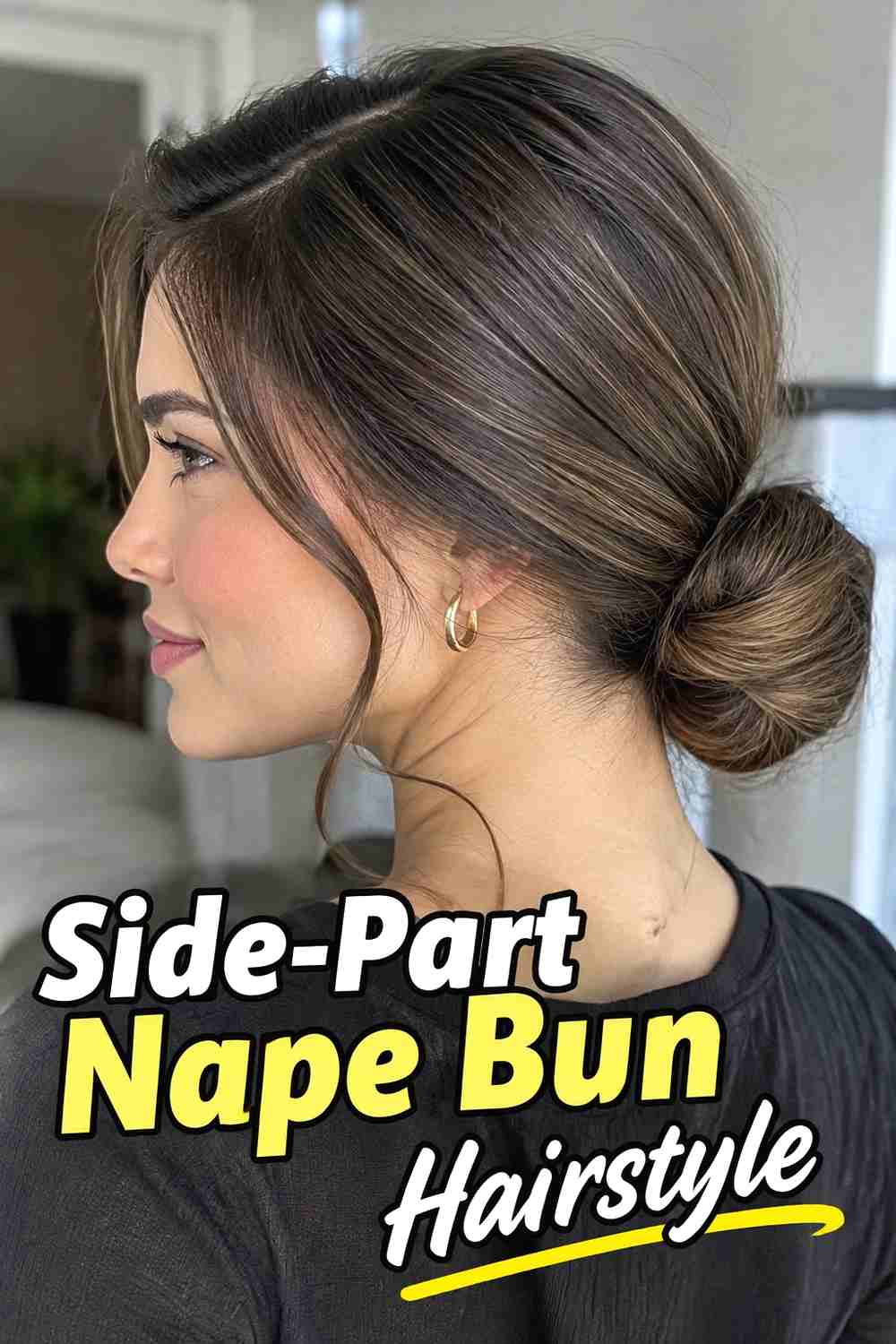
A side-part nape bun sits deliberately low and compact, creating a polished profile that works with tall or structured collars. The side part directs the crown neatly toward the back, while the bun forms close to the natural curve of the nape. This low placement can look especially elegant from the front because the hairstyle appears streamlined rather than top-heavy. If the coat collar rises high behind the neck, the bun may need to sit slightly above its edge to avoid being compressed. The shape works well on medium to long hair, though very thick hair may benefit from dividing the lengths before wrapping. Keep the surface smooth with a little natural root dimension so the finish remains refined rather than overly tight.
Styling Notes
Create the bun after testing the collar height. A small adjustment in placement can make a noticeable difference in comfort and stability.
13. Polished Side Part French Twist Hairstyle
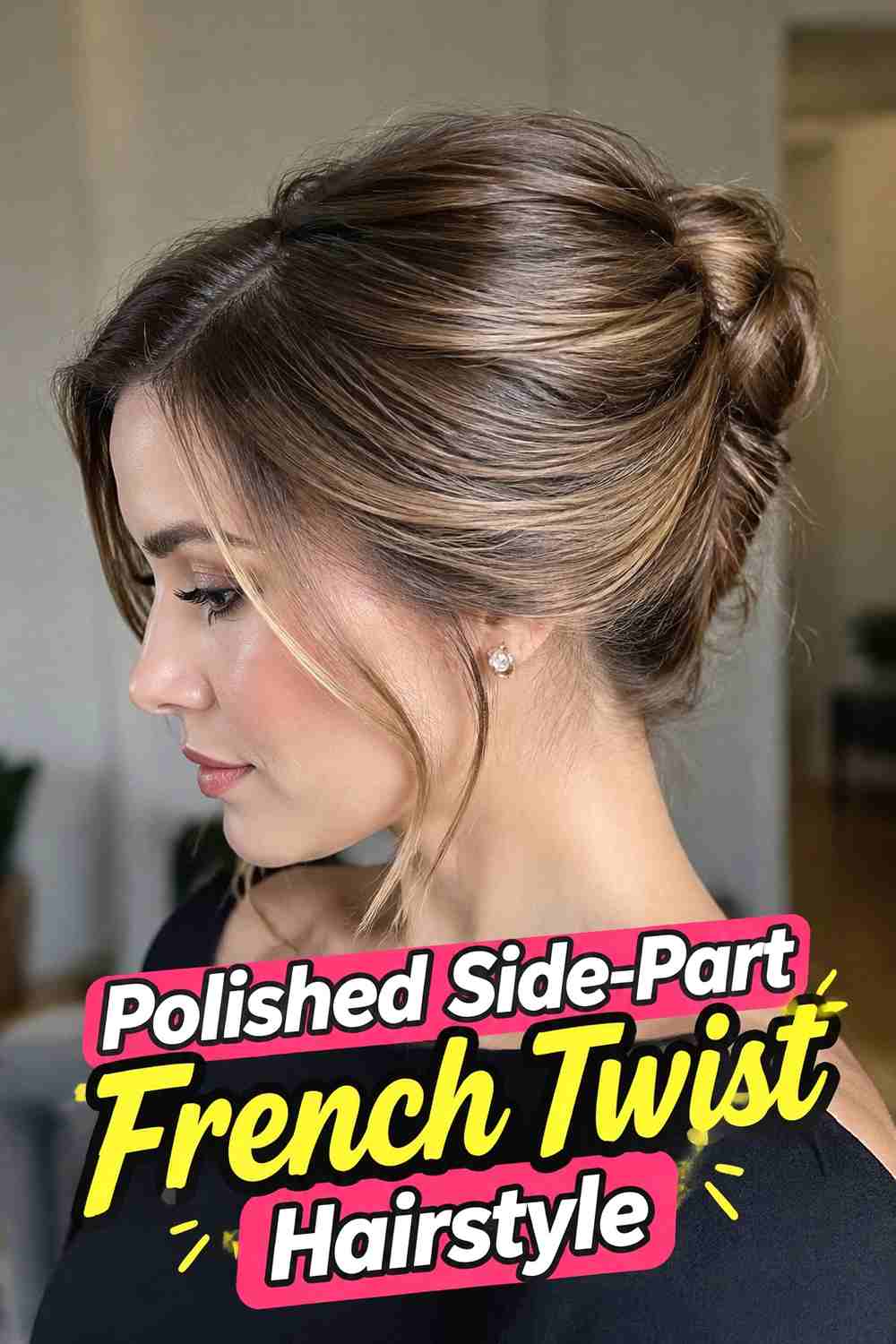
A polished side-part French twist brings vertical structure to the hair, making it an especially strong companion to military-inspired coats. The defined side part softens the front while the back is rolled upward into a narrow twist, keeping the hairstyle close to the head and away from structured shoulders. Unlike a large bun, the French twist concentrates its shape vertically, which can help maintain a clean profile beside a high collar. Medium to long hair works best, and thicker textures may require sectioning to keep the roll controlled. The finish should remain smooth but not completely flawless; slight strand variation around the twist keeps the construction believable. Position pins inside the fold so they support the style without becoming visible.
Best For
This look is ideal for dressier military coats or occasions where you want a formal hairstyle with strong structure but minimal width.
14. Side Part Ear Tucked Bob Hairstyle
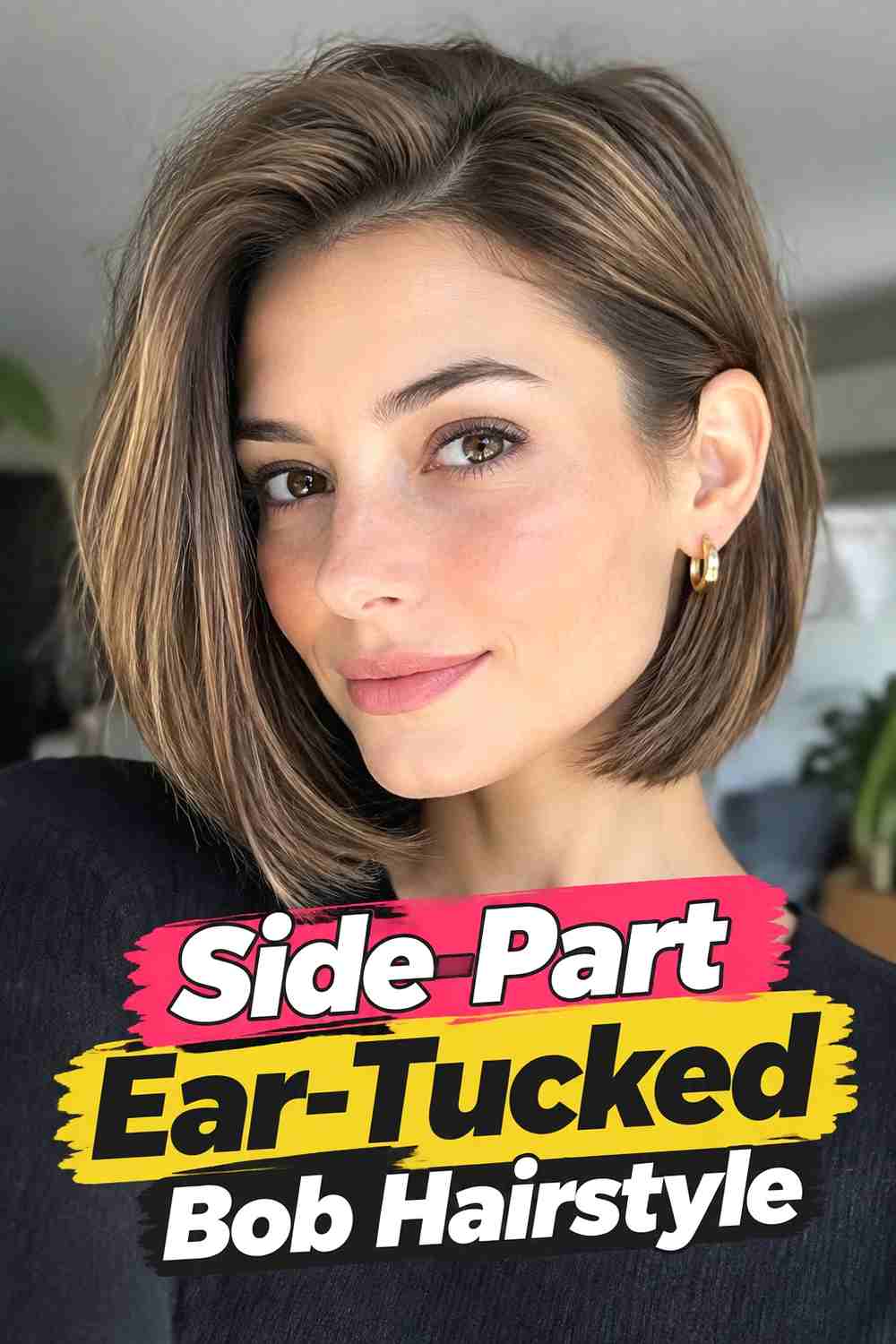
The side-part ear-tucked bob is a practical short style that keeps one side of the face and coat neckline completely clear. A defined part allows the fuller section to frame the face, while the smaller side is tucked neatly behind the ear. This asymmetry mirrors the disciplined feel of a military coat without making the haircut look severe. Chin- to jaw-length bobs work particularly well because the short ends avoid tangling with shoulder tabs and raised collars. A smooth finish helps the cut retain its shape, but the ends can still carry a subtle natural bend. Keeping a small amount of crown lift on the fuller side prevents the tucked section from making the overall silhouette appear too flat.
Pro Tip
Dry the tucked side backward from the start. Training the section in that direction can help it stay behind the ear with less product.
15. Low Side Part Braid Hairstyle
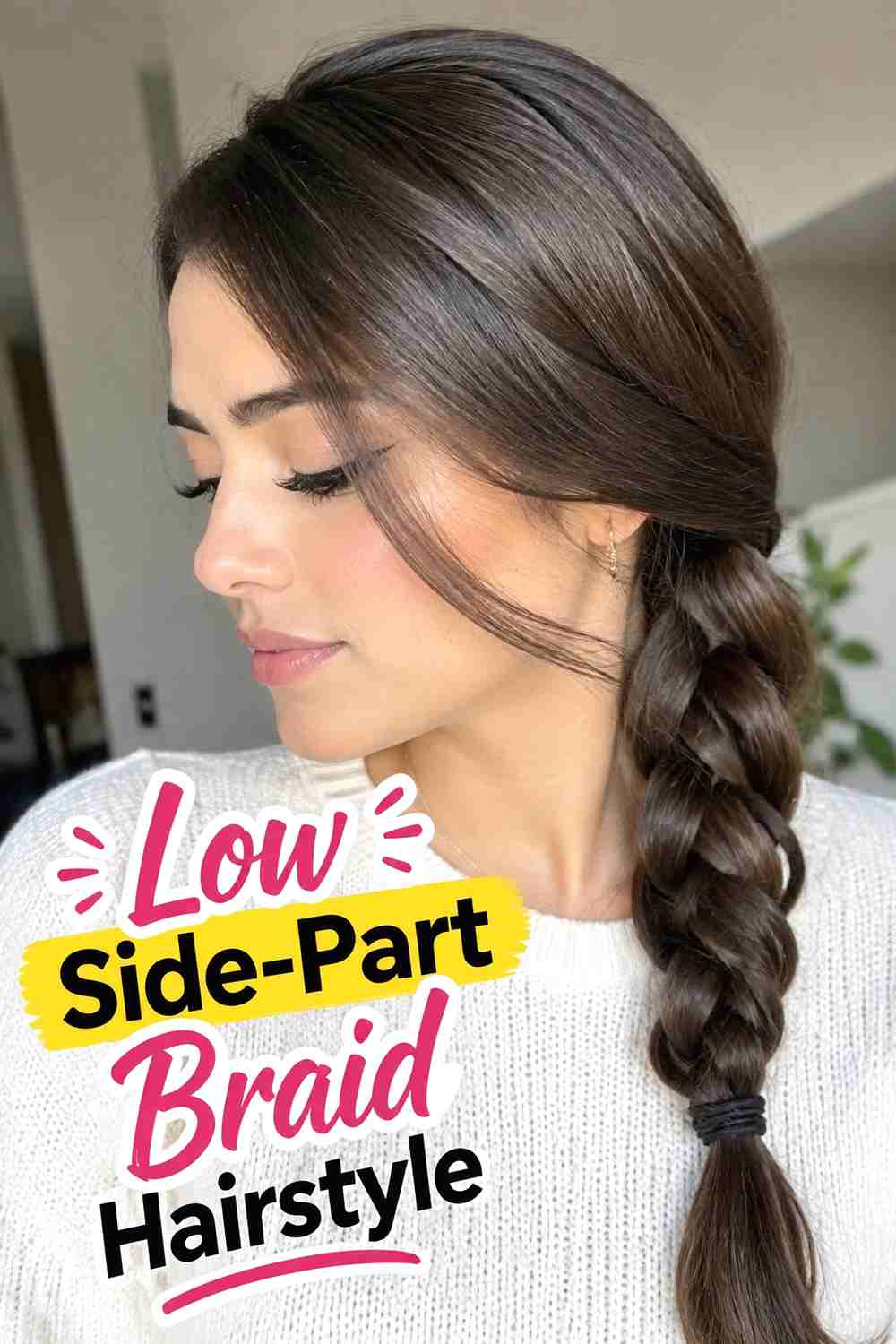
A low side-part braid combines orderly crown styling with a softer, more traditional texture through the length. The side part creates a clean starting point before the hair is gathered low and directed into a braid that can rest down the back or slightly over one shoulder. Keeping the braid relatively narrow works well with military coats because it avoids adding unnecessary bulk near structured shoulders. Long hair produces the clearest taper, though medium-long lengths can create a shorter version. The braid should feel secure without being pulled excessively tight, and slight variation in the plait helps it look natural. This style is especially useful on windy days when loose hair might otherwise become caught beneath a coat collar.
Wear & Maintenance
Secure the end with a small elastic and keep the braid flexible. A slightly softer plait can move against the coat without losing its overall structure.
16. Smooth Side Part Bubble Ponytail Hairstyle
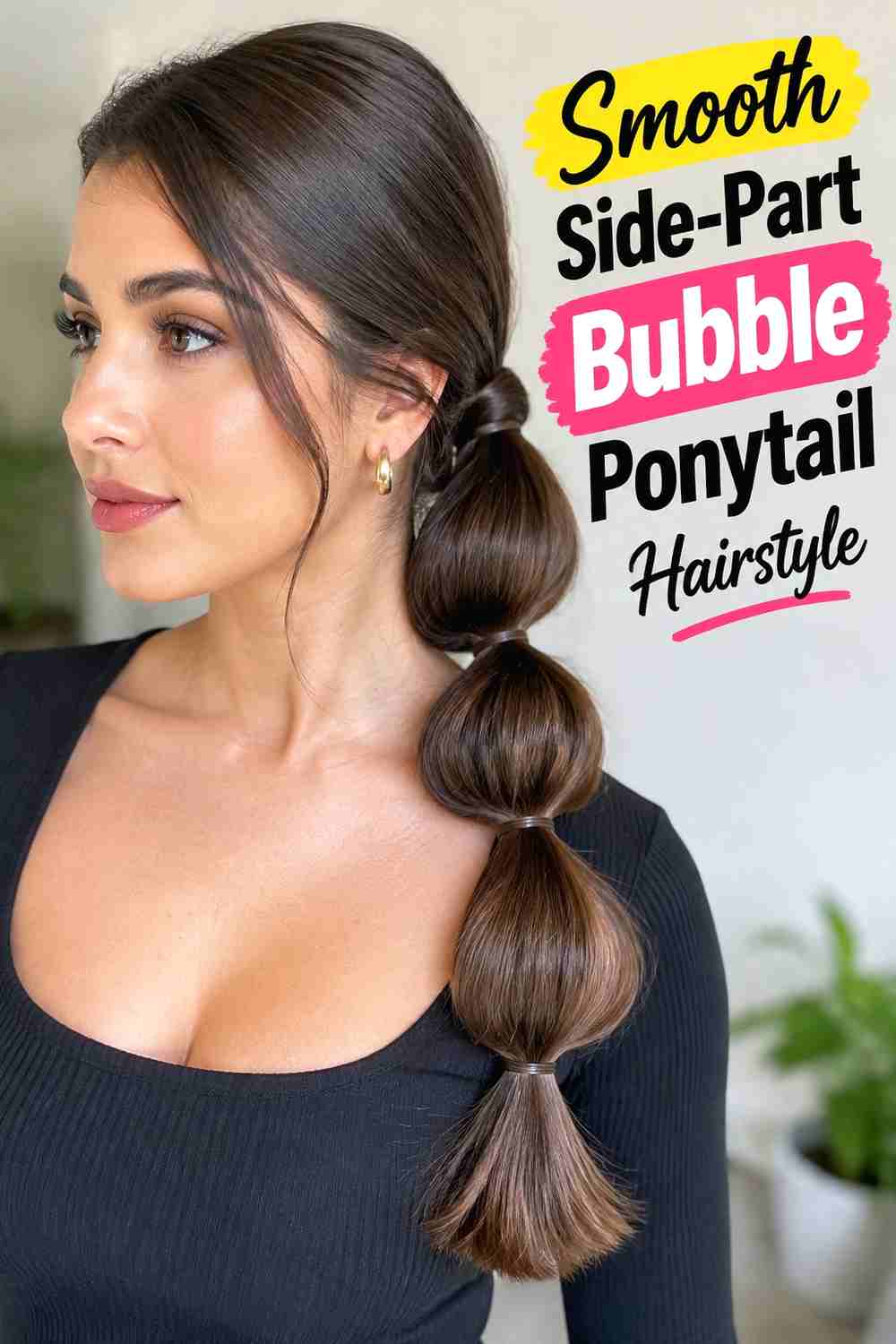
A smooth side-part bubble ponytail gives a more contemporary edge to structured military outerwear. The crown stays neat and directional, while the ponytail is divided by several elastics into softly rounded sections. Each bubble should follow the hair’s natural taper, becoming slightly smaller toward the ends rather than appearing perfectly identical. Keeping the upper section polished prevents the look from competing with decorative buttons, shoulder straps, or belts. Long hair works best because it provides enough length for several defined sections. The bubbles should remain controlled rather than dramatically expanded, especially when worn behind a substantial coat. A low or mid-low base can be chosen depending on how high the collar sits at the back.
Best For
Choose this style when you want a clean military-inspired outfit to feel more modern and fashion-forward without sacrificing practical hair control.
17. Sleek Side Part Low Twist Hairstyle
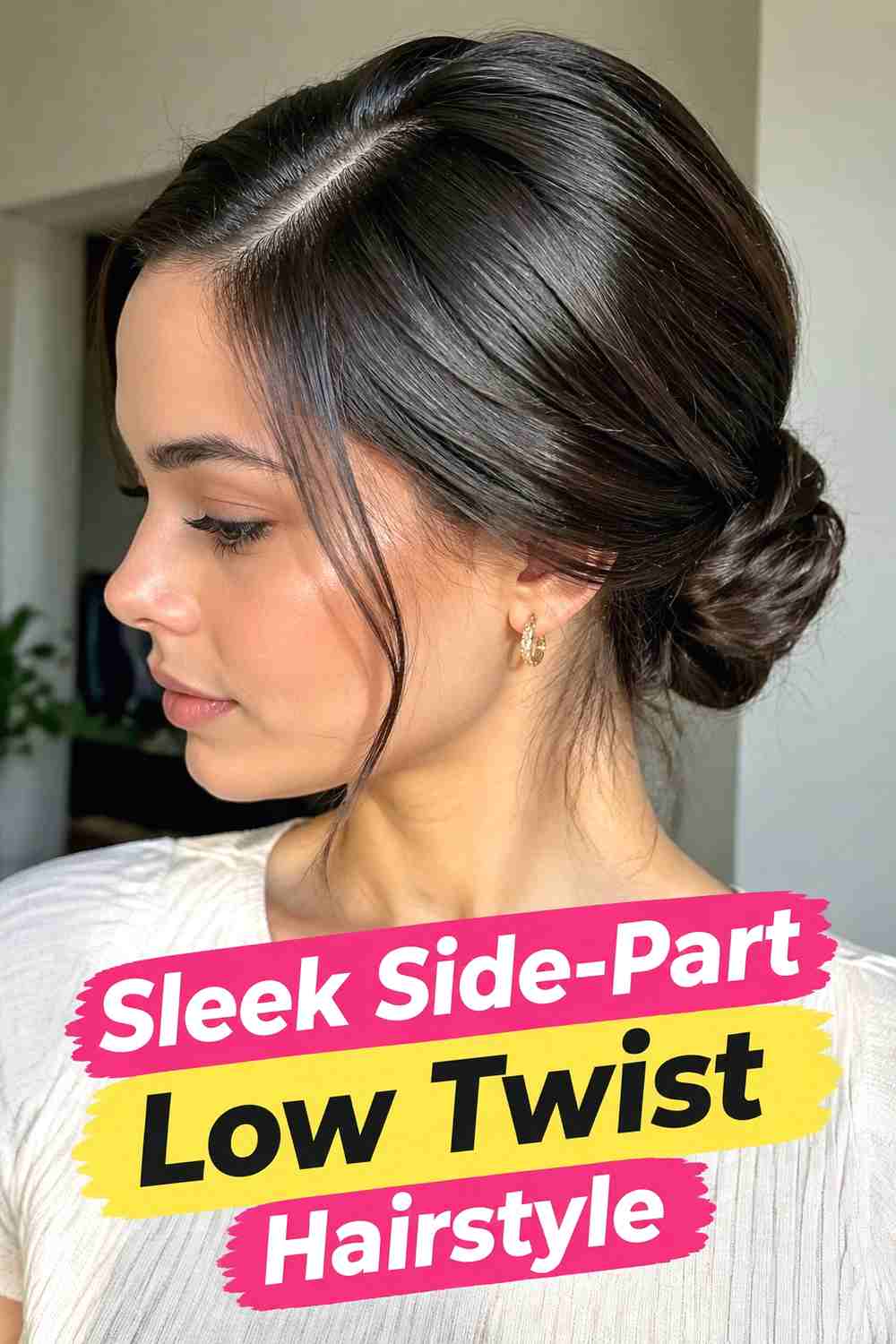
The sleek side-part low twist creates a narrow, understated shape that sits close to the nape. Hair is smoothed from the part toward the back, then twisted and tucked instead of being wrapped into a circular bun. This gives the style a streamlined profile that complements the vertical seams and tailored construction of a military coat. The twist can sit slightly off-center for a subtle continuation of the side-part direction, or remain centered for a more balanced back view. Medium to long hair usually offers enough length for secure tucking. Keep the crown polished but comfortable, and allow a few fine natural strands near the hairline if needed. The overall effect should feel neat without looking excessively lacquered.
Why It Works
The narrow back shape leaves more visual space for a structured collar while maintaining the refined finish expected from a neat side-part hairstyle.
18. Soft Side Part Curved Bob Hairstyle
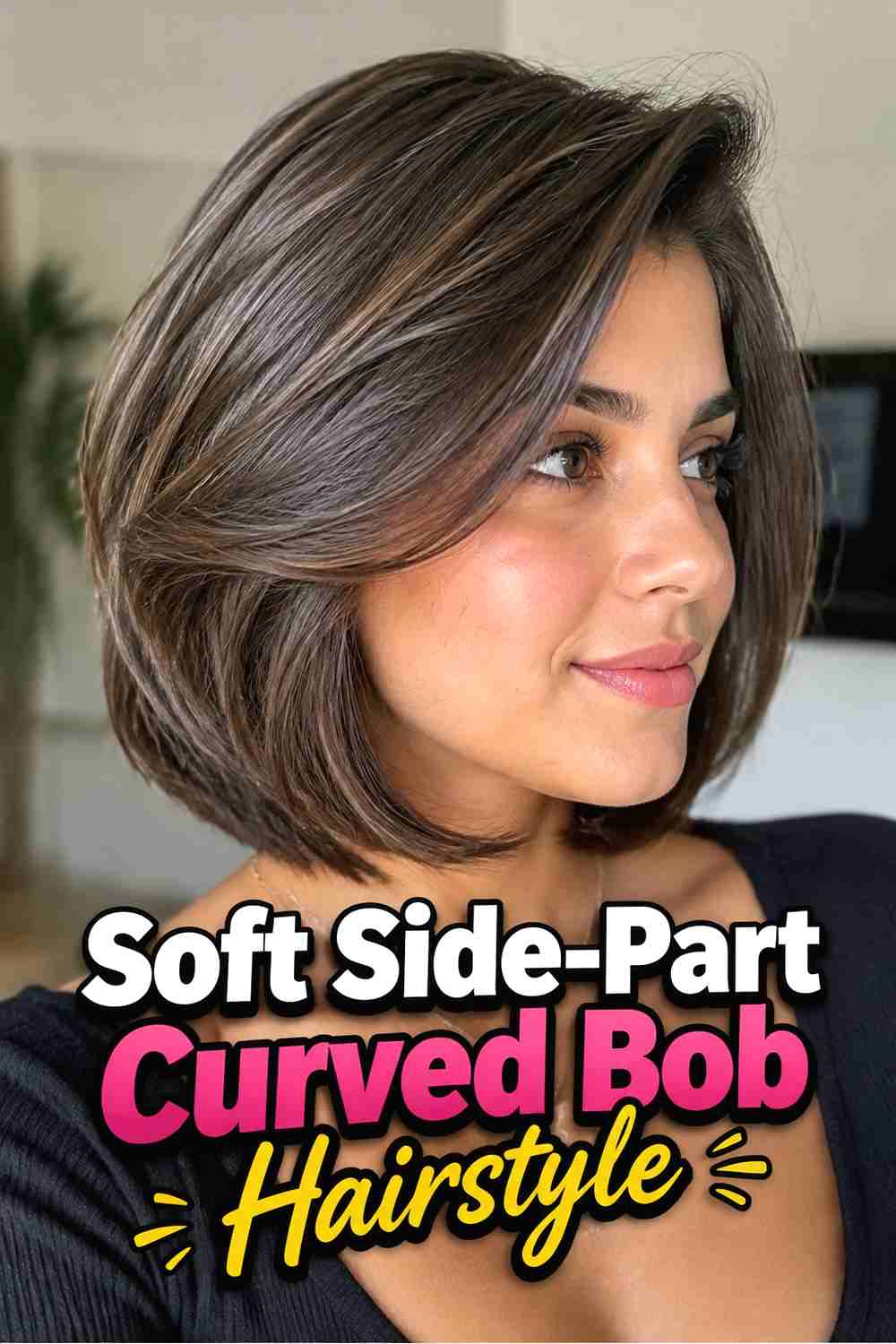
A soft side-part curved bob balances the sharpness of a military coat with a gentler rounded perimeter. The part remains clean and precise, but the ends curve subtly inward toward the jaw or neck instead of falling completely straight. This creates a softer transition between the haircut and a high collar while preserving a polished silhouette. Jaw- to shoulder-skimming lengths work particularly well, depending on how much clearance the coat provides around the neckline. The bend should be concentrated near the final section of hair rather than creating a heavily rounded blowout from the roots. Keep the fuller side of the part slightly lifted and the smaller side smoother so the style maintains dimension without becoming too voluminous.
Styling Notes
Direct only the ends inward with a round brush or gentle styling pass. Let the crown stay relatively natural so the bob does not look overly sculpted.
19. Minimal Side Part Knot Hairstyle
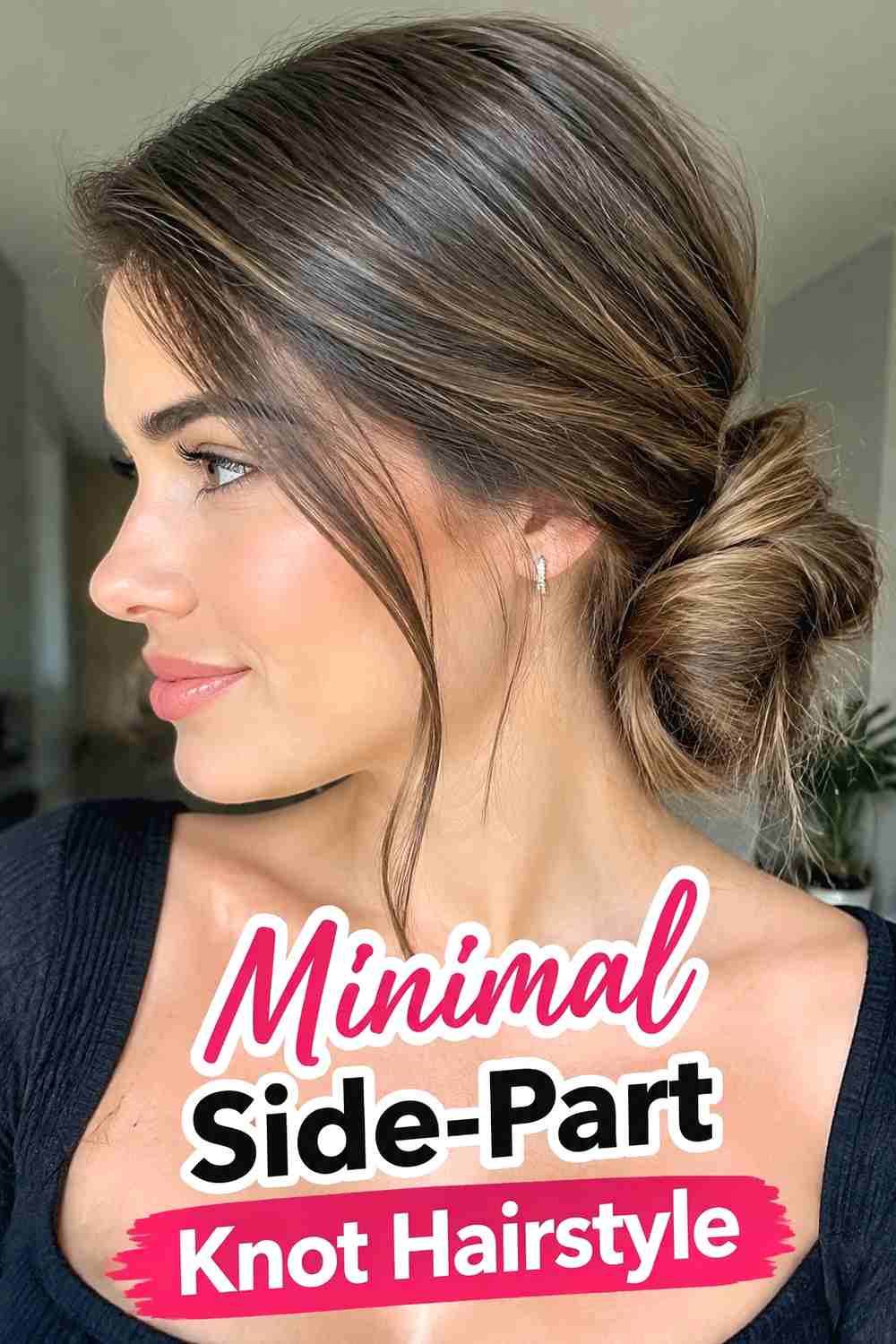
The minimal side-part knot is an understated updo built around clean placement and a compact silhouette. A precise side part gives the front its main visual detail, while the lengths are gathered low and formed into a simple knot close to the nape. There are no elaborate braids or oversized twists, which allows the strong design elements of a military coat to remain the focus. This style works best when the knot feels secure but not excessively tight, with natural strand texture still visible at close range. Medium to long hair can create the shape, though very thick hair may need to be divided before knotting. Keep the placement clear of the collar so the hairstyle remains comfortable during prolonged wear.
Pro Tip
Use a stable low ponytail as the hidden foundation if your hair slips easily. It can make the knot more secure without changing the minimal appearance.
How to Choose the Right Look
Begin with the structure of your military coat. A tall standing collar or heavily detailed shoulder line usually pairs best with contained styles such as a low bun, chignon, knot, braid, or French twist. These keep the hair from hiding epaulets, buttons, and tailored seams. If the coat has a more open collar, sleek bobs, lobs, and shoulder-length finishes can work without feeling crowded.
Hair texture should guide how polished you make the surface. Straight or easily smoothed hair can emphasize glossy bobs, wrapped ponytails, and clean low twists. Wavy or textured hair may feel more natural in sculpted waves, braids, or softly controlled buns where some movement adds dimension.
Consider styling time and hold as well. An ear-tucked bob or basic low ponytail is quick to manage, while a French twist, chignon, or braided ponytail requires more construction. If you expect a long day outdoors, choose a shape that remains secure without constant readjustment.
Comfort is equally important. Keep ponytail bases, knots, and pins away from the exact point where the coat collar presses against the head. The best side-part hairstyle should reinforce the coat’s clean structure while remaining flexible, believable, and easy to wear.
Final Thoughts
Neat side-part hairstyles naturally complement structured military coats because both rely on strong lines and deliberate proportions. Sleek bobs and lobs create a sharp modern pairing, while low buns, knots, braids, and twists keep longer hair controlled. Choose the version that works with your collar height, hair texture, styling time, and preferred level of polish rather than forcing an overly rigid finish.
FAQs
1. Why do side-part hairstyles work well with structured military coats?
A side part introduces controlled asymmetry, which softens the coat’s straight seams and strong shoulders without making the overall look feel messy or overly casual.
2. Which hairstyle works best with a very high military collar?
Compact low buns, narrow twists, chignons, and French twists work well when positioned so the hairstyle clears the upper edge of the collar.
3. Can short hair work with a structured military coat?
Yes. A side-part bob or lob can highlight the collar and shoulder details while keeping the overall silhouette clean and intentional.
4. How can I keep a neat side part from becoming flat?
Preserve a little root lift on the fuller side and smooth only the surface. Using too much oil or heavy product at the roots can remove useful dimension.
5. Are braids suitable with tailored military-style coats?
Yes. Low braids and braided ponytails organize longer hair, reduce loose bulk around the shoulders, and add controlled texture without hiding the coat’s structure.
Save your favorite side-part hairstyle and share these polished ideas whenever you need inspiration for styling structured military coats.