13 Flat-Crown Hairstyles for Winter Office Headsets and Coats
Low-profile crown styling helps office headsets sit more naturally while tidy lengths and low shapes stay polished around structured winter coat collars.
Office days involving over-head headsets and winter outerwear create two different styling challenges. Extra volume directly at the crown can compete with a headset band, while bulky knots or loose lengths at the nape can rub against coat collars. Flat-crown hairstyles solve the first issue by keeping the upper silhouette smooth and shifting most of the detail lower.
The best option depends on your length, texture, headset shape, coat collar, and how much styling you want to maintain during the day. These ideas range from sleek bobs to contained braids, knots, and chignons, with natural strand detail, believable volume, practical placement, and comfortable tension kept in mind.
Quick List
- Sleek Center Part Low Ponytail Hairstyle
- Smooth Side Part Nape Bun Hairstyle
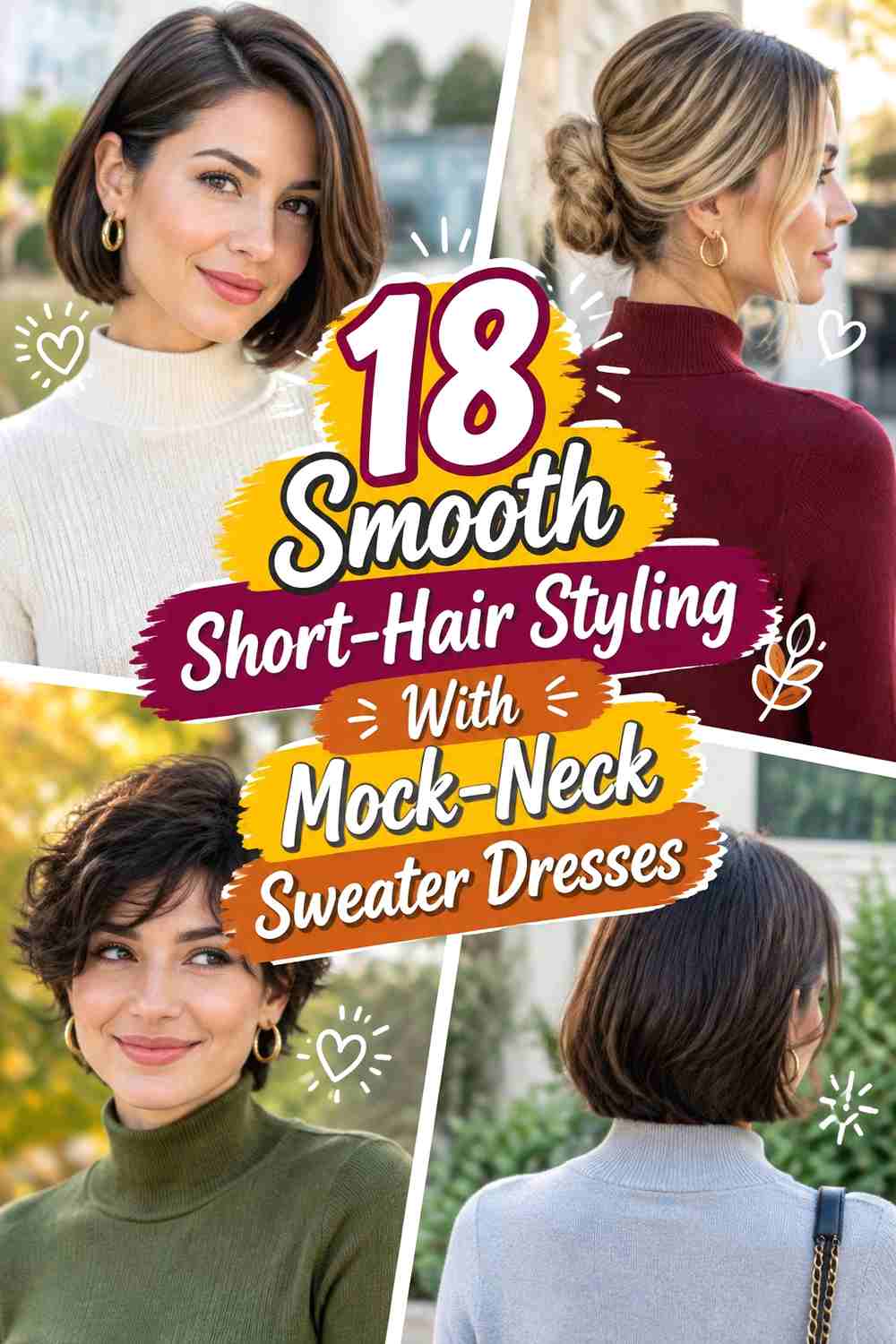
- Ear Tucked Blunt Bob Hairstyle
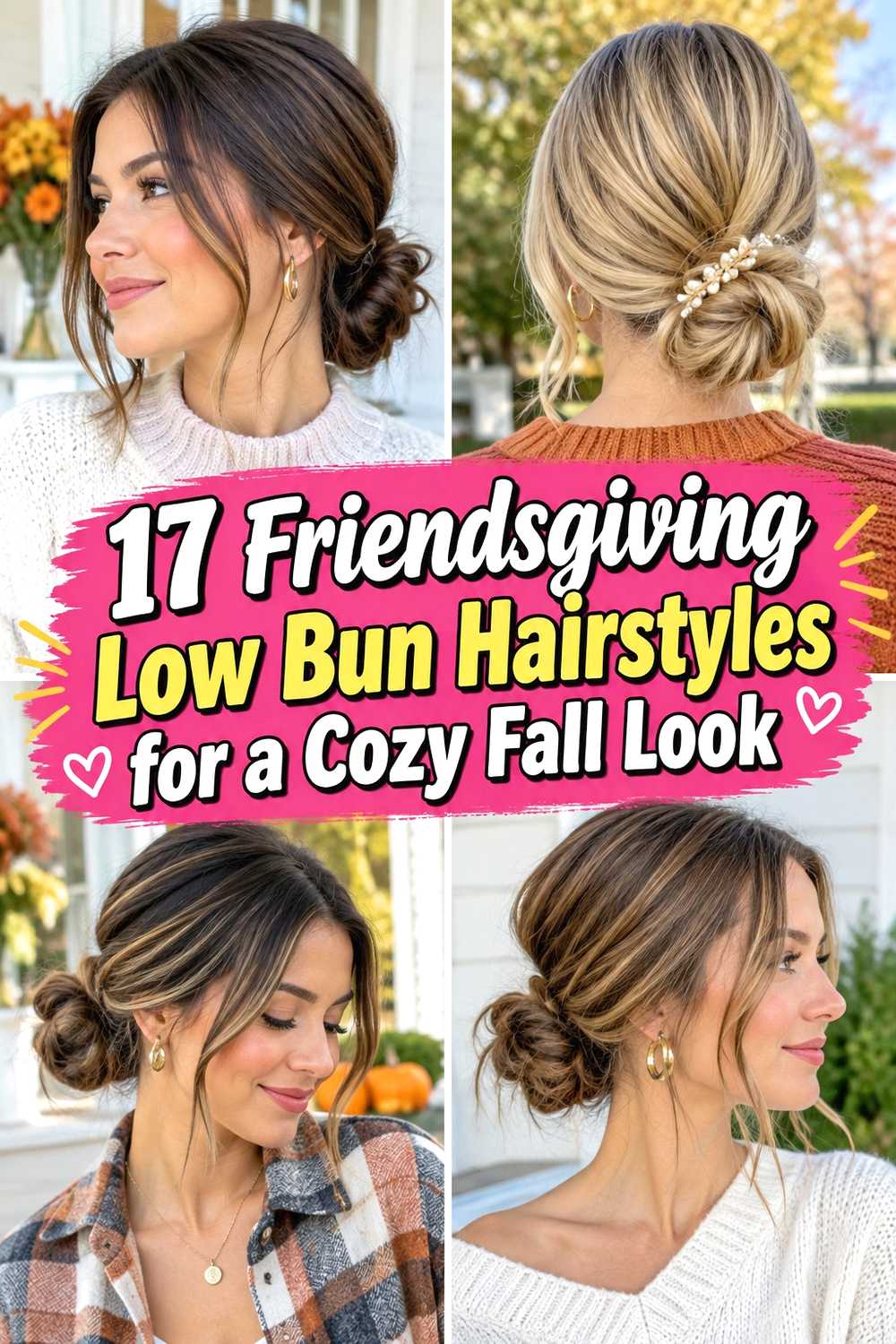
- Flat Crown Low Knot Hairstyle
- Satin Straight Lob Hairstyle
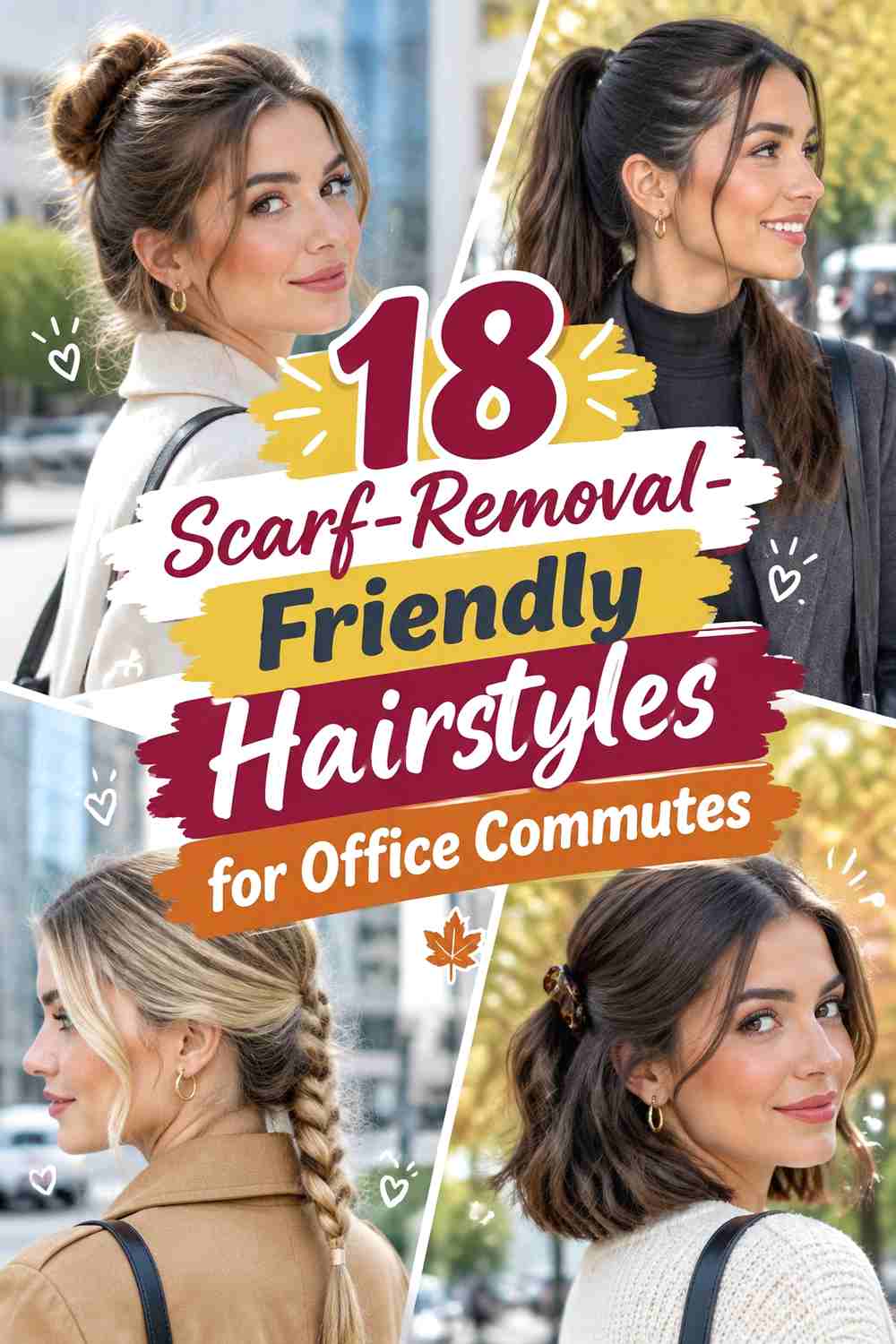
- Low Braided Ponytail Hairstyle
- Tucked Under Nape Roll Hairstyle
- Smooth One Shoulder Lengths Hairstyle
- Low Bubble Ponytail Hairstyle
- Side Part Low Chignon Hairstyle
- Pinned Back Shoulder Length Hairstyle
- Low Rope Twist Bun Hairstyle
- Relaxed Flat Crown Updo Hairstyle
1. Sleek Center Part Low Ponytail Hairstyle
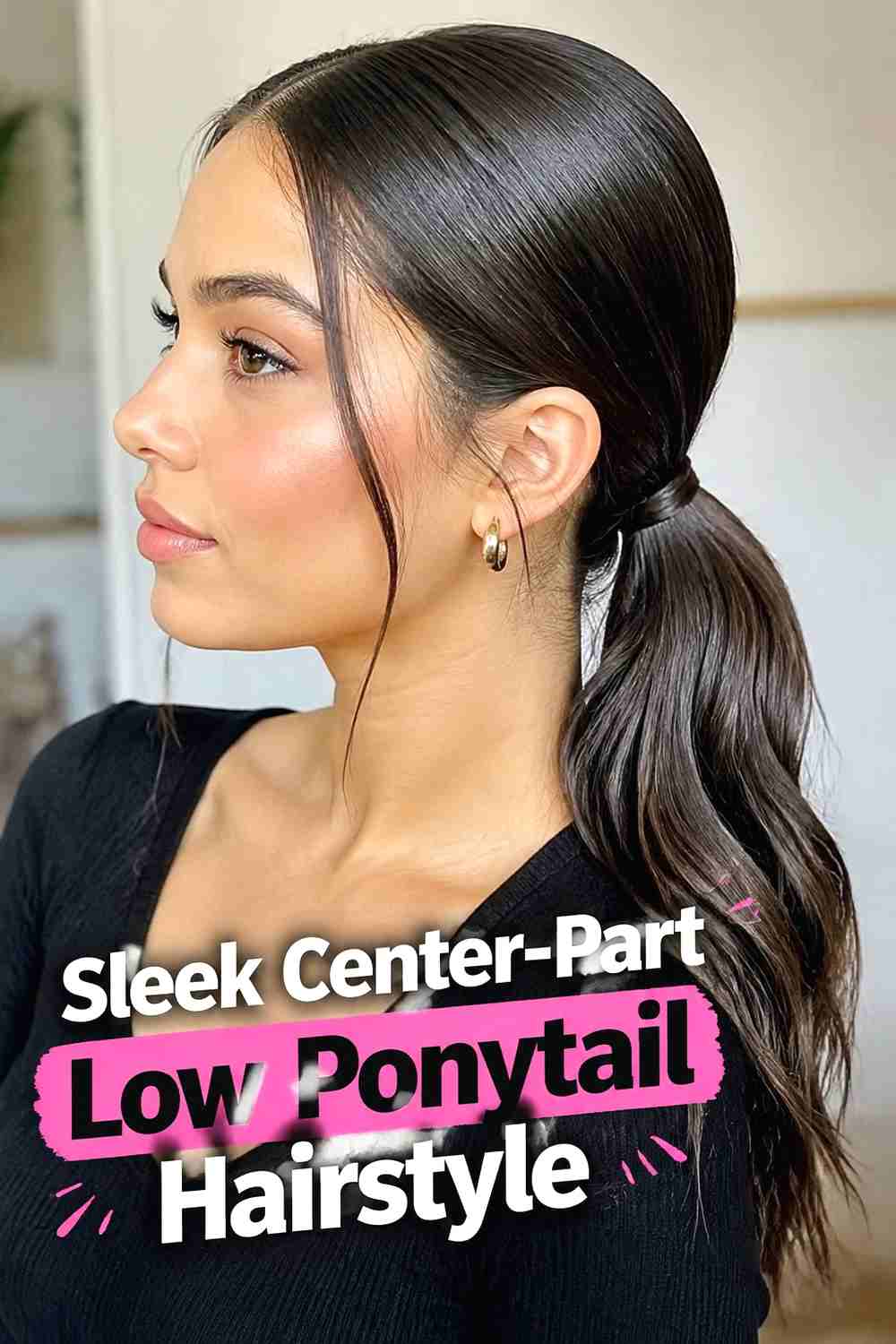
A sleek center-part low ponytail leaves the top of the head smooth and uninterrupted, making it a practical match for an office headset band. The middle part creates clean symmetry while the lengths are gathered at the nape, keeping most styling detail well below the crown. The ponytail can remain straight, softly waved, or naturally textured as long as the upper section stays relatively low-profile. If a winter coat has a tall collar, place the elastic slightly above or below the collar edge rather than directly against it. Avoid creating unnecessary root lift beneath the headset; a naturally smooth crown usually recovers more easily when the headset comes off.
Styling Notes
Position the headset before finalizing the ponytail if possible. This helps you identify where the band rests and prevents placing clips or raised sections directly underneath it.
2. Smooth Side Part Nape Bun Hairstyle
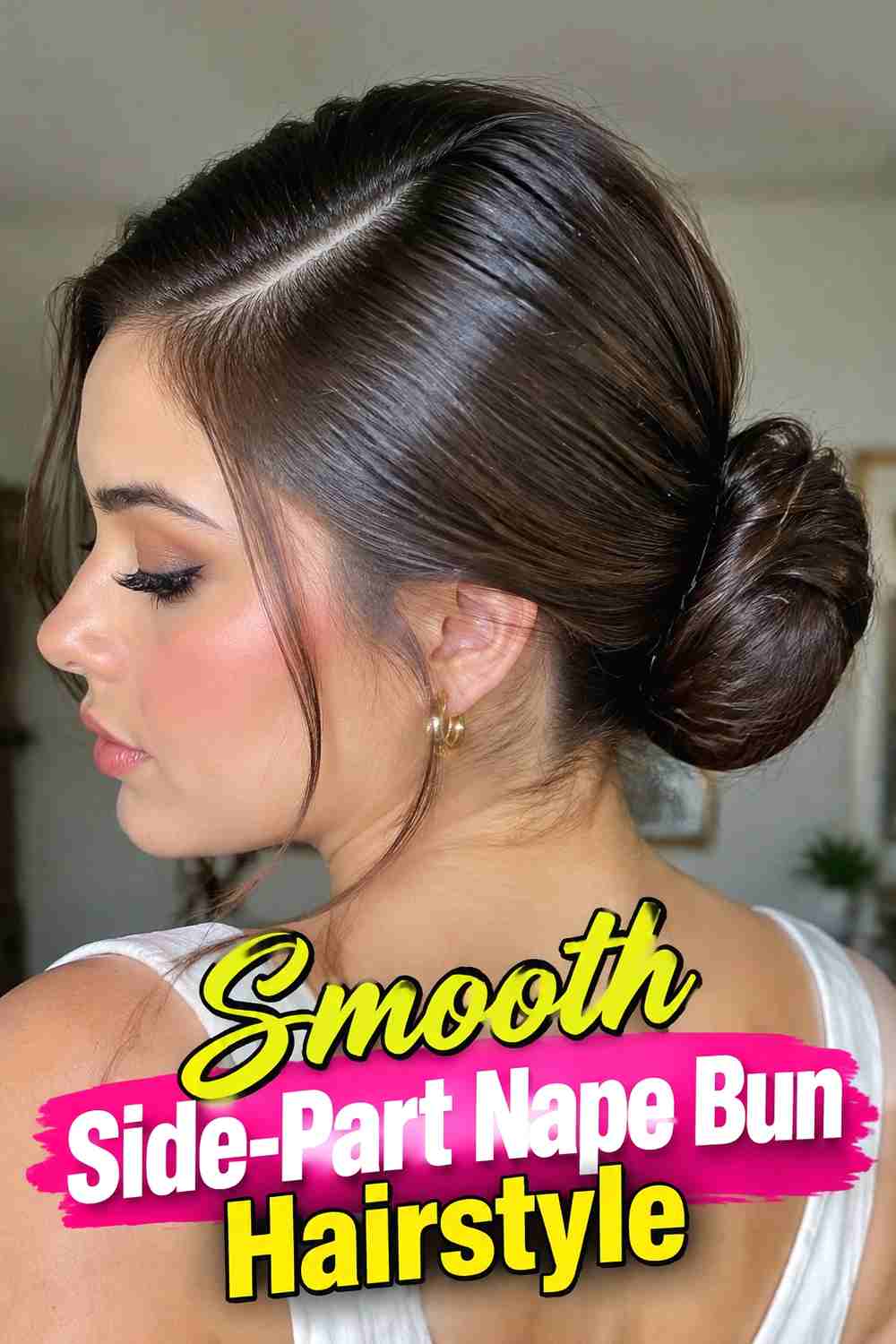
A smooth side-part nape bun combines headset-friendly crown styling with a fully contained length. The side part adds enough visual direction to keep the hairstyle interesting without requiring crown volume, while the bun stays compact near the nape. This makes it particularly useful when long hair would otherwise become trapped beneath a coat. The bun should remain small enough to avoid pressing into a substantial winter collar, so thick hair may need to be divided before wrapping. Keep the upper sections smooth but flexible rather than heavily lacquered. A little natural lift near the deeper side of the part is fine, as long as the headset band can still sit comfortably across the top.
Wear & Maintenance
If your coat collar is high, raise the bun slightly until the lower edge clears the fabric. Comfort is more important than placing it at the absolute lowest point.
3. Ear Tucked Blunt Bob Hairstyle
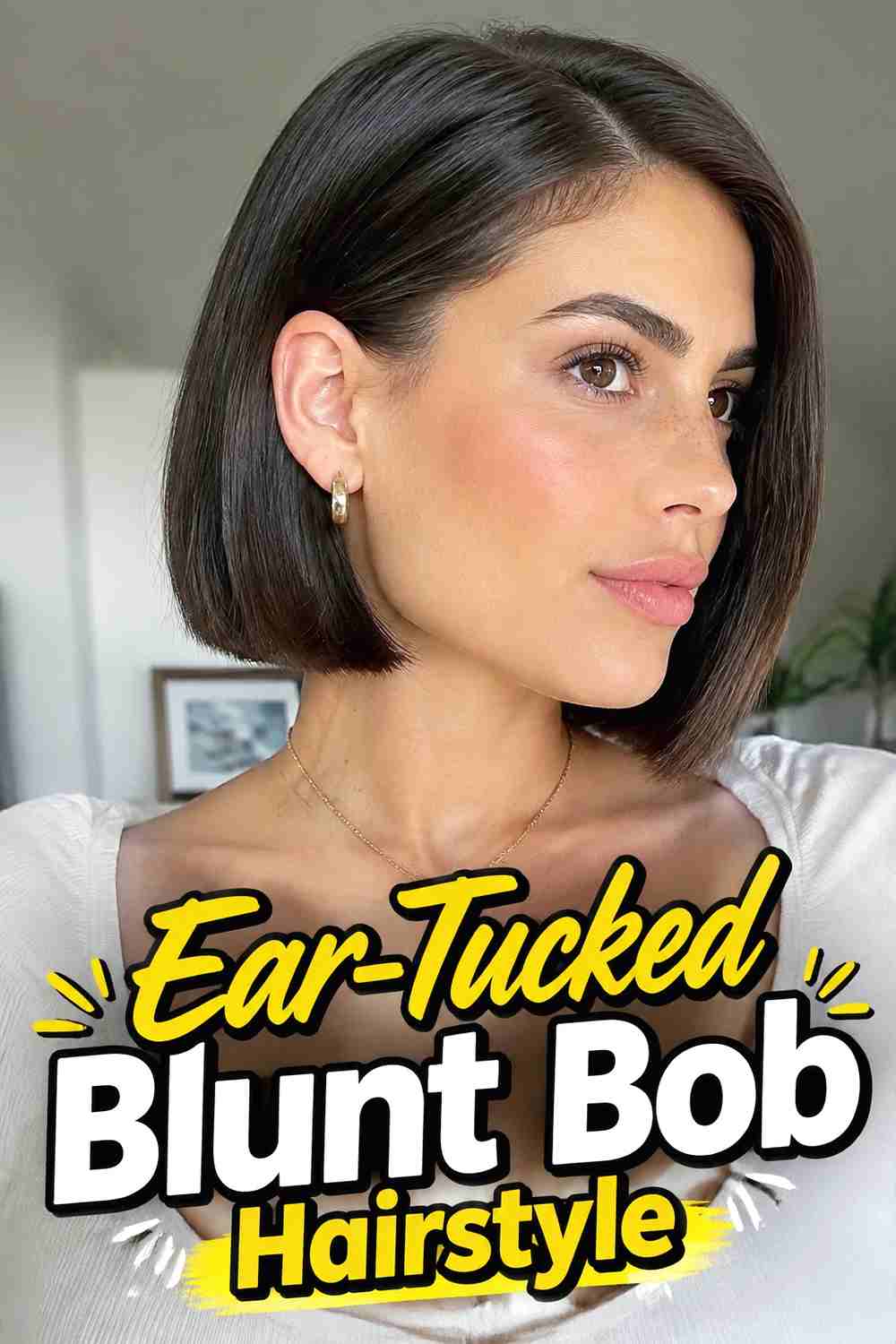
An ear-tucked blunt bob is naturally suited to headset wear because there is no bun, clip, or ponytail base competing with the band. A clean perimeter around the jaw or lower face keeps winter coat collars visible, while tucking the front sections behind the ears gives the headset earpieces a clearer area to sit. The crown can remain smooth with a center, side, or subtle off-center part. Avoid excessive root volume if the headset needs to stay in place for long calls. The blunt ends provide enough structure that the hairstyle still looks intentional after the headset comes off, and a quick finger-comb is usually enough to restore the shape.
Best For
This style works especially well for short, straight, gently wavy, or lightly textured hair when you want minimal daily adjustment between calls.
4. Flat Crown Low Knot Hairstyle
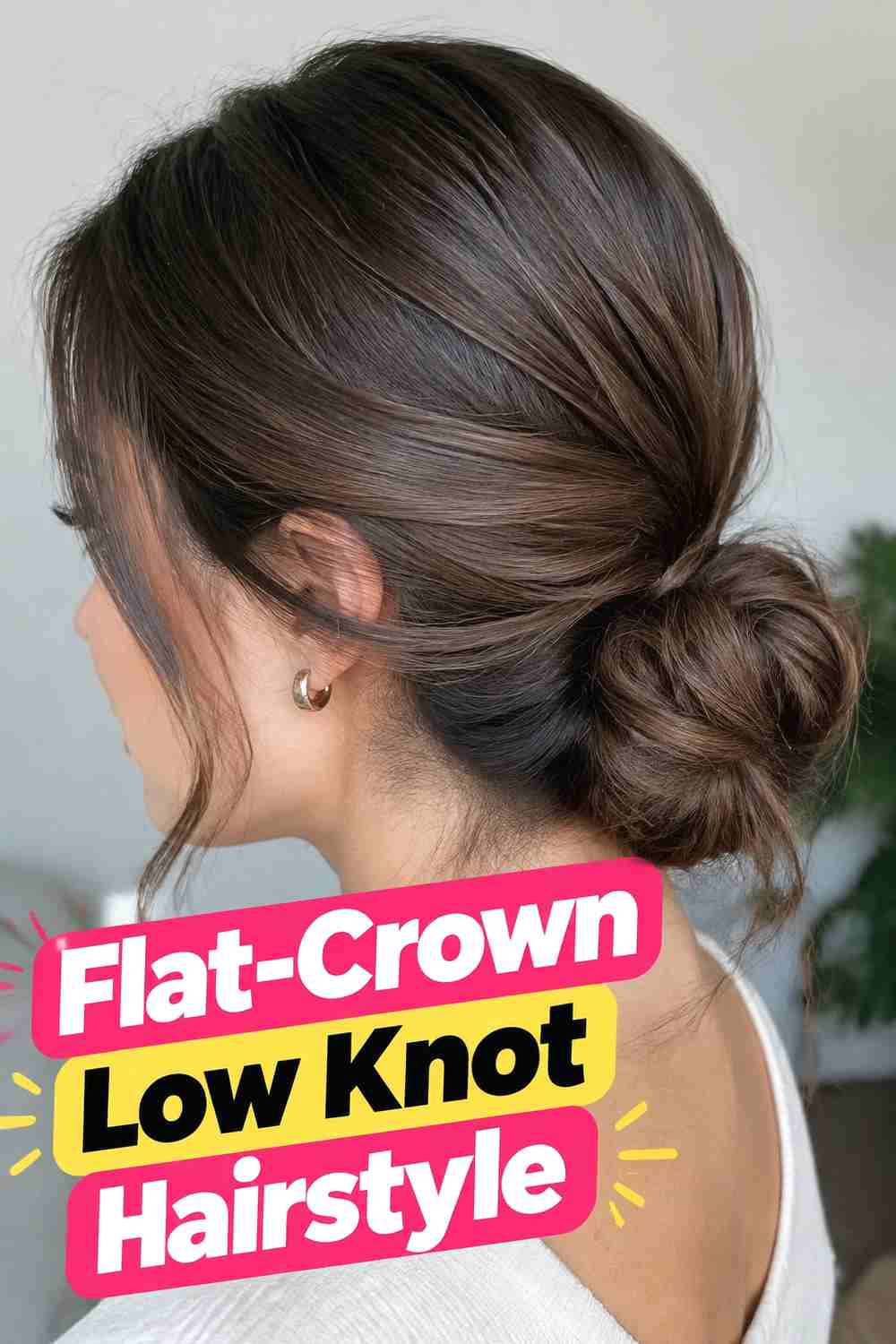
The flat-crown low knot is built specifically around a smooth upper silhouette. Hair is directed close to the head without excessive root lift, then gathered at the nape and formed into a compact knot. That separation keeps the headset zone simple while moving the visible styling detail lower. Medium to long hair works best, although very thick lengths may need sectioning so the knot does not become oversized against a winter coat. A center or side part can both work depending on preference. The finished crown should look polished but not pasted flat, with realistic strand direction and enough flexibility that the hair settles naturally once the headset is removed.
Why It Works
The headset band rests over a simple surface rather than raised twists, clips, or teased volume, while the low knot keeps longer hair organized around outerwear.
5. Satin Straight Lob Hairstyle
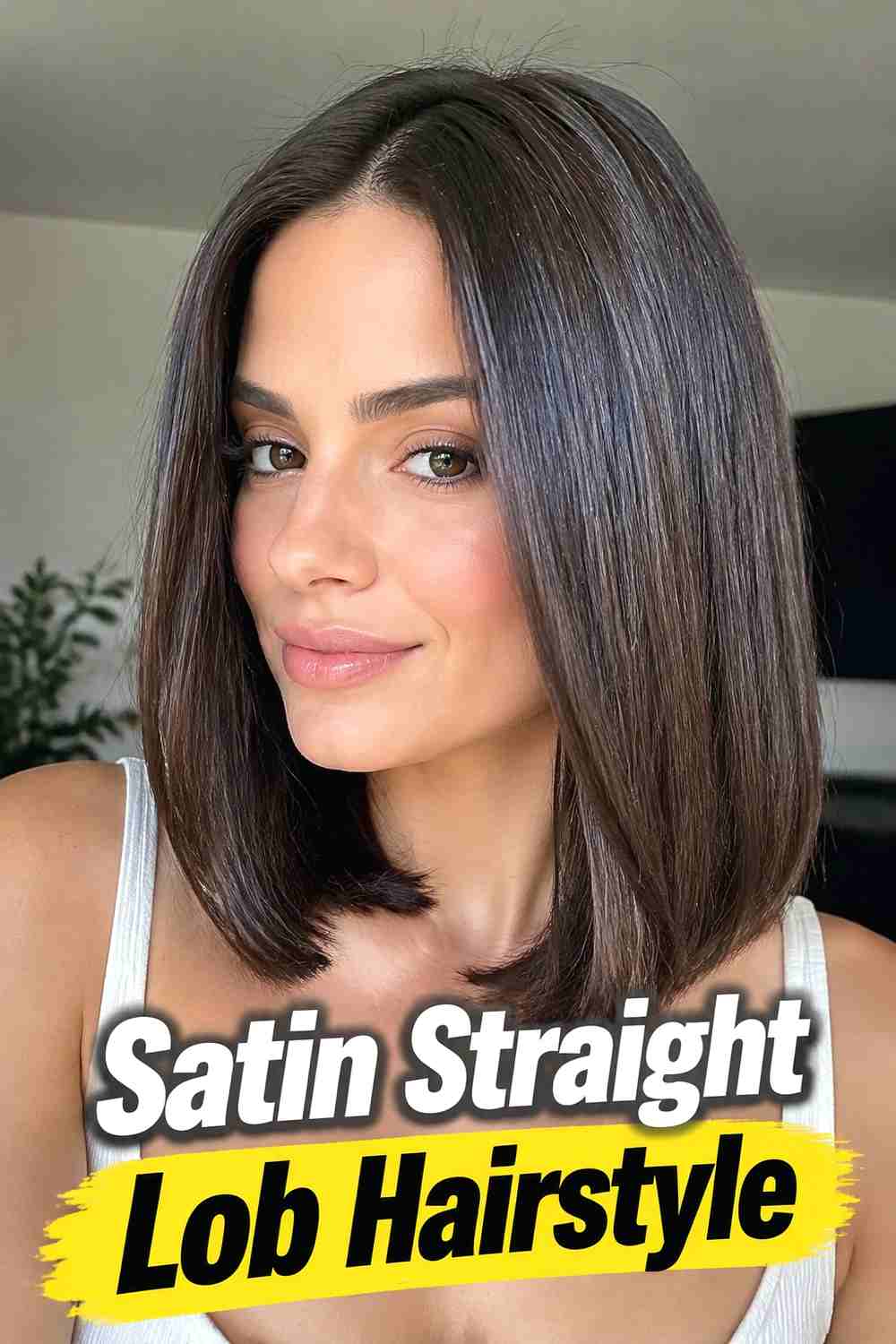
A satin straight lob keeps the crown uncomplicated while giving shoulder-skimming hair a soft, polished finish. Instead of high-volume roots, the style relies on smooth lengths and gentle natural shine for its visual impact. A length that falls around the shoulders or collarbones can be particularly practical because it avoids the extra fastening points of an updo while remaining shorter than very long loose hair. When wearing a winter coat, bring the lengths outside the collar or forward over the shoulders so they do not become heavily compressed. After removing the headset, the crown can usually be restored with a light pass of the fingers rather than a full restyle.
Styling Notes
Use lightweight finishing product through the mid-lengths and ends. Keeping heavy product away from the crown helps prevent the headset area from looking overly flat or oily.
6. Low Braided Ponytail Hairstyle
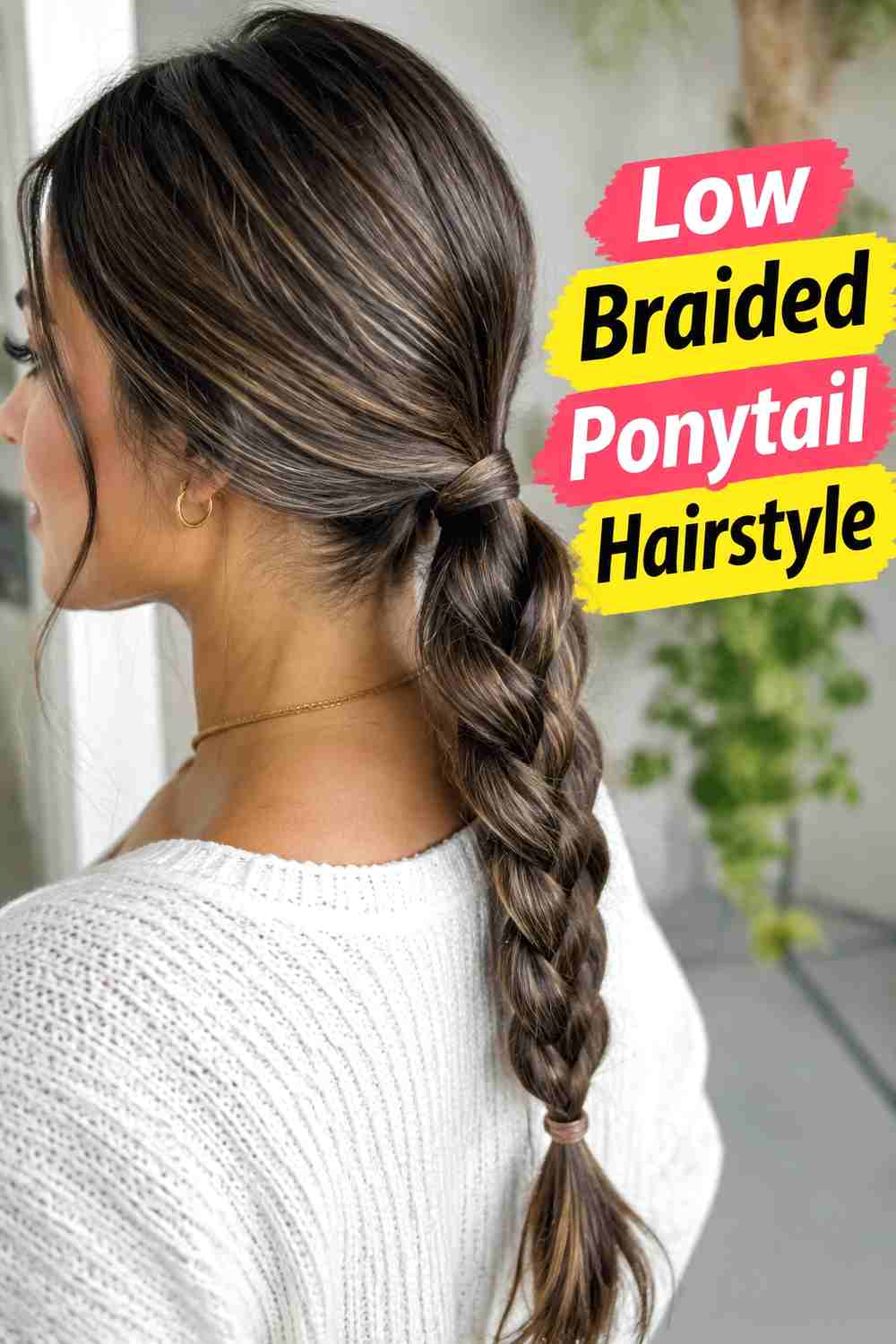
A low braided ponytail keeps the crown smooth and the length neatly contained, which makes it useful for both headset wear and winter commuting. Hair is gathered close to the nape before the ponytail is braided, reducing loose sections that might become caught inside a coat. The braid should taper naturally and stay flexible rather than being pulled extremely tight. Straight, wavy, curly, and coily textures can all adapt to the structure while retaining their own visual character. At the crown, avoid clips or braided details directly beneath the headset band. If the coat collar reaches the ponytail base, shift the elastic slightly upward for a more comfortable fit.
Best For
Choose this style for medium-long or long hair when you want reliable containment without placing any major hairstyle structure on top of the head.
7. Tucked Under Nape Roll Hairstyle
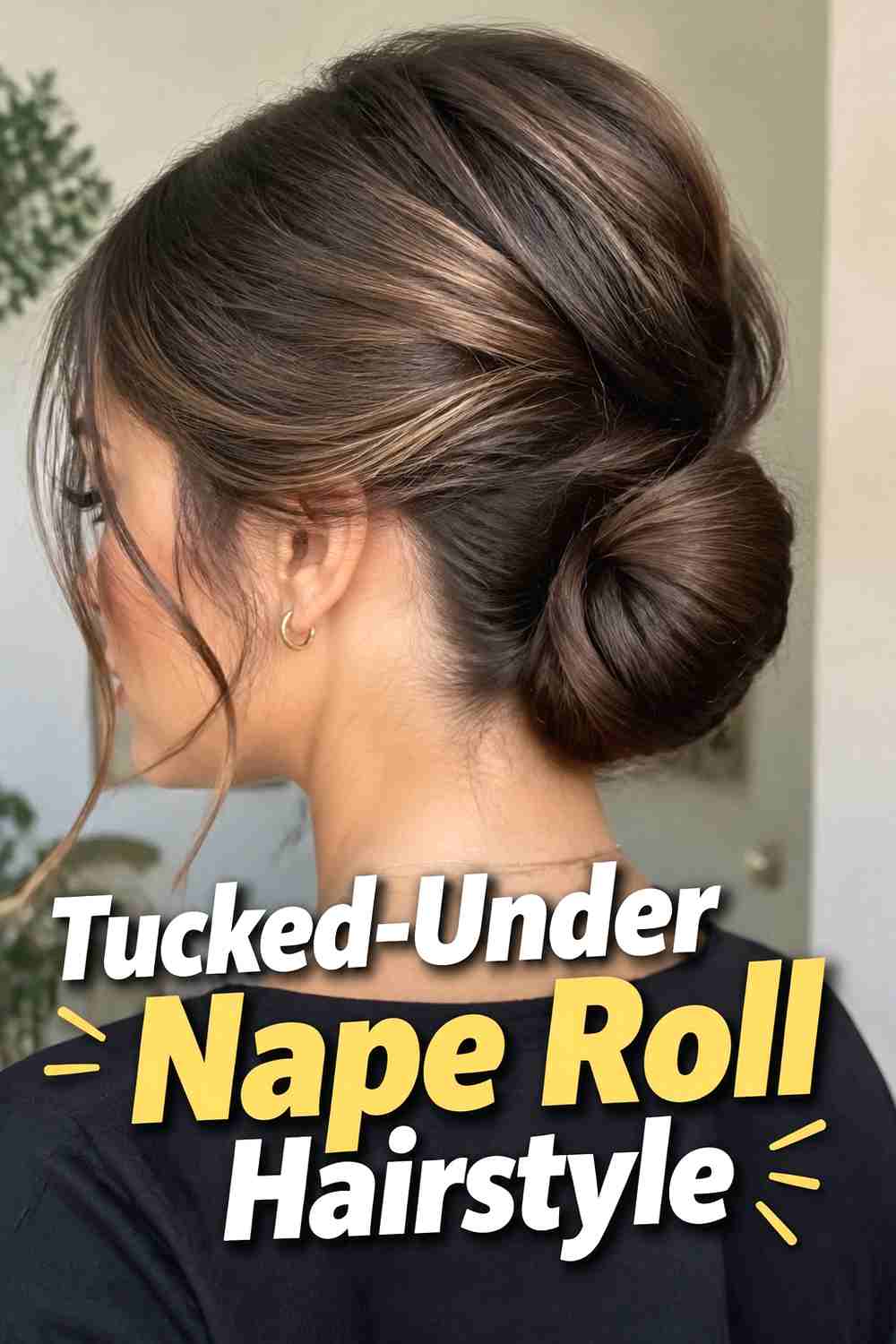
A tucked-under nape roll creates a smooth folded shape at the back while preserving a flat, headset-friendly crown. The upper hair is guided toward the nape with minimal lift, then the lengths are rolled inward so the ends disappear inside the shape. Unlike a round bun, the roll can remain relatively narrow and close to the head. This makes it useful with tailored coats as long as the placement clears the collar. Medium-length hair often works especially well because there is enough length to fold without creating excessive bulk. Keep pins inside the roll rather than near the crown so there are no hard points directly under the headset.
Pro Tip
Put on your winter coat before final pinning. Raising the roll even slightly can prevent repeated contact with a high collar.
8. Smooth One Shoulder Lengths Hairstyle
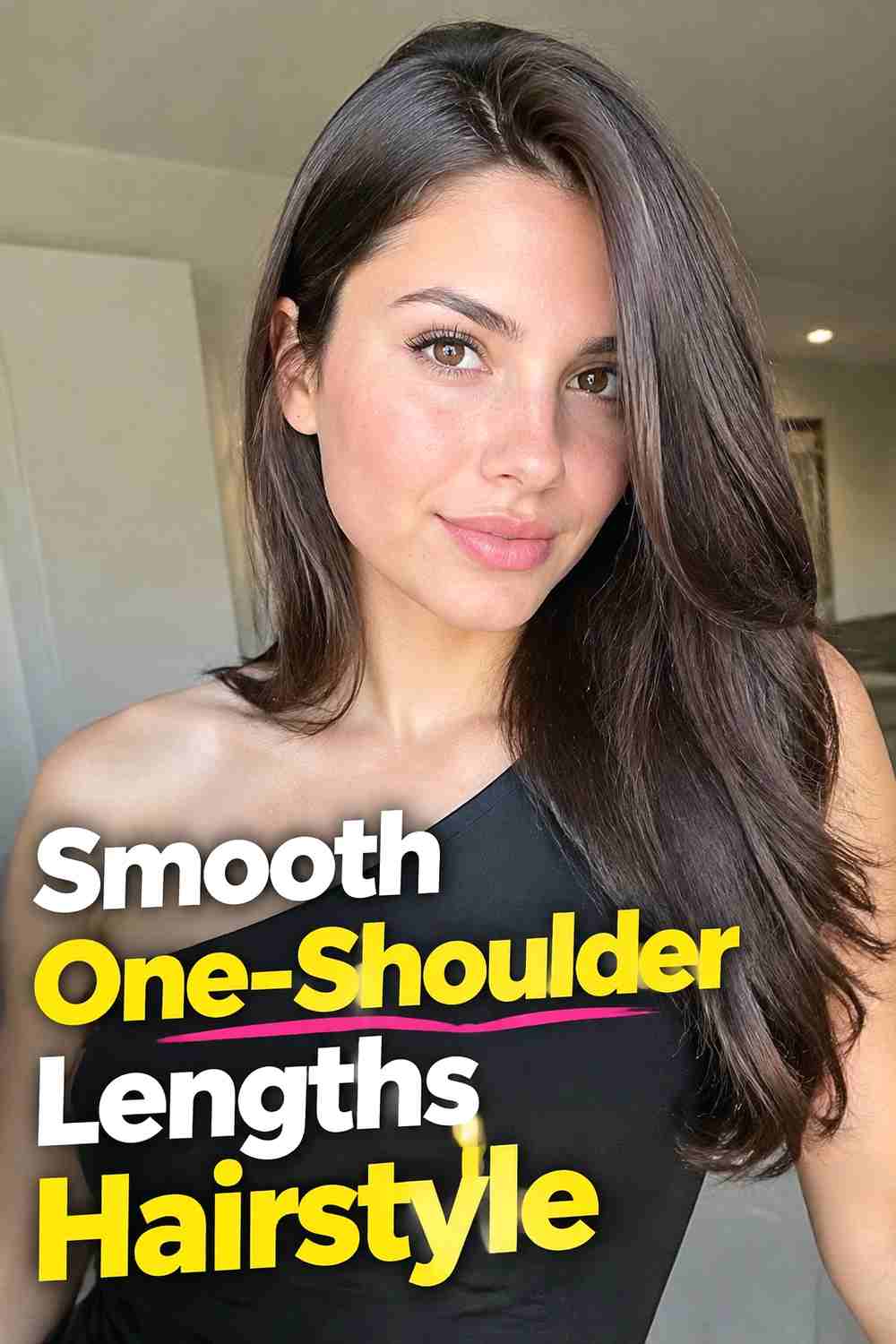
Smooth one-shoulder lengths offer a loose-hair option that keeps the crown simple and shifts the bulk away from the center back. A side part can guide the hair naturally toward one shoulder while the upper surface remains sleek enough for a headset band. This placement is especially practical when a coat collar tends to trap longer hair at the nape, since most of the length stays forward and visible. Straight, gently wavy, or softly stretched textures all suit the look. Keep the hair flexible so it can be repositioned quickly between calls or after taking off outerwear. The style should feel directional rather than heavily pinned, preserving natural movement through the ends.
Wear & Maintenance
Before putting on a coat, guide the lengths fully over one shoulder. This reduces the amount of hair compressed between the neck and outerwear.
9. Low Bubble Ponytail Hairstyle
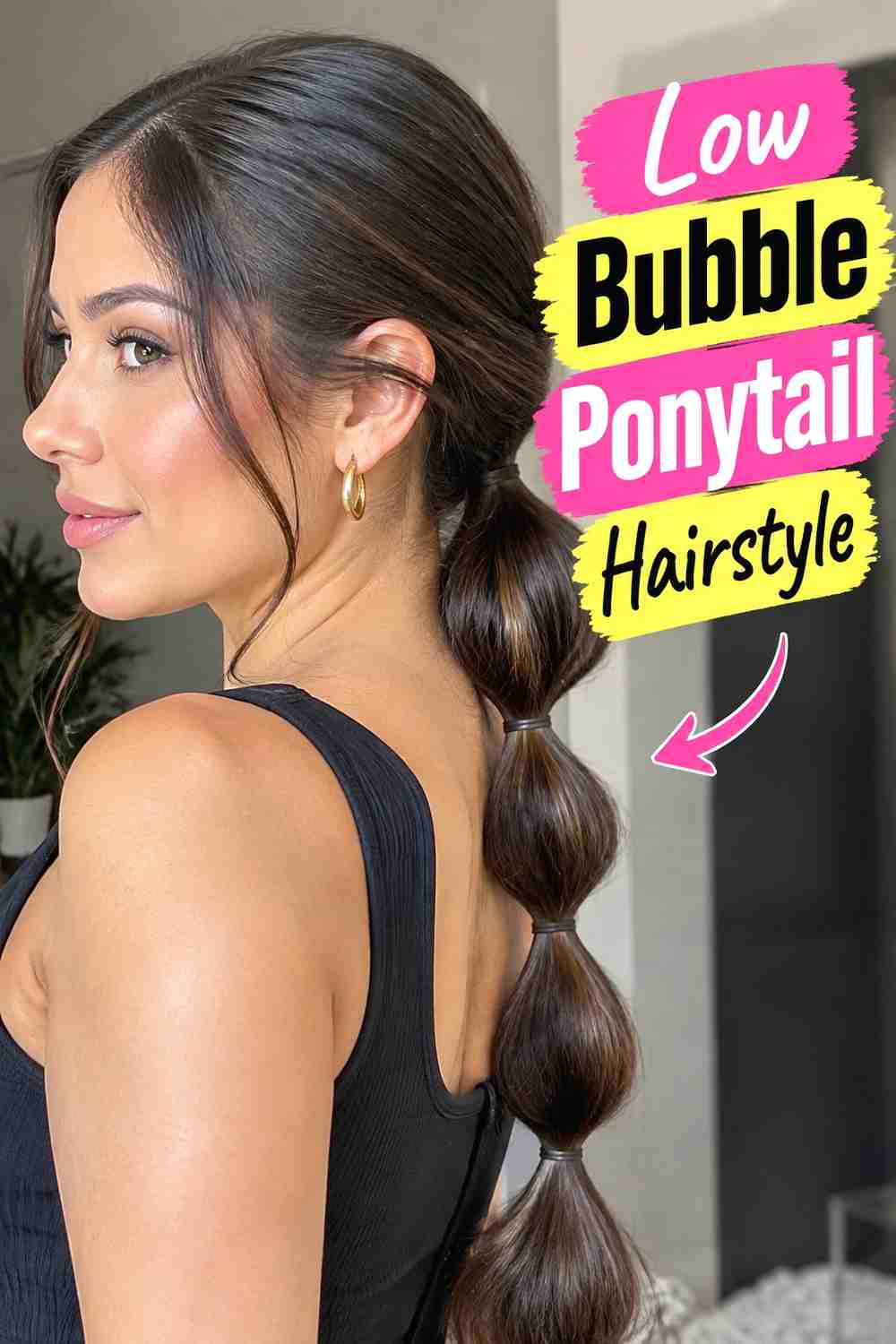
A low bubble ponytail adds visible detail to the length without placing anything bulky at the crown. Hair is gathered at the nape, then divided into several softly rounded sections with small elastics. Keep the upper hair smooth and close to its natural profile so an office headset can sit without balancing over added height. The bubbles should follow the natural taper of the ponytail rather than being expanded into exaggerated shapes. Long hair works best because it provides enough length for several sections. If you wear a high coat collar, position the first elastic so the base clears the fabric and the lower bubbles can move freely behind or beside the coat.
Styling Notes
Keep the bubbles moderate in size. A narrower ponytail is easier to manage around winter layers and usually looks more streamlined in professional settings.
10. Side Part Low Chignon Hairstyle
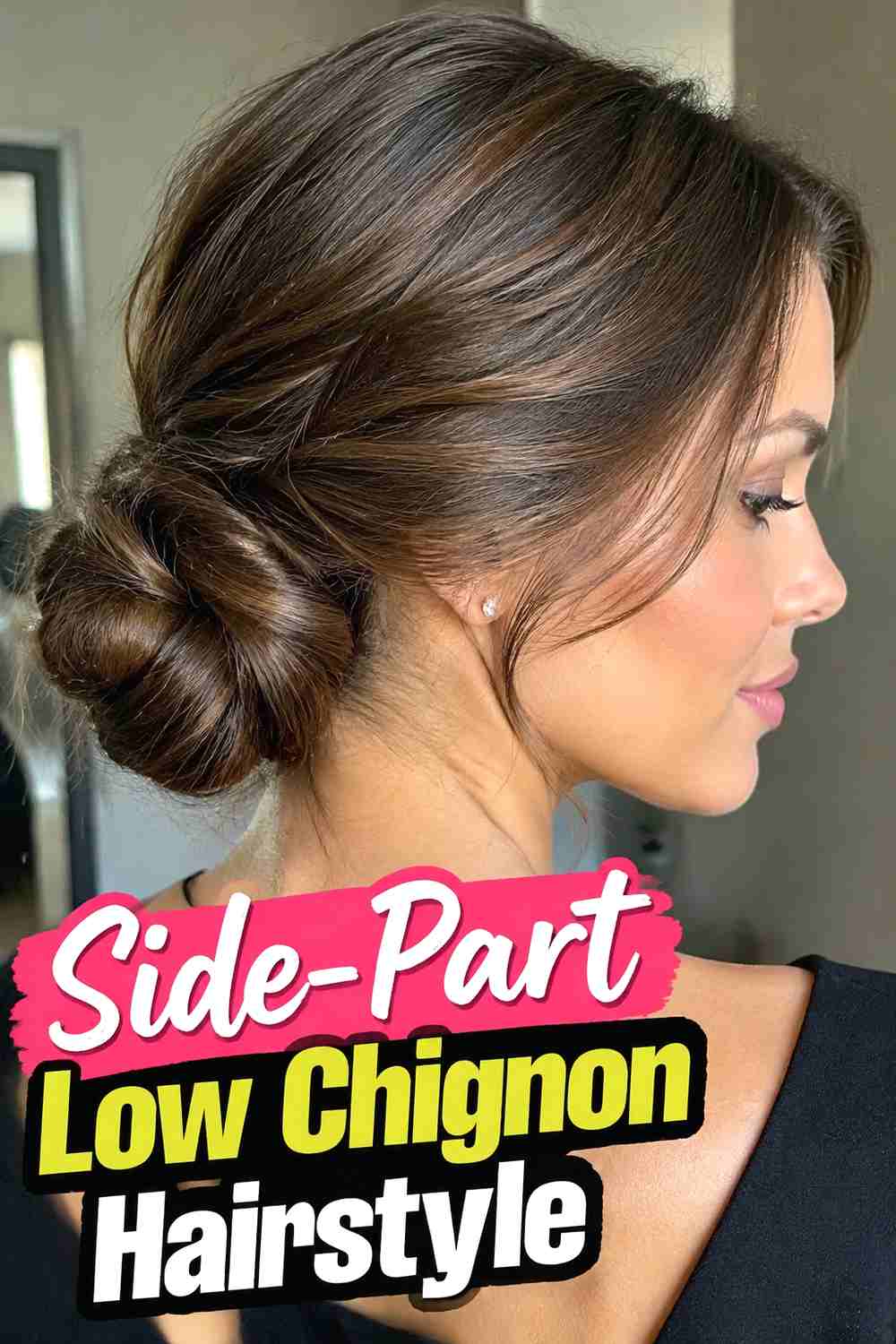
A side-part low chignon gives a flat crown a softer, more elegant finish. The side part directs the upper hair smoothly toward the back, where the lengths are folded into a compact chignon. Because the visual detail stays near the nape, the headset band can rest over a relatively uninterrupted surface. This style works particularly well when you want something more refined than a simple ponytail for meetings or office events. Keep the chignon narrow enough to avoid fighting a coat collar, and place pins within the fold instead of along the top of the head. Fine natural texture at the crown can remain visible without creating problematic height.
Why It Works
The style separates headset placement from the decorative part of the updo, keeping the crown simple while the chignon provides polish lower down.
11. Pinned Back Shoulder Length Hairstyle
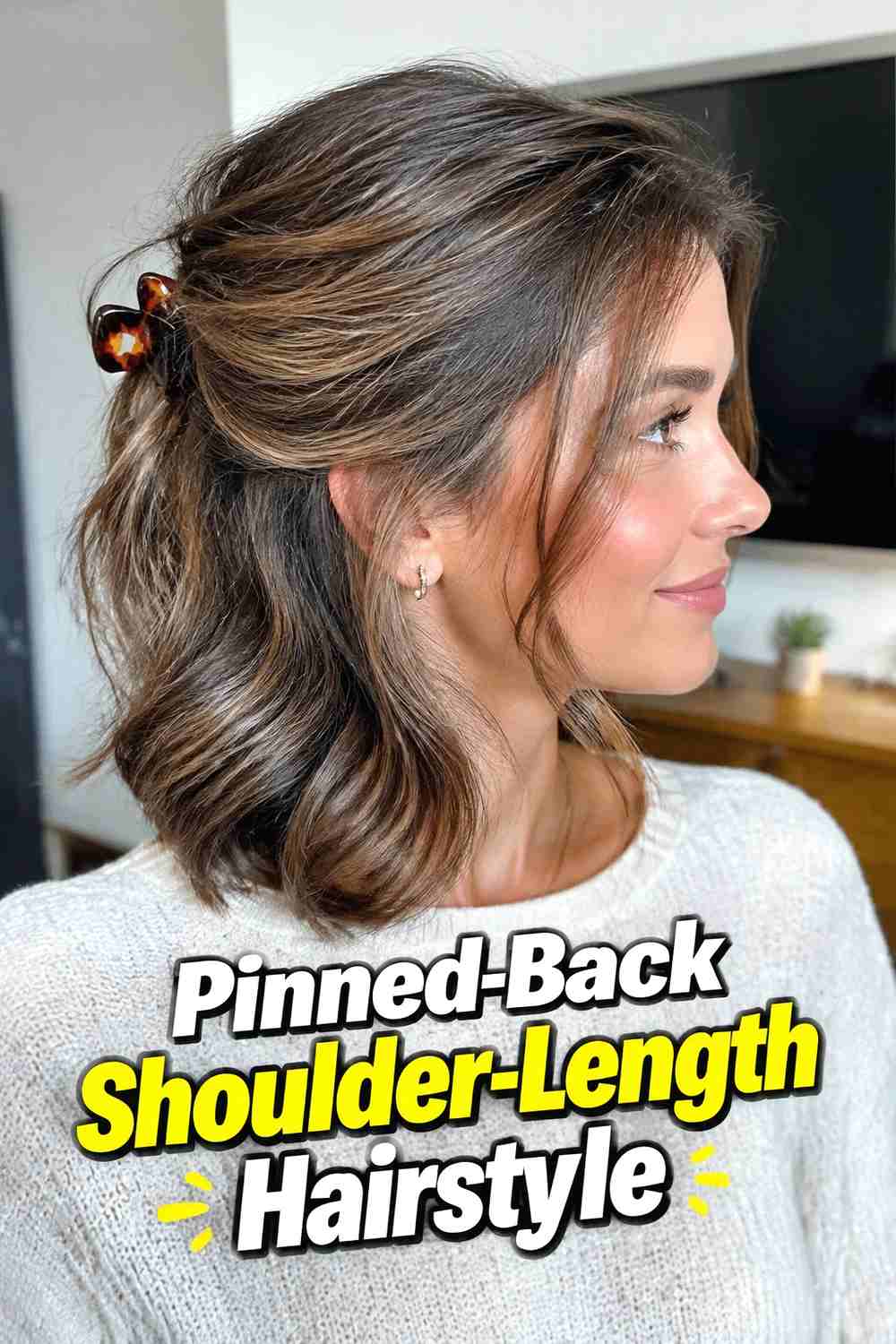
Pinned-back shoulder-length hair keeps shorter front sections secure without adding volume directly beneath a headset. Small pins can sit behind the ears or farther back along the sides, leaving the top of the crown clear for the headset band. The remaining length stays loose and can fall outside a winter coat collar or forward over the shoulders. This works well for straight, wavy, curly, and lightly textured hair when a full ponytail or bun feels unnecessary. Keep the pins low enough that headset earpieces do not press against them. The finished hairstyle should look natural and lightly controlled, with enough movement through the lower section to recover easily after commuting.
Best For
This is a practical choice for shoulder-length hair when you want the ease of a down style with more control around the face and headset.
12. Low Rope Twist Bun Hairstyle
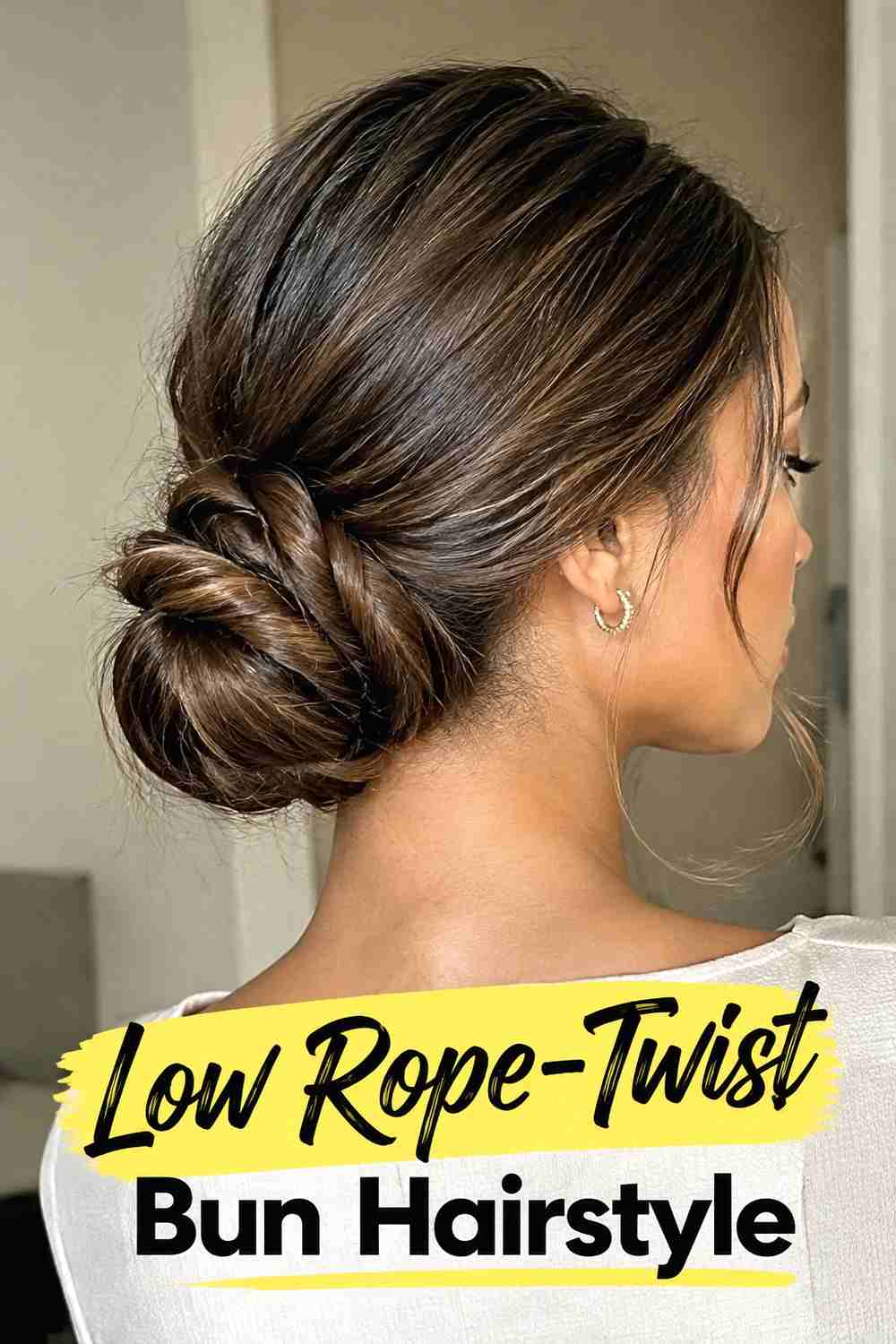
A low rope-twist bun brings textured detail to the nape without disrupting the crown. Hair is gathered low, divided into sections, twisted, and wrapped into a compact bun, while the upper surface remains smooth enough for regular headset wear. The rope pattern makes the back more interesting than a plain bun but does not require clips or braids across the top of the head. Medium to long hair works particularly well. Keep the twists firm enough to hold their shape but not so tight that the bun becomes rigid. With a winter coat, position the bun just above the collar edge and keep any supporting pins away from areas where fabric presses.
Pro Tip
Build the bun from a secure low base and keep the decorative twisting below the headset zone. This makes office adjustments much easier.
13. Relaxed Flat Crown Updo Hairstyle
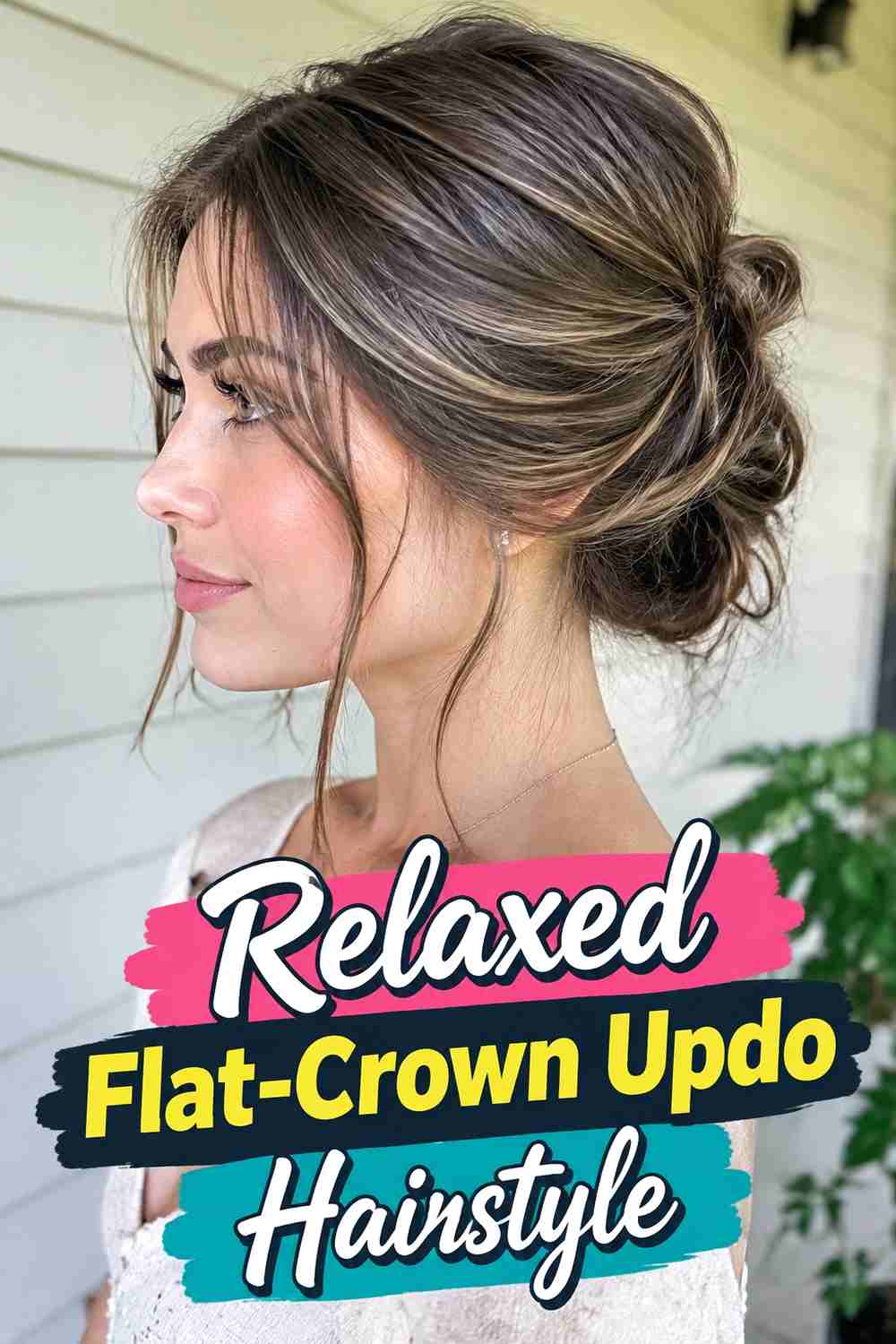
A relaxed flat-crown updo is useful when you want contained hair without a highly engineered shape. The crown stays smooth and low-profile, while the lengths are gathered into a softly pinned cluster toward the lower back of the head. Natural waves, curls, coils, or straight texture can remain visible through the updo, so minor movement from a headset or winter coat does not immediately make the style look undone. Keep the main fastening points below the crown and avoid large accessories where the headset band rests. The internal structure should still be secure, but the visible surface can remain flexible and slightly imperfect for easier all-day wear.
Wear & Maintenance
After removing the headset, smooth only the top surface with your fingers and adjust the lower cluster if necessary. Small crown shifts usually do not require rebuilding the updo.
How to Choose the Right Look
Start with your headset. If the band sits directly over the top center of your head, avoid high buns, crown clips, teased roots, thick braids, or raised twists in that exact area. Center parts, side parts, smooth crowns, and low-profile loose styles give the band a simpler surface.
Next, check your coat collar. A tall collar may interfere with very low buns, knots, and ponytail bases, so shift those styles slightly higher when necessary. Short bobs and lobs can be particularly convenient because there is no fastening point at the nape.
Hair texture should guide the finish rather than being forced away. Straight and wavy hair can work well in sleek lobs or low ponytails, while curls and coils can be gathered into low knots or relaxed updos without flattening every natural strand.
Finally, think about how often you remove the headset. If you switch between calls frequently, choose a style that can recover with a quick finger adjustment instead of depending on precise crown volume.
Final Thoughts
Flat-crown hairstyles can make winter office styling more practical by reserving the top of the head for a headset while moving knots, buns, braids, and other details lower. Sleek bobs and lobs offer the simplest option, while low ponytails and compact updos contain longer hair. Match the final placement to both your headset band and coat collar so the style stays comfortable as well as polished.
FAQs
1. Which hairstyle works best with an over-head office headset?
A smooth low ponytail, short bob, lob, or low-profile updo works well because there is little added height directly beneath the headset band.
2. Should I avoid all crown volume when wearing a headset?
Not necessarily, but substantial teasing or raised styling directly beneath the band may be compressed. Keeping crown volume subtle usually makes the hairstyle easier to restore.
3. Are low buns comfortable with winter coats?
They can be, but placement matters. If the coat collar touches the bun, move it slightly higher so the fabric does not continually press against it.
4. Can curly or coily hair wear a flat-crown style?
Yes. The crown can remain relatively low-profile while natural texture is preserved in a low puff, knot, bun, braid, or pinned lower section.
5. How can I refresh headset-flattened hair at work?
Remove the headset, loosen the roots gently with your fingertips, smooth the visible surface, and avoid completely restyling unless the original shape has actually shifted.
Save your favorite flat-crown hairstyle and share these office-friendly ideas for easier headset and winter coat styling.