18 Scarf-Removal-Friendly Hairstyles for Office Commutes
These commuter-friendly hairstyles make scarf removal easier, helping your hair stay polished when you transition from a chilly journey to the office.
A winter scarf can create friction around the nape, disturb loose layers, flatten volume, and catch on low buns or delicate curls as it comes off. For an office commute, hairstyles with higher placement, contained lengths, secure crown structure, or short tidy perimeters can make that transition much easier. The goal is not an immovable style, but one that remains recognizable and presentable after the scarf is removed.
The collection below includes options for straight, wavy, curly, and coily textures, along with short and long lengths. When choosing, think about where your scarf sits, how you normally remove it, and whether you have time for a quick office touch-up. Realistic texture, comfortable tension, secure construction, and easy recovery matter most.
Quick List
- Sleek High Ponytail Hairstyle
- Polished High Bun Hairstyle
- Soft Top Knot Hairstyle
- High Claw Clip Twist Hairstyle
- Half Up Crown Clip Hairstyle
- Ear Tucked Sleek Lob Hairstyle
- Smooth High Puff Hairstyle
- Braided High Ponytail Hairstyle
- Crown Braided Half Up Hairstyle
- Wrapped Mid High Ponytail Hairstyle
- Pinned Back Shoulder Length Hairstyle
- Office Ready French Twist Hairstyle
- Mini Bun Half Up Hairstyle
- High Bubble Ponytail Hairstyle
- Sleek Short Bob Hairstyle
- Side Part Tucked Waves Hairstyle
- Twisted Crown Bun Hairstyle
- Relaxed High Updo Hairstyle
1. Sleek High Ponytail Hairstyle
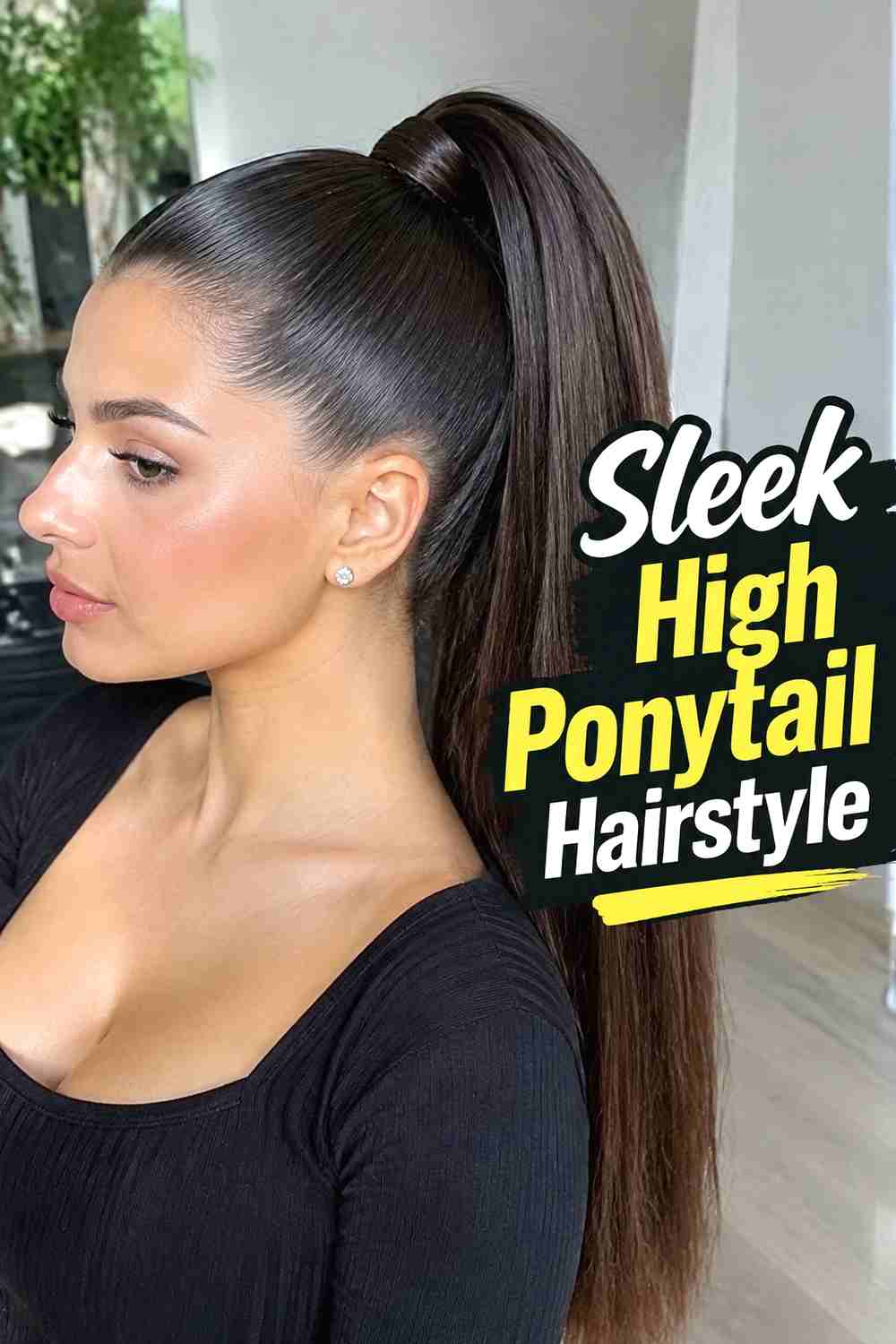
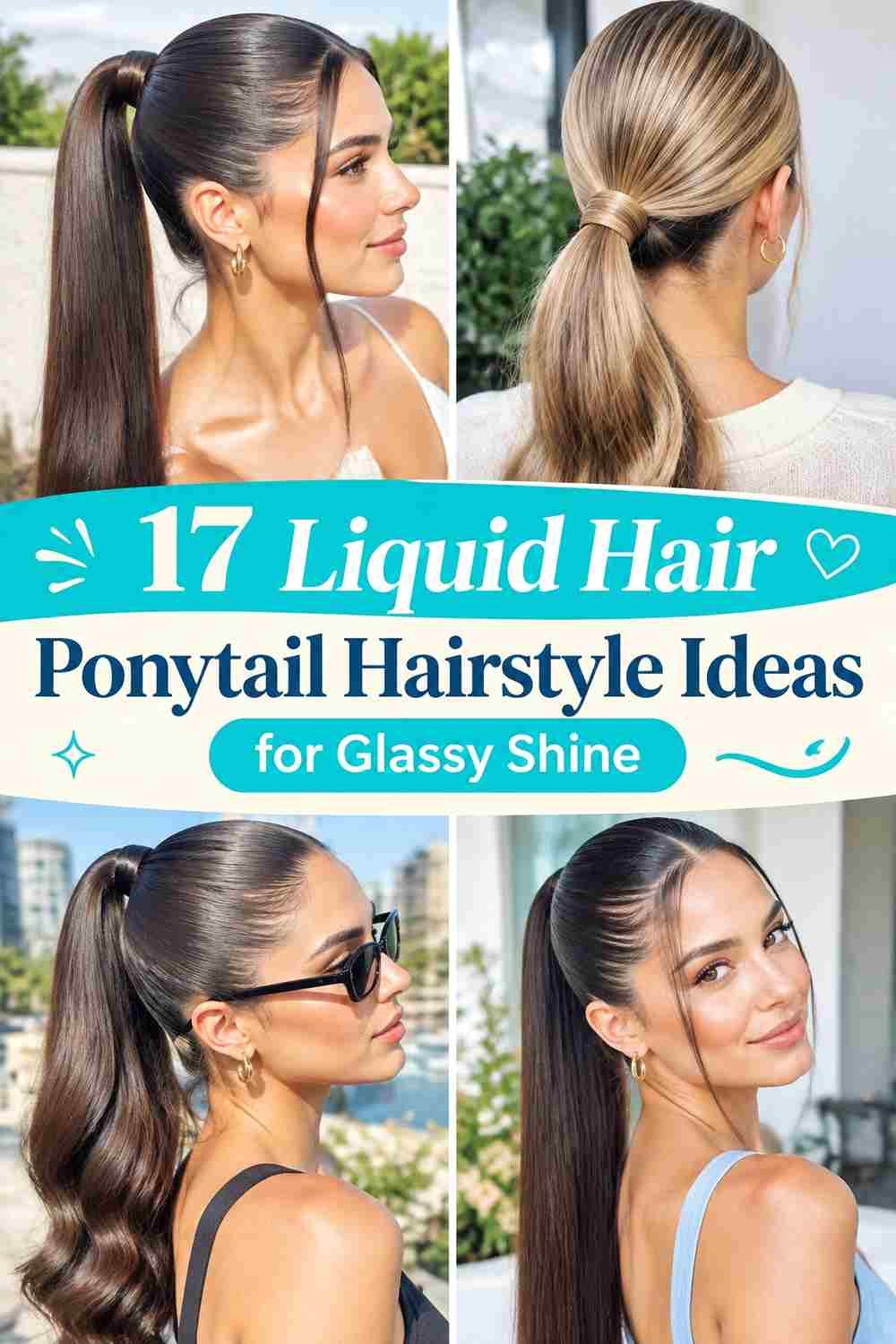
A sleek high ponytail places the base well above the scarf line, making it easier to unwrap and remove winter layers without catching the elastic. The crown stays neat for work, while the ponytail provides enough movement to keep the style from feeling overly severe. Straight, wavy, curly, and coily lengths can all work; the main requirement is a secure base that remains comfortable during the commute. Keep the front controlled without pulling so tightly that the hairline feels strained. If the ponytail is long, bring it forward over one shoulder before removing the scarf, then let it fall naturally again once you are indoors. A flexible finish is easier to refresh than heavily sprayed hair.
Styling Notes
Keep the ponytail base above the scarf rather than at nape level. A small amount of lightweight smoothing product can tidy the crown after arrival without rebuilding the style.
2. Polished High Bun Hairstyle
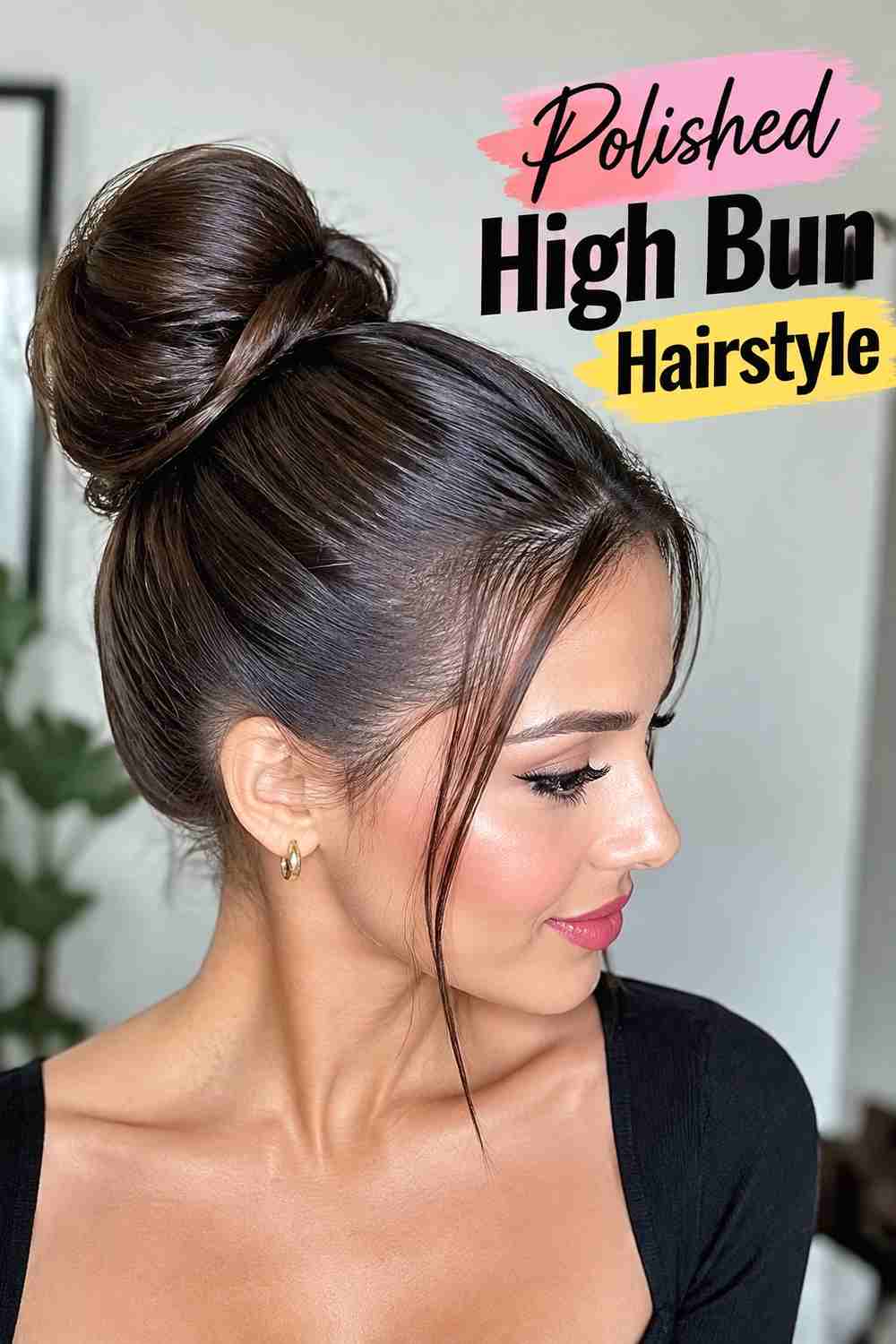
A polished high bun keeps virtually all the hair away from the neck, making it one of the most practical choices for thick scarves and layered winter commutes. The bun should sit high enough to avoid the scarf but not so far forward that it feels unstable during a busy day. Wrap or pin the lengths into a compact shape, preserving some natural strand texture instead of creating an overly rigid surface. This style works especially well for medium to long hair and can be adapted for straight, wavy, curly, or coily textures. Because the neck stays clear, removing the scarf is less likely to disturb the main structure, leaving only minor flyaways to smooth once you reach your desk.
Best For
Choose this style for bulky scarves, long commutes, or mornings when you want a polished look that requires very little adjustment after arrival.
3. Soft Top Knot Hairstyle
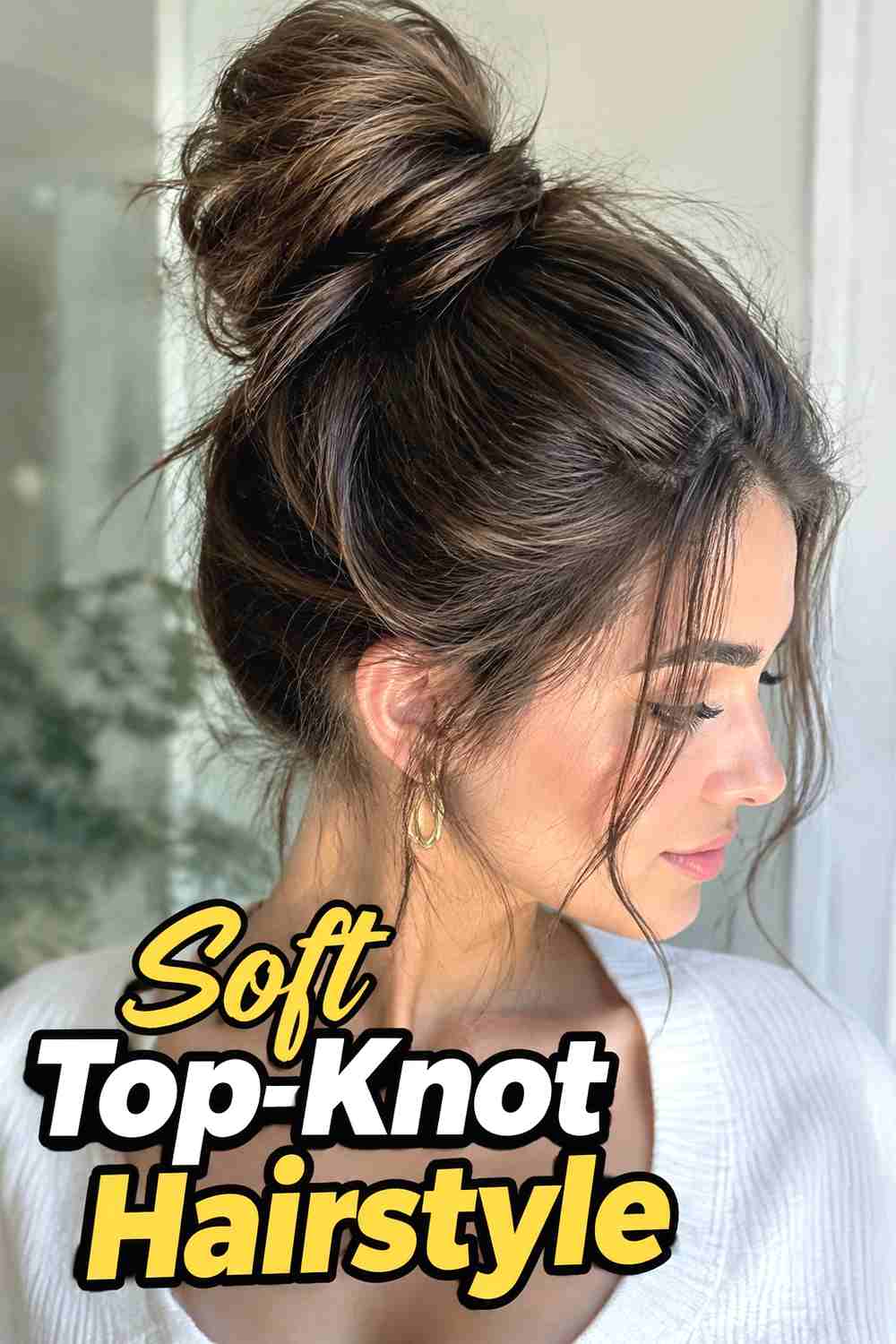
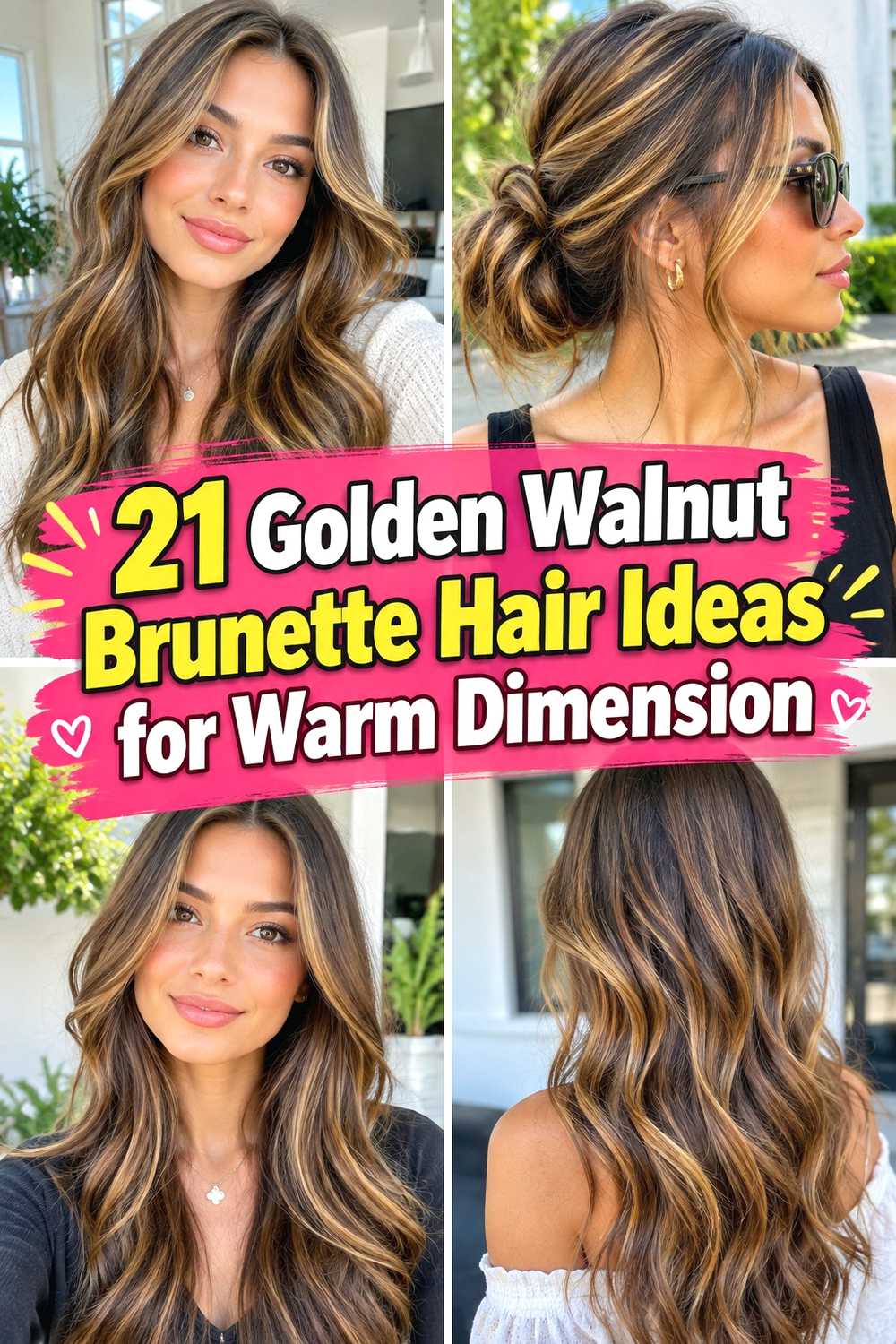
A soft top knot gives you scarf clearance without the ultra-sleek finish of a formal high bun. Hair is gathered toward the crown and wrapped with enough looseness to preserve natural texture and a slightly relaxed shape. That flexibility is useful during commuting because minor movement does not make the hairstyle suddenly look undone. Keep the sides secure enough that the scarf cannot pull out large sections as it slides over the shoulders. Medium to long hair works well, particularly if you prefer a casual office look or work in a less formal setting. After removing your scarf, use your fingertips to restore a little crown lift rather than tightening the top knot again.
Wear & Maintenance
Secure the internal base well but leave the visible surface softer. This gives you dependable hold while letting the style tolerate small shifts during travel.
4. High Claw Clip Twist Hairstyle
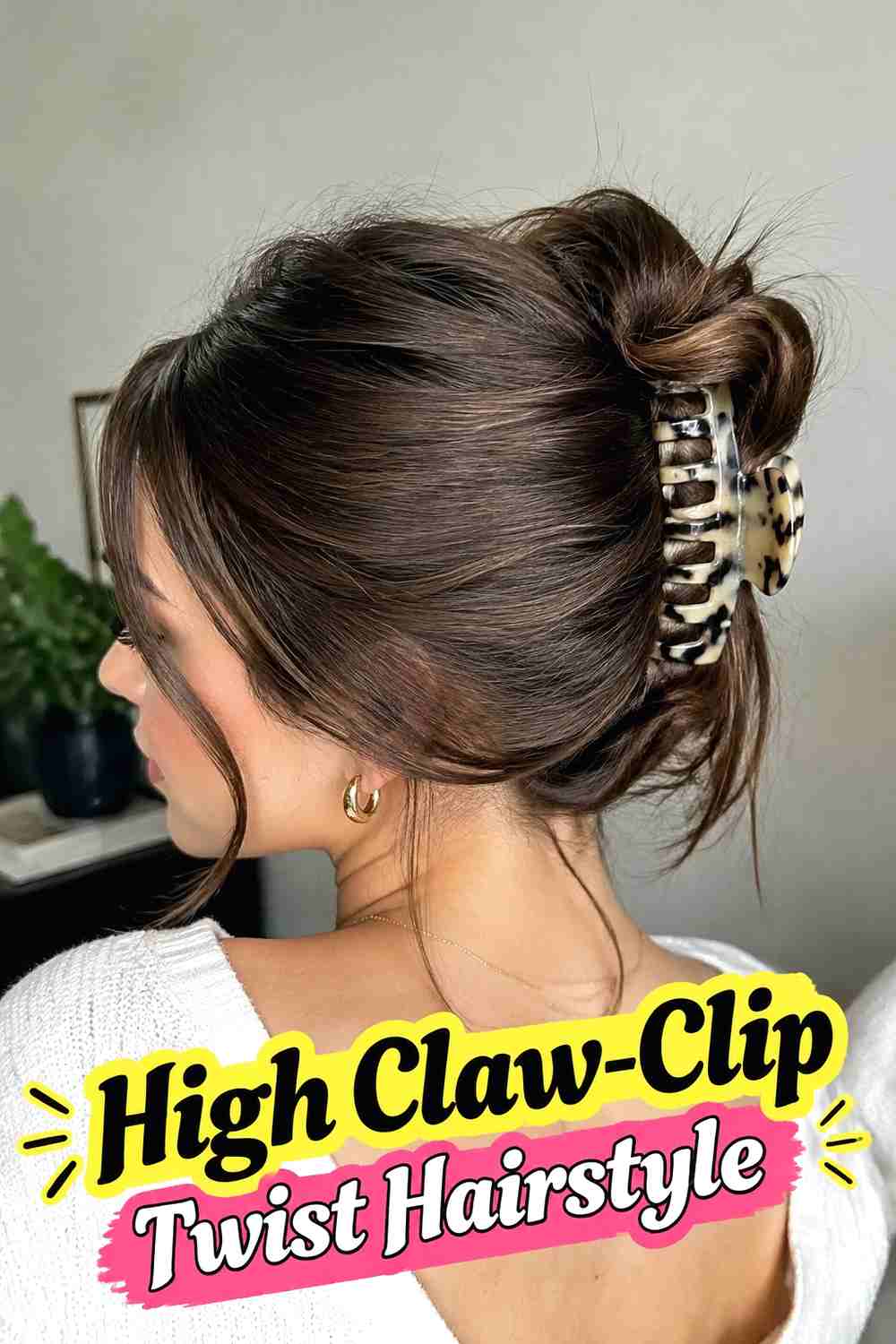
A high claw-clip twist moves the fastening point away from the scarf while keeping longer hair contained in a vertical shape. Gather the hair upward, twist it toward the crown, and secure it with a clip large enough for your density. The ends can remain softly visible above the clip, creating movement without dropping onto the scarf line. This is a useful option for office commuters who want a style that can also be reset quickly if needed. Position the clip high enough that it does not touch the scarf, coat collar, or the back of a chair. The twist should feel secure without being crushed tightly inside the clip, especially for thick or textured hair.
Pro Tip
Check the clip position while wearing your scarf before leaving home. If the scarf touches it, move the twist slightly higher to reduce pulling during removal.
5. Half Up Crown Clip Hairstyle
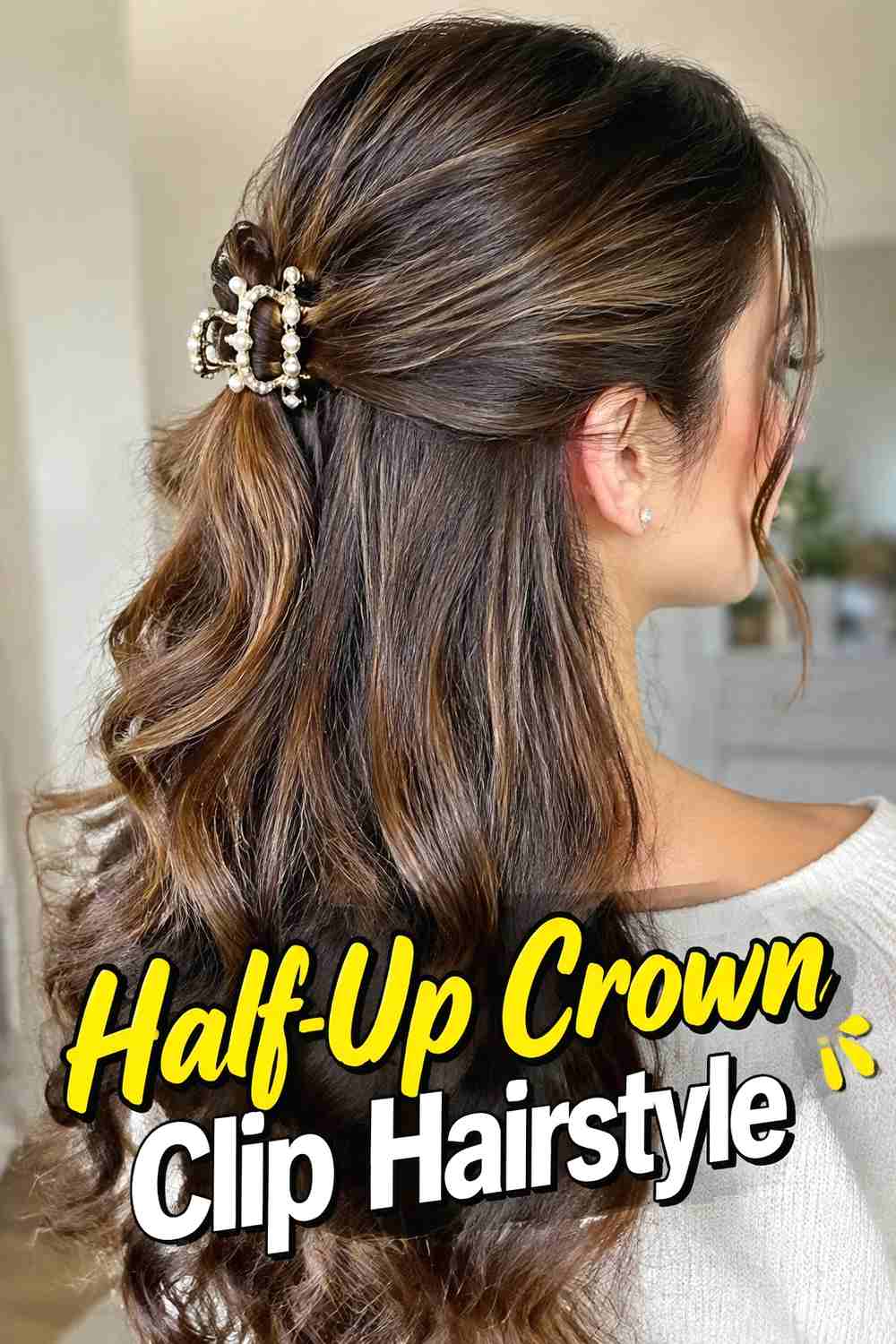
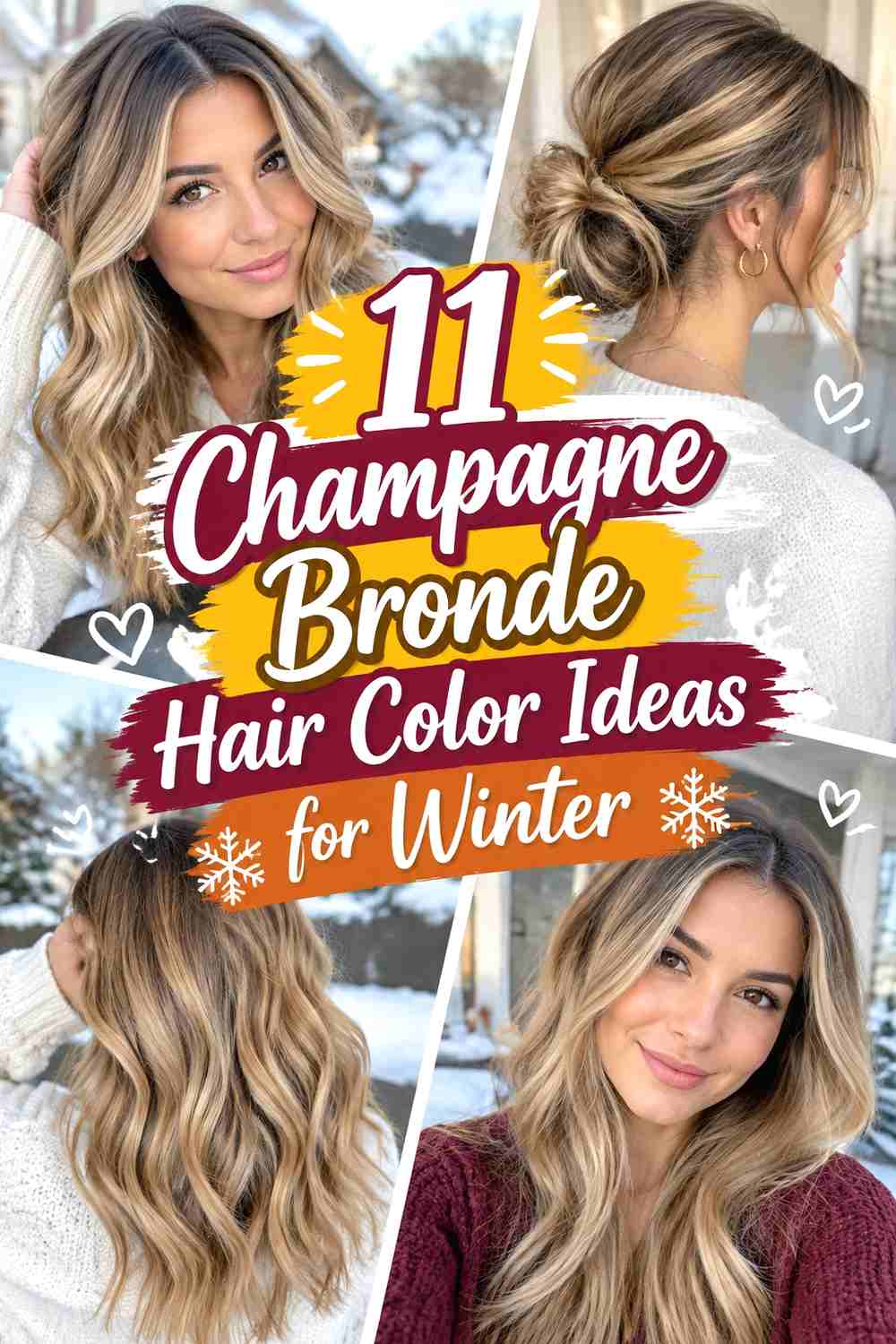
A half-up crown clip keeps the front and upper layers controlled while leaving the lower lengths loose. By positioning the clip near the crown rather than the nape, you reduce the chance of the scarf catching on the fastening point. This works particularly well for medium to long hair when you still want visible movement at the office. During scarf removal, bring the loose lengths forward first, then slide the scarf away from the neck before arranging the hair back over the shoulders. The crown section provides enough structure that the style still looks intentional even if the lower lengths become slightly tousled. Choose a clip that matches your density without creating excessive pressure.
Best For
This style suits commuters who prefer wearing their hair mostly down but want the front sections securely out of the way through travel and work.
6. Ear Tucked Sleek Lob Hairstyle
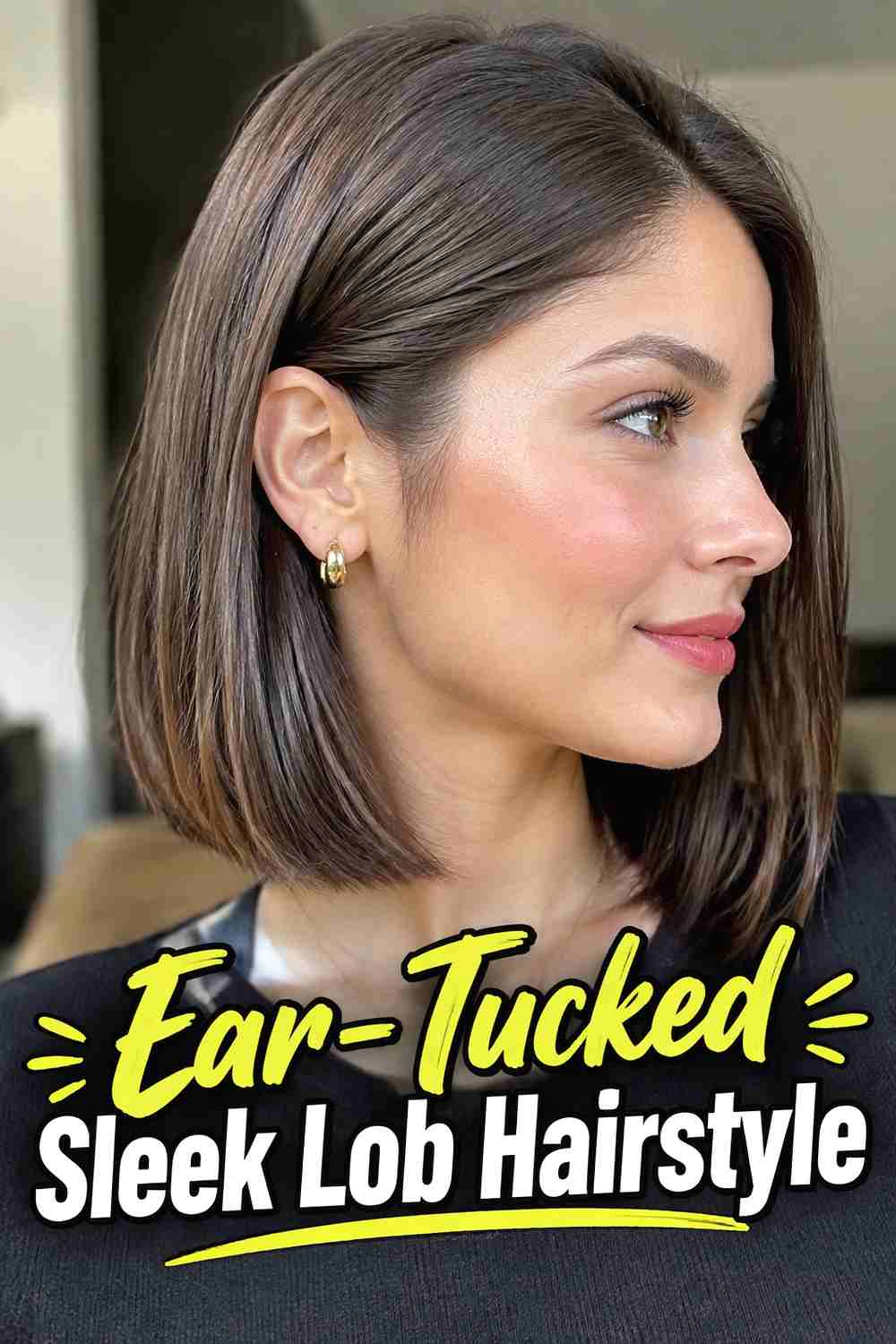
A sleek lob is naturally commuter-friendly because shorter lengths create less material for a scarf to trap and tangle. Tucking the front sections behind the ears keeps the face clear while the perimeter remains smooth around the jaw, neck, or shoulders. A center or side part can work, depending on your preferred shape. If the ends sit directly on the scarf, bring them forward before removing it so they are not dragged backward through the fabric. The polished surface can usually be restored with a quick finger-comb once indoors. Straight and softly wavy hair suit the sleek effect particularly well, but the goal should remain natural movement rather than a stiff, perfectly flat finish.
Wear & Maintenance
Keep a small comb at work for the perimeter. Usually, only the lower ends need refreshing after scarf removal rather than the entire hairstyle.
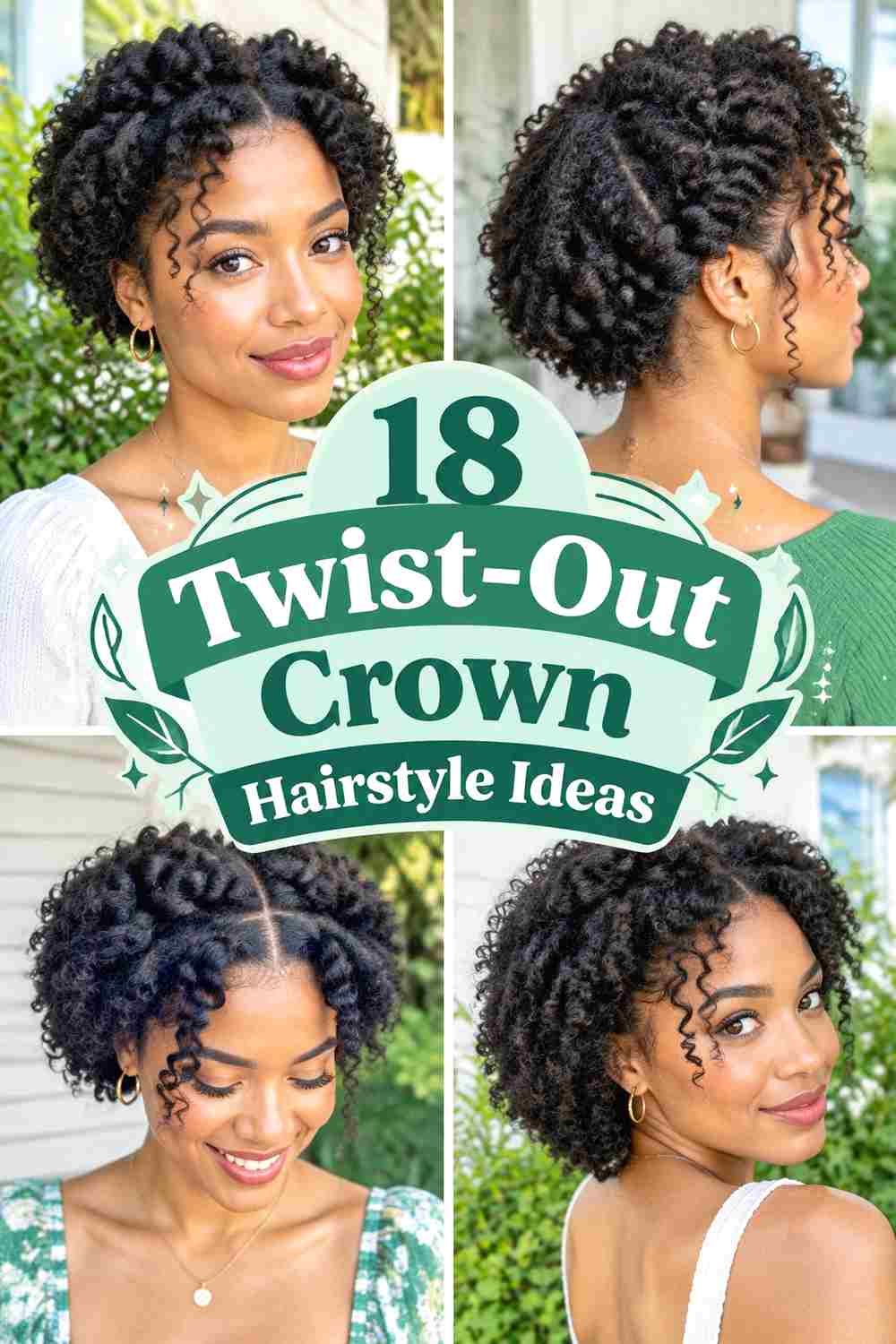
7. Smooth High Puff Hairstyle
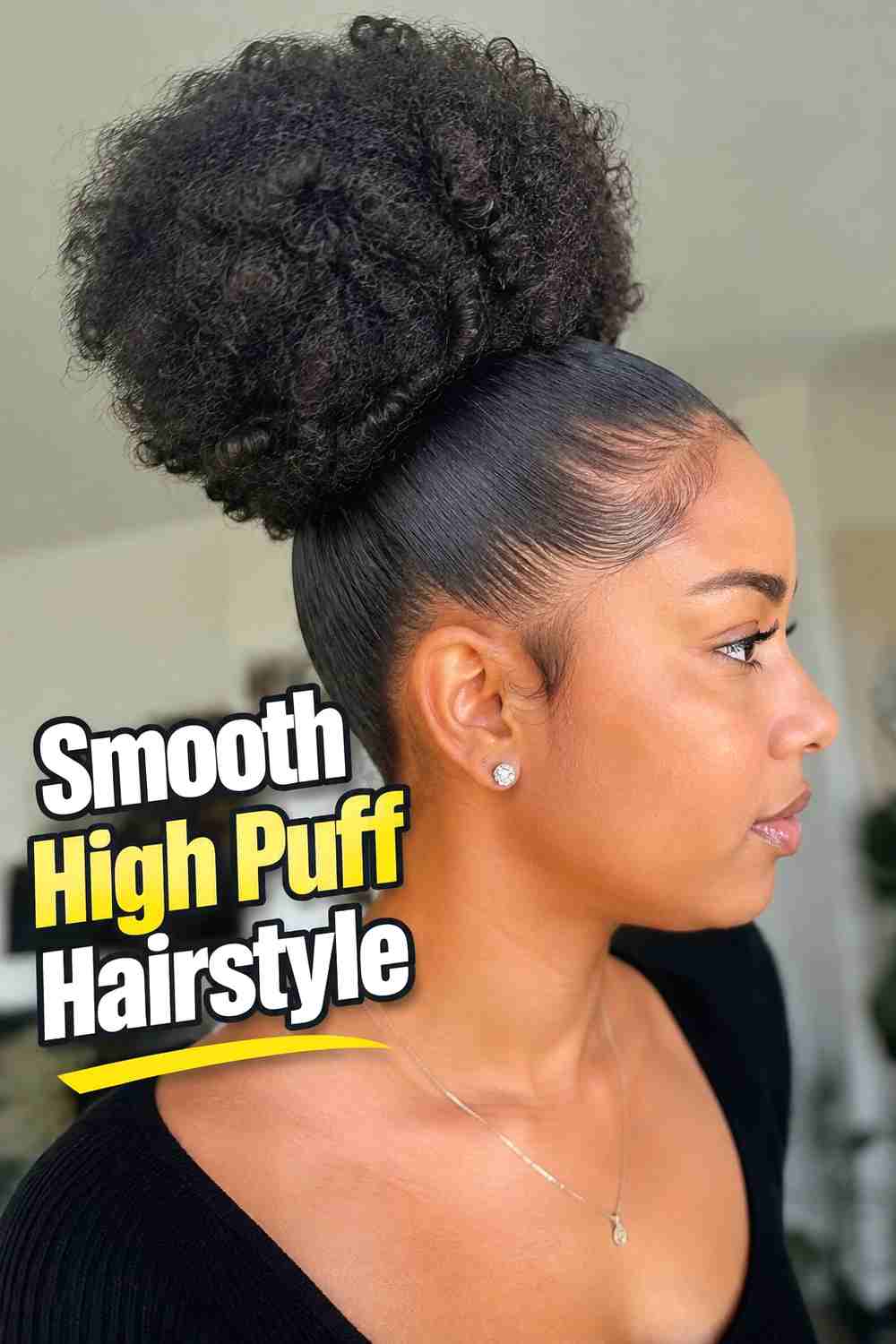
A smooth high puff is a practical choice for curly and coily hair because the main volume sits well above the scarf line. The roots and sides can be gently controlled while the puff itself remains full, springy, and textured. This keeps the neck clear and reduces the chance of curls becoming compressed beneath the scarf. The base should feel secure without excessive pulling, particularly if the commute is long. When removing the scarf, lift it away from the nape rather than dragging it upward into the puff. Once indoors, reshape the outer curls lightly with your hands and leave natural variation intact rather than trying to make the puff perfectly symmetrical.
Styling Notes
Focus on a comfortable, stable base and preserve the curl groups in the puff. Avoid over-separating the texture during a rushed office touch-up.
8. Braided High Ponytail Hairstyle
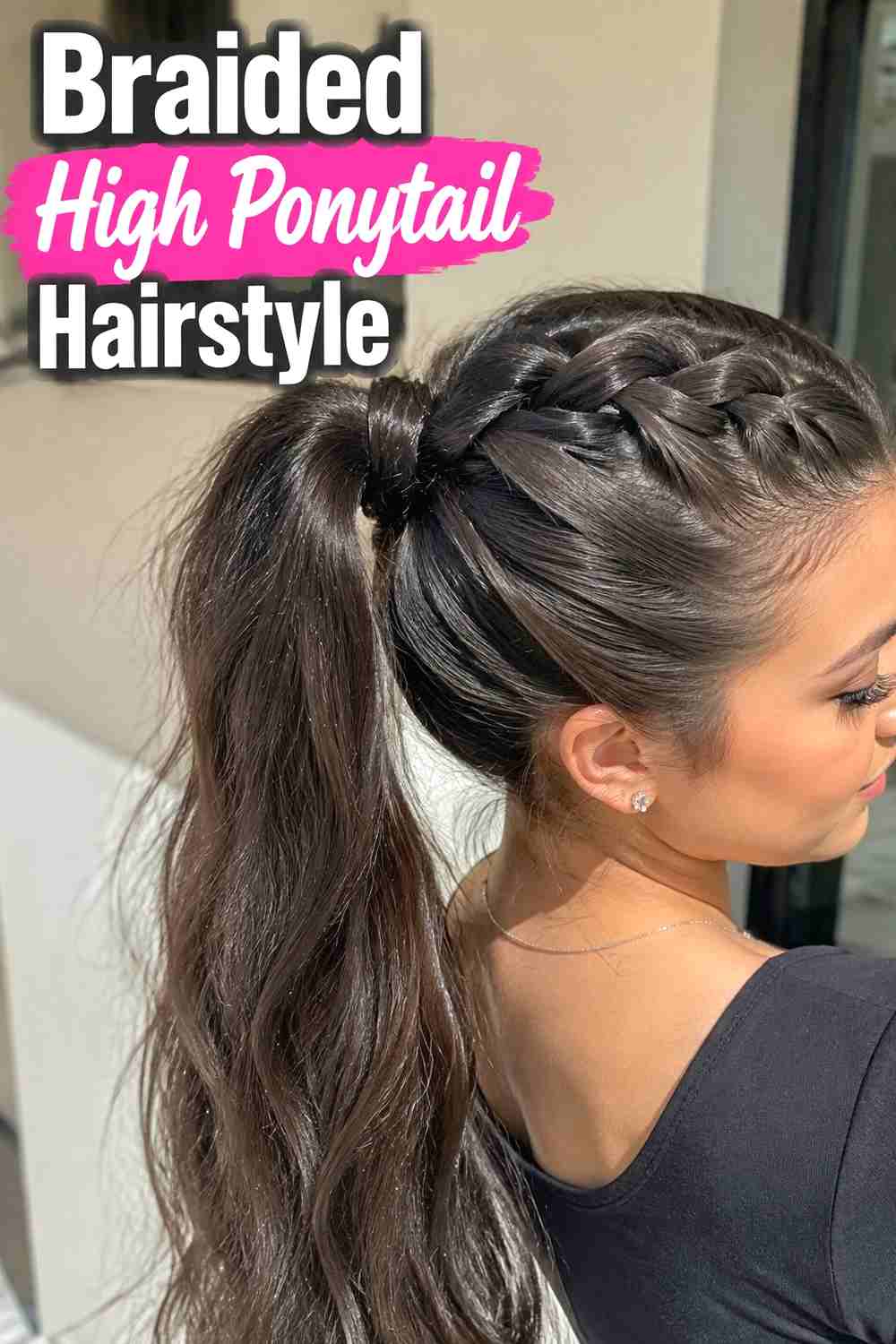
A braided high ponytail combines scarf-friendly placement with extra control through the length. The base sits above the neckline, while braiding prevents long hair from spreading across the shoulders or becoming trapped inside outerwear. The braid should taper naturally and begin at a believable ponytail base rather than being overly tight from root to end. This style can work across straight, wavy, curly, and coily textures, although the visible braid will look different depending on density and natural pattern. Before removing the scarf, guide the braid forward over one shoulder. After arrival, return it behind the shoulder or leave it forward for a polished office look with minimal readjustment.
Why It Works
Both the fastening point and the loose length stay controlled, reducing the two areas most likely to catch while a scarf is being removed.
9. Crown Braided Half Up Hairstyle
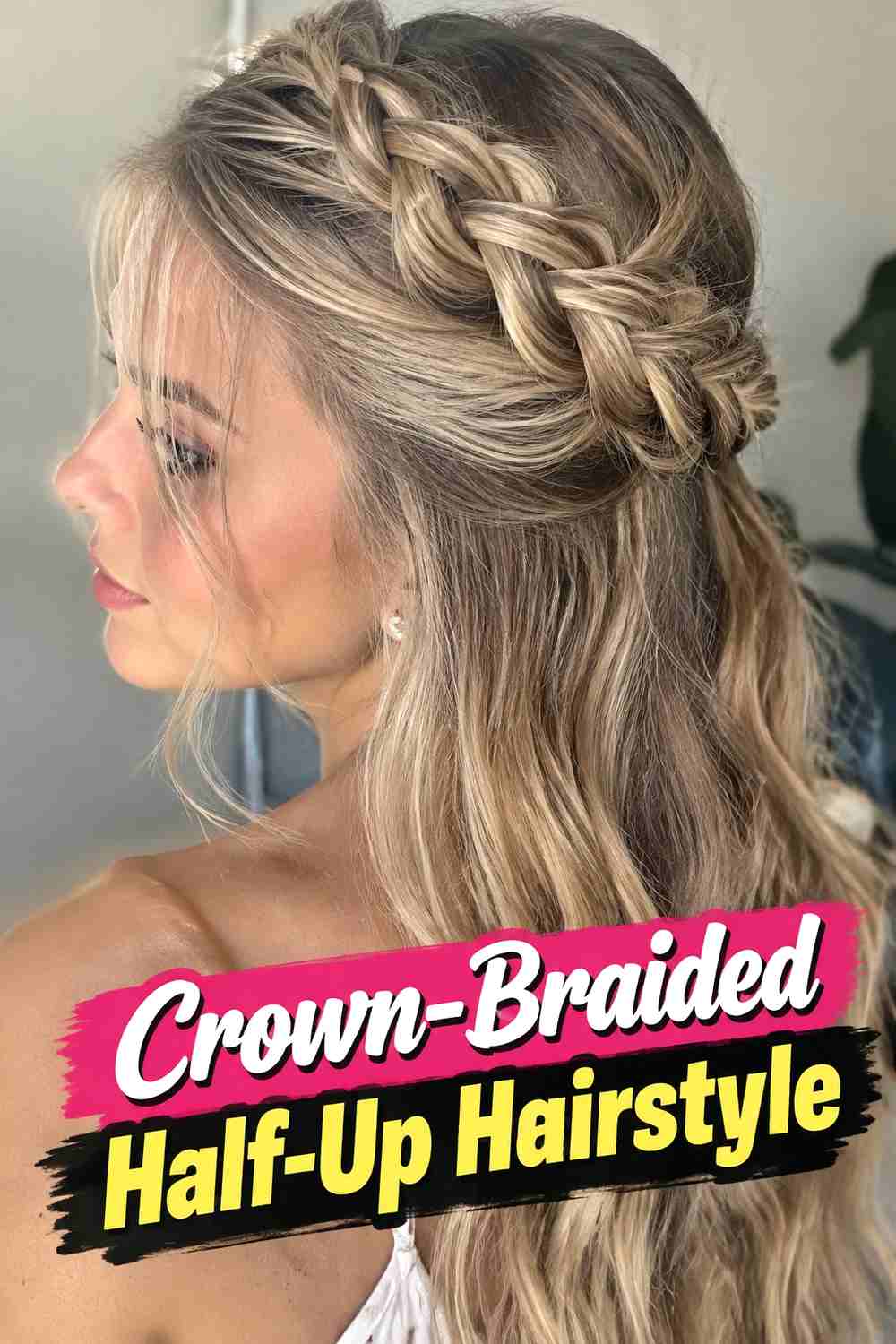
A crown-braided half-up style keeps shorter front layers firmly organized while leaving the rest of the hair loose. Small braids or braided side sections meet near the upper back of the crown, well above the scarf’s contact zone. The braid adds enough structure that even if the lower hair shifts during commuting, the hairstyle still reads as finished once you arrive. Medium to long hair works best, with straight, wavy, or textured lengths left natural underneath. Avoid making the crown braid overly bulky, since the goal is practical control rather than an elaborate event style. Bringing the loose hair forward before scarf removal can further reduce friction around the nape.
Wear & Maintenance
Refresh only the loose section after commuting. The braided crown should stay intact if its pins or elastic sit securely above the scarf line.
10. Wrapped Mid High Ponytail Hairstyle
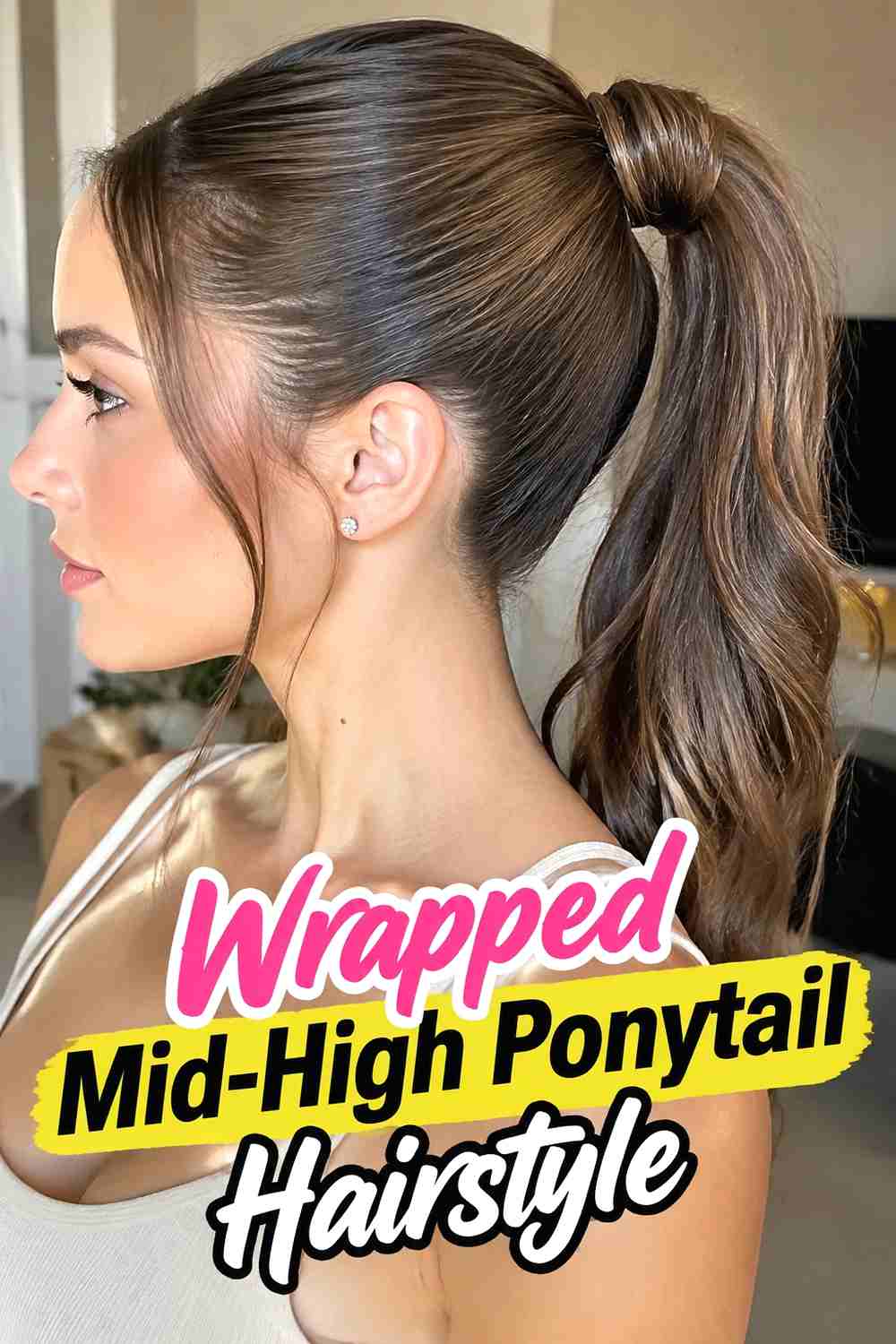
A wrapped mid-high ponytail gives a simple commuter style a more polished office finish. Position the base above the middle back of the head so it stays away from scarves and high coat collars, then wrap a narrow section of hair around the elastic. This concealed base looks refined without requiring complicated styling. The ponytail can remain straight, softly wavy, or naturally textured through the length. If it is long, move it forward before taking off the scarf to prevent the fabric from dragging through the ends. Medium to long hair works especially well. Keep the crown secure but flexible so a small amount of movement during travel does not create obvious bumps.
Pro Tip
Pin the wrapped section underneath the ponytail. If the scarf brushes the hair, the hidden fastening is less likely to be disturbed.
11. Pinned Back Shoulder Length Hairstyle
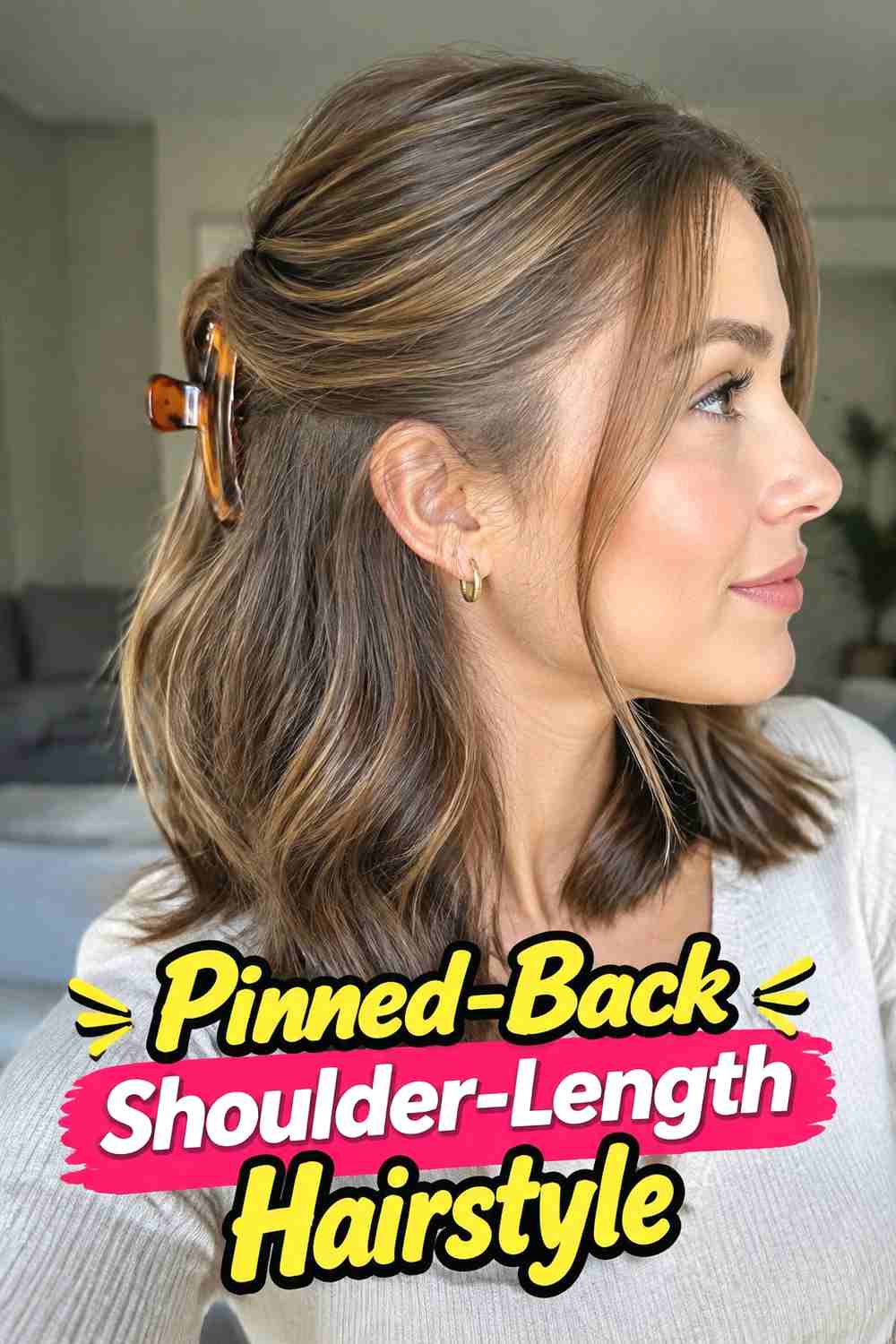
Pinned-back shoulder-length hair offers a useful middle ground between fully loose hair and an updo. Sections from the front are secured behind the ears or toward the upper back, keeping shorter pieces from slipping into the scarf while the lower length remains free. A few discreet pins can create enough structure for the style to survive a normal commute without looking overworked at the office. Shoulder-length hair is particularly practical because there is less length to tangle than with very long styles. Before removing the scarf, bring the loose perimeter forward, then slide the fabric away from the neck. Once indoors, the ends can usually be reshaped with your hands in seconds.
Best For
Choose this look for medium-length hair when you want an office-appropriate down style with enough control to handle repeated winter layering.
12. Office Ready French Twist Hairstyle
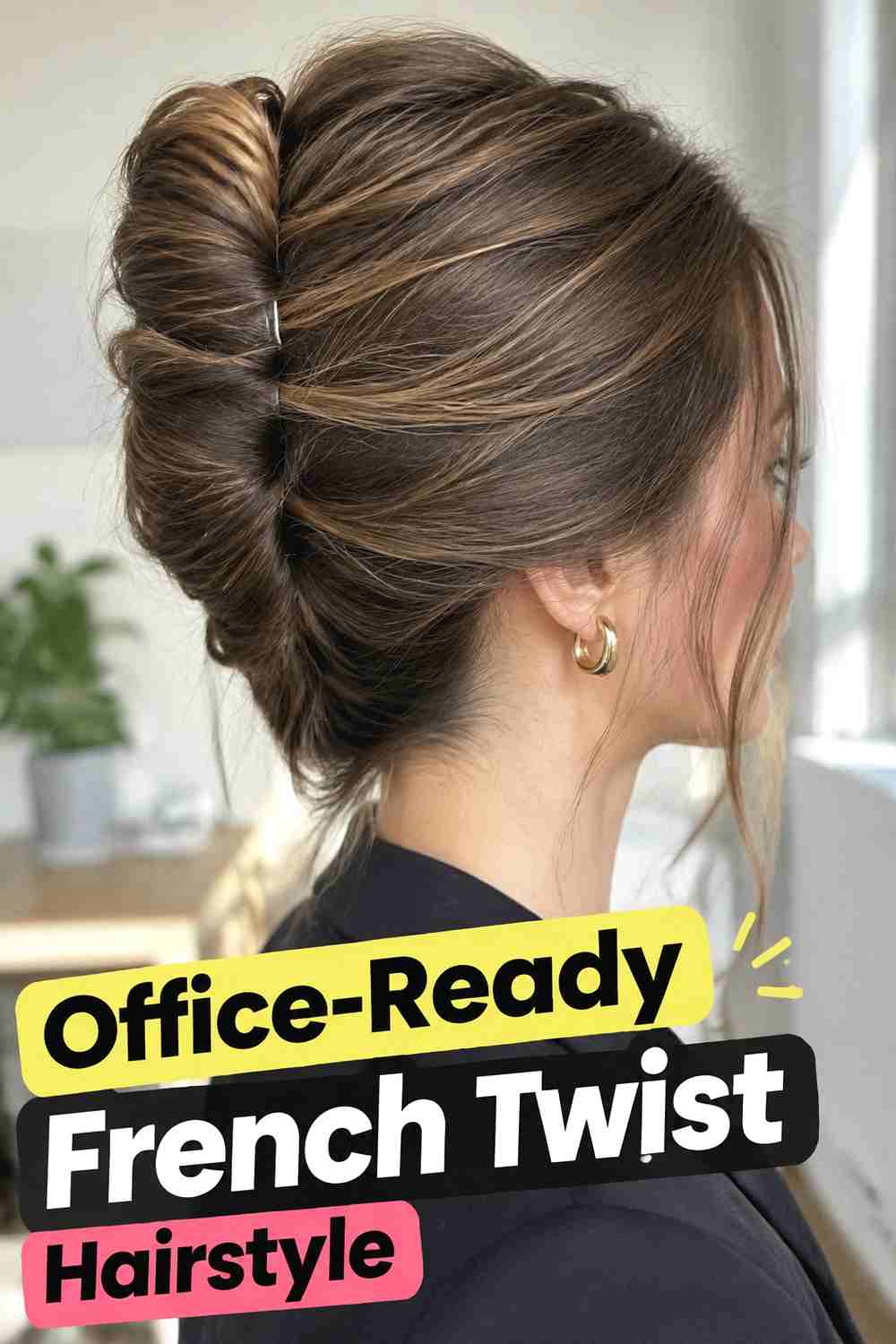
An office-ready French twist keeps the length completely contained while placing the main shape vertically above the nape. This makes it much easier to remove a scarf than a low bun that sits directly at collar height. The hair is gathered toward the center back, rolled upward, and pinned inside the fold, leaving a narrow, polished silhouette. The crown can remain softly textured rather than aggressively smoothed, which helps small commuting shifts look natural. Medium to long hair works best, particularly when the twist is placed high enough to clear the scarf. Use hidden pins where possible so there are fewer exposed edges for knit fabric to catch during removal.
Why It Works
The vertical construction keeps both the loose ends and most fastening points away from the neck, allowing the scarf to slide off with minimal contact.
13. Mini Bun Half Up Hairstyle
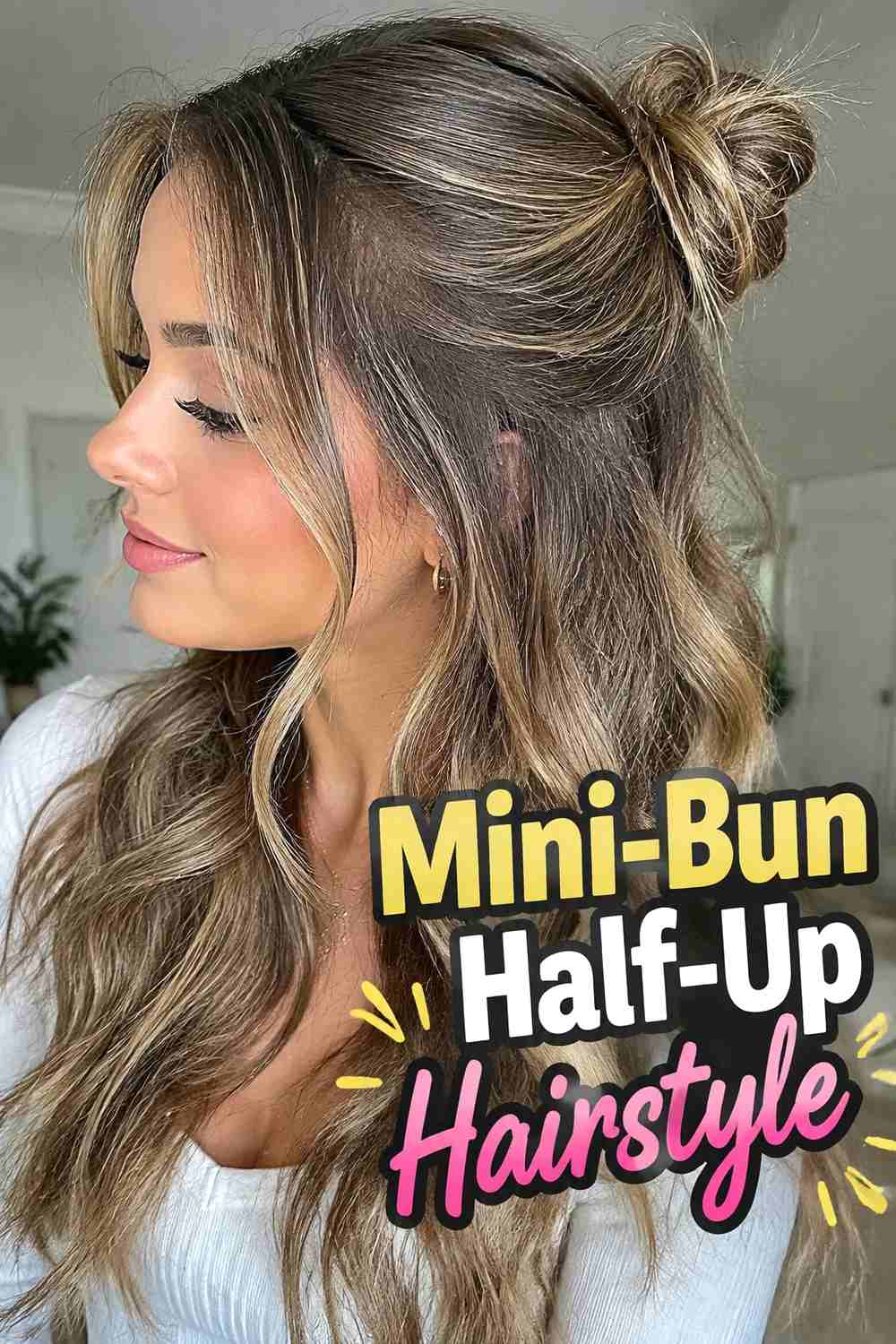
A mini-bun half-up style controls the crown and front layers while preserving loose movement through the rest of the hair. Gather only the upper section toward the crown and wrap it into a compact bun, keeping the fastening point above the scarf line. The lower hair can remain straight, wavy, curly, or softly textured depending on your natural pattern. This style is forgiving because the mini bun maintains its identity even if the loose lengths become slightly mussed during travel. Before taking off the scarf, bring those loose lengths forward to reduce friction at the back of the neck. Once at work, a quick reshaping of the ends is usually all the style needs.
Styling Notes
Keep the bun compact rather than oversized. A smaller crown shape is less likely to be disturbed by coats, hoods, or crowded public transport.
14. High Bubble Ponytail Hairstyle
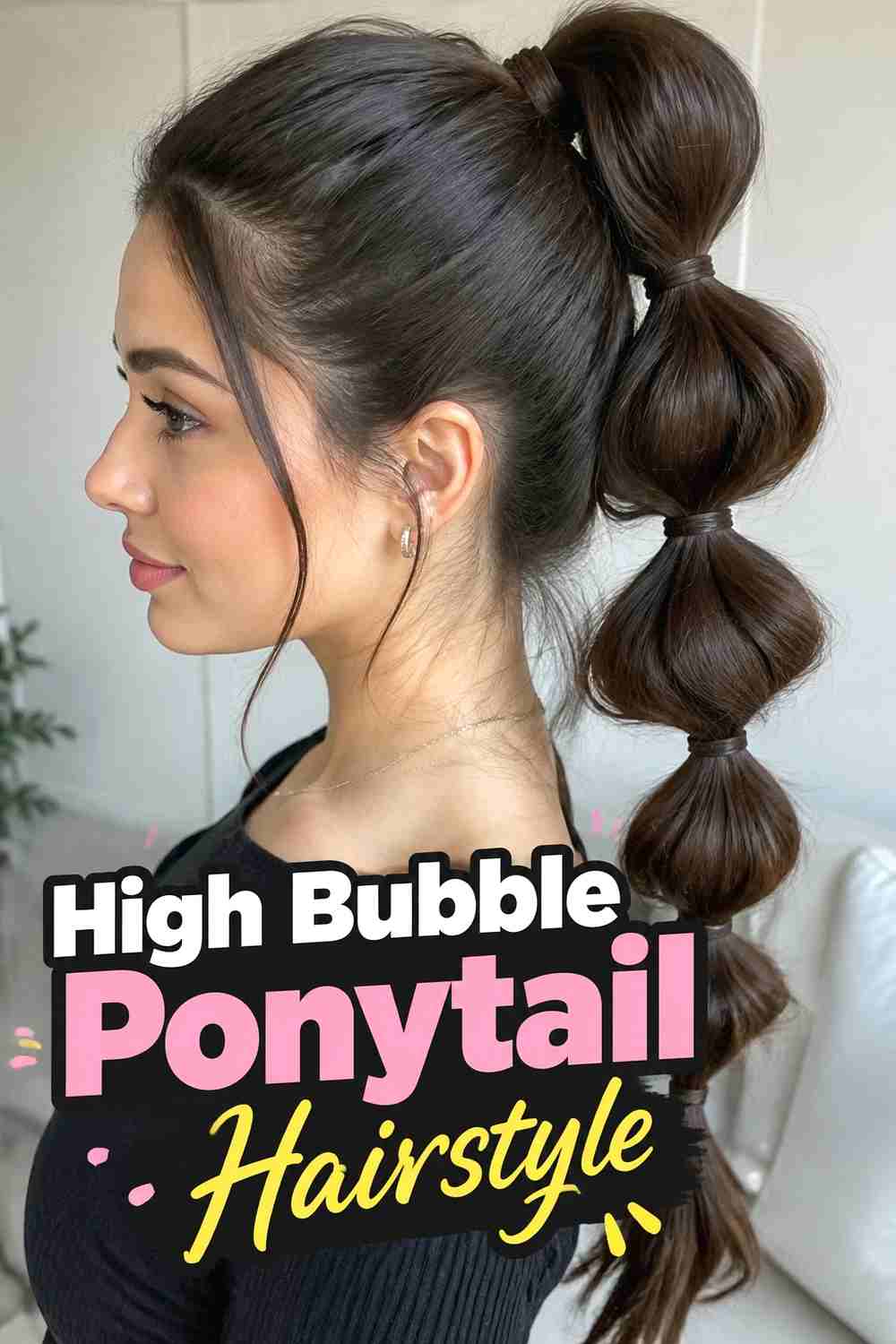
A high bubble ponytail organizes long hair into several contained sections, making it easier to manage during scarf and coat removal. Start with a secure high ponytail, then add small elastics down the length and gently expand each section. The bubbles should follow the natural taper of the hair rather than being identical in size. Since the base is above the neckline and the length stays bundled, there is less loose hair available to catch in knit fabric. This style works particularly well for long hair on busy commuting days. Bring the entire ponytail forward before removing the scarf, then return it behind the shoulder once you reach the office.
Wear & Maintenance
Use secure but gentle elastics and avoid expanding the bubbles too widely. A narrower silhouette moves more easily around outerwear and stays office-friendly.
15. Sleek Short Bob Hairstyle
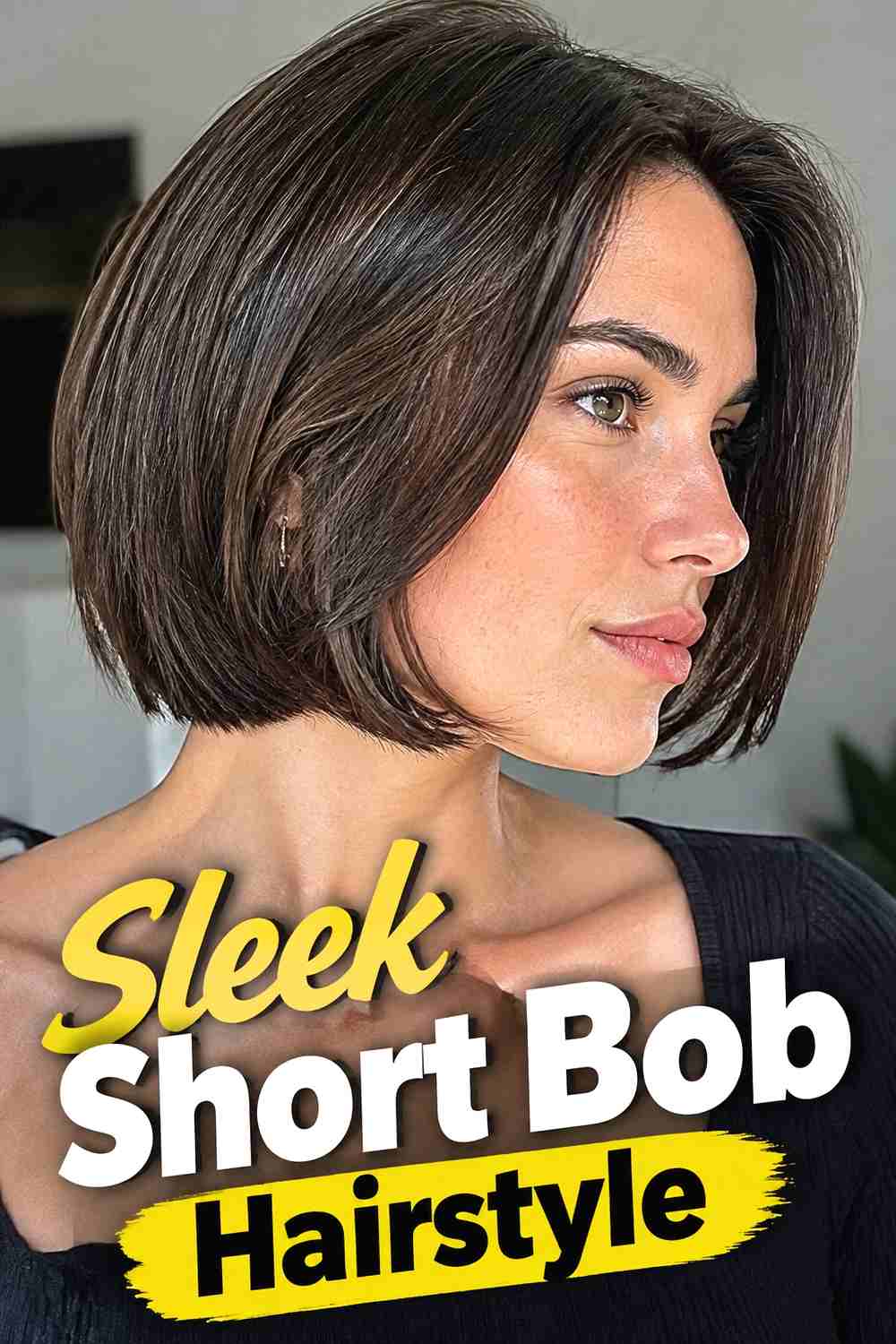
A sleek short bob requires minimal scarf management because the perimeter usually ends above or near the neckline. A jaw-length or chin-length shape can remain visible even when bundled into winter outerwear, and there is less hair to become caught at the nape. Keep the crown naturally smooth with a defined center, side, or off-center part, depending on the cut. The ends can sit straight or carry a subtle inward curve so the silhouette remains tidy after the scarf comes off. If the fabric causes static, use your hands to settle the perimeter instead of repeatedly brushing. This is a particularly efficient office-commute option because the overall cut provides most of the structure.
Best For
This works especially well if you want a low-maintenance style that looks finished without pins, elastics, or a separate morning updo routine.
16. Side Part Tucked Waves Hairstyle
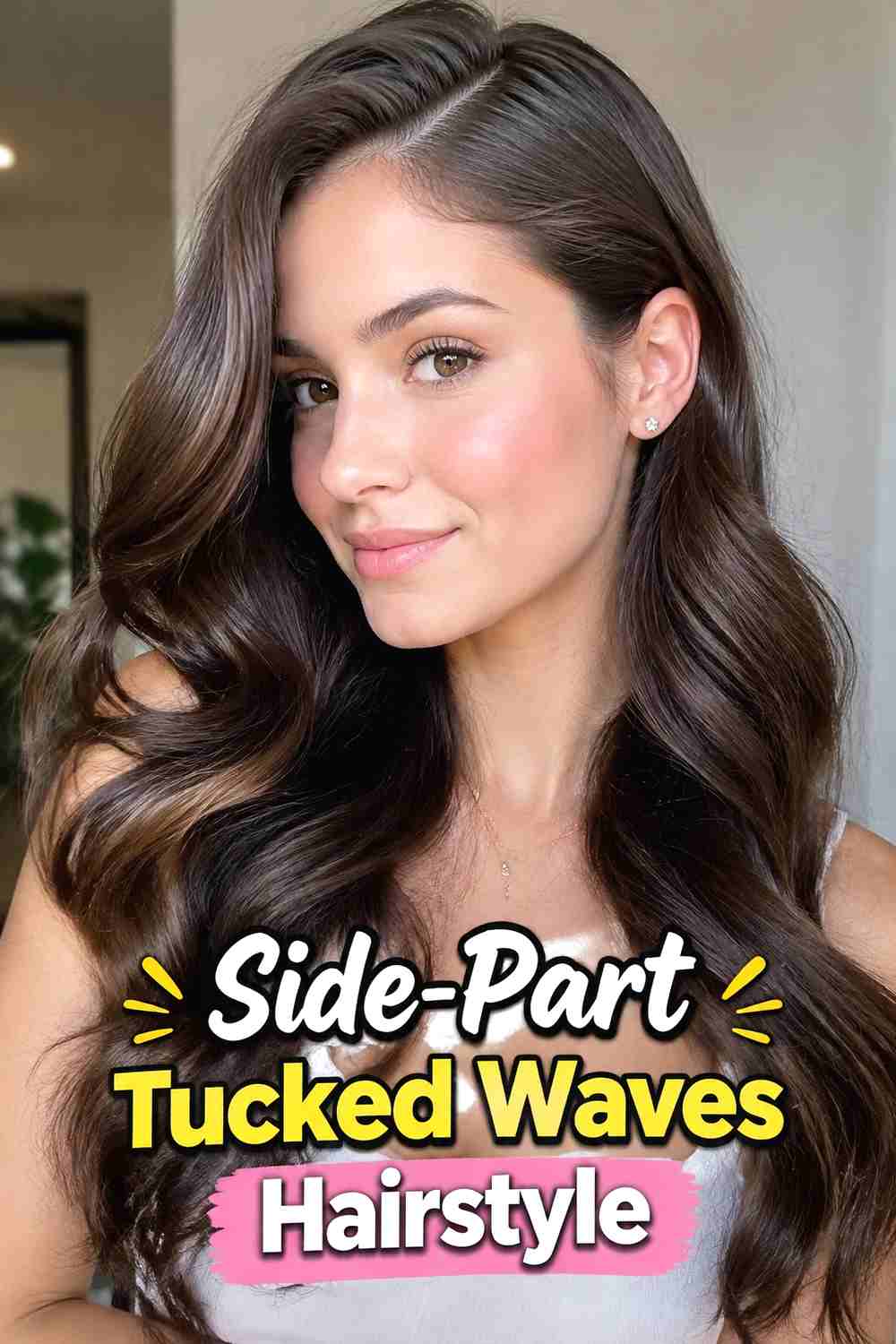
Side-part tucked waves let you keep a softer down style while controlling the sections most likely to be disturbed by a scarf. The smaller side of the part is tucked behind the ear, while broad waves fall through the fuller side and lower lengths. Keep the waves connected rather than highly separated so they are easier to reshape after fabric contact. Before removing the scarf, sweep the lengths forward and lift the scarf away from the back of the neck. Medium to long hair works best, particularly when the crown stays relatively smooth. Once at the office, releasing or refining the tucked side can quickly restore the intentional asymmetry without requiring heat or a complete restyle.
Pro Tip
Use flexible hold rather than stiff spray. Softer waves can shift during the commute and still return to a natural shape with minimal handling.
17. Twisted Crown Bun Hairstyle
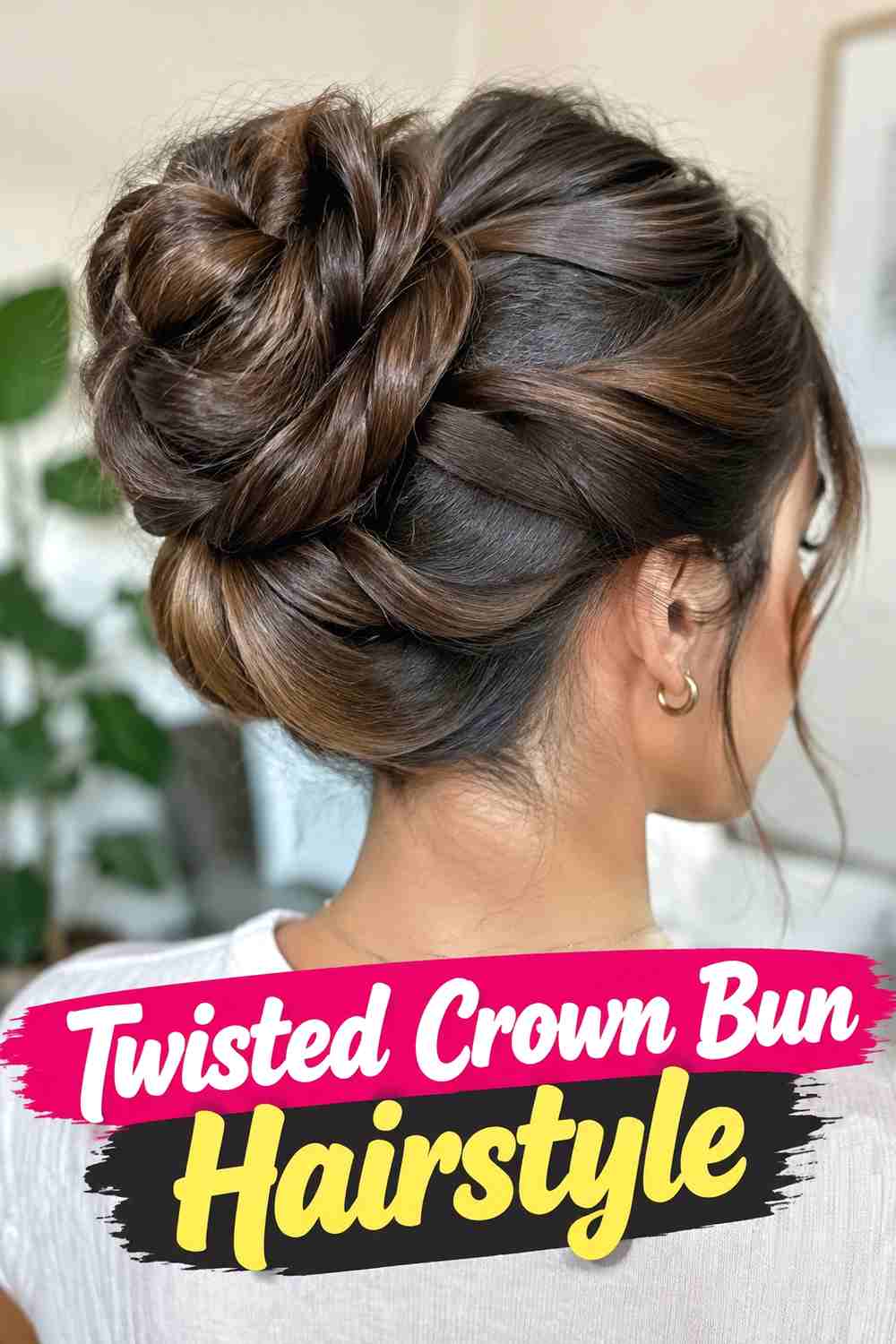
A twisted crown bun combines secure placement with visible detail by guiding side sections upward before wrapping the remaining hair into a bun near the crown. The twists keep front and side layers controlled, while the high bun stays clear of scarves and coat collars. This construction is useful when your hair tends to loosen around the temples during travel, since the twists provide more directional support than a basic gathered bun. Medium to long hair works well, and natural texture can remain visible through both the twists and bun. Avoid excessive tension; the style should be secure enough for the commute while still comfortable during a full office day.
Why It Works
The entire structure sits above the neck, while the twisted sections reduce loose side pieces that might otherwise snag as the scarf is pulled away.
18. Relaxed High Updo Hairstyle
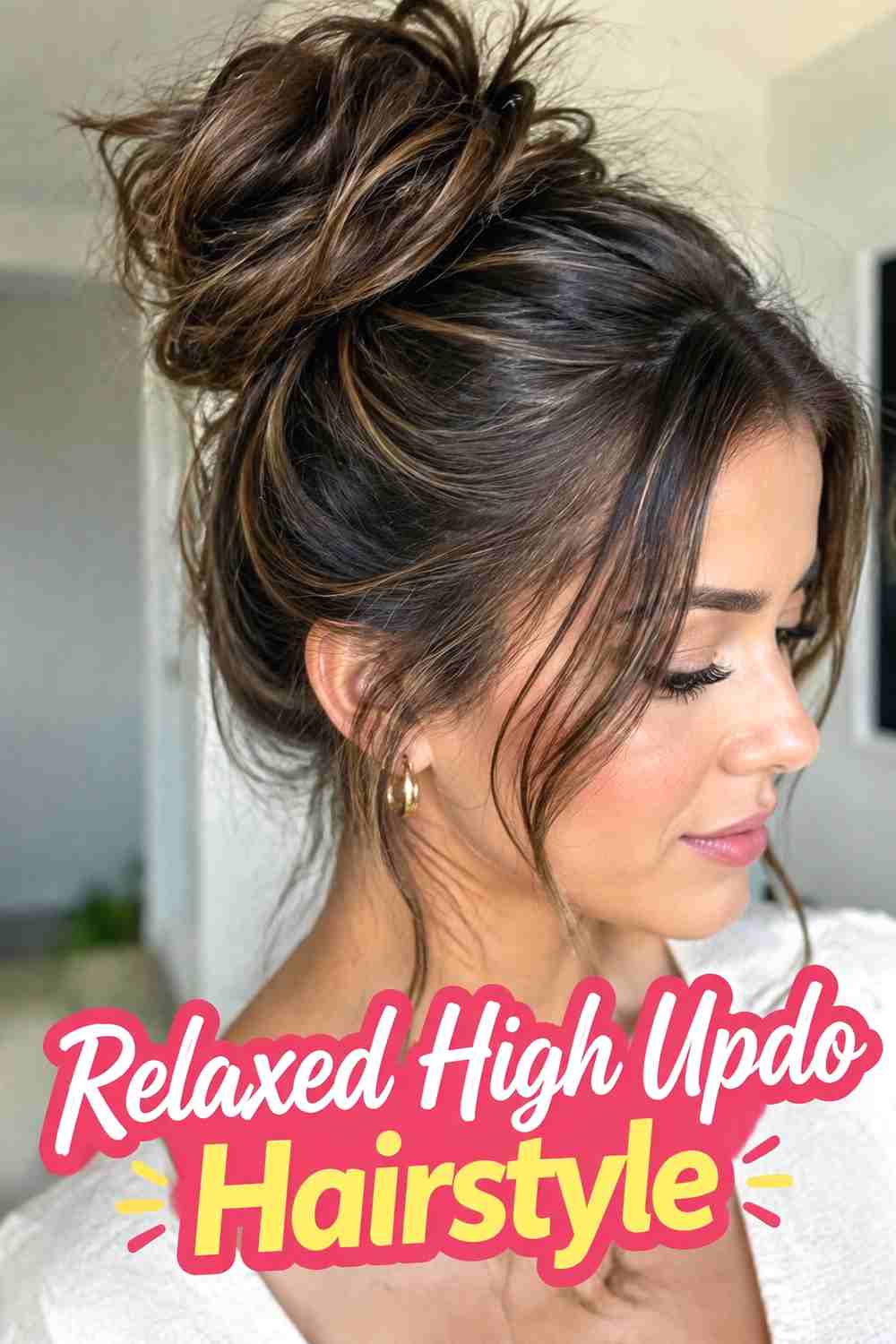
A relaxed high updo is a forgiving commuter option because it relies on secure placement rather than a perfectly smooth surface. Hair is lifted toward the crown and pinned into a soft cluster, leaving the neck completely clear for scarves and coat collars. Natural bends, curls, coils, or a few fine flyaways can remain visible, which means minor movement during the commute does not require immediate correction. The internal structure should stay stable while the outer sections remain softer and more flexible. This style works especially well when you want an updo that can move naturally through a crowded journey and still look intentional at your desk. Keep the shape balanced rather than excessively loose.
Wear & Maintenance
Secure the foundation carefully before leaving home, then only adjust sections that affect the silhouette. Small shifts generally suit the relaxed finish.
How to Choose the Right Look
Start with where your scarf sits. Thick scarves that wrap high around the neck generally work best with high ponytails, buns, puffs, twists, and crown-based styles. These move elastics, pins, and most loose hair above the area where the fabric rubs.
If you prefer wearing your hair down, shorter cuts are the easiest option. Bobs, lobs, tucked waves, and pinned-back shoulder-length styles give you visible movement without leaving a large amount of hair trapped beneath the scarf. For long loose hair, bring the lengths forward before removing the scarf.
Texture also matters. Curly and coily hair may benefit from high puffs or relaxed updos that preserve natural definition, while straight and wavy hair can transition easily with ponytails, clips, bobs, and half-up shapes.
Finally, think about recovery time. If you have only a minute before your first meeting, choose a style that needs no more than finger reshaping, a quick comb through the ends, or one pin adjustment. Secure placement and flexible hold are usually more useful than an overly rigid finish.
Final Thoughts
Scarf-removal-friendly hairstyles work best when the main structure stays above the neckline or the loose lengths are short and easy to reposition. High ponytails, buns, puffs, clips, and twists provide strong commuter practicality, while bobs and half-up styles keep things softer. Choose a look that suits your hair texture, scarf thickness, and office routine so arriving polished does not require a full restyle.
FAQs
1. Which hairstyle is easiest when removing a thick winter scarf?
A high bun, high ponytail, high puff, or crown updo usually gives the scarf the clearest path around the neck without catching the main hairstyle.
2. How should I remove a scarf without messing up long hair?
Bring the lengths forward first, loosen or unwrap the scarf, then lift the fabric away from the nape instead of dragging it upward through the hair.
3. Are low buns good for scarf-heavy commutes?
They can work, but they often sit exactly where thick scarves and coat collars make contact. A higher bun or vertical twist is usually easier for frequent scarf removal.
4. What is the best option if I prefer wearing my hair down?
Short bobs, sleek lobs, pinned-back shoulder-length styles, and tucked waves are practical because they reduce loose hair around the scarf contact area.
5. How can I fix scarf-flattened hair quickly at the office?
Use your fingertips to restore root lift, reshape the perimeter or curls, and smooth only the visible surface. Flexible styles usually need less repair than heavily set ones.
Save your favorite scarf-friendly hairstyle and share these ideas for easier, more polished winter office commutes.