19 Internal Layer Haircuts for Long Hair With Soft Movement and Volume
Internal layers can make long hair feel lighter and more responsive while preserving the full, flowing length that makes longer hairstyles so versatile.
Unlike heavily visible layers, internal layering removes or redistributes weight beneath the surface of the haircut. The outer length can remain smooth and substantial while shorter sections underneath encourage movement, lift, texture, and easier styling. This makes the technique especially useful when long hair feels dense, flat, or difficult to shape but you do not want obvious stepped layers.
The right approach depends on density, natural texture, perimeter shape, and styling habits. Thick hair can usually support stronger internal weight removal, while fine hair needs a lighter touch. Waves and curls reveal the hidden structure naturally, while sleek styling keeps the layers subtle until the hair moves.
Quick List
- Classic Internal Layers For Long Hair Hairstyle
- Face Framing Internal Layers For Long Hair Hairstyle
- Soft Blowout Internal Layers For Long Hair Hairstyle
- Wavy Internal Layers For Long Hair Hairstyle
- Sleek Internal Layers For Long Hair Hairstyle
- Voluminous Internal Layers For Long Hair Hairstyle
- Center Parted Internal Layers For Long Hair Hairstyle
- Side Parted Internal Layers For Long Hair Hairstyle
- Long Hair Internal Layers With Curtain Bangs Hairstyle
- Long Hair Internal Layers With Wispy Fringe Hairstyle
- Thick Hair Internal Layers Hairstyle
- Fine Hair Internal Layers Hairstyle
- Curly Internal Layers For Long Hair Hairstyle
- Textured Internal Layers For Long Hair Hairstyle
- U Shaped Long Hair With Internal Layers Hairstyle
- V Shaped Long Hair With Internal Layers Hairstyle
- Feathered Internal Layers For Long Hair Hairstyle
- Polished Internal Layers For Long Hair Hairstyle
- Airy Internal Layers For Long Hair Hairstyle
1. Classic Internal Layers For Long Hair Hairstyle
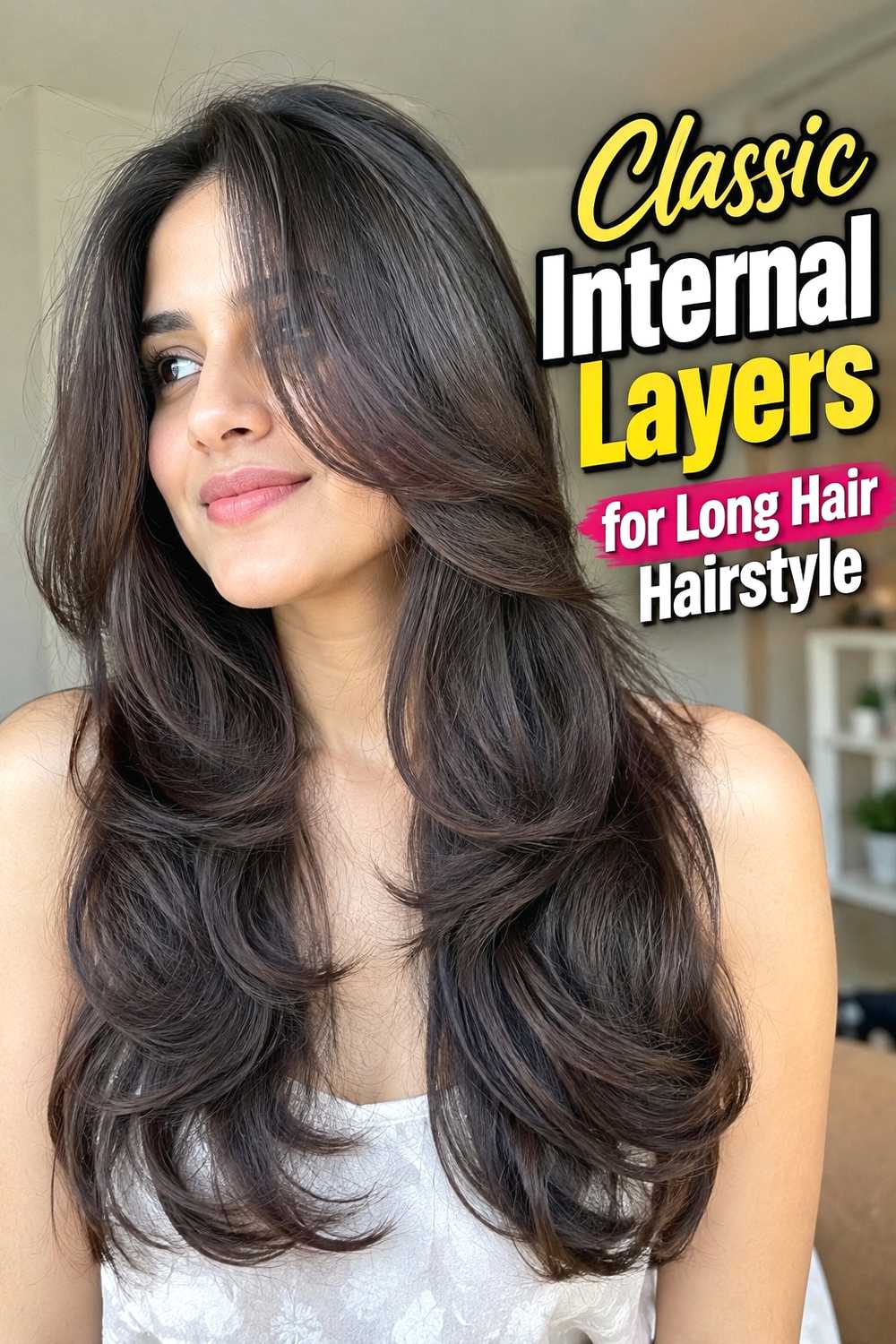
The Classic Internal Layers for Long Hair Hairstyle keeps the exterior looking long, smooth, and full while quietly introducing movement beneath the surface. Instead of carving obvious steps into the lengths, shorter sections are placed internally so the hair separates more naturally when it moves or is styled. The perimeter remains substantial, which makes this approach appealing if you want to preserve the visual impact of long hair. A soft blowout can reveal the hidden shape, while straight styling keeps the cut looking polished and almost one length. This version works especially well when the hair feels heavy but you do not want the noticeably layered appearance of a shag or strongly feathered cut.
Styling Notes
Use a large round brush or paddle brush and focus on lifting the internal sections rather than tightly curling the ends.
Best For
Medium to thick straight or softly wavy hair can display the hidden movement particularly well.
2. Face Framing Internal Layers For Long Hair Hairstyle
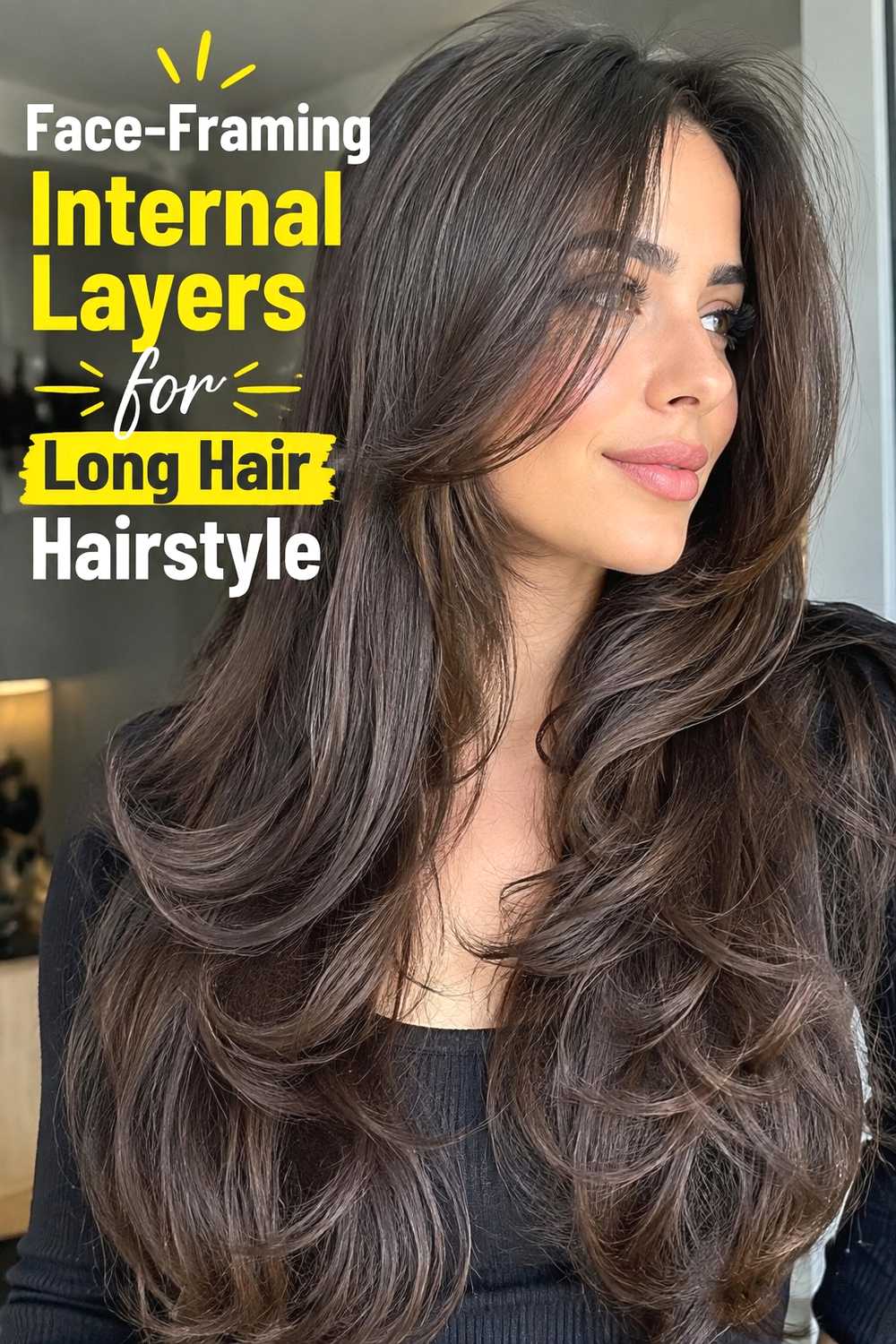
The Face-Framing Internal Layers for Long Hair Hairstyle combines discreet shaping through the body of the hair with more visible movement around the front. Shorter pieces can begin near the cheekbones, jaw, or collarbones and then blend gradually into the longer lengths. The interior stays lighter beneath the surface, so the haircut gains flexibility without looking aggressively layered from the back. Styling the front sections away from the face creates a broad, flowing shape, while leaving them forward gives the haircut a softer everyday finish. This version is especially useful if you want a visible update without sacrificing length or density through the perimeter, and the shorter front pieces can also soften ponytails and half-up styles.
Styling Notes
Direct the front layers away from the face with a round brush while keeping the back lengths smoother and more understated.
Why It Works
Visible face framing adds shape where it is most noticeable, while hidden internal layering keeps the rest of the haircut full.
3. Soft Blowout Internal Layers For Long Hair Hairstyle
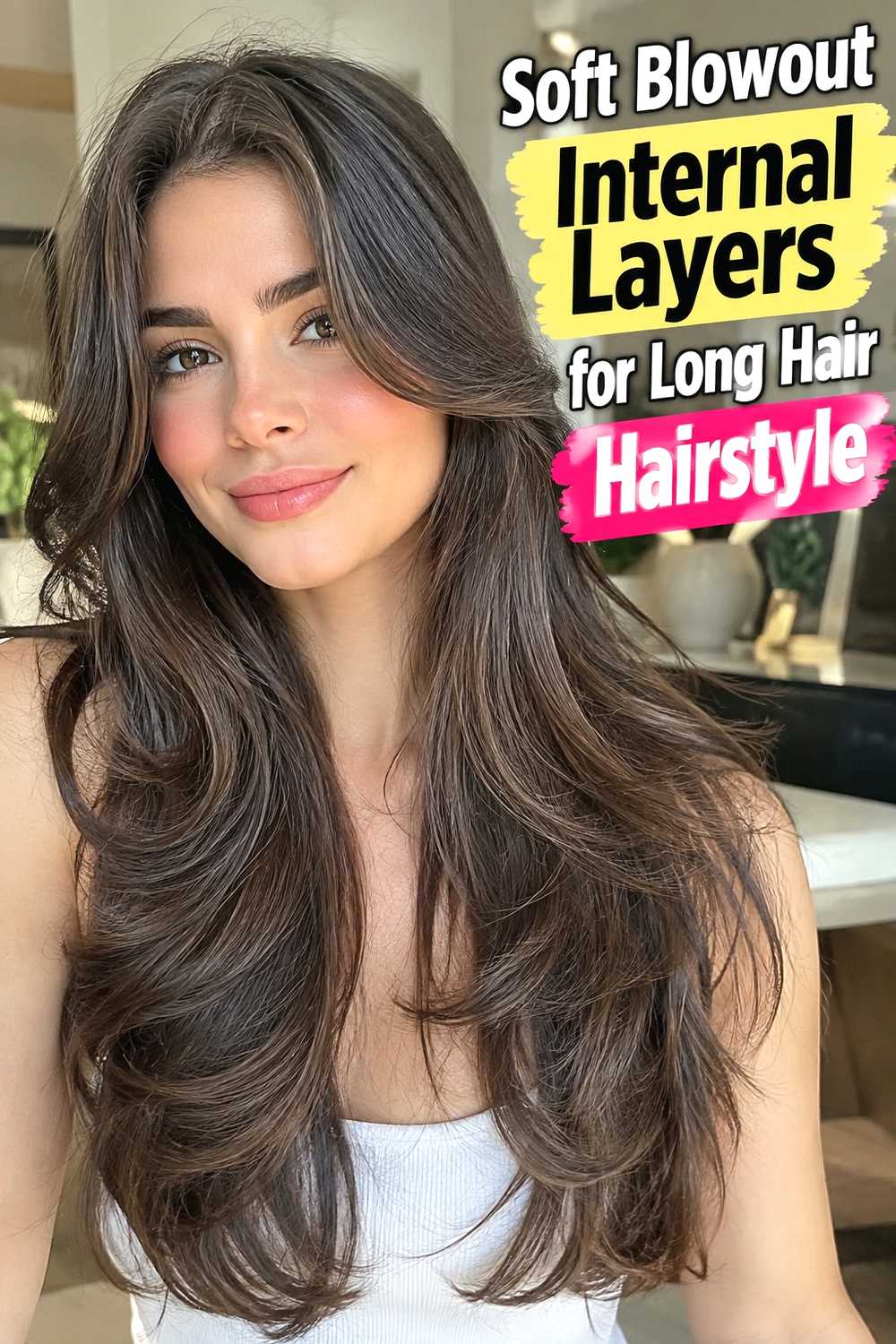
The Soft Blowout Internal Layers for Long Hair Hairstyle is designed to reveal the haircut’s hidden structure through broad, flexible movement. Internal sections lift beneath the longer surface, creating body through the crown and sides without exposing obvious layer lines. The ends remain long and substantial, while the mid-lengths gain enough separation to curve and move instead of hanging in one heavy sheet. A large round brush works especially well because it creates loose bends rather than tight curls. The finish should feel touchable, with natural strand detail and varied movement from section to section. This is a practical option if you love long hair but want a blowout that looks fuller without relying on heavy teasing.
Styling Notes
Work in large sections, lifting the roots first and shaping the mid-lengths before letting each section cool.
Pro Tip
Use lightweight volumizing products near the roots rather than coating the full length with heavy cream.
4. Wavy Internal Layers For Long Hair Hairstyle
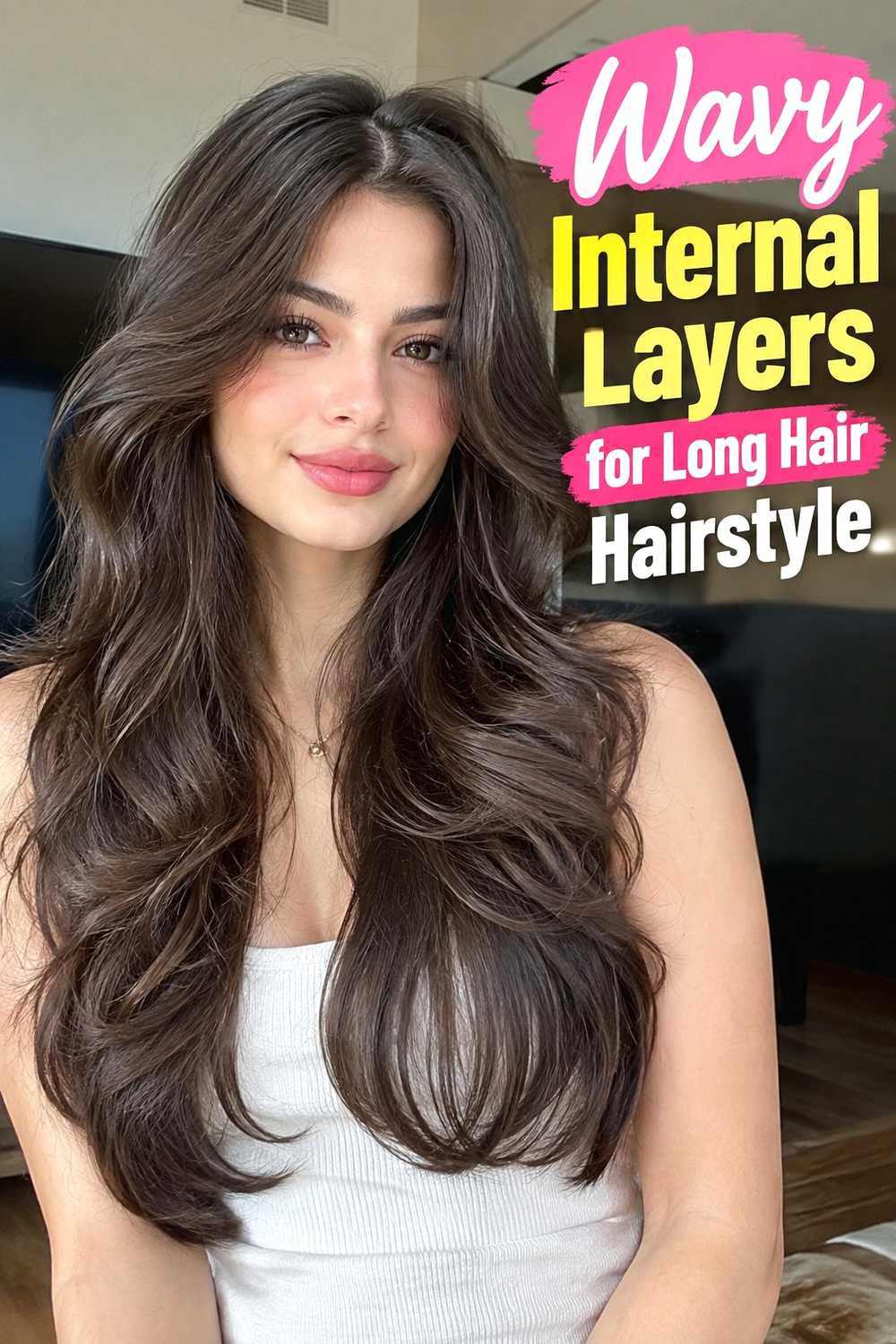
The Wavy Internal Layers for Long Hair Hairstyle allows bends to form at slightly different levels, giving long hair more dimension without cutting obvious surface layers. Natural waves often respond especially well because hidden weight removal gives them space to expand and move more freely. The outer length remains long and flowing, while internal sections prevent the shape from collapsing into one dense mass. If the hair is naturally straight, loose iron bends can create a similar effect. The most believable finish uses different wave sizes and directions, with some ends remaining straighter. This keeps the style relaxed and shows how internal layers can improve movement without making the haircut look dramatically shorter.
Hair Type & Length
Naturally wavy medium-to-long hair can benefit greatly from hidden layering, especially when excess density limits movement.
Styling Notes
Alternate wave direction and avoid curling every section from root to tip for a softer result.
5. Sleek Internal Layers For Long Hair Hairstyle
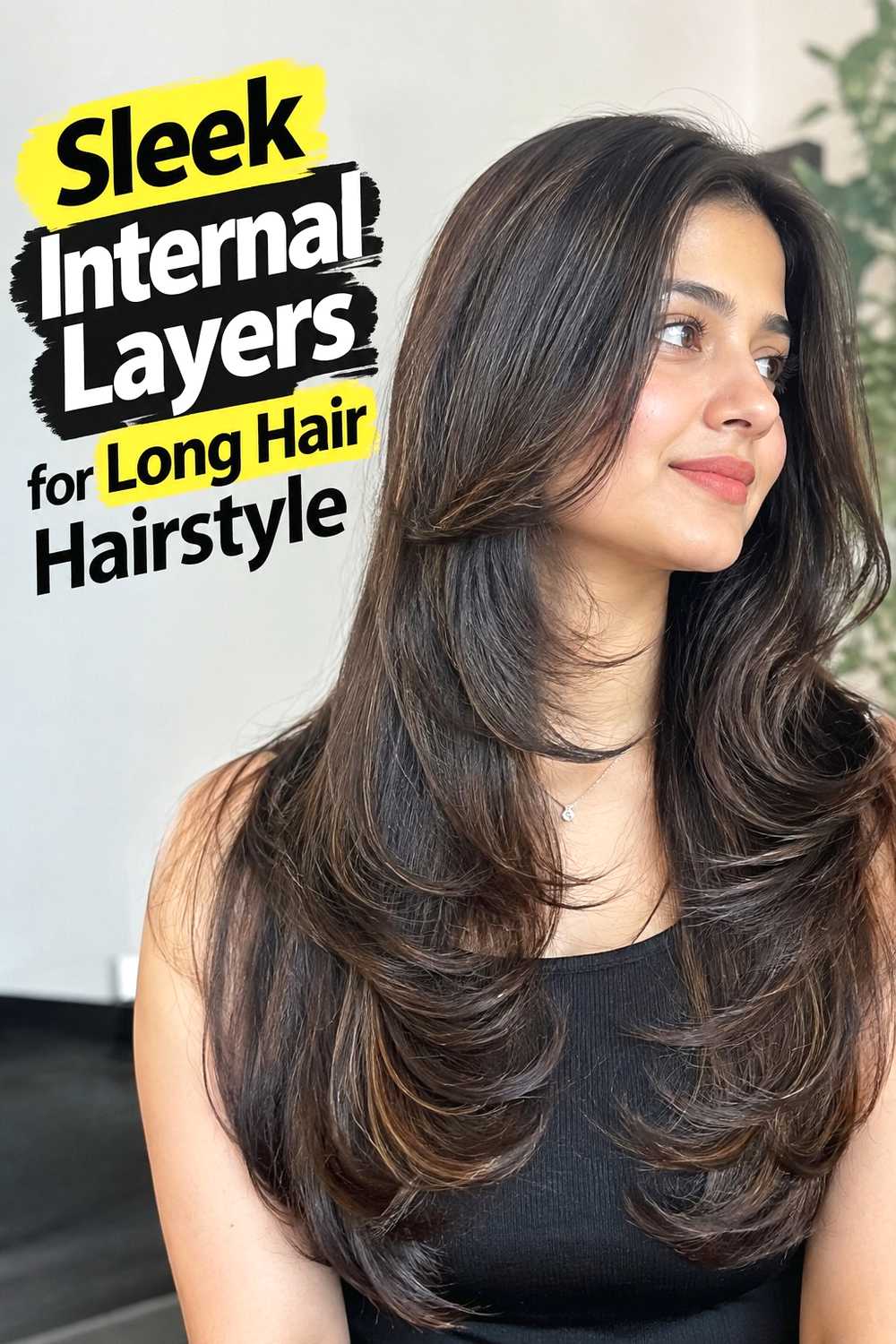
The Sleek Internal Layers for Long Hair Hairstyle keeps the outer surface smooth while using subtle internal shaping to prevent long hair from looking flat or excessively heavy. When worn straight, the layers remain almost invisible, showing themselves mainly through softer movement when the hair shifts. The perimeter stays dense and polished, making this a good choice if you like the appearance of long one-length hair but want less bulk underneath. Straight or easily smoothed textures can achieve the finish with a careful blow-dry, while wavier hair may need additional heat styling. The goal is controlled shine and flexibility rather than a completely flattened surface, so some natural root lift and strand movement should remain.
Styling Notes
Blow-dry with directional tension first, then use a styling iron only on sections that need additional smoothing.
Wear & Maintenance
Keeping the perimeter regularly trimmed helps the sleek finish remain substantial while the hidden sections grow evenly.
6. Voluminous Internal Layers For Long Hair Hairstyle
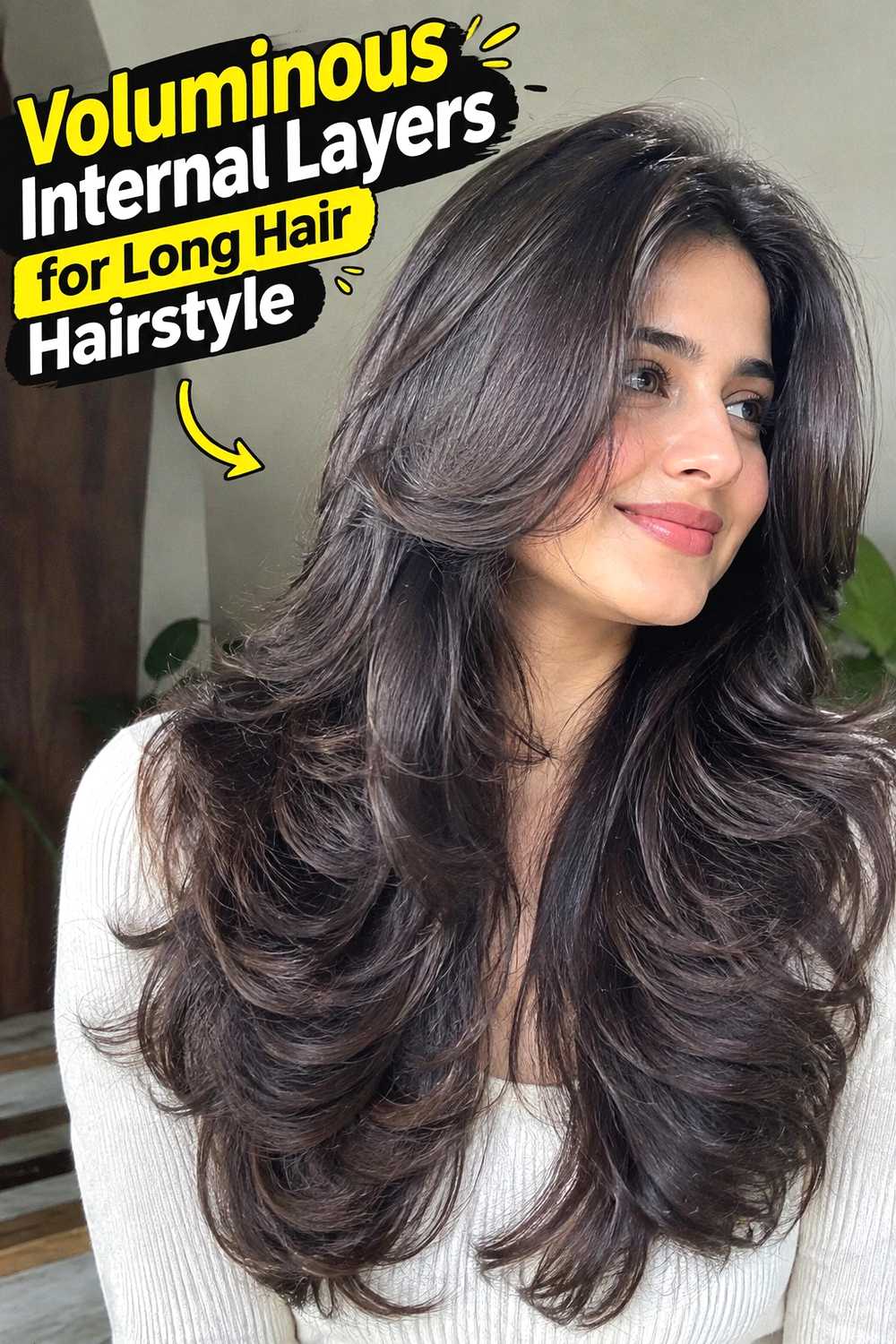
The Voluminous Internal Layers for Long Hair Hairstyle uses concealed shorter sections to support body through the crown and upper lengths. Because the layers sit beneath the surface, the haircut can look smooth and full while still gaining lift when styled. This prevents the exaggerated stepped effect that can happen with more visible layering. A blowout brings the shape to life by allowing the hidden sections to push the outer hair upward and create broad movement through the sides. Long, dense hair often benefits most because its natural weight can otherwise pull volume downward. The key is balancing lift with a substantial perimeter so the hair feels full from roots to ends rather than top-heavy.
Styling Notes
Lift the upper sections away from the scalp during drying and use a large round brush through the mid-lengths.
Best For
Medium to thick long hair usually supports stronger internal layering and fuller volume without weakening the ends.
7. Center Parted Internal Layers For Long Hair Hairstyle
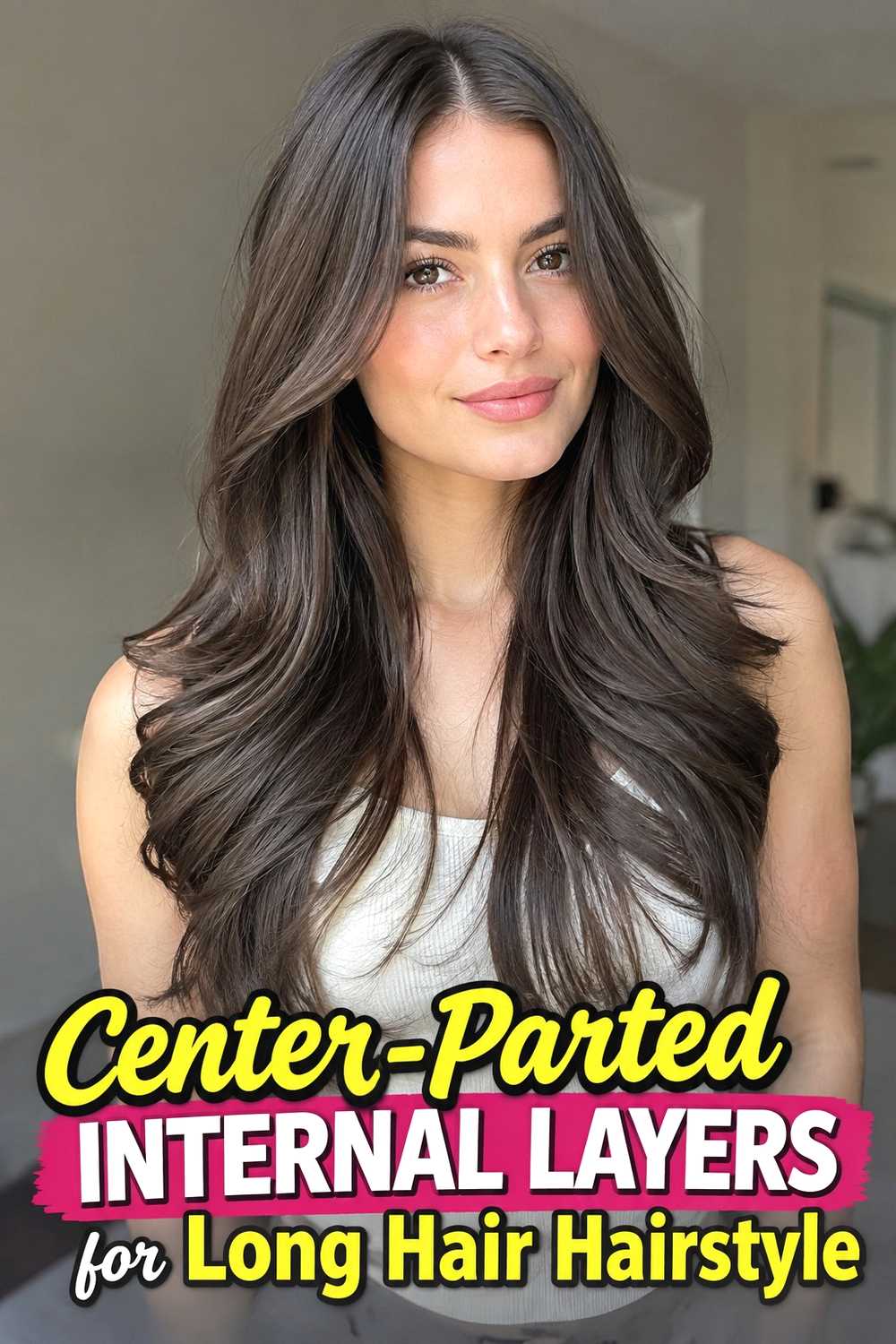
The Center-Parted Internal Layers for Long Hair Hairstyle creates a balanced frame while keeping most of the layering discreet. With the hair divided evenly, subtle internal movement can fall symmetrically on both sides, particularly when the front sections are styled away from the face. The part highlights the clean length and makes the haircut look polished from the front, while hidden shaping underneath prevents the sides from appearing too heavy. A center part works well with smooth blowouts, loose waves, and sleek styling, making this one of the more versatile approaches. Gentle lift at the roots keeps the part from looking flat, especially on long hair where weight can naturally pull the crown downward.
Styling Notes
Dry the front sections outward from the center part while maintaining only light root volume through the crown.
Best For
Straight, wavy, and medium-density long hair can all adapt well to this balanced finish.
8. Side Parted Internal Layers For Long Hair Hairstyle
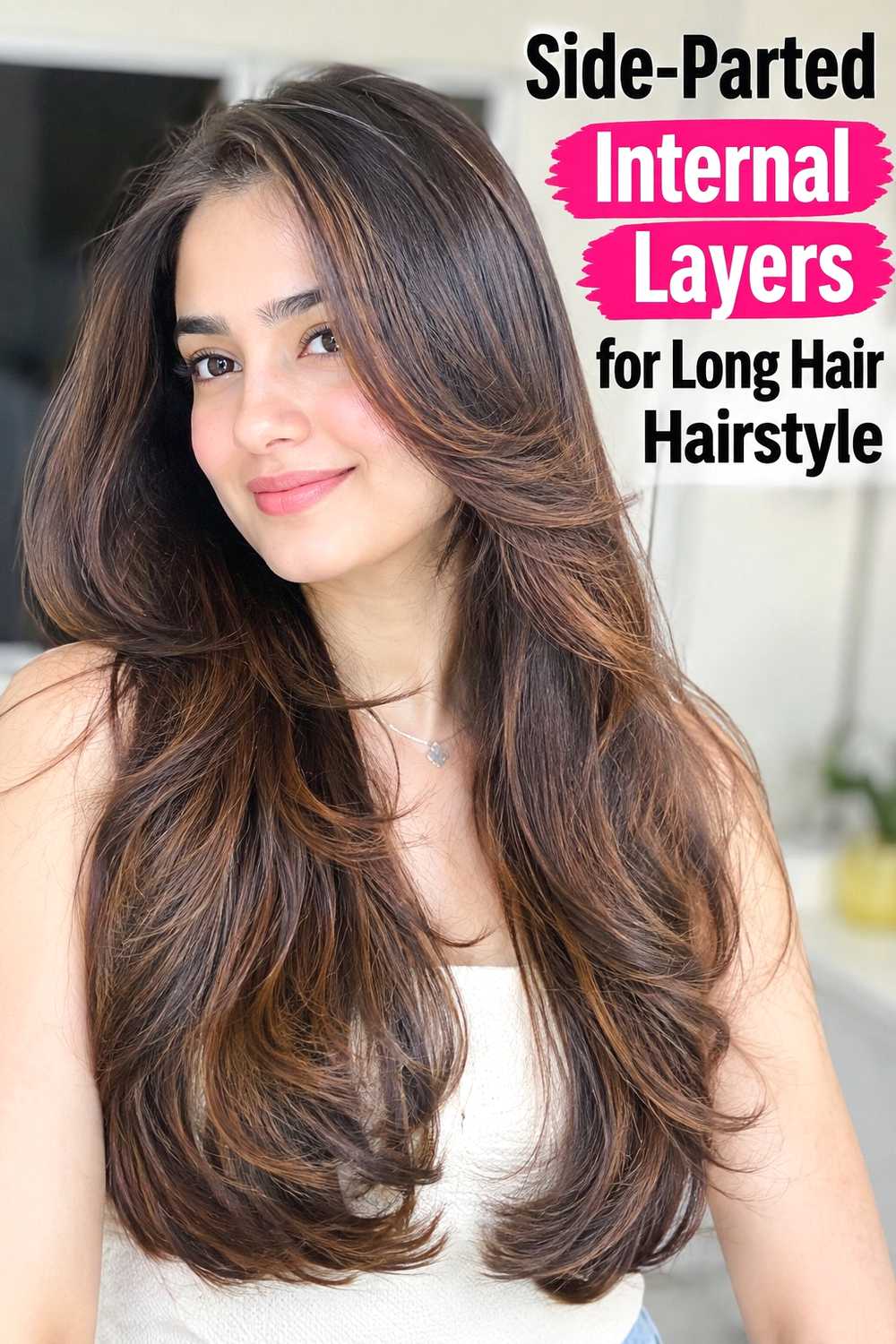
The Side-Parted Internal Layers for Long Hair Hairstyle uses directional styling to make hidden movement more visible. Shifting the part to one side creates extra volume through the crown and lets internal sections fall in broad sweeps around the face. The fuller side can carry more movement, while the opposite side can sit closer to the head or tuck behind the ear for contrast. Since the layers are mainly concealed, changing the part does not expose harsh steps or disconnected sections. This gives long hair more styling flexibility without requiring a dramatic haircut. A soft blowout enhances the effect, although natural waves can also reveal the internal structure beautifully.
Styling Notes
Dry the roots opposite the intended part before flipping the hair over to create lift without backcombing.
Why It Works
The side part exaggerates movement through the upper lengths while the hidden layers maintain a smooth exterior.
9. Long Hair Internal Layers With Curtain Bangs Hairstyle
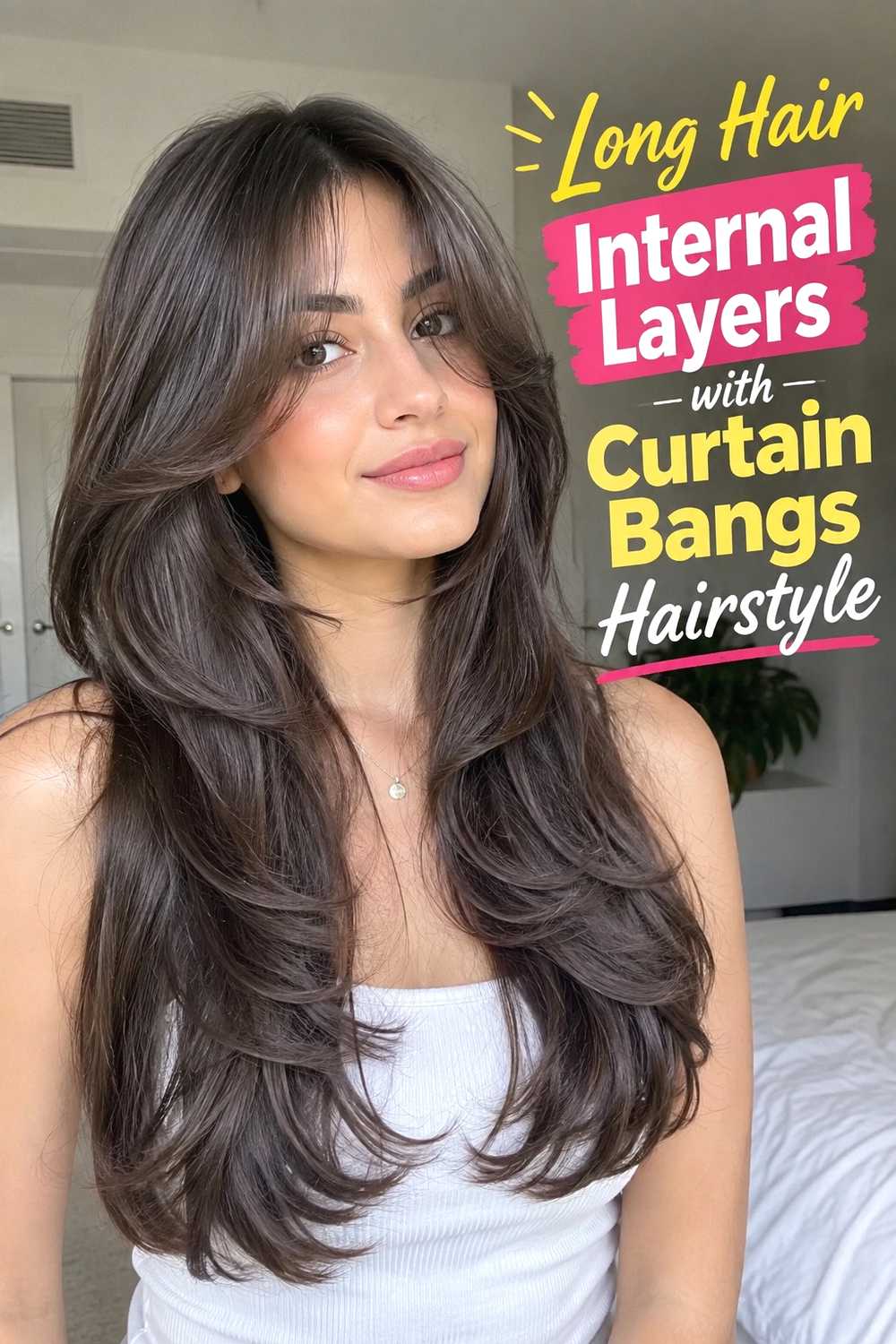
The Long Hair Internal Layers with Curtain Bangs Hairstyle pairs concealed movement through the lengths with a more visible change around the forehead. Curtain bangs can open through the center and lengthen toward the cheekbones, where they blend into softly shaped face-framing pieces. Behind them, internal layers reduce heaviness without making the long haircut look dramatically stepped. This creates a cohesive transition from fringe to lengths and works particularly well with a soft blowout. The bangs can be worn wide and open or allowed to fall closer together depending on the finish you prefer. Because the rest of the haircut remains long and full, the fringe becomes the main visual detail without overwhelming the overall shape.
Styling Notes
Blow-dry the bangs forward first, then split them and sweep each side outward with a round brush.
Wear & Maintenance
The fringe usually needs more frequent shaping than the internal layers to maintain its intended opening and length.
10. Long Hair Internal Layers With Wispy Fringe Hairstyle
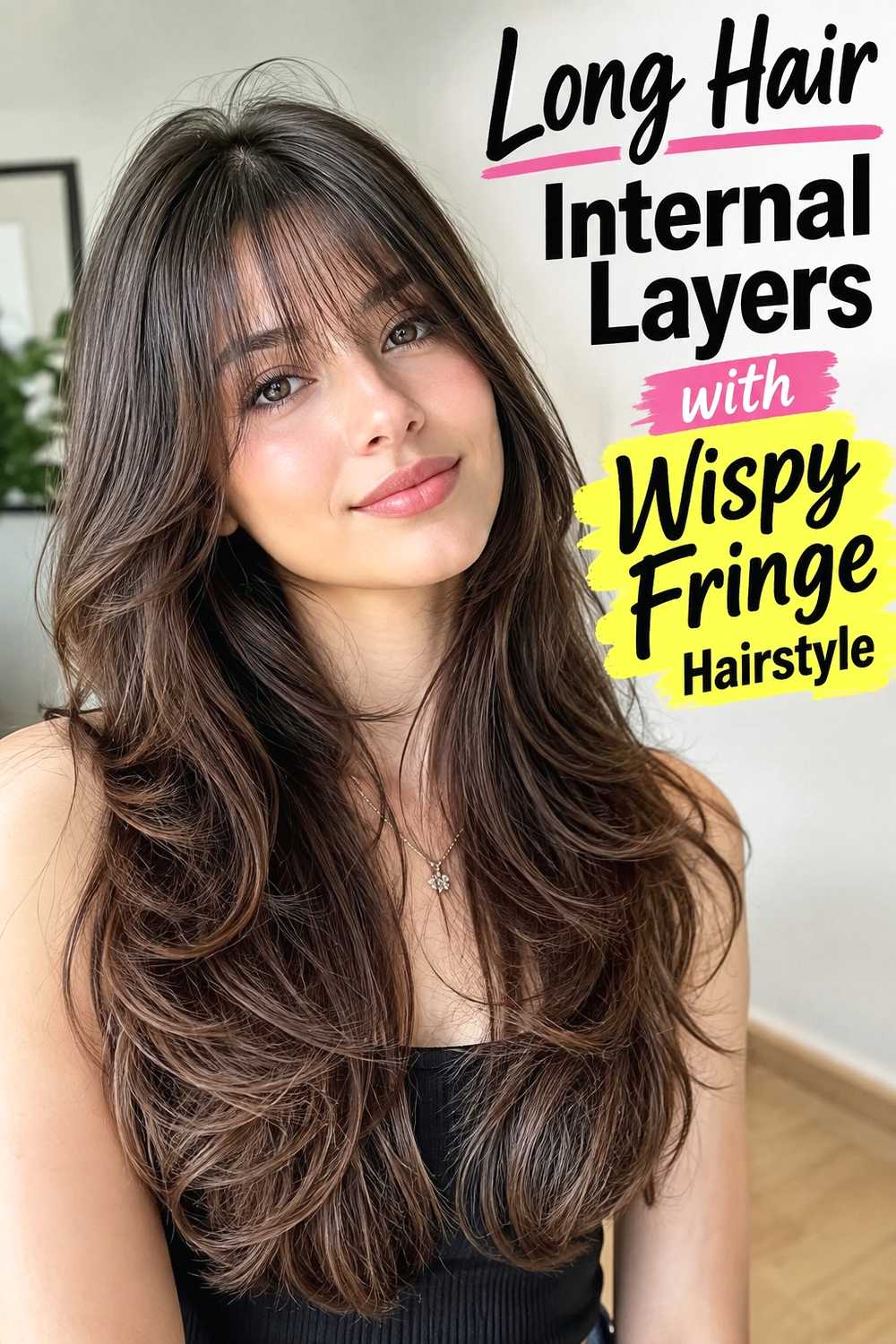
The Long Hair Internal Layers with Wispy Fringe Hairstyle combines understated body shaping with delicate, separated bangs. The main lengths retain a full, flowing silhouette, while fine pieces across the forehead introduce softness without creating a dense horizontal line. Hidden internal layers help the hair move more easily through the sides and back, allowing the wispy fringe to feel connected rather than isolated. This version works well with smooth blowouts, gentle waves, or naturally straight hair. Since the fringe relies on airy separation, styling products should remain lightweight. Heavy oils or creams can cause the bangs to clump together, while the longer lengths can tolerate slightly richer products if needed.
Best For
Fine to medium fringe sections work especially well, while the main hair can range from medium to thick.
Pro Tip
Apply product to the lengths first and use only the residue left on your fingers for the fringe.
11. Thick Hair Internal Layers Hairstyle
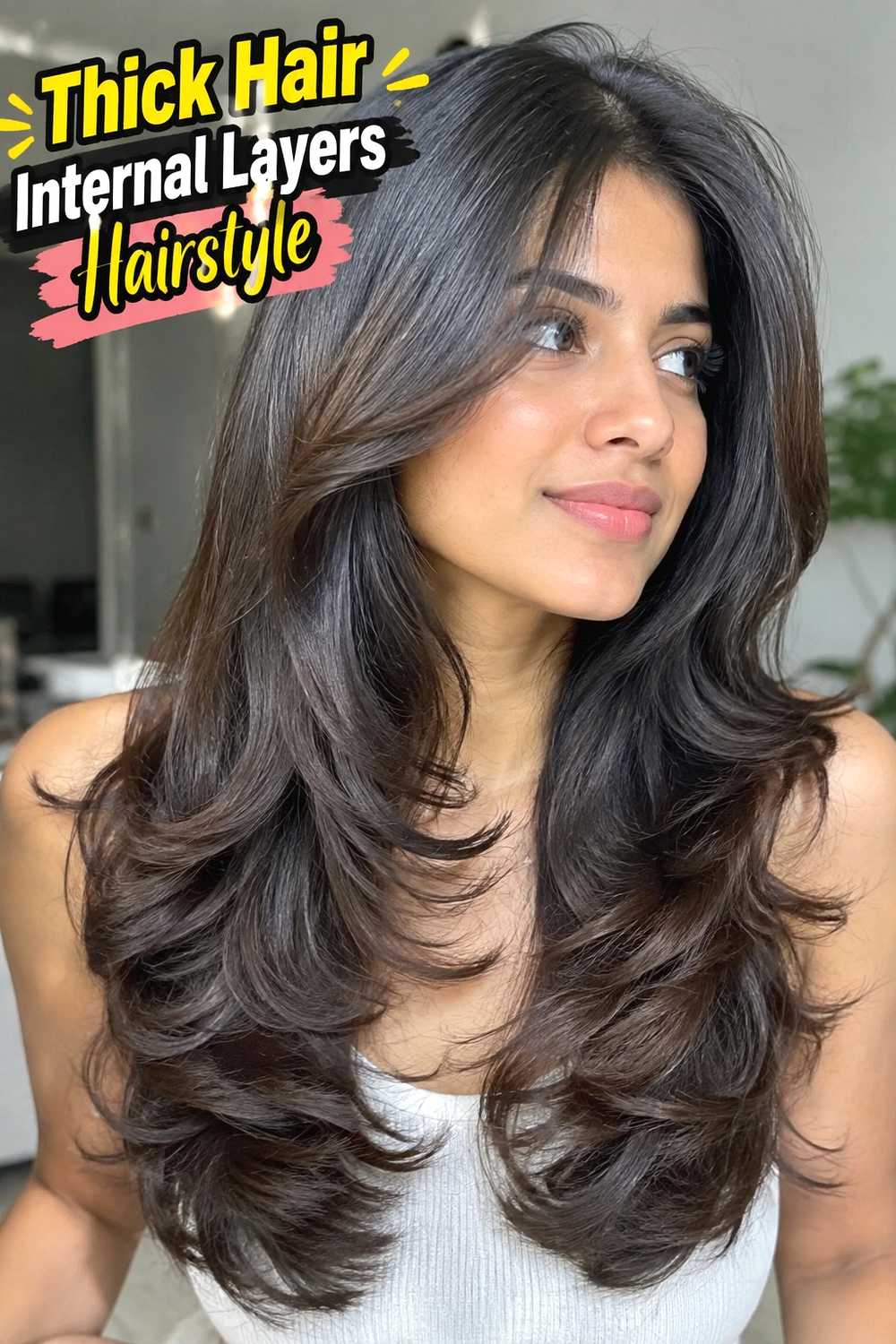
The Thick Hair Internal Layers Hairstyle focuses on removing strategic bulk beneath the surface while preserving the dense appearance of long ends. Rather than aggressively thinning the perimeter, weight is reduced through carefully chosen internal sections so the hair can sit closer to the head and move more freely. This is particularly useful when thick hair expands through the sides or feels heavy during styling. The outer shape remains substantial, making the haircut look full rather than overly layered. Waves, blowouts, and natural texture can all reveal the lighter internal structure. The most balanced result avoids taking too much weight from one area and instead distributes the movement gradually through the haircut.
Hair Type & Length
Dense, heavy long hair can benefit significantly from internal shaping, especially when bulk collects through the middle and lower sections.
Pro Tip
Ask for internal weight removal rather than aggressive thinning at the ends if you want to preserve a strong perimeter.
12. Fine Hair Internal Layers Hairstyle
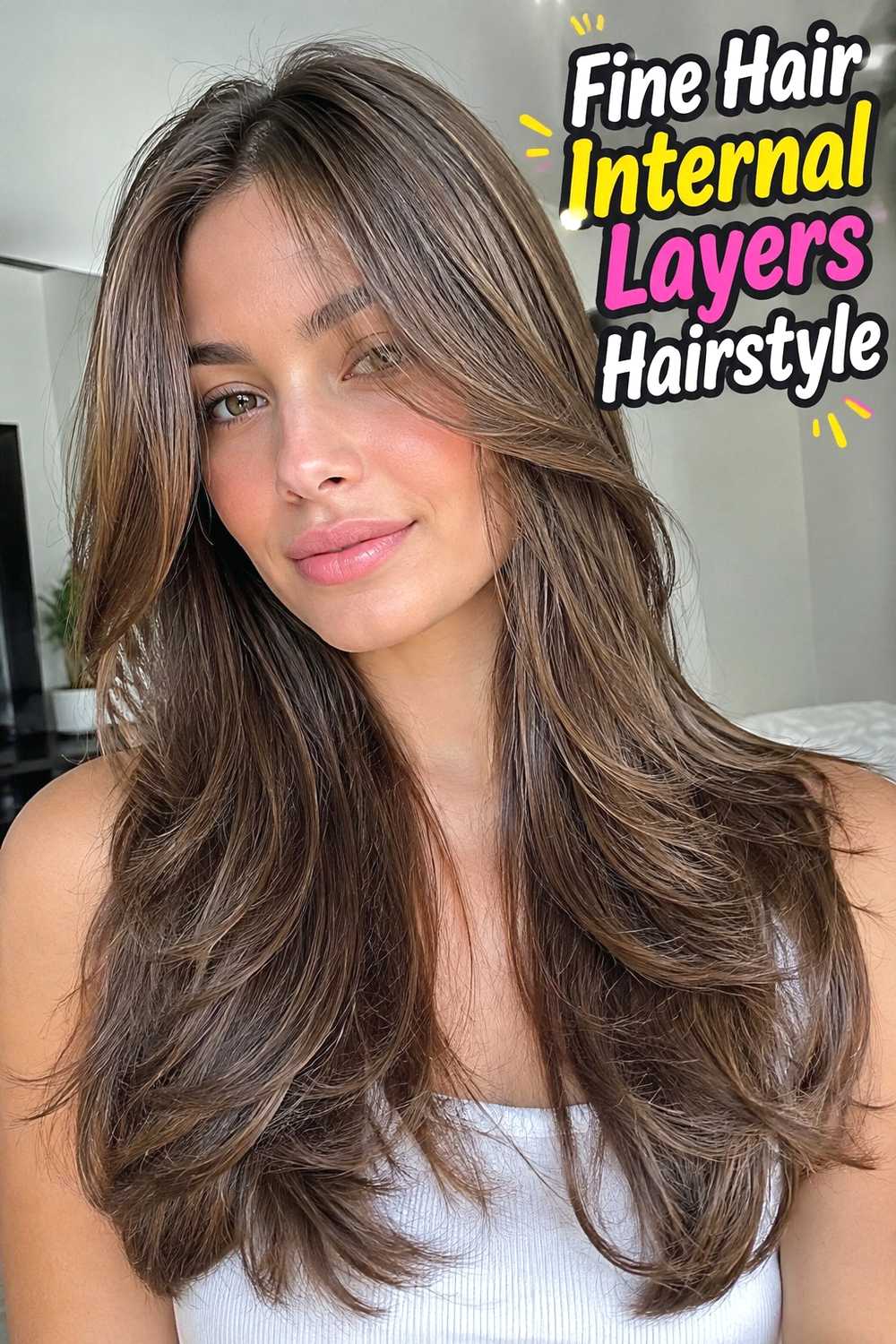
The Fine Hair Internal Layers Hairstyle uses a much lighter approach, keeping the hidden sections long enough to preserve the appearance of density. Instead of removing a large amount of weight, subtle internal pieces create just enough movement to stop long hair from hanging completely flat. The perimeter remains full, and most of the shorter sections stay close to the overall length. This allows a blowout or soft wave to gain more dimension without making the ends look sparse. Fine hair also benefits from lightweight styling products that support root lift without coating the lengths heavily. The result should feel soft and mobile while still looking substantial from the front, sides, and back.
Styling Notes
Use a lightweight root spray and moderate round-brush lift, avoiding heavy creams that can collapse the subtle internal movement.
Why It Works
Long hidden layers add flexibility while protecting the density that fine hair needs through the ends.
13. Curly Internal Layers For Long Hair Hairstyle
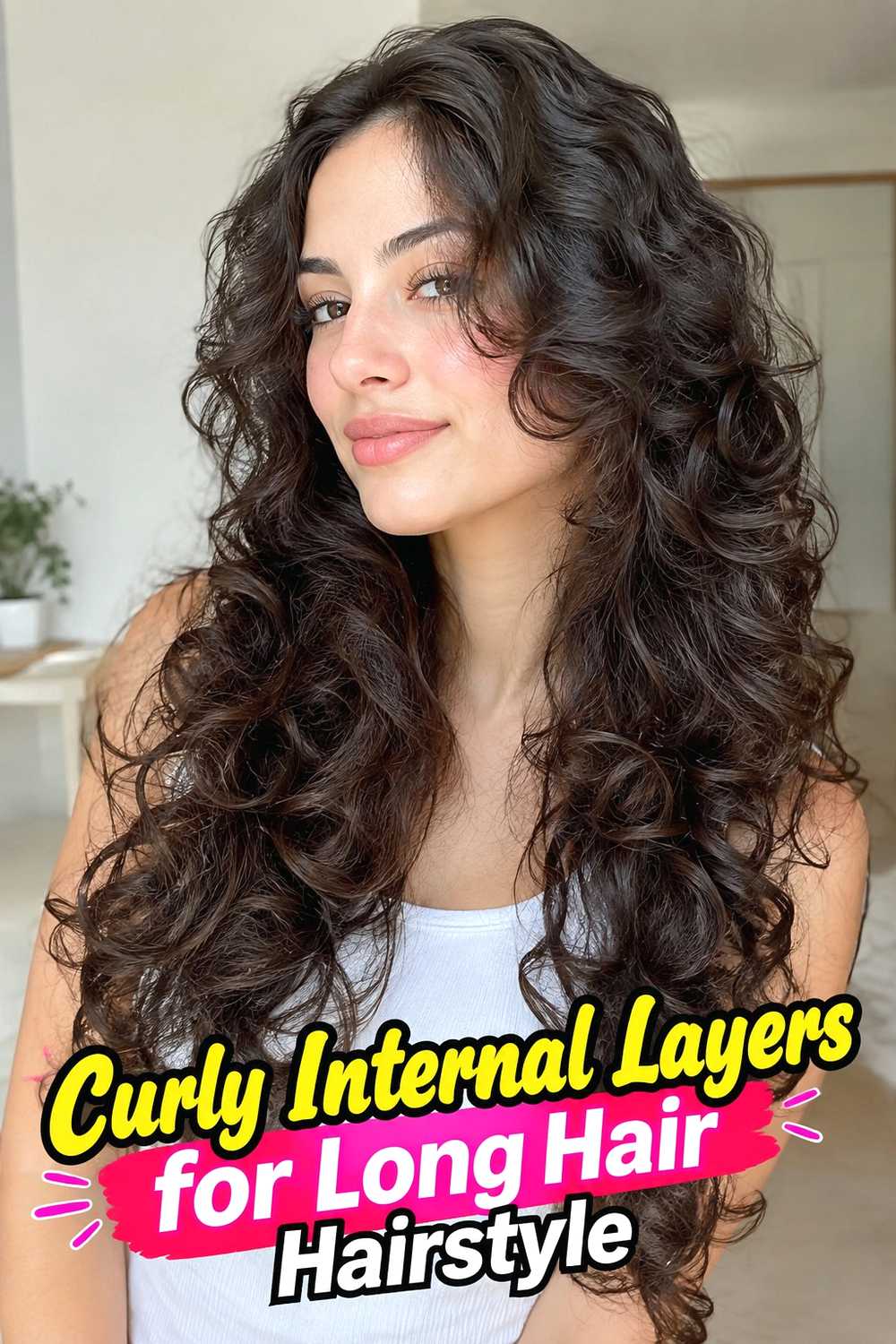
The Curly Internal Layers for Long Hair Hairstyle uses concealed shaping to help long curls sit at different levels instead of forming one dense triangular mass. Internal sections can remove excess weight and allow curls beneath the surface to spring more naturally, while the outer length remains long and full. The exact placement should follow the curl pattern so the haircut maintains balance when dry. This version can be particularly effective for dense curls that feel heavy through the middle or lower lengths. Styling should focus on definition and natural variation rather than forcing every curl into the same shape. A well-balanced cut preserves realistic density while allowing the texture to move with more freedom.
Hair Type & Length
Long curly or coily hair with substantial density can benefit from carefully planned internal weight removal.
Wear & Maintenance
The haircut should be evaluated in its natural dry state because curl shrinkage can significantly affect how the layers settle.
14. Textured Internal Layers For Long Hair Hairstyle
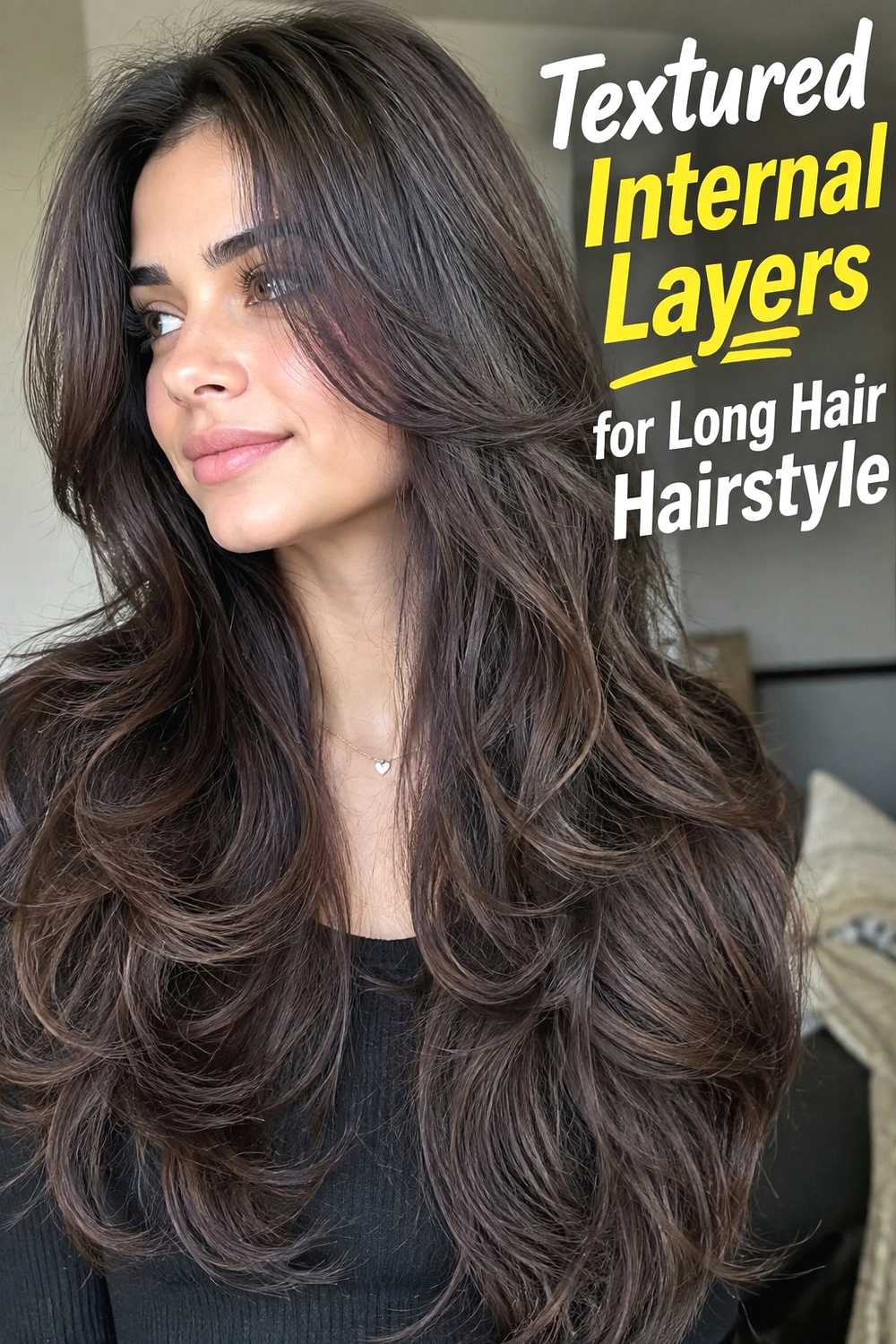
The Textured Internal Layers for Long Hair Hairstyle gives the surface a relaxed, separated finish while preserving a long, substantial perimeter. Hidden layers beneath the exterior allow individual sections to move more independently, making it easier to create irregular bends and soft strand separation without adding obvious short pieces on top. Naturally wavy hair can achieve the effect with minimal effort, while straighter hair may need a few loose iron bends through the mid-lengths. The texture should remain touchable and healthy-looking rather than overly matte. This version works especially well if you want long hair to feel lighter and more casual but still prefer a cohesive shape when the hair is worn smooth.
Styling Notes
Work a lightweight texture product through the mid-lengths and use your fingers to separate only a few sections.
Best For
Medium to thick hair with natural bend or soft wave can create this relaxed finish particularly easily.
15. U Shaped Long Hair With Internal Layers Hairstyle
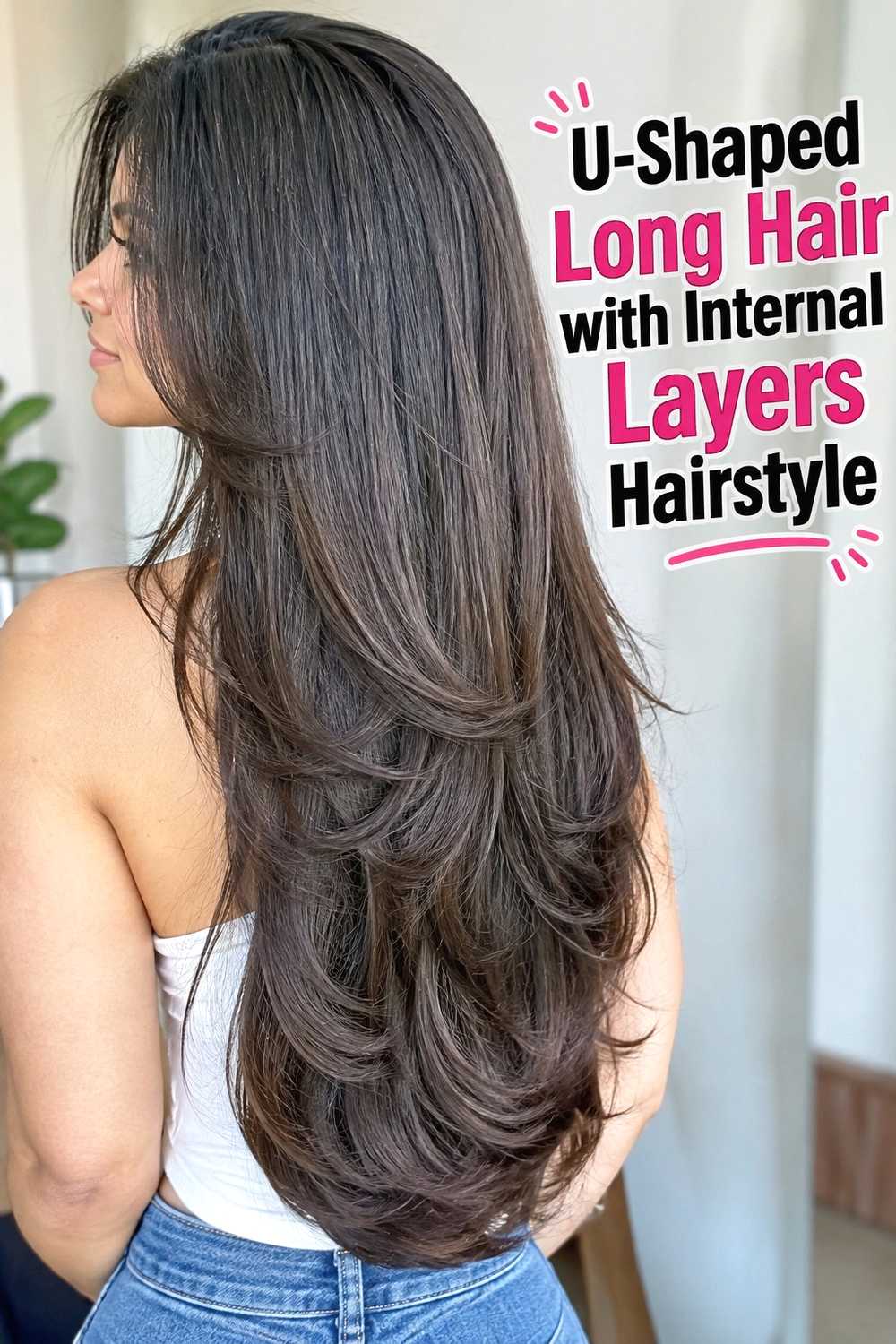
The U-Shaped Long Hair with Internal Layers Hairstyle combines hidden movement with a softly curved perimeter that appears longest through the center back and slightly shorter toward the sides. The U-shaped outline keeps the ends feeling substantial, while internal layers prevent the middle of the haircut from becoming excessively dense. This creates a balanced silhouette that looks especially fluid when styled with waves or a blowout. From the back, the shape remains clean and intentional, while movement appears through the interior rather than as obvious stepped sections. This version is a strong choice if you want long hair to retain a romantic, flowing outline while gaining enough internal structure to move more naturally.
Styling Notes
Style the internal sections with broad bends while keeping the perimeter smooth enough for the U-shape to remain visible.
Why It Works
The curved baseline preserves fullness while internal layers reduce bulk without disrupting the overall outline.
16. V Shaped Long Hair With Internal Layers Hairstyle
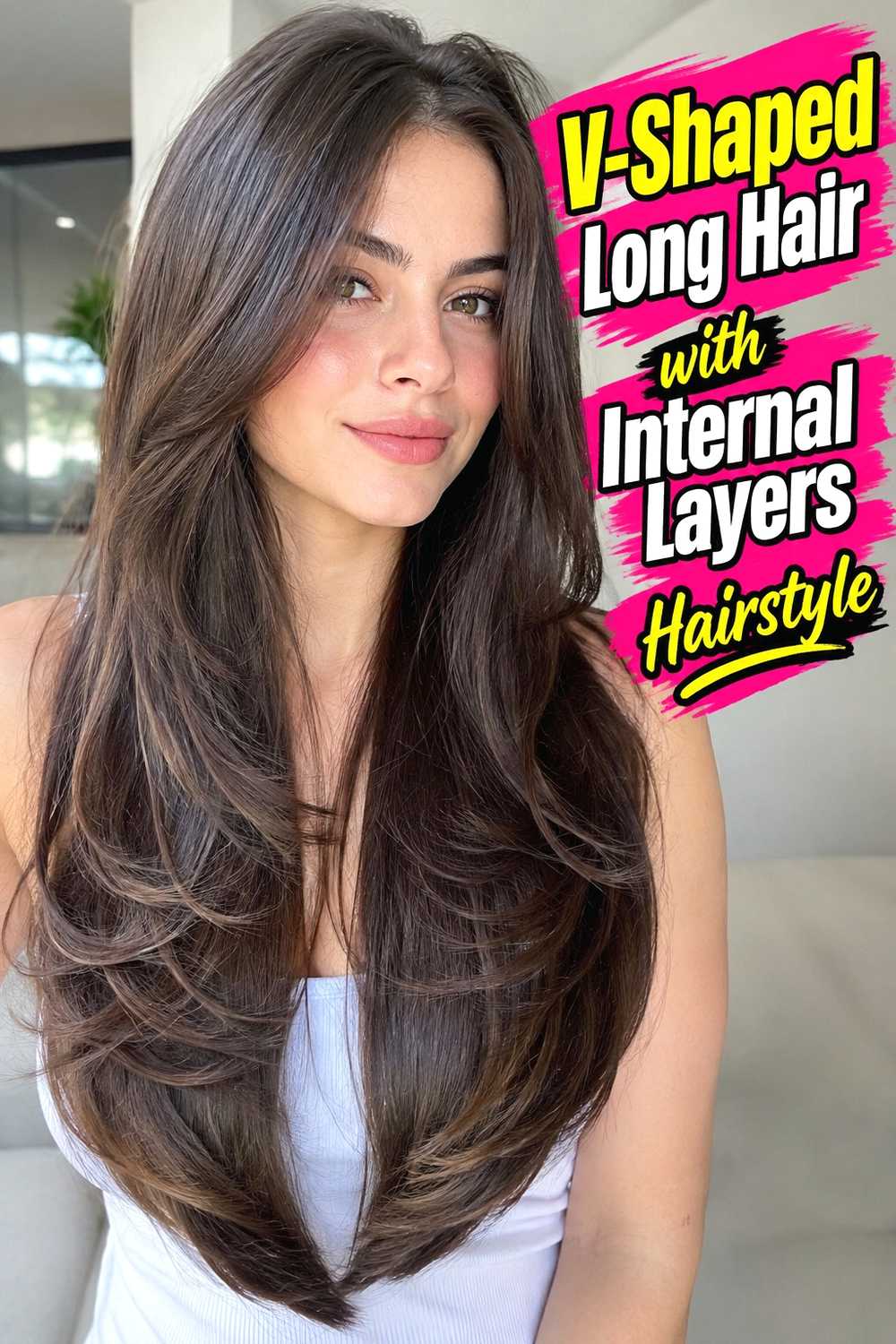
The V-Shaped Long Hair with Internal Layers Hairstyle creates a more tapered perimeter, with the longest point falling through the center back. Internal layering softens the transition from the shorter side sections into that longer central length, preventing the haircut from feeling too heavy through the lower half. This silhouette can make long hair look especially flowing from behind, while hidden layers add movement when the hair is waved or blown out. The V shape tends to look more dramatic than a rounded perimeter, so preserving enough density through the center is important. Strategic internal movement helps the haircut feel lighter without weakening the distinctive tapered outline that makes this version visually different.
Hair Type & Length
Long medium-to-thick hair usually provides enough density to support both a V-shaped perimeter and internal layering.
Wear & Maintenance
Regular trims help keep the center point defined and prevent the outline from becoming uneven as it grows.
17. Feathered Internal Layers For Long Hair Hairstyle
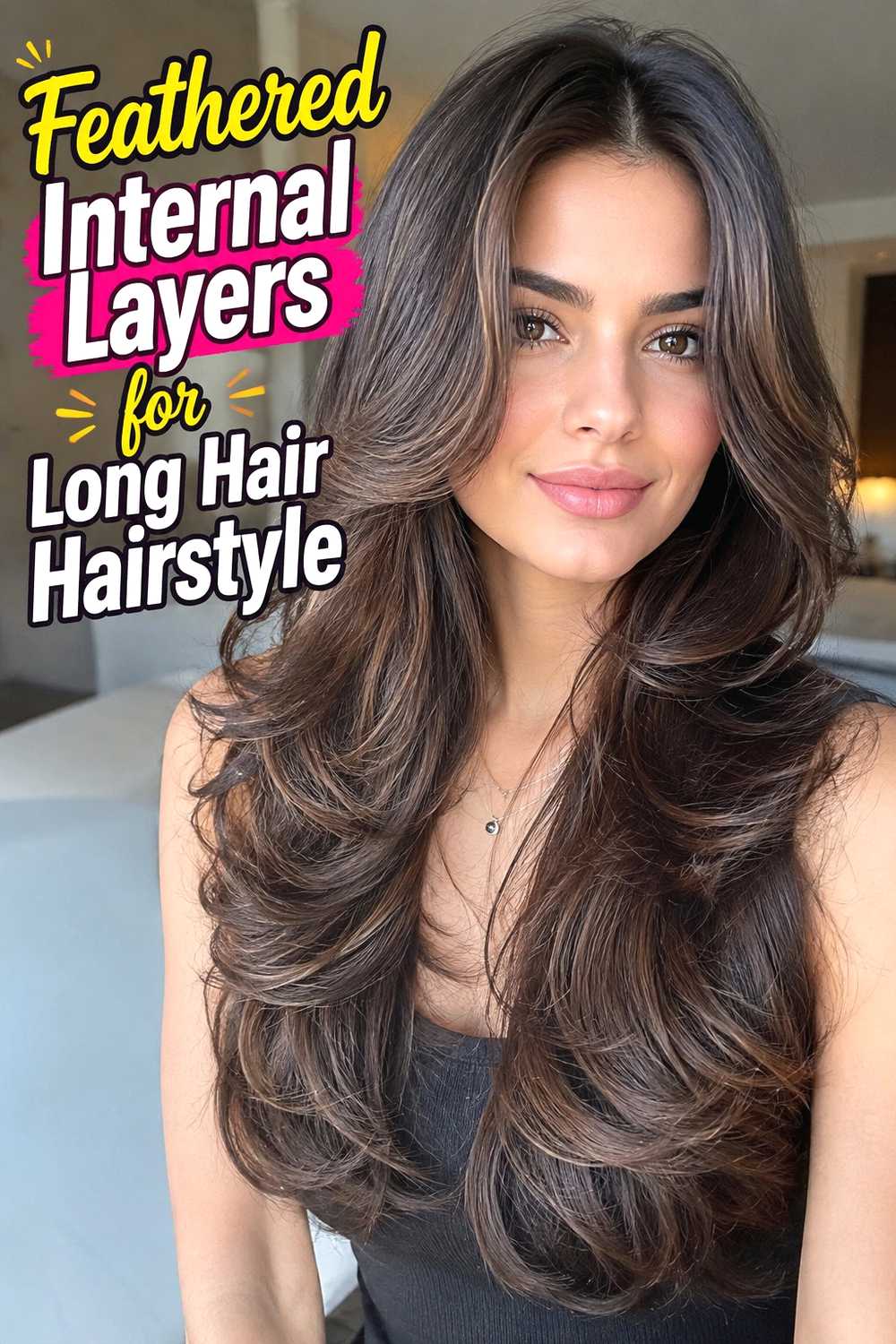
The Feathered Internal Layers for Long Hair Hairstyle adds a lighter surface effect while keeping the main layering integrated beneath the exterior. Selected sections around the front and sides can sweep softly away from the face, creating feathered movement without turning the entire haircut into a heavily layered style. The internal structure underneath helps support those outward bends and prevents the long lengths from falling flat. A blowout highlights the effect most clearly, though natural waves can produce a softer version. Keeping the feathering broad rather than overly thin makes the style feel modern and substantial. The perimeter should still retain enough weight to balance the movement through the upper and middle lengths.
Styling Notes
Use a round brush to direct selected front and side sections outward, allowing the rest of the hair to fall in softer curves.
Pro Tip
Keep the feathering focused around visible areas rather than heavily texturizing the entire perimeter.
18. Polished Internal Layers For Long Hair Hairstyle
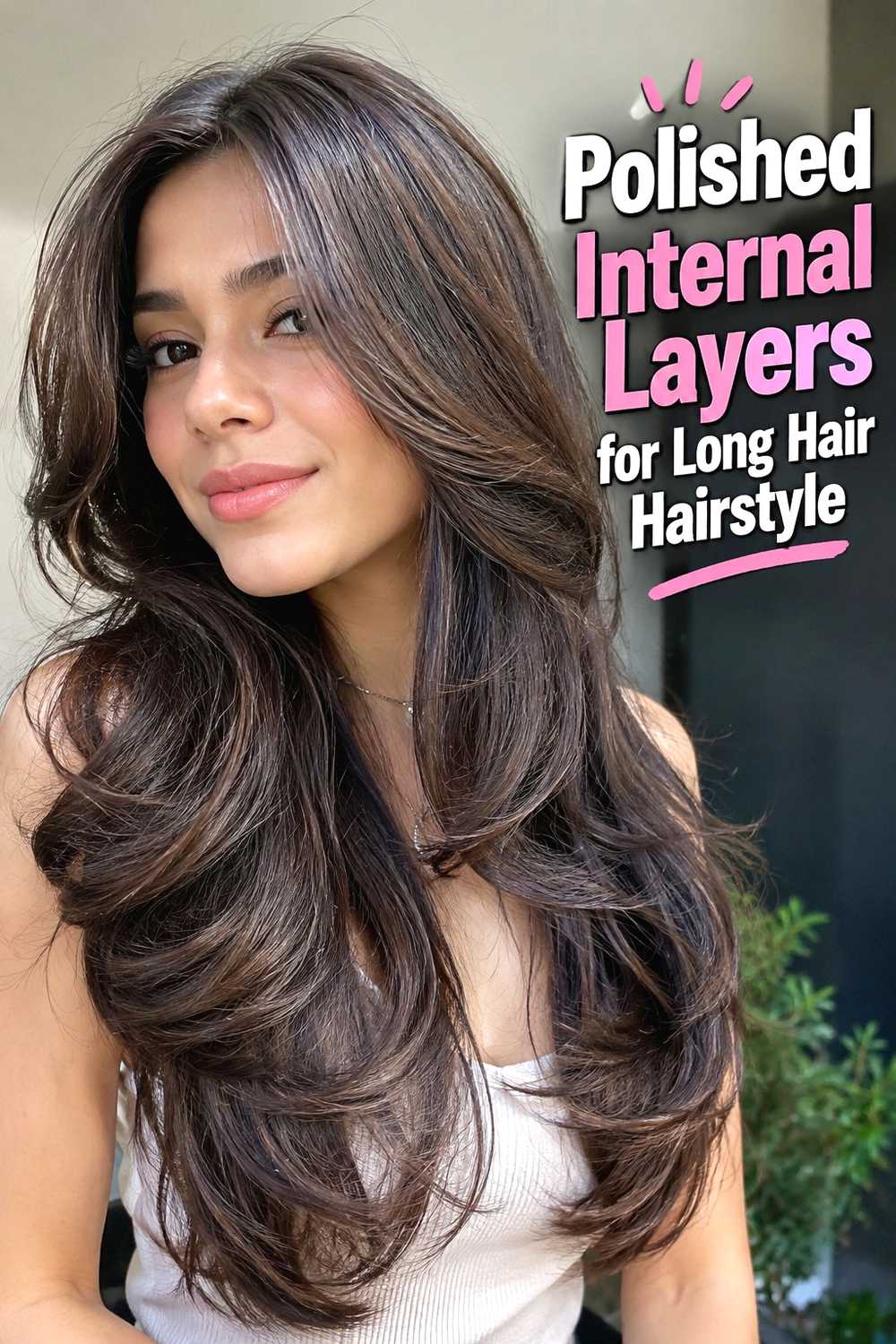
The Polished Internal Layers for Long Hair Hairstyle combines smoothness, controlled movement, and substantial long ends. The hidden layers create enough flexibility for the hair to bend and flow, but the exterior remains neat and cohesive. A careful blow-dry can add subtle root lift, soften the mid-lengths, and leave the perimeter sleek without flattening the haircut completely. This style works especially well when you want the benefits of layering without seeing obvious shorter pieces from the surface. Natural strand detail and flexible movement keep the polish believable rather than overly rigid. It can transition easily between everyday wear and more formal styling because the structure remains understated and refined.
Styling Notes
Create most of the smoothness during blow-drying, then finish the lower lengths with a small amount of lightweight serum.
Best For
Straight, wavy, medium, and thick hair can all adapt to this polished approach when the internal layering is adjusted appropriately.
19. Airy Internal Layers For Long Hair Hairstyle
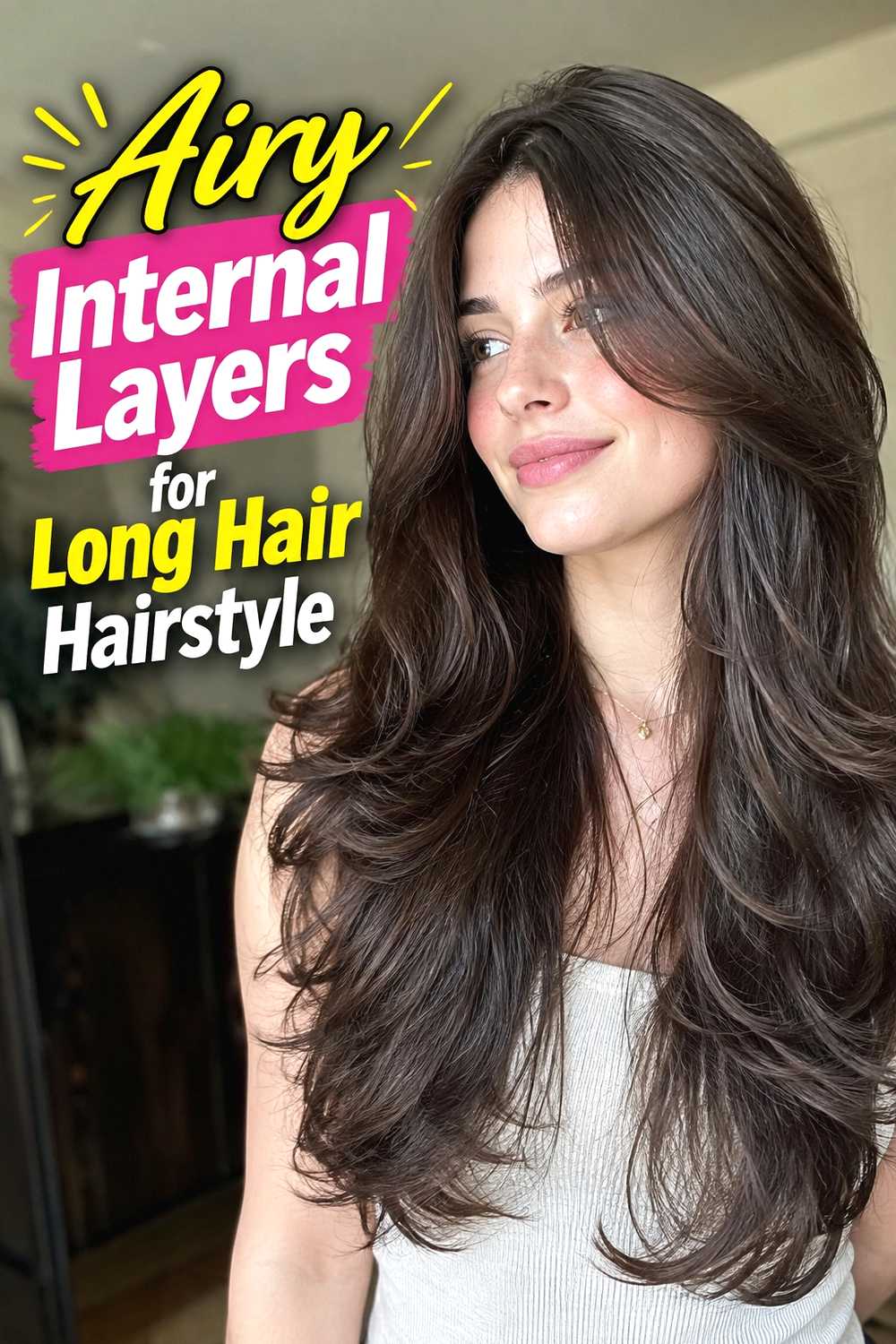
The Airy Internal Layers for Long Hair Hairstyle is designed to make long hair feel lighter without losing its flowing silhouette. Concealed shorter sections through the crown, sides, and mid-lengths create space between layers, allowing the hair to lift and separate more naturally when styled. The ends remain full, so the overall haircut still looks long and substantial rather than thinned out. A soft blowout, natural wave, or loose bend can reveal the airy structure especially well. This version works best when the internal layers are blended gradually, creating movement that appears effortless rather than choppy. The result is a flexible long haircut with subtle volume, believable texture, and plenty of natural flow.
Styling Notes
Use lightweight products and broad brushwork or loose waves to emphasize movement without forcing the layers into rigid shapes.
Why It Works
Hidden spacing between sections creates softness and lift while preserving the visual density of long hair.
How to Choose the Right Look
Start with density. Thick hair can usually support stronger internal weight removal, especially if the lengths feel bulky or difficult to style. Fine hair needs much more restraint, with longer hidden layers and a strong perimeter to maintain visible fullness.
Texture is equally important. Wavy and curly hair often reveals internal layers naturally because removing hidden weight gives bends and curls more room to move. Straighter hair can show the effect through blowouts, soft bends, or subtle root lift while still looking sleek when worn smooth.
Then consider perimeter shape and front styling. U-shaped cuts create a softer rounded outline, while V-shaped cuts feel more tapered. Curtain bangs, wispy fringe, and face-framing pieces make the change more noticeable around the face. If low maintenance matters most, keep the front longer and let the internal shaping do the work underneath.
Final Thoughts
Internal layer haircuts are useful when long hair needs movement, lift, or less bulk without sacrificing length and density. The technique can be adapted for straight, wavy, curly, fine, or thick hair by changing the depth and placement of the hidden sections. The best result keeps the perimeter substantial while allowing the interior to move naturally and support the styling finish you wear most often.
FAQs
1. What are internal layers in long hair?
Internal layers are shorter sections cut beneath the surface of the hair to remove weight or create movement without producing strongly visible layered steps on the exterior.
2. Are internal layers good for thick long hair?
Yes. Strategic internal layers can redistribute bulk and help thick hair move more freely while allowing the perimeter to remain full.
3. Can fine long hair have internal layers?
Yes, but the layering should usually stay long and minimal so the ends do not lose too much density.
4. Do internal layers work with curls and waves?
Yes. They can give curls and waves more space to form and reduce excess weight, although the placement should account for natural shrinkage and texture.
5. How do you style internal layers in long hair?
A round-brush blowout highlights lift and movement, while loose waves, diffusing, or natural air-drying can reveal the hidden structure without creating obvious layer lines.
Save your favorite internal layer hairstyle for long hair, share it for insp