18 Late-Winter Museum Outing Hairstyles With Trench Coats
Soft layers, polished ponytails, and gallery-ready texture make these late-winter hairstyles an elegant match for classic trench coats and museum afternoons.
A museum outing in late winter calls for hair that transitions easily between chilly sidewalks, coat collars, indoor heating, and hours of walking through galleries. A trench coat already brings clean lines and timeless structure, so hairstyles with controlled movement, soft texture, or neat placement tend to create the most balanced look.
The best choice depends on your hair length, natural texture, coat neckline, and how much restyling you want during the day. Short cuts stay clear of collars, while ponytails, braids, and low gathers control longer lengths. If you prefer wearing your hair down, strategic layers, tucks, or broad waves can keep the silhouette polished without feeling overly formal.
Quick List
- Polished Low Ponytail Hairstyle
- Soft French Bob Hairstyle
- Side Part Museum Waves Hairstyle
- Sleek Tucked Lob Hairstyle
- Loose Low Chignon Hairstyle
- Curtain Bang Blowout Hairstyle
- Textured Claw Clip Twist Hairstyle
- Natural Curls With Side Pins Hairstyle
- Soft Half Up Barrette Hairstyle
- Brushed Out Vintage Waves Hairstyle
- Braided Low Ponytail Hairstyle
- Feathered Pixie Hairstyle
- Center Part Collarbone Layers Hairstyle
- Coily Low Puff Hairstyle
- Loose Rope Braid Hairstyle
- Soft Shag Hairstyle
- Polished Low Knot Hairstyle
- Tucked Behind Ear Waves Hairstyle
1. Polished Low Ponytail Hairstyle
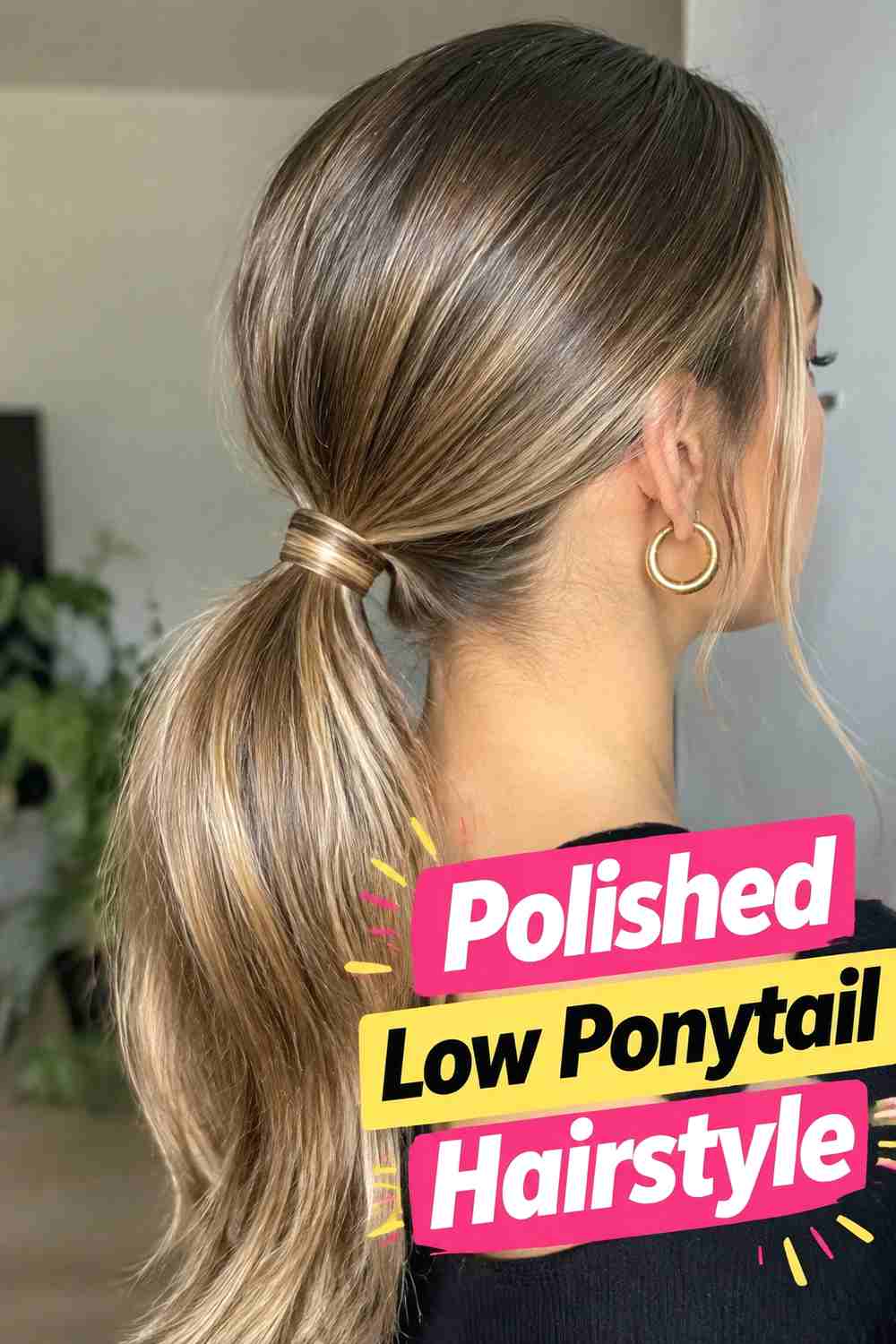
A polished low ponytail feels perfectly suited to a museum afternoon because it is neat, comfortable, and easy to wear with a trench coat. Position the ponytail close to the nape so it sits cleanly below the coat collar rather than creating bulk behind the neck. Keep the crown smooth but not severely slicked, allowing a little natural softness to preserve a daytime feel. The tail can stay straight, softly curved, or lightly waved depending on your texture. Wrapping a narrow strand around the elastic adds refinement without making the style look formal. It also keeps long hair controlled while walking through galleries, cafés, and coat-check areas.
Styling Notes
Brush the hair toward the nape and use a small amount of lightweight smoothing cream to control flyaways without creating a rigid surface.
Best For
Medium to long straight, wavy, or lightly textured hair works especially well with this simple low placement.
2. Soft French Bob Hairstyle

A soft French bob gives a trench-coat outfit a subtle artistic quality that feels naturally at home in a museum setting. Keep the length around the jaw or slightly below, with a little texture through the perimeter instead of an ultra-sharp finish. Gentle bends through selected sections add movement while preventing the cut from looking overly styled. A light fringe can introduce more softness, though a center or side part works equally well. Because the bob sits above most trench collars, it avoids the flattening that longer hair can experience during a late-winter outing. The compact shape also transitions easily from windy streets to warm galleries with minimal adjustment.
Styling Notes
Use a small amount of texture cream through the ends and shape only a few pieces rather than curling every section identically.
Why It Works
The short silhouette keeps the trench neckline visible while the soft texture balances the coat’s clean tailoring.
3. Side Part Museum Waves Hairstyle
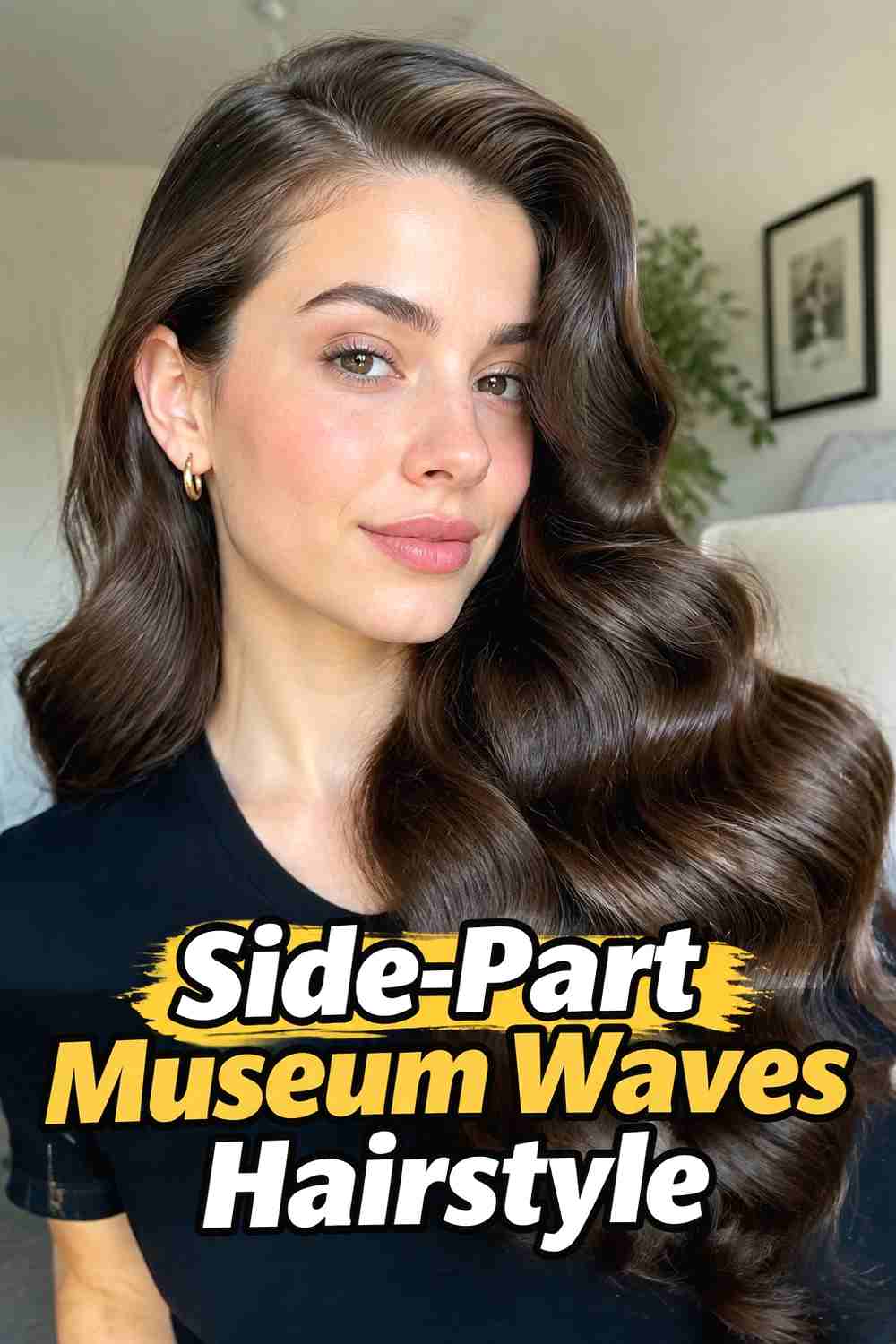
Side-part museum waves bring understated movement to a classic trench without making the outfit feel dressy. Create a slightly deeper side part, then shape broad bends through the mid-lengths and ends rather than tight curls. The fuller side can sweep away from the face, while the opposite side stays closer to the head or slips behind the ear. This asymmetry helps longer hair feel lighter around a trench collar and leaves space for earrings or a scarf. The waves should remain touchable and relaxed, especially if you will move between cold outdoor air and heated gallery rooms. A flexible finish lets the style recover naturally after removing a coat or hat.
Hair Type & Length
Shoulder-length and longer hair gives the side-parted wave pattern enough room to remain visible over the coat.
Pro Tip
Let the waves cool fully, then loosen them with your fingers rather than brushing them into a highly polished pattern.
4. Sleek Tucked Lob Hairstyle
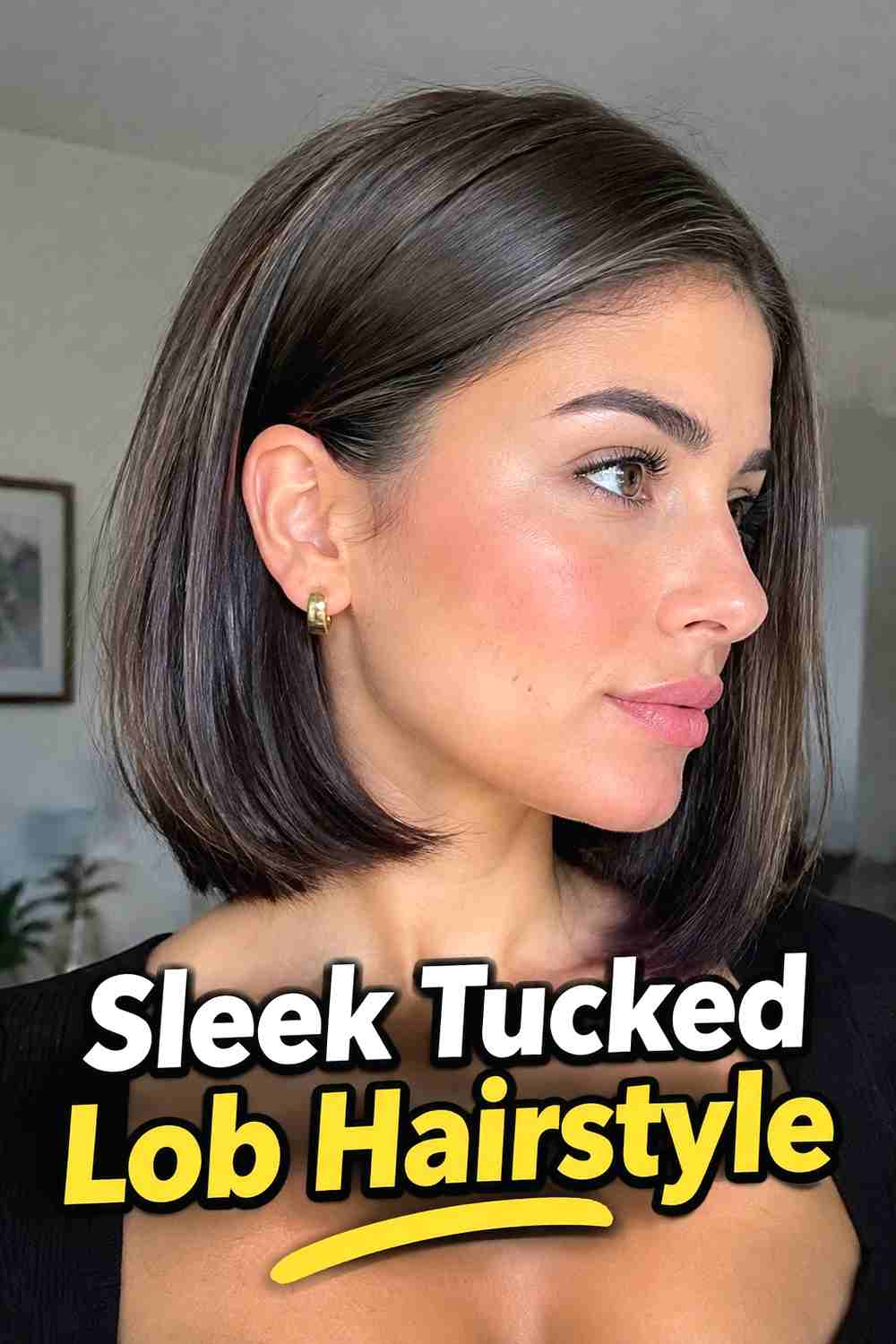
A sleek tucked lob creates a clean, gallery-ready silhouette that complements the architectural lines of a trench coat. Keep the length between the jaw and collarbone, with the surface smooth and the ends softly controlled. Tuck one or both sides behind the ears to reveal more of the face and prevent the front sections from becoming crowded around the coat lapels. This style is especially practical if you plan to use a shoulder bag, since the shorter lengths are less likely to catch beneath straps. The finish can be straight or lightly curved inward, but avoid excessive shine; a healthy polished surface looks more natural for daytime.
Styling Notes
Smooth the lengths first, then make the tuck so the ends sit deliberately rather than bending awkwardly behind the ears.
Wear & Maintenance
A small discreet pin behind the ear can help keep one side in place if the outdoor weather is breezy.
5. Loose Low Chignon Hairstyle
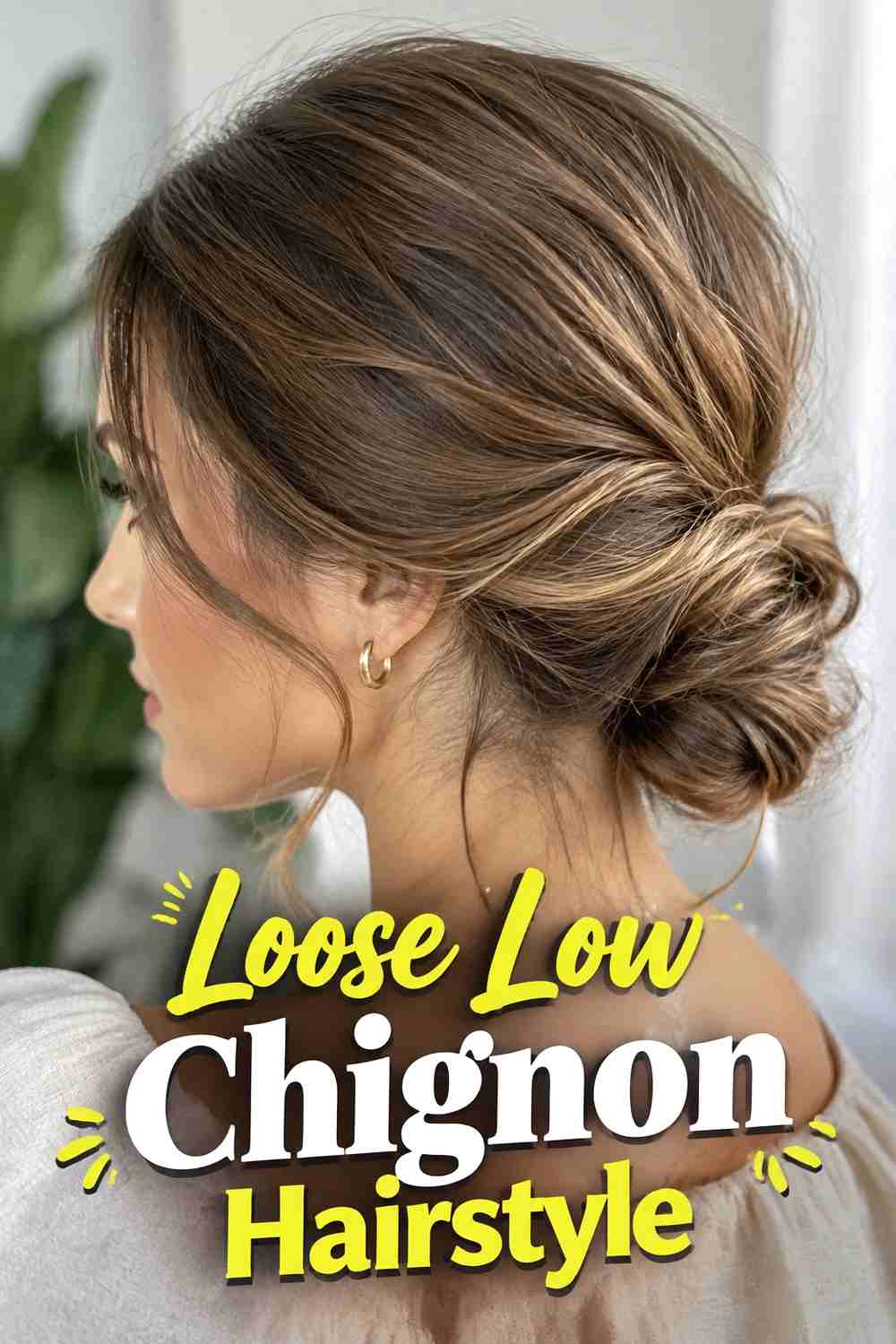
A loose low chignon has enough elegance for an art-focused outing while remaining comfortable for several hours of walking. Gather the hair near the nape and form a softly rounded chignon, leaving a little natural lift through the crown. A few fine strands around the temples can soften the style, but keep them restrained if wind or damp weather is likely. The low placement works beautifully with open trench lapels because it leaves the neckline uncluttered and keeps longer hair off the coat. Avoid positioning the bun directly against a thick scarf or raised collar, since constant friction can gradually loosen pins during the day.
Styling Notes
Secure a low ponytail first and build the chignon around it for better stability without making the finished shape look tight.
Why It Works
The contained nape-level shape echoes the coat’s polish while adding softness around the face and crown.
6. Curtain Bang Blowout Hairstyle
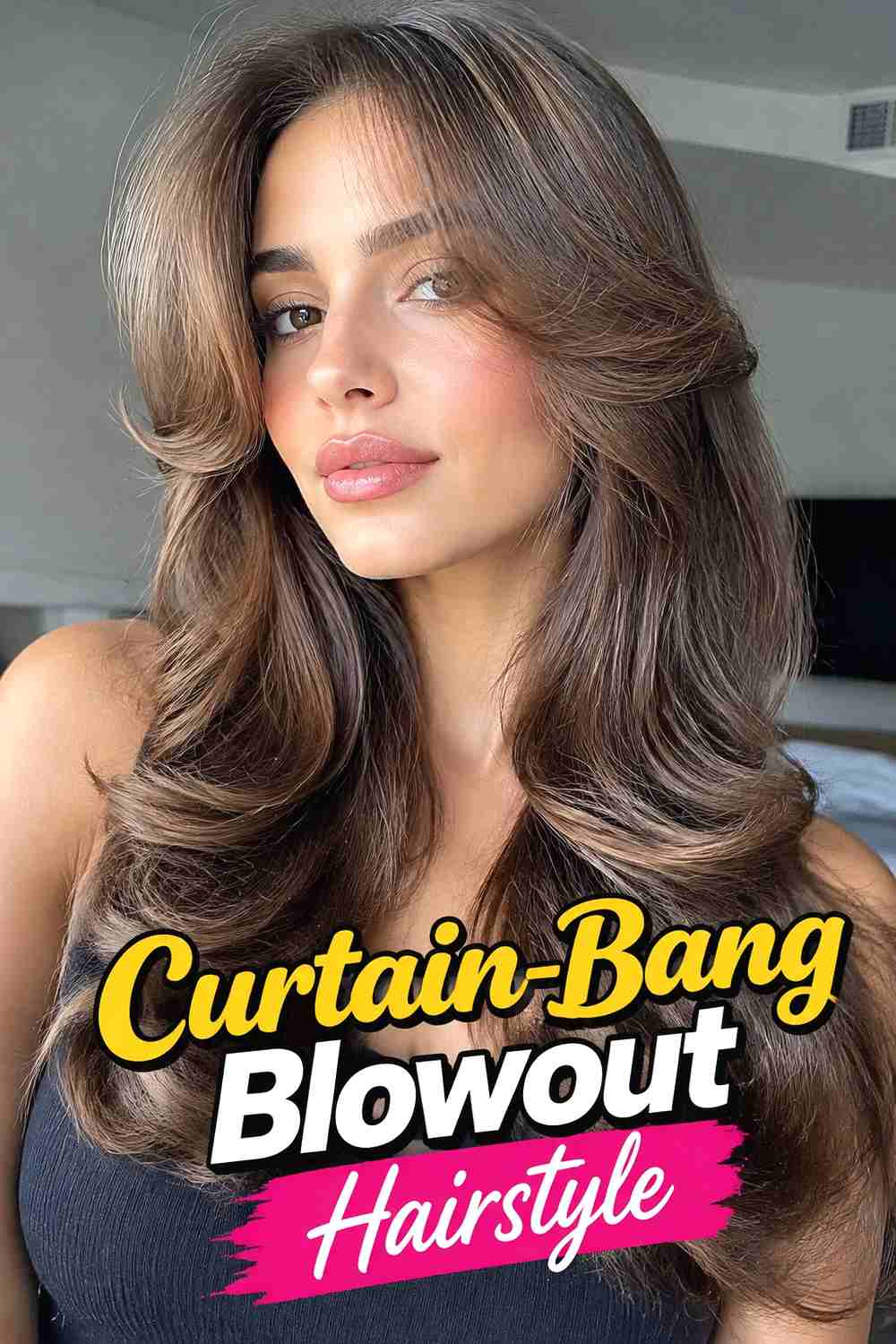
A curtain-bang blowout gives a museum outfit a polished, effortless finish without relying on elaborate curls. Let the fringe separate naturally near the center and curve away from the cheekbones, then create broad movement through the rest of the hair. Keep the volume controlled at the crown so it does not compete with a trench collar or scarf. The longer sections can bend inward or outward near the shoulders, adding dimension when the coat is open. This hairstyle is especially effective for late winter because the front pieces stay visually defined even when heavier outerwear surrounds the neckline. A light touch of flexible hold keeps everything soft enough to reshape indoors.
Styling Notes
Style the curtain bangs first with a round brush, then use larger sections through the remaining lengths for a softer finish.
Best For
Medium to long layered hair gives the curtain pieces enough space to blend naturally into the blowout.
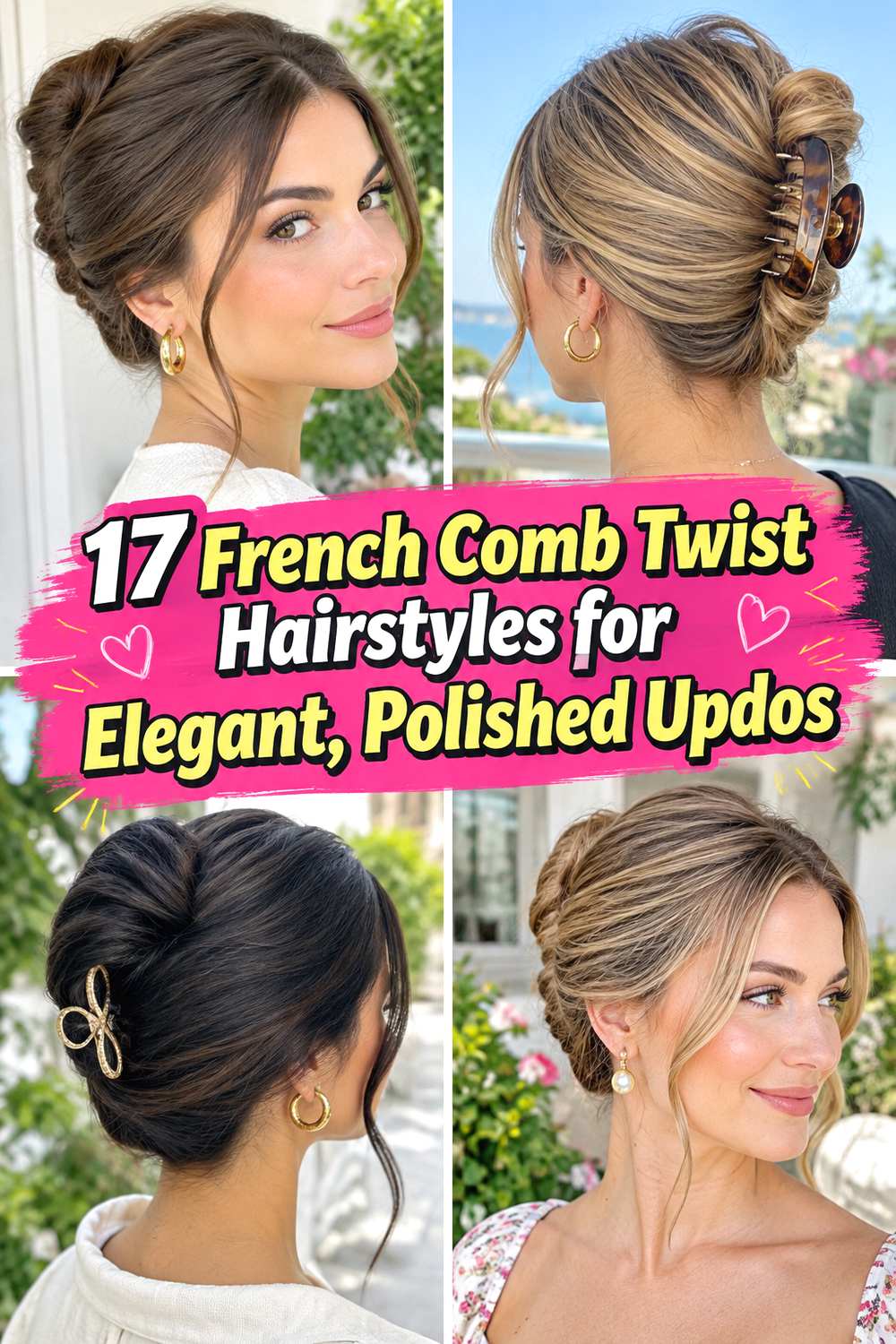
7. Textured Claw Clip Twist Hairstyle
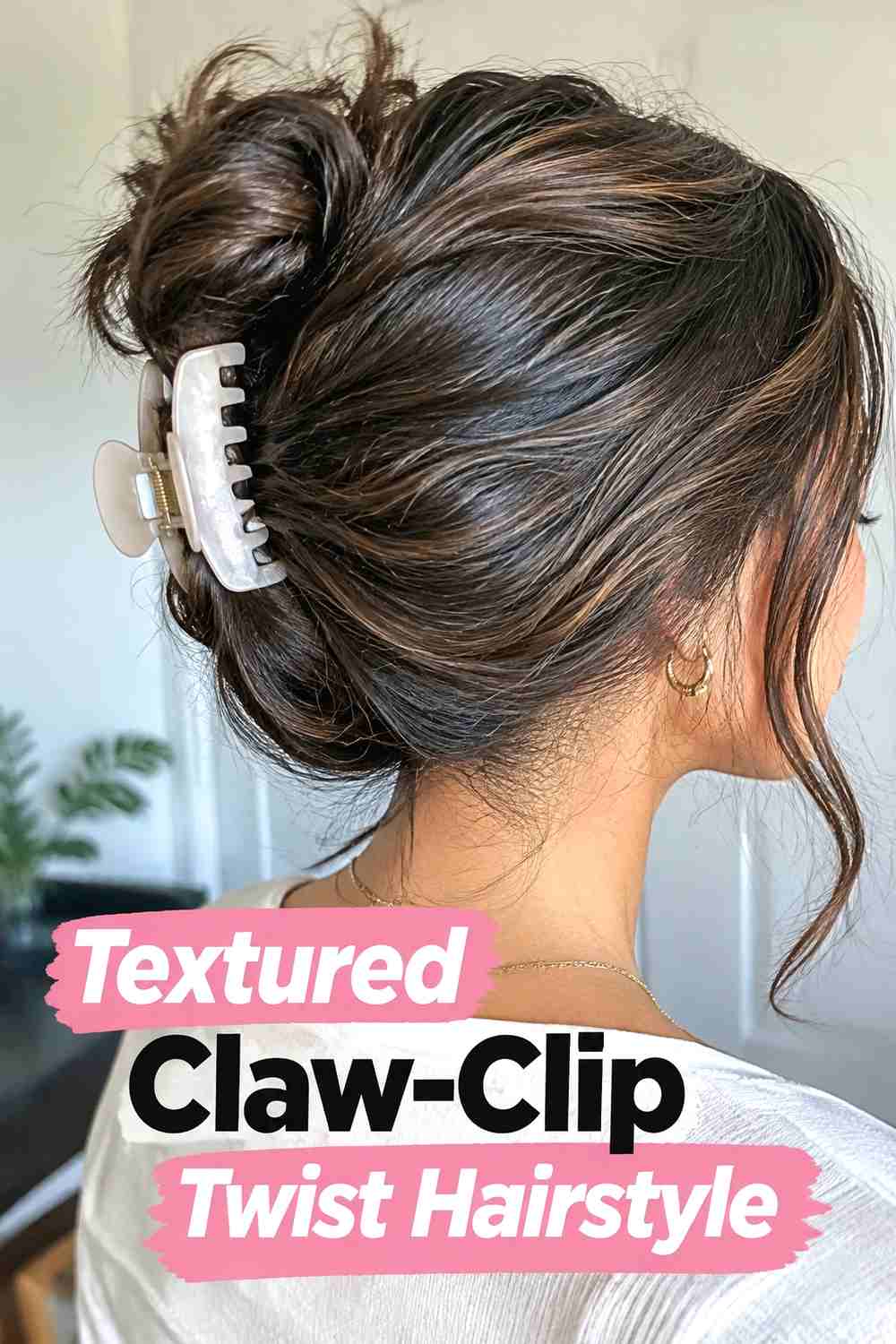
A textured claw-clip twist is useful for museum days when you want your hair off the shoulders but still prefer a relaxed finish. Gather the lengths loosely at the back, twist them upward, and secure them with a sturdy clip, leaving the ends softly exposed. Position the clip high enough that the trench collar does not push against it as you walk or sit. A tortoiseshell, matte black, or neutral clip works especially well with classic trench colors. Slight texture through the hair improves grip and keeps the twist from feeling too polished. It is also easy to undo and reset after lunch or a long gallery visit.
Wear & Maintenance
Choose a clip large enough for your hair density so the twist remains stable without relying on excessive tension.
Pro Tip
Add light texture to freshly washed hair before twisting if the lengths are too slippery to stay securely clipped.
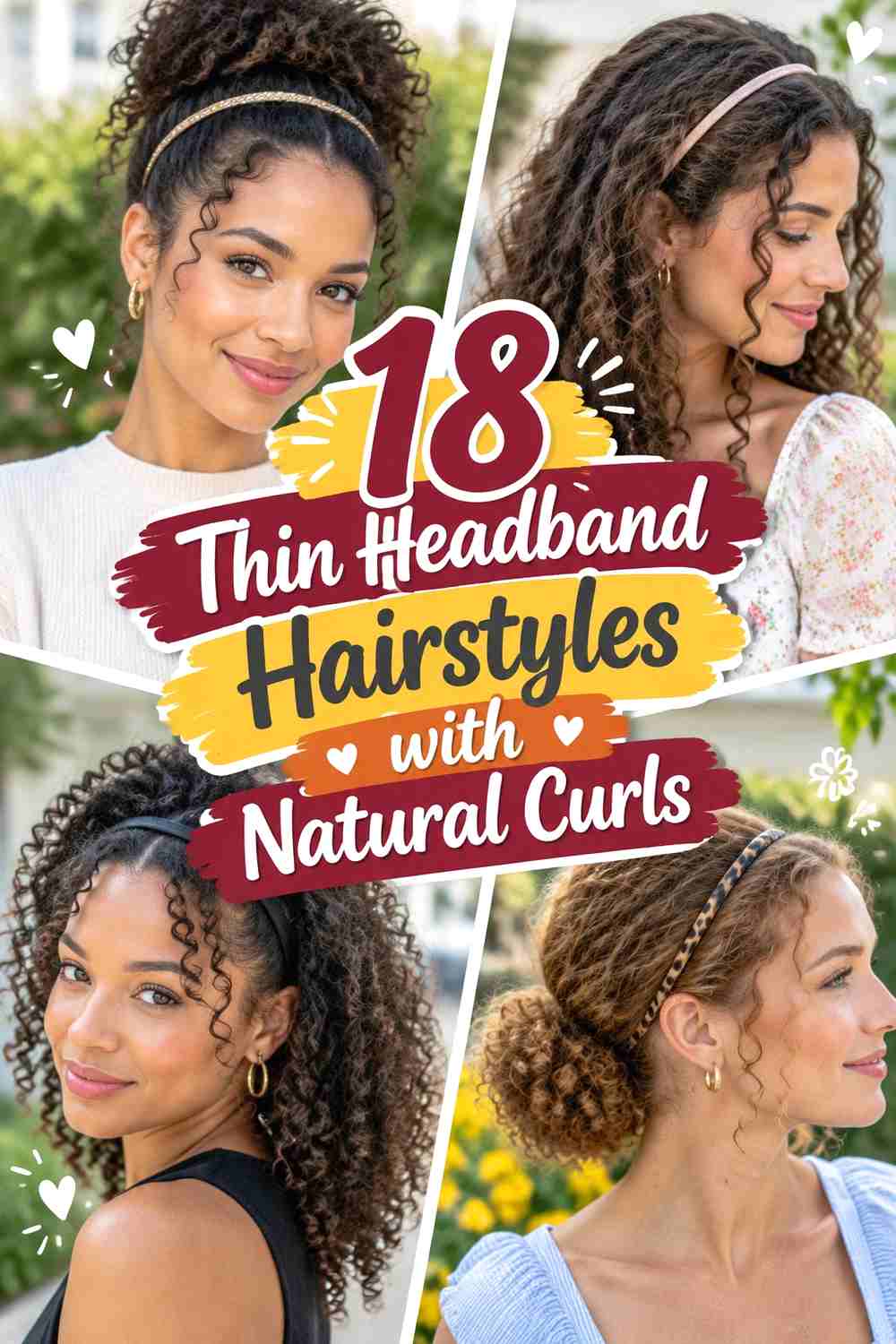
8. Natural Curls With Side Pins Hairstyle
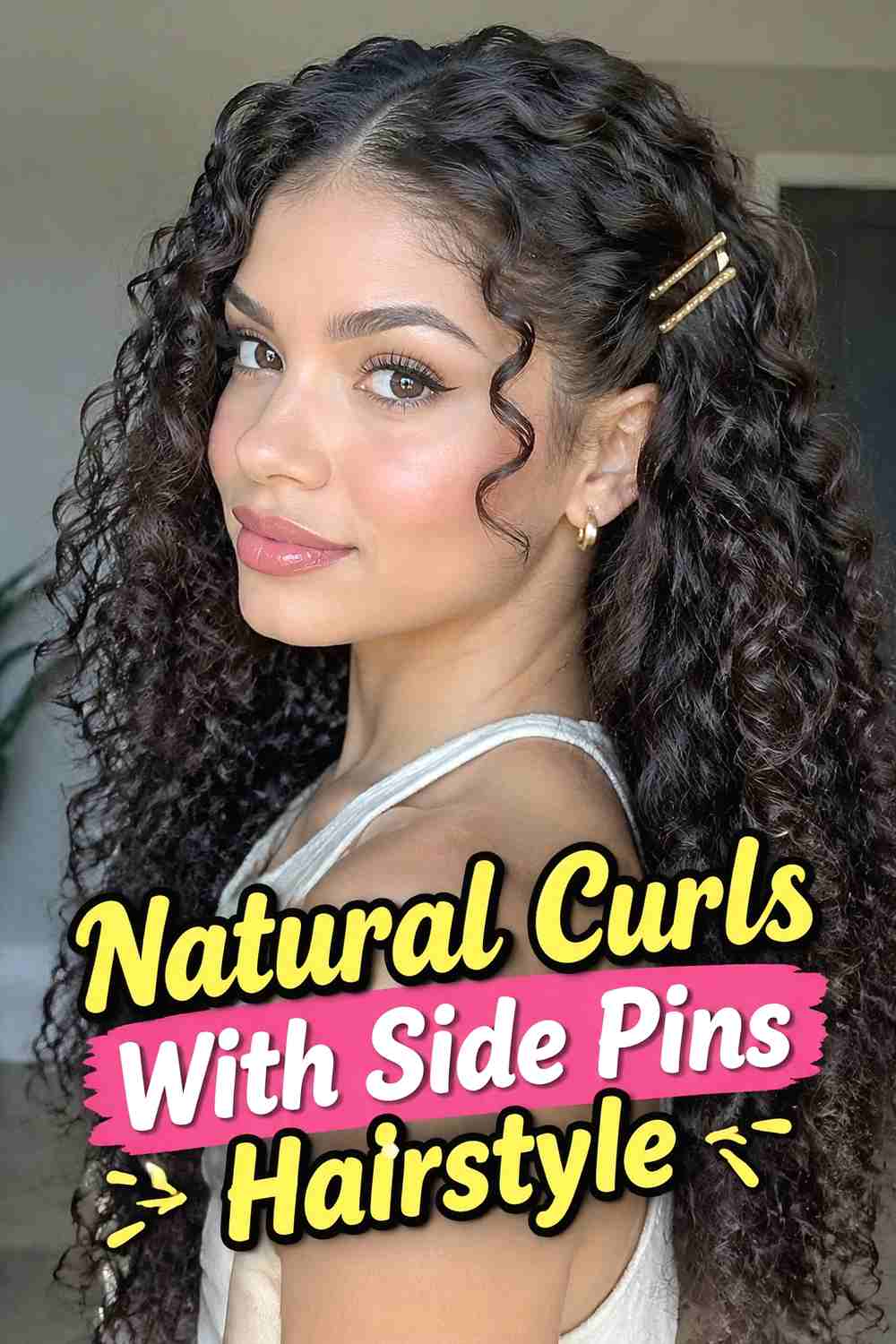
Natural curls with side pins create a practical way to preserve volume while keeping the face open inside warm museum spaces. Let most of the curl pattern remain loose, then secure one side above the ear with a few simple pins. This asymmetry keeps some texture away from trench lapels while allowing the other side to stay full and expressive. The pinned section can also make earrings or a high coat collar more visible without requiring a full updo. Keep the curls flexible rather than heavily set so they can recover if a scarf or hood compresses a few sections during the walk to the museum.
Styling Notes
Choose pins with enough grip for your density and insert them without stretching or flattening the surrounding curl pattern.
Wear & Maintenance
After removing outerwear, reshape only compressed curls with your fingers instead of disturbing the entire style.
9. Soft Half Up Barrette Hairstyle
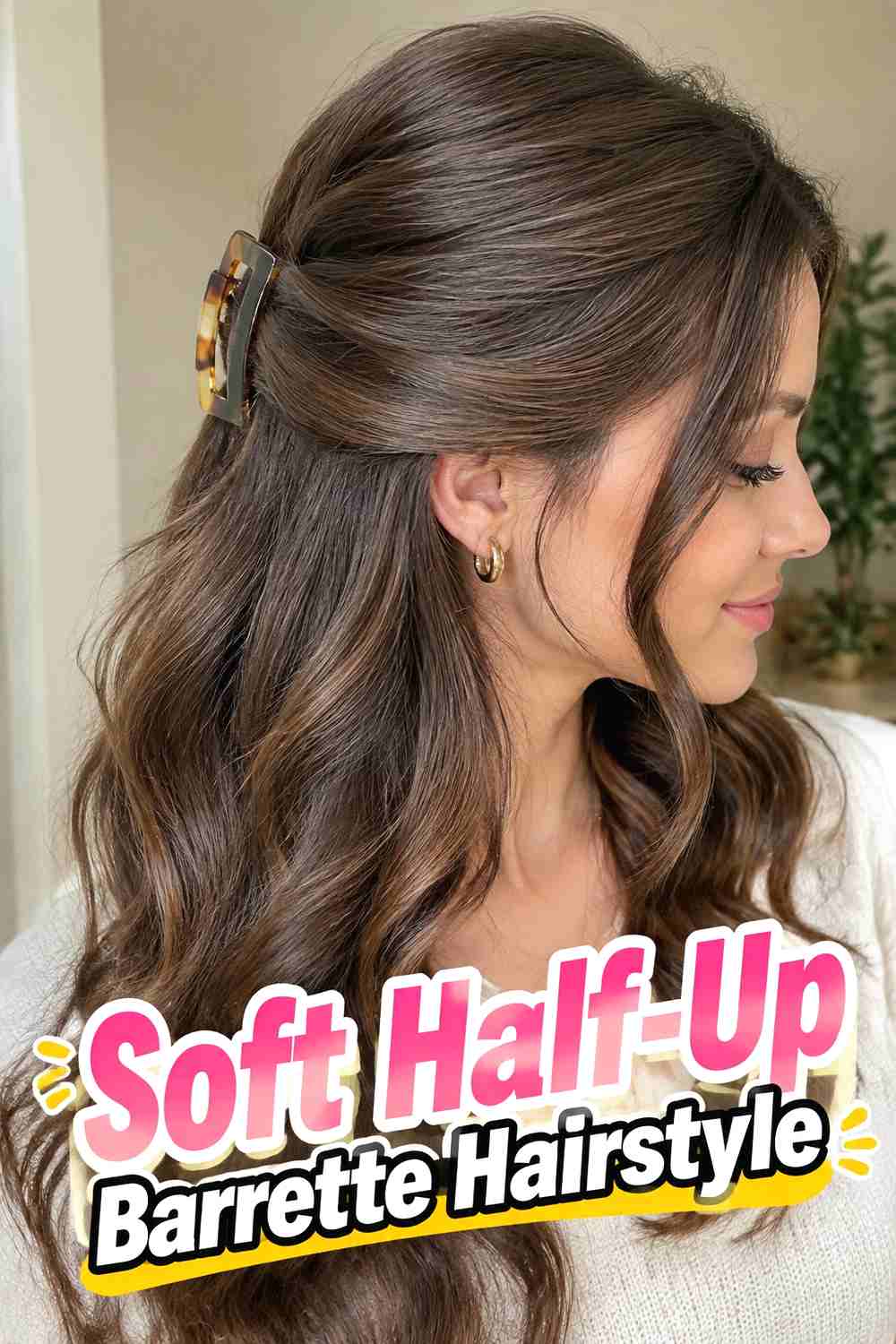
A soft half-up barrette style feels polished enough for a museum date or solo gallery afternoon while keeping plenty of natural movement through the lengths. Take sections from around the temples and secure them at the back with a slim barrette, allowing the lower hair to remain straight, waved, or naturally textured. A brushed-metal, tortoiseshell, or understated pearl-effect barrette can add a refined accent without competing with the trench. Keep the upper section slightly loose rather than pulling it flat against the scalp. This creates a softer profile and makes the hairstyle more comfortable if you need to wear a scarf during the outdoor portion of the outing.
Best For
Medium and long hair provides enough length for the half-up section while preserving visible movement through the back.
Styling Notes
Secure the hair with a small elastic underneath first if your barrette is decorative and does not provide enough hold on its own.
10. Brushed Out Vintage Waves Hairstyle
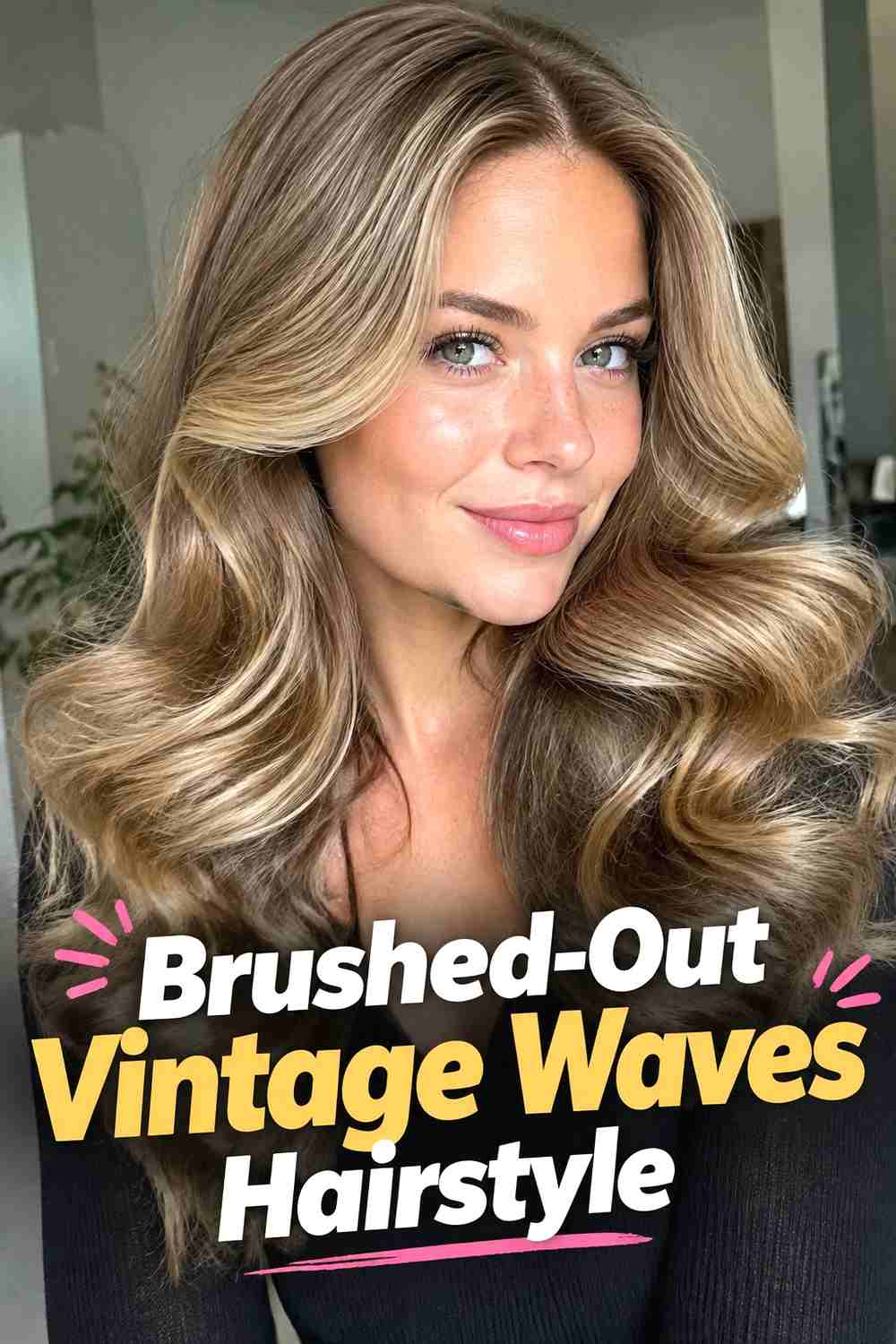
Brushed-out vintage waves bring a subtle retro mood that pairs beautifully with a classic trench coat and museum setting. Start with larger curls, allow them to cool fully, then brush them into broad connected waves rather than leaving individual ringlets. A side part can enhance the vintage influence, though keeping the crown natural prevents the style from feeling costume-like. Shoulder-length and longer hair shows the pattern most clearly, especially when the lengths are arranged outside the trench collar. This hairstyle has enough polish for a special exhibition or lunch reservation but still feels appropriate during the day when the waves remain soft and touchable.
Styling Notes
Brush gradually from the ends upward until the curl pattern blends, then separate any sections that become too uniform.
Why It Works
The classic wave pattern echoes the timeless trench while the softer finish keeps the overall look modern.
11. Braided Low Ponytail Hairstyle
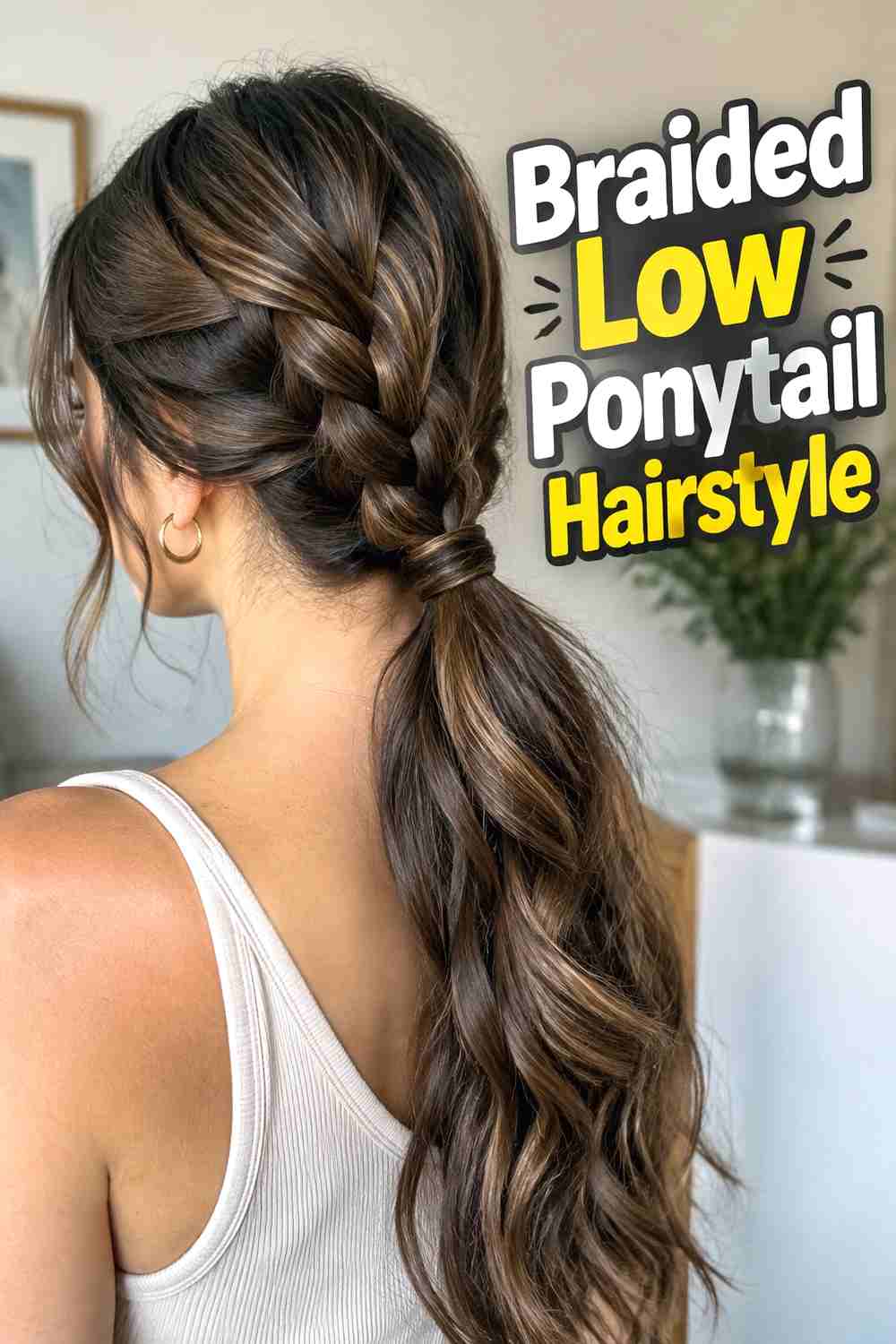
A braided low ponytail keeps longer hair neatly controlled through coat checks, gallery walking, and transitions between indoor and outdoor spaces. Begin with a ponytail at the nape, then braid the tail in a classic three-strand pattern. Keep the crown softly polished and loosen only the outer braid edges if you want a little more dimension. Because the style sits low and narrow, it works well with trench collars and crossbody bags without creating excessive bulk. It also reduces tangling on breezy late-winter streets. For a cleaner finish, wrap a small strand around the top elastic before starting the braid, leaving the overall result simple and understated.
Best For
Medium-long and long hair gives the braid enough length to remain visible below the nape without feeling bulky.
Wear & Maintenance
Secure the bottom with a small elastic and avoid over-loosening the braid if you want dependable all-afternoon hold.
12. Feathered Pixie Hairstyle
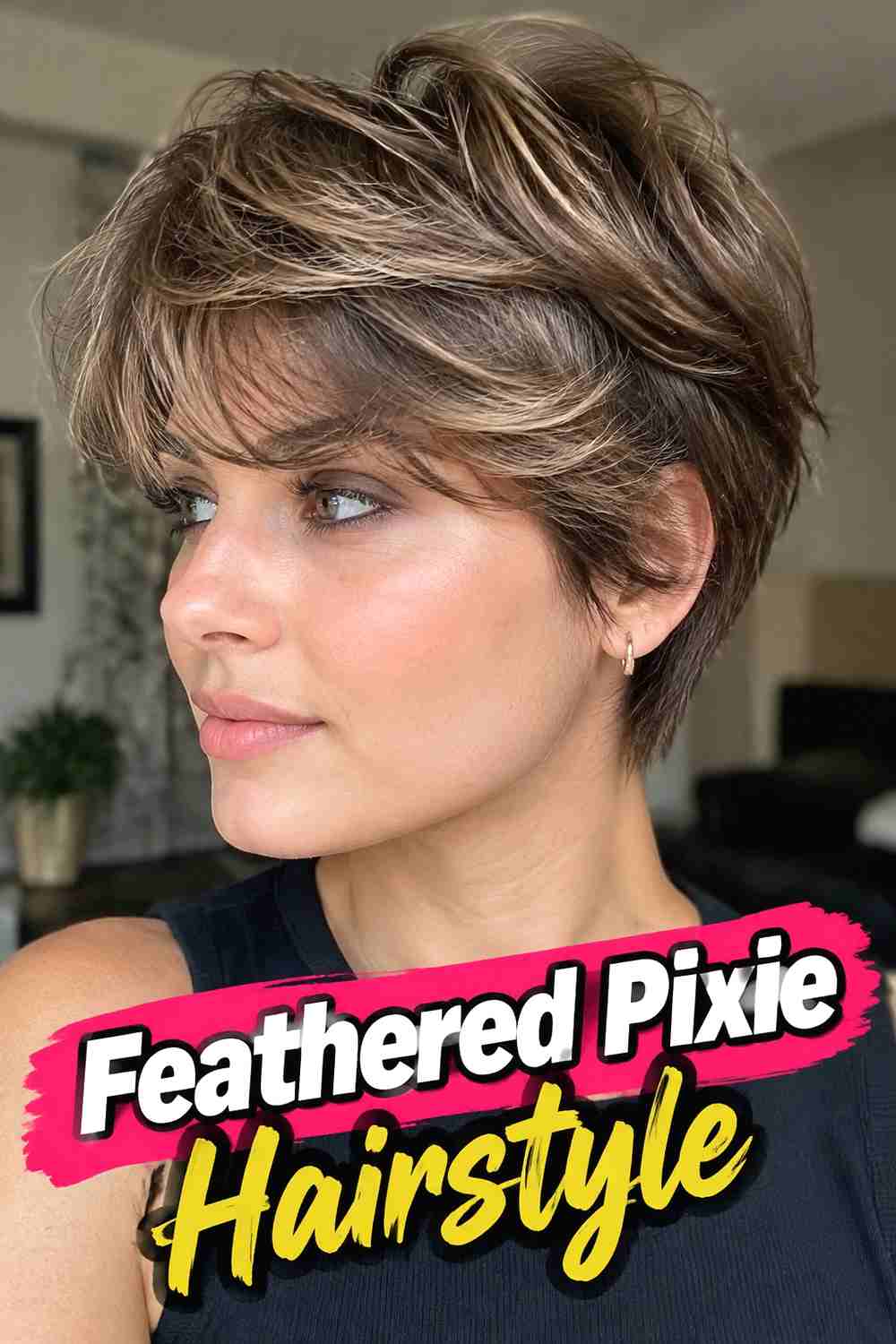
A feathered pixie is especially practical for museum outings because it remains completely clear of trench collars, scarves, and bag straps. Keep the sides relatively neat while creating small, separated pieces through the crown and fringe. A little lift prevents the cut from looking flat after outdoor weather, but the texture should remain flexible enough to reset with your fingers once indoors. The short silhouette also allows dramatic trench lapels, statement earrings, and scarves to remain fully visible. Rather than coating the hair in glossy product, use a tiny amount of lightweight cream or paste to define selected ends and preserve natural strand detail.
Styling Notes
Work product into the fingertips first, then touch only the sections that need extra separation or direction.
Why It Works
The compact cut reduces styling maintenance while its light texture keeps a structured trench outfit from feeling too severe.
13. Center Part Collarbone Layers Hairstyle
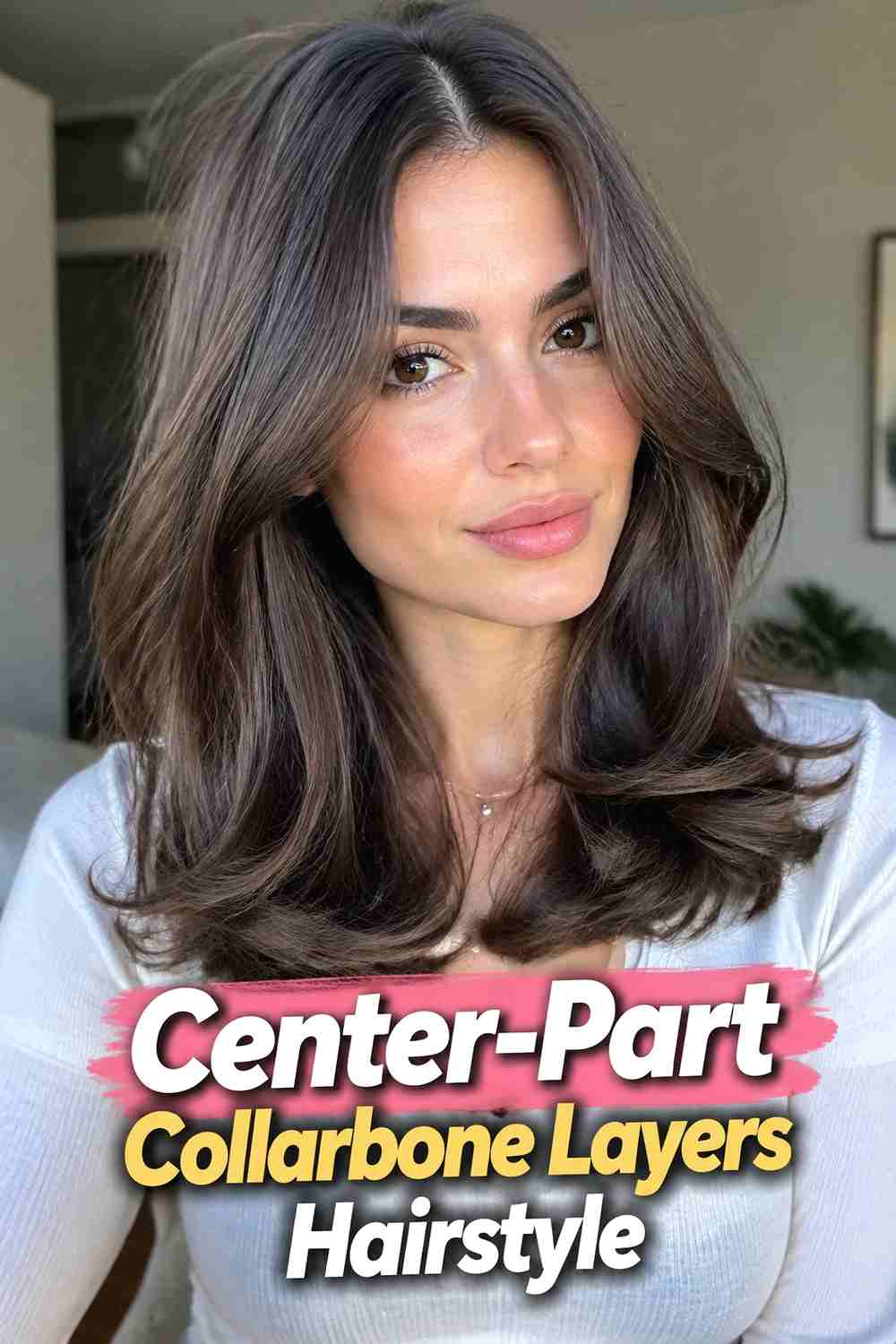
Center-part collarbone layers give medium-length hair a clean, balanced silhouette that works particularly well with trench coats. Keep the part precise but allow the front layers to curve softly away from the face, blending into longer pieces near the shoulders. The ends can bend slightly inward or outward depending on how they meet the coat collar. This length is versatile because it remains substantial enough to wear down yet short enough to avoid excessive tangling beneath bags and scarves. The symmetry of the center part also complements the straight vertical lines of a belted trench, while the layered movement prevents the overall look from becoming too rigid.
Hair Type & Length
Straight, wavy, and softly textured medium-length hair can all adapt well to this balanced layered shape.
Pro Tip
Arrange the lengths fully outside the trench collar before leaving so the ends retain their intended movement.
14. Coily Low Puff Hairstyle
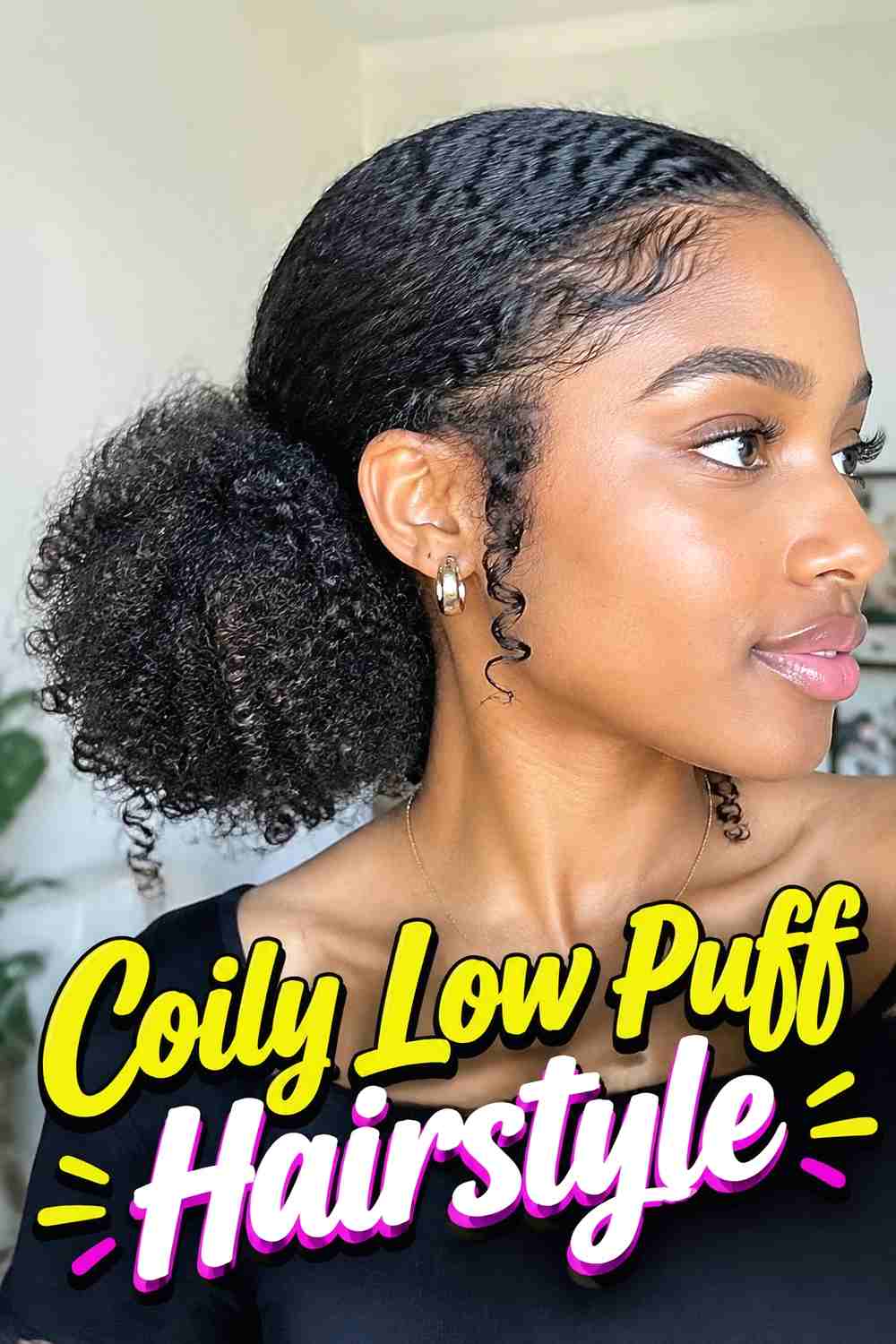
A coily low puff creates a soft gathered silhouette while allowing natural texture to remain the main feature. Bring the hair toward the lower back of the head using comfortable tension, then shape the puff gently with your fingers so the coils retain their natural variation. The lower placement works well with open trench collars and keeps the crown free if you need a hood or light hat outdoors. Avoid positioning the puff directly where a high collar presses against it; a small adjustment upward or downward can make the style significantly more comfortable. The result feels polished enough for a museum while still celebrating volume, texture, and movement.
Styling Notes
Secure the base comfortably and shape the puff afterward rather than compressing the coils tightly while gathering.
Wear & Maintenance
Check the puff placement with your trench on so the collar does not continuously rub against the gathered shape.
15. Loose Rope Braid Hairstyle

A loose rope braid provides a streamlined alternative to a traditional braid and looks especially polished with a belted trench. Gather the hair low, divide it into two sections, twist each section individually, then wrap them together in the opposite direction. Keep enough tension for the rope pattern to remain visible, but avoid twisting so tightly that the style feels stiff. The narrow shape reduces tangling while walking and sits comfortably against the back of most coats. If your trench has a higher collar, bring the braid over one shoulder so it stays visible and does not rub continuously against the fabric.
Styling Notes
Apply a little lightweight styling cream through flyaway-prone lengths before twisting to keep the rope pattern defined.
Best For
Medium-long and long hair provides enough length for the twist to form a clear, attractive rope silhouette.
16. Soft Shag Hairstyle
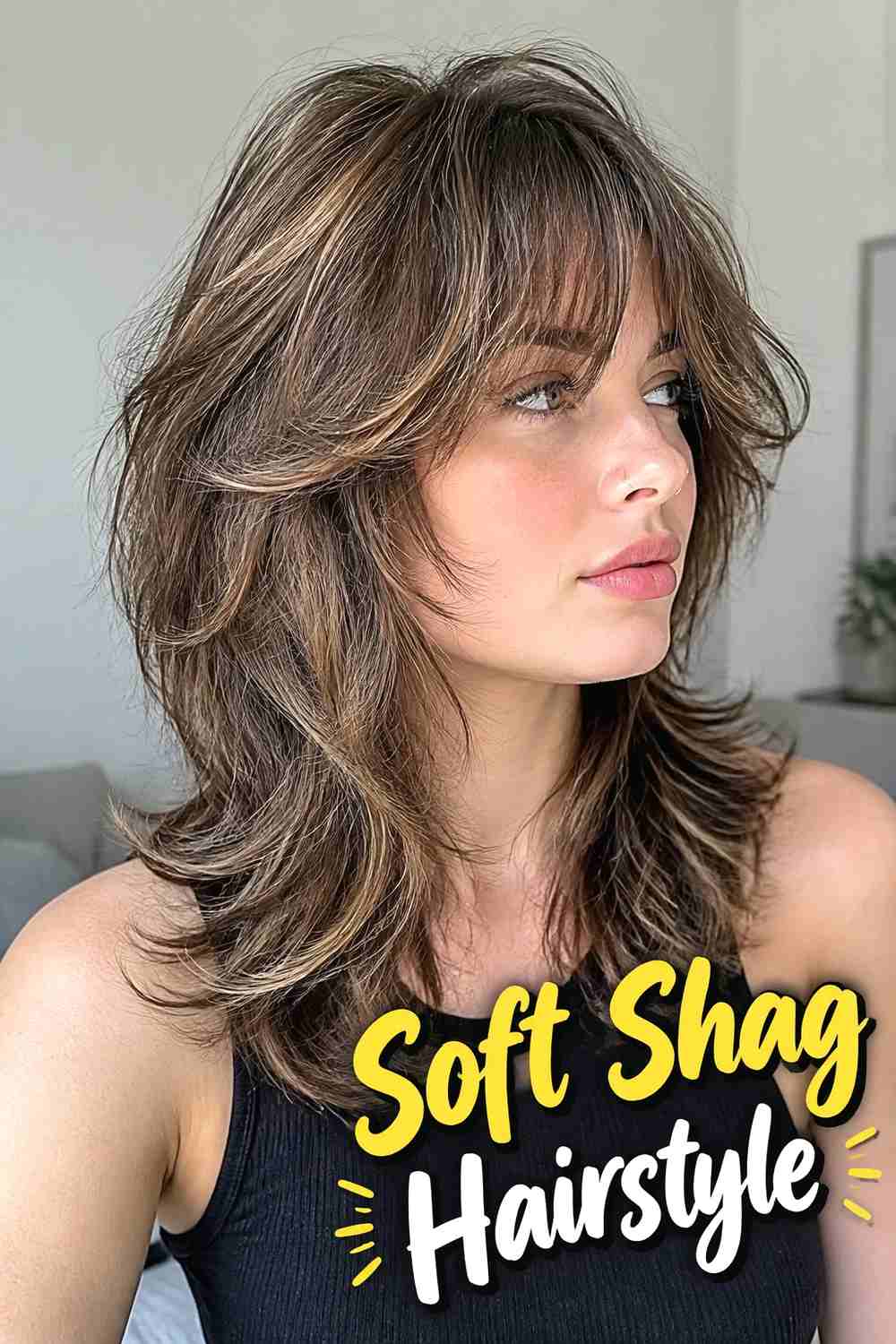
A soft shag brings relaxed movement to the tailored structure of a trench coat, making it a great option for a more casual museum outing. Keep the crown lightly airy, with face-framing layers and longer pieces falling in slightly different directions. A wispy or curtain-style fringe can soften the forehead, while the ends remain separated instead of forming one heavy line around the shoulders. This layered structure also helps the hair recover after being tucked into a scarf or collar during the outdoor portion of the day. Avoid over-curling each section; the appeal comes from varied, natural-looking movement that feels artistic without appearing deliberately messy.
Hair Type & Length
Wavy and naturally textured hair often emphasizes the shag’s movement, while straighter hair can use a few light bends for definition.
Why It Works
The broken-up texture contrasts with the trench’s clean lines and creates an easy, contemporary museum-day mood.
17. Polished Low Knot Hairstyle
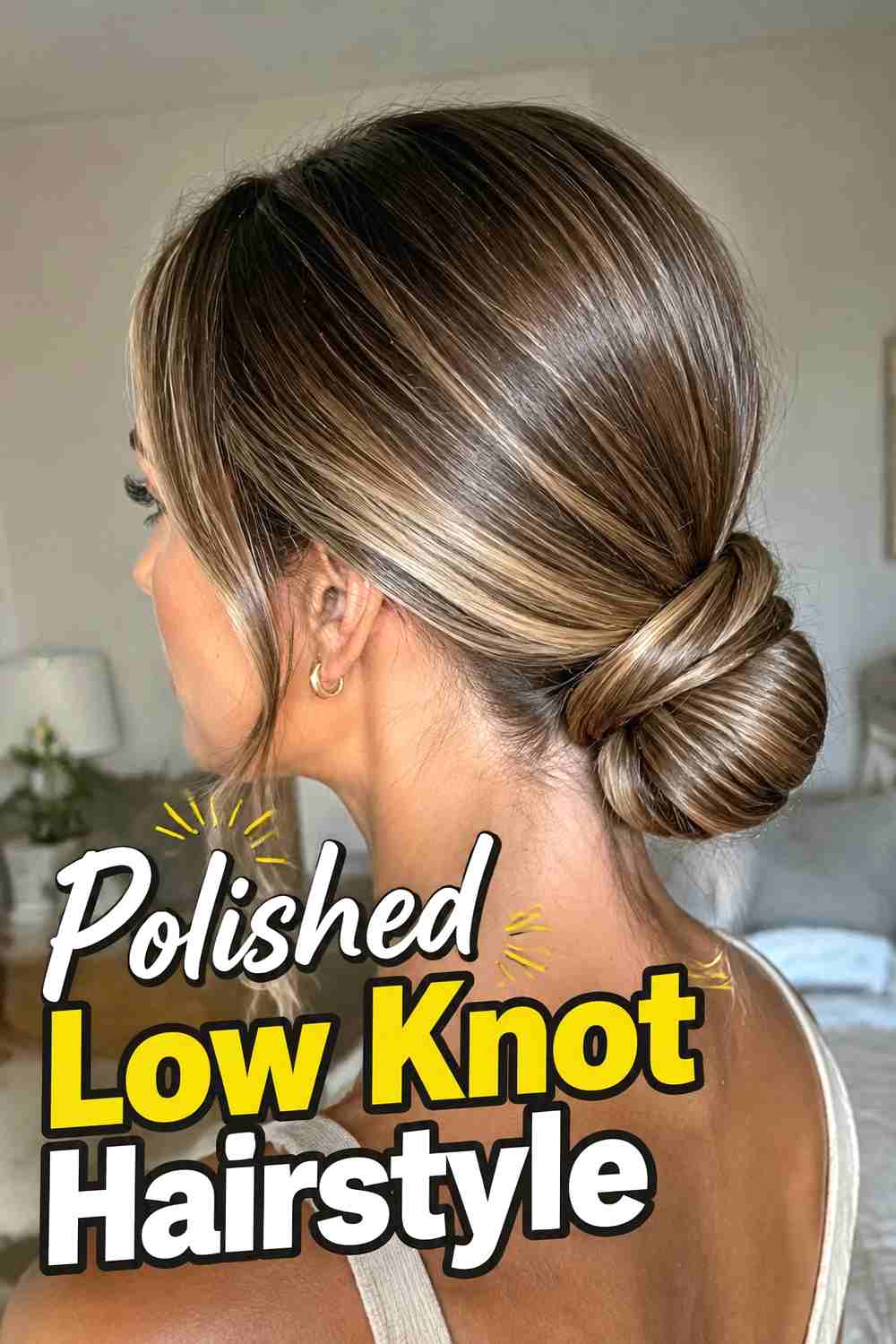
A polished low knot offers a minimalist option when you want the trench, jewelry, or museum-ready outfit to take visual priority. Gather the hair close to the nape, twist it into a compact knot, and secure the shape firmly while keeping the surface smooth but not heavily lacquered. A center or soft side part can change the mood without adding complexity. This hairstyle is especially useful with higher trench collars because the contained silhouette reduces loose hair around the neckline. It also remains comfortable during long periods of walking, sitting, or carrying a shoulder bag. Keep the knot modest in size so it feels refined and practical rather than formal.
Styling Notes
Secure a low ponytail first, then wrap and pin the knot tightly enough to hold while preserving a natural surface finish.
Why It Works
The clean shape mirrors classic trench tailoring and leaves room for statement earrings, scarves, or strong coat details.
18. Tucked Behind Ear Waves Hairstyle
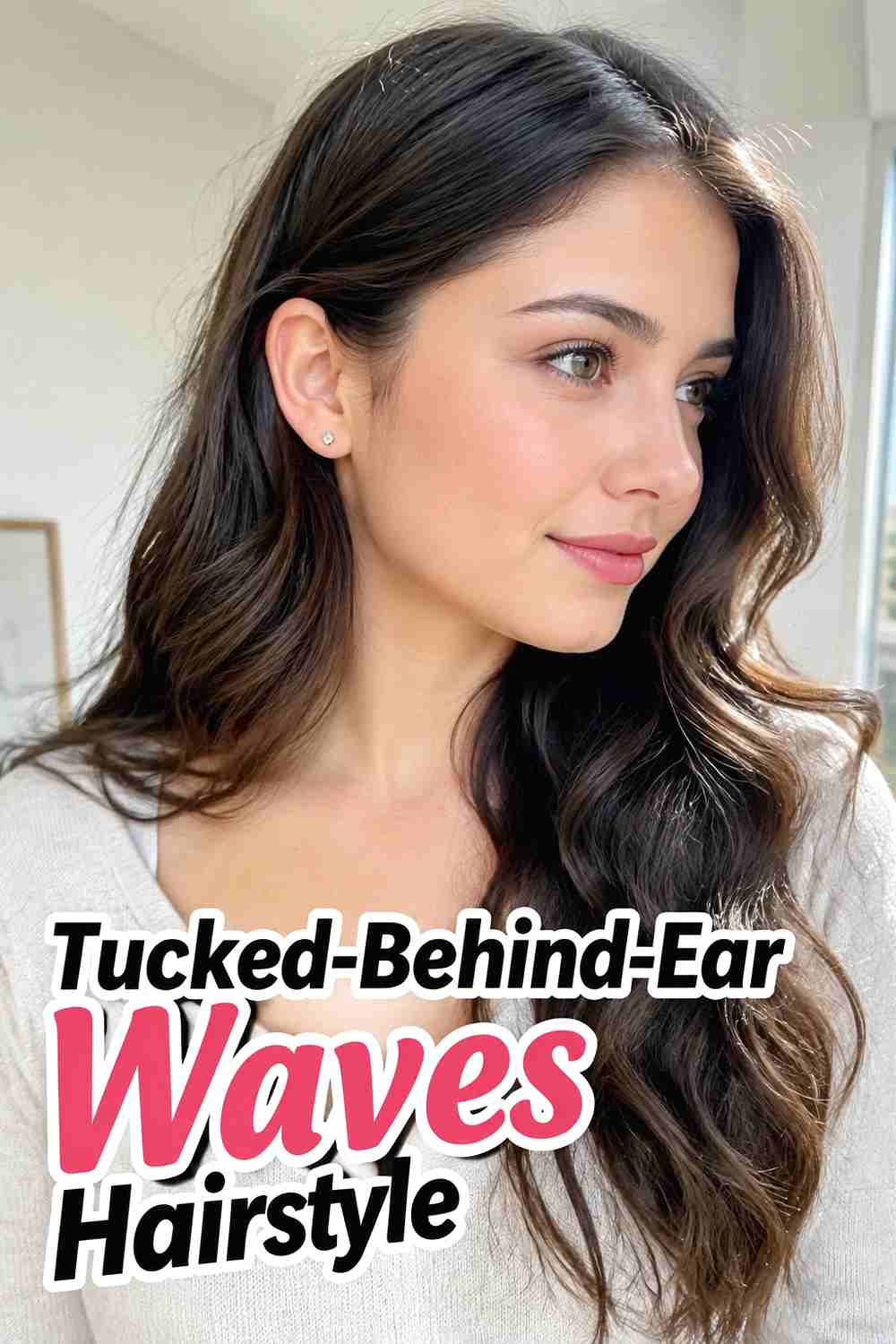
Tucked-behind-ear waves combine loose movement with a simple styling detail that keeps the face open. Create broad waves through the mid-lengths and ends, then tuck one side securely behind the ear while leaving the opposite side fuller. The asymmetry makes the hairstyle feel lighter around a trench collar and works well if you want earrings or the coat lapel to remain visible. Keep the wave pattern relaxed rather than highly defined so the hair still looks natural after hours indoors. If wind makes the tuck difficult to maintain, a discreet pin can reinforce it without changing the overall appearance.
Styling Notes
Shape the waves first and make the tuck afterward so the hidden section does not develop an awkward bend.
Wear & Maintenance
Reset the tucked side after removing scarves or outerwear, since friction around the neckline can loosen shorter pieces.
How to Choose the Right Look
Start with the trench collar and any late-winter accessories you plan to wear. High collars and scarves usually work best with bobs, pixies, ponytails, braids, low knots, or clipped twists that keep excess hair away from the neck. Open trench lapels give loose waves, curls, and collarbone layers more room.
Next, consider how much styling you want to maintain once you are inside. Museum outings often involve several hours of walking in heated rooms, so flexible hairstyles tend to be more comfortable than very rigid ones. Braids and low gathers offer dependable hold, while half-up styles and soft waves are easy to reset.
Texture should guide the finish rather than be hidden. Natural curls and coils can stay expressive with strategic pinning or gathering, while straighter hair may benefit from broad bends and light layering. Choose enough hold for the weather, but keep the hairstyle touchable and comfortable for a long afternoon.
Final Thoughts
Late-winter museum hairstyles work best when they feel polished without requiring constant attention. A classic trench coat pairs naturally with low ponytails, textured bobs, soft waves, practical braids, and understated updos. Choose a silhouette that clears your collar comfortably, complements your natural texture, and can transition from cold streets to warm galleries without losing its character.
FAQs
1. What hairstyle works best with a trench coat for a museum outing?
Low ponytails, bobs, braids, low knots, and softly tucked waves are especially practical because they work around trench collars while still looking polished.
2. How should I wear long hair with a trench coat?
Keep the hair outside the collar or gather it into a ponytail, braid, knot, or half-up style. This helps reduce flattening and tangling around the neckline.
3. Are loose waves practical for spending hours in a museum?
Yes. Choose broad, flexible waves instead of tightly set curls so the hairstyle can recover easily after removing a coat, scarf, or hat.
4. What hairstyle works well if I am wearing a scarf with my trench?
Short cuts, low braids, ponytails, chignons, and claw-clip twists reduce bulk around the scarf. If wearing hair down, keep the lengths fully outside the scarf.
5. Can curly or coily hair work with these museum outing hairstyles?
Absolutely. Side-pinned curls, low puffs, and naturally textured half-up looks can preserve your pattern while creating enough control around the coat neckline.
Save your favorite museum-day hairstyle, share these trench-coat-friendly ideas with a friend, and explore more polished inspiration for late-winter outings.