19 Neat Nape Styles With Quilted Heritage Jackets
Neat nape hairstyles and quilted heritage jackets create a polished cold-weather combination with tidy lines, practical placement, and just enough softness.
Heritage-style quilted jackets bring texture, structured collars, snap fronts, and a classic countryside-inspired feel. Keeping the hair low and controlled can complement that shape beautifully, especially when the hairstyle stays compact enough to avoid bunching against the collar.
The right nape style depends on your hair length, density, texture, jacket neckline, and how much movement you want. Some looks keep everything folded into a bun or roll, while others leave a slim braid or ponytail below the collar. These 19 options focus on neat placement, believable hold, and wearable proportions.
Quick List
- Sleek Low Chignon Hairstyle
- Center Part Nape Bun Hairstyle
- Tucked Low Roll Hairstyle
- Wrapped Low Ponytail Hairstyle
- Braided Nape Bun Hairstyle
- Soft Loop Bun Hairstyle
- Twisted Low Knot Hairstyle
- Smooth Rope Braid Hairstyle
- Sleek Nape Ponytail Hairstyle
- Side Part Low Chignon Hairstyle
- Double Twist Nape Bun Hairstyle
- Compact French Roll Hairstyle
- Minimal Claw Clip Twist Hairstyle
- Low Fishtail Braid Hairstyle
- Tucked Braided Roll Hairstyle
- Soft Folded Bun Hairstyle
- Coiled Nape Bun Hairstyle
- Crossed Nape Twist Hairstyle
- Low Bubble Ponytail Hairstyle
1. Sleek Low Chignon Hairstyle
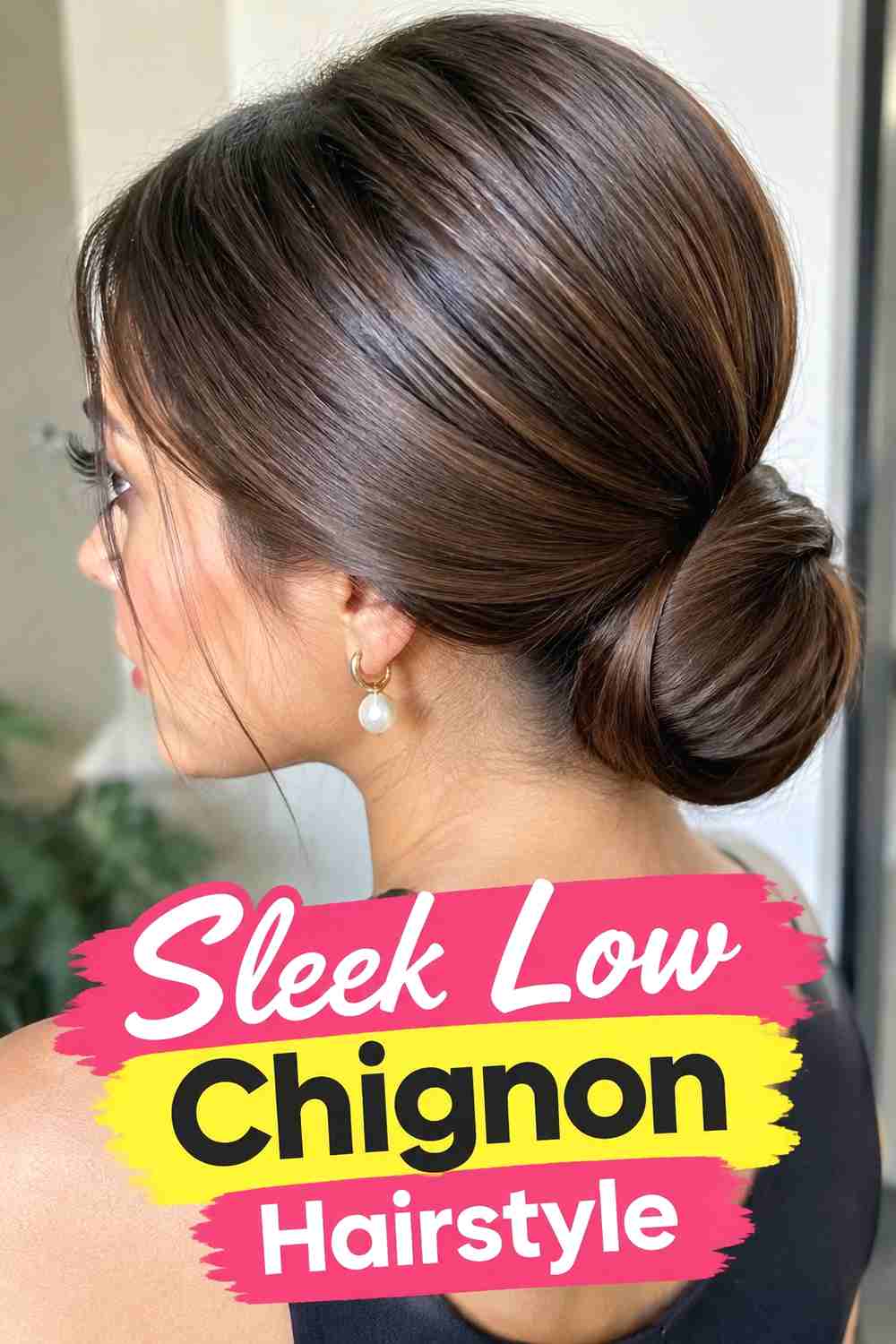
A sleek low chignon gives a quilted heritage jacket a clean, refined finish without competing with the jacket’s textured surface. The hair is smoothed toward the nape and wrapped into a compact rounded shape that stays close to the head. This placement works especially well with neat collars because the bun can sit just above or below the thickest edge rather than pressing directly into it. Straight and stretched textures create the smoothest silhouette, while wavy or curly hair can retain a softer surface and still look polished. Keep the chignon moderately sized so it feels proportional to the jacket’s structured shoulders and classic outdoor-inspired shape.
Styling Notes
Put the jacket on before final pinning to check where the collar meets the bun. A small adjustment in height can make the style noticeably more comfortable.
2. Center Part Nape Bun Hairstyle
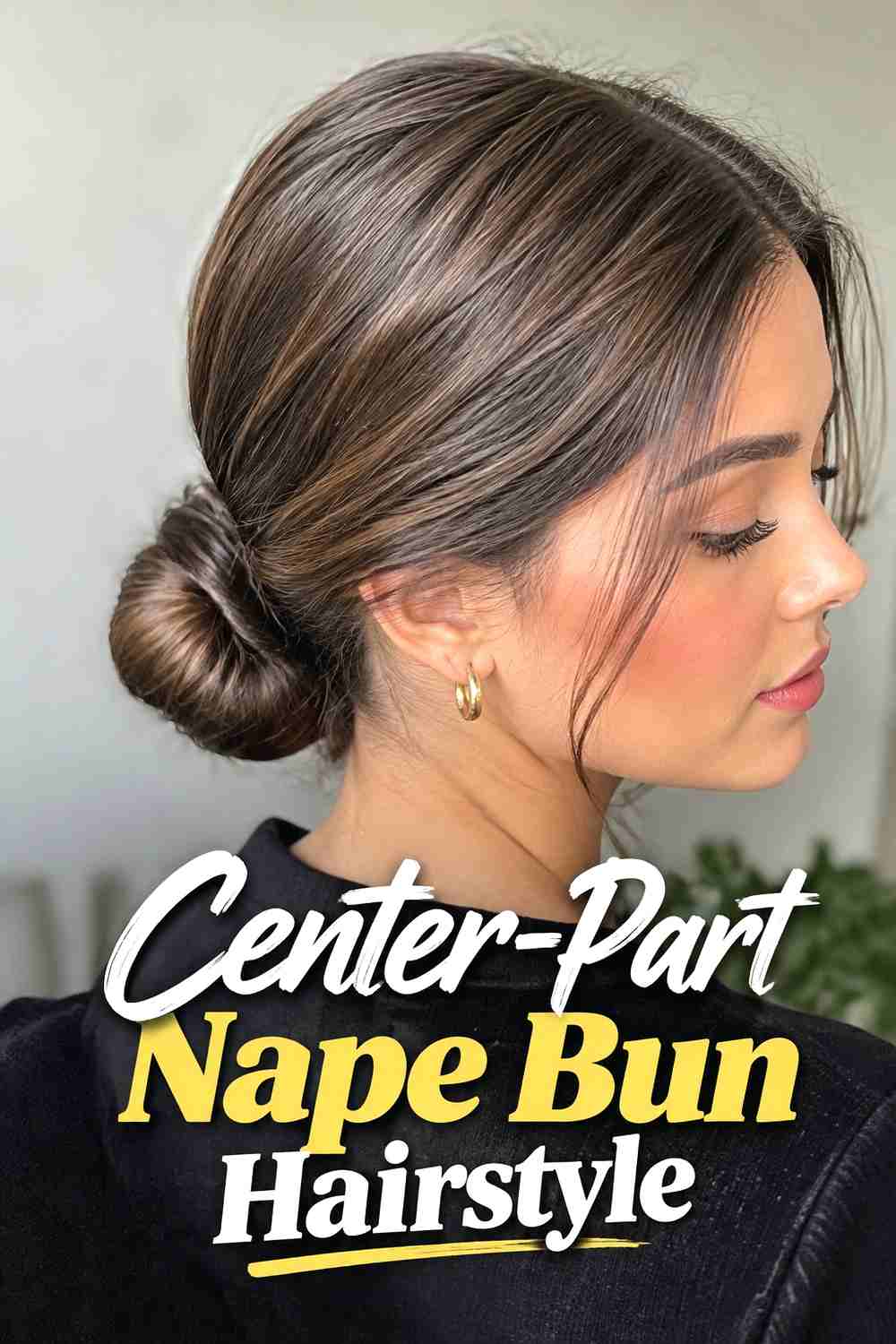
A precise center part gives this nape bun a tidy, symmetrical look that suits the orderly quilting and traditional lines of a heritage jacket. The hair is directed evenly toward the back and secured into a low bun without adding unnecessary height at the crown. That controlled silhouette can make even a casual jacket-and-knit outfit feel more considered. Medium to long hair works particularly well, while thicker hair may need a slightly broader bun to avoid excessive tension. The finish can be smooth or gently natural depending on texture, but the key is keeping the front balanced and the bun compact. Hidden pins maintain the simple, practical character of the style.
Best For
This look works especially well with buttoned collars, checked scarves, and structured shoulder seams because the centered shape keeps the overall outfit visually balanced.
3. Tucked Low Roll Hairstyle
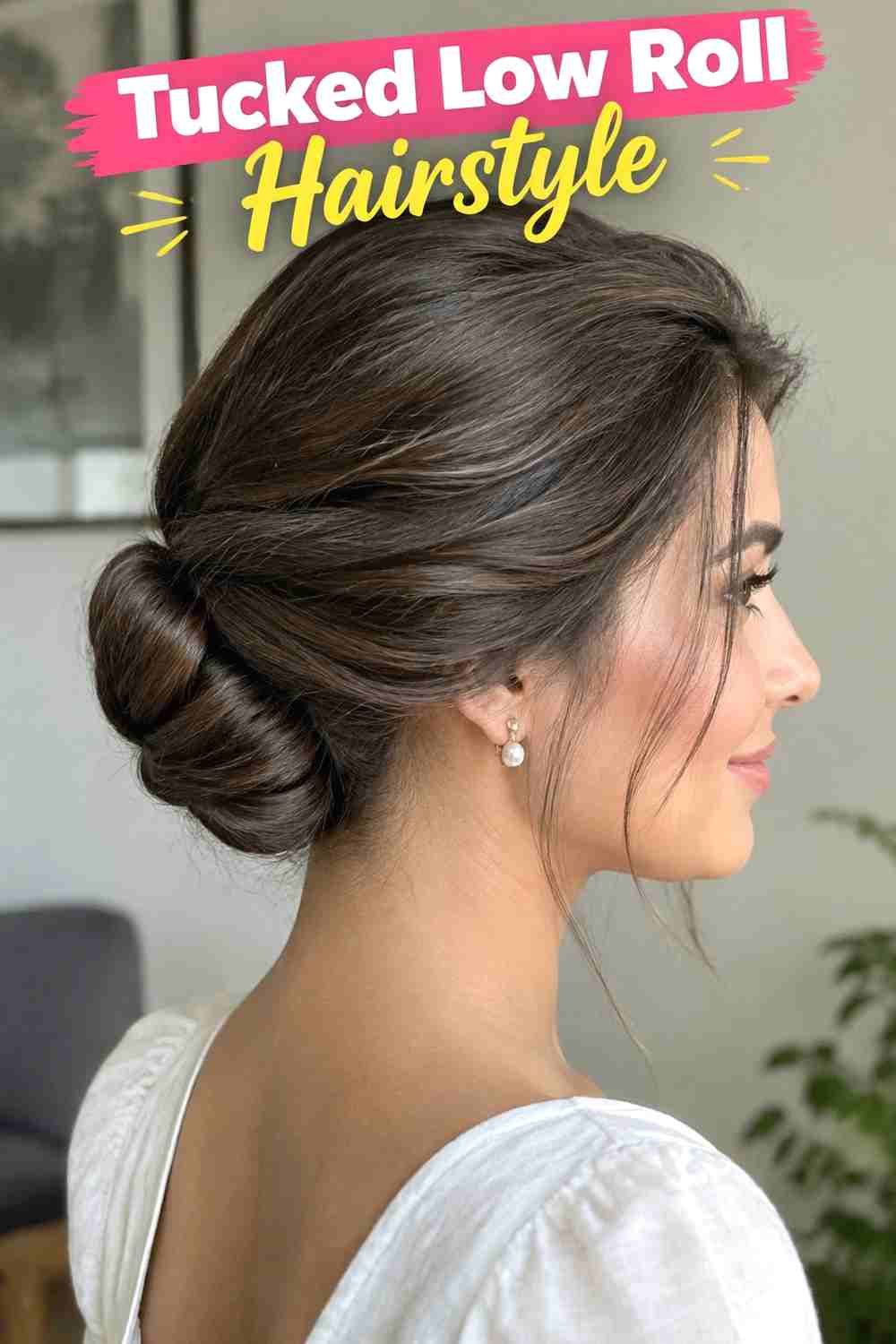
A tucked low roll creates a soft horizontal shape across the nape instead of the circular outline of a traditional bun. The lengths are gathered inward and folded beneath themselves, producing a neat finish that sits close to the back of the head. This can be particularly useful with quilted heritage jackets because the roll avoids excessive bulk while still looking intentional from the side and back. Medium hair is often easiest to tuck, while longer hair may need an extra internal fold. A few natural flyaways can soften the style, but keeping the outer edge controlled helps preserve its polished character. The result feels classic without becoming overly formal.
Hair Type & Length
Medium to medium-long hair is especially manageable for this shape. Dense hair may require several evenly spaced pins to keep the roll close to the nape.
4. Wrapped Low Ponytail Hairstyle
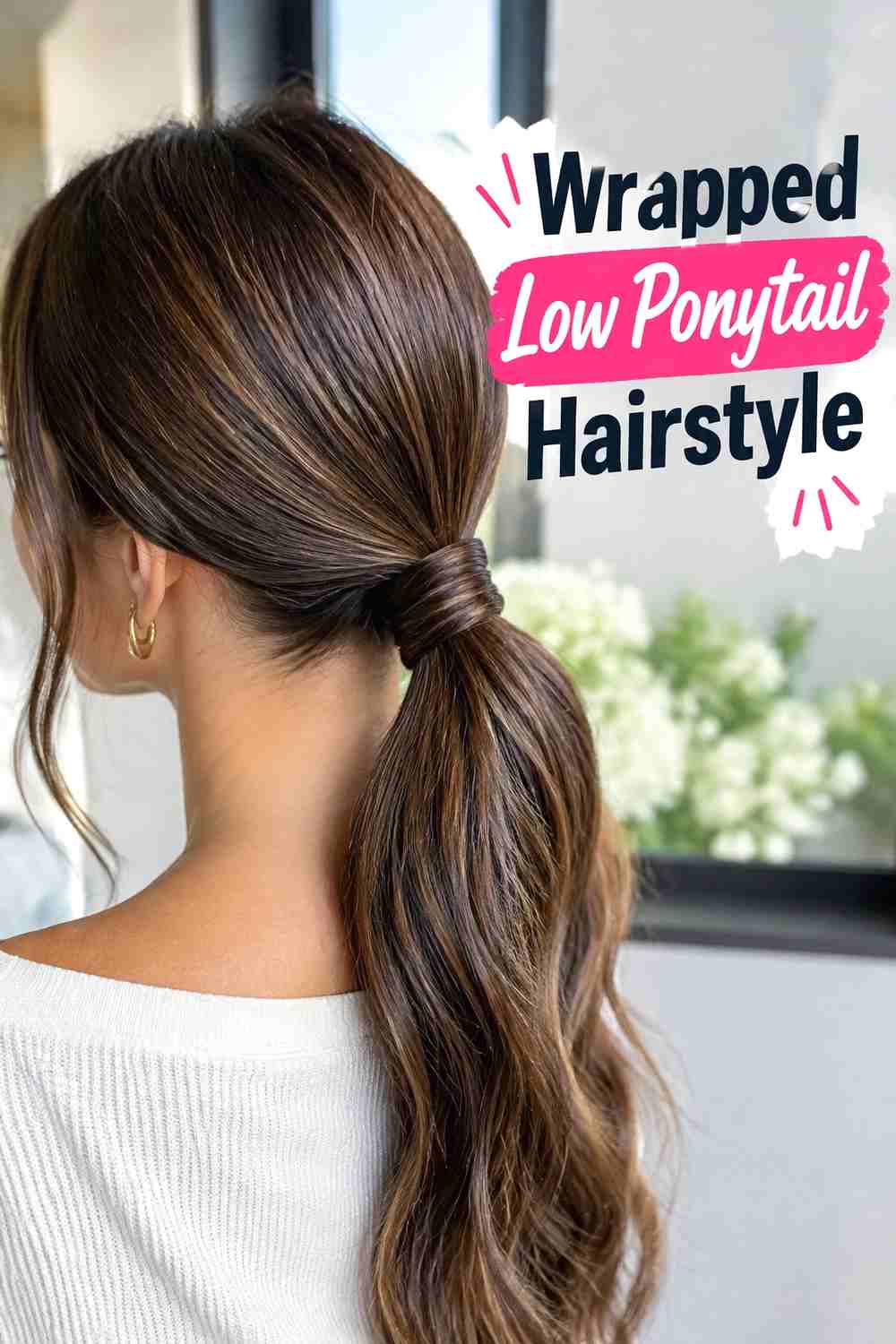
A wrapped low ponytail keeps the silhouette simple while hiding the elastic for a cleaner finish. Hair is gathered directly at the nape, secured, and then wrapped with a narrow section from the ponytail before the loose length falls naturally below. That streamlined structure works well with quilted jackets because it avoids a bulky bun while keeping the roots controlled around the collar. Straight hair creates the sharpest effect, while waves or curls can add softer movement through the tail. The ponytail should sit low enough to feel relaxed but not directly beneath a stiff collar edge. A small concealed pin can secure the wrapping strand without adding decorative hardware.
Wear & Maintenance
Keep the wrap firm enough to conceal the elastic but avoid over-tightening the base. The ponytail should still move naturally when you turn your head or lift the jacket collar.
5. Braided Nape Bun Hairstyle
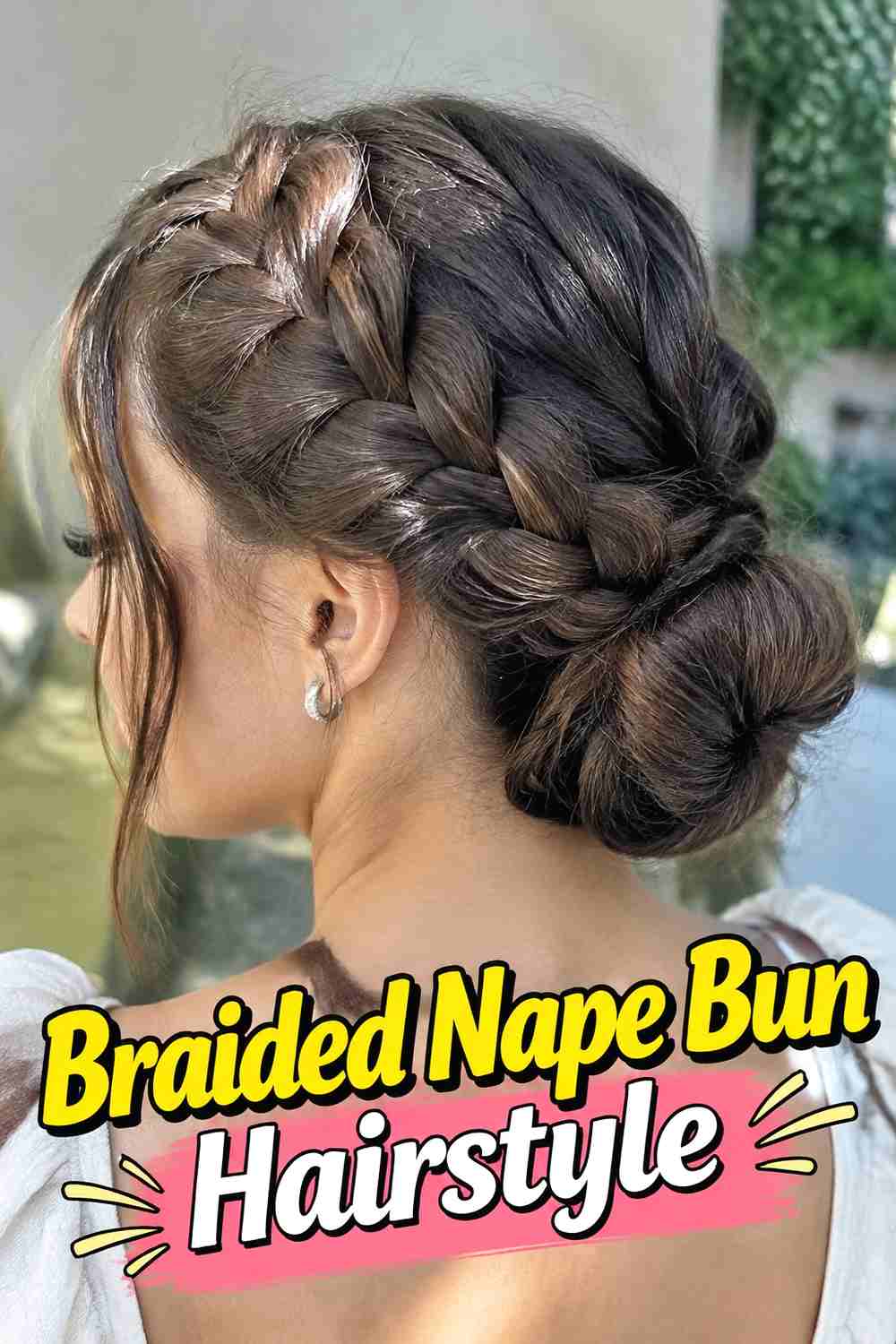
A braided nape bun introduces subtle texture while keeping the hairstyle compact. Start with a low ponytail, braid the length, and wrap the braid around its own base before pinning it close to the head. The woven detail complements quilted fabric without looking overly decorative, making it especially suitable for heritage-inspired outerwear. Longer hair produces the clearest braided pattern, while medium hair can create a smaller, tighter coil. Because the braid organizes the length before wrapping, this style can be easier to control on thick or layered hair than a loose twisted bun. Keep the braid moderately firm so the final shape stays neat without appearing rigid.
Why It Works
The repeated braid pattern quietly echoes the texture of quilting while the low placement keeps the overall look understated and practical.
6. Soft Loop Bun Hairstyle
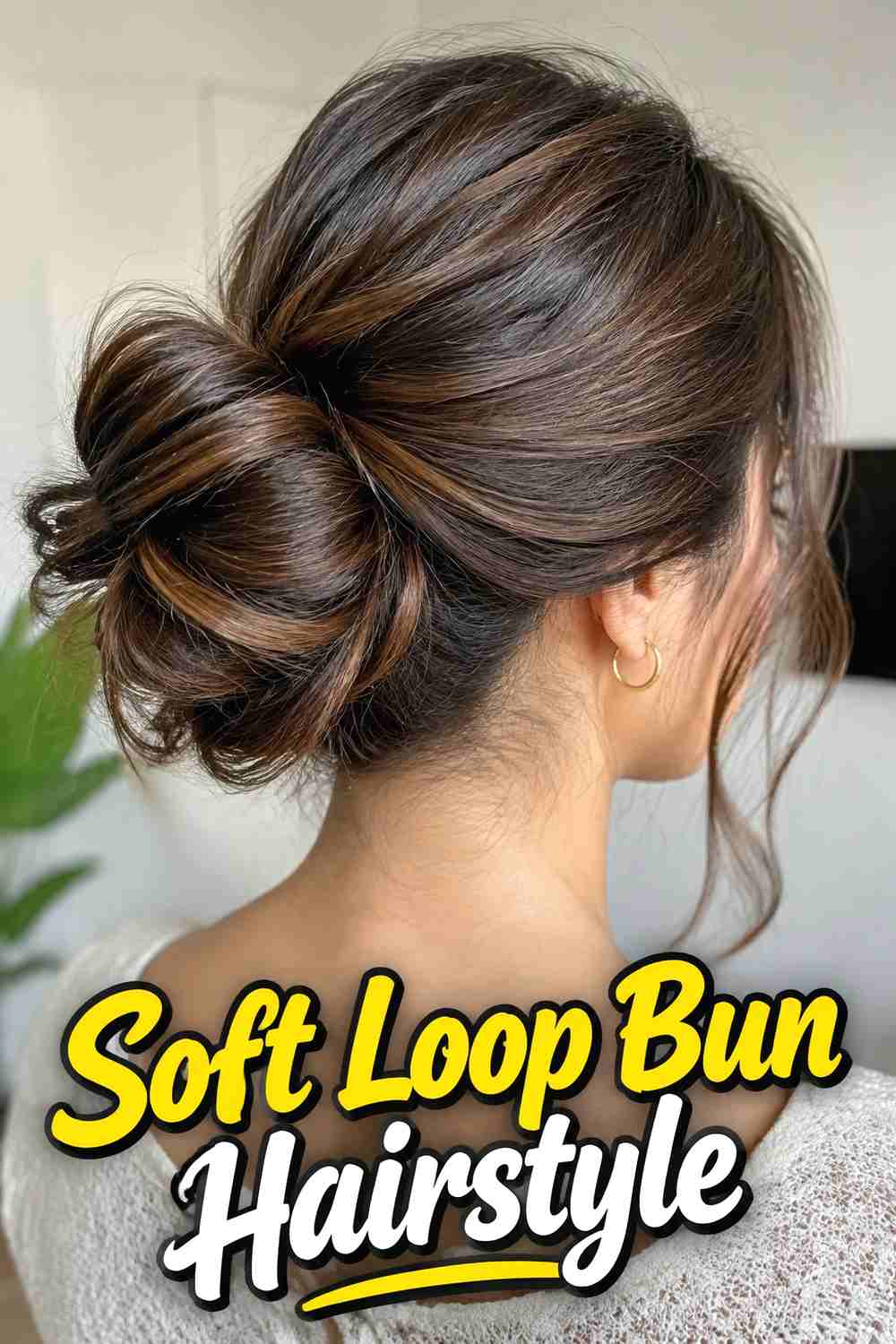
A soft loop bun offers a simpler alternative to a fully wrapped chignon. The hair is gathered low and pulled only partway through an elastic, creating a controlled loop while the remaining ends are tucked or wrapped around the base. The resulting shape feels neat but less formal than a polished ballet bun, which suits the relaxed refinement of a quilted heritage jacket. Straight, wavy, or softly textured hair can all work, with the loop naturally appearing fuller on denser hair. Keep the sides smooth enough to show the nape placement clearly and position the loop where it will not be flattened by the jacket collar.
Pro Tip
Start with a smaller loop than you think you need. It is easier to widen the shape gently after securing it than to control an oversized loop.
7. Twisted Low Knot Hairstyle
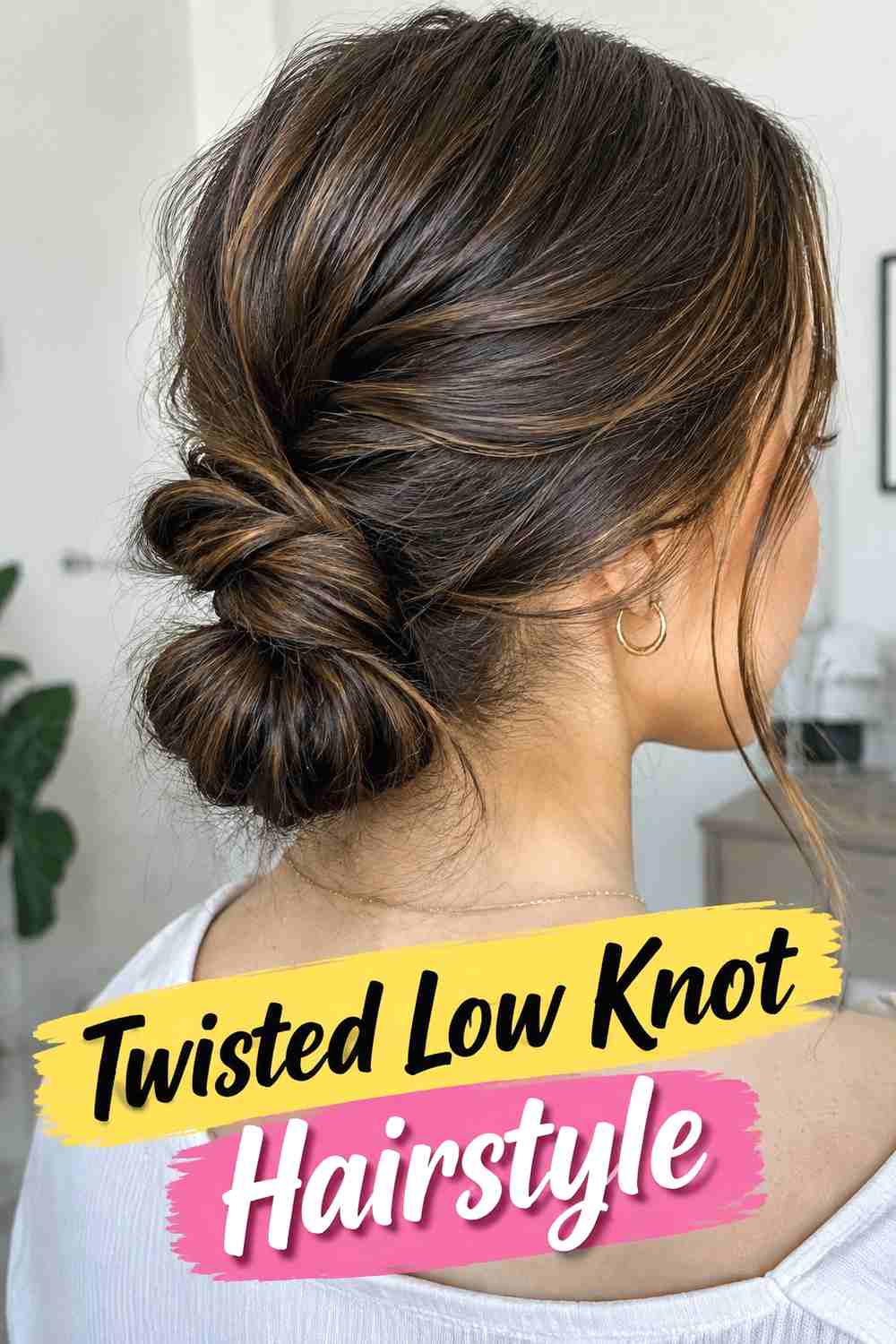
A twisted low knot combines simple construction with a slightly sculptural finish. The hair is gathered at the nape, twisted through the length, and folded into a compact knot before being pinned in place. Because the twist remains visible, the style has enough texture to stand out against a quilted jacket without needing clips or decorative accessories. Medium and long hair create the clearest knot, while thick hair may need stronger pins to prevent the shape from expanding too far outward. The front can be softly smoothed or parted according to preference. Keeping the knot close to the head makes it especially compatible with jackets that have taller collars.
Styling Notes
Twist the length firmly enough to hold its shape before folding it. If the twist is too loose, the knot may spread and lose its neat nape silhouette.
8. Smooth Rope Braid Hairstyle
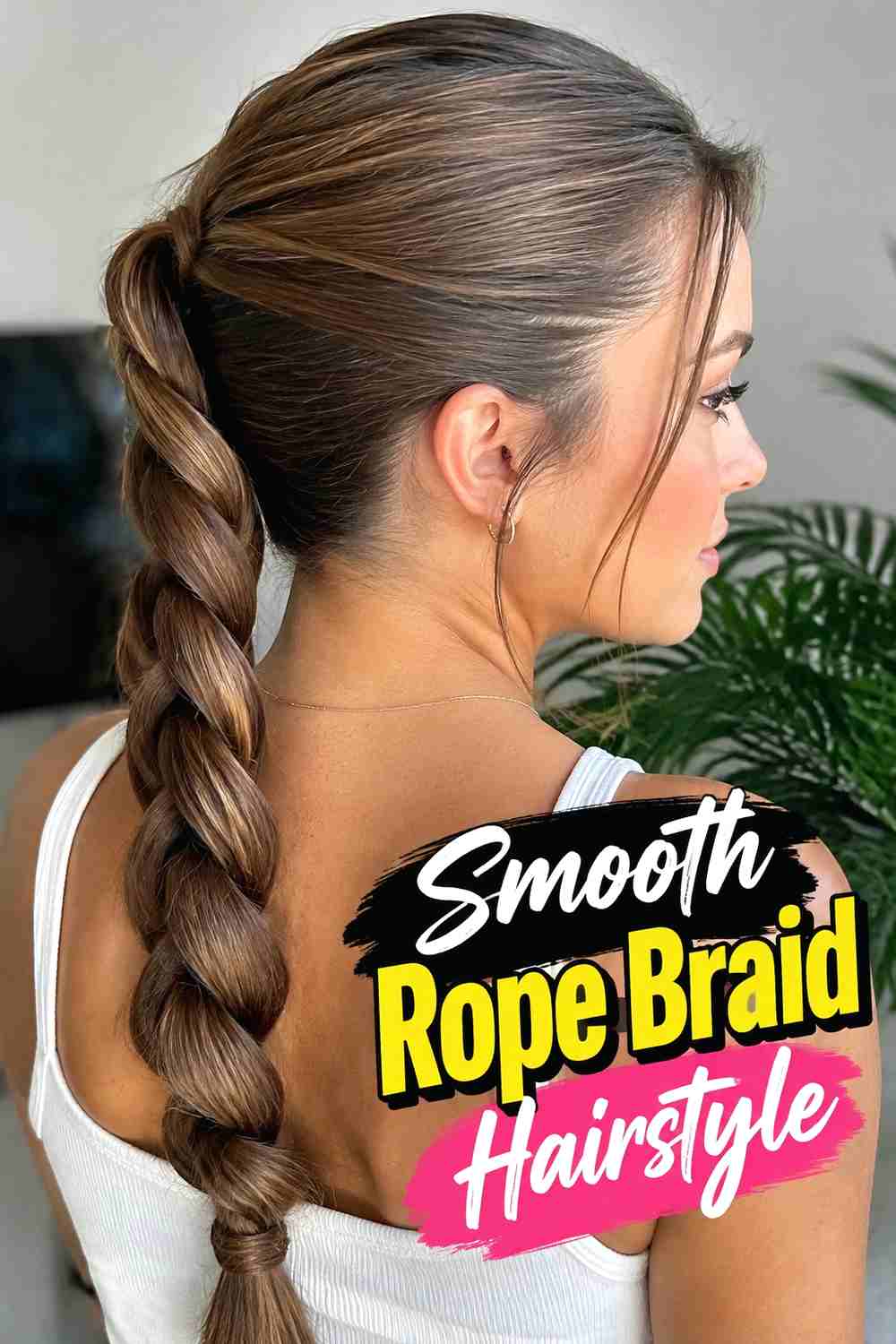
A smooth rope braid keeps long hair organized while maintaining a narrow profile behind or beside a quilted jacket. Start with a low ponytail, divide it into two sections, twist each section, and then wrap them together to form the rope pattern. The style feels clean and practical, especially when the roots are kept smooth and the braid begins close to the nape. It works best on medium-long to long hair because the twist needs enough length to show clearly. If the jacket collar feels bulky at the back, the rope braid can easily be brought over one shoulder without disturbing the base. Consistent tension helps the pattern stay defined.
Wear & Maintenance
Finish with a secure elastic and avoid excessively loosening the rope sections. A compact braid is less likely to catch on quilted seams, scarves, or shoulder straps.
9. Sleek Nape Ponytail Hairstyle
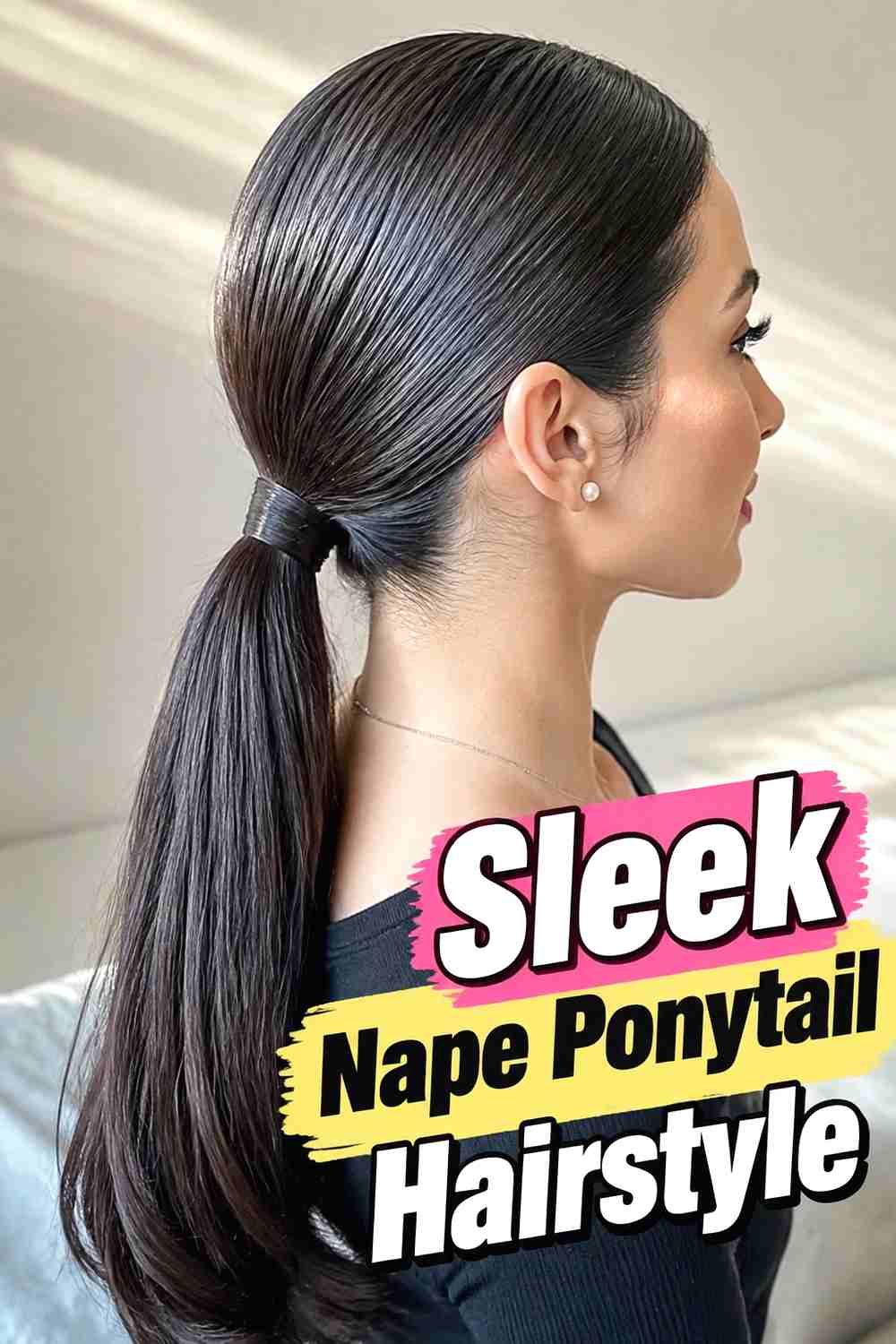
A sleek nape ponytail is one of the simplest ways to keep hair tidy with a quilted heritage jacket. The hair is smoothed backward and secured at the lowest comfortable point, allowing the loose length to fall below the collar rather than creating volume behind it. This clean placement works especially well with tailored or equestrian-inspired quilting because it reinforces the jacket’s structured lines. The ponytail can remain straight, gently curved, wavy, or naturally textured depending on the desired finish. Medium to long hair is easiest to gather, and a covered elastic can keep the base comfortable. Avoid setting the ponytail directly where a stiff collar presses against the neck.
Best For
Choose this style when you want a quick, polished option that can transition easily from outdoor wear to indoor errands, lunches, or casual work settings.
10. Side Part Low Chignon Hairstyle
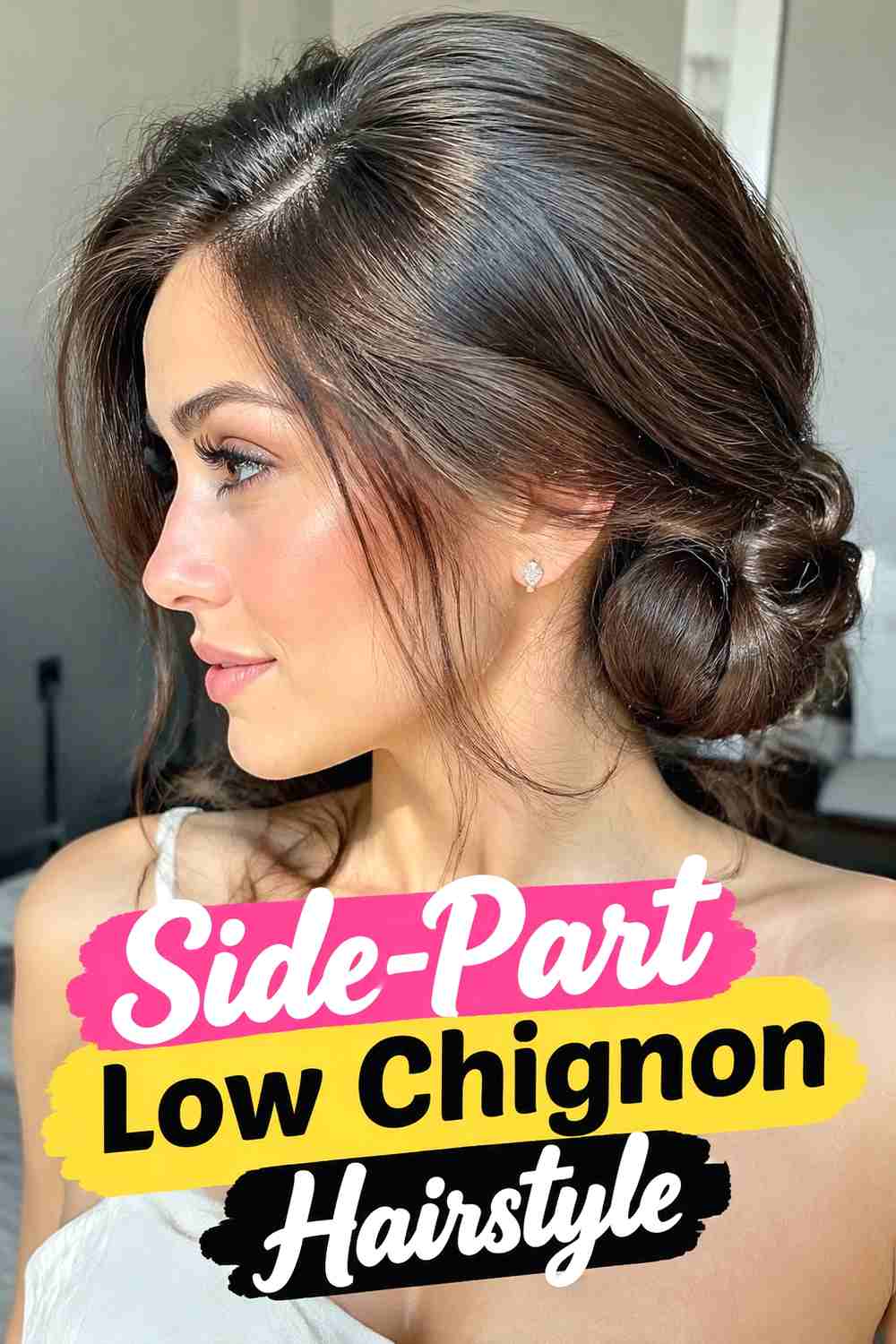
A side part gives a low chignon a softer front profile while preserving the compact nape placement that works so well with quilted jackets. Hair sweeps gently across the forehead before being gathered into a small chignon at the back. The asymmetry can balance jackets with strong collars, patch pockets, or traditional countryside detailing by adding a subtle sense of movement around the face. Keep the side sweep smooth but not completely flat so the style retains a natural finish. Medium and longer lengths provide enough hair for a secure bun, while wavy textures can add gentle dimension. Hidden pins keep the look neat and understated.
Why It Works
The side part softens the jacket’s structured lines while the low bun keeps the neckline and quilting visible instead of covering them with loose hair.
11. Double Twist Nape Bun Hairstyle
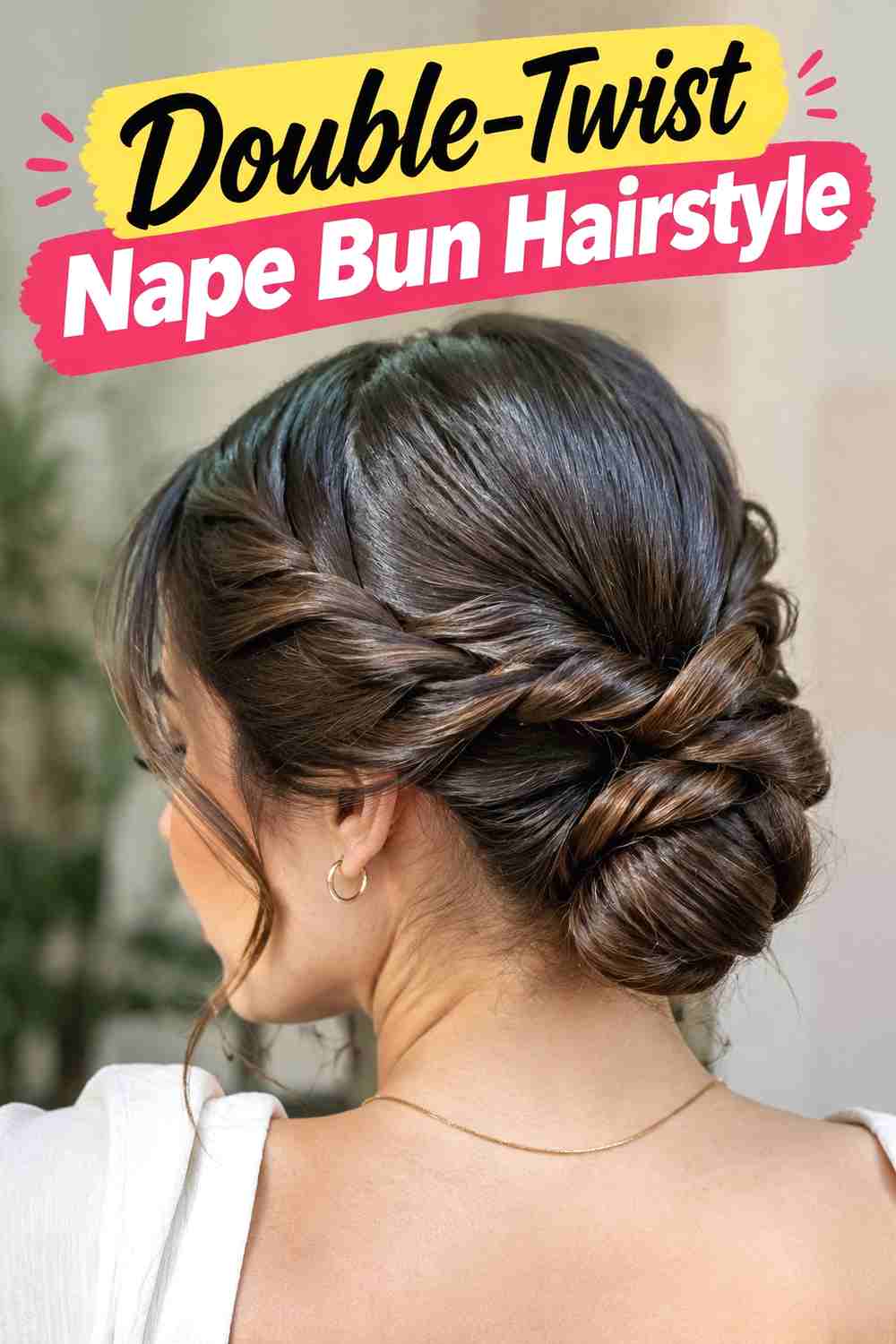
Two sections twisted toward the center create a tidy nape bun with more dimension than a standard low knot. Begin by dividing the hair into left and right sections, twist each one backward, then combine the lengths into a compact bun. The mirrored movement feels especially polished with a heritage jacket because it has the same sense of order as traditional quilting and symmetrical tailoring. This style can also distribute thick hair more comfortably than pulling everything into one tight ponytail first. Keep the twists distinct enough to be visible but not overly loose. A controlled finish around the sides ensures the bun remains the focal point without appearing too formal.
Styling Notes
Pin the two twists together before shaping the bun. A stable meeting point makes it easier to control the final nape placement and keeps the style from slipping.
12. Compact French Roll Hairstyle
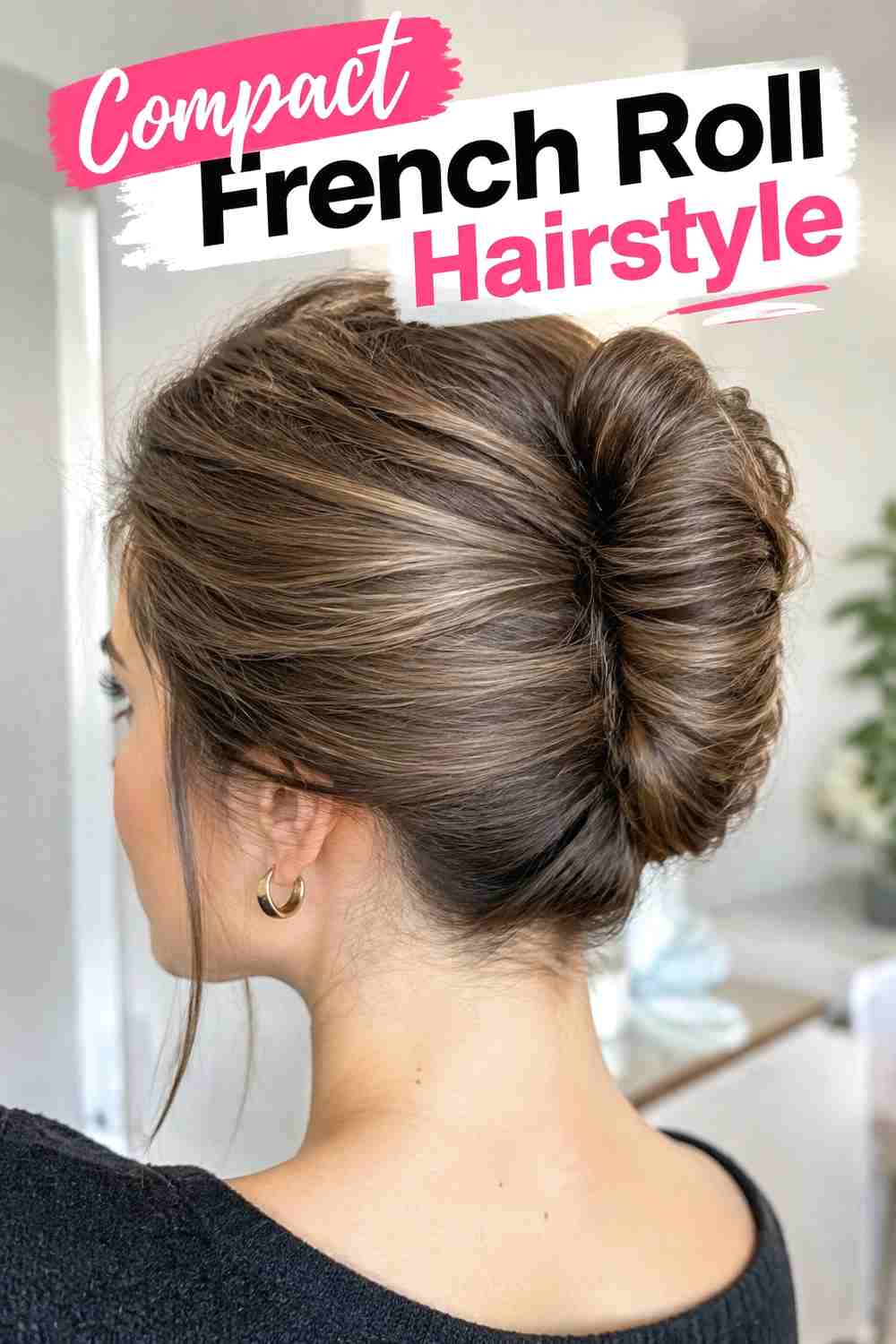
A compact French roll offers a vertical alternative to a round bun while still staying low enough to complement a quilted jacket. Instead of building a tall formal twist, sweep the hair inward near the nape and create a short, controlled roll that follows the back of the head. This smaller proportion makes the style easier to wear with collars and scarves while preserving the elegant folded structure of a classic French twist. Medium to long hair is easiest to tuck, although very dense hair may need additional internal pinning. Keep the crown natural and avoid excessive height so the overall look remains practical, clean, and consistent with heritage outerwear.
Best For
This style suits polished daytime outfits, workwear, and smart casual settings where a standard bun feels too predictable but a full French twist feels too formal.
13. Minimal Claw Clip Twist Hairstyle
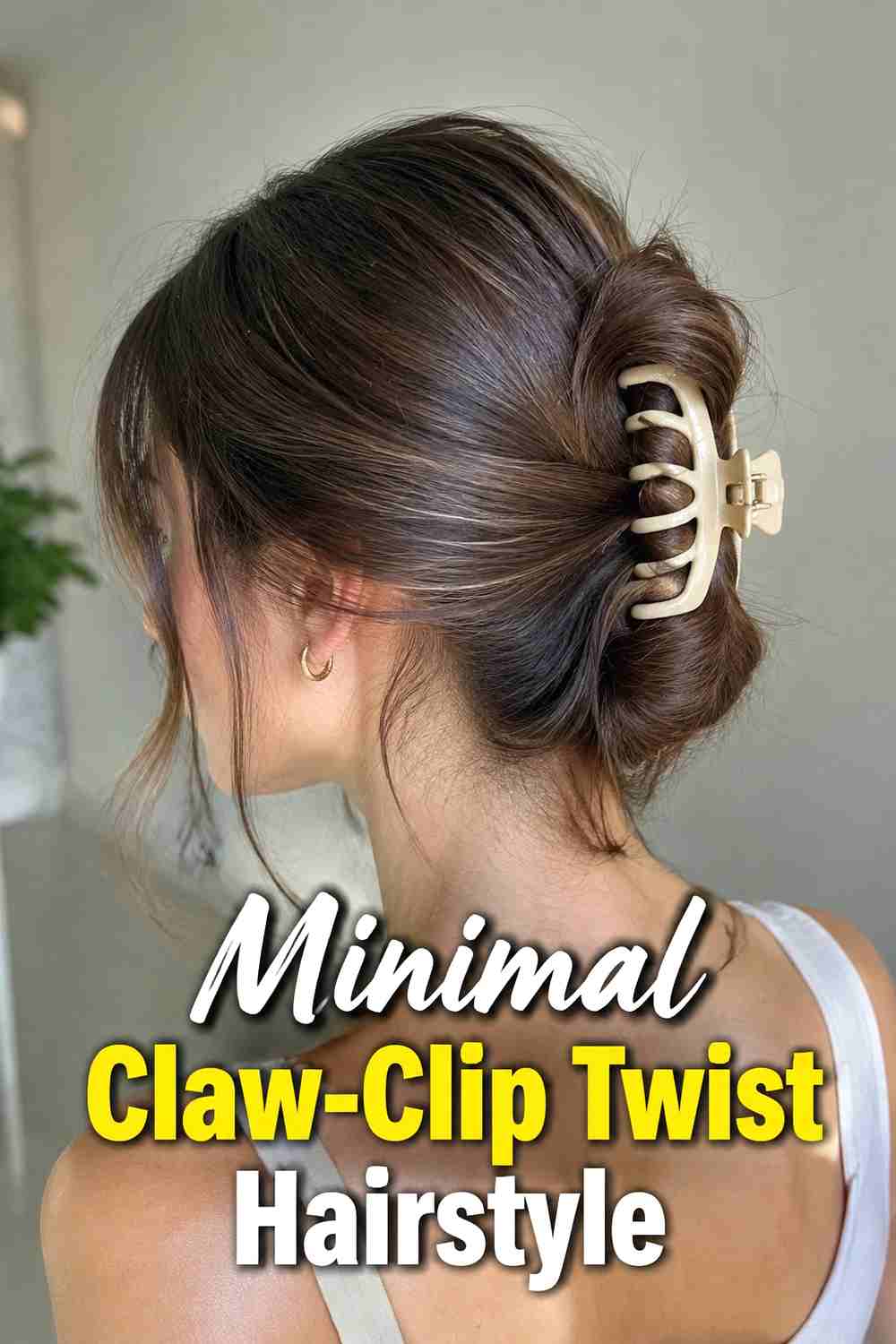
A small claw-clip twist gives a relaxed nape style that can still look neat beside structured quilting. Gather the hair low, twist it upward only a short distance, then fold the length back down and secure it with a compact clip. Choosing a plain tortoiseshell, black, brown, or neutral clip keeps the hairstyle consistent with a traditional heritage mood rather than turning the accessory into the main feature. The folded shape works best when the clip is sized for your hair density and positioned above the thickest part of the jacket collar. A few soft ends can remain tucked or lightly visible depending on the desired finish.
Pro Tip
Avoid using an oversized clip if your jacket has a high collar. A smaller, secure clip is less likely to press against the outerwear or shift as you move.
14. Low Fishtail Braid Hairstyle
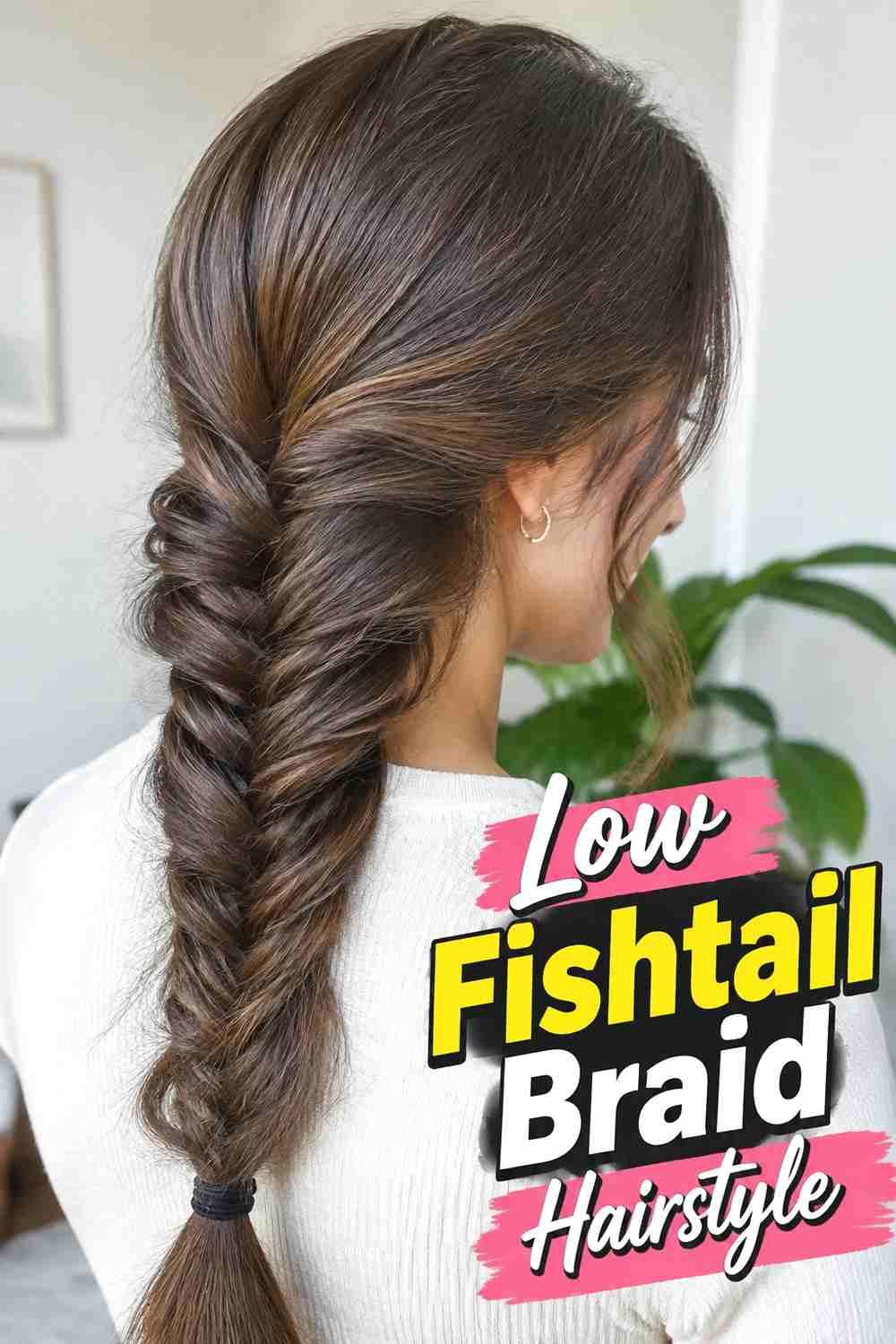
A low fishtail braid gives long hair a detailed woven finish while keeping the upper silhouette clean. Gather the hair near the nape, divide it into two sections, and work small pieces across to create the narrow fishtail pattern. The fine texture pairs beautifully with the geometric surface of a quilted heritage jacket, especially when the braid remains tidy rather than dramatically loosened. Longer hair shows the pattern most clearly, while medium-long lengths can create a shorter version. Because the braid is flexible, it can sit down the back or move over one shoulder if the jacket collar feels bulky. Keep the starting point low and comfortable.
Wear & Maintenance
Use a small elastic at the end and resist pulling the braid too wide. A tighter profile helps reduce friction against quilted fabric and keeps the woven pattern crisp.
15. Tucked Braided Roll Hairstyle
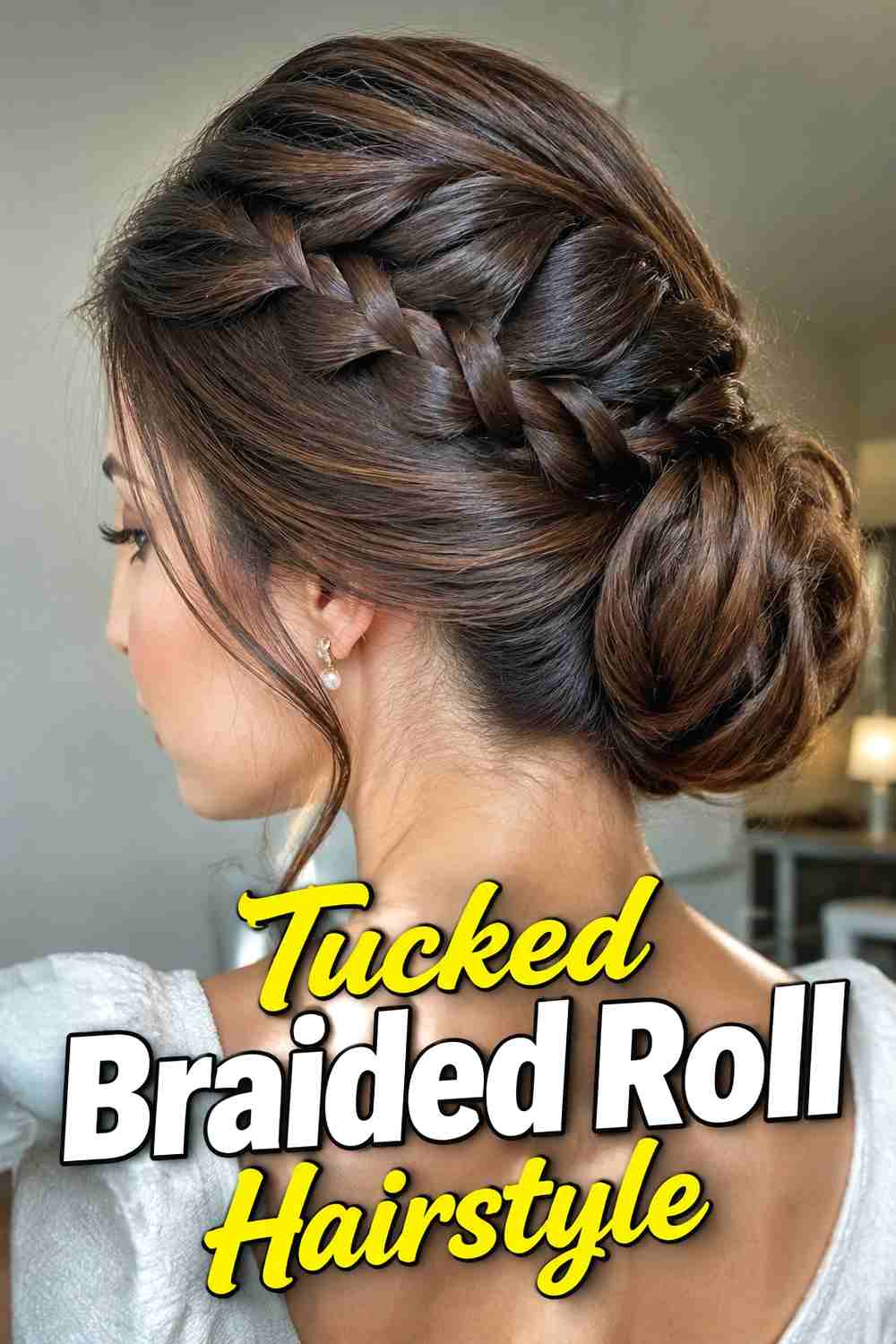
A tucked braided roll combines two neat techniques in one compact nape style. First create a low braid, then fold the braid upward and tuck it underneath itself so the woven length forms a small horizontal roll. This keeps long hair completely contained while preserving visible texture around the finished shape. The style works especially well with quilted heritage jackets because it feels classic and practical without becoming overly decorative. Medium-long and long hair provide enough length to create a clear fold, while very thick hair may need a slightly larger roll. Hidden pins should support the braid from underneath so the outside remains clean and uninterrupted.
Why It Works
Braiding the hair before tucking gives the roll more definition and control, making it useful when loose twists tend to expand or slip during the day.
16. Soft Folded Bun Hairstyle
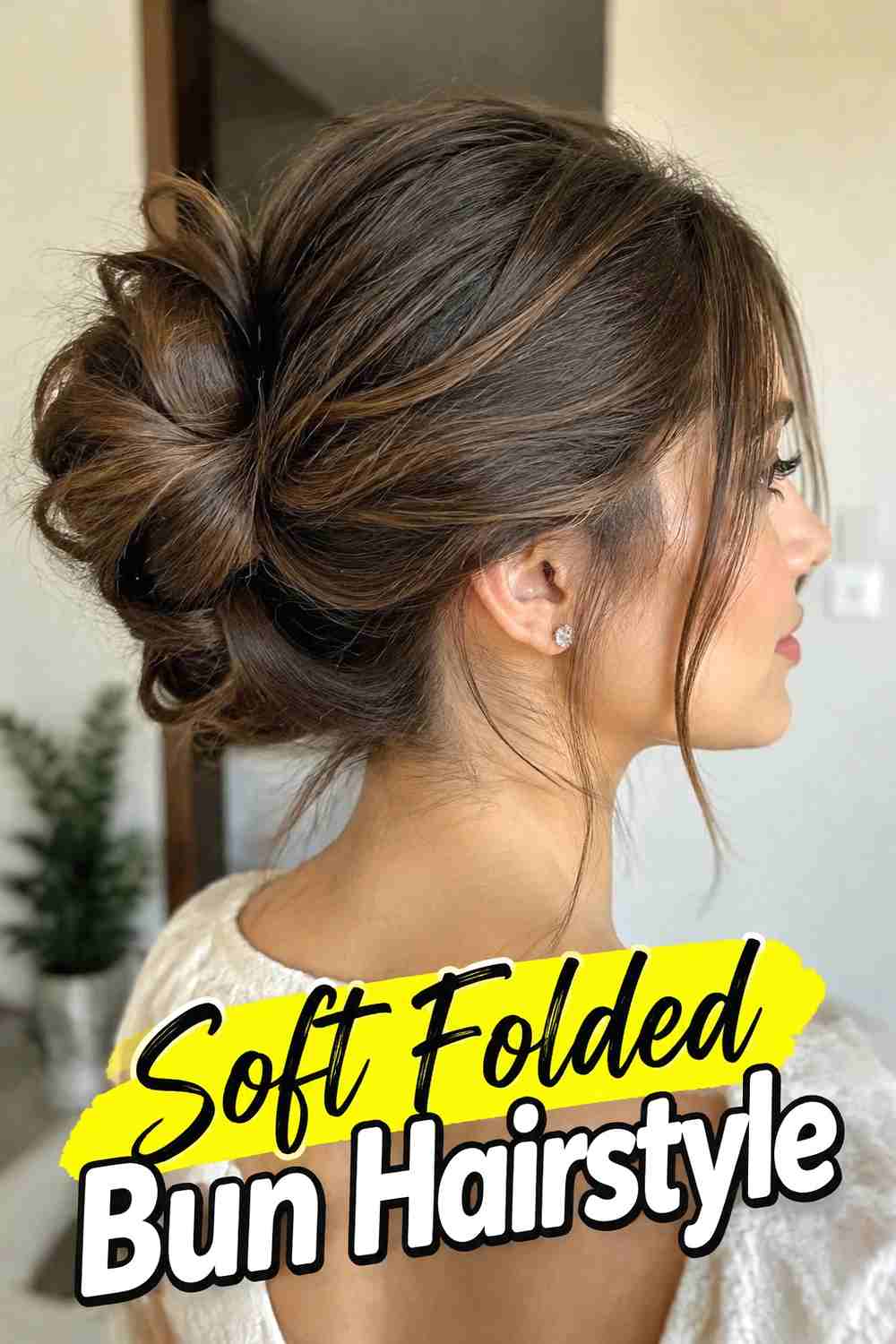
A soft folded bun creates a relaxed nape shape with gentle volume rather than a tightly twisted finish. The hair is gathered low, folded back on itself, and pinned so the outer surface retains a little natural curve and movement. This softer structure pairs nicely with quilted jackets that already have crisp stitching and practical detailing, adding contrast without looking messy. Wavy and textured hair can create especially natural dimension, while straight hair gives the fold a cleaner outline. Keep the bun compact enough that it does not push against the jacket collar. A few subtle flyaways can remain around the hairline if they suit the overall styling.
Best For
Choose this option when you want a nape updo that feels polished but not severe. It works particularly well for weekend outfits and relaxed countryside-inspired looks.
17. Coiled Nape Bun Hairstyle
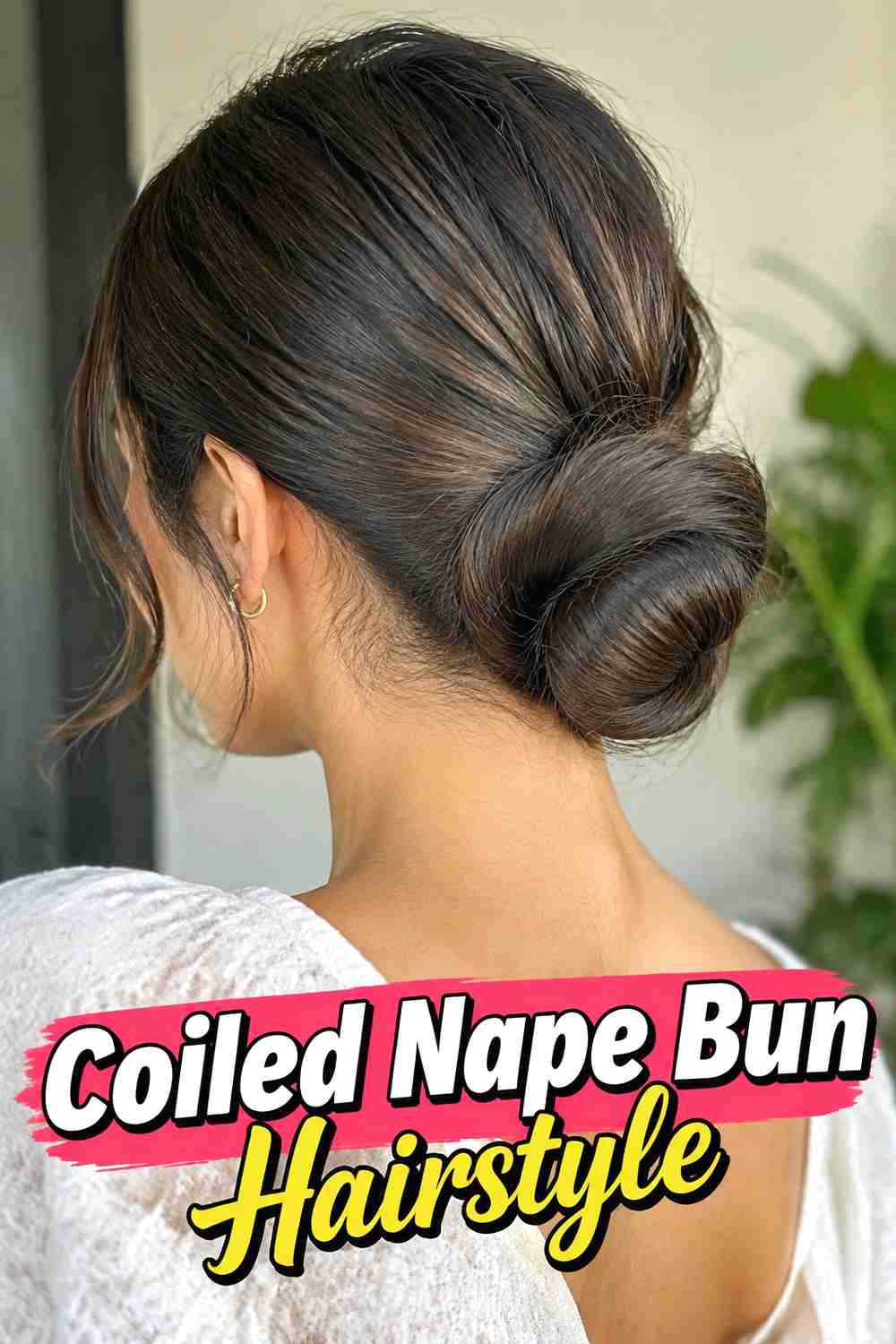
A coiled nape bun uses the hair’s length to create a clear spiral shape at the back of the head. Gather the hair into a low ponytail, twist the length, then coil it neatly around the base while keeping each turn visible. The result is more defined than a loose knot but still minimal enough to complement quilted heritage outerwear. Long hair creates the strongest spiral effect, while medium lengths produce a smaller coil. This style can work across several textures, although the surface will naturally appear smoother or fuller depending on density and curl pattern. Secure the coil evenly so one side does not become heavier or protrude toward the collar.
Styling Notes
Pin around the coil at several points instead of relying on one central pin. Even support helps the bun stay flat, balanced, and comfortable against outerwear.
18. Crossed Nape Twist Hairstyle
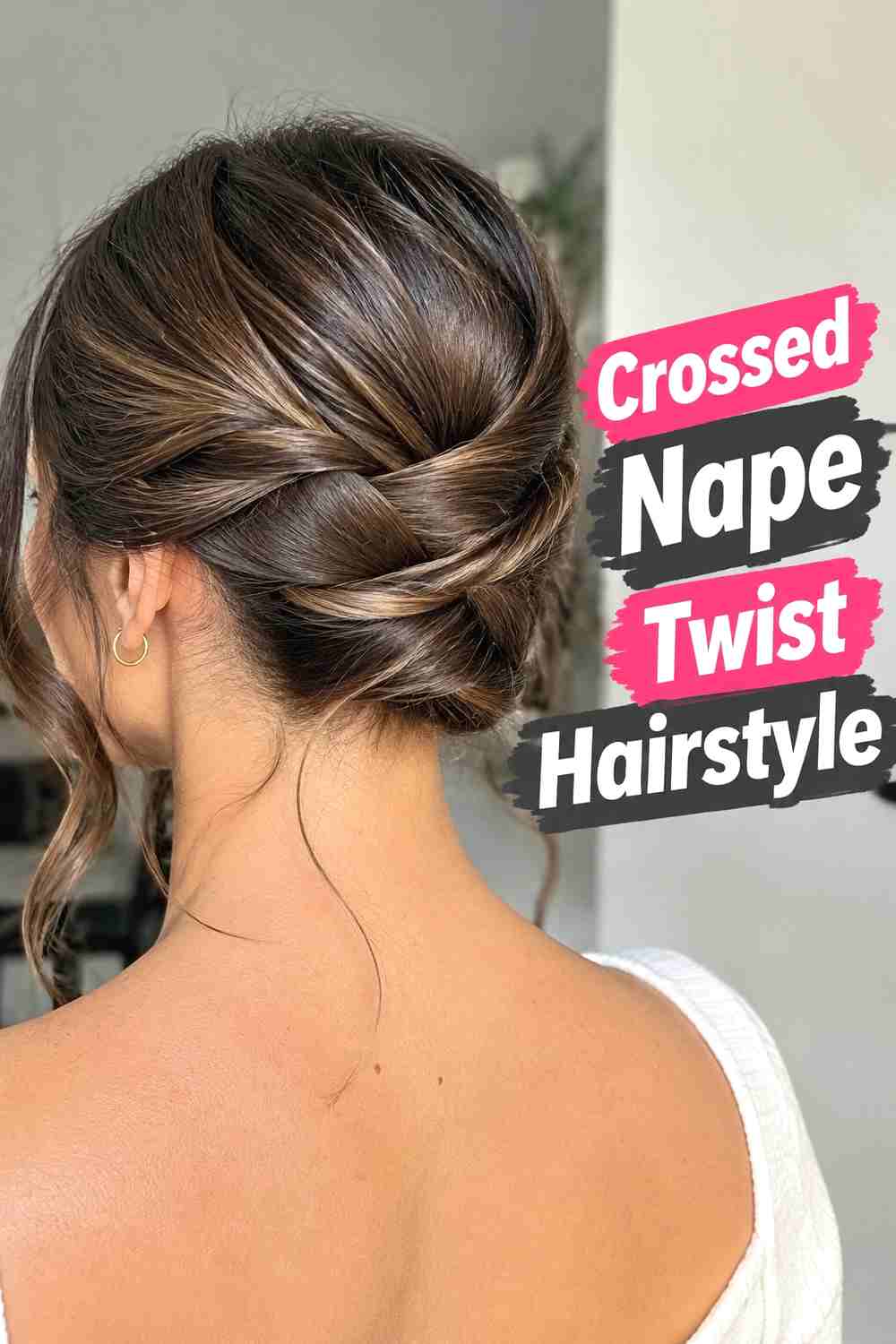
A crossed nape twist creates an understated woven effect without requiring a full braid. Sections from each side are twisted backward and crossed over one another at the nape before the remaining hair is tucked or pinned underneath. The overlapping lines give the hairstyle subtle structure that suits the stitched geometry of a quilted heritage jacket. This option is particularly attractive on medium hair because there is enough length to form the cross without creating a bulky lower section. Longer hair can be folded internally for the same compact result. Keep each twist broad and smooth so the pattern looks deliberate rather than overly intricate or formal.
Pro Tip
Pin each twist beneath the opposite section so the hardware remains hidden. Concealed fastening makes the crossed structure look cleaner and more natural.
19. Low Bubble Ponytail Hairstyle
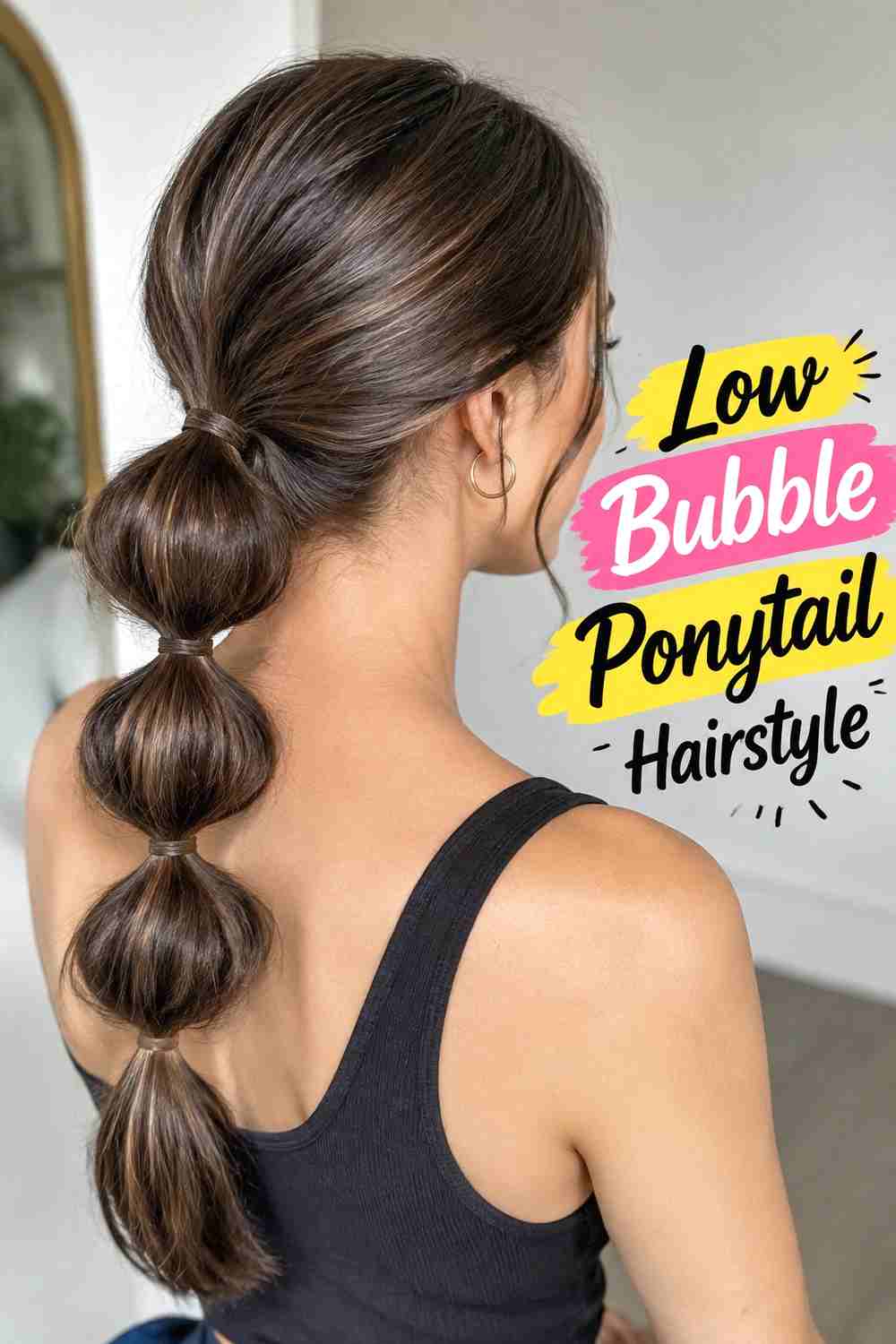
A low bubble ponytail adds controlled shape while keeping the hairstyle narrow and easy to wear with a quilted jacket. Start with a ponytail at the nape, then add slim elastics at intervals down the length and gently expand each section. Keep the bubbles modest rather than oversized so the style feels neat and compatible with classic heritage outerwear. Long hair provides room for several sections, while medium-long hair may look best with only two or three. The upper portion should remain smooth so the texture begins below the collar rather than adding bulk around the neck. This is also a practical style to adjust during the day if one section loosens.
Wear & Maintenance
Use elastics close to your hair color and expand each bubble gradually. Smaller, evenly shaped sections are less likely to rub awkwardly against the jacket or catch on straps.
How to Choose the Right Look
Start with the height and firmness of your jacket collar. If it sits high against the neck, a compact bun, tucked roll, or French roll positioned slightly above the collar can prevent uncomfortable pressure. If the collar is softer or worn open, low ponytails and braids have more room to move naturally.
Hair length matters too. Medium hair is well suited to loops, rolls, twists, and compact buns, while long hair gives rope braids, fishtails, bubble ponytails, and braided rolls more visible structure. Thick hair may feel more comfortable in braided or double-twist styles that distribute volume, while finer hair can create particularly neat folded shapes.
Finally, consider maintenance. Smooth ponytails and simple buns are easy to refresh, while fishtails and braided rolls take more setup. Whatever you choose, keep the fastening point clear of the collar and prioritize secure but comfortable tension.
Final Thoughts
Neat nape hairstyles are a natural match for quilted heritage jackets because both favor clean structure, practical detail, and understated polish. Choose the bun, braid, twist, roll, or ponytail that works with your hair length and collar shape, then keep the finish compact enough to stay comfortable throughout the day.
FAQs
1. What nape hairstyle works best with a high quilted jacket collar?
A compact chignon, tucked roll, or small French roll usually works well because the shape can sit just above the thickest part of the collar.
2. Are low ponytails practical with quilted heritage jackets?
Yes. Position the ponytail at a point that does not press directly into the collar, and bring the length over one shoulder if the back feels crowded.
3. Which nape style is best for thick hair?
Braided buns, double-twist buns, and tucked braided rolls can be useful because they organize the length before forming the final shape.
4. Can curly or textured hair wear neat nape styles?
Yes. Curls and coils can create softer, fuller versions of buns, twists, and ponytails while still keeping the overall nape placement tidy.
5. How do I stop a low bun from rubbing against my jacket?
Put the jacket on before finishing the hairstyle and adjust the bun slightly higher or lower until it clears the collar’s firmest edge.
CTA
Save your favorite neat nape style, share these ideas with someone who loves classic cold-weather outfits, and explore more hairstyle inspiration for heritage jackets.