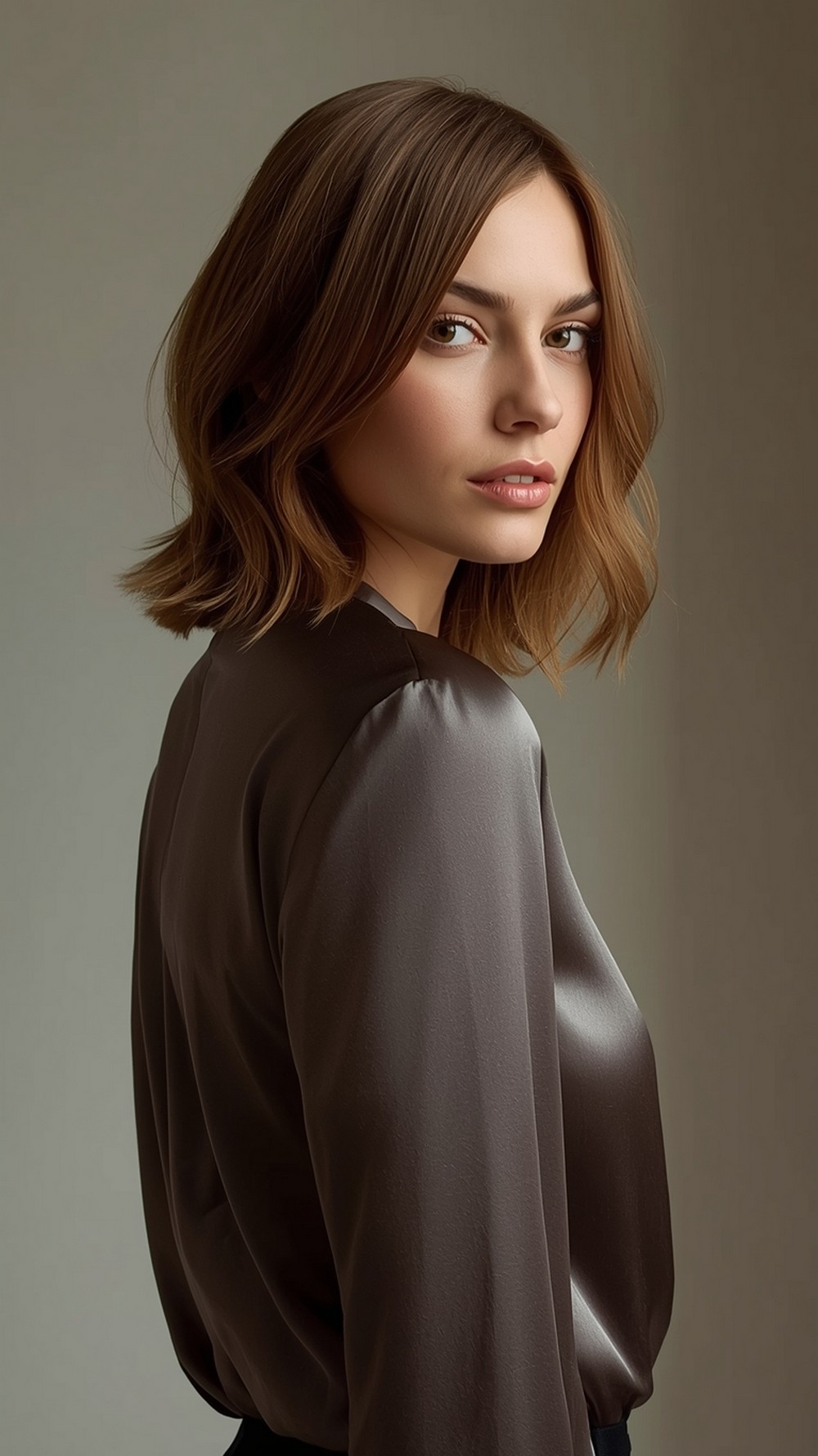
17 Lived-In Bob Haircut Ideas for Fall 2026
Soft edges, airy texture, and easy movement make these lived-in bob ideas a fresh, wearable way to update your hair for fall.
The lived-in bob is less about making every strand behave and more about giving the haircut enough shape that natural movement becomes part of the finished look. For Fall 2026, that can mean softened blunt ends, barely visible layers, loose bends, grown-out fringe, or a slightly longer perimeter that works with sweaters, jackets, and high necklines.
As you compare these ideas, look beyond the salon finish. Think about where the length hits, how much weight remains through the ends, whether your texture needs internal layering, and how much daily styling you realistically want to do. The goal is believable texture, natural strand movement, and a shape that still looks intentional after the initial styling settles.
Quick List
- Soft Boyfriend Bob Hairstyle
- Tousled French Bob Hairstyle
- Grown-Out Bob Hairstyle
- Air-Dried Wavy Bob Hairstyle
- Collarbone-Grazing Bob Hairstyle
- Wispy Bangs Bob Hairstyle
- Kicked-Out Bob Hairstyle
- Overgrown Shag Bob Hairstyle
- Curved Bob Hairstyle
- Broken-Edge Blunt Bob Hairstyle
- Deep Side-Part Bob Hairstyle
- Invisible-Layer Bob Hairstyle
- Piecey Jawline Bob Hairstyle
- Curly Lived-In Bob Hairstyle
- Coily Rounded Bob Hairstyle
- Bixie-Inspired Bob Hairstyle
- Micro-Fringe Lived-In Bob Hairstyle
1. Soft Boyfriend Bob Hairstyle
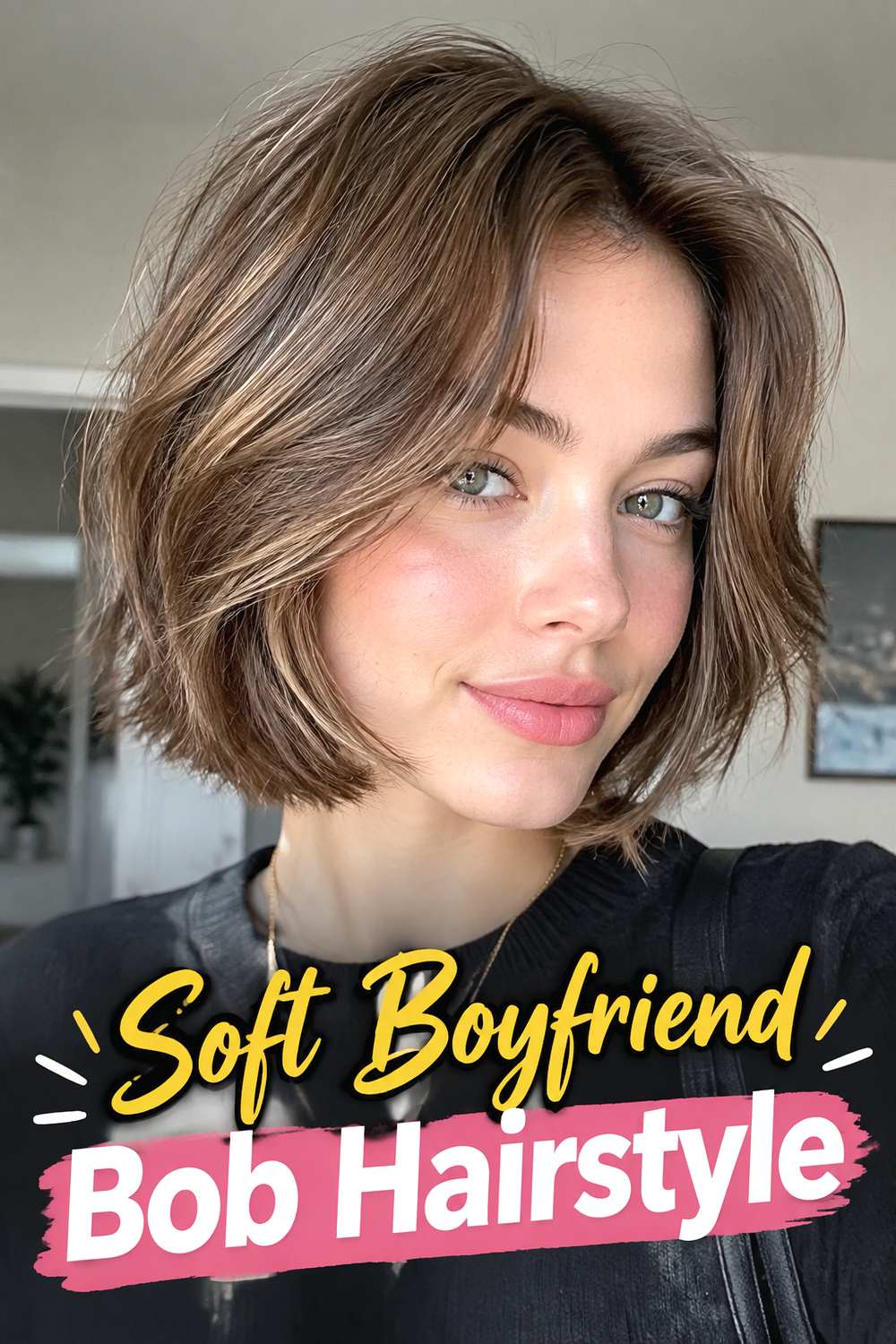
The Soft Boyfriend Bob Hairstyle has an easy, slightly oversized shape that usually lands between the chin and upper shoulders. Rather than looking freshly pressed into place, it keeps a little weight through the perimeter while subtle interior texture allows the hair to bend, separate, and fall naturally. A center or relaxed off-center part reinforces the uncomplicated mood. This is a strong option if you like a bob but do not want every morning to begin with a round brush. Fine hair can benefit from keeping the baseline relatively full, while thicker hair may need discreet weight removal underneath so the silhouette does not become triangular.
Wear & Maintenance
Ask for soft rather than heavily razored ends. The cut should look good tucked behind the ears, loosely waved, or left with its natural day-two bends. A small amount of lightweight texture cream through the mid-lengths is often enough.
2. Tousled French Bob Hairstyle
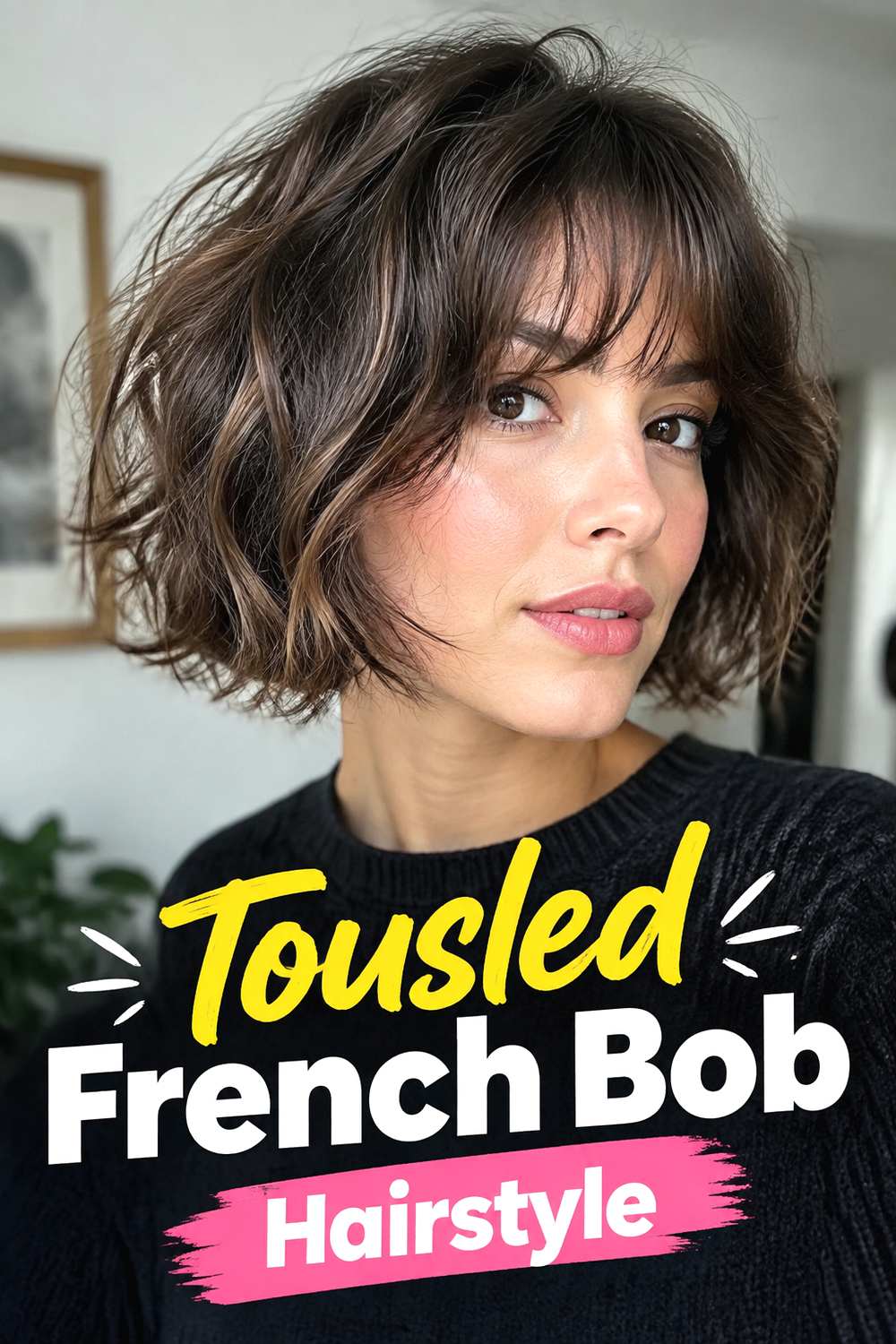
The Tousled French Bob Hairstyle brings the perimeter higher, typically around the jaw or lower cheek area, then keeps the finish deliberately relaxed. The charm comes from its contrast: the length feels decisive, while the texture looks as though it has been lightly disturbed by movement rather than carefully curled. A soft fringe or a few shorter face-framing pieces can make the shape feel even more casual. This version can be especially appealing on naturally wavy hair because irregular bends give the cut personality. On straighter textures, alternating the direction of a few loose waves prevents the bob from turning into one uniform, overly polished curve.
Styling Notes
Work with small, imperfect sections instead of curling every piece. Leave some ends straighter, loosen the finished texture with your fingers, and avoid heavy oils that can collapse the airy shape.
Best For
This cut suits someone comfortable with a true short bob and regular perimeter trims. If you prefer being able to tie all your hair back, choose one of the longer options instead.
3. Grown Out Bob Hairstyle
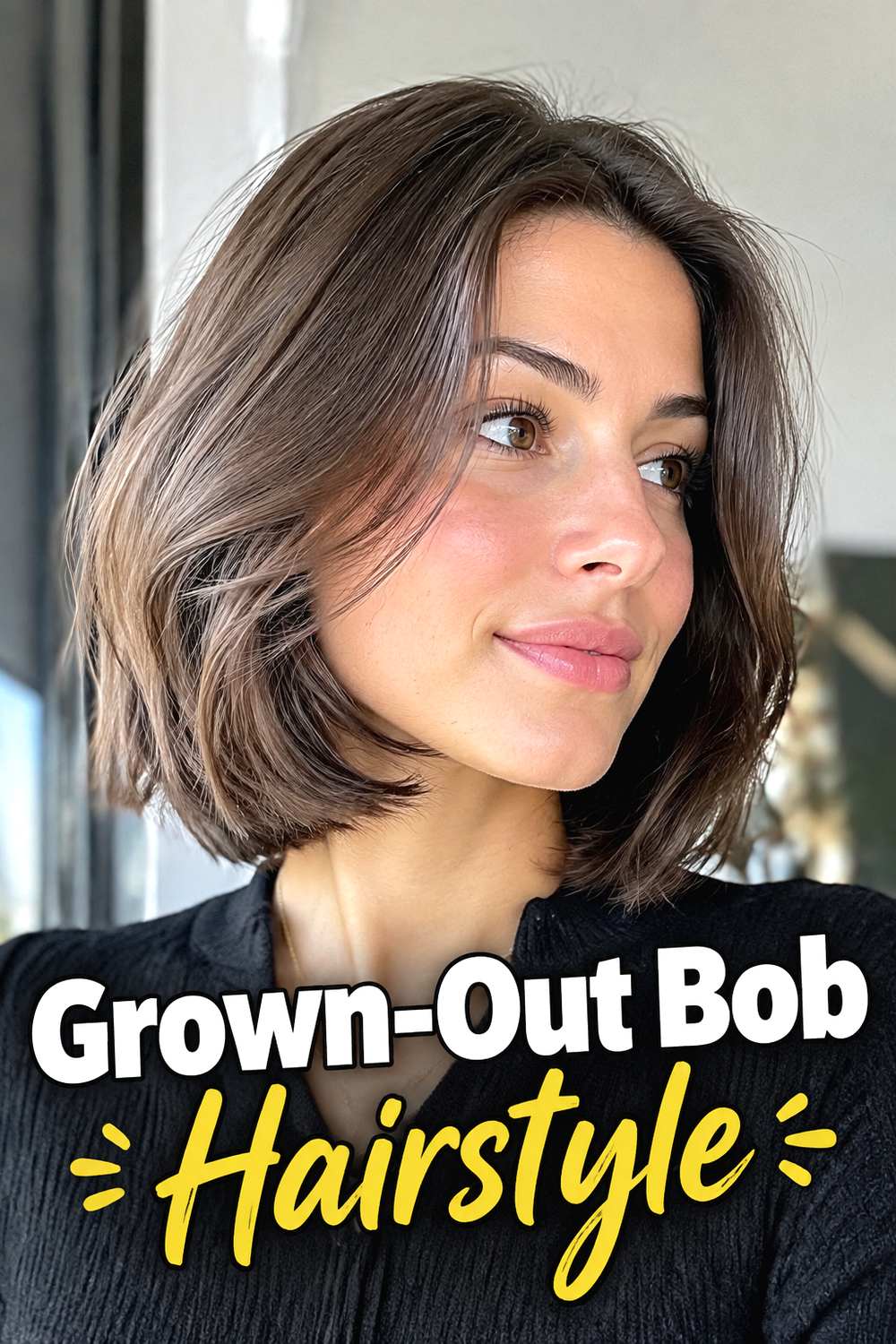
The Grown-Out Bob Hairstyle is ideal for anyone who likes that in-between stage when a traditional bob begins brushing the shoulders but has not yet become a full lob. The slightly uneven movement around the collar gives it a relaxed quality, especially when the front is allowed to fall a touch longer. Instead of layering the entire haircut aggressively, keeping strategic weight through the lower section helps it retain the unmistakable bob outline. The extra length makes this version practical for fall because it can be tucked into a coat, clipped back, or gathered into a small low ponytail while still delivering the freshness of a shorter haircut.
Why It Works
A longer perimeter offers flexibility without demanding a precision finish. It is particularly useful if you want a seasonal cut now but expect to continue growing your hair over winter.
4. Air Dried Wavy Bob Hairstyle
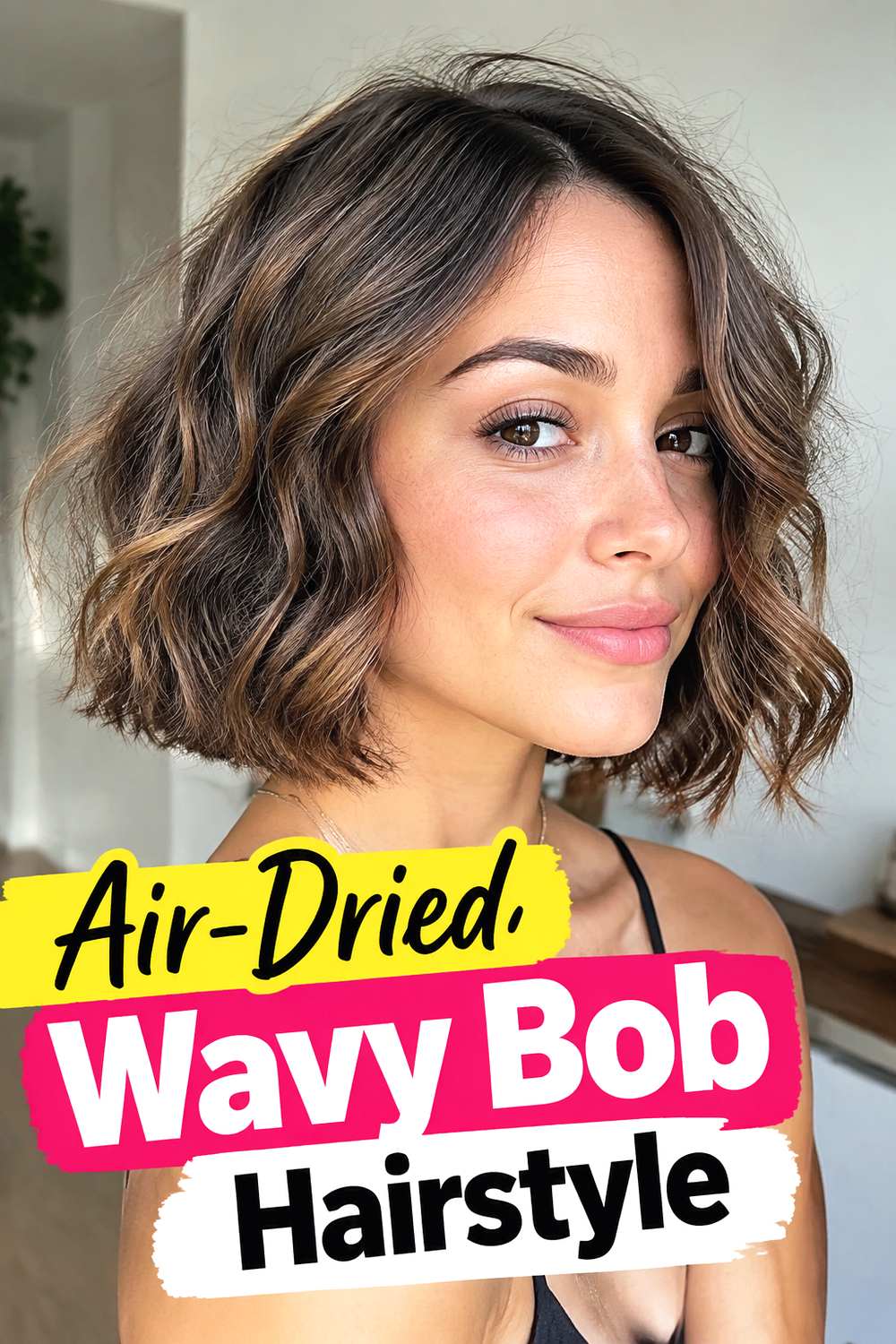
The Air-Dried Wavy Bob Hairstyle is designed around natural bends rather than a perfectly smooth blowout. A shoulder-skimming or jaw-to-neck length gives waves enough room to form while preventing the overall shape from becoming too heavy. Interior layering should be placed according to the actual wave pattern instead of added simply for texture, since too many short pieces can create unwanted bulk. The finished bob looks best when some strands form stronger S-shaped waves and others stay looser. That variation is exactly what makes it feel lived-in. It is an especially practical fall choice for anyone who wants to reduce heat styling while still having a haircut with visible structure.
Hair Type & Length
Naturally wavy textures usually get the easiest result. If your waves shrink substantially when dry, have the final length assessed in its natural state before taking the perimeter shorter.
Pro Tip
Apply a light curl cream or foam to damp hair, scrunch selectively, and let the roots settle naturally instead of forcing maximum volume everywhere.
5. Collarbone Grazing Bob Hairstyle
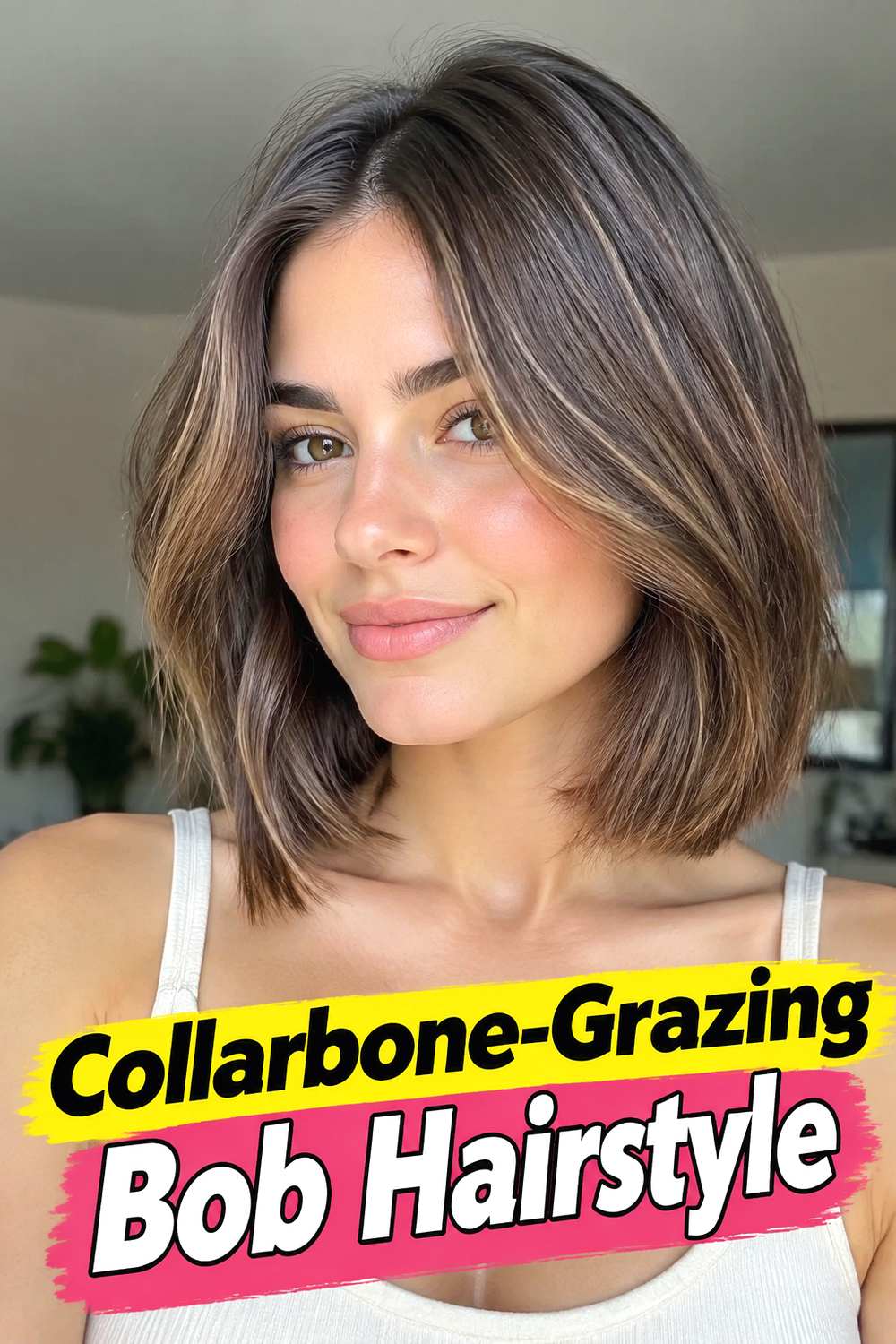
The Collarbone-Grazing Bob Hairstyle sits at the long end of the bob family, making it one of the easiest options for anyone hesitant about a dramatic chop. Its defining feature is the way the ends skim the collarbone and shift naturally over clothing rather than forming a rigid line above the shoulders. Soft face-framing pieces can begin around the cheekbones or jaw, but the rest of the haircut should retain enough density to look substantial. The length works particularly well with loose waves, gentle bends, or straight hair with a slight tuck. It also offers more styling flexibility than shorter bobs, including low buns, clips, and half-up looks.
Best For
Choose this length if versatility matters as much as the haircut itself. It works well for busy routines, active lifestyles, and anyone who wants a bob-inspired change without losing tying-back options.
6. Wispy Bangs Bob Hairstyle
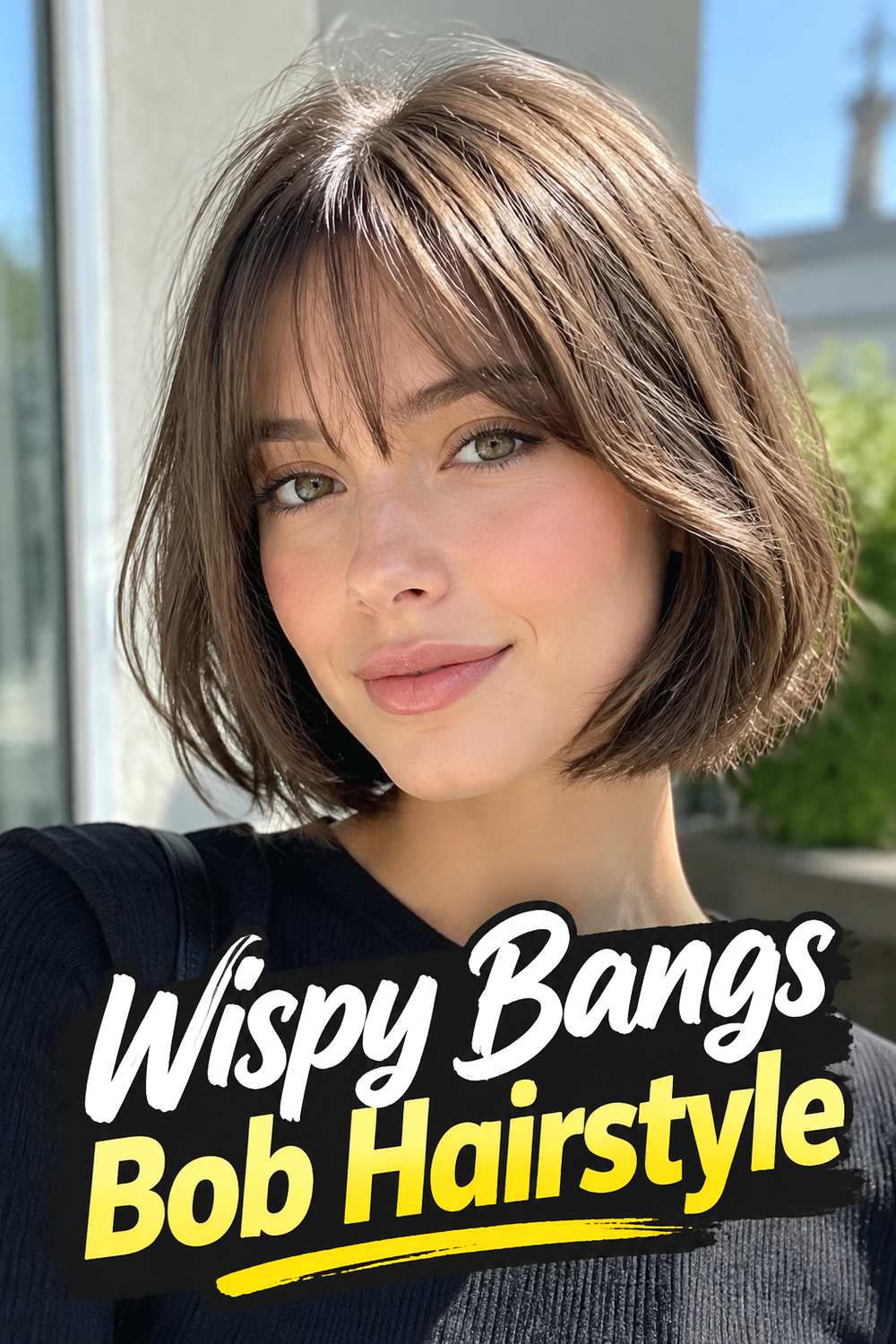
The Wispy Bangs Bob Hairstyle combines a softly textured bob with a fringe that feels light rather than dense. The bangs can skim the brows or separate slightly across the forehead, blending into short face-framing pieces near the temples. Keeping the fringe airy is important to the lived-in effect; a solid, heavy block of bangs can make the haircut feel much more graphic. Through the main bob, gentle texture at the ends echoes the softness around the face. This look can refresh a familiar bob without sacrificing much length, and the fringe adds movement even when the rest of the hair is worn relatively straight.
Wear & Maintenance
Bangs usually need more frequent attention than the bob itself. A quick fringe trim can preserve the shape while allowing the perimeter to grow more casually between full appointments.
Styling Notes
Dry the bangs first, moving them from side to side so the roots do not set in one stiff direction. Keep finishing product minimal around the forehead.
7. Kicked Out Bob Hairstyle
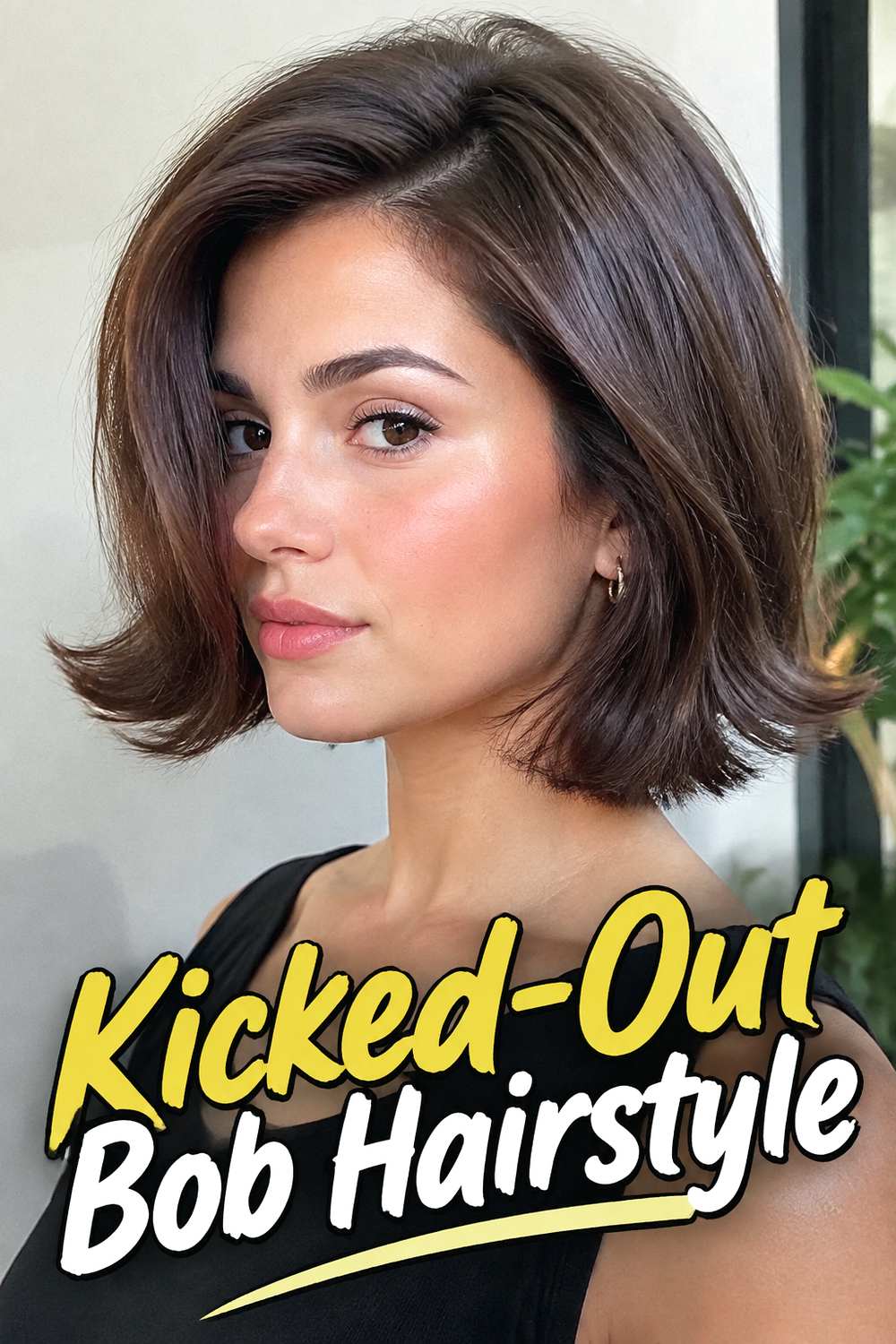
The Kicked-Out Bob Hairstyle uses naturally flipping ends as a feature instead of something to straighten away. The most wearable version usually sits near the jaw, neck, or just above the shoulders, where the hair naturally encounters the curve of the neck and begins turning outward. Subtle layering can encourage that movement, but the perimeter should still feel connected enough to read as a bob. The result has a lightly retro personality without becoming costume-like. It is particularly useful if your current bob already tends to flip at the ends, since the haircut works with that behavior rather than requiring constant heat styling to correct it.
Why It Works
The outward movement gives even straighter hair a little animation and makes a growing bob feel intentional. It also pairs naturally with relaxed fall clothing and structured jackets.
Pro Tip
Use a brush or flat iron only on selected ends. Uniformly flipping every section can look too set; irregular direction keeps the shape modern.
8. Overgrown Shag Bob Hairstyle
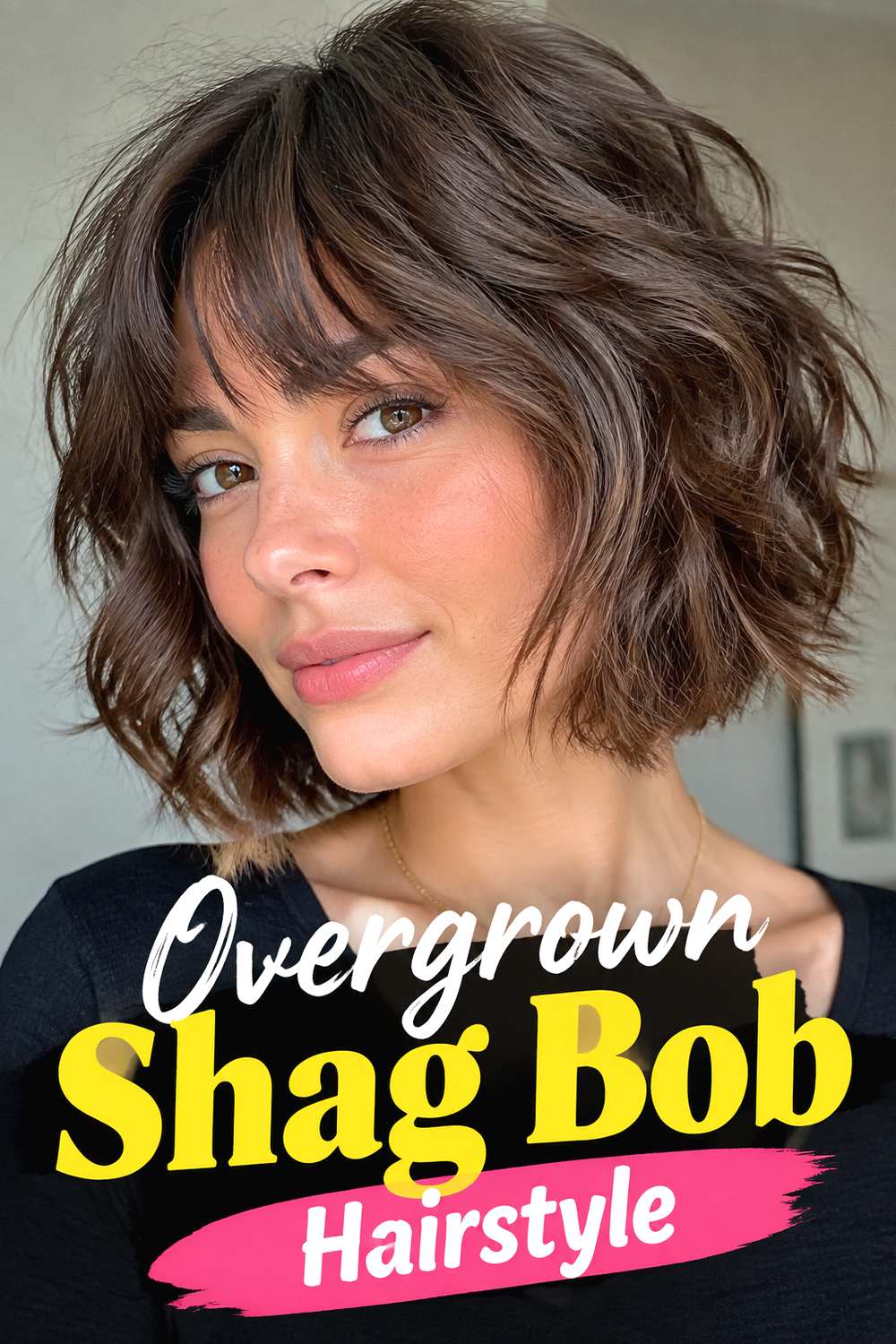
The Overgrown Shag Bob Hairstyle brings more obvious layering into the lived-in bob family. Instead of a compact one-length outline, it uses shorter crown pieces, cheekbone-level movement, and broken-up ends to create a relaxed, slightly undone silhouette. The length can sit anywhere from the jaw to the upper shoulders, but the layers should connect smoothly enough that the haircut does not turn into a disconnected mullet shape unless that is specifically what you want. Natural waves and medium-density hair can make this cut especially expressive because the layers encourage separation. A softly grown fringe can complete the shaggy effect without requiring a crisp daily finish.
Best For
This is a good choice when you want visible texture rather than subtle internal movement. It tends to require less precision styling but more willingness to embrace an intentionally tousled shape.
9. Curved Bob Hairstyle
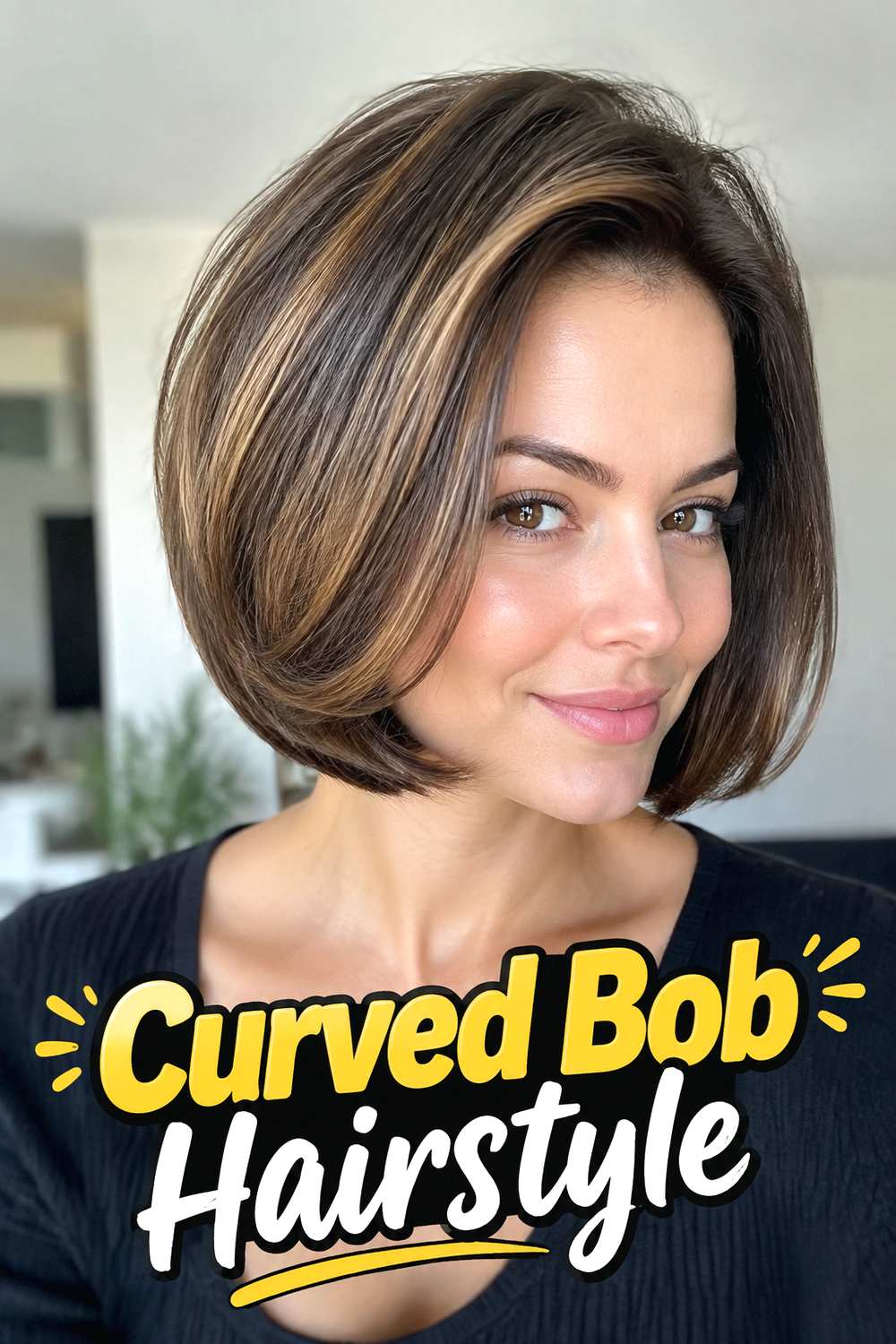
The Curved Bob Hairstyle keeps the polished arc of a rounded bob but softens it enough to feel wearable beyond the salon. The ends turn gently inward around the jaw or neck rather than creating a severe geometric line. Long internal layers can help the surface move while preserving the full perimeter that gives the haircut its curved silhouette. On straight or softly wavy hair, the shape can look finished with little more than a smooth blow-dry and a slight bend at the ends. For Fall 2026, the appeal lies in that balance between neat and relaxed: there is clear structure, but the hair can still move and separate naturally.
Styling Notes
Avoid rolling the ends too tightly under. A broad, loose curve looks softer and gives the haircut more longevity as it begins to grow.
10. Broken Edge Blunt Bob Hairstyle
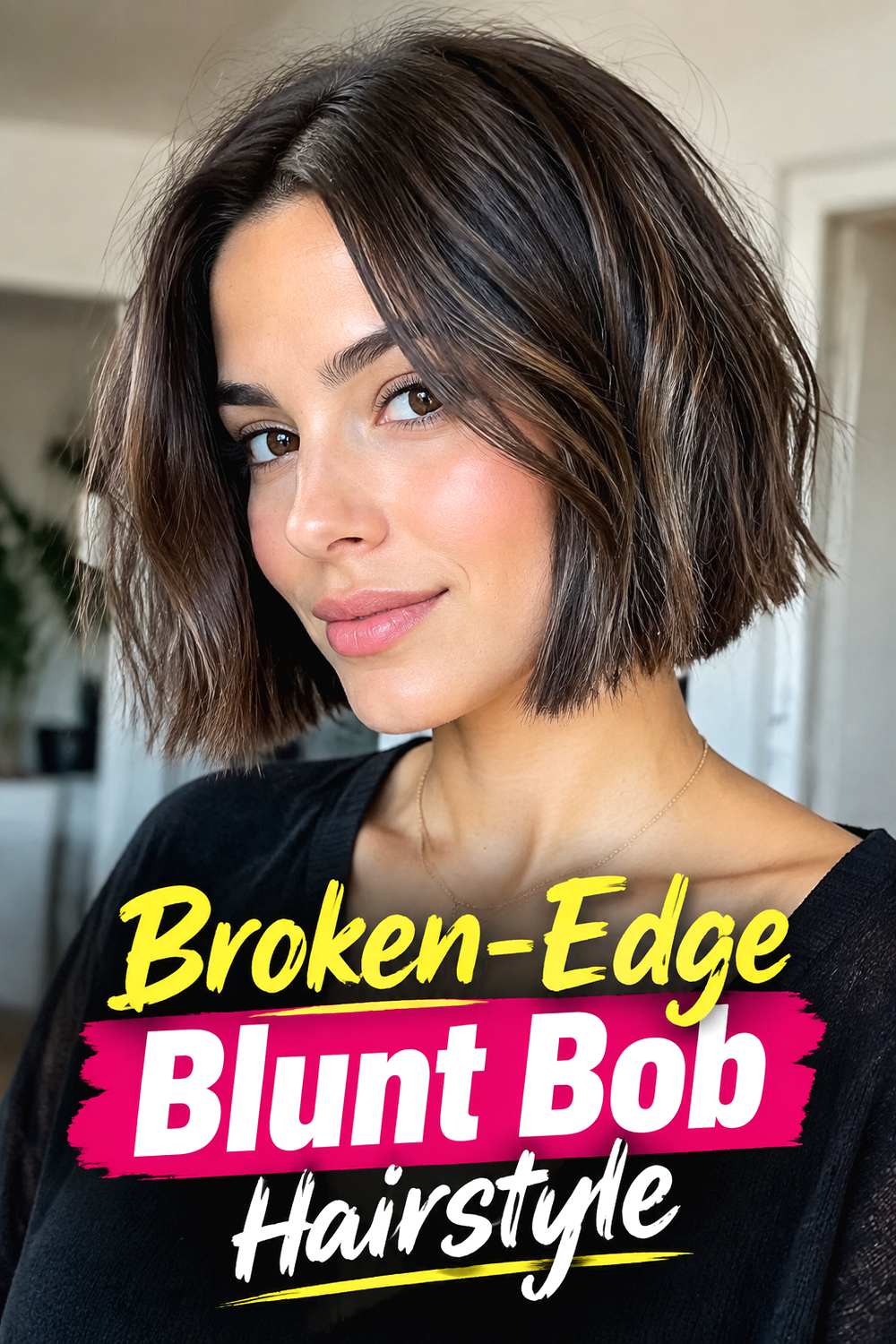
The Broken-Edge Blunt Bob Hairstyle starts with the visual strength of a blunt bob and then loosens the perimeter so it does not appear freshly cut with a ruler. Tiny variations through the ends create separation while the overall baseline remains strong. That combination can be especially helpful for fine to medium hair because it preserves the impression of density without looking severe. A length around the jaw or mid-neck keeps the silhouette compact, and a simple center part lets the imperfect edge become the main detail. Worn straight, the small variations are visible; with a bend added, they help individual pieces move apart naturally.
Hair Type & Length
Fine hair usually benefits from minimal internal layering with most of the texture concentrated at the very ends. Dense hair may require additional hidden weight removal underneath the surface.
Pro Tip
Ask for softness without sacrificing the baseline. Over-texturizing a blunt bob can remove the fullness that makes the shape appealing in the first place.
11. Deep Side Part Bob Hairstyle
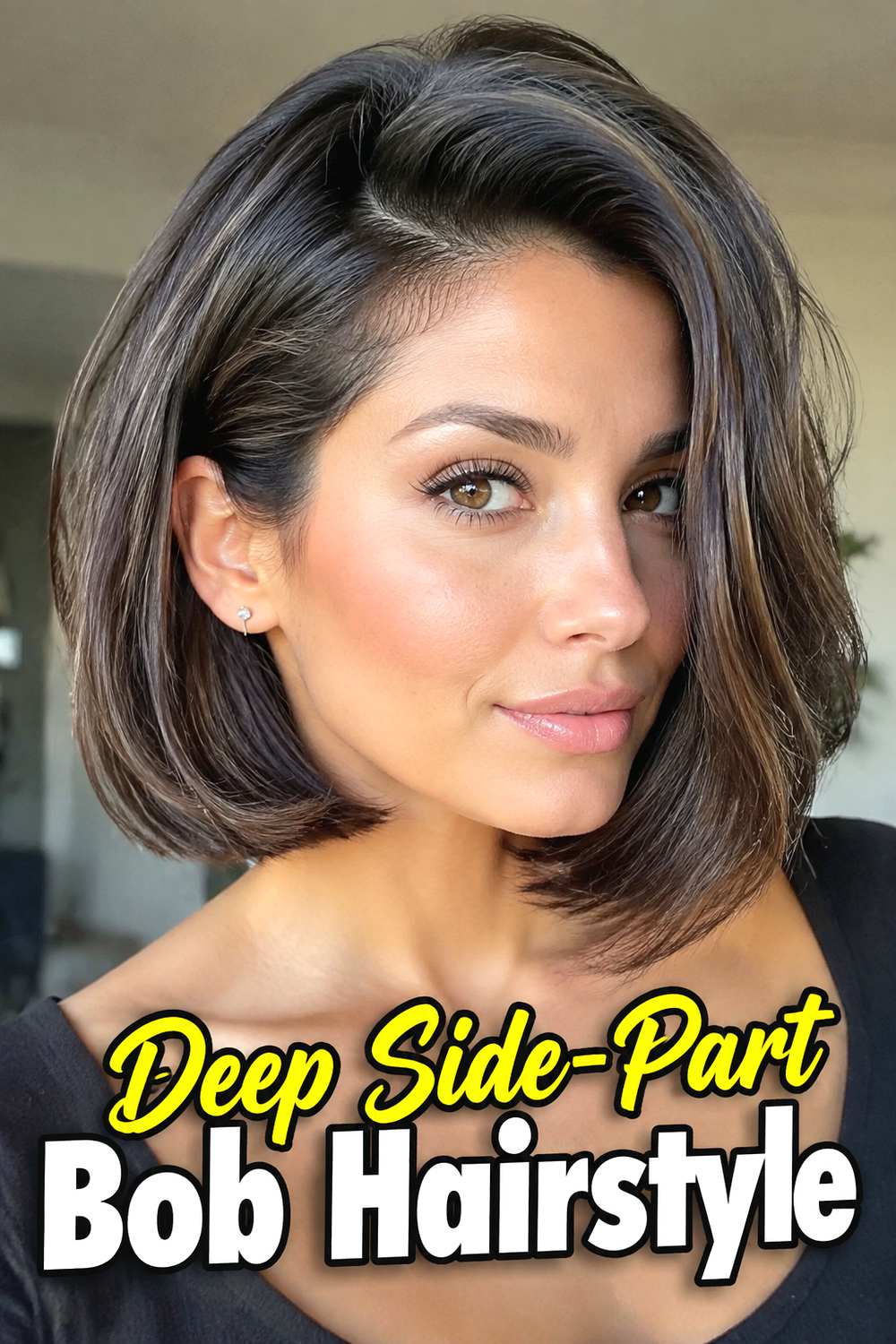
The Deep Side-Part Bob Hairstyle changes the attitude of a simple lived-in cut without requiring dramatic layering. Moving the part farther to one side creates instant asymmetry, allowing one section to sweep across the forehead while the opposite side can sit neatly behind the ear. A bob between the jaw and shoulders gives enough length for that movement without losing its compact shape. This is useful if you already own a straightforward bob and want it to feel different for fall without making a major structural change. Slightly rumpled texture through the ends keeps the side part from becoming too formal or overly glamorous for everyday wear.
Styling Notes
Create the part while the roots are still slightly damp, then encourage lift only near the heavier side. Let the lengths remain loose instead of building volume from roots to ends.
Best For
It is an easy option for anyone who likes changing their silhouette through styling and wants the freedom to move back to a middle part whenever desired.
12. Invisible Layer Bob Hairstyle
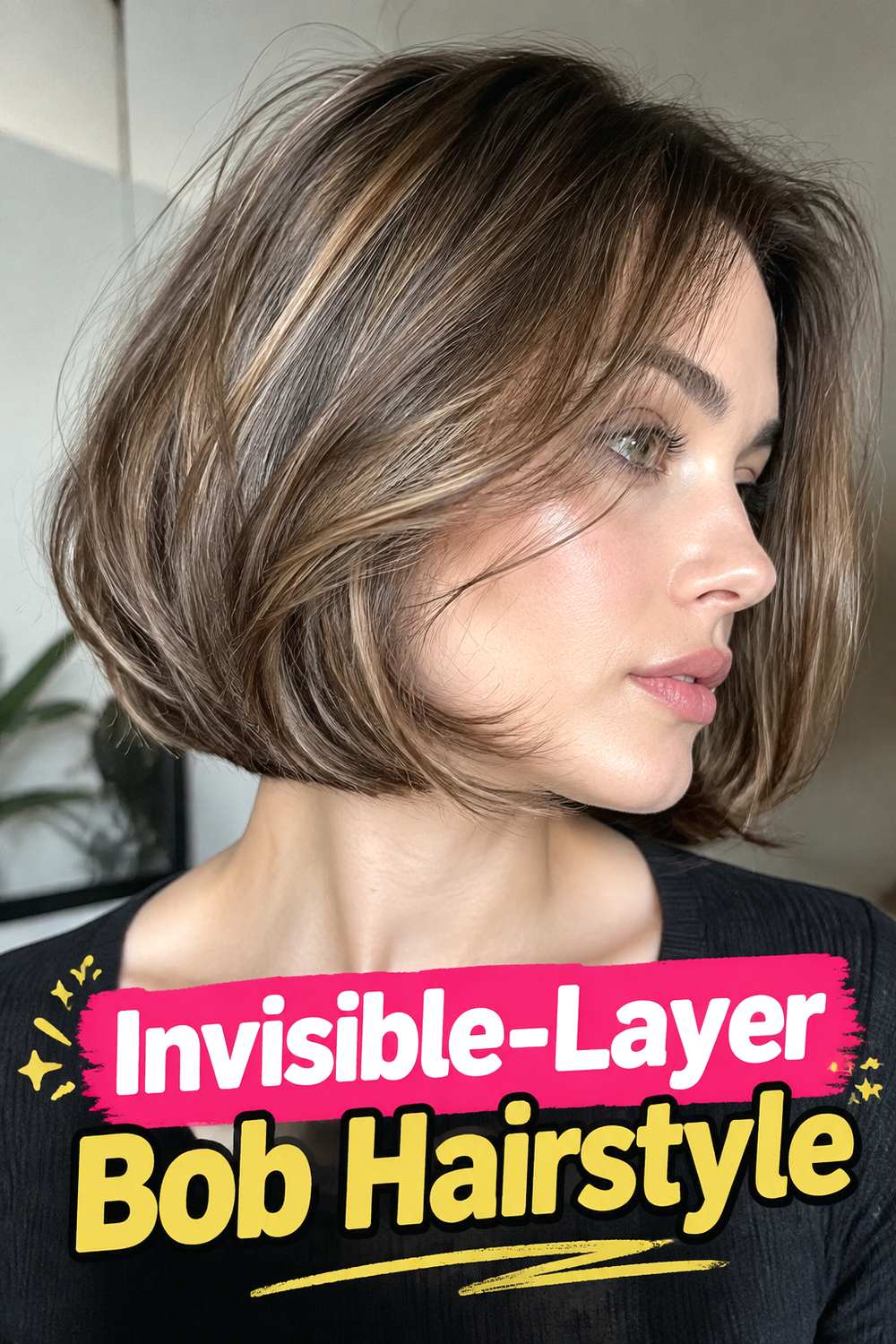
The Invisible-Layer Bob Hairstyle is made for people who want movement without seeing obvious steps through the haircut. The perimeter remains substantial, while carefully placed internal sections remove just enough weight to help the hair bend and swing. From a distance, it may resemble a simple one-length bob; up close, the ends separate more easily and the shape avoids feeling blocky. This technique can work particularly well on medium to thick hair that becomes bulky when cut at one uniform length. A jaw-to-shoulder perimeter keeps it versatile, and the hidden layering makes loose waves look softer because they can form at slightly different points.
Why It Works
Invisible layers preserve the clean identity of a bob while solving excess weight underneath. They are useful when you want movement but dislike heavily feathered or choppy surfaces.
13. Piecey Jawline Bob Hairstyle
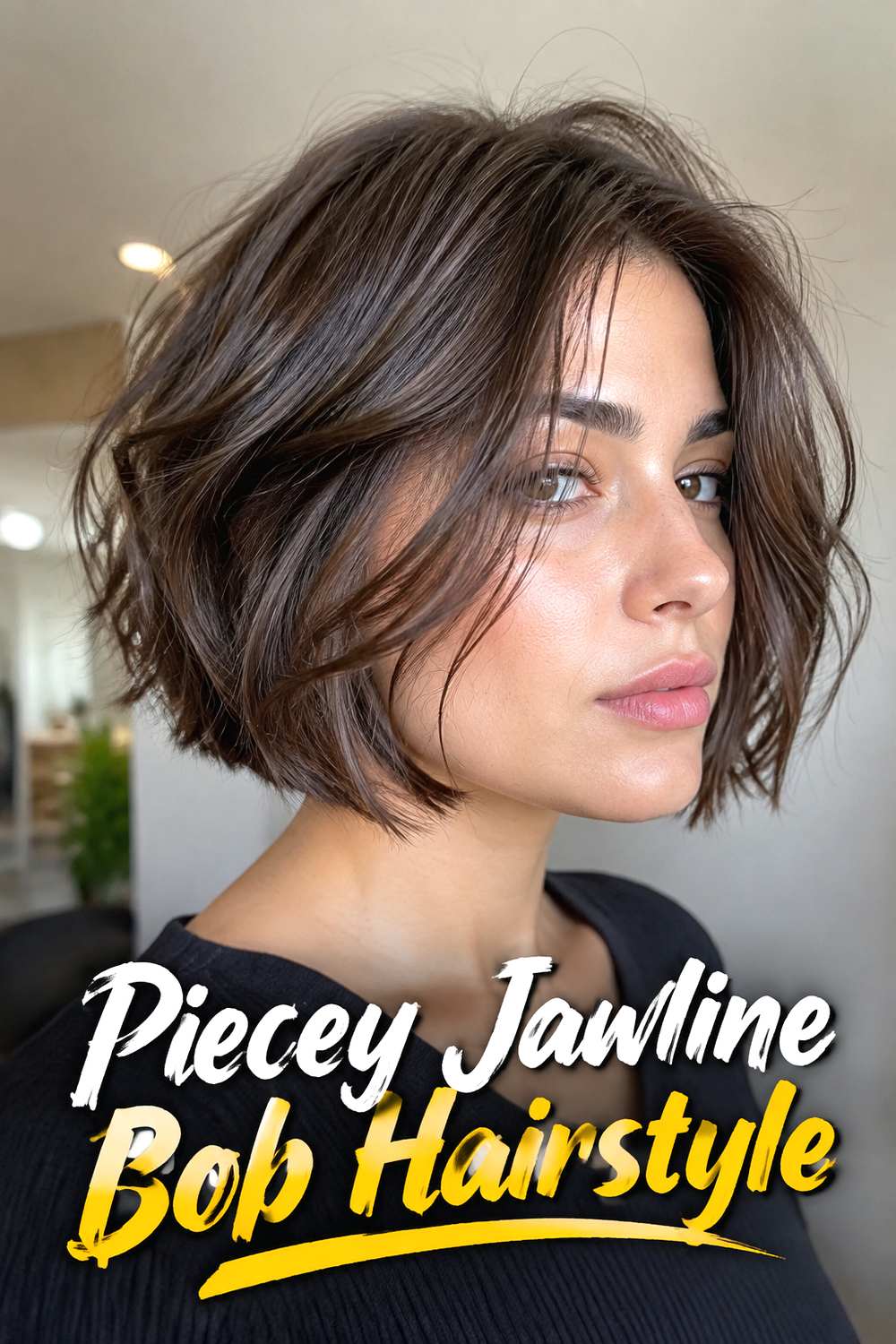
The Piecey Jawline Bob Hairstyle makes the lower face the focal point with a short perimeter that lands close to the jaw and separates into soft, distinct ends. It is sharper than a grown-out bob but less rigid than a precision crop. A small amount of texturizing around the perimeter helps the hair form individual pieces, especially when a lightweight paste or cream is worked through the tips. The length makes earrings, collars, and fall layers more visible, while the deliberately imperfect finish keeps the overall look casual. Because there is less hair to weigh the shape down, even subtle natural bends can become more noticeable at this length.
Wear & Maintenance
A jawline bob shows growth relatively quickly, so expect the silhouette to change between appointments. That can be an advantage if you enjoy watching a short bob gradually become softer and longer.
14. Curly Lived In Bob Hairstyle
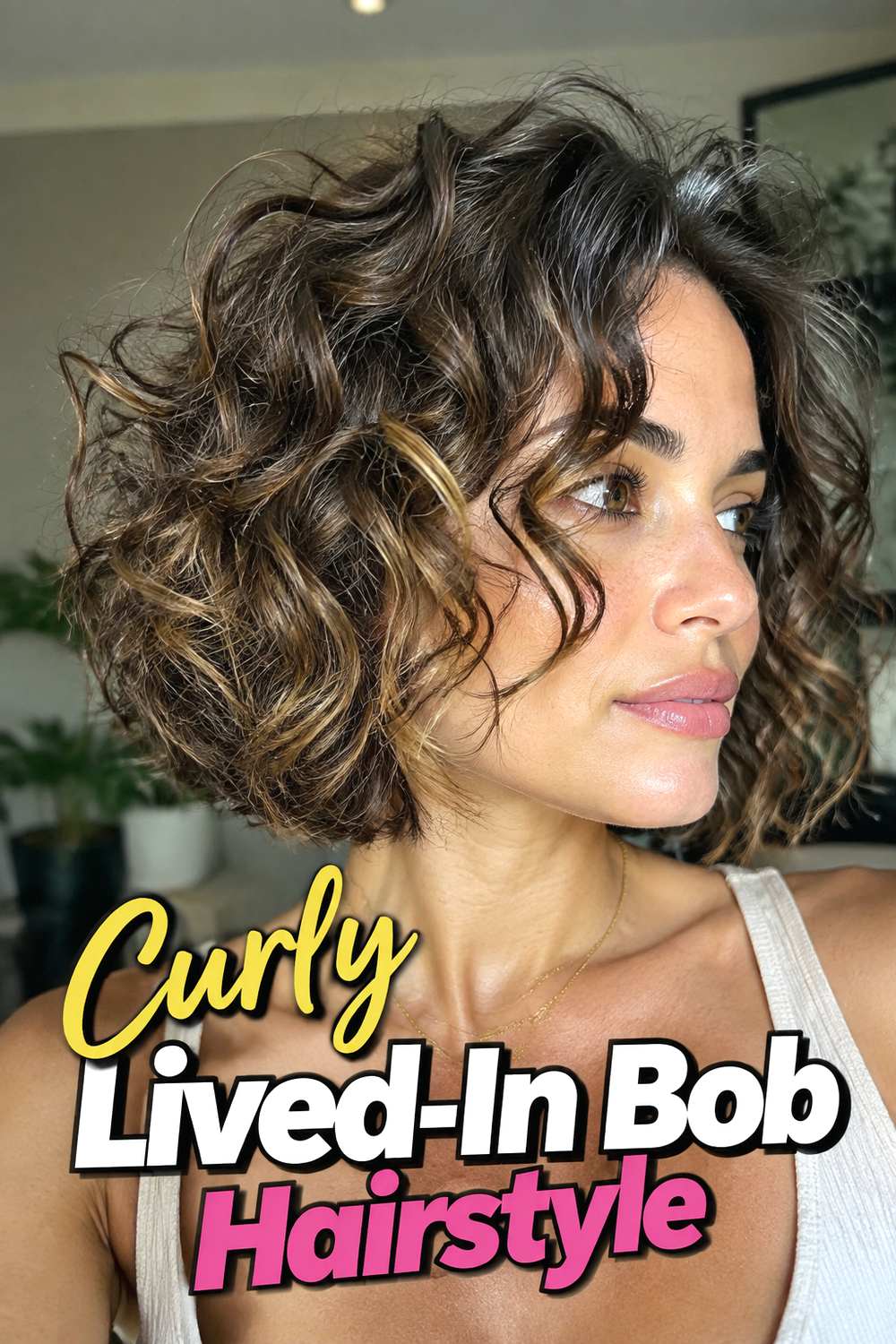
The Curly Lived-In Bob Hairstyle lets individual curl patterns shape the silhouette rather than forcing every curl into an identical outline. The bob can sit around the jaw, neck, or shoulders depending on shrinkage, with strategic layers used to distribute volume rather than simply shorten the top. The strongest versions preserve enough fullness at the ends to keep the haircut grounded while allowing curls around the face to spring more freely. Day-two and day-three texture can actually enhance the lived-in quality as curls expand and separate. The key is choosing a cut that accounts for how the hair behaves dry, not only how it looks when freshly stretched or wet.
Hair Type & Length
Have shrinkage considered before committing to the final perimeter. Tighter curls can rise significantly once dry, so a seemingly modest trim may produce a much shorter finished bob.
Pro Tip
Refresh individual curls instead of soaking and restyling the entire head every time. Selective moisture can preserve definition while keeping the overall texture natural.
15. Coily Rounded Bob Hairstyle
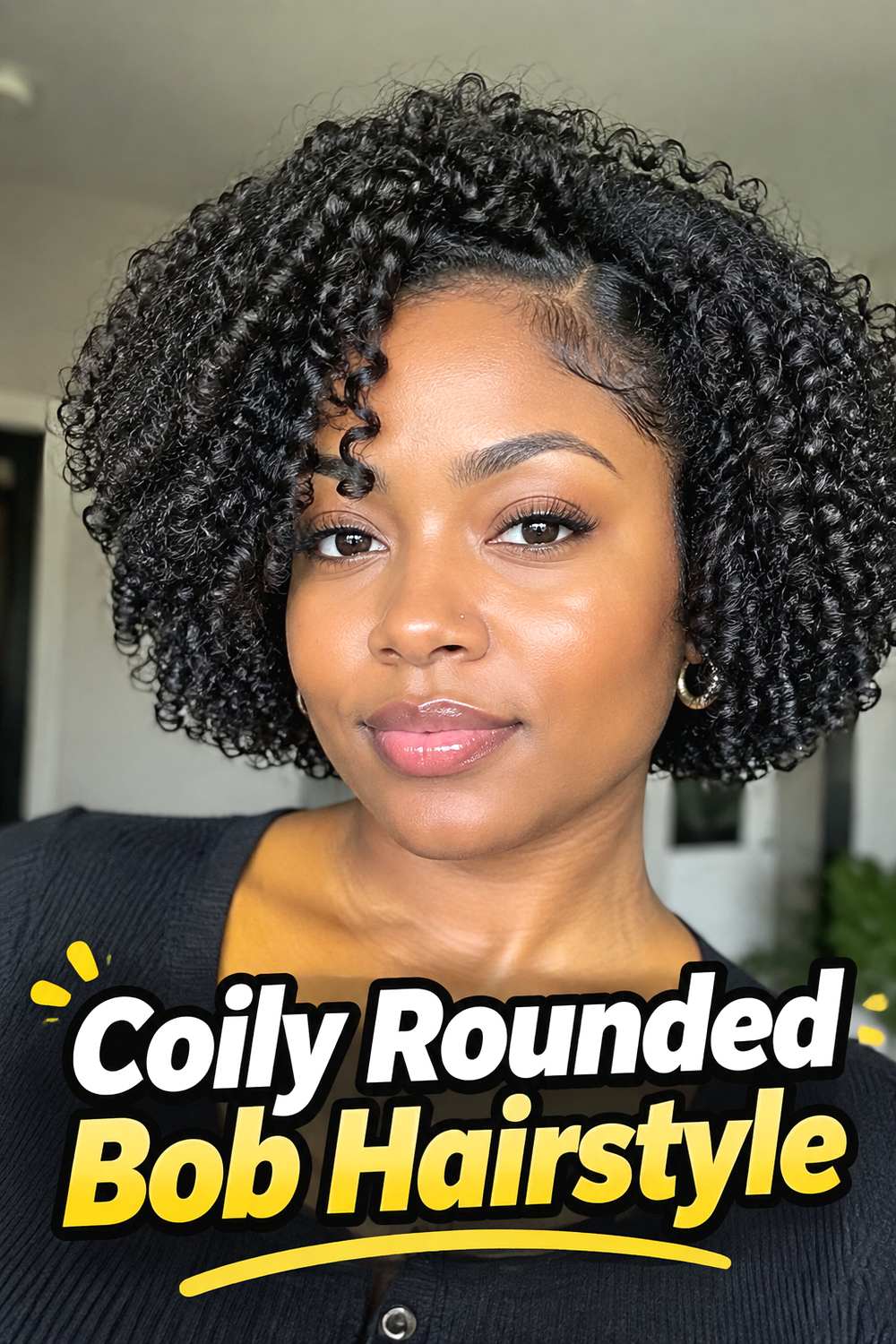
The Coily Rounded Bob Hairstyle uses the natural expansion of coily hair to create a soft, balanced bob silhouette with fullness around the sides and lower perimeter. Instead of flattening the texture into a conventional straight-hair shape, the cut follows how the coils stack, shrink, and occupy space. Gentle shaping around the face can open the features, while thoughtful weight distribution keeps the crown and lower sections visually connected. The finished result can look defined or fluffy depending on styling preference, and both finishes suit the lived-in concept. What matters most is preserving believable density and allowing different coil sizes to contribute to the overall shape.
Best For
This approach works especially well if you prefer wearing your natural texture most of the time. Bringing reference photos that show a similar curl pattern and density can make the desired silhouette easier to communicate.
16. Bixie Inspired Bob Hairstyle
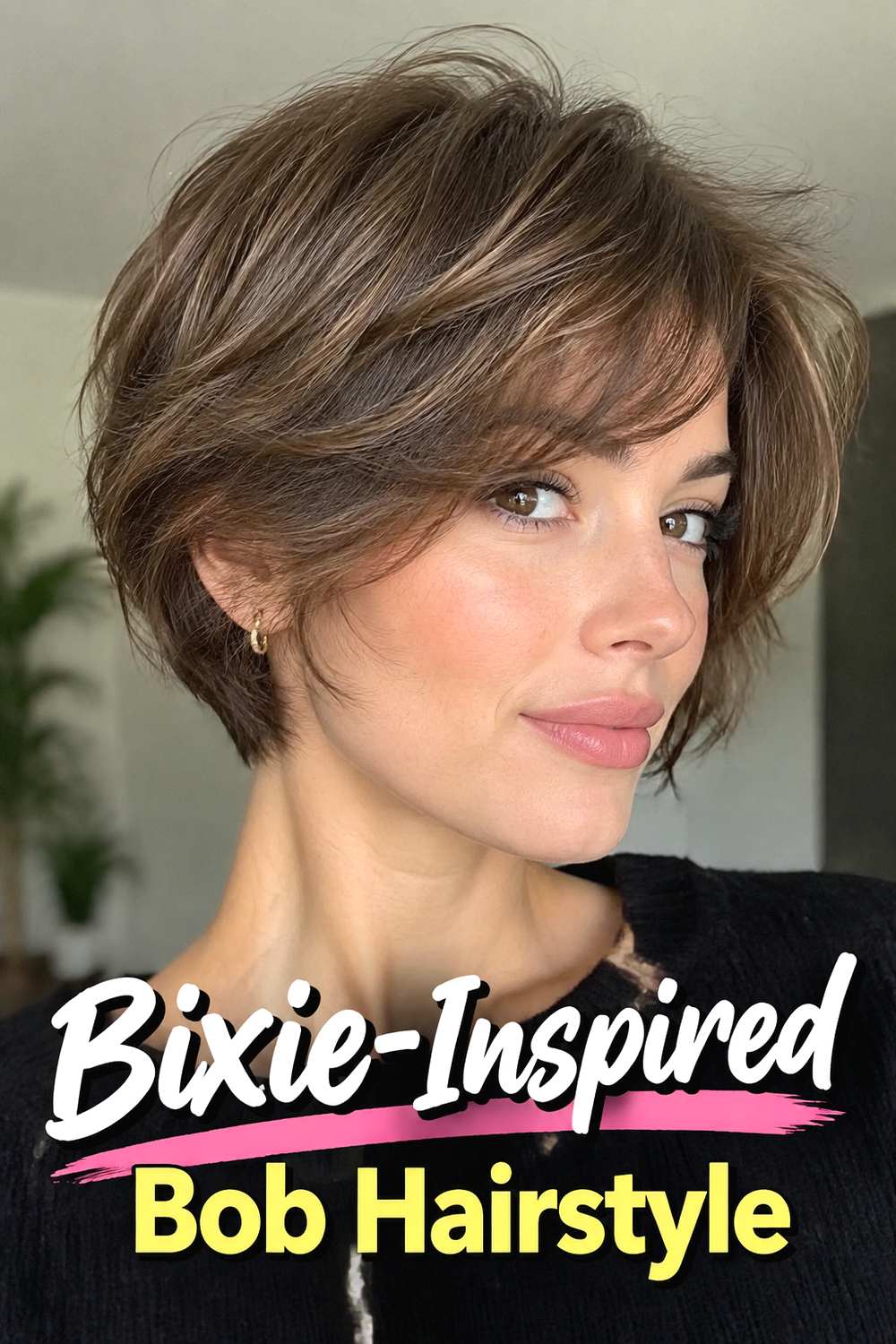
The Bixie-Inspired Bob Hairstyle sits between a compact bob and an elongated pixie, using shorter layers around the crown and sides while retaining enough length through the perimeter to feel bob-like. It is a stronger change than the shoulder-length options in this collection, but the textured finish keeps it from appearing overly sculpted. Longer pieces around the ears or nape can create softness, and a sweeping fringe can be worn forward, sideways, or casually separated. The cut works best when its texture has room to move rather than being sprayed into one fixed silhouette, making it an expressive choice for someone ready to go noticeably shorter for fall.
Wear & Maintenance
Shorter layered shapes tend to change quickly as they grow. Plan on more frequent reshaping if you want to preserve the bixie proportion, or allow it to evolve naturally into a fuller short bob.
17. Micro Fringe Lived In Bob Hairstyle
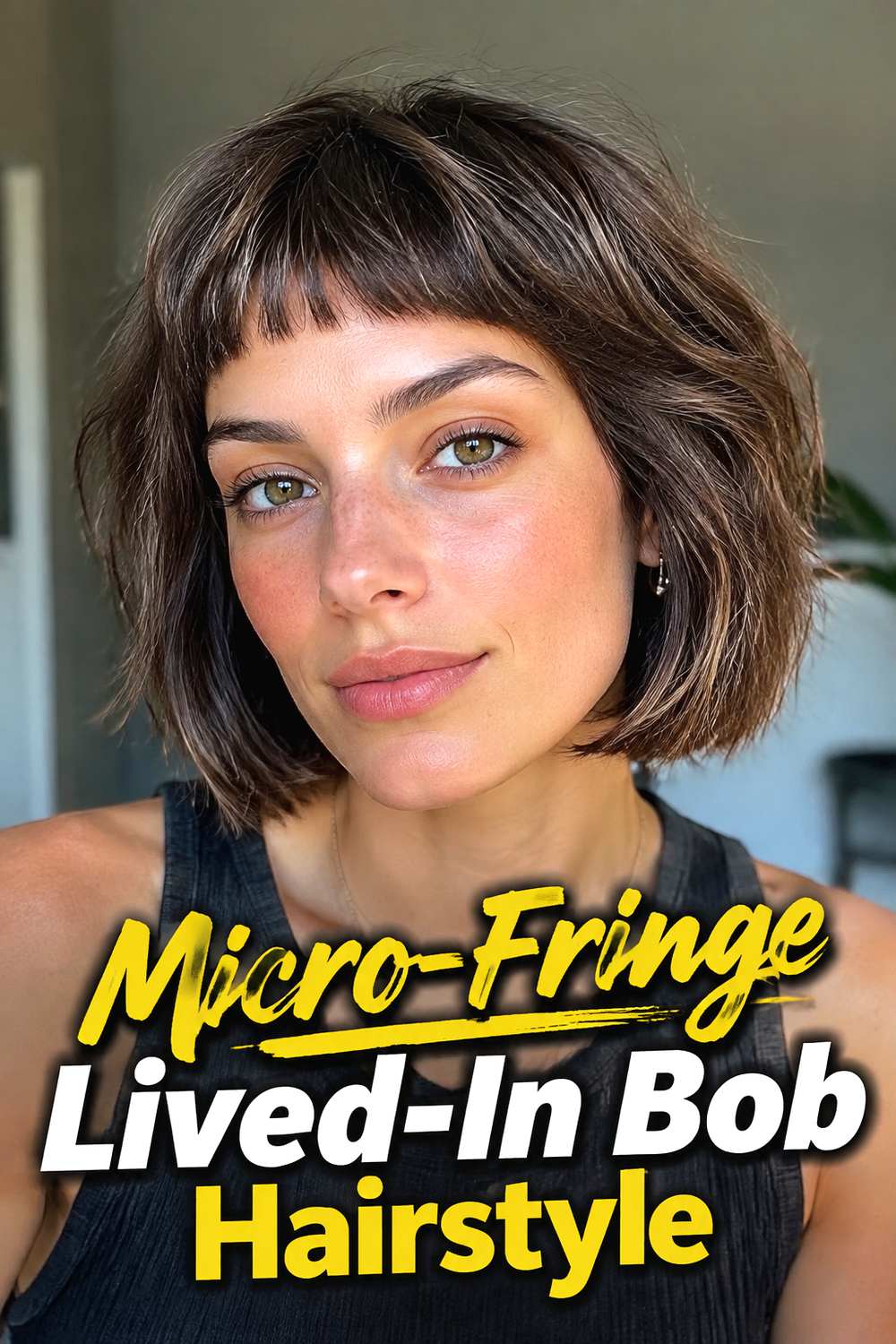
The Micro-Fringe Lived-In Bob Hairstyle pairs an intentionally short fringe with softer, more relaxed lengths for an interesting contrast. The fringe sits above the brows and adds a graphic detail near the face, while the bob itself can remain tousled, lightly layered, or softly blunt around the jaw and neck. Because the bangs make such a clear statement, keeping the rest of the haircut understated helps the look stay balanced. This option is especially effective if you want your fall haircut to feel noticeably different without relying on dramatic color. It can work with straight, wavy, or curly textures, but the fringe pattern should be customized to natural growth and shrinkage.
Wear & Maintenance
Micro fringe is one of the higher-maintenance details on this list. It grows out visibly and may need frequent trimming, so choose it because you enjoy the statement rather than because you want the easiest possible bob.
Pro Tip
Discuss cowlicks and natural hairline direction before cutting the fringe. Those details can determine whether a short bang sits naturally or requires daily heat styling.
How to Choose the Right Look
Start with length. A jawline or French-style bob creates the biggest visual change but offers the least tying-back flexibility. Collarbone-grazing and grown-out bobs are easier if you exercise frequently, wear your hair up for work, or simply want more styling options.
Next, consider texture and density. Fine hair often benefits from a stronger perimeter with restrained layering, while dense hair may need invisible internal weight removal. Waves can shine in air-dried or shag-inspired shapes, while curls and coils benefit from cuts designed around their actual dry pattern and shrinkage rather than a generic bob diagram.
Styling time matters just as much as the haircut. If you want minimal daily effort, focus on the Soft Boyfriend Bob Hairstyle, Grown-Out Bob Hairstyle, Air-Dried Wavy Bob Hairstyle, or Collarbone-Grazing Bob Hairstyle. Fringe options usually need more frequent attention, especially the Micro-Fringe Lived-In Bob Hairstyle.
Also think about hold and finish. A lived-in bob should not depend on heavy product to maintain its identity. Softer creams, foams, light texturizers, and flexible hold generally preserve movement better than stiff finishing products. If you prefer a smoother look, the Curved Bob Hairstyle or Broken-Edge Blunt Bob Hairstyle offers more structure without requiring a completely rigid finish.
Finally, picture the haircut several weeks after the appointment. The strongest choice is not necessarily the one that looks most dramatic on day one; it is the shape that will still suit your routine, texture, comfort level, and preferred maintenance schedule as it gradually grows.
Final Thoughts
A lived-in bob works best when the cut supports your real hair rather than depending on perfect styling every morning. For a softer entry point, choose a grown-out, boyfriend, or collarbone-grazing shape. If you want more personality, consider wispy bangs, a shaggy outline, kicked-out ends, or a short micro fringe.
Whichever direction you take, tailor the layering, perimeter weight, and final length to your own texture. That customization is what turns a trendy fall bob into something you can realistically enjoy well beyond the season.
FAQs
What makes a bob look lived-in?
A lived-in bob usually combines a recognizable bob silhouette with softer details such as broken-up ends, subtle layering, natural bends, loose texture, or a slightly grown-out length. It should still have shape without looking freshly sculpted every day.
Are lived-in bobs good for fine hair?
Yes, but fine hair usually needs enough weight at the perimeter to avoid looking sparse. Choose minimal or invisible layering and focus texture around the ends rather than removing too much density throughout the haircut.
Which lived-in bob is easiest to maintain?
Longer versions such as the Soft Boyfriend Bob Hairstyle, Grown-Out Bob Hairstyle, and Collarbone-Grazing Bob Hairstyle are generally forgiving because the shape can evolve gradually without immediately losing its character.
Can curly or coily hair wear a lived-in bob?
Absolutely. The cut should be designed around curl pattern, shrinkage, density, and natural volume. A dry or curl-aware assessment can help determine where the finished perimeter will actually sit.
How often should a lived-in bob be trimmed?
It depends on the length and how precisely you want to preserve the shape. Short jawline bobs and fringe details show growth sooner, while longer, intentionally relaxed versions can usually tolerate more change between shaping appointments.
CTA
Save your favorite lived-in bob ideas for your next fall haircut appointment, and share this collection with anyone planning a fresh seasonal change.