12 Lived-In Fringe Hairstyle Ideas
Soft, slightly grown-out fringe gives these relaxed hairstyles an effortless finish, with natural separation, gentle movement, and easy face-framing texture.
Lived-in fringe is designed to look good without appearing freshly shaped into perfect lines. The bangs may sit slightly longer around the brows, separate naturally across the forehead, or blend into soft pieces near the temples. A little irregularity is part of the appeal, making this fringe especially suited to relaxed cuts and textures.
The best version depends on how your hair naturally behaves. Waves and curls can add organic movement, while straight hair shows the softer edges and subtle separation clearly. Bobs and shags make the fringe a stronger feature, whereas long layers create an easier transition. Styling time, fringe density, preferred length, and how often you trim your bangs are all worth considering before choosing a look.
Quick List
- Classic Lived In Fringe Hairstyle
- Long Layered Lived In Fringe Hairstyle
- Tousled Bob Lived In Fringe Hairstyle
- Wavy Lob Lived In Fringe Hairstyle
- Soft Shag Lived In Fringe Hairstyle
- Straight Lived In Fringe Hairstyle
- Curly Lived In Fringe Hairstyle
- French Bob Lived In Fringe Hairstyle
- Shoulder Length Lived In Fringe Hairstyle
- Half Up Lived In Fringe Hairstyle
- Ponytail Lived In Fringe Hairstyle
- Low Bun Lived In Fringe Hairstyle
1. Classic Lived In Fringe Hairstyle
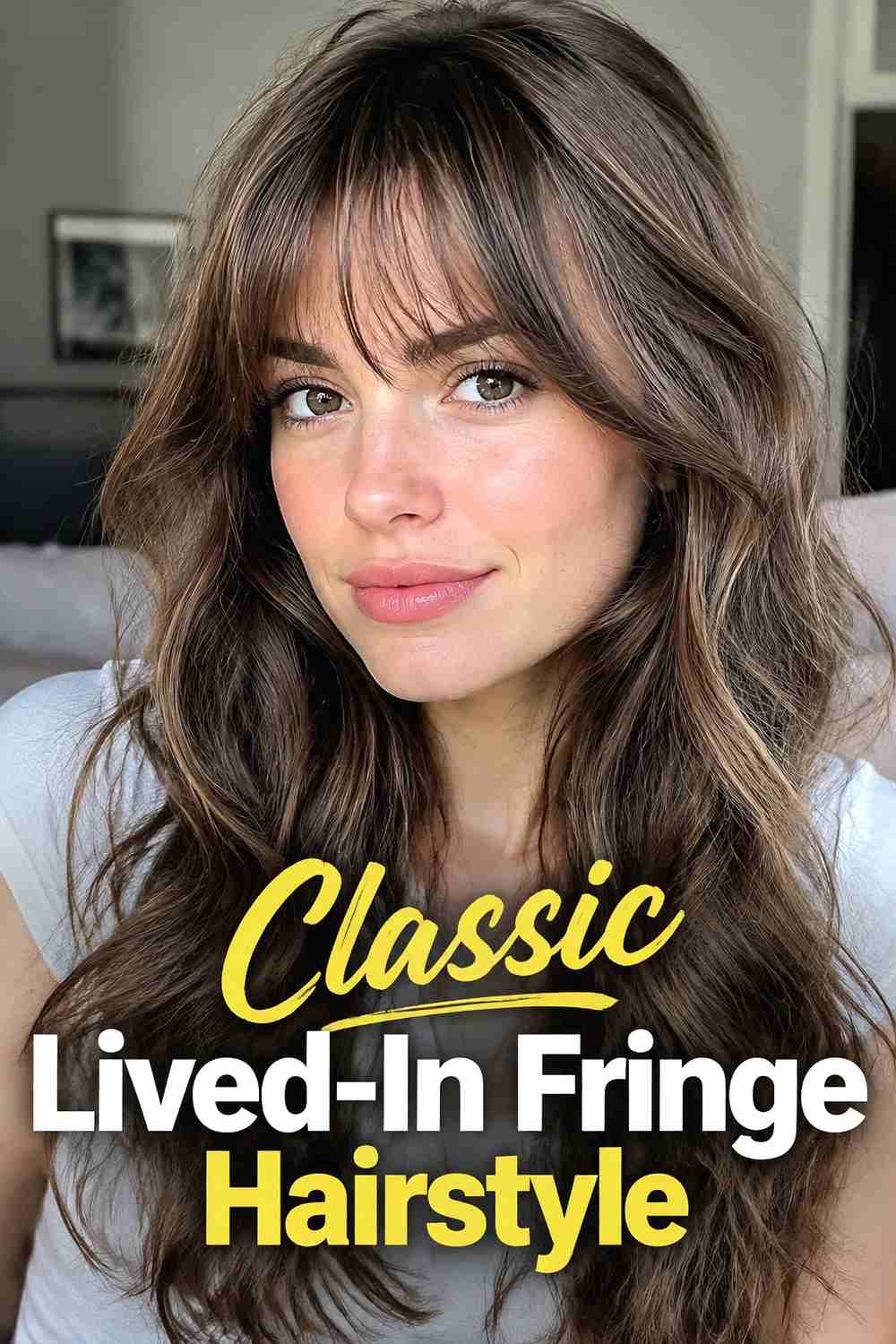
The Classic Lived-In Fringe Hairstyle keeps the bangs soft, slightly separated, and long enough to feel relaxed rather than sharply cut. A few pieces may sit near the brows while others shift naturally toward the temples, creating an intentionally imperfect outline. The surrounding hair can stay simple, allowing the fringe to provide subtle texture around the face. Instead of forcing every strand into position, this look works best with a little movement, natural root direction, and occasional flyaways. A quick blow-dry or finger adjustment can refresh the fringe without making it overly polished. As it grows, the longer edges can begin blending into the sides, which helps preserve the easygoing character between trims.
Styling Notes
Dry the fringe with gentle side-to-side movement, then let it settle naturally. Avoid using enough product to make the strands stick together.
Wear & Maintenance
This fringe can tolerate some growth, but occasional small trims help keep the center comfortable around the eyes.
2. Long Layered Lived In Fringe Hairstyle
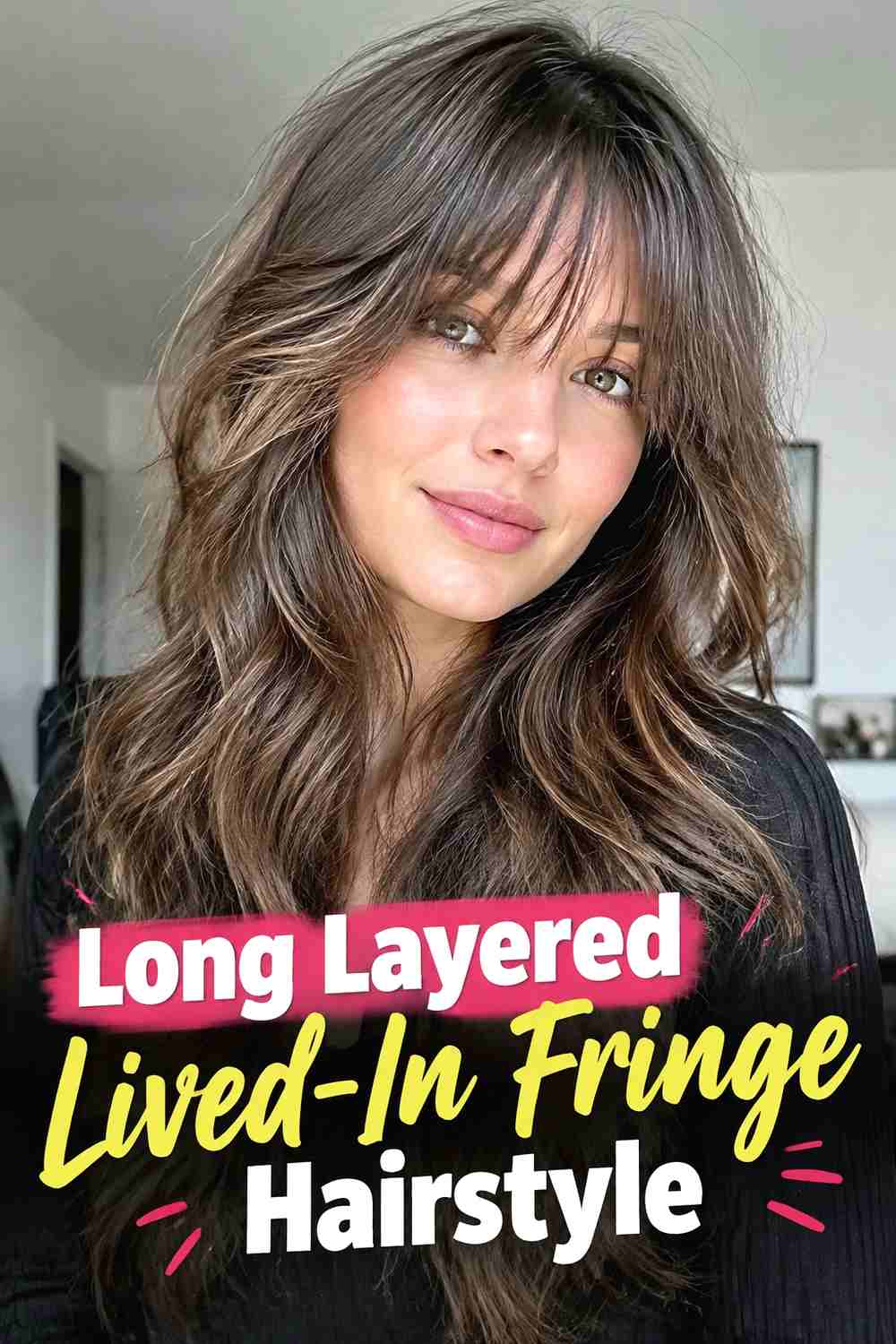
The Long Layered Lived-In Fringe Hairstyle pairs relaxed bangs with flowing face-framing layers that make the transition from fringe to length almost seamless. The center pieces can remain slightly shorter, while the sides gradually extend through the cheekbones and into longer layers. This gives long hair movement without making the front look overly structured. A loose blowout, natural wave, or simple air-dried finish can all work because the style does not depend on perfect symmetry. Keeping enough weight through the lower lengths prevents the haircut from becoming thin or excessively feathered. The fringe should feel soft enough to shift with the rest of the hair, making it easy to tuck aside or wear more forward.
Hair Type & Length
Medium to long straight or wavy hair gives the layered transition plenty of room to develop naturally.
Pro Tip
Keep the shortest fringe section moderate if you want the style to grow out smoothly into the surrounding face-framing layers.
3. Tousled Bob Lived In Fringe Hairstyle
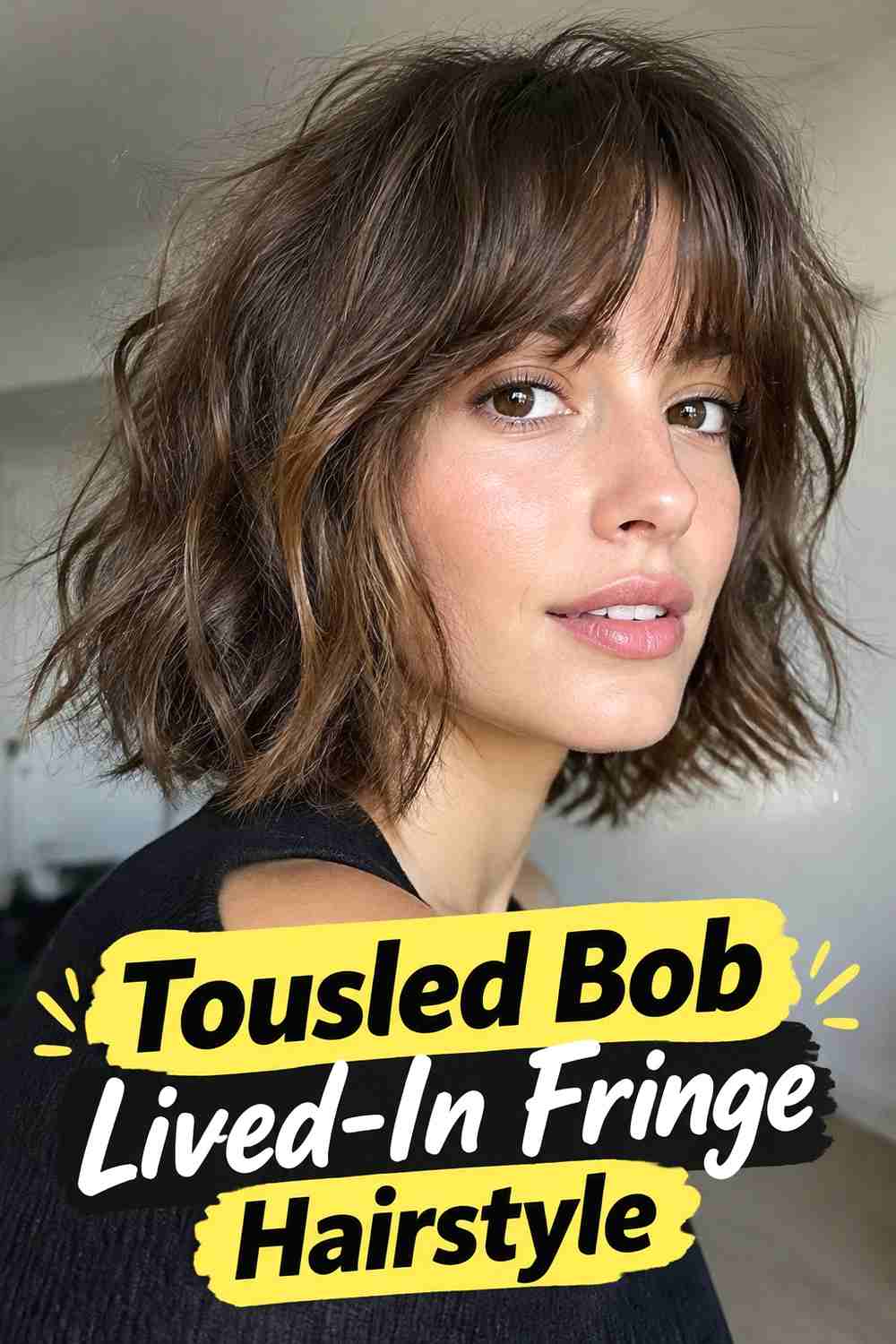
The Tousled Bob Lived-In Fringe Hairstyle combines a defined short silhouette with bangs that look slightly grown out and naturally separated. The bob can sit around the jaw or just below it, with loose bends and imperfect texture keeping the perimeter from feeling too rigid. Across the forehead, the fringe works best when individual strands remain visible rather than forming one dense, straight line. Longer pieces around the sides can blend into the bob and soften the transition near the temples. A little texture through the mid-lengths adds movement, but the finish should stay flexible and touchable. This variation is especially useful if you like short hair that looks styled without appearing overly neat or freshly set.
Styling Notes
Add a few irregular bends through the bob and leave some sections straighter. Finger-place the fringe after the main haircut is styled.
Why It Works
The casual fringe softens the strong bob outline and makes small changes in texture feel intentional rather than messy.
4. Wavy Lob Lived In Fringe Hairstyle

The Wavy Lob Lived-In Fringe Hairstyle brings together collarbone-length hair, loose bends, and a fringe that naturally falls into soft sections. The waves help the bangs blend into the overall hairstyle, especially when the outer pieces are long enough to curve toward the cheekbones. Instead of using uniform curls, vary the direction and strength of the bends so the result feels relaxed. Natural wave patterns can work particularly well because small differences in movement support the lived-in finish. A lightweight mousse or flexible texture spray may help define the lob, but the fringe usually benefits from less product. Keeping the roots soft and the ends mobile prevents the style from becoming too polished.
Best For
This look is a natural fit for slightly wavy hair or straight hair that holds loose bends easily.
Pro Tip
Let the longest fringe pieces join the first wave around the face instead of styling the bangs as a separate section.
5. Soft Shag Lived In Fringe Hairstyle
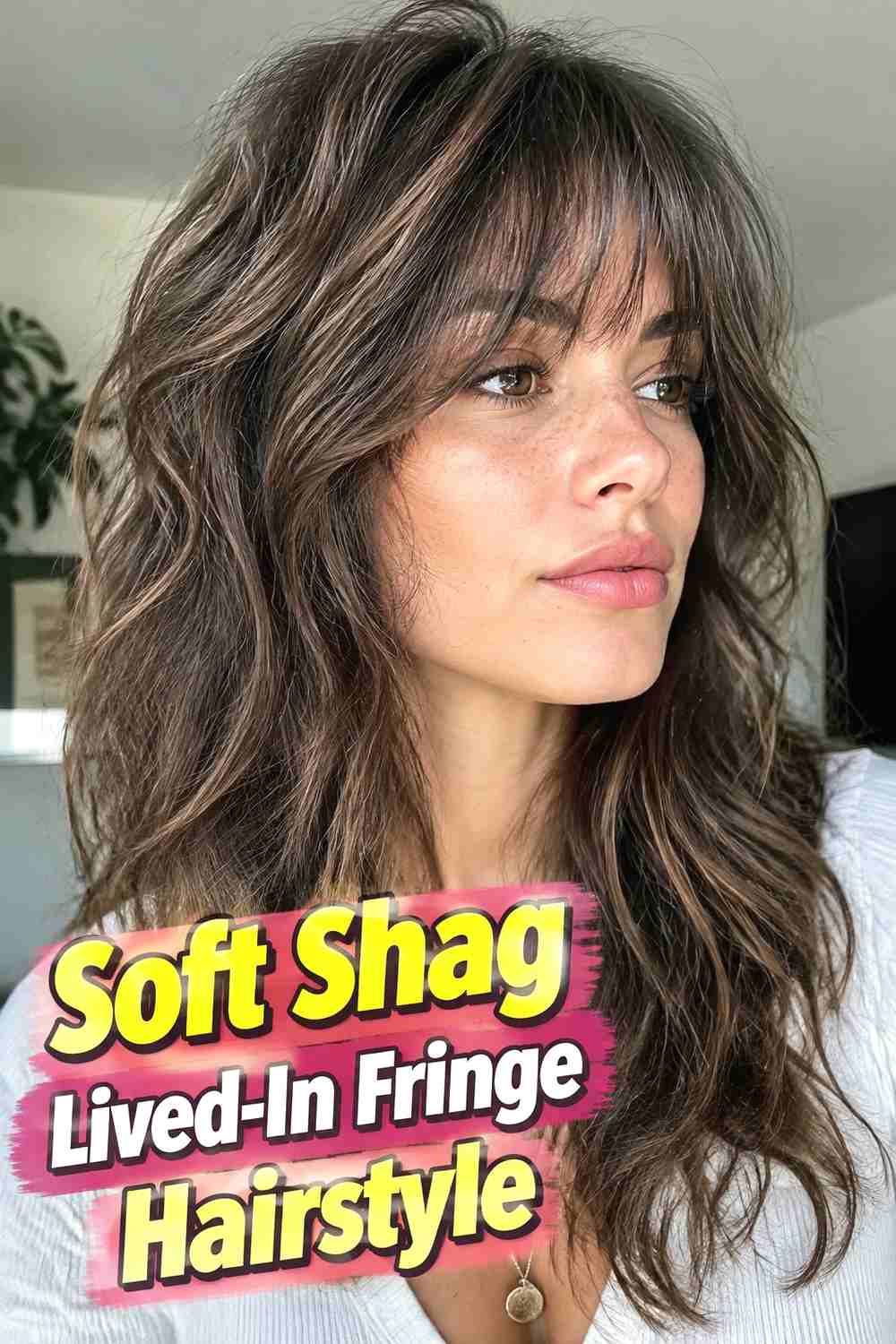
The Soft Shag Lived-In Fringe Hairstyle uses relaxed layering to create movement through the crown, sides, and ends while keeping the fringe loose and easy. The bangs can sit around brow level with slightly longer pieces near the temples, then transition into shorter face-framing layers. Unlike a highly choppy shag, this version keeps the layering softer so the haircut still has enough weight and fullness. Natural waves, small flips, and uneven bends all contribute to the finished shape. A little mousse or texture spray can enhance movement, but excessive product may make the fringe too separated. The goal is a haircut that looks better with a little imperfection rather than one that depends on a precise blowout.
Why It Works
The fringe naturally merges into the shag layers, making the grown-out texture look cohesive throughout the haircut.
Hair Type & Length
Straight-to-wavy hair with some natural movement can make the layered shape especially easy to style.
6. Straight Lived In Fringe Hairstyle
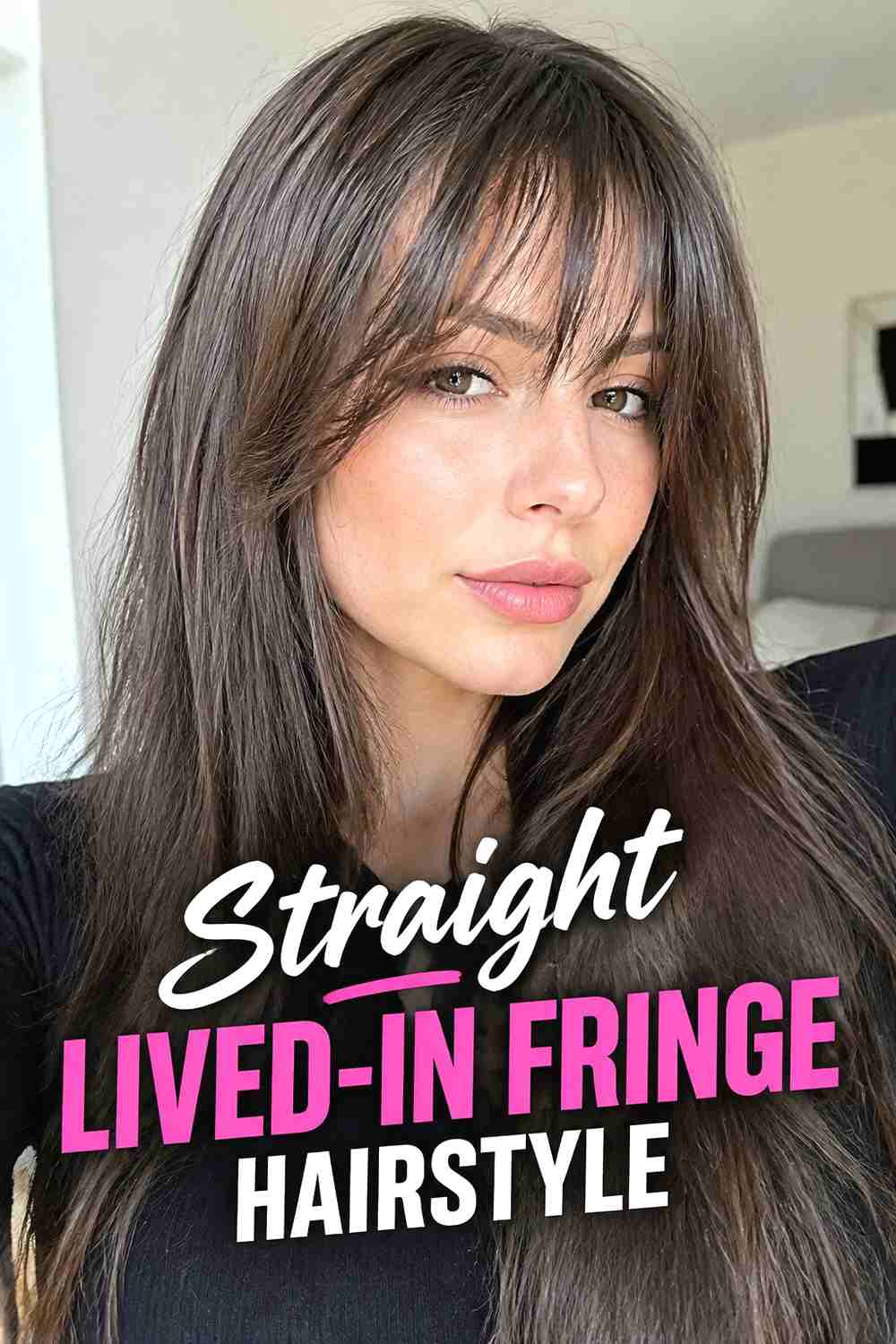
The Straight Lived-In Fringe Hairstyle proves that relaxed bangs do not need waves or curls to look effortless. Smooth lengths create a clean background, while the fringe stays softer with visible separation, subtle bends, and slightly varied placement across the forehead. The edges can grow a little longer toward the temples, which helps the bangs connect naturally with the rest of the haircut. Rather than flat-ironing every strand perfectly straight, leave a small amount of root lift and movement around the front. This keeps the fringe from appearing stiff or pasted down. The main lengths can stay polished, but preserving a few natural strands and gentle irregularities helps maintain the lived-in character.
Styling Notes
Use less tension on the fringe than on the main lengths and finish by separating a few pieces with your fingers.
Wear & Maintenance
Straight hair makes changes in fringe length easy to notice, but the intentionally relaxed shape can make a little growth more forgiving.
7. Curly Lived In Fringe Hairstyle
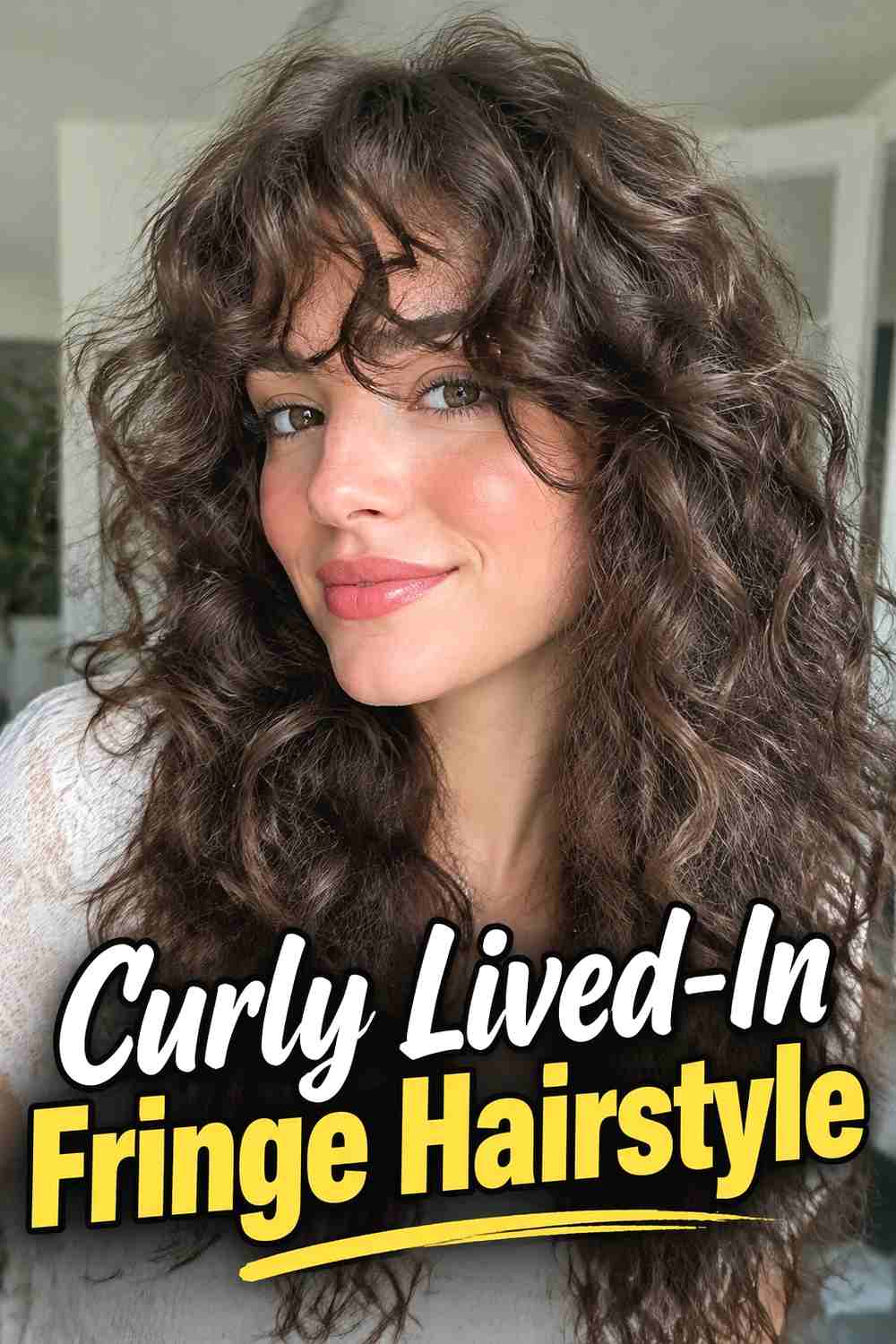
The Curly Lived-In Fringe Hairstyle allows individual curls to create a naturally imperfect fringe rather than forcing them into a uniform line. Shorter curls can sit loosely around the forehead while longer ones near the temples blend into the rest of the hairstyle. Variation in length and curl shape is part of the appeal, giving the front a softer, more organic appearance. The surrounding curls can stay full and defined, but flexible hold is usually more suitable than a stiff finish. Since curly hair may shrink noticeably as it dries, the final dry position of the fringe should guide the cut. A lived-in approach also makes minor differences between curls feel intentional rather than uneven.
Hair Type & Length
This version can work across different curl patterns, with density and shrinkage determining how light or full the fringe appears.
Pro Tip
Make final length decisions when the curls are dry and styled in their usual pattern.
8. French Bob Lived In Fringe Hairstyle

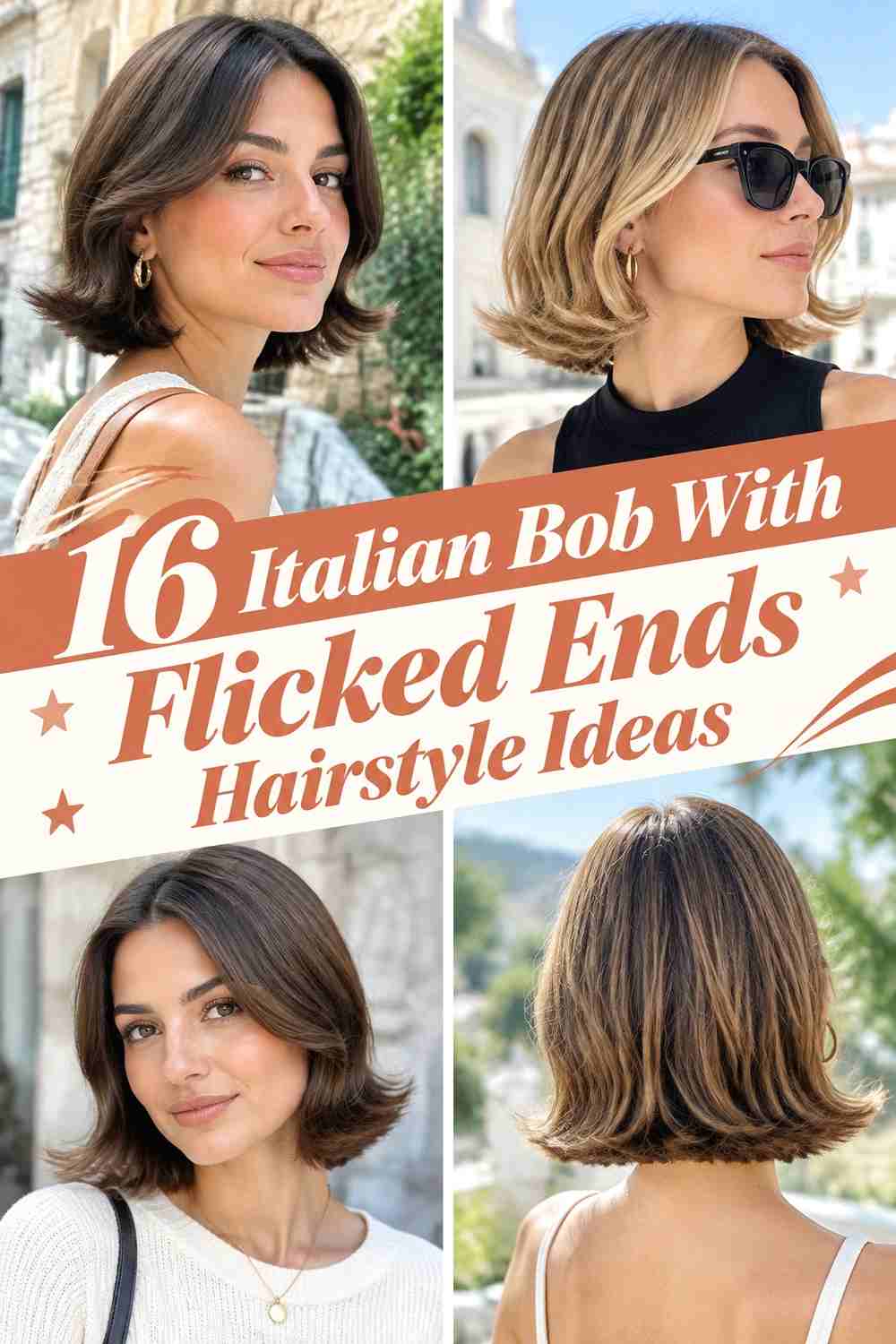
The French Bob Lived-In Fringe Hairstyle pairs a compact jaw-length shape with fringe that feels soft, casual, and slightly grown out. Rather than creating a perfectly blunt line across the forehead, the bangs separate into light sections with a few longer strands near the sides. The bob itself can have a subtle bend or slightly undone texture through the ends, reinforcing the effortless mood. This combination works best when the hair retains natural movement instead of looking highly sculpted. A small amount of styling cream through the bob can define the perimeter, while the fringe generally needs a lighter touch. The finished look feels intentional but relaxed, making everyday imperfections part of the style.
Why It Works
The short bob supplies structure, while the relaxed fringe stops the haircut from feeling overly precise or severe.
Wear & Maintenance
Both the bob and fringe show growth clearly, though the softer finish gives you some flexibility between trims.
9. Shoulder Length Lived In Fringe Hairstyle
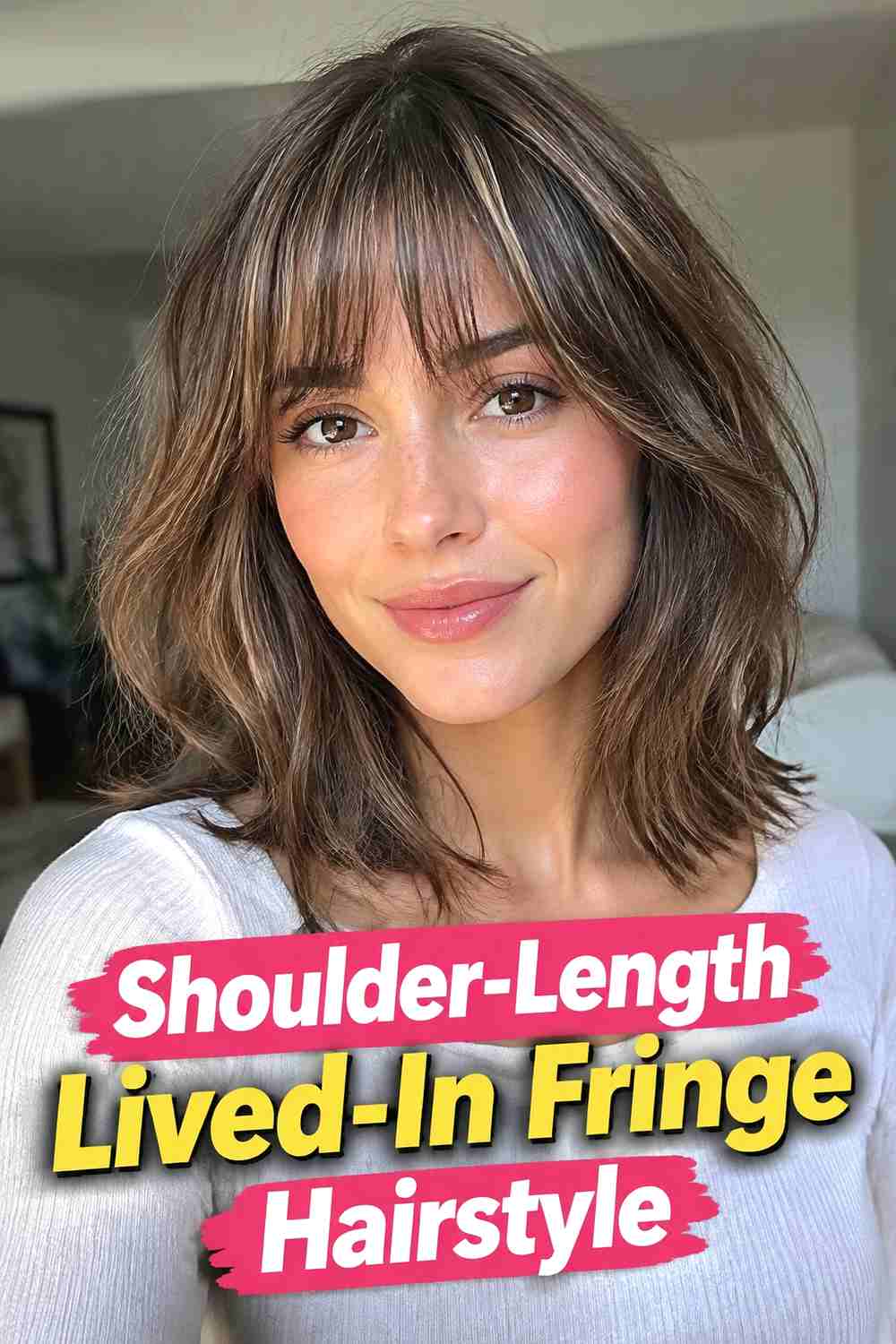
The Shoulder-Length Lived-In Fringe Hairstyle offers an easy balance between manageable length and visible movement around the face. The fringe can sit loosely around the brows, with slightly longer sections near the temples that blend into subtle face-framing layers. At shoulder length, the ends have enough weight to remain full while still allowing soft flips, bends, or natural texture. This makes the cut versatile for straight, wavy, or lightly blown-out styling. Because the overall shape is simple, the relaxed fringe becomes the main detail without dominating the hairstyle. It can also be swept aside or tucked into the surrounding layers as it grows, making the transition between trims feel relatively natural.
Best For
Choose this option if you want a versatile medium length that works with both polished and casual styling.
Styling Notes
Let the fringe dry with a little movement, then style the shoulder-length ends according to your natural texture rather than forcing perfect symmetry.
10. Half Up Lived In Fringe Hairstyle

The Half-Up Lived-In Fringe Hairstyle makes relaxed bangs more noticeable by pulling part of the hair away from the face. The top section can be secured in a small ponytail, twist, or clip while the lower lengths remain loose. The fringe should stay soft across the forehead, with longer temple pieces left free so the transition feels natural. A little crown lift can help balance the hairstyle, especially when the lower lengths are wavy or textured. This is a practical way to wear lived-in fringe because the intentionally loose finish does not require every front strand to stay perfectly positioned. Slight movement and a few soft flyaways can actually enhance the overall effect.
Styling Notes
Decide which front pieces will remain loose before securing the top section. This creates a more deliberate shape than pulling strands out afterward.
Best For
This style works well for everyday wear when you want some hair off the face without losing softness around the front.
11. Ponytail Lived In Fringe Hairstyle
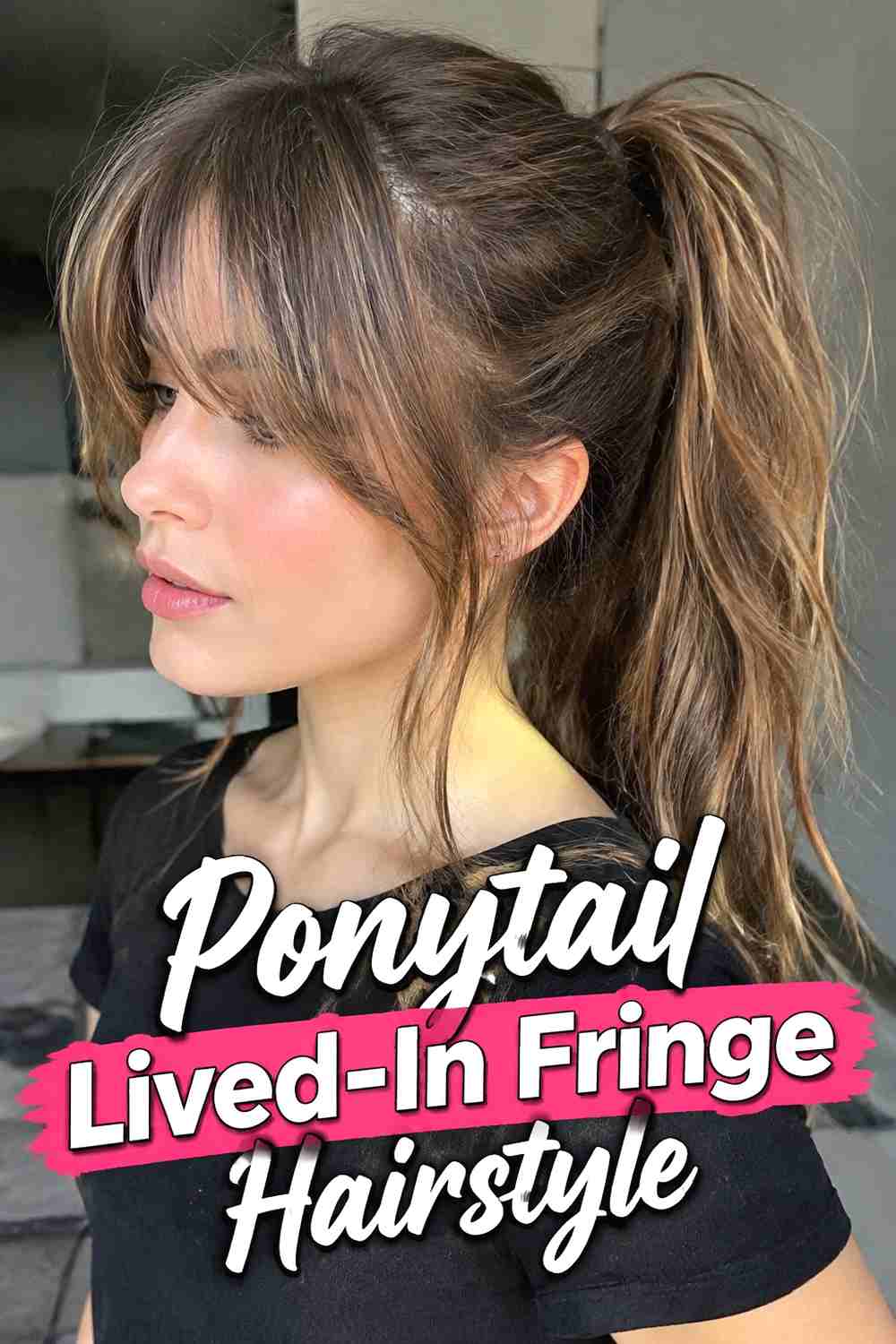
The Ponytail Lived-In Fringe Hairstyle combines a simple secured length with soft, slightly imperfect bangs and loose temple pieces. Because the main hair is pulled back, the fringe becomes an important feature and can give an everyday ponytail more character. The tie can sit low, mid-height, or higher depending on the desired finish, while the hairline should stay comfortable rather than excessively tight. A few naturally separated fringe strands around the forehead help keep the style relaxed. The ponytail itself can be straight, wavy, or lightly textured. Styling the bangs after securing the hair makes it easier to preserve their movement and prevents them from being accidentally pulled flat.
Why It Works
The clean ponytail contrasts with the softer fringe, creating a balanced look that feels practical without appearing overly polished.
Pro Tip
Use minimal product around the bangs so they retain movement even when the ponytail has stronger hold.
12. Low Bun Lived In Fringe Hairstyle
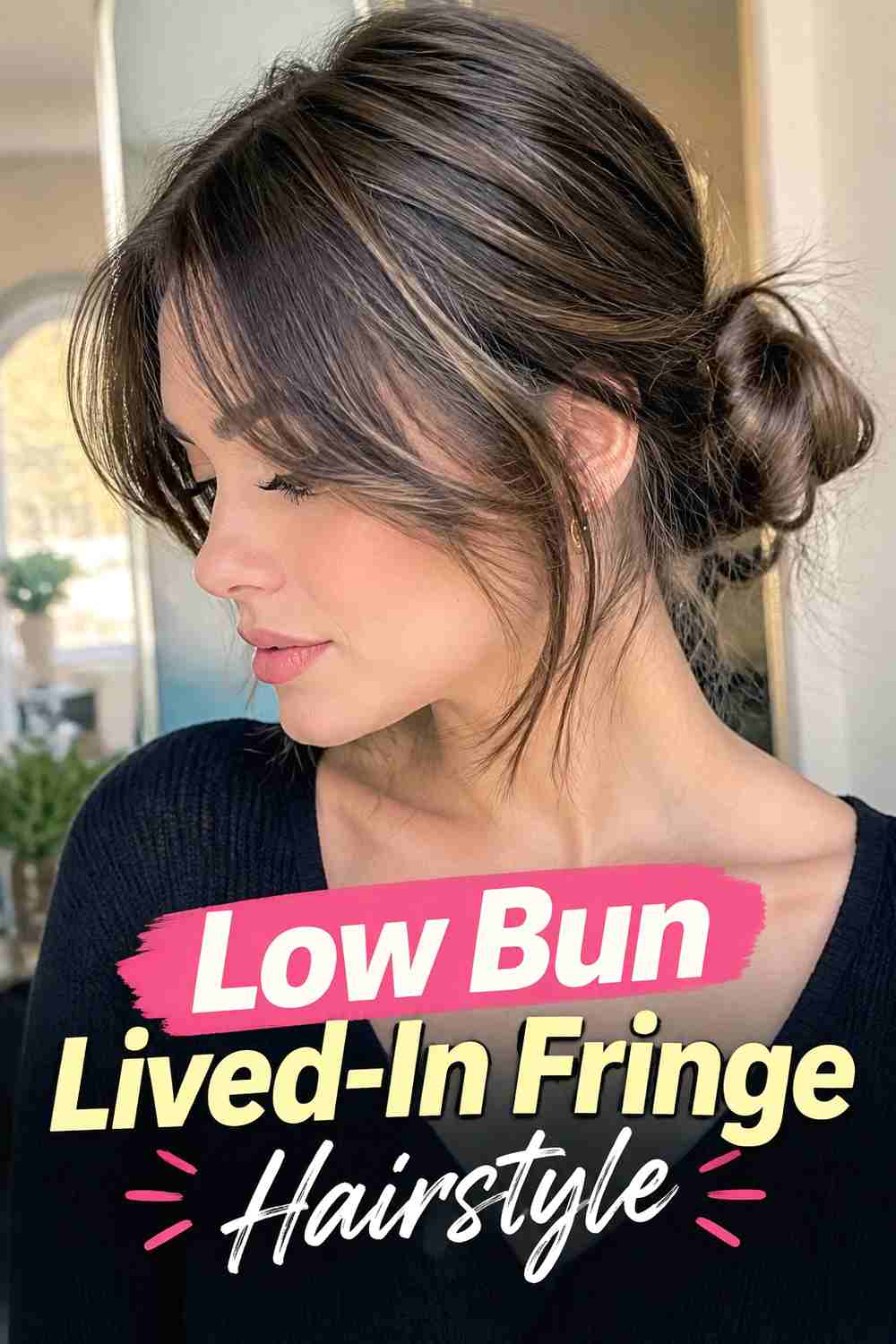
The Low Bun Lived-In Fringe Hairstyle pairs a gathered shape at the nape with relaxed bangs and soft pieces around the temples. The bun can be smooth enough for work or events, or slightly loosened for a more casual finish. Across the front, the fringe should retain natural separation and a little uneven movement rather than appearing heavily sprayed into place. Longer side pieces can curve toward the cheeks or tuck naturally behind the ears, helping connect the fringe to the updo. This style is particularly useful when the bangs are between trims because their extra length suits the deliberately lived-in mood. A touch of crown softness keeps the hairstyle balanced from front to back.
Wear & Maintenance
The bun itself can be simple, while the fringe may only need a quick dampening or light blow-dry to reset its direction.
Pro Tip
Avoid making the hairline perfectly slick; a small amount of softness helps the fringe and bun feel visually connected.
How to Choose the Right Look
Start with your natural texture. Straight hair makes the soft separation of lived-in fringe easy to see, while waves and curls naturally create the small variations that give this style its relaxed character. If you prefer minimal styling, choose a version that works with your normal texture rather than one that needs daily smoothing or curling.
Length matters too. Long layers create a gradual grow-out path for the fringe, while bobs and shags make it a stronger design feature. Shoulder-length cuts and lobs sit between the two, offering enough length for versatility without hiding the face-framing detail.
Consider how much maintenance you actually want. A lived-in fringe is forgiving, but bangs still change noticeably as they grow. Longer, softer edges are easier to sweep aside, while shorter center pieces may need more frequent trimming.
Finally, think about your usual routine. If you regularly tie your hair back, a half-up style, ponytail, or low bun shows how well lived-in fringe can work beyond loose hairstyles. Choose a density and finish that stay comfortable, flexible, and believable for everyday wear.
Final Thoughts
Lived-in fringe is a practical option if you like bangs with softness, movement, and less emphasis on perfect lines. It can blend into long layers, add character to a bob or shag, complement curls and waves, or soften simple updos. The most wearable version is the one that works with your real texture, preferred fringe length, and everyday styling habits.
FAQs
1. What is a lived-in fringe?
A lived-in fringe is a softer style of bangs designed to look relaxed, naturally separated, and slightly grown out rather than freshly cut into a sharp, uniform line.
2. Does lived-in fringe need frequent trimming?
It may need occasional shaping, but its softer edges and longer pieces can make some growth less noticeable than with very precise blunt bangs.
3. Can lived-in fringe work with curly hair?
Yes. Curly lived-in fringe can follow the natural curl pattern, with slightly varied lengths and flexible definition creating an intentionally relaxed finish.
4. Is lived-in fringe good with short hair?
Yes. Bobs and shags can pair especially well with lived-in fringe because the relaxed texture softens the structure of a shorter haircut.
5. Can lived-in fringe be worn with updos?
Yes. Half-up styles, ponytails, and low buns work well because the fringe and longer temple pieces can remain loose while the rest of the hair is secured.
Save your favorite lived-in fringe hairstyle ideas, share the looks you love, and explore more relaxed fringe inspiration for your next haircut.