12 Loose-Length Hairstyles for Fine-Knit Turtlenecks
Smooth loose lengths can sit beautifully over a fine-knit turtleneck when the hair has controlled texture, tidy ends, and enough movement to avoid bunching at the collar. Fine-knit turtlenecks create a close-fitting surface around the neck, so loose hair can look especially elegant against them. The challenge is keeping longer lengths from repeatedly rubbing, twisting, or bunching where the hair meets the collar. Sleeker surfaces, connected waves, deliberate side placement, and well-conditioned ends can make loose styles easier to manage without sacrificing movement. The ideas below range from straight polished lengths to relaxed waves and subtle layers. Each keeps the hair believable and wearable, with natural strands, realistic shine, practical placement, and controlled volume rather than an artificial or overly perfect finish.
Quick List
- Sleek Center Part Loose Length Hairstyle
- Satin Side Part Straight Hairstyle
- Soft Brushed Waves Hairstyle
- Smooth Face Framing Layers Hairstyle
- Polished One Shoulder Lengths Hairstyle
- Low Volume S Wave Hairstyle
- Tucked Behind The Ears Lengths Hairstyle
- Smooth Curved End Lengths Hairstyle
- Relaxed Glossy Waves Hairstyle
- Fine Layered Straight Hairstyle
- Soft Side Swept Lengths Hairstyle
- Minimal Air Dried Texture Hairstyle
1. Sleek Center Part Loose Length Hairstyle
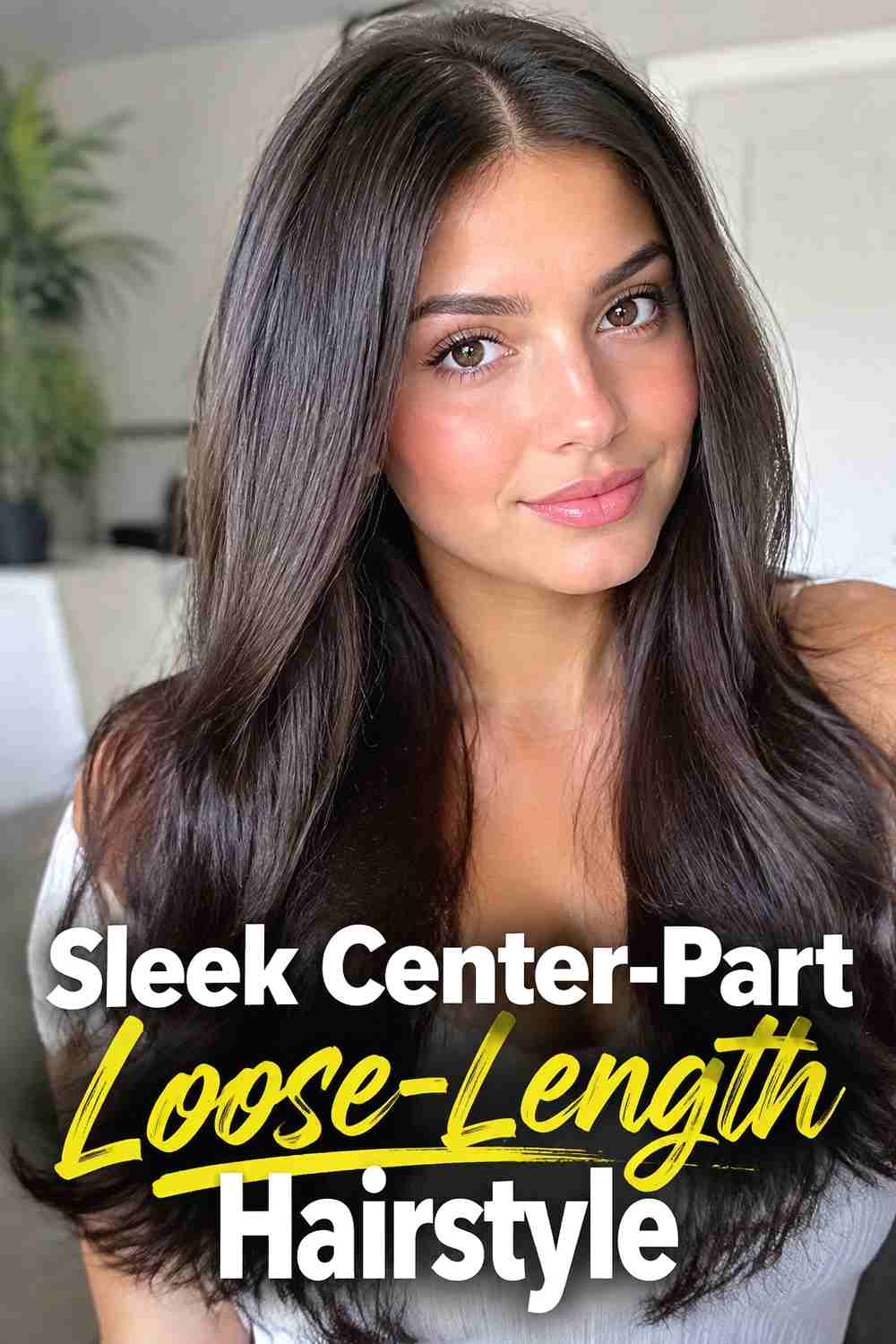
A sleek center-part style keeps loose lengths orderly as they fall over a fitted turtleneck. The clean middle part divides the hair evenly, while smooth mid-lengths reduce the amount of rough texture that can catch against fine knit. Instead of pressing the hair completely flat, preserve a little root dimension and natural movement through the ends. Medium-long to long hair works particularly well when the perimeter is tidy, since dry or uneven ends are more likely to separate and twist around the collar. Wearing the lengths forward over both shoulders can also keep them visible and easier to reposition. The finished effect is minimal and polished, making it a strong choice for simple winter outfits with clean lines.
Styling Notes
Apply lightweight smoothing product mainly through the mid-lengths and ends rather than saturating the roots. Detangle completely before putting on the turtleneck so small knots are not tightened by repeated friction.
2. Satin Side Part Straight Hairstyle
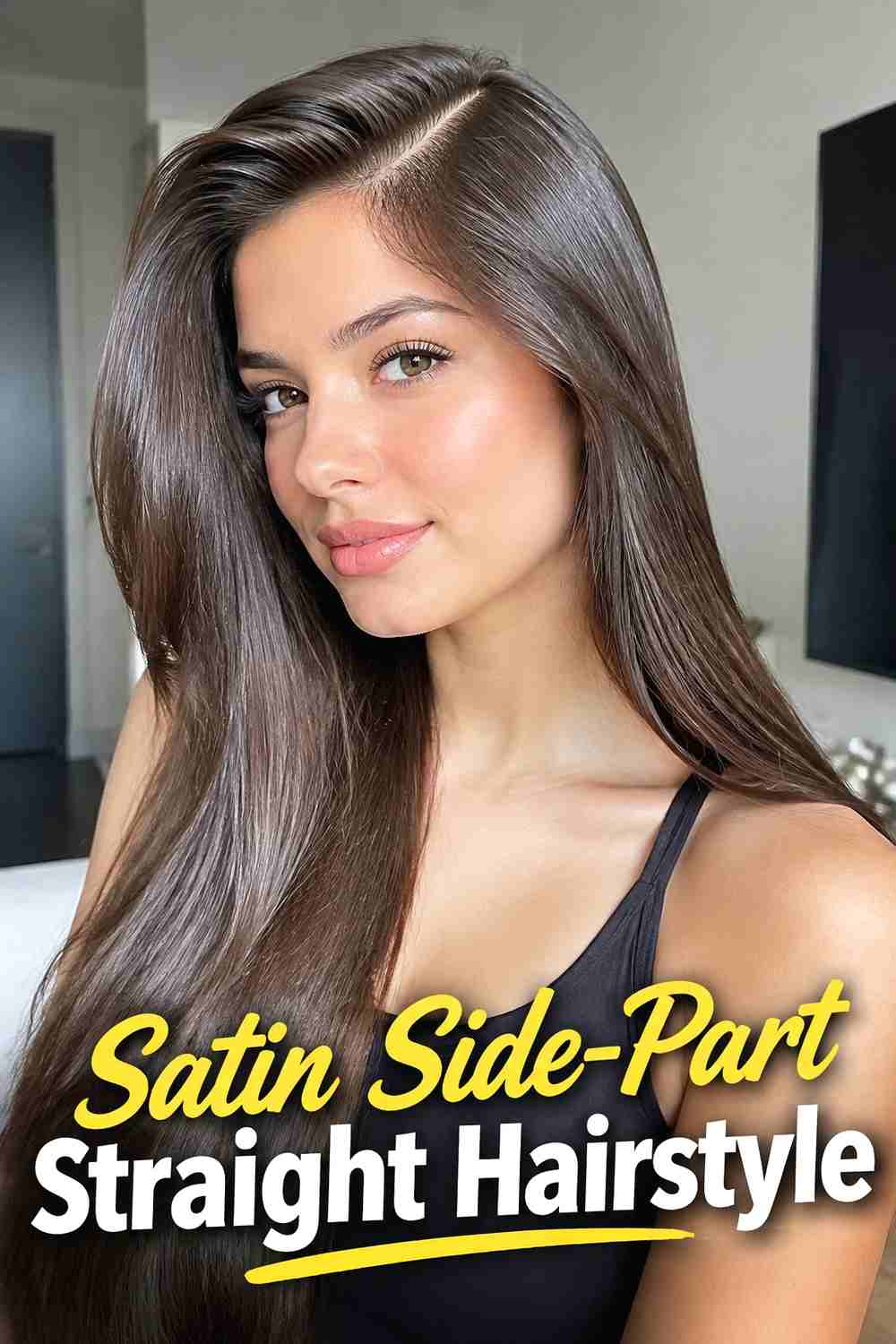
A satin side-part straight style offers polish without an excessively glassy finish. Hair follows a defined side part and falls in soft, aligned sections over the shoulders, creating gentle shine against the matte surface of fine knit. The key is keeping the strands smooth enough to slide rather than snag while preserving enough natural texture to avoid a rigid appearance. A side part also lets you place more hair on one side if the back of the neck tends to tangle easily. Straight or softly stretched hair around collarbone length and longer can work well. Keep the ends conditioned and neatly finished, since they receive frequent contact with the sweater and are often the first area to knot.
Wear & Maintenance
Run your fingers or a wide-tooth comb through the lower lengths before and after wearing the turtleneck. Avoid repeatedly dragging a fine comb through hair while it is rubbing against the knit.
3. Soft Brushed Waves Hairstyle
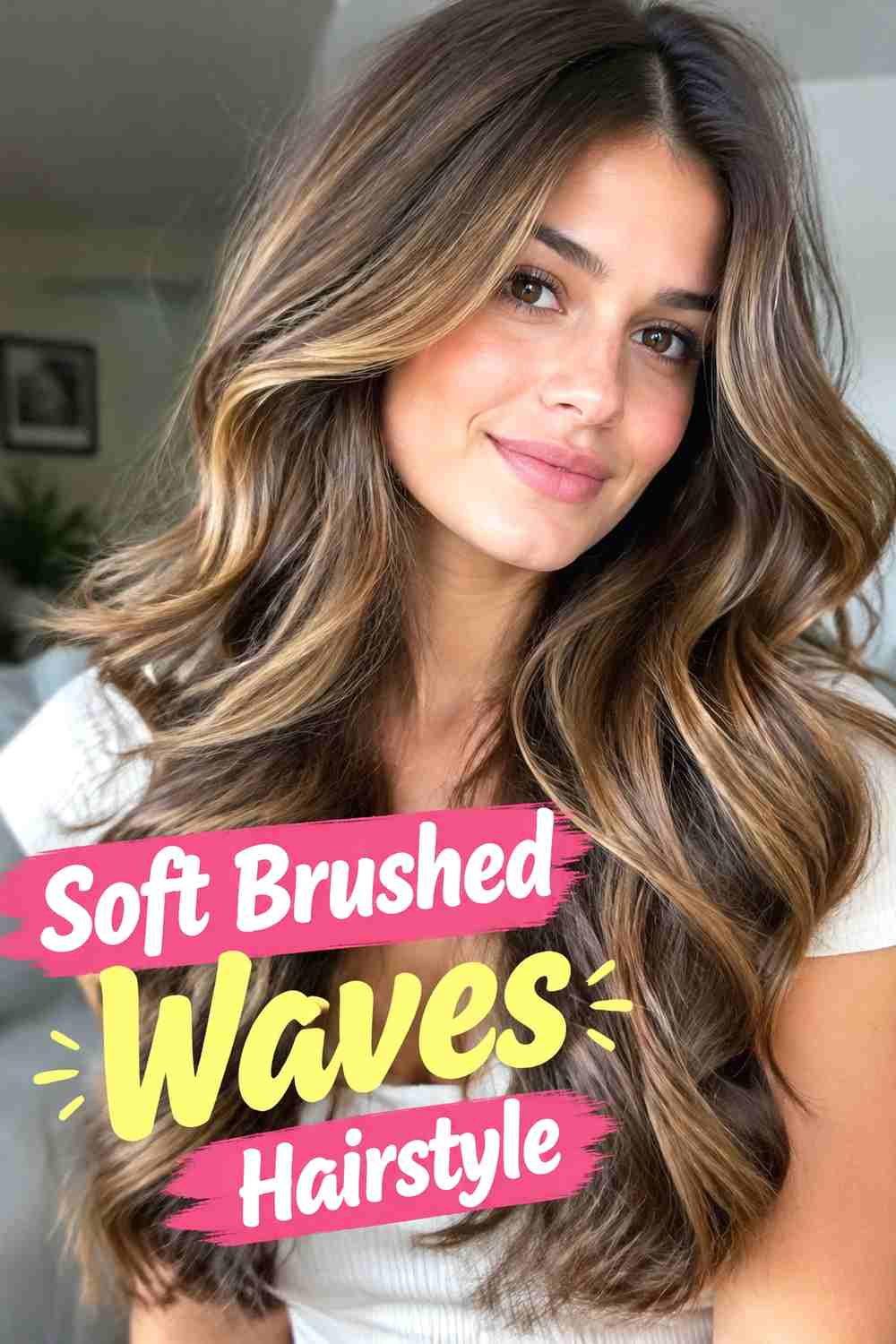
Soft brushed waves create movement without the dense curl pattern that can become interlocked around a high collar. The waves should be broad and connected, beginning below the upper lengths so the area closest to the turtleneck stays relatively smooth. Brushing styled waves lightly helps them merge into a more unified pattern rather than leaving many separate pieces that can wrap around one another. This look works particularly well on medium-long or long hair with natural wave or body. Keep the ends soft and flexible instead of heavily sprayed, since stiff sections can catch more noticeably against fabric. The overall result feels relaxed and feminine while remaining controlled enough for everyday wear with fitted winter knits.
Pro Tip
Place most of the wave pattern below shoulder level when possible. Keeping the hair smoother around the neckline reduces unnecessary texture exactly where fabric contact is highest.
4. Smooth Face Framing Layers Hairstyle
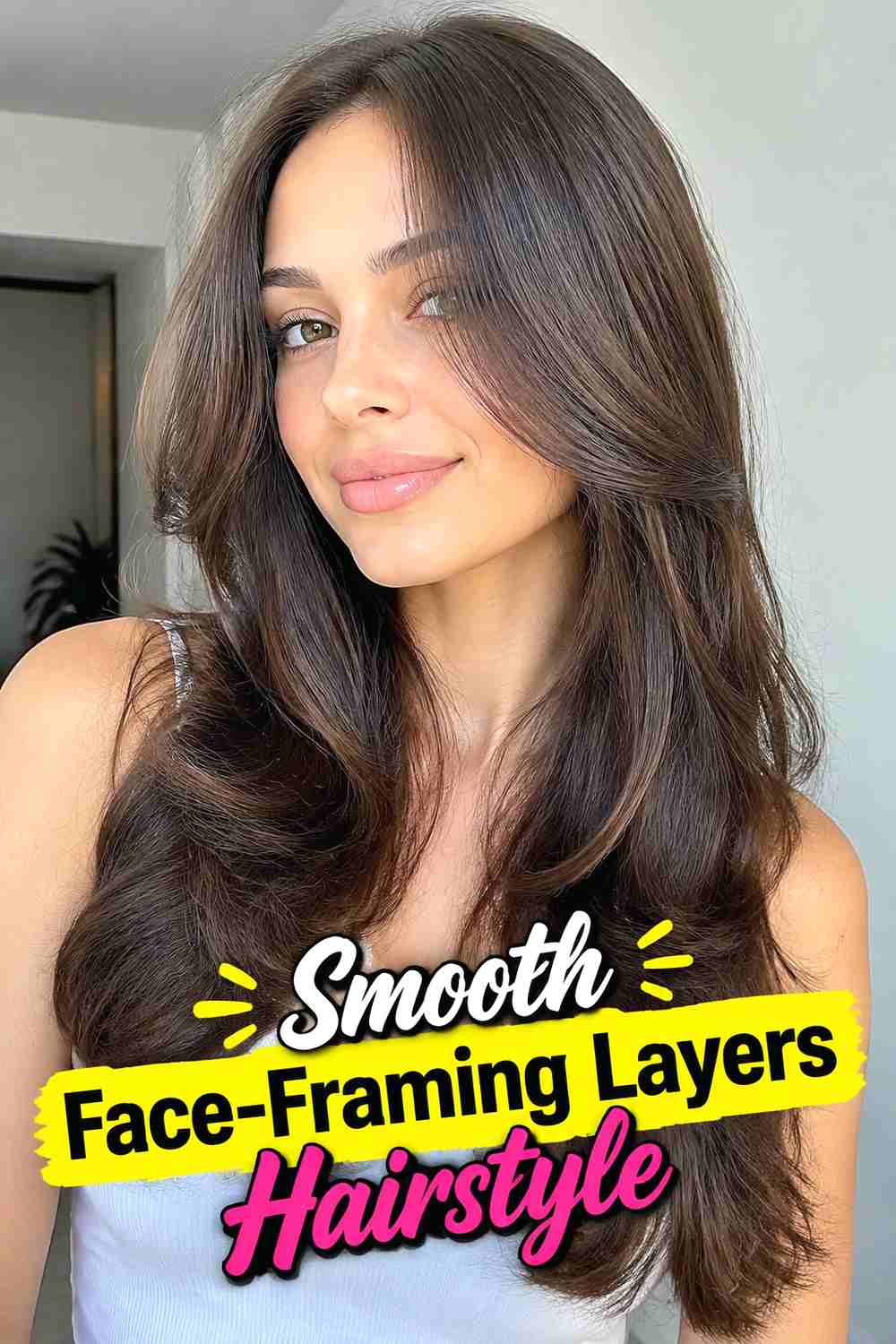
Smooth face-framing layers add movement around the front while keeping the bulk of the length relatively uniform. Shorter pieces can curve gently around the cheekbones or jaw, leaving the longest sections to fall in tidy lines over the turtleneck. This is useful when you want layered hair without numerous short ends rubbing against the knit at the back of the neck. The layers should blend gradually into the main length rather than creating a heavily feathered silhouette. A polished blowout can help the pieces travel in the same general direction, which makes the style easier to separate if the hair begins to bunch. Keep the lower perimeter strong enough to maintain a smooth, substantial finish.
Hair Type & Length
This approach works particularly well on medium to long hair with light or moderate layering. Very dense layering around the neckline may require more frequent detangling than a simpler perimeter.
5. Polished One Shoulder Lengths Hairstyle
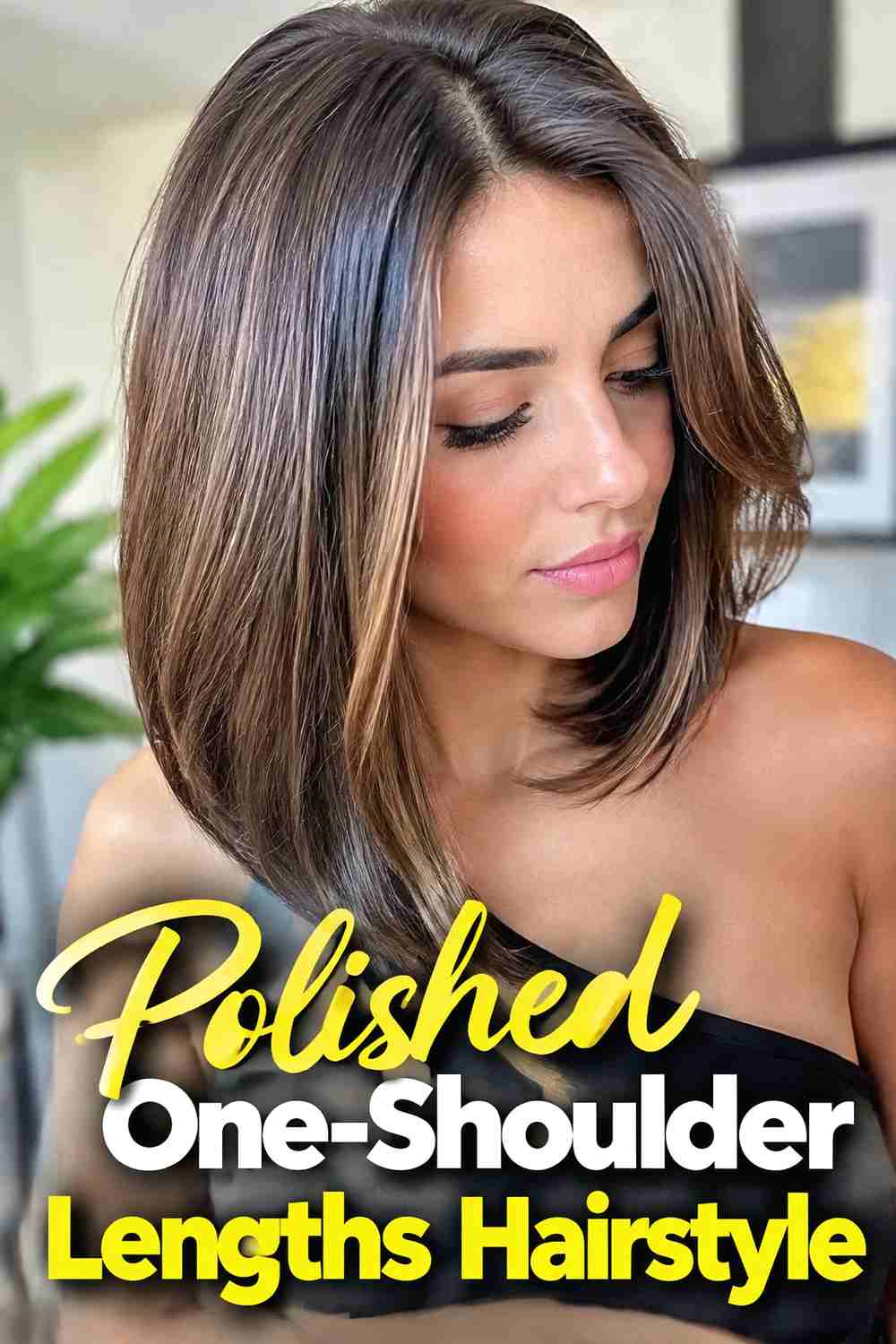
Directing loose hair over one shoulder is one of the simplest ways to reduce contact across the back of a turtleneck. The hair can remain straight, softly waved, or naturally smooth, but the lengths are intentionally gathered to one side rather than spread around the entire collar. This creates an elegant asymmetric silhouette while making the hair easier to monitor and reposition throughout the day. A discreet hidden pin near the nape can help keep the opposite side clear without turning the style into an updo. Medium-long and long hair benefit most from this placement. The look also allows the fine-knit neckline to remain visible on one side, creating a cleaner balance between the hair and clothing.
Why It Works
Concentrating the lengths over one shoulder limits how much hair is continuously trapped between the neck, back, and sweater, which can make loose styling easier to manage.
6. Low Volume S Wave Hairstyle
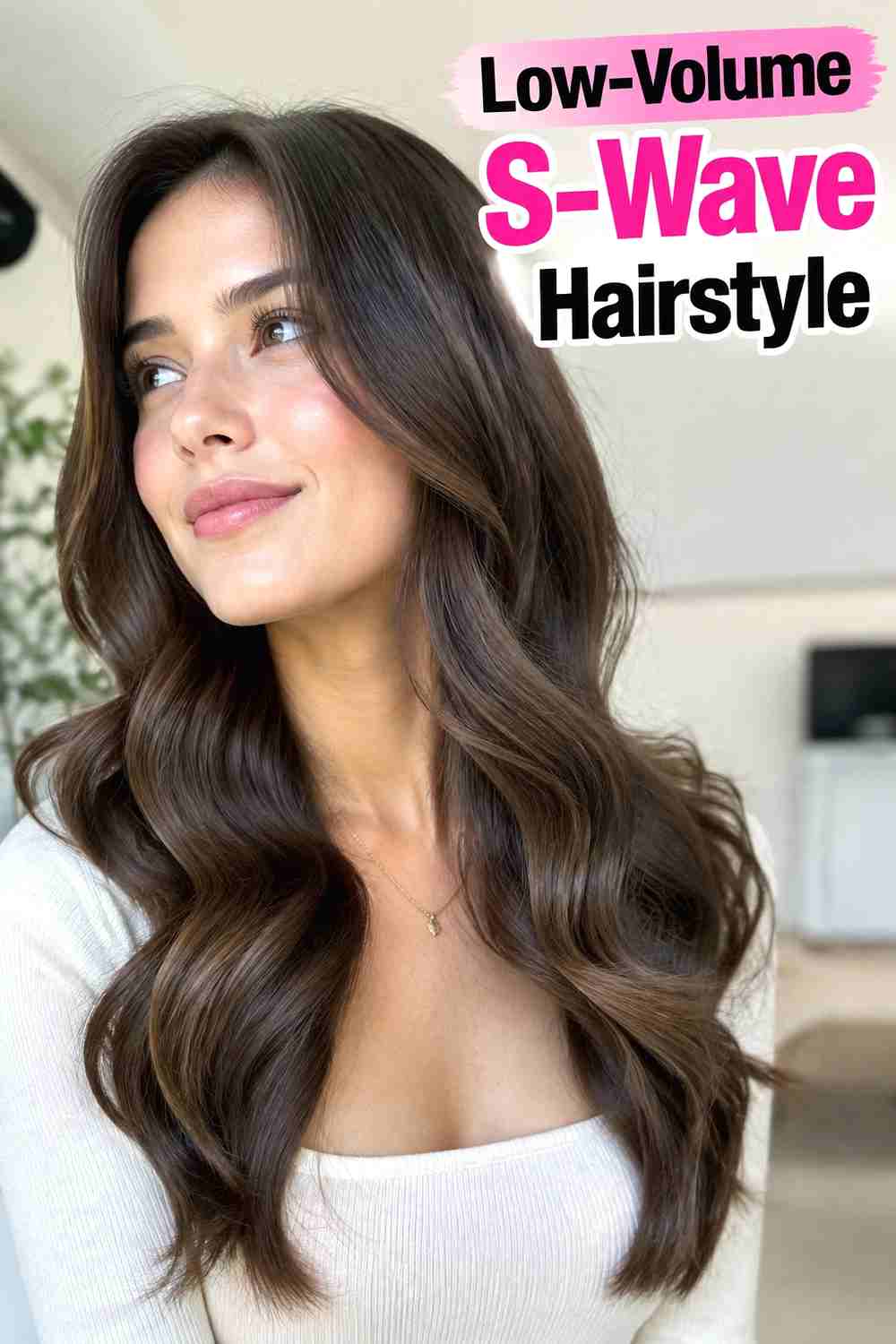
A low-volume S-wave gives loose hair a polished pattern without creating excessive fullness around the turtleneck. The crown and upper lengths stay smooth, while shallow alternating bends appear gradually through the mid-lengths and ends. This connected wave shape offers visual interest but keeps individual sections from separating into numerous small curls that may twist around each other. Shoulder-blade length or longer hair gives the S-pattern enough room to develop without concentrating texture at the collar. The finish should remain soft and touchable, with natural strand variation and flexible hold. This style is especially useful when you want something more defined than straight hair but still prefer a relatively streamlined silhouette with close-fitting winter knits.
Styling Notes
Keep styling product light and distribute it evenly. Heavy spray can make wave sections stiff, encouraging them to catch rather than glide when the hair shifts over fine knit.
7. Tucked Behind The Ears Lengths Hairstyle
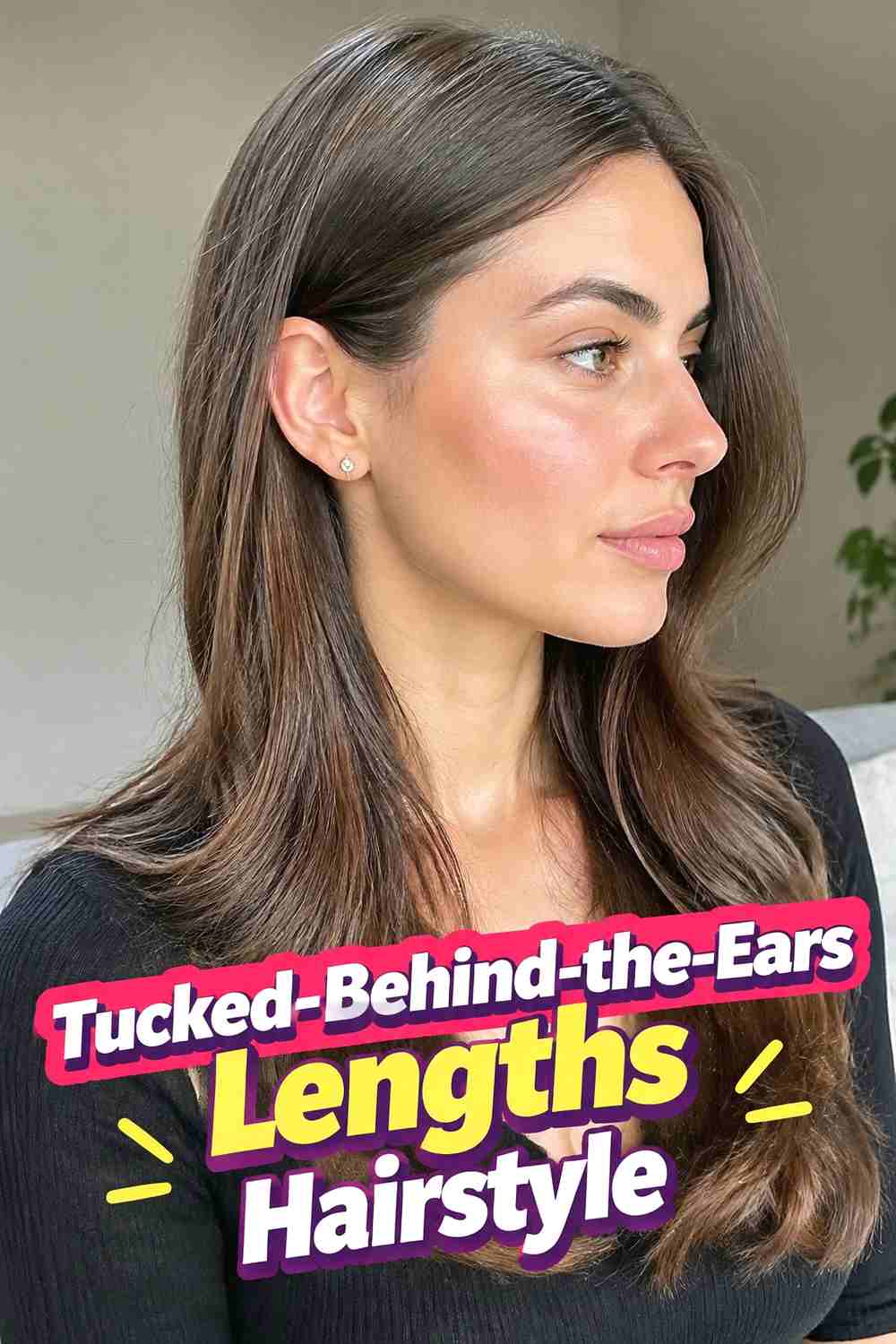
Tucking the front sections behind both ears gives loose hair a cleaner path over the shoulders while keeping shorter pieces away from the turtleneck collar. The crown can be center-parted or slightly off-center, and the longer lengths remain free rather than being tied back. This arrangement is particularly useful when face-framing pieces tend to migrate underneath the collar and form small knots near the neck. Straight and gently wavy hair both adapt well, provided the lower lengths remain soft and detangled. Avoid loading the tucked sections with sticky product; a natural backward direction is preferable. The result feels neat and understated while still preserving the movement and visual softness of wearing the majority of the hair down.
Pro Tip
Dry the front sections backward before tucking them. Hair that naturally wants to sit behind the ears generally needs less product and less repeated adjustment during the day.
8. Smooth Curved End Lengths Hairstyle
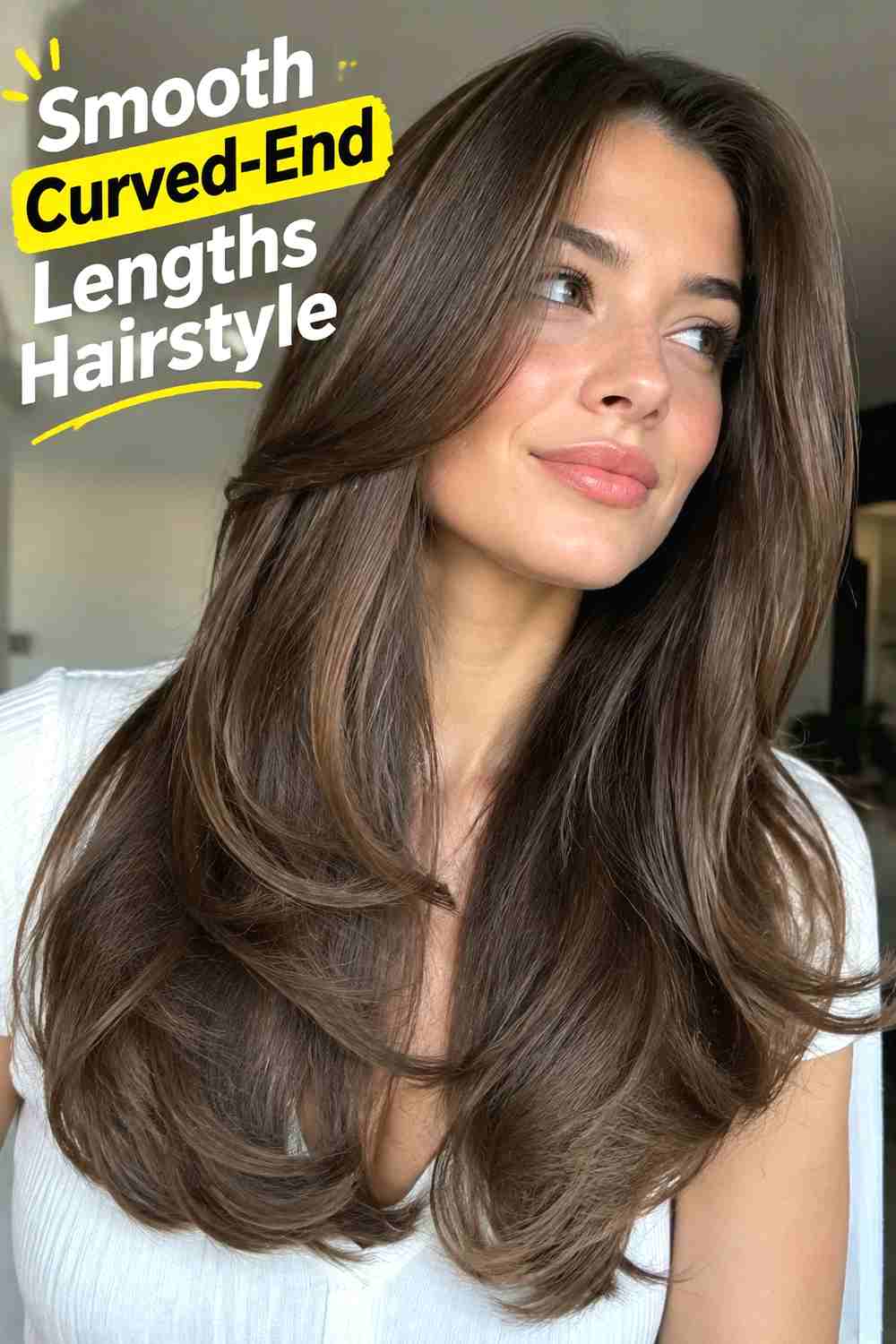
Smooth lengths with gently curved ends create a refined silhouette that sits neatly over a fine-knit turtleneck. Most of the hair remains straight or softly stretched, while the final inch or two bends inward or slightly away from the body. This keeps the style visually finished without introducing heavy curls through the area that repeatedly touches the collar. The controlled ends can also make the perimeter easier to gather and comb than a highly textured finish. Medium to long hair with a reasonably solid baseline suits this look especially well. The curve should remain soft rather than tightly rolled, preserving realistic movement whenever the hair shifts across the shoulders or is moved forward after becoming trapped behind the neck.
Wear & Maintenance
Keep the ends moisturized and smooth, since dry ends can interlock more readily when rubbed against fabric. Refresh the bend only where necessary instead of repeatedly heat-styling the full length.
9. Relaxed Glossy Waves Hairstyle
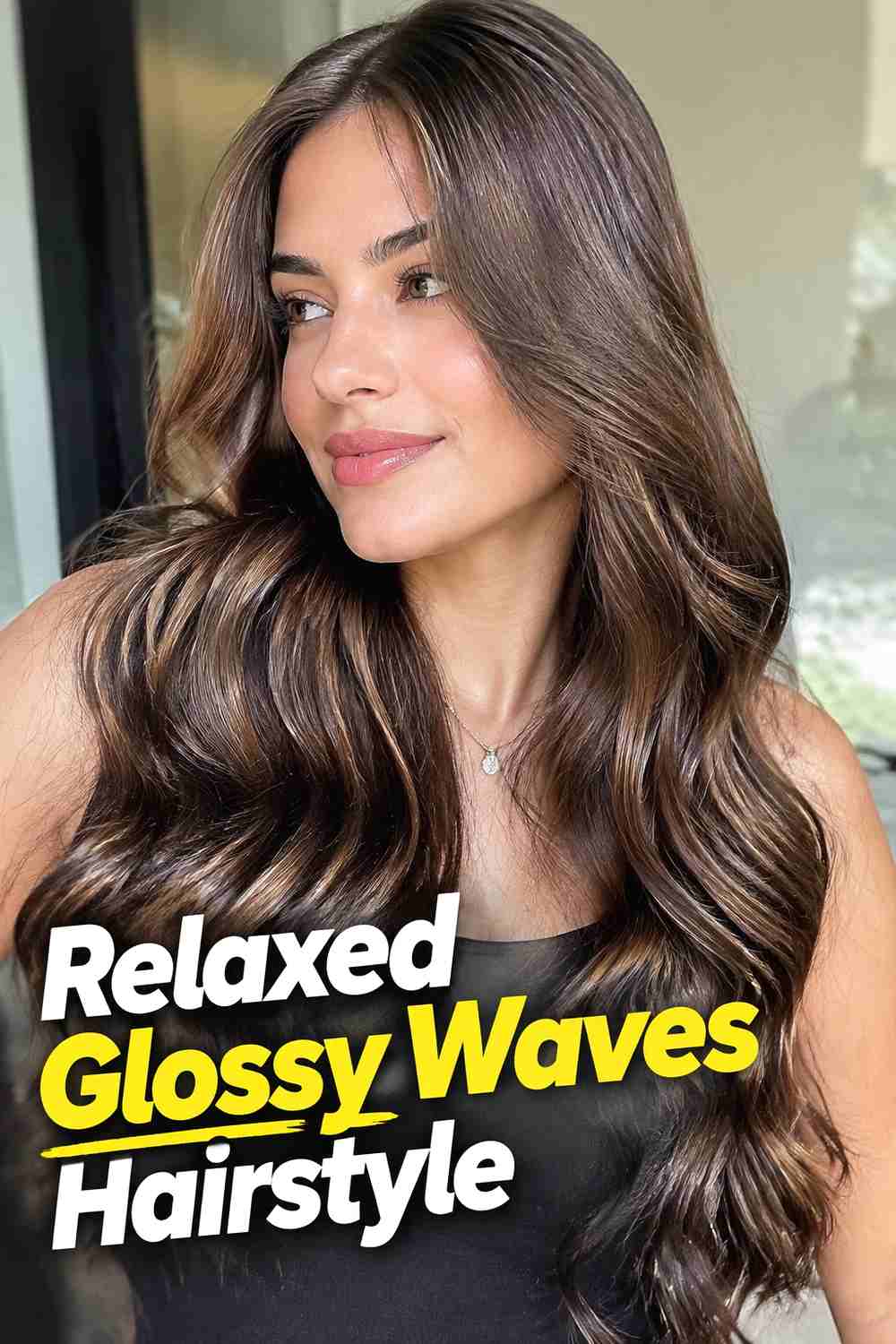
Relaxed glossy waves combine healthy-looking shine with a loose pattern that remains easy to separate by hand. Instead of tightly defined curls, the hair falls in broad sections with gentle bends and natural variation from one piece to another. A smoother upper section keeps excess texture away from the turtleneck collar, while the lower lengths provide enough movement to keep the hairstyle visually interesting. This look works especially well on naturally wavy hair that can be refined rather than completely reshaped. Shine should remain soft and realistic, with individual strands visible instead of appearing coated. If the hair tends to tangle underneath, bring the majority of the lengths forward before putting on outerwear or sitting against textured surfaces.
Best For
Choose this style if you prefer loose movement but want a softer, more manageable alternative to highly separated curls or heavily tousled waves.
10. Fine Layered Straight Hairstyle
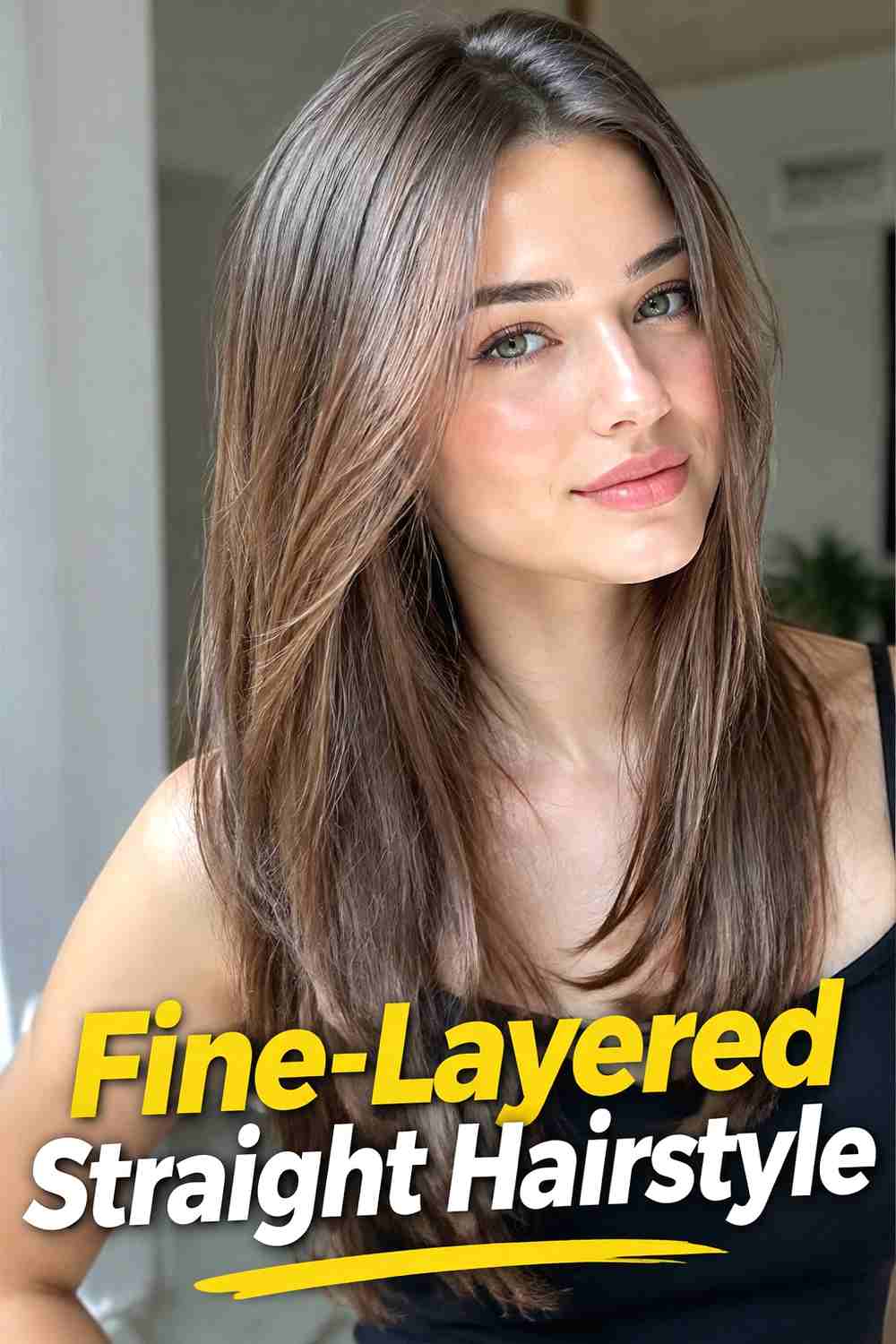
Fine, long layers can give straight hair movement while keeping the overall silhouette smooth enough for a fitted turtleneck. The layers should be subtle, with most of the density preserved through the lower lengths rather than creating many short sections at neck level. This helps the hair move as a connected shape instead of allowing numerous ends to catch against the sweater. A straight or softly polished finish emphasizes the layering without requiring dramatic styling. Medium-thick or thick hair may particularly appreciate the reduced weight, while finer hair usually benefits from keeping the perimeter relatively full. When wearing the hair loose, regularly separating the back sections with your fingers can prevent small tangles from becoming more compact during the day.
Hair Type & Length
This style is most practical on longer hair where layering can begin below the most friction-prone neckline area. Ask for restrained layering if easy detangling is a priority.
11. Soft Side Swept Lengths Hairstyle
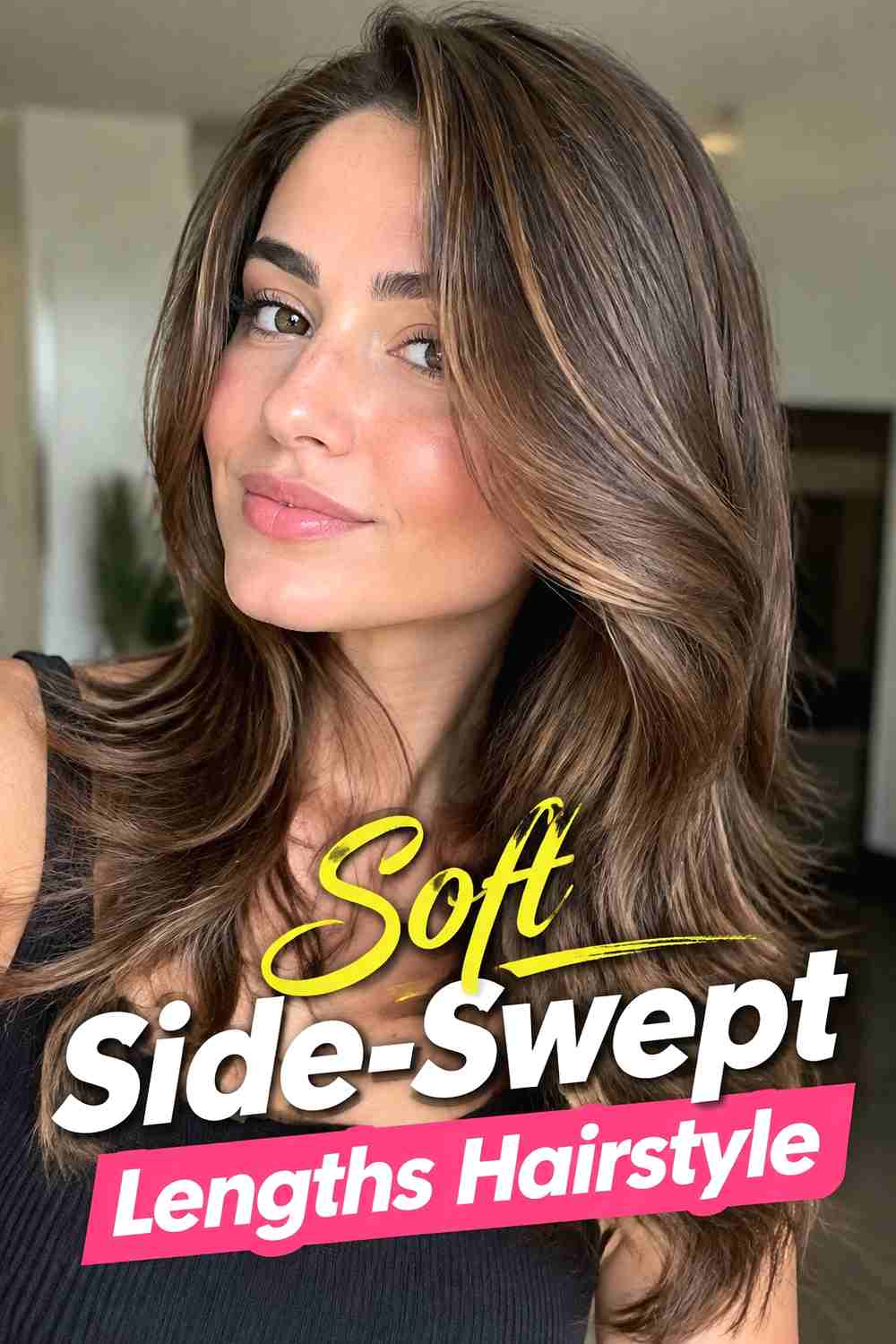
Soft side-swept lengths move most of the hair away from the center back, where it is most likely to become trapped between the neck and a turtleneck. A gentle side part guides the direction while the hair remains loose and flexible over one shoulder or slightly toward the front. Unlike a formal one-shoulder style, this version can look casual and natural, making it easy to readjust throughout the day. Straight, wavy, and softly textured hair can all work, though smoother lower lengths tend to slide more easily across fine knit. Avoid aggressive backcombing near the crown, since extra texture can create friction. A little natural volume around the part is enough to keep the style from looking flat.
Why It Works
The directional placement reduces the amount of loose hair sitting directly behind the collar while still giving the appearance of a completely down hairstyle.
12. Minimal Air Dried Texture Hairstyle
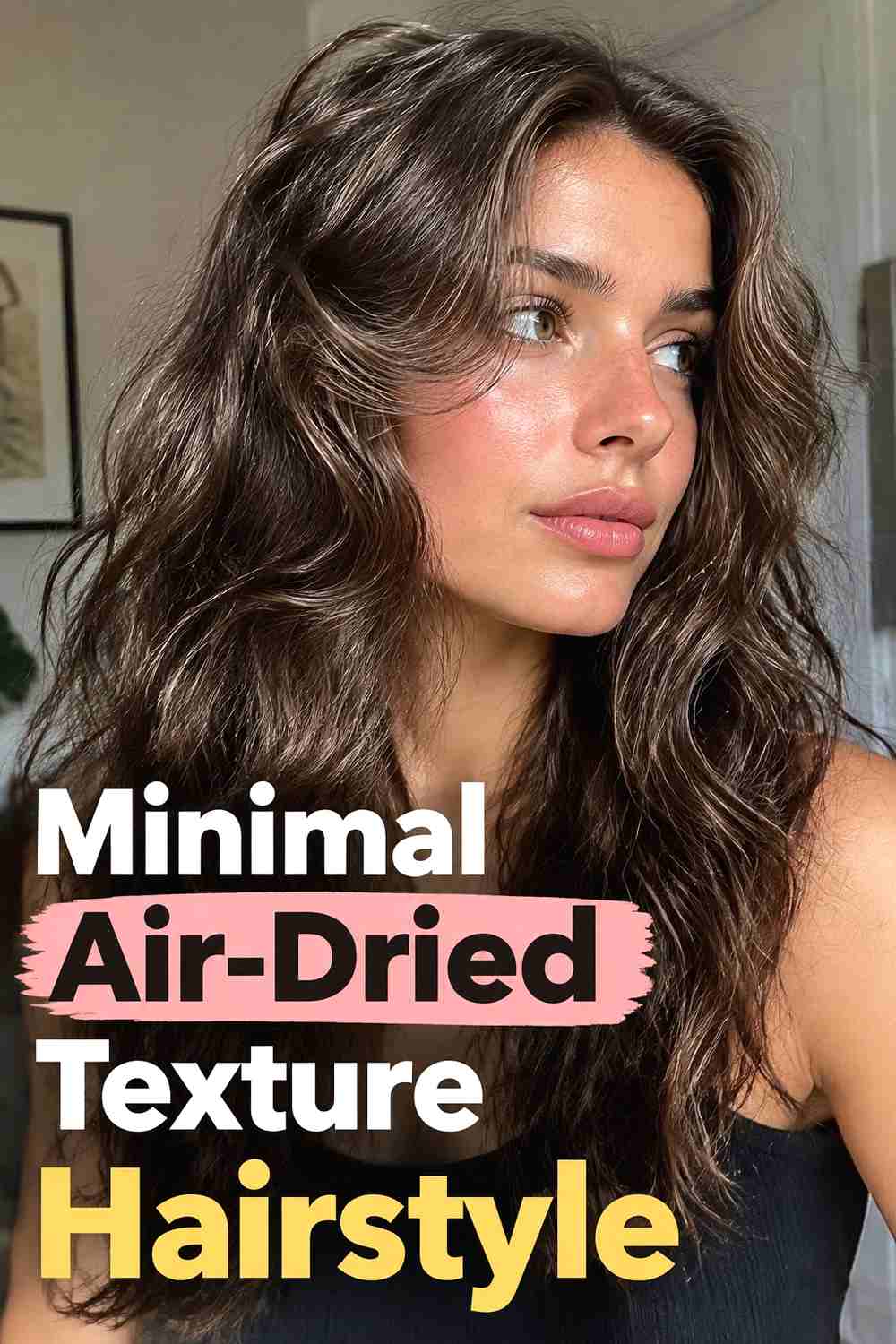
Minimal air-dried texture is a practical choice when you want to work with your natural pattern instead of repeatedly heat-styling loose lengths. The goal is not perfectly smooth hair, but an organized finish with conditioned ends, defined natural movement, and limited surface frizz. After drying, gently separate the hair so individual sections are not already intertwined before the turtleneck goes on. Keeping the crown and neckline area relatively controlled can help while allowing waves, bends, or soft curls to remain visible farther down the length. This approach is especially suitable for everyday wear because it respects natural texture and requires less manipulation. If your pattern tangles easily, directing the lengths forward over the shoulders can make maintenance simpler.
Wear & Maintenance
Detangle carefully before washing and again according to what works for your texture. During wear, separate sections gently rather than repeatedly brushing through natural waves or curls.
How to Choose the Right Look
Start with the point where your hair meets the turtleneck. If the most textured or layered section sits directly at collar height, friction may create more bunching and small knots. Smoother upper lengths with waves, curves, or layers beginning lower down are often easier to manage. Consider your natural texture rather than automatically choosing the sleekest option. Straight or gently wavy hair may suit satin finishes, subtle layers, and curved ends. Naturally textured hair can work beautifully with a controlled air-dried finish or relaxed waves as long as the sections remain defined and the ends are well cared for. Placement matters as much as texture. Bringing the hair forward, sweeping it to one shoulder, or tucking front pieces behind the ears can reduce repeated rubbing at the back of the neck. If your hair tangles easily, these small adjustments may be more practical than trying to keep every strand perfectly loose around the entire collar. Finally, avoid creating unnecessary stiffness. Hair that can move and separate naturally is easier to reposition when it catches. Choose lightweight hold, comfortable volume, and a finish that fits your real styling routine.
Final Thoughts
Loose hair can work beautifully with fine-knit turtlenecks when the lengths are smooth, well organized, and positioned thoughtfully. Sleek straight styles offer the cleanest finish, while broad waves and subtle layers provide movement without excessive texture at the collar. Choose the option that suits your natural hair, then use simple placement changes to keep the lengths comfortable and easier to manage.
FAQs
1. Why does long hair tangle around turtleneck collars?
Repeated rubbing and movement can cause neighboring strands to twist together, particularly when the ends are dry, highly textured, or already slightly tangled before dressing.
2. Is straight hair easier to wear over a fine-knit turtleneck?
A smoother surface can be easier to reposition, but hair does not need to be perfectly straight. Broad waves and controlled natural texture can also work well when the strands remain organized.
3. Should loose hair be worn in front of or behind the shoulders?
Bringing longer hair forward often reduces friction across the back of the collar. One-shoulder placement is another practical option if you prefer an asymmetric look.
4. Are layers more likely to tangle against a turtleneck?
Very short or heavily separated layers around the neck can create more loose ends in the friction area. Subtle layers beginning lower down may be easier to manage.
5. How can I keep loose hair neat during a long day in a turtleneck?
Begin with fully detangled hair, keep the ends smooth, reposition trapped sections instead of leaving them compressed, and gently separate the lower lengths when needed. Save your favorite loose-length hairstyle and share these ideas for easy, polished inspiration with fine-knit turtlenecks.