17 Opal Blonde Hair Color Hairstyle Ideas
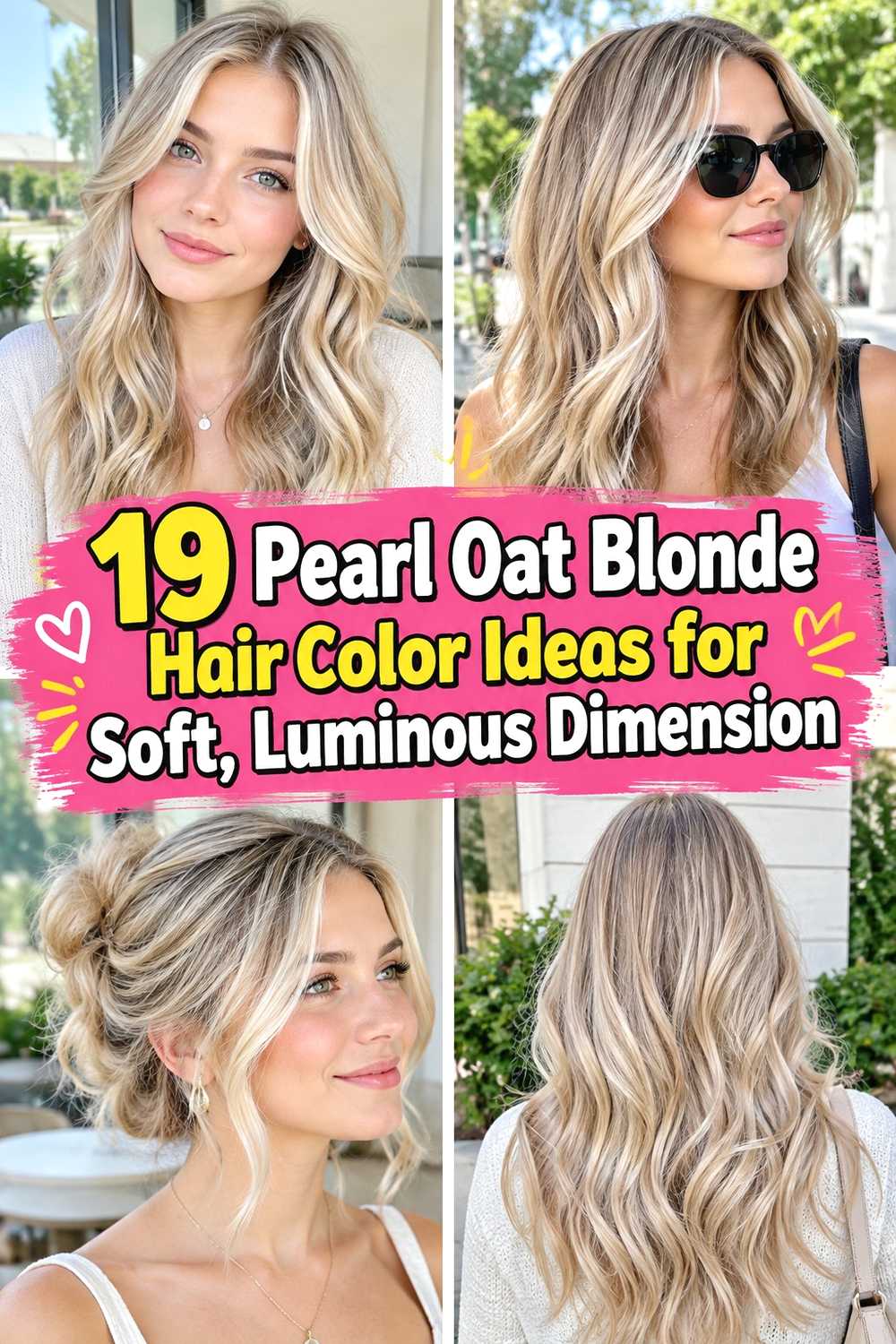
Opal blonde combines luminous blonde with subtle pearl, silver, cream, and pastel reflections for a multidimensional color that changes beautifully with the light.
Unlike a flat platinum or beige blonde, opal blonde is built around soft tonal variation. Pearl, silver, champagne, blush, lavender-beige, or creamy highlights can be layered together so the hair appears slightly different from one angle to another without becoming intensely rainbow-colored.
The best version depends on how pale you want to go, how much natural root depth you want to keep, and whether you prefer a cool, neutral, or softly warm finish. Hair texture also changes the effect: sleek styles emphasize shine, while waves and curls reveal more of the individual tones.
Quick List
- Soft Opal Blonde Waves Hairstyle
- Pearl Opal Blonde Lob Hairstyle
- Rooted Opal Blonde Balayage Hairstyle
- Icy Opal Blonde Bob Hairstyle
- Rose Opal Blonde Hairstyle
- Champagne Opal Blonde Hairstyle
- Silver Opal Blonde Layers Hairstyle
- Face Framing Opal Blonde Hairstyle
- Opal Blonde Curly Hairstyle
- Opalescent Platinum Blonde Hairstyle
- Smoky Opal Blonde Shag Hairstyle
- Opal Blonde Money Piece Hairstyle
- Pastel Opal Blonde Hairstyle
- Shadow Root Opal Blonde Hairstyle
- Creamy Opal Blonde Hairstyle
- Opal Blonde Long Layers Hairstyle
- Lived In Opal Blonde Hairstyle
1. Soft Opal Blonde Waves Hairstyle
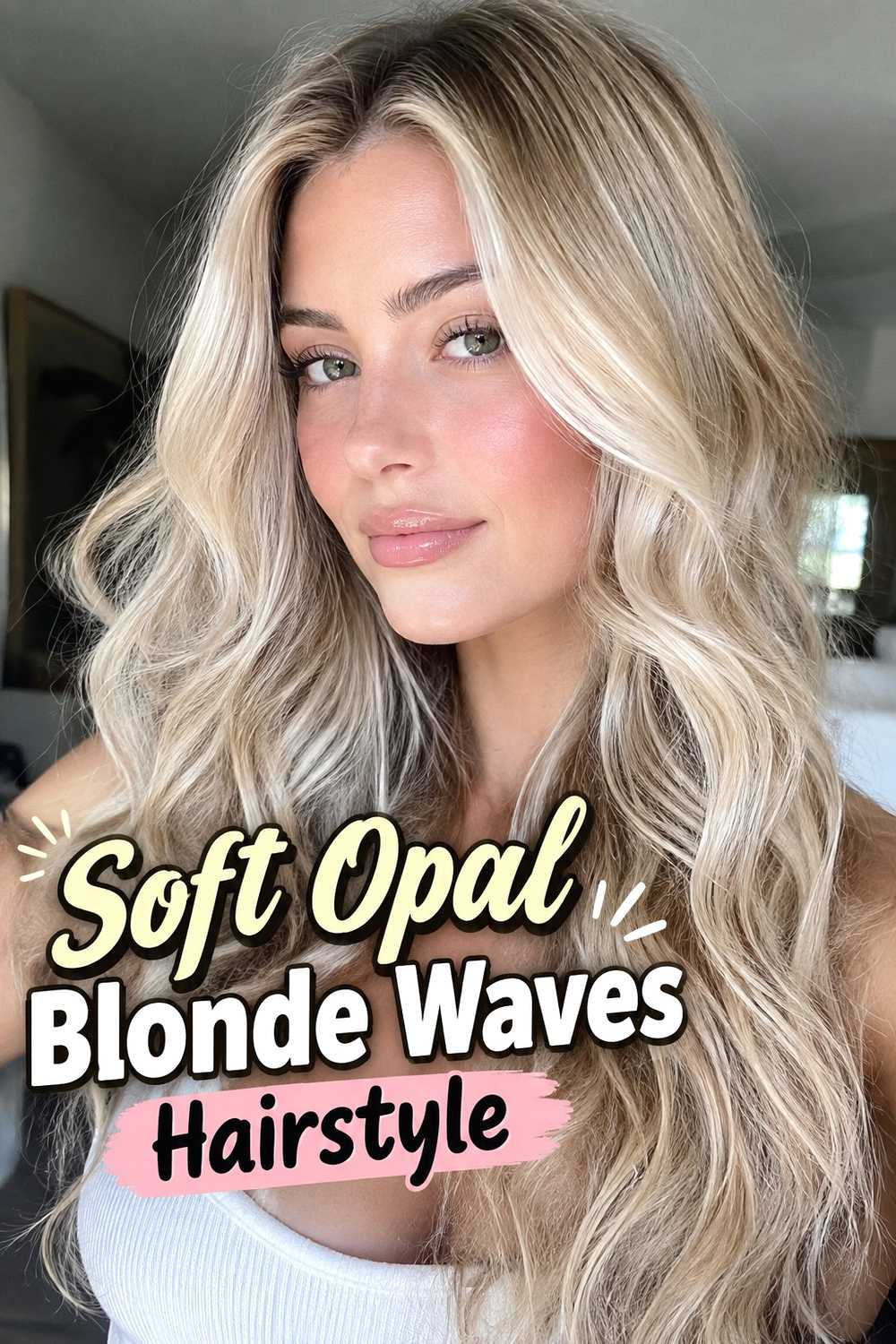
Soft waves make opal blonde especially dimensional because every bend catches a slightly different tone. A pale neutral blonde base can be layered with fine pearl, creamy beige, and muted silver ribbons for a luminous finish that remains sophisticated rather than overly pastel. Keeping a little deeper blonde underneath gives the brighter sections separation and makes the color feel more natural. Loose movement is preferable to tight curls because it allows the tonal transitions to stay visible while preserving softness through the ends. This option works beautifully on medium and long hair and can be adjusted cooler or warmer depending on the balance of pearl and beige. A lightweight shine product can emphasize reflection without making the waves look stiff or overly polished.
Styling Notes
Create broad, relaxed bends through the mid-lengths and leave the ends softer. This keeps the individual opal tones visible instead of blending them into one uniform shade.
2. Pearl Opal Blonde Lob Hairstyle
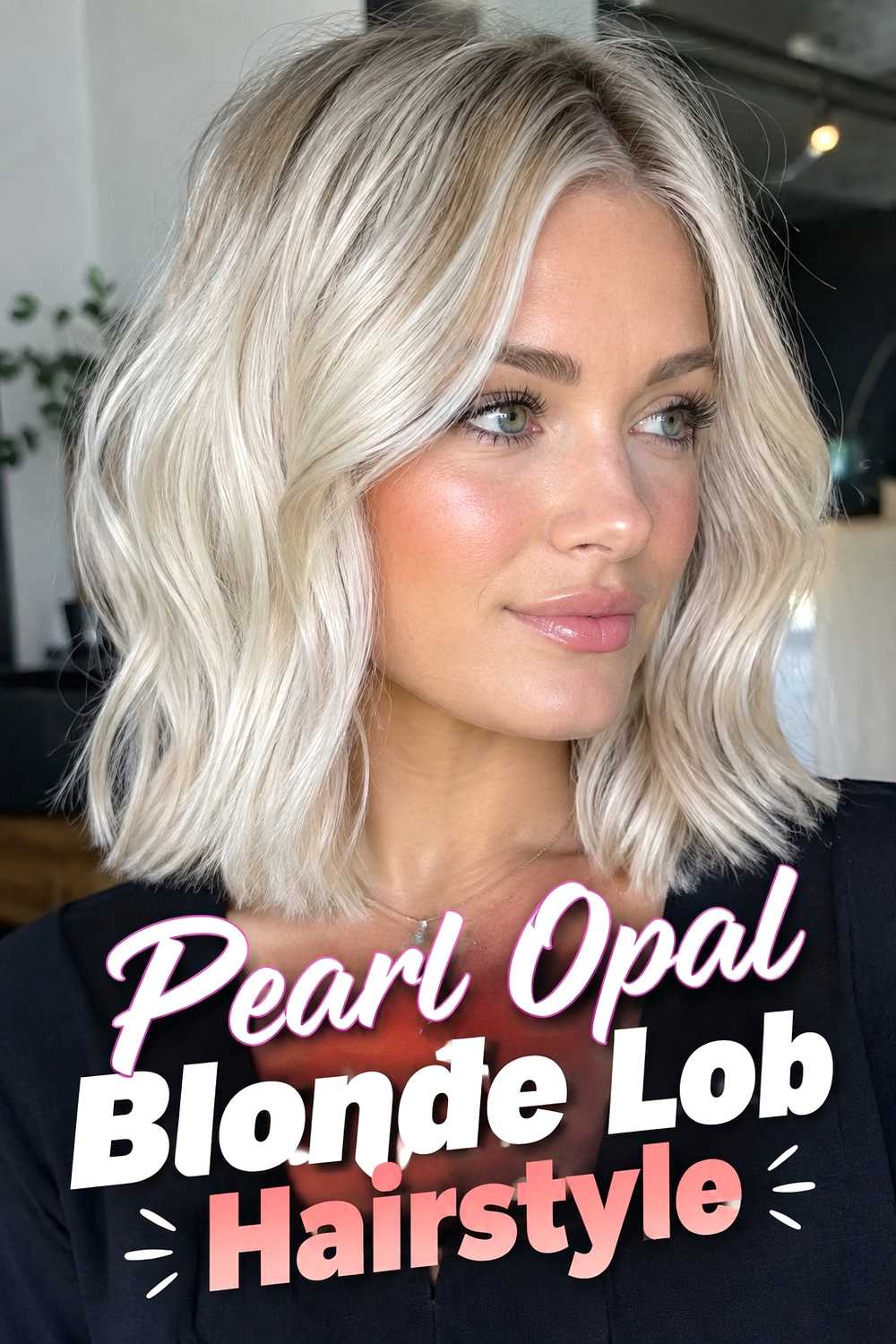
A pearl opal blonde lob pairs a clean shoulder-skimming shape with a refined, softly reflective color. Fine pearl and silver-beige highlights can sit over a pale neutral blonde base, creating subtle changes in brightness whenever the hair moves. Because the cut is shorter, preserving a touch of depth near the roots or underneath the surface is useful for preventing the blonde from appearing flat. The lob can be worn sleek to emphasize gloss or styled with a slight bend for a softer finish. This version is ideal for someone who likes bright blonde but wants more nuance than a single platinum tone. The pearly effect should look luminous in daylight while remaining believable and softly blended indoors.
Why It Works
The simple silhouette lets the tonal detail become the focus, while subtle depth gives the pale pearl sections enough contrast to stand out.
3. Rooted Opal Blonde Balayage Hairstyle
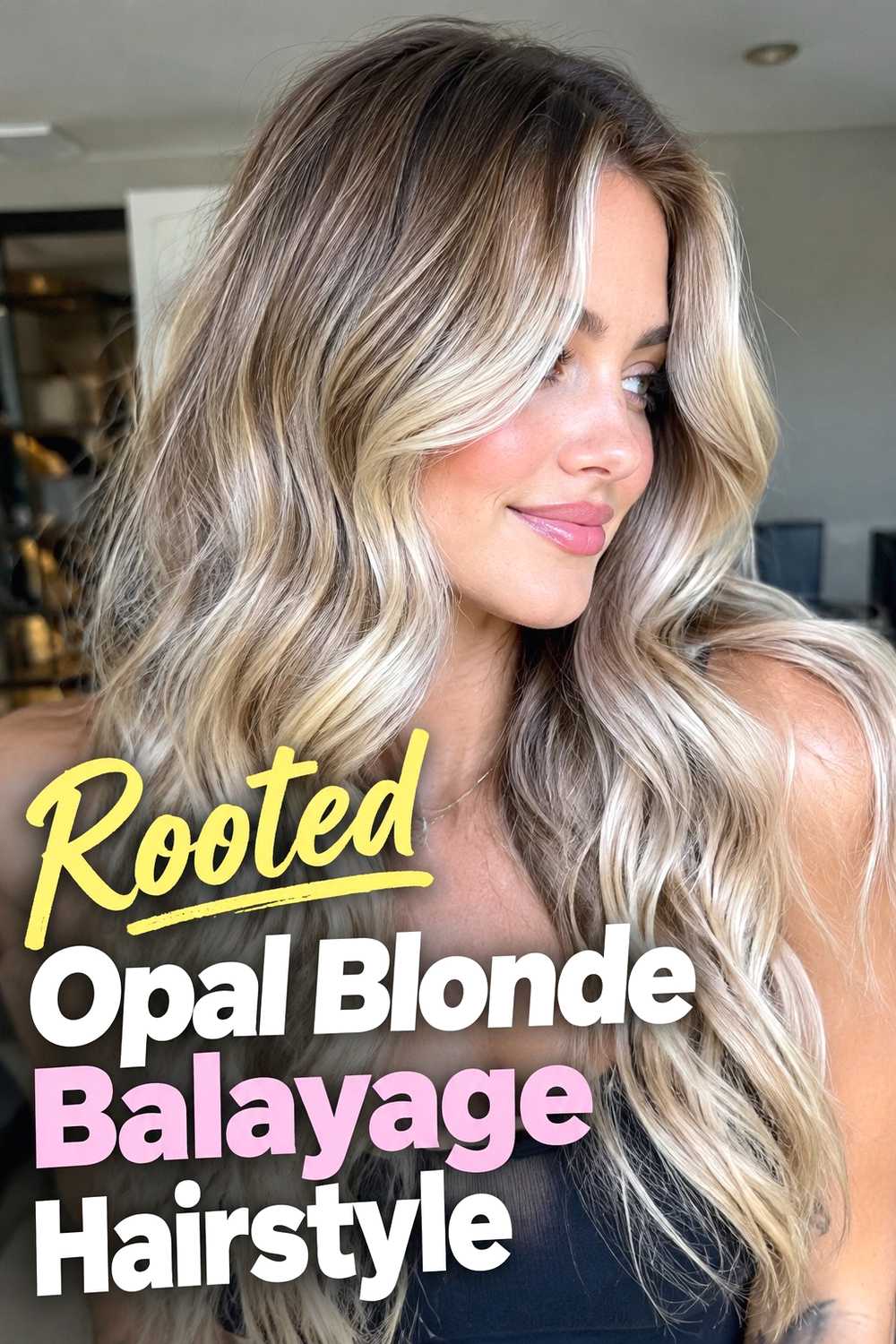
Rooted opal balayage keeps a natural-looking base near the scalp and gradually introduces pearl, silver, beige, and creamy blonde through the mid-lengths. The hand-painted placement creates a diffused transition instead of a sharp line, making the result feel softer and more dimensional. Loose waves are particularly flattering because the deeper root and brighter ends weave together visually as the hair moves. For a true opal effect, the lightened sections can include closely related cool and neutral tones rather than one solid blonde. This style is a practical choice for anyone who wants noticeable brightness but prefers to retain some darker depth. The ends can be very luminous while the root remains softly blended and grounded.
Wear & Maintenance
The rooted placement can make regrowth less abrupt, although the pale pearl and silver tones may still need periodic refreshing as the toner changes over time.
4. Icy Opal Blonde Bob Hairstyle
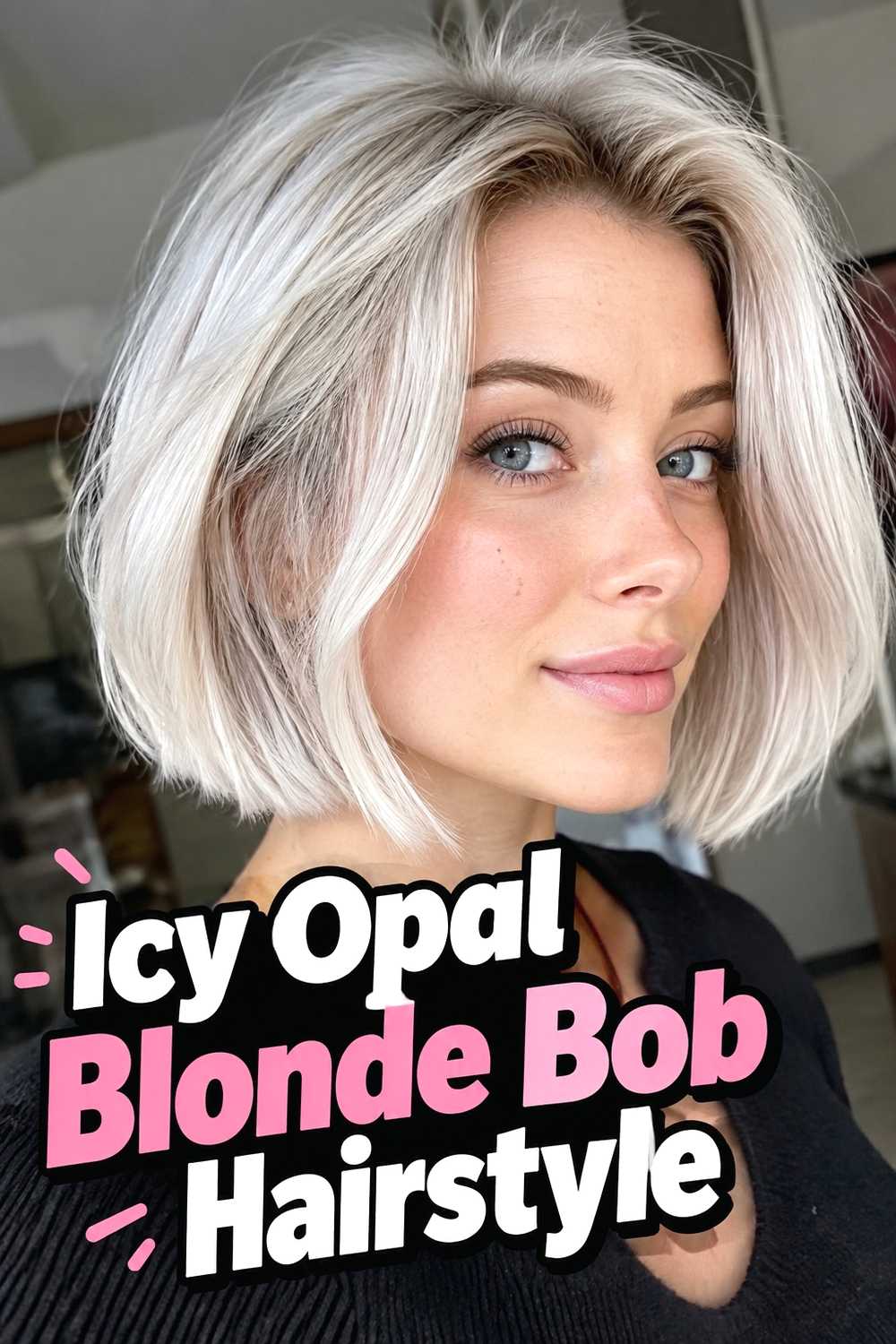
An icy opal blonde bob gives the color a crisp, modern direction by combining pale silver-blonde with subtle pearl and cool beige reflections. A chin-length or jaw-length cut makes the light tone especially noticeable because there is less length for the color to gradually transition. Very fine lowlights or a slightly darker root can add just enough contrast to keep the blonde dimensional. A smooth finish emphasizes shine and precision, while a slight bend at the ends softens the shape. This is one of the cooler options in the collection, so it works best when the opal effect remains delicate rather than turning into a heavy gray cast. Visible strand texture keeps the final result polished but realistic.
Best For
Choose this version if you enjoy bright, cool blonde and prefer the clean structure of a short bob over a more relaxed layered style.
5. Rose Opal Blonde Hairstyle
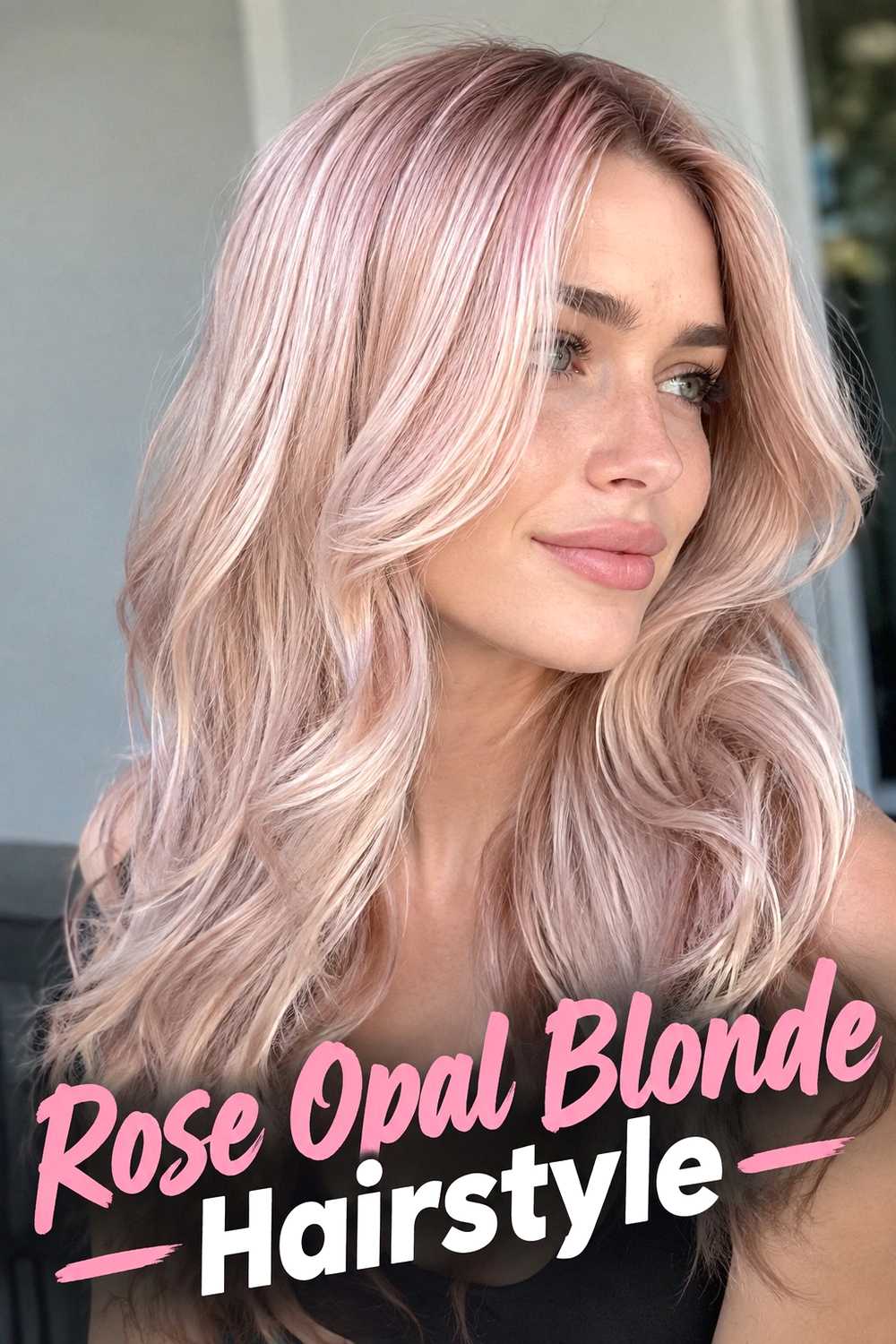
Rose opal blonde introduces the faintest blush-pink reflection into a pale pearl blonde base. The rose tone should remain translucent and softly diffused, creating an iridescent effect rather than an obvious block of pink hair. Fine pearl, beige, and blush ribbons can be blended together so the shade looks different in cool daylight and warmer indoor light. This version is particularly beautiful on softly waved or layered hair because movement reveals the rose undertone without allowing it to dominate. A slightly deeper neutral root can keep the pastel effect grounded and make the lighter areas appear more luminous. The final color should read primarily as blonde, with the rose influence appearing as a delicate secondary tone.
Styling Notes
Soft waves and a smooth reflective finish help reveal the blush undertone. Heavy matte products can make the subtle opal shifts harder to see.
6. Champagne Opal Blonde Hairstyle
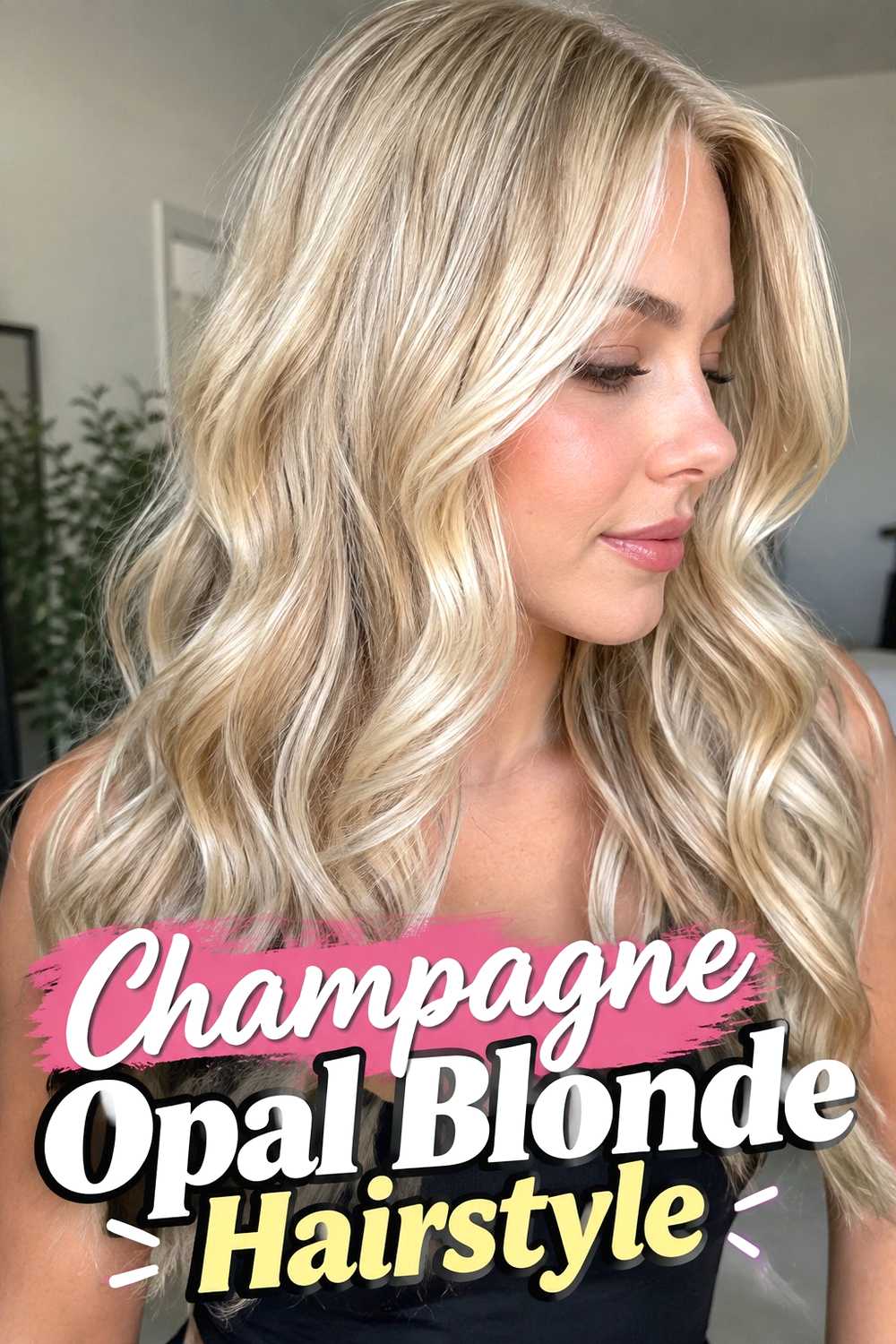
Champagne opal blonde is a warmer-neutral interpretation that blends pale blonde with soft champagne, pearl, and creamy beige highlights. It stays luminous without becoming strongly golden, making it a balanced option for someone who finds icy platinum too cool. The champagne tone can be concentrated through the mid-lengths while pearl highlights add extra brightness around the face and surface layers. Gentle waves or a polished blowout both suit this color because the mix of warmth and coolness appears more visible in movement. Keeping a neutral root can add depth and stop the lighter lengths from looking overly uniform. The overall effect should feel refined and glowing, with enough tonal variation to maintain the opalescent character.
Why It Works
Champagne softens the silvery side of opal blonde while pearl highlights preserve brightness, creating a balanced result that does not lean strongly warm or cool.
7. Silver Opal Blonde Layers Hairstyle
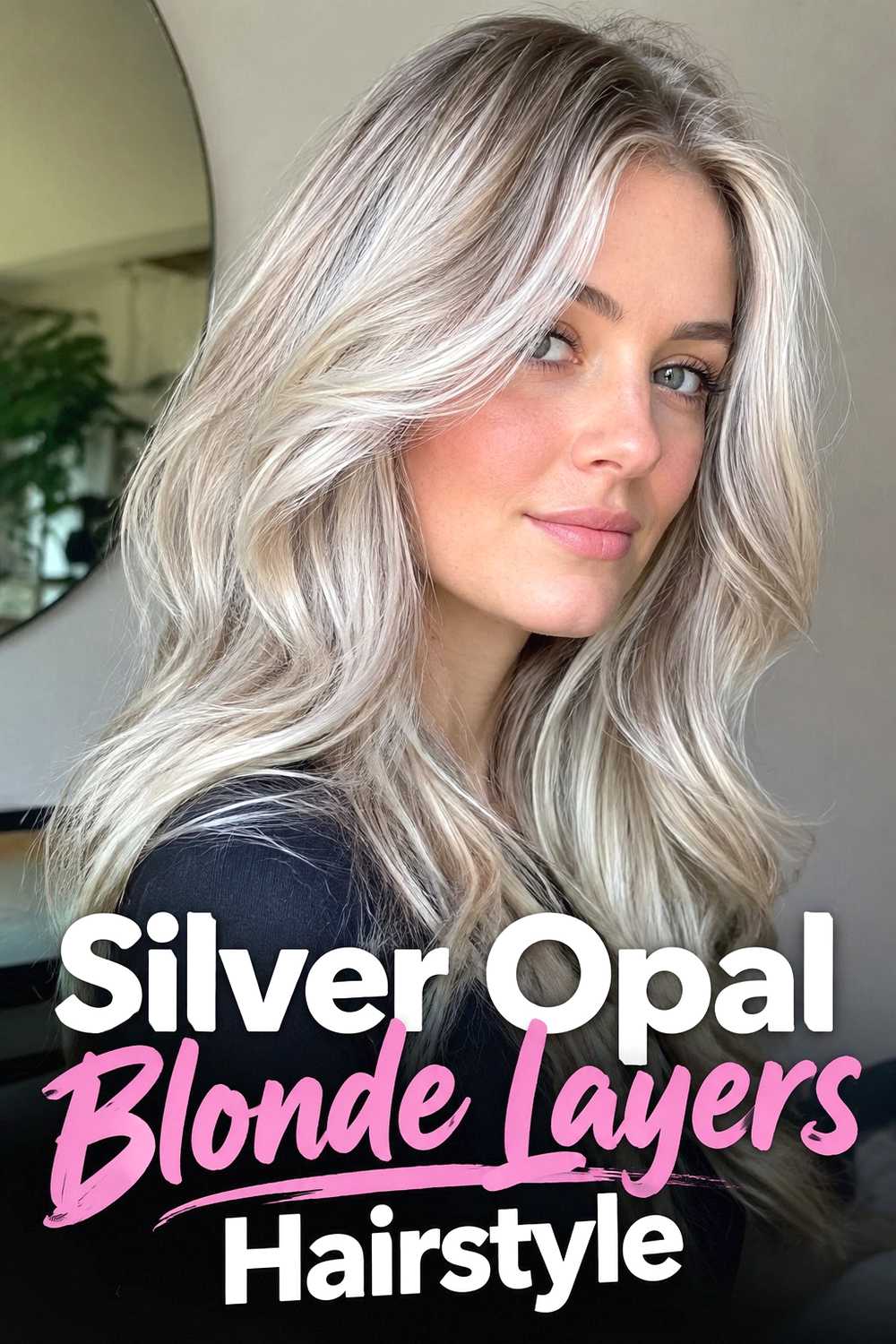
Silver opal blonde on layered hair creates a cooler, more reflective finish with plenty of movement. Fine silver and pearl highlights can be placed through the top layers while muted beige-blonde sections remain underneath for contrast. As the layers shift, the lighter pieces catch the light at different angles, giving the hair a subtle multi-tonal effect. This approach works especially well on medium-to-long hair because the extra length gives the color placement room to develop. A rounded blowout can enhance the layers, while relaxed waves make the deeper pieces more visible. The silver component should remain soft and blended with neutral blonde so the finished color still looks opalescent rather than purely gray.
Hair Type & Length
Medium and long layered hair offers the most space for alternating silver, pearl, and neutral blonde sections, though the same tonal concept can be adapted to shorter cuts.
8. Face Framing Opal Blonde Hairstyle
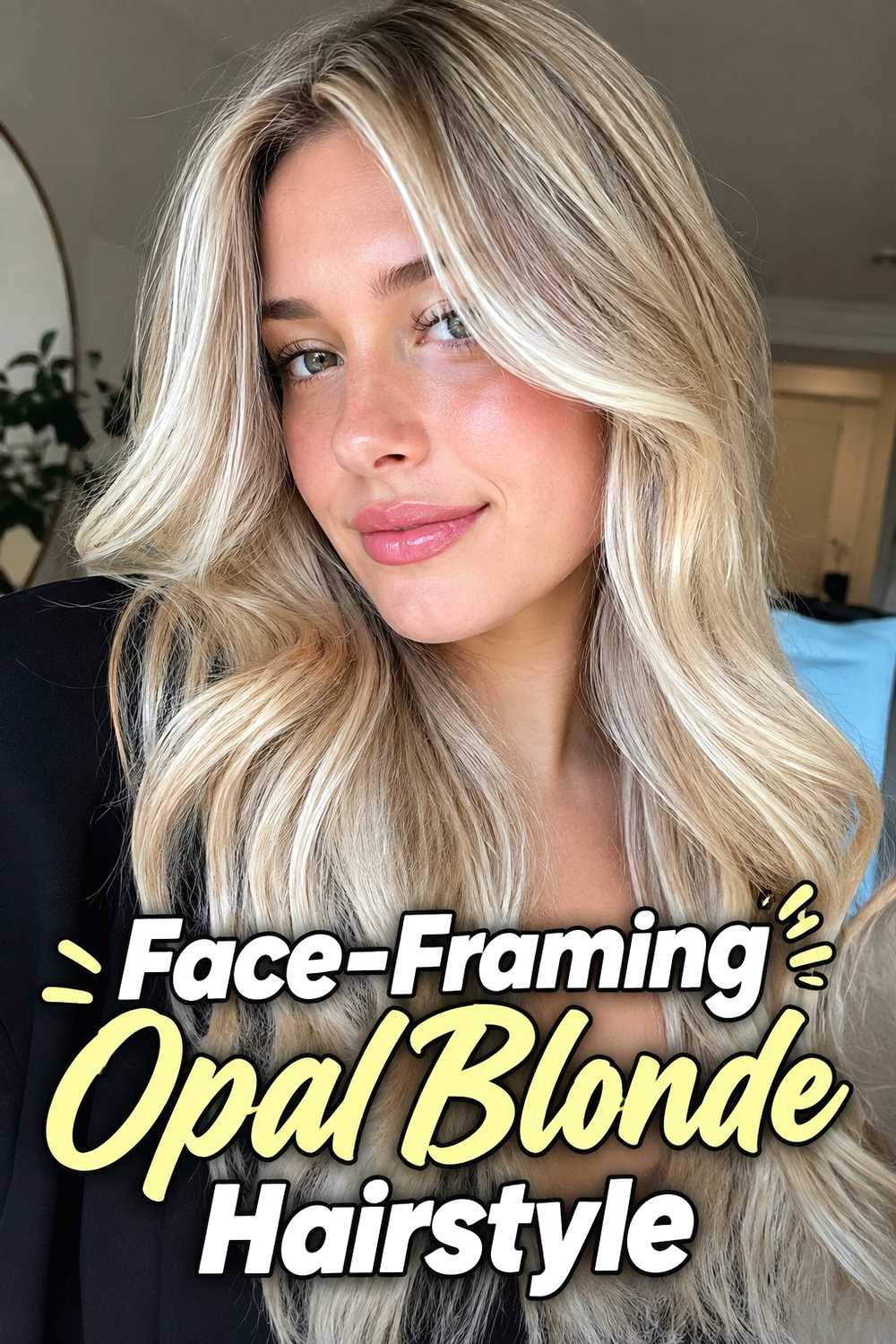
Face-framing opal blonde concentrates the lightest, most reflective tones around the front while keeping a slightly deeper blonde through the interior. Fine pearl and silver-beige pieces can begin near the hairline and grow brighter toward the ends, creating a luminous frame without requiring the entire head to be equally pale. Small opal highlights scattered through the back help connect the front pieces to the rest of the color. This placement pairs naturally with curtain bangs, center parts, and long layers because the front sections move easily around the face. Rather than using a stark white highlight, a mix of pearl and soft beige keeps the framing pieces dimensional and better integrated with the overall blonde.
Pro Tip
Keep the front brightness blended at the root. A softer transition usually looks more cohesive than a sharply defined pale panel against darker blonde.
9. Opal Blonde Curly Hairstyle
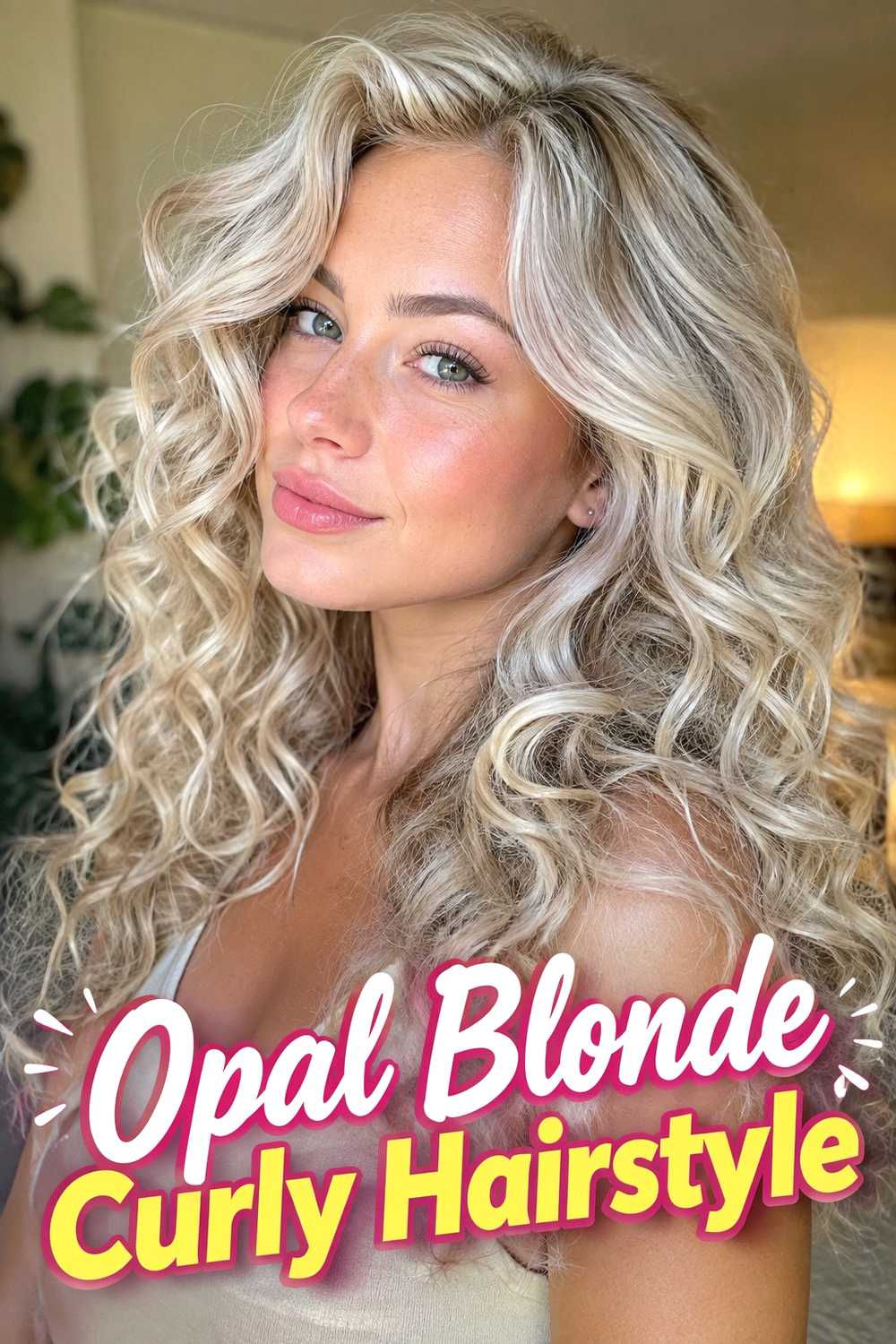
Curly hair can make opal blonde look remarkably dimensional because each curl exposes several tones as it twists. Instead of lightening every section uniformly, pearl, beige, and silver-blonde highlights can be placed through selected curls while slightly deeper blonde remains in between. This maintains visual definition and prevents the curl pattern from disappearing into one pale shade. Brighter pieces around the face can add extra luminosity, while more subtle highlights through the lower layers create balance. The result should follow the natural curl pattern rather than appearing as straight vertical streaks. A defined but touchable finish helps individual curls remain visible, while a small amount of shine makes the opal tones reflect light without looking wet or heavy.
Hair Type & Length
Color placement should consider the hair’s dry curl pattern, density, and shrinkage so the brighter sections fall naturally when the curls are styled.
10. Opalescent Platinum Blonde Hairstyle
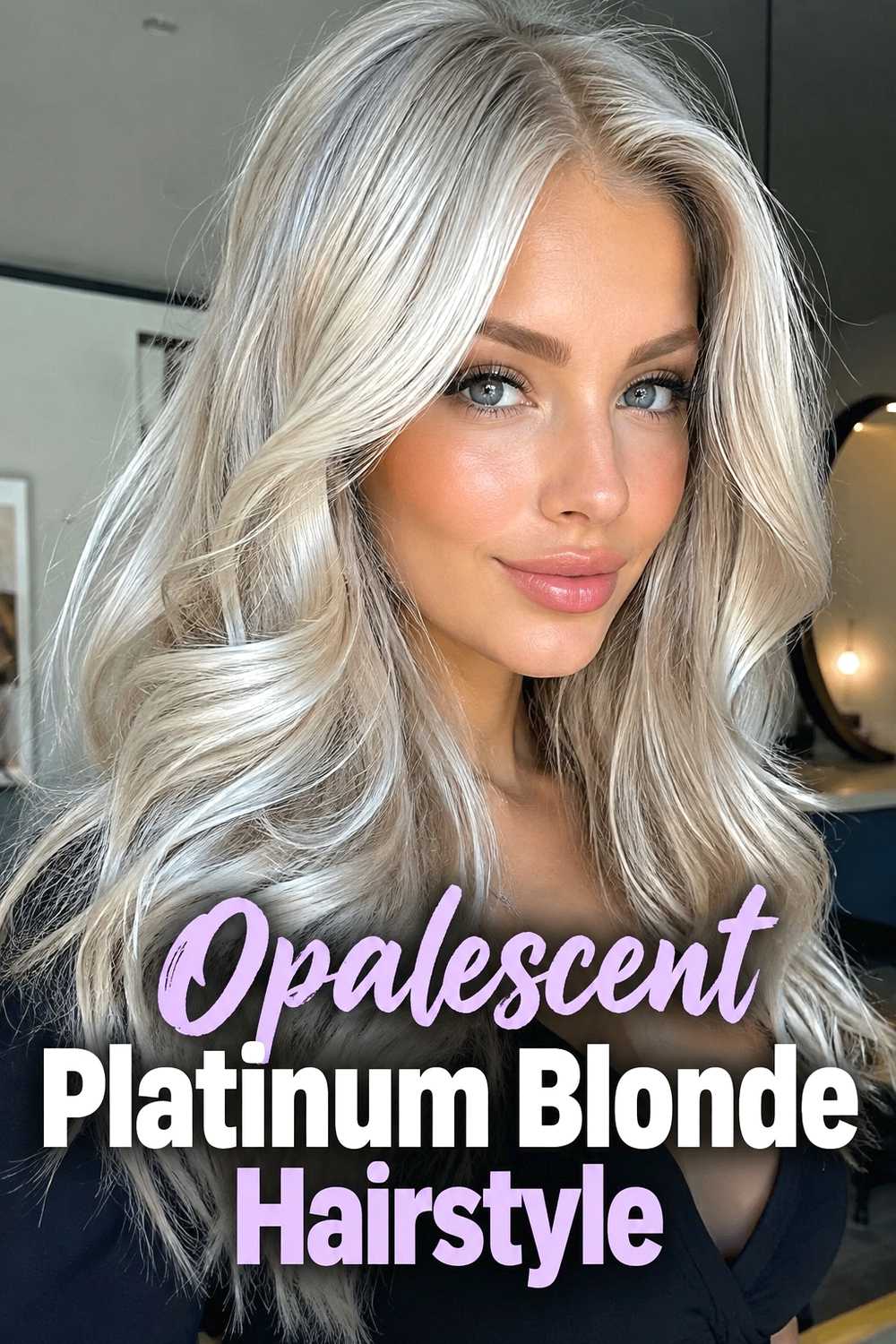
Opalescent platinum blonde starts with an extremely light foundation but adds more nuance than traditional platinum. Soft pearl, silver, creamy beige, and nearly translucent pastel reflections can be layered over the pale base so the hair shifts subtly in different lighting. Keeping the tones close together is important; the goal is iridescence rather than clearly separated stripes. This look can be striking on sleek long hair, a polished lob, or smooth waves because a reflective surface allows the tonal changes to show clearly. A tiny amount of root depth can add dimension, though the overall impression remains very bright. The finish should look soft and luminous rather than chalky, with visible strands and natural movement throughout.
Wear & Maintenance
Very pale blonde typically makes changes in tone and condition more noticeable, so maintaining the intended pearl balance can require more frequent attention than darker opal blonde variations.
11. Smoky Opal Blonde Shag Hairstyle
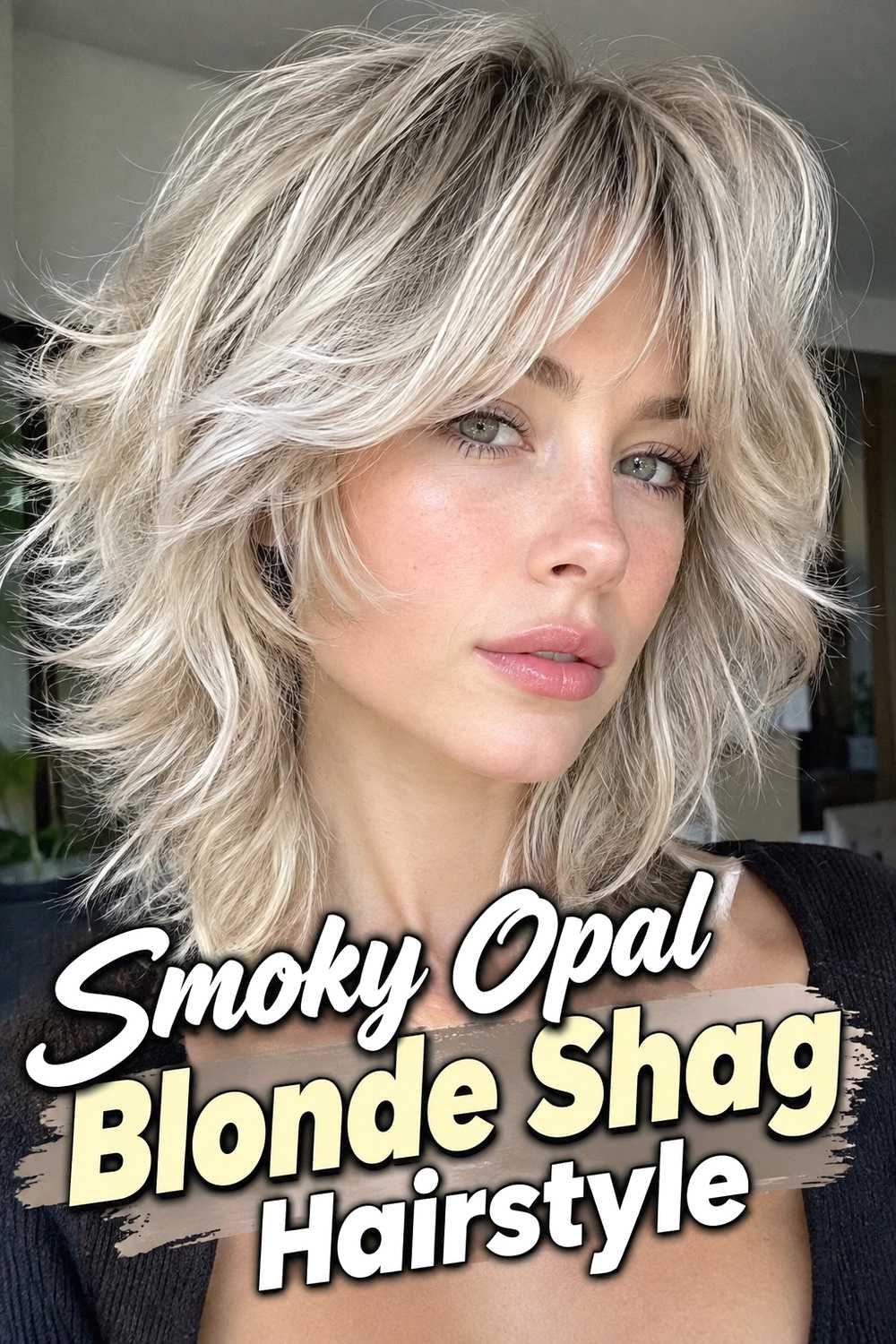
Smoky opal blonde pairs beautifully with a shag because the muted color and layered texture share the same relaxed character. A neutral blonde base can be softened with taupe, ash, pearl, and subtle silver pieces that become more visible through the choppy layers. The darker root and interior sections give the pale ends enough depth to stand out without creating harsh contrast. Curtain bangs or a wispy fringe can carry lighter face-framing pieces, while the crown remains slightly shadowed for dimension. This style looks best with loose, undone texture rather than a perfectly smooth finish. The smoky tone should remain balanced with enough pearl brightness to stop the color from becoming dull or overly gray.
Best For
This look suits someone who prefers cool blonde with a relaxed, textured haircut rather than an ultra-sleek or highly polished finish.
12. Opal Blonde Money Piece Hairstyle
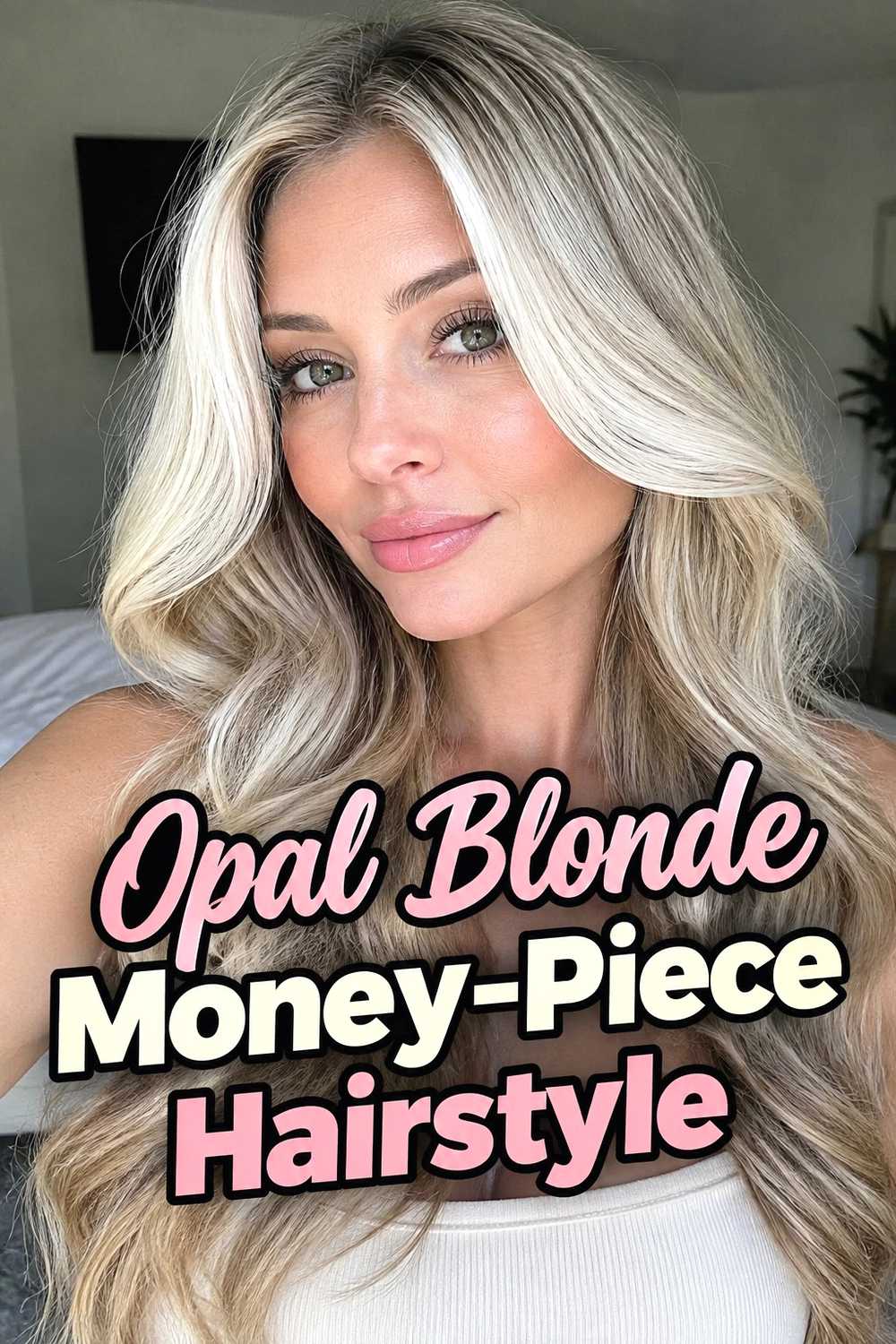
An opal blonde money piece creates concentrated brightness around the face by using pale pearl, silver, and creamy highlights through the front sections. The remaining hair can stay a slightly deeper neutral blonde, giving the money piece enough contrast to become the visual focal point. Keeping subtle opal highlights throughout the rest of the hair prevents the front from feeling disconnected. A center part can create a balanced, symmetrical effect, while a side part produces a softer variation. Loose waves help separate the brighter sections from the interior color and show the tonal blend clearly. Instead of making the money piece pure white, layering pearl and beige tones creates a more reflective and dimensional result.
Wear & Maintenance
The brightest front sections may show tonal changes sooner than deeper areas, so they can benefit from targeted gloss or toner refreshes between larger color appointments.
13. Pastel Opal Blonde Hairstyle
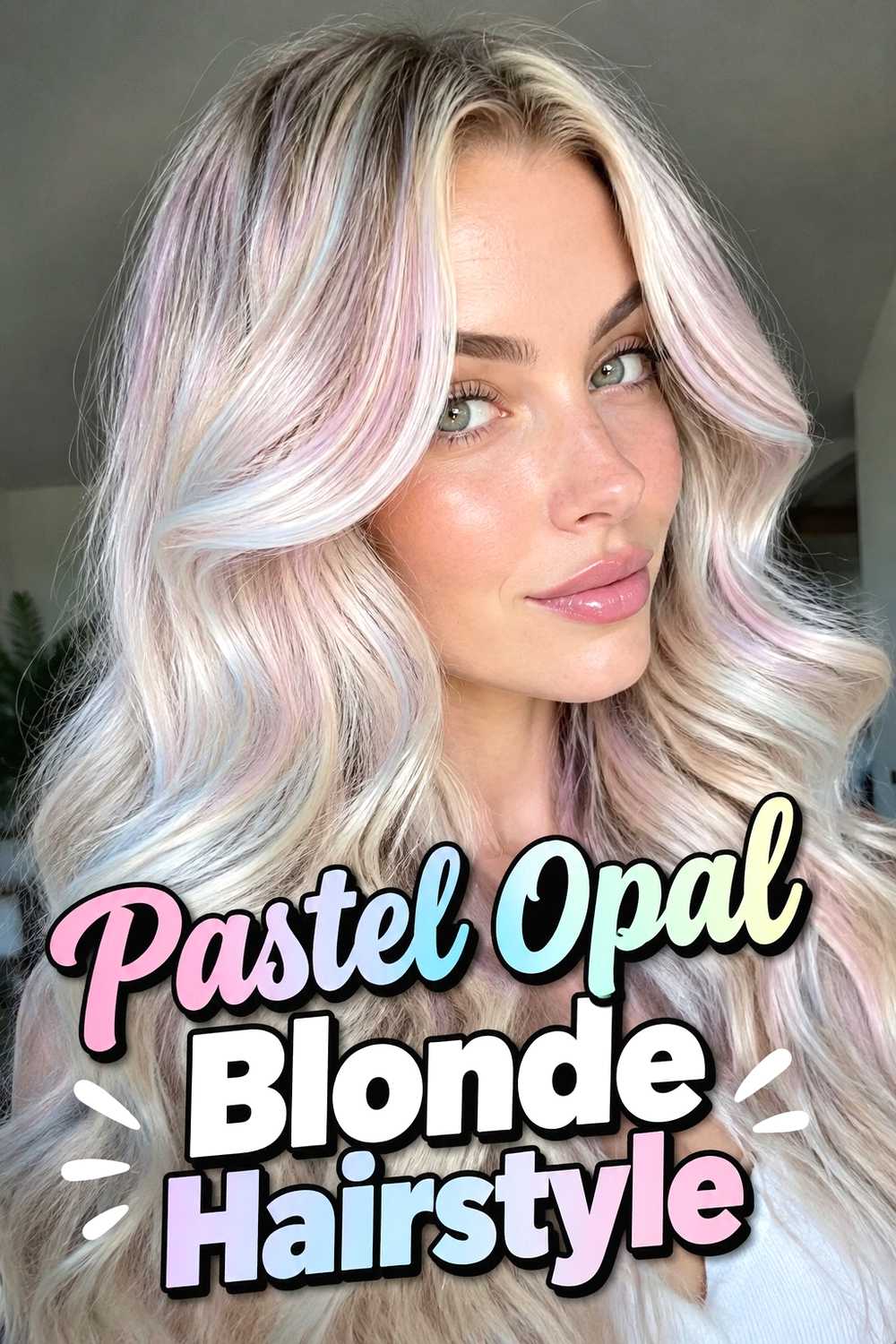
Pastel opal blonde brings the gemstone-inspired concept to life with very faint hints of blush, lavender-beige, pearl, and silver over a pale blonde base. The pastel influence should remain translucent so the finished color still reads as blonde first. Fine tonal shifts work especially well on long waves or layered hair, where different pieces catch the light separately and reveal subtle changes from one section to another. A neutral or softly rooted base can keep the style wearable and prevent the paler tones from appearing overly costume-like. Because the color relies on delicacy, maintaining visible shine and healthy-looking texture is important. Soft movement is usually more flattering than heavy curls, which can make the subtle pastel transitions harder to appreciate.
Why It Works
Closely related pastel tones add an iridescent quality without overwhelming the blonde foundation, creating a more refined version of multicolored hair.
14. Shadow Root Opal Blonde Hairstyle
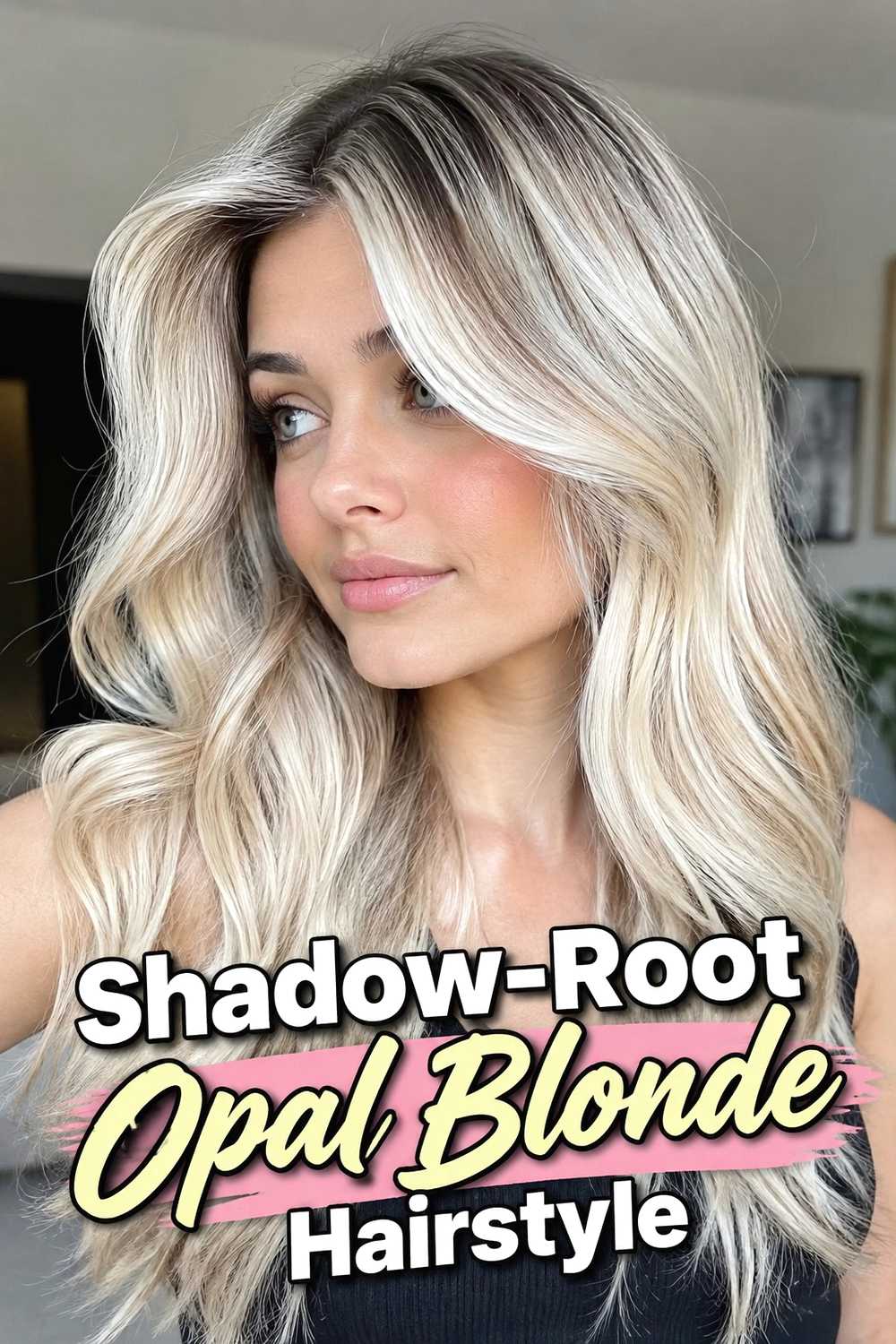
A shadow-root opal blonde hairstyle combines pale, reflective lengths with a deliberately deeper root for added contrast. The root can be neutral blonde, beige, or soft light brown, then blend gradually into pearl and silver-beige mid-lengths. This darker starting point makes the opal sections appear brighter while giving the overall style a more grounded look. Soft waves can make the transition especially visible because deeper strands weave between the lighter pieces as the hair moves. The shadow should be diffused rather than sharply defined so it resembles intentional color placement instead of a hard regrowth line. This technique can be adapted to several hair lengths and works particularly well when the pale ends remain multidimensional rather than uniformly platinum.
Wear & Maintenance
A shadow root can visually soften regrowth, while the lighter lengths may still require tonal maintenance to keep pearl and silver shades balanced.
15. Creamy Opal Blonde Hairstyle
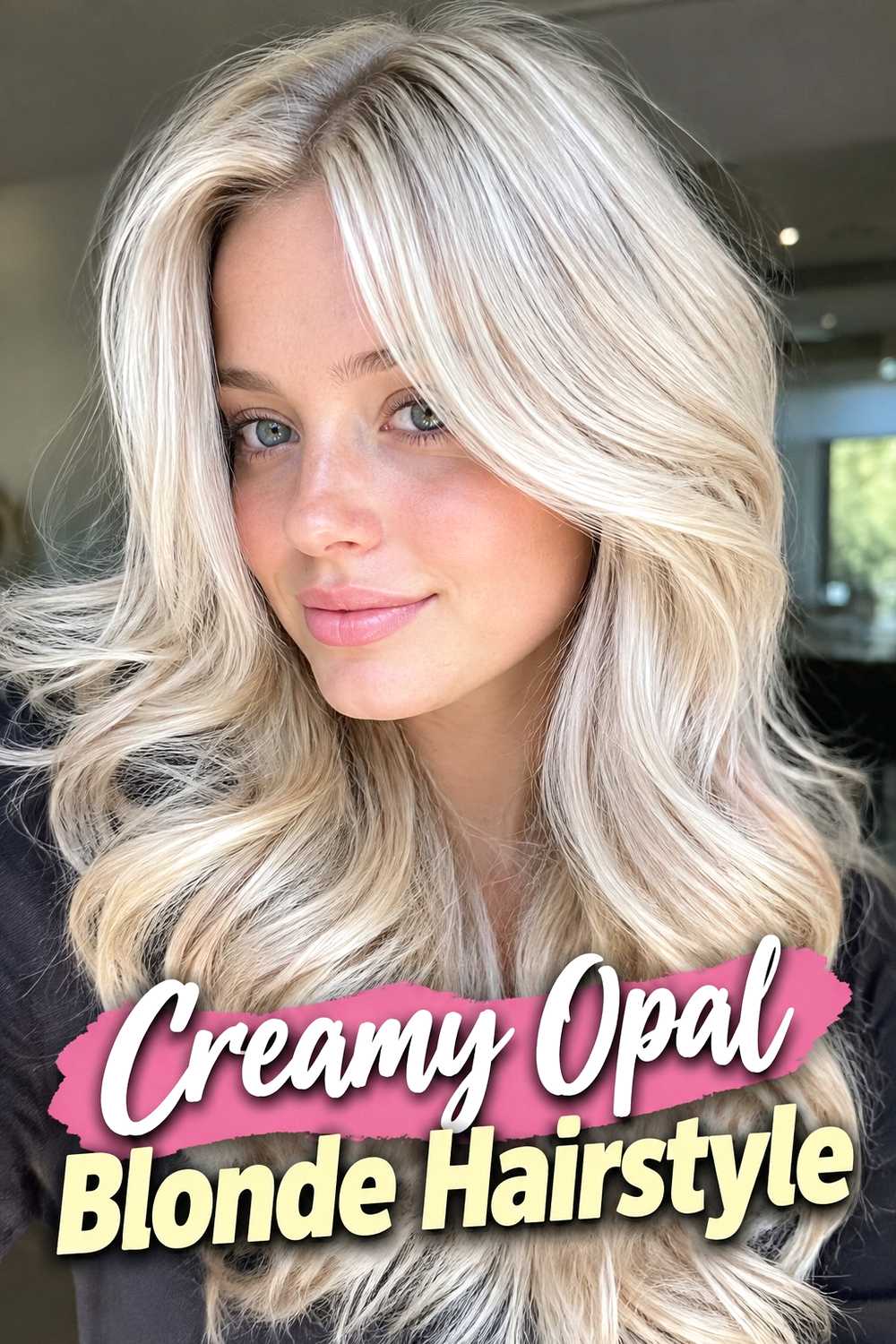
Creamy opal blonde is a softer, more neutral variation that mixes pale pearl with cream and muted beige. It retains the light-reflective quality of opal blonde but avoids the sharper appearance of icy silver. This makes it appealing for anyone who wants a bright blonde that still feels gentle and wearable. Fine pearl highlights can be scattered through the surface while creamy lowlights add depth underneath. The color works with straight hair, soft waves, and layered blowouts because the neutral tones remain visible across different textures. Keeping the cream shade soft rather than yellow is key to preserving the opal effect. A polished finish with natural movement allows the different blonde tones to blend without looking flat.
Best For
Choose this version if you like luminous blonde but prefer neutral softness over a strongly icy, silver, or pastel finish.
16. Opal Blonde Long Layers Hairstyle
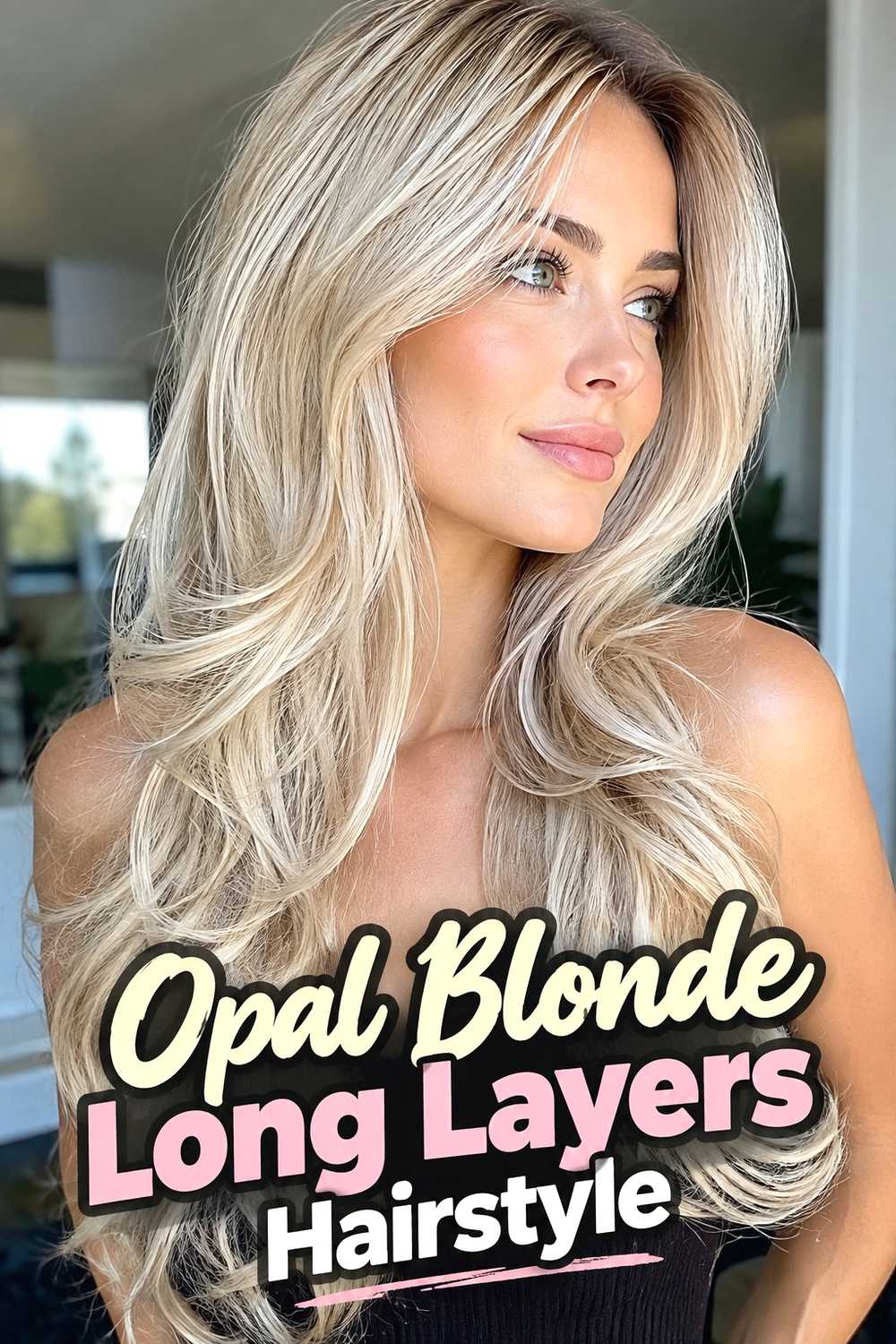
Long layers give opal blonde plenty of room to display several closely related tones. Pearl highlights can run through the upper layers while silver-beige, creamy blonde, and slightly deeper neutral pieces remain beneath them. As the layers move, new sections of color become visible, creating depth without obvious striping. A smooth blowout can make the hair look especially glossy, while loose waves emphasize the contrast between individual pieces. Keeping the root slightly deeper can make the luminous lengths appear brighter and add dimension near the crown. Because long pale hair can show dryness easily, the best visual effect comes from maintaining softness and shine through the ends. The overall color should remain cohesive even though several tones are present.
Styling Notes
Encourage movement through the layers rather than flattening them completely. The changing angles are what make the opal color shifts most visible.
17. Lived In Opal Blonde Hairstyle
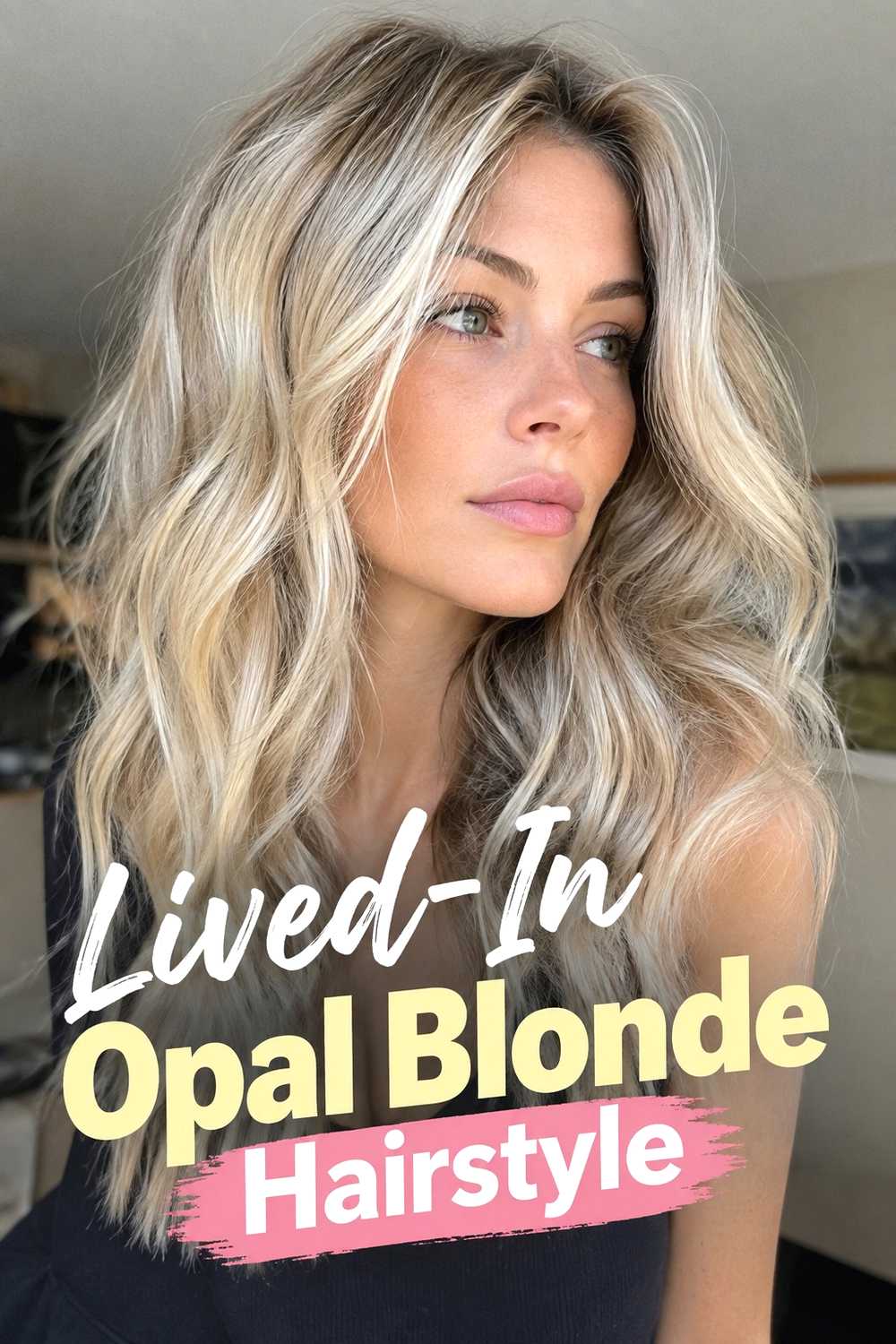
Lived-in opal blonde blends diffused roots, balayage, pearl highlights, and soft lowlights for a relaxed version of the color. The root stays slightly deeper while the mid-lengths gradually brighten into creamy, silver, and pearly blonde. A few luminous face-framing sections can add extra contrast without making the entire style equally pale. This approach works especially well on medium and long hair because the gradual transition has enough space to look seamless. Natural waves or loose bends complement the color by revealing the deeper interior sections alongside the reflective surface pieces. The balance can be adjusted depending on how much blonde you want, making this one of the more adaptable ways to wear the opal trend.
Why It Works
Maintaining depth at the roots and through selected interior sections gives the lighter opal pieces greater definition while creating a softer overall grow-out effect.
How to Choose the Right Look
Start by deciding whether you want your opal blonde to look cool, neutral, softly warm, or subtly pastel. Icy, silver, and smoky versions create the coolest finish. Champagne and creamy opal blonde bring in more neutral warmth, while rose and pastel versions introduce faint blush or lavender-beige reflections.
Next, think about depth. Rooted balayage, shadow-root, and lived-in versions preserve more natural-looking darkness near the scalp. They can create stronger contrast than an all-over opalescent platinum. If you want targeted brightness instead, a face-framing style or money piece puts the palest color where it is most visible.
Hair texture matters too. Sleek bobs and lobs emphasize shine and precision. Waves make tonal ribbons visible, curls showcase multiple shades around each coil, and long layers provide more space for highlight and lowlight placement.
Finally, consider maintenance. Very pale platinum and pastel finishes tend to make tonal shifts more obvious, while rooted and creamy versions can feel softer as the color grows out. Choose a look that suits both your preferred finish and your normal styling routine.
Final Thoughts
Opal blonde can range from icy silver and pearl to champagne, cream, blush, and subtle pastel tones. The key is dimension: keeping several closely related shades together creates the light-reflective effect that makes this color distinctive. Choose a rooted version for added depth, a pearl or platinum option for maximum brightness, or a creamy and champagne blend for a softer neutral result.
FAQs
1. What is opal blonde hair color?
Opal blonde is a multidimensional blonde that combines pale pearl, silver, beige, creamy, or subtle pastel tones to create a softly iridescent effect.
2. Is opal blonde the same as platinum blonde?
No. Platinum blonde is usually very pale and more uniform, while opal blonde typically uses several related tones to create extra dimension and light reflection.
3. Can opal blonde include pink or lavender tones?
Yes. Very soft blush, rose, or lavender-beige tones can be incorporated, but keeping them translucent helps the overall result remain primarily blonde.
4. Does opal blonde work with darker roots?
Yes. A shadow root or rooted balayage can add depth and contrast while allowing the pearl and silver lengths to appear brighter.
5. Which hairstyle shows opal blonde best?
Waves, layered cuts, curls, lobs, and bobs can all show the color beautifully. Movement highlights tonal variation, while sleek styles emphasize gloss and reflective shine.
Save your favorite opal blonde hairstyle ideas, share them for inspiration, and choose the tone, placement, and finish that best matches the look you want.