13 Polished Low-Knot Hairstyles for Long Wrap Coats
Polished low knots and long wrap coats create an elegant cold-weather pairing, balancing a clean neckline with soft structure and understated sophistication.
A long wrap coat already creates strong visual lines through its lapels, belt, and extended silhouette, so a low-knot hairstyle can keep the upper half of the outfit refined rather than crowded. Positioning the knot near the nape also keeps longer hair contained and prevents loose lengths from becoming trapped beneath the collar or coat belt.
The best version depends on your hair texture, density, parting preference, and how much hold you want. Some of these styles are deliberately sleek and compact, while others leave subtle movement around the face or introduce twists, braids, and softer shaping. The goal is a believable, wearable finish with natural strands, realistic shine, comfortable tension, and enough structure to stay polished with winter outerwear.
Quick List
- Sleek Center Part Low Knot Hairstyle
- Polished Side Part Low Knot Hairstyle
- Glossy Nape Knot Hairstyle
- Smooth Wrapped Low Knot Hairstyle
- Minimal Twisted Low Knot Hairstyle
- Softly Sculpted Low Knot Hairstyle
- Slicked Back Low Knot Hairstyle
- Face Framing Low Knot Hairstyle
- Deep Side Sweep Low Knot Hairstyle
- Braided Base Low Knot Hairstyle
- Tucked Under Low Knot Hairstyle
- Satin Finish Low Knot Hairstyle
- Relaxed Polished Low Knot Hairstyle
1. Sleek Center Part Low Knot Hairstyle
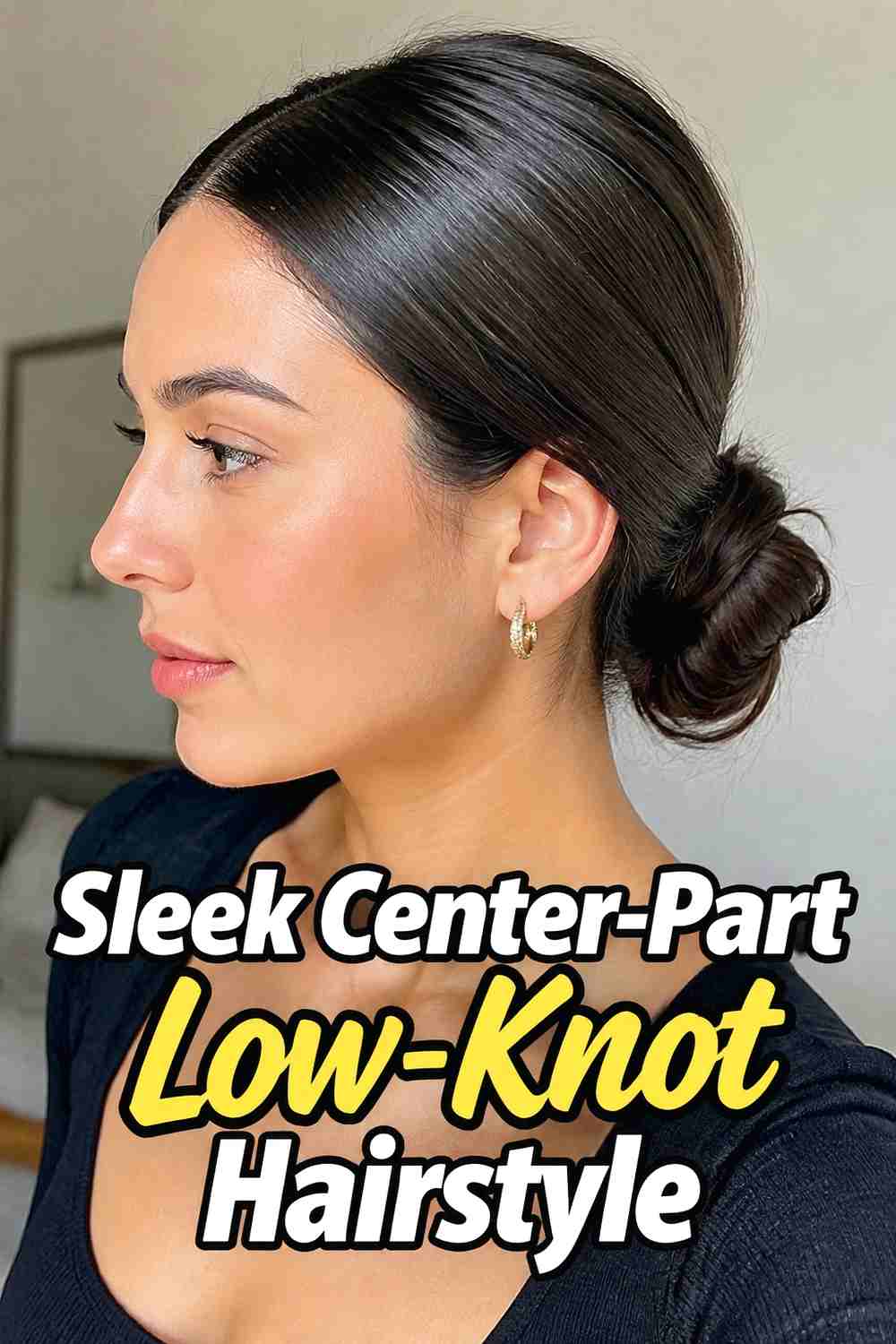
A sleek center-part low knot creates one of the cleanest pairings with a long wrap coat. The precise middle part keeps the front symmetrical, while the hair travels smoothly toward a compact knot positioned at the nape. That low placement works well with structured lapels because it keeps the neck area visually controlled without adding height or unnecessary bulk. The finish should look polished but not lacquered, with enough natural strand detail to avoid a helmet-like effect. Straight and gently wavy hair can adapt particularly well to this shape, although denser textures may need thoughtful smoothing and sectioning. A secure elastic underneath the knot can provide stability without requiring uncomfortable tension across the hairline.
Styling Notes
Smooth the surface in sections rather than repeatedly brushing the entire head. A small amount of lightweight finishing product can control flyaways while preserving natural shine.
2. Polished Side Part Low Knot Hairstyle
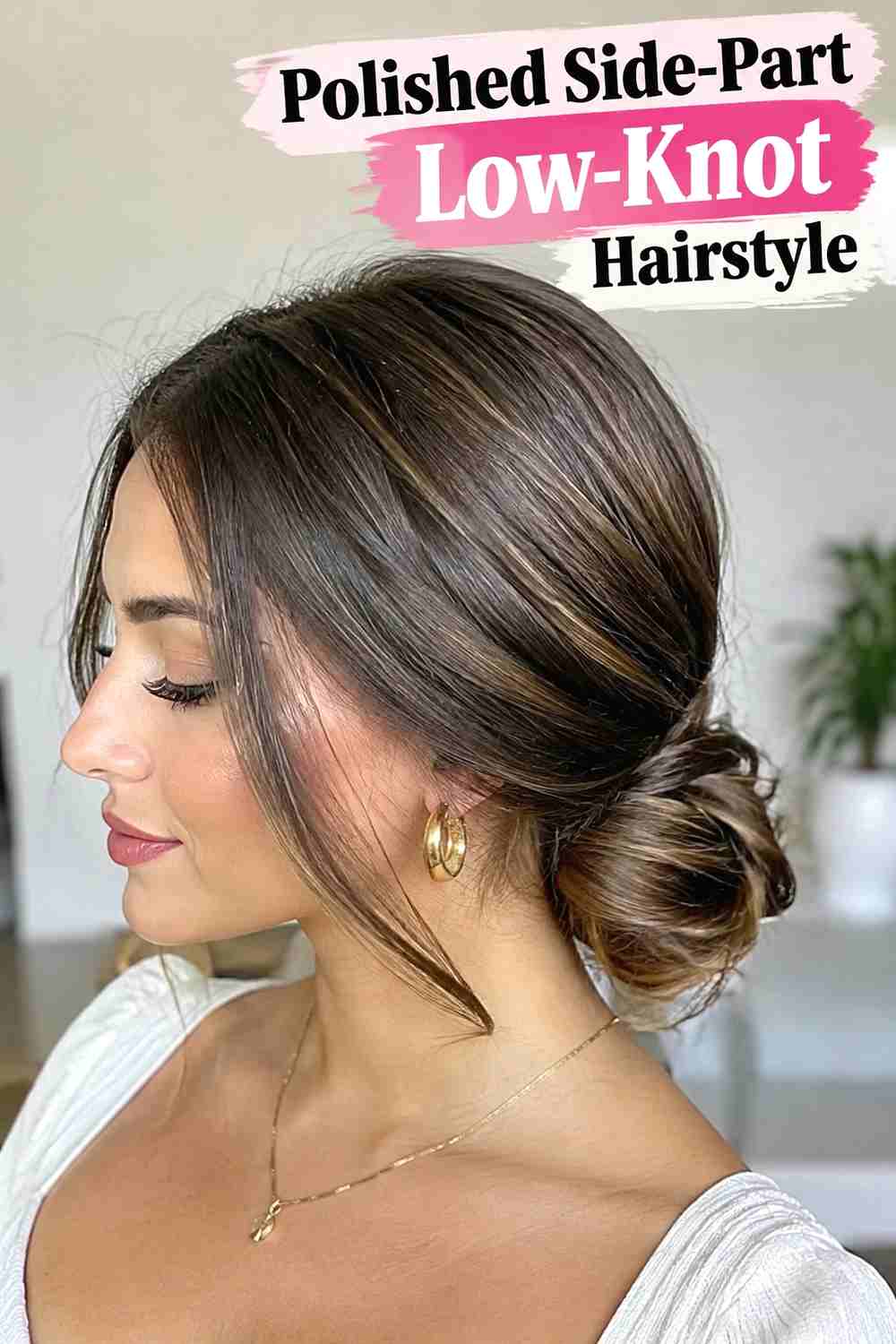
The polished side-part low knot adds gentle asymmetry to the classic nape updo, making it especially effective with the overlapping front of a wrap coat. A defined side part creates directional movement across the crown, while the lengths stay contained in a tidy knot at the back. This version can feel softer than a strict center part without losing its refined appearance. Keep the crown close to the head but not compressed, and allow the side sweep to retain a touch of natural lift. Medium to long hair usually provides enough length to form a neat knot, while very thick hair may be easier to manage when divided before twisting. The finished shape should remain balanced from both the front and profile views.
Best For
This look suits anyone who likes classic polish but prefers a little softness and asymmetry around the forehead rather than a perfectly centered finish.
3. Glossy Nape Knot Hairstyle
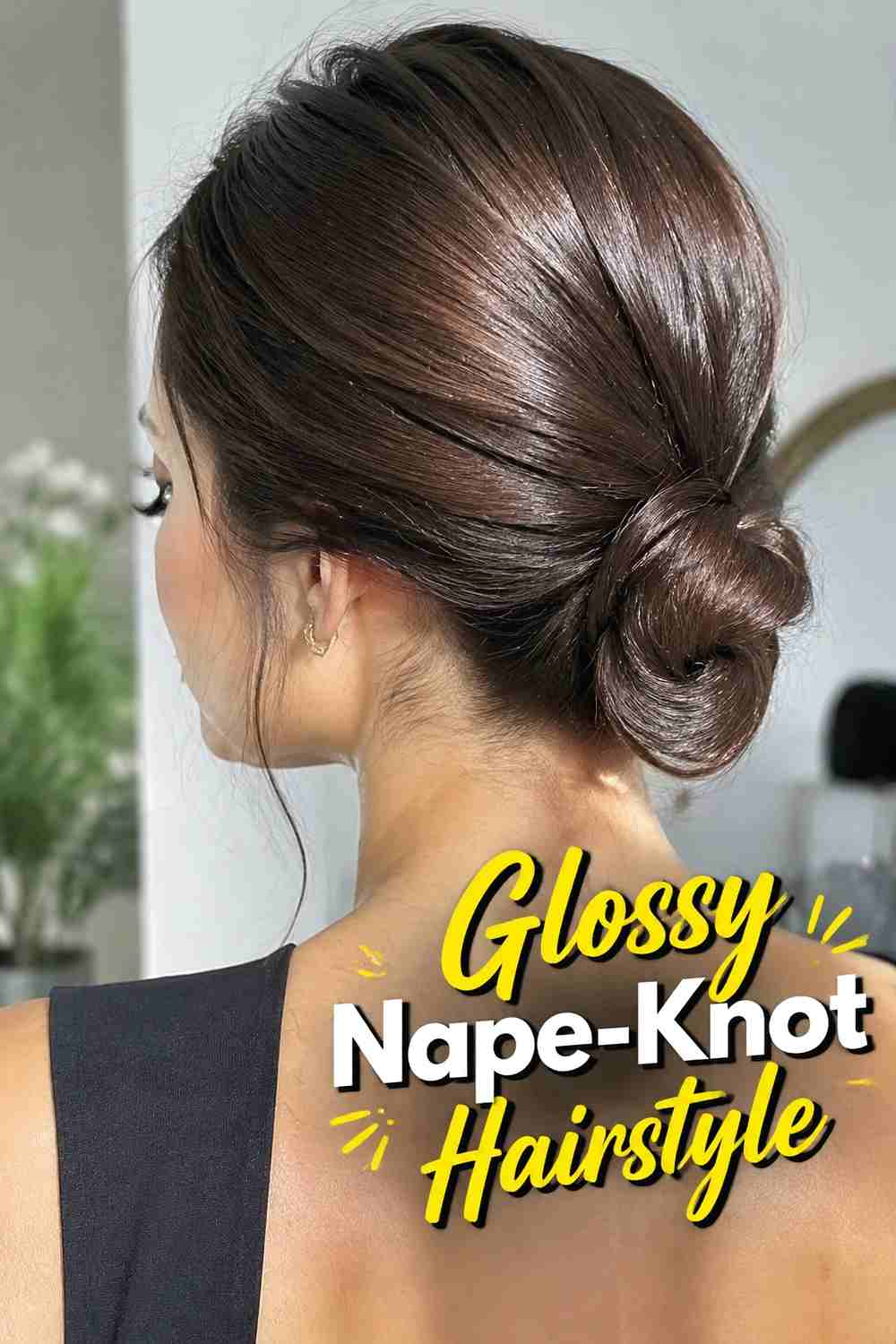
A glossy nape knot sits deliberately low, placing the main shape just above the coat collar rather than higher on the back of the head. The result is compact, elegant, and particularly practical with long wrap coats because the hair remains controlled when the collar shifts or the coat is tied tightly. The surface can have noticeable shine, but individual strands and slight natural texture should still be visible so the style looks realistic. A simple knot shape works especially well here because the emphasis is on placement and finish rather than complicated construction. If your coat has a taller collar, position the knot slightly above its edge so it does not become flattened whenever you move your head.
Wear & Maintenance
Check the knot placement after putting on the coat. If it sits directly against the collar, raising it a small amount can improve comfort and help preserve the shape.
4. Smooth Wrapped Low Knot Hairstyle
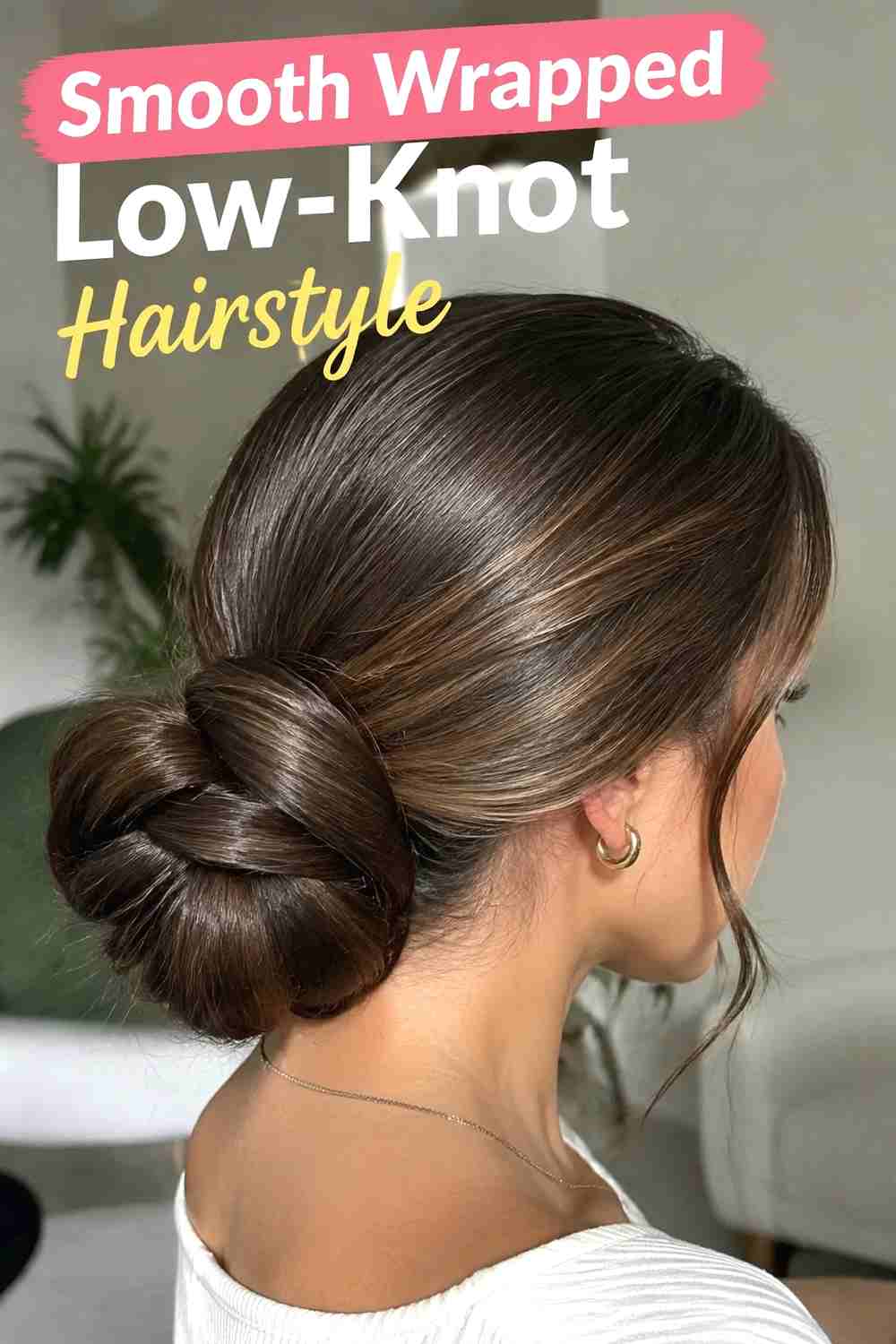
The smooth wrapped low knot uses one polished section of hair to conceal the base, giving the updo a seamless, carefully finished appearance. This detail pairs beautifully with a long wrap coat because both the hairstyle and outerwear rely on overlapping, wrapped shapes. The knot itself can remain compact and horizontal at the nape, while the surrounding hair stays smooth and controlled. Instead of making the wrap perfectly rigid, allow a little natural strand separation so it still looks like real hair rather than a molded piece. This style usually works best when the hair is long enough to create the knot and leave a small section free for wrapping. Fine pins can secure that section underneath where they remain visually discreet.
Why It Works
The concealed base removes visible elastics and creates a continuous polished line, which complements the refined construction of belted and overlapping winter coats.
5. Minimal Twisted Low Knot Hairstyle
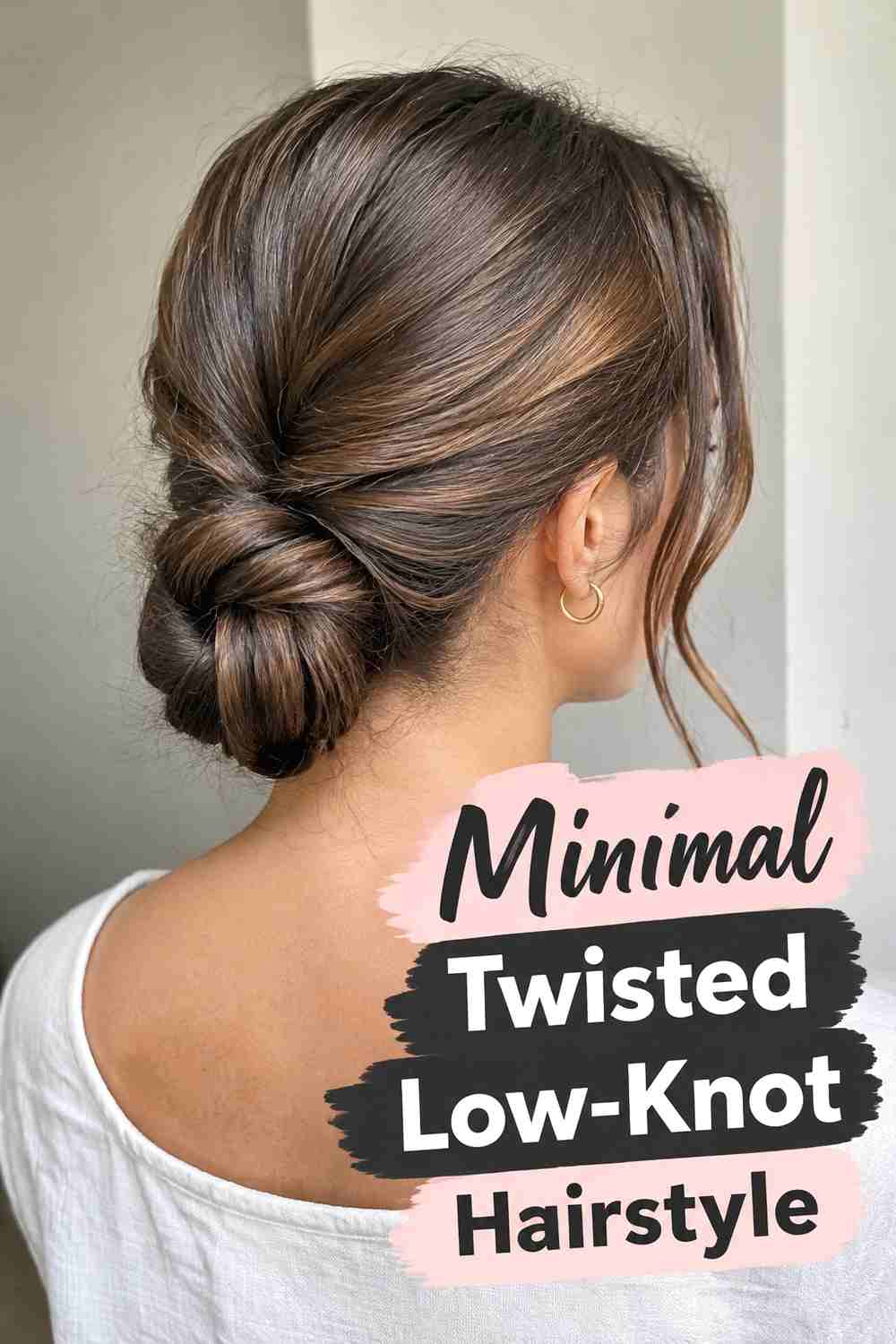
A minimal twisted low knot introduces subtle texture without turning the hairstyle into an elaborate updo. The lengths are gathered near the nape, twisted with controlled tension, and folded into a compact knot that shows a soft spiral rather than a perfectly smooth surface. This gives the hair enough dimension to stand out against a simple long wrap coat while remaining restrained. The front can stay sleek, softly parted, or gently brushed back depending on your natural growth pattern. This style can be especially helpful for hair that does not hold an ultra-glassy finish all day, because a little texture actually supports the twisted effect. Avoid pulling too tightly around the temples; controlled structure is enough to make the knot look polished.
Hair Type & Length
Medium to long hair with straight, wavy, or softly textured movement can work well. Very silky hair may benefit from a little grip before the twist is formed.
6. Softly Sculpted Low Knot Hairstyle
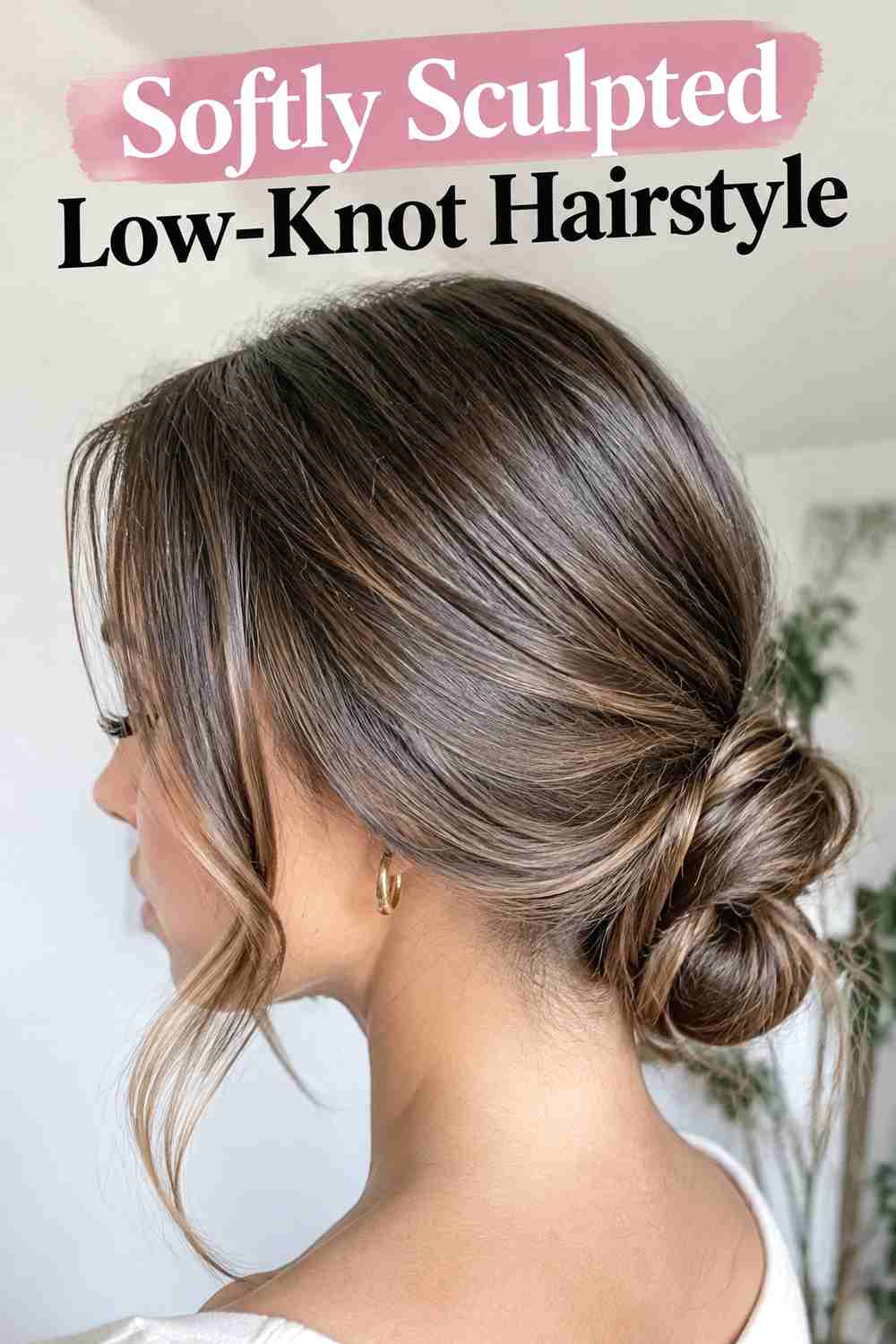
The softly sculpted low knot blends polish with a more dimensional shape. Instead of being pulled completely flat, the crown retains slight lift and the knot is arranged into smooth, rounded sections near the nape. That gentle structure makes the hairstyle feel elegant next to the long vertical line of a wrap coat without looking overly formal. It is a useful option when you want an updo that feels considered but not severe. The key is keeping the volume controlled: too much height can compete with a substantial winter coat, while too little may make the style appear flat. A few natural flyaways are acceptable, especially around the nape, as long as the main silhouette remains clean and intentional from every angle.
Pro Tip
Build the knot with small sections and pins rather than forcing all the hair into one tight twist. This makes the shape easier to sculpt while reducing unnecessary tension.
7. Slicked Back Low Knot Hairstyle
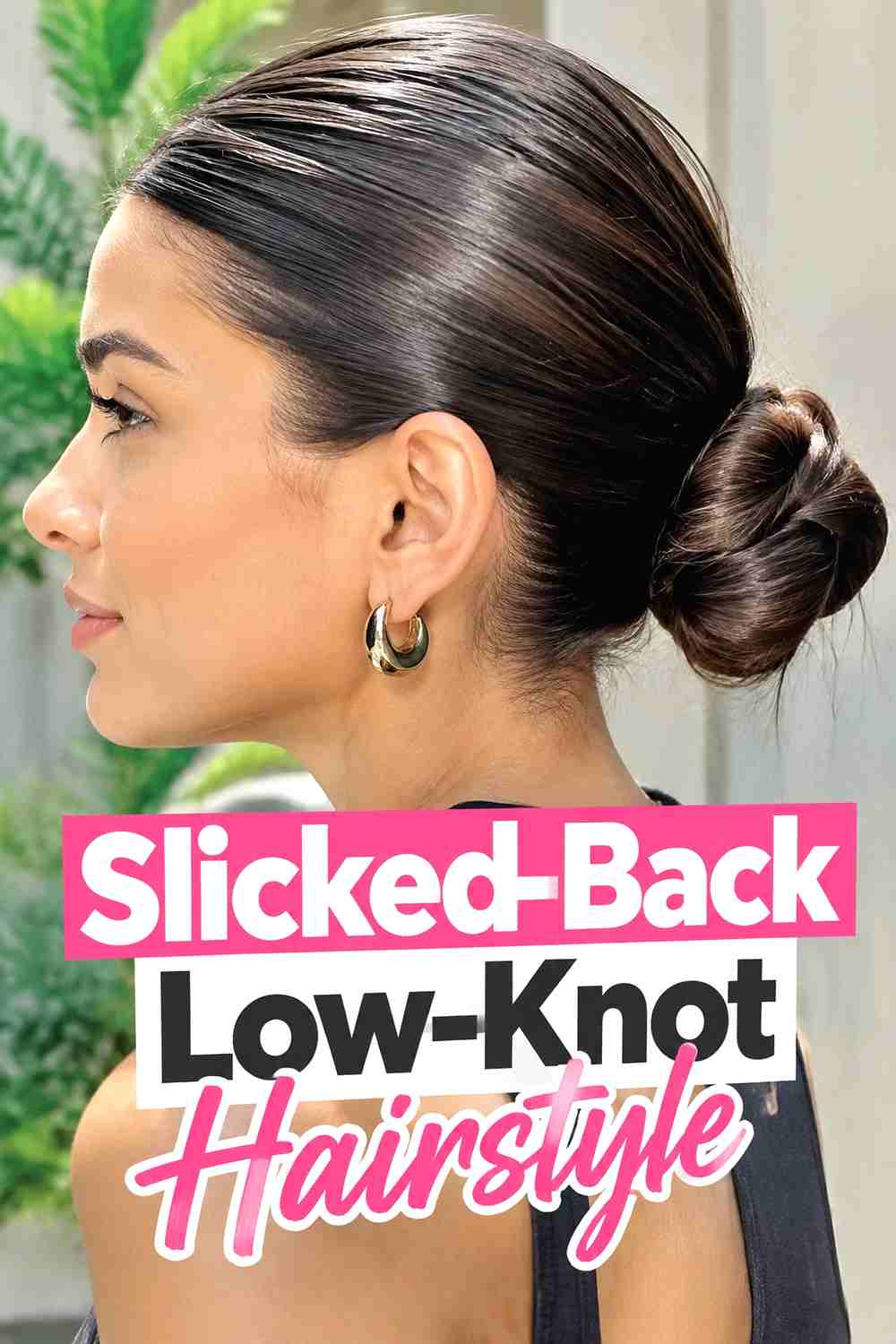
A slicked-back low knot removes the visible part altogether, directing the hair smoothly away from the face into a compact knot at the nape. The uninterrupted front creates a sharp, modern contrast with the soft folds and belt of a long wrap coat. This style is at its best when the surface looks controlled but still reflects natural texture rather than appearing wet or heavily coated. Work with the direction of the hairline so the finish does not feel forced, and keep the knot proportionate to the head instead of creating an oversized bun. Because the face is fully exposed, earrings or a strong coat collar can become more noticeable, making this an effective option for minimalist winter outfits where each element has a clear visual role.
Wear & Maintenance
Use flexible hold rather than a hard-setting product if you plan to wear the style for many hours. The hair should stay in place without making the scalp feel overly tight.
8. Face Framing Low Knot Hairstyle
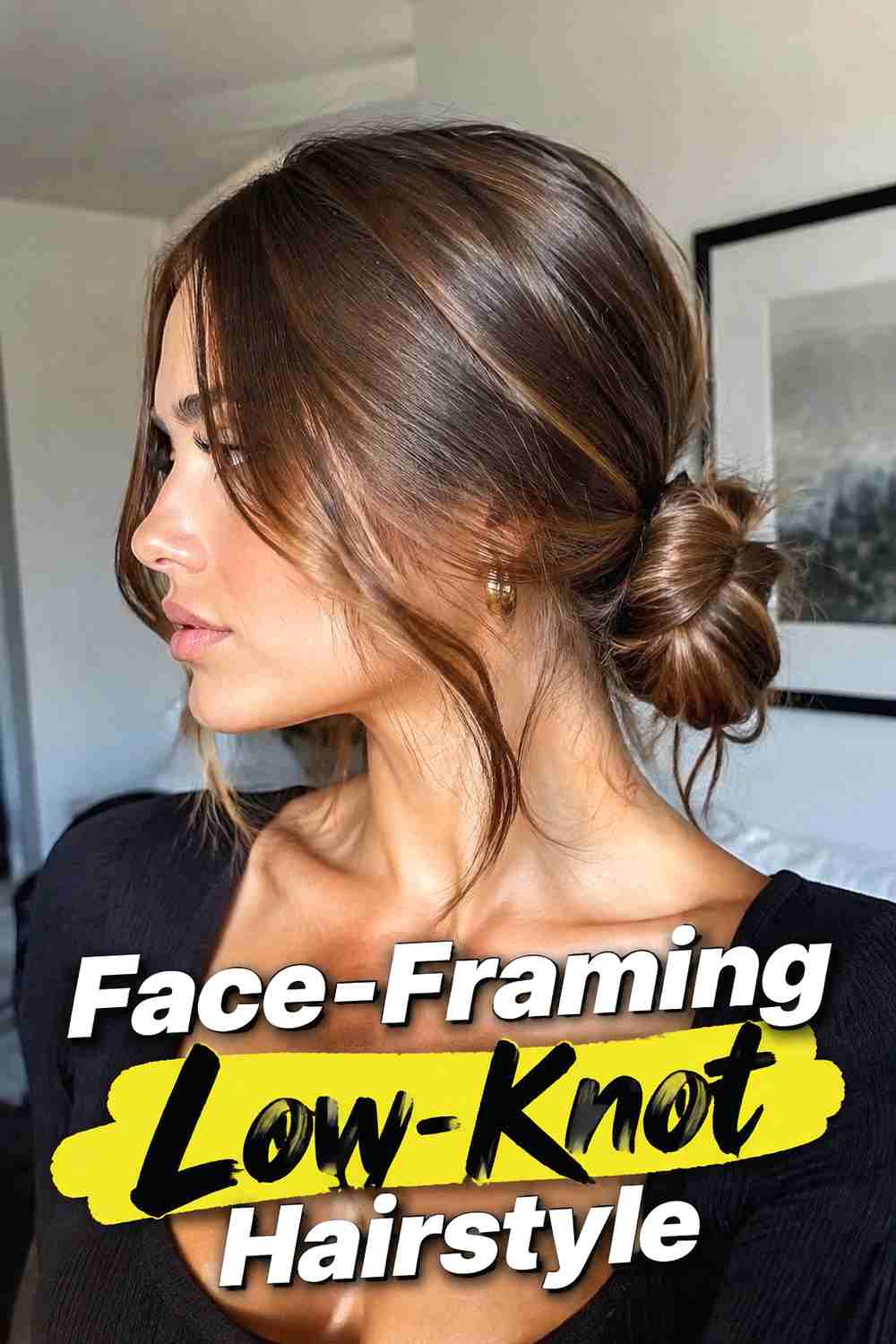
The face-framing low knot softens a polished updo by leaving a few intentional pieces free around the temples or cheekbones. The main body of the hair remains neatly gathered at the nape, so the style still works comfortably with the collar and lapels of a long wrap coat. The loose pieces should be selective rather than overly wispy; one or two sections on each side usually provide enough movement without making the look feel unfinished. A slight bend can help them sit naturally, particularly if your hair is very straight. This version is useful when a fully slicked style feels too severe or when you want the softness of loose hair without letting the entire length fall beneath the coat.
Best For
Choose this look for a softer, more romantic finish that still keeps most of the hair secured and protected from friction against winter outerwear.
9. Deep Side Sweep Low Knot Hairstyle
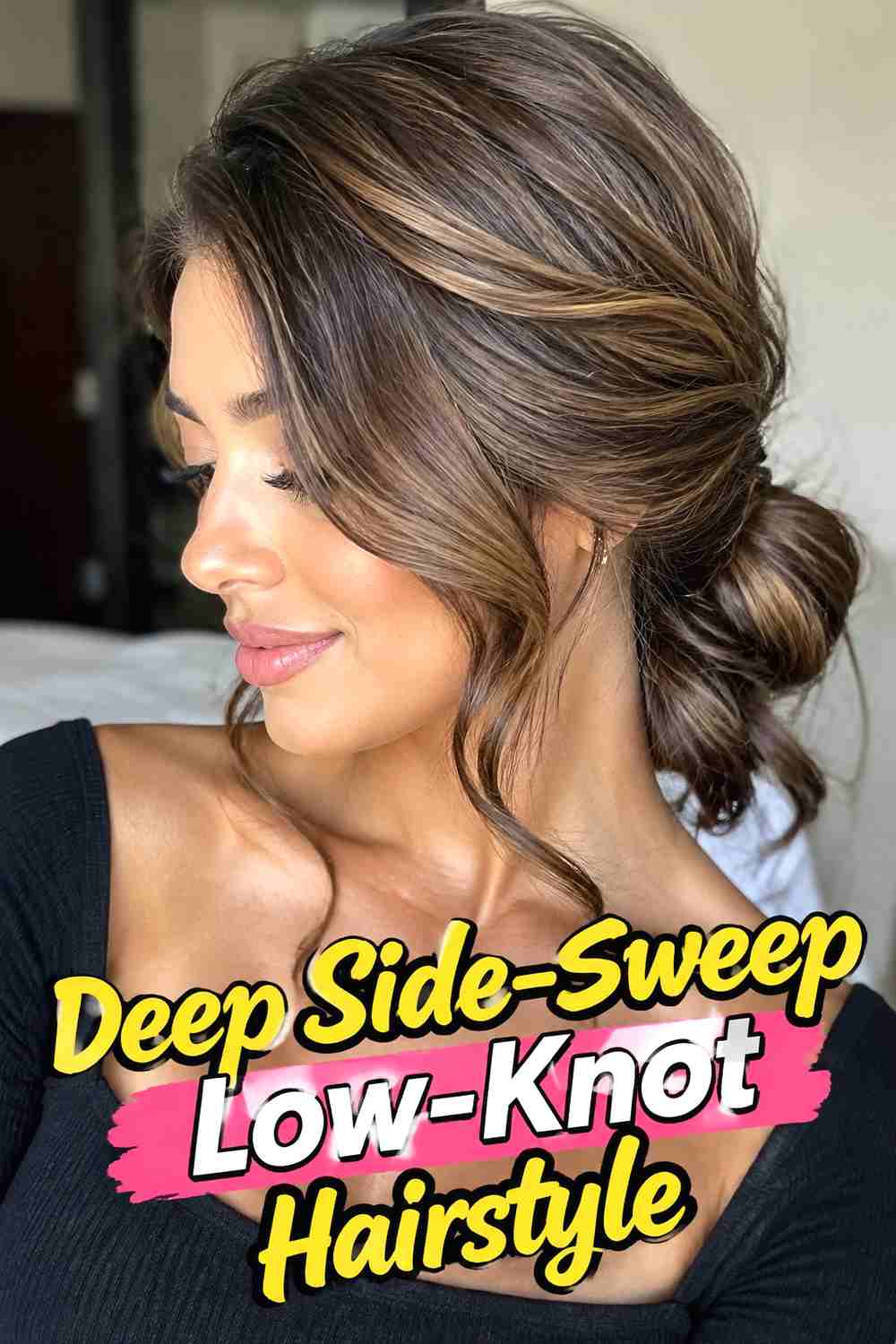
A deep side-sweep low knot brings noticeable movement to the front while keeping the back controlled and compact. Hair is parted well to one side and guided smoothly across the forehead before joining the knot at the nape. The result creates an elegant diagonal line that echoes the overlapping closure of many wrap coats. A small amount of root lift near the deeper side of the part prevents the sweep from looking pasted down, while the opposite side can sit closer to the head for contrast. This style works especially well when the coat itself is simple and monochromatic, because the directional hair detail adds visual interest. Keep the knot uncomplicated so the dramatic front remains the main feature rather than competing with an ornate back.
Styling Notes
Shape the side sweep before forming the knot. Once the front sits correctly, secure the remaining lengths so you do not disturb the part while adjusting the back.
10. Braided Base Low Knot Hairstyle
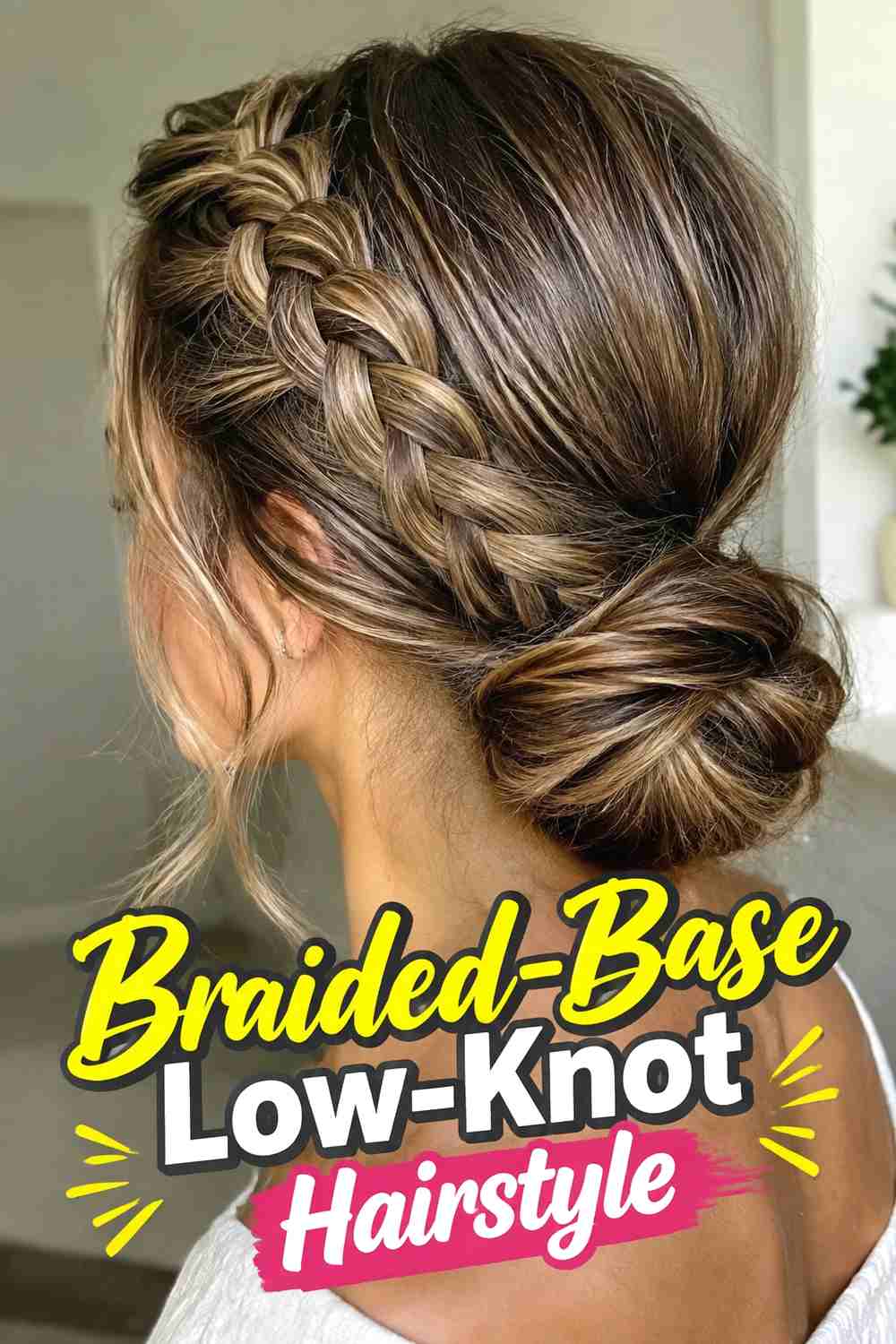
The braided-base low knot adds discreet texture where the hair gathers, creating extra detail without turning the entire style into a visible braid. A small braid can be incorporated near the base before the remaining lengths are wrapped into a knot, giving the nape area more structure and helping secure longer hair. From the front, the hairstyle can remain sleek and minimal, which keeps it compatible with the strong lines of a long wrap coat. The braid should look physically connected to the knot rather than appearing added on afterward. This is a practical choice for hair with enough length to support both elements, and it can be especially useful when smooth hair tends to slip out of a simple twist during the day.
Why It Works
The hidden or semi-visible braid adds grip and subtle dimension while preserving the compact silhouette that makes low knots comfortable with structured outerwear.
11. Tucked Under Low Knot Hairstyle
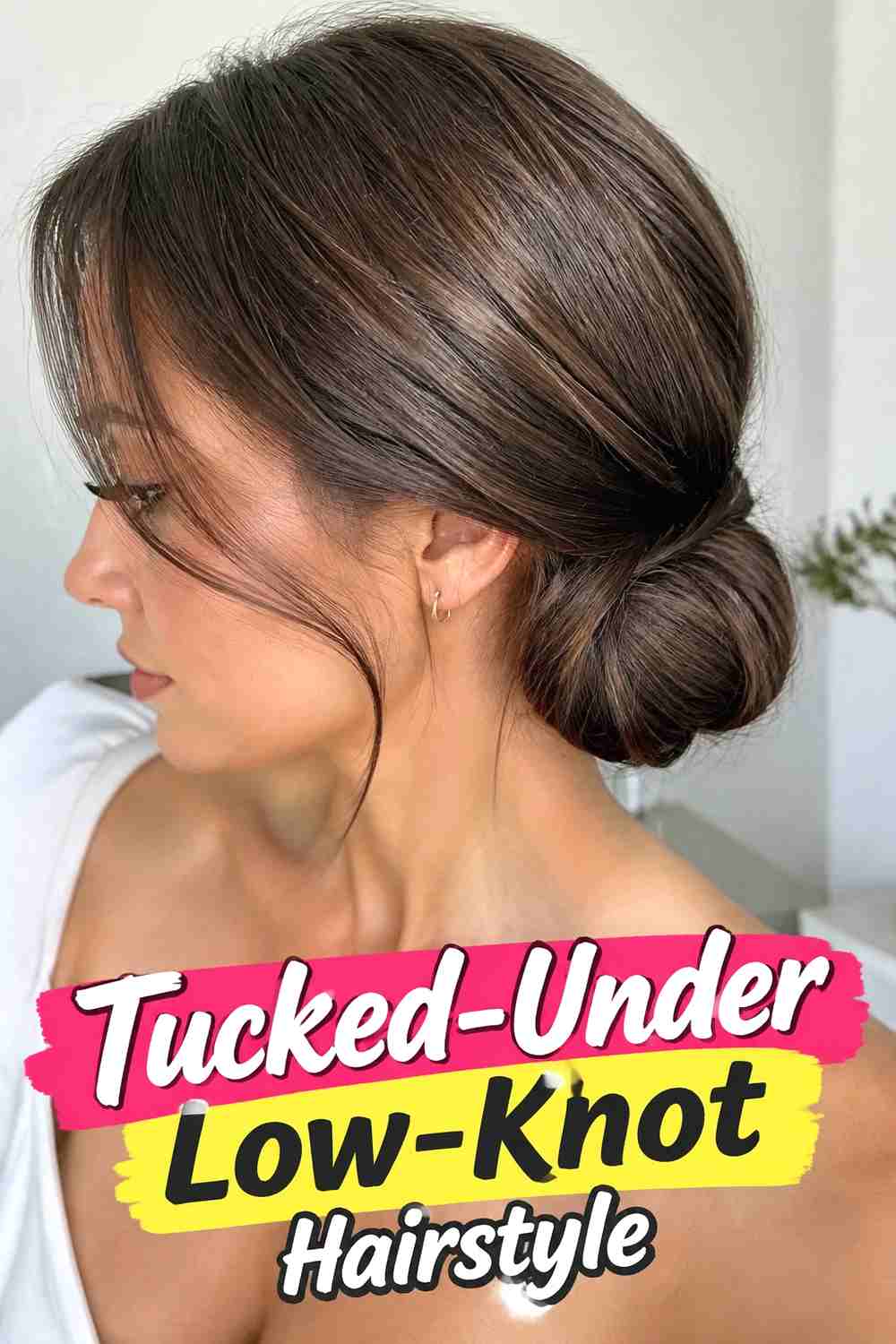
A tucked-under low knot creates a smooth, rounded shape with the ends concealed inside rather than visibly twisted around the exterior. This construction gives the nape a clean, almost folded finish that feels especially polished beside a long wrap coat. The compact profile reduces bulk behind the neck, which can make it more comfortable under outerwear with a substantial collar. The front can be center-parted or softly brushed back, but keeping the surface simple allows the tucked shape to remain the defining detail. Medium-density hair is often easiest to fold neatly, while very thick hair may need to be divided into sections before being tucked. Use enough pins to support the interior without placing them where they press uncomfortably against the head.
Pro Tip
Keep the tucked section slightly loose before pinning, then refine the outer shape. Over-tightening too early can flatten the knot and make the finish less natural.
12. Satin Finish Low Knot Hairstyle
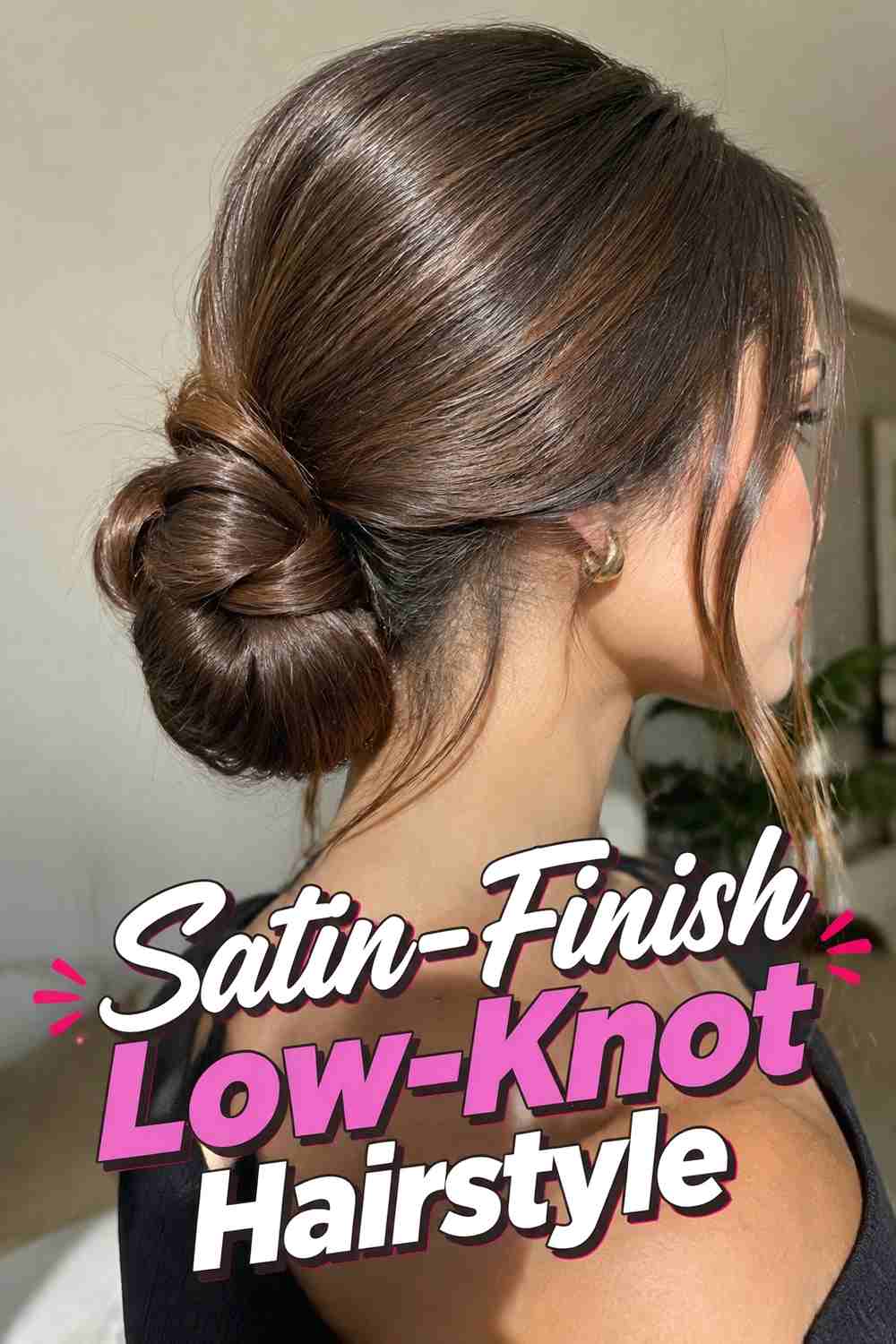
The satin-finish low knot sits between matte texture and mirror-like gloss, creating a smooth surface with soft, realistic reflection. That restrained shine looks particularly sophisticated with wool, because the contrast between luminous hair and the coat’s textured fabric adds visual depth without feeling flashy. The knot can remain simple and centered at the nape, while the front is shaped with a subtle part or brushed gently away from the face. Rather than loading the hair with shine spray, focus on smooth preparation and a small amount of finishing product through the outer layer. This approach is especially effective on healthy-looking straight or softly wavy hair, where individual strands remain visible despite the polished surface. The final effect should feel touchable rather than rigid.
Styling Notes
Apply shine products sparingly to the lengths and knot instead of saturating the roots. This helps preserve dimension and avoids an oily appearance around the hairline.
13. Relaxed Polished Low Knot Hairstyle
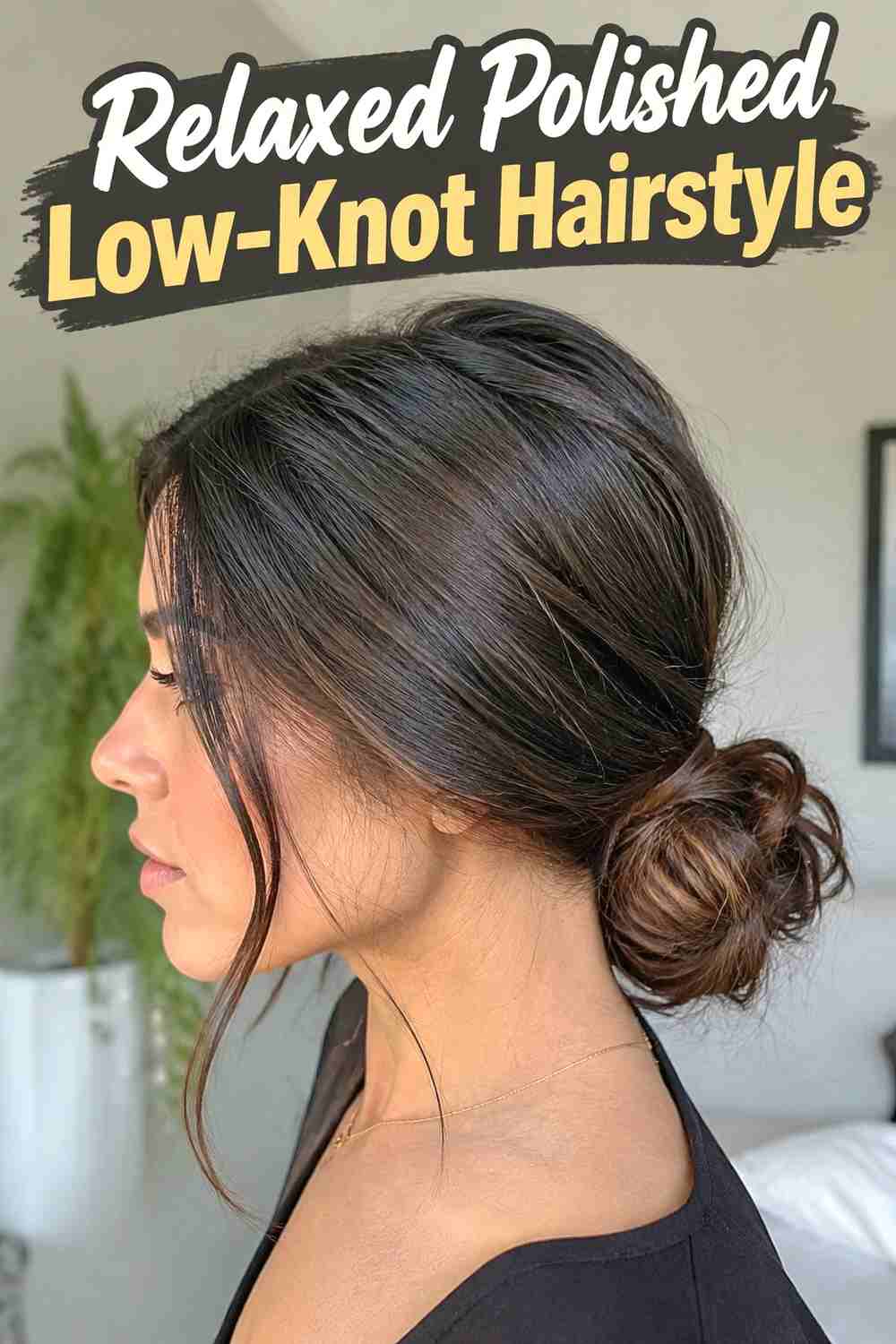
A relaxed polished low knot is ideal when you want the refinement of an updo without an overly precise finish. The hair is gathered low and secured into a softly shaped knot, while the crown retains gentle movement and a few fine strands may remain visible around the hairline. Nothing should look accidental, but the style does not depend on every strand being perfectly aligned. That balance works beautifully with a long wrap coat, whose soft folds and tied waist already combine structure with ease. Wavy or textured hair can be especially attractive in this version because natural variation contributes to the finish. Keep the knot secure enough for daily wear, but avoid excessive tension so it remains comfortable through commuting, walking, and repeated coat adjustments.
Wear & Maintenance
Carry a few discreet pins if your hair tends to loosen. Minor movement usually enhances this style, so you only need to correct sections that affect the knot’s security.
How to Choose the Right Look
Start with the collar height and construction of your wrap coat. If the collar rises close to the nape, choose a compact knot that sits slightly above it, such as the glossy nape knot, tucked-under knot, or sleek center-part version. Lower collars give you more freedom to experiment with wider twists and softly sculpted shapes.
Your natural texture also matters. Straight or easily smoothed hair lends itself to satin finishes, wrapped bases, and slicked-back surfaces. Wavy or textured hair can look especially natural in twisted, sculpted, or relaxed polished knots because a little variation adds dimension rather than working against the style.
Consider tension and styling time before choosing the most precise option. A slicked-back knot may require more control around the hairline, while a face-framing or relaxed style can tolerate movement through the day. If your hair is very thick, divide the lengths before building the knot so the shape stays secure without becoming oversized. Fine or slippery hair may benefit from extra grip at the base.
For long wear, comfort matters as much as appearance. Make sure pins do not press against the coat collar, keep the knot balanced rather than excessively tight, and leave enough flexibility for normal head movement. The best style should still feel polished after you put the coat on, take it off, and move through a full winter day.
Final Thoughts
Low-knot hairstyles are a natural match for long wrap coats because they keep longer hair controlled while allowing the coat’s neckline, lapels, and belt to remain visible. Choose a sleek version for sharper polish, a twisted or sculpted knot for texture, or a softly face-framing finish when you want more movement. The most wearable option will be the one that respects your natural texture, comfortable tension level, and everyday styling routine.
FAQs
1. Where should a low knot sit when wearing a long wrap coat?
Position it near the nape but slightly above the top edge of the coat collar. This helps prevent the knot from being compressed whenever you move your head.
2. Are low knots comfortable with high coat collars?
They can be, as long as the knot is compact and positioned carefully. Avoid placing bulky pins or a large knot directly where the collar presses against the head.
3. How can I stop a polished low knot from loosening?
Secure the base first with an elastic or pins, then build the knot around that foundation. Hair that is very silky may also need a little texture or grip before styling.
4. Can wavy or textured hair wear a polished low-knot hairstyle?
Yes. A polished result does not require completely straight hair. Controlled natural texture can make twisted, sculpted, and relaxed knots look especially dimensional.
5. Should I choose a center part or side part with a wrap coat?
Both work well. A center part gives a balanced, minimal effect, while a side part or deep sweep introduces asymmetry that can complement the overlapping front of a wrap coat.
CTA
Save your favorite low-knot look for your next cold-weather outfit, and share these polished hairstyle ideas for more winter coat inspiration.