18 Soft Short-Hair Finger Styling With Wide-Lapel Coats
Soft finger styling gives short hair relaxed movement and polish while keeping the neckline clear enough for dramatic wide-lapel winter coats.
Wide lapels create a strong frame around the shoulders, chest, and lower face, so short hairstyles often look best when their detail stays higher. Gentle crown lift, directional pieces, soft waves, and compact sides help create separation between the hair and the coat without relying on stiff hold or complicated styling.
Finger styling is especially useful because it allows you to guide individual pieces while preserving realistic strand detail and natural movement. Instead of forcing every section into the same shape, these looks use subtle irregularity, believable volume, and flexible texture. Compare them by haircut length, natural texture, styling time, coat collar height, and how polished or undone you want the finished silhouette to feel.
Quick List
- Finger Tousled Pixie Hairstyle
- Soft Side Part Crop Hairstyle
- Piecey Crown Lift Hairstyle
- Finger Swept Curly Crop Hairstyle
- Soft Brushed Back Pixie Hairstyle
- Airy Short Fringe Hairstyle
- Asymmetrical Finger Styled Crop Hairstyle
- Ear Tucked Short Bob Hairstyle
- Soft Textured French Bob Hairstyle
- Finger Defined Wavy Crop Hairstyle
- Mini Quiff Pixie Hairstyle
- Soft Tapered Natural Crop Hairstyle
- Side Pinned Finger Styled Hairstyle
- Soft Center Part Bob Hairstyle
- Tousled Shag Crop Hairstyle
- Sculpted Finger Wave Crop Hairstyle
- Forward Swept Piecey Pixie Hairstyle
- Rounded Soft Volume Crop Hairstyle
1. Finger Tousled Pixie Hairstyle
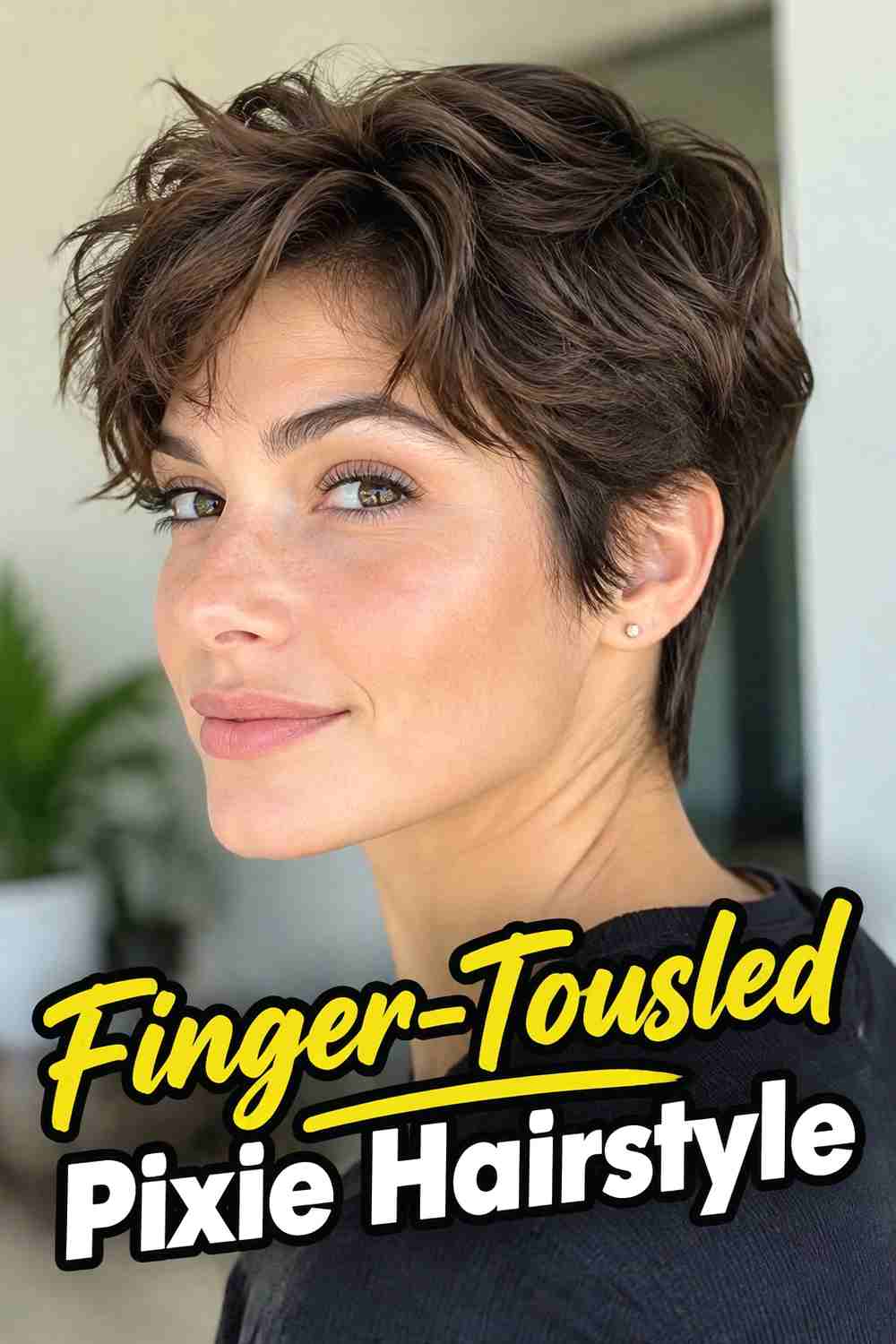
A finger-tousled pixie uses the haircut’s natural layers to create soft movement without relying on precise separation. Work through the top with your fingertips, directing a few pieces forward, several upward, and others slightly to the side so the finish feels intentionally irregular. Keep the sides relatively compact to avoid crowding the broad lapels of a winter coat. This style works especially well when the pixie has a little extra length through the crown, since the texture remains visible above the jacket’s neckline. Avoid overworking every strand; a few naturally settled pieces help the final look stay believable, relaxed, and easy to refresh during the day.
Styling Notes
Use your fingertips to lift and redirect selected sections rather than combing the whole haircut into one uniform shape.
Why It Works
The piecey crown adds movement while compact sides keep the hairstyle visually separate from large coat lapels.
2. Soft Side Part Crop Hairstyle
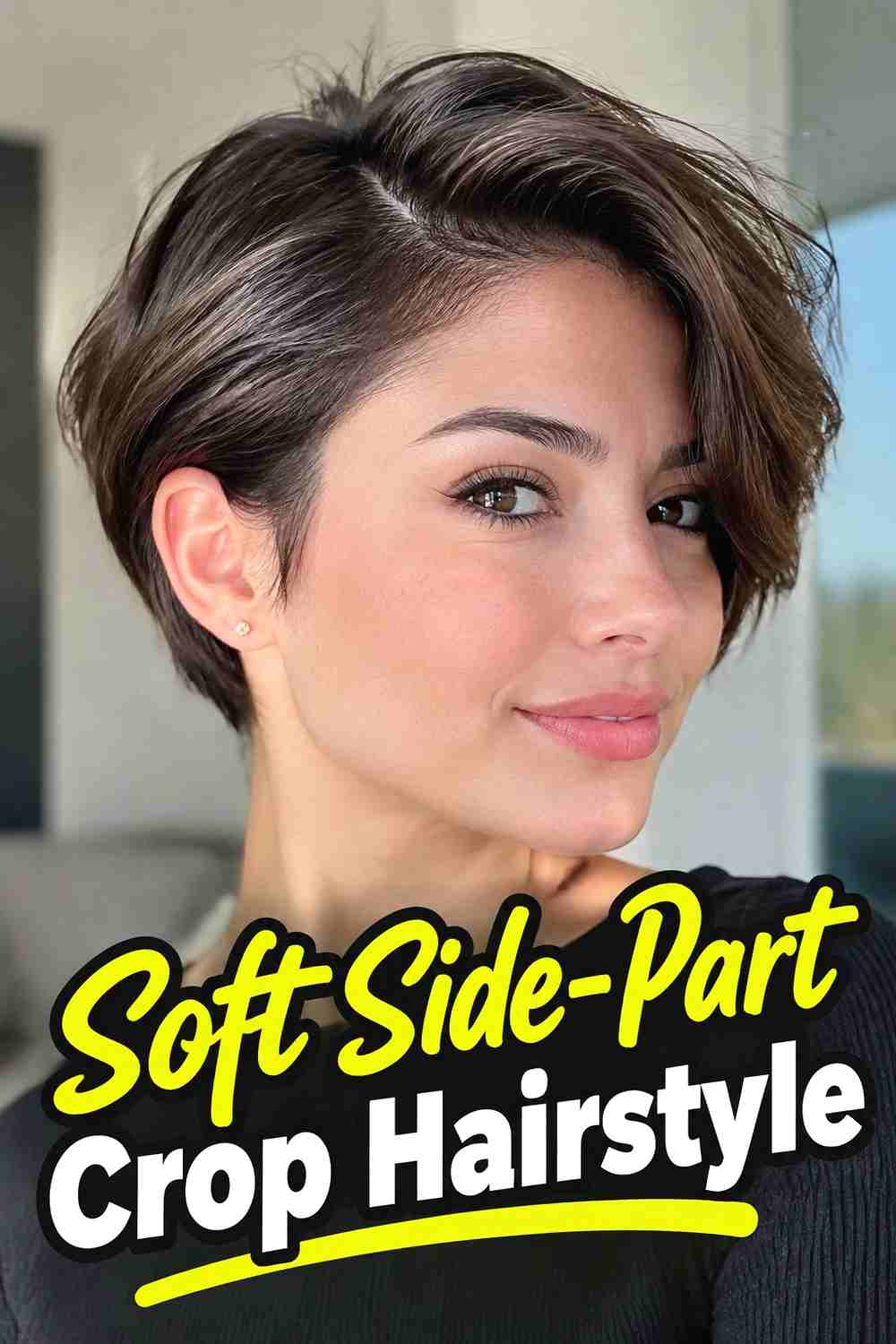
A soft side part gives a short crop subtle structure without making the hairstyle feel severe. Create the part with your fingers rather than drawing an overly sharp line, then guide the heavier side into gentle lift and movement. The smaller side can sit closer to the temple, which helps the haircut stay streamlined above a wide-lapel coat. This approach suits straight, wavy, curly, or softly textured short hair because the styling depends more on direction than perfect smoothness. Keep some natural strand separation around the crown and front. The finished silhouette should look polished enough for tailored winter outerwear while remaining touchable and slightly relaxed rather than rigidly set.
Best For
This look works well on short crops with enough top length to move naturally from one side of the part.
Pro Tip
Follow your natural root direction so the part settles easily and requires less repeated adjustment.
3. Piecey Crown Lift Hairstyle

Piecey crown lift adds height exactly where short hair can benefit from it most when worn with oversized lapels. Instead of expanding the full hairstyle, use your fingers to raise the roots through the top center and separate a few visible pieces at the ends. Keep the lower sides close so the widest point of the hairstyle stays above the ears rather than beside the coat. The lift should remain moderate and airy, not heavily teased. This works particularly well on pixies, cropped bobs, and short layered cuts that tend to flatten in winter. A few softly fallen pieces around the temples keep the vertical shape from appearing too controlled.
Styling Notes
Lift from underneath the hair and preserve the ends instead of pulling through every piece from root to tip.
Why It Works
Vertical volume balances broad horizontal lapels without adding unnecessary width around the jaw or neckline.
4. Finger Swept Curly Crop Hairstyle
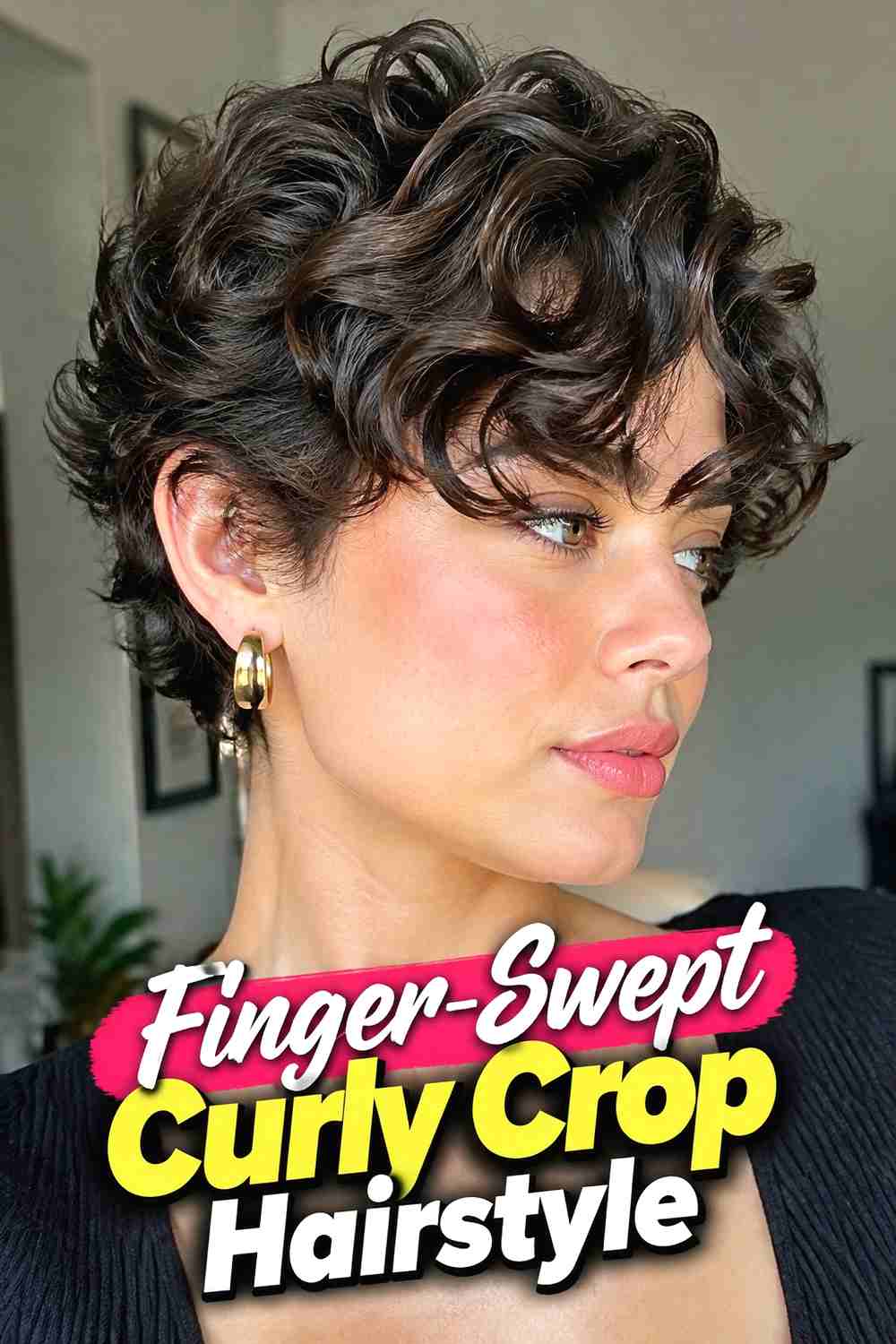
A curly crop becomes more directional when the curls are gently swept with the fingers toward one side. Rather than brushing the texture into place, guide individual curl groups so they retain definition and natural variation. Keep one temple slightly more controlled while the opposite upper side carries extra movement. This asymmetry looks especially attractive with structured wide-lapel coats because the hairstyle adds softness against the strong tailoring. The lower perimeter should remain compact enough to stay clear of the coat. Let a few shorter curls settle naturally around the forehead instead of forcing every piece into the same sweep, which keeps the result realistic and flexible.
Best For
Short naturally curly cuts with several inches of length through the crown respond especially well to this directional shaping.
Wear & Maintenance
Refresh displaced curls individually rather than reshaping the entire crop after wearing a hat or hood.
5. Soft Brushed Back Pixie Hairstyle
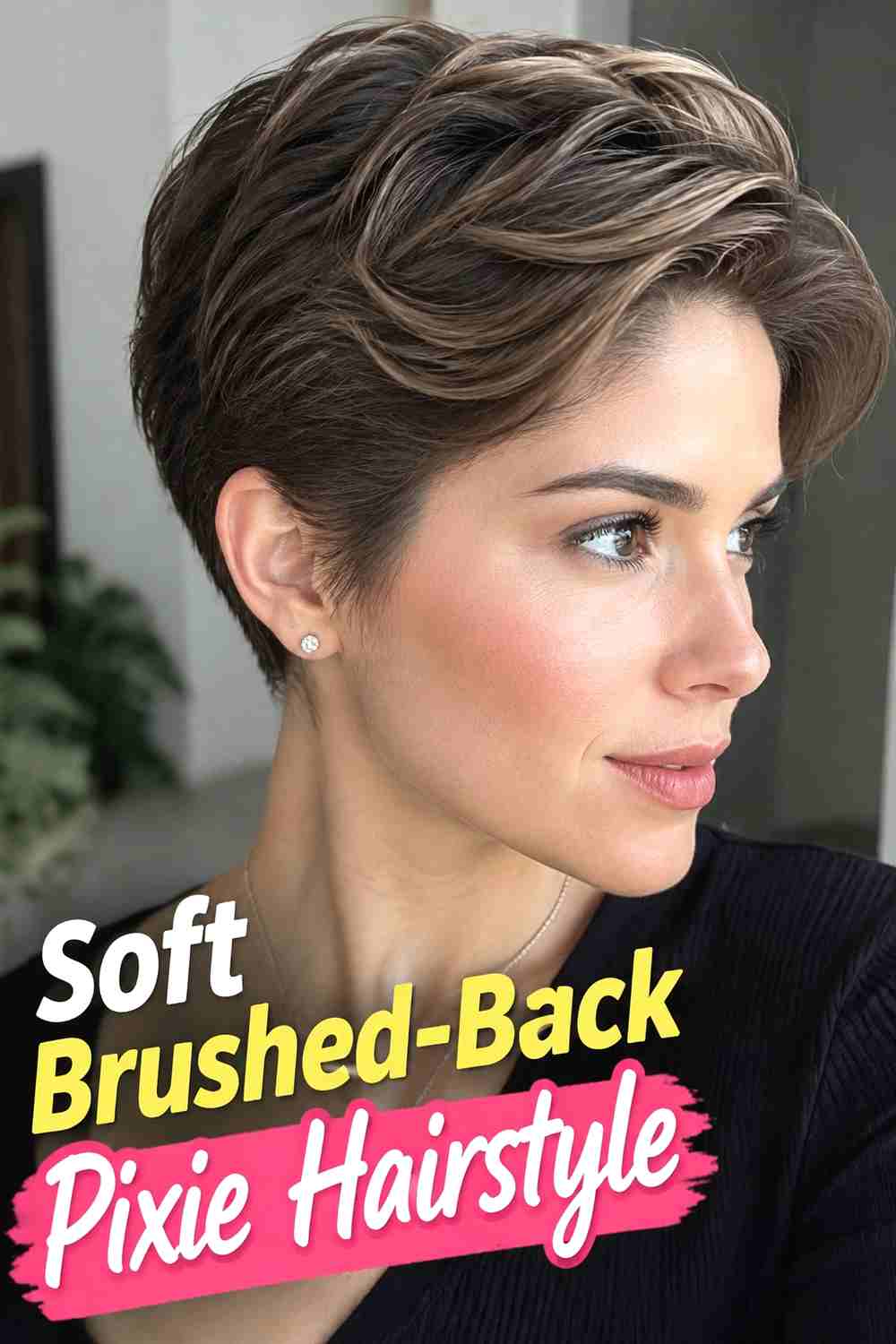
A softly brushed-back pixie opens the face and gives wide lapels plenty of visual space around the neckline. Use your fingers to guide the front and top backward while allowing individual ends to bend, separate, and move naturally. The result should be polished but not slick, with a little lift near the front so the hairstyle does not collapse flat against the scalp. Keep the sides neat and gently tucked backward to reinforce the clean silhouette. This style works particularly well with sculpted or double-breasted coats because the open front of the hairstyle complements strong tailoring. A light, flexible finish helps the pieces stay directional without looking stiff.
Styling Notes
Guide the hair backward in broad sections, then loosen a few ends with your fingertips to restore natural movement.
Why It Works
Moving the hair away from the face keeps the upper body line clean when the coat already has large architectural lapels.
6. Airy Short Fringe Hairstyle
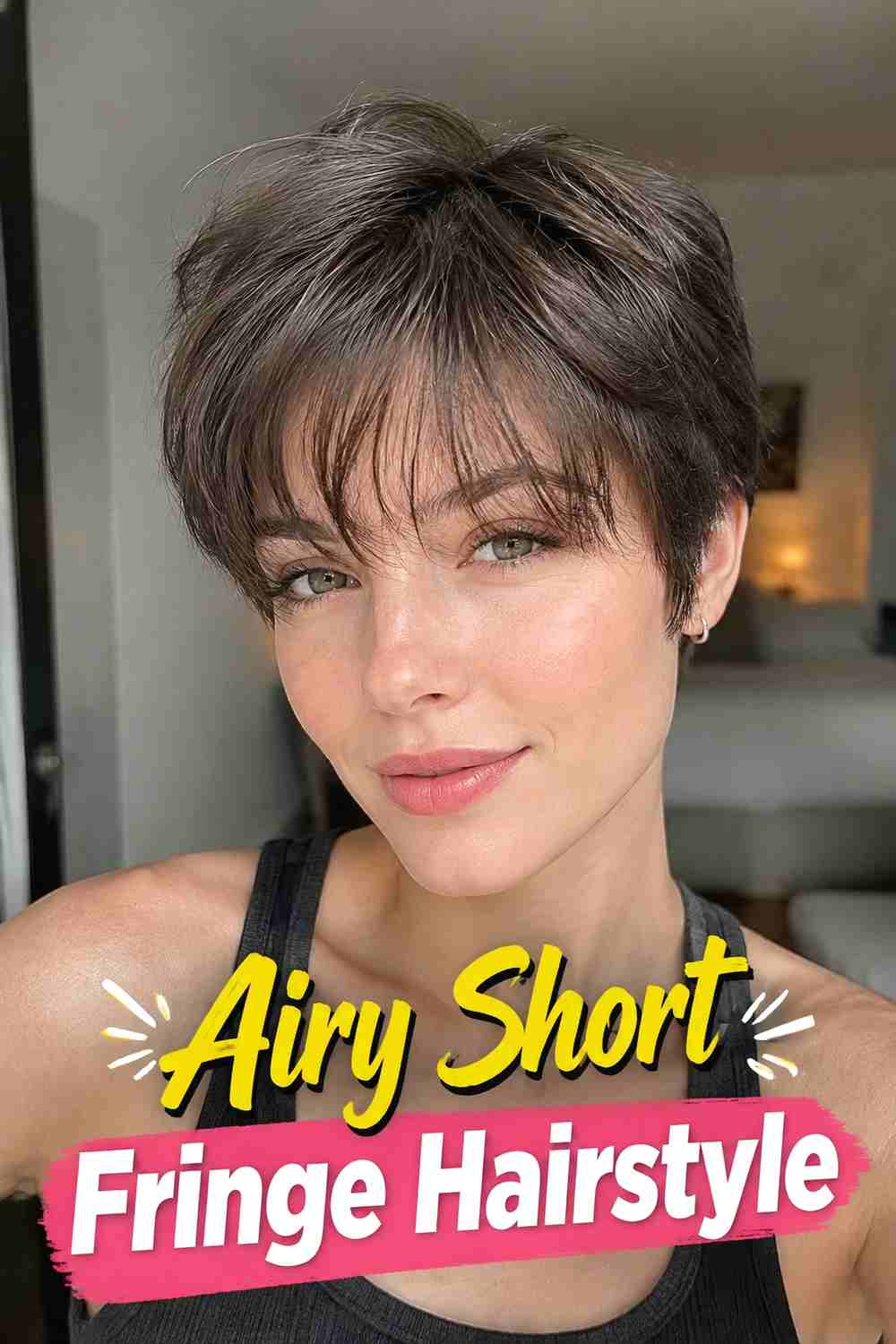
An airy fringe gives short hair detail near the forehead while leaving the sides and neckline uncomplicated. Separate the front into several soft pieces rather than creating one dense, straight bang. Some strands can sit slightly higher or curve to one side, which makes the fringe feel light and modern. Behind it, keep the crown gently lifted and the side sections controlled. This shape works particularly well with wide-lapel coats because the main styling feature stays high on the face instead of competing with the coat’s collar. Follow the haircut’s real front length rather than pulling longer sections forward simply to create a heavier fringe.
Best For
Layered pixies, crops, and short bobs with naturally shorter front sections make the easiest base for this look.
Pro Tip
Style the fringe last so you can judge how much softness the finished crown actually needs.
7. Asymmetrical Finger Styled Crop Hairstyle
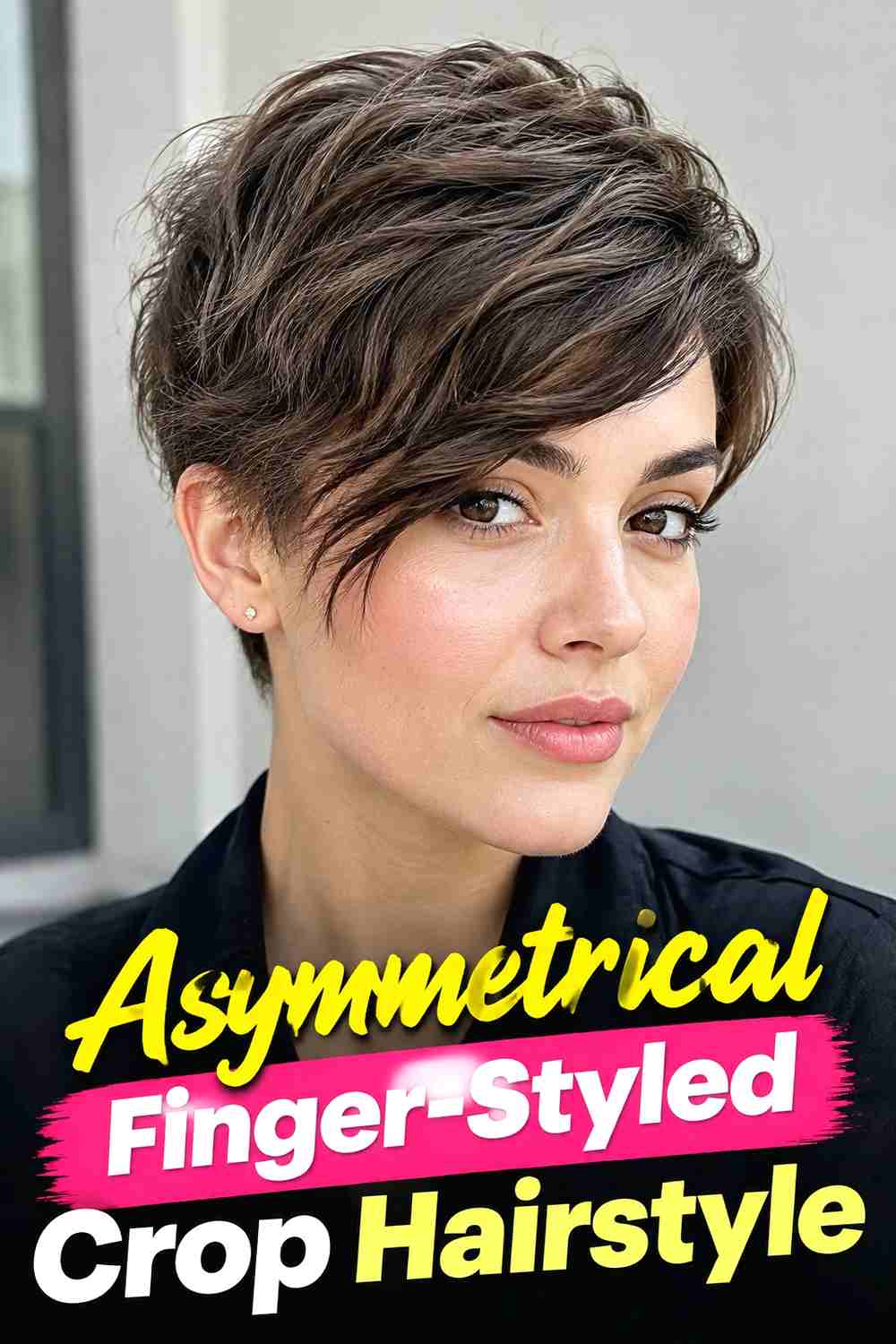
An asymmetrical crop uses finger styling to place more texture and volume on one side while keeping the opposite side more compact. The difference can be subtle: a little extra lift at one temple and a directional sweep through the top are enough to change the silhouette. This styling approach looks especially sophisticated with wide, symmetrical coat lapels because the uneven hair shape creates contrast. Keep the fuller section soft and separated rather than forming one solid block of volume. On the smaller side, allow some natural texture to remain instead of flattening the hair completely. The result feels deliberate without becoming overly sculpted or formal.
Why It Works
The off-center movement breaks up the symmetry of broad coat lapels while keeping the haircut visually light.
Styling Notes
Shape the fuller side first, then make only small adjustments to the compact side to maintain balance.
8. Ear Tucked Short Bob Hairstyle
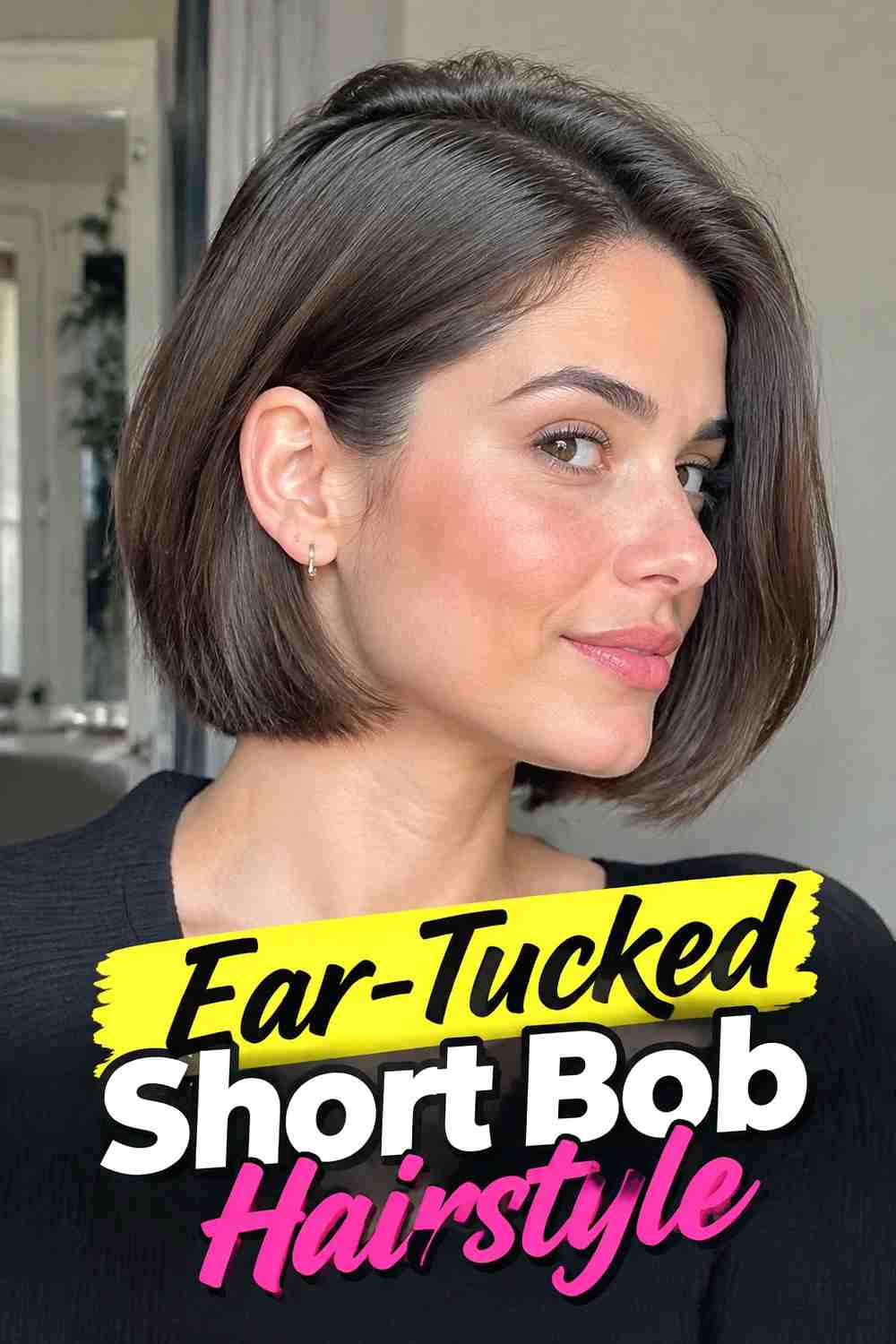
Tucking one or both sides behind the ears gives a short bob a clean, coat-friendly shape with almost no complicated styling. Use your fingers to smooth the front sections back while leaving the crown and ends softly textured. The tuck reduces width near the jaw, which can be helpful when a wide-lapel coat already creates significant visual volume around the shoulders. A center part gives the bob symmetry, while a side part creates a softer finish. Let the ends bend naturally rather than forcing them completely straight. If the hair tends to spring forward, a small hidden pin behind the ear can reinforce the tuck without changing the relaxed character.
Wear & Maintenance
Tuck the sides before putting on the coat so the hair is not repeatedly dragged across the lapels.
Best For
Chin-length and slightly shorter bobs with enough side length to reach behind the ears work especially well.
9. Soft Textured French Bob Hairstyle

A soft French bob combines a compact jaw-length shape with gently separated texture. Use your fingers to create movement through the ends and crown rather than smoothing the haircut into a perfectly rounded helmet. A short fringe can remain piecey, or the front can be swept slightly aside depending on the cut. Because the bob sits high, it pairs naturally with wide lapels while leaving the coat’s structure visible. Keep the side volume moderate and let the ends curve inward, outward, or in mixed directions for a believable finish. This is especially useful for hair that already has light wave or bend and does not need a formal blowout.
Styling Notes
Encourage natural bends instead of forcing every end to turn in the same direction.
Why It Works
The compact outline keeps the bob distinct from the lapels while subtle texture prevents the winter look from feeling overly rigid.
10. Finger Defined Wavy Crop Hairstyle
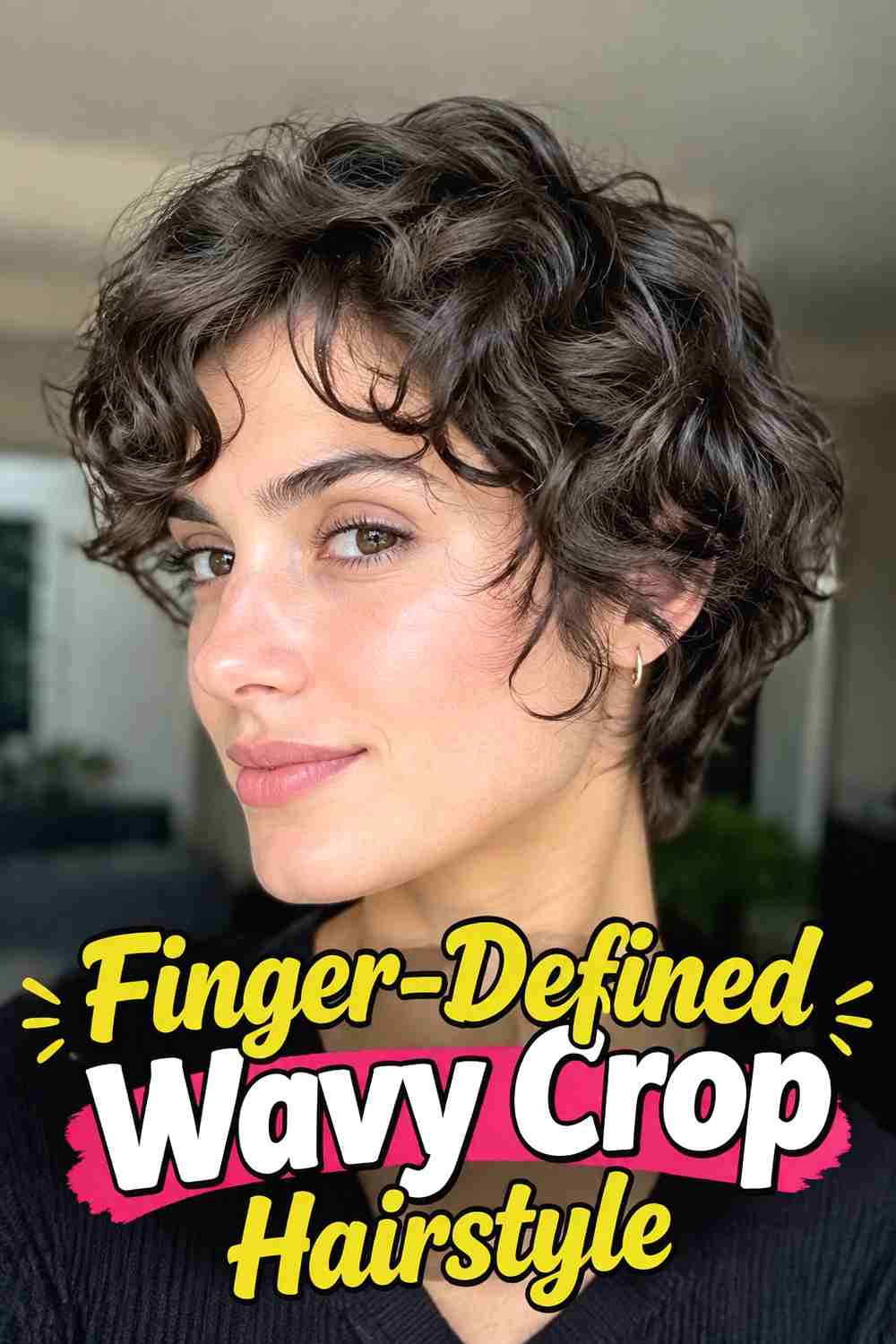
A wavy crop can be shaped almost entirely with the fingers by following its existing bends. Separate several wave sections around the crown and front, then guide them into a soft directional pattern without combing through the entire haircut. Keep the sides quieter so the wave detail remains concentrated above the coat neckline. This method works especially well when short hair naturally forms loose S-shapes that can disappear if brushed too aggressively. With a wide-lapel coat, the visible wave pattern provides gentle contrast to the structured fabric. Let some bends remain more defined than others so the hairstyle retains believable variation rather than looking artificially uniform.
Best For
Short naturally wavy hair or cropped styles with soft heat-styled bends are ideal for this finger-defined finish.
Pro Tip
Work with the wave’s existing direction instead of trying to reverse every section into a new pattern.
11. Mini Quiff Pixie Hairstyle
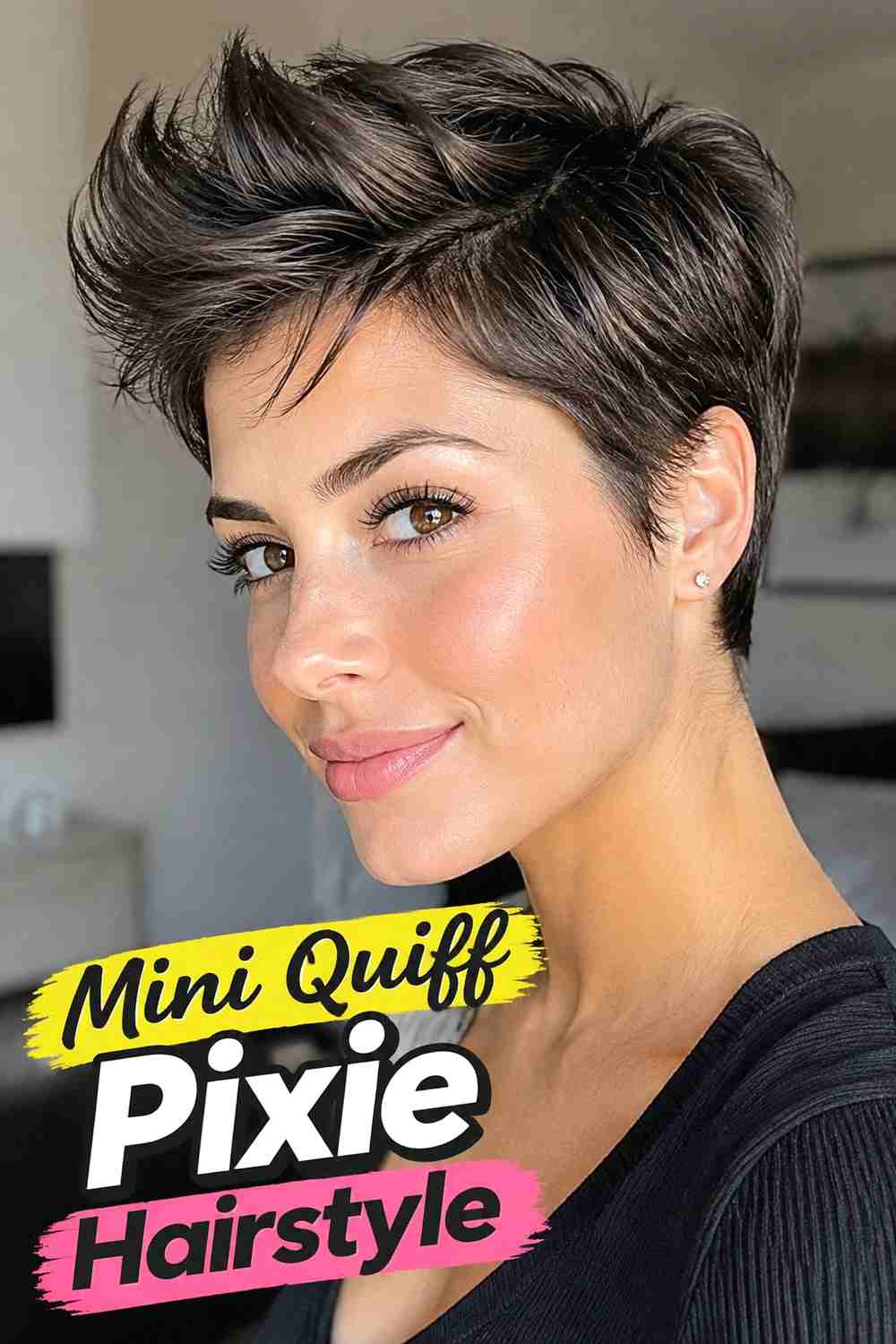
A mini quiff gives a pixie a small amount of front lift while keeping the rest of the haircut close and practical. Use your fingers to direct the front section upward and slightly backward, then soften the ends so the shape does not look sharply sculpted. The crown can remain lightly textured, while the sides stay compact above the ears. This controlled height works well with wide-lapel coats because the main volume sits centrally rather than widening the hairstyle around the shoulders. Keep the quiff modest enough for everyday wear and avoid stiff hold. A little natural separation through the lifted section makes the style look modern and believable.
Styling Notes
Build the shape from the roots and let the tips remain slightly irregular instead of forming one solid front ridge.
Why It Works
The small vertical lift balances broad lapels while preserving the easy proportions of a close pixie cut.
12. Soft Tapered Natural Crop Hairstyle
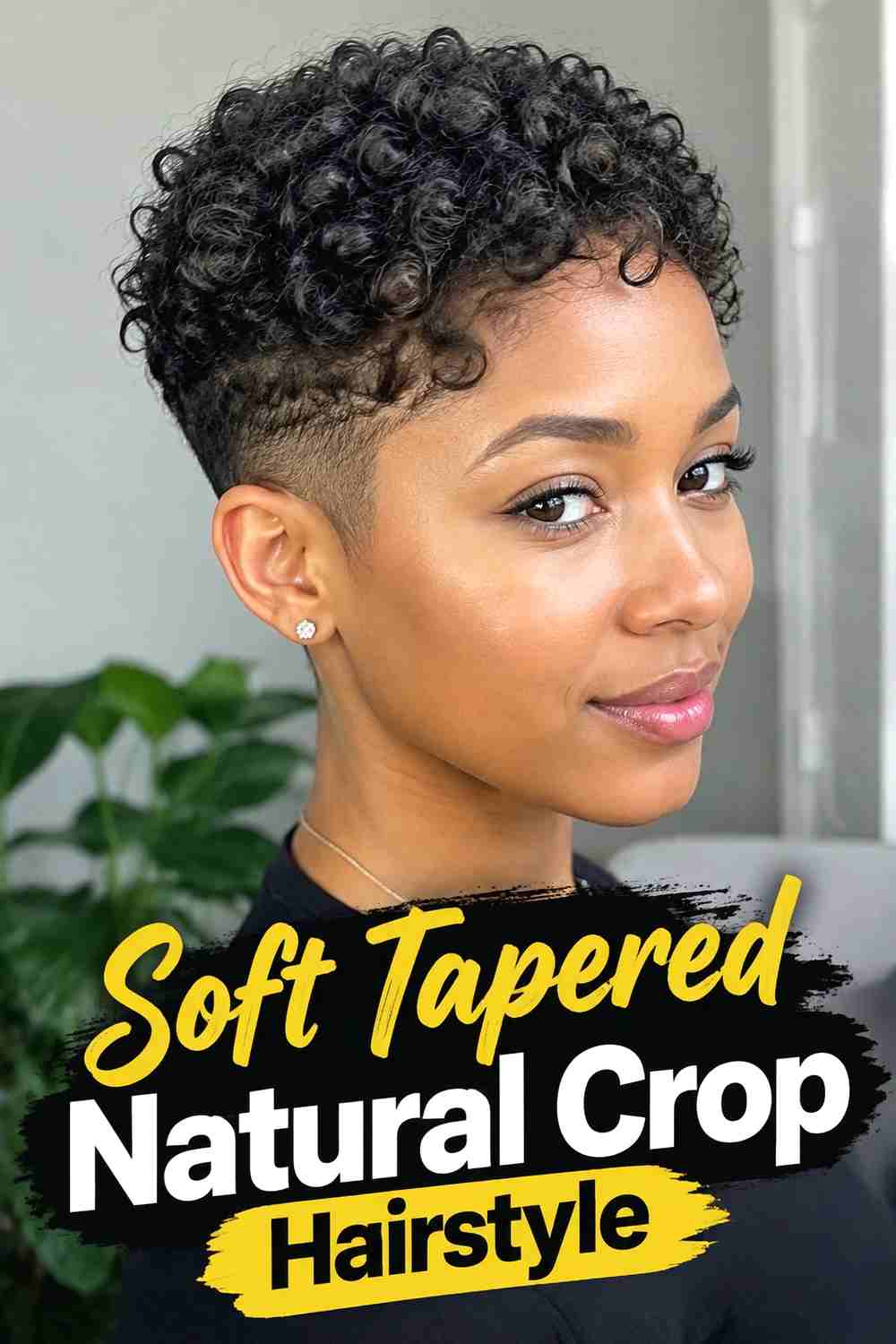
A softly tapered natural crop keeps the sides and nape compact while allowing textured volume through the crown. Finger styling is ideal for this shape because you can lift the top without disturbing the shorter lower areas. Preserve natural coils, curls, or bends through the upper section, leaving a mix of more defined pieces and softer texture. The tapered perimeter creates useful separation from wide coat lapels and keeps the neckline looking clean. Avoid aggressively slicking the sides; their natural texture should still be visible. This look is especially practical for winter because it can be refreshed quickly after a hat by lifting only the compressed crown areas.
Best For
Short natural hair with tapered sides and slightly more crown length provides the easiest foundation for this silhouette.
Wear & Maintenance
Use fingertips at the roots for refreshes instead of repeatedly picking through the full length.
13. Side Pinned Finger Styled Hairstyle
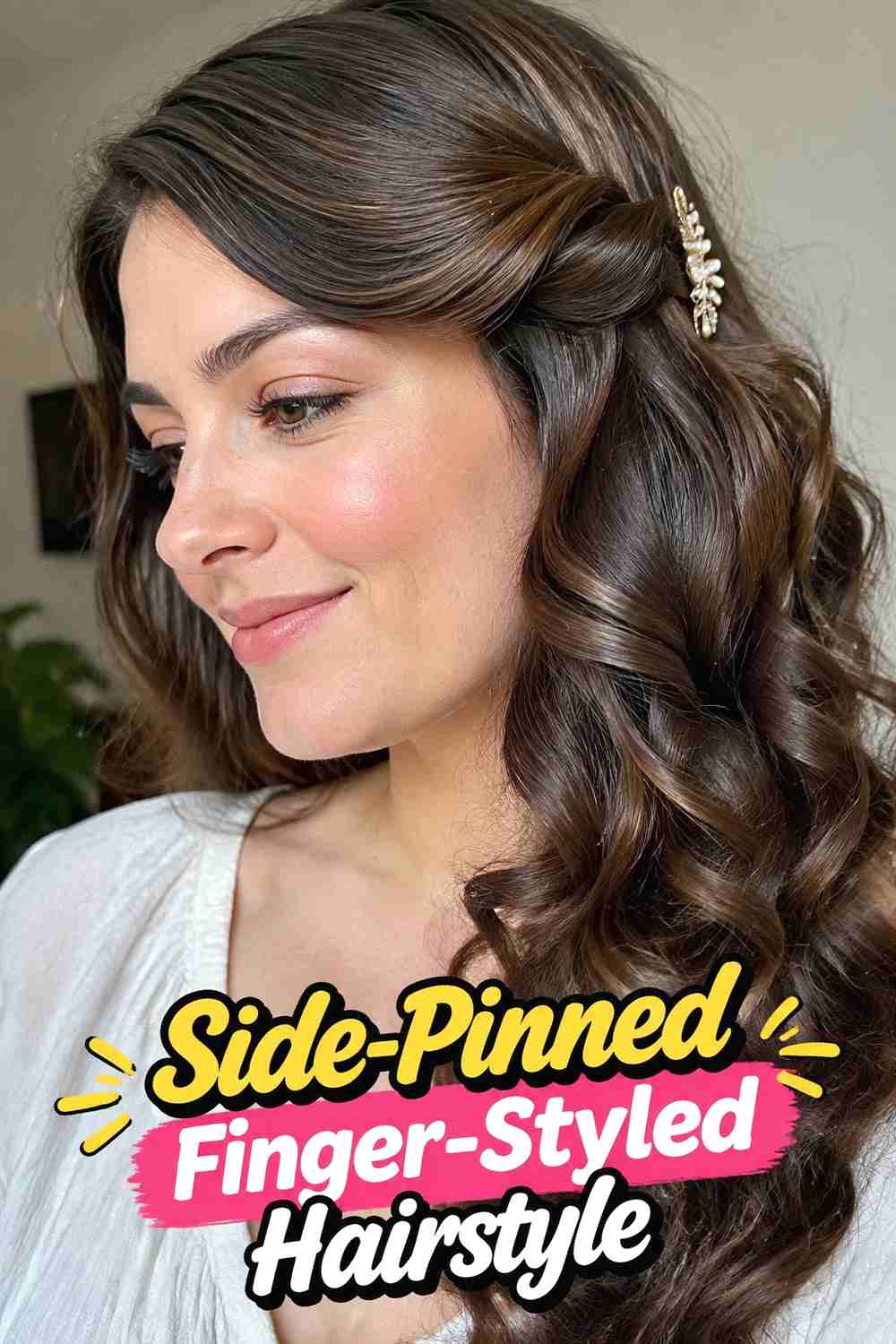
A discreet side pin can give finger-styled short hair a little more structure without turning it into a formal updo. Shape the hair first with your hands, leaving the crown soft and the ends naturally separated. Then guide a small section above one ear backward and secure it with a slim, flat pin. The opposite side can remain fuller, creating an understated asymmetrical finish. This is particularly useful with wide-lapel coats because one clean side prevents the hairstyle from feeling too broad near the collar. Choose an accessory that stays close to the head so it does not interfere with hats, hoods, or additional winter layers.
Why It Works
One controlled side creates visual breathing room while the rest of the hairstyle remains soft and touchable.
Pro Tip
Pin only a small section so the accessory does not have to hold unnecessary weight.
14. Soft Center Part Bob Hairstyle
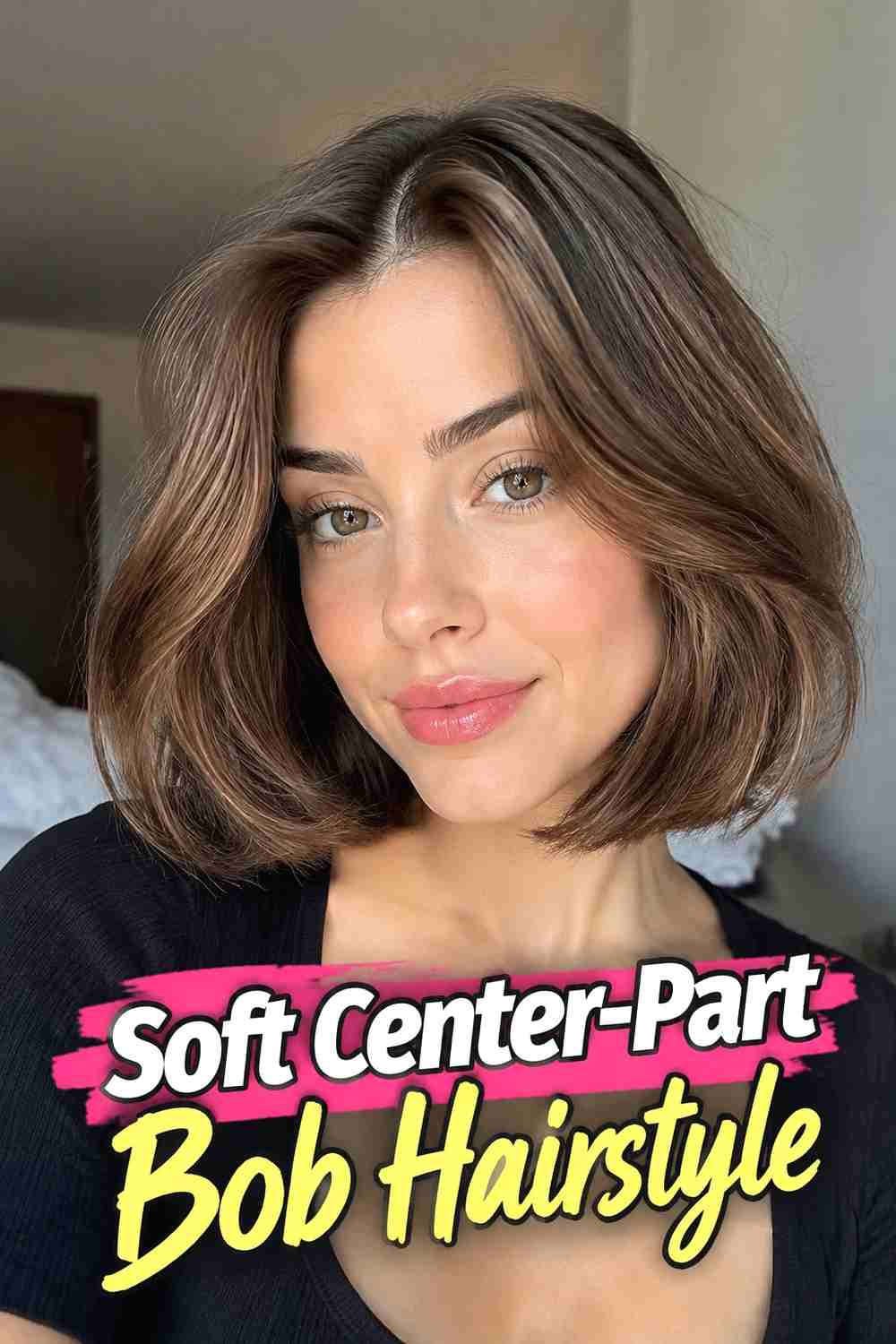
A short center-part bob creates a balanced frame around the face while staying compact enough for bold outerwear. Instead of pressing the hair perfectly smooth, use your fingers to separate the front sections and encourage gentle movement through the ends. The crown can remain softly lifted so the part feels natural rather than flat. Keep the widest point around cheek or jaw level and make sure the ends stay above or outside the coat lapels. This style works particularly well with straight-to-wavy textures and lightly layered bobs. The symmetry of the center part echoes structured tailoring while the soft finish prevents the combination from feeling too formal.
Styling Notes
Set the part with your fingers and allow a few strands to fall slightly off-line for a more natural finish.
Best For
Jaw-length and chin-length bobs with light movement are ideal for this balanced winter look.
15. Tousled Shag Crop Hairstyle
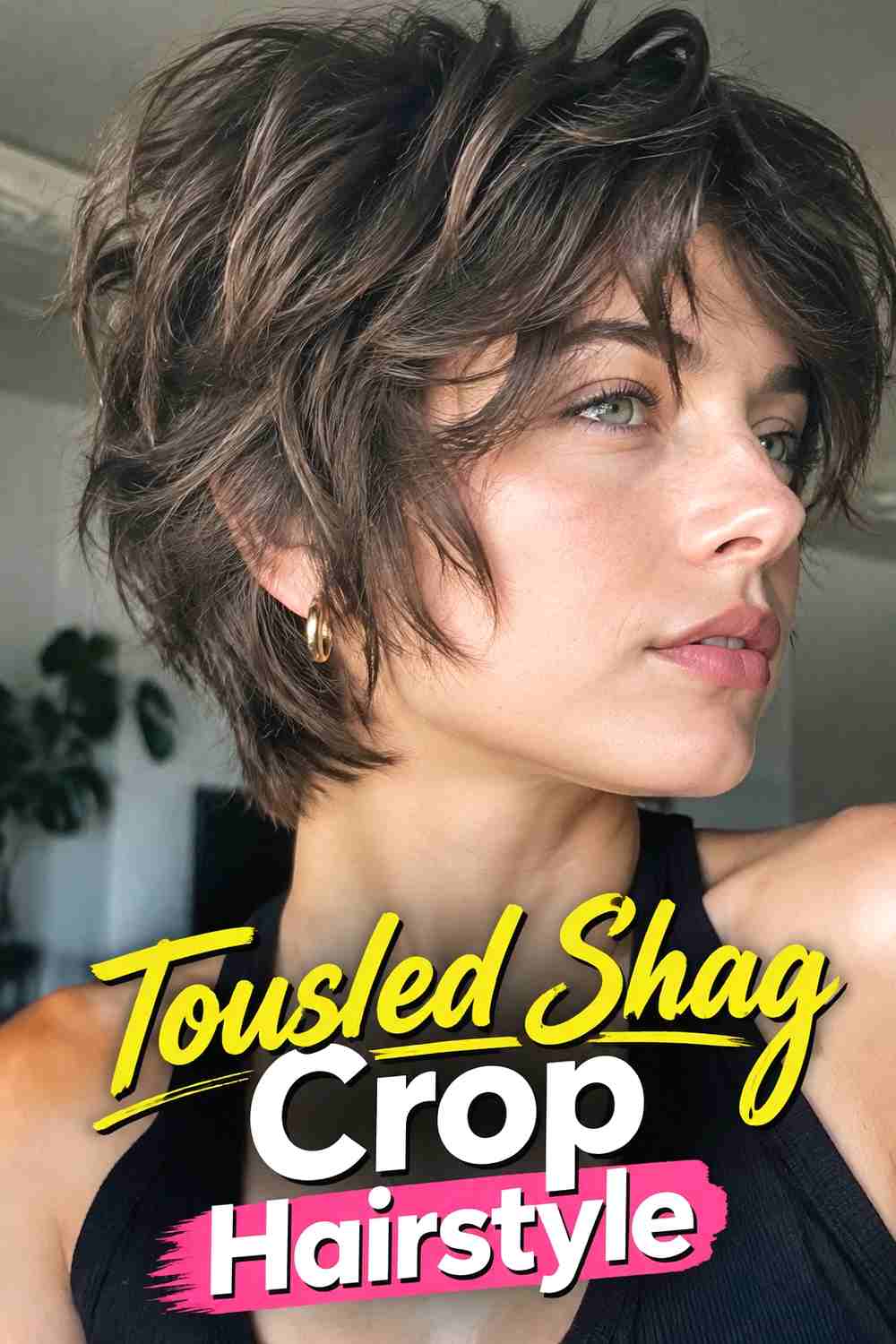
A short shag crop embraces irregular texture, making it especially easy to style with the fingers. Lift the crown, separate choppy ends, and let shorter layers around the face move in different directions rather than trying to smooth them into one silhouette. The layered structure naturally creates softness above a wide-lapel coat, while a relatively compact nape keeps the haircut clear of the neckline. This style works particularly well on wavy or lightly curly hair where the layers already form visible bends. Keep the overall volume controlled so the shag feels airy rather than bulky, and use the fingertips to emphasize only a few standout pieces around the fringe and crown.
Why It Works
Broken-up layers add movement without requiring extra width near the coat’s already substantial lapels.
Wear & Maintenance
After a hat or hood, revive only the flattened crown and fringe instead of completely restyling the shag.
16. Sculpted Finger Wave Crop Hairstyle
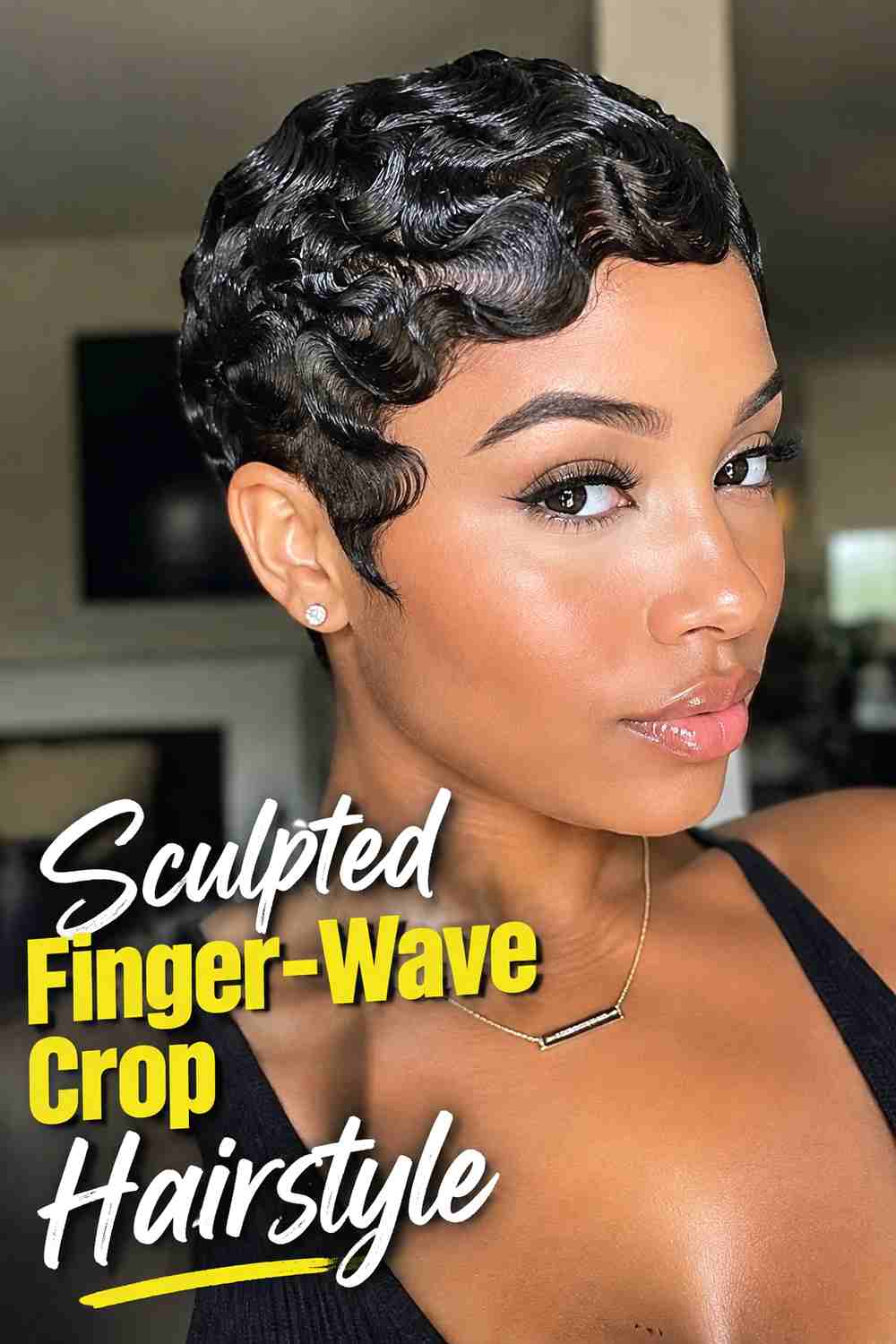
A finger-wave crop creates controlled curves close to the head, giving short hair a polished option for tailored winter coats. Shape smooth S-like bends through the top or front while allowing a little natural strand separation so the finish does not look overly rigid. Because the hairstyle stays low in profile, it leaves plenty of room for dramatic lapels, scarves, or raised collars. The strongest version uses the haircut’s real length and density rather than forcing exaggerated waves into areas that are too short. Keep the sides compact and let the wave pattern provide the visual detail. A flexible finish helps maintain movement without turning the hair into a hard shell.
Best For
Short hair with enough length to form visible directional bends works best for this controlled style.
Wear & Maintenance
Avoid repeatedly running fingers through the finished wave pattern once it has settled into place.
17. Forward Swept Piecey Pixie Hairstyle
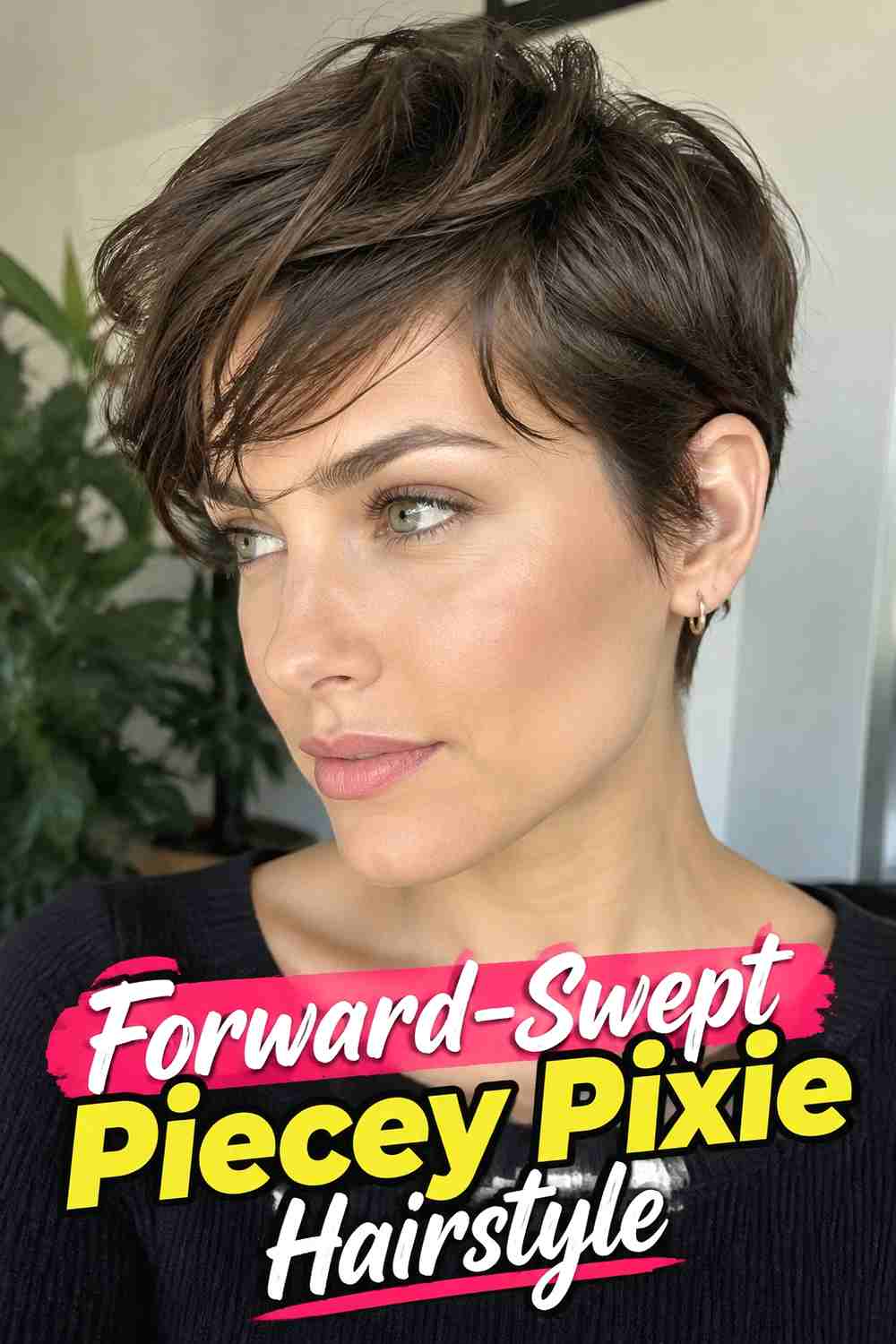
A forward-swept pixie directs the top layers toward the forehead while separating them into soft, visible pieces. Instead of creating a heavy fringe, allow the shortest sections to stop at different points so the front stays light. Keep the sides close and the crown slightly lifted, which prevents the forward direction from making the haircut look flat. This is a strong match for wide-lapel coats because the styling interest remains high around the forehead while the neckline stays uncluttered. A little texture through the tips gives the look an effortless quality, and the style can be quickly reshaped with the fingers if winter weather moves the front pieces.
Styling Notes
Direct small groups forward instead of pushing the entire crown toward the face at once.
Pro Tip
Leave a little root lift behind the fringe so the silhouette remains dimensional from the side.
18. Rounded Soft Volume Crop Hairstyle
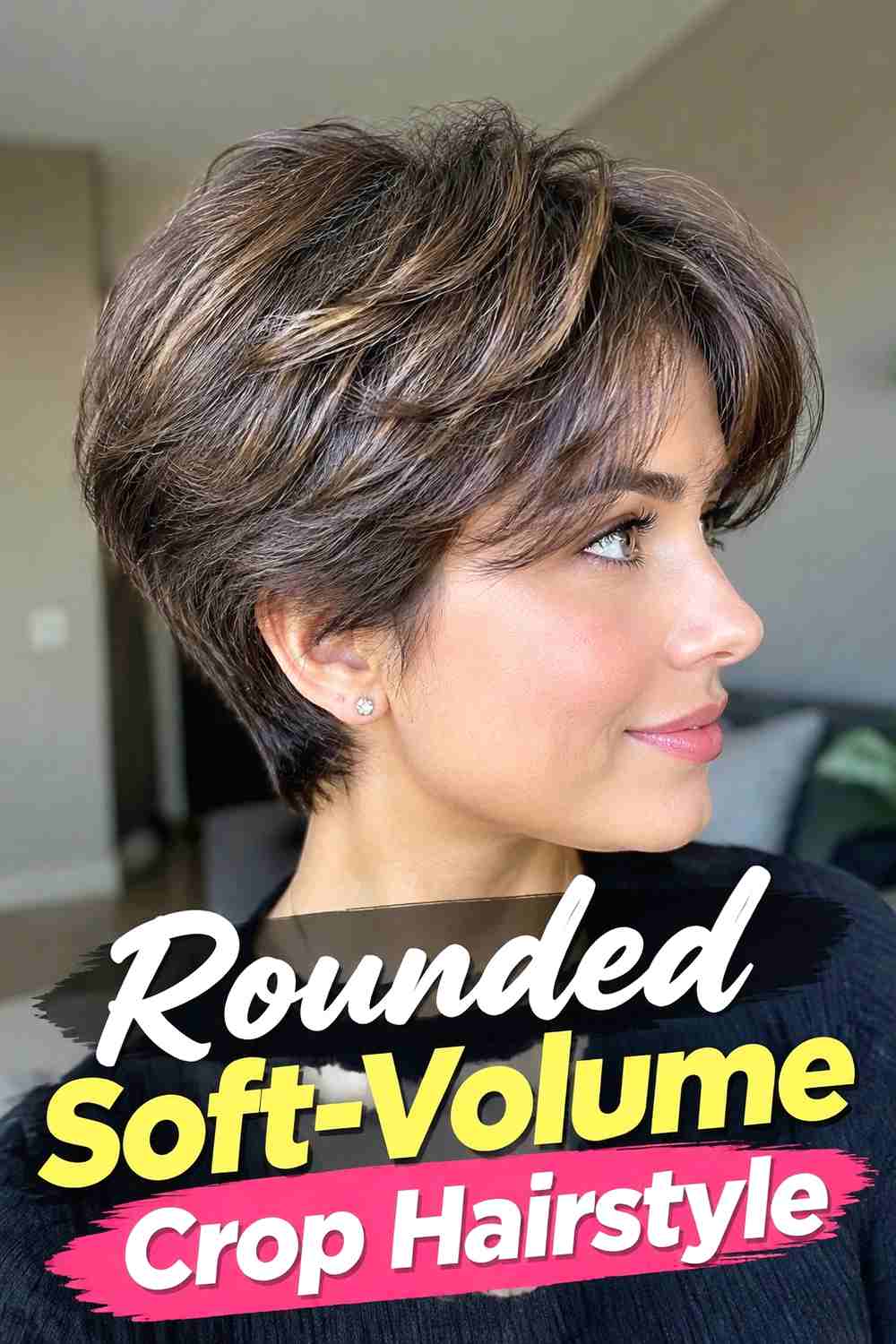
A rounded soft-volume crop uses gentle finger lifting to create a balanced silhouette around the upper head. The shape should feel full without becoming oversized, with the lower sides gradually narrowing toward the ears and nape. This helps the hairstyle stay clearly separate from wide coat lapels while still showing plenty of texture. Let the crown contain a mix of smoother and more piecey sections so the result looks natural rather than perfectly molded. This style adapts well to curls, waves, and softly textured straight hair, especially when the haircut already has layered volume. Keep the lower perimeter neat enough that the coat never becomes part of the hairstyle’s outline.
Why It Works
A rounded upper shape balances the width of dramatic lapels while maintaining clear space around the lower head and neck.
Best For
Layered short cuts with enough density to hold gentle volume are especially suited to this soft silhouette.
How to Choose the Right Look
Start with your haircut. Pixies with extra top length are ideal for finger tousling, mini quiffs, brushed-back shapes, and forward-swept pieces. Short bobs work well with ear tucks, center parts, and softer French-bob texture, while curly or natural crops can use crown lift, side sweeps, and tapered shaping.
Then look at your coat. Very wide lapels usually benefit from hairstyles with compact lower sides and volume concentrated higher on the head. If the coat has a lower neckline, you have more freedom to wear a wider bob or rounded crop.
Texture and styling time matter too. Tousled looks are quick to refresh, while finger waves and defined curls require more careful placement. Prioritize flexible hold, natural movement, comfortable volume, and a silhouette that stays visually separate from the coat.
Final Thoughts
Finger styling is an easy way to give short hair shape without making it look overly controlled. A few directional pieces, a soft part, modest crown lift, or one tucked side can create enough definition to balance dramatic wide lapels. Work with your existing cut and texture, keep the lower silhouette clean, and allow small irregularities to preserve a natural, wearable finish.
FAQs
1. Which short hairstyle works best with very wide coat lapels?
Pixies, tapered crops, crown-lift styles, and ear-tucked bobs work particularly well because they keep most of the hair volume above the neckline.
2. Can I style short hair effectively using only my fingers?
Yes. Finger styling can separate pieces, lift roots, guide curls or waves, and create soft direction without making the hair overly smooth.
3. How much volume should short hair have with a wide-lapel coat?
Moderate crown or upper-side volume usually works best. Keeping the lower sides more compact prevents the hair from competing with broad lapels.
4. Which finger-styled look is easiest to refresh after a winter hat?
Tousled pixies, shag crops, soft natural tapers, and crown-lift styles are easy to revive by gently lifting compressed areas with your fingertips.
5. Does finger styling work on short bobs as well as pixies?
Yes. Short bobs can be finger-parted, ear-tucked, tousled, or shaped into soft waves and bends without requiring elaborate tools.
Save your favorite soft finger-styled short hairstyle and pair it with a wide-lapel coat for an easy winter look with natural movement and polished shape.