11 Anti-Static Straight-Hair Looks for Wool Scarf Days
Smooth, polished straight hair can still feel effortless on scarf days when smart placement, light products, and simple accessories keep flyaways under control.
Wool scarves are cozy, but their textured fibers can leave straight hair looking more flyaway or disheveled after repeated contact around the shoulders and neckline. Choosing a hairstyle that limits unnecessary rubbing while preserving natural movement can make winter styling much easier.
These looks range from glossy loose lengths and tucked bobs to low ponytails, clips, and compact updos. Compare your hair length, density, usual styling time, and how you prefer to wear your scarf before choosing a favorite.
Quick List
- Center Part Glassy Straight Hairstyle
- Sleek Low Ponytail Hairstyle
- Behind The Ears Straight Hairstyle
- Half Up Claw Clip Straight Hairstyle
- Low Twist Straight Hair Bun Hairstyle
- Deep Side Part Straight Hairstyle
- Collarbone Straight Lob Hairstyle
- Chin Length Tucked Bob Hairstyle
- Side Barrette Straight Hairstyle
- Mini Half Up Straight Hairstyle
- Low Ribbon Ponytail Hairstyle
1. Center Part Glassy Straight Hairstyle
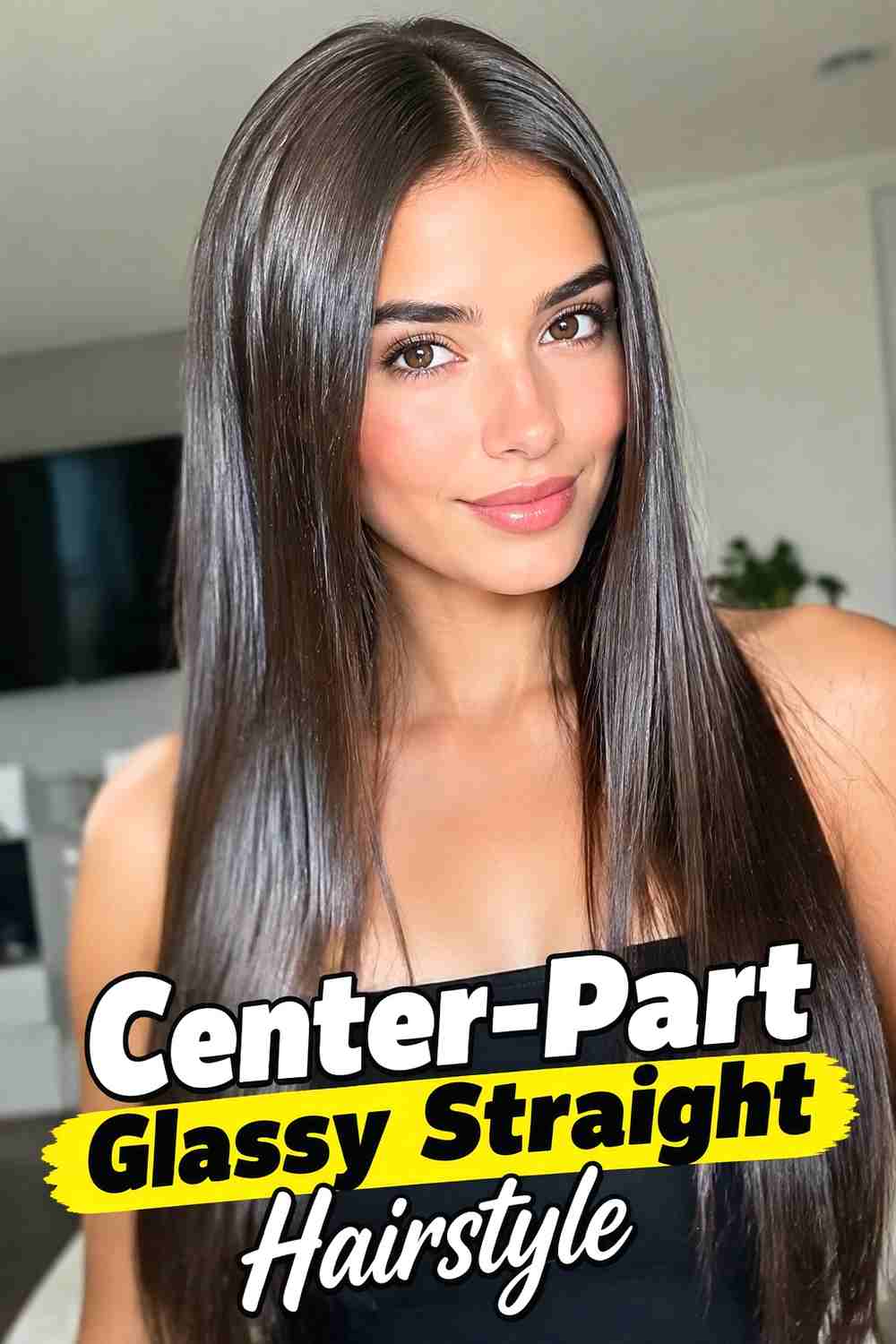
A center part and smooth, straight lengths create a clean silhouette that looks polished above a bulky wool scarf. The glassy finish is best kept soft rather than lacquered, so individual strands still move naturally and the ends retain a little swing. This look suits medium to long straight hair especially well, and it can also make fine hair appear more deliberate when the ends are neatly trimmed. Before styling, work a small amount of lightweight leave-in conditioner through the mid-lengths and ends, then finish with one drop of smoothing serum. Keep product away from the roots so the part stays fresh instead of flat.
Styling Notes
Use controlled heat rather than repeatedly passing a flat iron over the same sections. Once the hair is smooth, let it cool before wrapping your scarf so the lengths keep their shape.
Best For
This look works particularly well when you want to wear your hair fully down and show off a precise cut, healthy-looking ends, and natural straight texture.
2. Sleek Low Ponytail Hairstyle
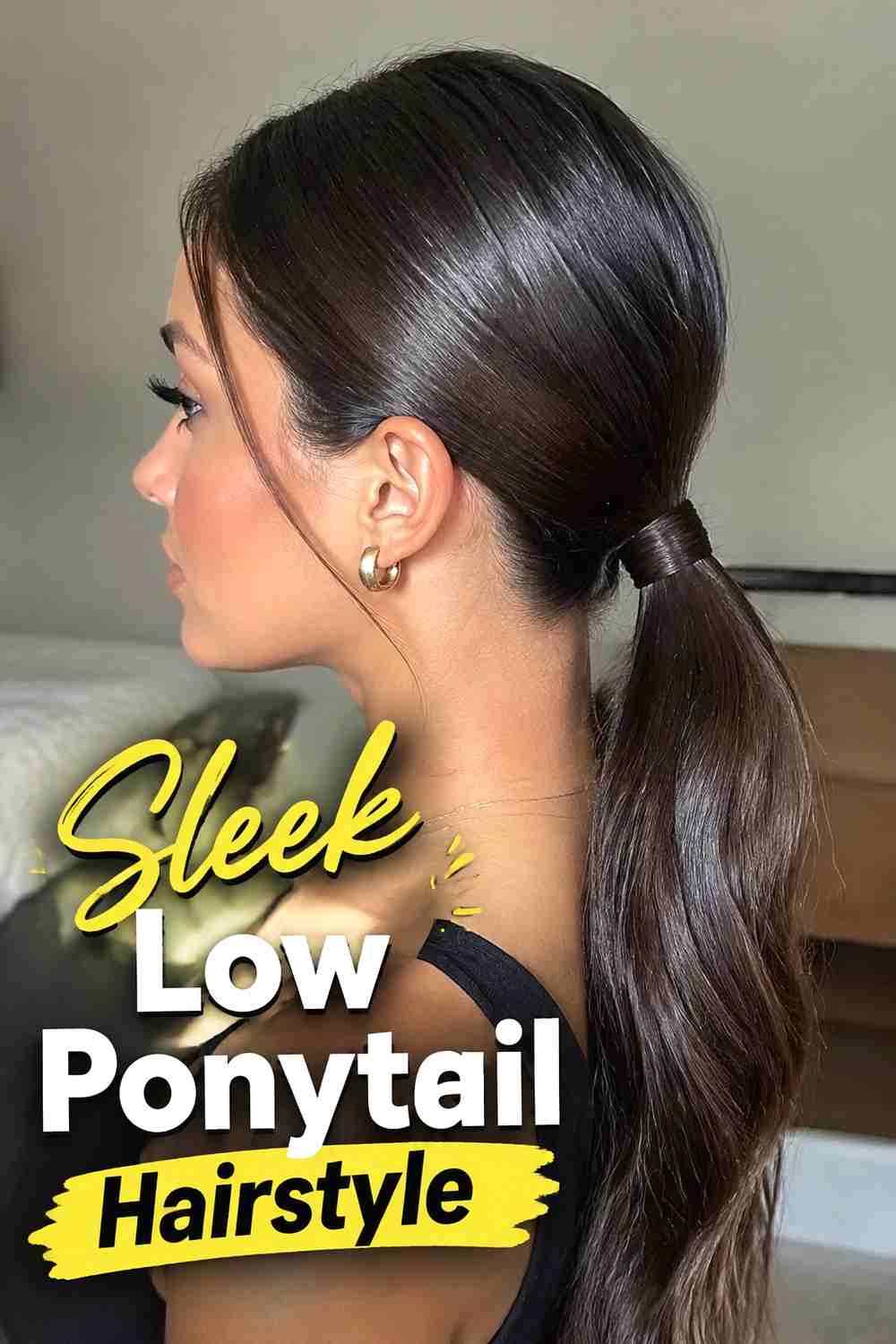
A sleek low ponytail is one of the easiest ways to keep straight hair controlled when a wool scarf is brushing the neckline. The low tie point sits neatly beneath the back of the head, while smooth sides give the style a refined finish without demanding a complicated routine. It works especially well on medium to long hair and is useful when you want fewer loose lengths rubbing against textured fabric. Brush the hair gently into place, secure it with a snag-free elastic, and wrap a small strand around the base if you want a more polished look. A light smoothing cream over the surface can help tame flyaways without making the ponytail rigid.
Wear & Maintenance
Keep the ponytail either completely outside the scarf or lifted above it before wrapping. Constantly trapping and releasing the tail can disturb the smooth surface and create unnecessary tangling.
Pro Tip
Choose an elastic that holds securely without requiring several very tight wraps. A comfortable base makes the hairstyle easier to wear for a full day.
3. Behind The Ears Straight Hairstyle
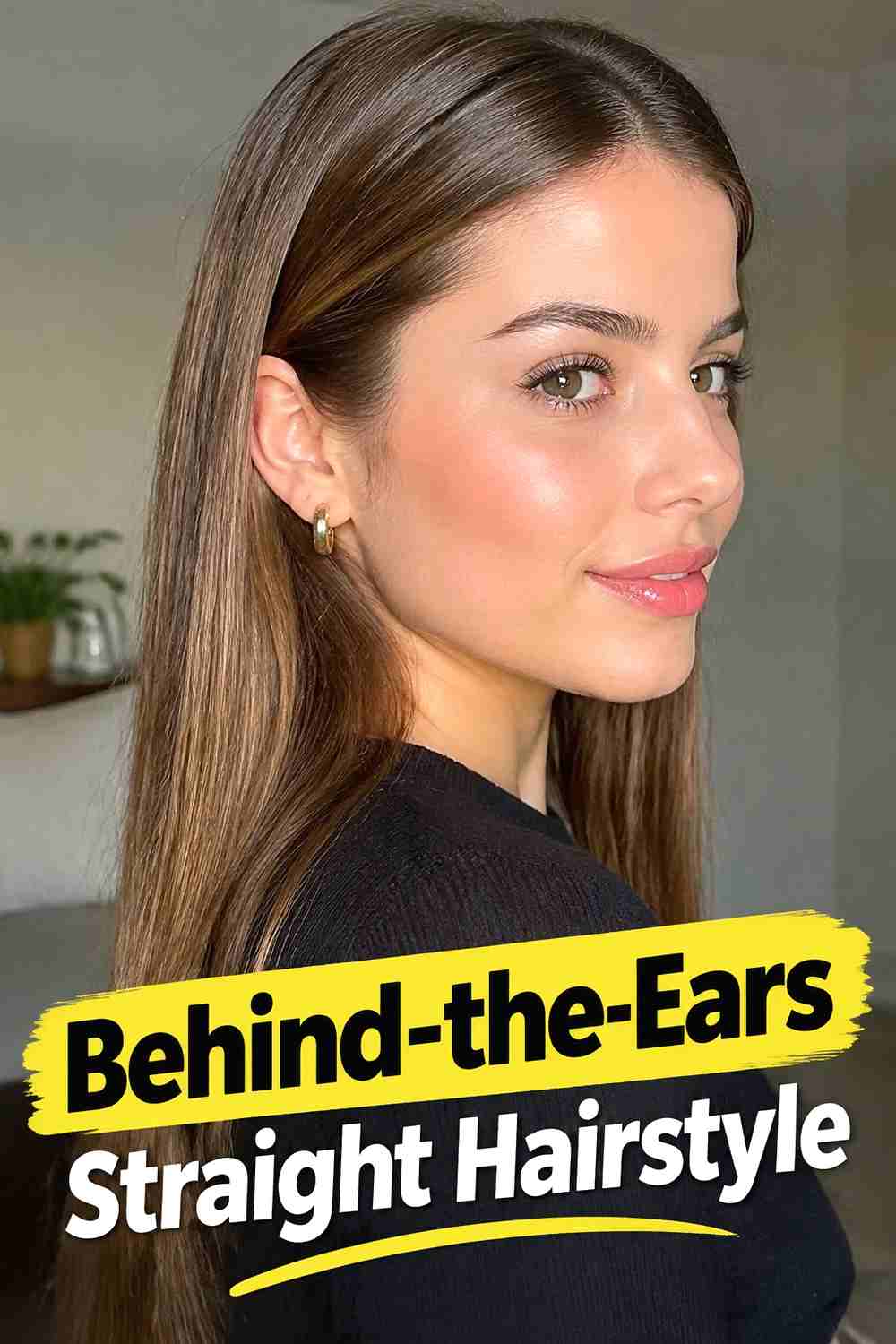
Tucking straight hair behind both ears creates a simple, face-framing look while keeping the front sections away from a wool scarf. The style feels minimal and modern, with the straight lengths left loose so the cut and natural shine remain visible. It works especially nicely on lobs, shoulder-length cuts, and long hair with tidy ends. A precise center or soft off-center part can change the mood without adding extra styling time. Use only a small amount of anti-frizz leave-in through the lengths, then smooth the temple area with clean fingertips or a soft brush. If the tuck slips easily, tiny hidden pins behind the ears can add discreet hold.
Why It Works
Moving the front panels behind the ears reduces the number of loose strands around the cheeks and scarf edge while keeping the overall hairstyle relaxed.
Hair Type & Length
Straight and slightly wavy hair from bob length onward can wear this style. Very thick hair may benefit from small concealed pins so the tucked sections stay comfortably in place.
4. Half Up Claw Clip Straight Hairstyle
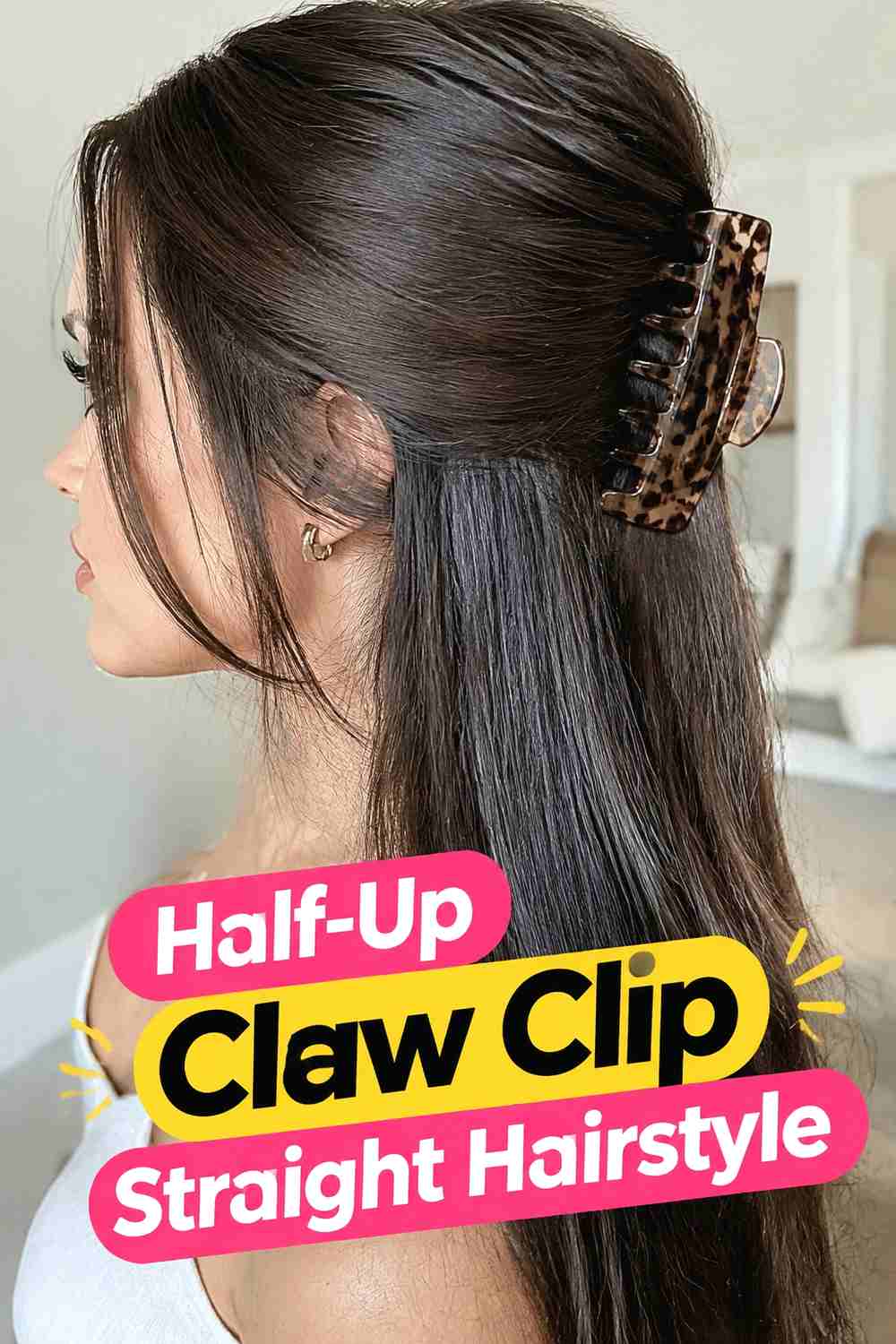
A half-up claw clip keeps the top and side sections controlled while leaving the straight lower lengths visible. It is a practical option for scarf days because the hair around the face and crown stays contained, while the ends can still fall naturally over or outside the scarf. Choose a clip with enough grip for your density without clamping too tightly. Fine hair may need a smaller matte clip, while thicker hair often feels more secure with a longer curved shape. Smooth the gathered section with your hands rather than over-brushing it, and leave a little softness at the crown. A drop of serum on the loose ends can reduce rough-looking flyaways and add polish.
Styling Notes
Gather hair from approximately temple level and twist it only enough to anchor the clip. Keeping the twist soft helps preserve a natural crown shape instead of creating a flattened profile.
Best For
Try this when you like wearing your hair down but want the upper layers controlled during commutes, outdoor walks, or long days in winter layers.
5. Low Twist Straight Hair Bun Hairstyle
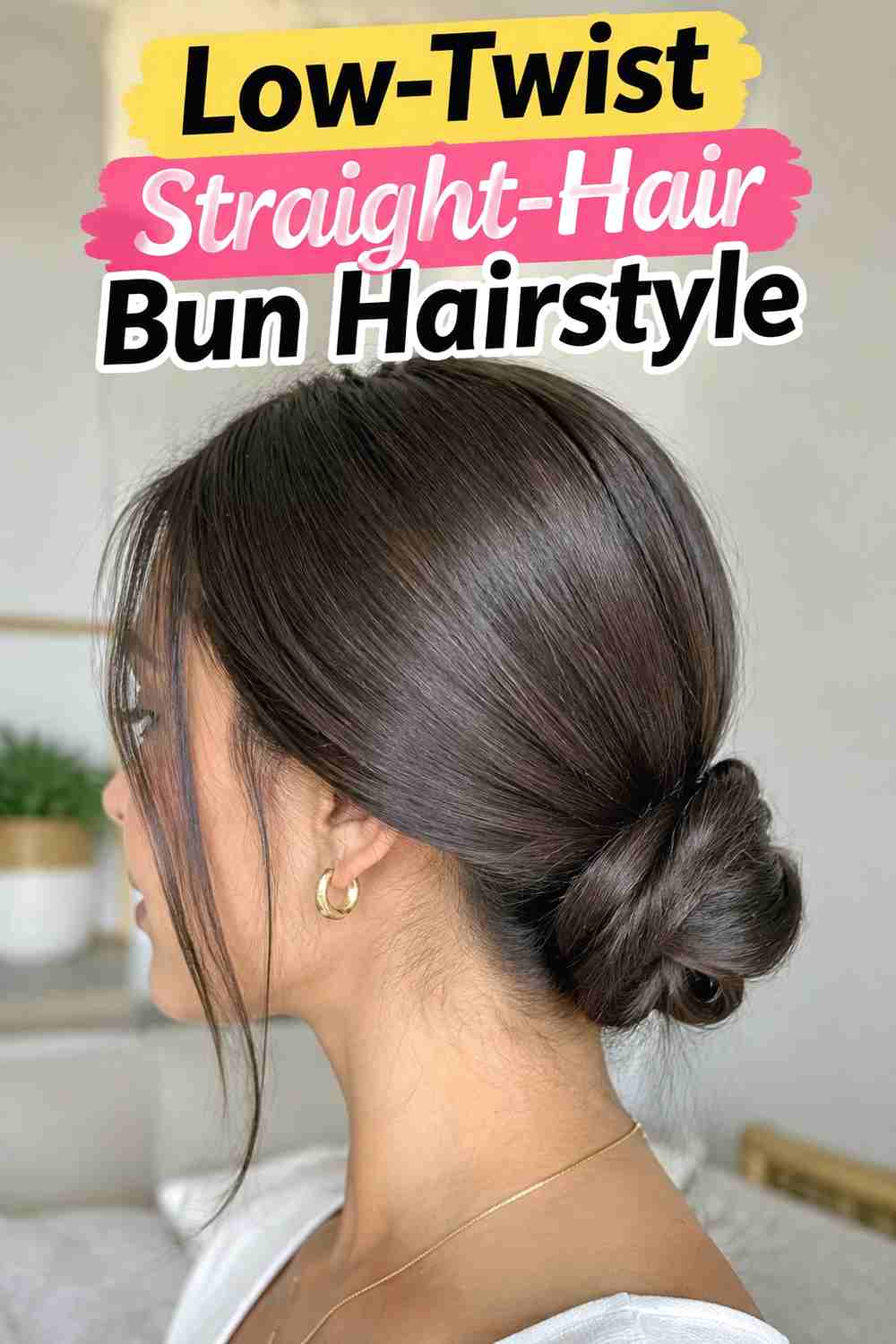
A low-twist bun gives straight hair a compact, scarf-friendly shape with almost no loose length at the neckline. The hair is gathered low, twisted into a neat coil, and pinned close to the head so a wool scarf can sit comfortably beneath it. This style works best on medium to long hair, although shoulder-length hair can often manage a smaller version with a few discreet pins. Keep the surface smooth but not overly tight, especially around the temples. A light leave-in mist or smoothing lotion can add slip before twisting, helping shorter pieces blend into the shape. For a softer finish, let one or two fine pieces sit naturally near the face.
Wear & Maintenance
Position the bun high enough that the top edge of your scarf does not repeatedly push against it. A few well-placed pins usually feel better than forcing every strand into an overly tight coil.
Why It Works
With the lengths secured, there is far less loose hair sitting between the neck, coat, and scarf, making this one of the neatest options for heavily layered outfits.
6. Deep Side Part Straight Hairstyle
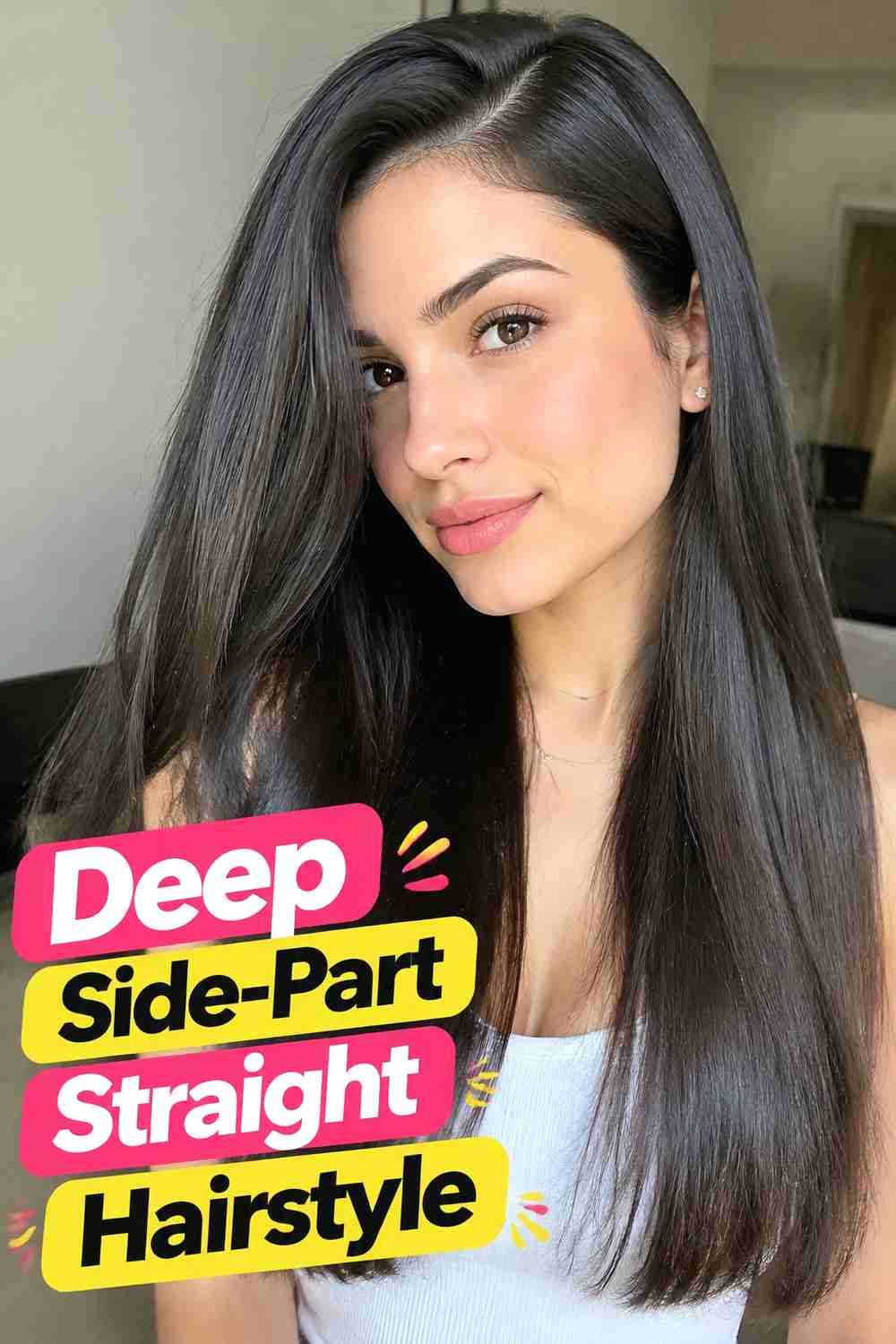
A deep side part gives straight hair instant shape without relying on curls or heavy volume. The fuller side sweeps smoothly across the forehead, while the opposite side can be tucked behind the ear to keep hair clear of a wool scarf. This asymmetry is useful when you want a polished look that still feels relaxed and wearable. It suits bob, lob, and longer straight cuts, especially when the ends have a clean outline. Blow-dry or smooth the part in its intended direction, then use a tiny amount of serum only where the hair tends to lift. Avoid loading the roots with product, because movement at the top keeps the side part looking fresh.
Styling Notes
Set the part while the roots are still slightly damp if your hair naturally wants to fall elsewhere. Directing the roots early usually creates a cleaner sweep with less product.
Pro Tip
Tuck only the lighter side behind the ear and leave the fuller side loose for a balanced silhouette that still feels effortless.
7. Collarbone Straight Lob Hairstyle
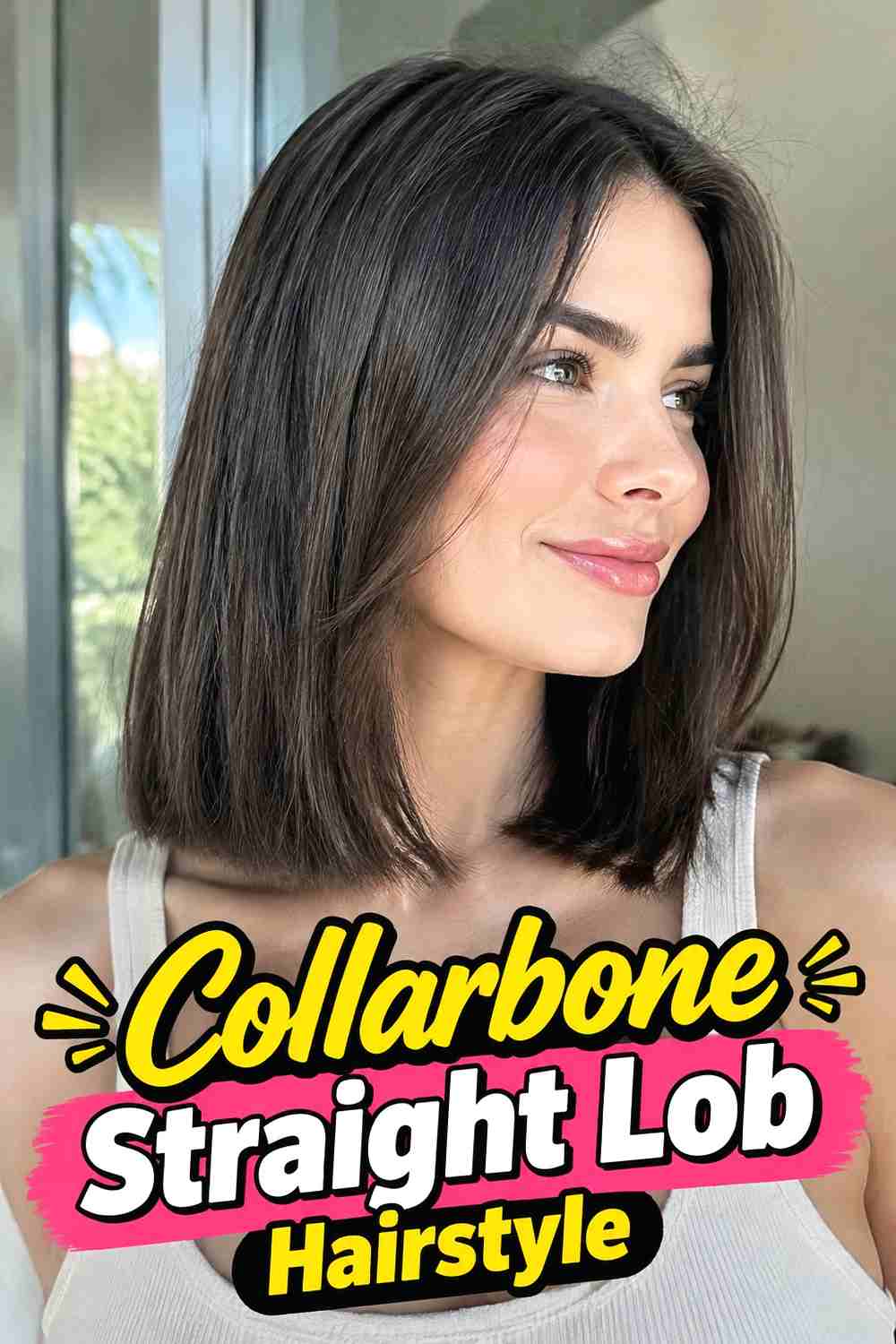
A collarbone-length straight lob is long enough to feel versatile but short enough to reduce the amount of hair trapped beneath a wool scarf. The strongest version has a clean perimeter, subtle movement at the ends, and enough softness around the face to avoid looking severe. Wear it with a center or slightly off-center part depending on how you like the front to fall. This length is especially practical for straight or lightly wavy hair that can be smoothed quickly with a blow-dryer or flat iron. A lightweight thermal protectant and a small amount of finishing serum can keep the surface polished. Let the ends stay flexible instead of pressing them completely flat.
Hair Type & Length
This is naturally a haircut-based option, making it ideal for anyone already near shoulder or collarbone length. Fine, medium, and dense hair can all wear it, though the perimeter may be adjusted for weight.
Wear & Maintenance
Place the ends above the scarf whenever possible rather than repeatedly pulling them out from underneath it. That helps the shape look cleaner once the scarf comes off.
8. Chin Length Tucked Bob Hairstyle
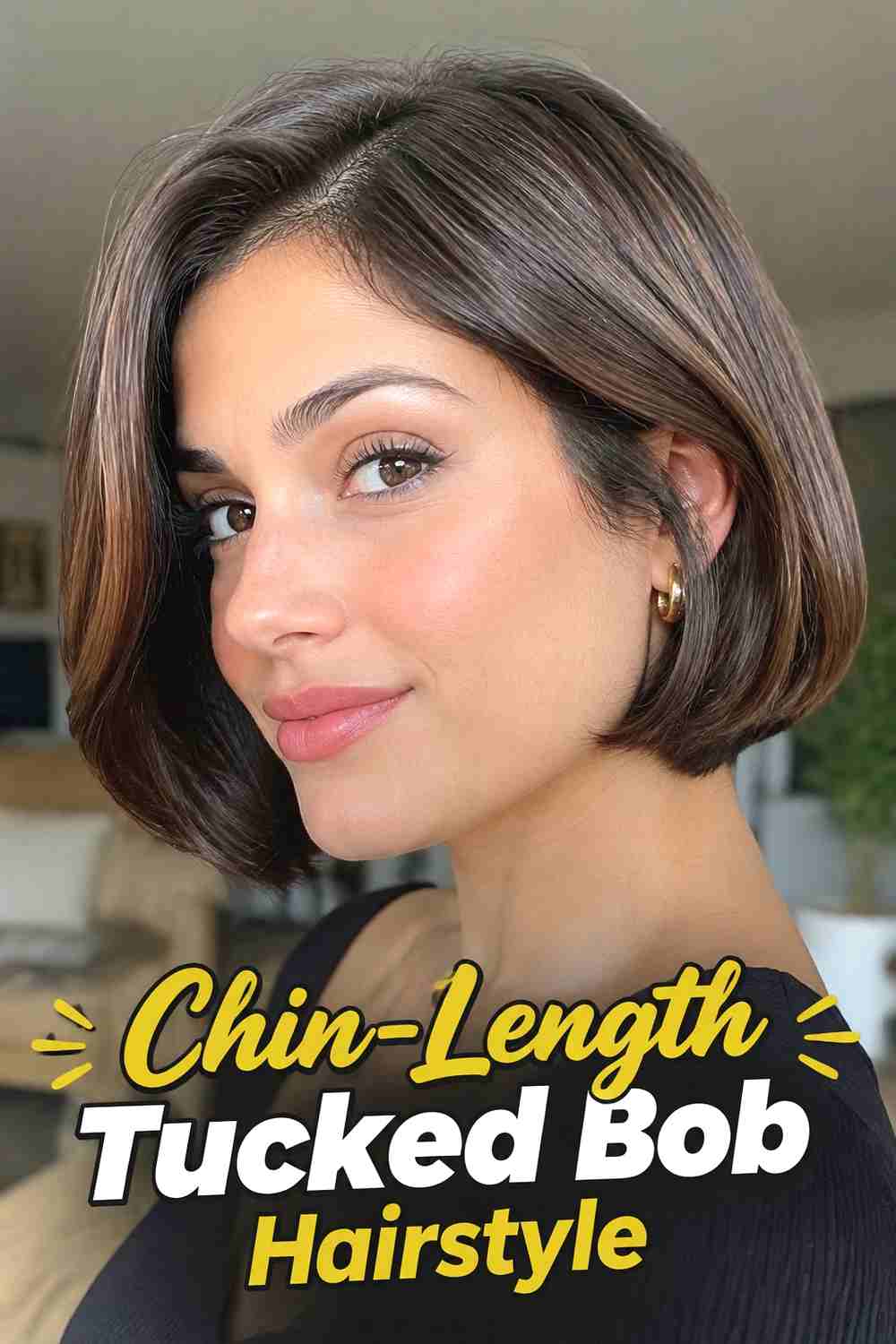
A chin-length tucked bob keeps the overall shape crisp while moving the front sections neatly away from the scarf and jawline. The tucked sides show off the haircut’s clean edge and make the style feel intentional even when the routine is very simple. It is a strong choice for naturally straight hair or a bob that smooths easily with a round brush or flat iron. Because short hair can show static quickly at the surface, use a very small amount of leave-in conditioner or smoothing cream and distribute it thoroughly. Keep the roots airy and the ends softly beveled rather than stiff. Hidden pins behind the ears can secure the tuck on slippery hair.
Why It Works
A chin-length shape naturally sits above most scarf edges, so less hair is repeatedly caught between layers. The ear tuck gives the remaining front pieces a controlled direction.
Pro Tip
Use much less finishing product than you would on long hair. On a short bob, excess serum can quickly remove the lightness and movement that make the cut look fresh.
9. Side Barrette Straight Hairstyle
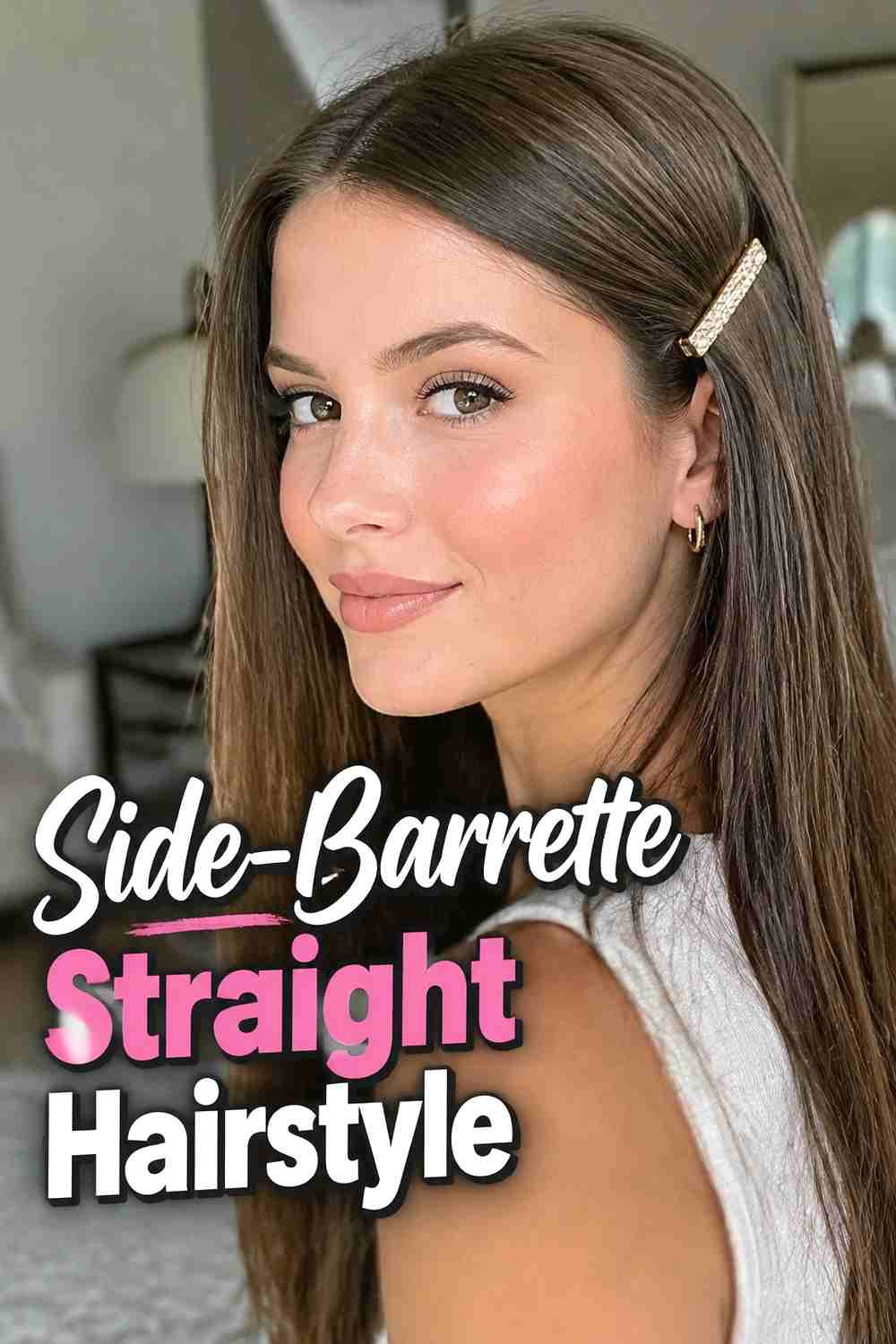
A slim barrette placed on one side gives straight hair a controlled focal point while keeping the front section from rubbing against a wool scarf. The rest of the hair stays down, so the style still shows off smooth texture, shine, and a clean cut line. This works on bobs, lobs, and longer lengths, and it is especially useful when you want a quick style that feels more finished than a simple ear tuck. Choose a lightweight clip with a smooth interior so it does not snag delicate strands. Position it just above or behind the ear, then lightly smooth the loose lengths with a small amount of serum for a polished, flexible finish.
Styling Notes
For a cleaner shape, secure a narrow section rather than sweeping half the head into the clip. The barrette should look purposeful without becoming the main source of tension.
Best For
This is an easy choice for workdays, casual outings, and occasions when you want a small accessory to complement winter clothing without competing with a patterned scarf.
10. Mini Half Up Straight Hairstyle
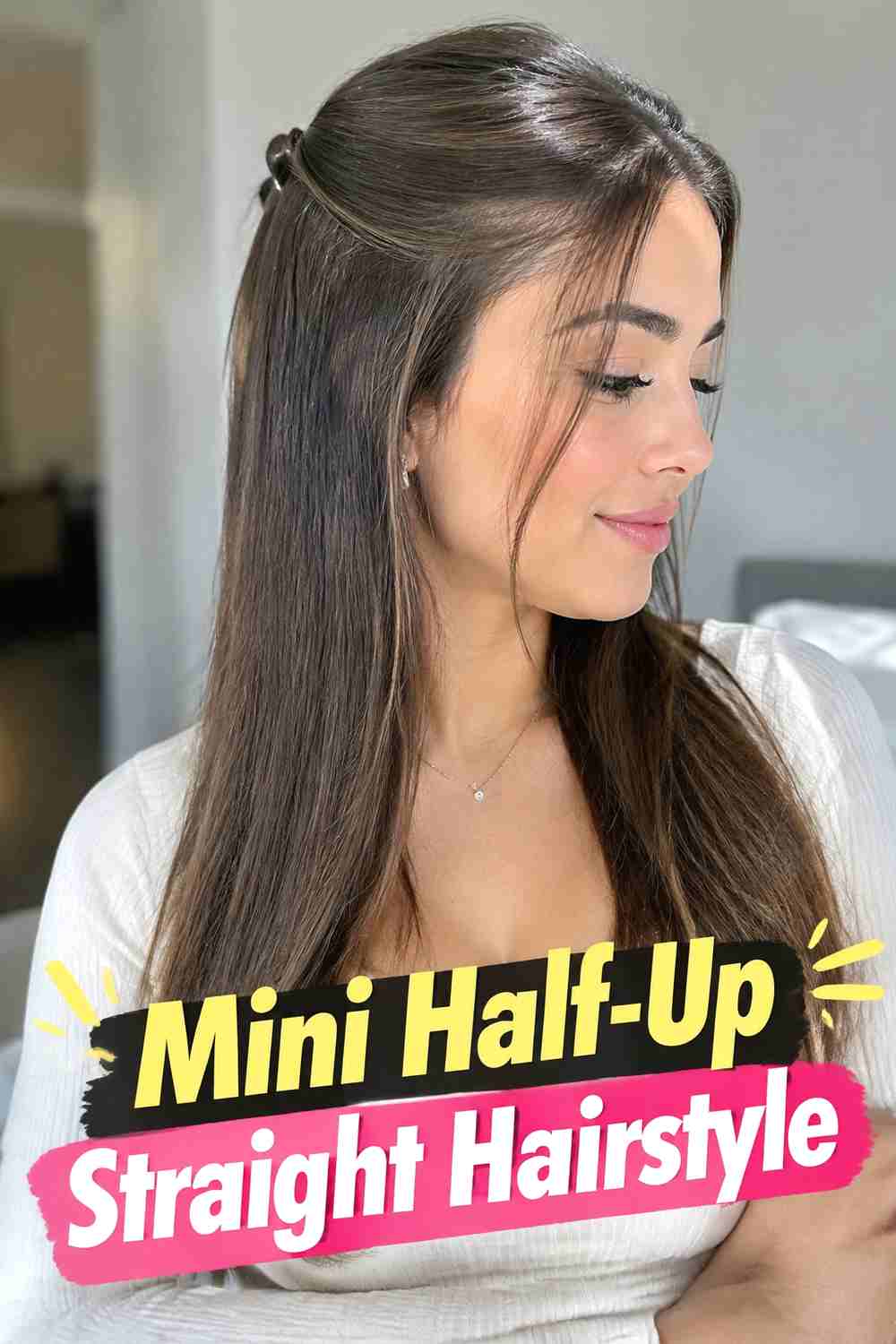
A mini half-up style gathers only the front and crown sections, creating gentle lift while leaving most of the straight hair loose. It is a good middle ground when you want the freedom of hair down but less contact around the face and scarf. The small gathered section can be secured with a mini elastic, compact clip, or narrow barrette, depending on your hair density. Keep the parting clean and the crown softly rounded rather than tightly pulled back. This look is especially flattering on shoulder-length to long straight hair with healthy-looking ends. Finish the loose lengths with a light smoothing product, focusing on the areas most likely to brush against textured outerwear.
Best For
Choose this style when a full half-up look feels too structured. It removes just enough hair from the face while preserving the simple appearance of straight, loose lengths.
Pro Tip
Before securing the section, gently lift the crown with your fingertips. That small adjustment can prevent the top from looking compressed after wearing a winter hat or hood.
11. Low Ribbon Ponytail Hairstyle
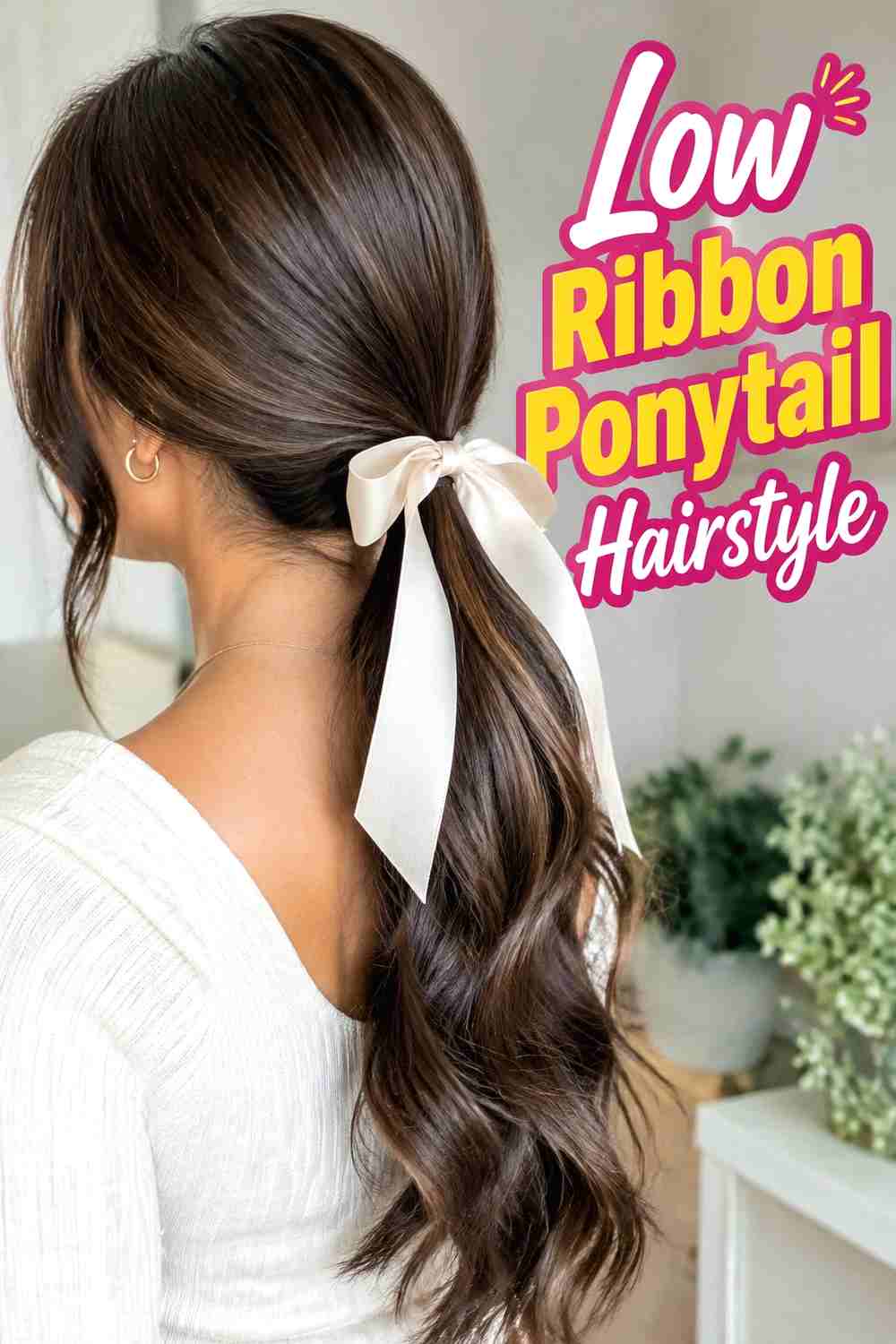
A low ribbon ponytail combines the control of a scarf-friendly pony with a softer, more decorative finish. The tie sits low at the nape so the straight lengths fall neatly down the back, while a narrow ribbon covers the elastic and adds a polished winter detail. It works best on medium to long hair and can be worn with a center, side, or no visible part. Choose a smooth ribbon that will not catch easily on the hair, and keep the knot compact so it does not compete with the scarf. Brush the ponytail gently, then smooth a tiny amount of serum over the surface and ends. Keep the tail flexible rather than overly flat-ironed.
Styling Notes
Secure the ponytail with a regular hair elastic first, then add the ribbon around it. This gives the hairstyle dependable hold without requiring the decorative ribbon itself to carry all the tension.
Wear & Maintenance
A narrow satin or similarly smooth ribbon is easier to pair with textured wool than a bulky fabric bow. Keep the tail outside your coat and scarf when possible to preserve its smooth finish.
How to Choose the Right Look
Start with where your hair naturally falls in relation to your scarf. Chin-length bobs and collarbone lobs already keep much of the hair away from heavy fabric, while long hair may feel easier in a low ponytail, half-up style, or compact bun.
Next, consider texture and density. Fine straight hair usually needs very little serum and lighter accessories, while dense hair may require stronger clips, elastics, or pins. If your roots flatten easily, choose a side part, mini half-up style, or loose clip rather than coating the crown with smoothing product.
Styling time matters too. Ear tucks, barrettes, and low ponytails can be finished quickly, while glassy loose hair may need more heat styling. For comfort, pay attention to where clips, buns, and ponytail bases meet the scarf, coat collar, or hood.
Finally, aim for controlled movement rather than a completely rigid finish. Lightweight leave-in products, a small amount of smoothing serum, gentle brushing, and keeping loose lengths from repeatedly rubbing against wool can help the finished style remain more polished.
Final Thoughts
Straight hair and wool scarves can work together beautifully when the hairstyle accounts for where the fabric touches the hair. Loose glassy lengths suit days when you want movement, while tucked styles, clips, ponytails, and buns provide increasing levels of control.
The most practical choice depends on your actual length, density, styling routine, comfort, and preferred finish rather than assuming one look works for everyone.
FAQs
1. How can I make straight hair less flyaway around a wool scarf?
Use a small amount of lightweight leave-in conditioner or smoothing serum through the mid-lengths and ends. Keeping hair neatly positioned above, outside, or securely away from the scarf can also reduce repeated friction.
2. Should straight hair go inside or outside a wool scarf?
Outside is often easier if you want to preserve a smooth finish. Hair repeatedly trapped beneath a scarf can become tangled or lose its shape, especially at the ends.
3. What is the easiest scarf-friendly hairstyle for long straight hair?
A low ponytail is one of the simplest options. It controls the lengths, takes little time, and can be adjusted easily when putting on or removing a scarf.
4. Can short straight hair work well with wool scarves?
Yes. Chin-length bobs and short lobs can be especially convenient because much of the hair naturally sits above the scarf. Ear tucks or small barrettes can control the front sections.
5. How much smoothing product should I use on straight hair?
Start with a very small amount, especially on fine or short hair. Concentrate it on the mid-lengths, ends, and visible flyaways rather than the roots, adding more only if needed.
CTA
Save your favorite scarf-friendly hairstyle and share this list whenever you need fresh straight-hair inspiration for cozy winter days.