17 Soft-Wave Refresh Hairstyles With Hooded Down Coats
Soft waves can bounce back beautifully after hood wear with simple tucks, low placements, finger styling, and relaxed shapes that embrace natural movement. Hooded down coats are warm and practical, but their padded hoods can flatten crown volume, separate waves, and leave the hair around your face looking uneven. Instead of rebuilding an entire style, a quick refresh can work with the texture that remains and turn slight flattening into an intentional winter look. These 17 hairstyles focus on soft movement, low-profile details, and easy adjustments after the hood comes off. Some rely on a simple part change or finger fluffing, while others use pins, low ties, twists, or slim accessories. Compare your hair length, wave pattern, coat collar, available styling time, and desired level of polish before choosing.
Quick List
- Low Side Tucked Soft Wave Hairstyle
- Center Part Loose Wave Hairstyle
- Finger Fluffed Soft Wave Hairstyle
- Low Half Up Soft Wave Hairstyle
- Deep Side Part Soft Wave Hairstyle
- Pinned Back Soft Wave Hairstyle
- Collarbone Soft Wave Bob Hairstyle
- Low Ponytail Soft Wave Hairstyle
- Face Framing Soft Wave Hairstyle
- Flat Barrette Soft Wave Hairstyle
- Loose S Wave Refresh Hairstyle
- Twisted Side Soft Wave Hairstyle
- Soft Wave Lob Tuck Hairstyle
- Low Crown Soft Wave Clip Hairstyle
- Brushed Out Soft Wave Hairstyle
- Ends Only Soft Wave Hairstyle
- One Side Forward Soft Wave Hairstyle
1. Low Side Tucked Soft Wave Hairstyle
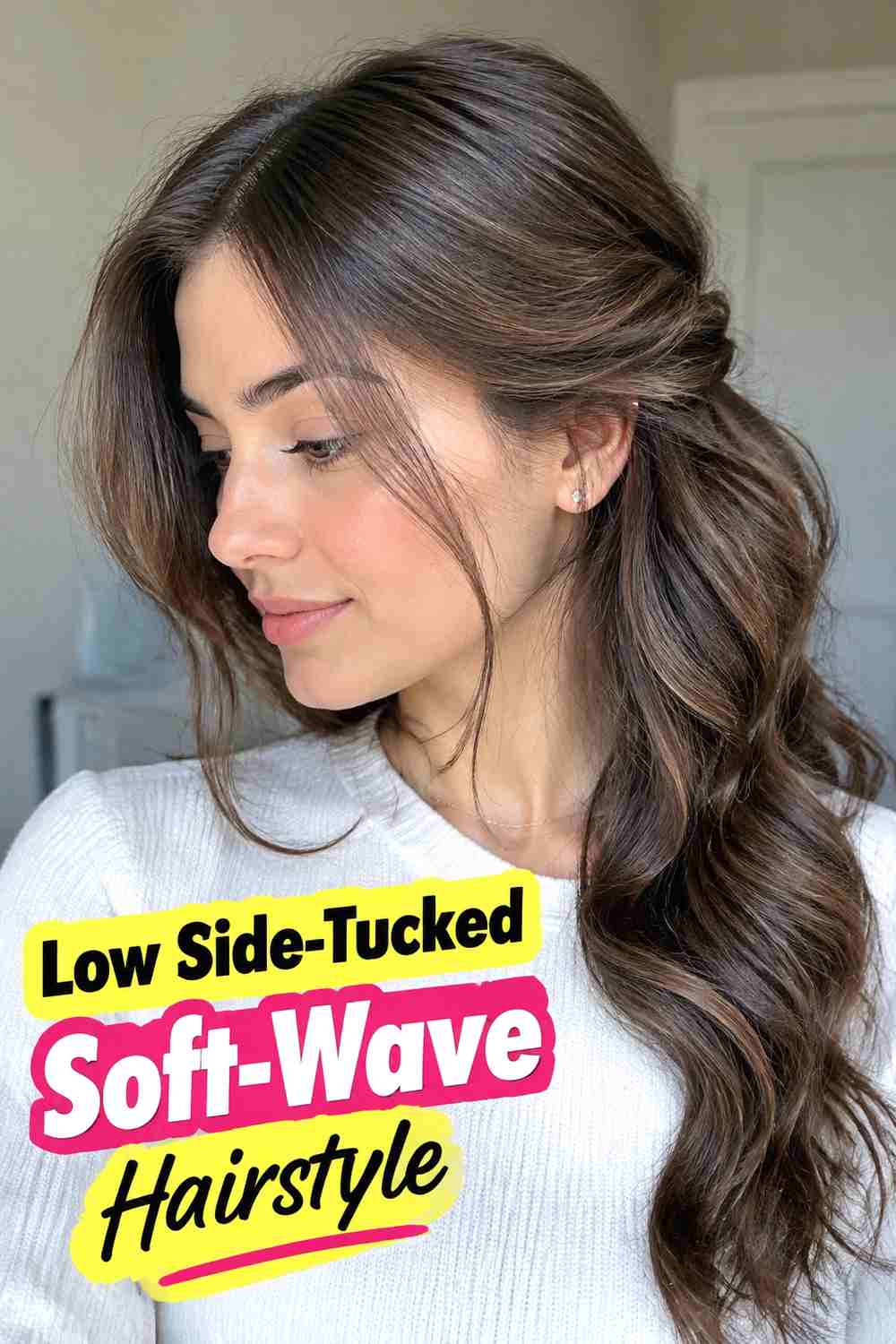
The Low Side-Tucked Soft-Wave Hairstyle turns slightly flattened hood hair into a relaxed asymmetric look. Refresh the lengths with your fingers, then guide one temple section neatly behind the ear while leaving the opposite side loose. The tucked section brings structure to the style without disturbing the wave pattern across the rest of the hair. Shoulder-length and longer waves work particularly well because the movement remains visible below a padded coat collar. If the hood has separated a few pieces, gently twist them together rather than brushing everything smooth. A small hidden pin behind the ear can add extra hold when the weather is breezy, while still keeping the finished shape soft and low-profile.
Styling Notes
Use your fingertips to redefine individual bends before making the tuck. Avoid repeatedly combing through the entire length, which can make soft waves look overly fluffy.
2. Center Part Loose Wave Hairstyle
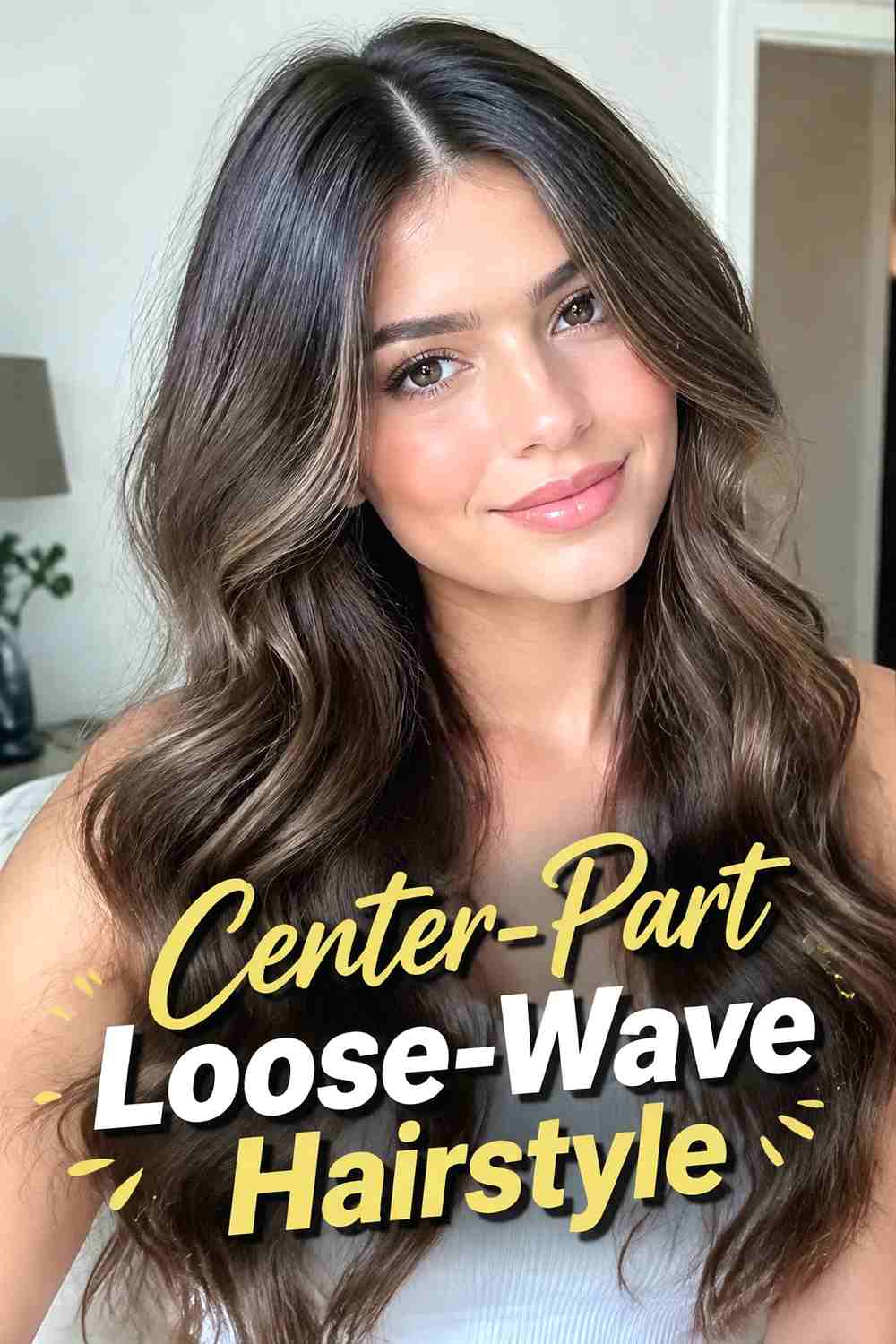
The Center-Part Loose-Wave Hairstyle is a simple reset when a hood has pressed down the top but left the mid-lengths and ends in good condition. Create a clean center part with your fingers, lightly lift the roots on both sides, and allow the existing waves to fall naturally. The symmetry gives slightly rumpled texture a deliberate shape without requiring a full restyle. This approach works especially well on medium and long hair with loose bends rather than tight curls. Keep the crown natural instead of trying to recreate exaggerated volume, since the understated finish pairs well with the substantial shape of a down coat. A little movement around the cheekbones keeps the look from appearing overly flat.
Best For
Choose this refresh when the lower waves still look defined and only the crown needs a quick visual reset.
3. Finger Fluffed Soft Wave Hairstyle
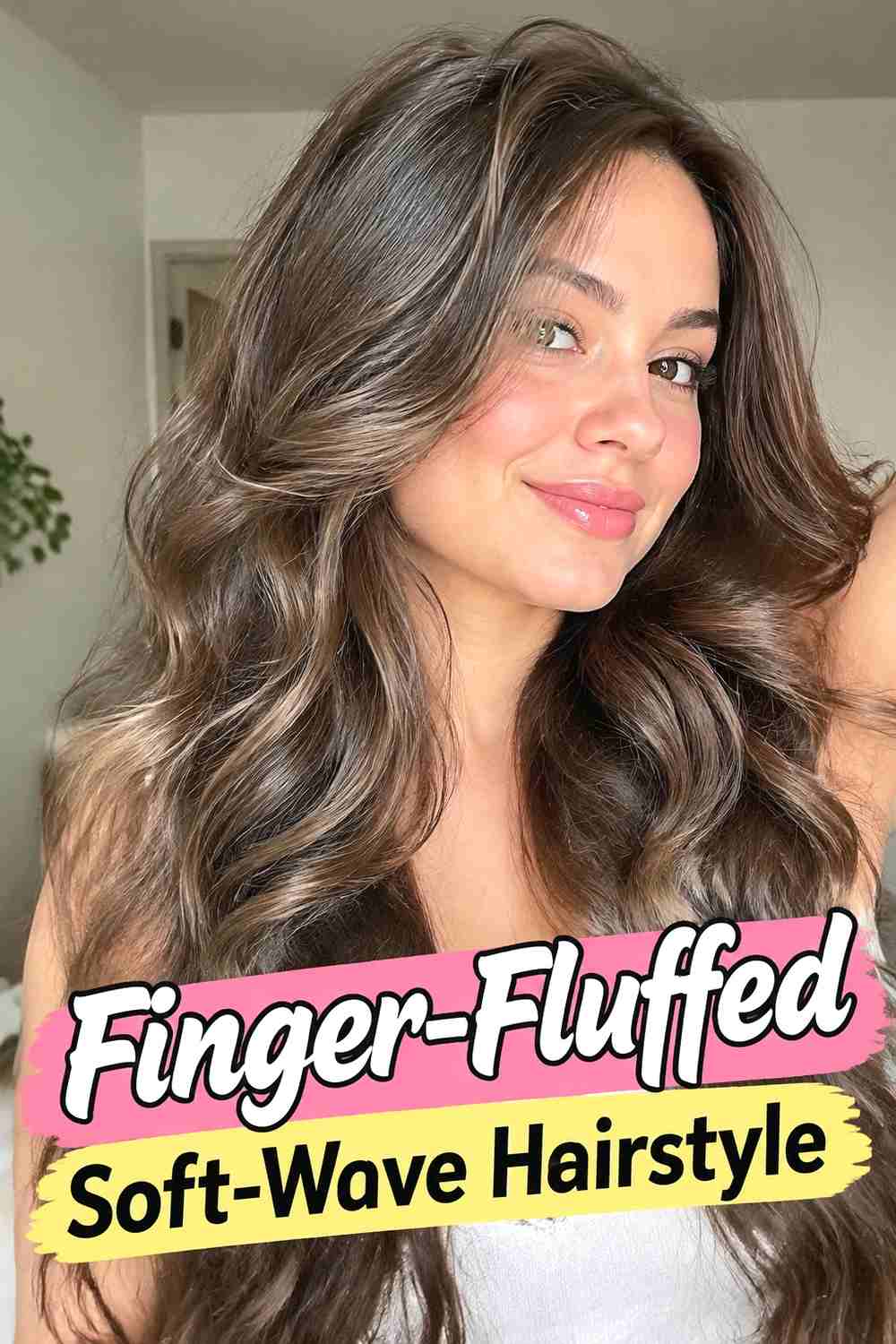
The Finger-Fluffed Soft-Wave Hairstyle is designed for quick indoor touch-ups after removing a padded hood. Instead of using a brush, slide your fingertips gently beneath the roots and lift the hair in small sections. Then separate any waves that have clumped together and reshape flattened bends by lightly twisting them around your fingers. The result should look airy and natural rather than freshly curled. This method is particularly useful for medium to long hair because it restores movement without adding bulky accessories or changing the original silhouette. If the ends have become static from coat fabric, smooth them lightly with your palms. Keep the finish imperfect; a little variation makes refreshed waves look more believable.
Pro Tip
Work from underneath the hair instead of aggressively fluffing the surface. This helps create lift while preserving a smoother outer layer.
4. Low Half Up Soft Wave Hairstyle
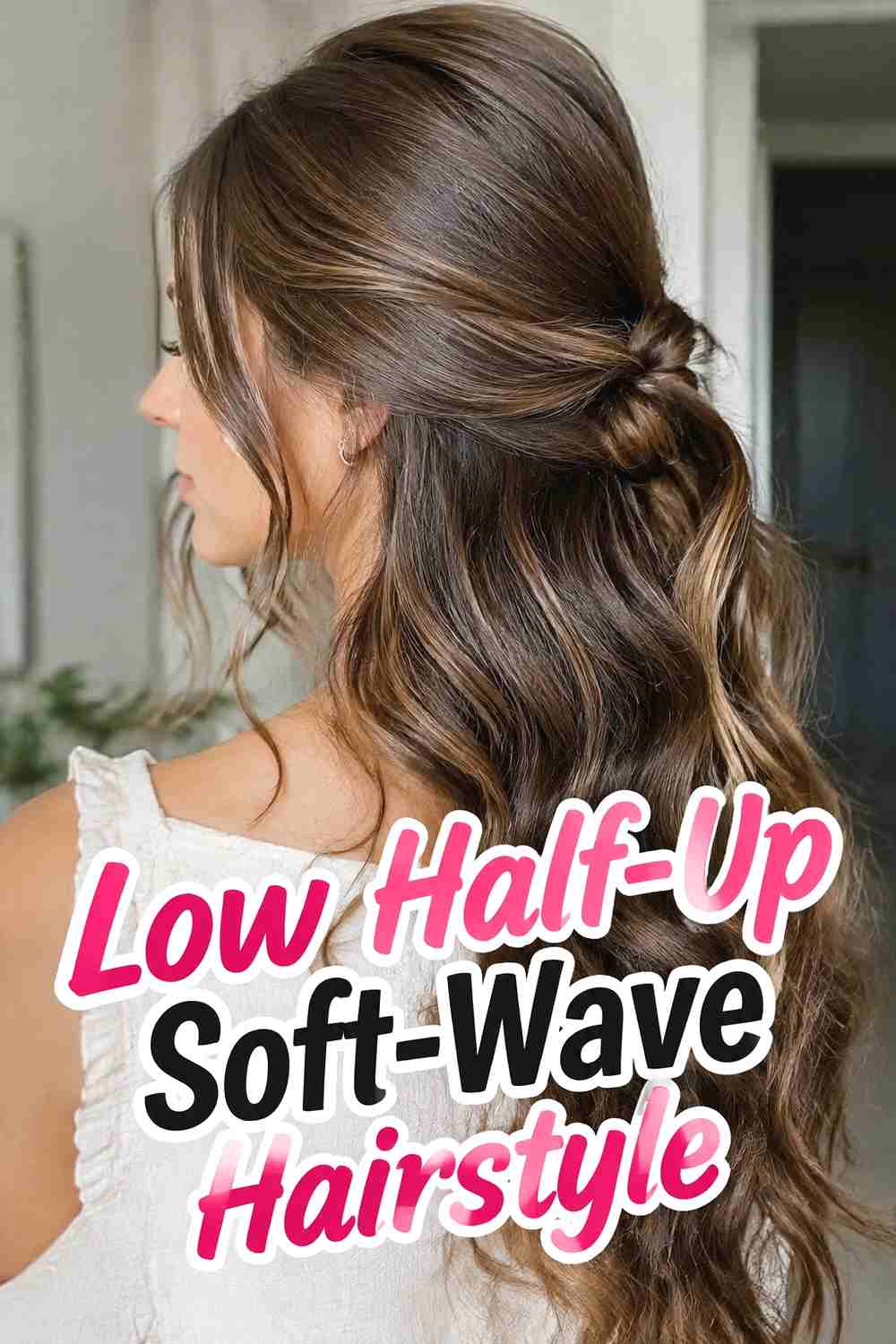
The Low Half-Up Soft-Wave Hairstyle is useful when the crown looks slightly flattened but the loose lengths still have attractive movement. Gather small sections from both temples and join them around the lower crown with a slim elastic, pins, or a flat fastener. The gathered portion creates gentle structure while the remaining waves stay visible down the back and over the shoulders. Keeping the fastening point low makes the style more comfortable if the hood needs to go back up later. It also reduces the temptation to over-tease the crown. This style suits medium to long hair and can work with fine, average, or dense textures by adjusting how much hair is included in the upper section.
Wear & Maintenance
Keep the upper section relaxed rather than tightly pulled. A little softness around the part makes minor hood flattening less noticeable.
5. Deep Side Part Soft Wave Hairstyle
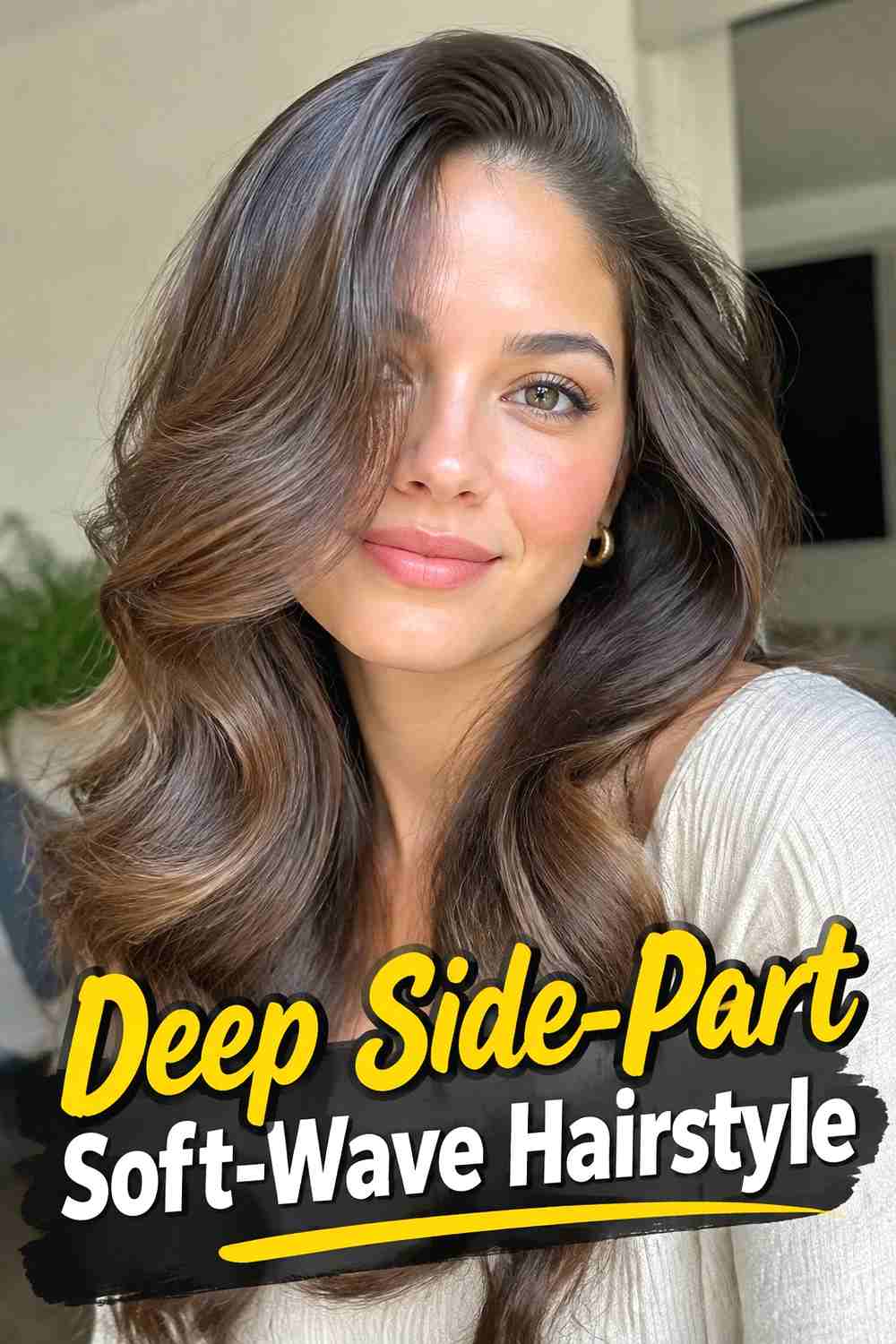
A quick part change can completely redirect softened hood waves, which is what makes the Deep Side-Part Soft-Wave Hairstyle so effective. Move the part farther to one side than usual and allow the heavier section to sweep naturally across the top. The extra hair on one side creates visual lift without requiring teasing or strong styling products. Soft waves through the mid-lengths keep the finish balanced and prevent the dramatic part from feeling too severe. This technique is especially flattering on lob-length through long hair because the wave pattern has enough room to flow into the new direction. Tuck the lighter side behind the ear if you want greater control around a high coat collar.
Why It Works
Changing the part redistributes the hair and can disguise flattened crown areas while making existing texture look intentionally asymmetrical.
6. Pinned Back Soft Wave Hairstyle
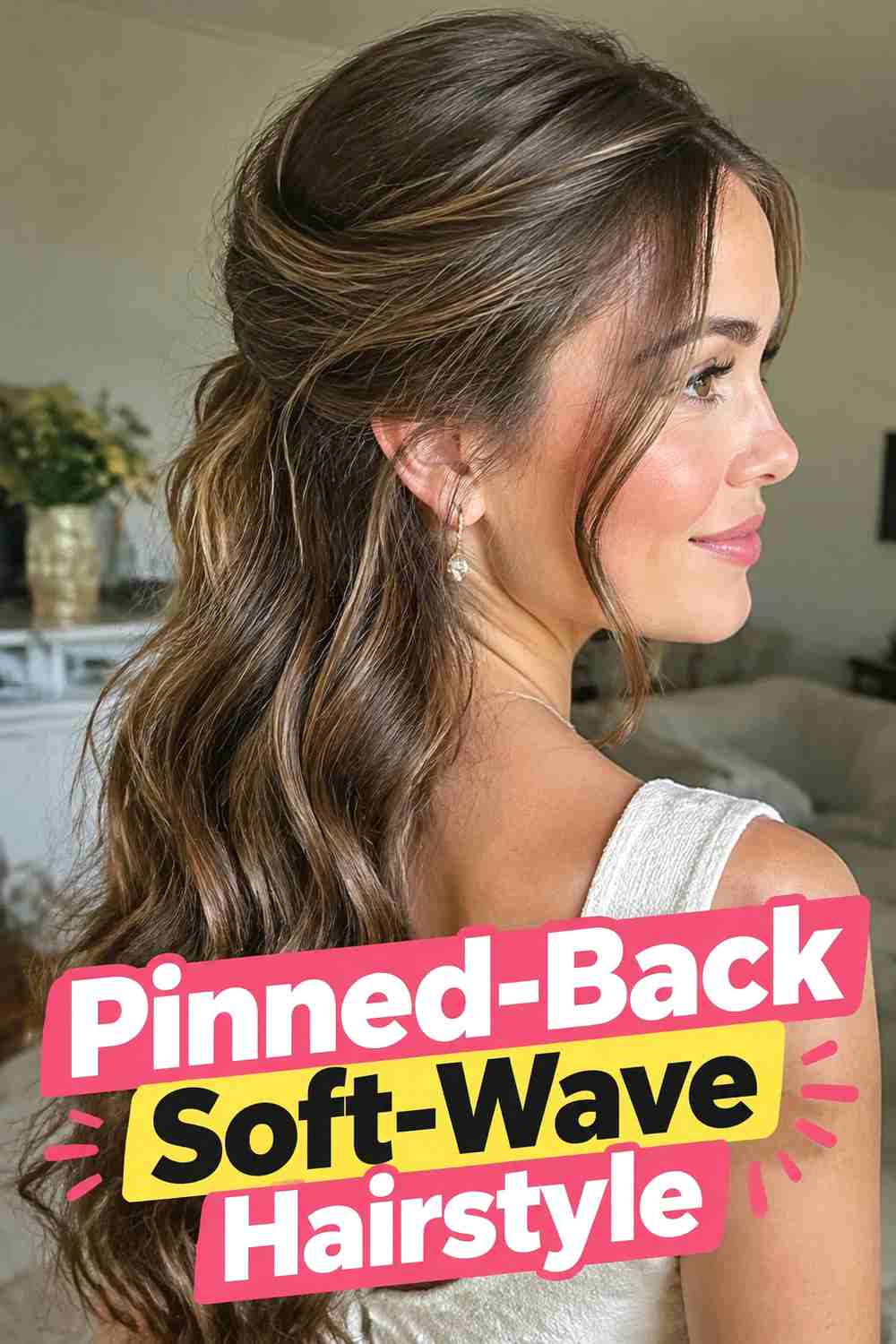
The Pinned-Back Soft-Wave Hairstyle keeps the waves loose while giving the front sections a cleaner shape after hood wear. Take a small piece of hair from each temple, sweep or lightly twist it backward, and secure it with discreet pins near the lower crown. This gently controls any wispy pieces that have become static or uneven without compressing the entire style. The loose waves can remain slightly imperfect, which suits the casual mood of winter outerwear. Use one pin per side for light hold or crossed pins if your hair is slippery. The key is to keep the placement low enough that a hood can still be pulled up comfortably without pressing directly on the hardware.
Best For
This style works well when the front looks untidy but the rest of the wave pattern is still worth showing.
7. Collarbone Soft Wave Bob Hairstyle
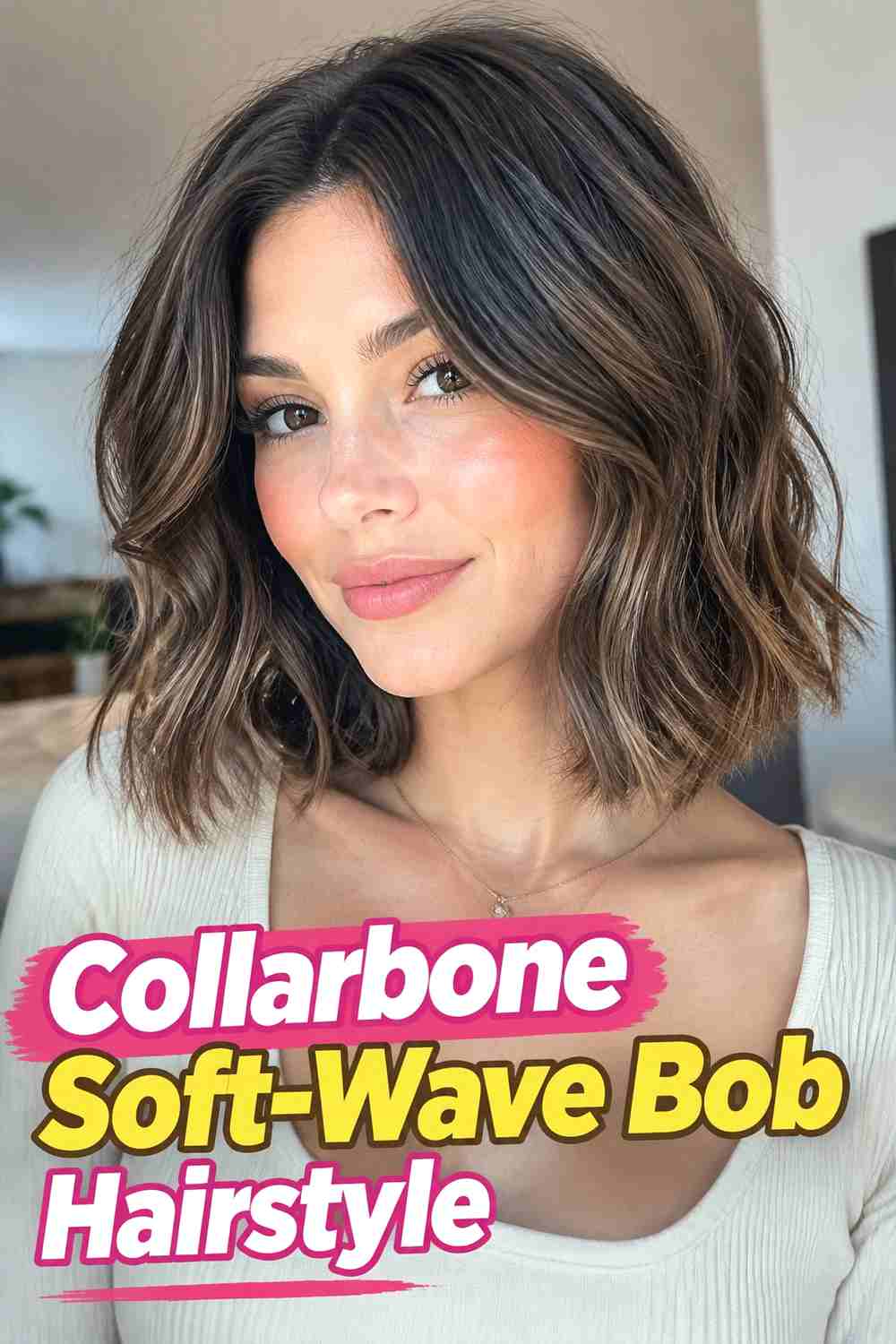
The Collarbone Soft-Wave Bob Hairstyle makes the most of a shorter cut that has been gently reshaped by a coat hood. Rather than fighting slight bends around the neck, refine them into soft, uneven waves and let the ends sit naturally around the collarbone. A clean part and lightly separated pieces around the face give the haircut enough structure to look intentional. If one side has flattened more than the other, tuck it behind the ear or redirect the front section with your fingers. This length is particularly practical with down coats because it stays clear of much of the bulky lower collar. Avoid adding excessive volume at the crown; movement through the ends should remain the main feature.
Styling Notes
Refresh only the bends that look awkward instead of reworking every section. Mixed wave shapes keep a collarbone bob modern and relaxed.
8. Low Ponytail Soft Wave Hairstyle
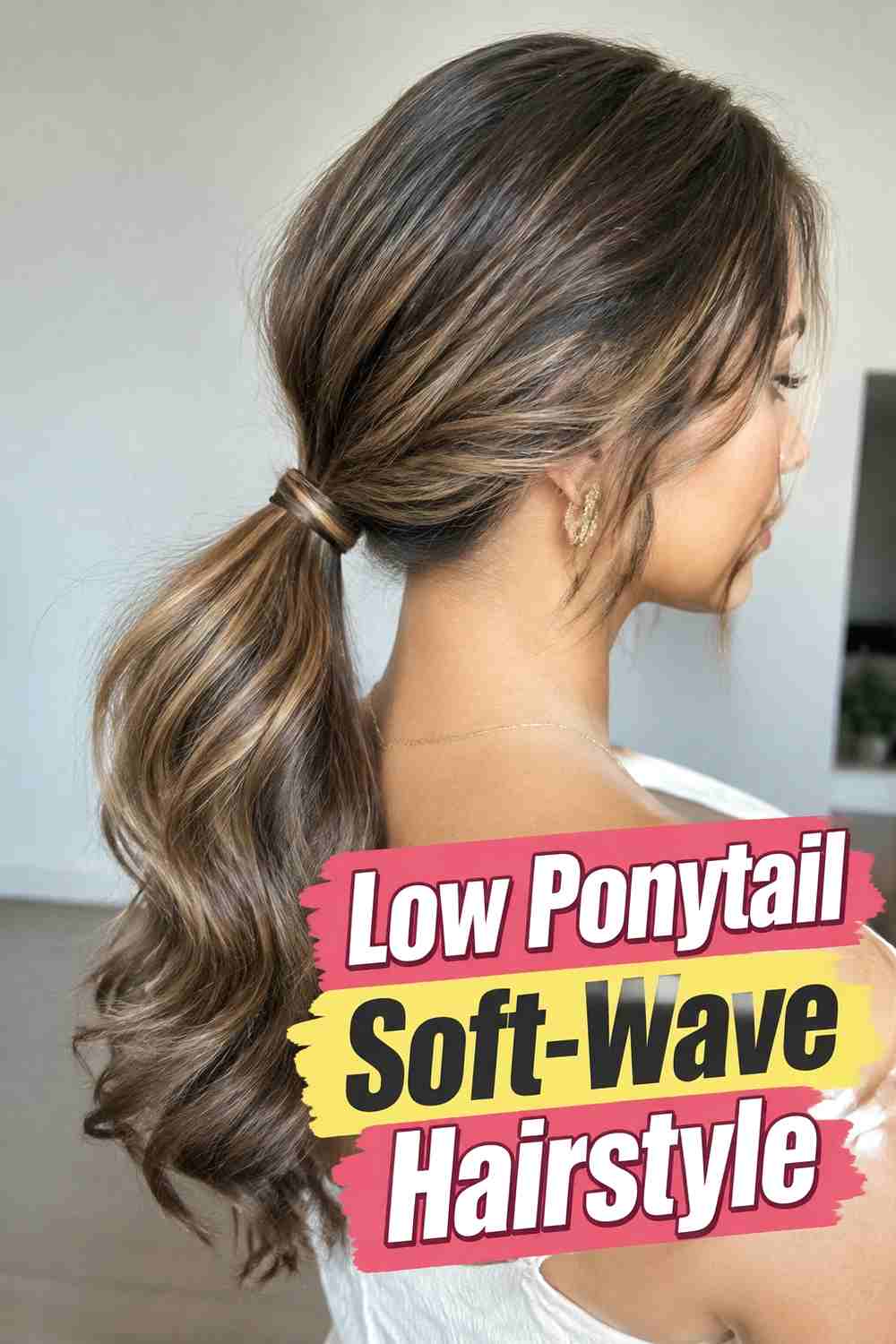
The Low Ponytail Soft-Wave Hairstyle is an easy solution when the roots need control but you still want to preserve texture through the lengths. Gather the hair at the nape with your fingers and secure it with a soft elastic, leaving the ponytail’s waves intact. A slightly loose crown is usually more flattering than a tightly slicked finish after wearing a hood, because it works with natural compression rather than emphasizing it. You can pull a small amount of hair forward around the temples if the weather is calm, or keep everything contained on windy days. The low placement sits comfortably with most padded hoods and prevents a bulky fastening point from pressing against the crown.
Wear & Maintenance
After removing the hood again, loosen the base gently and shake out the ponytail rather than tightening it repeatedly.
9. Face Framing Soft Wave Hairstyle
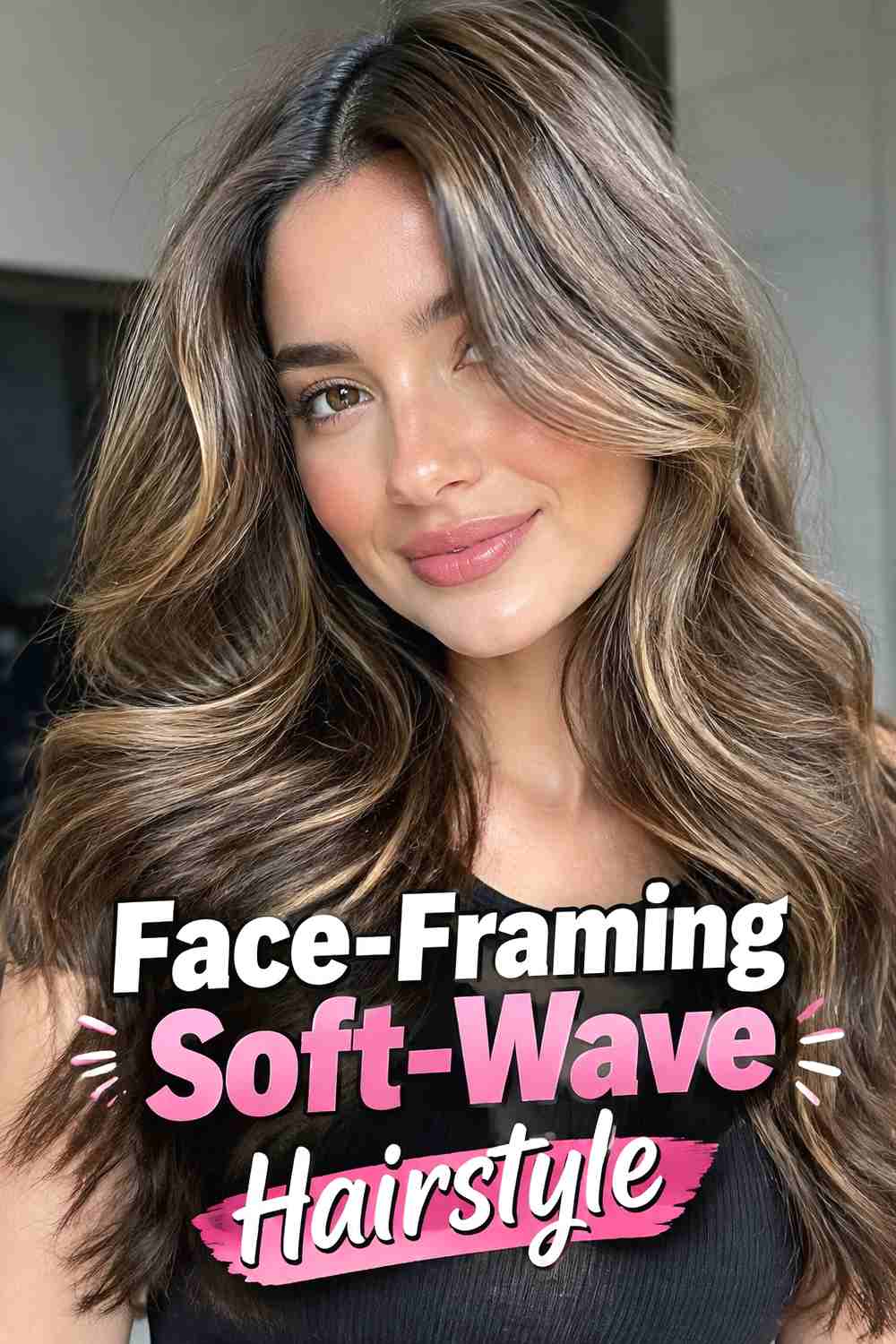
The Face-Framing Soft-Wave Hairstyle focuses the refresh on the pieces people notice first. Leave the majority of your waves untouched and reshape only the shorter sections around the cheeks and jaw. Bend them softly away from or toward the face depending on your existing cut, then blend them into the longer texture with your fingers. This selective approach is useful when a hood has compressed the front but the back still looks good. Long layers and curtain-style pieces benefit especially well because a little movement can restore their definition quickly. Keep the wave pattern broad and touchable instead of creating tight curls that look disconnected from the rest of the hairstyle.
Pro Tip
Refresh one or two face-framing bends at a time. Matching every piece too perfectly can make the result look less natural.
10. Flat Barrette Soft Wave Hairstyle
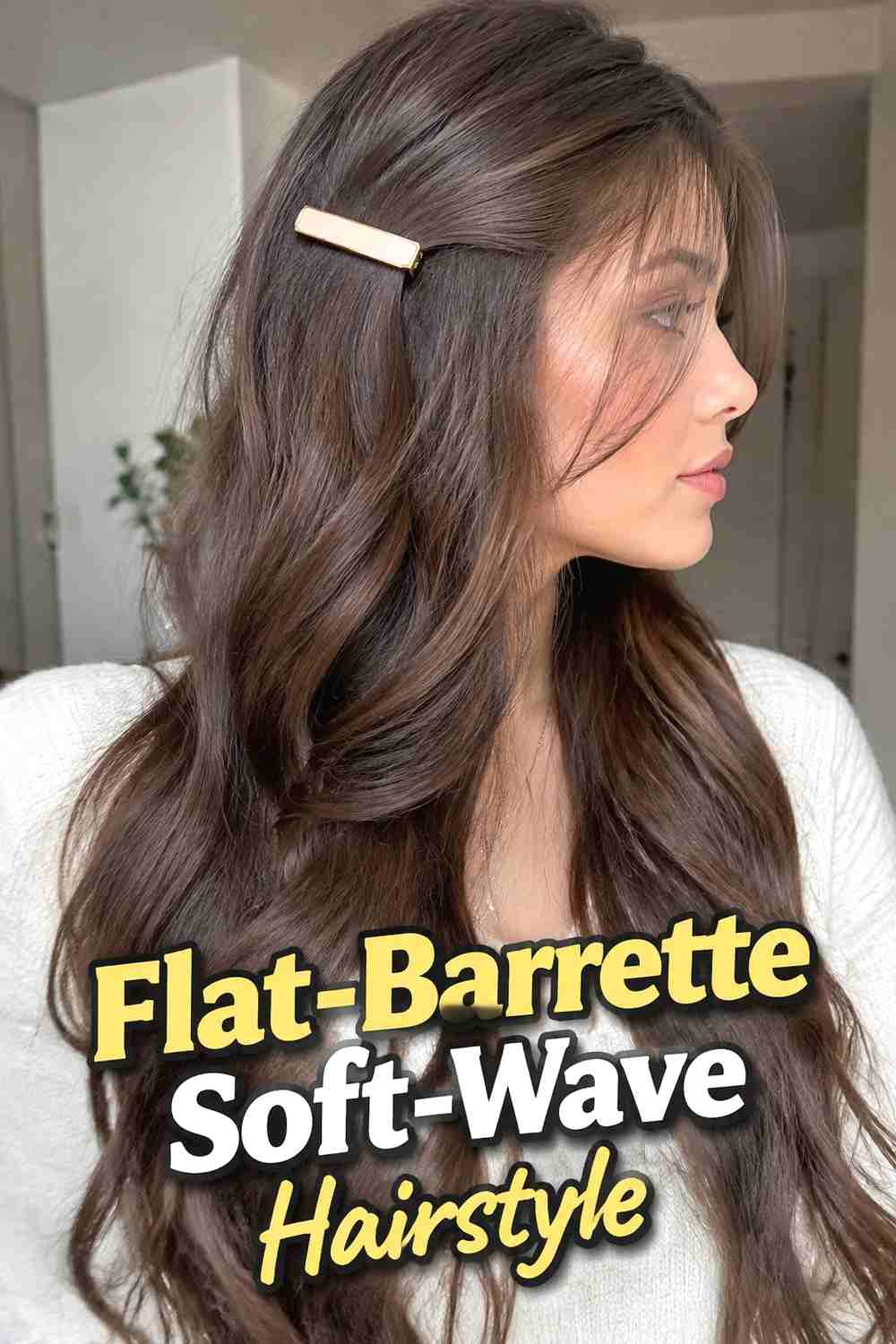
The Flat-Barrette Soft-Wave Hairstyle adds a polished detail while keeping the profile practical beneath a padded hood. Sweep small sections from the sides toward the lower back of the head and secure them with a slim barrette that rests close to the scalp. Leave the remaining waves loose so the hairstyle retains softness and movement. This is particularly effective when the crown has flattened evenly but the lengths still look textured. The barrette provides a clear focal point and keeps hair away from the face without creating the projection of a large claw clip. For dense hair, gather only a modest amount so the fastener closes comfortably and does not press into the head.
Why It Works
A low, flat accessory creates structure without competing with the hood or compressing the soft waves underneath.
11. Loose S Wave Refresh Hairstyle
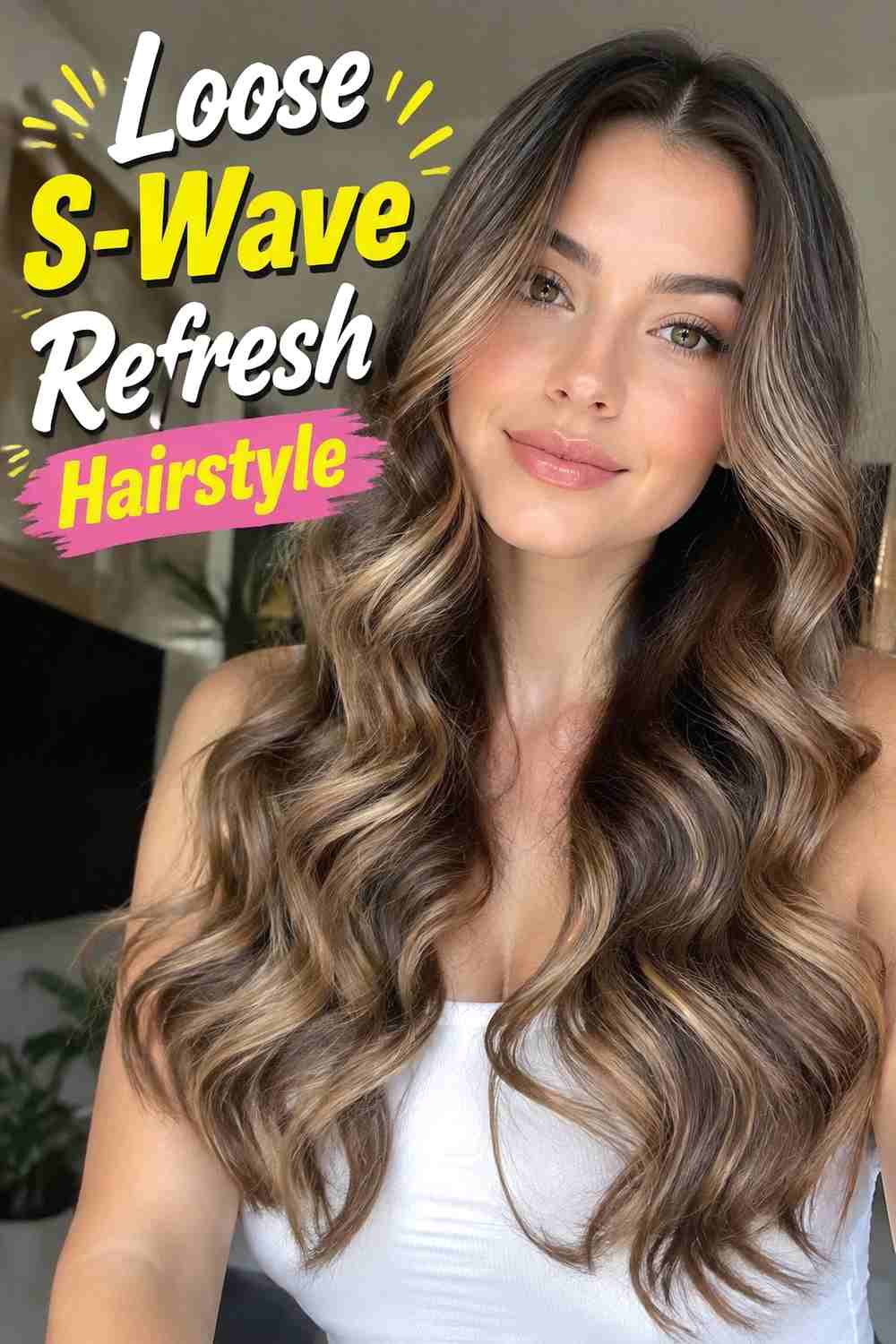
The Loose S-Wave Refresh Hairstyle restores definition by encouraging broader bends rather than rebuilding every curl. Separate the hair into a few large sections and use your hands to reinforce the natural S-shaped movement already present. If needed, lightly reshape selected areas so the waves flow in alternating directions through the mid-lengths. The crown can stay relaxed, which is helpful after a padded hood has pressed it down. This style works especially well on medium and long hair with naturally wavy texture or a previous loose-wave set. Keep the ends slightly softer than the middle so the finish feels effortless. The overall result should have movement without looking overly styled for an everyday winter outfit.
Hair Type & Length
Medium to long hair with loose natural texture is easiest to refresh this way, although straighter hair can use the same broad-wave direction.
12. Twisted Side Soft Wave Hairstyle
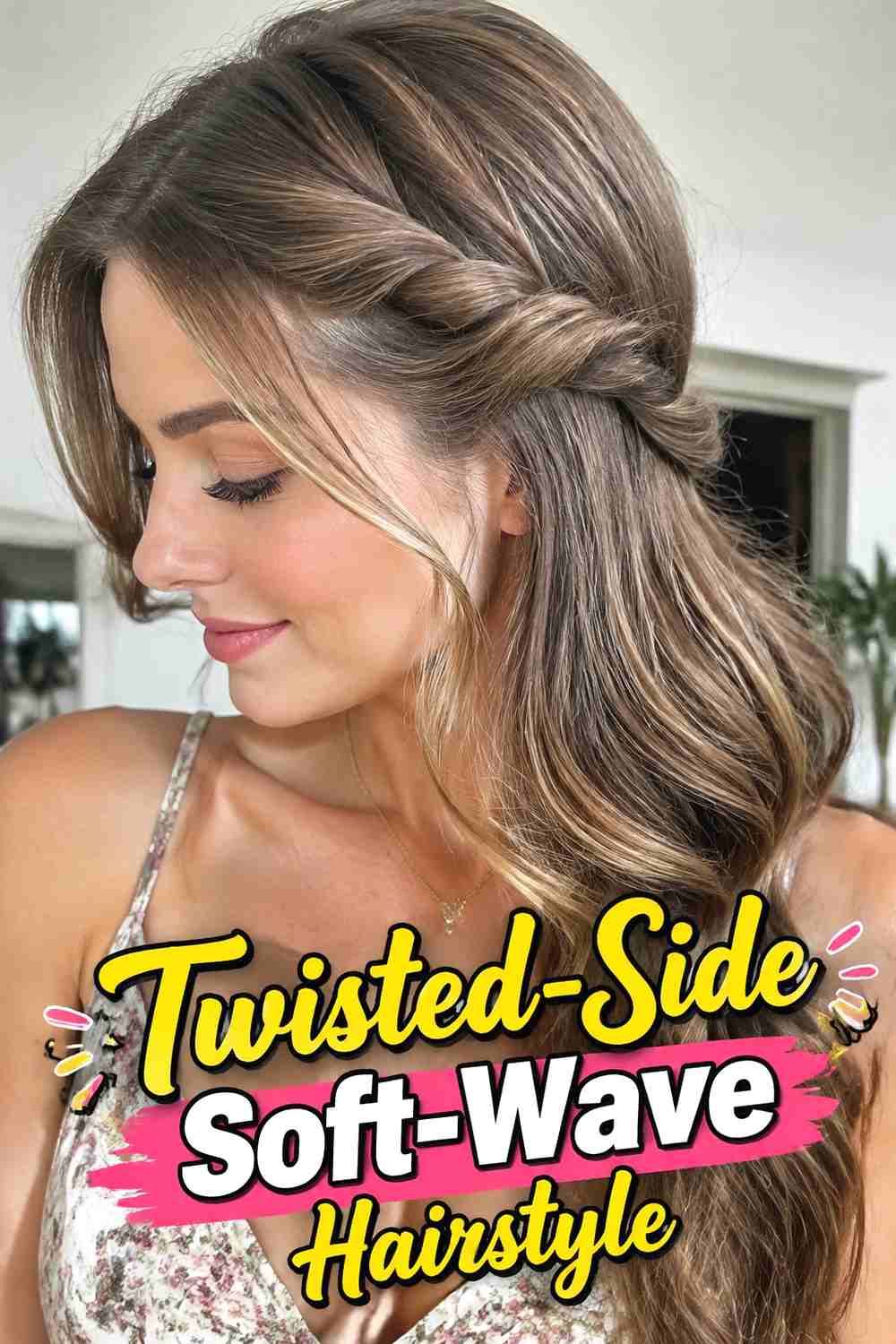
The Twisted-Side Soft-Wave Hairstyle gives one temple section extra control while allowing the rest of the hair to remain loose. Take a narrow piece near the hairline, twist it backward two or three times, and secure it discreetly behind the ear or toward the side of the head. The twist gathers short flyaways that may have become separated under the hood and adds a small detail without building crown height. On the opposite side, let the waves fall naturally for a soft asymmetrical finish. This works well on shoulder-length and longer hair, particularly when highlights or tonal variation emphasize the twist. The low-profile shape also pairs comfortably with scarves and padded coat collars.
Styling Notes
Keep the twist compact and close to the head. Loosening it too much can create bumps that are harder to fit beneath the hood.
13. Soft Wave Lob Tuck Hairstyle
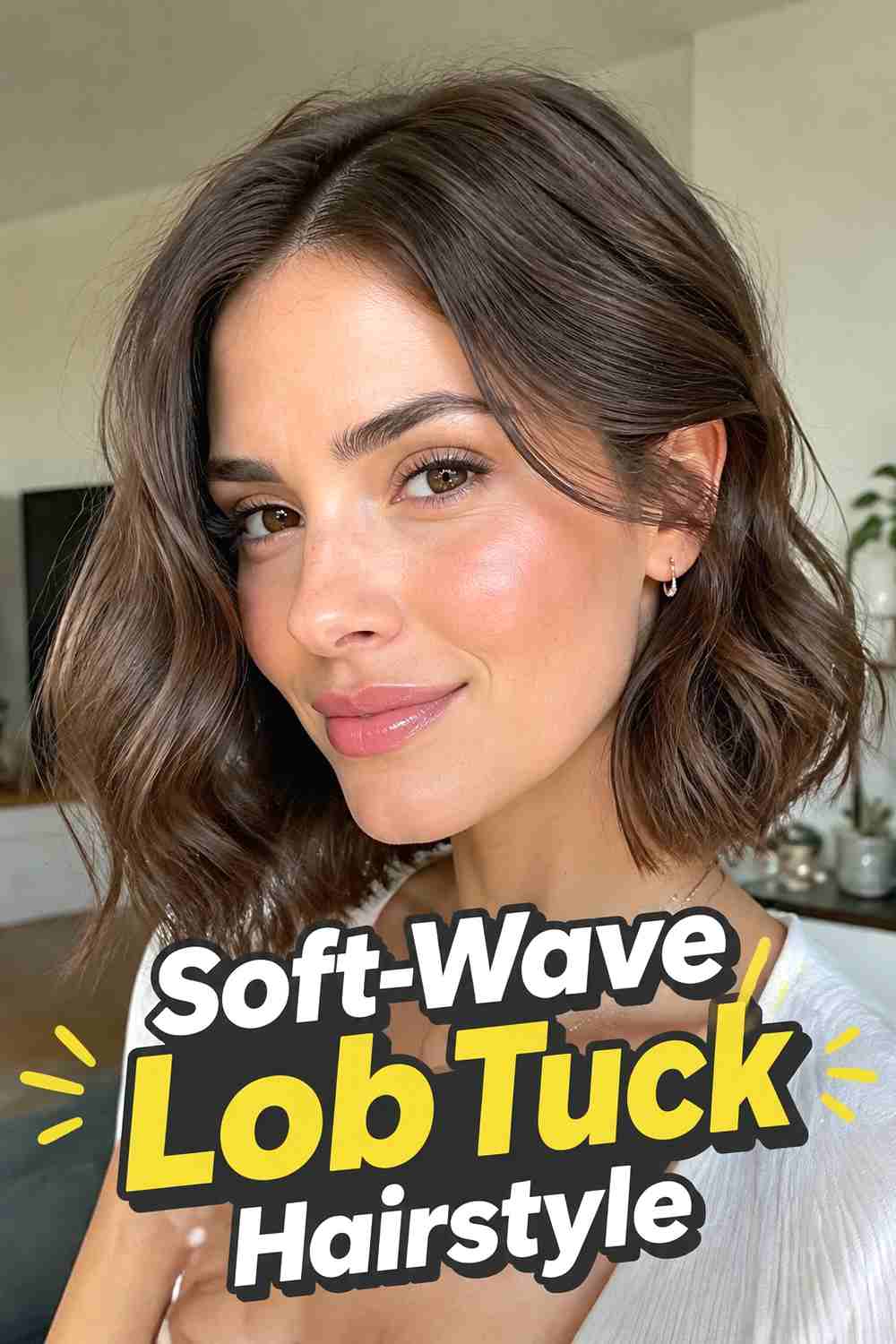
The Soft-Wave Lob Tuck Hairstyle is made for a long bob that needs only a minor refresh after outerwear. Re-establish the part, separate the mid-length waves with your fingers, and tuck one side behind the ear. The asymmetry instantly gives the shape more intention while preventing both sides from colliding with a high down-coat collar. A lob’s shorter length also makes it easy to redefine just a few bends without spending much time on the entire head. If the ends have flipped in different directions, let some variation remain; softly mixed movement often looks more natural than a uniform curl pattern. The exposed side of the face helps balance the visual weight of a thick winter coat.
Best For
This is especially practical for chin-to-collarbone lobs with soft texture and a slightly layered perimeter.
14. Low Crown Soft Wave Clip Hairstyle
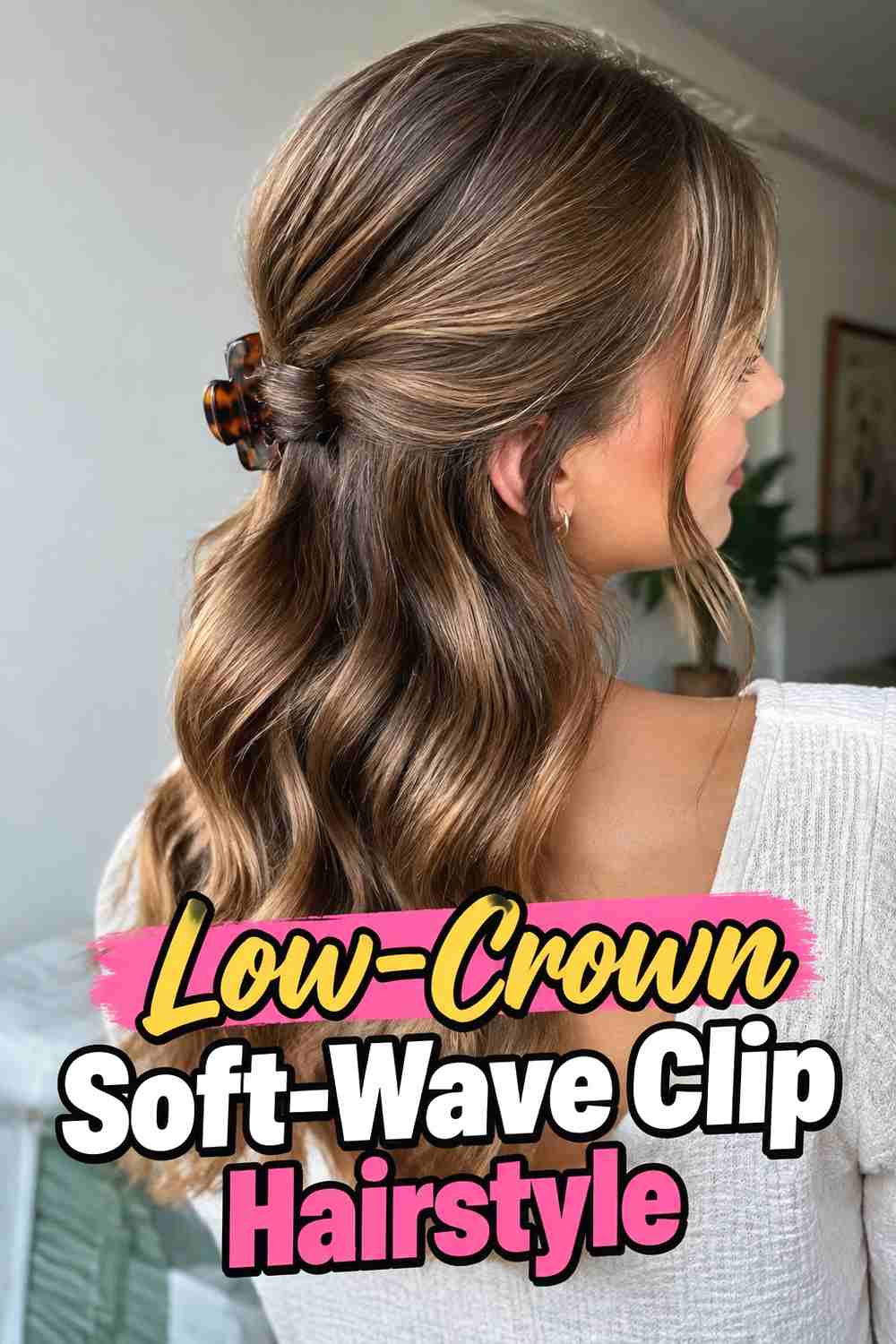
The Low-Crown Soft-Wave Clip Hairstyle gives loose waves a little extra organization while avoiding the high, bulky placement that clashes with a hood. Gather a small upper section toward the lower crown and secure it with a compact, low-profile clip. The loose lengths remain textured, while the clipped portion gently disguises flattened roots and keeps the front sections out of the face. Choose a clip that holds securely without projecting far from the head. This style is particularly useful for medium to long hair when you expect to put the hood back on later. The lower attachment point also means you can maintain some natural softness at the crown rather than forcing it completely smooth.
Wear & Maintenance
Test the clip under your hood before heading outside again. If you feel pressure, replace it with a flatter fastener or move it slightly lower.
15. Brushed Out Soft Wave Hairstyle
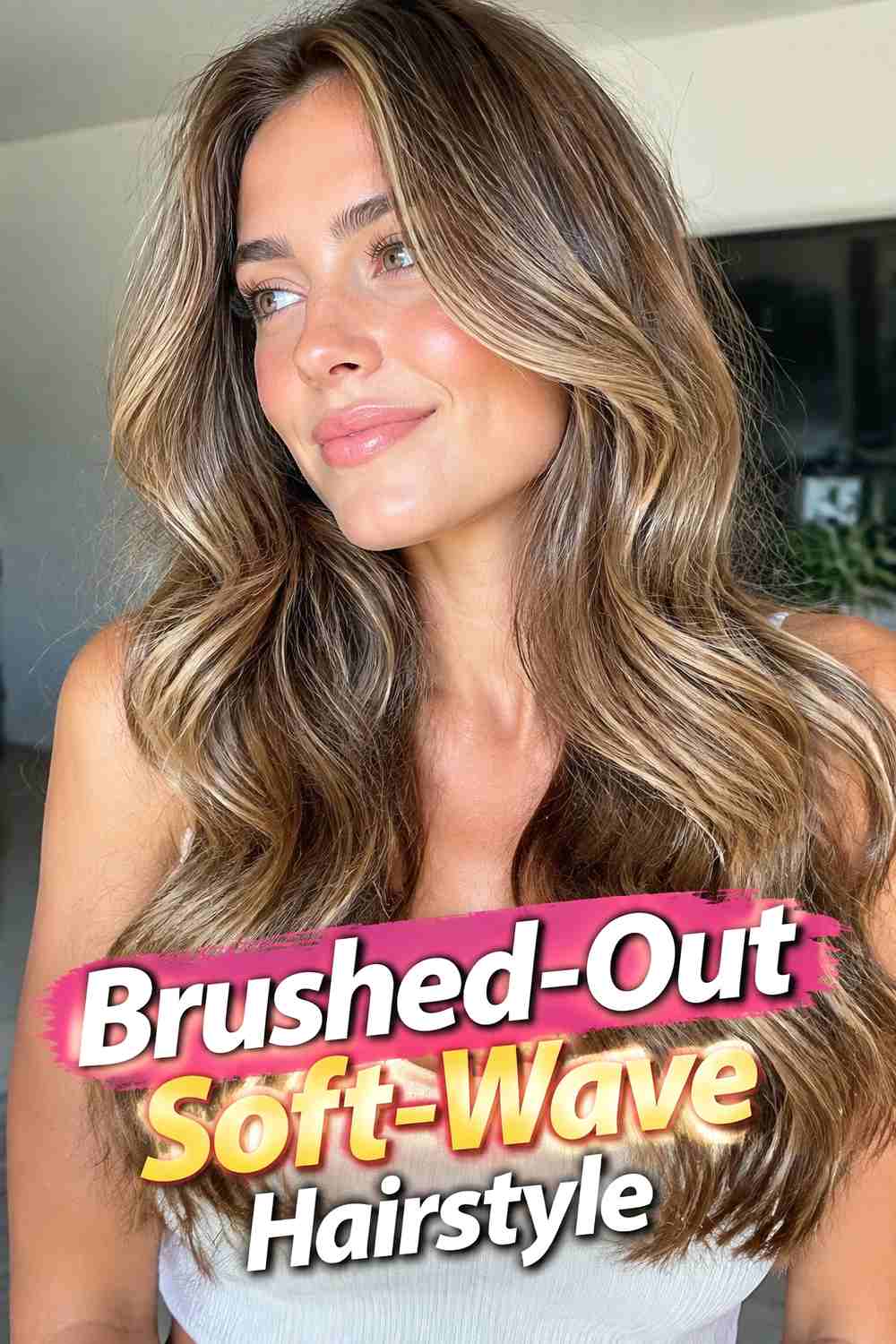
The Brushed-Out Soft-Wave Hairstyle turns uneven, separated curls into a softer blended texture. Instead of trying to restore every original wave, gently smooth through the lengths so individual bends merge into a broader, more relaxed pattern. The crown can remain understated while the mid-lengths and ends provide the movement. This works particularly well when waves have become too piecey from friction against a hood or scarf. Use a gentle touch so the hair retains shine and definition rather than expanding into uncontrolled volume. Fine and medium-density hair often needs only minimal smoothing, while dense hair may be easier to refresh in sections. The finished look should feel plush and fluid rather than tightly styled.
Styling Notes
Focus on blending rough or separated areas instead of repeatedly brushing the entire head. Stop once the waves look cohesive.
16. Ends Only Soft Wave Hairstyle
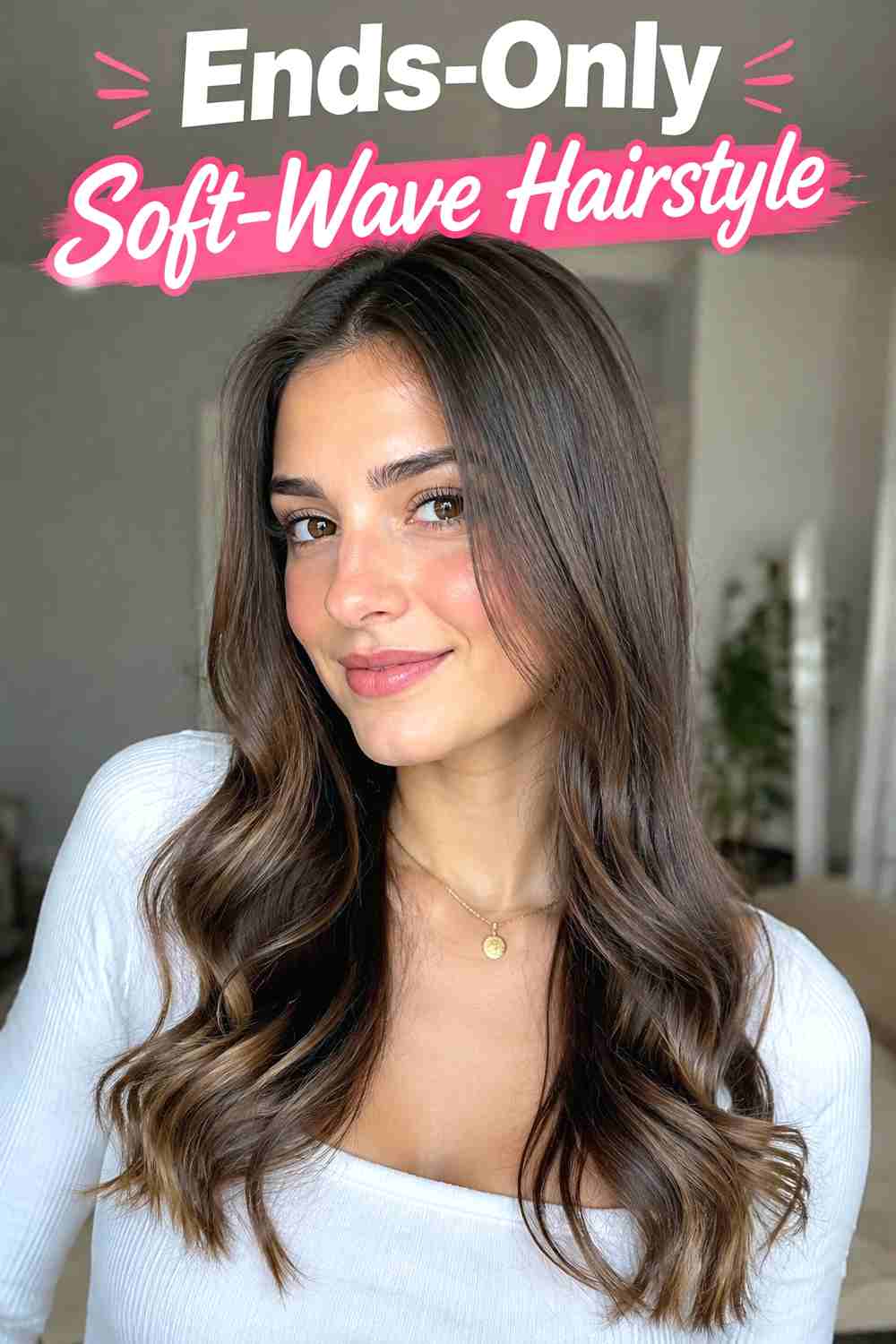
The Ends-Only Soft-Wave Hairstyle keeps the upper hair simple and concentrates movement at the bottom. Smooth the crown and mid-lengths lightly with your hands, then reshape only the final few inches into relaxed bends. This approach is especially useful when a down-coat hood has flattened the top evenly but the hair still looks healthy and polished through most of its length. By placing the texture lower, you avoid spending time trying to recreate root volume that may disappear again as soon as the hood goes up. Medium and long hair show the contrast most clearly. The soft ends also move nicely over a padded coat while keeping the overall silhouette streamlined and practical.
Why It Works
The style accepts a flatter crown as part of the finished look and moves the visual interest to areas the hood does not compress.
17. One Side Forward Soft Wave Hairstyle
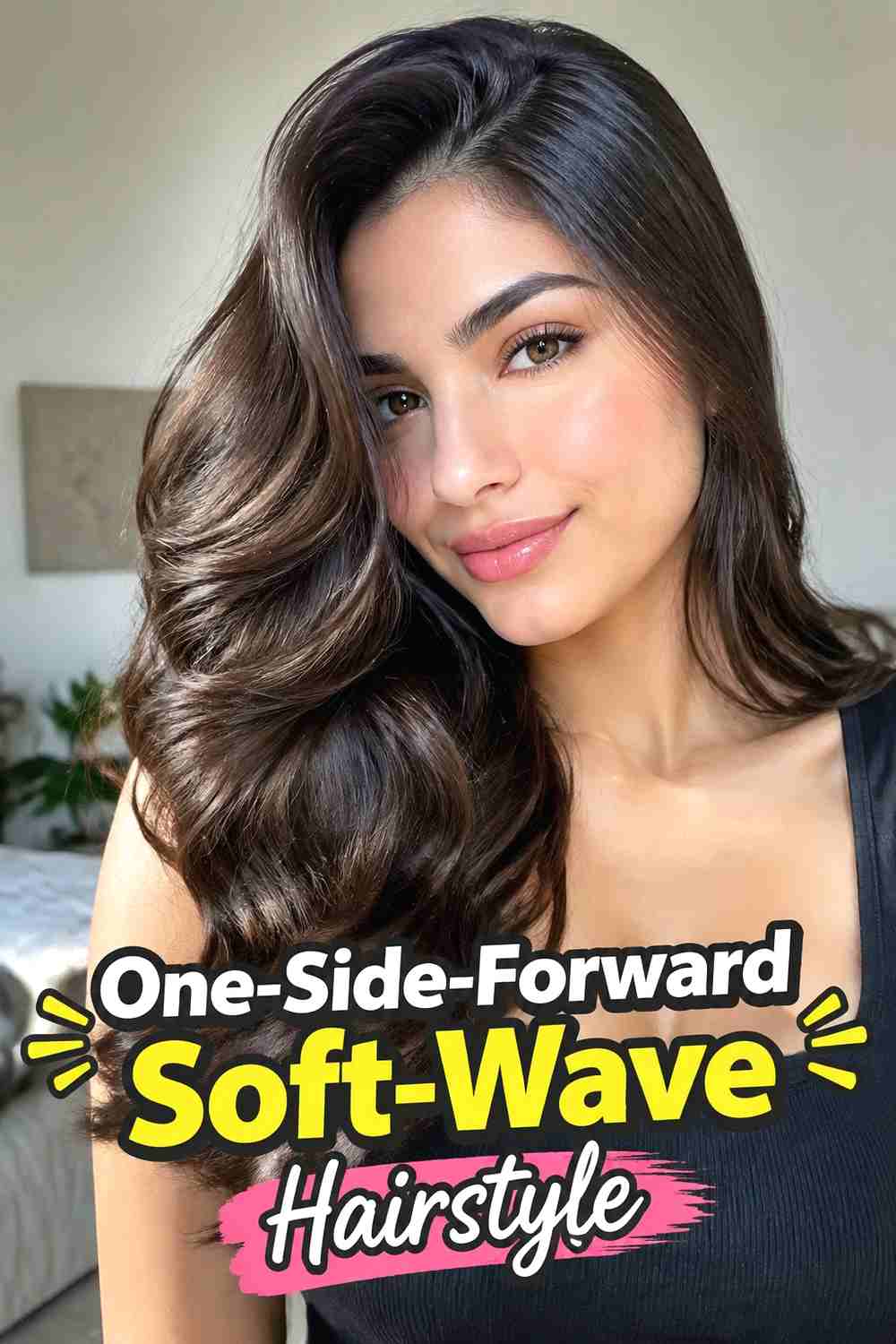
The One-Side-Forward Soft-Wave Hairstyle is a fast way to make hood-flattened waves feel styled again without adding accessories. Shift most of the hair over one shoulder, leaving the opposite side tucked behind the ear or resting down the back. The forward section showcases the remaining wave pattern and gives the hairstyle a deliberate asymmetry that works beautifully with large down coats. This arrangement can also reduce friction because fewer lengths are trapped evenly around both sides of the collar. Long and medium-long hair provide the most visible movement, but a longer lob can achieve a similar effect. Use your fingers to separate the waves and keep the finish loose rather than overly arranged.
Best For
Choose this option when you need a quick refresh with no tools and want the existing waves to remain the main feature.
Pro Tip
Move the hair forward before fluffing the waves so you can shape them in the direction they will actually be worn.
How to Choose the Right Look
Start by checking what the hood actually changed. If only your roots look flat, a new part, low half-up section, or finger-fluffed crown may be enough. If the front pieces have become messy, a side tuck, twist, pin, or face-framing refresh can create a cleaner result without touching the rest of the hair. Length matters as well. Bobs and lobs often need only selective reshaping around the ends, while medium and long hair can handle ponytails, half-up sections, clips, and one-shoulder arrangements. Hair density also affects which accessories feel comfortable; a slim barrette may work beautifully on a smaller section of thick hair but should not be forced around too much volume. For frequent hood use, keep fastening points low and avoid elaborate crown styling that will simply be compressed again. Choose flexible texture over rigid perfection, especially on windy days. Soft waves are forgiving, so preserving movement, comfort, and easy touch-ups is usually more practical than trying to maintain identical curls from morning to evening.
Final Thoughts
A hooded down coat does not have to ruin soft waves. The easiest refreshes work with the texture that survives—redirecting the part, reshaping a few bends, controlling the front, or moving the hair into a low-profile style. Pick the option that matches your length, coat fit, and available styling time, and let a little natural variation remain.
FAQs
1. How can I refresh soft waves after wearing a hood?
Lift the roots gently with your fingers, separate flattened sections, and reshape only the bends that need attention. Avoid automatically restyling the entire head.
2. What hairstyle works best if my crown gets flat under a down-coat hood?
A deep side part, low half-up style, or low ponytail can make a flatter crown look intentional while shifting the visual focus elsewhere.
3. Should I brush soft waves after taking off a hood?
Only if you want a more blended, brushed-out finish. For more defined waves, finger separation is usually a better way to preserve the existing pattern.
4. What accessories are easiest to wear with a padded hood?
Flat barrettes, slim pins, small elastics, and low-profile clips are generally easier to accommodate than oversized claw clips or high accessories.
5. How do I stop refreshed waves from becoming messy again outdoors?
Keep front sections controlled with a tuck, pin, or low half-up style and favor flexible, low-volume shapes that can fit back beneath the hood comfortably. Save your favorite soft-wave refresh hairstyles for cold-weather days, share the collection, and explore more practical winter hair inspiration for hooded coats.