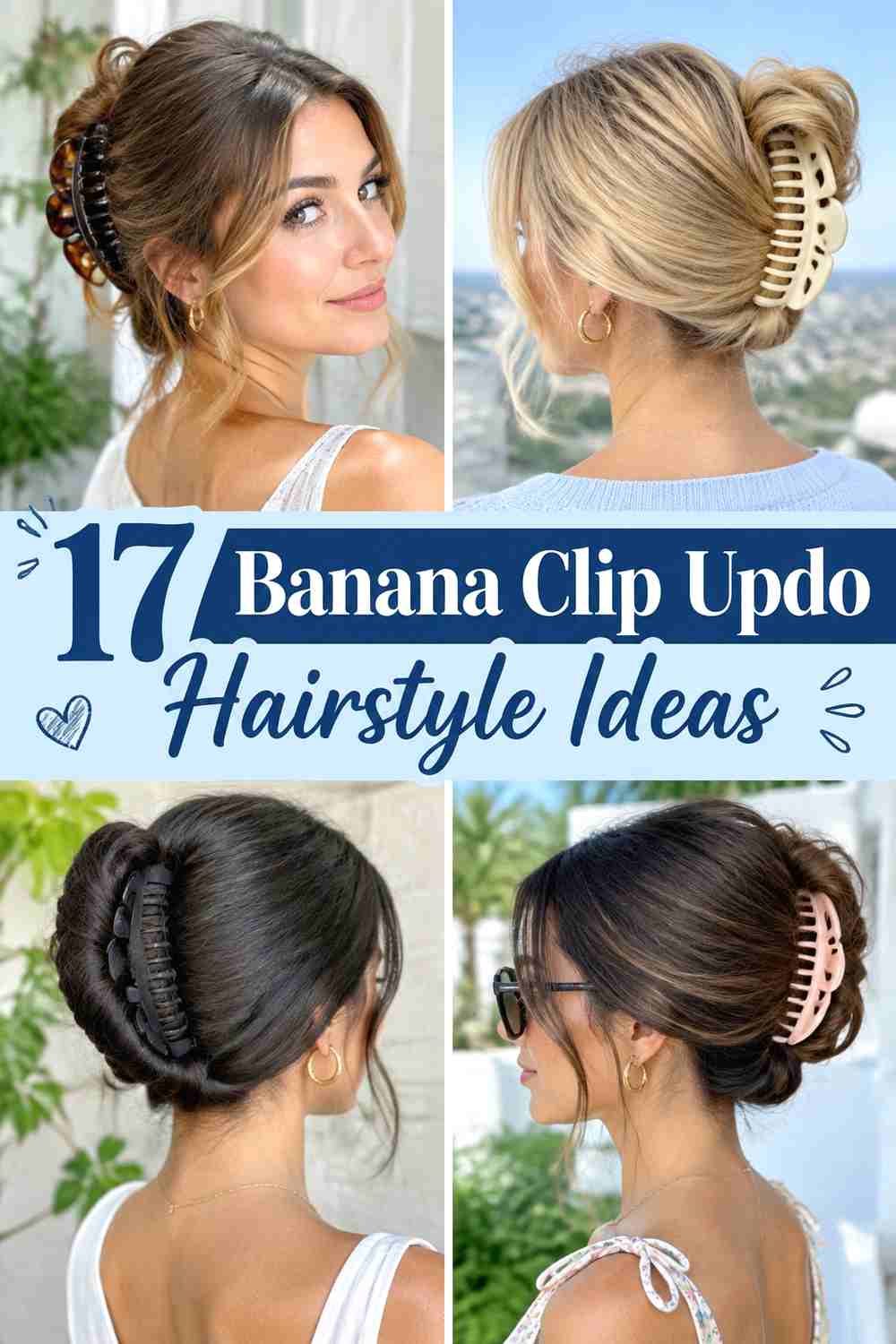
12 Stretch Headband Hairstyles for Thick Hair
Wide bands, full texture, polished ponytails, and easy updos make these stretch headband hairstyles practical ways to style and control thick hair.
Stretch headbands can be especially useful with thick hair because they add structure without requiring every section to be pinned or tightly secured. A wider flexible band can keep front layers away from the face while still allowing natural volume, curls, waves, or a full blowout to remain visible.
The most comfortable look depends on your density, texture, length, and how firmly the band fits. Some styles use the headband as the main source of control, while others pair it with a ponytail, braid, or bun. Look for a band that feels secure without squeezing and position it where it stays stable without repeatedly sliding backward.
Quick List
- Wide Stretch Headband Waves Hairstyle
- Stretch Headband Natural Curls Hairstyle
- Sleek Stretch Headband Hairstyle
- Stretch Headband High Ponytail Hairstyle
- Stretch Headband Low Ponytail Hairstyle
- Stretch Headband Messy Bun Hairstyle
- Stretch Headband Low Bun Hairstyle
- Stretch Headband Half Up Hairstyle
- Stretch Headband Braided Hairstyle
- Stretch Headband Face Framing Hairstyle
- Stretch Headband Voluminous Blowout Hairstyle
- Stretch Headband Curly Updo Hairstyle
1. Wide Stretch Headband Waves Hairstyle
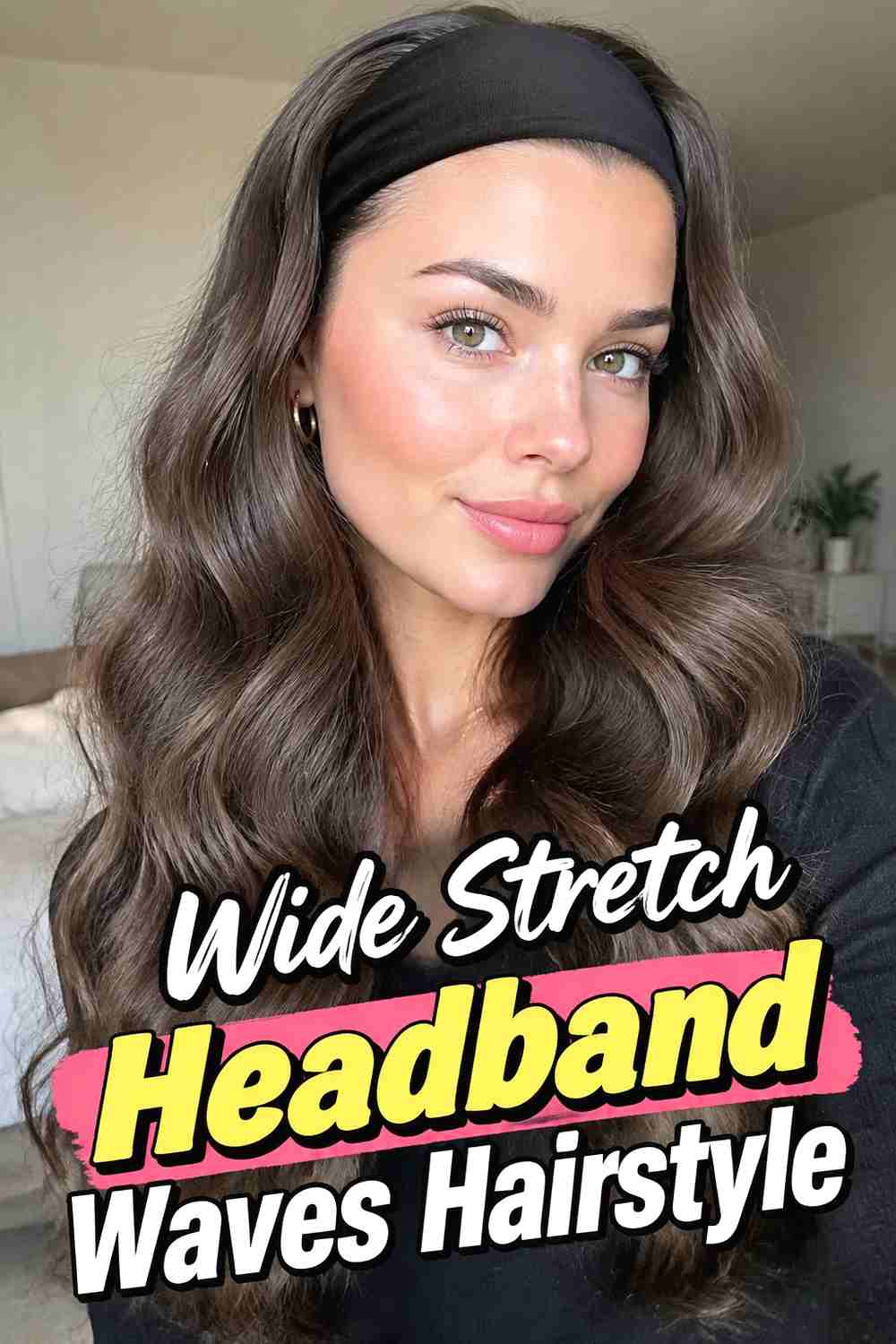
The Wide Stretch Headband Waves Hairstyle keeps thick hair controlled at the front while allowing full, soft movement through the lengths. A broad band sits just behind the hairline, creating a clean frame without compressing the volume at the sides and back. Loose waves help distribute thick density through the hair, giving the style shape without making the ends feel overly heavy. This look works especially well on medium and long lengths because the band provides structure while the waves remain the main feature. Choose a flexible band with enough width to stay stable, and avoid placing it too far back if your hair tends to push accessories off during the day.
Styling Notes
Shape the waves first, then place the headband once the hair has cooled. Gently lift the crown afterward if you want to restore volume behind the band.
2. Stretch Headband Natural Curls Hairstyle
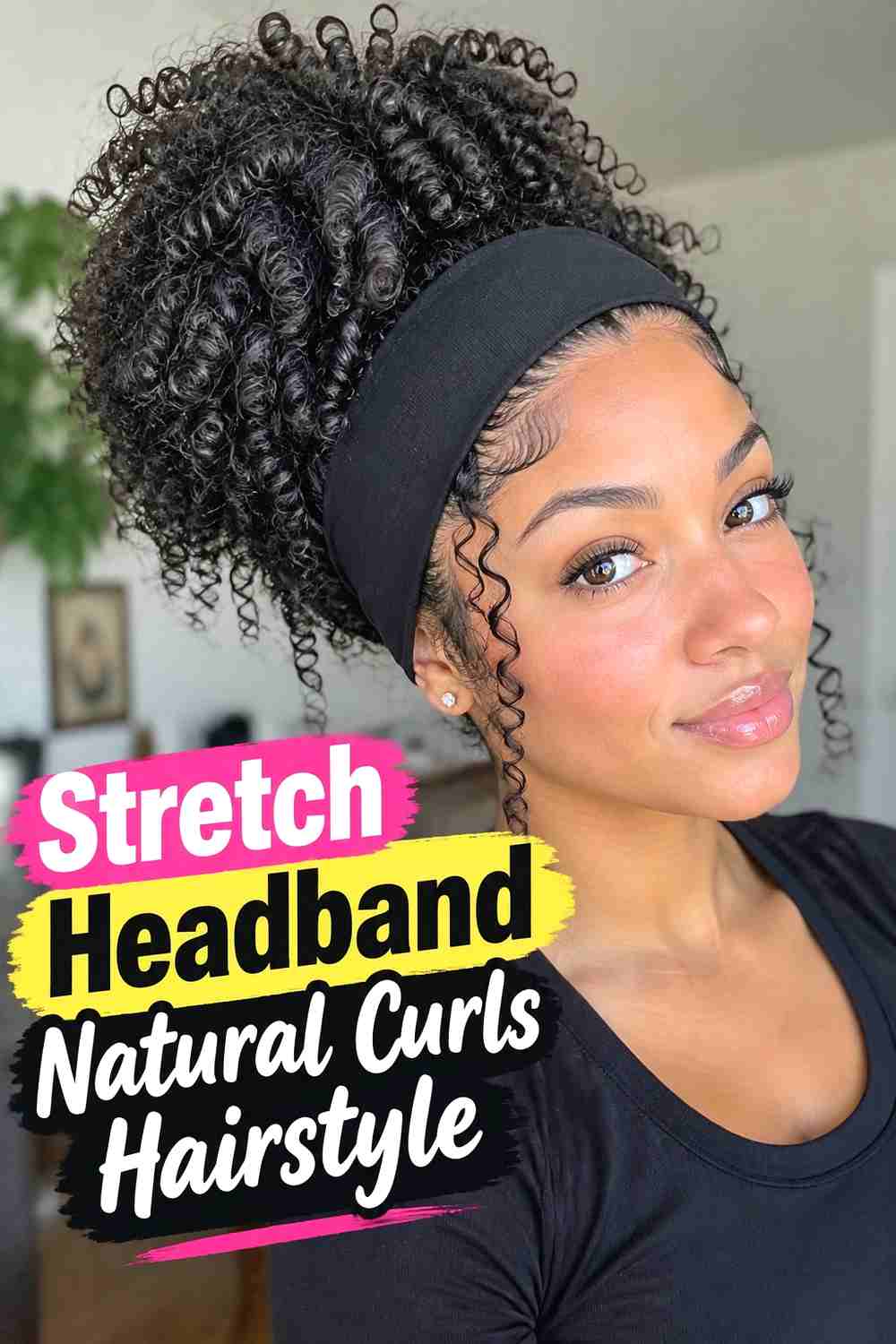
The Stretch Headband Natural Curls Hairstyle lets thick curls keep their volume while clearing shorter sections away from the face. The band can sit close to the hairline or slightly farther back depending on how much curl you want visible in front. Rather than flattening the crown, allow the curls behind the band to expand naturally, preserving definition and density through the sides and back. This can be especially practical for curly hair that feels difficult to gather into a tight ponytail. A wide, soft band distributes pressure more evenly than a narrow elastic. Keep the curl pattern refreshed around the perimeter so the hairstyle looks intentional rather than simply pushed backward.
Best For
This option works well for dense curly and coily hair when you want an easy facial frame without reducing natural texture or volume.
3. Sleek Stretch Headband Hairstyle
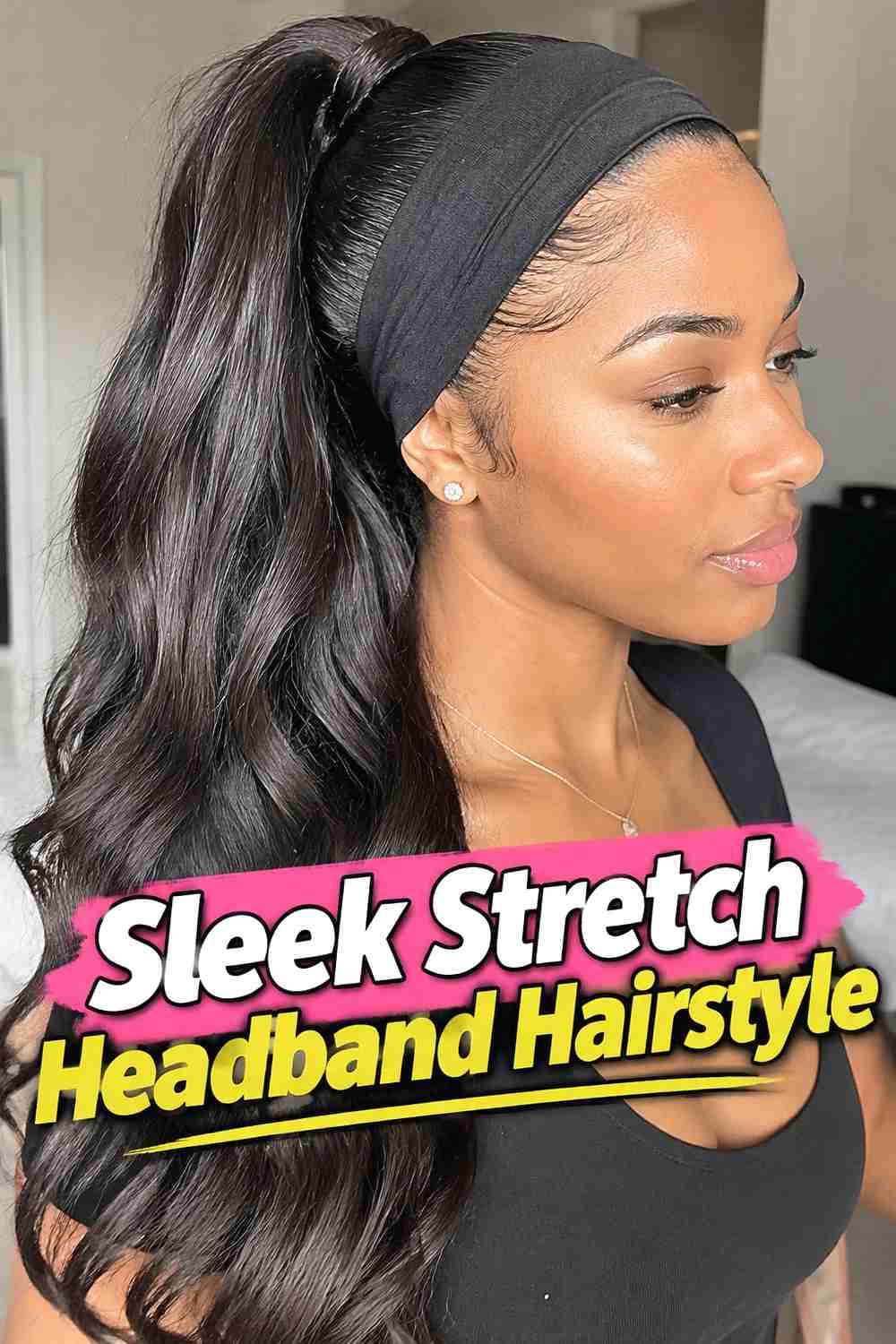
The Sleek Stretch Headband Hairstyle creates a cleaner, more polished interpretation for thick hair. The roots and upper sections are smoothed backward, then held in place with a simple stretch headband while the lengths remain straight or softly curved. The band helps reinforce the backward direction without requiring excessive pins around the temples. Thick hair can still retain subtle crown fullness behind the accessory, preventing the result from looking overly flat. This style works particularly well with medium to long hair and minimal outfits because the silhouette is uncomplicated and tidy. Keep finishing product light through the lower lengths so the hair maintains natural movement rather than becoming heavy.
Why It Works
The headband supports the sleek front while the natural density of thick hair keeps the back from looking flat or sparse.
4. Stretch Headband High Ponytail Hairstyle
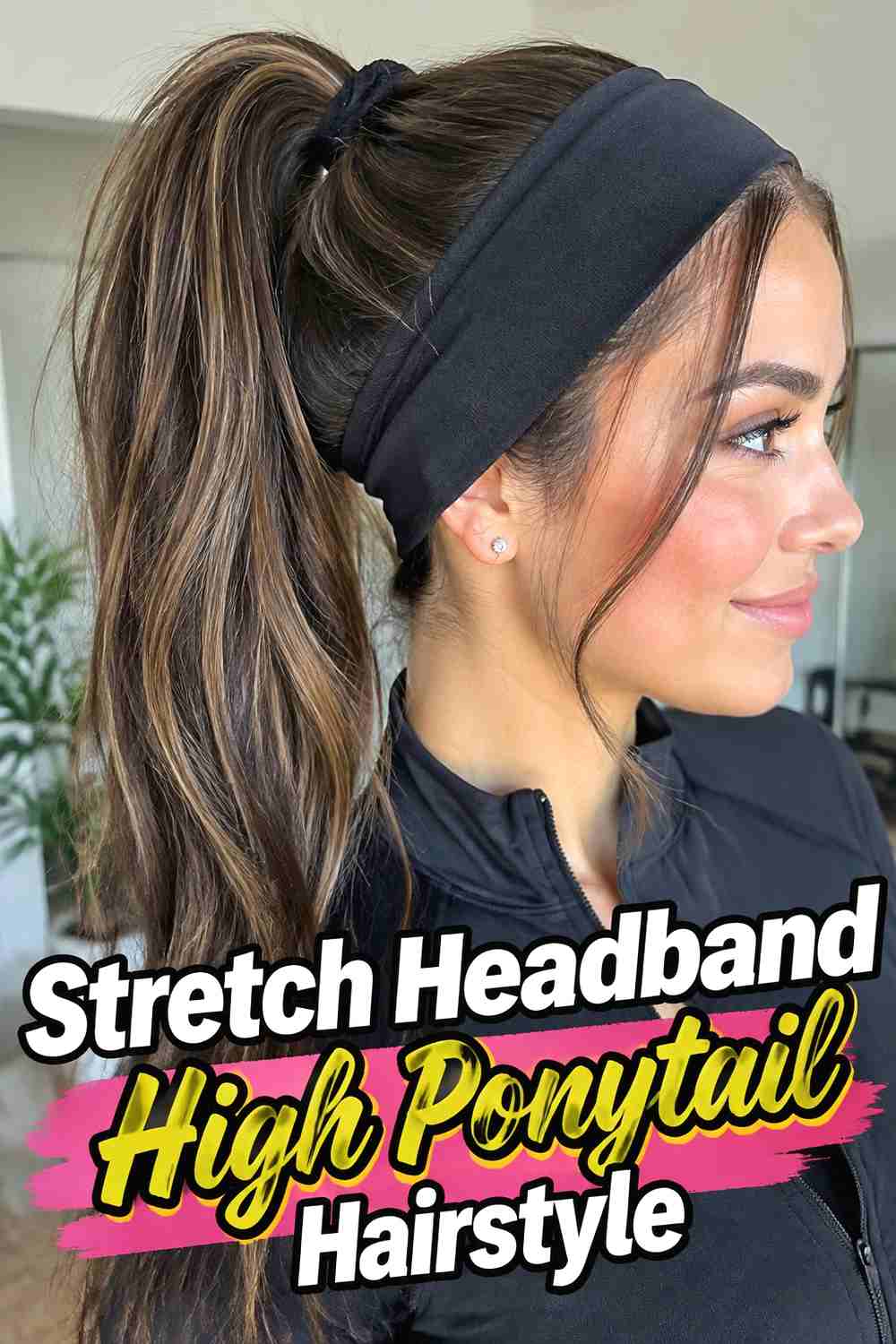
The Stretch Headband High Ponytail Hairstyle combines two reliable forms of control for thick hair. The ponytail gathers most of the length high on the crown, while the stretch headband keeps shorter layers, baby hairs, and front sections directed away from the face. This creates a sporty but polished silhouette that works well when you want dense hair fully off the shoulders. The ponytail itself can remain straight, wavy, or curly, allowing natural thickness to become part of the look rather than something to hide. Because thick hair can make a high ponytail heavy, use a strong elastic for structural support and let the headband handle only the front sections.
Wear & Maintenance
Position the ponytail comfortably and avoid relying on the headband to support its weight. Adjust tension if the style begins to feel tight around the temples.
5. Stretch Headband Low Ponytail Hairstyle
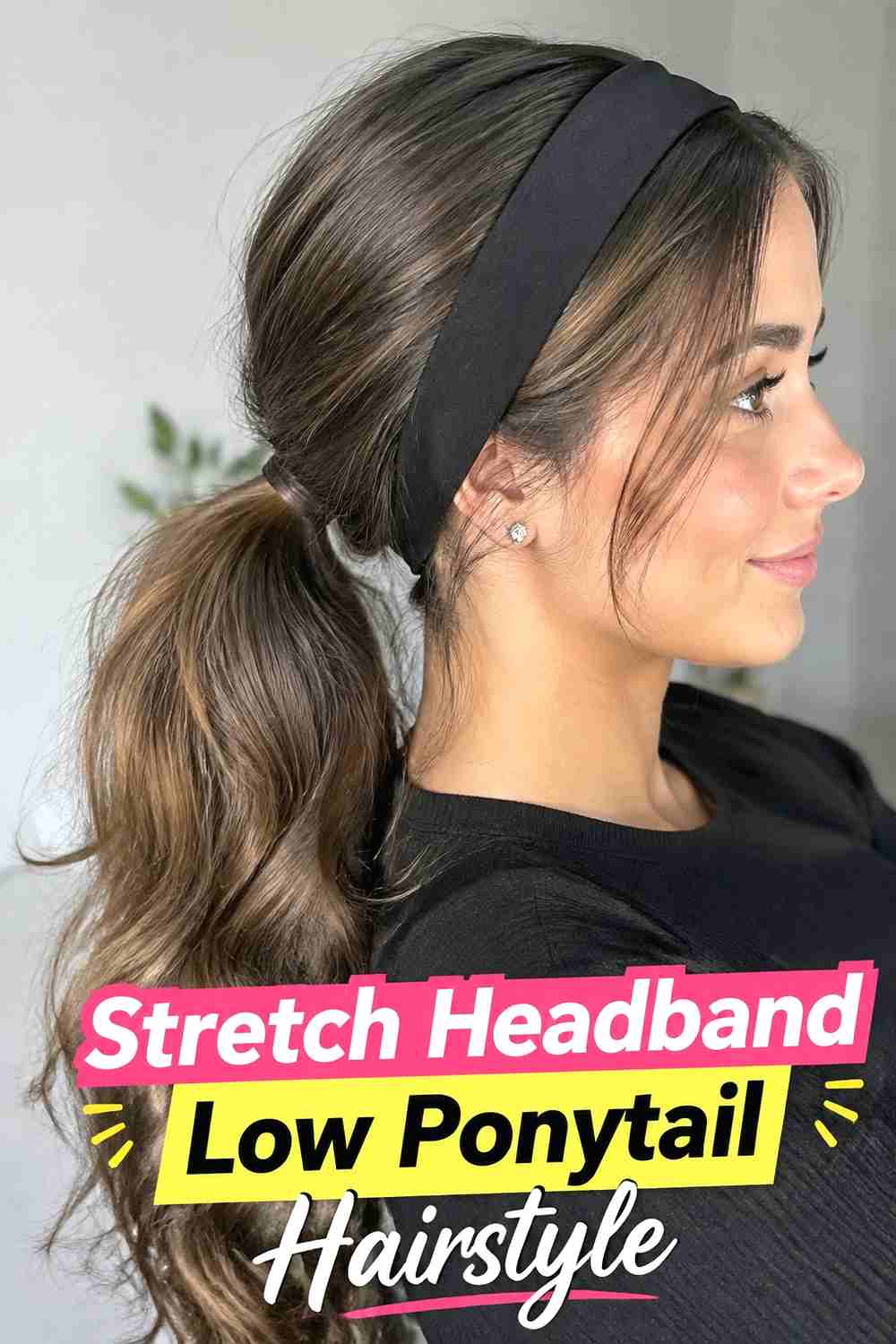
The Stretch Headband Low Ponytail Hairstyle keeps thick hair neat while creating a softer, more understated shape. A stretch band holds the front and sides in place, while the hair is gathered low near the nape into a full ponytail. The combination can be easier to manage than smoothing every section directly into the elastic, especially when the hair is dense or layered. A center or slightly off-center part can remain visible beneath the headband, or the front can be brushed straight backward. The ponytail can stay naturally textured for extra body. If you wear high collars or jackets, position the tie point where the thick ponytail will not rub uncomfortably against the neckline.
Best For
Choose this style for everyday wear, errands, casual events, or days when you want thick hair contained without pulling it tightly upward.
6. Stretch Headband Messy Bun Hairstyle
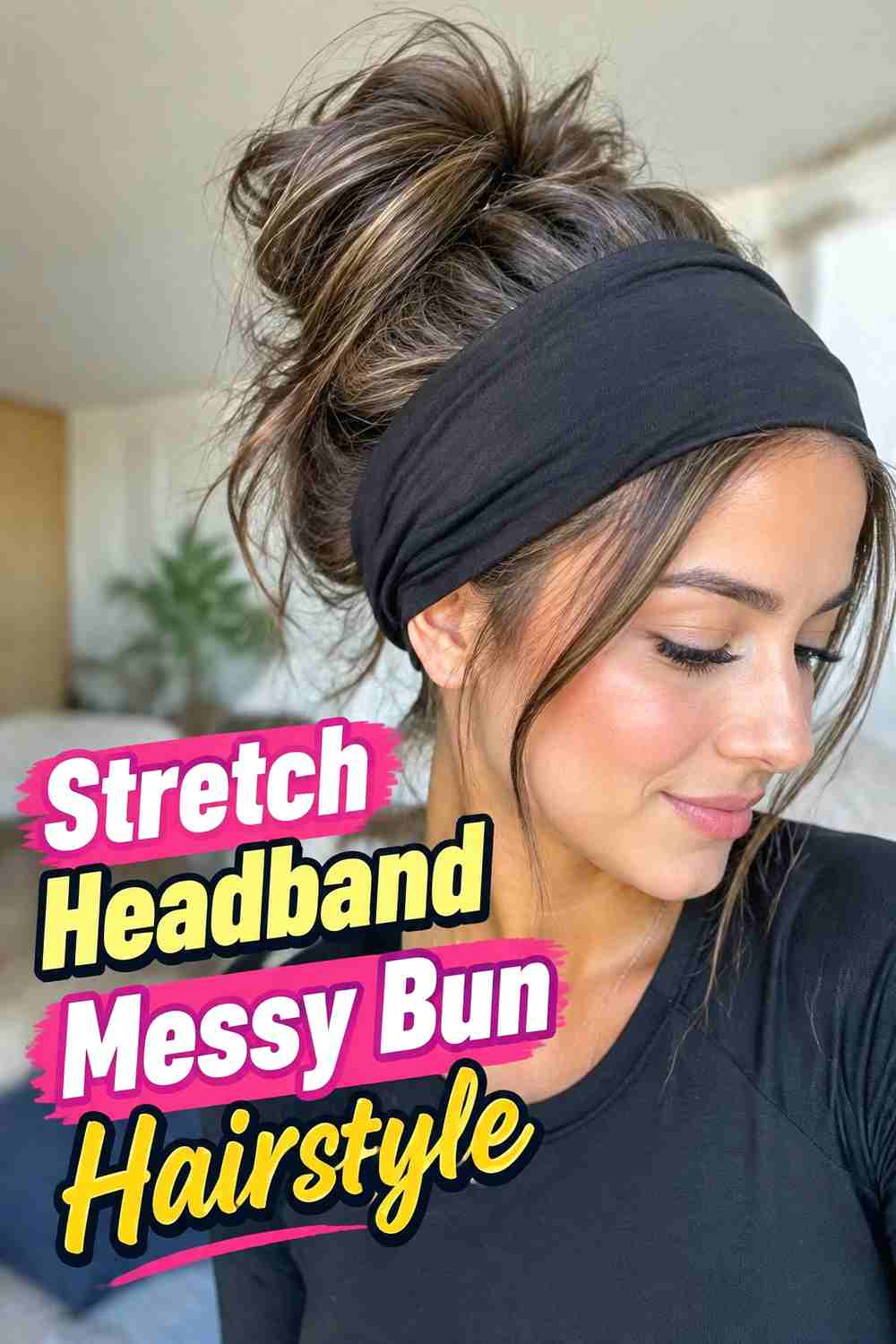
The Stretch Headband Messy Bun Hairstyle uses thick density to create a naturally full bun with minimal effort. Hair is gathered into a high or mid-height bun, while a flexible band controls the front and catches shorter layers that might otherwise fall loose. Rather than twisting the bun into a compact knot, allow sections to remain softly rounded and slightly imperfect. Thick hair provides enough volume for the shape to look substantial without heavy teasing. A few small pieces can stay free near the ears if you prefer a relaxed finish. Make sure the bun itself is anchored with a strong elastic or pins so the headband is not carrying more weight than it should.
Styling Notes
Secure the bun first, then add the stretch headband. This makes it easier to adjust the front without disturbing the updo’s shape.
7. Stretch Headband Low Bun Hairstyle
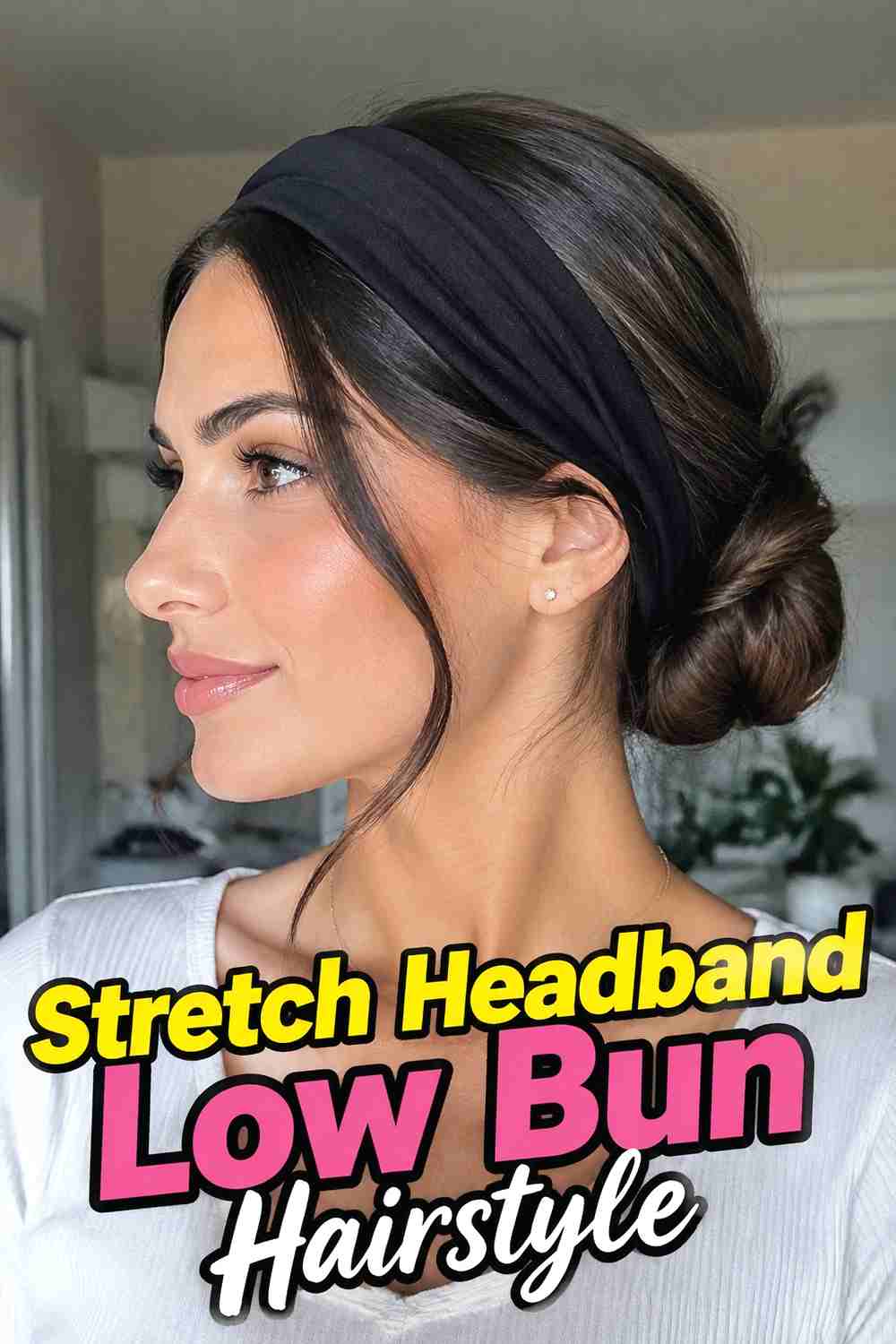
The Stretch Headband Low Bun Hairstyle offers a more polished option for dense hair while keeping the front comfortably controlled. Hair is gathered near the nape and twisted or folded into a substantial low bun, with the headband positioned across the crown to keep shorter pieces in place. Because thick hair can create a large bun, avoid forcing it into an overly tight knot; a broader shape often looks more balanced and feels more comfortable. This style can work for office wear, dinners, or casual events when you want the hair off your shoulders. If your band is wide, leave a little lift behind it so the crown does not look compressed.
Pro Tip
Build the bun from two or more sections if your hair is very dense. Smaller sections are easier to pin securely than one heavy twist.
8. Stretch Headband Half Up Hairstyle
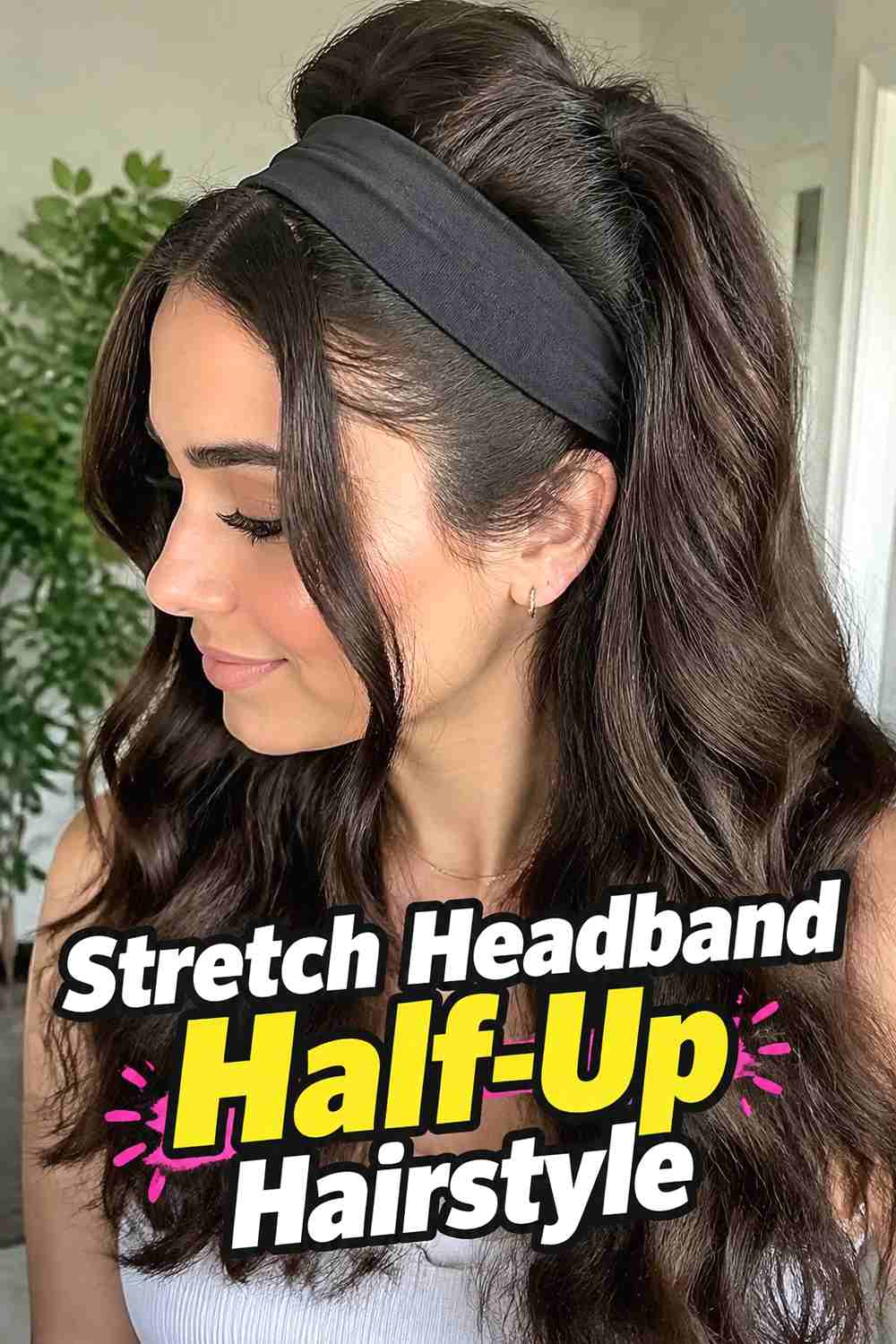
The Stretch Headband Half-Up Hairstyle creates structure without containing all of your thick hair. A portion from the crown is secured at the back, while the stretch headband controls the front and side sections. The remaining hair stays loose, preserving the fullness that makes thick textures so noticeable. Straight, wavy, and curly hair can all work with this arrangement, making it one of the most adaptable options on the list. The half-up tie point can also reduce bulk around the face while leaving plenty of movement through the lower lengths. Avoid gathering too much hair into the upper section, since an oversized half-up ponytail can make the crown feel unnecessarily heavy.
Why It Works
The combination distributes thick hair between two areas of support, giving you control at the front while keeping the lower lengths full and wearable.
9. Stretch Headband Braided Hairstyle
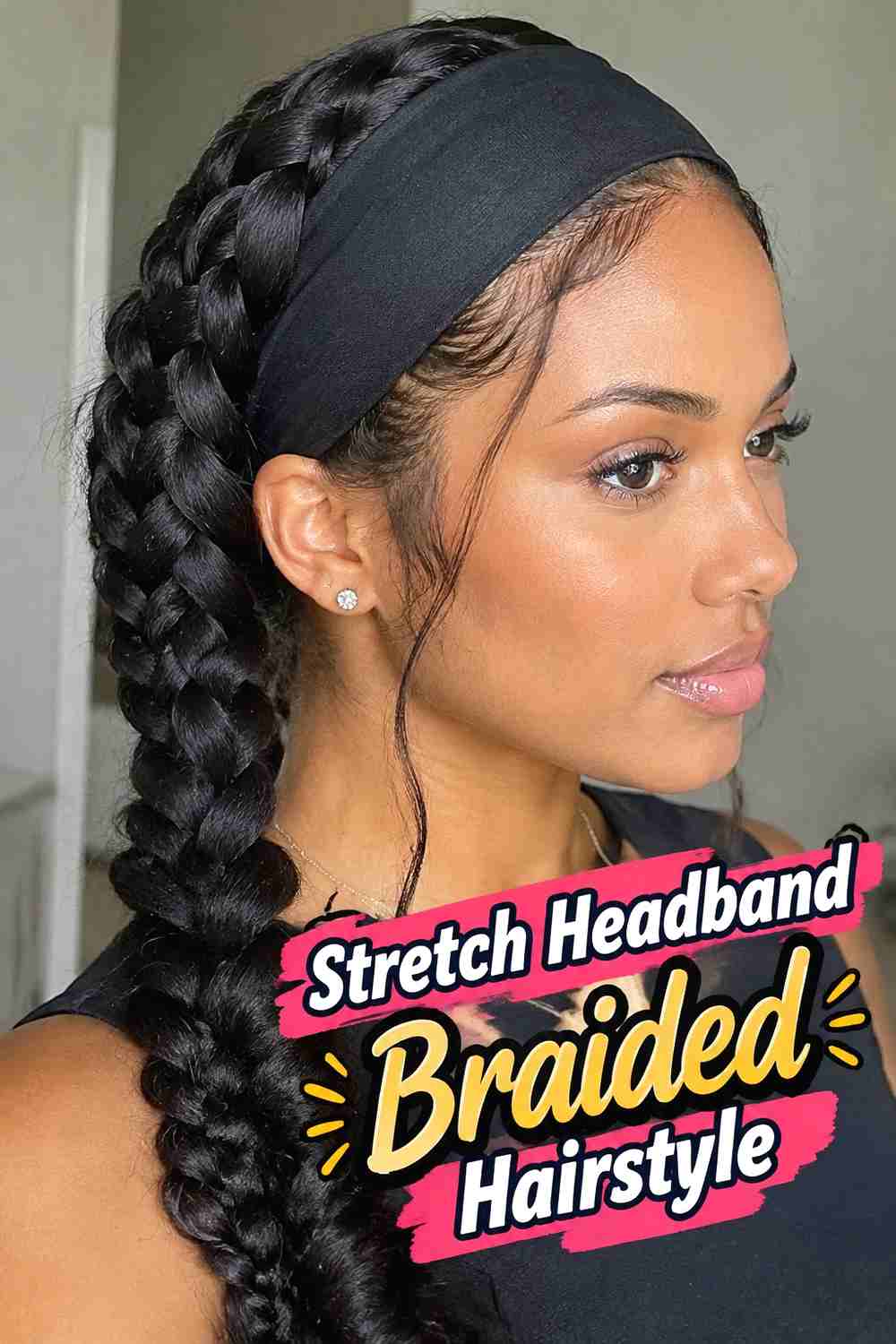
The Stretch Headband Braided Hairstyle pairs a simple band with one substantial braid down the back or over a shoulder. The headband keeps the roots and front sections contained, while the braid organizes the thick lengths into a structured shape. A classic three-strand braid is especially effective because dense hair naturally creates a wide, dimensional plait without needing much pulling apart. You can also leave a little crown volume behind the band for a softer silhouette. This style works well for long thick hair that feels bulky when left completely loose. Keep the braid tension even and avoid making the base too tight, particularly if the headband already provides noticeable pressure around the head.
Hair Type & Length
Medium-long and long thick hair work best because there is enough length to form a visible braid after the headband is positioned.
10. Stretch Headband Face Framing Hairstyle
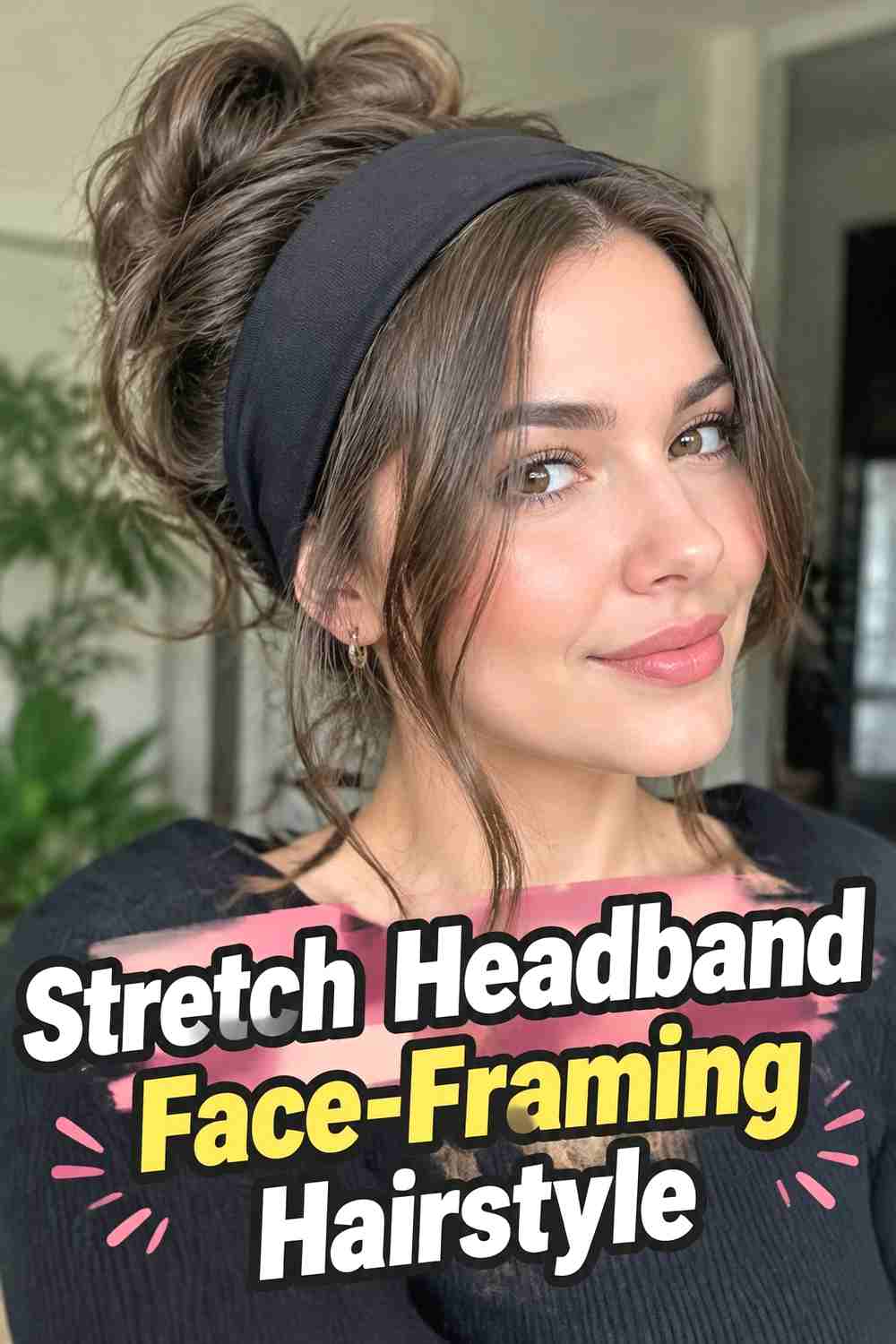
The Stretch Headband Face-Framing Hairstyle lets a few carefully chosen front pieces remain visible while the rest of the thick hair stays controlled behind the band. Instead of pushing every strand away from the face, place the headband slightly behind shorter layers and allow those pieces to curve around the cheeks or temples. The result feels softer than a fully swept-back style and works especially well with layered cuts. The remaining hair can be straight, wavy, or naturally textured depending on your preference. Keep the front sections selective; too much loose hair can defeat the purpose of the headband. A lightweight styling product can help the face-framing pieces stay shaped without becoming stiff.
Styling Notes
Separate the front layers before placing the band. Once the accessory is secure, refine only those pieces instead of pulling additional hair forward afterward.
11. Stretch Headband Voluminous Blowout Hairstyle
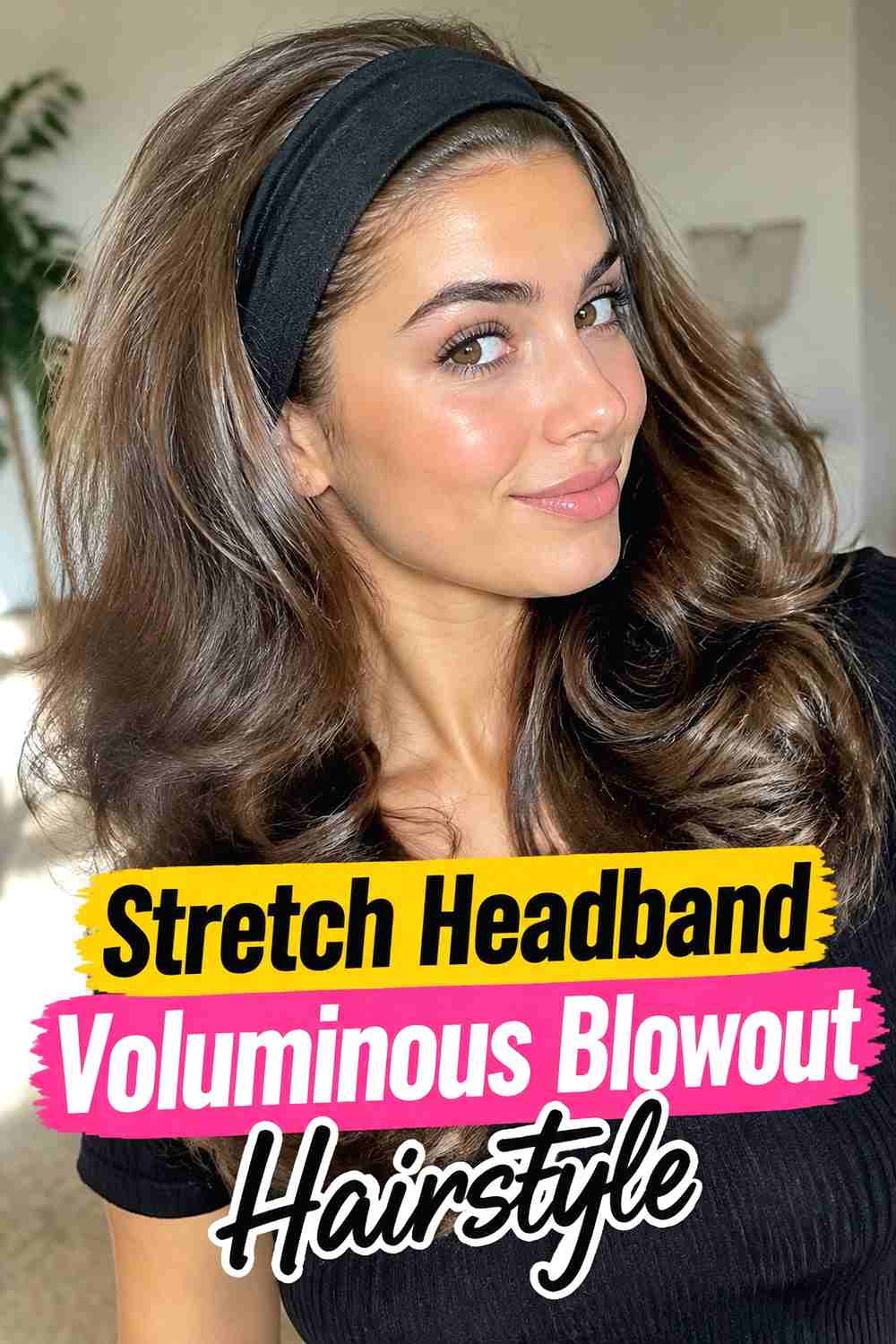
The Stretch Headband Voluminous Blowout Hairstyle uses a flexible band to add structure without sacrificing the fullness of a thick blowout. The front sections are held neatly away from the face while the crown, mid-lengths, and ends keep their rounded body and soft bend. This contrast makes the hairstyle feel polished but still substantial, especially on layered thick hair where the ends naturally create movement. Position the band behind the front hairline rather than too far back so it does not flatten the most voluminous part of the crown. A wider fabric band often sits more comfortably against dense hair and can provide enough grip to stay in place through the day.
Best For
This look is ideal when you want a full blowout to remain visible but need extra control around the forehead, temples, or shorter front layers.
12. Stretch Headband Curly Updo Hairstyle
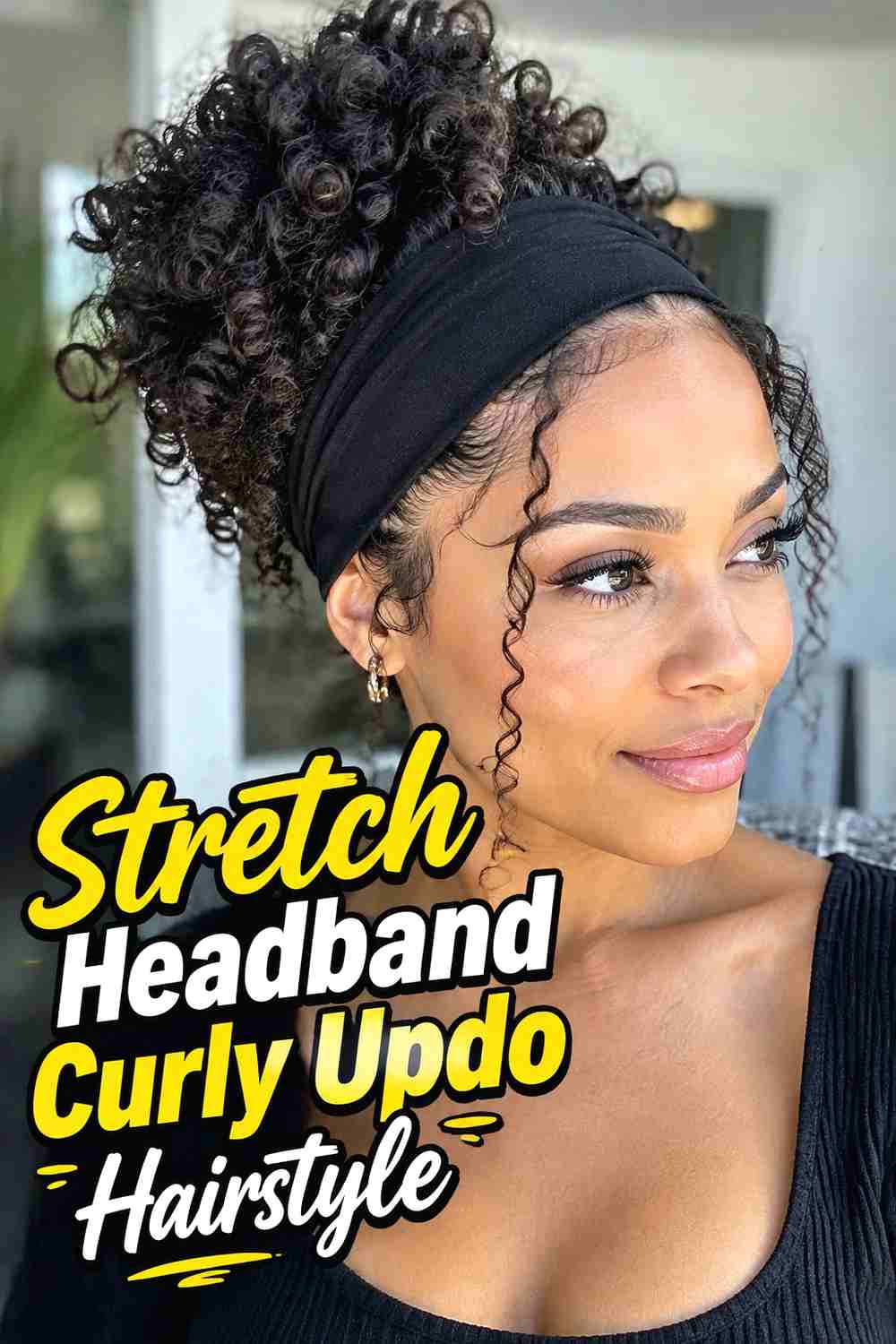
The Stretch Headband Curly Updo Hairstyle gathers thick curls into a soft elevated shape while using the band to control the perimeter. The curls can be pinned into a loose bun, puff, or clustered updo at the crown or back, with individual loops remaining visible instead of being flattened. A stretch headband helps guide shorter pieces away from the face and creates a clear boundary around the style. This approach can be especially useful for dense curly hair because the updo does not need to be perfectly smooth to feel finished. Keep the gathered shape secure with pins or an elastic, and allow the headband to support only the outer sections.
Wear & Maintenance
Check that both the band and updo feel comfortable before extended wear. Thick curls can create weight, so distribute pins rather than concentrating all support in one point.
How to Choose the Right Look
Start with how much of your thick hair you want to contain. If you prefer wearing it loose, the Wide Stretch Headband Waves Hairstyle, Stretch Headband Natural Curls Hairstyle, and Stretch Headband Voluminous Blowout Hairstyle preserve the most visible volume. Ponytails, braids, and buns provide more control when you want the lengths gathered.
Texture should also guide your choice. Straight or smoothly styled hair works well with sleek headband looks, while curls and coils can use the band to define the front without reducing natural volume. For layered hair, face-framing or half-up styles can help manage shorter sections that do not easily reach a ponytail.
Pay attention to band width and tension. Thick hair often needs enough stretch and grip to stay secure, but a headband should not feel painfully tight. Wider bands can distribute pressure more evenly, while narrow bands may shift or dig in if they are stretched too far.
Finally, think about the weight of your hairstyle. A ponytail or bun should always be secured independently with an elastic or pins. The stretch headband is best used for shaping and controlling the front rather than supporting the full weight of dense hair.
Final Thoughts
Stretch headbands can make thick hair easier to style without hiding its volume or texture. Loose waves, natural curls, ponytails, braids, buns, and half-up looks all benefit from the extra control a flexible band can provide.
Choose a style that works with your density and length, then adjust the band so it feels secure rather than restrictive. The most comfortable results keep the hair supported in more than one place and allow thick texture to remain naturally dimensional.
FAQs
1. Do stretch headbands work well for thick hair?
Yes. Wider, flexible bands can help hold dense front sections and shorter layers in place while allowing the rest of the hair to remain loose or be styled separately.
2. How do I stop a stretch headband from sliding back?
Place it where the hair has enough texture to grip, and avoid using too much slippery serum near the roots. A wider fabric band may also stay more securely on dense hair.
3. Can I wear a stretch headband with thick curly hair?
Yes. Stretch headbands work well with curls because they can control the perimeter while preserving volume and definition through the rest of the hair.
4. Which headband hairstyle is best for very heavy hair?
A braid, low ponytail, or securely pinned bun can distribute the weight better than leaving all of the hair loose. The headband should control only the front, not support the entire hairstyle.
5. Should a stretch headband feel tight on thick hair?
It should feel secure, but not painfully tight. If you notice pressure around the temples or behind the ears, choose a larger or more flexible band and adjust the placement.
Save your favorite stretch headband hairstyle, share these thick-hair ideas, and explore more easy styling inspiration for full, voluminous hair.