17 Winter Headscarf Hairstyles for Cozy, Polished Cold-Weather Looks
These winter headscarf hairstyles pair cozy accessories with waves, buns, braids, and ponytails for polished cold-weather looks that still feel easy to wear.
A headscarf can do much more than add color to a winter outfit. Depending on how it is folded and tied, it can frame loose curls, decorate a braid, disguise a simple ponytail, or become part of a secure updo. It also layers naturally with wool coats, sweaters, and other cold-weather pieces.
The best option depends on your hair length, texture, scarf fabric, and the amount of hold you need. Smooth satin scarves create a refined finish but may need extra securing, while textured fabrics tend to stay in place more easily. Consider coat collars and hoods too, since low buns and long scarf tails can sit differently once outerwear is added.
Quick List
- Silk Headscarf Low Bun Hairstyle
- Knotted Headband Waves Hairstyle
- Satin Scarf Low Ponytail Hairstyle
- Under Chin Scarf Waves Hairstyle
- Braided Scarf Ponytail Hairstyle
- Headscarf Wrapped French Braid Hairstyle
- Twisted Crown Scarf Hairstyle
- Headscarf Half Up Waves Hairstyle
- Winter Bandana Bob Hairstyle
- Satin Scarf Claw Clip Twist Hairstyle
- Wrapped High Bun Headscarf Hairstyle
- Scarf Tied Side Braid Hairstyle
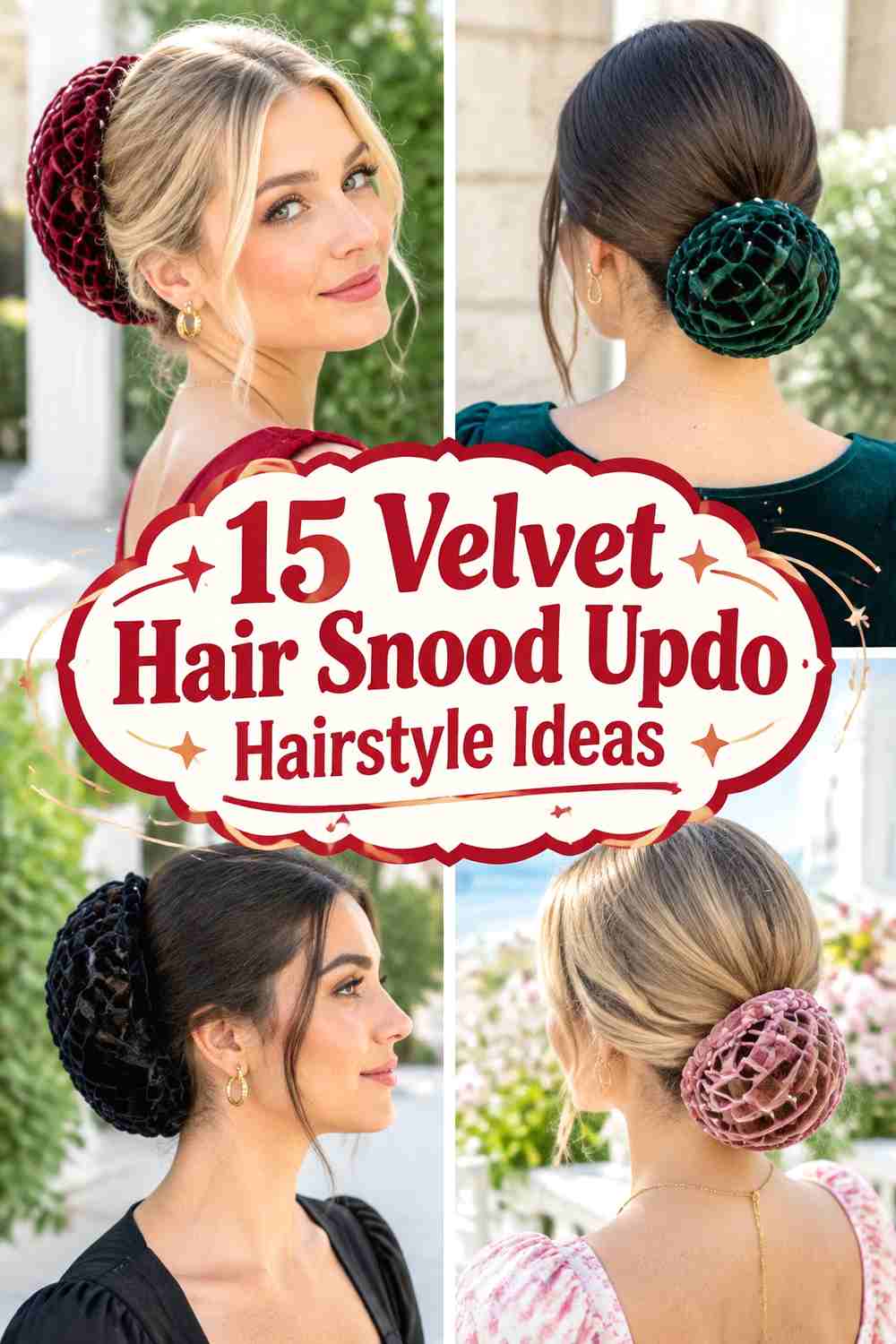
- Low Chignon Headscarf Hairstyle
- Headscarf Tucked Back Curls Hairstyle
- Wide Scarf Headband Hairstyle
- Scarf Wrapped Bubble Ponytail Hairstyle
- Cozy Hooded Headscarf Waves Hairstyle
1. Silk Headscarf Low Bun Hairstyle
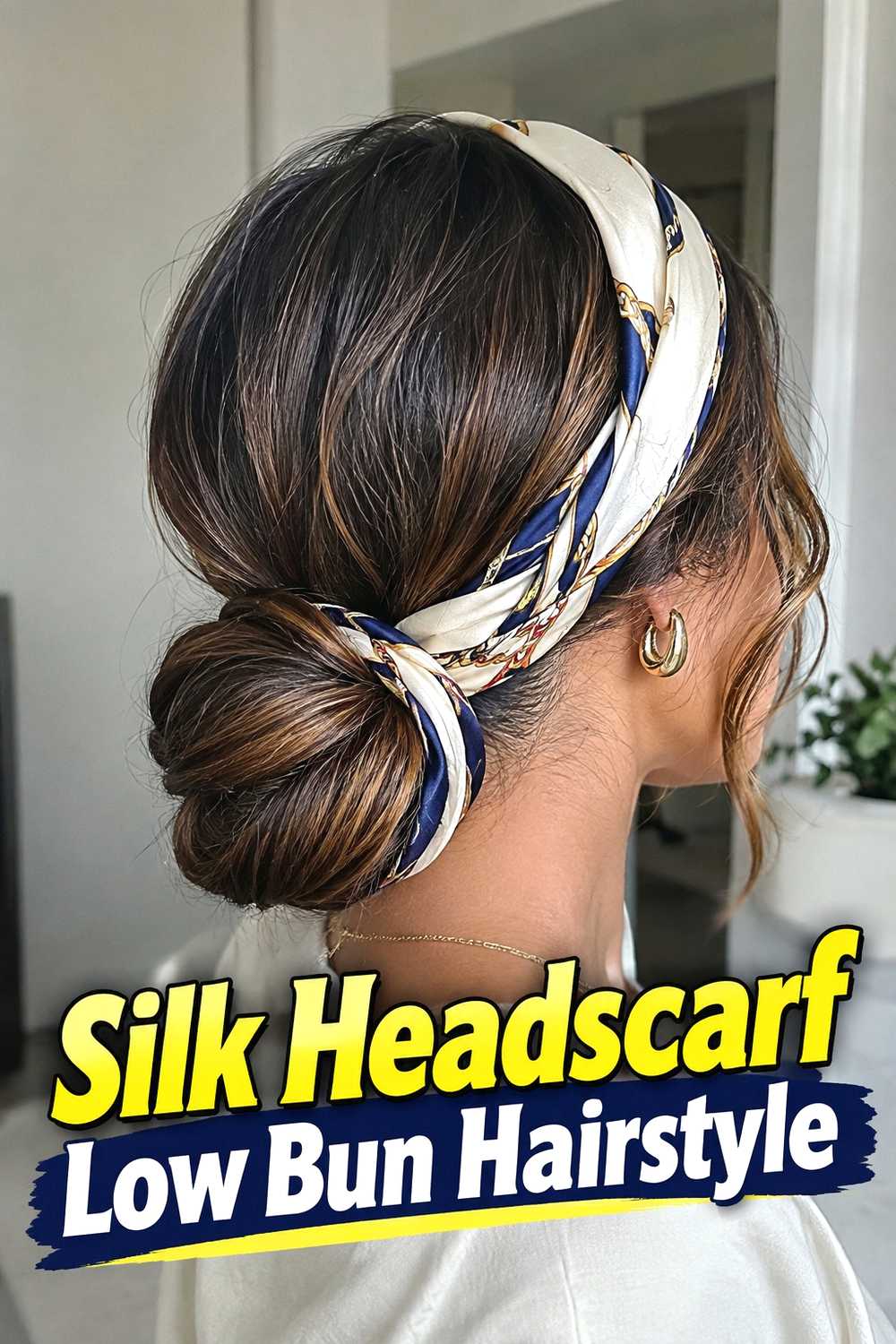
A silk headscarf low bun combines a neat updo with just enough softness for everyday winter styling. Gather the hair near the nape and create a compact bun, then fold a scarf into a narrow band and wrap it around the bun or its base. Leaving the scarf ends short prevents them from becoming tangled in a coat collar. The hairstyle works particularly well on medium to long hair and can be adapted for straight, wavy, or curly textures. Keep a little natural volume through the crown so the finished shape does not look overly severe. A printed scarf adds visual interest to simple neutral outerwear, while a solid scarf produces a quieter, more polished finish.
Styling Notes
Secure the bun independently before adding the scarf. The fabric should decorate the finished shape instead of being responsible for holding the hair together.
Wear & Maintenance
Silky fabric can shift on very smooth hair, so discreet pins near the scarf knot may help maintain its position during a long day.
2. Knotted Headband Waves Hairstyle
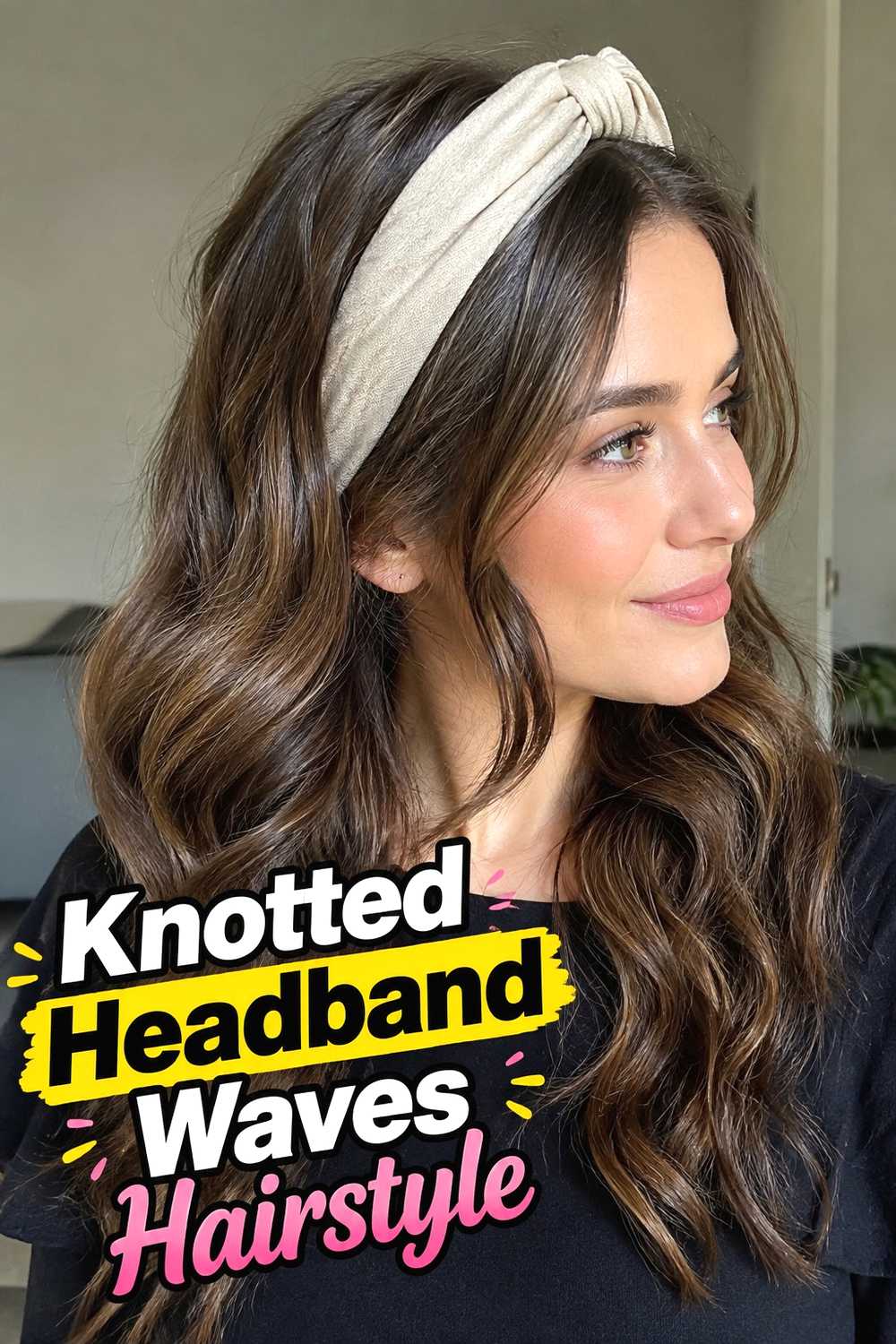
Knotted headband waves turn a folded scarf into an easy winter accessory without covering most of the hair. Fold the scarf into a medium-width band, place it beneath the hair at the nape, and tie a small knot above the forehead or slightly to one side. Loose waves through the lengths balance the structured knot and keep the style casual enough for everyday wear. This works particularly well on shoulder-length and long hair because there is plenty of visible texture beneath the scarf. Keep the waves broad and irregular rather than highly sculpted. If your scarf is brightly patterned, a simple center or soft side part helps the hairstyle remain visually balanced.
Hair Type & Length
Wavy and straight hair are easy to style this way, while curls can create a fuller version with plenty of texture around the scarf.
Pro Tip
Position the knot before tightening the scarf completely so you can check that it sits comfortably and does not pull at the hairline.
3. Satin Scarf Low Ponytail Hairstyle
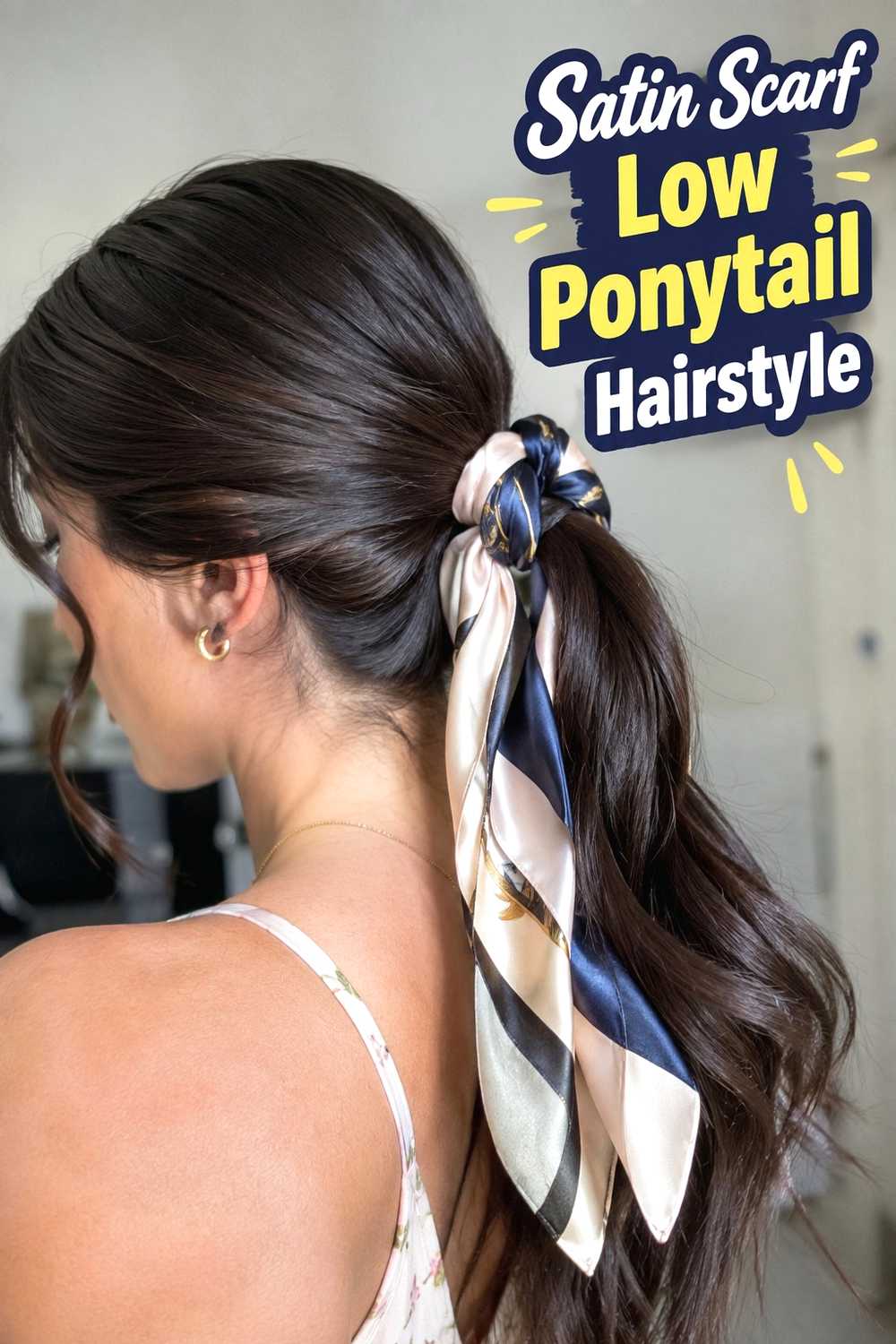
A satin scarf low ponytail is one of the simplest ways to make winter hair look intentionally styled. Create a low ponytail near the nape, keeping the crown softly smoothed rather than tightly slicked, then wrap a narrow scarf around the elastic. Let the scarf ends fall alongside the ponytail for movement, or tie a compact bow if you prefer a sweeter finish. Straight lengths create a clean silhouette, while loose waves make the style feel softer and more romantic. Medium and long hair both work well. When wearing a thick coat, place the ponytail slightly above the collar so the scarf ends and hair do not become trapped underneath.
Styling Notes
Use a regular hair elastic first, then add the scarf. This gives the ponytail reliable hold even if the satin fabric gradually loosens.
Best For
Choose this look when you want a quick style that still adds noticeable color, print, or texture to a simple winter outfit.
4. Under Chin Scarf Waves Hairstyle
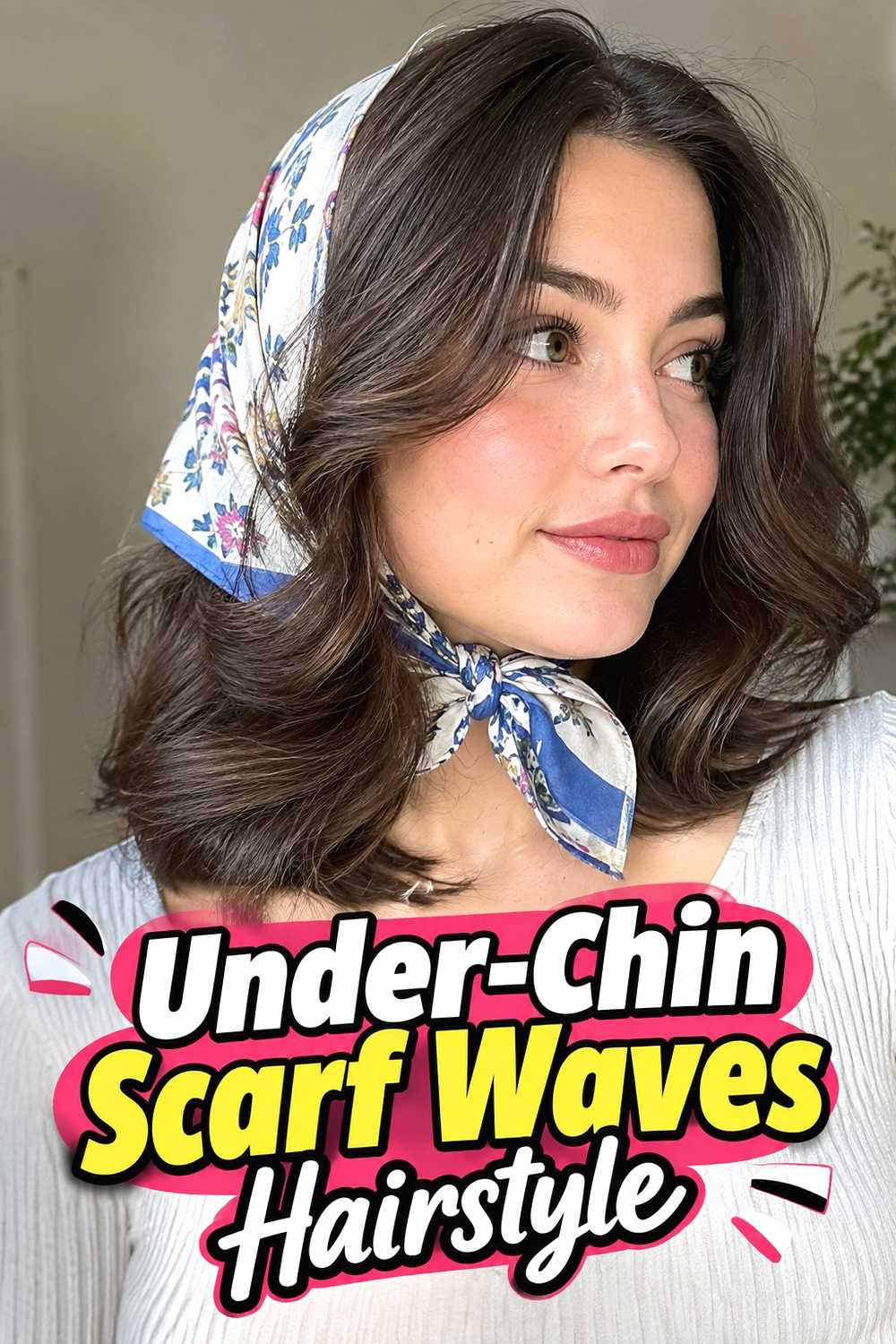
Under-chin scarf waves create a nostalgic winter silhouette while leaving soft hair visible around the face and shoulders. Place a square scarf over the crown, allow the front edge to sit just behind the hairline, and bring the ends underneath the chin for a loose knot. The remaining hair can fall in broad waves beneath the scarf, creating a gentle contrast between the smooth fabric and textured lengths. This style works especially well with medium and long hair and can be adjusted by showing more or less hair around the front. Keep the knot comfortable rather than tight, particularly if the scarf will be worn for several hours outdoors.
Why It Works
The scarf frames the hair and face while adding a clear winter accessory, so the hairstyle can remain relatively simple underneath.
Wear & Maintenance
Check how the scarf sits with your coat collar before leaving, since a high neckline may push the knot upward or make long scarf ends feel crowded.
5. Braided Scarf Ponytail Hairstyle
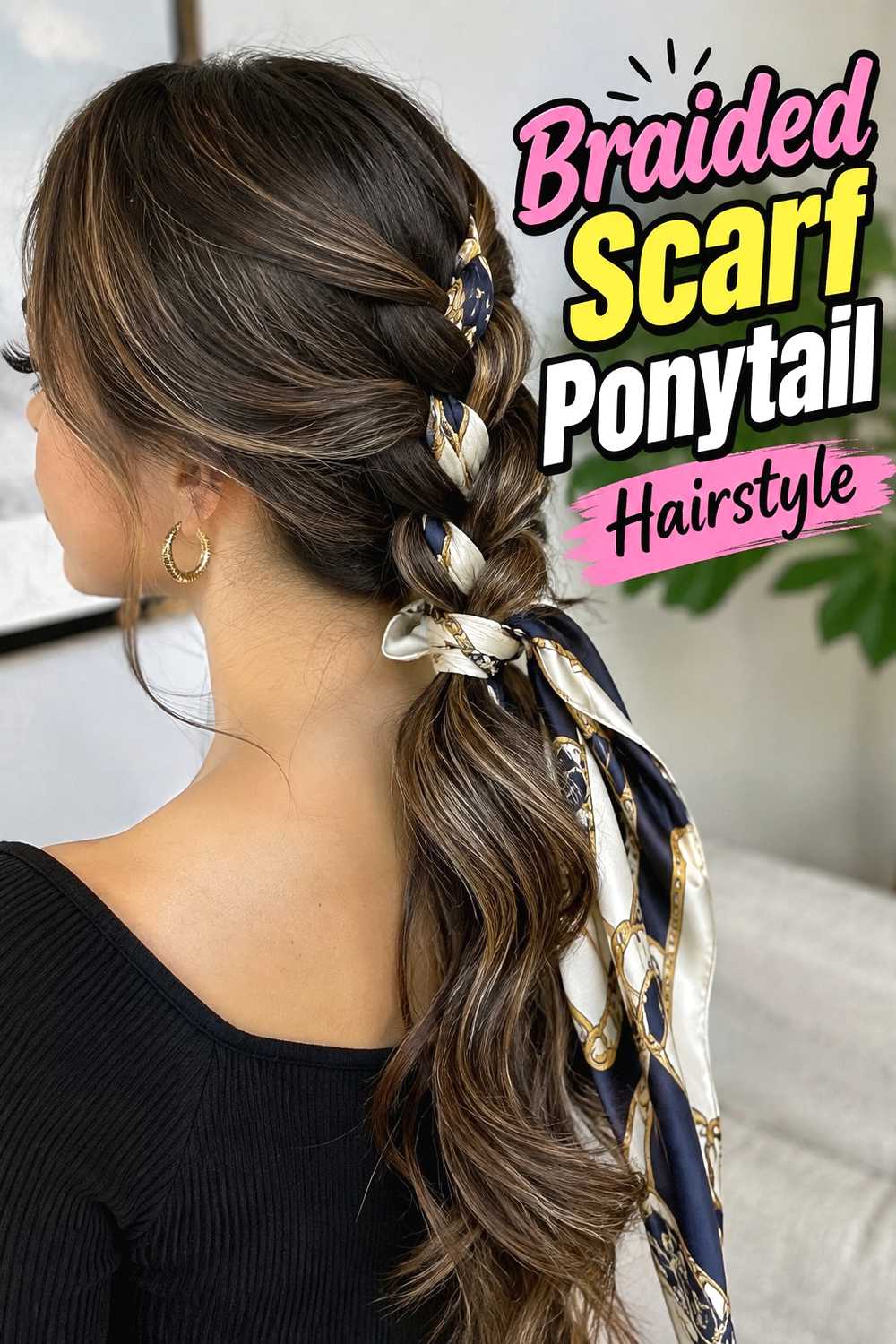
A braided scarf ponytail incorporates fabric directly into the hairstyle for a colorful, textured finish. Start with a secure low or mid ponytail, tie a scarf around the base, and allow one or both scarf ends to become part of a three-strand braid. The fabric creates contrast between each section and makes a straightforward braid feel much more decorative. Long hair shows the effect most clearly, though medium lengths can create a shorter version. Choose a scarf that is narrow enough to braid comfortably without overwhelming the hair. A little looseness through the braid keeps the style soft, but maintain enough tension to prevent the scarf from slipping free while you move.
Styling Notes
Begin with a secure elastic before attaching the scarf, and keep the scarf ends roughly even so one side does not become significantly shorter halfway through braiding.
Best For
This style works well when you want the headscarf to become part of the hairstyle rather than simply sitting around or above it.
6. Headscarf Wrapped French Braid Hairstyle
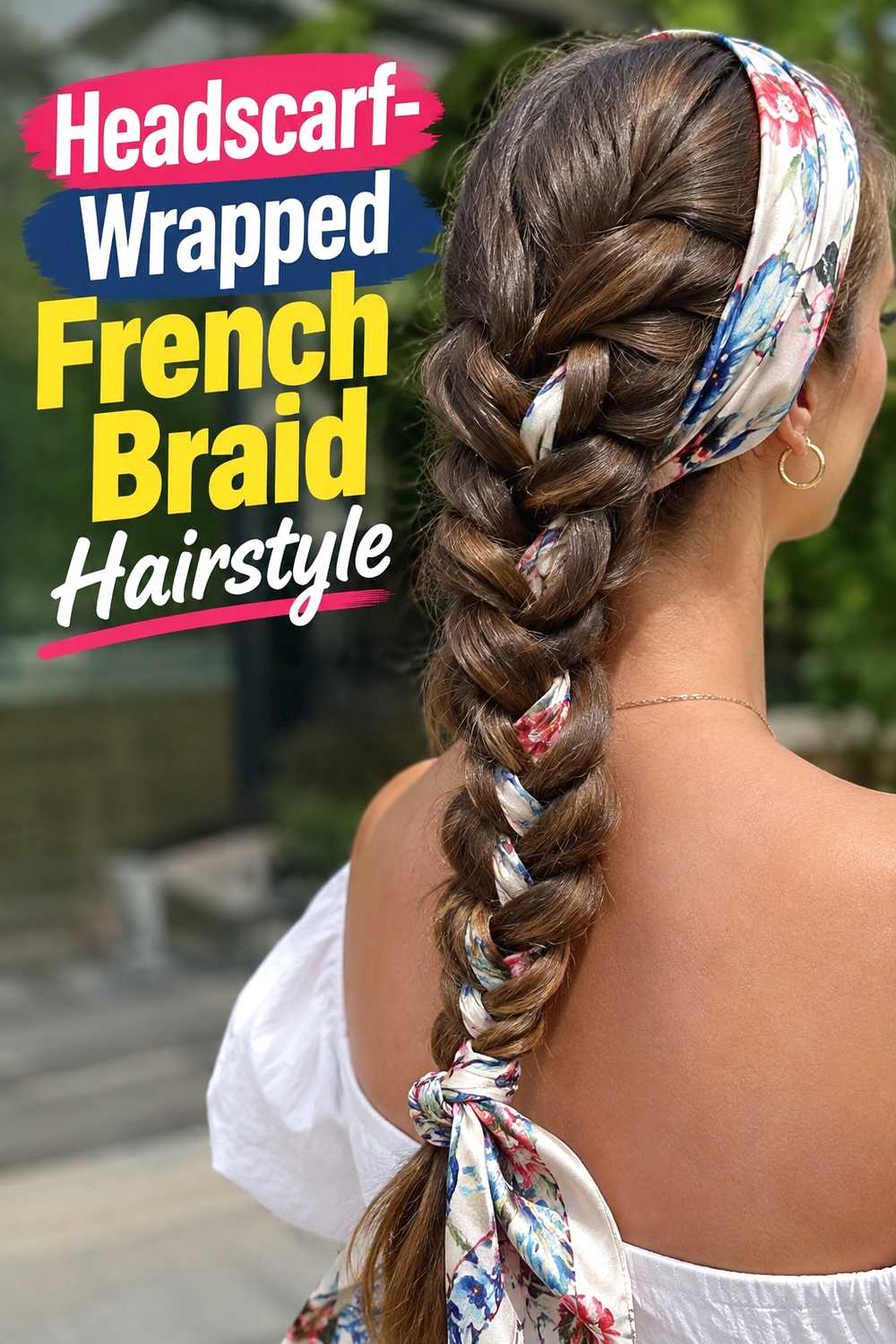
A headscarf-wrapped French braid combines secure winter styling with a decorative finish that stays visible from multiple angles. Create a French braid from the crown toward the nape, then continue through the length. A narrow scarf can be tied near the base of the braid and wrapped loosely around the finished plait, allowing sections of hair to remain visible between each pass of fabric. The result feels detailed without requiring a second complicated braid. This style is particularly useful for long hair because most of the lengths stay controlled and away from scarves or bulky coat collars. Keep the fabric wrapping relaxed enough that the underlying braid still retains its natural shape.
Hair Type & Length
Medium to long hair works best, especially when there is enough length below the nape for the wrapped scarf pattern to remain visible.
Wear & Maintenance
Secure the scarf at both the beginning and end of the wrapped section so it does not gradually unwind while walking outdoors.
7. Twisted Crown Scarf Hairstyle
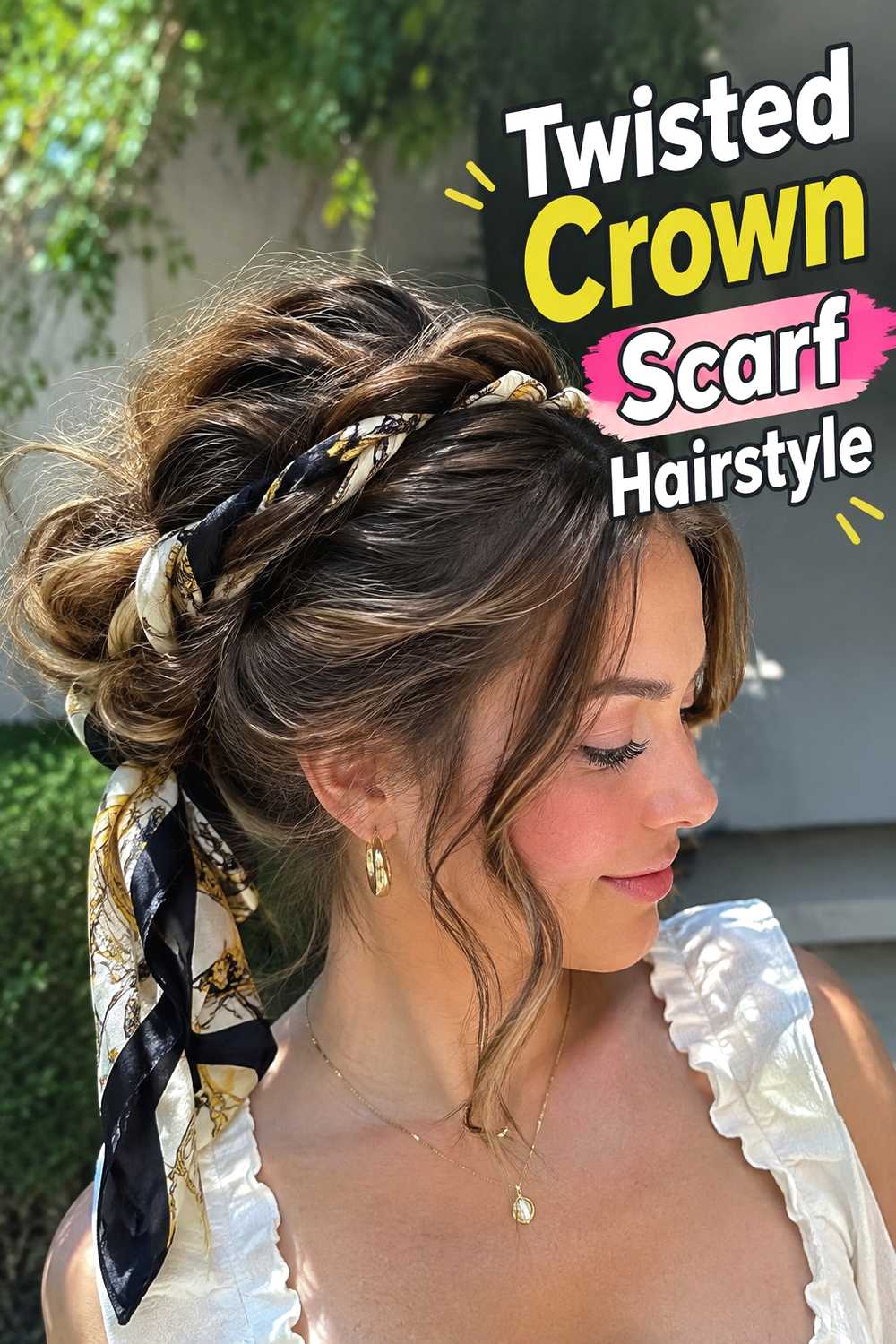
The twisted crown scarf hairstyle uses a folded headscarf as the anchor for a soft, wrapped look around the head. Position the scarf like a headband, then take small sections of hair near the temples and gently twist them backward around the fabric. Continue adding sections until the sides feel balanced, leaving the remaining lengths loose or tucking them into the back for a more contained finish. This style is especially attractive on naturally wavy and curly textures because a little softness around the hairline enhances the crown effect. The scarf should remain visible between the twists, creating a subtle band of color that connects the hairstyle from one side to the other.
Styling Notes
Work with small sections and avoid pulling them too tightly. Slightly relaxed twists make the scarf easier to see and keep the finished shape comfortable.
Why It Works
The accessory becomes part of the hairstyle’s structure while still allowing plenty of natural texture to remain visible around the crown and back.
8. Headscarf Half Up Waves Hairstyle
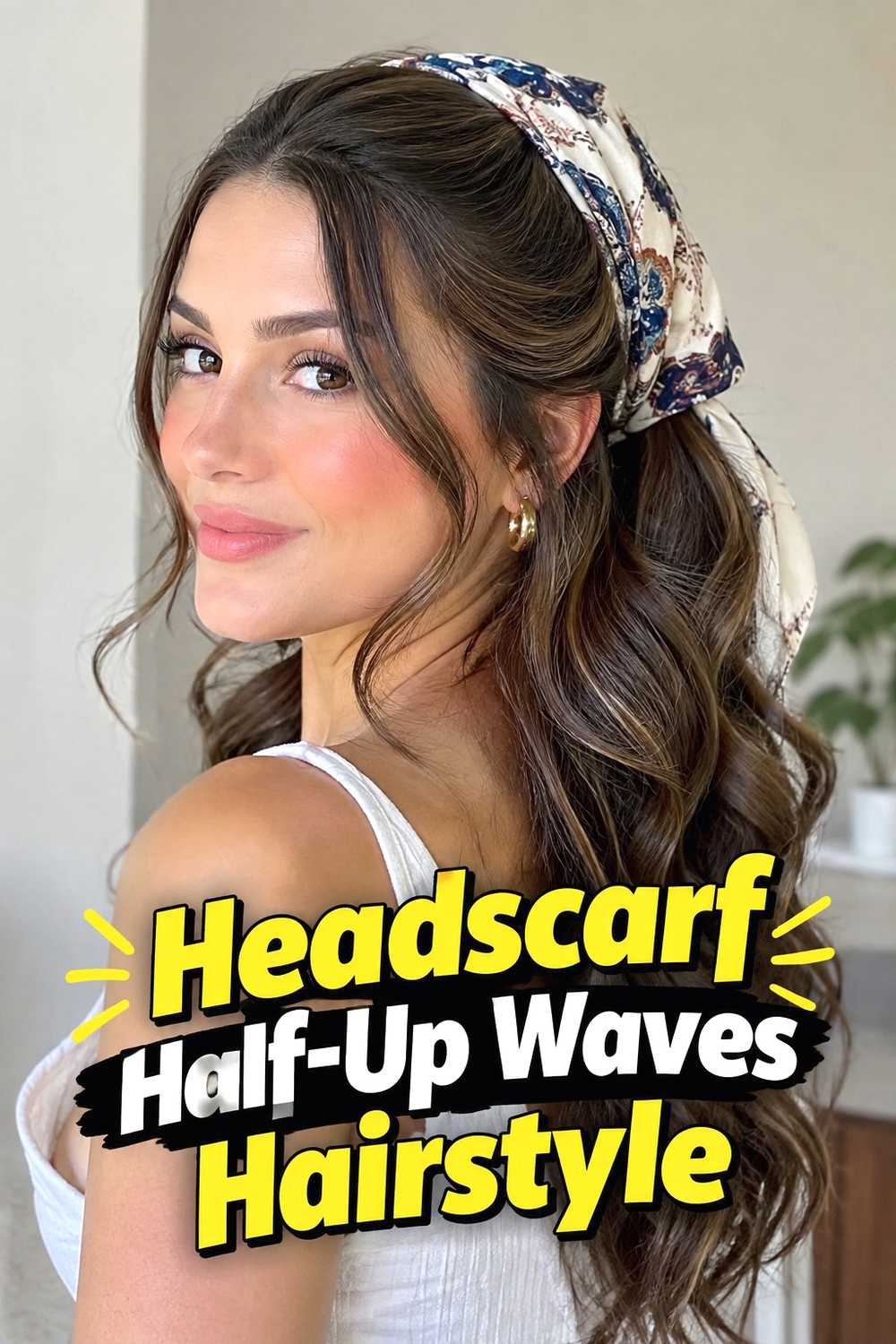
Headscarf half-up waves give a classic half-up style a winter-ready update without covering the entire head. Gather the upper sections of hair toward the back and secure them with an elastic, then tie a scarf over the fastening point. Let the scarf tails fall through the loose waves so they move naturally with the hair. This style is versatile on medium and long lengths and works with loose curls, natural waves, or softly bent straight hair. Keeping the crown slightly relaxed helps the half-up section blend into the rest of the hairstyle. Choose shorter scarf tails if your coat has a high collar, or longer ones if you want the fabric to become a more visible part of the look.
Best For
This is a useful middle ground when you want hair away from the face but still prefer the movement and softness of wearing most of it down.
Pro Tip
Secure the half-up section before adding the scarf so you can reposition or remove the accessory without disturbing the hairstyle underneath.
9. Winter Bandana Bob Hairstyle
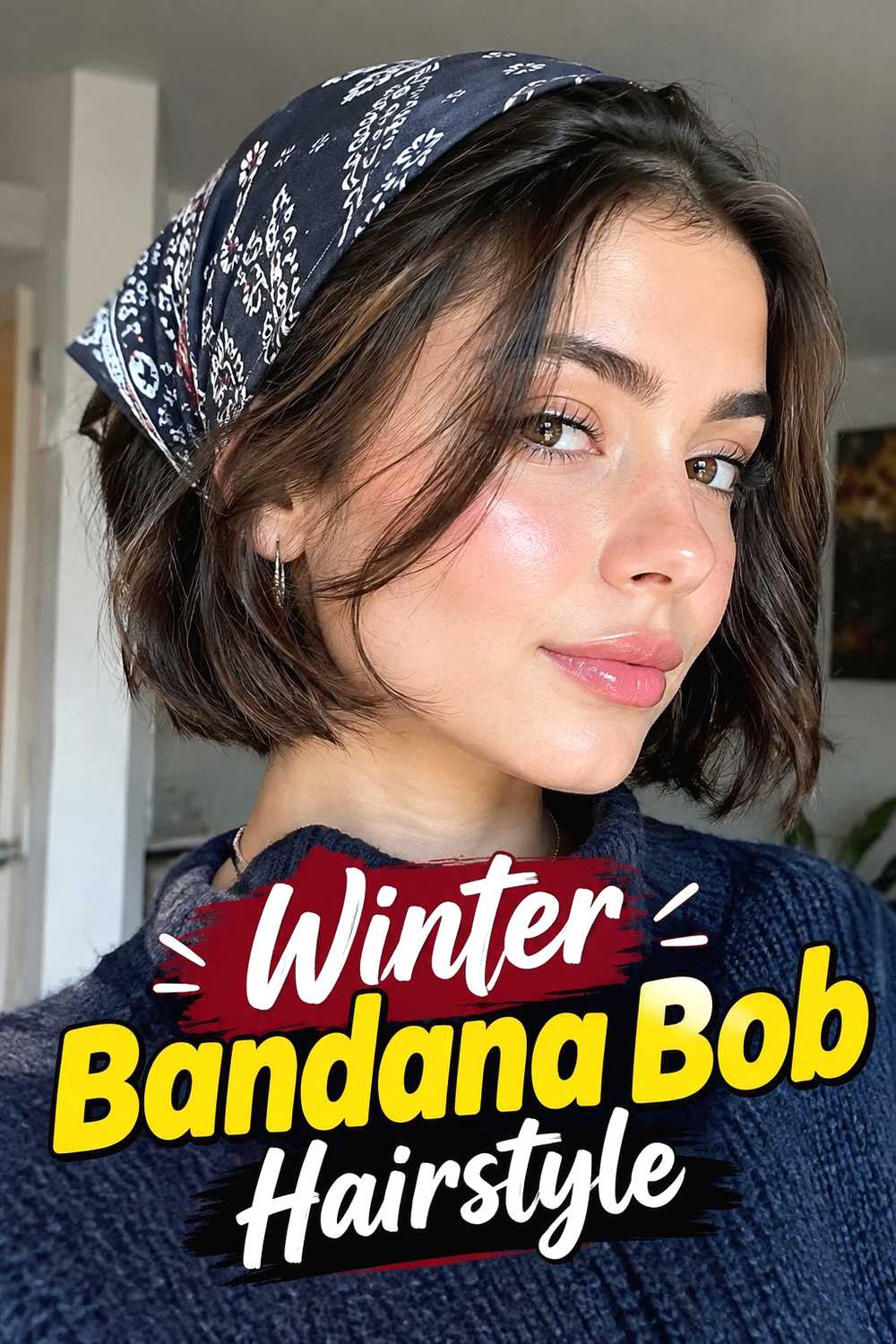
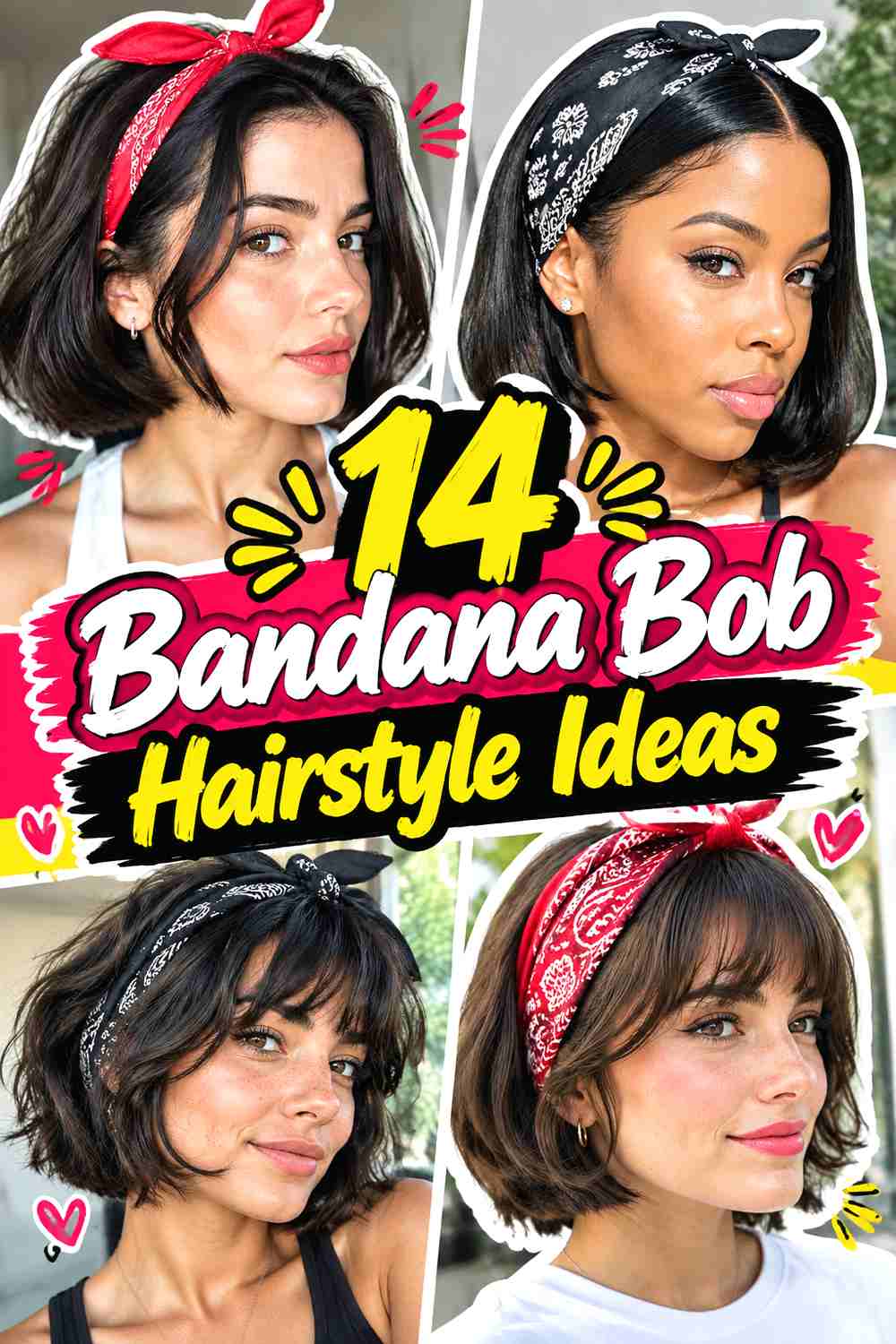
A winter bandana bob shows how easily shorter hair can work with headscarves. Fold a square scarf diagonally and tie it over the crown or around the head like a broad bandana, leaving the bob visible around the jawline and nape. A chin-length cut can look clean and graphic with a smoother finish, while a tousled bob creates a softer, more relaxed effect. Keep some natural movement around the ends so the scarf does not make the silhouette feel too flat. This style pairs especially well with scarves in rich winter prints, checks, or deep solid colors. The shorter length also avoids the problem of scarf tails becoming mixed with long hair.
Hair Type & Length
Bobs from chin to shoulder length are particularly easy to pair with this scarf placement, whether the hair is straight, wavy, or softly curled.
Styling Notes
Adjust the front edge of the scarf before tying it so you can decide whether to expose the full hairline or leave a few face-framing pieces visible.
10. Satin Scarf Claw Clip Twist Hairstyle
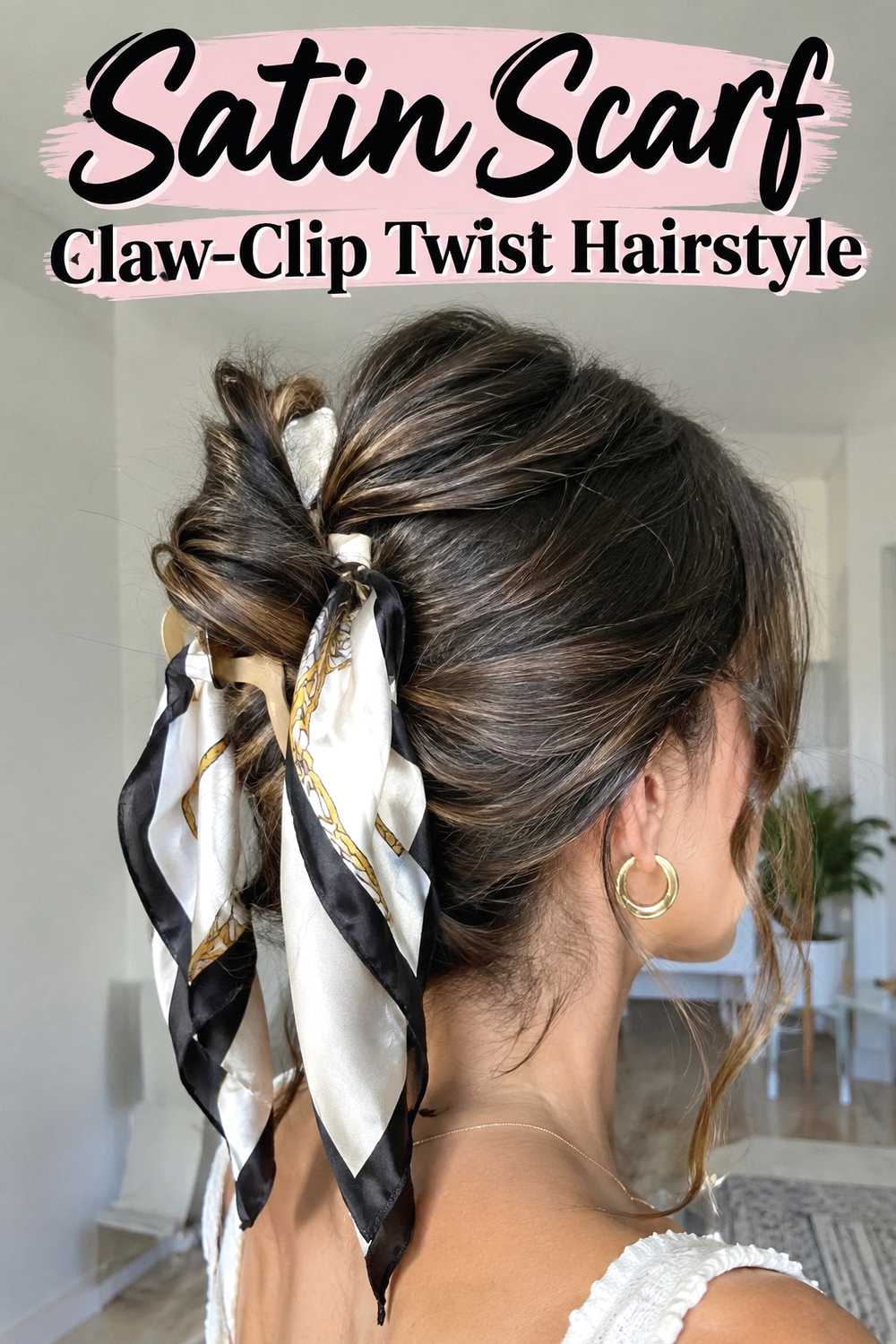
A satin scarf claw-clip twist combines two easy accessories in one relaxed winter hairstyle. Gather the hair at the back and twist it upward, then secure it with a sturdy claw clip. Tie a narrow satin scarf around the clip or just beneath it, allowing small tails to fall alongside the twist. The scarf adds color and softness while the clip does the actual holding. Medium and long hair work best, although the amount of hair left above the clip can be adjusted depending on length. Because the clip creates some bulk at the back of the head, this style is most comfortable with open collars, lower hoods, or lighter outerwear.
Wear & Maintenance
Choose a clip that closes securely around your hair density and position the scarf where it will not interfere with the clip’s hinge.
Best For
This works especially well for quick styling on mild winter days when you do not need a close-fitting hat over the back of your head.
11. Wrapped High Bun Headscarf Hairstyle
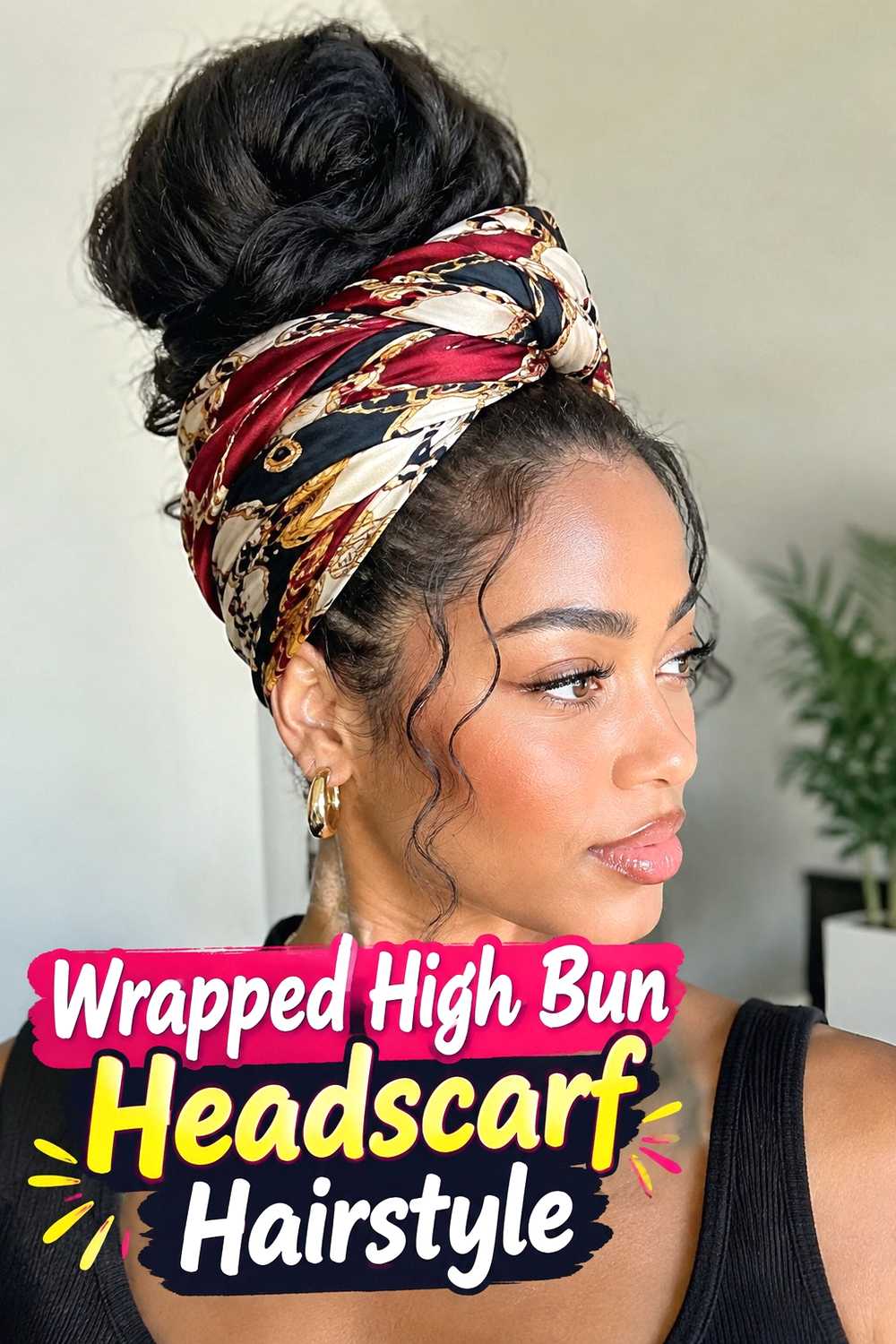
A wrapped high bun headscarf hairstyle keeps the hair completely lifted while making the scarf the main decorative feature. Form a bun near the crown, secure it firmly with an elastic and pins, then wrap a folded scarf around the bun’s base. The fabric can finish in a compact knot, short bow, or neatly tucked ends depending on the amount of scarf you are using. This look can work with medium to long hair and is particularly striking when naturally curly or coily texture creates a fuller bun shape. Because the hairstyle sits high, it keeps hair away from thick coat collars and large scarves around the neck.
Styling Notes
Build and secure the bun first. Once its shape feels balanced, wrap the scarf around the base without compressing the bun too tightly.
Best For
Choose this option when you want all the hair off your shoulders or need an updo that will not rub against a high winter collar.
12. Scarf Tied Side Braid Hairstyle
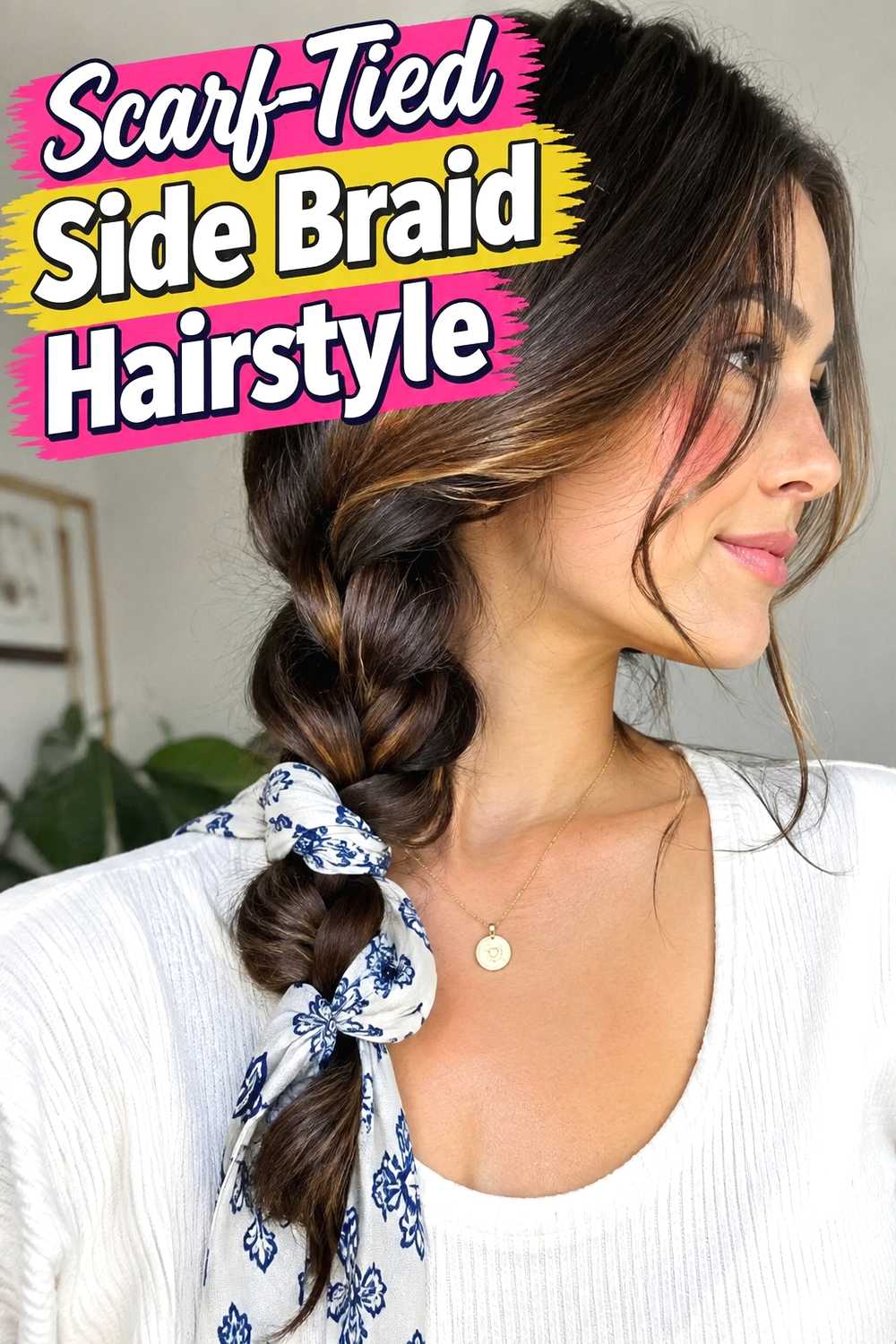
A scarf-tied side braid feels soft and wearable while keeping longer hair neatly gathered over one shoulder. Sweep the hair to one side and create a loose three-strand or fishtail braid, then finish the end with a narrow headscarf tied over the elastic. The scarf can form a simple knot or small bow, depending on how decorative you want the result to feel. Leaving several face-framing strands loose keeps the braid from appearing overly structured. This placement also makes the scarf visible from the front, which can be useful when it is intended to coordinate with a coat or sweater. Long and medium-long hair generally show the side braid shape best.
Why It Works
The braid keeps most of the hair controlled while the scarf adds a clear finishing detail without making the hairstyle significantly more complicated.
Pro Tip
Secure the braid with a small elastic before tying the scarf so the decorative knot can remain loose and comfortable.
13. Low Chignon Headscarf Hairstyle
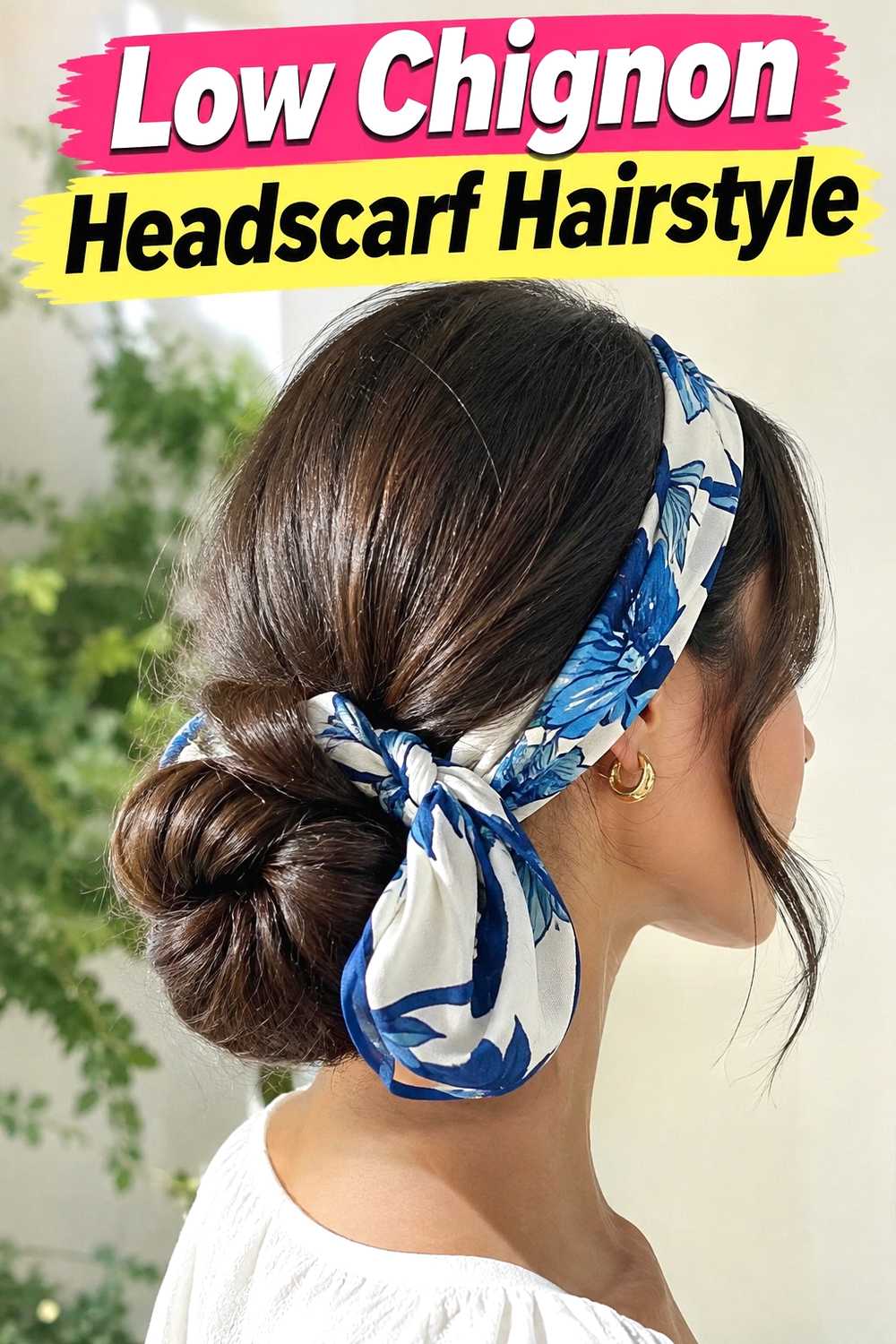
A low chignon headscarf hairstyle brings a polished feel to winter dressing while keeping the silhouette compact. Twist or roll the hair into a bun at the nape, secure it with pins, and place a folded scarf around the head with the ends tied just above, beside, or underneath the chignon. The scarf frames the crown while allowing the bun to remain visible as part of the finished design. Medium to long hair usually provides enough length for a secure chignon. Keep the crown smooth but not completely flat, and loosen a few fine sections around the ears if you want a softer effect. Short scarf ends are particularly practical with heavier outerwear.
Wear & Maintenance
Test the chignon against your coat collar before finalizing its height. Moving the bun slightly upward can prevent rubbing or pressure at the nape.
Best For
This look suits dressier winter outfits, dinners, seasonal gatherings, or days when you want a headscarf style with a refined finish.
14. Headscarf Tucked Back Curls Hairstyle
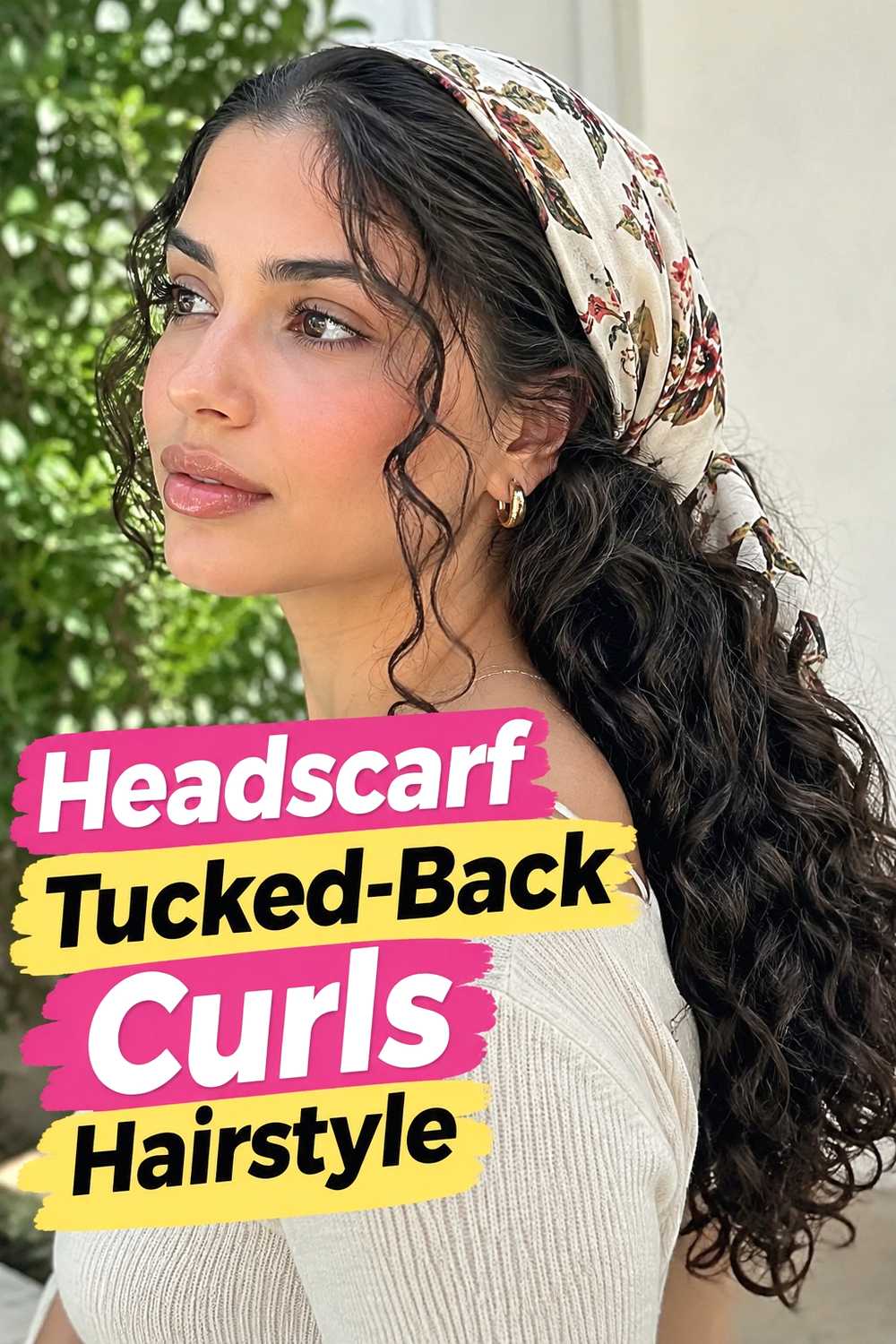
Headscarf tucked-back curls let natural or styled texture stay visible while using the scarf to keep the front neat. Fold the scarf into a medium-width band and place it over the crown, then tuck or guide the front sections backward beneath the fabric. Leave the curls free through the sides and back so their shape remains the main focus. This technique can work across medium and long lengths and is especially useful when you want to control shorter pieces near the face without flattening all the volume. Position the scarf gently rather than compressing the curls at the roots. A soft knot at the nape keeps the front visually clean.
Hair Type & Length
Curly, coily, and strongly wavy textures can make this look especially full and dimensional, though heat-styled curls can create a similar silhouette.
Styling Notes
Place the scarf first, then arrange individual curls around its edges so the finished shape feels balanced instead of overly tucked or flattened.
15. Wide Scarf Headband Hairstyle
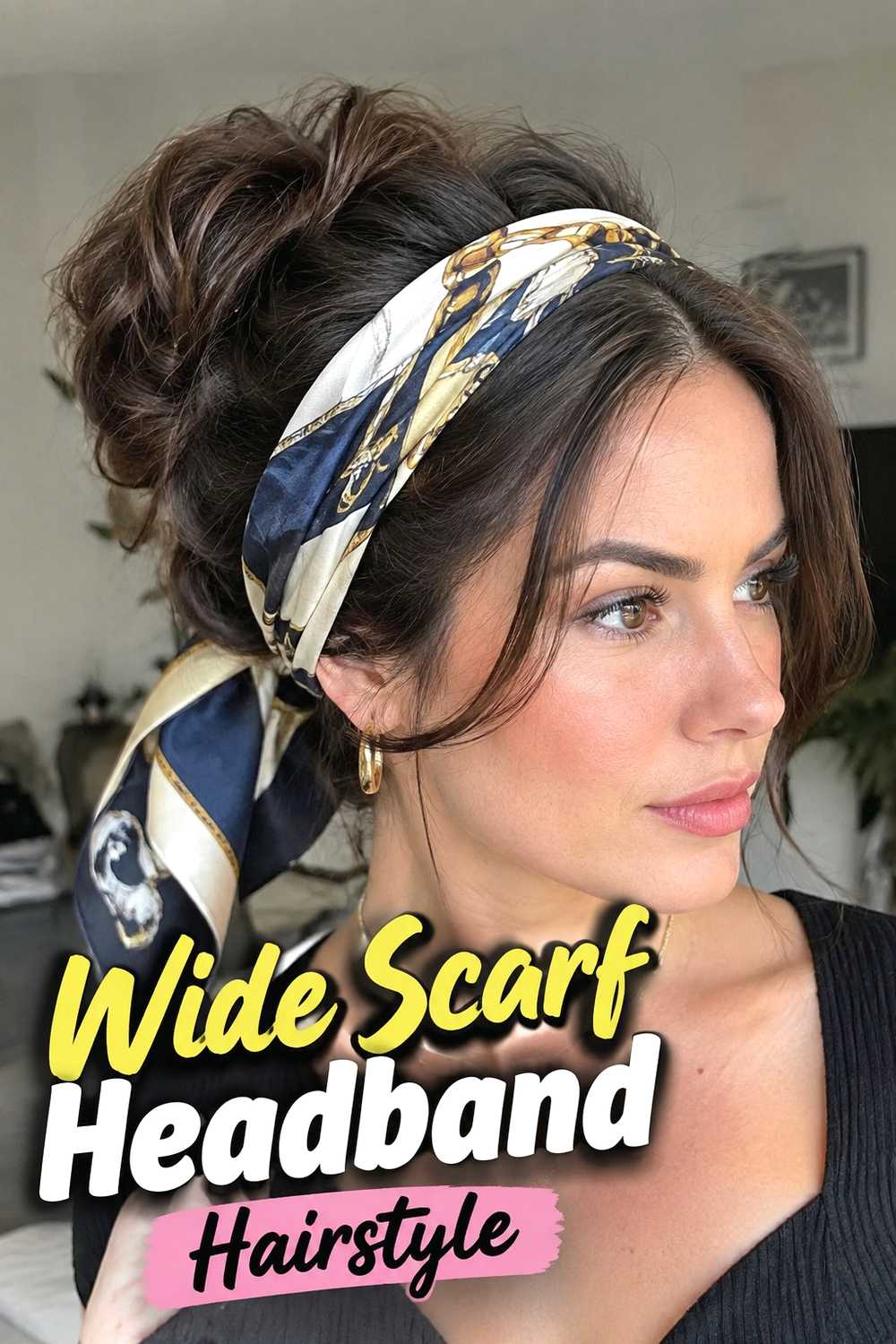
A wide scarf headband offers more coverage than a narrow band while still leaving most of the hair visible. Fold a square or rectangular scarf into a broad strip, place it several inches behind the hairline, and tie it at the nape. The wider fabric creates a strong color or pattern moment and can help frame loose hair without the commitment of a full head wrap. Long waves, curls, straight hair, and short bobs can all work with this approach. Keep the volume balanced around the sides so the broad scarf does not visually overpower the hairstyle. Matte or lightly textured fabrics can provide a casual finish, while satin feels more polished.
Best For
This is one of the most adaptable options when you want obvious scarf coverage but still want your haircut, texture, and length to remain clearly visible.
Pro Tip
If the scarf tends to slide backward, discreetly anchor the sides with small pins placed where they can be hidden beneath the fabric.
16. Scarf Wrapped Bubble Ponytail Hairstyle
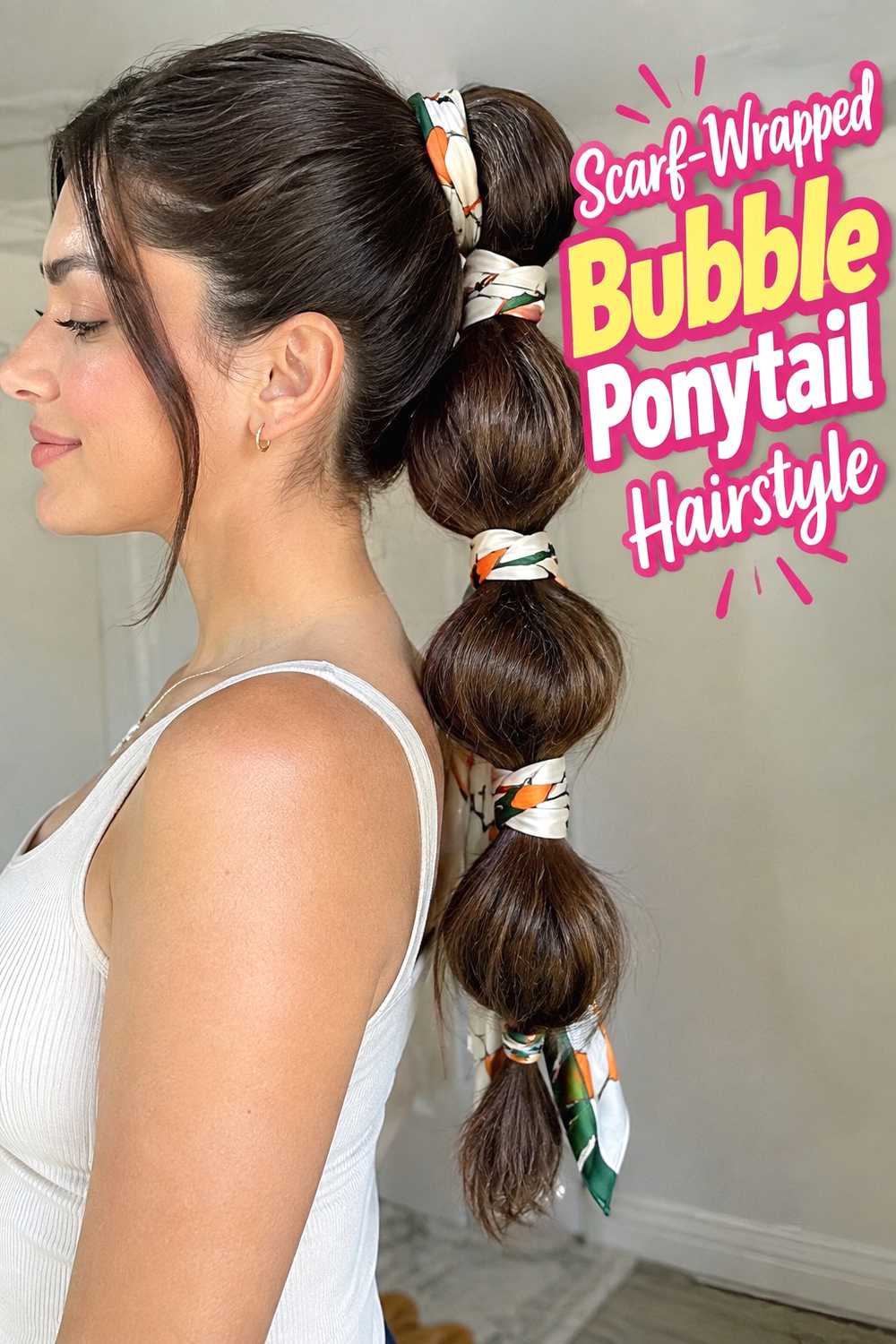
A scarf-wrapped bubble ponytail gives long hair a playful winter update with plenty of visible structure. Create a low or mid ponytail, then add small elastics at evenly spaced intervals down the length. Gently pull each section outward to form rounded bubbles. A narrow scarf can be wrapped around the base, woven loosely between several elastics, or cut visually across the ponytail with short decorative wraps. Keep the bubbles consistent but not perfectly identical so the style still feels natural. This hairstyle works best on medium-long to long hair because multiple sections need space to form. It also keeps the lengths controlled, which can be helpful with bulky winter layers.
Styling Notes
Form the bubble sections first and adjust their fullness before adding the scarf so you can keep the overall silhouette balanced.
Wear & Maintenance
Avoid extremely long scarf tails if you are wearing a heavy coat, since extra fabric can become caught underneath the collar or shoulder strap.
17. Cozy Hooded Headscarf Waves Hairstyle
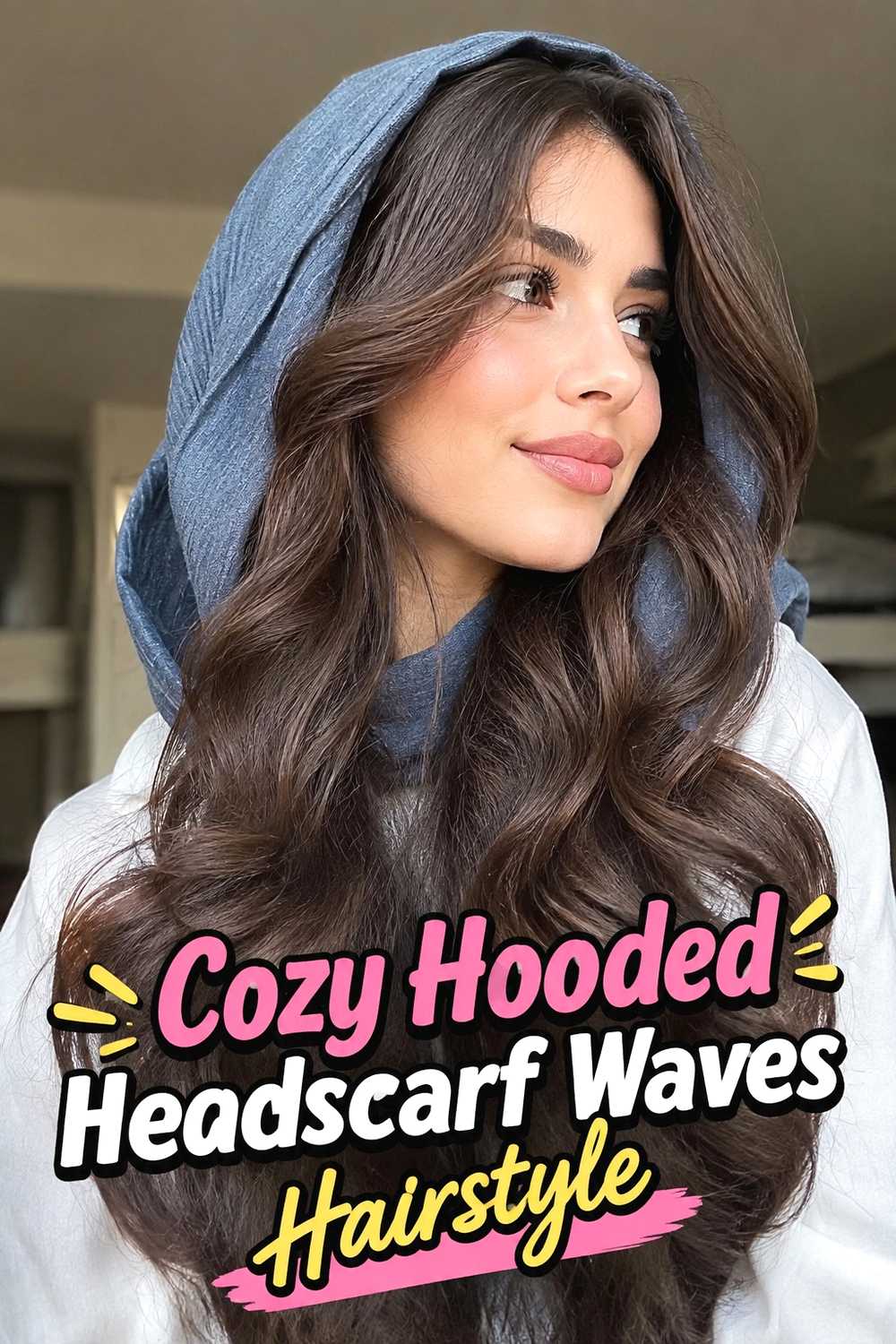
Cozy hooded headscarf waves combine fuller scarf coverage with loose hair for a relaxed cold-weather look. Drape a larger scarf over the crown so it creates a soft hood shape, then bring the ends forward and wrap or loosely cross them near the neck. Allow medium or long waves to remain visible beneath the scarf, particularly around the front and shoulders. Unlike a tightly tied wrap, this style relies on soft draping, so it works best when the scarf fabric has enough texture or weight to stay positioned comfortably. Keep the hair relatively smooth near the crown and concentrate the waves lower down to prevent unnecessary bulk underneath the fabric.
Why It Works
The draped scarf becomes part of the outerwear look while still leaving enough hair visible for texture, movement, and a softer overall silhouette.
Pro Tip
Arrange the scarf together with your coat before heading out so the layers around the neck sit comfortably without hiding all of the visible waves.
How to Choose the Right Look
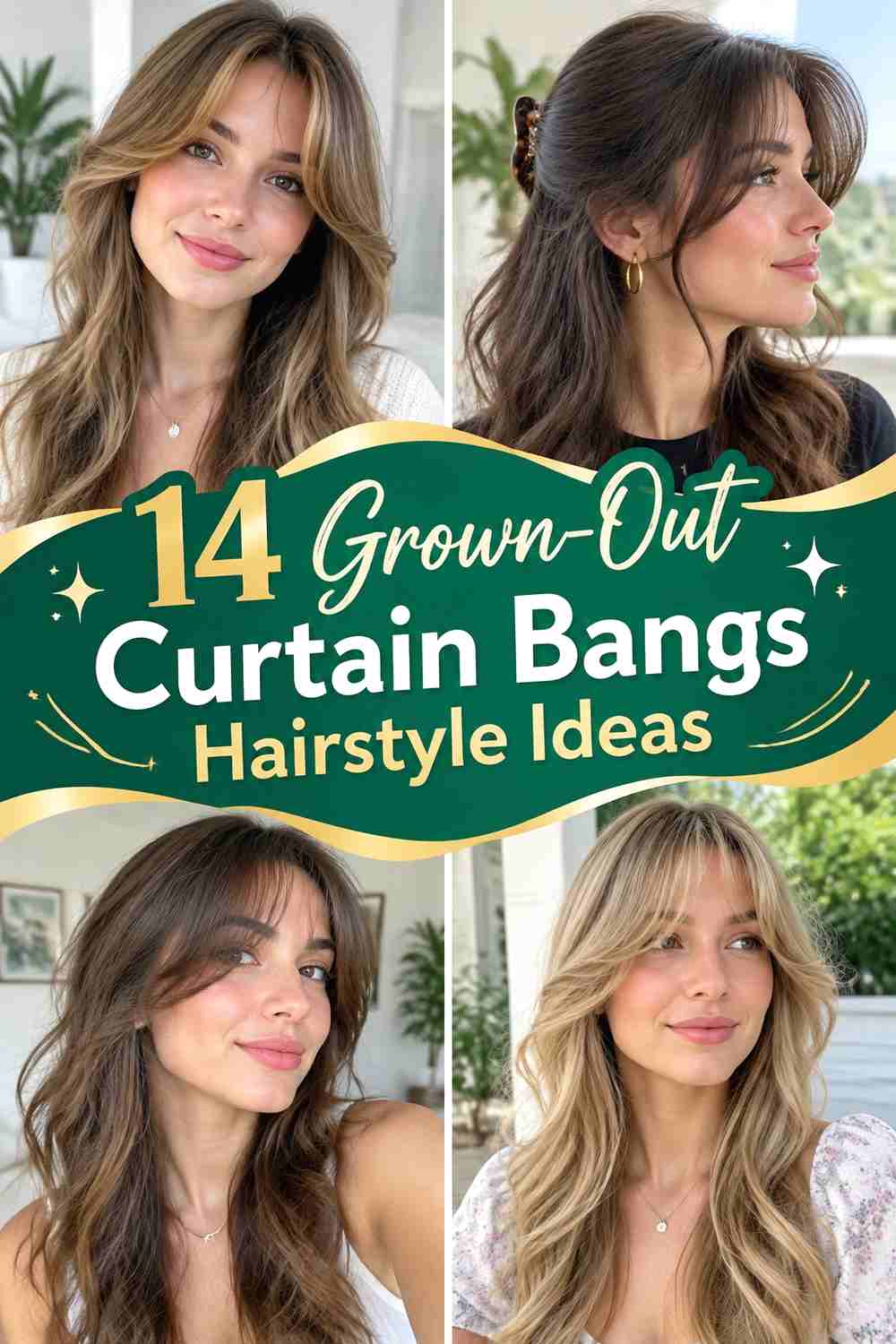
Start with how much scarf coverage you actually want. If you prefer most of your hair visible, the Knotted Headband Waves Hairstyle, Headscarf Half-Up Waves Hairstyle, Winter Bandana Bob Hairstyle, or Wide Scarf Headband Hairstyle keeps the accessory concentrated around the crown. Under-Chin Scarf Waves Hairstyle and Cozy Hooded Headscarf Waves Hairstyle provide more fabric coverage while still allowing loose lengths to show.
Hair length also narrows the choices. Bobs work naturally with bands and bandana-style folds, while medium and long hair give you more options for ponytails, braids, buns, and chignons. Longer hair can also carry scarf fabric inside a braid without losing the hairstyle’s shape.
Consider your texture before deciding how tightly to secure the scarf. Curls and coils often look best when enough space is left around the crown for natural volume. Straighter or very smooth hair may need hidden pins to keep silky scarves from shifting.
Your winter clothing matters too. Low buns and long scarf tails can compete with thick collars, while high buns and side braids often keep the nape clearer. If you plan to wear a hood, flatter hairstyles usually fit more comfortably than bulky clips or high updos.
Finally, think about maintenance. A scarf tied around an already-secured ponytail or bun is generally easy to adjust. Styles where the fabric is braided or twisted into the hair require more setup but create a more distinctive finish.
Final Thoughts
Winter headscarf hairstyles can be as simple as loose waves with a folded scarf or as detailed as braids woven with fabric. The most wearable choice is one that works with your natural texture, scarf material, coat, and plans for the day. Use the scarf as an accent, structural detail, or fuller head covering, and adjust the placement until the hairstyle feels secure without losing its softness.
FAQs
1. What headscarf hairstyle works best with a winter coat?
Side braids, high buns, headband-style scarves, and ponytails positioned above the collar can work well because they reduce bulk around the nape. Always check the hairstyle with your actual coat before heading out.
2. How do I keep a silky headscarf from sliding?
Start with a comfortable, well-positioned fold and use discreet pins where necessary. Tying the scarf over an already-secured hairstyle can also make it easier to keep the accessory in place.
3. Can I wear a headscarf with short hair?
Yes. Bobs and lobs pair especially well with bandana folds, wide scarf headbands, and tucked-back styles because the haircut remains visible beneath the accessory.
4. Which winter headscarf hairstyle is easiest for long hair?
A scarf-tied ponytail, side braid, or low bun is usually straightforward because you can secure the hair normally before adding the scarf as a finishing detail.
5. Can curly hair work with winter headscarves?
Absolutely. Wide headbands, tucked-back scarf styles, high buns, and softly draped scarves can all leave room for natural curl volume. Avoid positioning the fabric so tightly that it unnecessarily compresses the texture.
Save your favorite winter headscarf hairstyles, share the ideas with a friend, and explore more cozy hair inspiration for your next cold-weather look.