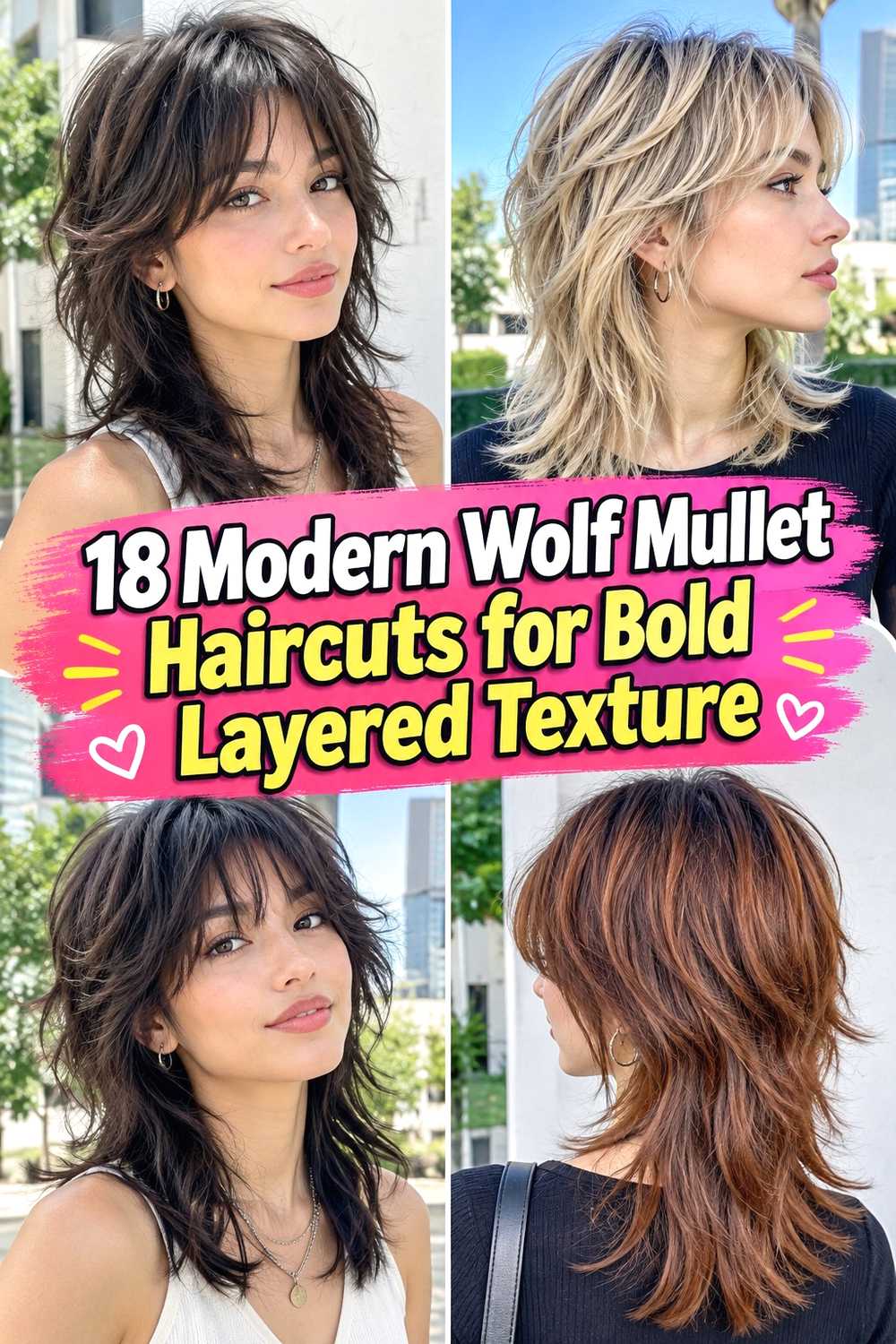
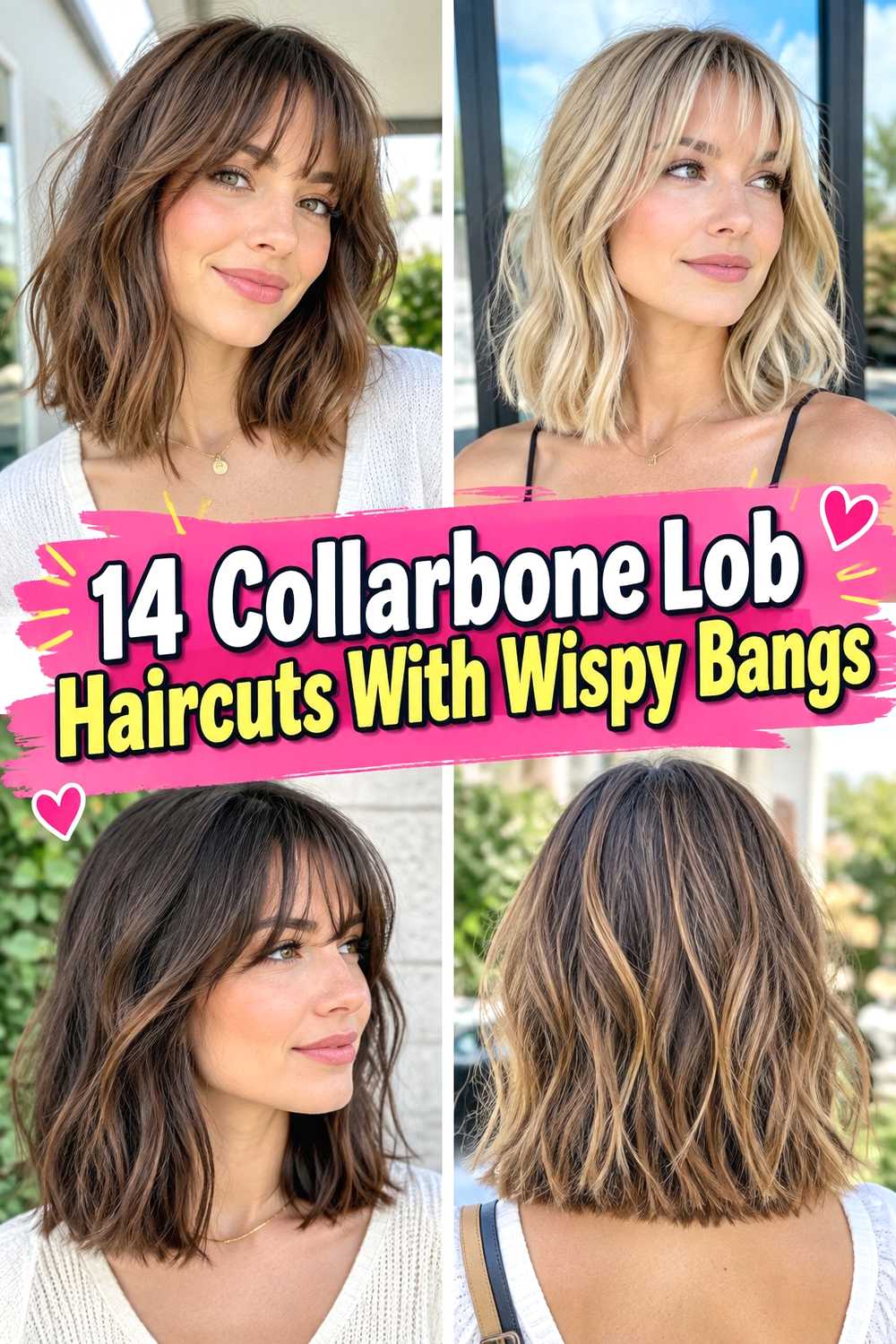
20 Soft Razor Mullet Haircuts for Airy, Textured Style
Soft razor mullet haircuts combine airy movement, tapered ends, and longer nape layers for a modern shape that feels edgy without looking overly harsh.
The softness comes from how the layers are connected. Instead of relying on thick, blunt steps, razor-cut sections can create narrow ends, feathered movement, and a lighter transition between the crown, sides, and back. The result can range from tousled and wavy to sleek, romantic, or deliberately choppy.
When comparing these ideas, pay attention to density, texture, fringe, and how much length you want to preserve. Razor work can create beautiful movement, but the amount of weight removed should suit the hair. Finer textures generally need more fullness left through the perimeter, while dense hair may support more internal lightness.
Quick List
- Soft Razor Mullet With Wispy Fringe Hairstyle
- Wavy Soft Razor Mullet Hairstyle
- Long Soft Razor Mullet With Curtain Fringe Hairstyle
- Short Soft Razor Mullet Hairstyle
- Feathered Soft Razor Mullet Hairstyle
- Curly Soft Razor Mullet With Airy Bangs Hairstyle
- Soft Razor Mullet With Bottleneck Fringe Hairstyle
- Tousled Soft Razor Mullet Hairstyle
- Shoulder Length Soft Razor Mullet Hairstyle
- Soft Razor Mullet With Face Framing Layers Hairstyle
- Fine Hair Soft Razor Mullet Hairstyle
- Thick Hair Soft Razor Mullet Hairstyle
- Soft Razor Mullet With Piecey Fringe Hairstyle
- Sleek Soft Razor Mullet Hairstyle
- Voluminous Soft Razor Mullet Hairstyle
- Soft Razor Mullet With Bardot Fringe Hairstyle
- Textured Soft Razor Mullet With Choppy Ends Hairstyle
- Soft Blonde Razor Mullet Hairstyle
- Brunette Soft Razor Mullet With Side Fringe Hairstyle
- Romantic Soft Razor Mullet Hairstyle
1. Soft Razor Mullet With Wispy Fringe Hairstyle
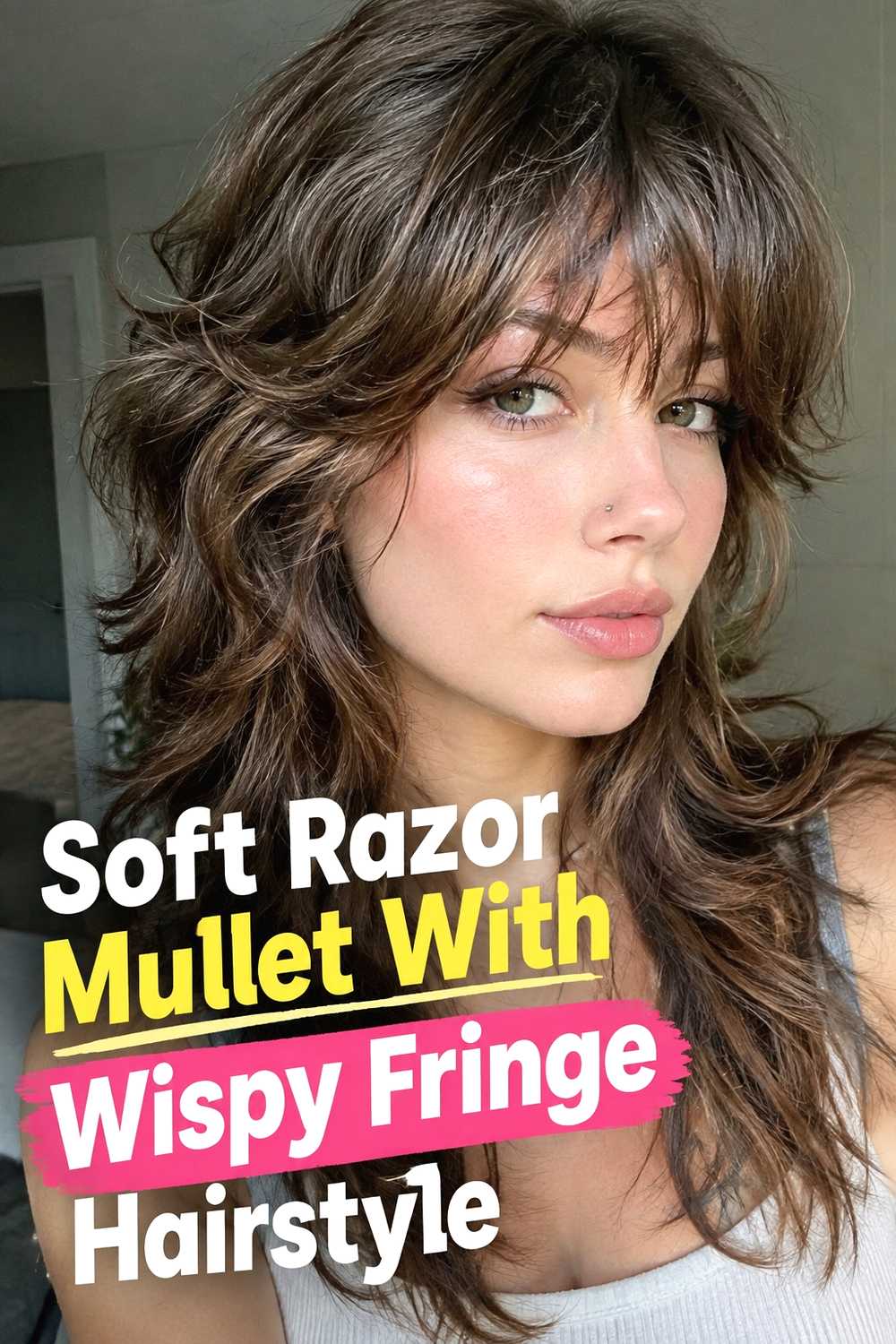
This soft razor mullet uses wispy fringe to keep the front delicate while longer, tapered pieces create movement through the sides and nape. The crown is layered enough to provide lift, but the transitions remain fluid rather than sharply disconnected. Fine sections of fringe fall lightly across the forehead and blend into face-framing pieces around the temples. Straight and softly wavy textures can show the razor detail particularly well because the narrow ends remain visible. For styling, use a small amount of lightweight cream or texture spray and separate selected pieces with your fingers. Avoid coating the entire haircut with heavy product, since the airy finish depends on flexible movement and visible strand separation.
Best For
This is an approachable option if you want a mullet-inspired silhouette with a softer front and minimal visual heaviness.
2. Wavy Soft Razor Mullet Hairstyle
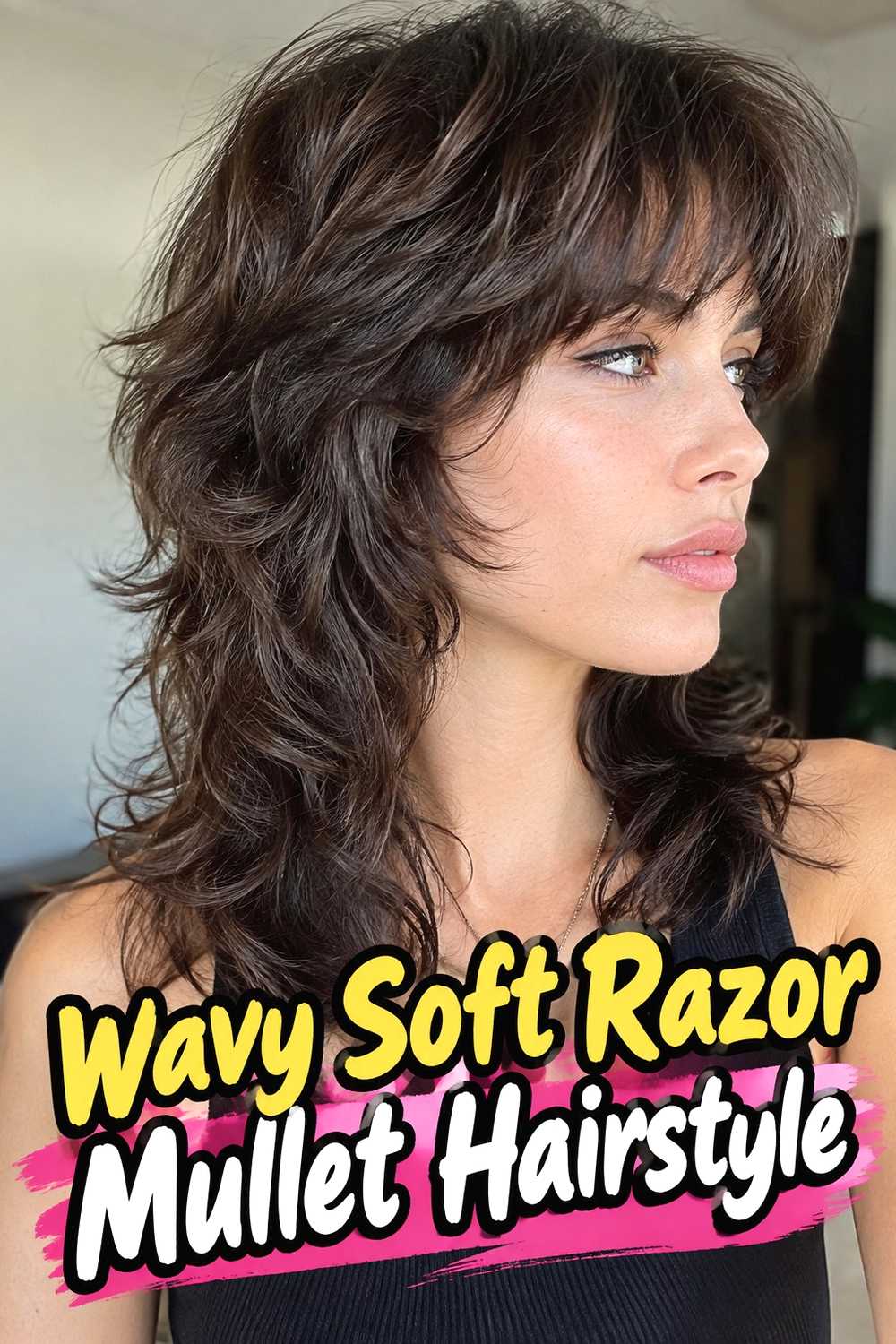
Natural waves give a soft razor mullet an easy, flowing texture that makes the changing layer lengths look more connected. Shorter crown pieces create lift, while tapered side layers bend naturally before extending into the longer nape. The razor-cut ends can make waves feel lighter and less blocky, especially on medium-density hair with enough fullness to support the texture. Air-drying may be enough when the natural pattern is strong, while a diffuser can encourage more definition without making the style overly polished. Keep some ends straighter than others for a believable finish. Too much uniform curling can hide the irregular movement that makes this haircut feel relaxed and modern.
Styling Notes
Scrunch in a light wave product, then allow sections to dry with slightly different bends for a casual, separated effect.
3. Long Soft Razor Mullet With Curtain Fringe Hairstyle
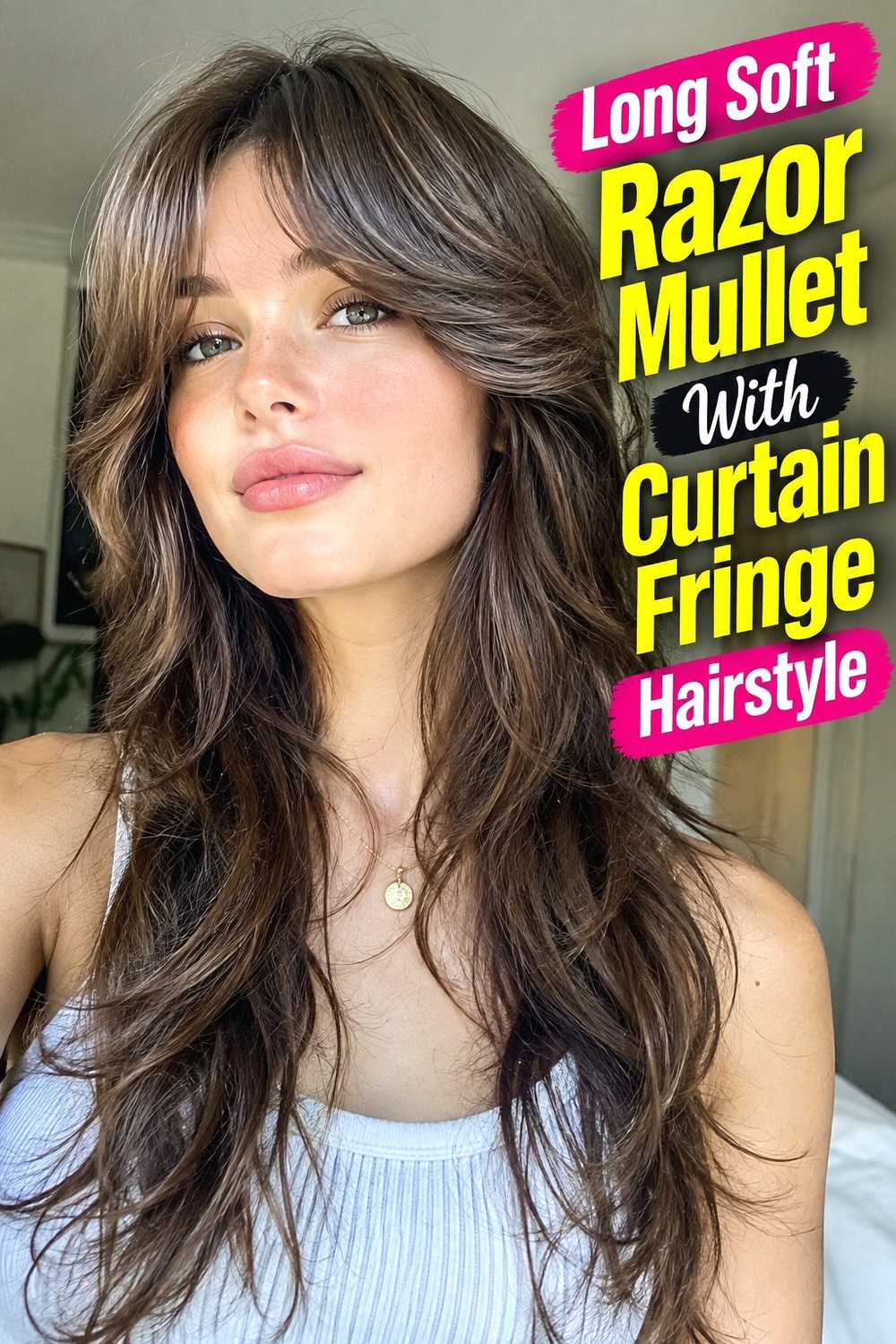
A long soft razor mullet keeps plenty of length through the back while introducing airy crown layers and sweeping curtain fringe at the front. The fringe opens near the center and gradually extends toward the cheekbones, where it connects with tapered side pieces. Because the back remains long, the haircut provides a noticeable mullet influence without requiring a dramatic overall chop. Medium and thick hair can often support extensive layering particularly well, although the perimeter should retain enough weight to avoid looking sparse. Loose waves can emphasize the razor-cut movement, while a smooth blowout gives the layers a more polished finish. Concentrate texture through the crown and face frame rather than thinning every section equally.
Hair Type & Length
This style works especially well on medium-to-long hair with enough density to support light crown layers and a substantial back.
4. Short Soft Razor Mullet Hairstyle
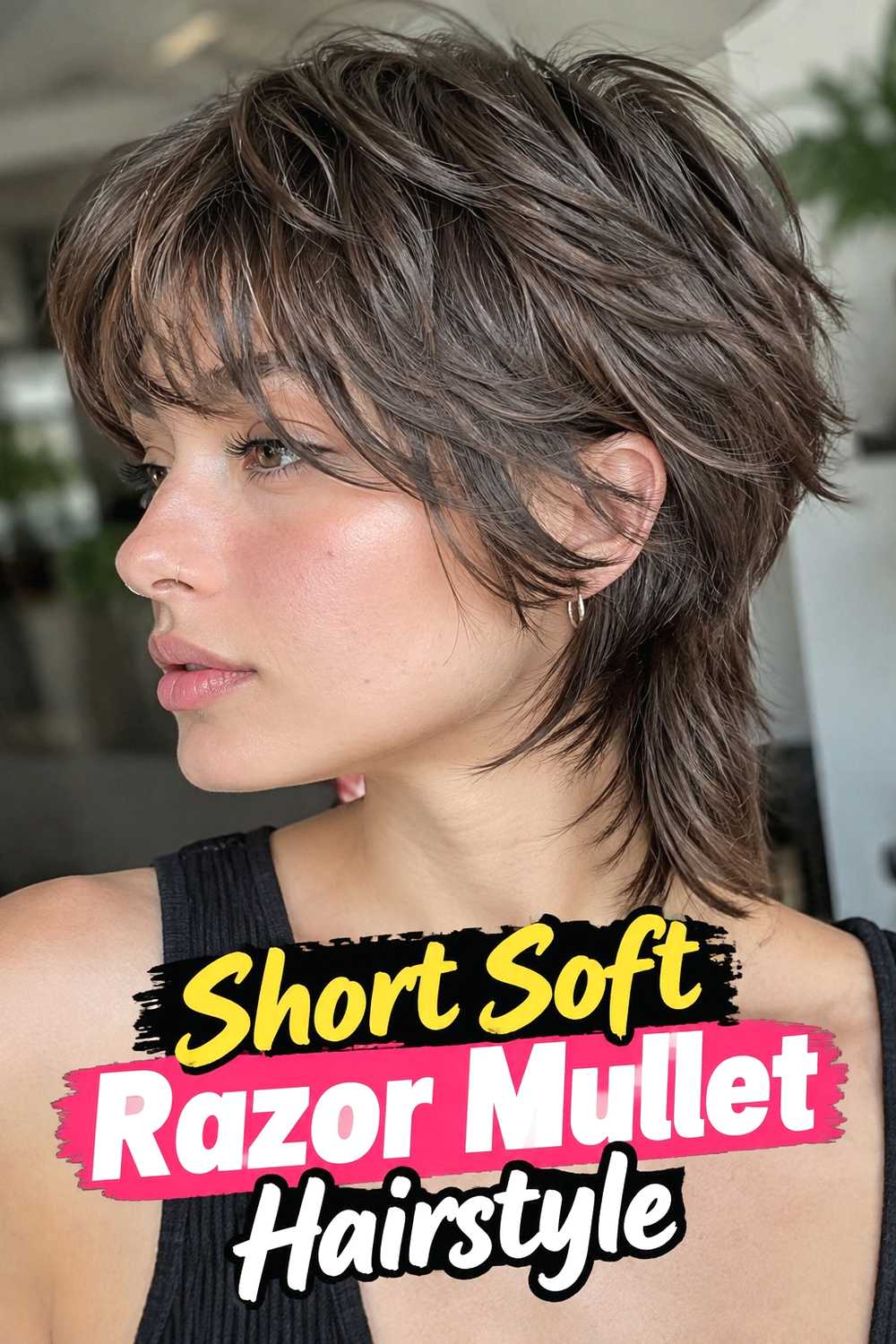
A short soft razor mullet keeps the silhouette compact while preserving a visible extension at the nape. The crown is cut into light, mobile layers, and the sides taper around the ears before leading into the longer back. Razor-cut ends soften the transition so the haircut feels less severe than a sharply disconnected mullet. Straight, wavy, and slightly textured hair can all adapt well because the silhouette relies on movement rather than one precise finish. Styling can be simple: work a small amount of pliable paste through selected tips and lightly lift the crown. Leaving the nape flexible instead of stiffly styled gives the haircut a more modern, effortless character.
Best For
Choose this version if you want a short statement cut with airy texture but do not want an exaggerated or heavily sculpted mullet.
5. Feathered Soft Razor Mullet Hairstyle
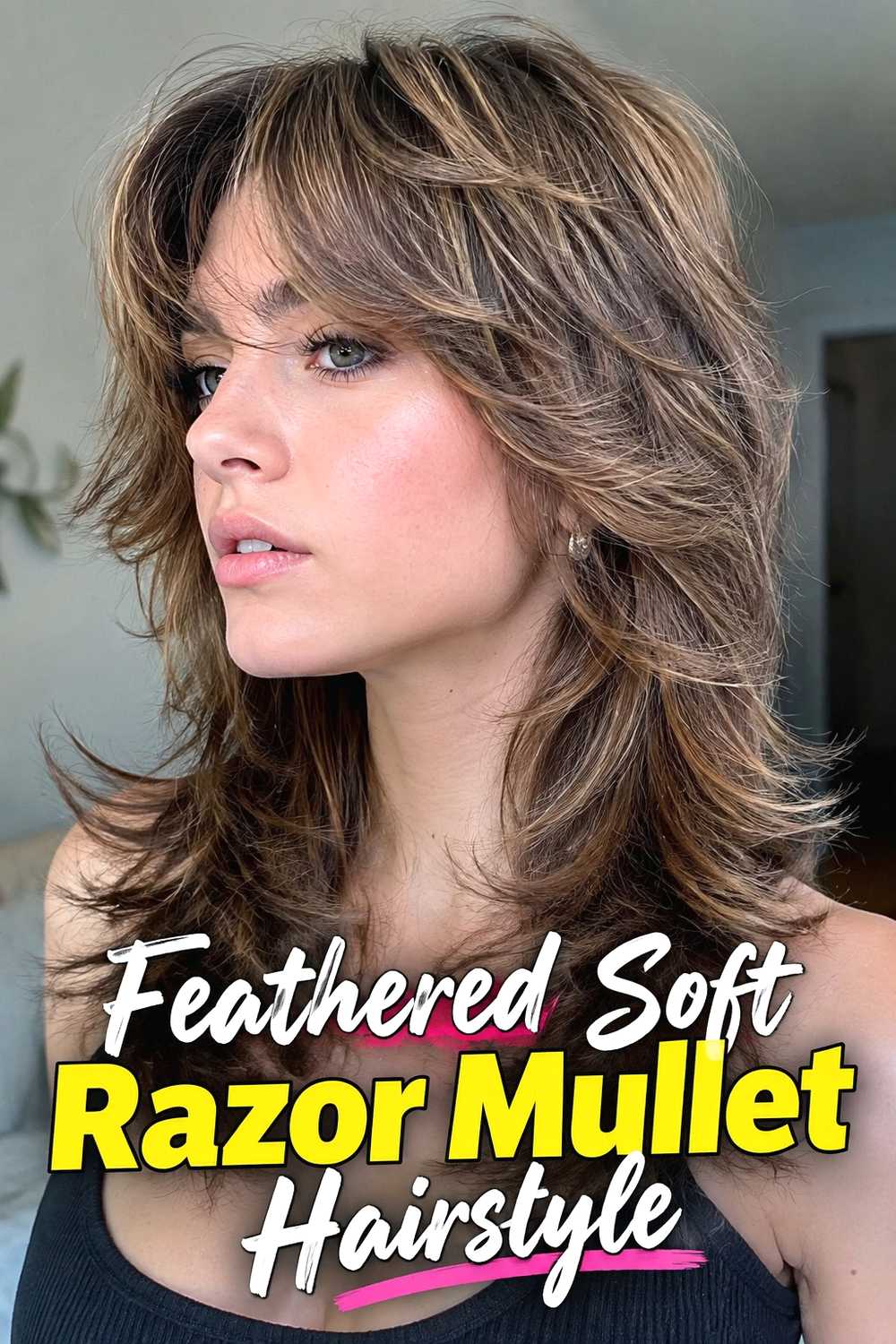
Feathered razor layers create a smooth, sweeping version of the mullet that feels light through the crown and sides. Instead of strongly choppy sections, the ends narrow and move outward in delicate pieces before blending into the longer nape. This shape can look especially effective on straight or gently wavy hair because the feathering remains easy to see. A soft blowout can emphasize the outward movement around the cheekbones, while finger styling gives the haircut a more casual finish. The nape should maintain enough density to balance the airy upper layers. Heavy oils or waxes can collapse the feathered effect, so choose lightweight products that preserve shine without taking away movement.
Why It Works
The tapered layers reduce visual weight and give the traditional mullet outline a softer, more fluid appearance.
6. Curly Soft Razor Mullet With Airy Bangs Hairstyle
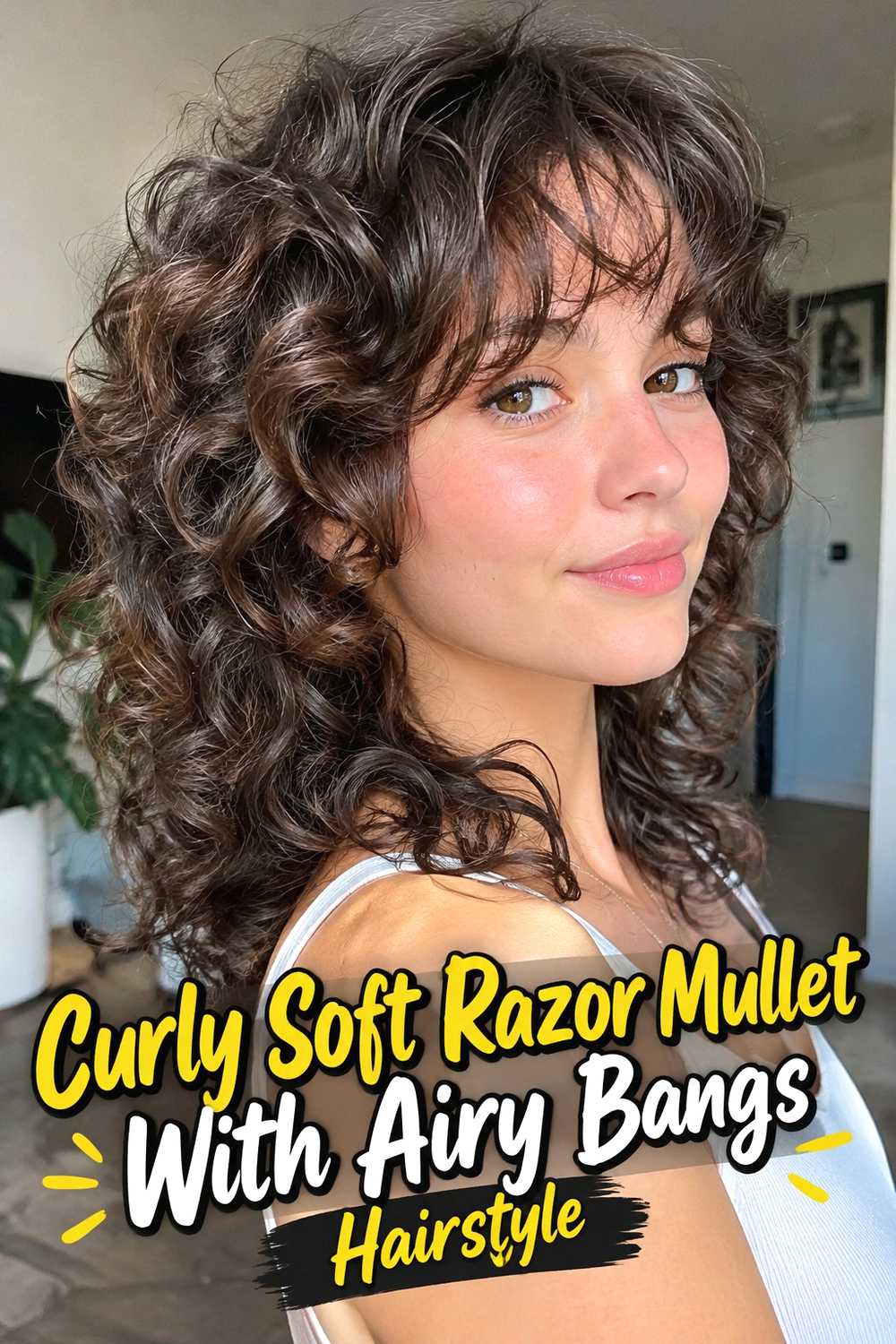
Curly hair brings natural volume to a soft razor mullet, while airy bangs keep the front from becoming too dense. The crown can be layered to encourage spring, and longer curls through the back preserve the elongated mullet shape. Around the forehead, the fringe should follow the natural curl pattern rather than being forced into a straight line. Razor techniques need careful adjustment on curly hair because excessive weight removal can create frizz or disrupt curl grouping. The goal is lightness without sacrificing definition. Styling with curl cream, mousse, or gel can help maintain individual clusters while keeping the overall silhouette flexible. The finished haircut should show natural variation rather than identical, repeated curls.
Pro Tip
Plan fringe length with dry shrinkage in mind so the airy bangs settle at the intended height.
7. Soft Razor Mullet With Bottleneck Fringe Hairstyle
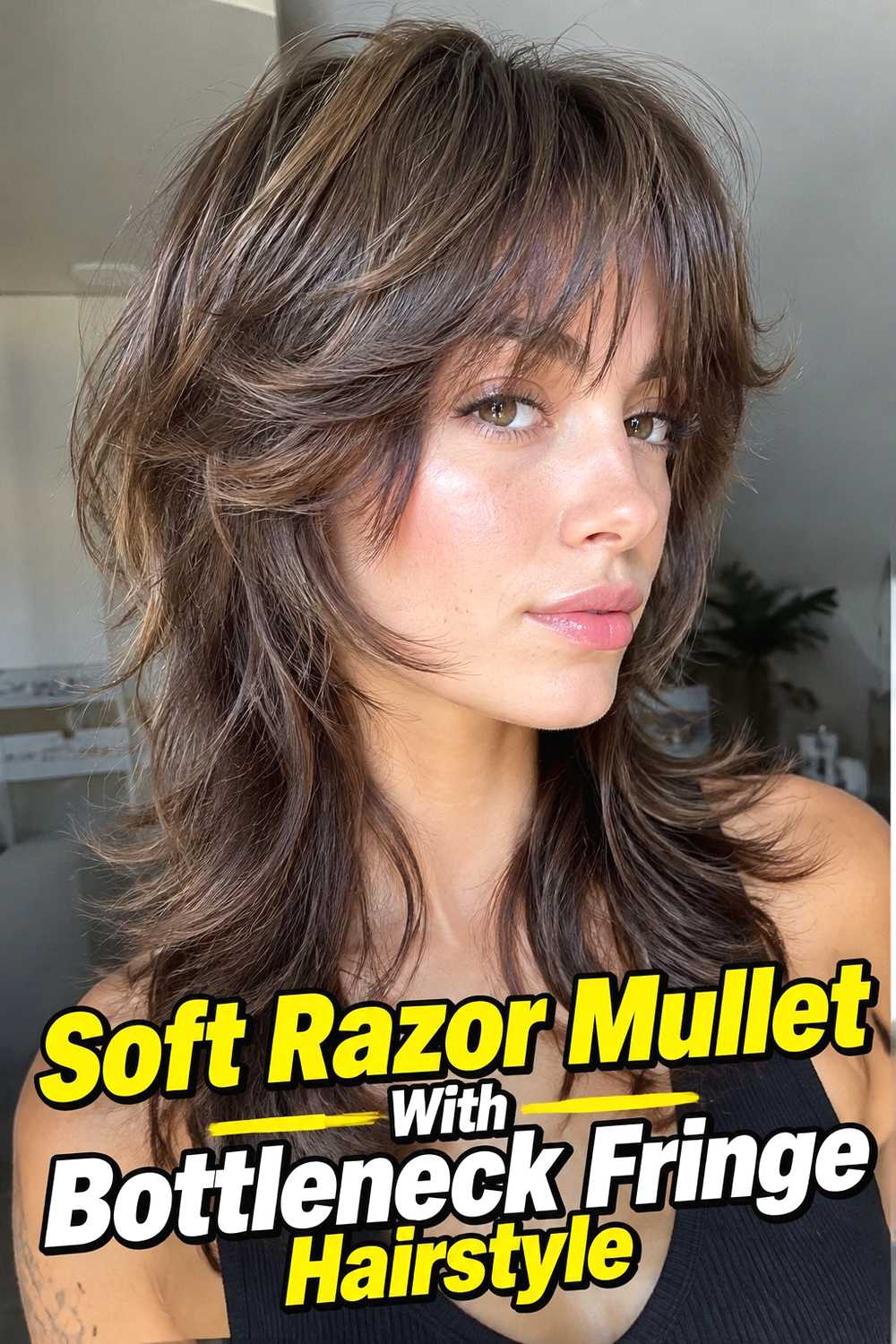
Bottleneck fringe brings a curved, face-framing shape to a soft razor mullet. The bangs begin shorter near the center of the forehead and gradually lengthen toward the temples, where they merge into tapered side layers. That progression mirrors the haircut’s airy construction and helps the front feel connected to the longer back. Loose waves or slight bends can make the shape especially fluid, although straight hair also shows the narrow razor-cut ends beautifully. A little lift through the crown keeps the silhouette balanced, while the nape can fall more naturally. Style the outer fringe sections away from the face without making them perfectly symmetrical for a softer, more believable result.
Why It Works
The curved fringe creates a gradual transition from short front pieces into the longer sides, complementing the razor-cut texture.
8. Tousled Soft Razor Mullet Hairstyle
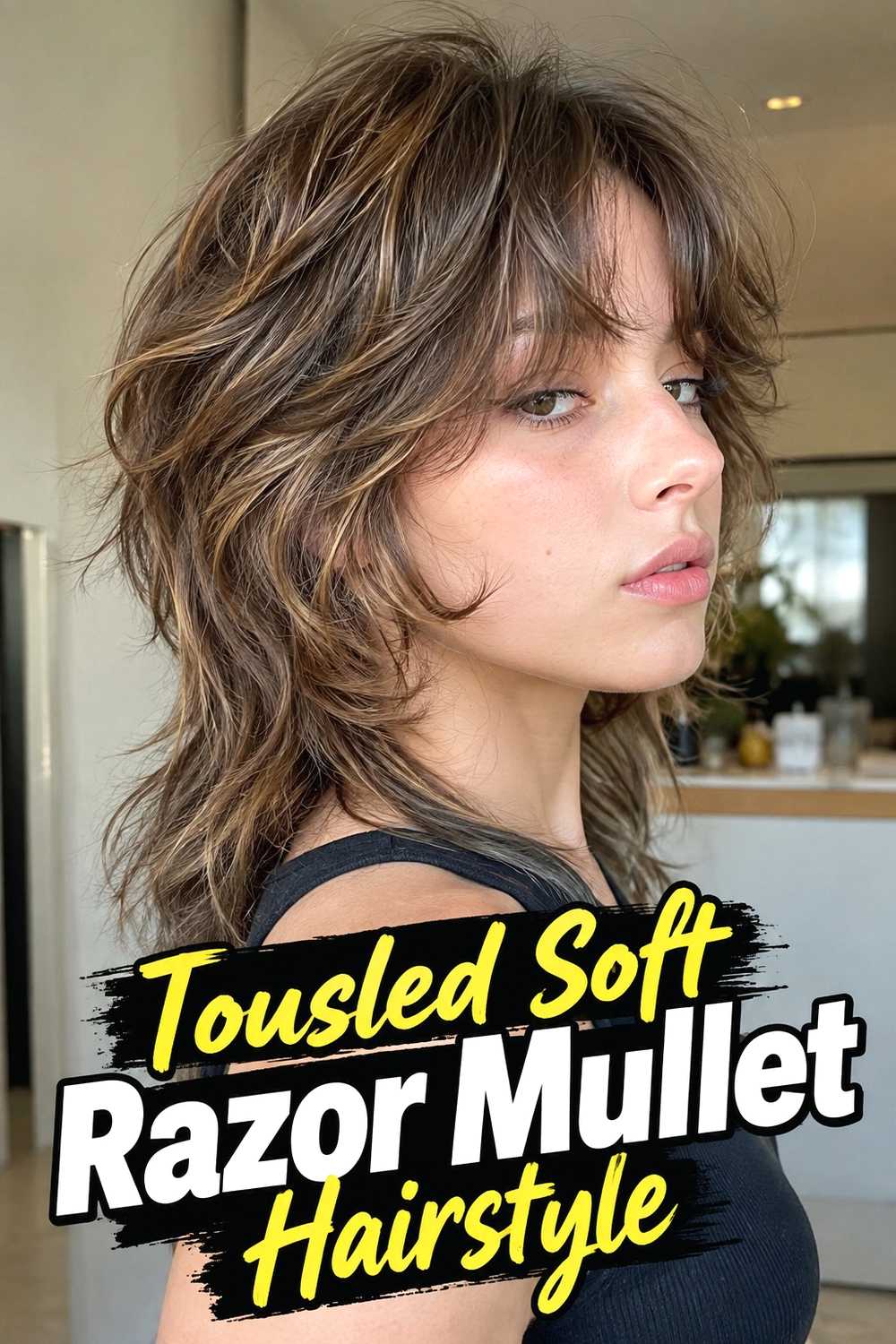
A tousled soft razor mullet is all about controlled irregularity. The crown is cut into lightweight layers that can lift and separate easily, while the sides and nape feature tapered ends that move in different directions. This version works particularly well with naturally wavy or bendable hair because the existing texture reinforces the lived-in finish. Rather than styling every strand, focus on a few key sections around the face and crown, then allow the rest to settle more freely. A flexible texture cream or mousse can provide grip without stiffness. Keeping the nape slightly calmer than the crown helps preserve the elongated silhouette and prevents the whole haircut from becoming uniformly messy.
Styling Notes
Alternate bends and leave some ends straight. Mixed texture gives the cut more dimension than a perfectly curled finish.
9. Shoulder Length Soft Razor Mullet Hairstyle
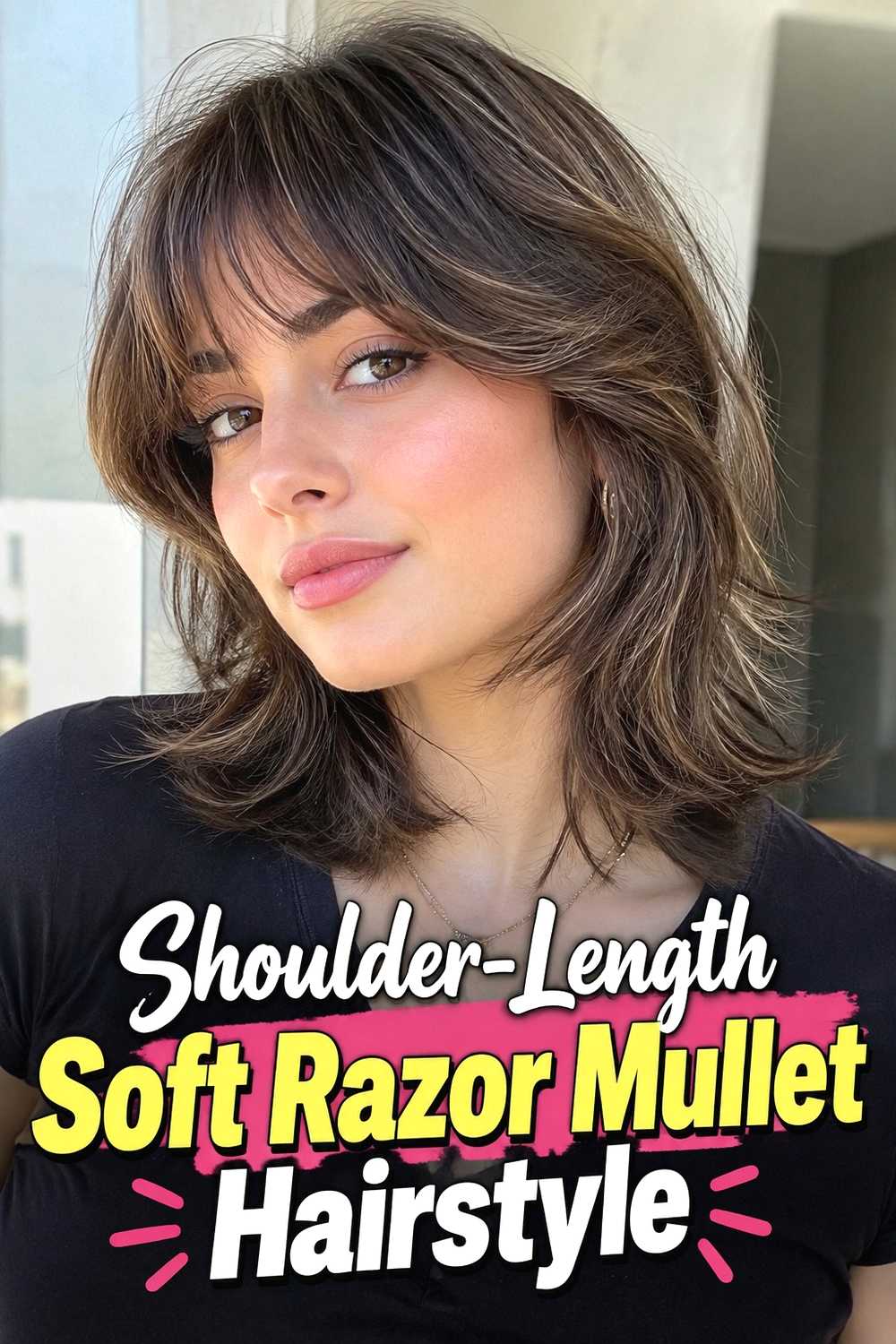
A shoulder-length soft razor mullet offers enough length for visible movement while remaining lighter and easier to manage than a long version. Short crown layers create lift, then gradually stretch through the sides before meeting a tapered back that brushes the shoulders. This proportion works well with straight, wavy, and softly textured hair because there is enough length to show the razor-cut movement clearly. Medium-density hair can often support the style without excessive thinning, while thicker hair may benefit from selective internal weight removal. The haircut can be worn air-dried, loosely waved, or blown smooth. Maintaining some fullness at the perimeter keeps the shoulder-length back looking intentional rather than wispy.
Best For
This length is a versatile middle ground for anyone who wants mullet movement without committing to either a very short or very long silhouette.
10. Soft Razor Mullet With Face Framing Layers Hairstyle
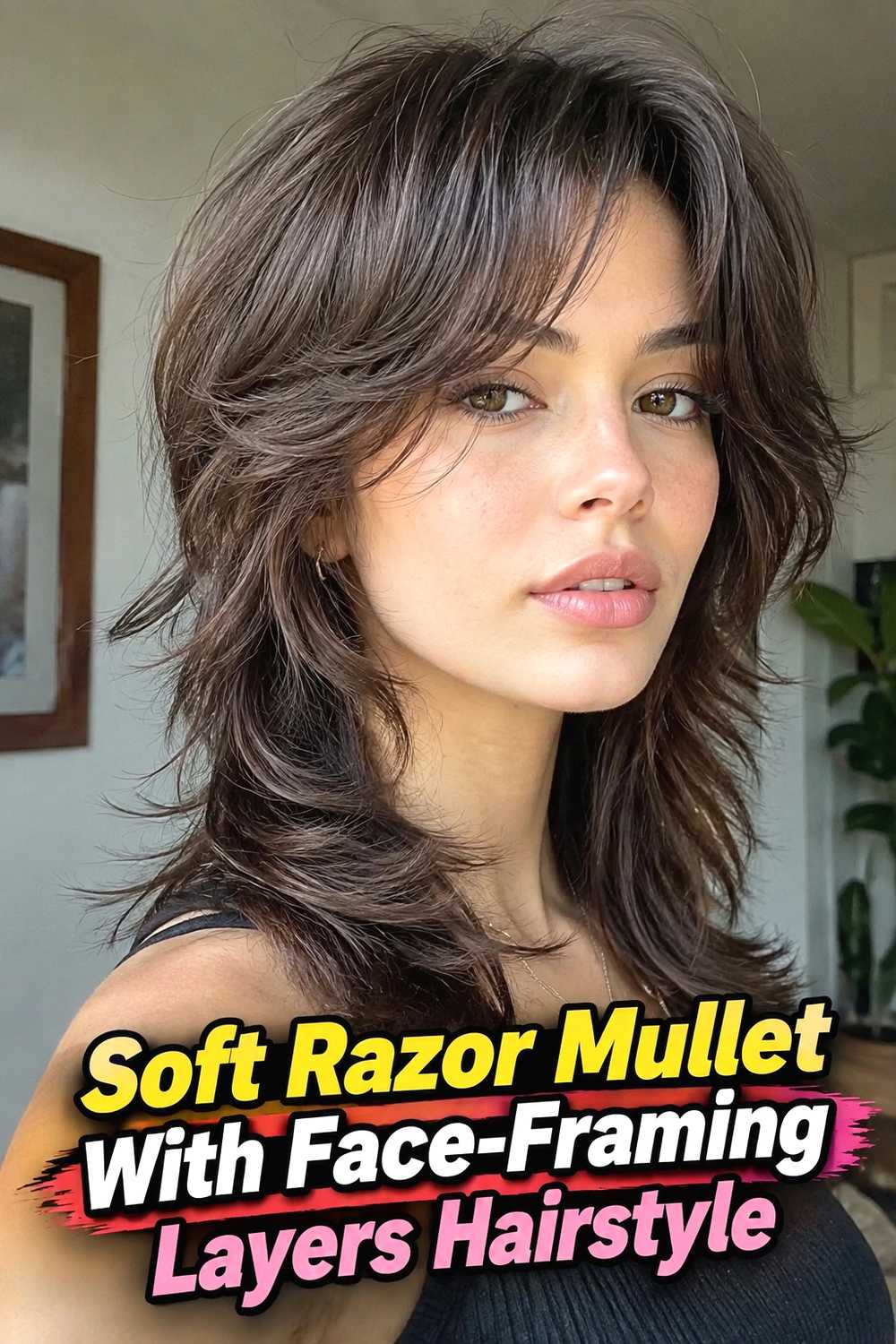
Face-framing layers make a soft razor mullet feel especially fluid around the front. Shorter pieces begin near the cheekbones or jaw and gradually lengthen toward the shoulders and nape, helping connect the lighter crown to the longer back. Razor-cut ends keep those transitions narrow and mobile rather than bulky. This variation is useful if you like the mullet shape but prefer longer framing pieces instead of a defined fringe. Straight hair can show the tapered edges clearly, while waves give the layers more dimension. For styling, direct some front pieces away from the face and leave others closer to the cheek. That mixture prevents the result from feeling overly arranged.
Why It Works
Graduated front layers visually bridge the difference between the short crown and elongated perimeter, creating a softer overall profile.
11. Fine Hair Soft Razor Mullet Hairstyle
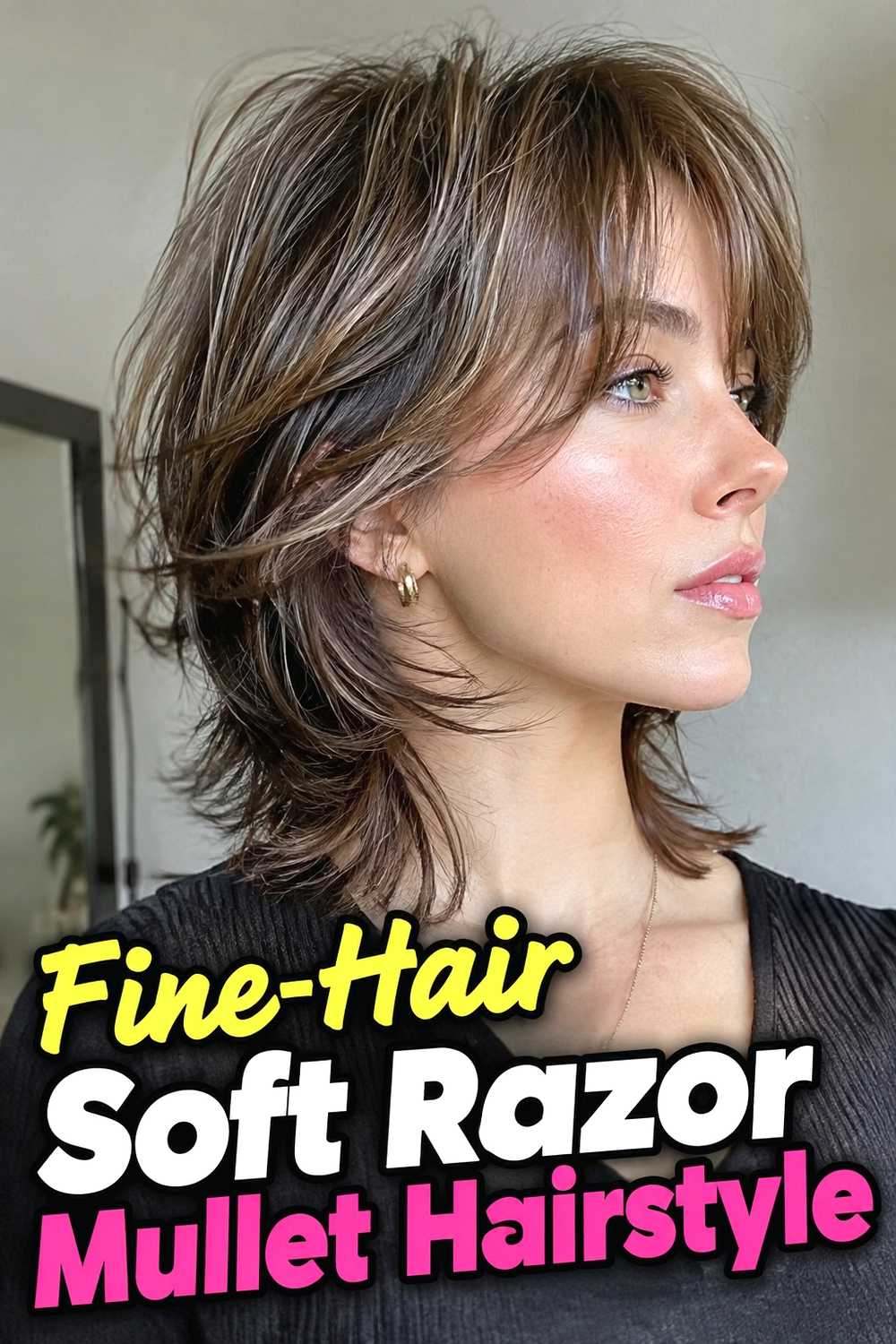
A soft razor mullet can work on fine hair when the lightness is placed carefully. Instead of thinning every section, the cut should preserve fullness through the longest parts while using shorter crown layers to encourage lift. Subtle razor work around the face and selected ends can create movement without making the perimeter look sparse. Wispy texture is naturally compatible with fine strands, but the nape still needs enough density to maintain a recognizable shape. Styling products should be minimal and lightweight; a small amount of mousse or root spray can add body without coating the hair. Avoid overworking the ends with heavy paste, since fine hair can quickly lose the airy movement that makes this cut appealing.
Hair Type & Length
Fine hair often benefits from moderate layering and a fuller perimeter rather than aggressive weight removal throughout the entire haircut.
12. Thick Hair Soft Razor Mullet Hairstyle
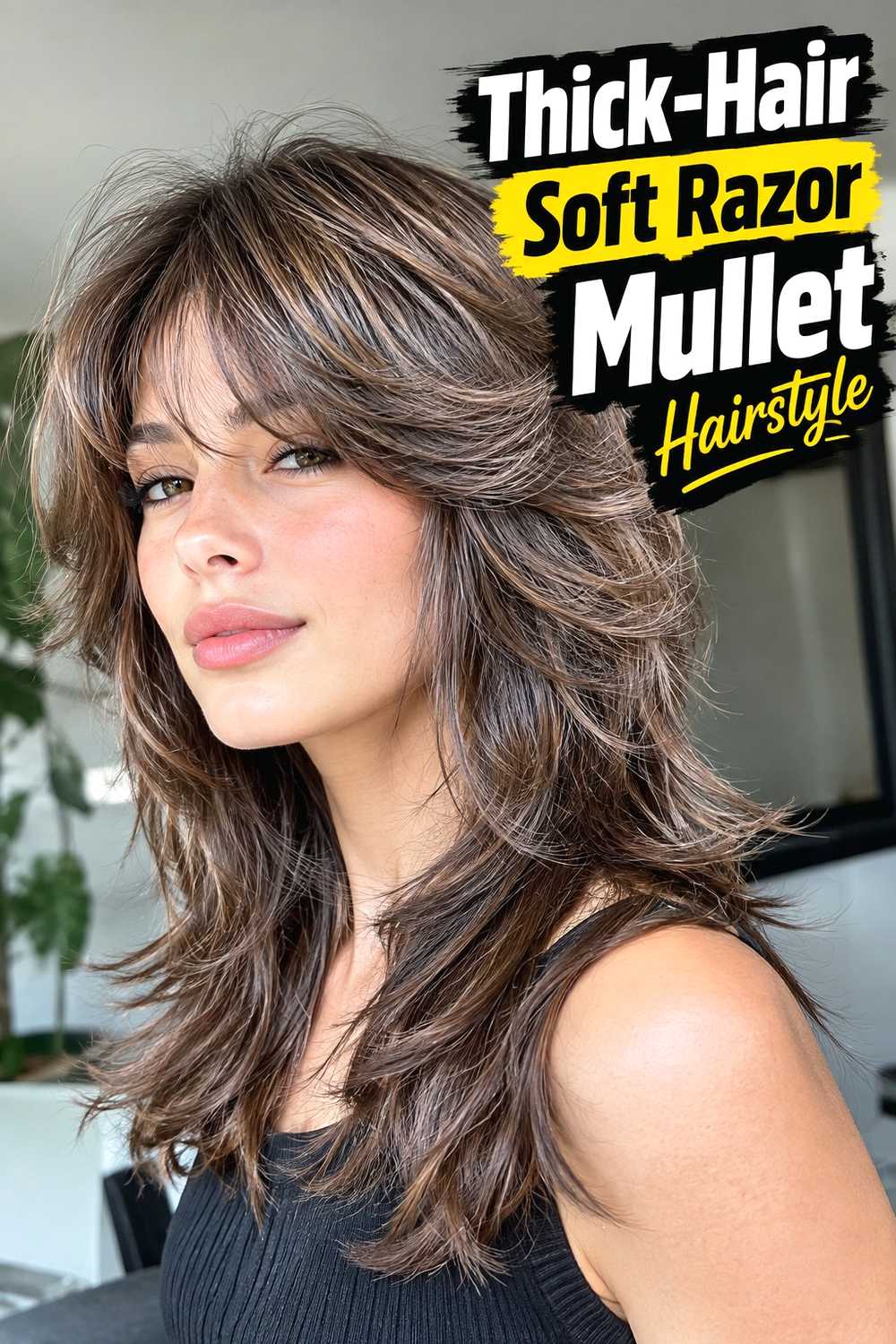
Thick hair can support a fuller soft razor mullet with substantial movement through the crown, sides, and back. Strategic razor work can remove selected bulk and create tapered ends, but the haircut should still retain enough internal structure to prevent excessive expansion. Shorter crown layers provide lift, while the sides gradually narrow before extending into a longer, more controlled nape. Wavy or straight thick hair can both showcase the shape, although naturally textured strands may need more careful weight distribution. Styling with lightweight cream can help define individual sections without adding heaviness. The goal is to make dense hair feel mobile rather than dramatically thinner, preserving a strong perimeter while reducing unnecessary bulk.
Wear & Maintenance
Regular reshaping can keep the crown from becoming heavy and help the tapered layers maintain their intended movement as the cut grows.
13. Soft Razor Mullet With Piecey Fringe Hairstyle
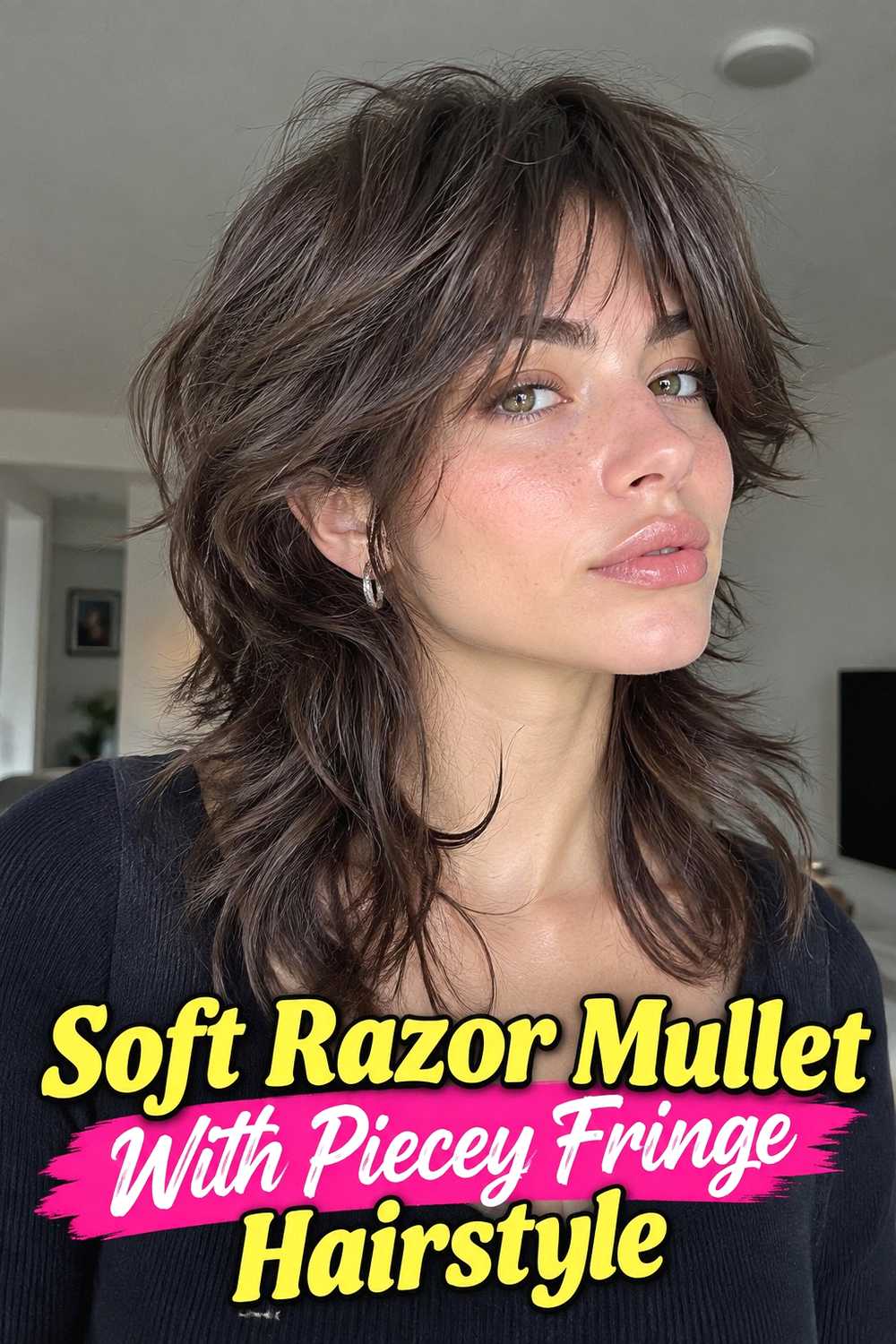
Piecey fringe gives a soft razor mullet a more textured front without the commitment of dense, straight-across bangs. The fringe falls in small separated sections, revealing glimpses of the forehead and connecting naturally with tapered temple pieces. Through the crown, light layers add movement before extending toward the longer back. Straight and slightly wavy hair can show the individual fringe sections especially clearly, although the concept can be adapted to more textured hair as well. A tiny amount of pliable styling product can define the bangs and selected ends, but the finish should remain flexible. Keeping the fringe narrow and airy prevents it from competing with the movement through the rest of the cut.
Styling Notes
Apply product to your fingertips first, then pinch only a few sections of fringe and ends rather than coating the whole haircut.
14. Sleek Soft Razor Mullet Hairstyle
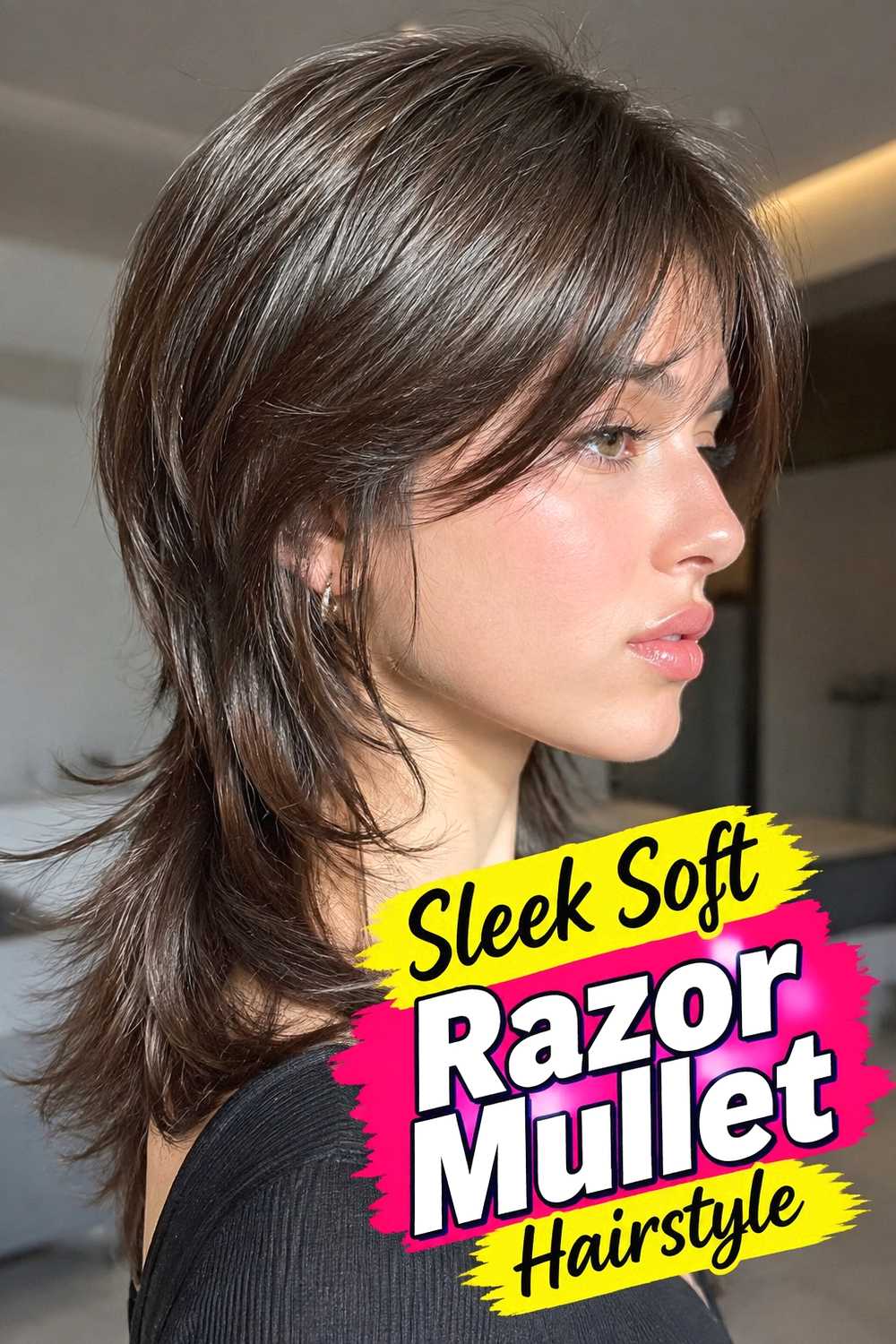
A sleek soft razor mullet shows that tapered layers do not always need a messy finish. The crown remains lightly layered, but the surface is smoothed so the haircut’s structure becomes more visible. Narrow razor-cut ends create movement along the sides and nape without requiring heavy volume, giving the silhouette a refined edge. Straight hair naturally complements this version, while wavy textures can be smoothed with blow-drying when desired. The key is avoiding a completely flat finish; a small amount of root lift and gentle bend at the ends helps the layers retain dimension. Lightweight smoothing cream can control flyaways and enhance shine without making the narrow ends look oily or separated into stiff sections.
Best For
This option suits anyone who likes razor-cut texture but prefers a cleaner, more polished finish than a heavily tousled mullet.
15. Voluminous Soft Razor Mullet Hairstyle
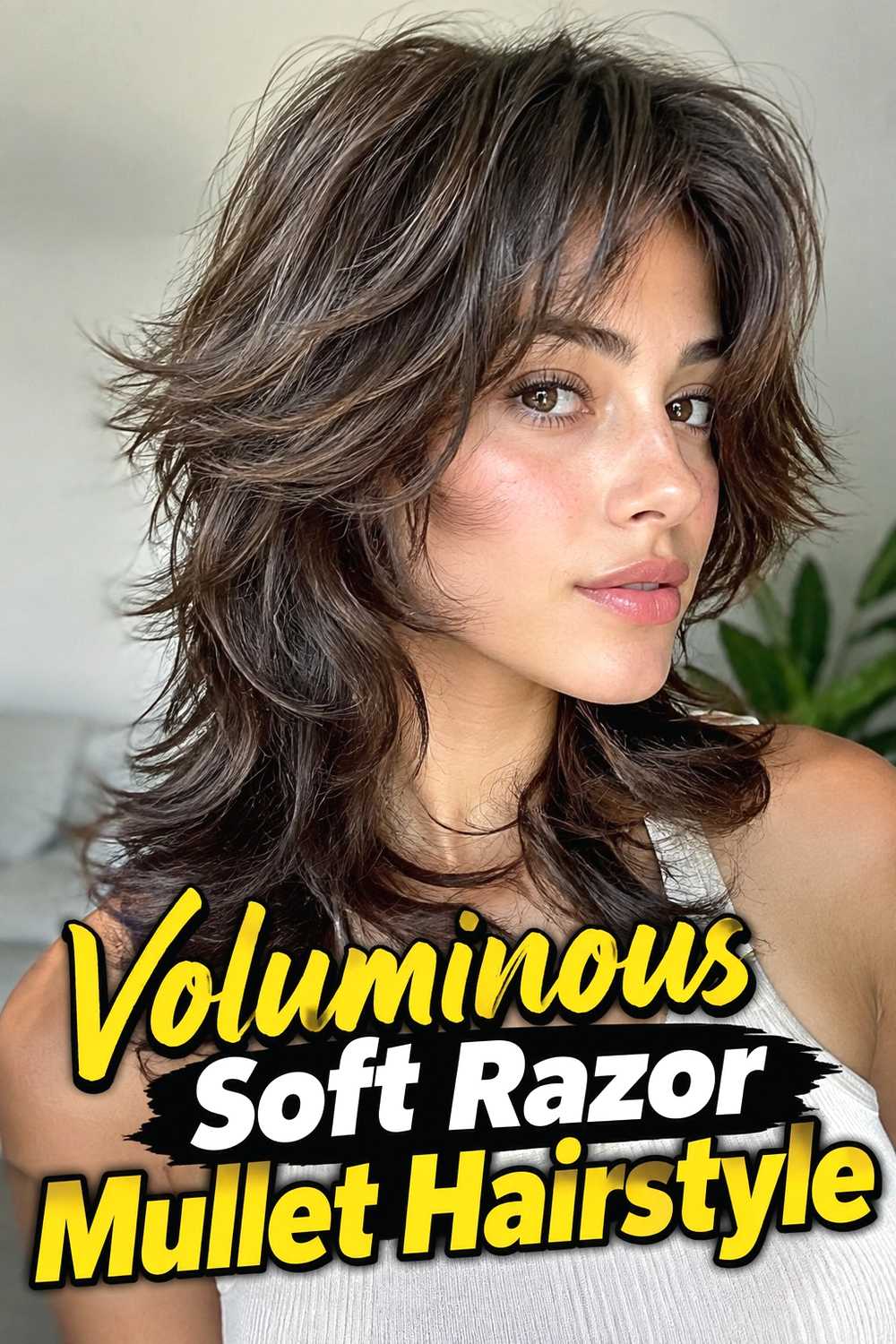
The voluminous soft razor mullet combines airy ends with a fuller crown, creating height without making the sides feel too bulky. Short upper layers are designed to lift away from the scalp, while tapered sections around the temples and nape keep the silhouette elongated. Medium to thick hair can produce this volume naturally, while finer textures may need careful root styling and less weight removal. A diffuser, round brush, or lightweight volumizing product can help support the crown while keeping the ends flexible. Avoid creating equal volume everywhere; a slightly narrower lower section makes the upper layers stand out more clearly. The result should feel buoyant and textured rather than stiff or excessively teased.
Styling Notes
Concentrate lift near the crown and let the nape fall more naturally to preserve the soft mullet proportion.
16. Soft Razor Mullet With Bardot Fringe Hairstyle
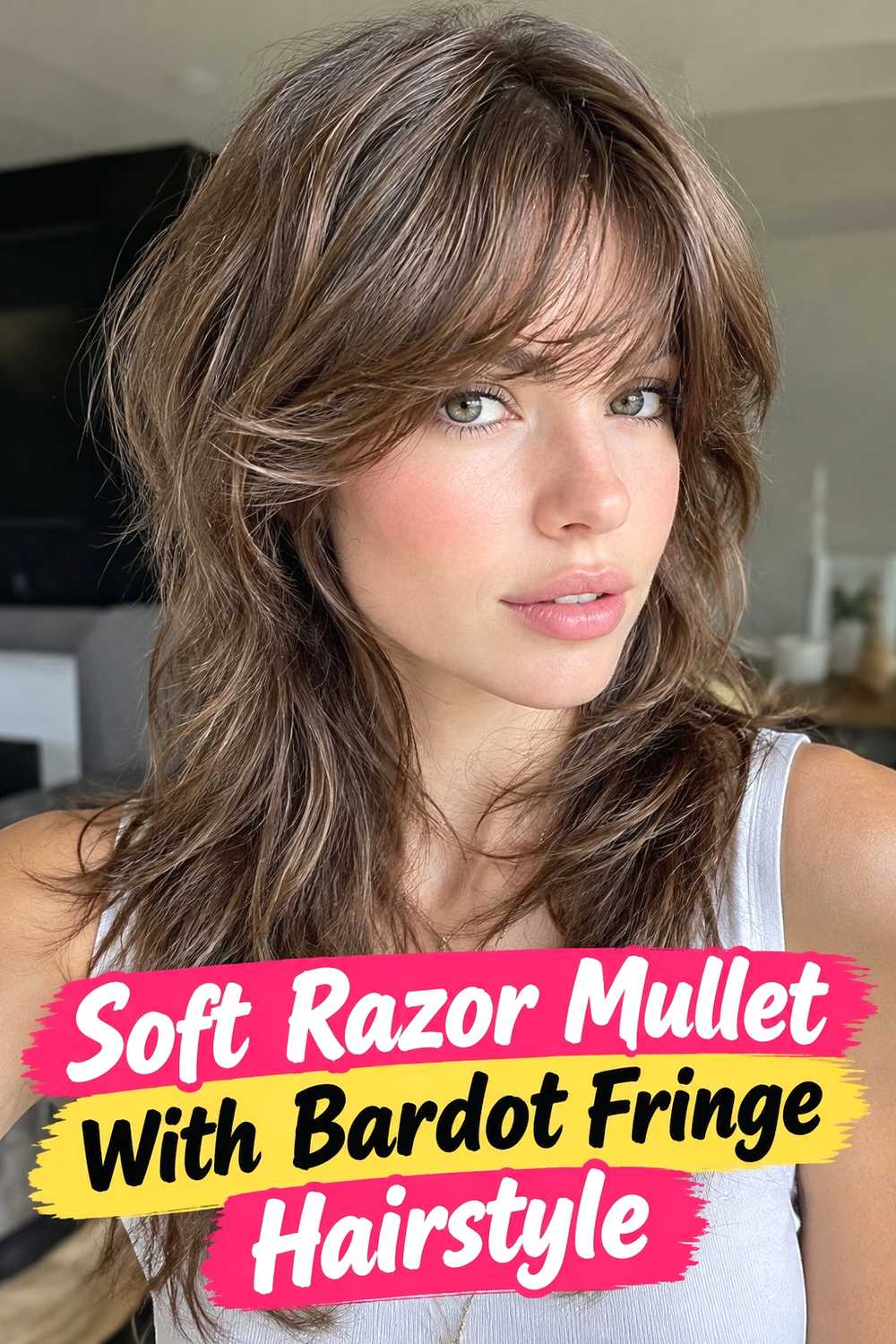
Bardot fringe gives a soft razor mullet a romantic, slightly vintage mood while preserving the haircut’s modern texture. The fringe is fuller through the center and sweeps outward toward the temples, where it connects with face-framing razor layers. Behind it, shorter crown pieces create airy volume before extending into a longer, tapered nape. Loose waves work especially well because they reinforce the soft transitions and give the fringe natural movement. Medium and longer versions of the cut provide enough space to balance the fuller bangs with the back. Style the fringe with gentle root lift and an outward bend, then keep the remaining hair relaxed so the overall effect does not become too formal.
Why It Works
The fuller, sweeping fringe softens the sharper mullet outline and creates a balanced transition into the textured side layers.
17. Textured Soft Razor Mullet With Choppy Ends Hairstyle
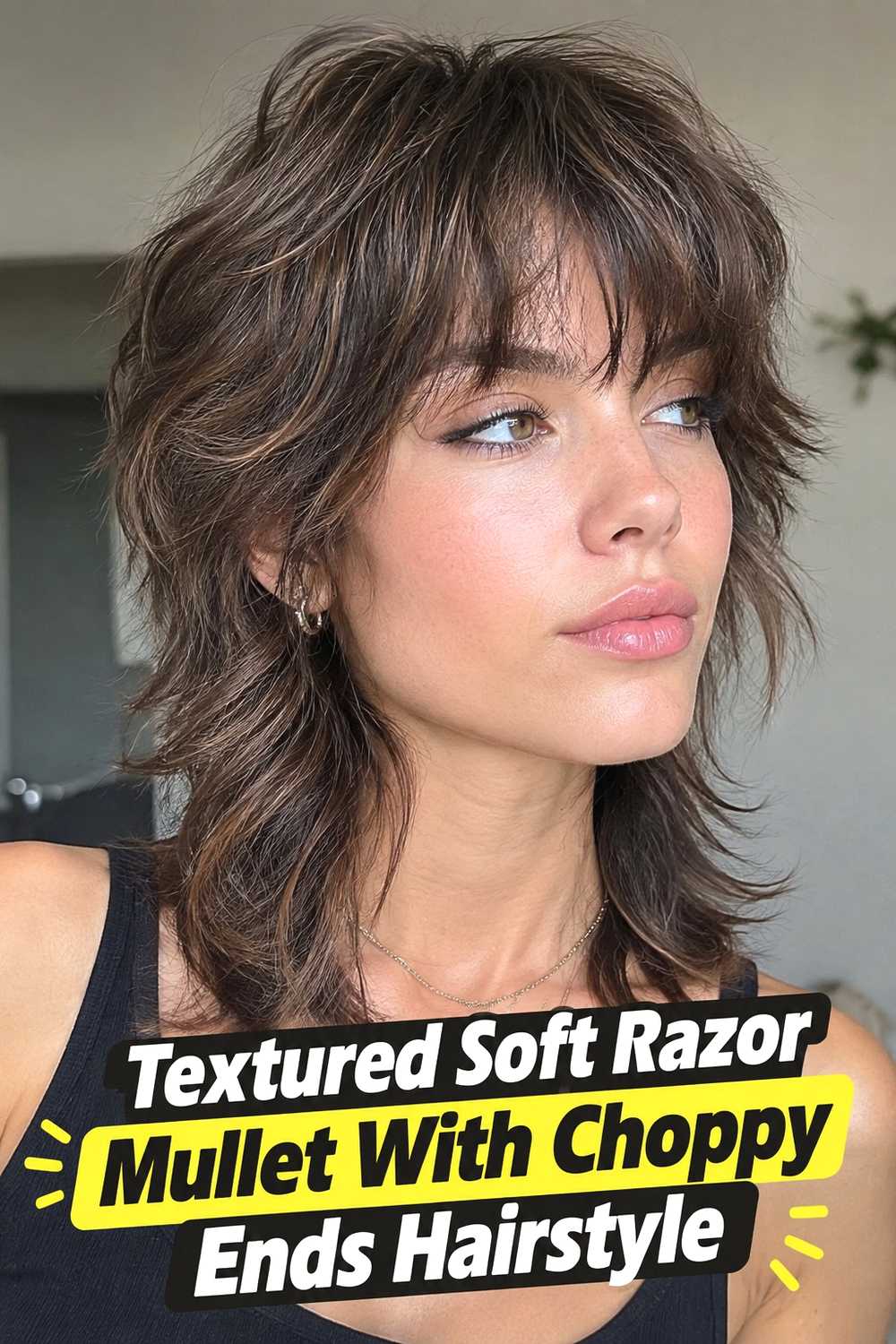
Choppy ends add more definition to a soft razor mullet while the razor technique keeps them tapered rather than blunt. The crown can be cut into irregular layers that lift and separate, while the sides and nape feature broken-up tips with visible movement. This variation has more edge than a feathered version but still avoids the heavy steps associated with a very blunt mullet. Straight and wavy hair can both display the texture clearly, especially when styling remains flexible. A small amount of paste can sharpen selected tips, though too much product may make the choppy ends look stiff. Keep the nape substantial enough that the stronger upper texture does not overpower the back.
Best For
This style is a good match if you prefer visible texture and separation but still want the haircut to feel light and wearable.
18. Soft Blonde Razor Mullet Hairstyle
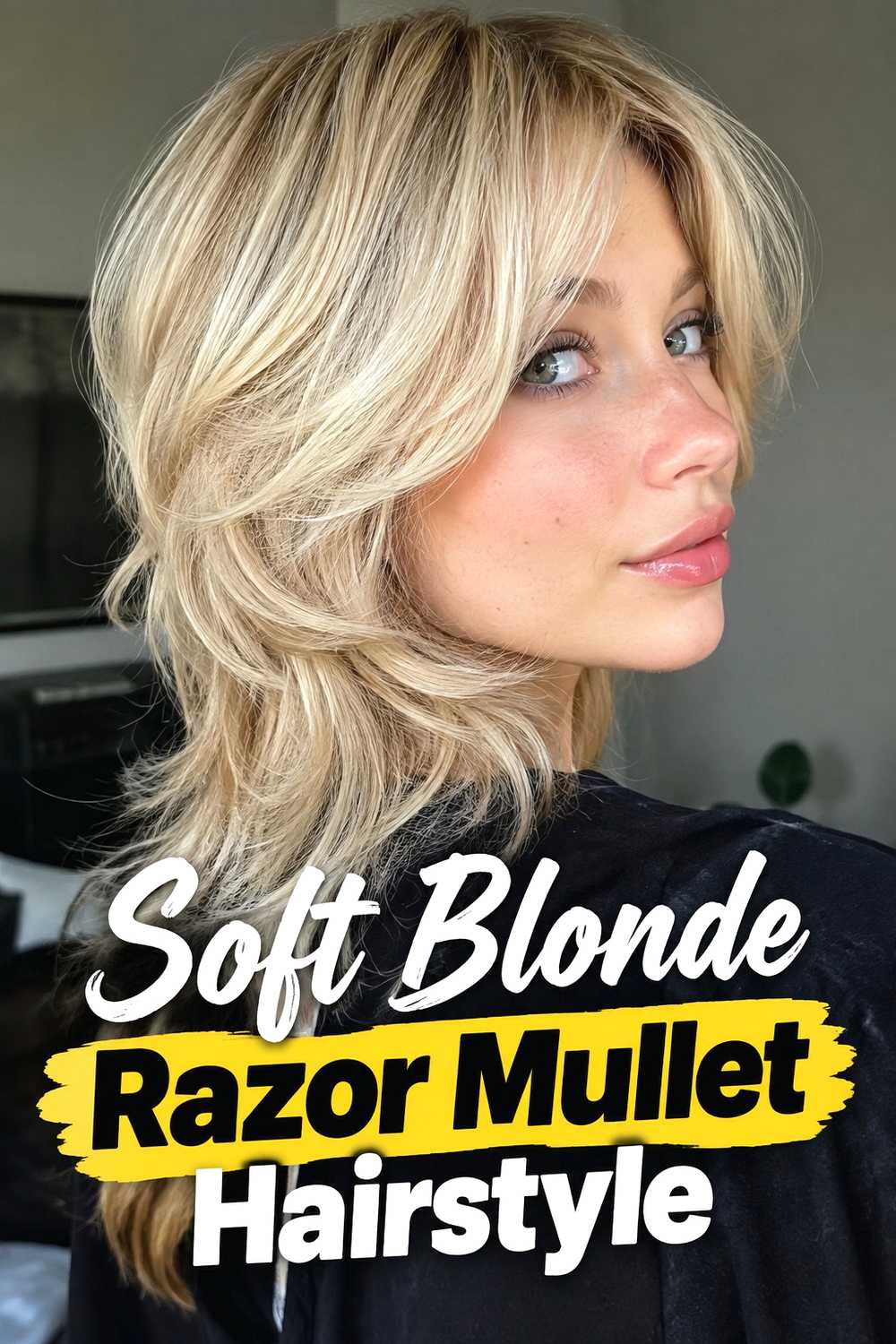
Soft blonde color can make the delicate layers of a razor mullet especially noticeable because light and shadow reveal the tapered ends and changing lengths. The haircut can feature a lifted crown, airy face-framing pieces, and a longer nape with enough density to maintain a healthy-looking perimeter. Dimensional blonde tones can further emphasize the movement without requiring exaggerated styling. Loose waves are a natural match, although a softly straight finish can also showcase the razor work. Because lighter hair can visually emphasize dry or overly thin ends, preserving some weight through the back is important. A smooth, flexible finish allows the color and layered structure to work together without making the haircut look excessively processed.
Wear & Maintenance
Color maintenance depends on the blonde technique, while occasional reshaping helps the light, tapered layers retain their movement and balance.
19. Brunette Soft Razor Mullet With Side Fringe Hairstyle
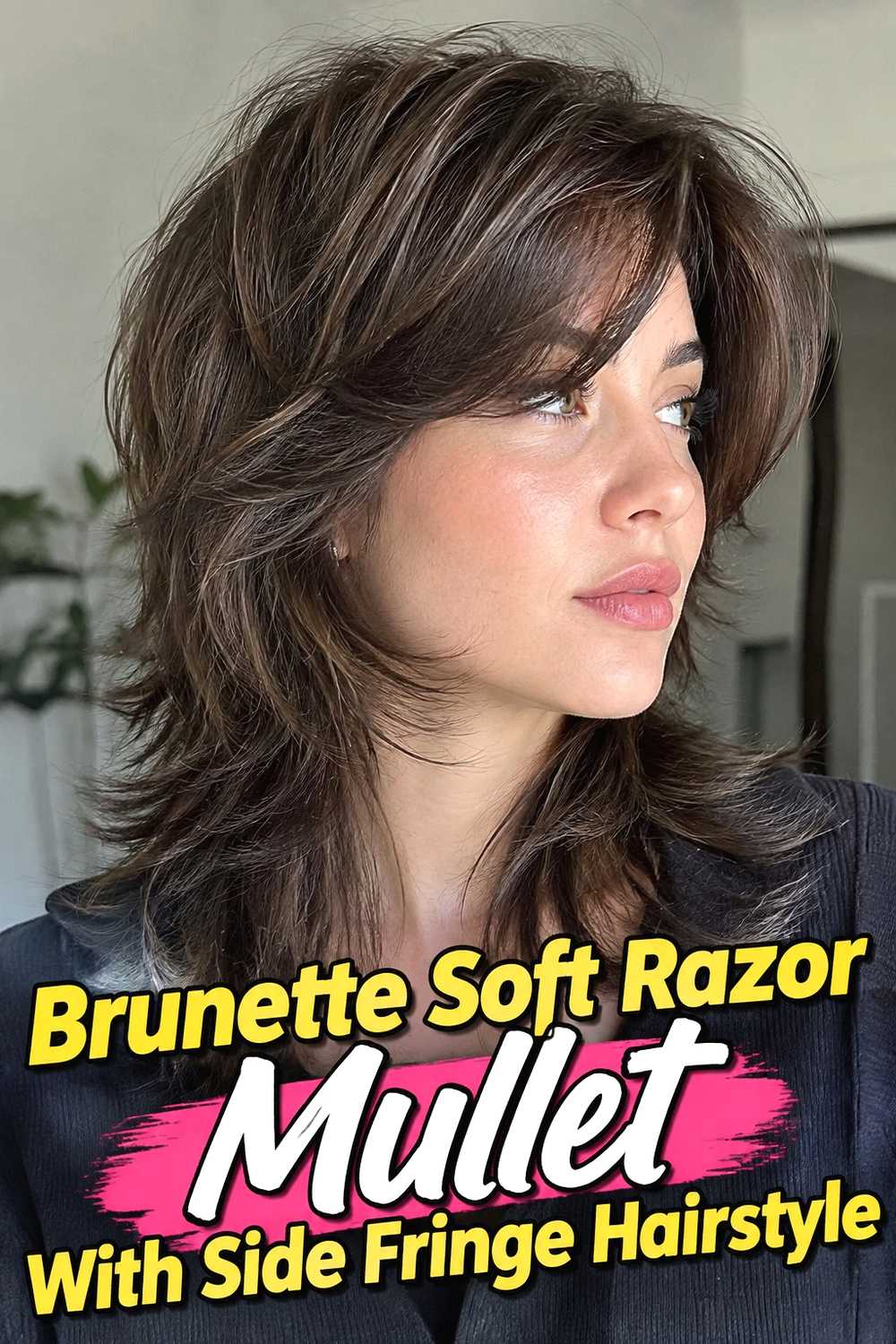
Rich brunette color gives a soft razor mullet depth and shine, while side fringe creates a smooth diagonal line across the forehead. The fringe blends into tapered temple layers rather than ending abruptly, helping the front connect naturally with the longer back. The crown remains airy but controlled, allowing darker hair to reflect light across the textured surface. This look can be particularly effective on straight or loose wavy hair because the razor-cut ends remain visible without needing extreme volume. Style the fringe in the direction it naturally wants to fall and keep a little bend through the side pieces. A lightweight finishing cream can add polish while preserving movement through the nape.
Styling Notes
Keep the side fringe flexible and slightly separated rather than pressing it into one solid section for a softer finish.
20. Romantic Soft Razor Mullet Hairstyle
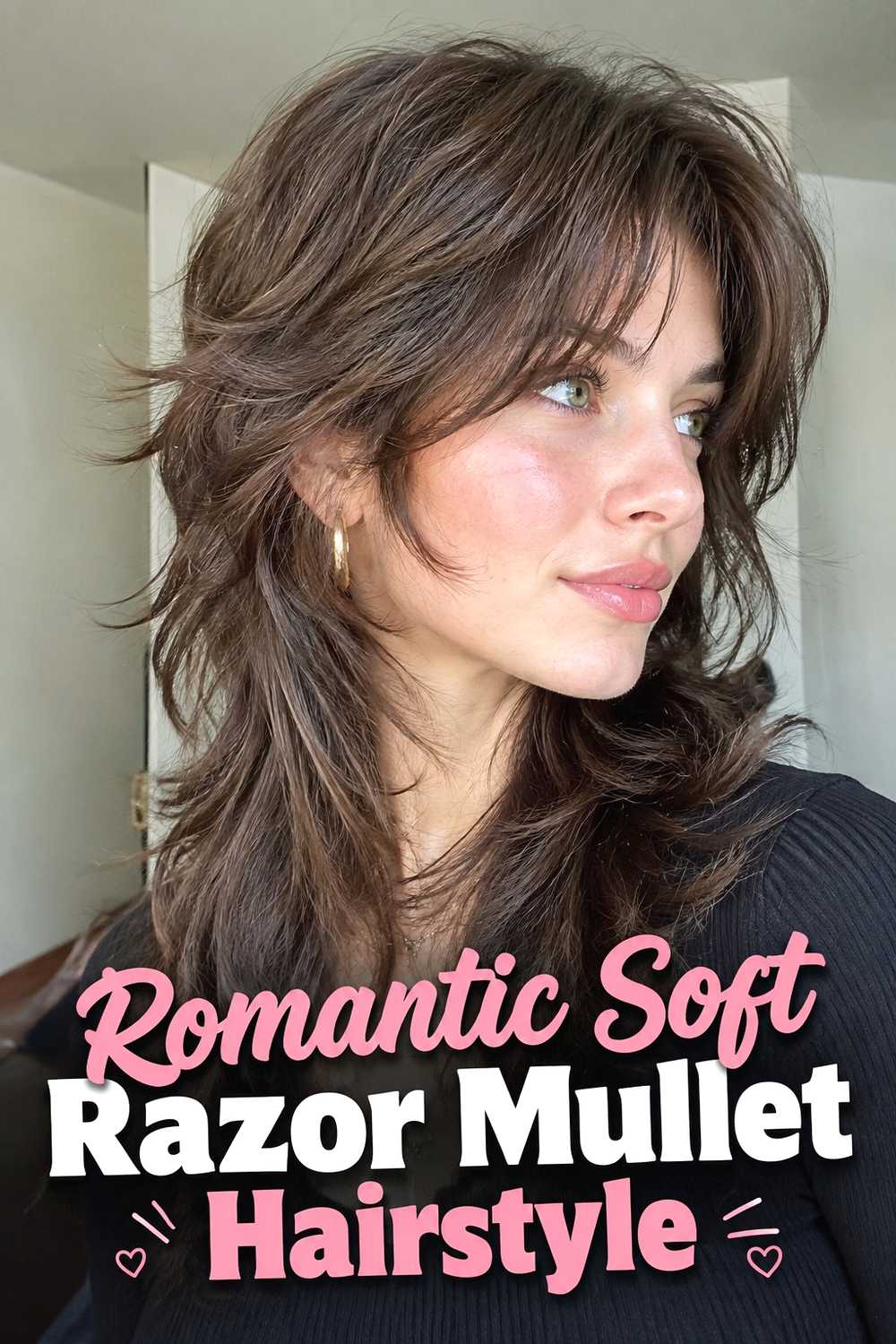
A romantic soft razor mullet focuses on flowing movement rather than sharp contrast. The crown is layered for gentle lift, while tapered face-framing sections blend into a longer nape with soft, narrow ends. Loose waves or broad bends can make the haircut feel especially graceful, giving the mullet silhouette a softer personality without hiding its shape. This version works well when the perimeter retains enough fullness to balance the airy upper layers. Instead of strong choppiness, aim for subtle separation and natural movement through the sides. Lightweight cream or mousse can enhance the texture, while a few straighter ends keep the result from looking overly curled. The finished style should feel relaxed, feminine, and easy to move.
Best For
Choose this variation if you like mullet-inspired layering but prefer softness, flowing texture, and less obvious disconnection between sections.
How to Choose the Right Look
Start with your hair density. Fine hair usually needs a restrained approach to razor cutting so the ends stay full enough to support the silhouette. Thick hair can often handle more internal weight removal, but it still benefits from a strong perimeter so the nape does not become overly thin.
Next, consider texture. Straight hair displays feathered, piecey, and choppy razor details clearly. Wavy hair naturally enhances the soft movement, while curly hair requires more careful placement so the cutting technique does not disrupt curl formation or create unwanted frizz.
Length changes the effect too. Short versions feel sharper and more compact, shoulder-length cuts offer balance, and long razor mullets provide the most styling flexibility. Fringe can further adjust the mood: wispy and bottleneck fringe feel light, Bardot and curtain fringe create softness, and piecey or side fringe provides more visible structure.
Finally, match the styling effort to your routine. Tousled and wavy options can work with minimal manipulation, while sleek, feathered, and high-volume finishes generally need more deliberate drying and shaping.
Final Thoughts
Soft razor mullet haircuts are most effective when the cutting technique creates movement without removing more weight than the hair can support. Wispy fringe and feathered layers offer a subtle introduction, while choppy ends, stronger crown volume, or a shorter silhouette create more contrast. Choose a version that complements your natural texture, density, and realistic styling routine.
FAQs
1. What is a soft razor mullet haircut?
It is a mullet-inspired cut that uses tapered, lightweight layers and softer transitions instead of relying mainly on blunt or heavily disconnected sections.
2. Are razor mullets suitable for fine hair?
They can be, but weight removal should be conservative. Preserving density through the perimeter and nape helps fine hair maintain a fuller-looking shape.
3. Can wavy hair wear a soft razor mullet?
Yes. Natural waves can highlight the tapered layers and create movement with relatively little styling when the layer placement complements the wave pattern.
4. Which fringe works best with a soft razor mullet?
Wispy, curtain, bottleneck, Bardot, piecey, and side fringe can all work. The choice depends on how much coverage, softness, and maintenance you prefer.
5. How should a soft razor mullet be styled?
Lightweight products generally work best because they preserve movement. Depending on the finish, you can air-dry, diffuse, blow out the layers, or add a few irregular bends.
Save your favorite soft razor mullet hairstyles, share the looks that inspire you, and explore more airy layered haircut ideas for your next style change.