19 Blonde Halo Hair Color Ideas
Blonde halo color creates a luminous frame around the hairline, adding brightness and contrast while leaving plenty of depth through the rest of the hair.
A blonde halo look uses lighter color around strategic sections of the hairline, face, or perimeter so the blonde appears to glow around the hairstyle. The exact effect can range from soft and blended to deliberately high contrast, depending on the starting color, placement, tone, and width of the lightened sections.
Color choice matters as much as placement. Cooler platinum and ash tones create a crisp finish, while honey, golden, caramel, and champagne blondes bring more warmth. The best version should also reflect realistic maintenance, existing hair condition, natural texture, and how much contrast you want between the halo and the base color.
Quick List
- Soft Blonde Halo Hairstyle
- Icy Platinum Blonde Halo Hairstyle
- Champagne Blonde Halo Hairstyle
- Golden Blonde Halo Hairstyle
- Honey Blonde Halo Hairstyle
- Beige Blonde Halo Hairstyle
- Pearl Blonde Halo Hairstyle
- Ash Blonde Halo Hairstyle
- Creamy Vanilla Blonde Halo Hairstyle
- Caramel Blonde Halo Hairstyle
- Sandy Blonde Halo Hairstyle
- Bronde With Blonde Halo Hairstyle
- Brunette With Blonde Halo Hairstyle
- Copper Blonde Halo Hairstyle
- Rooted Blonde Halo Hairstyle
- Curly Blonde Halo Hairstyle
- Wavy Blonde Halo Hairstyle
- Bob With Blonde Halo Hairstyle
- Long Layered Blonde Halo Hairstyle
1. Soft Blonde Halo Hairstyle
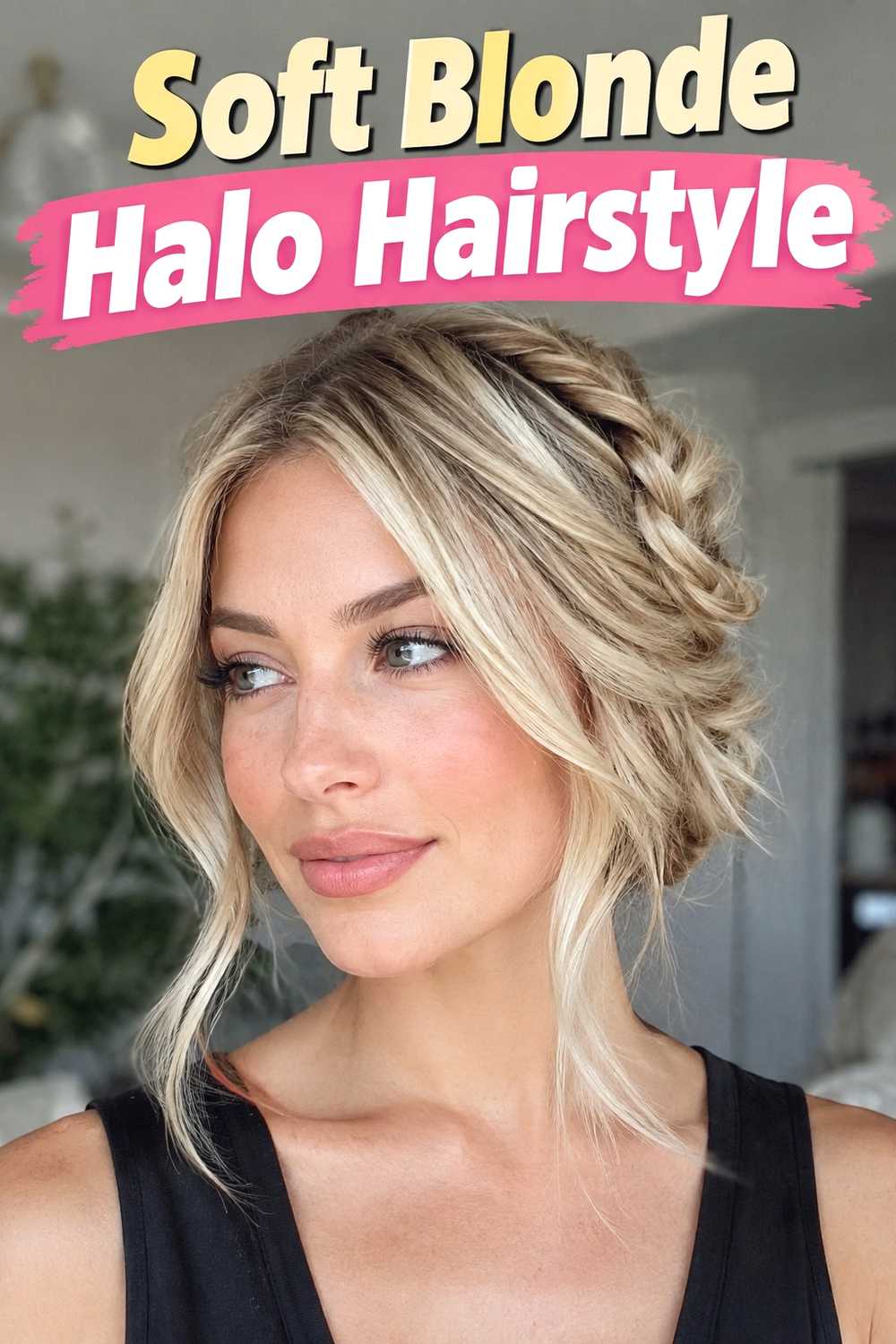
A soft blonde halo is the most blended version of the look, using fine ribbons of lighter blonde around the hairline rather than one sharply defined block of color. The brightness can begin near the temples and continue subtly around the front and outer perimeter, while the interior keeps more natural depth. Choosing a blonde only a few levels lighter than the base helps the transition appear seamless. This approach works beautifully when you want the hair to look brighter without making the color placement the first thing people notice. Soft waves or a smooth blowout reveal the halo gradually as the hair moves, giving the finish a natural, dimensional quality.
Best For
This lower-contrast version works well when you prefer subtle brightness or want the halo to blend smoothly with existing highlights.
Wear & Maintenance
A softly blended root area can make regrowth less obvious than a highly contrasted, bright-to-the-scalp halo.
2. Icy Platinum Blonde Halo Hairstyle
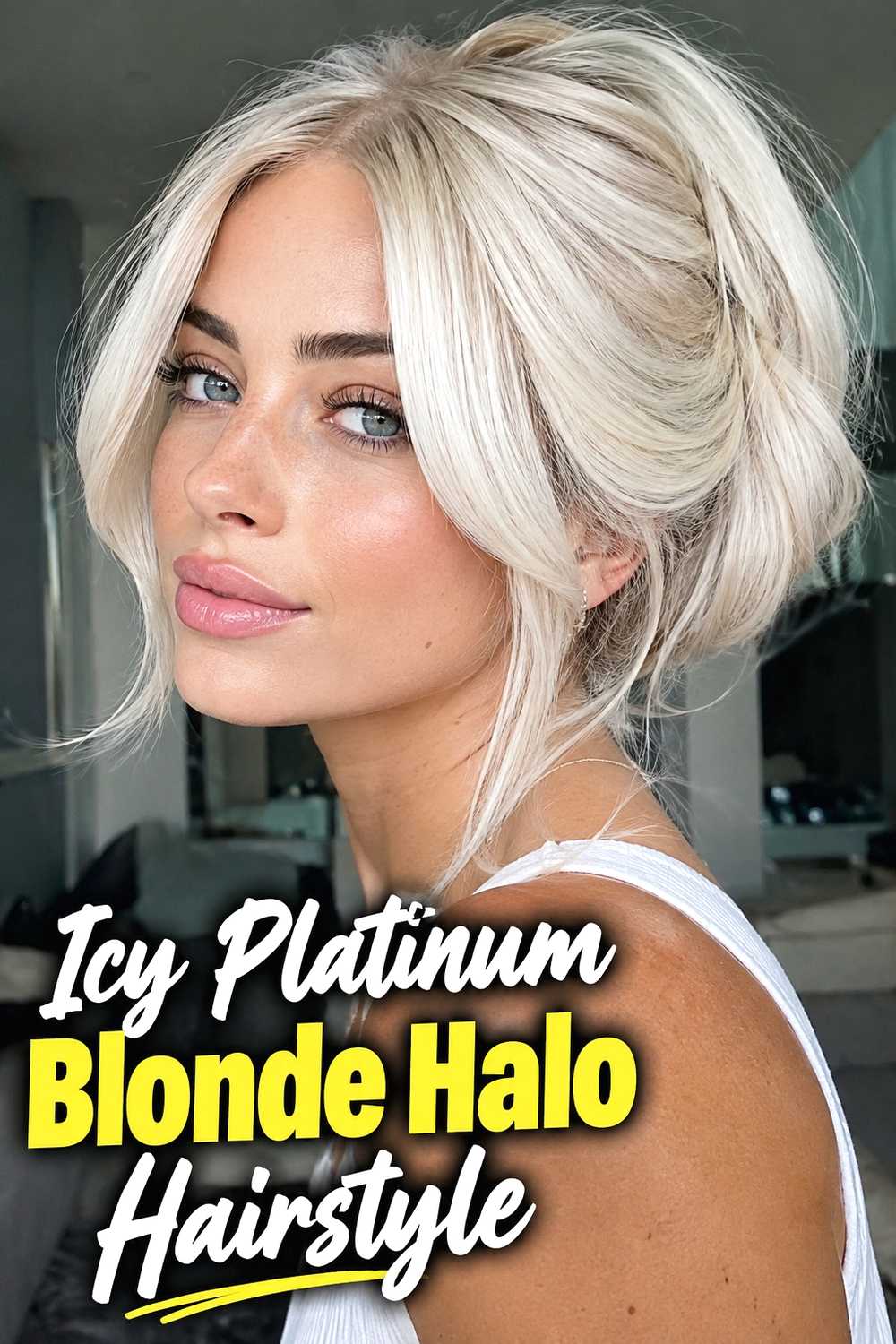
An icy platinum halo creates one of the strongest versions of the trend by placing very pale, cool blonde around the hairline against a deeper interior color. The contrast can look especially striking around the temples and front pieces, where the platinum catches light immediately. Keeping the rest of the hair slightly darker makes the halo effect easy to see without requiring the entire head to be lifted to the same brightness. Because very pale blonde usually requires significant lightening, the realistic starting level and condition of the hair should guide how quickly the shade is approached. A clean toner keeps the platinum crisp, while soft texture prevents the high-contrast placement from looking overly rigid.
Why It Works
The difference between the pale perimeter and deeper base creates a clear glowing outline around the front of the hairstyle.
Wear & Maintenance
Platinum tones generally need regular toning and careful maintenance to keep unwanted warmth from becoming too noticeable.
3. Champagne Blonde Halo Hairstyle
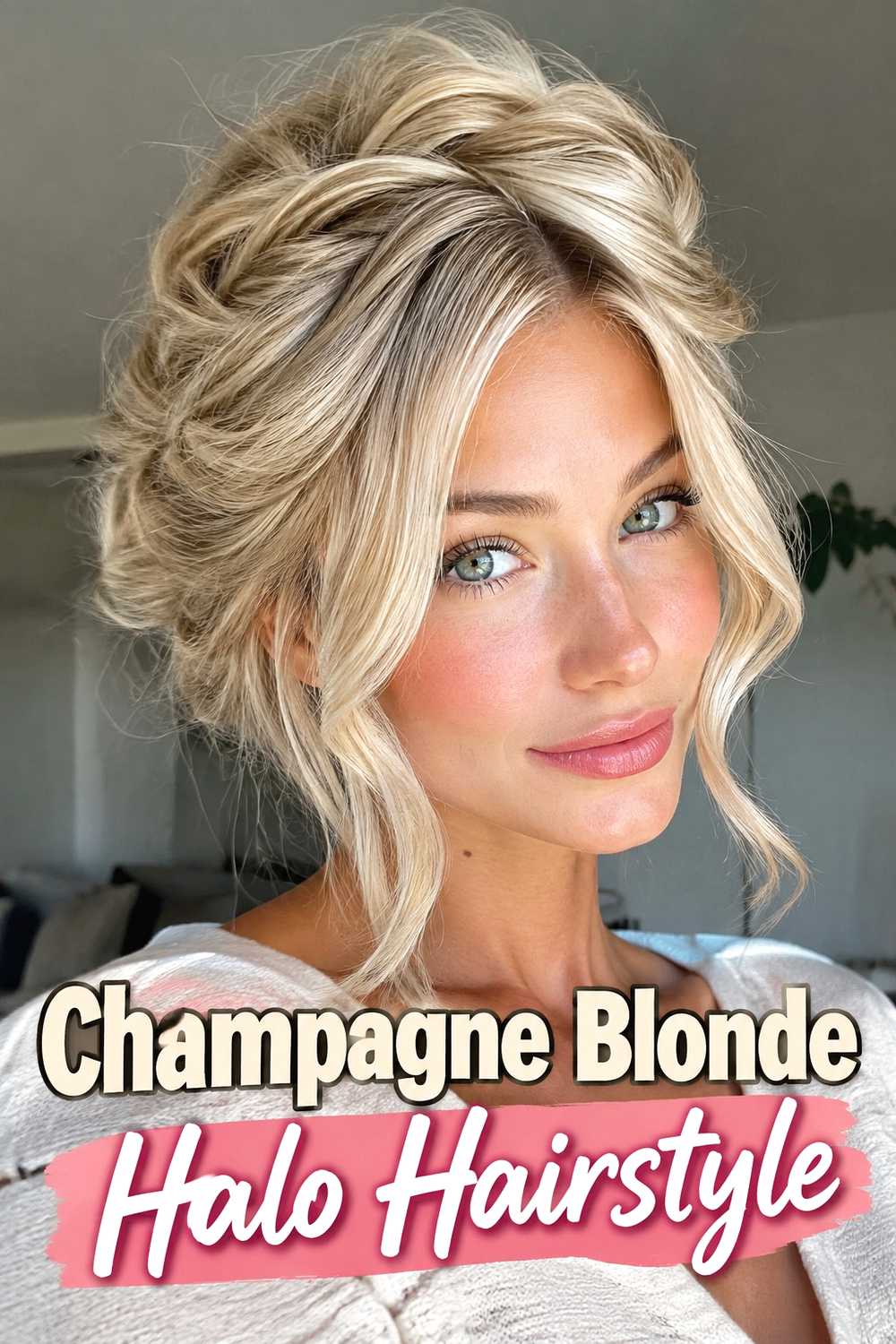
Champagne blonde creates a refined halo with a balance of soft warmth and cool beige tones. Instead of looking starkly silver or obviously golden, the color has a muted luminous finish that works beautifully around the face. The halo can be painted slightly brighter near the temples and softened as it moves into the surrounding lengths, creating dimension without a hard line. Champagne also pairs well with darker beige or light brown interiors because the undertones stay sophisticated rather than overly contrasted. Gentle waves show off the tonal variation especially well, revealing flashes of brighter blonde around the perimeter while allowing the deeper sections underneath to provide depth and visual balance.
Best For
This shade is useful if you want a lighter halo but prefer a more neutral finish than icy platinum or strongly golden blonde.
Pro Tip
Ask for the tone to stay balanced between warm and cool so the champagne effect remains soft rather than turning overly yellow or gray.
4. Golden Blonde Halo Hairstyle
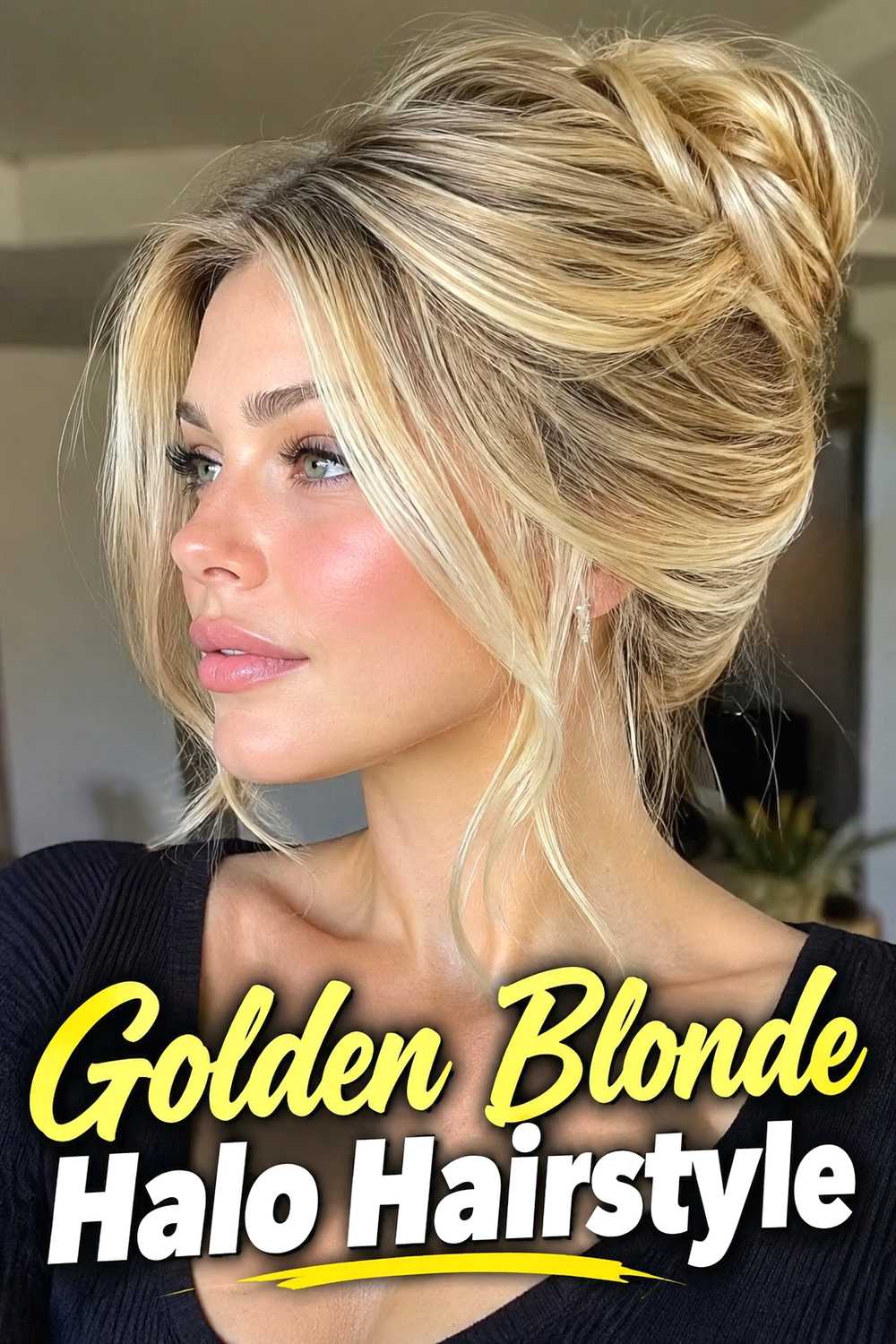
A golden blonde halo brings warmth to the perimeter with sunlit tones that stand out beautifully against a deeper blonde, bronde, or light brown base. The brightest pieces can concentrate around the front hairline and temples, then taper into softer golden ribbons toward the sides. This creates a glowing effect that feels warmer and more radiant than platinum-based versions. Golden tones also work particularly well with waves because the bends catch light differently through each section, adding visible depth. The placement can stay bold near the face while becoming more blended through the back, allowing the hairstyle to remain dimensional instead of reading as one flat shade of blonde.
Why It Works
Warm reflective tones naturally emphasize the brighter perimeter, especially when paired with a slightly deeper interior base.
Wear & Maintenance
Golden blonde is generally more forgiving of some warmth than icy shades, although refreshing gloss can help preserve shine and tonal balance.
5. Honey Blonde Halo Hairstyle
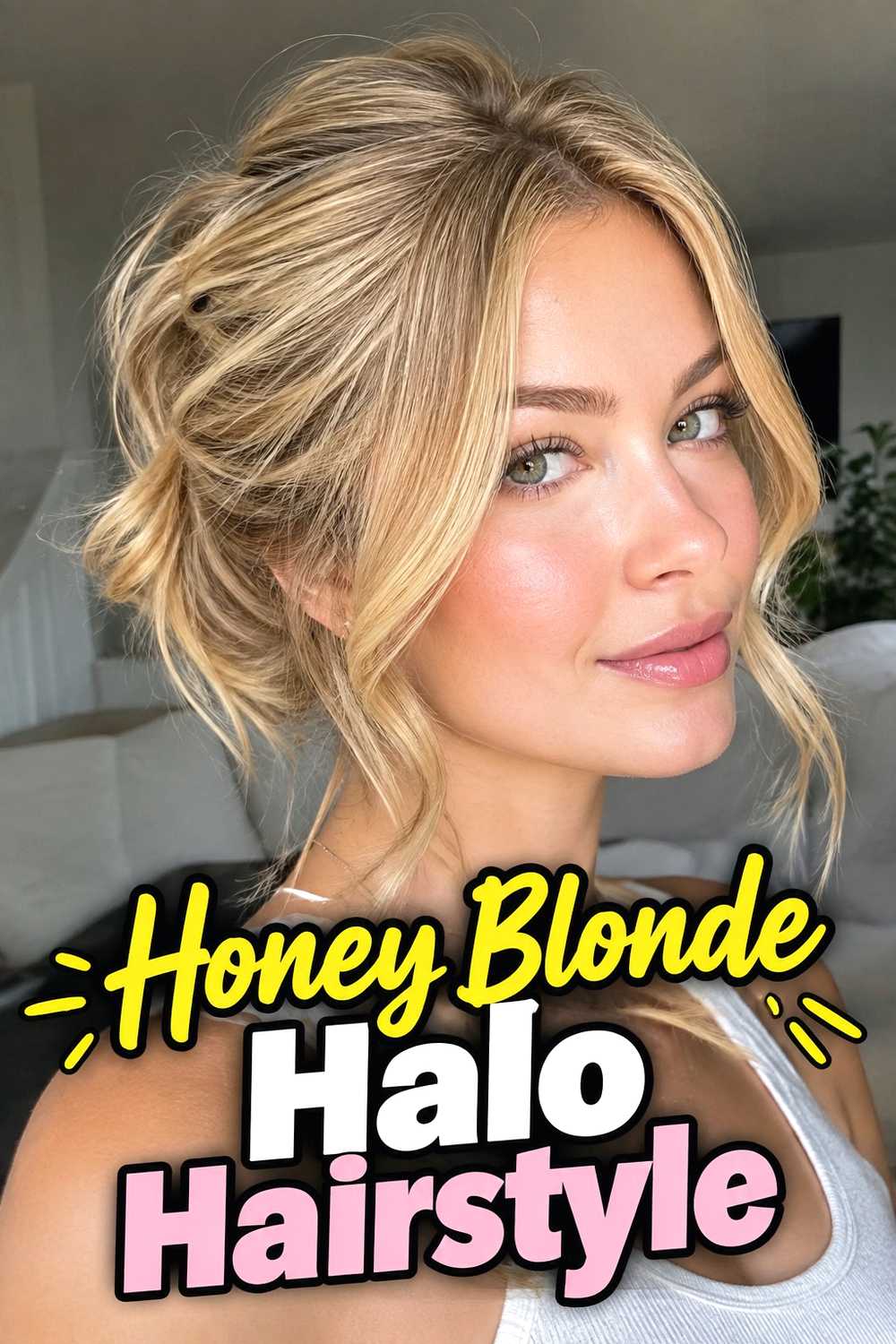
Honey blonde creates a rich, warm halo that combines golden brightness with slightly deeper amber undertones. It works especially well when the base is dark blonde, bronde, or medium brown because the transition can look dimensional rather than extremely high contrast. The brightest honey pieces can frame the temples and cheek area, while smaller ribbons around the outer hairline connect the color into the rest of the style. This placement gives the hair warmth without requiring every section to become blonde. Loose curls and waves show the shade particularly well because they reveal alternating areas of honey brightness and deeper base color. The result feels glossy, soft, and intentionally multidimensional.
Best For
This variation suits anyone who prefers warm blonde tones and wants visible brightness without moving into very pale platinum territory.
Pro Tip
Keep some deeper pieces between the blonde sections so the honey color retains dimension instead of becoming one uniform warm shade.
6. Beige Blonde Halo Hairstyle
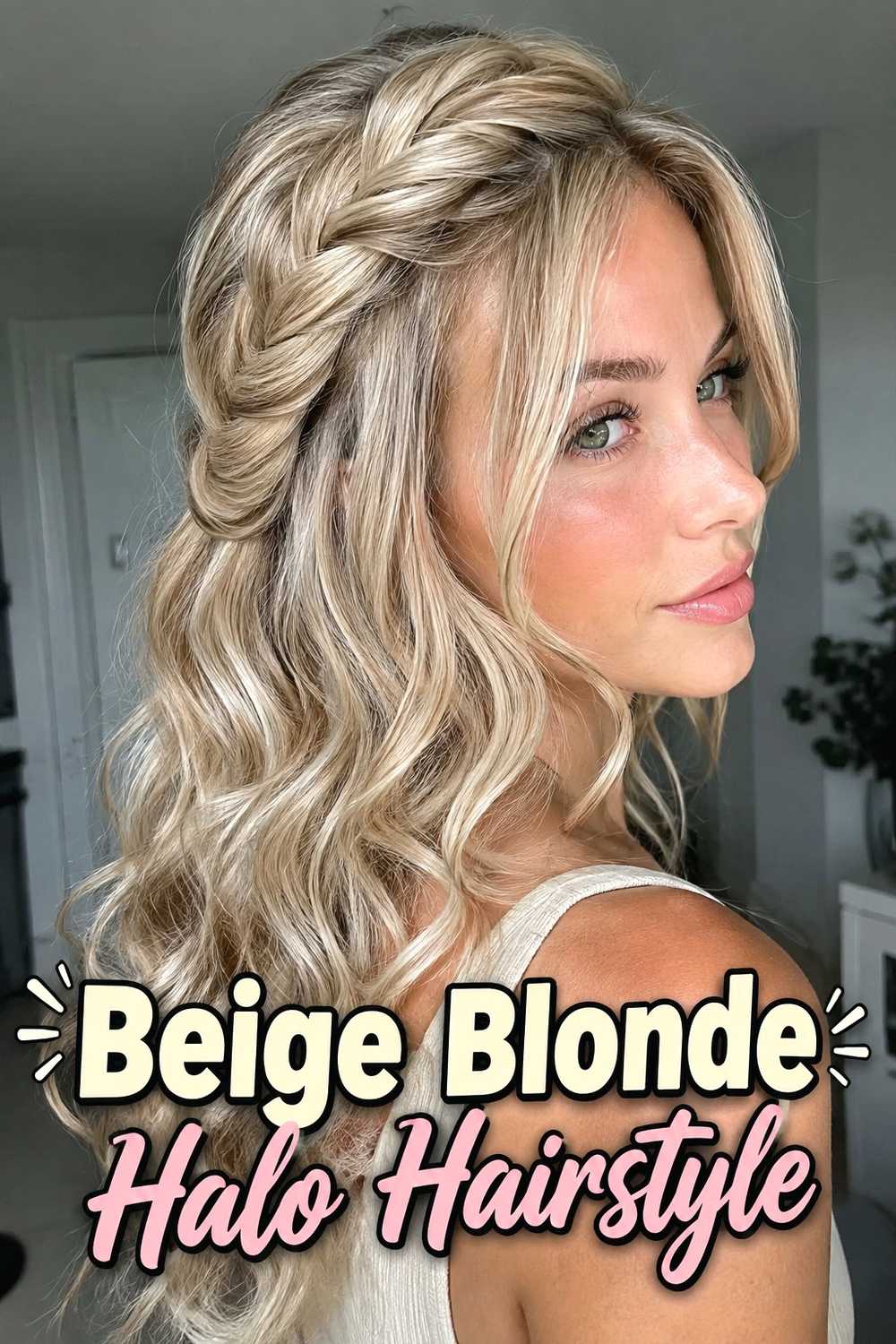
Beige blonde offers a neutral halo effect that sits comfortably between warm golden and cool ash tones. Around the hairline, the beige can be lifted enough to create visible brightness while still looking soft against natural brown, dark blonde, or bronde bases. The muted undertone makes the contrast feel polished rather than overly dramatic, which is useful if you want the halo technique to look sophisticated and wearable. Keeping the interior slightly deeper adds the depth needed to make the perimeter stand out. Straight styling highlights the smooth tonal transition, while waves reveal more separation between the lighter and darker pieces. A gloss can help maintain the creamy neutral finish between larger color appointments.
Best For
Beige blonde is a versatile choice if strongly cool or strongly warm blondes do not suit the finish you want.
Wear & Maintenance
Neutral toners can gradually shift with washing, so periodic glossing can help keep the beige balance consistent.
7. Pearl Blonde Halo Hairstyle
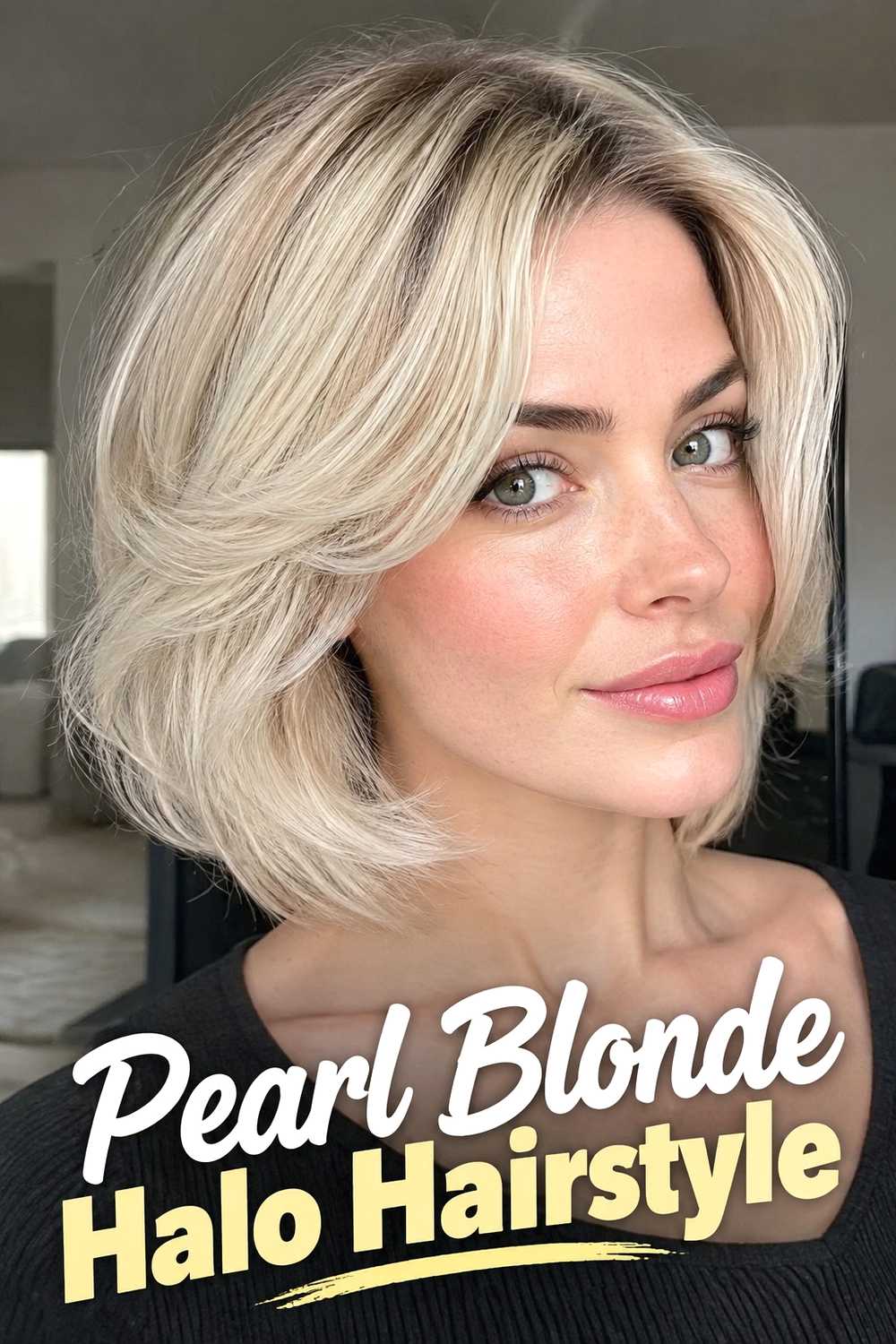
Pearl blonde creates a bright halo with a softly reflective finish that can include cool, creamy, or slightly iridescent undertones. The shade works best when the perimeter has been lifted light enough for the pearl toner to remain clear. Rather than using a stark white blonde, the color can retain subtle dimension so the halo looks glossy and multidimensional. A deeper neutral blonde or soft brown interior makes the brighter hairline sections stand out even more. This color can look especially elegant on smooth hair because the reflective finish is easy to see, although loose waves add beautiful flashes of brightness around the face. The overall effect is light, polished, and luminous.
Styling Notes
A sleek blowout can emphasize the reflective pearl finish, while a few broad bends keep the hair from appearing too flat.
Wear & Maintenance
Very light pearl tones may need regular toner or gloss refreshes to maintain their intended cool-creamy balance.
8. Ash Blonde Halo Hairstyle
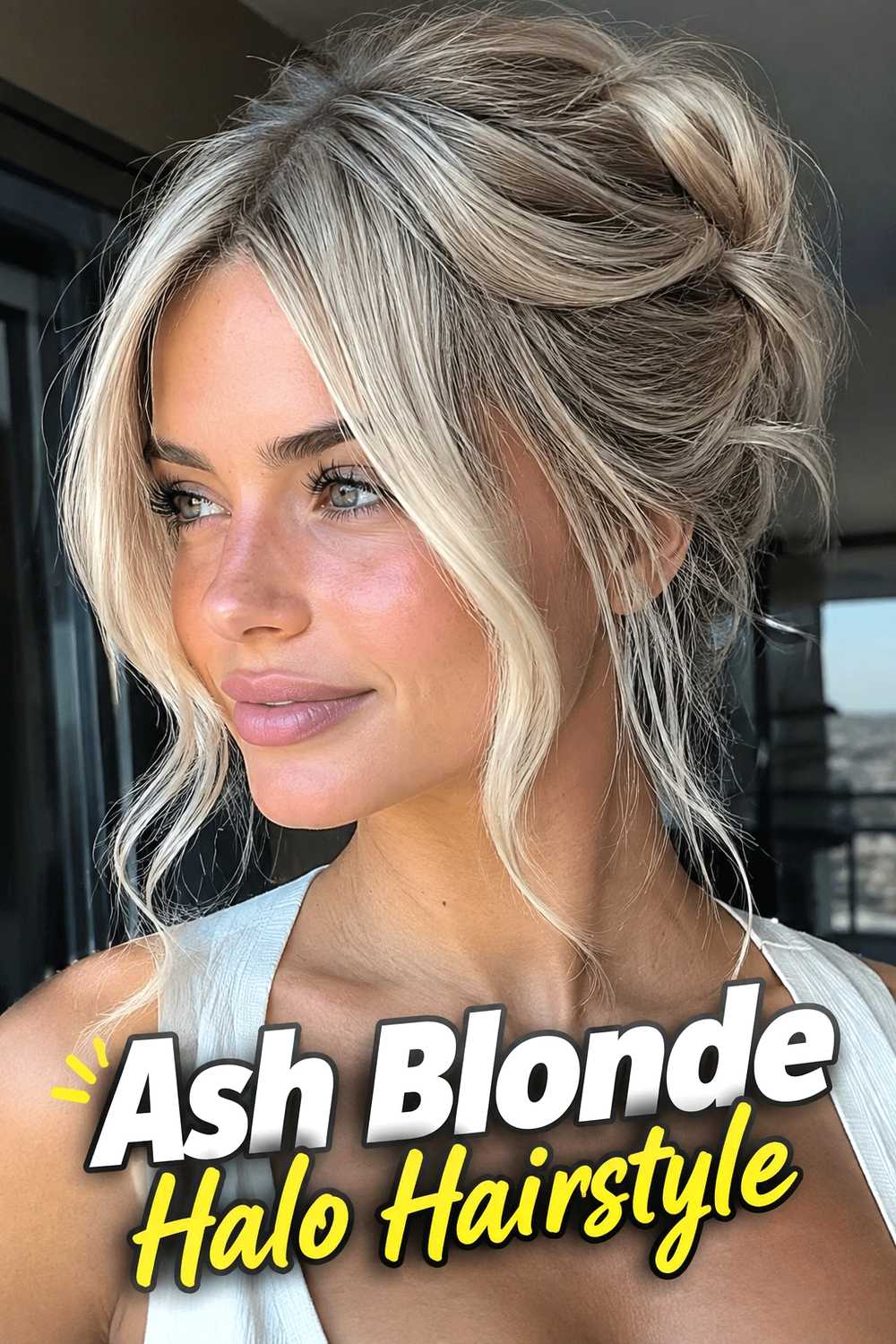
An ash blonde halo uses cool, muted blonde around the perimeter to create brightness without introducing obvious golden warmth. The tone pairs especially well with deeper ash brown, mushroom brown, or cool dark blonde bases because the undertones remain cohesive from the roots through the lighter sections. The halo can be concentrated around the temples and front hairline while remaining more subtle through the back. This keeps the technique recognizable without making the entire head appear heavily highlighted. Straight or softly waved styling works well because both show the contrast cleanly. The final result should still retain shine and dimension so the ash tone looks intentional rather than dull or overly gray.
Best For
This variation is a strong option when you prefer cooler blonde tones and a more muted, smoky color palette.
Pro Tip
Avoid over-toning the light sections into a flat gray; preserving some natural-looking brightness keeps the halo lively.
9. Creamy Vanilla Blonde Halo Hairstyle
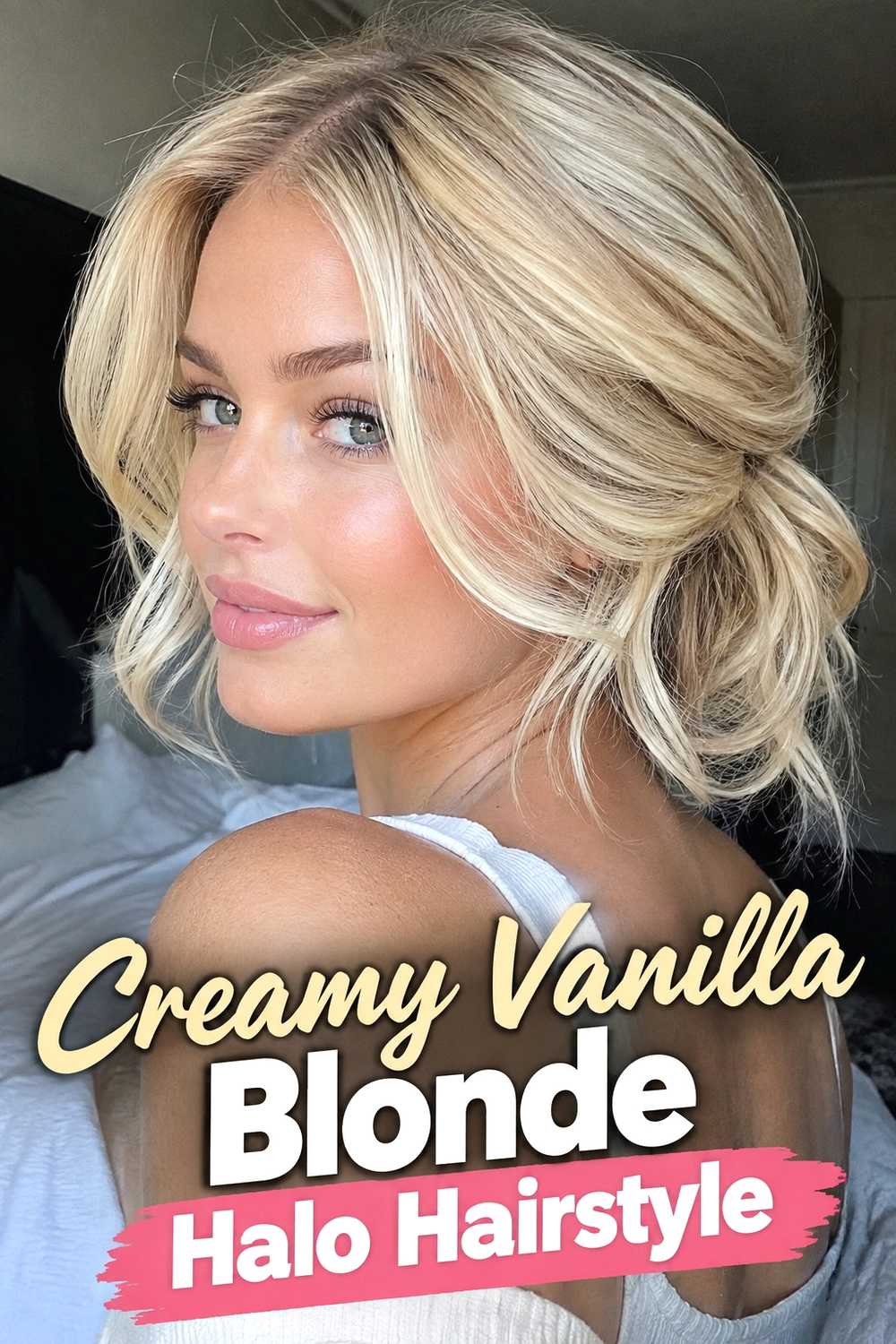
Creamy vanilla blonde creates a soft, bright perimeter with enough warmth to avoid the sharpness of a pure icy blonde. The shade can look especially attractive against beige blonde, dark blonde, or light brunette interiors because the creamy tone creates noticeable contrast without appearing severe. Fine highlights can connect the main halo sections into the surrounding hair so the transition feels deliberate and dimensional. The brightest pieces usually sit around the face, where they produce a light-reflective effect near the temples and cheekbones. A polished blowout enhances the smooth vanilla finish, while loose waves make the lighter sections appear to weave through the hairstyle. The result feels fresh, soft, and bright.
Why It Works
Creamy undertones soften the high brightness of the halo, giving pale blonde a less stark and more wearable finish.
Wear & Maintenance
A neutral-creamy gloss can help maintain the tone when repeated washing begins to expose stronger yellow warmth.
10. Caramel Blonde Halo Hairstyle
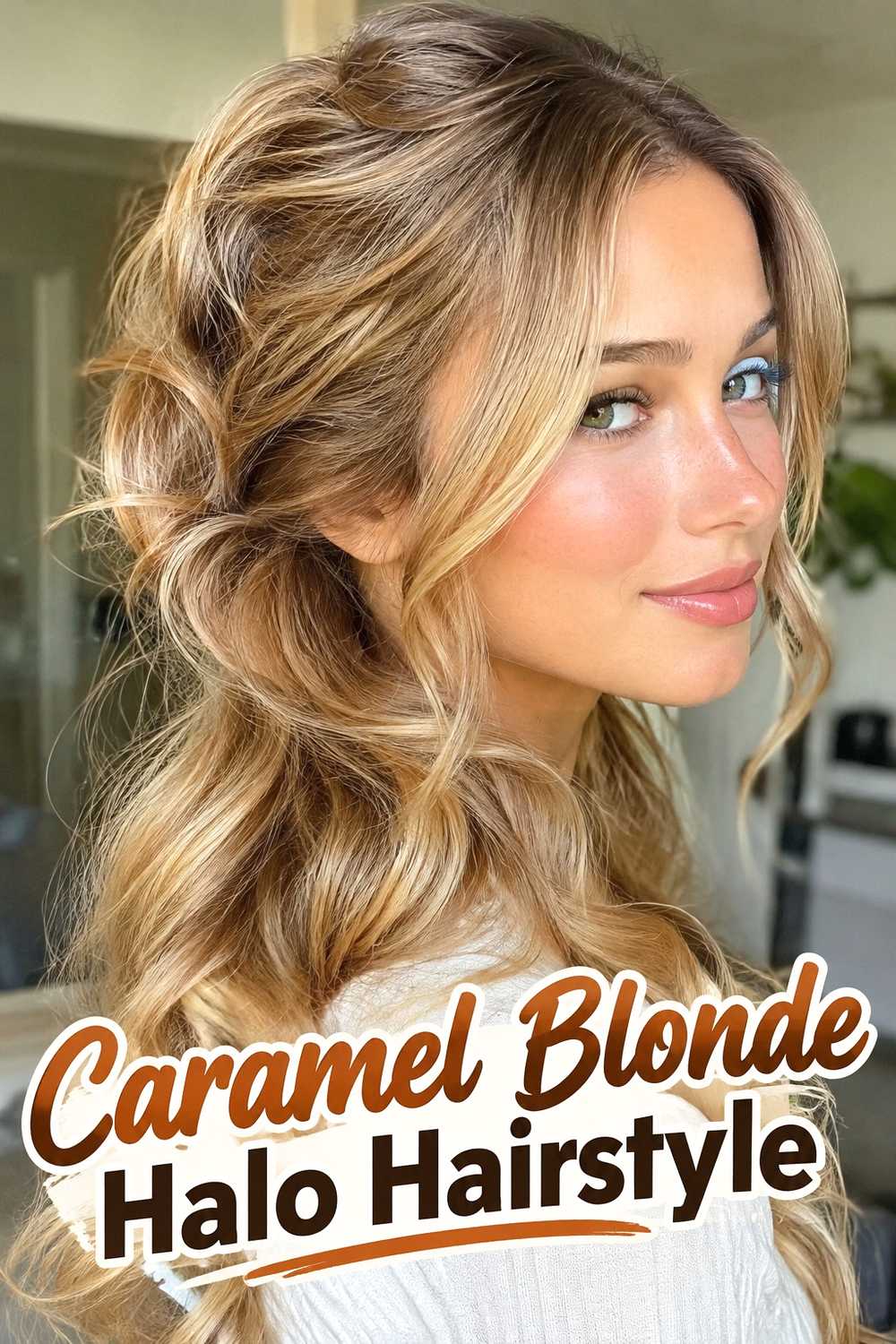
Caramel blonde brings a deeper, richer interpretation to halo coloring, making it ideal when very pale blonde would create more contrast than desired. The color combines warm blonde and light brown tones, creating a softly illuminated perimeter against brunette or deeper bronde interiors. The brightest caramel sections can sit near the temples, hairline, and front layers while the rest of the hair keeps greater depth. This placement makes the look dimensional without requiring extreme lightening. Soft curls or a layered blowout show the caramel particularly well because the brighter pieces move in and out of the darker sections. The result feels warm, glossy, and naturally blended rather than sharply highlighted.
Best For
This is a useful halo option for darker bases or anyone who wants warm brightness without lifting the perimeter to a very pale blonde.
Wear & Maintenance
Caramel tones can grow out softly when the root transition is blended, making them less demanding than high-contrast platinum placements.
11. Sandy Blonde Halo Hairstyle
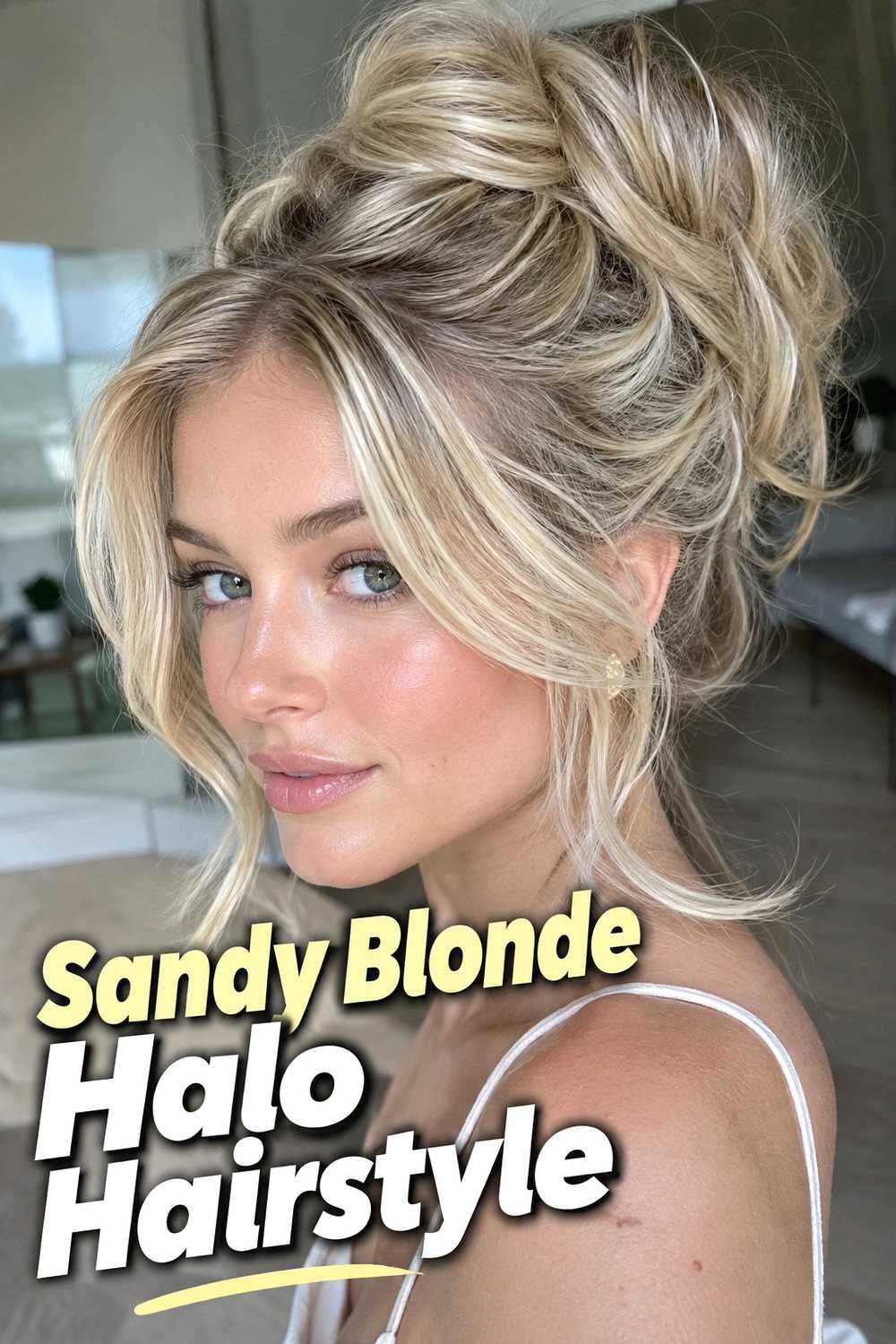
Sandy blonde combines beige, neutral, and slightly warm tones for a beachy-looking halo that remains understated. The perimeter can be made brighter than the interior while keeping enough muted depth to prevent the blonde from feeling overly polished or icy. Fine lighter strands near the front hairline add definition, while slightly deeper sandy pieces through the sides connect the halo into the base. This shade works particularly well on naturally dark blonde or light brown hair because the overall contrast can remain soft. Tousled waves enhance the casual effect by showing flashes of different sandy tones throughout the perimeter. The finished color feels dimensional, relaxed, and easy to pair with natural-looking texture.
Styling Notes
Loose waves or an air-dried finish complement the softer, beachier character of sandy blonde particularly well.
Best For
This tone is useful if you want neutral blonde brightness without the stronger upkeep associated with very cool platinum shades.
12. Bronde With Blonde Halo Hairstyle
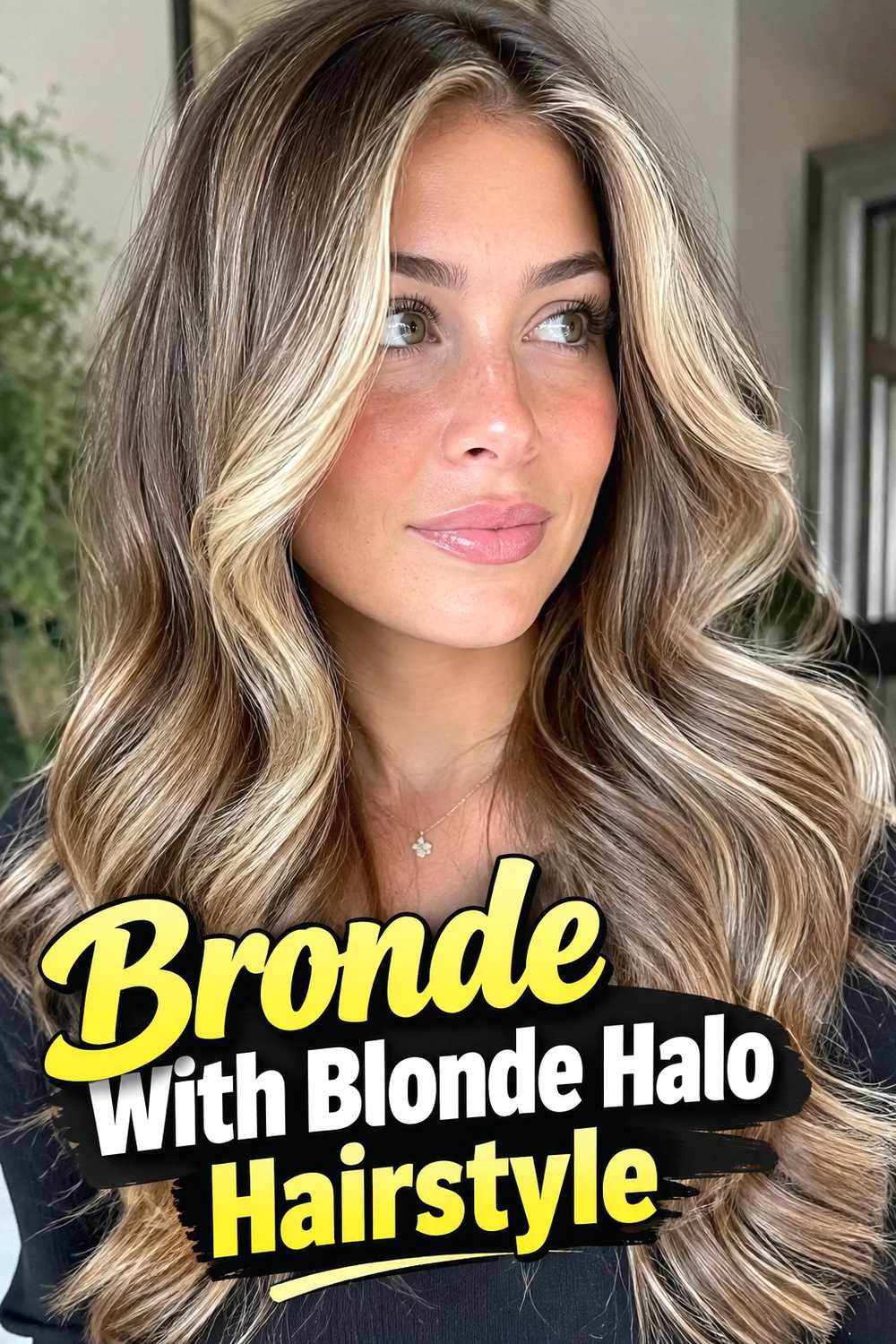
A bronde base gives a blonde halo plenty of depth to stand against while keeping the overall color softer than a brunette-and-platinum contrast. The interior combines brown and dark blonde tones, while brighter blonde sections form a luminous frame around the face and outer hairline. The halo can be strongest near the temples and front pieces, then gradually blend into smaller ribbons through the sides. This makes the hair appear brighter overall without eliminating the richer bronde underneath. Waves and long layers display the placement beautifully because the lighter perimeter sections overlap the deeper interior as the hair moves. The finished result offers a balanced mix of brightness, dimension, and natural-looking depth.
Why It Works
The bronde interior provides enough contrast for the halo to be visible while keeping the overall color palette cohesive.
Wear & Maintenance
A blended root and deeper base can make regrowth less dramatic than an all-over blonde result.
13. Brunette With Blonde Halo Hairstyle
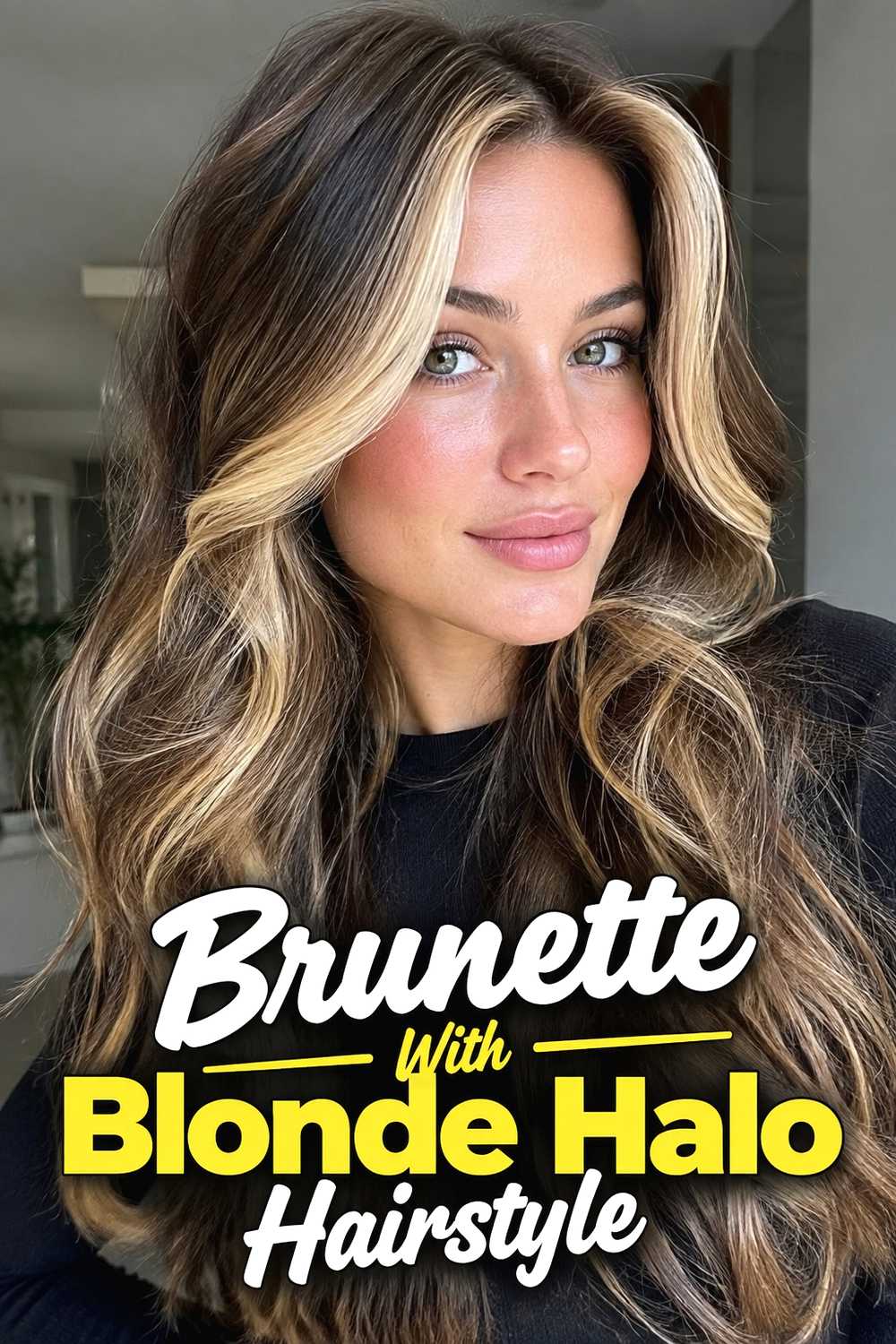
Pairing a brunette base with a blonde halo creates a high-contrast effect that clearly defines the technique. The interior remains deep brown while selected sections around the hairline are lightened to blonde, creating a bright frame that appears almost illuminated against the darker base. The exact blonde can be beige, golden, or cooler depending on the desired contrast. Keeping some intermediate tones between brown and blonde can make the blend softer, while a sharper transition produces a more graphic result. This placement looks especially striking when the front pieces are worn forward or tucked behind the ears because both the light halo and deeper interior remain visible.
Best For
This version suits anyone who wants the halo placement to be immediately noticeable rather than subtly blended into the base.
Wear & Maintenance
The stronger the contrast at the root, the more noticeable regrowth can become, so placement and blending strategy matter for upkeep.
14. Copper Blonde Halo Hairstyle
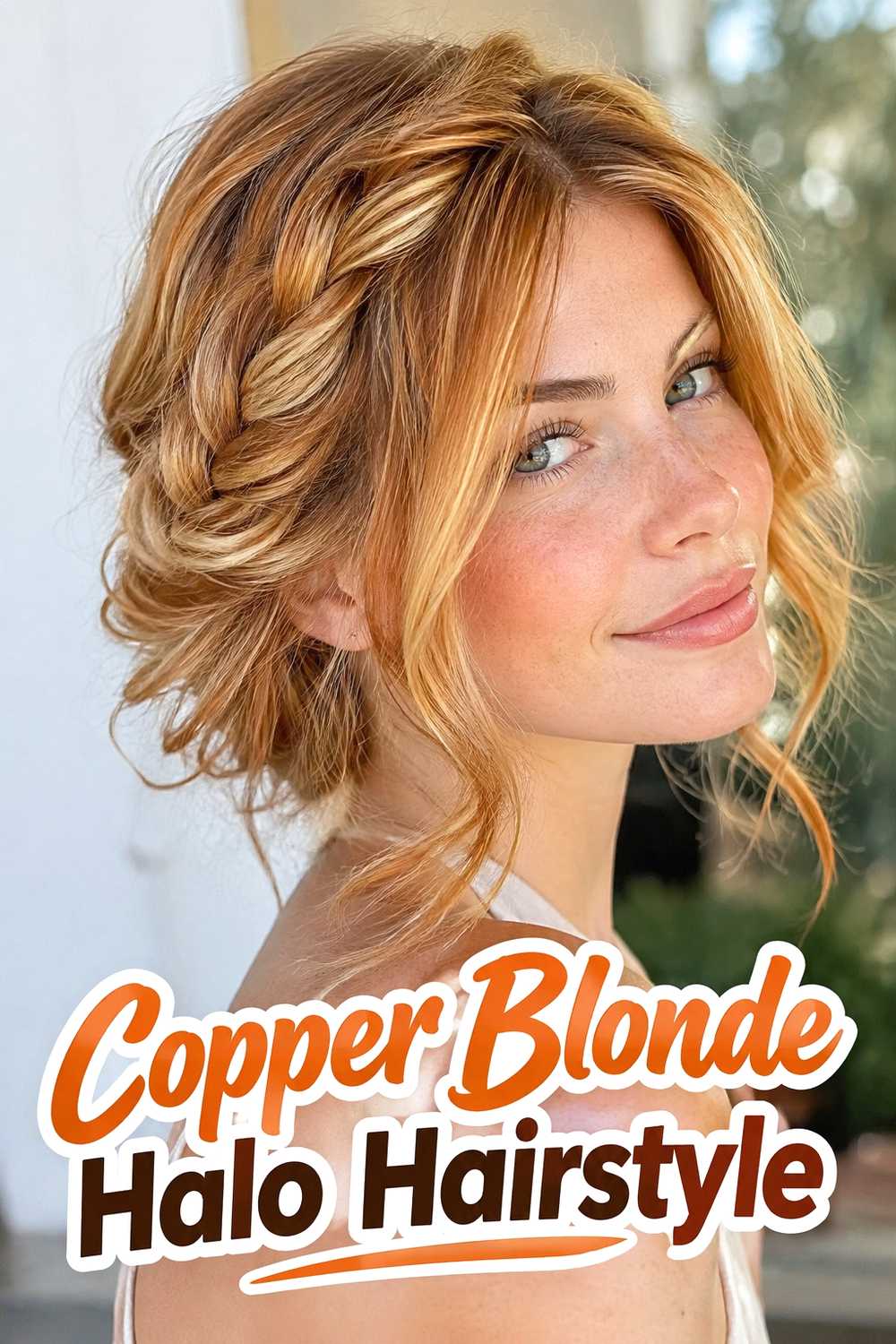
Copper blonde gives the halo a warm, slightly reddish-gold character that feels richer than classic golden blonde. Around a copper, auburn, warm brunette, or strawberry-blonde base, the brighter perimeter can create a glowing transition rather than a stark contrast. The hairline pieces may lean more blonde near the face while gradually picking up deeper copper through the sides. This creates tonal movement without separating the halo from the rest of the color story. Waves and curls enhance the effect because different bends reflect the warm shades differently. A gloss can intensify the shine and keep the copper-blonde relationship looking intentional rather than faded into indistinct warmth.
Why It Works
The shared warm undertones connect the brighter halo with deeper copper or auburn sections, producing dimension without an abrupt tonal clash.
Wear & Maintenance
Warm copper-blonde tones can fade visibly, so gloss refreshes may be useful when the color begins to lose richness.
15. Rooted Blonde Halo Hairstyle
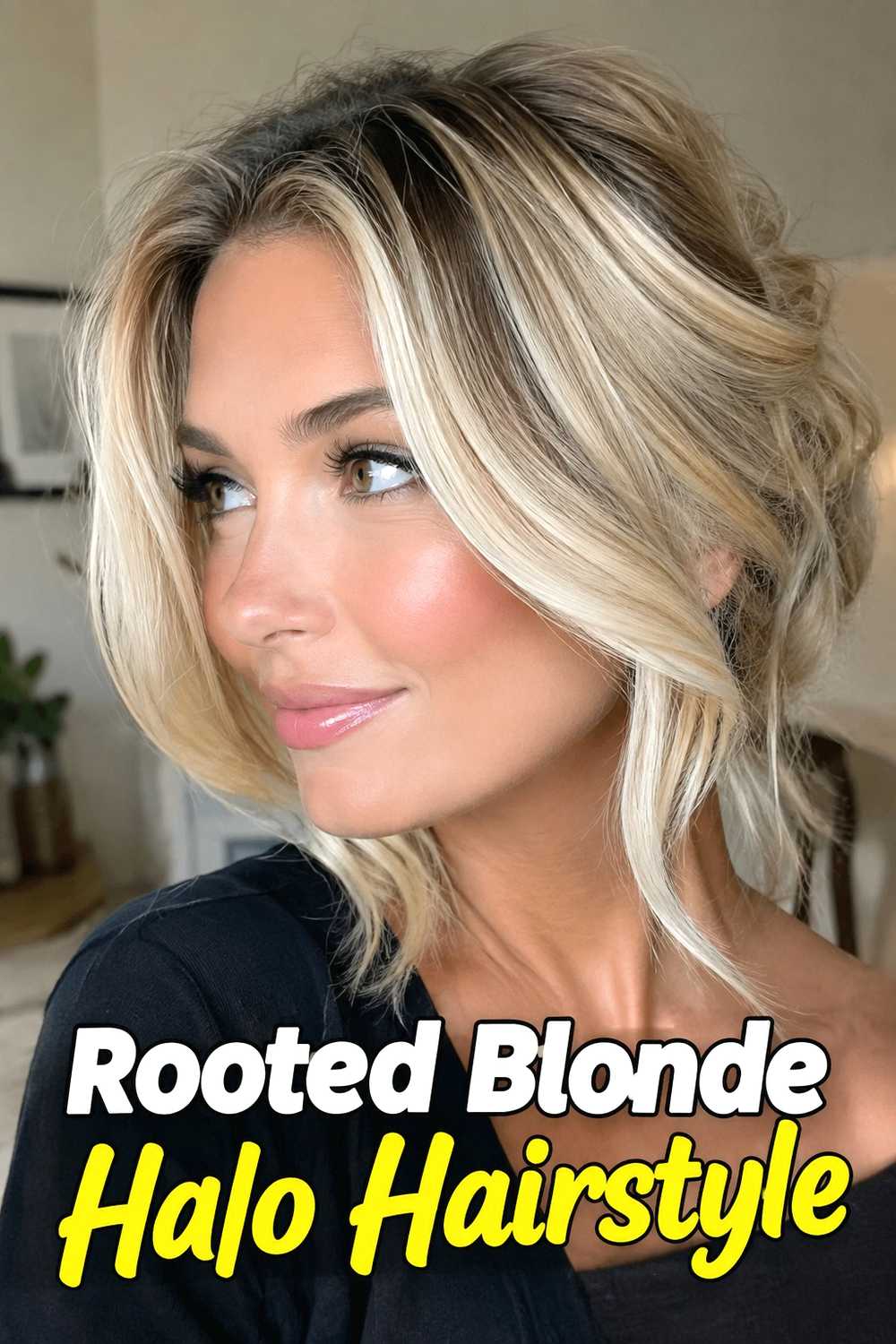
A rooted blonde halo keeps natural or deliberately deeper color at the scalp while placing brighter blonde around the face and perimeter. Instead of taking every halo section completely to the root, the color can be softly shadowed so the transition looks more gradual as it grows. This gives the look brightness without making maintenance quite as dependent on a crisp light-to-dark root line. The interior can remain dark blonde, bronde, or brunette, while the halo itself ranges from beige to golden or creamy blonde. Soft waves make the root shadow and lighter perimeter blend especially well, creating dimension from scalp to ends rather than concentrating all the contrast in one area.
Best For
This is a practical option if you like blonde brightness but prefer a more blended root and softer grow-out.
Pro Tip
Keep the root shadow close to the natural base color so future regrowth integrates more seamlessly with the existing placement.
16. Curly Blonde Halo Hairstyle
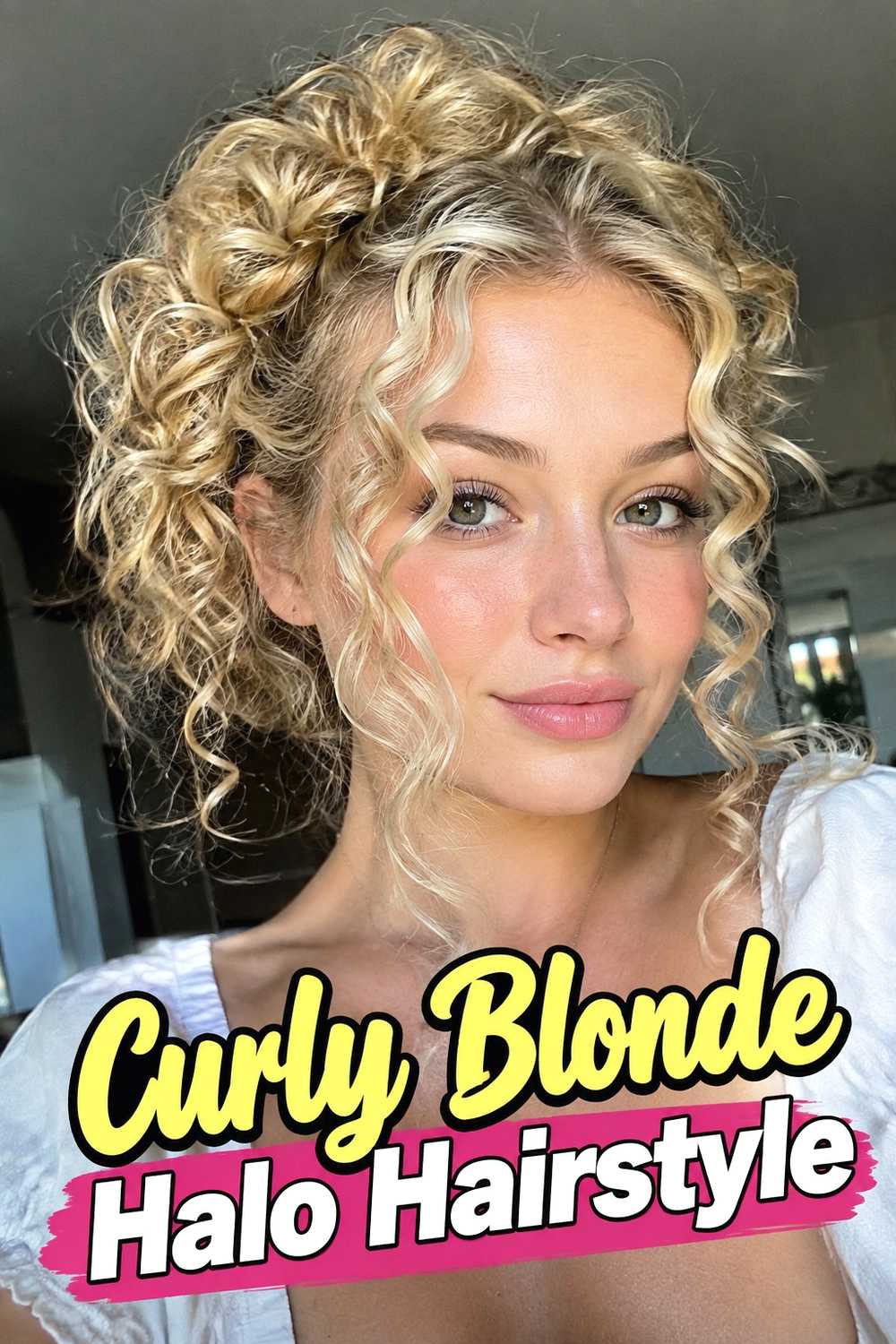
Curly hair gives blonde halo color a multidimensional look because the lighter pieces appear and disappear as each curl turns. Rather than coloring every visible curl around the face identically, the halo can use strategically selected sections through the front hairline and outer perimeter. Leaving deeper curls between the blonde pieces helps preserve depth and makes the lighter sections easier to see. The exact placement should account for how the curls shrink and where they naturally fall when dry, since a section positioned near the face when stretched may sit differently once styled. Warm, neutral, and cool blondes can all work, but maintaining visible curl definition helps the color placement remain clear.
Styling Notes
Define curls in their natural pattern so the blonde perimeter pieces remain separated from the deeper interior rather than blending into one indistinct mass.
Pro Tip
Color placement should be evaluated with the curls near their normal dry position whenever possible for more predictable visual results.
17. Wavy Blonde Halo Hairstyle
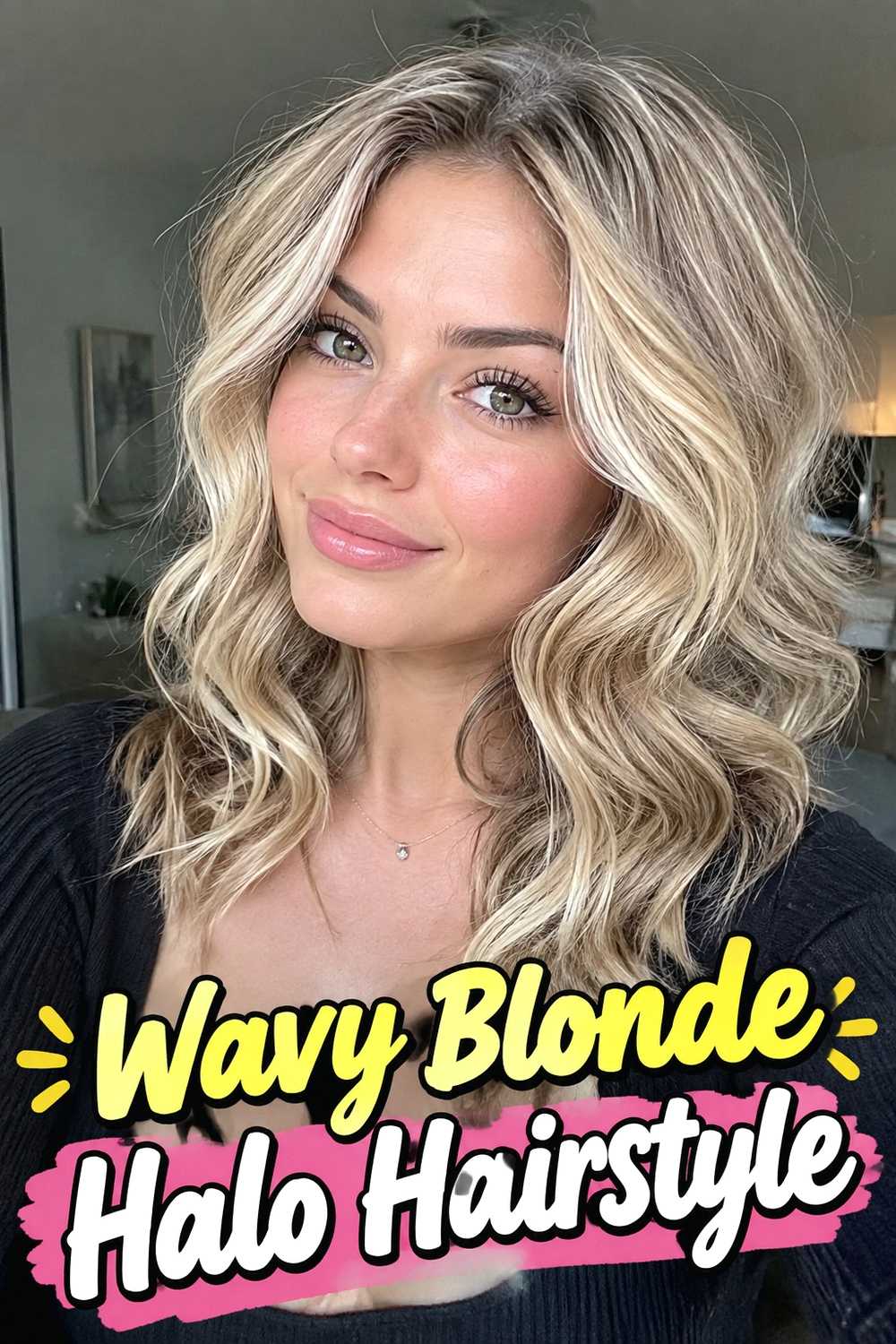
Wavy hair naturally complements halo placement because bends expose both the lighter perimeter and deeper interior with every movement. Bright blonde sections can frame the front and continue subtly around the outer hairline, while the base remains darker for dimension. Loose waves make the halo look blended rather than blocky, particularly when a few finer highlights connect the brightest pieces into the rest of the hair. Beige, honey, champagne, and golden blonde all work beautifully with this texture because the wave pattern creates its own variation in light reflection. The finished style feels dimensional from multiple angles, making it an appealing option when you want the halo to remain visible without looking sharply sectioned.
Why It Works
The changing direction of wavy strands naturally alternates light and dark sections, emphasizing dimensional color placement.
Styling Notes
Use broad, uneven waves rather than tightly uniform curls so the halo keeps a relaxed, natural-looking finish.
18. Bob With Blonde Halo Hairstyle
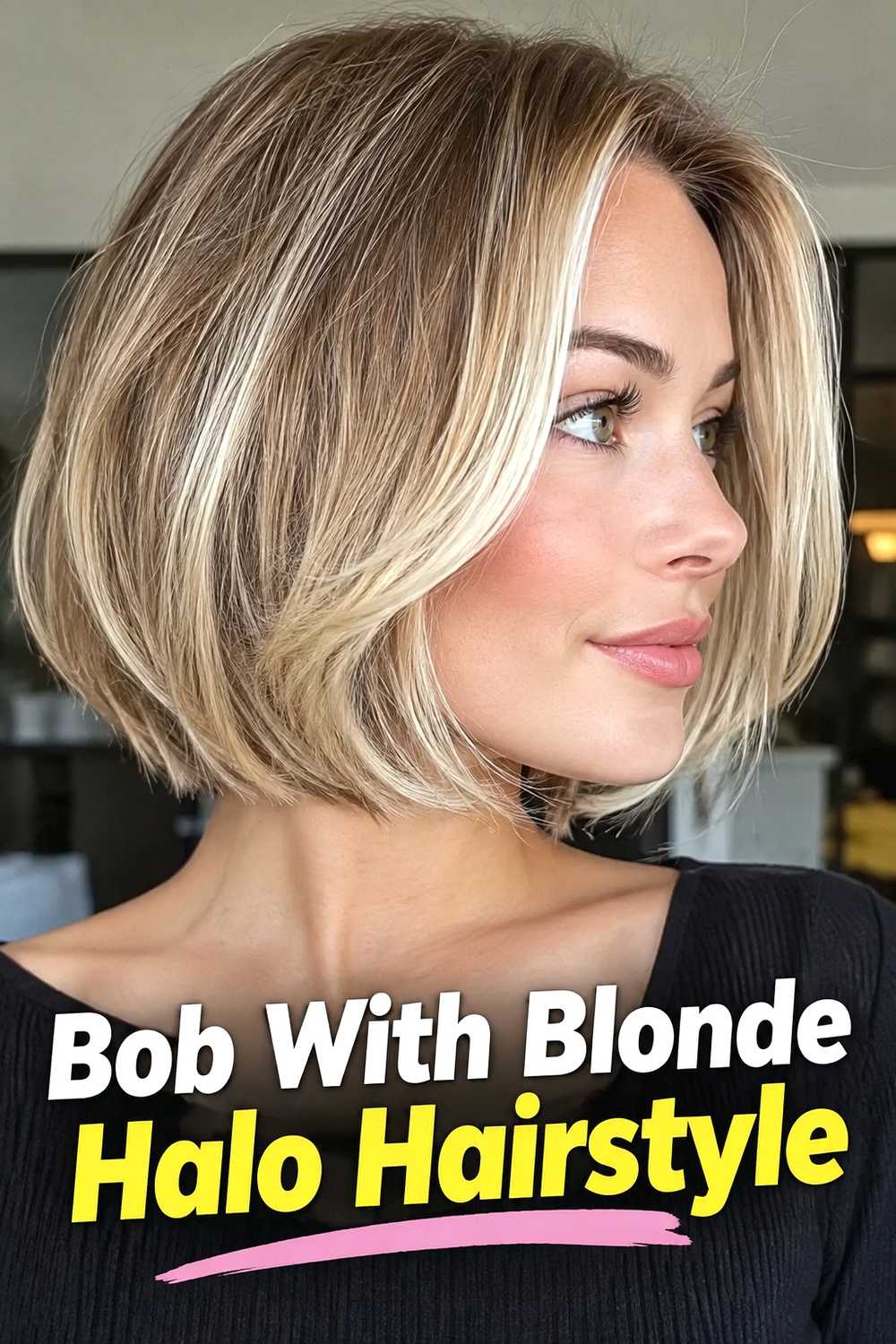
A bob makes blonde halo placement especially noticeable because the shorter silhouette keeps the brighter perimeter close to the face. Blonde can be concentrated around the front hairline, temples, and outer pieces while the interior remains darker, creating clear contrast without requiring complex long-hair placement. On a blunt bob, the halo adds dimension to an otherwise clean shape; on a lightly layered bob, the brighter pieces can move through the front more freely. Straight styling creates a sharper visual effect, while a slight bend softens the transition between colors. Because shorter hair exposes the hairline more clearly, root blending and placement precision become important parts of maintaining a polished result.
Best For
This variation works well when you want the halo technique to become a major visual feature of a shorter haircut.
Wear & Maintenance
Shorter cuts can reveal regrowth and placement changes quickly, so color upkeep may need to align with regular haircut maintenance.
19. Long Layered Blonde Halo Hairstyle
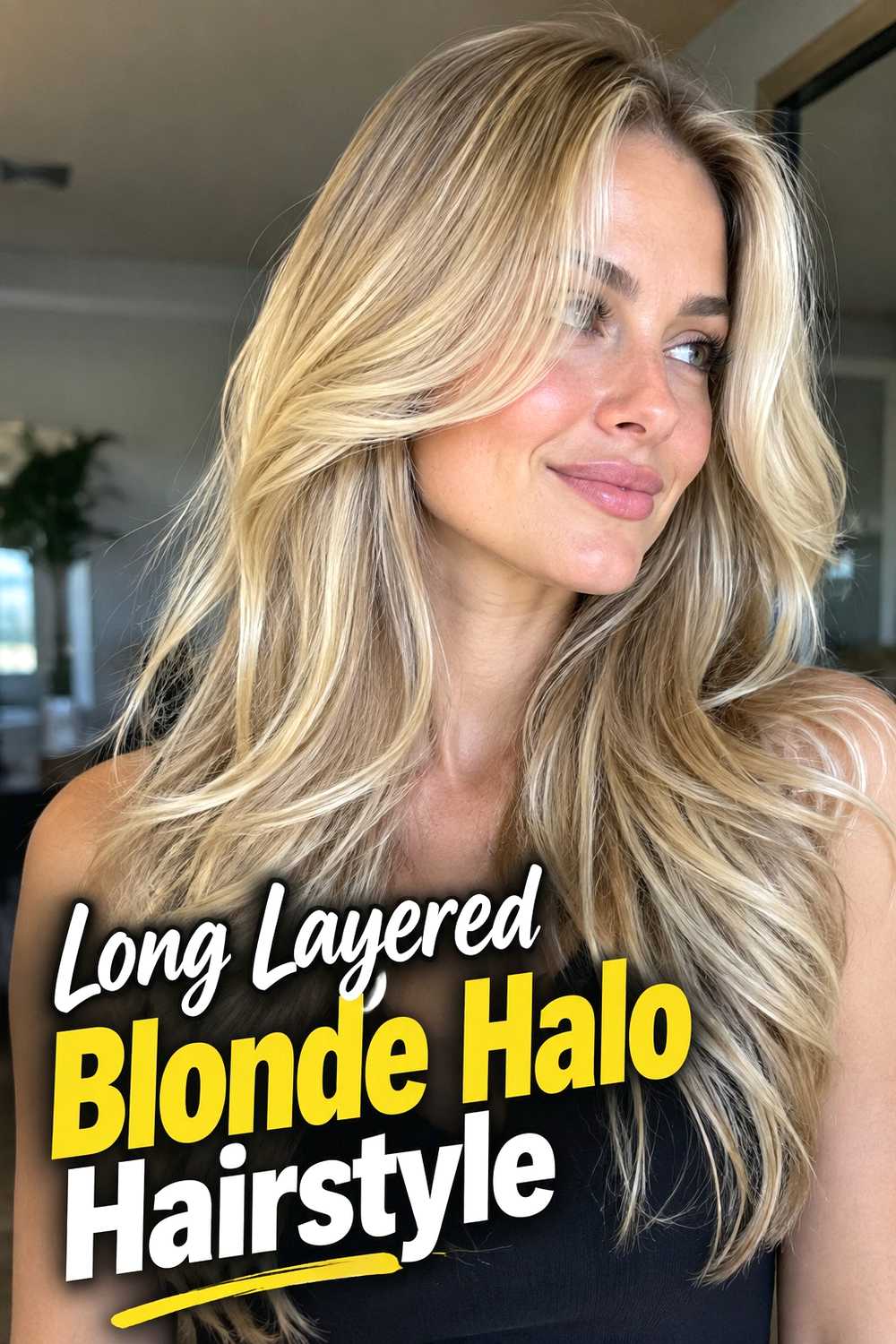
Long layered hair gives a blonde halo plenty of room to blend into movement throughout the lengths. The brightest color can begin around the face and perimeter, then connect into selected front and surface layers so the lightness appears to flow rather than stop abruptly. Deeper interior hair preserves contrast and prevents the color from becoming an all-over blonde. A layered blowout or loose waves helps the halo travel visually through the haircut, revealing brightness at the front and flashes of blonde through the outer lengths. This version can be soft or bold depending on the starting base and chosen tone, making it a flexible option for anyone who wants dimensional blonde without giving up depth.
Styling Notes
Style the front and surface layers away from the face so the brighter halo sections remain visible against the deeper hair underneath.
Best For
Medium to long layered hair provides enough movement and surface area for a halo to blend into dimensional highlights without losing its defining brightness.
How to Choose the Right Look
Start with your base color. Dark brunette hair creates the strongest contrast with a pale blonde halo, while bronde and dark blonde bases produce a softer transition. If you prefer subtle color, choose a halo only a few levels lighter than your interior. For a bolder finish, increase the difference between the base and the perimeter.
Undertone matters too. Icy, pearl, and ash blonde create cooler results, while honey, golden, caramel, and copper blonde introduce warmth. Beige, champagne, sandy, and vanilla shades sit closer to the neutral middle.
Think about maintenance before choosing the lightest option. Platinum and pearl halos may require more lightening and toning, while caramel, honey, or rooted versions can offer a softer grow-out. High-contrast color placed close to the scalp will usually show regrowth sooner.
Finally, consider texture and haircut. Waves and curls naturally reveal dimensional placement, while sleek bobs make the halo look more graphic. Long layers allow the lighter color to blend through movement while still preserving a deeper interior.
Final Thoughts
Blonde halo hair color can be subtle, warm, cool, high contrast, or softly blended depending on tone and placement. Choose platinum or pearl for maximum brightness, beige or champagne for a neutral finish, and honey or caramel for warmer dimension. Keeping some depth through the interior is what makes the lighter perimeter stand out, so the most effective version usually balances brightness with intentional contrast.
FAQs
1. What is blonde halo hair color?
Blonde halo hair color places lighter blonde strategically around the hairline, face, or outer perimeter so the brightness creates a glowing frame around deeper interior color.
2. Does a blonde halo have to be platinum?
No. The halo can be honey, golden, beige, caramel, champagne, pearl, ash, or another blonde tone depending on the desired contrast and undertone.
3. Can brunettes wear blonde halo color?
Yes. A brunette base creates strong contrast with a blonde perimeter. The transition can be bold or softened with intermediate highlights and root blending.
4. Is blonde halo color high maintenance?
Maintenance varies. Pale, cool blondes and high-contrast root placement usually require more toning and touch-ups, while warmer, rooted, or softly blended halos can have a gentler grow-out.
5. Does blonde halo color work on curly hair?
Yes. Strategic placement can look especially dimensional on curls because the blonde sections appear and disappear throughout the natural pattern. Placement should account for where curls sit when dry.
Save your favorite blonde halo hair color ideas, share the shades you love, and explore more dimensional blonde inspiration for your next color appointment.