11 Snow-Resistant Twin Rope Braids With Quilted Jackets
Twin rope braids bring neat winter texture to quilted-jacket outfits while keeping longer hair compact, comfortable, and beautifully visible around bulky collars. Winter hairstyles often have to work around more than appearance. Hoods, scarves, high collars, hats, wind, and occasional snow can all disturb loose lengths, so twin rope braids are especially useful when you want hair contained without hiding its texture. Their twisted construction also creates a clean, dimensional finish that looks polished beside puffer and quilted outerwear. Here, “snow-resistant” means choosing secure placement and controlled texture that can handle typical cold-weather movement and light flurries more comfortably—not making hair waterproof. Compare each option by braid height, tension, accessories, face-framing pieces, and how it sits beside your preferred jacket collar or winter headwear. The styling approach prioritizes believable braid construction and practical, wearable details.
Quick List
- Classic Center Part Twin Rope Braid Hairstyle
- Deep Side Part Twin Rope Braid Hairstyle
- Low Set Twin Rope Braid Hairstyle
- High Start Twin Rope Braid Hairstyle
- Beanie Friendly Twin Rope Braid Hairstyle
- Fleece Headband Twin Rope Braid Hairstyle
- Face Framing Twin Rope Braid Hairstyle
- Chunky Textured Twin Rope Braid Hairstyle
- Ribbon Wrapped Twin Rope Braid Hairstyle
- Sleek Crown Twin Rope Braid Hairstyle
- Tucked Under Twin Rope Braid Hairstyle
1. Classic Center Part Twin Rope Braid Hairstyle
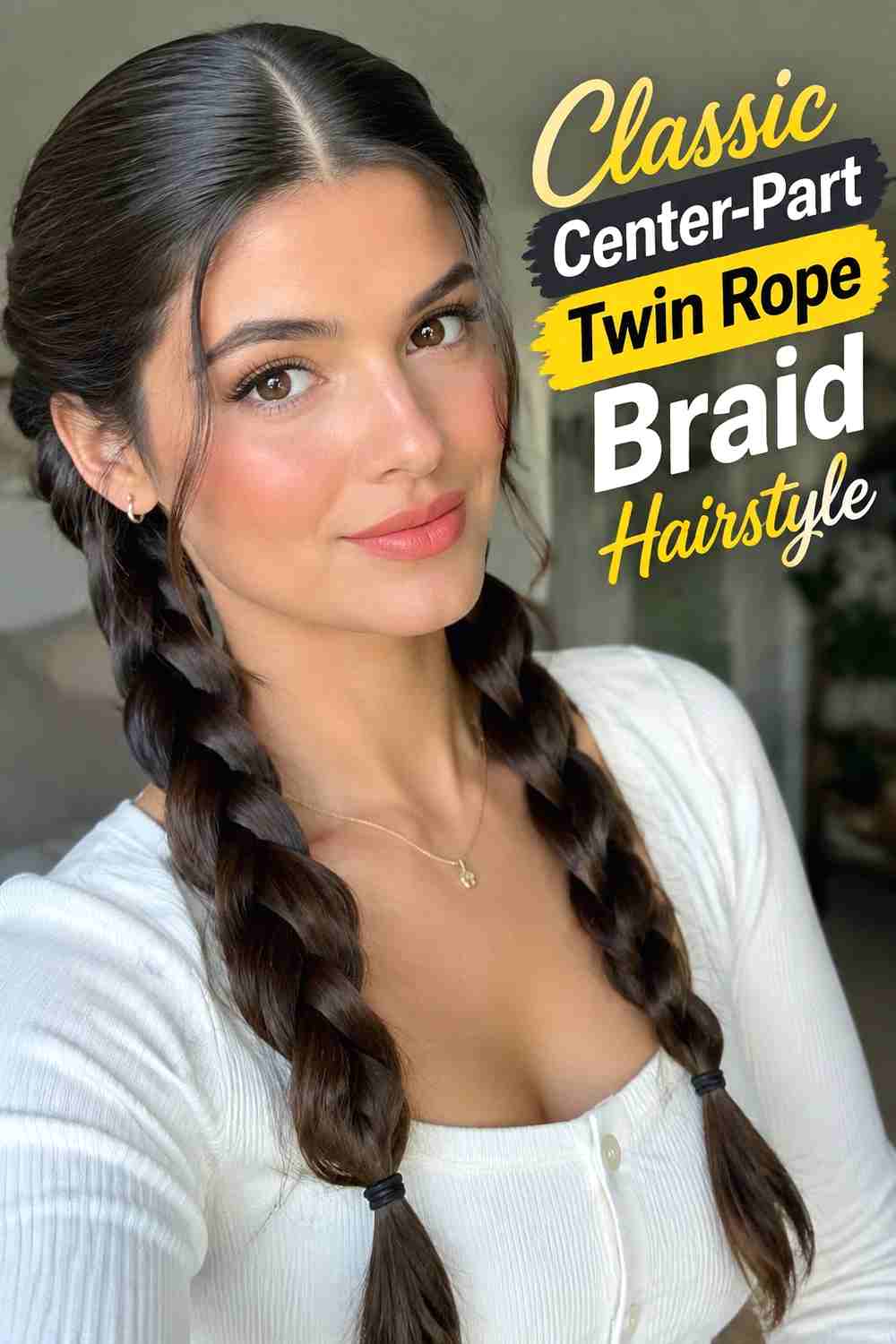
A crisp center part gives twin rope braids their most balanced, recognizable shape. Each side is divided evenly and twisted into a defined rope that falls forward over the shoulders, keeping the lengths controlled while still showing plenty of texture. The symmetry looks especially clean against the strong horizontal quilting of a winter jacket. This version works well when you want something uncomplicated that can move from a snowy commute to casual outdoor plans without feeling overly styled. Keep the roots smooth but not flat, and secure each braid firmly enough to reduce unraveling. A small amount of natural looseness through the twists prevents the finish from looking stiff.
Styling Notes
Twist both sections in the same direction before wrapping the strands around each other in the opposite direction. That opposing motion helps a rope braid hold its shape.
Best For
This option suits medium to long hair that can comfortably reach past the shoulders and works particularly well when you prefer symmetrical winter styling.
2. Deep Side Part Twin Rope Braid Hairstyle
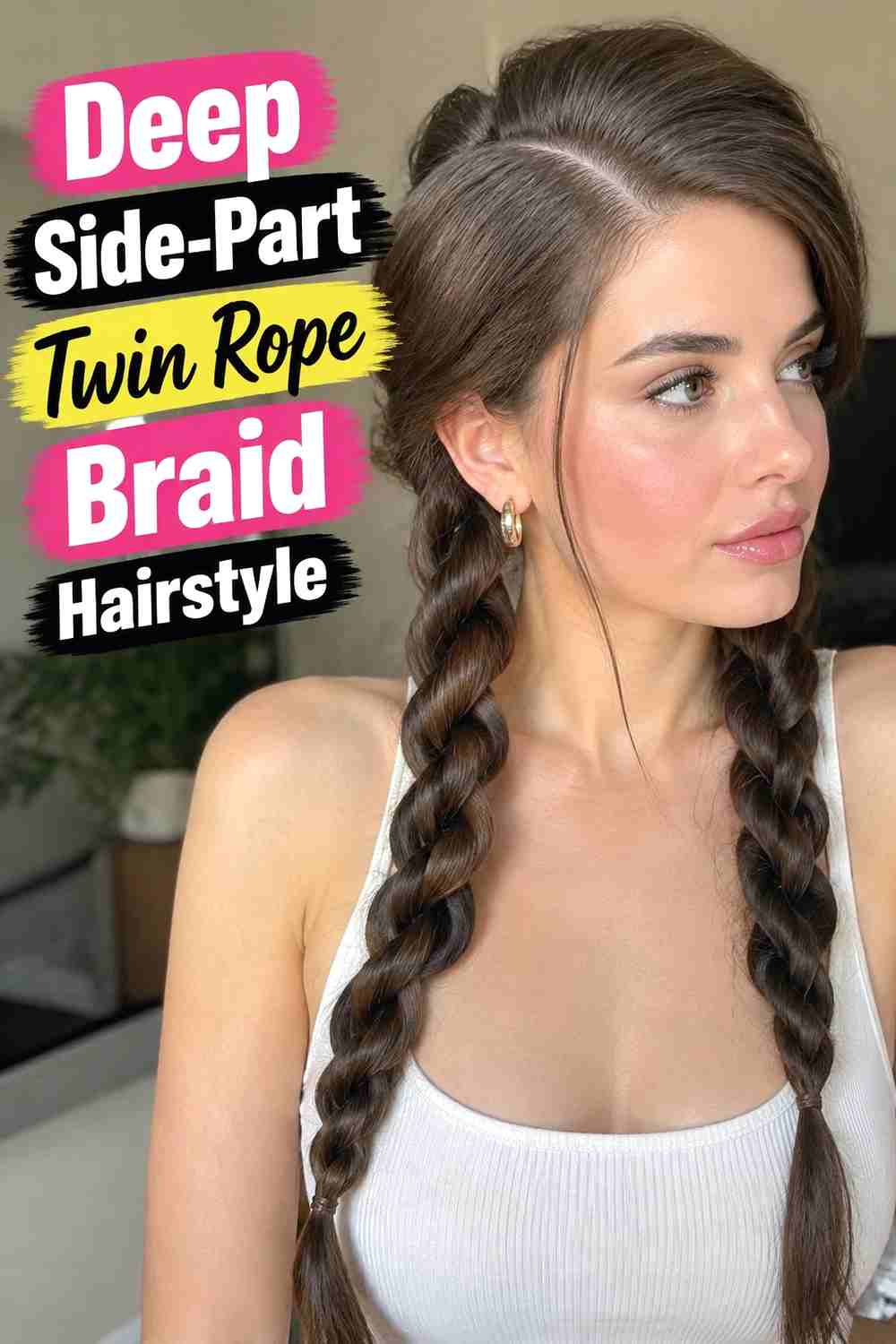
A deep side part gives the traditional twin-braid layout a more directional, fashion-forward silhouette. One side begins with slightly more volume at the crown, while the second braid remains slimmer and closer to the head. That subtle imbalance keeps the hairstyle visually interesting without interfering with a quilted jacket, scarf, or raised collar. The shape can be flattering for anyone who enjoys softer asymmetry rather than a strict center division. Keep both rope braids similarly tensioned through the lengths so the finished look still feels intentional. If winter wind tends to lift the front section, use a discreet pin near the heavier side before beginning the twist.
Pro Tip
Set the part before putting on your jacket or scarf so the root direction stays clean and you do not need to readjust the front after dressing.
Wear & Maintenance
Check the heavier braid occasionally, since the extra hair on that side may loosen faster than the smaller braid during extended outdoor wear.
3. Low Set Twin Rope Braid Hairstyle
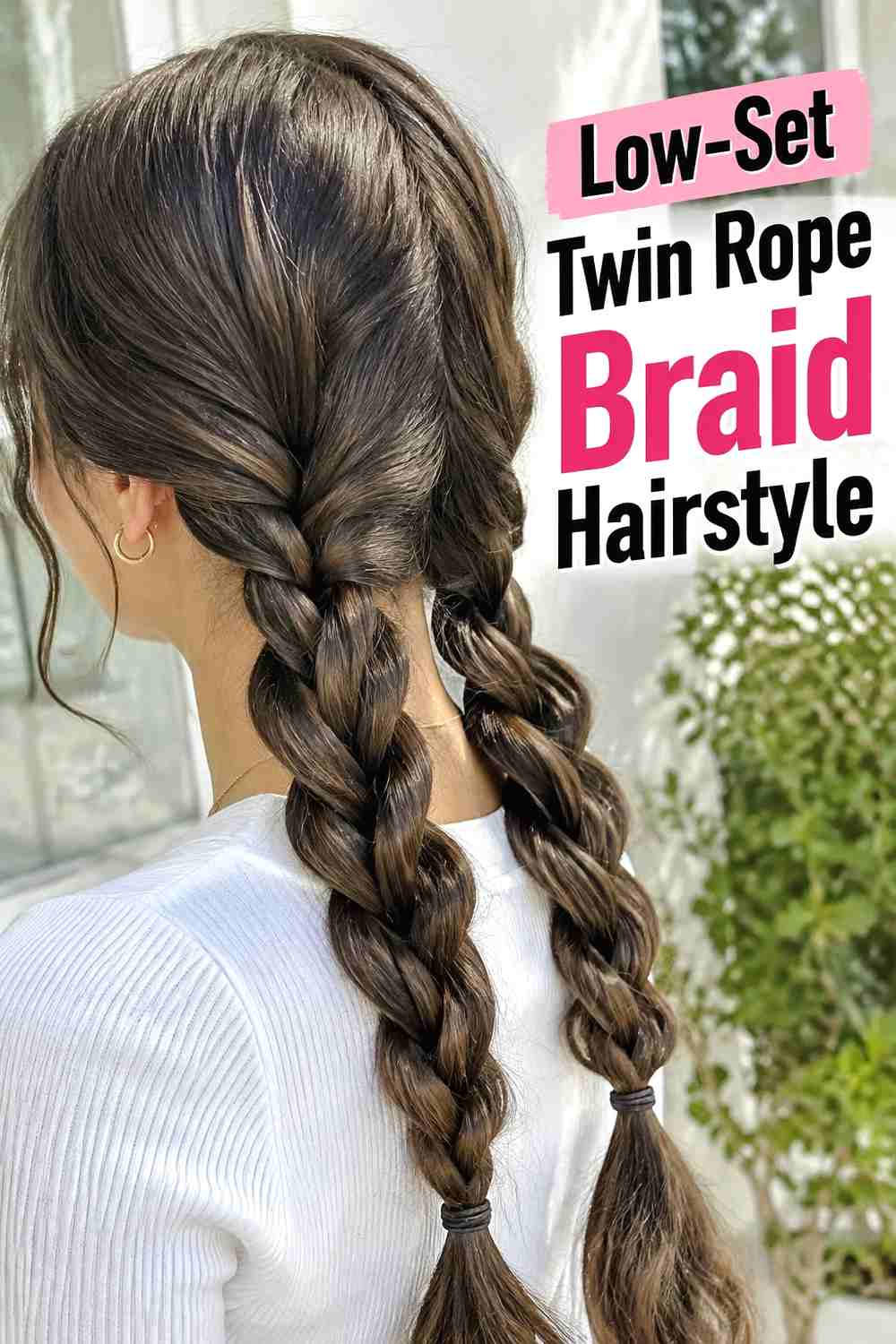
Low-set rope braids begin close to the nape rather than high near the ears, creating a relaxed silhouette that sits naturally beside a quilted jacket. The lower placement reduces bulk around the sides of the head and can feel more comfortable with hoods, earmuffs, or soft winter hats. Because the twists start below the jawline, the roots remain relatively smooth while the texture becomes more noticeable through the lower lengths. This is an easy option for everyday winter wear, especially if you prefer a hairstyle that does not feel tightly anchored. Keep the elastics slim and secure, and avoid placing them directly where a stiff jacket collar repeatedly rubs.
Best For
Low placement is useful for medium or long hair and for anyone who regularly wears hoods or headwear over the crown.
Pro Tip
Position the starting elastics just outside the collar line so the braids can move without being continuously trapped between your neck and jacket.
4. High Start Twin Rope Braid Hairstyle
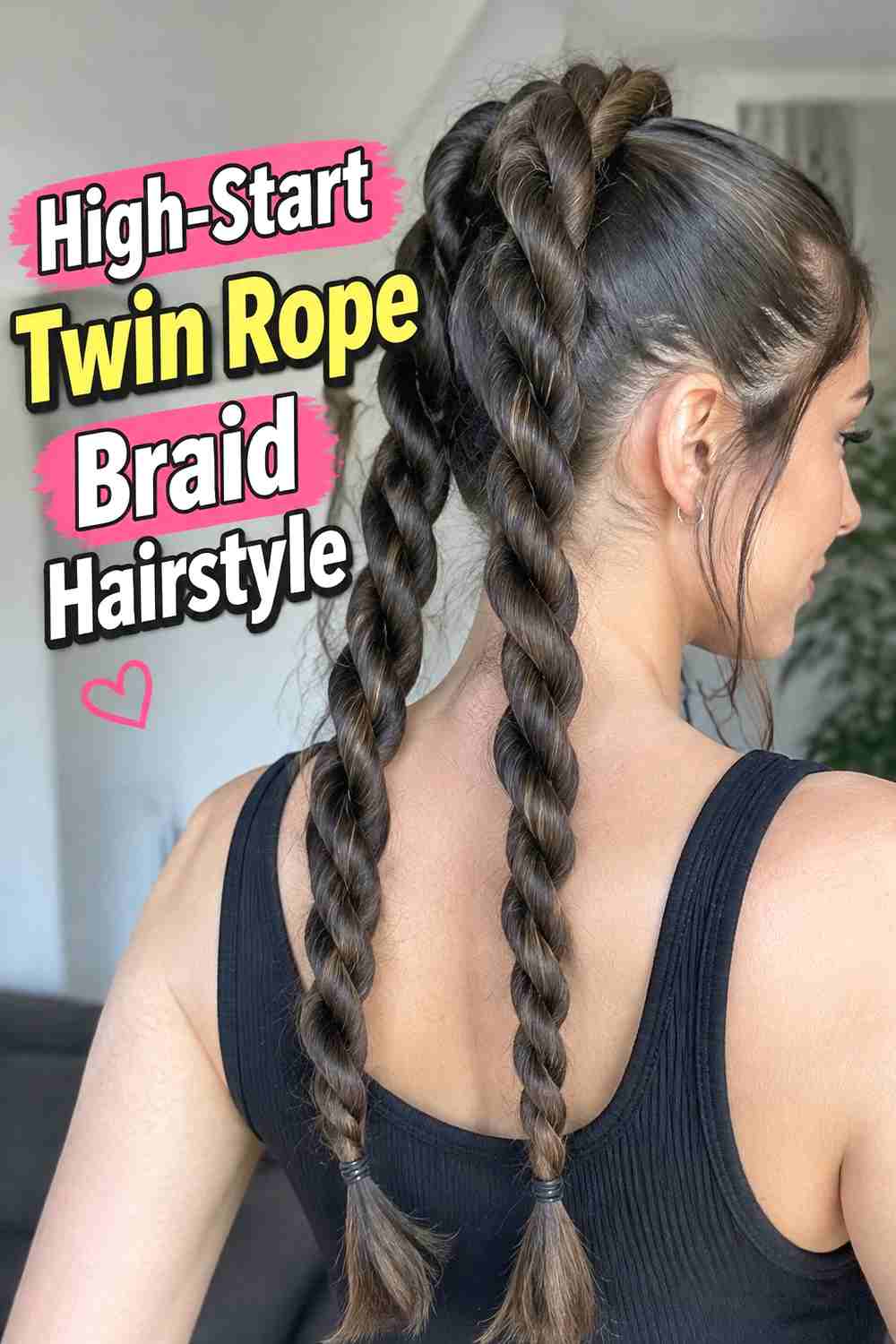
High-start twin rope braids begin closer to the temples or upper sides of the head, giving the hairstyle a lifted, sporty appearance. The raised placement keeps more of the lengths away from a bulky quilted collar and makes the rope texture visible even when the jacket is fully zipped. This version feels especially practical for active winter days when loose hair around the neck would be distracting. A clean part and controlled roots help the elevated braids look intentional rather than childlike. Keep the starting sections comfortably snug instead of excessively tight, then maintain consistent twisting pressure down each braid so the ropes stay compact while still showing natural dimension.
Styling Notes
Secure each side before beginning the rope twist if your hair is very slippery. A small elastic at the base provides a stable anchor without requiring excessive tension.
Hair Type & Length
The look is easiest on medium to long hair with enough length to create a recognizable rope below the higher starting point.
5. Beanie Friendly Twin Rope Braid Hairstyle
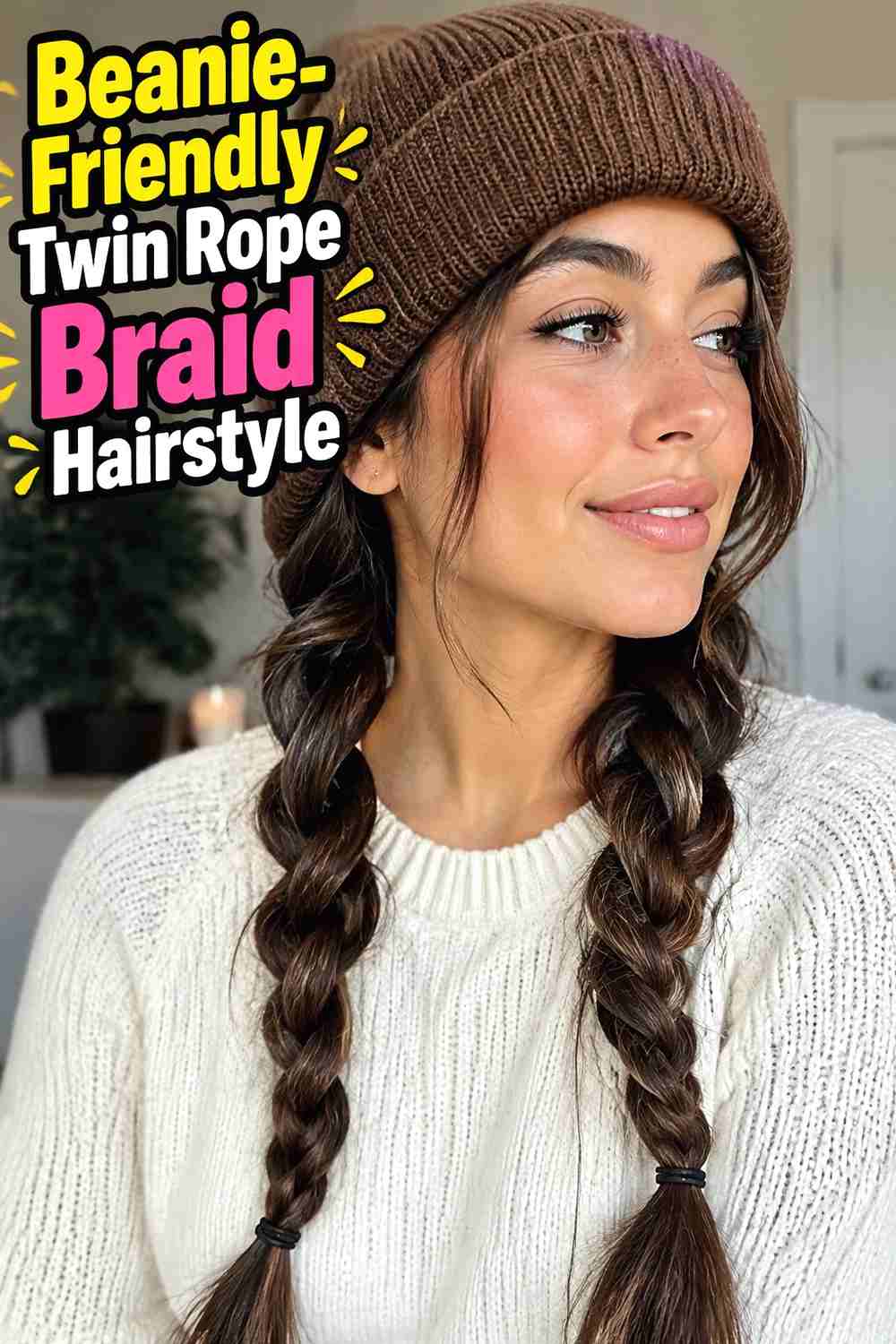
This variation is designed to sit neatly beneath a winter beanie while keeping the decorative rope texture visible below it. Start the twin braids low enough that the hat can rest flat over the crown without pressing on bulky braid bases. Smooth the roots gently, then twist each side into a compact rope beginning near the lower ears. Once the beanie is on, the braids can fall forward over a quilted jacket or remain behind the shoulders depending on the collar. The style is especially convenient when you expect to move between indoor and outdoor spaces, because removing the hat leaves most of the hair contained rather than completely flattened or tangled.
Wear & Maintenance
Choose a smooth-lined or comfortably fitting beanie and avoid repeatedly dragging it against the twists. Lift the hat off gently rather than pulling it over the braid lengths.
Pro Tip
Leave just enough softness at the roots for comfort, but keep the rope sections compact so they do not rub heavily against the hat edge.
6. Fleece Headband Twin Rope Braid Hairstyle
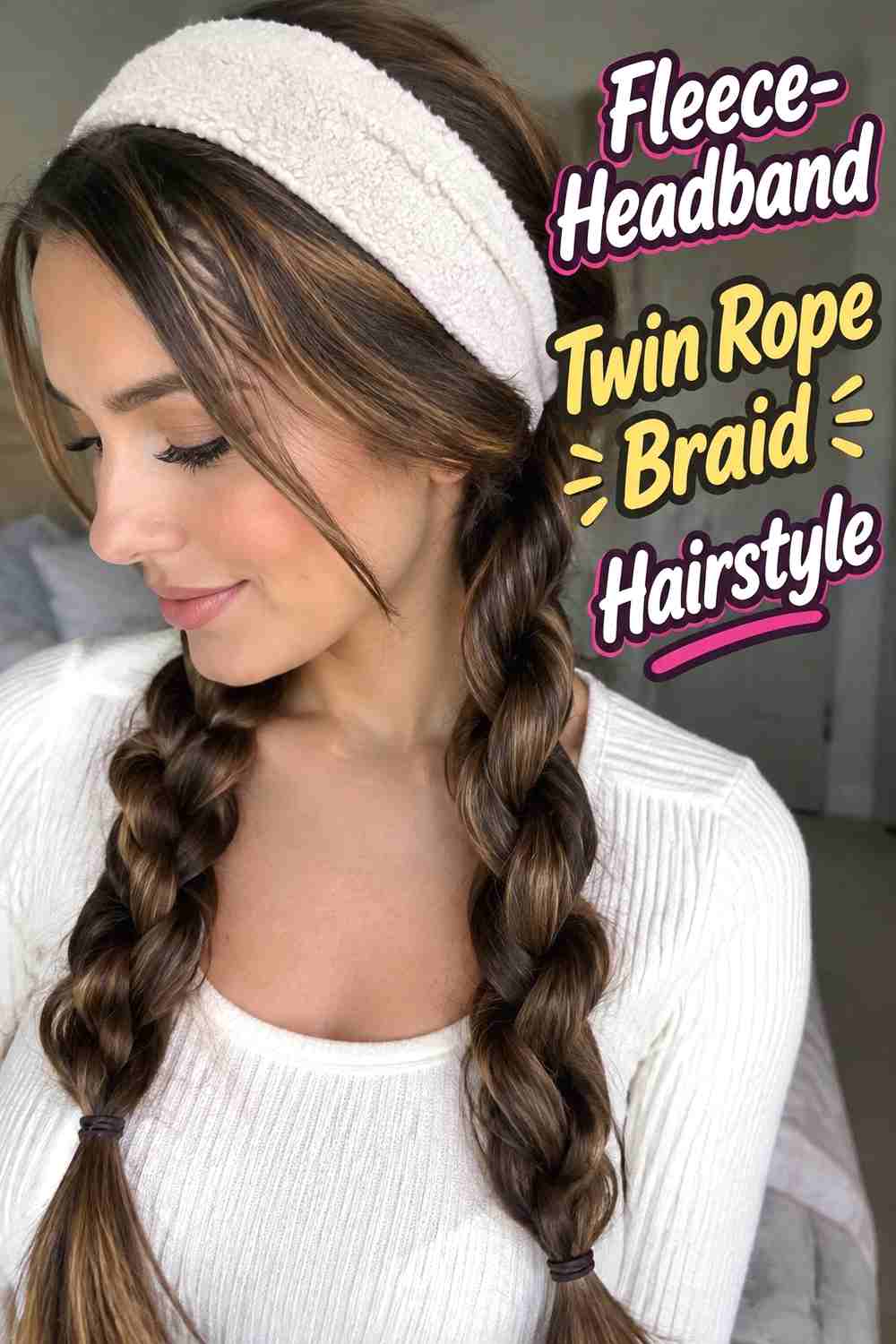
A fleece headband adds warmth around the ears while leaving the crown and rope-braid construction fully visible. For this version, divide the hair cleanly and position each braid just behind or below the ears so the headband can sit without pushing the twists outward. The result has a tidy winter-sport feel that pairs naturally with a fitted or oversized quilted jacket. Because the top of the head stays uncovered, a little root volume can soften the overall silhouette. Keep flyaways controlled around the temples, especially where the fleece touches the hair, but avoid forcing every strand perfectly flat. A few natural wisps help the finished style remain relaxed and believable.
Best For
This setup works well if you want ear coverage without the full compression of a beanie and still want your part and crown visible.
Styling Notes
Put the headband on before making final adjustments to the braids. That lets you see exactly where the twists should sit for the least friction.
7. Face Framing Twin Rope Braid Hairstyle
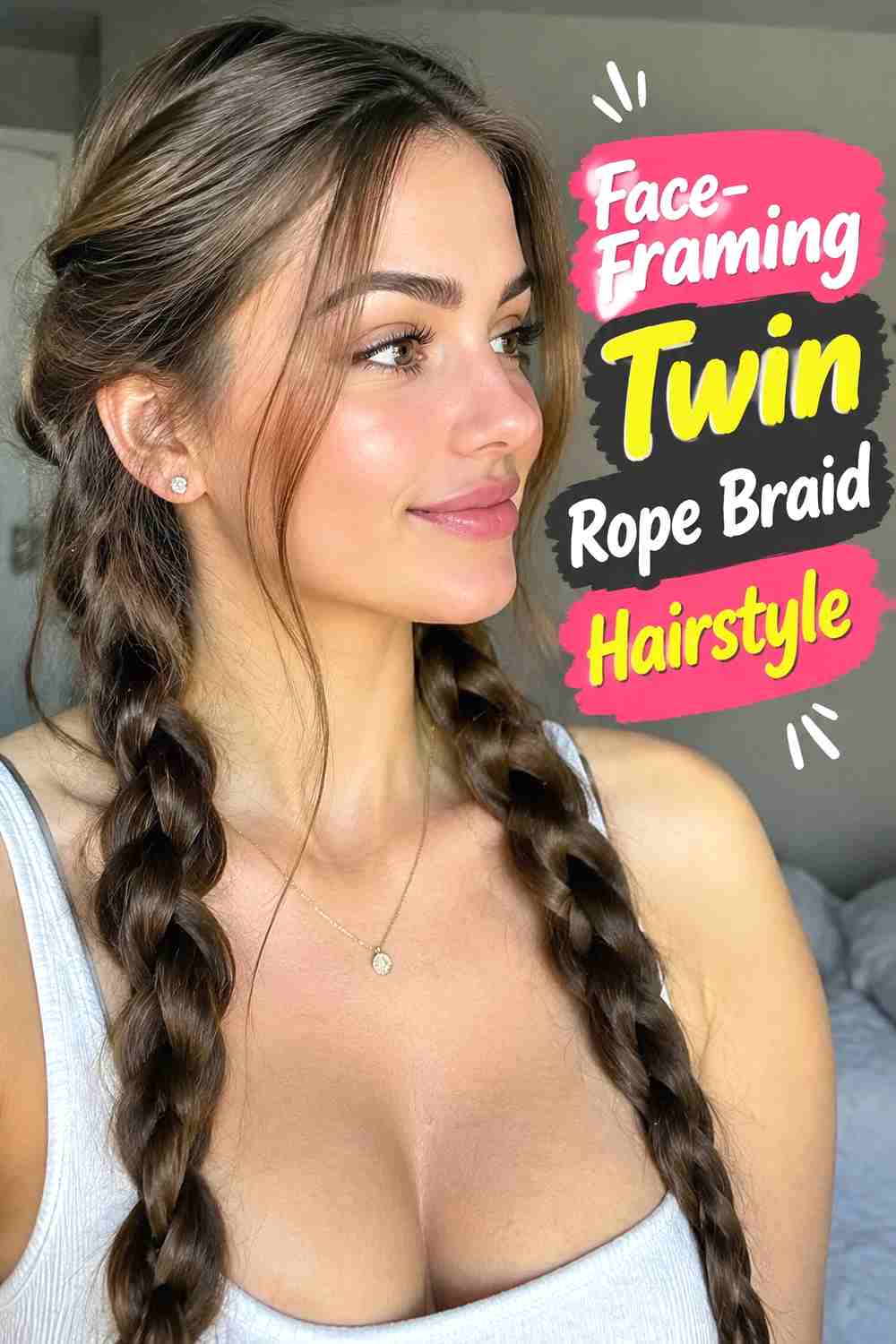
Soft face-framing pieces give structured twin rope braids a lighter, more casual finish. Instead of twisting every front strand into the braid, leave two narrow sections around the hairline and allow them to curve naturally beside the cheeks. The contrast between the loose pieces and compact rope twists looks especially attractive with the clean shape of a quilted jacket. This style can feel less severe than a fully slicked winter braid while still keeping most of the hair under control. For snowy or windy conditions, keep the loose sections modest rather than pulling out large chunks. Slight bends or natural texture are usually enough to create softness without leaving too much hair exposed.
Why It Works
The controlled braids handle most of the practical containment, while the small loose sections prevent the overall look from feeling overly tight or uniform.
Pro Tip
If the front pieces become damp from snow, let them dry naturally before reshaping them instead of repeatedly brushing them while wet.
8. Chunky Textured Twin Rope Braid Hairstyle
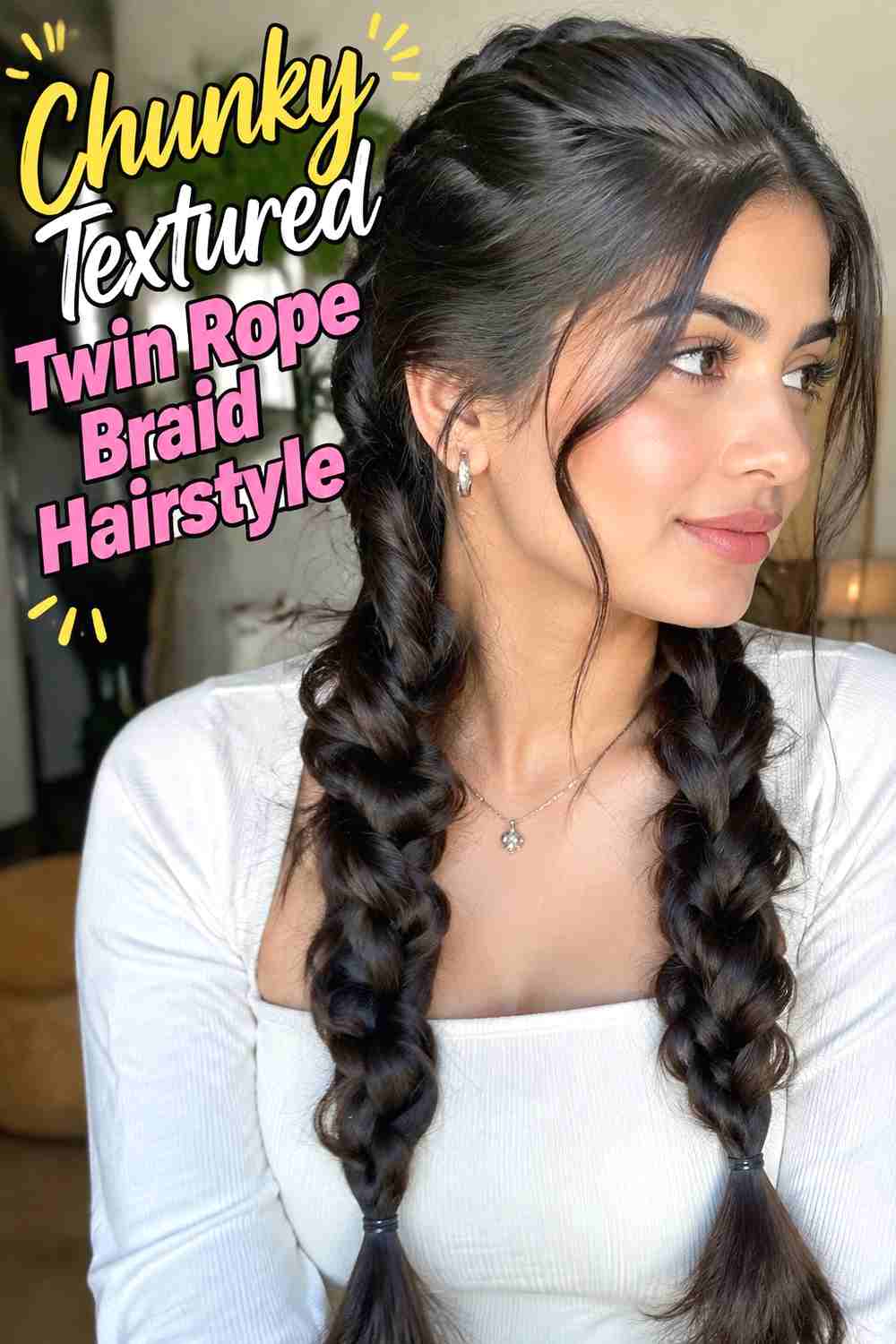
Chunky rope braids emphasize volume and visible twisting, making them a strong choice when you want the hairstyle to stand out against a substantial quilted jacket. The ropes are kept wider and slightly softer than a sleek version, allowing natural density, waves, curls, or prepared texture to create a fuller silhouette. Gentle pancaking can make the twists appear broader, but each section should remain securely connected rather than being pulled so loose that the rope collapses. This variation is particularly effective on dense or textured hair that naturally creates body. Keep the area around the collar controlled so the extra volume stays in the braid itself rather than turning into friction-related fuzz at the nape.
Hair Type & Length
Medium-long to long hair with moderate or high density creates the easiest chunky effect. Finer hair can still achieve it with careful, limited loosening.
Wear & Maintenance
Avoid repeatedly pulling the braids through a zipped collar, since friction can disturb the expanded twists more quickly than a compact rope braid.
9. Ribbon Wrapped Twin Rope Braid Hairstyle
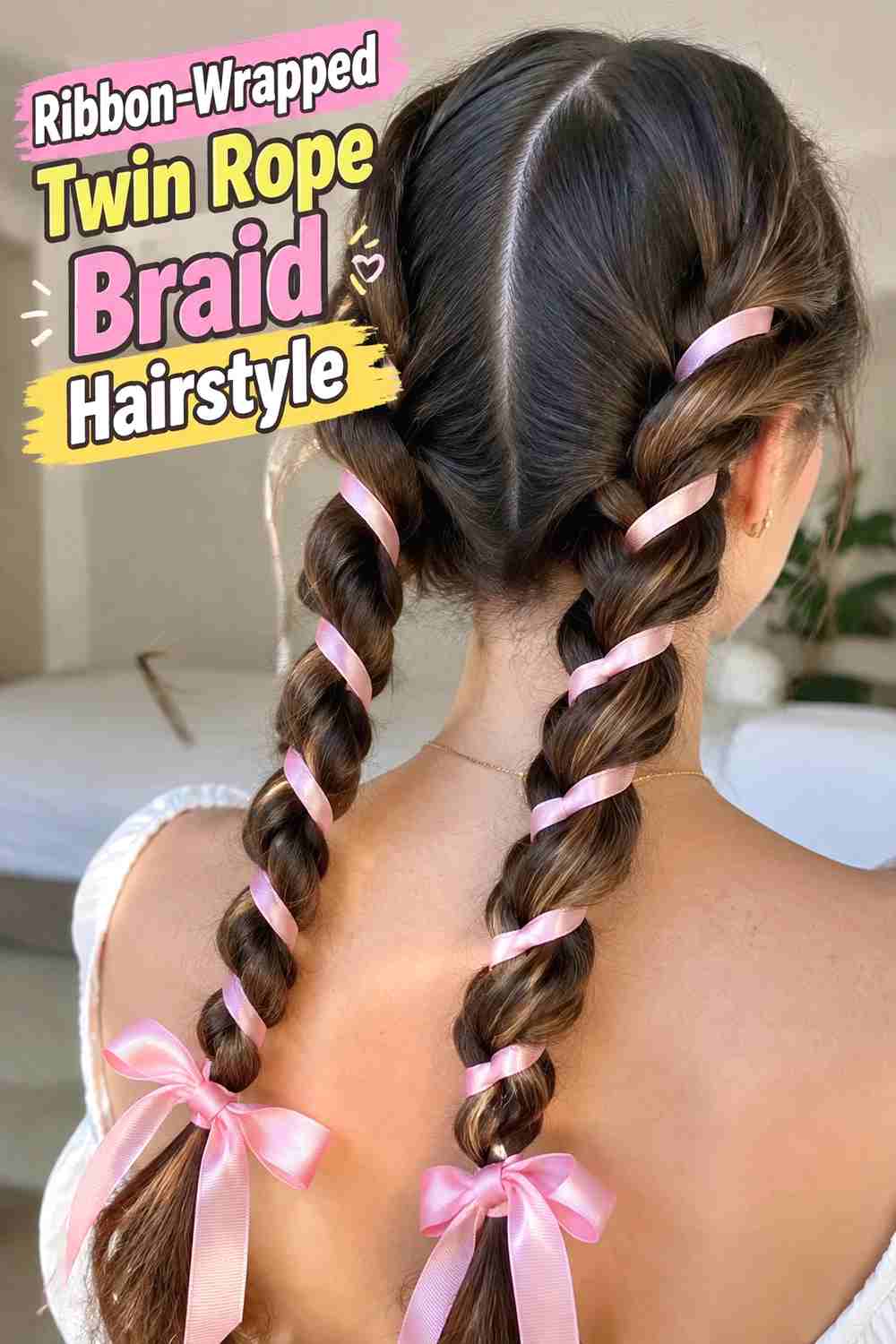
Ribbon woven or wrapped through twin rope braids adds a decorative winter detail without requiring an elaborate updo. Choose narrow ribbon that complements the color of your quilted jacket, then incorporate it alongside the twisting sections so it follows the rope rather than floating loosely around it. The accent can make even a simple pair of braids feel intentional for winter outings, seasonal photos, or casual gatherings. Keep the ribbon ends short and securely tied so they do not catch on zippers, scarves, or jacket hardware. The braid itself should remain the main visual feature, with the ribbon acting as a narrow line of color rather than covering the natural texture.
Styling Notes
Anchor the ribbon near the base of each braid before twisting. This produces a cleaner spiral and reduces the chance of the accessory sliding downward.
Best For
This version is especially appealing when you want a slightly dressed-up winter hairstyle without adding heavy clips or bulky accessories around a hood.
10. Sleek Crown Twin Rope Braid Hairstyle
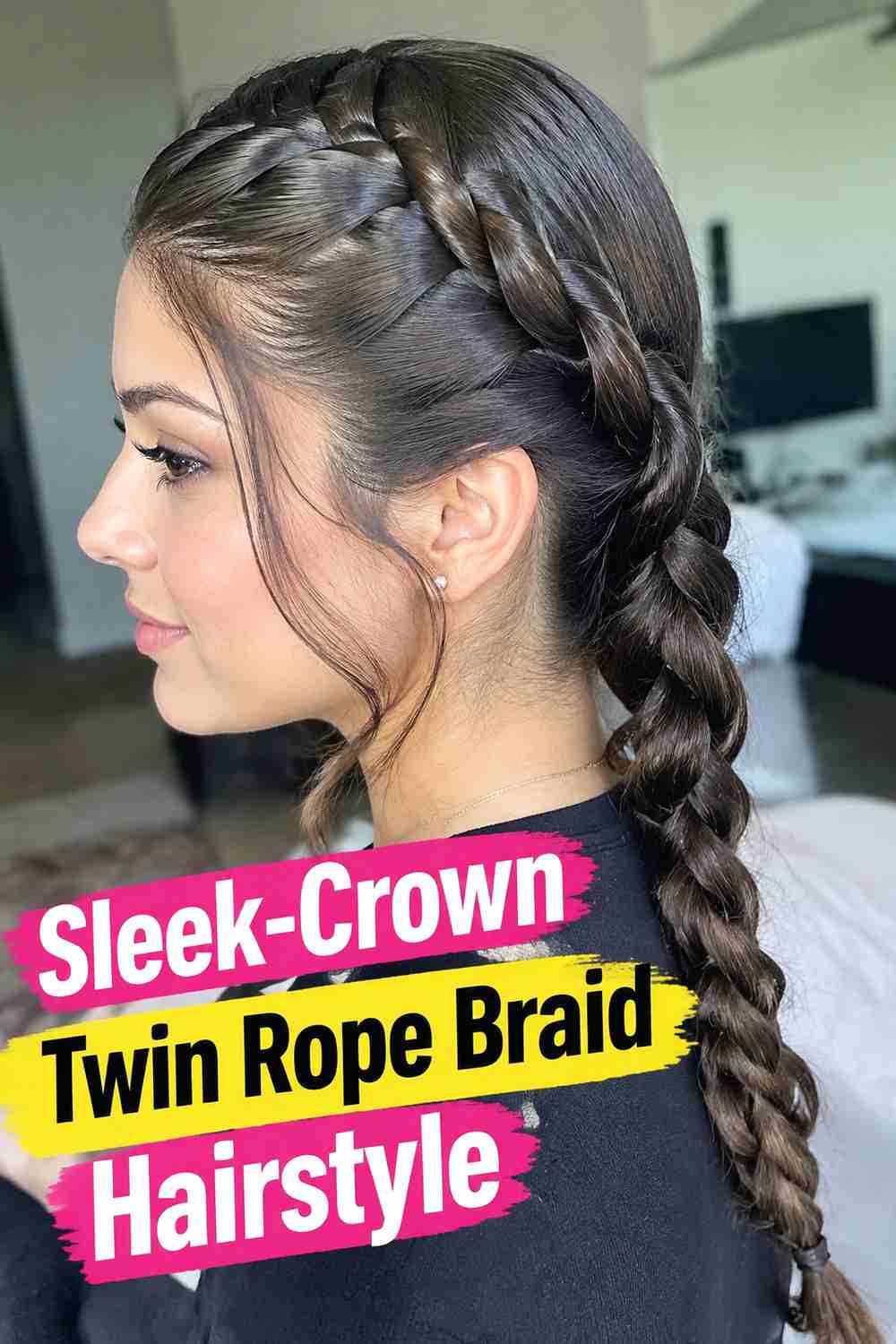
A polished crown creates a sharper contrast with the dimensional twists of twin rope braids. Start with a precise part, smooth the upper sections toward each braid base, and keep stray strands controlled around the hairline. Below the ears, transition into defined rope twists with visible natural shine and consistent tension. The streamlined top works beautifully with the structured lines of a quilted jacket and keeps the overall shape neat around high collars. This is a useful choice for winter occasions where you want the practicality of braids but a more refined finish. Avoid excessive product at the crown, since heavy buildup can make cold-weather hair look rigid rather than naturally sleek.
Why It Works
Keeping the crown close to the head minimizes bulk beneath a hood while allowing the braids themselves to provide all the texture and movement.
Pro Tip
Use only enough smoothing product to settle flyaways. Natural strand definition usually looks fresher than a hard, lacquered surface.
11. Tucked Under Twin Rope Braid Hairstyle
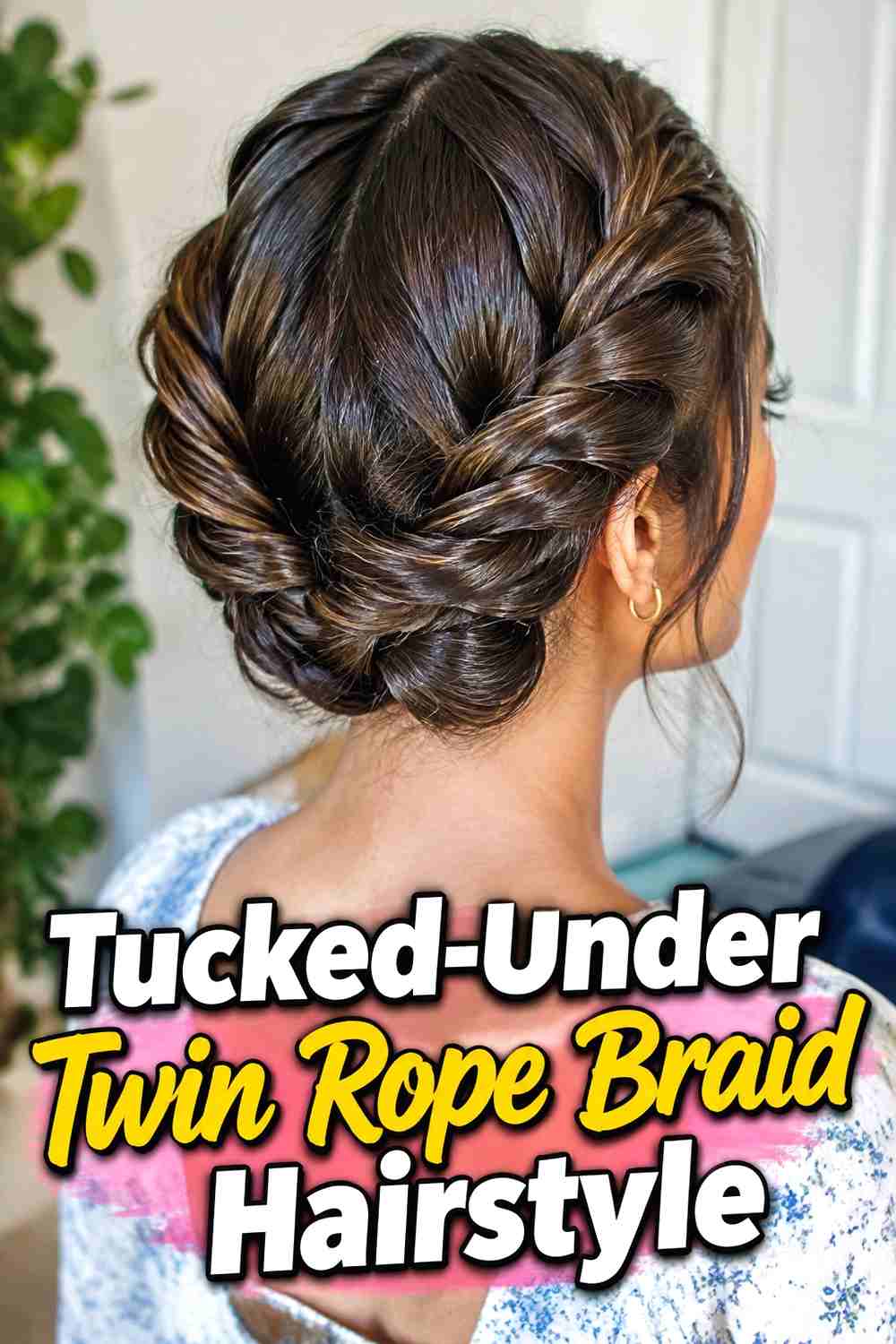
Tucked-under twin rope braids keep the lower lengths particularly contained when you are wearing a substantial quilted jacket. Form two secure rope braids as usual, then position the ends just inside or beneath the outer layer of the jacket rather than letting them swing freely. The technique creates a compact silhouette and can reduce the amount of hair exposed to wind during short outdoor periods. It works best with a roomy collar that does not crush or sharply bend the braids. Once indoors, pull the ropes free so they are not trapped against the neck for hours. Keep the tuck shallow and comfortable rather than forcing thick braid ends into a tight neckline.
Best For
This practical variation suits longer braids and relaxed-fit quilted jackets with enough collar space to hold the ends without uncomfortable pressure.
Wear & Maintenance
Untuck the braids before removing your jacket. Doing so helps prevent the braid ends from catching on zippers, snaps, or inner seams.
How to Choose the Right Look
Start with how you actually dress for winter. If you wear a beanie most days, the Beanie-Friendly or Low-Set Twin Rope Braid Hairstyle keeps the braid bases away from the hat. A fleece headband works better with the Fleece-Headband version, while a high zipped collar can make the High-Start or Sleek-Crown option more comfortable. Hair length and density matter too. Chunkier twists are easiest to build on fuller, longer hair, while compact low-set braids can be more manageable on medium lengths. Fine or slippery hair may benefit from secure base elastics, whereas naturally textured hair can often hold rope construction with less assistance. Consider styling time and finish. Center-part and low-set versions are straightforward for everyday wear. Ribbon wrapping requires an extra step, and face-framing pieces may need occasional adjustment in wind. For the strongest practical winter setup, prioritize comfortable tension, secure ends, limited friction around the jacket collar, and a braid placement that works with your usual hat or hood.
Final Thoughts
Twin rope braids are a useful match for quilted jackets because they keep long hair organized while adding enough texture to remain visually interesting. Choose a lower placement for easy headwear, a sleeker crown for a polished finish, or a chunkier twist when you want the braid itself to make more of a statement. Small adjustments to tension, parting, and accessories can make the same basic technique work for very different winter outfits.
FAQs
1. Are twin rope braids actually waterproof or snowproof?
No. “Snow-resistant” describes a compact, controlled hairstyle that can be easier to manage in light snow and winter wind. Hair can still become wet from precipitation.
2. How do I stop rope braids from unraveling?
Twist the two sections individually in one direction, then wrap them around each other in the opposite direction. Finish with a secure elastic.
3. Which twin rope braid works best under a beanie?
A low-start or Beanie-Friendly Twin Rope Braid Hairstyle is usually the most practical because the braid bases sit below the area compressed by the hat.
4. Can I wear twin rope braids with a high quilted-jacket collar?
Yes. Higher-start braids can keep more hair above the collar, while low braids can work if their bases and ends are positioned away from areas of heavy rubbing.
5. Do twin rope braids work on naturally textured hair?
Yes. Waves, curls, and coils can create beautiful dimension in rope braids. Adjust section size and tension to suit your natural density and texture rather than forcing an ultra-sleek finish. Save your favorite twin rope braid hairstyle and pair it with your go-to quilted jacket for an easy winter look worth recreating.