13 Clean Middle-Part Hairstyles With Peacoat Outfits
Clean center parts and structured peacoats create an effortlessly polished combination, balancing crisp outerwear with sleek, softly textured, or neatly secured hair. A peacoat already brings strong visual structure through its lapels, double-breasted front, and defined shoulders. A clean middle part complements those symmetrical lines while keeping the face framed in a simple, intentional way. Depending on your hair texture and length, that can mean smooth straight lengths, a compact bob, loose waves, natural curls, or a low secured style. The best option also depends on how your hair interacts with the coat collar. Shorter cuts naturally stay clear of the neckline, while long hair may feel more comfortable tucked back, tied low, or placed behind the shoulders. Consider texture, volume, hold, and styling time as you compare these 13 wearable looks.
Quick List
- Sleek Straight Middle Part Hairstyle
- Soft Blowout Middle Part Hairstyle
- Polished Low Ponytail Middle Part Hairstyle
- Tucked Behind Ears Middle Part Hairstyle
- Collarbone Lob Middle Part Hairstyle
- Soft Wave Middle Part Hairstyle
- Low Bun Middle Part Hairstyle
- Glass Hair Bob Middle Part Hairstyle
- Natural Curl Middle Part Hairstyle
- Face Framing Layered Middle Part Hairstyle
- Half Up Middle Part Hairstyle
- Textured Shoulder Length Middle Part Hairstyle
- Long Glossy Middle Part Hairstyle
1. Sleek Straight Middle Part Hairstyle
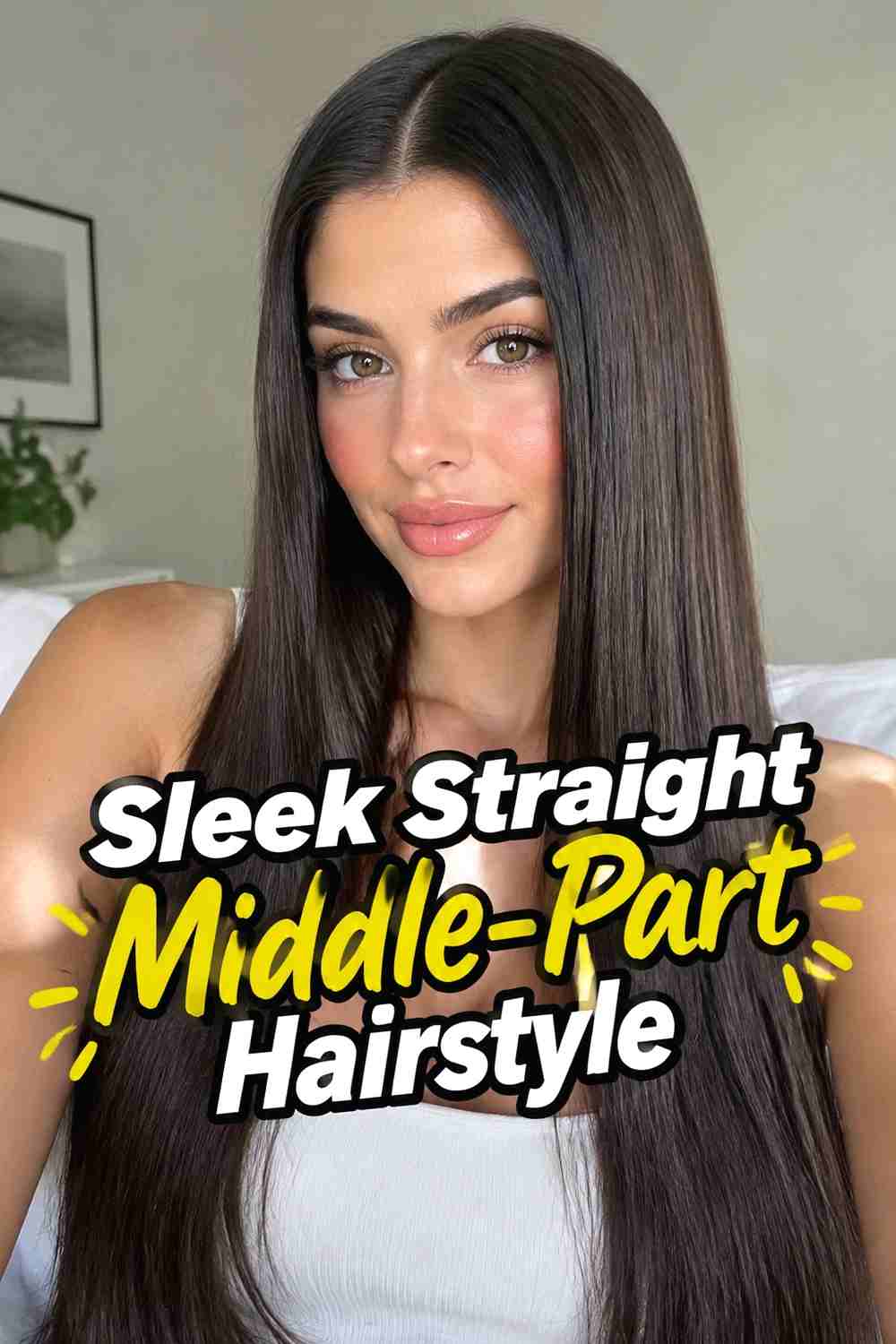
A Sleek Straight Middle-Part Hairstyle gives a peacoat outfit a crisp, balanced finish by keeping the part precise and the lengths smooth on both sides. The symmetry works especially well with double-breasted buttons, broad lapels, and structured shoulders because the hair echoes those clean lines without competing with them. Keep the roots close to the head but not pasted flat, and let the ends fall naturally behind the coat collar or over the shoulders. Straight and lightly wavy hair will reach this finish most easily, while denser textures may need a controlled blowout first. A light serum through the mid-lengths adds polish without making the hair look heavy or oily.
Styling Notes
Create the part first, then smooth each side in the same direction. Use minimal shine product near the roots so the center line remains fresh and defined rather than greasy.
2. Soft Blowout Middle Part Hairstyle
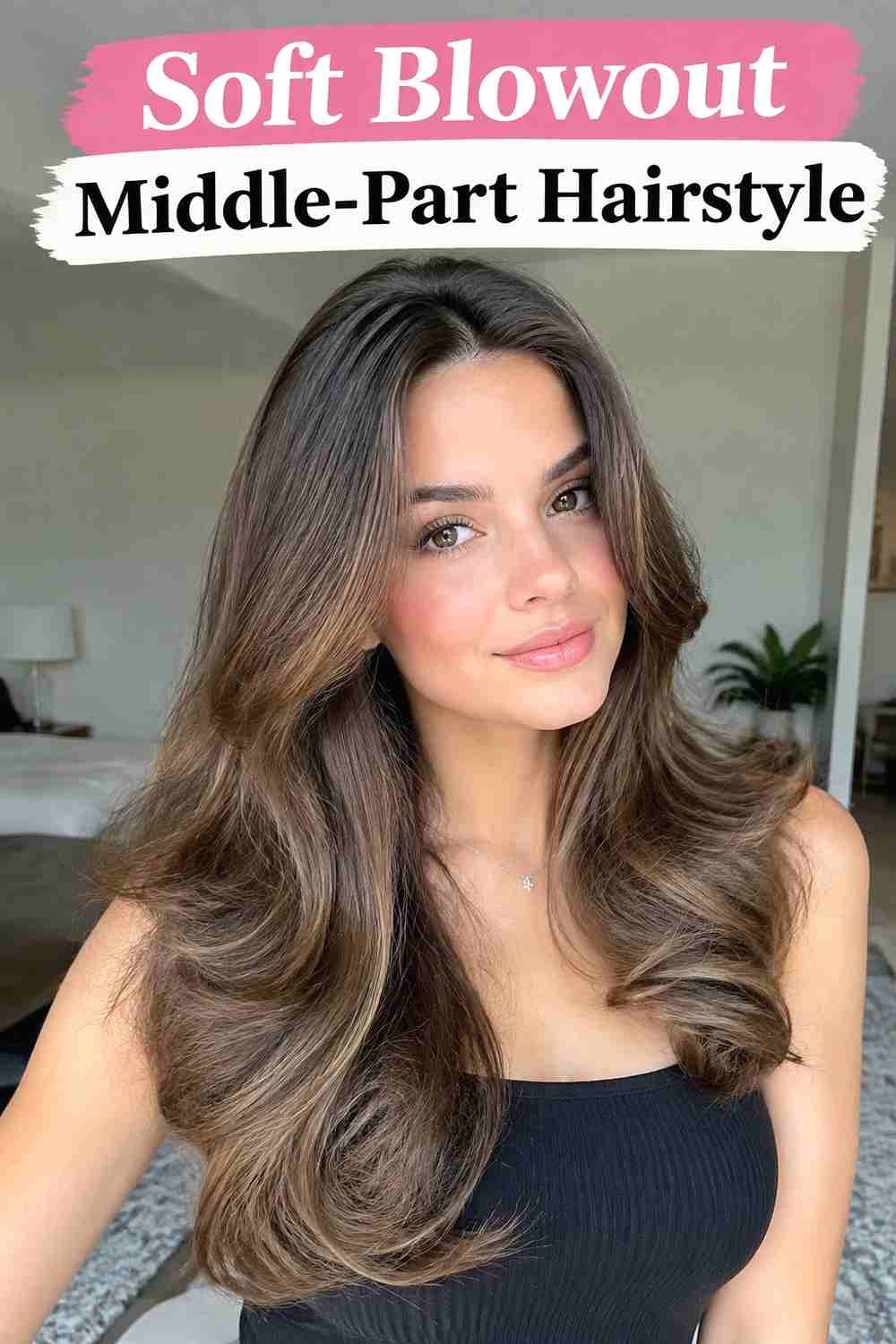
A Soft Blowout Middle-Part Hairstyle keeps the center part clean while adding airy movement through the lengths. The result feels polished enough for a tailored peacoat but softer than a pin-straight finish, making it ideal when you want some volume around the face without hiding the coat’s lapels. Lift the roots gently, shape the front sections away from the cheeks, and allow the ends to curve rather than sit stiffly. Medium and long hair give the blowout enough room to develop, while layered cuts create extra bounce. Keep the volume controlled near the shoulders so the hairstyle does not bunch against a thick collar or overwhelm a compact peacoat silhouette.
Best For
This option suits anyone who likes a polished finish with movement rather than an ultra-sleek surface. It works especially well with layered medium-length and long cuts.
3. Polished Low Ponytail Middle Part Hairstyle
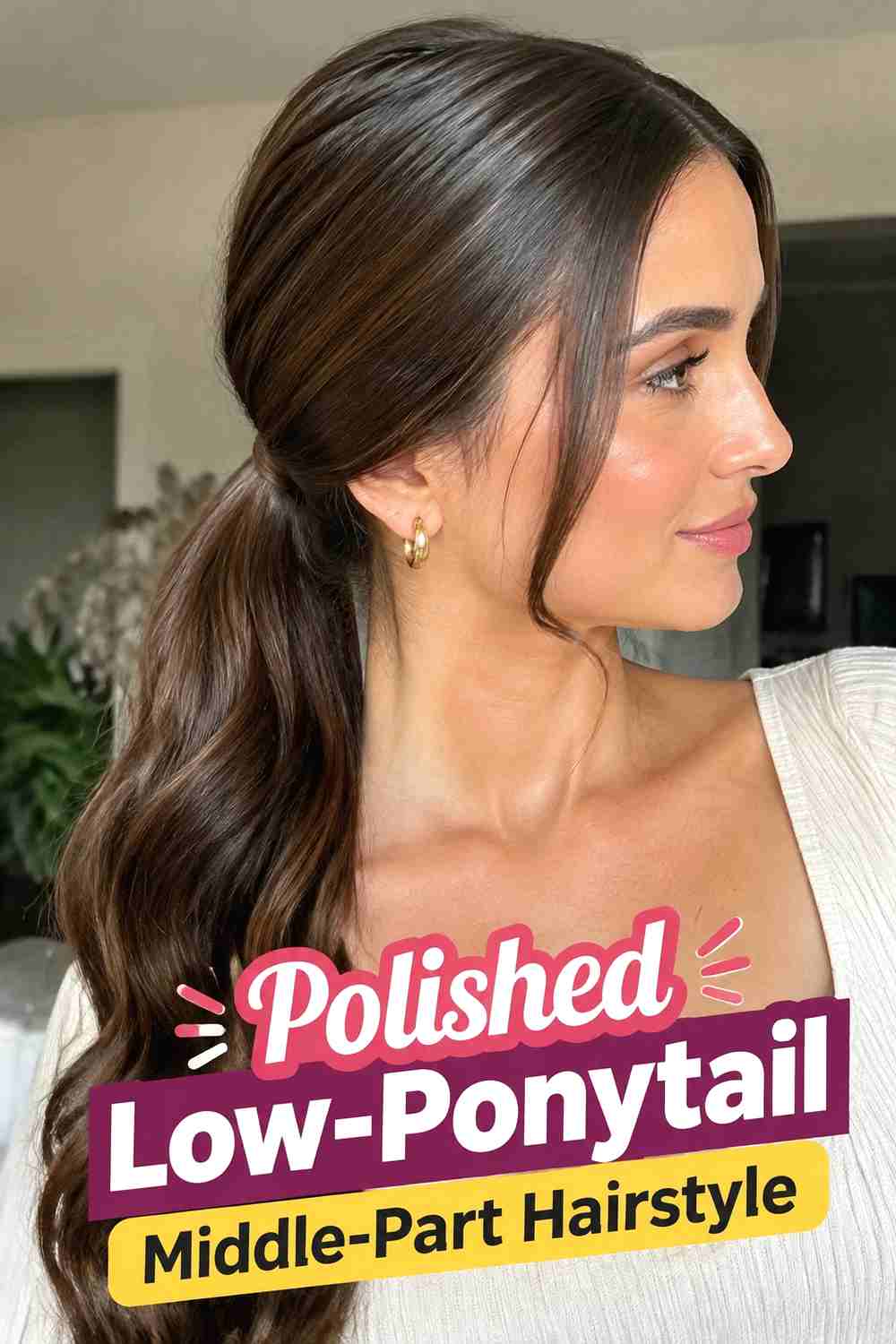
A Polished Low-Ponytail Middle-Part Hairstyle is one of the cleanest options for wearing with a peacoat because it removes bulk from the shoulders and keeps the neckline visible. The center part brings symmetry to the front, while the ponytail sits neatly at the nape instead of fighting the collar. Smooth the crown with moderate tension so the style looks refined without appearing severe, then secure the length with a slim elastic. Straight, wavy, and lightly textured hair can all work well, and the ponytail itself can stay sleek or retain natural movement. If the coat collar is tall, place the tie just low enough to prevent pressure and rubbing throughout the day.
Wear & Maintenance
Try the ponytail with your coat on before finalizing its position. A tie placed directly against a thick collar may shift upward or feel uncomfortable after extended wear.
4. Tucked Behind Ears Middle Part Hairstyle
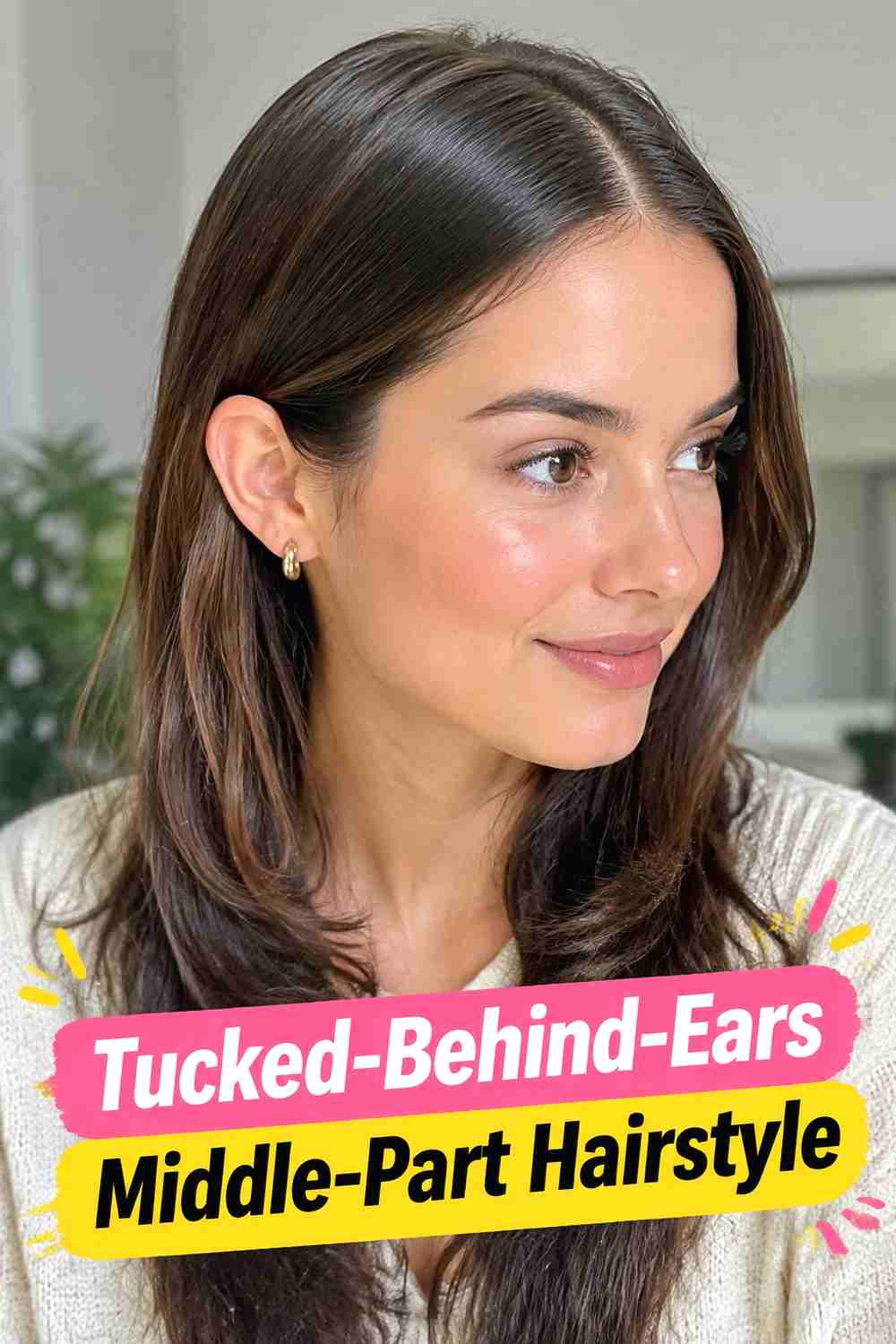
A Tucked-Behind-Ears Middle-Part Hairstyle creates a simple, sharp frame around the face while letting the peacoat take visual priority. The center part keeps the shape balanced, and tucking both sides behind the ears clears the lapels without requiring a full updo. This look works especially well on bobs, lobs, and medium-length cuts because the ends can sit neatly outside the collar. A little root control helps the part stay defined, but the lengths should remain soft enough to move naturally. If your hair tends to slip forward, use discreet pins behind the ears or a touch of flexible-hold product rather than saturating the sides with gel.
Pro Tip
Cross two small pins behind each ear when extra hold is needed. Keeping the fastening hidden preserves the clean, effortless appearance from the front.
5. Collarbone Lob Middle Part Hairstyle
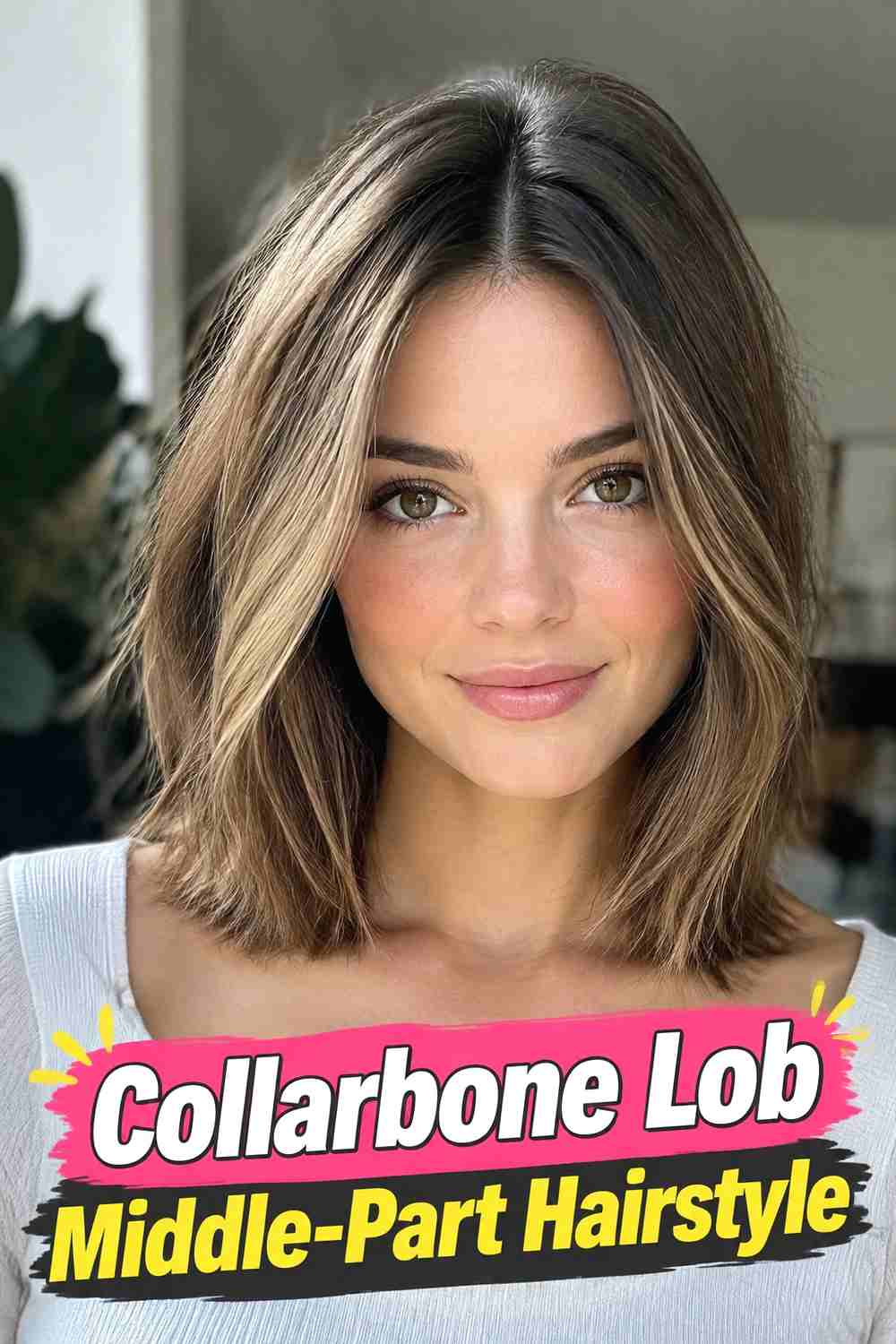
A Collarbone Lob Middle-Part Hairstyle pairs naturally with peacoat outfits because its length ends close to the coat neckline without creating excessive bulk. A precise middle part makes the cut feel modern and orderly, while the blunt or softly layered ends add enough structure to complement tailored outerwear. Wear the lob smooth for a minimalist look or introduce a slight bend through the lower half for movement. The key is keeping the front sections controlled so they do not repeatedly fall across the lapels. Fine hair can benefit from subtle root lift, while thicker hair may need some internal weight removal to help the silhouette sit cleanly around the shoulders.
Why It Works
The lob mirrors the neat proportions of a peacoat without requiring an updo. Its shorter length also makes it easier to manage around substantial winter collars.
6. Soft Wave Middle Part Hairstyle
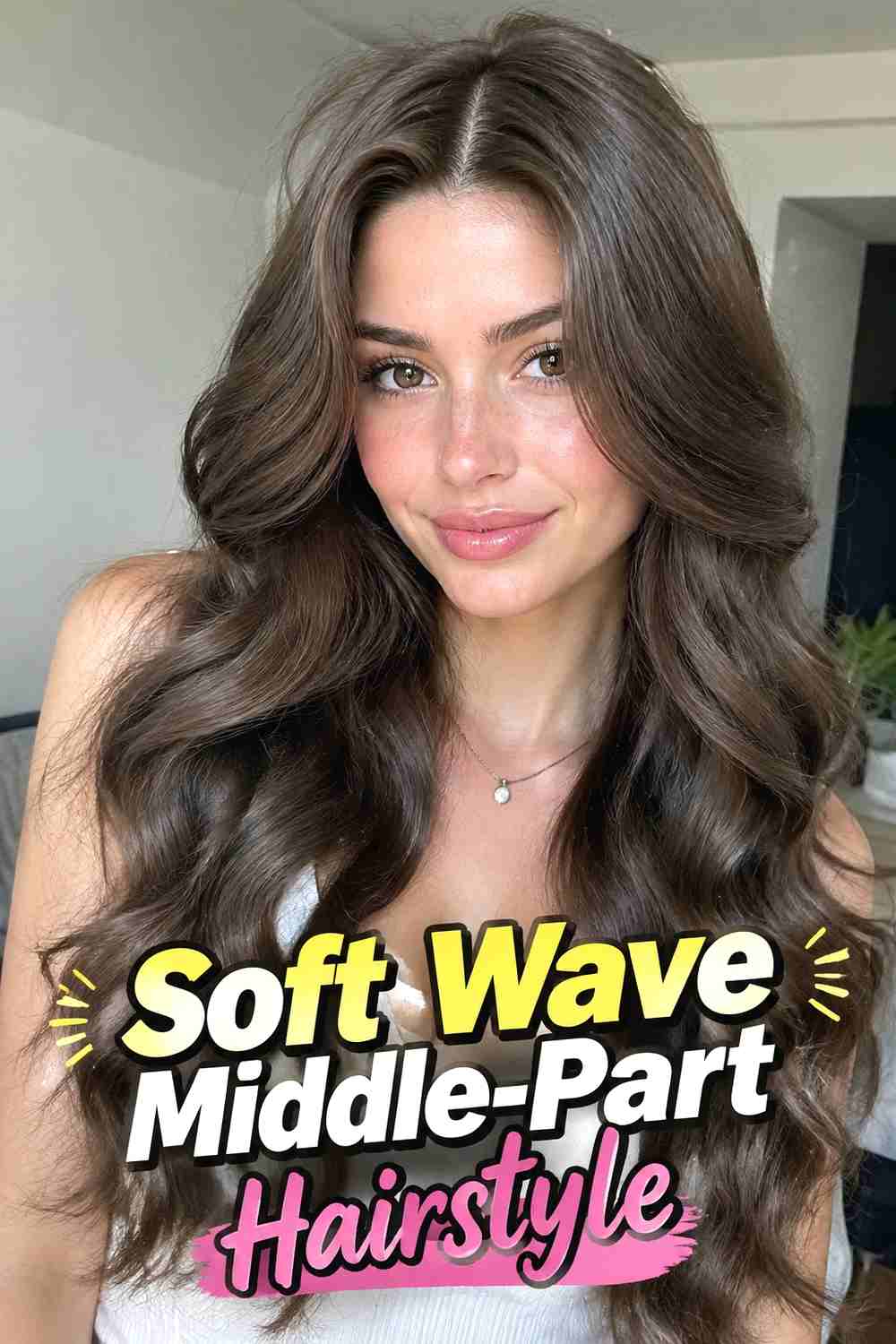
A Soft Wave Middle-Part Hairstyle balances the sharp structure of a peacoat with loose, controlled movement. Start with a clean center part, then build broad waves from around cheek or jaw level so the crown remains neat and the volume increases gradually through the lengths. This keeps the hairstyle from feeling too full around a structured collar while still adding softness to the outfit. Medium and long hair work best for visible wave definition, although a lob can create a shorter version with equally polished results. Alternate the direction of some bends for a more natural finish, and brush the waves lightly so they look fluid rather than tightly curled or overly styled.
Styling Notes
Keep the roots relatively smooth and concentrate the wave pattern below the cheekbones. This maintains a clean middle-part silhouette while giving the lower lengths enough movement to contrast the structured coat.
7. Low Bun Middle Part Hairstyle
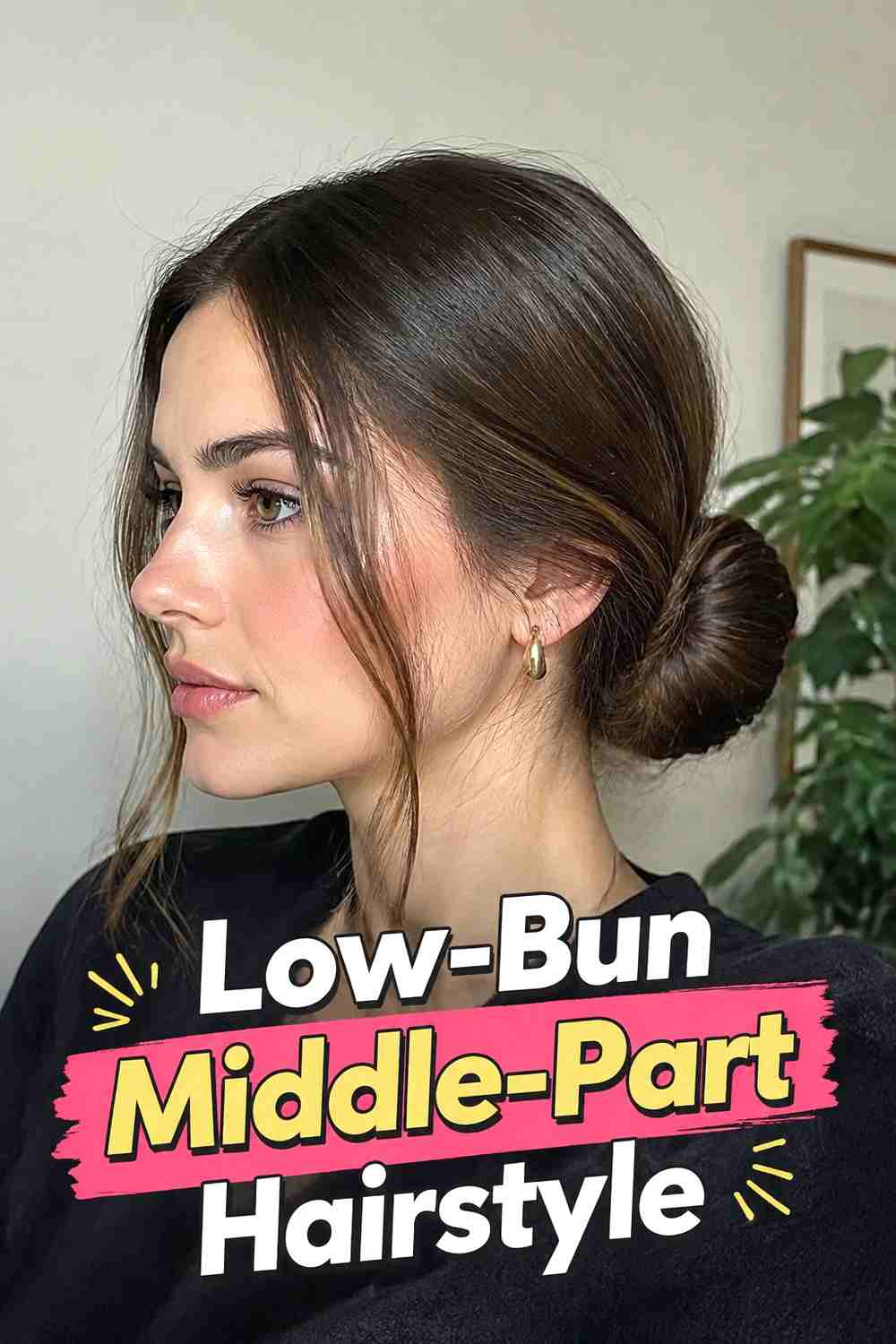
A Low-Bun Middle-Part Hairstyle gives a peacoat outfit a streamlined, sophisticated profile with almost no loose hair around the collar. The exact center part creates a tidy front view, while the bun sits low at the nape for a balanced shape that suits both classic and oversized coats. Keep the crown smooth but allow a trace of natural texture so the finish does not look excessively rigid. Medium-long and long hair are easiest to gather, though shorter layers can be secured with small pins. Check the bun placement against the coat before leaving; if the collar pushes into it, flatten the bun slightly or position it a little lower for more comfortable wear.
Wear & Maintenance
A compact, flatter bun tends to work better with thick peacoat collars than a large rounded bun. Use pins around the perimeter so the shape stays secure without constant readjustment.
8. Glass Hair Bob Middle Part Hairstyle
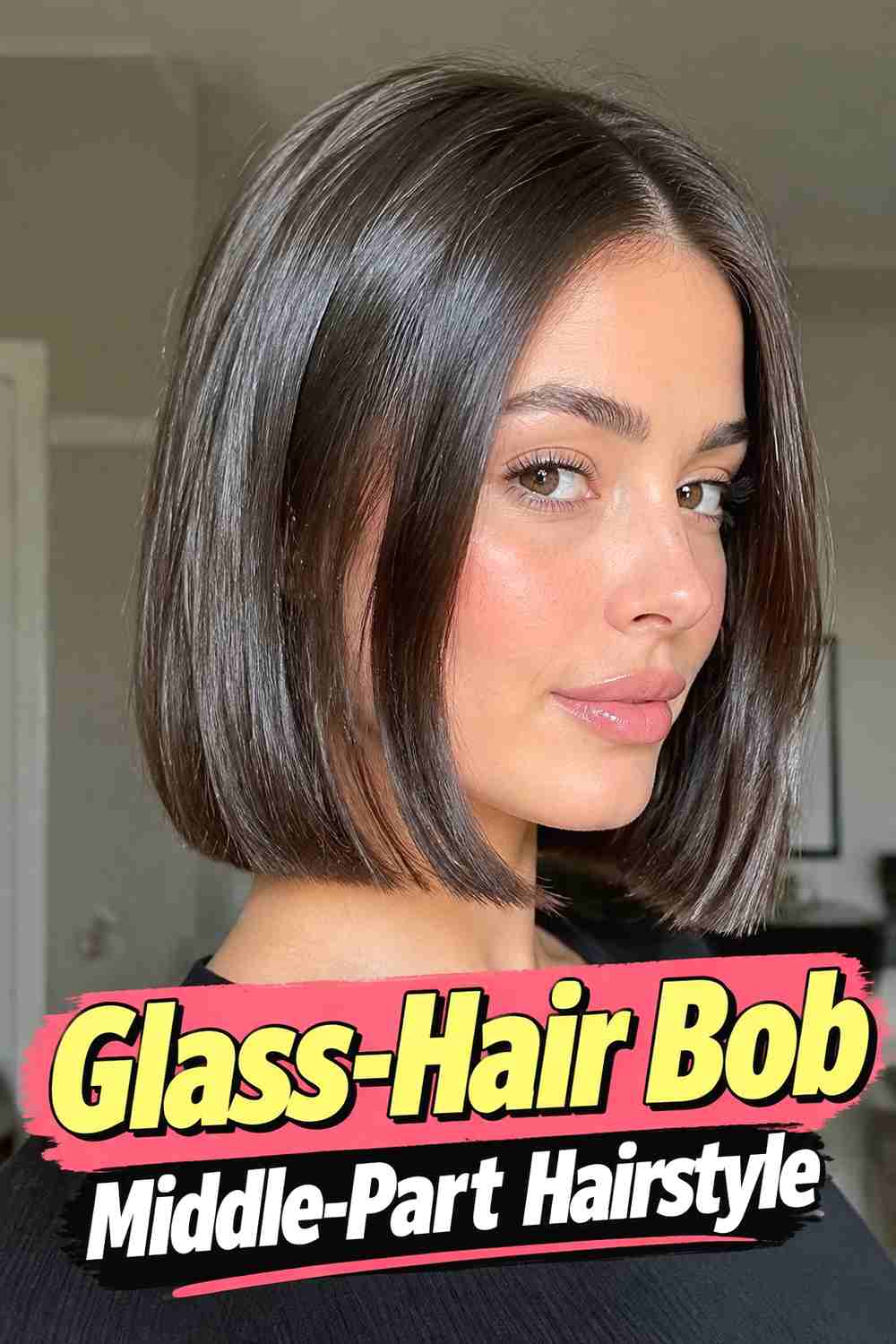
A Glass-Hair Bob Middle-Part Hairstyle creates a sharp, reflective finish that looks especially striking beside the matte texture of wool or felt peacoats. The center part emphasizes the bob’s symmetry, while smooth, compact lengths keep the overall silhouette clean around the jaw and collar. This look is most convincing when the hair still shows natural strand detail rather than appearing coated or plastic. A precise blow-dry and light smoothing pass can refine the surface, followed by a small amount of shine product through the ends. Chin-length and jaw-length bobs suit the style particularly well because they stay clear of bulky lapels and make the coat’s neckline look intentional rather than crowded.
Hair Type & Length
Straight and softly wavy chin-length hair reaches this finish most easily. Coarser or curlier textures may require more smoothing, so prioritize a natural-looking surface rather than forcing every strand completely flat.
9. Natural Curl Middle Part Hairstyle
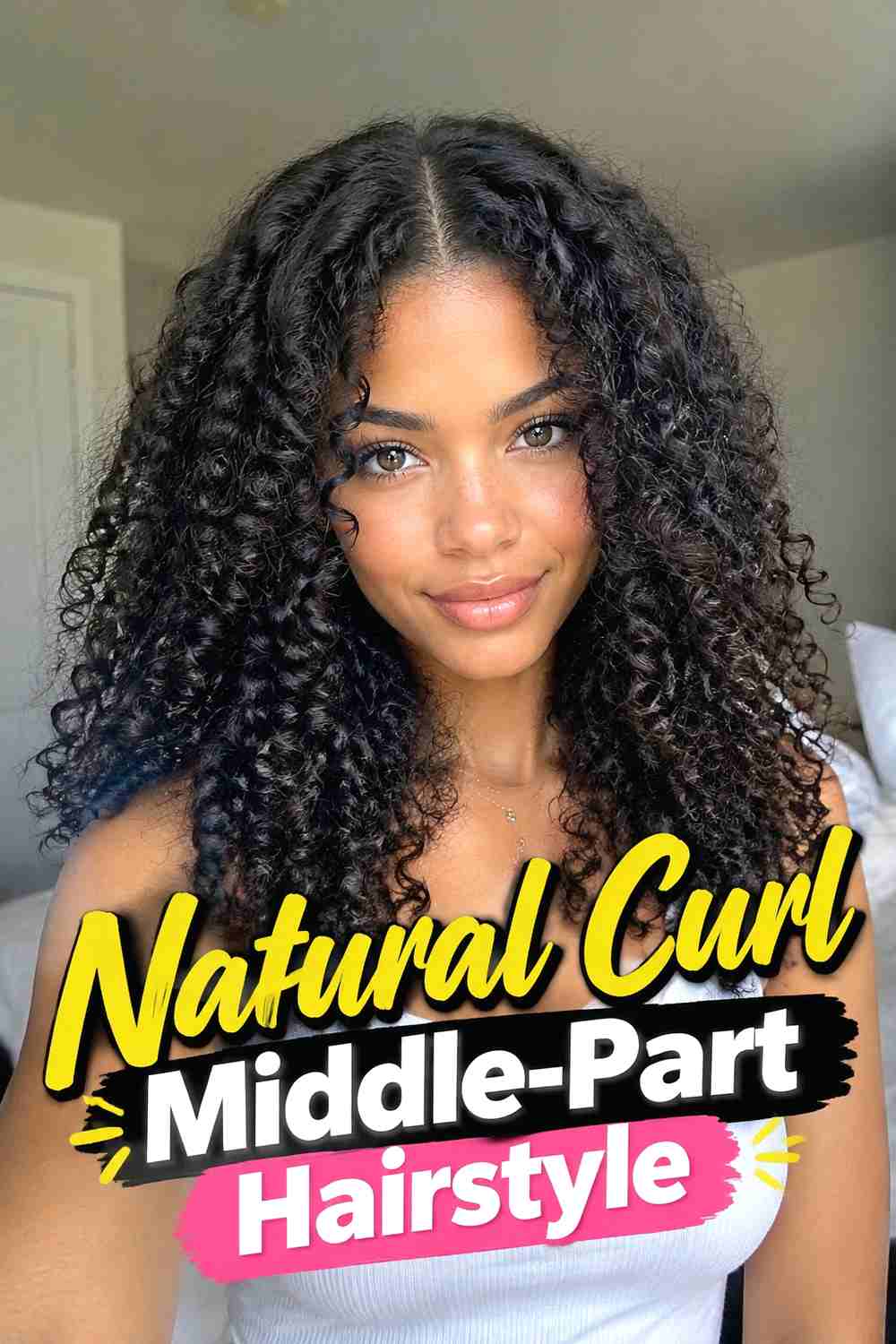
A Natural Curl Middle-Part Hairstyle keeps the symmetry of a center part while allowing curls to retain their individual shape, bounce, and volume. With a peacoat, the clean part creates enough structure to balance the softness of the texture, especially when the front curls are guided away from the lapels. Avoid flattening the crown just to make the part look sharper; a little lift at the roots helps the curls stay dimensional. This style can work on short, medium, or long curly hair, but collar-level lengths may need light shaping so they do not bunch under a thick coat. Define the curls in sections and let the overall silhouette remain natural rather than perfectly uniform.
Pro Tip
Establish the middle part while the hair is damp, then style each side according to the natural curl pattern. Repeated brushing after drying can disturb definition and increase unwanted frizz.
10. Face Framing Layered Middle Part Hairstyle
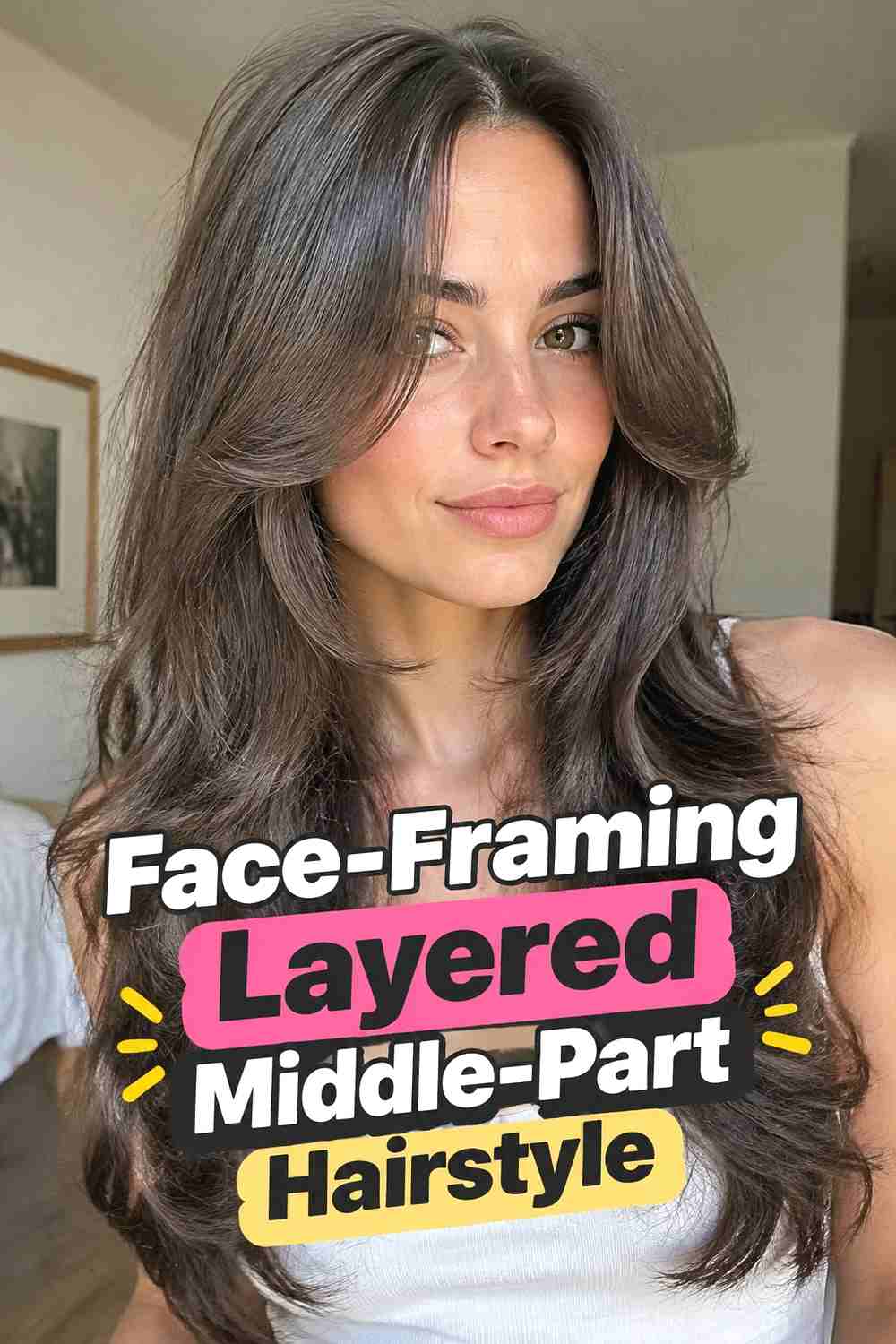
A Face-Framing Layered Middle-Part Hairstyle adds movement around the cheeks and jaw while preserving the tidy symmetry that works so well with peacoat tailoring. The shortest layers should open away from the center part instead of collapsing across the face, creating a soft frame that complements strong lapels and structured shoulders. Medium and long hair give the layers enough space to blend gradually into the rest of the cut. A round-brush blowout can turn the front pieces outward, while the back remains relatively smooth. Keep the face-framing sections light and flexible; too much product can make them separate into stiff pieces and distract from the clean, polished character of the outfit.
Best For
Choose this look when you want the balance of a middle part but prefer more softness around the face than a completely sleek style provides.
11. Half Up Middle Part Hairstyle
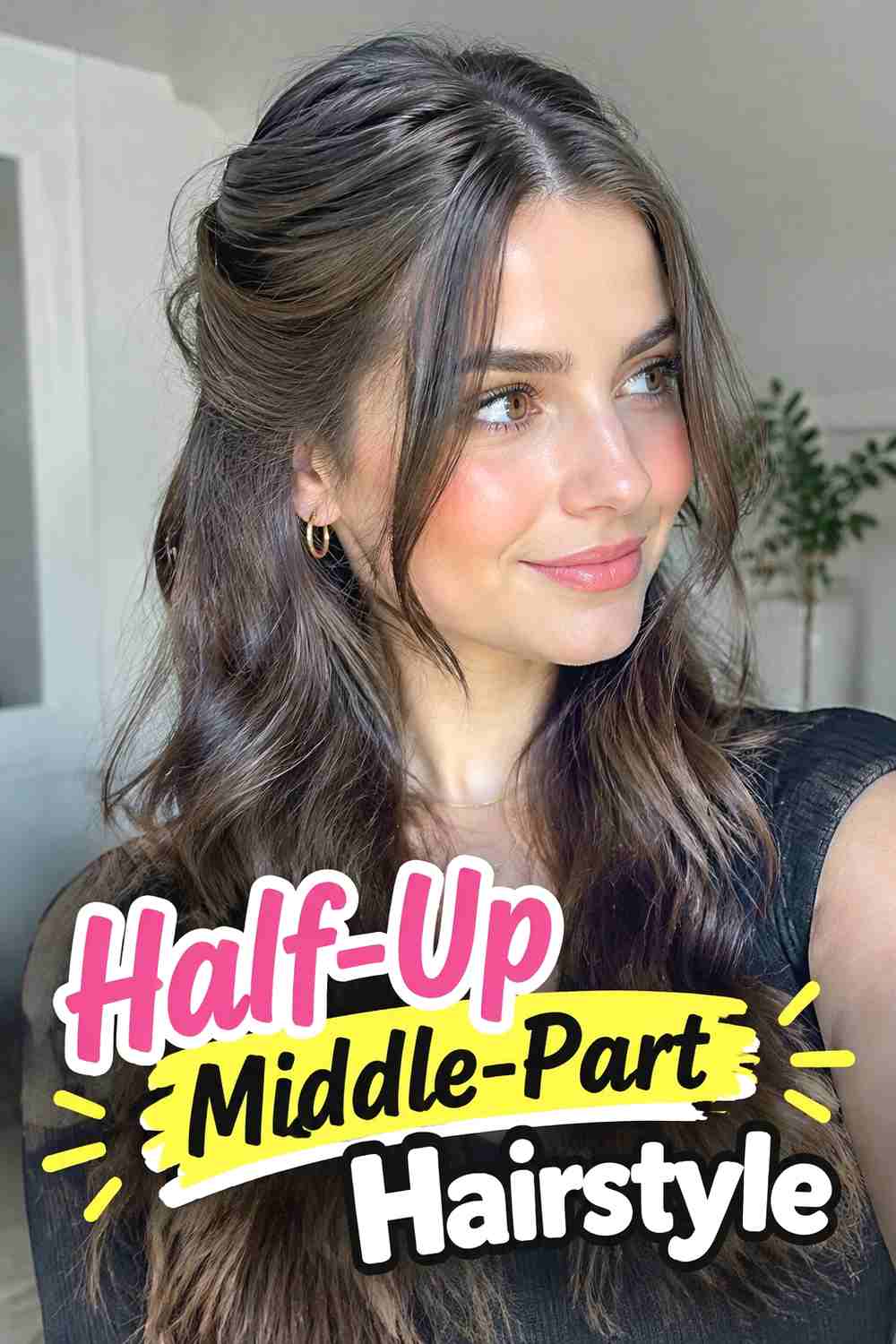
A Half-Up Middle-Part Hairstyle keeps the front of the hair controlled while preserving length and movement through the back. The center part establishes a clean line, then the upper side sections are drawn away from the face and secured behind the crown. This keeps the lapel area open without making the hairstyle as formal as a bun or ponytail. It works particularly well on medium and long hair with straight, wavy, or softly curled texture. Avoid pulling the sides too tightly, since a small amount of lift at the crown gives the style a more natural profile. Position the fastening point high enough that it does not rub against the peacoat collar when you move.
Why It Works
The secured upper sections prevent hair from constantly sliding onto the lapels, while the loose lower lengths keep the finished look soft and versatile.
12. Textured Shoulder Length Middle Part Hairstyle
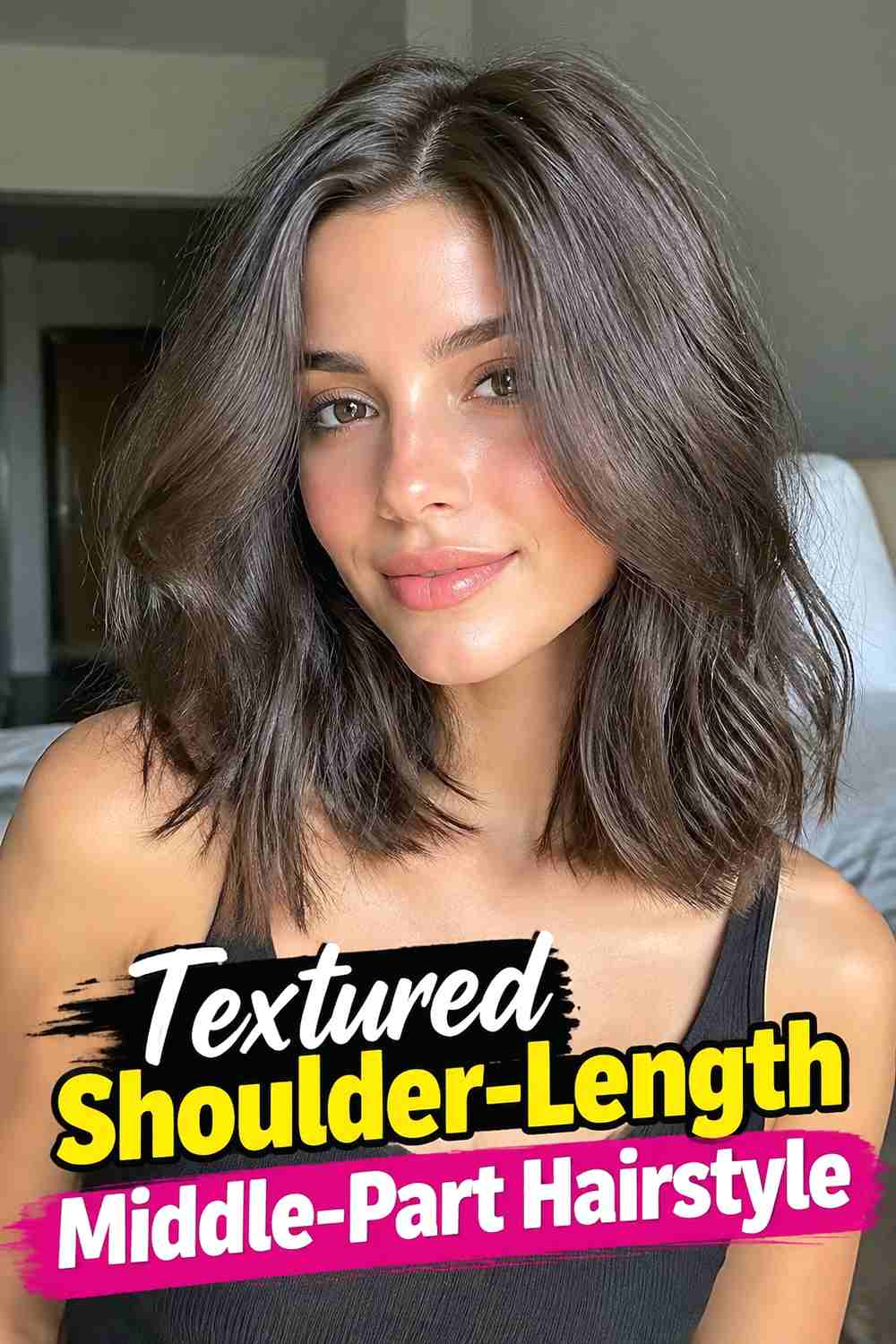
A Textured Shoulder-Length Middle-Part Hairstyle is a practical choice when you want clean symmetry without losing a relaxed, lived-in finish. The center part gives the look order, while subtle bends and separated ends stop shoulder-length hair from appearing flat against a structured peacoat. Because the cut sits close to the collar, keep the widest volume slightly above or below that point so the hair does not form a bulky horizontal line. This style suits naturally wavy hair particularly well, though straight hair can gain texture with a few loose bends. Use lightweight product through the ends and preserve some natural flyaways for movement rather than trying to make every strand perfectly controlled.
Styling Notes
Concentrate texture through the mid-lengths and ends while keeping the roots around the middle part cleaner. This contrast gives the hairstyle definition without making it appear messy.
13. Long Glossy Middle Part Hairstyle
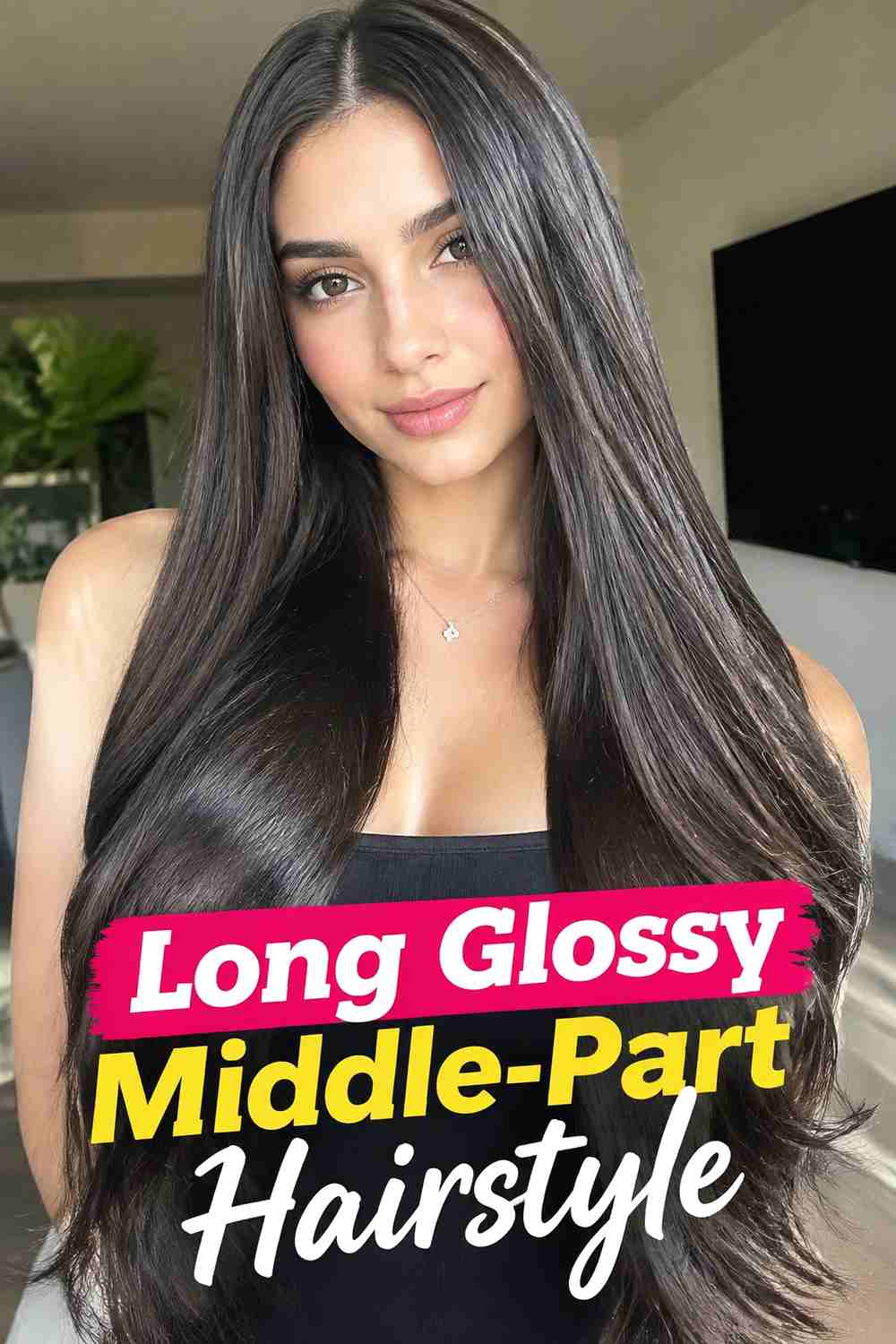
A Long Glossy Middle-Part Hairstyle creates a sleek, elongated silhouette that can make a classic peacoat outfit feel especially polished. The center part should be straight and balanced, while the lengths remain smooth enough to reflect light without looking stiff. Long hair can sit behind the shoulders for the cleanest view of the lapels, or fall forward in narrow sections if the coat collar is low enough to avoid tangling. This style works best when the ends look healthy and flexible, so focus shine products on the mid-lengths rather than saturating the roots. A controlled blowout or smoothing pass can refine the surface while preserving natural movement through the lower half.
Wear & Maintenance
For windy or high-friction conditions, keep most of the length behind the shoulders or inside the back of the coat. This reduces tangling while allowing the clean center part to remain visible.
How to Choose the Right Look
Start with length and collar interaction. Bobs and lobs naturally stay clear of most peacoat lapels, while shoulder-length hair may need strategic tucking or texture placement. Long hair offers more styling options but can rub against heavier collars, making low buns, ponytails, half-up styles, or behind-the-shoulder finishes especially practical. Texture matters just as much. Straight hair works easily with glassy and sleek looks, waves pair naturally with blowouts and textured finishes, and curls can keep their definition while using the middle part as the main structured element. Avoid choosing a finish that requires completely changing your natural texture unless you are comfortable with the extra styling time. Also consider the occasion. Sleek bobs, buns, and glossy lengths feel especially refined, while waves, curls, and textured shoulder-length styles create a softer everyday effect. Whatever you choose, check the hairstyle with the peacoat actually on so the collar, lapels, and fastening points do not interfere with comfort or hold.
Final Thoughts
Clean middle-part hairstyles work beautifully with peacoat outfits because both rely on balance and strong, uncomplicated lines. The most successful pairing is not necessarily the sleekest one—it is the style that keeps its shape around your coat while still respecting your natural texture, preferred volume, and everyday styling routine.
FAQs
1. Do middle-part hairstyles work well with peacoats?
Yes. The symmetry of a middle part complements the balanced shape, lapels, and double-breasted detailing commonly associated with peacoats.
2. What middle-part hairstyle is easiest with a high peacoat collar?
A low ponytail, compact low bun, tucked bob, or short lob usually keeps the most hair away from a high collar and reduces rubbing.
3. Can curly hair wear a clean middle part?
Yes. The part can remain defined while the curls keep their natural volume and variation. There is no need to flatten the texture to create a clean center line.
4. How can I keep a middle part neat in windy weather?
Set the part while styling, use light flexible hold near the roots, and consider tucking, pinning, or securing longer front sections if conditions are particularly windy.
5. Should long hair go over or behind a peacoat?
Both can work, but placing long hair behind the shoulders often keeps the lapels clearer and reduces tangling against thick coat fabric. Save your favorite middle-part looks, share the styles that suit your peacoat wardrobe, and explore more polished hairstyle inspiration for your next outfit.