12 French Wispy Bangs Ideas for Soft, Effortless Face Framing
Fresh French wispy bangs bring light movement around the eyes and cheekbones, pairing beautifully with everything from polished bobs to relaxed curls and layers.
French wispy bangs are defined more by their lightness and movement than by one rigid haircut. In this collection, the fringe ranges from classic brow-skimming pieces to curtain-blended, curly, shaggy, and shorter interpretations, all designed to keep the forehead from looking covered by a dense wall of hair.
As you compare the looks, pay attention to bang density, length, natural texture, parting, and how much daily styling you want to do. A soft fringe can be adapted to straight, wavy, and curly hair, but the best version usually works with your existing texture and falls into place without excessive tension or heat.
Quick List
- Classic Airy French Wispy Bangs Hairstyle
- Curtain-Blended French Wispy Bangs Hairstyle
- French Bob with Wispy Bangs Hairstyle
- Long Layered French Wispy Bangs Hairstyle
- Wavy Lob with French Wispy Bangs Hairstyle
- Tousled Bixie French Wispy Bangs Hairstyle
- Curly French Wispy Bangs Hairstyle
- Sleek Lob French Wispy Bangs Hairstyle
- Soft Shag French Wispy Bangs Hairstyle
- Polished Low Ponytail French Wispy Bangs Hairstyle
- Soft Updo French Wispy Bangs Hairstyle
- Micro-Wispy French Bangs Hairstyle
1. Classic Airy French Wispy Bangs Hairstyle
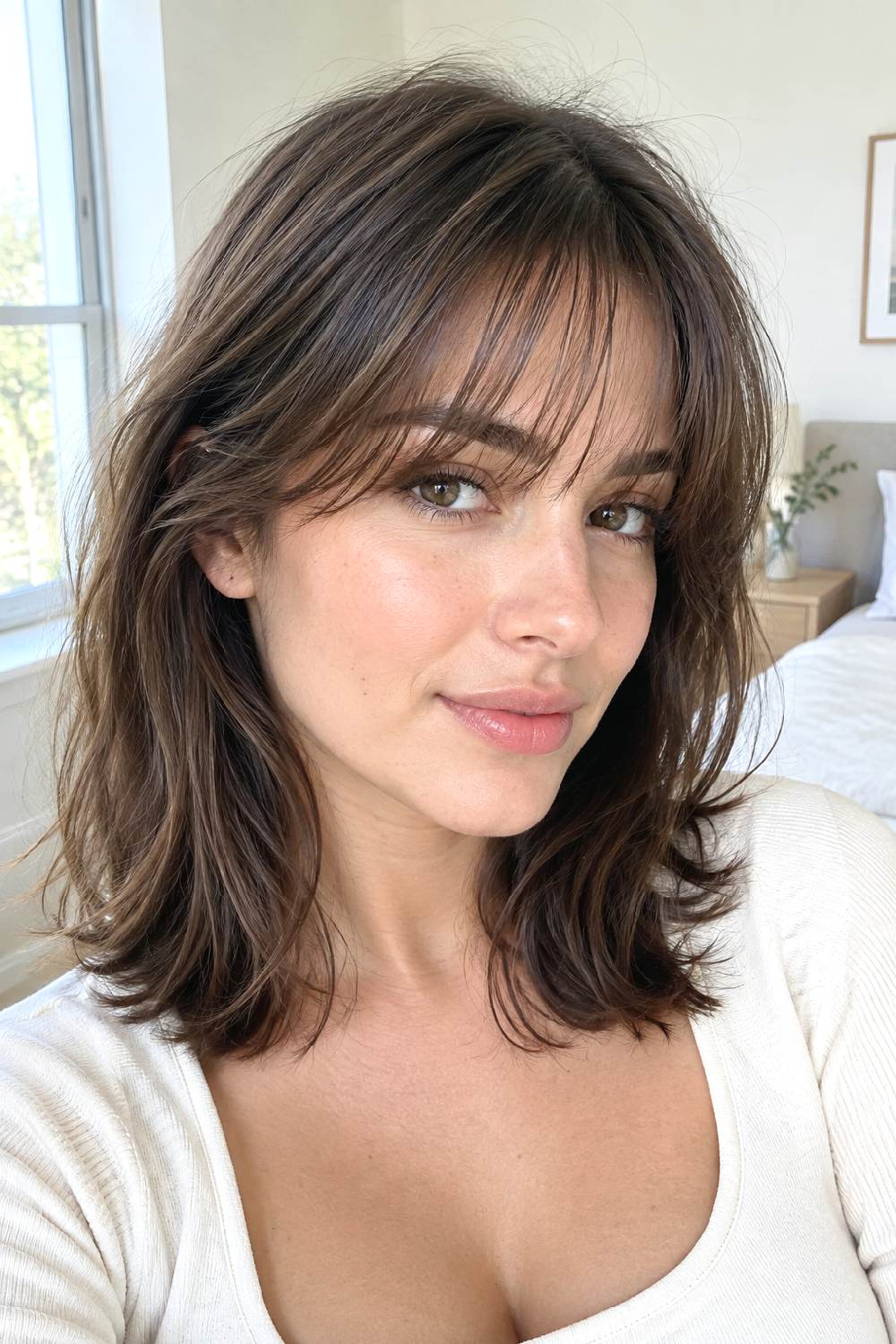
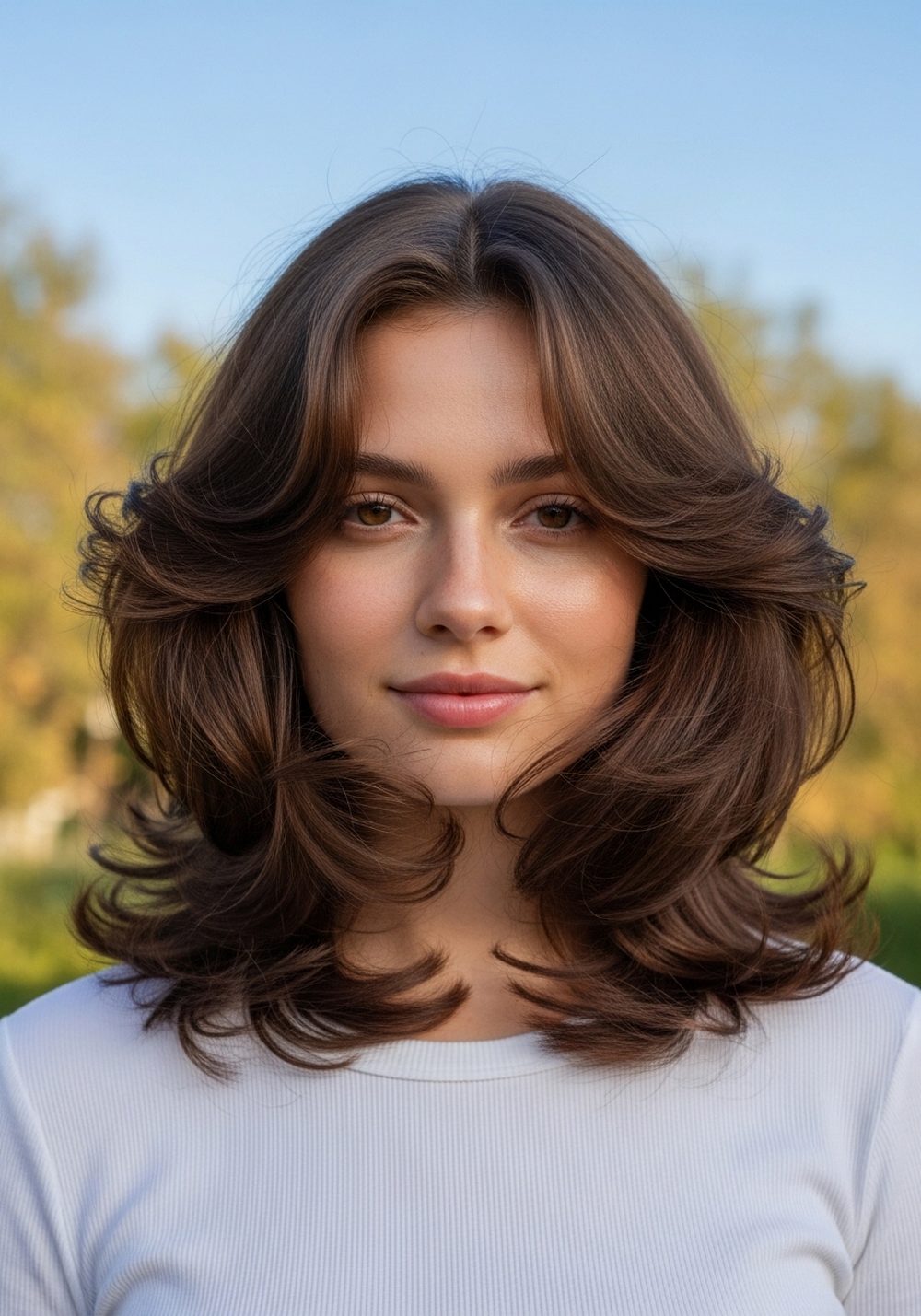
The classic version keeps the fringe intentionally light, with fine pieces falling across the brows instead of forming one solid horizontal line. Slightly longer strands near the temples help connect the bangs to the rest of the haircut, so the transition feels soft rather than abrupt. This is an easy entry point if you like the French-fringe look but don’t want a thick, high-maintenance bang. It works especially well with hair that already has a little natural bend or movement. The most convincing finish isn’t perfectly arranged: a few small gaps, uneven strand groups, and gentle root lift make the fringe look relaxed rather than overly styled.
Styling Notes
Dry the fringe in the direction you want it to fall before it fully sets. Moving it gently from side to side while drying can stop the roots from separating into one stubborn part.
Wear & Maintenance
Because the center pieces sit close to the brows, small trims matter more than with longer curtain bangs. Keep the ends light rather than allowing repeated trims to turn them into a dense blunt fringe.
2. Curtain Blended French Wispy Bangs Hairstyle
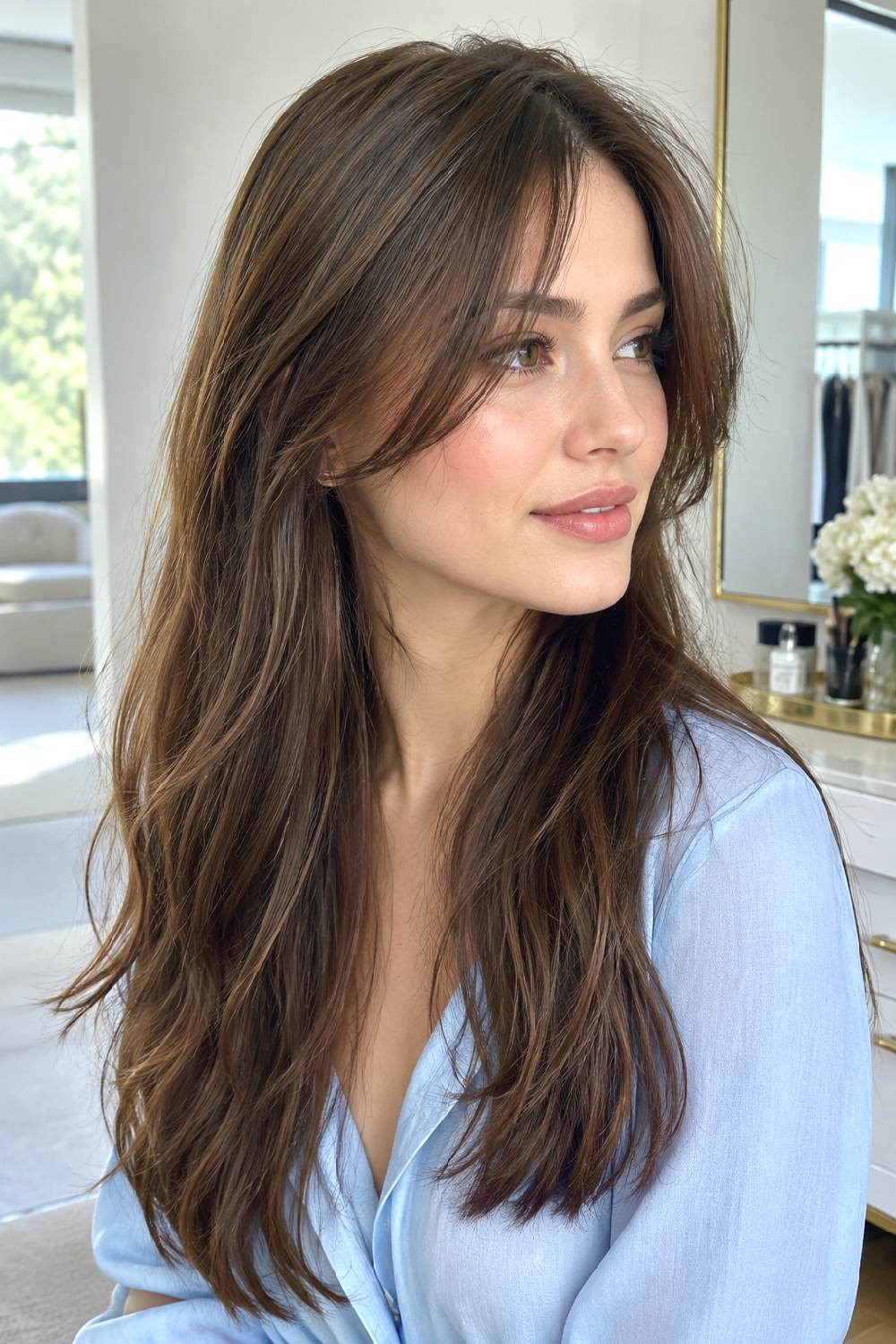
This interpretation combines the softness of wispy French bangs with the open shape of curtain fringe. The middle remains airy and relatively short, while the sides lengthen gradually toward the cheekbones, creating a smooth connection with longer hair. It can feel less restrictive than a full fringe because the center can separate naturally as the hair moves. The side pieces also give you more styling flexibility when you want to sweep the bangs away from your face. On long or medium hair, the graduated shape prevents the fringe from looking disconnected from the lengths. A soft center or slightly off-center split usually emphasizes the easy, unfussy character of the cut.
Why It Works
The longer outer pieces create a visual bridge between fringe and face-framing layers. That makes the style particularly useful if you want bangs without a strong, straight-across edge.
Pro Tip
Ask for enough length at the temples to tuck or sweep those pieces aside. That extra flexibility can make growing the bangs out much easier later.
3. French Bob With Wispy Bangs Hairstyle
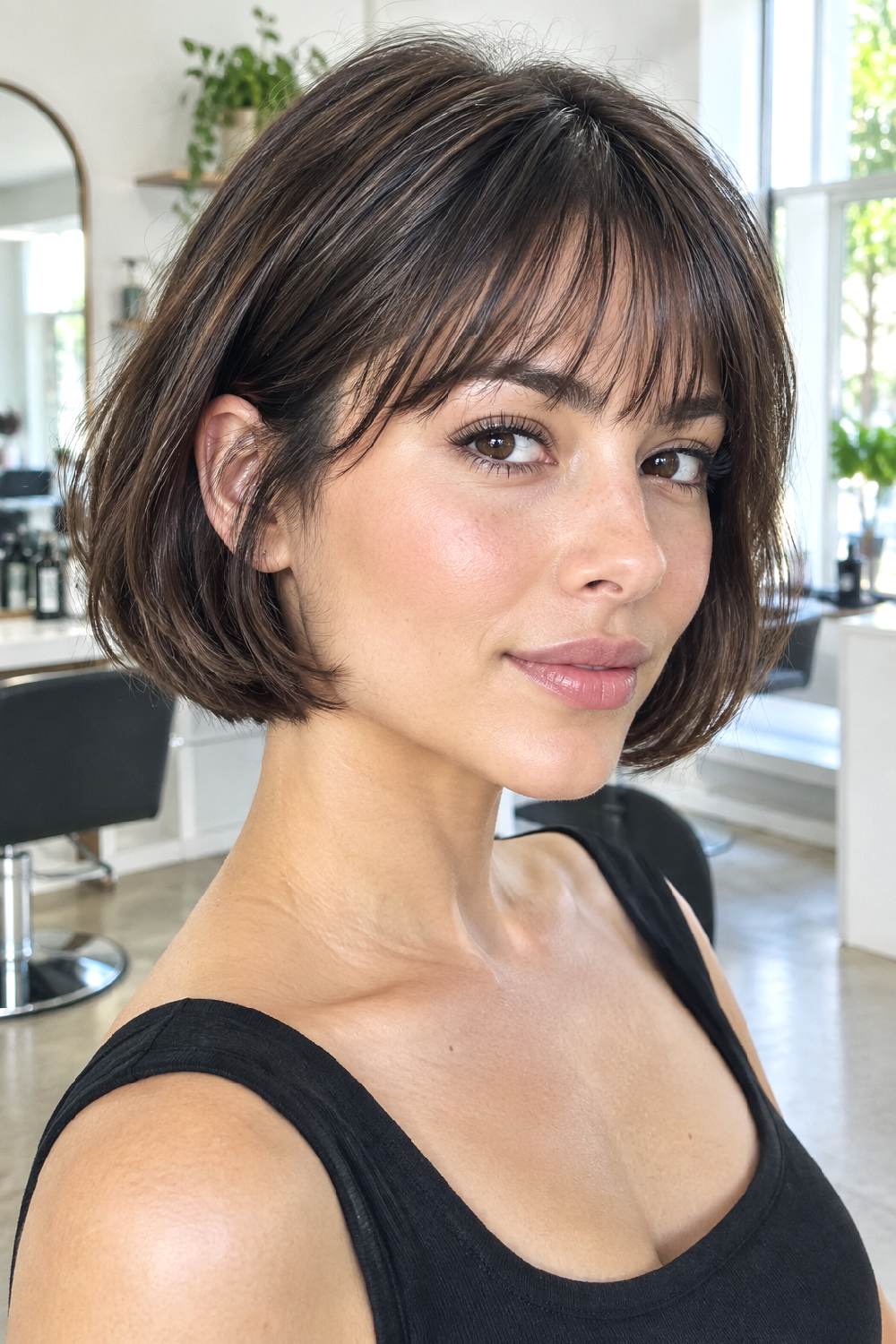
A short French bob and light fringe create a compact silhouette without making the haircut feel heavy. The bob can sit around the jaw, while delicate brow-length pieces break up the forehead and add movement to the front. Keeping the bangs softer than the perimeter is what gives this pairing its charm: the bob provides a defined shape, while the fringe looks almost weightless by comparison. Straight hair can emphasize the clean outline, while a gentle bend makes the finish more relaxed. Because both the bob and the bangs sit close to the face, small changes in length are noticeable, so this version suits anyone comfortable maintaining the shape with regular trims.
Hair Type & Length
Jaw- to chin-length hair gives the strongest classic bob effect. Fine hair can benefit from a relatively solid perimeter, while dense hair may need internal weight removal so the short shape doesn’t become too bulky.
Styling Notes
Avoid flattening every strand against the head. A slight bend through the ends and a little separation in the bangs keep the haircut looking dimensional.
4. Long Layered French Wispy Bangs Hairstyle
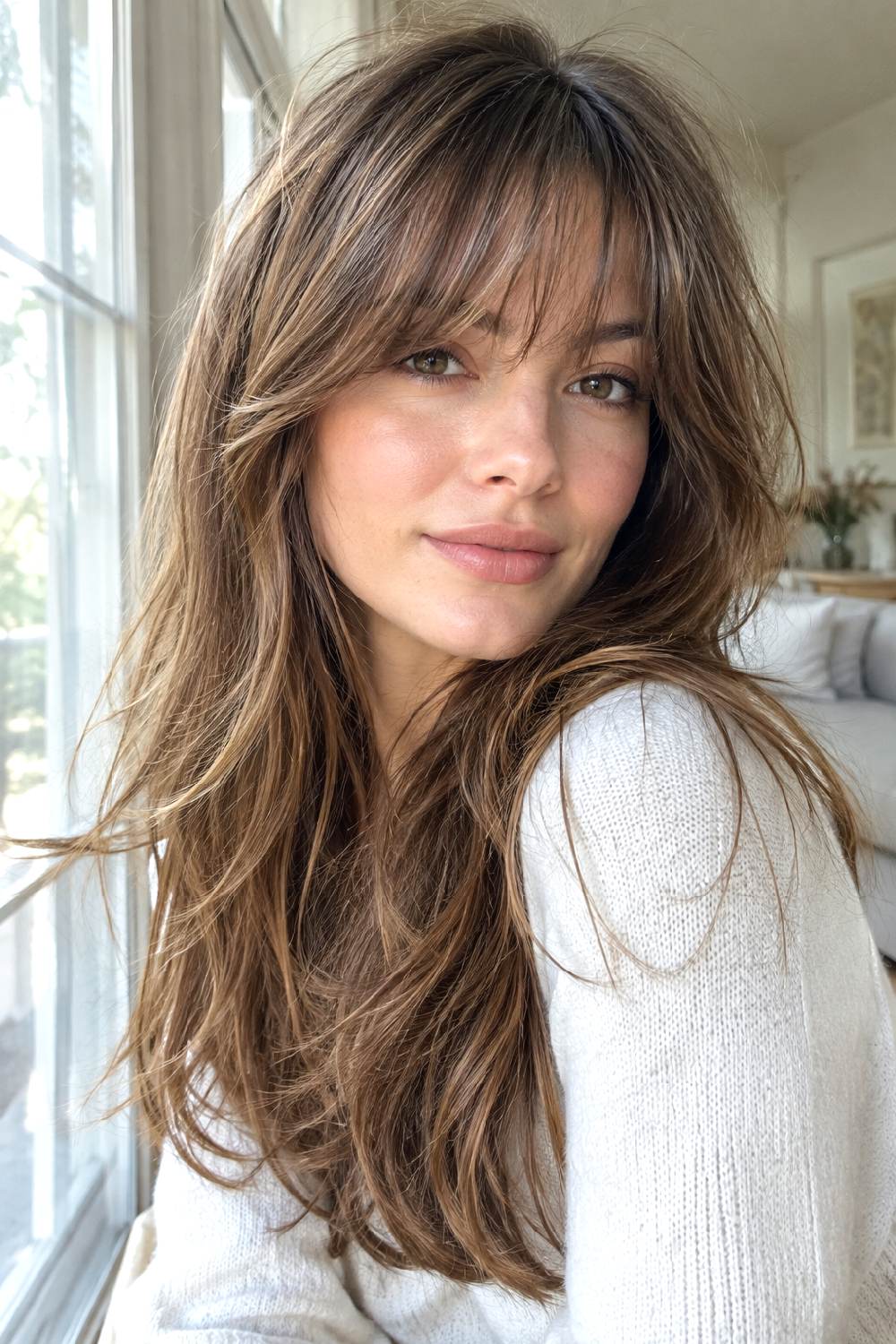
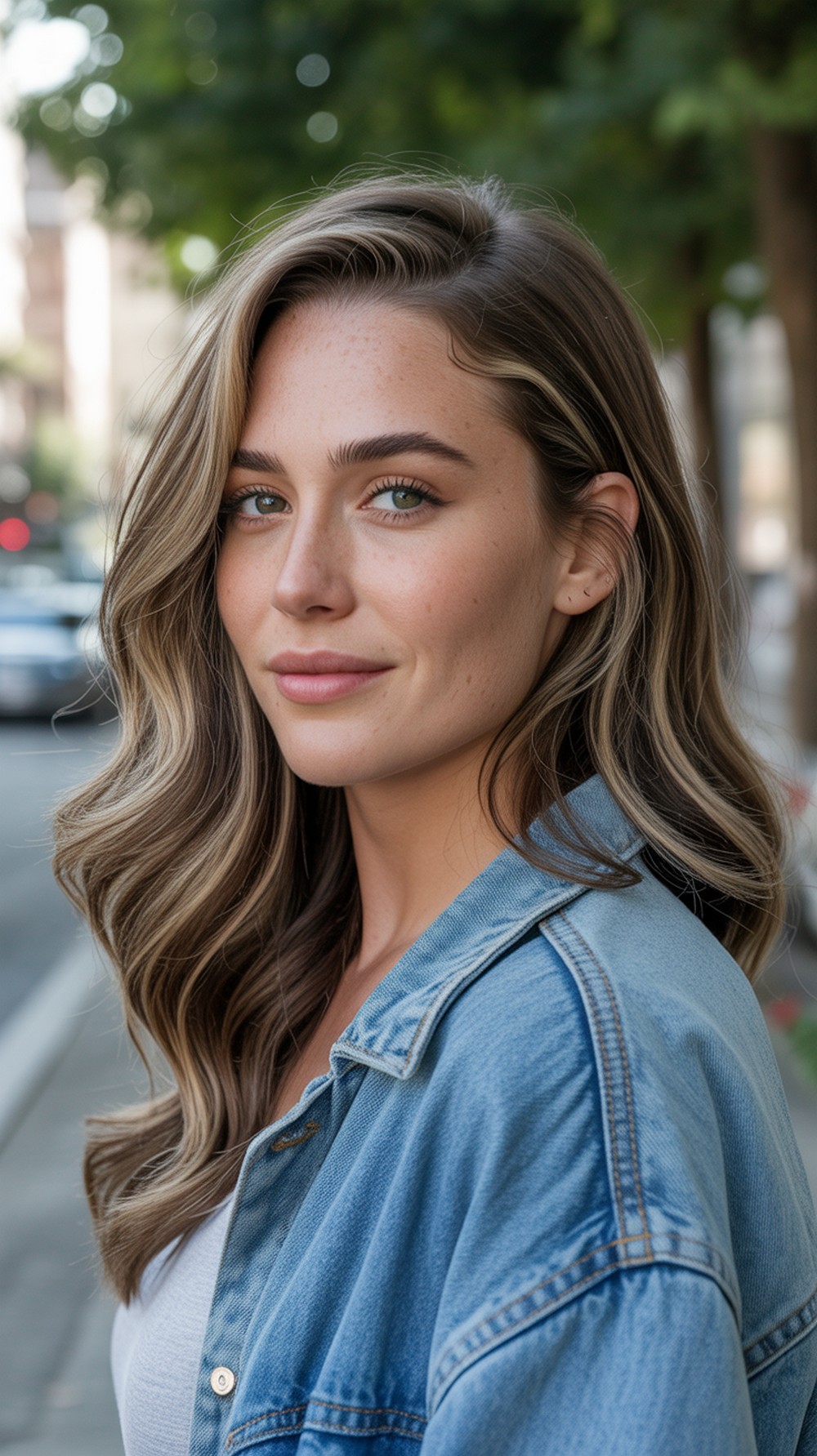
Long layers give wispy French bangs somewhere to flow rather than leaving them isolated at the front of very long hair. The shortest fringe pieces can skim the brows, then gradually extend into cheekbone and jaw-length layers that move with the rest of the cut. This creates a soft cascading effect around the face while preserving plenty of length through the back. It is especially appealing if you want a visible haircut change without sacrificing long hair. The layers don’t need to be dramatic; subtle graduation is enough to make the fringe feel integrated. Loose movement through the lengths also balances the delicacy of the bangs and keeps the overall shape from looking bottom-heavy.
Why It Works
The layered transition distributes movement from the fringe into the lengths, so the eye doesn’t stop abruptly at the bangs. It also gives longer hair more shape around the face.
Wear & Maintenance
The longer layers can grow out gracefully, but the shortest center fringe will show growth first. You can gradually sweep it outward between trims if you prefer a softer transition.
5. Wavy Lob With French Wispy Bangs Hairstyle
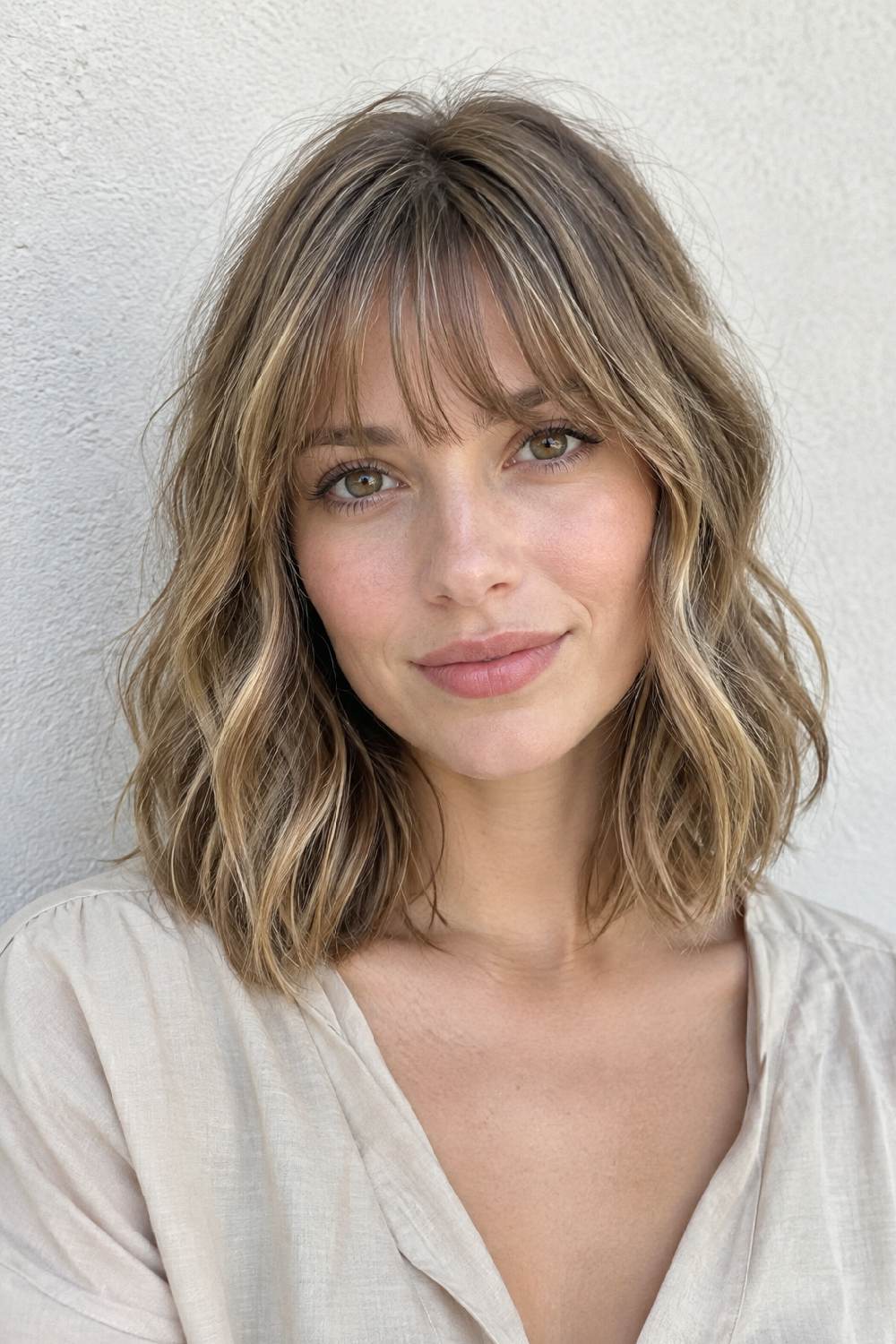
A collarbone-length lob gives wispy bangs a casual, modern frame, especially when the lengths have natural waves or softly styled bends. The fringe stays light across the forehead while the surrounding hair adds volume farther down, creating an attractive contrast between airy detail and fuller movement. Instead of forcing the bangs completely straight, letting them keep a tiny bend often makes them blend more naturally with wavy lengths. This look can be particularly forgiving on days when the hair isn’t perfectly polished because a little irregularity suits the overall finish. The key is controlling the bang roots so they fall intentionally while leaving the mid-lengths loose enough to retain their texture.
Styling Notes
Style the fringe separately from the rest of the lob. It usually needs much less heat and product than the longer waves, which helps prevent it from becoming stiff or greasy.
Best For
This is a strong choice if you like shoulder-skimming hair with movement but still want a noticeable fringe that doesn’t dominate the haircut.
6. Tousled Bixie French Wispy Bangs Hairstyle
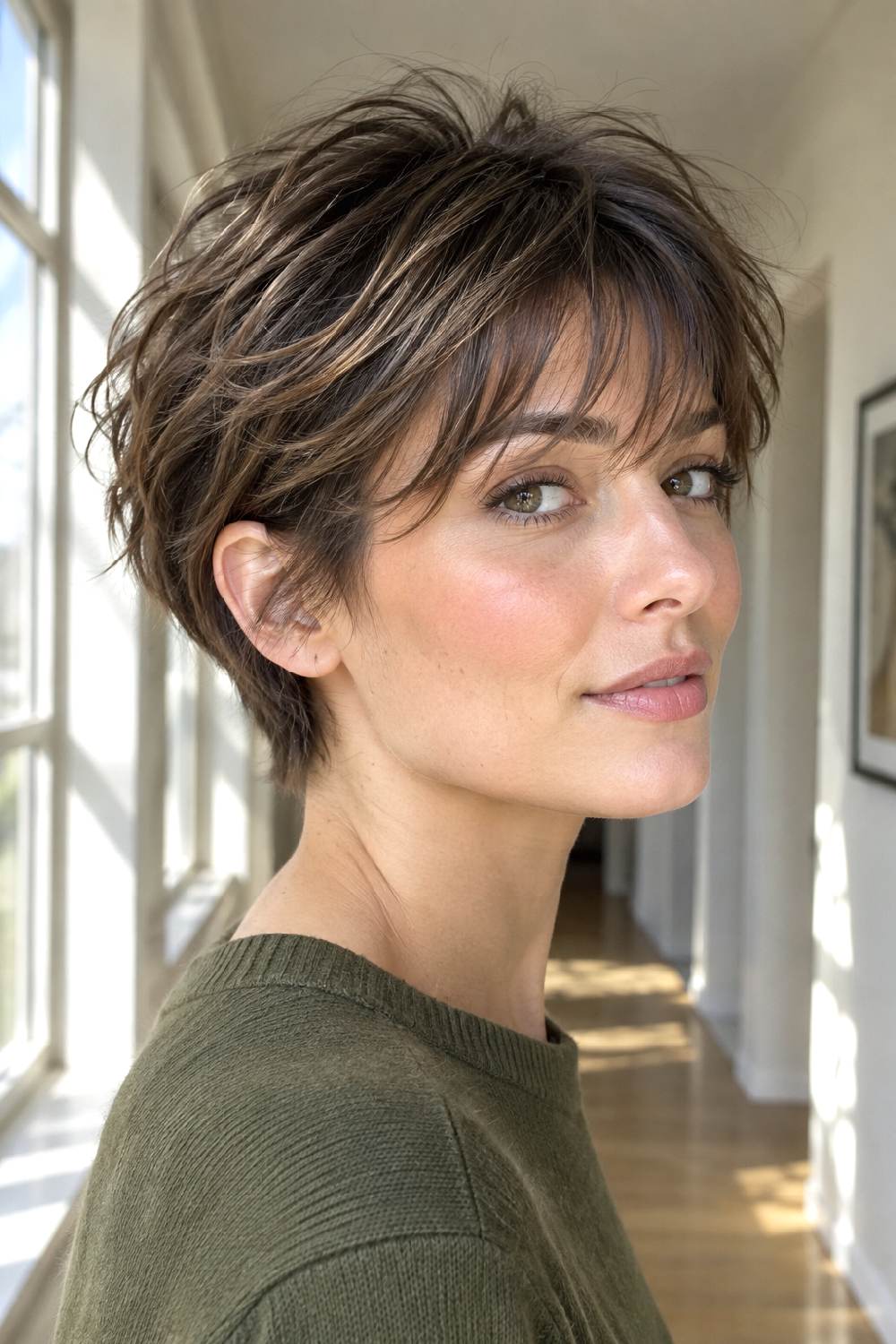
A bixie brings together the cropped ease of a pixie and some of the softness of a short bob, making it an ideal base for feather-light French bangs. The fringe can sweep loosely across the forehead while short layers add lift and texture through the crown and sides. Because the overall cut is already layered, wispy bangs look integrated rather than added on afterward. This style works especially well when you enjoy visible texture and don’t mind a slightly undone finish. The silhouette should still feel intentional, though: controlled tapering around the ears and neckline keeps the tousled top from becoming shapeless. A small amount of lightweight styling product can define pieces without turning them rigid.
Hair Type & Length
Fine to medium-density hair can show off the separated layers clearly, while thicker hair may need thoughtful debulking to preserve the airy bixie shape.
Pro Tip
Work styling product through the fingertips first, then pinch only selected ends. Applying too much directly to the fringe can make wispy bangs collapse into heavier sections.
7. Curly French Wispy Bangs Hairstyle
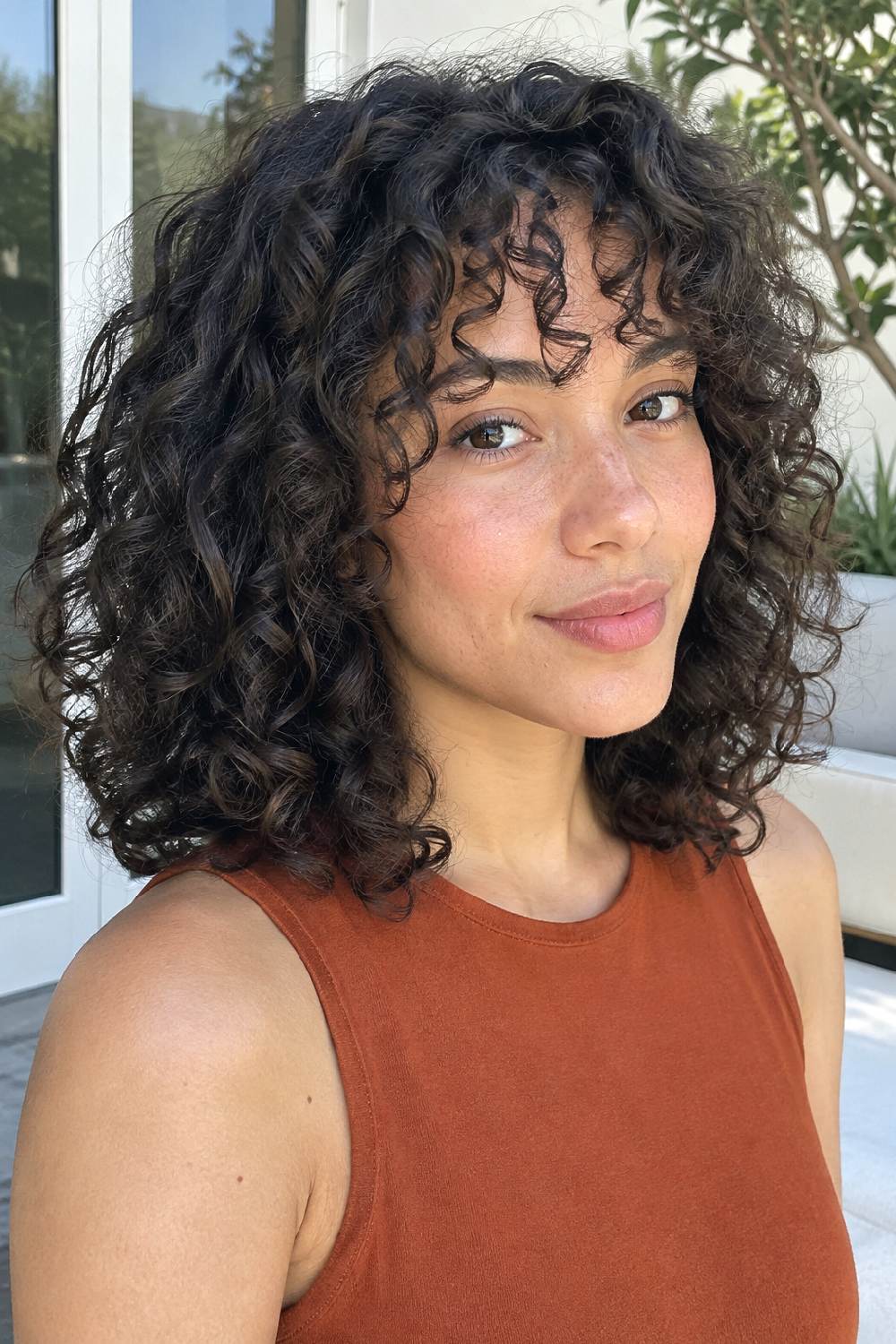
French wispy bangs don’t need to be straight. On curly hair, the idea translates into a light fringe made from selected curl groups rather than a dense block of hair across the forehead. Individual curls can sit at slightly different heights, creating natural gaps and preserving the airy quality that defines the look. The fringe should connect organically with the curls around the temples so it feels like part of the haircut rather than a separate texture. Shrinkage matters here, particularly around the center of the forehead, so cutting too short can dramatically change the result once the curls dry. Working with the natural curl pattern usually creates a more believable, lower-effort finish than forcing the fringe smooth.
Hair Type & Length
Curly bangs can work across several curl patterns, but the finished length should be judged when the hair is behaving close to its normal dry state because shrinkage varies considerably.
Wear & Maintenance
Refresh individual fringe curls with a small amount of water or your usual curl styler rather than soaking the entire front section. This can restore definition without disturbing the rest of the hairstyle.
8. Sleek Lob French Wispy Bangs Hairstyle
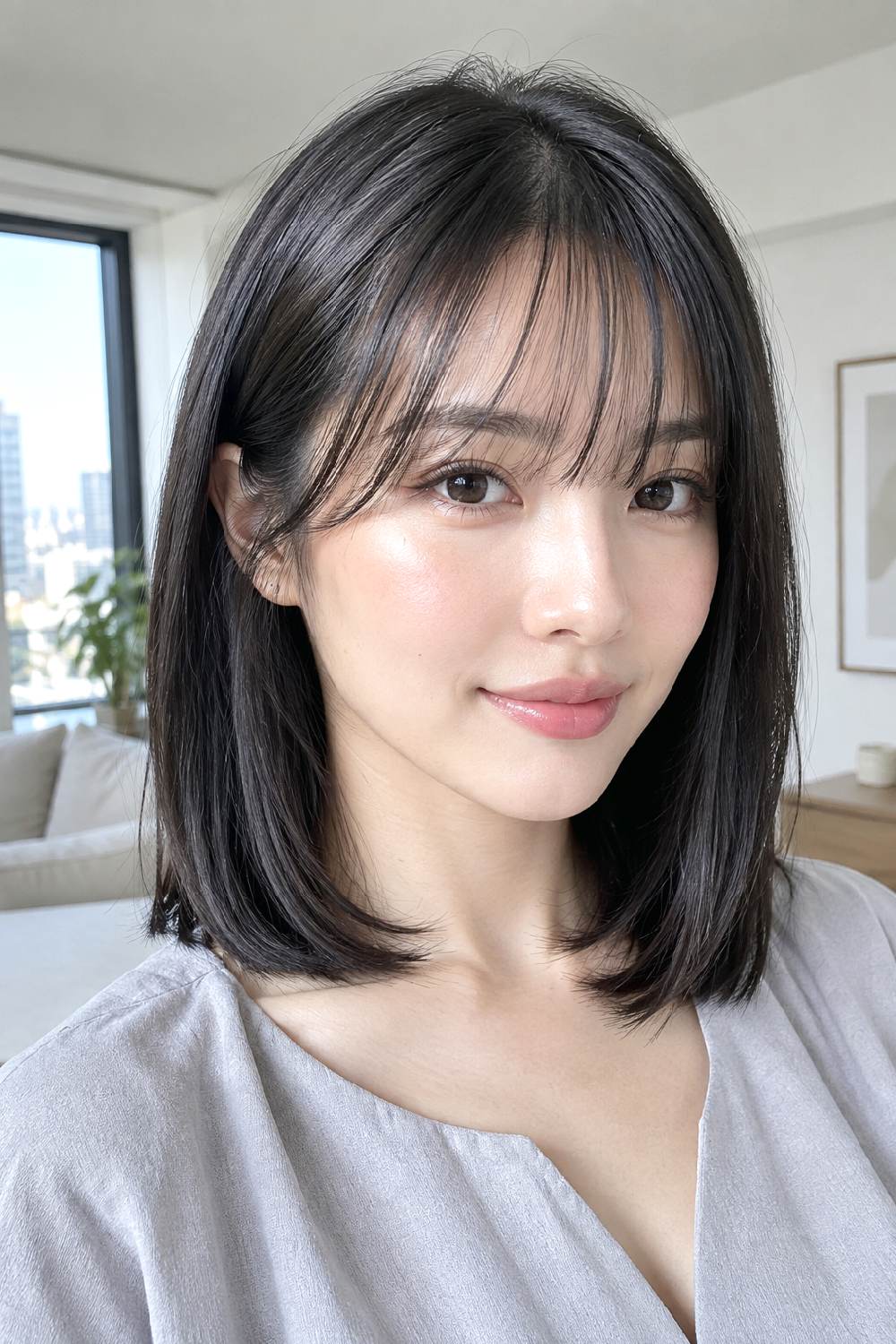
The sleek lob offers a cleaner interpretation of French wispy bangs, pairing smooth collarbone-length hair with a fringe that remains intentionally light. The contrast is what makes the style interesting: the main shape looks polished and controlled, while tiny spaces and feathered ends keep the bangs from appearing severe. A subtle inward bend at the lob’s ends can give the haircut structure without turning it into a rigid pageboy shape. This version works particularly well if you prefer refined hairstyles but still want some softness around the eyes. Because straight, smooth hair can reveal every line of the cut, the transition between the center bangs and longer temple pieces should be gradual and carefully blended.
Styling Notes
If you use heat to smooth the lob, apply heat protectant and keep the fringe styling light. Bangs usually need less heat than the heavier lengths, and overworking them can remove their natural separation.
Why It Works
The delicate fringe interrupts the sleek surface just enough to prevent the haircut from looking overly formal while preserving its clean silhouette.
9. Soft Shag French Wispy Bangs Hairstyle
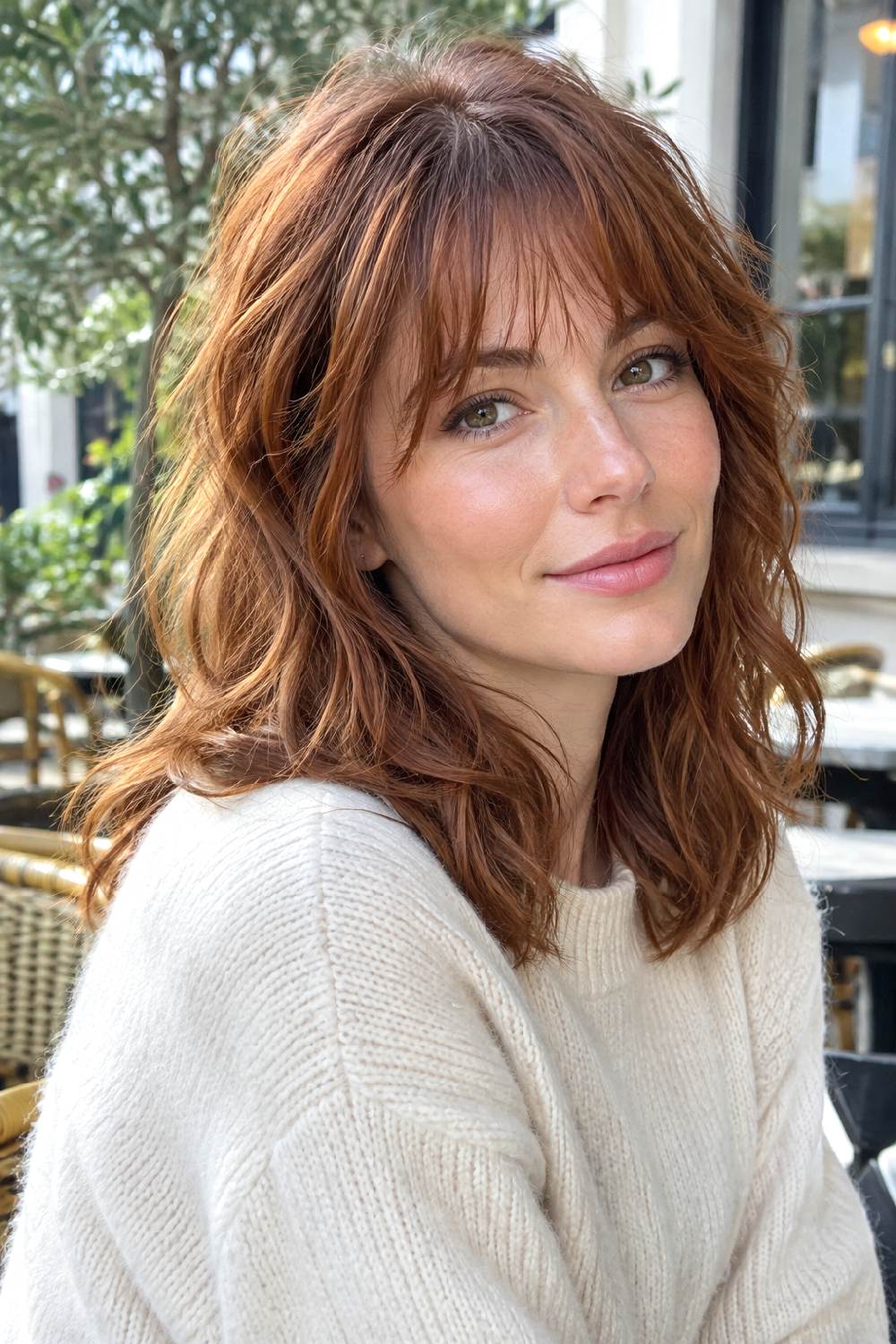
A soft shag makes French wispy bangs feel intentionally undone. Layers around the crown, temples, and lengths create movement throughout the entire haircut, while the fringe breaks into narrow pieces that echo that texture at the front. Unlike a heavier retro shag fringe, this version leaves more visible space across the forehead and uses tapering to connect the bangs with the surrounding layers. It can suit naturally wavy hair particularly well because small bends and flyaways add to the character instead of needing to be smoothed away. The result should still have balance: too much short layering at the crown can make the shape feel top-heavy, so keeping some weight through the mid-lengths helps anchor the cut.
Best For
Choose this direction if you prefer movement, texture, and an imperfect finish over a sleek, highly controlled fringe.
Pro Tip
Let natural bends do some of the styling work. A light texture product through the lengths can enhance separation, but keeping the fringe comparatively product-light prevents it from looking stringy.
10. Polished Low Ponytail French Wispy Bangs Hairstyle
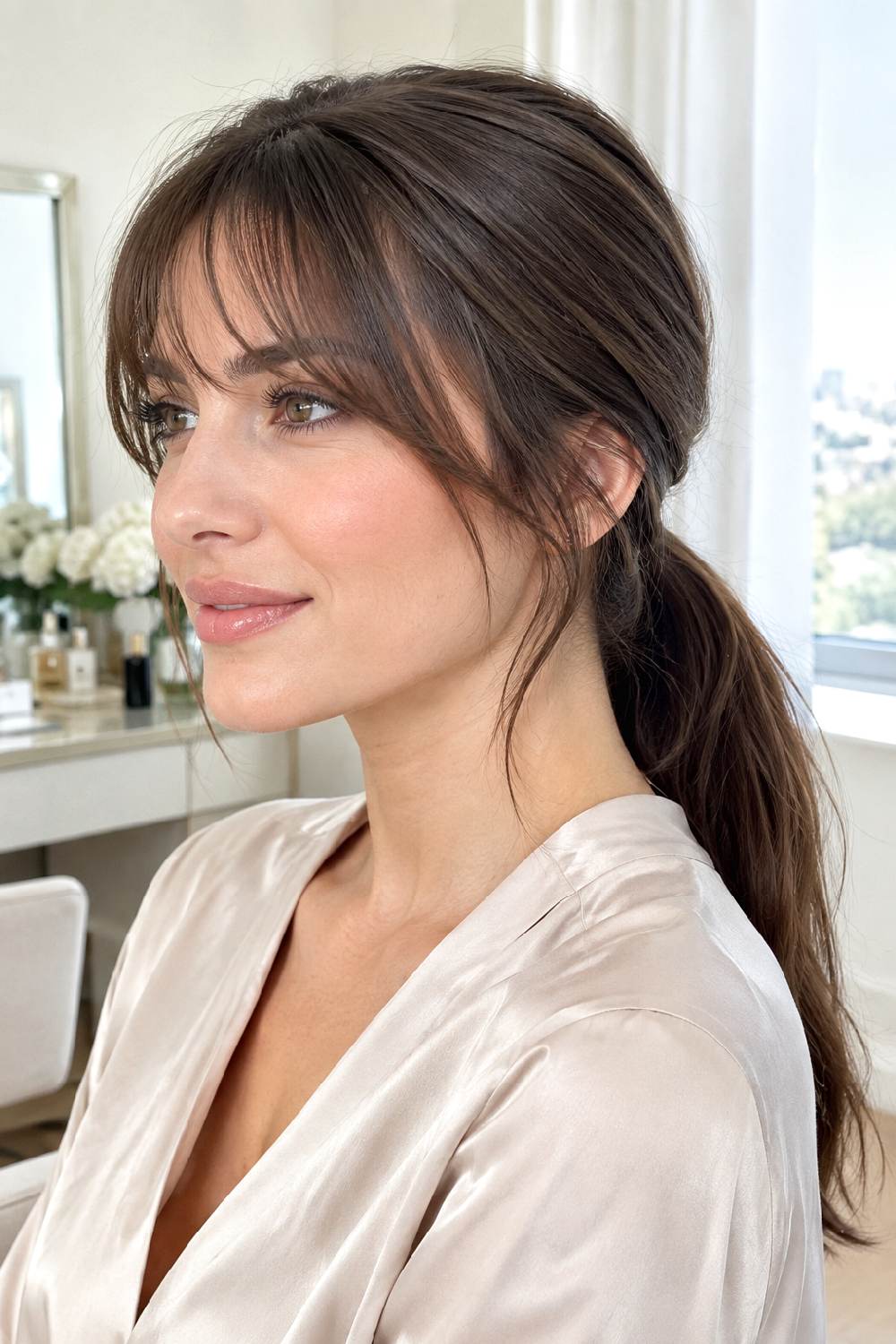
A low ponytail shows how French wispy bangs can change the character of a simple tied-back hairstyle. With the crown gathered smoothly toward the nape, the fine fringe becomes the main soft detail around the face. Brow-grazing center pieces and slightly longer temple strands keep the ponytail from appearing overly strict, even when the back is polished. This is useful when you want your hair secured but don’t want every strand pulled away from the forehead. The contrast works best when the ponytail has one clear, believable tie point and the bangs retain a little natural movement. Keep face-framing pieces selective; too many loose sections can blur the clean distinction between the sleek back and airy front.
Styling Notes
Secure the ponytail before perfecting the fringe. Pulling the hair back can subtly change the tension near the temples, so styling the bangs last helps you see where they naturally want to sit.
Wear & Maintenance
Use comfortable tension at the elastic rather than pulling the crown excessively tight. The style can still look polished with a smooth surface and a secure low tie.
11. Soft Updo French Wispy Bangs Hairstyle
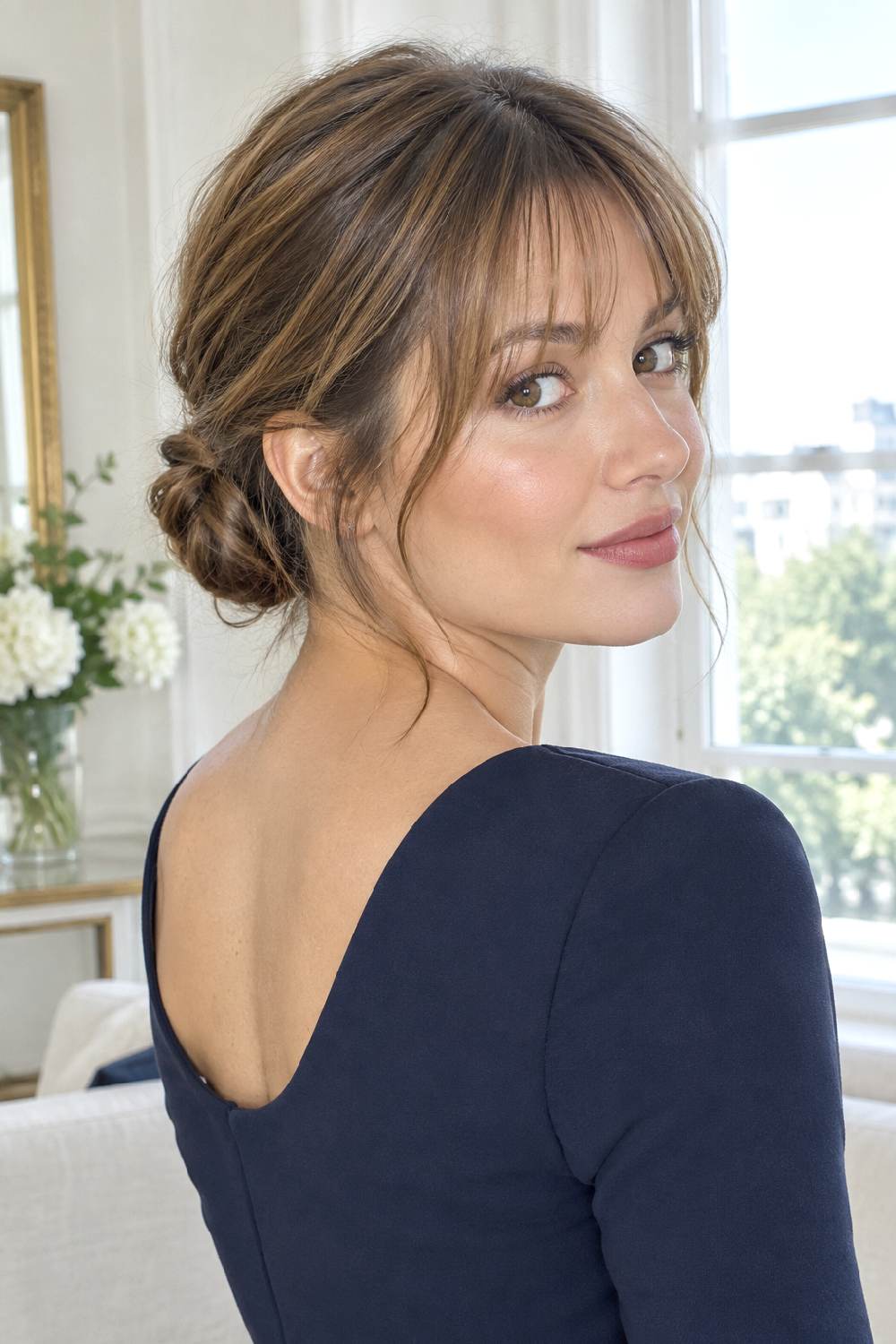
A soft updo puts wispy French bangs in a more dressed-up setting without losing their relaxed character. A low twist or bun keeps the bulk of the hair away from the face, while the fringe and a few narrow temple pieces create softness at the front. This balance works especially well for occasions when a fully slicked-back updo feels too severe. The bangs should remain light enough to move naturally rather than being sprayed into a fixed curtain across the forehead. At the back, the gathered hair needs a clear structure and secure pinning so the softness looks intentional, not loose by accident. A little crown lift can complement the fringe without competing with it.
Why It Works
The exposed neckline gives the hairstyle structure, while the light fringe keeps the face from looking visually disconnected from the updo.
Wear & Maintenance
Secure the bun or twist independently before adjusting loose front pieces. That way, the face-framing strands aren’t responsible for holding the updo together and can remain soft throughout wear.
12. Micro Wispy French Bangs Hairstyle
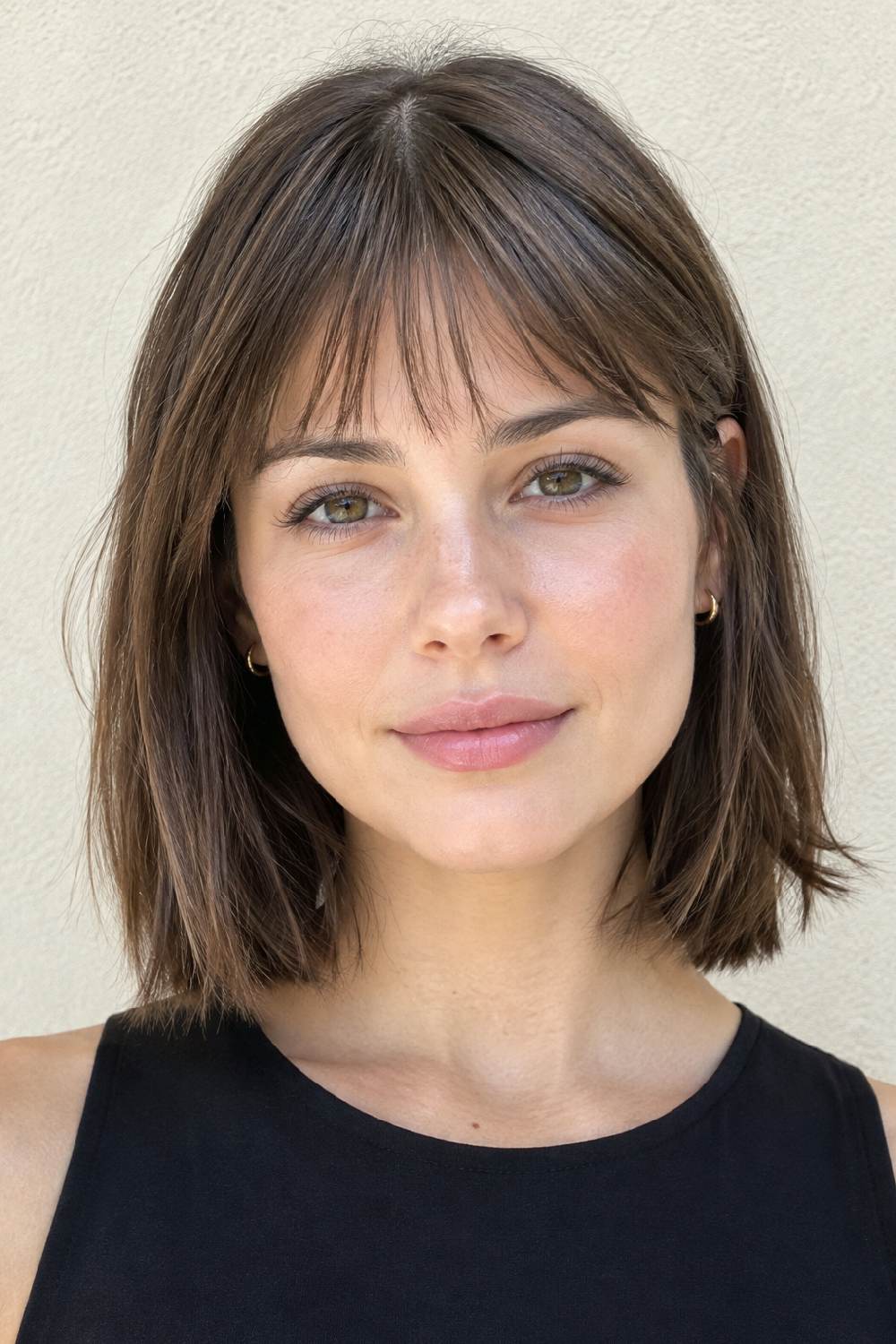
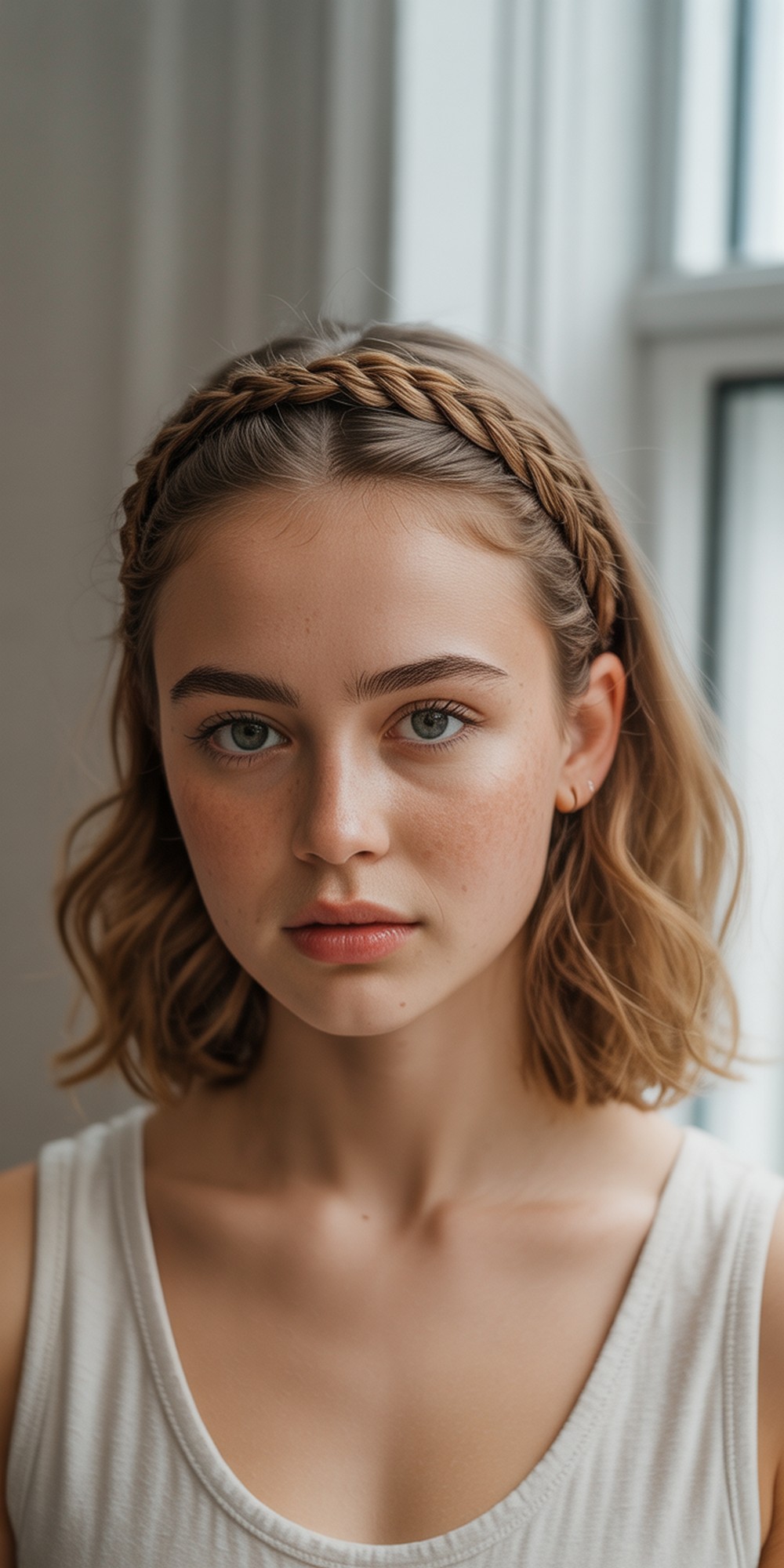
Micro-wispy French bangs are the boldest option in this collection, shortening the center fringe while keeping the density extremely light. Instead of creating a solid baby-bang line, the cut uses fine irregular pieces with visible space between them, producing a more delicate result. The shorter length puts greater emphasis on the brows and upper face, so a soft finish is important if you want the look to remain relaxed. Slightly longer temple pieces can help connect the short fringe to a bob, lob, or medium-length cut. Because there’s less length available to sweep aside, this version requires more commitment than curtain-blended bangs and tends to show growth changes relatively quickly.
Best For
Consider this style if you genuinely enjoy a visible fringe and don’t rely on being able to tuck all of your bangs away. The shorter silhouette makes the detail intentionally noticeable.
Wear & Maintenance
Keep trims conservative. Removing only what is necessary helps preserve the irregular, wispy edge instead of slowly turning the fringe into a precise blunt line.
How to Choose the Right Look
Start with the amount of fringe you actually want to see each day. Classic airy bangs and a French bob make the fringe a clear feature, while curtain-blended bangs are easier to open, sweep sideways, or integrate into longer layers. Micro-wispy bangs create the strongest commitment because their short center pieces can’t simply be tucked behind the ears.
Your natural texture should influence the version you choose rather than automatically being styled away. Straight hair shows precise cutting and strand separation clearly; waves pair naturally with lobs and shags; curls can create a beautifully airy fringe when shrinkage and curl grouping are respected. Dense hair may need weight removed strategically, while fine hair often benefits from keeping enough density behind the fringe to maintain the overall silhouette.
Also compare maintenance and styling time. Short bobs, bixies, and micro fringes tend to make growth changes more visible. Longer layered or curtain-blended versions give you more flexibility between trims. If you often wear your hair tied up, French bangs with a ponytail or low updo can add built-in face framing without needing to pull extra pieces loose every time.
Finally, think about finish. Choose the sleek lob if you like polish, the shag or wavy lob if you prefer relaxed texture, or the classic airy fringe if you want something between those extremes. The most wearable version is usually the one that cooperates with your normal parting, density, and styling habits.
Final Thoughts
French wispy bangs can range from barely-there brow skimmers to short micro fringe, so you don’t have to commit to one exact formula. If you’re unsure where to start, a longer curtain-blended or layered version gives you more flexibility, while a classic airy fringe creates a more noticeable change.
Choose the option closest to your natural texture and usual styling routine, then adjust the density, parting, and temple length rather than copying every detail exactly. Those small changes can make the fringe feel far more natural with the rest of your haircut.
FAQs
1. What are French wispy bangs?
French wispy bangs are a light, softly separated fringe rather than a thick, blunt section of hair. They commonly skim the brows or forehead and blend into slightly longer pieces around the temples for a relaxed finish.
2. Do French wispy bangs work with fine hair?
Yes. Fine hair can suit wispy bangs because the style doesn’t require a very dense fringe. The amount of hair cut into the bangs should still be balanced with the overall density so the rest of the front hair doesn’t look sparse.
3. Can curly hair wear French wispy bangs?
Yes. Curly versions can use selected curl groups to create an airy fringe while keeping the natural texture intact. Allow for shrinkage when deciding the finished length, especially through the center.
4. Do French wispy bangs require heat styling?
Not necessarily. Some textures may fall naturally with minimal styling. If your fringe develops an unwanted part or bend, directing it while damp may be enough; if you do use heat, a heat protectant is a practical addition.
5. How can I make wispy bangs easier to grow out?
Keeping the temple pieces slightly longer makes it easier to transition the fringe into curtain bangs or face-framing layers. As the center grows, you can gradually part it more and sweep the pieces outward rather than repeatedly cutting them short.