18 Curly Mixie Haircut Ideas
Bouncy curls, cropped sides, playful fringe, and longer nape layers give these curly mixie haircuts an expressive shape from every angle.
The curly mixie combines the compact feel of a pixie with the layered, slightly elongated proportions associated with a mullet. Curls naturally soften those contrasts, making the haircut feel rounded, lively, and less rigid while still showing clear differences between the crown, sides, fringe, and nape.
The best version depends on how your curls behave when dry. Some people may prefer a fuller crown and airy perimeter, while others may want tapered sides, shorter bangs, or extra length through the back. Consider shrinkage, density, curl pattern, styling time, and how much definition or volume you enjoy before choosing the shape.
Quick List
- Soft Curly Mixie Hairstyle
- Curly Mixie With Wispy Fringe Hairstyle
- Rounded Crown Curly Mixie Hairstyle
- Shaggy Curly Mixie Hairstyle
- Short Nape Curly Mixie Hairstyle
- Long Nape Curly Mixie Hairstyle
- Side Swept Curly Mixie Hairstyle
- Curly Mixie With Micro Fringe Hairstyle
- Voluminous Curly Mixie Hairstyle
- Tapered Side Curly Mixie Hairstyle
- Piecey Curly Mixie Hairstyle
- Defined Ringlet Mixie Hairstyle
- Soft Mullet Curly Mixie Hairstyle
- Air Dried Curly Mixie Hairstyle
- Curly Mixie With Face Framing Layers Hairstyle
- Fluffy Curly Mixie Hairstyle
- Retro Curly Mixie Hairstyle
- Grown Out Curly Mixie Hairstyle
1. Soft Curly Mixie Hairstyle
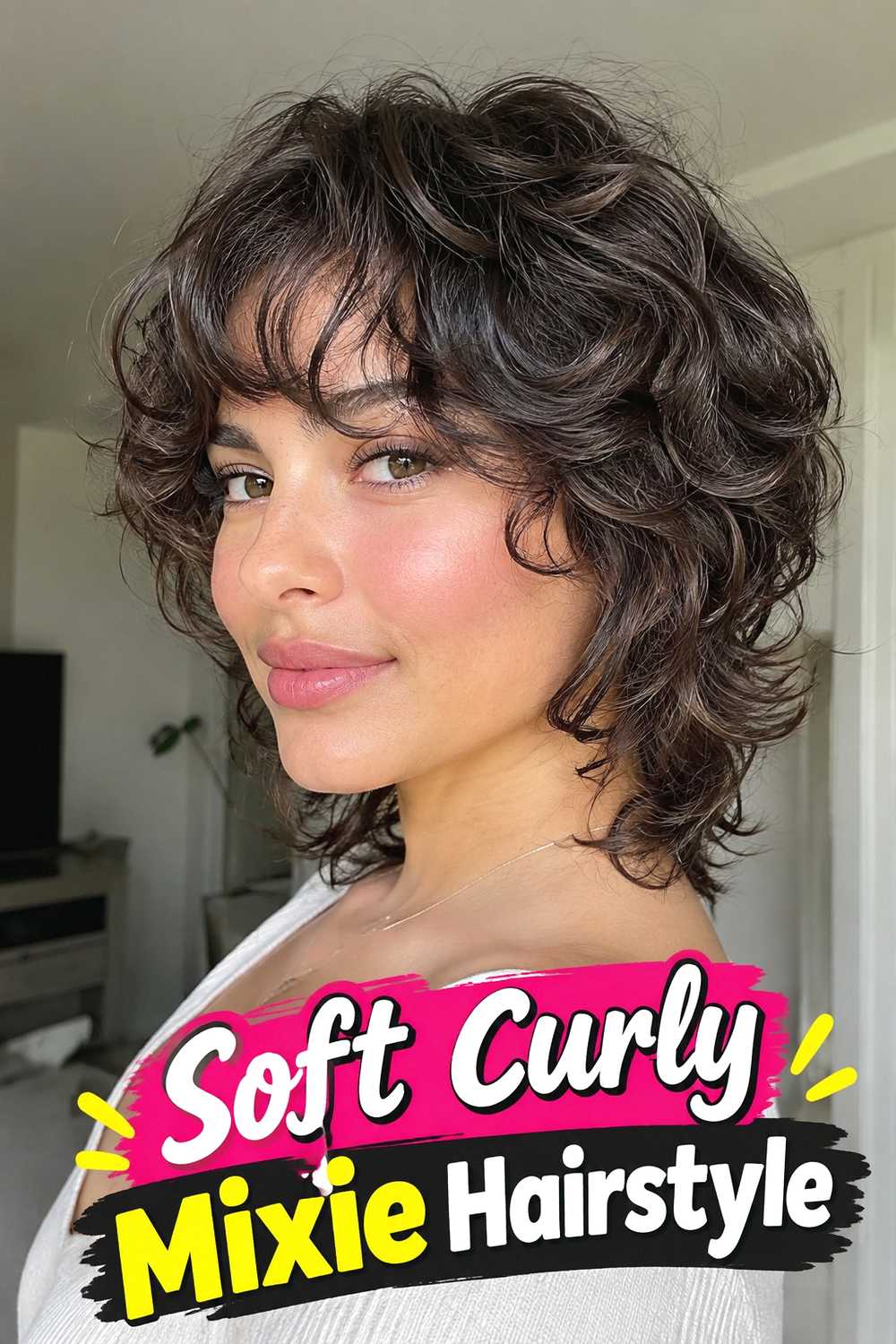
This soft curly mixie keeps the signature short-to-long shape subtle, using blended layers instead of dramatic disconnection. Curls sit lightly around the forehead and temples, build gentle volume through the crown, and extend just a little farther at the nape. The result feels closer to a relaxed pixie-shag than an extreme mullet, which makes it a wearable starting point for anyone exploring the mixie shape. The rounded curl pattern also helps soften the edges around the ears and neckline. Rather than trying to make every curl identical, let a few pieces fall at different lengths so the haircut keeps natural movement. Light definition works better than heavy hold when you want the finish to remain touchable.
Best For
This variation suits anyone who likes the idea of a mixie but wants the transitions to look soft and blended rather than sharply chopped.
2. Curly Mixie With Wispy Fringe Hairstyle
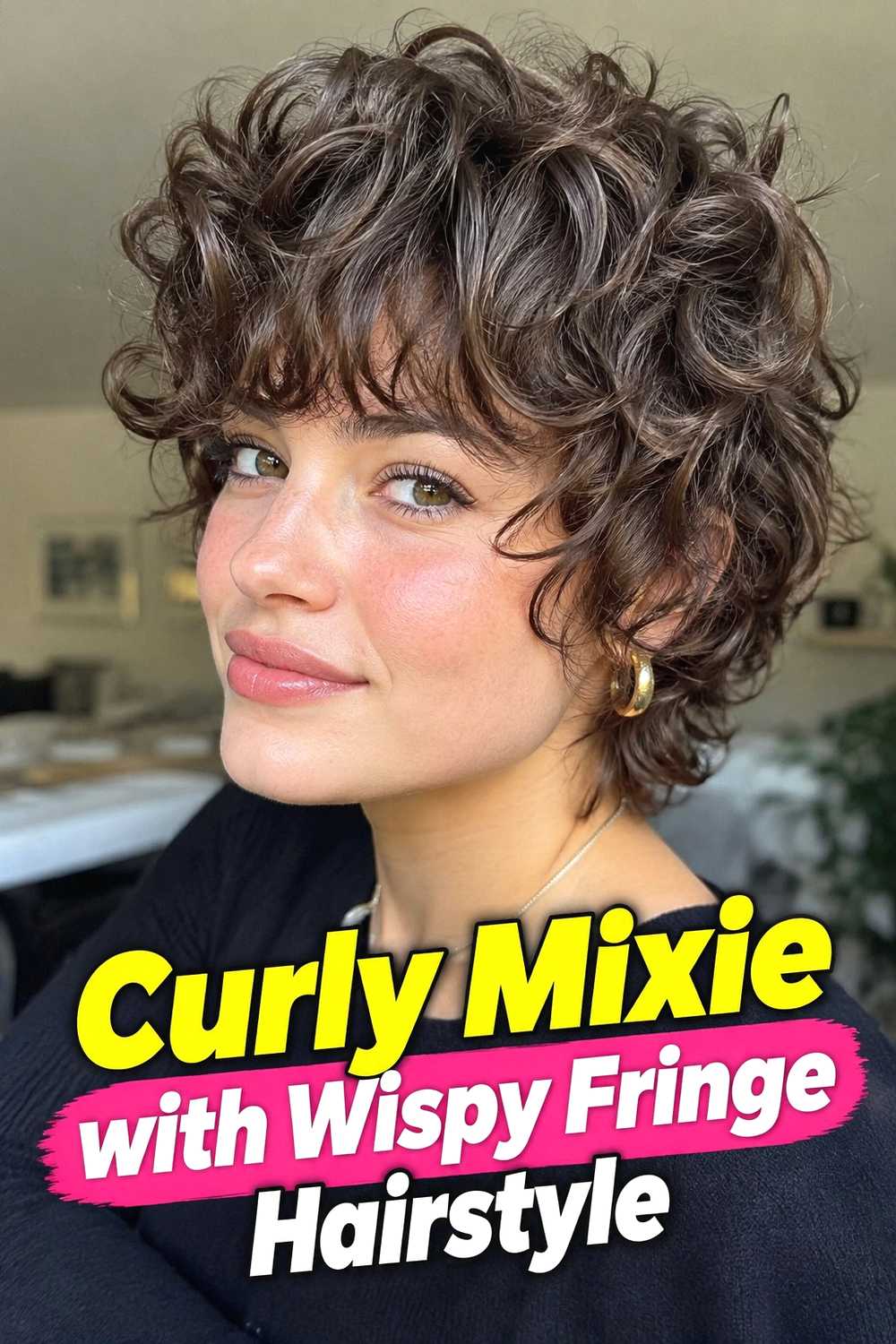
Wispy curls across the forehead create a delicate front section that balances the fuller crown and slightly longer nape. Instead of forming one dense curtain of bangs, the fringe is made from separated curl groups that land at slightly different points. This keeps the face open while still giving the haircut a clear fringe element. Around the temples, short curls connect the front to the compact sides, while the back lengthens gradually into the mixie’s characteristic nape. This style is especially attractive when the fringe retains a little natural irregularity rather than being forced into a perfectly straight line. Since curly bangs can shrink substantially, their finished dry length should guide the final shape.
Styling Notes
Refresh individual fringe curls with damp fingertips and a small amount of curl product. Avoid saturating the entire front unless it truly needs a full reset.
3. Rounded Crown Curly Mixie Hairstyle
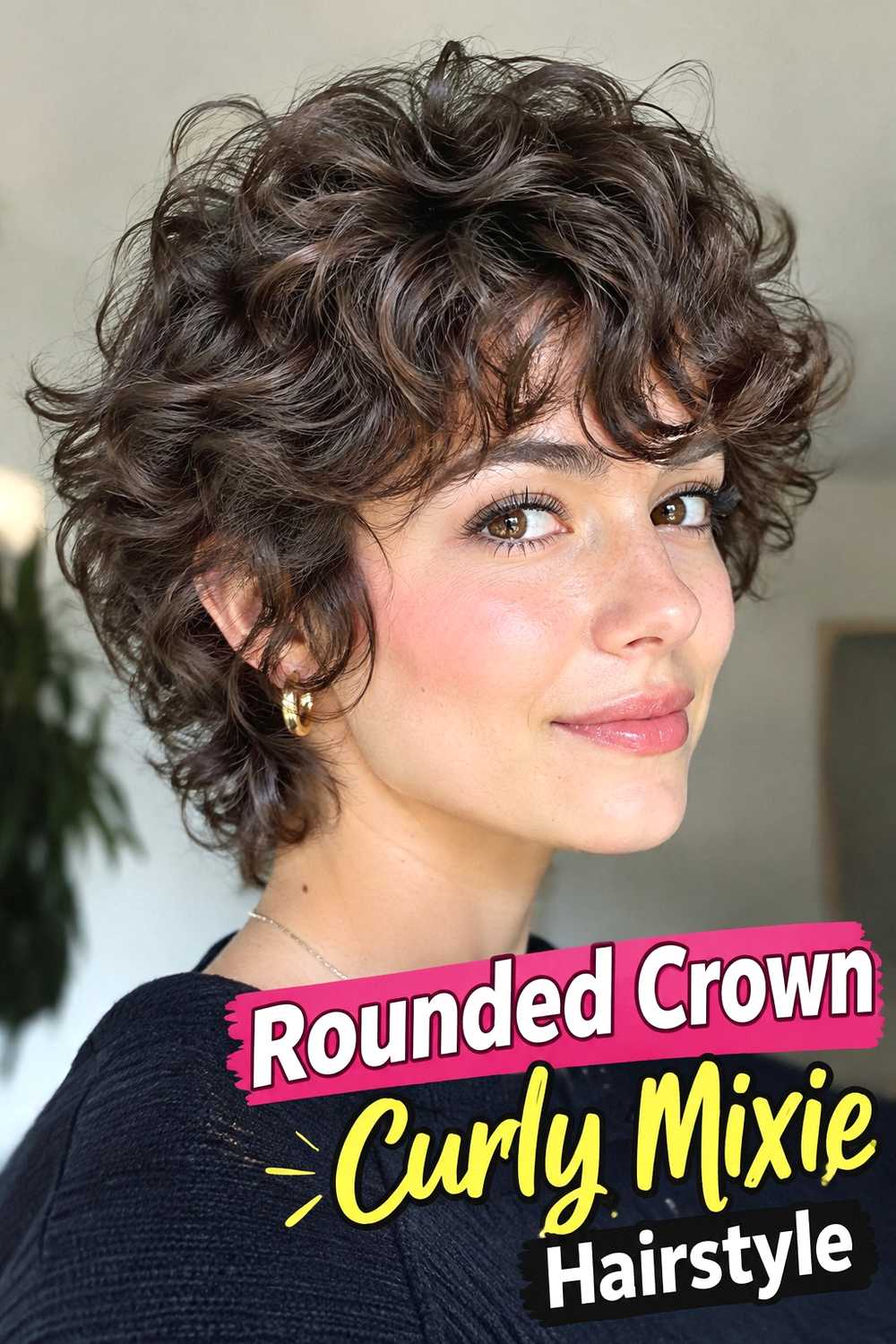
A rounded crown makes the top of a curly mixie feel plush and balanced while the sides stay closer to the head. Layers are arranged so the curls stack through the upper section instead of collapsing flat or expanding equally in every direction. Behind the ears, the hair narrows before extending slightly through the nape, creating the short-to-long progression that defines the mixie. This silhouette works particularly well for curls that naturally form springy, rounded shapes. It can also create a strong profile without requiring exaggerated height. Careful weight distribution matters, because removing too much hair from the crown can make the shape look sparse rather than softly full.
Hair Type & Length
Medium to dense curly hair often supports this rounded shape especially well. The amount of layering should still be adjusted to the curl pattern and natural volume.
4. Shaggy Curly Mixie Hairstyle
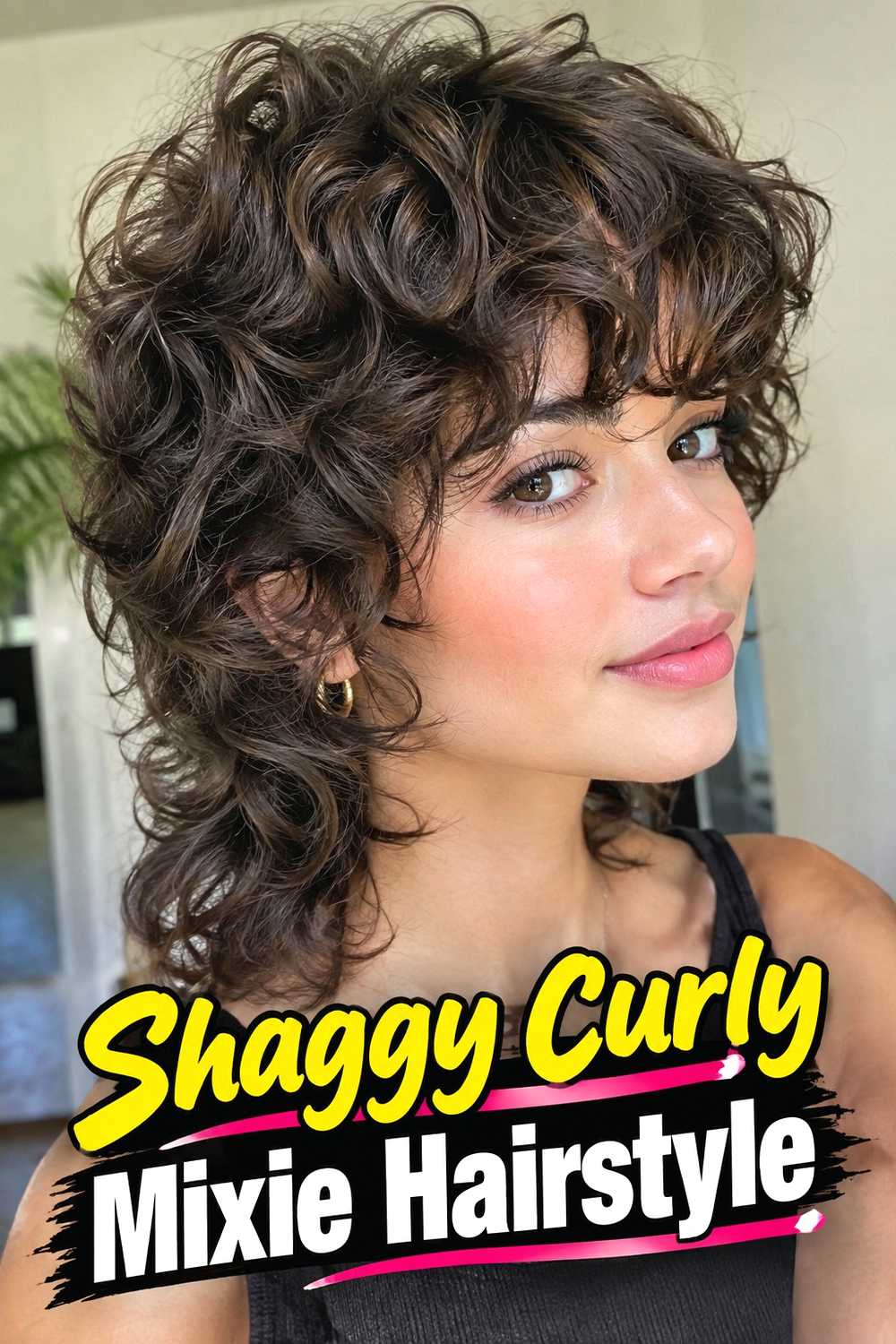
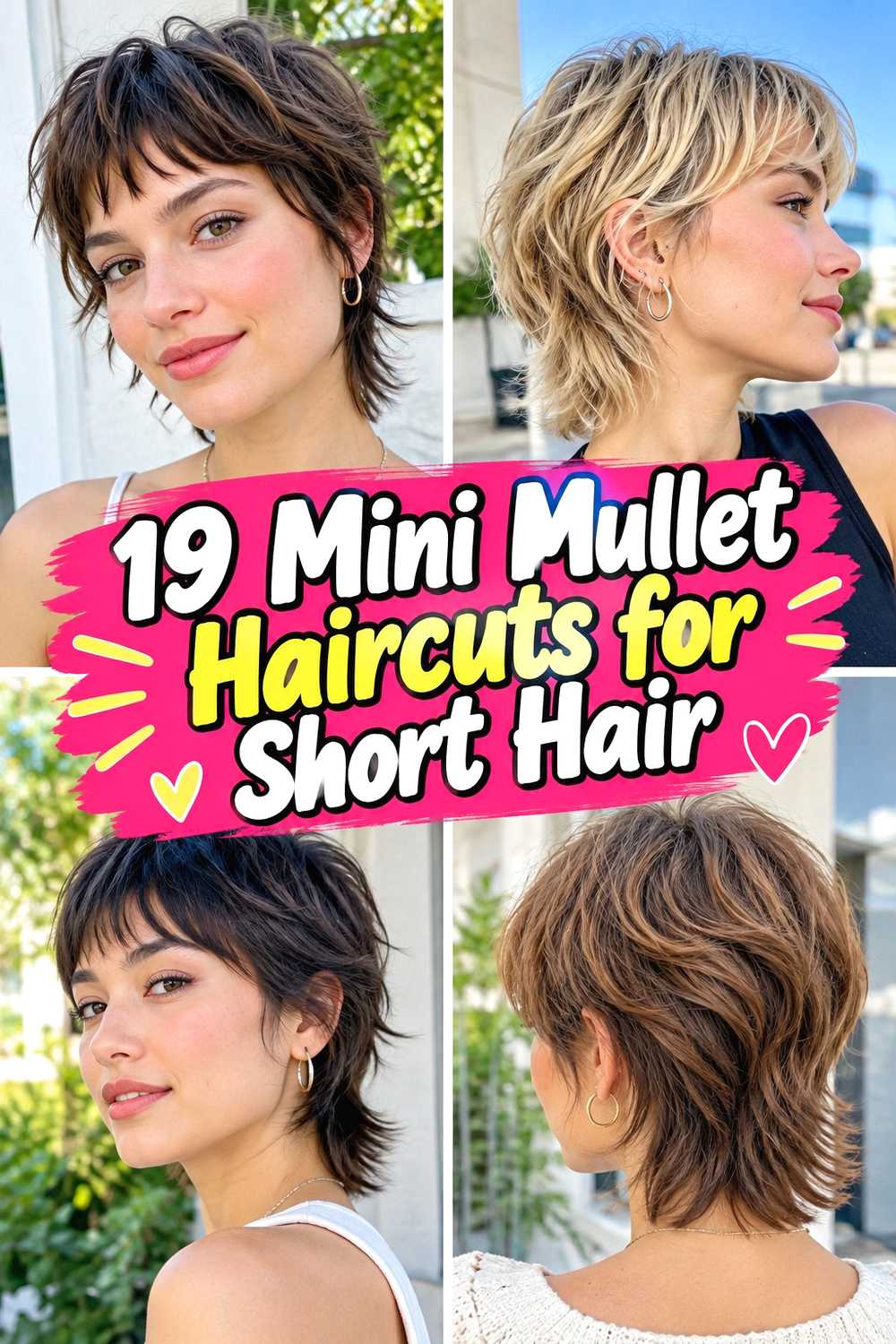
A shaggy curly mixie leans into irregular layers, visible movement, and a deliberately relaxed outline. Shorter curls through the crown create lift, while pieces around the temples and ears fall at varied lengths for a less polished finish. The nape remains longer, but instead of looking like a separate tail, it blends into the rest of the haircut through soft, broken layers. This is a great direction for someone who enjoys texture that looks lively rather than perfectly arranged. Curly hair naturally supports the shaggy effect, so styling can focus on enhancing the existing bends and coils rather than constructing the shape from scratch. The cut should still preserve enough weight to prevent the ends from becoming thin.
Why It Works
Different layer lengths give each curl more room to move, creating the loose, multidirectional texture that makes a curly shag-inspired mixie feel intentional.
5. Short Nape Curly Mixie Hairstyle
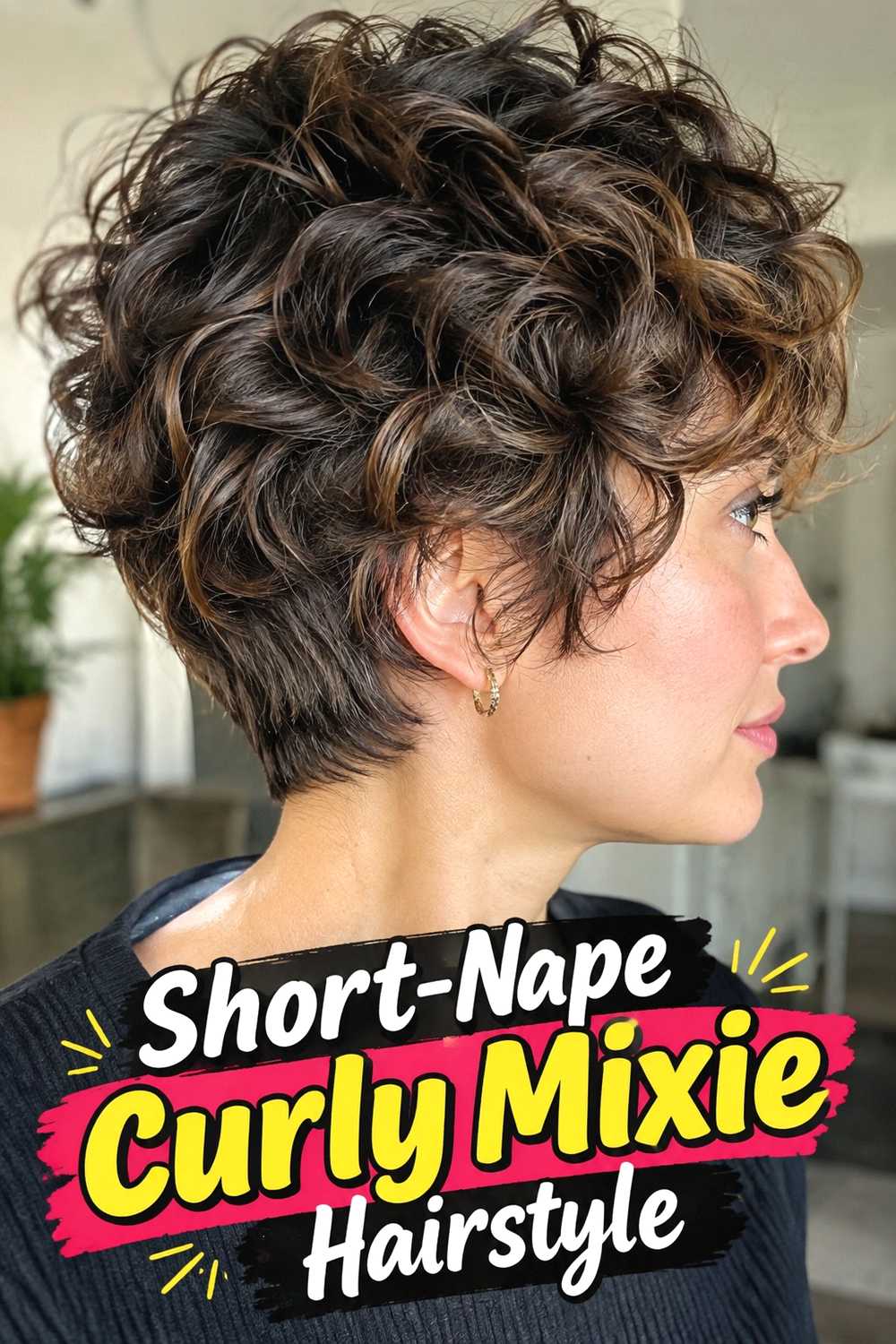
Keeping the nape relatively short makes the curly mixie feel closer to a pixie while still retaining a hint of mullet-inspired shape. The crown stays fuller and more textured, while the sides narrow around the ears and the back extends only slightly beyond them. This creates a compact silhouette that can be easier to manage if you prefer shorter hair around the neckline. Curls give the cut enough dimension that the reduced nape length does not make it feel flat or ordinary. A light fringe or a few curls directed forward can add more personality around the face. Because the outline is compact, regular perimeter shaping may be useful if you want the neckline to stay clearly defined.
Wear & Maintenance
This version can show growth sooner around the nape and ears. Small cleanup trims may maintain the silhouette without removing much length from the crown.
6. Long Nape Curly Mixie Hairstyle
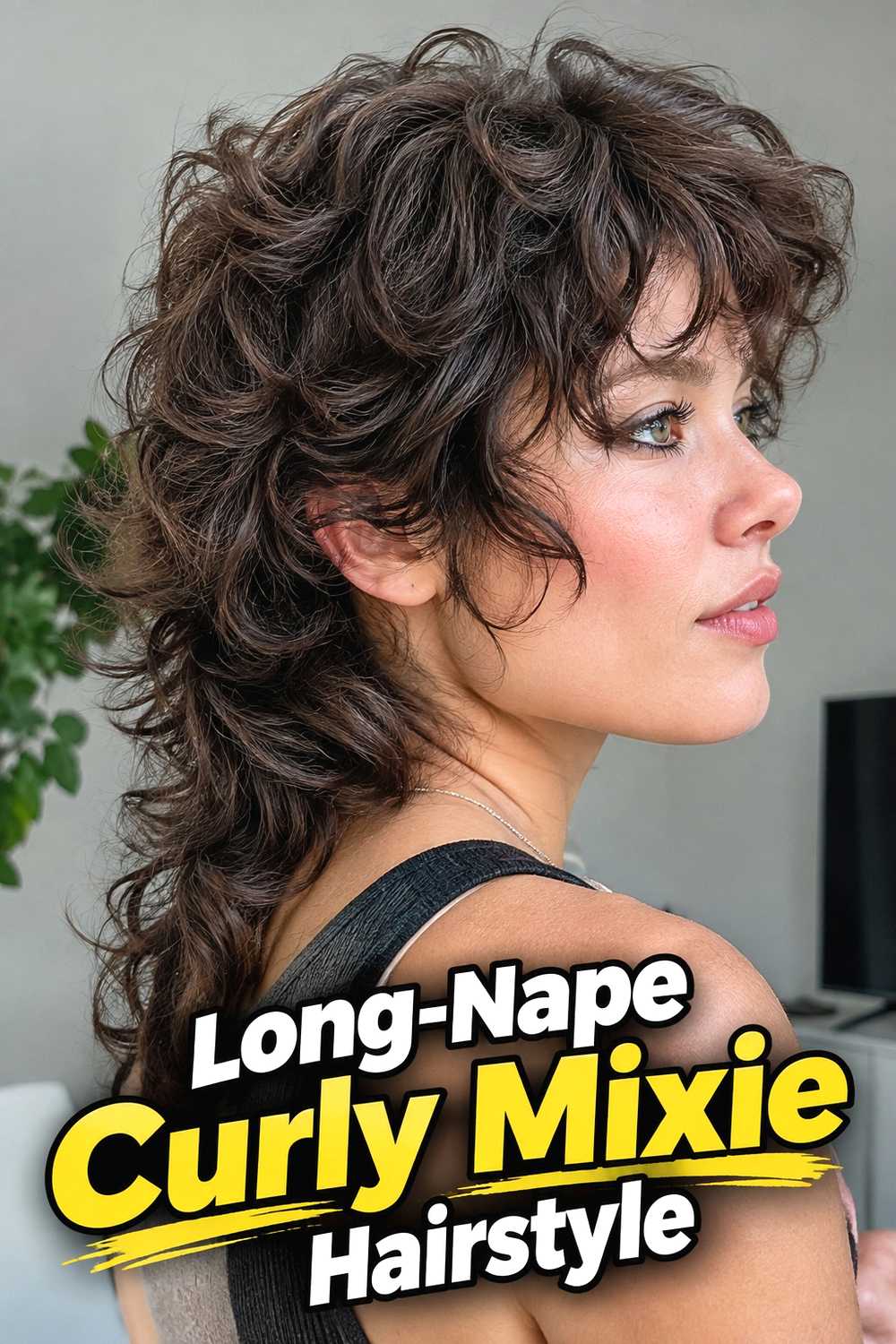
An extended nape pushes the mixie closer to its mullet influence while curly texture keeps the overall effect soft. The front and sides remain relatively cropped, but the back gradually lengthens into curls that sit lower against the neck. This creates a noticeable profile without requiring shaved sides or extreme disconnection. The longer section can be especially attractive when the curl pattern forms defined spirals because each piece adds movement along the neckline. To keep the style balanced, the crown should retain enough fullness to visually connect the front and back. If the nape becomes too heavy, selective layering can remove bulk while preserving the distinctive extra length that makes this version stand out.
Styling Notes
Apply curl product lightly through the nape and scrunch upward rather than pulling the longer curls straight. This helps preserve their spring and separation.
7. Side Swept Curly Mixie Hairstyle
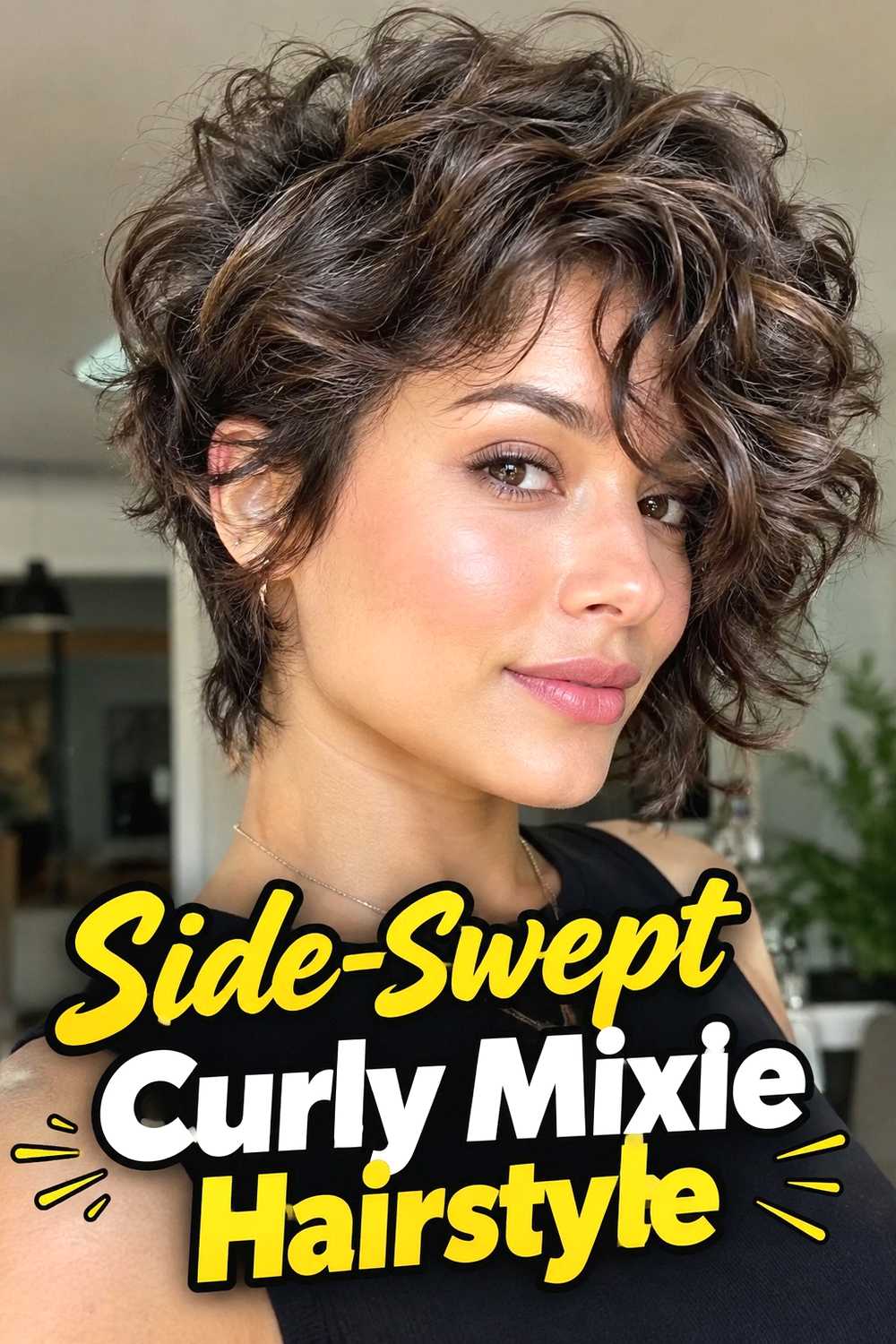
A side-swept front gives the curly mixie an asymmetrical softness while maintaining the cropped structure around the ears and temples. Longer curls near the forehead are directed toward one side, creating a gentle diagonal line instead of traditional centered bangs. The crown can remain full but controlled, while the nape extends slightly to preserve the mixie profile. This look offers flexibility because the front can be worn more open, pushed across the forehead, or tucked depending on how the curls settle. It can be especially useful when you like fringe but do not want curls constantly falling directly over both eyes. Letting the side sweep follow the hair’s natural growth direction often makes daily styling easier.
Best For
Choose this variation if you enjoy asymmetrical face framing and want a fringe effect that can be repositioned more easily than short straight-across bangs.
8. Curly Mixie With Micro Fringe Hairstyle
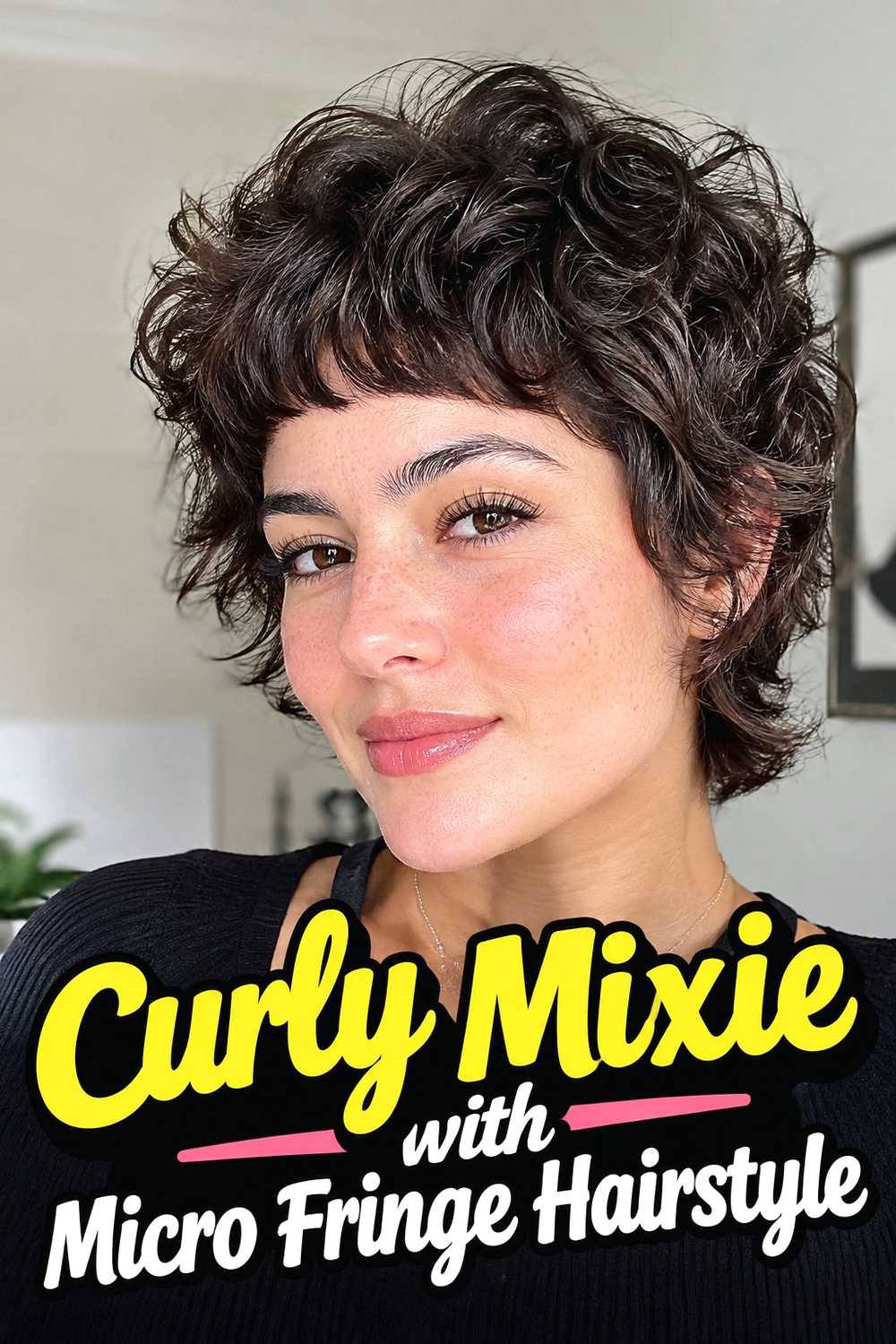
A micro fringe adds a bold little detail to a curly mixie without overwhelming the rest of the haircut. Short curls sit well above the brows, leaving plenty of forehead visible while the crown builds into fuller texture. Around the ears, the hair stays compact before lengthening slightly at the back. The short fringe works best when individual curls are allowed to spring naturally instead of being stretched into one precise horizontal line. Because even a small amount of shrinkage can change where these tiny curls land, cutting and shaping the fringe with its dry behavior in mind is particularly important. The contrast between the cropped front and fuller crown gives the style a playful, graphic quality.
Pro Tip
Keep the micro fringe soft and lightly separated. Heavy gel or excessive manipulation can turn the small curls into stiff pieces instead of airy texture.
9. Voluminous Curly Mixie Hairstyle
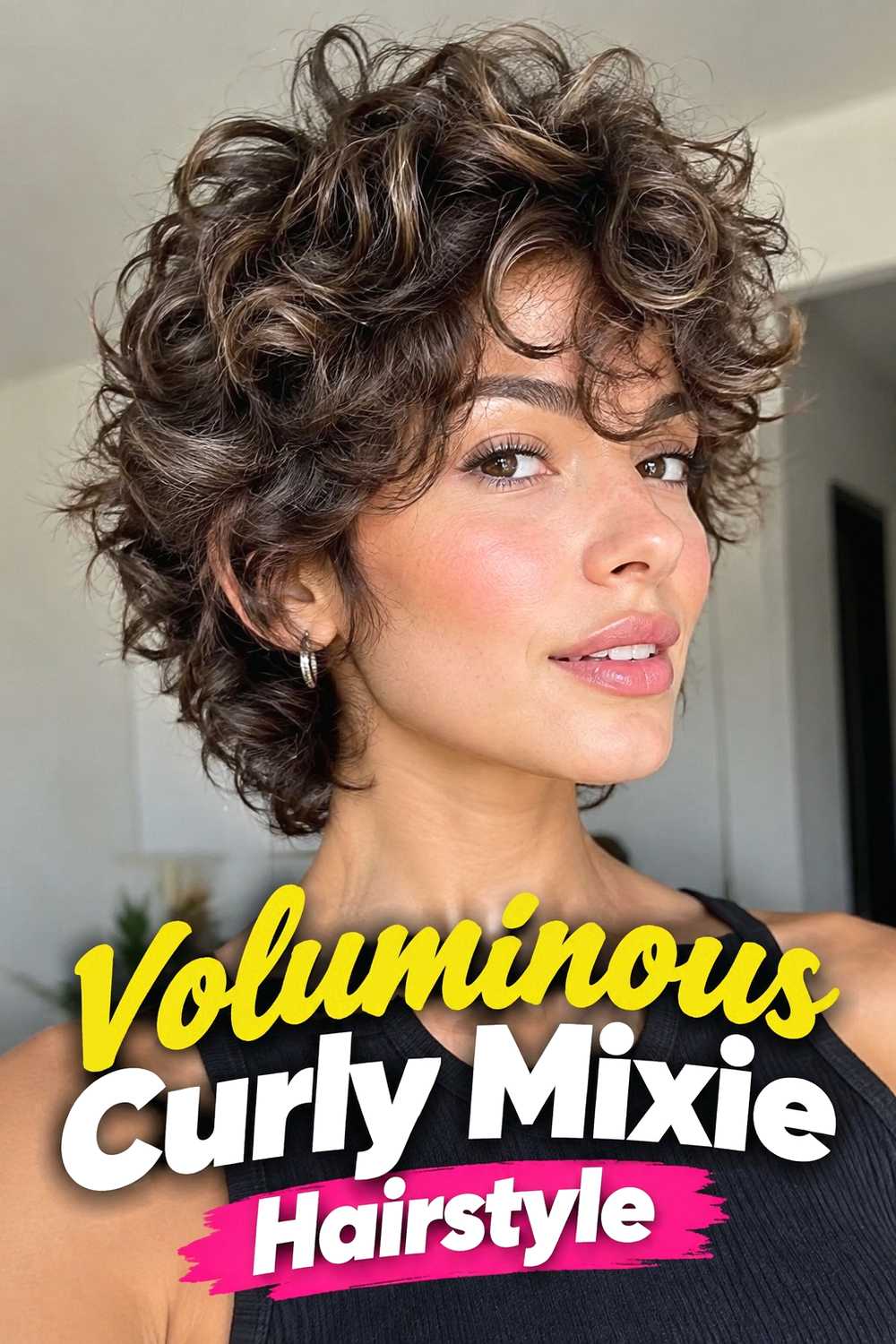
This version celebrates fullness by building noticeable volume through the top and upper sides while still maintaining a narrower perimeter near the ears. The crown curls are left long enough to expand and stack naturally, creating a generous rounded shape. Toward the back, slightly longer curls form a soft nape that keeps the haircut in mixie territory. The key is distributing volume intentionally instead of letting the entire haircut expand into one uniform halo. Strategic layering can preserve density while directing the fullness upward and outward in the most flattering areas. This style works well for anyone who enjoys visible texture and does not want to flatten their natural curl pattern for the sake of a more traditional pixie silhouette.
Styling Notes
Dry with minimal disturbance and lift the roots only after the curls have set. Too much early fluffing can reduce definition before the shape is established.
10. Tapered Side Curly Mixie Hairstyle
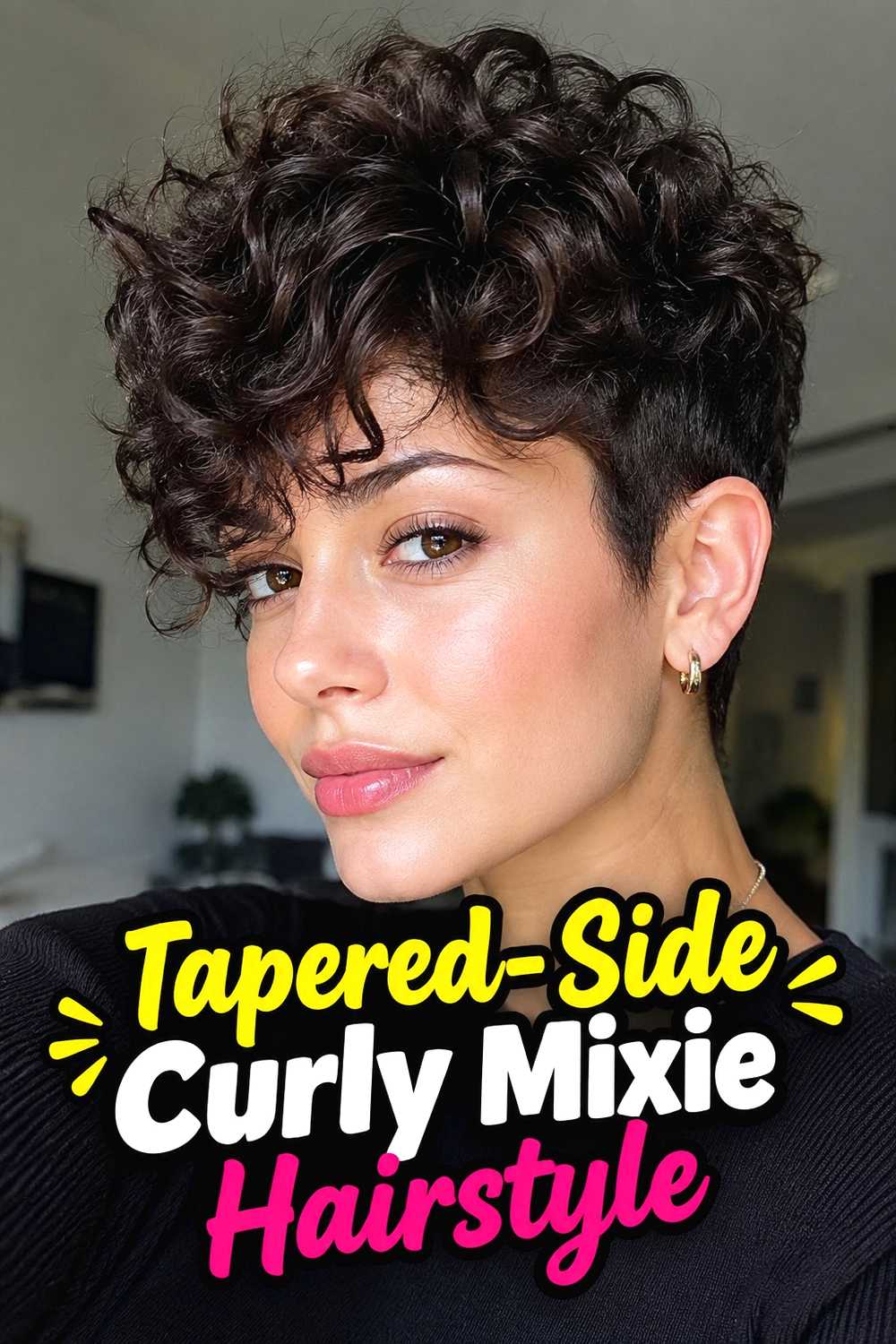
Tapered sides give a curly mixie a cleaner outline while leaving the top and back free to show more texture. The curls become gradually shorter around the temples and ears, creating a neat frame that contrasts with the fuller crown. At the nape, extra length preserves the mullet-inspired element without making the sides feel bulky. This structure can be particularly useful for dense curls because it reduces weight in targeted areas while keeping the hairstyle expressive on top. The taper does not need to be extremely close; even a gentle reduction in length can sharpen the profile. Letting a few natural curls remain around the sideburn area keeps the finish soft rather than overly clipped.
Wear & Maintenance
The tapered sections may need more frequent reshaping than the crown. You can let the top grow while maintaining only the sides and perimeter between fuller cuts.
11. Piecey Curly Mixie Hairstyle
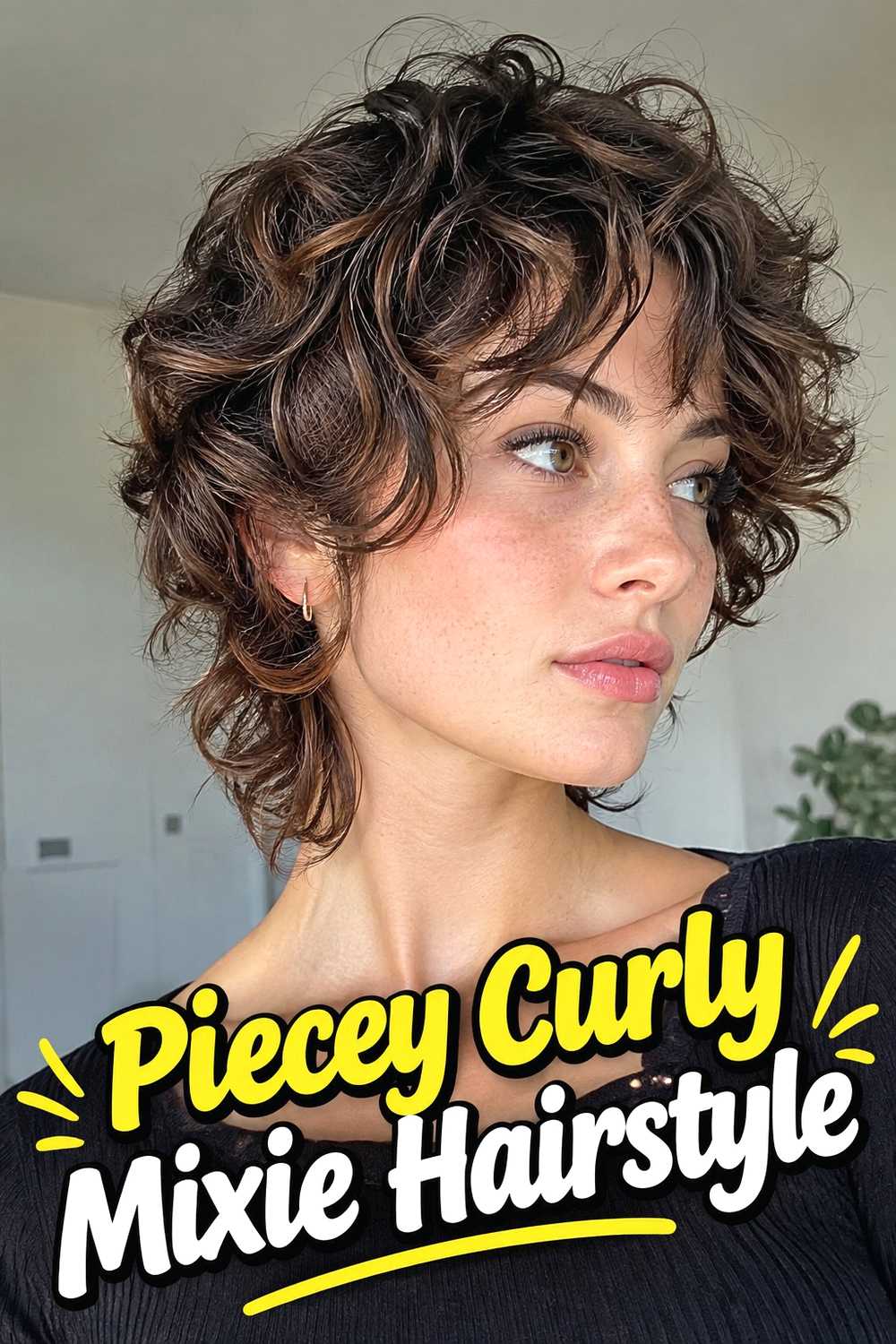
A piecey curly mixie emphasizes individual curl groups instead of one continuous rounded shape. Selected curls around the fringe, temples, crown, and nape are separated enough to create visible texture without making the hair look sparse. This gives the haircut a slightly edgy finish while natural curl movement keeps it softer than a heavily razored straight-hair mixie. The front can include uneven fringe pieces, while the back uses longer curls to reinforce the mullet influence. The look is most successful when only some sections are defined more strongly than others. Trying to isolate every curl can make the style look too deliberate. A mix of clumped curls and looser strands creates more believable dimension.
Styling Notes
Use a small amount of styling cream or gel on selected curl groups. Once dry, gently separate only a few pieces to create definition and movement.
12. Defined Ringlet Mixie Hairstyle
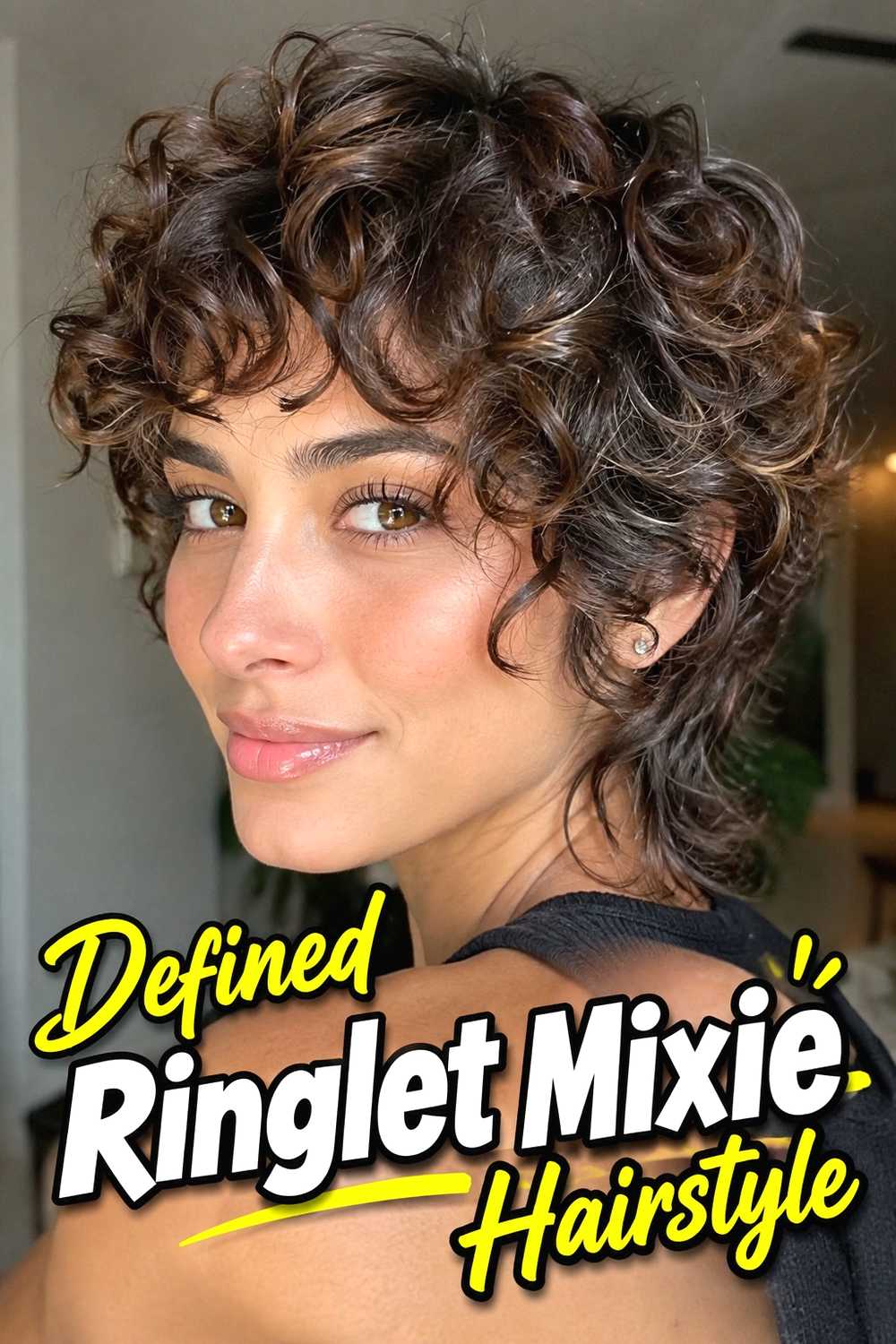
Defined ringlets make the structure of a mixie especially clear because each curl helps reveal the layers. Shorter spirals frame the forehead and temples, medium-length curls build through the crown, and longer ringlets extend toward the nape. The result has plenty of visual detail while remaining compact enough to feel like a short haircut. This variation works best when definition is encouraged without creating hard, crunchy curls. Leaving some natural variation between ringlet sizes keeps the finished style realistic and prevents the haircut from appearing overly arranged. Because strong definition can reduce visible volume, gently lifting the roots after the hair is fully dry can help balance the shape without disturbing the ends.
Hair Type & Length
Naturally springy curls that form clear ringlets suit this look especially well. The haircut should allow enough length for the curl pattern to complete its shape after drying.
13. Soft Mullet Curly Mixie Hairstyle
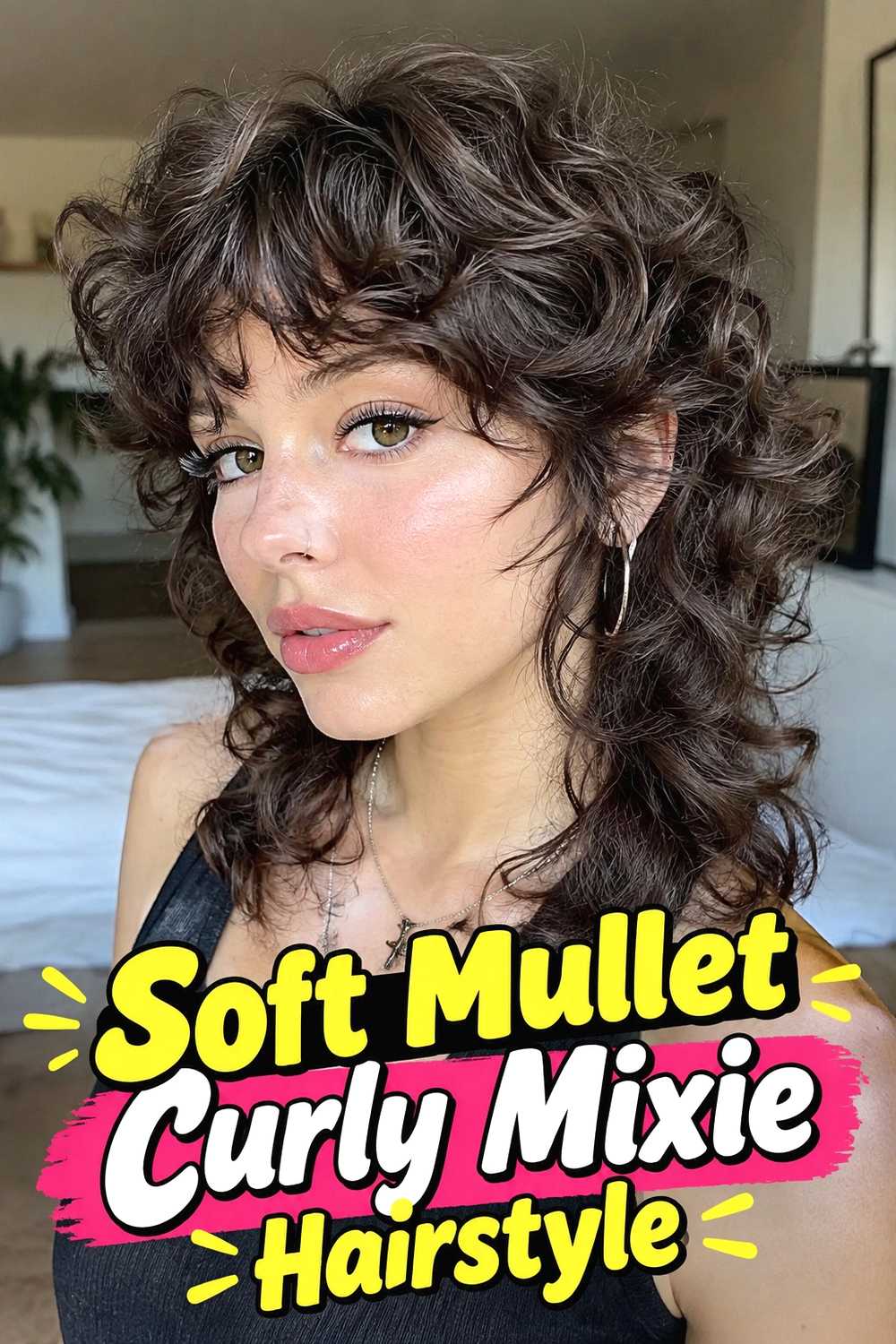
A soft mullet-inspired mixie makes the back length more noticeable while keeping the sides and transitions gentle. Short curls frame the face and sit around the ears, medium layers create body through the crown, and the nape drops into longer curls that rest naturally against the neck. Unlike a highly disconnected mullet, this version blends the lengths enough that the overall silhouette feels cohesive. It is a good choice for anyone who wants the identity of a mullet without sharp steps or shaved sections. The natural curl pattern does much of the work, softening the perimeter and making the back movement feel fluid. Light layering helps prevent the nape from becoming too dense as it grows.
Why It Works
Curls naturally blur the transition between short and long sections, allowing the mullet influence to remain visible without making the haircut look harsh.
14. Air Dried Curly Mixie Hairstyle
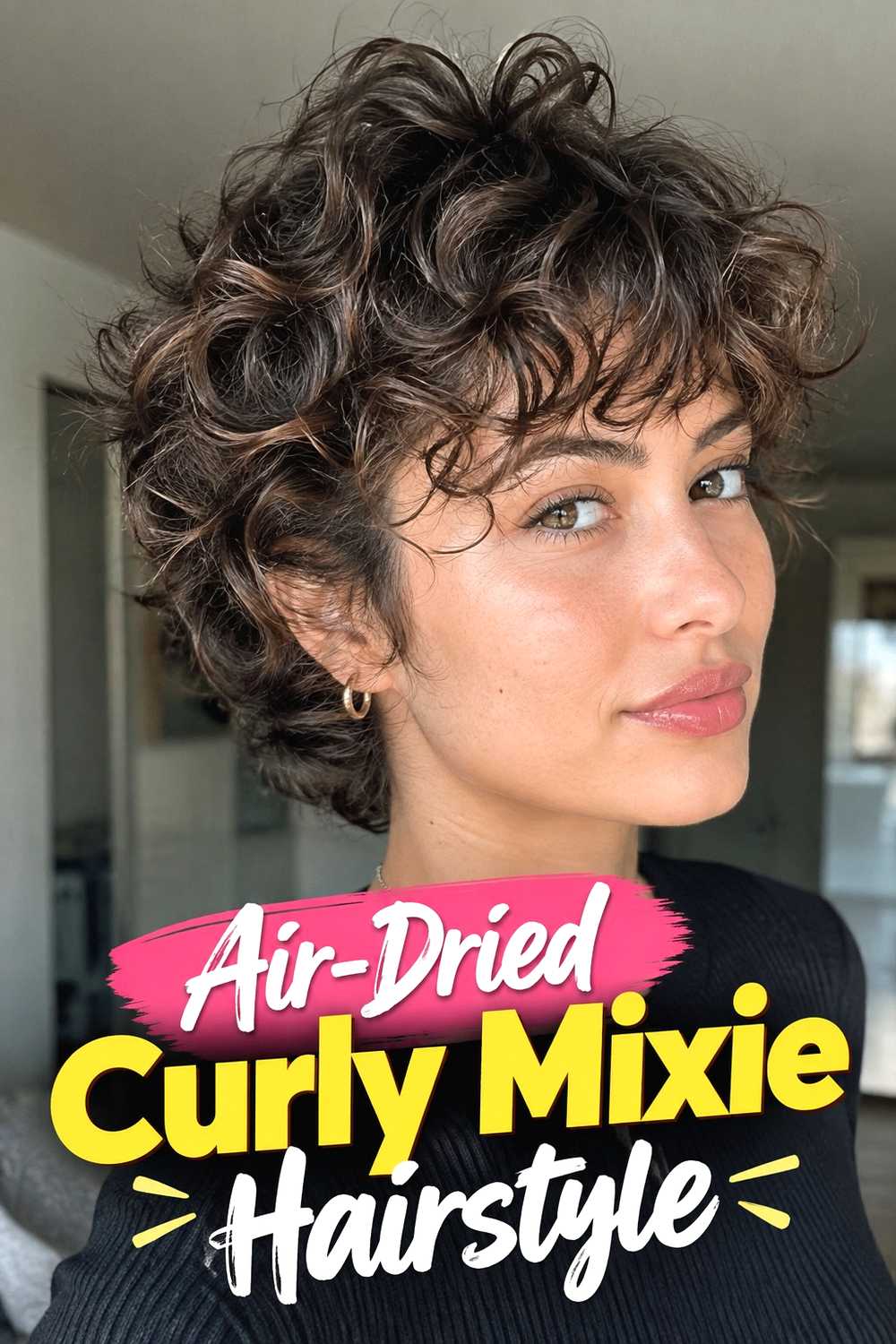
An air-dried mixie is designed around the way the curls naturally settle rather than a highly manipulated finish. The haircut uses thoughtful layers to encourage lift through the crown, softness around the ears, and a slightly longer nape without relying on extensive heat styling. Once product is applied, the curls can be arranged lightly and then allowed to dry with minimal touching. This makes the finished texture feel individual and relaxed, with some curls tighter and others softer. The style is especially appealing if you prefer a routine that prioritizes natural movement over precision. The cut itself needs to provide enough structure that the silhouette still looks intentional even when the hair is not restyled into an identical shape each day.
Wear & Maintenance
Refresh only flattened or frizzy areas between washes. A little water and product on selected curls can preserve the overall shape without fully resetting the hairstyle.
15. Curly Mixie With Face Framing Layers Hairstyle
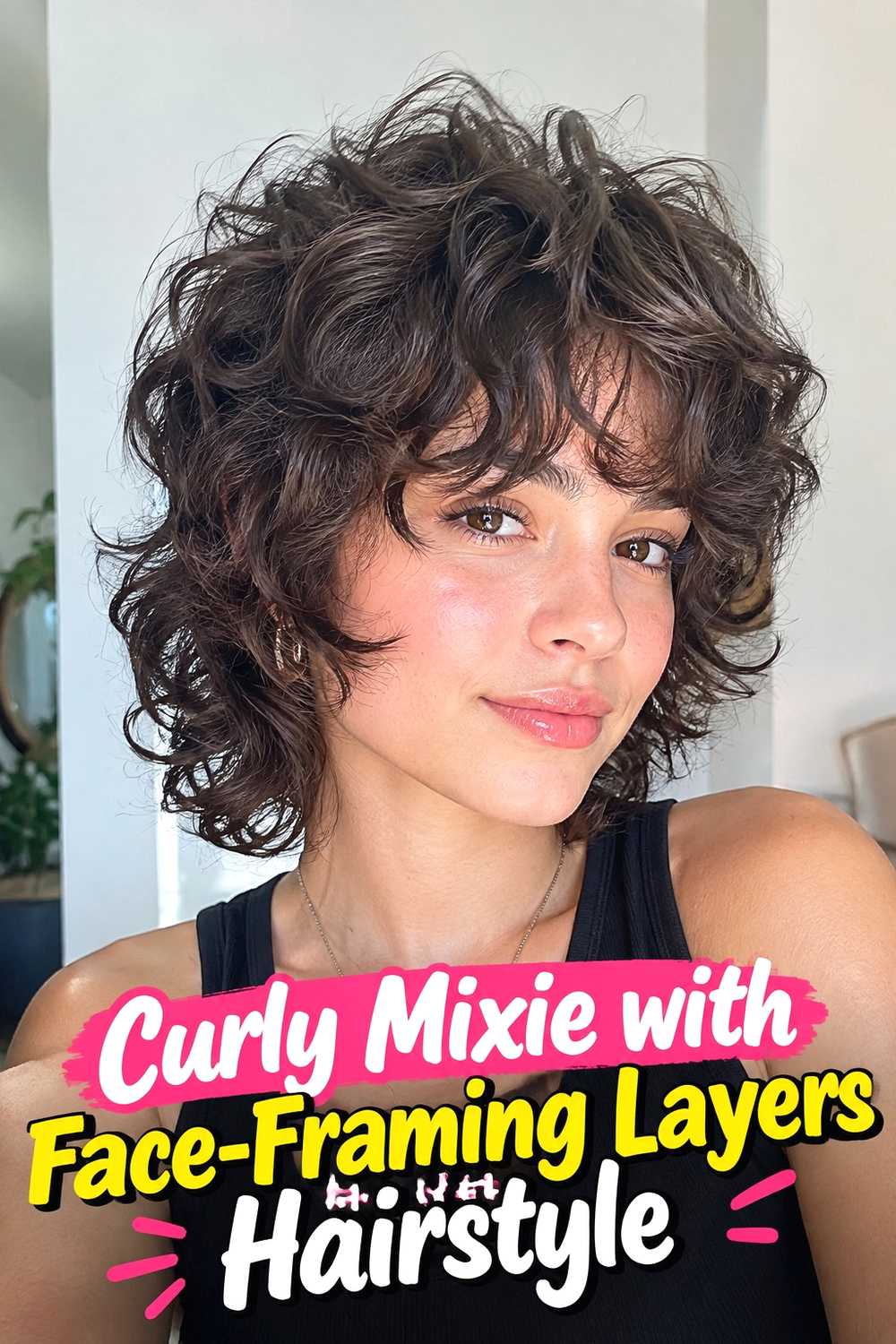
Face-framing layers bring extra attention to the front of a curly mixie while keeping the crown and nape balanced. Shorter curls begin near the forehead or cheek area, then gradually lengthen toward the ears and sides. This creates a smooth transition into the fuller top rather than separating the bangs from the rest of the cut. At the back, slightly extended curls provide enough nape length to preserve the mixie silhouette. The layered front is particularly useful if you want movement around the face without committing to one fixed fringe length. Individual pieces can fall forward, split naturally, or be tucked back depending on the day. Dry shaping helps ensure those front curls land where expected after shrinkage.
Best For
This variation works well for anyone who wants flexible face framing and a softer alternative to a clearly defined straight-across curly fringe.
16. Fluffy Curly Mixie Hairstyle
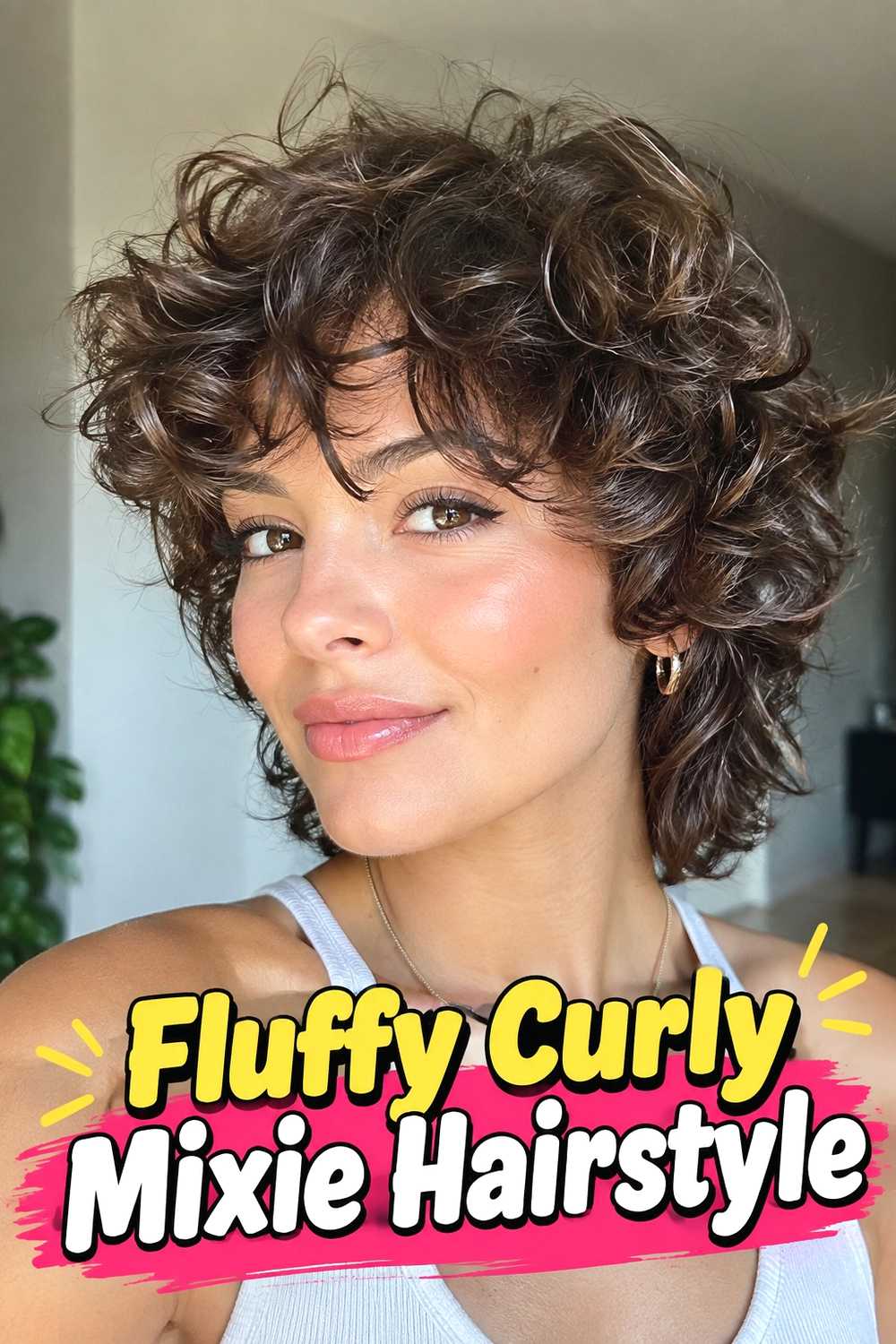
A fluffy curly mixie focuses less on perfect curl definition and more on soft, touchable volume. The crown is allowed to expand, while the sides remain somewhat controlled so the mixie structure does not disappear. A few loosely defined curls around the forehead and ears keep the shape recognizable, and the nape extends into airy textured pieces rather than a dense tail. This finish can be especially effective on curls that naturally become fuller on second- or third-day hair. Instead of repeatedly wetting everything to restore perfect ringlets, gentle root fluffing and selective refreshing can enhance the lived-in appearance. Maintaining some distinction between the compact sides and fuller top is what keeps the style from simply becoming a rounded short curly cut.
Styling Notes
Lift the roots with your fingertips or a pick once the hair is completely dry. Keep the ends mostly undisturbed so they retain enough curl shape to define the layers.
17. Retro Curly Mixie Hairstyle
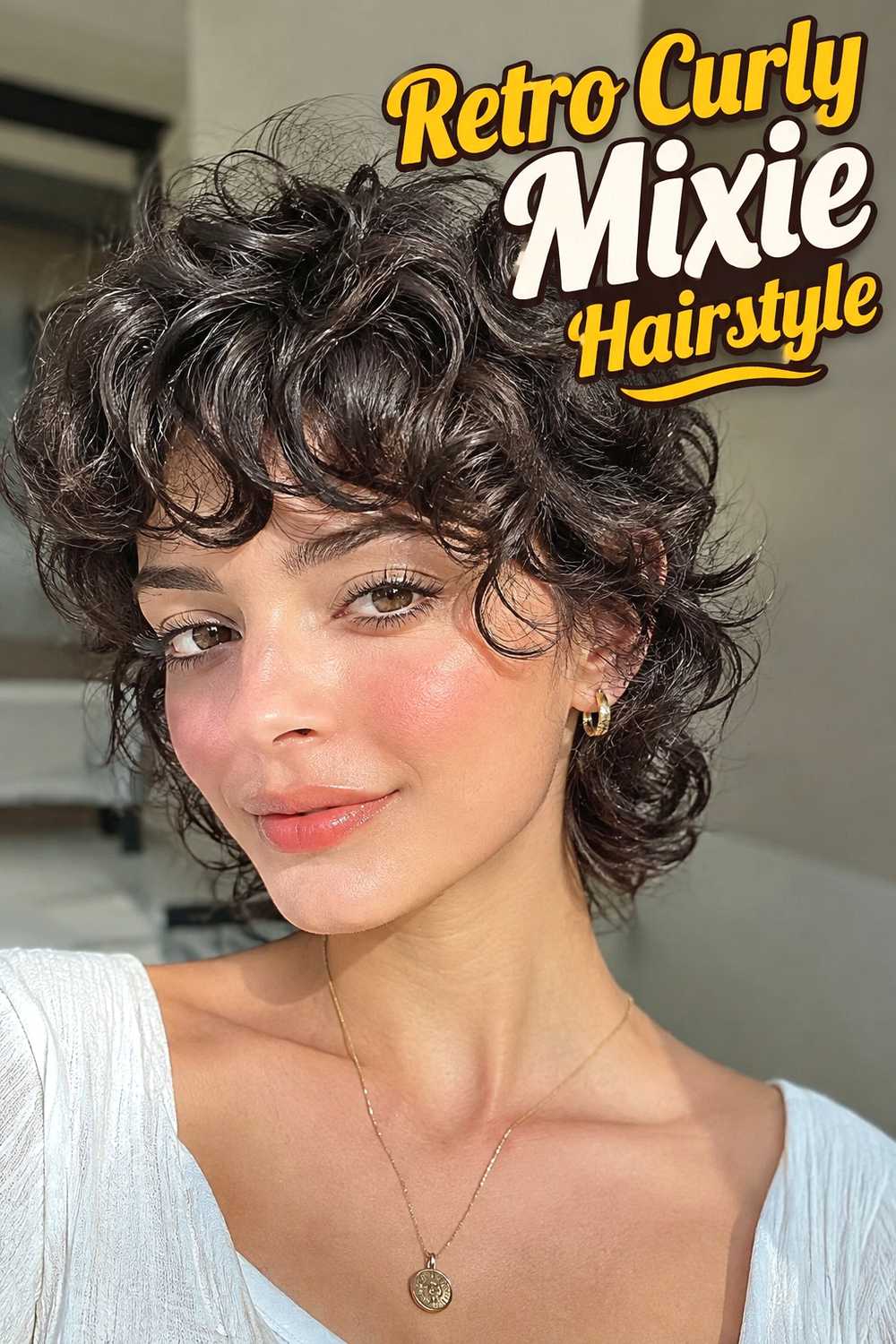
A retro curly mixie brings more visible movement around the ears and nape, borrowing from vintage pixie-mullet and shag silhouettes without looking costume-like. The crown carries springy volume, while curls around the sides can flick slightly outward instead of being tucked completely flat. Longer back pieces continue that movement along the neckline, creating a playful profile. A softly curved fringe or short forward curls help tie the shape together at the front. The key to making the retro influence feel current is avoiding excessive stiffness. Natural curl variation, touchable texture, and an imperfect perimeter keep the style fresh. It is a fun choice for someone who enjoys distinctive silhouettes and visible styling personality.
Pro Tip
Encourage only a few curls near the ears and nape to kick outward. Too much uniform flipping can make the retro reference feel overly literal.
18. Grown Out Curly Mixie Hairstyle
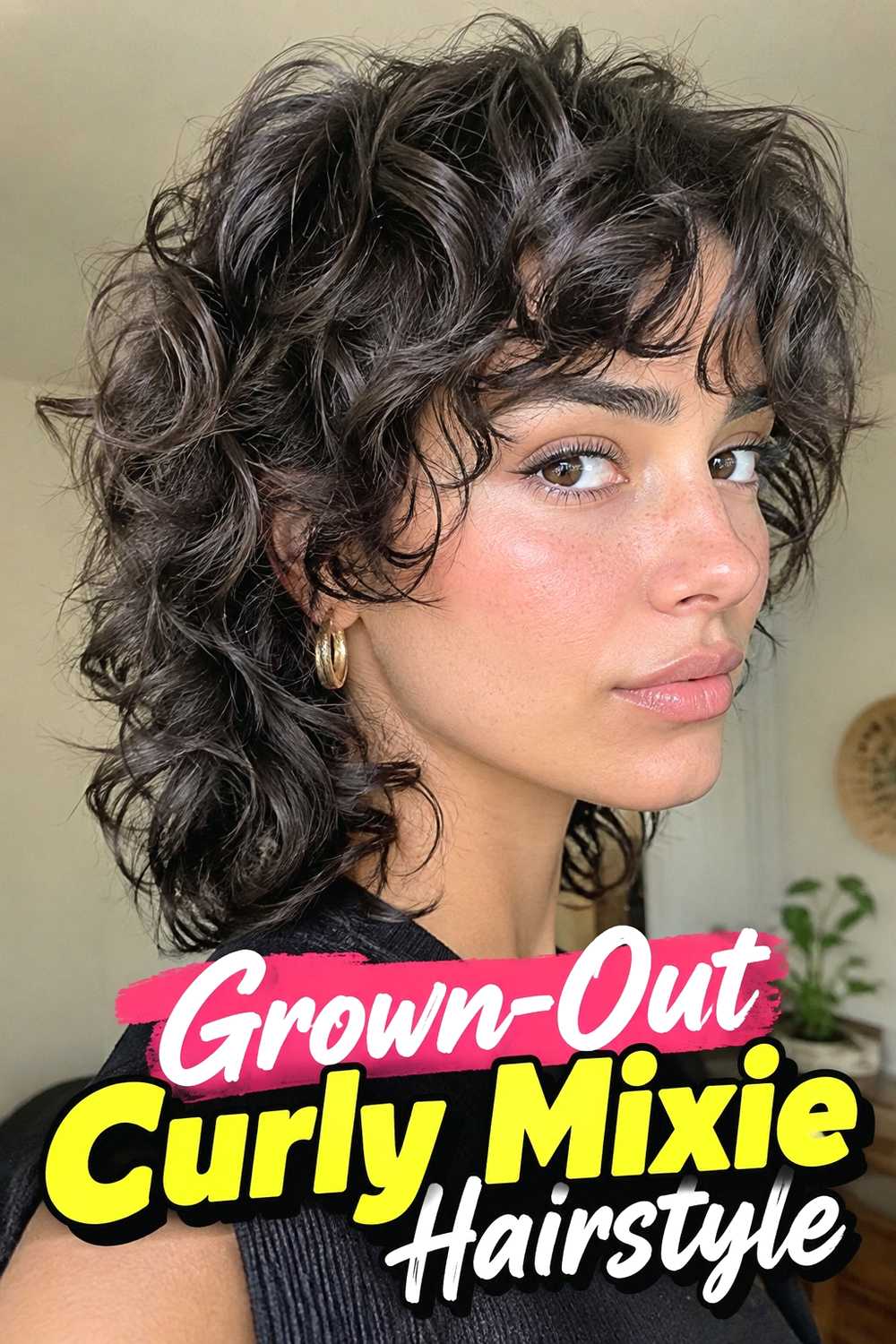
The grown-out curly mixie embraces extra length rather than constantly trimming the haircut back into a short pixie. The fringe becomes softer and longer, curls around the ears begin to loosen into small side layers, and the nape develops a more obvious shaggy extension. Because curly texture naturally disguises uneven growth, the transition can feel intentional when the haircut is lightly reshaped along the way. This version works well if you want a lower-pressure maintenance schedule or are gradually moving toward a short shag or curly bob. Removing occasional bulk around the crown and sides can preserve the mixie proportions while letting the overall length develop. The finished look should feel relaxed rather than over-controlled.
Wear & Maintenance
Focus trims on balancing weight instead of shortening every section equally. That allows the nape and face-framing pieces to continue growing while the silhouette stays readable.
How to Choose the Right Look
Start with your natural curl pattern and the amount of volume you enjoy. Defined ringlet, rounded crown, and voluminous mixies highlight structured curls, while fluffy, shaggy, and air-dried versions embrace a looser finish.
Next, think about fringe. Wispy bangs create soft coverage, micro fringe makes a stronger statement, side-swept curls provide flexibility, and face-framing layers offer the easiest option if you do not want a traditional bang.
The nape also changes the overall personality of the haircut. A short nape keeps the style close to a pixie, while long-nape and soft mullet versions emphasize the mixie’s longer-back proportions. If you are growing out a pixie, a grown-out mixie can make transitional length part of the design.
Maintenance matters too. Tapered sides and micro fringes tend to show growth faster, while shaggy or longer shapes can often tolerate more time between major reshaping appointments. Always consider shrinkage when discussing length, especially around the forehead and nape.
Final Thoughts
Curly mixie haircuts can be soft, bold, fluffy, defined, shaggy, or strongly mullet-inspired depending on how the layers are placed. Rather than forcing curls into one fixed shape, use their natural spring and movement to guide the silhouette. Choosing the right balance of fringe, crown volume, side length, and nape length will make the haircut easier to wear and maintain.
FAQs
1. What is a curly mixie haircut?
A curly mixie combines the compact proportions of a pixie with longer, layered sections inspired by a mullet, especially through the crown and nape.
2. Does a mixie work with naturally curly hair?
Yes. Natural curls can soften the haircut’s short-to-long transitions and add volume through the crown. Layer placement should reflect the curl pattern and shrinkage.
3. How short should the nape be on a curly mixie?
It depends on the desired effect. A shorter nape creates a pixie-like shape, while extra length makes the mullet influence more noticeable.
4. Can I have curly bangs with a mixie?
Yes. Wispy, micro, side-swept, and longer face-framing curly fringes can all work. Their dry length should be considered carefully because curls often shrink after drying.
5. How do I style a curly mixie without losing volume?
Apply curl products without overloading the roots, let the hair dry with minimal disturbance, and gently lift the crown only after the curls are fully set.
Save your favorite curly mixie haircut ideas and share them for inspiration before your next textured short-hair refresh.